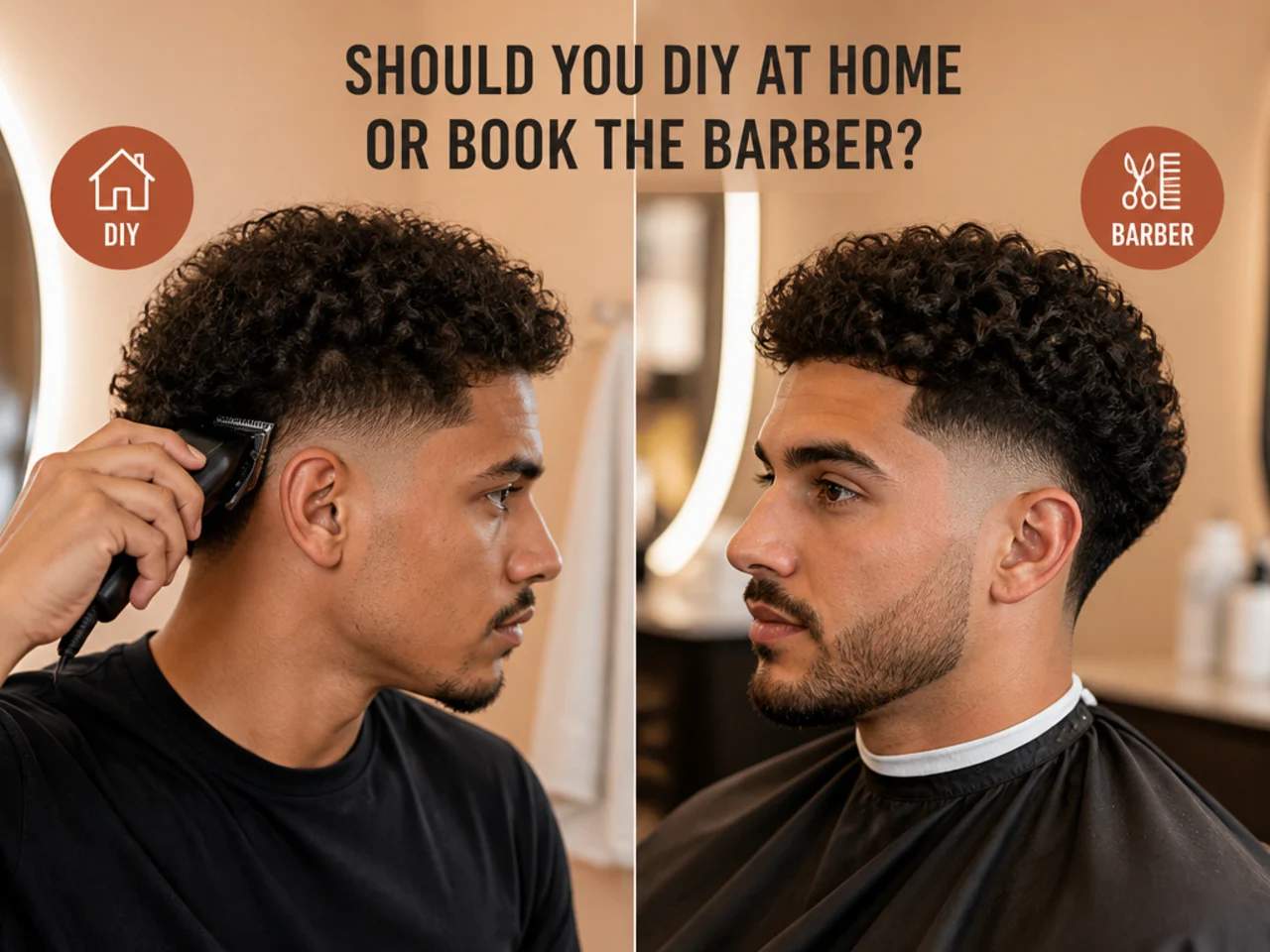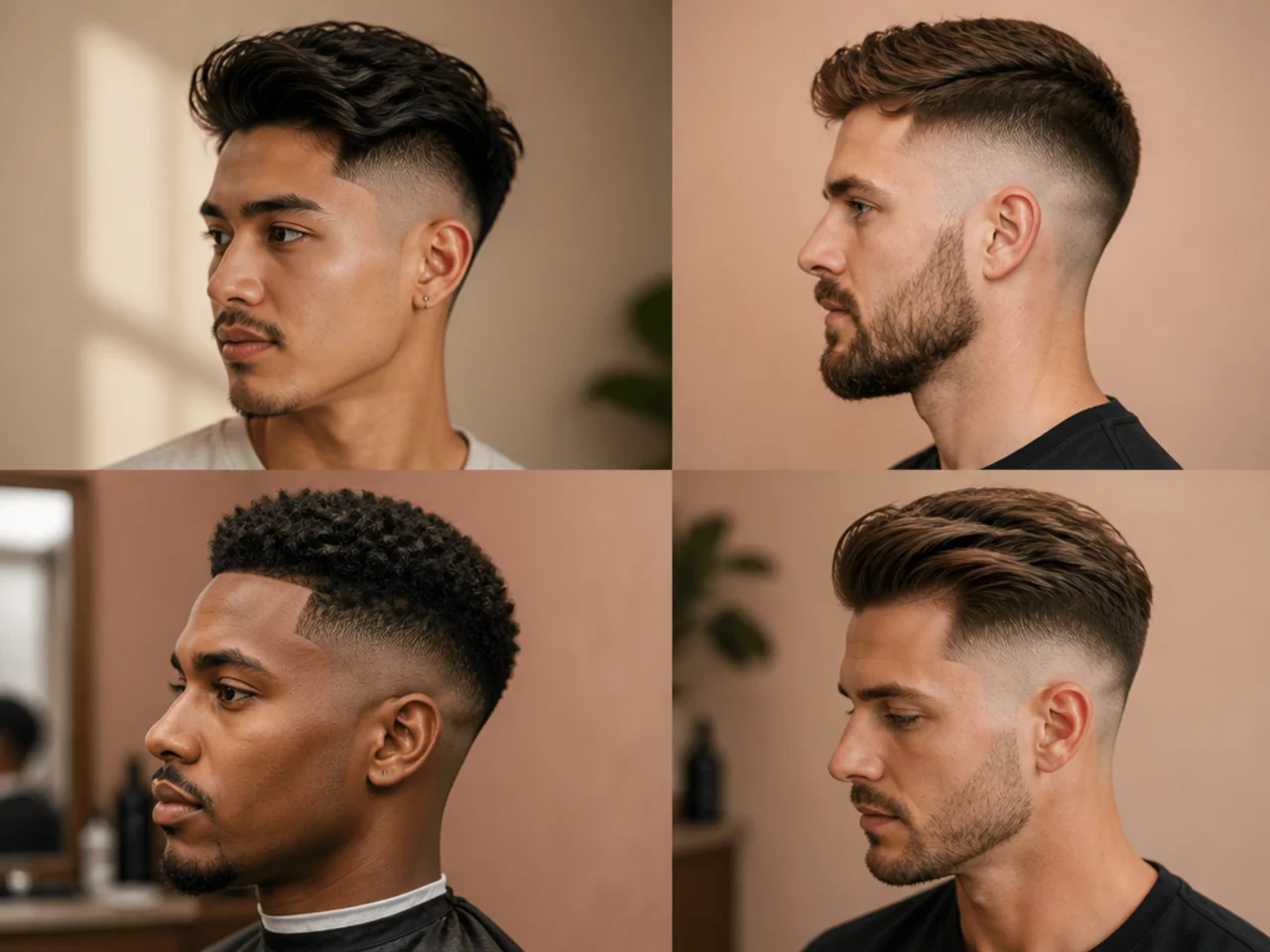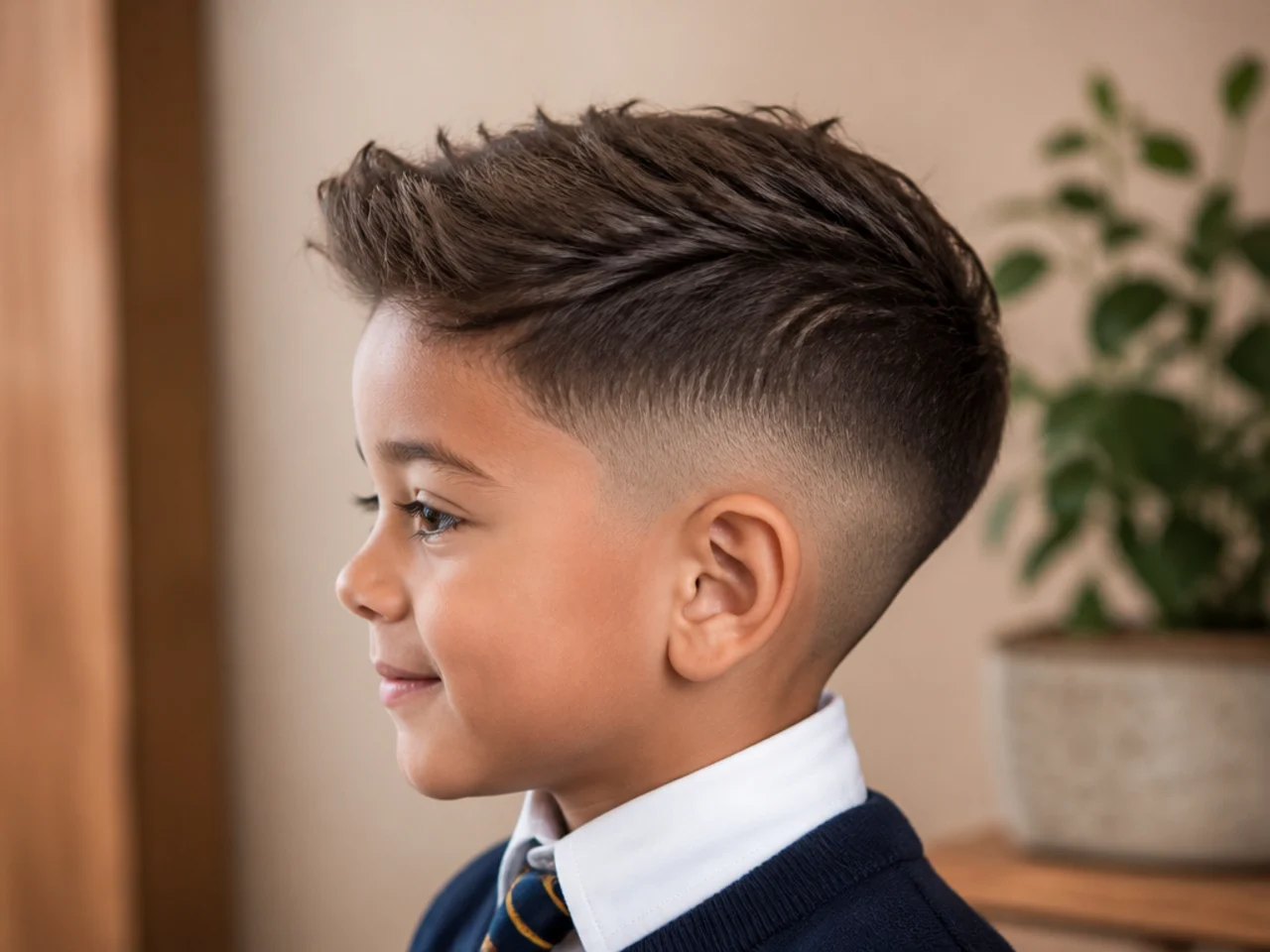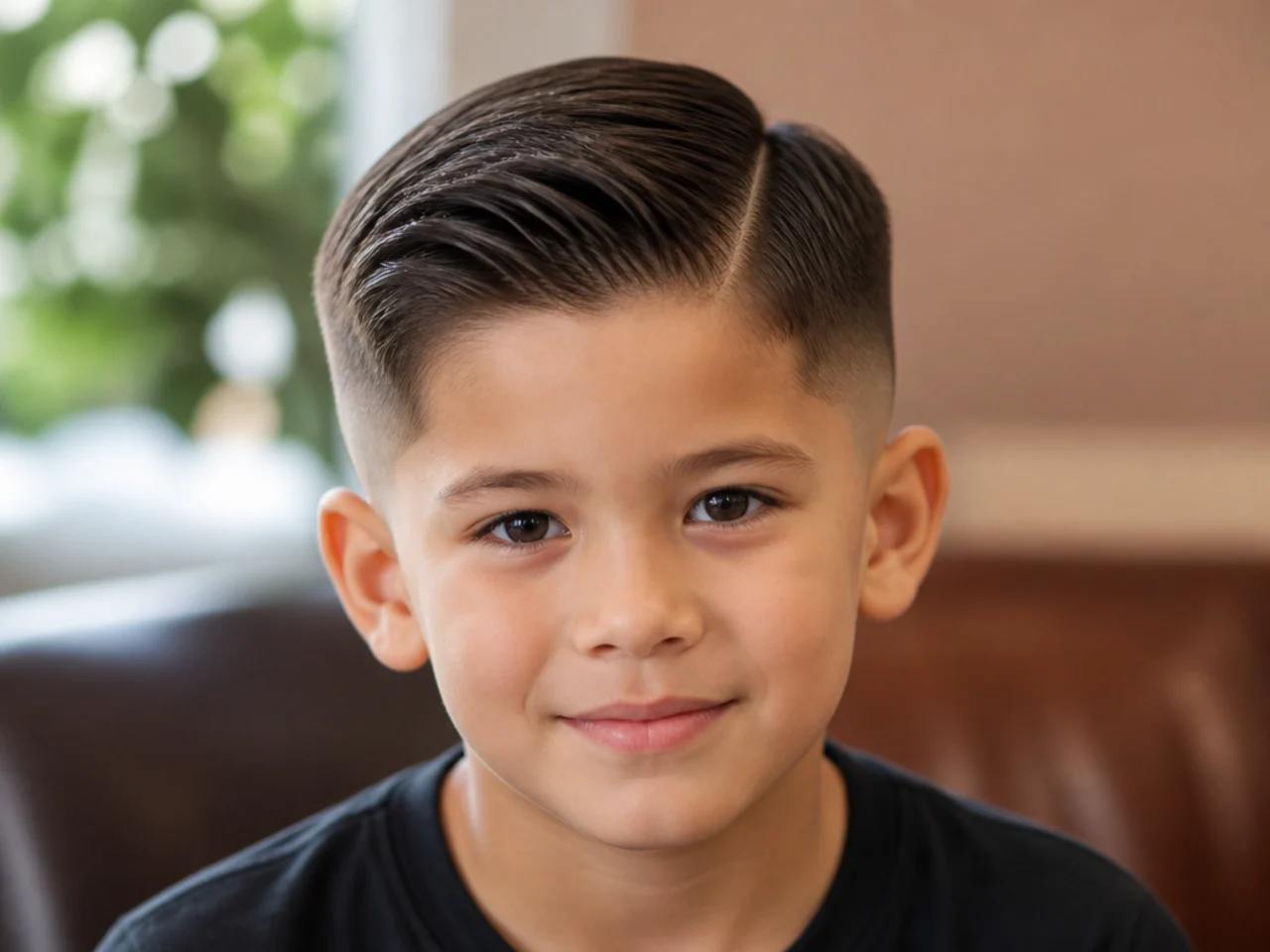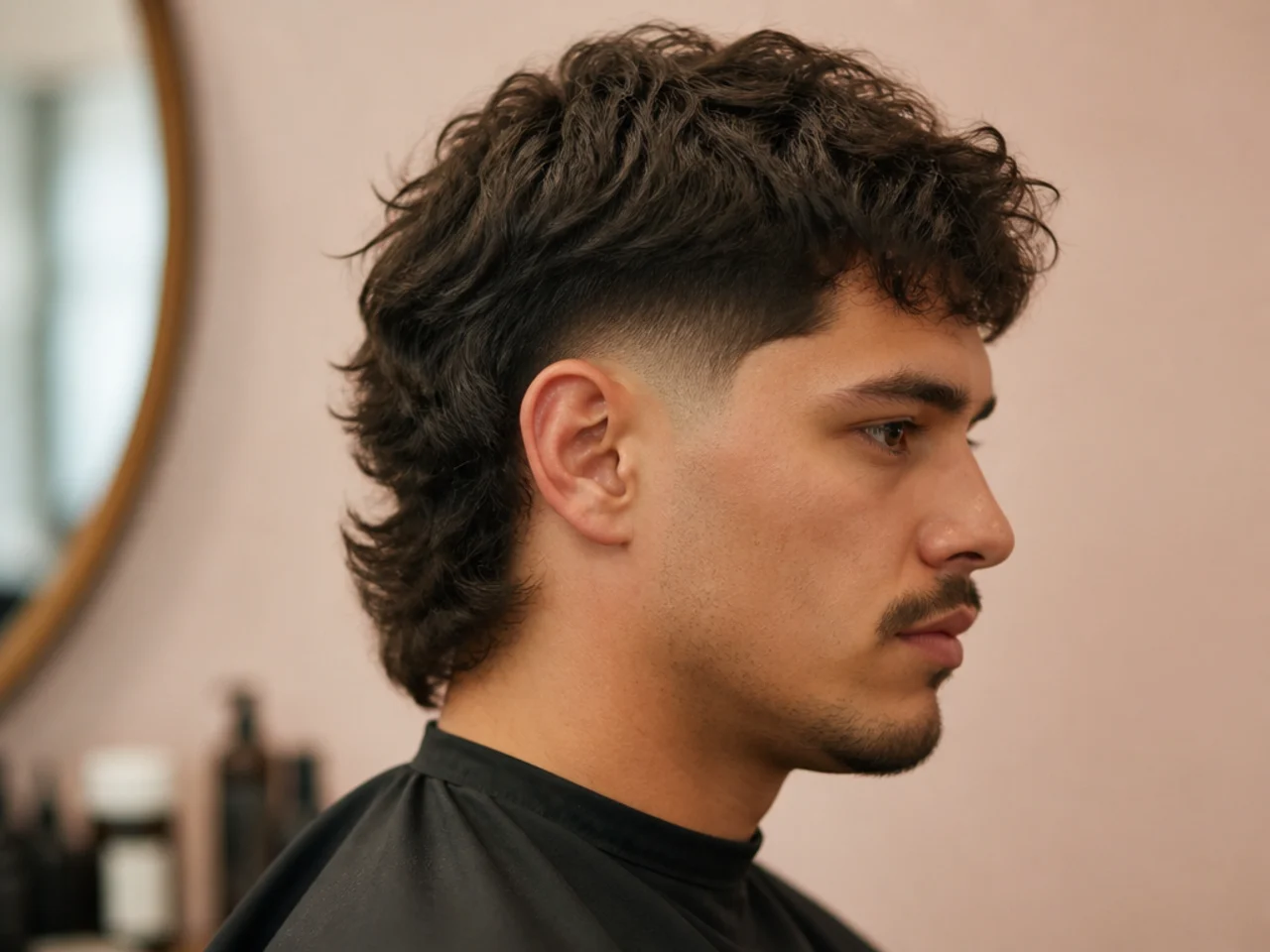
15 Low Fade Mullet Haircuts for Men
15 low fade mullet ideas for men — skin, curly, textured, hockey, two-block. Photos, face-shape notes, and barber-ready clipper numbers for 2026.
In this article · 27
- What Is a Low Fade Mullet?
- How to Choose Your Low Fade Mullet
- The 15 Low Fade Mullet Variations
- 1. Classic Low Fade Mullet
- 2. Skin Low Fade Mullet
- 3. Short Low Fade Mullet
- 4. Long Low Fade Mullet
- 5. Textured Top Low Fade Mullet
- 6. Curly Low Fade Mullet
- 7. Wavy Low Fade Mullet
- 8. Coily Low Fade Mullet
- 9. Low Fade Mullet with Fringe
- 10. Low Fade Mullet with Middle Part
- 11. Low Fade Mullet with Beard
- 12. Low Fade Wolf Mullet
- 13. Low Drop Fade Mullet
- 14. Slick Back Low Fade Mullet
- 15. Two-Block Low Fade Mullet
- How to Ask Your Barber for a Low Fade Mullet
- Styling and Maintenance
- FAQ
- Is the low fade mullet still trending in 2026?
- What is the difference between a low fade mullet and a low taper fade mullet?
- What length should the back be?
- Does a low fade mullet work with thin hair?
- How much does a low fade mullet cost?
- Can I wear a low fade mullet to work?
The low fade mullet is where sharp barber work meets the mullet's back-length attitude. The fade drops low near the ear, blends closer to skin than a taper does, and lets the mullet's back become the whole show. This guide covers the 15 low fade mullet variations men are asking for in 2026 — with photos, face-shape notes, and the exact clipper numbers to hand your barber.
What Is a Low Fade Mullet?
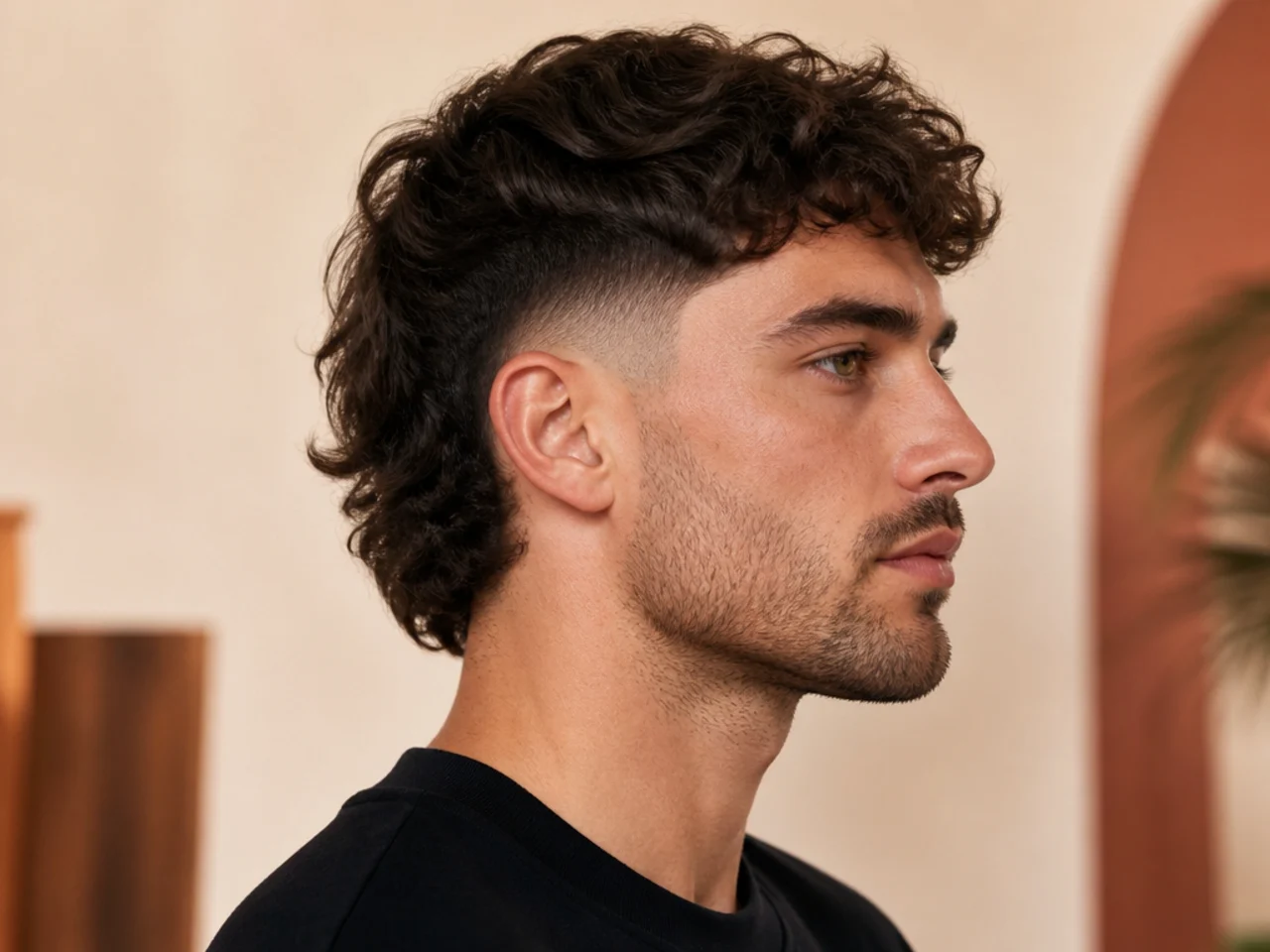
A low fade mullet stacks two shapes on one head. The low fade is a side shape — a blend that starts low around the ear, drops to skin or a guard 0, and rises back up to meet the length on top. It shows more scalp than a taper does, and the transition reads as a proper fade line rather than a clean sideburn.
The mullet is a top-and-back shape — short-to-medium through the top and sides, longer through the back. Modern mullets stop at the collar, not the shoulders, and the length is layered so it moves rather than hangs like a curtain.
Combine them and the low fade mullet reads as barbered but bold. The fade gives the shape contrast; the mullet's back gives it personality. It sits one step louder than the low taper fade mullet — that shape uses a softer, skin-safe taper — and one step quieter than a burst or high fade mullet. For the parent side shape, see the full low fade haircut for men breakdown, or browse the fade haircuts hub for the whole family.
How to Choose Your Low Fade Mullet
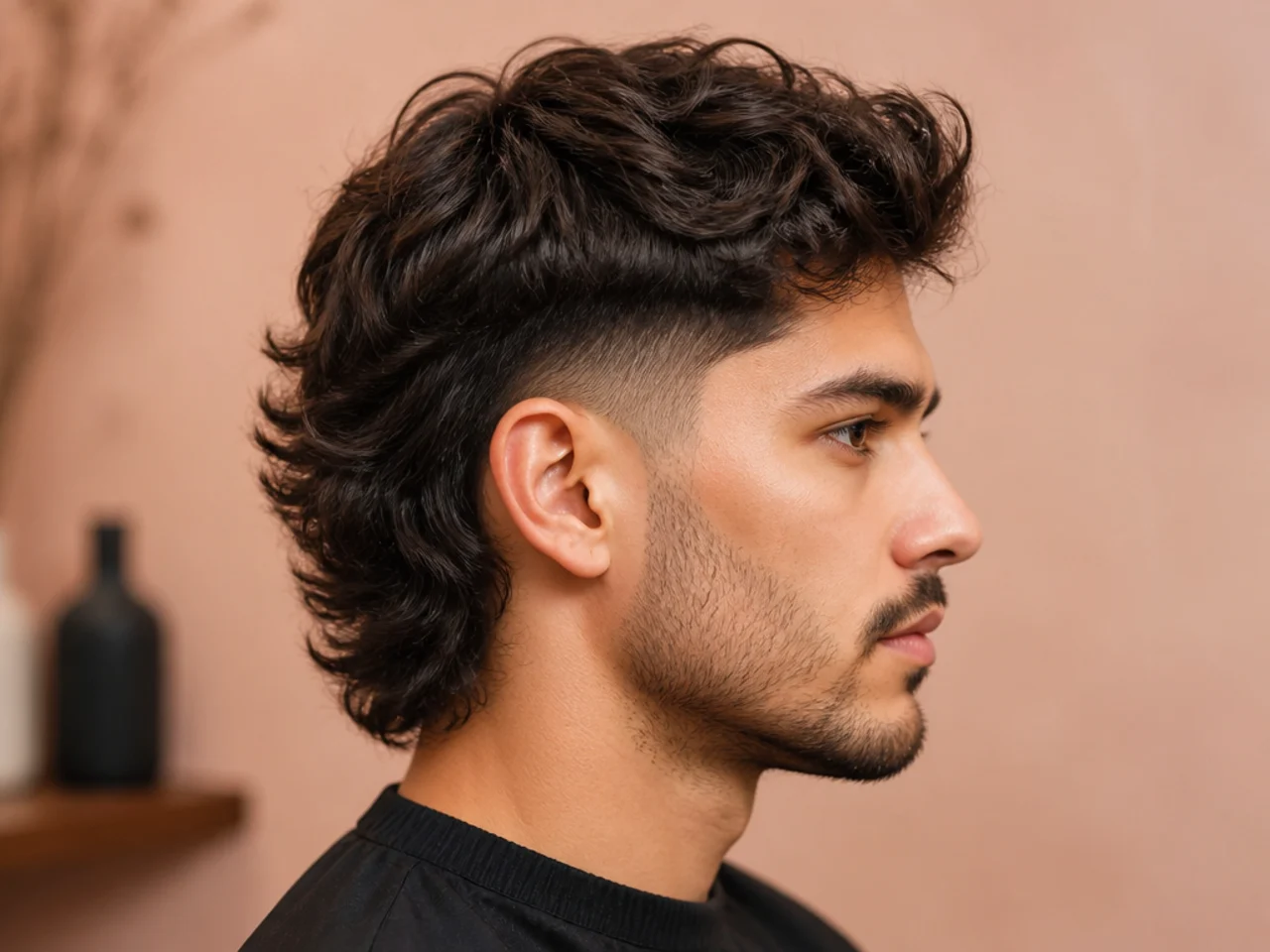
Face shape sets the back length. Oval and oblong faces suit longer three-to-five-inch backs because the vertical drop balances proportion. Round and square faces stay with a shorter two-to-three-inch back so the silhouette reads compact. Heart and diamond faces sit anywhere in the range.
Hair type sets the top styling. Straight hair holds a middle part, slick back, or textured top cleanly and reads sharp against the low fade line. Wavy and curly hair look best with a scissor-cut top and layered back so the movement leads. Coily hair sits cleanest with a low fade to skin and a scissor-cut top that preserves the coil pattern.
Lifestyle sets the fade depth. A guard 0 low fade reads clean but not extreme — the workplace-tolerant choice. A skin low fade drops all the way to bald at the ear and reads sharpest — better for creative jobs or the weekend. If your job runs conservative, look at the low fade vs mid fade vs high fade breakdown before you commit.
The 15 Low Fade Mullet Variations
Each variation below tells you what makes it different, who it flatters, and the language to use in the chair. Show your barber a photo, then hand them the numbers.
1. Classic Low Fade Mullet
The baseline. A low fade starts just above the ear and blends to a guard 0 at the bottom, the top sits at two inches with light internal layers, and the back drops to three inches at the nape. Every other variation on this list is a tweak on this template.
Suits oval, oblong, heart, and diamond faces. Works with any hair type.
Ask for: "A low fade to a 0 blending up from just above the ear, two inches on top with soft layers, three inches at the back with feathered ends, keep the neckline tapered." Style with a light matte clay, then finger-comb the back straight down.
2. Skin Low Fade Mullet
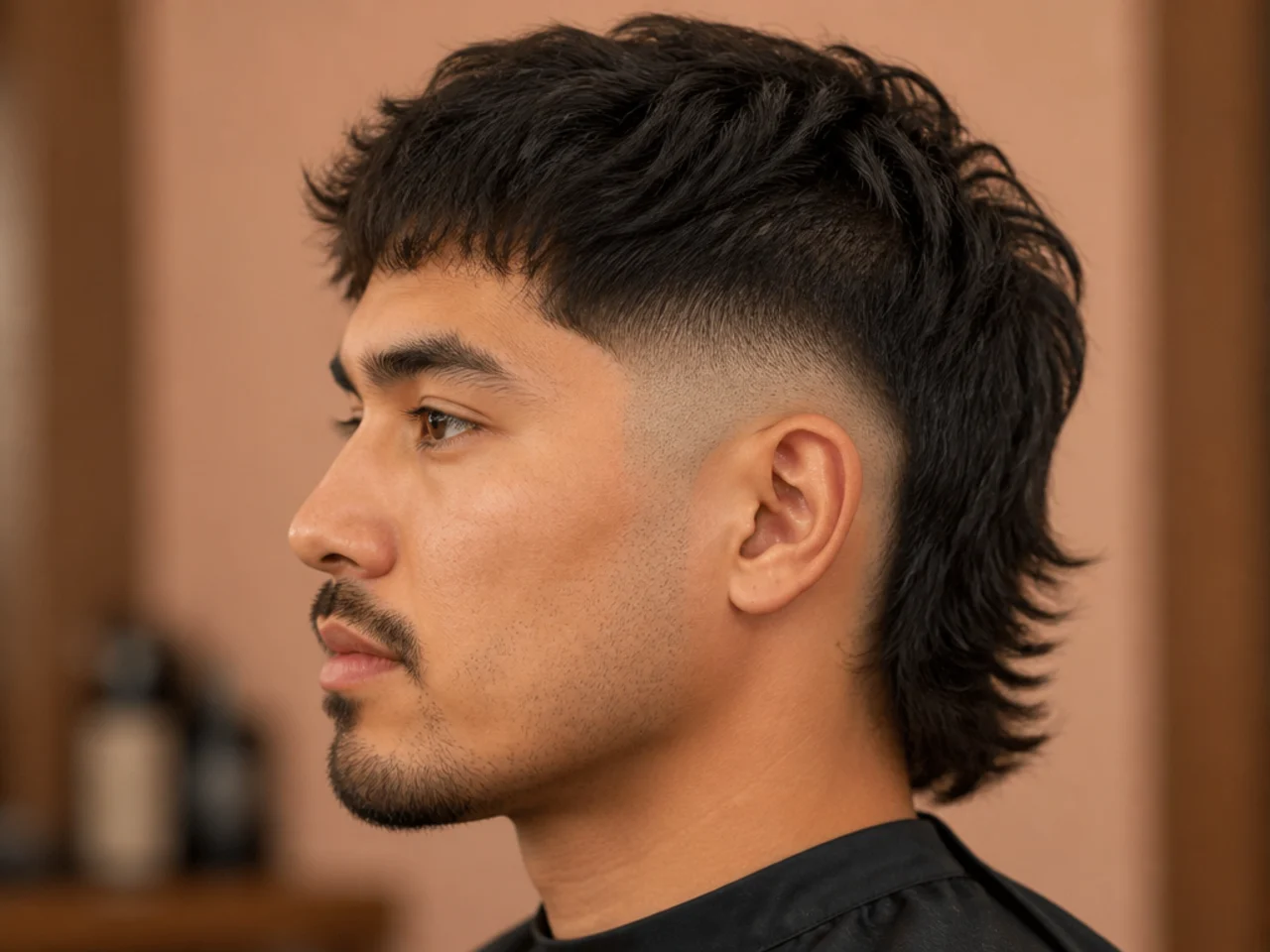
Maximum contrast. The fade drops all the way to skin at the ear, then blends up through guard 0, half, and one to meet the top. Every strand of the mullet reads harder against the polished bare scalp underneath.
Best on straight or wavy hair with solid density. Suits oval, diamond, and square faces where the sharp contrast flatters strong bone structure.
Ask for: "Skin low fade starting just above the ear and blending up through 0 to 1, two-inch textured top, three-inch layered back with feathered ends." Book every two weeks — skin fades regrow visibly in ten days. Pair with our skin fade haircut men breakdown for the parent shape and finish options.
3. Short Low Fade Mullet
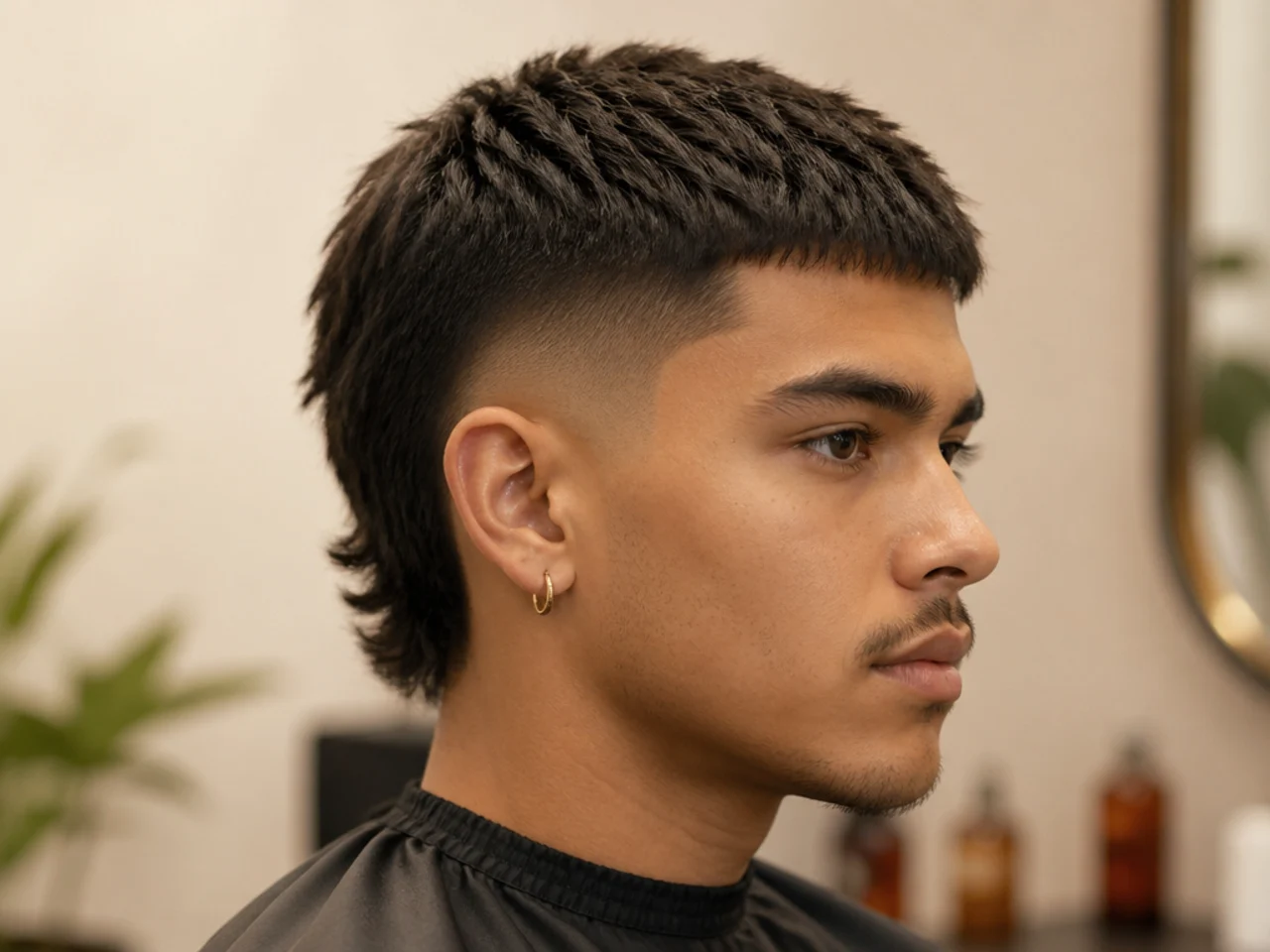
The gateway mullet. The back stays at two inches — long enough to read as a mullet on purpose, short enough that most workplaces stay quiet. The low fade line does the heavy visual work.
Every face shape works. Best entry point for a first mullet-fade combo.
Ask for: "Low fade to a 0 at the ear, two-inch back with light internal layers so the nape reads clean, two-inch top with point-cut texture." A restrained way to test the shape before committing to a longer back — the same trial-run energy as our short mullet haircut men roundup covers on the pure-mullet end.
4. Long Low Fade Mullet
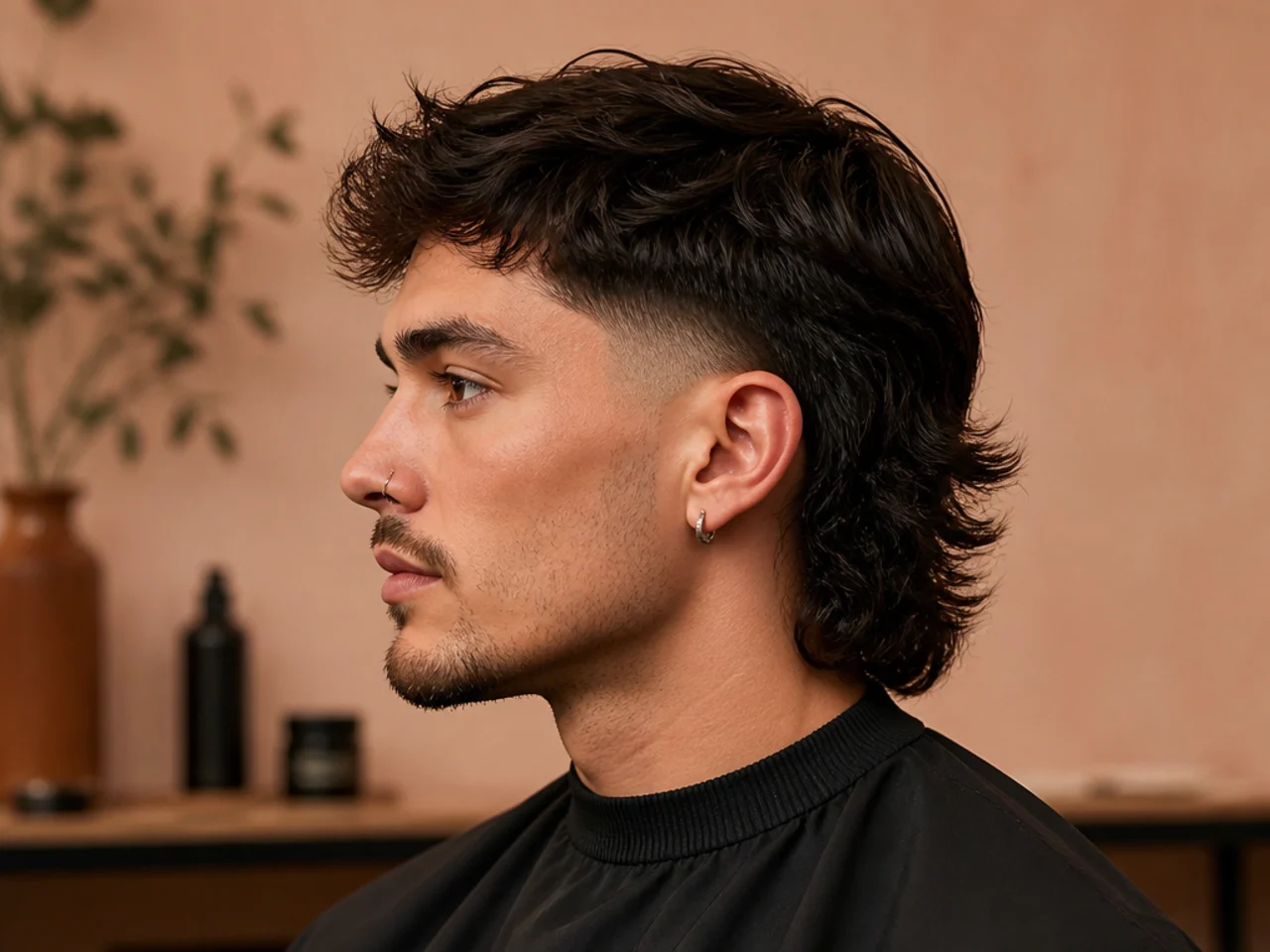
Full commitment. The back drops past the collar — five inches or more — with heavy internal feathering so the mass moves instead of hanging like a sheet.
Best on straight or wavy hair with real density. Suits oval and oblong faces where the vertical length balances proportion.
Ask for: "Low fade to a 0 blending up from the ear, two-inch top with soft layers, keep the back five to six inches at the longest point with heavy internal feathering, taper the perimeter." Blow-dry the back with your fingers only — a brush kills the movement. For more length inspiration, see mullet haircut for men.
5. Textured Top Low Fade Mullet
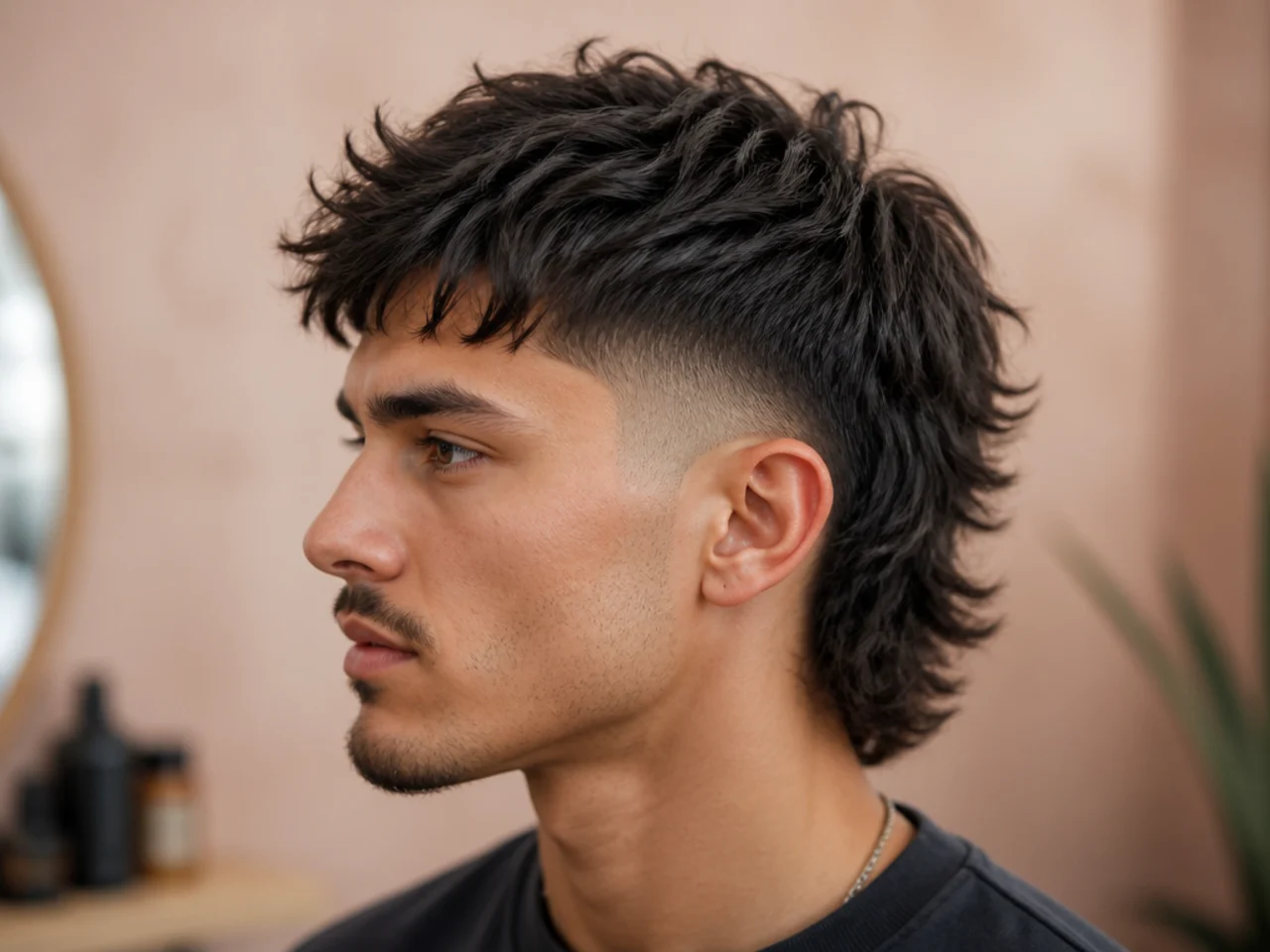
Movement over shape. The sides stay clean with the low fade, and the top gets point-cut into piecey, rough sections that fall in different directions. The back mirrors the top's texture at three inches.
Suits round, oval, and square faces where texture softens the top of the face.
Ask for: "Low fade to a 0, scissor-cut top heavily point-cut for texture, three-inch back with matching layered texture, no blunt edges anywhere." Style with a texture clay and finish with a light spray for grip without weight. Same finish energy as our textured haircuts for men roundup — but with the mullet back and fade line.
6. Curly Low Fade Mullet
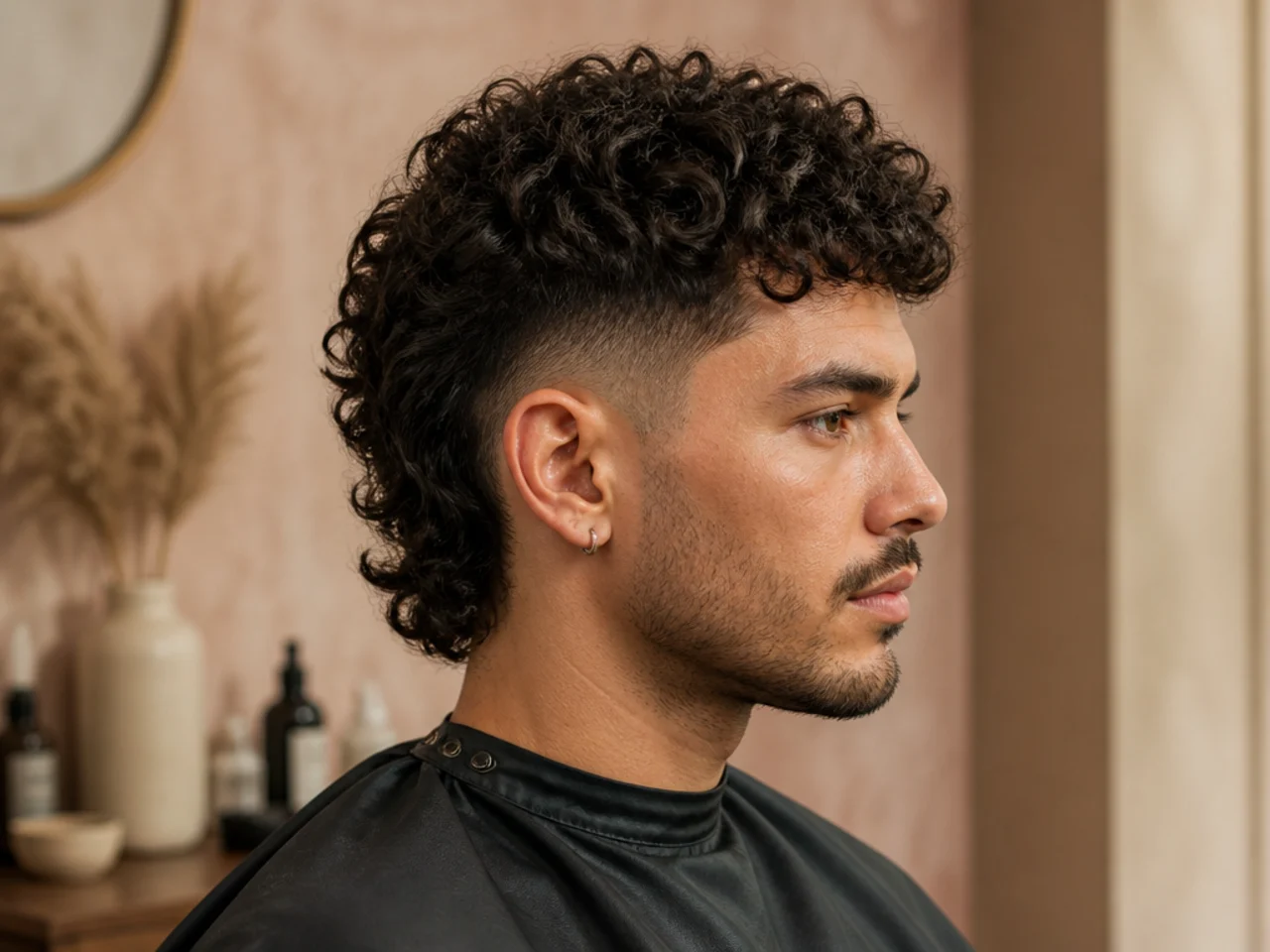
The low fade's clean line reads especially sharp against curl volume. The top curls stack up, the sides drop to skin so nothing steals focus, and the mullet's back curls fall in loose spirals over the neckline.
Best on type 3 curls. Suits oval, heart, and diamond faces.
Ask for: "Low fade to a 0 or skin blending up from the ear, scissor-cut the top so the curl pattern stays intact, keep three inches of curl length in back with internal layers to remove weight." Diffuse dry, then finger-shape with a curl cream. For a curly-specific parent breakdown, our low fade haircut mens curly hair guide is worth a read.
7. Wavy Low Fade Mullet
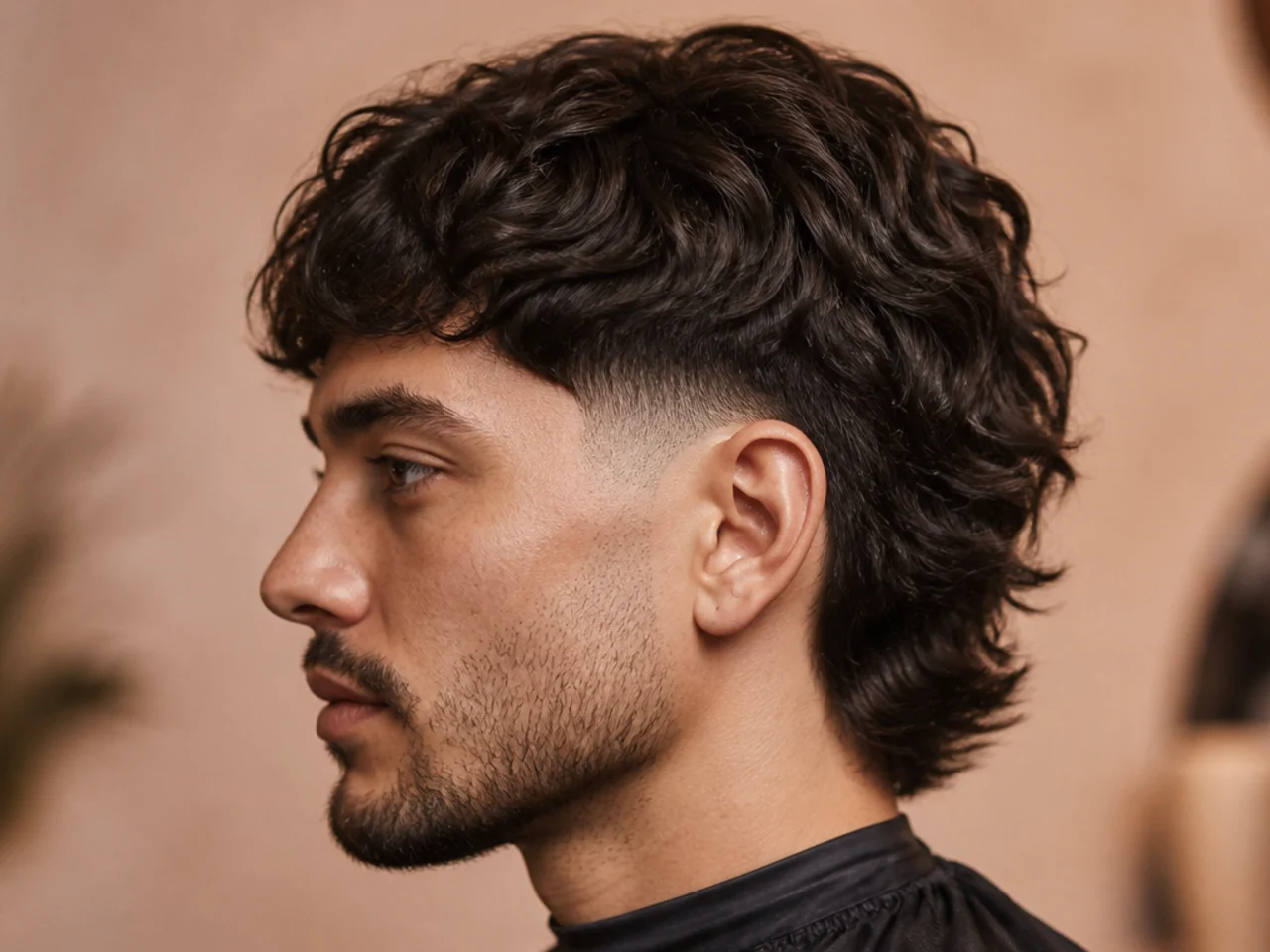
Wavy hair is curly hair's more casual cousin — enough movement to give the top life, enough weight to fall predictably. The low fade lets the wave do its own thing without competing.
Suits oval, heart, oblong, and diamond faces.
Ask for: "Low fade to a 0, top scissor-cut so the wave pattern stays intact, three-inch back with feathered layers, keep the perimeter soft." Blow-dry with your fingers pushing the waves the direction they naturally fall. Do not over-product — waves want air.
8. Coily Low Fade Mullet
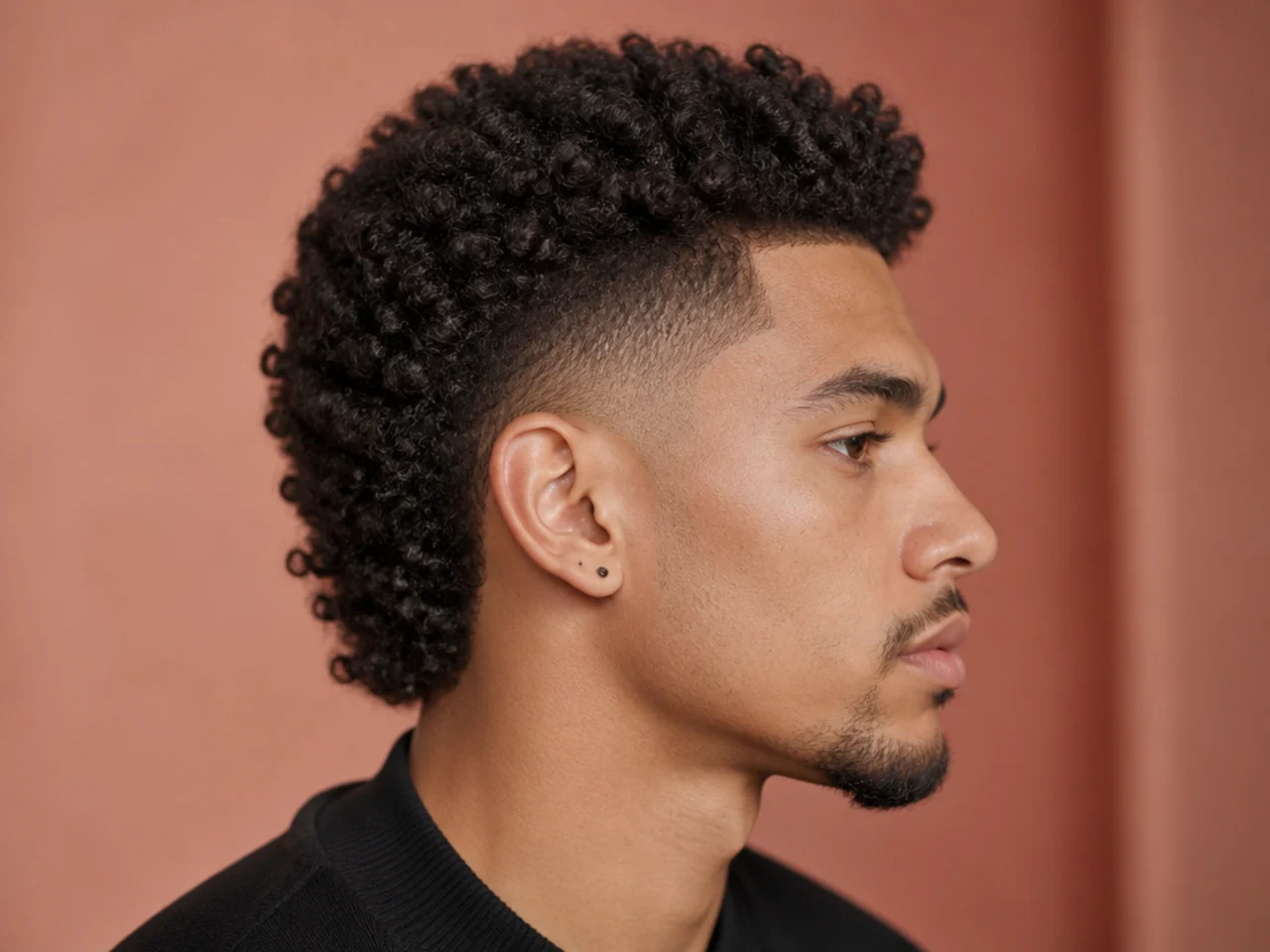
On Black hair, the low fade drops to skin cleanly and the coil pattern on top springs back with the fade doing all the polish work. The back coils fall in soft spirals over the nape.
Suits oval, round, and diamond faces.
Ask for: "Low skin fade blending up from just above the ear through 0 to 1, top scissor-cut so the coils spring, three-inch coily back with internal layers to remove bulk, sharp line-up at the hairline." Book every two weeks — the fade blurs fast on tight coils, and a sharp line-up is what makes the whole shape read intentional.
9. Low Fade Mullet with Fringe
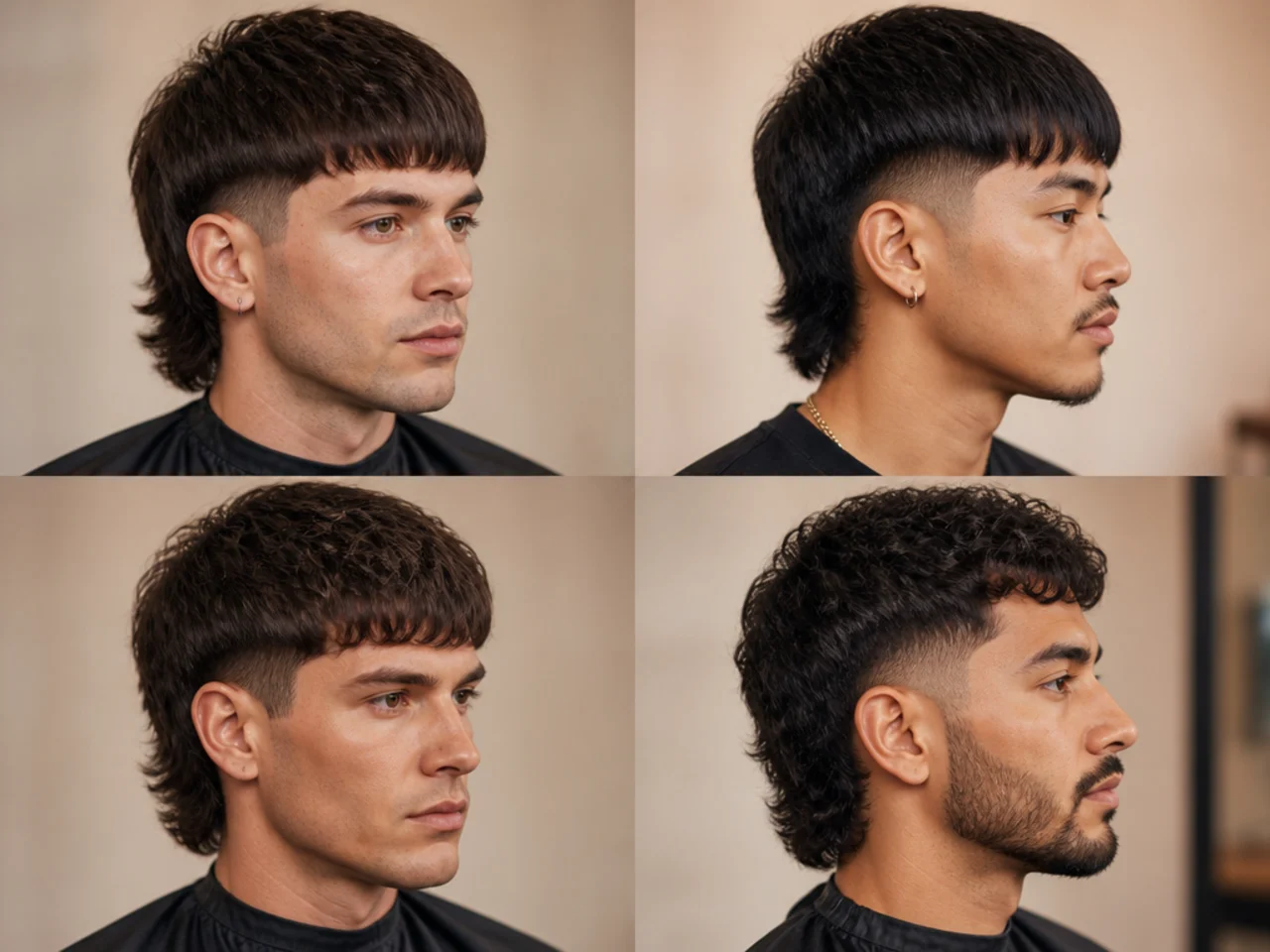
A textured fringe sends choppy length forward onto the forehead while the low-faded sides stay clean and the mullet flows out the back. Three shapes in dialogue.
Suits round, oval, and heart faces where the fringe softens the top of the face.
Ask for: "Low fade to a 0, three-inch top point-cut into a fringe that touches the eyebrows, three-inch back with matching texture." Style forward with a texturizing clay. For pure-fringe direction, see fringe haircuts for men.
10. Low Fade Mullet with Middle Part
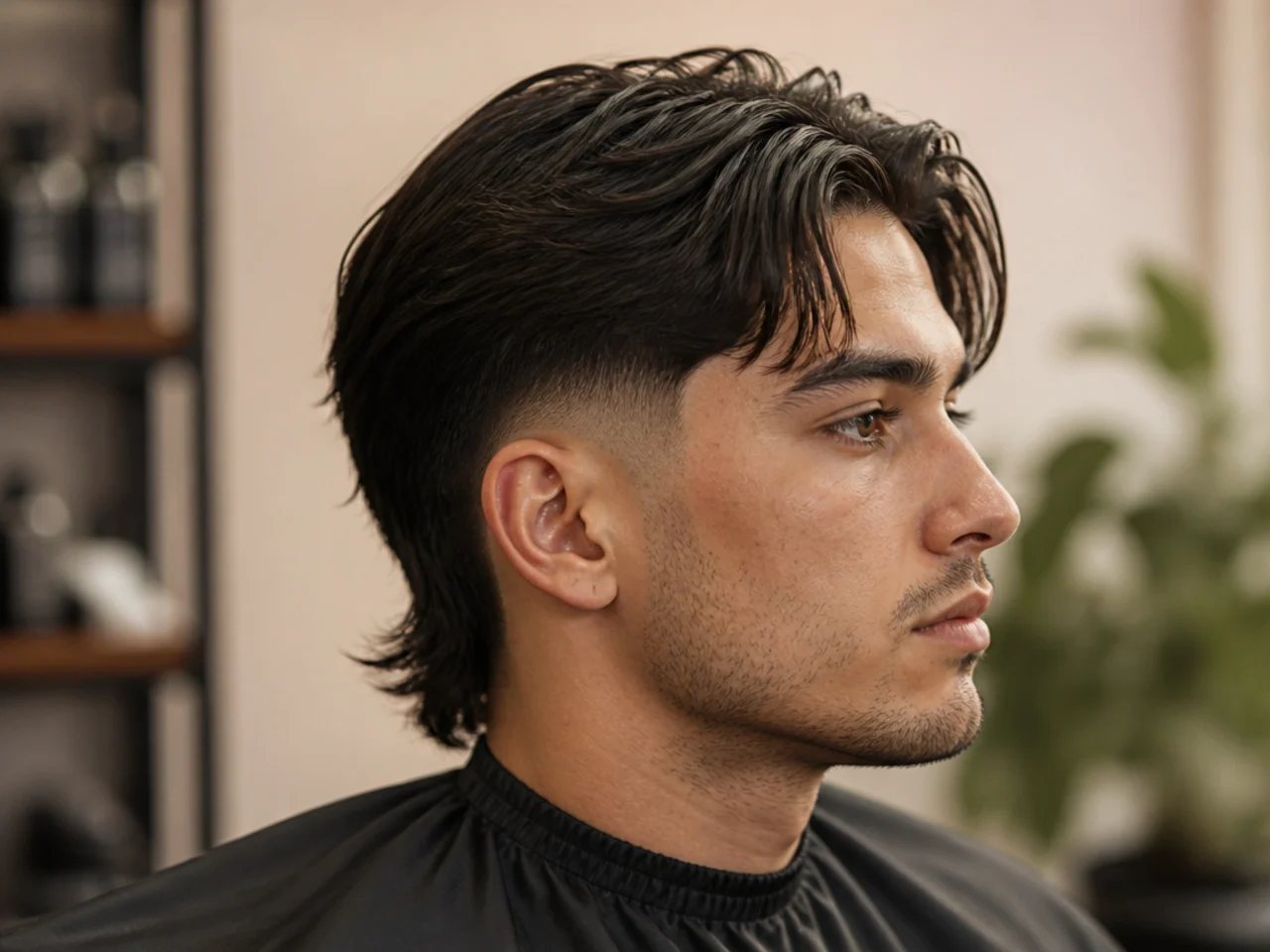
The middle part sends two soft curtains down each side of the forehead while the low fade cleans the sides and the mullet flows out the back. The most photogenic variation on this list.
Best on straight or wavy hair with medium density. Suits oval, oblong, and heart faces.
Ask for: "Low fade to a 0, four-inch top left long enough to part cleanly in the middle, three-inch back with soft layers, keep the perimeter feathered." Blow-dry the top with a round brush, splitting the part as you dry. Pair with our middle part haircut men breakdown for styling variations.
11. Low Fade Mullet with Beard
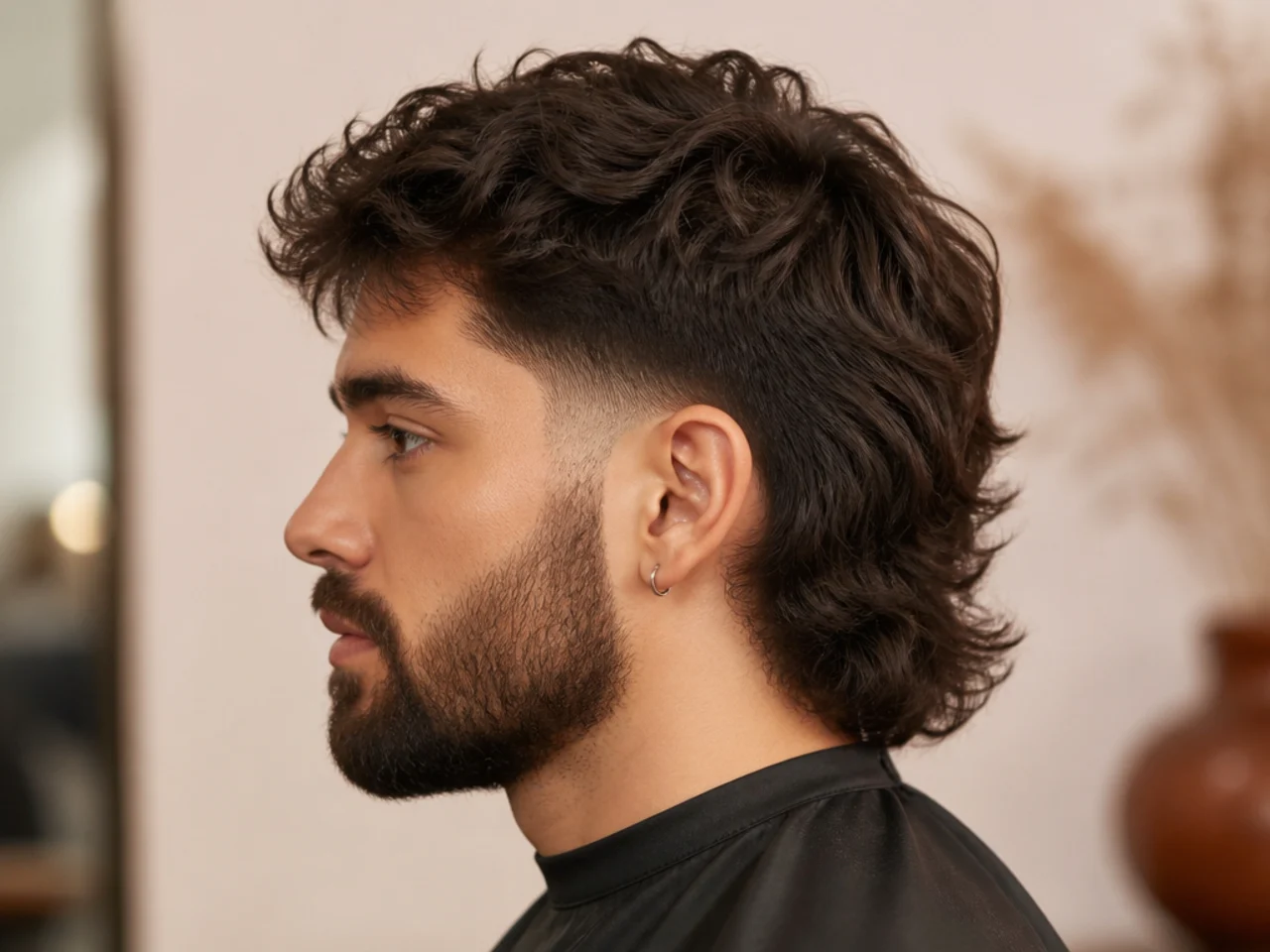
The beard is what turns the low fade mullet from casual to grown-up. The fade drops to skin at the ear, the beard picks up the line at the jaw, and the whole shape connects from crown to chin.
Suits diamond, oval, and square faces.
Ask for: "Low fade to a 0 with the sideburn area blended into the beard, three-inch back with layered texture, keep the beard grade to match — usually guard 2 or 3." Trim the beard yourself between visits to keep the connection sharp; a matte beard balm keeps it looking intentional rather than scruffy.
12. Low Fade Wolf Mullet
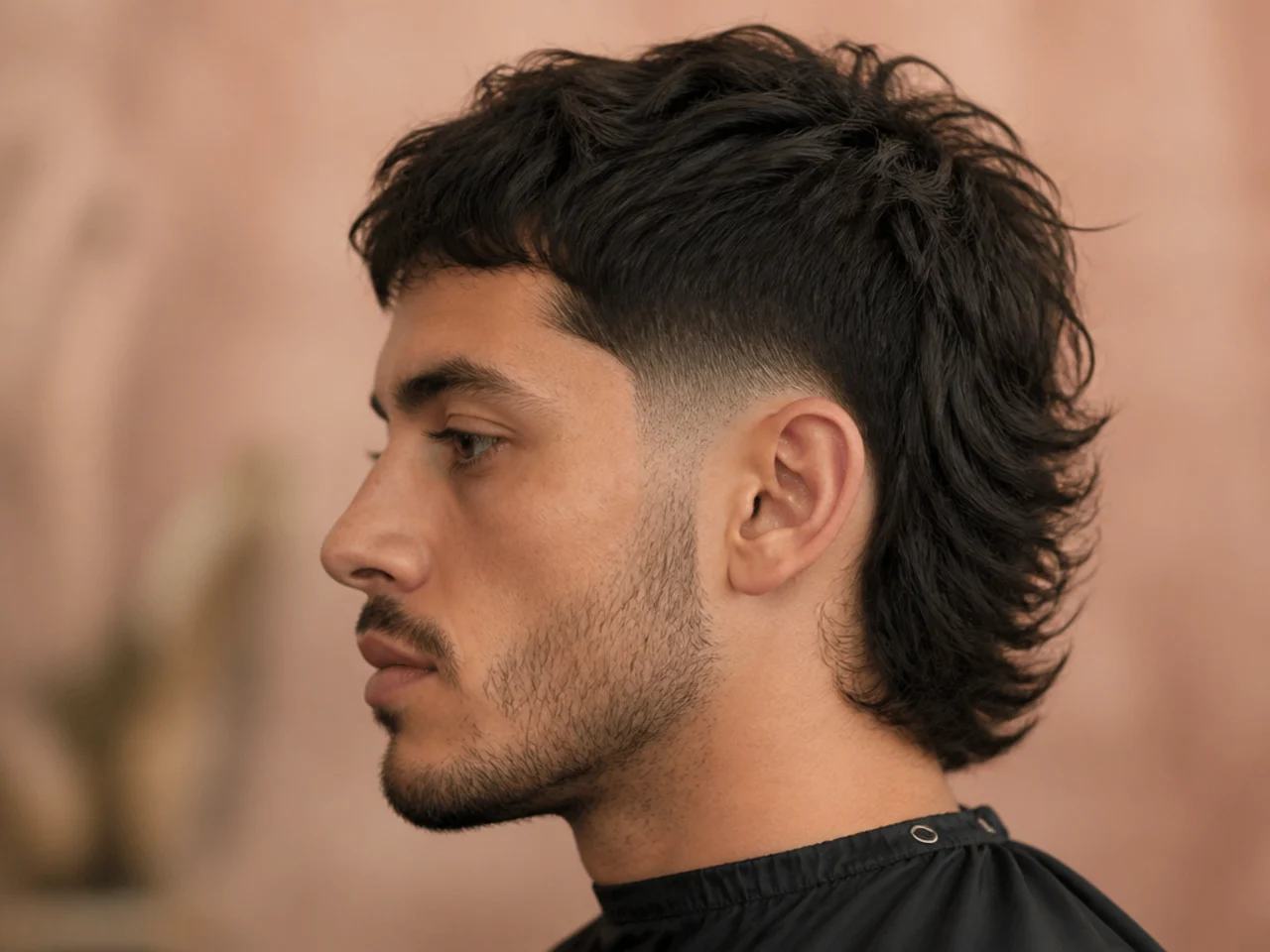
The mullet gets a shag transplant. Heavy face-framing layers around the crown blend into a shaggy, feathered back — all sitting over a low fade that keeps the sides sharp.
Suits fine or medium hair that needs body. Best on oval, oblong, and heart faces.
Ask for: "Low fade to a 0, stack layers around the crown and face, keep the perimeter feathered, four-inch back with the same layered rhythm as the top." Texture spray, scrunch, air-dry, skip the comb. For more on the layered end of this family, see men's wolf cut haircuts or the parent wolf cut hair men guide.
13. Low Drop Fade Mullet
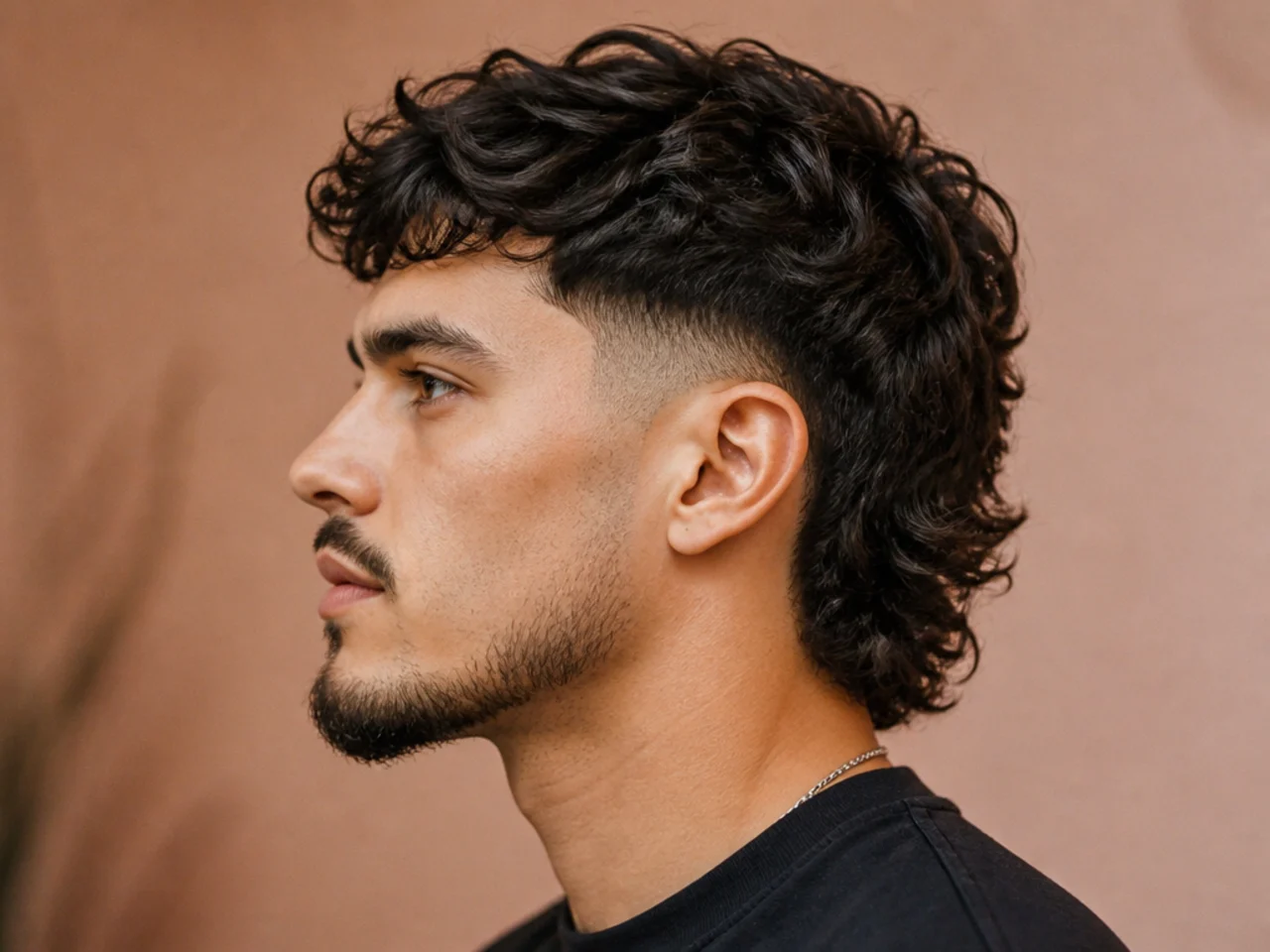
The fade line drops behind the ear instead of holding straight across, so the low fade curves gently downward at the back of the head. Reads as a low fade from the front and a drop fade from the side — visually the most interesting fade line in the group.
Suits oval, diamond, and heart faces where the drop flatters the temple bone.
Ask for: "Low drop fade to a 0, fade line dropping about an inch as it wraps behind the ear, two-inch top with texture, three-inch back with feathered layers." See the parent shape in our low drop fade haircut breakdown for the pure form.
14. Slick Back Low Fade Mullet
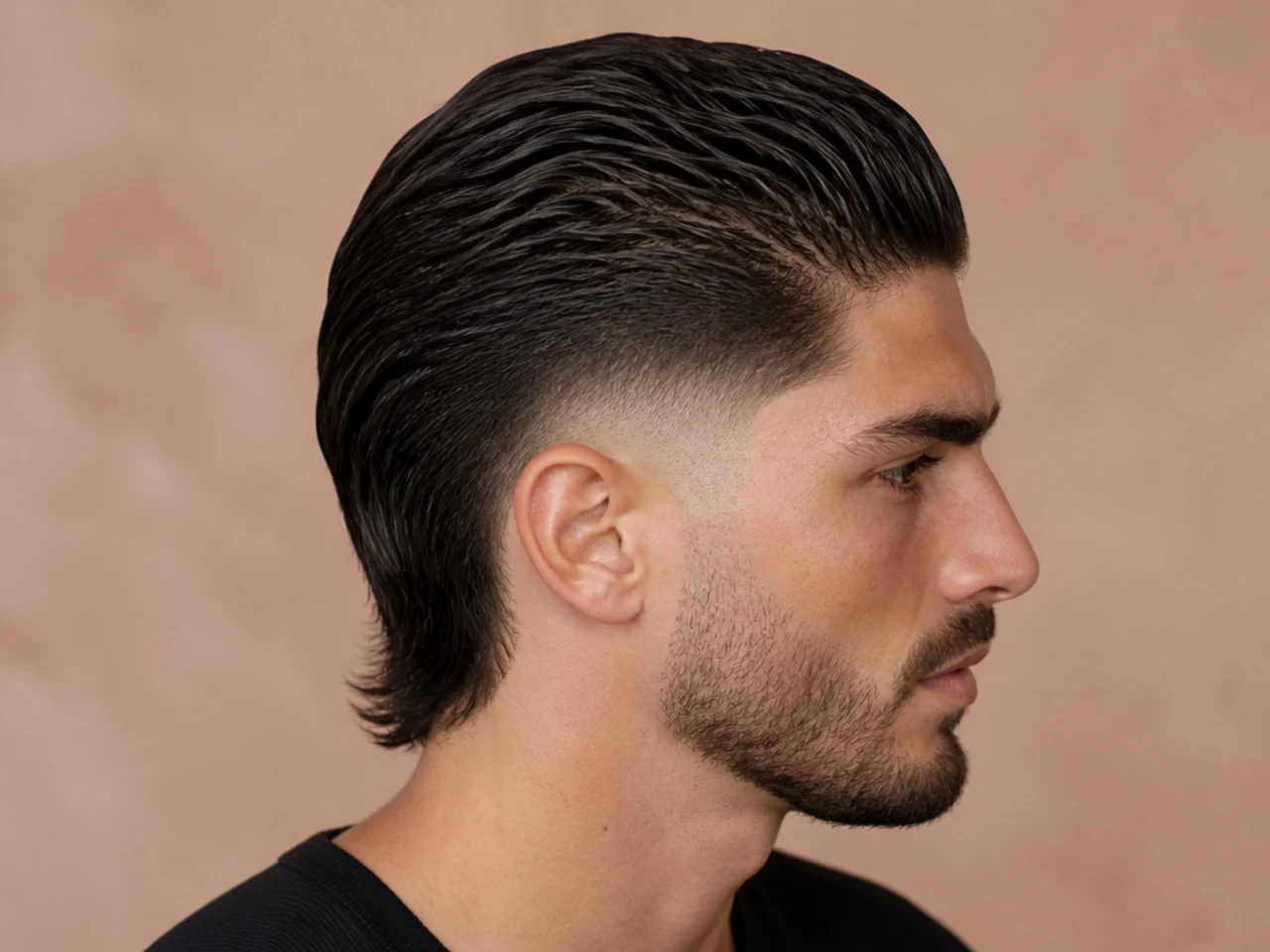
Sharp, grown-up, and the most versatile finish on this list. The top gets swept straight back with pomade or a light cream, the low fade cleans the sides, and the mullet's back length reads intentional against the polished top.
Suits oval, oblong, square, and diamond faces where the exposed forehead reads confident.
Ask for: "Low fade to a 0, four-inch top cut with soft layers for a slick-back finish, three-inch back with feathered ends, taper the neckline soft." Style with a medium-hold pomade on damp hair, comb straight back, finish with a light shine spray. Pair with our slick back haircut guide for the parent finish.
15. Two-Block Low Fade Mullet
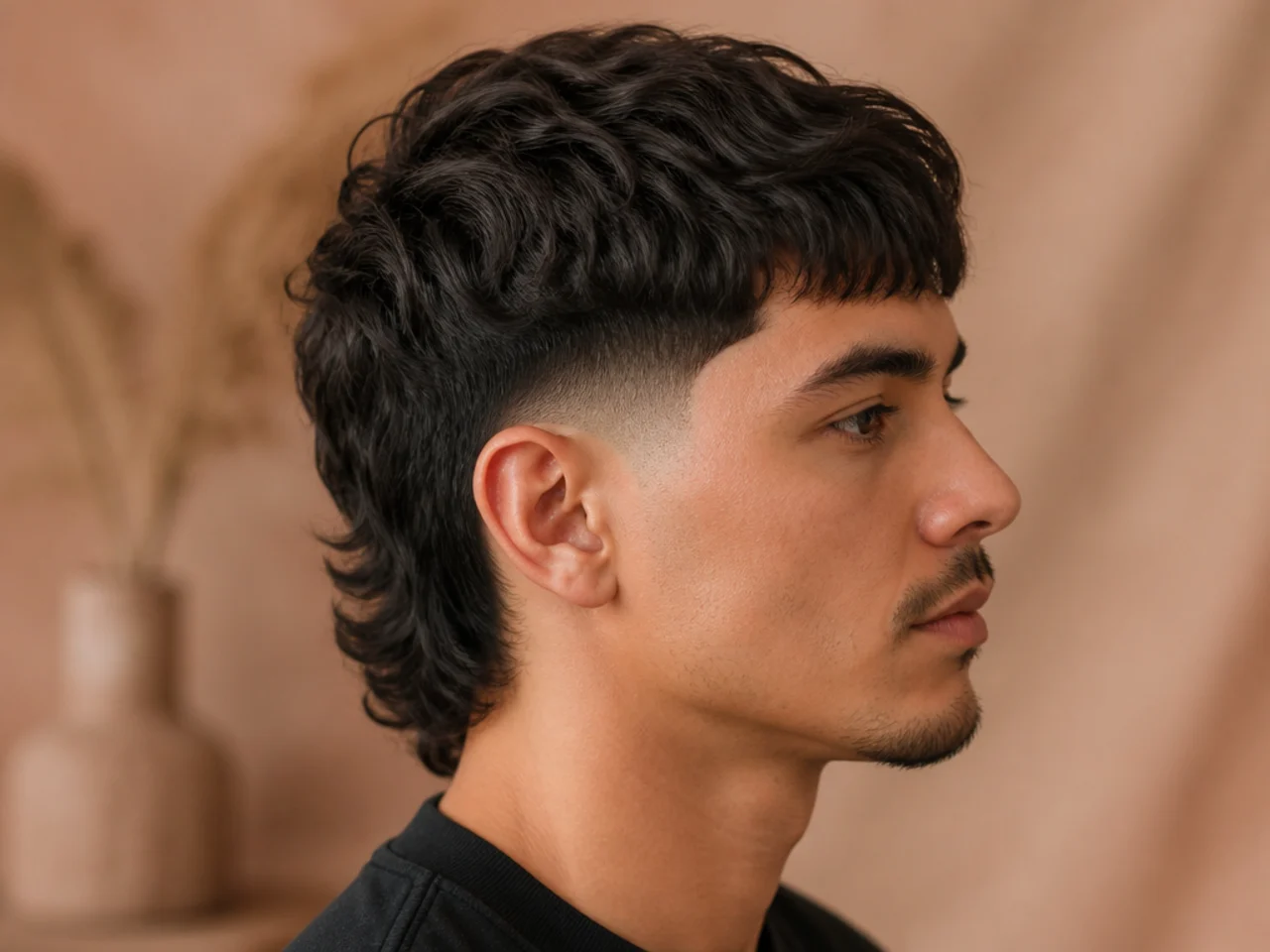
The two-block silhouette hides the low fade under a long top and back. The disconnect between the two lengths is the point — the sides are essentially undercut with a fade carved into them, invisible when the top falls in place. K-drama meets barbered mullet.
Suits guys with dense, straight-to-wavy hair. Best on oval and oblong faces.
Ask for: "Two-block cut with a low fade to a 0 hidden underneath at the parietal, top and back left four inches as one continuous mass, keep the disconnect line clean." Full parent-shape breakdown in our two block haircut guide, and pairing options in the Korean haircuts for men roundup.
How to Ask Your Barber for a Low Fade Mullet
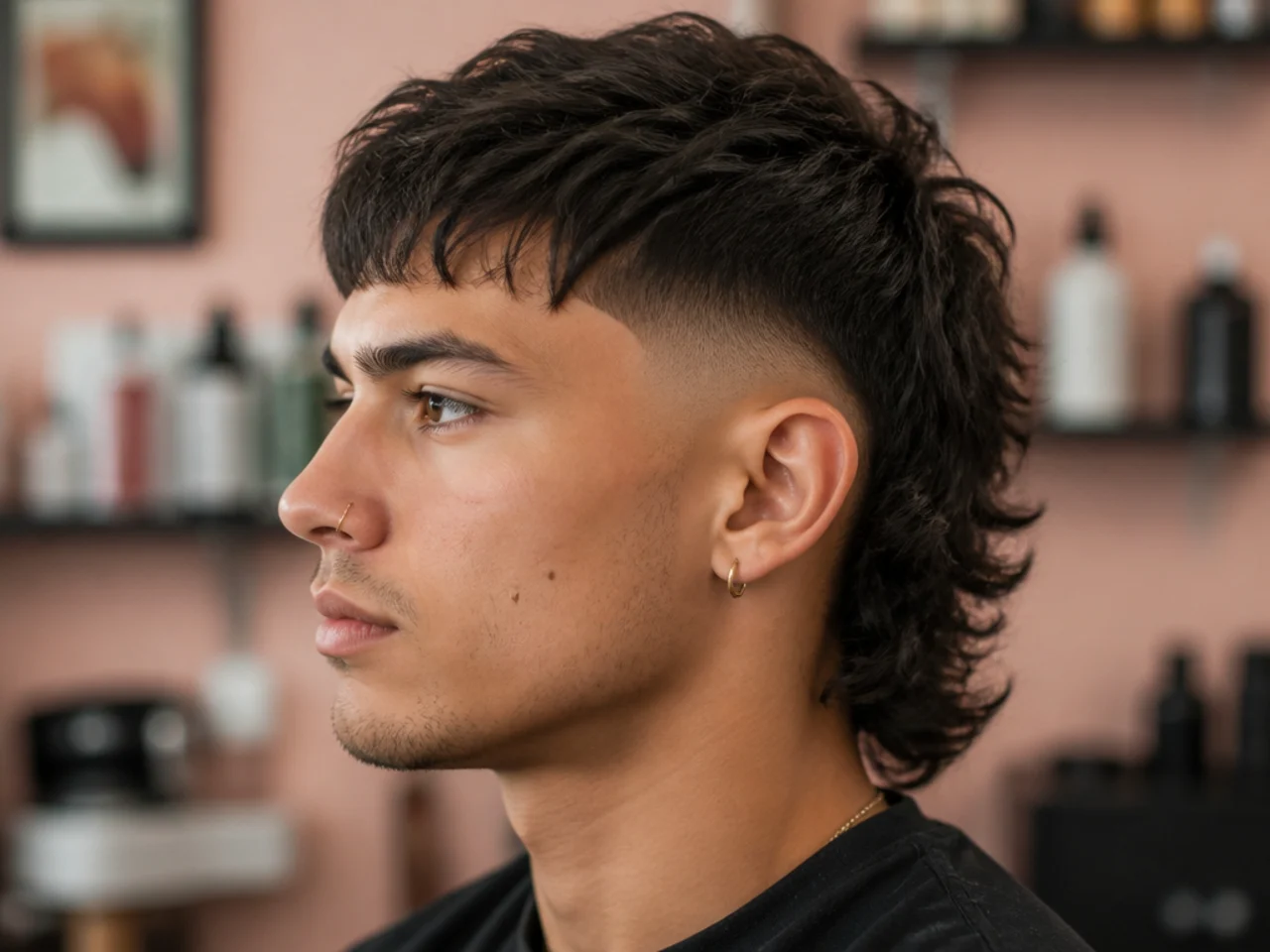
Bring a photo. That is rule one for any two-shape haircut, and doubly true here because "low fade mullet" covers 15 different silhouettes.
- Say "low fade mullet" — not "low taper mullet" and not "drop fade mullet." A low taper is softer and never touches skin. A drop fade curves behind the ear. A plain low fade blends to skin or a guard 0 in a straight line. The words matter.
- Set the fade endpoint. "Blending up from just above the ear" is the phrase your barber wants. It locks the fade into the low position and rules out a mid fade drift.
- Set the guard at the shortest point. Guard 0 for the safest read that still shows contrast. Skin for maximum sharpness. Anything above a 0 stops being a fade and starts being a taper.
- Set the top length in inches. Two inches for a classic. Three-plus for fringe, middle part, or blowout variations. Four-plus for the slick back or two-block.
- Set the back length in inches. Two inches is workplace-safer. Three to four inches is the standard mullet zone. Five-plus is full commitment or the hockey variation.
- Set the top finish. Textured (piecey, matte), slick (combed back with shine), middle-parted, or fringed forward.
- Ask for the neckline shape. Tapered (soft point) or blocked (hard horizontal line). Tapered wears better as the back length grows out.
Show the photo again to confirm the shape before the clippers turn on.
Styling and Maintenance
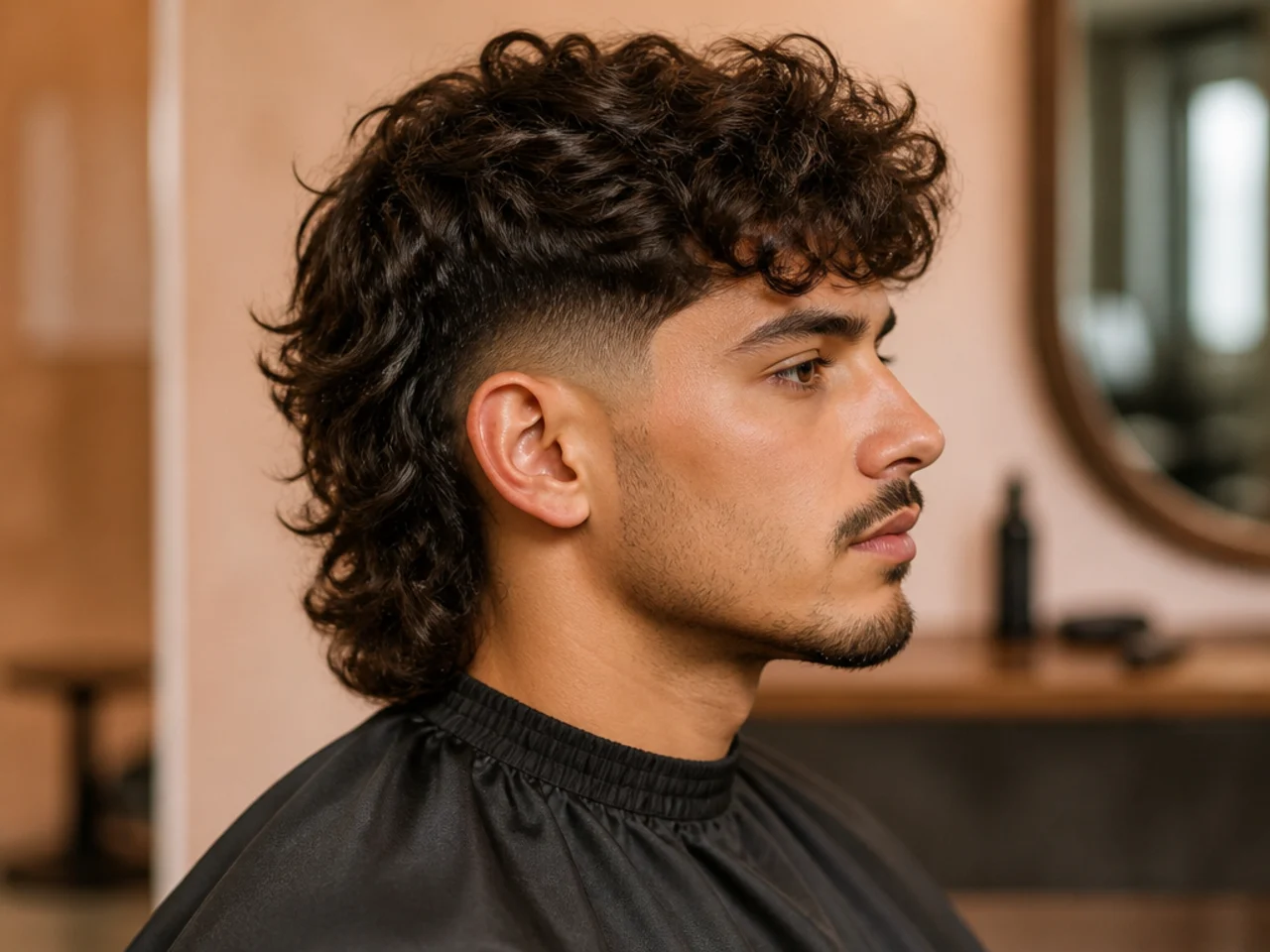
Wash and towel-dry so hair is damp, not wet. Damp hair absorbs product; wet hair holds it on the surface where it drips or crunches. Prime the top with a sea-salt spray for grip, a mousse for volume, or a leave-in cream for softness. Prime the back with a light leave-in — it stops the length from tangling as you sleep.
Blow-dry with your fingers, not a brush, unless you are going for slick or blowout. Point the airflow the direction you want the finish. For the back, lift the roots with your fingertips and let the length fall in its natural direction. For the top, push forward, back, or up depending on the variation.
Finish with a hold product matched to the vibe. Matte clay for textured tops. Molding paste for structured tops with light shine. Pomade for slick backs. Strong-hold clay for blowout and comma variations. A finishing spray sets the shape for humid days.
Book the fade re-cut every two to three weeks. Low fades blend to skin, so any regrowth blurs the line quickly — this is the trade-off for the sharp contrast. The mullet length itself only needs a trim every six to eight weeks to keep the layers honest and the ends from splitting. Between visits, run a beard trimmer over the neckline yourself to buy an extra week of clean edges.
Wash the top three or four times a week — every day strips oils, twice is not enough for product-heavy styles. Condition every wash. Sleep on a silk or satin pillowcase to preserve the back's texture — cotton flattens waves and curls by morning.
FAQ
Is the low fade mullet still trending in 2026?
Yes — it is the fastest-growing mullet variation on Pinterest for the last four quarters and the most-requested mullet-fade combo at independent shops right now. It gives you the modern-mullet silhouette barbers are pushing without the aggressive skin contrast of a burst or high fade. See our full modern mullet haircut men roundup for the wider family context.
What is the difference between a low fade mullet and a low taper fade mullet?
A low fade drops to skin or a guard 0 at the ear and shows more scalp along the fade line. A low taper fade mullet uses a softer taper that never touches skin — it reads more like a clean sideburn. The fade version is bolder and needs re-cutting every two to three weeks. The taper version is workplace-quieter and holds shape for three to four.
What length should the back be?
Two inches for the safest, most workplace-tolerant version. Three to four inches for the classic modern-mullet zone. Five-plus inches for full commitment or the hockey variation. Longer than seven inches starts to lose the mullet silhouette and drift into shag territory — at which point the wolf cut hair men guide is a better reference.
Does a low fade mullet work with thin hair?
Yes. The low fade removes visual mass from the sides, which makes whatever length you have on top and back read denser by contrast. Ask for point cutting throughout to build the illusion of volume, and keep the back closer to two or three inches so the length does not hang thin. A sea-salt spray on damp roots also helps thin hair fake body.
How much does a low fade mullet cost?
Between $40 and $80 at most independent shops, higher at style-focused salons. The low fade takes longer than a standard haircut because skin-adjacent blends require careful clipper-over-comb work, and the mullet layering adds another five to ten minutes. Expect the appointment to run 40 to 55 minutes total.
Can I wear a low fade mullet to work?
Depends on the office. Creative-corporate, agency, and hospitality environments read it as intentional style. Traditional finance, law, and conservative corporate will pause at any skin-fade mullet. If your workplace runs strict, the low taper fade mullet is the same silhouette without the skin contrast — safer for a first read at a new job.