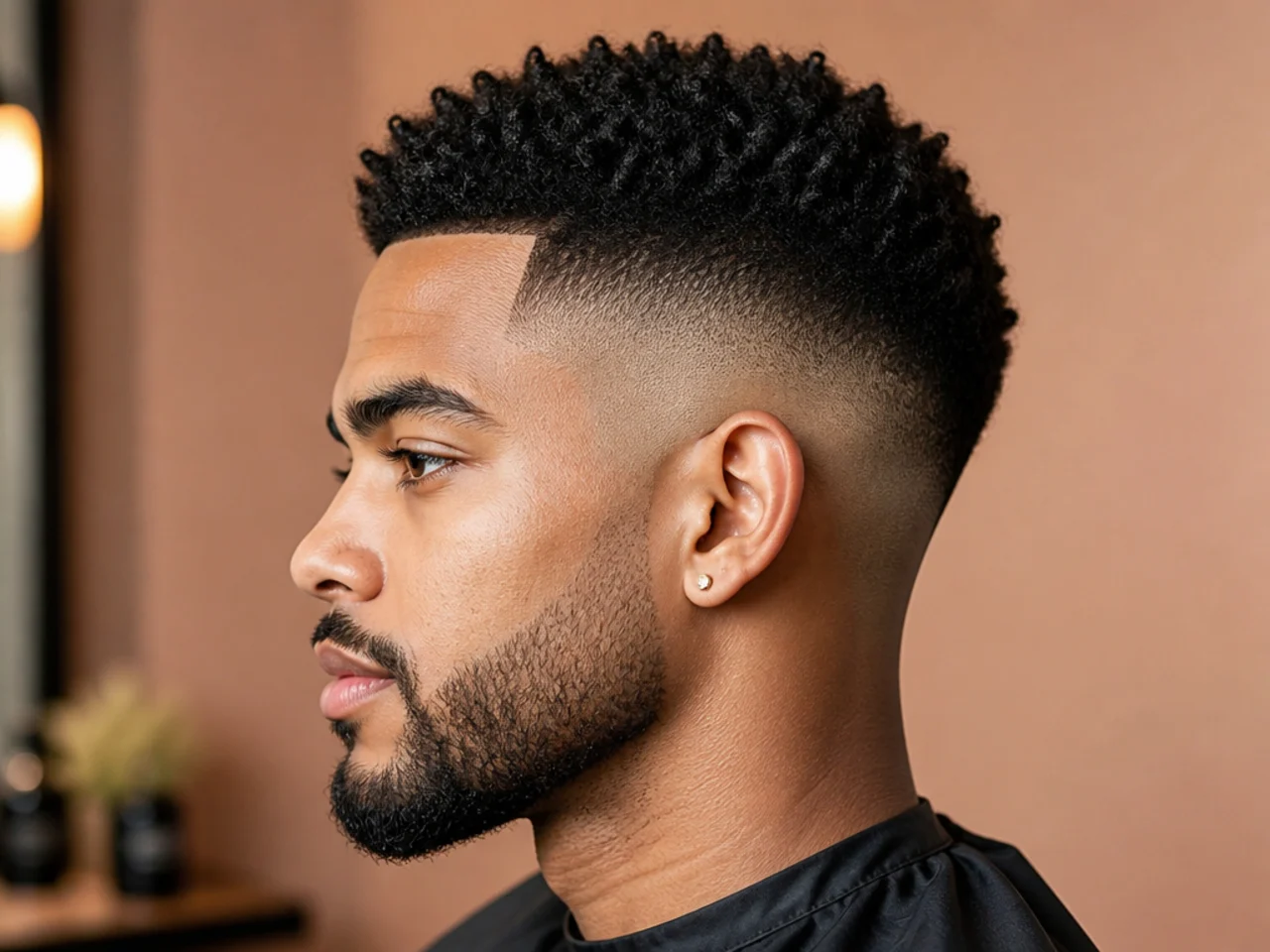
5 Reasons the Skin Fade Is Every Guy's Go-To
The skin fade haircut for men keeps a razor-clean neckline, fits every face shape, and pairs with any top style. Here are the five reasons barbers push it.
In this article · 8
Every barber knows the go-to. When a guy sits down and can't describe what he wants, the safe answer is a skin fade. It reads sharp on camera, respects a shirt collar, holds up under a beard, and stops the barber's chair from becoming a guessing game. Here are the five reasons the skin fade haircut for men keeps winning the pick — with the versions and ask-lines that back each one up.
Want the wider taxonomy first? Start with the fade haircut pillar guide, or step sideways into the 15 trendy skin fade haircuts for a fresh look roundup for a photo tour before you commit.
What Is a Skin Fade?
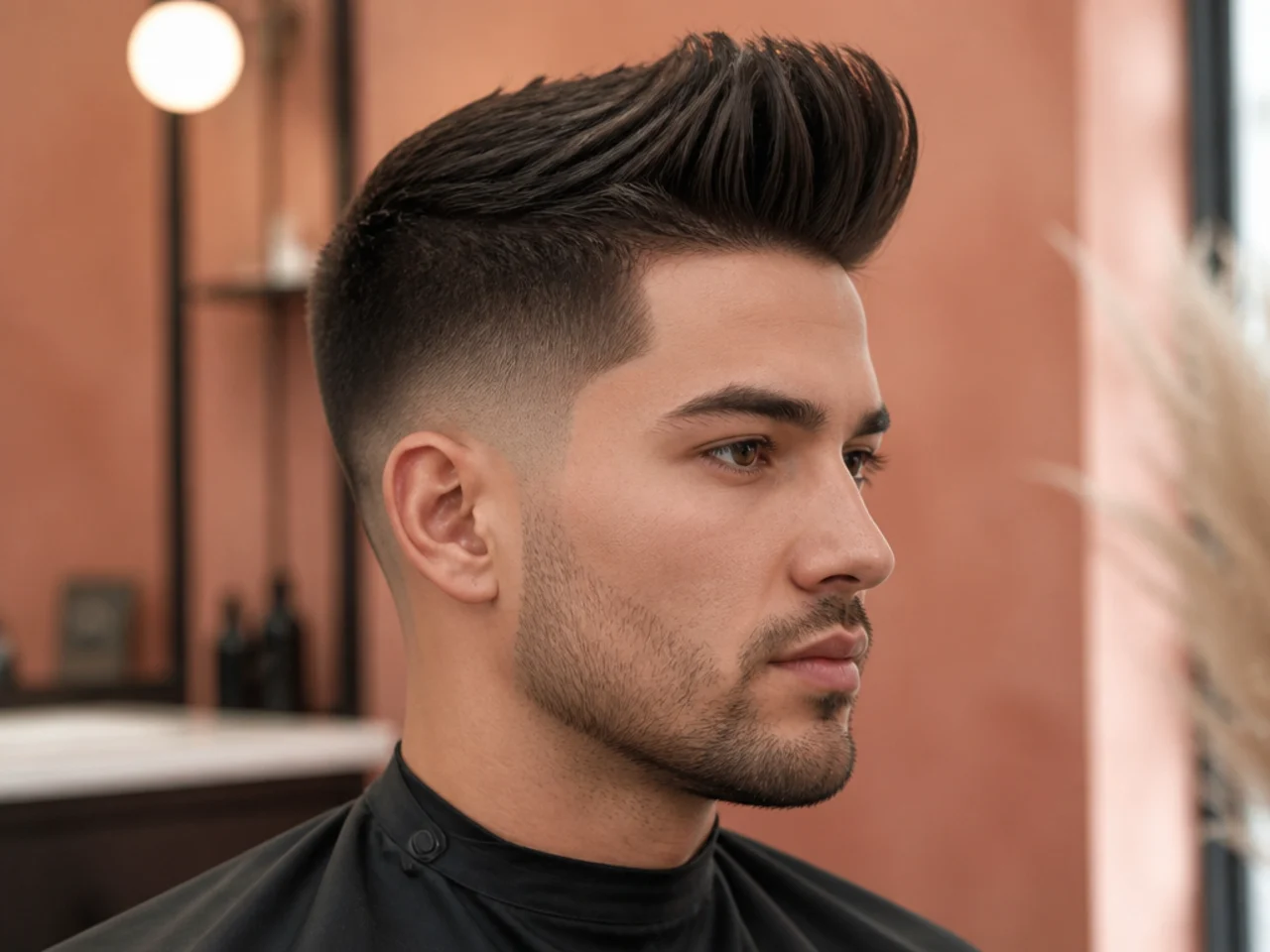
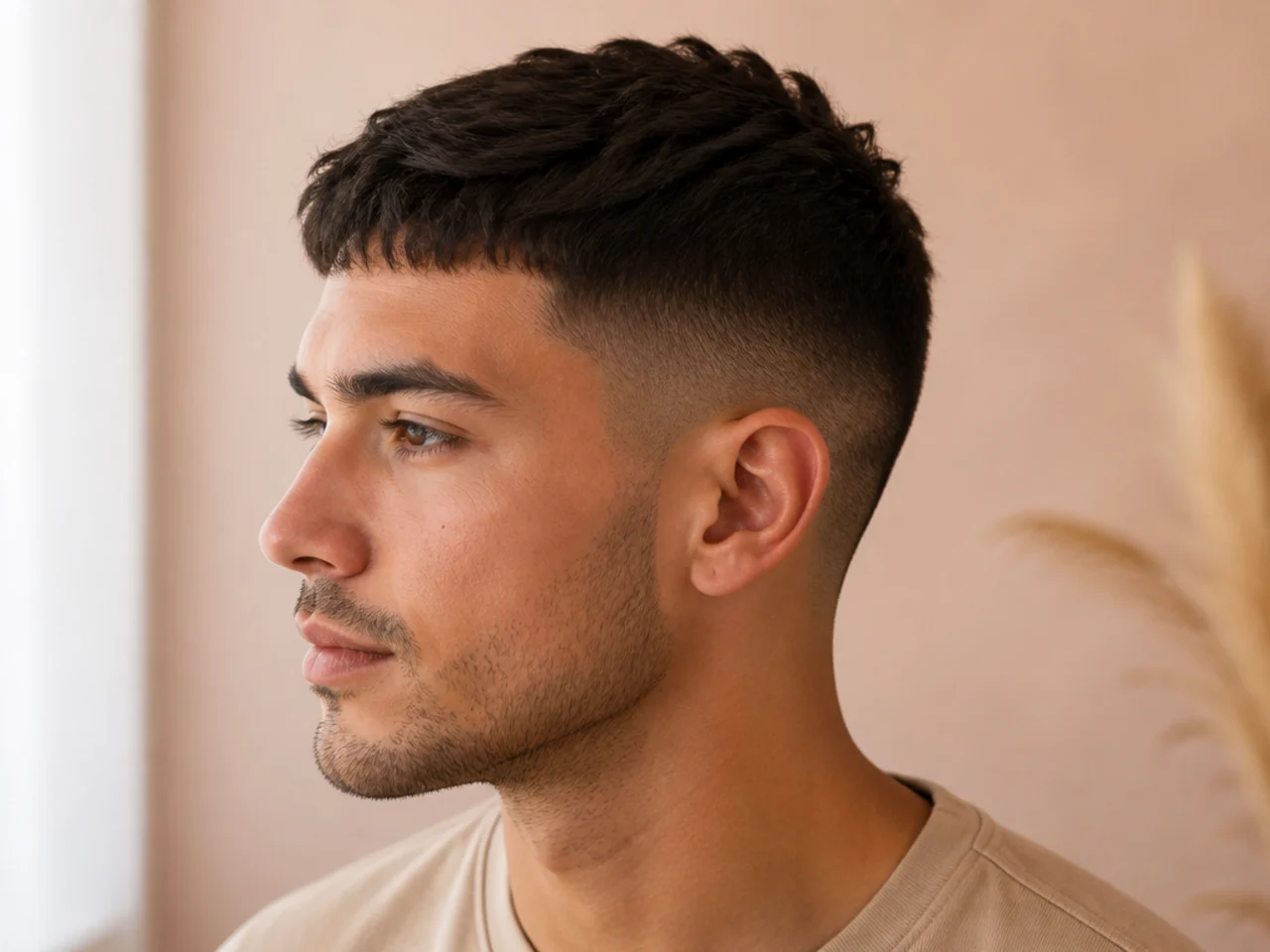
The skin fade takes the sides of your head all the way down to bare scalp at the shortest point, then blends up into whatever length you're wearing on top. The shortest guard used is a razor — a #0.5 does not count. Contrast peaks. The eye stops at a clean vertical wall, and the top hair looks longer, fuller, and better-shaped than it would over a full clipper guard.
Height is the only variable inside the family. A low skin fade sits above the ear. A mid skin fade climbs to the temple. A high skin fade takes the panel all the way up to the parietal ridge — the ledge where the side of your head turns into the crown. Everything else in this article — neckline, face shape, beard, top style, growout — sits on top of that single height decision. If you're new to the fade family, the low fade vs mid fade vs high fade guide covers the height choice in depth first.
Reason 1: Cleanest Neckline in the Game
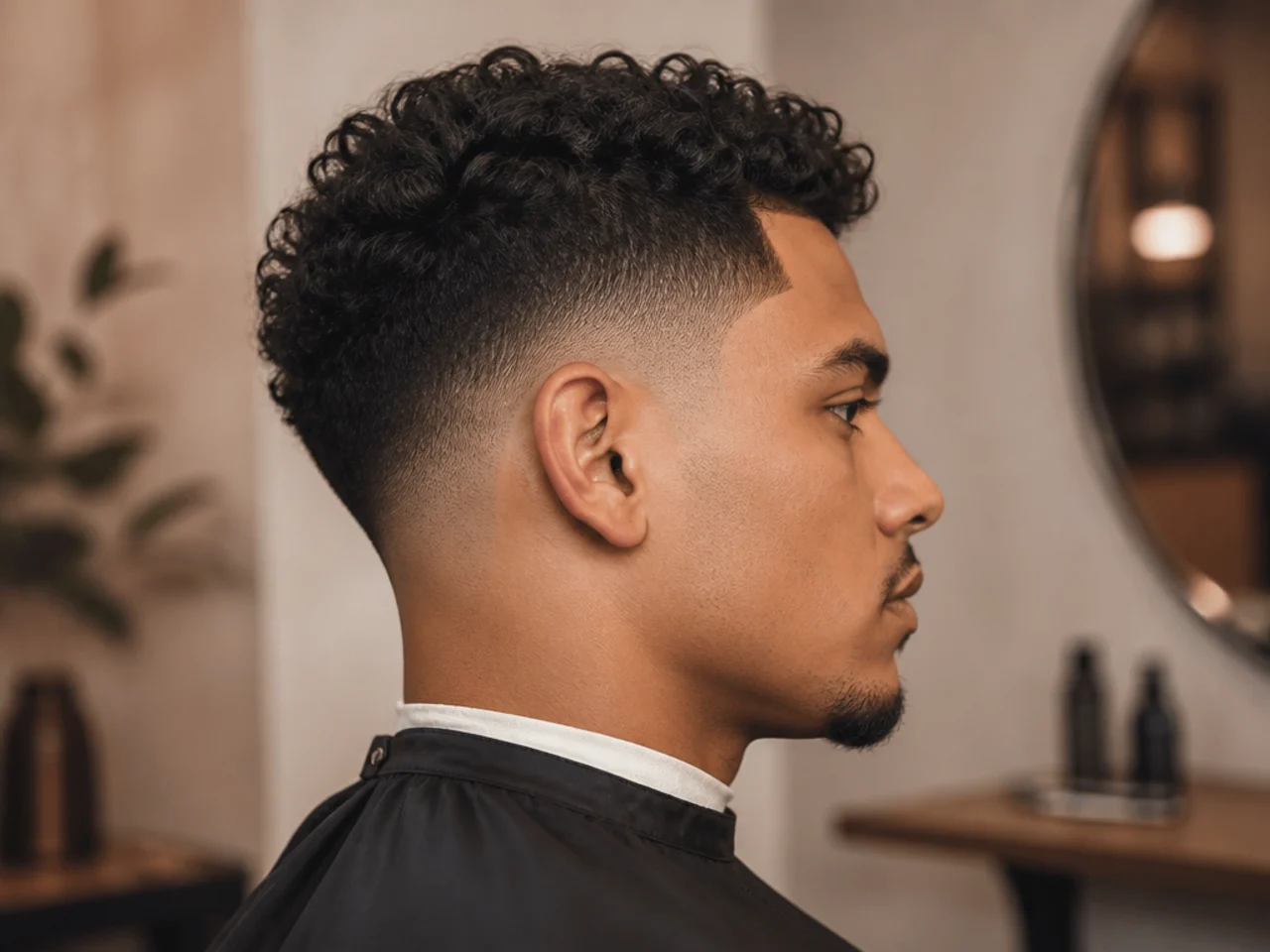
Pull a shirt collar up over the back of any fade and the neckline is what everyone sees. That's the strip running ear to ear along the base of your head, framed by whatever you're wearing that day — crew neck, oxford collar, hoodie, blazer. It's the most-photographed inch of any haircut and the first thing that goes wrong when a fade grows out.
On a #1 taper, that strip stays fuzzy for a week. On a standard clipper fade dropped to a #0.5, it blends into your neck stubble by day four. On a skin fade, the neckline is skin — no gradient, no fuzz, no in-between zone. The razor comes through last, and you leave the chair with a hard, drawn edge that a camera picks up before it picks up the top hair.
That's why the skin fade shows up in every wedding photo, courtroom appearance, and LinkedIn headshot where the guy looks like he owns the room. It photographs sharp under studio light and it holds shape in overhead office fluorescents. Bare scalp under the ear reads intentional. #1 stubble under the ear reads like a cut that's a week past due.
Two neckline choices matter, and both get decided in the chair before the razor is on your skin. Straight or arched. Straight reads formal — the sharpest option for a suit, a courtroom, a corporate photograph. Arched reads softer and flatters wider shoulders because the curve echoes the neck line rather than cutting across it. Pick before the razor moves. Changing your mind mid-cut is what leaves you with a lopsided edge for three weeks while it grows back into shape.
Blend the neckline into the fade line so the transition is one continuous curve, not two separate zones. A fresh skin fade with a razor-cut neckline reads as one clean piece from the crown down. That's what separates a designed haircut from a clipped one. A softer taper haircut will always look fuzzier here — that's the trade you make for a longer touch-up window.
Maintenance is minutes, not hours. Rinse the shaved panels in the shower every morning for the first two days and pat dry with a clean towel — thirty seconds of habit that prevents the ingrown hairs and razor bumps that leave a fresh cut itchy by day four. On hot days, run a thin layer of sunscreen across the bare zone. The shaved skin burns faster than the rest of your face because it hasn't seen daylight in months.
Reason 2: Face-Shape Versatility
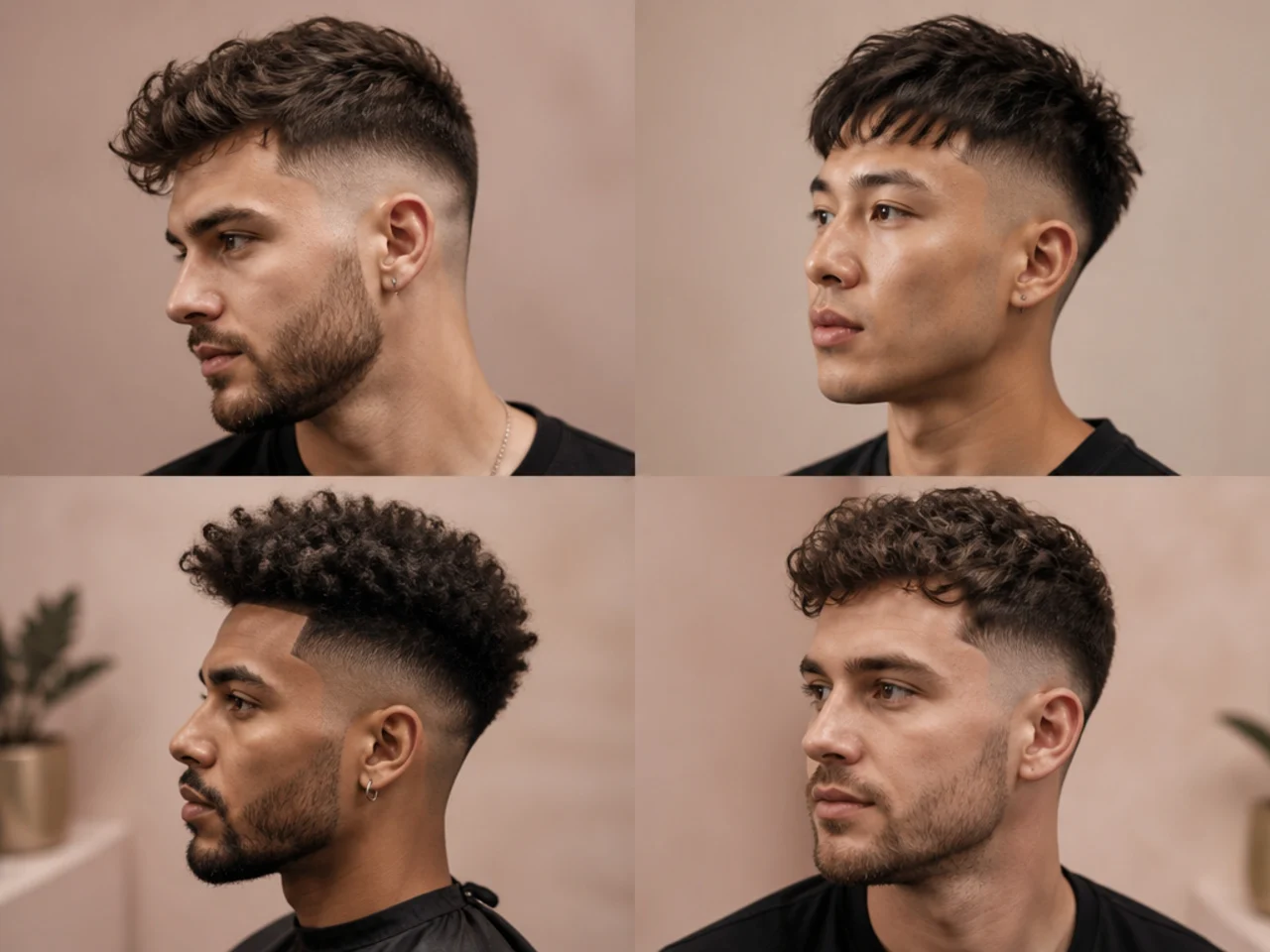
Every barber runs the same silent checklist when you sit down. Round, square, oval, long, diamond, heart. Six shapes, six defaults. The skin fade is the answer that survives all six because the variable you can tune — the height — matches whichever face is in the chair.
For an oval face, any height works. That's the point of an oval face; it's the reference frame every other shape is compared to. Pick your height by workplace and lifestyle, not bone structure. A mid skin fade is the average result — the version that looks correct in nine out of ten photos.
For a round face, ask for a mid or high skin fade with length on top. The vertical fade panel adds visual length to a face that reads shorter than it is, and a textured crop, quiff, or brushed-forward crown keeps the eye moving up. A low skin fade shortens the face further and is the wrong pick unless you're going for a specific quiet, spherical look.
For a square face, mid skin fade is the safest answer. It splits the difference between the corners of your jaw and the top of your head, and it lets you soften the angle with a slightly longer top like a curtain sweep or a comma curl. A high skin fade with a slick back leans into the angularity for a stronger read. Both work — the choice is mood, not correctness.
For a long or oblong face, always go low skin fade. High and mid stretch the face further. Keep the top short and horizontal — a wide fringe, a French crop, a textured brush-forward — so the head reads compact instead of tall. This is the version bank tellers and lawyers wear because it never adds inches.
For a diamond face — narrow chin, wide cheekbones — a mid skin fade sits at the widest point of your head and balances the cheek line. Curtains or a soft side part on top round the sharpness of the cheekbones without adding width.
For a heart-shaped face — wider forehead, narrower chin — a high skin fade adds vertical without adding forehead-emphasizing width, and a textured fringe below the fade line breaks up the top. Avoid slicked-back styles that expose more of the wide forehead.
Hairlines matter too. If your temples are thinning, drop the fade line — a high skin fade points the eye straight at the thin zone, and that's the last thing you want. A low skin fade sits well beneath the temple corners and hides the issue. If the thinning is on the crown, go the other way: a mid or high skin fade shifts attention to the sides so the crown reads shorter than it is.
Ask your barber to say the height back to you before the clippers move. "Mid skin fade starting at the temple" is what you're confirming. If the barber offers a different height because of your face, listen — they've cut a hundred versions of your bone structure and they know which one photographs best.
Reason 3: Works With Beard or Bare
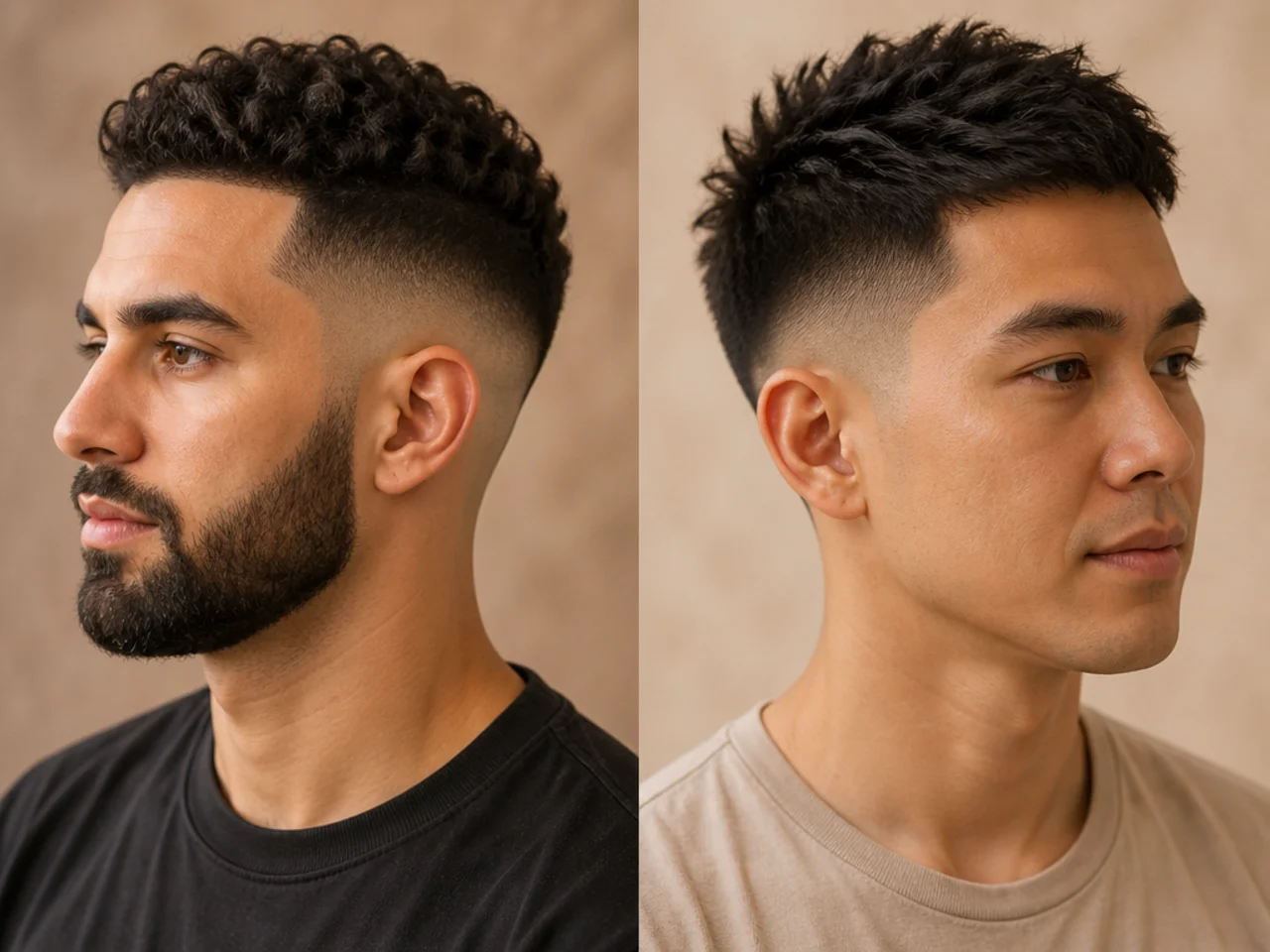
A lot of guys shave Wednesday and grow a beard by Saturday. The skin fade is one of the few cuts that survives both phases without a re-cut. Clean shave in the morning, three-day stubble by the weekend, full beard by the end of the month — the sides stay sharp through all of it because the fade doesn't depend on beard length to look intentional.
Bare-faced first. A skin fade with no beard puts the whole geometry of your head on display. Cheekbones, jawline, the corner where your sideburn used to sit — all of it reads clean under the fade line. Ask your barber to razor the sideburn to a hard edge that matches the front of your ear. The line is what the eye tracks when you turn your head, and a straight razored edge locks the whole cut in.
Stubble next. Three to five days of growth on the face pairs with a skin fade better than any other height combination. The sides stay razor-clean while the jaw softens, and the two textures play off each other in every photograph. Trim the neck stubble as low as you shave your neck — a beard that starts at your jawline and stops at your neck reads intentional; one that runs down onto your throat reads unshaven.
Full beard is where the skin fade earns the go-to badge. Bring the barber a length target for the beard (#3 to #5 guard is common) and ask for the sideburn to be blended straight into the fade line so the transition is one continuous curve from beard to skin to top. That single blend line is what separates a $40 fade with a beard from a $90 fade with a beard. Both may look right in a still photo, but the $90 version reads correct in motion because the sideburn doesn't jump from beard length to fade length in a hard step.
If you wear a full beard year-round, drop the fade height a notch. Beard weight pulls the eye down, and a lower fade balances the composition so the head doesn't read top-heavy. If you're clean-shaven most weeks, go up a notch — a higher fade replaces the visual weight the beard would carry and keeps the composition from feeling too small.
The clean-shave version photographs better under studio light. The beard version photographs better in natural daylight. Neither is wrong. Book both looks in advance for the shots you know you'll take — the wedding photograph gets a clean shave, the gym selfie gets three-day stubble.
Reason 4: Pairs With Any Top-Hair Style
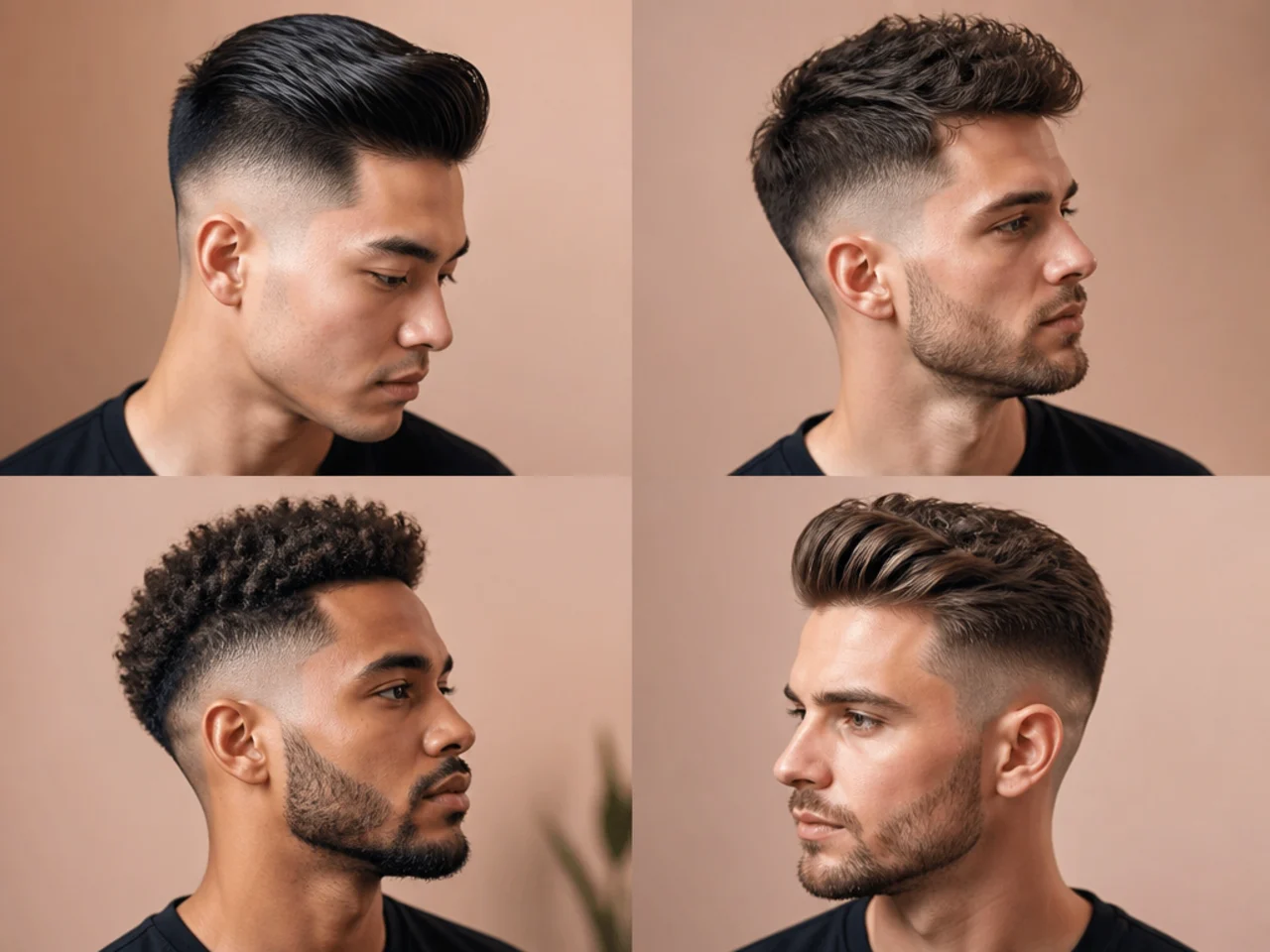
The best argument for a skin fade is that it treats the top of your head like a wardrobe. Change the top style month to month, week to week, day to day, and the fade underneath still frames it. The clean scalp acts like a picture frame: whatever you hang inside it gets more attention than it would on its own.
Short and simple first. A buzz cut on top of a skin fade is the maintenance-free option — no product, no mirror time, no styling routine. The crew cut is one guard length up and one degree less severe. Both work with any face shape when the fade height is tuned to match. This is what a lot of guys wear Monday through Friday when the calendar doesn't leave time for a styling routine.
Medium-length structured cuts sit in the middle. An ivy league haircut on top of a mid skin fade is one of the sharpest boardroom-ready pairings you can wear — the part comes clean, the length holds a comb, and the skin sides push the polish level up a notch beyond a standard fade. A comb over does the same job with a slightly softer read. Both handle a suit and a hoodie in the same week.
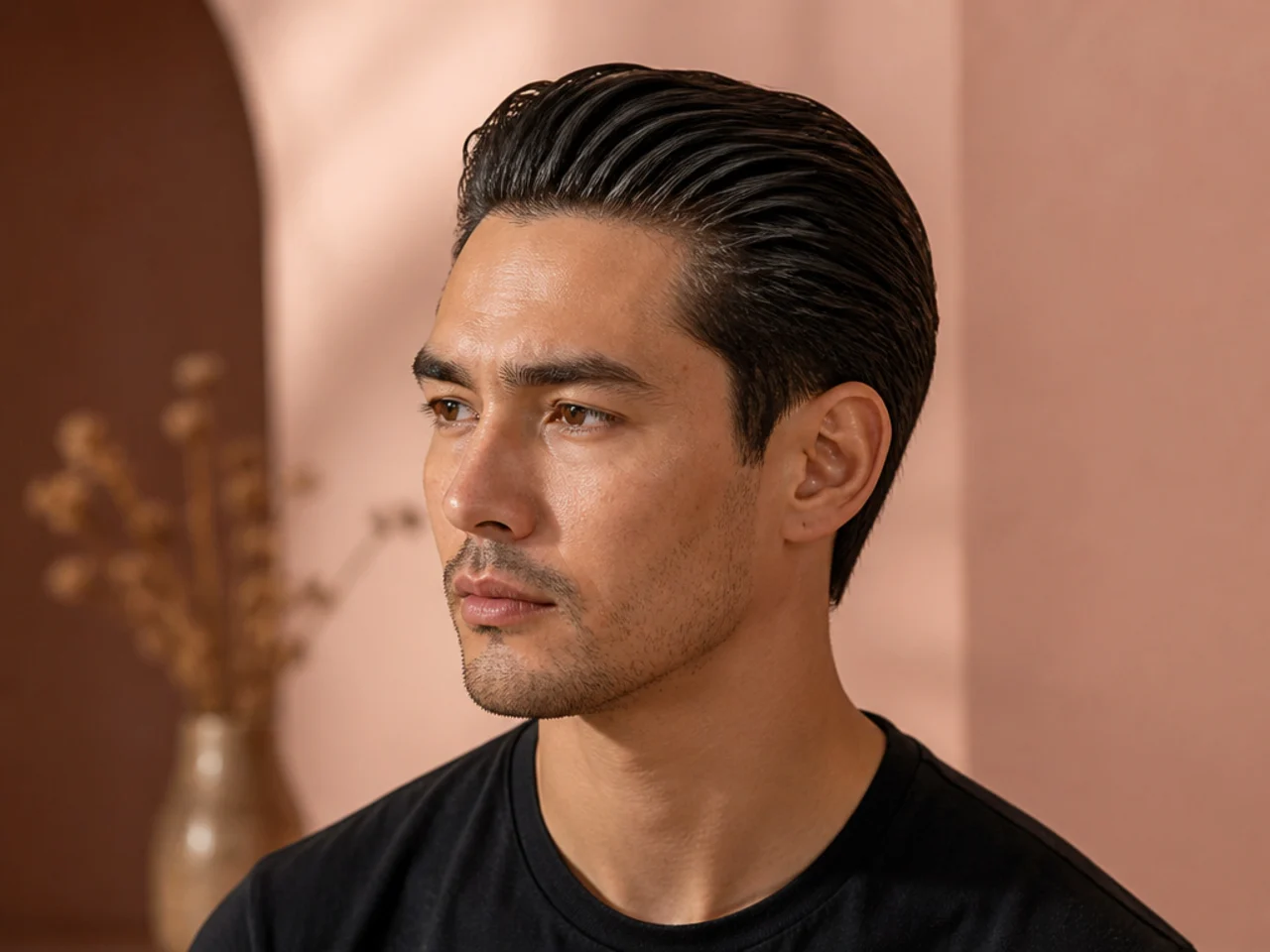
Longer, more visible top styles push the fade to work harder. A quiff needs three to four inches on top and a mid or high skin fade to isolate the volume. A pompadour needs five-plus inches and the same height range. A slick back can go either way — mid skin fade for polish, low skin fade for restraint. See the 15 trendy skin fade haircuts for a fresh look roundup for photograph references on each pairing.
Curls change the calculation. A skin fade under a curly top is one of the most striking visual pairings a barber offers — the razor-clean sides make the pattern on top read as the centerpiece. For 3A to 3C hair, ask for a mid or high skin fade and let the top stay long enough to hold its natural coil. Have the barber scissor-cut the top; thinning shears kill definition on curly hair.
Long hair pairs with a skin fade too. A five-inch fringe brushed forward, a shoulder-length flow tucked back, or a man bun on top of high skin sides — the contrast is what makes the length read intentional instead of accidental. This is the short simple men's haircuts family taken in the opposite direction: keep the sides at zero, do everything else on top.
The one pairing to think twice about is anything that visually competes with the fade line. A hard part etched at the fade line adds punctuation. A hard part etched separately from the fade line pulls the eye in two directions. Ask for the two lines to intersect at a single point.
Reason 5: Growout Stays Clean-ish
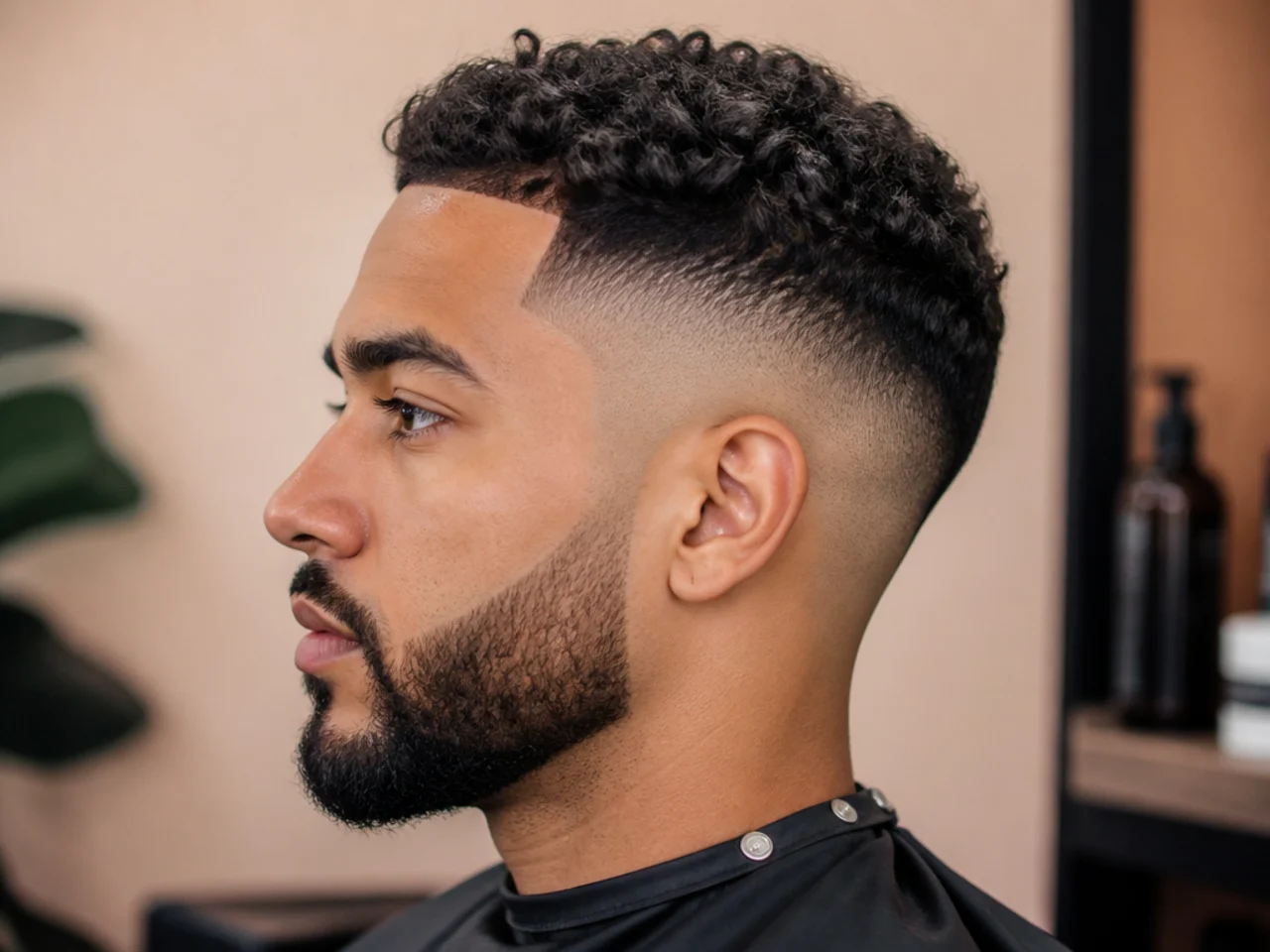
Skin fades have a reputation for needing constant upkeep. That reputation is half right. Yes, the shortest zone grows in fast — but the shape of the fade holds better through growout than most other cuts because the contrast is baked in high enough to survive some fill-in. That's why the skin fade wins a lot of appointment-missed weeks.
The math is simple. Every fade loses definition as the shortest point grows out. A #1 taper starts at a #1 length and blurs into hairline at a #2. A #0.5 standard fade blurs into a #1 by day ten. A skin fade starts at zero and only reaches a #0.5 equivalent at day seven to ten — and even at that point, the head shape looks like an intentional near-skin fade, not an overdue haircut. The barber never dropped a guard number; growth just filled one in.
Week one, the fade is razor-sharp. Camera-ready. Everyone in the office notices in a good way, then stops noticing by Wednesday. Week two, the shortest zone is short stubble. The shape reads soft-mid-skin instead of skin-skin, but the transition line is still visible and the neckline holds. Week three, the shape is a very short standard fade. You'll notice; not many other people will. Week four, book the appointment or ask for a quick touch-up.
That's what makes the skin fade travel well. Fly out Sunday, cut in Tuesday, five days of meetings and dinners, fly back Saturday — you'll still look like you meant it every night. Compare that to a #1 taper cut the same Tuesday: by Friday, the neckline is fuzzy and the top has crept over the sideburn. The skin fade version is one shower rinse away from looking cut. The taper version needs a barber.
The one thing that does not survive growout is a razored line-up or a hard part etched into the fade panel. Those fill in at their own pace and start to look like a smudge inside a week. If your work photography calendar has anything more than four days between the cut and the shoot, skip the design work — it's what makes a two-week-old skin fade look like it needed maintenance a week ago.
For guys who want the near-skin look without the ten-day rhythm, the low fade haircut is the closest cousin — it stops at a #0.5 or #1 guard instead of skin, holds shape for three to four weeks, and photographs almost as clean. The trade is contrast: the skin fade always reads sharper on day one. The low fade always reads sharper on day fifteen. Pick your rhythm and match the fade to it.
Book the next appointment before you leave the chair. The guys with the sharpest skin fades in every barbershop I've worked in are the guys who book two visits ahead — one cut in ten days, one in three weeks. The chair is on their calendar the way the gym is. That's the whole trick.
Styling and Maintenance
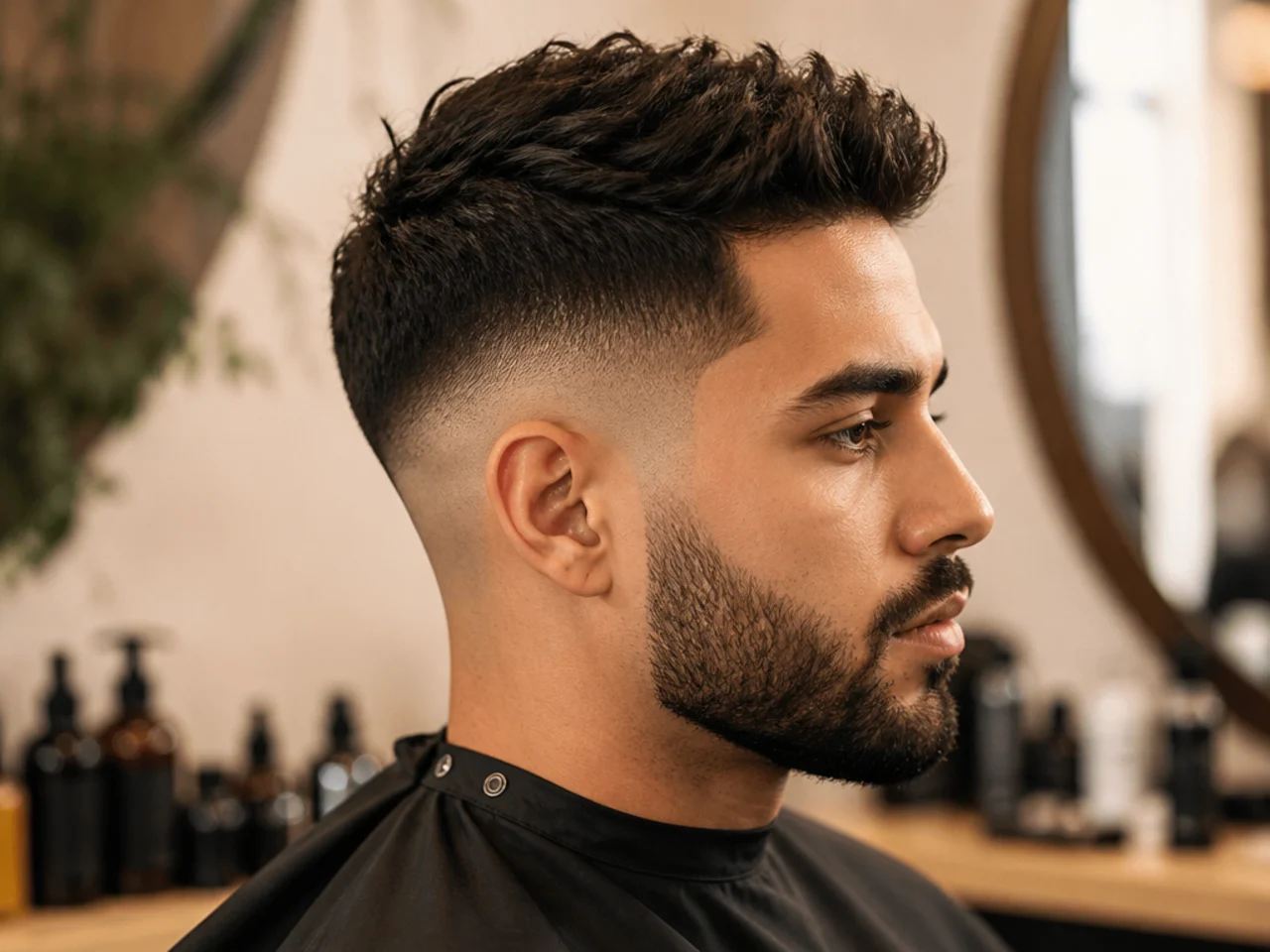
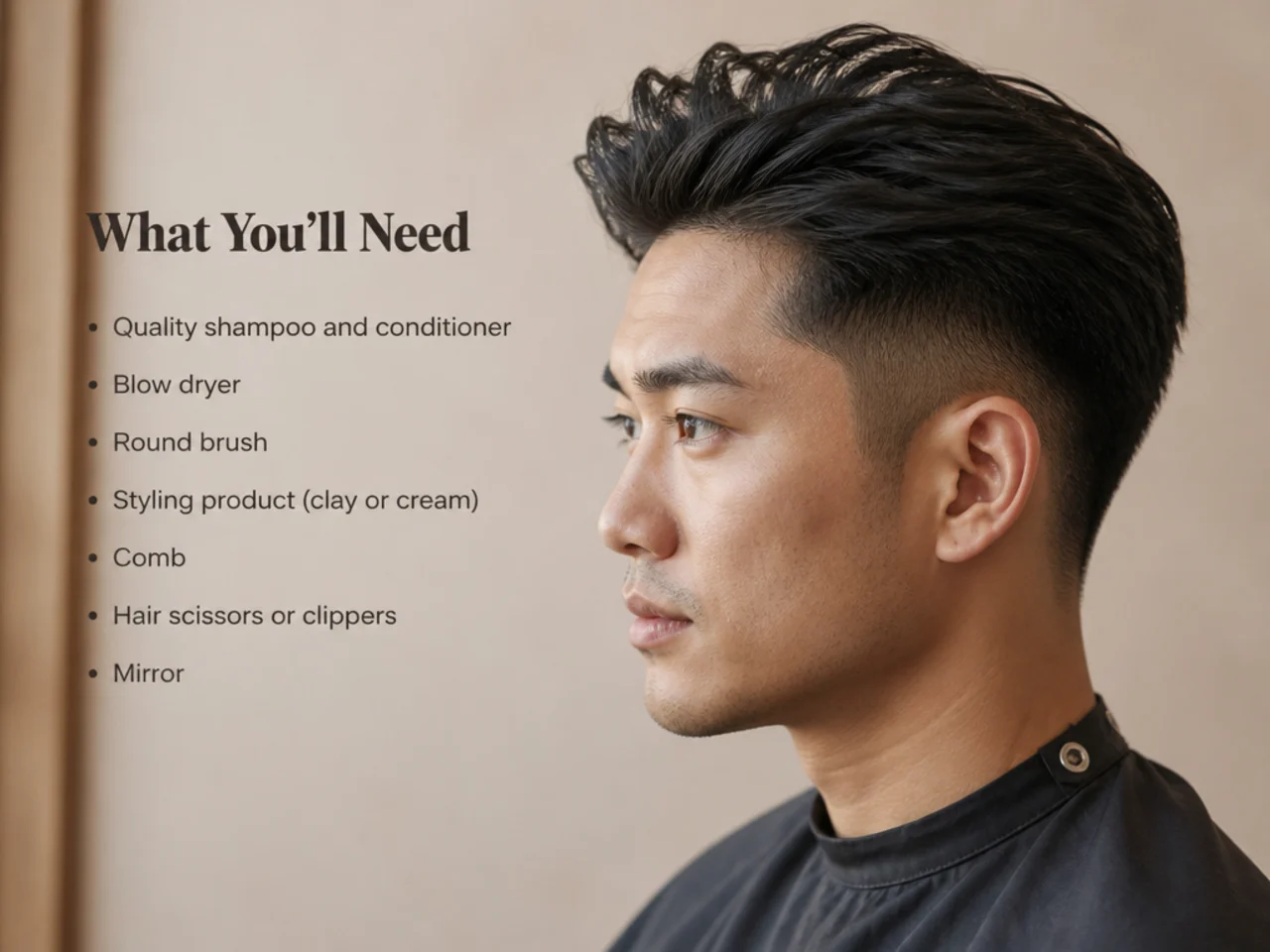
Product picks by the top. Buzz cuts and crews want nothing at all, or a pea of matte clay warmed between palms and pressed through the top. Textured tops — French crops, forward fringes, broccoli curls — want a matte cream on damp hair, finger-styled and left alone. Slick backs, comb overs, and ivy league parts want a shine pomade applied to damp hair and combed once with a fine-tooth comb. Curly tops want a leave-in curl cream on soaking-wet hair with a diffuser on low.
Rinse the shaved panels every morning for the first two days. Thirty seconds in the shower, pat dry with a clean towel. That's the whole ingrown-hair prevention routine. On day three onward, wash as normal.
Sunscreen on days one and two. The bare scalp has not seen daylight in the weeks between cuts, and the first exposure burns fast. A dab of SPF 30 on the temples and behind the ears takes ten seconds and saves you from looking pink for a week.
Book a fade-only touch-up between full cuts if the shop offers one. Most do; most guys don't ask. It usually runs $15 to $25, takes fifteen minutes, and cleans up the neckline and the transition line without recutting the top. That's what turns a two-week rhythm into a four-week rhythm without the fade ever looking overdue.
Line-up cadence matters more on a skin fade than on any other height because there's nothing else to soften the edges. Ask for the temple and forehead line-up every visit. If you get any hard-part or design work done, expect it to look best for the first four days and to need a re-etch by day ten. That's the trade you make for the sharpness.
FAQ
Skin fade vs bald fade — is there a difference? No. The two terms describe the same cut: hair taken all the way down to visible scalp at the shortest point. "Bald fade" shows up more often in the context of textured and coily hair; "skin fade" is the more common phrase everywhere else. Either word works at the barber.
Can I get a skin fade with thin or fine hair? Yes — the contrast between clean scalp and length on top actually makes fine hair on top read denser than it is. Keep the top short (an inch and a half, French-crop territory) and skip pomade, which weighs fine hair down. A texturizing powder adds lift.
Will a skin fade damage my scalp long term? No. The razor removes hair, not skin. Any irritation in the first two days is stubble regrowth against the shirt collar or pillowcase, not damage. Rinse and pat dry each morning and it settles within the week.
Which is sharper — skin fade or taper fade? Skin fade, day one. Taper fade, day fifteen. Skin fade always wins the immediate photograph; taper fade wins the average day-in-week-two look. Pick by your appointment rhythm, not by which looks better in the reference photo.
How do I keep the shape between cuts? Rinse the shaved zone daily for the first two days, book a fade-only touch-up at day ten, and match the beard trim to the fade appointment. That's the routine. Anything more is extra credit.
What if my barber pushes me toward a #0.5 instead of skin? Ask why. If it's about your scalp being sensitive to a razor, they may have a point — some skin reacts to the first pass. Ask for skin at the neckline only and a #0.5 up the sides as a compromise. If it's about their comfort with the razor, book a different barber. The skin pass is the whole point of the cut.