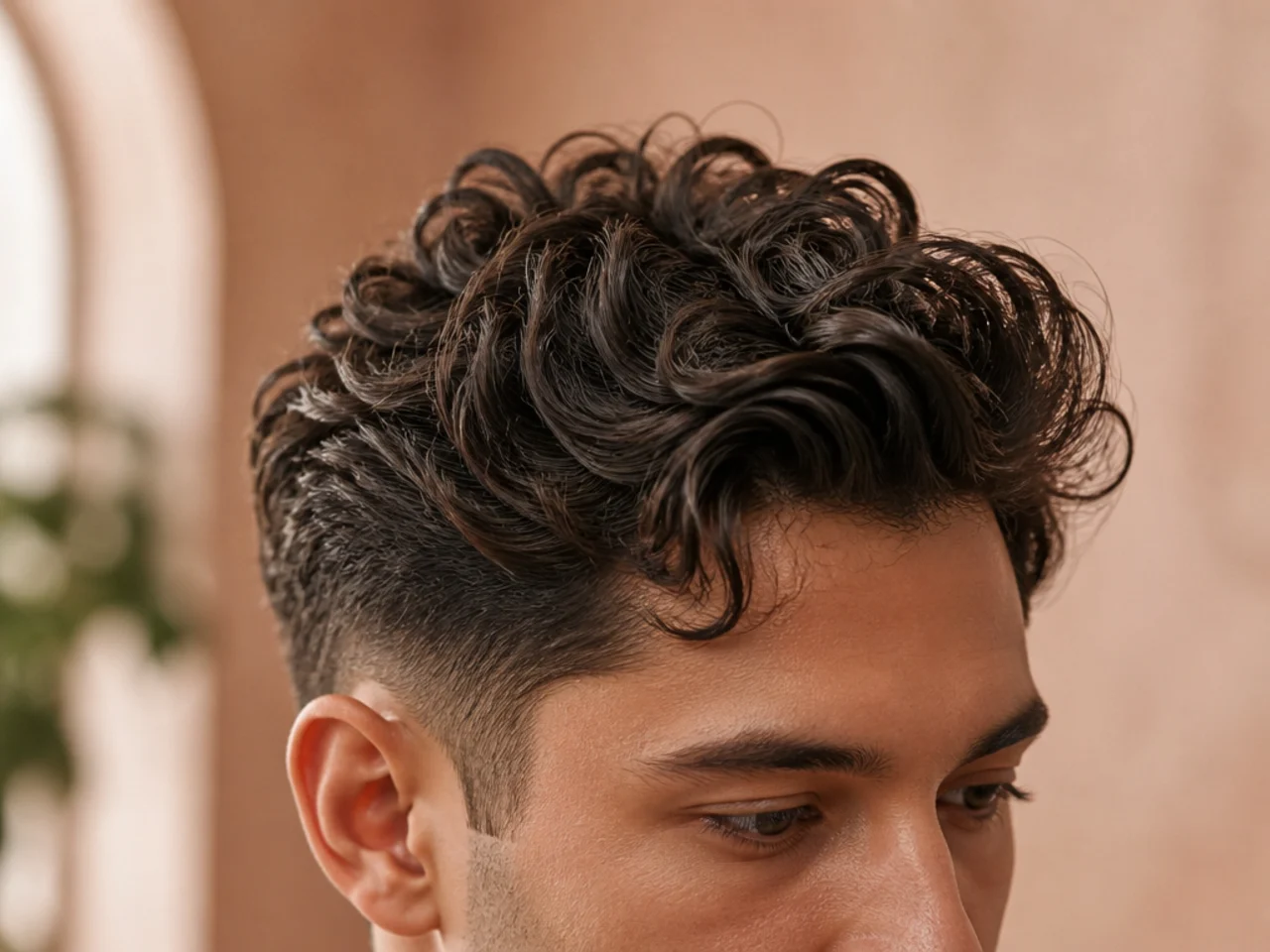
20 Wavy Curly Hair Ideas for Men We Love
Wavy hair does not fail the way curly hair fails. It goes flat rather than frizzy, which means most curly hair advice is aimed at the wrong problem and makes a wave worse every time it is applied.
In this article · 27
- Wave Fails Flat, Not Frizzy
- How to Choose Yours
- The 20 Wavy Curly Cuts
- 1. Mid-Length With Root Lift
- 2. The Textured Crop on Waves
- 3. The Wavy Fringe
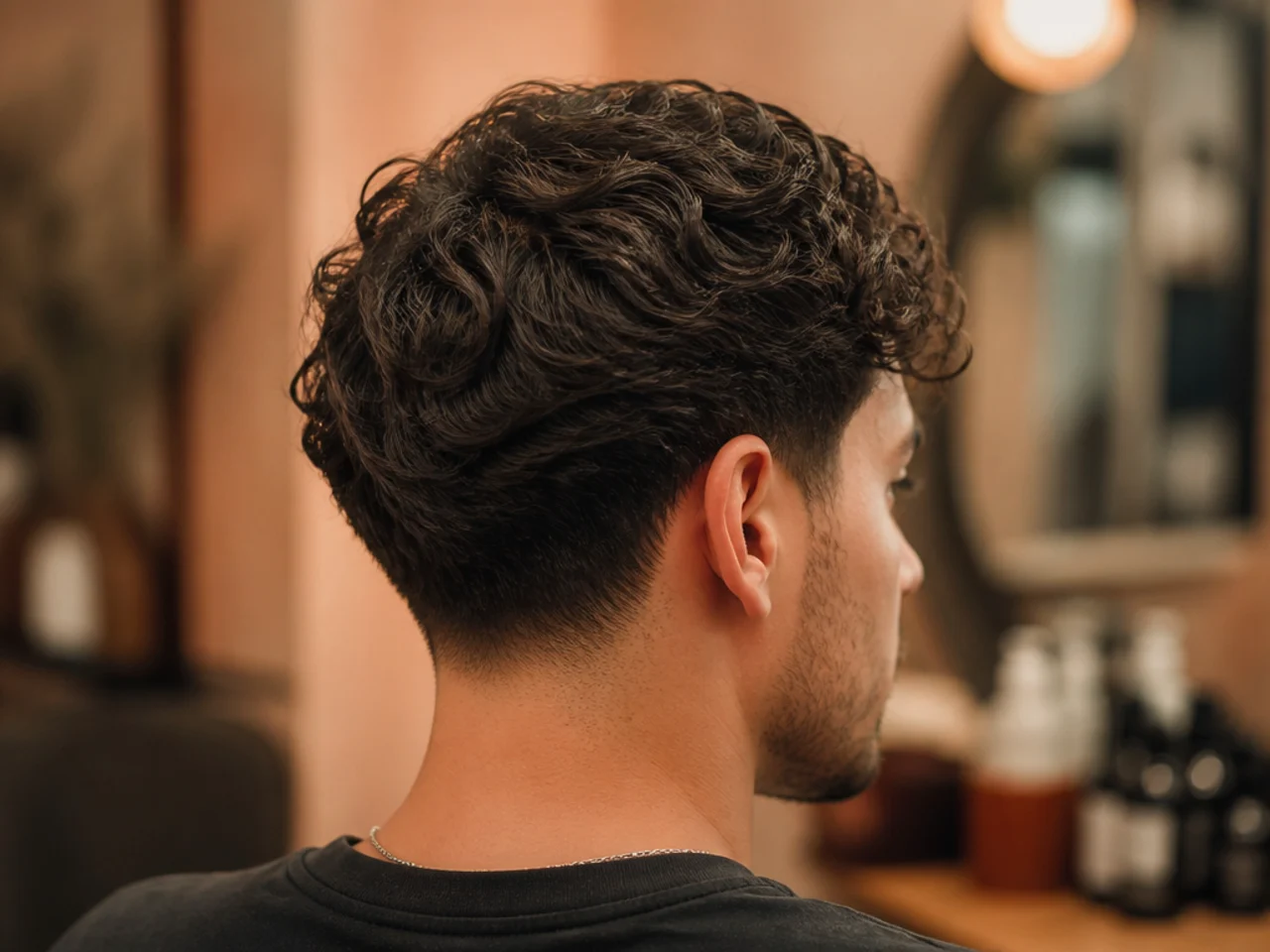
- 4. Waves With a Low Taper
- 5. The Wavy Quiff
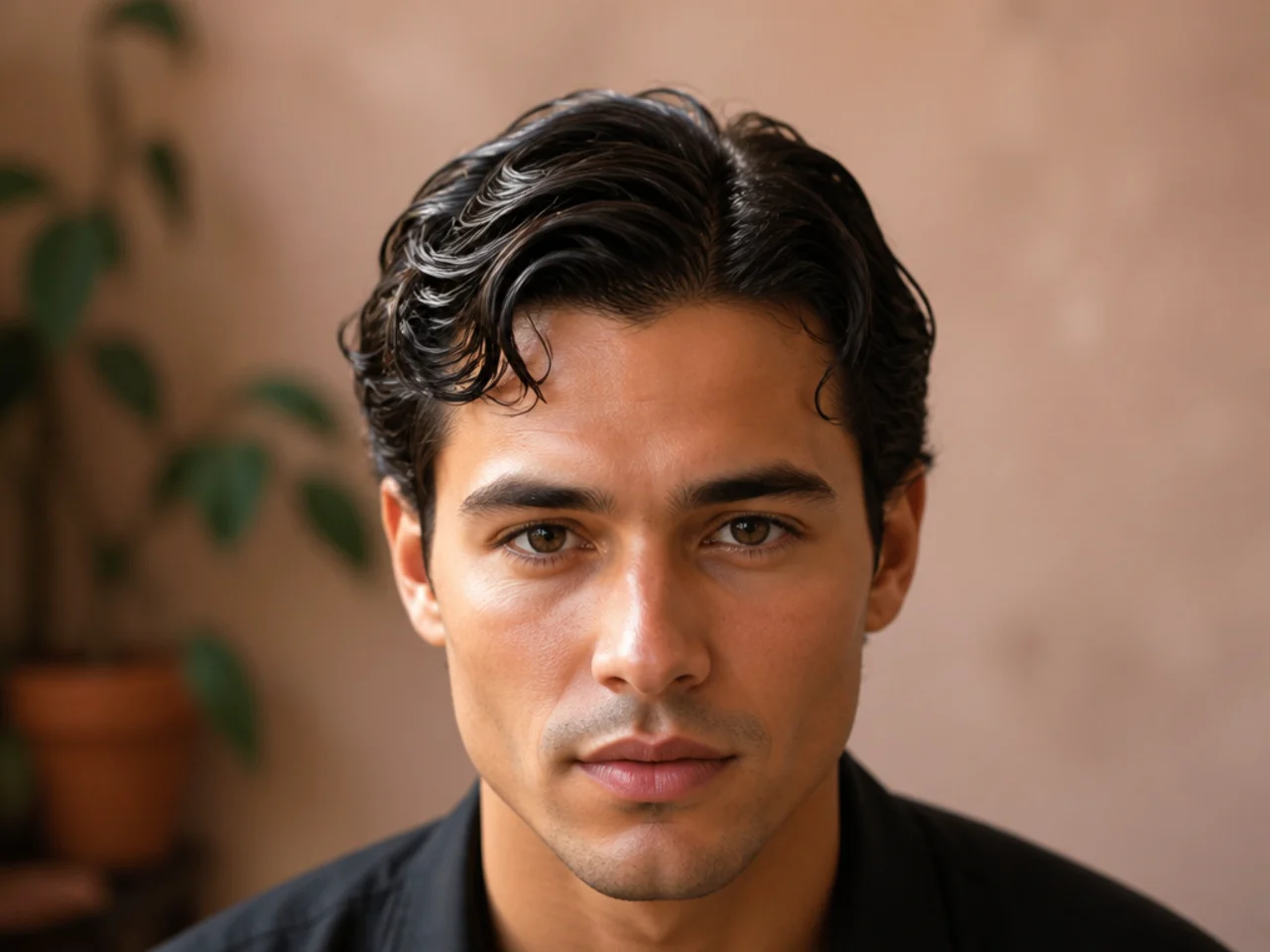
- 6. The Wavy Side Part
- 7. Waves Pushed Back
- 8. The Wavy Curtain
- 9. Waves Over an Undercut
- 10. The Wavy Mullet
- 11. The Wavy Shag
- 12. Waves With a Beard
- 13. The Barely-There 2A Wave
- 14. The Defined 2C Wave
- 15. Where 2C Becomes 3A
- 16. Waves on Fine Hair
- 17. Waves on Coarse Hair
- 18. The Wave That Only Appears at Length
- 19. Recovering From Over-Layering
- 20. Waves at Week Six
- Styling and Upkeep
- Mistakes to Avoid
- FAQ
- Final Thoughts
Wavy hair gets handed curly hair advice and quietly ruined by it.
A wave fails flat and a curl fails frizzy. They are opposite problems, so a product that rescues a curl is exactly the weight that flattens a wave.
Waves need weight in the lengths and none at the root. That single rule explains almost every cut on this page and almost every mistake at the bottom of it.
Wave Fails Flat, Not Frizzy
A wave is an S along the strand. It bends rather than wrapping, and it stays roughly flat against the head.
It loses very little length drying. Curls lose about a third, waves lose only a little, so wet cutting is far less risky here.
It needs mass to exist. Cut a wave too short or layer it too heavily and the pattern disappears entirely.
It cannot carry weight at the root. Anything applied near the scalp drags the whole wave straight from the top down.
How to Choose Yours
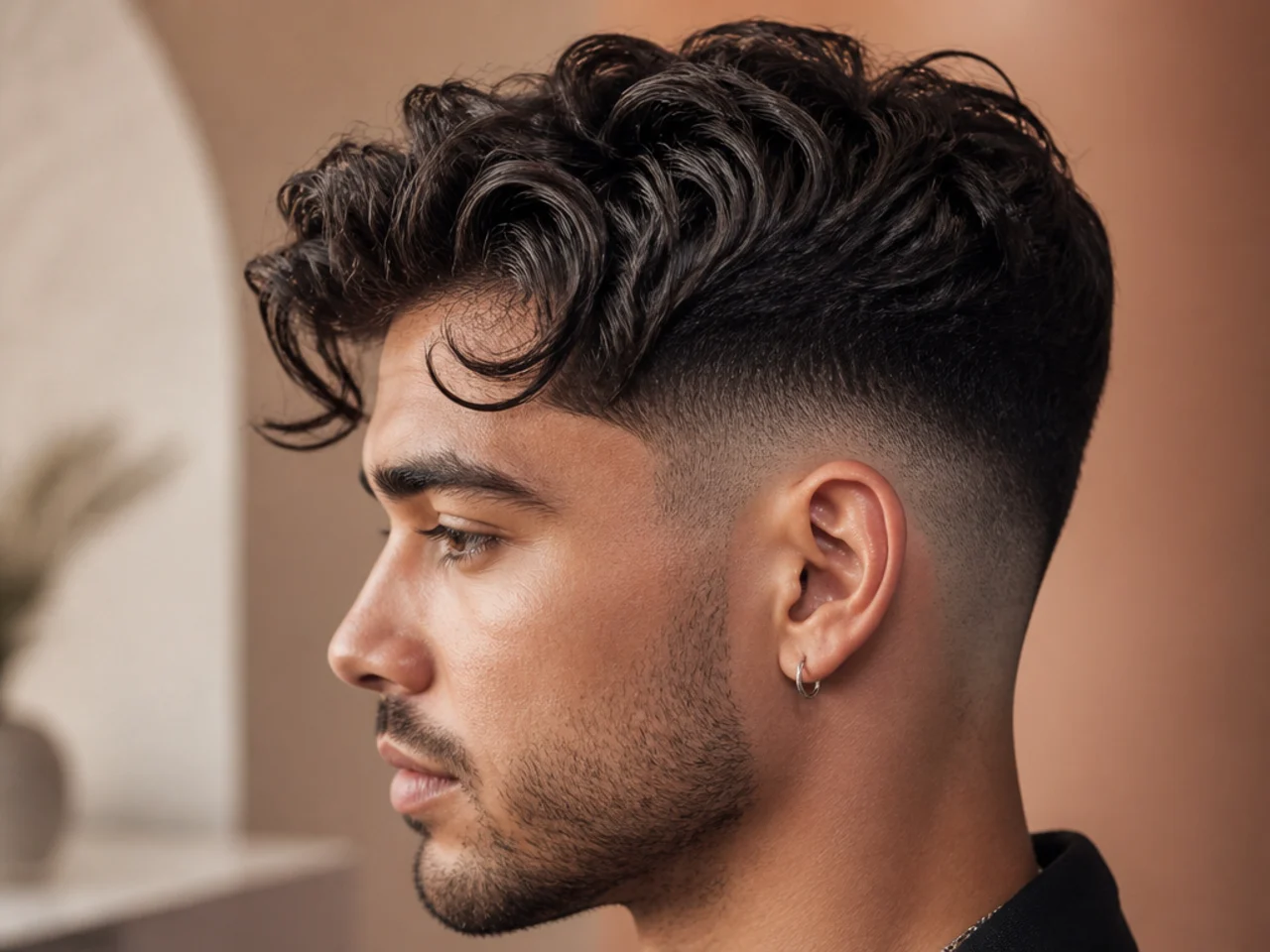
Give it length before you give it product. Most flat waves are three centimetres short of showing a pattern.
Ask for weight removed at the root only. Interior layers low down flatten a wave, and a little lift at the crown does the opposite.
Judge it air-dried and untouched. Towel drying and combing hide the wave that is actually there.
Use less product than the bottle suggests. A wave collapses under an amount a curl would barely register.
The 20 Wavy Curly Cuts
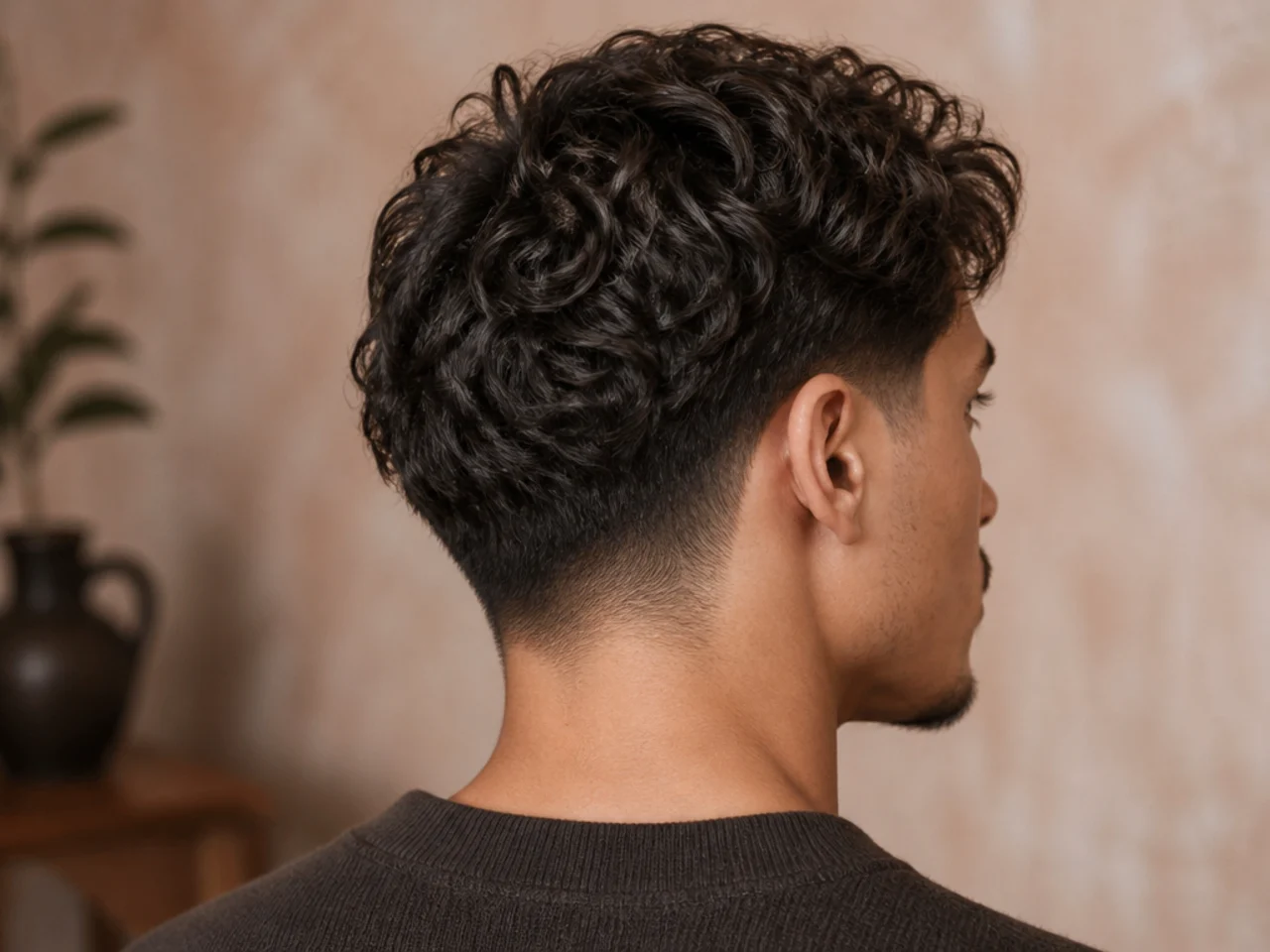
1. Mid-Length With Root Lift
Length through the ends and a small amount of weight taken out at the crown. It is the shape that gives a wave the two things it needs at once, mass low down and lift at the top.
2. The Textured Crop on Waves
Short back and sides with the top kept just long enough to bend. The minimum is roughly four centimetres, because below that a wave has nowhere to complete its S.
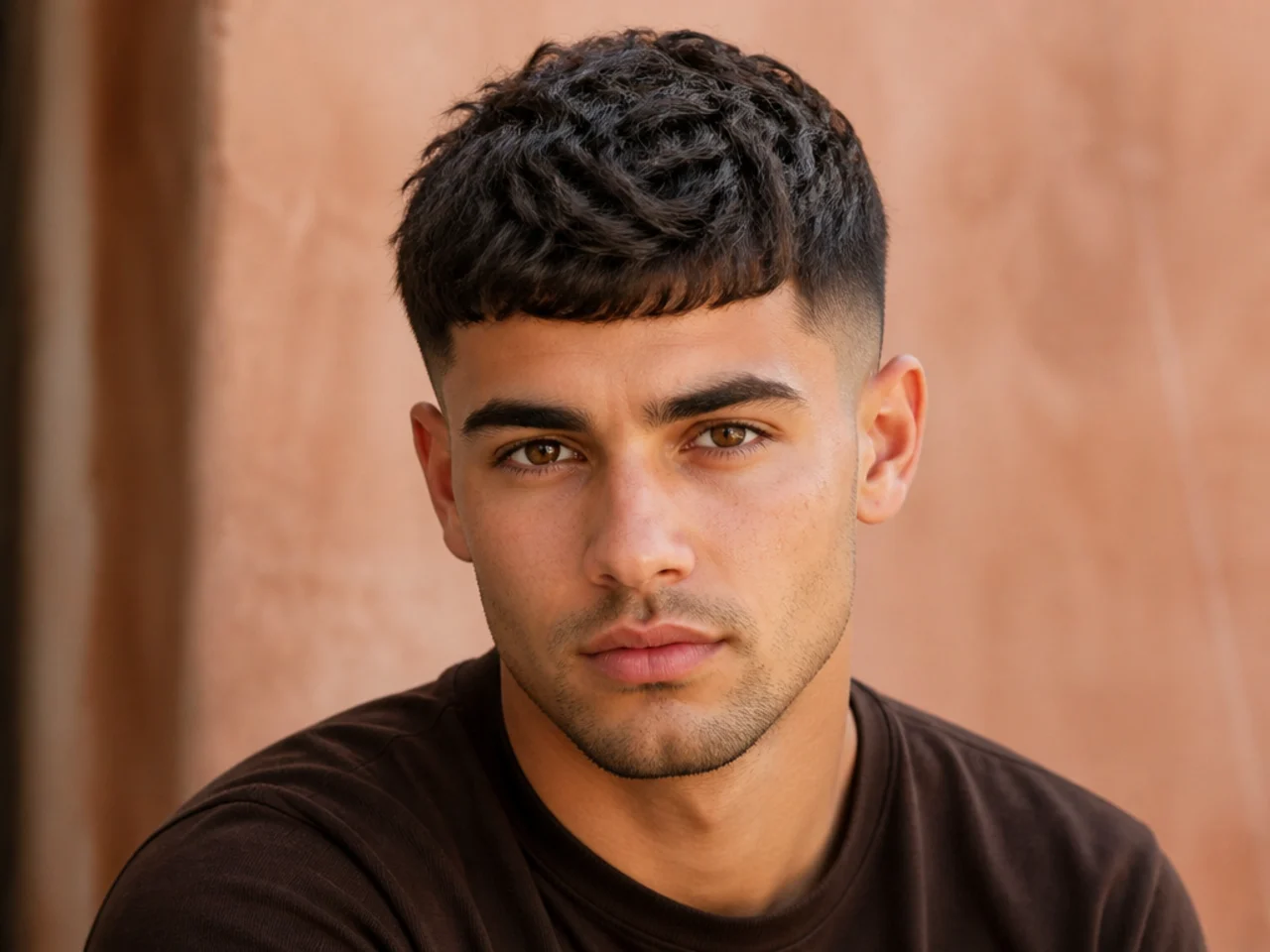
3. The Wavy Fringe
Front length left blunt and falling forward. Waves hold a blunt line far better than curls do, so a fringe can be cut conventionally without drying uneven.
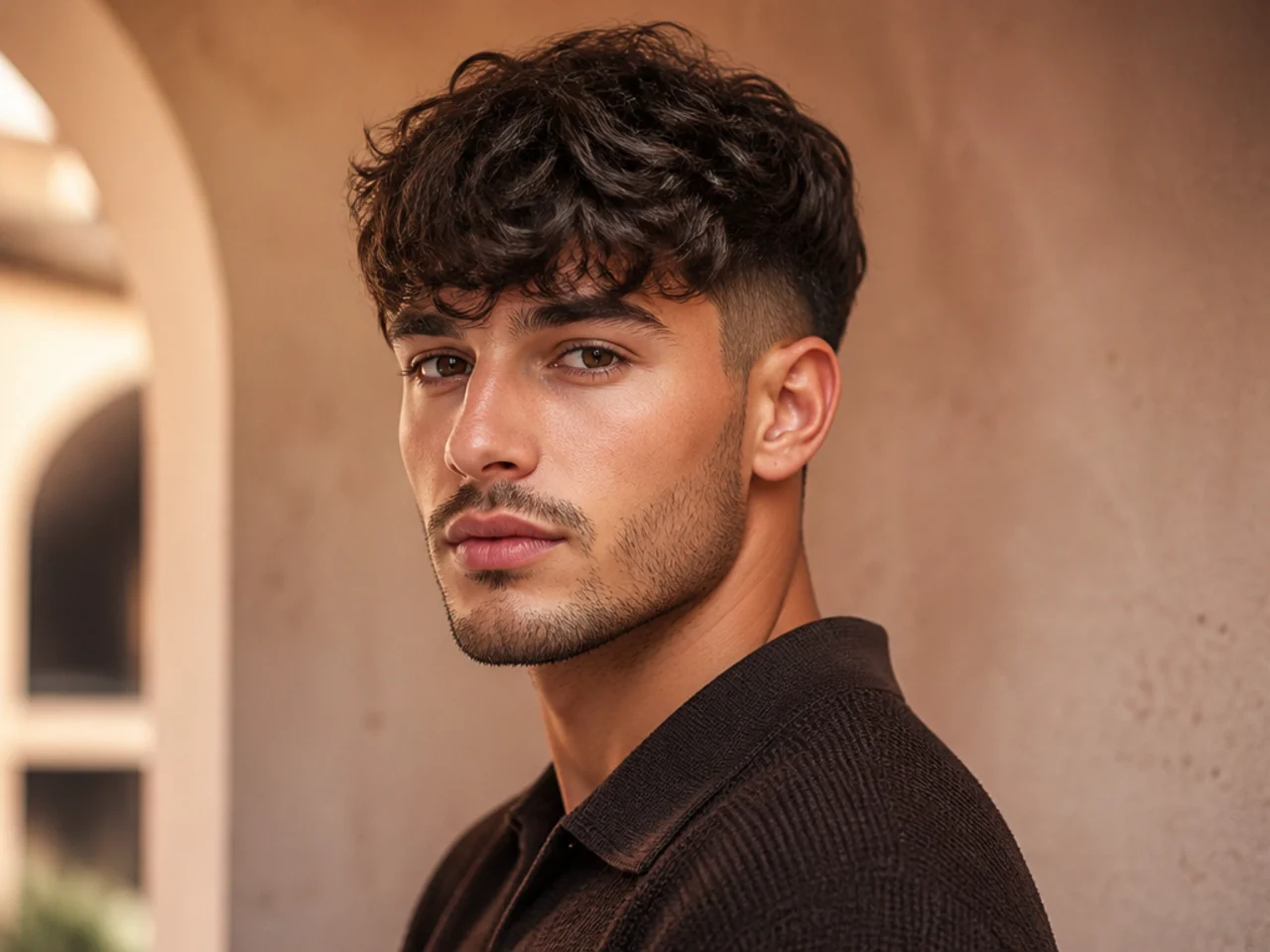
4. Waves With a Low Taper
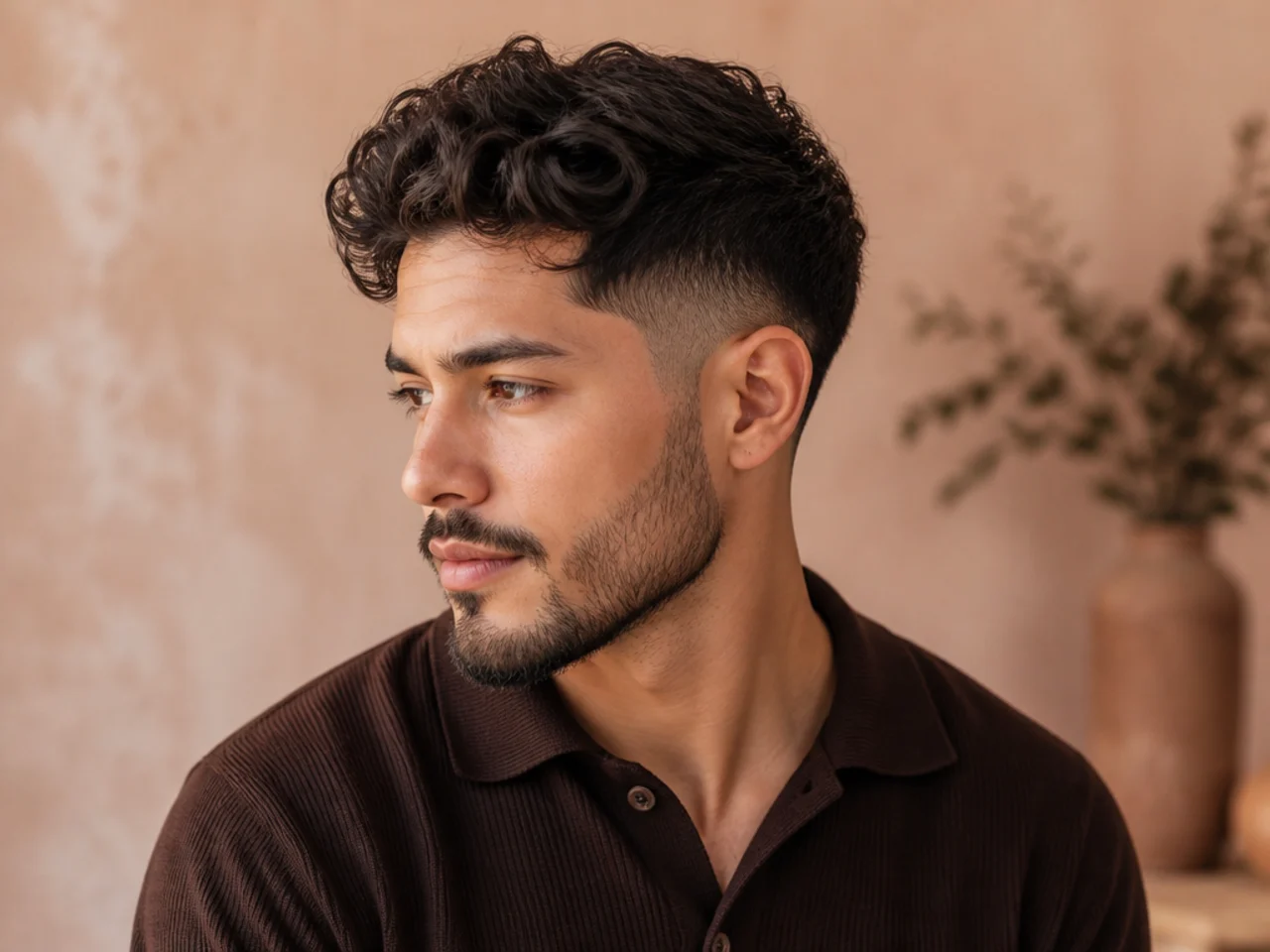
Length on top and the perimeter graduated to a #1 at 3mm. The taper narrows the sides, which is what stops a wave sitting flat and wide against the head.
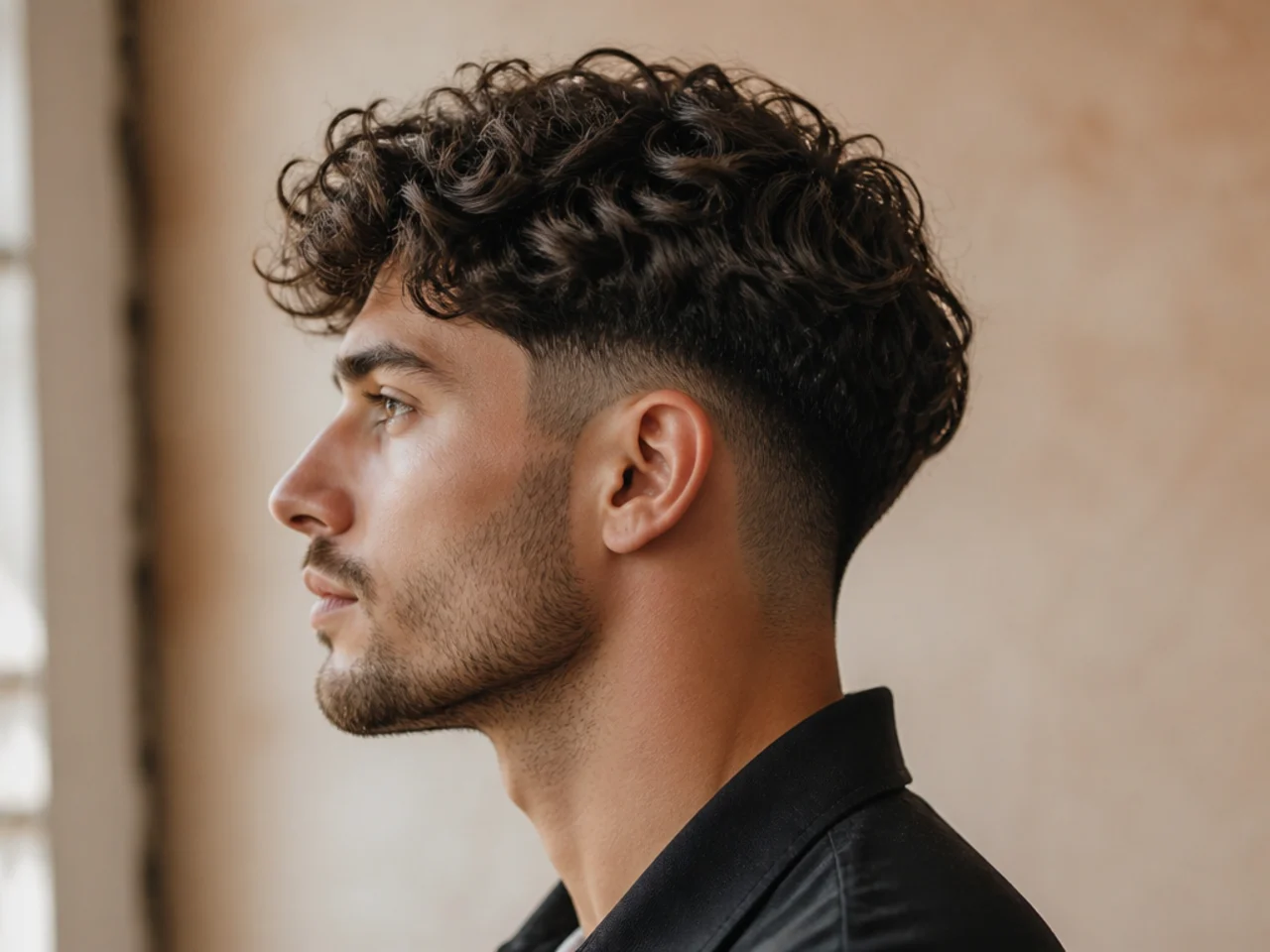
5. The Wavy Quiff
Height at the front, held by the wave rather than by product, which is the quiff at its least demanding. It works because a wave has enough mass to stand where a curl would spring back, which is one of the few advantages of the looser pattern.
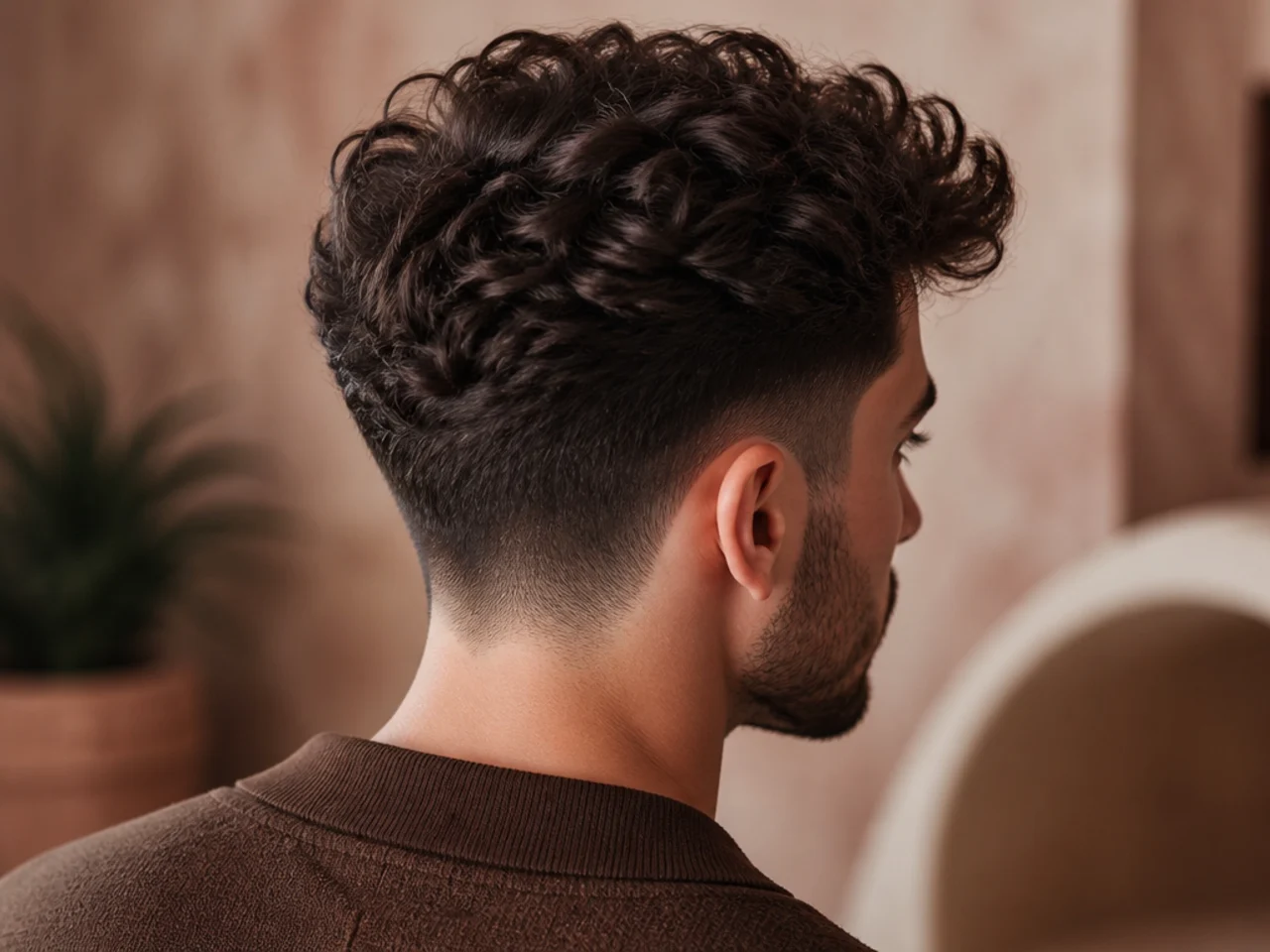
6. The Wavy Side Part
A parting placed where the hair naturally splits. Waves hold a part far more reliably than curls because the pattern lies flat rather than lifting away from the scalp.
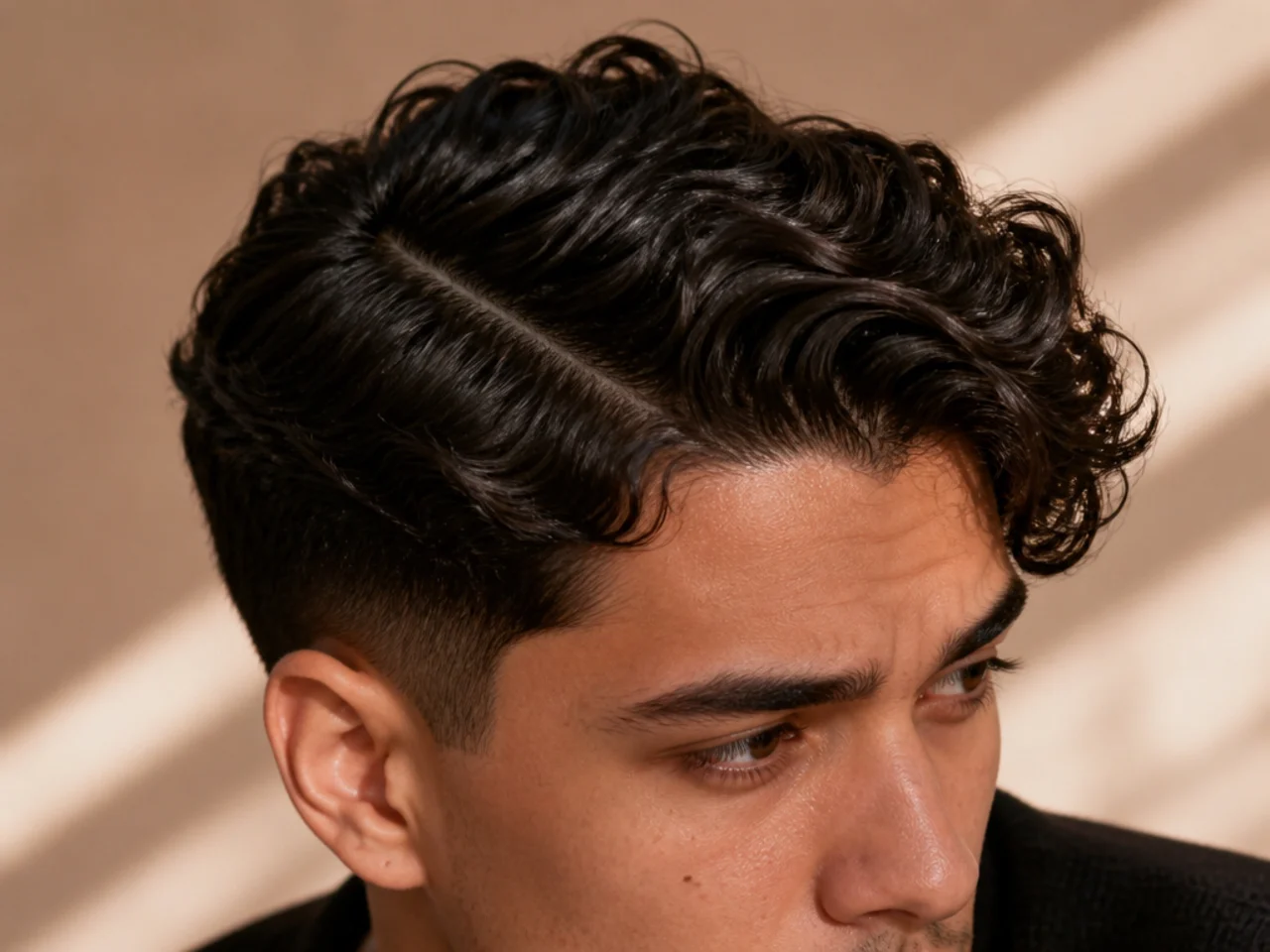
7. Waves Pushed Back
Everything swept off the face with damp hands. Wave weight holds the direction all day, which is why this needs no product at all on most heads.
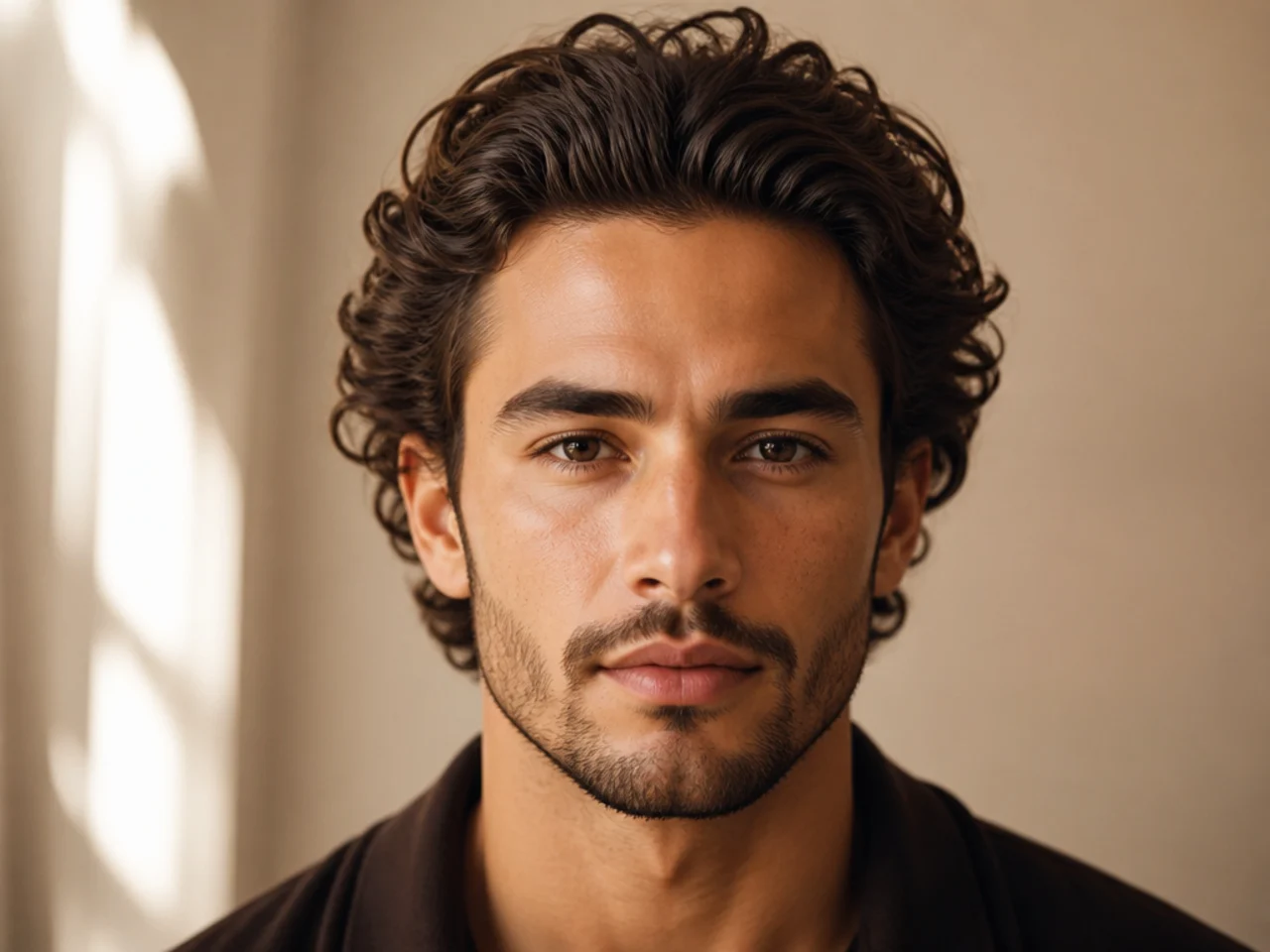
8. The Wavy Curtain
Front split and swept to both sides. It is the shape that gets better as it grows, which suits a pattern that needs length to show in the first place.
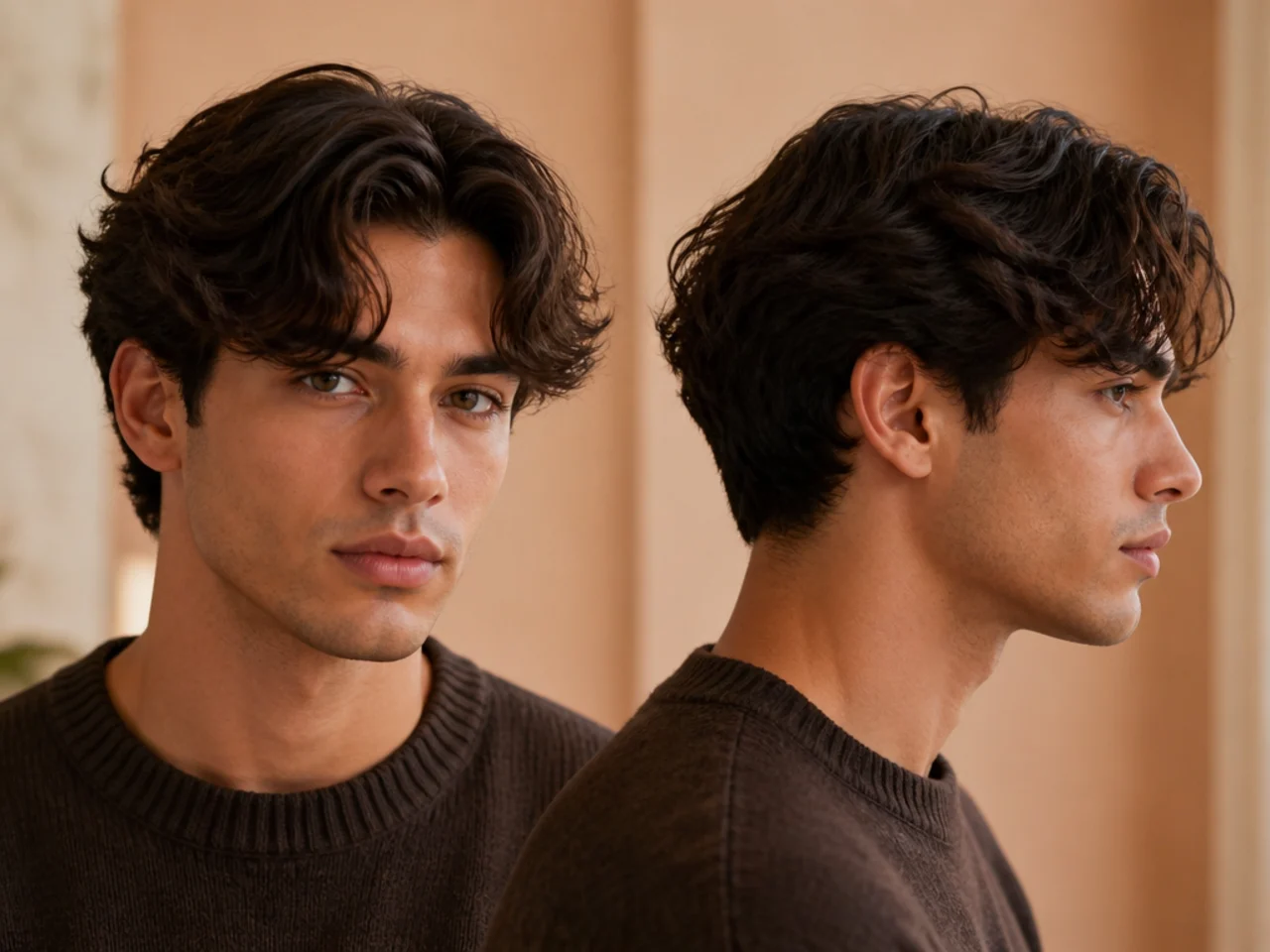
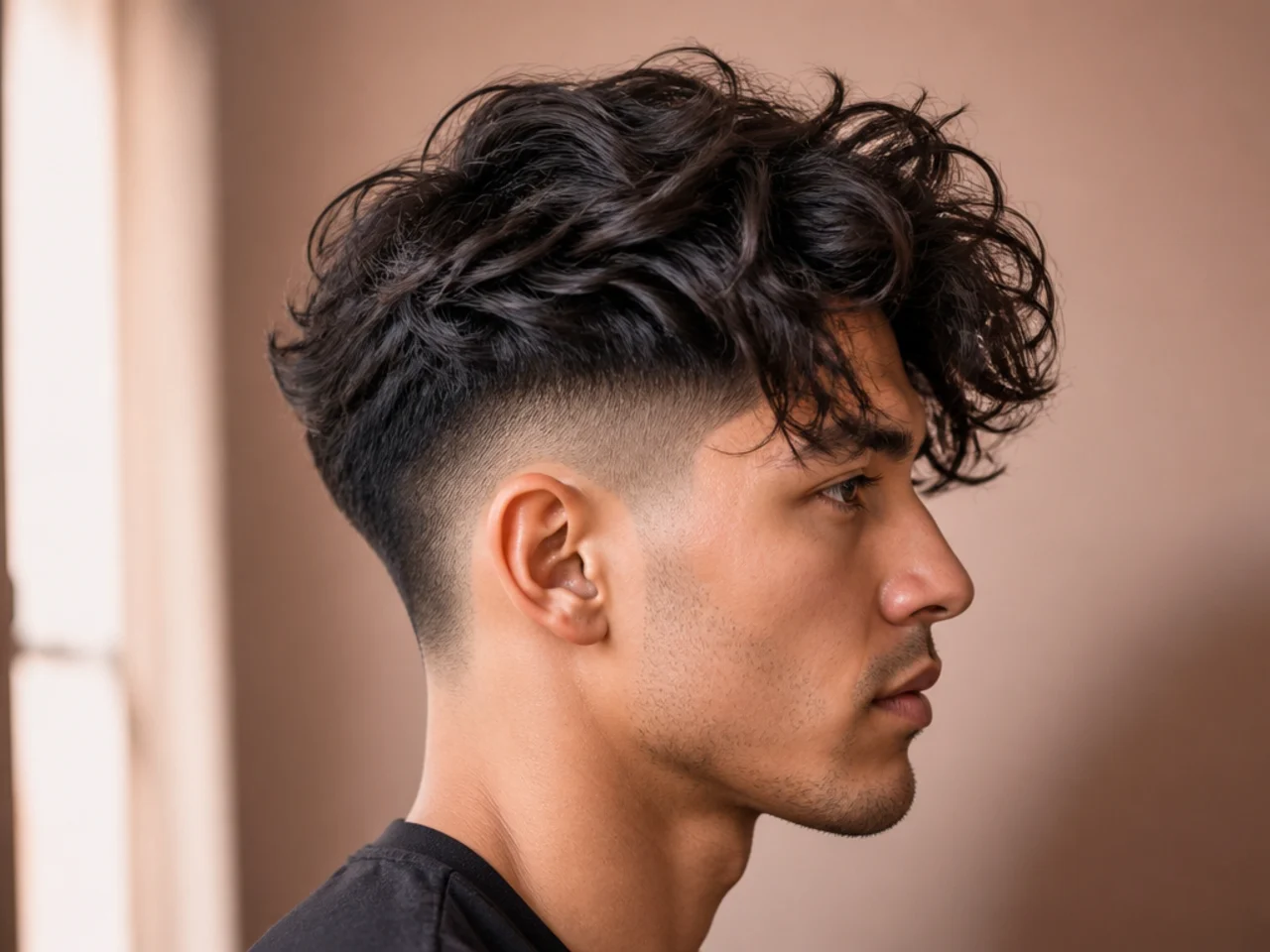
9. Waves Over an Undercut
Short disconnected sides with the wave left long on top. It removes the width that makes a wave read flat and forces all the visual weight upward.
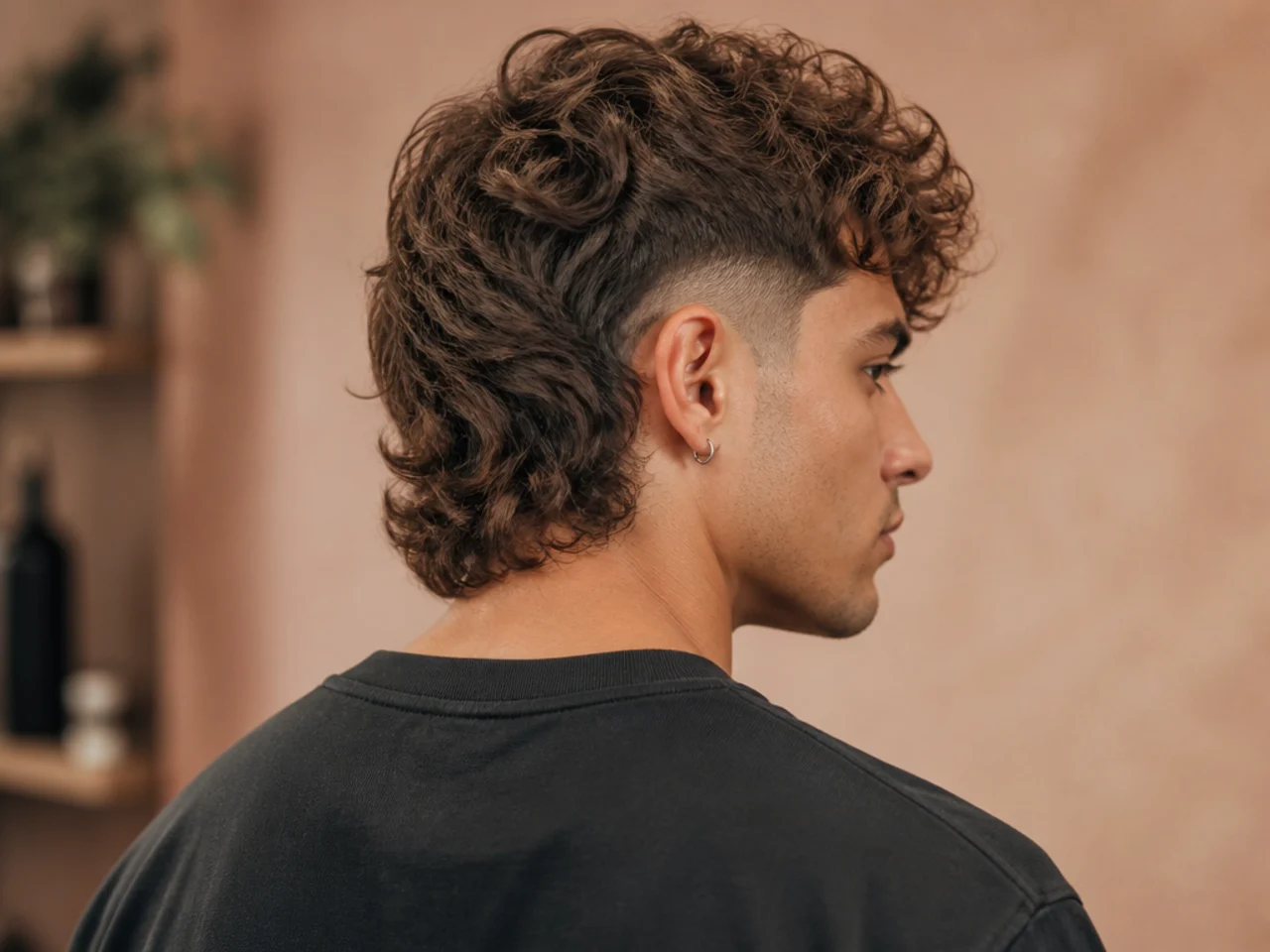
10. The Wavy Mullet
Short front and sides with length kept at the back, the mullet done on a pattern that suits it. Wave at the back hangs with enough weight to read as a deliberate shape rather than as neglected length.
11. The Wavy Shag
Layers through the crown with the lengths left heavy. The layering has to stay high, because layers cut low into a wave remove the mass the S shape depends on.
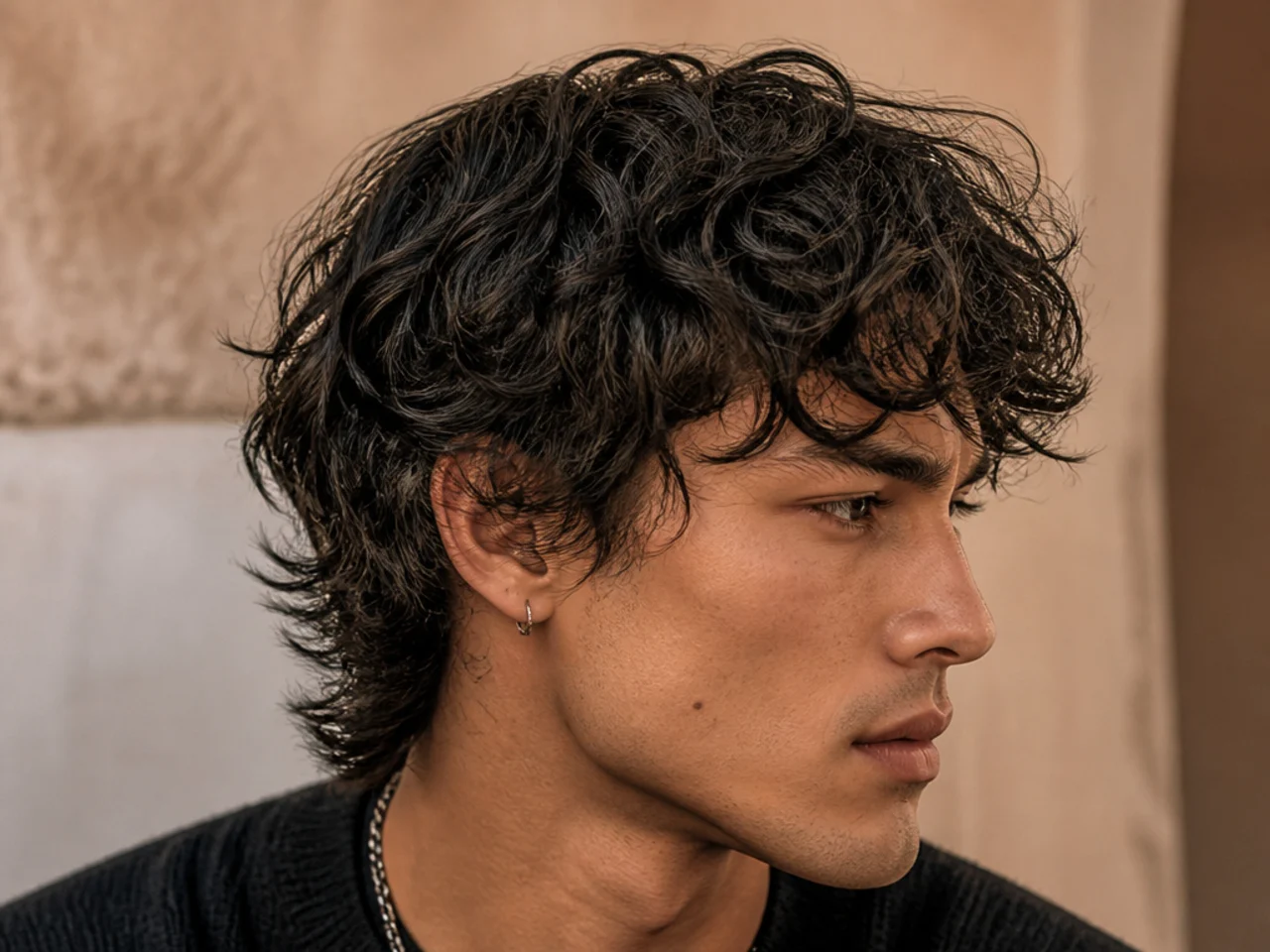
12. Waves With a Beard
Wave and beard are similar textures, so the two blend more comfortably than curl and beard do. A connected taper works here where a curly head would usually want a disconnect.

13. The Barely-There 2A Wave
A slight bend that only appears in the last few centimetres. Cutting short erases it completely, so length is the only way to make this pattern visible, and a 2A routine is built around leaving it alone.
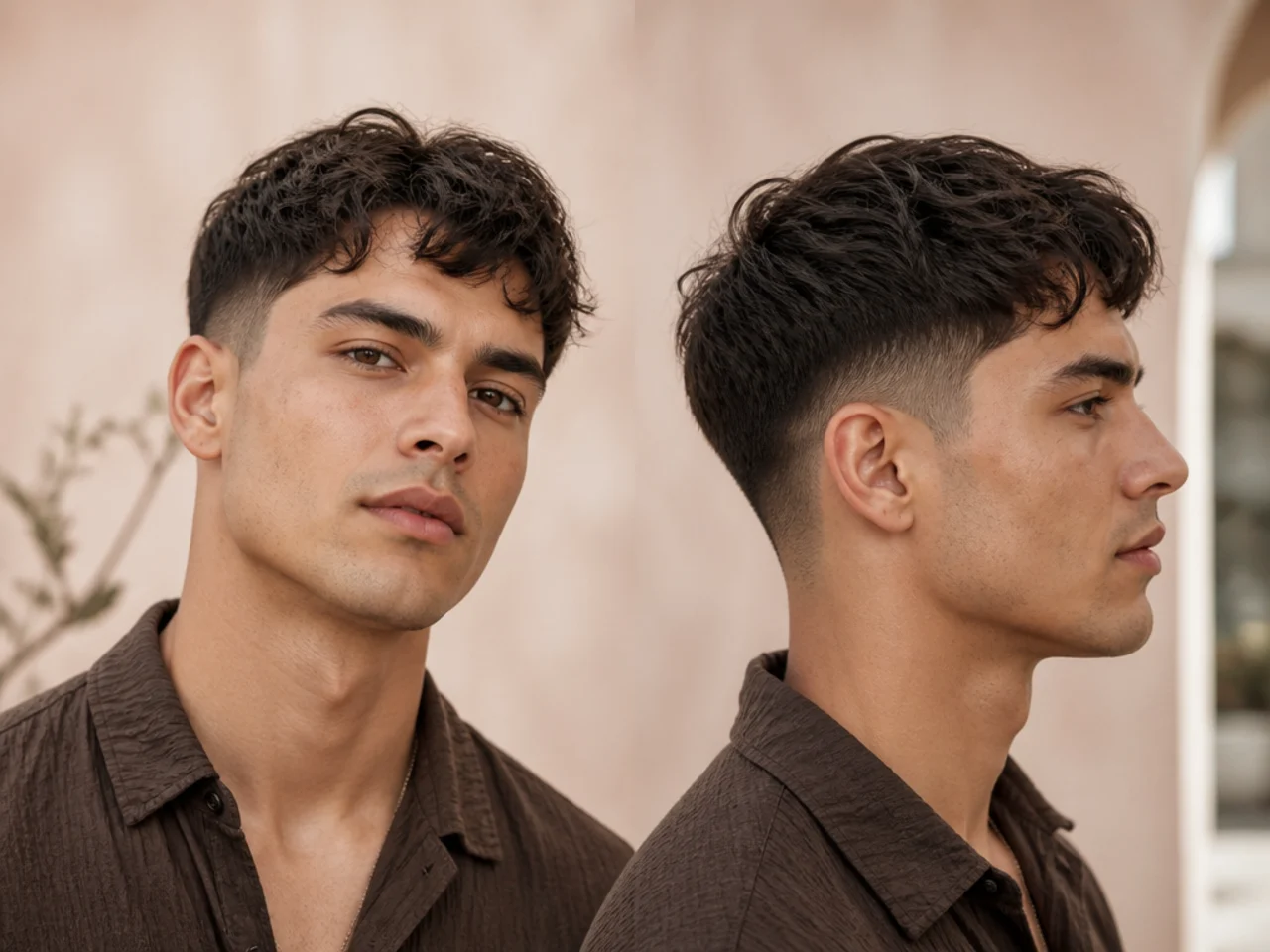
14. The Defined 2C Wave
A strong S that starts closer to the roots. This is the pattern that photographs as curly and behaves as wavy, and it takes the least work of anything on this page.
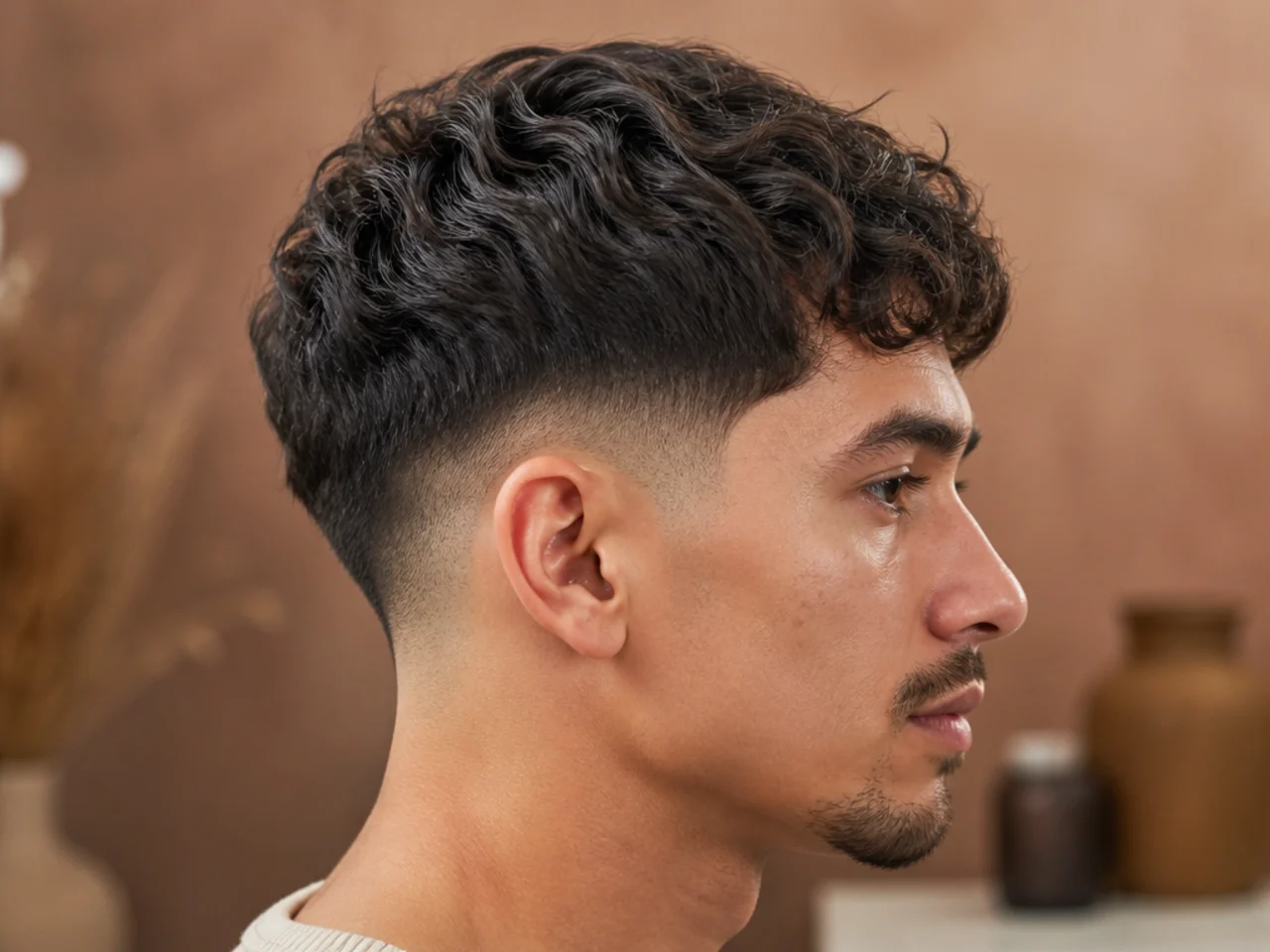
15. Where 2C Becomes 3A
The point at which the S closes into a loop. Once it loops, curl rules apply, which means dry cutting and weight removal rather than weight retention.
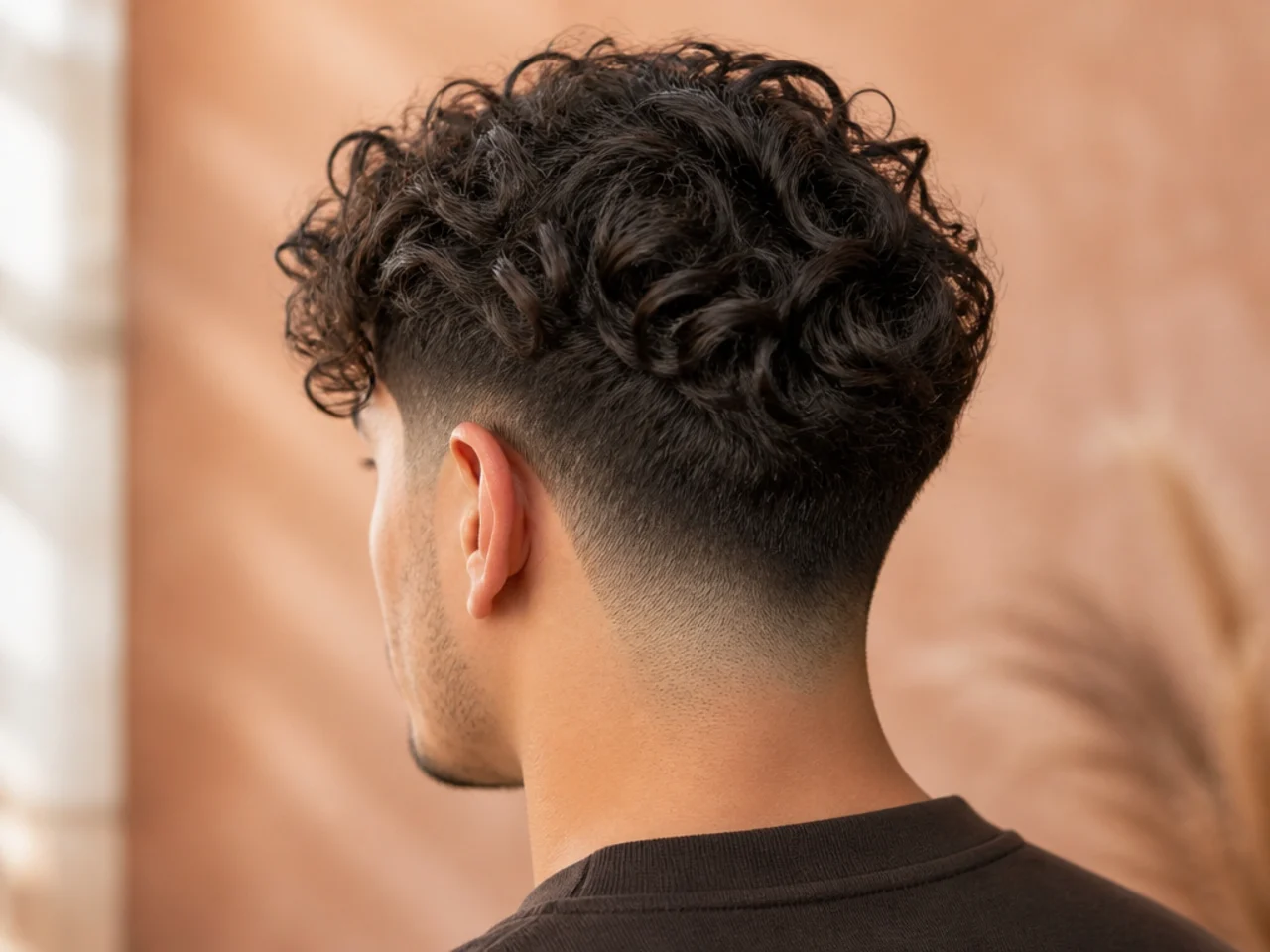
16. Waves on Fine Hair
Fine waves collapse under almost anything, so keep the cut blunt and skip product entirely. A blunt perimeter concentrates what density there is at the ends, which is where the wave shows.
17. Waves on Coarse Hair
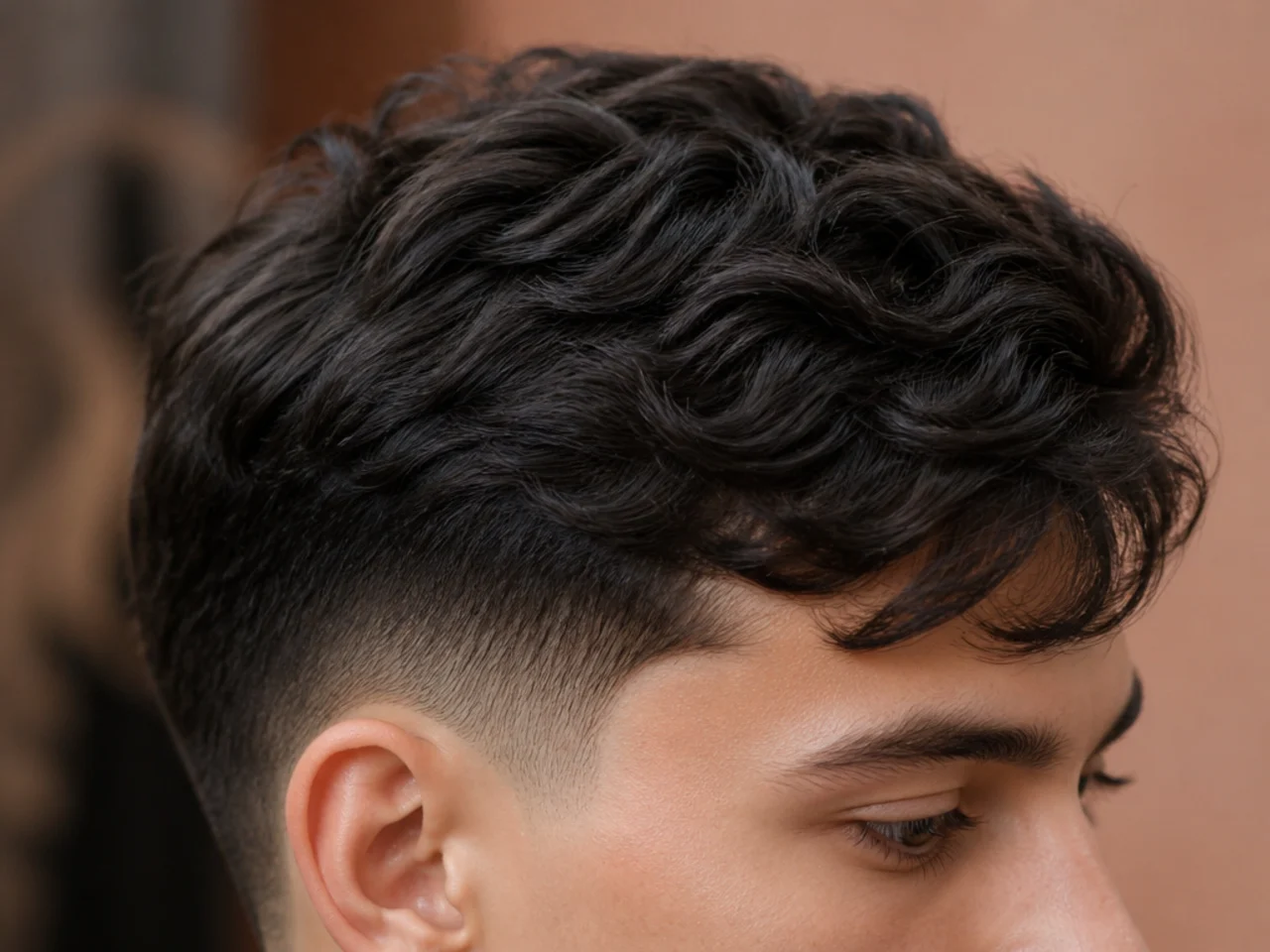
Coarse waves hold their shape but spread sideways. The fix is narrowing at ear level rather than layering, because layers cut into the lengths remove the mass that holds the S.
18. The Wave That Only Appears at Length
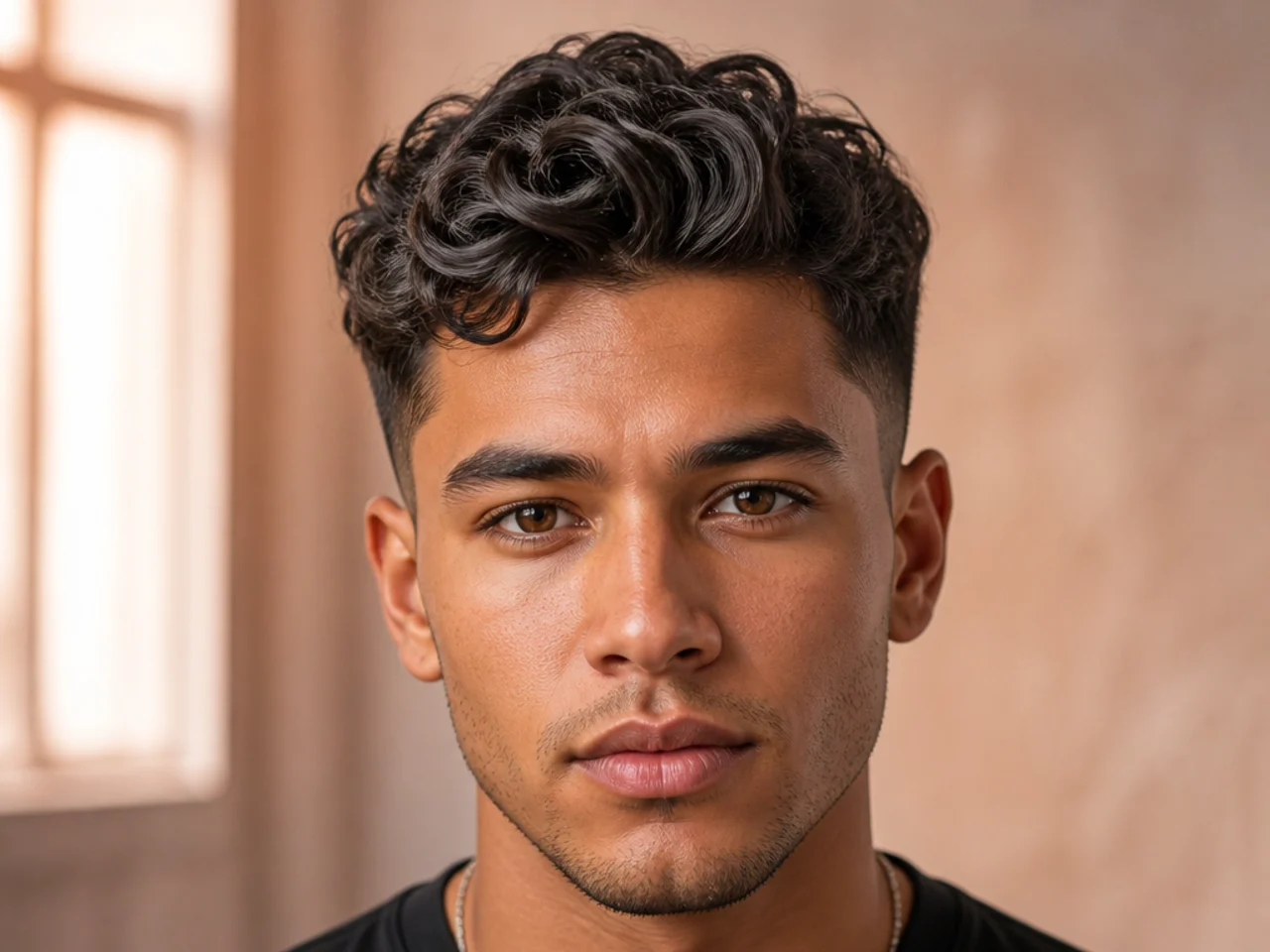
Straight at the roots and clearly waved from the ears down. It is extremely common, and it means any short cut will look straight regardless of what the ends were doing.
19. Recovering From Over-Layering
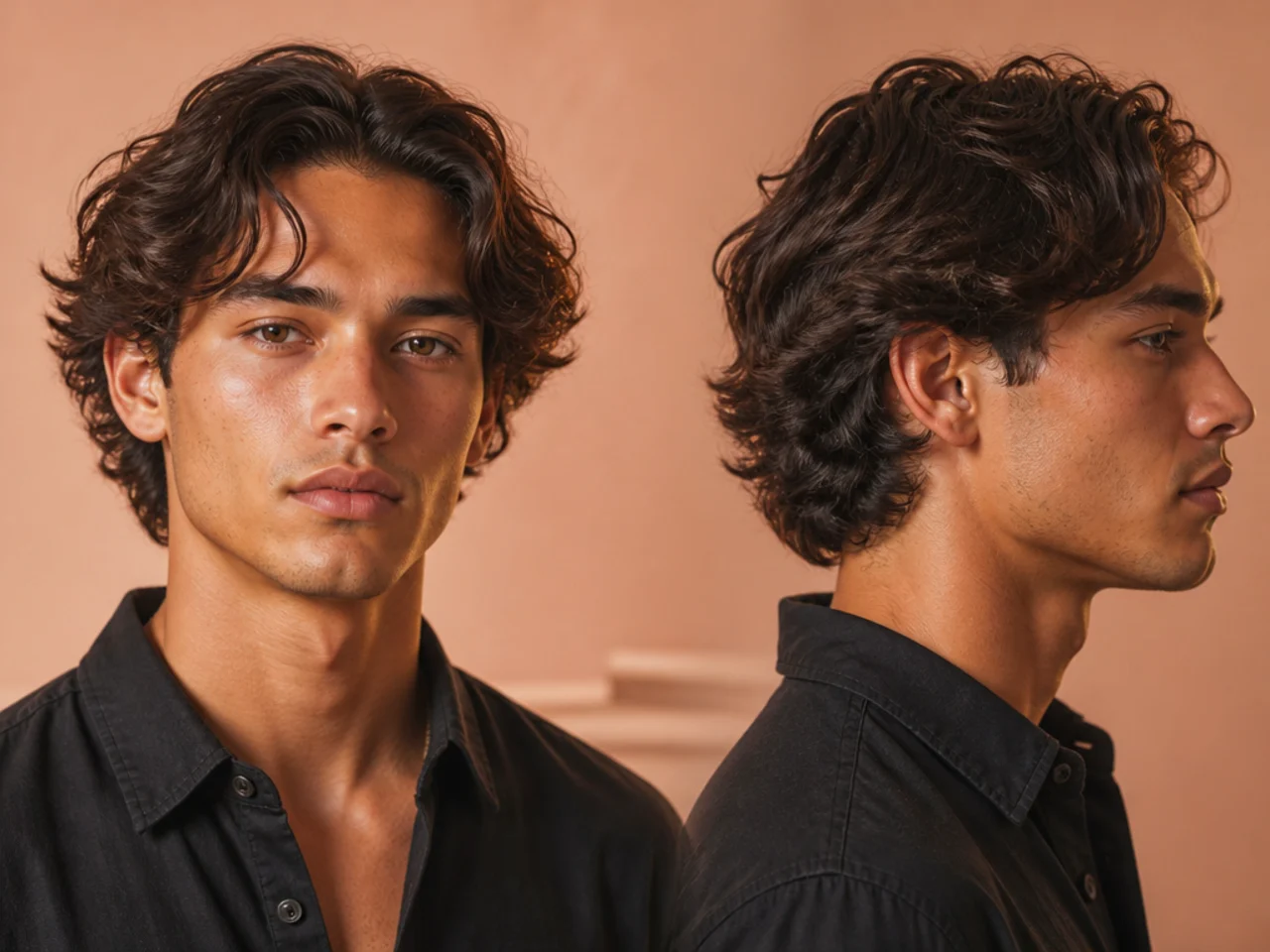
A blunt trim across the perimeter to rebuild weight. Layers removed the mass the wave needed, and the only fix is growing it back and cutting the ends level.
20. Waves at Week Six
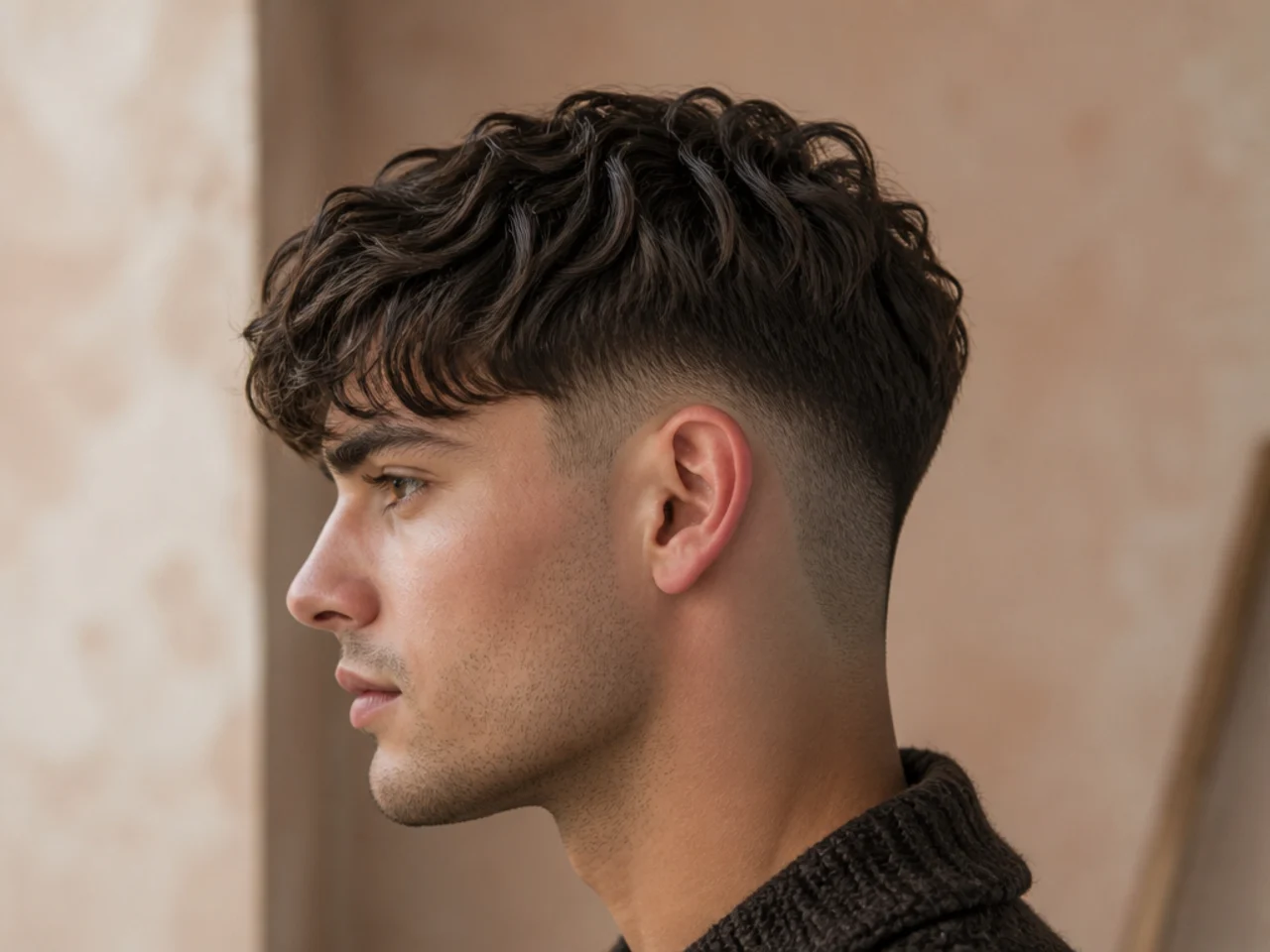
Six weeks of growth usually improves a wave rather than spoiling it. That is the opposite of curl, and it is why wavy heads can stretch appointments further than most barbers suggest.
Styling and Upkeep
Apply nothing at the roots. Weight there drags the entire wave straight from the top down.
If you use anything, use a mousse rather than a cream. It adds hold without adding mass.
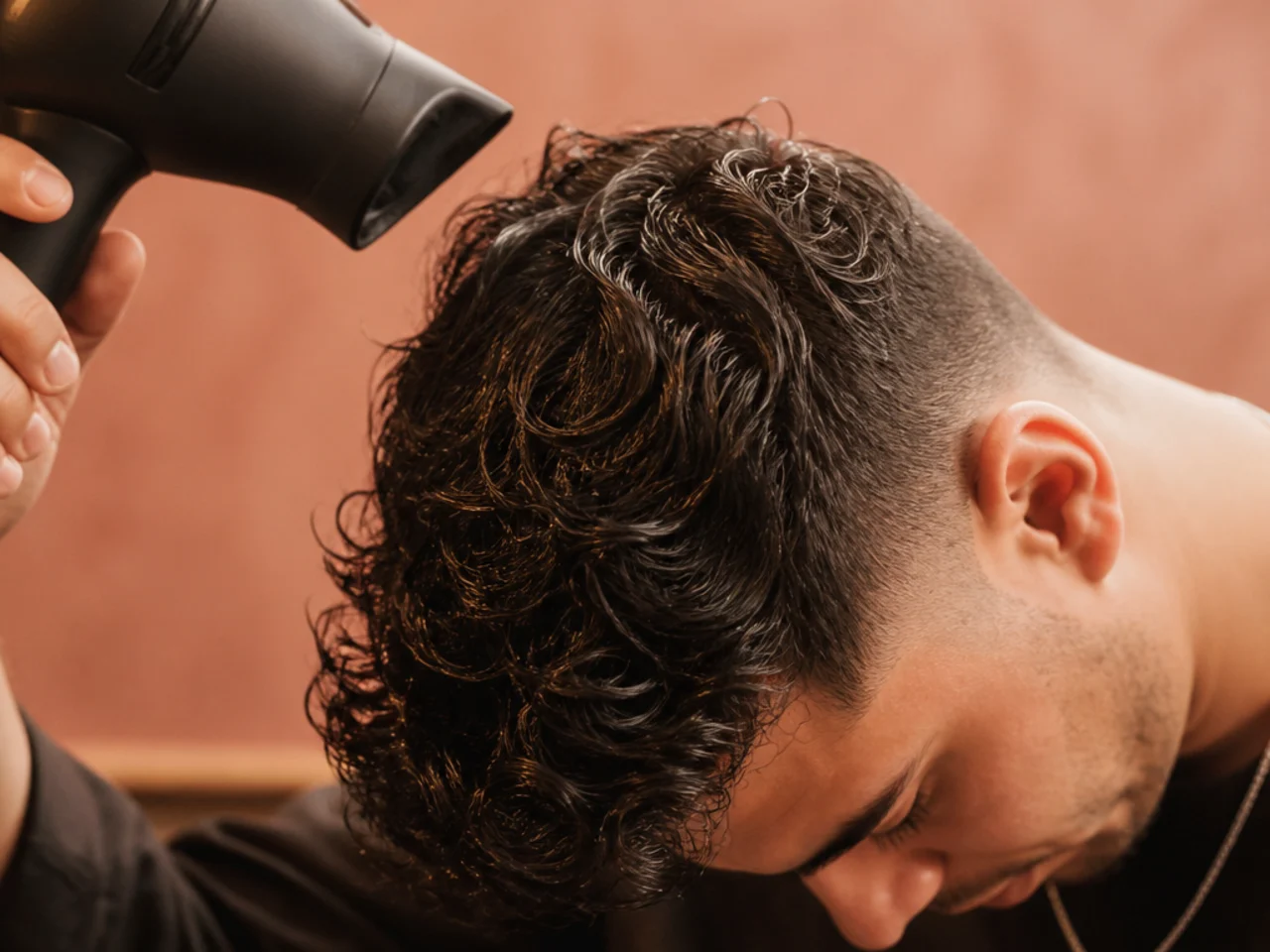
Dry with your head tipped forward. Root lift is the one thing a wave cannot generate on its own.
Refresh with water, not more product. Water reactivates the bend and product only holds whatever shape is already there.
Stretch the appointments. Waves generally improve between weeks four and eight.
Mistakes to Avoid
Treating it as loose curl. The advice is aimed at frizz, and your problem is flatness.
Using curl cream. It is designed to add weight, which is the last thing a wave needs.
Layering it to add movement. Layers remove the mass that was holding the S open.
Cutting it too short. Below about four centimetres there is nowhere for the bend to happen.
Brushing it dry. It separates whatever clumping the wave had and leaves it both flat and frizzy.
FAQ
Is wavy hair just loose curl? Not behaviourally, since waves fail flat and curls fail frizzy.
How much does it shrink? Very little, against about a third for curly hair.
Why does it go flat by midday? Product weight at the root, or not enough lift there to begin with.
Final Thoughts
Give a wave length, keep the weight in the ends and put nothing near the roots, and it will do the rest without help. Nearly every flat wavy head is either too short, too layered or carrying product it never needed.
For the daily side of the same problem see the wavy curly hair routine, and to place your pattern precisely read the curl types guide. More in Men's Haircuts.