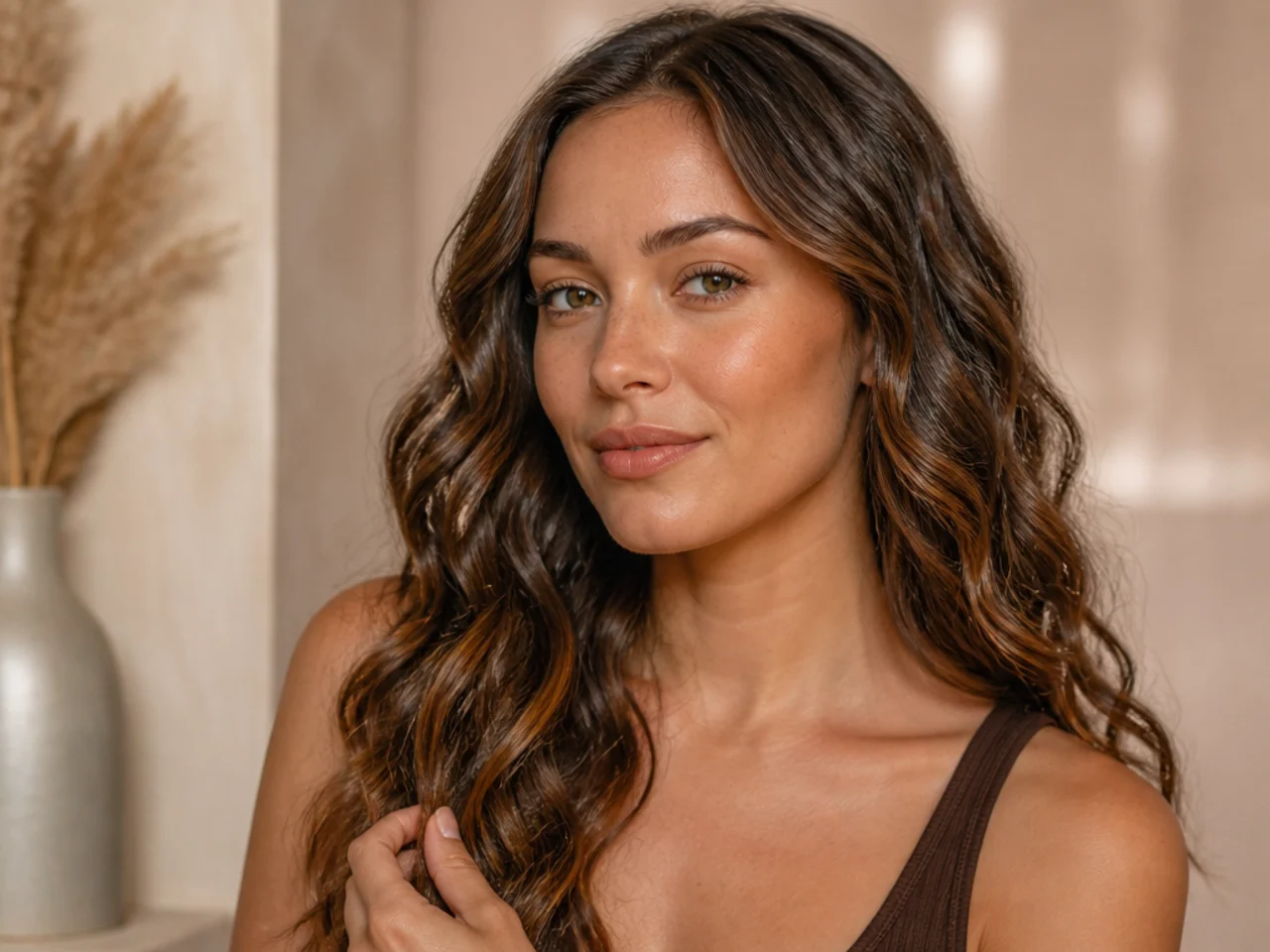
15 Wavy Curly Hair Routine Ideas to Try
Fifteen ideas for hair that is wavy in places and curly in others, and the rule that resolves it — routine for the loosest section, not the tightest. The loose parts are the ones that show when you get it wrong.
In this article · 22
- What Mixed Patterns Need
- How to Choose Yours
- The 15 Ideas
- 1. Product for the Loosest Section
- 2. Spot-Adding to the Tightest
- 3. Mapping Your Patterns Once
- 4. Diffusing the Slow Sections
- 5. Sectioned Application
- 6. A Light Gel Everywhere
- 7. Extra Gel at the Nape Only
- 8. Root Clipping the Flatter Crown
- 9. Scrunching Only the Curly Sections
- 10. Air-Drying the Loose, Diffusing the Tight
- 11. Refreshing Sections Separately
- 12. Cutting Dry to See Both Patterns
- 13. Accepting Some Unevenness
- 14. Routining for the Curly Sections
- 15. Two Products for Two Patterns
- Styling and Upkeep
- Mistakes to Avoid
- FAQ
- Final Thoughts
A great many people have more than one pattern on one head — looser at the crown, tighter at the nape and underneath. It is normal, and it creates one genuine routine problem.
Routine for the loosest section, not the tightest. Product that suits the curly parts will weigh the wavy parts flat.
And the asymmetry matters: a flattened wavy section is far more visible than a slightly under-defined curl. Under-defined curls still read as curls. Flattened waves read as straight patches.
What Mixed Patterns Need
One routine, aimed at the loosest. It is the section with the least tolerance for weight. Everything else can take more; that section cannot.
Spot-treatment for the tightest. A little extra, only where it is needed. Fingertips, not a full handful.
Adding beats removing. Extra product on a curly section takes seconds; removing it from a flat one means rewashing. The error you can afford runs one way only.
Expect uneven drying times. Tighter sections dry slower and often need diffusing. An hour apart is normal on mixed hair.

How to Choose Yours
Identify your loosest section. Usually the crown or the front. It is also the part you see most.
Set the product amount for that section. Everywhere. Not an average of the two patterns.
Add extra only to the tightest areas. After the main application, not during. Doing it during turns one amount into a guess.
Diffuse the slow-drying sections. Rather than waiting for the whole head. Two minutes on the nape beats forty on everything.
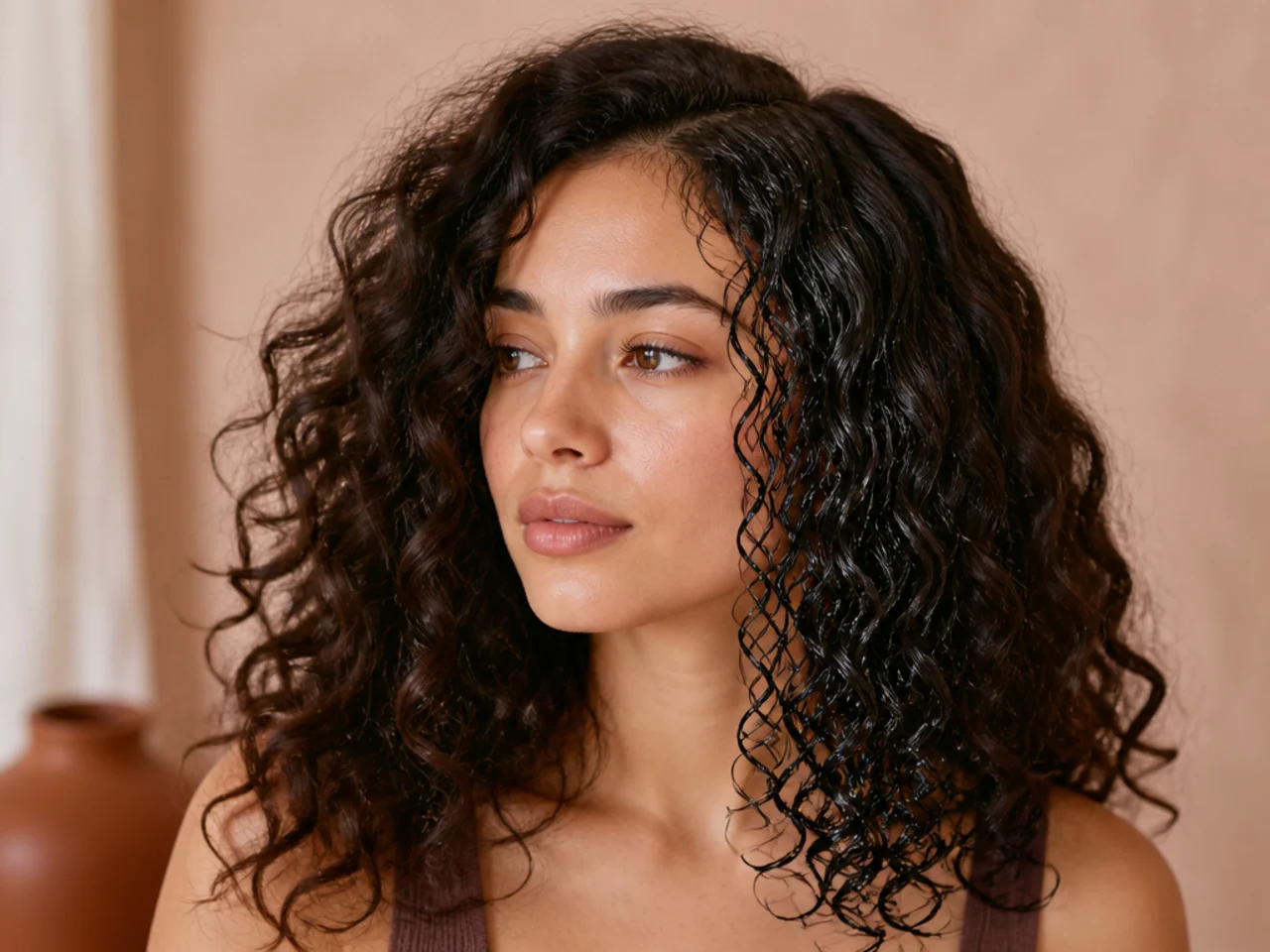
The 15 Ideas
1. Product for the Loosest Section
The core rule. Everything else follows. Find the section with the weakest wave, decide the amount for that, and use it across the whole head before adjusting anything.
2. Spot-Adding to the Tightest
A little extra, after the main application. Work it in with your fingertips only where the curl is tightest, usually the nape and the layer underneath.

3. Mapping Your Patterns Once
Crown, front, nape, underneath. Worth knowing. Do it once on a wash day with no product and you will not have to think about it again.
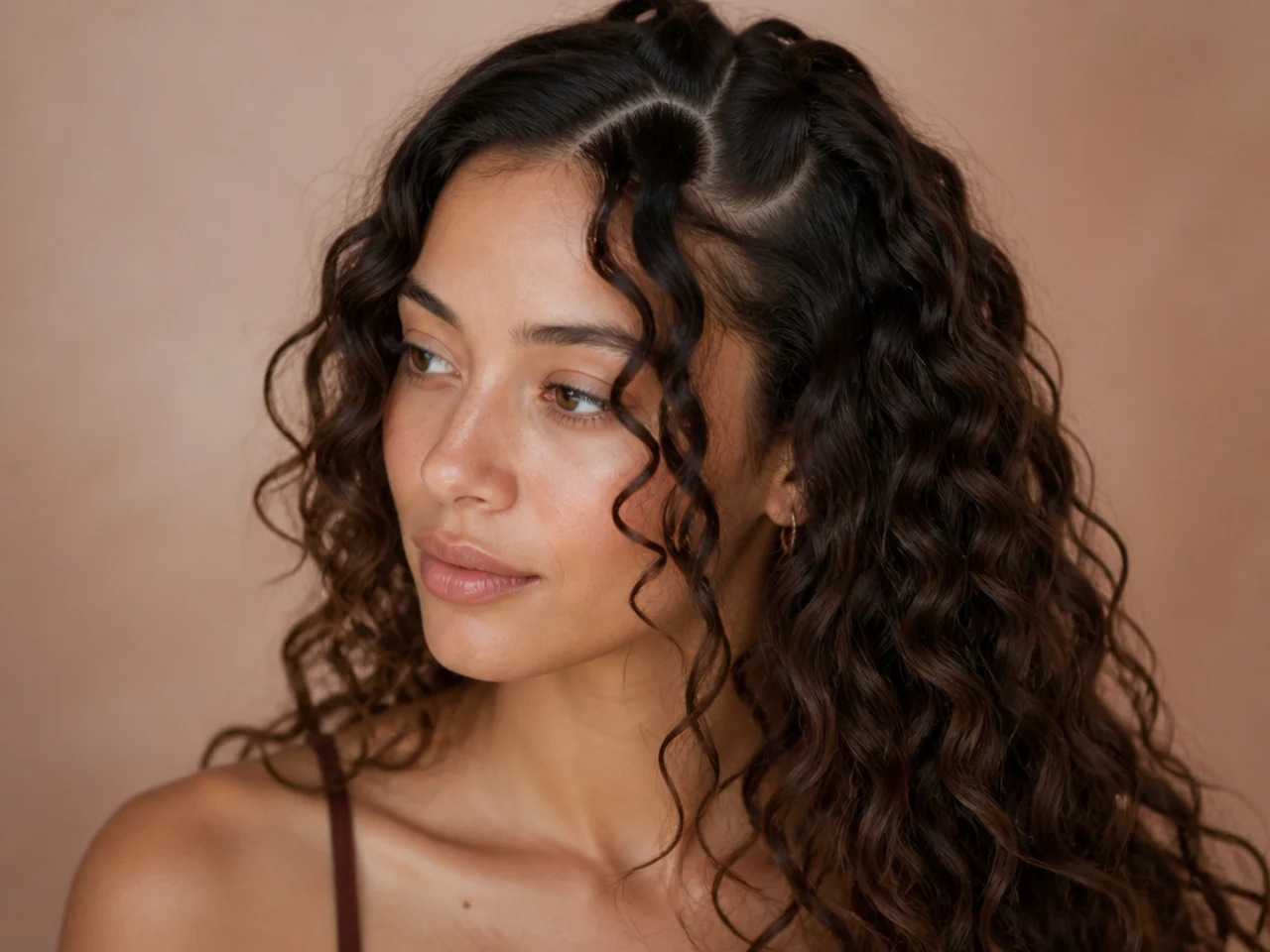
4. Diffusing the Slow Sections
Rather than waiting for the whole head to dry. Tighter sections hold more water and can take an hour longer, which is the whole reason mixed hair feels slow to dry.
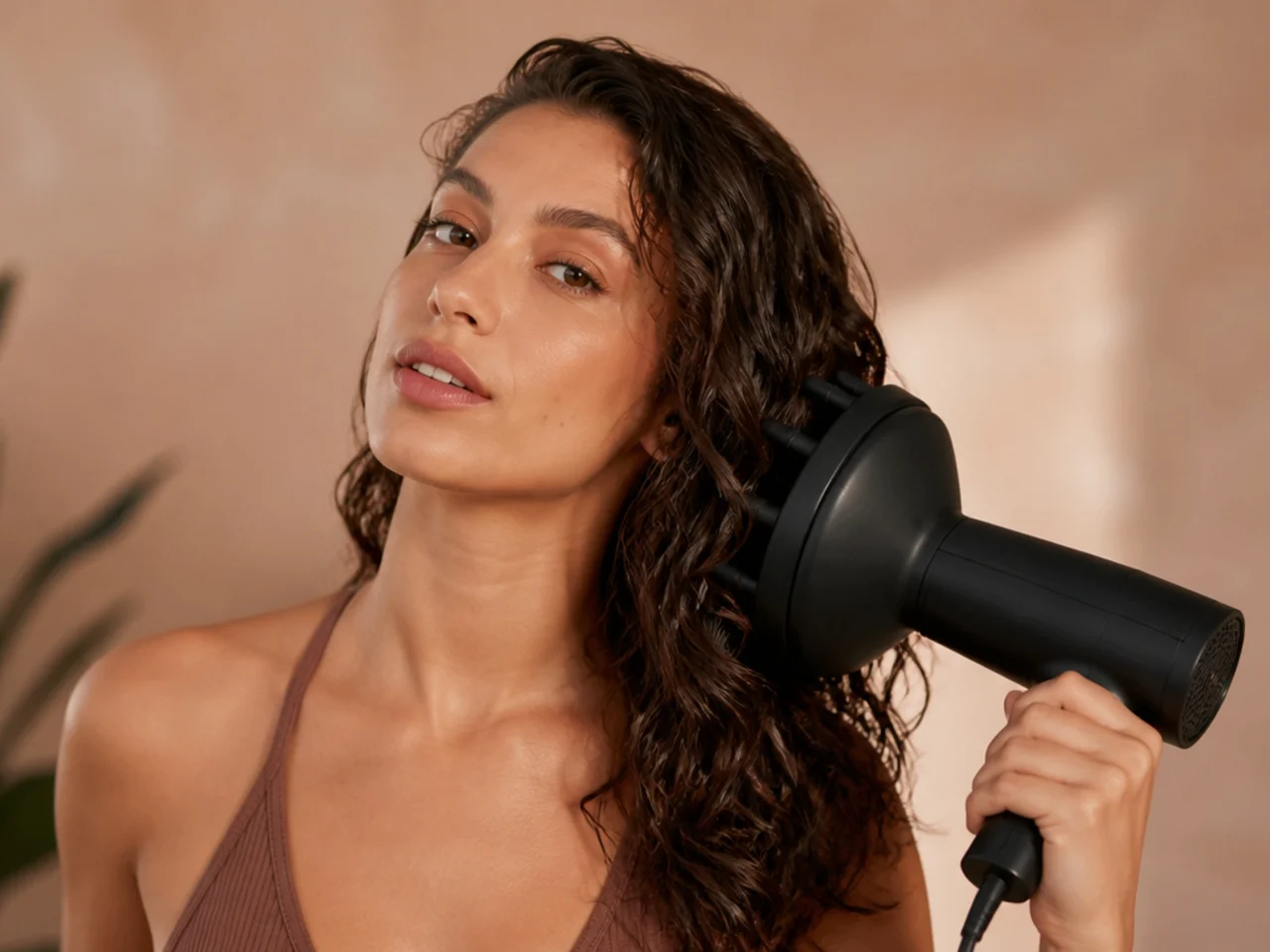
5. Sectioned Application
Applying by area rather than raking through everything. It takes an extra minute and it is the difference between one amount everywhere and the right amount in each place.
6. A Light Gel Everywhere
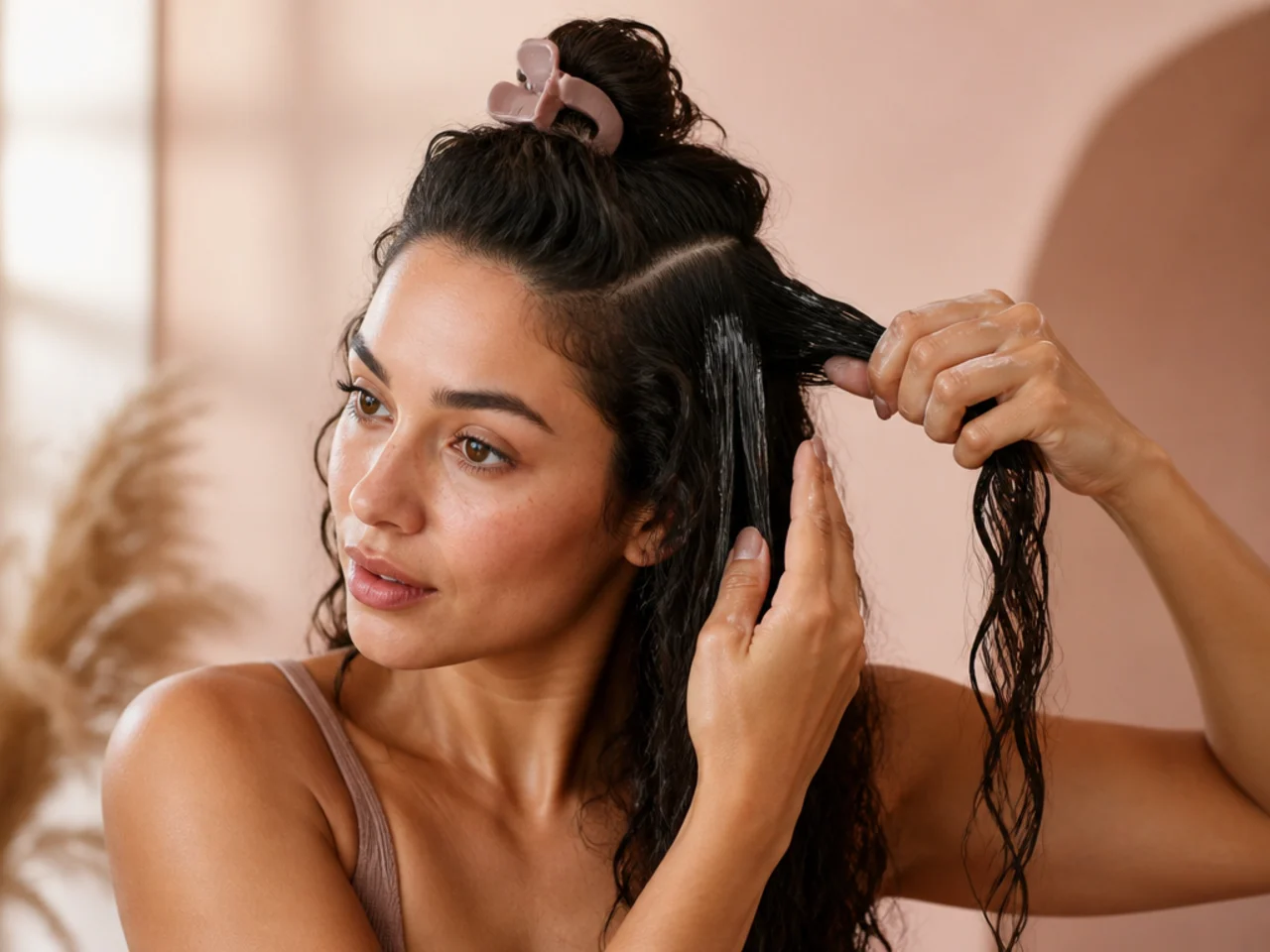
Suits the wavy sections and is still enough for the curly ones. A light gel is the one product that works acceptably at both ends of a mixed pattern, which is why it beats owning two.
7. Extra Gel at the Nape Only
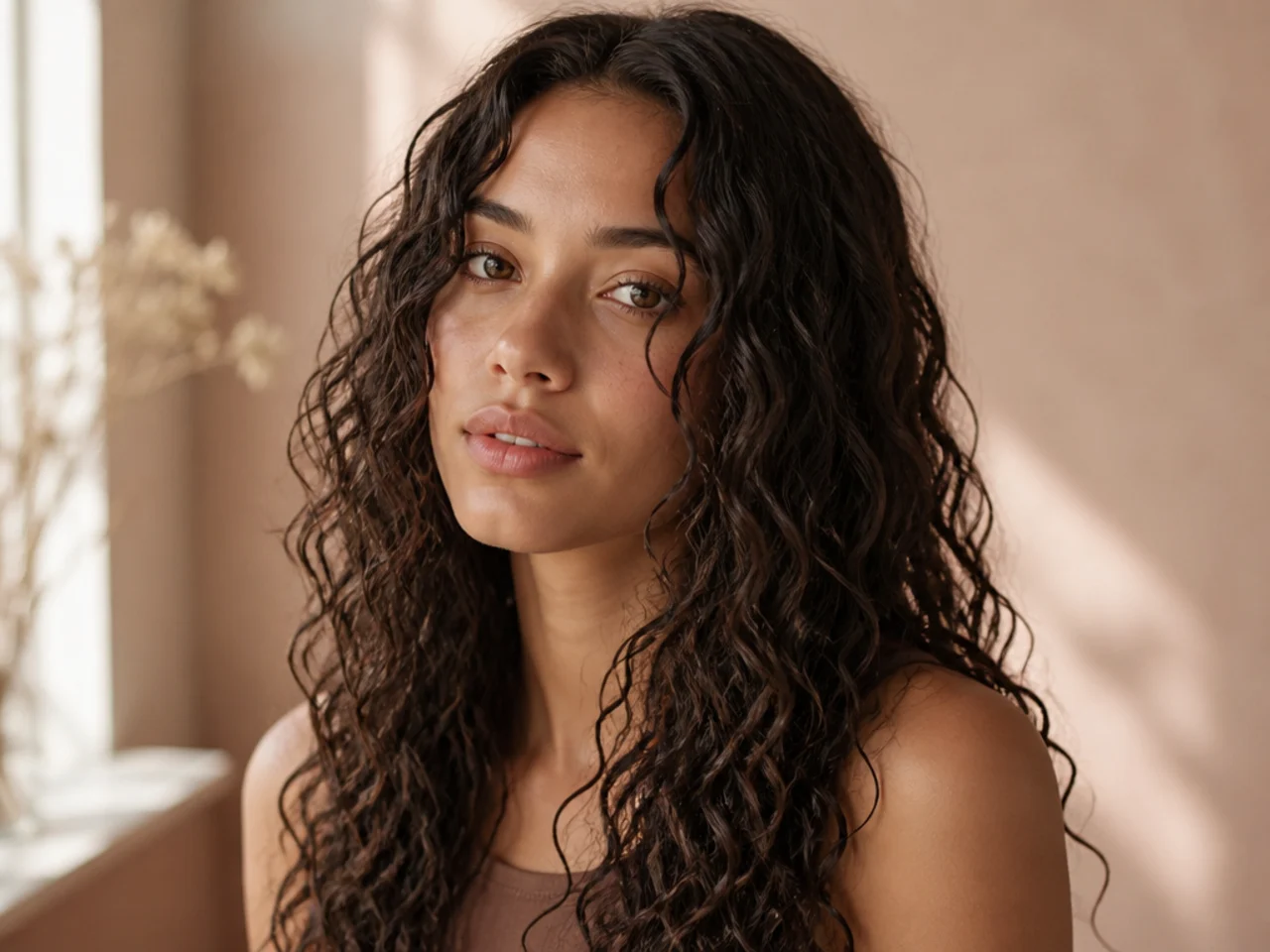
Where the pattern is usually tightest. The nape sits against your neck all day and gets the most friction, so it needs the most hold.

8. Root Clipping the Flatter Crown
Lift where the pattern is loosest. A flat crown over defined lengths is the commonest mixed-hair silhouette problem and two clips fix it.

9. Scrunching Only the Curly Sections
Encourages the tighter pattern without over-handling the loose one. Scrunching a loose wave compresses it into something it will not hold, so leave those sections alone.

10. Air-Drying the Loose, Diffusing the Tight
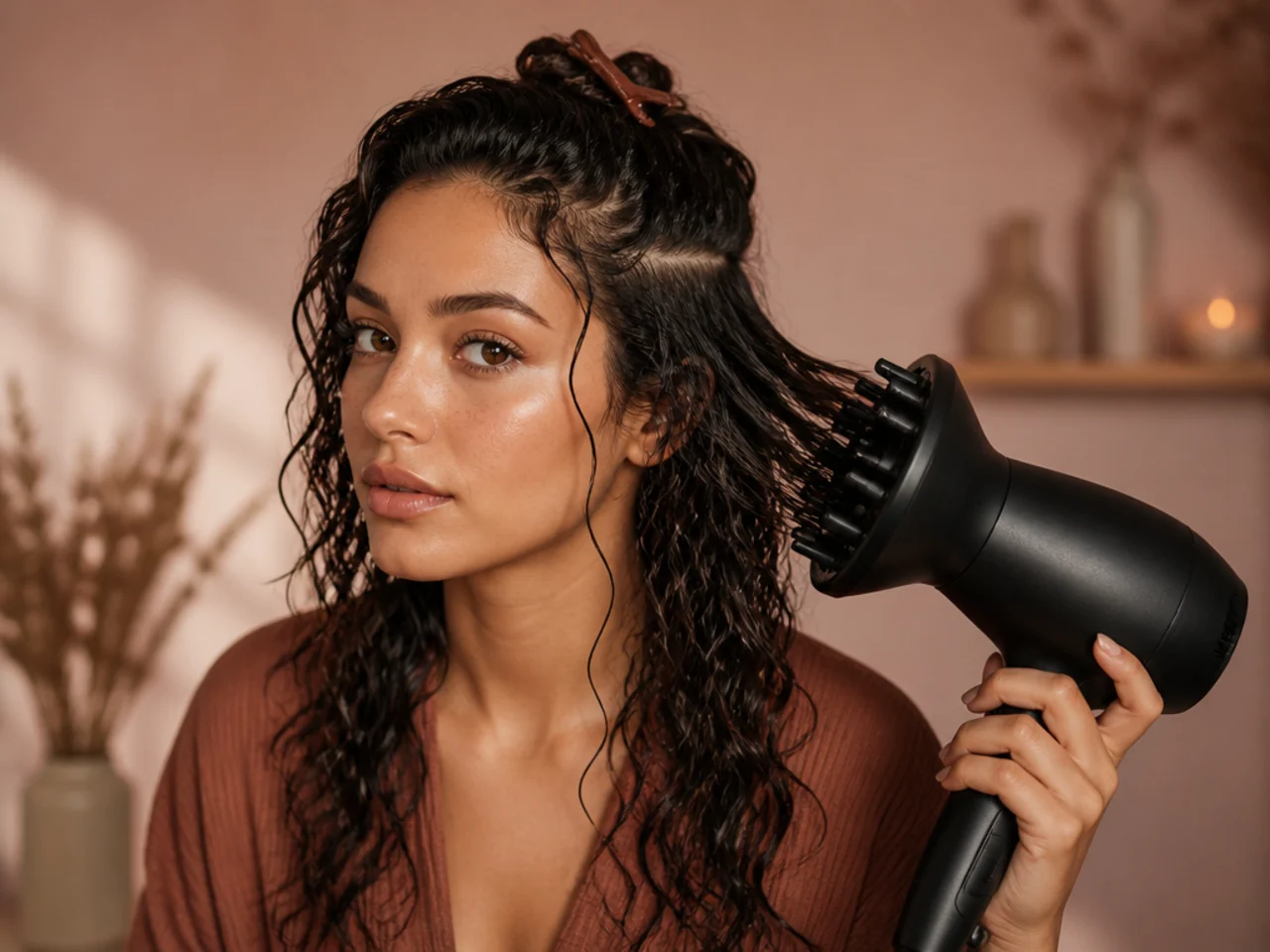
Two methods, one head. Sounds fussy and takes no longer, because you are diffusing a small area rather than the whole head.
11. Refreshing Sections Separately
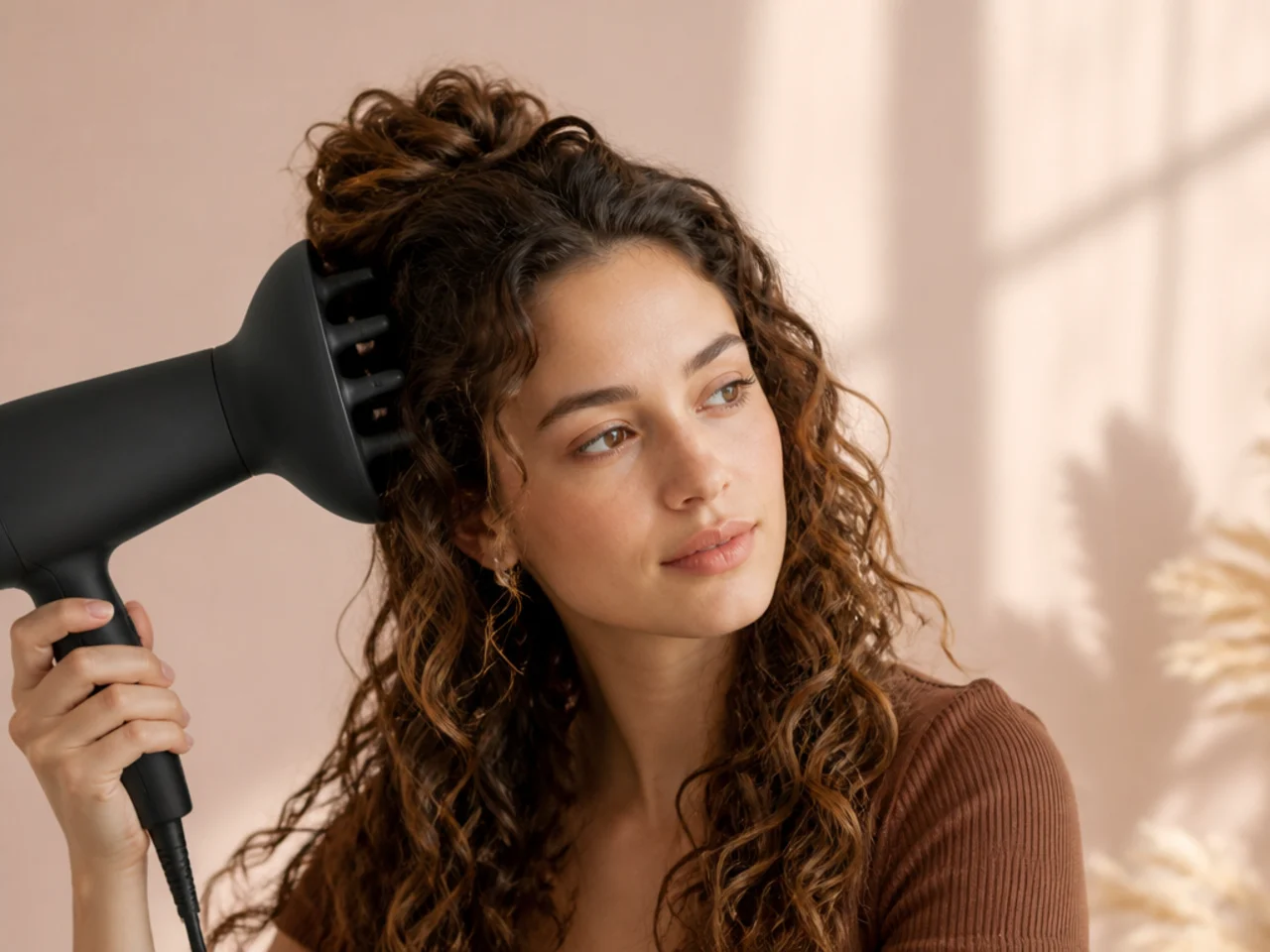
Day two rarely needs the same treatment everywhere. The curly sections usually hold overnight and the wavy ones flatten, so refresh only what actually moved.
12. Cutting Dry to See Both Patterns
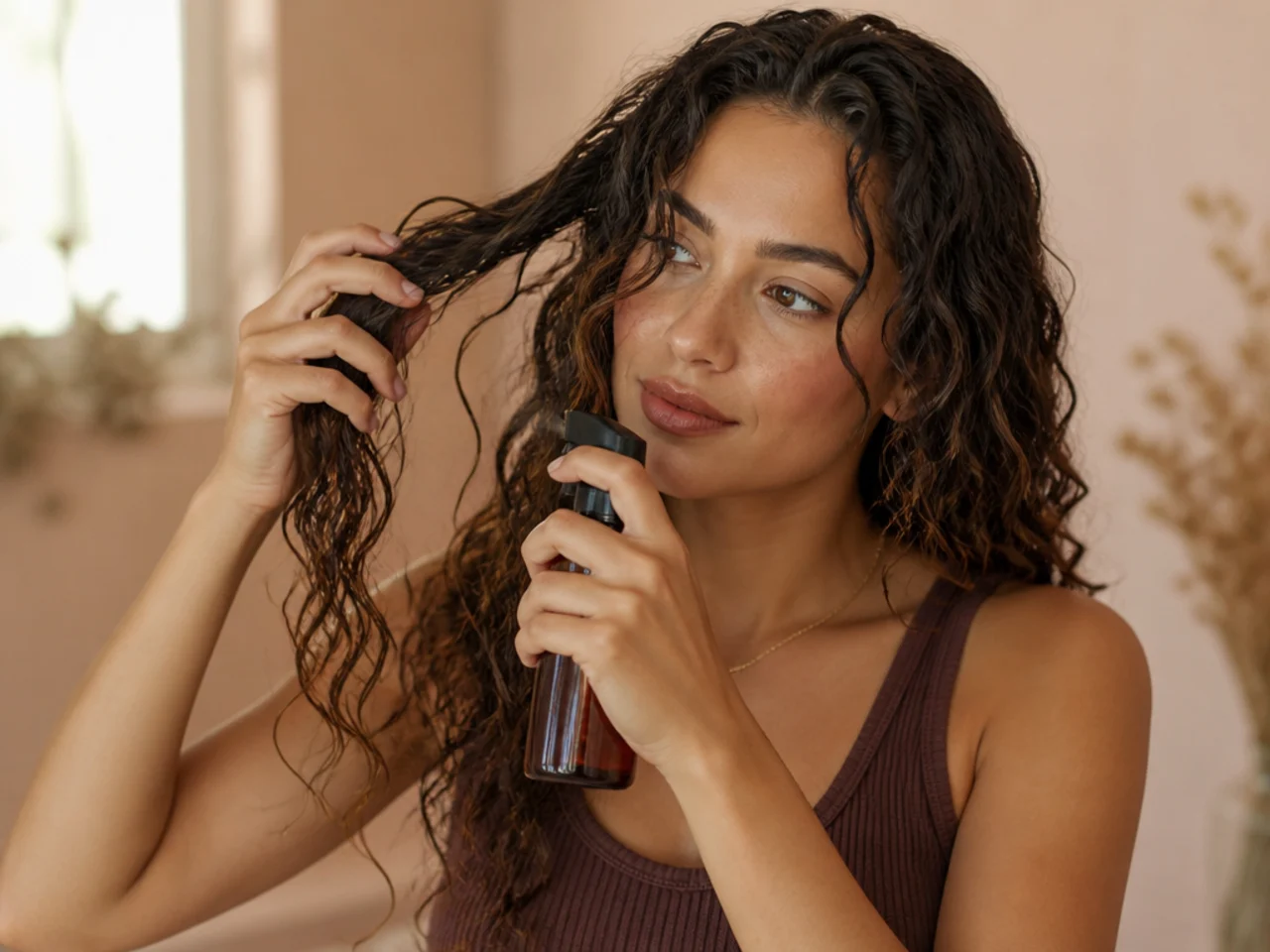
So the cut suits how the hair actually falls. Wet cutting hides where one pattern ends and the next begins, which is exactly the information the stylist needs.

13. Accepting Some Unevenness
Two patterns will never look identical. That is normal. Chasing uniformity across a head that has two patterns is how people end up over-producting the looser half.

14. Routining for the Curly Sections
The wavy parts flattened. The mistake this page prevents. It is a quiet failure, because the curly sections look fine and only the flat patches tell you something went wrong.
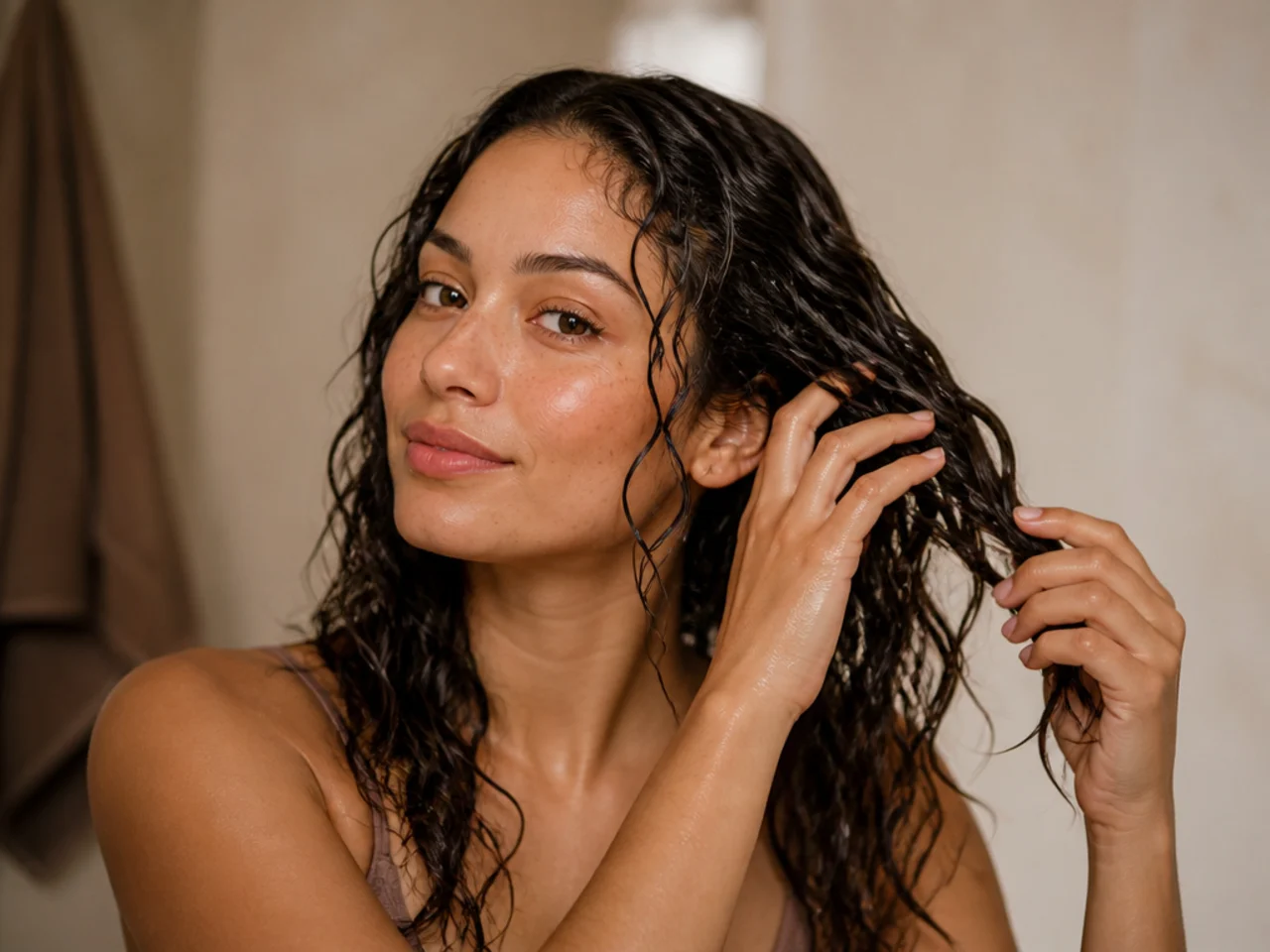
15. Two Products for Two Patterns
Possible, and usually more complicated than it is worth. It doubles the application time and the storage, and a single light gel gets most of the way for most people.
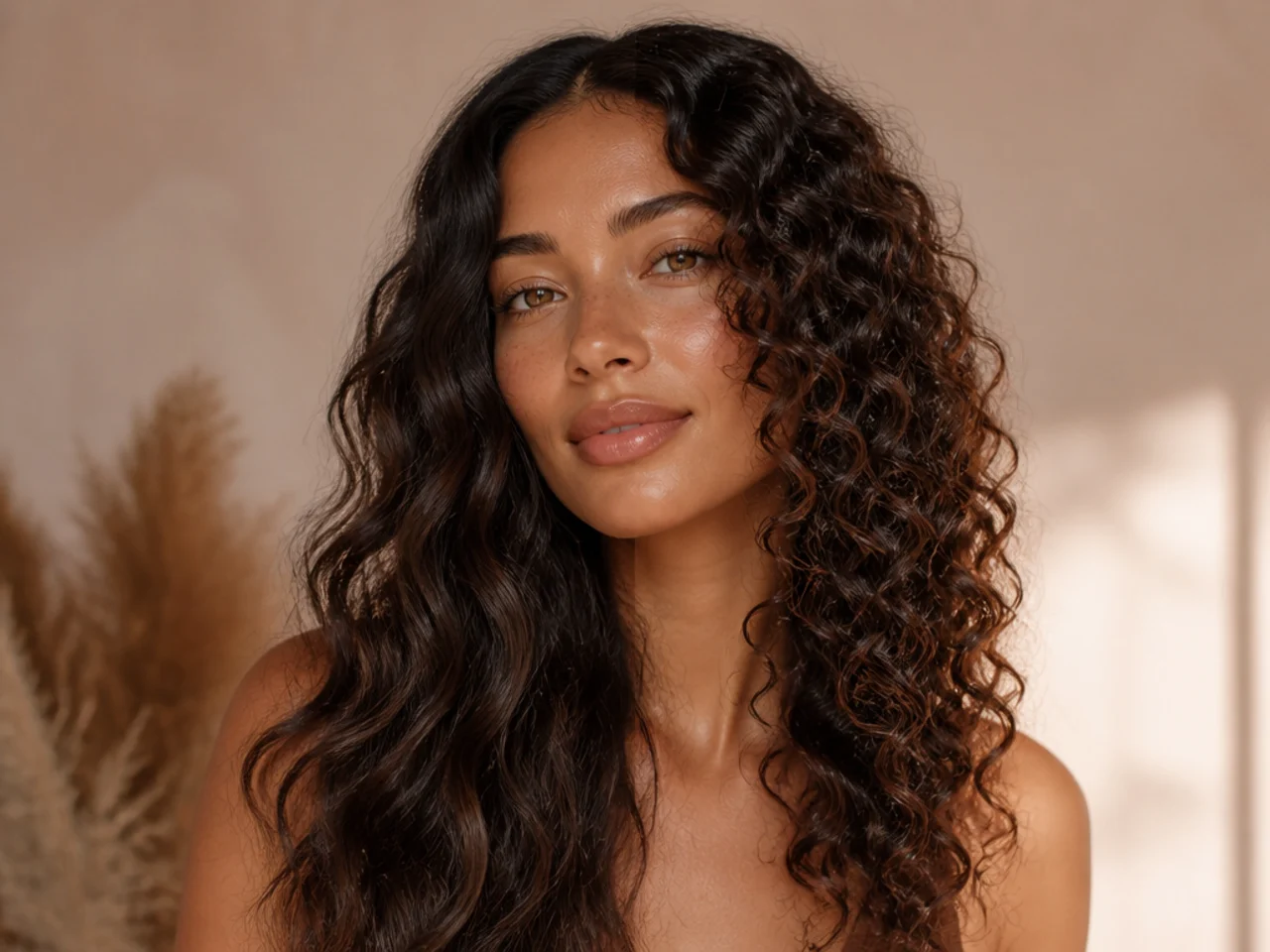
Styling and Upkeep
Apply for the loosest, top up the tightest. In that order, always. Reversing it means removing product, which means rewashing.
Diffuse selectively. Only the sections that need it. The loose sections are usually dry long before the tight ones.
Refresh by section on day two. They rarely need the same thing. Water on the flat parts, nothing on the rest.
Have it cut dry. So both patterns are visible to the stylist. A wet cut is a cut made on information you do not have.
Expect some unevenness. It is two patterns, not a failure. Uniformity was never available on this hair.
Mistakes to Avoid
Routining for the curly sections. It flattens the wavy ones visibly. The commonest mixed-hair mistake, and a quiet one.
Raking one product through everything equally. Section instead. Equal distribution is not the same as correct distribution.
Waiting for the whole head to air-dry. Diffuse the slow parts. Otherwise the loose sections sit wet far longer than they need to.
Expecting a uniform result. Two patterns will not match exactly. Aim for both looking deliberate rather than identical.
Buying a product per pattern. Usually more trouble than it solves. One light gel handles both ends acceptably.
FAQ
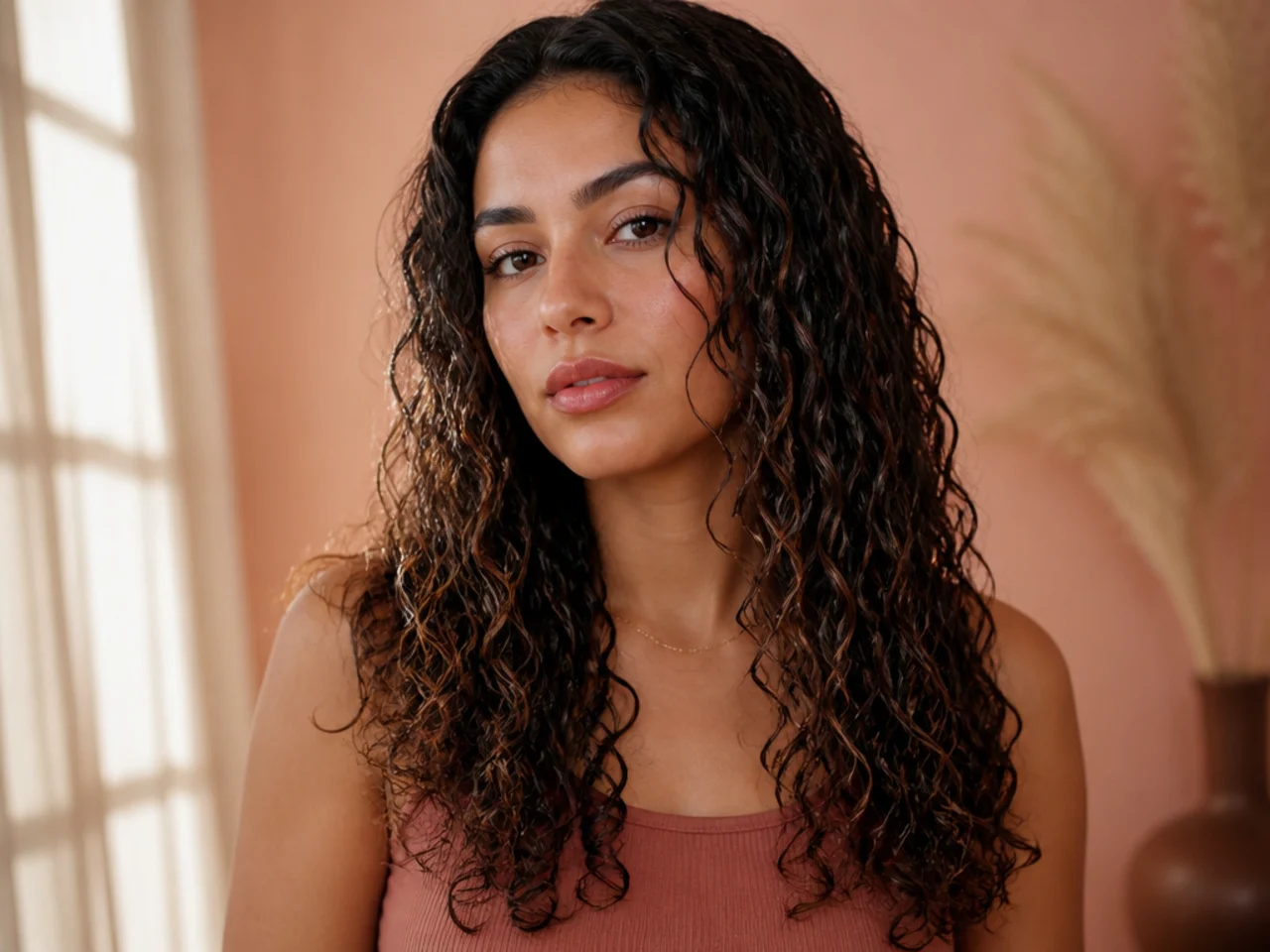
Is mixed hair normal? Very — most heads carry more than one pattern. Looser at the crown, tighter underneath is the usual arrangement.
Wavy or curly routine? Wavy. The looser sections set the amount.
How do you handle two at once? Apply for the loosest, then top up the tightest.
Final Thoughts
Set your product amount by your loosest section and add from there. It is the opposite of what most people do, and it works because a flattened wave is obvious while a slightly under-defined curl is not — so the error you can afford runs in only one direction.
For confirming which patterns you have see 15 routine ideas for slightly wavy hair, and for the full sequence see 25 steps for a wavy hair routine. More in Hair Care.