Best 40 Shag Haircuts For Every Length and Hair Type
Shaggy haircuts add volume, texture, and style to any hair type. Discover trendy shaggy haircut ideas and find the perfect look for you.
In this article · 56
- Introduction
- What Is a Shag Haircut?
- History and Origin of Shaggy Haircut
- Why Shaggy Hairstyle Is Trending Again
- Best Face Shapes for a Shag Haircut
- Styling Tips for a Shag Haircut
- Shaggy Haircuts: Why They Are So Popular
- Popular Shaggy Haircut Variations
- Cropped Pixie Shag
- Short Pixie Shag
- Relaxed Shag
- Wolf Cut Shag
- Wavy Shag with Piecey Bangs
- Baby Bang Shullet
- Shaggy Wolf Cut Lob
- Pseudo-Shag Bob
- Choppy Pixie Shag
- Short Curly Shag with Bangs
- Wispy Shag
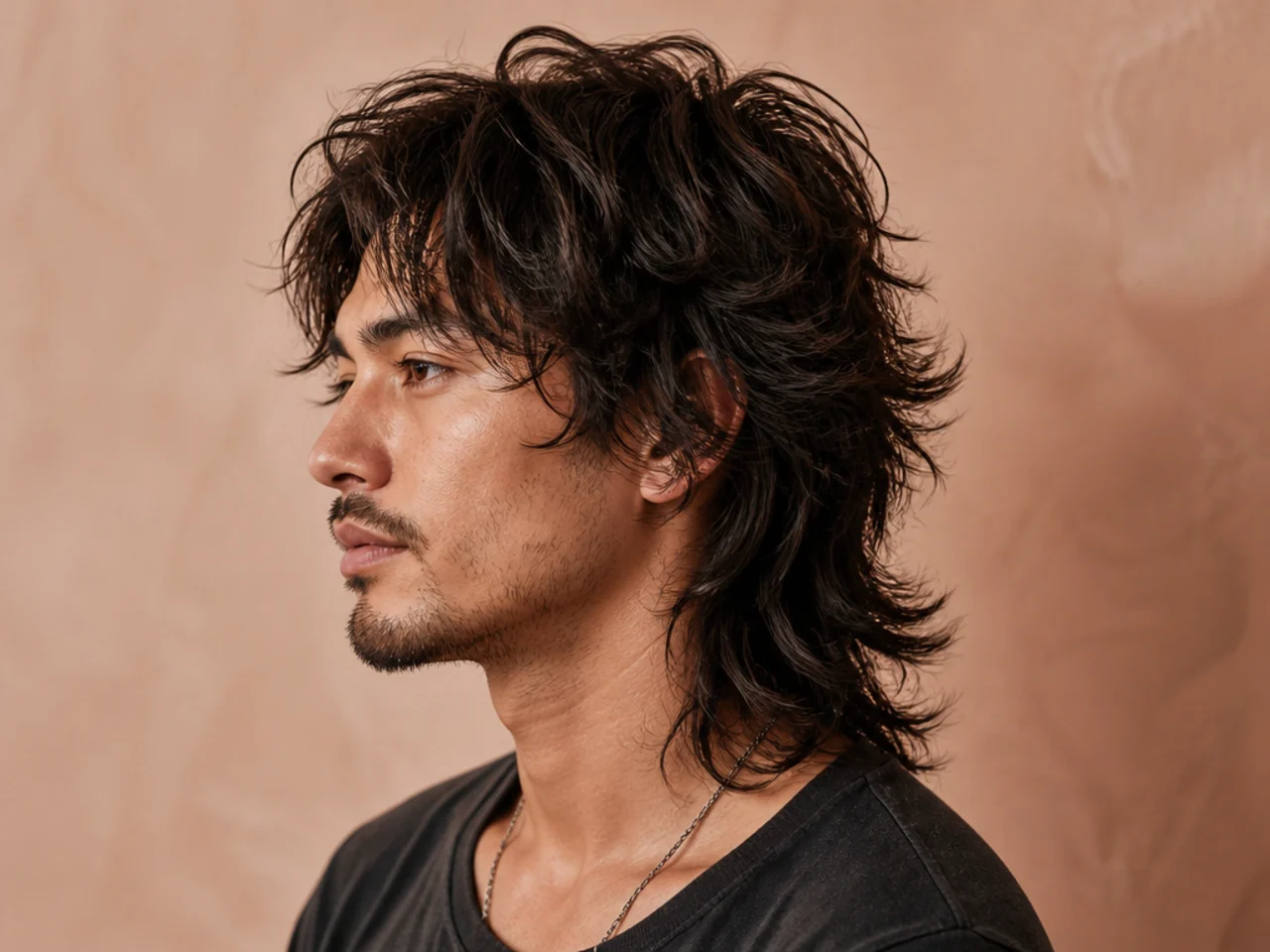
- Shaggy Mullet
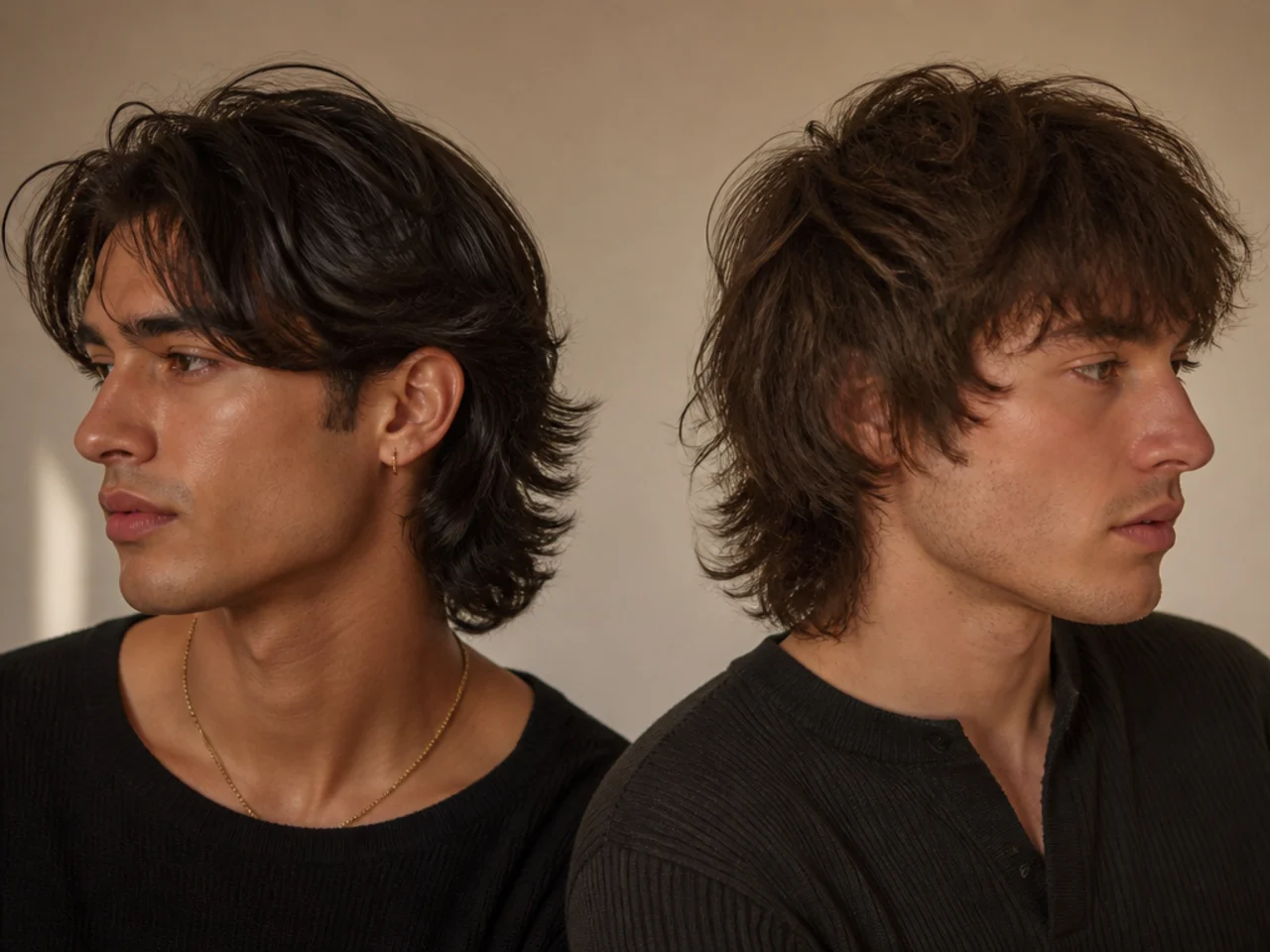
- Choppy Shullet
- Piecey Shag
- Wet Look Shag
- Bouncy Sun-Kissed Shag
- Tapered Shag with Bangs
- Classic Shag
- Parisian Shag
- Y2K Shag
- Wavy Shag with Soft Fringe
- Blown-Out Shag
- Wispy Shag
- Fluffy Shag with Semi-Parted Fringe
- Shaggy Curtain Bangs
- Shag with Baby Bangs
- Shaggy Lob
- Playful Shag
- Long Undercut Shag
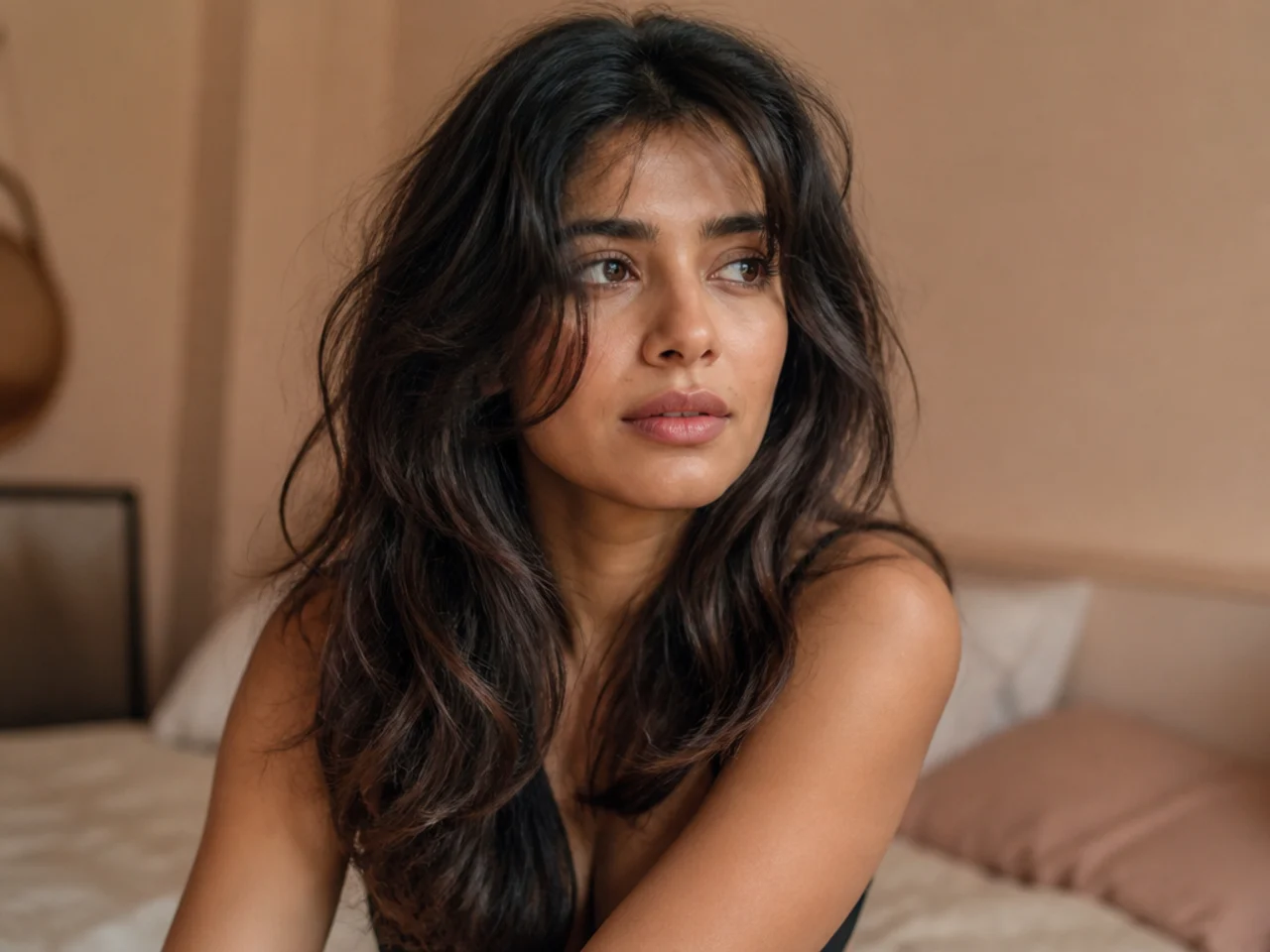
- Long Shag with Soft Waves
- ’70s Shag
- Shaggy Pixie
- Modern Shag
- Natural Shag
- Medium Curly Shag with Bangs
- Voluminous Curly Shag
- Straight Shag with Bangs
- Center-Parted Curly Shag
- Silver Shag
- Peek-a-Boo Shag
- FAQs About Shaggy Hairstyle
- Is a Shag Haircut Low Maintenance?
- Does a Shag Haircut Work On Thin Hair?
- Which Face Shape Looks Best With a Shag Haircut?
- Is a Shag Haircut Better For Curly or Straight Hair?
- What’s The Difference Between a Shag, a Wolf Cut, and a Mullet?
- Can Older Women Wear a Shag Haircut?
- What Is The Difference Between Layers and Shags?
Introduction
Your stylist calls it internal layers plus wispy ends. That's the shag. Not a mullet. Mullets stack length at the back. The shag layers everything all over, with movement built into the crown and face-framing pieces at your cheekbones. Straight and wavy hair take to it fast. Curly hair needs a dry cut. Below, 40 versions worth asking for by name, plus how to say each one at the chair.
What Is a Shag Haircut?
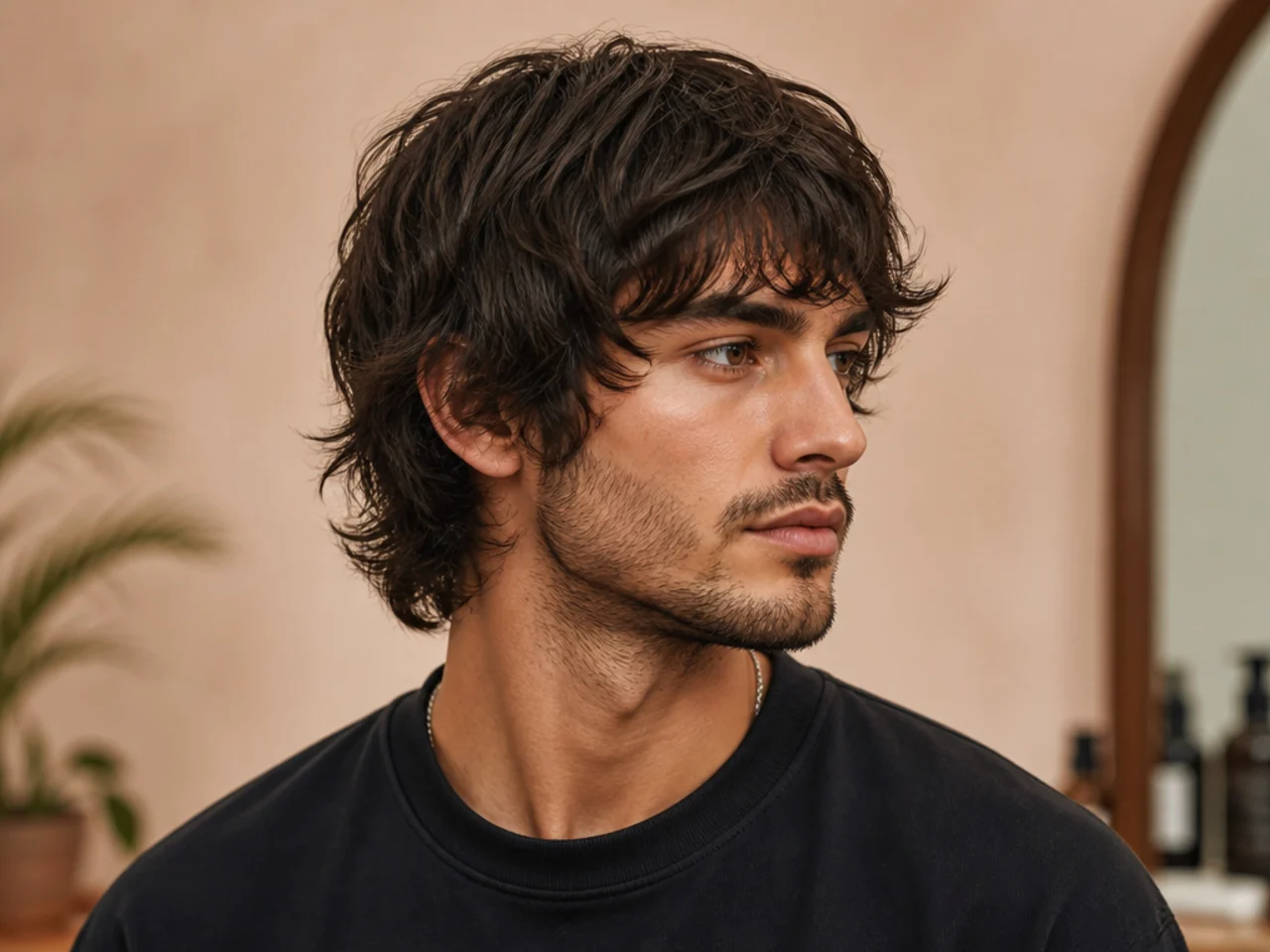
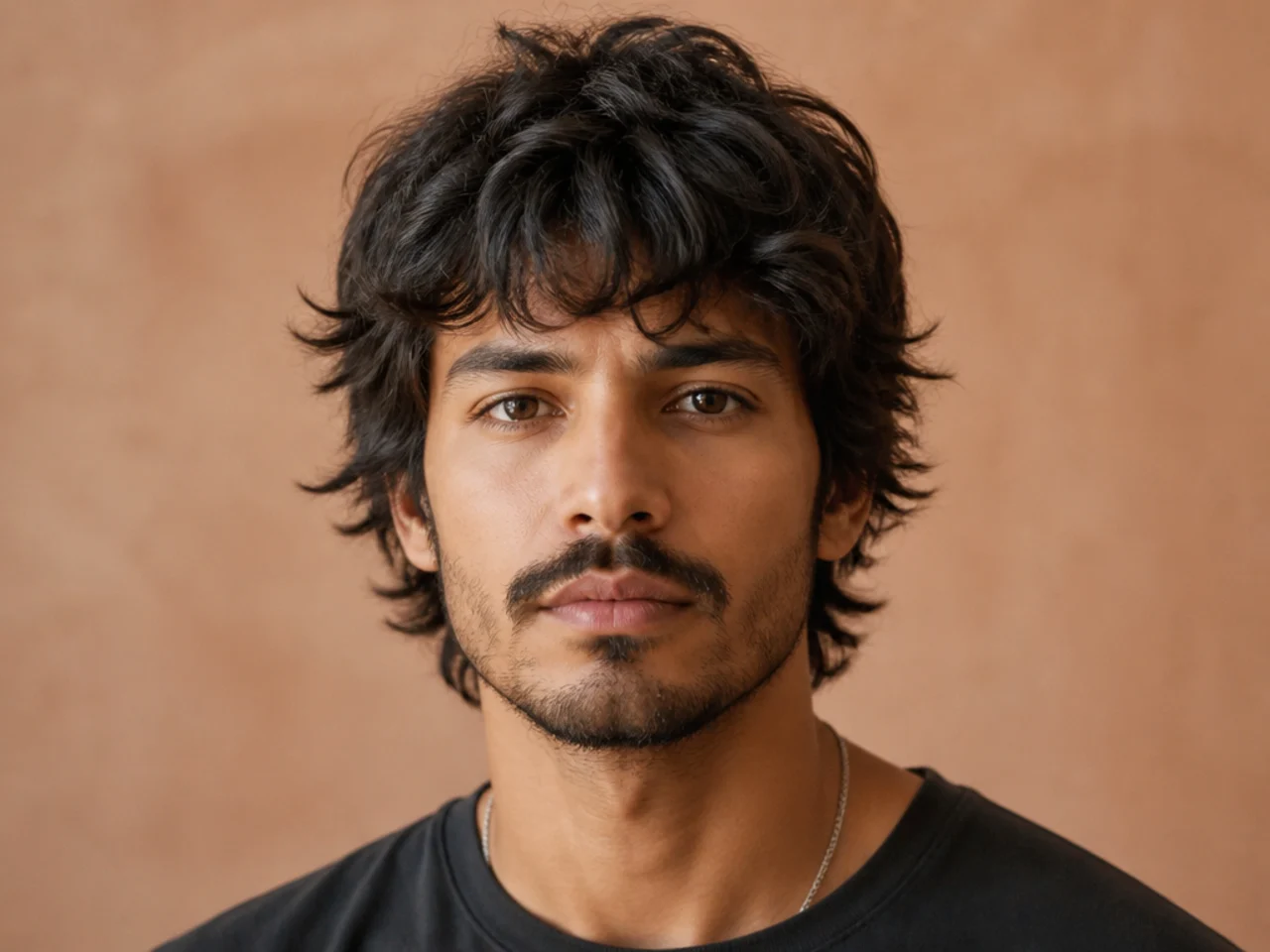
A shag is a heavily layered cut with wispy ends and volume through the crown. The layers are internal. Cut into the interior of the hair rather than into a stacked outer shape. The length looks even from a distance, but the inside is scooped out. That's where the movement comes from.
Every shag has three parts:
- Face-framing layers that start somewhere between your cheekbone and your jaw.
- Internal layers that run through the length to remove weight and build motion.
- A light point-cut or razor pass at the ends to keep them soft and wispy.
The shag also differs from cousins in the same family. A wolf cut concentrates length at the back, with layers piling up around the crown and face. A modern mullet keeps the top short and the back long with a sharper transition. The shag is all-over and even. The shape lives inside the length, not in the silhouette.
History and Origin of Shaggy Haircut
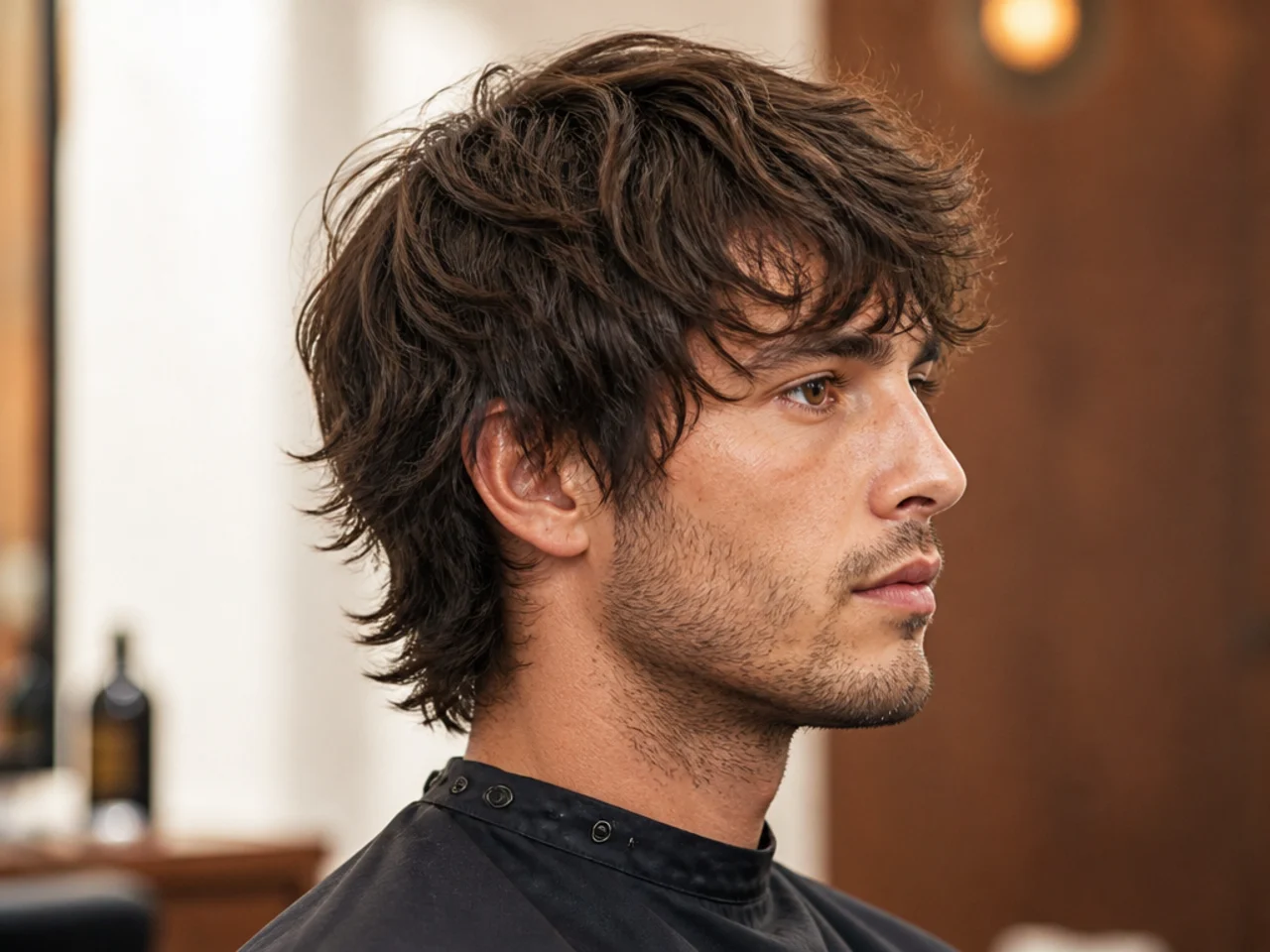
The shag came out of Paul McGregor's chair in 1971. He cut it for Jane Fonda in Klute, and the shape spread through the decade. Mick Jagger, David Bowie, Debbie Harry, Farrah Fawcett. Every rock face wore some version of it.
The 1970s original was longer at the back and shorter around the face, with a defined feathered edge. The 1980s pushed volume up and added a perm. The Y2K shag cropped it at the collar and went choppy. Today's cuts sit somewhere between all three. Cleaner than the original, less styled than the 1980s version, softer than the Y2K one. The technique hasn't changed. The finish has.
Why Shaggy Hairstyle Is Trending Again
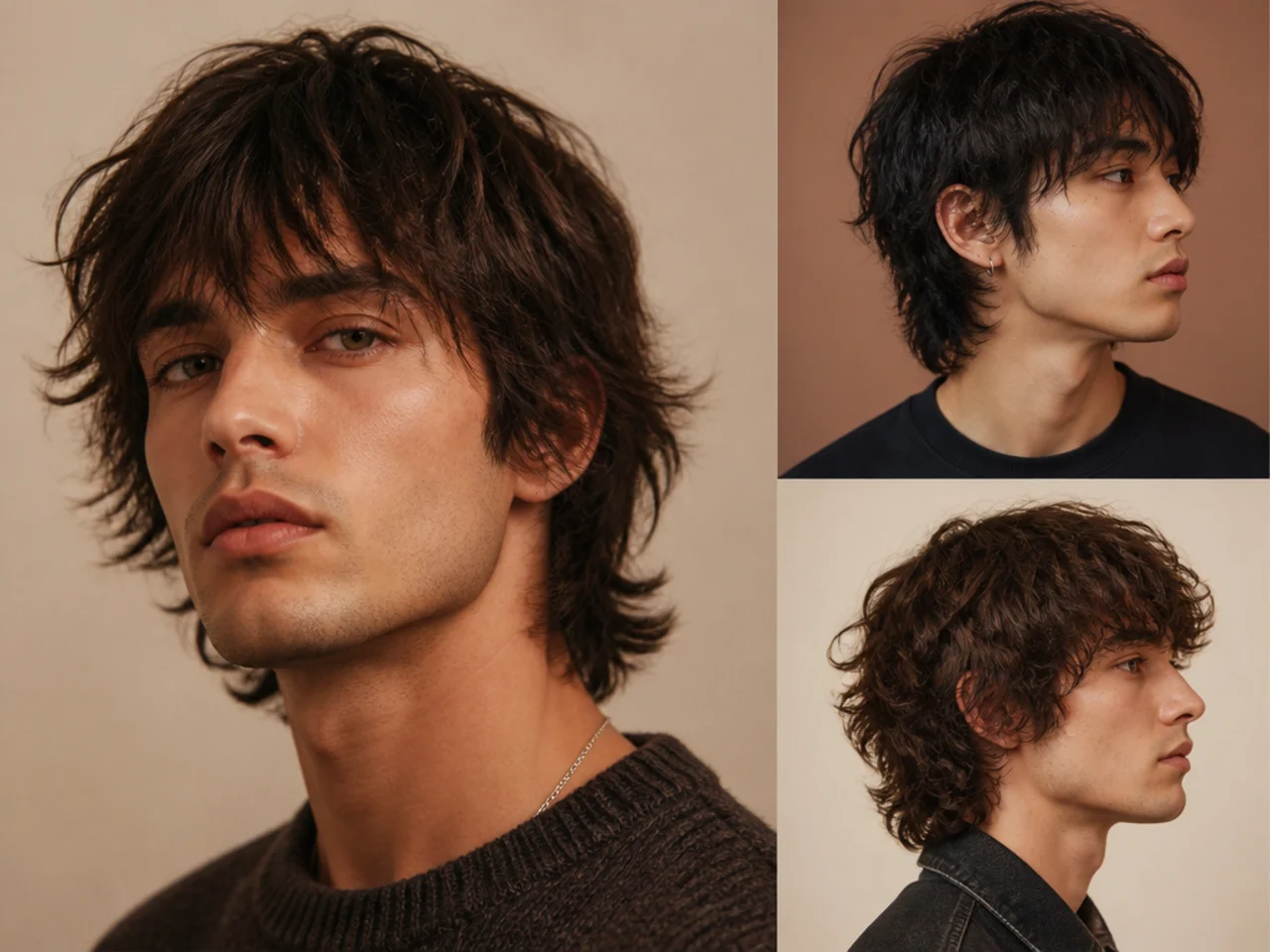
The shag came back with the wolf cut in 2021. It stayed because it solves problems other cuts create.
It gives fine hair volume without teasing. It gives thick hair movement without thinning shears wrecking the perimeter. It grows out clean. You can push a shag to ten weeks between trims and the shape still reads as intentional. Air-drying works. Second-day hair works. Every hair type takes to it once the cut is dialed in.
The shag also plays well with the current appetite for layered haircuts that look undone. If you have been eyeing the jellyfish haircut or the butterfly haircut, the shag is the calmer cousin. Same layering philosophy, less commitment to a dramatic silhouette.
Best Face Shapes for a Shag Haircut
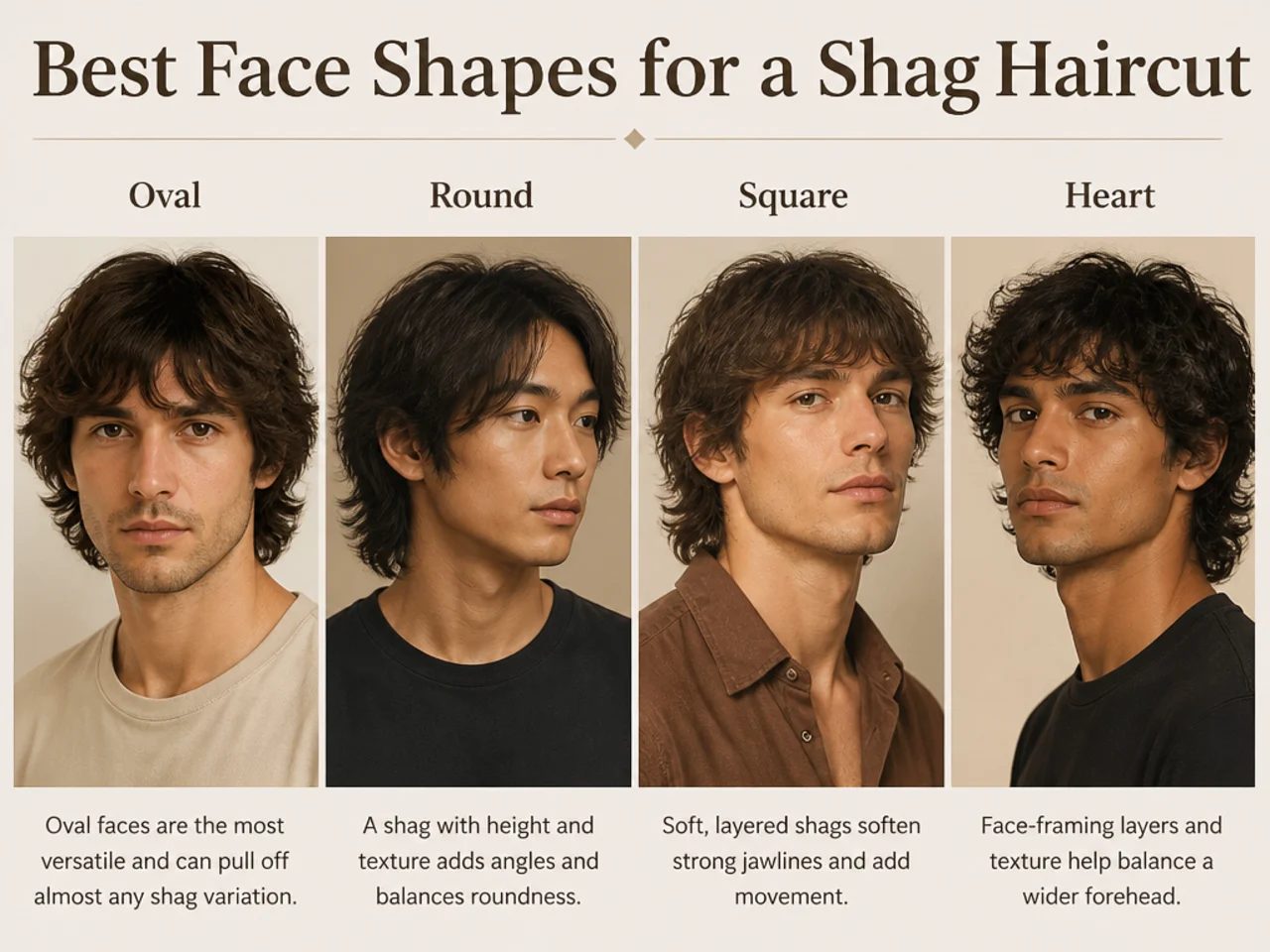
The shag suits most face shapes because the layering is customizable. Where the face-framing layer starts matters more than the overall length.
Oval faces take almost any variation. Start the face-framing at the cheekbone for balance. Round faces should start the face-framing below the jaw. Anything higher widens the face. Ask for longer front pieces and skip a heavy fringe. Square faces need softness against the jawline. Start the layers at the mouth or lower and add a curtain fringe to break the forehead. Heart-shaped faces suit shorter face-framing at the chin, which draws the eye down from a wider forehead. A jaw-length curly shag reads especially strong on this shape. Long faces need width, not length. Ask for a fringe and keep the face-framing short. Starting at the cheekbone or higher adds the horizontal shape a long face needs.
If you are not sure which shape you have, take a photo straight on and trace your hairline and jawline in a note app. The proportions become obvious.
Styling Tips for a Shag Haircut
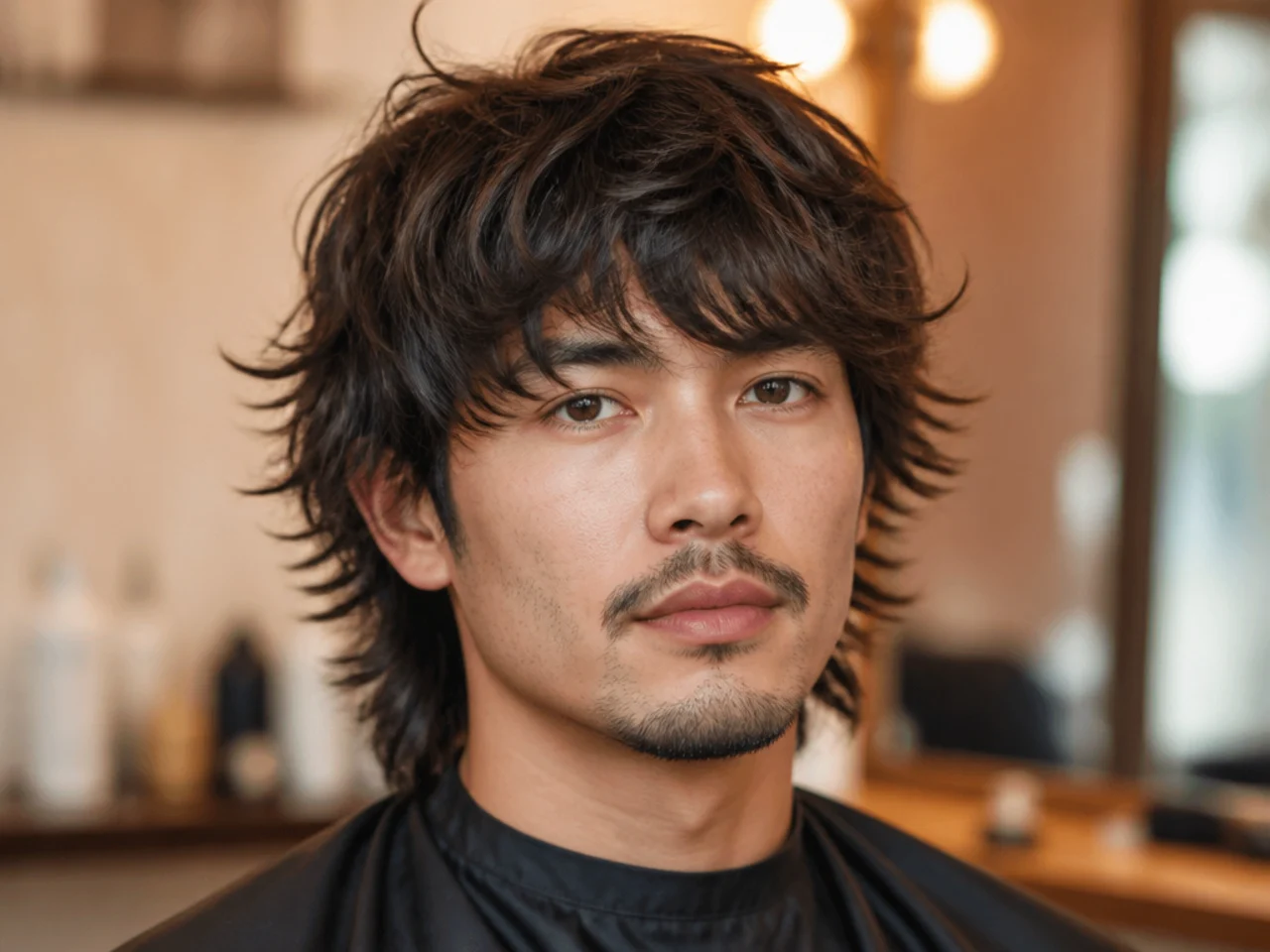
- Rough-dry with your fingers. Flip your head upside down and shake at the roots. The shag needs lift at the crown to read correctly.
- Use a texture spray, not a mousse. Sea-salt spray on damp hair, texture spray on dry hair. Skip anything with a wet or slick finish unless you want the wet-look version.
- Twist the face-framing pieces. Take the front sections, twist them once, and let them air-dry that way. It sets the bend without a curling iron.
- Break the ends with a matte paste. Rub a pea-sized amount into your palms, then push it up into the ends from underneath. Do not smooth it down over the top.
- Skip the round brush unless you want the blown-out version. A flat brush and a diffuser preserve texture.
- Refresh day two with a spritz of water on the roots and a shake. Do not re-wet the ends.
Shaggy Haircuts: Why They Are So Popular
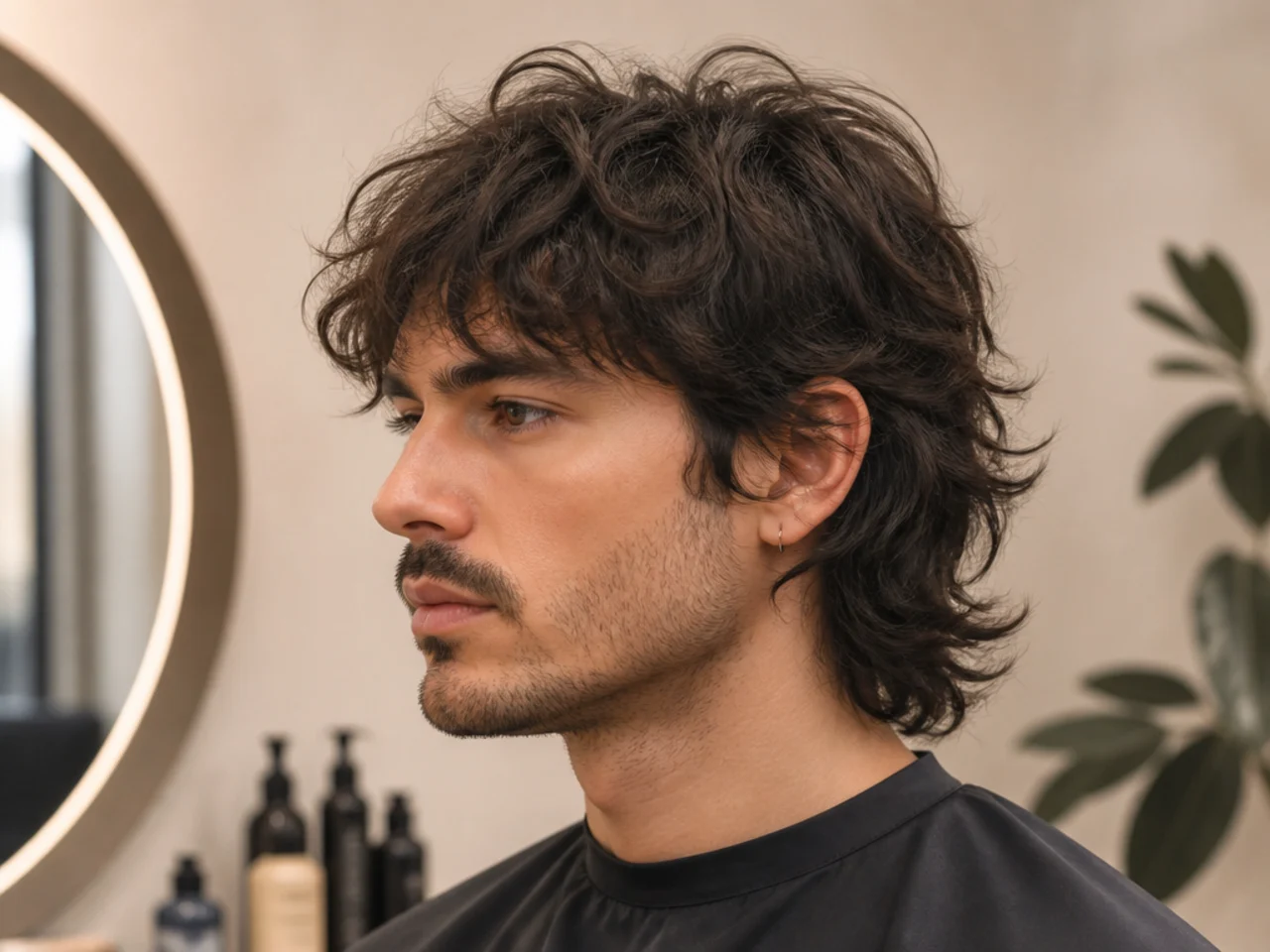
The shag is popular because it delivers three things at once: shape, movement, and low maintenance. Most cuts trade one of those for another. Blunt bobs give you shape but no movement. Long layers give you movement but no shape. Buzz cuts give you low maintenance but no volume. The shag hits all three because the layering does the work. The shape is inside the hair, not on top of it.
For a fuller comparison of this whole family of cuts, see our roundup of trendy wolf and shag haircuts and our gallery of chic wolf cut hairstyles for every face. If you want a similar shape-first structure without the layered chaos, the bob haircut is the natural alternative. For elegant styling ideas, check out Low Bun Prom Hairstyles for Brown Hair to create a soft and classy look.
Popular Shaggy Haircut Variations
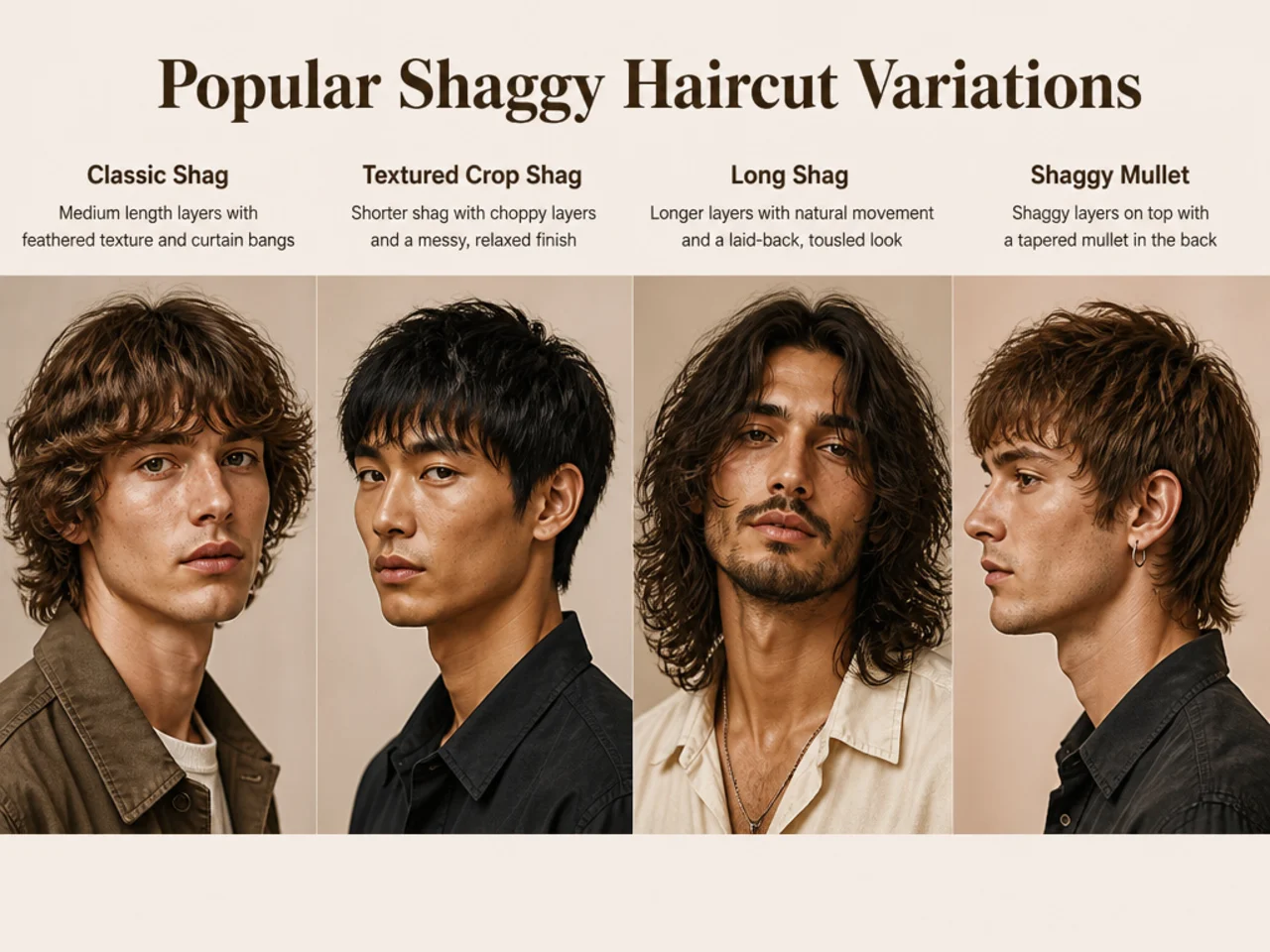
Cropped Pixie Shag
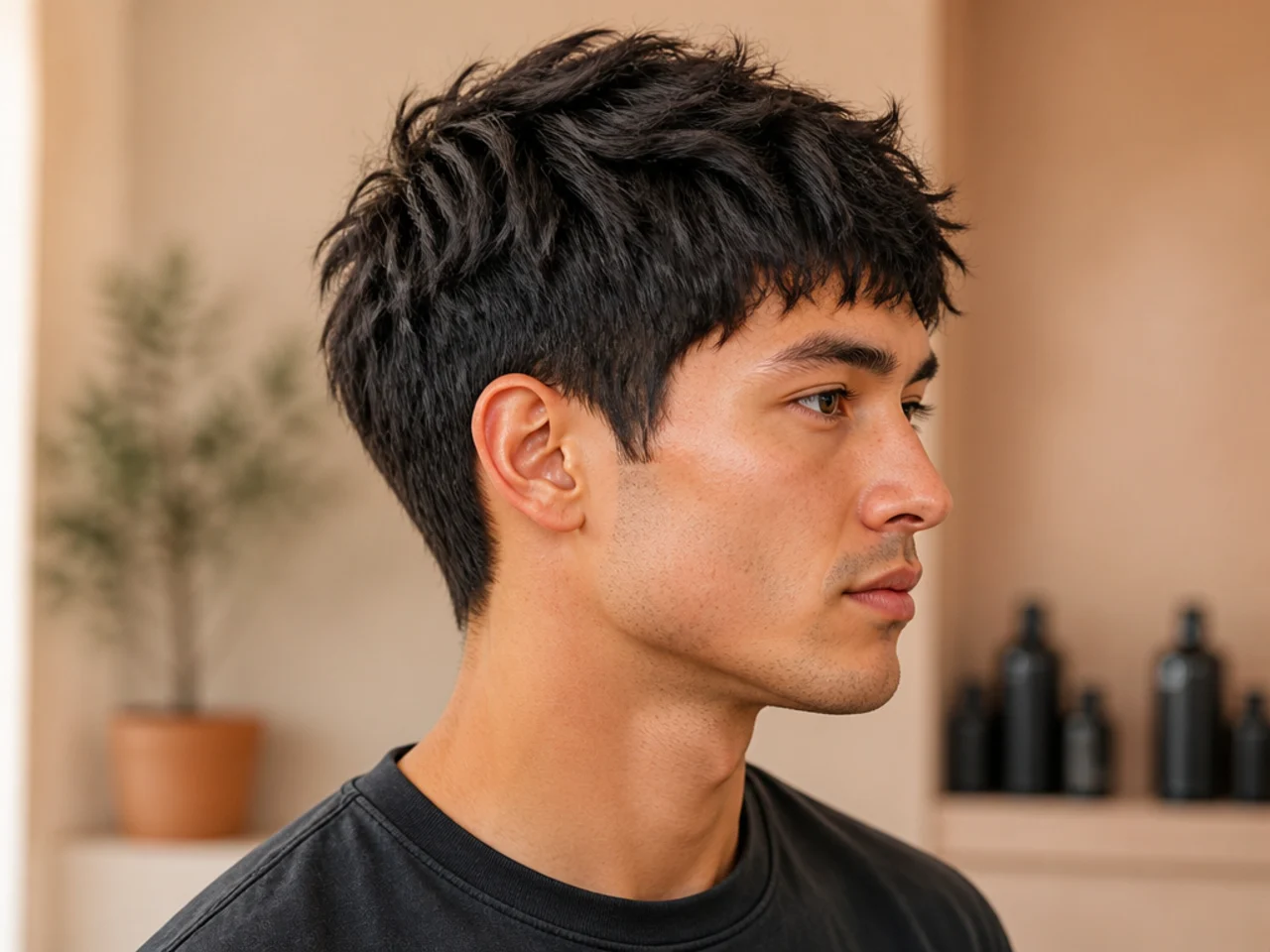
The cropped pixie shag runs shorter than a standard pixie, with heavy internal layers through the top and wispy ends at the nape. It works on fine hair because the crown volume replaces bulk without needing product. Ask for a pixie base with one-inch layers through the top and wispy face-framing that starts at the temple. Rub a matte paste into damp hair, then air-dry with your fingers pushed up through the crown. If you prefer shorter styles, explore Short Bob Hairstyles for Fine Hair for volume and easy maintenance, or read our full guide to the pixie cut for base shapes.
Short Pixie Shag
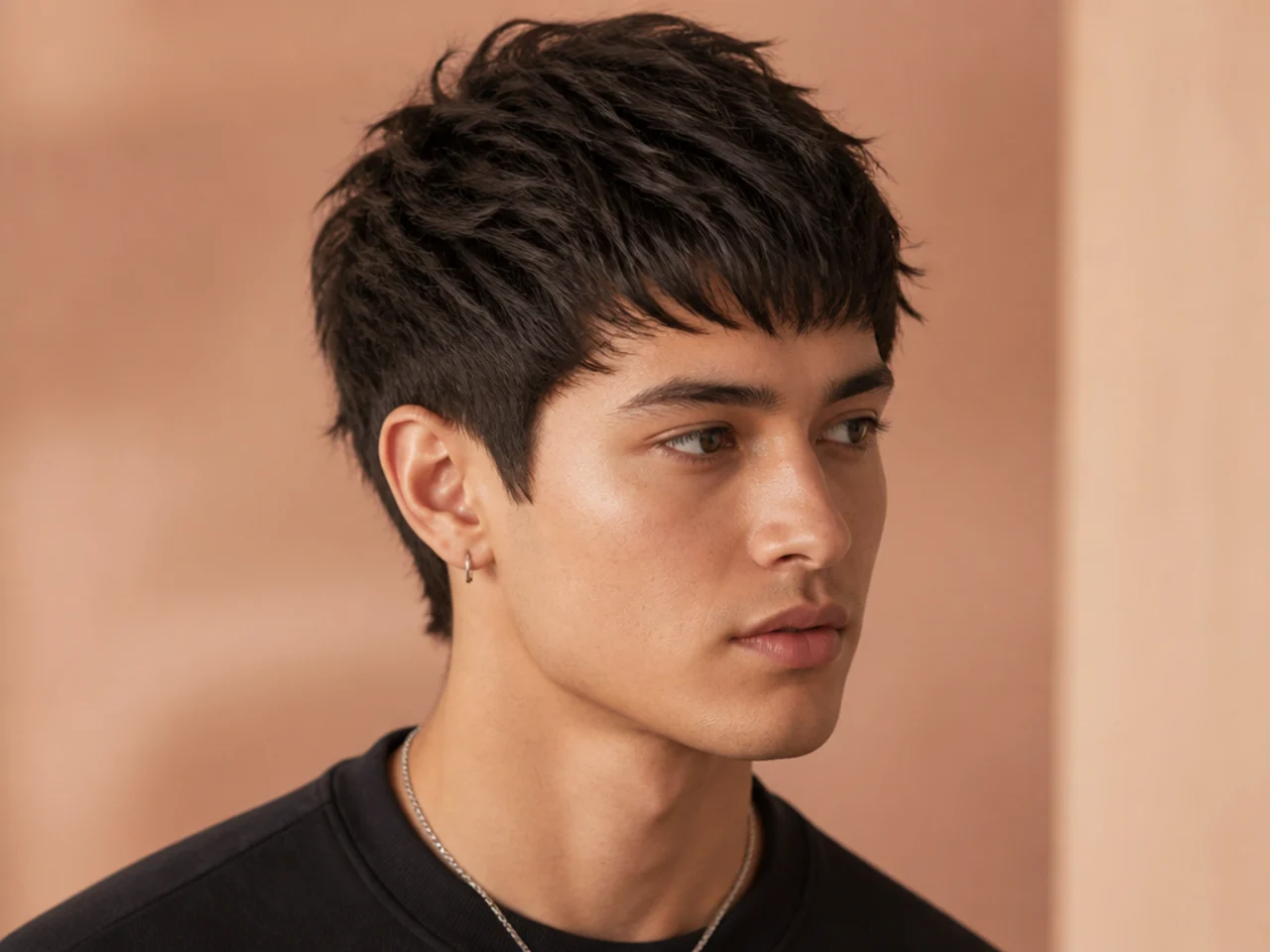
Slightly longer than the cropped version, the short pixie shag sits at the ear with feathered pieces running from crown to nape. It suits oval and heart-shaped faces and works on medium-density hair. Ask for a pixie length with internal layers through the top and back, face-framing starting at the cheekbone, and no fringe. Part it deep on one side and finger-shake the crown for lift. A dry texture spray at the roots sets it in place without weight.
Relaxed Shag
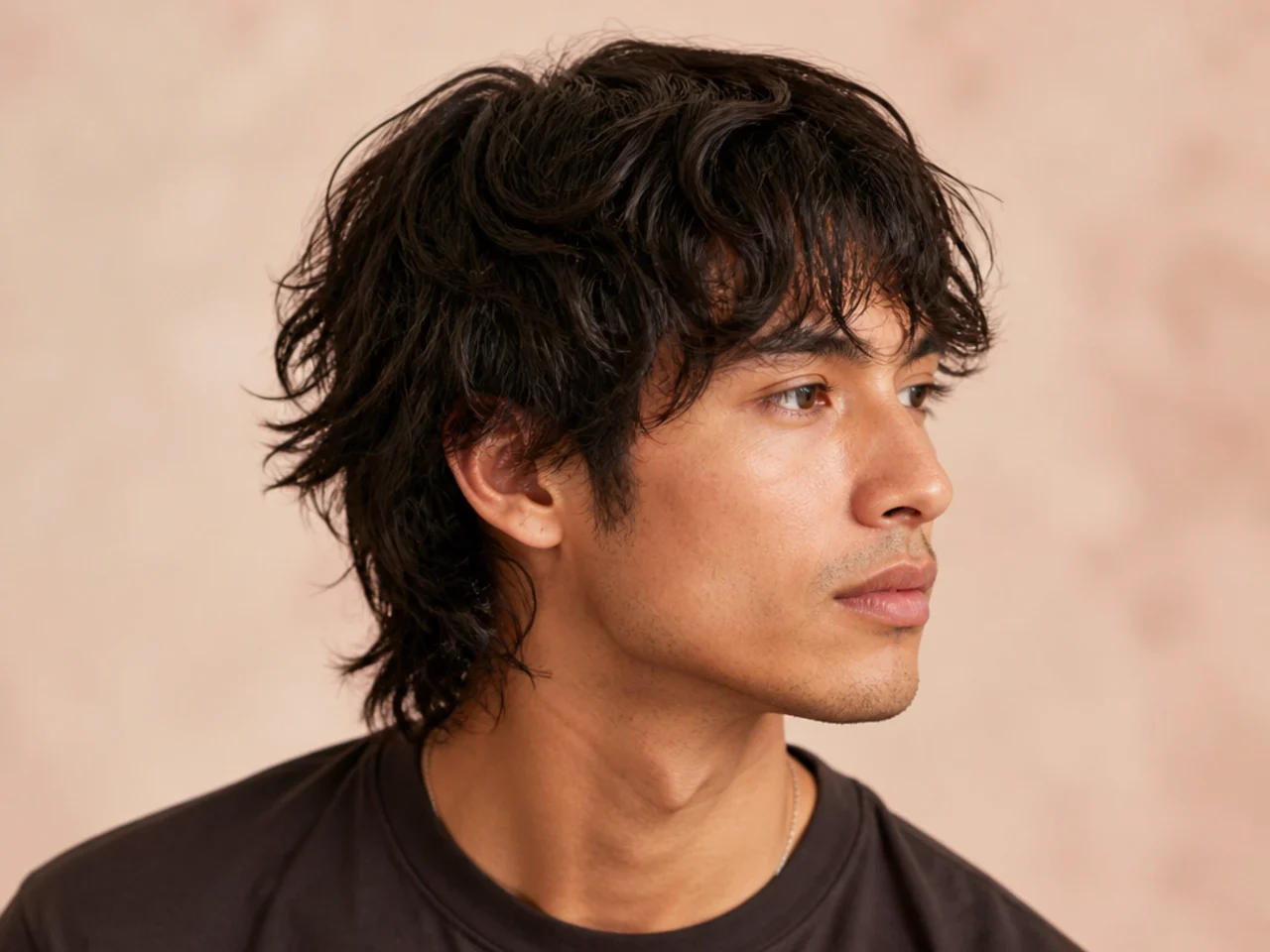
The relaxed shag is the everyday version. Mid-length, soft layers, no aggressive choppiness. It suits people who want the shape without looking like they tried too hard. Ask for shoulder-length hair with internal layers starting at the ear, wispy ends, and face-framing at the cheekbone. Rough-dry, work a nickel of texture cream through the mid-lengths, and let it fall. This is the version to ask for if you have never had a shag and want a safe starting point.
Wolf Cut Shag
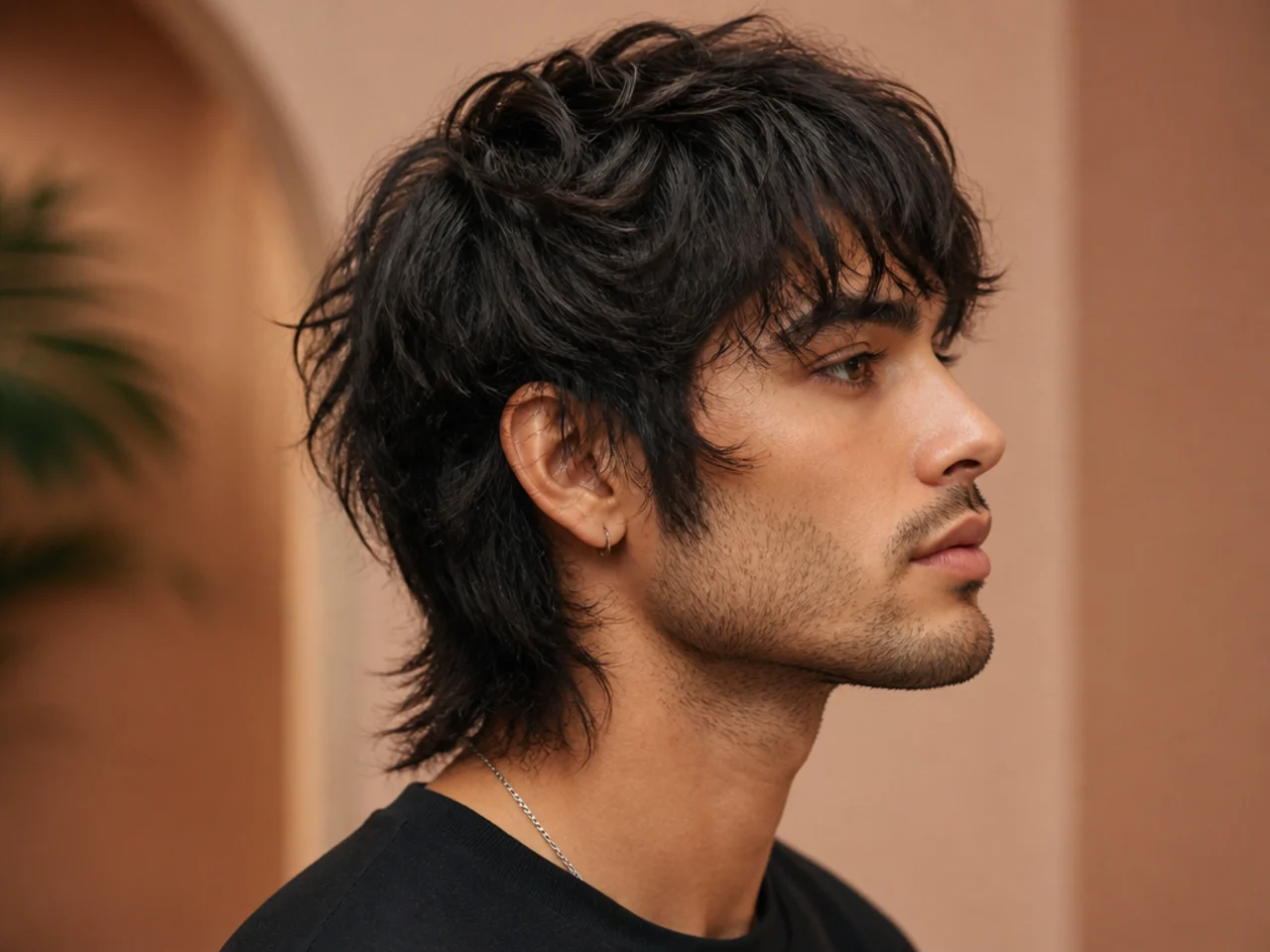
The wolf cut shag hybridizes the two shapes. Heavier layering around the crown like a shag, with the back kept a touch longer like a mullet. It suits people who want more contrast between top and back than a pure shag gives. Ask for a wolf cut base with shaggier internal layers and softer face-framing at the cheekbone. For more ideas in this hybrid space, browse 10 stunning wolf cut hairstyles. Style with a curling wand on the top layers only.
Wavy Shag with Piecey Bangs
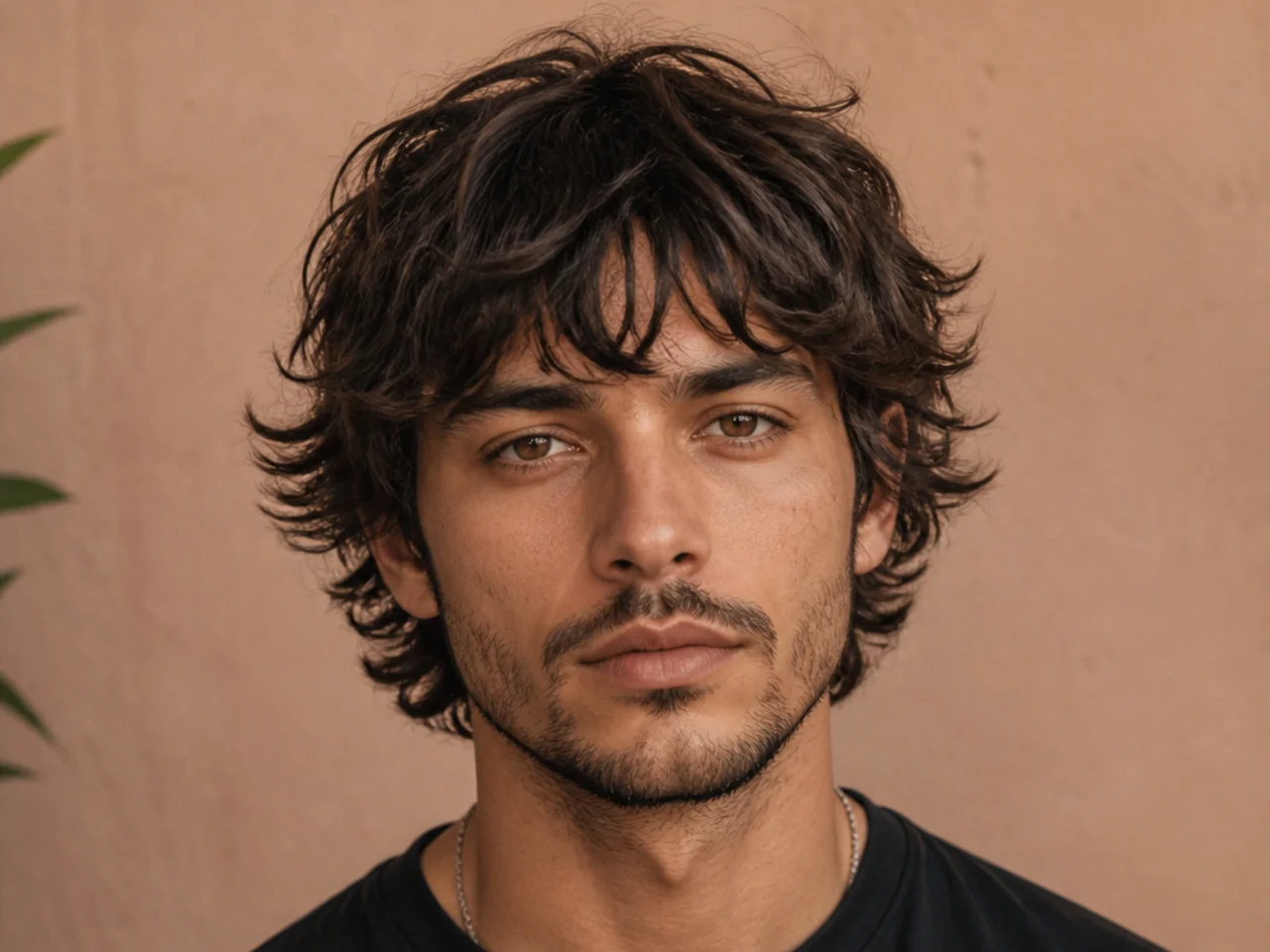
Loose waves paired with lightly separated fringe pieces. The bangs sit above the brow and split into two or three sections instead of falling as a solid curtain. It suits fine to medium hair with natural bend. Ask for a mid-length shag with internal layers, wispy piecey bangs cut at the brow, and face-framing that connects into the fringe. Twist the fringe with your fingers when damp, then let it air-dry.
Baby Bang Shullet
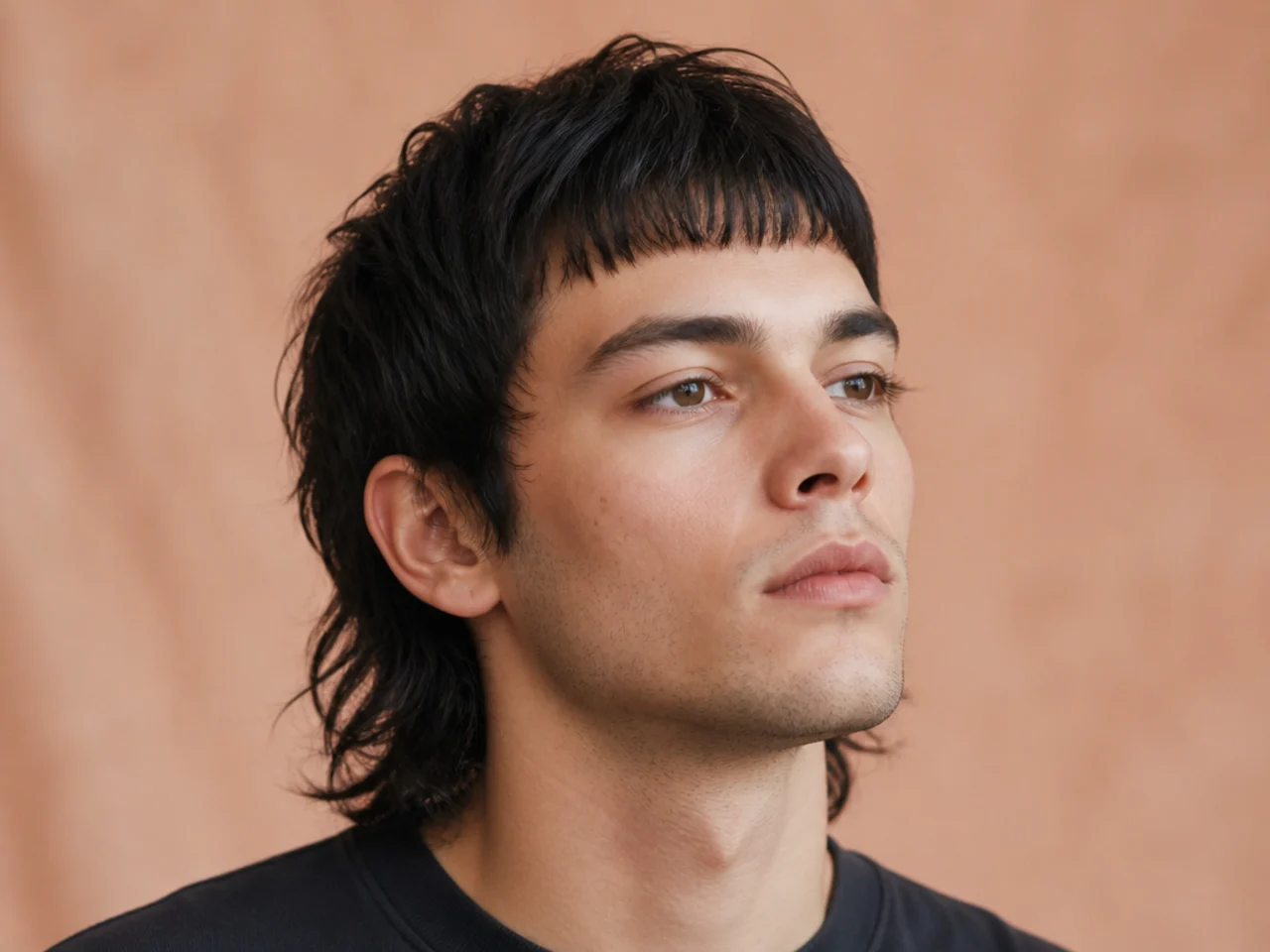
The shullet is a shag with mullet proportions. Shorter at the top and sides, longer at the back. Add baby bangs cut two inches above the brow and you have a bold graphic version. It suits strong bone structure and small foreheads. Ask for a shullet base with a two-inch micro fringe cut straight across. Wear it flat with a texture spray and let the layers do the talking. Trim the fringe every three weeks or it loses the shape.
Shaggy Wolf Cut Lob
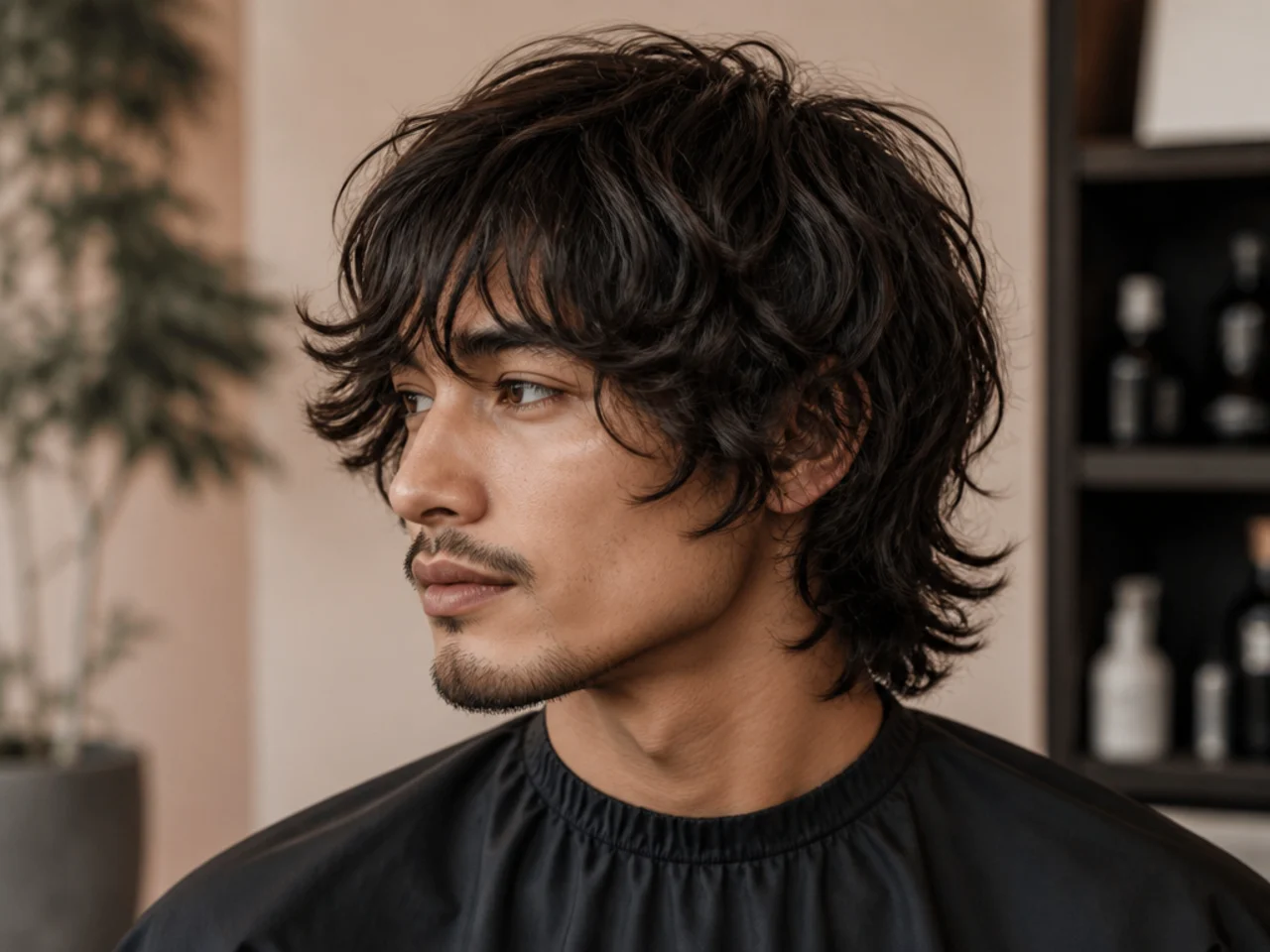
A shoulder-length wolf cut with shag layering through the ends. It is the length people ask for most often. Long enough to tie back, short enough to look intentional down. Ask for a lob at the collarbone with wolf-cut layering through the crown, shaggy internal layers, and a curtain fringe. Add a soft bend with a curling iron on the mid-lengths only, leaving the ends flat.
Pseudo-Shag Bob
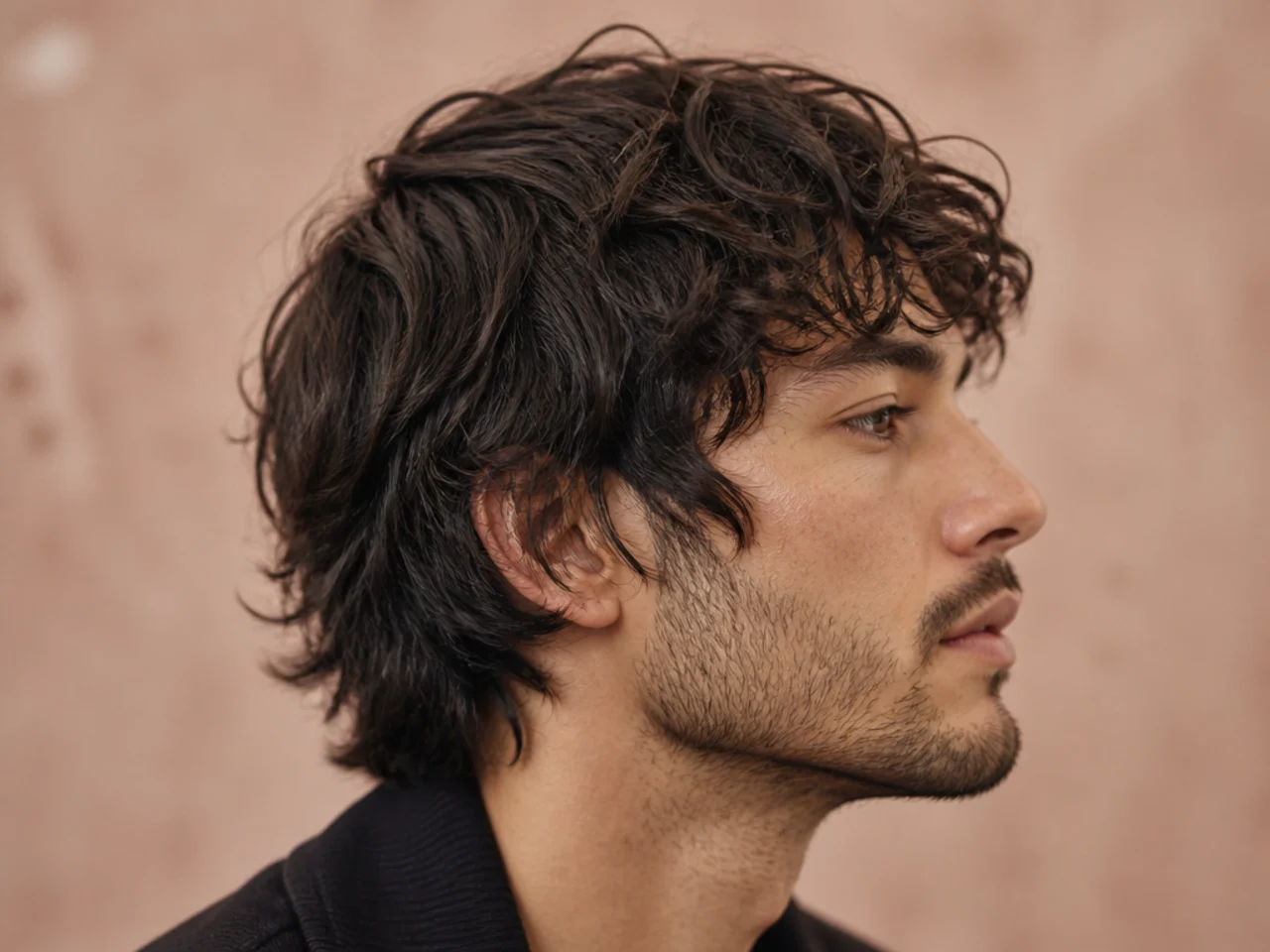
The pseudo-shag bob keeps a bob's clean perimeter but adds shaggy internal layers, so you get structured shape and interior movement in the same cut. It suits people who want a bob haircut but find the blunt version too heavy. Ask for a chin- or jaw-length bob with internal layers starting at the ear and wispy face-framing at the cheekbone. Air-dry with a light salt spray for tousled ends.
Choppy Pixie Shag
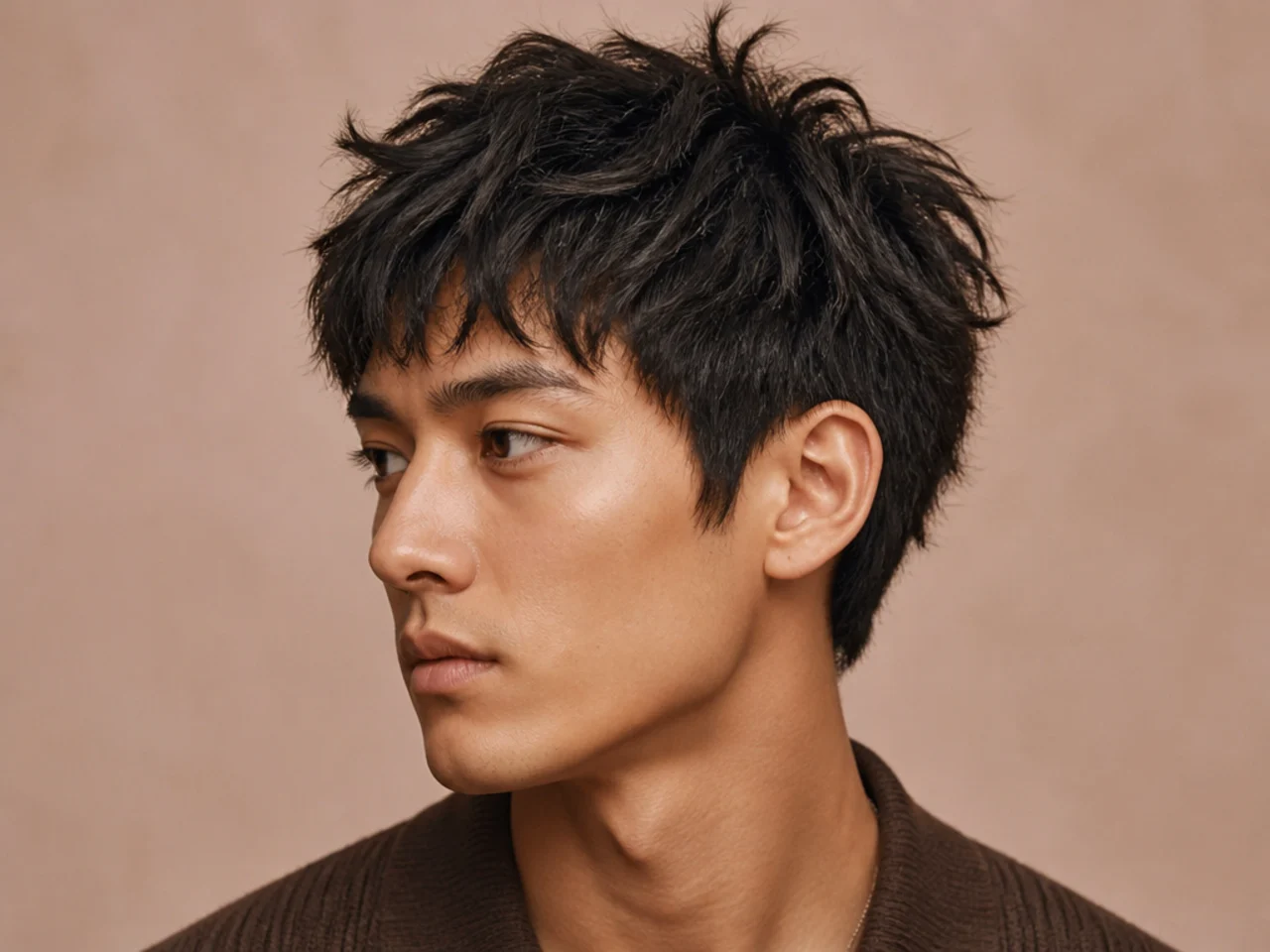
More aggressive than the cropped version. The layers are cut with scissors held vertically for visible chunkiness. It suits thick hair that needs weight removed at the top. Ask for a pixie base with vertical point-cutting through the crown and heavy internal layers. Push a texture paste up through the top and leave the ends alone. This one works with a strong side-swept fringe if you want more forehead coverage.
Short Curly Shag with Bangs
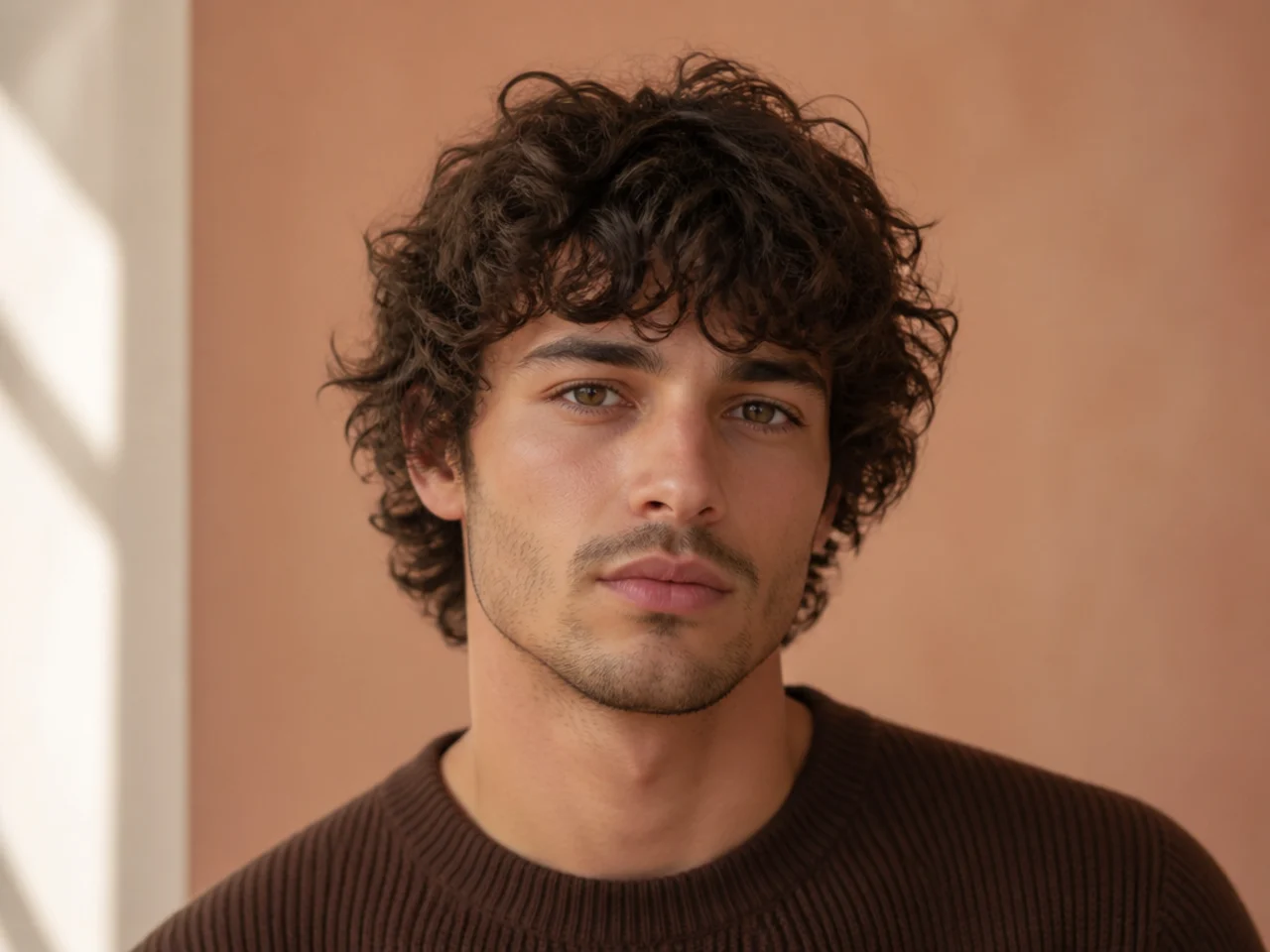
Curly hair requires a dry cut for the shag to sit correctly. Cutting curls wet stretches them out, and the shape springs up shorter than intended once they dry. This version sits at the jaw with a soft curly fringe. Ask for a dry cut, layers cut curl-by-curl to remove interior weight, and a fringe cut to sit at the brow when the curls have relaxed. Refresh with water and a leave-in on day two. Skip the diffuser on wash day for maximum shape memory.
Wispy Shag
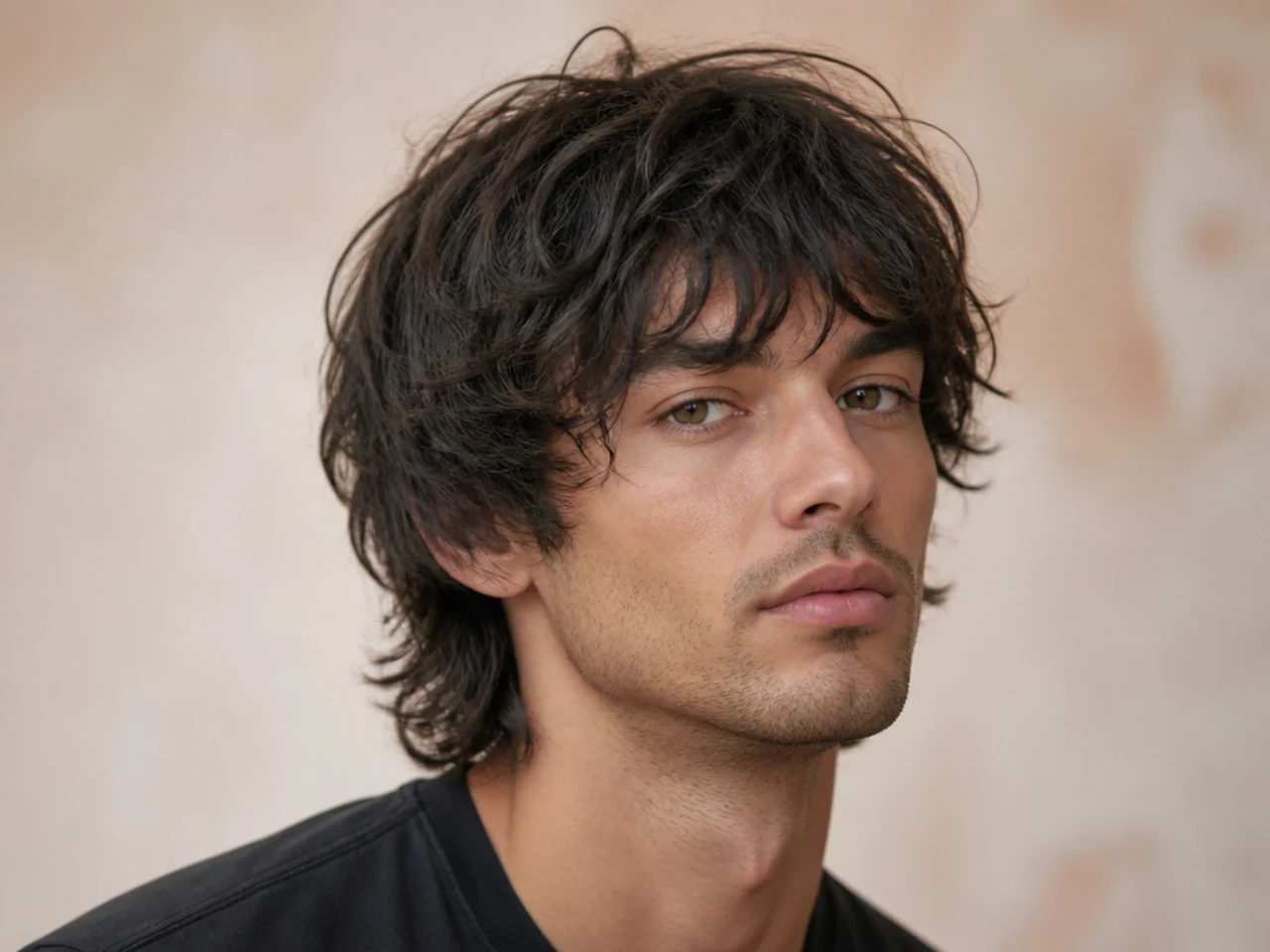
The wispy shag pushes softness to the front. Layers cut with a razor for feathered ends, plus heavy internal layering to reduce weight. It suits fine to medium hair, not thick coarse hair. Razors chew coarse strands up and leave splits. Ask for a razored shag with wispy internal layers and a soft face-frame at the cheekbone. Air-dry only. Blow-drying flattens the wispy quality that defines this cut.
Shaggy Mullet
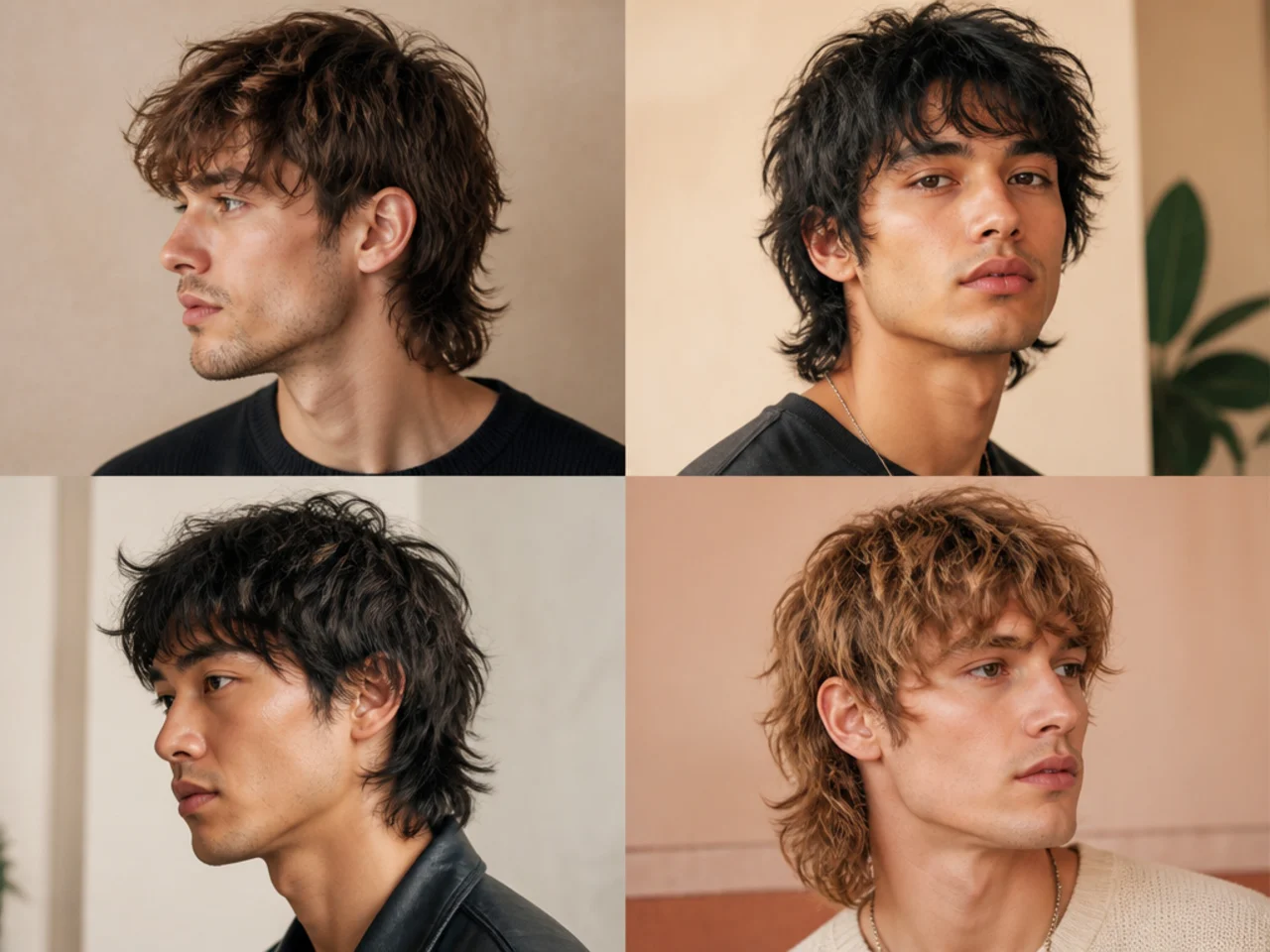
Where the shullet balances top and back, the shaggy mullet leans into the mullet. Short at the front and sides, distinctly long at the back, with shag layers on top for movement. It suits people who want retro commitment without the pure mullet stiffness. Ask for a mullet base with shag layering through the crown and face-framing that starts at the temple. Push the crown up with a light texture spray and let the back hang.
Choppy Shullet
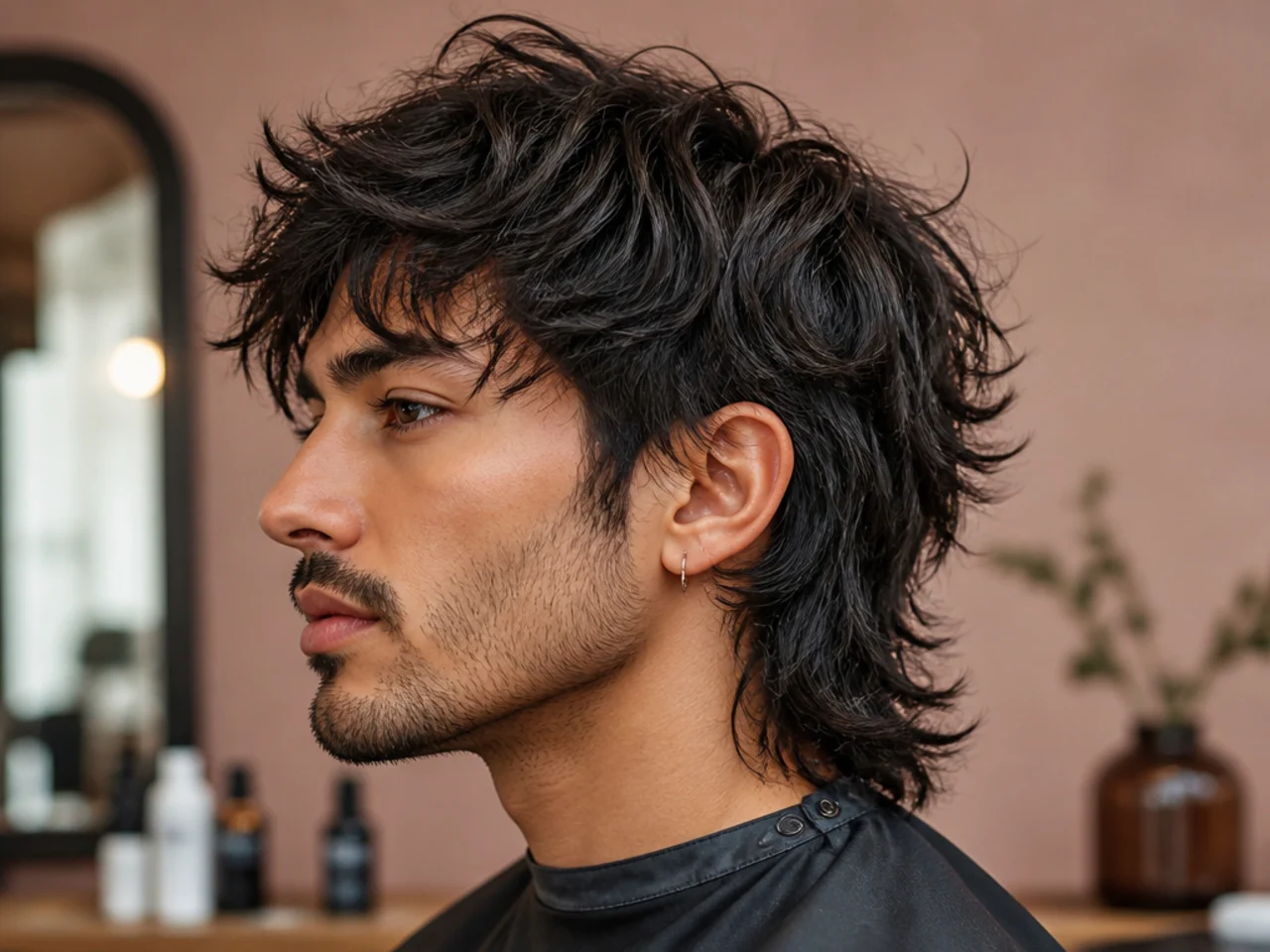
The choppy shullet is a shullet with visible chunkiness. The ends are cut with vertical scissor work so the layers separate into distinct pieces you can see across the room. It suits medium to thick hair. Ask for a shullet base with point-cut ends, internal layers throughout, and a heavier crown. Style with a matte paste worked between the fingers to keep the pieces defined. See our modern mullet guide for related shapes.
Piecey Shag
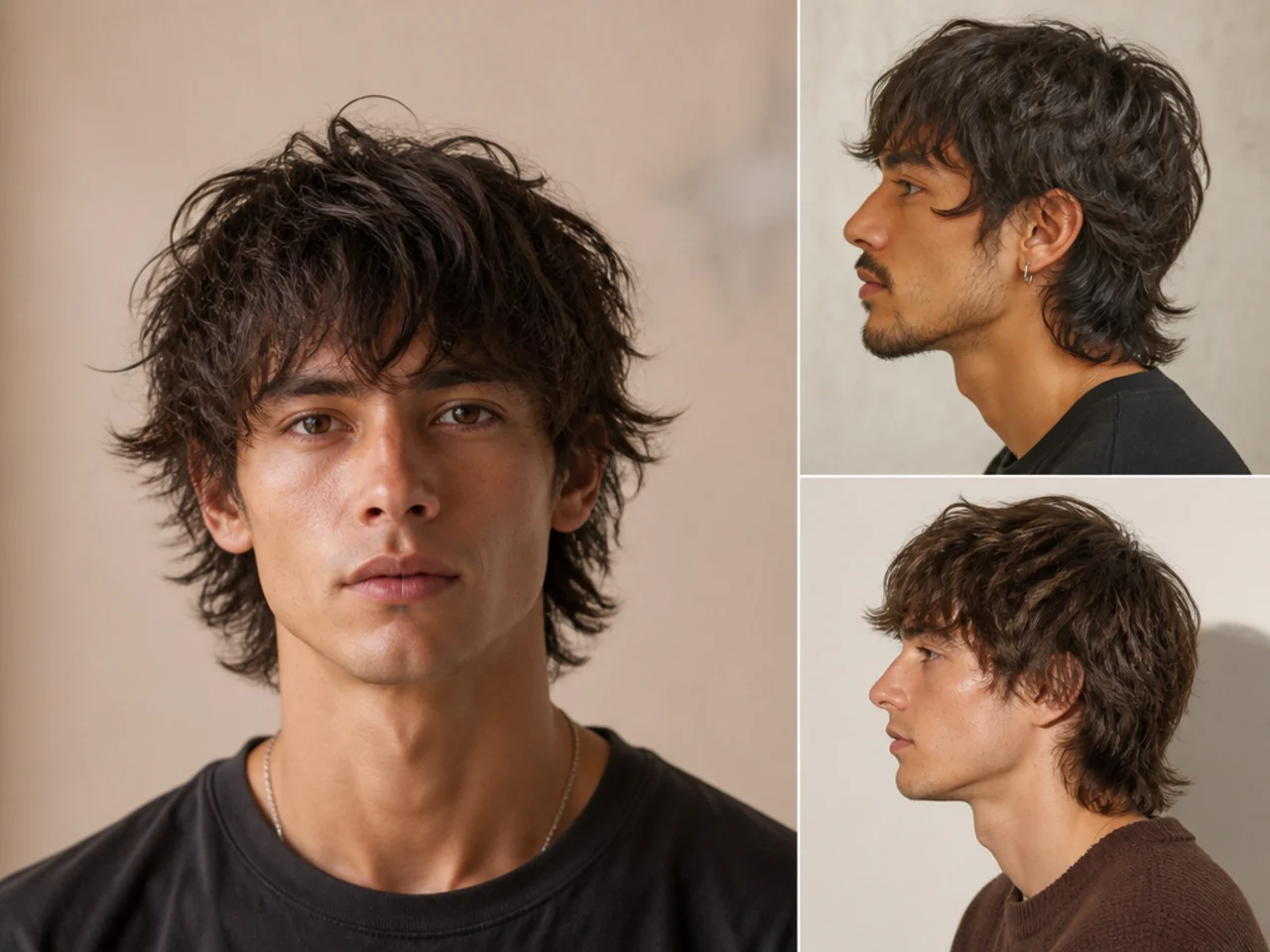
The piecey shag focuses on visible separation. The layers are cut and styled so distinct sections fall in front of the face and along the sides. It suits medium hair with any texture and reads flattering across ages. Ask for a shag with clear piecey face-framing that starts at the cheekbone and internal layers cut in visible sections. Pinch the ends with a matte paste to lock the separation in place.
Wet Look Shag
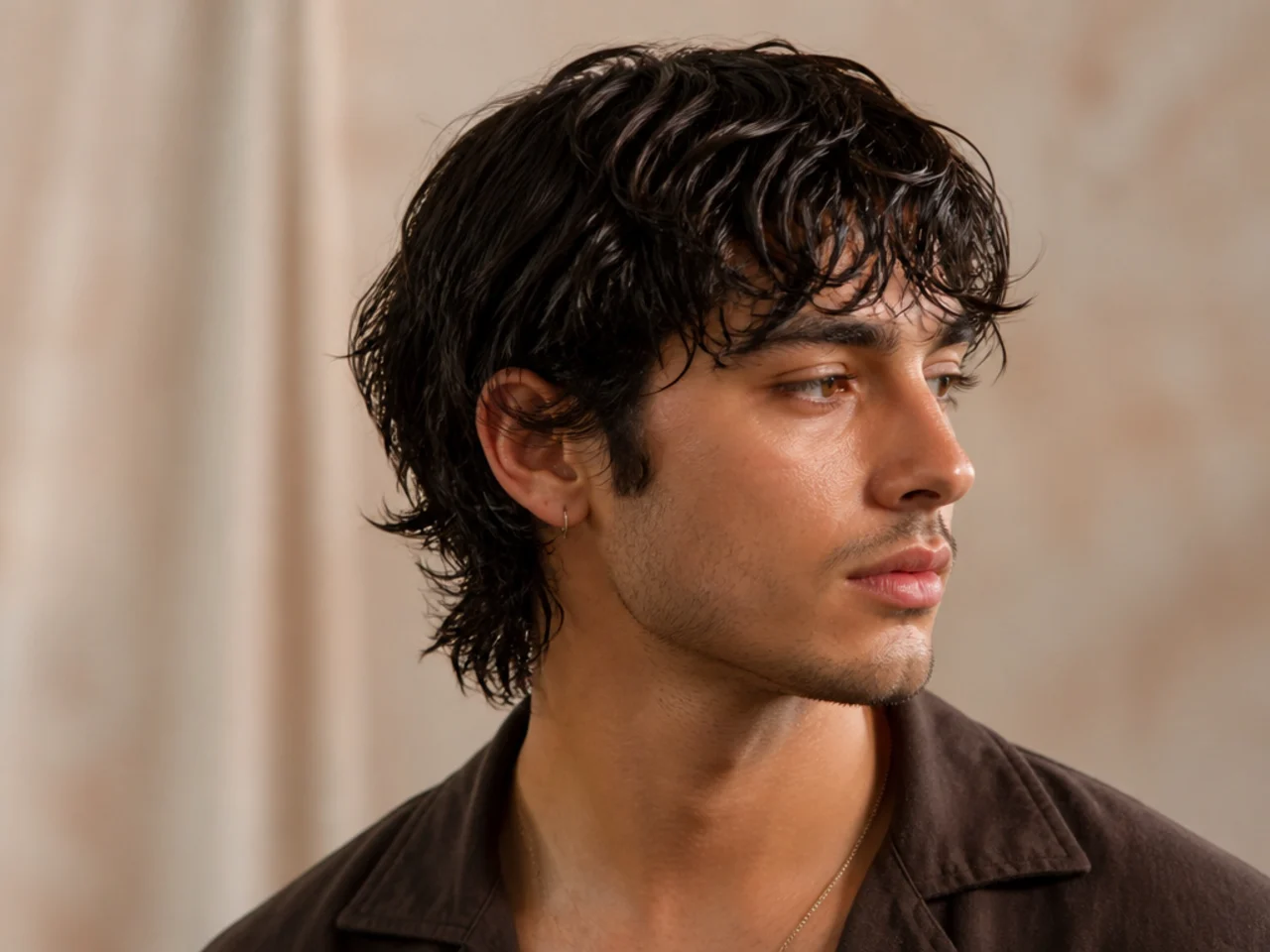
The wet-look shag reads glossier. Same cut, different styling. Gel or a heavy styling cream keeps the shape sleek and slightly damp-looking. It suits event styling more than daily wear. Ask for a standard mid-length shag as the base cut. On styling day, work a strong gel through wet hair, finger-comb into shape, and let it dry undisturbed. Do not touch it once it starts to set.
Bouncy Sun-Kissed Shag
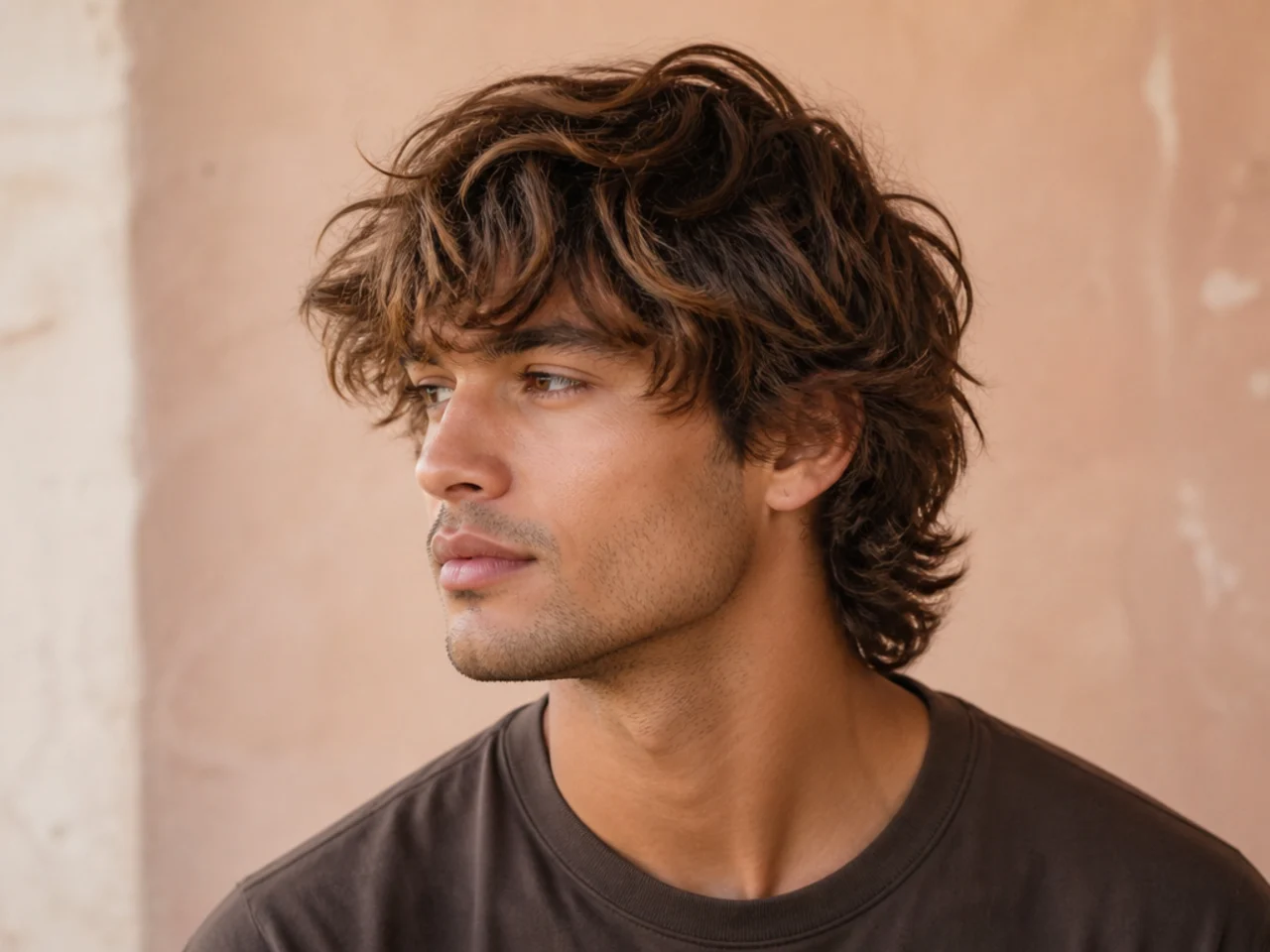
Wavy or curly hair with balayage or babylight highlights that catch the layers. The color makes the movement more visible. It suits medium-density hair with natural bend. Ask for a mid-length wavy shag with internal layers, wispy ends, and a curtain fringe. For color, ask for face-framing highlights that follow the face-frame layer line so the two features reinforce each other.
Tapered Shag with Bangs
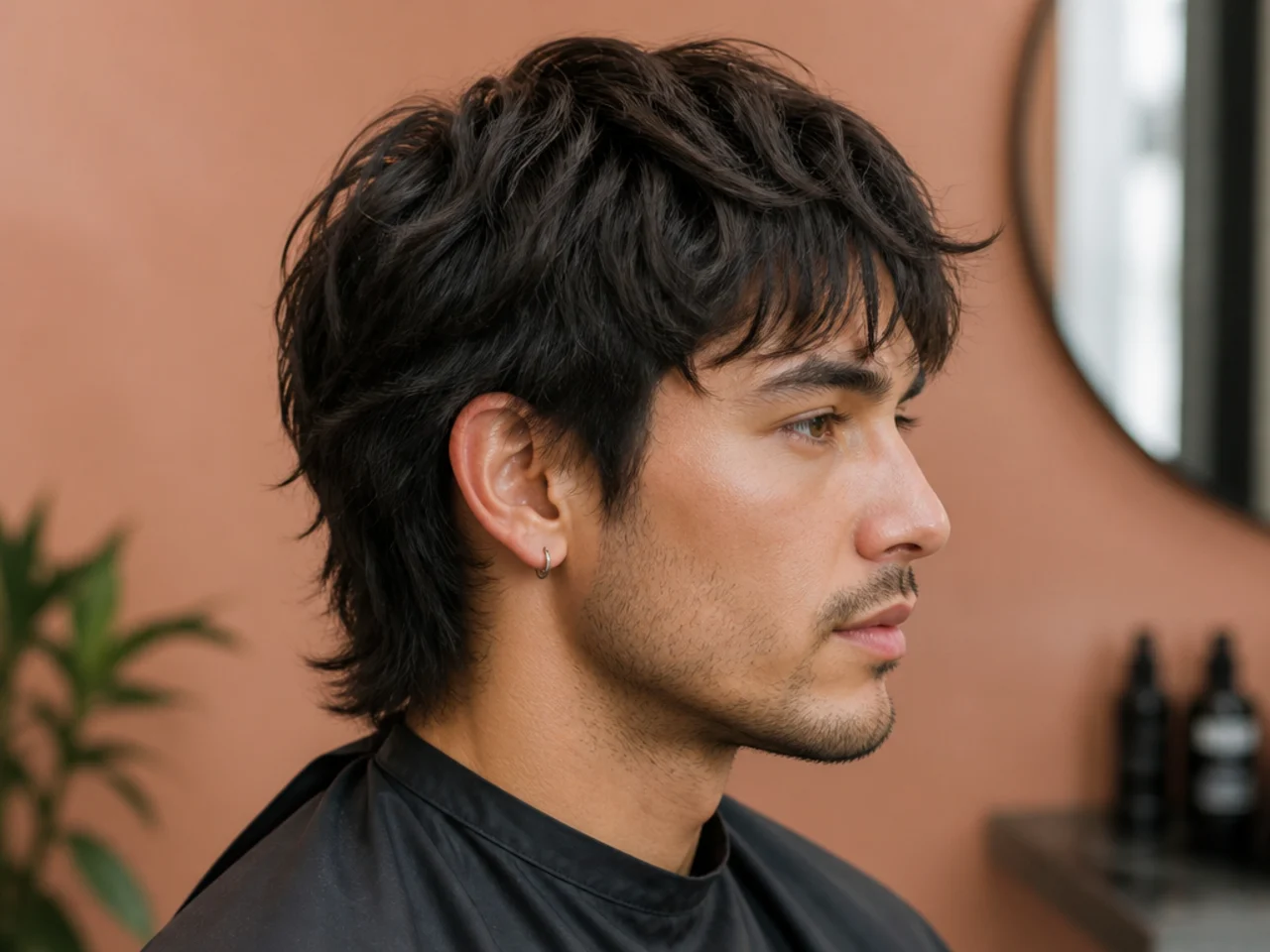
The tapered shag narrows toward the ends. The interior is heavily layered, but the perimeter is trimmed shorter piece by piece so the whole cut reduces in volume as it falls. It works well on gray or silver hair, where you want structure without stiffness. Ask for a tapered mid-length shag with a full fringe. Blow-dry with a flat brush to keep the tapering visible on the outer edge.
Classic Shag
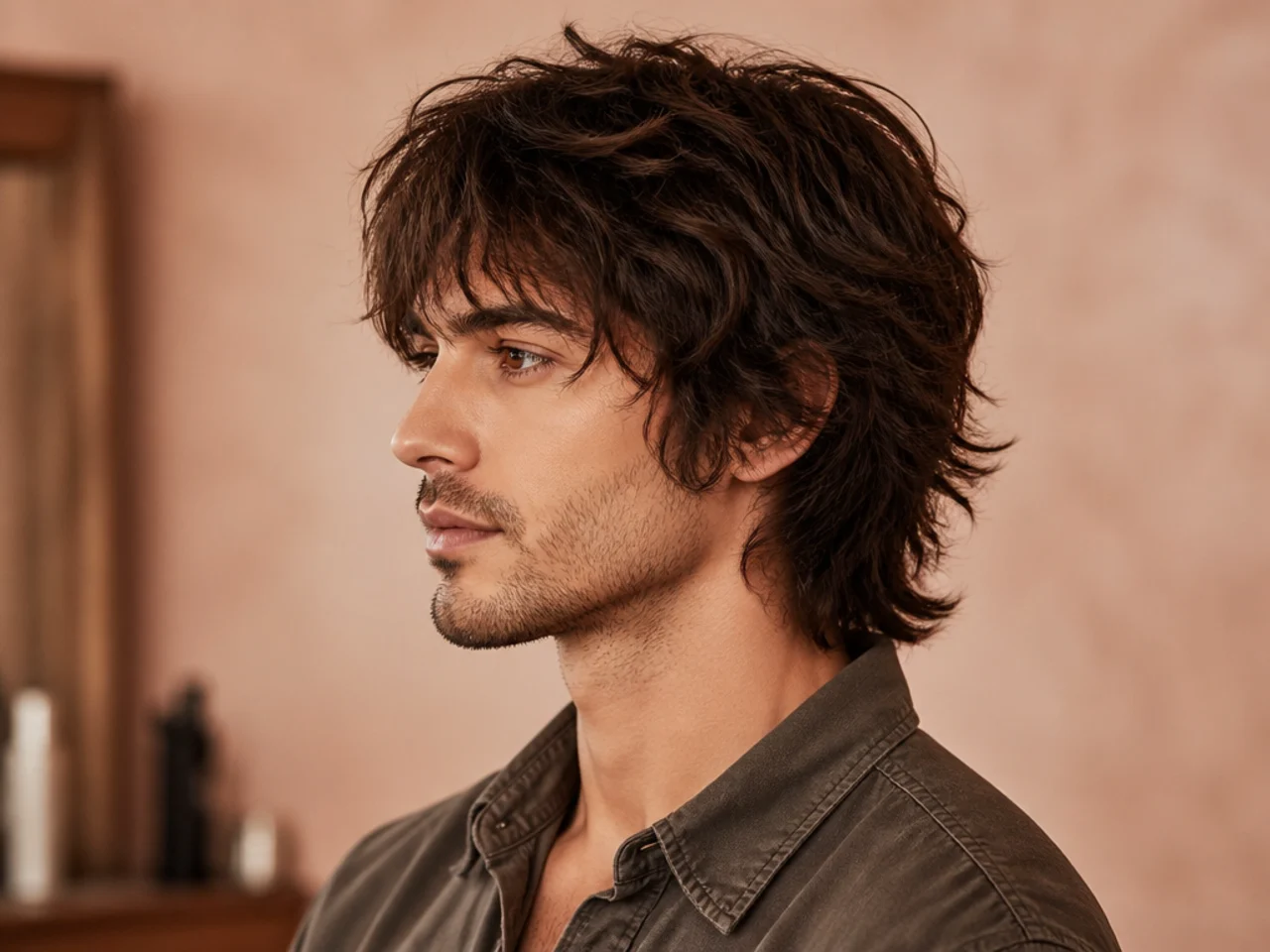
The classic shag pulls from the 1970s original. Mid-length, curtain fringe, uneven layers, natural bend. No product beyond a texture spray. It suits anyone who wants an intentional retro reference without the full costume. Ask for a McGregor-style shag: layers starting at the cheekbone, a soft curtain fringe parted down the middle, and length hitting the collarbone. Air-dry with a light spray.
Parisian Shag
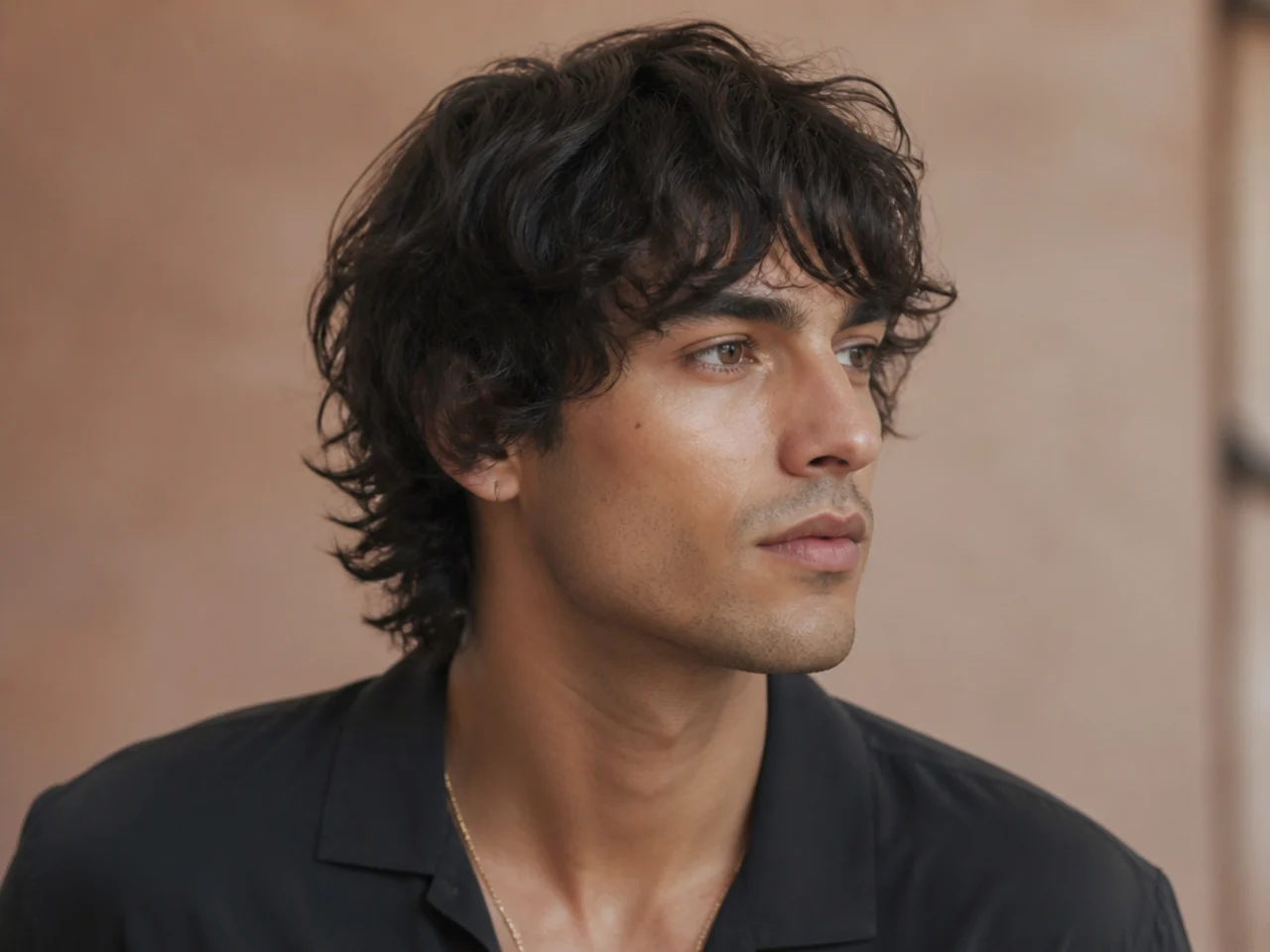
The Parisian shag is shorter and softer. Cropped at the jaw with a light bend and a curtain fringe. Think of it as the French bob's shaggy cousin. It suits fine hair that struggles with weight and reads chic on oval faces. Ask for a jaw-length shag with a curtain fringe and internal layers cut only through the top third. Air-dry with a cream, no salt spray.
Y2K Shag
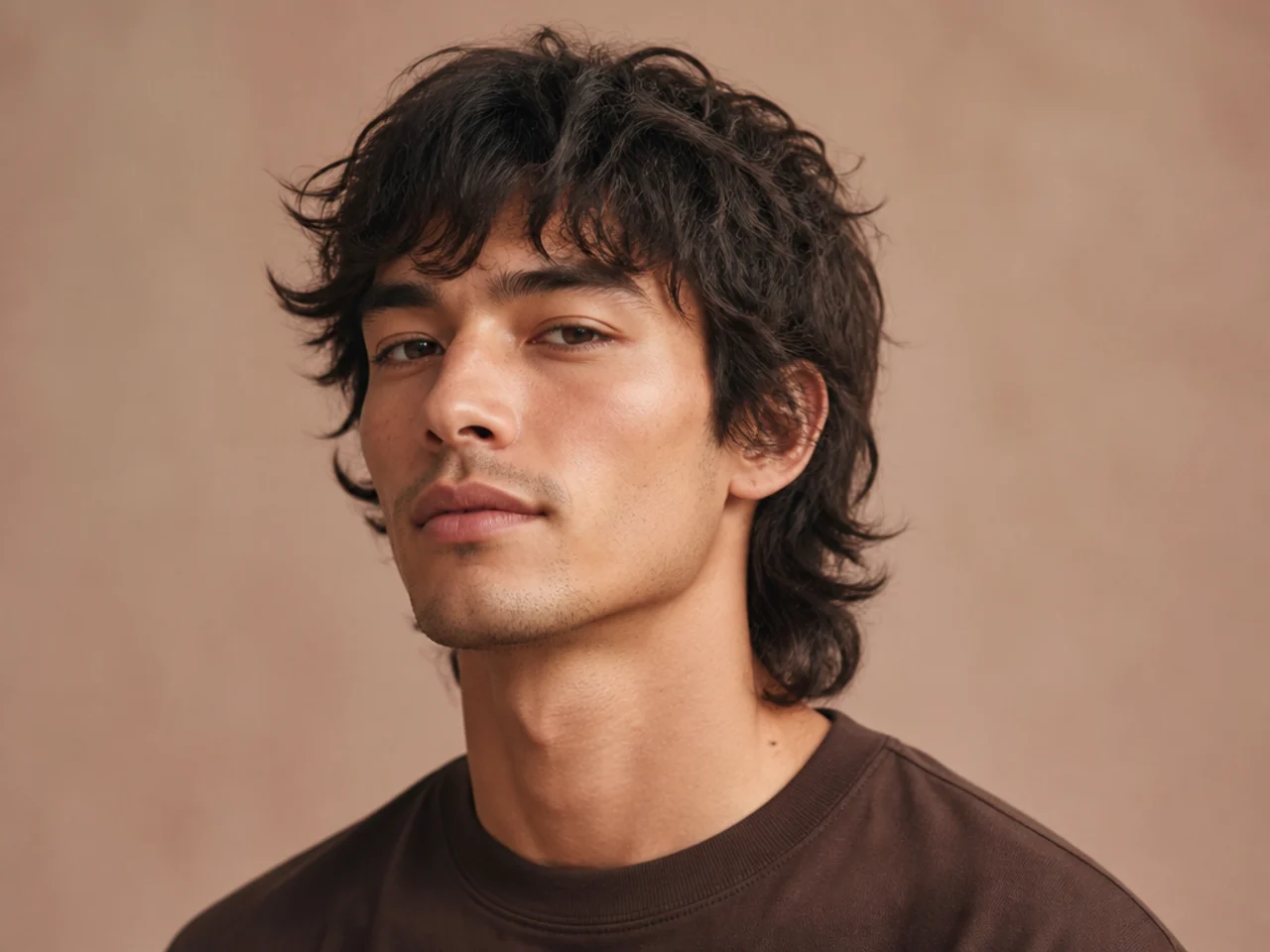
The Y2K shag is shorter. Cropped at or above the collar with side-swept fringe and defined layered ends. Think early 2000s pop. It suits round and heart-shaped faces where the side-swept fringe adds asymmetry. Ask for a collar-length shag with side-swept bangs and heavily layered ends. Blow-dry with a round brush flicking outward at the tips for the era-correct finish.
Wavy Shag with Soft Fringe
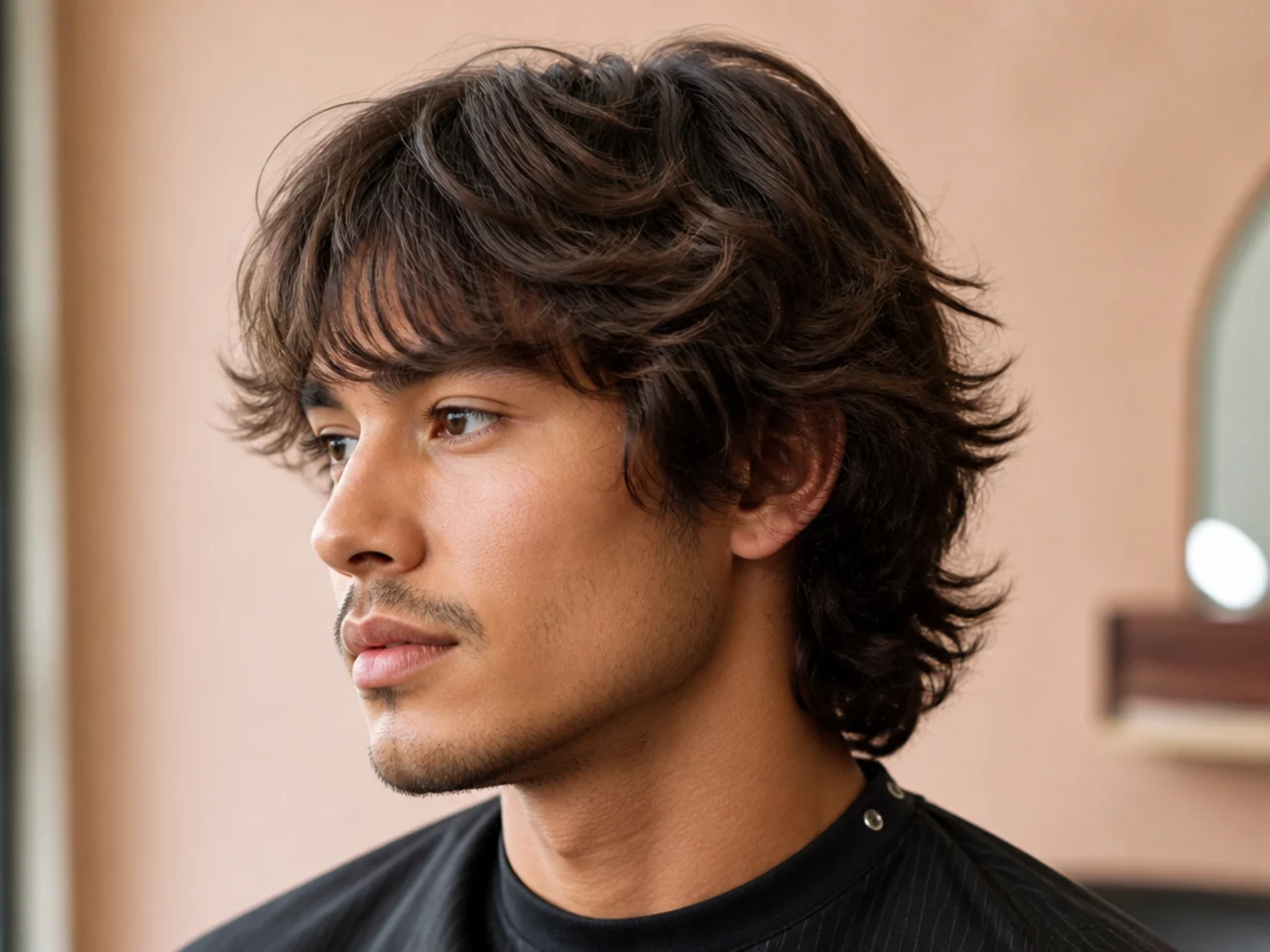
Loose waves with a soft, wispy fringe that sits just above the brow. Reads romantic without going twee. It suits medium hair with natural texture. Ask for a shag at the collarbone with internal layers, wispy ends, and a soft fringe cut to graze the brow. Twist the fringe with your fingers as it dries. A light hair oil on the ends only stops the wisp from frizzing.
Blown-Out Shag
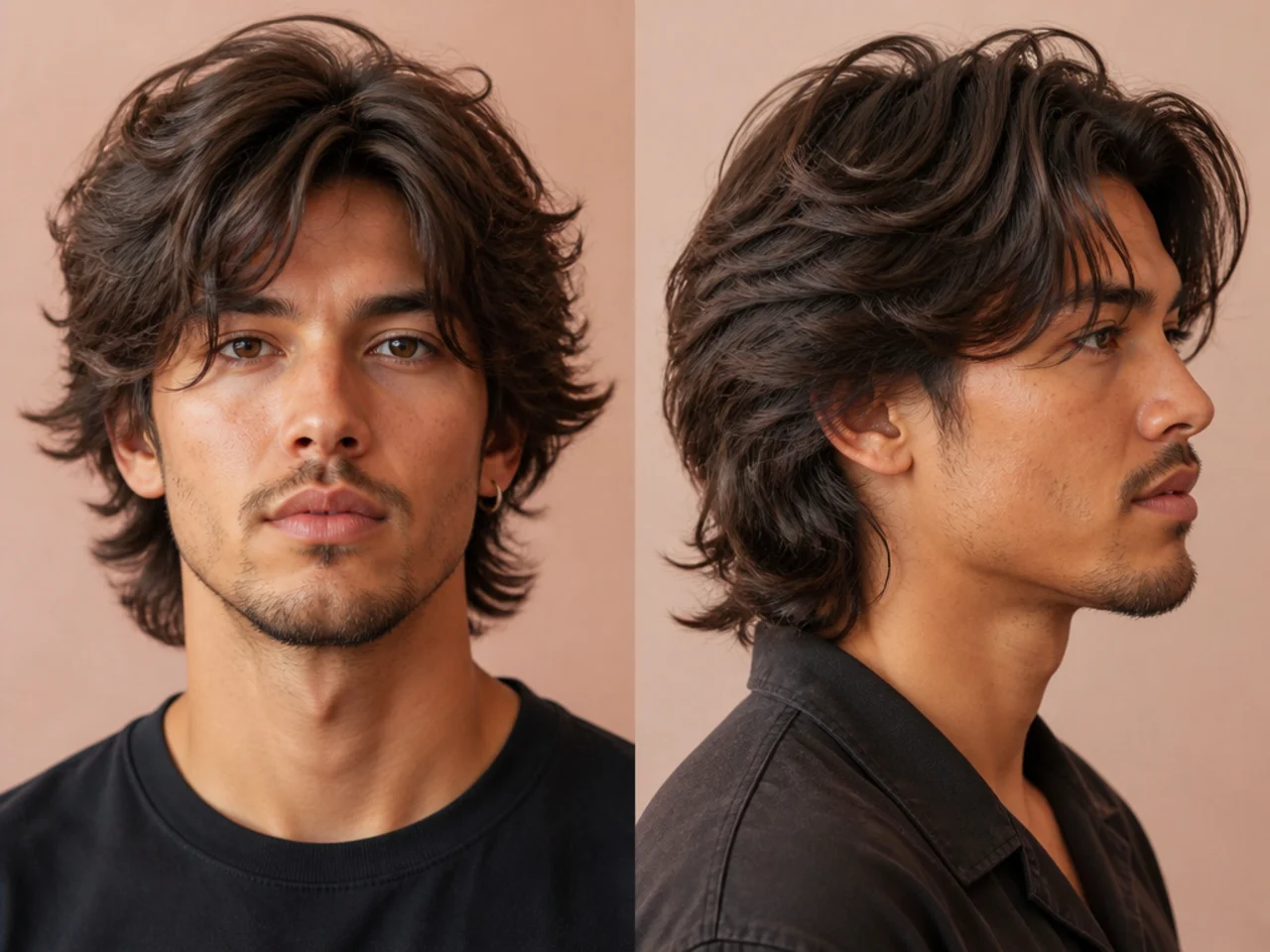
The blown-out shag trades natural texture for glossy volume. Round-brushed with a medium-heat dryer, roots lifted, ends flipped in or out. It suits polished styling for events. Ask for a standard mid-length shag as the base. On styling day, blow-dry section by section with a round brush and a smoothing serum. Cool each section with a shot of cold air to set the shape.
Wispy Shag
This wispy shag hits at the shoulder with a rounded shape and lots of feathered layers. The ends are razored and the fringe is soft. The whole cut has that airy Pinterest-favorite finish. It suits fine to medium hair on oval and heart-shaped faces. Ask for a shoulder shag with razored ends, wispy internal layers, and a soft curtain fringe. Air-dry with a leave-in cream.
Fluffy Shag with Semi-Parted Fringe
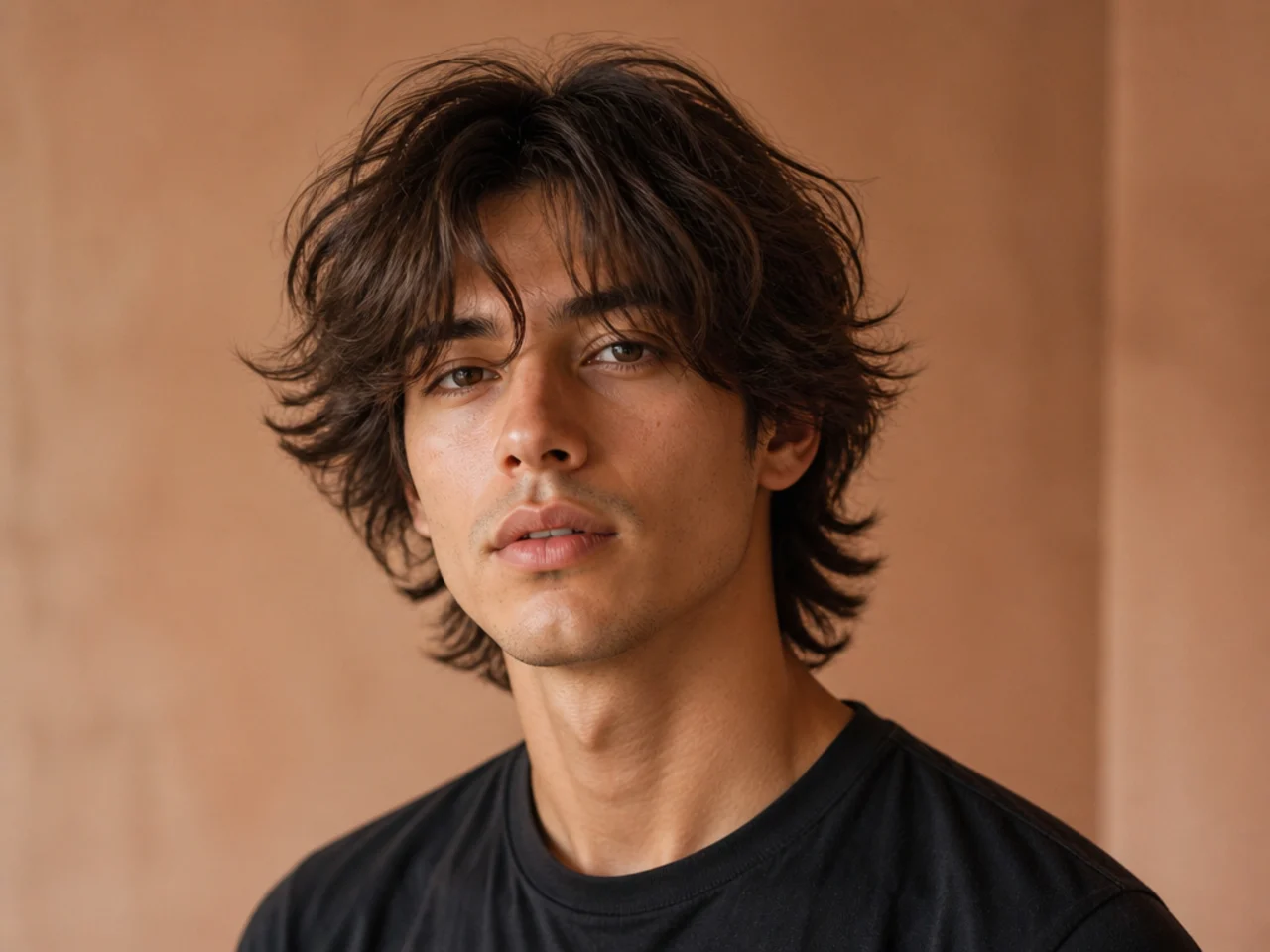
The fluffy shag builds volume through the body. Internal layers cut to add fullness rather than reduce it. The fringe is parted in the middle but split with a slight gap, so it frames the face without hiding it. It suits wavy or curly textures. Ask for a mid-length shag with internal layers cut for volume, wispy ends, and a semi-parted fringe. Diffuse upside down for maximum lift.
Shaggy Curtain Bangs
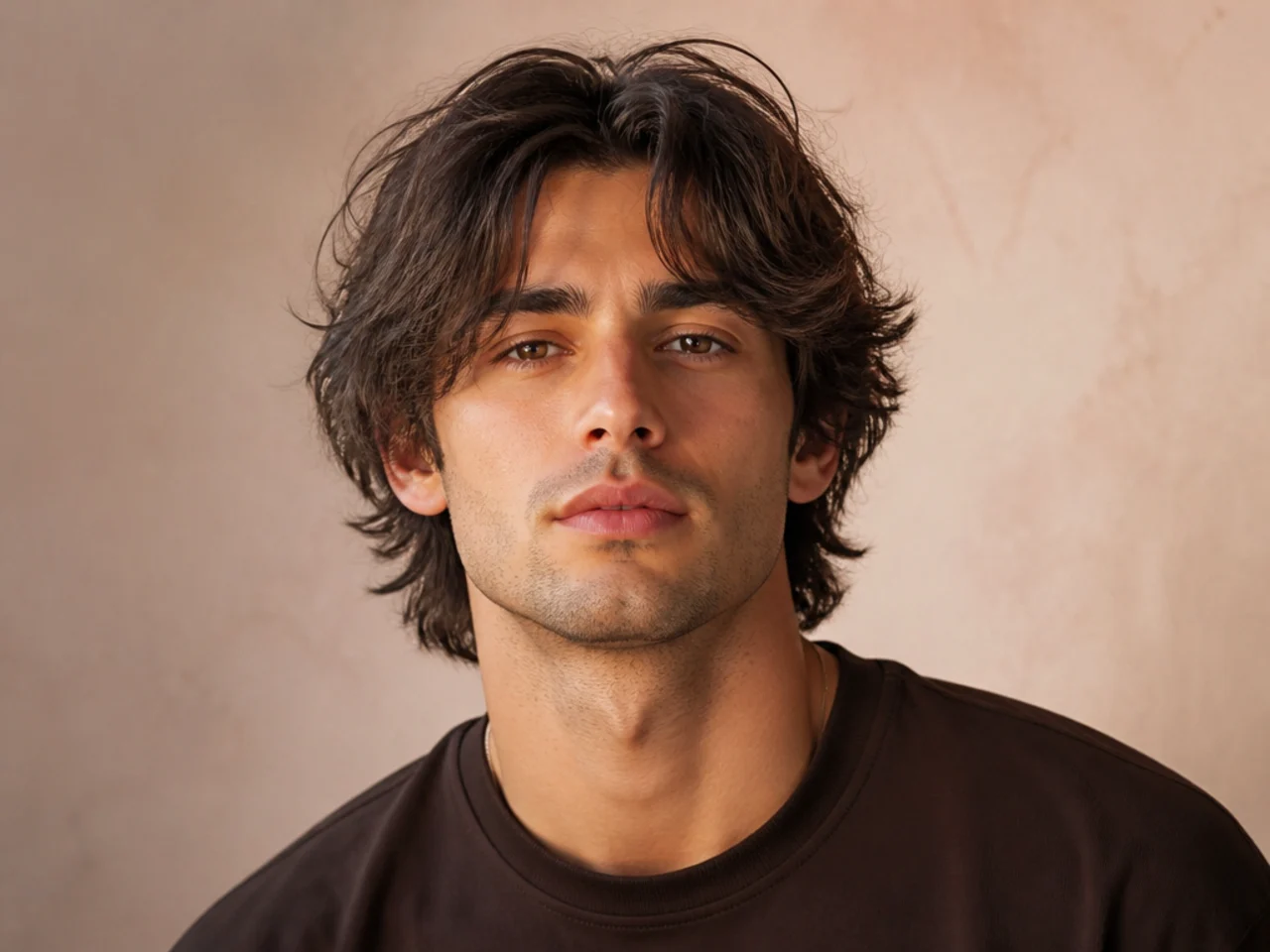
Curtain bangs cut into a shag. The fringe splits down the middle and falls to the cheekbones, connecting into the face-framing layers so the two blend seamlessly. It suits every face shape, which is why it is the safest starting point for a first shag. Ask for shaggy layers with a curtain fringe that starts at the temple and connects into the face-frame. Twist the fringe with your fingers when damp, then air-dry.
Shag with Baby Bangs
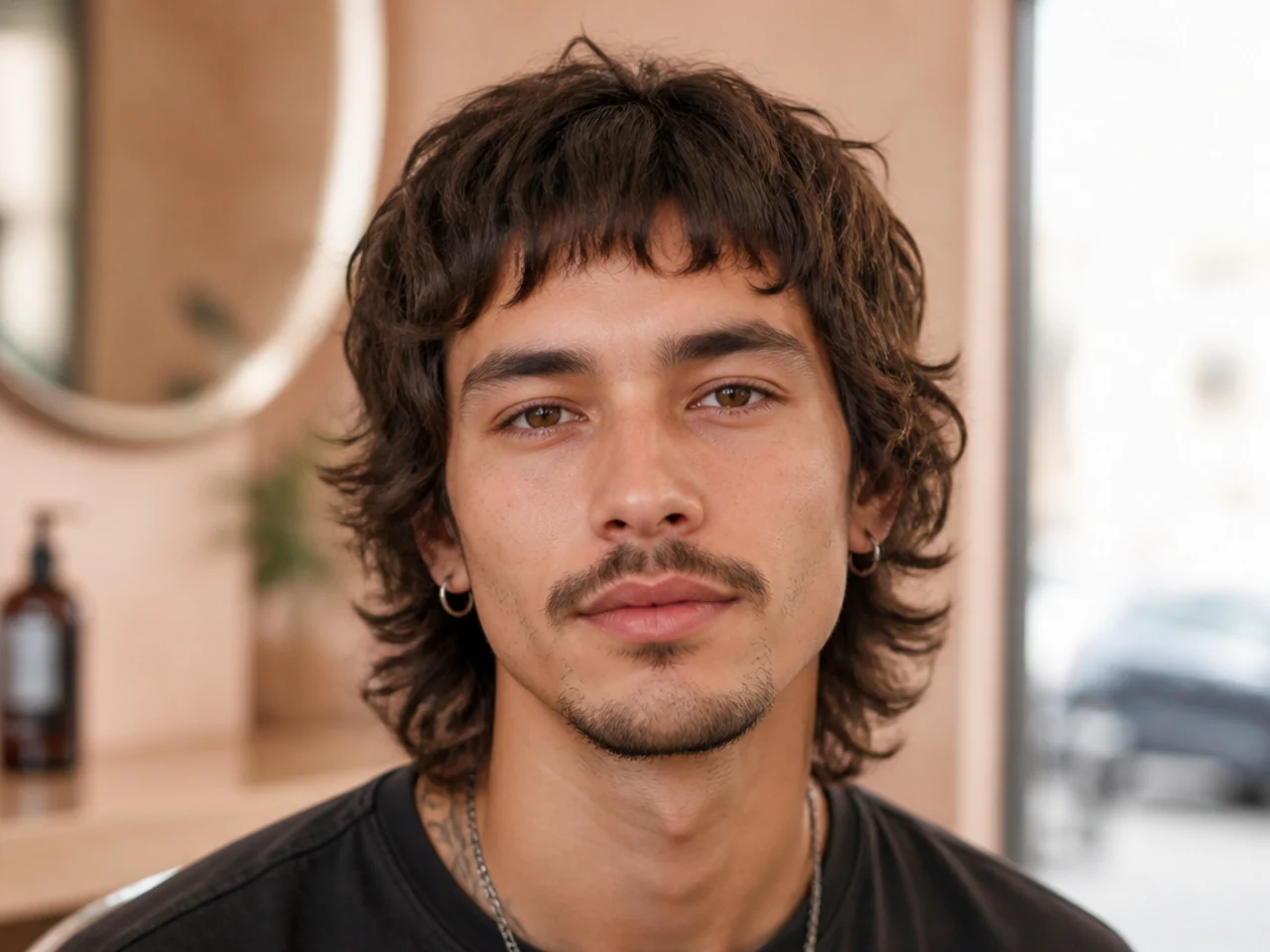
Micro bangs cut two inches above the brow, paired with a mid-length shag. Reads graphic and confident. Suits small foreheads and defined bone structure. Ask for a shoulder-length shag with a straight-across baby fringe. Trim the fringe every three weeks. It grows into the brow fast and loses the shape. Skip the curl. Wear the fringe flat.
Shaggy Lob
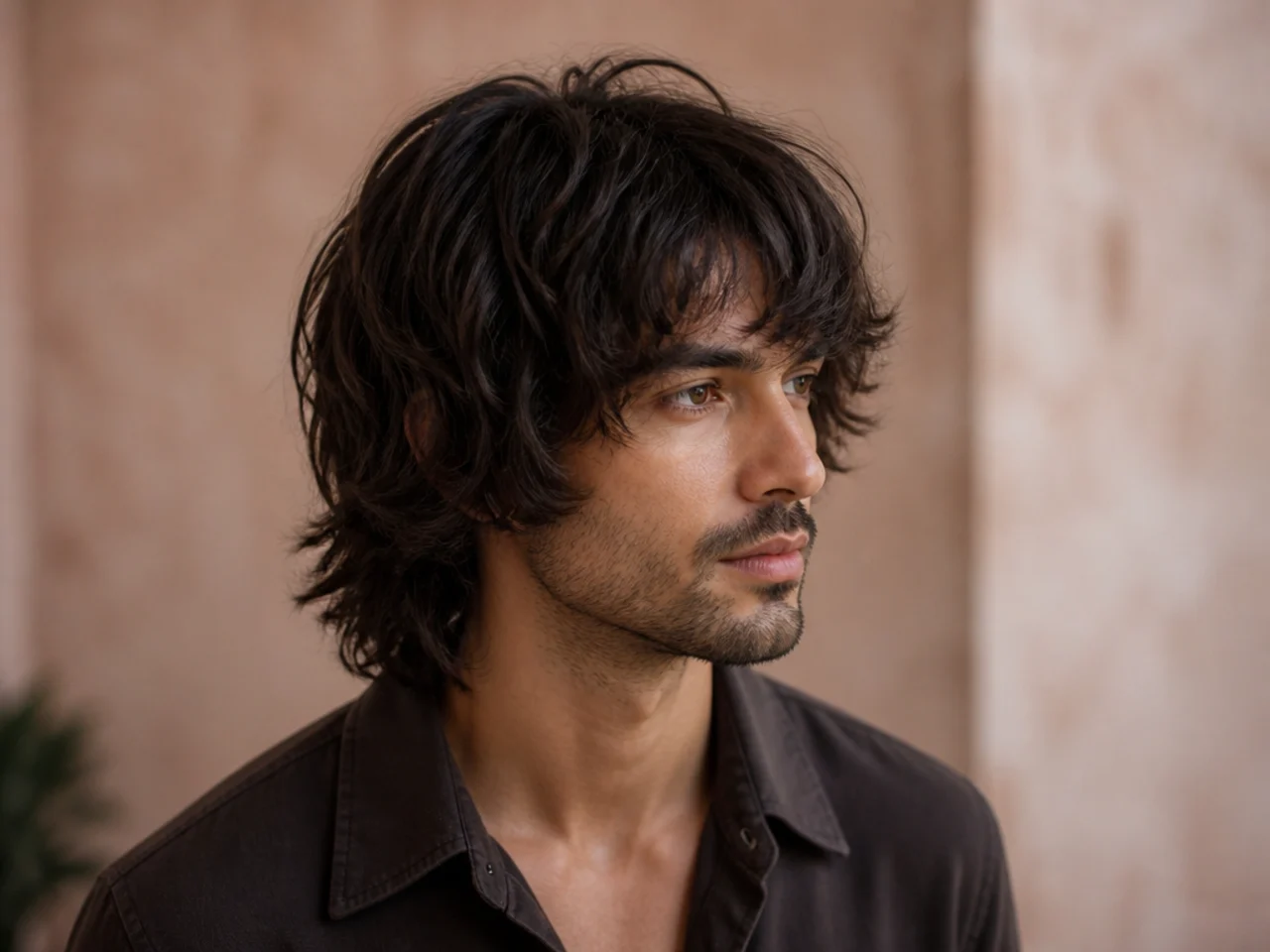
The shaggy lob is a long bob with shag layering. Collarbone length, internal layers, wispy ends. It suits people who want the shag shape but need length for versatility. Ponytails, buns, updos for events. Ask for a lob at the collarbone with heavy internal layers and face-framing at the jaw. Air-dry with a salt spray to bring out the natural bend.
Playful Shag
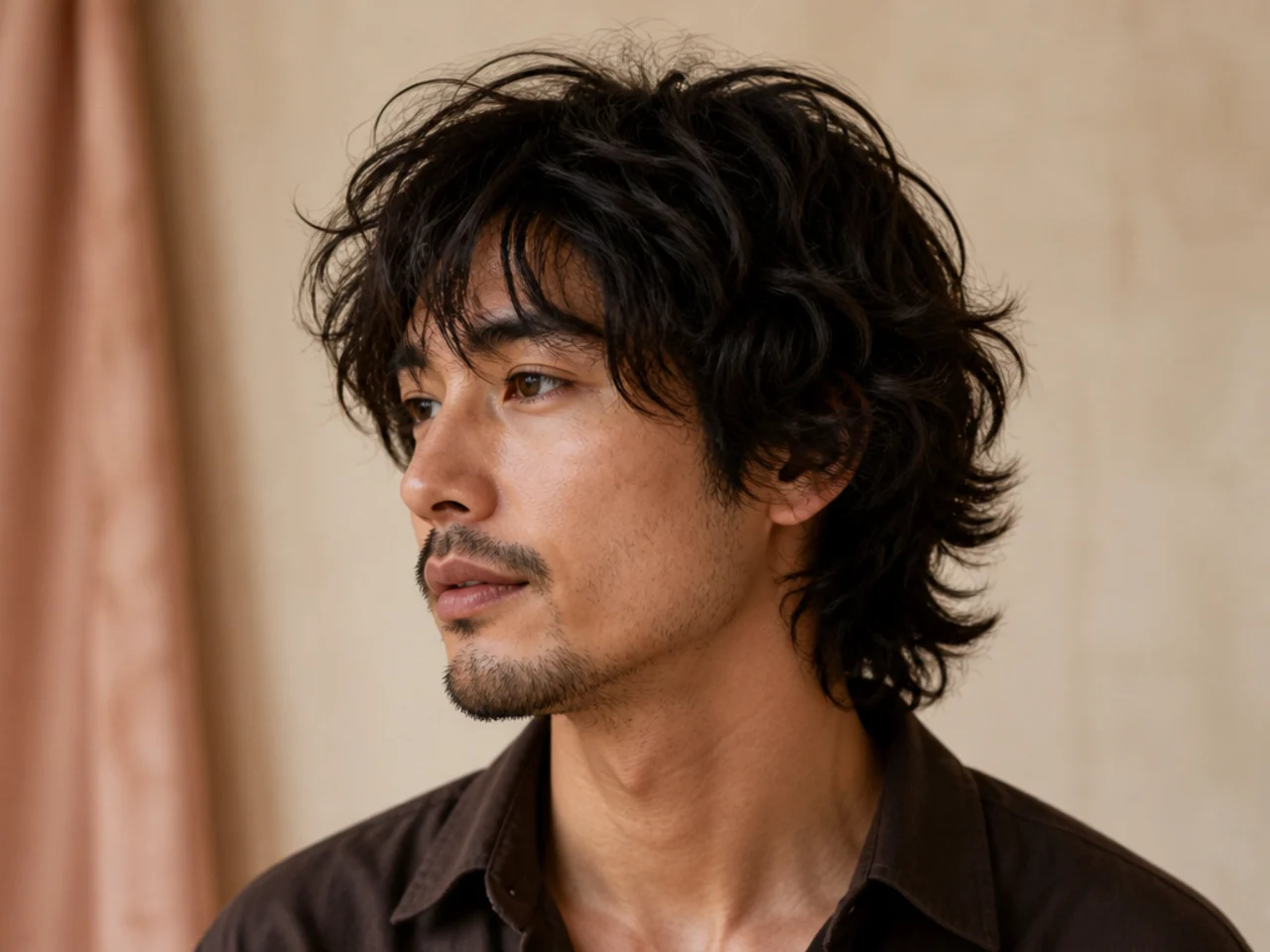
The playful shag pairs the cut with bold color. Face-framing highlights, money pieces, or an all-over vivid dye. The color emphasizes the movement and gives the layers definition. Ask for a mid-length shag with a color placement that follows the face-frame layer line. Bright color reads best on cool blondes and on dark bases with high-contrast panels rather than all-over pastels.
Long Undercut Shag
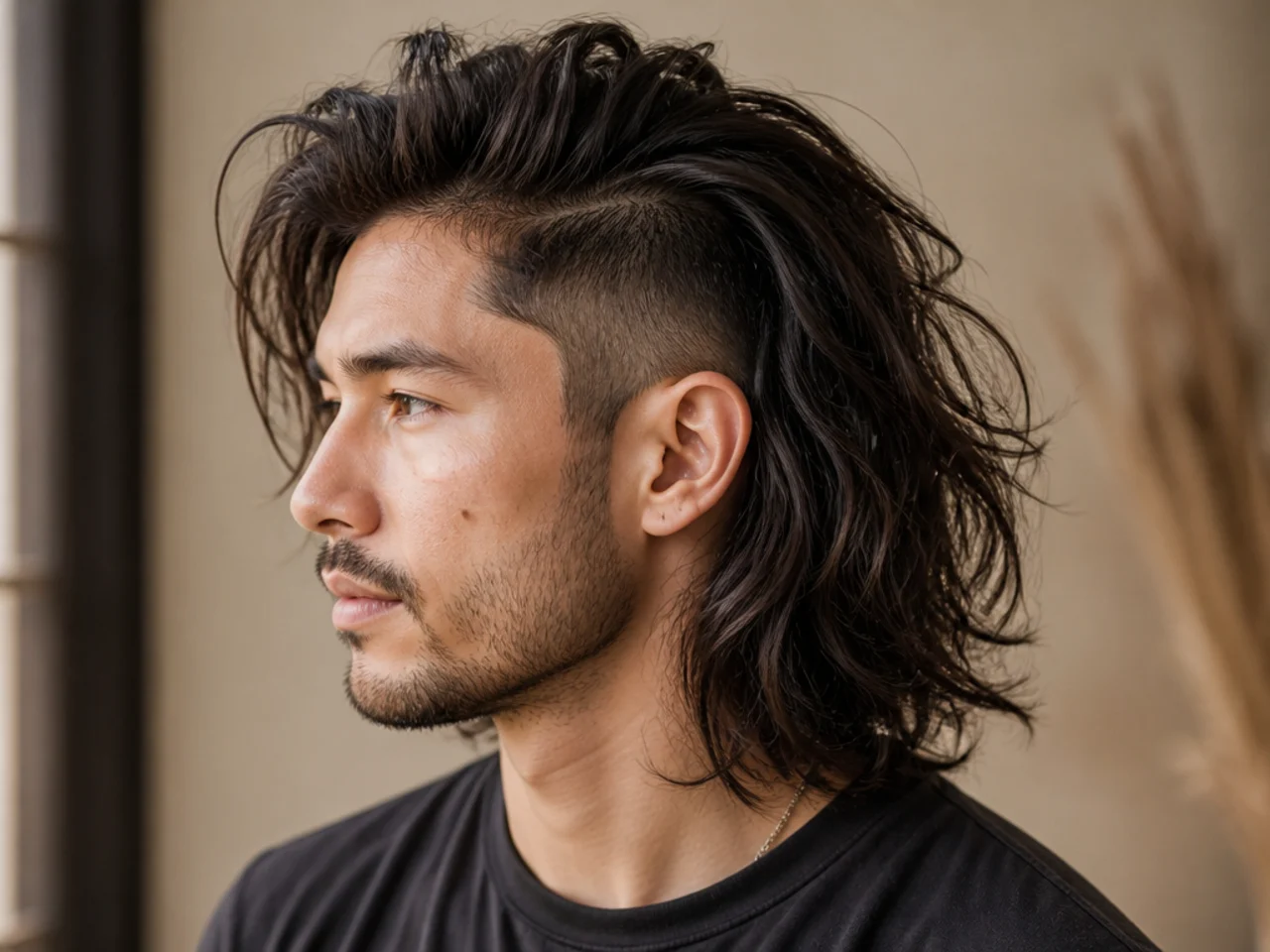
An undercut hidden beneath long shaggy layers. Shave the sides, leave the top and back long, layer everything on top for movement. It suits thick hair that needs weight removed at the sides but wants length everywhere else. Ask for a shaved undercut from the temple back to the occipital bone, kept covered by long shag layers. Reveal the shave with a tuck behind the ear.
Long Shag with Soft Waves
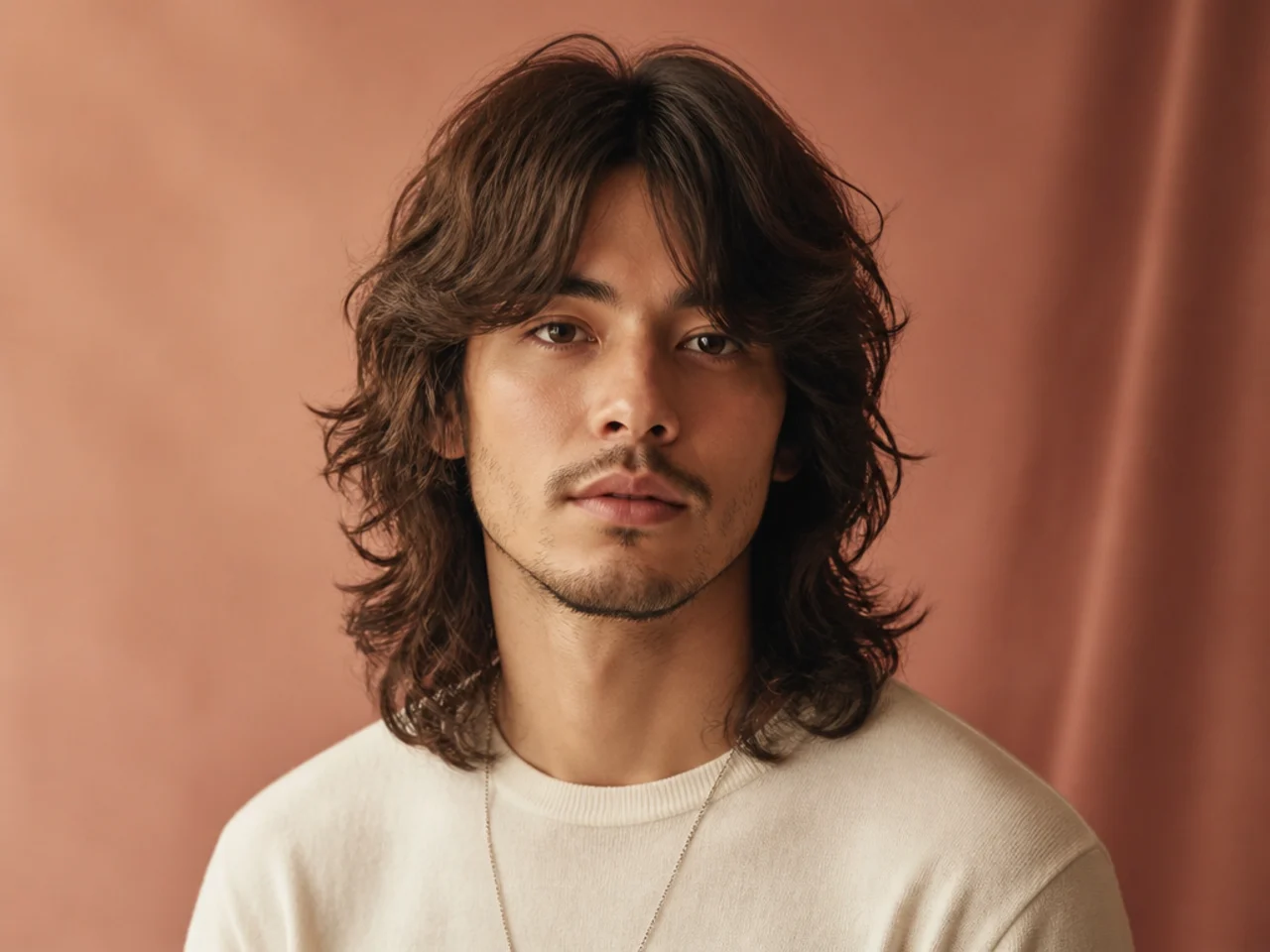
The long shag keeps length past the collarbone with shorter face-framing pieces and internal layering. Soft waves through the mid-lengths give it movement. It suits people who want to keep length but are tired of blunt long hair with no interior shape. Ask for internal layers through the mid-length, wispy face-framing at the cheekbone, and no perimeter change. The ends stay long.
’70s Shag
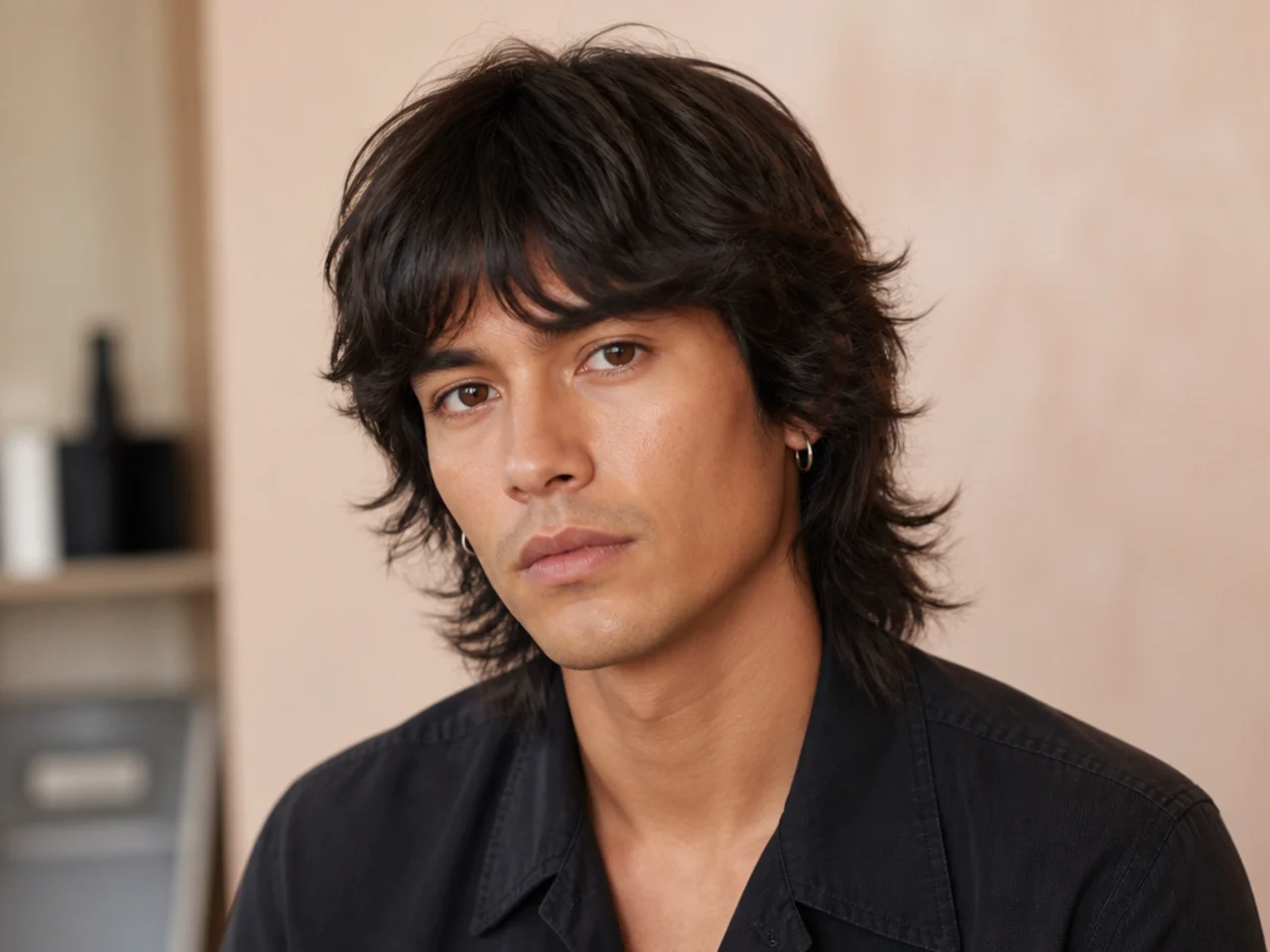
The 1970s shag leans hard into the original. Feathered layers, curtain fringe, natural texture, no product beyond a light spray. Longer than the classic version, with more defined feathered pieces around the face. Ask for a Farrah Fawcett-style shag: feathered layers framing the face, curtain fringe, mid-back length. Blow-dry with a round brush flicking outward for the era-correct feather.
Shaggy Pixie
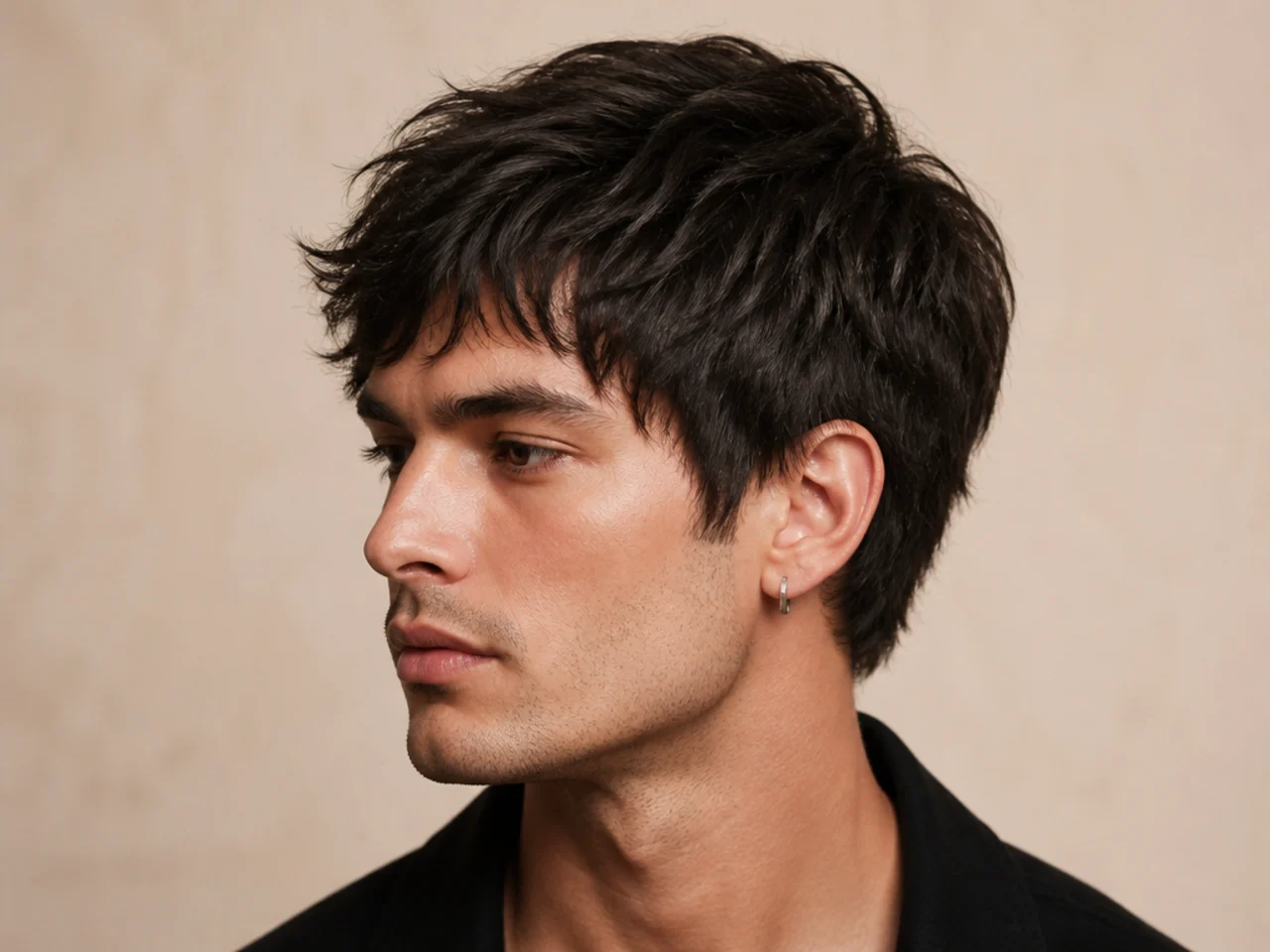
The shaggy pixie is a pixie base with shag layering and a side-swept fringe. Sits between the cropped and short pixie versions in length. It suits oval faces and people transitioning from long to short who want a soft first step. Ask for a pixie base with heavier layering on top, side-swept fringe cut to the cheekbone, and short at the nape. Style with a matte paste worked into damp hair.
Modern Shag
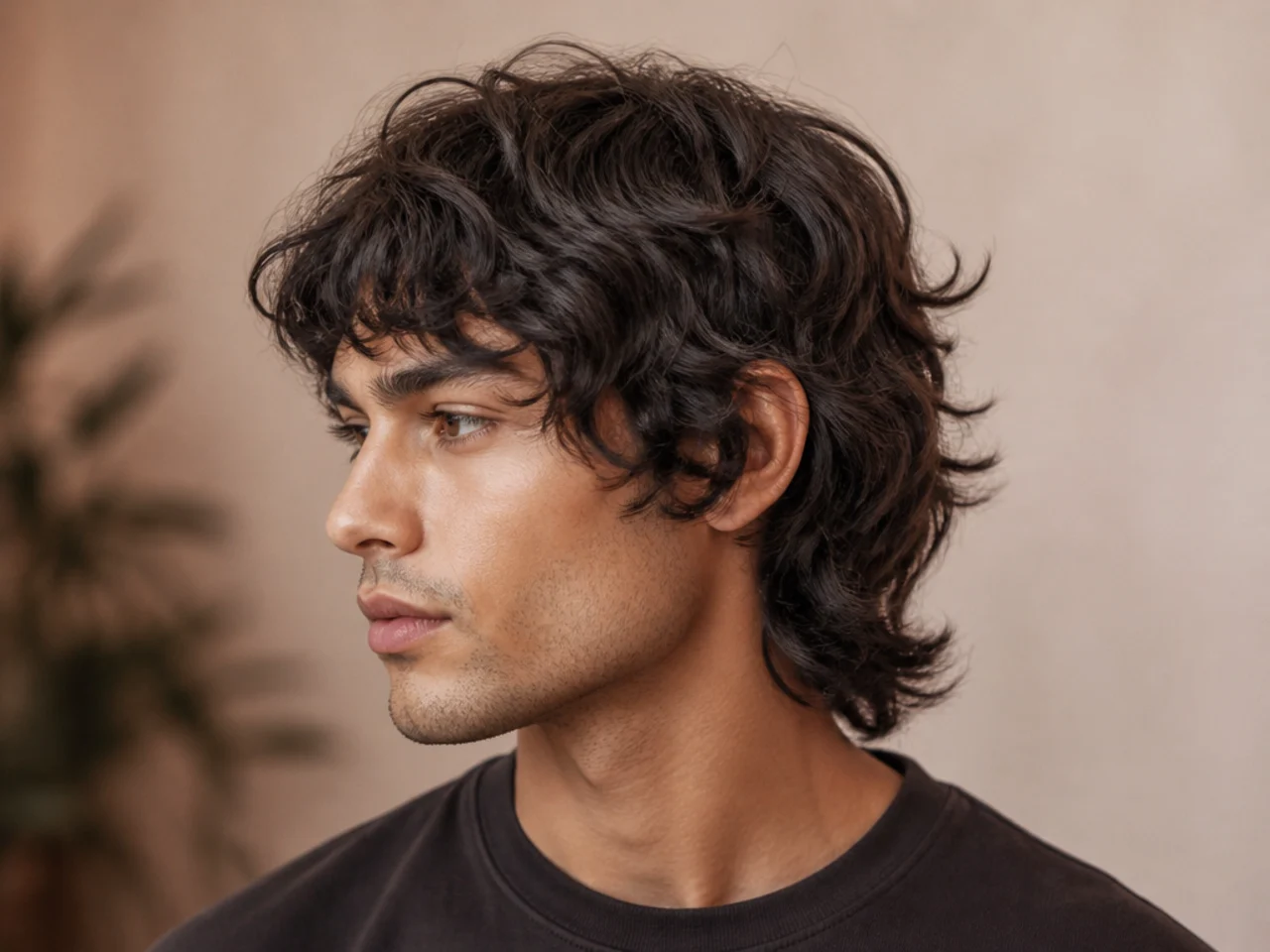
The modern shag drops the fringe for a cleaner silhouette. Face-framing layers do the work the fringe used to do. Slight waves, one side tucked behind the ear. It suits people who want the shape without maintenance on a fringe. Ask for a mid-length shag with internal layers, wispy ends, and no fringe. Just long face-framing that starts at the cheekbone and connects into the length.
Natural Shag
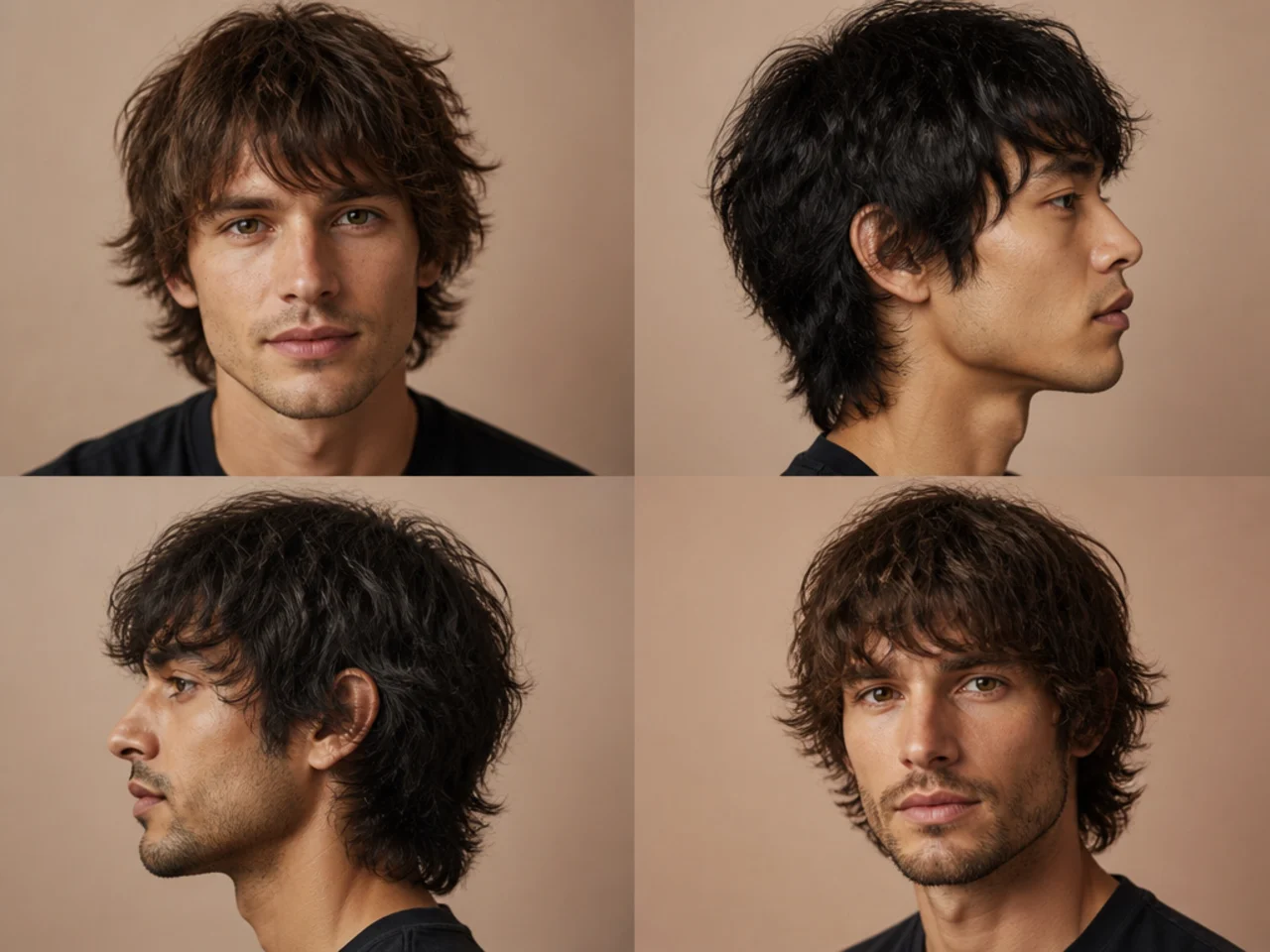
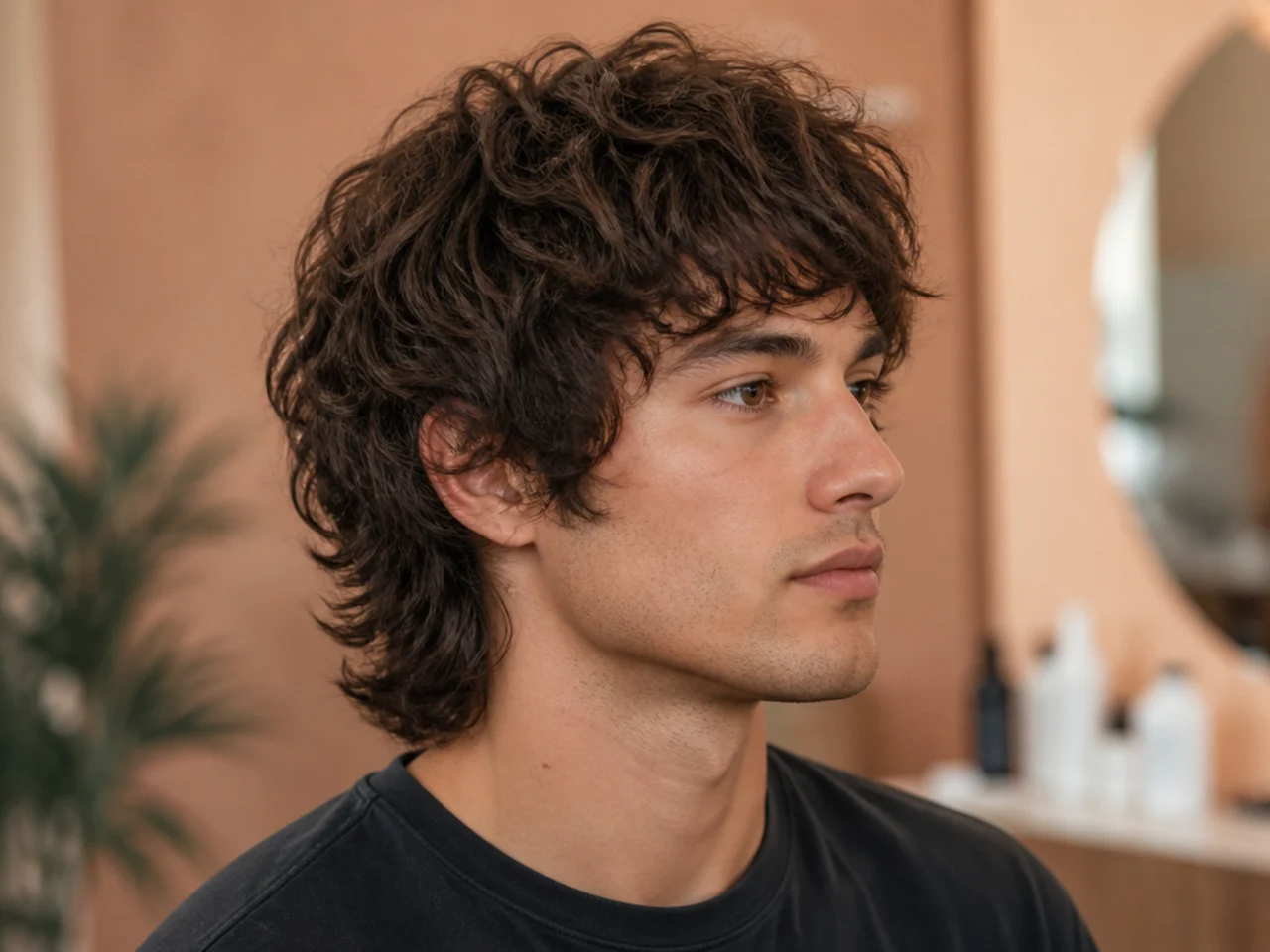
For curly hair, the natural shag removes interior weight without touching the curl pattern. Cut curl-by-curl when dry. Shorter face-framing layers spring up when they dry, so the stylist has to cut them longer than they will finish. Ask for a dry cut on curly hair: internal layers to reduce bulk, face-framing cut deliberately long, no razor. Refresh with water and a leave-in on day two.
Medium Curly Shag with Bangs
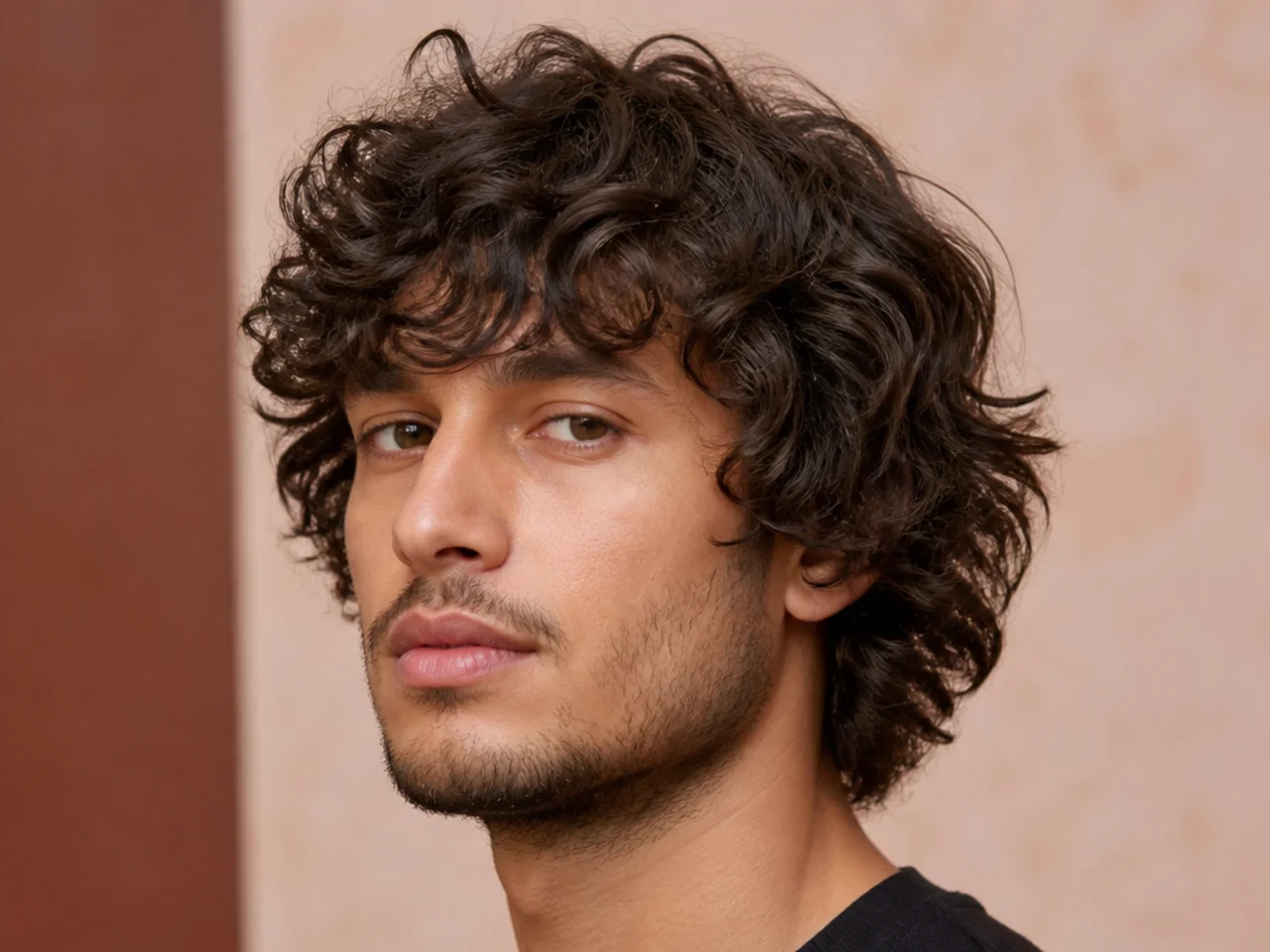
A medium-length curly shag with a curly fringe. The bangs are cut short enough to spring up above the brow when they dry. Highlights running through the mid-lengths emphasize the curl pattern. Ask for a dry cut with internal curly layers and a curly fringe cut to sit above the brow when dry. Use a curl cream and a diffuser. Do not use a round brush.
Voluminous Curly Shag
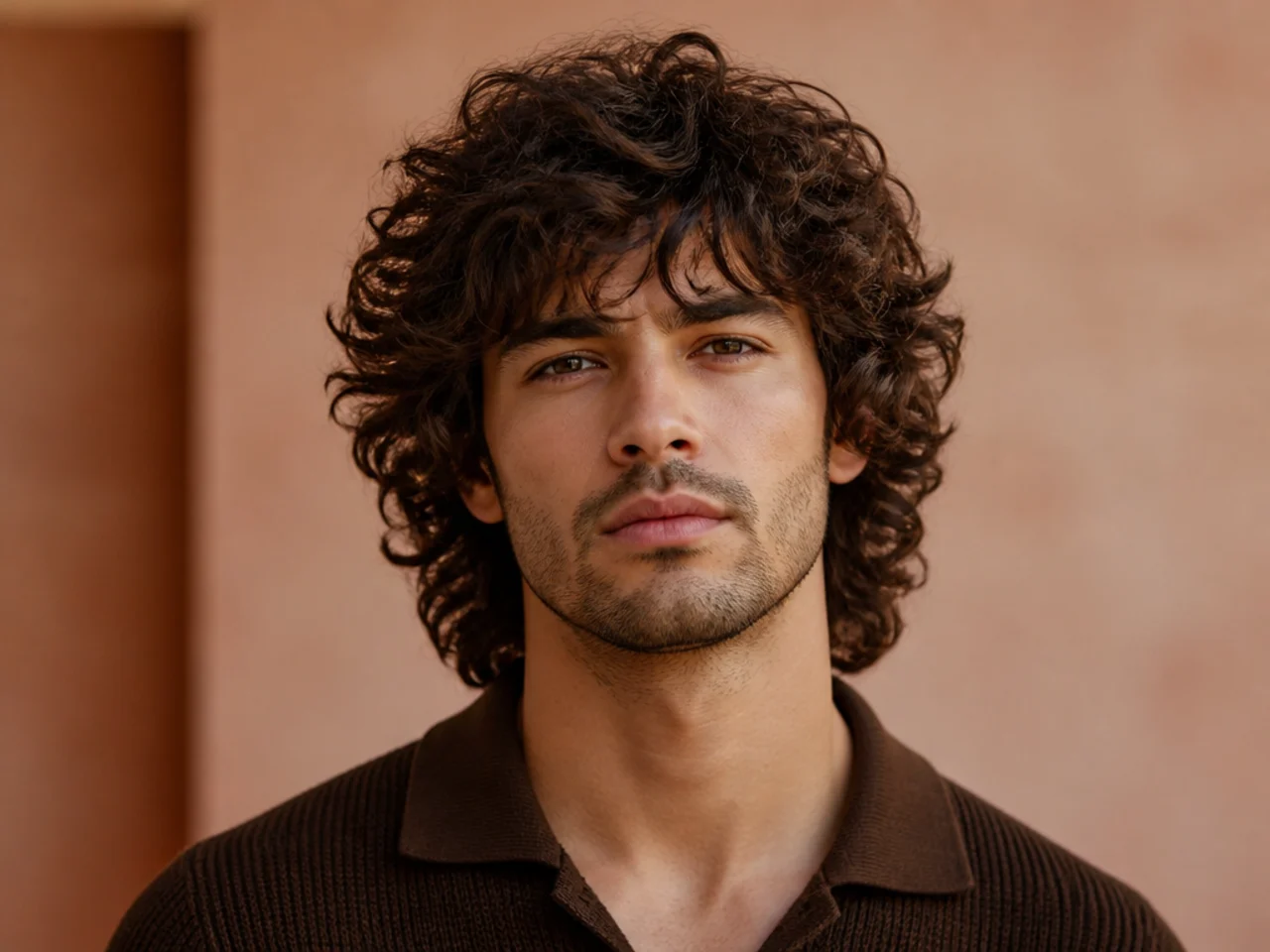
The voluminous curly shag maximizes volume by cutting layers to encourage the curls to stack rather than compress. It is the opposite of thinning. The layers are cut to add body, not remove it. Ask for a dry cut with layers cut specifically to add volume, face-framing at the cheekbone, and no razor anywhere. Diffuse upside down for maximum lift at the crown.
Straight Shag with Bangs
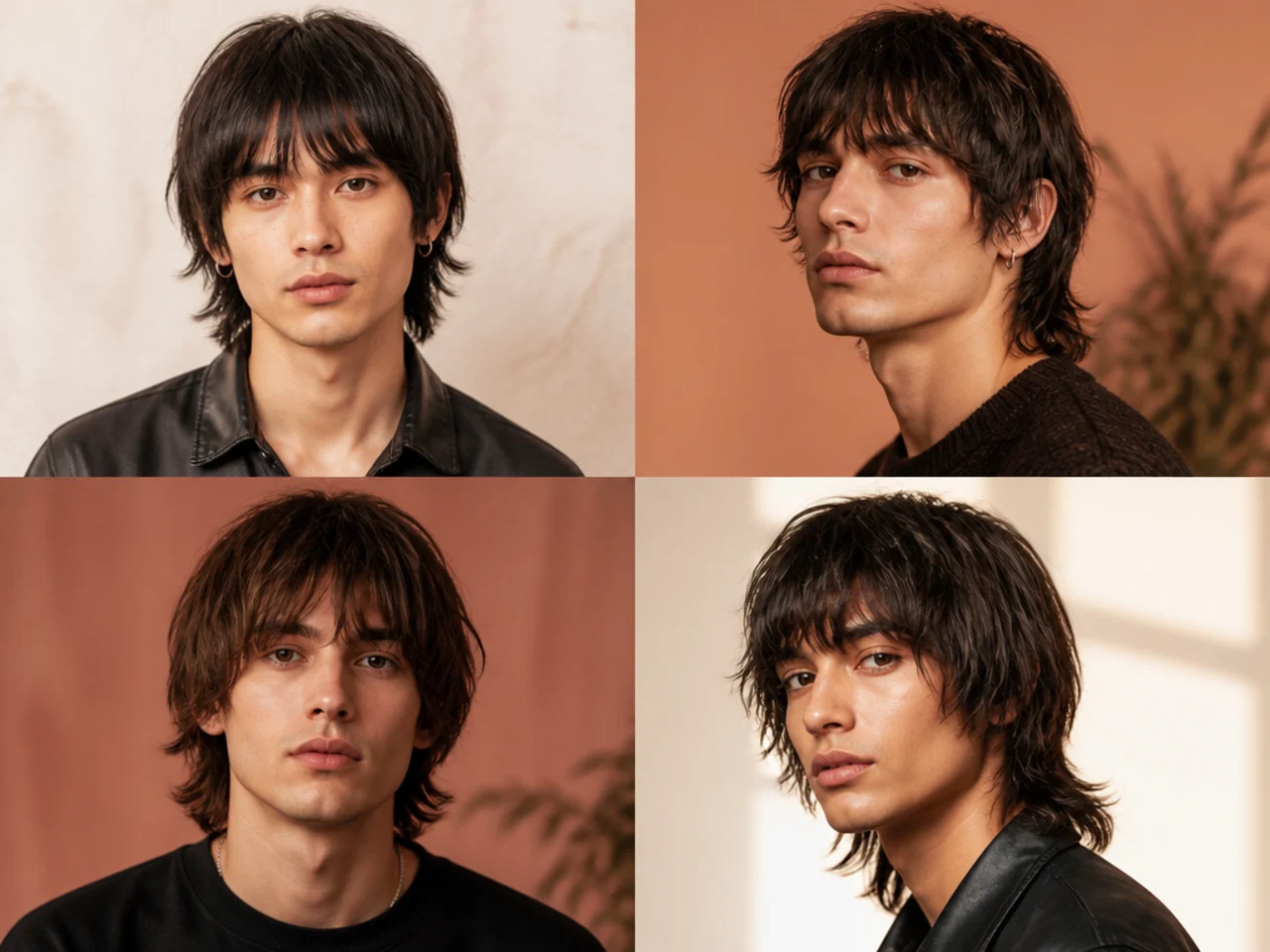
Poker-straight hair with a full fringe and heavy internal layering. The straightness makes every layer visible, so the cut has to be sharp. It suits fine to medium hair with natural pin-straight texture. Ask for a mid-length shag with a full straight-across fringe and precisely cut internal layers, no razor. Blow-dry straight and finish with a light serum for shine.
Center-Parted Curly Shag
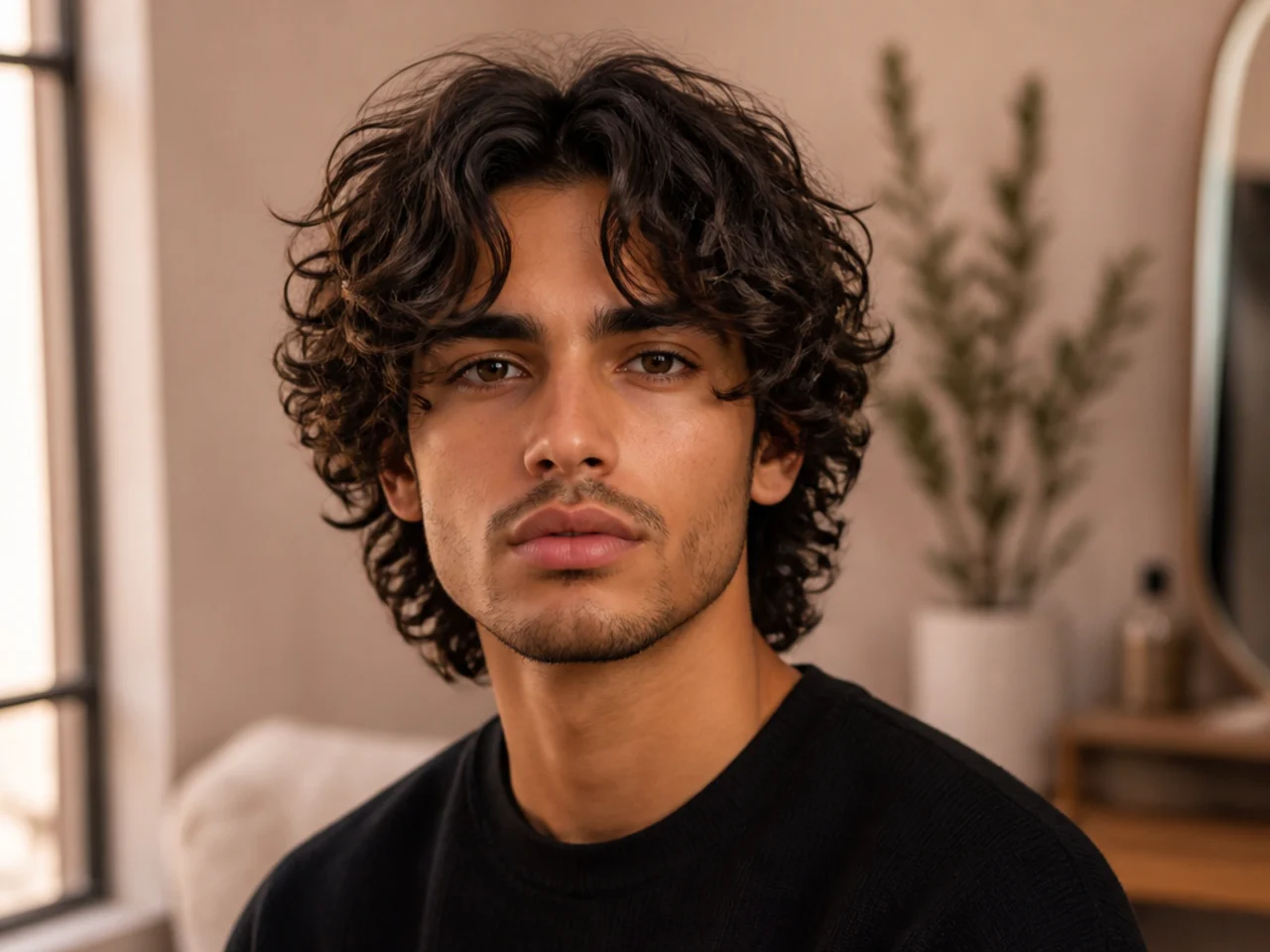
Long curly hair with a shag cut and a clean center part. The part frames the face symmetrically. The shag layers give the curls movement they would not have otherwise. It suits people with defined curl patterns who want to show off their natural shape. Ask for a dry cut on long curls with internal layers and face-framing cut long. Style with a curl cream and air-dry.
Silver Shag
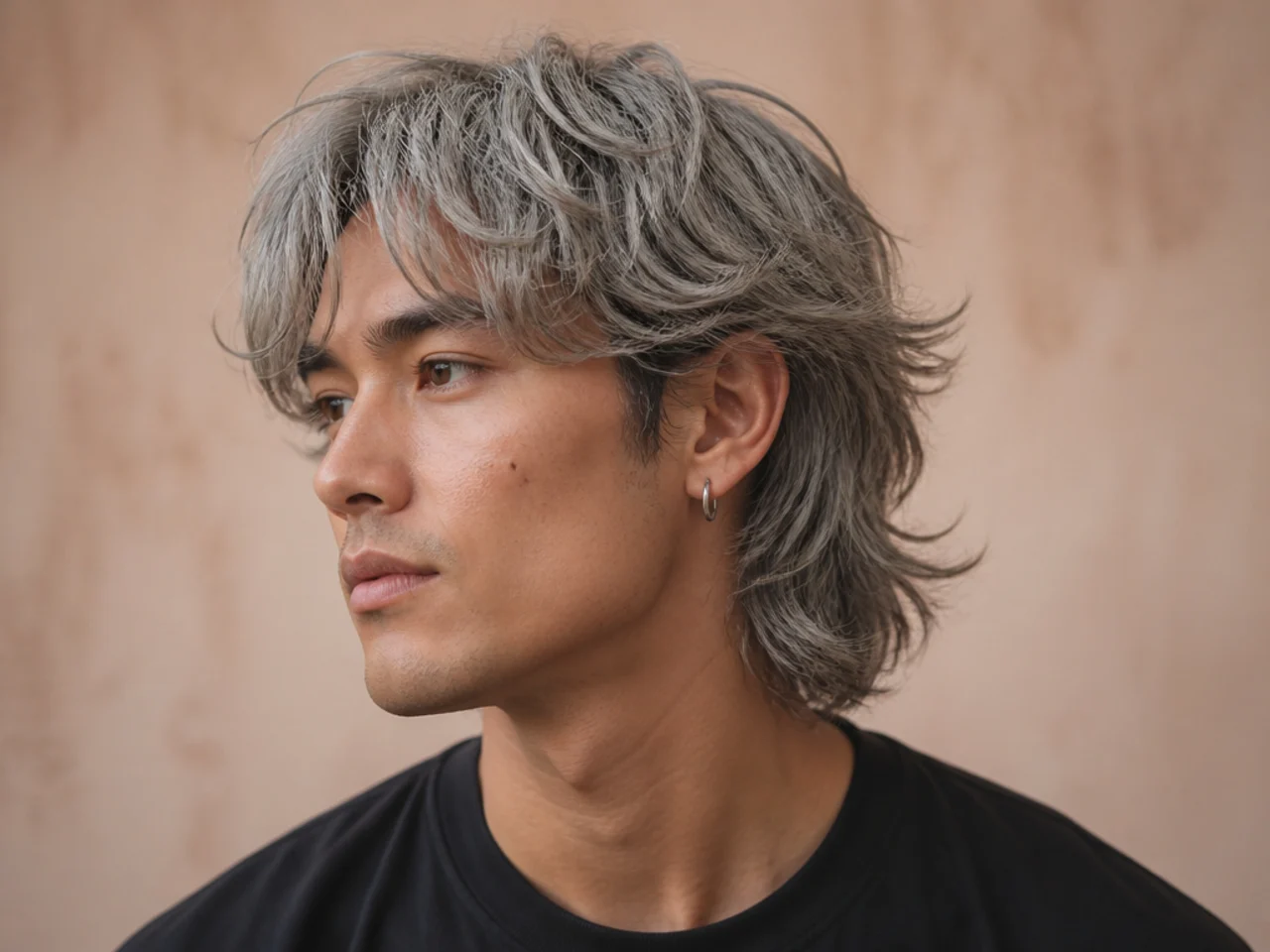
The silver shag is any shag base finished with a silver or platinum color. Silver hair catches light differently, so every layer shows up more visibly than it would on a darker base. It suits people committed to the color maintenance. Silver oxidizes fast and yellows without care. Ask for a mid-length shag with internal layers and a full silver color. Use a purple shampoo weekly to keep the tone cool.
Peek-a-Boo Shag
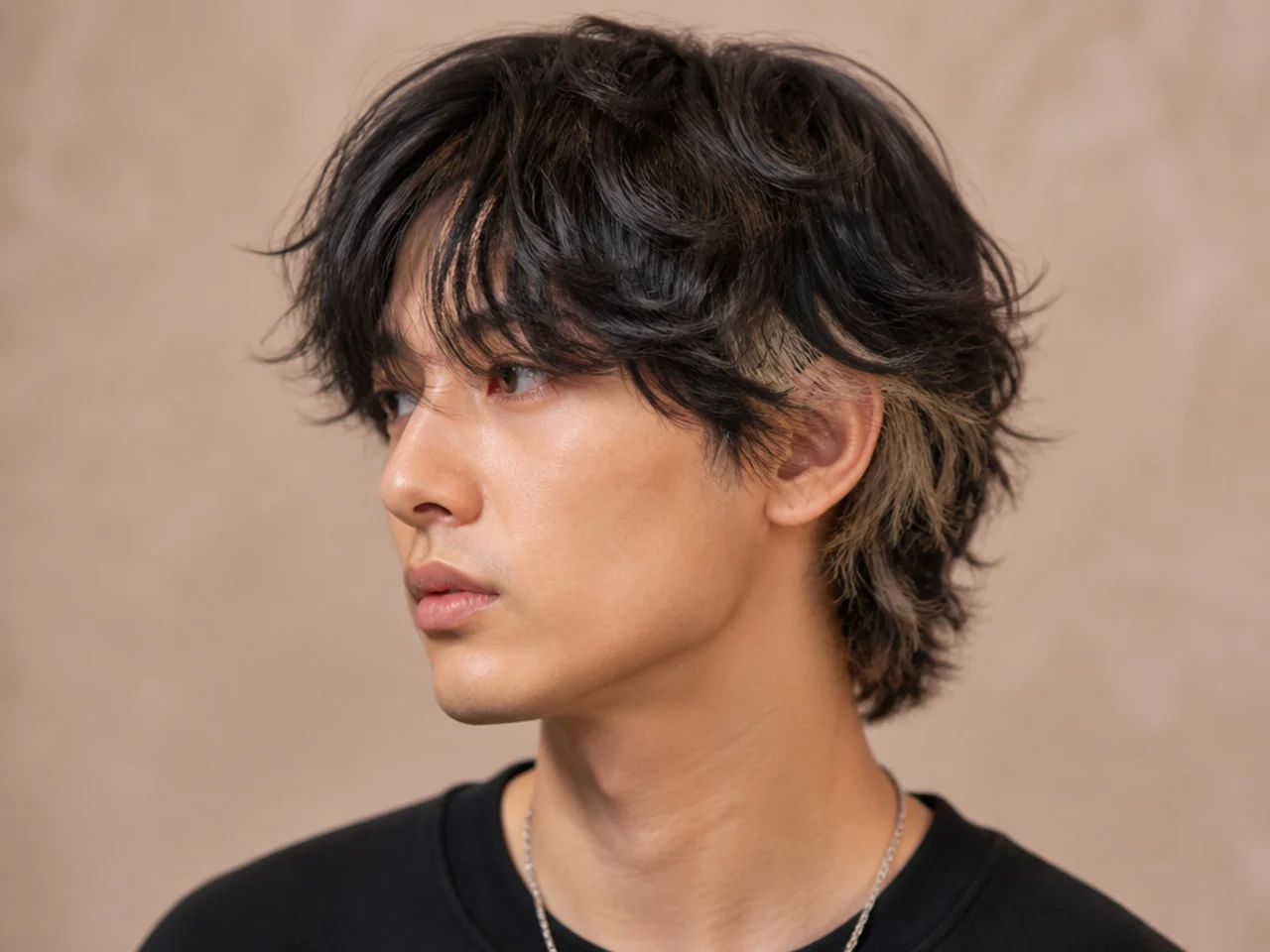
Hidden color panels sit under the top layers. Flip your hair and there is a color reveal. Works best on shag cuts because the layers already move, so the hidden color flashes as you walk. Ask for a mid-length shag with color placed underneath the top layer, hidden when the hair sits flat. For men's grooming inspiration, read Easy Comb Over Haircut Men to achieve a clean and polished style.
FAQs About Shaggy Hairstyle
Is a Shag Haircut Low Maintenance?
Yes. The shag is one of the lowest-maintenance cuts you can ask for. It grows out cleanly. The layers stay layered even at eight weeks. Air-drying works. A texture spray finishes it. You need a trim every five to eight weeks to keep the shape tight, but between visits the styling load is minimal. Skip the fringe if you want even less upkeep.
Does a Shag Haircut Work On Thin Hair?
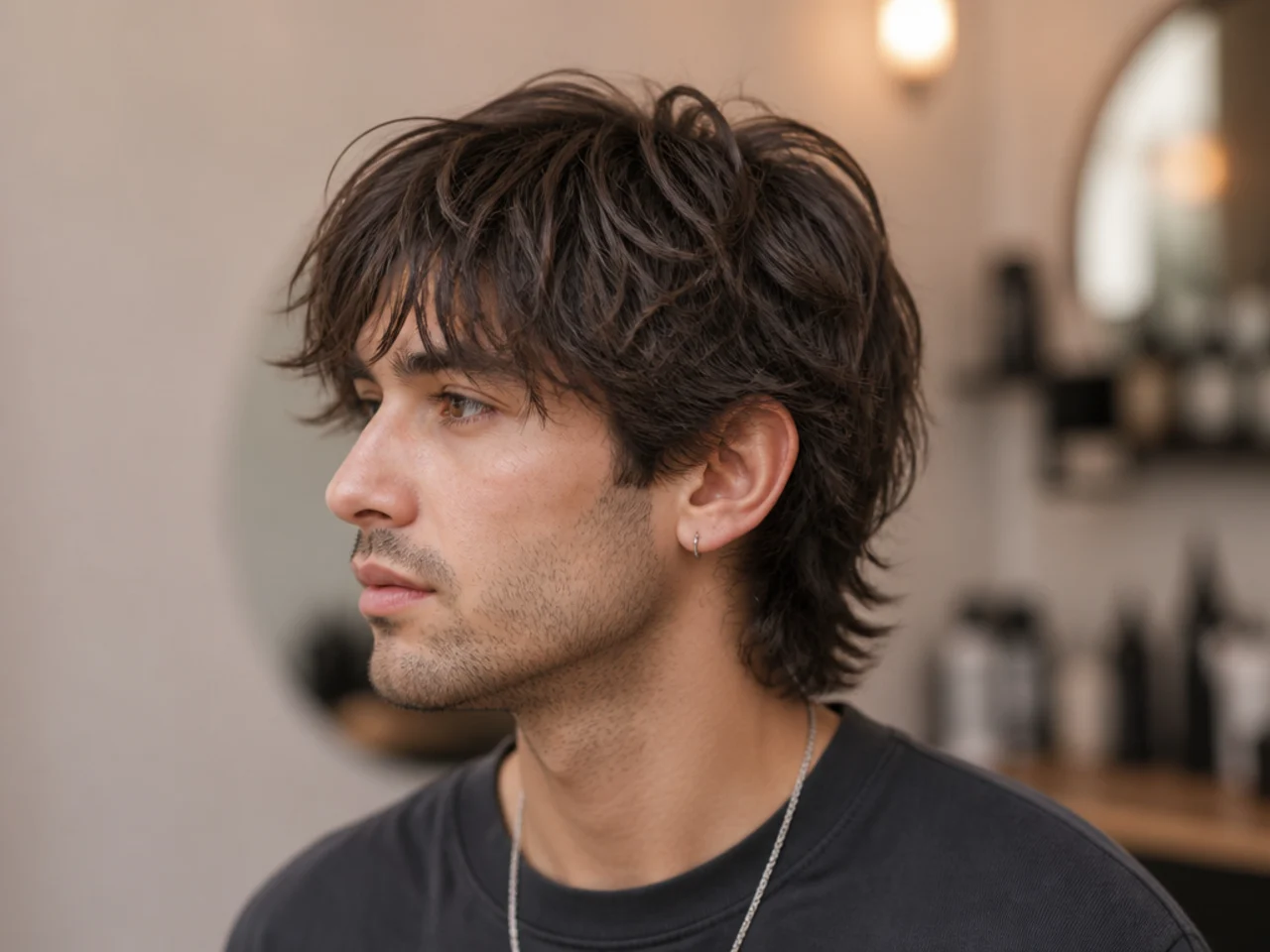
Yes, and better than most cuts. The internal layers add body without removing weight from the perimeter, so thin hair looks fuller. Ask for softer layers rather than aggressive point-cutting. You want the layers to build volume, not fragment the little density you have. Skip the razor. A texture spray at the roots doubles the visible density.
Which Face Shape Looks Best With a Shag Haircut?
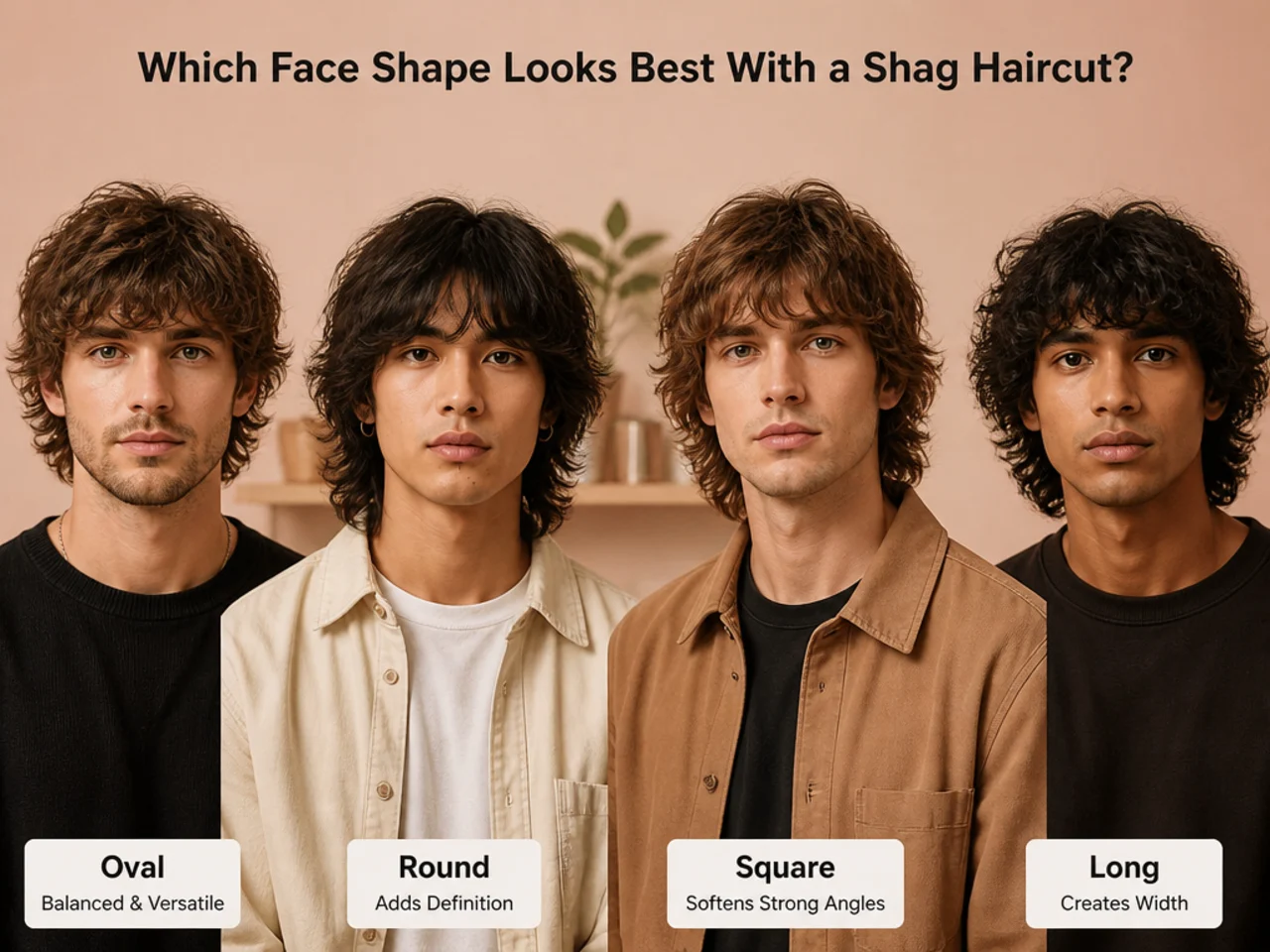
Every face shape suits the shag if the face-framing starts in the right place. Oval faces work with any starting point. Round and square faces need face-framing that starts below the jaw to avoid widening the face. Heart-shaped faces suit chin-length framing to draw the eye down. Long faces need face-framing at the cheekbone or higher, plus a fringe to add horizontal width.
Is a Shag Haircut Better For Curly or Straight Hair?
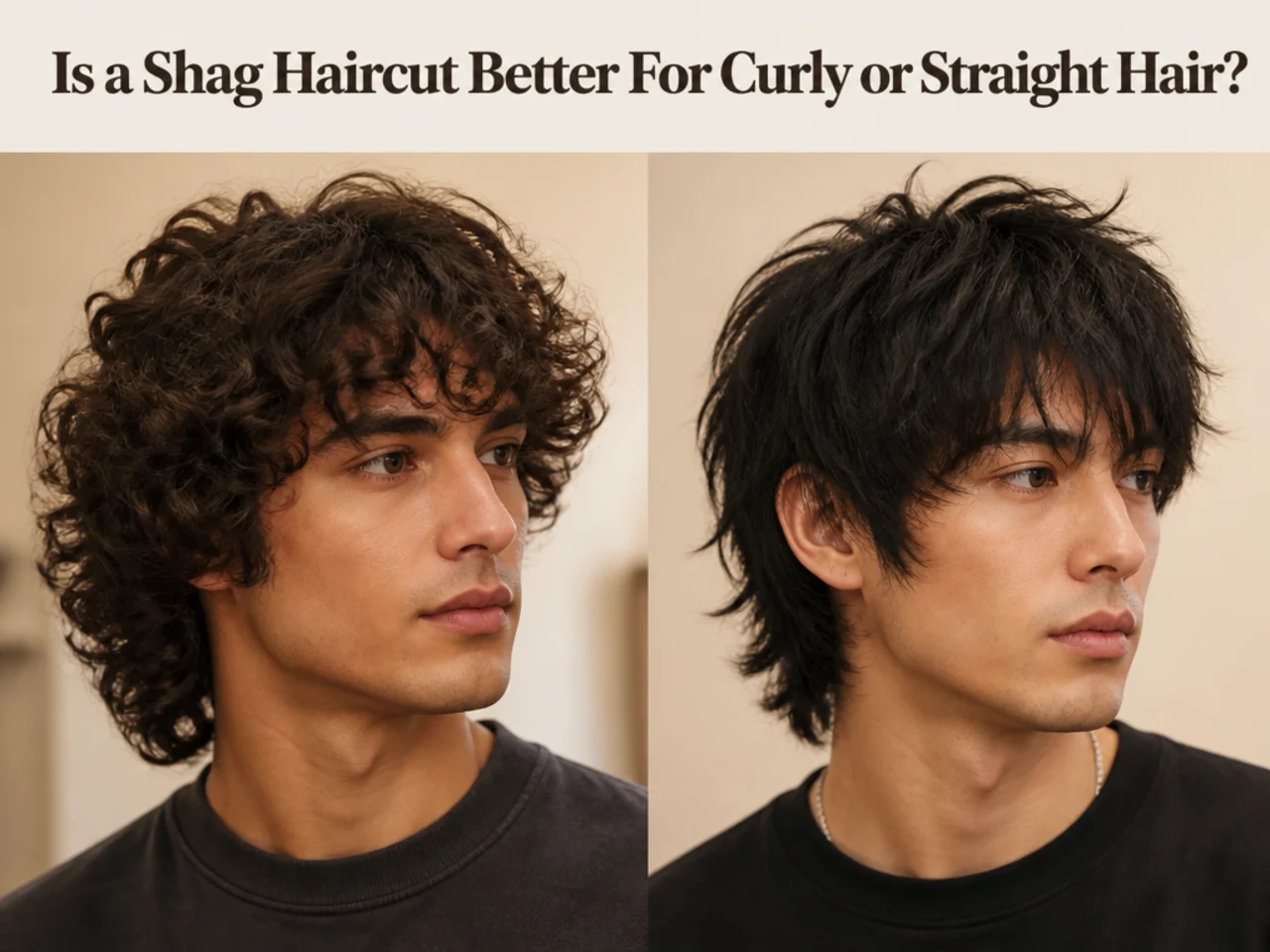
Both work. Straight hair shows off the choppy texture, so every layer reads clearly across the room. Curly hair gains definition and shape because the layers keep the curls from stacking into a triangle at the base. Curly hair must be cut dry to sit right. Straight and wavy hair can be cut wet. Both benefit from internal layers over aggressive perimeter cutting.
What’s The Difference Between a Shag, a Wolf Cut, and a Mullet?
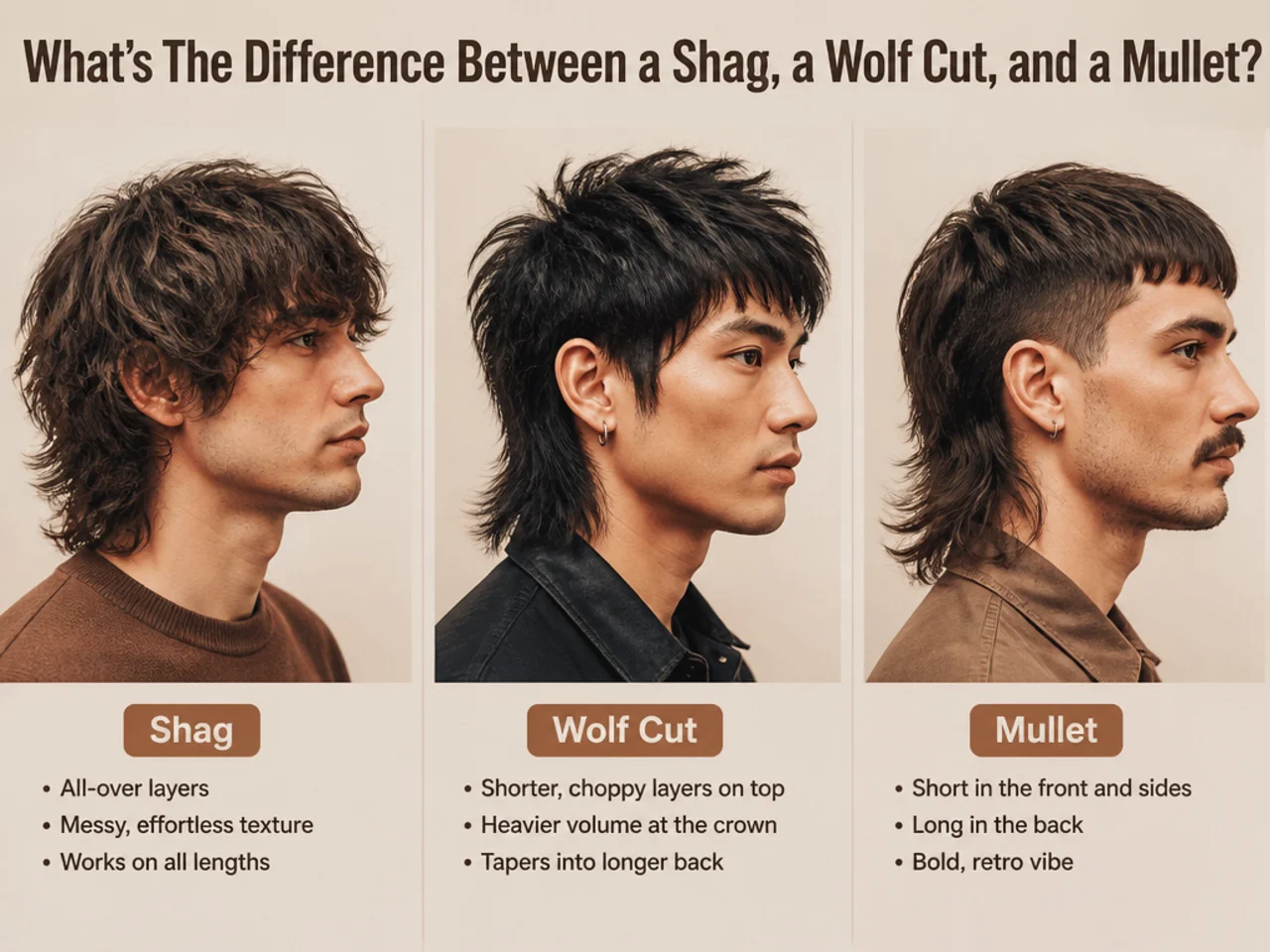
A shag is layered evenly all over with wispy ends. A wolf cut concentrates layering around the crown with slightly longer length at the back, a shag-mullet hybrid. A mullet keeps the front and sides short with distinct length at the back. See our modern mullet guide and our roundup of 10 stunning wolf cut hairstyles for the full comparison.
Can Older Women Wear a Shag Haircut?
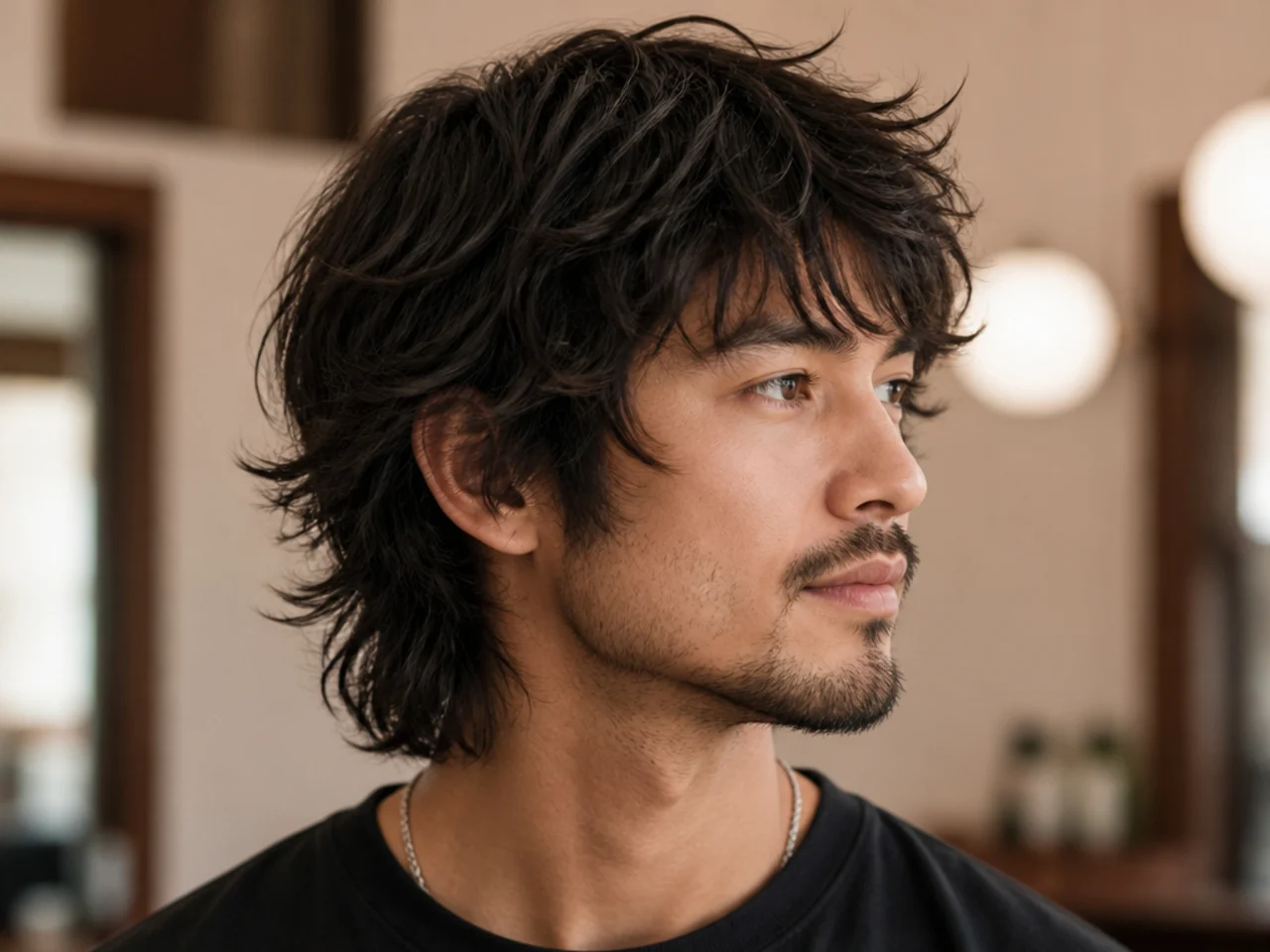
Yes. The shag is age-friendly because it adds movement without looking overdone. Soften the layers, keep the face-framing longer, and pair with a curtain fringe. It flatters gray and silver hair especially well. The tapered shag with bangs and the silver shag are both strong choices. A jaw-length version reads polished for people who prefer shorter hair.
What Is The Difference Between Layers and Shags?
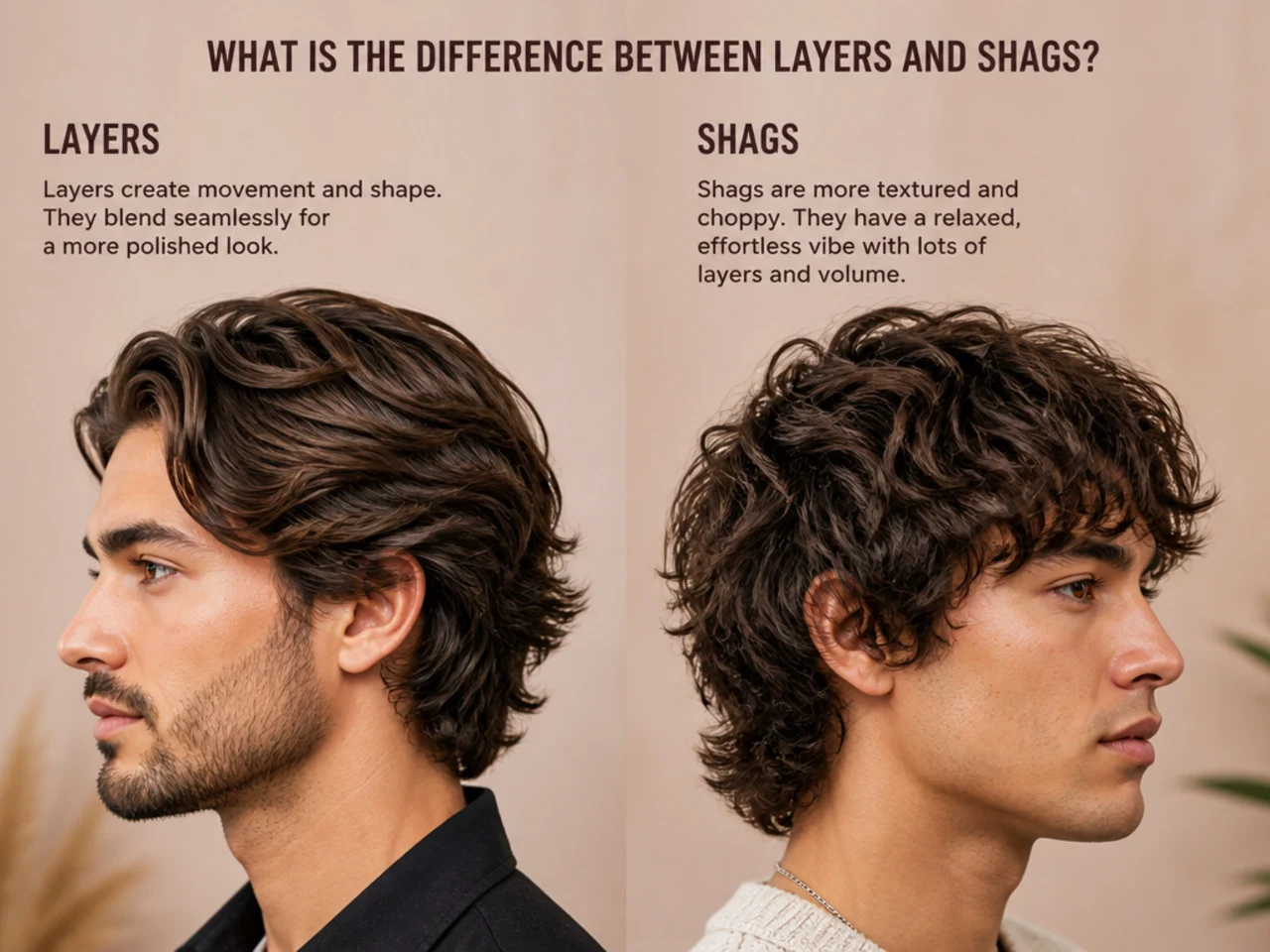
Layers are a technique. Cutting hair at different lengths to add movement. A shag is a specific layered style with internal layering, wispy ends, and a face-framing start point at the cheekbone or below. Every shag has layers. Not every layered cut is a shag. A long-layered cut with no face-framing and blunt ends is layered, but not a shag.
Read: Quiff Hairstyles: 25 Stylish Variations For Modern Men