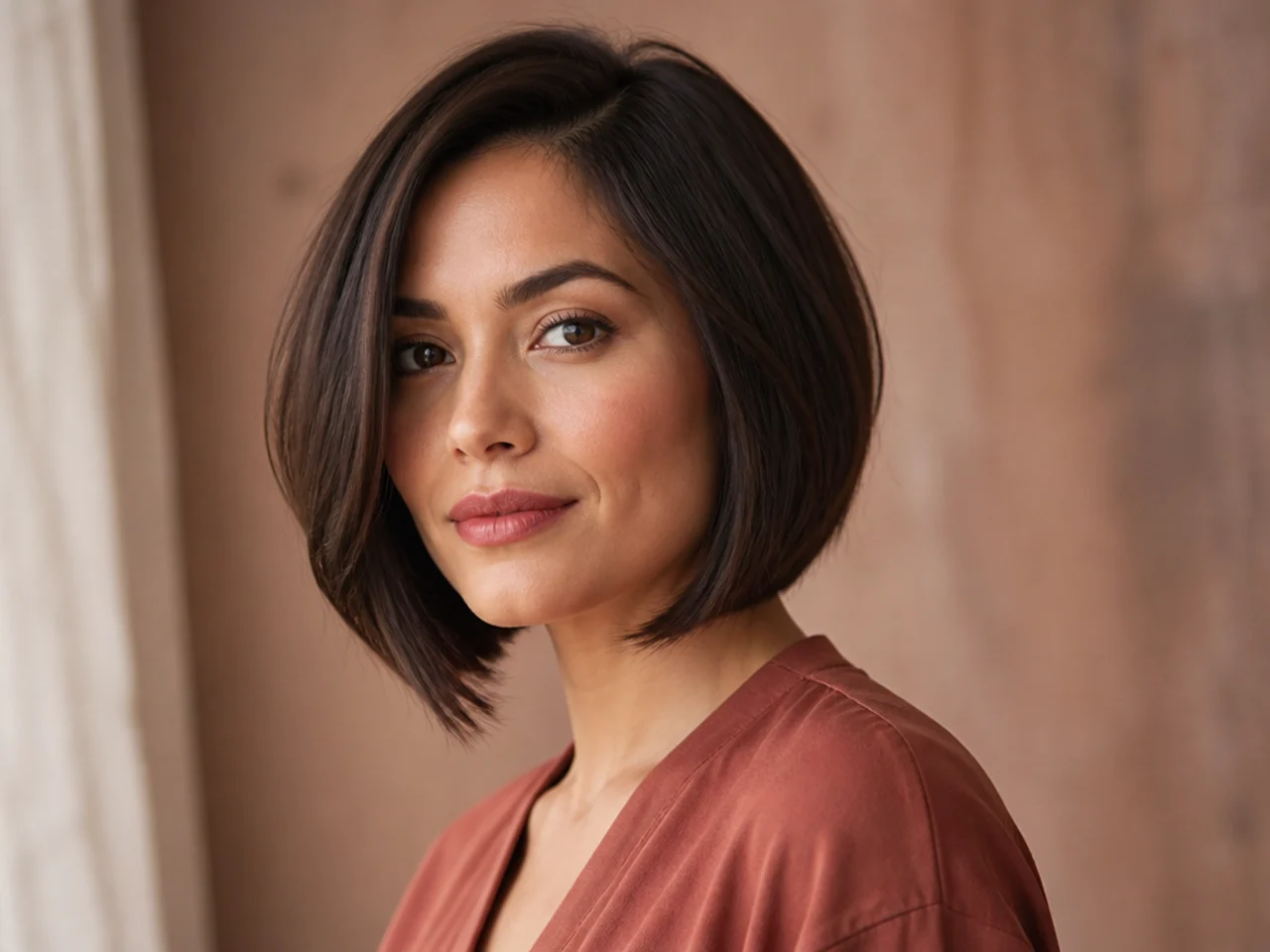
18 Short Bob Hairstyles for Fine Hair That Add Volume Fast
Finding perfect haircut for fine hair can often feel like a battle against gravity. When strands are thin, they tend to lie flat, making your overall look feel a bit "blah." E
In this article · 24
- Short Bob Haircuts for Fine Hair
- 1\. A-Line Bob
- 2\. Bixie Bob
- 3\. Blunt Chin Bob
- 4\. Chin-Length Bob With Curtain Bangs
- 5\. Soft Layered Bob
- 6\. Deep Side-Part Bob
- 7\. Textured Shaggy Bob
- 8\. Glass Hair Bob
- 9\. Graduated Bob
- 10\. Sleek Side-Swept Bob
- 11\. Razor-Cut Bob
- 12\. Italian Bob
- 13\. Jaw-to-Chin Length Bob
- 14\. French Bob
- 15\. Short Blunt Bob
- 16\. Short Layered Bob
- 17\. Stacked Bob
- 18\. Wispy Feathered Fringe Bob
- FAQ: Short Bob Hairstyles for Fine Hair
- Does a bob make fine hair look thicker?
- How often should I trim a short bob?
- What products are best for a voluminous bob?
- Wrap-up: Short Bob Hairstyles for Thin Hair
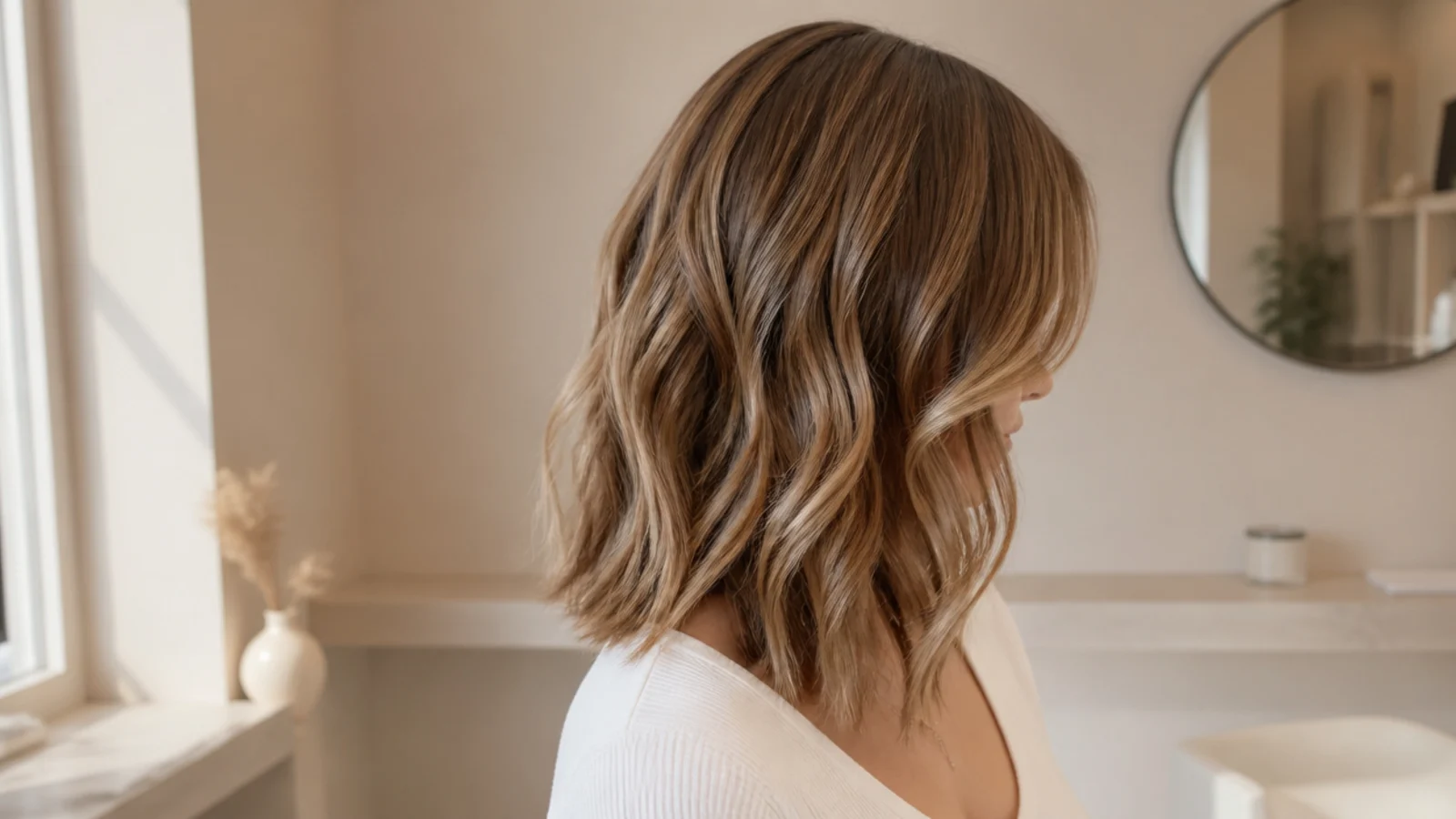
Fine hair fights gravity. Weight pulls it flat. Layers thin it further. The fix is a blunt bob cut at or above the chin. That perimeter builds a thick base line the eye reads as density. Ends look heavy. The shape holds without a fight. A root-lift product does the rest. This guide walks you through 18 short bob shapes that add real body — plus exactly how to ask for each one at the salon.
Short Bob Haircuts for Fine Hair
Every shape here follows one rule. Keep the perimeter blunt. Skip internal thinning. Cut at or above the chin so weight sits at the ends instead of dragging the roots down. Lift comes from product and blow-dry direction, not from removing hair. Bring two or three reference photos to your stylist. Say the length in inches from the earlobe, name the part you want, and use the phrase "no thinning shears." Here is what each variation does for fine strands, who it flatters, and how to order it.
1. A-Line Bob
The A-line stacks weight in the back and slopes longer toward the front. That corner of weight pushes hair off the nape and lifts the crown on its own. Fine hair gets built-in body without a lick of hairspray. The forward slope pulls the eye down and out, which flatters round and square faces best.
Ask for: a blunt A-line perimeter, no thinning, back cut just under the earlobe, front hitting the jawline. Center or deep side part.
Styling tip: round-brush the back panel while damp. Lift straight up at the crown and hit it with a two-second cool blast. That is your volume anchor for the whole day.
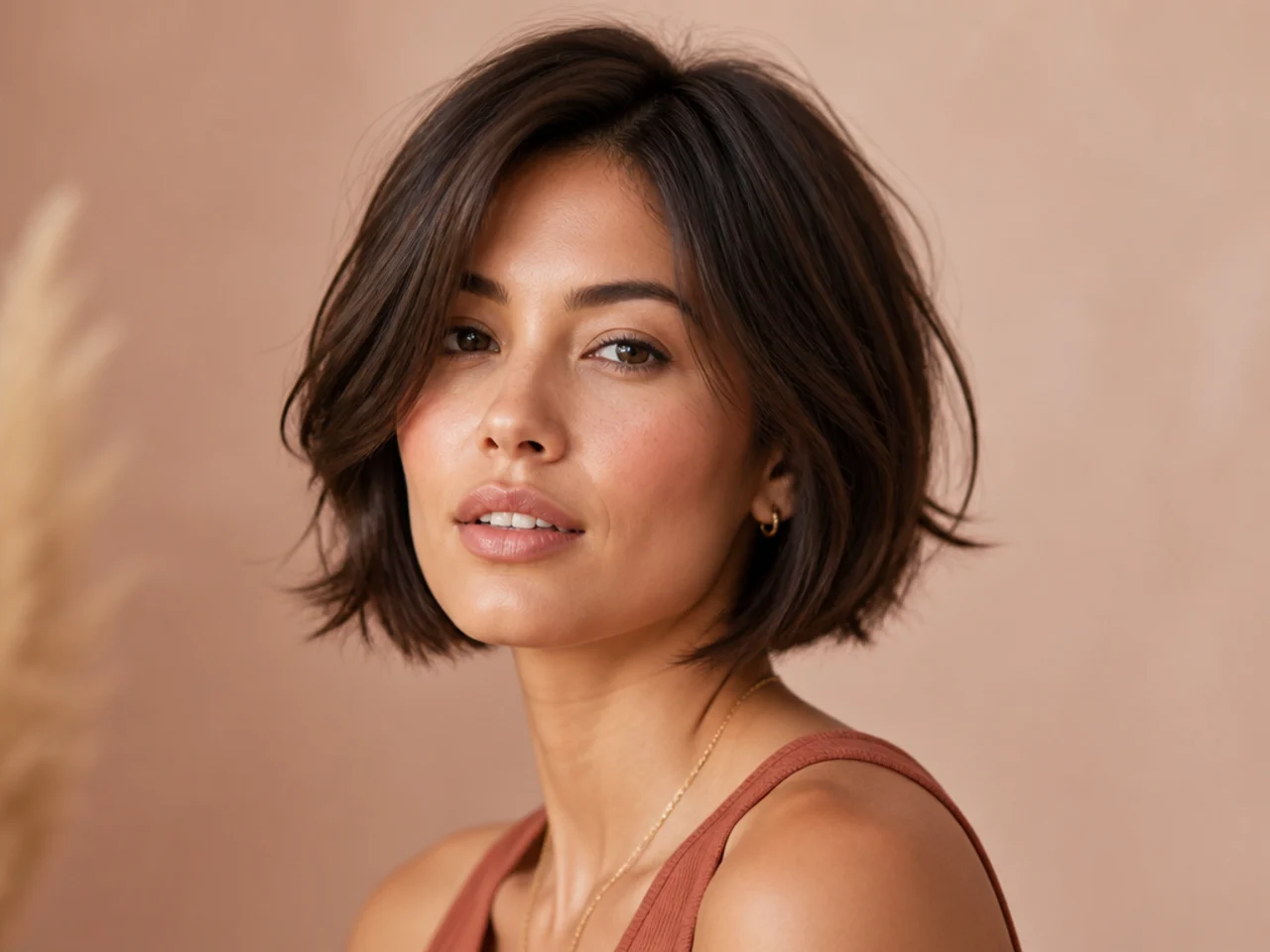
2. Bixie Bob

The bixie splits the difference between a bob and a pixie cut. Short, chunky pieces sit on top. The perimeter still hits the jaw. Fine hair reads thicker because those short crown pieces stand up on their own instead of dragging down. Best on oval, heart, and square faces — the extra crown height balances a wider jaw.
Ask for: a blunt bob base at the jaw with short crown layers only. No thinning through the mid-lengths. Side part.
Styling tip: work a pea-size dab of texture paste into the crown before drying. Rough-dry with your fingers, tousling upward. Never comb it flat.
3. Blunt Chin Bob
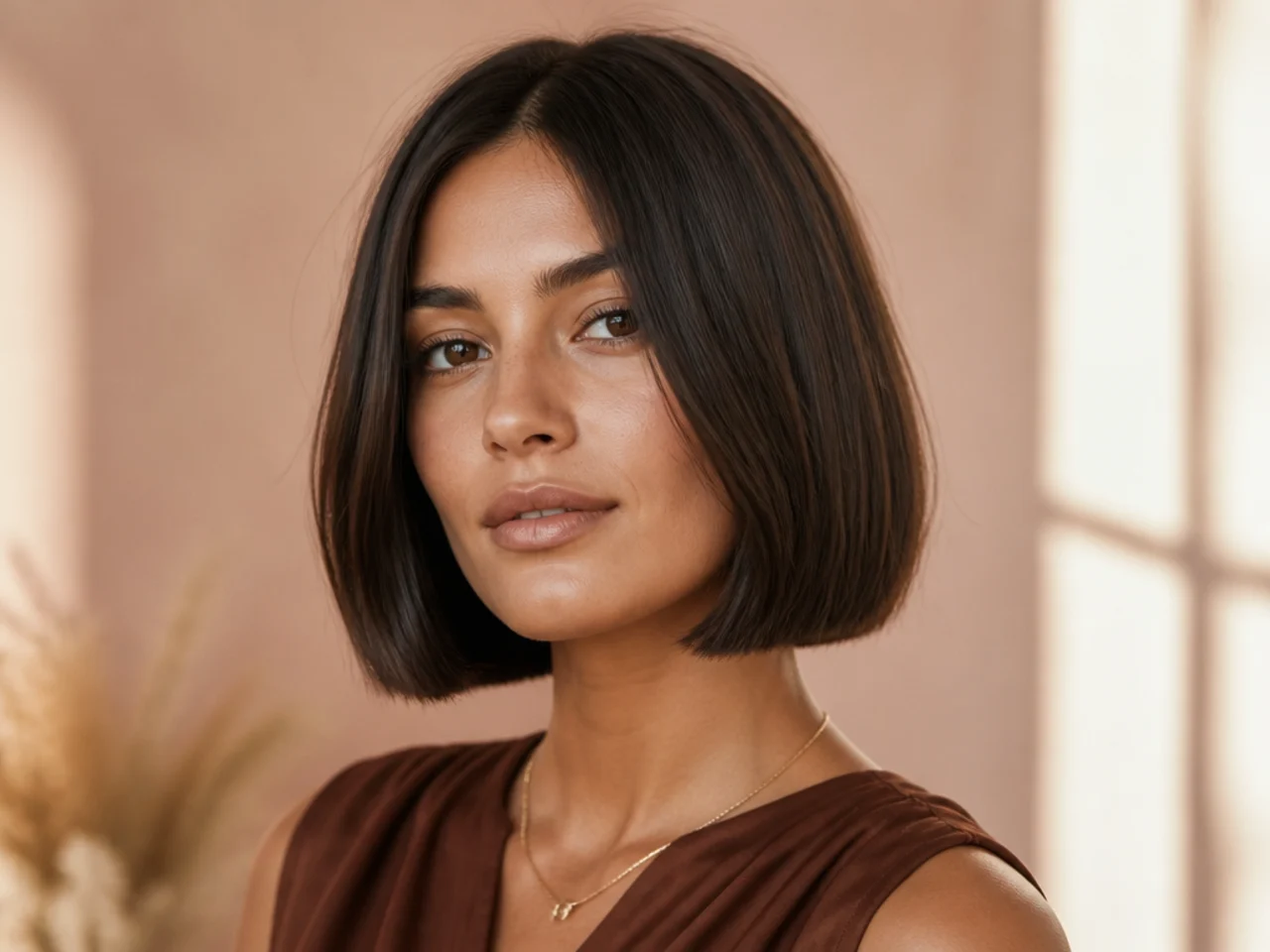
This is the reference shape for fine hair. One length. Cut with sharp shears. Zero thinning. The wall of hair at the ends looks solid, and the chin length keeps the shape holding without effort. It flatters every face shape — the chin cut narrows a round face and softens a long one. If you want the shape at a glance, this is the classic bob haircut done right.
Ask for: a one-length shear-cut bob landing right at the chin. No thinning shears at any point. Center or side part.
Styling tip: blow-dry with the airflow pointed down the hair shaft, not into it. That seals the cuticle and bounces light off the ends, which reads as density.
4. Chin-Length Bob With Curtain Bangs

Curtain bangs split at the middle and sweep out. They add width across the cheekbones and break the flat plane fine hair usually creates. You get two wins: the fringe hides a thin hairline, and the sweep adds motion around the face. Best on long, oval, and heart-shaped faces.
Ask for: a blunt chin bob with curtain bangs starting at the cheekbone and tapered on the ends. No internal thinning anywhere.
Styling tip: dry the fringe first while it is soaking wet. Cross-dry it — brush it left, then right — and it will fall in a soft swoop instead of a hard line.
5. Soft Layered Bob
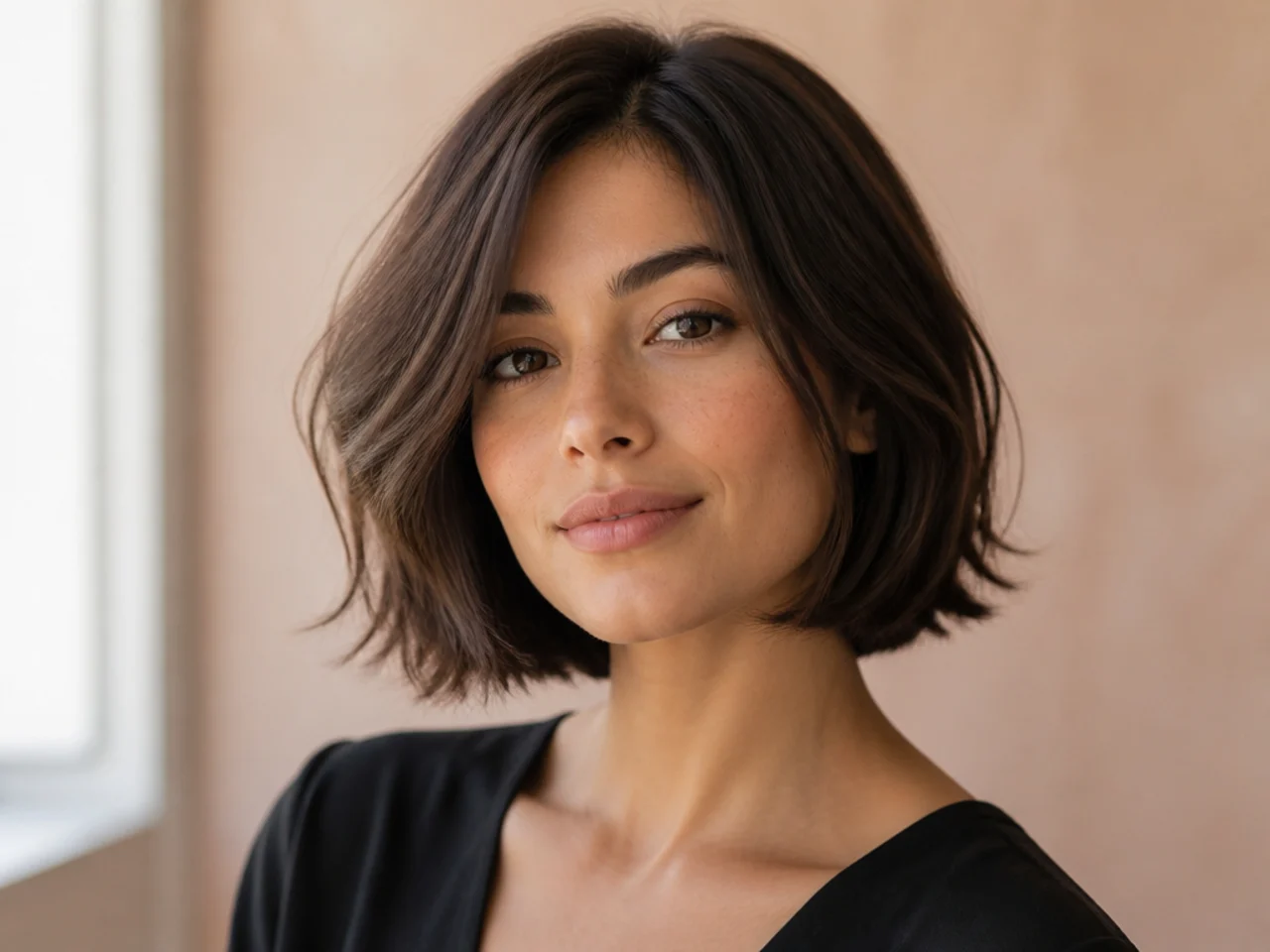
Fine hair usually loses when you layer it. This version keeps the wins. The layers are internal and long. Only the top half of the hair is touched. The perimeter stays blunt so the ends still read heavy. Use this if you want a subtle soft layered bob with a little movement without giving up density. Best for oval, square, and heart faces.
Ask for: a blunt chin-length perimeter with two long internal layers at the crown only. No thinning shears. No razor.
Styling tip: round-brush at the roots and let the ends fall on their own. The crown layers will hold lift while the perimeter stays crisp.
6. Deep Side-Part Bob
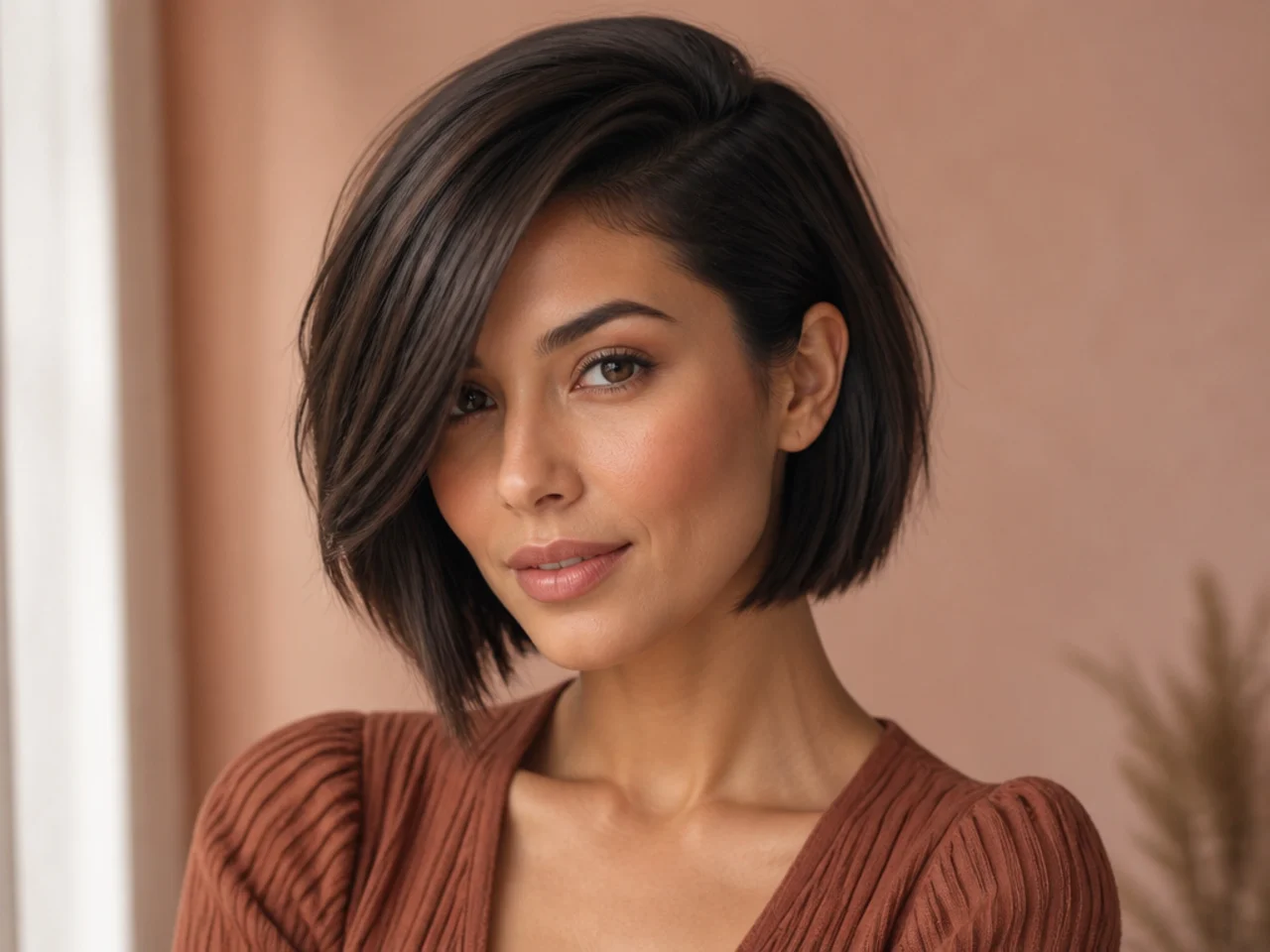
Changing your part is free volume. A deep side part forces the top section against its natural fall, and gravity gives you a flip at the roots automatically. The extra hair on one side reads as more density. It suits oval, round, and square faces — the diagonal line breaks up symmetry.
Ask for: a blunt chin bob cut to fall around a deep side part. Tell your stylist to cut with the part already in place so the length balances correctly. No thinning.
Styling tip: flip your head upside down and blow-dry the roots for 30 seconds. Flip back and comb the part into position. Instant lift, no product needed.
7. Textured Shaggy Bob
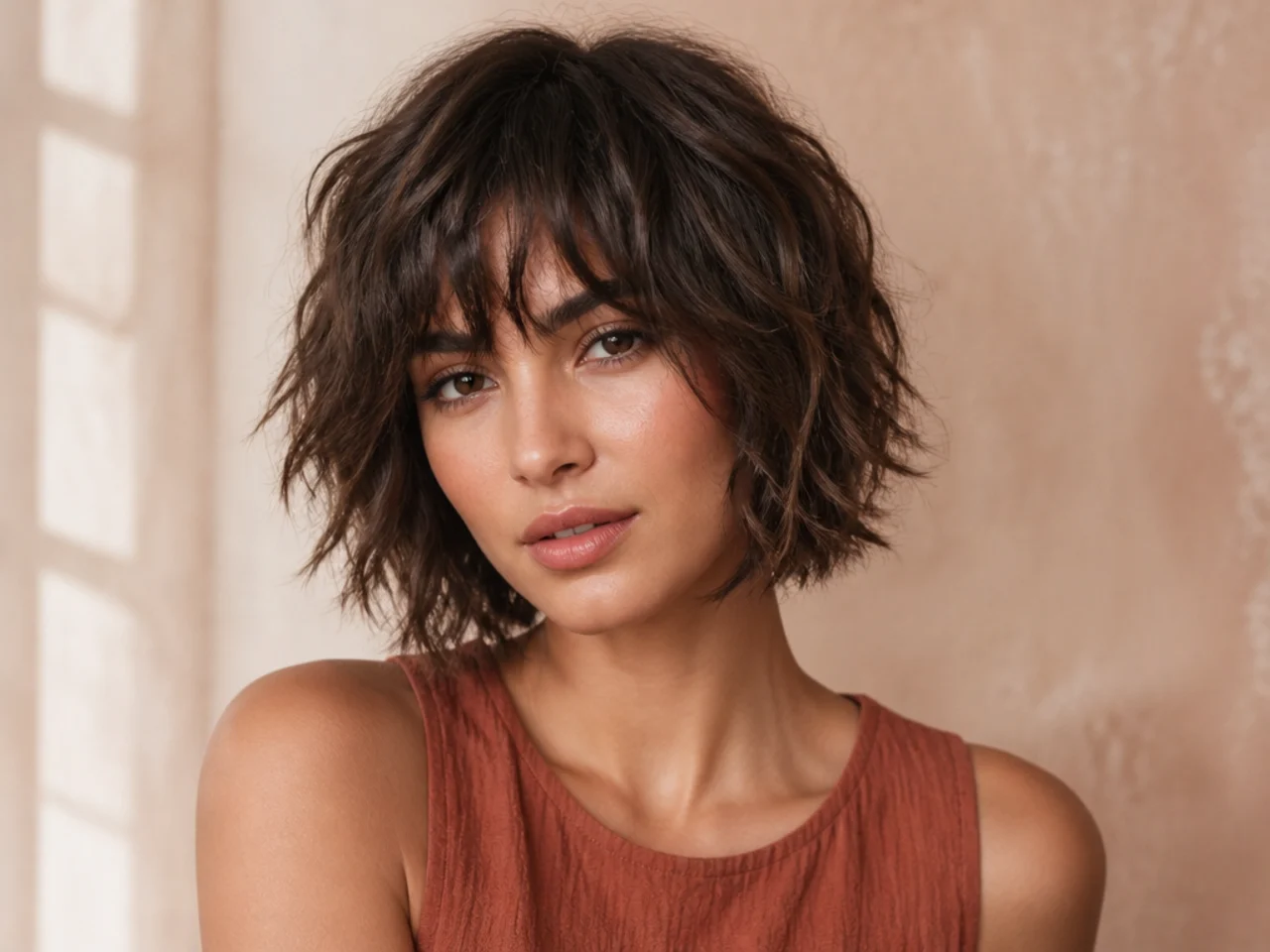
The classic shag is fine hair's kryptonite — razoring removes the weight you need. The workaround is a controlled shag: keep the perimeter blunt at the jaw and add only three or four internal point-cut layers for movement. Best on oval and heart faces. If you like the messy bob look that skims years off your face, this is the closest fine hair can safely get.
Ask for: a blunt chin bob with three or four hand point-cut layers at the crown only. No razor. No thinning shears. Deep side part.
Styling tip: mist sea-salt spray on damp hair and air-dry. Scrunch upward every couple of minutes until the shape sets.
8. Glass Hair Bob
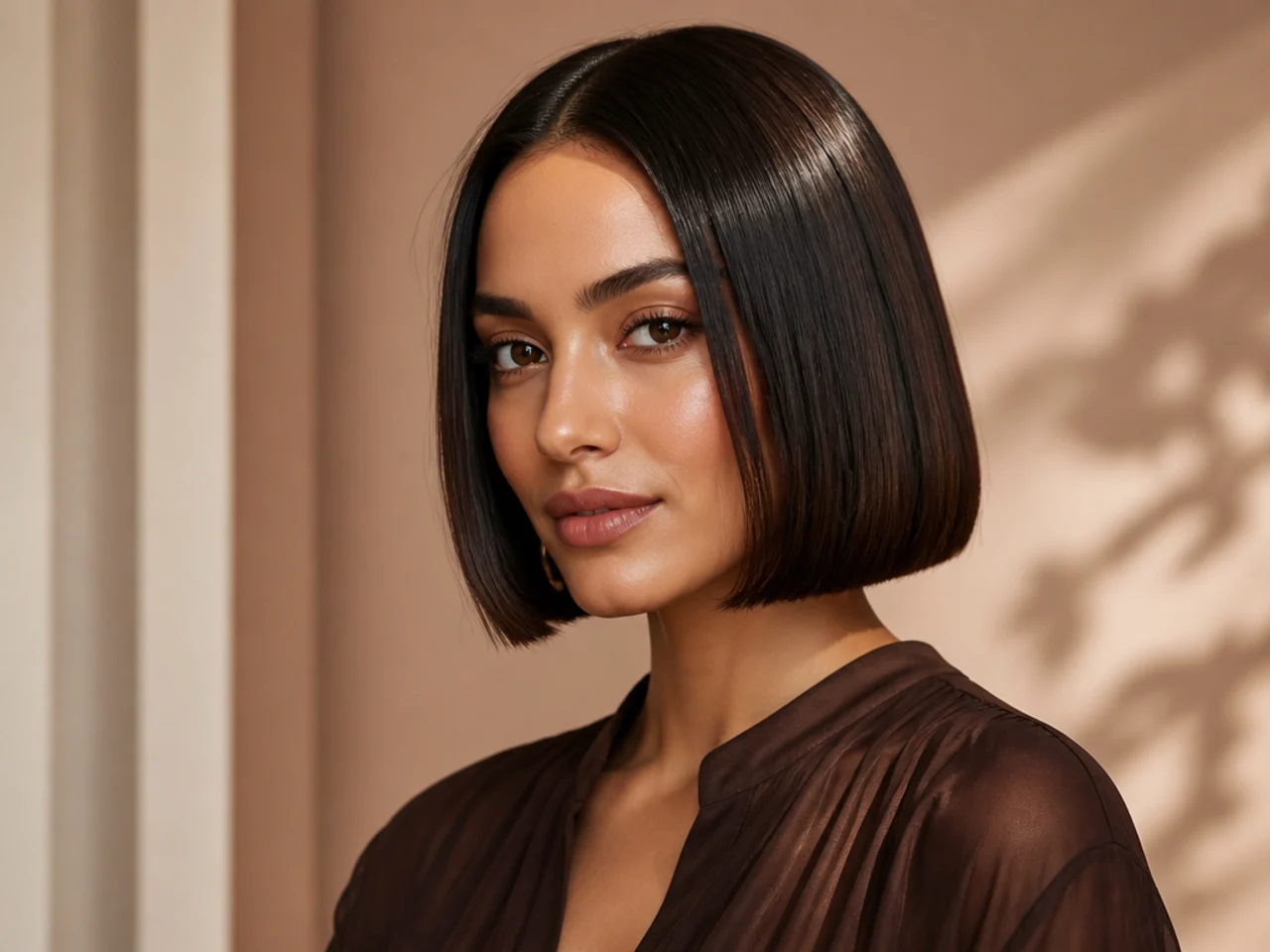
Glass hair is fine hair's best friend. The cut is one length. The finish is glossy. Light bouncing off the surface tricks the eye into reading thickness where there is none. Best for square, heart, and oval faces — the sleek line balances an angular jaw.
Ask for: a one-length blunt bob landing just below the chin. Zero layering. Shears only, cut with the head held neutral.
Styling tip: heat-protectant first, then a paddle-brush blowout with the airflow aimed downward. Finish with two drops of a lightweight serum through the mid-lengths only — never on the roots.
9. Graduated Bob
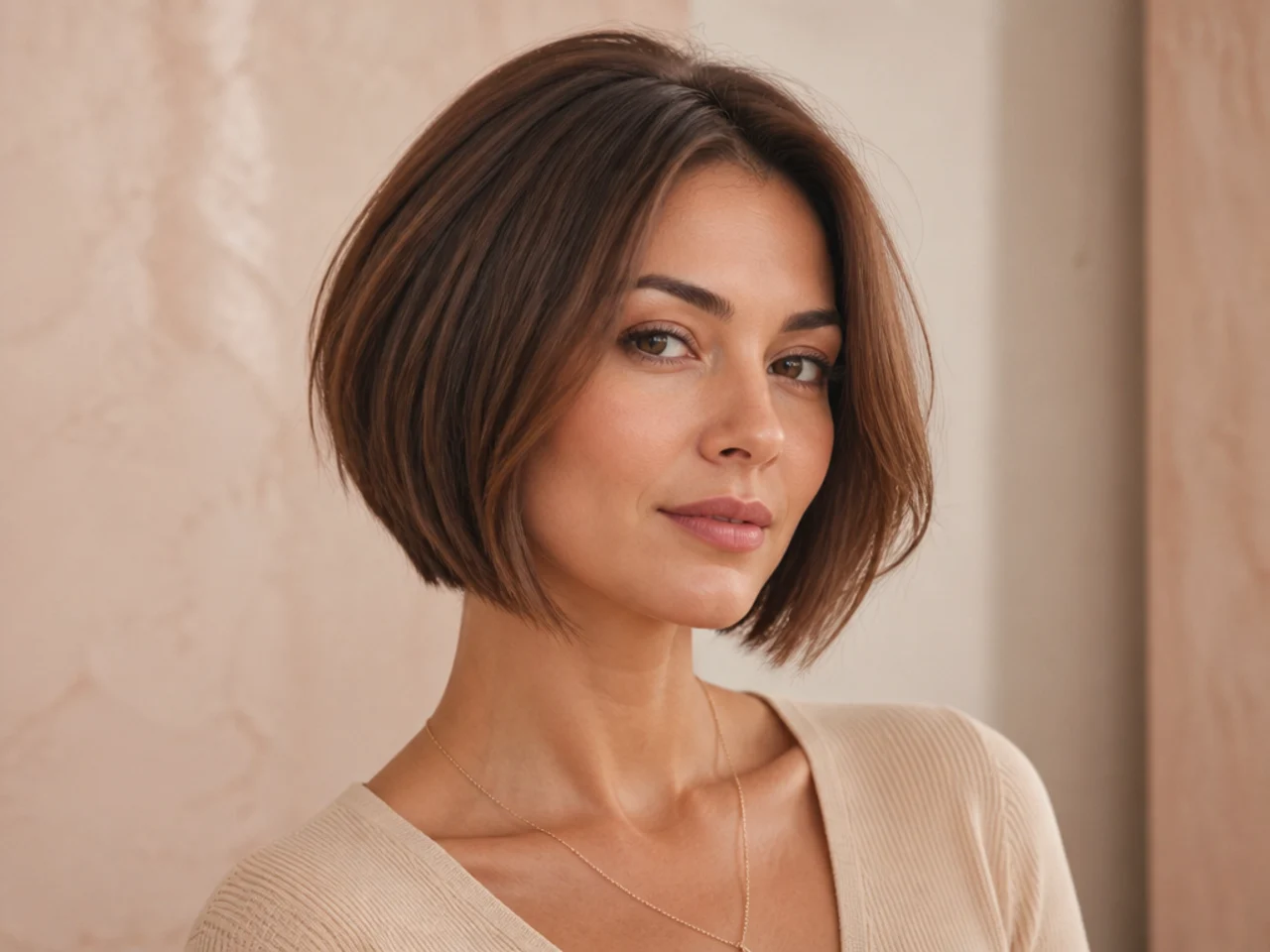
Graduation is stacking without layers. Each strand sits a hair longer than the one below, so the back builds weight without losing a single length. That built-up weight pushes the crown up. Suits round, oval, and long faces — the stacked back adds volume where fine hair falls flattest.
Ask for: a graduated bob with a stacked back, chin-length front, blunt perimeter, no thinning shears. Cut with shears, not clippers.
Styling tip: sleep on a silk pillowcase. It preserves the shape and the crown lift for a full extra day between washes.
10. Sleek Side-Swept Bob
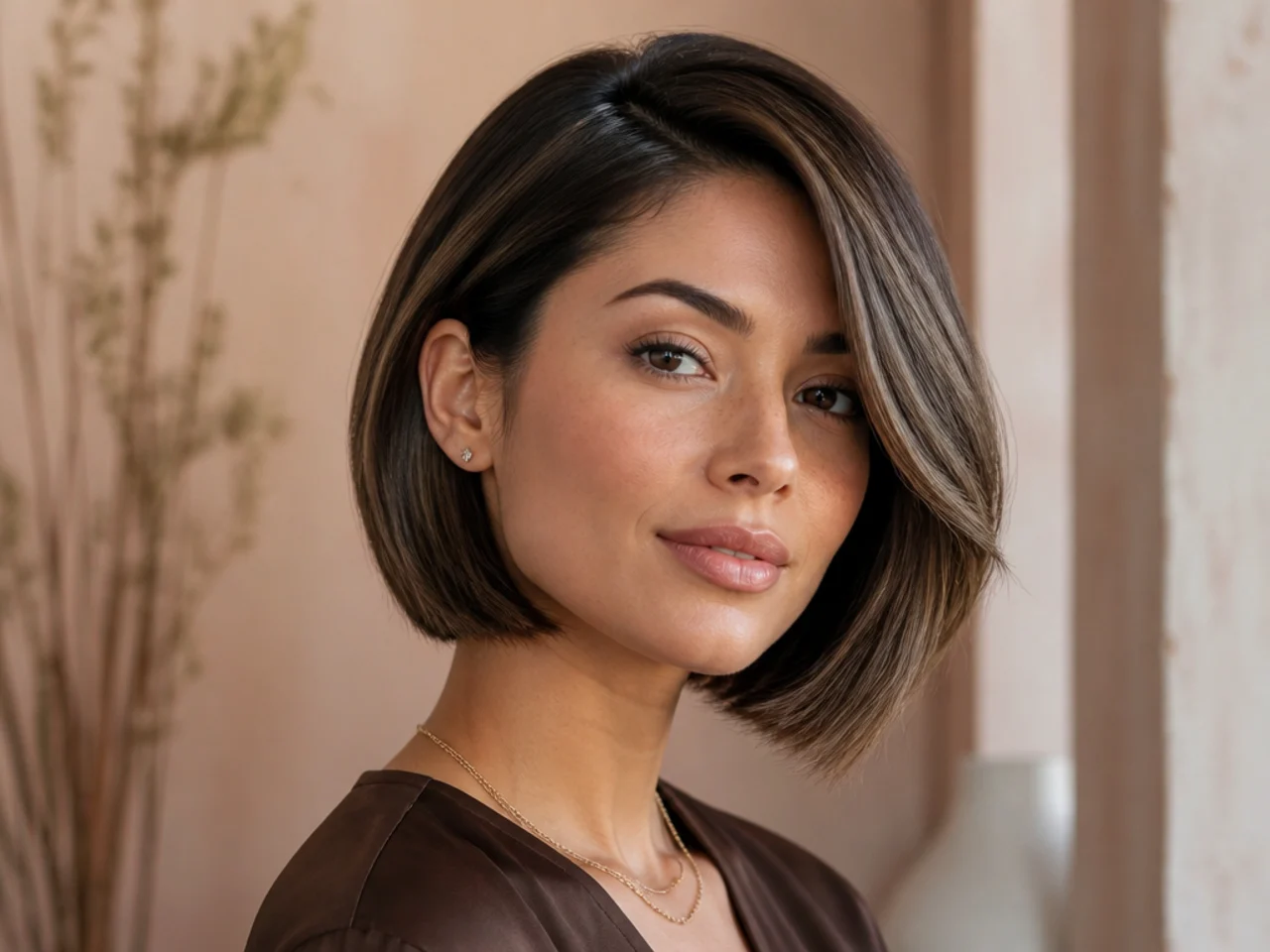
An asymmetrical perimeter makes fine hair look thicker on the longer side and edgier on the shorter side. The eye reads the diagonal as intentional volume. Best for round, square, and heart faces — the asymmetry breaks up a wide jaw or a heavy forehead.
Ask for: a blunt asymmetrical bob, one side at the jaw, the other side an inch below the chin. Deep side part. No thinning at any point.
Styling tip: flat-iron only the shorter side to a straight line. Let the longer side keep a slight bend. The contrast reads as fullness.
11. Razor-Cut Bob
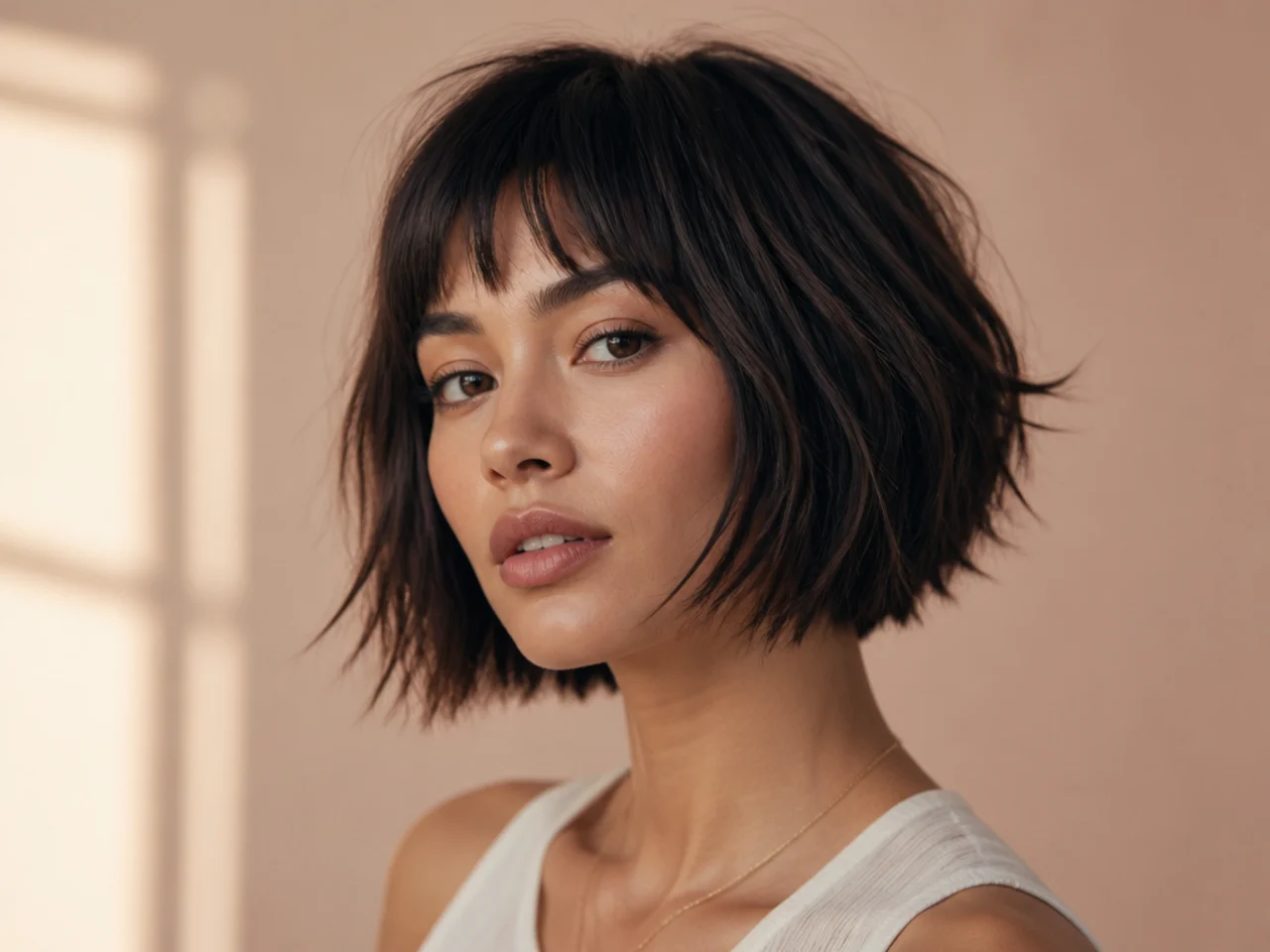
Full disclosure — razor cutting removes weight, which fine hair cannot spare across the whole head. This version keeps the razor off the perimeter and uses it only on the very tips of face-framing pieces for softness. That is the compromise. Best on oval and long faces.
Ask for: a blunt shear-cut chin bob. Razor allowed only on two front pieces around the face, and only on the very ends. Center part.
Styling tip: after drying, twist and pinch the ends with a tiny amount of pomade. The tapered tips catch light and add motion without stealing bulk from the perimeter.
12. Italian Bob
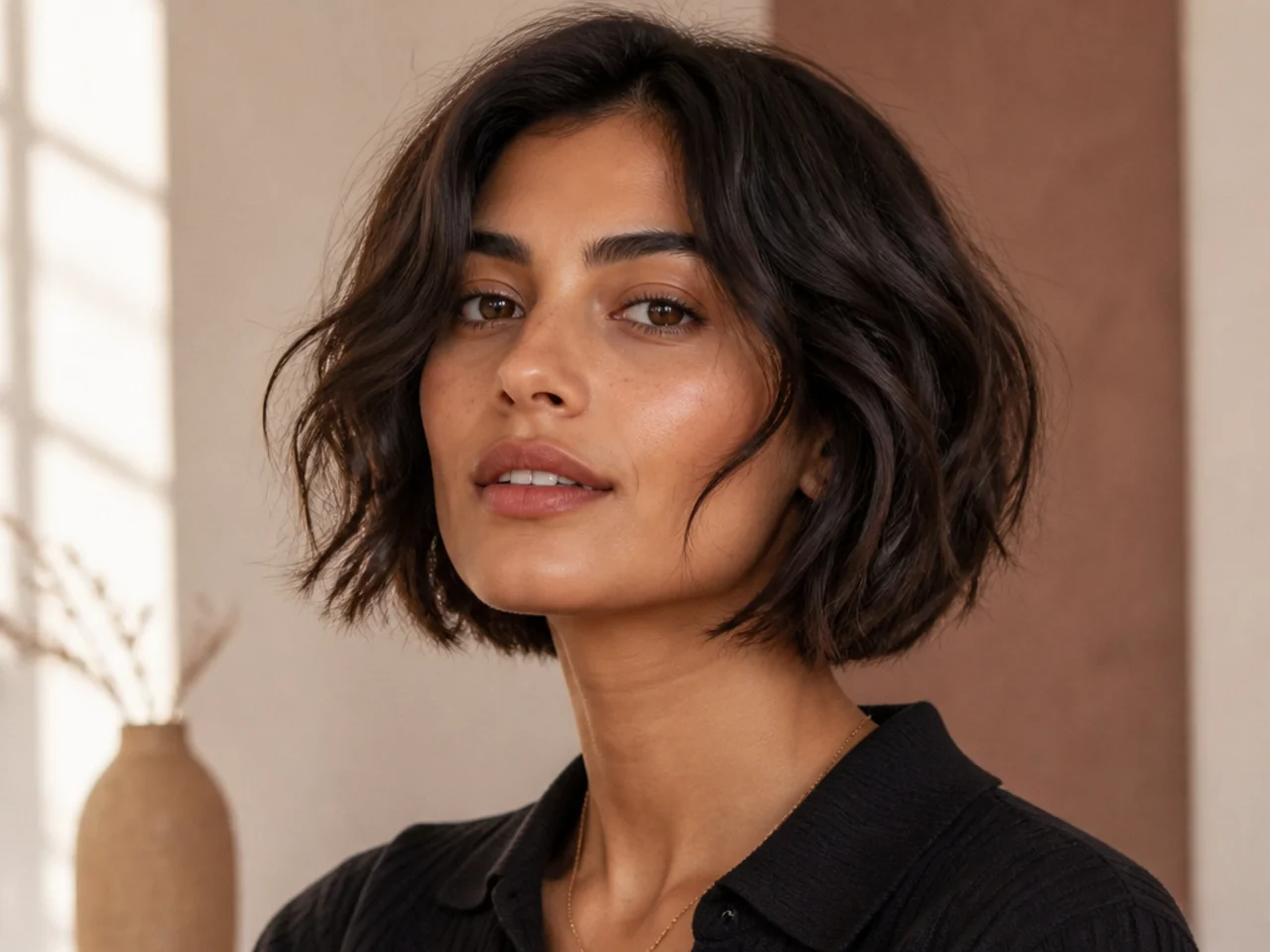
The Italian bob sits an inch below the chin. It is tossed, undone, and heavy at the perimeter. The extra length pulls the shape into a soft curve that swings when you move. Best for oval, heart, and square faces.
Ask for: a blunt bob landing just below the chin with two long face-framing pieces on each side. Center part. No thinning.
Styling tip: rough-dry to 80% dry, then bend the ends in with a flat iron in one clean pass. Break the shape up with your fingers. Never brush after.
13. Jaw-to-Chin Length Bob

This is the sweet spot. Anything longer drops weight and flattens. Anything shorter loses the tuck-behind-the-ear move. Jaw-to-chin bobs hold their shape between washes, which is huge for fine hair that flattens by day three. Works on every face shape, especially strong on round and oval.
Ask for: a blunt bob cut to the jaw in front and the chin in back — or the reverse for a subtle A-line. Zero internal layers.
Styling tip: mist dry shampoo at the roots before bed. Sleep on it. You wake up with lift the next morning without washing at all.
14. French Bob
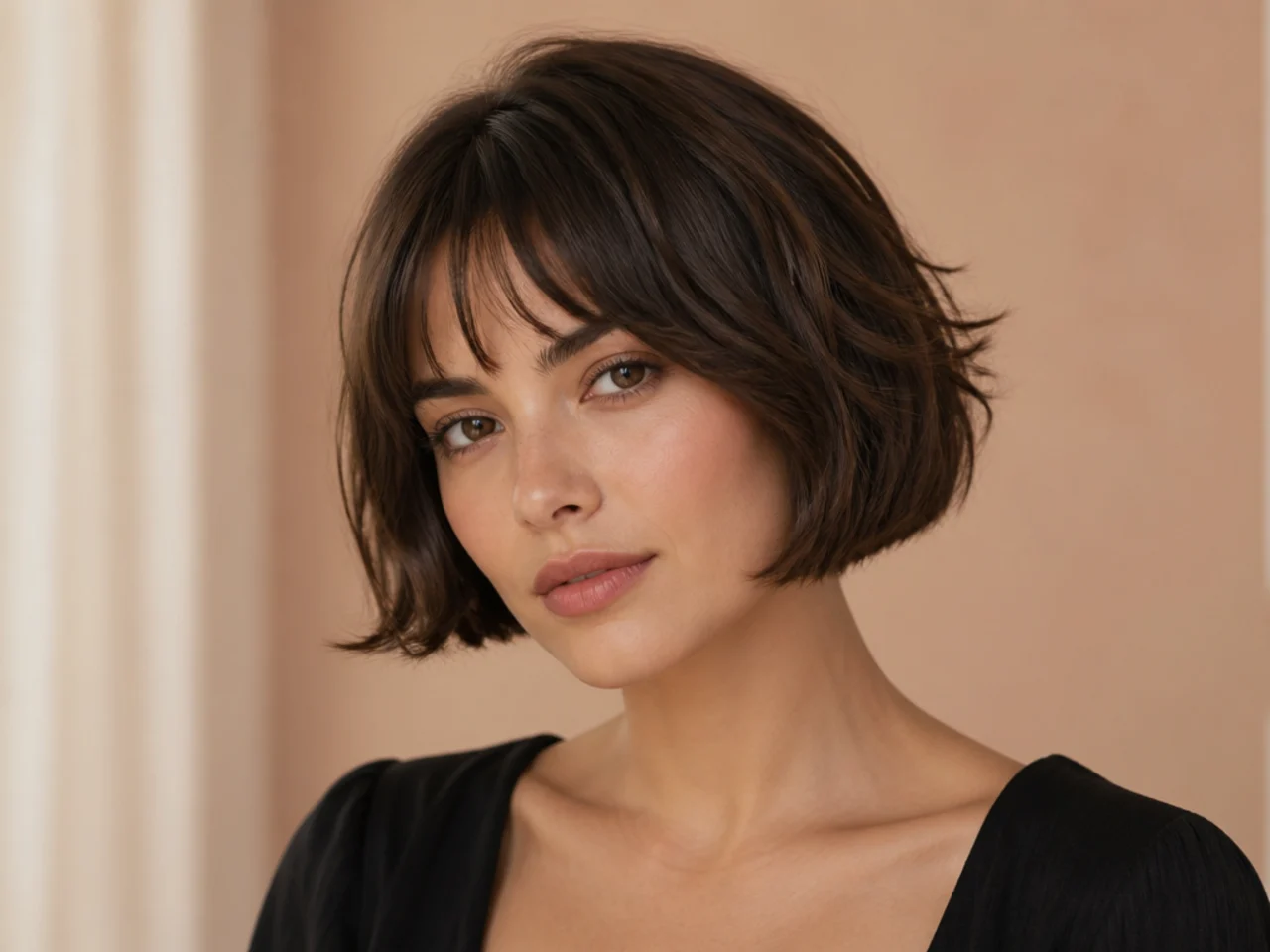
The French bob is short — mouth to chin — with a heavy blunt fringe. On fine hair, the shortness stops the stringy problem cold. The fringe piles density onto the forehead. Best on oval, heart, and long faces. Skip it if you have a very round face — the fringe can overpower.
Ask for: a blunt bob at mouth or chin level with a full blunt fringe cut at the brow. Ask the stylist to over-direct the sides forward so they hug your cheekbones. No thinning.
Styling tip: mist the fringe with water and press flat with a paddle brush. Set with a cool blast for a full minute so it lies straight, not fluffy.
15. Short Blunt Bob
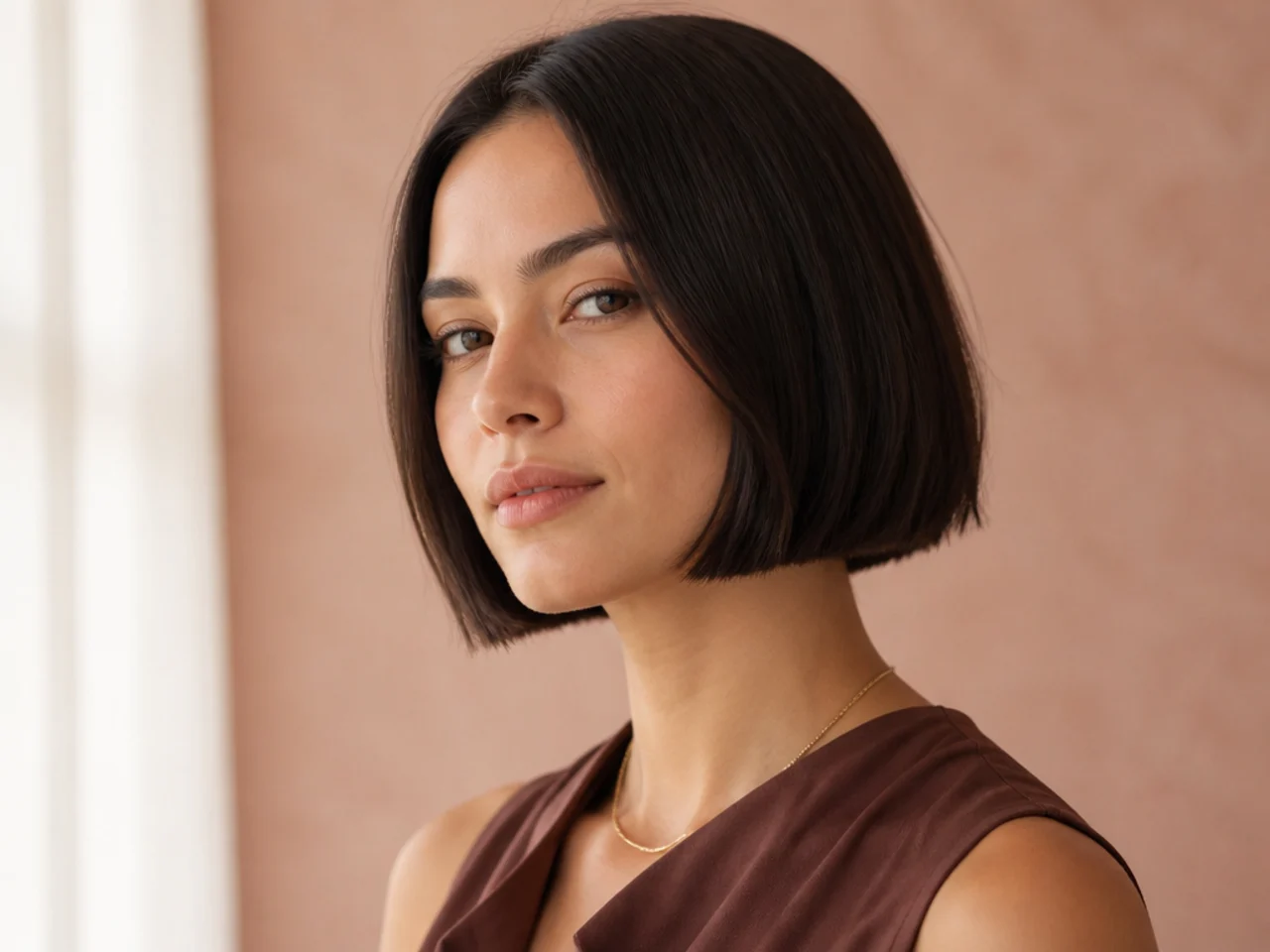
This is the shape you screenshot and hand to your stylist. Nothing but a clean line at the jaw. Every strand ends at the same length. On fine hair, the ends look impossibly thick. The blunt edge catches every stray hair and folds it into the wall. It flatters every face shape.
Ask for: a shear-cut blunt bob at jaw length. No thinning. No layers. No razor. Cut with the head held neutral, not tilted.
Styling tip: after drying, flat-iron the bottom half-inch of the perimeter in one pass. That crisps the line and gives you the just-left-the-salon edge for another 24 hours.
16. Short Layered Bob
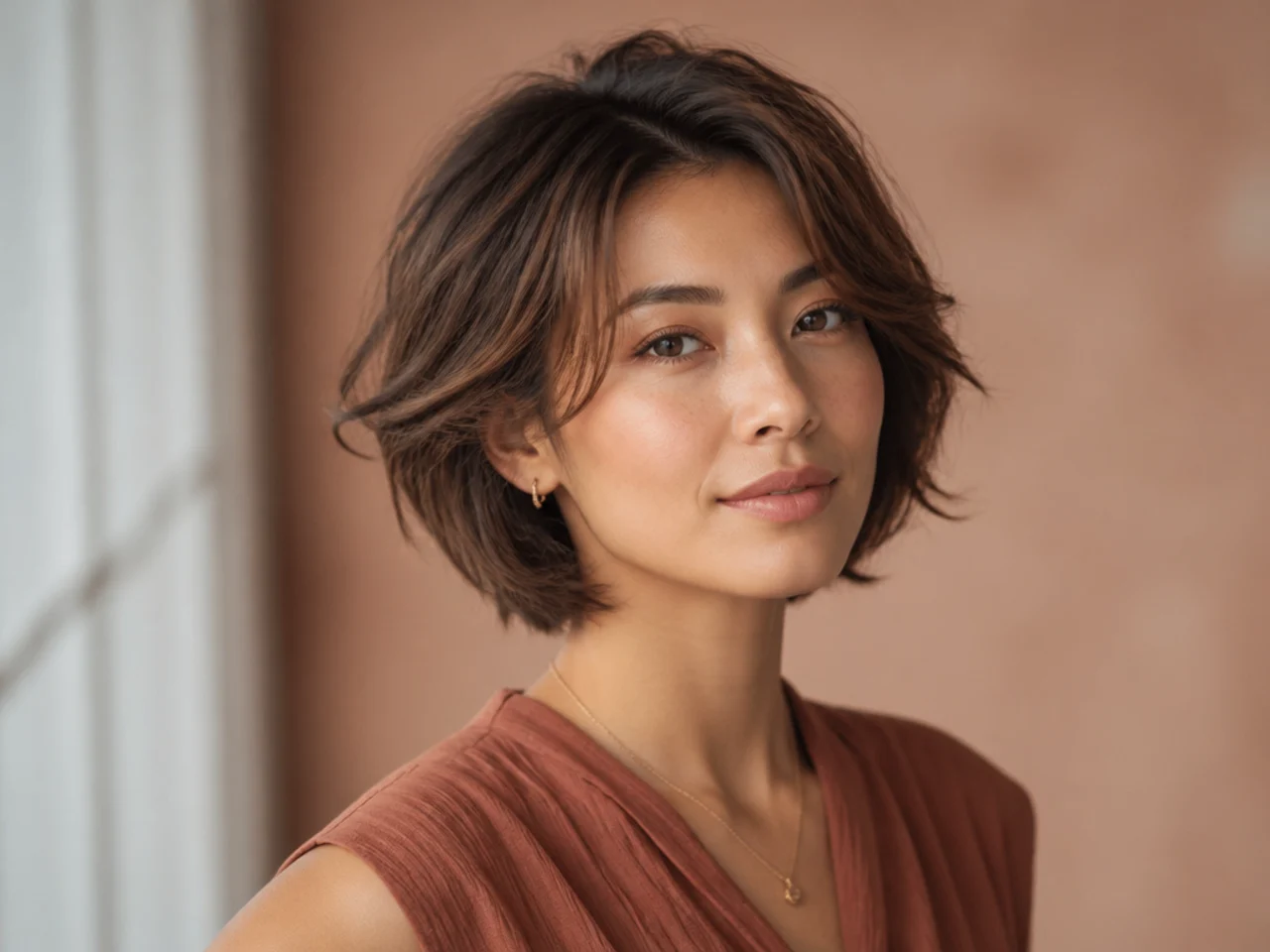
Crown-only layers give fine hair the lift it cannot create on its own. The perimeter stays blunt at the jaw. Short layers on top rise instead of falling flat. For more layering options that keep the perimeter heavy, see the blunt haircut with layers guide. Best on oval, heart, and round faces.
Ask for: a blunt jaw-length bob with two short internal layers at the crown, cut with shears. No thinning shears anywhere on the head.
Styling tip: pop three velcro rollers at the crown while you do your makeup. Ten minutes sets the lift without any heat damage.
17. Stacked Bob
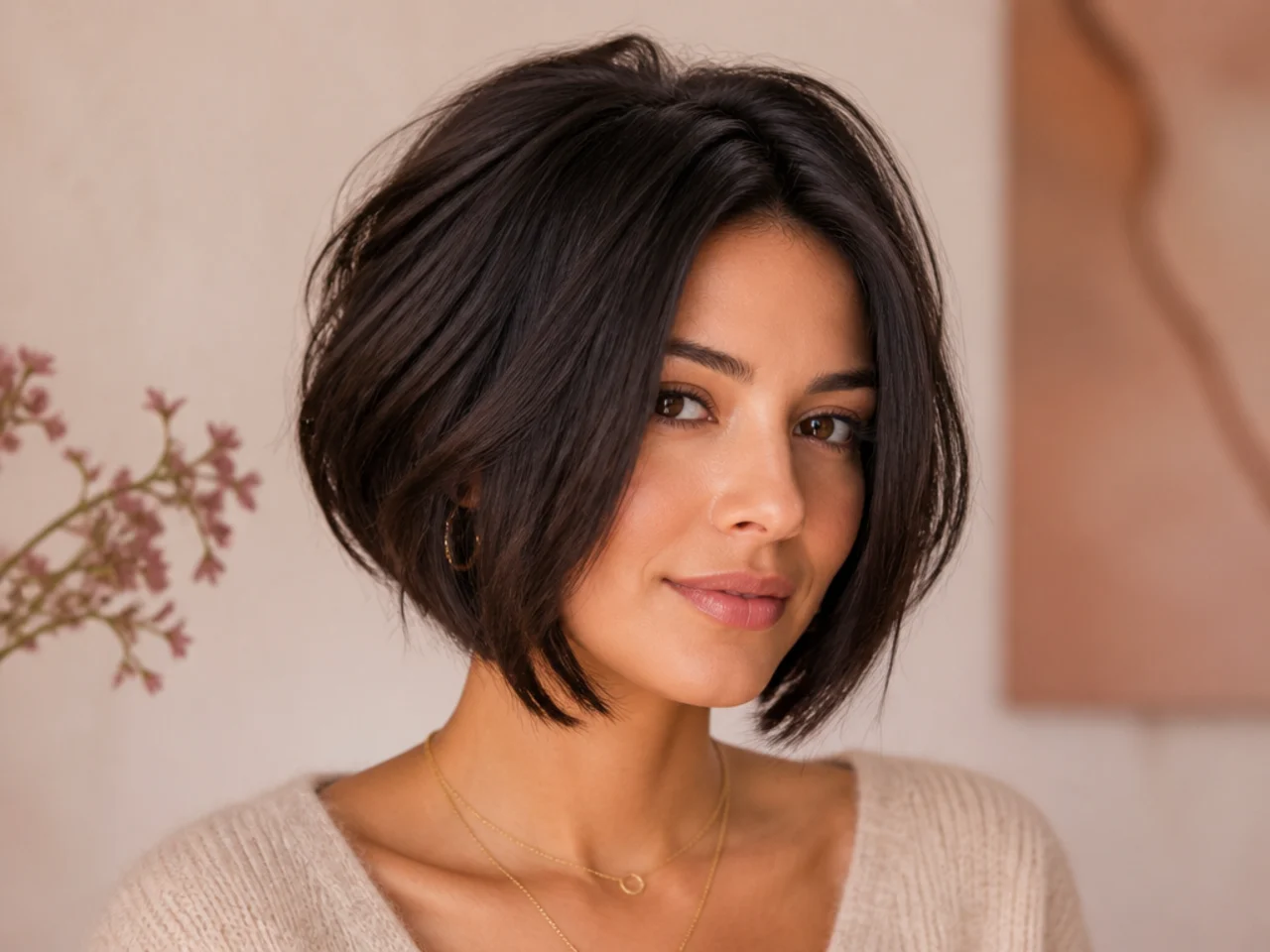
The stacked bob leans harder into graduation. The back gets three or four stacked layers building a curve that sits high off the nape. That mound of hair pushes the crown up and out. Best for round, long, and oval faces — the crown height balances a wider or longer face.
Ask for: a stacked back, jaw-length front, blunt perimeter, no thinning. Ask the stylist to build the stack with shears, not clippers, so the shape stays soft.
Styling tip: bend forward and blow-dry the back panel upward. That is where the stacked shape gets its lift, and gravity fights you if you dry with your head neutral.
18. Wispy Feathered Fringe Bob
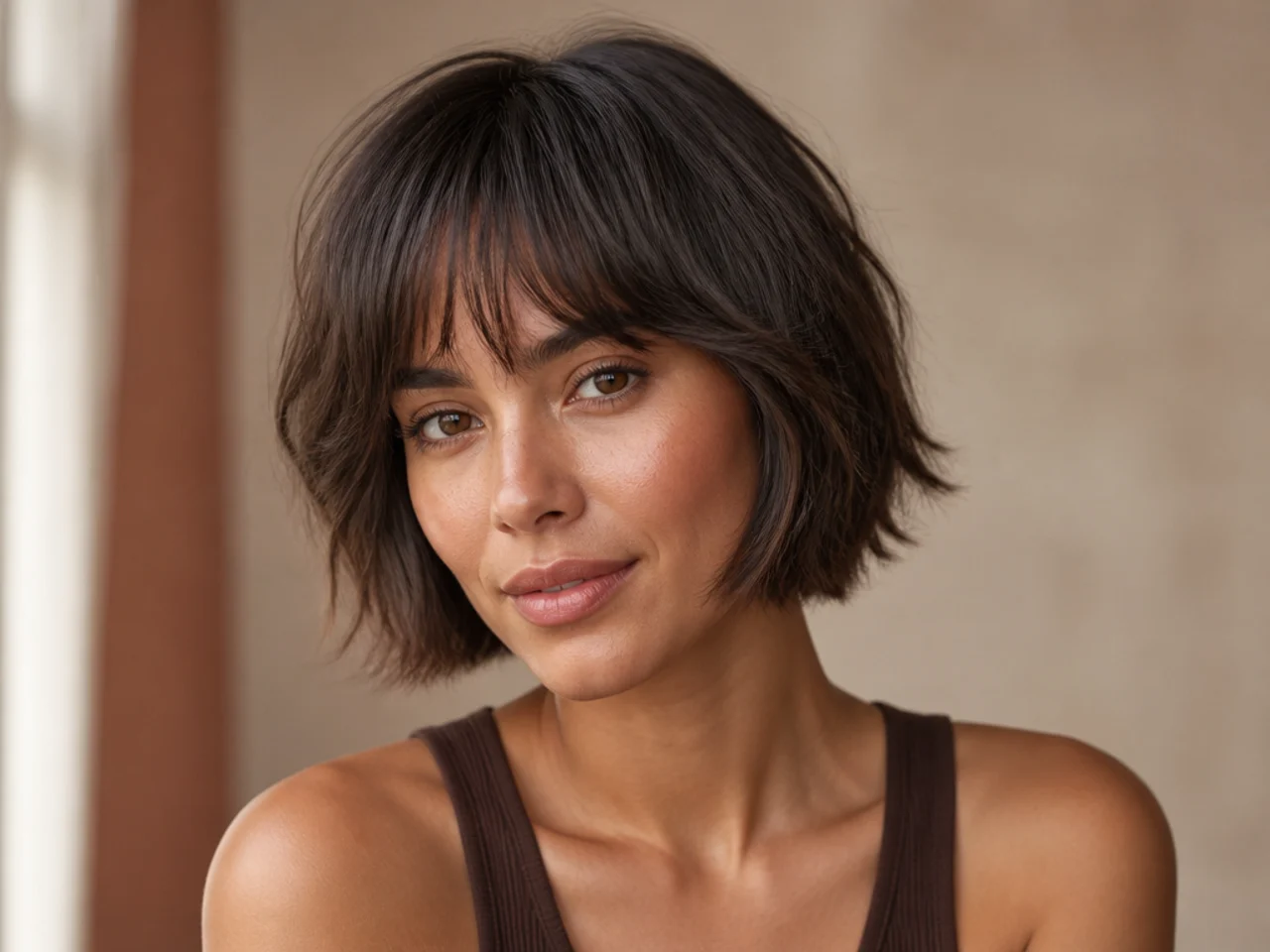
The fringe does the volume work here. Feathered pieces sit on the forehead and add density where fine hair usually thins. The bob perimeter stays blunt at the chin. Best for oval, heart, and long faces — the fringe shortens a long forehead.
Ask for: a blunt chin bob with a wispy fringe starting at the brow. The fringe should be point-cut, not razored, so it keeps its weight. Center part.
Styling tip: dry the fringe with a small round brush, rolling under twice. It sits light and airy across the brow instead of heavy over the eyes.
FAQ: Short Bob Hairstyles for Fine Hair
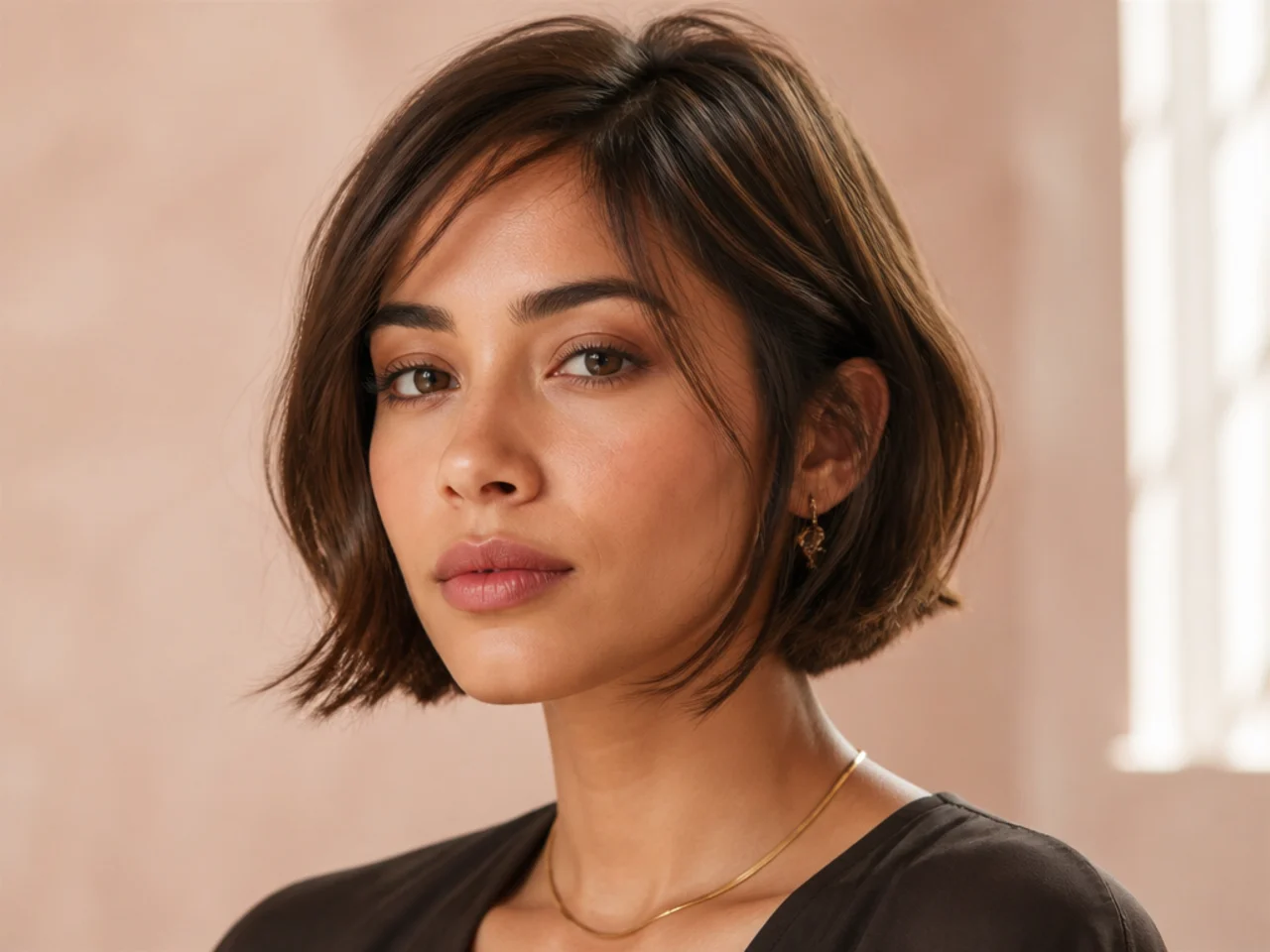
Does a bob make fine hair look thicker?
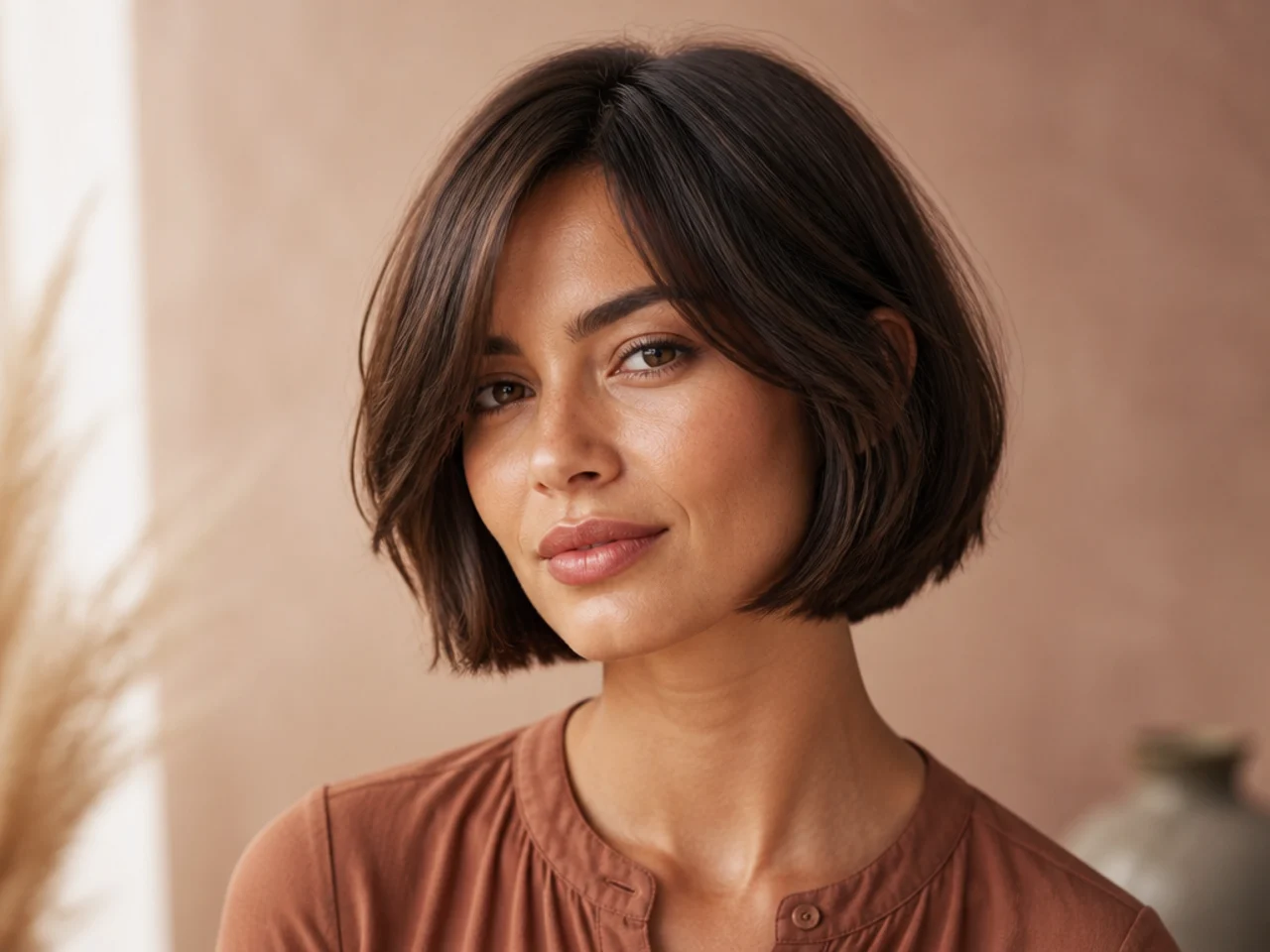
Yes — if you cut it right. A blunt chin-length perimeter is the shortcut. The ends read heavy. The shape holds without much styling. Layers used to be the go-to for volume, but they remove weight and let fine hair collapse. For more density-building options across lengths, see the haircuts for thin hair guide.
How often should I trim a short bob?
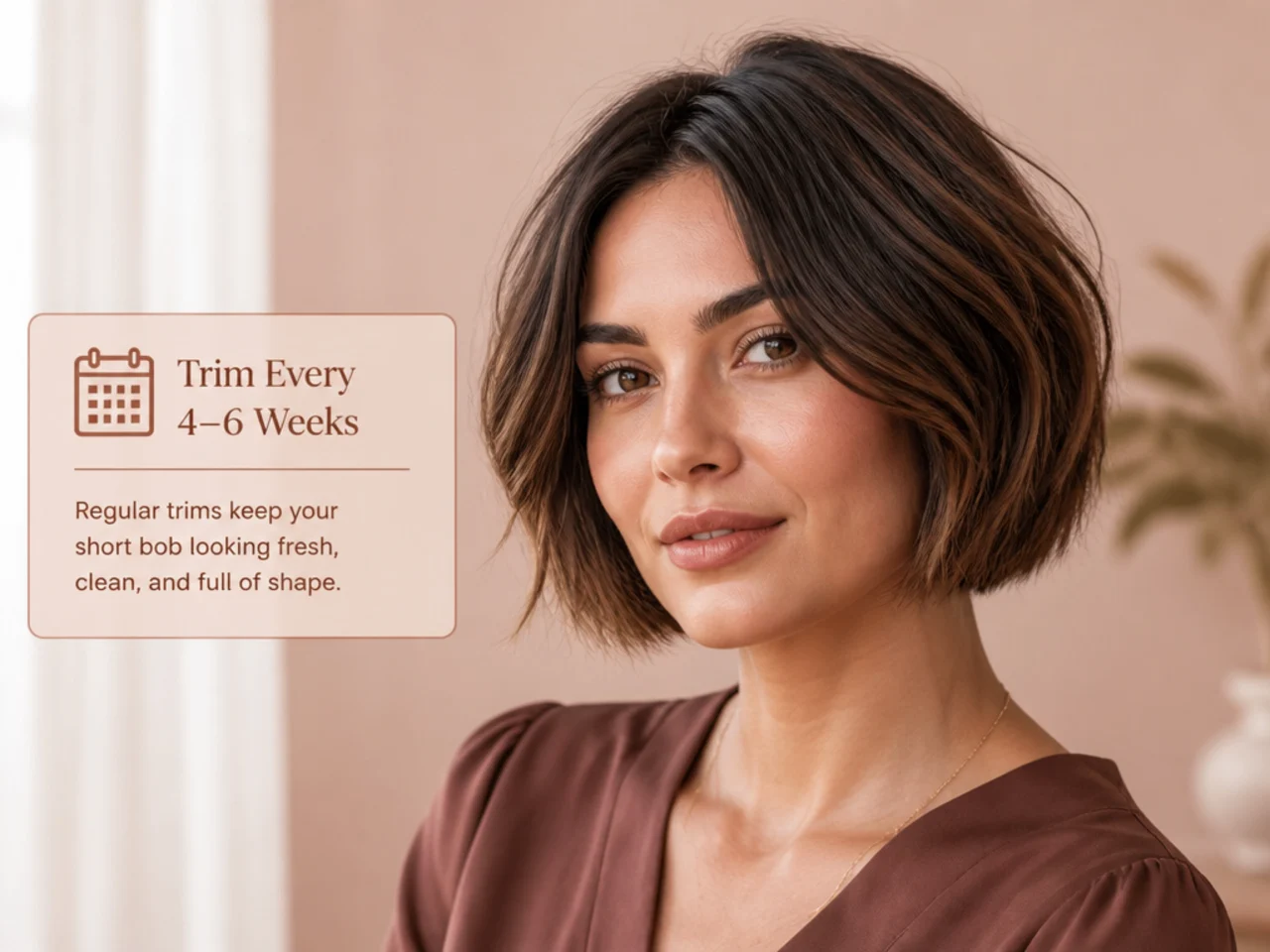
Every six to eight weeks. Fine hair loses shape faster than thicker hair because there is less weight holding the perimeter in place. Push a trim to ten weeks and you will notice the ends splitting and the crown falling flat. Book the next appointment before you leave the salon.
What products are best for a voluminous bob?
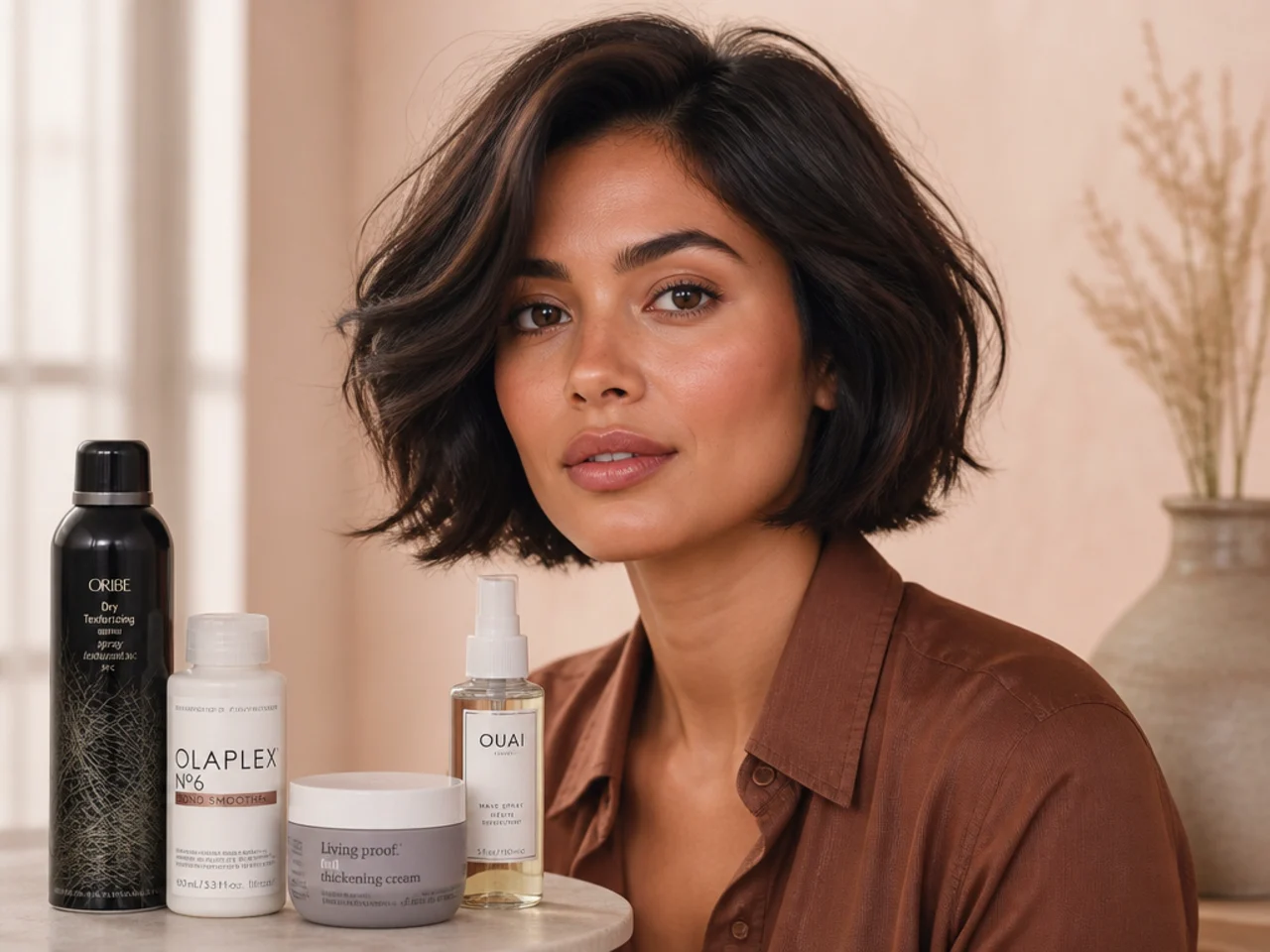
Three things. A root-lift mousse worked into damp hair at the crown before you dry. A texture paste on dry hair for grip and separation. A dry shampoo for a mid-day reboot at the roots. Skip oils and heavy creams — they weigh fine hair down and turn it stringy by lunch.
Wrap-up: Short Bob Hairstyles for Thin Hair
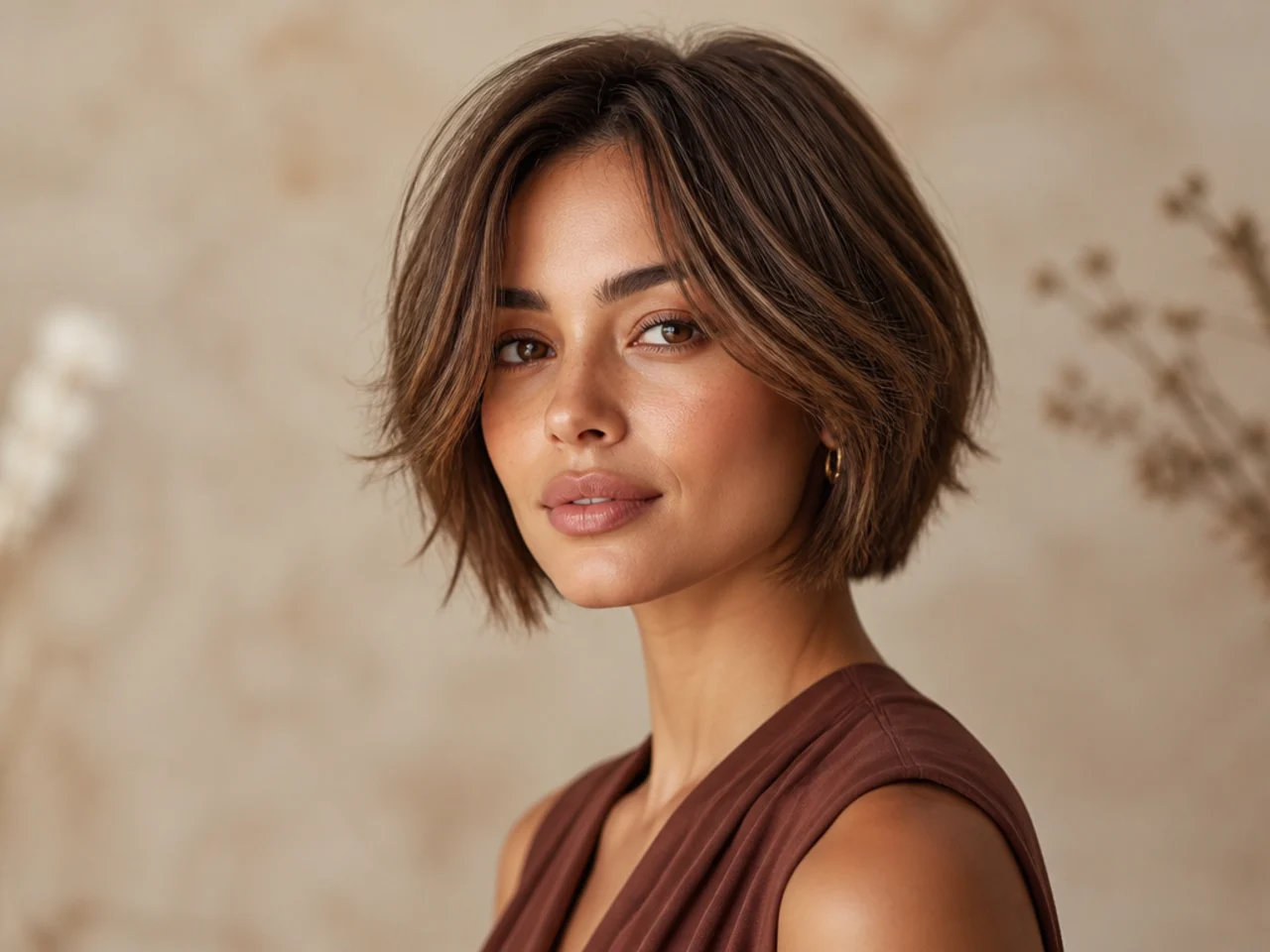
The right bob is the easiest volume trick fine hair has. Keep the perimeter blunt. Cut at or above the chin. Skip thinning shears. Add lift with product and blow-dry direction, not with layers. Every shape in this guide follows that rule. Bring two or three reference photos to your stylist, name the length in inches from the earlobe, name the part you want, and use the phrase "no thinning" out loud. That is the sentence that saves your density. For more shape ideas across face shapes, see the 15 trendy bobs for every face shape guide, or explore short haircuts for thin hair if you want to see options beyond the bob.