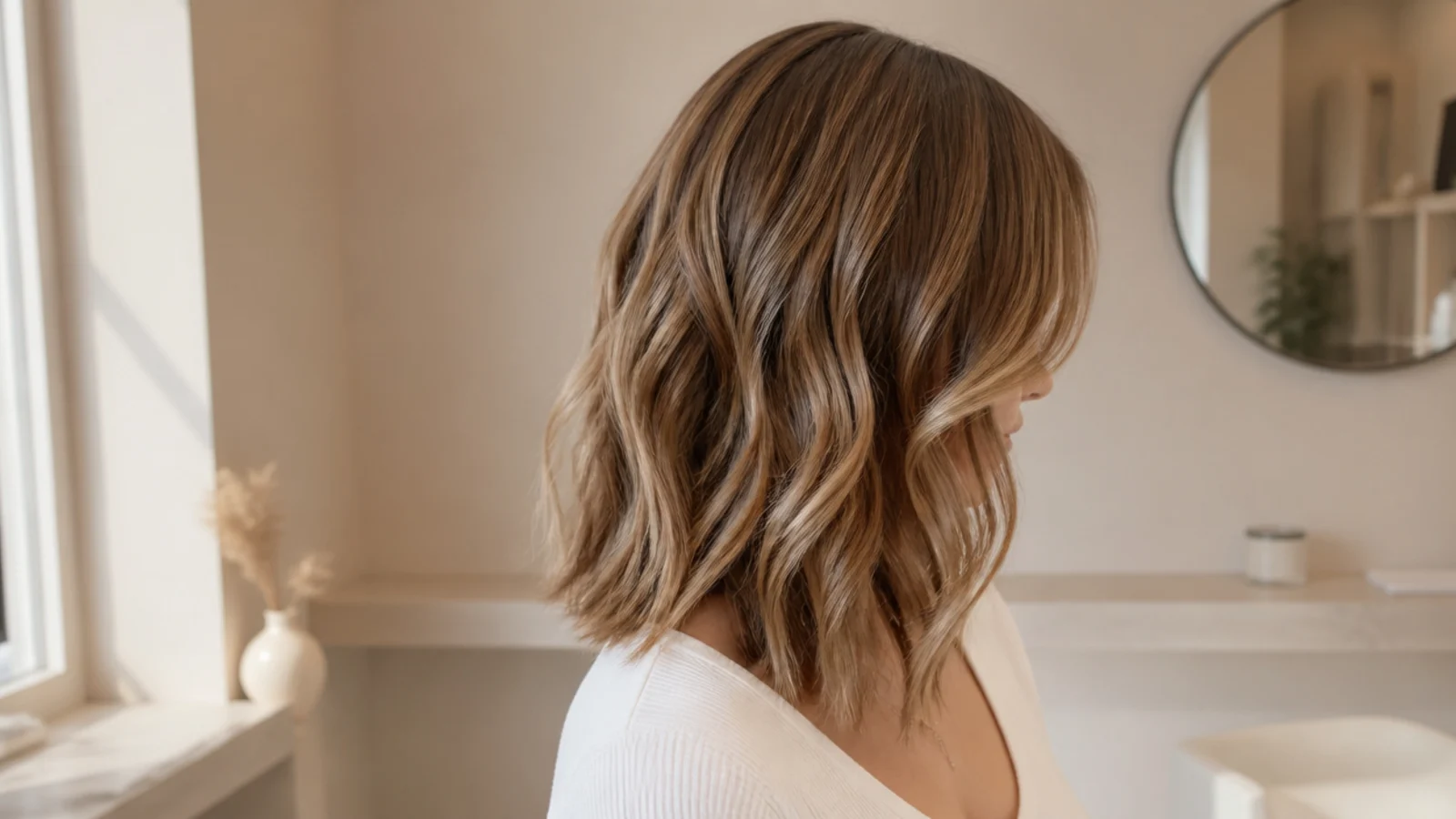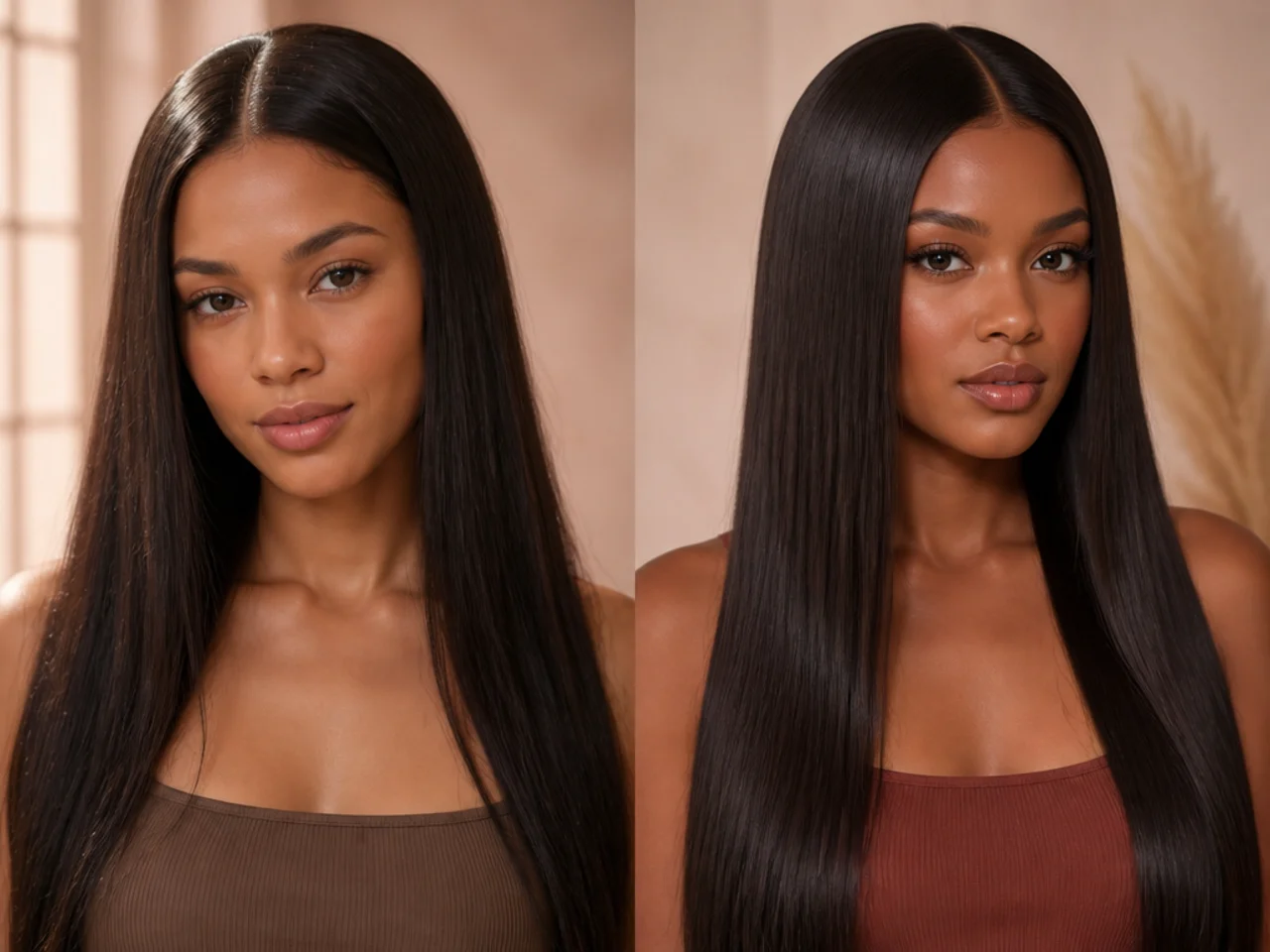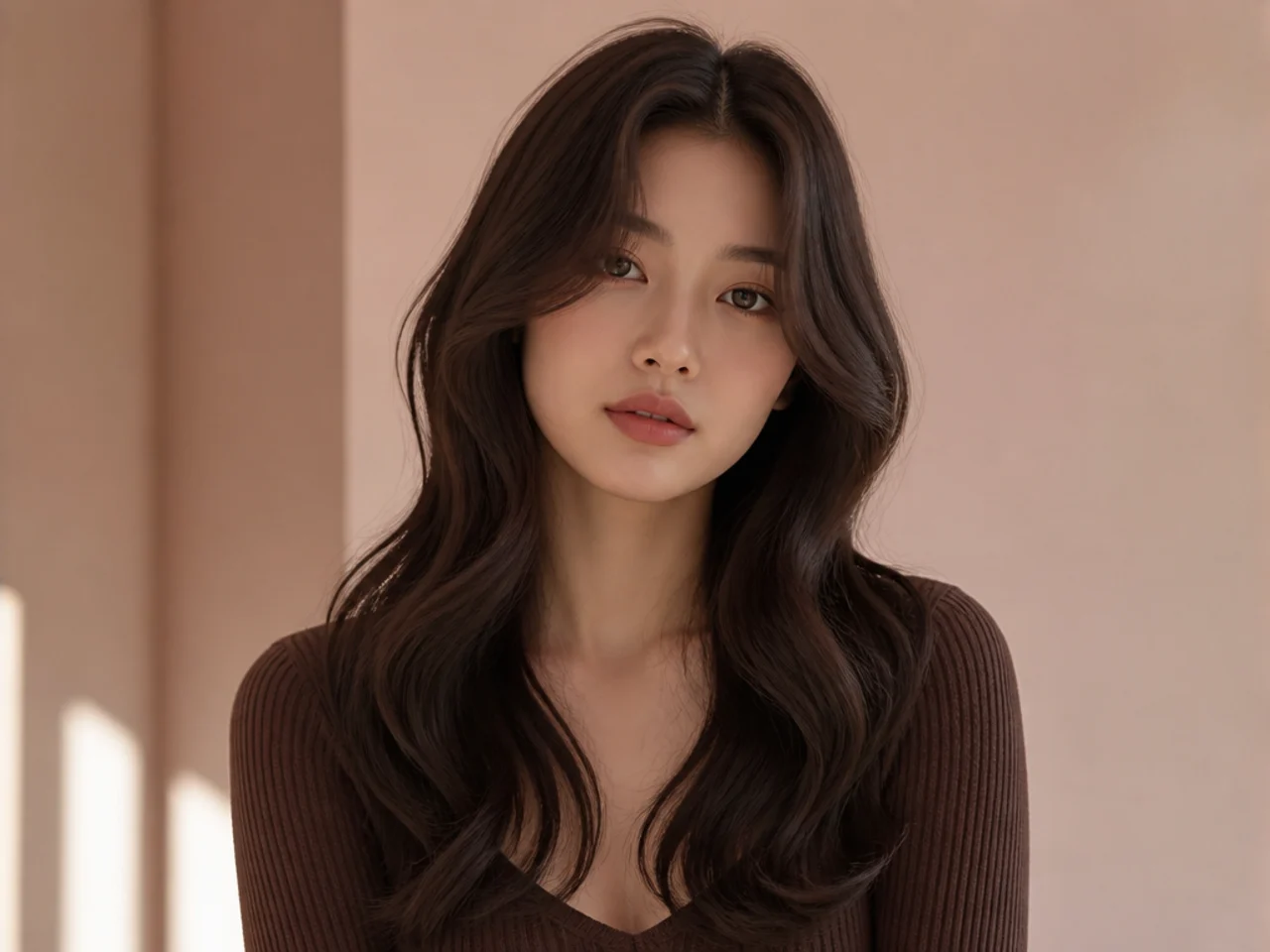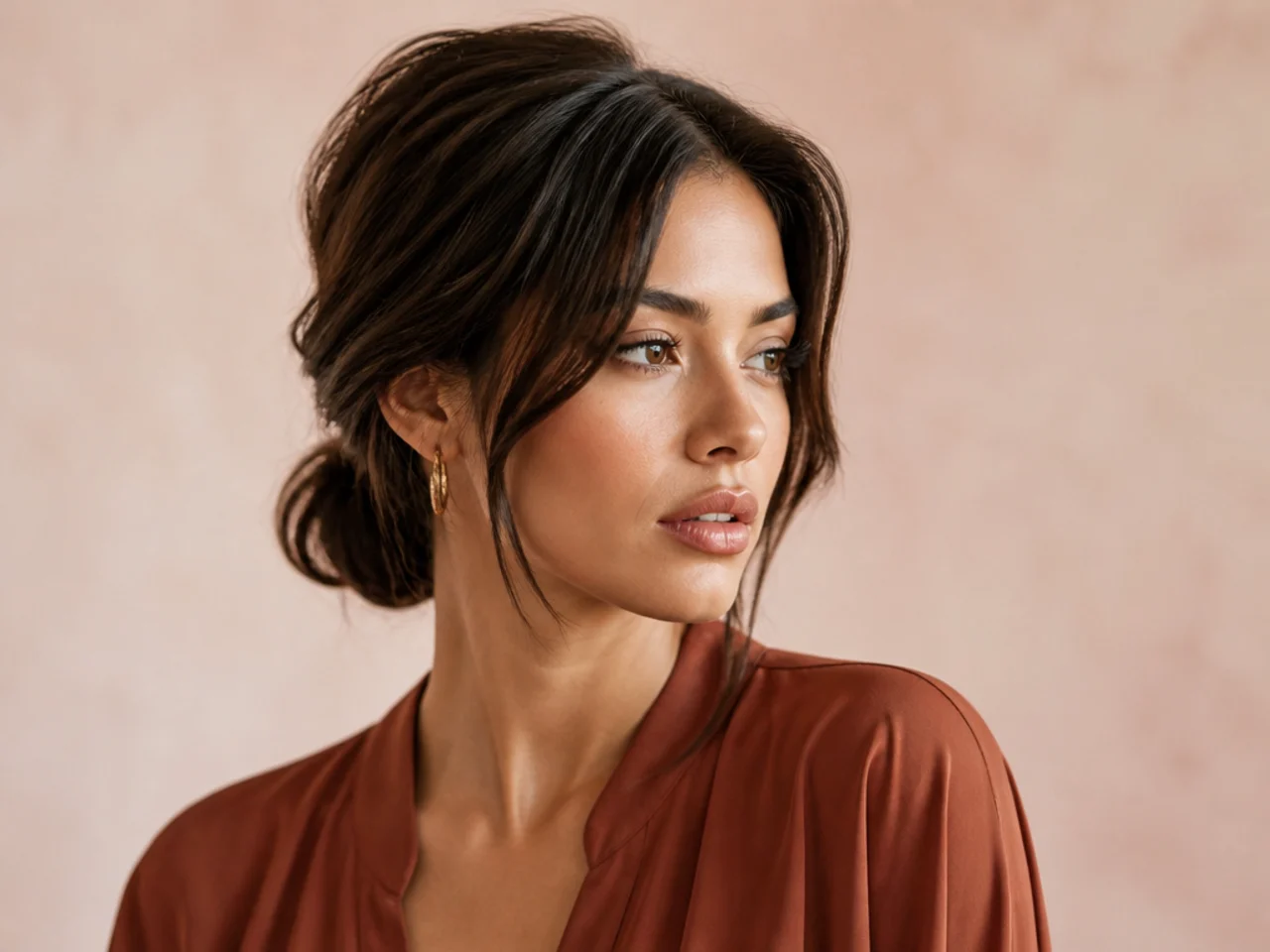
25 Short Haircuts for Thin Hair That Look Thicker
Thin or fine hair can often feel like a styling struggle, as long lengths tend to pull hair flat and reveal scalp. However, secret to a thicker appearance isn't just in produc
In this article · 33
- Razor-Cut Blunt Bob
- Wispy "Air" Pixie
- 90s-Inspired "Power" Crop
- Soft Inverted Lob
- Tapered Curly Crop
- "Scandi" Sleek Bob
- Feathered Side-Parted Pixie
- Geometric Micro-Fringe Bob
- Shaggy "Wolf" Bixie
- Slicked-Back Executive Bob
- Internal Layered "Ghost" Bob
- Asymmetrical Textured Crop
- Rounded Pageboy 2.0
- Salt-Spray Shag
- "Hollywood" Glamour Bob
- Undercut Pixie with Platinum Tones
- Blunt "Lip-Length" Bob
- Messy Spiky Top Pixie
- "Italian" Soft Bob
- Face-Framing Micro-Shag
- Straight-Across Ear-Length Crop
- Voluminous Buzz Cut with Fade
- Curtain Bangs with a Short Lob
- Copper-Toned Textured Bob
- "Cloud" Short Haircuts for Thin Hair
- Styling Tips for Maximum Volume
- Maintenance
- Problem Solving
- FAQs
- Does short hair really look thicker?
- Should I get highlights?
- Is a bob or a pixie better?
- Conclusion
Thin hair reads flat when weight pulls the ends down. The fix is not a product. It is the cut. Blunt perimeters keep density at the edges. Short lengths (chin to pixie) concentrate what you have. Every style below follows one rule: solid ends, minimal interior thinning, nothing that hollows out the shape. Here are 25 short cuts for thin hair that look denser the moment you leave the chair.
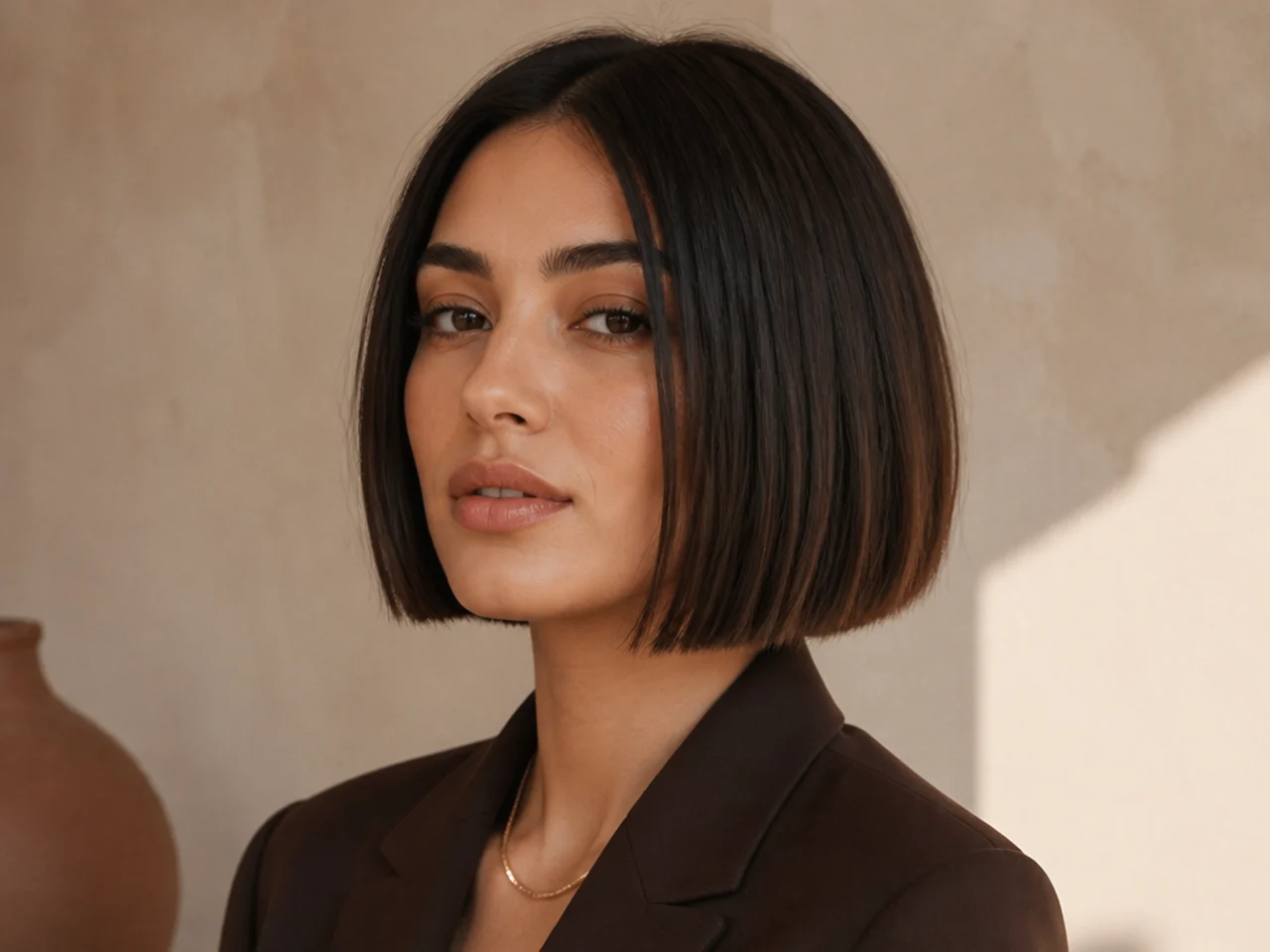
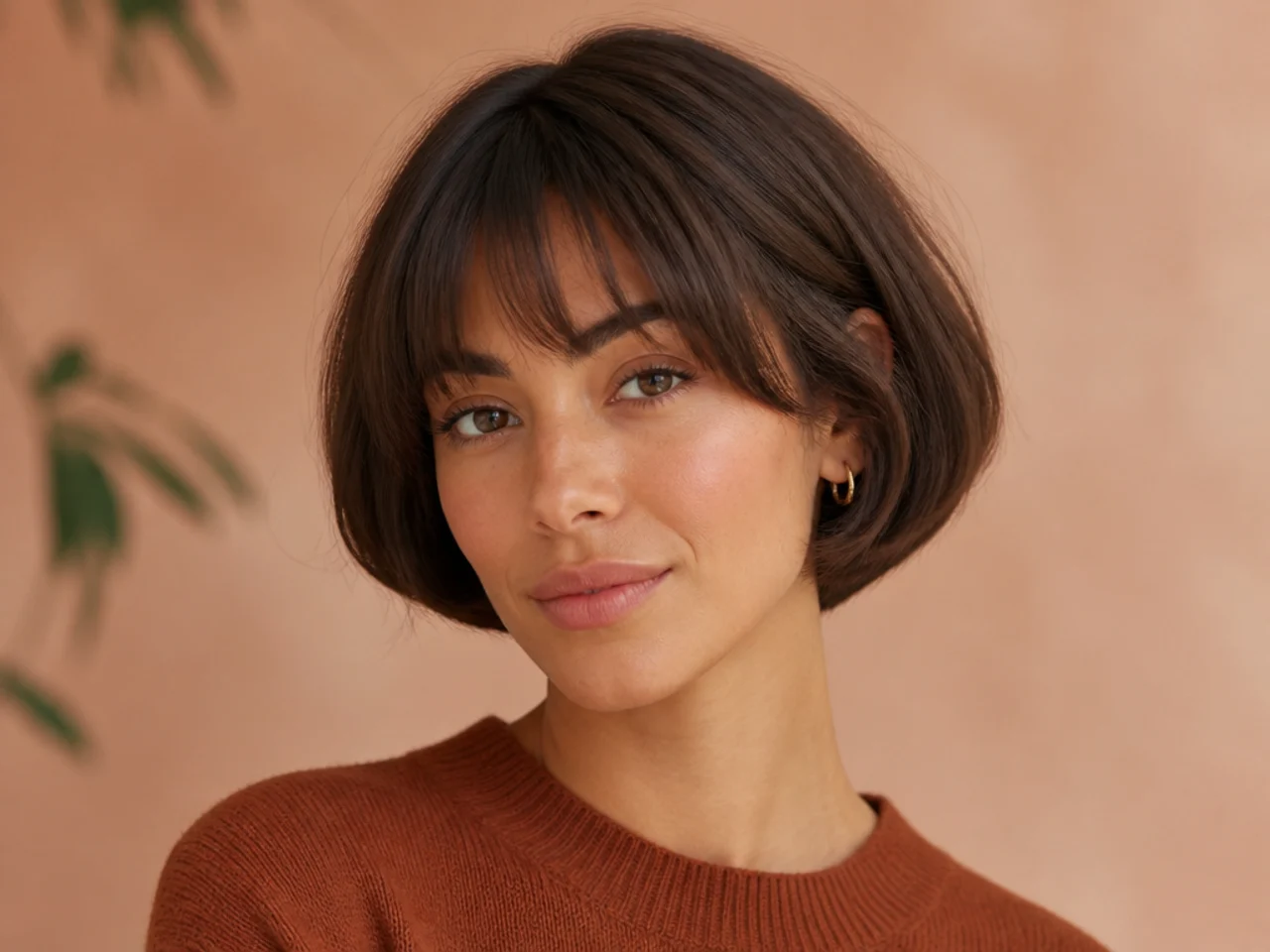
Razor-Cut Blunt Bob
Traditional wisdom says never razor fine hair. This version breaks the rule on purpose. A skilled razor pass on the last eighth-inch of the perimeter adds micro-movement without carving weight from the ends. The line stays dense and the tips do not read as a broomstick. Best for oval, heart, and long faces. The chin-drop widens narrow angles and softens sharp jaws.
How to ask: chin-length, one-length blunt bob haircut with a light razor finish on the last eighth-inch only. No internal layers. No point-cutting inside the shape.
Styling tip: prep with a golf ball of mousse at the roots, then blow-dry with the head tipped forward. Roots set where you dry them.
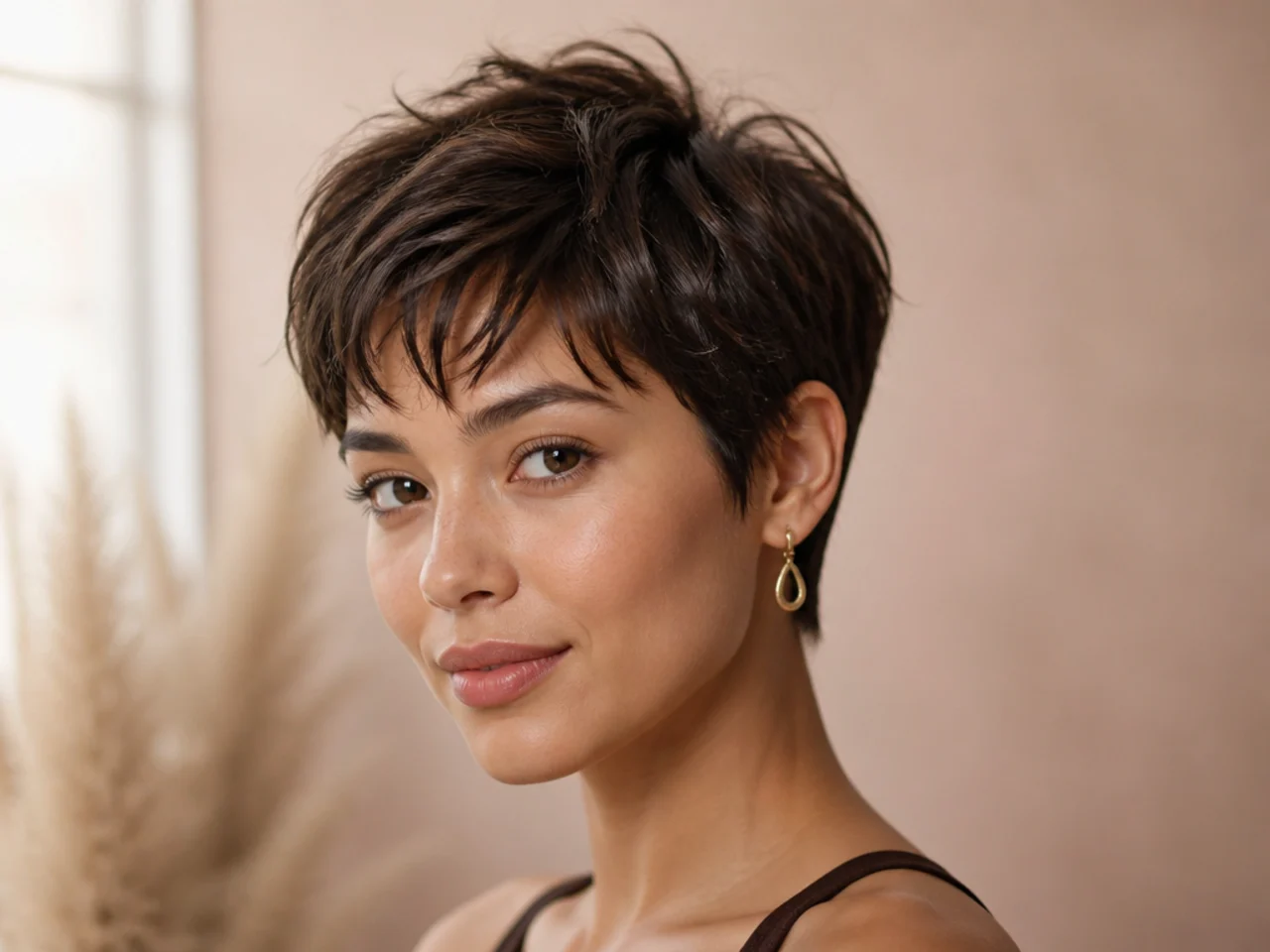
Wispy "Air" Pixie
The "air" is optical. Very short interior layers at the crown stand up on their own because thin hair is light. Keep the perimeter blunt around the ears so the shape does not collapse into the head. Best for oval and heart faces with a defined jaw or cheekbones. You need bone structure to frame.
How to ask: two-inch top, one-inch back, blunt line around the ears, no thinning shears anywhere. Feather the top with scissors, never a razor. Reference other pixie cuts to lock in the length you actually want.
Styling tip: rub a pea-size dot of matte paste between your palms. Press it up into the roots, then push forward. Never comb it flat.
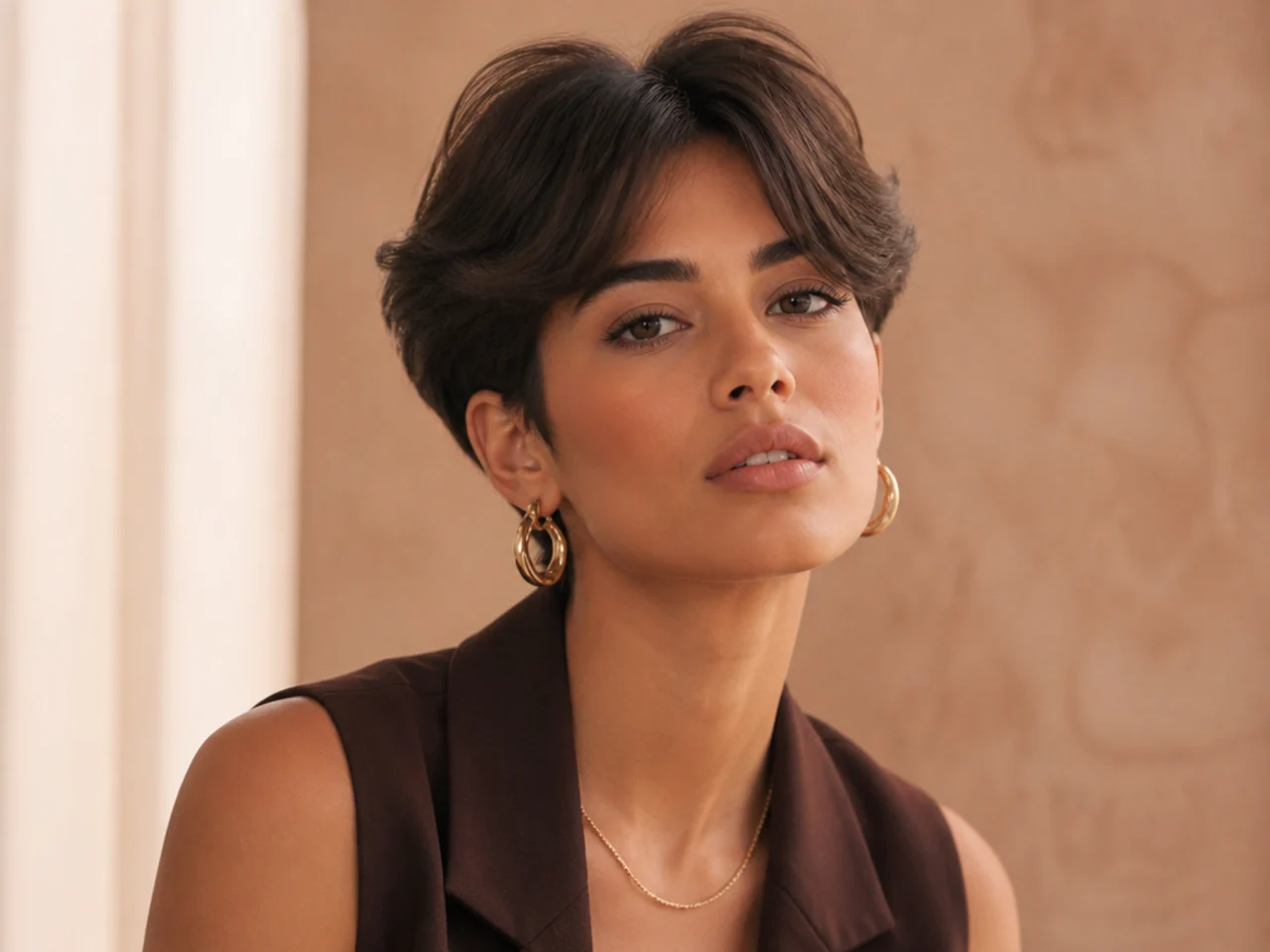
90s-Inspired "Power" Crop
Density moves to the front. The back and sides sit close to the head. The top and fringe stay long and heavy. Thin hair looks intentional and architectural in this shape. It is a cut you wear like a statement, not a fallback. Best for oval, square, and heart faces.
How to ask: short taper on the back and sides, three to four inches through the top, and a heavy blunt fringe past the brow. Nothing thinned. Nothing texturized. Nothing point-cut.
Styling tip: blow-dry the fringe forward with a flat brush. A drop of shine serum on the top layer catches light and reads thicker than the same hair without shine.
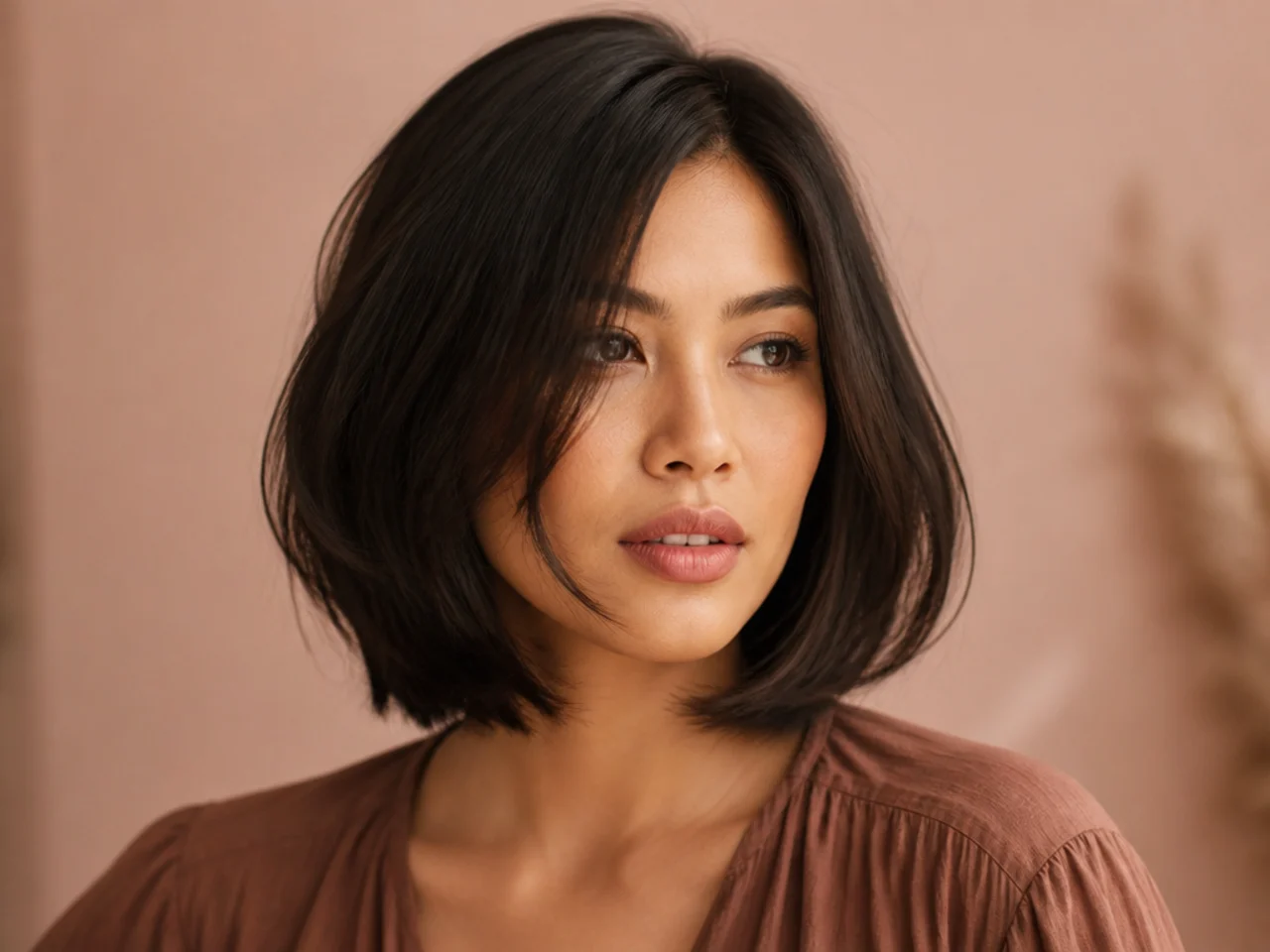
Soft Inverted Lob
Slightly longer in front, slightly shorter at the nape. Weight stacks at the back and forces the roots to lift. The front angle drags the eye down the jawline, which slims round and square faces. Best for round, square, and oval shapes. Compare it against other layered bob variations before you commit.
How to ask: shoulder-grazing in front, one inch shorter at the nape, blunt line all the way through, no interior layering. Ask for a subtle A-line, not a dramatic stack.
Styling tip: rough-dry until eighty percent, then finish with a round brush pointing down and under. Roots rise when you dry against the natural fall.
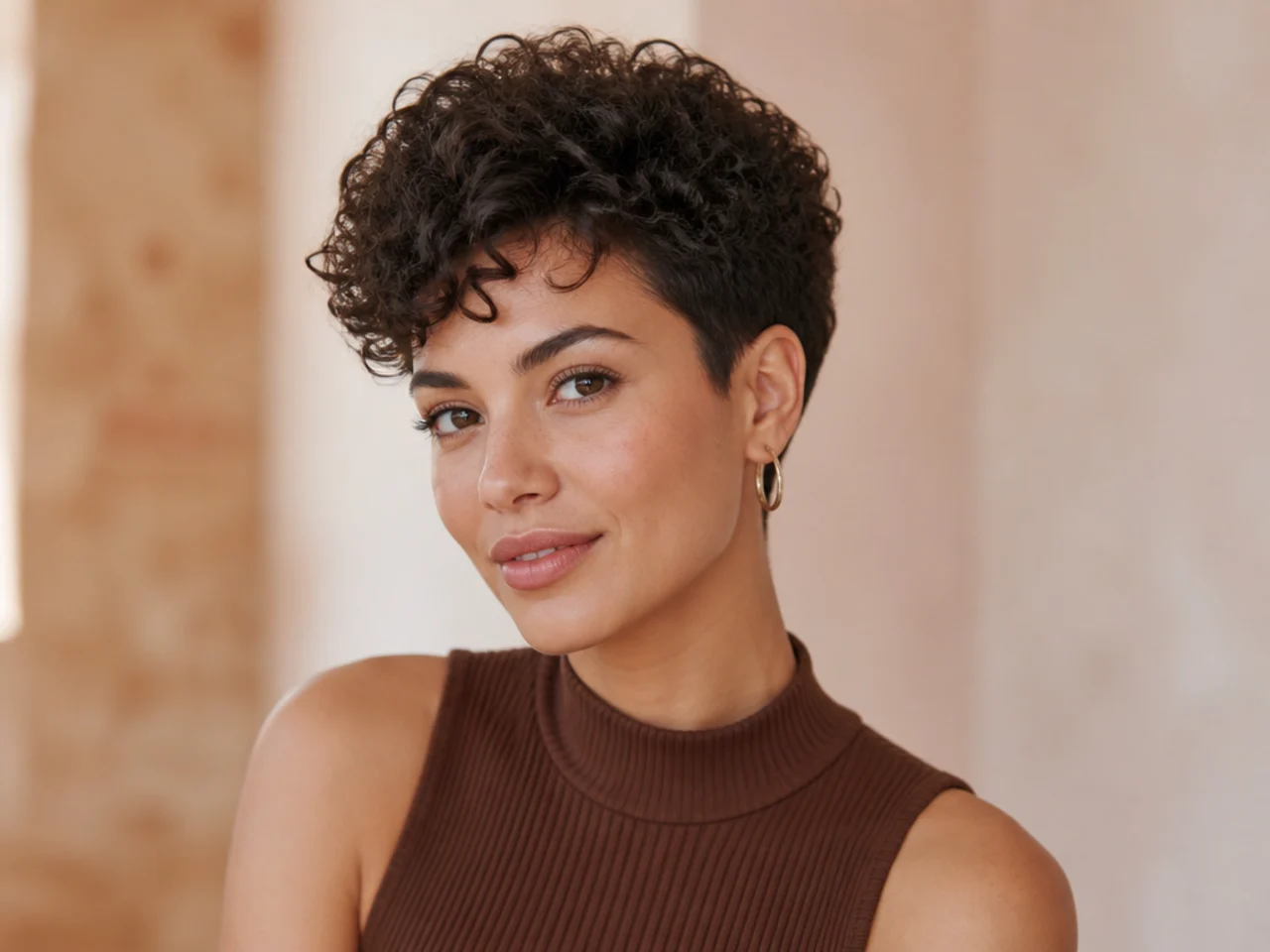
Tapered Curly Crop
Curly thin hair collapses under its own length. Cut the sides close to the head and the curls on top pile up vertically. Height reads as density. This is the single best move for fine curls that go flat. Best for oval, heart, and long faces.
How to ask: half-inch taper on the sides, two to three inches through the top, cut curl-by-curl on dry hair. No razor. No thinning shears. Ever.
Styling tip: soak the curls with a leave-in and a curl cream while sopping wet. Diffuse upside down. Do not touch the curls until they are one hundred percent dry.
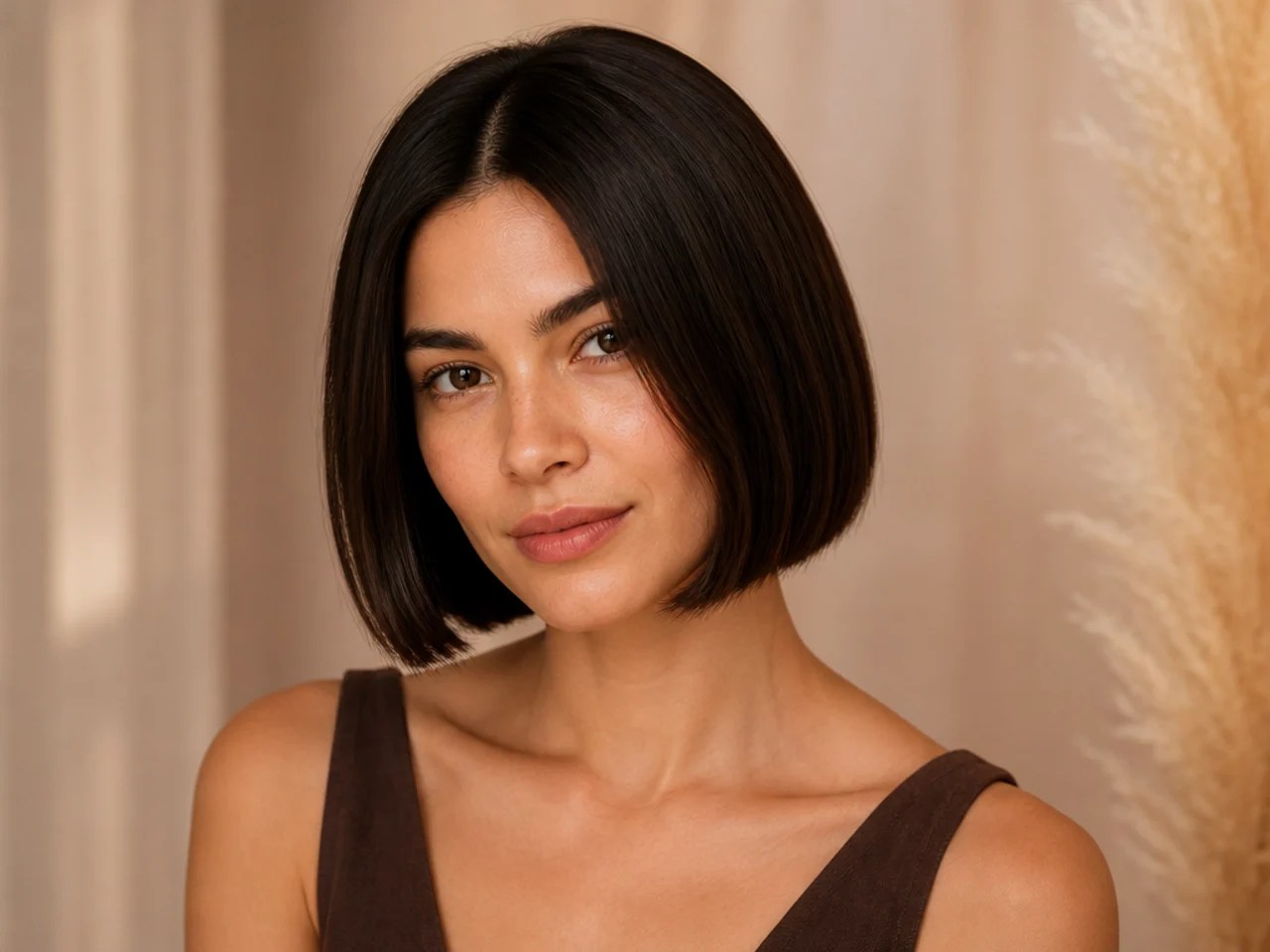
"Scandi" Sleek Bob
The cleanest expression of the blunt-only rule. One length. Sharp center part. Zero layers. Every strand contributes to the perimeter, which is where density registers on thin hair. Best for oval, heart, and long faces with straight to slightly wavy texture.
How to ask: jaw-length one-length bob, cut on dry hair for accuracy, no interior layers, no point-cutting on the ends. Bring a photo — verbal directions are not enough here.
Styling tip: blow-dry section by section with a flat paddle brush and a directional nozzle. Cool-shot the ends to seal the cuticle. Skip the flat iron unless the ends flick.
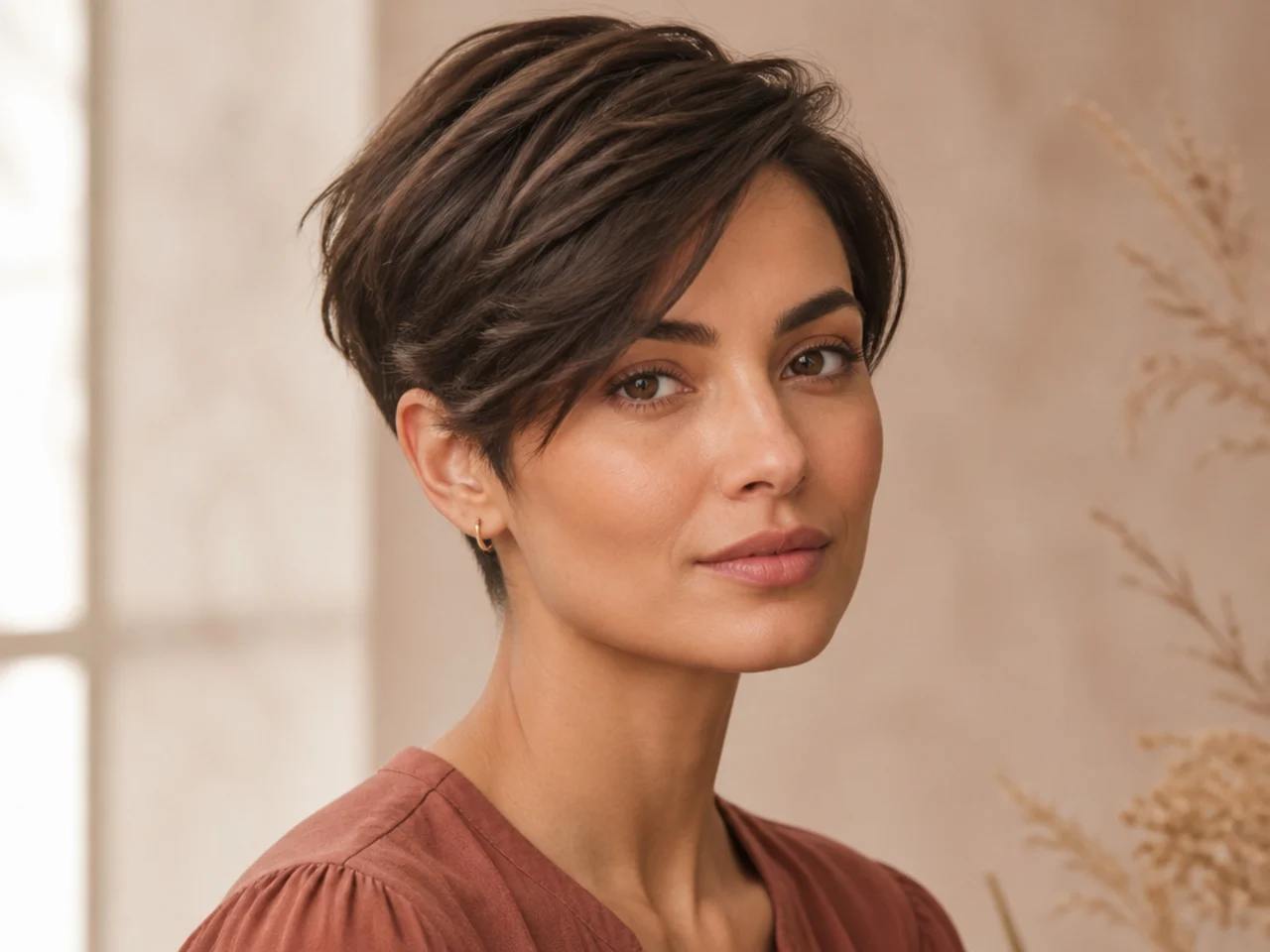
Feathered Side-Parted Pixie
A deep side part shifts every strand toward the heavy side. That is instant volume with no product. Feather the top with scissors so the surface is not flat, but keep the perimeter solid. Best for round, oval, and heart faces.
How to ask: two-inch top, side-parted at your deepest natural cowlick, blunt line above the ear on the heavy side. Point-cut the top only. Sides stay sharp.
Styling tip: dry the roots on the heavy side against the grain to build lift, then flip the part back to its home position. The lift stays.
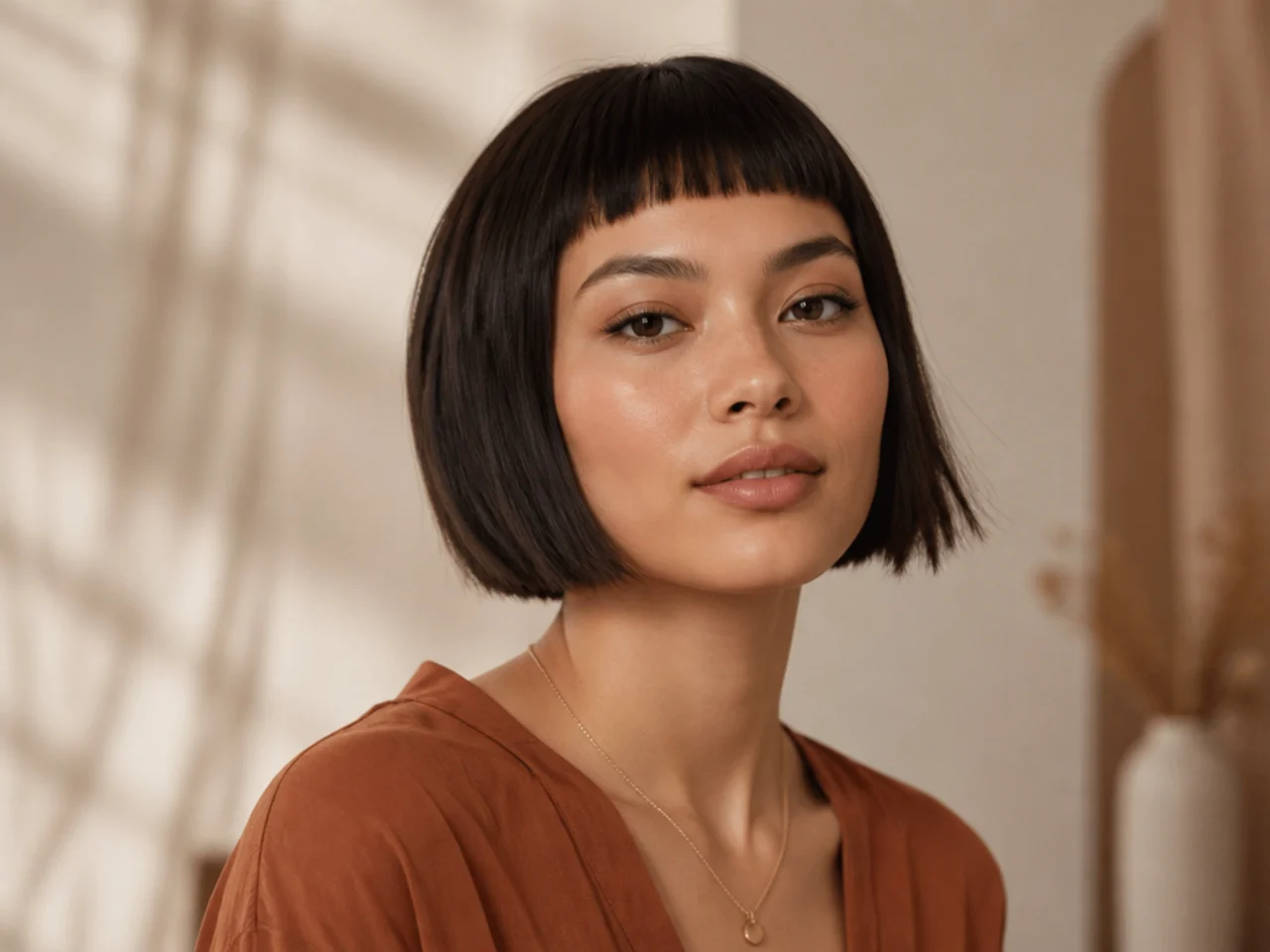
Geometric Micro-Fringe Bob
The blunt micro-fringe frames the eyes. Its solid line makes the surrounding hair read as thicker by contrast. It is a bold shape and works best when it looks deliberate, not accidental. Best for oval, long, and heart faces with a smooth forehead.
How to ask: chin-length one-length bob plus a fringe cut two inches above the brow, straight across, no baby-hair softening.
Styling tip: dry the fringe first while still wet, with a small round brush and a nozzle. That sets its direction for the whole day.
Shaggy "Wolf" Bixie
The bixie is a bob-pixie hybrid. Most shag versions ruin the density with ends-thinning. This one does not. Keep the shag as short interior layers only, all above the ears, and let the perimeter carry the weight. Best for oval, heart, and square faces. See the full write-up on layered short cuts for women for related silhouettes.
How to ask: three-inch top and crown layers, one-and-a-half at the nape, blunt line around the perimeter, no razor anywhere.
Styling tip: work a salt spray through damp hair from mid-length up only. Air-dry or diffuse. Break the pieces up with your fingers when dry.
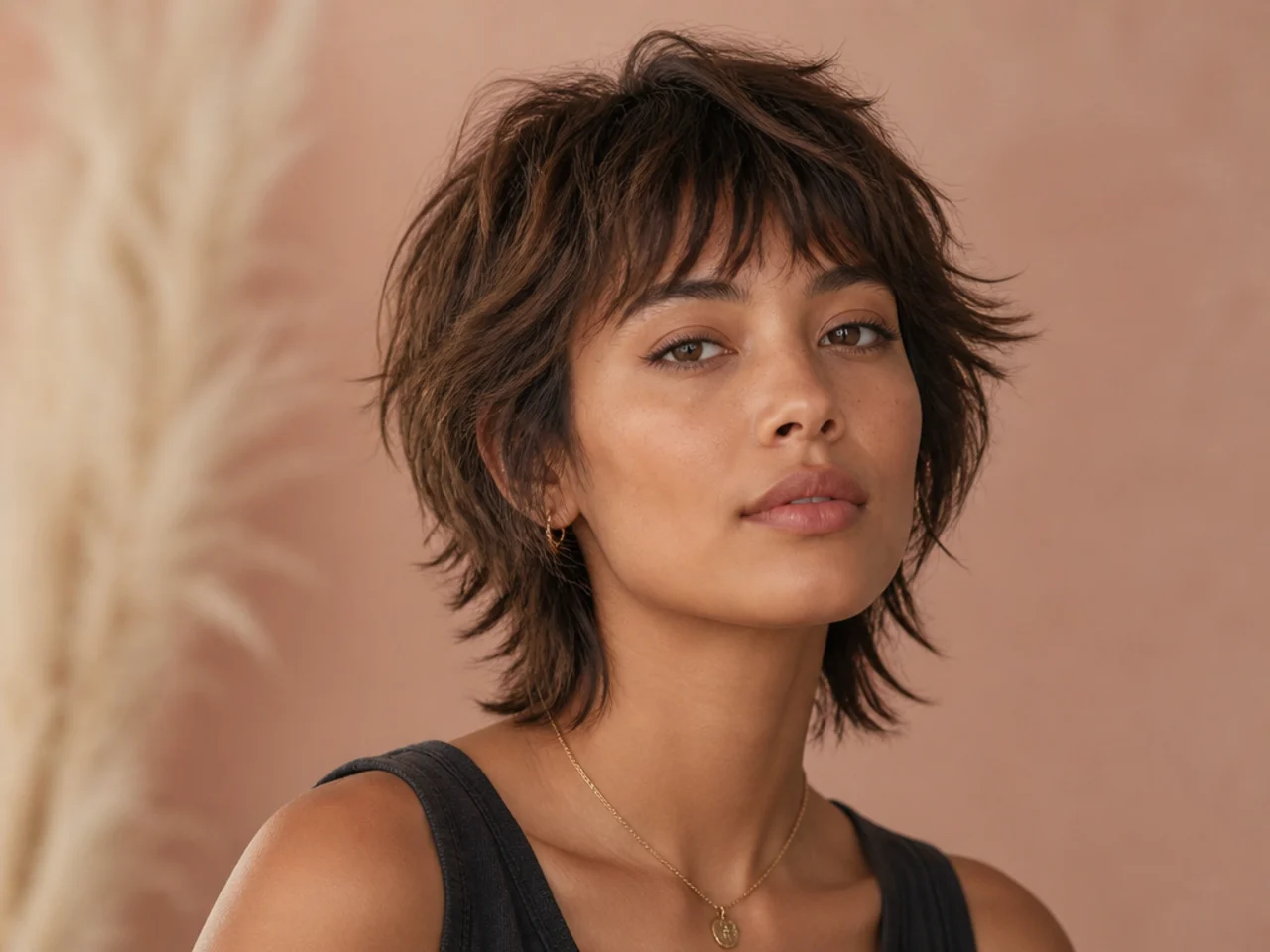
Slicked-Back Executive Bob
Pulling the hair back exposes the density that lives at the crown. Root lift is baked in because you dry the hair in that direction. The look is powerful and low-maintenance once set. Best for oval, heart, and long faces with a strong hairline.
How to ask: chin-length blunt bob, no layers, cut long enough to tuck cleanly behind the ears without breaking the shape.
Styling tip: apply a volumizing mousse from root to end, then blow-dry with a boar-bristle brush pulling straight back. Finish with a firm-hold pomade at the hairline to lock the slick.
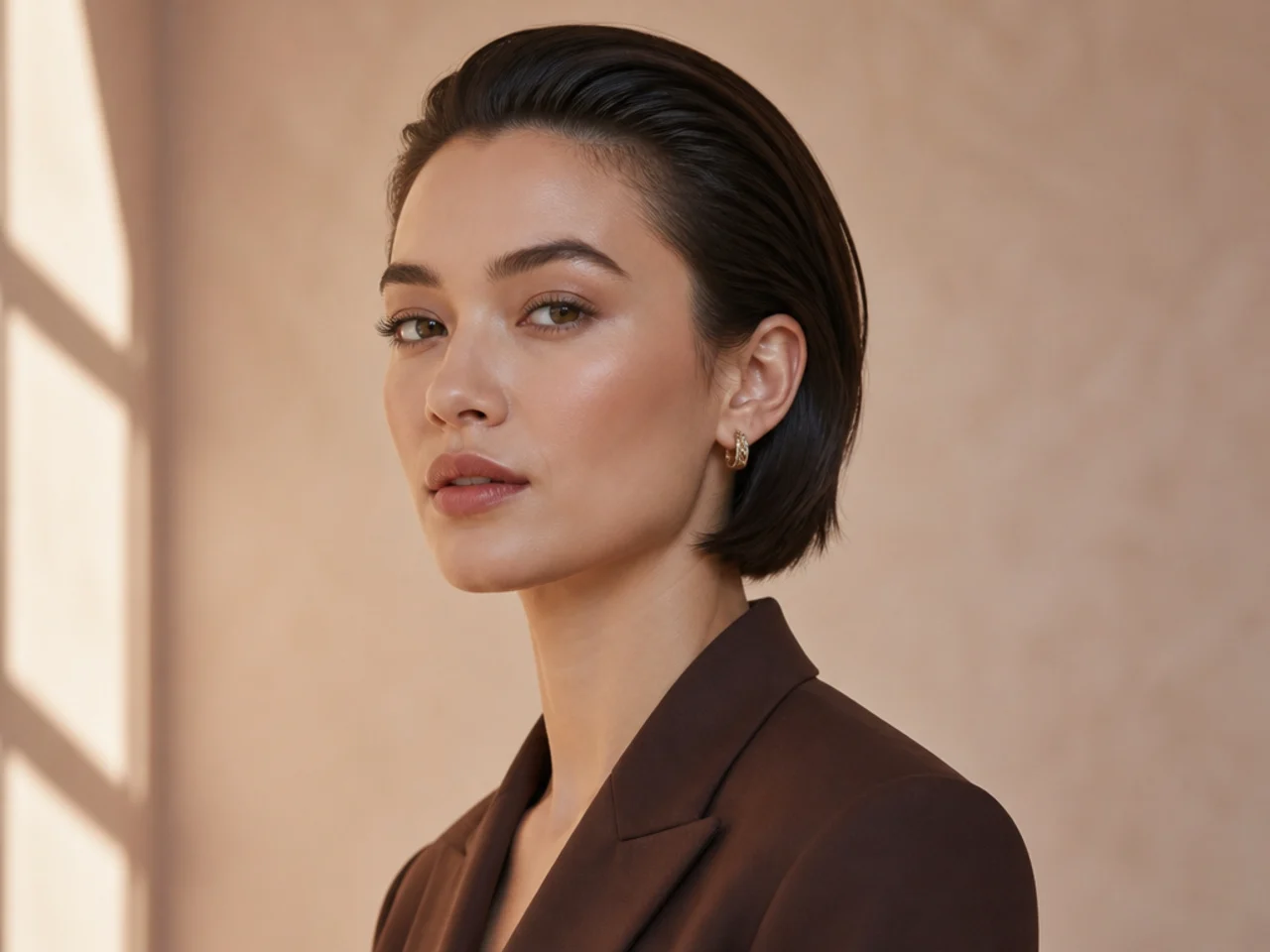
Internal Layered "Ghost" Bob
The only layer style on this list, and even here the layers hide. Ghost layers sit inside the shape and never touch the perimeter. They act as a shelf that pushes the top hair up. The outer line stays completely blunt so density is preserved. This is a blunt haircut with layers done right for thin hair.
How to ask: jaw-length blunt bob, three or four internal ghost layers cut two inches above the perimeter, no visible layering on the outside, no ends-thinning.
Styling tip: velcro rollers at the crown while your hair cools after blow-drying. Ten minutes is enough for permanent-feeling lift that lasts through the day.
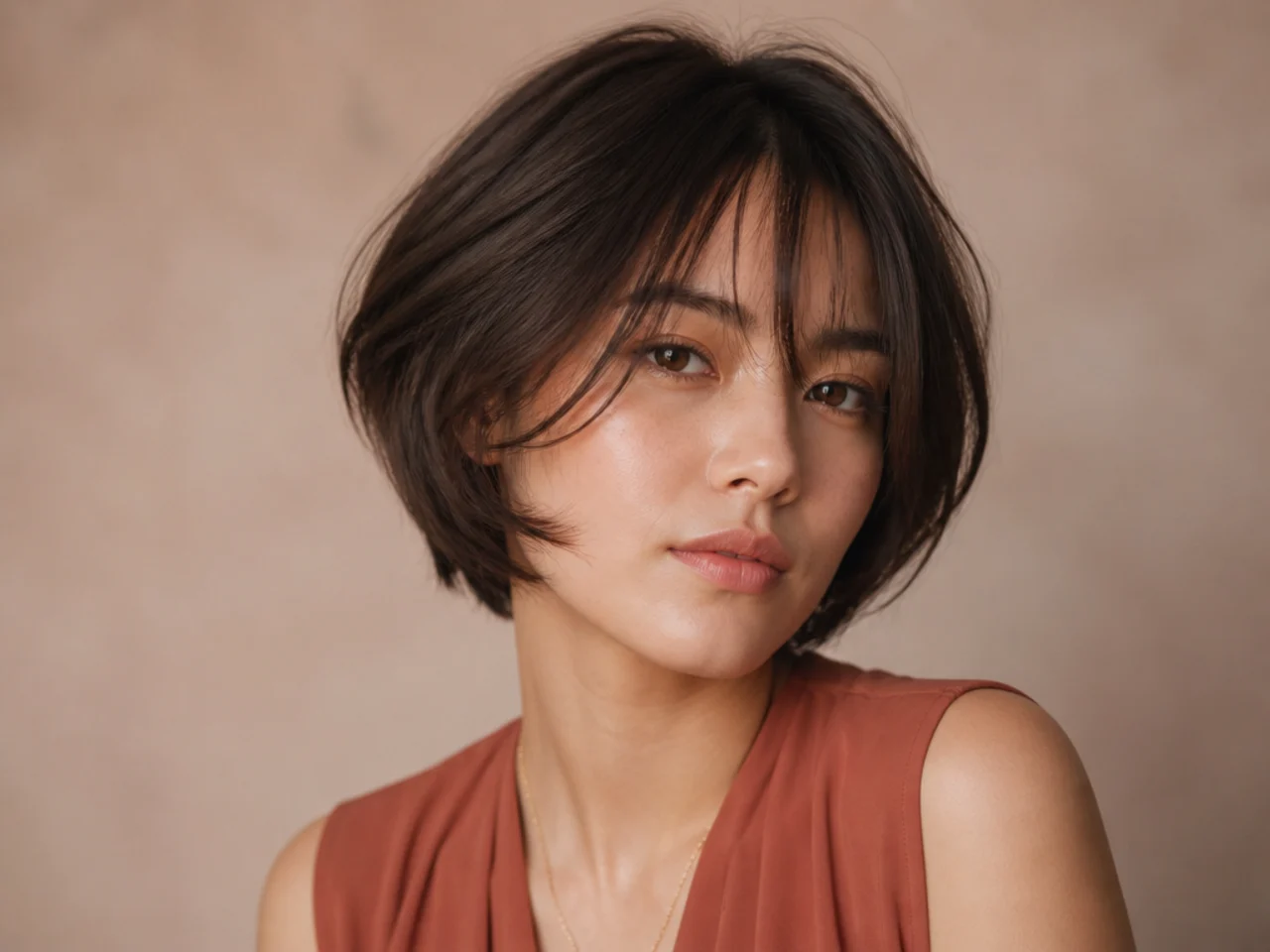
Asymmetrical Textured Crop
Asymmetry moves density where you want it. The heavier side reads full because the shorter side gives it something to compare to. It is a stylist's trick borrowed from architecture. Best for oval, heart, and square faces.
How to ask: two inches on the tucked side, three to four on the show side, blunt line on both, no thinning across the top or through the perimeter.
Styling tip: dry the long side down and under. Dry the short side flat to the head. A drop of light cream keeps both edges polished without weight.
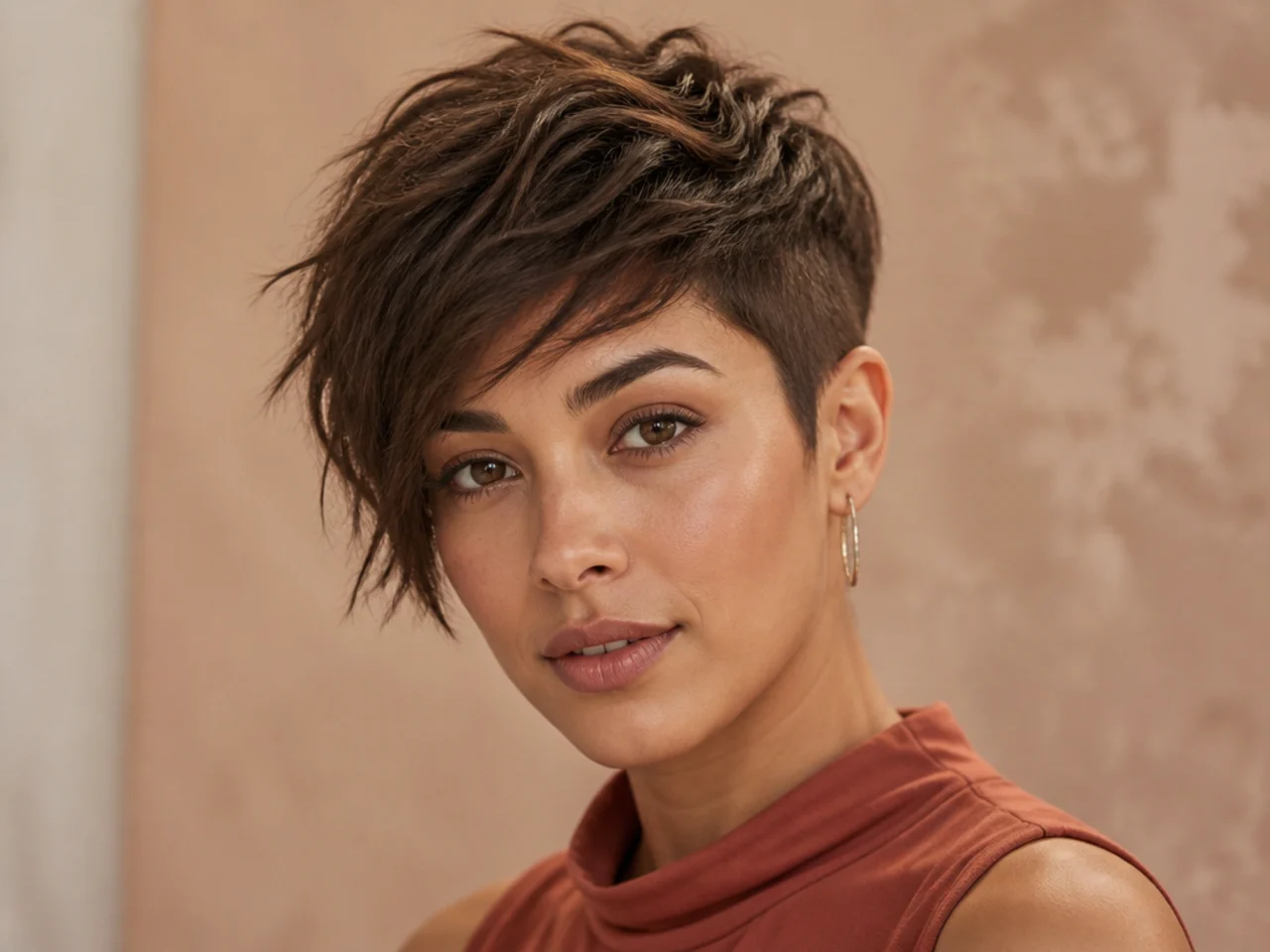
Rounded Pageboy 2.0
The pageboy is back for a reason. Ends curl inward to build a bubble shape that fills the negative space around the jaw. The rolled edge reads dense from every angle. Best for oval, heart, and long faces.
How to ask: chin- to jaw-length blunt bob, cut a hair longer on the sides than at the nape so the ends can roll under, no interior layers, no thinning.
Styling tip: round-brush the last two inches under and hit them with a cool shot to lock the roll. Skip the step if the roll wants to happen on its own.
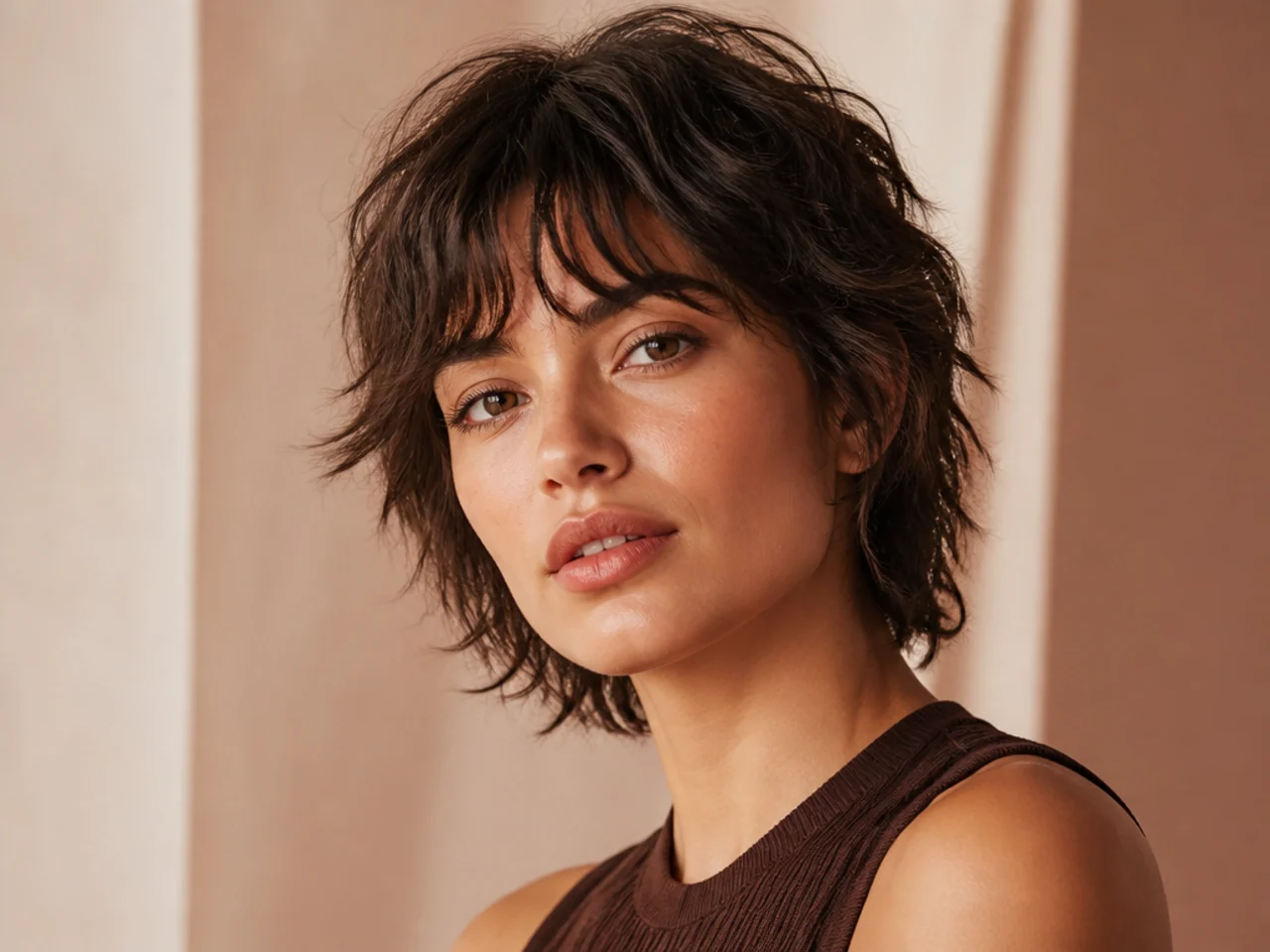
Salt-Spray Shag
Texture spray creates the illusion of overlapping strands, which reads as more strands. Keep the shag short and above the ears so the layers overlap densely instead of fanning out into thinness. Best for oval, heart, and square faces. Compare with other layered haircuts to see the density difference short lengths make.
How to ask: three-inch crown layers, one-inch nape, blunt line around the top perimeter. No thinning shears. Cut on dry hair for accuracy.
Styling tip: mist salt spray on damp hair, scrunch upward, air-dry. Break the pieces up with your fingers when fully dry.
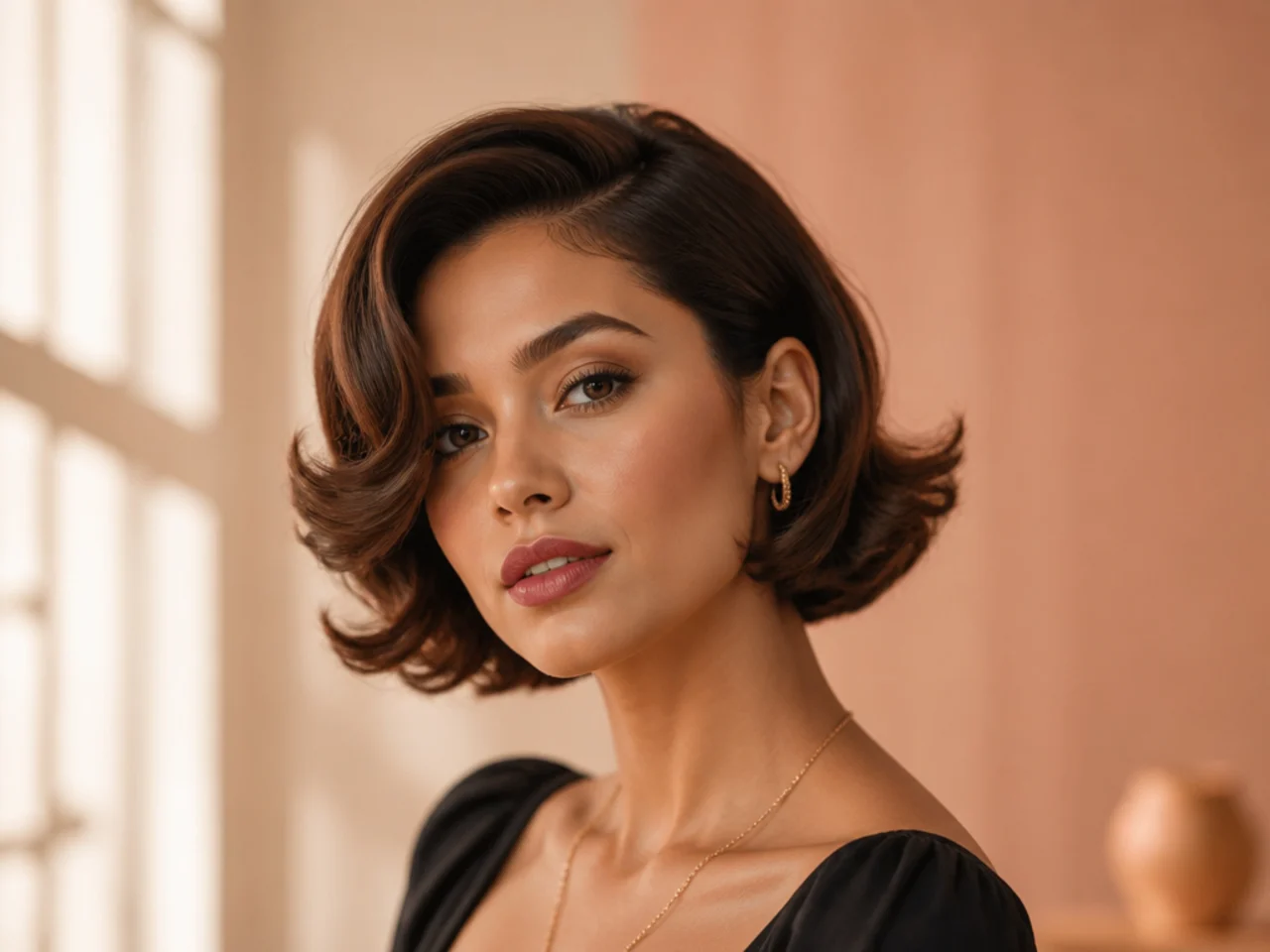
"Hollywood" Glamour Bob
Waves add physical width. On a blunt bob that width lands on a solid ends line, which doubles the density illusion. This is a formal-occasion cut you can wear daily. Best for oval, heart, long, and square faces.
How to ask: chin- to collarbone-length blunt bob, one length, no layers. Bring reference photos of the exact wave pattern you want to end up with.
Styling tip: use a one-and-a-quarter-inch curling iron. Curl away from the face, then brush through with a boar-bristle brush to soften the wave into a Hollywood roll.
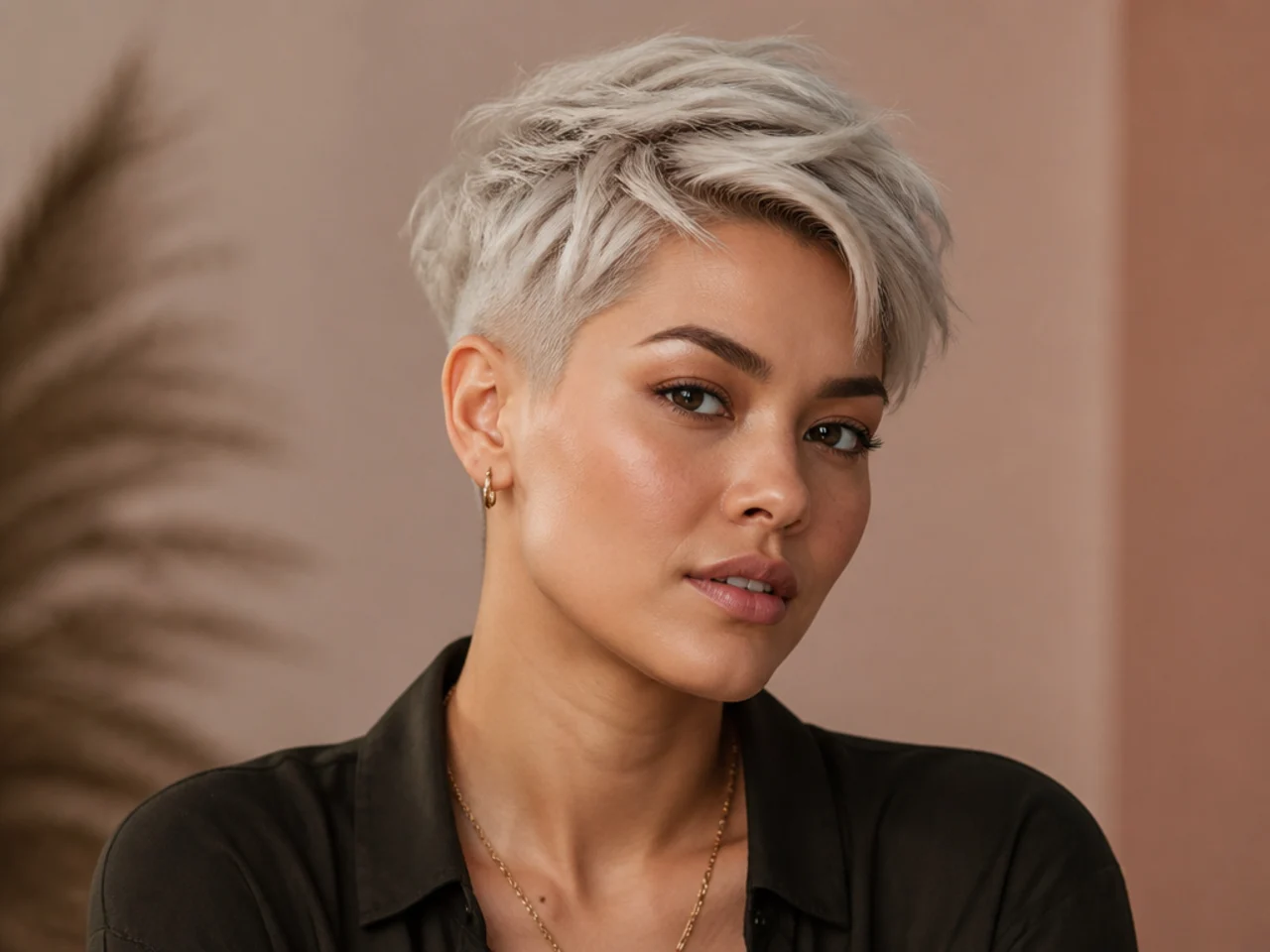
Undercut Pixie with Platinum Tones
The undercut removes the wispy hair at the nape that reads as see-through. What remains on top is the densest layer of your hair. Bleach then swells the cuticle and physically thickens each strand. Two big density moves in one appointment. Best for oval, heart, and square faces.
How to ask: undercut from the occipital bone down, three-inch top, blunt perimeter around the horseshoe. Consult a colorist for the platinum in a separate visit if your hair has never been lifted.
Styling tip: blow-dry the top forward with a small round brush, then push it back with your hand for lift at the roots.
Blunt "Lip-Length" Bob
Ending the perimeter exactly at the lips places the heaviest line of hair across the cheekbones. Your eye reads horizontal width as fullness. It is the single most flattering short-bob length for most faces. Best for oval, long, and heart faces.
How to ask: perimeter exactly at the lip, blunt one length, cut on dry hair, no layers. See related short bob hairstyles for fine hair for length comparisons.
Styling tip: bend the ends slightly under with a flat iron for a rolled finish. Do not flick them out. Flicked ends look thinner instantly.
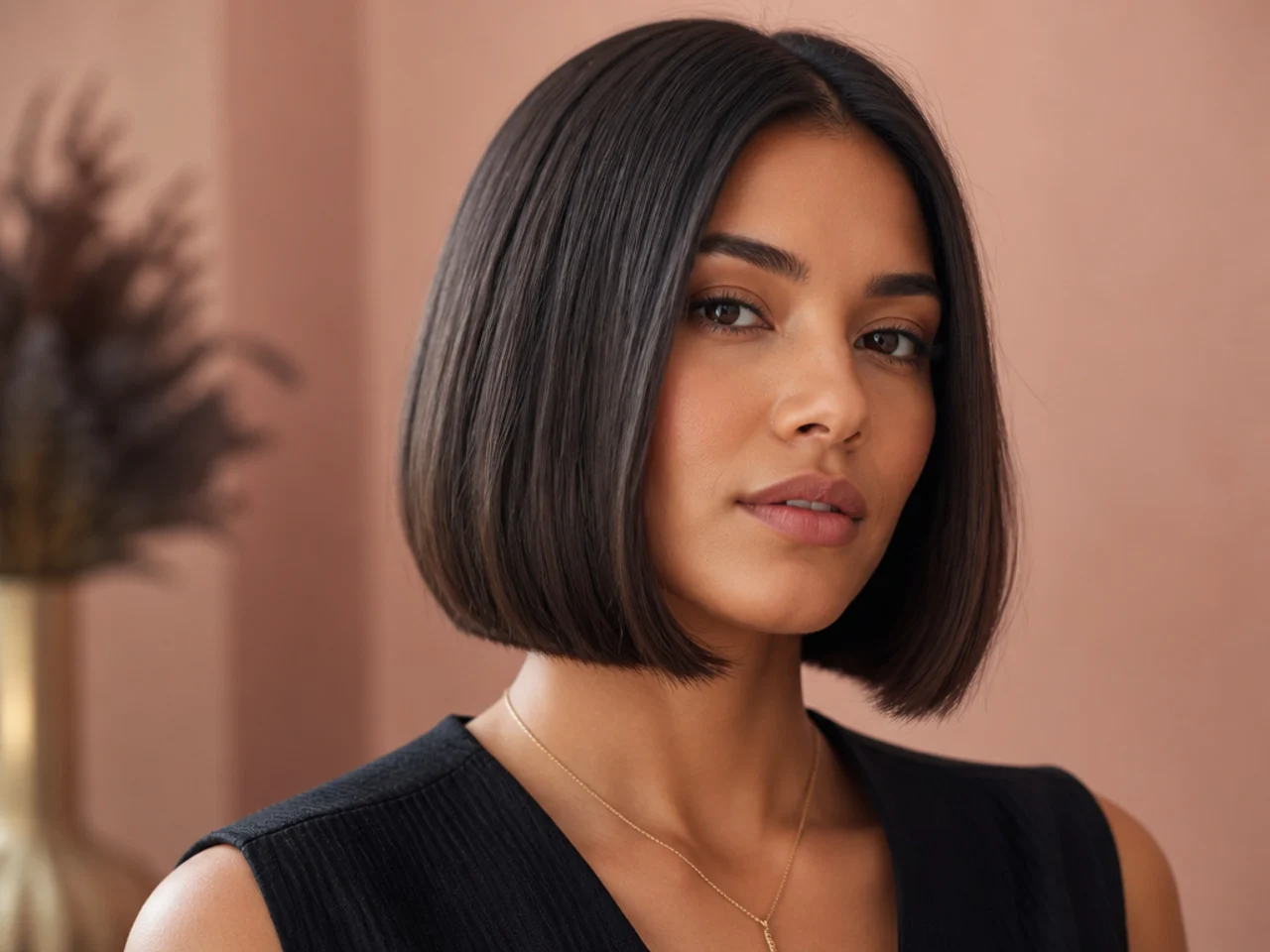
Messy Spiky Top Pixie
Vertical texture hides a thinning crown better than any product ever will. Spikes create air between strands, and air reads as volume. This works especially well on hair that lies flat at the crown by default. Best for oval, heart, and long faces.
How to ask: one-and-a-half-inch top, half-inch back and sides, blunt line at the sideburn. Point-cut the top for movement. No thinning shears.
Styling tip: work a matte clay through dry hair root to tip. Push everything up and slightly forward with your palms. Do not comb it after.
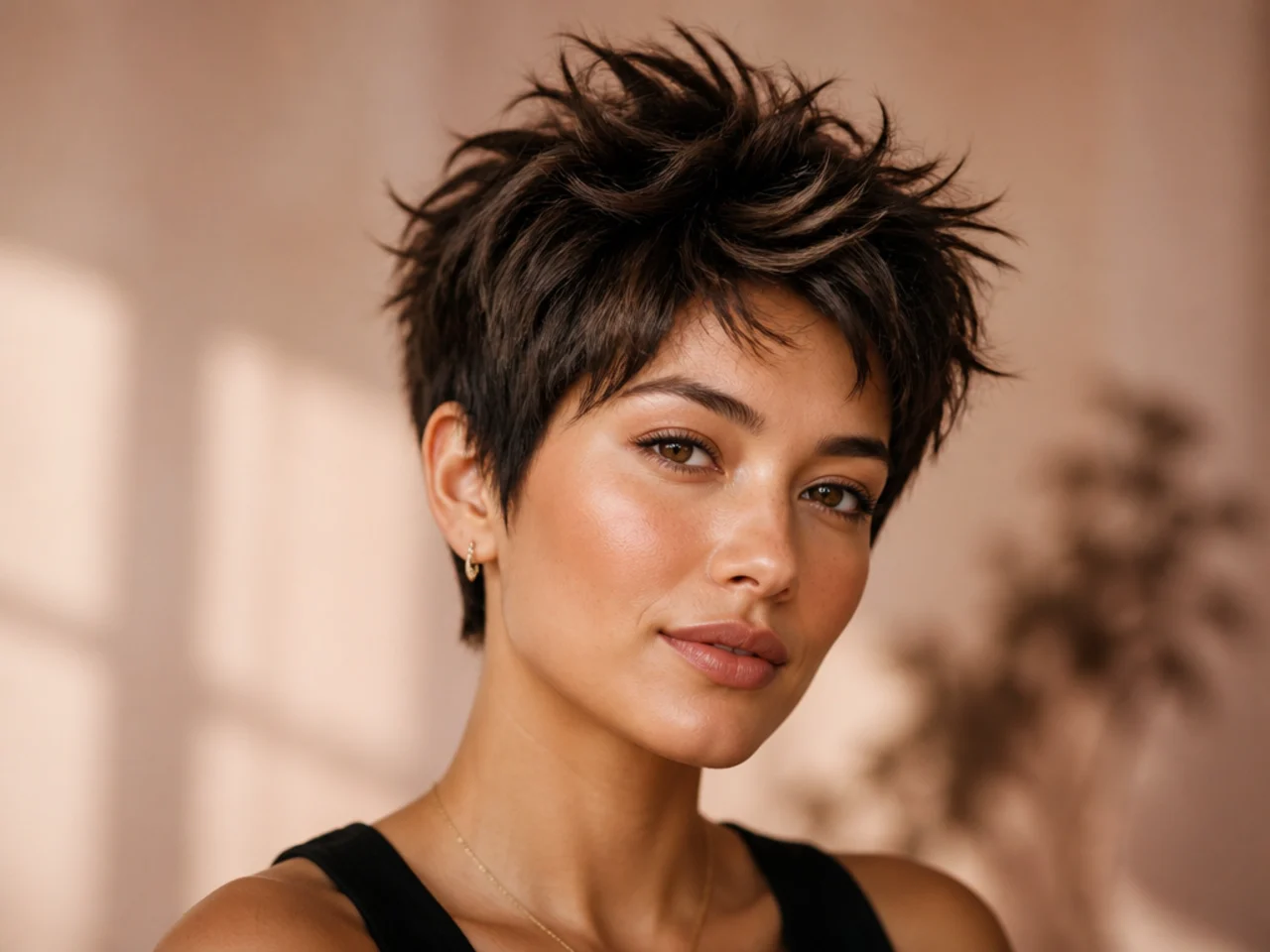
"Italian" Soft Bob
Heavy ends and slight movement. The Italian bob was engineered for fine hair. Weight lives at the perimeter and the shape flips easily from side to side, which prevents flat roots. Best for oval, heart, and square faces.
How to ask: chin- to jaw-length blunt bob, weight kept at the ends, no thinning and no razor. Say those words out loud in the salon chair.
Styling tip: alternate your part every few days. Roots that never sit the same way twice never go flat.

Face-Framing Micro-Shag
Layers around the eyes and cheekbones only. The rest of the shape stays blunt. Your face reads full because the fullness lands where people look at you most. Best for oval, heart, and long faces.
How to ask: shoulder-grazing blunt one-length base plus a face frame that starts at the cheekbone and ends at the collarbone. No shag through the back or crown.
Styling tip: bend the face-frame pieces away from the face with a flat iron. That single move is the whole style.
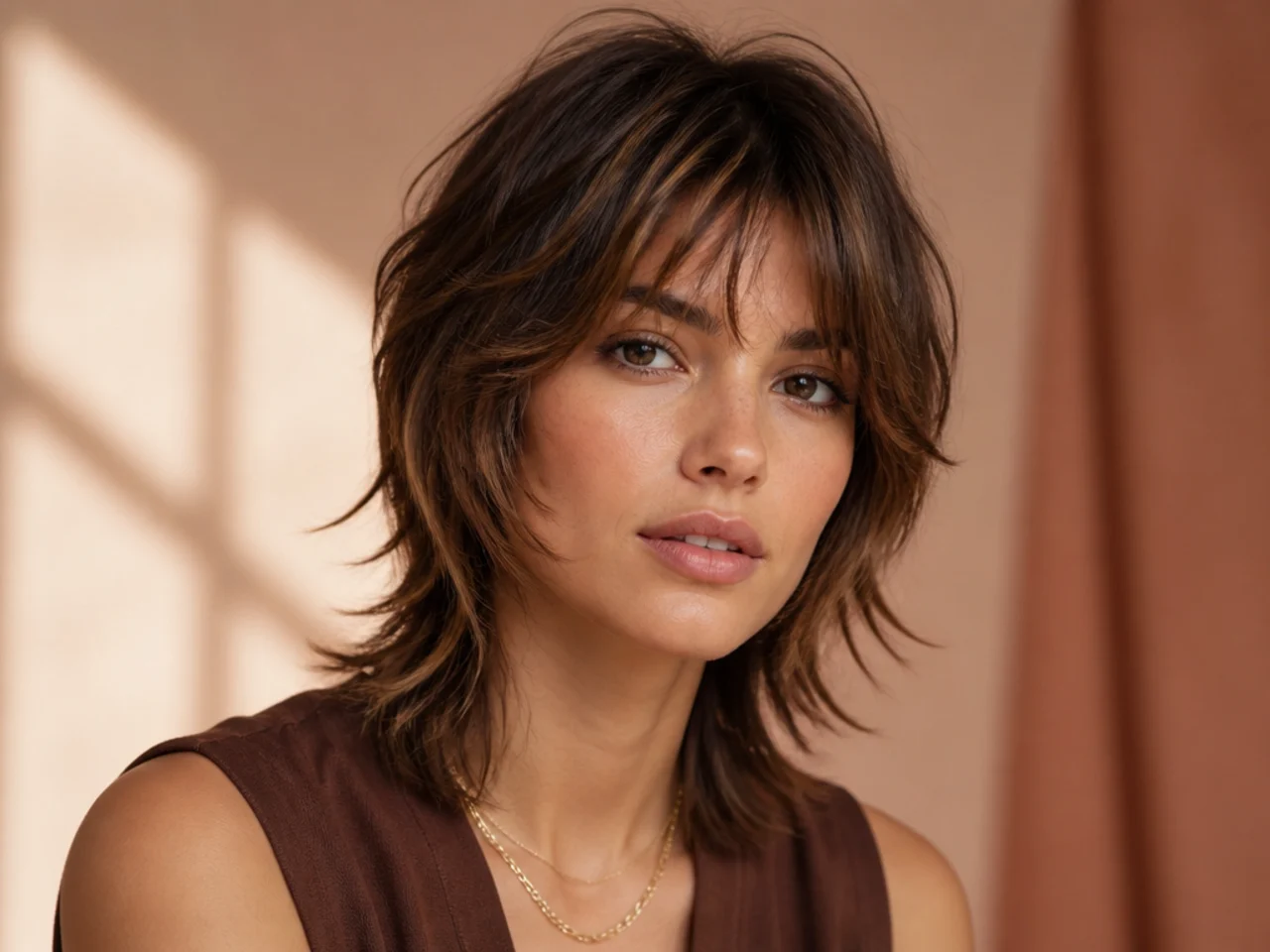
Straight-Across Ear-Length Crop
The strongest perimeter cut on this list. One straight line at the earlobe. On very fine hair, especially dark hair, that perimeter reads almost like a solid wall from a distance. Best for oval, heart, and square faces.
How to ask: cut straight across at the earlobe, blunt one length, no layers anywhere, cut on dry hair. Reference our main guide on haircuts for thin hair if you want to see the shape from other angles.
Styling tip: use a serum on the mid-lengths and ends to catch light. Light on a straight line reads as glass, and glass reads as density.
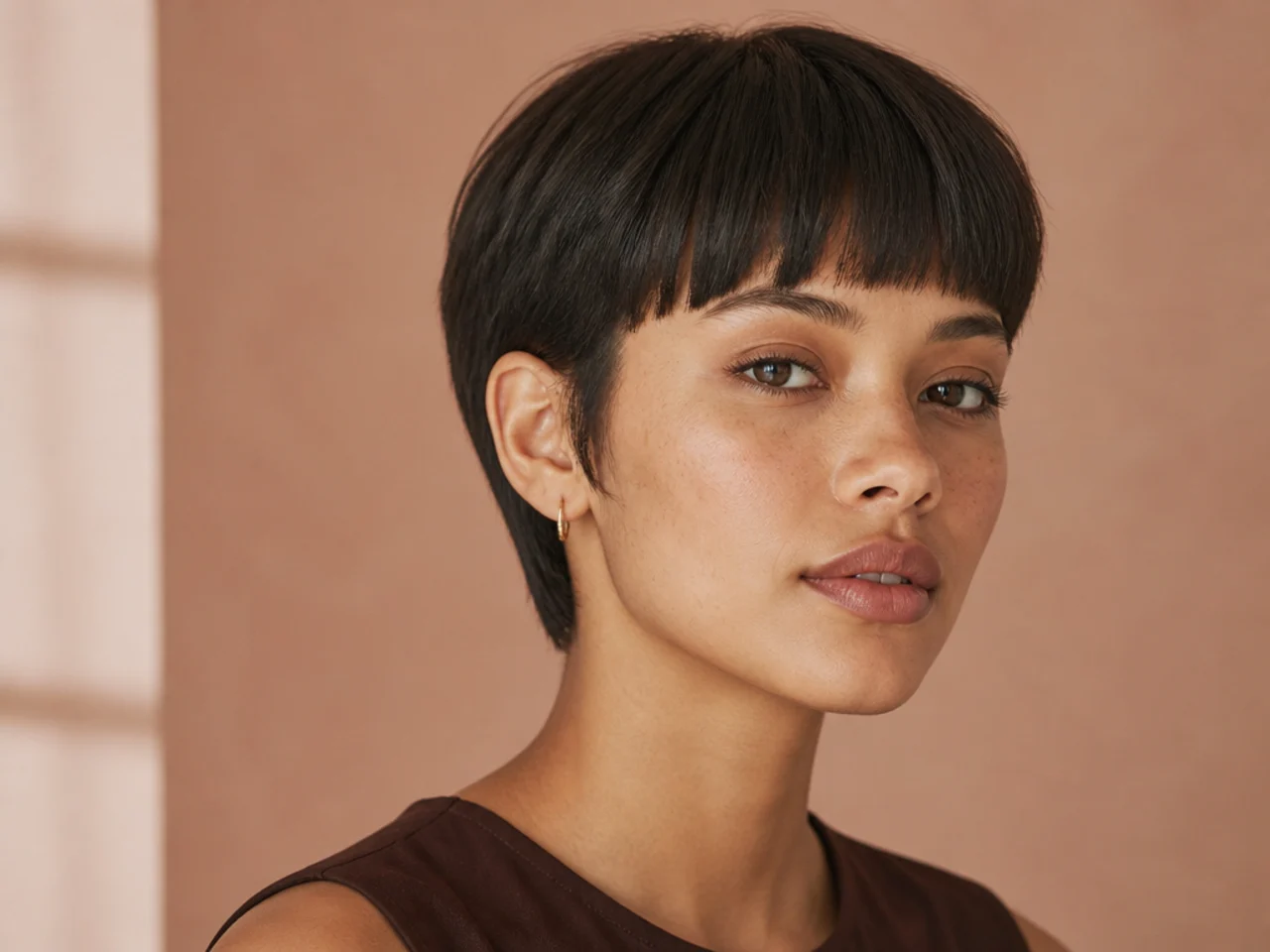
Voluminous Buzz Cut with Fade
The most honest cut for very thin hair. Length is what exposes thinness. Remove it entirely and the game changes. What remains looks intentional and dense. Best for oval, square, and heart faces with strong bone structure.
How to ask: number one or two on the sides, fade to a number three or four on top, blunt line at the sideburn.
Styling tip: a matte pomade rubbed over the top adds subtle definition and cuts any shine that would flatten the look under overhead lights.
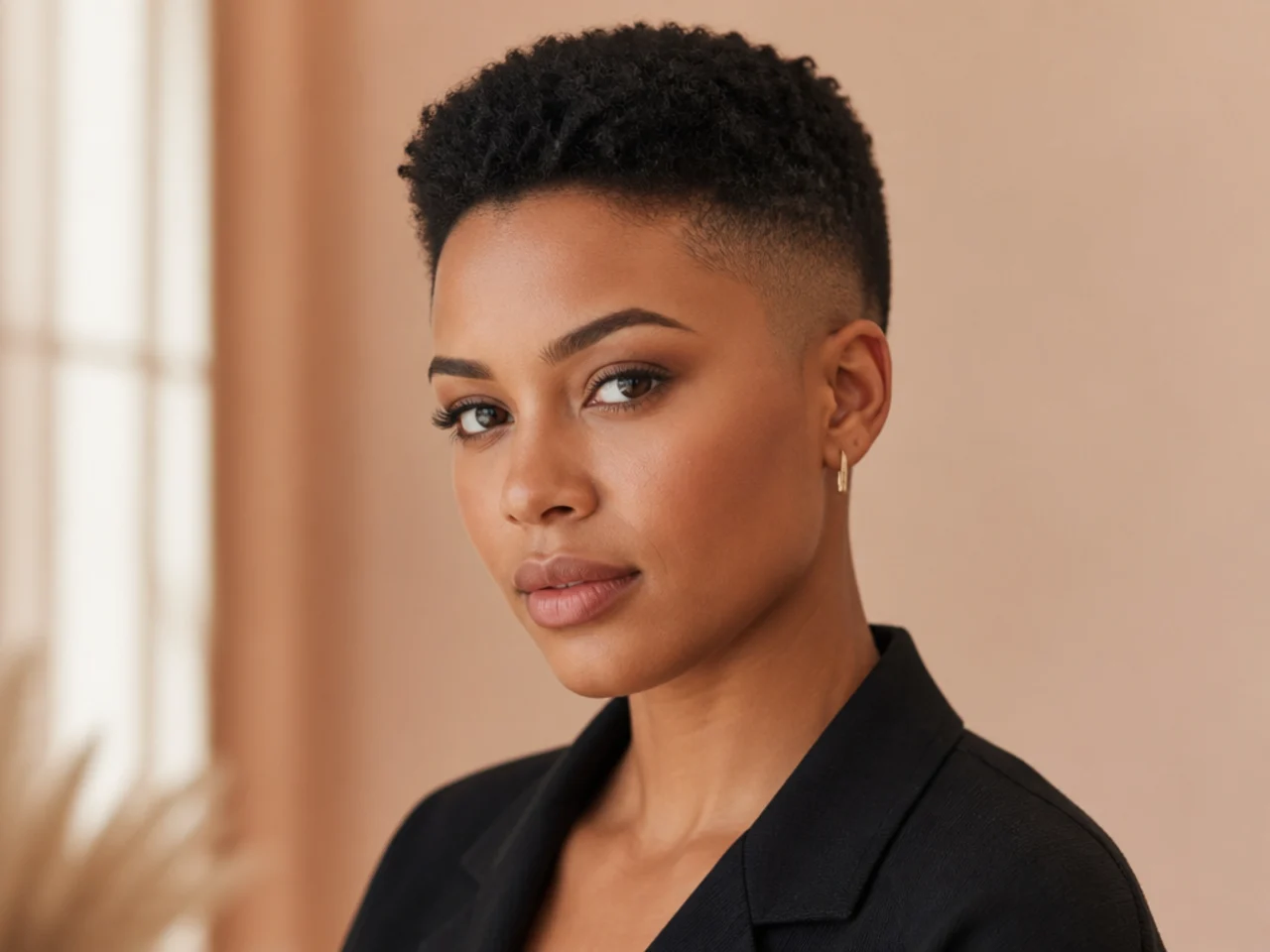
Curtain Bangs with a Short Lob
Curtain bangs cover the temples, which is where thin hair reveals itself first. The lob keeps everything else short enough to lift at the roots. Best for oval, heart, and long faces.
How to ask: collarbone-length blunt lob, no layers, plus curtain bangs starting at the cheekbone with the shortest point at the arch of the brow.
Styling tip: dry the curtain bangs with a round brush, forward first, then split them apart to their final position. That forward-dry step is what gives them body.
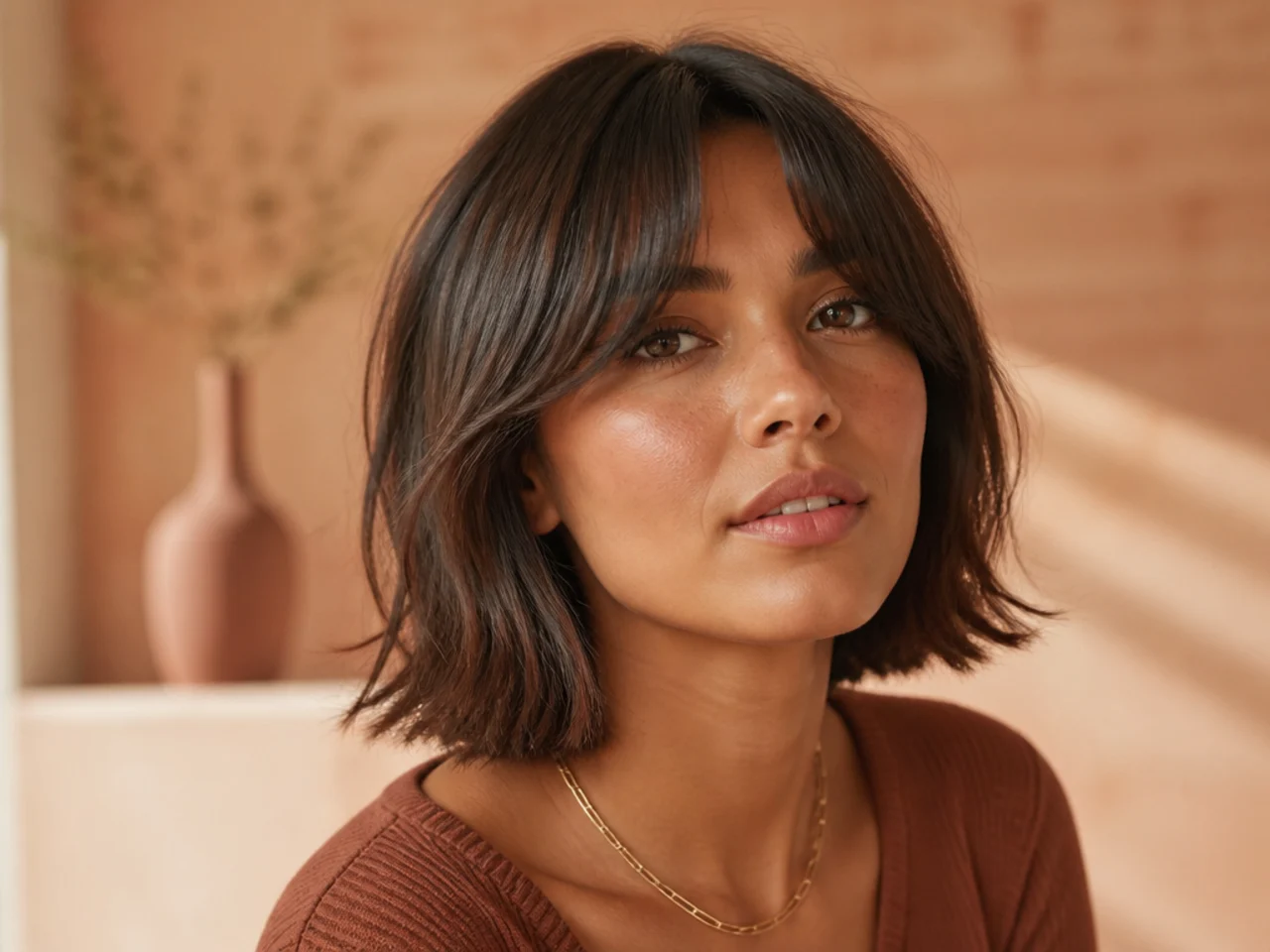
Copper-Toned Textured Bob
Warm colors like copper and auburn reflect more light than cool, flat tones. That reflection reads as healthy density. Copper is the strongest color filler for fine hair, full stop. You can also try high ponytail styling on growing-out days.
How to ask: chin-length blunt bob with a soft copper glaze applied by a colorist. Cut and color in the same visit for a fully finished result.
Styling tip: gloss treatments every four weeks at home keep the copper reflecting instead of fading to brown.
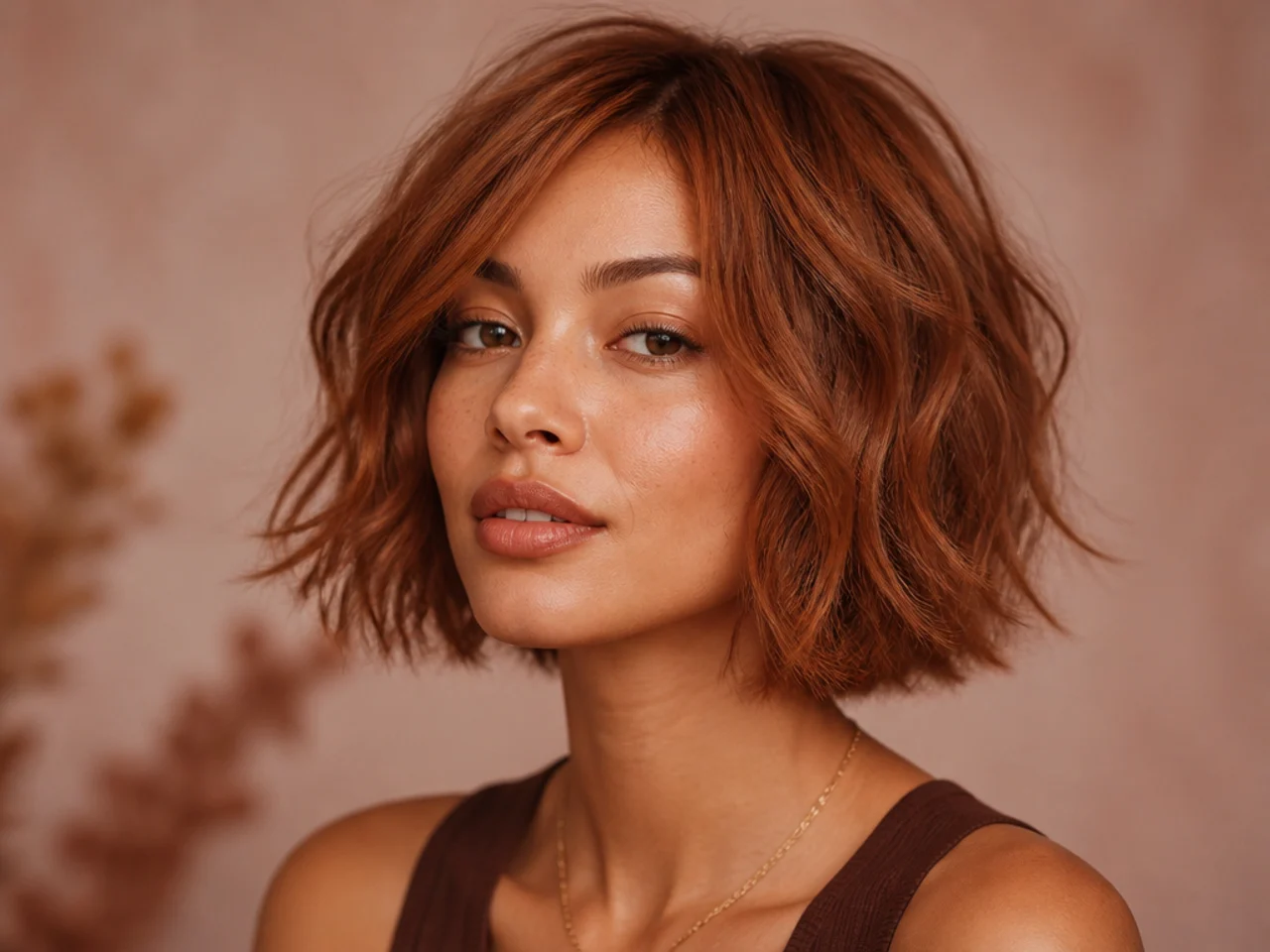
"Cloud" Short Haircuts for Thin Hair
A stylist-only technique. The layers are so light they are almost imperceptible from the outside. The perimeter stays completely blunt. The effect is a rounded, cloud-shaped silhouette that reads full from every angle. Best for oval, heart, and long faces with the finest density.
How to ask: chin-length blunt bob with three or four internal layers cut with the scissors held vertically inside the shape. No razor. No point-cutting on the ends.
Styling tip: air-dry with a leave-in mousse worked through damp hair. Do not touch it while it dries. Handling is what flattens the cloud.
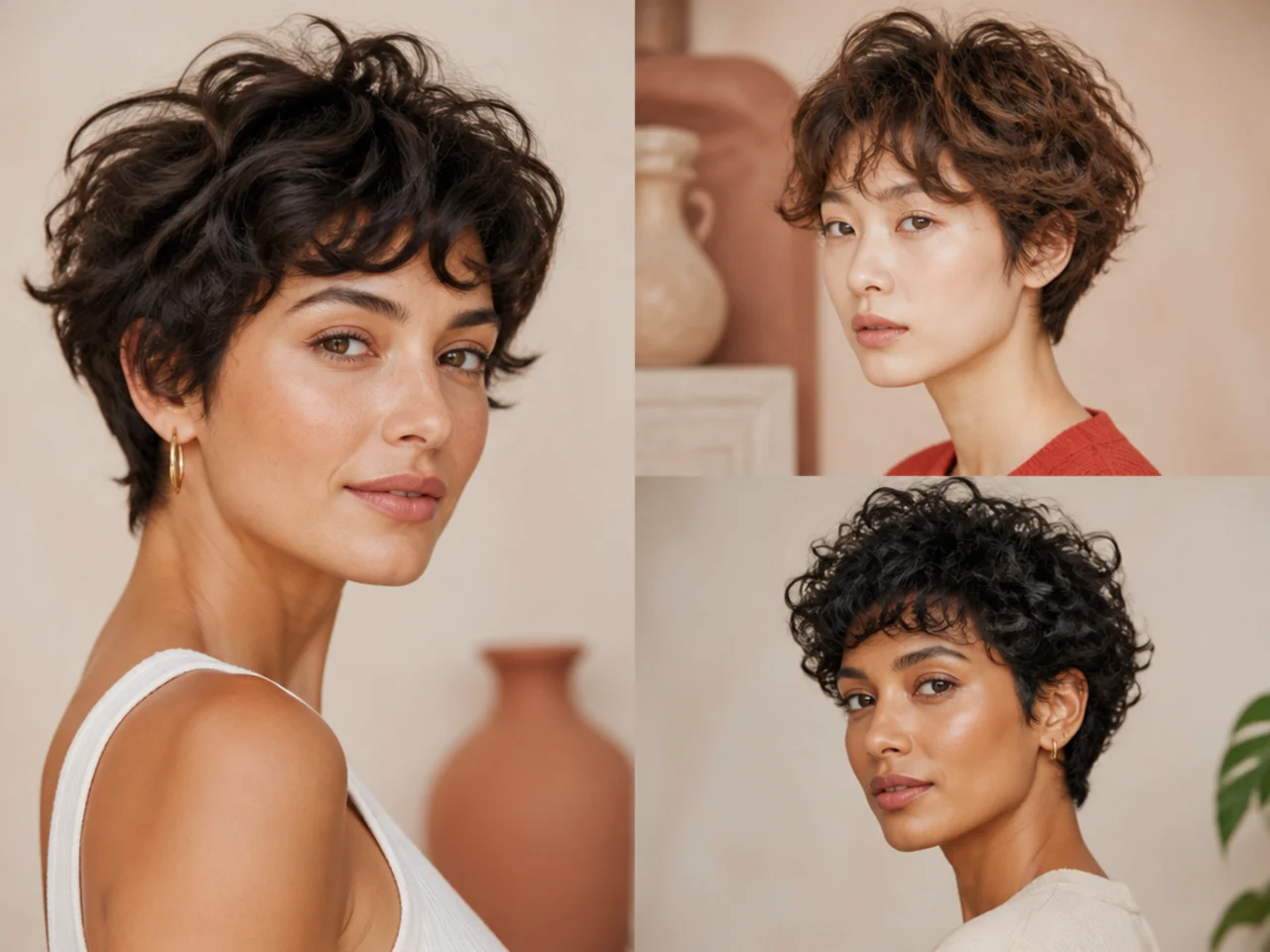
Styling Tips for Maximum Volume
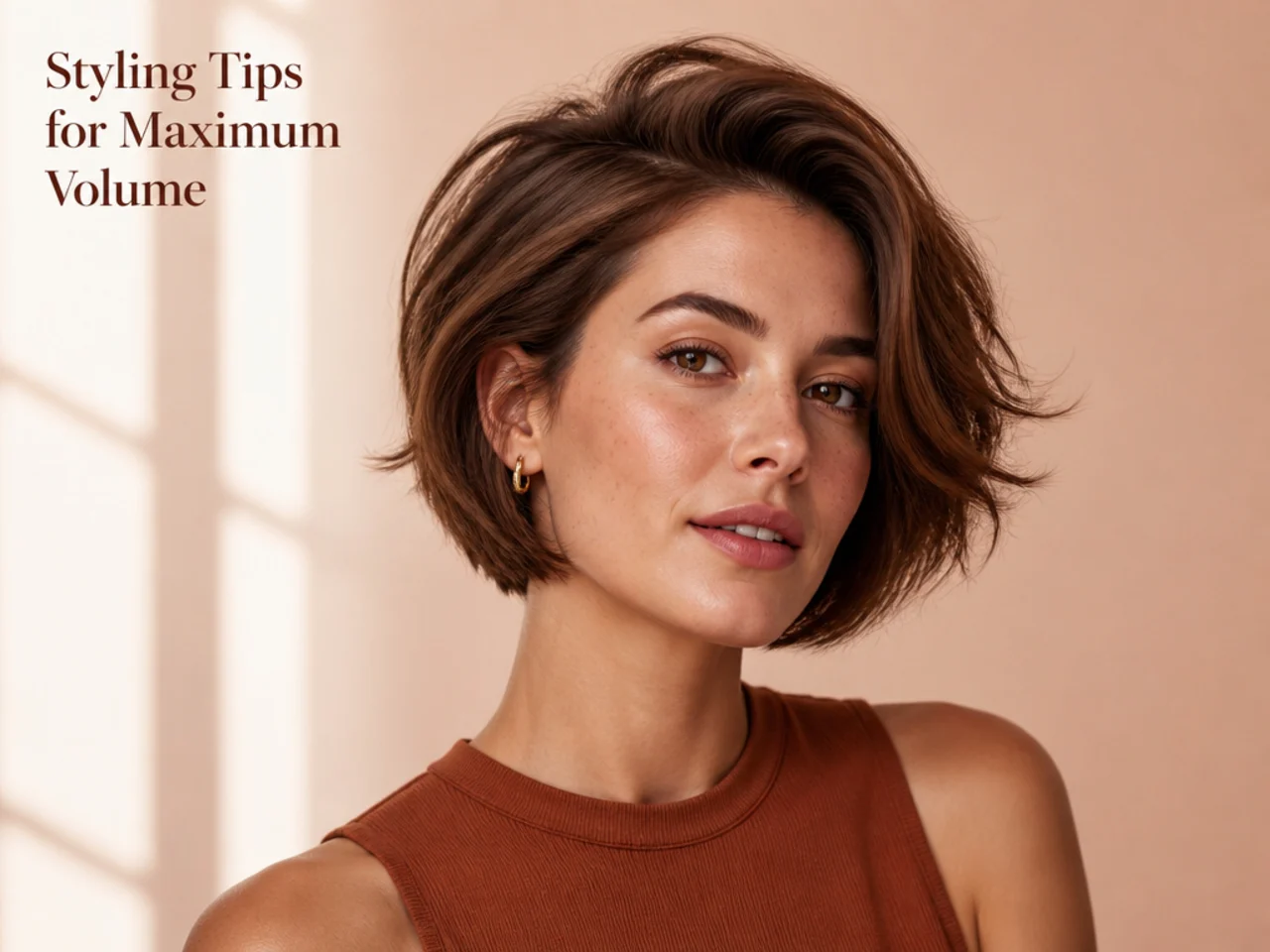
- Blow-dry upside down. Rule number one for thin hair. Flip forward and dry the roots first. Roots set in whatever direction you point the airflow, so point it up.
- Use velcro rollers. Three or four at the crown while your hair cools after blow-drying. Ten minutes is enough for a full day of lift with no heat damage.
- Avoid heavy oils. Skip anything labeled nourishing oil or smoothing balm. They coat fine hair and drag it flat by noon. Use weightless serums, applied to the ends only.
- Product at the roots only. Mousse and volumizing spray belong at the scalp, never through the lengths. Product on the ends is what flattens fine hair by lunch.
- Cold water rinse. End the shower with cold. It closes the cuticle and adds shine, and shine reads as density in every mirror and camera you meet.
Maintenance
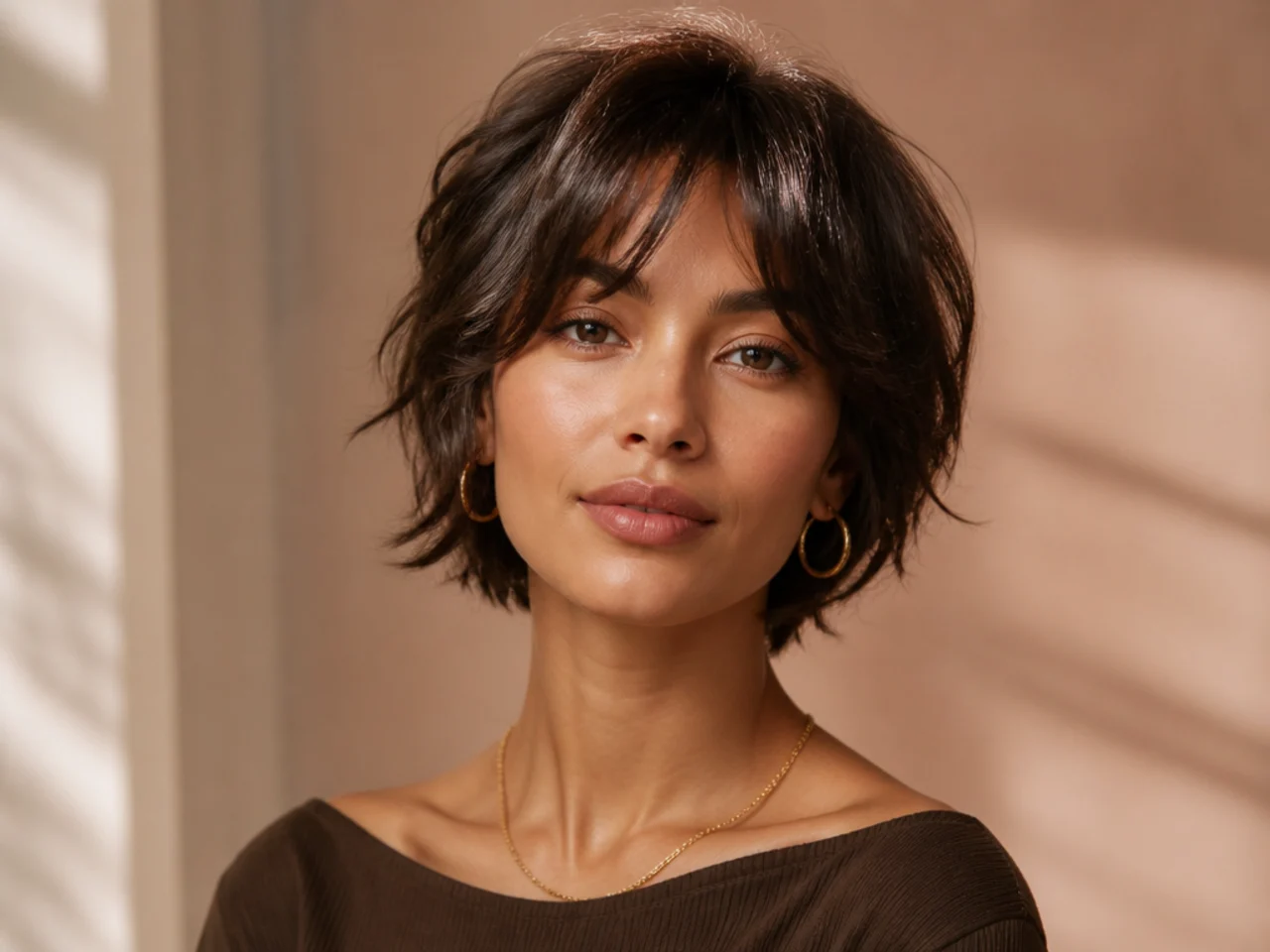
Short hair rewards commitment. Trim every four to six weeks. Once the shape grows past its sweet spot, weight returns and the roots collapse back to flat. If you are stretching between full cuts, ask for a quick perimeter clean-up at week five to hold the ends dense.
Product-wise, less is always more on thin hair. A dime for the whole head. Anything more sits on fine strands like syrup and drags the shape down within hours. Wash frequency also matters. Fine hair looks best on day two, not day one, so most stylists recommend a light wash-and-go on day one and full styling on day two.
Problem Solving
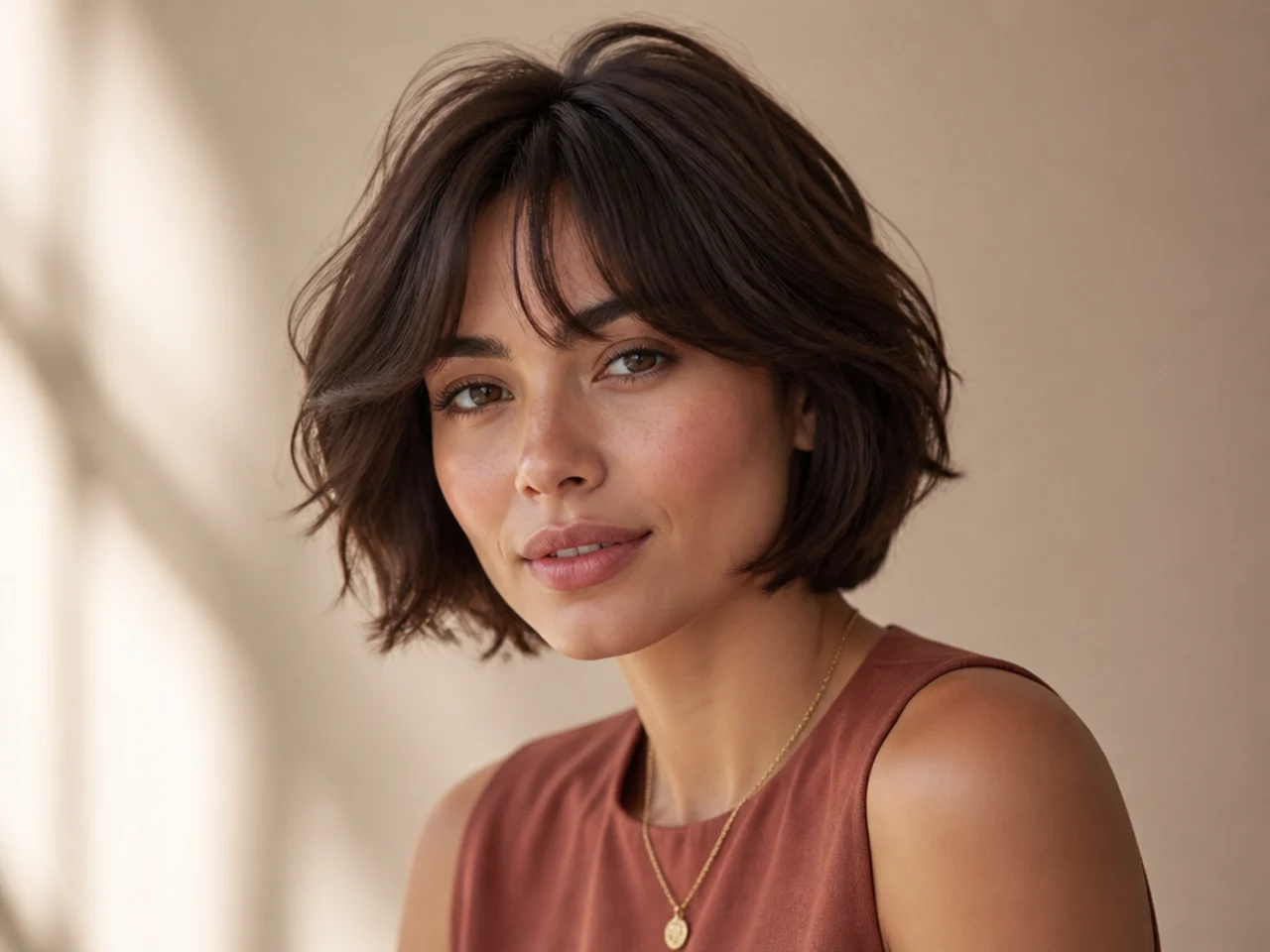
- Visible scalp? Tinted dry shampoo or a root touch-up powder in your shade fills in the part line. Color-brand versions from a salon work better than drugstore spray for coverage.
- Greasy by mid-day? Fine hair produces the same amount of oil as thick hair but has less surface area to absorb it. Apply dry shampoo the night before, not after you notice grease.
- Staticky hair? Use a wooden or boar-bristle comb. Skip plastic. A drop of light cream on your palms and a quick smooth over the surface handles most flyaways.
- Flat by afternoon? Flip the part to the opposite side. Ten seconds of finger-fluff at the crown resets the shape without a re-blow-dry.
- Ends look thin? Skip the trim you were about to book. Weight at the ends is the whole density illusion. Ask for a dusting instead — a quarter-inch off the perimeter, nothing more.
FAQs
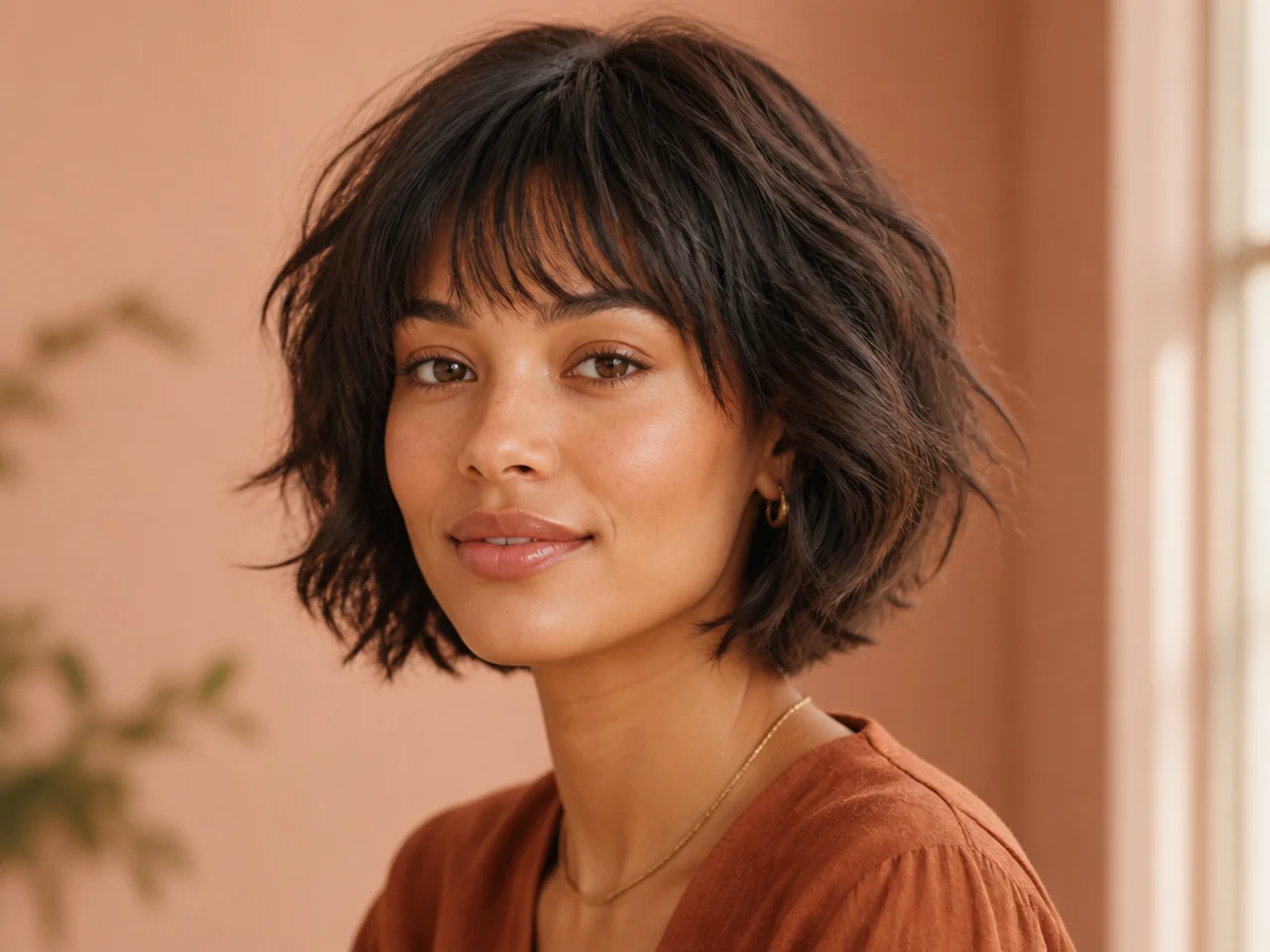
Does short hair really look thicker?
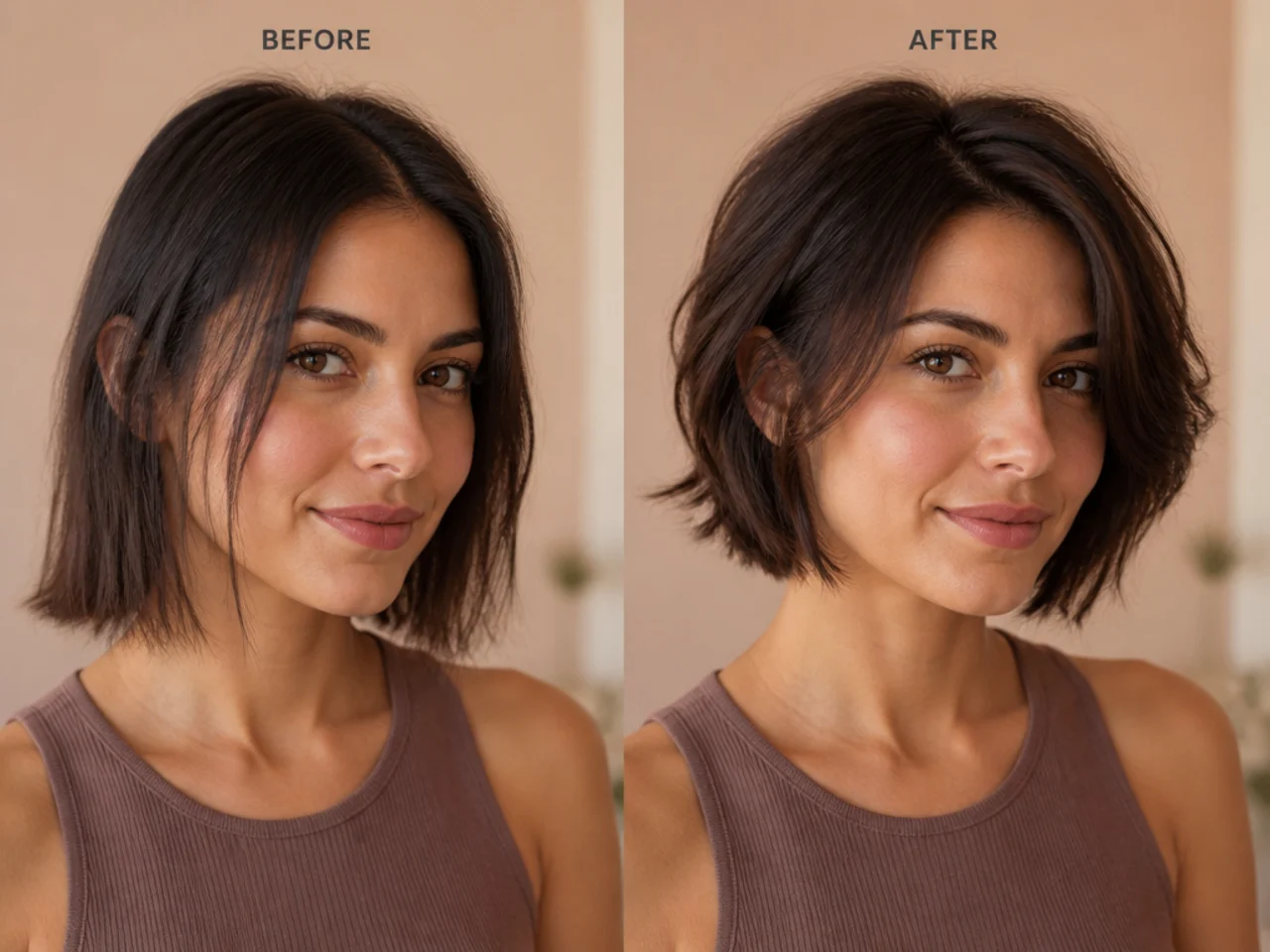
Yes. Fine hair is heaviest at the roots and lightest at the ends. Long hair drags the roots down. Short hair lets them stand up. Chin- to pixie-length is the sweet spot for the fullness illusion. Anything past the shoulders reverses the effect on thin hair.
Should I get highlights?
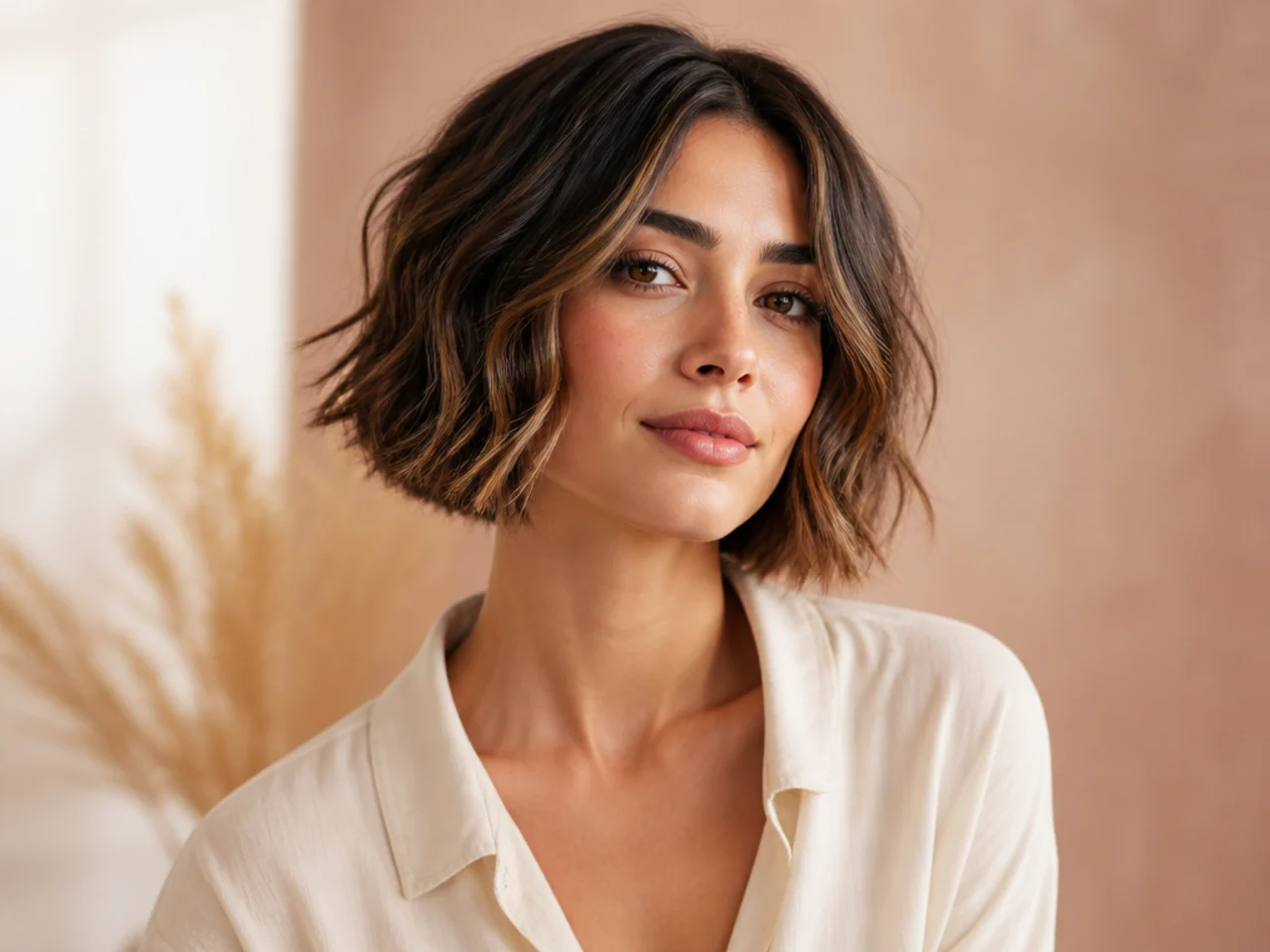
Yes. Bleach expands the cuticle and physically thickens each strand. Multi-tonal color also creates depth, and depth reads as more hair. Ask for balayage or fine highlights, not chunky panels. Chunky pieces can actually reveal thinness by breaking the perimeter into strips of contrast.
Is a bob or a pixie better?
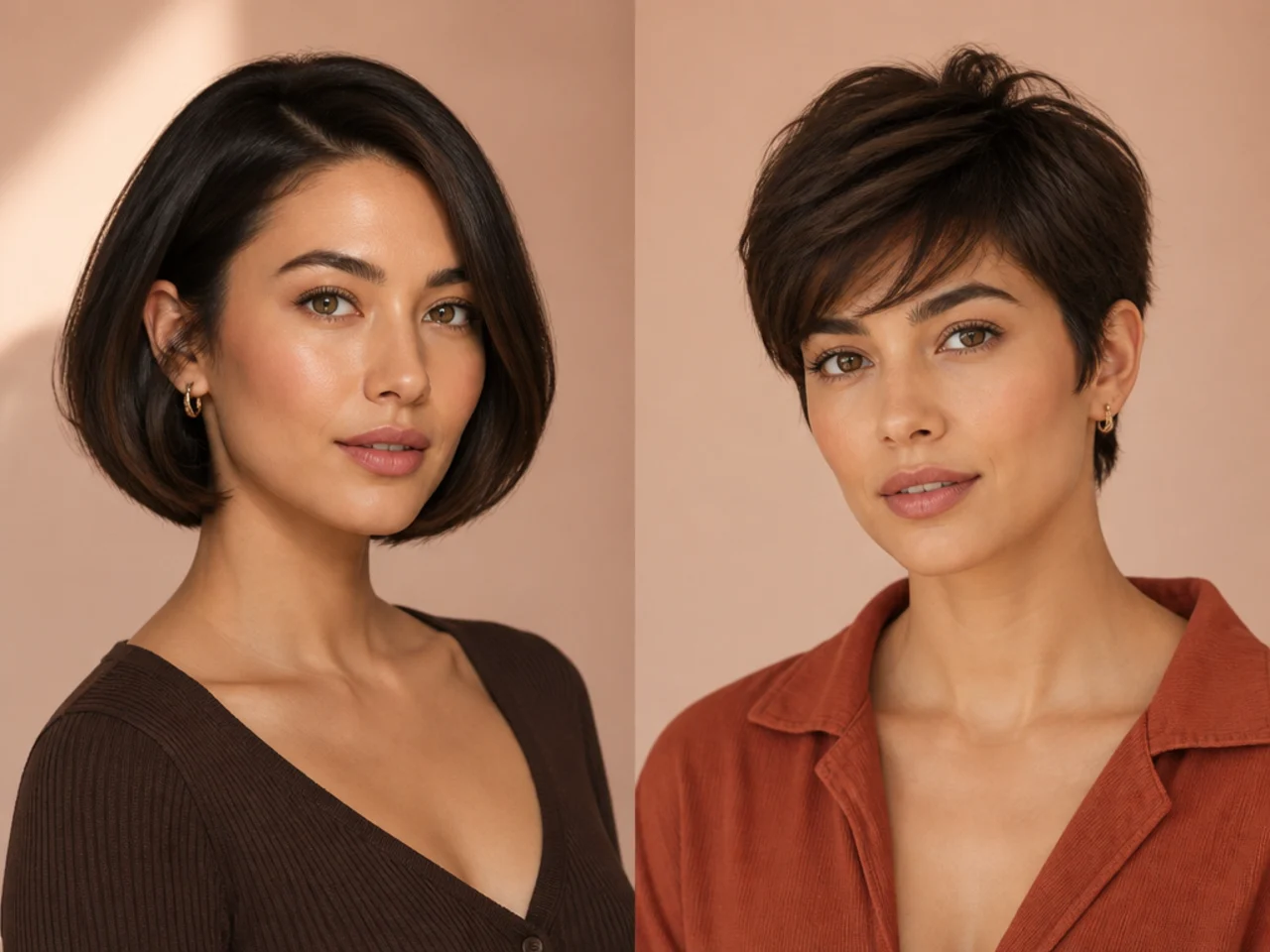
Depends on density. Fine strands but plenty of them: a blunt bob or a short bob for fine hair wins because you have material to work with at the perimeter. Genuinely low density: a pixie removes the length that exposes thinness in the first place.
Conclusion
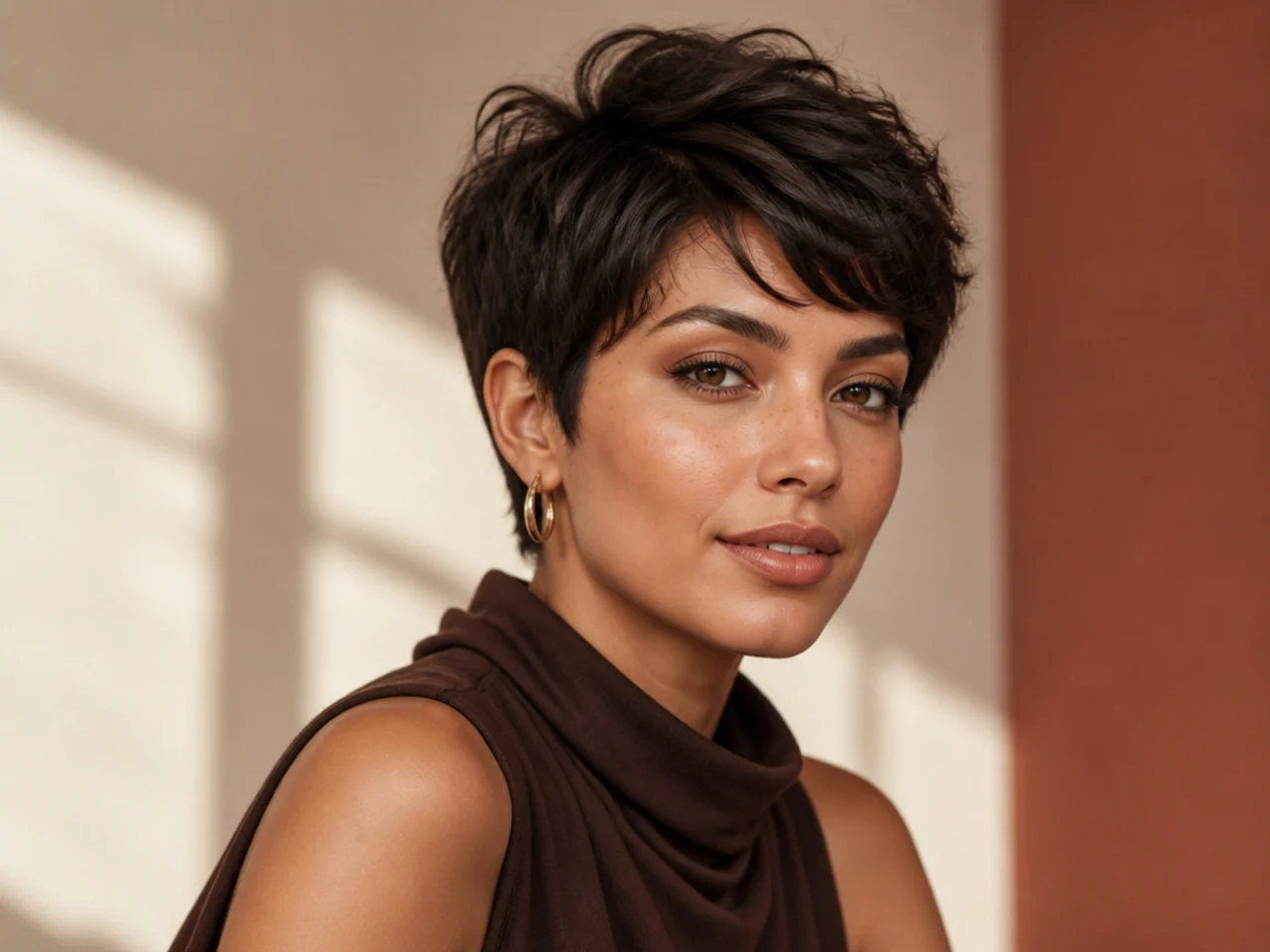
Thin hair is not a curse — it is a shape problem, and short blunt cuts solve it. Skip anything that removes weight from the ends. Say no to the texturizing and thinning add-ons your stylist offers as a favor. A solid perimeter, minimal interior work, and a length between the chin and the pixie is the whole formula. For more haircut ideas visit our Pinterest @haircutvibe.