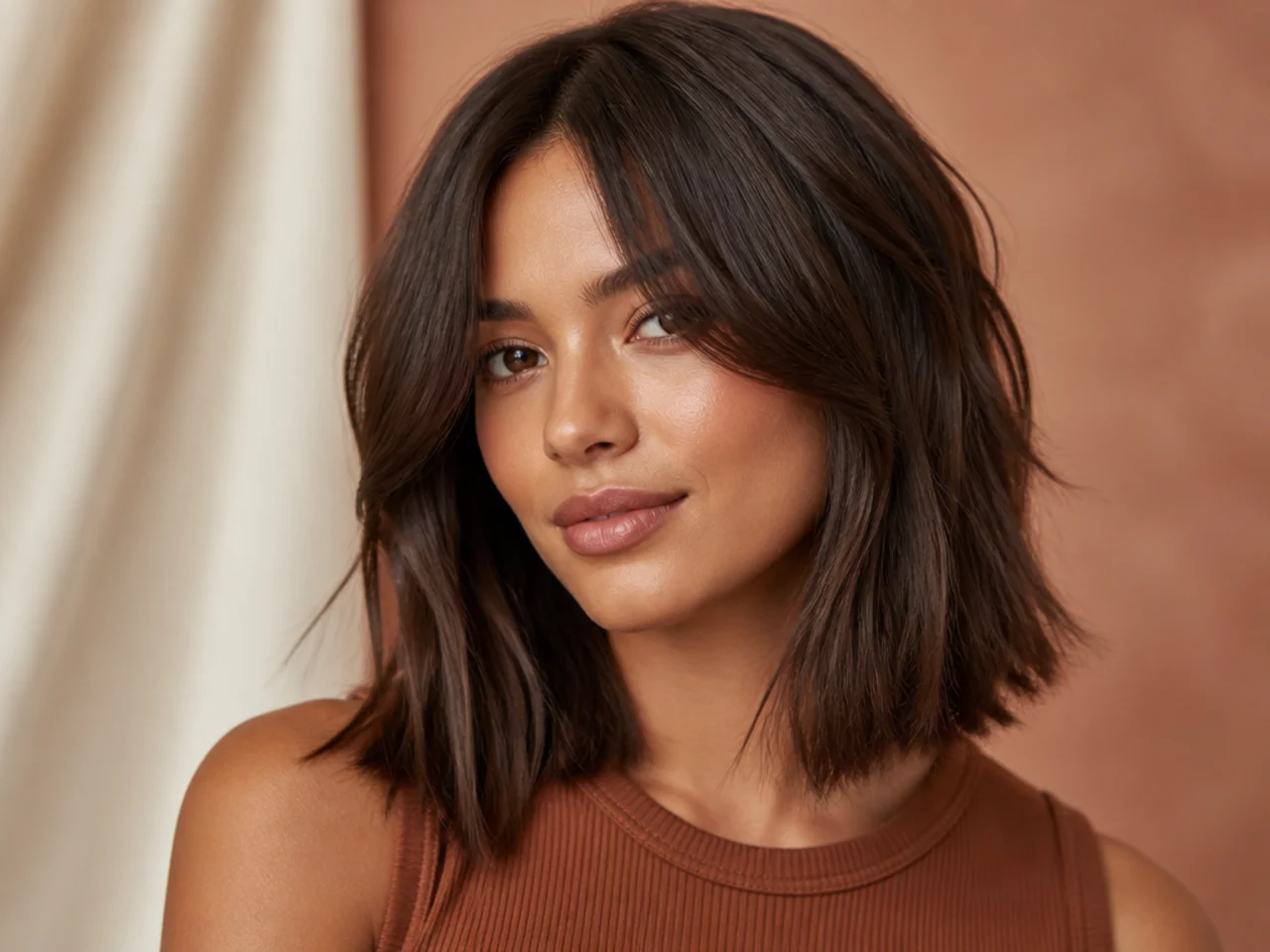
Best Blunt Haircut with Layers Styles Defining Trends
The blunt haircut with layers is a powerful combination that provides best of both worlds: structure and movement. As we look towards hair trends, this style is making a major
In this article · 22
- What is a Blunt Haircut with Layers?
- Definition and Concept
- Key Features of a Blunt Haircut with Layers
- Why Blunt Haircut with Layers is a Top Choice
- Versatility for All Hair Types
- Suitable for All Face Shapes
- Timeless Yet On-Trend
- Styling Flexibility
- Styling Tips for Your Blunt Haircut with Layers
- Keep It Sleek and Polished
- Add Volume with a Blowout
- Embrace Effortless Waves
- Try a Side-Swept Fringe
- Who Can Pull Off a Blunt Haircut with Layers?
- Perfect for Women Over 40
- Flattering for Women Over 50
- Suited to All Face Shapes
- How to Maintain Your Blunt Haircut with Layers
- Regular Trims
- Use Right Hair Products
- Experiment with Styling Tools
- Conclusion
A blunt haircut with layers sounds like a contradiction. It isn't. You keep the perimeter one length so the ends stay dense and heavy. You add layers only on the interior — usually starting below the cheekbone — so the shape moves. Weight stays where you want it. Density stays where you need it. This piece breaks down the cut, the variations, how to ask for each, and how to make it live at home.
What is a Blunt Haircut with Layers?
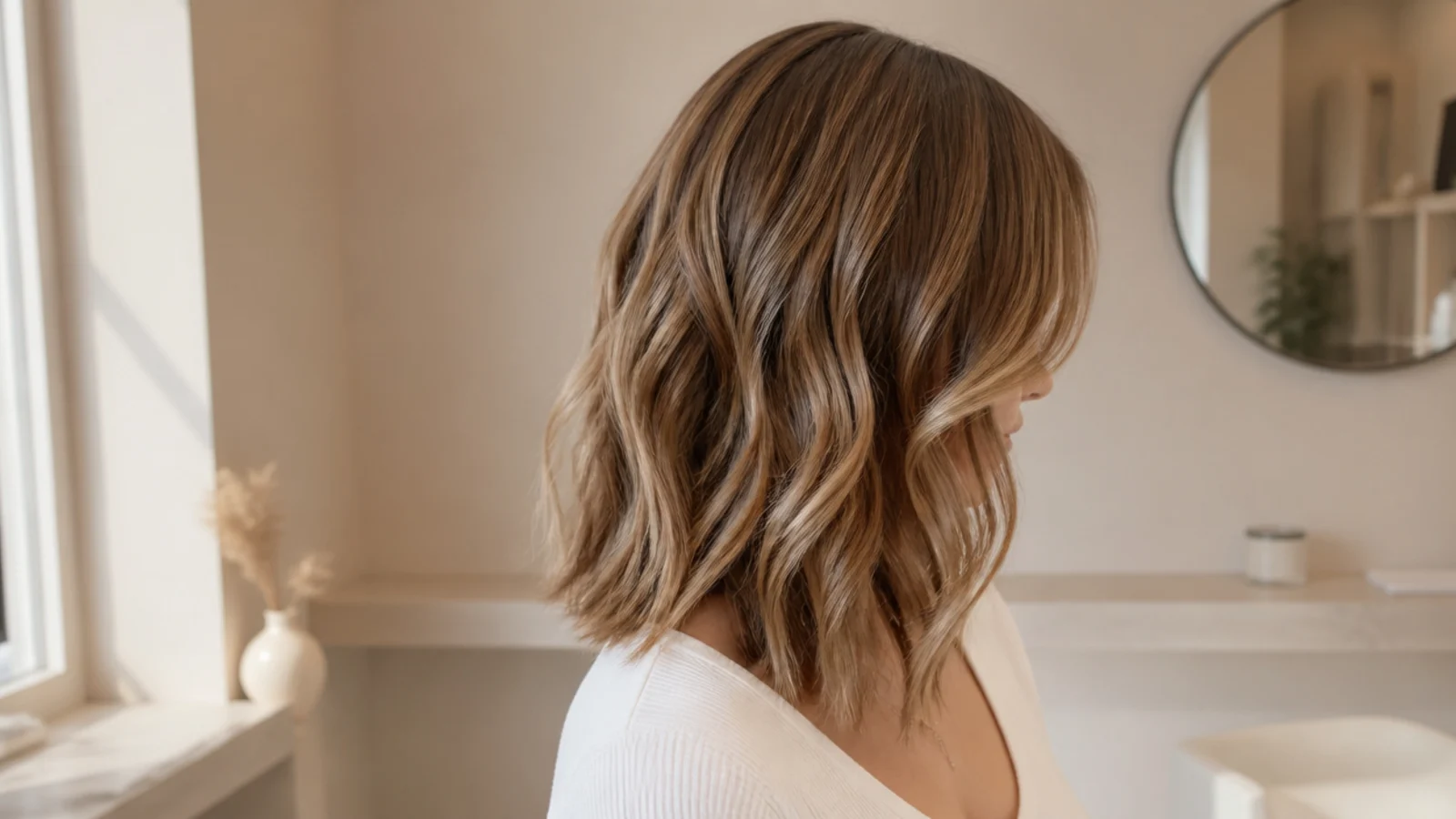
Two things happen in one cut. Your stylist takes the ends down on a single, sharp line — that's the blunt part. Then, using point-cutting, slide-cutting, or a razor, they add length variation only through the interior — that's the layered part. The result reads as a solid shape at first glance. Move your head and the internal layers open up.
You can call it a layered blunt cut or subtle layers blunt hair. Same technique either way: perimeter untouched, interior lightened.
Definition and Concept
A traditional blunt cut is one length. Every hair on the bottom meets a single horizontal line. The look is heavy, precise, architectural. It photographs well. It also sits flat on many hair types.
A traditional layered cut does the opposite. Lengths are staggered from crown to end, so the shape reads soft and full. The tradeoff: your ends lose density, especially on fine hair, and the perimeter loses definition.
The blunt-with-layers approach takes what works from each. You get the ends of a blunt cut and the interior movement of a layered cut. It's the answer for anyone who's ever grown out a layered cut just to get their ends back.

Key Features of a Blunt Haircut with Layers
Three features define the cut. First, a strong horizontal perimeter — no piecing, no textured ends, no ghost layers touching the bottom line. Second, internal layers that start at or below the widest point of your face. Anything higher pulls weight up and defeats the purpose. Third, a seamless transition between the two. You should never see a shelf where the layers stop and the blunt line begins.
Ask for "blunt perimeter, internal layers for movement." Bring a photo. Specify length in inches — from your earlobe for shorter cuts, from your shoulder for longer cuts. Under-communicating on length is the number-one reason clients leave unhappy.
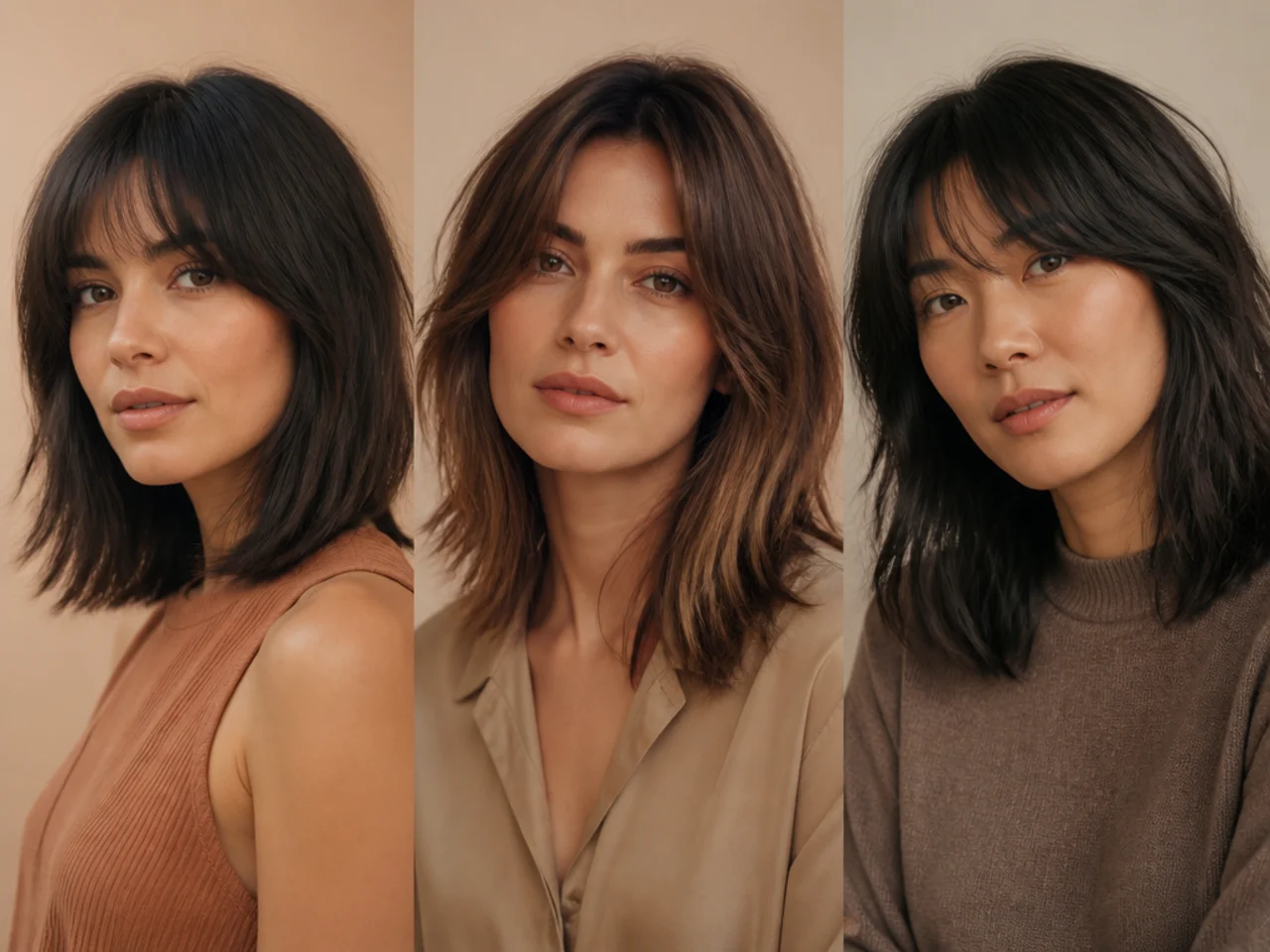
Why Blunt Haircut with Layers is a Top Choice
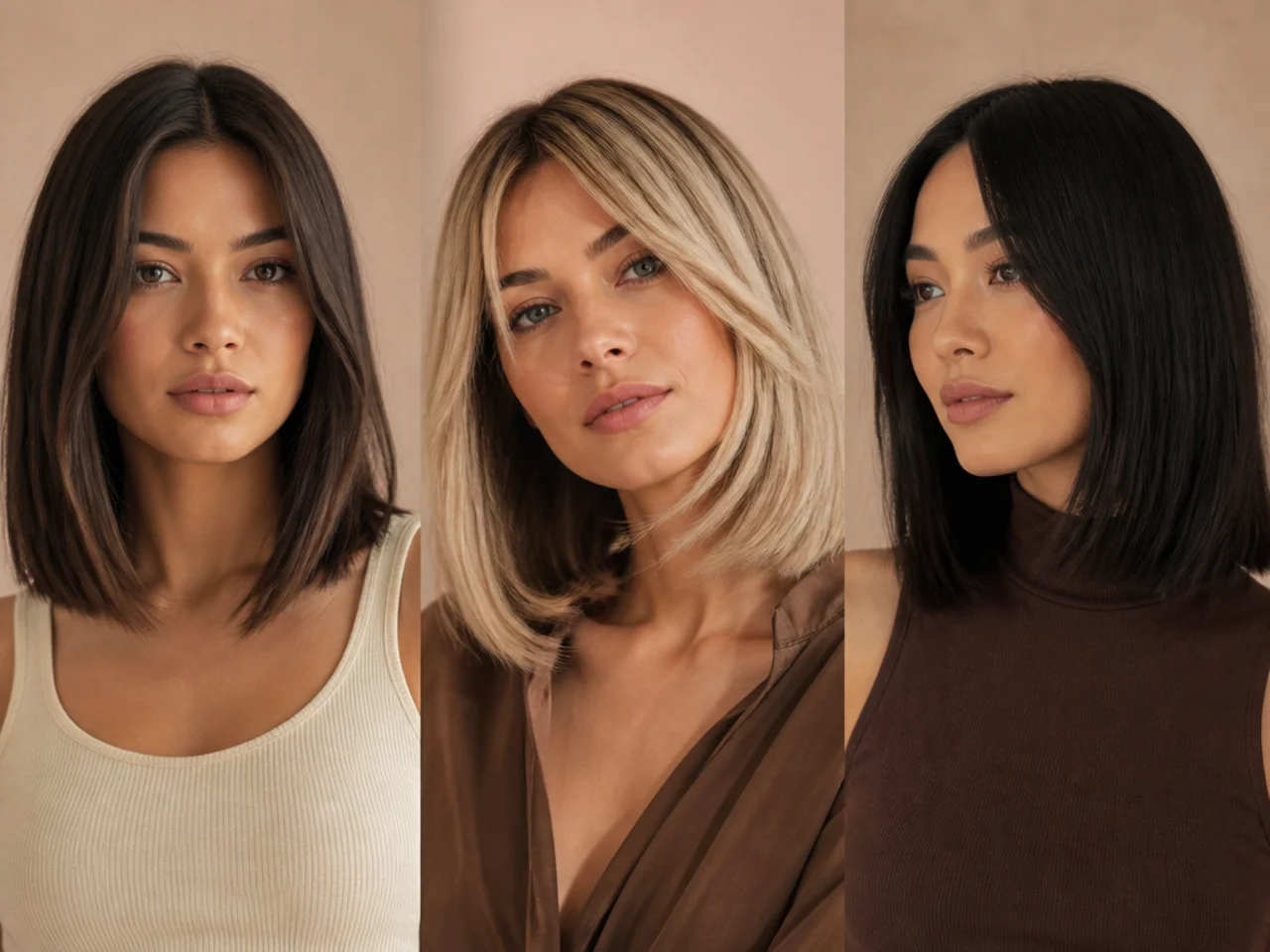
Short answer: the cut flatters more hair types and more face shapes than either a straight blunt or an all-over layered cut. Longer answer below.
Versatility for All Hair Types
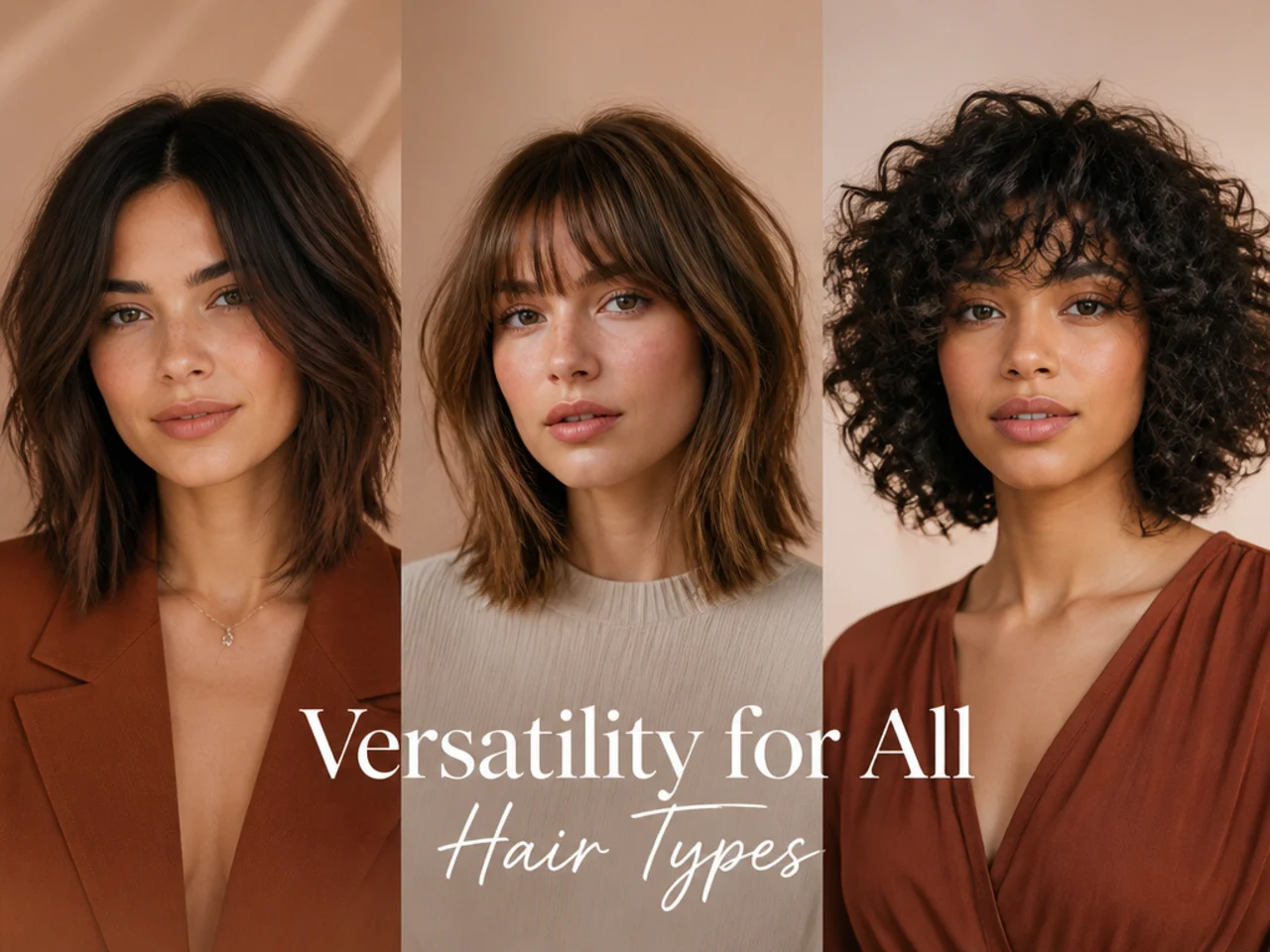
Fine hair. The blunt perimeter is your friend. It creates the illusion of density at the ends. Add only subtle interior layers — nothing dramatic — to lift the mid-lengths. If you're working with very fine hair, look at a short bob for fine hair or one of these haircuts for thin hair to see how the shape sits in context.
Thick hair. Internal layers do the heavy lifting. Your stylist can ghost weight out through the middle so the cut sits close to the head instead of expanding sideways. The blunt line prevents the triangle that plagues thick hair with all-over layers.
Wavy hair. This is where the cut shines. The blunt ends anchor the wave pattern. The internal layers keep the wave from turning into a solid mass. Air-dry with a curl cream and you're done.
Curly hair. Ask for the layers dry, cut curl by curl. Wet-cut layers on curly hair spring back too short and land unpredictably. The blunt perimeter still works — just cut it stretched, not shrunken.
Suitable for All Face Shapes
Round faces. Length matters. Take the perimeter past the chin — collarbone or longer. Add face-framing pieces that start at the cheekbone. The vertical line elongates.
Long faces. Stay above the collarbone. A chin-length blunt lob with internal layers adds width where a longer cut would drag the face down. Curtain bangs help too.
Square faces. Soften around the jaw. Ask for the perimeter to hit an inch below the jaw, never at it. Internal layers should activate on the sides to break the parallel line between hair and jawbone.
Heart faces. Balance the wider forehead by placing weight below. A blunt line at the collarbone with subtle layers below the ear does this cleanly.
Oval faces. Almost anything works. Pick based on hair type instead. For a length-by-face breakdown, see these trendy bobs for every face shape.

Timeless Yet On-Trend
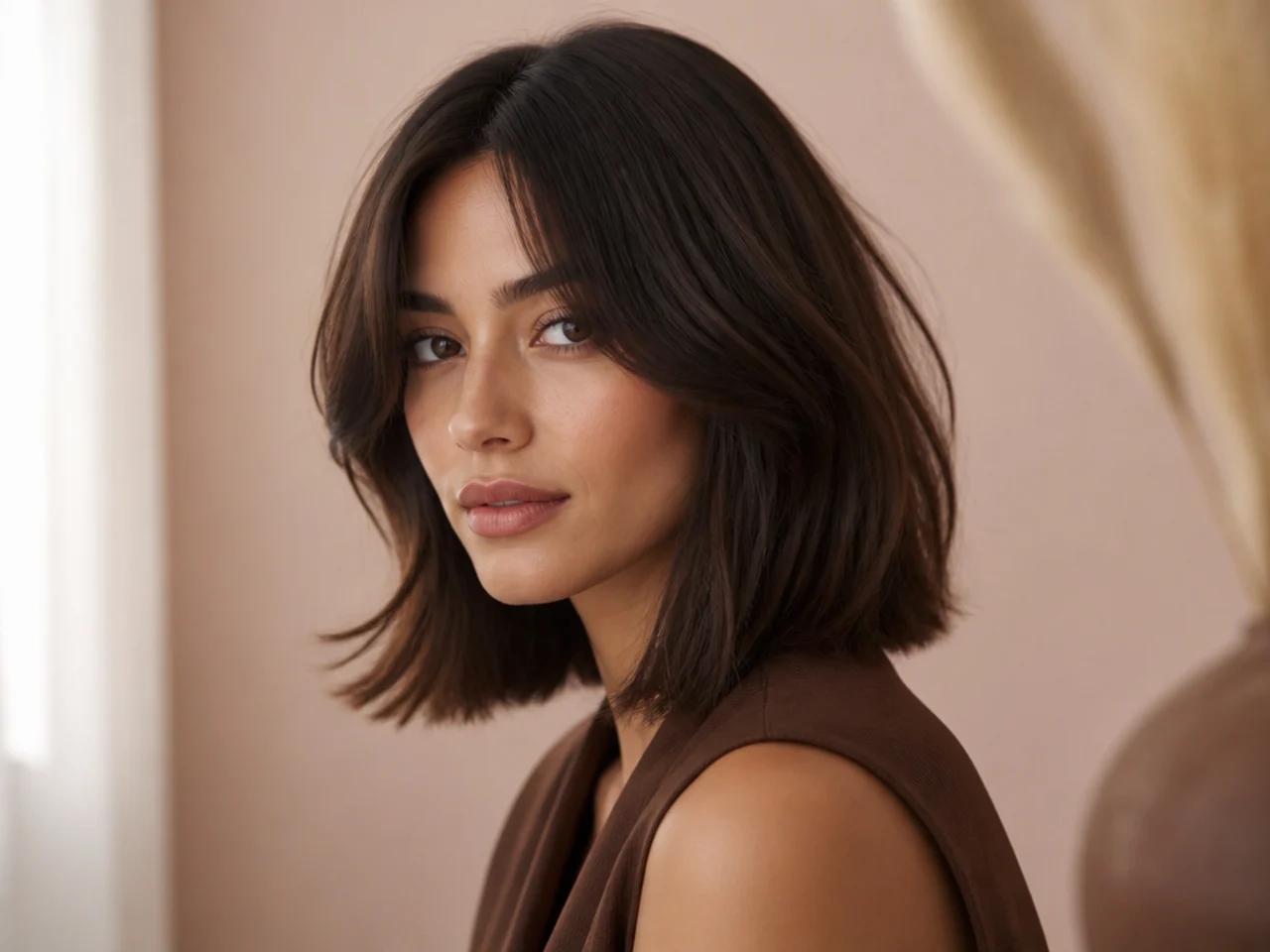
The blunt bob is nearly a century old — 1920s flappers, then Vidal Sassoon in the 60s. What changed is the interior. Modern cutting techniques let stylists thin from within instead of stacking chunky layers on top. The result reads current without leaning on a single trend cycle. You won't look dated in three years.
Styling Flexibility
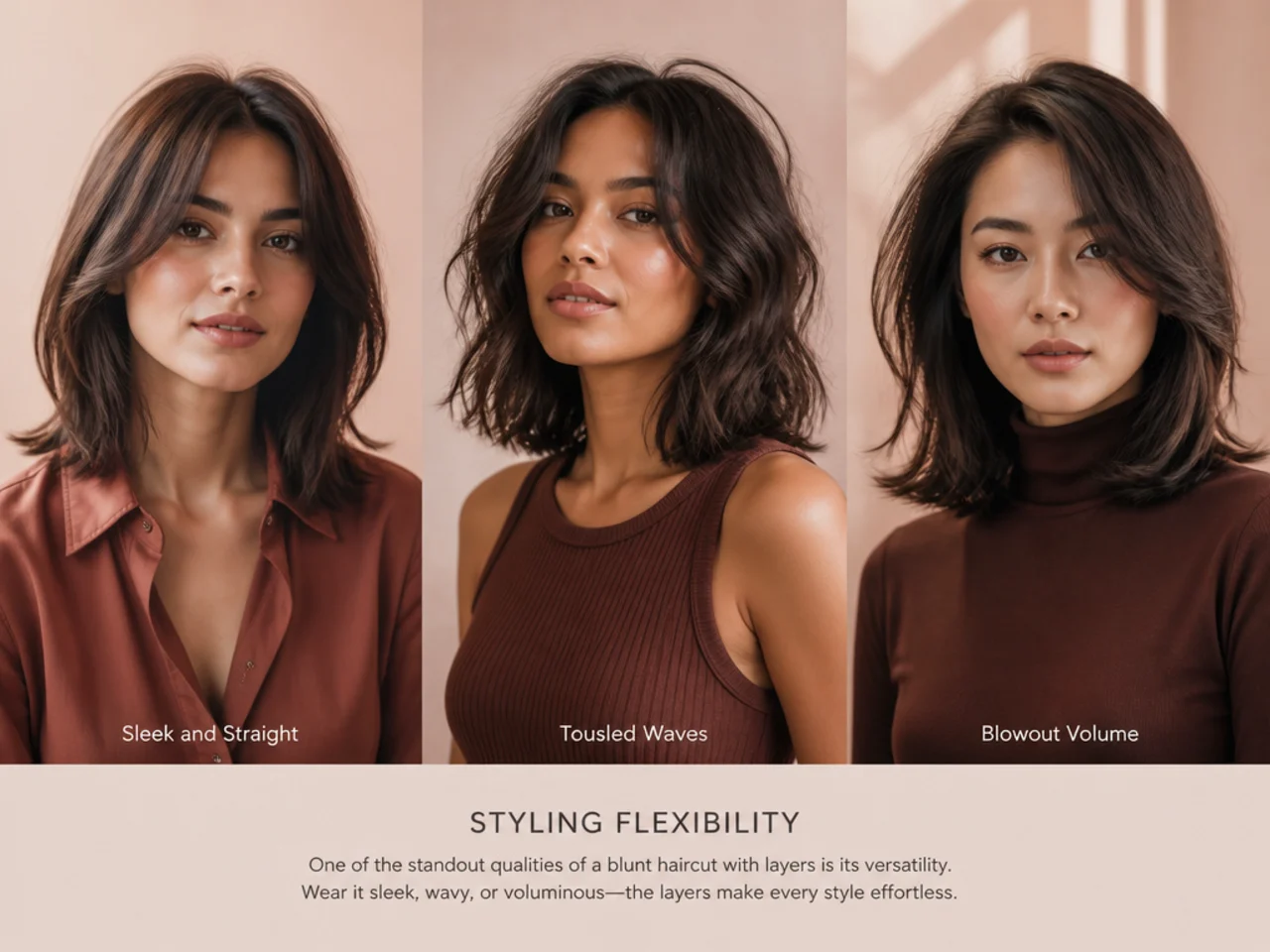
Straight blunt cuts punish styling mistakes. A single kinked section reads as damage. Add layers and you gain forgiveness. The interior movement hides wand tracks, blow-dryer inconsistencies, and next-day bends. You can wear it sleek, wavy, tucked, or tousled without recutting.
Styling Tips for Your Blunt Haircut with Layers
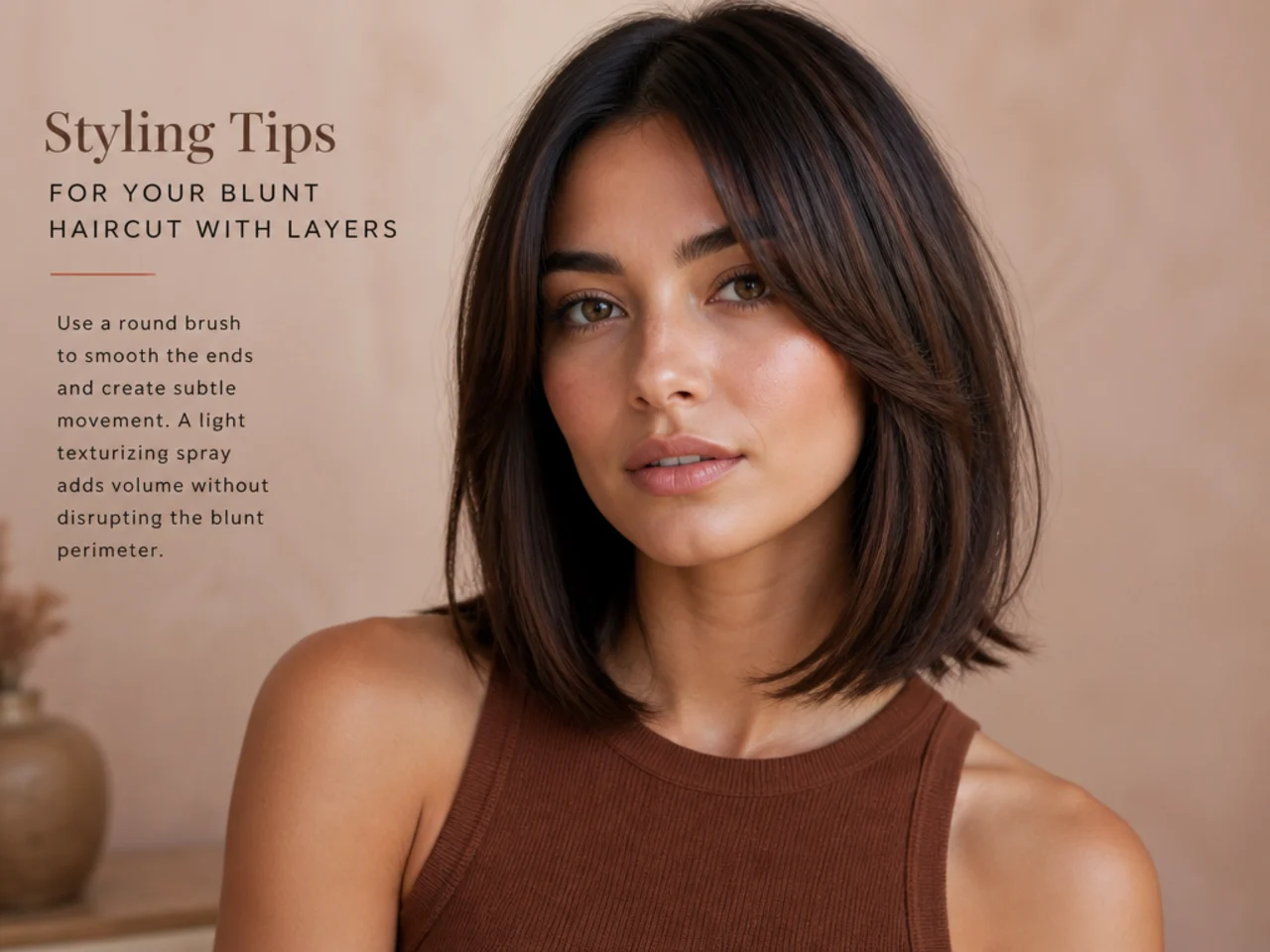
Every variation below is a different way to wear the same cut. Pick based on face shape, hair type, and how much time you're willing to spend at the mirror.
Keep It Sleek and Polished
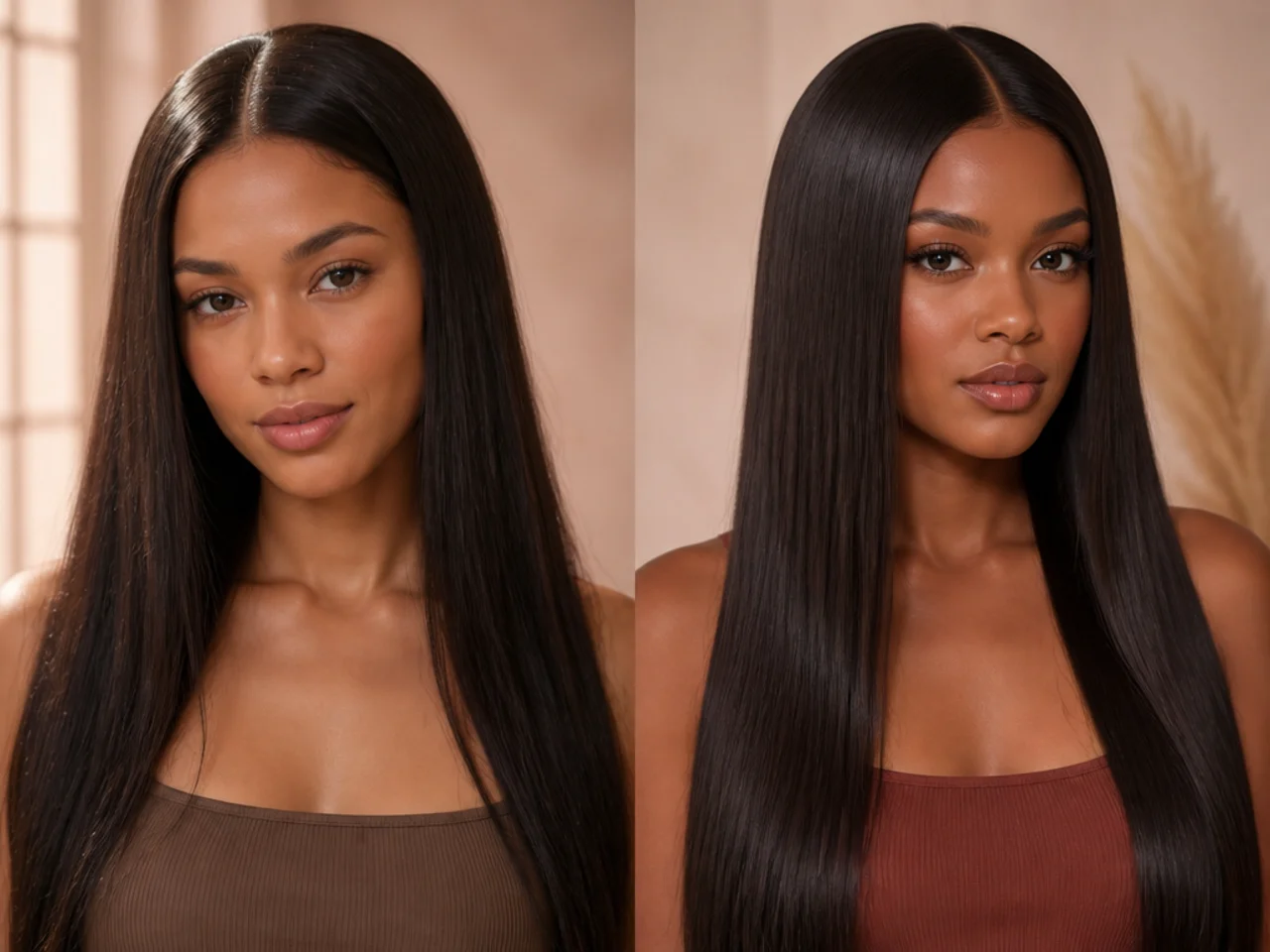
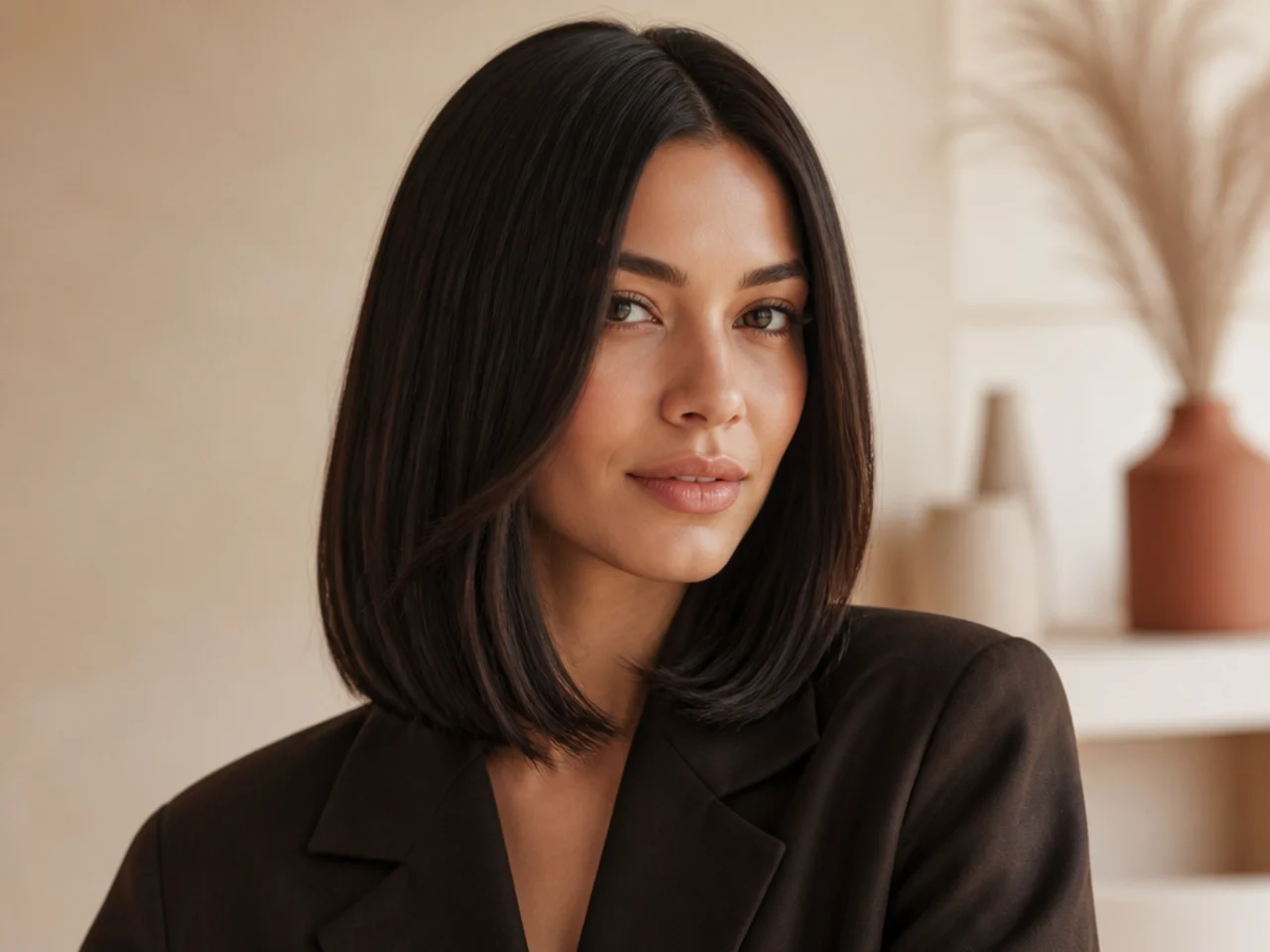
What makes it different. The layers disappear when the hair is styled flat. What you see is a mirror-clean blunt line. This is the quiet-luxury version — expensive-looking, deliberate, minimal.
Who it suits. All face shapes. Best on straight to slightly wavy hair. Fine hair benefits most because the sleek finish maximizes the density illusion of the blunt perimeter.
How to ask. "Blunt perimeter [X inches] below the jaw, subtle internal layers starting at the cheekbone." Say out loud that you want the ends to read as one line when styled straight.
Styling tip. Rough-dry to 80% with the nozzle pointed down. Then flat-iron in half-inch sections, tucking the ends under slightly on the last inch. Finish with two drops of silicone serum smoothed across the lengths. No product on the roots.
Add Volume with a Blowout
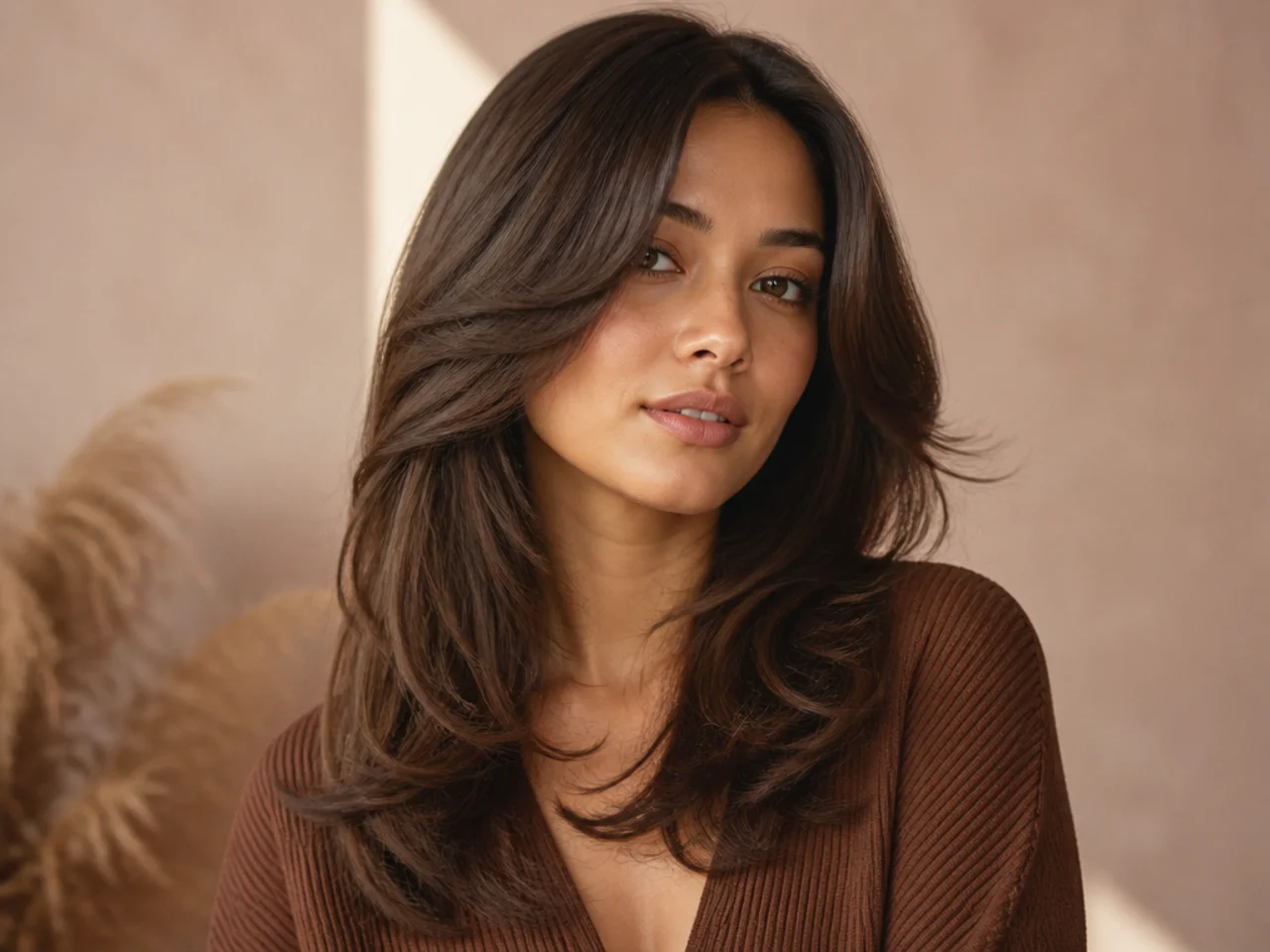
What makes it different. The layers are visible. The interior lifts off the head. The perimeter still reads blunt, but the whole shape reads full instead of flat.
Who it suits. Fine to medium hair on round, square, or heart faces. If your hair is very thick, skip this one — you'll overshoot into big-hair territory.
How to ask. "Blunt perimeter at [X inches], internal layers with lift through the crown." Bring a photo of the volume you want, not just the length.
Styling tip. Volumizing mousse on damp roots only. Round-brush section by section, pulling each section straight up before rolling under. Cool shot on every section before you release the brush. Hair sets in the shape it cooled in.
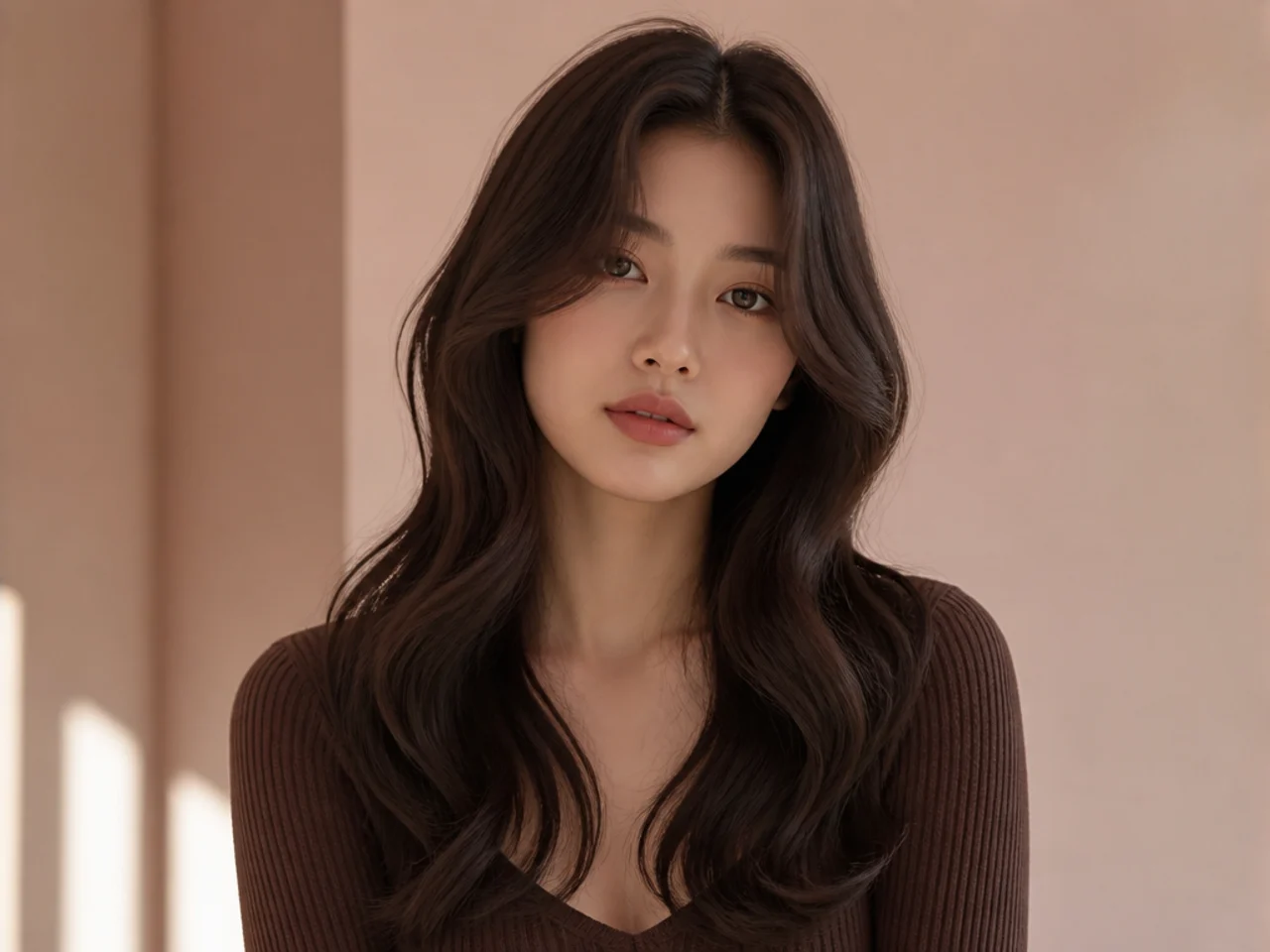
Embrace Effortless Waves
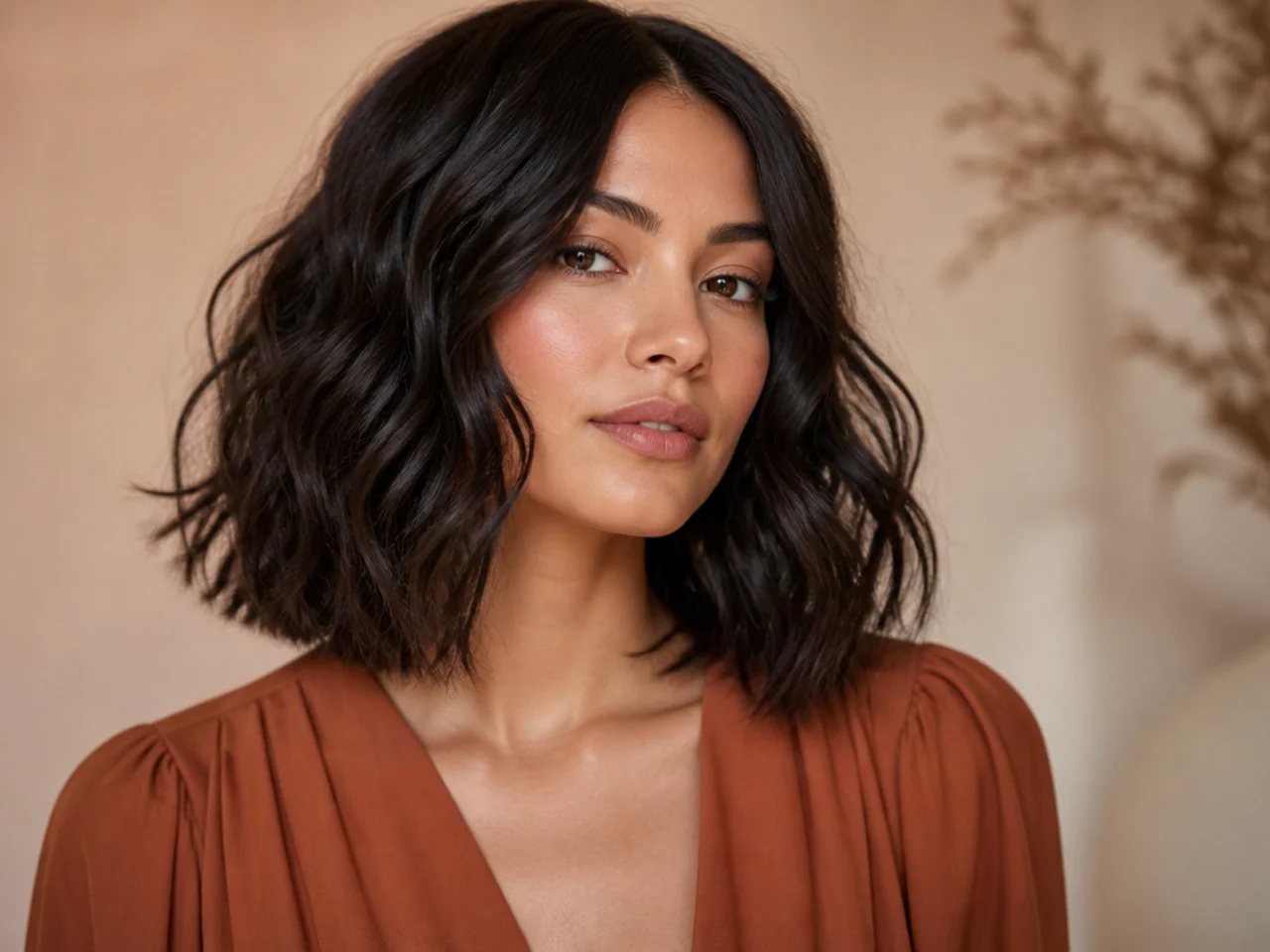
What makes it different. The wave lives on the interior. The ends stay straight. This is what makes the modern lob look modern — bent middle, blunt end.
Who it suits. Every face shape. Best on straight to wavy hair that holds a bend. Curly hair does this shape naturally already.
How to ask. "Blunt lob with layers for movement." Length: collarbone to two inches below. Specify that you want the wave in the mid-length, not at the ends.
Styling tip. Use a 1.25-inch curling wand. Wrap sections away from your face. Stop one inch above the ends — never curl the ends themselves. Break the waves apart with your fingers and a spray of dry texture spray.
Try a Side-Swept Fringe

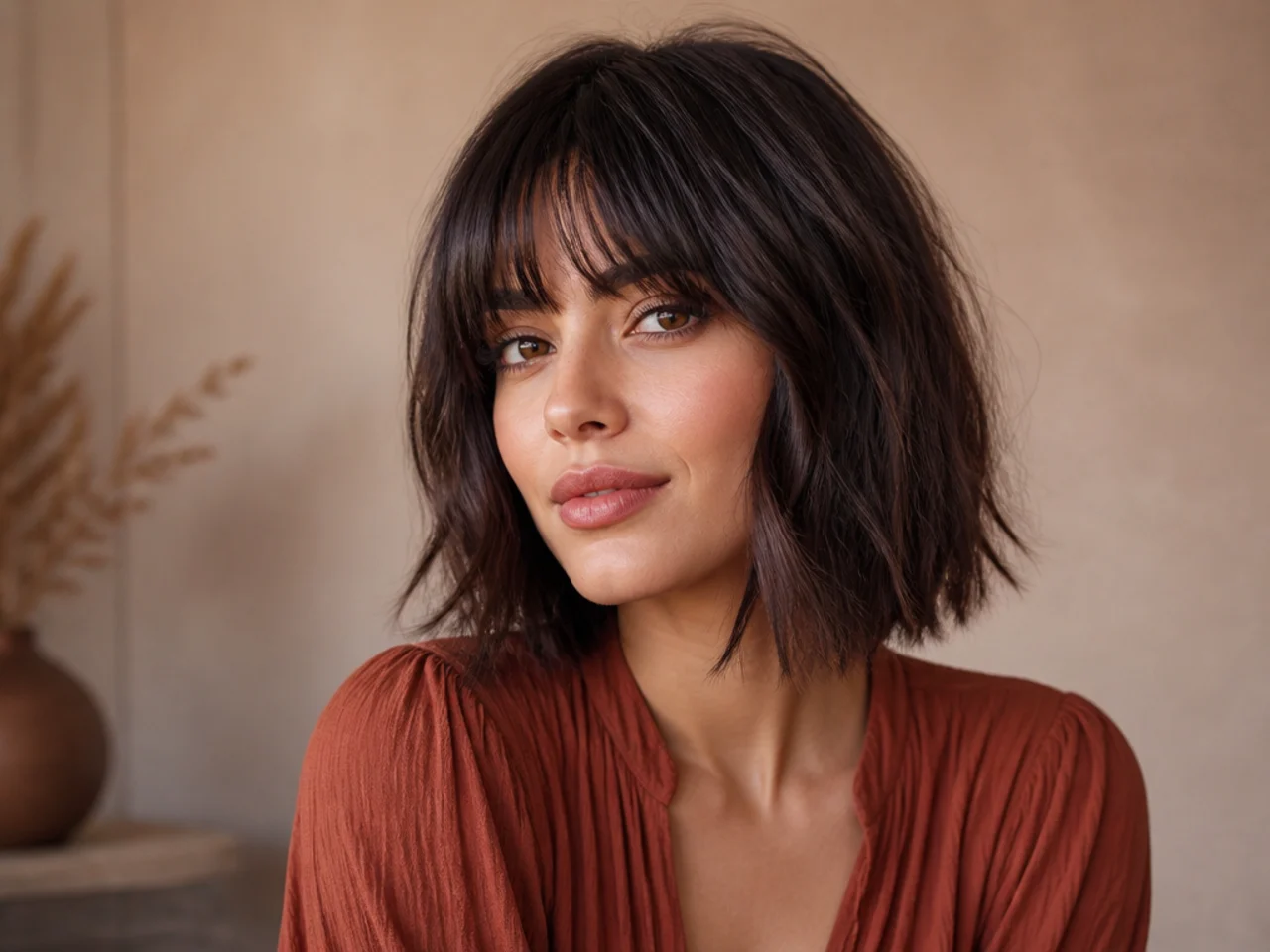
What makes it different. A fringe changes the face-framing without touching your length. A side-swept version breaks up a square forehead or balances a heart-shaped face.
Who it suits. Heart, round, and square faces. Skip it on long faces — a side sweep drags the eye down instead of across.
How to ask. "Side-swept fringe from a deep side part, longest piece hitting the cheekbone." Bring a photo. Fringe language is where most consultations go sideways.
Styling tip. Blow-dry the fringe first, before the rest of your hair dries flat. Direct heat across the forehead in the opposite direction of the sweep for ten seconds, then flip it back. Lift at the root, movement in the length.
Who Can Pull Off a Blunt Haircut with Layers?

Nearly everyone. The cut adapts by length, by layer starting point, and by perimeter position. Here's how it plays for the two demographics that ask most often.
Perfect for Women Over 40
What makes it different. In your 40s, hair density often starts shifting. The blunt perimeter gives back the visual weight you may have lost. The internal layers keep the shape from reading helmet-heavy or aging.
Who it suits. All face shapes. Especially good if you've been in a longer layered cut and want structure back without going full pixie. Hair types: fine, medium, or thick — all three work.
How to ask. "Blunt perimeter at collarbone, internal layers for movement starting at the earlobe." Ask your stylist to keep the face-framing pieces long — nothing shorter than the chin.
Styling tip. Trade heat for texture. A leave-in cream and a scrunch dry gives you a lived-in wave that suits this cut better than a formal blowout — and it's kinder to hair that's coloring more often than it used to.

Flattering for Women Over 50
What makes it different. The perimeter redefines the jawline. As facial structure softens, a strong horizontal line at the right length restores definition without doing anything drastic. The internal layers prevent the set look that dates a cut.
Who it suits. Round, square, and heart faces get the most lift. Fine or medium hair takes to it best. If you're growing in gray, the blunt line makes the color transition read as intentional instead of accidental.
How to ask. "Blunt perimeter [X inches] below the jaw, soft internal layers, nothing above the ear." That last phrase matters — high layers age most cuts in this decade.
Styling tip. A light mousse and a round brush is enough. Skip the flat iron most days. Ends that look slightly rounded, not knife-sharp, read softer and more current on mature hair.

Suited to All Face Shapes

Every face shape has a version of this cut. Three variables move: perimeter length, layer starting point, and whether you add face-framing pieces or a fringe. For a full walk-through, see the bob haircut guide and this rundown of layered bob haircuts. If you want something with more built-in movement and length, look at the butterfly haircut — it's the long-hair cousin of this cut, running on the same "heavy ends, light interior" logic.
How to Maintain Your Blunt Haircut with Layers

The perimeter is the maintenance point. Layers grow out gracefully. A blunt line does not.
Regular Trims

Every six to eight weeks for shorter versions — chin to jaw. Every eight to ten weeks for longer versions — collarbone and below. Ask specifically for the perimeter to be re-cut, not just dusted. A dust preserves length. A perimeter cut restores the line. They're different services, and stylists sometimes default to the wrong one.
If you can't get in on schedule, don't cut it yourself. A crooked perimeter takes six weeks to fix.
Use Right Hair Products
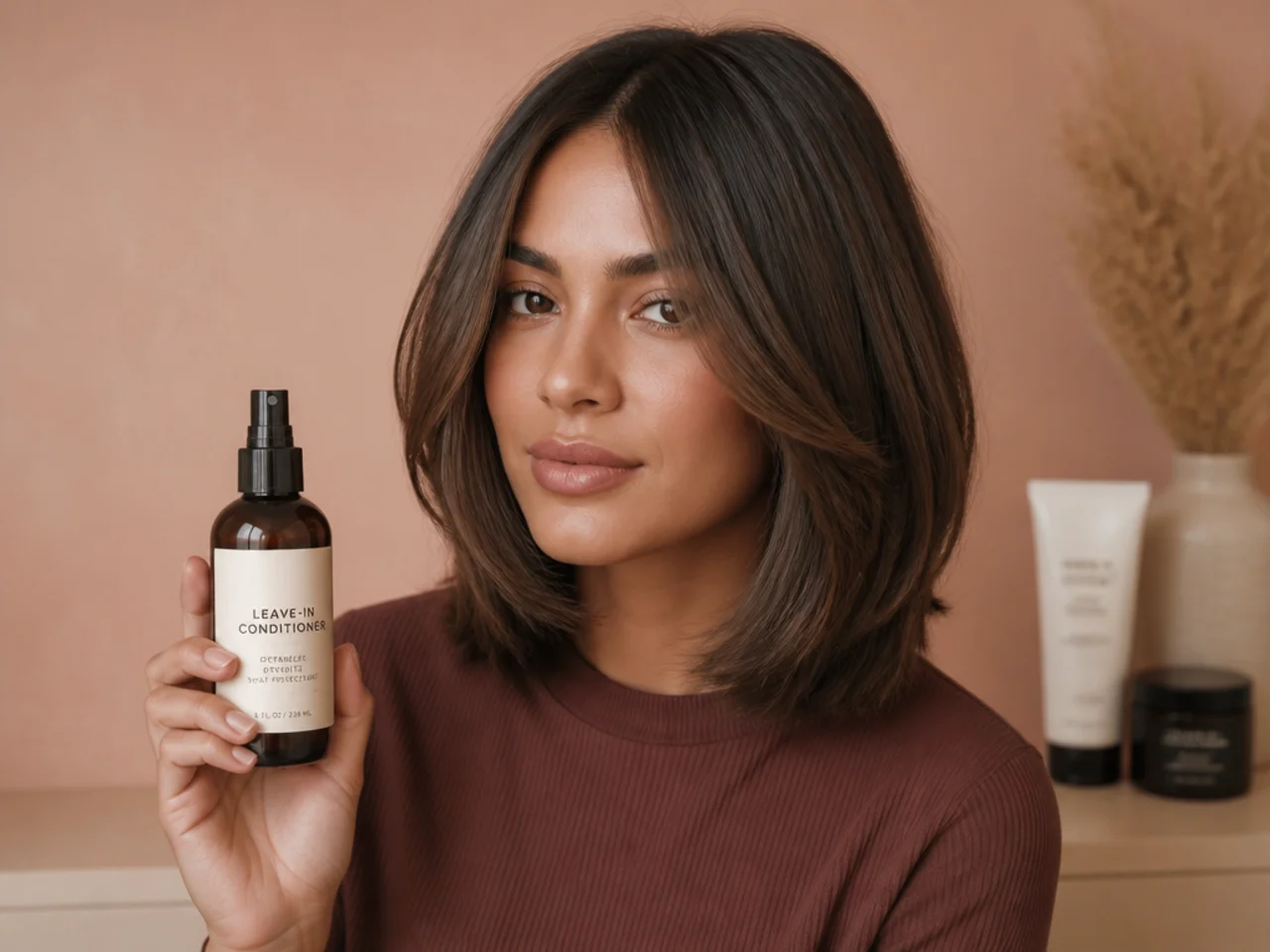
Match product to finish, not to cut:
- Sleek finish. Heat protectant, then a small amount of silicone serum on damp hair. Finish with a drop of oil on the ends only.
- Blowout finish. Volumizing mousse on damp roots. Heat protectant through the lengths. Finish with a workable hairspray.
- Wavy finish. Salt spray or a light styling cream on damp hair. Air-dry or diffuse. Finish with dry texture spray.
Skip heavy conditioners on the mid-lengths if you have fine hair — they weigh down the internal layers and undo the movement your stylist cut in. For a shorter starting point tailored to fine hair, see these short haircuts for thin hair.
Before you shop, know your hair texture. Wrong products on the wrong texture is what makes salon-fresh cuts fall flat by day three.
Experiment with Styling Tools
Three tools cover the entire range:
- A 1-inch flat iron with rounded edges (sleek finishes and beveled ends).
- A 2-inch round brush (volume).
- A 1.25-inch curling wand (waves).
You don't need more. If you already own a three-barrel waver or a hot brush, use them. If you don't, don't buy them. The three basics above cover every look this cut can do.
Keep dry texture spray in the drawer. It's the fastest way to revive day-two hair without water or heat.
Conclusion

The blunt haircut with layers ends the argument between structure and softness. Your perimeter stays sharp. Your interior stays alive. The cut works because both pieces do their own job and stay in their lane.
Bring a photo. Name the length in inches. Ask for "blunt perimeter, internal layers for movement." That single sentence saves twenty minutes at the consultation. If you're still deciding between this and something with more layered energy, the layered bob is the closest cousin. If you want to keep your length and add only internal shape, that's this cut exactly.