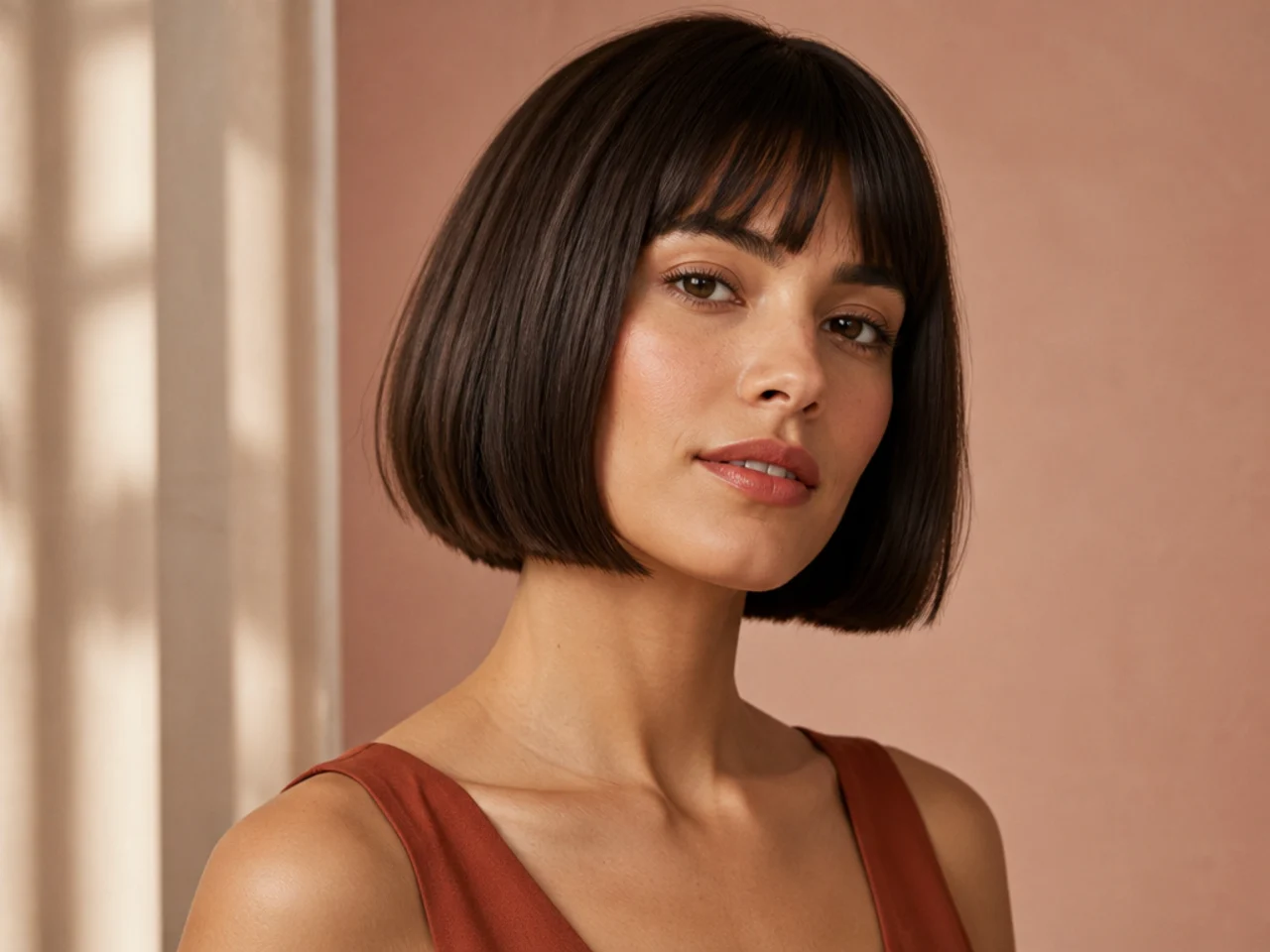
25 Best Haircuts for Thin Hair That Add Instant Volume
Thin hair can often feel like a styling challenge, but the secret to gorgeous locks isn't always in a bottle it’s in the cut. The goal for fine or thinning hair is to create t
In this article · 28
- Classic Blunt Bob
- Textured Pixie with Side-Swept Bangs
- Wolf Cut" for Fine Hair
- Deep Side Part with Long Layers
- Blunt Lob (Long Bob)
- Bottleneck Bangs and Mid-Length Cut
- Stacked Bob
- Wispy Fringe and Shoulder-Length Layers
- Italian Bob
- Curtain Bangs with Face-Framing Layers
- Blunt Crop (Very Short Bob)
- Short Choppy Pixie with Volume on Top
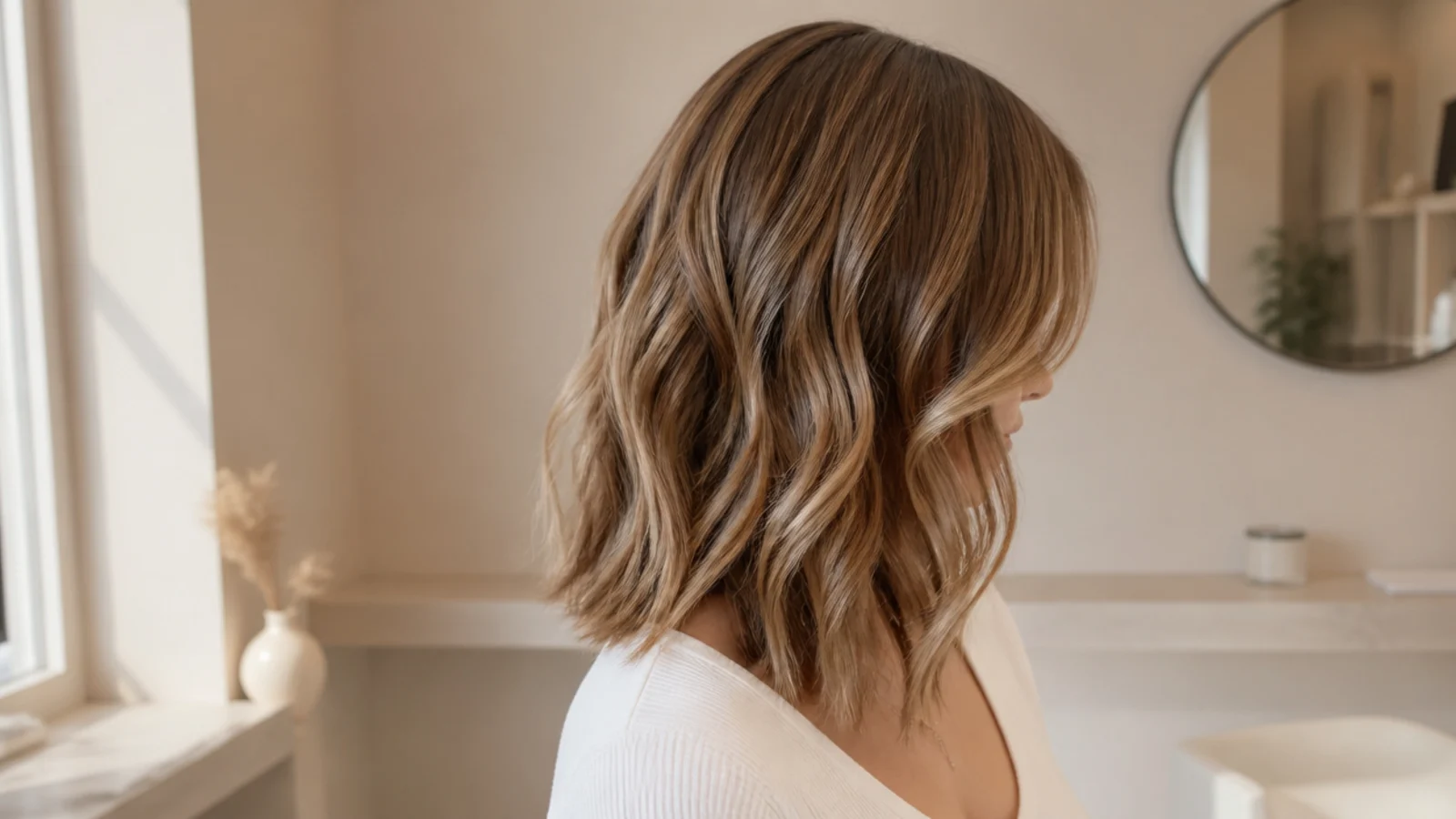
- Wavy Lob with Seamless Layers
- Undercut Bob
- Straight, Slicked-Back Pixie
- Mid-Length Cut with Internal Layers
- Blunt Bob with Bangs
- Voluminous Mid-Length Waves
- Buzz Cut (Bold and Chic)
- Shoulder-Length Cut with Internal Structure
- Shaggy Pixie with Face-Framing layers
- Deep Side Part with Shoulder-Length Cut
- Mid-Length Shag with Internal Lift
- Blunt Bob with Internal Texture
- Extremely Short, Textured Pixie
- Styling Tips for Thin Hair Haircut That Needs Volume
- Choosing Right Thin Hair Cut for Your Face Shape
- Conclusion
Thin hair is not a limitation. It is a canvas that rewards precision. The right cut creates the illusion of density, adds movement where you want it, and drops the weight that flattens fine strands. This guide covers 25 shapes across every length — pixies to lobs to shoulder-grazing waves. Blunt perimeters do the heavy lifting. Internal layers control where you build lift. Pick the cut that matches your face, your texture, and the styling time you actually have.
Classic Blunt Bob
The blunt bob is the gold standard for haircuts for thin hair. Every strand ends on the same line, so the perimeter reads as one solid block. That is what tricks the eye into seeing density. It flatters oval, heart, and most square faces, and sits best between the jaw and the collarbone as a short-length statement. Ask for "a one-length bob, cut on dry hair to the line, no internal layering, no razor." Style tip: mist water on the ends, flip your head forward, and air-dry with a walnut of light mousse worked through the mids. For perimeter variations and length options, see the full bob haircut breakdown.
Textured Pixie with Side-Swept Bangs
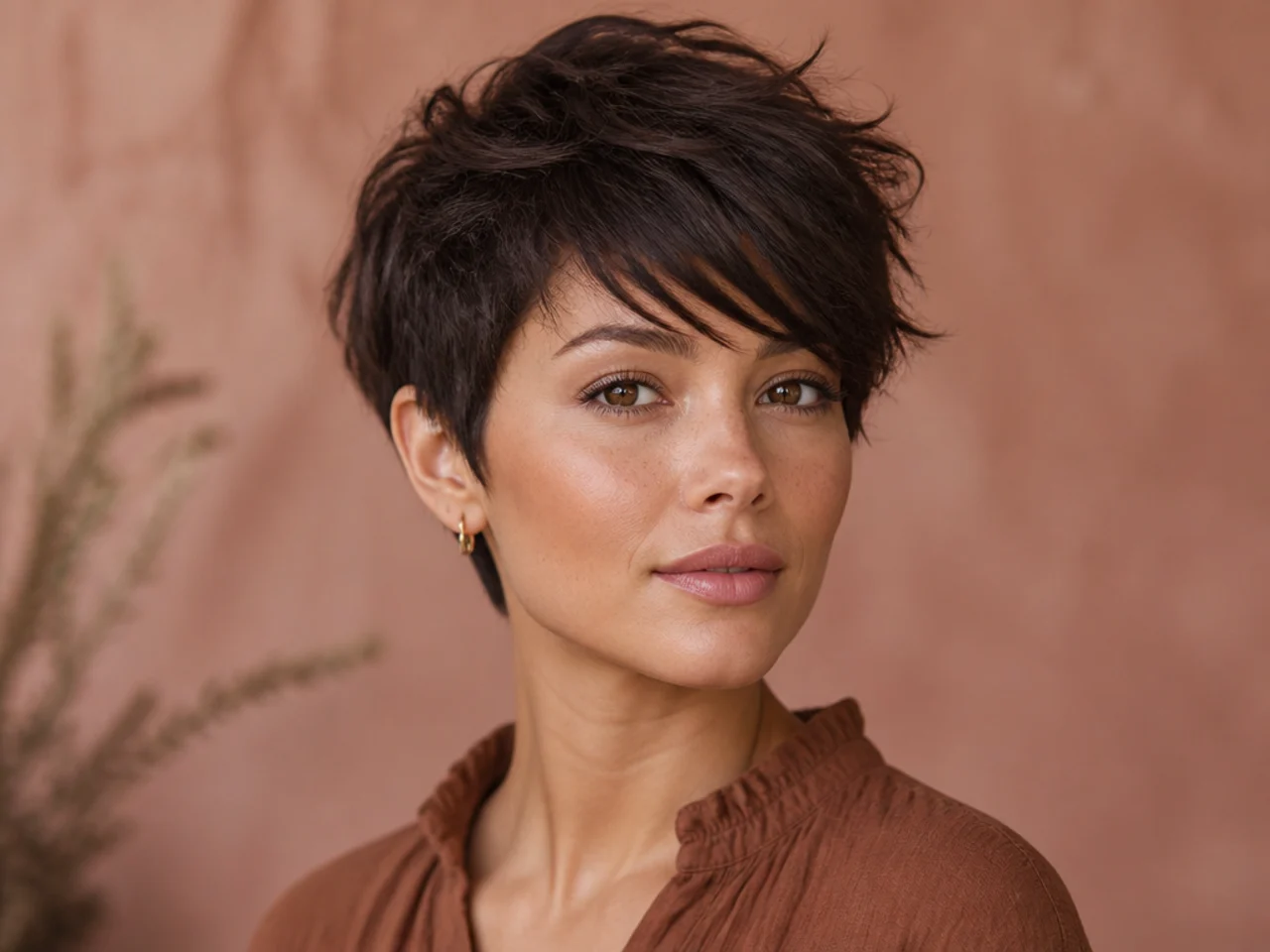
A pixie cut removes the dead weight that drags fine hair flat. Choppy, point-cut layers on the crown push the top up, while a side-swept fringe adds a diagonal line that pulls the eye across the face. It suits heart, oval, and softer square faces at the shortest end of the length spectrum. Ask for "a pixie with two-inch point-cut layers on top and a soft side-swept fringe past the brow, tapered above the ear." Style tip: rub a pea of matte paste between your palms and press it up from the roots. Do not brush it out.
Wolf Cut" for Fine Hair
The 2026 wolf cut for thin hair is tighter than the original. The crown layers stay cropped so they stack instead of collapsing, and the ends stay blunt for weight. That combo gives you lift on top without a stringy midsection. It works best on oval, square, and long faces with straight-to-wavy texture at medium length. Ask for "a modern wolf, crown layers ending at the cheekbone, blunt perimeter at the collarbone, no razoring." Style tip: diffuse with your head tipped side to side, then finger-shake at the roots to break the layers apart. Add a light salt spray on air-dried days.

Deep Side Part with Long Layers
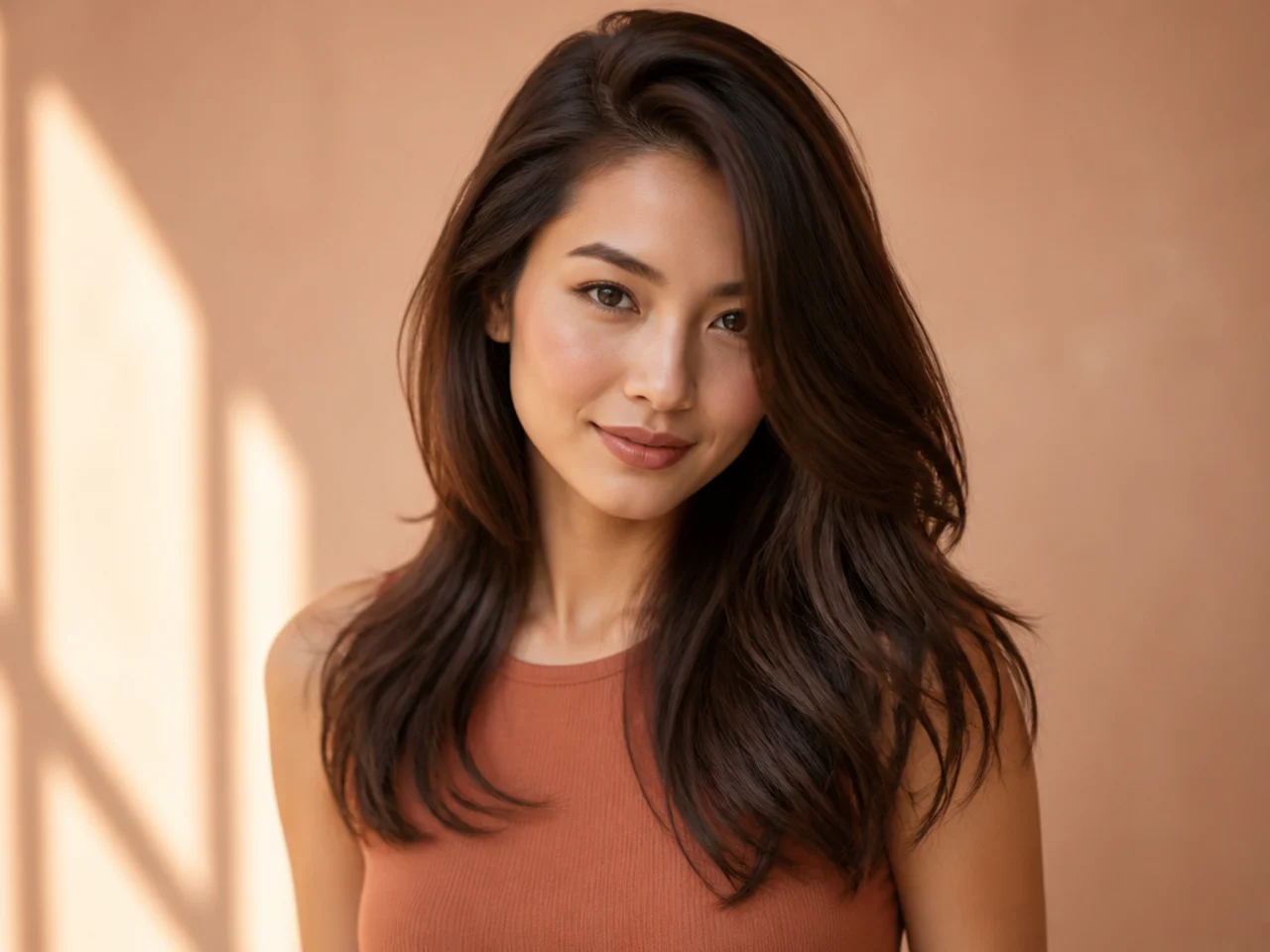
A deep side part is the fastest volume trick in the book. Pushing all the weight to one side forces the roots on the opposite side to stand up. It flatters every face shape and works on any length from lob to mid-back. Long, seamless layers keep the shape moving without stealing thickness from the ends. Ask for "invisible internal layering below the shoulder, no visible layers at the perimeter, and a part built off the arch of the brow." Style tip: set your part on the opposite side, blow the roots dry, then flip to your final part for instant lift.
Blunt Lob (Long Bob)
The lob is the compromise cut for anyone not ready to lose length. Landing between the collarbone and the top of the shoulder, it keeps the blunt perimeter that makes thin hair read as dense while giving you enough hair to tie back. Every face shape can wear it. Ask for "a one-length lob just brushing the collarbone, chipped in slightly at the very tips to prevent the shelf look, no razor." Style tip: use a one-inch flat iron to bend the last two inches under, then flick the mid-lengths out for the modern lob shape. Also worth exploring: our layered bob haircuts roundup for softer variations.
Bottleneck Bangs and Mid-Length Cut
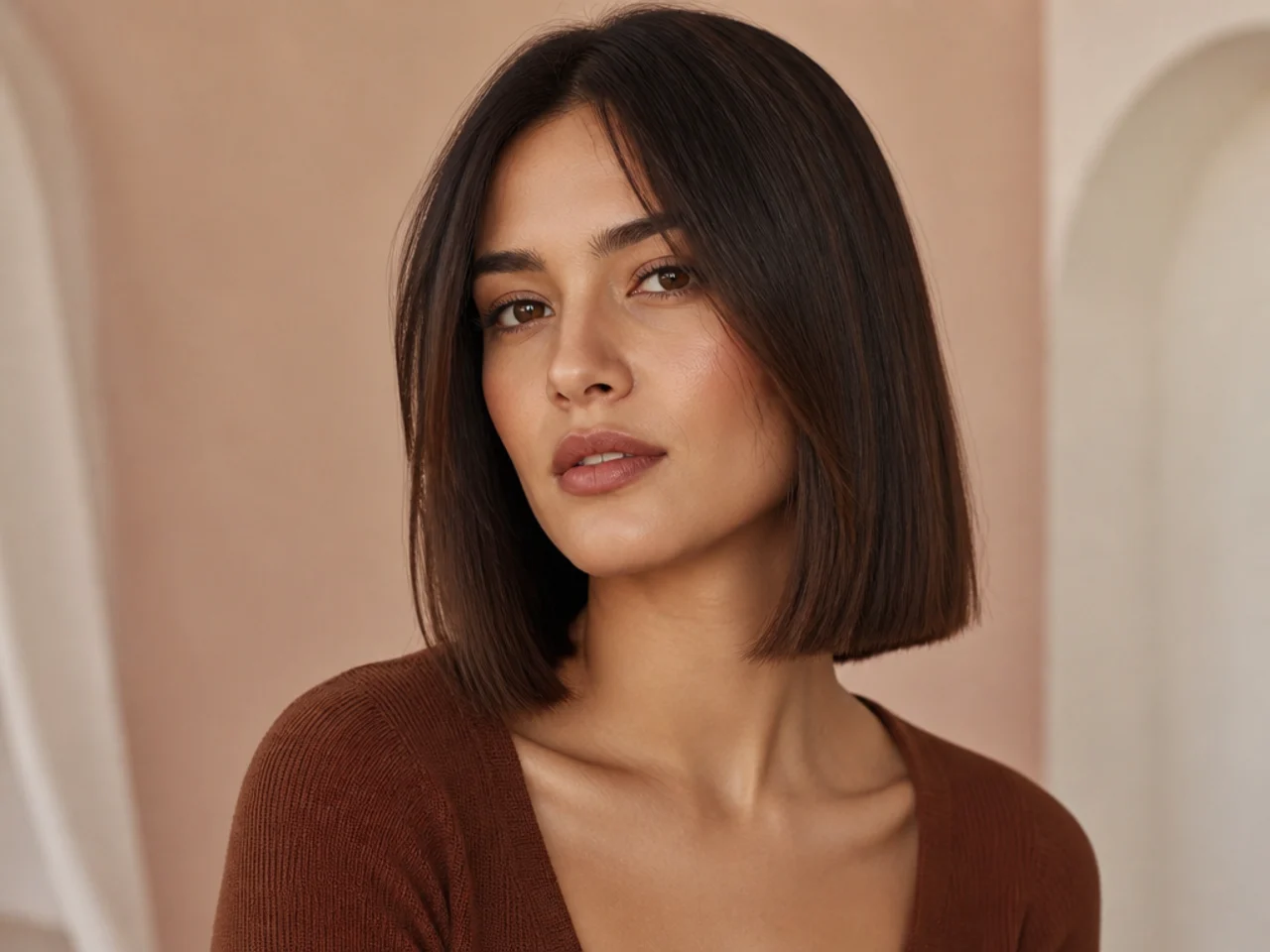
Bottleneck bangs are narrow at the arch of the brow and widen out at the cheekbones. That taper adds volume around the eyes and pulls attention upward. Pair them with a shoulder-grazing cut and you get frame without heaviness. They flatter oval, long, and heart faces at medium length. Ask for "a bottleneck fringe, split down the center, longest pieces hitting the top of the cheekbone." Style tip: dry the fringe forward with a round brush, then split it with your fingers. Skip the flat iron here — the natural swoop reads more expensive than a bend.

Stacked Bob
The stacked bob is engineered for crown lift. The back is graduated short and tight, so the layers pile on themselves and push the hair upward. The front stays long and angled forward. That built-in shelf reads as instant volume on thin hair. It suits round, square, and heart faces at the short end. Ask for "a graduated bob with a stacked back, one-inch elevation, angled front kissing the jaw." Style tip: round-brush the back sections up and over the brush, then blast with cold air to lock the shape. Prefer softer graduation? Try a blunt haircut with layers instead.
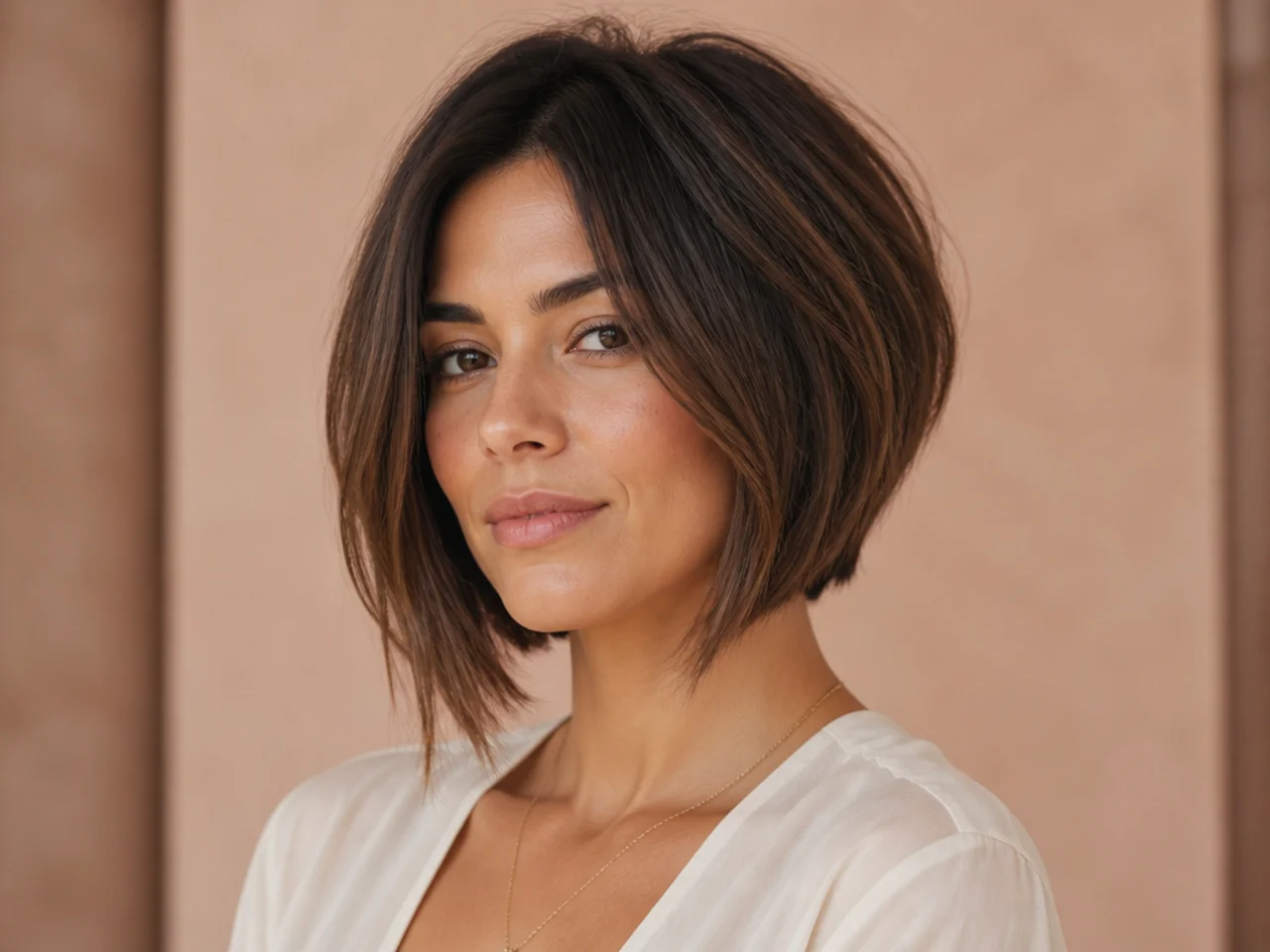
Wispy Fringe and Shoulder-Length Layers
Heavy bangs eat density from the rest of thin hair. A wispy, piecey fringe borrows less. It sits softly across the forehead with visible gaps that keep the shape light. Pair it with subtle shoulder-length layers to add motion through the mids. It flatters oval, heart, and long faces at medium length. Ask for "a textured fringe cut point-first, sitting at the brow, with tail-of-comb sections chipped through the ends and one-inch face-framing pieces below." Style tip: dry the fringe with your fingers straight down. Round brushes make wispy bangs look overdone by lunchtime.
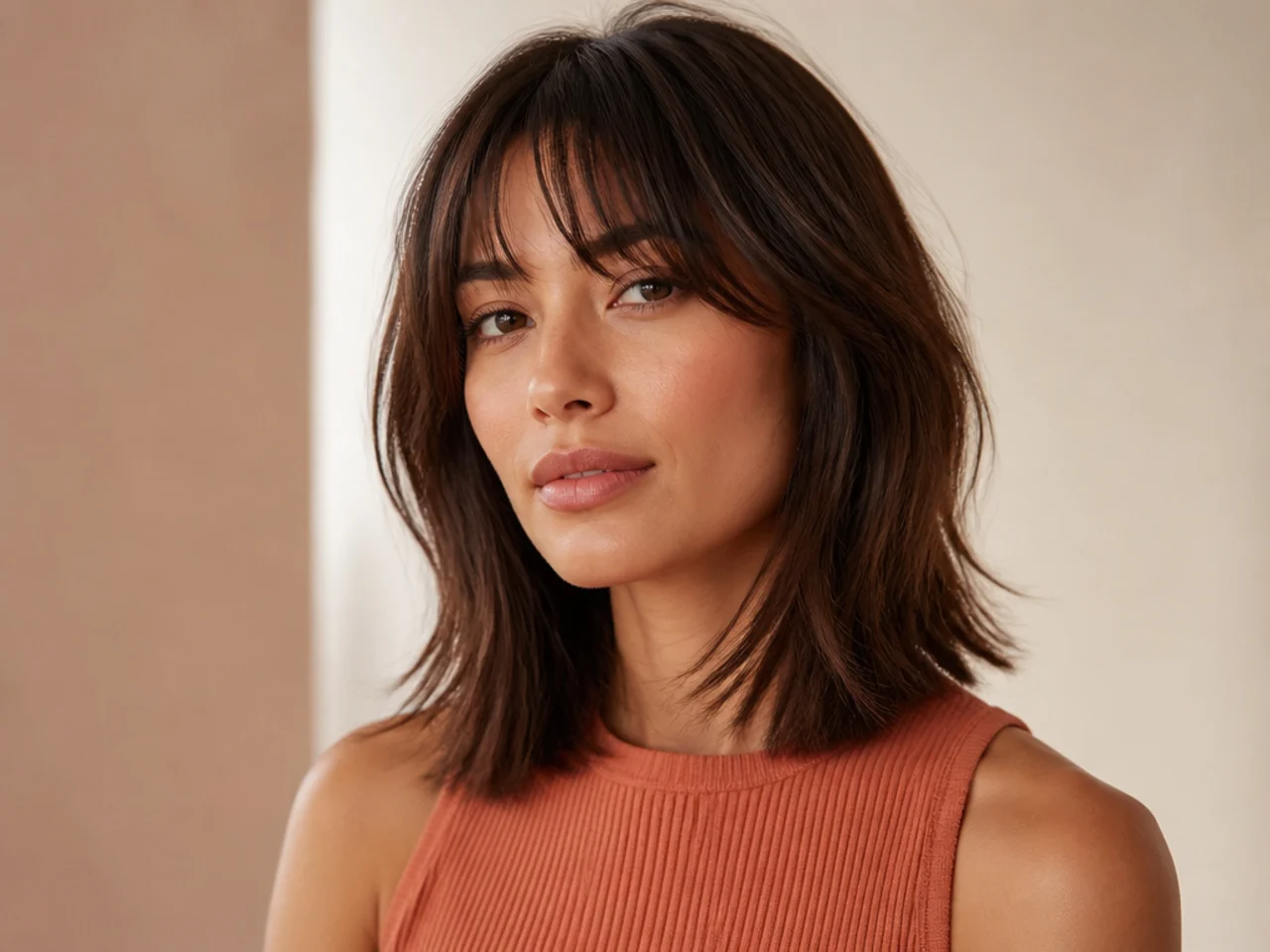
Italian Bob
The Italian bob is a chin-grazing blunt cut built to be air-dried. The magic is in the technique: your stylist cuts it on dry hair after it has already air-dried into its natural shape, so the perimeter sits exactly where it will live. No blowout required. It flatters oval, square, and heart faces at the short-to-medium mark. Ask for "an Italian bob, dry-cut, one length hitting just below the chin, minimal graduation at the nape." Style tip: work a coin of styling cream through damp hair, twist small sections, and let it air-dry. That is the entire routine.
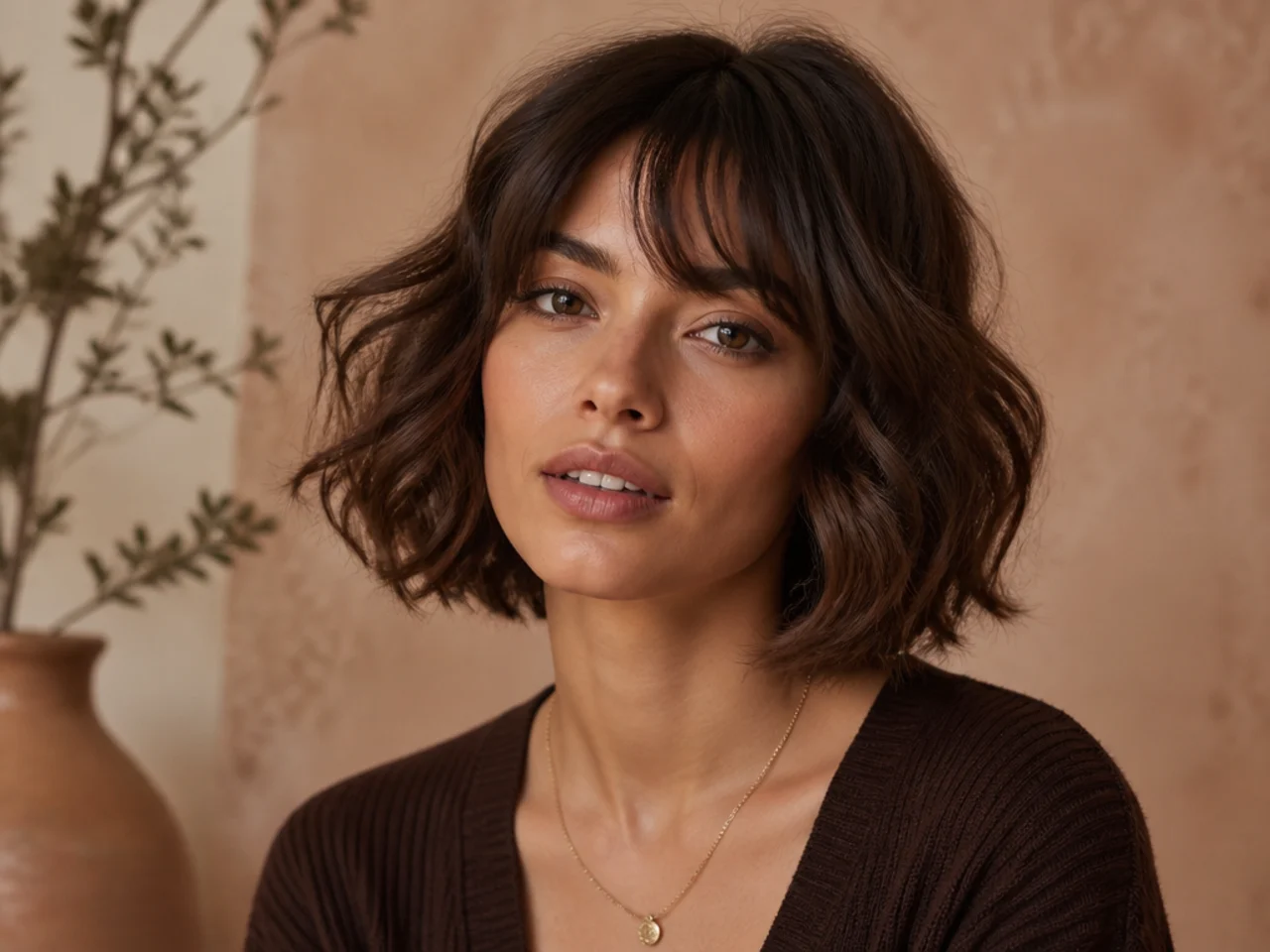
Curtain Bangs with Face-Framing Layers
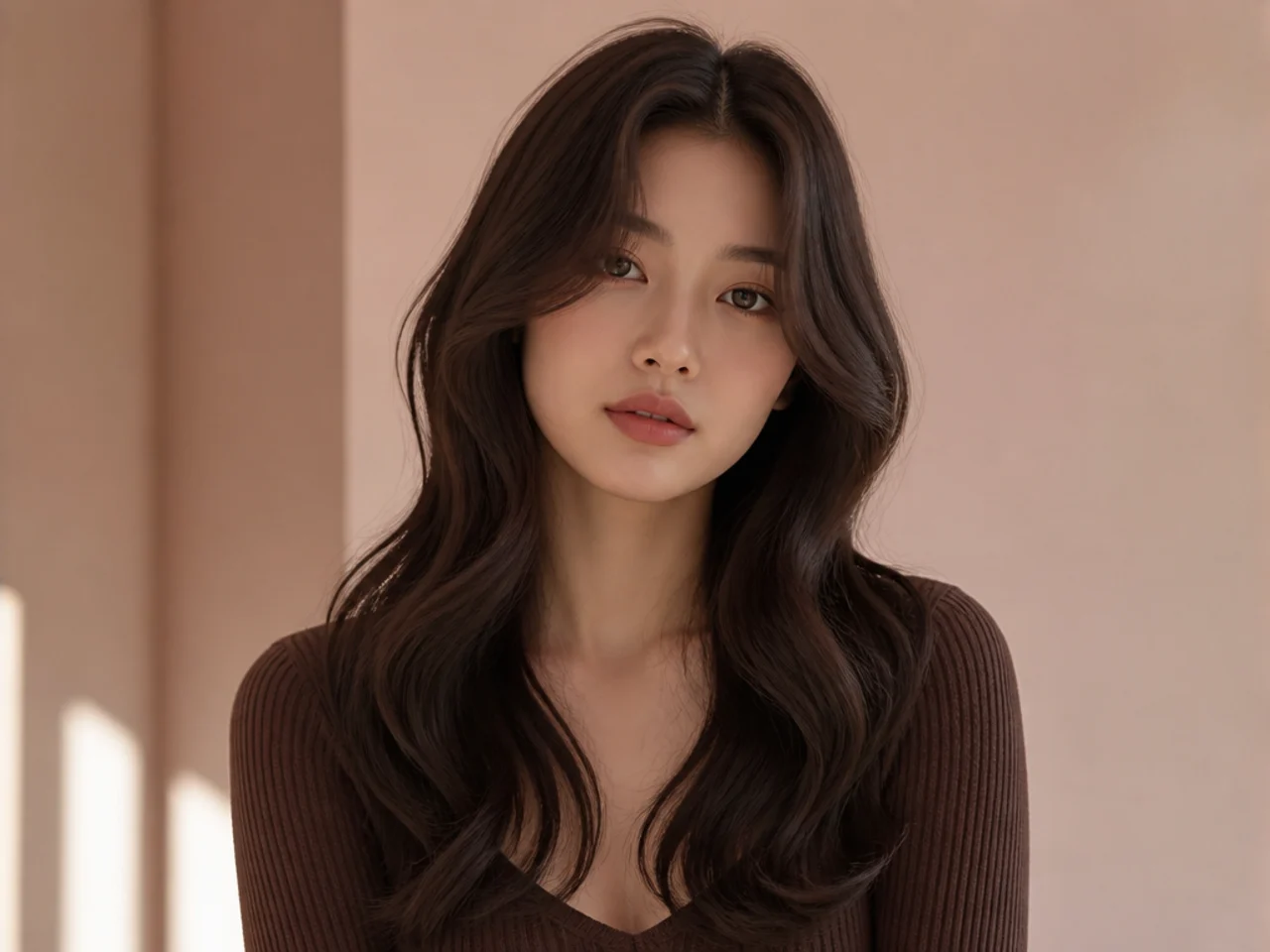
Curtain bangs part down the middle and sweep back toward the temples. They frame the eyes, widen the top of the face, and blend seamlessly into long layers. On thin hair, they add a visual density hit right at the front. They suit round, heart, oval, and long faces at any length from lob to long. Ask for "a curtain fringe starting at the outer edge of the pupil, longest pieces meeting the cheekbone, connected to long face-framing layers." Style tip: dry them off to the sides with a round brush, then shape the split with your fingers. Never a comb.
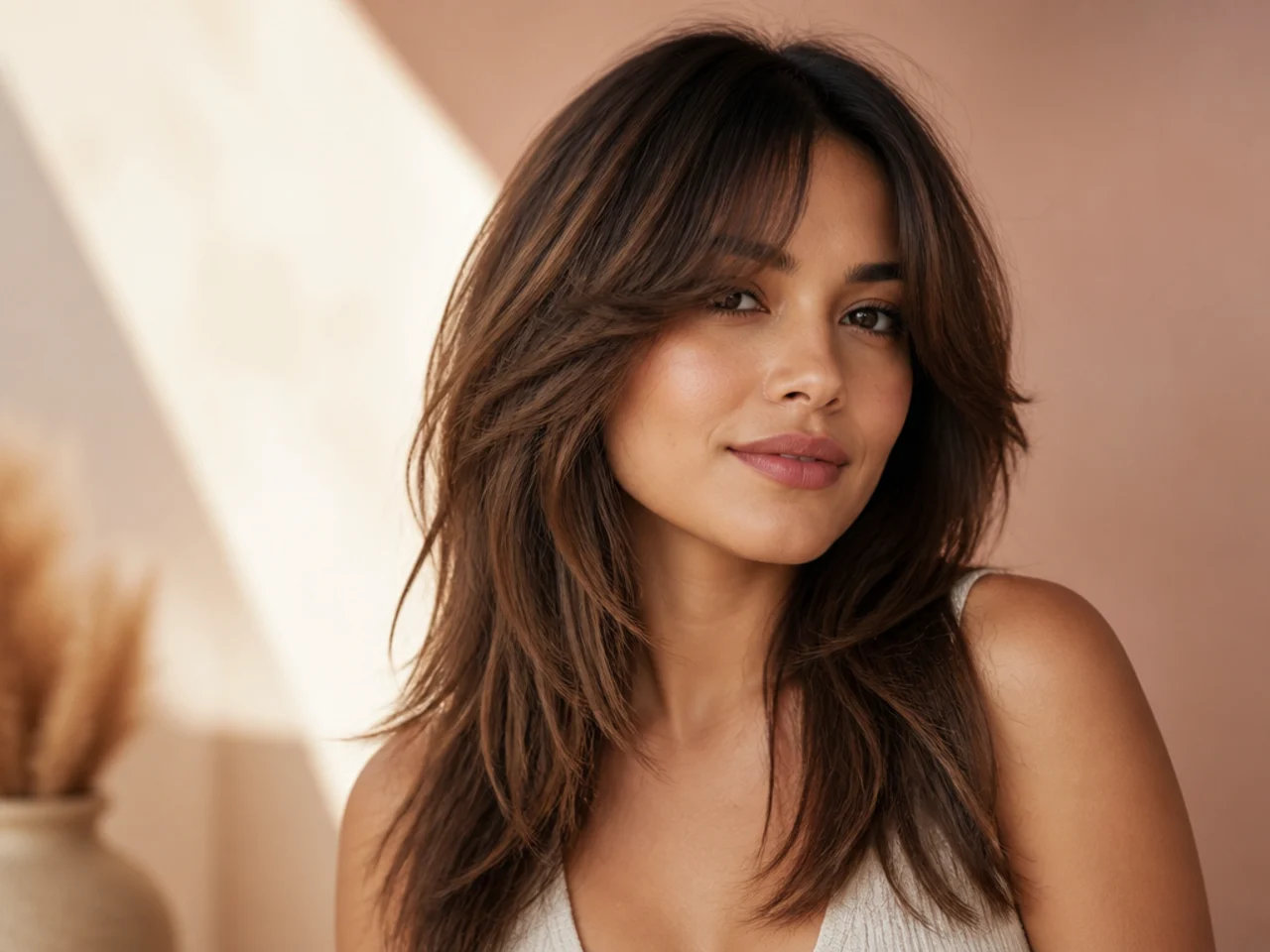
Blunt Crop (Very Short Bob)
The blunt crop lands somewhere between the earlobe and the top lip. That is the shortest a blunt bob can go before it turns into a pixie. The precision of the line makes thin hair look almost brittle in the best way — nothing wispy, nothing see-through. It flatters oval, heart, and square faces with a defined jaw. Ask for "a blunt crop, one length hitting the earlobe, cut on dry hair to the exact line, no perimeter softening." Style tip: run a flat iron down the surface only — not through the ends — for that glass-sharp finish.

Short Choppy Pixie with Volume on Top
This pixie stays tight on the sides and back and holds all the length on top. That contrast forces height into the crown, which is exactly where thin hair goes flat first. Choppy point-cut layers keep the top pieces separate so they do not clump. It suits heart, oval, and square faces at short length. Ask for "a short pixie with sides tapered above the ear, three-inch layers on top, point-cut for texture, freehand around the hairline." Style tip: work a matte paste from root to tip on damp hair, then rough-dry with your fingers pushing up and back.
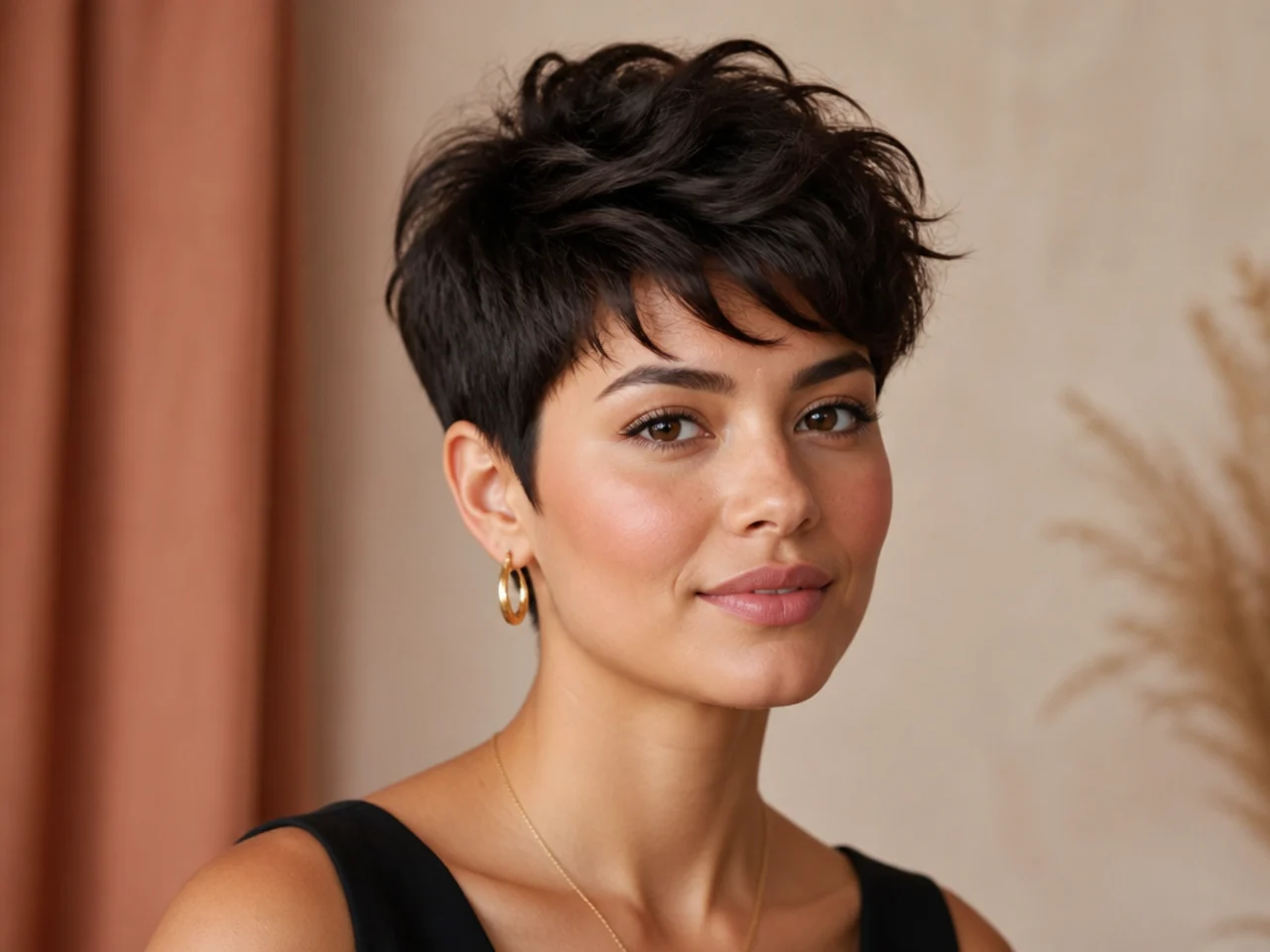
Wavy Lob with Seamless Layers
On wavy hair, layers cut too short make thin strands look choppy. Seamless layers are cut deep inside the shape — invisible from the outside — so they only free up movement without touching perimeter weight. That is the lob you want if you have natural texture. It flatters oval, square, and long faces at medium length. Ask for "a wavy lob with internal seamless layering, no perimeter cutting into the wave, ends chipped only." Style tip: scrunch a lightweight curl cream into damp hair, diffuse upside down until 80 percent dry, and air the rest.
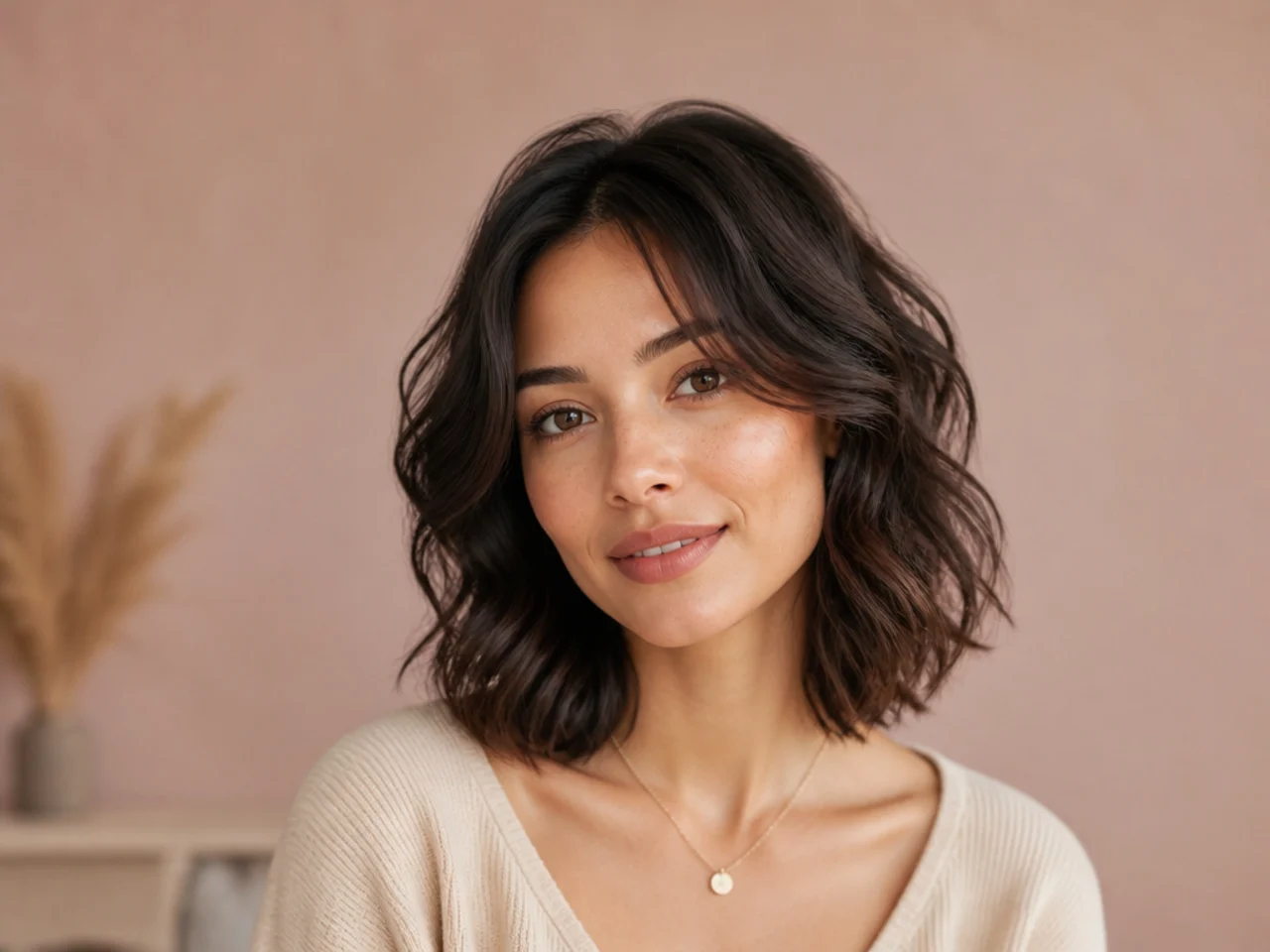
Undercut Bob
The undercut is a hidden volume weapon. Shaving a small panel at the nape or behind the ear removes the weight that drags the surface layers down. The top pieces get to sit fuller because they have less to push through. It suits square, heart, and oval faces at short-to-medium length. Ask for "a hidden undercut, one to two inches wide at the nape, tapered from a two guard to a half guard, connected to a blunt bob on top." Style tip: sleep on silk to keep the top blowout lasting through day two. Friction is the enemy of volume.
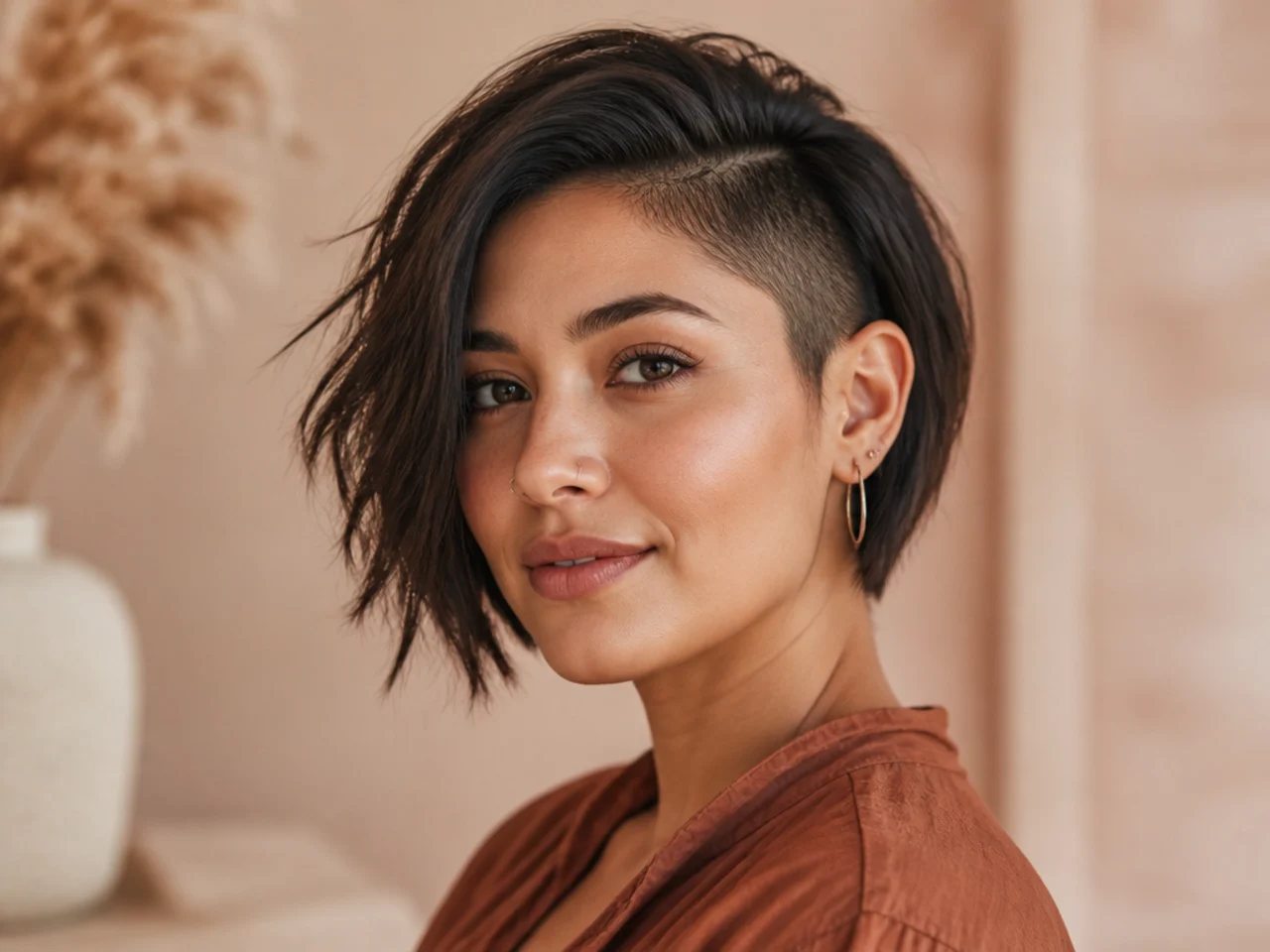
Straight, Slicked-Back Pixie
This cut proves thin hair can be sleek without looking sparse. The trick is length on top: the pieces need to be long enough to sweep back and lay flat against the head. Product does the visual work — hold and shine substitute for density. It flatters oval and heart faces at short length. Ask for "a slicked-back pixie, four-inch top pieces, tight nape, subtle tapered sides." Style tip: comb a strong-hold gel through damp hair from front to back, then blow-dry the same direction. Once it sets, do not touch it.
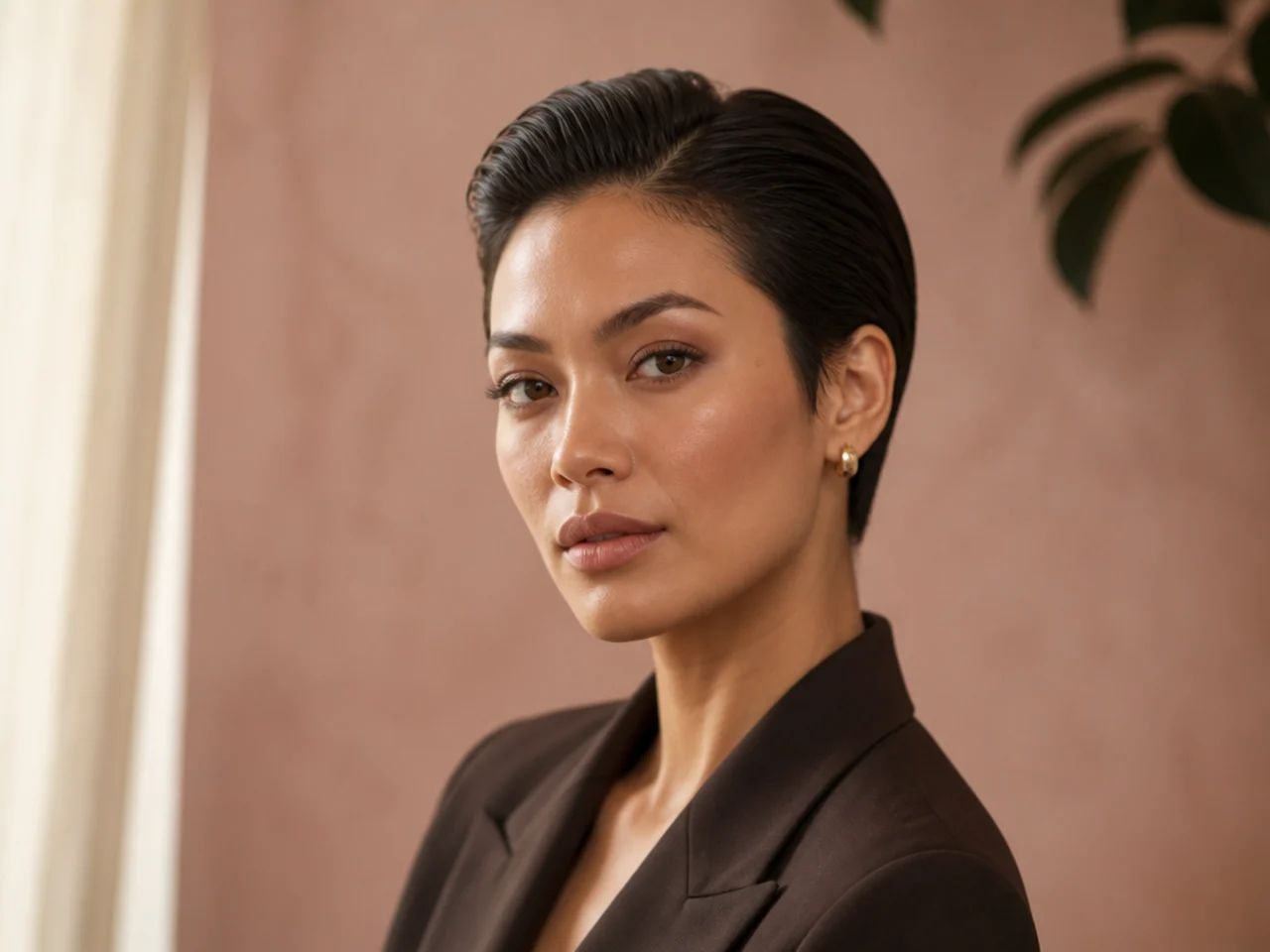
Mid-Length Cut with Internal Layers
Internal layers — sometimes called ghost or invisible layers — get cut inside the silhouette so they never show at the perimeter. On thin hair, they add lift and structure from within without carving up the ends. This is exactly how long thin hair earns its volume. It flatters every face shape. Ask for "a mid-length cut with internal layering only, blunt perimeter, deep layers stopping two inches above the ends." Style tip: bend the surface layers with a curling iron in alternating directions, then finger-brush to blend. For more on this technique, see our layered haircuts guide.

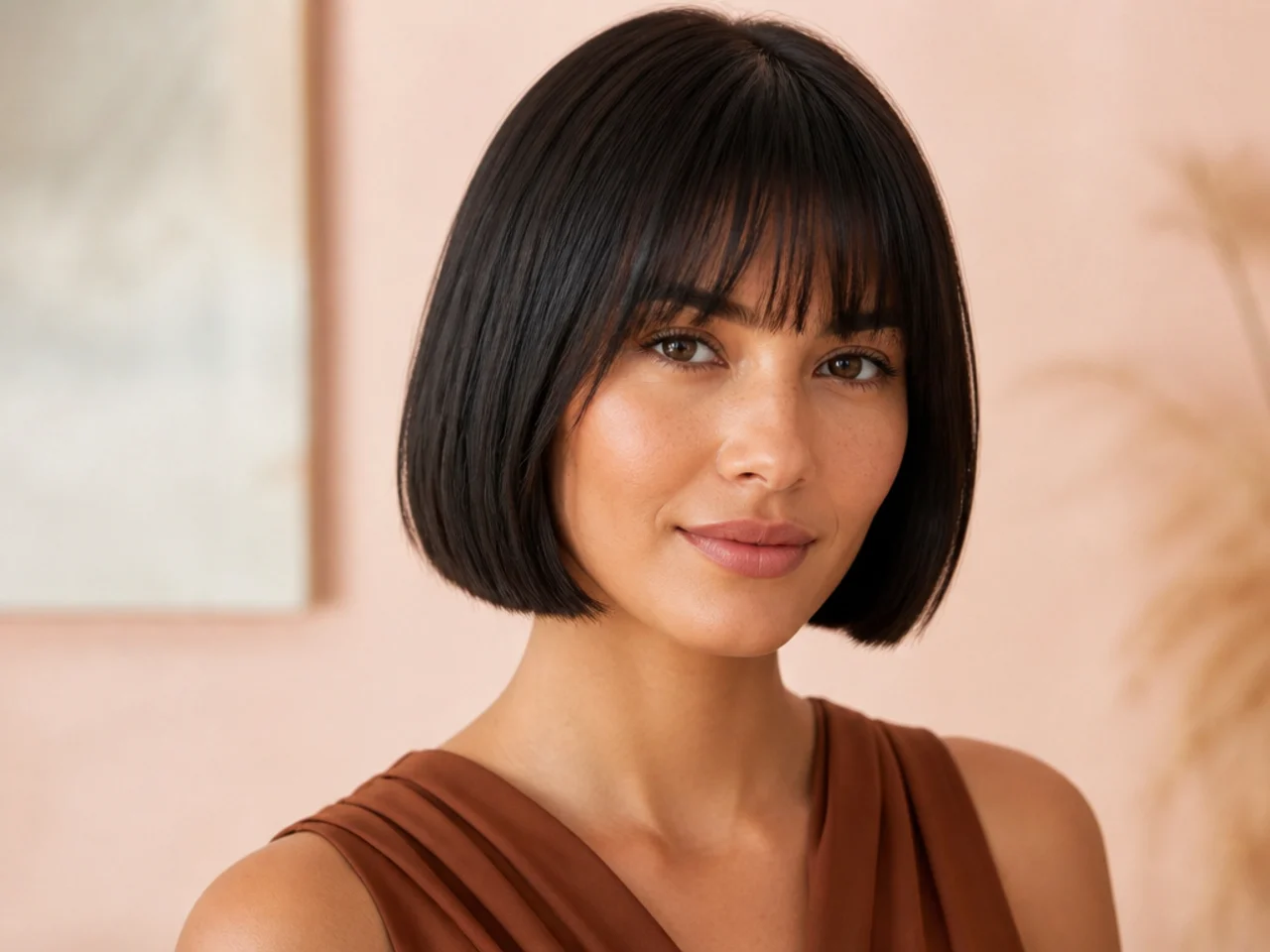
Blunt Bob with Bangs
Bangs plus a blunt bob is a density double-hit. The fringe adds visual weight at the forehead, the blunt line adds it at the ends, and the eye reads the whole shape as thicker than it is. It flatters oval, heart, and long faces at short length. Ask for "a chin-length blunt bob with a full straight fringe sitting at the brow, no wispy ends." Style tip: dry the fringe first, before the rest of the hair. Wet bangs shrink as they dry, and a fresh fringe blown flat sits softer than one you fight into place later.
Voluminous Mid-Length Waves
If your thin hair has any natural wave, work with it — not against it. A mid-length cut with a few well-placed long layers gives the wave room to bounce back. Too many layers and the wave collapses. It flatters oval, heart, and long faces at medium length. Ask for "a wavy mid-length cut, three to four long layers only, blunt perimeter at the collarbone." Style tip: braid damp hair into two loose plaits overnight, undo them in the morning, and shake out with a texture spray. Effortless waves, zero heat.

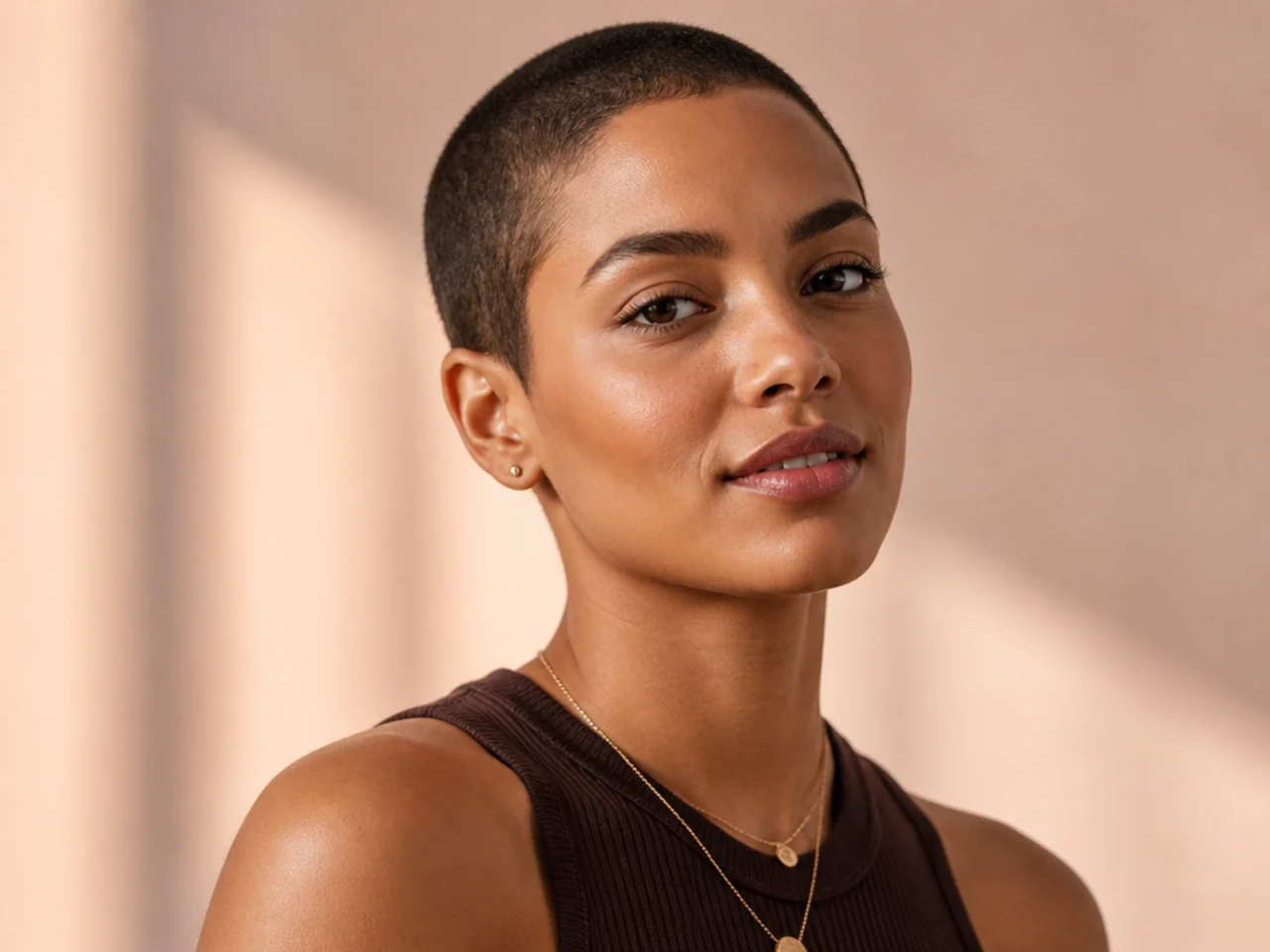
Buzz Cut (Bold and Chic)
The buzz cut sidesteps the entire thin-hair problem. There is no length to look sparse, no ends to go stringy, and the shape of your head becomes the shape of the haircut. It flatters oval, heart, and square faces with strong features and even skin tone at the shortest length. Ask for "a clipper cut, number two guard on top blended down to a one on the sides, freehand at the hairline." Style tip: moisturize your scalp daily — visible skin needs skincare, not haircare. Sunscreen every morning is non-negotiable.
Shoulder-Length Cut with Internal Structure
Shoulder-length hair on fine strands tends to flip out at the ends. Internal structure — layered from underneath — removes the bulk sitting right where the hair meets the shoulder. That is what makes it lay down instead of kicking out. It flatters oval, square, and long faces at medium length. Ask for "a shoulder-length cut with underneath layers removed, perimeter kept blunt, no visible layering from the surface." Style tip: use a large round brush to turn the very ends under during blow-drying. Roll, hold with cold air for three seconds, release.

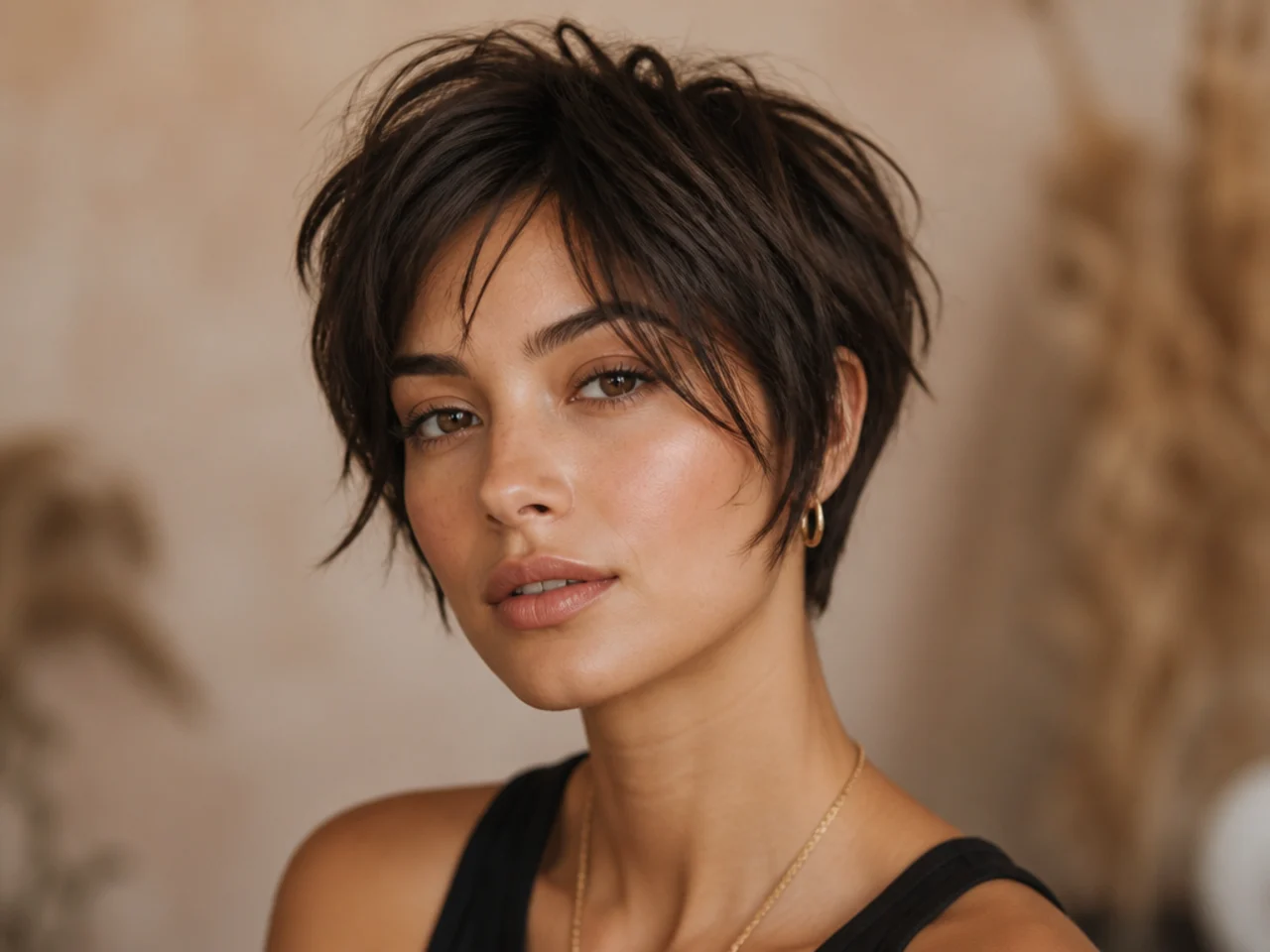
Shaggy Pixie with Face-Framing layers
The shaggy pixie splits the difference between a crop and a full pixie. The top and crown are pixie-short and full. The sides and front stretch longer into face-framing pieces that graze the cheekbones. That extra length keeps thin hair from looking too severe. It flatters heart, oval, and square faces at short length. Ask for "a shaggy pixie, three-inch crown, front pieces at the cheekbone, razored ends for softness." Style tip: scrunch a texture cream into damp hair, then air-dry. The messier the finish, the better this cut looks.
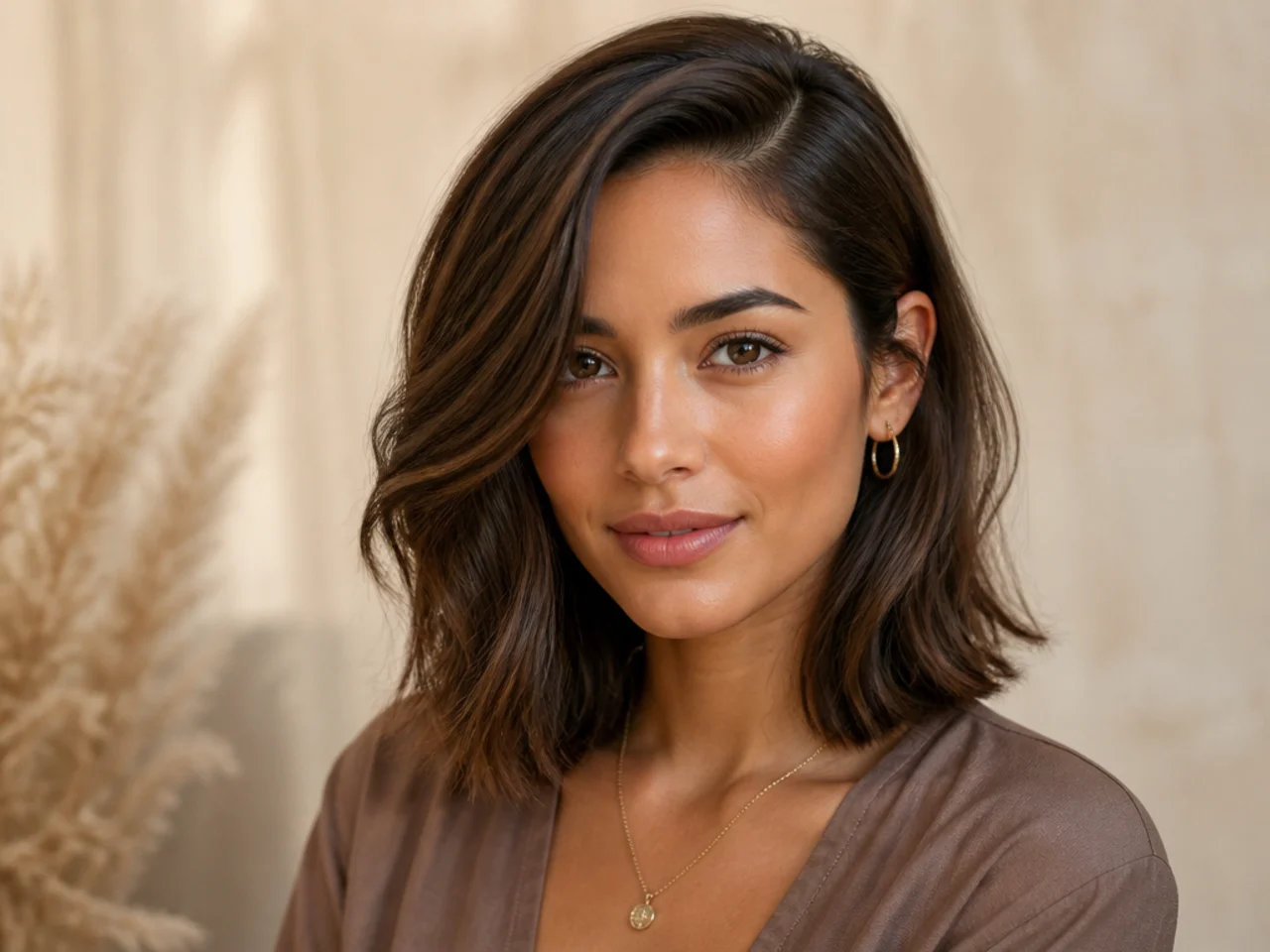
Deep Side Part with Shoulder-Length Cut
Same trick as the long version, executed shorter. A deep side part on shoulder-length hair pushes the bulk sideways, creating instant lift where the part opens. It flatters every face shape at medium length. Ask for "a shoulder-length cut, blunt perimeter, cut with a deep part built in from the arch of the brow." Style tip: sleep with your hair in a low, loose bun on the opposite side of your natural part. The direction reversal wakes up flat roots by morning without a single tool.
Mid-Length Shag with Internal Lift
The shag depends on layers, and the modern version for thin hair keeps those layers strategic. You remove weight around the ears and nape so the crown can rise, but the layers stop before they hit the ends. That is how you get a lifted, retro silhouette without a sparse midsection. It flatters oval, square, and heart faces at medium length. Ask for "a modern shag, crown layers only, no layering below the earlobe, blunt at the perimeter." Style tip: rough-dry with your head upside down, then bend a few pieces around the face with a one-inch curling iron.
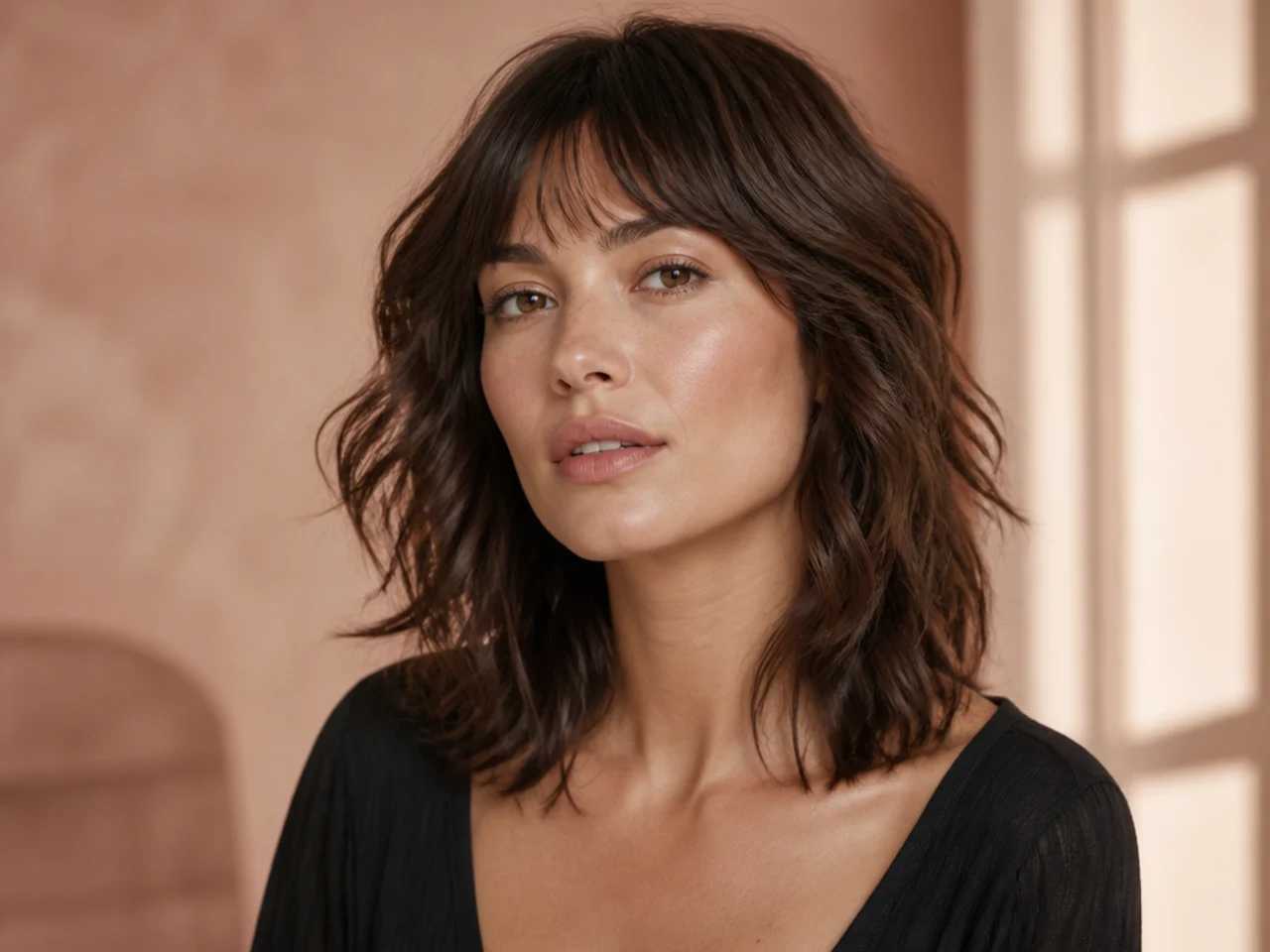
Blunt Bob with Internal Texture
This is a blunt bob with a secret. The perimeter is razor-clean — the strong line every thin-haired client wants. Inside, the stylist uses texturizing shears to open small pockets of movement. The result is a bob that looks dense at the ends but does not sit like a helmet. It flatters oval, square, and heart faces at short length. Ask for "a blunt bob with internal point-cutting through the mids, no thinning at the perimeter, no razor near the ends." Style tip: work a light mousse through damp hair, blow-dry with a paddle brush, then break it up with your fingers.

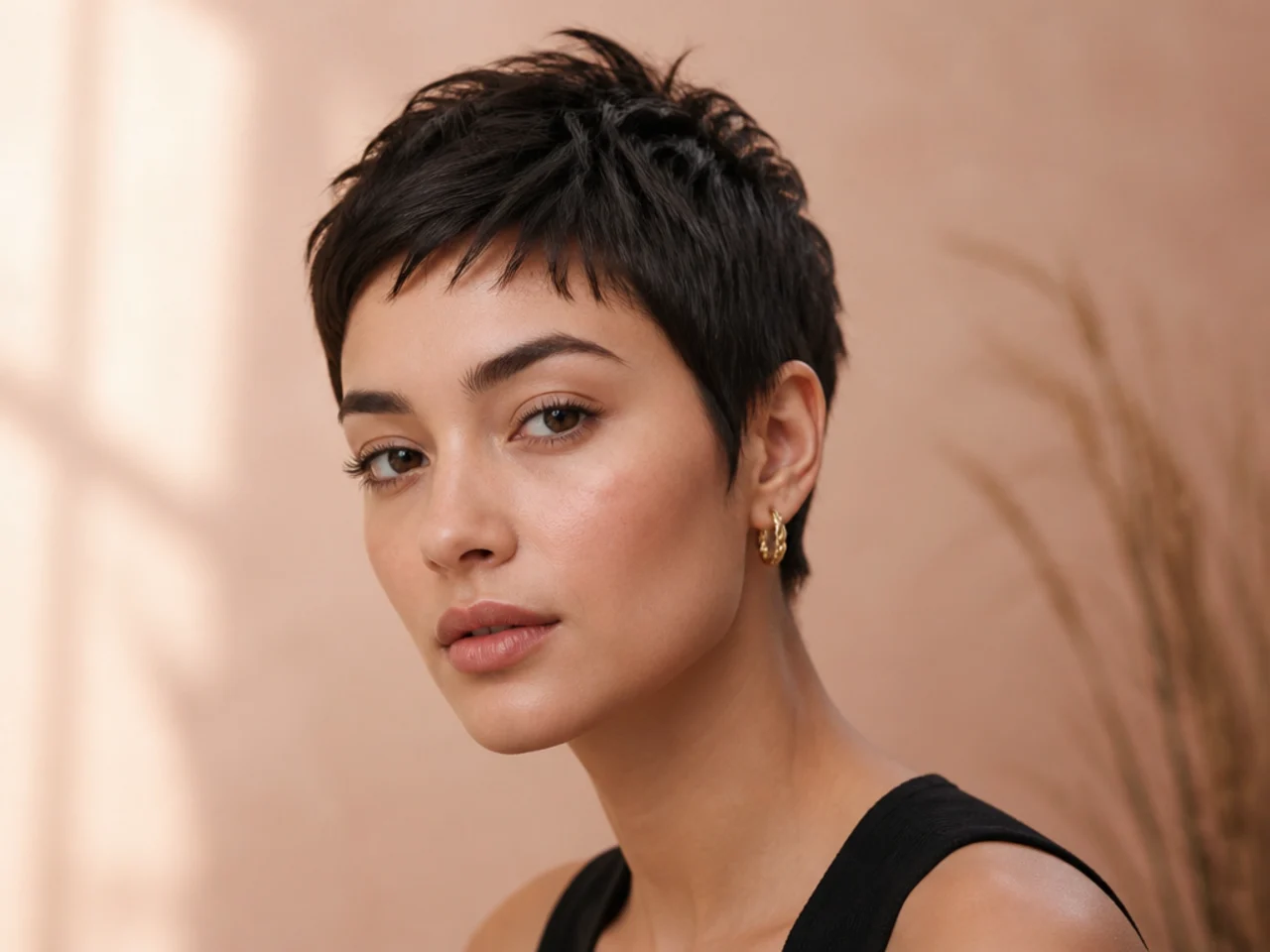
Extremely Short, Textured Pixie
The micro-pixie leans into whatever wave or curl pattern you have. At an inch or less, every bend in the hair is magnified into visible texture. Thin hair reads as a dense halo instead of sparse strands. It flatters oval, heart, and square faces with strong bone structure at the shortest length. Ask for "a textured micro pixie, half to one inch throughout, clipper-over-comb on the sides, freehand at the hairline." Style tip: rub a matte pomade into damp hair, then let it air-dry. The shorter the cut, the less styling it needs. Prefer a hint more length? Compare with our short bob hairstyles for fine hair roundup.
Styling Tips for Thin Hair Haircut That Needs Volume
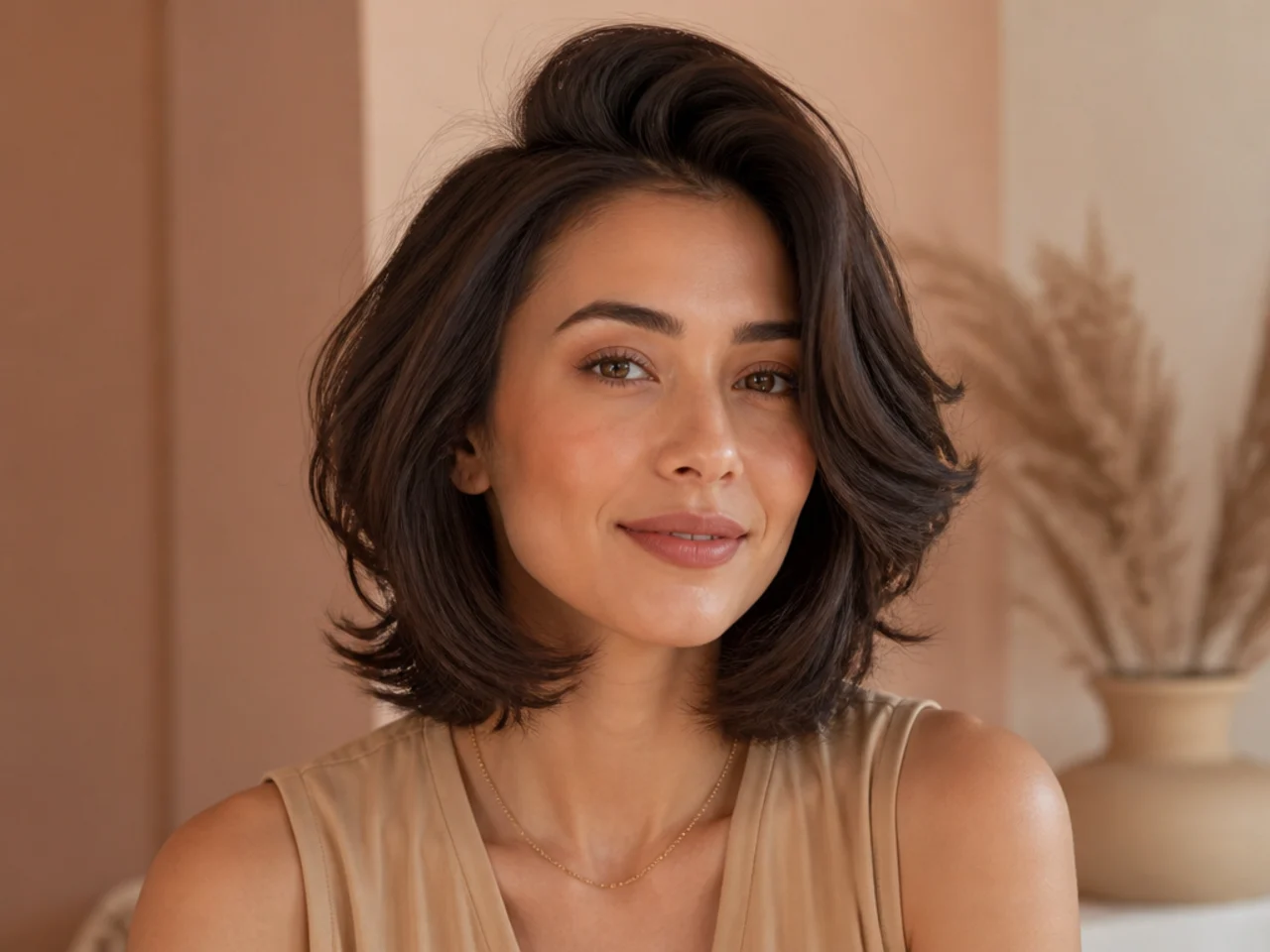
The cut sets the ceiling. Styling decides how close you get to it. Use these seven habits together — one alone will not carry the shape.
1. Use Lightweight Volumizing Products
Skip the rich creams, oils, and butters designed for coarse hair. They will flatten you in one wash. Reach for mousse, root-lift spray, and texturizing spray instead. Anything labeled "volumizing" or "for fine hair" is formulated to boost without weight.
2. Blow-Dry for Lift
Volume is built at the roots, not the ends. Flip your head upside down and rough-dry the roots first, then flip up and finish with a round brush. Lift each section straight up and hold cold air on it for three seconds to lock the shape.
3. Switch Your Part
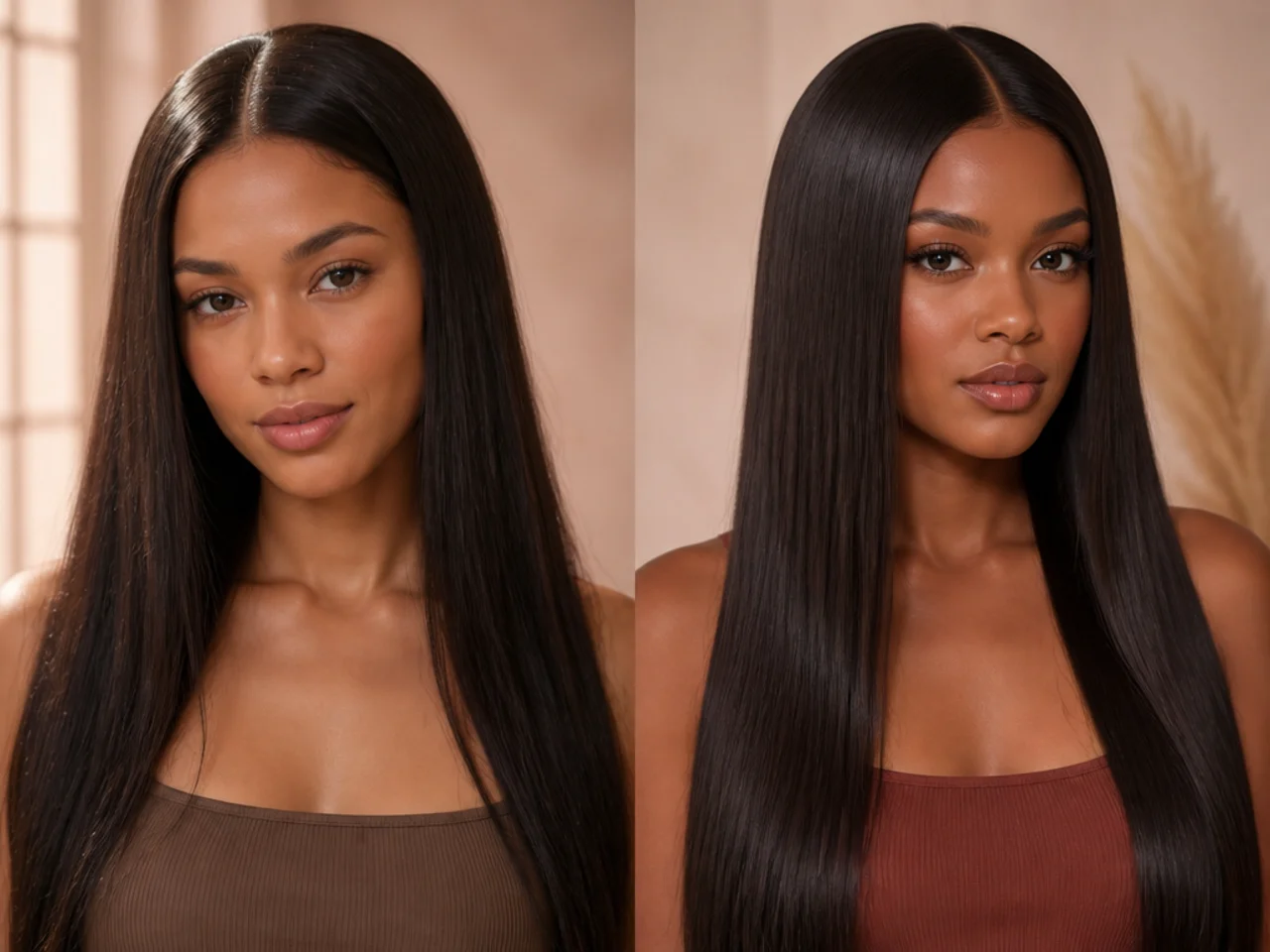
Your natural part flattens over time because the hair learns to fall that way. Move it. A deep side part or a zigzag part pulls hair away from the scalp and instantly reads as fuller. Reset it wet, and it holds until the next wash.
4. Try Soft Waves or Texture
Bone-straight hair on fine strands shows every gap. A soft wave or bend adds visual depth without adding actual bulk. Alternate the direction of your curls — some toward the face, some away — for a lived-in shape that never looks styled.
5. Avoid Over-Conditioning the Roots
Conditioner belongs on the mid-lengths and ends. Slapping it on the scalp coats the roots in slip and kills every ounce of lift. Start applying two inches down from the scalp and work toward the ends only.
6. Use Dry Shampoo for Volume
Dry shampoo is a grit machine, not just an oil absorber. A light mist at the roots on clean, dry hair adds texture that reads as thickness. Massage it in with your fingertips, wait sixty seconds, then brush through.
7. Regular Trims Matter
Thin ends turn stringy fast. Book a trim every six to eight weeks for blunt cuts and eight to ten for textured shapes. Skipping trims does not save length — it makes the ends sparse enough that you eventually cut off more.
Choosing Right Thin Hair Cut for Your Face Shape
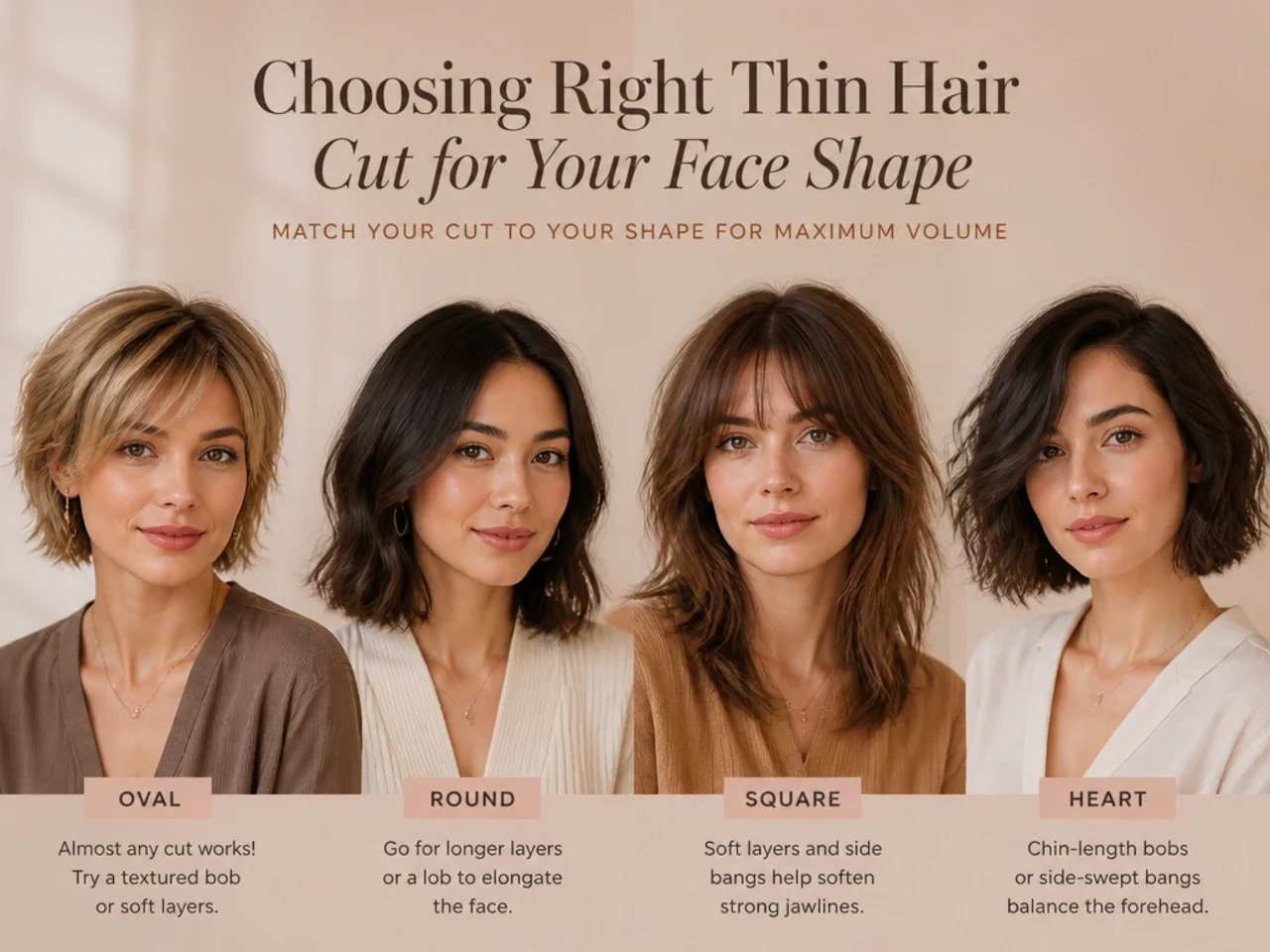
Your face shape narrows the field. Use it as a filter, not a rule. Bone structure and hair texture always trump category.
Round Face
You want length and vertical lines. Lobs, blunt bobs cut past the jaw, and pixies with height on top all elongate the face. Avoid chin-length shapes that sit at the widest point and add width there. If you love a chin-length cut, ask for angled front pieces to break the round silhouette.
Oval Face
The rule is: everything works. Use texture and personal style as your filter. Curtain bangs, layered lobs, textured pixies, and blunt bobs all read well on an oval frame. This is the face shape a stylist can experiment on without much risk.
Square Face
A strong jaw wants softening around the perimeter. Layered bobs, feathered ends, side-swept bangs, and shoulder-grazing shags round out the corners. Skip razor-sharp bluntness right at the jawline — it reinforces the angles instead of balancing them.
Heart-Shaped Face
Balance the wider forehead with volume below. Chin-length bobs, soft waves, and side-swept or bottleneck bangs all pull the eye to the lower face. Avoid heavy fringe that adds bulk at the top and makes the taper more pronounced.
Long Face
You want horizontal weight, not vertical lift. Shoulder-length cuts, layered waves, curtain bangs, and Italian bobs all add width at the sides. Skip high-crown pixies that stretch the face further — a butterfly haircut with the shortest layer at the jaw does the opposite and works beautifully.
Conclusion

Thin hair asks for two things: a shape that holds its edge, and styling that respects the weight budget. Blunt perimeters build the illusion of density. Internal layers control where volume lives without stealing thickness from the ends. Long hair still works — it just needs invisible layering around the crown, never through the ends, and a blunt perimeter to close the shape.
If you are leaning toward shorter cuts, our short haircuts for thin hair breakdown covers pixies, crops, and micro-bobs in more depth. Pick the length that fits your life. Ask for a blunt perimeter every time. Skip the razor. And find a stylist who cuts on dry hair — that is where thin-hair cuts either land or fall apart.