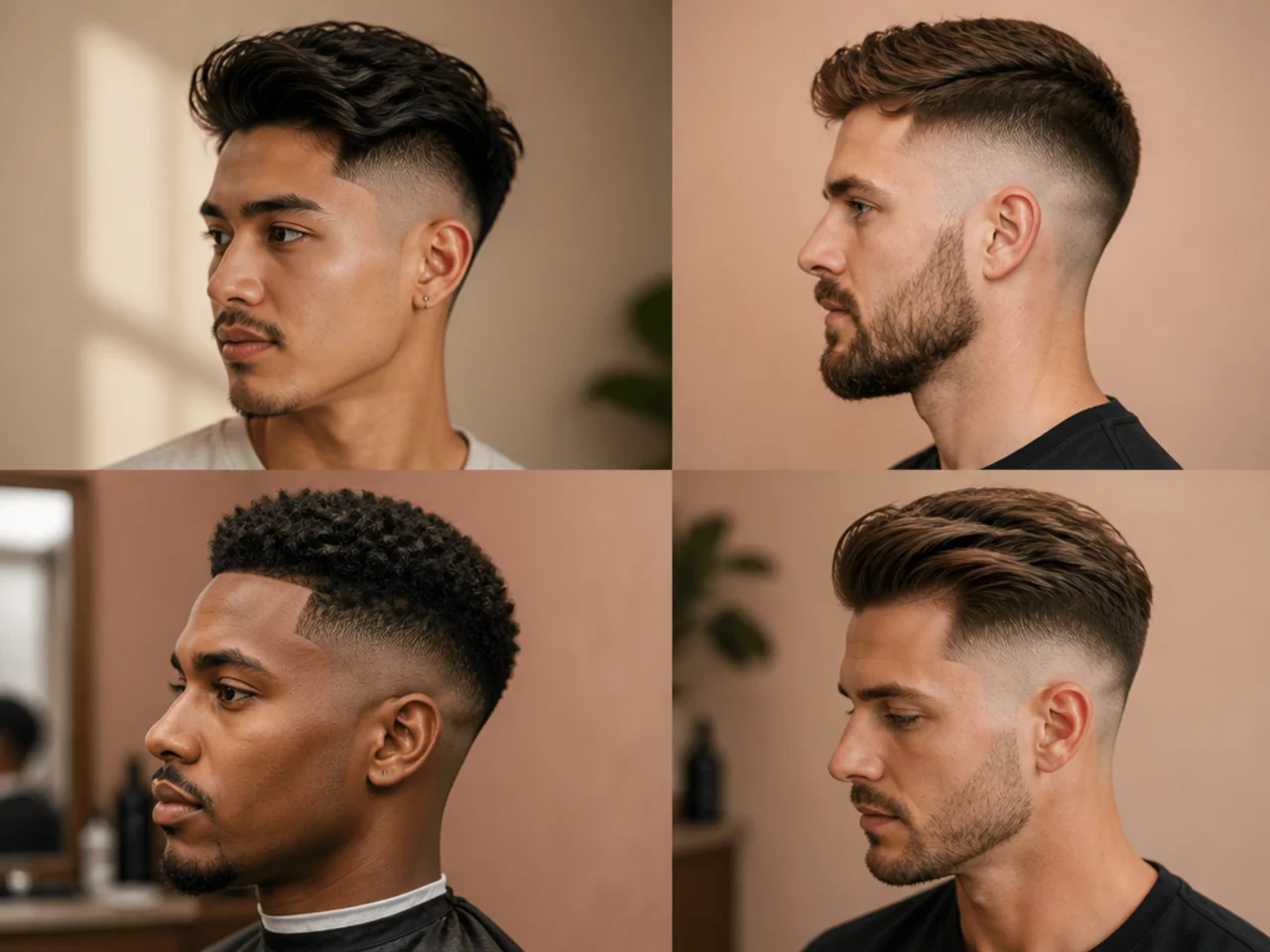
The Undercut Fade: 17 Trending Haircut Variations
"Upgrade your style with a sharp undercut fade! Discover trendy looks, barber tips, and modern variations perfect for a clean, confident, and bold haircut."
In this article · 27
- Popular Men's Undercut Fade Haircuts
- Classic Undercut
- Clean Low Fade Haircut
- Classy Taper Fade Undercut
- Edgy High Fade Undercut
- Timeless Tapered Undercut
- Disconnected Undercut
- Modern Skin Fade Undercut
- Long Hair with Low Taper Fade Undercut
- Balanced Mid Fade Undercut
- Casual Messy Brush Back with Disconnected Undercut Fade
- Rebellious Burst Fade Undercut
- Stylish Curly Hair with Faded Undercut
- Daring Mohawk Undercut Fade
- Trendy Man Bun with Low Temp Fade Undercut
- Textured Pompadour with Undercut Drop Fade
- Fresh Mid Undercut Fade with Cool Design
- Hipster Faux Hawk with Undercut Fade and Beard
- What Is The Undercut Fade?
- undercut low fade haircut Gallery
- Undercut Fade Tutorial
- Conclusion
- FAQ's
- What Is An Undercut Fade?
- Are Fades Haram In Islam?
- Which Fade Is Most Attractive?
- Is An Undercut Attractive?
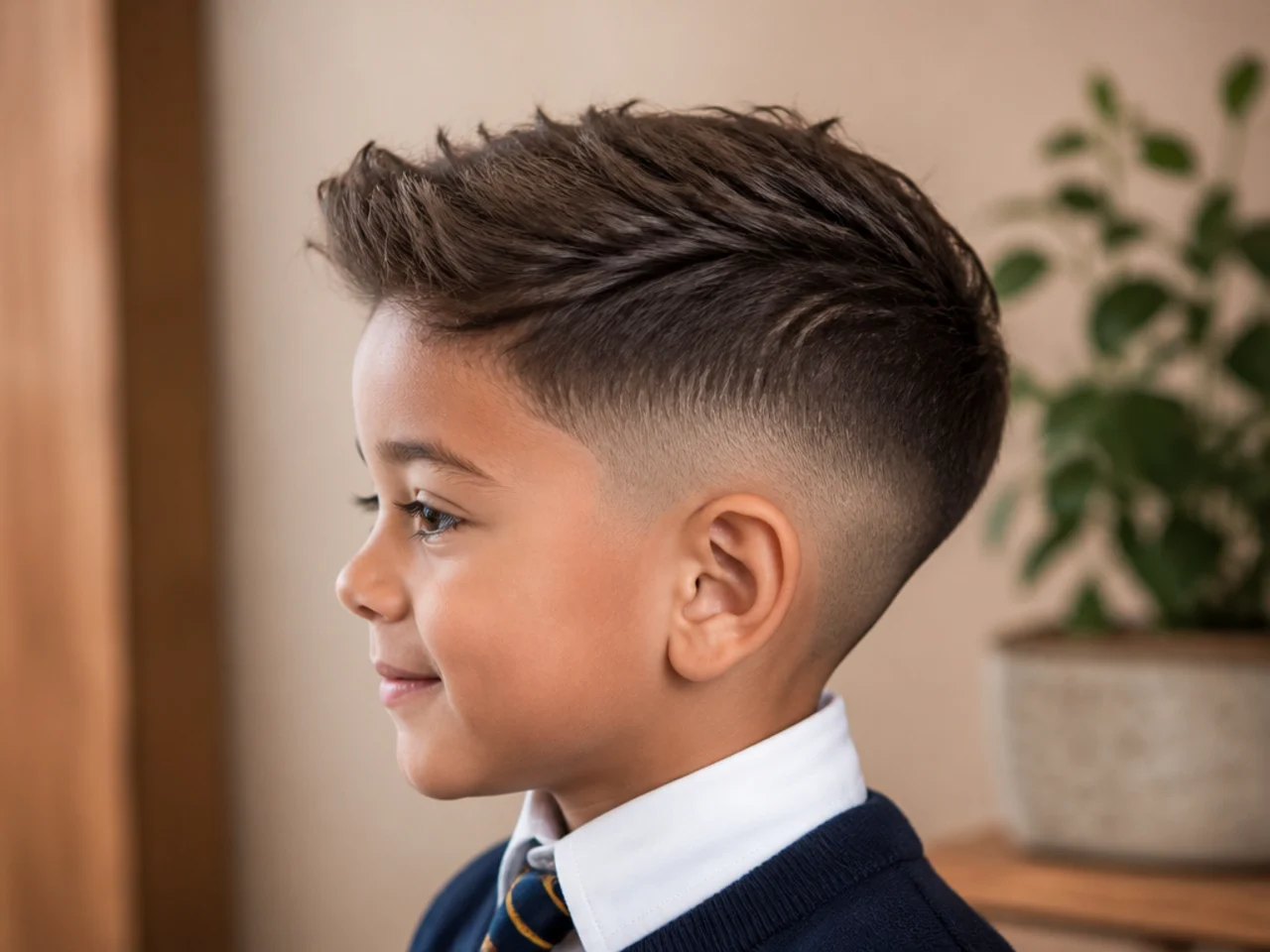
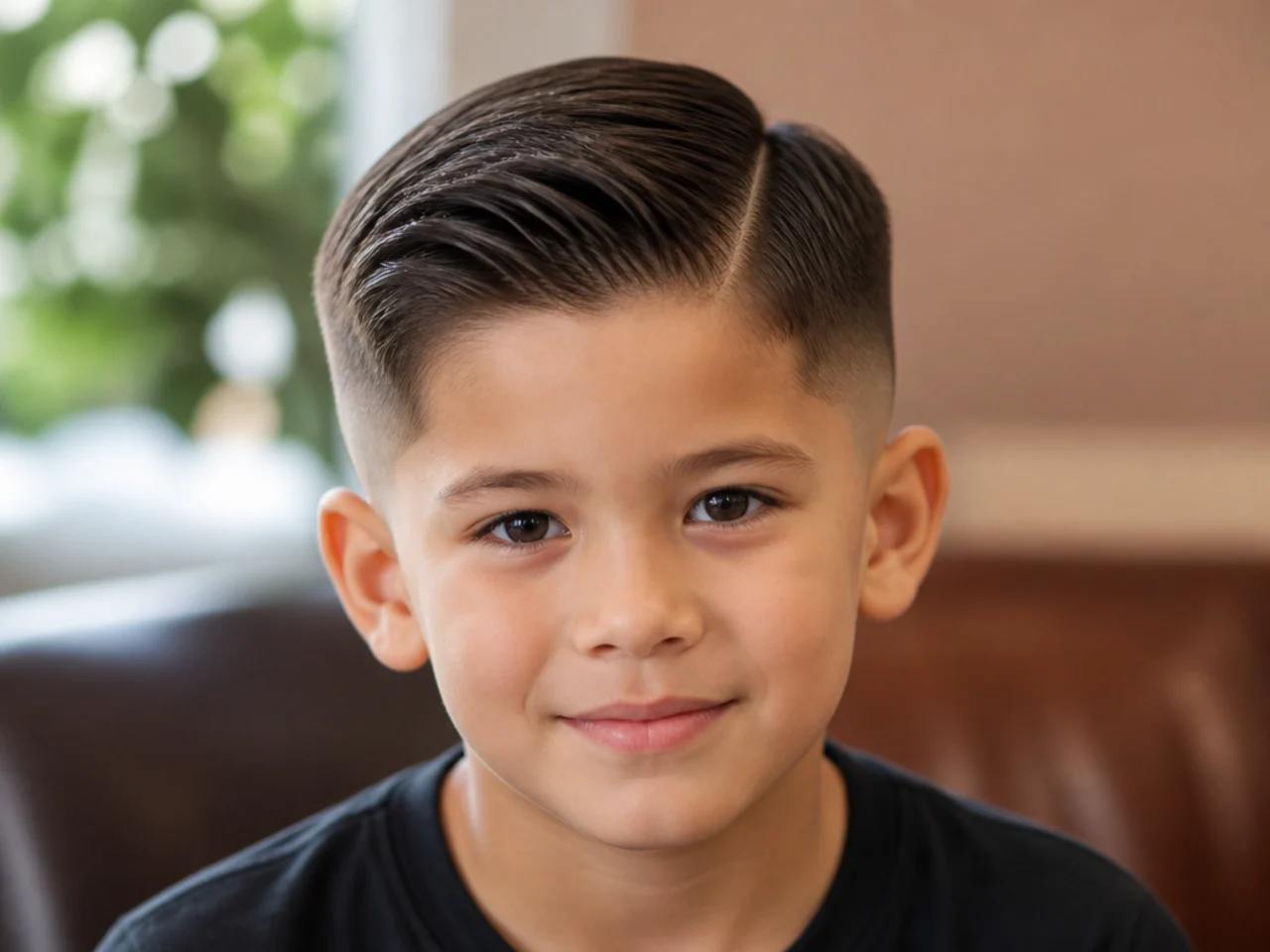
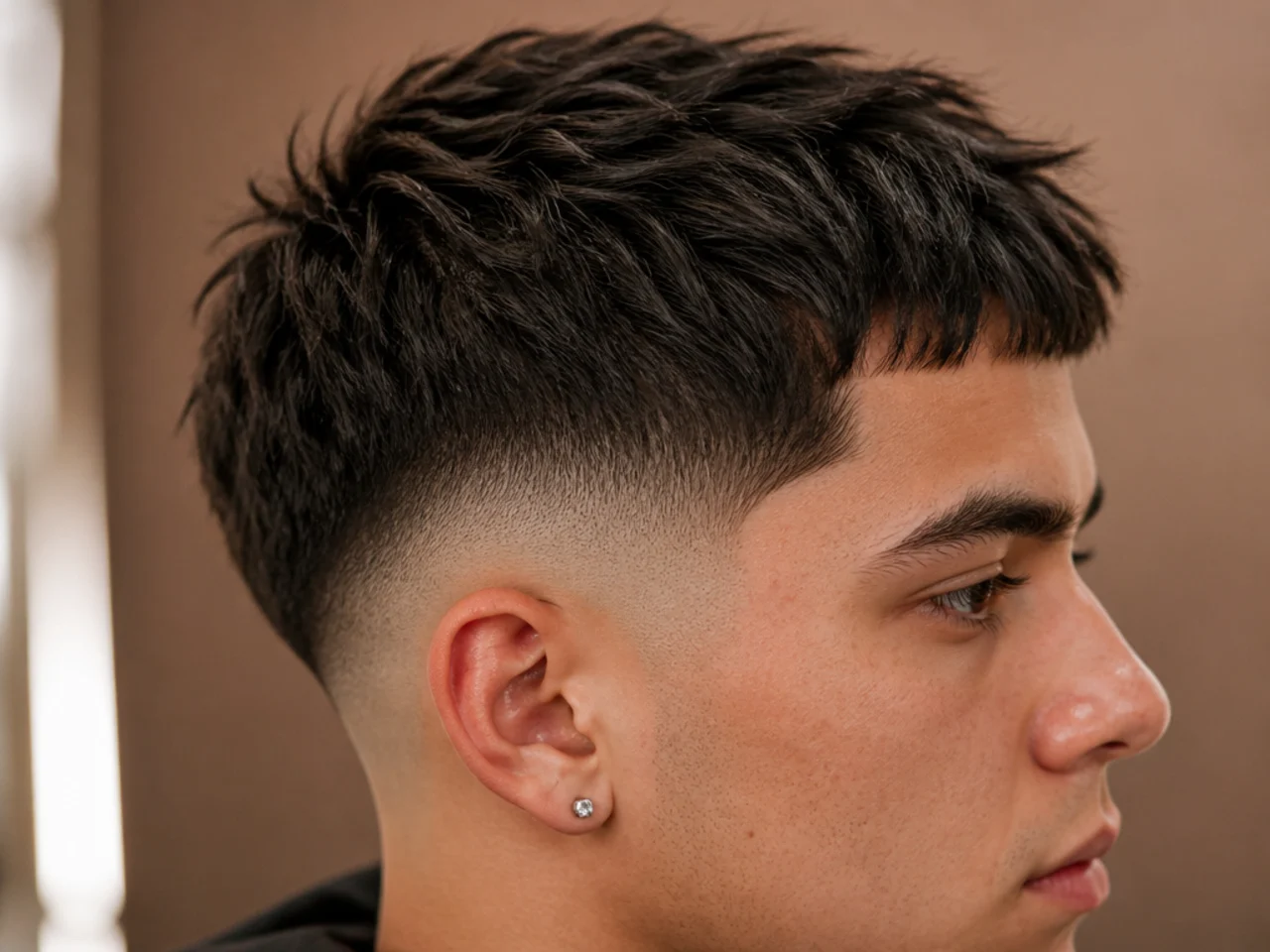
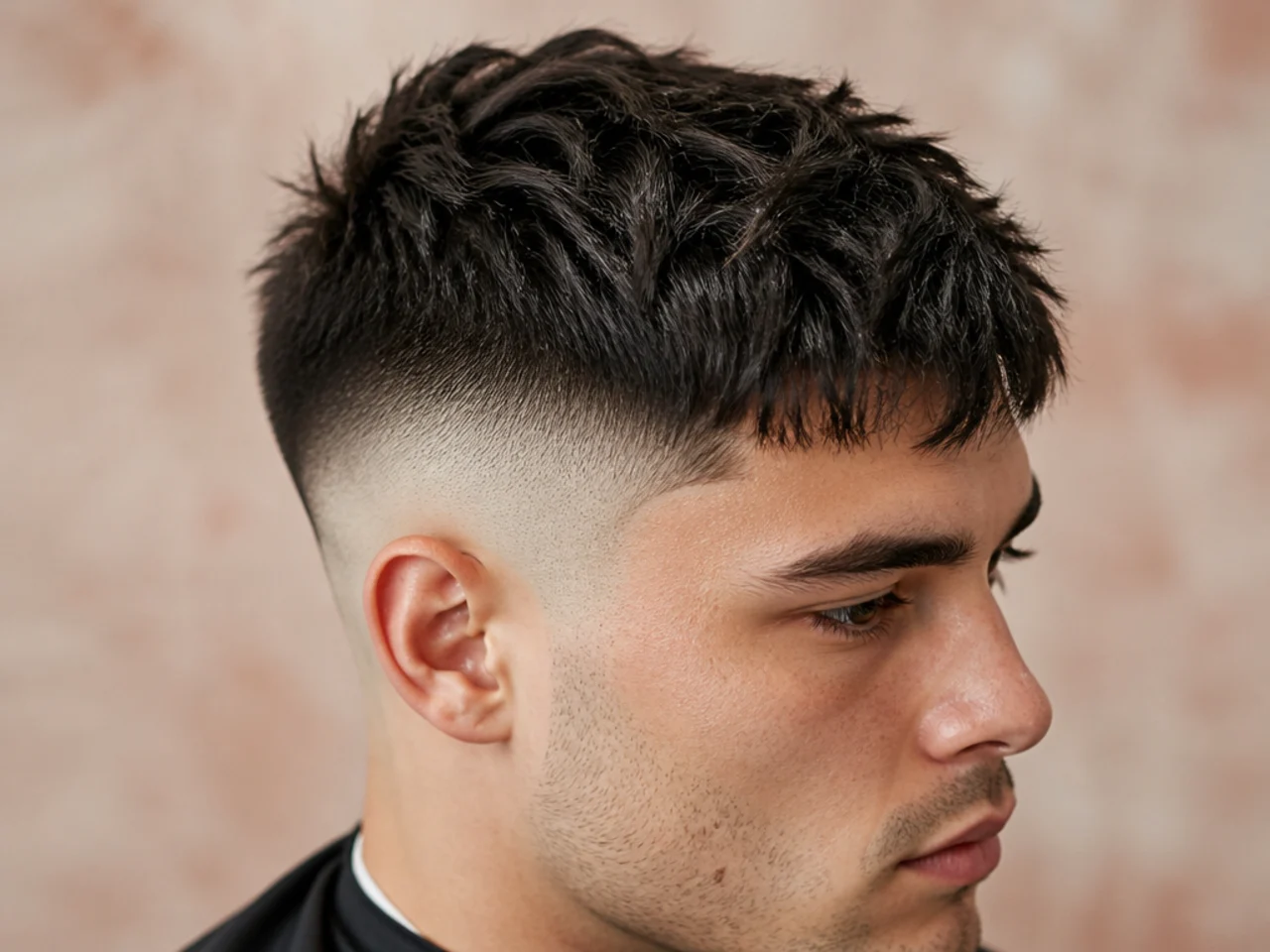
The undercut fade is the hybrid your barber keeps recommending. It marries the disconnected undercut's sharp step to the fade's soft transition. You keep the drama on top. You lose the awkward growing-out phase. Right now it out-books the classic disconnect because it reads intentional in more rooms — office Monday, gym Tuesday, cocktail bar Friday. Below are 17 undercut fade variations worth showing your barber, with the exact words to say in the chair.
Popular Men's Undercut Fade Haircuts
Every variation below is an undercut fade — a disconnected top over faded sides — but the fade height, top length, and finishing texture change the mood completely. Start with the one closest to your hair type. Adjust from there.
Classic Undercut
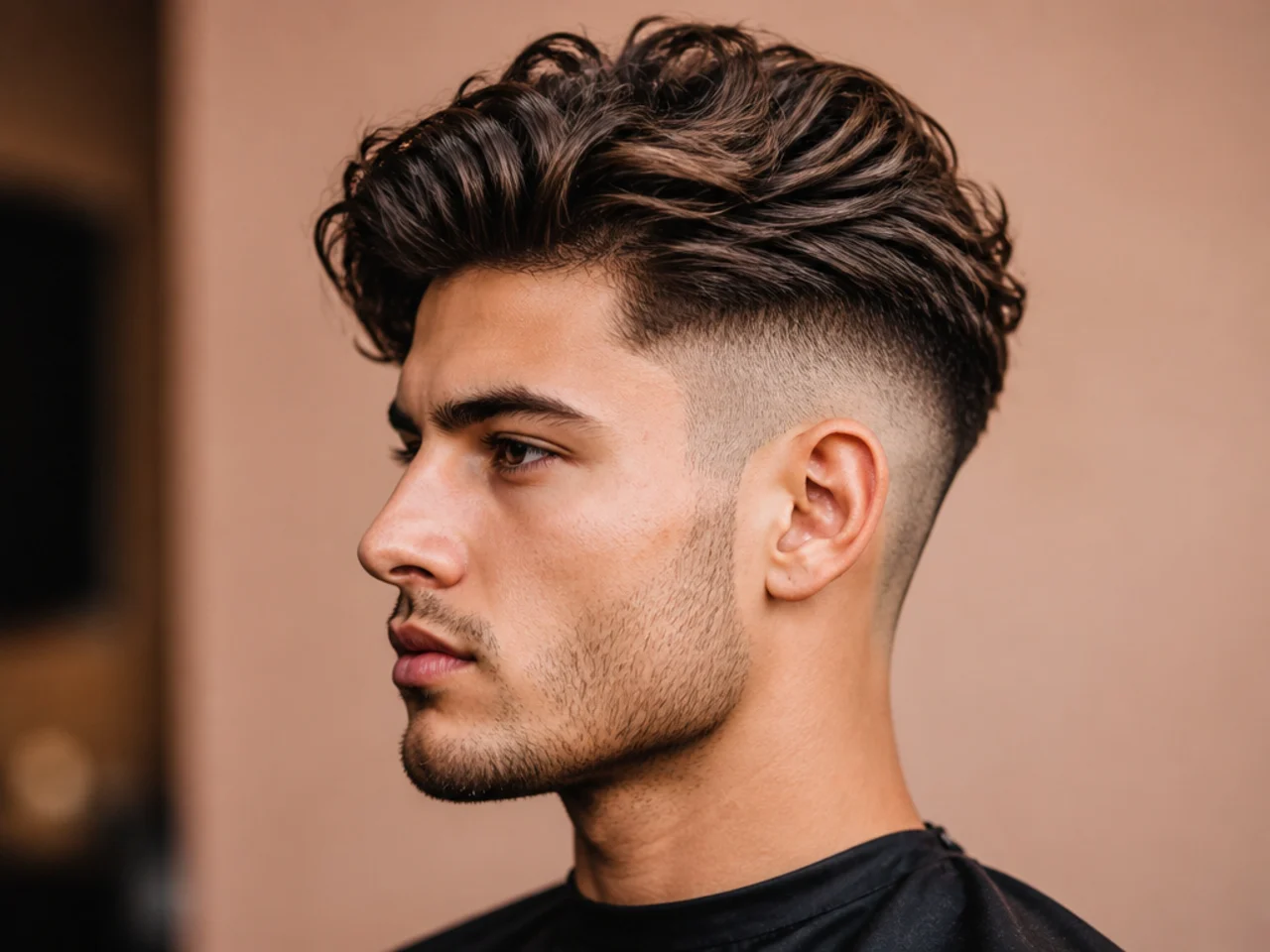
The classic undercut fade is the entry point. Short buzzed sides sit under a longer top, but a low fade at the perimeter cleans up the hairline so you don't get that mushroom edge. This is what your barber assumes you mean if you walk in and just say "undercut" without a qualifier. It works on straight and wavy hair with a bit of density on top. Best for oval and square faces. Long faces should keep the top under three inches so the head doesn't stretch.
Ask for: "undercut fade, low fade with a 1 guard on the sides, three to four inches on top, matte finish." Say the words "undercut fade" out loud — not just "undercut" — or you'll walk out with a disconnect you didn't want.
Styling tip: rough-dry with your fingers back and to the side. A pea of matte clay through the mid-lengths. Nothing at the roots.
Clean Low Fade Haircut
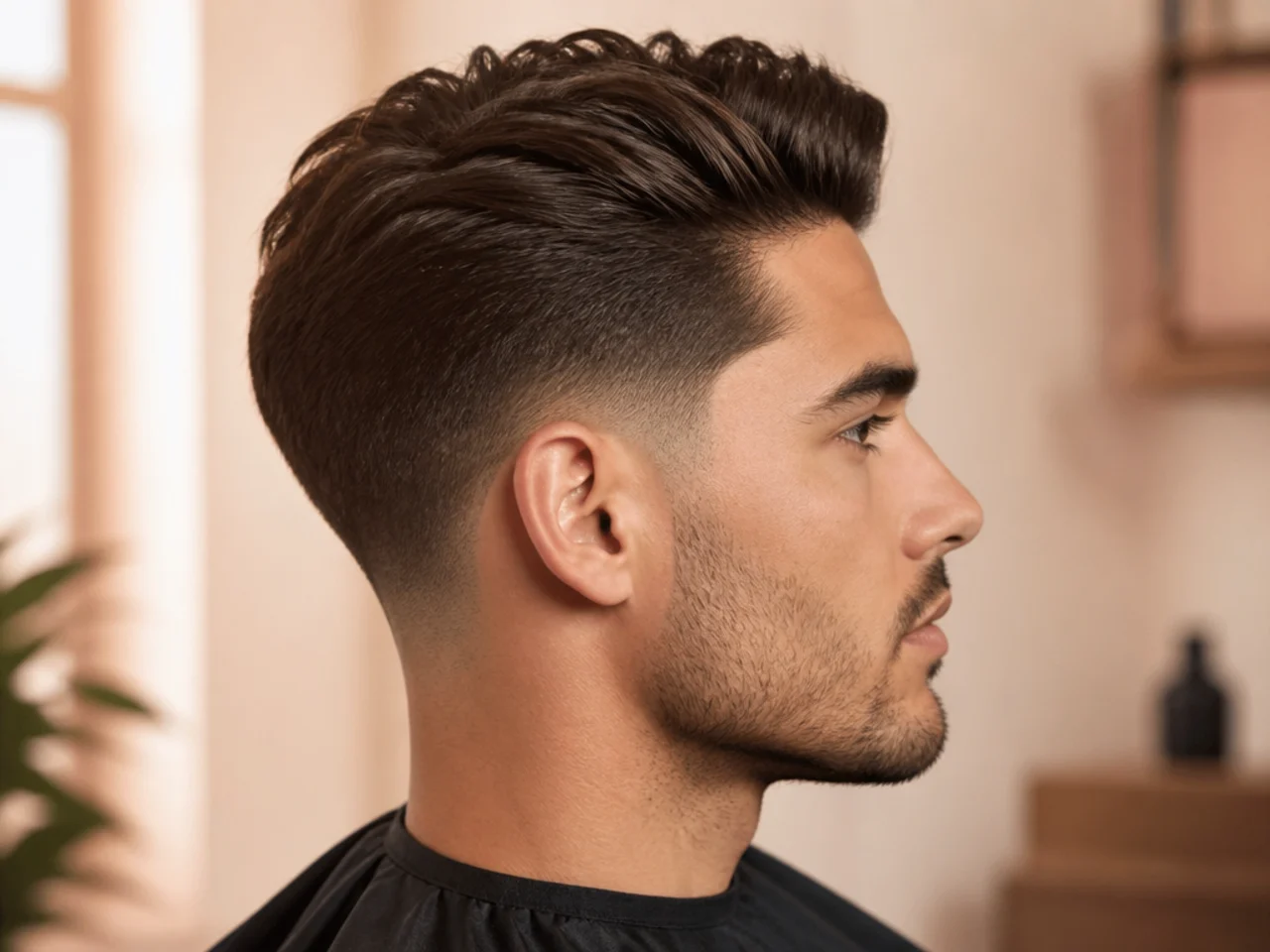
The low fade sits at ear level or just below. It's the most conservative undercut fade in the lineup. You keep the disconnected feel on the crown but the sides taper down to skin in a narrow band right above the ear — easy to grow out, easy to explain to a conservative office. Suits round and heart-shaped faces because the low fade elongates the head visually. Good pick if this is your first fade of any kind.
Ask for: "undercut fade with a low fade — 0.5 guard at the bottom, blend up to a 2, three inches on top." Point to your earlobe when you say "low" so the fade line doesn't creep upward.
Styling tip: blow-dry the top back with a boar-bristle brush. It stays put through a workday without any pomade at all.
Classy Taper Fade Undercut
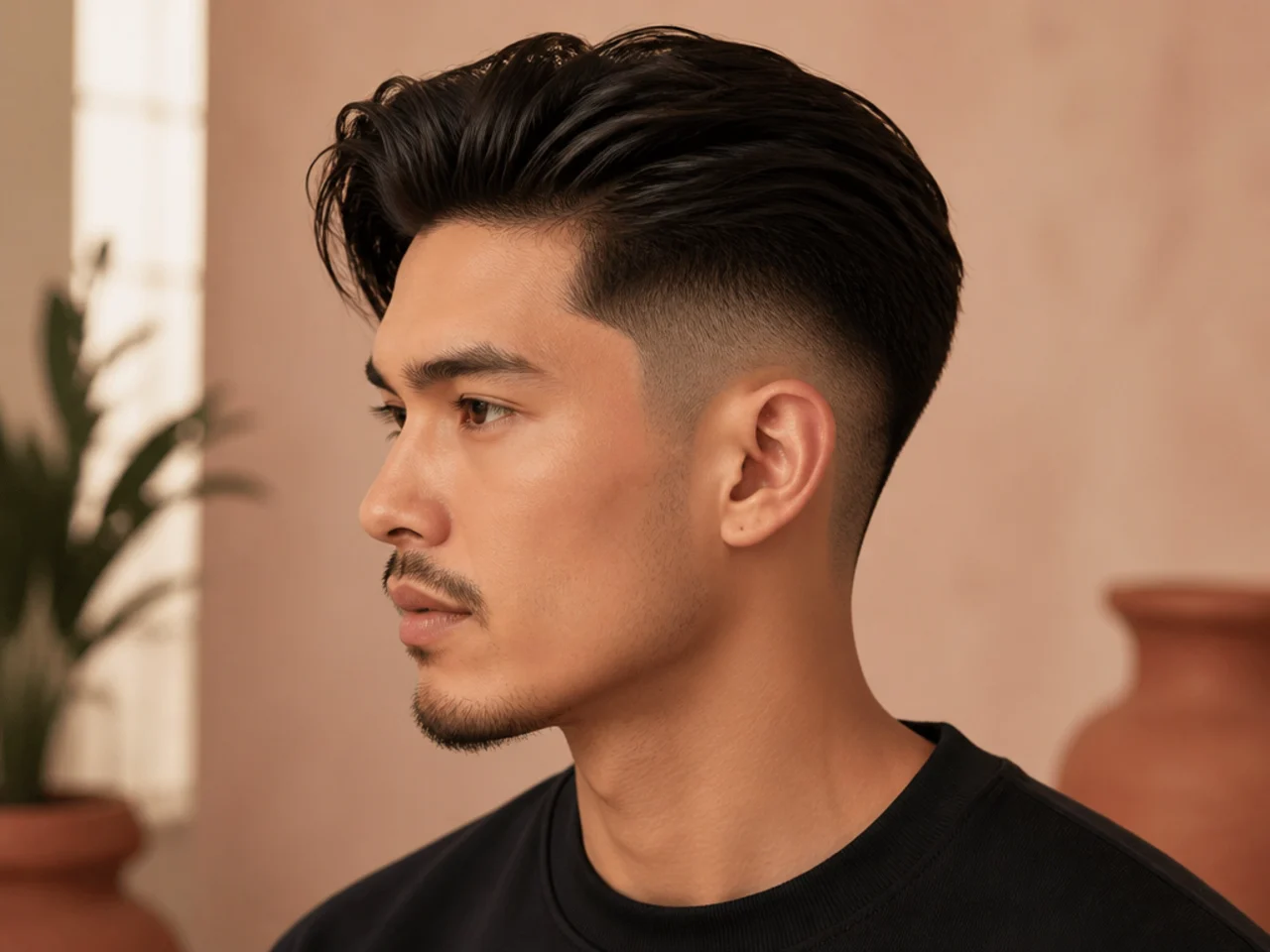
A taper fade shortens gradually rather than crashing to skin. Pair it with the undercut and you get a look that reads polished without reading corporate. The sideburn and nape stay clean; the top keeps its length. This is the version for weddings, interviews, first dates, and every situation where you want to look intentional without looking edgy. Suits every face shape because the taper is subtle enough to disappear.
Ask for: "undercut fade with a taper — leave the sides at a 2, taper the nape and around the ears to a 0.5, four inches on top, side part." Bring a photo. Every taper is different by a millimeter.
Styling tip: use a wet-look pomade with medium hold. Rake it in, comb the part, done. This is the closest cousin to a slick back haircut without the full commitment.
Edgy High Fade Undercut
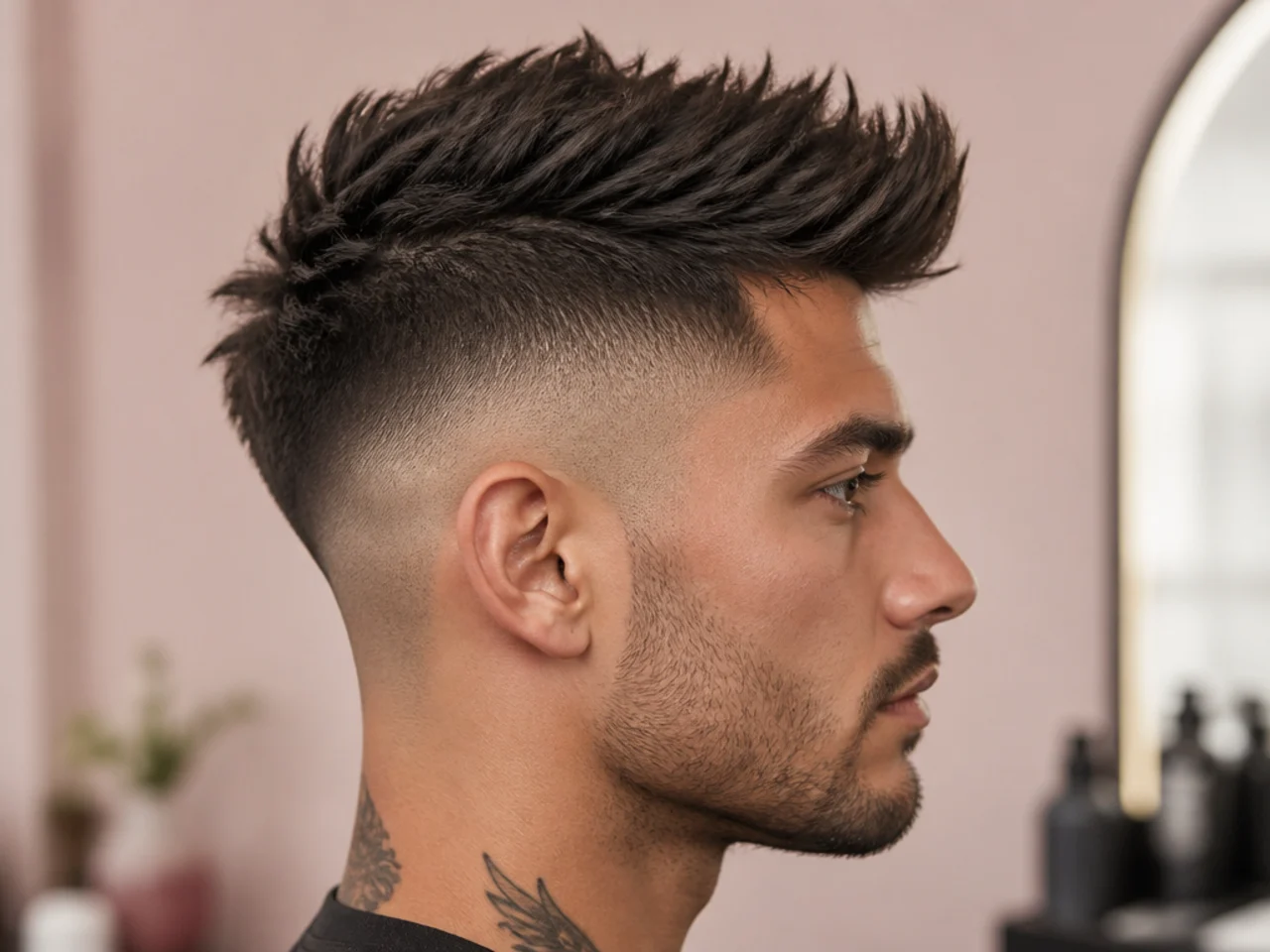
The high fade starts above the temple, sometimes higher. Contrast is loud. The disconnect between long top and skin sides is unmissable — that's the point. This is the undercut fade for guys who style their hair every day and want the payoff to show. Suits oval and diamond faces. Round faces should stick to mid or low because a high fade widens the crown visually.
Ask for: "undercut fade, high taper fade, skin at the bottom, blend from bald to a 1 by the parietal ridge, five inches on top, matte." Confirm the fade line sits above the temporal crest before the barber starts cutting.
Styling tip: blow-dry upward with a round brush. A dime of matte paste worked from root to tip. Finish with dry texture spray for that lived-in movement.
Timeless Tapered Undercut
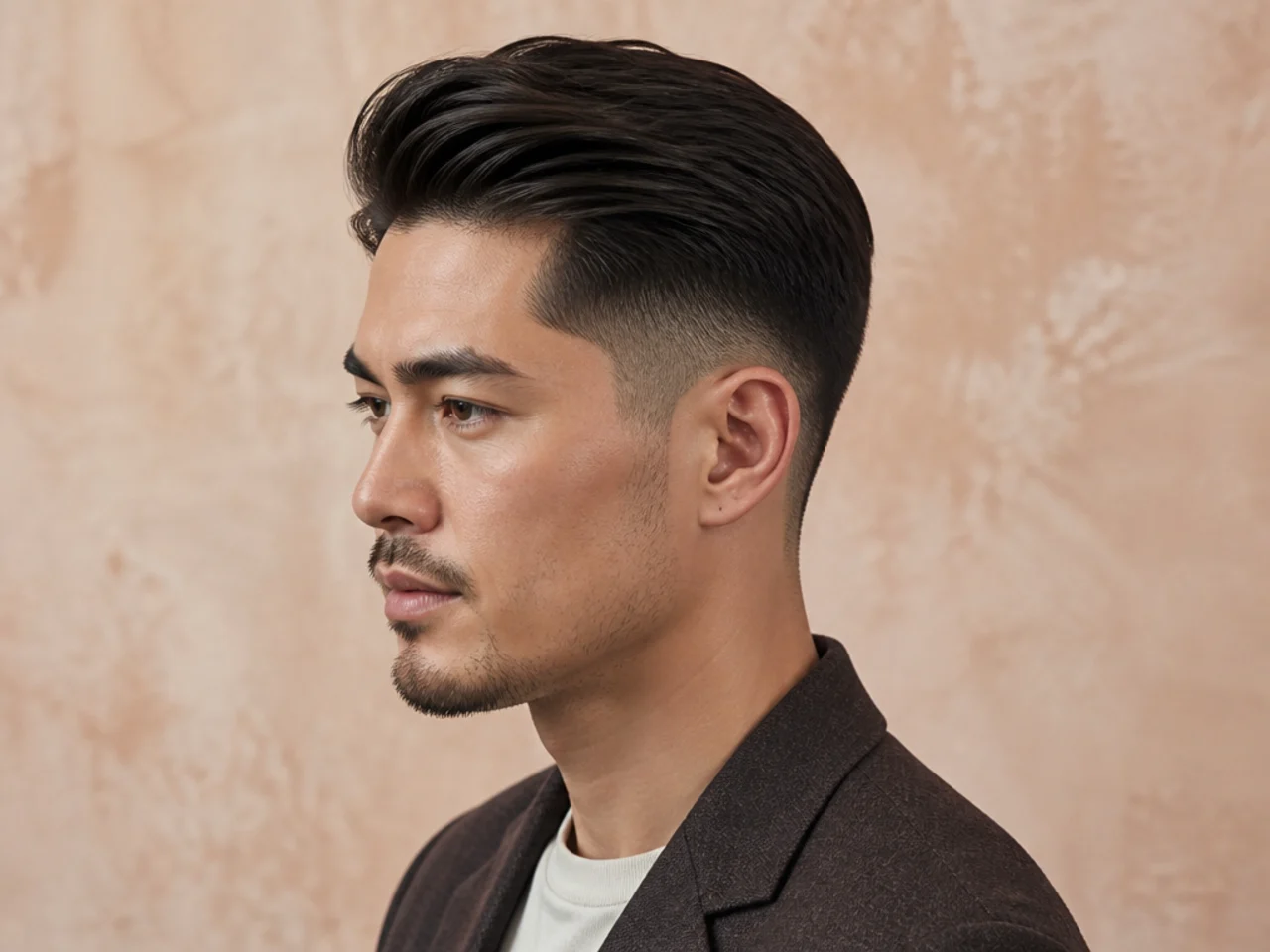
Tapered undercut sounds close to taper fade but the emphasis differs. Here the sides sit longer — think a 3 or 4 guard — and only the perimeter tapers down to a shorter guard. The disconnect from top to side is softer, more grown-in. This is the low-maintenance option. Wait six weeks between cuts without looking messy. Suits older guys, thick straight hair, and anyone with a demanding schedule who can't book fortnightly.
Ask for: "undercut fade with the sides left at a 3, tapered around the ears and nape to a 1, top scissor-cut to about two inches." Make sure "scissor-cut" is in the sentence — clippers on top will kill the softer vibe.
Styling tip: skip the blow-dryer. Damp hair, a pump of leave-in cream, comb it into place with your fingers. It sets as it dries and holds all day.
Disconnected Undercut
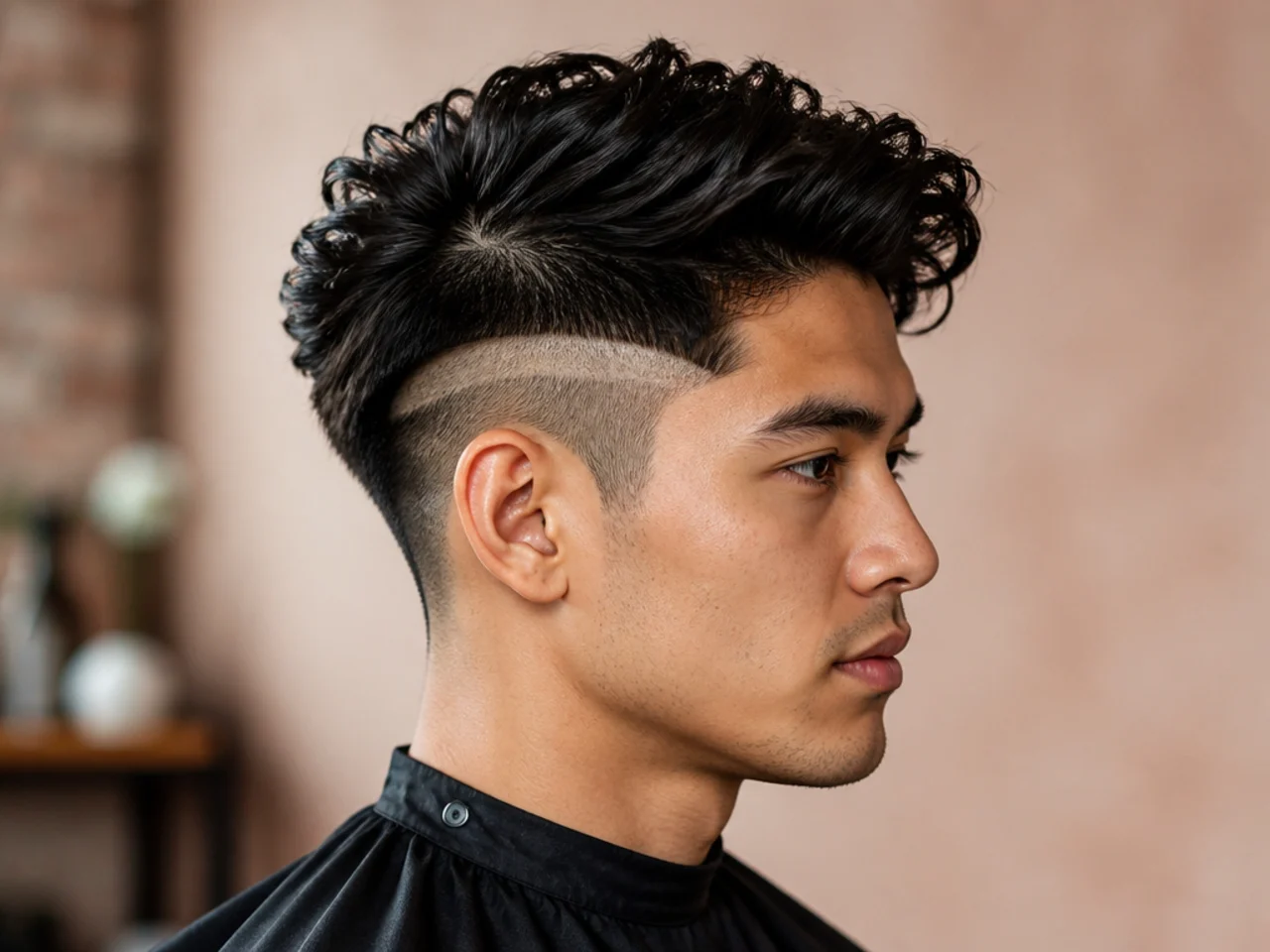
This is the purest expression of the family. The step between short sides and long top stays sharp — no gradient at all. Then a skin fade fires at the base to keep the perimeter clean without softening the disconnect itself. Think of it as a disconnected undercut with training wheels: the fade lets the cut breathe as it grows. Suits round faces best because the vertical line adds length to the head shape.
Ask for: "disconnected undercut with a low skin fade — half-guard on the sides with a clear line, five inches on top, skin fade at the bottom two centimeters only." Make sure your barber knows disconnect first, fade second.
Styling tip: brush the top up and back with a small amount of styling powder. Powder builds volume without weighing the disconnect down or coating the sides.
Modern Skin Fade Undercut
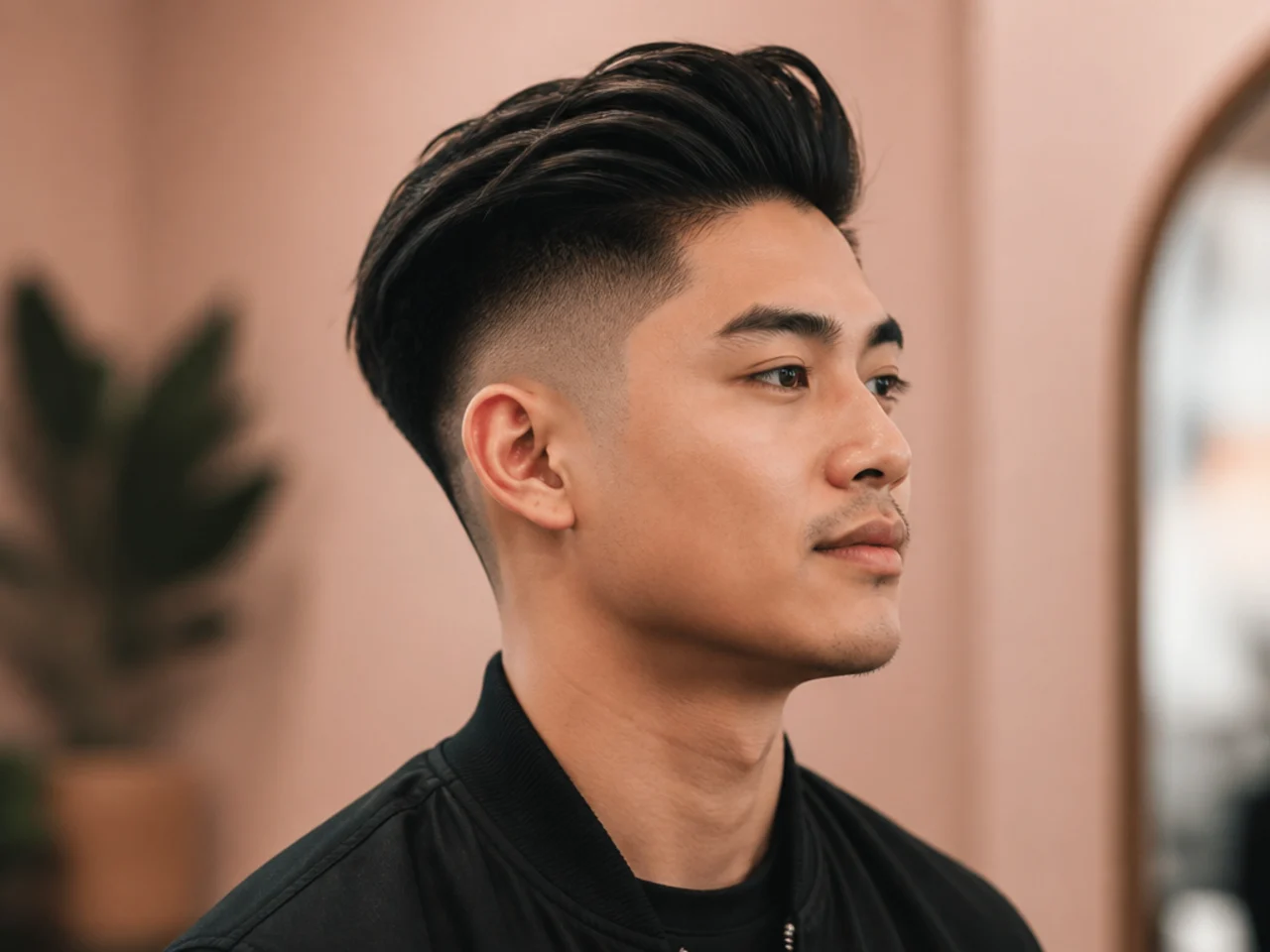
Skin fade goes all the way to shave. Bald at the base, blended up to whatever guard you specified on top. Pair with the undercut and you get maximum contrast between the shaved perimeter and the long crown. Sharp is the whole idea. Suits every hair type — thick, thin, curly, straight — because the shave is doing the heavy lifting on the sides.
Ask for: "undercut fade with a mid skin fade, bald bottom, blend to a 1, four inches on top, textured finish." The word "skin" tells the barber to break out the razor at the bottom of the blend.
Styling tip: sea salt spray on damp hair. Rough-dry with your fingers pointing up. Break up the texture with matte clay once dry. Re-shave the neckline every four to five days at home with a foil trimmer.
Long Hair with Low Taper Fade Undercut
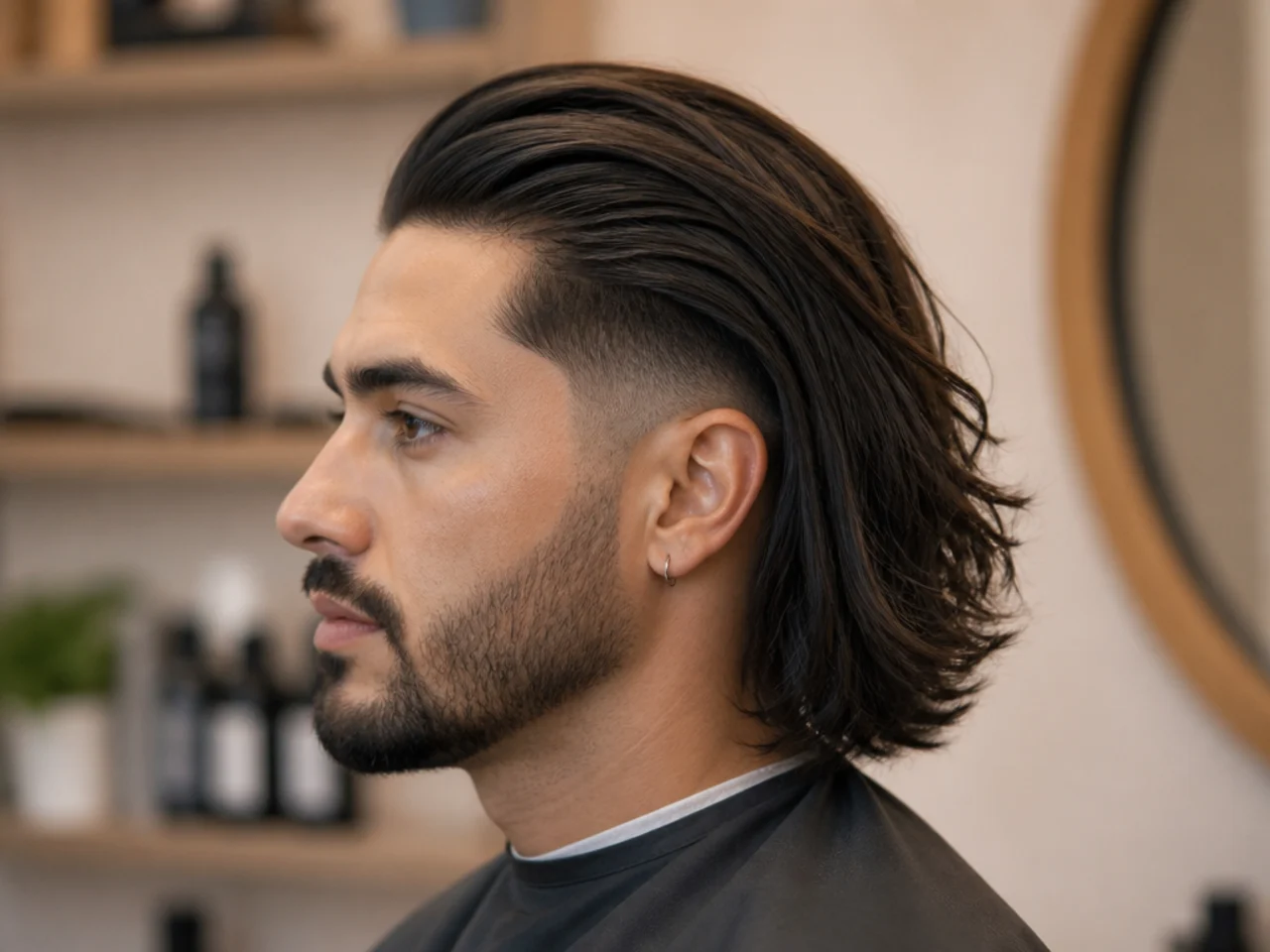
Long on top with an undercut fade at the base is the compromise for guys growing their hair out. You get shape while the length develops. The low taper fade at the bottom means you can push the top behind your ears or tie it back without shaved sides showing above your ear line. Suits wavy and curly hair over six inches. Bonus for guys with dense growth who need bulk removed to keep the length manageable.
Ask for: "undercut fade with a low taper — leave the sides long enough to blend at a 2, taper to a 0.5 at the nape, don't touch the top with scissors or clippers." Repeat "don't touch the top." Barbers instinctively tidy.
Styling tip: work an argan-based oil through the mid-lengths and ends before it dries. Let it air-dry. Push it back with your hands. Zero heat means zero frizz.
Balanced Mid Fade Undercut
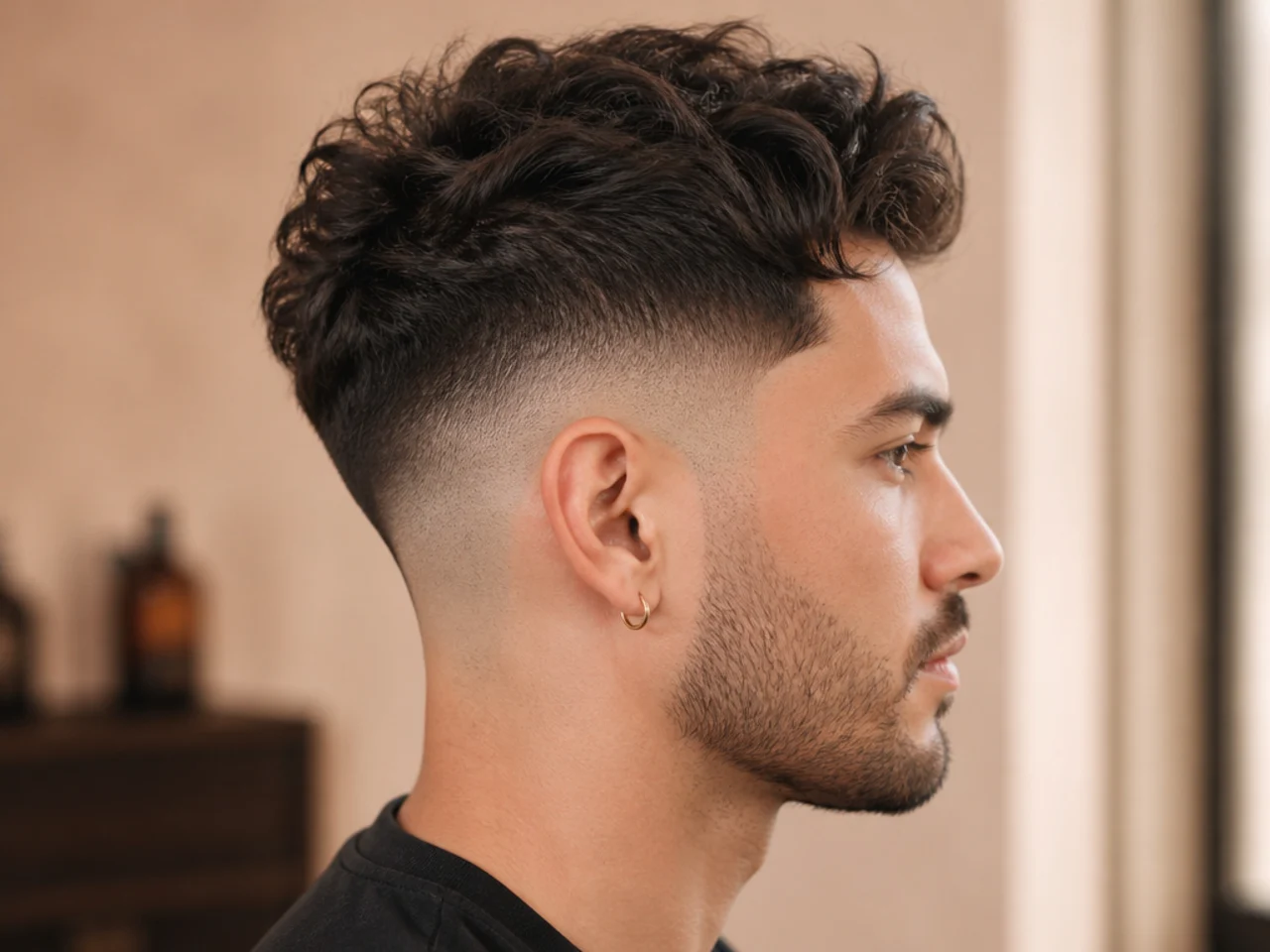
Mid fade starts halfway between the ear and the temple. It's the Goldilocks setting — not conservative enough to blend in, not aggressive enough to look try-hard. The mid fade puts the widest part of the fade right at the parietal ridge, which flatters most heads because it draws the eye out and up. Suits oval, oblong, and square faces. This is the default recommendation when a client isn't sure what to ask for.
Ask for: "undercut fade with a mid skin fade, half-guard blend from bald to a 2, four inches on top, matte finish."
Styling tip: build volume with a light mousse before you blow-dry. Finger-comb the top forward, then push it back for that natural front lift. Any of the quiff hairstyles for men sit perfectly on this fade.
Casual Messy Brush Back with Disconnected Undercut Fade
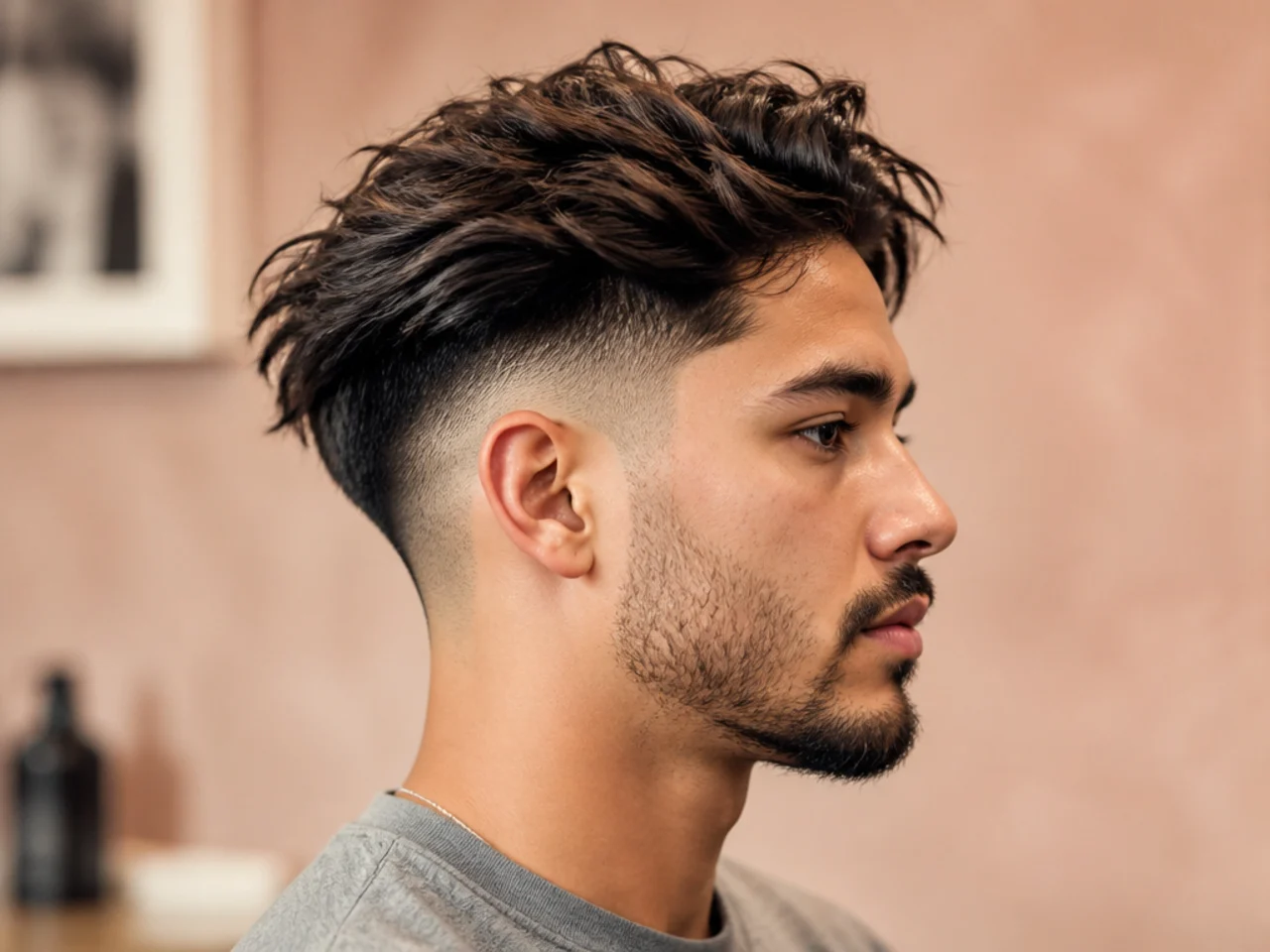
The brush-back is the styling shape. The undercut fade is the frame. You keep enough length on top to sweep everything backward and let it fall wherever gravity takes it. The fade removes bulk at the sides so all the visual weight lives up top. Suits guys with medium to thick hair and a bit of natural wave. Straight hair needs a stronger product to hold the sweep in place.
Ask for: "undercut fade with a low fade, 1 guard on the sides, five inches on top, no scissor detail on top — leave it heavy at the ends."
Styling tip: towel-dry, spray in a texturizing mist, blow-dry with your hands only — no brush. Sweep it back and don't overwork it. Any of the more relaxed messy hairstyles for men build on this same base cut.
Rebellious Burst Fade Undercut
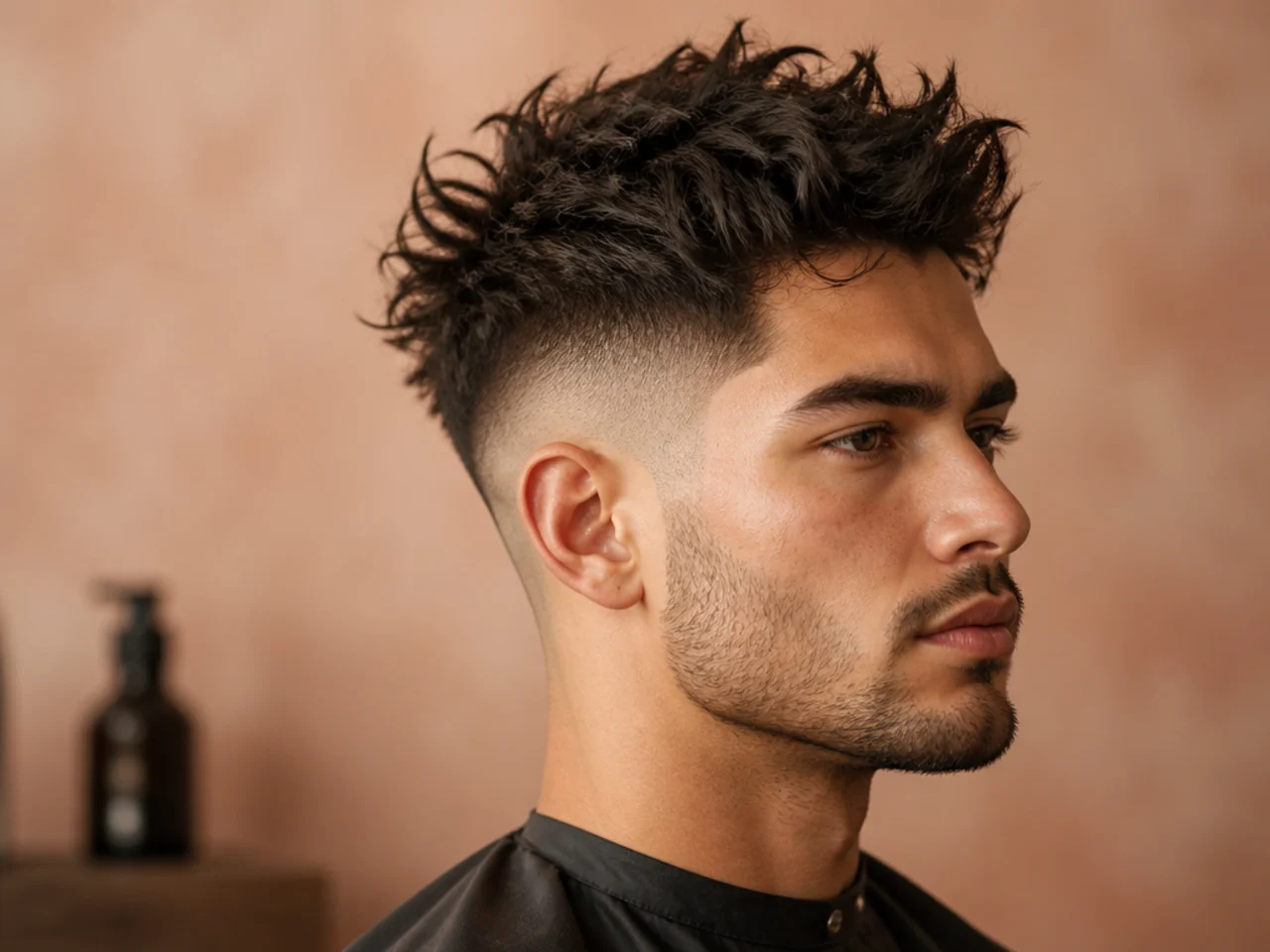
Burst fade curves around the ear in a semi-circle instead of running straight across the head. The nape stays a bit longer than a standard fade would leave it. It reads distinctly hip-hop and streetwear. Pair it with the undercut and the burst opens up around the crown while the disconnect keeps the top decisive. Suits round and square faces because the burst adds curved motion to a boxy jaw.
Ask for: "undercut fade with a burst fade around the ear, leave the nape at a 1, top four inches, textured finish." Some barbers call it a "temp fade around the ear" — either phrase works if the first one gets a blank stare.
Styling tip: use a light cream to define the top's shape without stiffening it. The burst is doing the styling work. The top just needs to look intentional, not sculpted.
Stylish Curly Hair with Faded Undercut
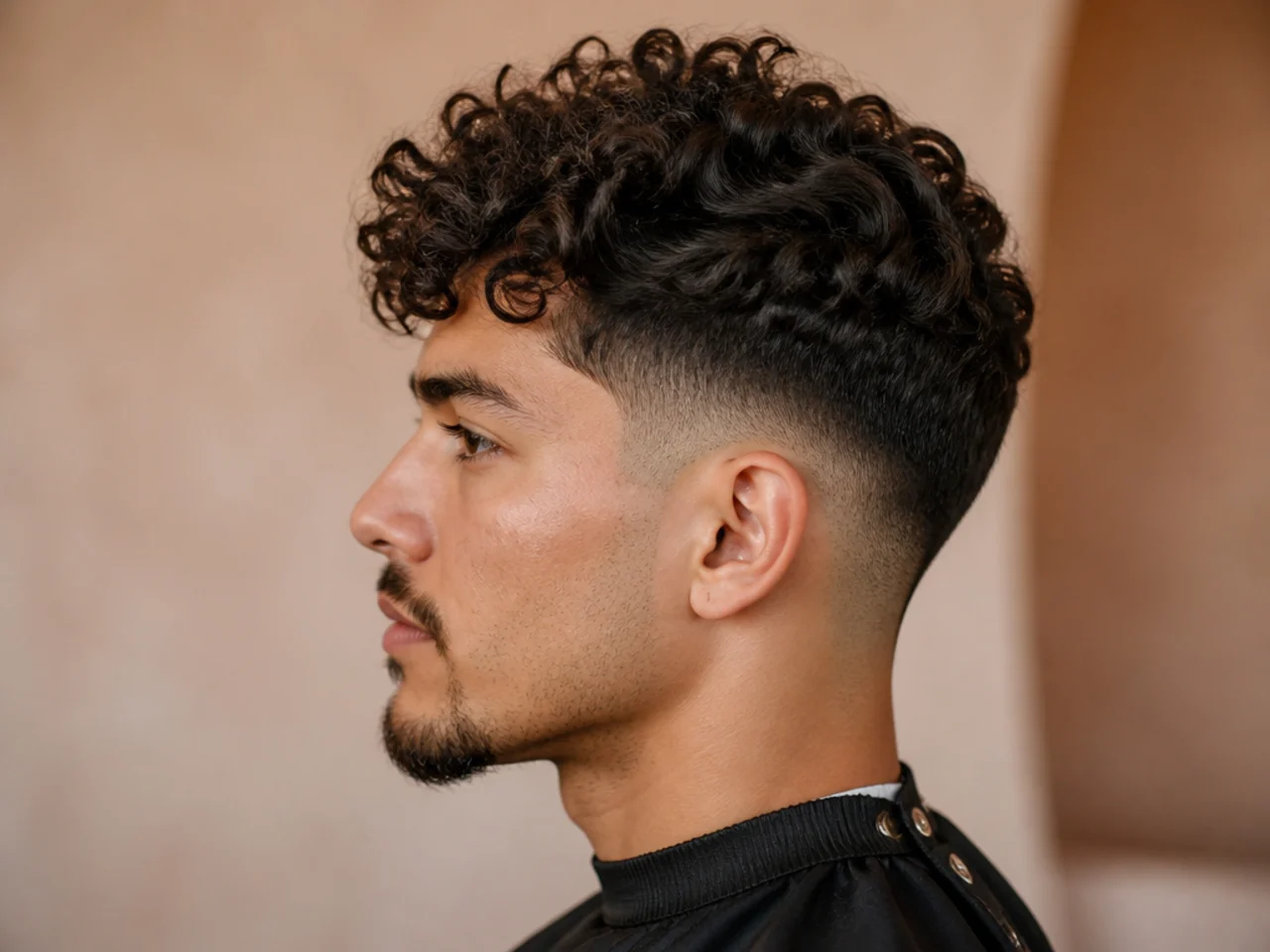
Curls plus undercut fade is one of the best pairings in the game. The fade removes bulk from the sides so the curls up top pop instead of pillowing outward into a triangle. Suits all curl patterns from loose waves to coils. Ask your barber to scissor-cut the top — clippers and comb attachments flatten the curl pattern and leave you with a shelf.
Ask for: "undercut fade with a mid skin fade, scissor-cut curls on top left at about four inches, blend from bald to a 1." Say "scissor-cut" twice if you have to.
Styling tip: apply a curl cream or leave-in to soaking-wet hair, scrunch upward, and either diffuse on low or air-dry. Never brush dry curls. For guys with tight coils, look at textured haircuts for men that build on this same silhouette.
Daring Mohawk Undercut Fade
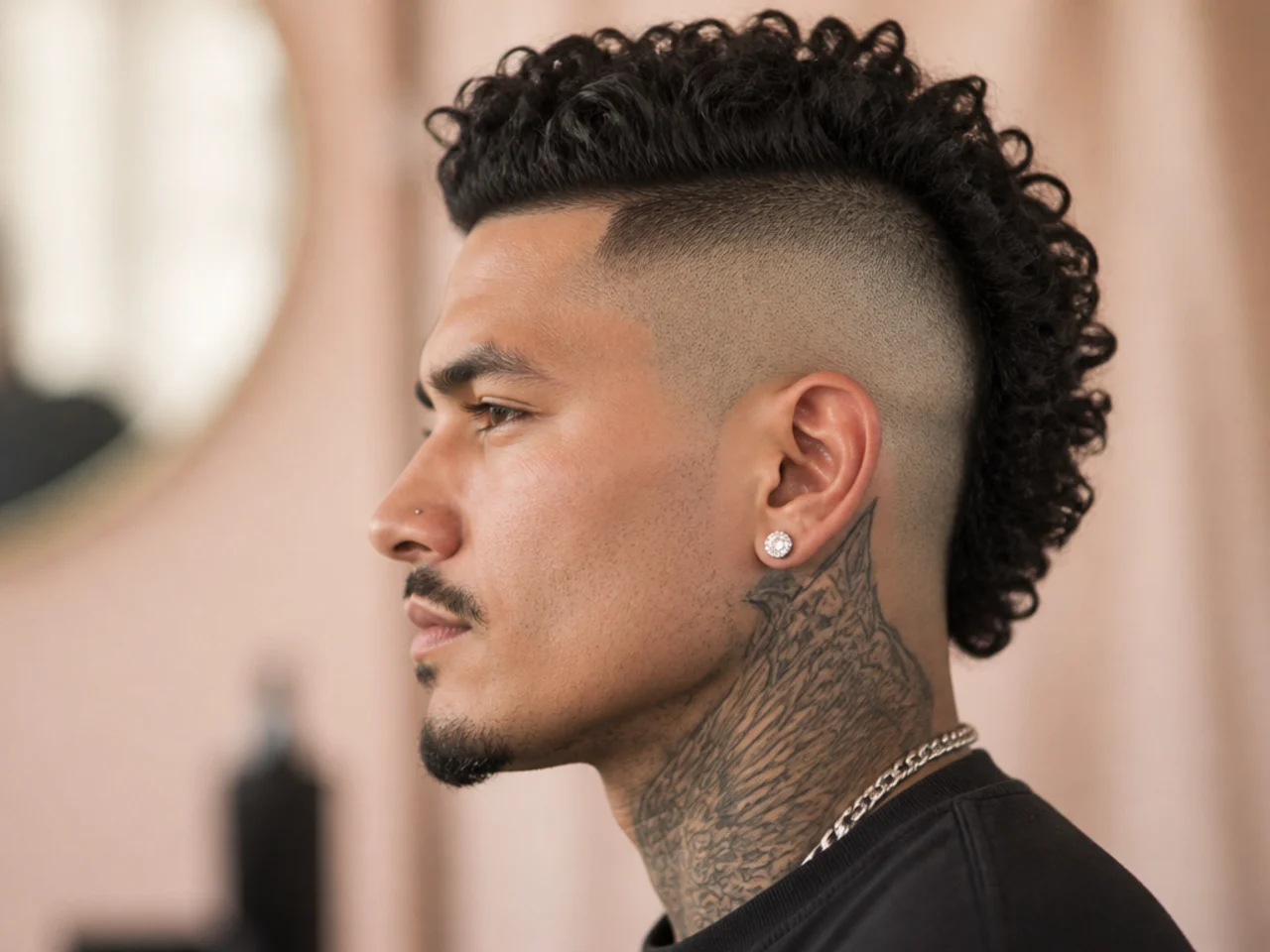
Mohawk means a strip down the center; the sides shave to skin or fade tight. The undercut fade version softens the shaved sides into a gradient rather than a razor line, so the mohawk feels styled instead of costume. Suits any face shape as long as you commit to styling it daily. This is not a wash-and-go cut. Skip it if you don't own a blow dryer.
Ask for: "undercut fade with a high skin fade on both sides, leave a strip about two fingers wide down the center, five to six inches long."
Styling tip: blow-dry the strip straight up with a round brush. Strong-hold gel through the roots, matte paste through the ends to break up the wet look. Chin down, hairspray, chin back up.
Trendy Man Bun with Low Temp Fade Undercut
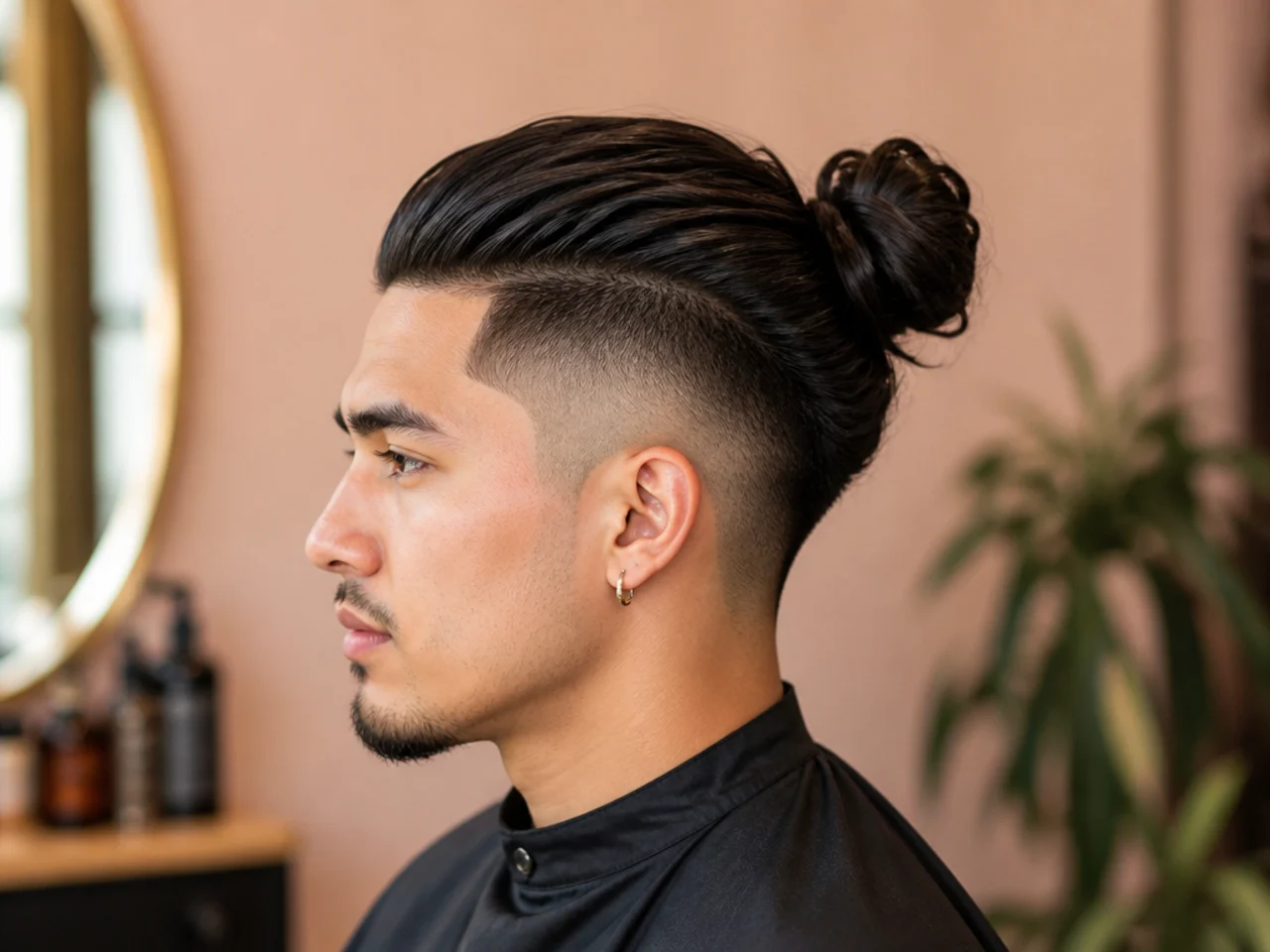
Man bun with an undercut fade solves the classic problem: long hair that looks unkempt at the sides when you pull it up. The low temp fade — a fade concentrated at the temple line — keeps a crisp edge along your hairline while everything above stays long enough to gather. Suits guys with at least six to eight inches of length. Best on oval and long faces because the vertical bun draws the eye up.
Ask for: "undercut fade with a low temp fade — clean the temple to skin, taper into the sides at a 2, don't touch the top." Point at your temple.
Styling tip: bun placement matters more than product choice. Higher bun for a modern edge, lower bun for a classic feel. Slick the front back with a light pomade so the temp fade shows off cleanly.
Textured Pompadour with Undercut Drop Fade
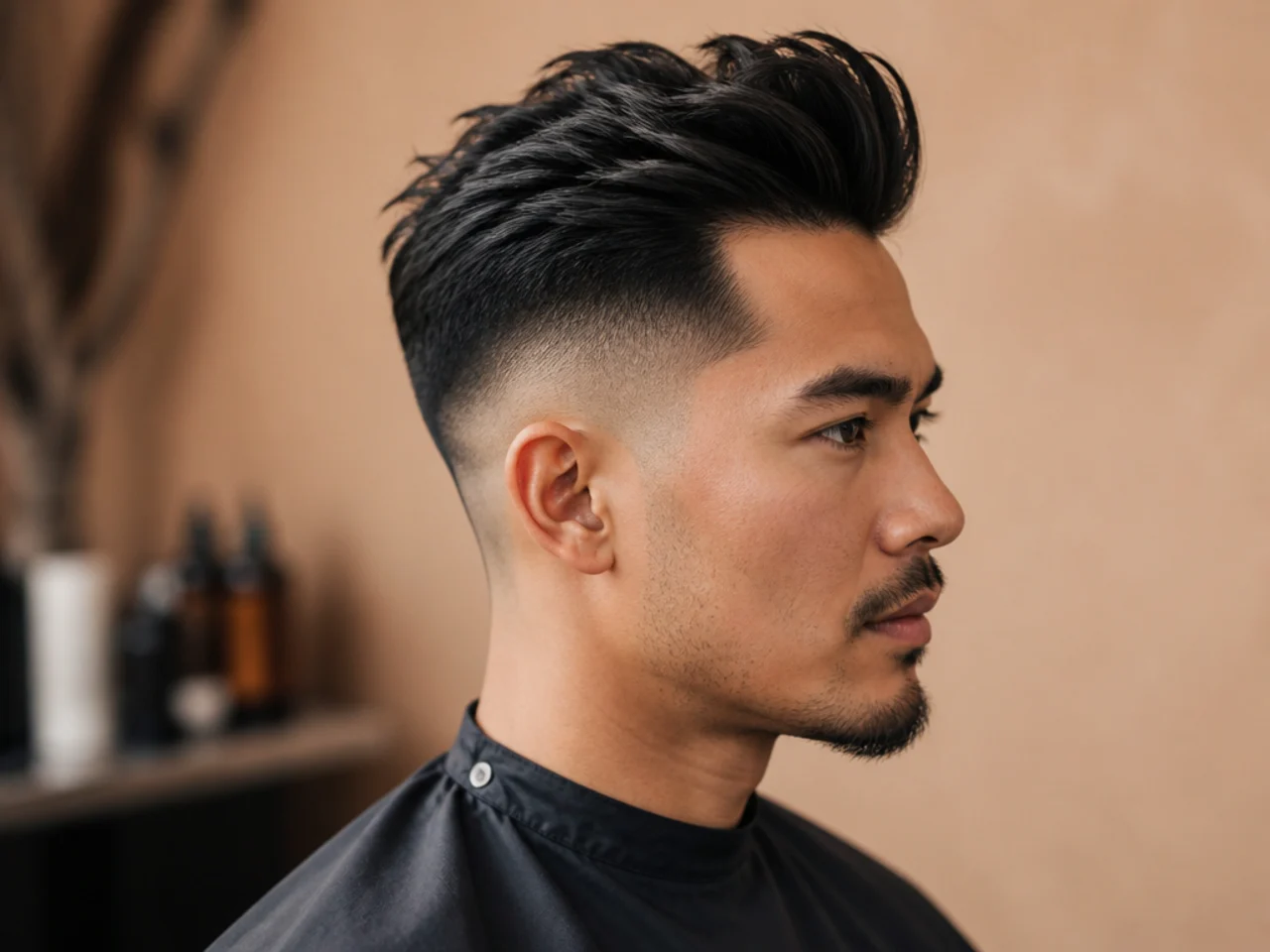
Drop fade curves down behind the ear rather than staying level. It "drops" behind the earlobe and traces the occipital bone. Under a pompadour it frames the volume up top and pulls the eye toward the crown. Classic barbershop energy with a modern silhouette. Suits square and oval faces best. Pairs cleanly with a well-groomed beard.
Ask for: "undercut fade with a mid drop fade, blend bald to a 1, five inches on top for the pompadour." Show a reference photo — every barber interprets "drop" slightly differently.
Styling tip: blow-dry the top forward first, then flip it back at the crown. Pomade at the base, a light spray for hold. If you like this shape but want less structure day-to-day, look at a blowout taper — same volume, less product commitment.
Fresh Mid Undercut Fade with Cool Design
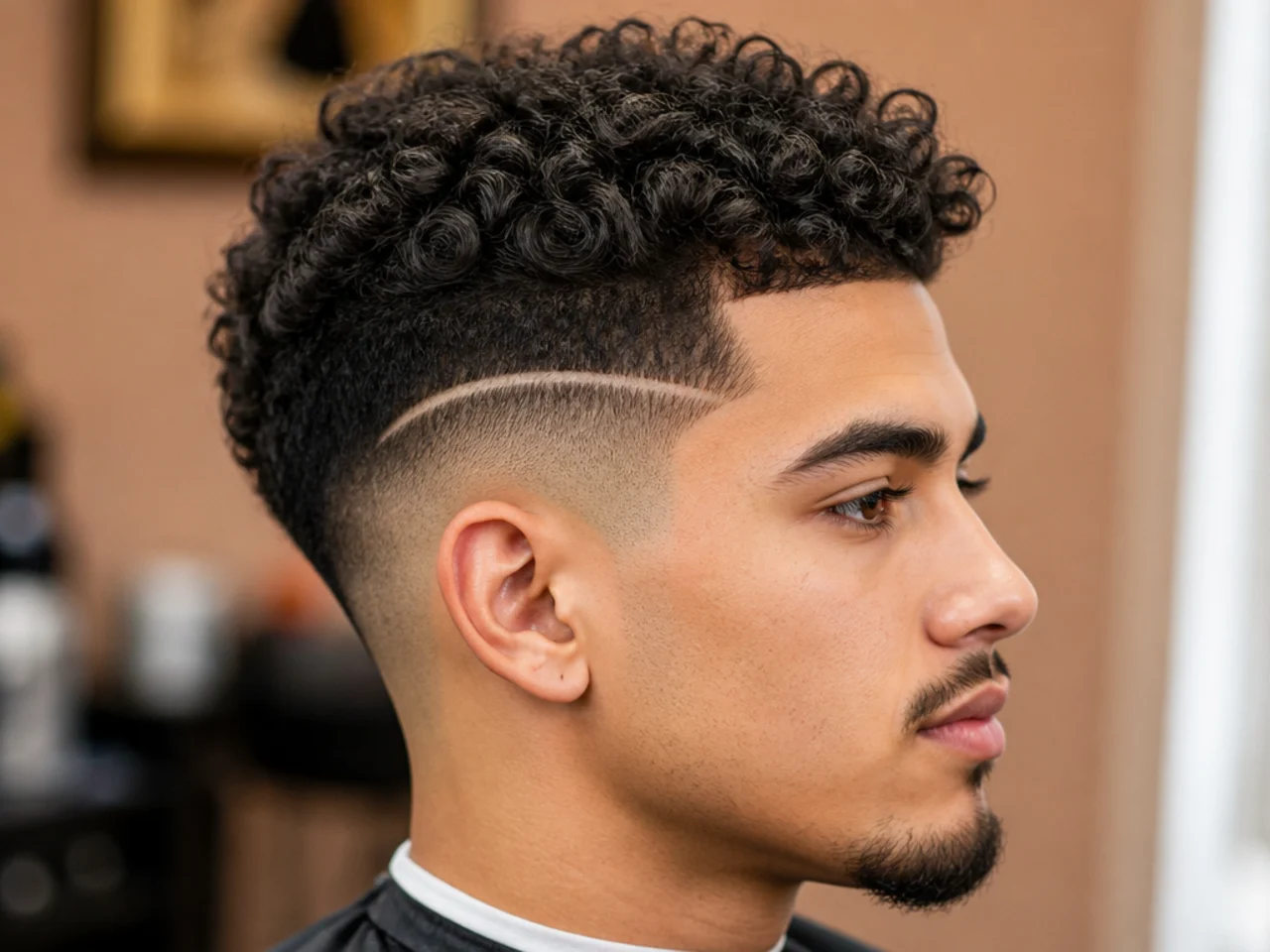
Hair designs — lines, chevrons, geometric shapes shaved into the fade — turn the undercut fade into a signature. The mid fade gives you the widest canvas for it. Keep it to one or two elements unless you want maintenance every ten days. Suits guys who don't mind the chair time and want their haircut to do some of the talking.
Ask for: "undercut fade with a mid skin fade, one hard part on the left with a razor line running behind the ear, four inches on top." Draw the line you want with your finger on the mirror if you can.
Styling tip: designs sharpen with a straight-razor edge, not just clippers. Ask your barber to finish the design with a razor and warn them if you're sensitive — a razor cut is closer than any clipper pass and can nick a mole you forgot about.
Hipster Faux Hawk with Undercut Fade and Beard
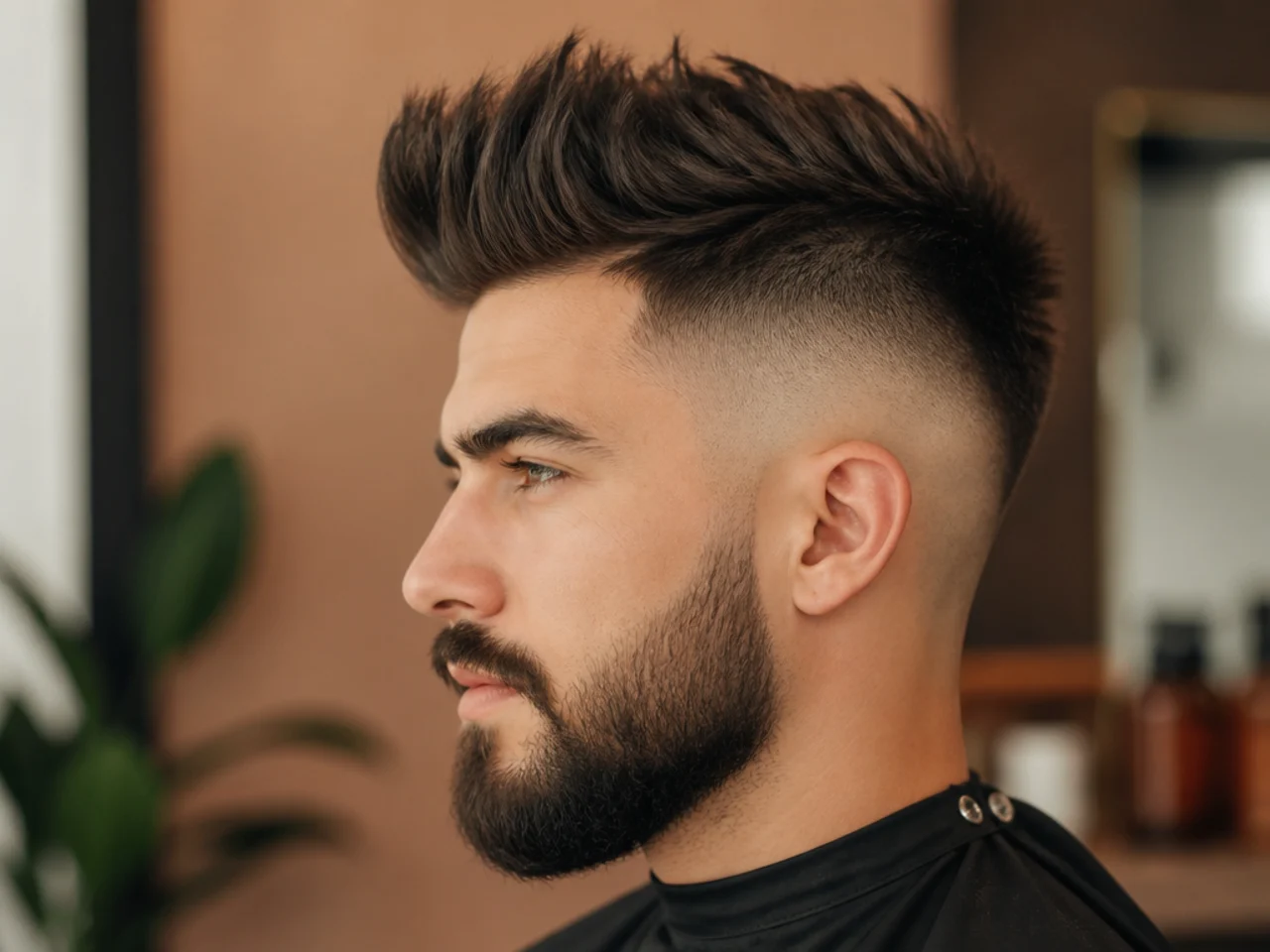
Faux hawk is a mohawk that keeps the sides. Length runs down the center; the sides fade but keep enough hair to blend. Pair with a full beard and the undercut fade bridges the top-to-jaw transition into one continuous look. Suits square and oval faces — the vertical spike balances a wider jaw and lengthens the head.
Ask for: "undercut fade with a mid fade, leave the sides at a 1 blending to skin at the bottom, five inches on top graduated shorter at the sides." Ask for the beard line to connect through the sideburn.
Styling tip: use a fiber paste for hold with movement. Push the center up, pinch the tips together with your fingers. Blend the beard line with the fade line — that connection is what separates a good faux hawk from a great one.
What Is The Undercut Fade?
The undercut fade is a hybrid of two techniques your barber uses every day. Undercut means a disconnect — the sides are cut noticeably shorter than the top with no gradual blend between them. Fade means the opposite — a gradual taper from longer to shorter, often down to skin. On paper the two ideas cancel each other out. In practice, they work together beautifully.
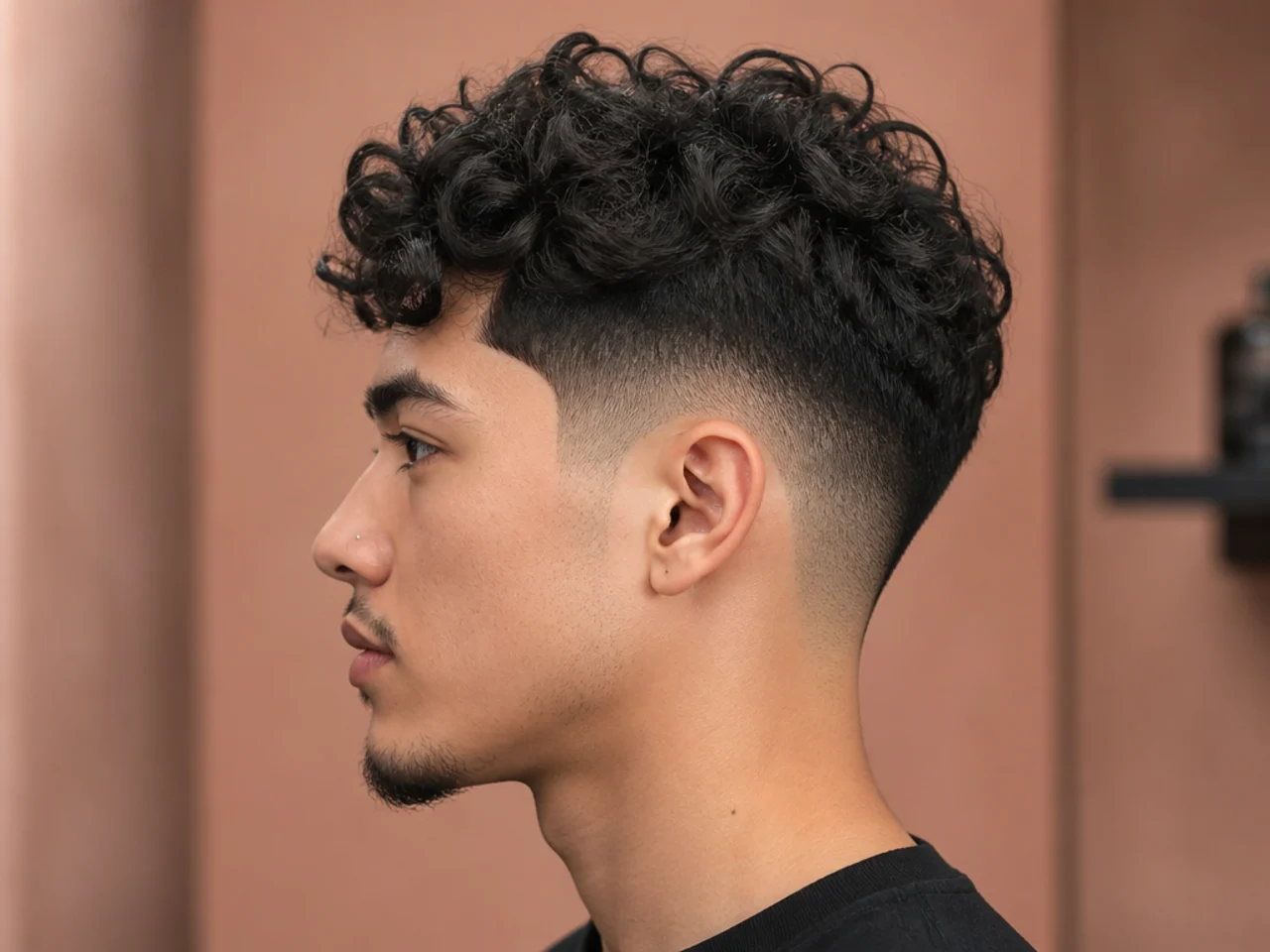
Here's how the two combine. The disconnect stays up top — you keep the visual step between long top and short sides. But instead of the sides sitting at one uniform length all the way down, they fade at the perimeter. That fade cleans up the transition to your hairline. It stops the cut from looking half-grown. And it lets the disconnect breathe as it grows out over the next three weeks.
This is why the undercut fade has overtaken the pure disconnected undercut in barbershop bookings. The pure disconnect is a bold statement — it either lands or looks costume-y depending on the room. The undercut fade lands in every room. Boardroom Monday, gym Tuesday, cocktail bar Friday. It reads intentional across the whole week without you having to change how you style it.
You control the mood with three levers: fade height (low, mid, or high), guard number on the sides, and length on top. A basic fade haircut at low fade with a 1 guard reads conservative. A high fade to skin with five inches on top reads editorial. Same haircut. Different volume.
undercut low fade haircut Gallery
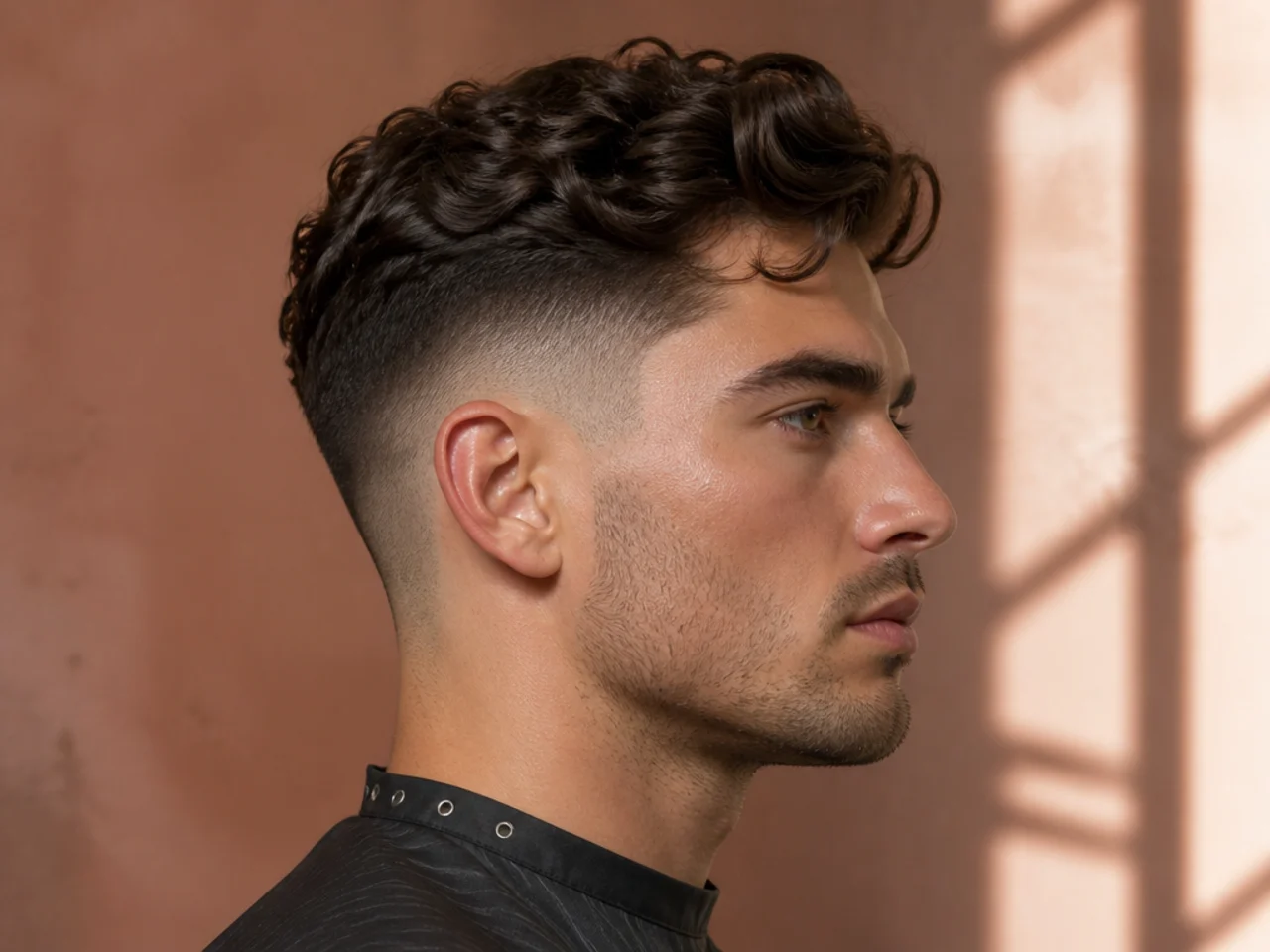
Scroll back through the seventeen variations before your next appointment. Show your barber the one that matches your hair type, not just the one you like the look of. Density and curl pattern change how a cut lands more than any other factor.
Undercut Fade Tutorial
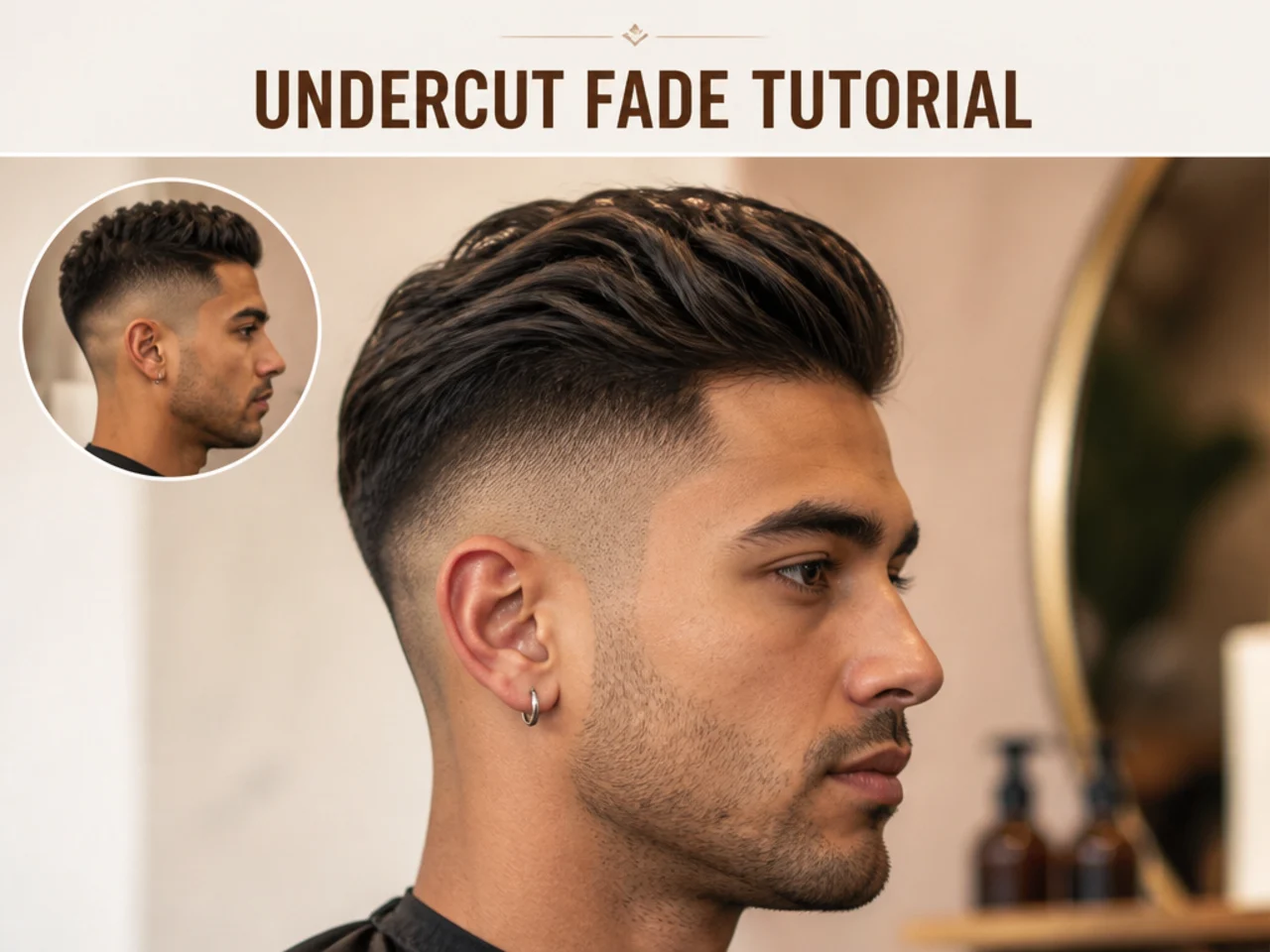
Not for home cutting. But knowing the sequence helps you speak your barber's language when you're in the chair.
The barber sets the top length first with scissors or clippers, isolating that hair with a section clip. Next comes the disconnect line — the barber uses a comb held vertically against your parietal ridge, then runs clippers straight up to establish the shortest guard on the sides. Finally the fade. That's a series of overlapping passes with progressively shorter guards, blending from your chosen top-of-fade guard down to skin or your chosen finish.
The whole cut runs 30 to 45 minutes at a proper shop. If your barber is finishing in fifteen, they're skipping the fade blend, and the cut will look muddy by week two.
Book your next appointment at the counter before you leave. An undercut fade looks sharpest in weeks one and two, softens acceptably in week three, and starts to lose shape by week four. Every 2 to 3 weeks is the sweet spot.
Conclusion
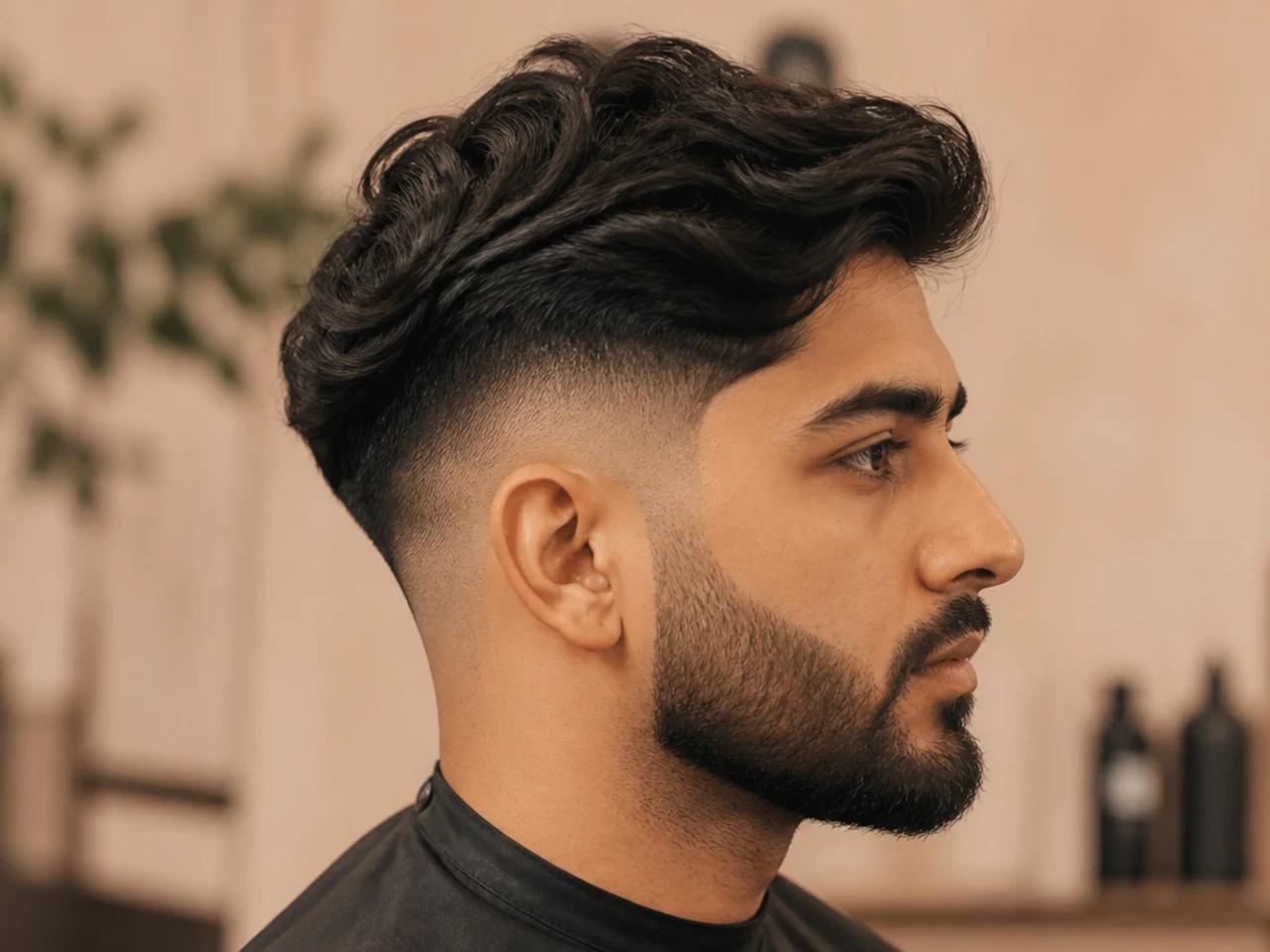
The undercut fade earned its spot as the default modern men's cut because it works for the widest range of guys, hair types, and situations. You get the drama of a disconnect. You get the polish of a fade. You get a haircut that reads intentional whether you spent five minutes on it or thirty.
Pick your variation from the seventeen above. Save two photos — a front shot and a side shot — and take them to a barber you trust. Say "undercut fade" out loud, then specify the fade height, the guard on the sides, the length on top, and the finish you want. That's five inputs and it gets you nine-tenths of the way to what you asked for.
Book your rebook before you leave the chair. Then re-shave your neckline once between visits.
FAQ's
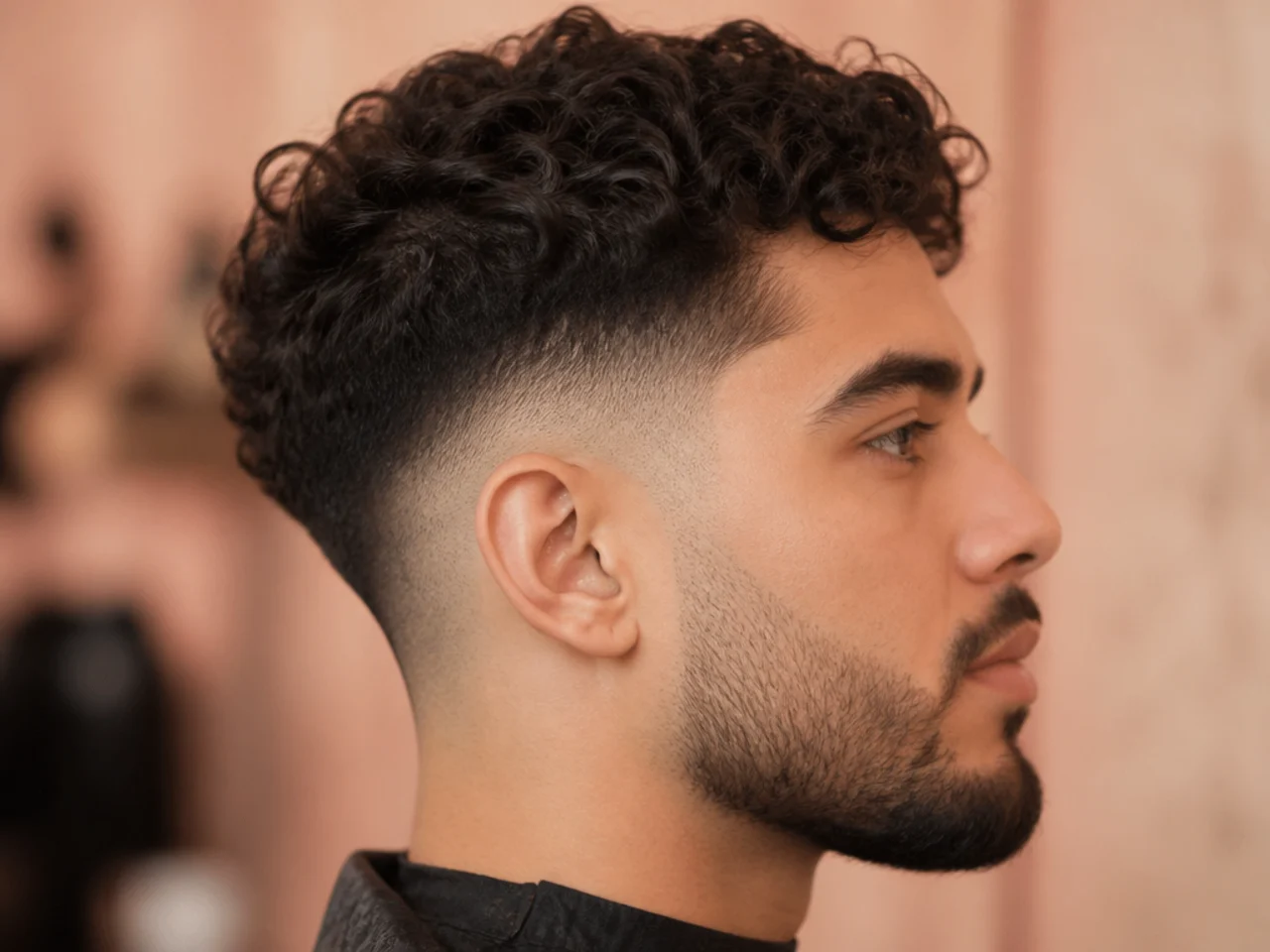
What Is An Undercut Fade?
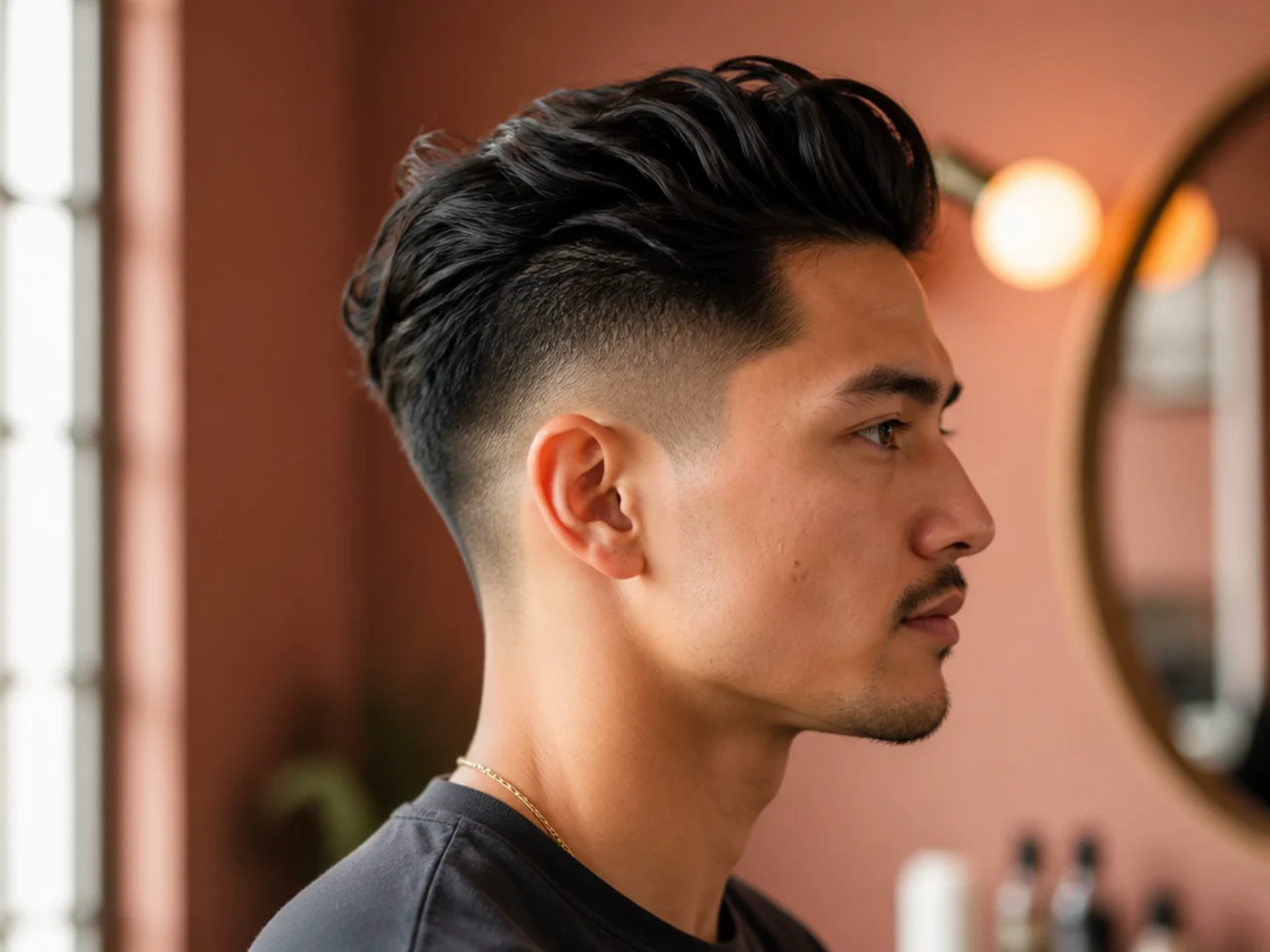
An undercut fade is a disconnected undercut with the perimeter faded down to skin or a very short guard. The disconnect keeps the visual step between long top and short sides — that's what you're paying for. The fade cleans up the transition to your hairline so the cut doesn't grow into a mushroom. You get the drama of an undercut without the harshest edge, and it holds its shape for an extra week between cuts.
Are Fades Haram In Islam?
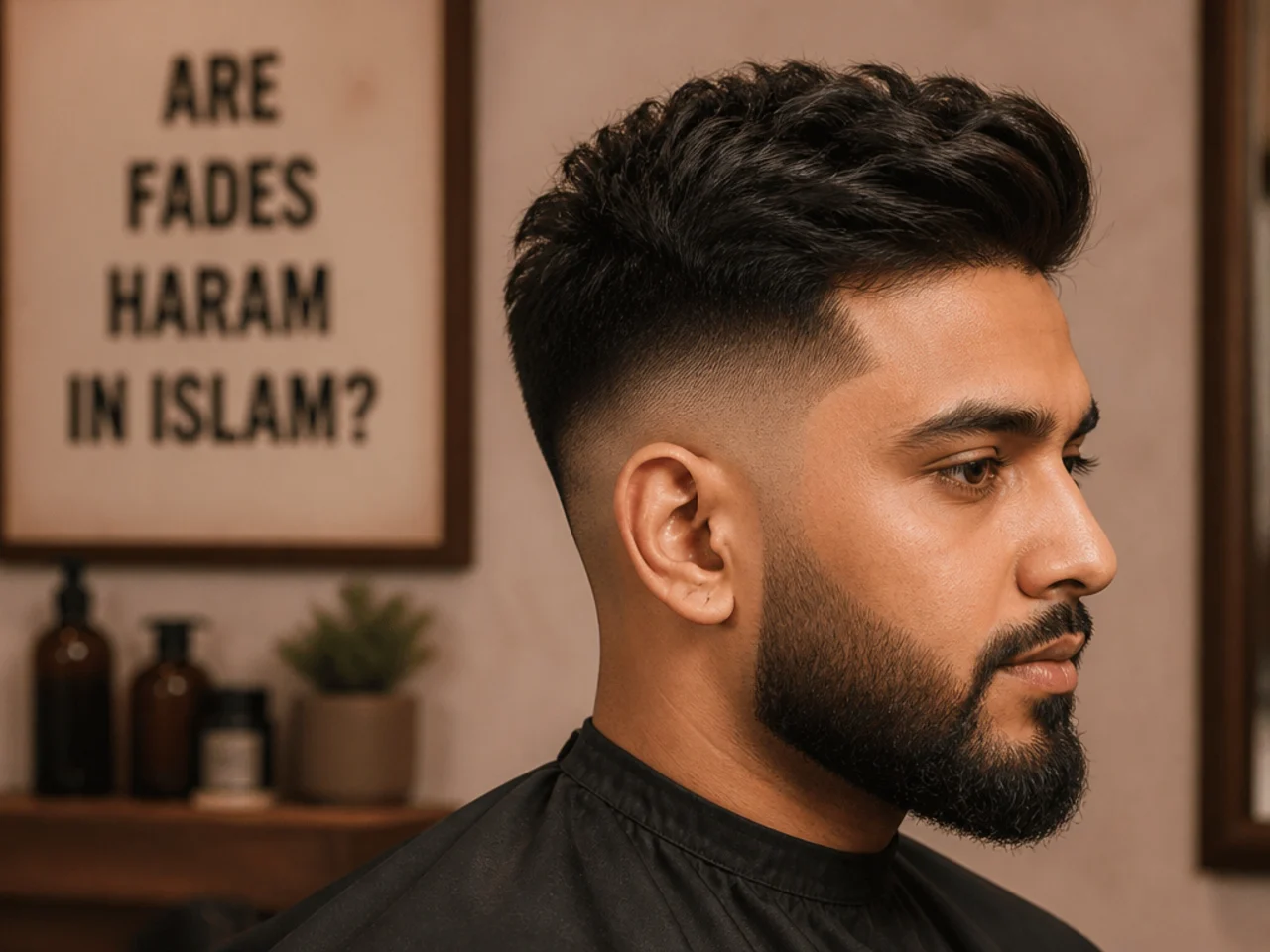
This one belongs with your imam, not your barber. Scholarly opinions vary widely. Most rulings hinge on whether a specific style imitates a religiously prohibited group or leaves an uneven scalp (qaza). If you're concerned, ask your barber for a fade that keeps the top and sides at more even lengths — a low taper undercut fade tends to sit inside common interpretations because the disconnect is minimal.
Which Fade Is Most Attractive?
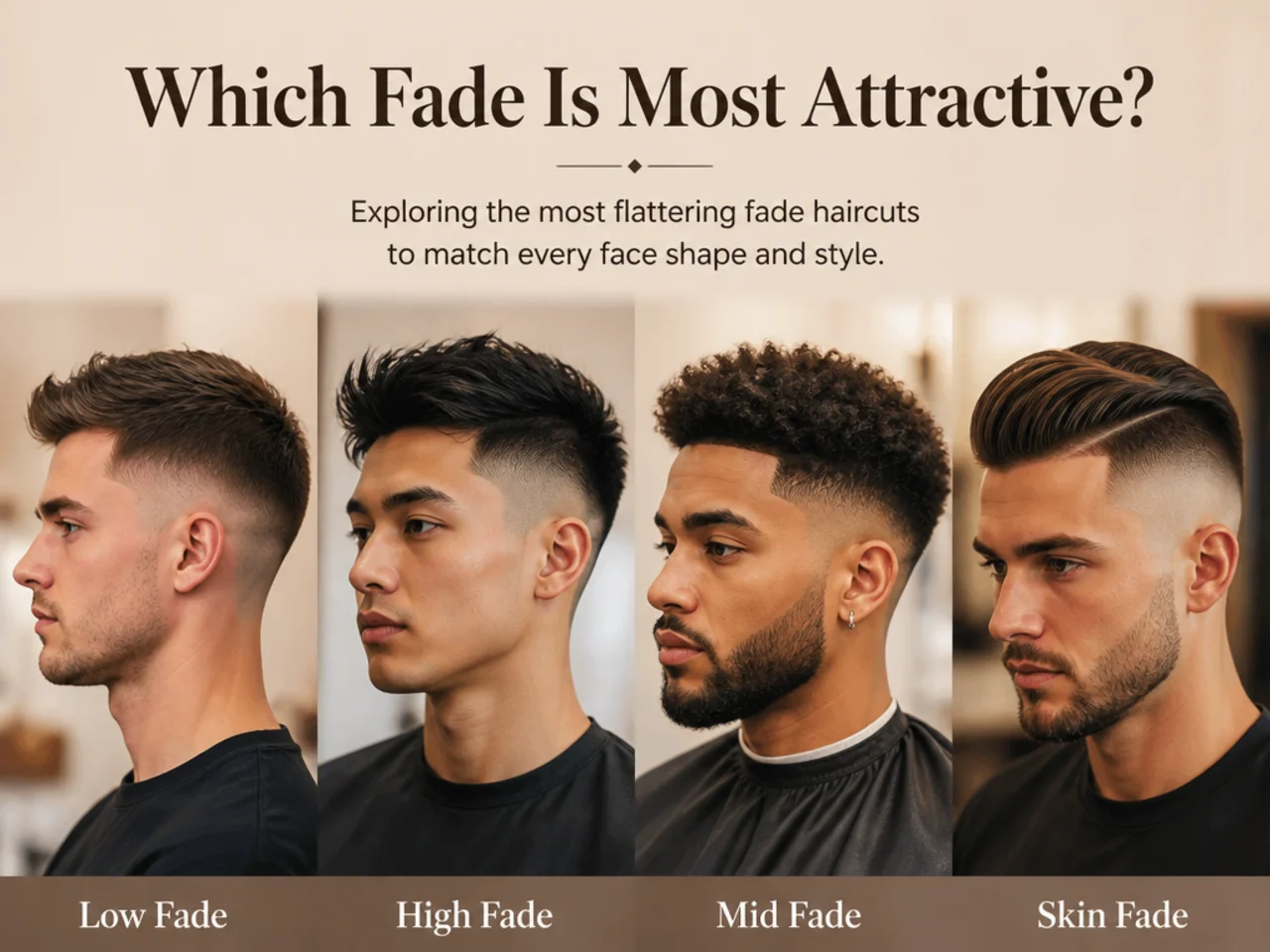
The mid fade is the widest-recommended setting for a reason — it flatters the most face shapes, pairs with the most tops, and lands well in the most rooms. But "attractive" is context-dependent. If your face is round, a high fade elongates it. If your job is corporate, a low fade reads professional and grown-up. Match the fade to your face and your calendar, not to whatever's trending on your feed this week.
Is An Undercut Attractive?
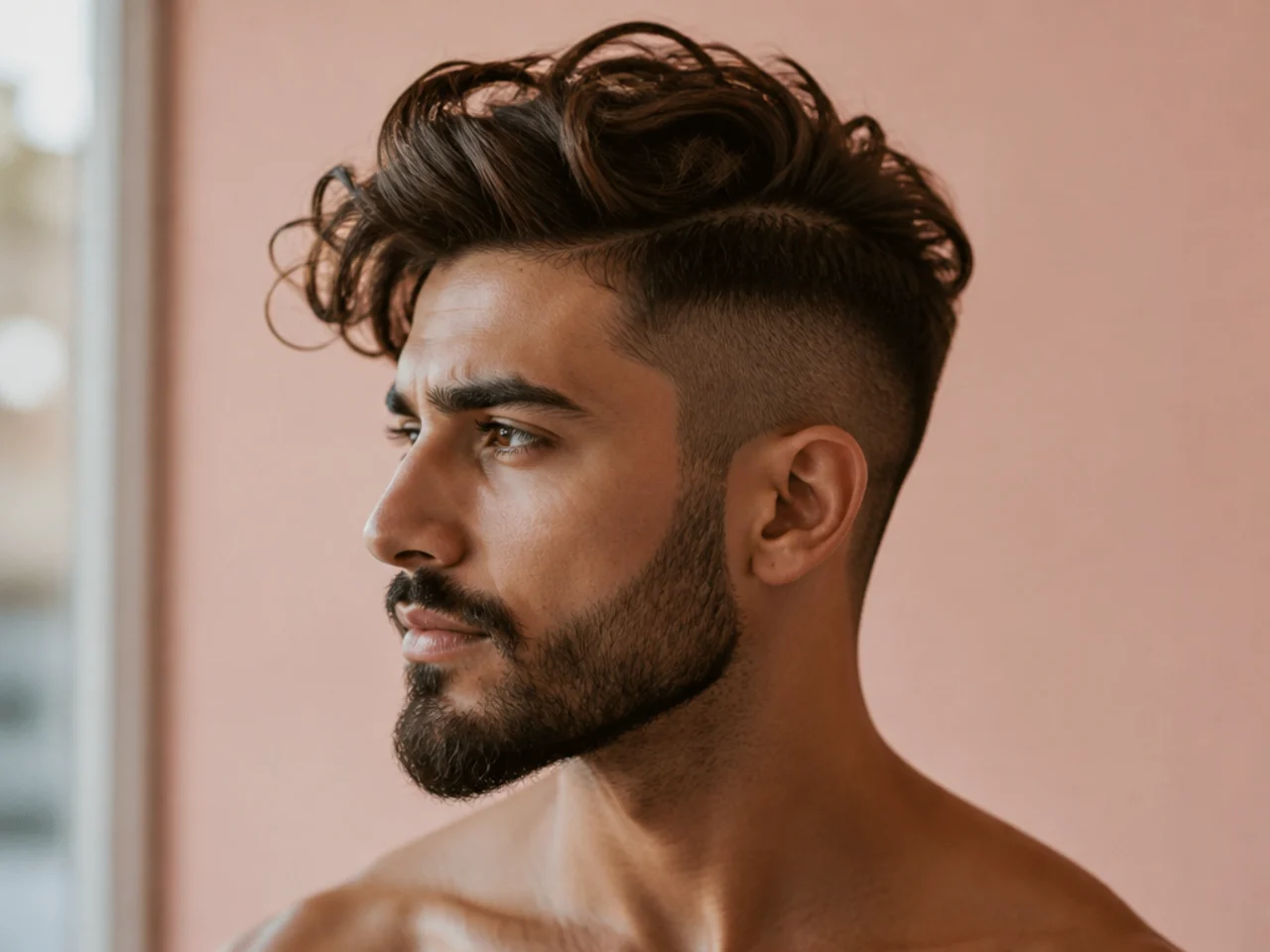
Yes, when it fits the face. Undercuts flatter oval and square faces most reliably. They add height to round faces and drama to angular ones. They can overwhelm heart-shaped faces if the top is styled too tall. Book a consultation before your first undercut and let your barber talk you through what works with your bone structure. A five-minute conversation is worth more than a hundred saved photos.