Best Wavy Hair Products for Fine Wavy & Curly Hair (2026)
Wavy hair sits in a frustrating middle: too textured for straight-hair products, too loose for full-curl products. This guide is the exact product routine that works for fine and defined wavy hair — the leave-ins, creams, gels, and mousses we've tested in the salon and at home, plus the order to layer them in.
In this article · 20
- The wavy-hair routine, in order
- Best Wavy Hair Products for Styling
- Leave In Conditioner
- Mousse + Foam
- Serum
- Gel
- Hair Spray
- How to Dry Your Hair?
- Use a Diffuser
- Air Dry with Care
- Optimize Your Environment
- Conclusion
- FAQs
- What is the Best Curly Hair Product?
- How do I Bring Out Natural Curls?
- Why does Gen Z Like Curly Hair?
- What is the best curl product for wavy hair?
- Does scrunching work on wavy hair?
- What hair product is good for scrunching hair?
- Which country is known for curly hair?
Products built for straight hair flatten your waves. Products built for full curls turn them greasy. Wavy hair — types 2A, 2B, and 2C — sits between the two: enough texture to need help, not enough to handle heavy creams and butters. This guide walks the middle path — what to buy, in what order to apply it, and what to skip. Written for anyone whose hair bends but doesn't spiral.
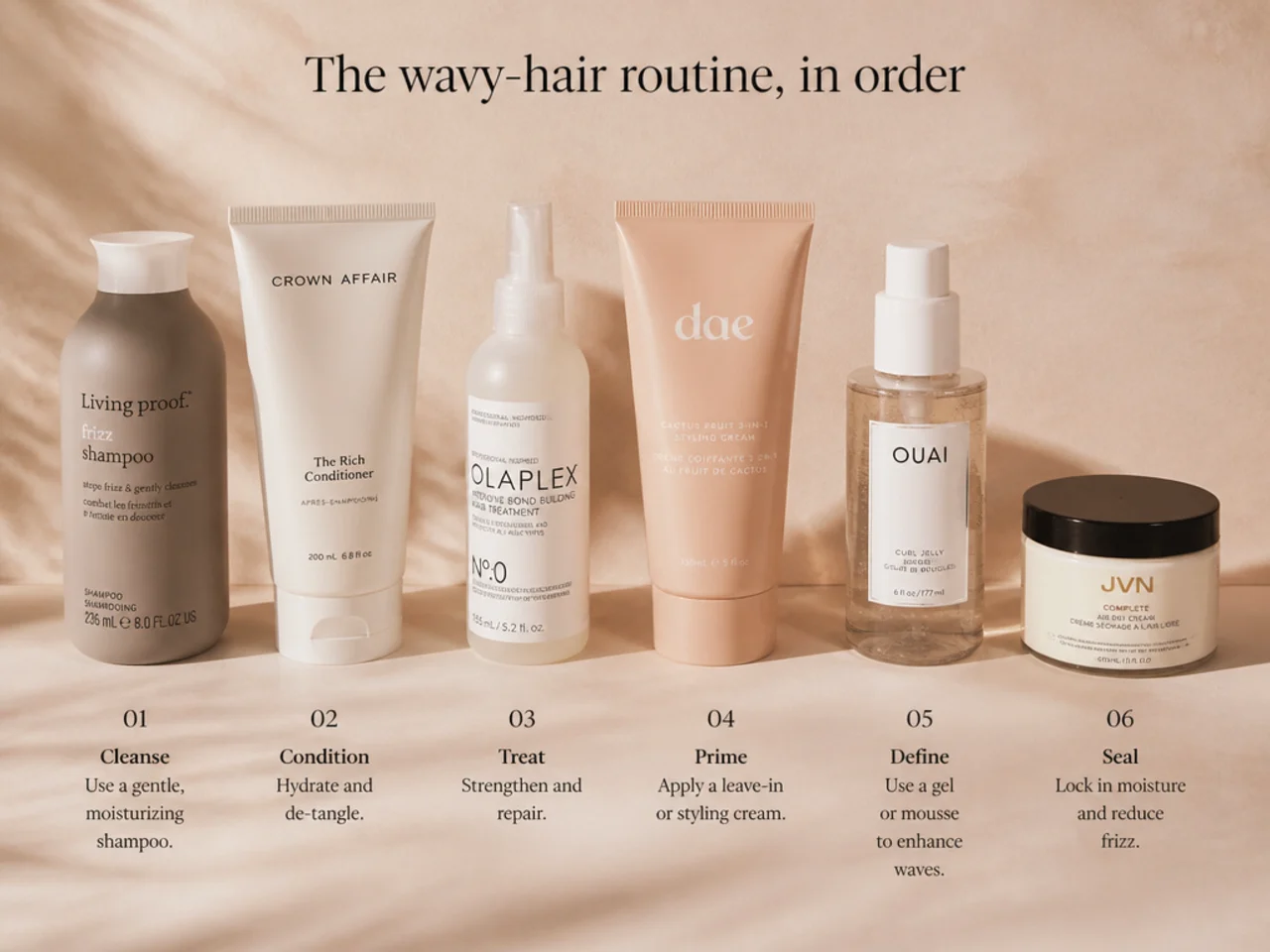
The wavy-hair routine, in order
Get the order right and any decent product will work. Get it wrong and no product will save you.
- Cleanse — Sulfate-free shampoo at the scalp only, twice a week max. On off days, rinse with water and condition mid-lengths. Overwashing strips the oils your waves need.
- Towel — Never rub. Squeeze water out with a microfiber towel or a cotton T-shirt. Terry cloth roughs up the cuticle and gives you frizz before you've applied a single product.
- Leave-in — Rake a water-based leave-in through soaking-wet hair. This is the foundation everything else sits on.
- Styler — Apply cream, mousse, or gel from mid-shaft to ends. Praying-hands smoothing first to seal the cuticle, then scrunch upward from ends to scalp.
- Cast — Air-dry or diffuse on low until the product forms a light shell — the "cast." Do not touch during this phase.
- Break the cast — Once fully dry, scrunch the cast out with a drop of oil in your palms. Waves emerge soft, defined, and touchable.
Not sure which wave pattern you're working with? Our curl types guide walks through the 2A, 2B, and 2C differences with visual examples so you can match products to your actual texture instead of guessing.
Best Wavy Hair Products for Styling
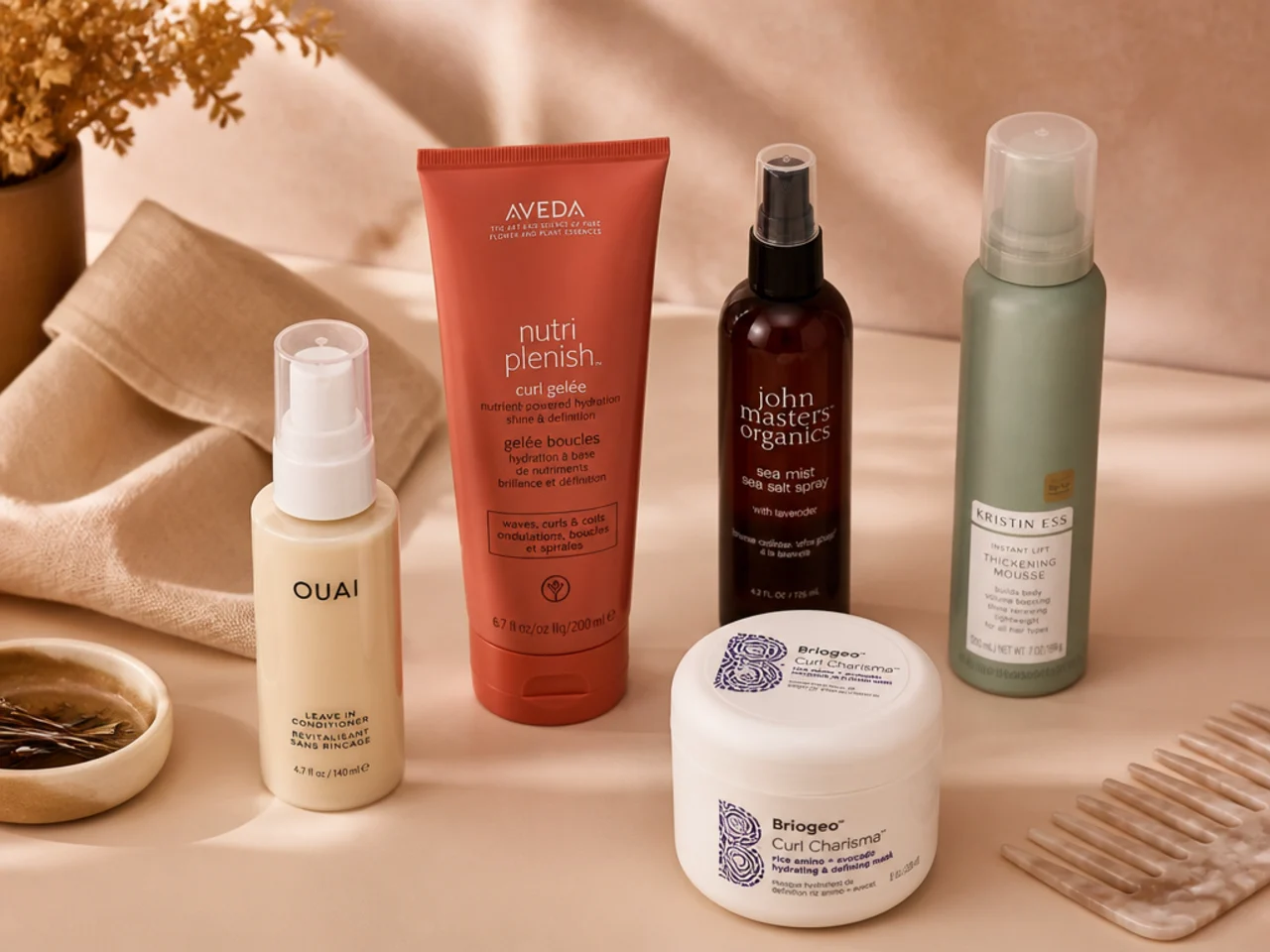
The best wavy hair products, by category — with the ingredients to look for, the techniques that matter, and both an under-$20 pick and a premium option.
Leave In Conditioner
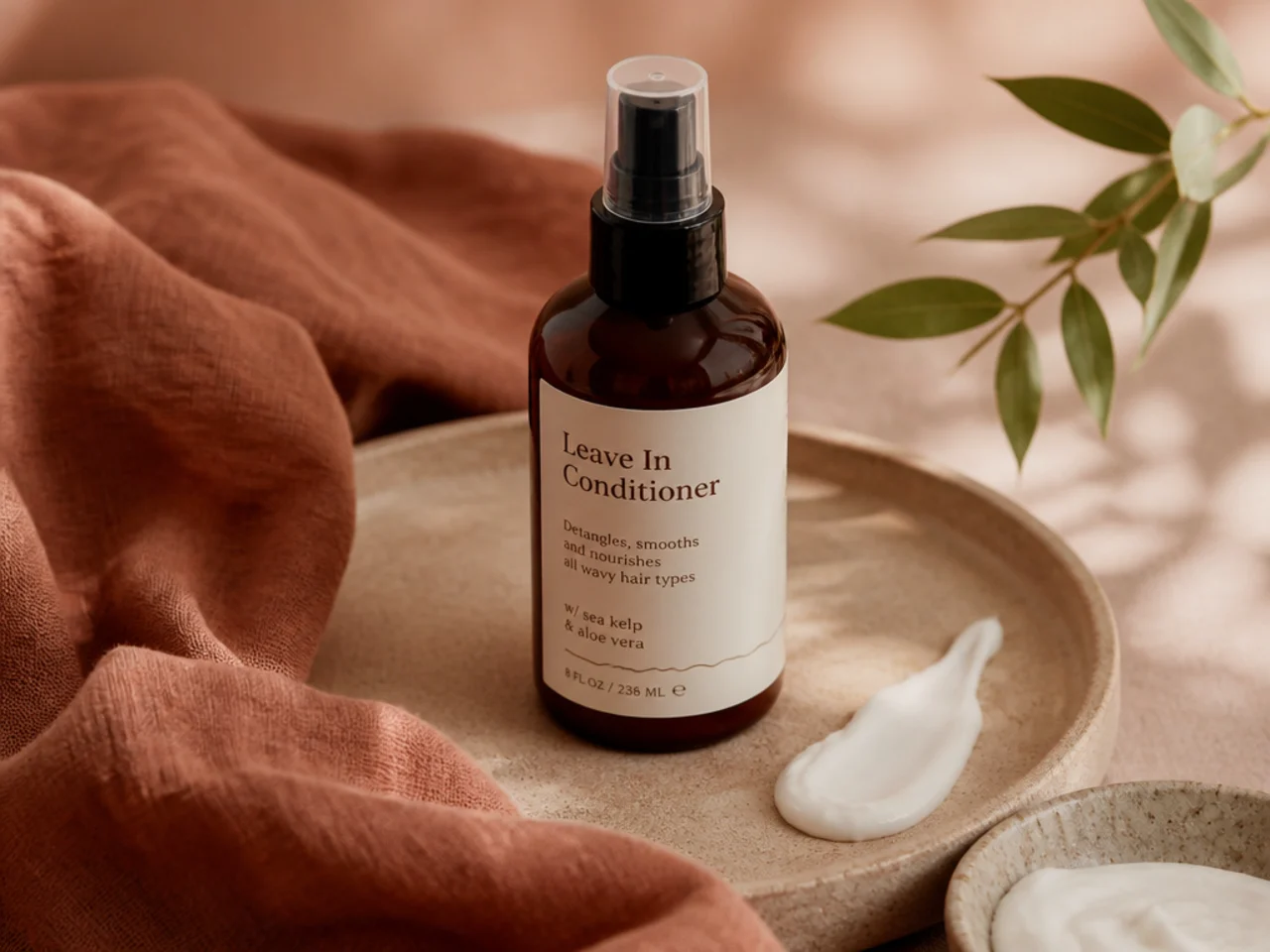
A leave-in is a water-based moisturizer you don't rinse out. For wavy hair it does two jobs: hydrate dry ends without weighing down the roots, and give your styler something to bind to. Skip this step and your gel sits on parched hair, flakes out, and clumps unevenly.
2A hair (loose S-waves) needs the lightest formula you can find — a spray-in or a watery lotion. Anything creamy will pull loose waves into limp strands. 2B (defined S-pattern) tolerates a lotion leave-in with more slip. 2C (waves bordering on curls) can handle a thicker cream leave-in.
Apply to soaking-wet hair right after your towel squeeze. Rake through with your fingers only — no combs, no brushes at this stage. Section your hair into four and work leave-in into each section from mid-shaft to ends. If your roots feel greasy by day two, you're going too high with product.
On the label: glycerin (a humectant that pulls moisture into the shaft), panthenol (adds slip and elasticity), and aloe vera (soothes without buildup) are your green lights. Avoid heavy silicones like dimethicone at the top of the ingredient list — they coat the strand and eventually flatten waves. Skip drying alcohols too (isopropyl alcohol, SD alcohol 40) common in cheap sprays.
Under $20: Giovanni Direct Leave In — protein-free, lightweight, sold at most drugstores. Any drugstore water-based leave-in with glycerin in the top five ingredients works too. Premium: Innersense Sweet Spirit for a botanical, weightless finish, or Flora + Curl Detangling Lotion if slip is your priority.
Mousse + Foam
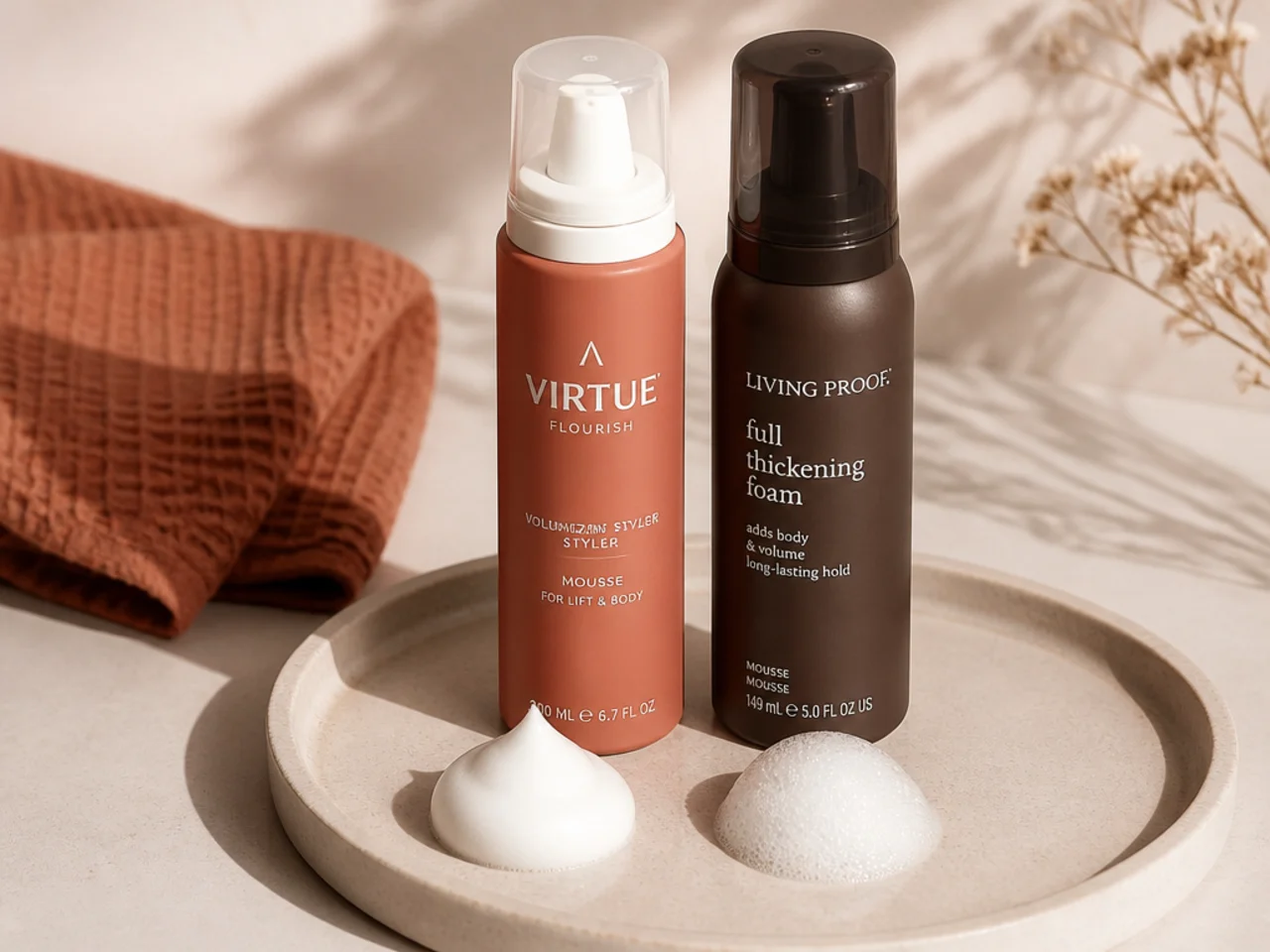
Mousse and foam are aerated stylers — light in the hand, light on the hair. They add volume and definition without the wet look you get from gel. If your waves fall flat by lunch or your roots refuse to lift, mousse fixes both.
2A and fine 2B hair loves mousse — the airy texture builds shape without pulling waves down. 2C hair can layer mousse as a volume base under gel, but mousse alone won't hold a full curl pattern.
Apply to damp hair, not dripping. Dispense a fist-sized amount into your palm, flip your head upside down, and scrunch upward from ends to roots. Distribute a second, smaller amount along the top layer for even coverage. Cup and scrunch — never rake — or you'll break up the wave pattern before it forms.
Look for polyquaternium film formers (they give hold without stiffness), copolymers labeled "flexible hold," and moisturizing agents like glycerin. Skip anything with drying alcohols high in the ingredient list — foam is already aerated, and alcohol strips whatever moisture you just added.
Under $20: Pantene Defined Curls Mousse and Herbal Essence Totally Twisted Mousse are the drugstore standards. Premium: Innersense I Create Lift Volumizing Foam and Flora + Curl Curl Volumizing Foam deliver lift without stickiness. Giovanni Hair Styling Foam splits the difference — clean formula, mid-tier price.
In high humidity, layer mousse under a light gel. Mousse builds the volume, gel locks the pattern.
Serum
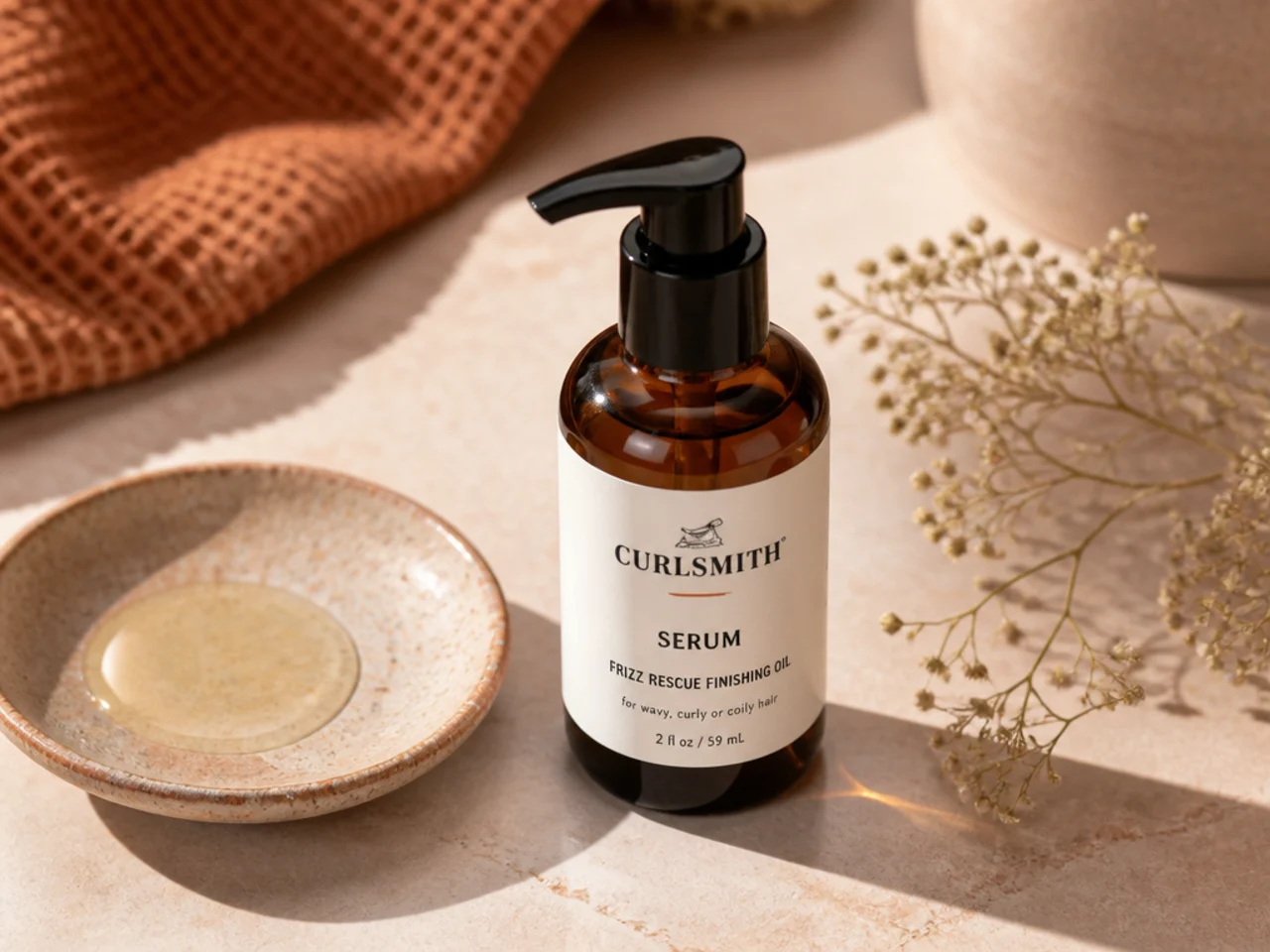
Serums built for wavy hair are lightweight styling products, not the oil-based finishing serums made for straight hair. Wavy-hair serums live on the styling shelf. They encourage clumps to form and hold with a soft-medium finish.
2A hair often skips serums entirely — the added weight can be too much. 2B waves benefit most from a curl-defining serum layered under gel. 2C waves can use a serum-plus-gel stack as their full styling routine.
Apply to soaking-wet hair after your leave-in. Emulsify a coin-sized amount between your palms, rake through with fingers, then scrunch from ends upward. If you see white residue, you've used too much — start with less than you think you need.
For serums specifically, watch for humectants (glycerin, honey, panthenol), light emollients (jojoba oil, sunflower seed oil), and film formers for hold. Avoid heavy silicones (dimethicone, cyclomethicone) at the top of the ingredient list if you're following the curly girl method for waves — silicones build up and eventually require sulfate cleansing to remove.
Under $20: any drugstore "wave-defining cream" or "curl-defining lotion" with glycerin in the top five ingredients. Premium: Innersense I Create Volume for medium hold and thicker clumps, or TréLuxe Reflex Serum for a curl-enhancing finish that keeps hair soft.
Gel
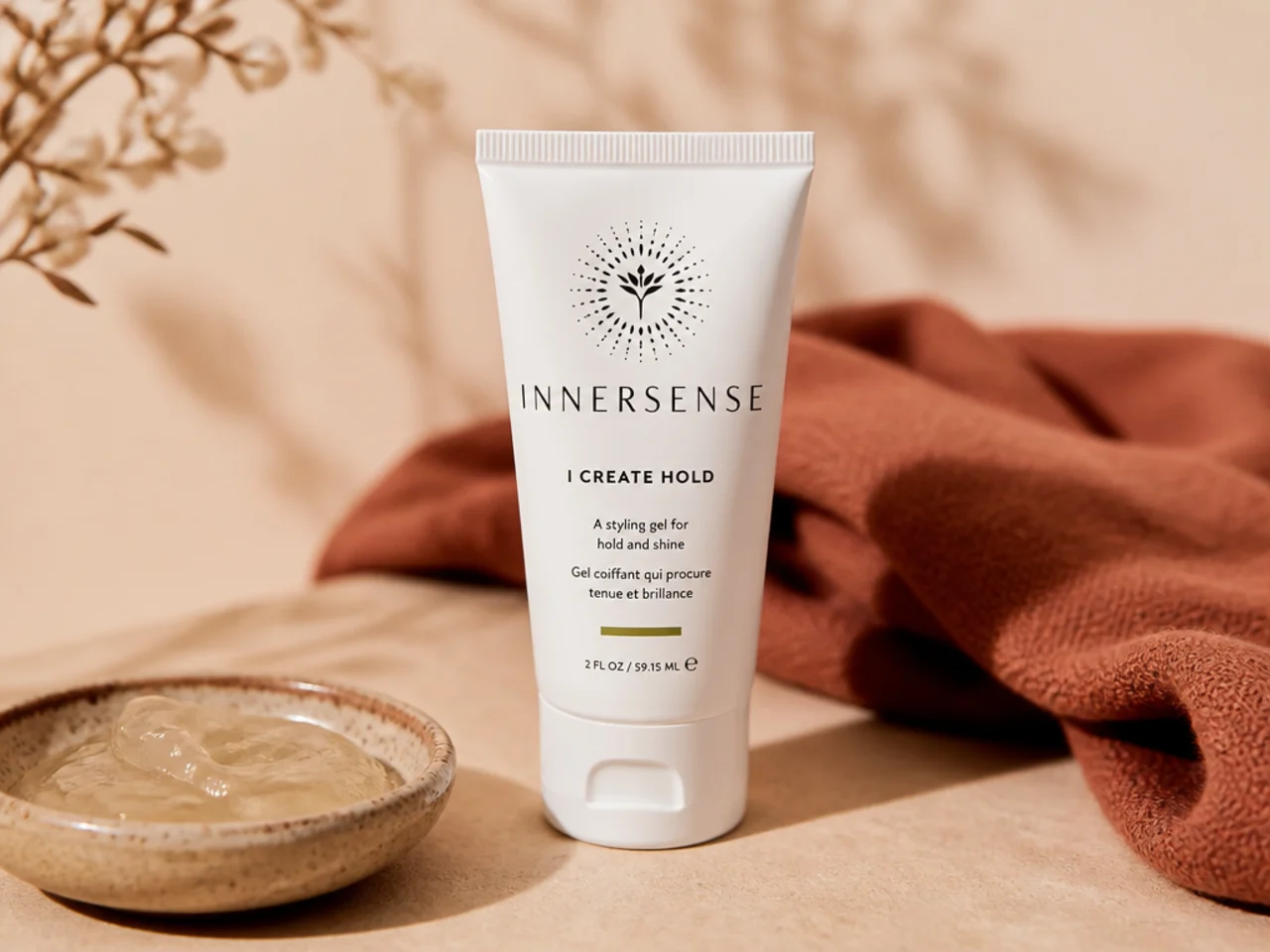
Gel is the workhorse of wavy hair. It creates the cast — the light shell your waves dry inside — that holds the pattern until fully dry. Crunch the cast out and hair falls into defined waves that hold for days between washes.
2A needs the lightest gel you can find — a jelly or serum-gel hybrid. Standard curl gels flatten loose S-waves. 2B waves handle medium-hold gels well. 2C is the sweet spot for stronger flaxseed or curl-defining gels.
Order matters: apply gel after leave-in and cream, never before. Rake through soaking-wet hair with your fingers, then scrunch upward from the ends. Praying-hands smoothing is the technique that separates crunchy waves from soft, defined ones — squeeze sections between flat palms to seal the cuticle before you scrunch.
Read the label for flaxseed extract (natural film former), aloe vera, glycerin, and light hold polymers (PVP, VP/VA copolymer). Skip formulas heavy on drying alcohols — you want hold, not crunch. Fragrance-free is a bonus if your scalp is sensitive.
Under $20: any flaxseed-based gel — Umberto Giannini Curl Jelly for a medium hold that dries touchable, or Curl Keeper Original Liquid Styler for humidity resistance. Premium: Aveda Confixor Liquid Gel for stronger hold that stays flexible, and Bouclème Curl Defining Gel for a clean-ingredient option.
Want to see technique on shorter styles before you commit? Our short curly hairstyles roundup has application shots for cropped textures where scrunching mechanics look a little different.
Also See: Short Haircut: 30 Stylish Short hairstyles for women over 60
Hair Spray
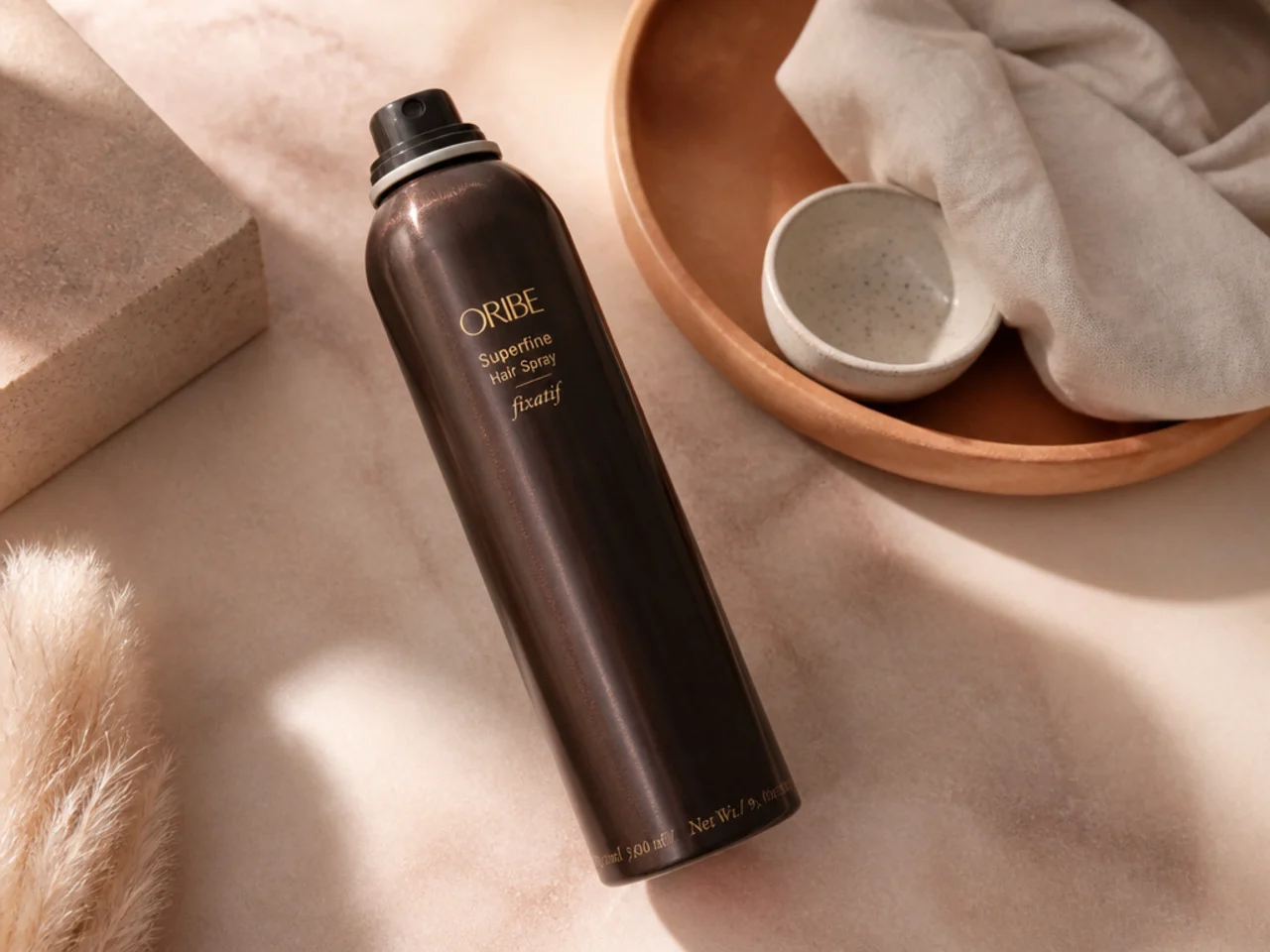
Hair spray is a finishing product, not a styling one, for waves. Use it after your hair is 100% dry and the cast is broken — never on wet hair. For wet-setting, reach for a prep spray or skip spray entirely.
2A waves fall out fastest and benefit most from a light finishing spray for hold at the roots. 2B needs spray only in humidity. 2C usually doesn't need spray if the styling routine holds all day.
Application: hold the can 10 to 12 inches from your head. Spray in short bursts along the length, focus on the roots for lift, never soak sections. If you can feel the spray landing wet, you're too close.
Look for soft-hold polymers, flexible film formers (VA/crotonates copolymer), and light conditioning agents like panthenol. Avoid strong-hold formulas built for updos — they crunch out waves. Fragrance-free options are worth the search if you're sensitive.
Prep sprays are the exception to the "no spray on wet hair" rule. Innersense Hair Love Prep Spray doubles as heat protection under a diffuser and lays a base for your styling products.
Under $20: Bounce Curl Hairspray for a flexible medium hold. Premium: Innersense I Create Waves for a beachy air-dry finish, I Create Finish for a polished touch, and Curlsmith Flawless Finish Hairspray for stronger grip that still moves.
When choosing the right hair spray, it's important to match the formula to your curl pattern. If you're unsure about your hair type, check out our complete guide on curl types to find the right match for your styling routine.
The right haircut also plays a huge role in how well any spray holds and enhances your waves. Explore the latest curly haircuts for cuts that add volume and definition on wavy texture.
For men working with wavy texture, product choice shifts toward lower hold and shorter application — see our curly hairstyles for men picks, and the best hair clippers for men if you're maintaining your cut at home.
If you want to elevate your overall look, pair your hairstyle with the right shade — our guide on hair color trends breaks down tones that flatter wavy texture without dulling the wave pattern.
Most of the picks in this guide ship globally through retailers like CURLMAVEN, Cult Beauty, Curl Warehouse, and LOOKFANTASTIC — covering the USA, Canada, UK, and EU. Budget or premium, the formula matters more than the shelf it comes from.
How to Dry Your Hair?
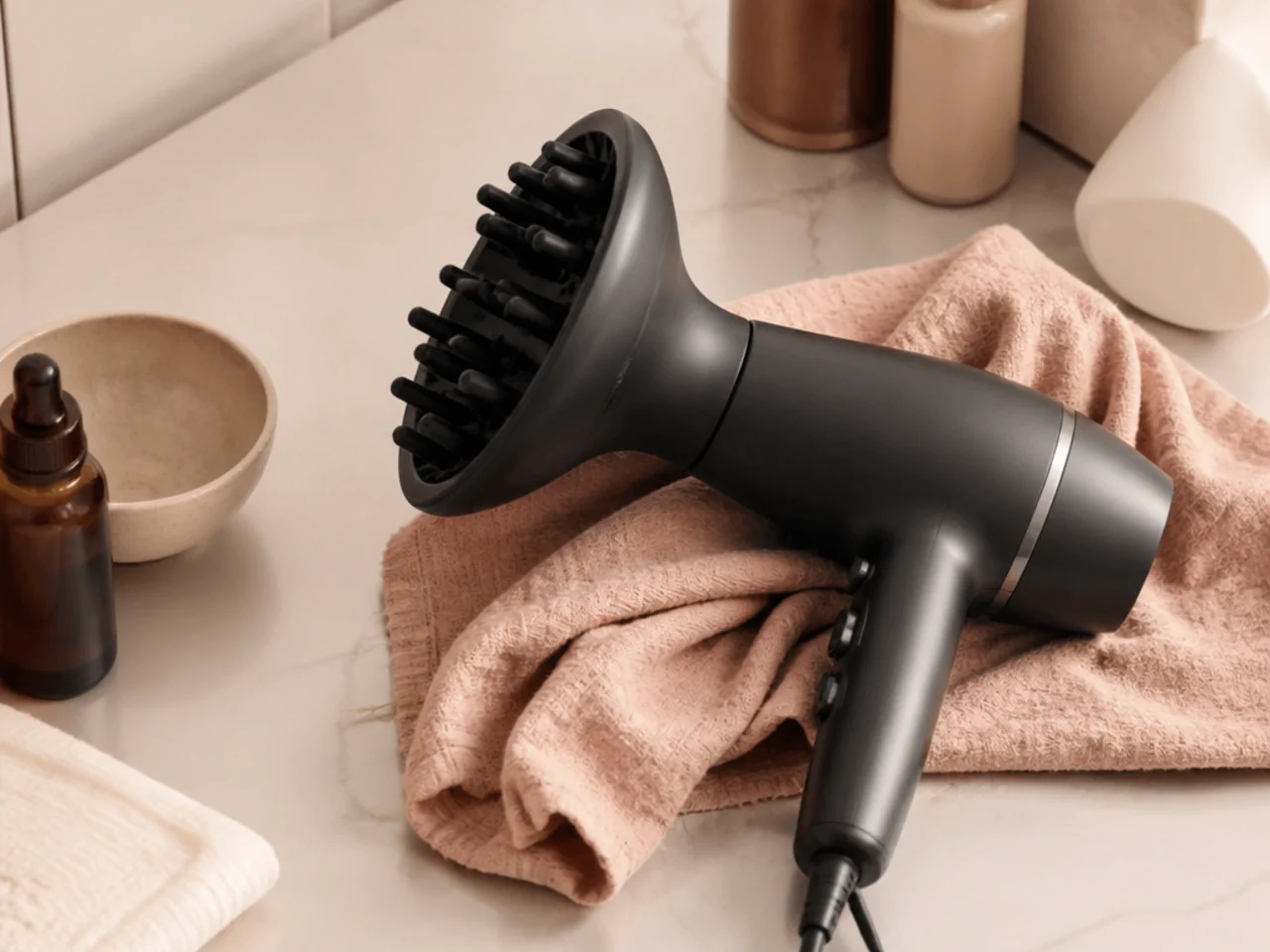
Drying is where most wave routines fall apart. Touch too much and you get frizz. Skip the strategy and you get a shapeless halo. Here's how to protect the cast you just built.
Start with the plop. Lay a microfiber towel or a cotton T-shirt flat, flip your head over, and lower your hair onto the fabric. Twist the corners at your neck and secure. Ten to twenty minutes is enough — any longer flattens the top layer. Plopping locks the wave clumps in place while gravity draws water out.
If you're growing out a shorter cut, our guide to soft blowout waves covers the halfway techniques between full air-drying and a proper blow-out, useful in the awkward stages.
Use a Diffuser
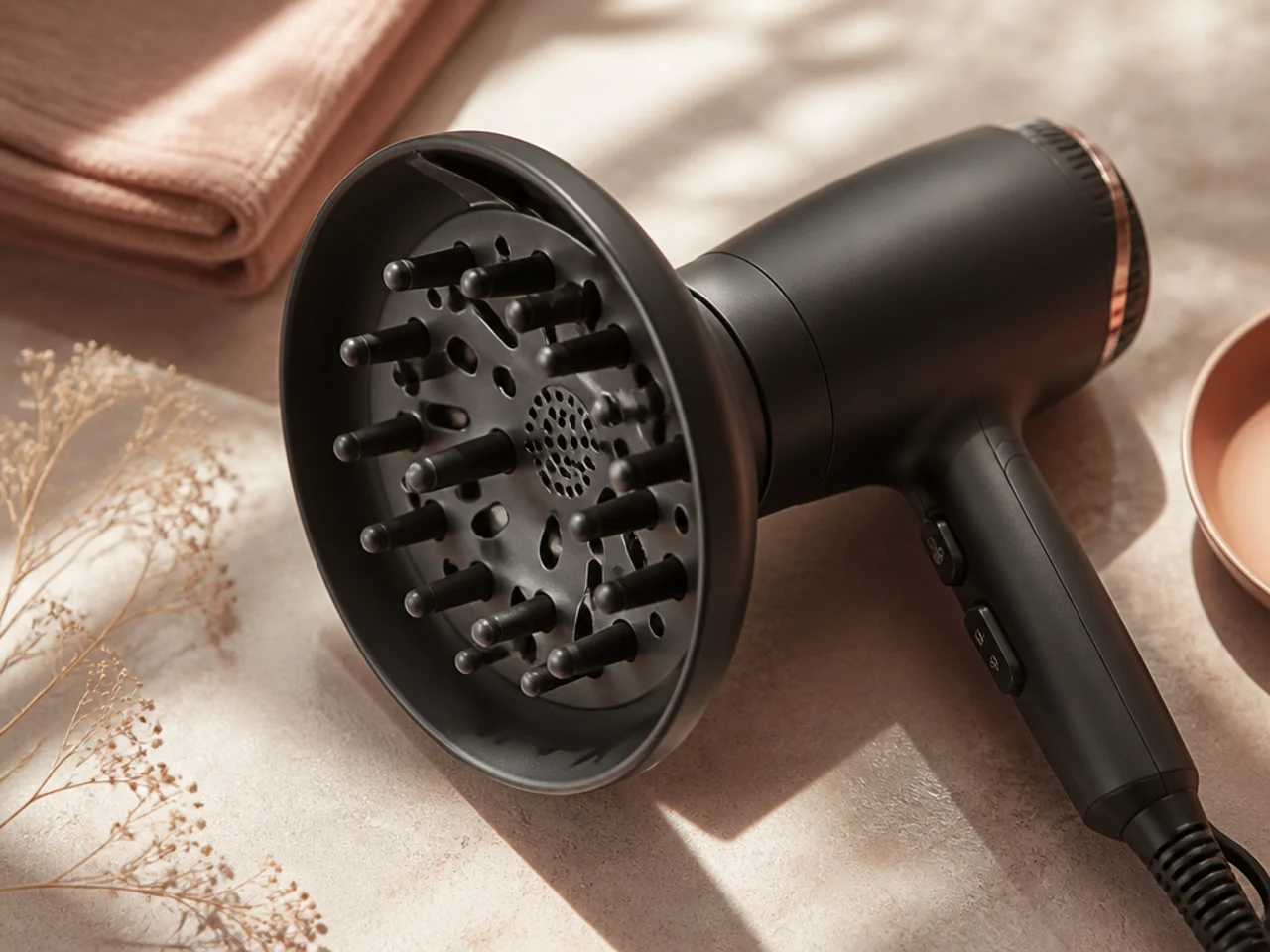
A diffuser is a bowl attachment for your blow dryer that spreads airflow across a wide area. It dries hair without blasting waves out of shape. Use low heat and low speed only — high speed disrupts the pattern before it sets.
Cup a section of hair into the diffuser bowl, lift it to your scalp, and hold for 20 to 30 seconds. Do not move the diffuser around while it runs — pulse it up and down instead. Work in sections from the perimeter inward, keeping your head tilted so gravity pulls waves down or to the side, never straight back.
Pixie cuts and very short styles can skip the diffuser entirely — an inch of hair air-dries in the time it takes to make coffee.
Air Dry with Care
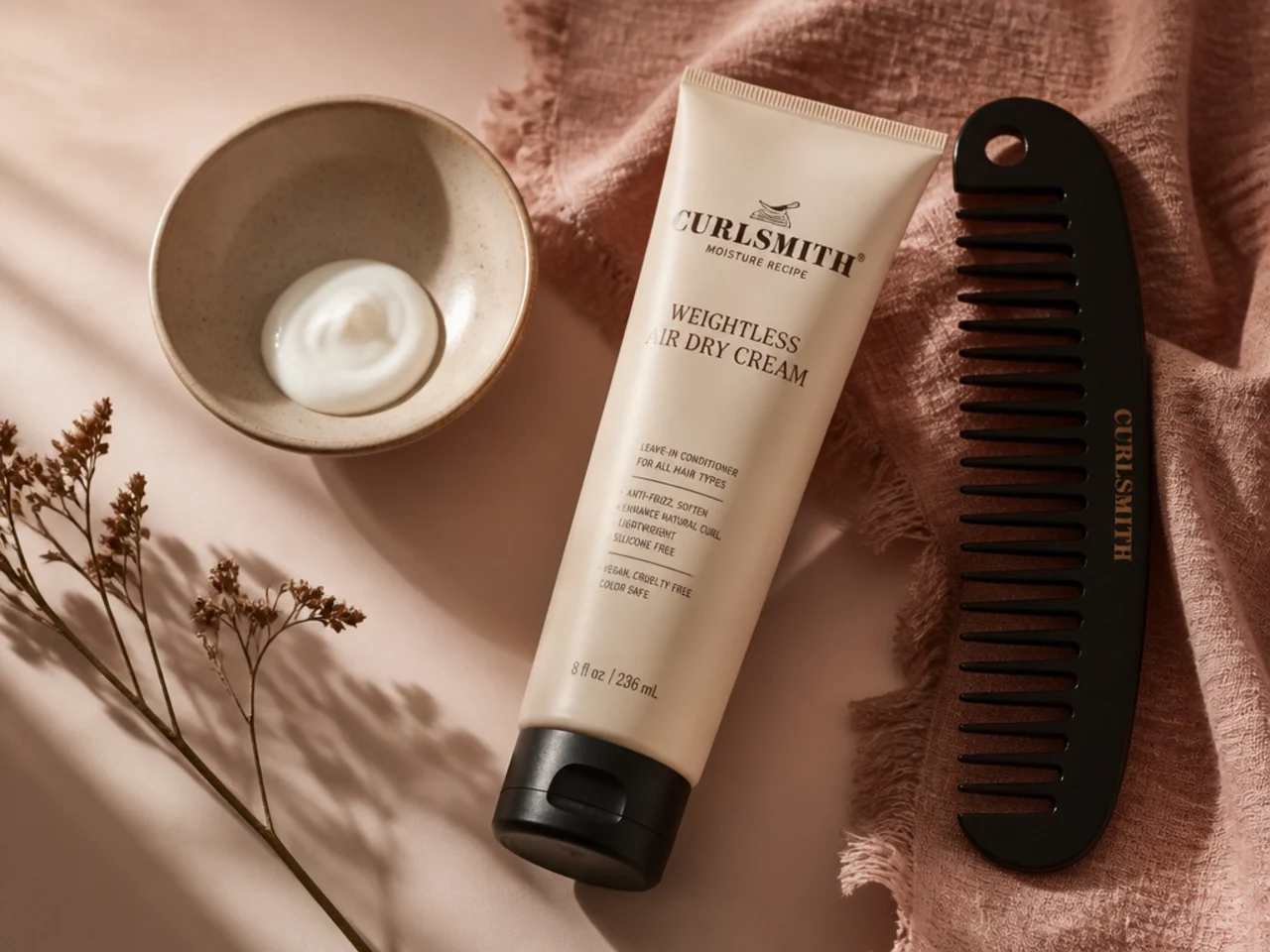
Air drying is the frizz-safe default. Once your styling product is in and your hair is plopped, walk away. Every touch during drying disrupts the cast and adds frizz.
If you need to move or reshape, do it in the first ten minutes before the cast forms. After that, hands off until fully dry. Sleep-drying works if you plop for twenty minutes first, then wear a silk bonnet. Cotton pillowcases pull moisture and rub the cuticle open — silk is worth the upgrade for anyone growing out waves.
Optimize Your Environment
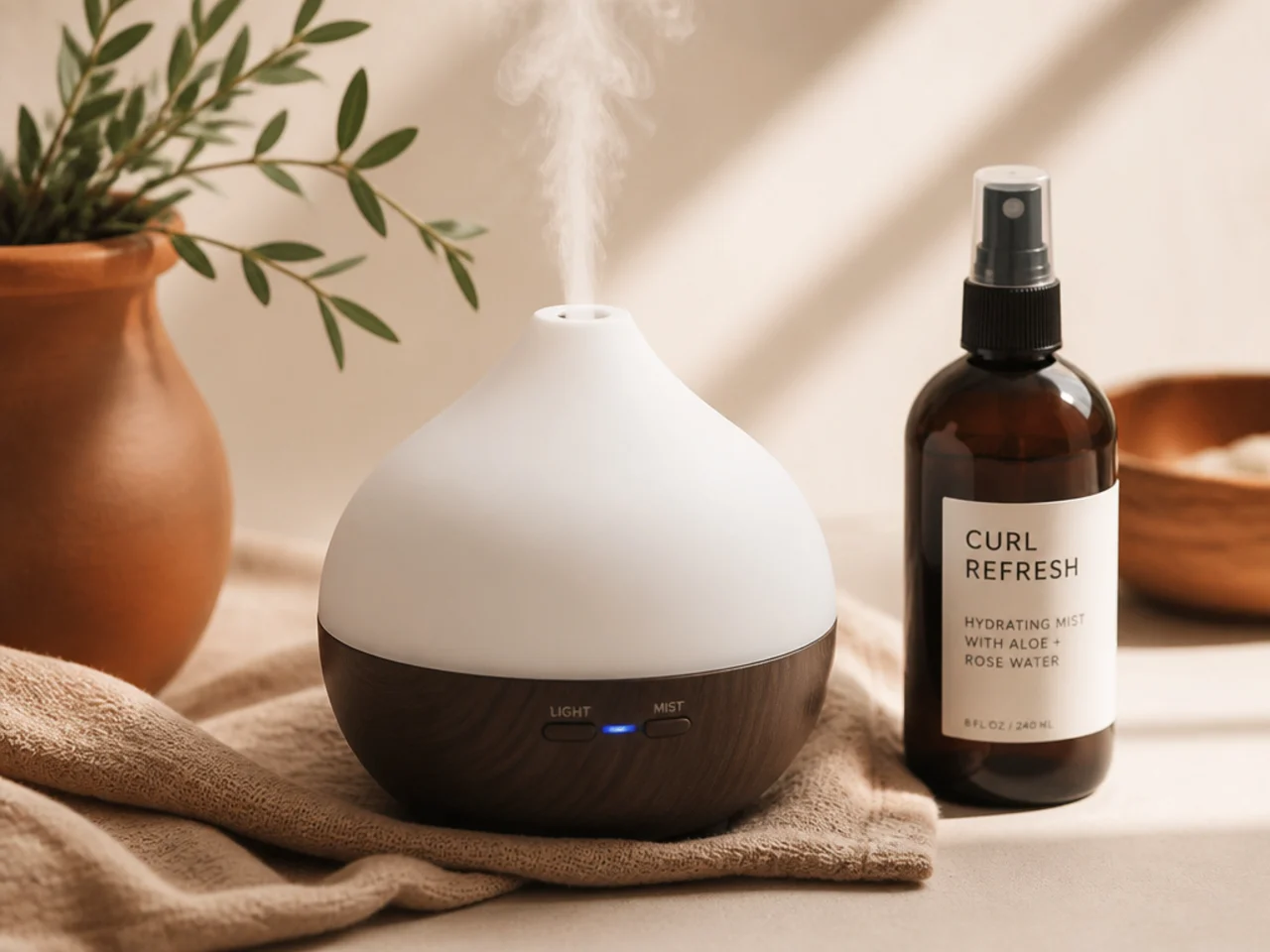
Humidity is a wave-killer. If you live somewhere damp, run a dehumidifier while you dry. Waves need moisture to form but stable moisture to hold — high ambient humidity means the hair keeps absorbing water, swelling, and lifting the cuticle. That is your halo frizz.
The opposite problem — dry indoor air in winter — flattens waves. A small humidifier in the bedroom at night keeps hair conditioned overnight and easier to style the next morning.
Never air-dry directly under a ceiling fan pointed at your head. Airflow disrupts the wave pattern the same way high-speed blow drying does.
Conclusion
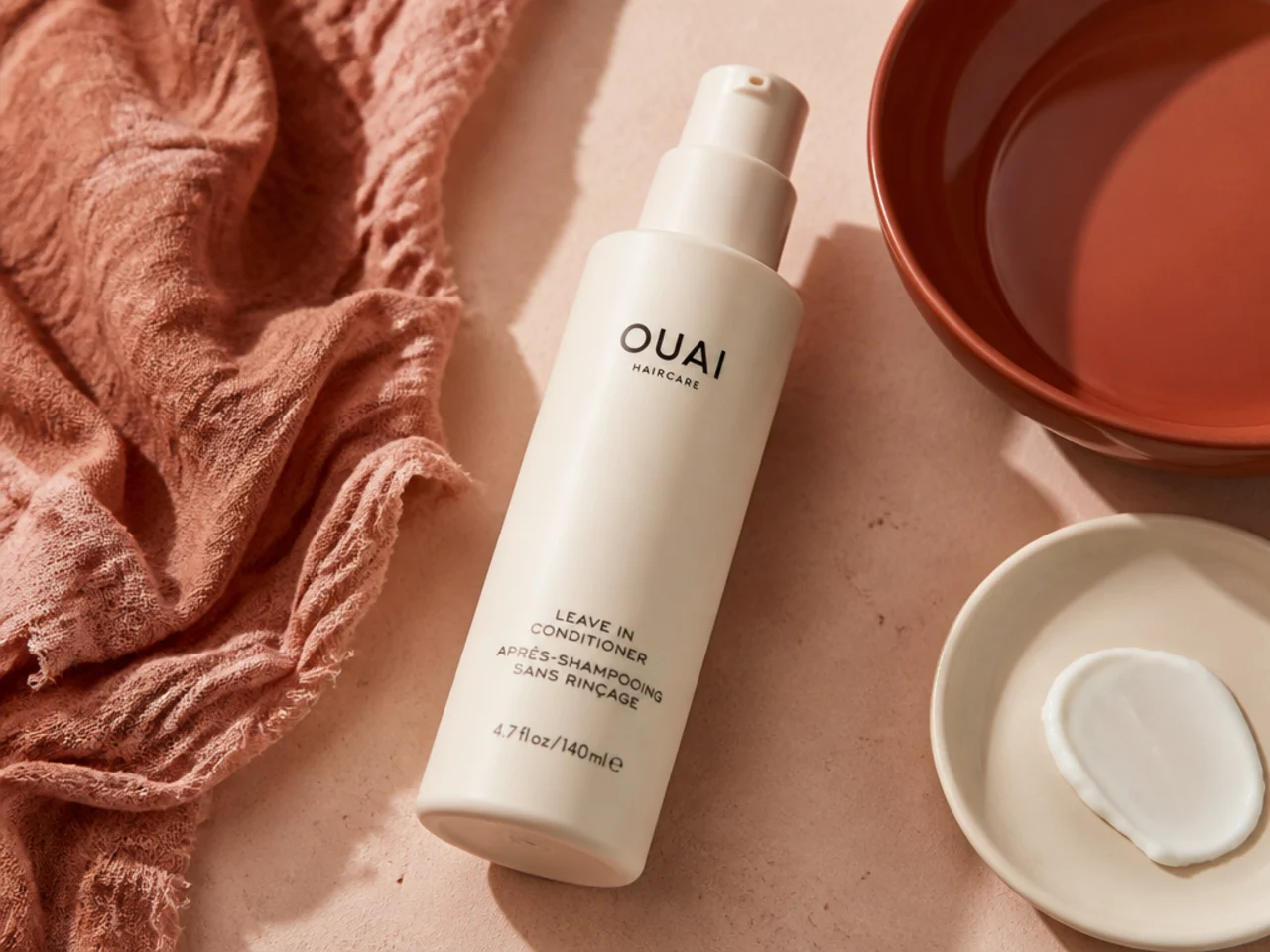
The right routine beats the right product every time. A cheap gel used correctly outperforms a $40 cream slapped on and forgotten. Master the order — cleanse, towel, leave-in, styler, cast, break — and any decent product line delivers soft, defined waves.
Keep it simple. One leave-in, one styler, one finishing spray. Add a diffuser if you can't wait for air drying. Skip anything labeled "curl cream" if you're 2A — too heavy. Reach for it if you're 2C. Read the label before you buy, not after.
Waves respond fast to a clean routine. Give any new product two weeks of consistent use before deciding it doesn't work — the first few days are usually just old buildup washing out.
FAQs
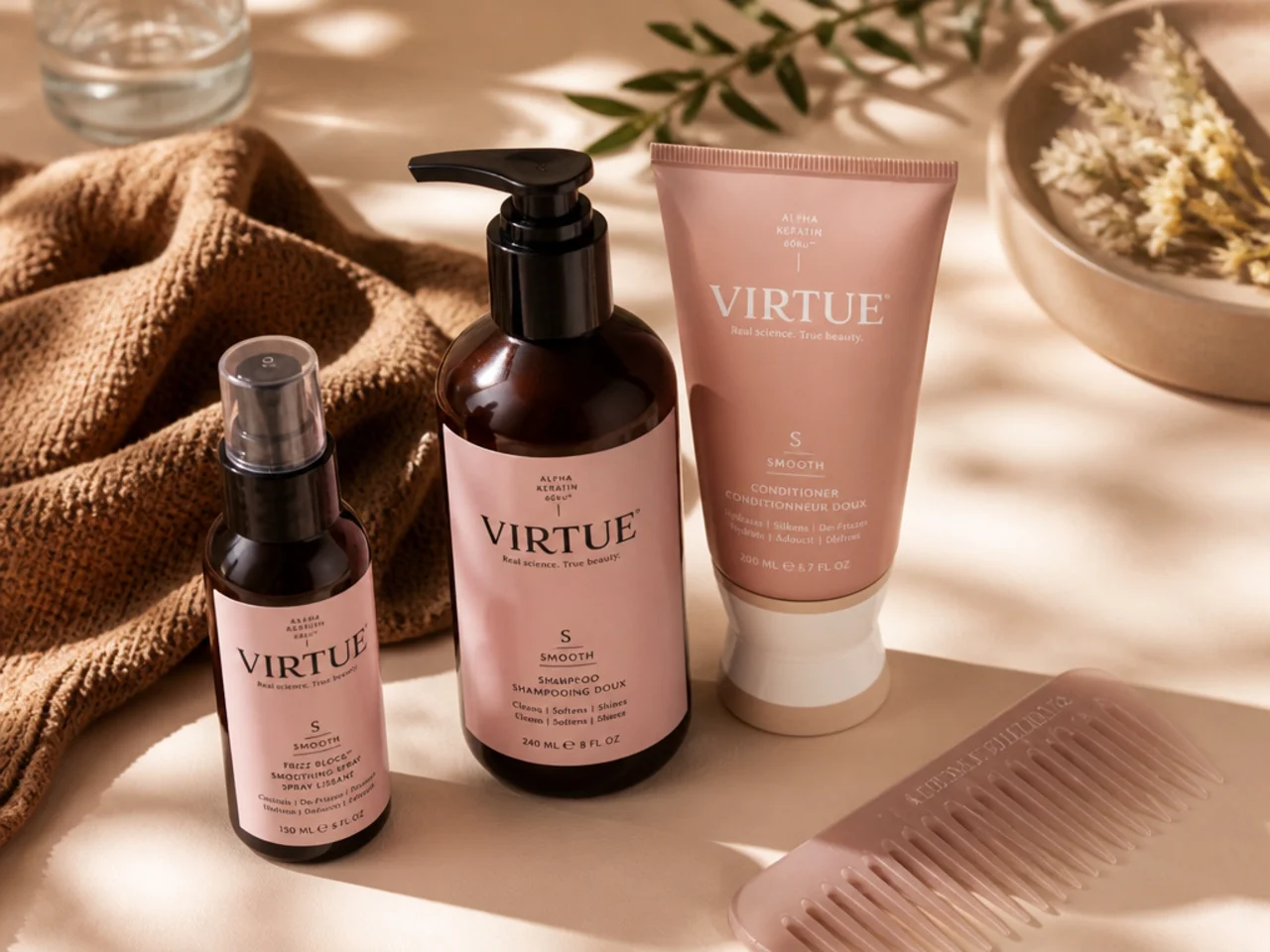
What is the Best Curly Hair Product?
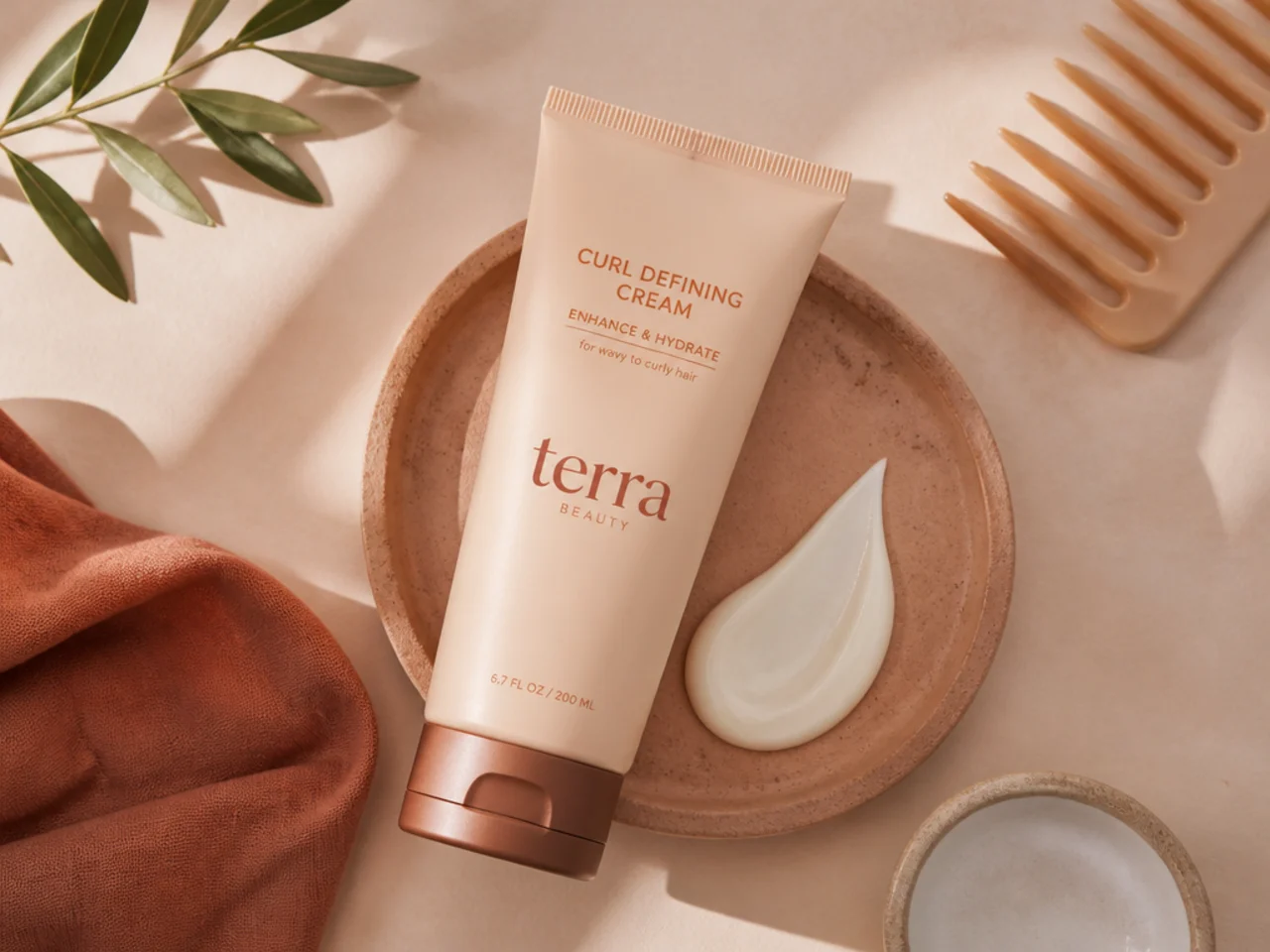
For wavy hair specifically, a good leave-in conditioner is the highest-impact product you can own. Everything else stacks on top of it. Beyond that, pick one styler — a gel for hold, a mousse for volume, a cream for definition — and skip the rest.
How do I Bring Out Natural Curls?
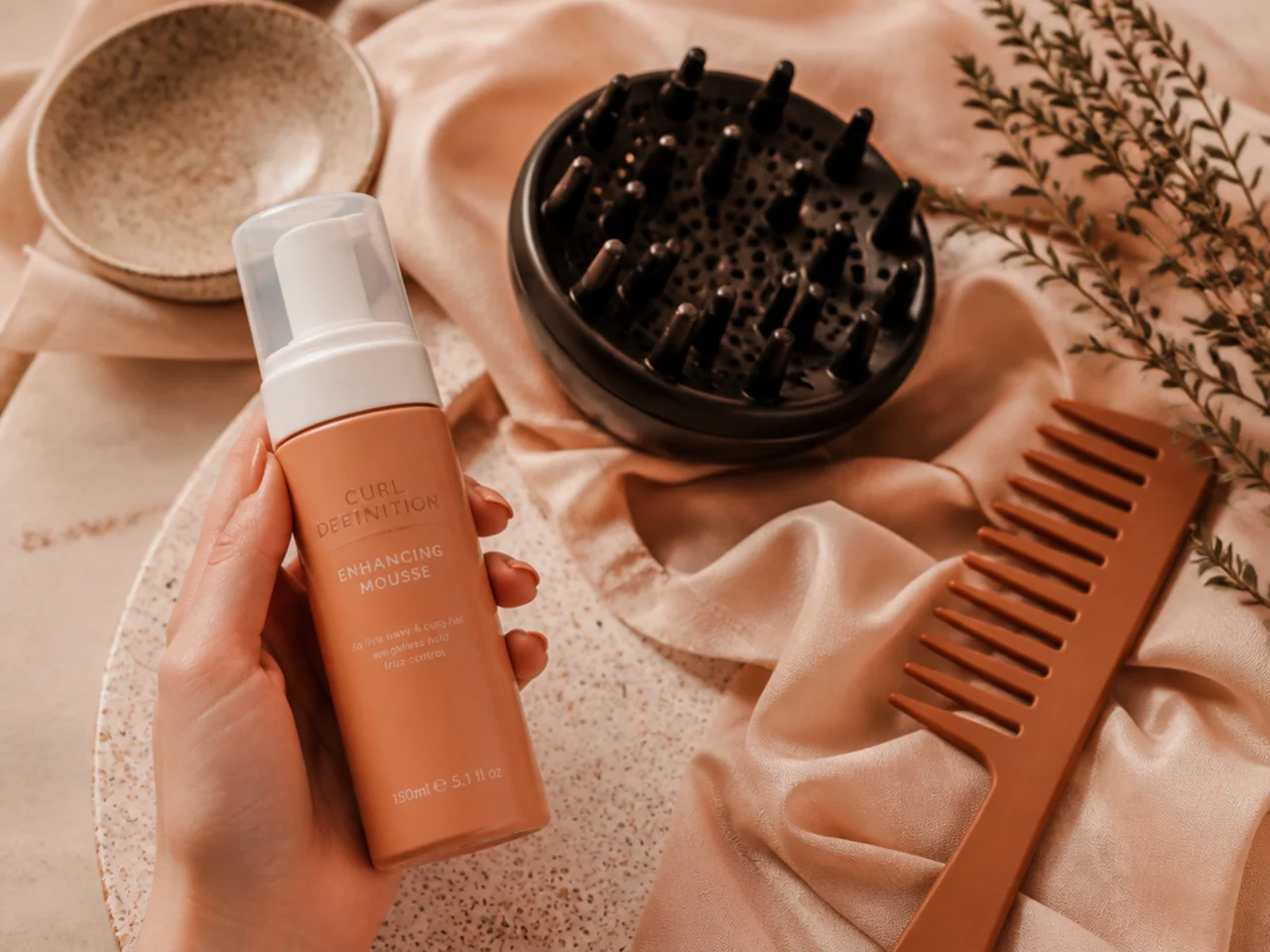
Start on soaking-wet hair after a sulfate-free wash. Apply leave-in, then your styling product, then scrunch upward from ends toward the scalp. Air-dry or diffuse on low. Do not touch during drying. Break the cast with a drop of oil once fully dry.
Why does Gen Z Like Curly Hair?
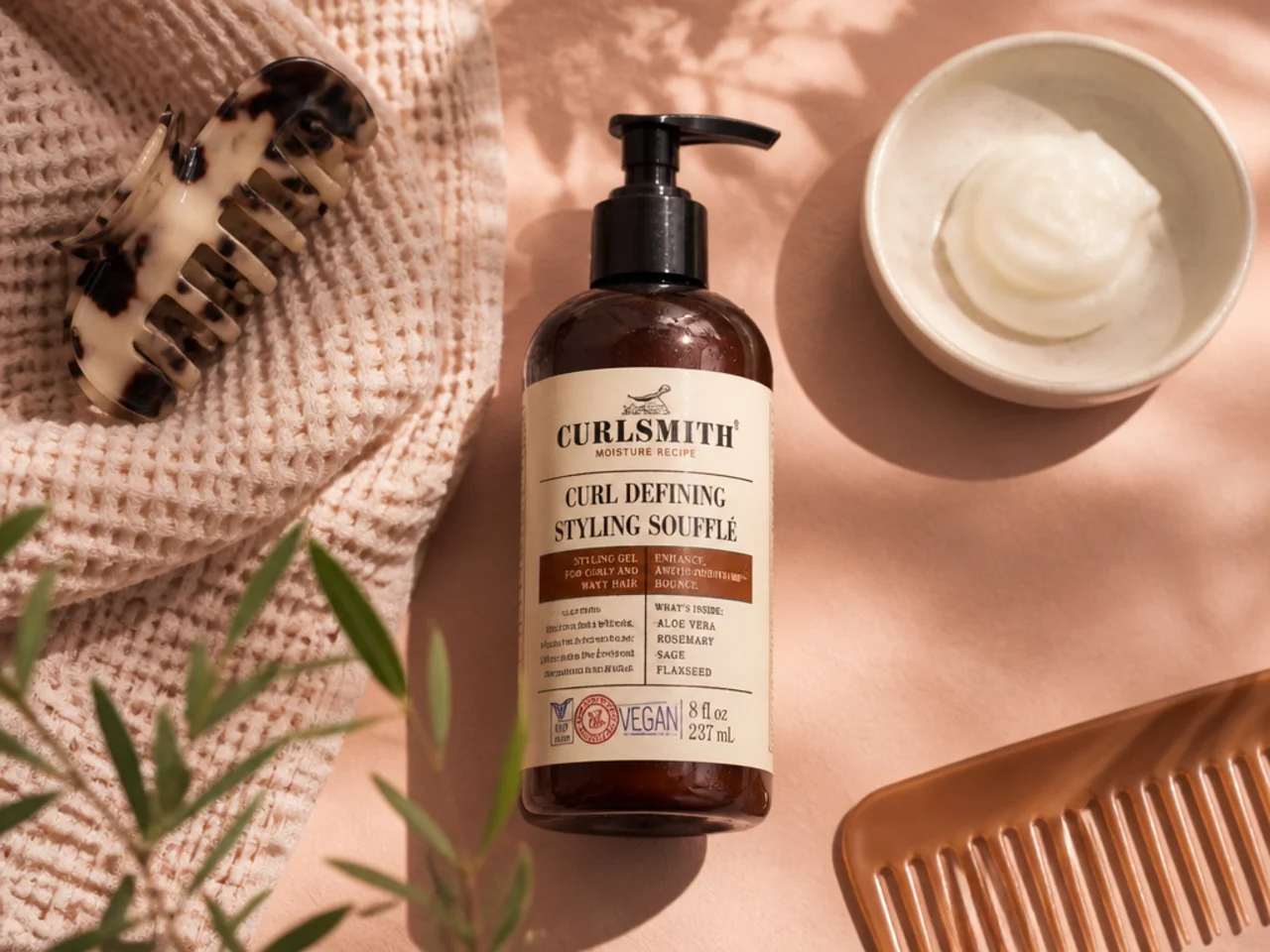
Wearing your natural texture — waves, curls, coils — reads as intentional and unfussed. Lower maintenance, less heat damage, and the confidence of showing what your hair actually does. That combination is what younger buyers want.
What is the best curl product for wavy hair?
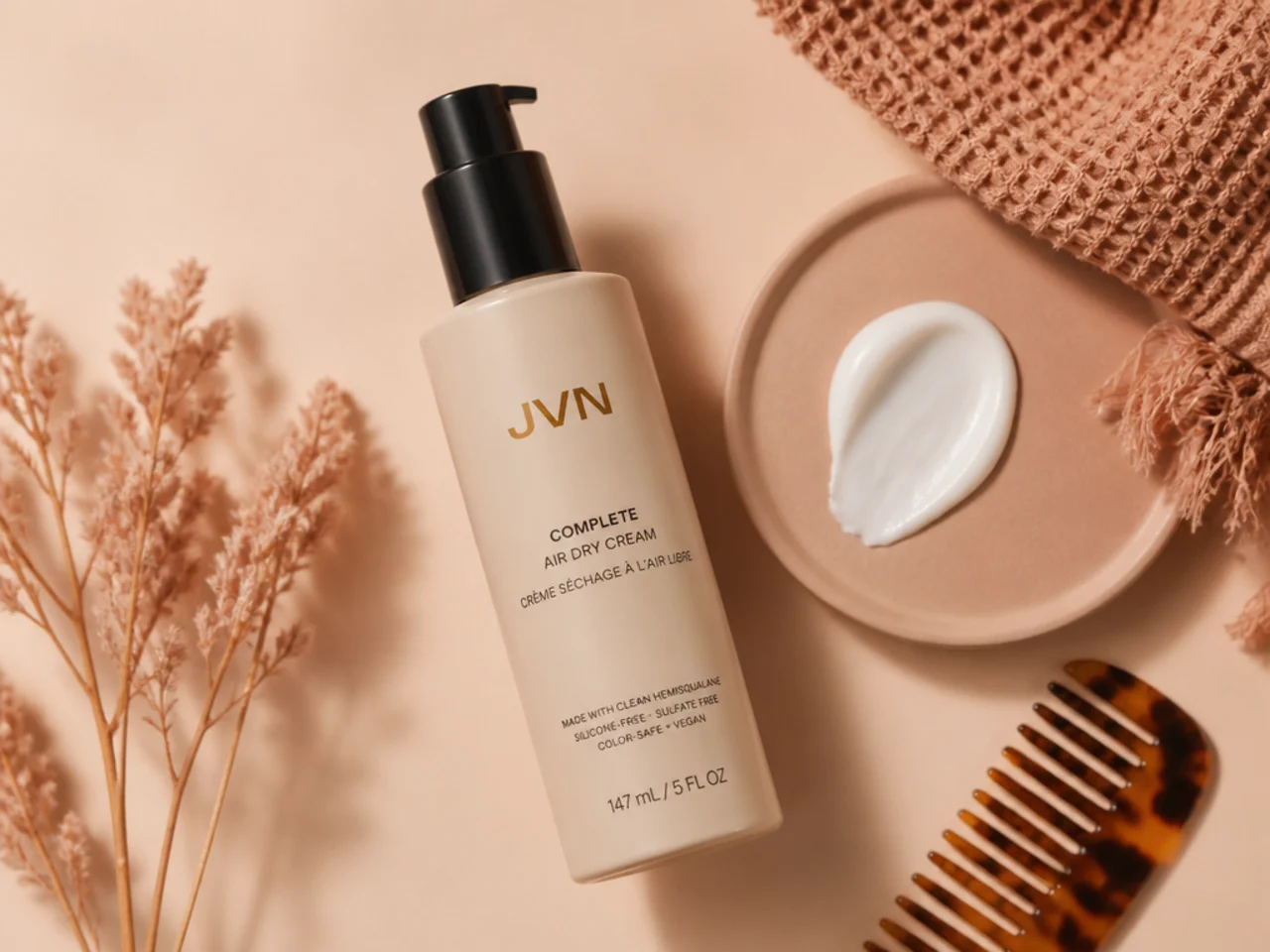
A flaxseed-based gel used with a lightweight leave-in delivers the most consistent result across 2A, 2B, and 2C. Layer them wet, scrunch, cast, and break. Total spend: under $30 for a two-product routine that actually works.
Does scrunching work on wavy hair?
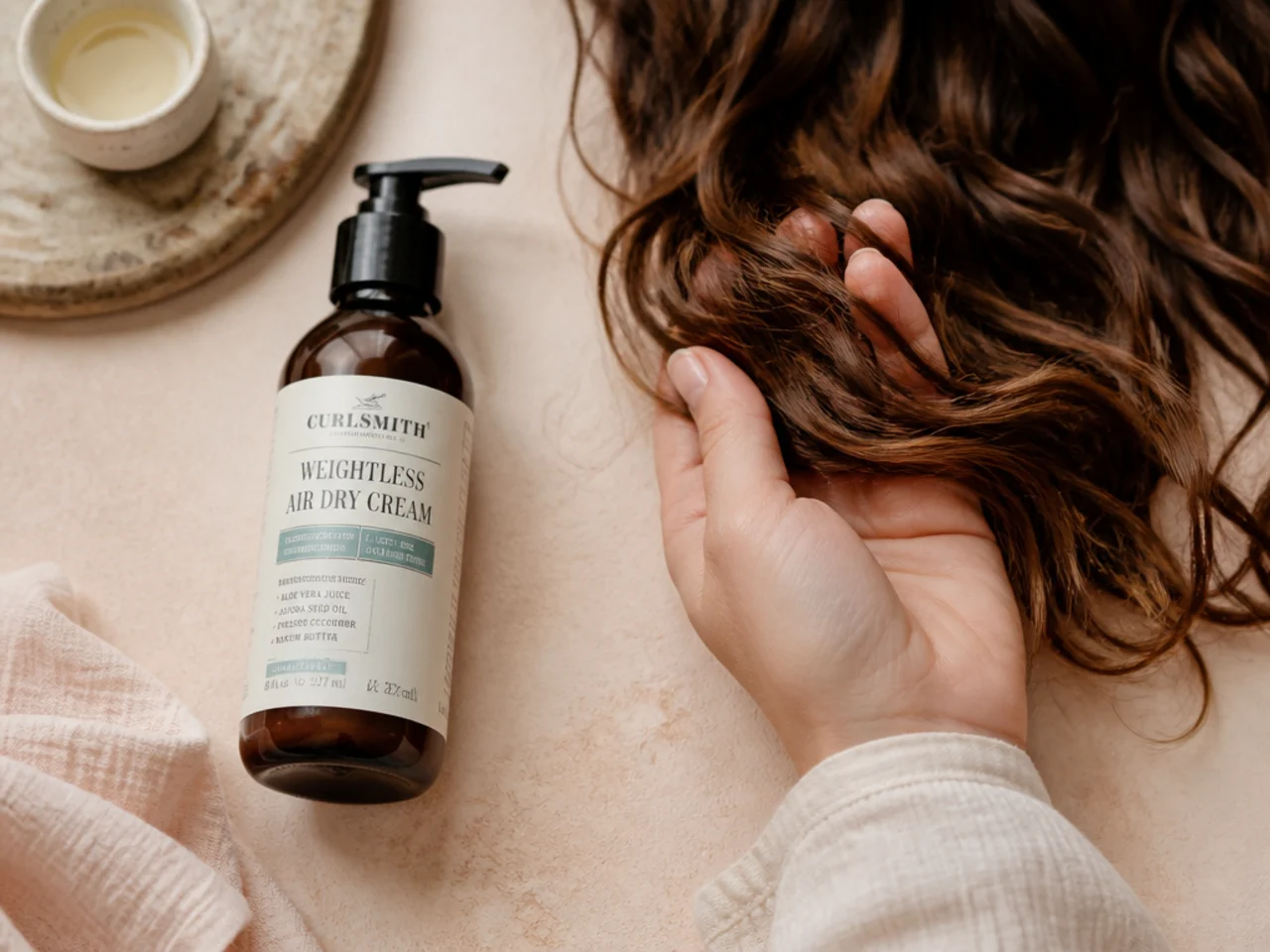
Yes. Scrunching is the core technique for teaching waves to clump instead of drying limp. Cup a section, squeeze from ends toward the scalp, release. Repeat with product in for definition, and again after drying to break the cast.
What hair product is good for scrunching hair?
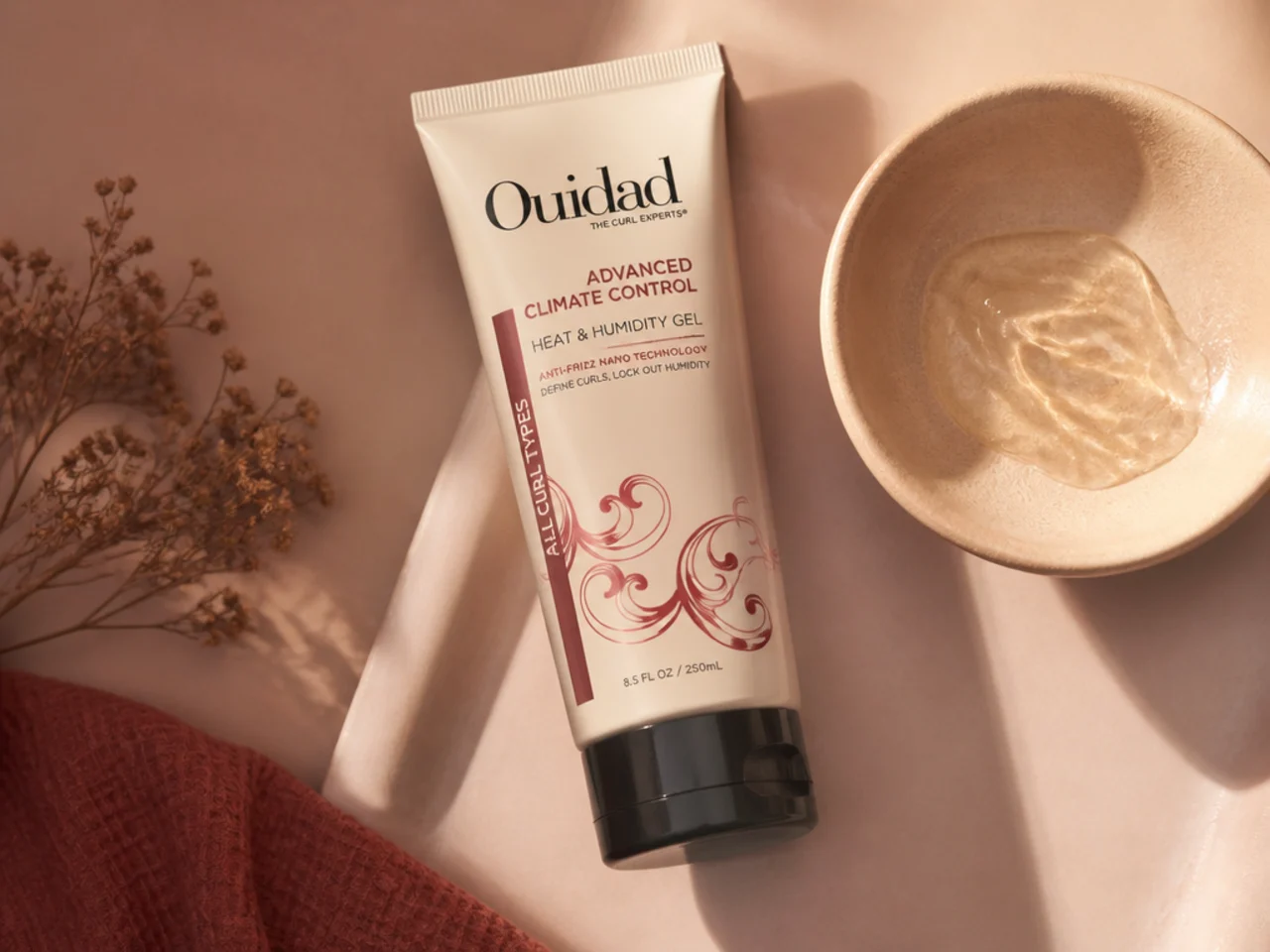
A flexible-hold gel scrunches best. Cream works too if your hair is 2C or thicker. Mousse scrunches into airy volume. Avoid heavy oils or butters — they weigh scrunched sections down and destroy the definition you just built.
Which country is known for curly hair?
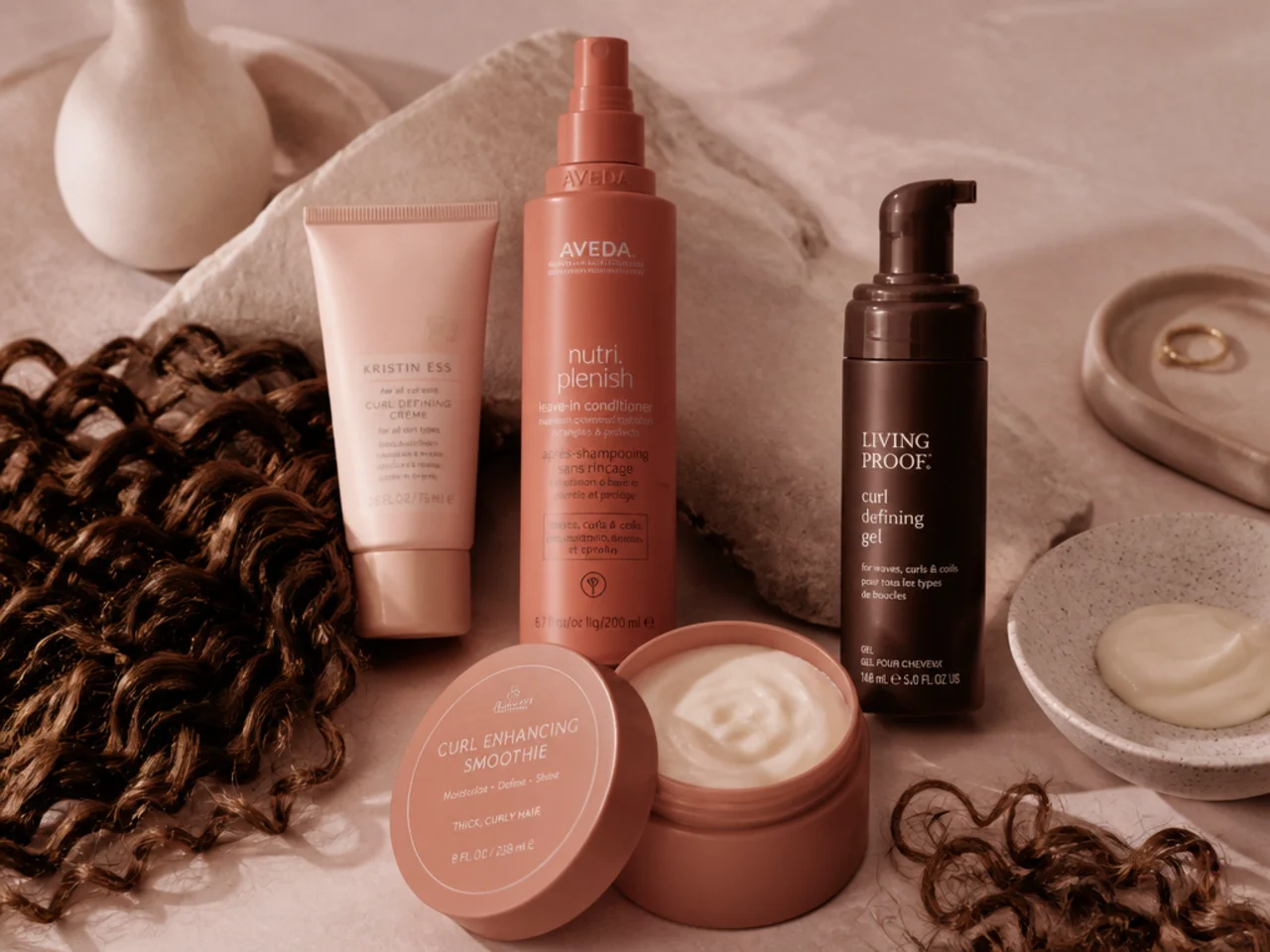
Curly and wavy textures are common across many regions — Latin America, the Mediterranean, West Africa, South Asia. Brazil in particular has built a large curly-hair product industry, but great wave and curl formulas now ship from labs worldwide.