
20 4C Hair Growth Tips That Keep Length
Twenty tips aimed at the number that actually moves — 4C hair grows at the same half inch a month as every other texture, so the problem is never the root. It is how much of that growth survives to the ends.
In this article · 28
- Why 4C Hair Is Dry
- How Fast 4C Hair Grows
- Breakage Versus Growth on 4C Hair
- The 4C Wash Day Routine
- Protective Styling and Your Edges
- When to See a Doctor
- The 20 4C Hair Growth Tips
- 1. Detangle in Four Sections
- 2. Deep Condition Under a Cap
- 3. The LOC Method
- 4. The Porosity Test
- 5. Dry in Stretched Twists
- 6. Length Check With a Marked Shirt
- 7. Scalp Massage With Jojoba
- 8. A Clarifying Wash
- 9. The Satin Bonnet
- 10. Protective Style Timing
- 11. Tension at the Edges
- 12. Dusting the Ends
- 13. A Protein Treatment
- 14. Seal the Ends With Butter
- 15. Low Manipulation Weeks
- 16. The Wide Tooth Comb
- 17. Cool Air Stretching
- 18. A Pre Poo Oil
- 19. Protein and Ferritin
- 20. Edges Care
- Final Thoughts
Nearly every 4C growth routine is built to fix the root, and the root is almost never the problem.
4C hair grows at the same rate as every other texture. Roughly half an inch a month, about six inches a year, and the coil pattern has no bearing on that number at all.
What 4C loses is the growth it already made. A tight coil changes direction every few millimetres, and every one of those bends is a thin point where the cuticle lifts and a comb finds something to catch. Length retention is the whole game.
Why 4C Hair Is Dry
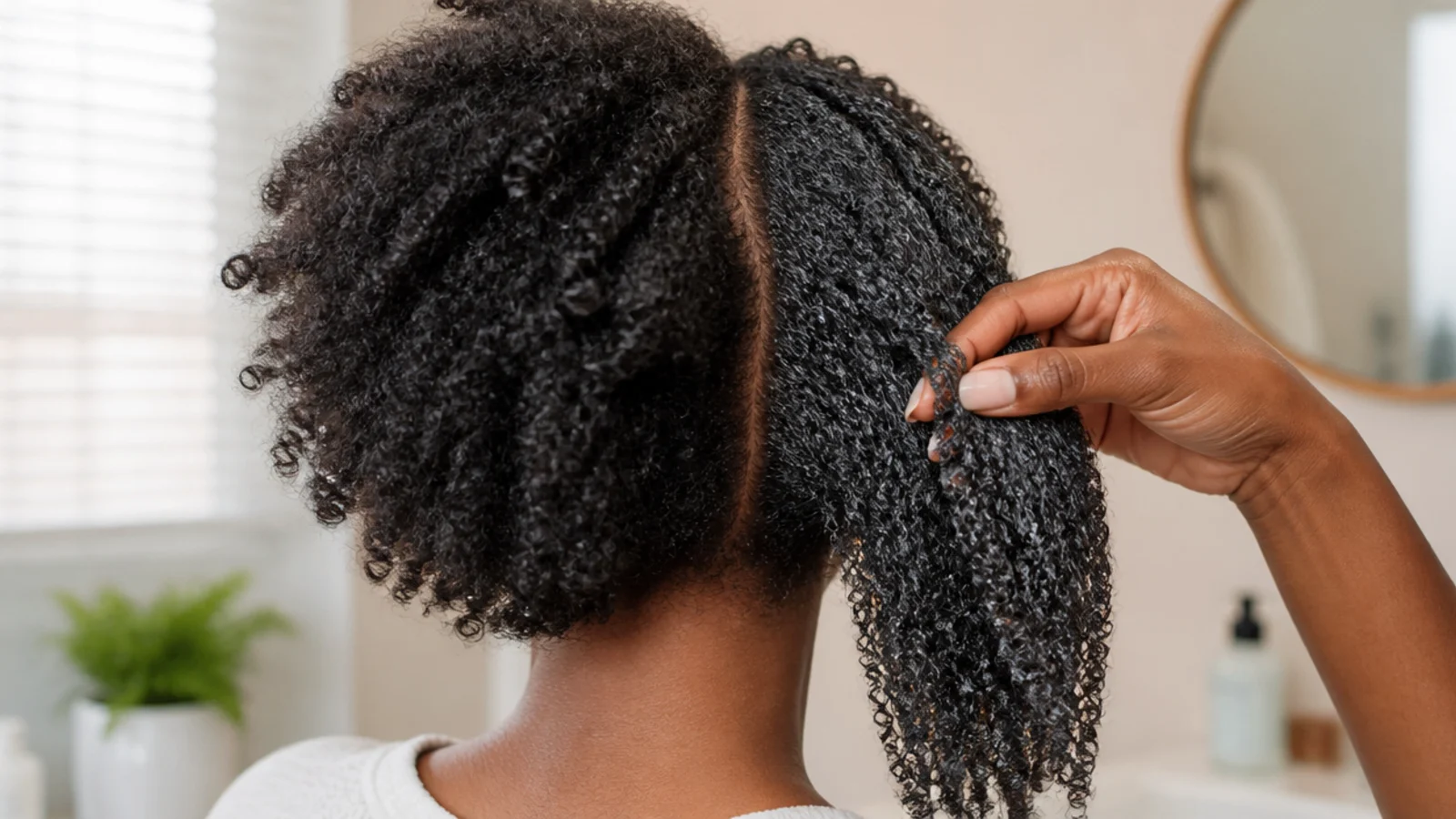
Sebum cannot get past the first bend. On a straight strand the scalp's own oil slides down the shaft and reaches the ends by itself. A 4C coil turns every few millimetres, so the oil stalls in the first inch while the last few inches never receive any.
Every bend is a weak point. The strand is not a uniform cylinder — it flattens and narrows where it turns. Those narrow sections are where the cuticle lifts first and where mechanical stress concentrates.
Dryness is a delivery problem, not a shortage of water. Which is why the fix is a layer that holds water in rather than more water applied. A coil will drink all day and be dry again within the hour with nothing sealing the surface.
How Fast 4C Hair Grows
Half an inch a month, give or take. That is the follicle's rate, it is broadly the same across every texture, and nothing you apply to the scalp changes it by a meaningful margin.
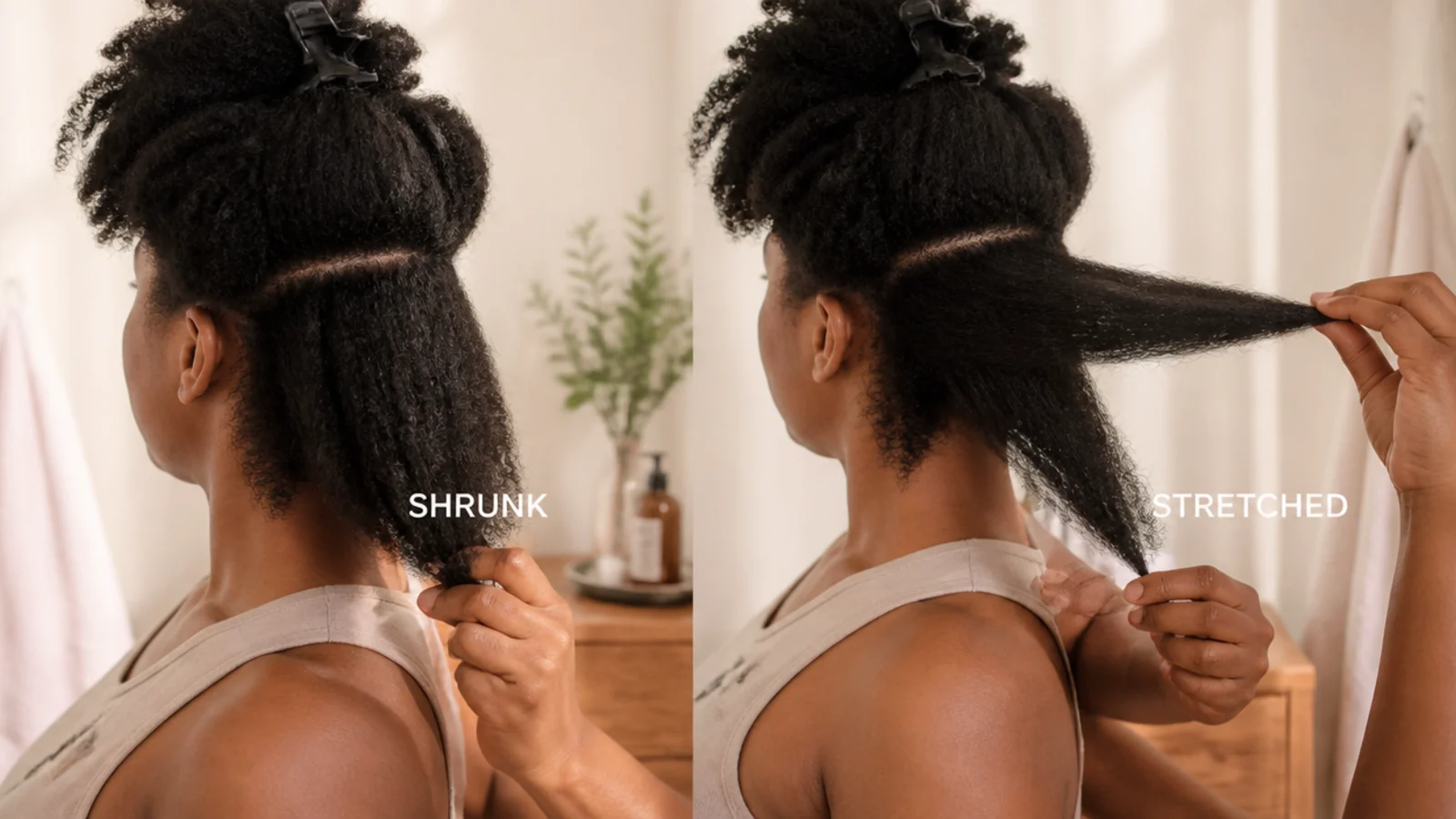
Shrinkage hides most of what arrives. 4C routinely pulls up between half and three quarters of its stretched length, so a genuine four inches of new growth can look like one in the mirror.
The number to watch is retention, not rate. Grow six inches in a year and break off five and you have gained one. Every item below is aimed at that second figure, because it is the only one you control.
Breakage Versus Growth on 4C Hair
Static length means the ends are leaving as fast as the roots arrive. If a year of careful routine has produced no visible change, the growth happened and left again from the other end.
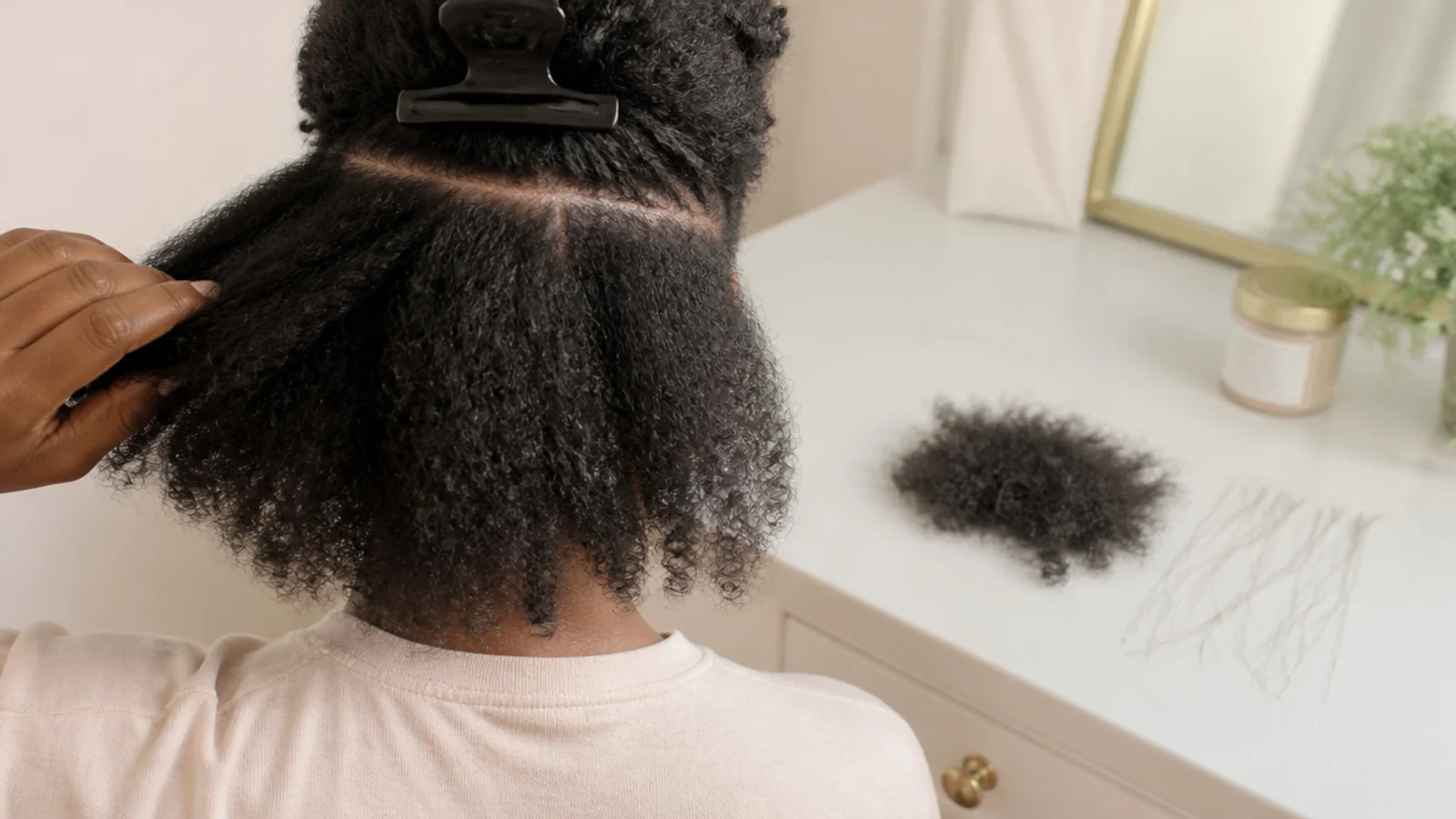
Shed and broken hairs look different. A shed hair is full length with a small pale bulb at one end, and fifty to a hundred a day is normal. A broken piece is short, snapped at both ends, with no bulb. A comb full of short pieces is a breakage problem regardless of how the scalp feels.
Most breakage happens wet or dry, not in between. Soaking wet hair is at its weakest because the cortex is swollen and the cuticle raised. Bone dry 4C is brittle because there is nothing to lubricate the bends. Damp with conditioner in it is the safe window for every comb and every style.
The 4C Wash Day Routine
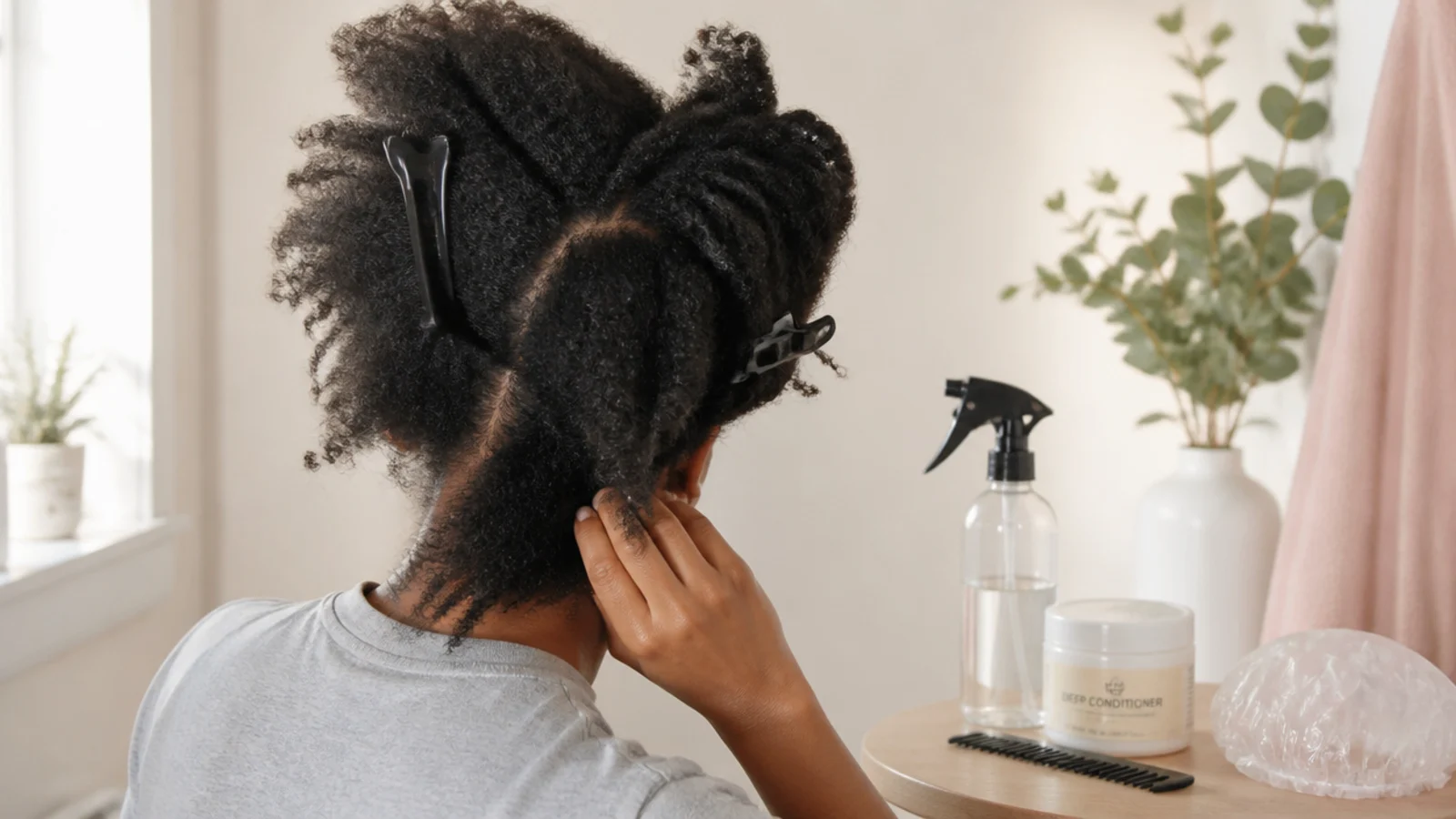
Section before anything gets wet. Four to six sections, clipped or twisted, and each one stays closed until it is its turn. Loose 4C in the shower re-tangles into itself faster than you can work through it.
Detangle with slip, from the ends up. Conditioner or a detangler first, fingers before any comb, and always working up the strand. Starting at the root pushes every knot in the section down into one knot at the bottom.
Order the products for what each one does. Water hydrates, oil slows the water leaving, cream seals the stack. Applied in any other sequence the barrier ends up underneath the moisture instead of over it.
Finish stretched. Twists, braids or banded sections to dry in. Hair that dries loose sets at its tightest possible coil, which is exactly the state that makes the next wash day long.
Protective Styling and Your Edges
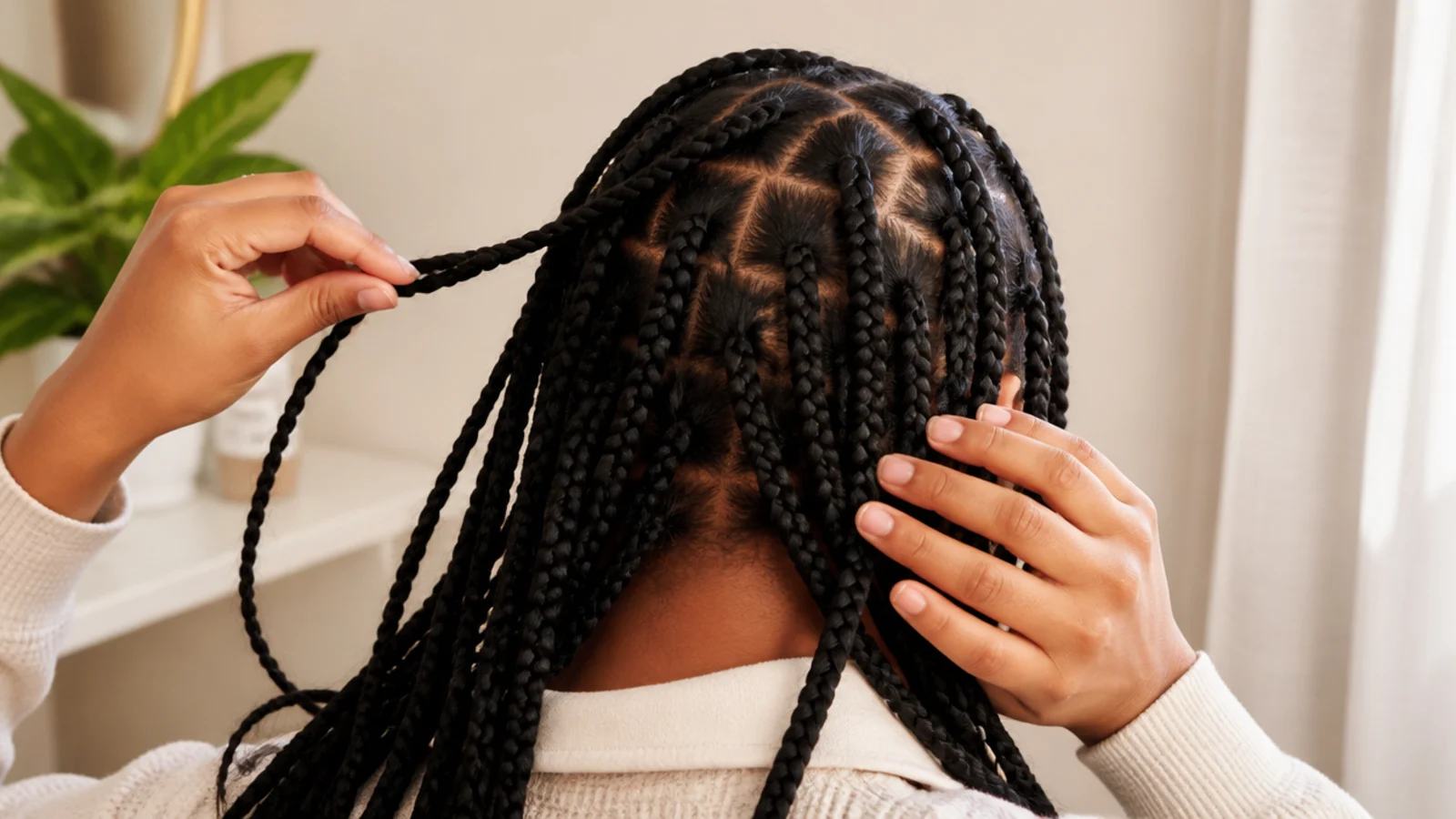
A protective style only protects if it is loose at the root. The ends are tucked away and safe; the tension is all at the follicle. A style that hurts on day one is trading the ends for the hairline.
Hairline follicles are the finest on the head. They sit in thinner skin and produce thinner hair, so they give way under a load the crown would carry without complaint. That is why edges go first and come back slowest.
Six to eight weeks is the outside limit. Beyond that, new growth at the root and shed hairs trapped in the style mat together, and the takedown costs more hair than the style saved.
Give the scalp a week between styles. Back to back installs mean the same follicles carry tension continuously for months, which is how a temporary thinning becomes a permanent one.
When to See a Doctor
Sudden shedding across the whole head. A noticeable increase over weeks rather than months usually points at something systemic — iron stores, thyroid, illness, a medication, or a stressor two to three months earlier.
A hairline that has not returned after months out of tension. Traction thinning is reversible while the follicle is intact and permanent once it scars. That window is the reason to raise it early rather than wait another season.
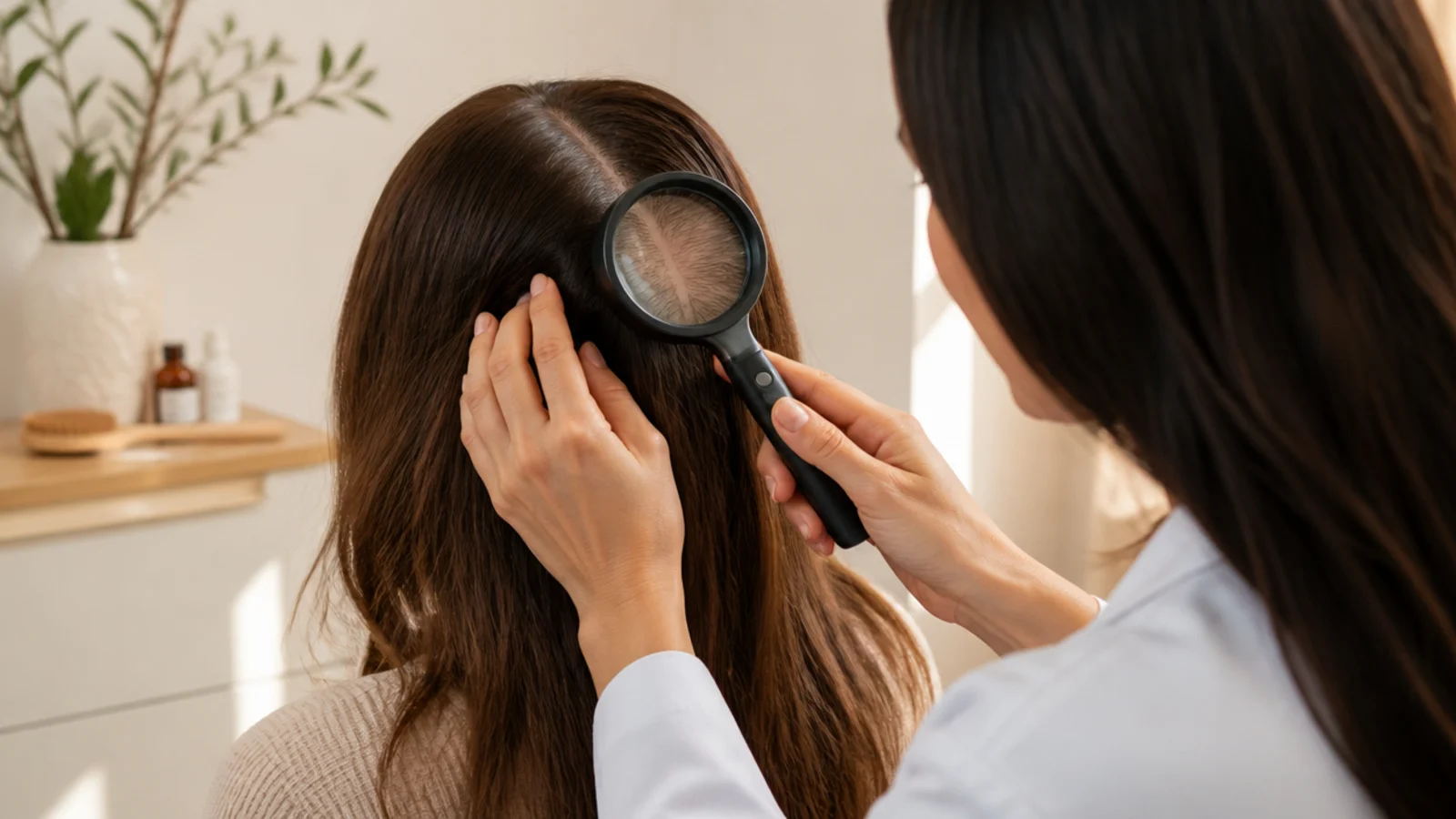
Any smooth bare patch, scaling, burning or pain. These are scalp conditions rather than routine problems, and no leave in fixes them. A dermatologist can look at the scalp under magnification in one appointment.
Ask for bloodwork, ferritin included. Stored iron can be low while haemoglobin still reads normal, so a standard full blood count on its own can miss a common and treatable cause of shedding.
The 20 4C Hair Growth Tips
1. Detangle in Four Sections
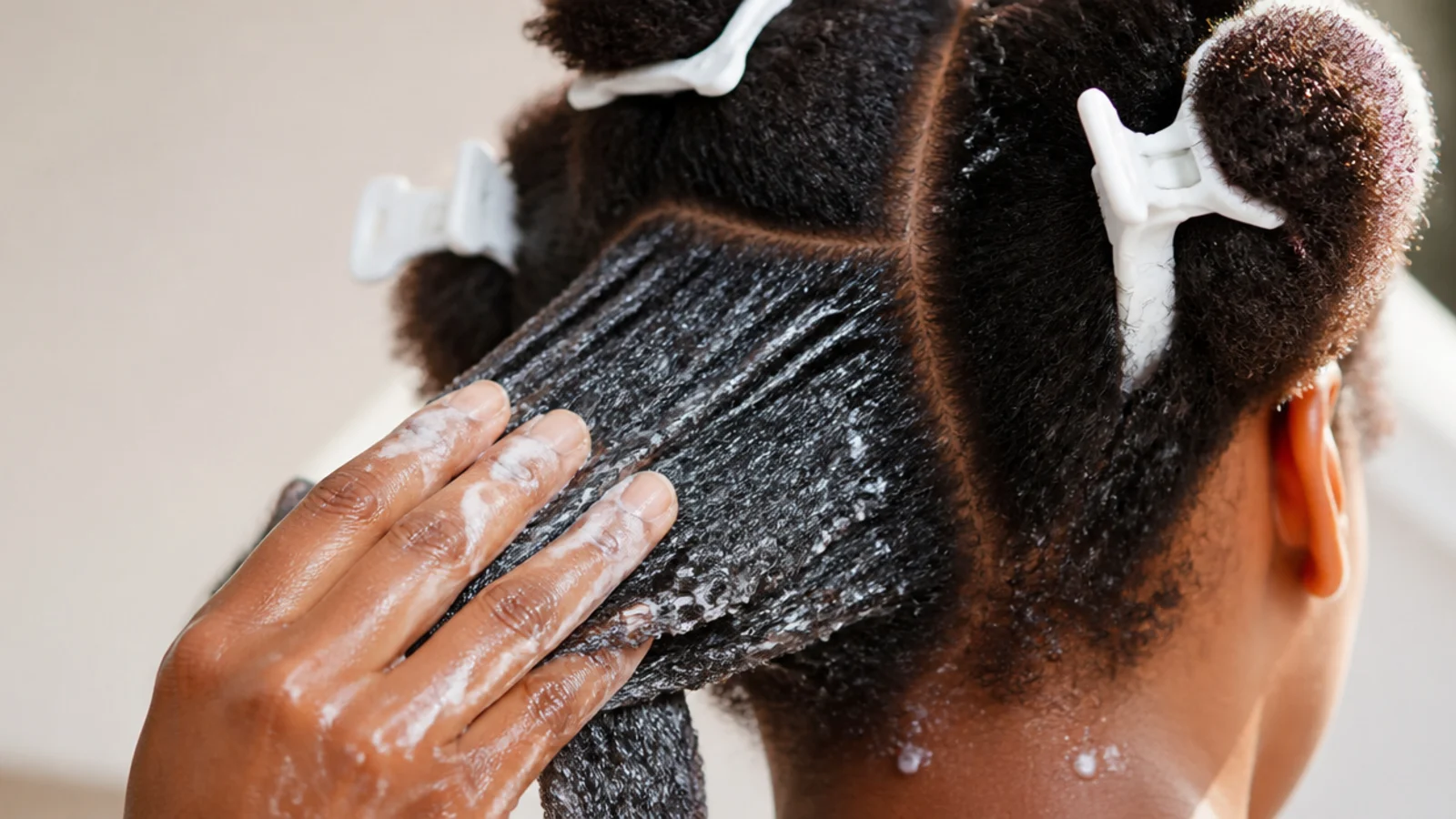
Four sections keep the working area small enough to see, and they stop a part you have already cleared from tangling back into one you have not. Work each section damp and heavy with conditioner so every knot has slip around it rather than friction.
2. Deep Condition Under a Cap
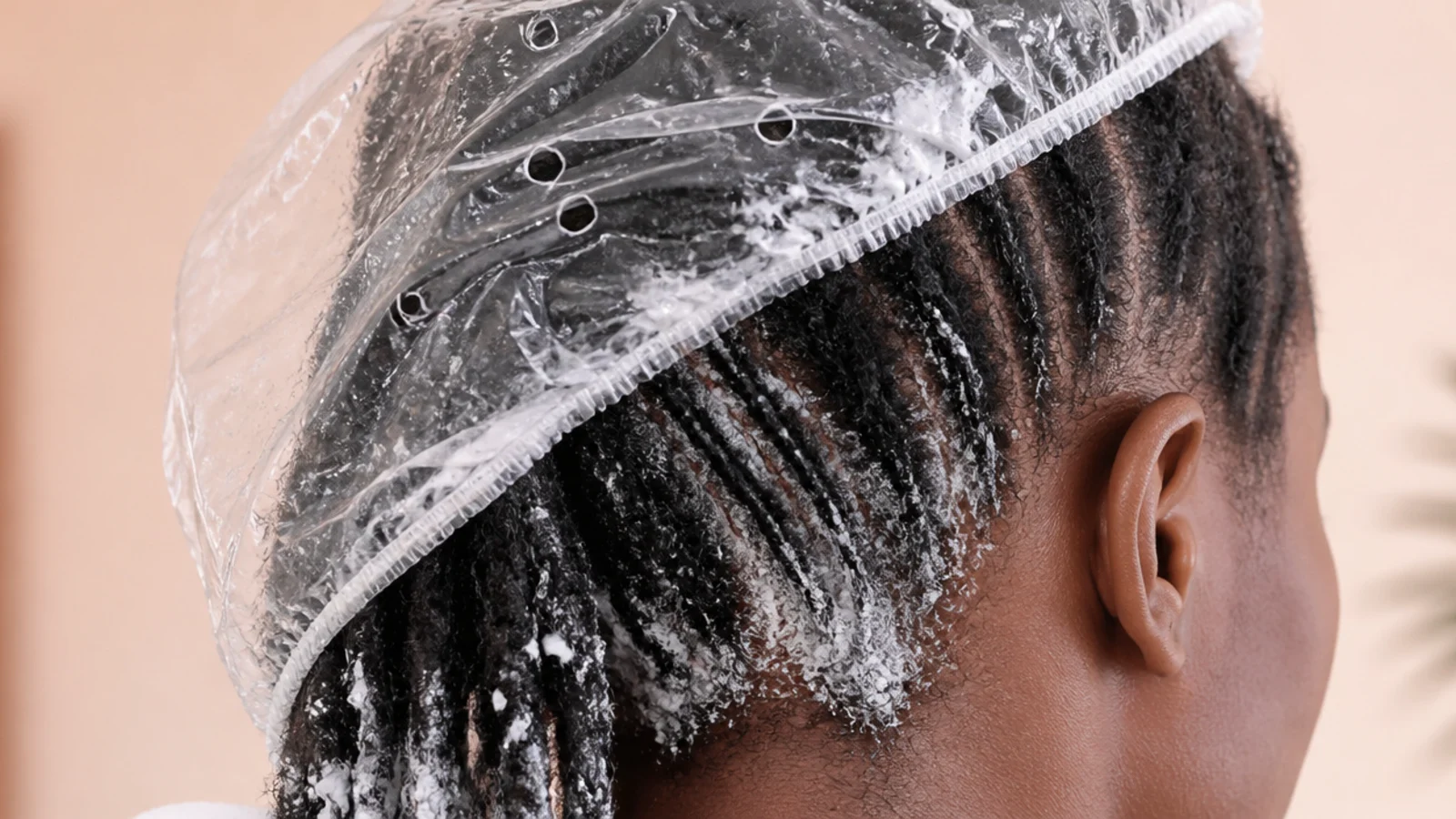
A plastic cap traps body heat and stops the hair drying out while the treatment sits. The warmth lifts the cuticle slightly and speeds diffusion, so the same product reaches further into the strand in twenty minutes than it would in an hour on a cold head.
3. The LOC Method
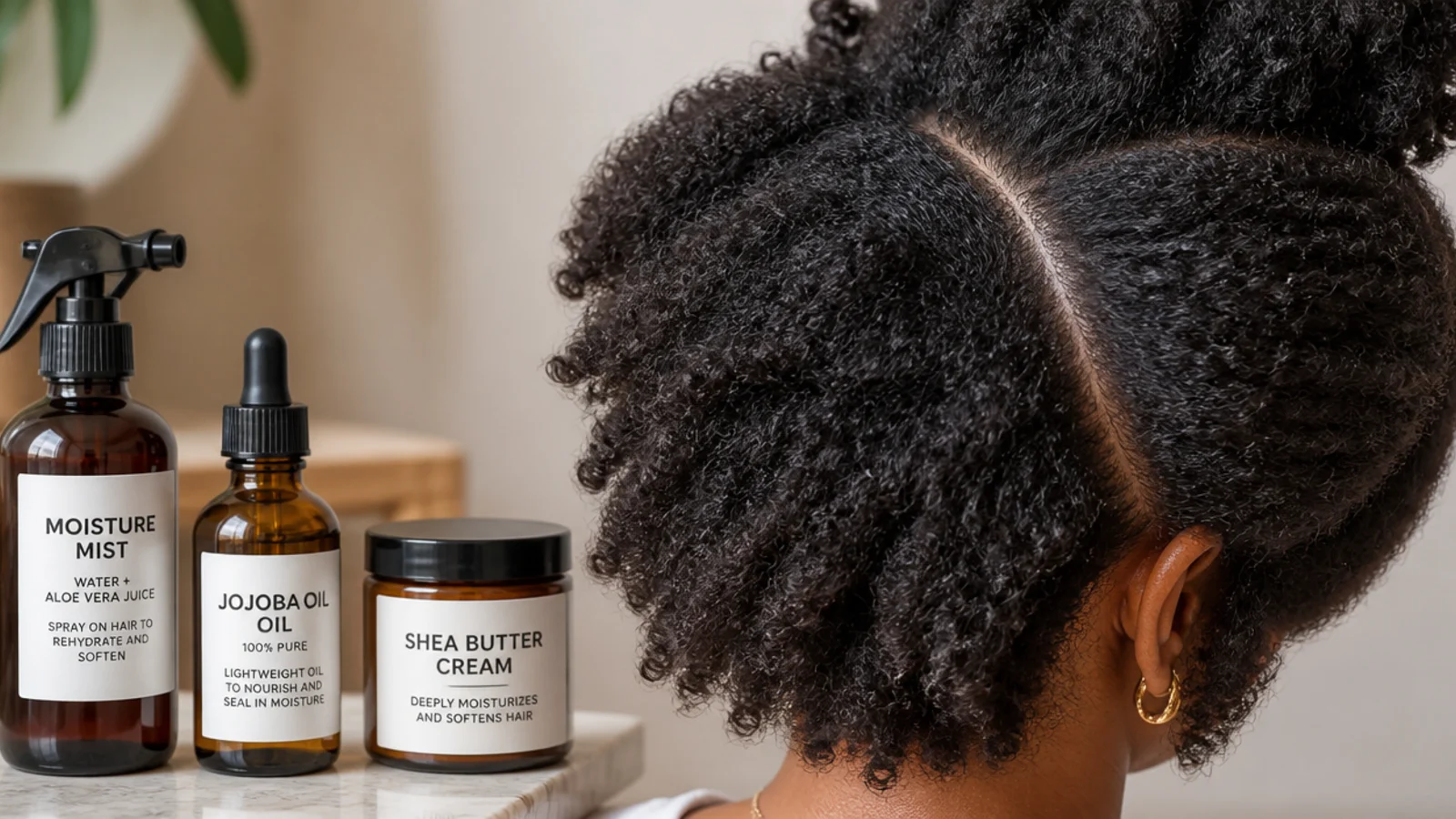
Liquid, oil, cream, in that order. The water is what hydrates, the oil slows it evaporating, and the cream seals the whole stack under a heavier film. Swap the order and the barrier ends up under the moisture rather than over it, which is how the same three products can leave hair dry by evening.
4. The Porosity Test
Skip the glass of water — a shed strand floats or sinks according to how much product is on it, not how porous it is. Wet a clean section and time it instead. Slow to wet and slow to dry is low porosity, so use lighter products and heat; fast to wet and fast to dry is high porosity, which wants heavier sealing.

5. Dry in Stretched Twists
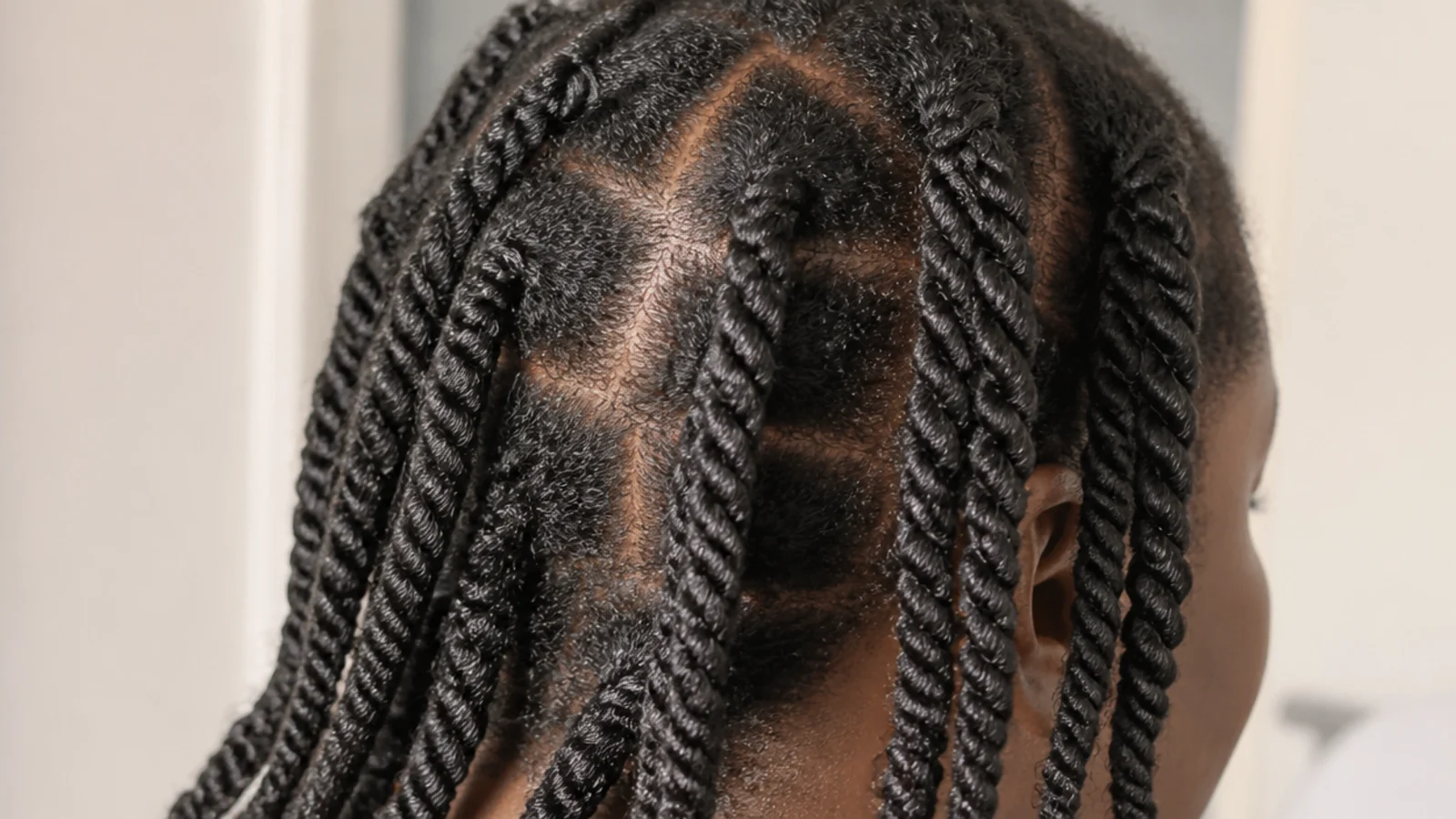
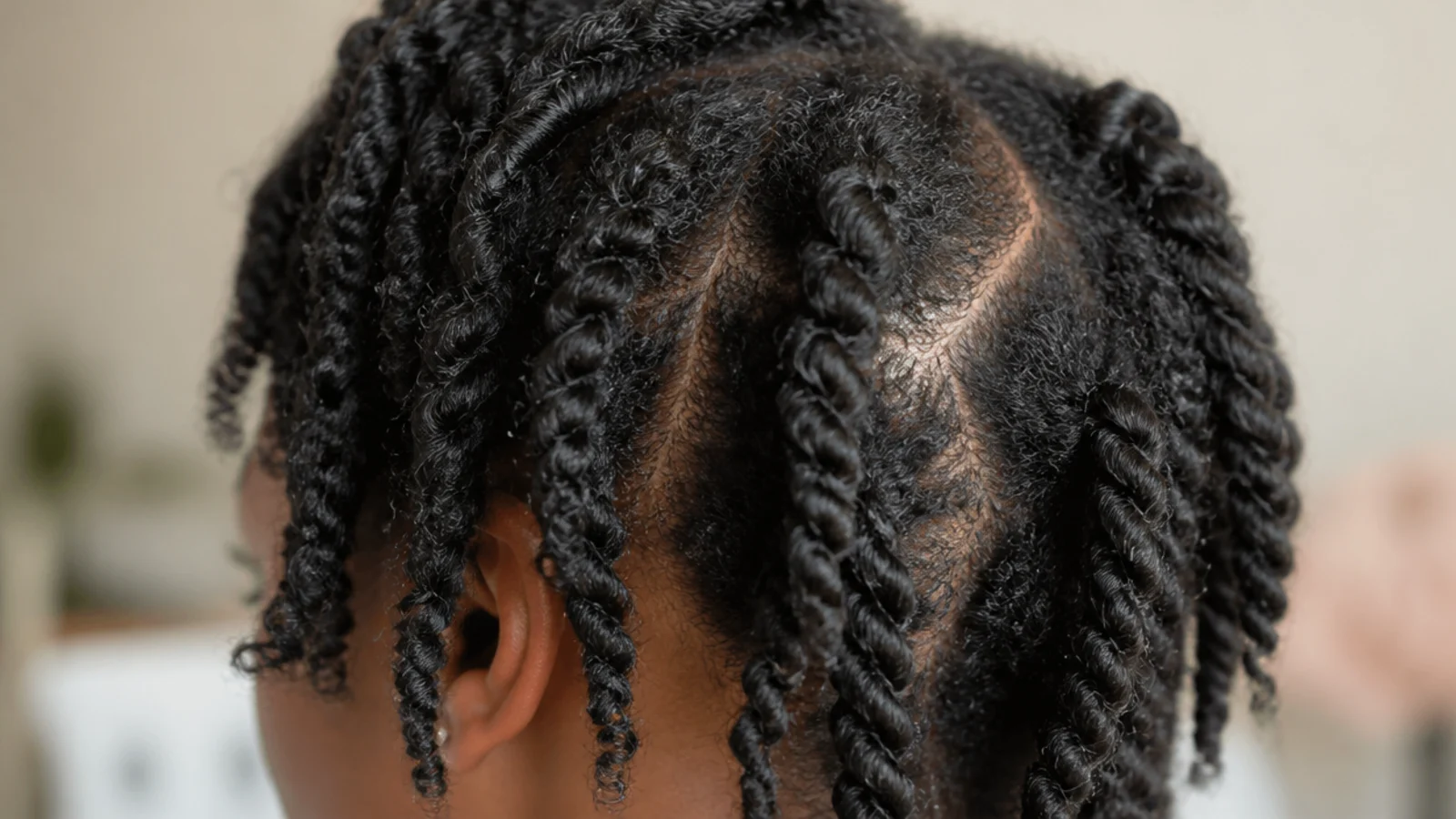
Hydrogen bonds break when hair is wet and reform as it dries, so whatever shape the hair holds while it dries is the shape it keeps. Twisting or braiding damp sections sets the coils stretched, which means they are not locked into each other by the time you next pick up a comb.
6. Length Check With a Marked Shirt
Shrinkage makes month to month progress invisible, so measure against something fixed. Stretch the same section to the same shirt seam every month and photograph it from the same distance. If the reference moves you are recording how hard you pulled rather than how much you grew.

7. Scalp Massage With Jojoba
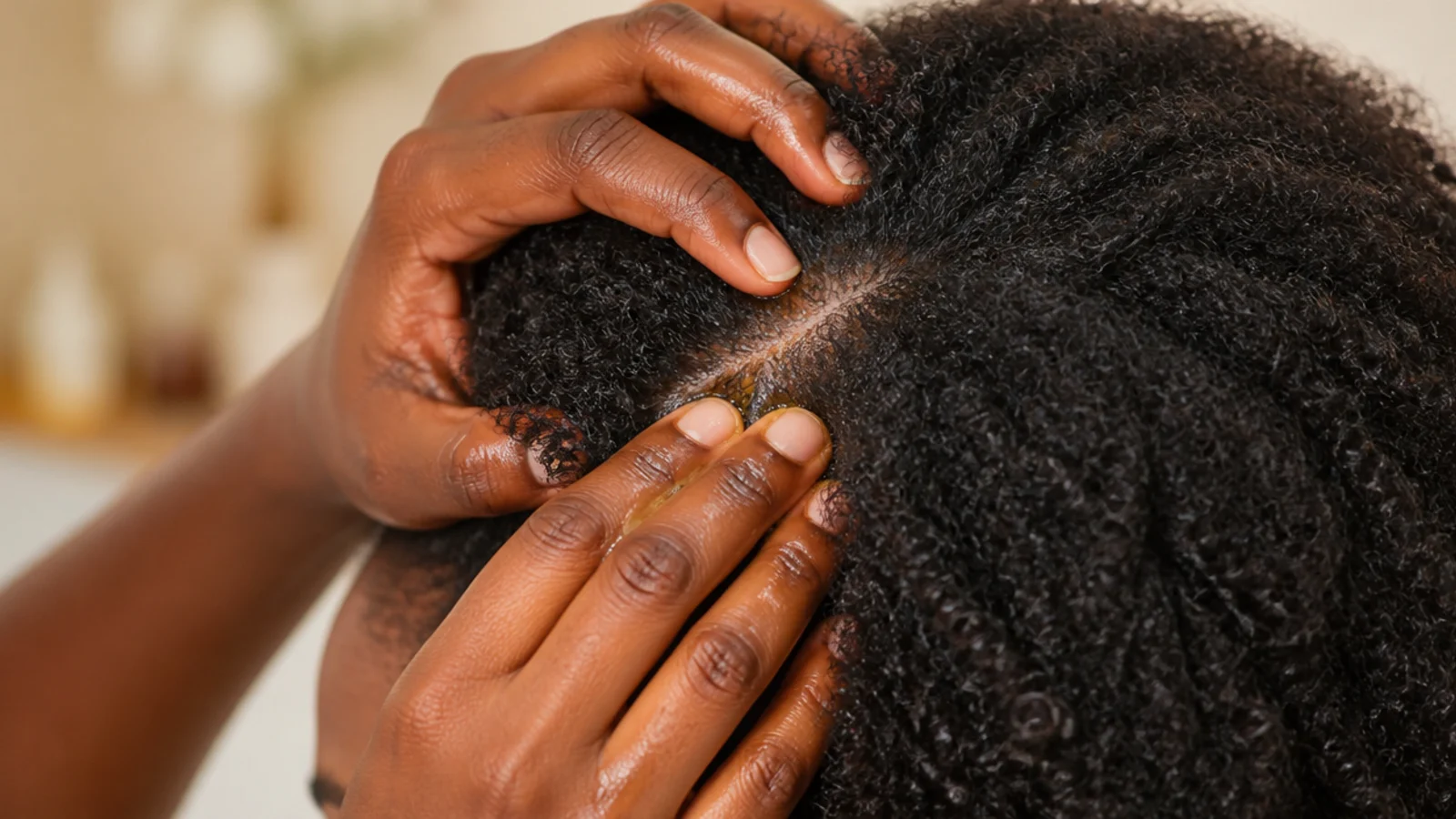
Five minutes with the pads of the fingers, moving the scalp against the skull rather than sliding fingers through the hair — the point is the tissue underneath, not the strands. Jojoba is a wax ester much like the scalp's own sebum, so it spreads thinly and does not leave the greasy weight that makes people abandon the habit.
8. A Clarifying Wash
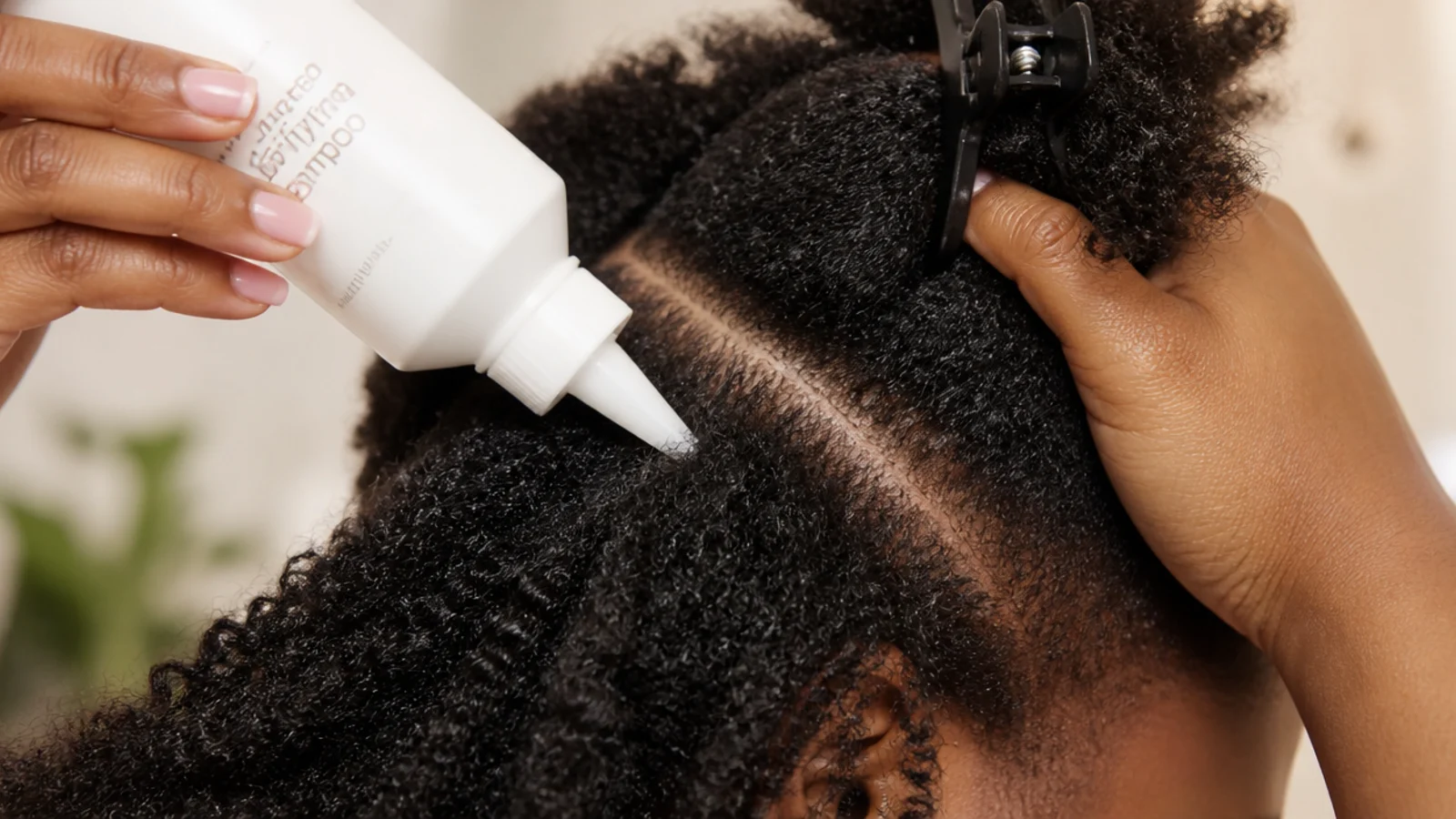
Once a month, sooner if you use heavy butters or hard hold gel. Oils and silicones build a film that keeps water off the strand entirely, so the deep conditioner you apply afterwards sits on the buildup rather than on your hair. Clarifying resets the surface so the rest of the routine can reach it.
9. The Satin Bonnet
Cotton is absorbent and rough at a fibre level, so it pulls moisture out of the hair and catches the cuticle with every turn of your head. Satin does neither. Eight hours of that friction every night, repeated for a year, is the largest avoidable source of breakage most people have.

10. Protective Style Timing
Six to eight weeks is the limit, and the reason is what happens at takedown rather than what happens while it is in. New growth loosens the base while shed hairs stay trapped in the braid, and the two mat together into a knot at the root that costs more hair to remove than the style ever protected.
11. Tension at the Edges
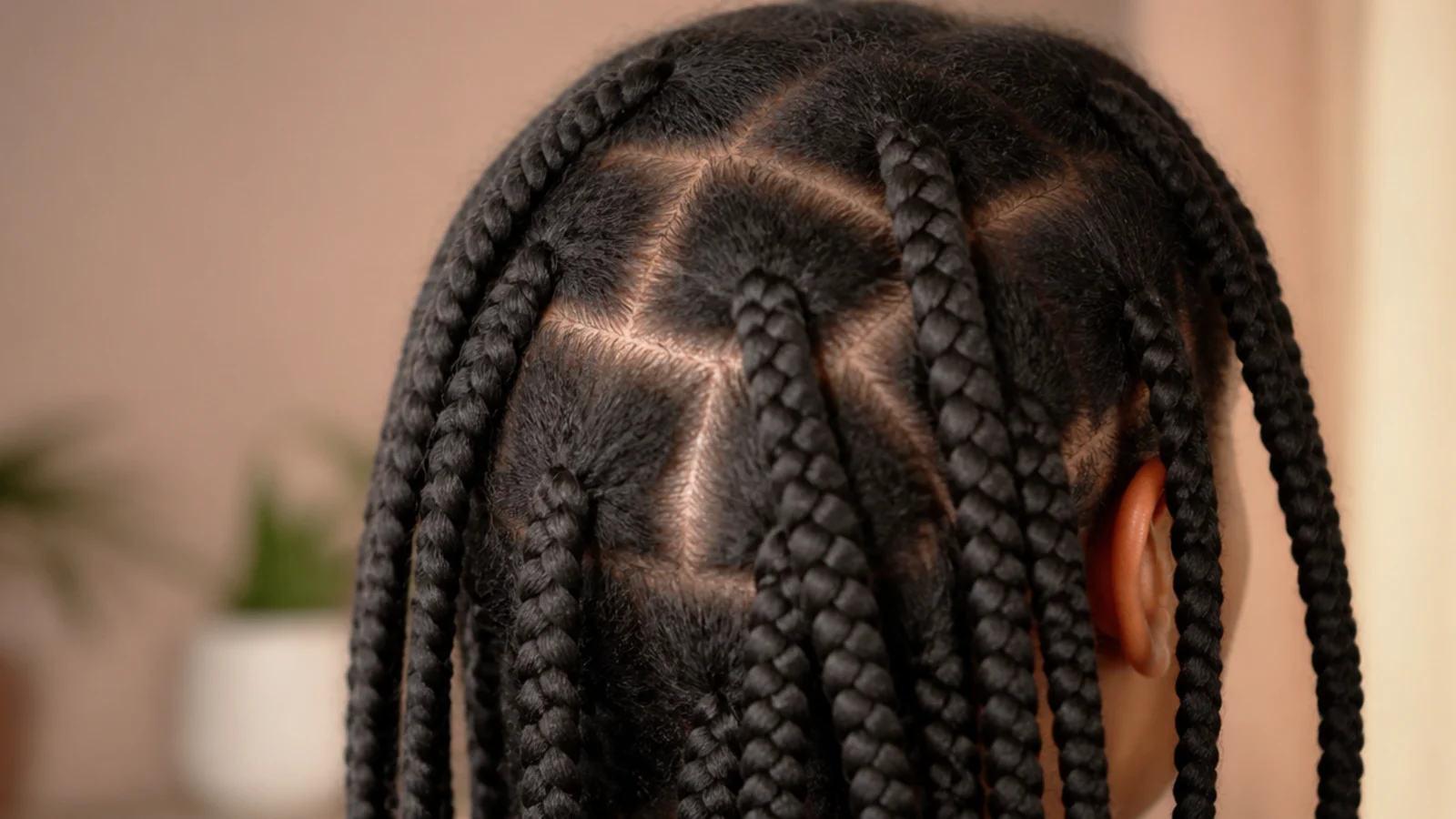
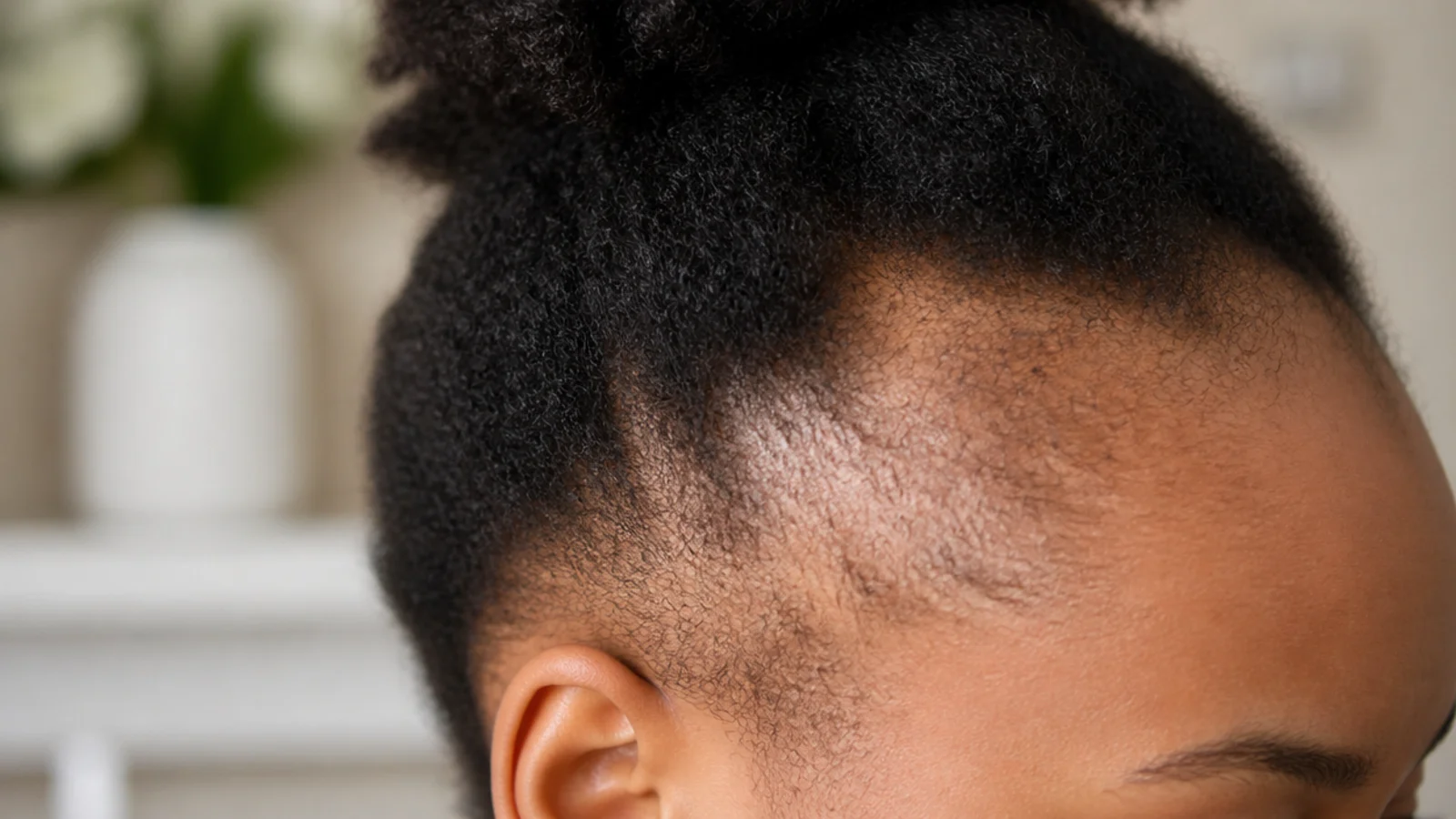
If it hurts, it is too tight, and pain is a late warning rather than an early one. The hairline carries the finest follicles on the head in the thinnest skin, so it fails under loads the crown would never notice. Bumps along the parting are the follicle telling you before the hair goes.
12. Dusting the Ends
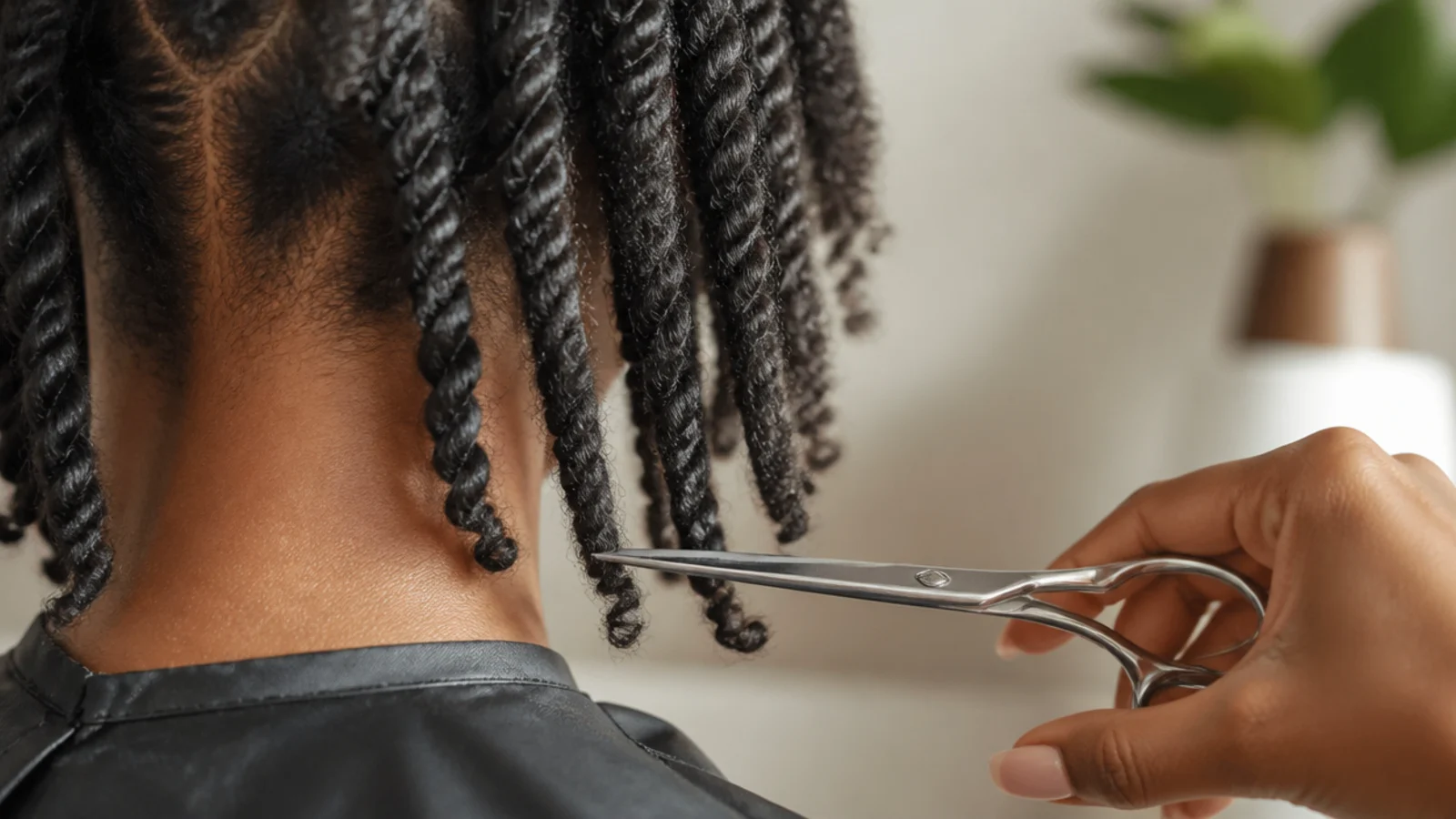
Dusting removes a few millimetres and only the damaged part. A split travels up the shaft once it opens, so taking three millimetres now saves the inch it would have cost by the time it was obvious. Cutting does nothing at the root — it only stops losses at the other end.
13. A Protein Treatment
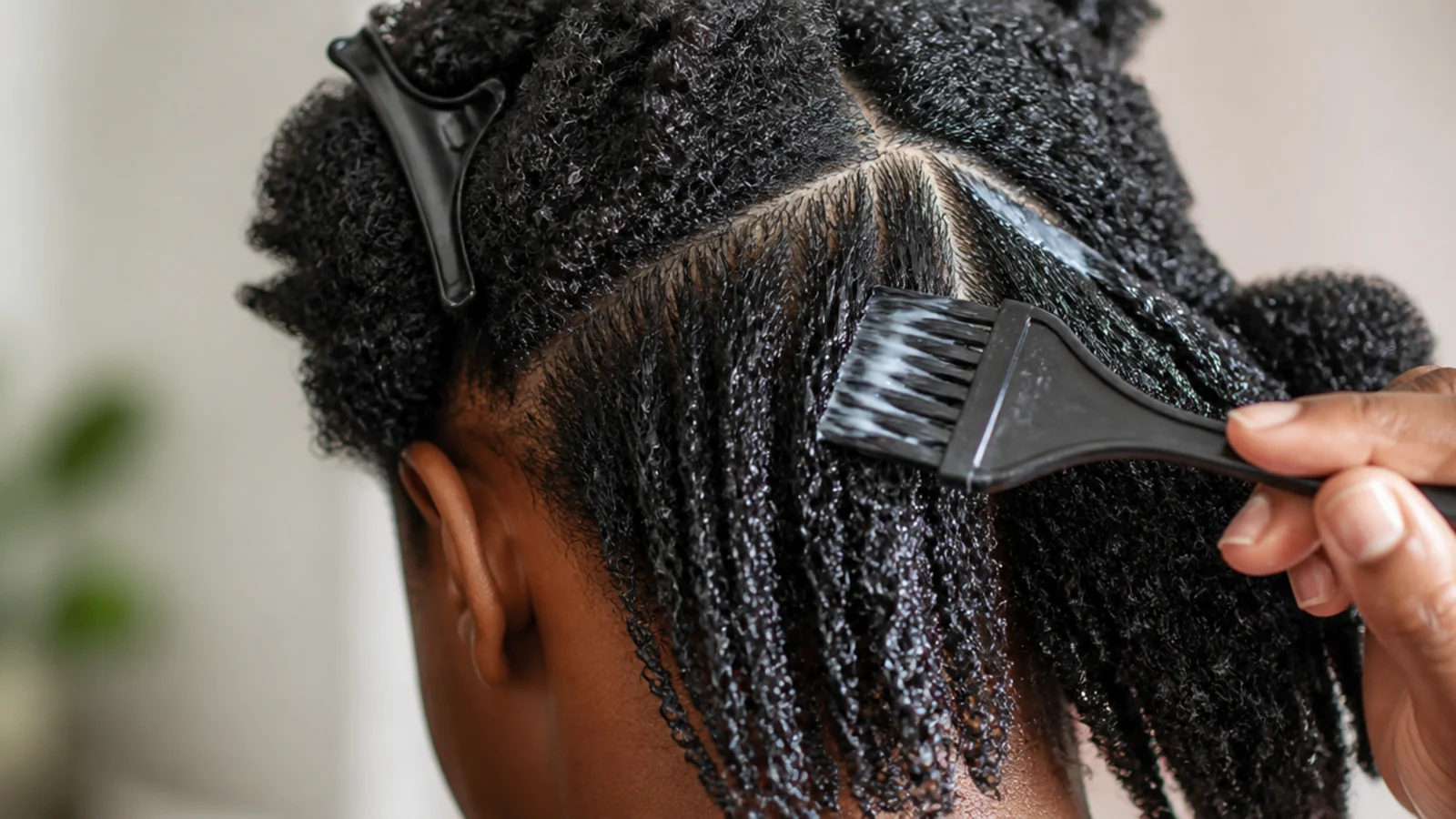
Protein fills gaps in a damaged cuticle and temporarily stiffens the strand, which is what stops it stretching past its limit and snapping. It is also easy to overdo. Hair that feels rough and breaks dry rather than stretching has had too much, and needs moisture rather than another treatment.
14. Seal the Ends With Butter
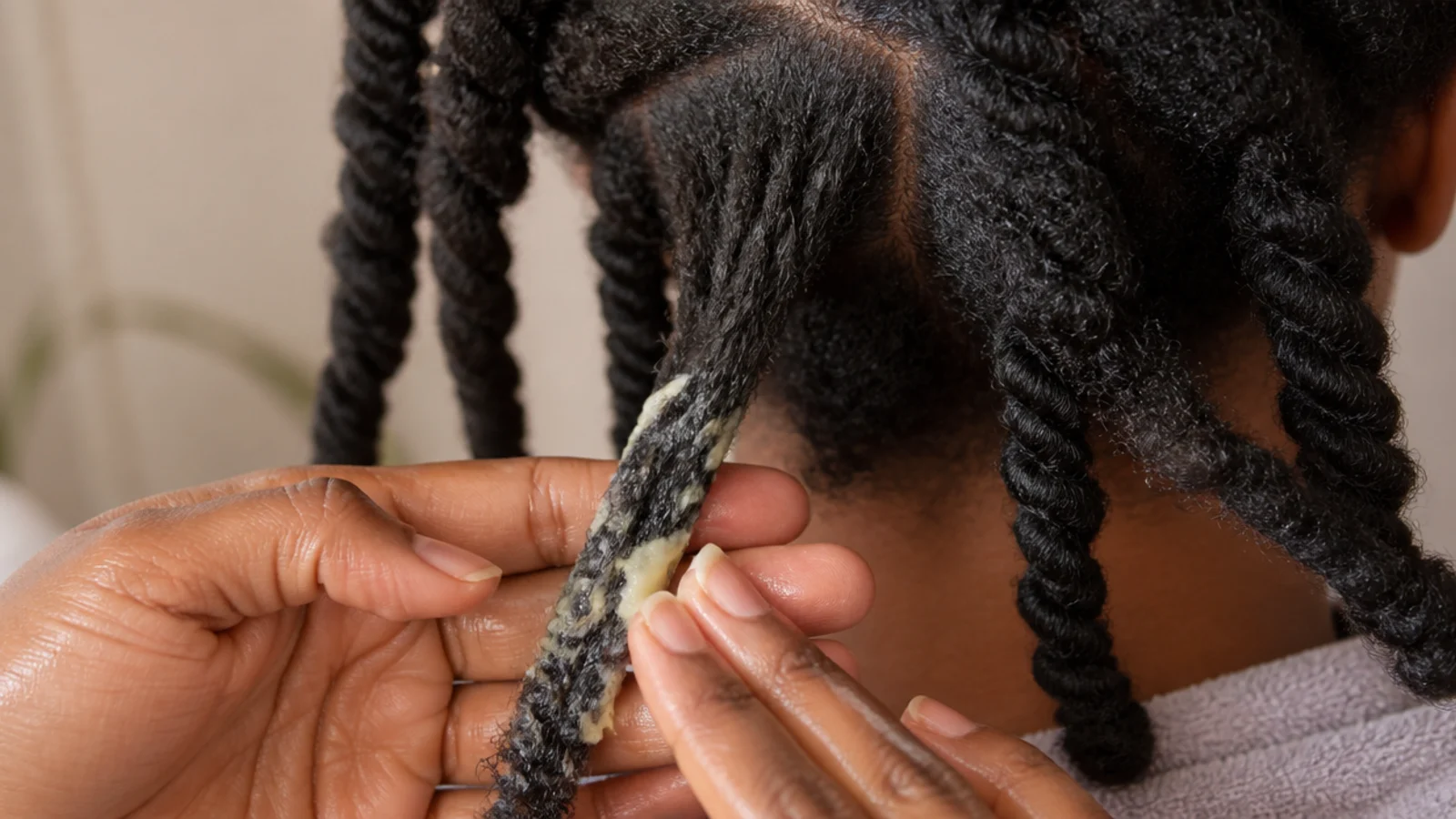
The last two inches are the oldest hair on your head and the part sebum never reaches. A heavier butter on the ends only, applied over a leave in while the hair is still damp, slows evaporation exactly where the loss is worst without flattening the roots.
15. Low Manipulation Weeks
Every touch is a chance to break something, so breakage scales with how many times you handle the hair rather than how gently you do it. Styling once and wearing it for five days instead of restyling nightly removes most of those passes from the week without changing anything else.
16. The Wide Tooth Comb
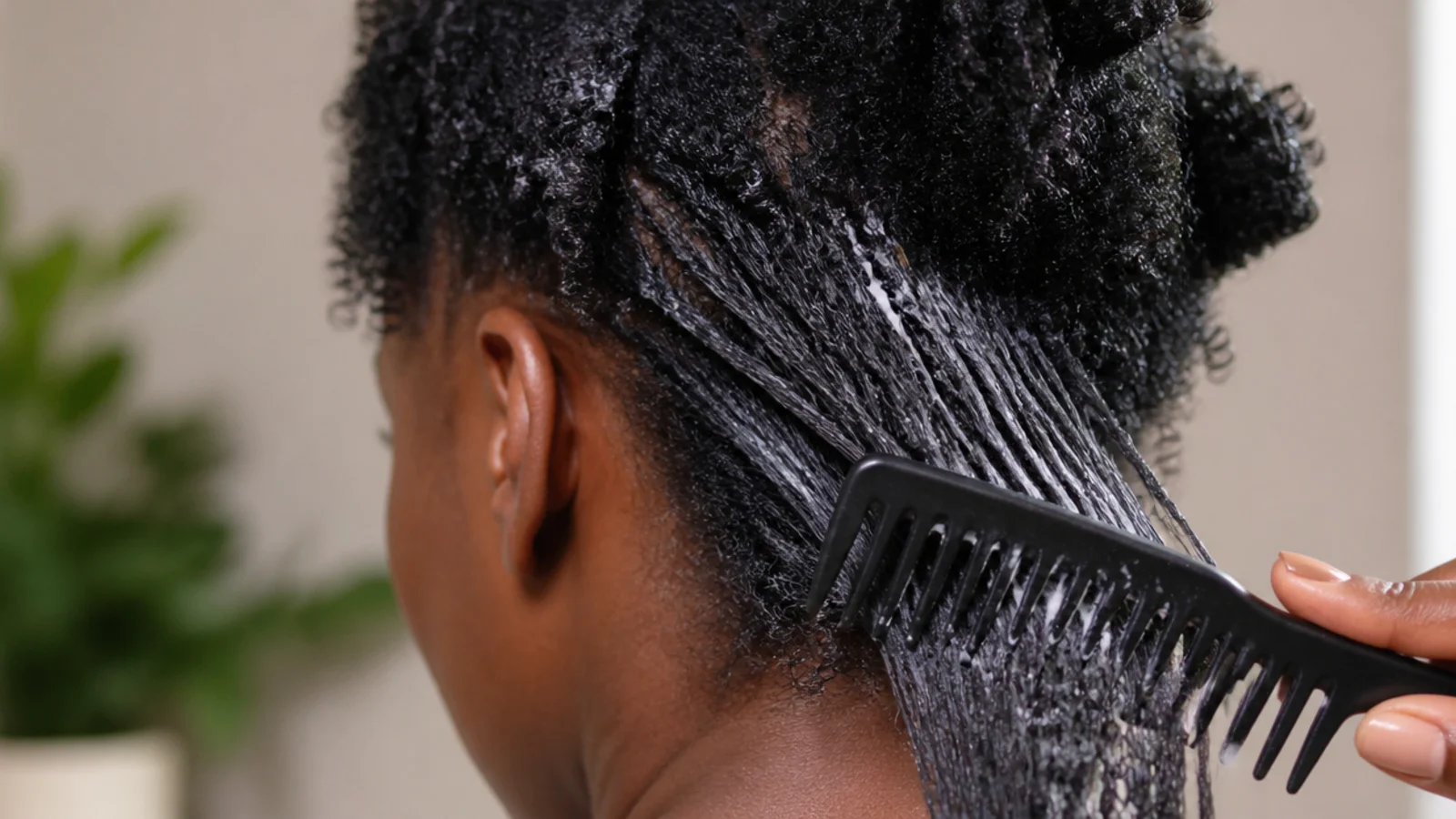
Wide teeth ride over a coil where fine teeth drive into the middle of it, so the comb meets a tangle as a whole rather than splitting it under load. Start at the ends and move up in short passes, because working downward gathers every knot in the section into one at the bottom.
17. Cool Air Stretching
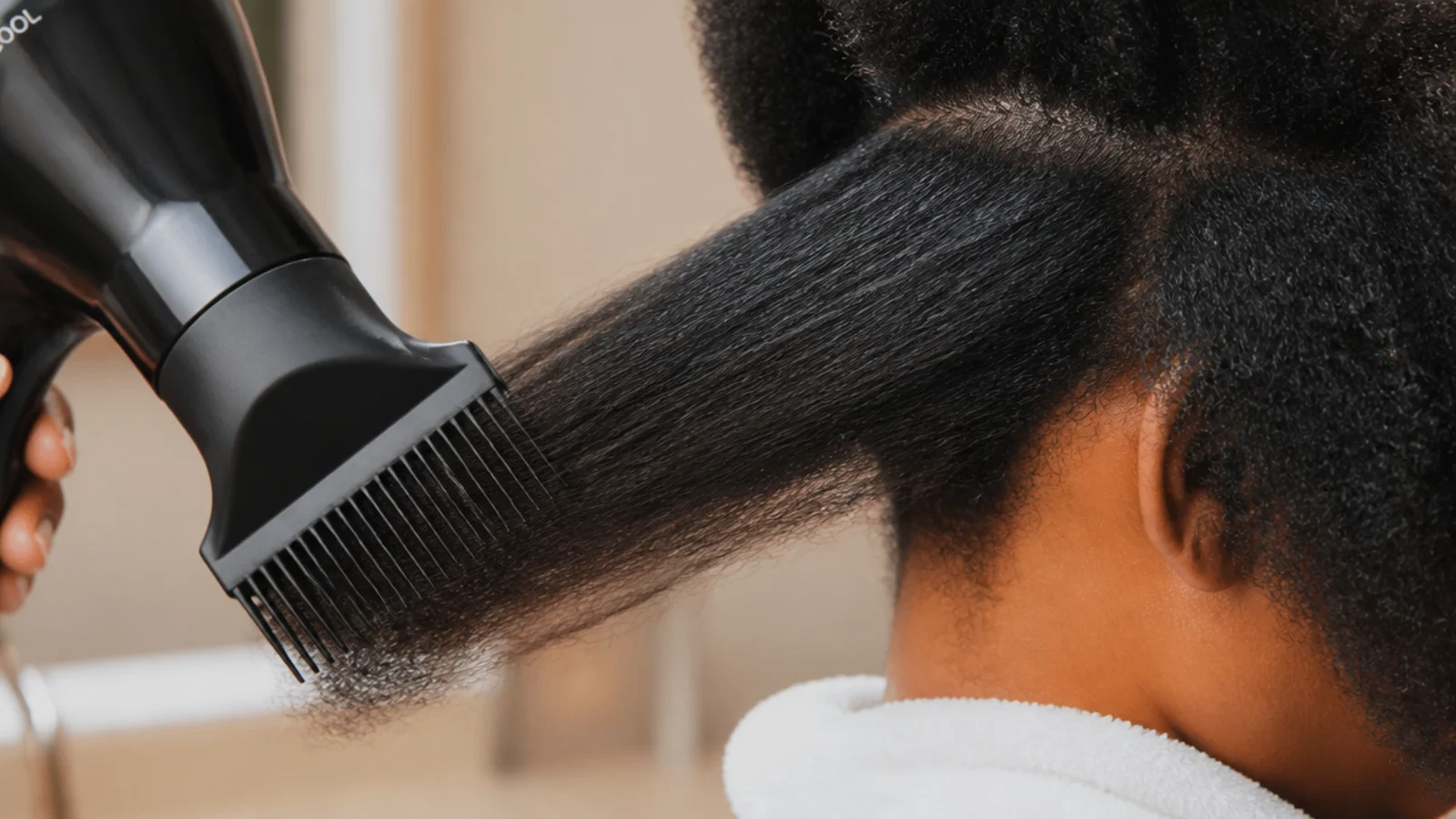
The stretch comes from water leaving the shaft under tension, not from heat, so a dryer on cool with a comb attachment sets the same length without loosening the curl pattern. It takes longer than hot air and costs nothing else, which makes it the cheapest stretched style available.
18. A Pre Poo Oil
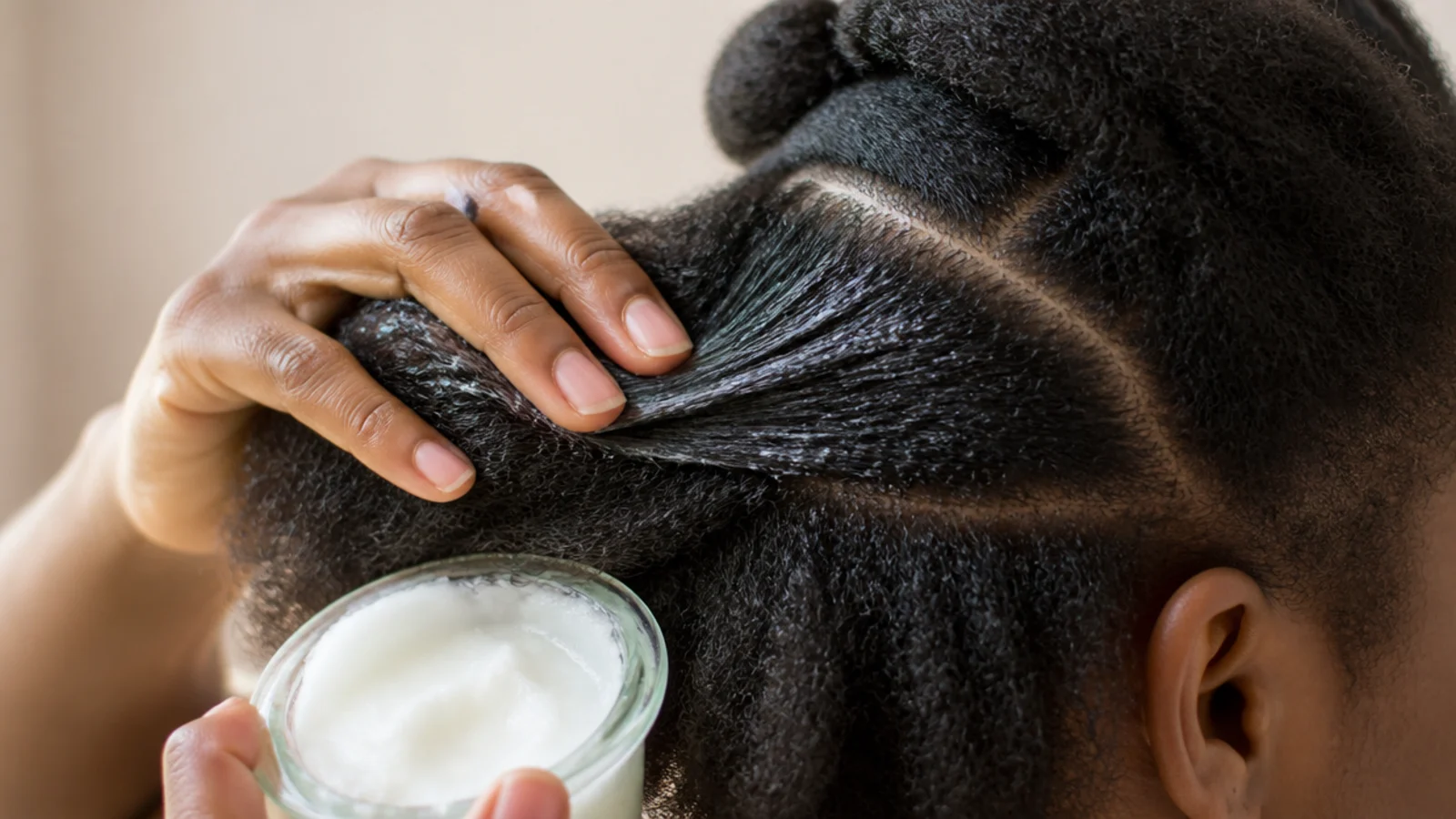
Coconut oil applied an hour before washing is one of the few oils small enough to move into the shaft rather than sit on the surface, and it reduces the protein a wash strips out. It also limits how far the strand swells, which is the swelling and shrinking cycle that leaves hair feeling stripped.
19. Protein and Ferritin
Hair is keratin, and a body short on protein or on stored iron reduces supply to the follicle long before it touches anything essential. Ferritin is the test worth naming when you ask, because stored iron can sit low while haemoglobin still reads normal on a standard blood count.

20. Edges Care
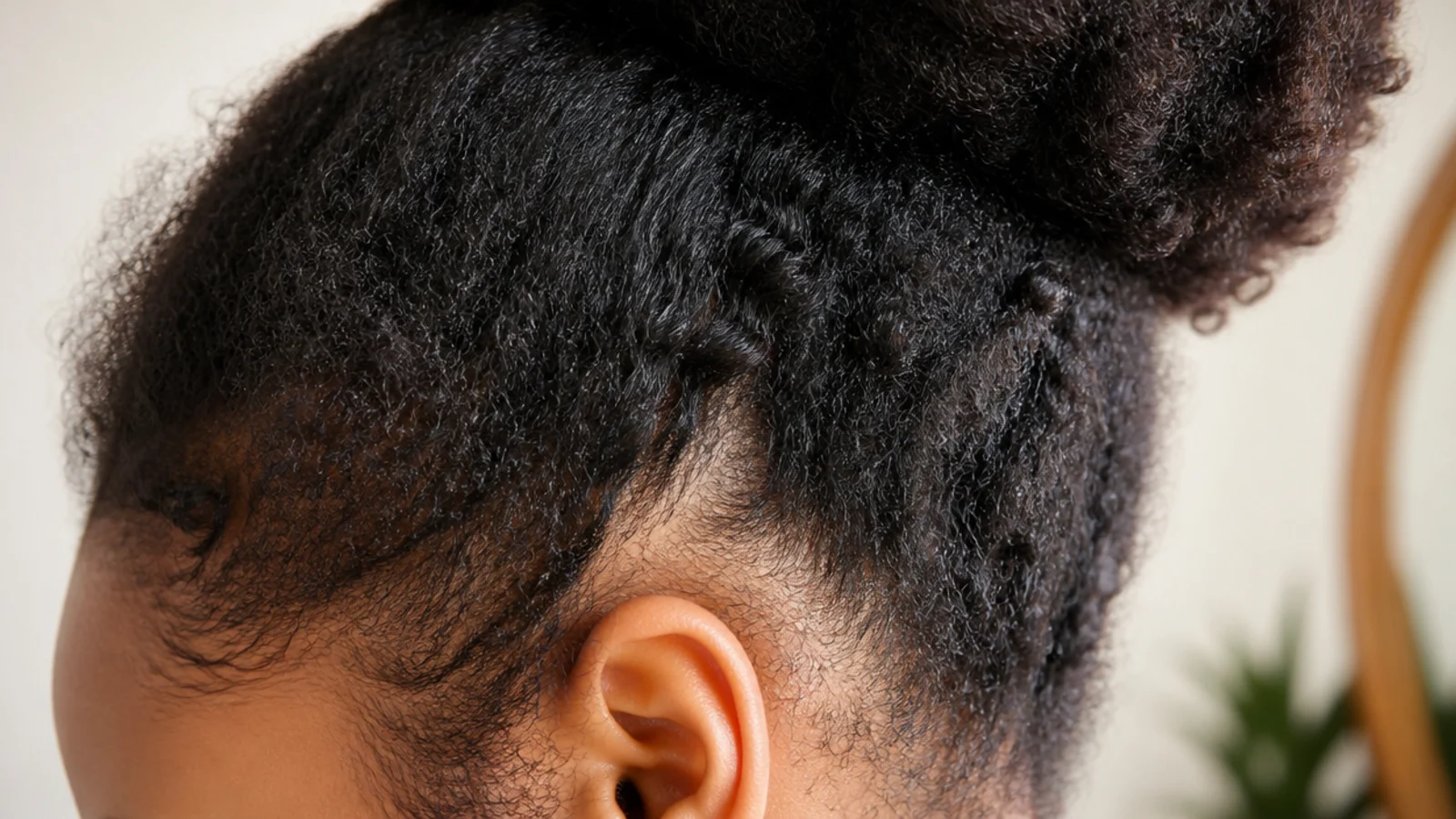
Keep the hairline out of the tension altogether — no perimeter braids taken tight to the skin, no gel scraped down with a stiff brush on dry hair. Edges regrow at the same half inch a month as the rest of your head, but only once nothing has been pulling on them for a few months.
Final Thoughts
Stop measuring the root. It is doing its half inch a month whether you massage it or not, and no oil is going to make it do more. The whole difference between a year that shows and a year that does not is how many of those inches were still attached at the end of it.
Pick the two habits with the widest reach first — satin at night and a wide tooth comb on damp, conditioned hair — because between them they cover most of the friction a strand ever meets. Everything else is refinement. More in Hair Care. See also the curly version and the forehead version.