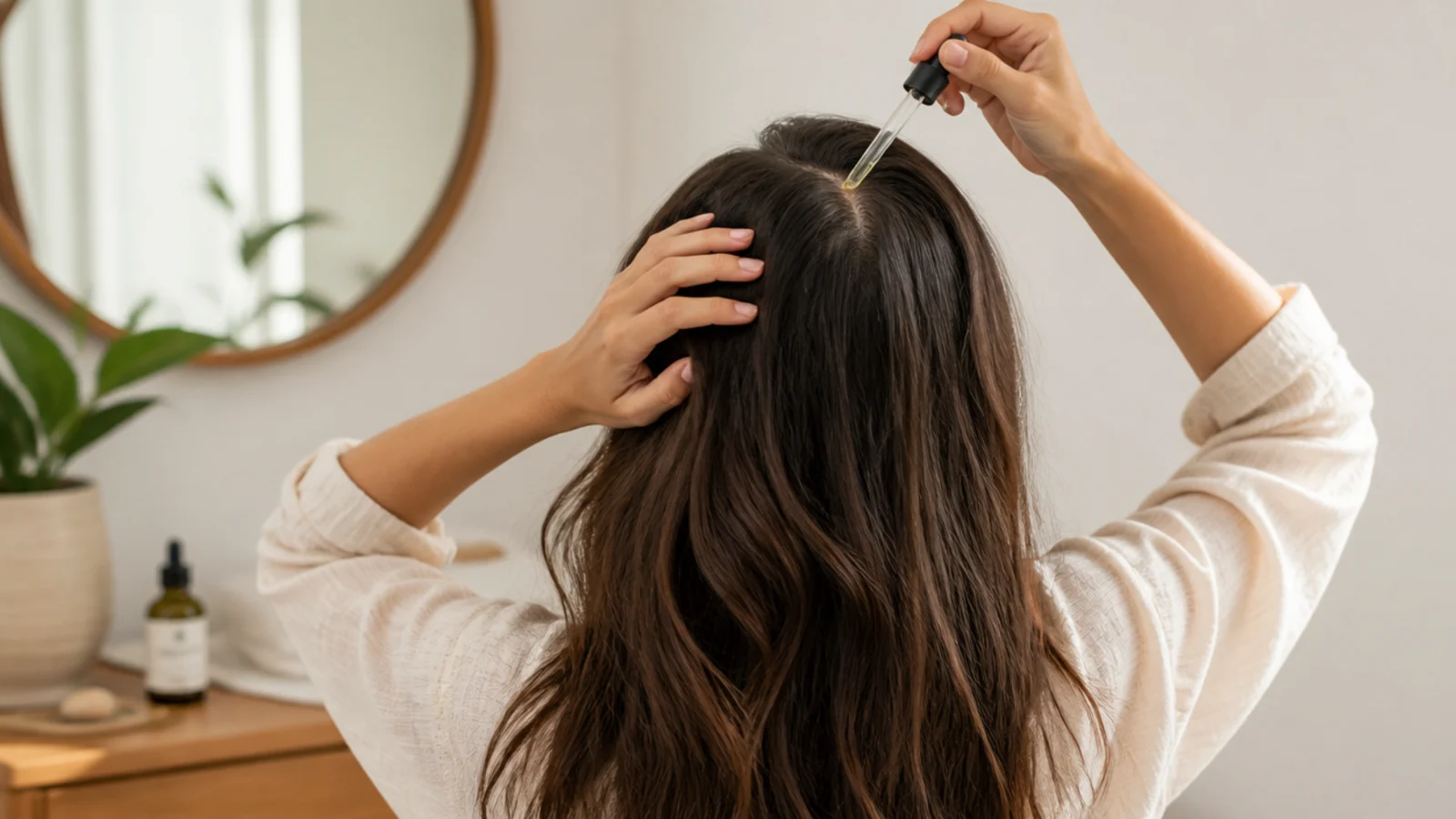
10 Winter Hair Care Tips That Actually Work in 2026
Ten winter hair care tips that hold up in cold air and heated rooms: wash less, mask weekly, seal the ends, beat static and protect your scalp all season.
In this article · 11
- 1\. Wash Less Often, and Wash Lukewarm
- 2\. Use a Deep-Conditioning Mask Every Week
- 3\. Add a Leave-In Conditioner for the Ends
- 4\. Seal the Ends With a Few Drops of Hair Oil
- 5\. Never Go Outside With Wet Hair
- 6\. Choose a Satin-Lined Hat
- 7\. Beat Static at the Source
- 8\. Wear Protective Styles Against Scarf Friction
- 9\. Keep Trimming Every Eight to Ten Weeks
- 10\. Look After Your Winter Scalp
- Narrowing Down Your Perfect Winter Hair Care Routine
Winter is hard on hair for a simple reason: cold air outside holds very little moisture, and heated air indoors holds even less, so your hair spends the whole season in conditions that pull water out of it. Wind roughens the outer layer, hats and scarves add friction and static, and the scalp dries out under all of it. The ten tips below are built for that reality, not for a salon shelf: every one explains its mechanism, so you can tell before you start whether it will help your hair type. Competitor roundups list the same generic advice and stop at the name; here each tip tells you how often, how much, and what to watch for. For party-season styles that survive the same cold, our New Year winter hairstyles and Christmas party hairstyles carry the same logic into the festive calendar.
1. Wash Less Often, and Wash Lukewarm
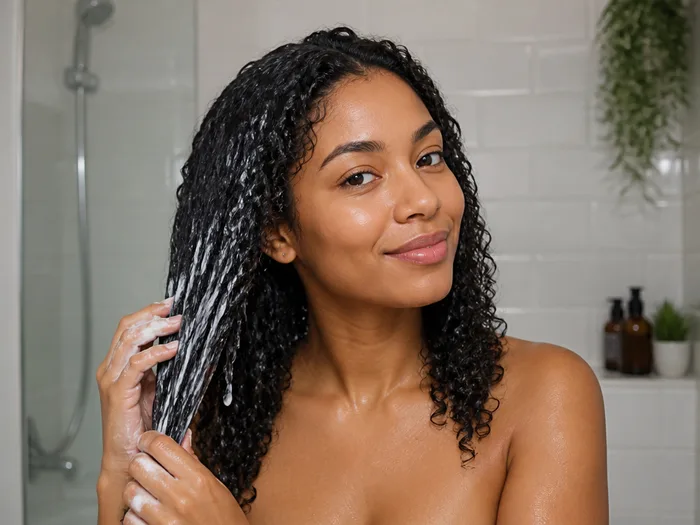
Washing less often is the highest-impact winter change, because every wash strips some of the natural oils that protect the hair, and winter gives you no spare moisture to replace them. The mechanism is retention: stretching washes to two or three a week lets those oils build a little between washes, so the lengths stay softer without any new product. Lukewarm water matters just as much, because very hot water feels wonderful on a cold morning but dries out both hair and scalp, undoing the benefit of washing less.
How to do it: Wash two to three times a week, with lukewarm water and a gentle shampoo, massaging the scalp and letting the suds run down the lengths rather than scrubbing the ends. Rinse with lukewarm water, never scalding, and finish with conditioner on the lengths and ends only.
Frequency: Two to three washes a week. Best for: Dry, curly, color-treated and fine hair most of all; oily scalps may still need every other day.
2. Use a Deep-Conditioning Mask Every Week
A weekly mask is the single best winter habit, because cold air and indoor heating pull moisture out of the hair all week and a mask puts it back in one focused step. The mechanism is time: a mask sits on the hair far longer than a rinse-out conditioner, so its moisturizing ingredients have time to coat and soften the lengths and ends, which are the oldest part of the hair and the first to dry out. A light conditioner used daily cannot match one weekly mask for winter softness.
How to do it: Once a week after shampooing, work the mask through the lengths and ends, avoiding the roots, and leave it on for the time the product states. Comb it through with a wide-tooth comb, rinse with lukewarm water, and style as usual. Keep the mask off the scalp, where heavy product leaves hair limp, especially under a hat.
Frequency: Once a week. Best for: All hair types; fine hair should use a lighter mask and a smaller amount.
3. Add a Leave-In Conditioner for the Ends
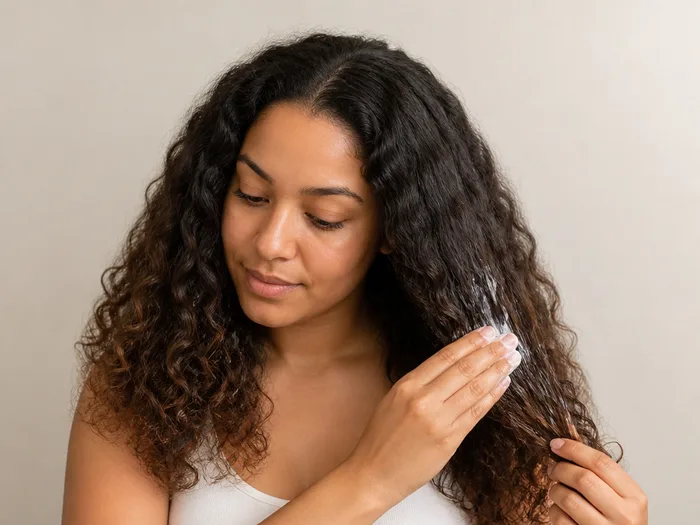
Leave-in conditioner is winter insurance between washes, because it keeps a thin layer of moisture on the lengths after the shower, when heated indoor air starts drying them again. The mechanism is a barrier: a light leave-in coats the ends, slows moisture loss through the day, and makes the hair easier to detangle, which means less breakage when you brush. It also doubles as static control, since moisturized hair picks up far less charge than dry hair.
How to do it: On damp hair after washing, smooth a small amount of leave-in through the lengths and ends, and on dry days smooth a tiny amount over the top layer with your palms. Start with less than you think you need; you can always add more, but too much leaves fine hair flat.
Frequency: After every wash, plus a palm-sized touch-up on dry days. Best for: Medium to long hair, wavy to curly, fine to thick.
4. Seal the Ends With a Few Drops of Hair Oil
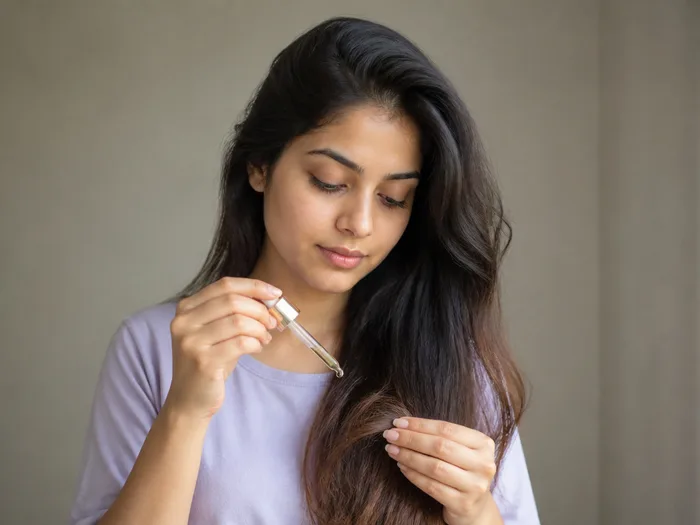
Hair oil seals what conditioner softens. The mechanism is the seal itself: a few drops smoothed over the ends form a light barrier that locks in the moisture from your wash and mask, and stops the ends from rubbing dry against scarves and coat collars all day. Oil on the roots weighs hair down and looks greasy under a hat, but oil on the ends only reads as shine, which is exactly where winter hair needs it most.
How to do it: Warm two or three drops between your palms and smooth them over the last few inches of hair, after styling or on dry ends between washes. If your hair is fine, use one drop and keep it strictly on the ends; if it is thick or curly, you can work up to a few more.
Frequency: Two to four times a week. Best for: Dry, thick, curly and color-treated hair; fine hair in the smallest amount.
5. Never Go Outside With Wet Hair
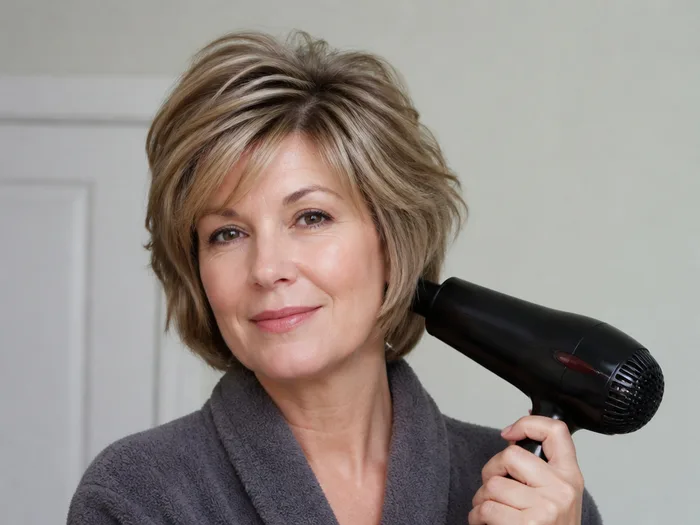
Going out with wet hair is one of the hardest things on it in winter. The mechanism is fragility: wet hair stretches and breaks far more easily than dry hair, and cold wind whipping wet lengths around adds breakage and frizz at the same time. Wet hair under a hat is worse still, because it sets in whatever squashed shape the hat presses it into, and tying it tightly while wet strains the roots.
How to do it: Dry the hair fully before heading out, or at least until it is only slightly damp, and tuck it loosely under a hat or scarf so the wind cannot whip it around. If you are short on time, dry the roots and the top layer first, since those set the shape, and let the ends finish drying indoors.
Frequency: Every cold day. Best for: Everyone, and especially fine, fragile and color-treated hair.
6. Choose a Satin-Lined Hat

A hat protects hair from wind and cold, but rough wool against hair causes friction, frizz and flat hat hair. The mechanism is the lining: a smooth satin or silk lining lets the hair slide instead of catching, so you get the warmth and wind protection without the friction that roughens the cuticle and builds static. If your favorite hat has no lining, a thin silk scarf worn under it does the same job.
How to do it: Pick a hat with a satin or silk lining, or line your favorite beanie with a silk scarf. Put the hat on only once the hair is fully dry, so it does not set dents, and when you take it off, shake the roots gently rather than brushing hard, which only adds frizz.
Frequency: Every day you wear a hat. Best for: All hair types, and a real difference-maker for curly and fine hair.
7. Beat Static at the Source

Static is winter's most visible hair problem, and it starts with dryness: dry air and heated rooms strip moisture from the hair, and friction from hats, scarves and sweaters adds charge, so individual strands repel each other and fly away. The mechanism of the fix is moisture plus less friction, not a single product: conditioned hair picks up far less charge, a smooth hat lining adds less friction, and a wide-tooth comb causes less charge than a fine plastic brush dragged through dry hair.
How to do it: Keep the hair conditioned with the weekly mask and leave-in from the tips above, smooth a tiny amount of leave-in over the top layer with your palms on dry days, and switch to a wide-tooth comb for dry detangling. If static strikes mid-day, the palm-smoothing trick alone tames the top layer without flattening the style underneath.
Frequency: Daily in dry weather. Best for: Fine, straight and dry hair most of all; every type benefits.
8. Wear Protective Styles Against Scarf Friction

Scarves and coat collars rub the same sections of hair all day, and that friction roughens the cuticle, tangles the nape and breaks the ends. The mechanism of a protective style is containment: a loose braid, a low bun or a low ponytail keeps the lengths together and off the collar, so far less hair is exposed to rubbing, and the style itself survives the scarf instead of being destroyed by it. Loose is the key word; a tight style under a scarf only trades friction for tension.
How to do it: On scarf days, wear a loose braid, a low bun or a low ponytail, secured with a soft scrunchie or a large claw clip rather than a tight elastic. Tuck long hair loosely inside your coat instead of letting it rub against a wool scarf all day, and detangle gently with a wide-tooth comb when the scarf comes off.
Frequency: Every scarf and coat day. Best for: Medium to long hair, all textures.
9. Keep Trimming Every Eight to Ten Weeks
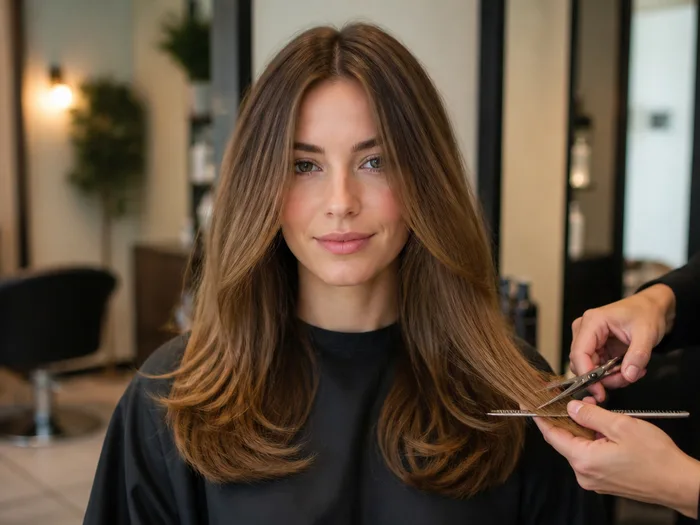
Skipping trims to grow your hair out backfires in winter, because dry air turns small split ends into breakage that travels up the hair shaft, and the damaged length has to come off anyway. The mechanism is containment: a small trim every eight to ten weeks removes the splits while they are still at the very ends, so the rest of the length stays intact and the hair keeps looking healthy through the season. A trim is not a cut; tell your stylist you are growing it out and ask for a dusting.
How to do it: Book a small trim every eight to ten weeks, and between appointments, check the ends in bright light: if they look see-through or feathery, they are splitting and the trim is due. Resist the urge to pull splits apart by hand, which tears the hair further up the shaft.
Frequency: Every eight to ten weeks. Best for: Everyone growing their hair out, and anyone with dry or color-treated ends.
10. Look After Your Winter Scalp

Winter flaking is often dryness, not dandruff: heated indoor air dries the scalp just as it dries the lengths, and hot showers and harsh shampoo make it worse. The mechanism is skin care, because the scalp is skin: lukewarm water, a gentle shampoo and a light scalp massage keep it comfortable, while scratching, hot water and heavy product buildup leave it tight and flaky. A healthy scalp also holds a better style, since limp, irritated roots flatten under a hat faster than comfortable ones.
How to do it: Wash with lukewarm water and a gentle shampoo, massage the scalp with your fingertips for a minute rather than scratching with nails, and rinse thoroughly so no product sits on the scalp under a hat. If flaking, itching or soreness persists for weeks, see a dermatologist rather than stacking stronger products on it.
Frequency: Every wash. Best for: Everyone, and especially anyone with a dry or sensitive scalp.
Narrowing Down Your Perfect Winter Hair Care Routine

Choose by three filters, in this order: your hair type, your time, and your biggest winter complaint. If your hair is dry or curly, start with the weekly mask, the leave-in and the hair oil; those three alone transform a winter routine. If your time is short, the highest-impact moves are washing less, washing lukewarm, and never going out with wet hair; they cost nothing and take no extra minutes. If static is your main enemy, add the satin-lined hat and the palm-smoothing trick. If your scalp is the problem, the gentle wash and the scalp massage matter more than any product on the lengths. And whatever your routine, keep the trim booked: healthy ends are what make every other tip visible, because soft, unbroken hair shows its shine in a way split ends never will, even in the middle of January.