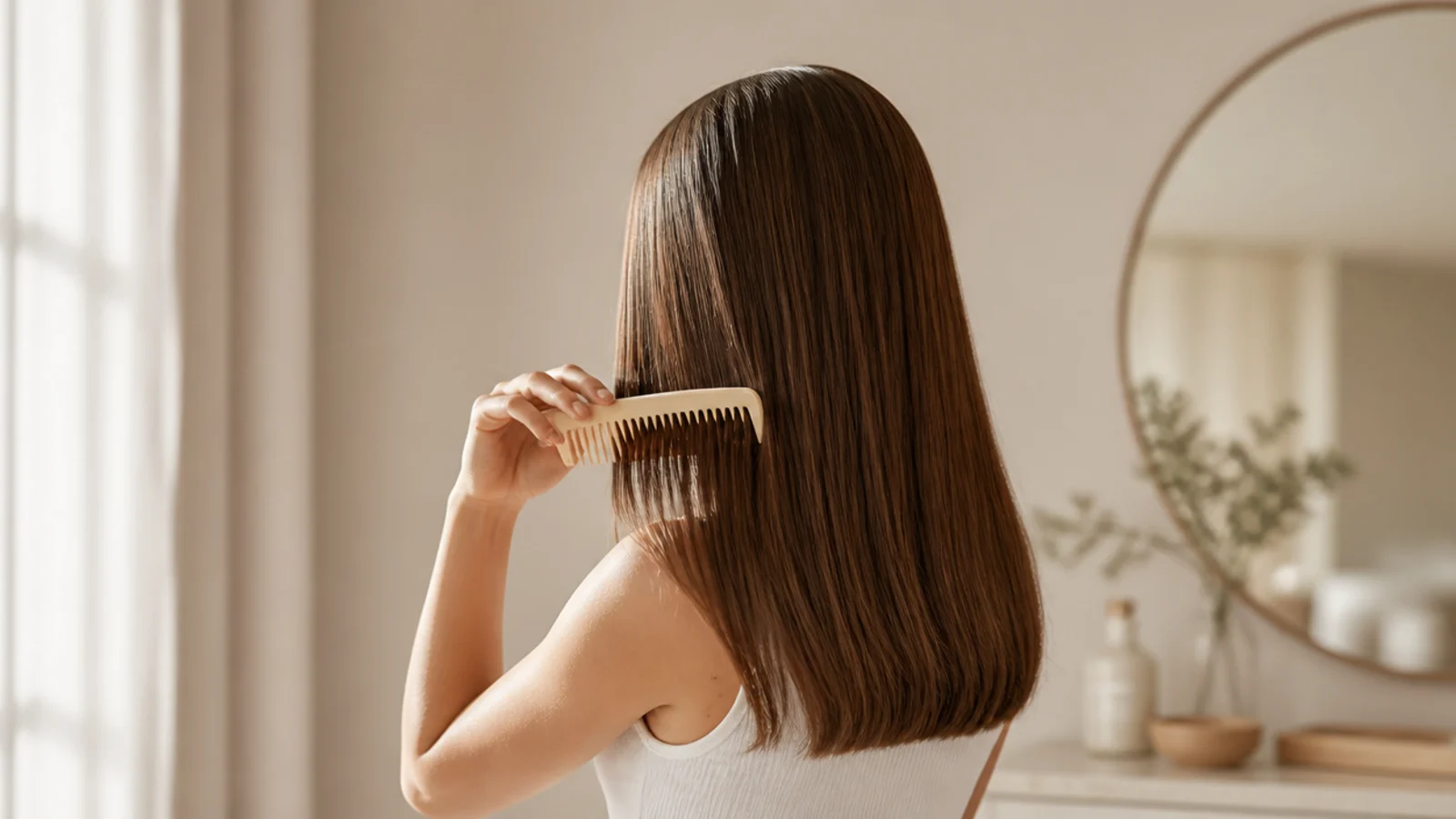
15 Tips for Hair Growth That Are Worth the Effort
Fifteen habits that change the length on the ruler, and the arithmetic behind why. Growth runs at about half an inch a month no matter what you buy, so every tip here is judged on how much of that half inch it stops you losing.
In this article · 23
- How Fast Hair Grows
- Breakage Versus Growth
- Scalp Health
- Diet and Supplements
- What Works and What Does Not
- Specific Concerns
- The 15 Tips for Hair Growth
- 1. Scalp Massage
- 2. Quarter Inch Trim
- 3. Satin Pillowcase
- 4. Rosemary Oil
- 5. Wash the Scalp and Condition the Ends
- 6. Heat Styling Limit
- 7. Detangle From the Ends Up
- 8. Protective Styles
- 9. Protein Foods
- 10. Blood Test Before Supplements
- 11. Clarifying Shampoo
- 12. Microfiber Towel
- 13. Deep Conditioner
- 14. Silk Scrunchie
- 15. Monthly Progress Photo
- Final Thoughts
The reason most hair growth routines fail is that they are aimed at the follicle, and the follicle was never the problem.
Growth rate is close to fixed. Half an inch a month, six inches a year, decided by genetics and barely nudged by anything you can buy.
Length on the ruler is growth minus breakage. That second number is entirely under your control, and it is the only one that explains why two people on identical routines end up at different lengths.
How Fast Hair Grows
One inch takes two months. That is the unit to plan in, and it is why any product judged after three weeks was never really tested.
Six inches a year, in theory. Shoulder to waist is nine or ten inches on most frames, so eighteen months is the floor and two years is realistic.
Season and age move it slightly. Marginally faster in warm months, marginally slower each decade. Neither is worth building a routine around.
The growing phase sets your ceiling. Follicles hold a strand for somewhere between two and six years before releasing it, which is why some people cannot pass the shoulders however carefully they treat their ends.
Breakage Versus Growth
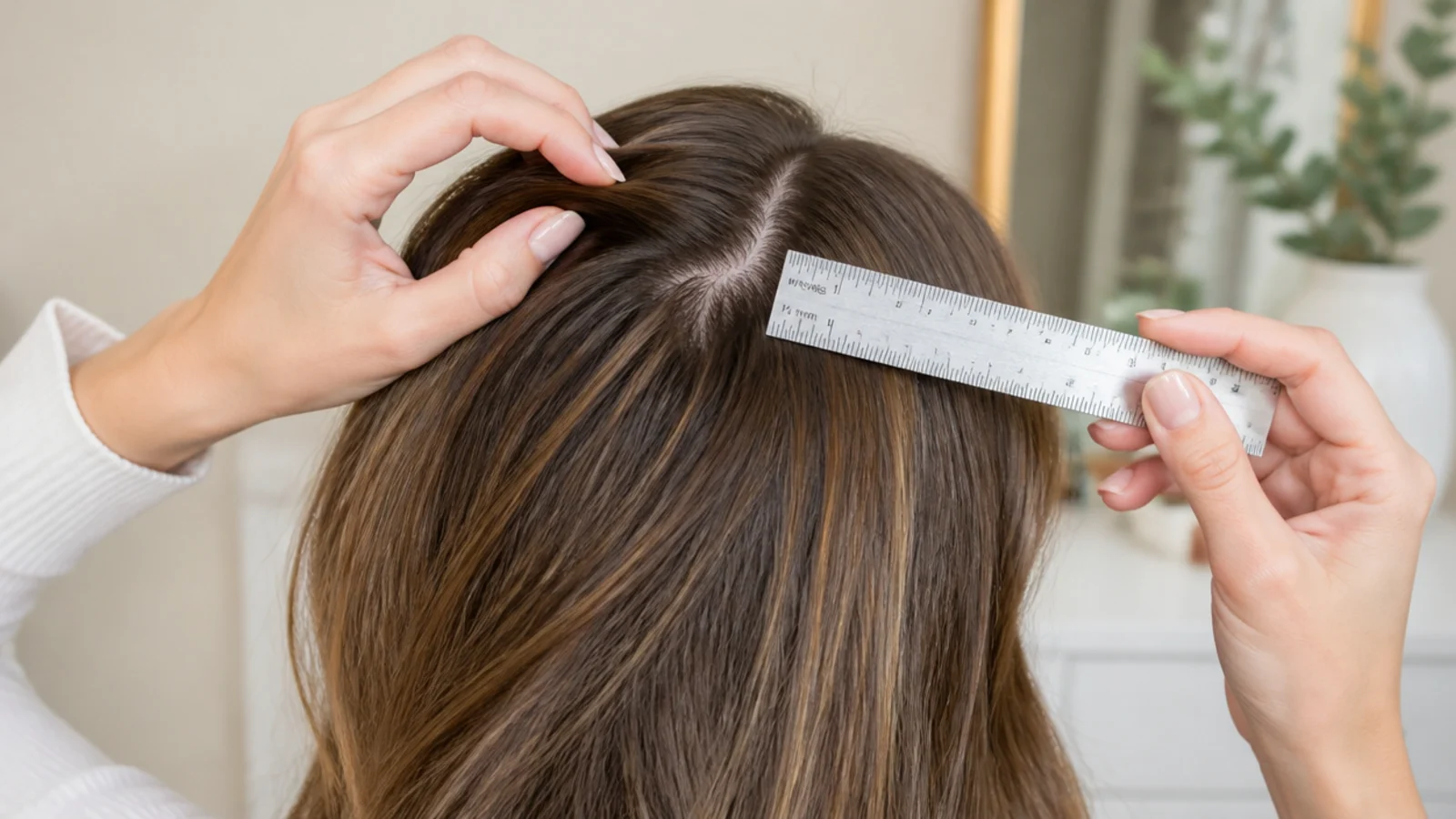
Pick the hair up and look at the end. A shed strand is full length with a pale bulb. A broken one is short, bulbless and blunt at both ends.
Fifty to a hundred shed hairs a day is normal. Shedding is the follicle cycling. Breakage is damage, and only one of the two responds to how you handle your hair.
Breakage shows at the perimeter first. The outline goes wispy and see-through while the hair at the crown still looks dense, because the ends are the oldest part and the perimeter is where the ends are.
A flat year is a breakage problem. If the tape measure has not moved in twelve months your hair did not stop growing. It grew six inches and lost six.

Scalp Health
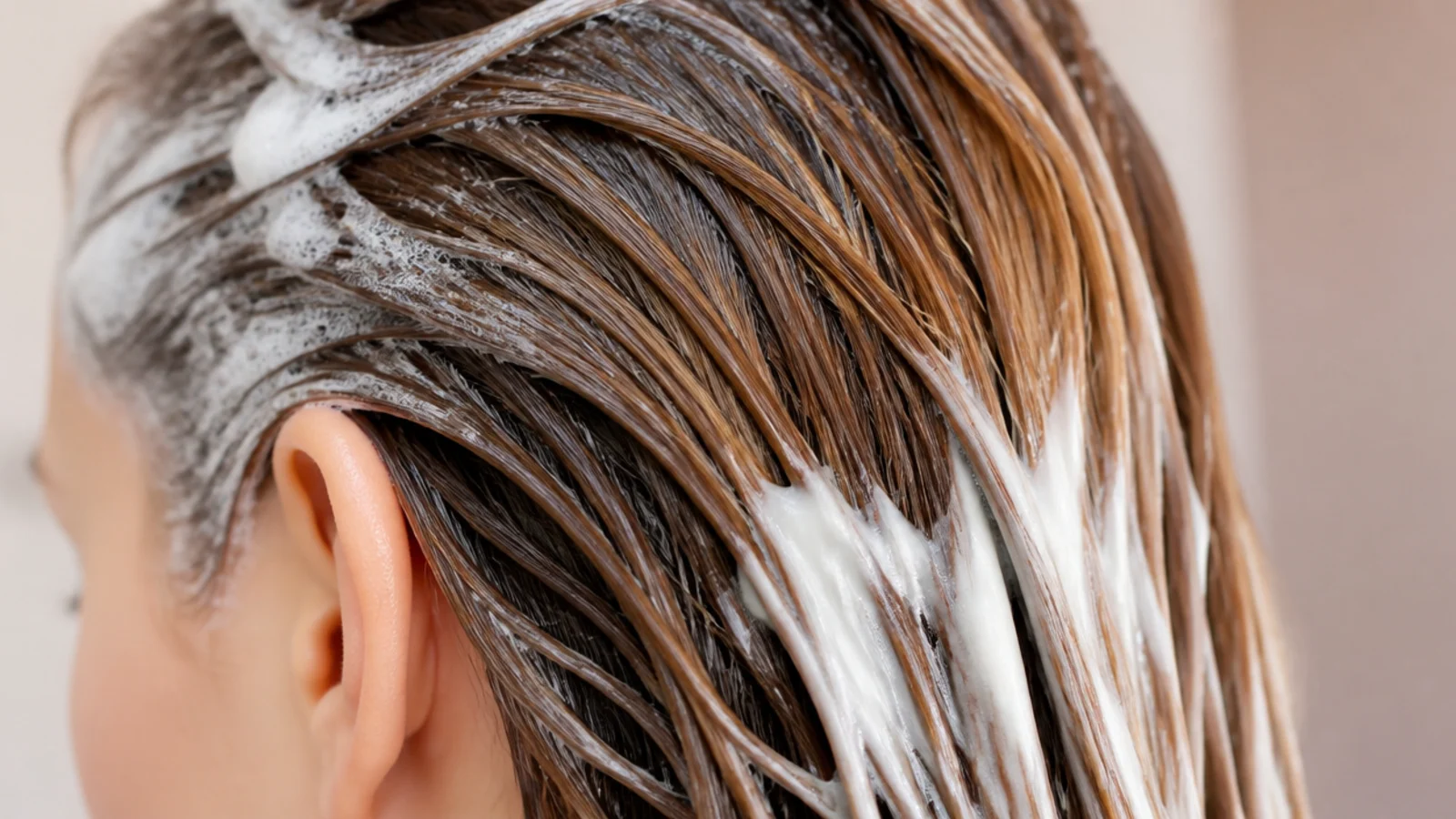
Shampoo is for the scalp. It is a cleanser for skin and sebum, and the lengths get cleaned by the diluted lather that runs down them on the rinse.
Conditioner is for the lengths. Putting it at the roots weighs the hair down and does nothing for the part of the hair that is actually worn.
Undercleansing causes more problems than overcleansing. Sebum plus dry shampoo plus styling product forms a film that sits over the follicle openings and itches.
Water temperature matters more than you would expect. Hot water lifts the cuticle and raises friction on hair that is already at its weakest when wet.
Diet and Supplements
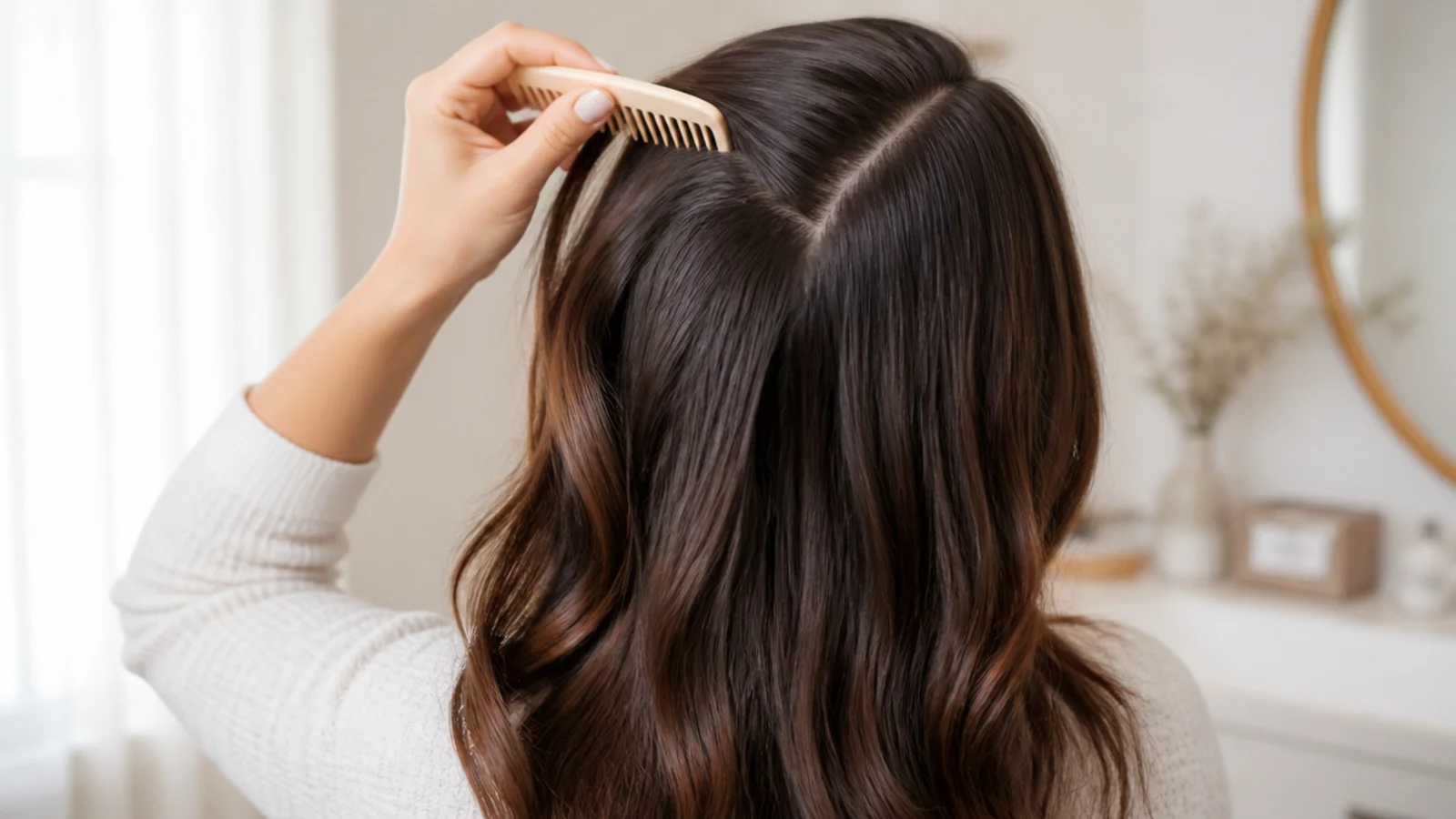
Protein first, and enough of it. Keratin is built from amino acids, and a shortfall pushes follicles out of the growing phase within weeks.
Iron is the most common gap. Ferritin sits low in a large share of women with diffuse thinning who feel otherwise well, and no topical corrects it.
Biotin is close to useless unless you are deficient. It also skews thyroid and cardiac blood tests badly enough that labs ask you to stop before a sample.
More is not better. Excess vitamin A and excess selenium both cause shedding, so a stacked cabinet of supplements can be the reason rather than the fix.

What Works and What Does Not
Works, on the strand. Satin at night, wide teeth, ends-up detangling, lower heat, a real conditioner and trims that keep pace with fraying.
Works, on the body. Adequate protein, corrected iron, treated thyroid disease. These act on the follicle itself, which is the only thing that can genuinely change output.
Works, modestly, on the scalp. Daily massage and rosemary oil are the two with anything resembling evidence, and both need months.
Does not work. Anything promising visible inches in weeks, biotin taken without a deficiency, and trimming more often to make hair grow faster. Cutting affects the end of the strand and the follicle never hears about it.

Specific Concerns
Postpartum shedding is synchronised, not permanent. Pregnancy holds hairs in the growing phase and they release together a few months after birth, then recover over six to twelve.
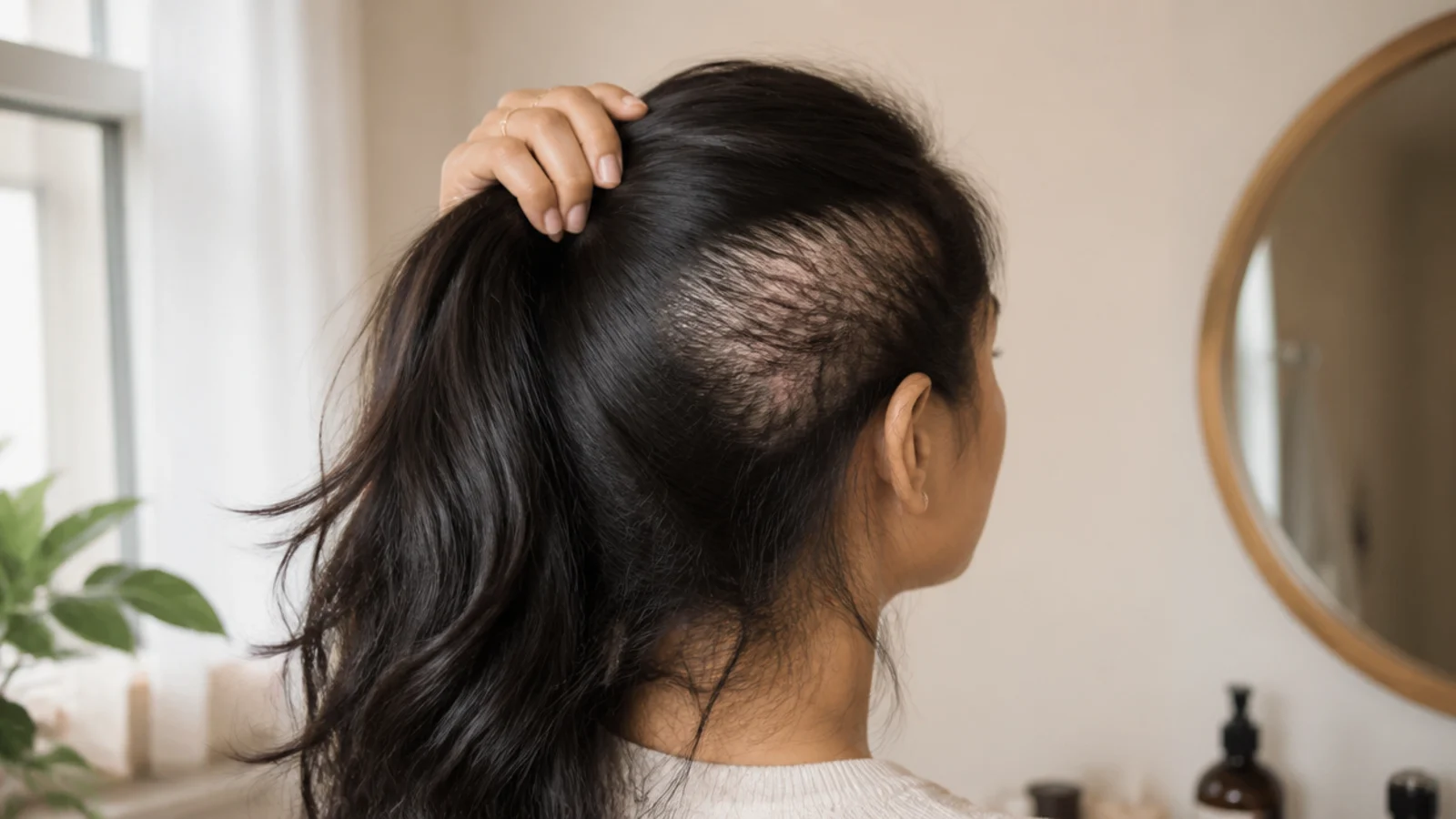
Traction at the temples has a deadline. Years of tight styles scar the follicle, and a scarred follicle does not restart. Loosen the style long before the hairline looks thin.
A widening part is density, not length. Breakage shortens the perimeter; thinning changes how much scalp shows at the parting. They need different answers.
Sudden heavy shedding is a medical question. Illness, medication changes, crash diets and thyroid disease all show up in the hair two to three months later, which is why the cause is rarely the thing you did last week.
The 15 Tips for Hair Growth
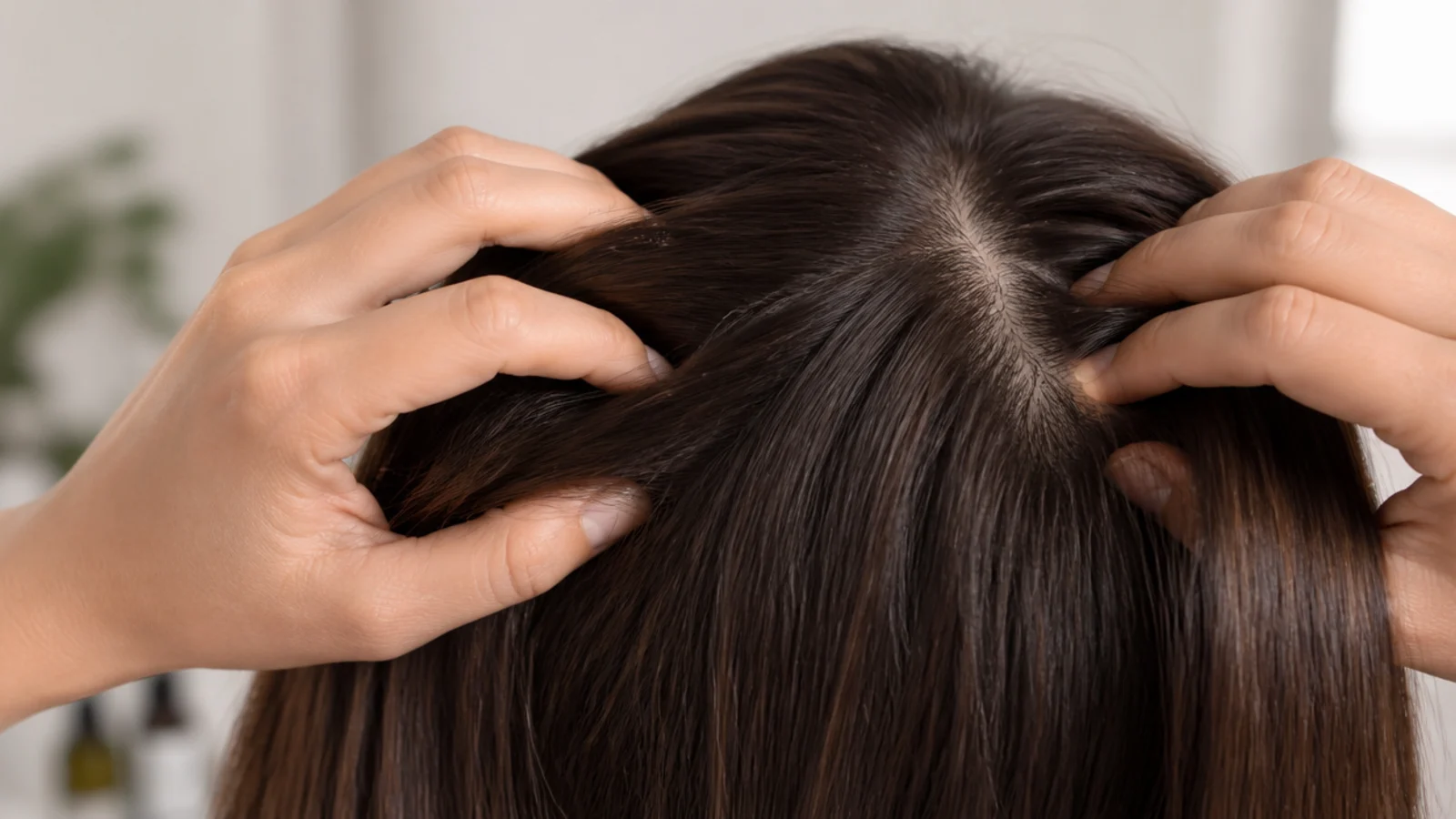
1. Scalp Massage
Four minutes a day, using the pads of the fingers to move the scalp over the skull rather than to rub the hair. The stretch on the tissue is what the follicle appears to respond to, so pressure and movement matter and speed does not. It is free, and it needs at least four months before there is anything to judge.
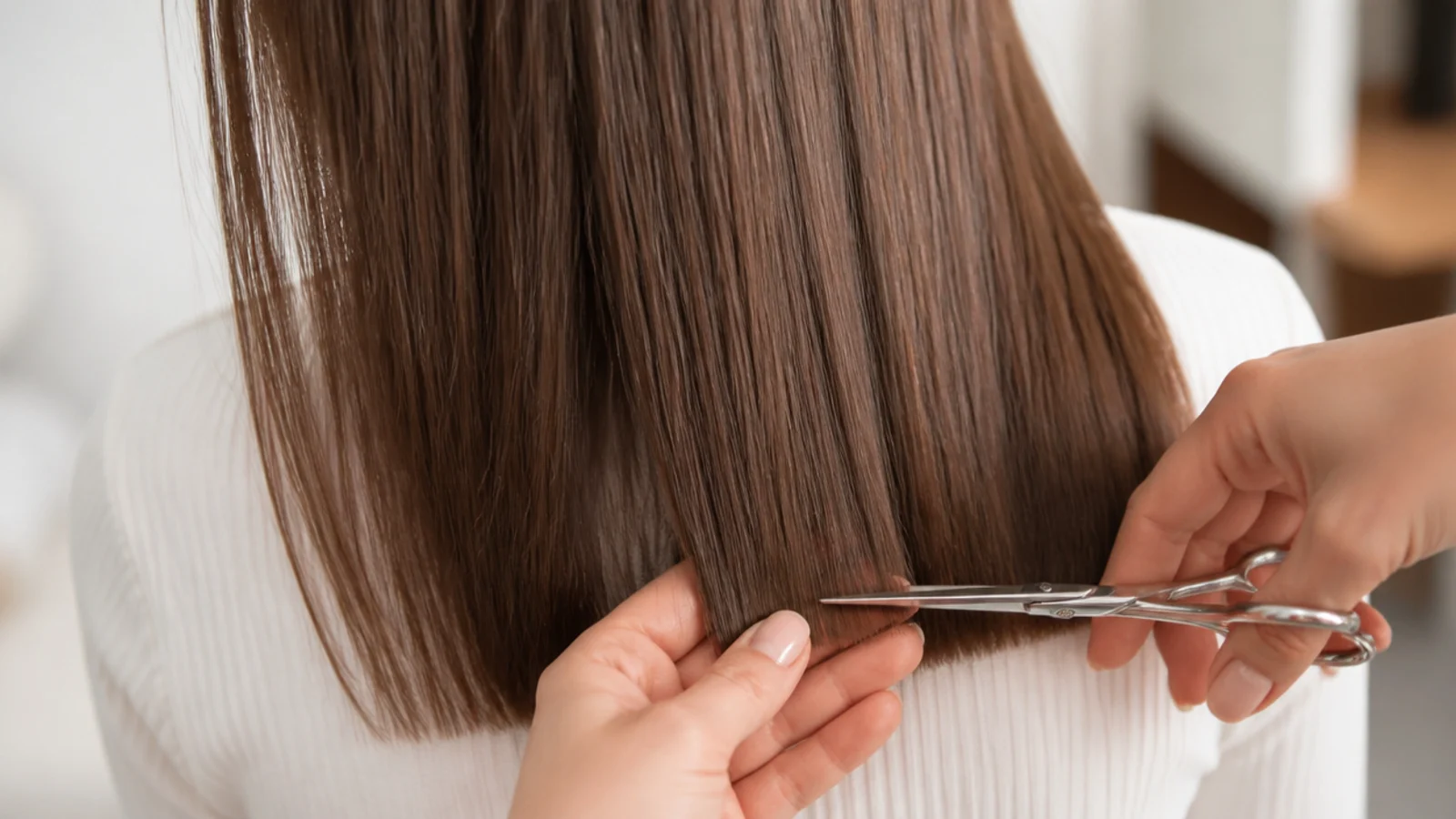
2. Quarter Inch Trim
You grow half an inch a month, so a quarter inch every eight weeks still leaves you gaining. The point is to stay ahead of the splits, because a split travels up the shaft as the two halves catch on clothes and combs, and the longer you leave it the more length you have to cut to get above it.
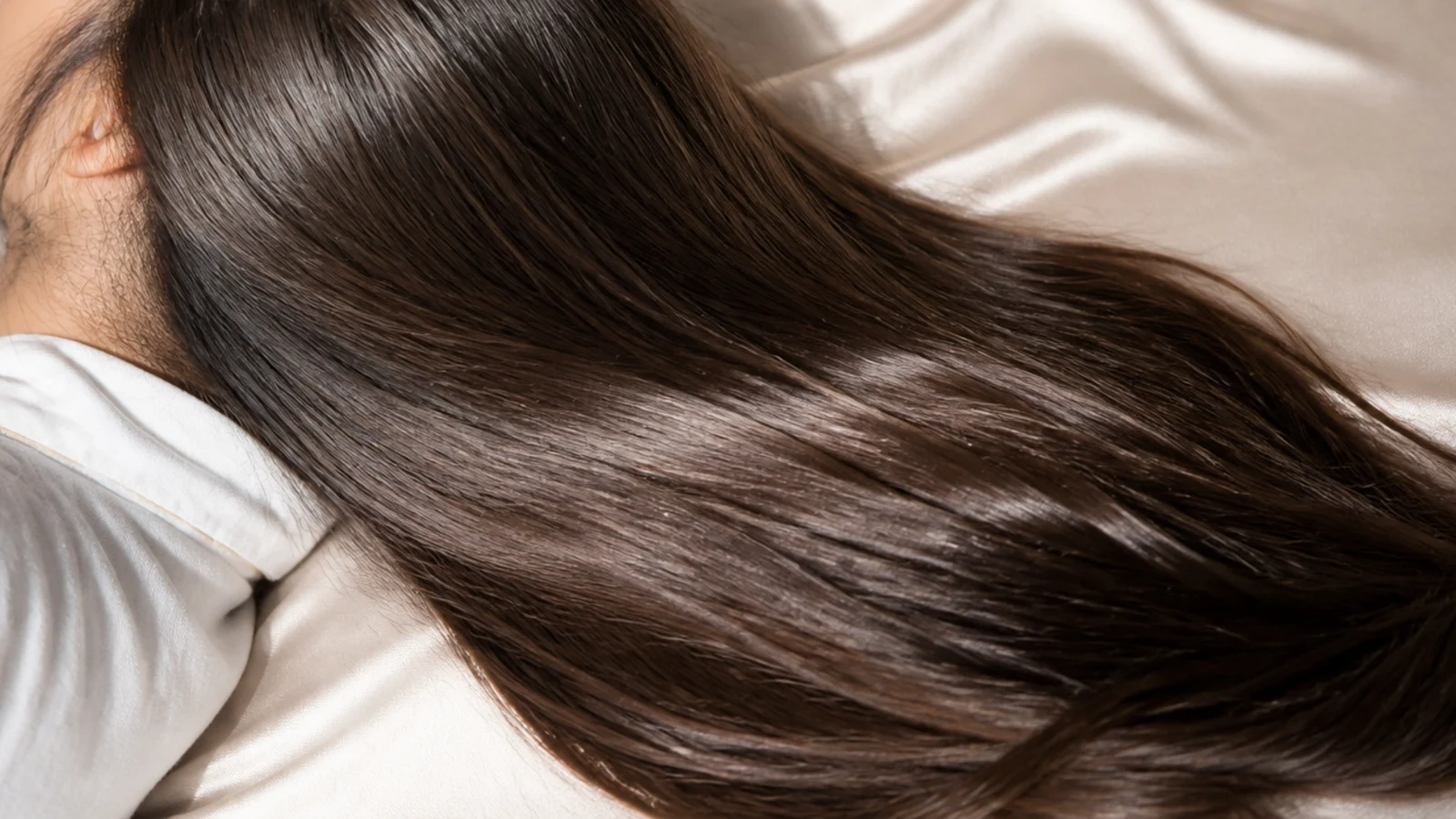
3. Satin Pillowcase
Cotton pulls moisture out of the shaft and grips the cuticle every time you turn over, and you turn over for eight hours a night, every night. Satin has a flat closed weave with nothing for a scale to catch on, so the hair slides instead of dragging. It is the single largest reduction in friction available for the least effort.
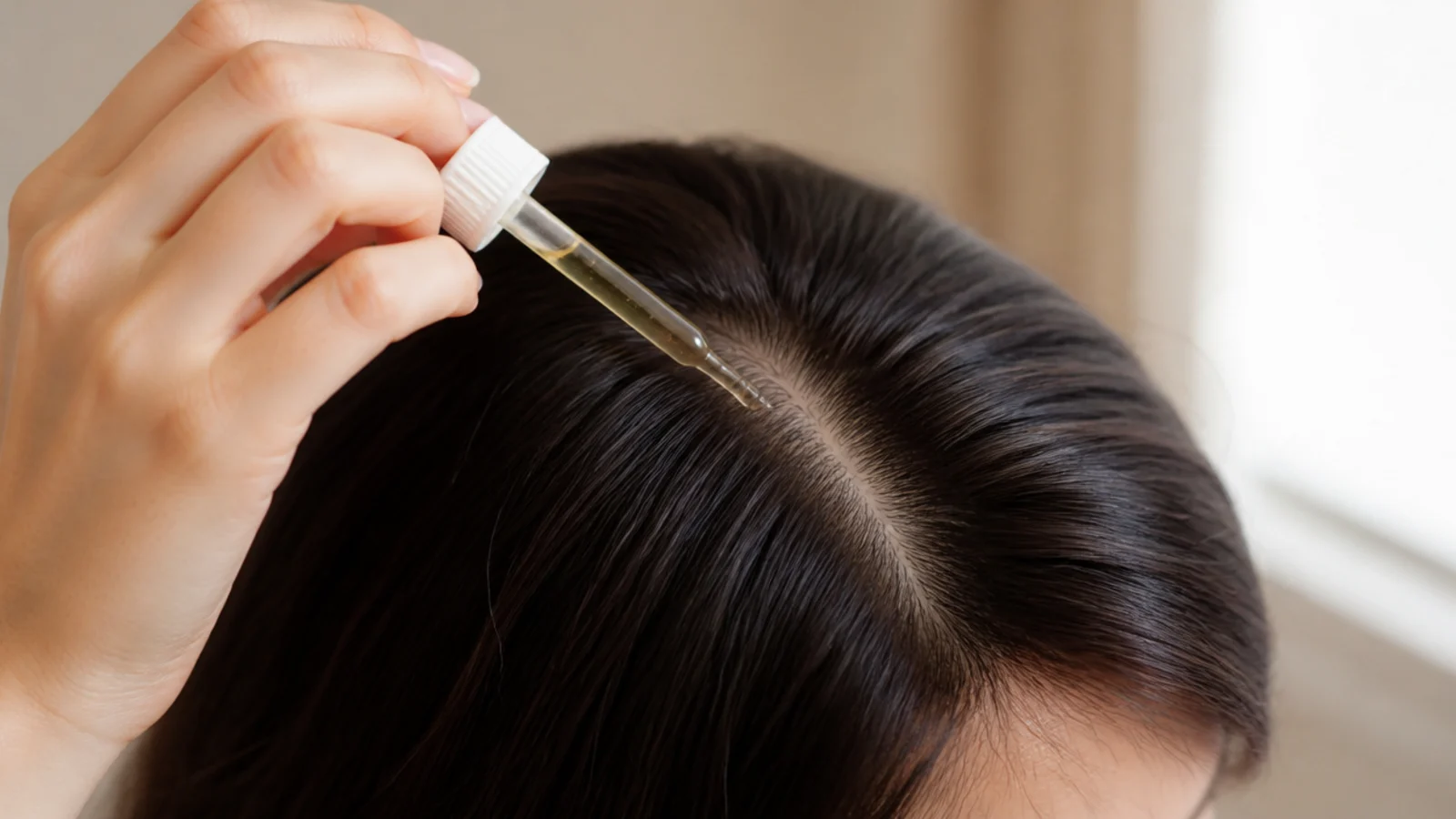
4. Rosemary Oil
Diluted into a carrier and massaged into the scalp, this is the one traditional oil with a controlled trial behind it, where it held its own against a standard topical over six months. It acts on the scalp rather than the strand, so applying it to the lengths does nothing but make them greasy.
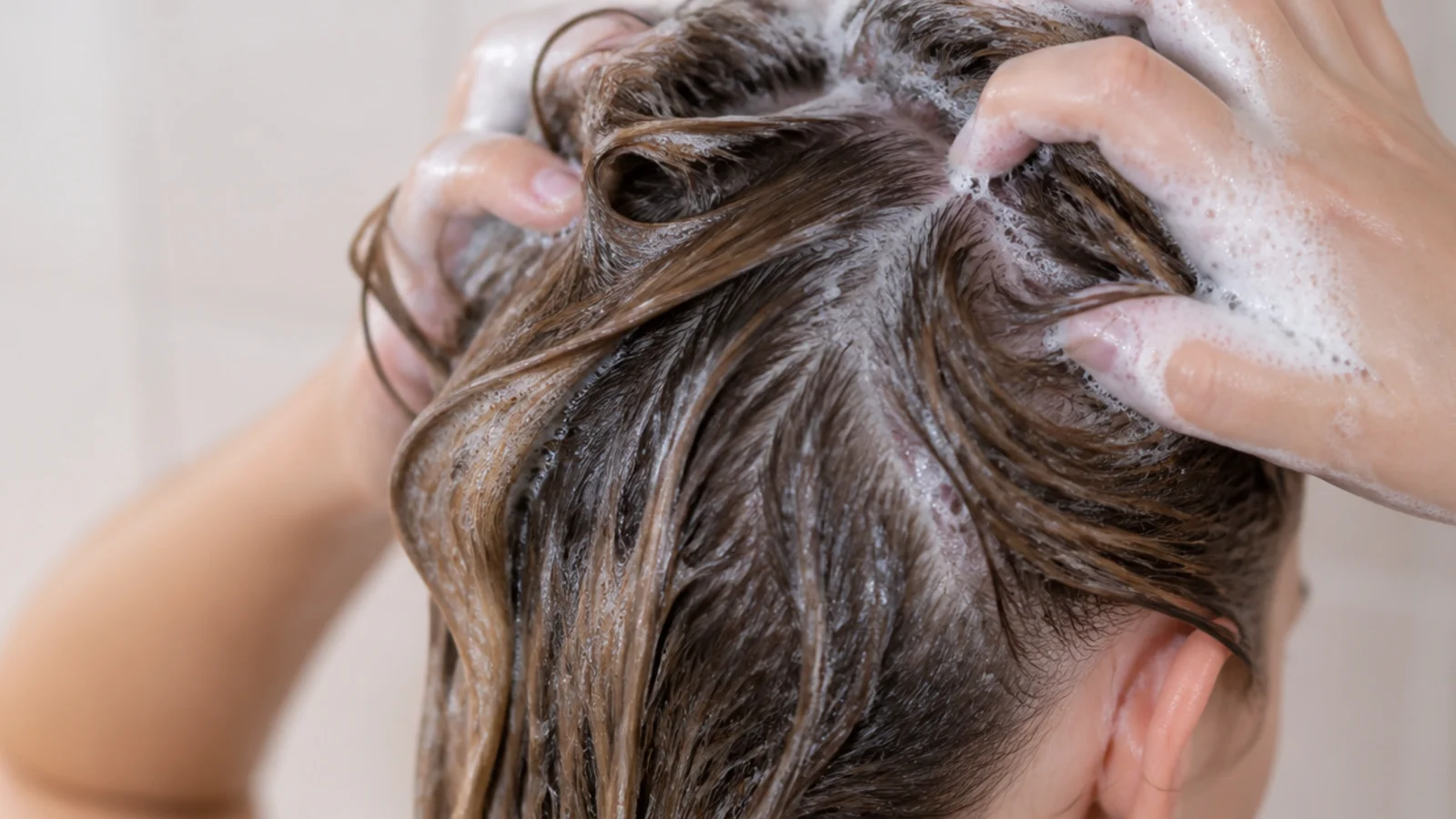
5. Wash the Scalp and Condition the Ends
Shampoo is a cleanser designed for skin and sebum, and the ends have neither. Conditioner is designed for worn cuticle, and the roots have none. Reversing the two is the most common routine error there is, and it leaves you with a congested scalp and dry ends at the same time.
6. Heat Styling Limit
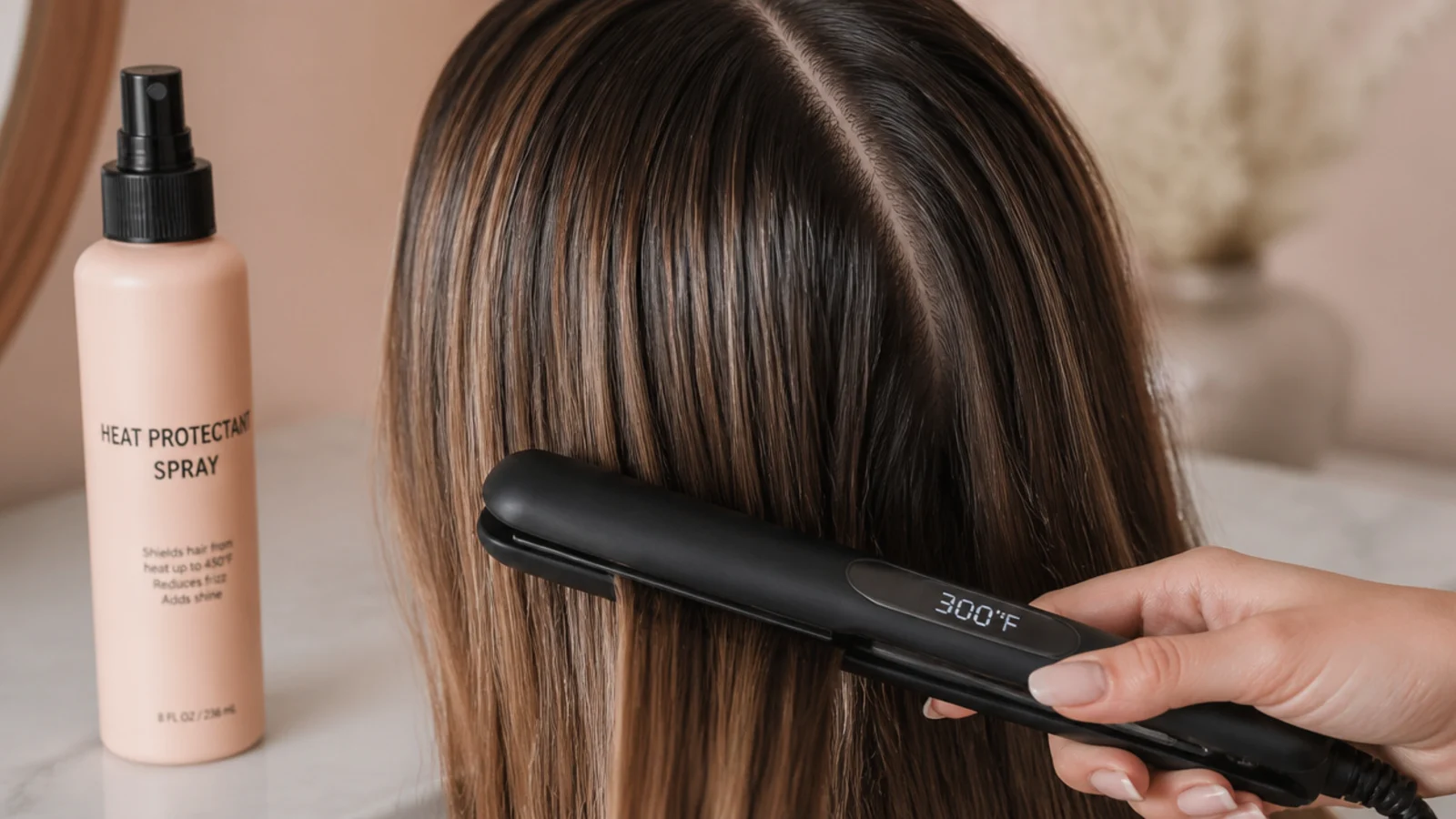
Past roughly 175 degrees Celsius the water held inside the cortex turns to steam faster than it can escape and blisters the shaft from within. Set the iron below that, and count passes as well, because three unhurried passes at a moderate setting damage less than one at maximum with the plates held still.
7. Detangle From the Ends Up
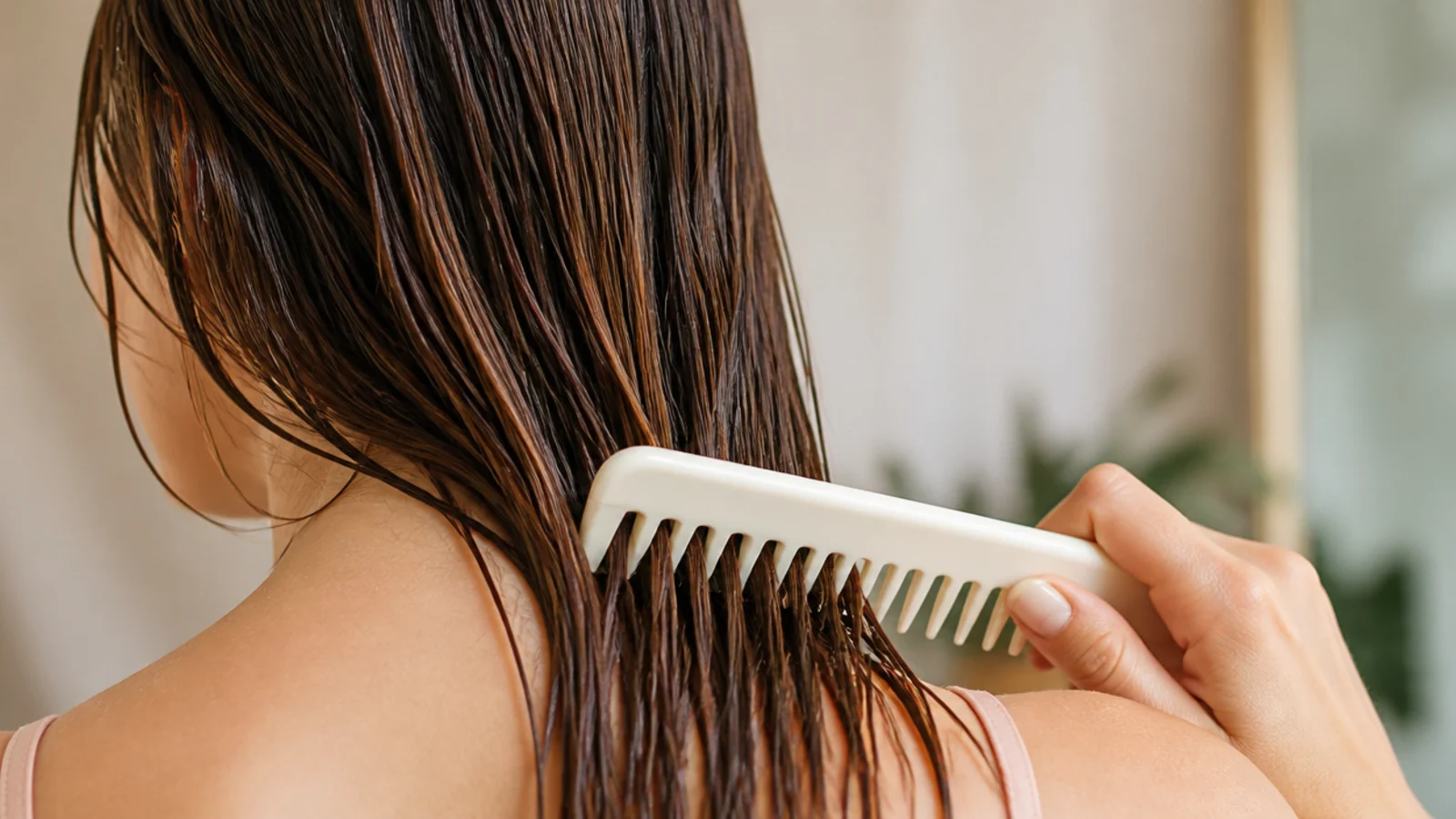
Working from the roots down pushes every tangle in front of the comb until they compound into one knot at the bottom that has to break to pass. Starting at the last inch and moving up a hand width at a time means the comb only ever meets hair that is already clear.
8. Protective Styles
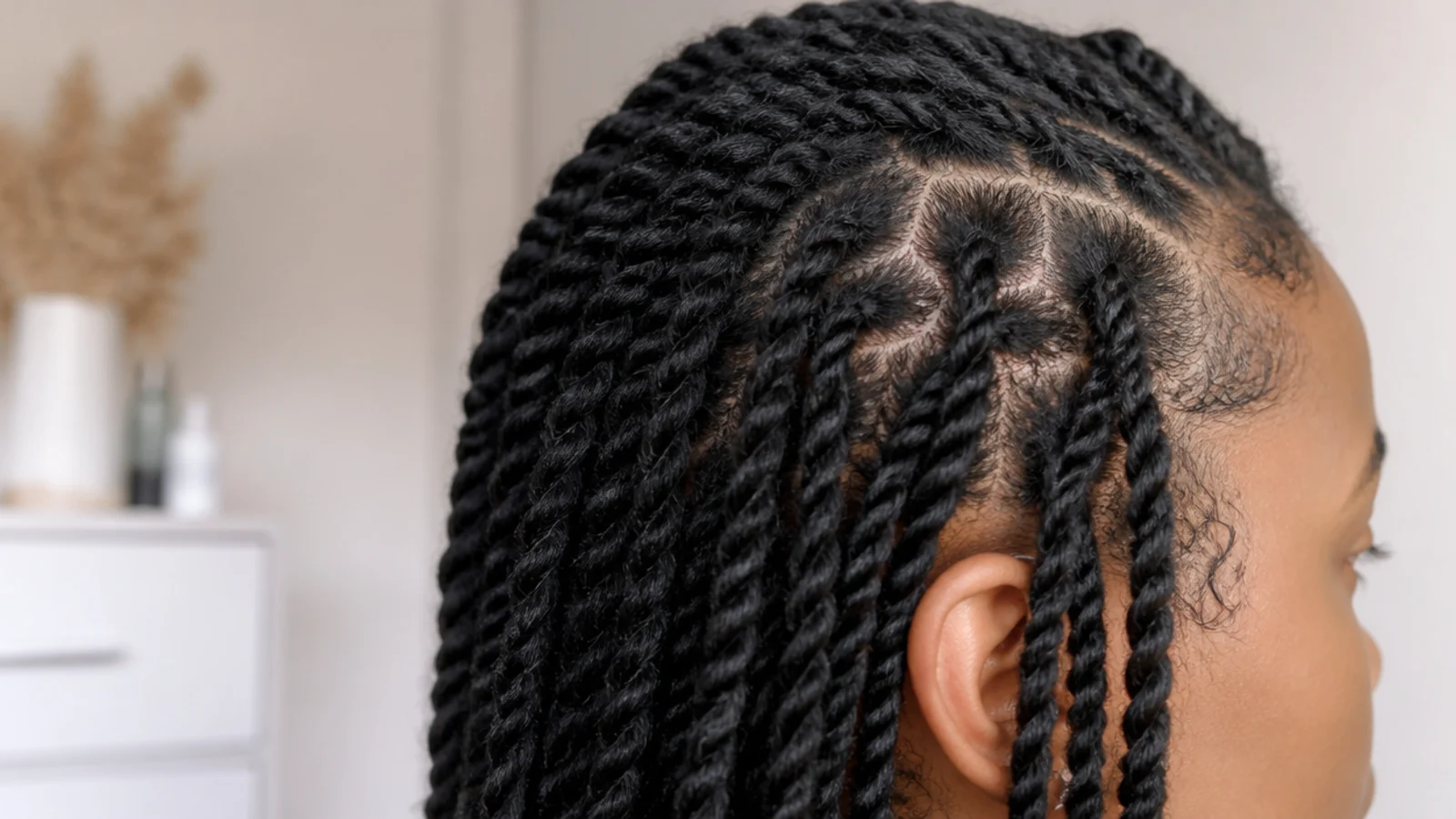
A braid or a twist stops the ends from rubbing on collars, seatbelts and bag straps all day, which is where a surprising amount of mid-length wear comes from. The protection only holds if the style is loose at the root — anything that tugs at the hairline trades end damage for follicle damage.
9. Protein Foods
Hair is close to pure keratin and keratin is built from dietary amino acids, so the follicle is competing for protein with every organ that outranks it. When intake falls the follicle loses that competition and moves into the resting phase, and the resulting shed arrives two or three months later.

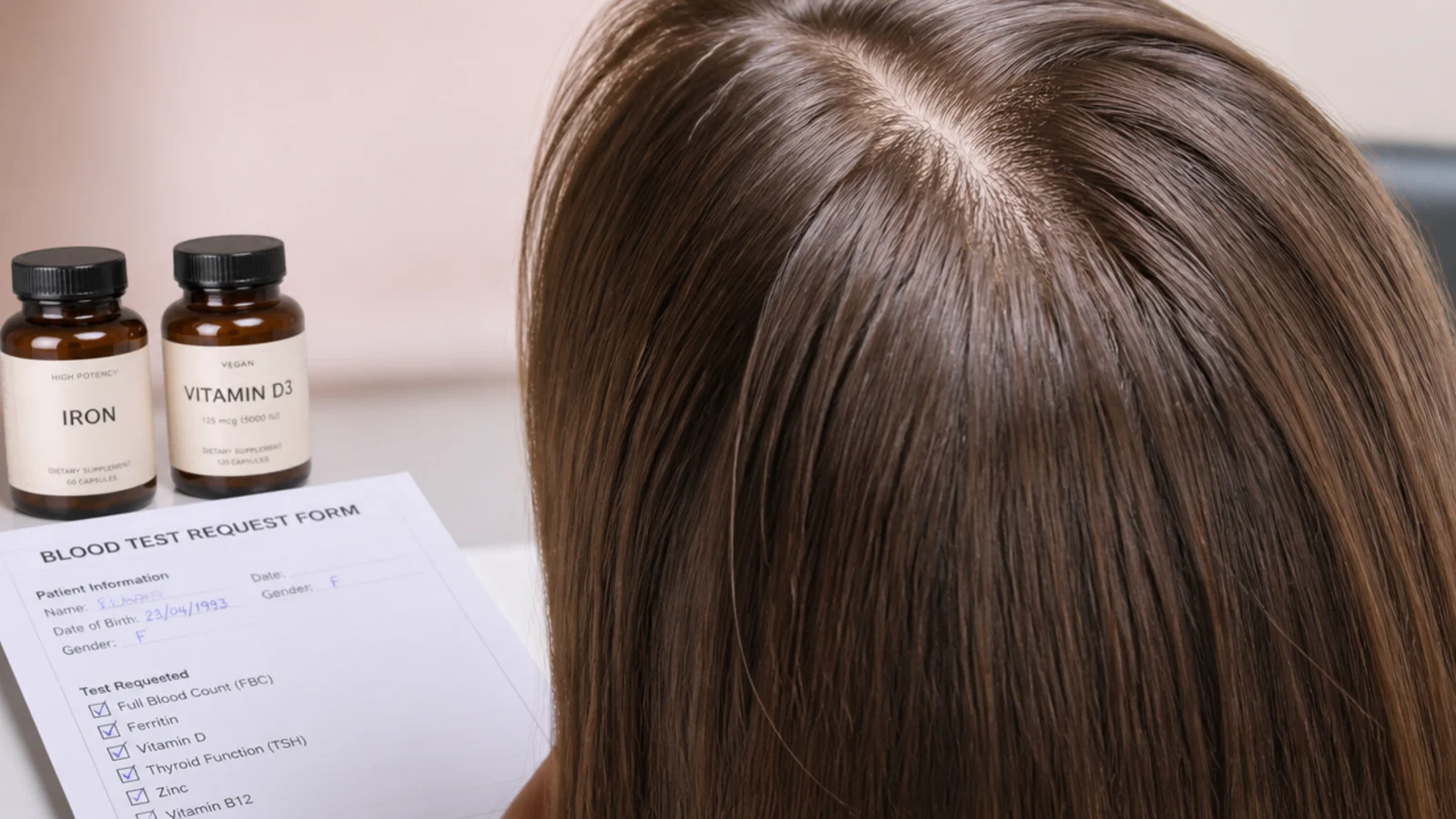
10. Blood Test Before Supplements
Ferritin, thyroid function and vitamin D account for most unexplained diffuse shedding, and each has a specific correction that a general supplement will not deliver. Testing first also stops you taking things you do not need, which matters because vitamin A and selenium cause shedding in excess.
11. Clarifying Shampoo
Silicones, oils and dry shampoo build into a film that normal washing leaves behind, and once it sits over the follicle openings the scalp itches and you scratch. A clarifying wash every few weeks strips that film, which is why conditioner suddenly seems to work again the following wash day.
12. Microfiber Towel
Water breaks the weak bonds that hold keratin in shape, so wet hair stretches much further before it gives way and is at its most vulnerable in the towel. Terry loops catch the cuticle as you rub, while microfiber lifts water by capillary action, so blotting and squeezing replaces rubbing entirely.

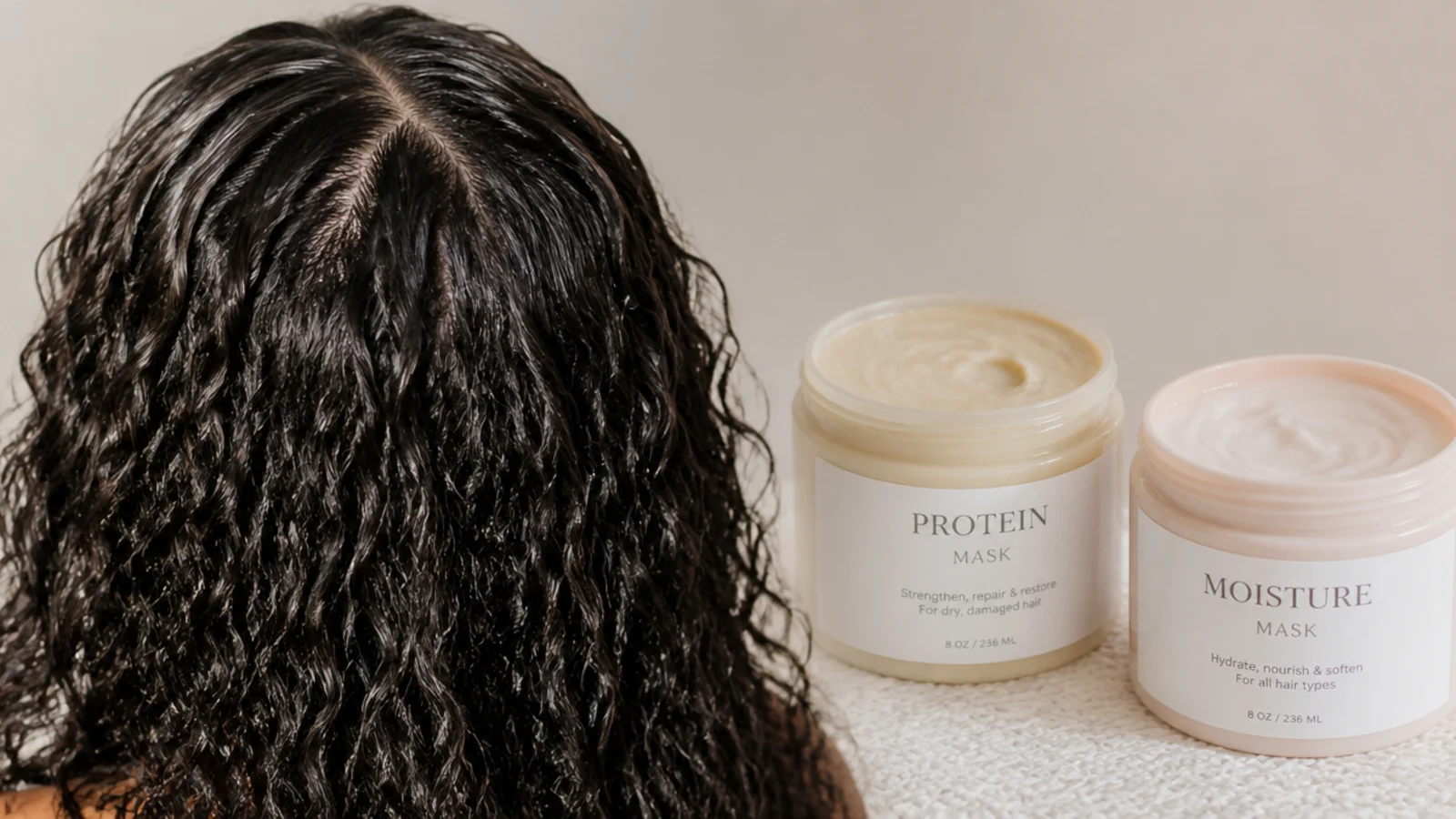
13. Deep Conditioner
Worn hair carries a negative surface charge, and conditioning agents are built positively charged so they bind to the damaged patches specifically. That coating lowers the force needed to drag a comb through, which is exactly where breakage happens, so the benefit is mechanical rather than restorative.
14. Silk Scrunchie
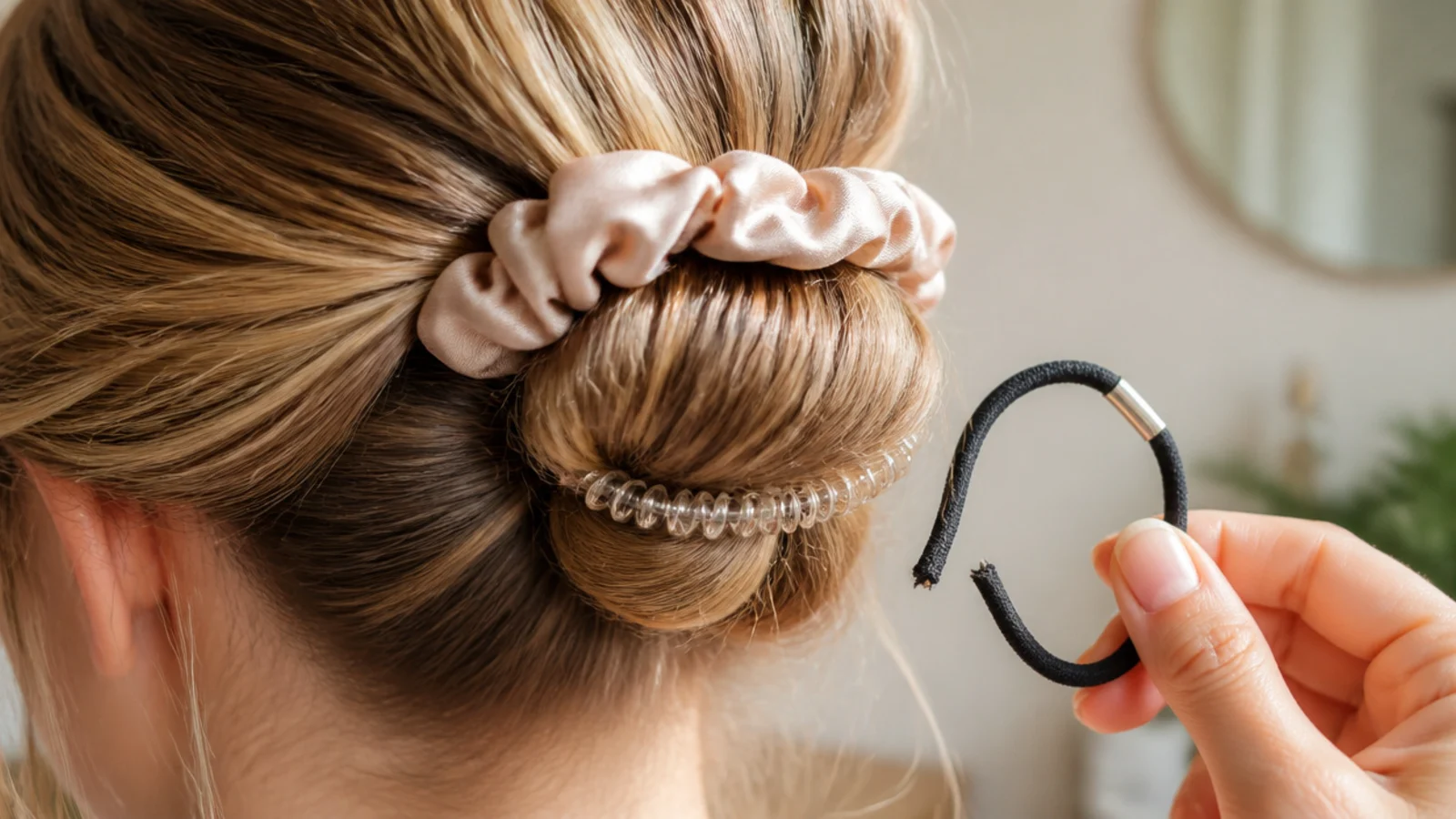
A thin elastic puts the whole clamping force on one narrow band of hair, which is why the dent appears in the same place and the strands snap there. A wide silk scrunchie spreads that force across a much larger area and has no metal crimp to catch when you pull it out.
15. Monthly Progress Photo
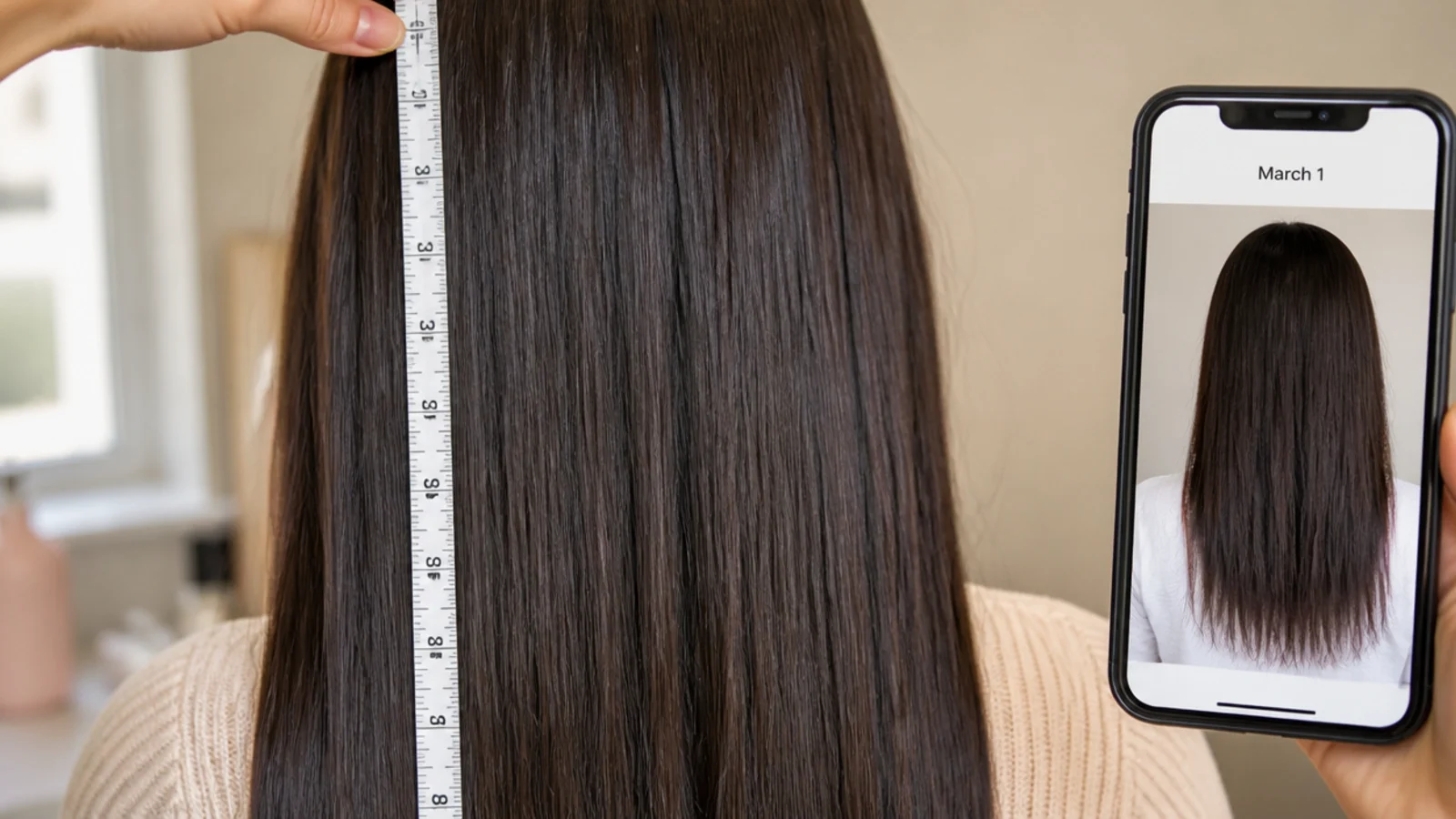
Half an inch a month is invisible day to day, so memory is a useless instrument here and most routines get abandoned before they could have shown anything. Same shirt, same mirror, same day of the month, hair dry and pulled flat — six of those photographs settle the question that six months of guessing cannot.
Final Thoughts
Nearly everything on this list works by subtraction. Satin, wider teeth, cooler water, ends-up detangling and a real conditioner all remove a source of friction, and the trim removes a fault before it climbs. Only the food, the blood test and the daily massage act on the follicle at all, and those three are the slowest to show. That order is worth remembering when a product promises the opposite.
Pick four habits, keep them for six months and photograph the result on the same day each month. Four consistent changes beat twelve enthusiastic ones abandoned in March, and at half an inch a month there is no version of this where you find out sooner. More in Hair Care. See also the 4c version and the curly version.