15 Routine Ideas for Slightly Wavy Hair
Fifteen ideas for hair you are not sure about, and the test that settles it — not what your hair looks like dry, but what it does when it dries untouched. Most people have never actually seen that.
In this article · 22
- Why the Answer Is Usually Hidden
- How to Run the Test
- The 15 Ideas
- 1. The No-Product Air-Dry Test
- 2. Detangle in Conditioner, Never After
- 3. Squeeze With a T-Shirt
- 4. Scrunch Once While Wet
- 5. Air-Dry Without Touching
- 6. Photograph the Result
- 7. Repeat Three Times
- 8. Try Conditioner Left In Lightly
- 9. Try a Pea of Mousse
- 10. Try an Overnight Plait
- 11. Wash Less Often
- 12. Check the Underneath Layer
- 13. Check the Nape
- 14. The Same Hair Blow-Dried
- 15. The Same Hair Brushed Dry
- Styling and Upkeep
- Mistakes to Avoid
- FAQ
- Final Thoughts
If you are not sure whether your hair is straight or slightly wavy, the question is easier to answer than it looks — and almost nobody has run the test.
It is not what your hair looks like dry. It is what it does when it dries untouched. Wash it, apply nothing, and let it air-dry without brushing or touching it once.
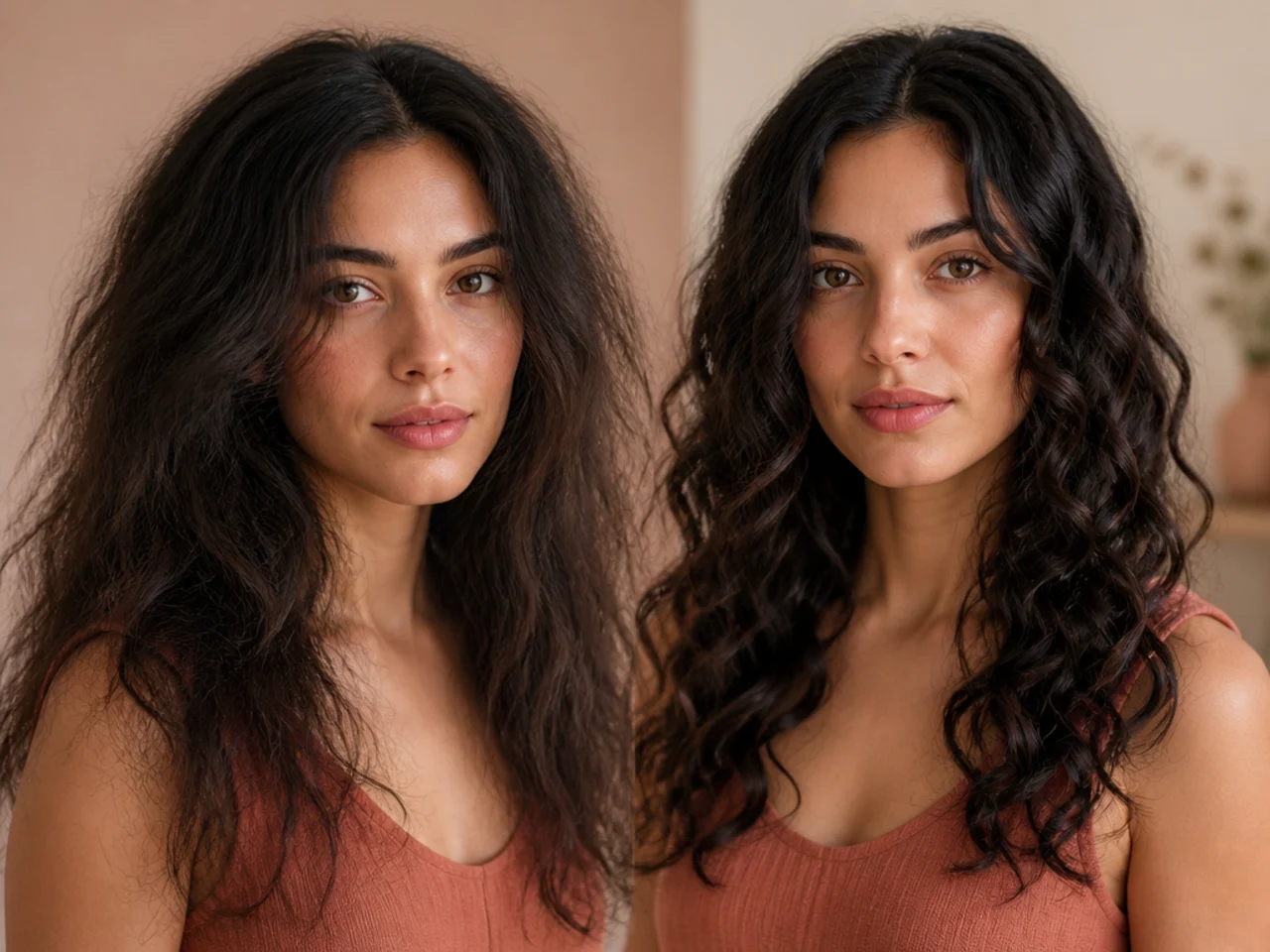
Most people have never seen that. Brushing while wet separates the clumps that make a wave visible, and blow-drying removes the pattern before it can form.
Why the Answer Is Usually Hidden
Brushing removes clumps. A wave is strands grouping together as they dry. A brush undoes the grouping. One pass is enough.
Blow-drying removes the pattern. Airflow and tension both straighten as it dries. Either alone would do it; together they are decisive.
Product weight removes it too. At this pattern strength, very little is needed to flatten it. A few drops of oil can be enough.
So the routine has usually been hiding the answer. Not the hair. Which is why the test has to remove the routine, not add to it.
How to Run the Test
Wash normally, condition the ends. Nothing unusual. Do not change your shampoo for this — one variable at a time.
Apply no styling product at all. Not even a leave-in. The point is to see the hair unassisted, and a leave-in is assistance.
Do not brush after rinsing. Detangle in the conditioner and stop there. This is the step people skip without realising it is a step.
Squeeze with a t-shirt, then leave it completely alone. Until it is fully dry. Bone dry, not nearly dry — the last stretch is where the pattern sets.
The 15 Ideas
1. The No-Product Air-Dry Test
The one that answers the question. Run it first. Wash, apply nothing at all, and do not touch it again until it is bone dry — that is the whole protocol.
2. Detangle in Conditioner, Never After
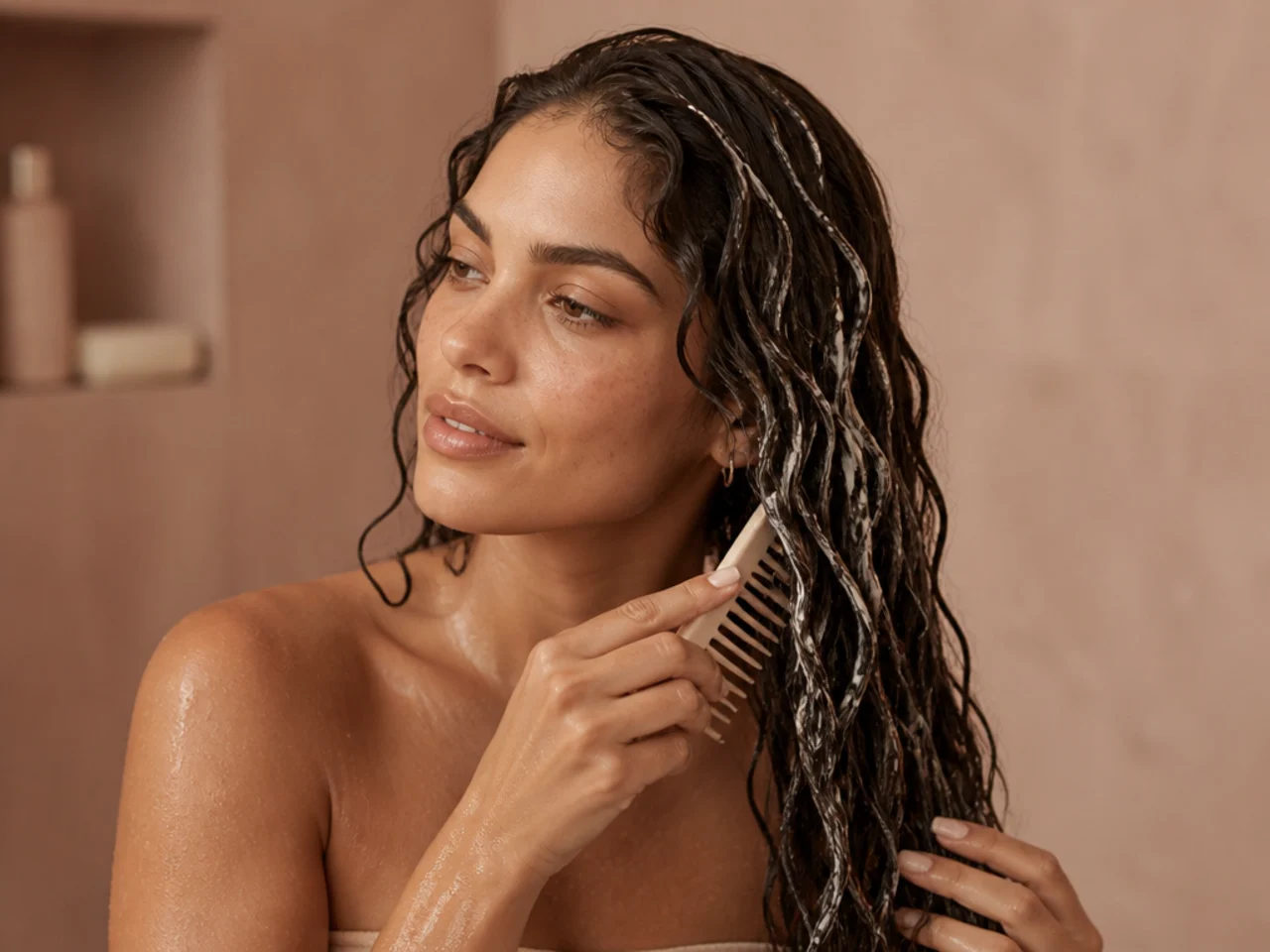
Brushing after the rinse is what hides the pattern. A wide-tooth comb through conditioner separates tangles without separating the clumps, which a brush on rinsed hair does not.
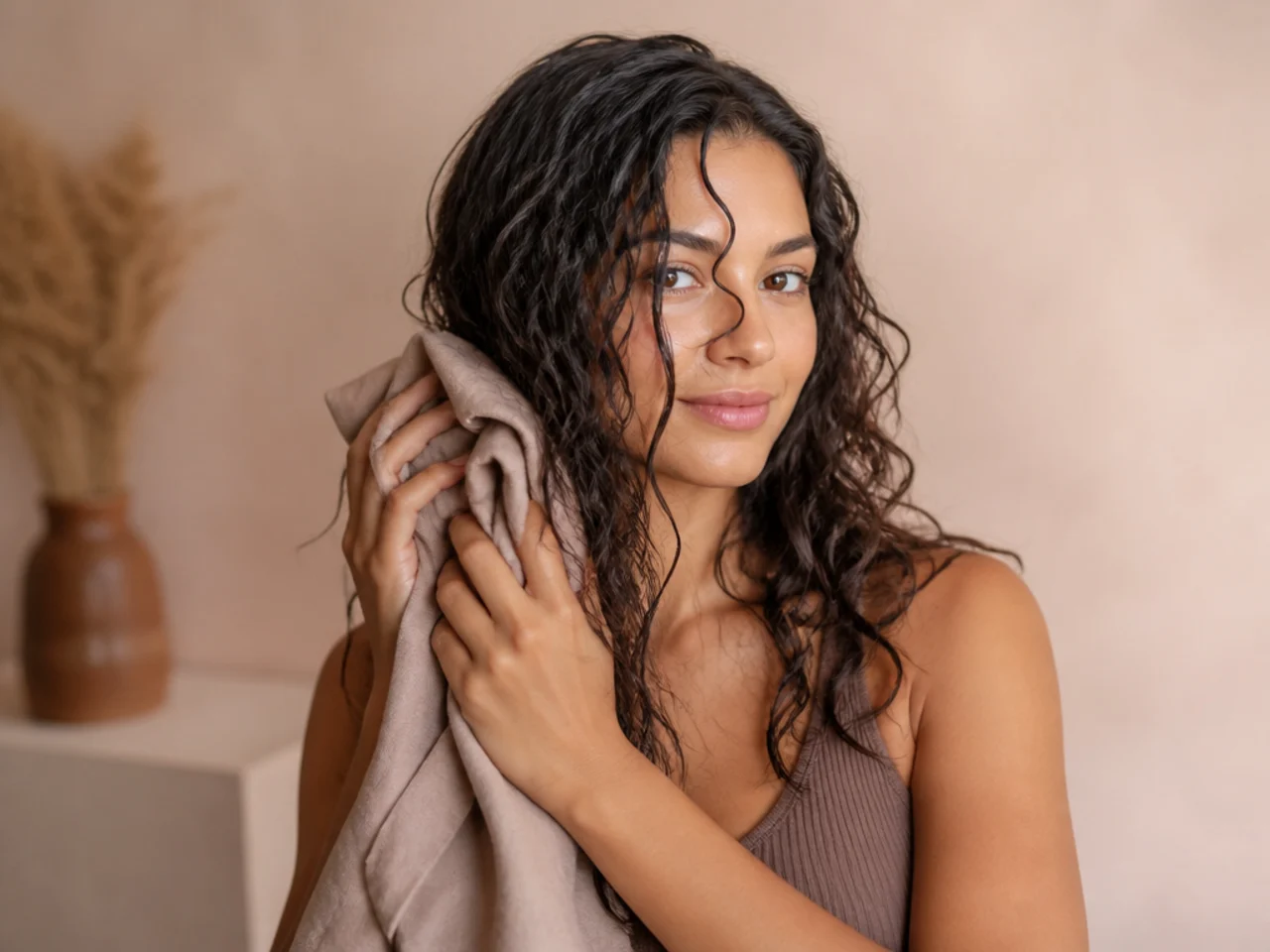
3. Squeeze With a T-Shirt
A terry towel separates every clump. The raised loops catch individual strands and lift them out of their groups, which is why hair looks frizzier after towelling than before.

4. Scrunch Once While Wet
Encourages whatever pattern exists to show itself. One upward press per section is enough — repeated scrunching on a loose pattern compresses it into something it cannot hold.
5. Air-Dry Without Touching
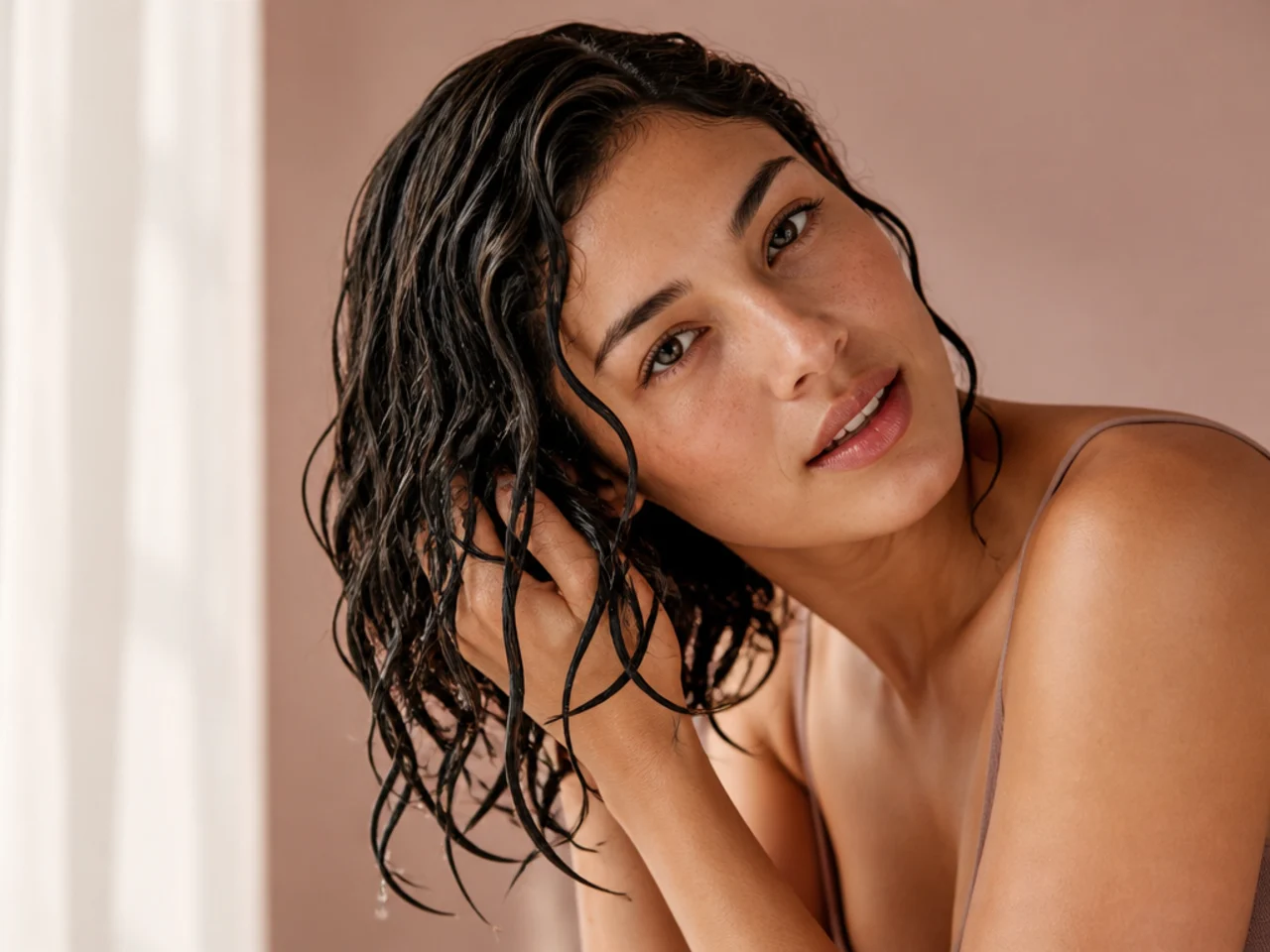
Including not checking. That counts as touching. Waves set as the water leaves them, so a hand through it at the halfway point undoes everything decided so far.

6. Photograph the Result
You will want the comparison later. Same light, same angles, and take it dry — a photograph settles arguments with yourself that a mirror does not.
7. Repeat Three Times
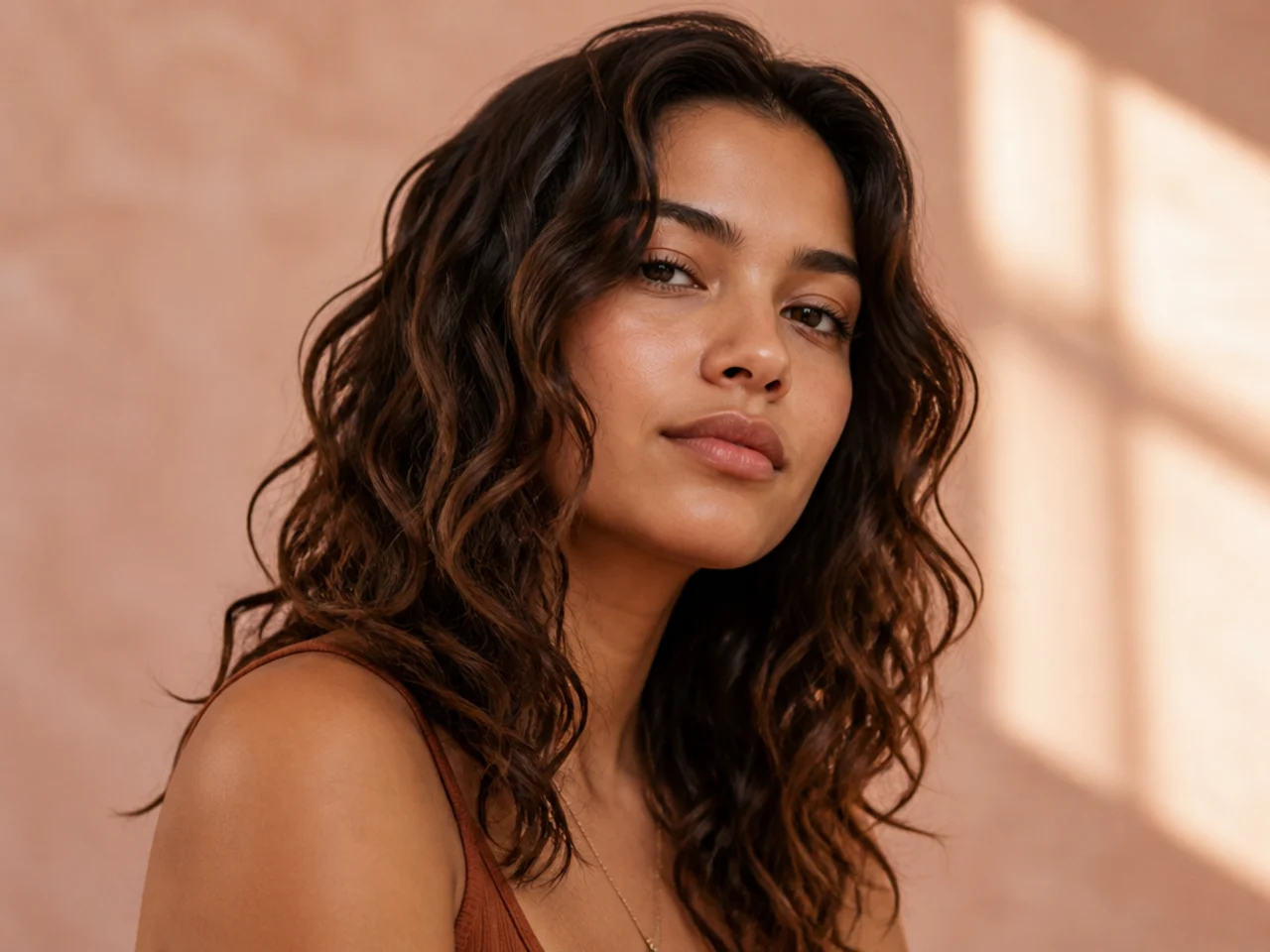
One wash is not a result at any pattern strength. Humidity and how long since your last wash both move the result more than most single changes do.

8. Try Conditioner Left In Lightly
The smallest possible addition, if the test showed a wave. Rinse until it still feels faintly slippery rather than squeaky, and change nothing else that week.
9. Try a Pea of Mousse
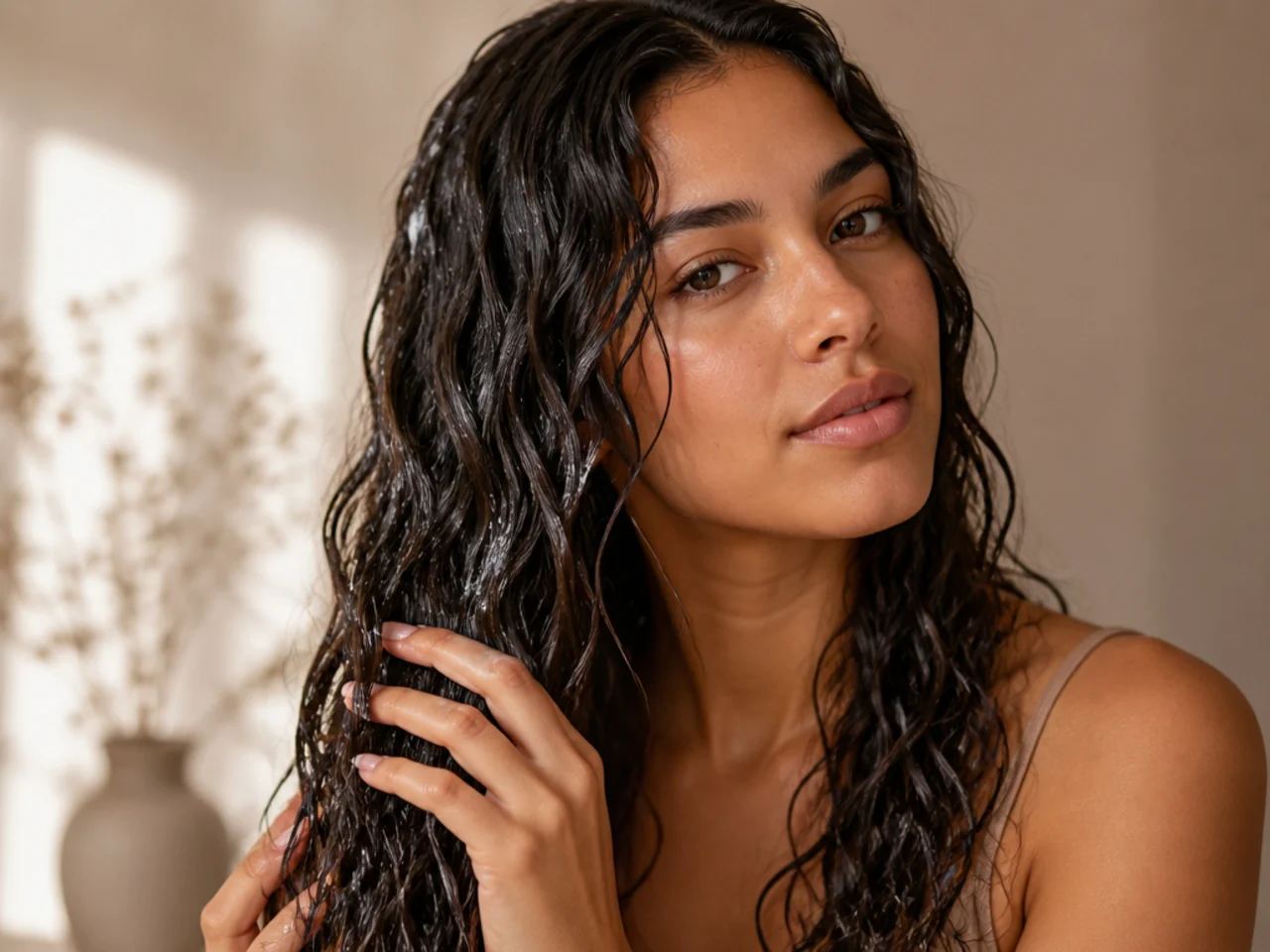
Air rather than weight, which suits borderline patterns. Mousse holds without the density of a cream, which is exactly the trade a barely-there wave needs.
10. Try an Overnight Plait
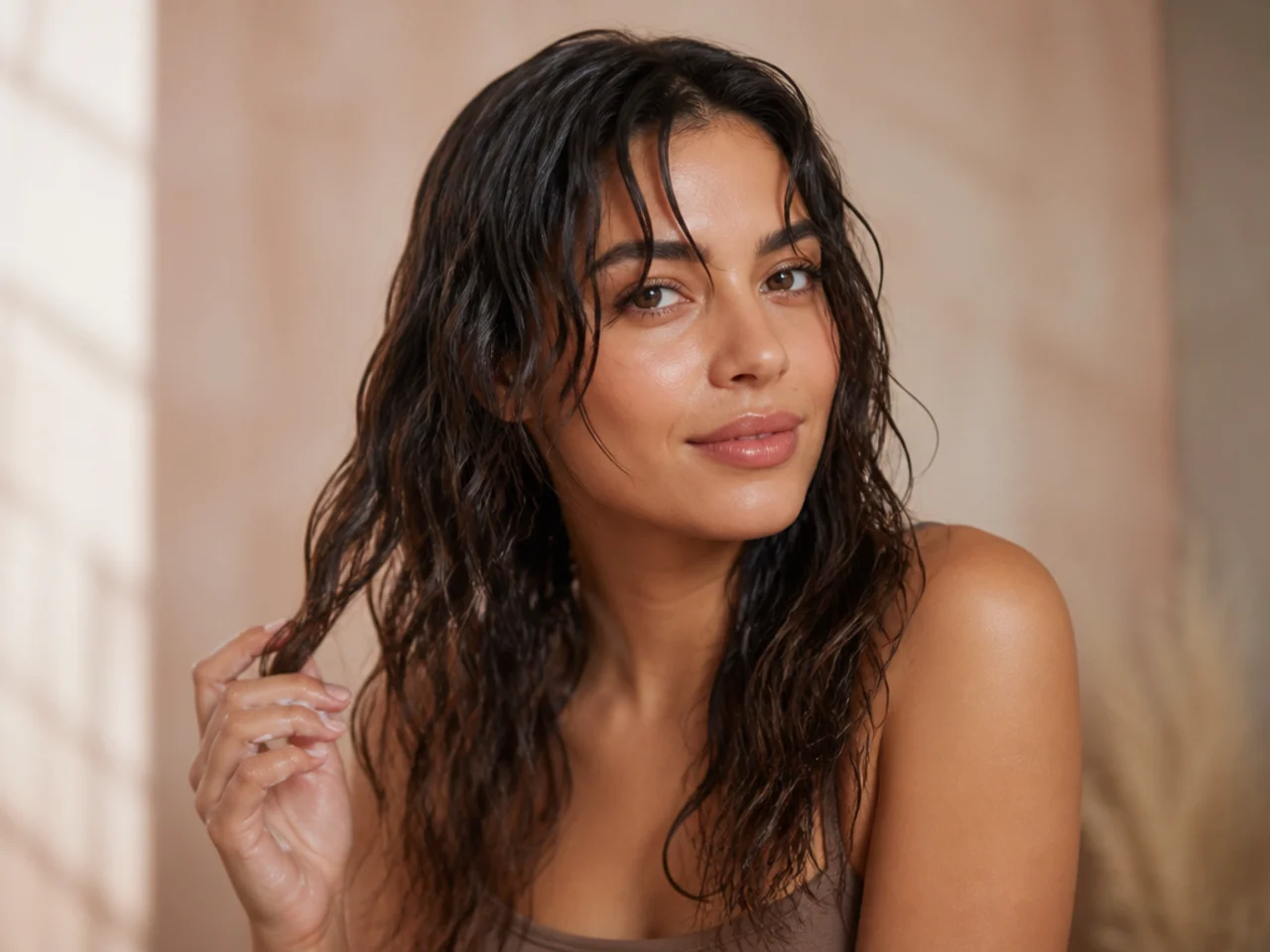
Structure adding pattern without adding product. A loose plait in damp hair sets a bend overnight that no amount of styling cream would produce on this pattern.

11. Wash Less Often
Borderline patterns show more clearly on day two. A day of natural oil gives the strands enough grip to clump, which is often the whole difference.

12. Check the Underneath Layer
Wave often shows there first, before the top layer. The under layer is handled least and weighed down least, so it is the honest sample.
13. Check the Nape
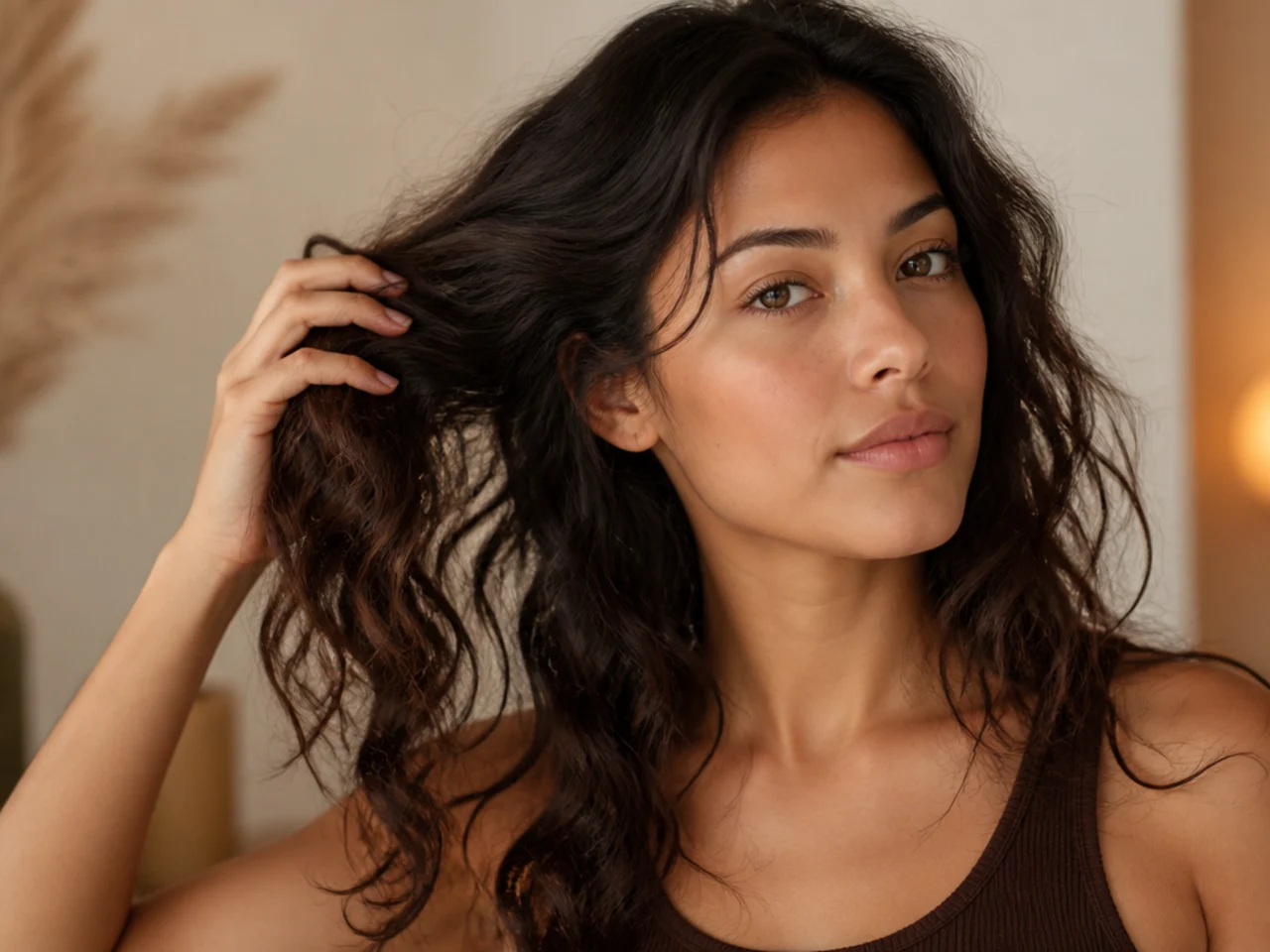
The most common place for a hidden pattern. Nape hair is shorter, newer and carries the least product, which is why it waves when nothing else does.

14. The Same Hair Blow-Dried
Straight. Which is what most people have always seen. Airflow and tension together will straighten almost any loose pattern, so a lifetime of blow-drying answers nothing.

15. The Same Hair Brushed Dry
Also straight. The pattern is removable, not absent. This is the distinction that matters — a brush does not tell you what your hair is, only what it does after brushing.

Styling and Upkeep
Stop brushing after the shower. The single change that reveals most hidden patterns. It costs nothing and takes one wash to test.
Keep a t-shirt by the shower. It replaces the towel entirely. An old one works as well as anything sold for the purpose.
Do the test three times before concluding. Once is not enough. Humidity alone can account for the difference between two washes.
Photograph each attempt. The difference is often clearer in a photograph than in a mirror. Same light, same angle, always dry.
If a wave appears, start at the 2A routine. Less product than you would expect. Half of what any bottle recommends is a sensible opening bid.

Mistakes to Avoid
Brushing after the rinse. It removes the answer. And it feels like tidying rather than like a decision.
Blow-drying during the test. Same problem, faster. Airflow straightens a loose pattern before it can set.
Adding product to "help" the test. The point is to see the hair unassisted. Help it next week, once you know what you have.
Checking it half-dry. It always looks undefined then. Wet and half-dry both mislead in opposite directions.
Concluding from one wash. Three, minimum. One wash is noise on a pattern this light.
FAQ
How do you know? Air-dry with no product and without touching it once.
Why does it look straight brushed? Brushing separates the clumps that make a wave visible.
Can hair become wavy later? Sometimes — but more often it was there and being removed.

Final Thoughts
Run the test once before deciding what hair type you have. It costs one wash and no products, and a surprising number of people discover a wave they have spent years brushing out without ever knowing it was there.
For the loosest confirmed pattern see 15 simple 2A wavy hair routine ideas, and for hair that is wavy in places and curly in others see 15 wavy curly hair routine ideas. More in Hair Care.