
15 Wavy Hair Wash Routine Tips That Help
Fifteen tips for the wash itself, and the moment that decides your wave pattern — scrunching under running water as the conditioner rinses. Clumps form there, before any styling product is involved.
In this article · 22
- What Happens in the Shower
- How to Choose Yours
- The 15 Wash Tips
- 1. Scrunch Upward During the Final Rinse
- 2. Detangle in the Conditioner
- 3. Never Detangle After Rinsing
- 4. Shampoo the Scalp Only
- 5. Condition Below the Ears
- 6. Leave a Little Conditioner In
- 7. Rinse With Cool Water
- 8. Use a Gentle Shampoo
- 9. Wash Two or Three Times a Week
- 10. Clarify Monthly if You Use Products
- 11. Do Not Pile It on Top of Your Head
- 12. Leave the Shower With Hair Soaking
- 13. Squeeze, Never Rub
- 14. Deep Condition Before, Not After
- 15. A Passive Rinse for Comparison
- Styling and Upkeep
- Mistakes to Avoid
- FAQ
- Final Thoughts
Most wavy hair advice starts after the shower. The pattern has already been decided by then.
Clumps form during the rinse. Scrunching upward under running water as the conditioner washes out is what groups the strands together — and everything you apply afterwards is holding a clump pattern that was set in the shower.
Rinse passively and there are no clumps to hold. No amount of product applied later creates them.
What Happens in the Shower
Clumping is a rinse-stage event. Not a styling one.
Scrunching under water forms the groups. Upward, while the conditioner is washing out.
Detangling after that undoes it. Which is why detangling belongs earlier, in the conditioner.
A little conditioner left in helps most patterns. Though not the loosest ones.

How to Choose Yours
Scrunch upward during the final rinse. The single most useful wash change.
Detangle in the conditioner, before that. Never after.
Test leaving a little conditioner in. Helpful at 2B and above, often too much at 2A.
Wash less often. Two or three times a week suits most wavy hair.
The 15 Wash Tips
1. Scrunch Upward During the Final Rinse
Where clumps are formed. The core technique. Cup a section in your palm and press it up toward your scalp while the water runs over it — you are not squeezing water out, you are pushing strands together so they dry as a group.
2. Detangle in the Conditioner
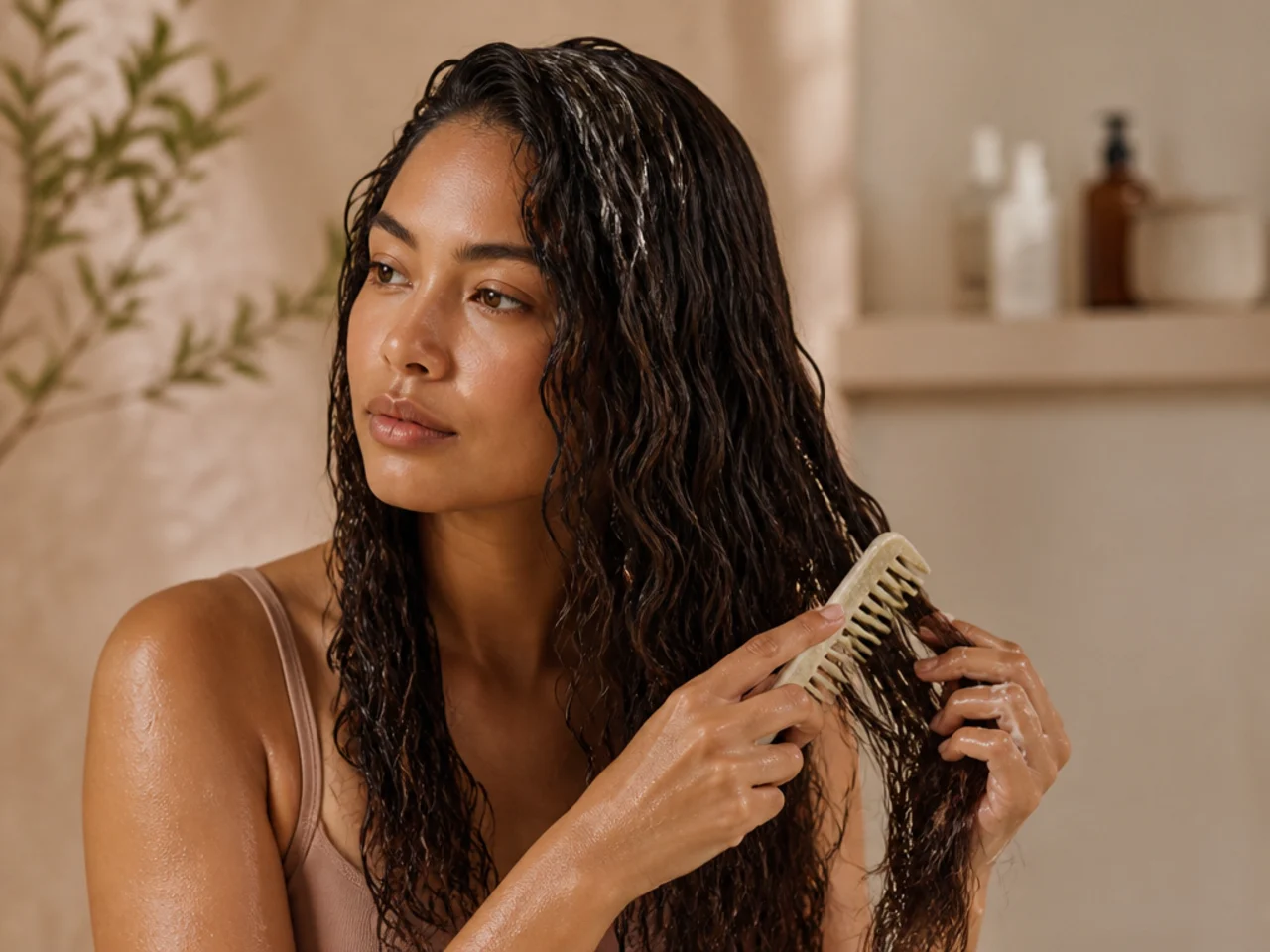
While it is slippery, and only then. Conditioner reduces the friction between strands enough that a comb slides through without snapping anything, which is the one window in the whole wash where detangling costs you nothing.

3. Never Detangle After Rinsing
It undoes every clump you just formed. This includes a quick finger-comb on the way out of the shower, which feels like tidying and is the commonest way people destroy a wave pattern without noticing they have done it.

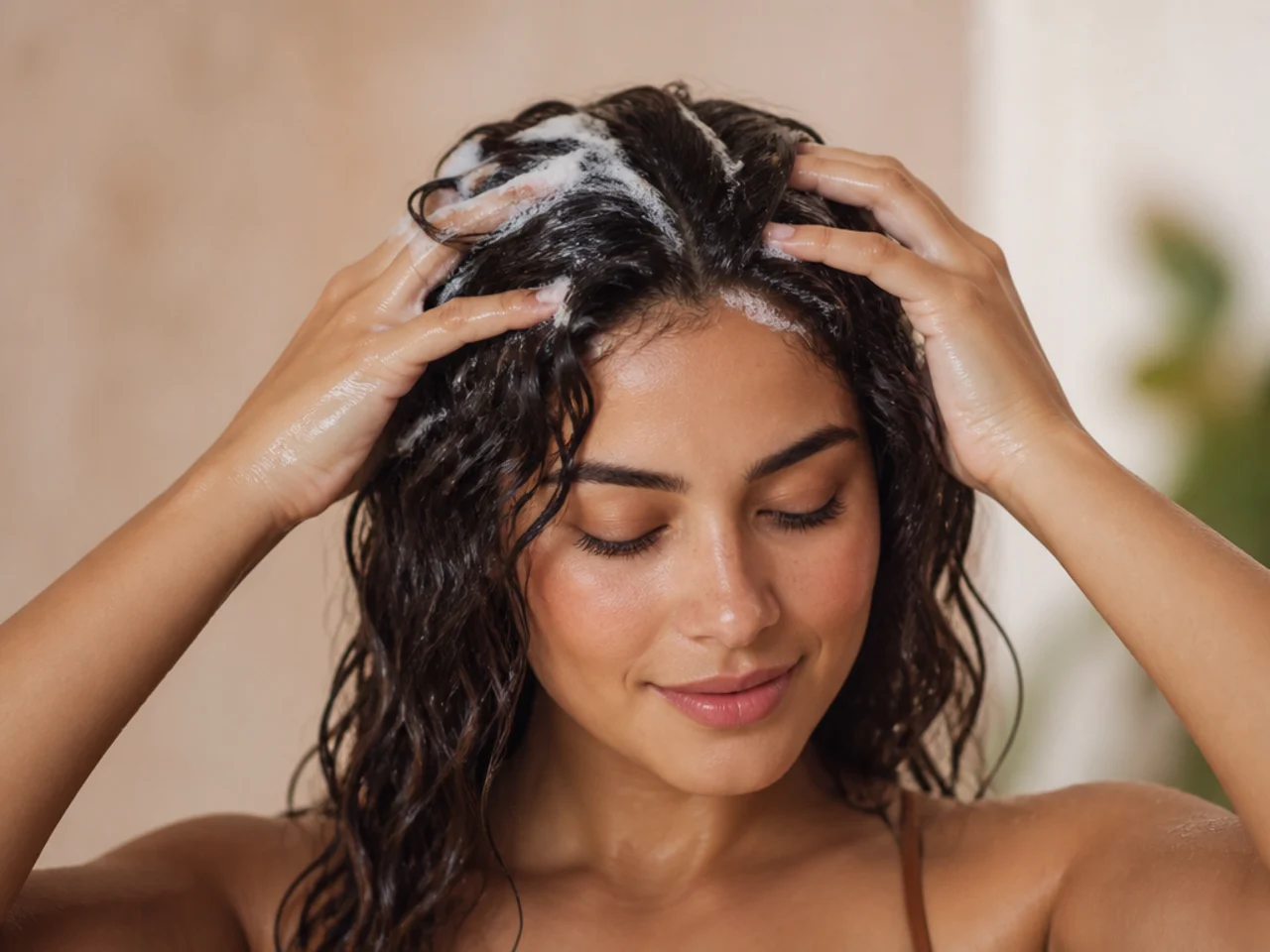
4. Shampoo the Scalp Only
The lengths are cleaned by the rinse running through them. Shampoo applied directly to mid-lengths strips oil from the part of the hair that has least of it to spare, which shows up as frizz two days later rather than immediately.
5. Condition Below the Ears
Root conditioner is where flatness starts. The roots are the newest, strongest hair on your head and they do not need it — everything you apply there is weight sitting exactly where the wave needs lift.

6. Leave a Little Conditioner In
Helpful at most patterns, testable at all of them. Rinse until the hair still feels faintly slippery rather than squeaky, and treat the amount as a variable to adjust over three washes rather than a fixed instruction.

7. Rinse With Cool Water
Closes the cuticle and reduces frizz. It does not need to be cold — a few seconds at the coolest comfortable temperature at the very end of the rinse is enough, and it costs nothing.

8. Use a Gentle Shampoo
Harsh detergents strip the oil waves need. The tell is hair that feels squeaky and looks frizzy the same afternoon rather than soft and defined — if that is happening on wash day, the shampoo is the first thing to change.

9. Wash Two or Three Times a Week
Waves improve on day two and three. Cutting from daily to every third day is the single largest change most people can make to their wave pattern, and it takes a fortnight for the scalp to settle into the new frequency.

10. Clarify Monthly if You Use Products
Build-up flattens waves gradually. Because it accumulates over weeks rather than arriving suddenly, most people conclude their products have stopped working when what they actually need is one clarifying wash.

11. Do Not Pile It on Top of Your Head
It breaks the clumps you just made. Piling wet hair up to wash your body drags every section across every other one, which is the same disruption as brushing it and happens to most people without a second thought.

12. Leave the Shower With Hair Soaking
Product goes on wet, not damp. Water is what carries the product evenly through the hair and stops it landing as concentrated patches, so leaving the shower dripping is doing half the distribution work for you.

13. Squeeze, Never Rub
A t-shirt or microfibre towel. A terry towel has raised loops that catch individual strands and pull them out of their clumps, which is why the same hair can look defined in the shower and frizzy thirty seconds later.

14. Deep Condition Before, Not After
Stronger hair holds a clump better. A treatment applied before shampooing conditions without leaving the weight that a post-wash mask does, which matters on a hair type that cannot carry much of anything.

15. A Passive Rinse for Comparison
No scrunching, no clumps, nothing for product to hold. Worth trying deliberately once, because seeing the difference between a scrunched rinse and a passive one on the same head settles the question faster than any explanation does.

Styling and Upkeep
Make the scrunch part of the rinse. It costs no extra time in the shower.
Keep detangling before the rinse, always. The order is the whole thing.
Leave the shower dripping. Not towel-dried.
Test the leave-in-conditioner amount over three washes. It varies a lot by pattern.
Clarify if definition has gradually declined. Build-up is slow and easy to miss.

Mistakes to Avoid
Rinsing passively. No clumps form, and nothing later creates them — product can only hold a pattern that already exists.
Detangling after the rinse. It removes what the rinse built, and a single pass is enough to undo the whole wash.
Piling hair on your head in the shower. Same problem, arrived at by accident rather than by brushing.
Towel-drying before applying product. Product wants soaking wet hair, because water is what distributes it evenly.
Washing daily. Waves are better on day two, and daily washing means never seeing your own best result.

FAQ
When do clumps form? During the rinse, when you scrunch under running water.
Rinse conditioner fully? Usually not entirely — though the loosest patterns may need to.
How often to wash? Two or three times a week for most wavy hair.

Final Thoughts
Scrunch upward while the conditioner rinses out. It adds nothing to your shower time and it is where your wave pattern is actually created — every product you apply afterwards is holding clumps that either formed there or did not.
For what to do after the shower see 25 steps for a wavy hair routine, and for the days between washes see 20 wavy hair care routine tips. More in Hair Care.