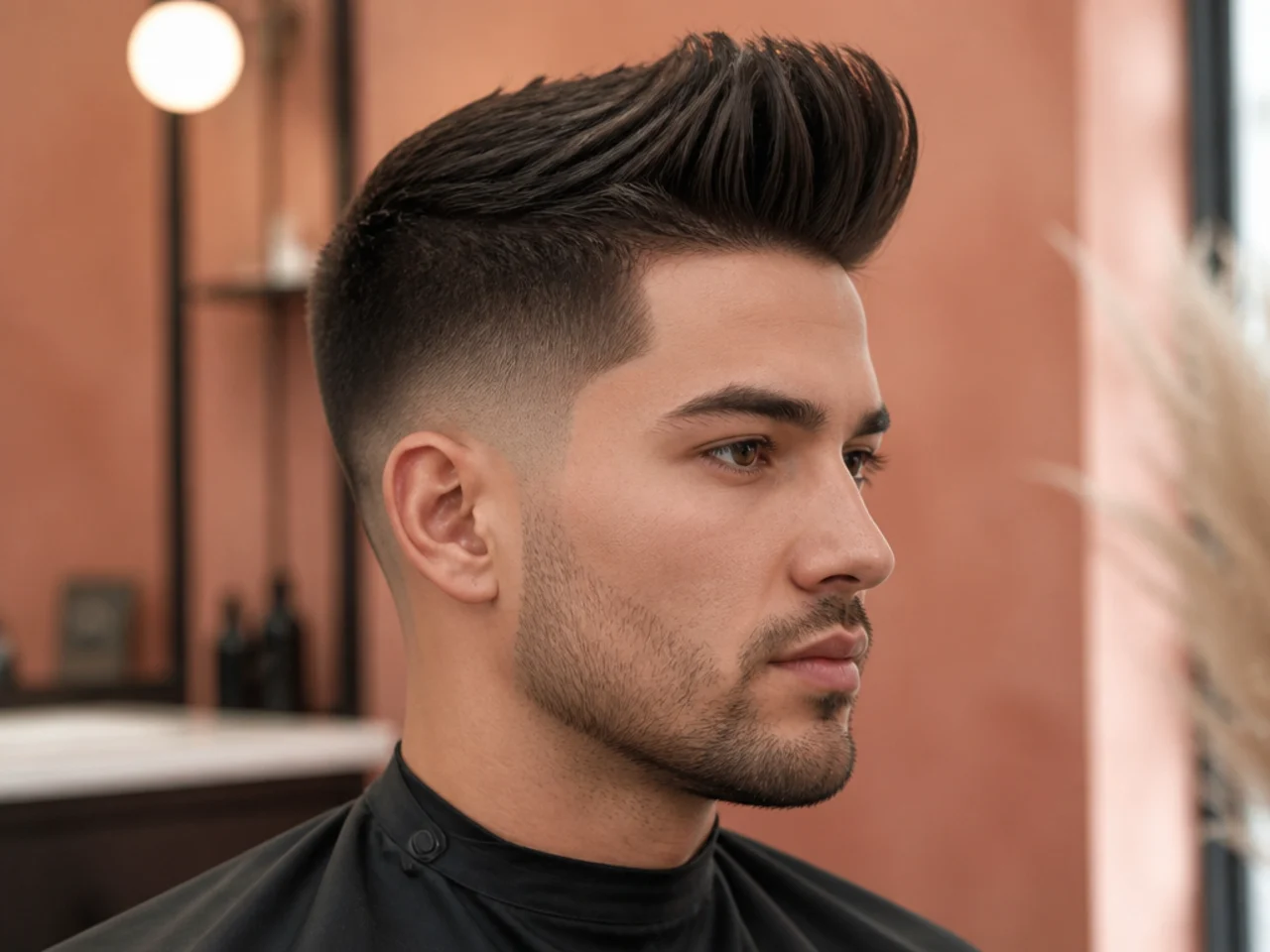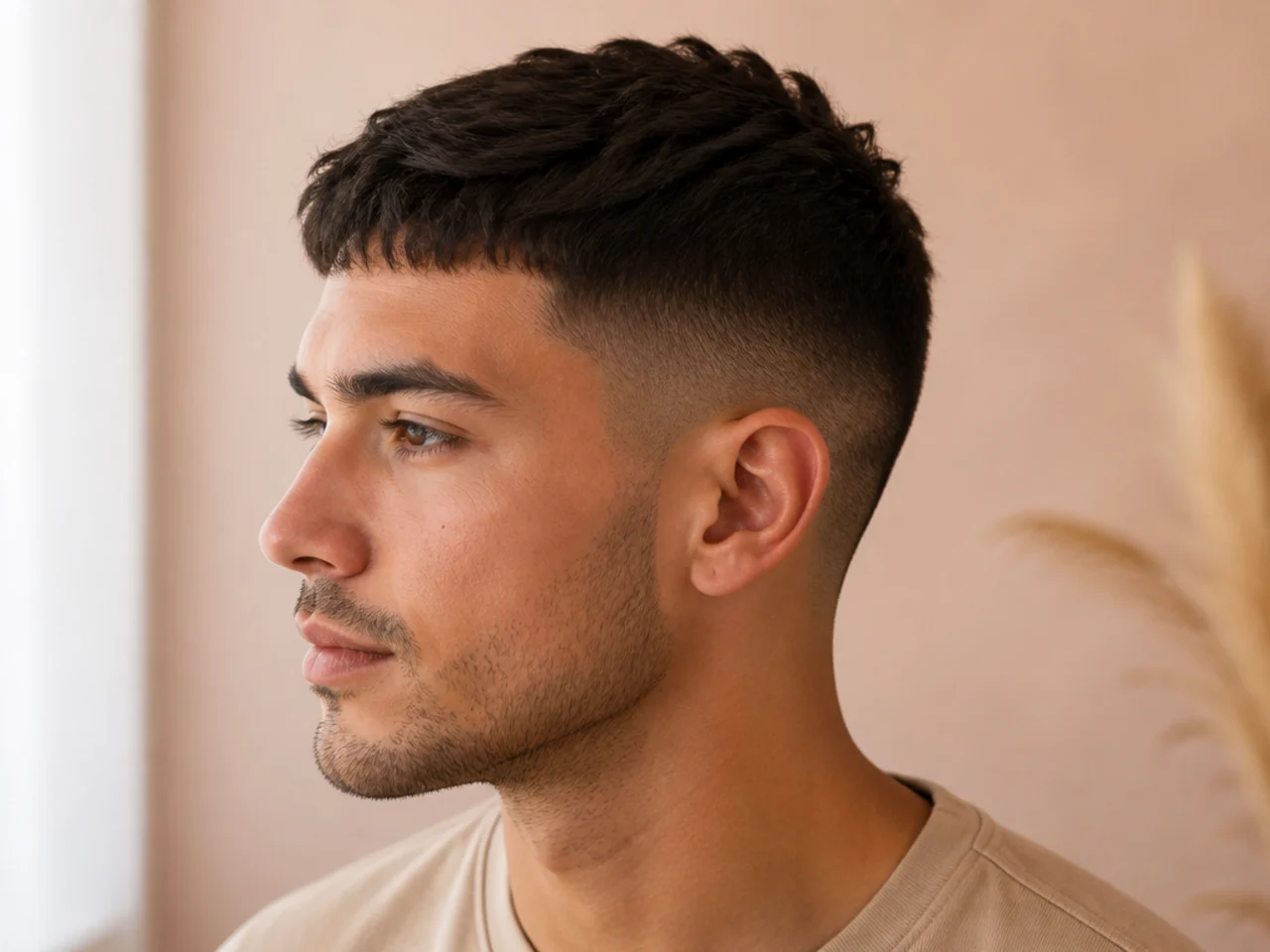
15 Wavy Men's Short Hair Ideas to Save
Every wave leaves the scalp on a bearing your growth pattern already decided — the crown spins one way, the front cowlick pushes another. Short hair has no weight to override any of it, so the cut either follows the direction or loses.
In this article · 22
- Reading Which Way Your Wave Actually Goes
- How to Choose Yours by Growth Pattern
- The 15 Direction-Led Wavy Cuts
- 1. Clockwise Crown Whorl, Cut and Dried With the Spin
- 2. Anticlockwise Whorl and the Part That Has to Move
- 3. The Front Cowlick That Forces the Fringe Up
- 4. A Wave That Sweeps Right on Both Sides
- 5. Drying Forward Then Setting Back
- 6. The Double Crown and Its Two Arguments
- 7. The Low Nape Whorl That Pushes the Neckline Sideways
- 8. The Wave That Fights a Left Part
- 9. Towel-Drying Against the Grain to Build Lift
- 10. Nozzle Direction Rather Than More Product
- 11. The Sleeping Side That Wakes Up Flat
- 12. The Wave That Only Shows on One Side
- 13. Cutting the Heavier Side Shorter
- 14. The Split Where Wet Hair Divides on Its Own
- 15. The Direction Check to Do Before You Book
- Working With the Direction Day to Day
- Mistakes to Avoid
- FAQ
- Final Thoughts
A wave is not just a shape, it is a shape pointing somewhere.
Your growth pattern set that bearing before you had opinions about it. The crown spins one way, the front cowlick pushes another, and one side of your head usually sweeps forward while the other sweeps back.
Short hair has no weight to override any of it. Longer hair can be dragged into position and held by its own mass; a short wavy cut goes where the roots point within the hour. So the job is reading the direction, then cutting and drying along it.
Reading Which Way Your Wave Actually Goes
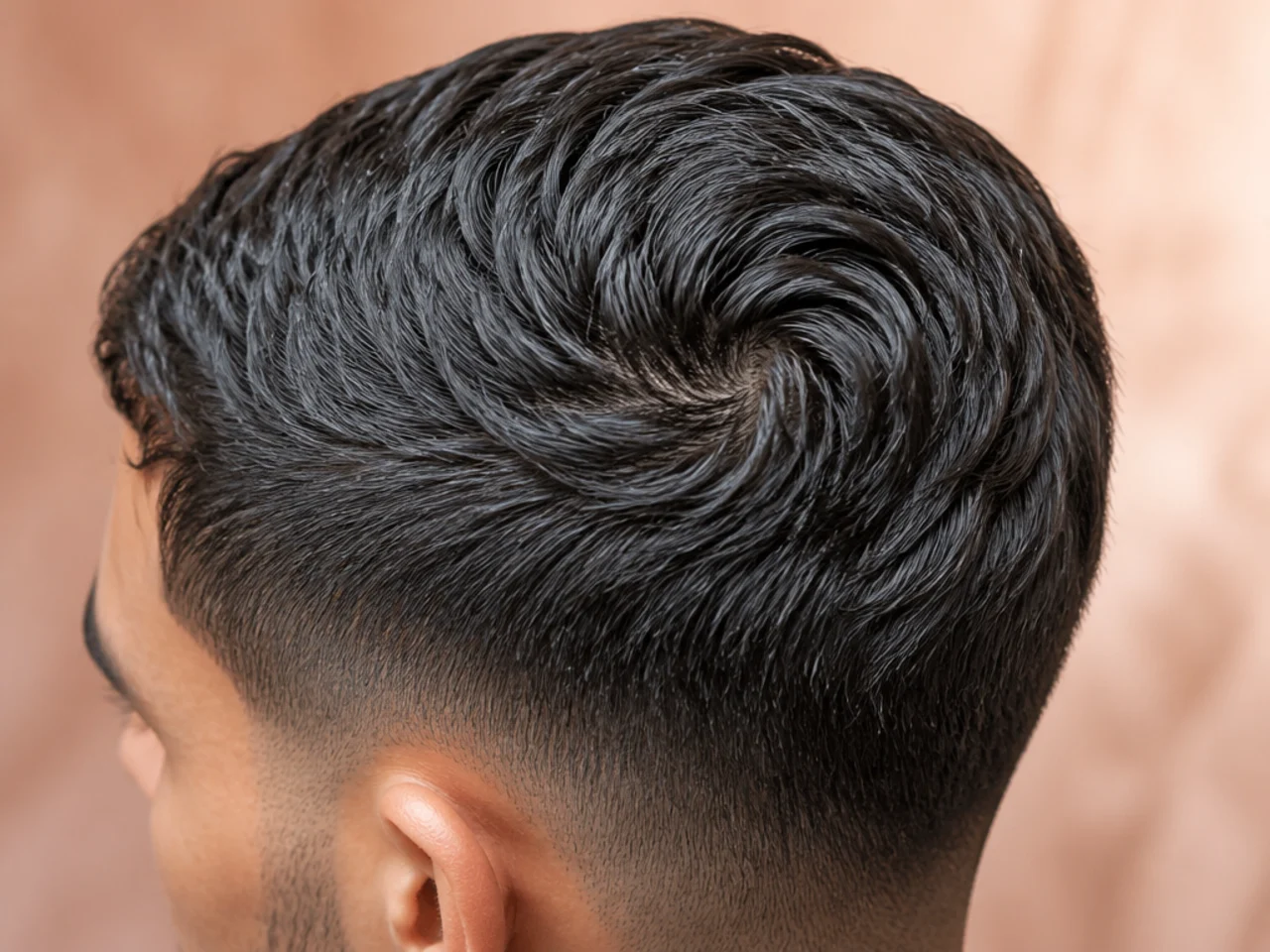
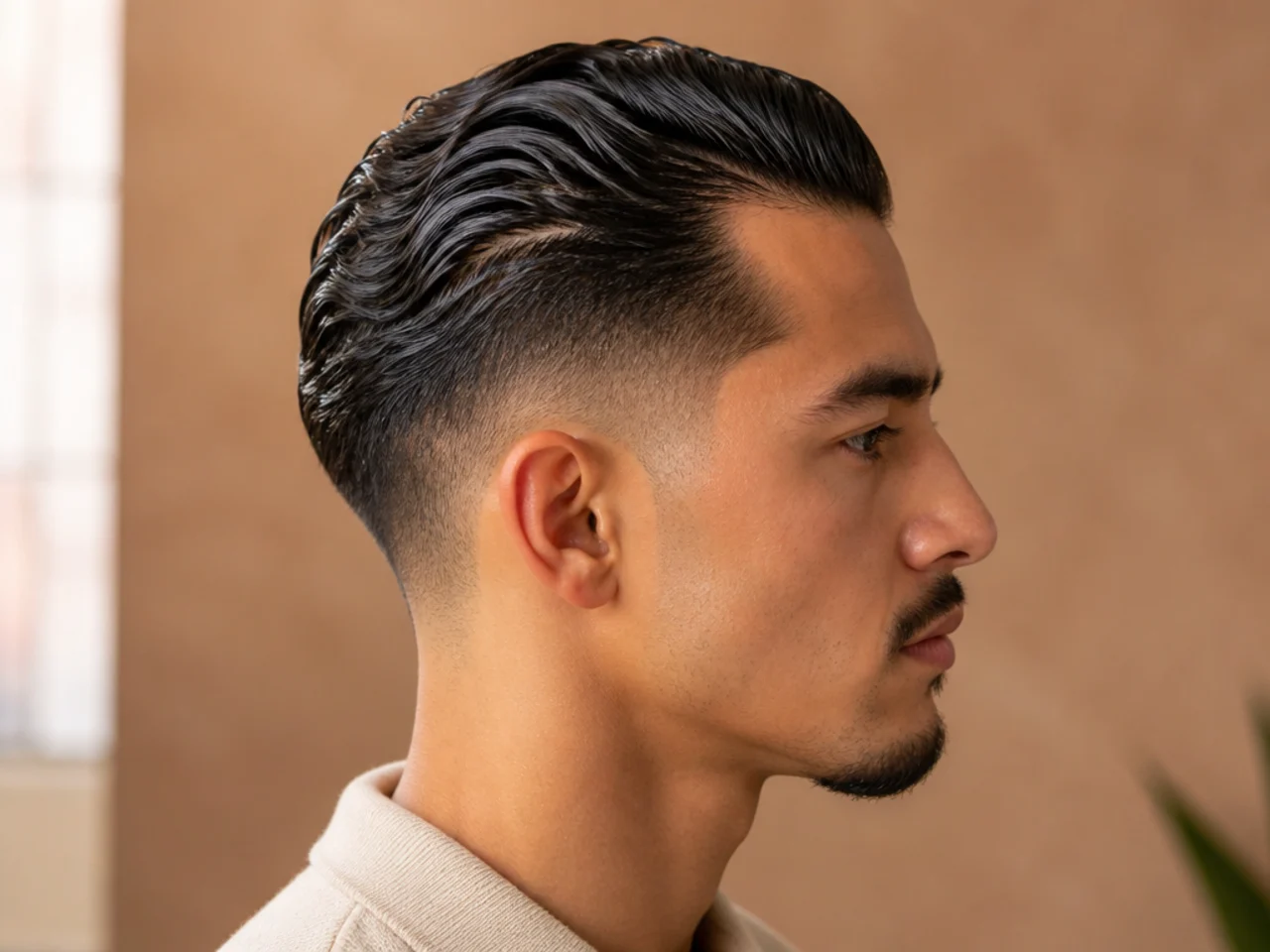
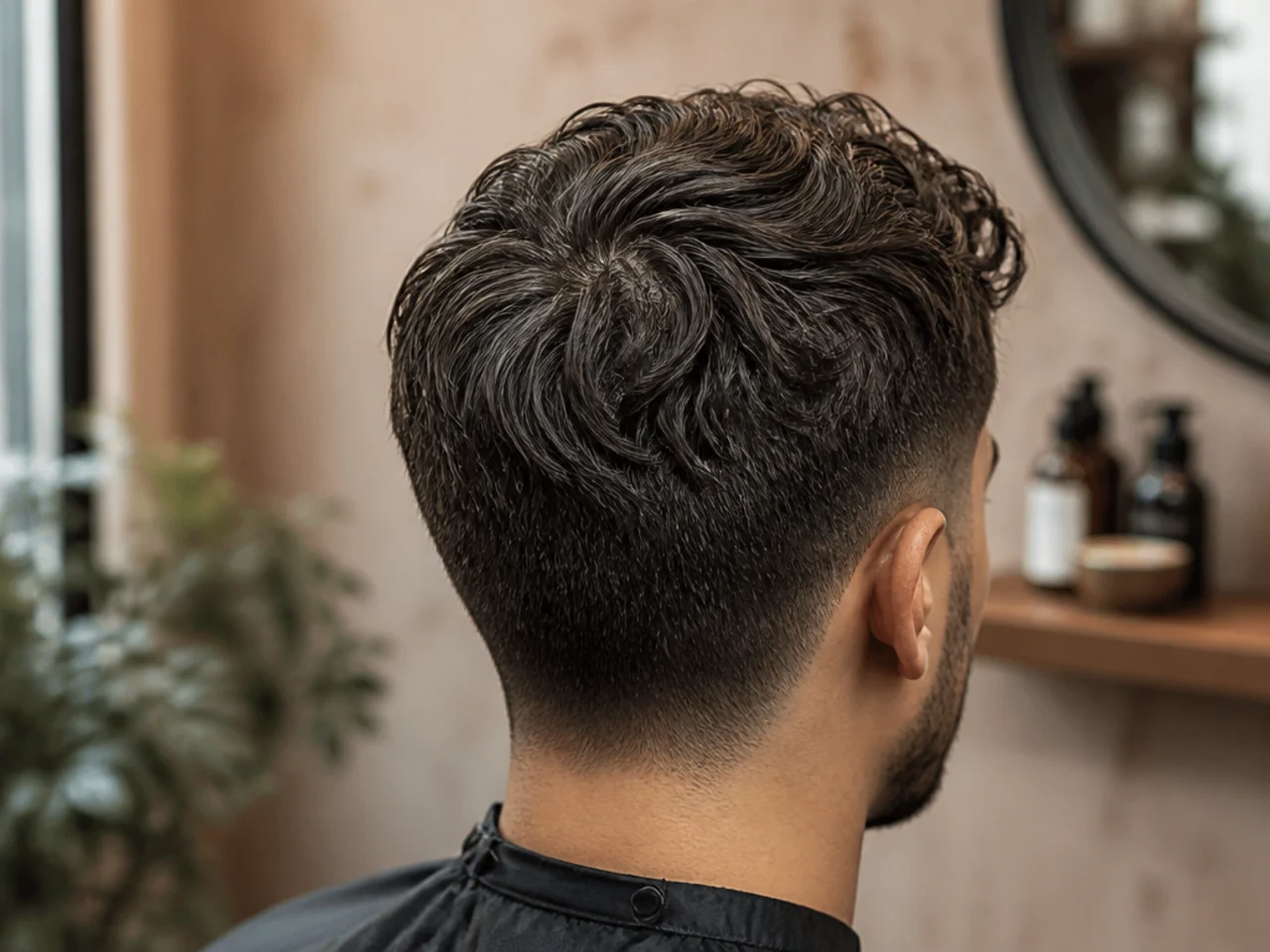
Find the whorl at the crown and note clockwise or anticlockwise. It is the single strongest direction on your head and everything behind the ears answers to it.
Push wet hair straight back and watch where it splits. The split is not random, it is where two growth directions meet, and it is your natural part.
The side the wave sweeps toward is the side to part on. Parting against the sweep means holding hair in a position its roots are actively working against.
Short hair has no weight to hold a direction it does not want. This is why a style that worked at six centimetres collapses at three.
How to Choose Yours by Growth Pattern
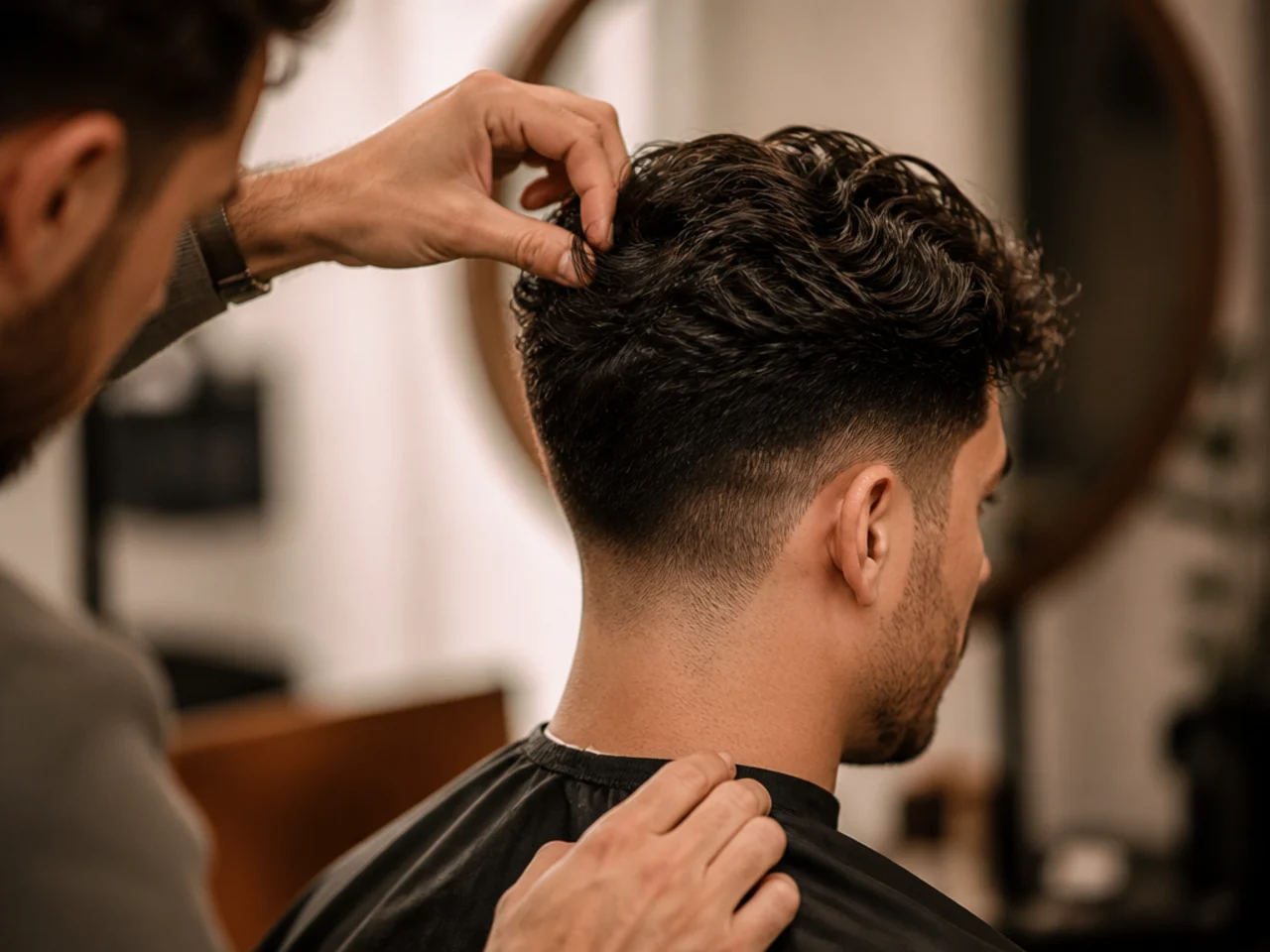
Bring the direction, not just a picture. "My crown spins clockwise and I split on the left" tells a barber more than any reference photo. Bring a photo as well, but take it from haircut ideas for men with wavy hair rather than from a straight-haired head.
Cut with the sweep on the heavier side. One side almost always carries more wave, and it needs handling differently from its twin.
Ask where your natural part sits before agreeing to one. A barber can see it in seconds on wet hair and you cannot see it at all.
Choose a finish you can reproduce with a dryer, not with your hands. Direction is set by airflow, and fingers alone will not move a root.
The 15 Direction-Led Wavy Cuts
1. Clockwise Crown Whorl, Cut and Dried With the Spin
A clockwise crown pushes the hair behind it to the right, so the back wants to travel that way. Cutting and drying with the spin means the crown lies flat instead of standing as a tuft, and it costs nothing but a decision about which way the comb moves.
2. Anticlockwise Whorl and the Part That Has to Move
An anticlockwise crown feeds hair toward the left, which usually means the natural part sits left too. Men who part right on an anticlockwise head fight the whole back of it every morning, and moving the part two centimetres solves what a stronger product never did.

3. The Front Cowlick That Forces the Fringe Up
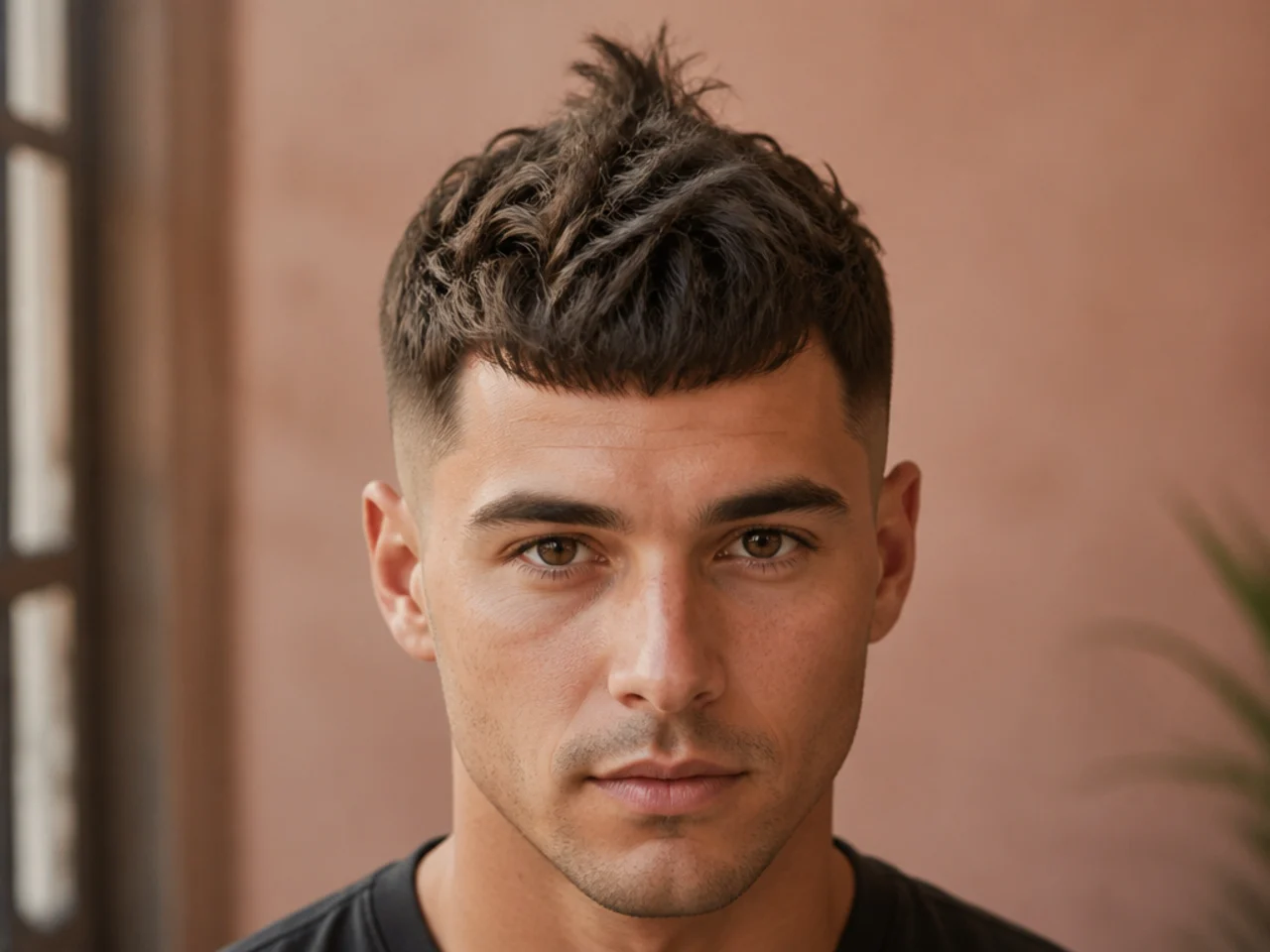
A cowlick at the front hairline drives a section up and back no matter how short it is cut. Sweeping the fringe up and to the side it already leans turns a daily annoyance into the reason the front has height. That lift is exactly what a textured fringe is built on, so the growth pattern is doing the work for you.
4. A Wave That Sweeps Right on Both Sides
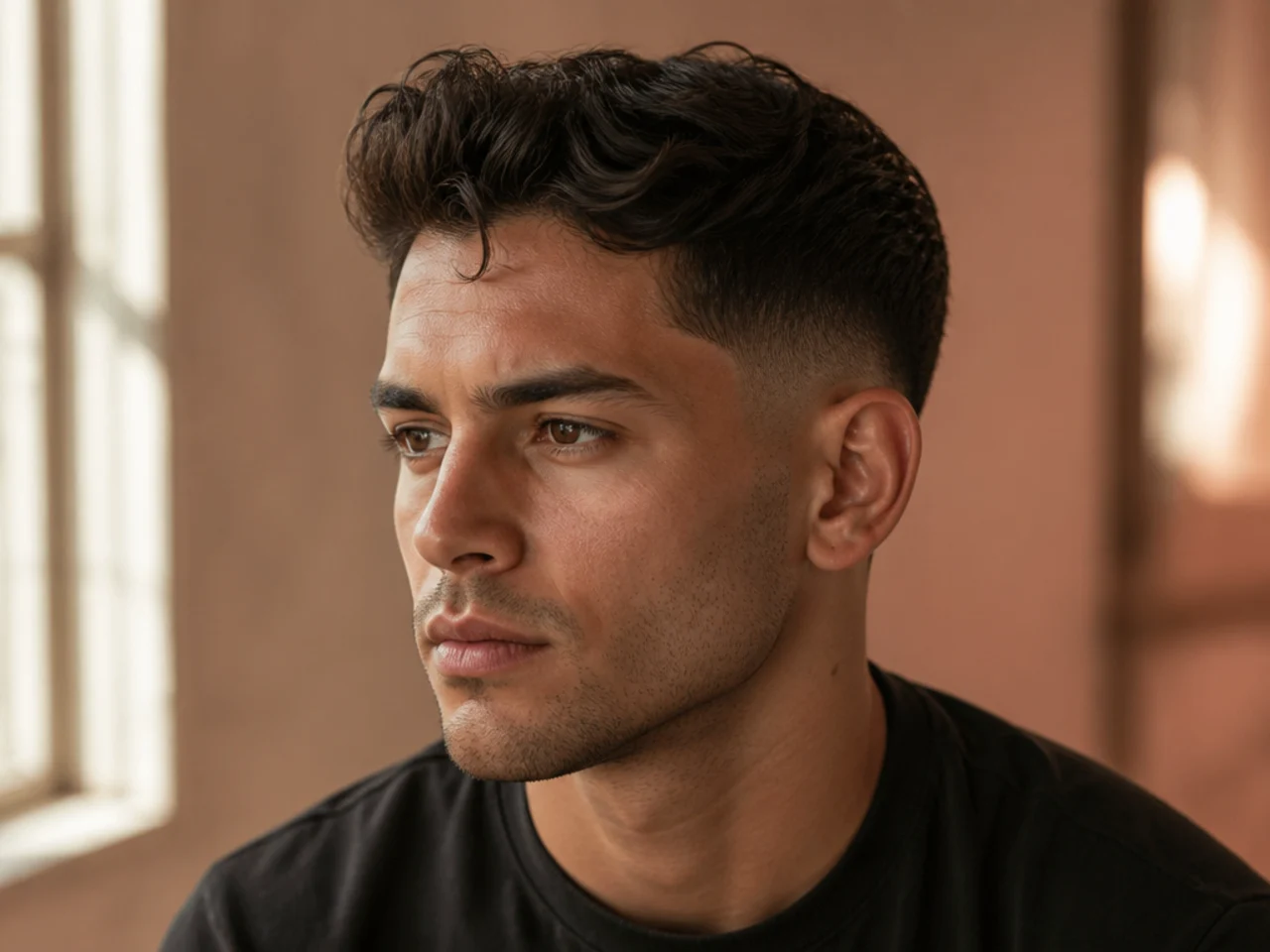
Some heads sweep the same way all the way round, the easiest pattern to work with and the least common. Both sides are combed and dried one way, and the only decision left is whether the right side goes shorter to stop length stacking.
5. Drying Forward Then Setting Back
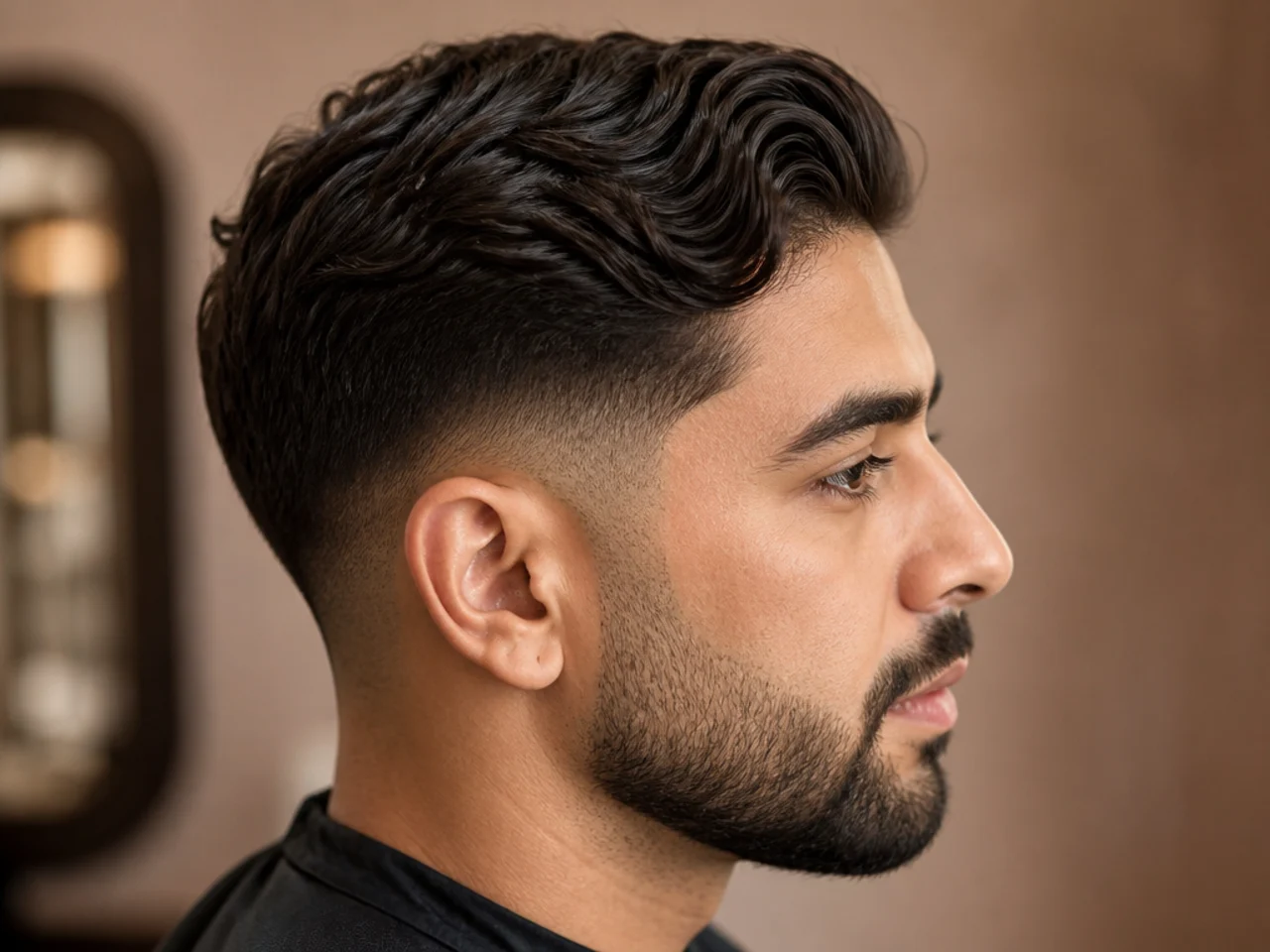
Blowing the hair forward first lifts the roots off the scalp, and pushing it back afterwards leaves the root standing while the ends travel the way you want. It is the only reliable volume from a direction that lies flat, and it is the same method behind a quiff, scaled down to short length.
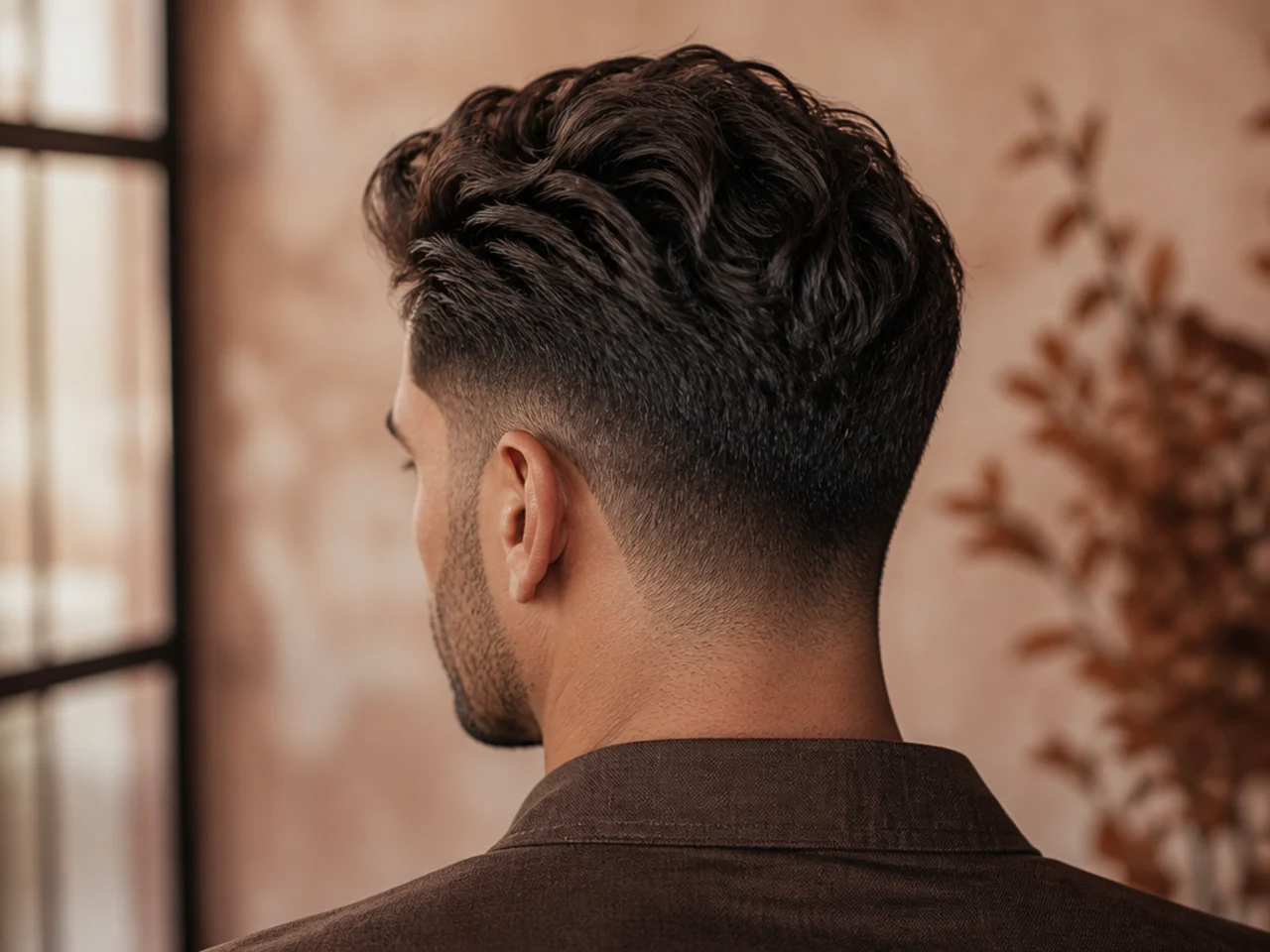
6. The Double Crown and Its Two Arguments
Two whorls means two competing directions meeting across the back of the head, and the seam between them lifts whatever you do. Keep it short enough that lifting is invisible, rather than long enough to split open.
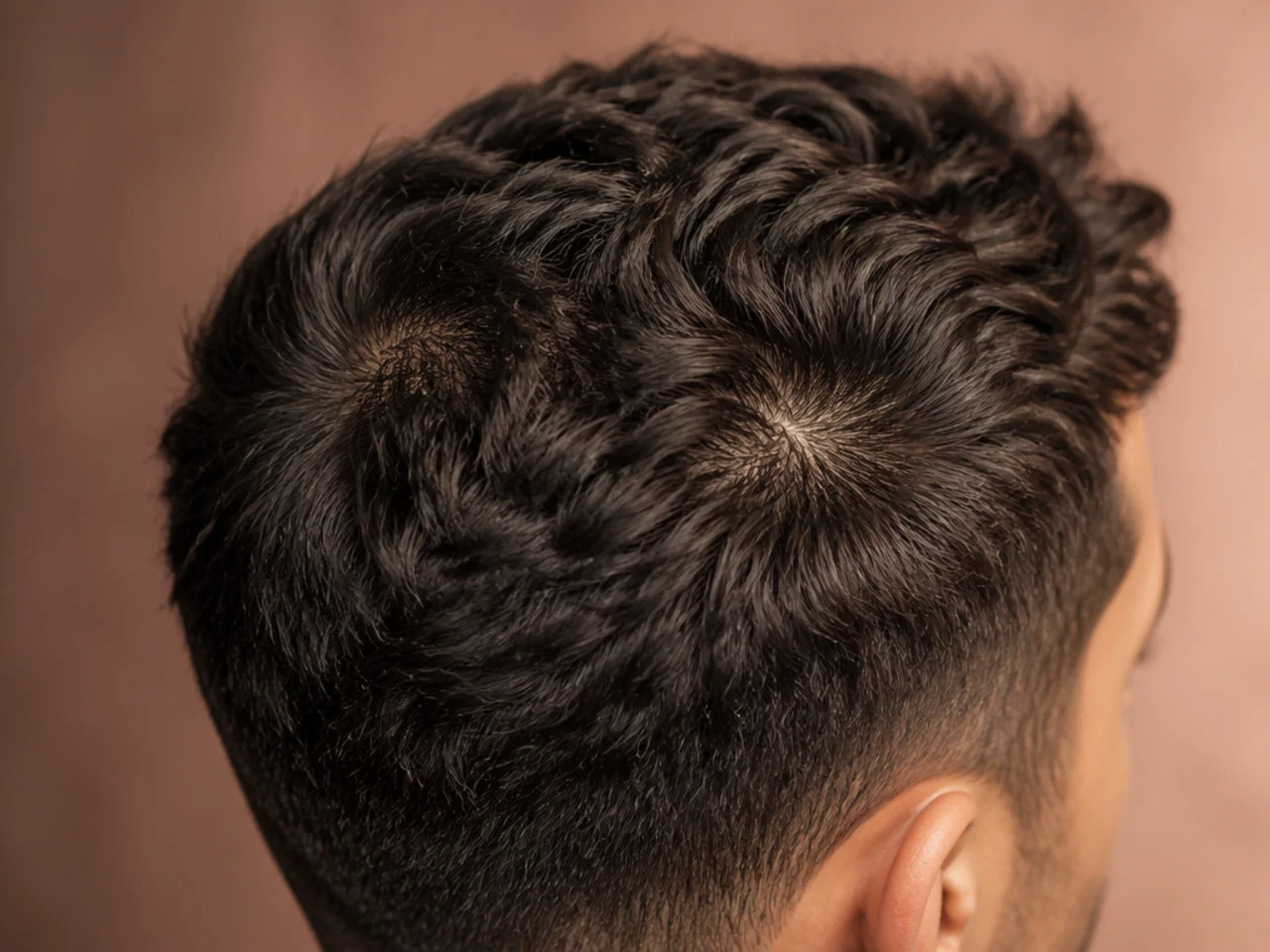
7. The Low Nape Whorl That Pushes the Neckline Sideways
Hair at the nape often spirals too, which drags a squared neckline off level as it grows. A rounded neckline following the spin blurs evenly rather than turning crooked by the third week.

8. The Wave That Fights a Left Part
If your hair splits right and you part left, you are asking a wave to bend backwards at the root. It holds while damp and releases as it dries, which is why the style looks best in the first ten minutes.
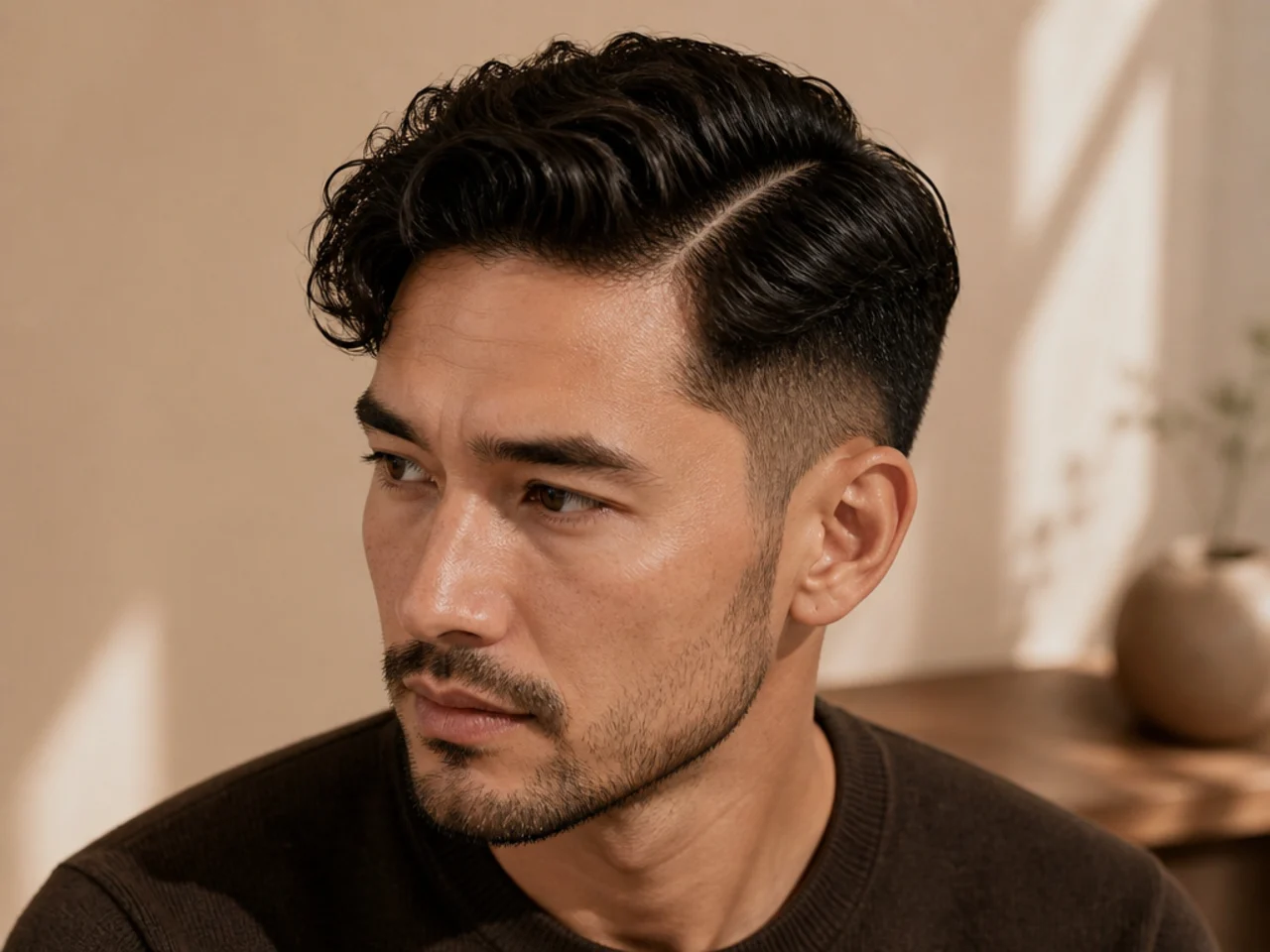
9. Towel-Drying Against the Grain to Build Lift
Rubbing the towel against the growth breaks the roots off the scalp before any product goes in. Do it and a flat side gains height with nothing added; skip it and no clay puts the lift back.
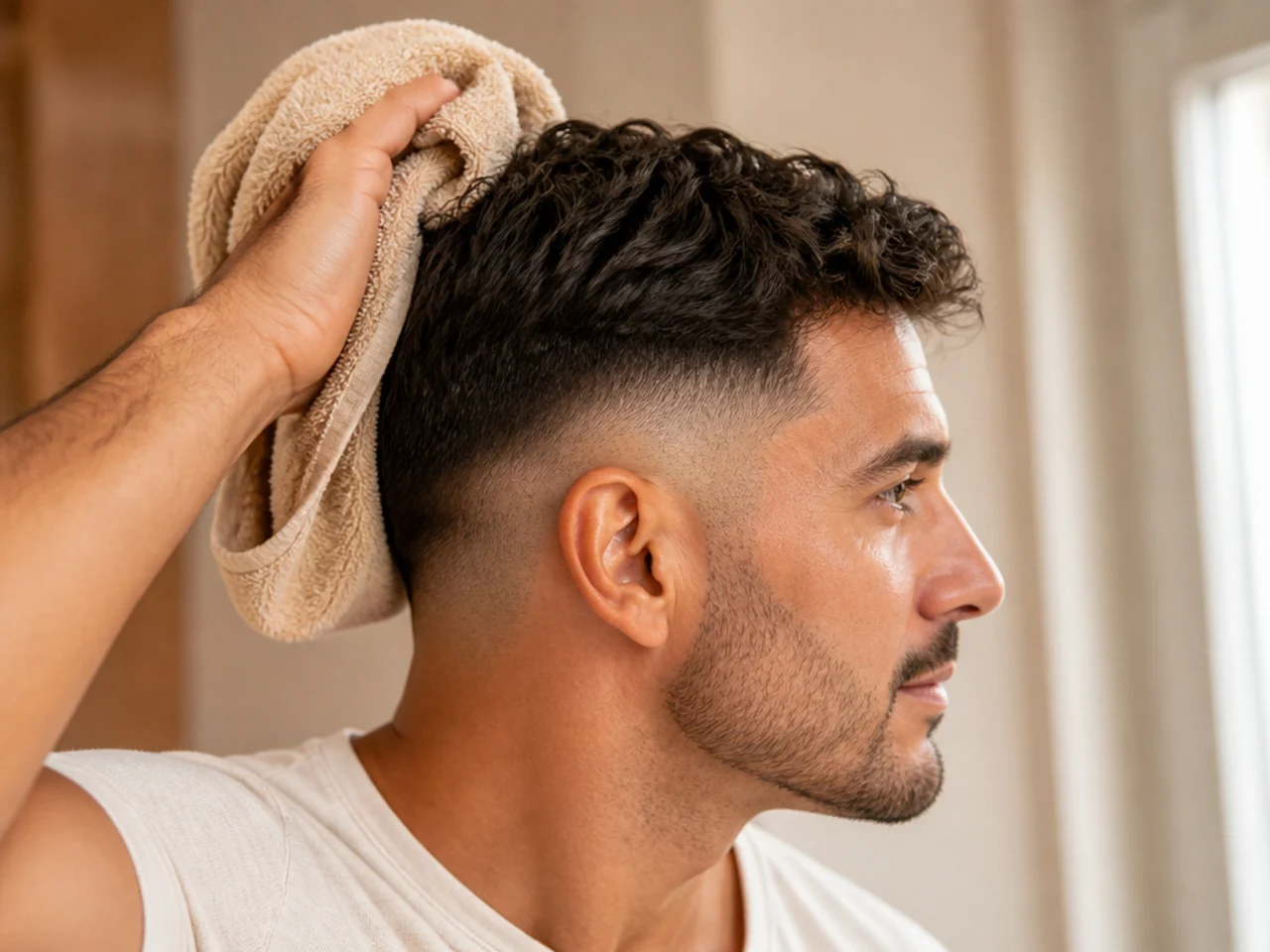
10. Nozzle Direction Rather Than More Product
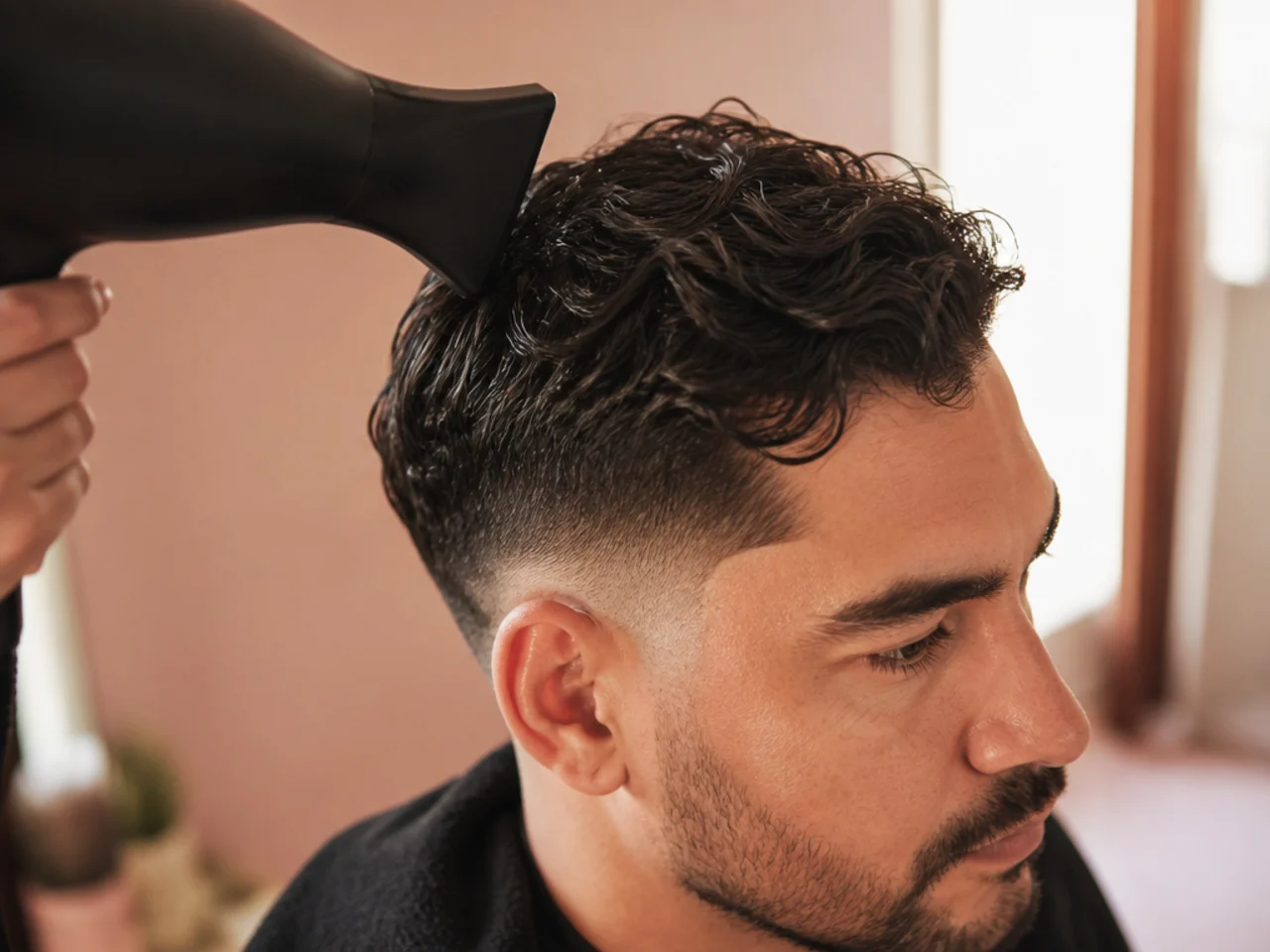
A concentrator nozzle aimed along the growth flattens, across it lifts, at the root sets whatever position the hair is in. Airflow decides more about a short wavy cut than product does, and it is free.
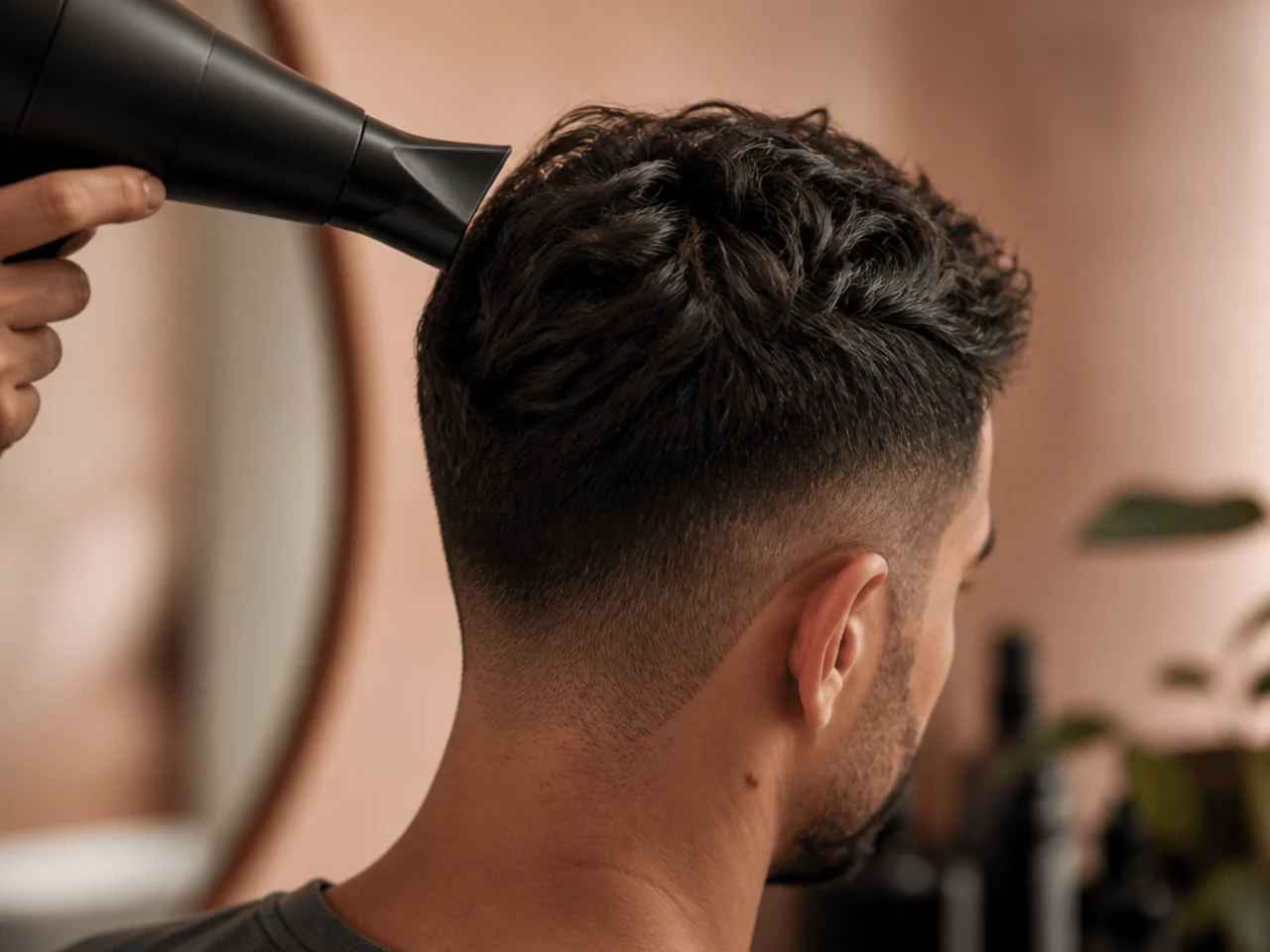
11. The Sleeping Side That Wakes Up Flat
Whichever side you sleep on is pressed against its growth direction all night, so it wakes flatter and waves less. Wetting only that side and drying it back into its direction resets it in a minute.
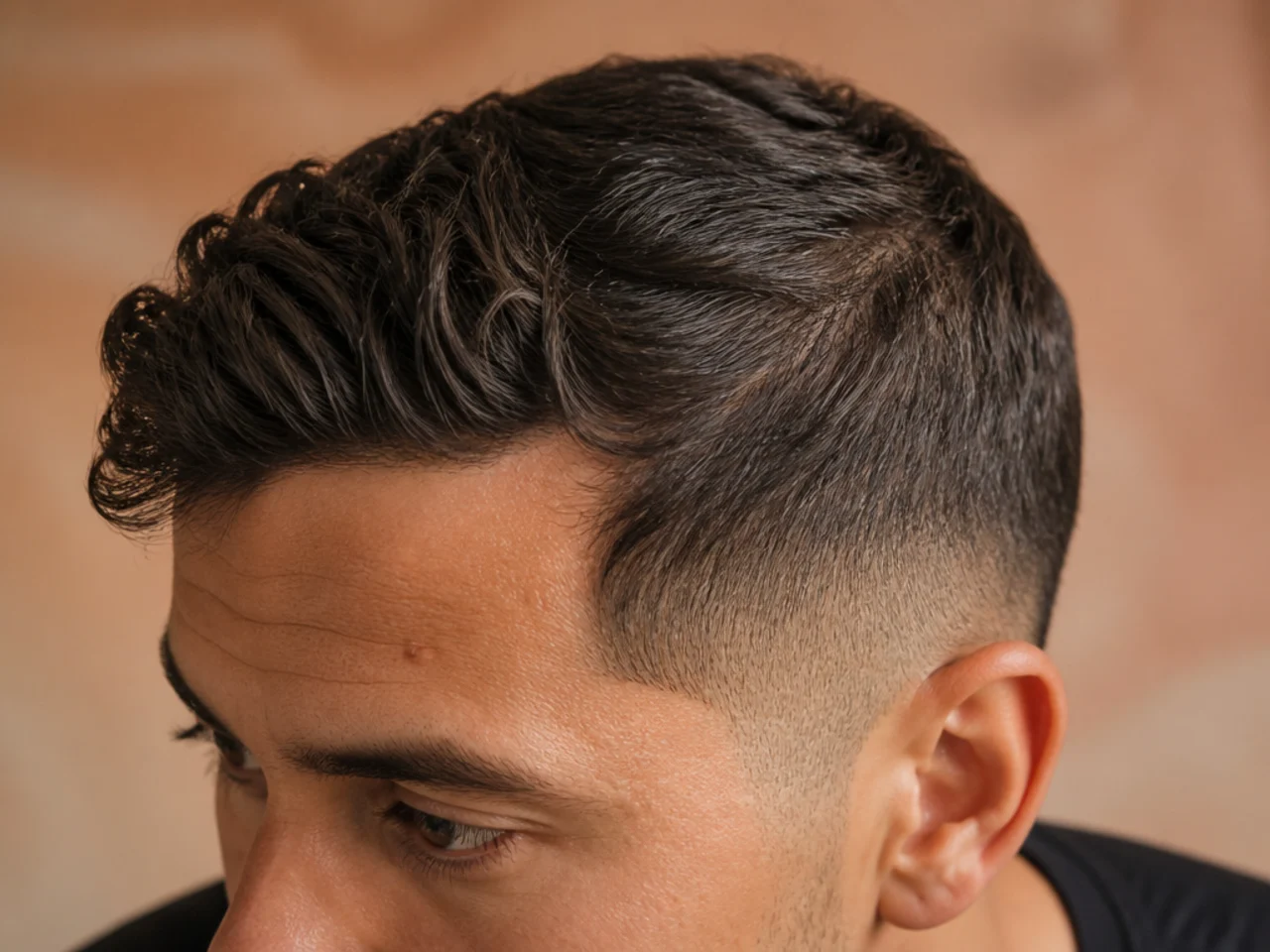
12. The Wave That Only Shows on One Side
Wave pattern is rarely symmetrical, and one side often bends clearly while the other reads almost straight. The straighter side is usually dried against its grain, and correcting the airflow brings the pattern back.

13. Cutting the Heavier Side Shorter
When one side carries more wave and density, matching both to the same guard leaves the head visibly wider on one flank. Taking the heavier side a guard shorter balances them without touching either direction.
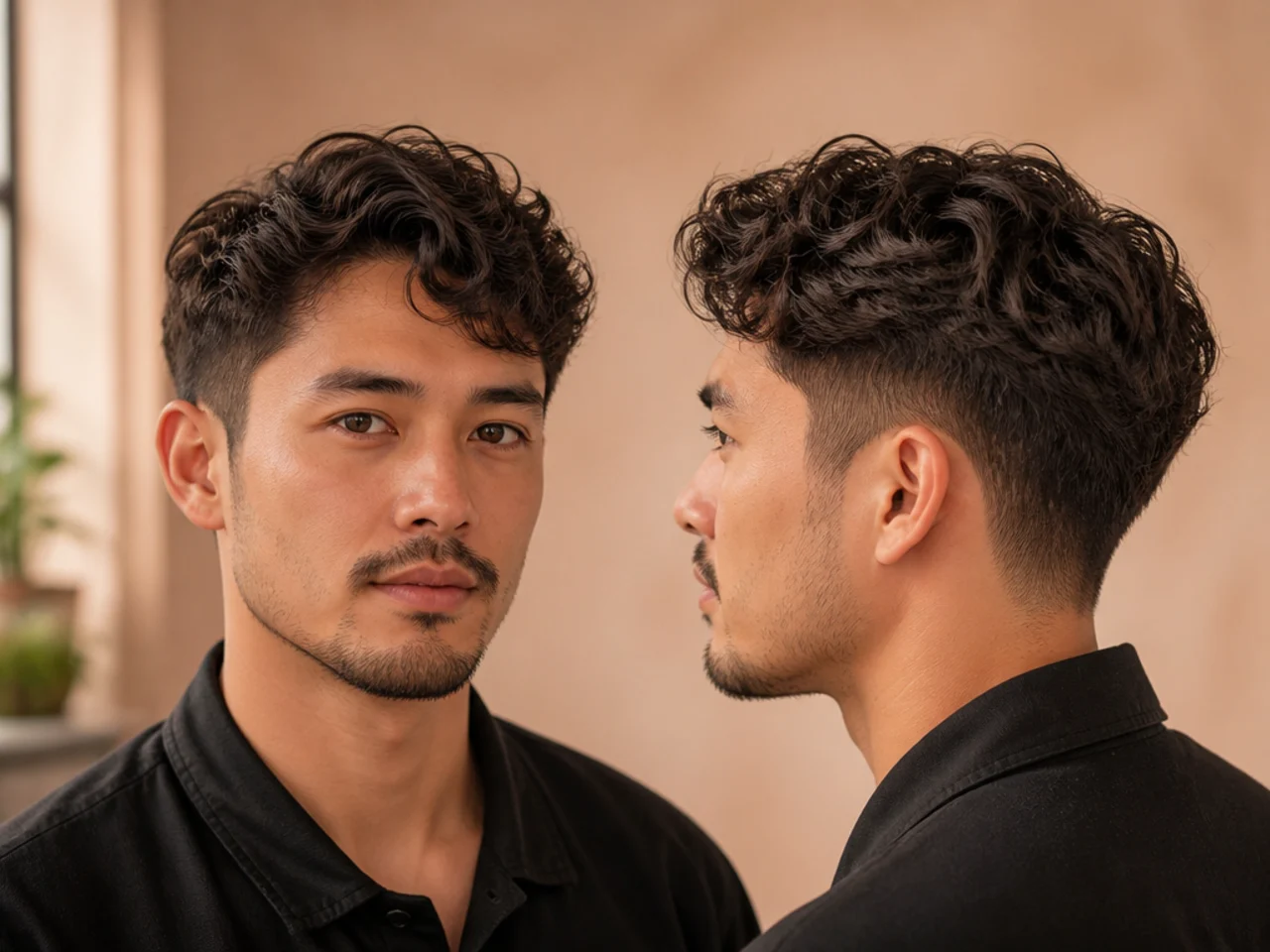
14. The Split Where Wet Hair Divides on Its Own
Comb everything straight back while soaking and let go — where it separates is where two growth directions meet, and it will not move. Building the cut around that line is the difference between a part that stays and one you redo at lunchtime.
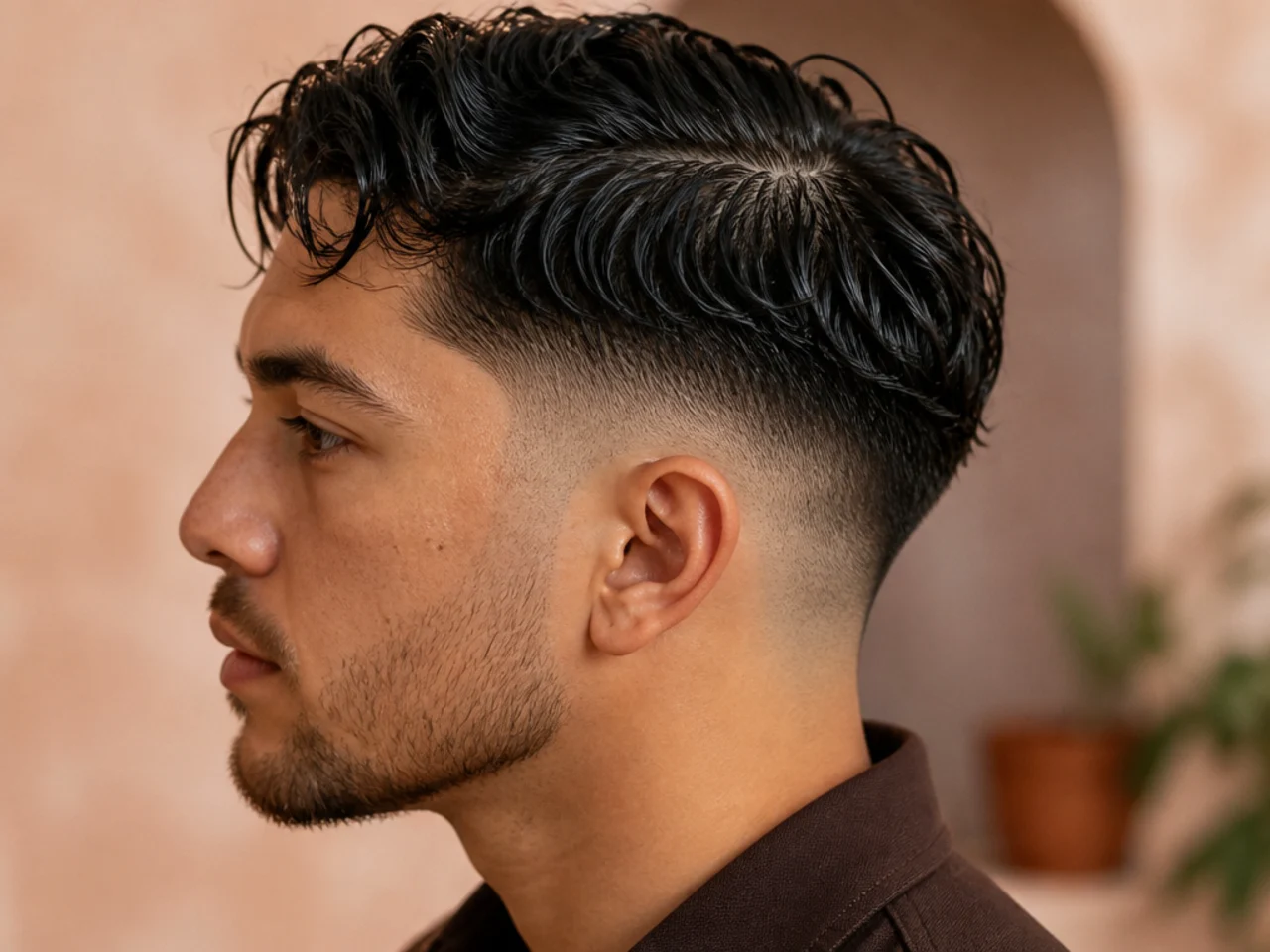
15. The Direction Check to Do Before You Book
Wash, add nothing, dry with a towel only, and photograph the top and the back. Those two photos show your whorl, your split and your cowlick at once, which no picture of somebody else can supply.
Working With the Direction Day to Day
Set the direction while the hair is damp, not dry. Roots lock into position as they dry and will not move afterwards without water.
Spend the thirty seconds on the crown first. It is the direction everything else follows and the one spot you cannot see.
Reset with water, not with more product. Product on hair pointing the wrong way holds it pointing the wrong way.
Comb the part in from the split, not from the mirror. The split is where your hair divides, and the mirror only shows you where you wish it did.
Photograph the back of your head every few cuts. It is the half of your haircut you never look at and other people always do.
Mistakes to Avoid
Parting against the natural split. It holds while damp and gives up as it dries, every single day.
Drying with the nozzle pointed straight down. It flattens the roots into whatever direction they were already in.
Cutting the crown shorter to stop it standing. Shorter hair at a whorl stands more, not less.
Matching both sides to one guard when one side is heavier. It leaves the head lopsided in a way the mirror hides and photos do not.
Asking for a hard block where the nape hair spins. The spin pulls the line crooked within a fortnight, and the wave bends each strand further off that line as it lengthens.
FAQ
How do I find my whorl direction? Photograph the back of your head dry, with nothing in it.
Which side do I part on? The side your wet hair splits toward on its own.
Can a cut fix a cowlick? It can use one — cutting it shorter makes it stand up harder.
Final Thoughts
Spend five minutes finding your whorl, your split and your cowlick, and write them down. That paragraph changes what a barber can do for you more than any reference photo, because it describes the head the cut has to sit on.
For the day-to-day version of all this see the short wavy hair routine, and for what the sides can do around a direction-led top see men's haircuts with short sides. More in Men's Haircuts.