15 Short vs Medium Men Haircut Styles
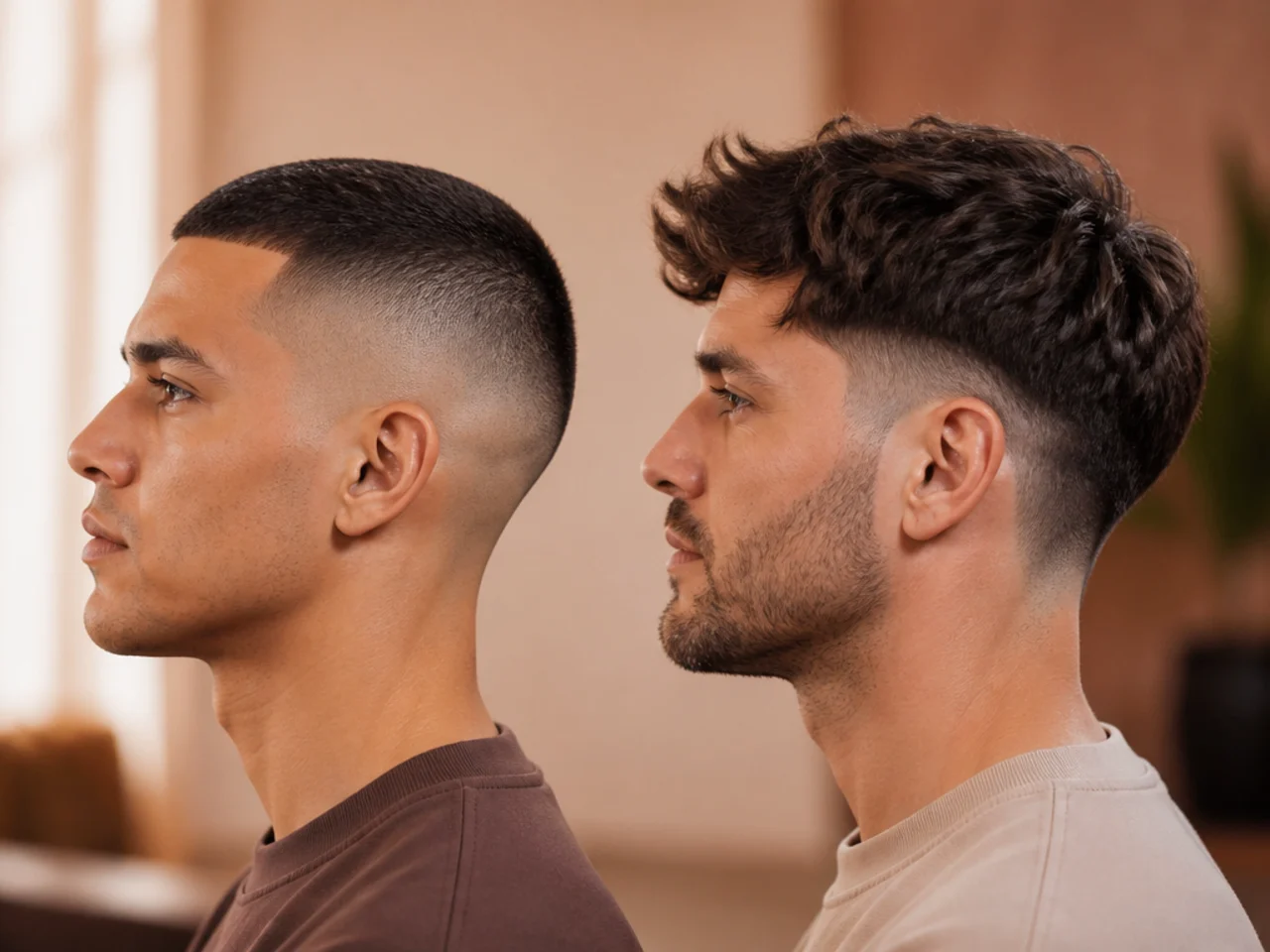
There is a physical line between short and medium hair, at roughly two inches, where hair stops standing and starts falling. Everything that separates these two families comes from which side of that line the hair sits on.
In this article · 22
- What Happens at Two Inches
- How to Choose Yours
- The 15 Comparisons
- 1. How the Shape Is Held
- 2. Product Type
- 3. Appointment Frequency
- 4. Daily Time
- 5. Behaviour on Thin Hair
- 6. Behaviour on Thick Hair
- 7. Behaviour on Curly Hair
- 8. Face Shape Control
- 9. Recovery From a Bad Cut
- 10. Weather and Hats
- 11. What the Barber Cuts
- 12. What Goes Wrong
- 13. The Grow-Out Between Them
- 14. Going Back Down
- 15. What to Say Either Way
- Styling and Upkeep
- Mistakes to Avoid
- FAQ
- Final Thoughts
Short and medium are usually treated as points on a slider, which hides the fact that something physical happens between them.
At around two inches, hair stops standing and starts falling. Below that length a strand is too light for gravity to overrule the direction its root points, and above it gravity wins.
Everything separating these two families comes from that line. How the cut is built, how it is styled, how often it is cut and what goes wrong all flip when the hair crosses it.
What Happens at Two Inches
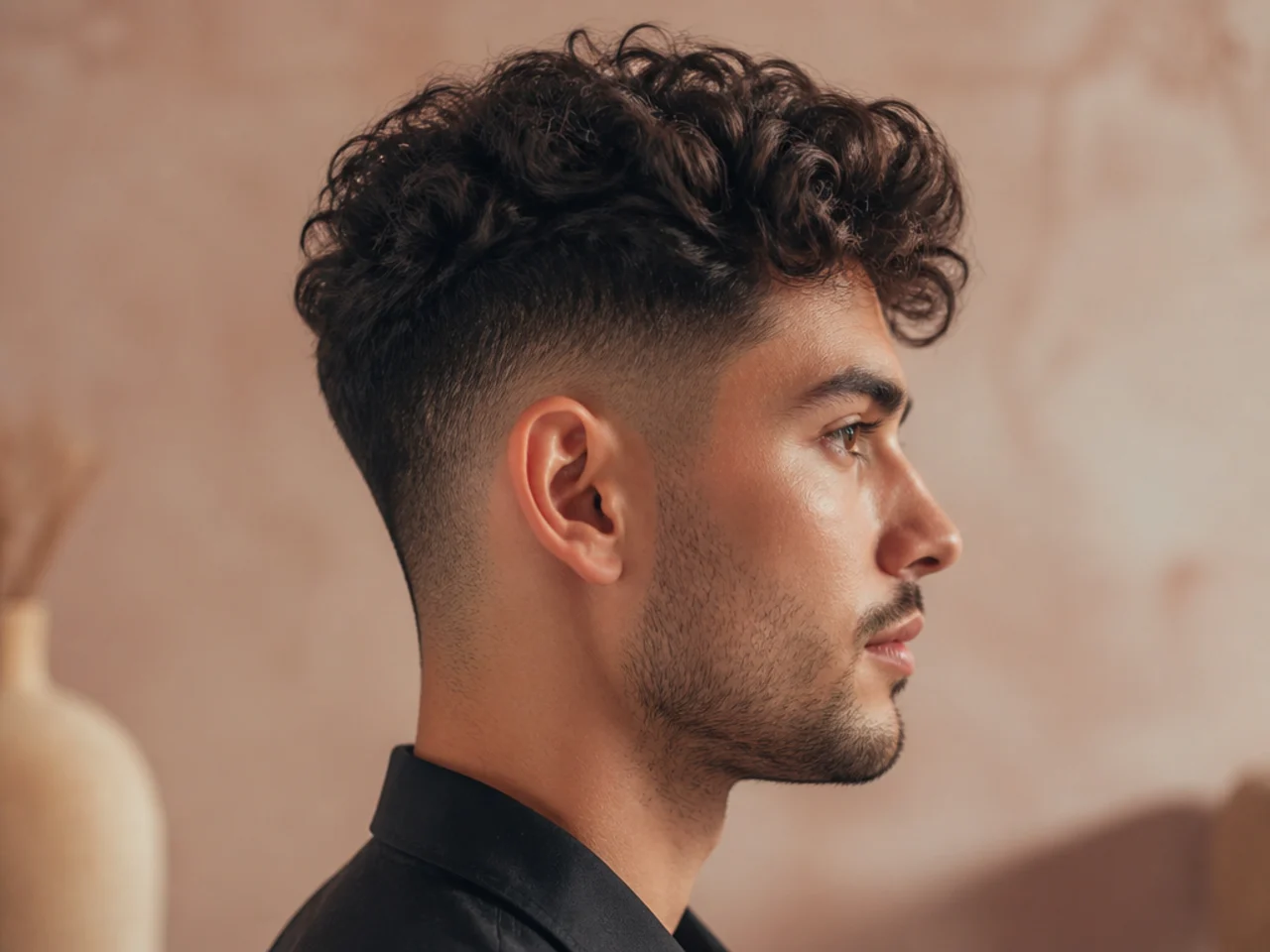
Below it, root direction wins. The hair points where it grew and the cut fixes the shape.
Above it, gravity wins. The hair falls, and the cut controls where it falls to rather than where it stands.
The styling tool changes. Grip below the line, weight above it.
The upkeep flips. Short ages in three to four weeks. Medium holds six to eight.
How to Choose Yours
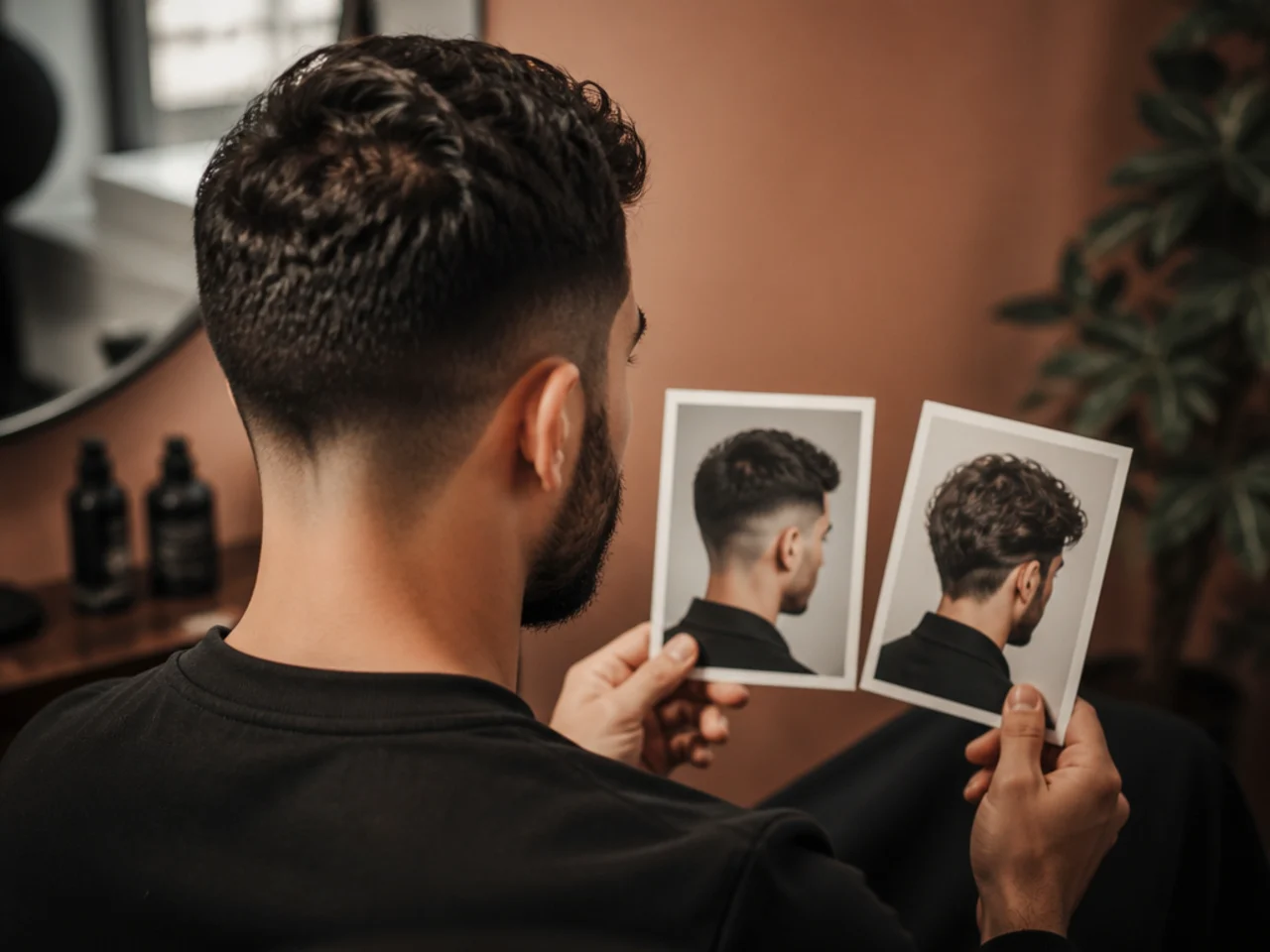
Count your mornings, not your appointments. Short costs chair time, medium costs minutes.
Check your density. Medium length on fine hair separates and shows scalp.
Check your texture. Curl loses around a third of its length drying, which pushes curly heads toward medium.
Be honest about the four-month grow-out. It is the real cost of moving up.
The 15 Comparisons
1. How the Shape Is Held
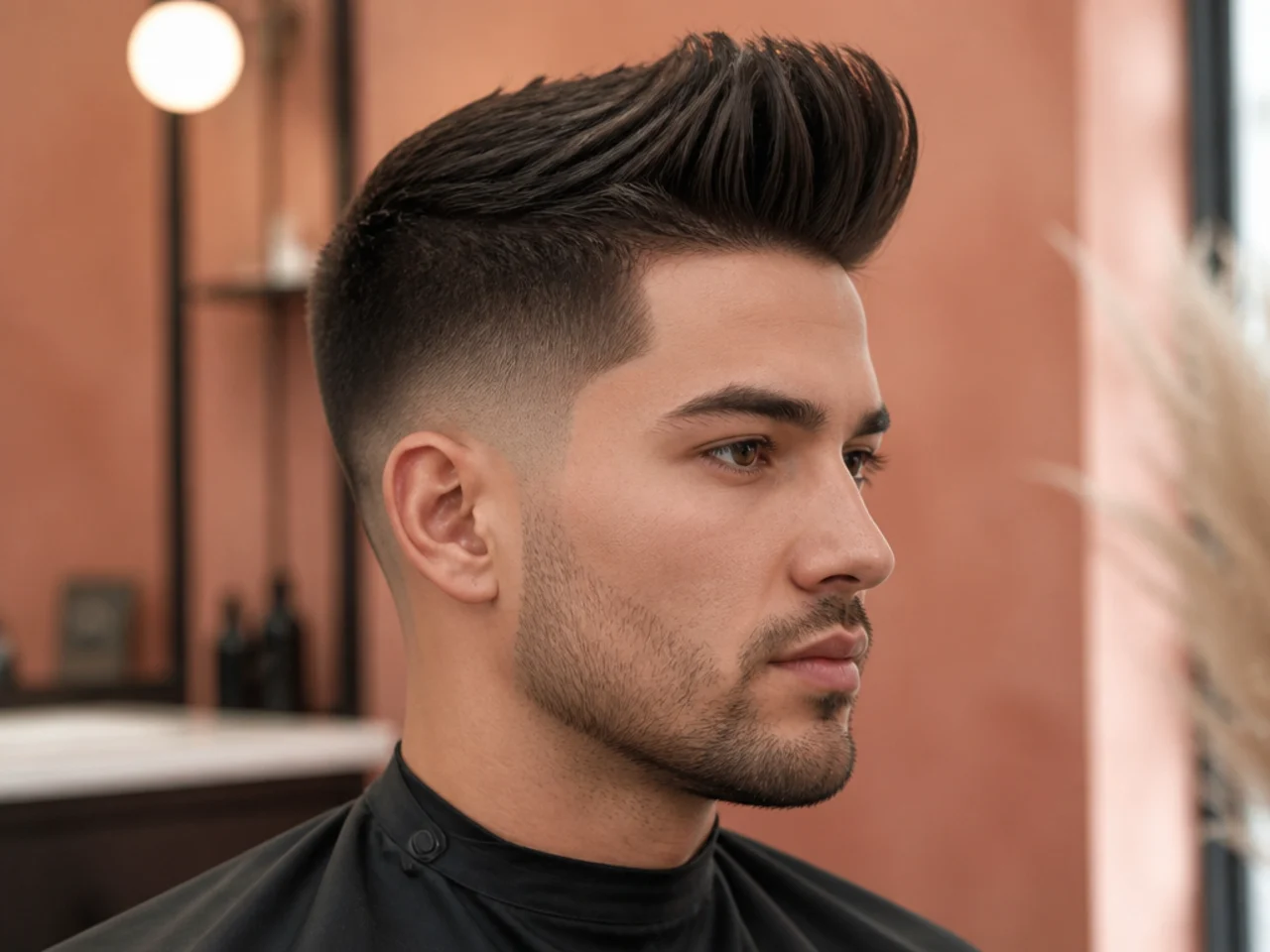
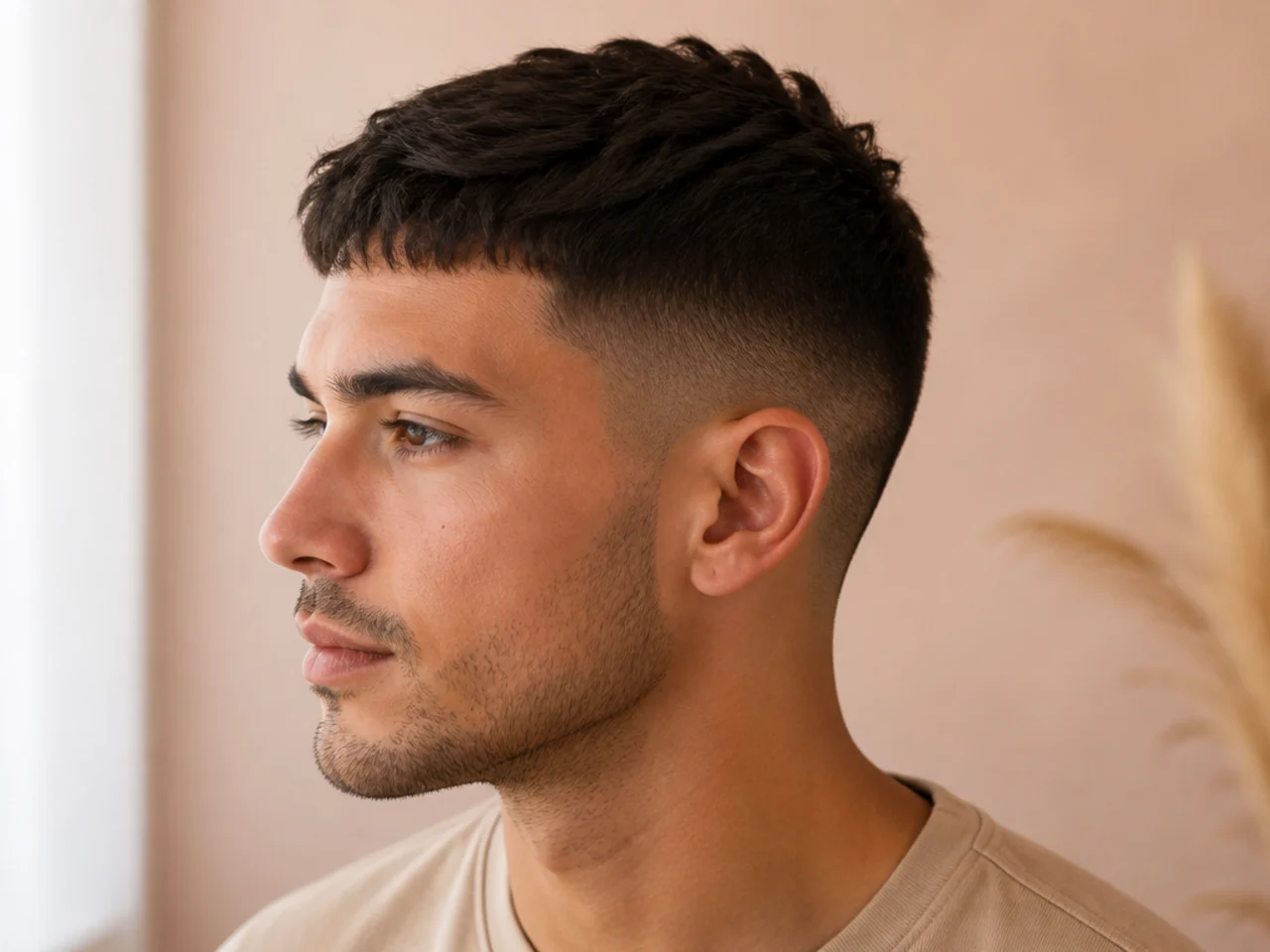
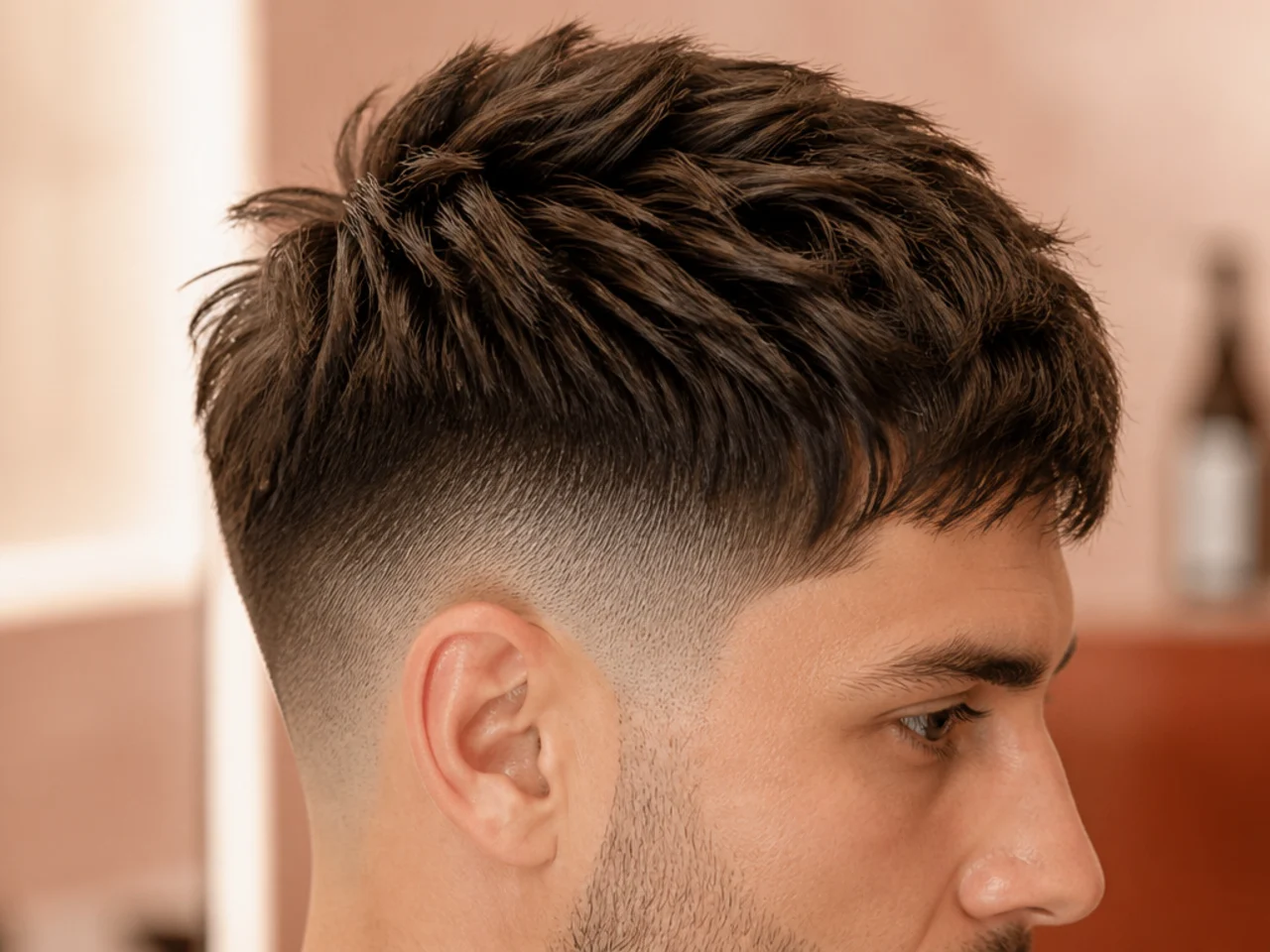
Short holds its shape in the cut itself, so it looks the same at the end of the day as the start. Medium holds its shape in how it was dried, which means the shape has to be recreated after every wash, and any rain or gym session sends you back to the beginning of that process.
2. Product Type
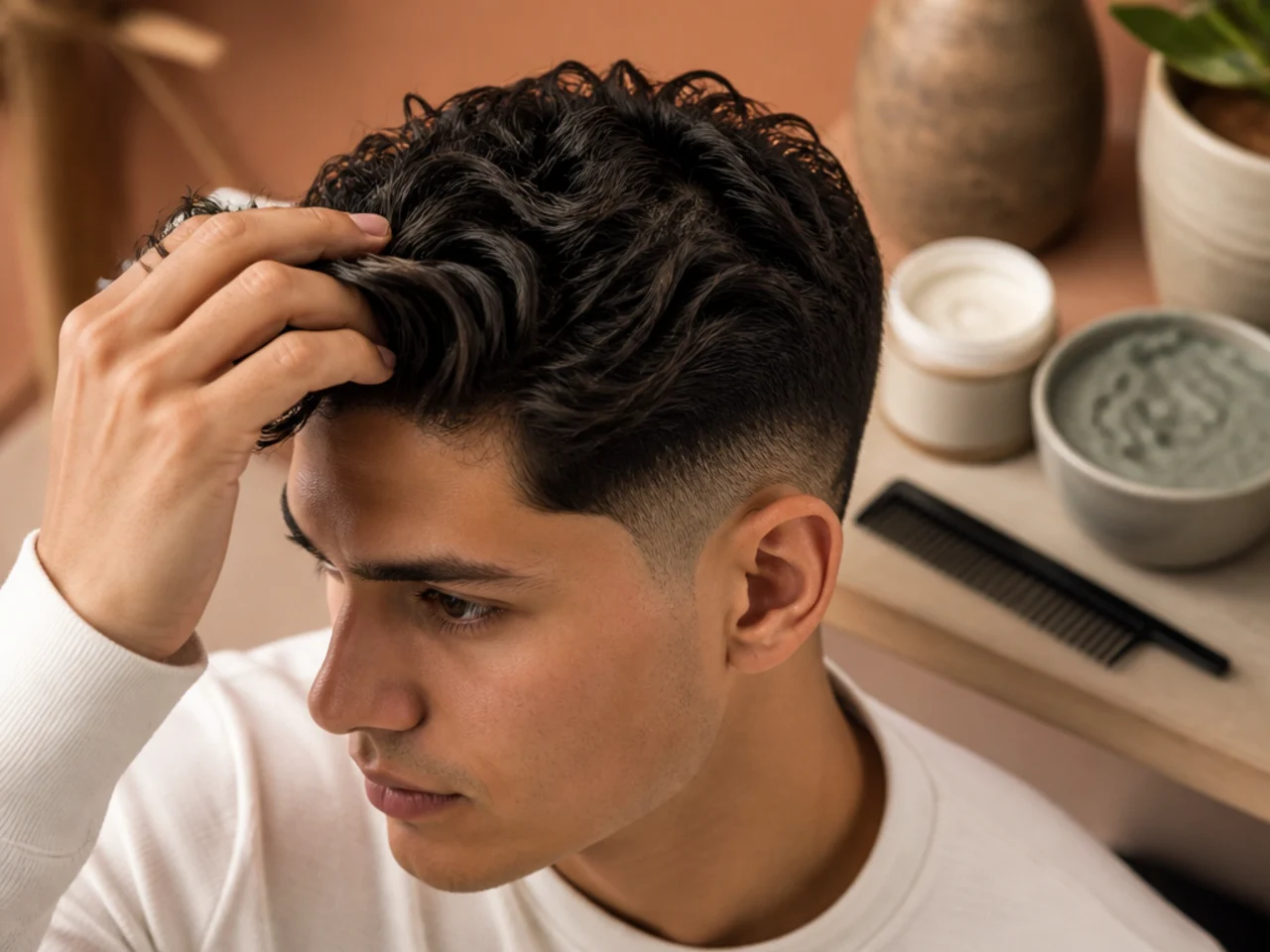
Short needs matte clay for grip at the root, because there is no weight to work with. Medium needs cream or salt spray, because the problem has become controlling weight rather than creating it.

3. Appointment Frequency
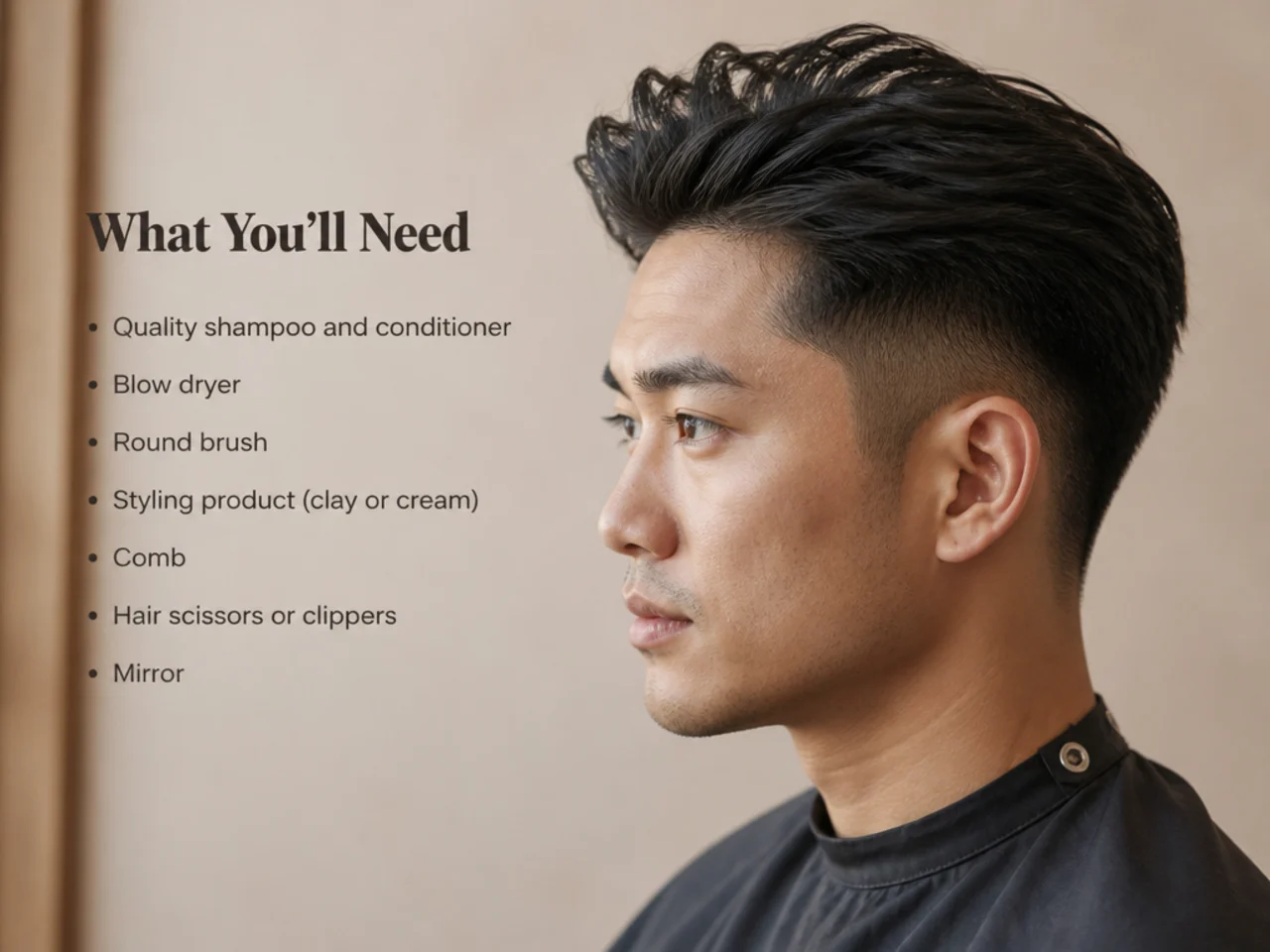
Short with a taper needs cutting every three to four weeks, and with a skin fade every one to two. Medium holds six to eight weeks, because a longer perimeter hides growth better and half an inch of new length is a smaller proportion of the whole.

4. Daily Time
Short is ninety seconds. Medium is three to five minutes, plus a longer wash-day routine, which adds up to a meaningful number over a year and is the comparison almost nobody runs before growing their hair out.

5. Behaviour on Thin Hair
Short wins clearly, because upright roots cover more scalp per strand. Medium thin hair separates under its own weight and lets light through to the skin, and that lit skin is what registers as thinning rather than the amount of hair itself.
6. Behaviour on Thick Hair
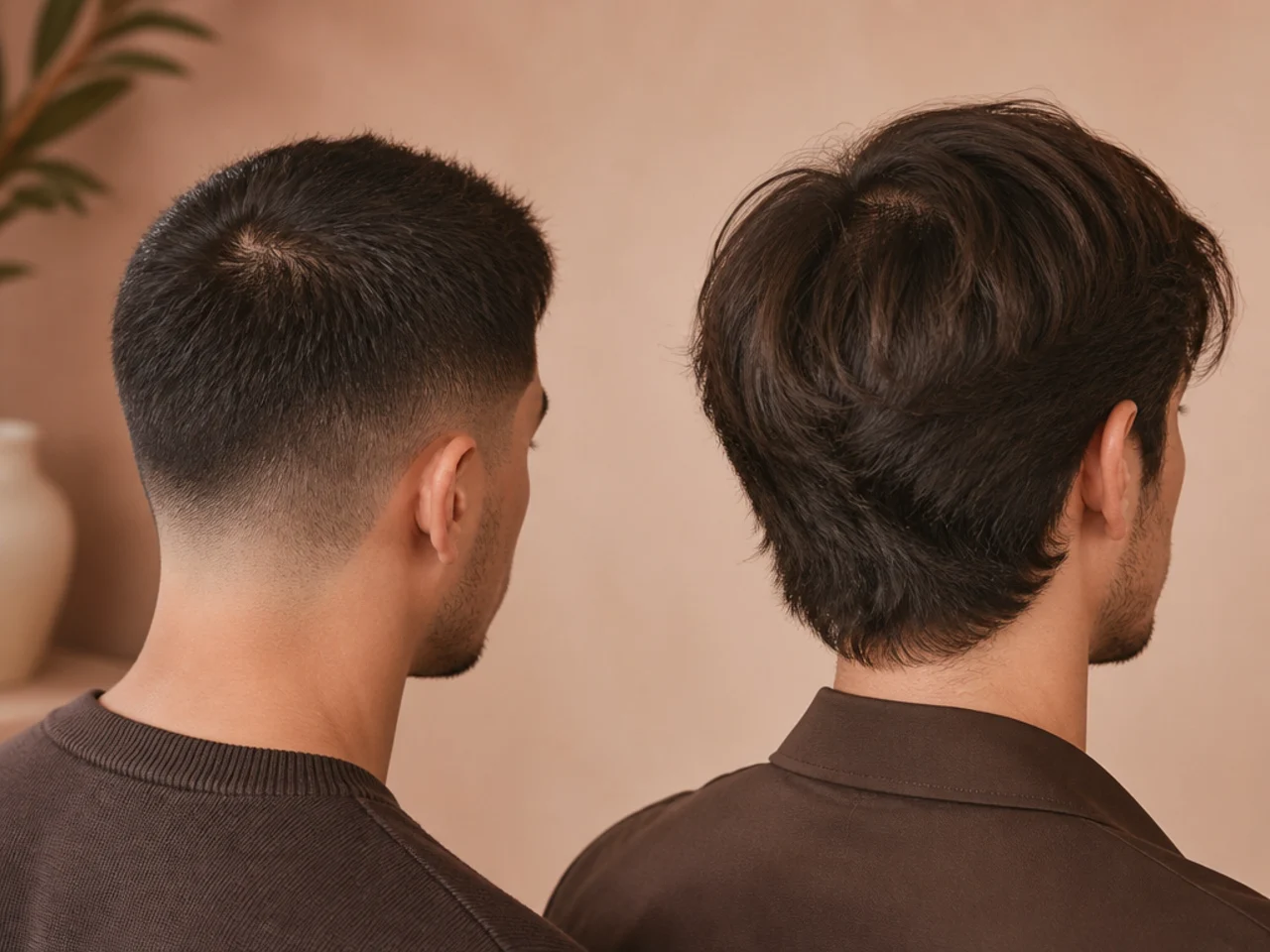
Medium wins, eventually. Thick hair below the line grows outward and needs constant weight removal, while above it the mass starts pulling itself down. The catch is that you pay in width immediately and are repaid in weight only months later, once enough length has accumulated to cross the line.
7. Behaviour on Curly Hair
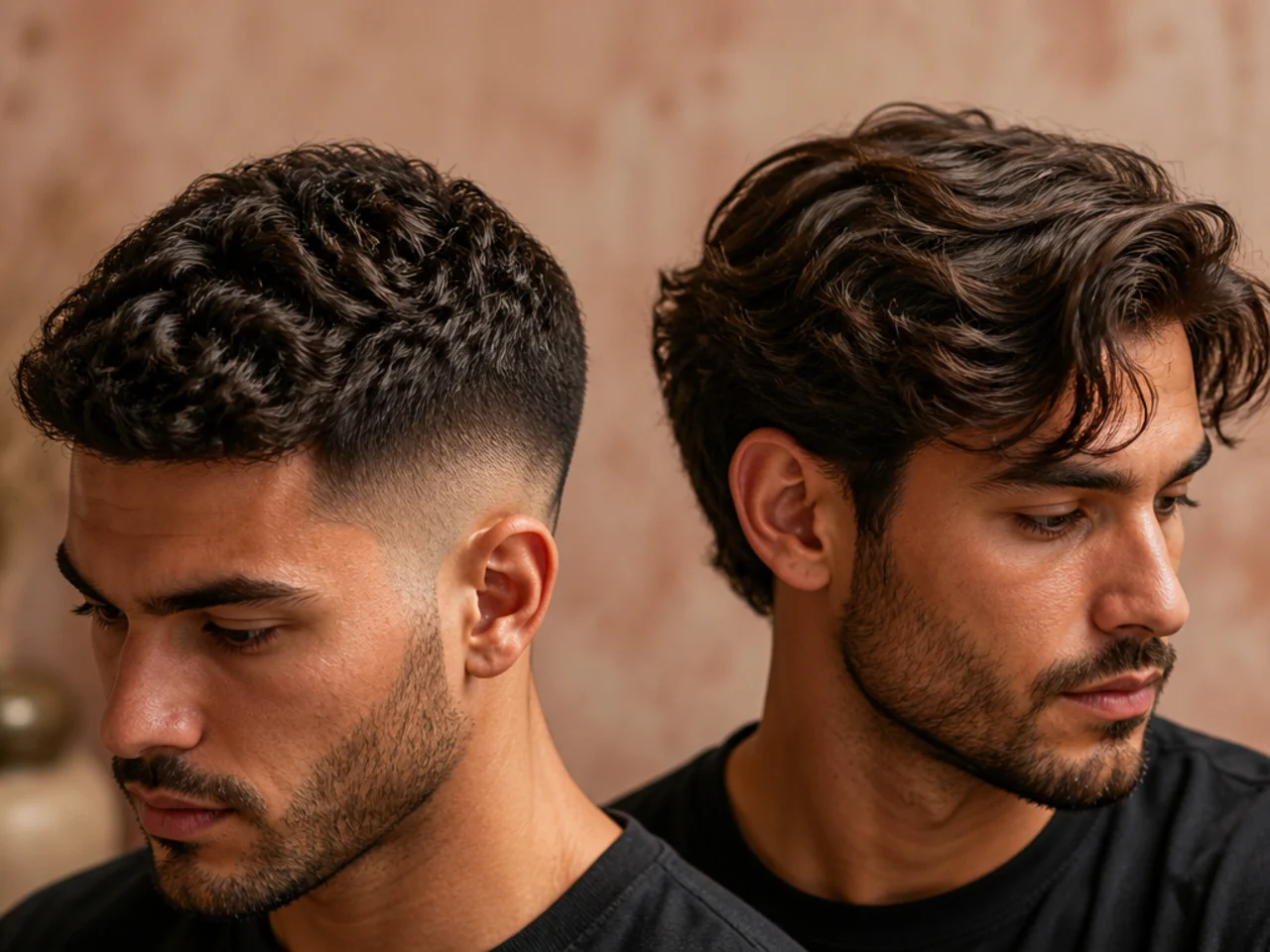
Medium suits curl better because weight elongates the pattern. Curl loses around a third of its length drying, so short curly hair often finishes shorter than anybody intended.

8. Face Shape Control
Short lets the cut decide the silhouette entirely. Medium hands part of that decision to gravity, which is useful on a round face and unhelpful on a long one.

9. Recovery From a Bad Cut
Short recovers in weeks because it is growing toward more length. Medium takes months, since you are waiting rather than rebooking. A short cut is repaired by taking more off, which is always available. A medium one has no such move, since the loss was length itself.
10. Weather and Hats
Short survives both. Medium is redirected by anything that touches it, and only re-wetting resets a set direction. Below the line the direction is held by the root, which a hat cannot reach. Above it, the direction is only a dried bend.

11. What the Barber Cuts
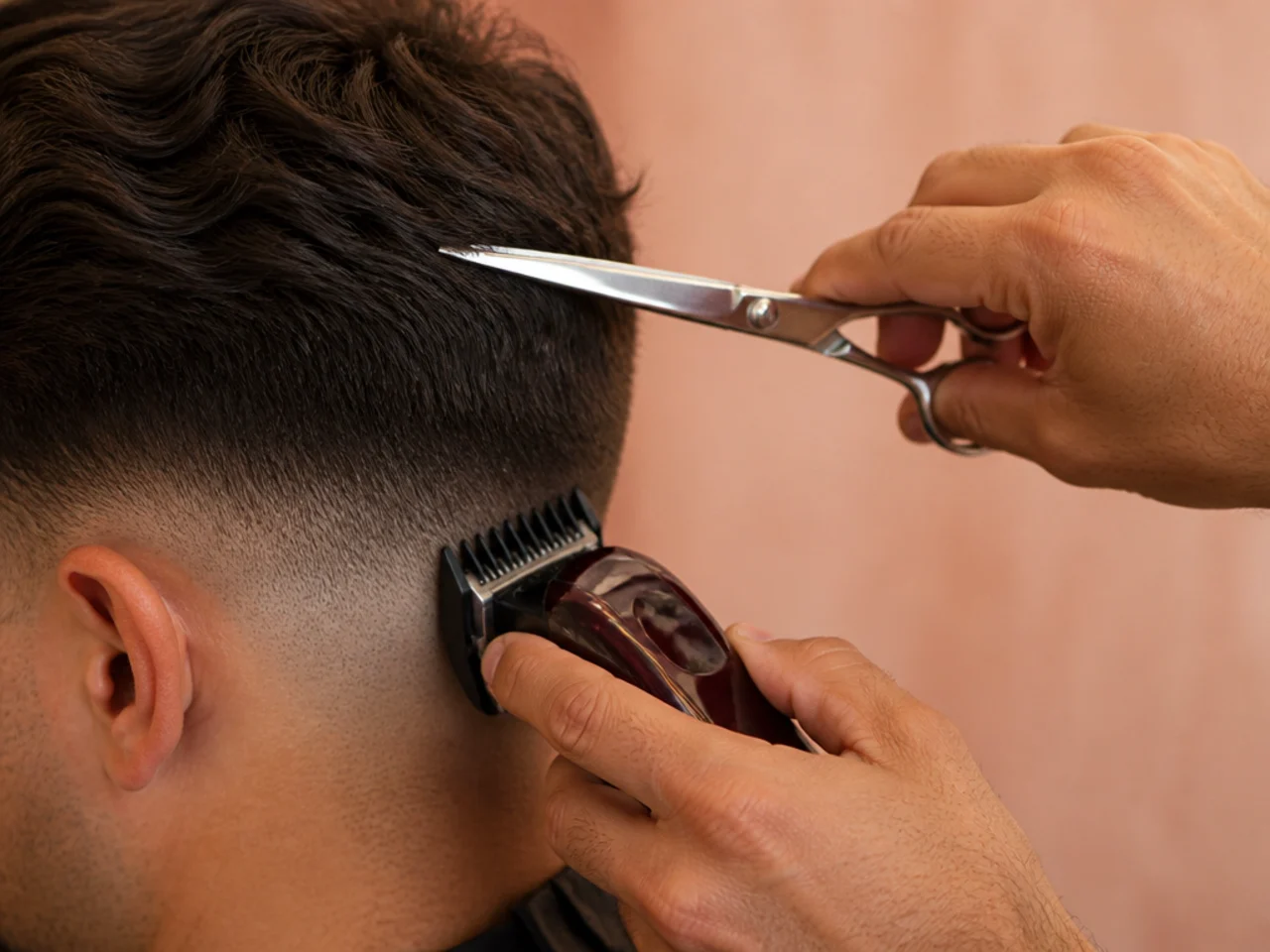
Short is clipper work with scissors on top. Medium is almost entirely scissor work, with weight removed from inside the section rather than length taken off the ends, which is why a medium cut takes longer in the chair for less visible change.
12. What Goes Wrong
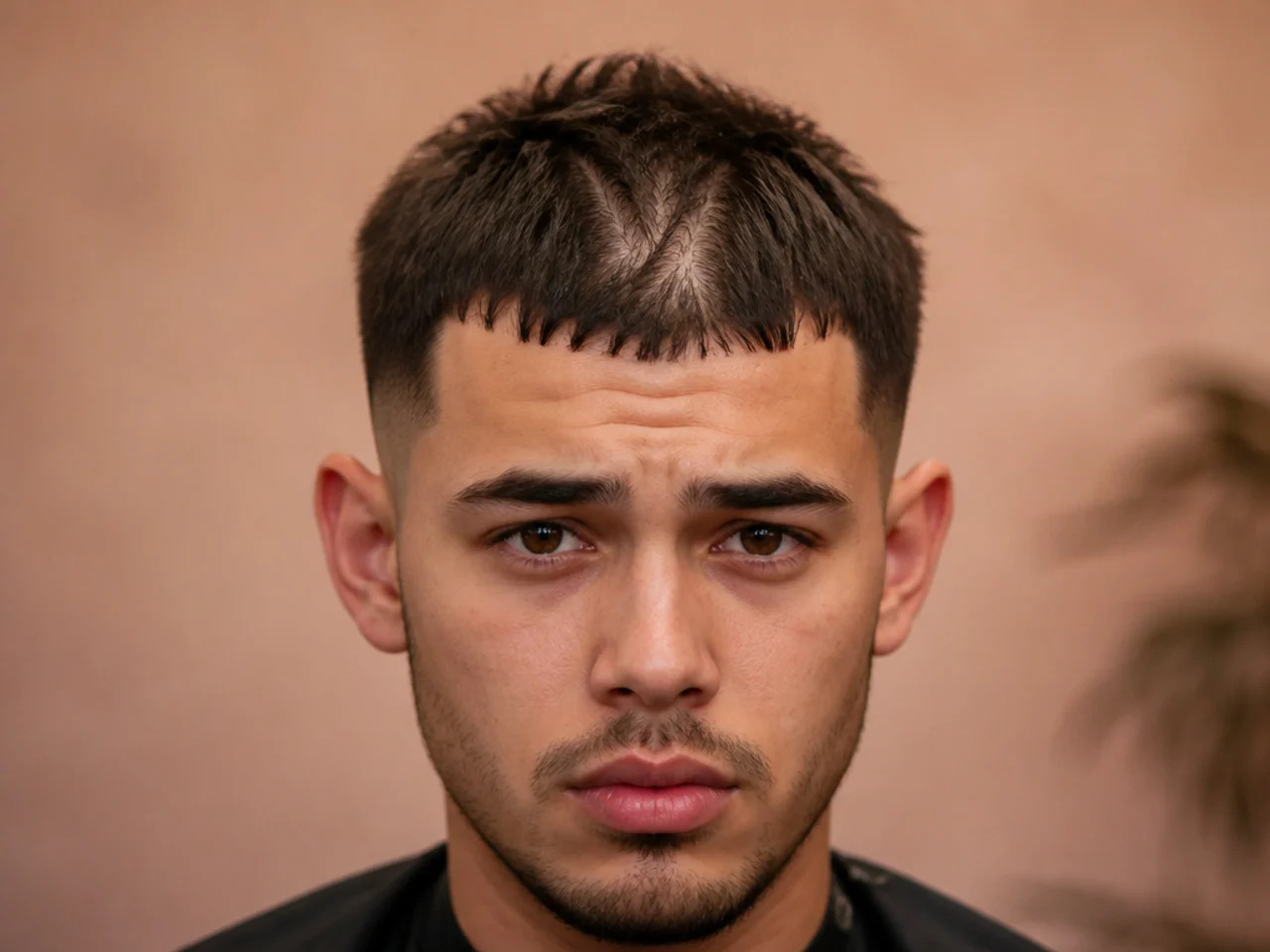
Short goes wrong by being uneven, because a millimetre is a large proportion of the whole. Medium goes wrong by being heavy, and the fix is thinning from inside the section rather than cutting length off the ends.
13. The Grow-Out Between Them
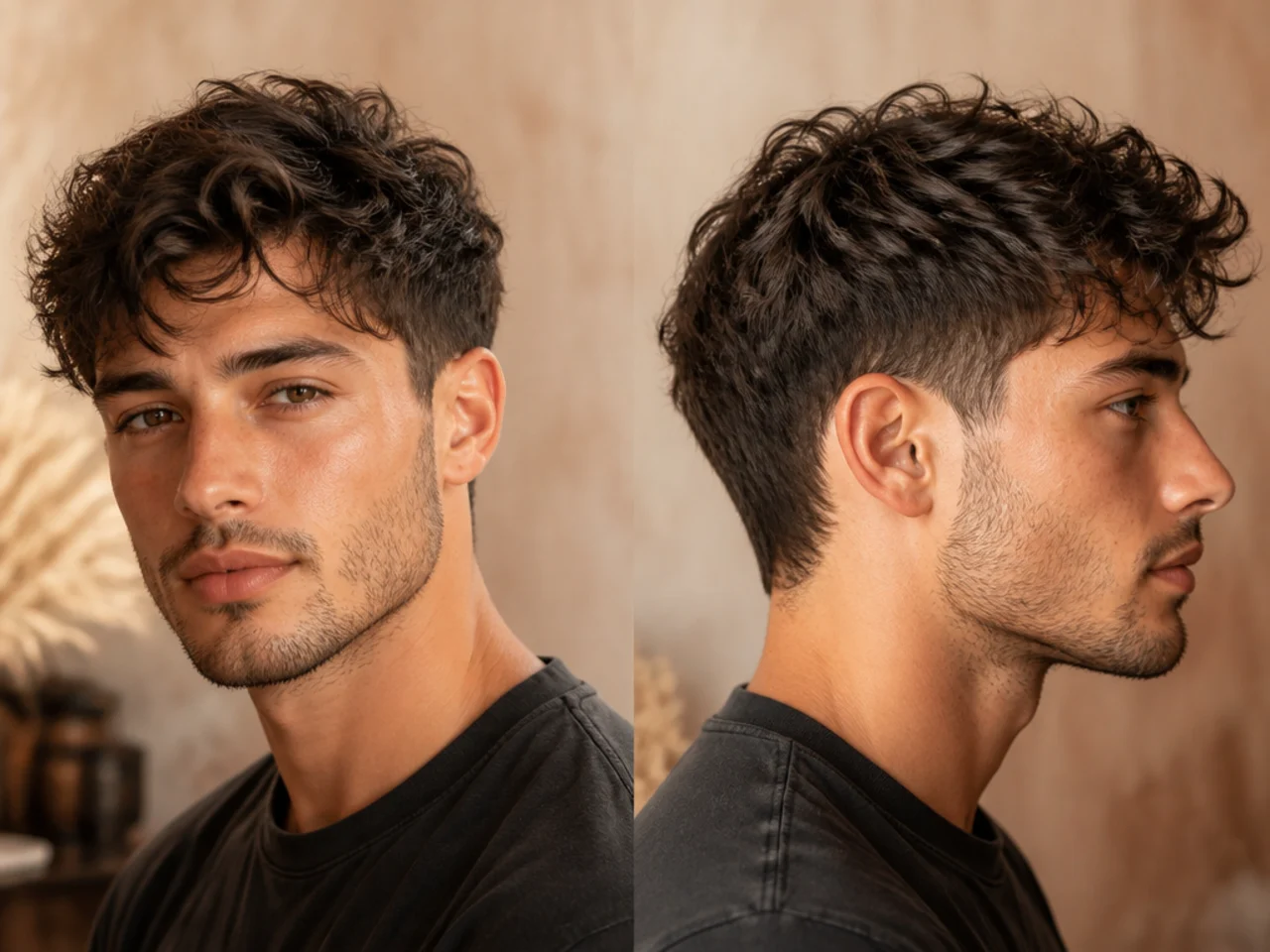
About four months, and the middle two are the worst. The hair has lost its cut shape and not yet gained the weight it needs to fall, and booking a shape trim during that window is what gets most men through it.
14. Going Back Down
One appointment and twenty minutes. The asymmetry is worth knowing before you start growing, because the experiment only runs in one direction cheaply.
15. What to Say Either Way
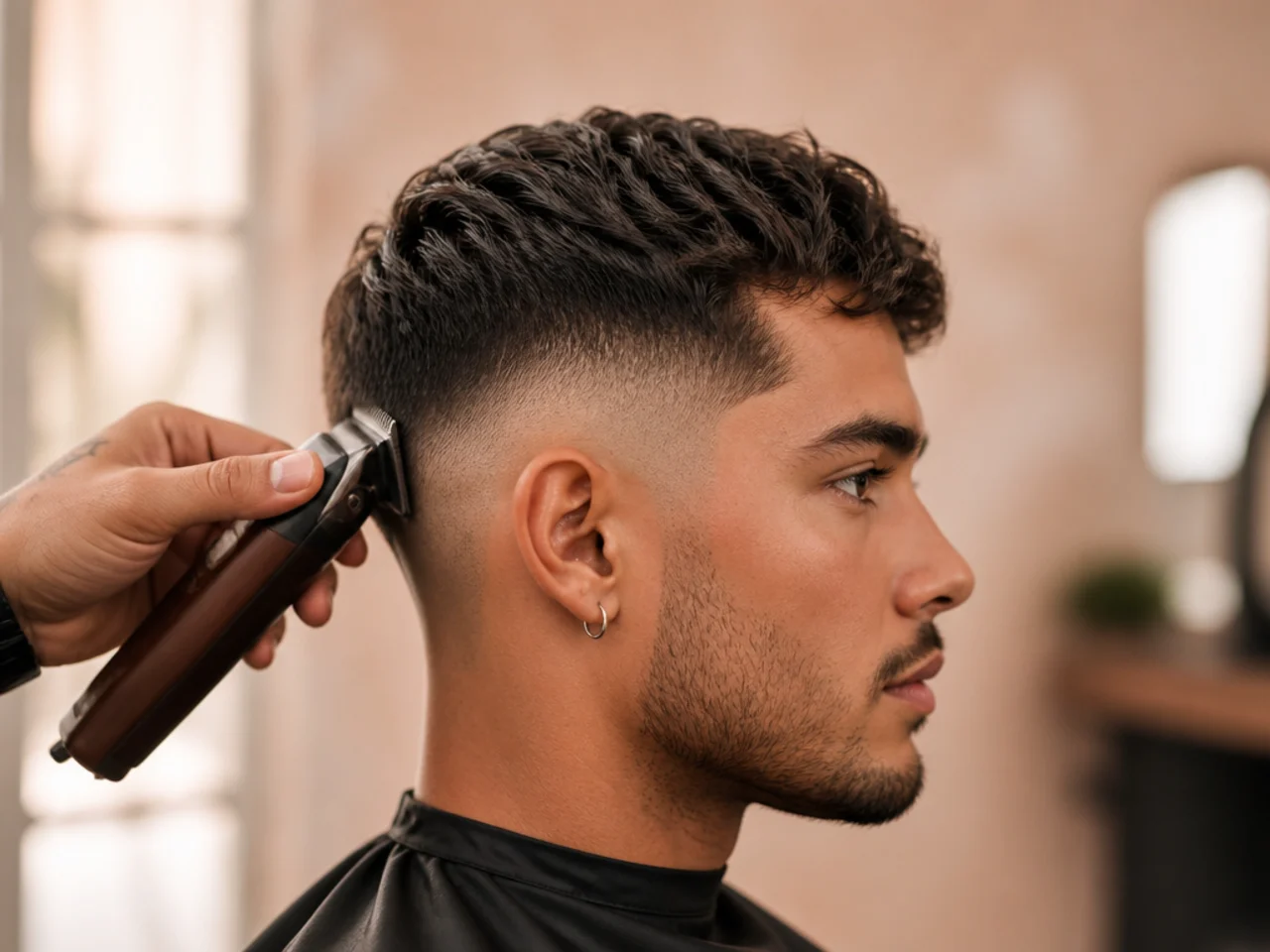
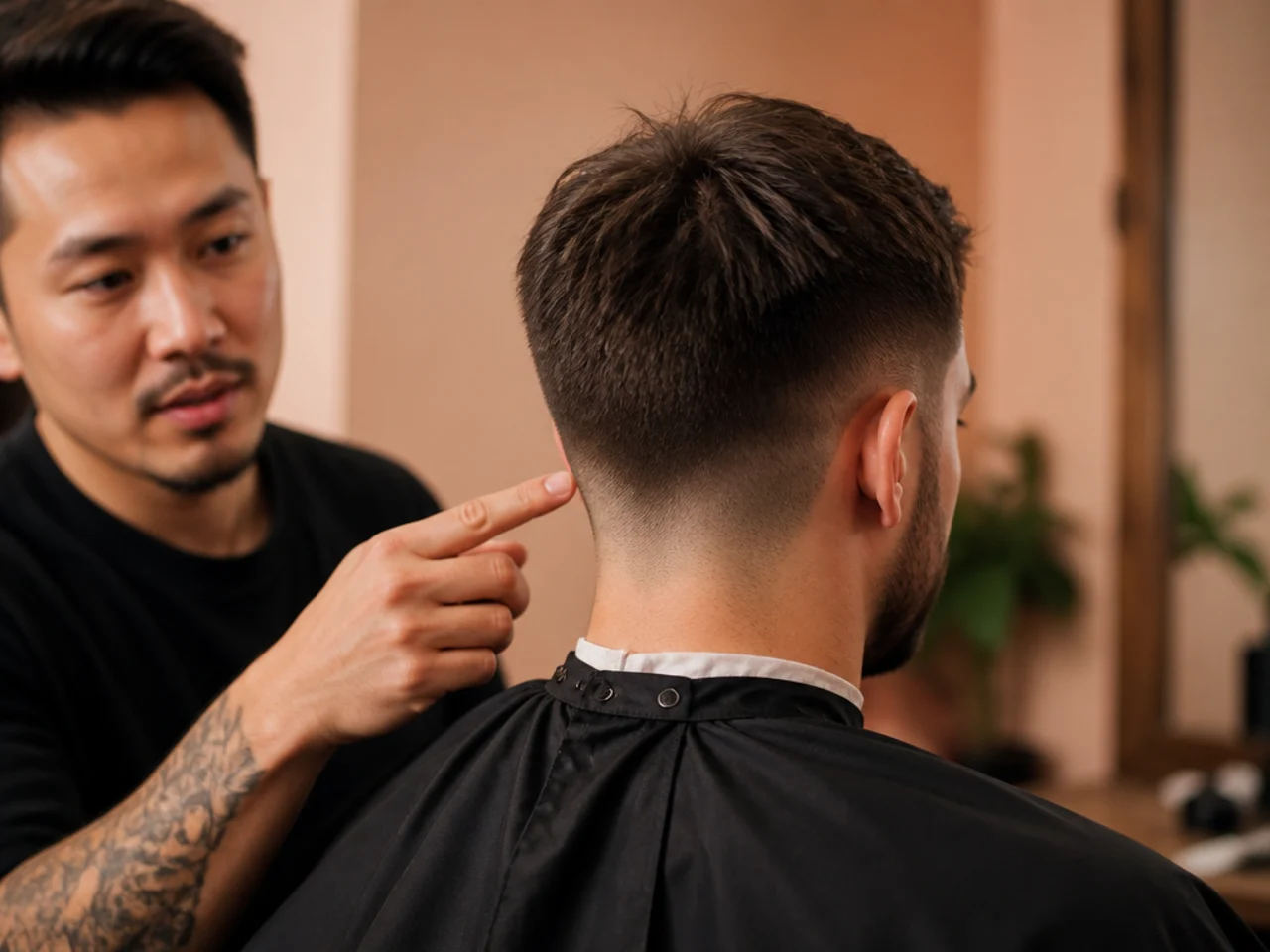
For short, give a guard number and a fade height, since #1 is 3mm and #3 is 10mm and those numbers transfer anywhere. For medium, give a target length and ask for weight removed rather than length taken, because length is the thing you have been waiting on.
Styling and Upkeep
Match the product to the side of the line. Clay below two inches, cream or salt above.
Style damp at both lengths. Direction is set as water leaves the hair.
Book on the perimeter, not the length. Both families stop looking cut when the outline goes.
Ask for thinning at medium length. Cutting length is not the fix for heaviness.
Finish cool at both lengths. Hair holds the shape it is in when it cools.
Mistakes to Avoid
Using clay at medium length. Grip without weight is the wrong tool above the line.
Using cream at short length. Below the line the shape comes from lift, so the weight that helps medium hair lie down is exactly what ruins short hair.
Growing to medium with fine hair. Separation shows scalp rather than volume.
Quitting the grow-out at month two. It is the worst month and it is temporary.
Cutting length to fix heaviness. Weight comes out from inside, not off the ends.

FAQ
Where is the line? Around two inches, where hair stops standing and starts falling.
Which is easier? Short daily, medium on the calendar.
How long to grow? About four months, with the middle two being the awkward ones.

Final Thoughts
Decide which side of the two-inch line you want to live on before you argue about names. Everything else in this comparison follows from it automatically, and the men who are unhappy with their hair are usually the ones sitting exactly on the line without having chosen to.
For the shorter family in detail see short haircuts for men, and for the longer one see medium length hairstyles for men. More in Men's Haircuts.