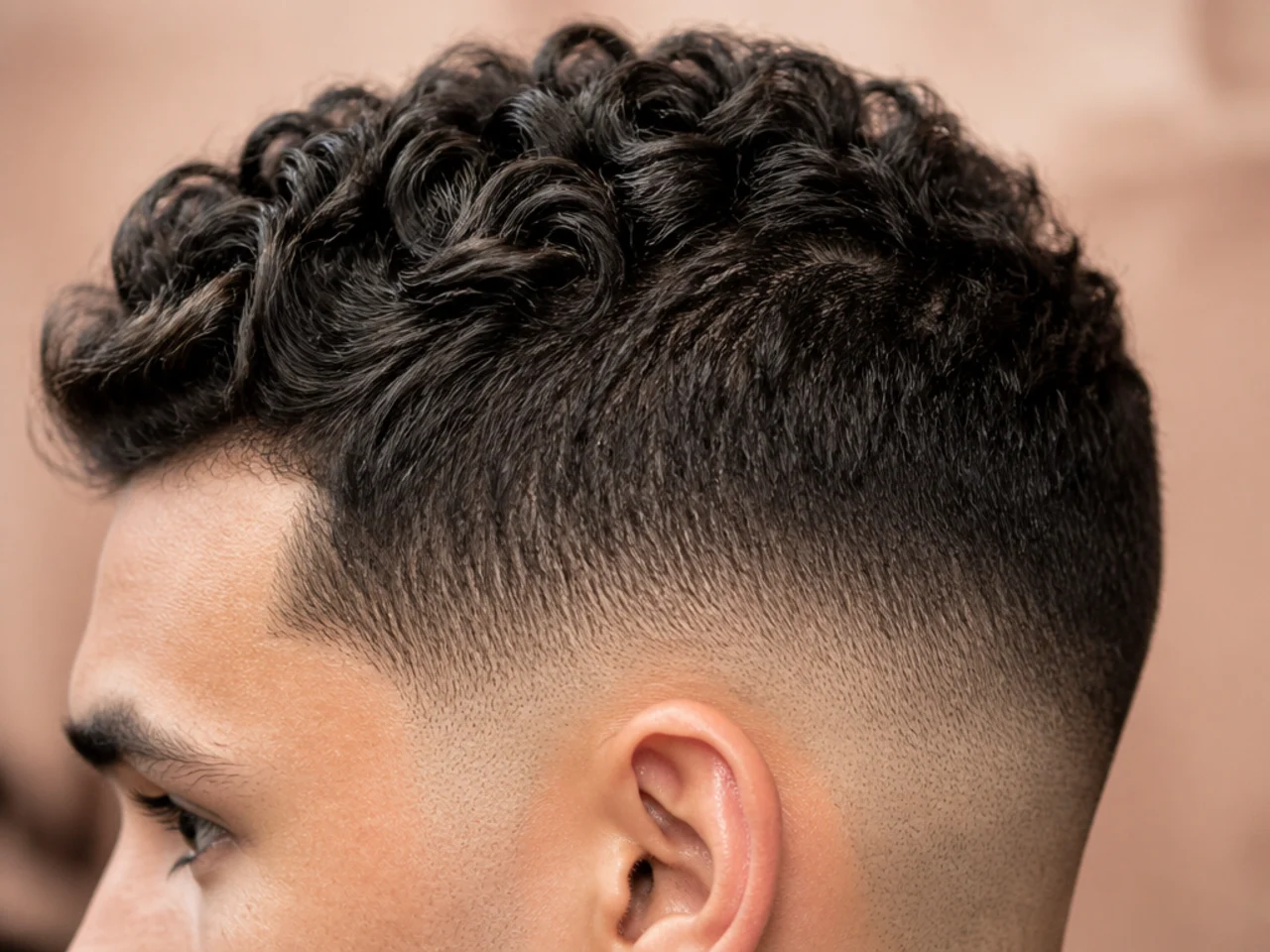
20 Fade Men Haircut Styles to Save
A fade is defined by an absence rather than a feature — there is no line anywhere in it. Every member of the family is a different route that gradient takes around the head, and the route is what the names are actually describing.
In this article · 27
- What Every Fade Shares
- How to Choose Yours
- The 20 Fade Styles
- 1. The Low Fade
- 2. The Mid Fade
- 3. The High Fade
- 4. The Taper Fade
- 5. The Skin Fade
- 6. The Burst Fade
- 7. The Drop Fade
- 8. The Temple Fade
- 9. The Shadow Fade
- 10. The Blurry Fade
- 11. The Low Taper
- 12. The Bald Fade
- 13. The Fade With a Hard Part
- 14. The Fade Into a Beard
- 15. The Fade With a Design
- 16. The Curly Fade
- 17. The Fade With a Fringe
- 18. The Fade Under Length
- 19. The Fade Under a Buzz
- 20. The Week-Three Fade
- Styling and Upkeep
- Mistakes to Avoid
- FAQ
- Final Thoughts
The fade family has more names than almost any other group in men's hair, and most of them describe the same thing from different angles.
A fade is defined by an absence, not a feature. There is no line anywhere in it, and that continuity is the whole definition.
Every name in the family describes a route. Where the gradient starts, what path it traces around the head, and how short it finishes.
What Every Fade Shares
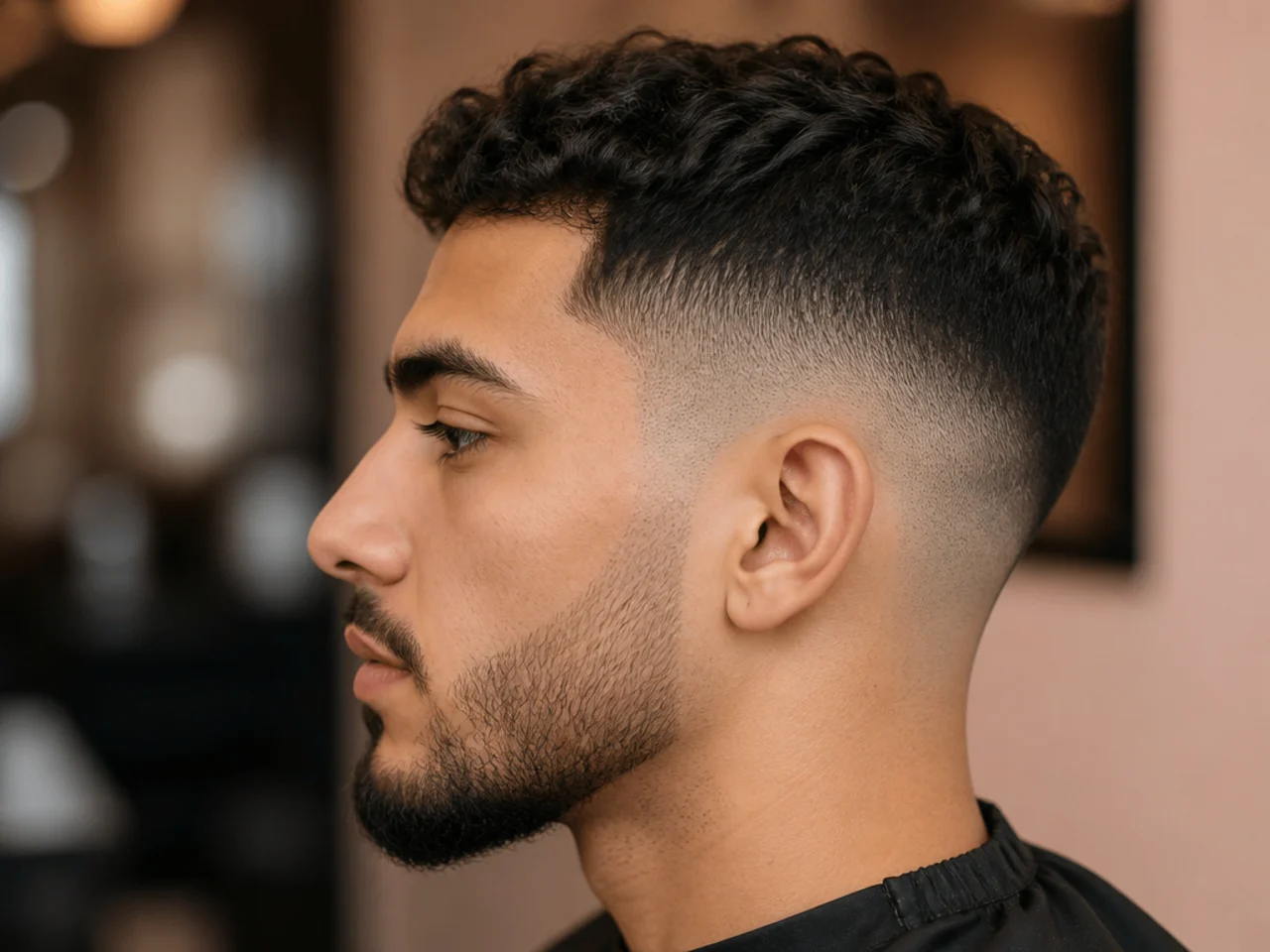
No step, anywhere. If you can see where one length becomes another, it is not a fade.
A vertical direction of travel. The gradient always runs from short at the bottom to long at the top.
Three independent variables. Height, path and depth, and every name in the family is a combination of them.
A fixed relationship to the skull. Low sits at or below the temple, mid between temple and parietal ridge, high at or above the ridge.
How to Choose Yours
Pick the height for your face. High narrows a wide head, low preserves width on a narrow one.
Pick the path for your head shape. A straight line suits a flat side, a drop or burst suits a rounder one.
Pick the depth for your calendar. Skin means fortnightly, a #1 means monthly.
Say all three out loud. Height, path and depth in one sentence beats any photograph.
The 20 Fade Styles
1. The Low Fade
The gradient starts at or below the temple. It preserves almost all the head's natural width, which makes it the safest member of the family on a narrow face.
2. The Mid Fade
The gradient starts between the temple and the parietal ridge. It is the default because it reads as a fade from a distance without changing the head shape much.
3. The High Fade
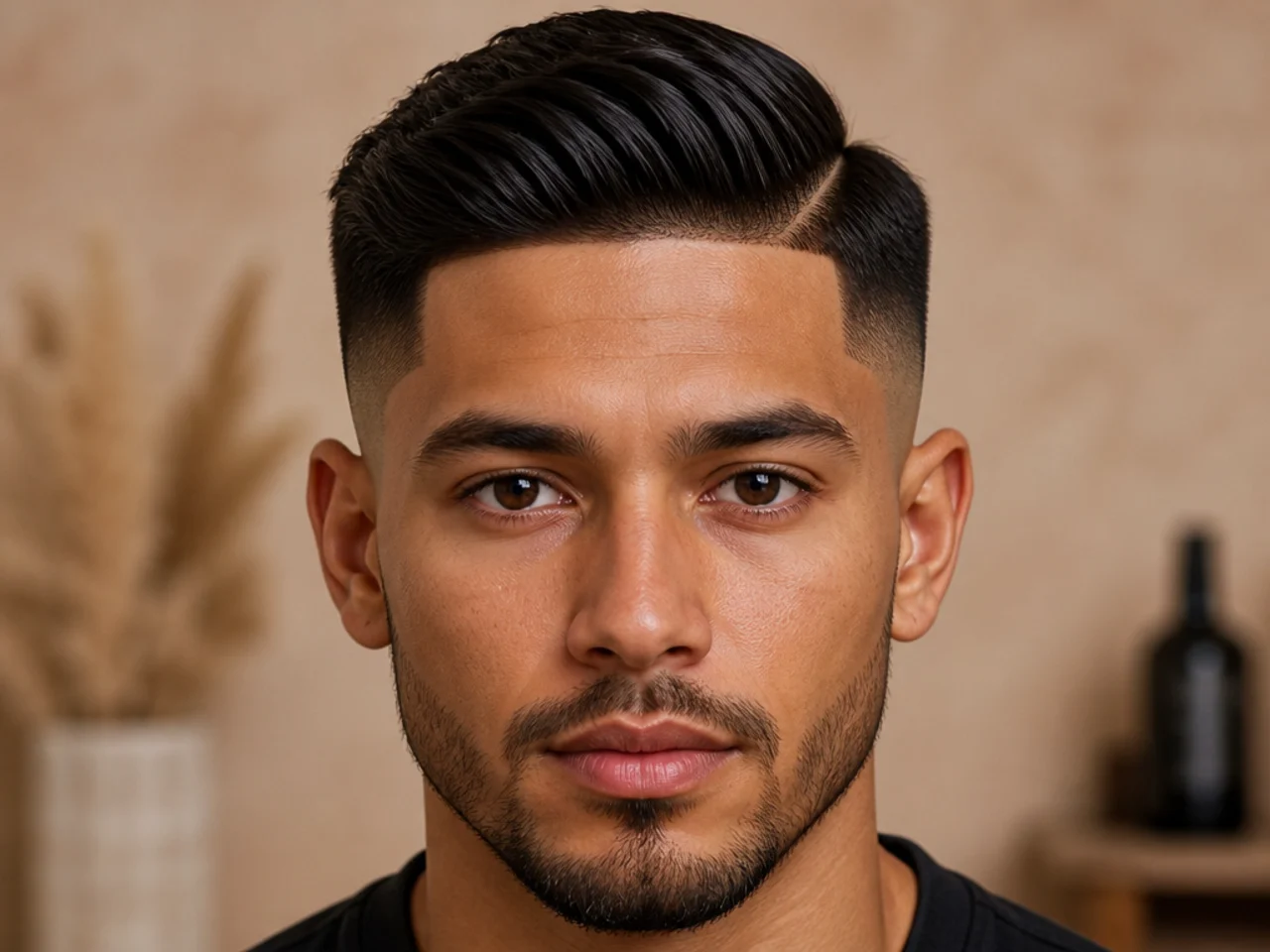
The gradient starts at or above the parietal ridge, cutting into the widest point of the skull. It is the only fade that meaningfully narrows the head.
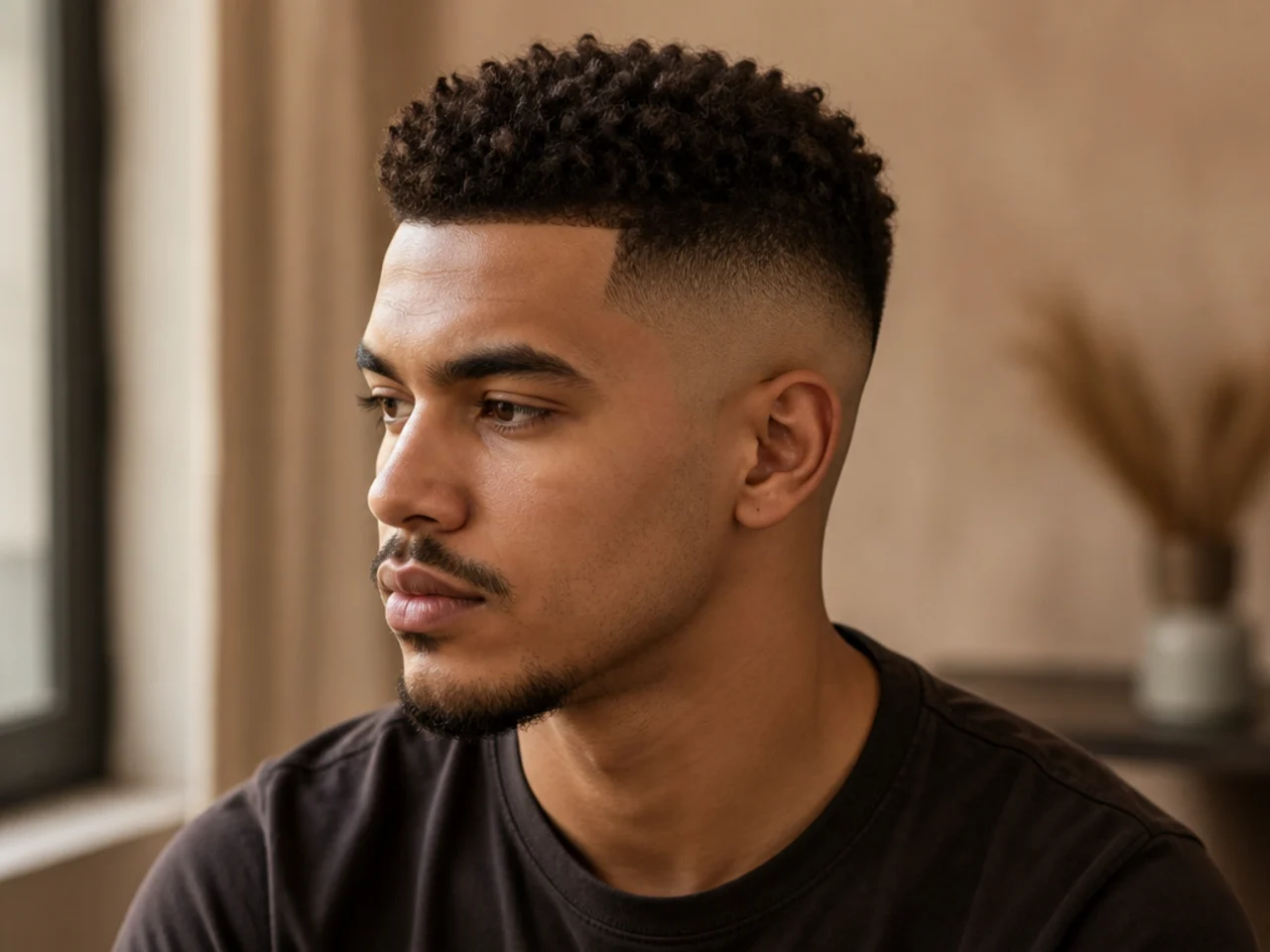
4. The Taper Fade
Depth stopped at a #1 rather than skin. It is the same gradient with three extra weeks of life in it, because there is no bare scalp for regrowth to contrast against.
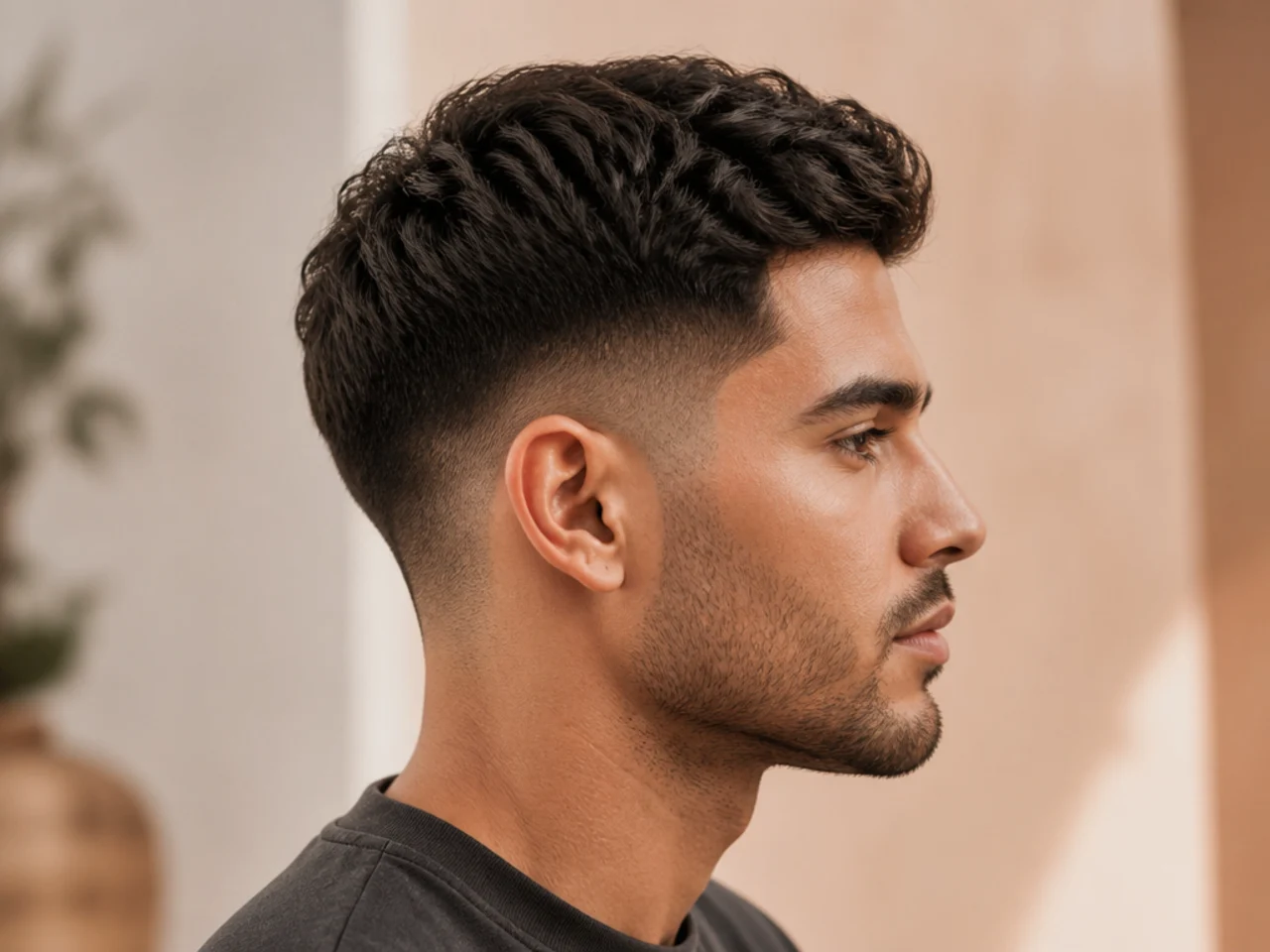
5. The Skin Fade
Depth taken to bare scalp. It gives the family its sharpest version and its shortest lifespan, blurring within one to two weeks.
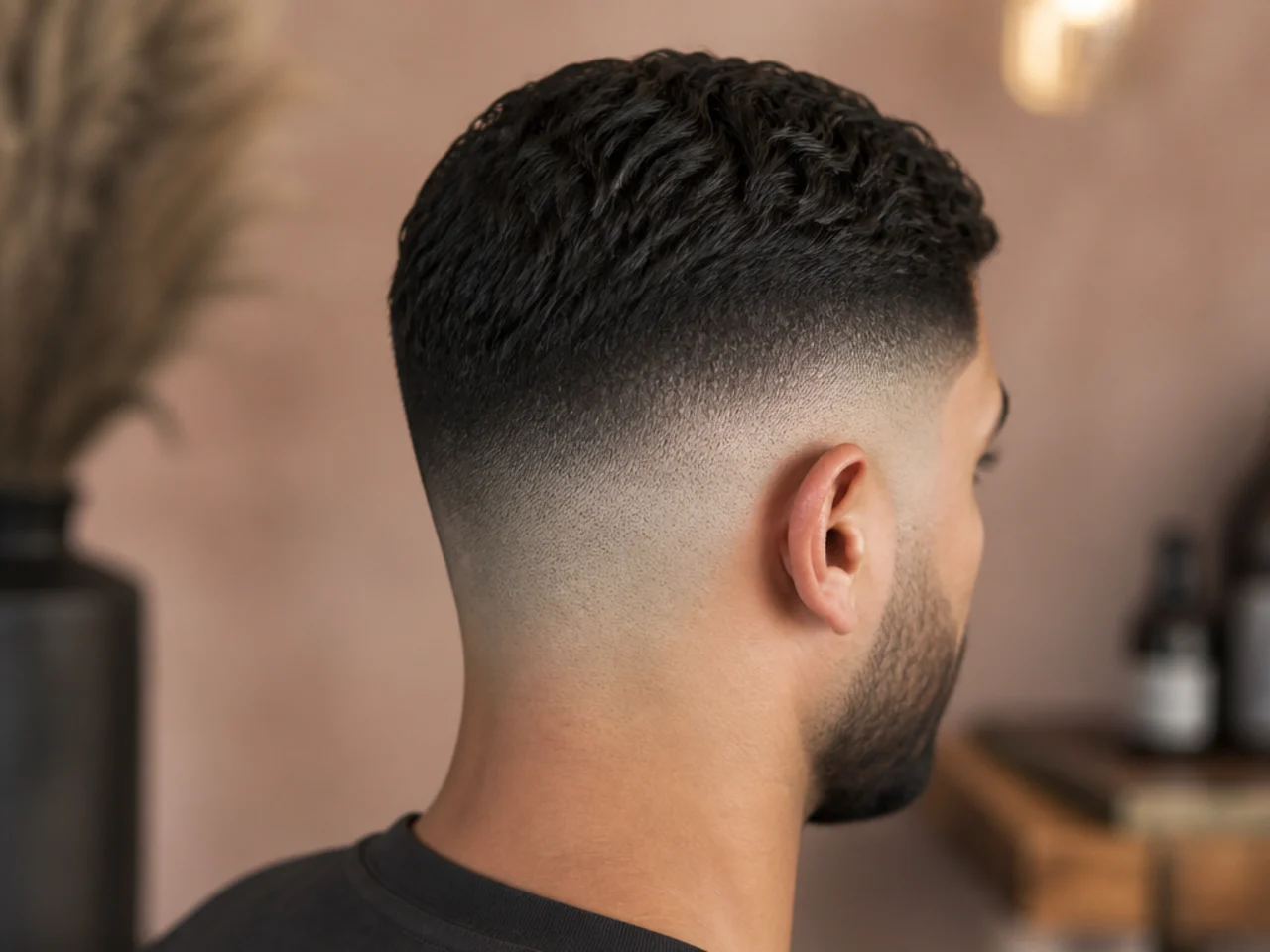
6. The Burst Fade
The path arcs around the ear in a semicircle, leaving the back untouched. It is the only common fade that does not travel all the way around the head.
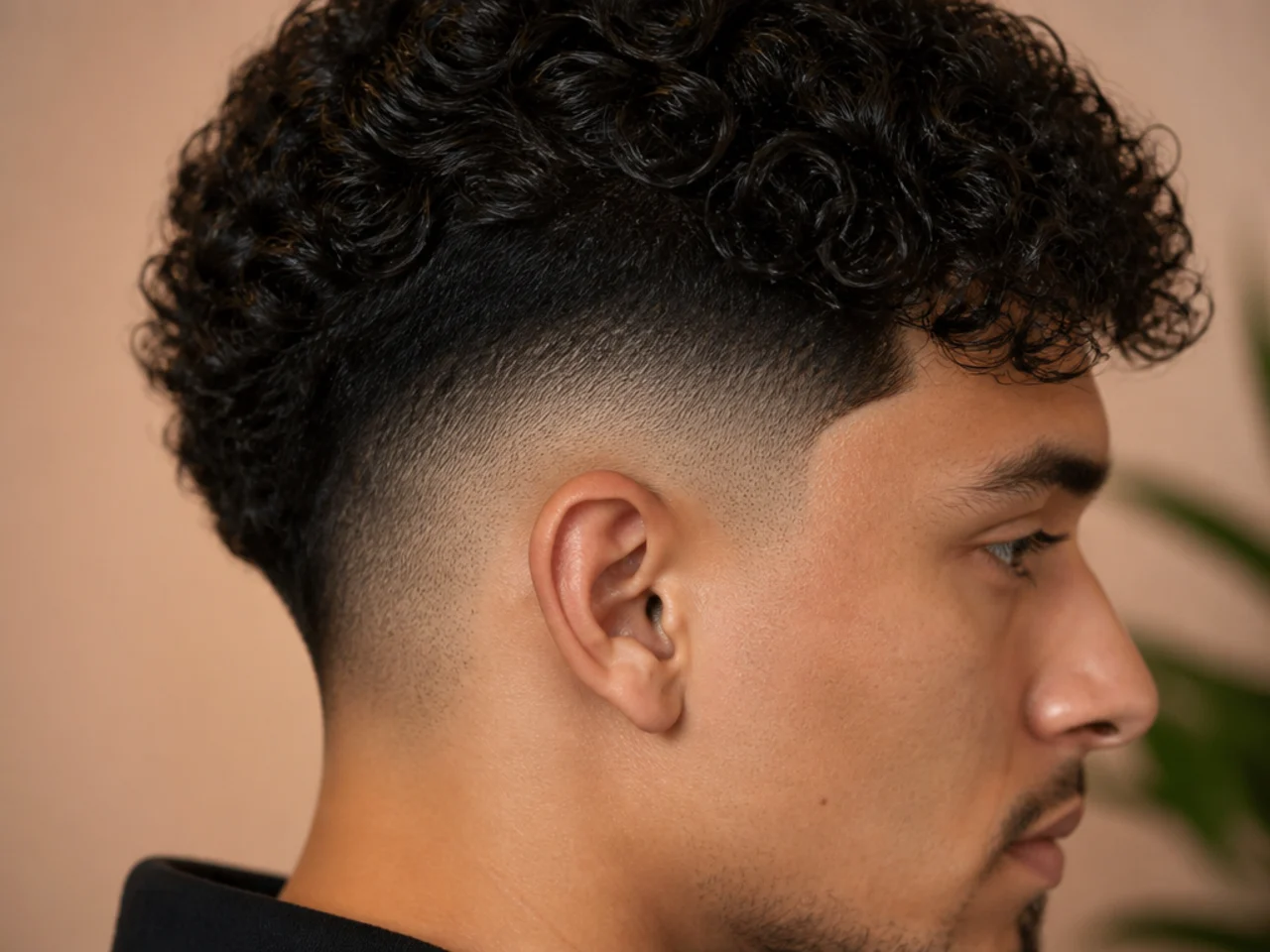
7. The Drop Fade
The path curves downward behind the ear, following the skull rather than cutting across it. It suits rounder heads where a straight line would look imposed.
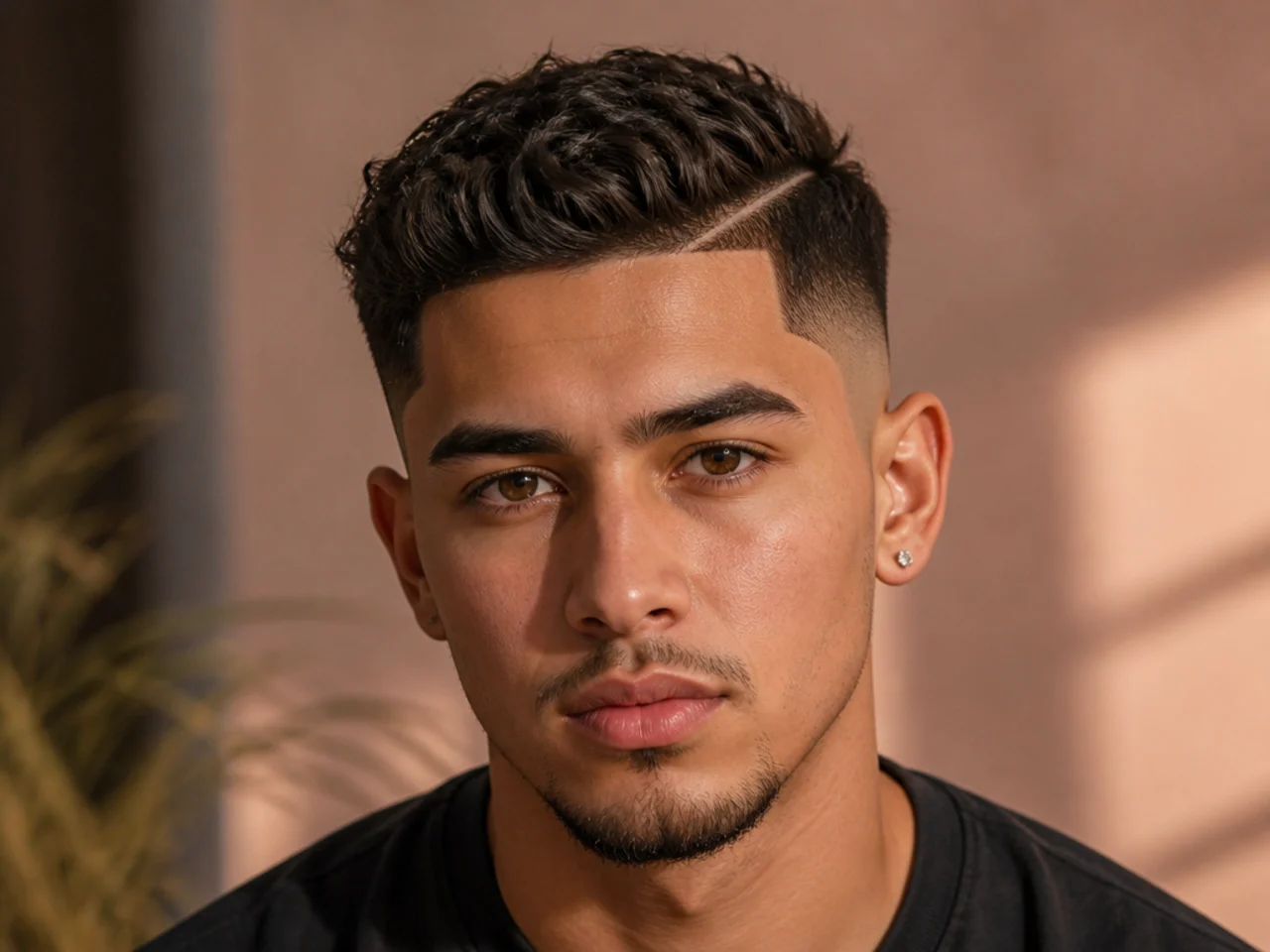
8. The Temple Fade
The path is confined to the corners at the temples. It cleans up the front without changing the silhouette anywhere else. The gradient never climbs to the parietal ridge, so the family's defining blend survives only in a patch about two inches wide.
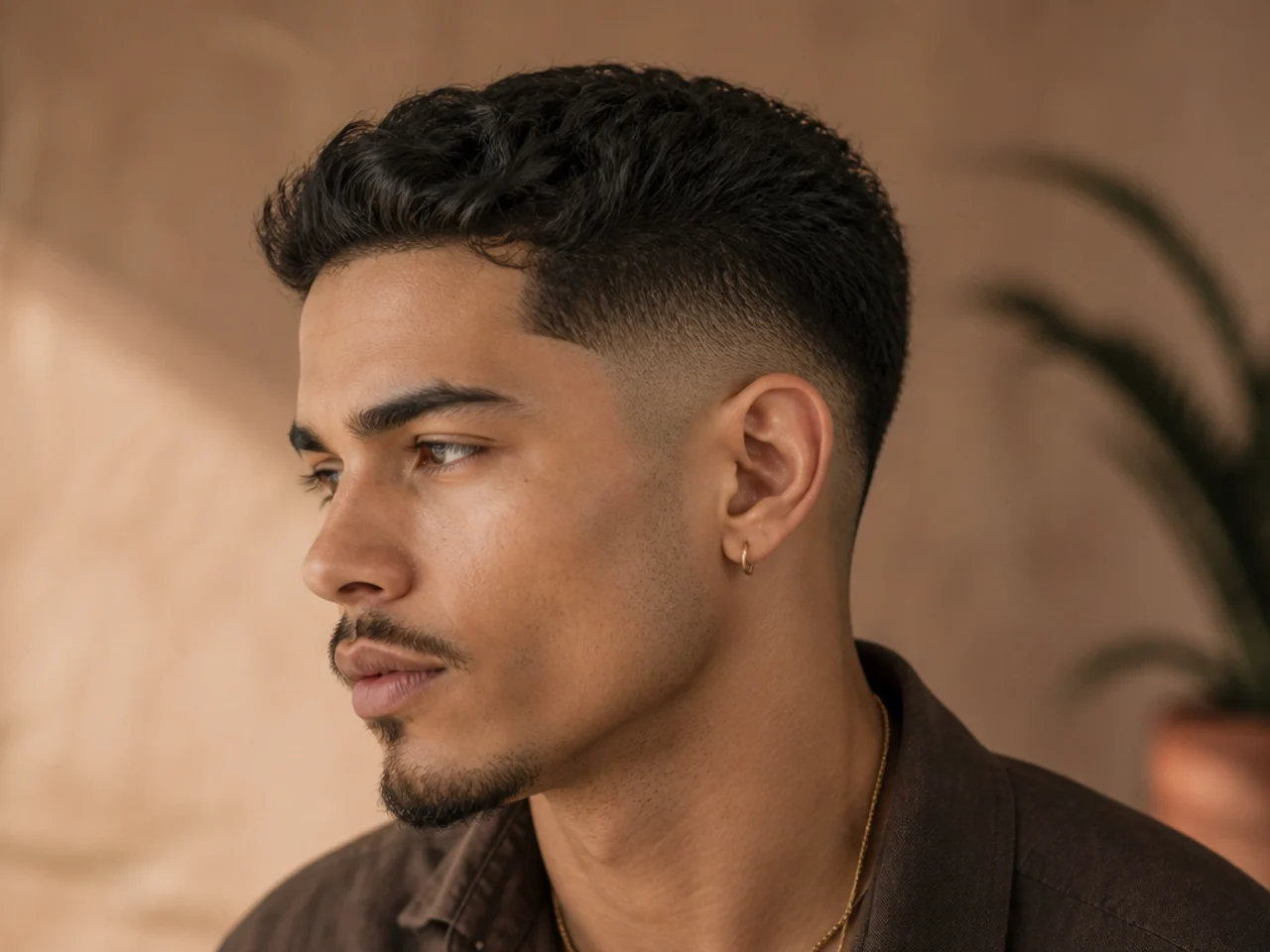
9. The Shadow Fade
Depth stopped at a #1 across the whole gradient, leaving a grey shadow. It is the compromise depth between a taper and skin.
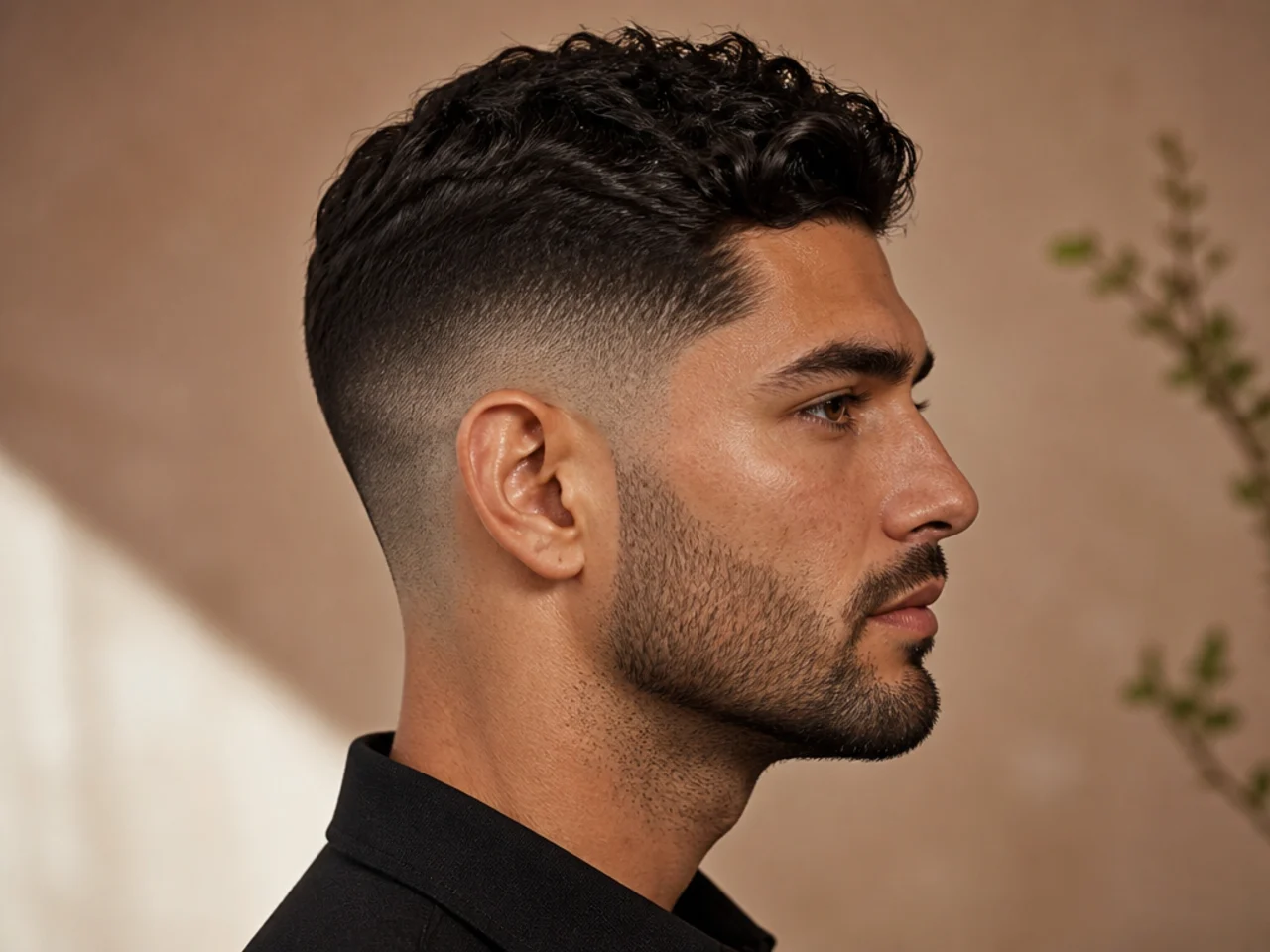
10. The Blurry Fade
The gradient stretched over a longer distance so no start point can be located. It costs more chair time and grows out invisibly.
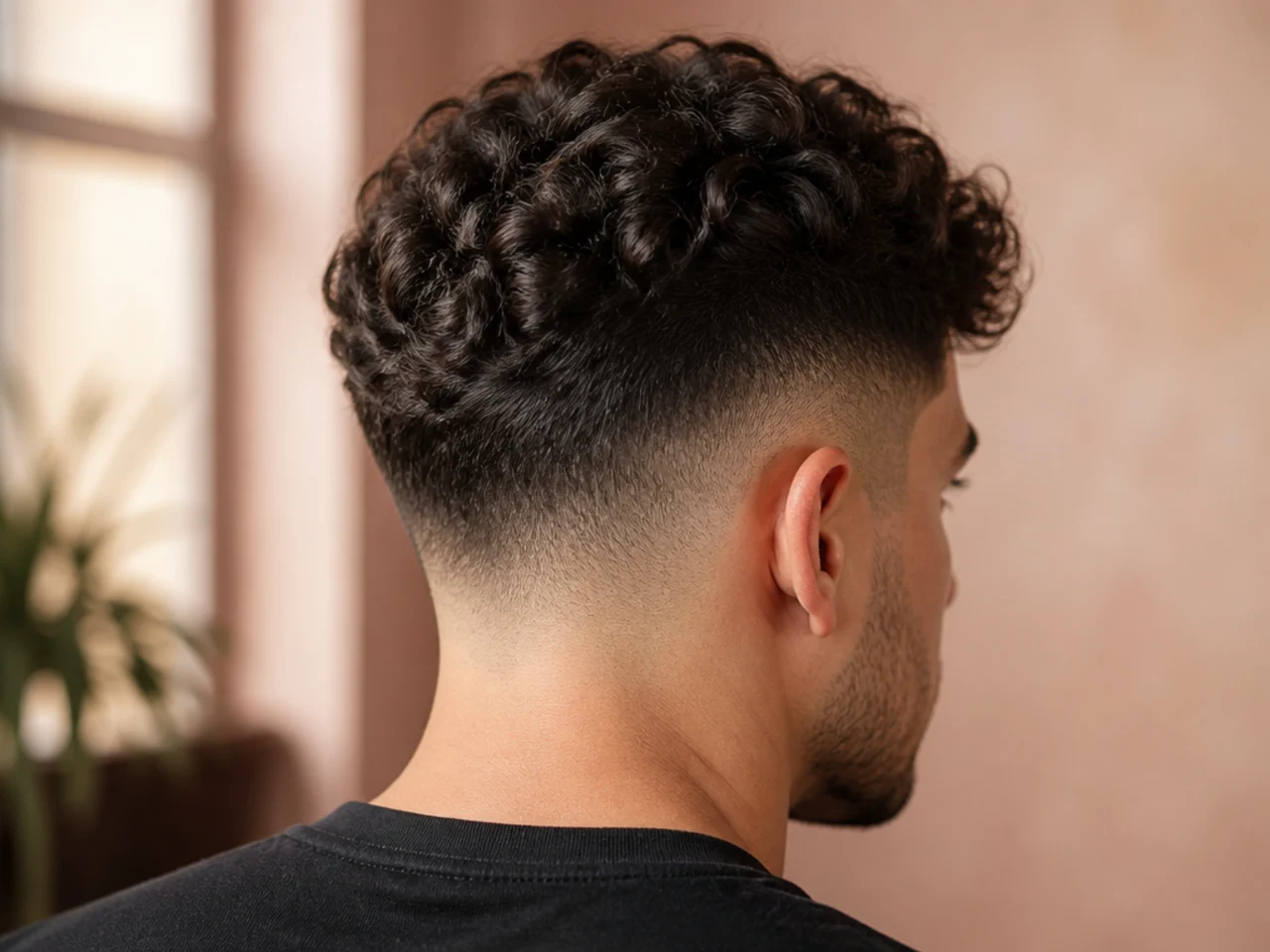
11. The Low Taper
The gentlest member of the family. Low height and a #1 depth, holding three to four weeks and never showing a hard edge.

12. The Bald Fade
Skin depth with a high start, so most of the side is bare. It maximises contrast against whatever is left on top.
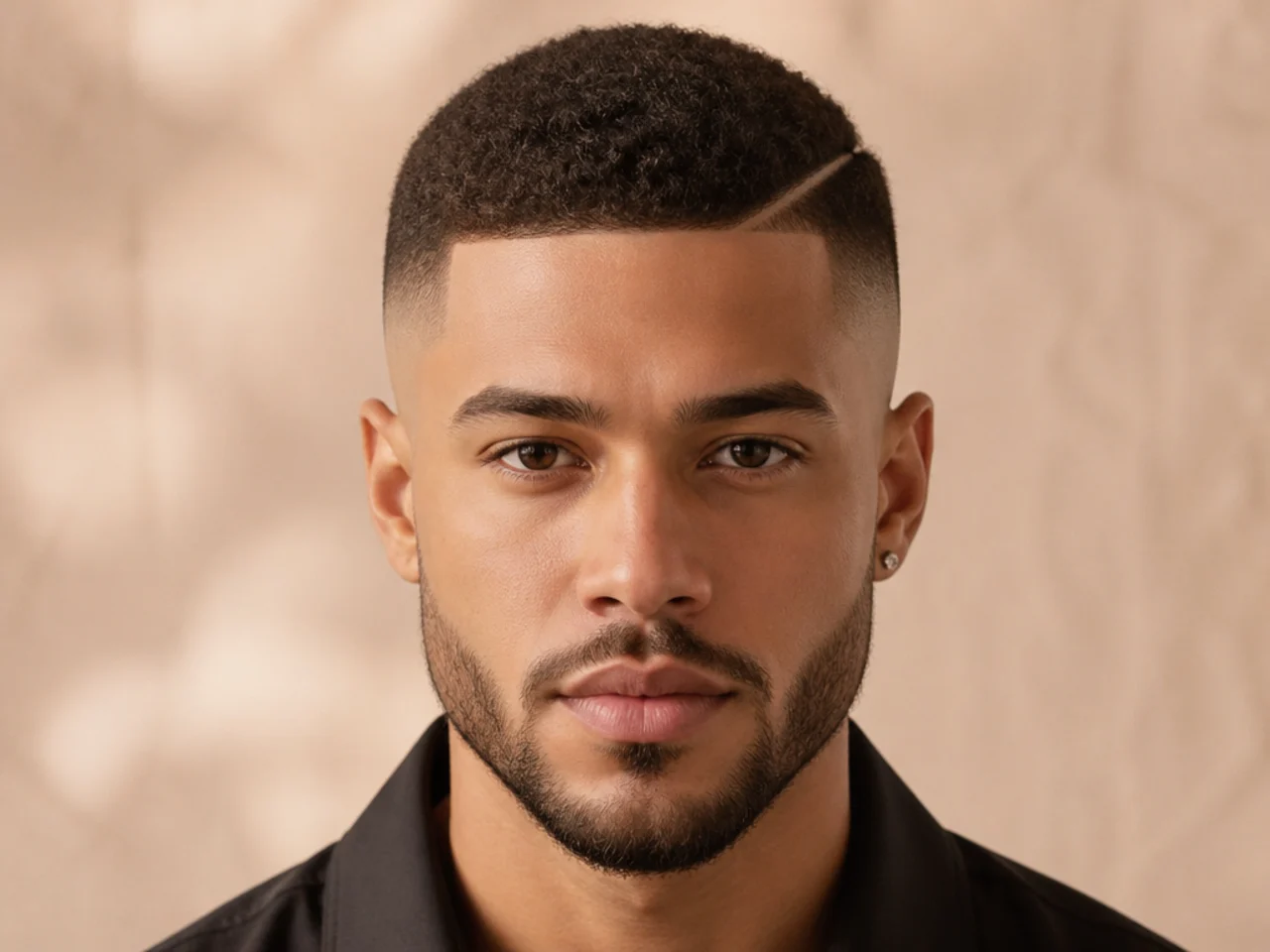
13. The Fade With a Hard Part
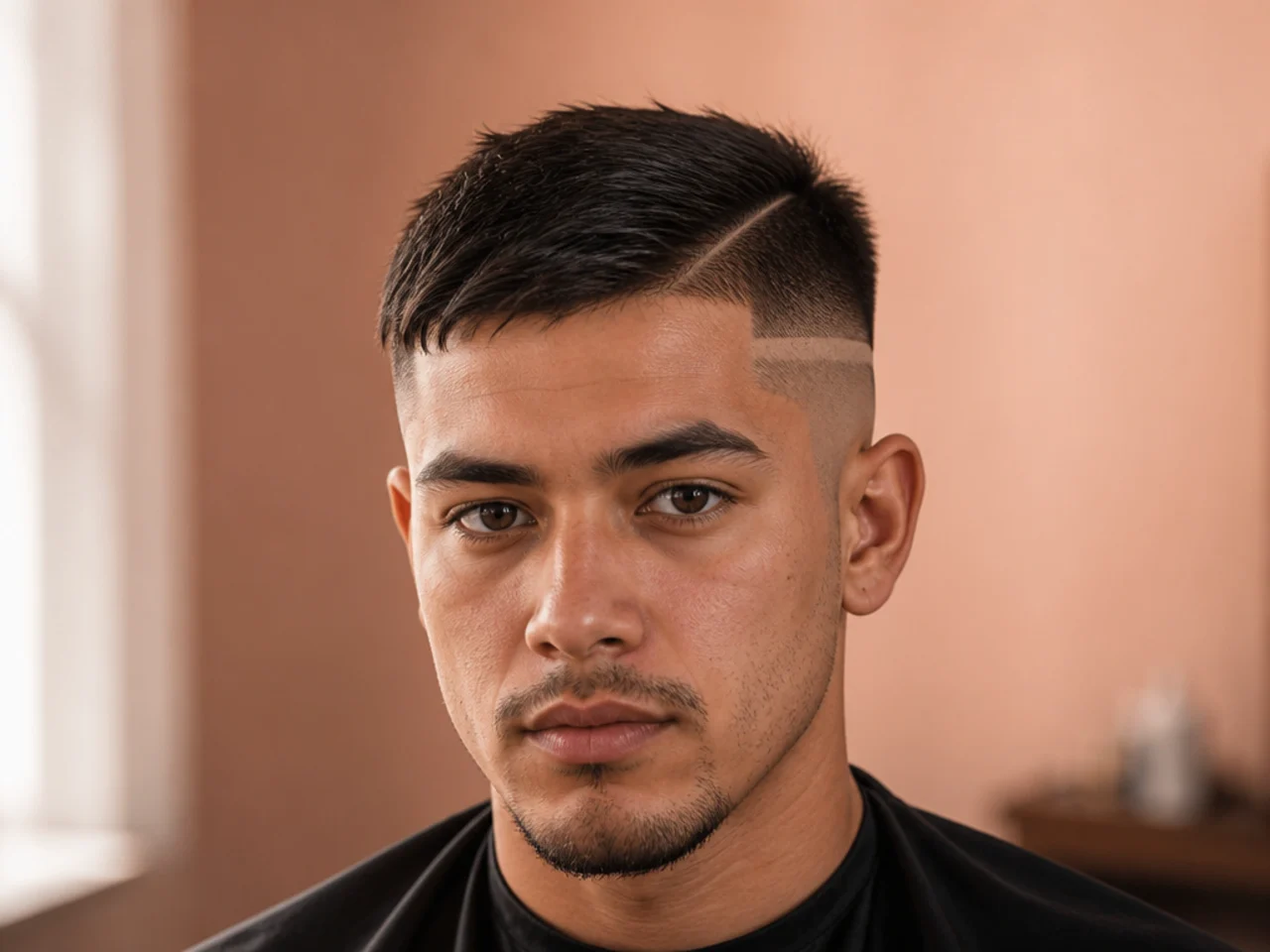
A shaved line sitting above the gradient. It is a boundary marker for heads where the top and sides are close in weight.
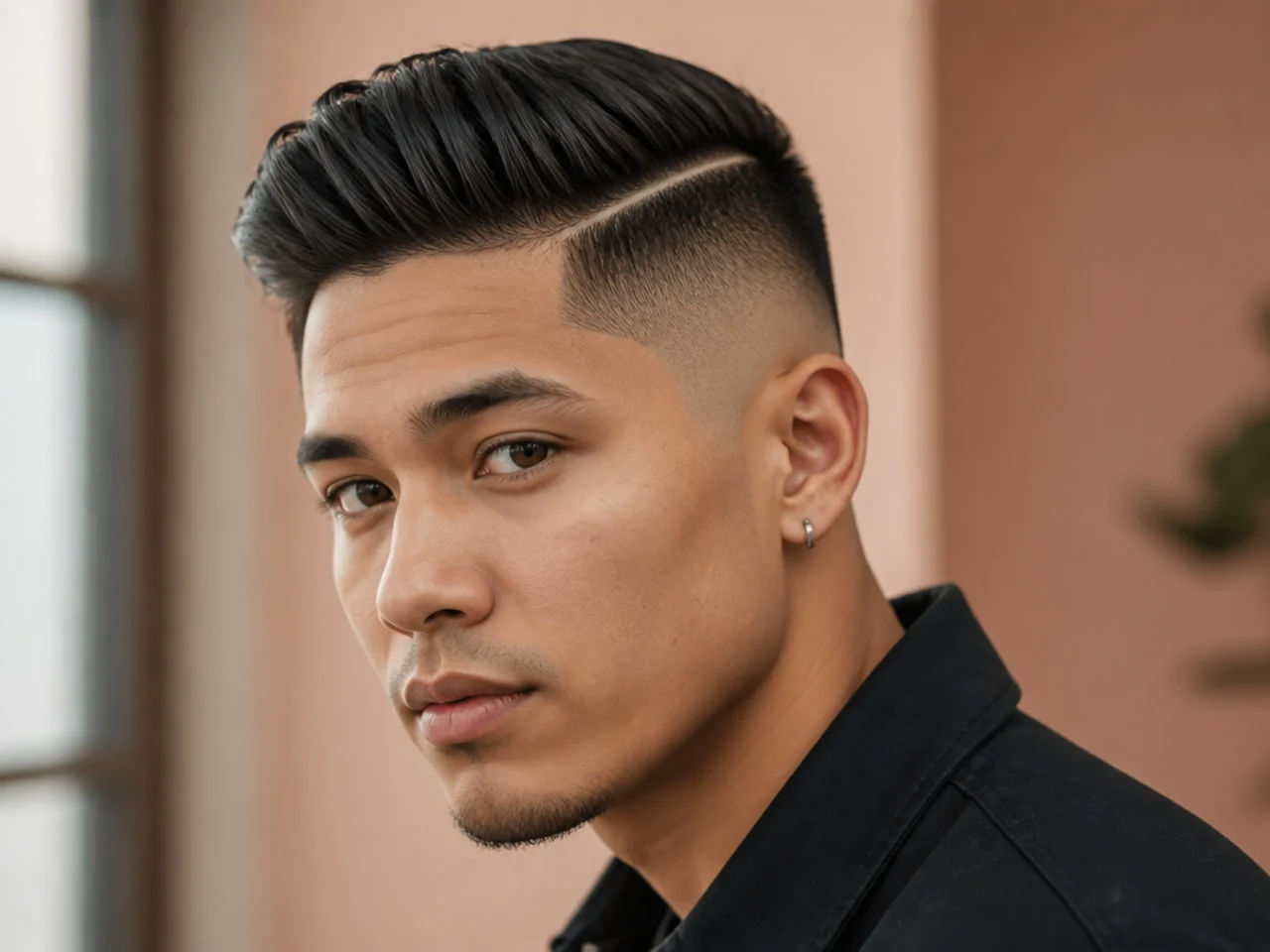
14. The Fade Into a Beard
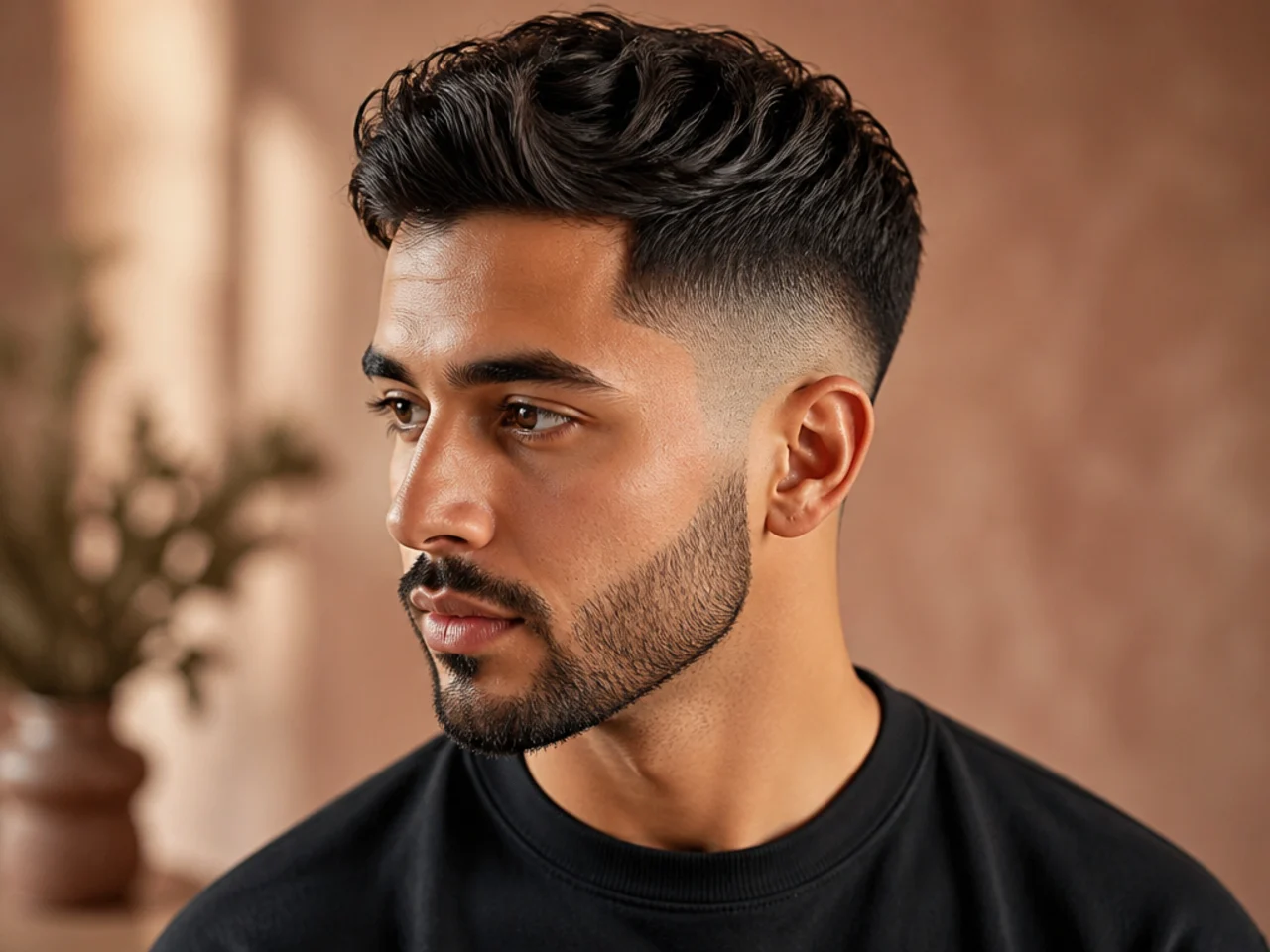
The gradient continues past the jaw into beard density. It needs a genuinely full beard, because stubble gives a gradient nothing to land in.
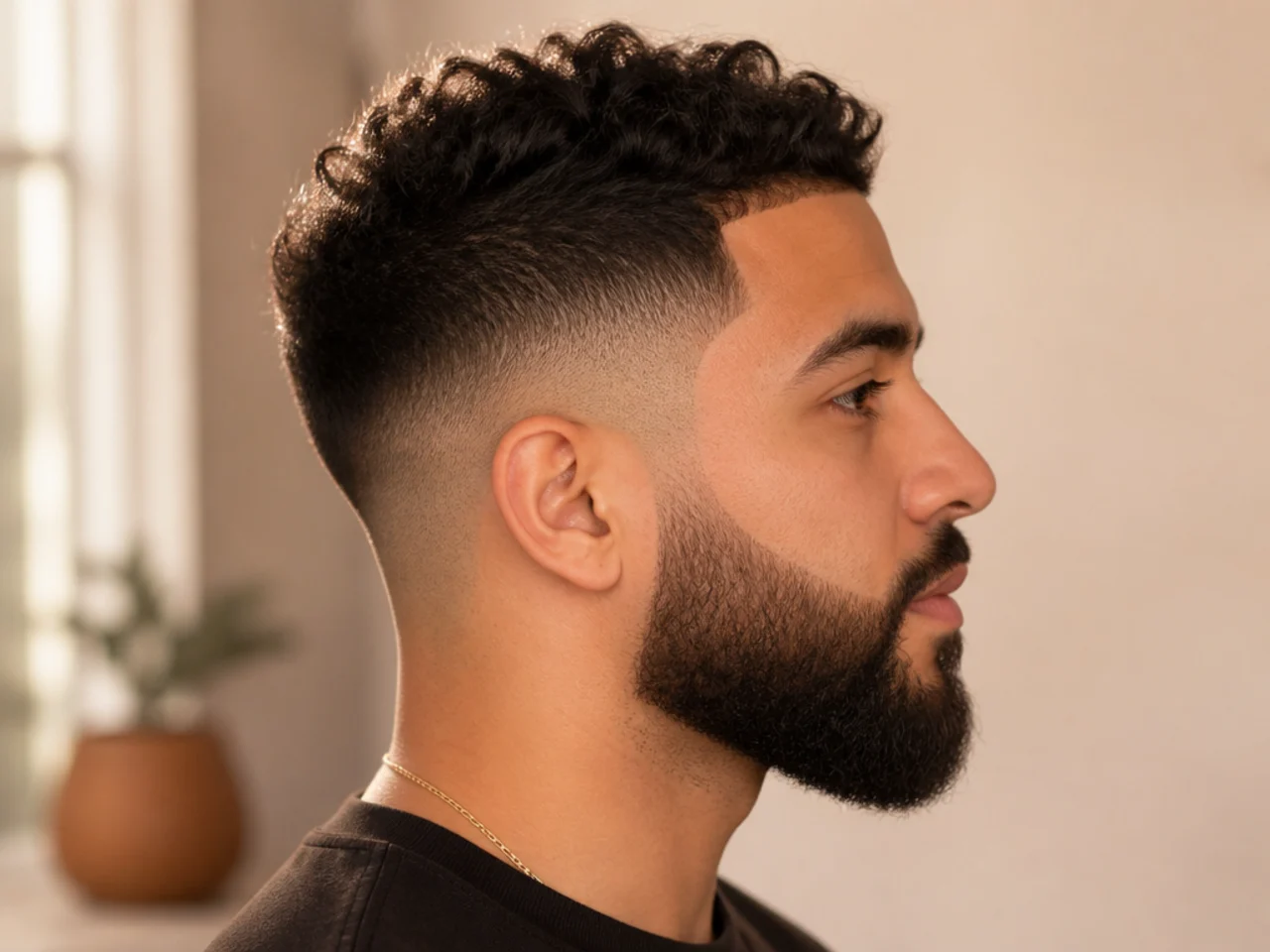
15. The Fade With a Design
Shaved lines cut into the faded area. The design regrows as stubble within about a week, which makes it the shortest-lived detail in the family.
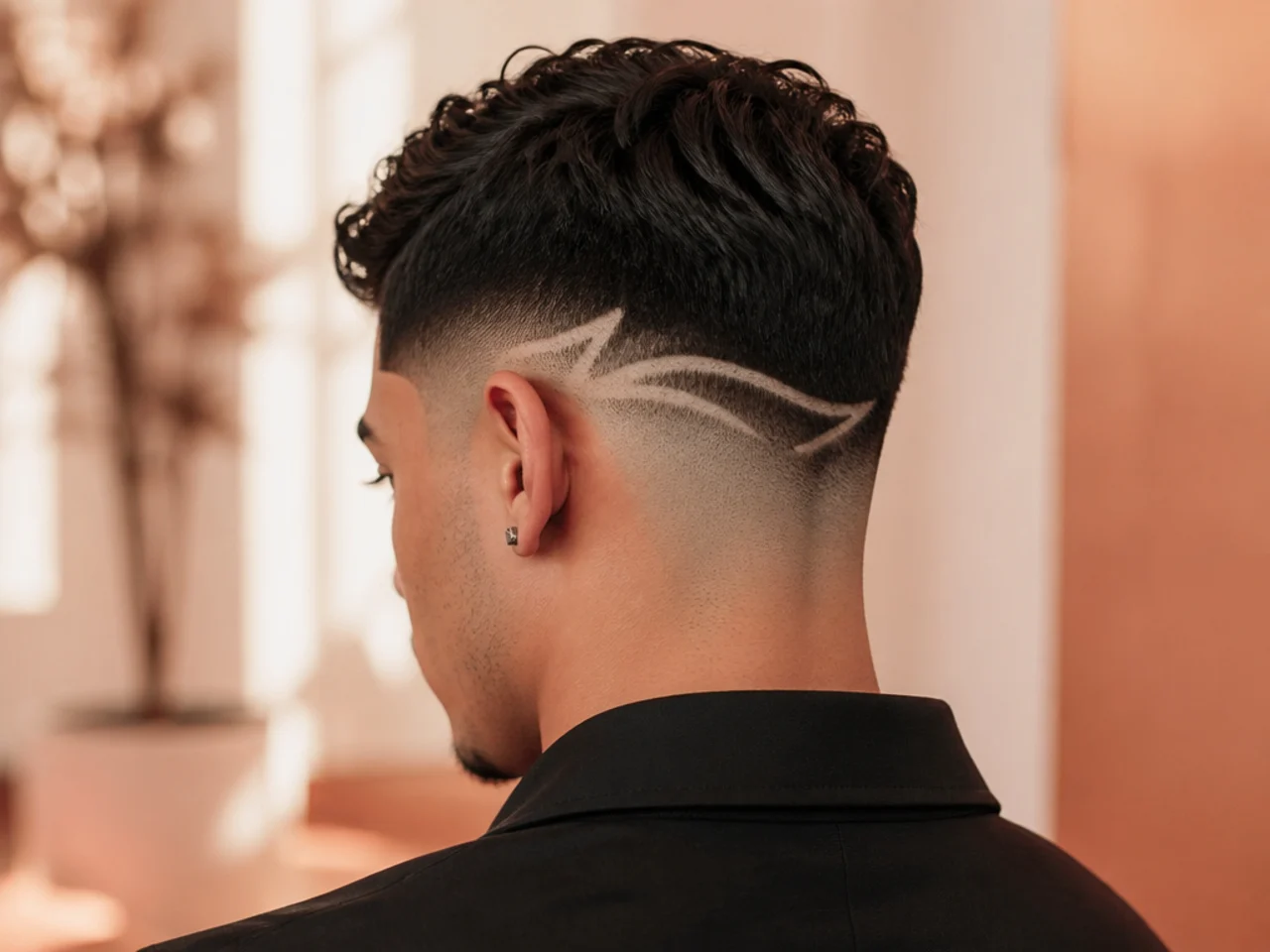
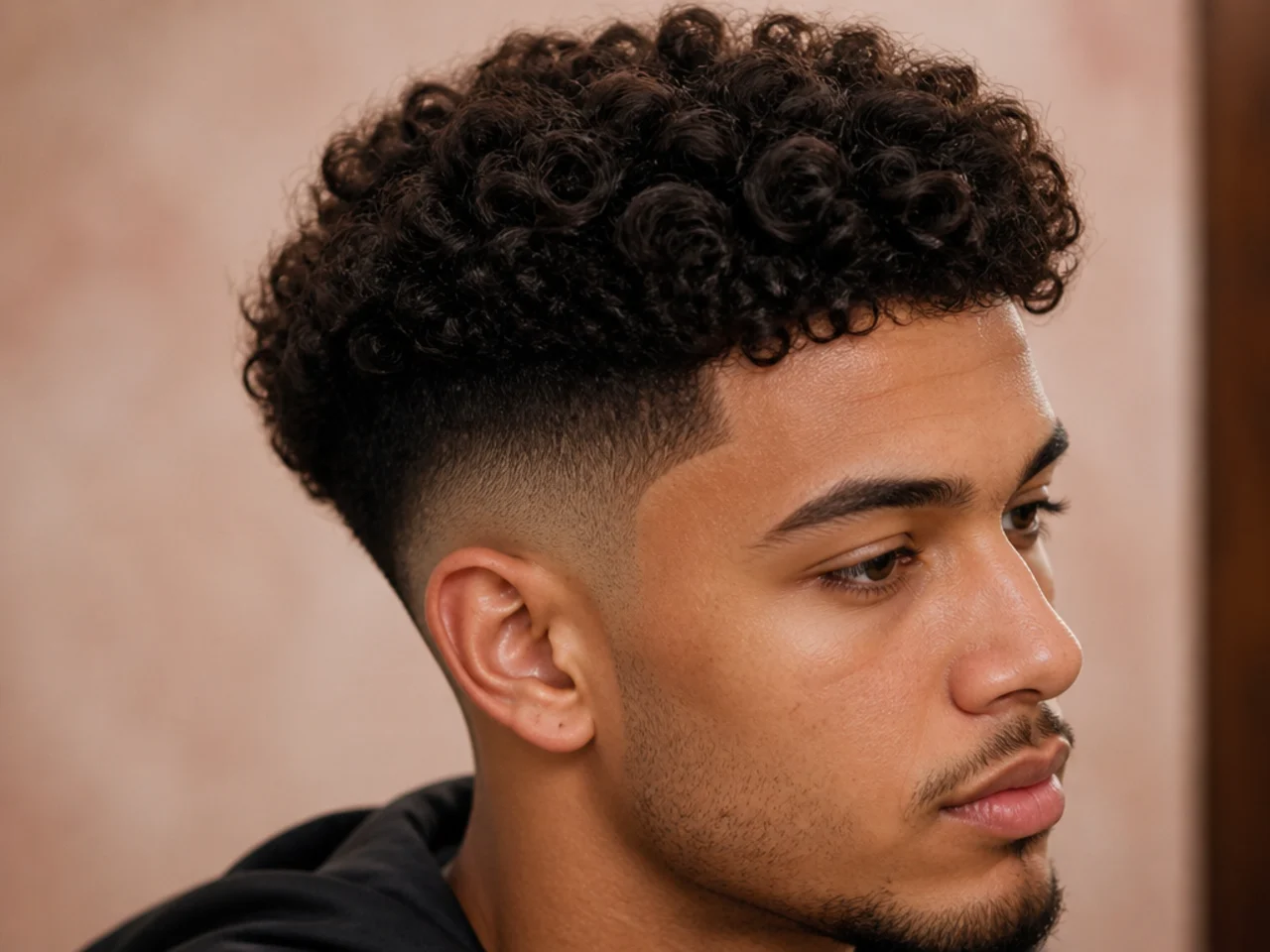
16. The Curly Fade
Gradient below, curl above. Curl loses around a third of its length drying and adds width at the top, so the fade usually needs to start lower than it would on straight hair.
17. The Fade With a Fringe
The gradient meets the front section at the temple corner. That corner is the only place a fade and a fringe can visibly disagree.

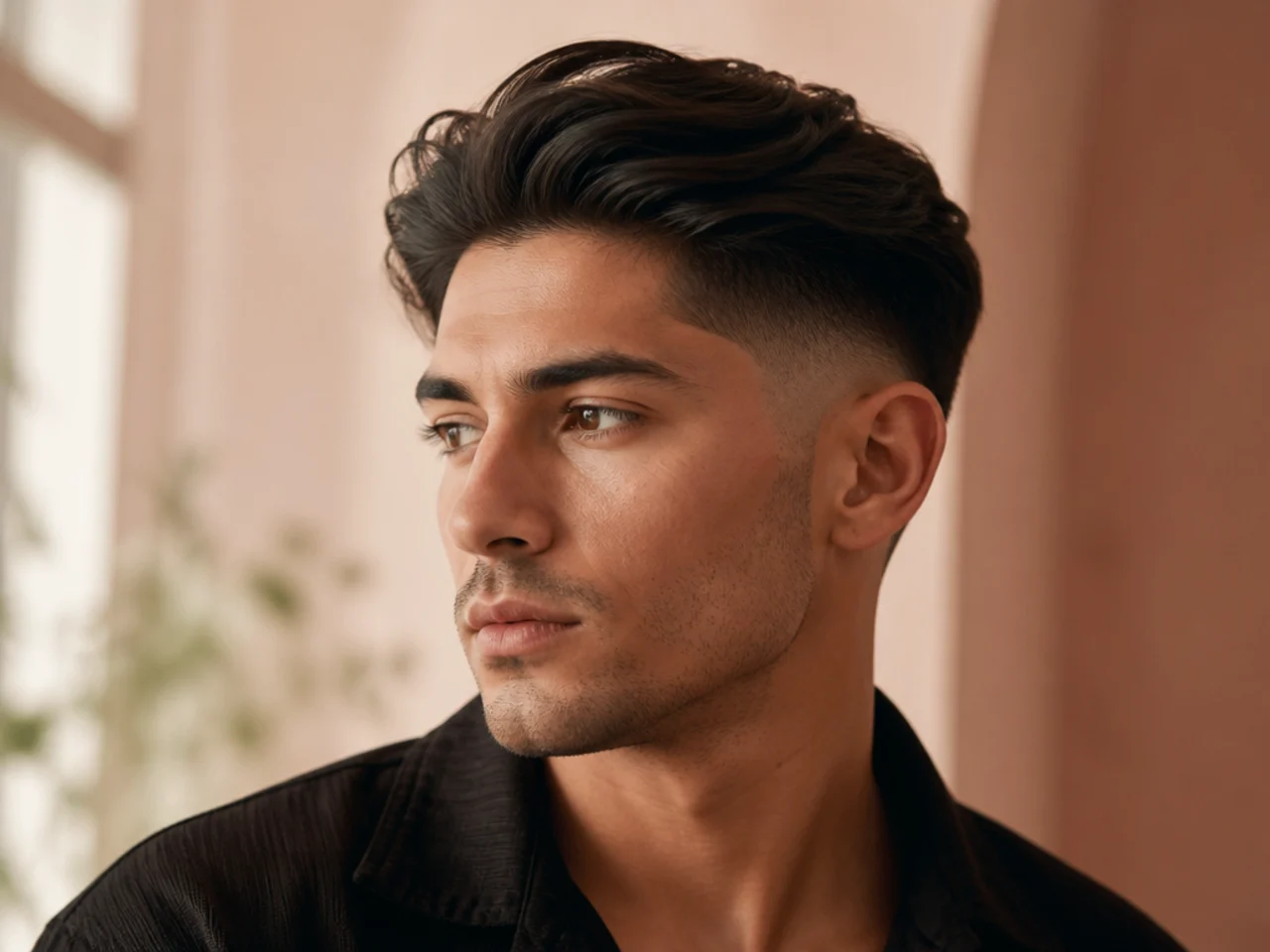
18. The Fade Under Length
A long top over a faded side, with no disconnection. Blending rather than stepping is what keeps it in the fade family at all.
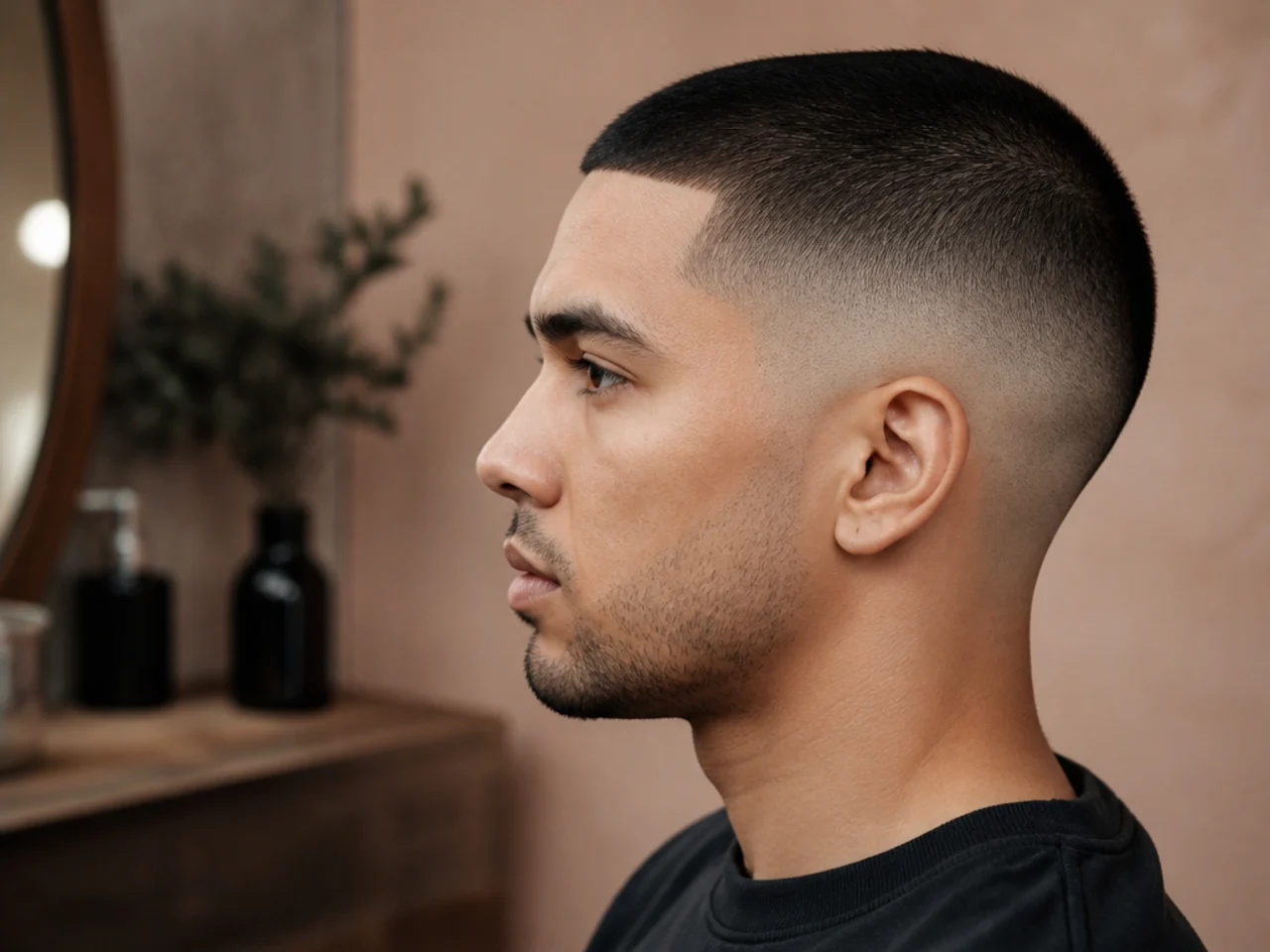
19. The Fade Under a Buzz
A #2 on top over a mid fade. It is the simplest brief in the whole family and one of the most common cuts in any shop.
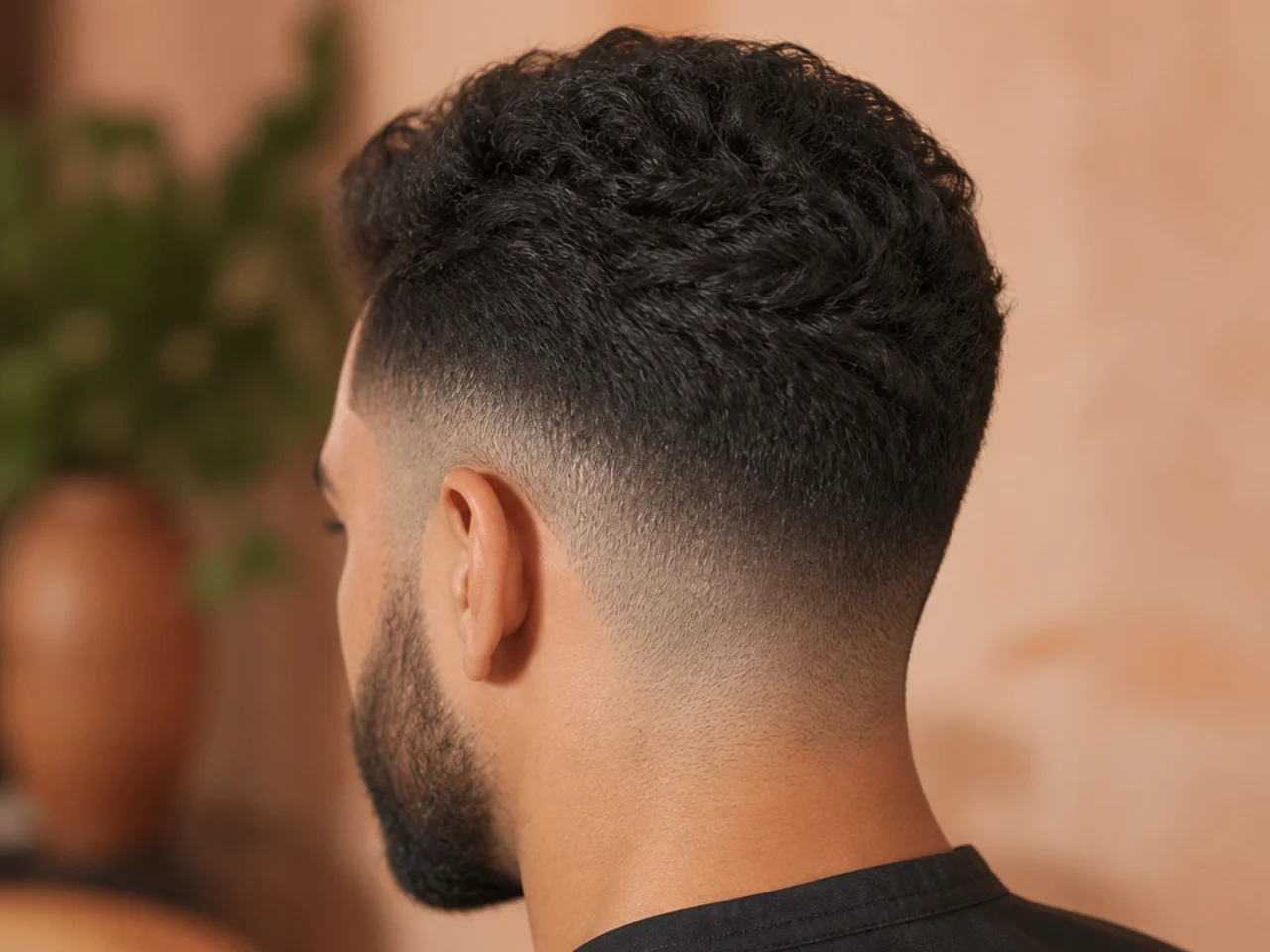
20. The Week-Three Fade
Softened, blurred and no longer graphic. Every fade spends most of its life here, so it is the version worth choosing between.
Styling and Upkeep
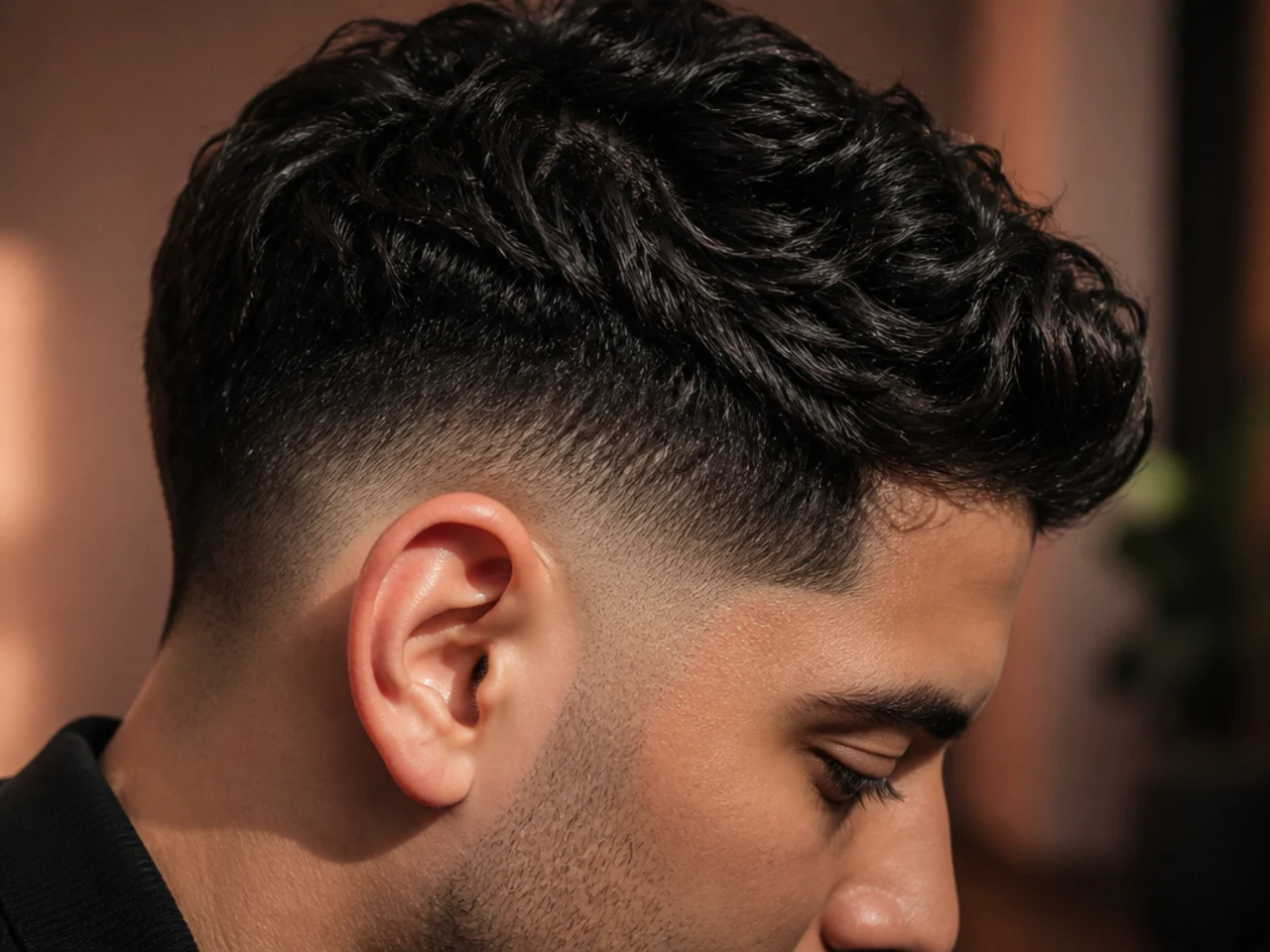
Check the gradient under raking light. An unbroken gradient is the one thing that defines this family, and a band only declares itself in low side light.
Book by depth, not by height. Skin is fortnightly whatever height it starts at.
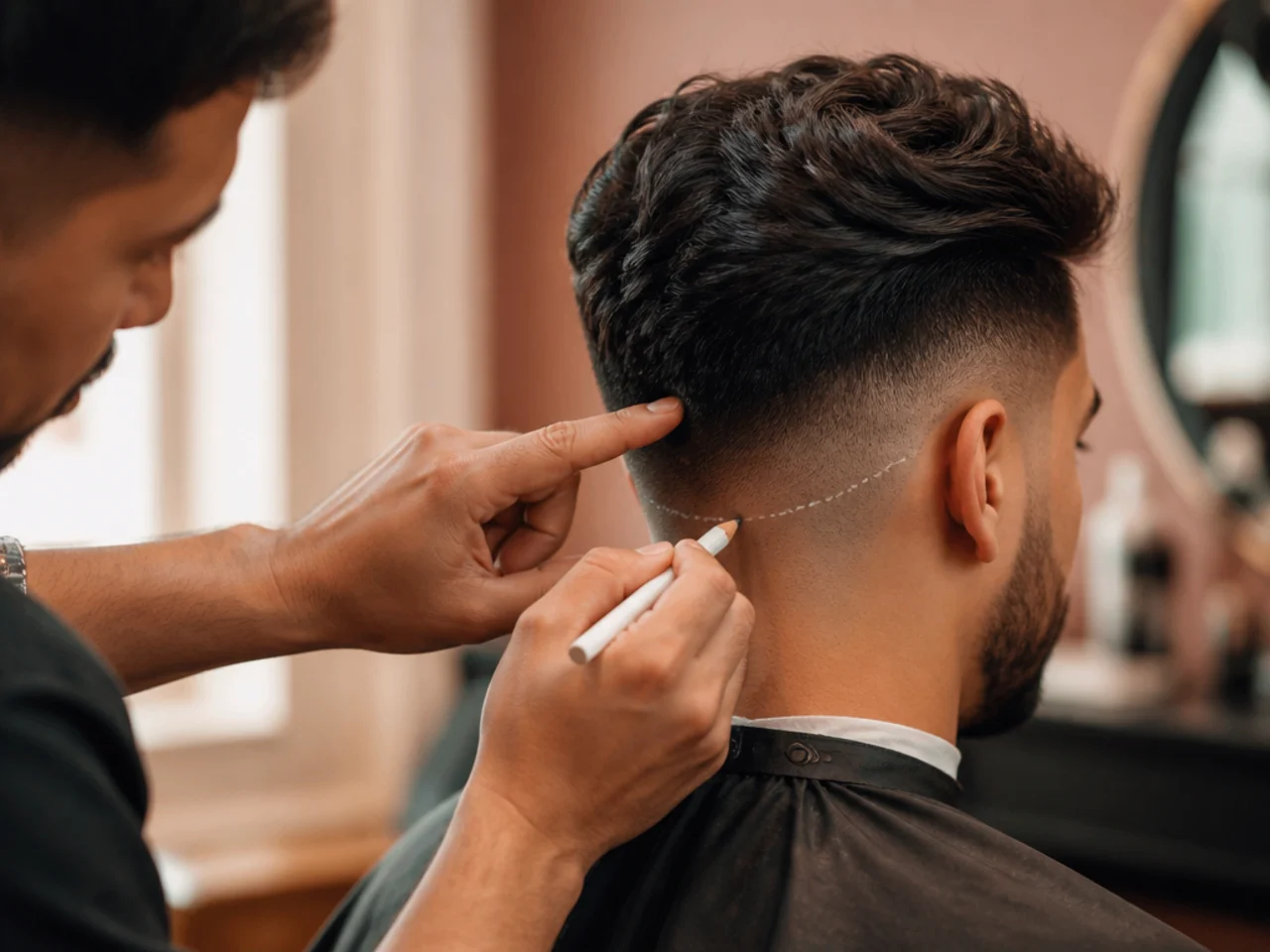
Keep the neckline tidy between visits. It reads as freshness even when the gradient has softened.
Photograph the side profile at week one. A fade lives where a bathroom mirror does not reach.
Write down height, path and depth. Three words that transfer to any barber.
Mistakes to Avoid
Asking for a fade when you want a taper. One goes to skin and one does not.
Choosing a high fade on a long face. Narrowing a narrow head lengthens it.
Booking skin depth monthly. Three of those four weeks look overdue.
Accepting a visible band. A band means the gradient is not continuous, which means it is not finished.
Judging it from the front. The whole family exists on the sides of the head.
FAQ
What do all fades share? No visible line anywhere in the gradient.
What separates the names? Height, path around the head, and depth at the bottom.
Is a taper a fade? Same family, different depth — a taper leaves a #1 rather than skin.
Final Thoughts
Once you can name the height, the path and the depth, every fade in a barbershop poster becomes a combination of three things you already understand. That is more useful than memorising twenty names, because the names vary between shops and the three variables do not.
For the height decision in isolation see low fade vs mid fade vs high fade, and for the gentlest depth in the family see the taper fade haircut. More in Fade Haircuts.