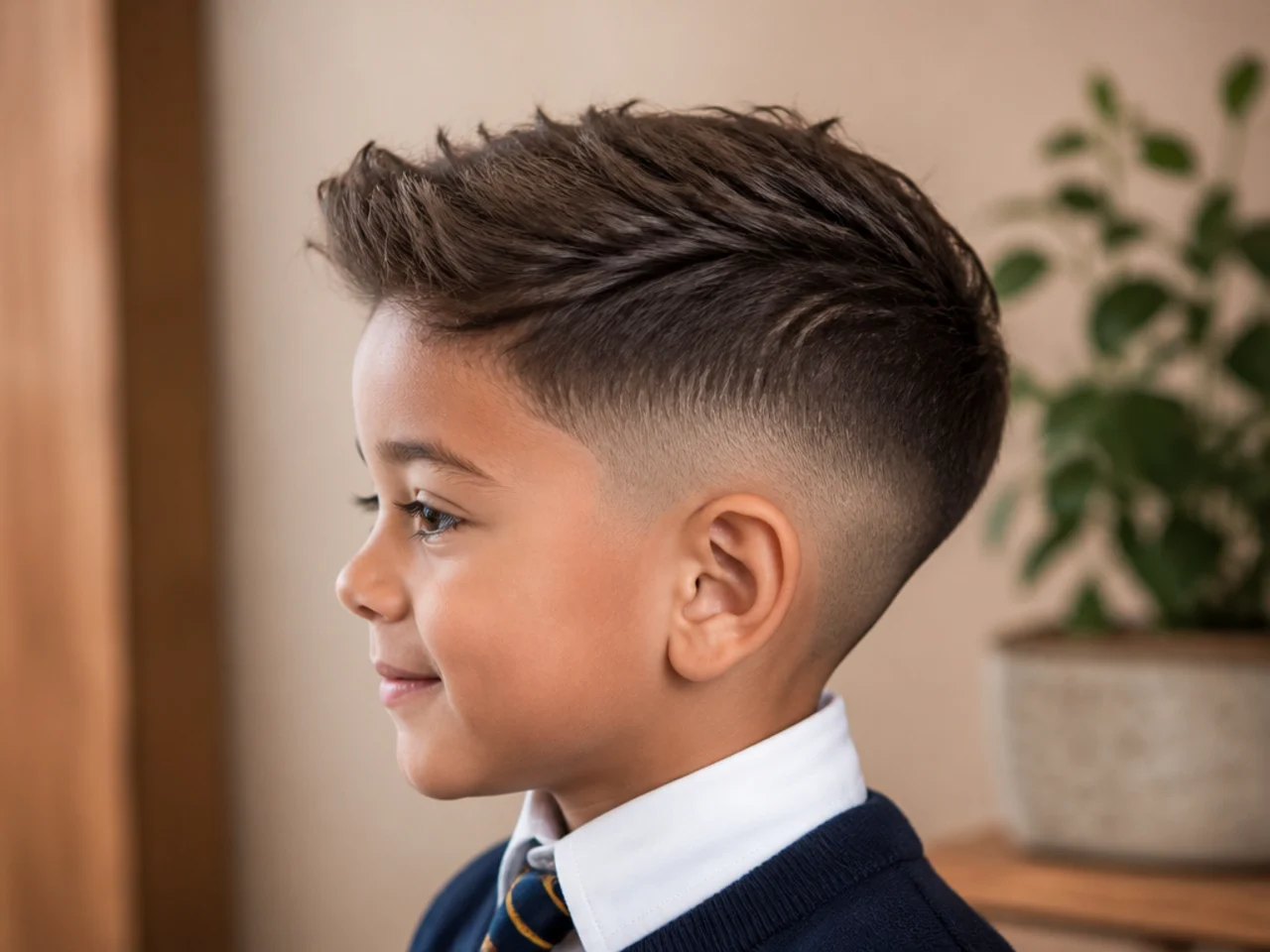
15 Trendy Boys Haircut vs Fade Ideas Compared
A fade has a defined shortest point, and that edge is the thing that ages — about three weeks on a child. A trendy cut with no edge has nothing to blur, so the real comparison is week one against the average of the whole cycle.
In this article · 22
- An Edge Is the Only Thing That Ages
- How to Choose Yours
- The 15 Comparisons
- 1. School Photo in Two Weeks
- 2. A Six-Week Gap Before the Next Appointment
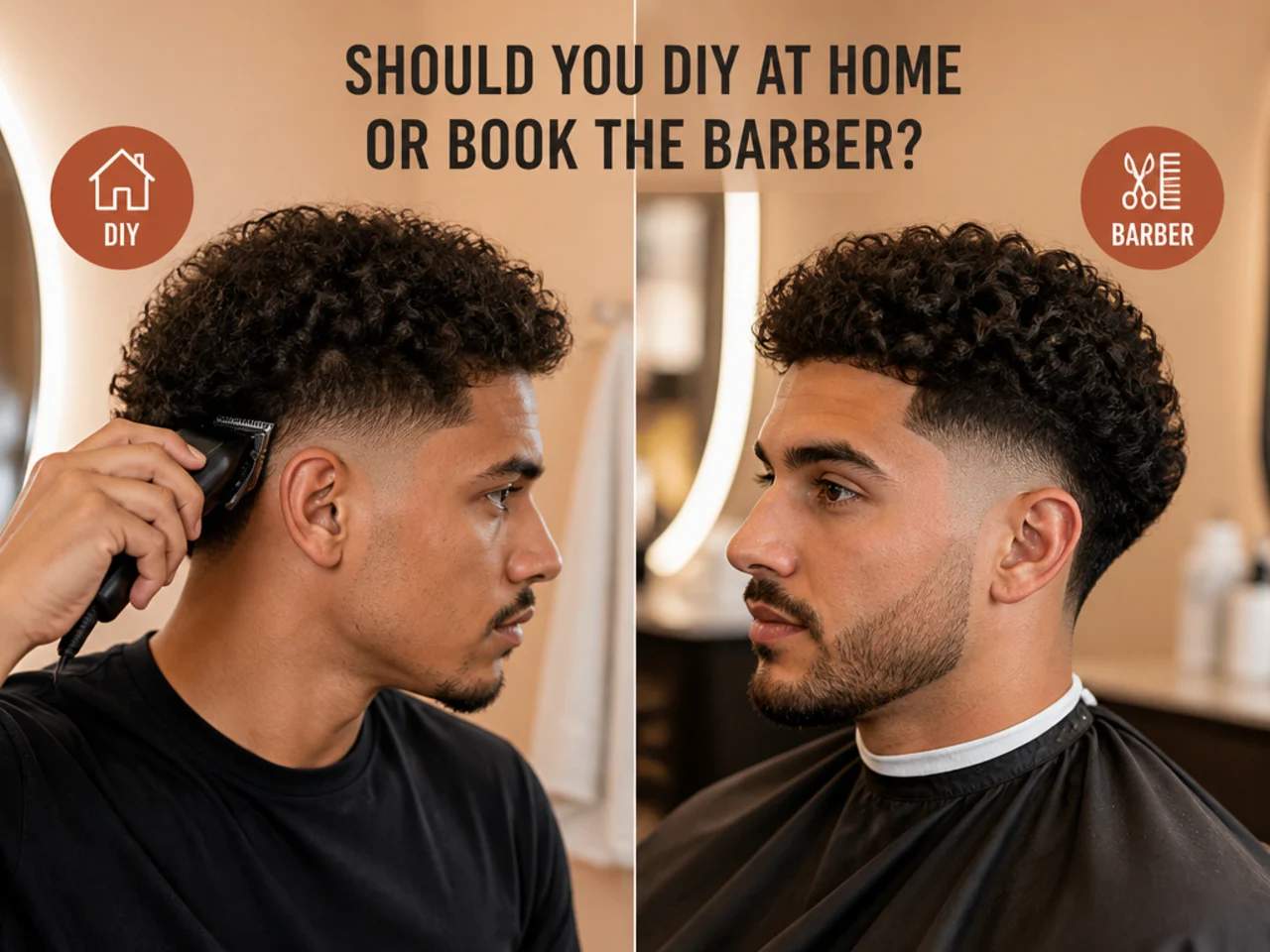
- 3. You Are Cutting It Yourself
- 4. Very Fine Hair That Shows a Line
- 5. Thick Hair That Bulks Out at the Sides
- 6. Curly Hair
- 7. Straight Hair That Lies Flat to the Head
- 8. A School That Names a Number Two Minimum
- 9. Summer Holidays With No Uniform Rules
- 10. He Wants It Sharp for a Party
- 11. A Cowlick Sitting Right on the Line
- 12. The Budget Is One Cut a Month
- 13. A Twenty-Mile Round Trip to the Barber
- 14. Growing It Out Towards a Longer Style
- 15. The Average Across a Whole Six-Week Cycle
- Styling and Upkeep
- Mistakes to Avoid
- FAQ
- Final Thoughts
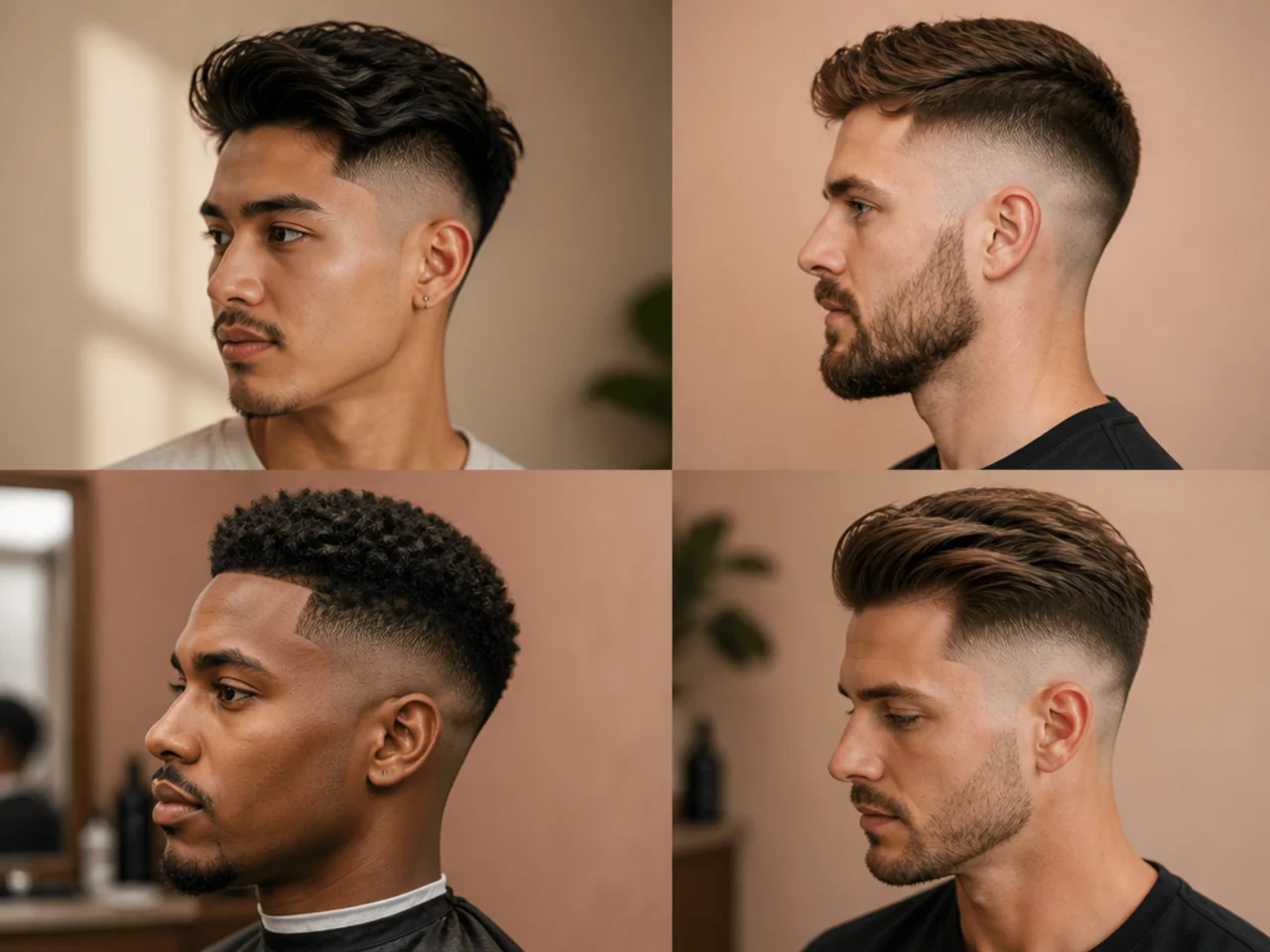
A fade and a trendy non-faded cut are not two styles on a spectrum. They are two different answers to whether the haircut has an edge in it at all.
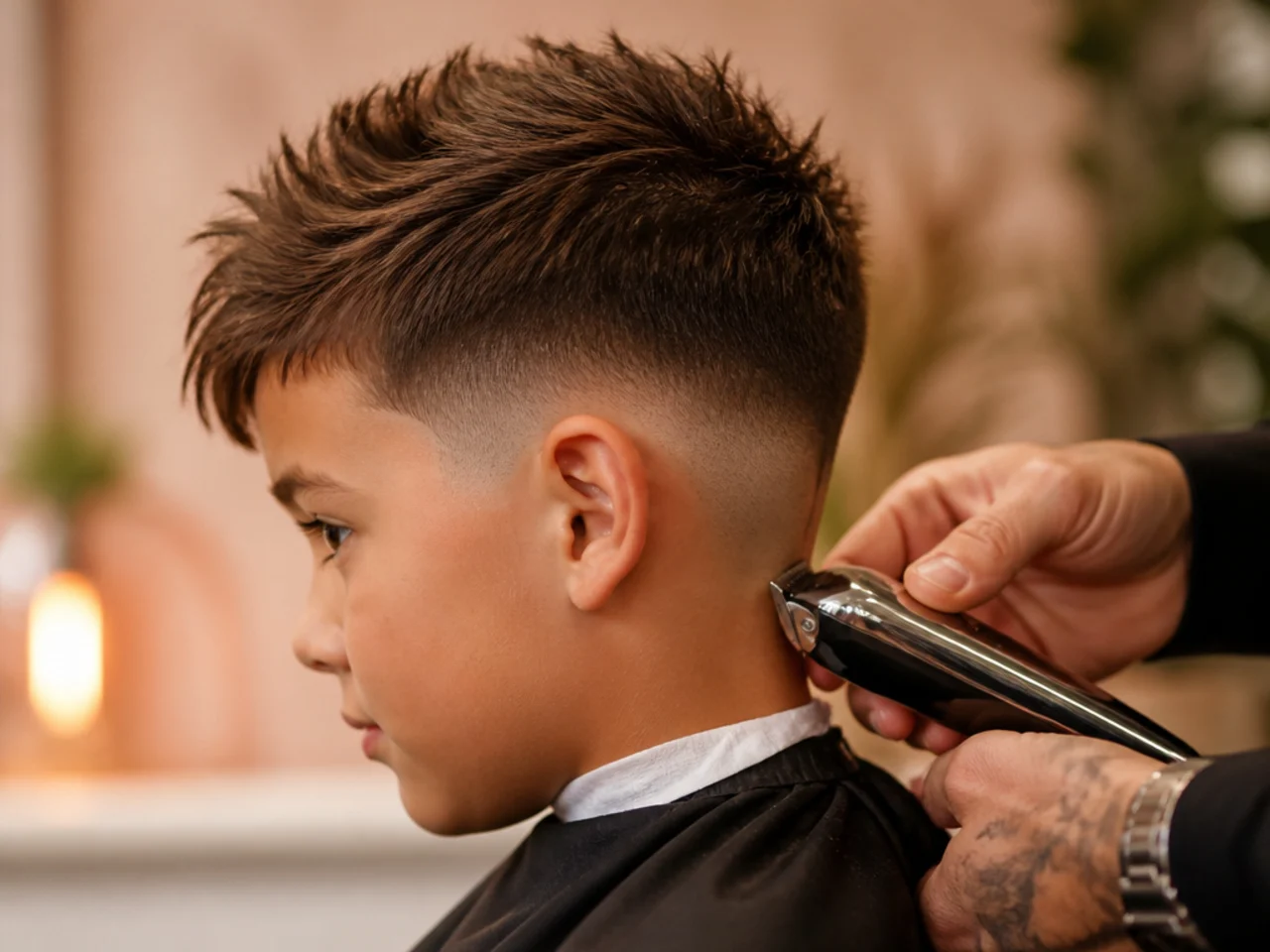
A fade is a gradient with a defined shortest point, so it has an edge, and an edge is the only thing that ages. On a child that edge blurs in about three weeks, because their hair grows faster than an adult's.
A cut with no edge has nothing to blur. Scissor-over-comb or a single guard with a soft step stays acceptable for six or seven weeks, which is why the fade wins week one and loses the average.
An Edge Is the Only Thing That Ages
Only an edge can go out of focus. A gradient with a shortest point has a place where the eye expects sharpness, and hair growing three millimetres a week moves that point without permission.
Week one is not the number to compare. A fade peaks on the day and declines from there, while a soft cut starts unremarkable and barely moves, so the honest comparison is the average across the whole gap.
Skill and cost sit on the fade side. A fade needs a barber who can hold a gradient even, which means an appointment and a fee, where a one-guard cut with a soft step can be done at a kitchen table.
The school rule sets a floor under the fade range. A policy naming a number two minimum deletes skin fades and number one work outright, which removes exactly the part of the fade range that people book fades for.
How to Choose Yours
Start from the gap between appointments. Under three weeks, a fade holds. Over four, it does not, and the soft cut is the honest choice.
Check the guard number in the school rule. It decides whether the bottom of a fade is even available before anything else is decided.
Count who is doing the cutting. A fade cut badly looks worse than no fade at all, because an uneven gradient reads as damage rather than as a style.
Weigh the one photograph against the sixty days. If a specific date matters, book the fade for that week. If no date matters, buy the average.
The 15 Comparisons
1. School Photo in Two Weeks
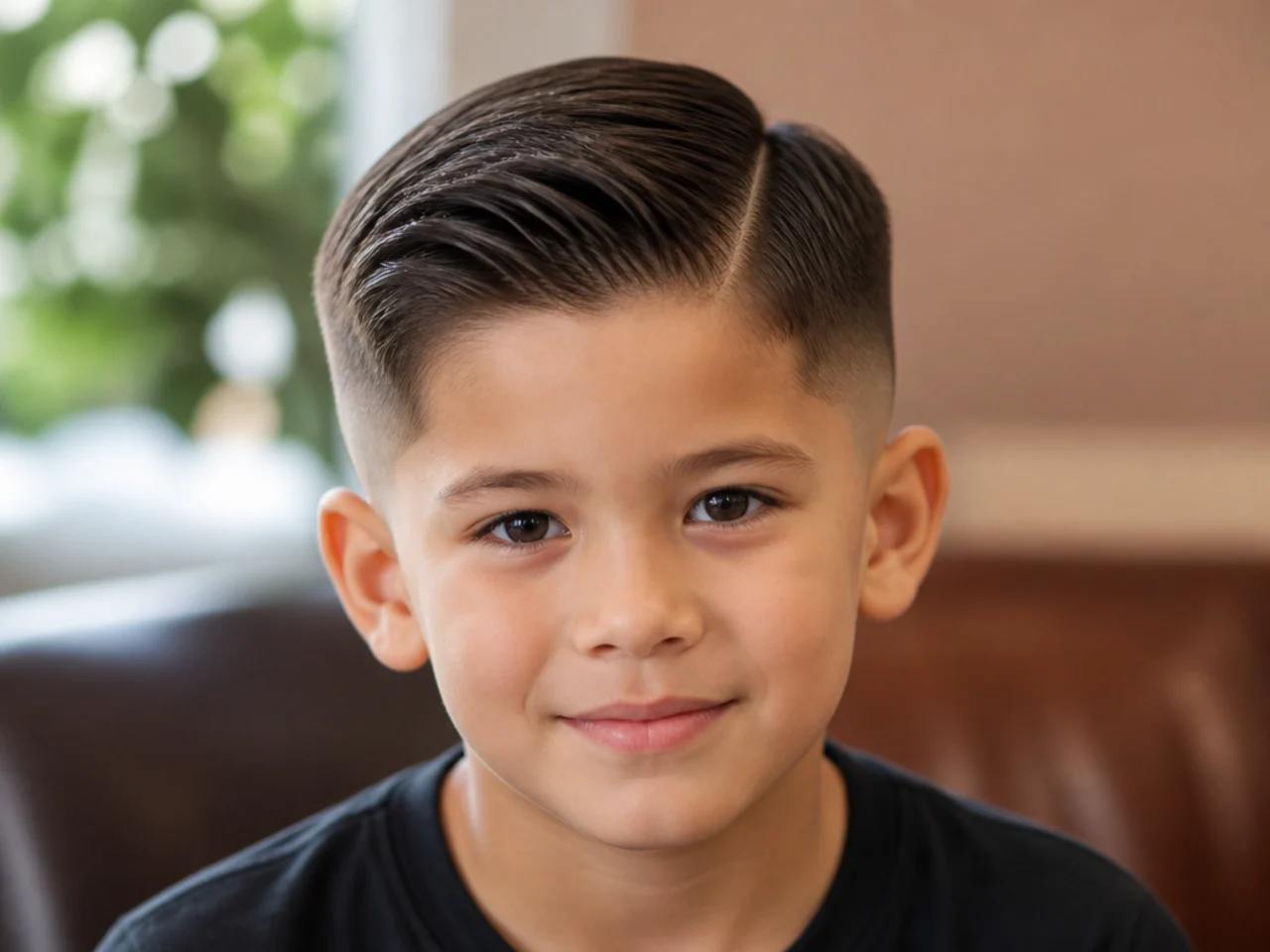
A fade cut a few days before the photograph is still inside its sharp window, and photographs freeze week one rather than averaging the cycle. Timing it to land three or four days out gives you the peak without the settling-in look of a same-day cut. Verdict, the fade wins, and this is one of the few cases where it wins outright.
2. A Six-Week Gap Before the Next Appointment
By week three the fade line has climbed and softened, and for the remaining three weeks it reads as a haircut that has been left. A soft cut over the same six weeks changes length but never changes shape. Verdict, the non-fade wins, and it is not close.
3. You Are Cutting It Yourself
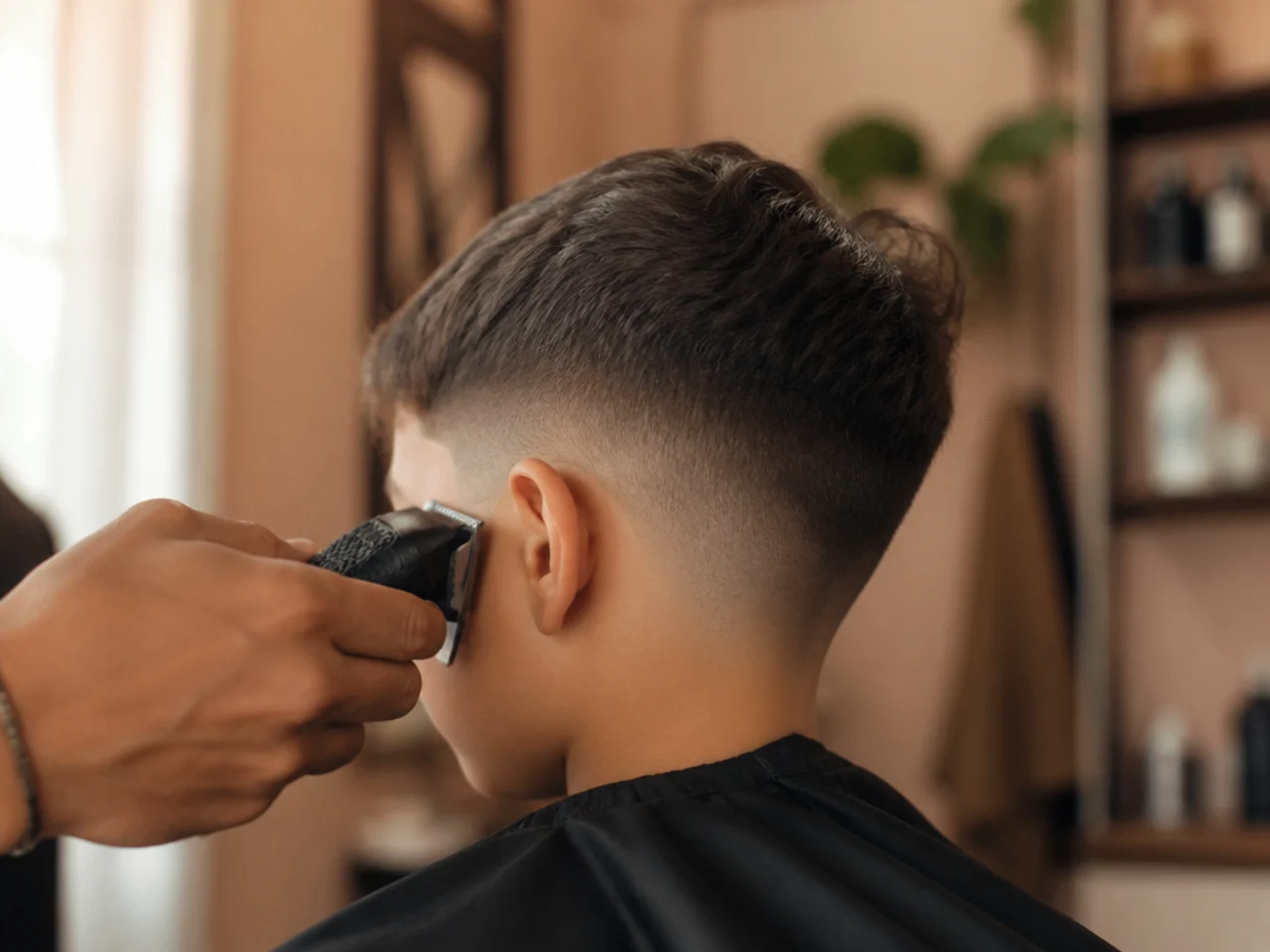
A gradient needs three or four guard lengths blended evenly on both sides, and the failure mode is a visible band that everyone can see from behind. A one-guard cut with a soft step above the ear has one decision in it and almost no way to go wrong. Verdict, the non-fade wins on the strength of what happens when it goes badly.
4. Very Fine Hair That Shows a Line
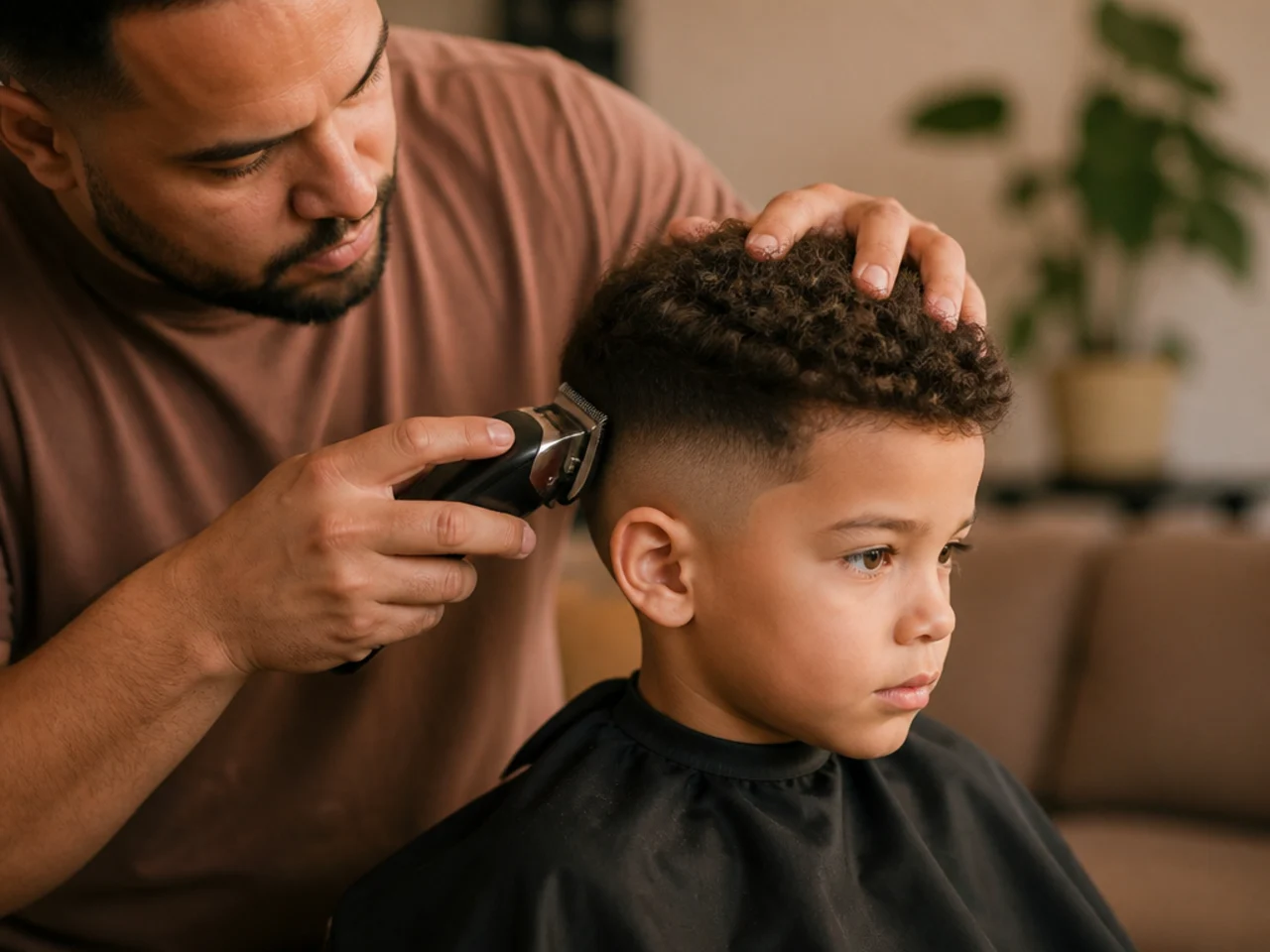
Fine hair has less density to hide a transition, so every band in a fade is visible and the shortest section shows scalp rather than colour. The same fine hair takes a soft one-length cut without any of that, because there is nothing for the eye to catch on. Verdict, the non-fade wins, and go a guard longer than you planned.
5. Thick Hair That Bulks Out at the Sides
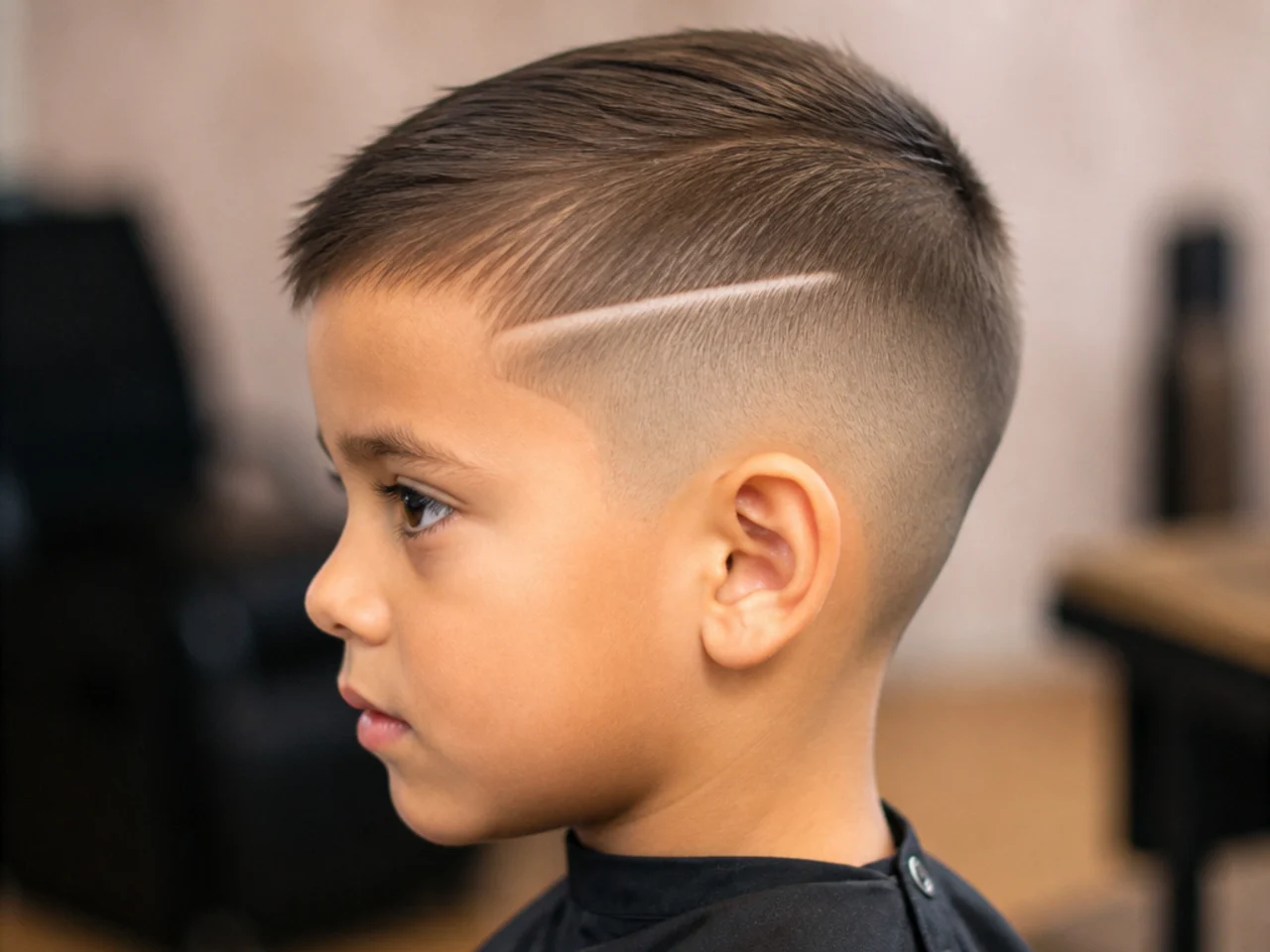
Thick hair grows outwards as well as down, so within a fortnight a one-guard cut stands away from the head and the outline widens. A fade removes that bulk at the bottom and keeps the head shape narrow for longer. Verdict, the fade wins, because here it is solving a volume problem rather than a sharpness one.
6. Curly Hair
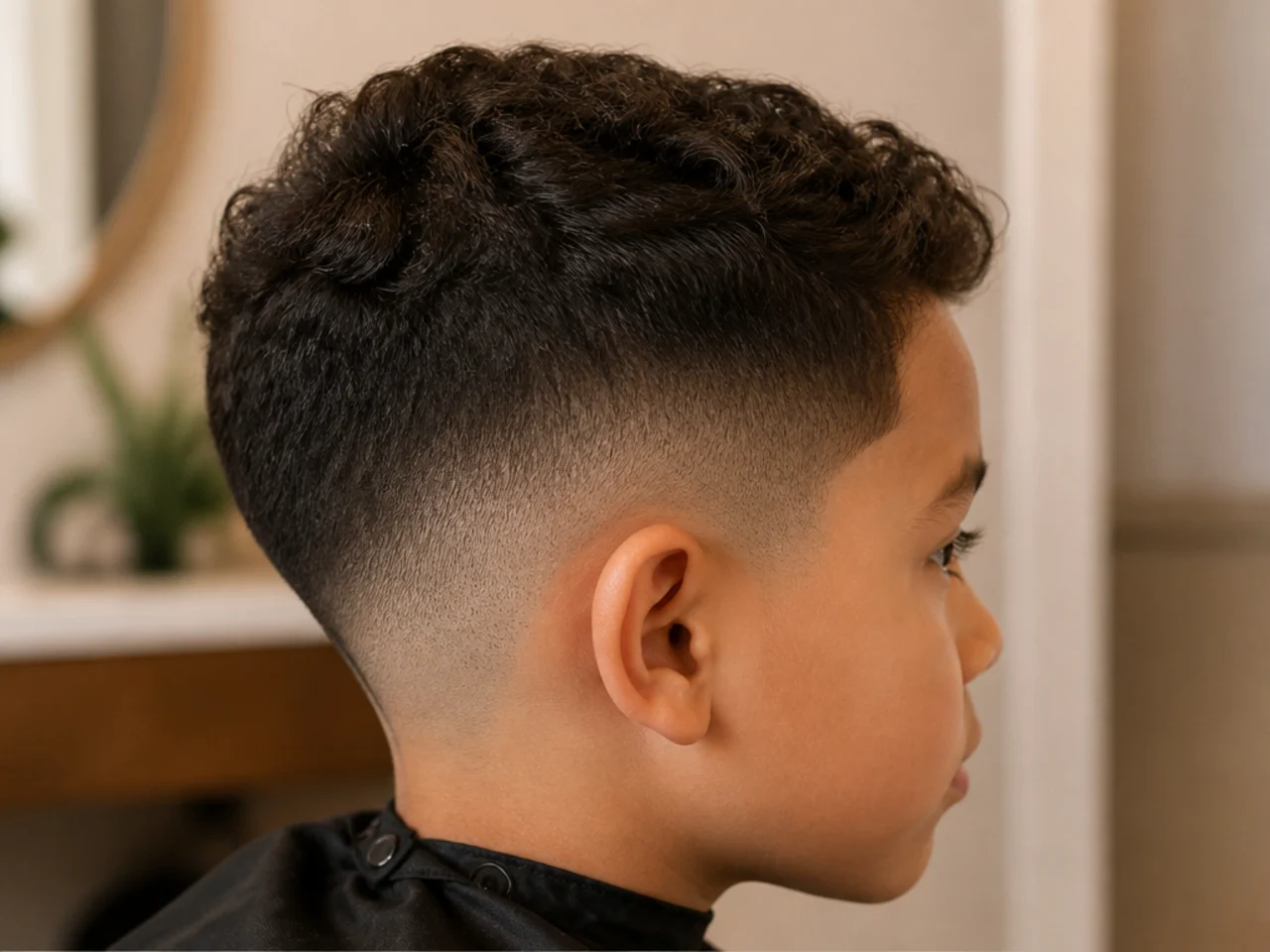
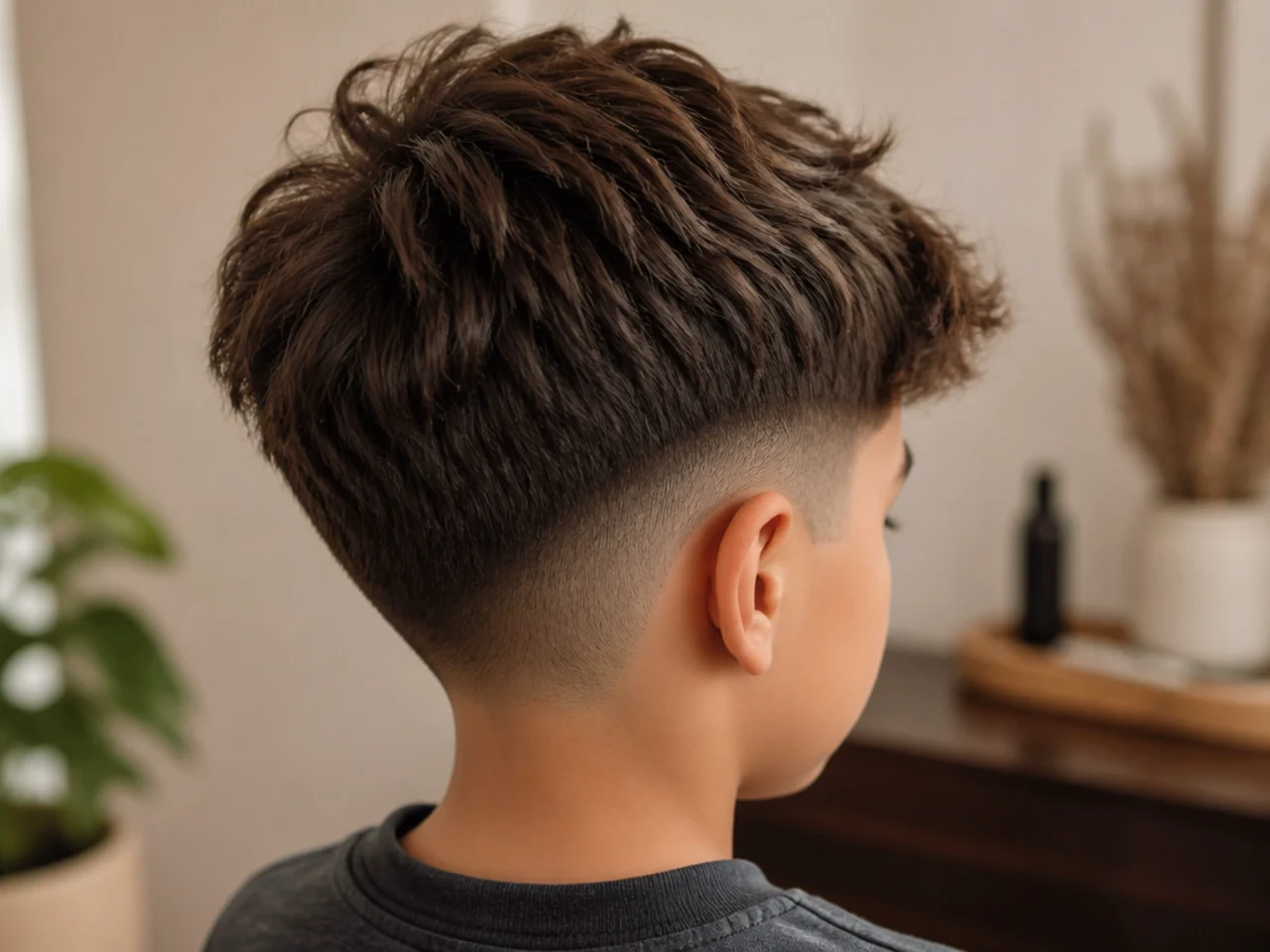
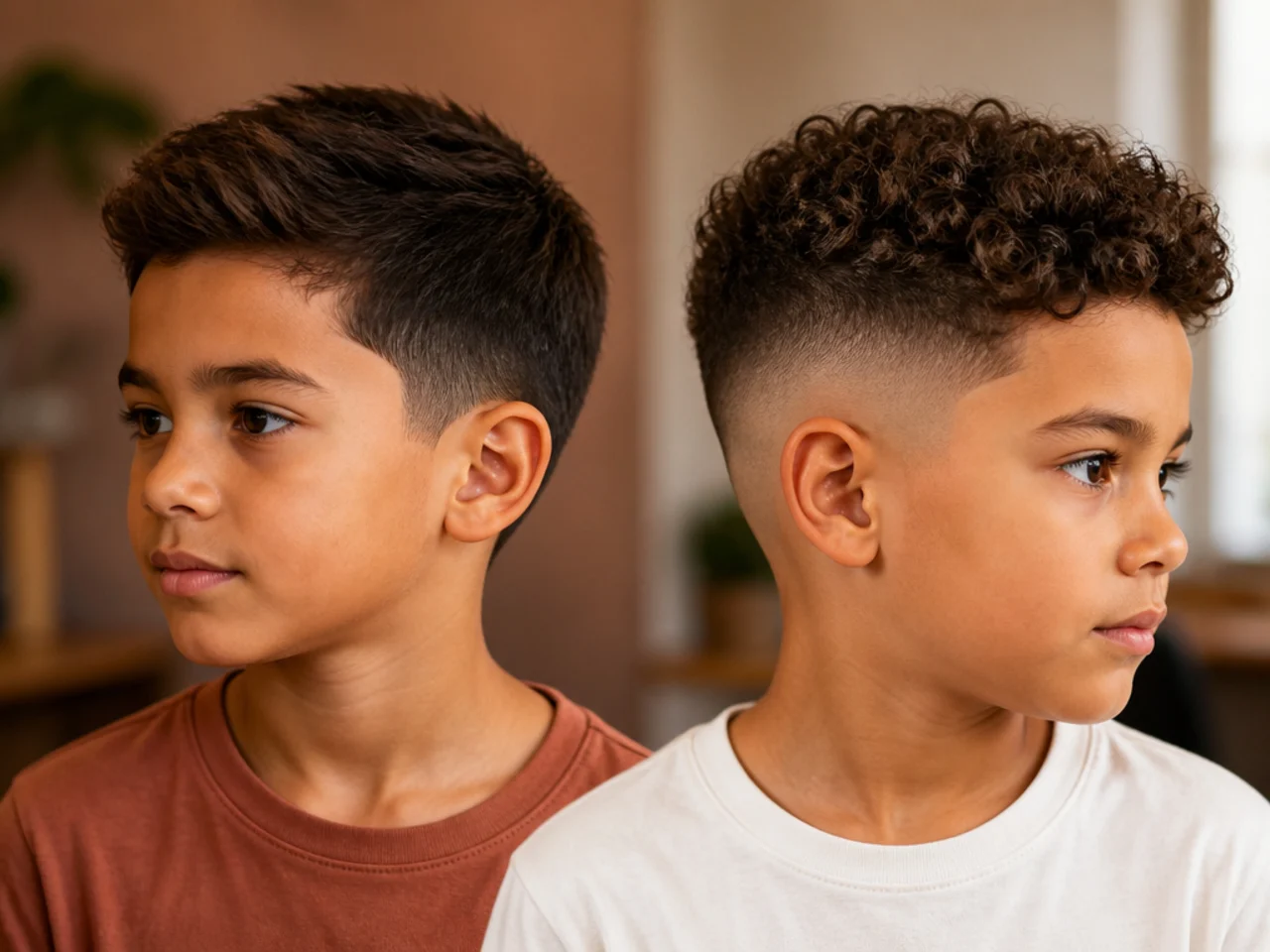
Curl bridges a gap on its own, because the volume above a line falls over it and hides where the length changed. That means a curly head gets most of the visual benefit of a fade from a plain taper, and it also means a curly fade blurs invisibly rather than badly. Verdict, a draw on looks, so choose on cost and let the non-fade take it.
7. Straight Hair That Lies Flat to the Head
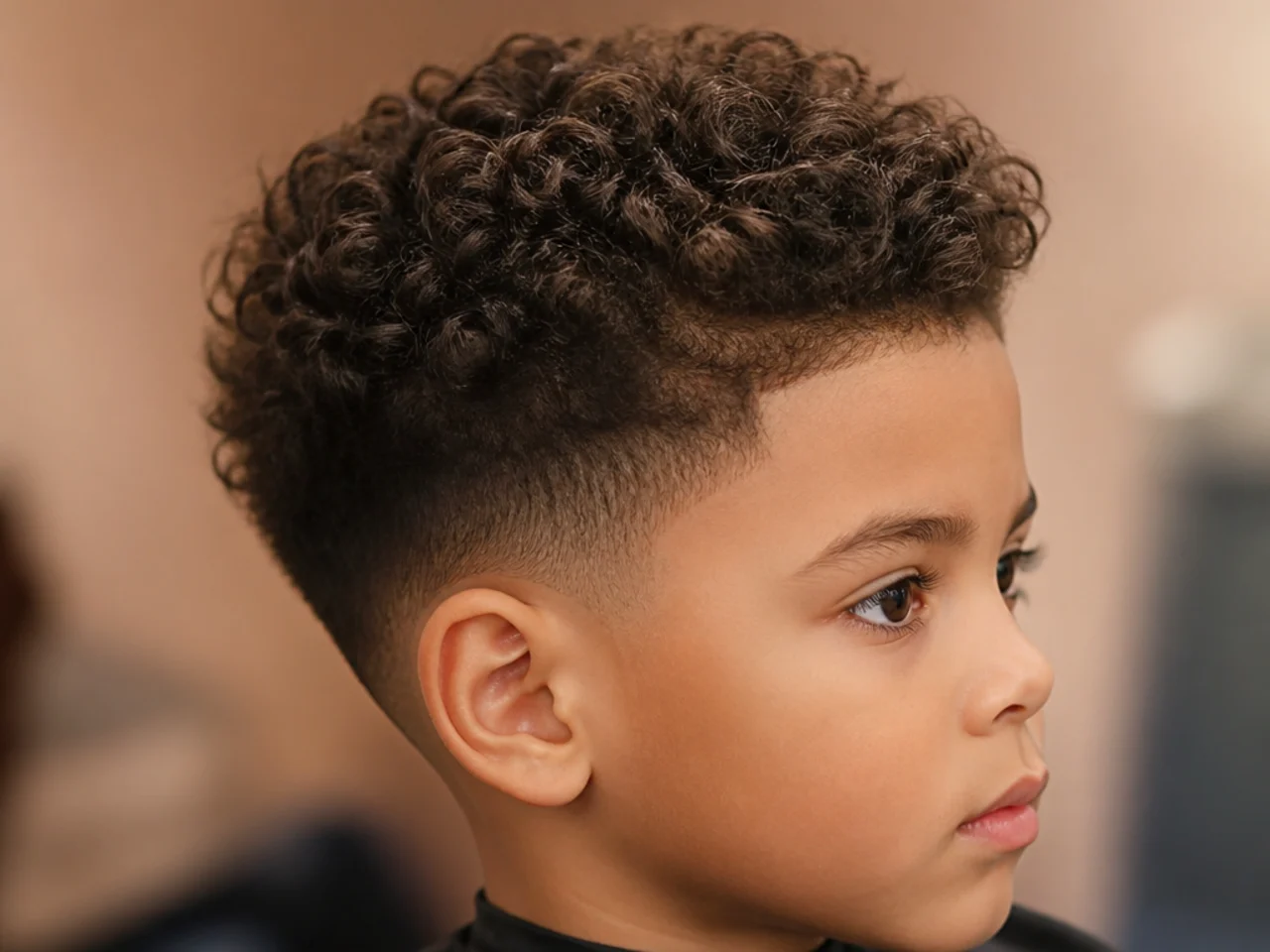
Flat straight hair has no volume to break up a transition, so it shows a fade line more clearly than any other texture and shows the growing-out blur just as clearly. It also holds a soft one-length shape neatly, since there is nothing to sit out of place. Verdict, the non-fade wins on the second half of the cycle.
8. A School That Names a Number Two Minimum
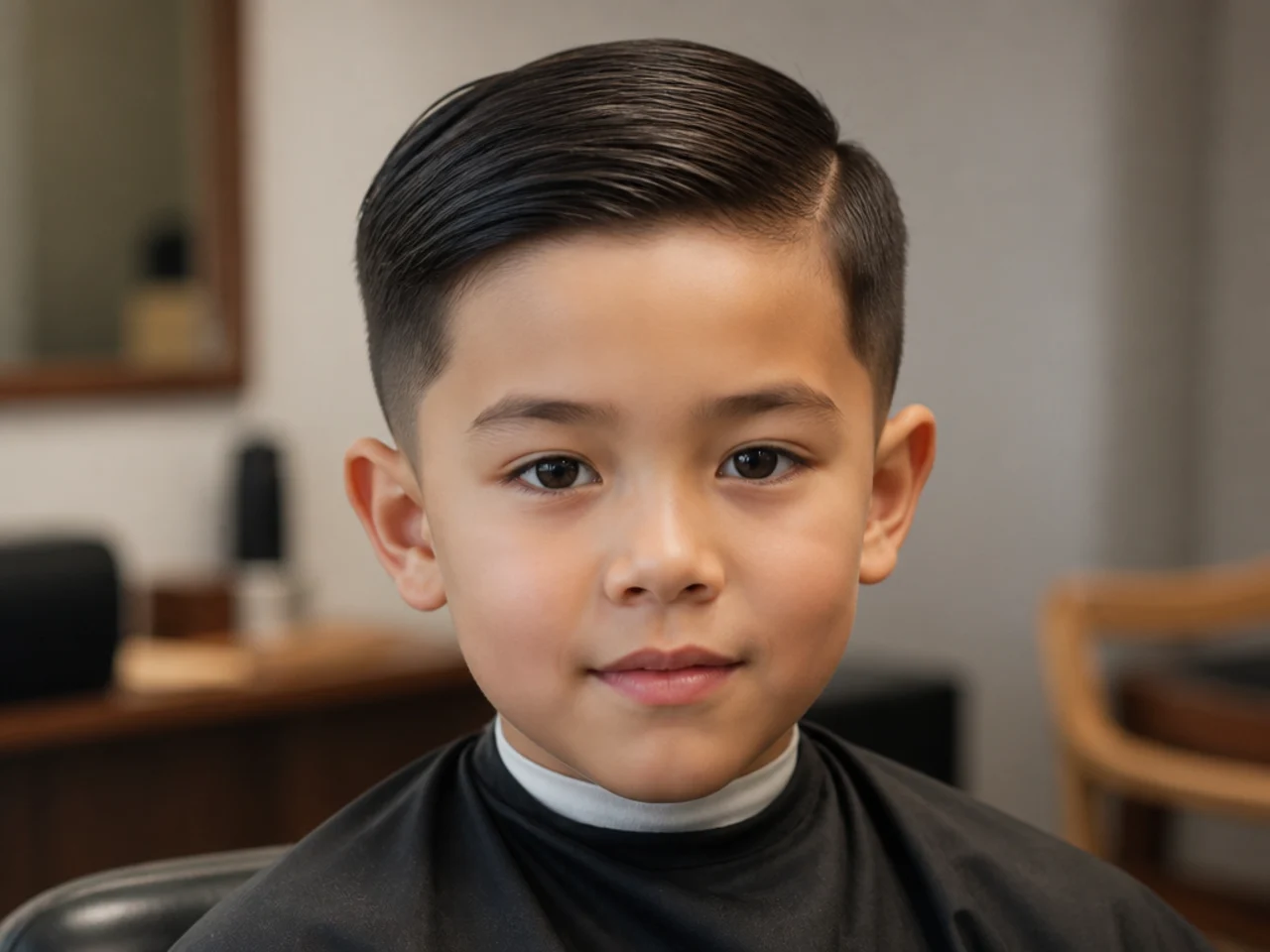
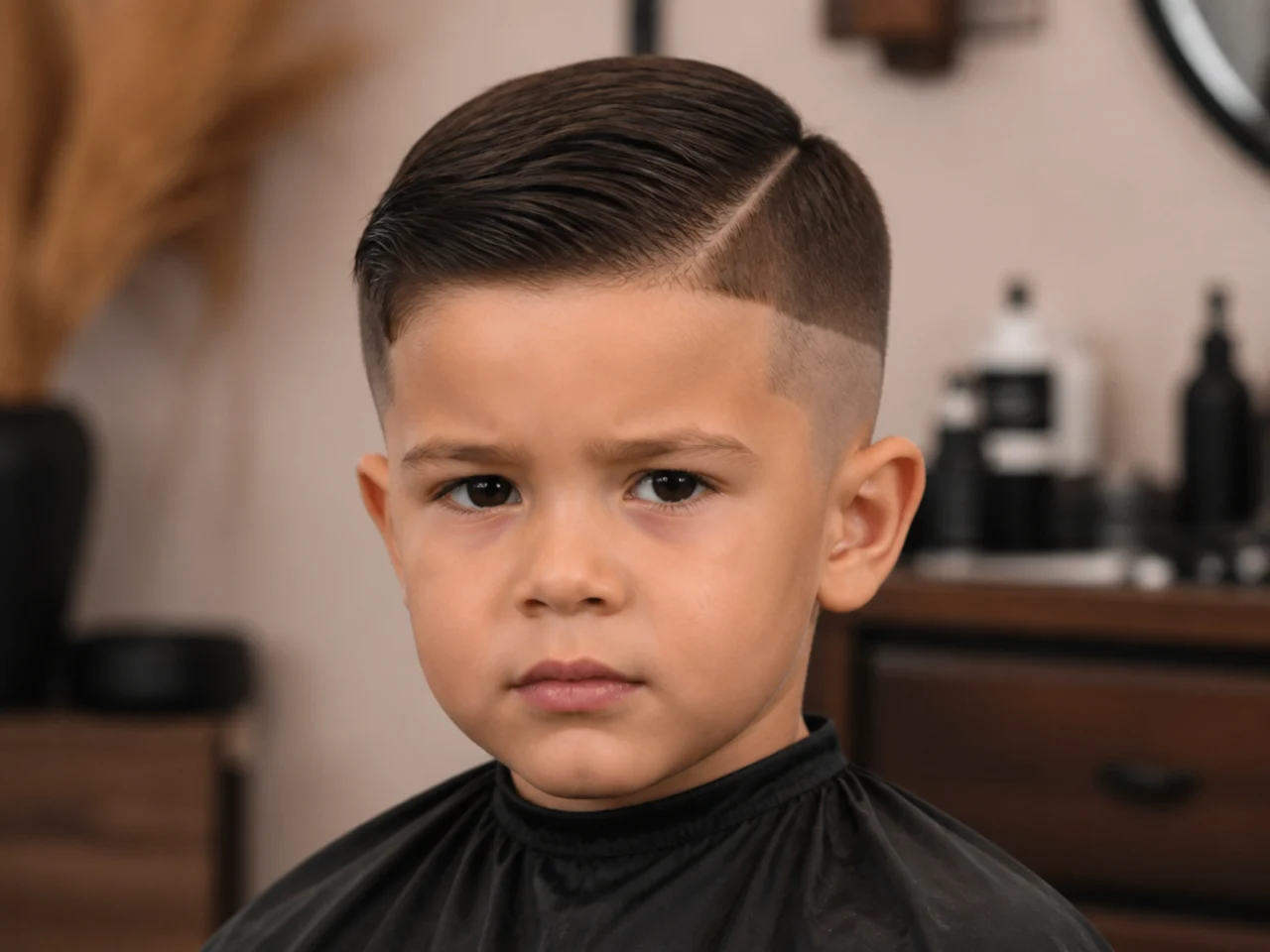
A number two floor means six millimetres is the shortest point allowed, which removes skin and number one entirely and takes the contrast out of the fade. What is left is a taper that stops at a two, which is much closer to a soft cut than to a fade. Verdict, the non-fade wins by default, because the rule has already made the choice.
9. Summer Holidays With No Uniform Rules
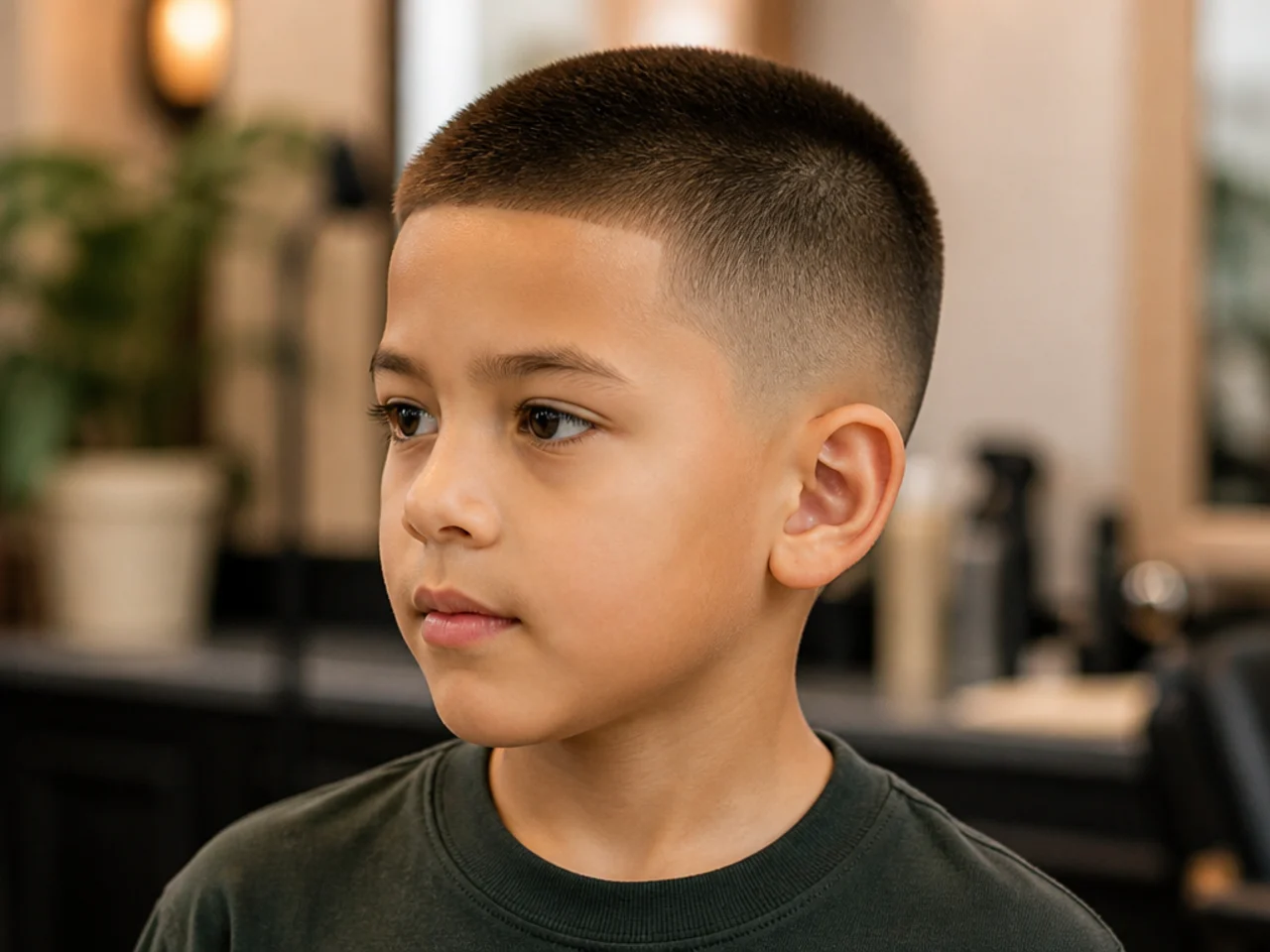
Six weeks with no grooming policy is the one window where the bottom of the fade range is actually available. It is also six weeks with no photographs and no inspections, so the blur at week three costs nothing. Verdict, the fade wins, because this is the only period where its downside does not matter.
10. He Wants It Sharp for a Party
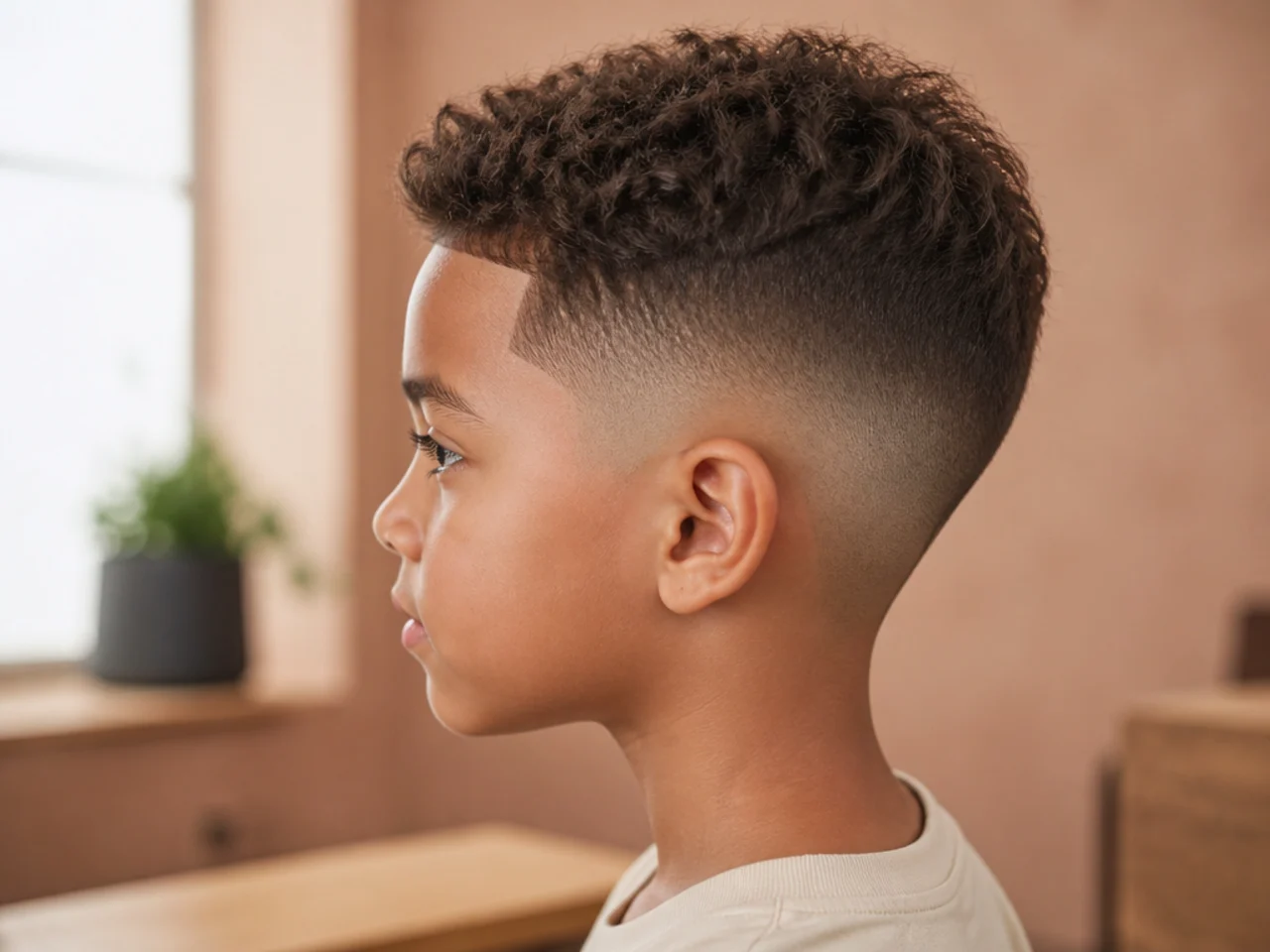
Sharpness is exactly what a fade sells, and a single dated event is the ideal use of a cut that peaks on day one. Book it for two or three days before rather than the morning of, so the edges have settled. Verdict, the fade wins, and treat it as an occasion purchase.
11. A Cowlick Sitting Right on the Line
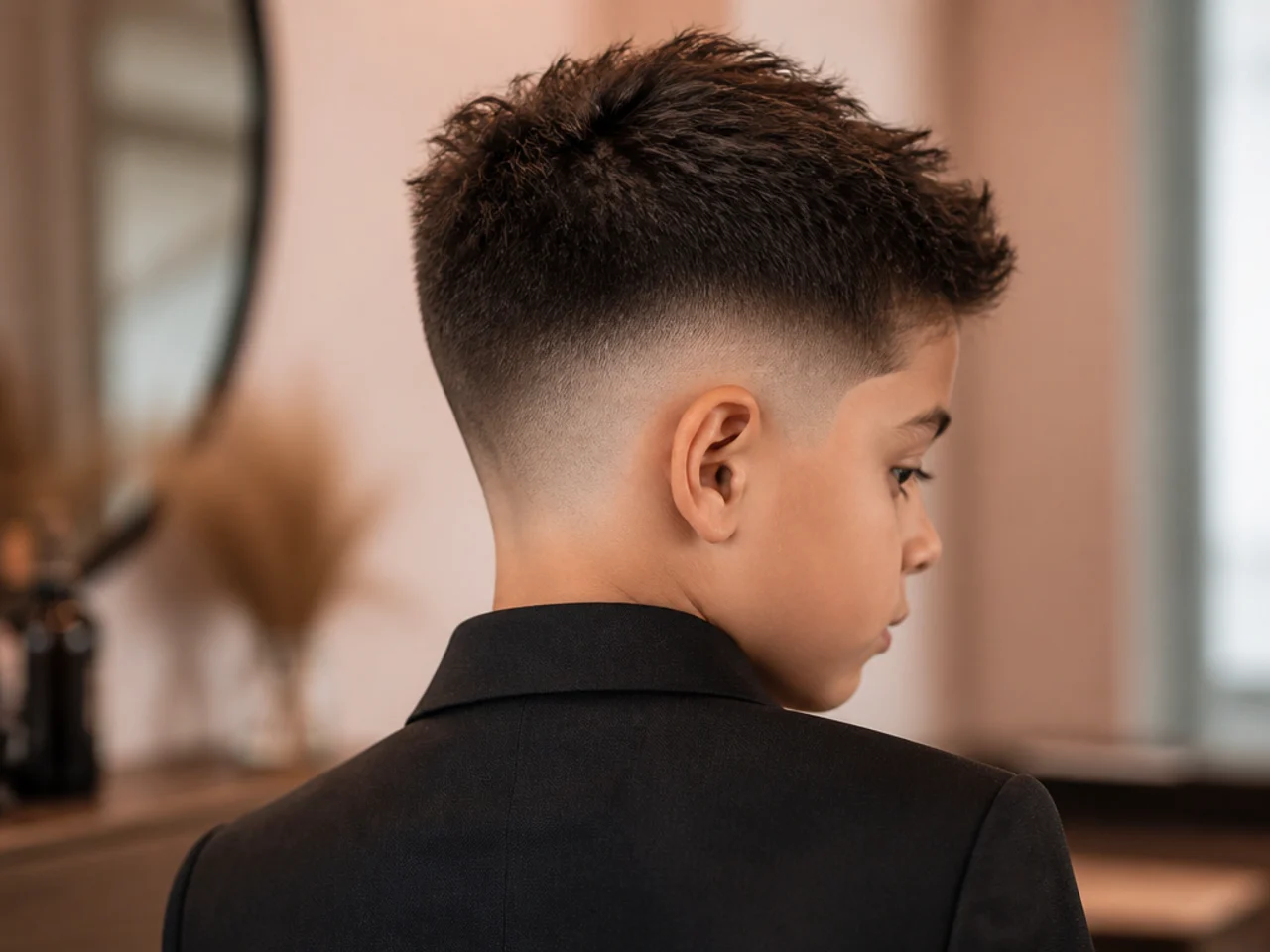
A cowlick pushes hair out at an angle, so a fade line running through it will never look level no matter how carefully it is cut. A soft cut absorbs the same cowlick because there is no straight reference for the eye to compare it against. Verdict, the non-fade wins, and moving the line height rarely fixes it.
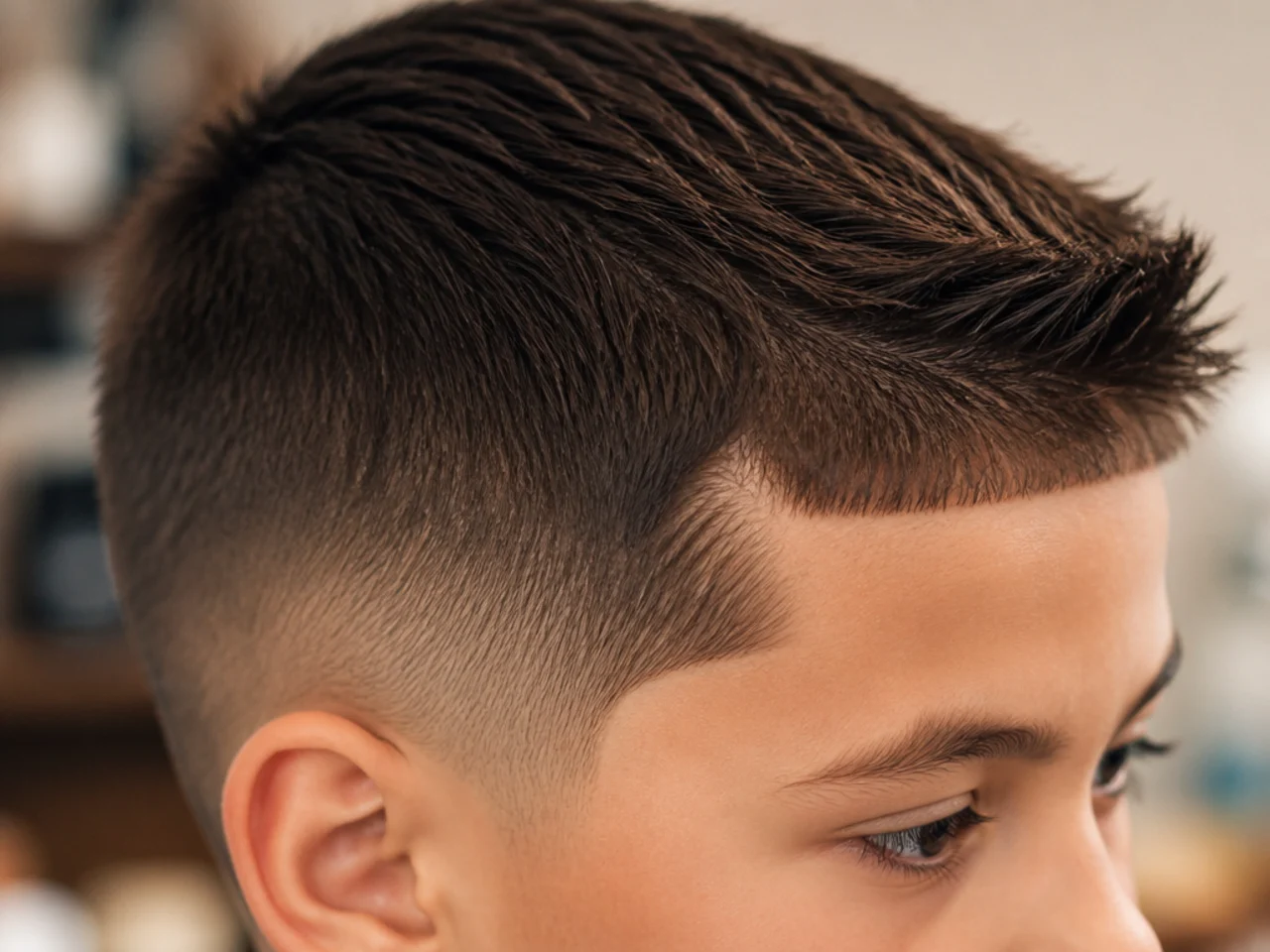
12. The Budget Is One Cut a Month
A monthly appointment gives a fade a full week of looking grown out at the end of every cycle, and it costs more per visit than a simple cut. A soft cut on the same schedule arrives at the appointment still looking like itself. Verdict, the non-fade wins on both price and on what you get for the last week.

13. A Twenty-Mile Round Trip to the Barber
Distance sets the appointment interval whether you like it or not, and a cut that needs redoing every three weeks turns into a cut that gets redone every six. That gap is where a fade spends half its life looking unfinished. Verdict, the non-fade wins, because the logistics have already chosen the interval.
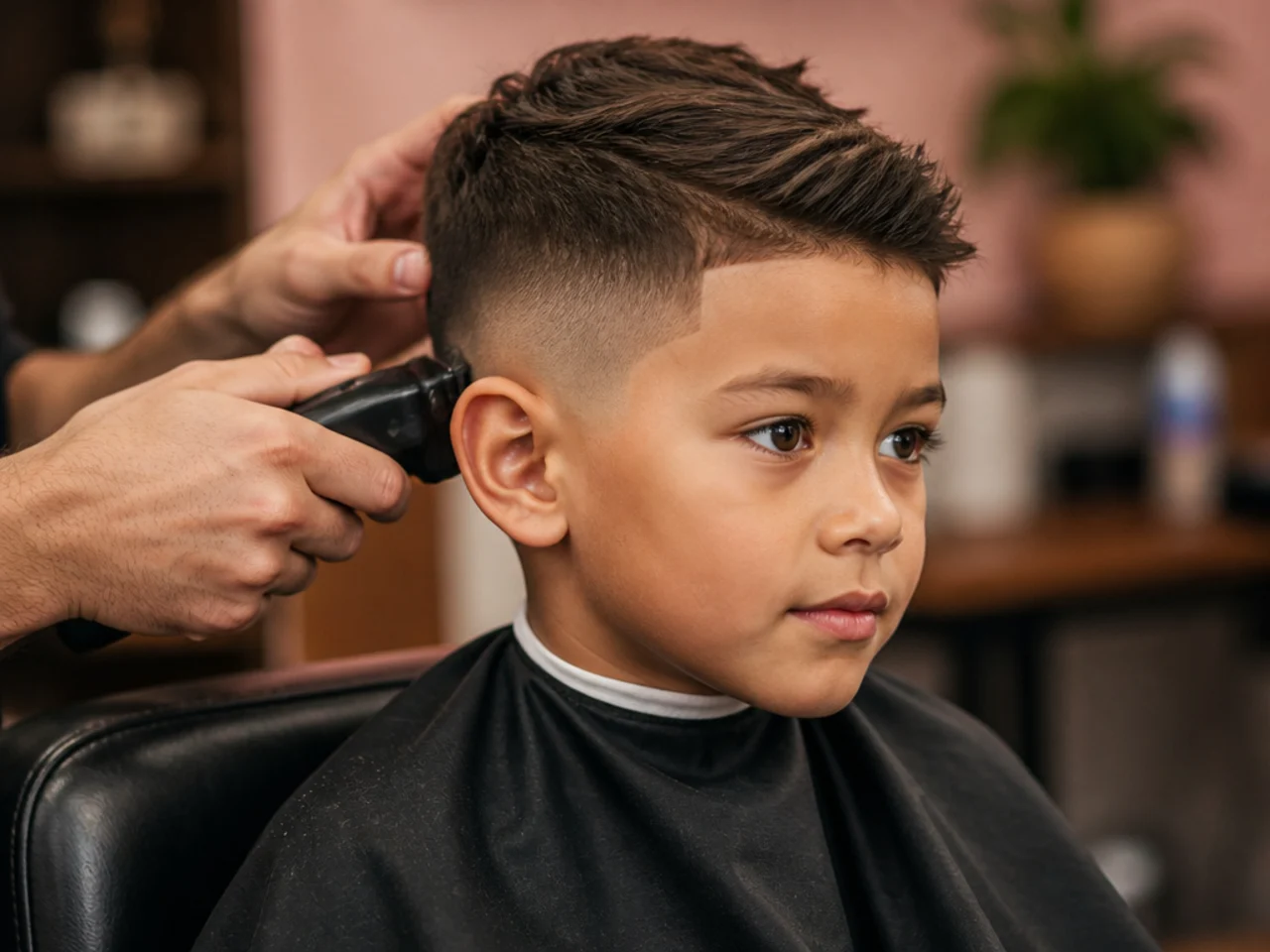
14. Growing It Out Towards a Longer Style
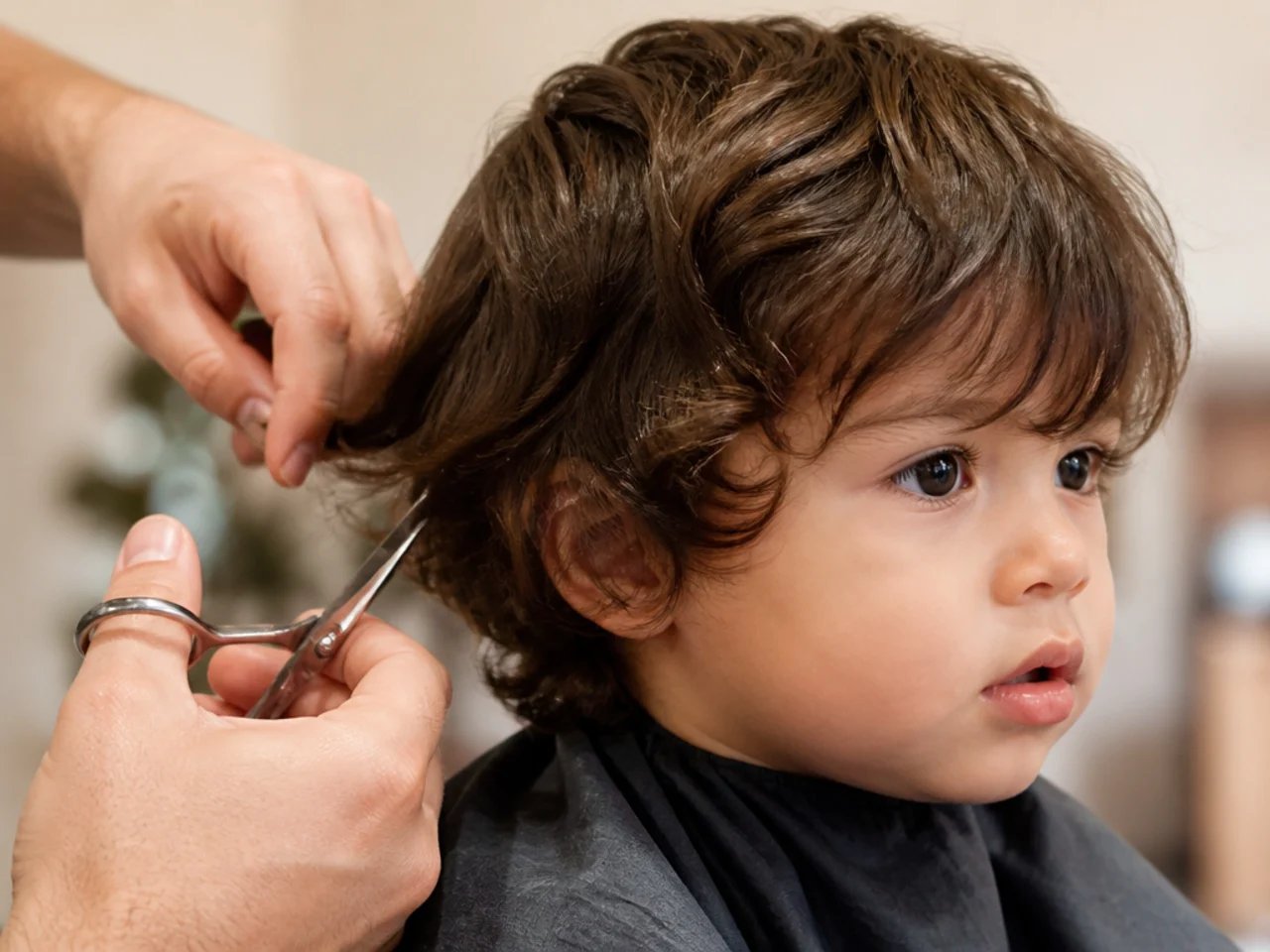
A fade leaves a short section at the bottom that has to catch up with everything above it, which adds months to a growing-out plan. A soft cut has a much smaller range of lengths on the head, so it reaches an even long shape far sooner. It is the same calculation as fade against length on a toddler, only with less length above the short section to start from. Verdict, the non-fade wins, and it wins by a matter of months rather than weeks.
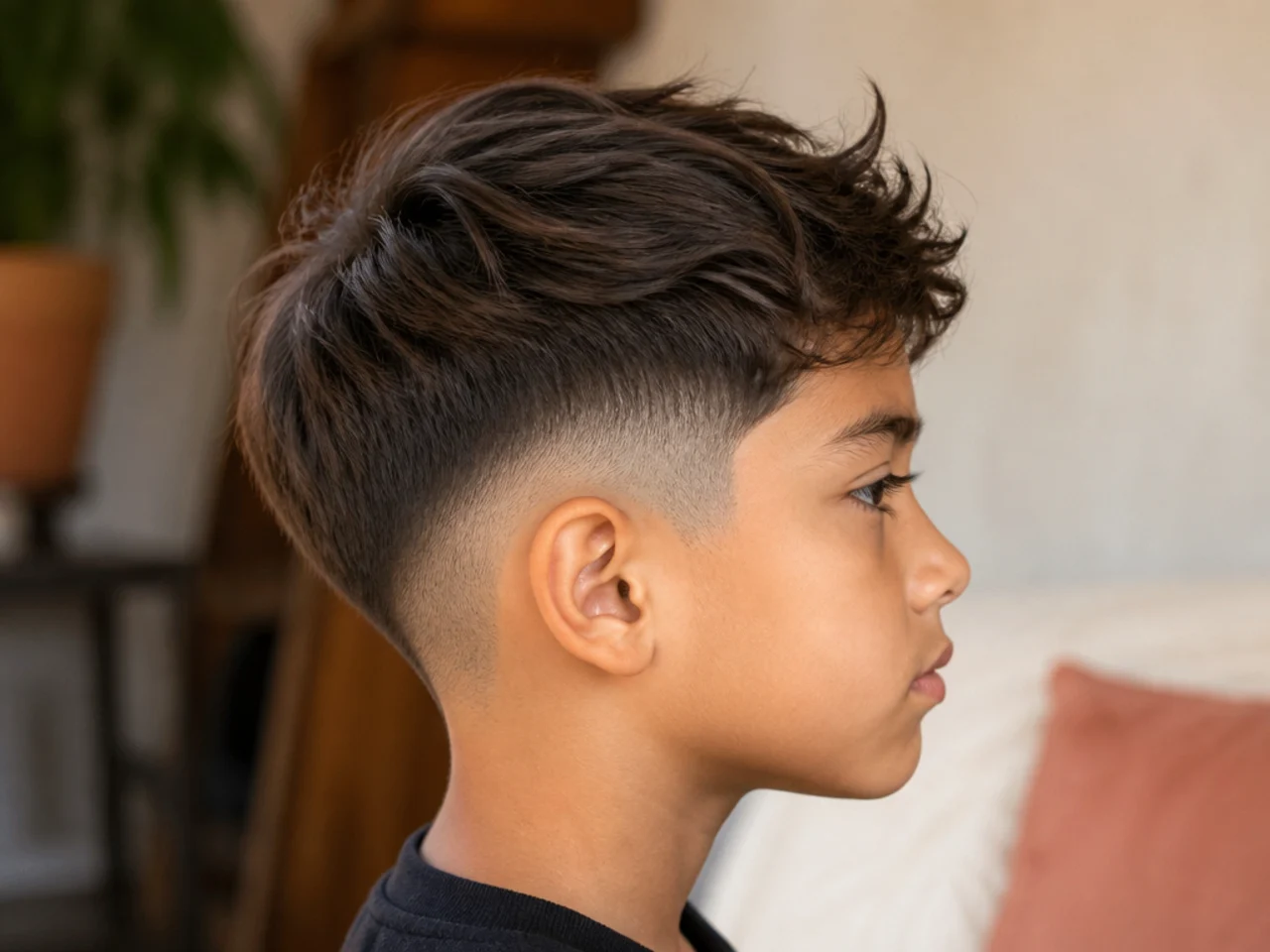
15. The Average Across a Whole Six-Week Cycle
Score the fade at nine out of ten in week one, seven in week two and four from week three onwards, and the average is mediocre. Score the soft cut at seven every single week and the average beats it. Verdict, the non-fade wins, and this comparison is really the summary of the other fourteen.
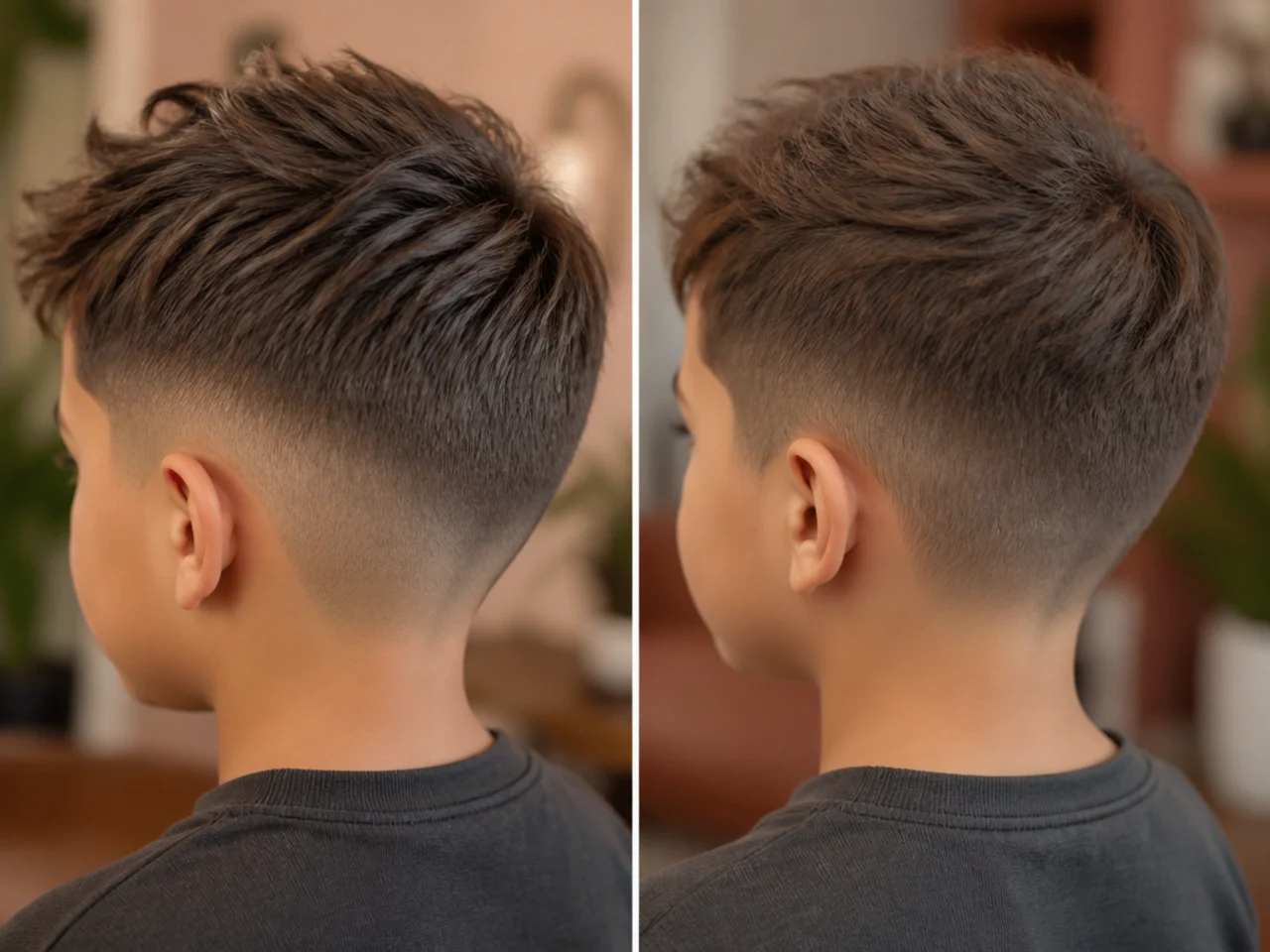
Styling and Upkeep
If you choose the fade, book the interval at the same time. A fade without a standing three-week appointment is a soft cut you paid extra for.
If you choose the soft cut, put the effort into the top. Length and texture on top are what make it read as a style rather than as an absence of one.
Tidy the neckline on a fade at week two. It is the part that goes first and the part everyone behind him sees.
Never chase a blurring fade line yourself. Every correction moves it higher, and by week six it has climbed past where you wanted it.
Photograph the fade in week one for the barber. The gradient is behind the ear where nobody can describe it accurately from memory.
Mistakes to Avoid
Judging either cut on the day it was done. That is the one day the fade is guaranteed to win.
Booking a fade around a six-week interval. Half of that interval will be spent outside the look you paid for.
Assuming the school objects to the word fade. It objects to the number at the bottom of it, which is a different thing entirely.
Attempting a first fade at home on a school night. An uneven gradient is worn in public for a fortnight and cannot be quickly hidden.
Choosing a fade to solve fine hair. Short guards on fine hair show scalp, which is the opposite of what was wanted.
FAQ
Which lasts longer on a child? The non-faded cut, by roughly three or four weeks, because it has no edge to lose.
Does a fade break school rules? Only where it goes shorter than the minimum guard the policy names.
Which is easier to cut at home? The non-fade, and its worst outcome is far more forgiving than a bad gradient.
Final Thoughts
Decide first whether the haircut needs an edge in it, because everything else follows from that one answer. A fade is worth buying for a dated event or for genuinely thick hair, and for almost every other week of the year the cut with nothing to blur gives you a better average for less money.
For how the three fade heights differ see low fade vs mid fade vs high fade, and for the version that keeps length at the neckline see the taper haircut guide. More in Fade Haircuts.