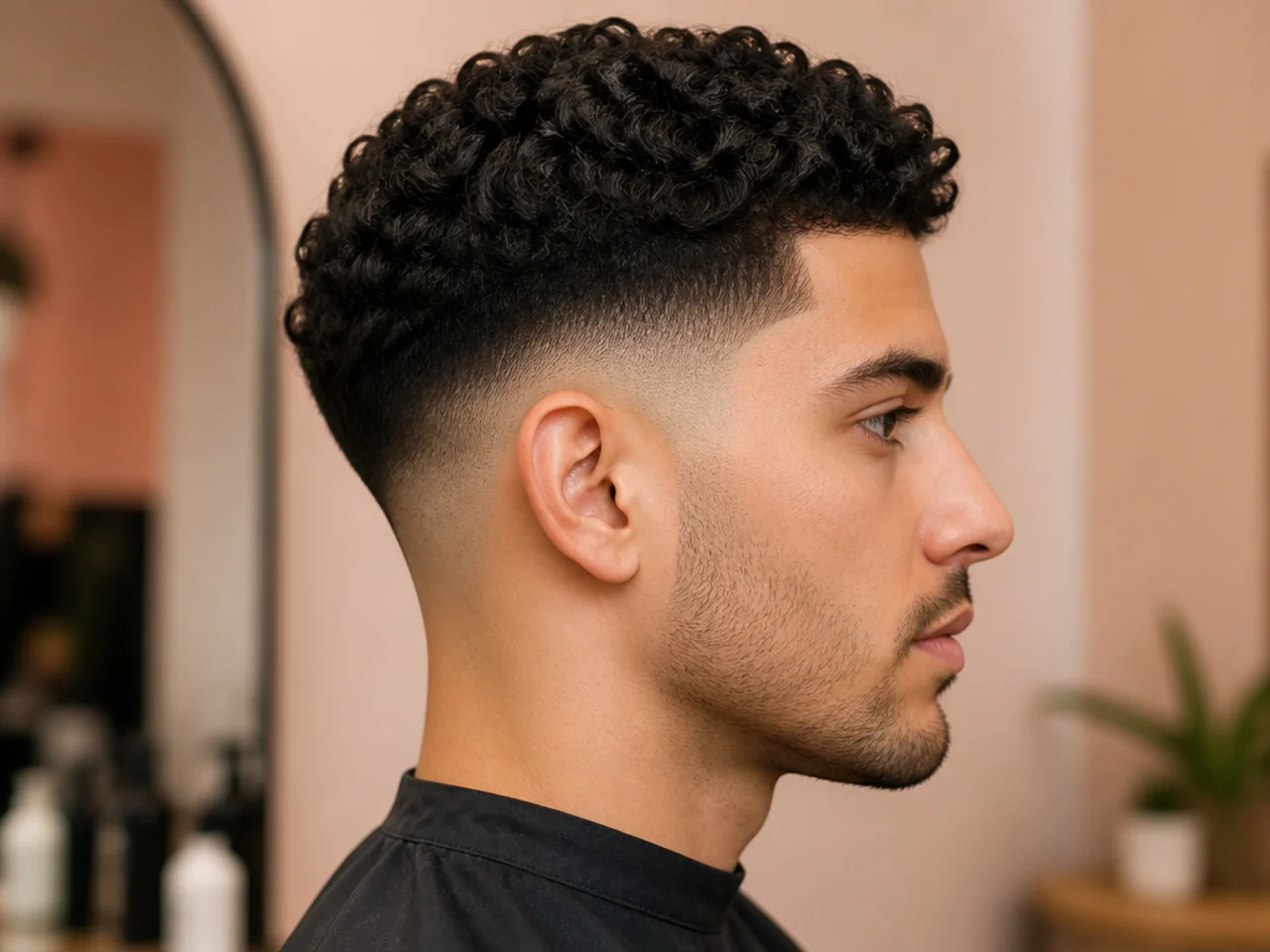
Low Fade vs Mid Fade vs High Fade: Discover The Differences
In this guide, we'll cover everything you should know about low fade vs mid fade vs high fade styles, explaining the main features...
In this article · 9
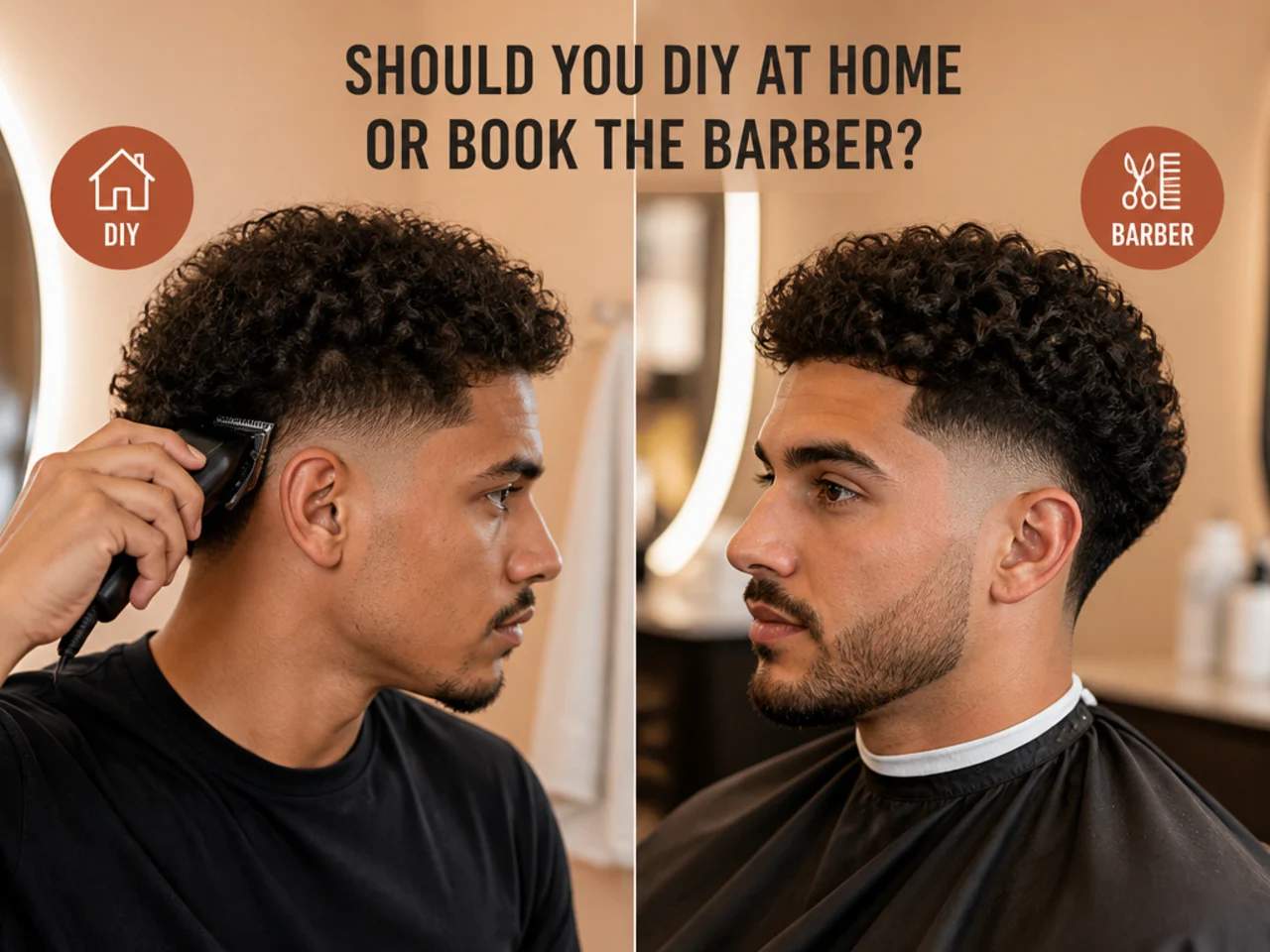
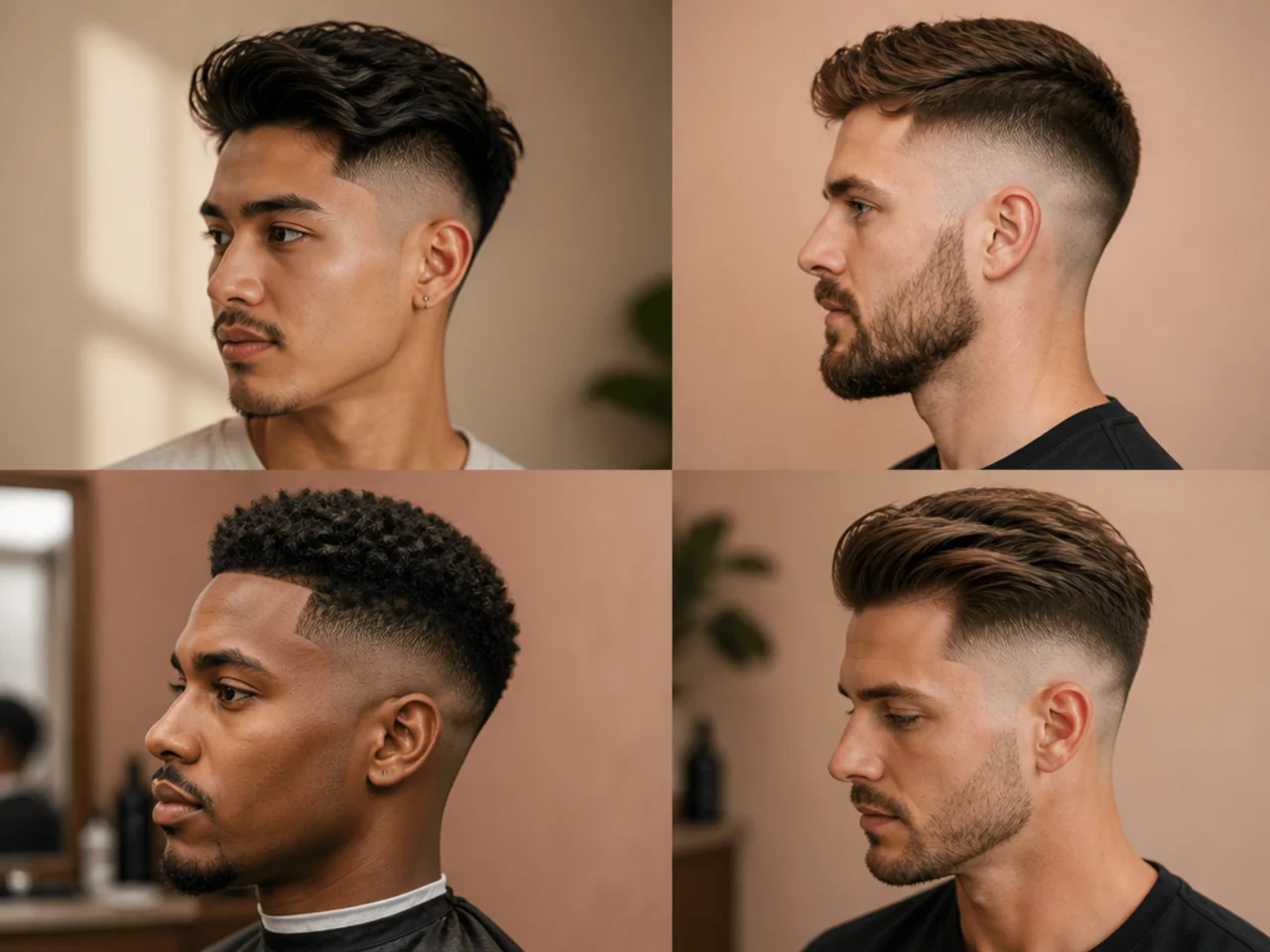
You've got three fade heights to pick from and they land in three different worlds. Low sits just above the ear and reads quiet. Mid climbs to the temple and splits the difference. High starts up near the parietal ridge and makes a statement. The right call comes down to your face shape, your workplace, your maintenance appetite, and what's happening on top. Here's how to pick.
What Is A Low Fade?
The low fade starts just above your ear, wraps around the back, and drops to skin along a shallow arc. The transition sits below your temple and stops well short of your parietal ridge. From across the room, it still reads as a normal short back and sides. Up close, you see the clean tapering that makes a fade look intentional instead of accidental.
The low fade suits almost every face shape, which is why it's the default answer when you don't know what to ask for. Long or oval faces do especially well here because the low blend keeps volume down and doesn't stretch your face further. Round faces can wear it if you keep some length up top to add vertical lift. If your temples are thinning, low fade is your safest pick of the three — the blend line sits well beneath any thin spots, so nothing gets spotlit.
Workplace fit is where the low fade really earns its keep. Banks, law firms, hospitals, courtroom lawyers, client-facing sales — nobody blinks. It's the fade you can wear under a suit without anyone thinking about your hair. If you work anywhere with a written or unwritten dress code, this is the fade that keeps you invisible in a good way.
Maintenance is the friendliest of the three. Book every three to four weeks. The blend is soft enough that grow-out looks intentional for a while, and the fade line stays low enough that you can hide a rough week under a hat or a slight side part. If you want to stretch appointments even further, ask for a low taper fade — the tapered version keeps a little more length at the skin line and takes longer to look shaggy between visits.
Pair the low fade haircut with a side part, a comb over, a short crop, a French crop, a slick back, or long hair pushed off the face. It works under length just as easily as it works under a buzz.
Defining Characteristics of A Low Fade
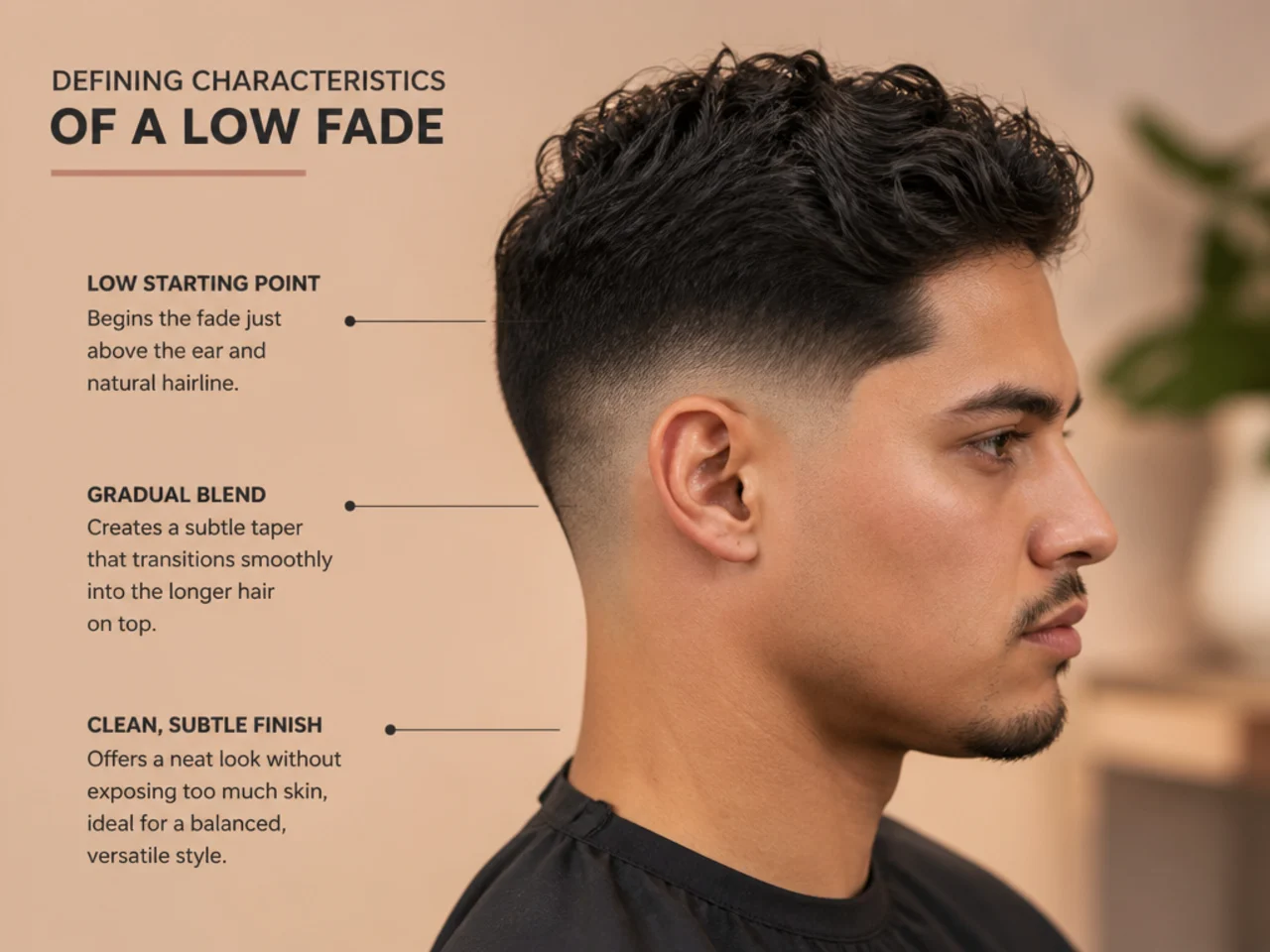
- Where it starts: Just above the ear, finishing at the nape.
- Contrast: Low. The blend is soft and doesn't jump.
- Transition zone: Gradual — usually one to one-and-a-half inches of vertical fade.
- Workplace fit: Any office, including the most formal.
- Maintenance: Every 3–4 weeks. Grows out gracefully.
- Best for: Conservative dress codes, long or oval faces, thinning temples, guys who don't want to think about their hair.
What Is A Mid Fade?
The mid fade starts at your temple, roughly level with your eyebrow, and drops to skin from there. That's the visual midpoint between your ear and the top of your head, which is where the name comes from. The transition sits high enough to notice but not so high that it dominates the side of your head. From any angle, the cut reads as a modern haircut without reading as a costume.
The mid fade is the most versatile face-shape option of the three. Square and oval faces wear it cleanly. Round faces get a little length-illusion from the vertical fade zone. Long faces can pull it off, but keep the top textured and not too tall so you don't stack more height onto the face. Diamond faces do well here because the fade width sits at the widest part of the head and balances the cheekbones.
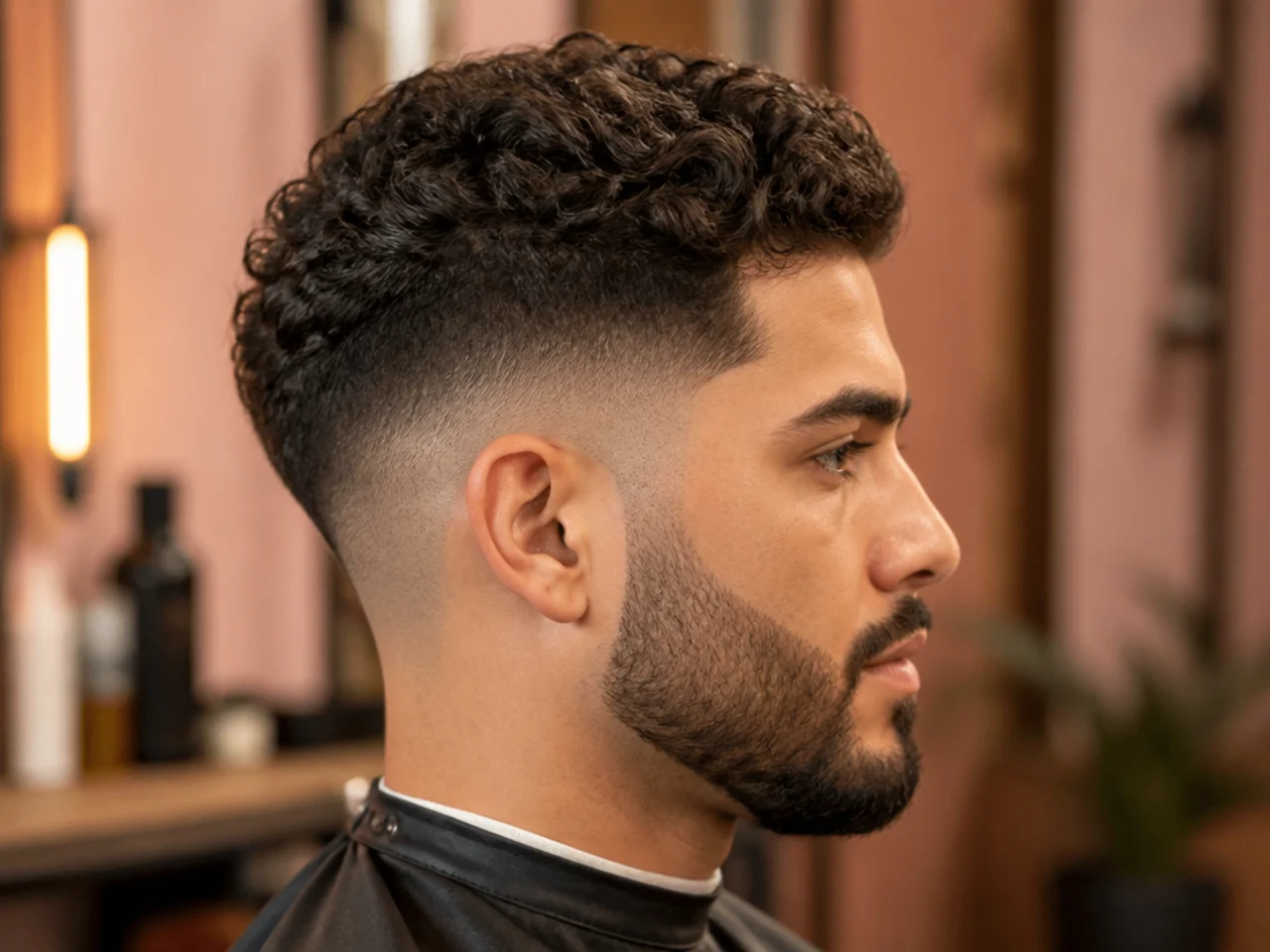
Workplace fit is broad. Modern offices — tech, creative agencies, marketing, hospitality, medicine — read a mid fade as sharp rather than aggressive. More traditional environments accept it too, especially with a longer, styled top that anchors the look and softens the contrast. If you spend your day in scrubs, uniforms, or hi-vis, this is the fade that reads clean without reading dressy.
Maintenance sits in the middle. Every two to three weeks keeps the line crisp. Grow-out is faster than a low fade because the shorter hair sits closer to eye level, so a blurry blend gets noticed sooner. Book your next cut before you leave the chair, or the schedule will slip on you.
The mid fade haircut plays well with more styles than any other height. Textured crops, quiffs, comb overs, curly tops, medium flow, short pomps, and hard-part styles all sit on a mid fade without argument. If you're bouncing between styles month to month, a mid fade is the base that lets you do that without changing the fade underneath.
Defining Characteristics of A Mid Fade
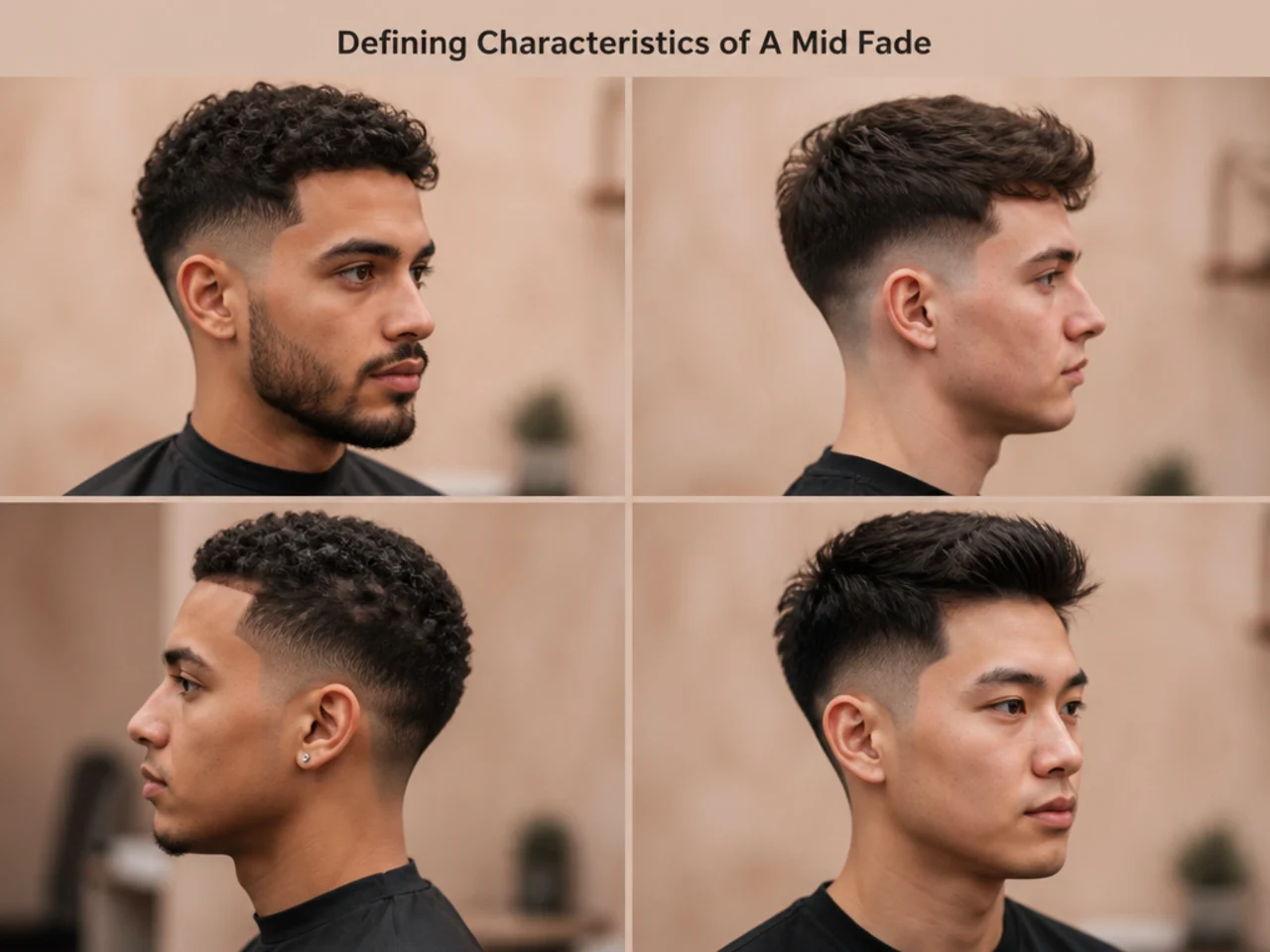
- Where it starts: At the temple, level with the eyebrow.
- Contrast: Medium. Noticeable but not stark.
- Transition zone: Roughly one-and-a-half to two inches of vertical fade.
- Workplace fit: Modern offices, creative work, service industry, most white-collar environments.
- Maintenance: Every 2–3 weeks.
- Best for: Guys who want a visible haircut without a loud one, most face shapes, versatile styling on top.
What Is A High Fade?
The high fade starts near your parietal ridge — the ledge where the side of your head turns into the top. That puts the shortest, skin-exposed section well above your temple, sometimes as high as your forehead line at the sides. From any angle, you see a clear contrast between the skin panel and the length on top. This is the height that turns a haircut into an outfit.
High fade suits faces that can carry the extra visual height. Oval and square faces handle it well. Round faces benefit from the vertical stretch the tall panel creates — it lengthens the head. Long or oblong faces should be cautious; the tall fade zone can push the face longer still, so keep the top low, wide, and textured rather than tall and stacked. If your temples are receding, a high fade will pull the eye straight to them — pick a lower height instead.
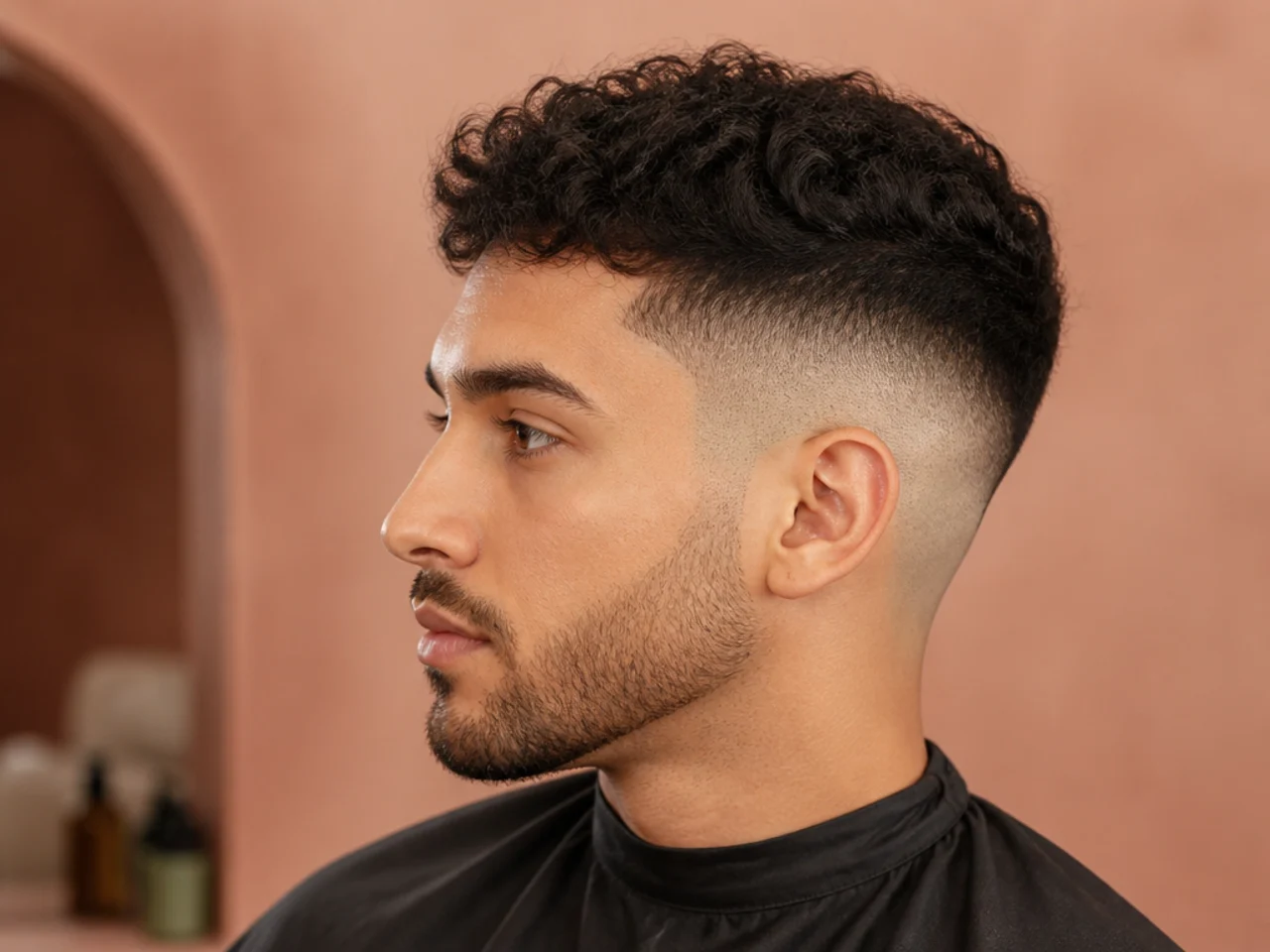
Workplace fit is narrower than the other two. Creative fields, trades, hospitality, gyms, entertainment, startups, and student environments will not blink. Traditional finance, law, and executive-track corporate roles may raise an eyebrow depending on the culture. The high fade reads as a style choice, not a default — and you're signing up to make that choice visible every day.
Maintenance is the highest of the three, by a wide margin. Every two weeks, or the sharpness collapses fast. High fades depend on the skin panel staying skin — as soon as stubble grows back in, the contrast that makes the cut work disappears and what's left just looks patchy. If you can't commit to the schedule, ask for a high taper fade instead. You get most of the visual height without the skin dependency, and the taper version tolerates a missed week without falling apart.
High fades pair with strong, structured tops: pompadours, quiffs, faux hawks, textured crews, slick backs, short curly styles, and afros with defined shape. Anything that holds a form on its own. Limp, unstyled hair on top of a high fade fights itself.
Defining Characteristics of A High Fade
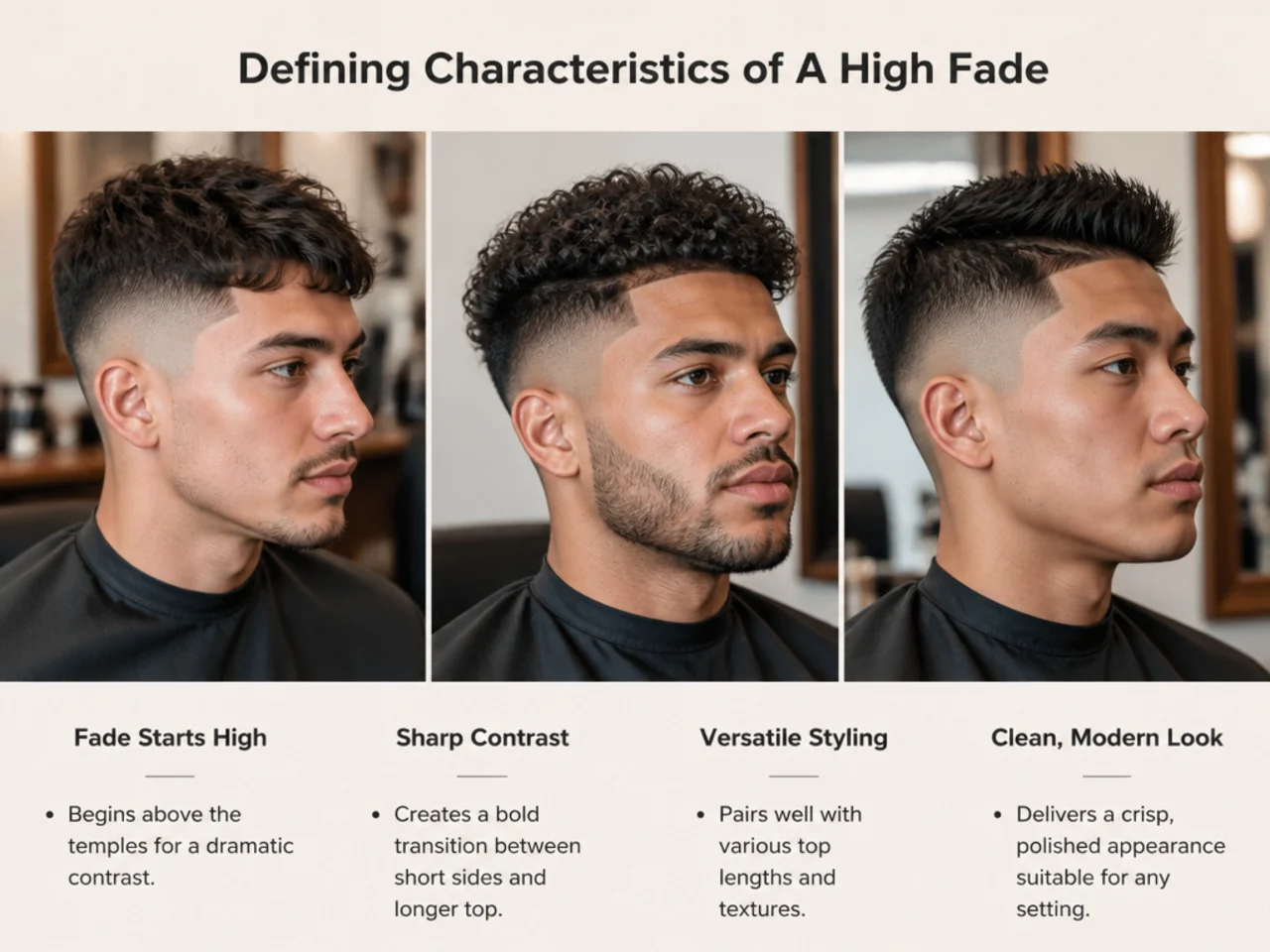
- Where it starts: At or above the parietal ridge, well above the temple.
- Contrast: High. The skin panel is unmistakable.
- Transition zone: Short and steep — often less than an inch of vertical fade.
- Workplace fit: Creative, trade, hospitality, entertainment, startups. Cautious in traditional finance and law.
- Maintenance: Every 2 weeks. Non-negotiable.
- Best for: Guys who want the haircut noticed, round faces, structured styling on top, hair that holds shape on its own.
Low Fade vs Mid Fade vs High Fade
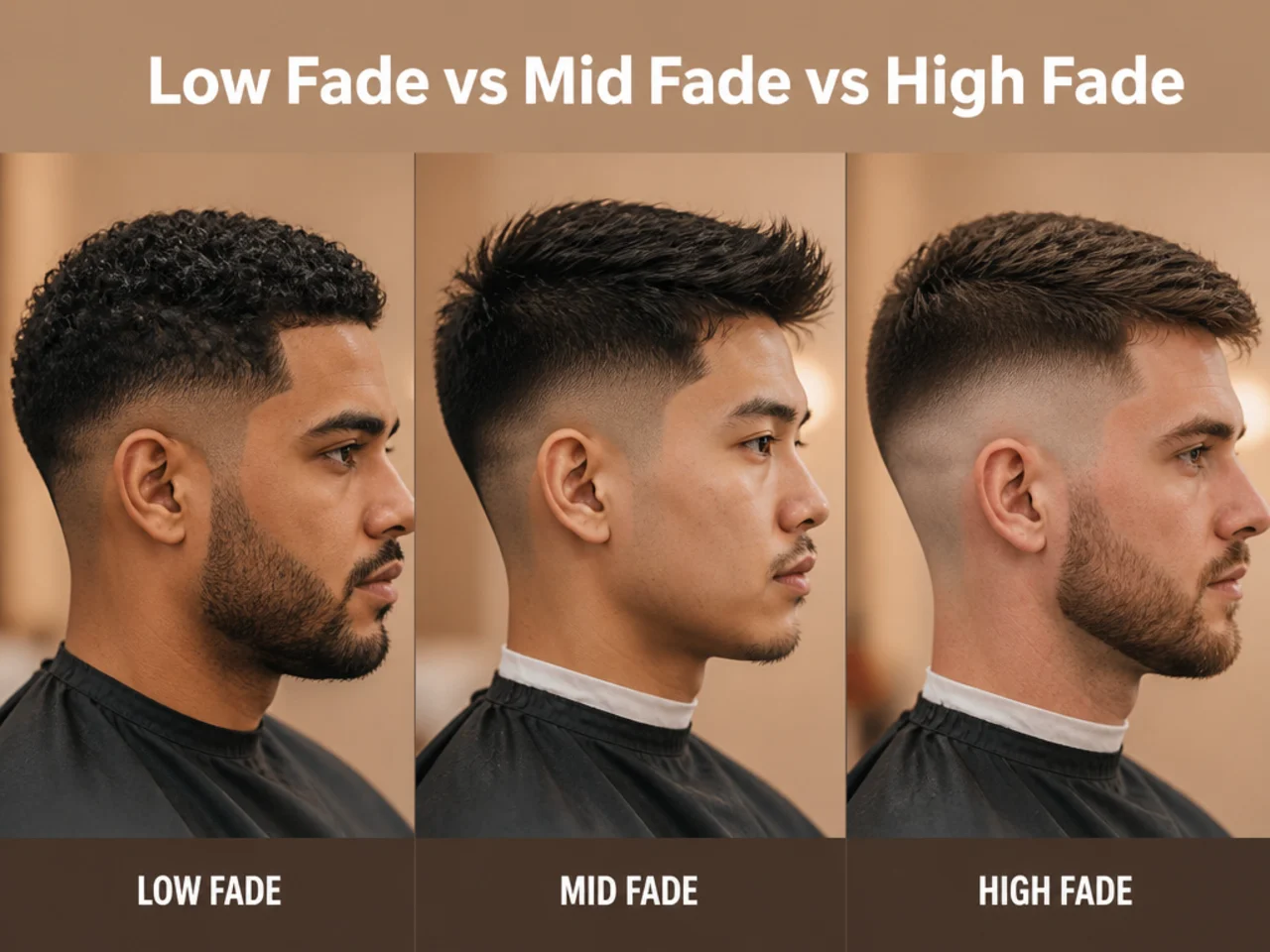
Here's the decision matrix, laid out plainly.
Face shape. Low fade is the safe pick for long and oval faces because it doesn't stretch them further. Mid fade suits square, diamond, and oval faces cleanly. High fade earns its keep on round faces by adding vertical, and on square faces by squaring off the block up top. If you're still not sure, mid fade fits the widest range of face shapes — it's the closest thing to a universal answer.
Workplace formality. Low fade is invisible in any professional setting, even the most conservative. Mid fade is accepted almost everywhere modern, and tolerated in traditional environments if the top is neatly styled. High fade is a style statement — welcome in creative and modern industries, riskier in old-guard finance and law. Read the room in your office before you commit, and if you're not sure, step down one height.
Maintenance appetite. Low fade wants you in the chair every three to four weeks. Mid fade wants two to three. High fade wants two, sometimes weekly for the sharpest looks. Multiply that by the price of your cut and see what your yearly grooming bill actually looks like. Every step up in height is roughly a 25% increase in maintenance cost and time, and the difference compounds over years.
Hair type on top. Straight, fine hair usually reads best with a low or mid fade — a high fade can look severe on top of a limp, unstyled top. Thick, coarse, or wavy hair holds up under any height, but really shines with a mid or high fade because the contrast rewards texture. Curly and coily hair look striking with a mid or high fade because the shape defines the curl pattern above it. If you're growing your hair out on top, low or mid fade keeps the balance from tipping into "accidental mullet."
Hairline. Strong hairline all the way across? All three are on the table. Thinning temples or a receding front? Go low fade first, mid fade second, and skip the high. A high fade points at the temple area, which is exactly what you don't want if there's less hair there.
Age. No hard rule, but low and mid fades age with you. High fade skews younger, mostly because the maintenance burden and visual boldness get tiring faster. Guys in their 40s and 50s tend to migrate downward over time, and it usually looks better.
Beard interaction. If you wear a full beard, a low fade lets the beard read as the main event. A mid fade shares the stage. A high fade competes with the beard for attention, and the beard usually loses. If your beard is the point of the look, don't go higher than mid.
If you're still stuck, default to a mid fade with a soft taper transition. It's the safest visible haircut you can ask for and it works across almost every situation on this list.
Different Types of Fade Haircuts
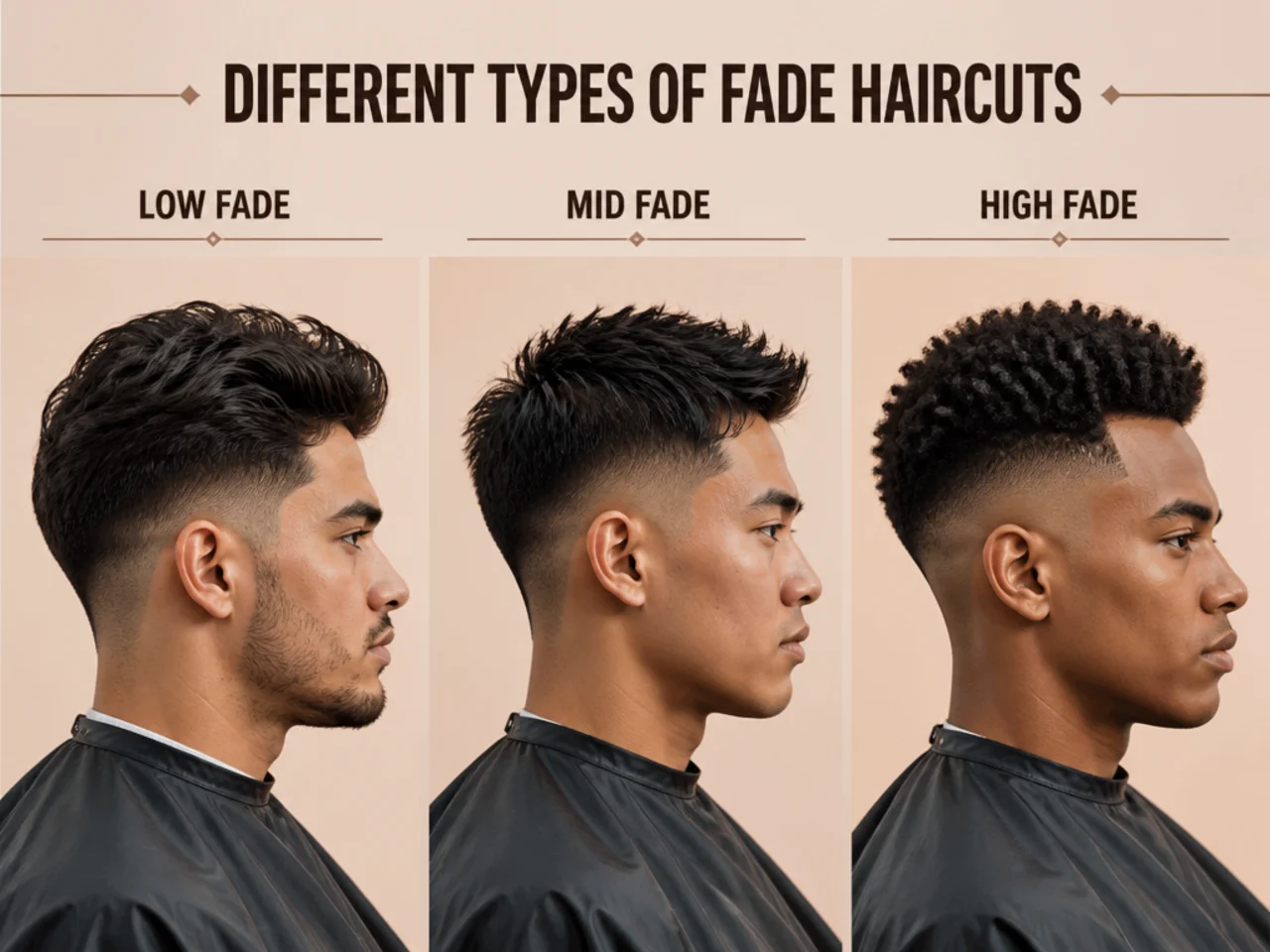
Once you've picked a height, you can pick a fade shape. These aren't alternatives to low, mid, and high — they layer on top of your height choice. You can have a low burst fade, a mid drop fade, a high skin fade, and so on. Here are the main fade haircuts worth knowing by name.
- Skin fade – Any height taken all the way to bare skin at the shortest point. Sharpest possible contrast. Also the tightest maintenance schedule of any variation, because the skin panel is what makes it work.
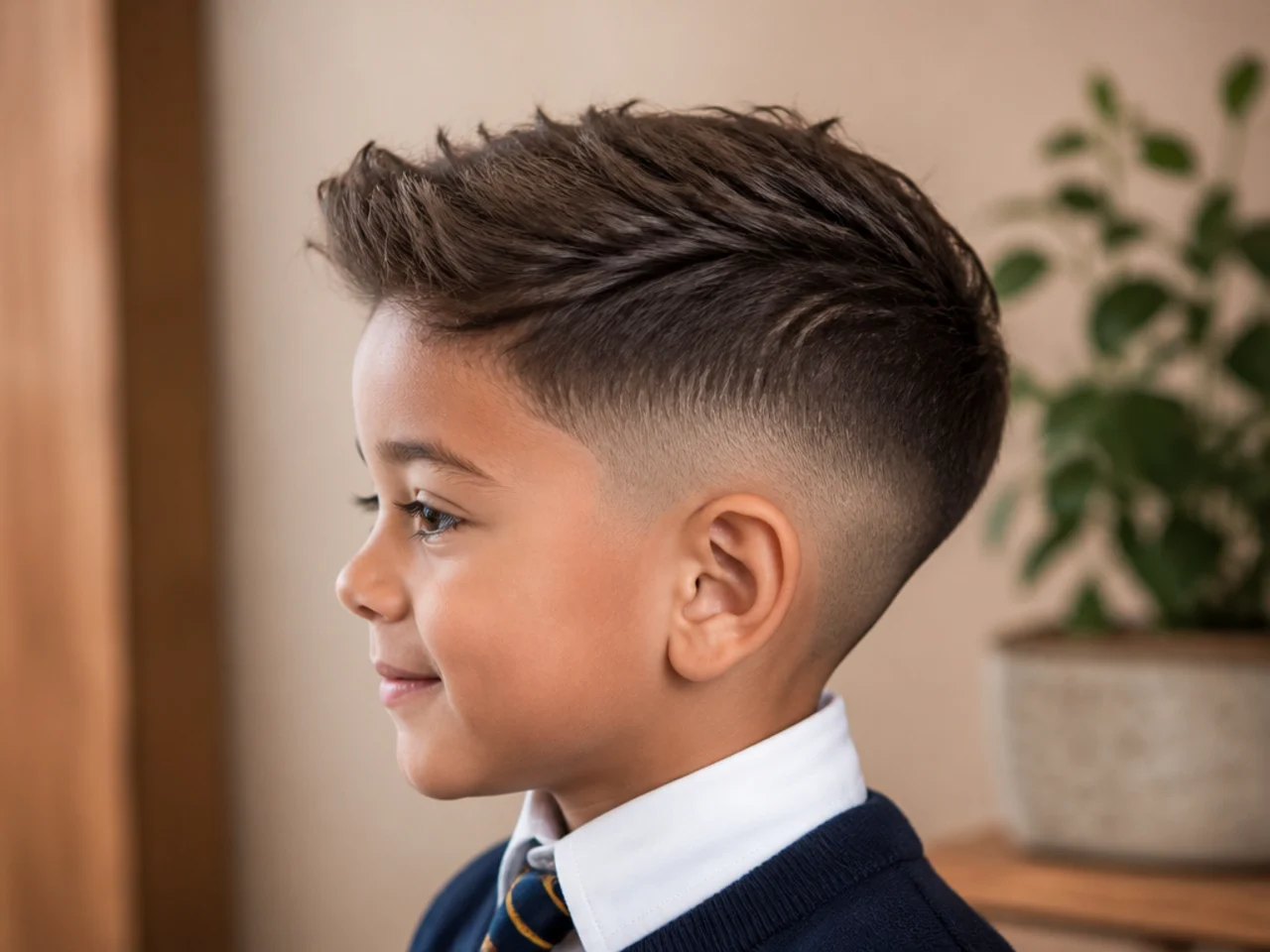
- Drop fade – The fade line curves down behind the ear instead of running level. It follows the natural head shape, flatters most people, and softens a high fade or accentuates a low one. Works at every height.
- Burst fade – The fade fans out around the ear in a half-circle, then leaves the nape longer. Purpose-built for mullets, mohawks, and modern pushed-back styles. Almost always cut at a mid or low starting height.
- Temp fade – Focused around the temples, with the rest of the sides kept longer than a full fade would take them. A softer entry point if you're not ready for full sides.
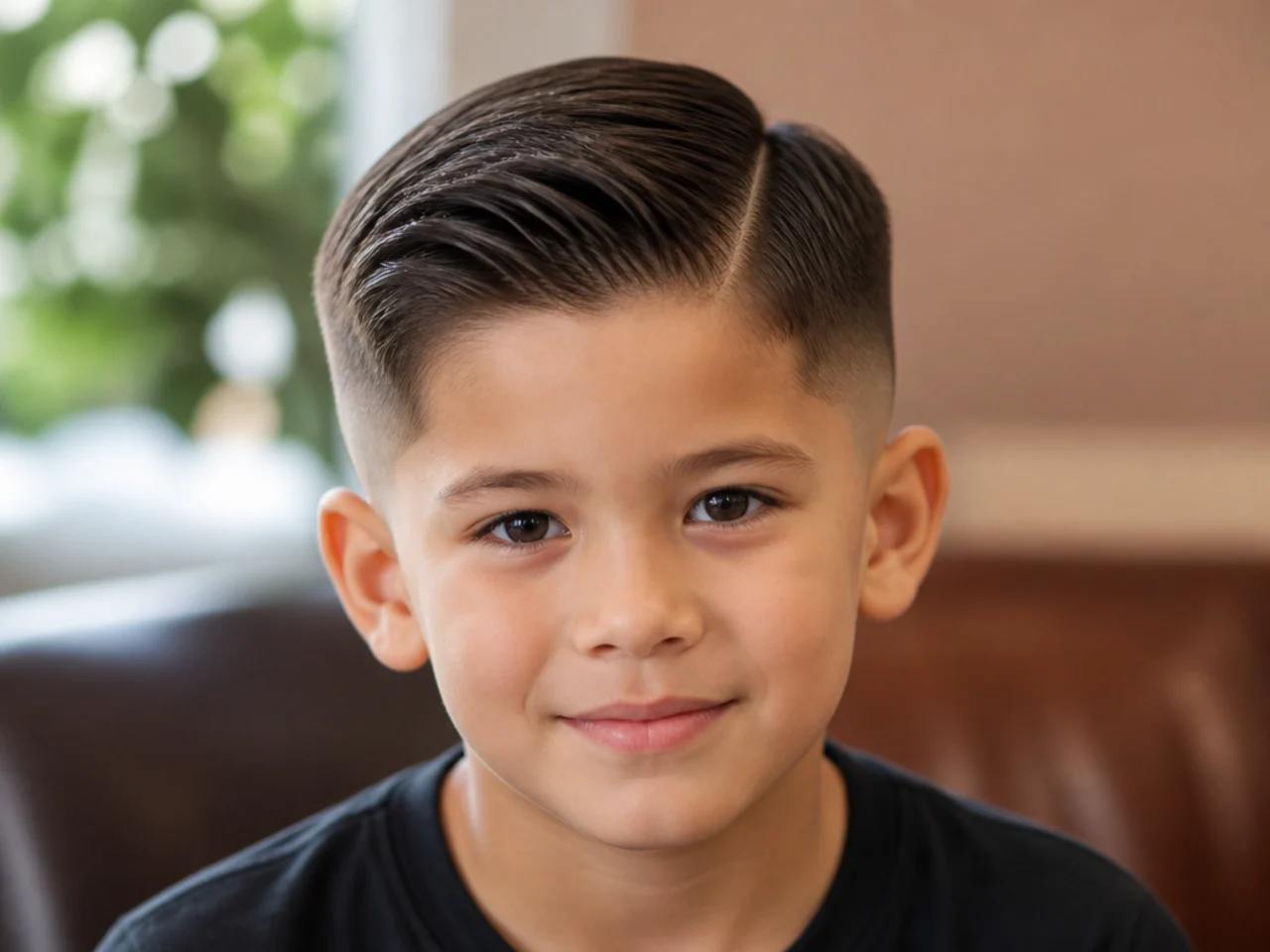
- Taper fade – The fade never quite reaches skin, keeping a short guard length at the shortest point. Softer and more forgiving than a skin fade, and easier to grow between appointments.
- Undercut fade – A disconnected top meets faded sides, with no blend between the length on top and the short below. High visual drama and easier styling because there's no gradient to work around.
- Blowout taper – A taper on the sides paired with volume-focused styling on top, usually cut with a mid or low fade line. The taper reads clean while the top does the heavy lifting. Popular right now with medium-length hair.
Mix and match. Most modern requests are combinations — "low burst fade with a taper at the neck," "mid drop skin fade," "high fade with a hard part." Save two or three reference photos on your phone before your appointment and point at the details that matter, not the whole photo.
Conclusion
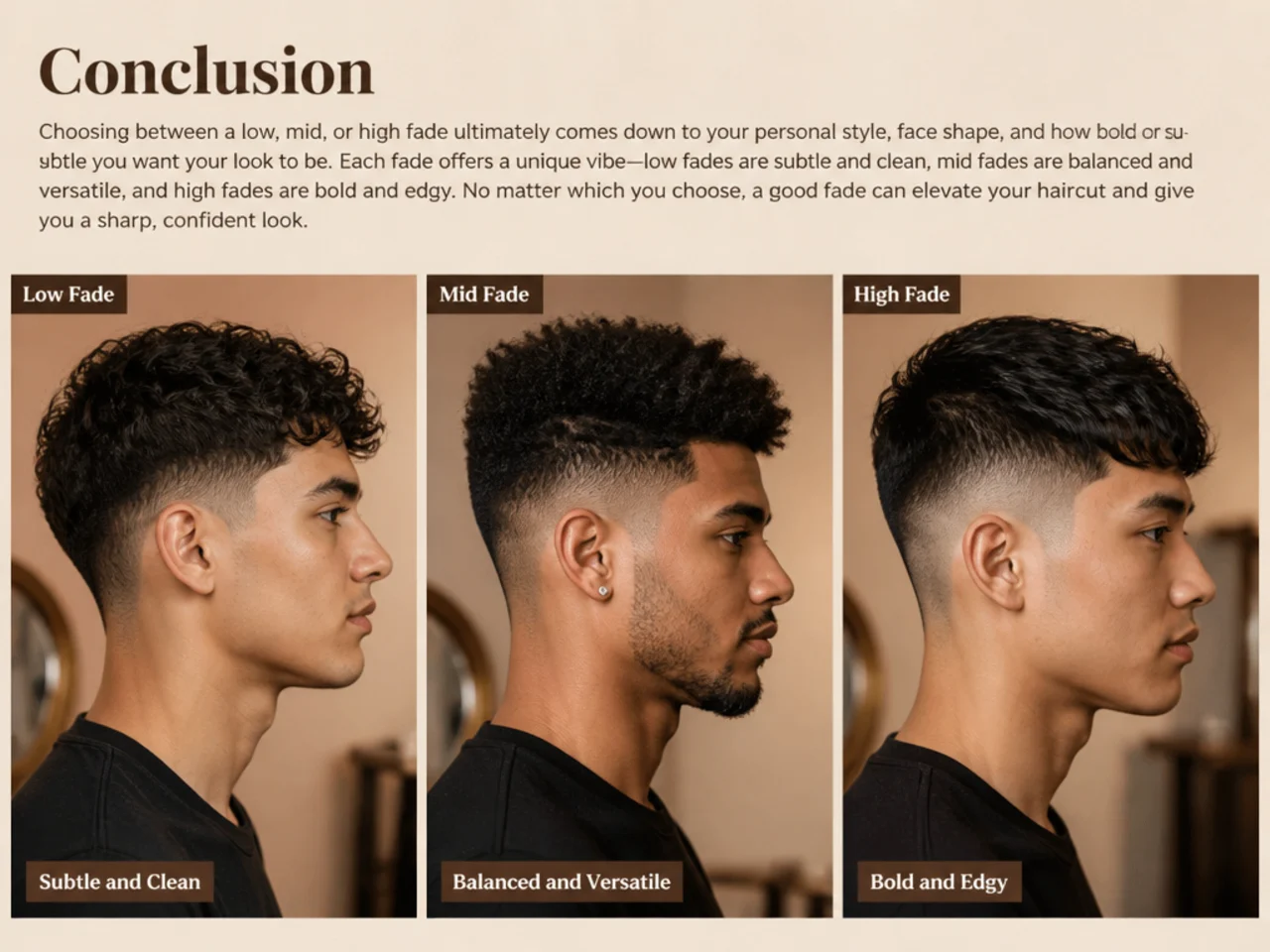
Pick your fade height by constraints, not trends. Low fade wins on workplace flexibility, face-shape safety, and lower maintenance — it's the default answer when you don't have a strong reason to pick something else. Mid fade wins on versatility across styling, hair type, and situation, which makes it the right answer more often than not. High fade wins on visual impact when you have the face shape, the workplace, and the schedule to support it — and it punishes you when you don't.
If you can only remember one thing, remember this: the higher the fade, the higher the maintenance, and the more your face has to carry the look on its own. When in doubt, go one step lower than the reference photo in your hand. You can always take it higher next appointment. Taking it lower means growing it back out.