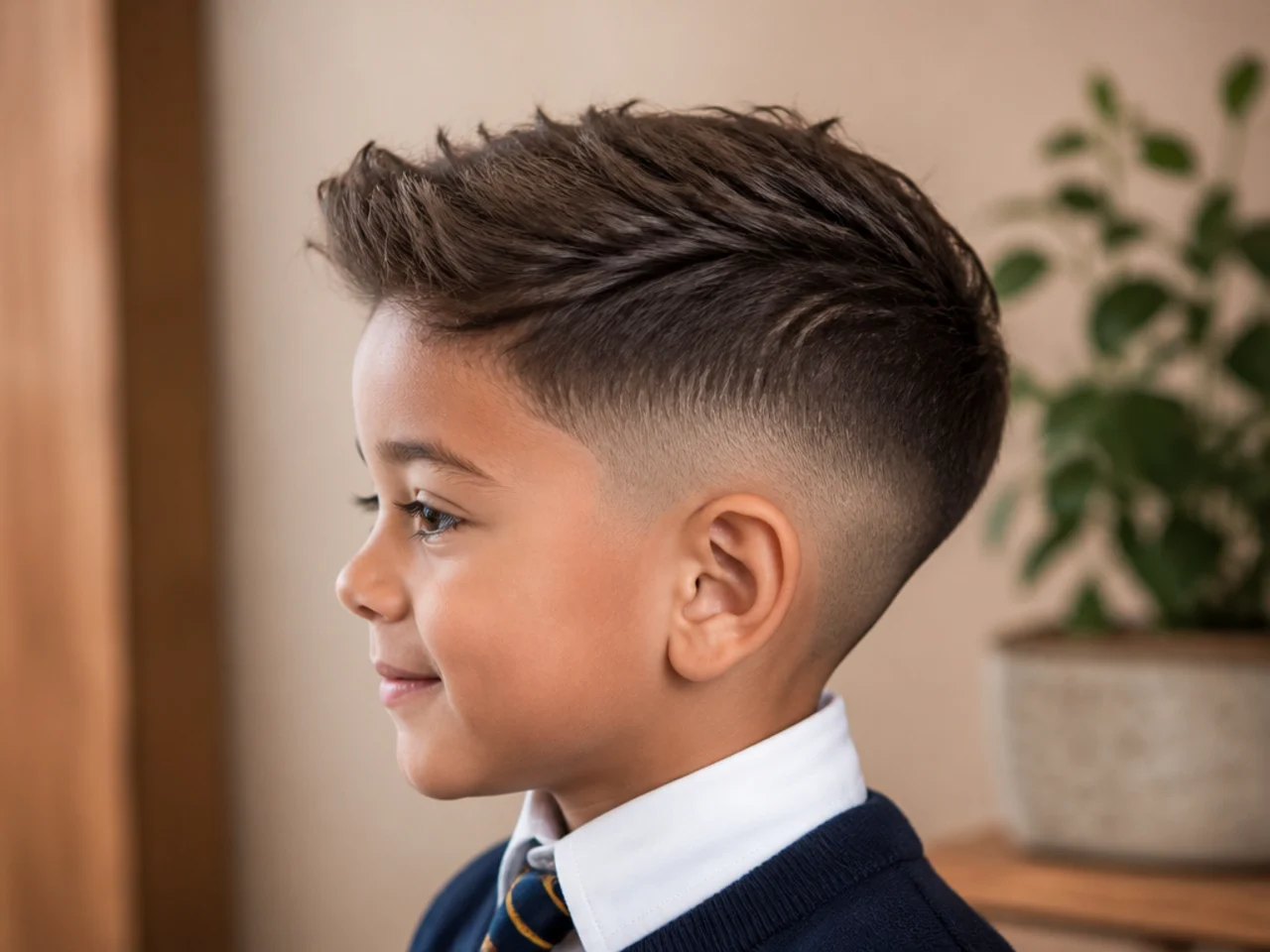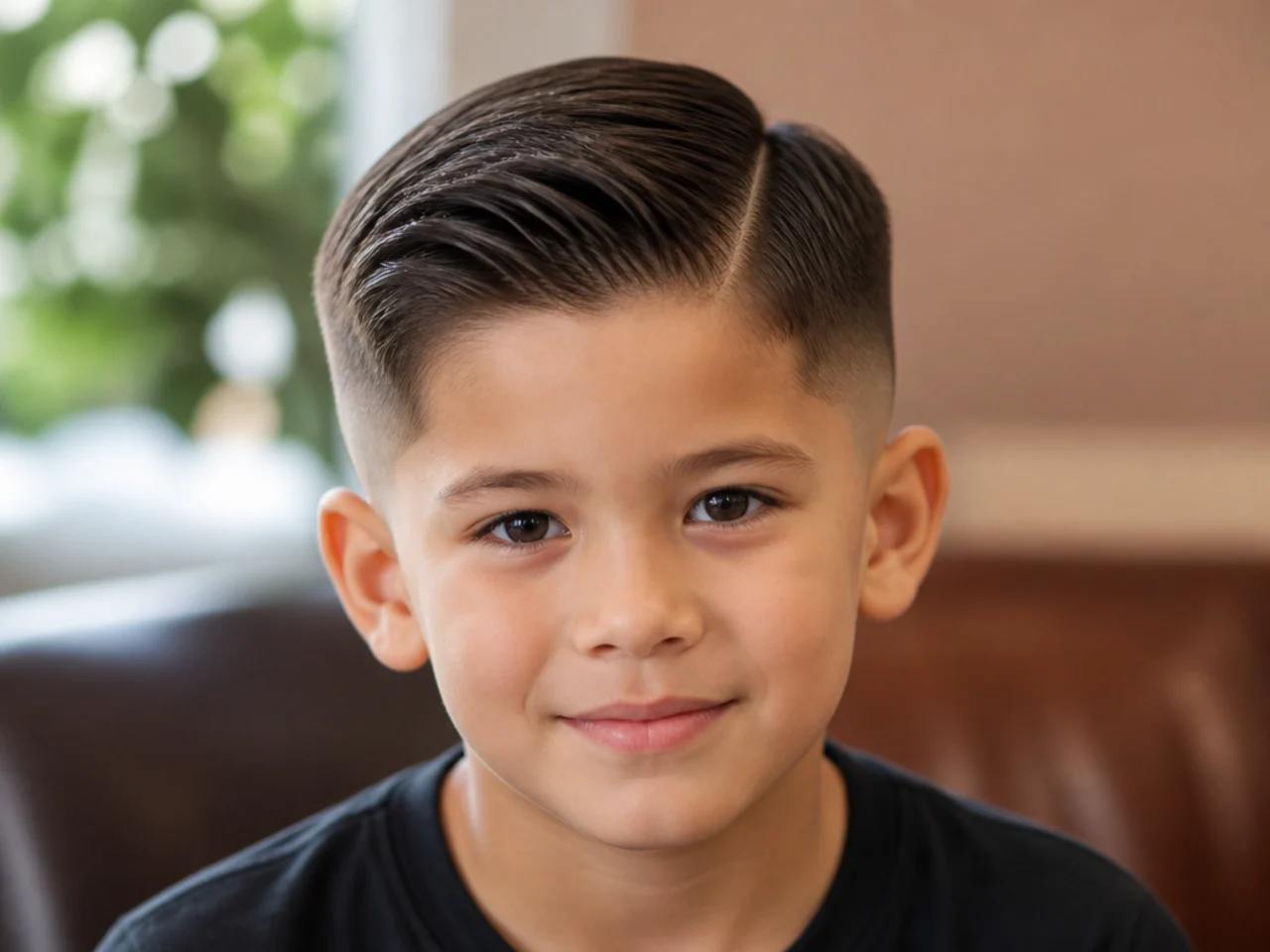
11 Popular Taper Haircut For Men That You Should Try
If you’re looking to refresh your style without making a huge change, a taper haircut is a smart choice. It’s neat, stylish, and works well with almost all face shapes. Unlike
In this article · 16
- What is a Taper Haircut?
- Taper vs. fade — the difference
- 1\. Classic Low Taper Haircut
- 2\. Taper Fade Haircut
- 3\. Low Fade Haircut with Textured Top
- 4\. Side Part with Low Taper
- 5\. Curly Taper Fade
- 6\. Low Taper with Beard Line-Up
- 7\. Low Fade Buzz Cut
- 8\. Comb Over with Low Taper
- 9\. Taper Fade with Designs
- 10\. Afro Taper Fade
- 11\. Mullet-Inspired Taper
- Ready to Master These Cuts?
- Final Thoughts
- Celebrities Who Love the Taper Cut
The taper is the parent category. Every fade you know is technically a taper — but not every taper is a fade. A classic taper only shortens hair around the neckline and sideburns while keeping the sides mostly long. It's the most conservative option in the fade family. Sharp. Professional. Great for older men, office settings, and anyone growing out a fade. Below: 11 tapers worth trying and exactly how to ask for each one.
What is a Taper Haircut?
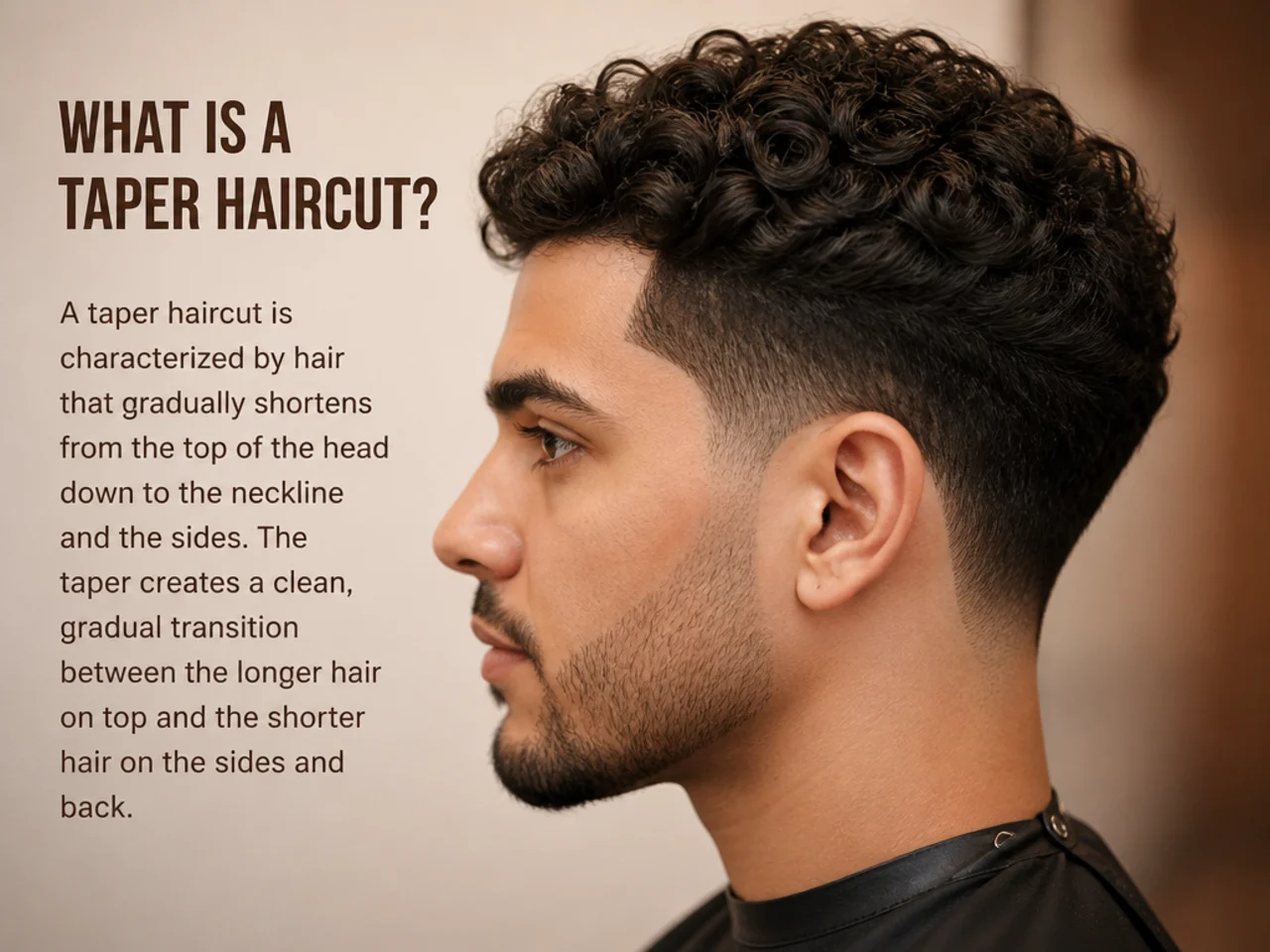
A taper haircut gradually shortens hair from your usual side length down to the perimeter — the last inch or two around your ears and along your neckline. Everything above that stays at whatever length you asked for. The result is a soft blend that reads clean without going short.
That's what makes the taper the parent of every cut in the fade haircut family. A fade is technically a type of taper — it just takes the sides all the way to skin or near-zero across the full side panel. A low taper fade exposes skin only at the perimeter. A classic taper doesn't expose skin at all.
Where the taper starts matters too. A low taper begins just above the ear. A mid taper begins near the temple. A high taper begins at the parietal ridge — the same height logic barbers use for fades. See the low fade vs mid fade vs high fade breakdown for a full read on height placement.
Taper vs. fade — the difference
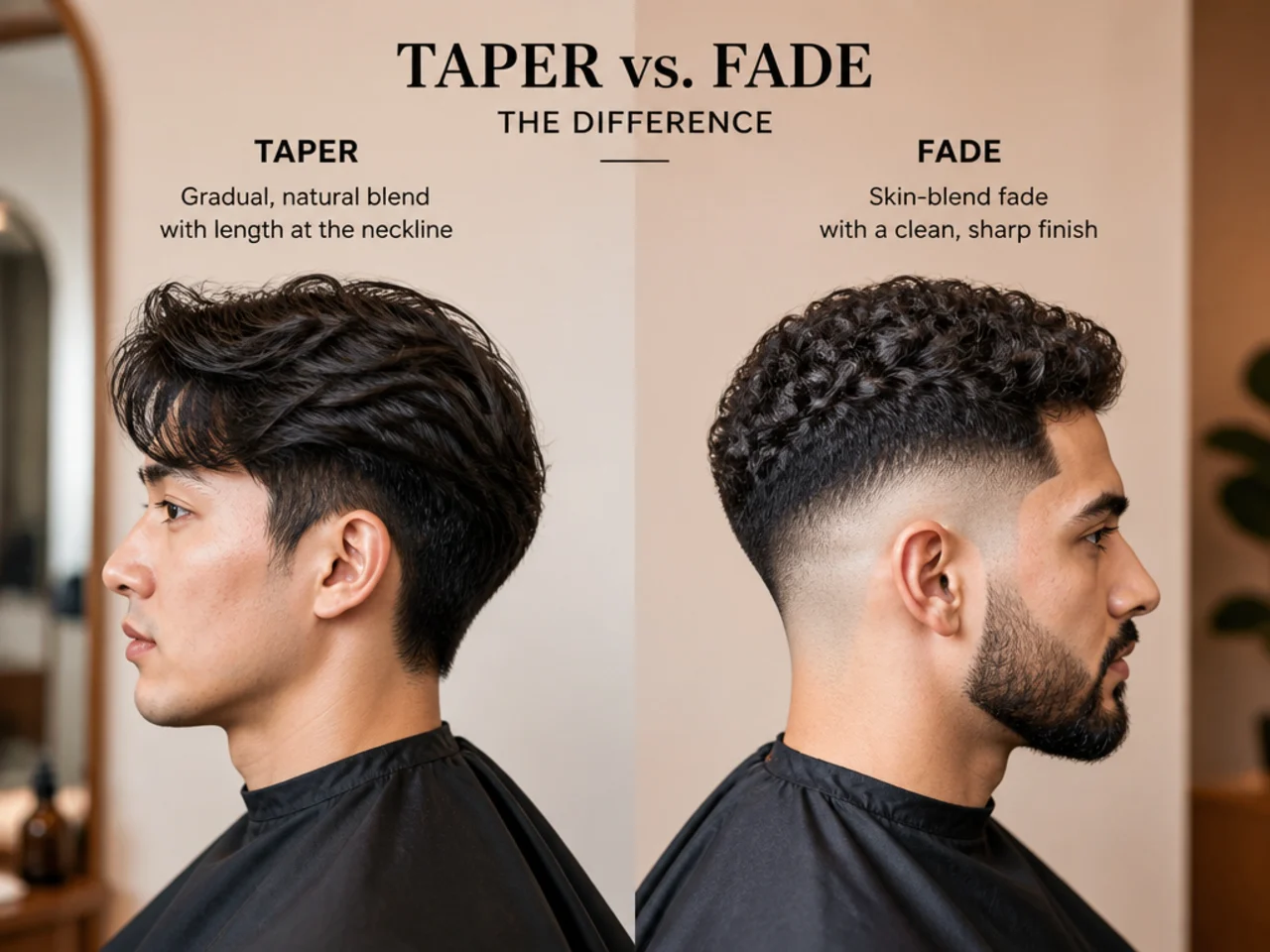
Barbers use both words. Clients mix them up. Here's the plain read.
A taper leaves length on the sides. The blend only happens near the perimeter — the last inch or two above the neckline and around the ears. The rest of your side hair stays at whatever length you asked for. You can run your hand up the side and feel hair, not scalp.
A fade takes the sides down to skin (or near-zero) across the entire side panel, not just the perimeter. Fades are technically a subset of tapers, but the exposed skin across the side is what makes it a fade rather than a taper.
So when you sit in the chair, use the word taper if you want the sides to stay long-ish. Use fade if you want the sides taken down short. Say the exact word — barbers work off the term you give them, not the vibe.
1. Classic Low Taper Haircut
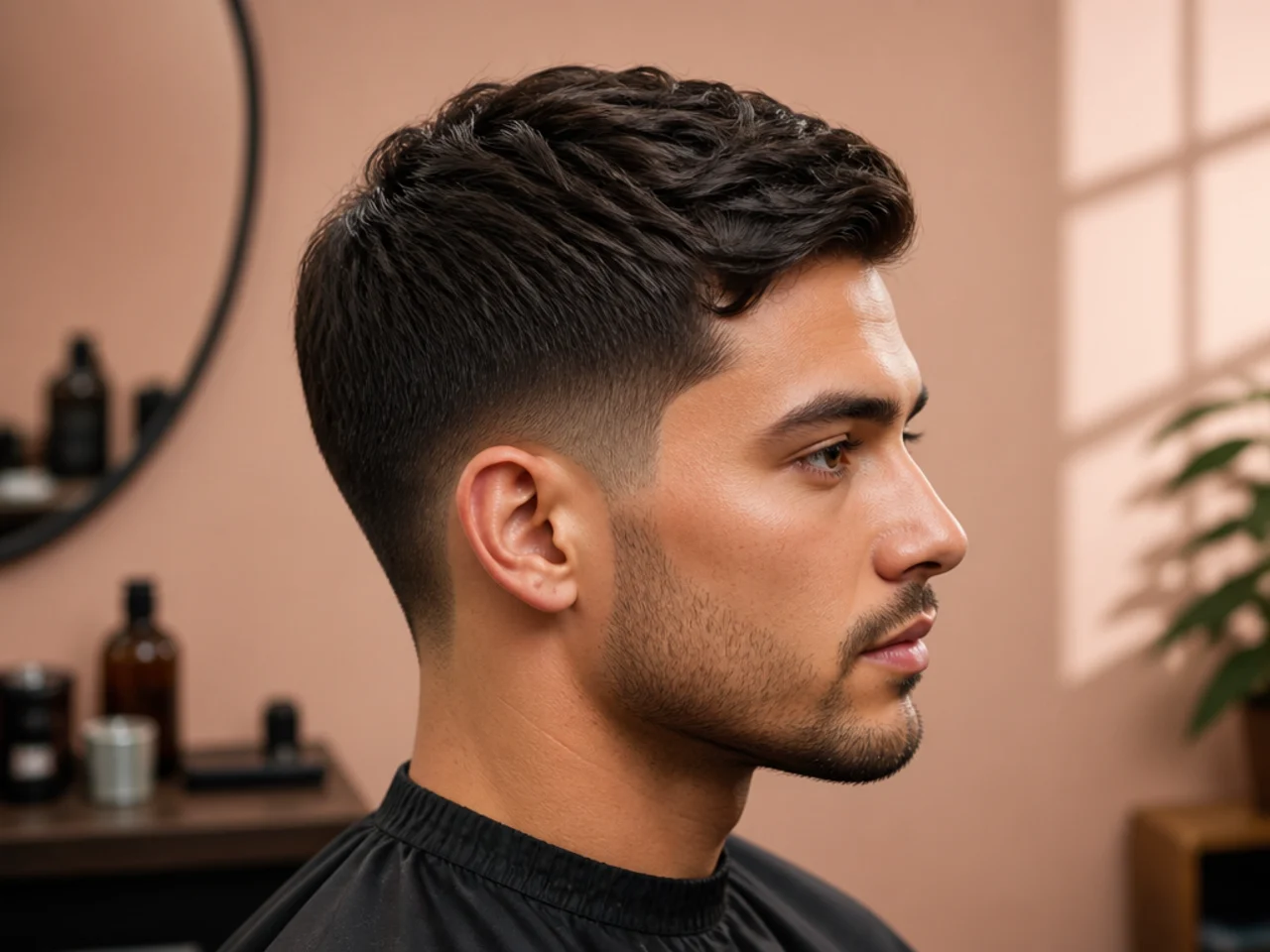
The workhorse of the category. Sides stay at a #4 or #5, and the taper only kicks in during the last inch above your ears and along the neckline. You walk out looking freshly cut, not freshly buzzed. Best for professional settings, guys with dress codes that discourage skin fades, and anyone growing out a fade who wants to look polished during the awkward stage. Also the go-to for older men who want structure without shortness.
How to ask: say "classic low taper — leave the sides long, taper just above the ears and along the neckline." Ask for a #4 or #5 on the sides at their longest, dropping to a #2 at the perimeter. Keep the top around 2 to 3 inches. Use the word taper, not fade, or the barber will drop the sides too short. Confirm you want the taper to start low — right above the ear, not up at the temple.
Styling tip: work a nickel-sized amount of matte cream through damp hair and comb it back or to the side. The taper does the sharpening. You don't need any product on the sides.
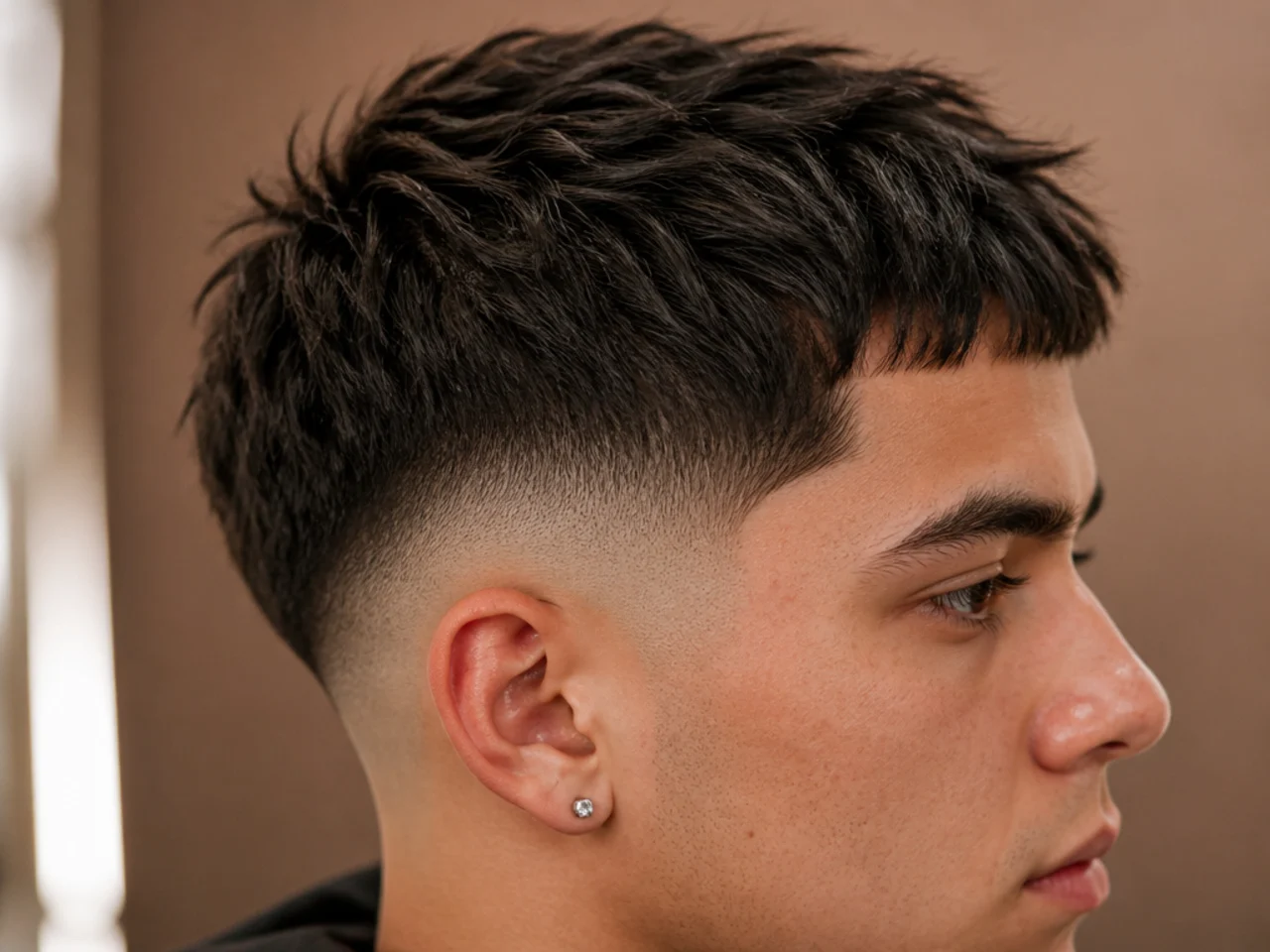
2. Taper Fade Haircut
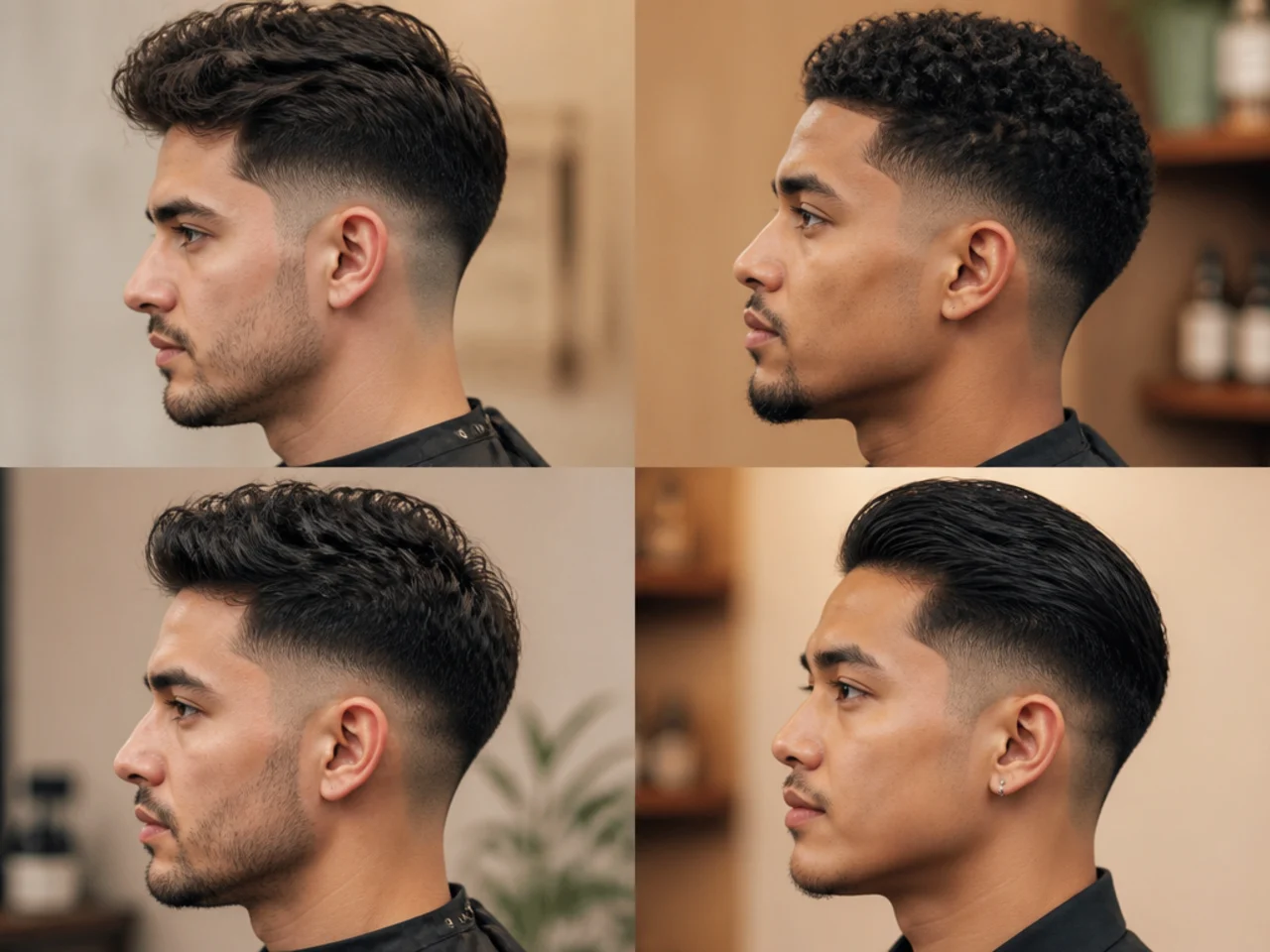
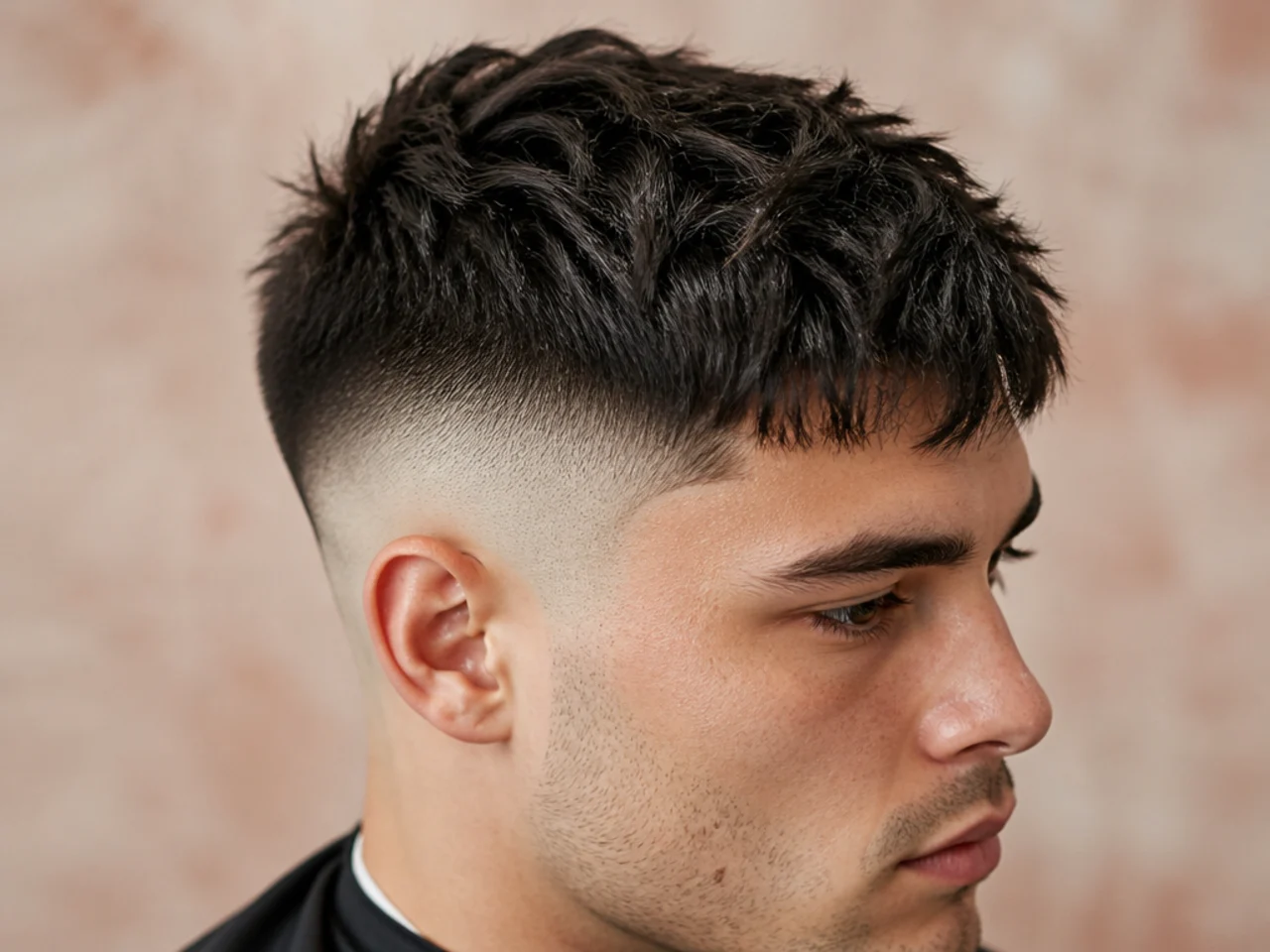
The crossover. It starts like a taper — length preserved on top and through the upper sides — but the perimeter drops all the way to skin instead of stopping at a guard. You get the softness of a taper with the crispness of a full fade haircut at the edges. Suits guys who want a defined outline but don't want to expose skin across the entire side panel.
How to ask: say "taper fade, low — bring it to skin only at the neckline and behind the ear." Start the sides at a #3, drop to a #1, then razor the last half-inch to skin. Top stays around 2 inches for control. Where the taper starts is the key call — low, mid, or high — so specify. Most guys default to low here because the skin only shows near the perimeter and the cut still reads soft.
Styling tip: matte pomade only. Shiny product on top paired with skin at the neckline can read overdone. Keep the finish flat so the crisp perimeter carries the shape.
3. Low Fade Haircut with Textured Top
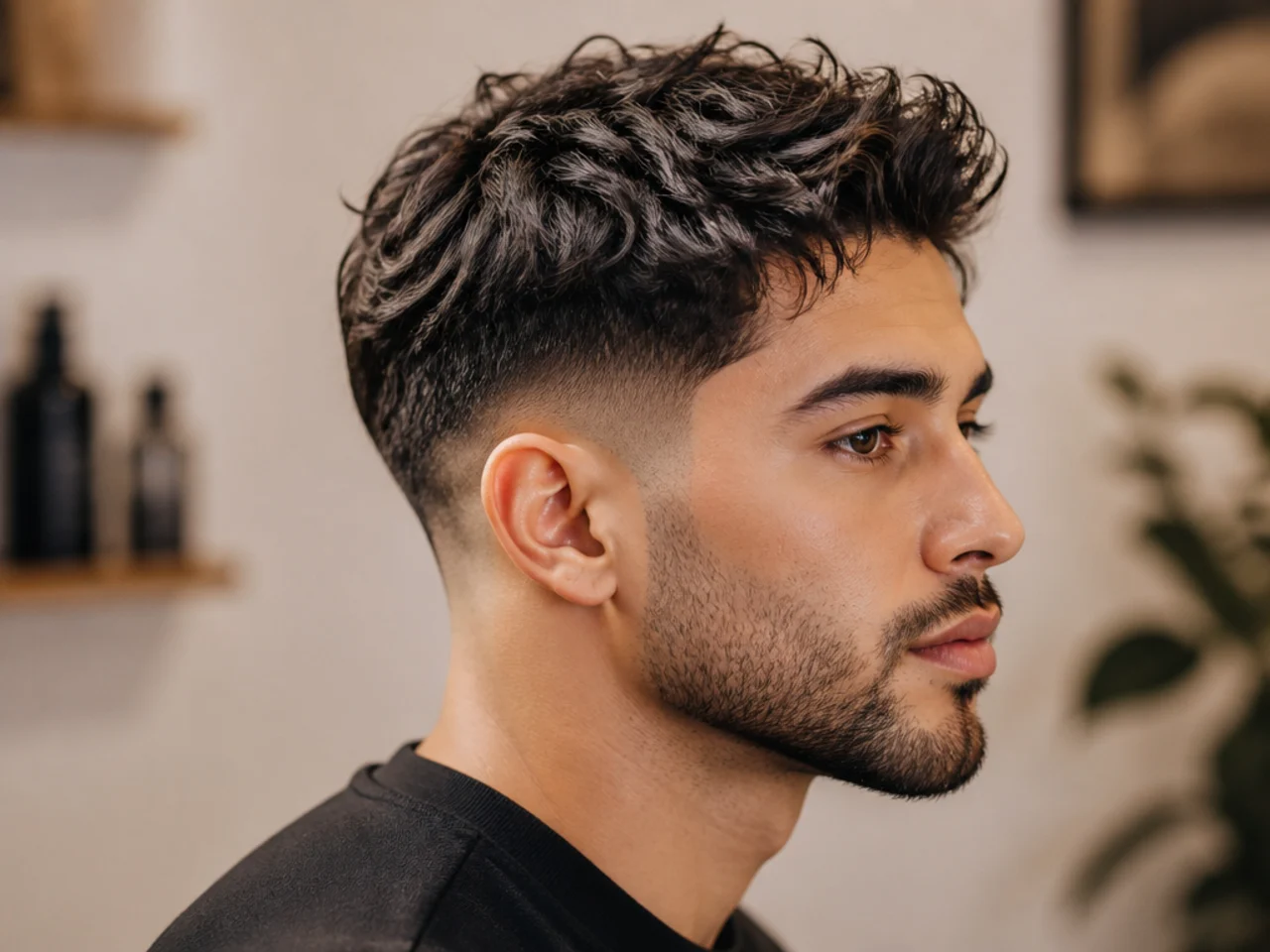
This one leans on contrast. A low fade haircut keeps the exposed skin subtle — sitting just above the ear — so the perimeter reads sharp without dominating the cut. The top gets left long (3 to 4 inches) and styled with pieces and separation instead of a smooth finish. Suits anyone with straight-to-wavy hair who wants movement rather than polish. Great for guys in their 20s and 30s who don't want a corporate look.
How to ask: say "low fade with a long, textured top — leave 3 to 4 inches and point-cut the ends." Ask the barber to soften the tips with the scissors rather than blunt-cutting them. Confirm the fade starts just above the ear, not higher — you want the top to feel long by comparison. Bring a photo so the barber can match the texture density you have in mind.
Styling tip: sea salt spray on damp hair, then a dime of matte clay to separate. Skip the comb. Rake it with your fingers and leave the shape a little loose so the texture reads natural.
4. Side Part with Low Taper
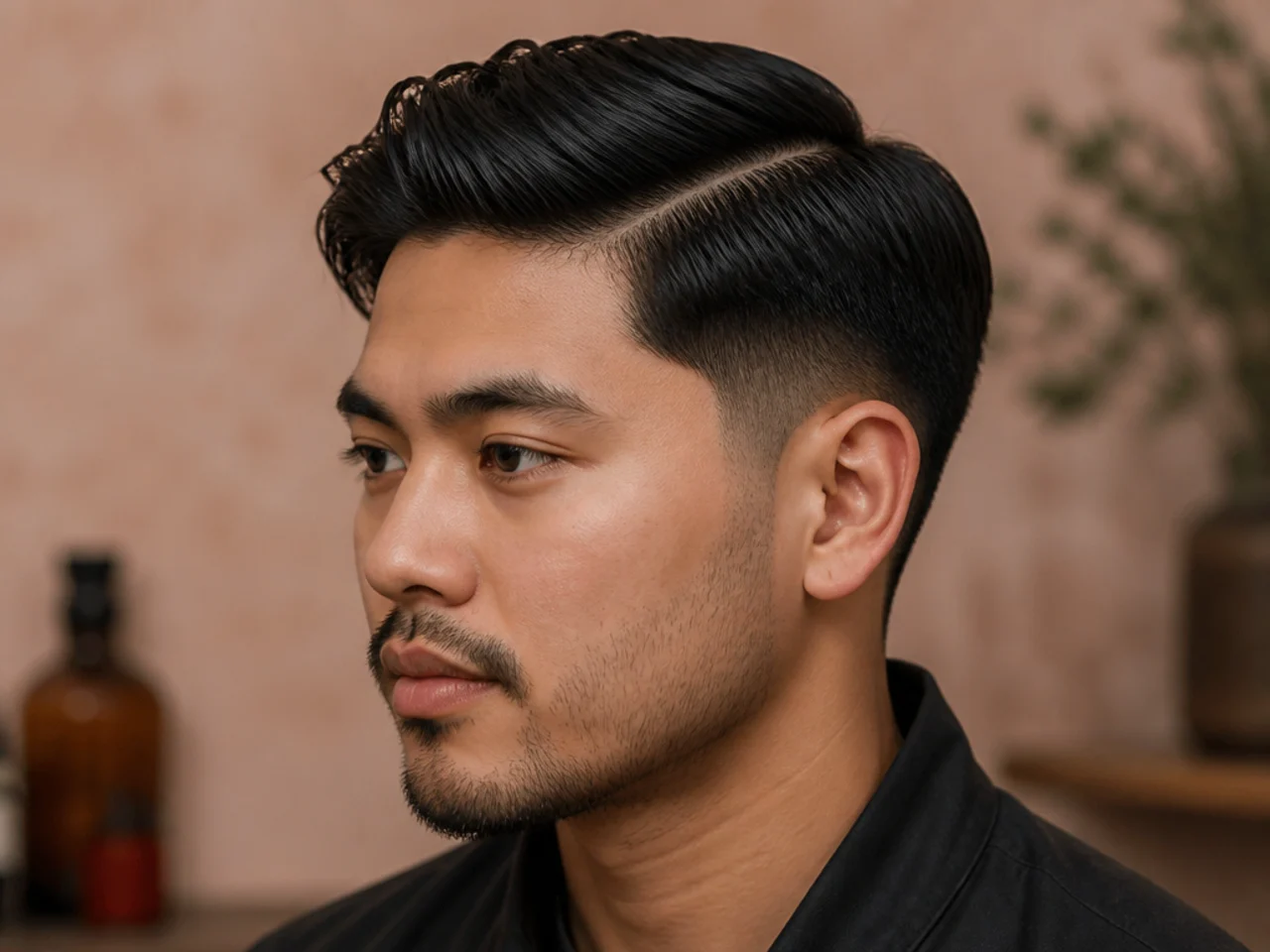
Old money with a modern edge. The side part hairstyle sits on a low taper — meaning the sides stay long enough to hold the part shape when you comb the top over. This is one of the sharpest professional hairstyles for men because the tapered sides don't distract from the part itself. Reads well in offices, at weddings, and anywhere the cut needs to look intentional but not attention-seeking.
How to ask: say "low taper, natural part on the left (or right)." Ask for a #3 on the sides, tapering to a #1 above the ear. Keep the top at 3 to 4 inches with more length in the front. If you want a stronger visual break, ask for a hard part etched in with the trimmer — but only if your hair parts naturally in that spot.
Styling tip: blow-dry the top with a round brush aimed away from the part to build lift. Finish with a low-shine pomade combed straight over. Never use a wet-look gel on this cut — it dates the look instantly.
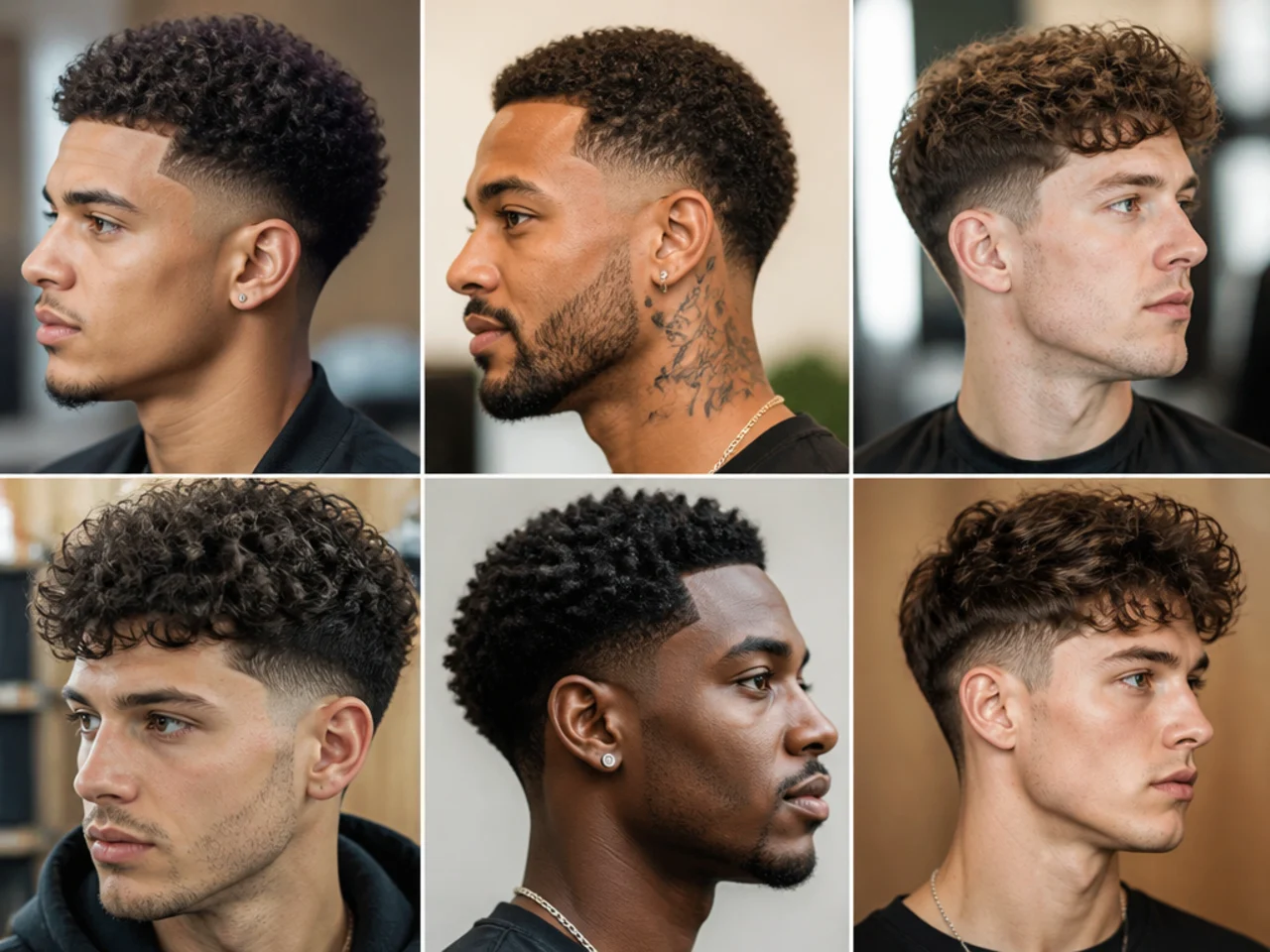
5. Curly Taper Fade
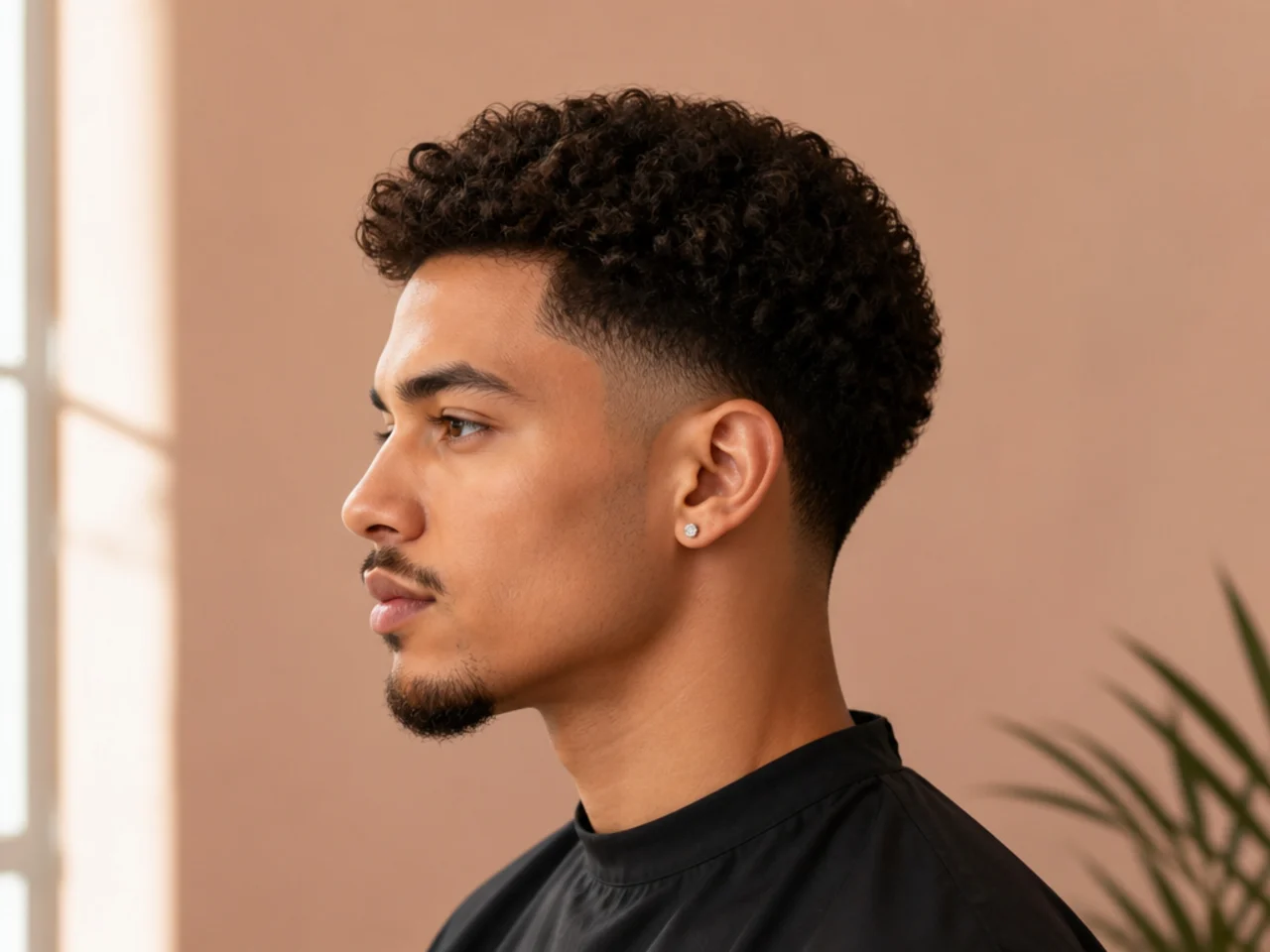
Curls need weight to fall well. That's why a taper works better than a full fade on curly hair — the length on the sides pushes your curl pattern up and forward instead of flattening it. This variation adds a taper fade at the neckline and behind the ears so the outline stays sharp without cutting into your curl density on top.
How to ask: say "taper fade around the perimeter — leave the sides scissor-cut on top." Ask the barber to scissor-over-comb on the sides so the curl pattern is preserved. The clipper work only runs the last inch. Top stays at whatever curl length you like — usually 3 to 5 inches. Confirm you don't want the clippers going into the mid-side or you'll lose the curl silhouette.
Styling tip: apply a leave-in and a curl cream on soaking-wet hair, then plop with a microfiber towel for 10 minutes before air-drying. Never comb dry curls — you'll break the pattern and get frizz.
6. Low Taper with Beard Line-Up
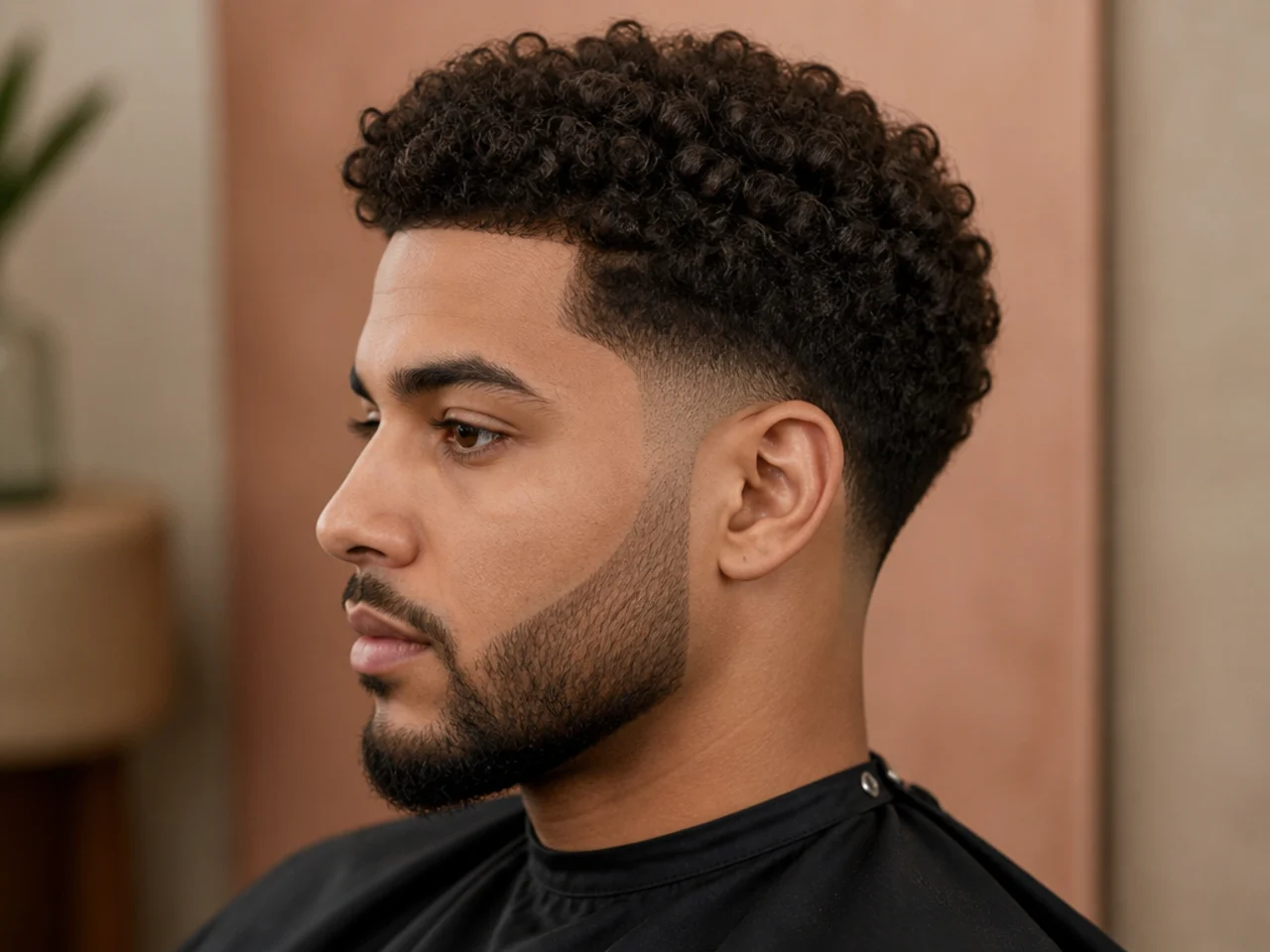
The taper isn't just about hair — it's about how your hair meets your beard. A low taper feeds cleanly into a lined-up beard so the transition reads intentional. No gap. No sudden drop from long side hair down to short beard. Suits guys who wear a medium-length beard and want the whole face to look like one groomed shape rather than two separate zones.
How to ask: say "low taper that connects into the beard — blend the sideburn area, don't disconnect." If you want a hard break instead of a blend, ask for an undercut fade with a disconnect — different look, different vibe. For the connected version, request a soft blend where the taper meets the beard length seamlessly and both sit at similar guard settings.
Styling tip: oil the beard every day and comb it downward before bed. A tangled beard makes the connection point look messy no matter how sharp the cut is. Shape your own cheek line between visits.
7. Low Fade Buzz Cut
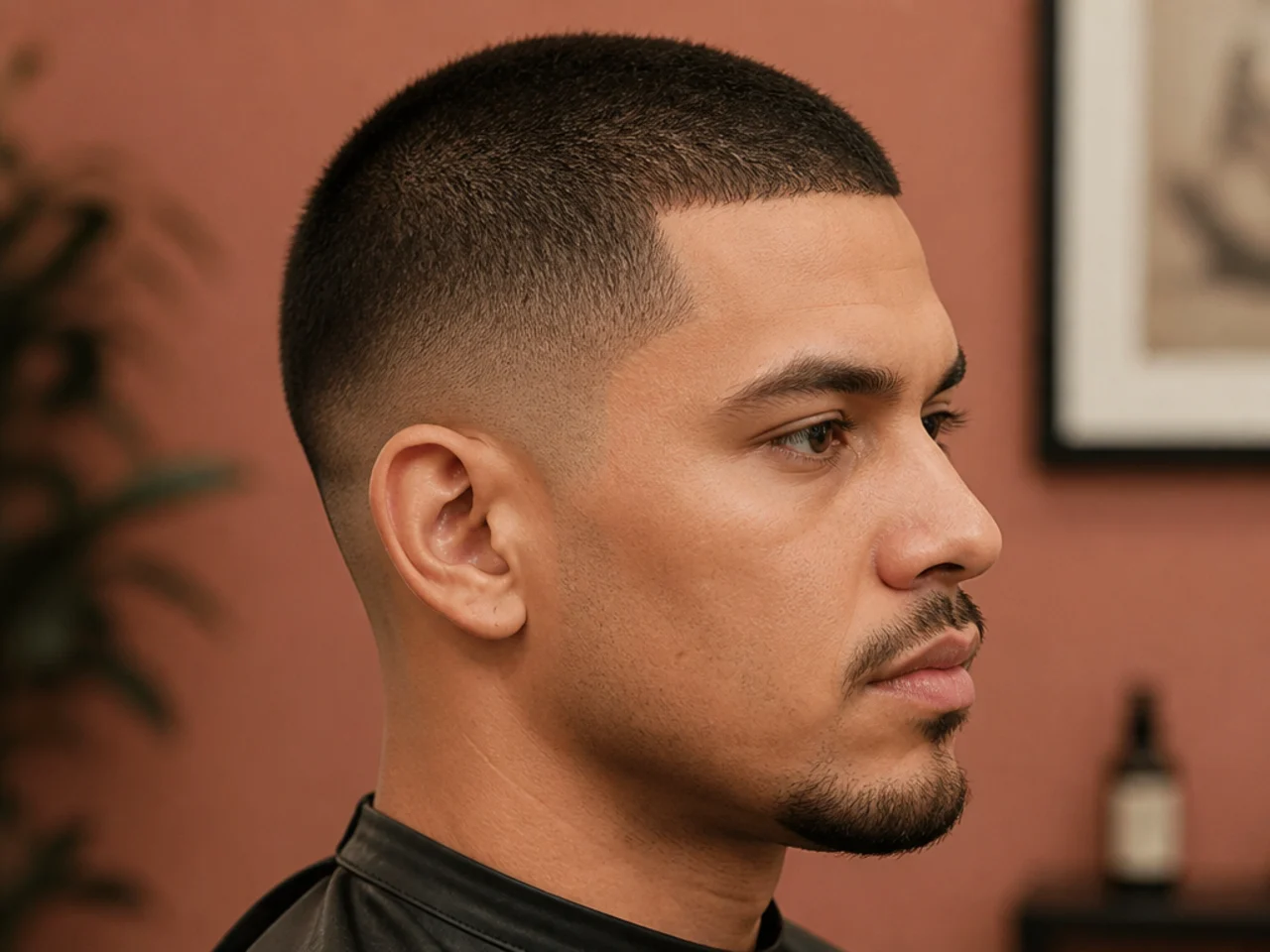
Minimum length, maximum sharpness. The top gets buzzed to a #2 or #3, and a low fade takes the sides down further so there's still contrast between top and side. Sits close to the buzz cut family but with a defined perimeter that keeps it from reading purely utilitarian. Suits guys with thinning hair, well-shaped skulls, and anyone who wants the lowest-maintenance cut in the fade category.
How to ask: say "buzz cut on top with a low fade — #2 on top, fading from #1 to skin at the neckline." This is one of the few cases where fade is the right word rather than taper — you actually want skin exposed for the contrast to work. Ask for the fade to start just above the ear so the buzz on top still reads as the dominant feature.
Styling tip: nothing. That's the point. Wash it, towel it, walk out. If your scalp catches the light, use a matte moisturizer, never a shiny lotion.
8. Comb Over with Low Taper
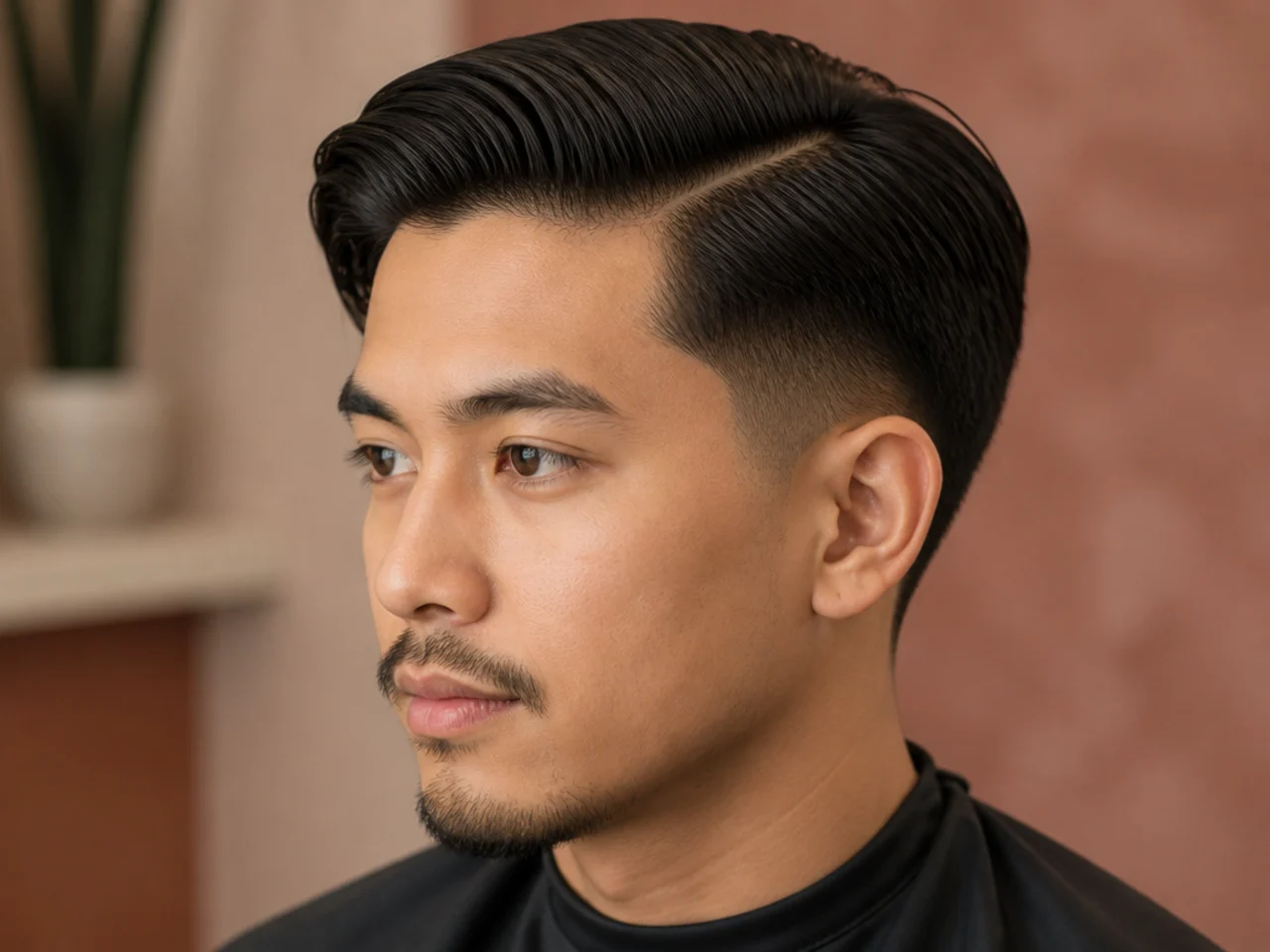
The comb-over reads mature when it sits on a taper instead of a fade. The longer sides give the swept top hair somewhere to land, so the transition from combed section to sides looks natural rather than stark. Suits guys with thicker top hair who want structure and a bit of drama in the finish.
How to ask: say "comb-over on top with a low taper — keep the sides long enough to blend into the combed section." Ask for a #4 on the sides. Top stays 3 to 5 inches with extra weight on the side you comb toward. If you want a stronger break between top and side instead of the soft blend, ask for a mid fade — cleaner visual line, but less forgiving as it grows out over the next few weeks.
Styling tip: blow-dry the top upward at the root first to build volume, then comb it sideways once it cools. Finish with a medium-hold, low-shine pomade. Skip anything wet-looking.
9. Taper Fade with Designs
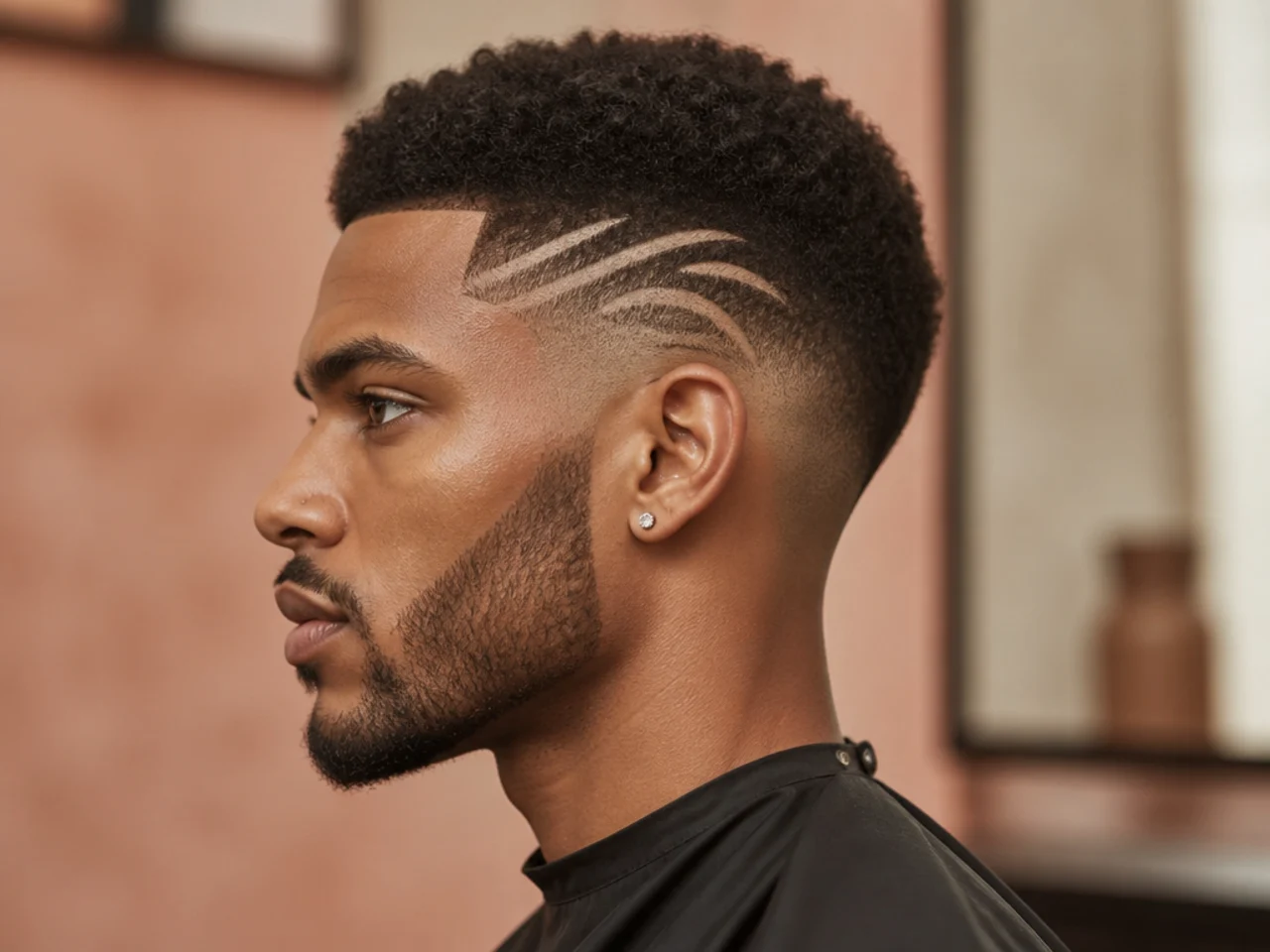
When you want the cut to say something. A design — a line, a shape, a set of parallels — gets etched into the tapered section with a straight razor. The taper acts as the canvas. Suits guys under 30 who want the cut to be part of their personal style, not just a neat trim. Also popular for athletes and performers where the hair reads on camera or under stadium lights.
How to ask: say "low taper fade, and I want [describe design] etched into the [right/left/back] side." Bring a photo. Barbers can't guess the exact pattern from a verbal description. Confirm the design will still read after two weeks of growth — some fine linework blurs fast, and you'll want to plan your next trim accordingly.
Styling tip: keep the top low-key when there's a design in the side. Loud on top plus loud on the side reads busy. Let one element lead — usually the design.
10. Afro Taper Fade
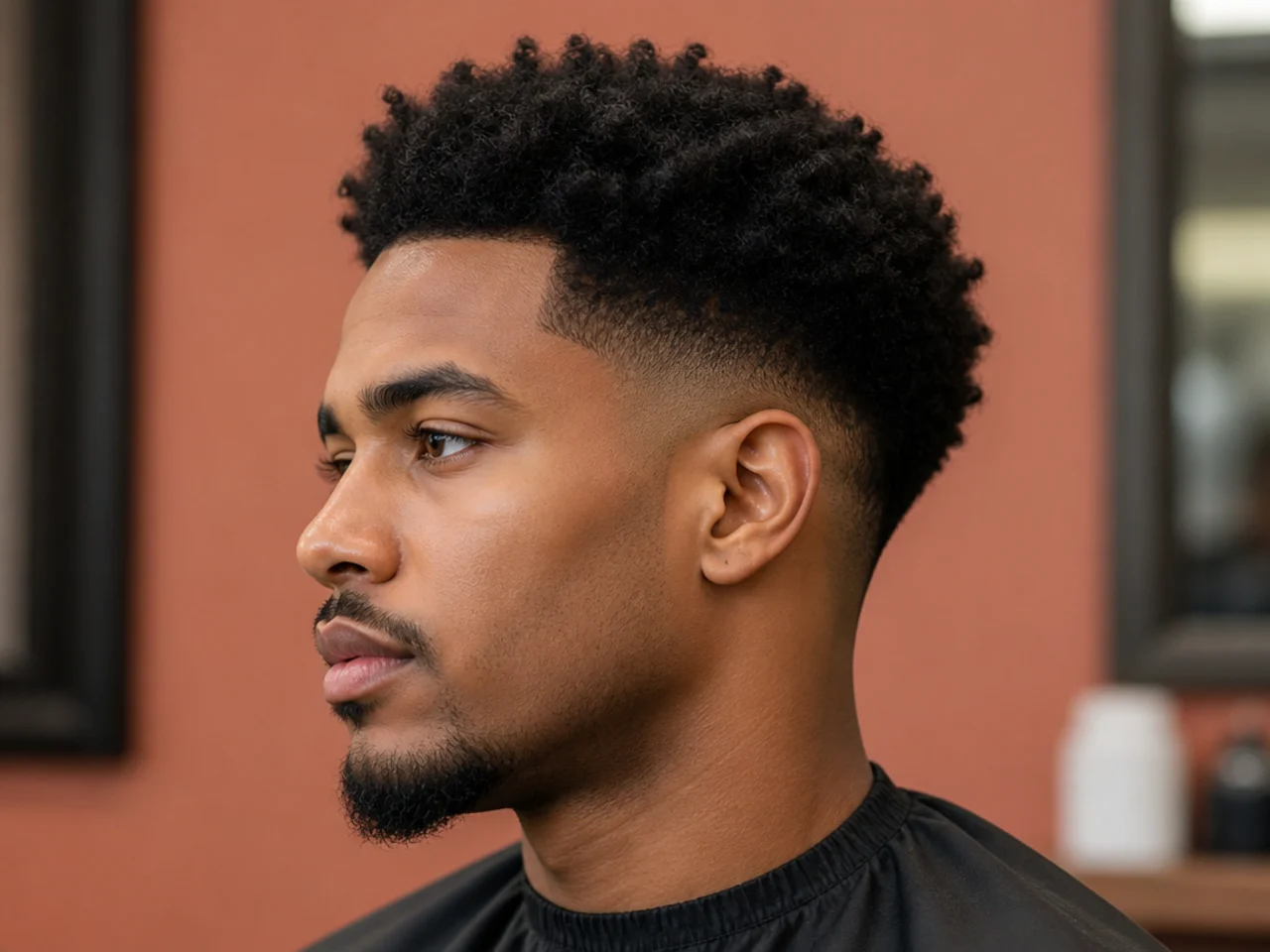
An afro needs a defined shape at the perimeter or it loses its silhouette. A taper fade cleans up the outline without cutting into the volume — the taper only touches the last inch above the ears and along the neckline. The top stays full and rounded. This is what separates a modern afro from one that looks unfinished.
How to ask: say "afro on top, taper fade at the perimeter — keep the shape round." Ask for scissor work at the top edges so the barber can sculpt the round profile evenly. Tell them how tall you want the afro to sit — density varies by hair type, and the barber needs to know your target height before starting.
Styling tip: pick out the top with a wide afro pick from the roots, not the tips, to build volume without breaking the coils. Finish with a light hair oil to seal moisture. Between cuts, use a small trimmer to keep the outline sharp around the ears.
11. Mullet-Inspired Taper
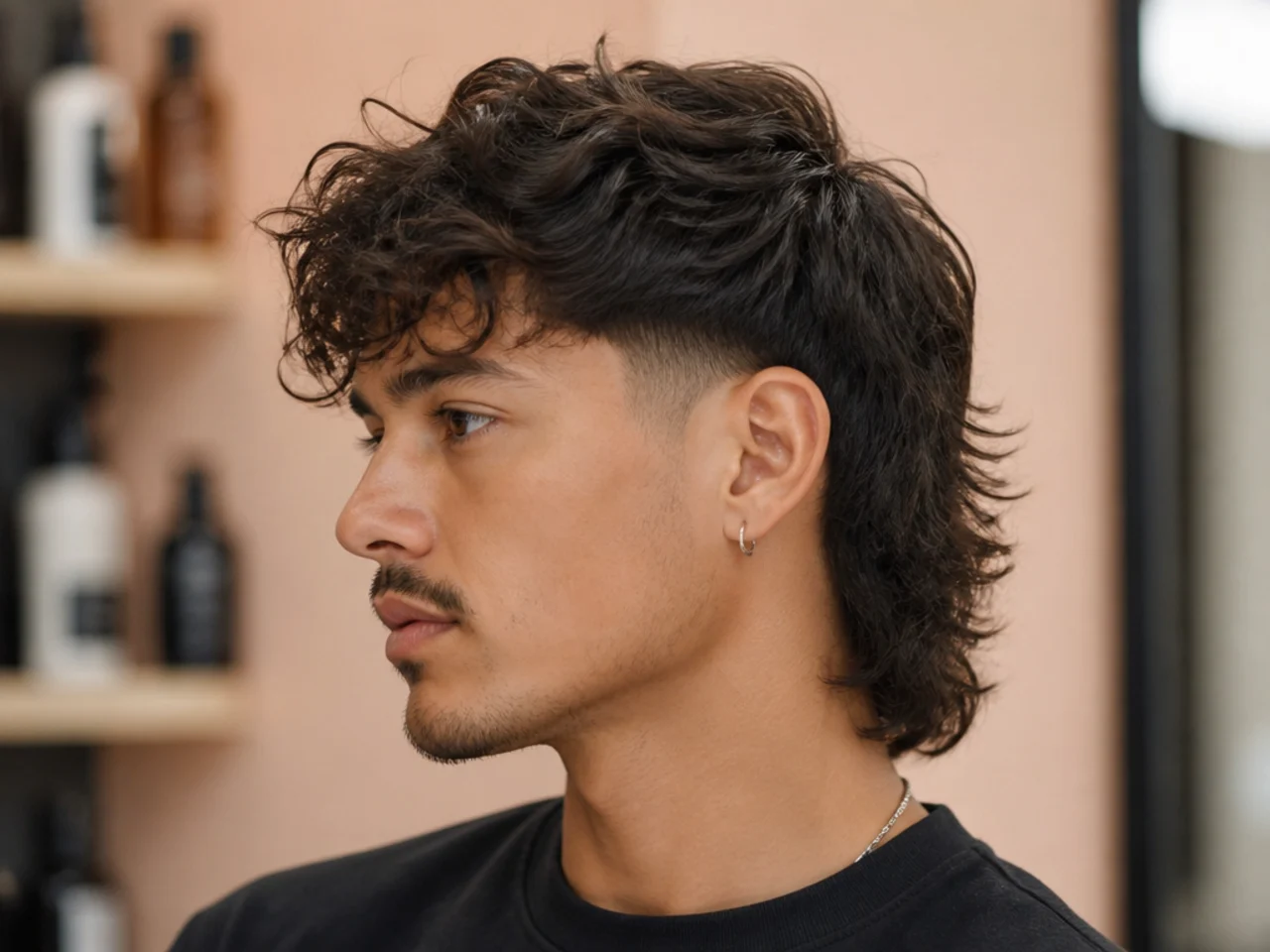
The modern mullet lives on a taper, not a hard undercut. That's what makes today's version wearable — the sides blend into the length at the back instead of chopping off with a visible line. You get the party in the back without the 1980s hard edge. Suits guys with straight-to-wavy hair who want a cut with personality without going full novelty.
How to ask: say "taper on the sides, length at the back — kept connected, not disconnected." Ask for a mid taper starting around the temple, blending down to a #2 at the neckline. Leave the back at your longest length, usually 3 to 5 inches. Confirm you want it to stay a taper — no skin exposed. A blowout taper is a related option if you'd rather have volume on top than length in the back.
Styling tip: air-dry with a light sea salt spray to bring out movement in the back length. Push the top forward or sideways. Never comb the back flat — the mullet needs volume to read intentional.
Ready to Master These Cuts?
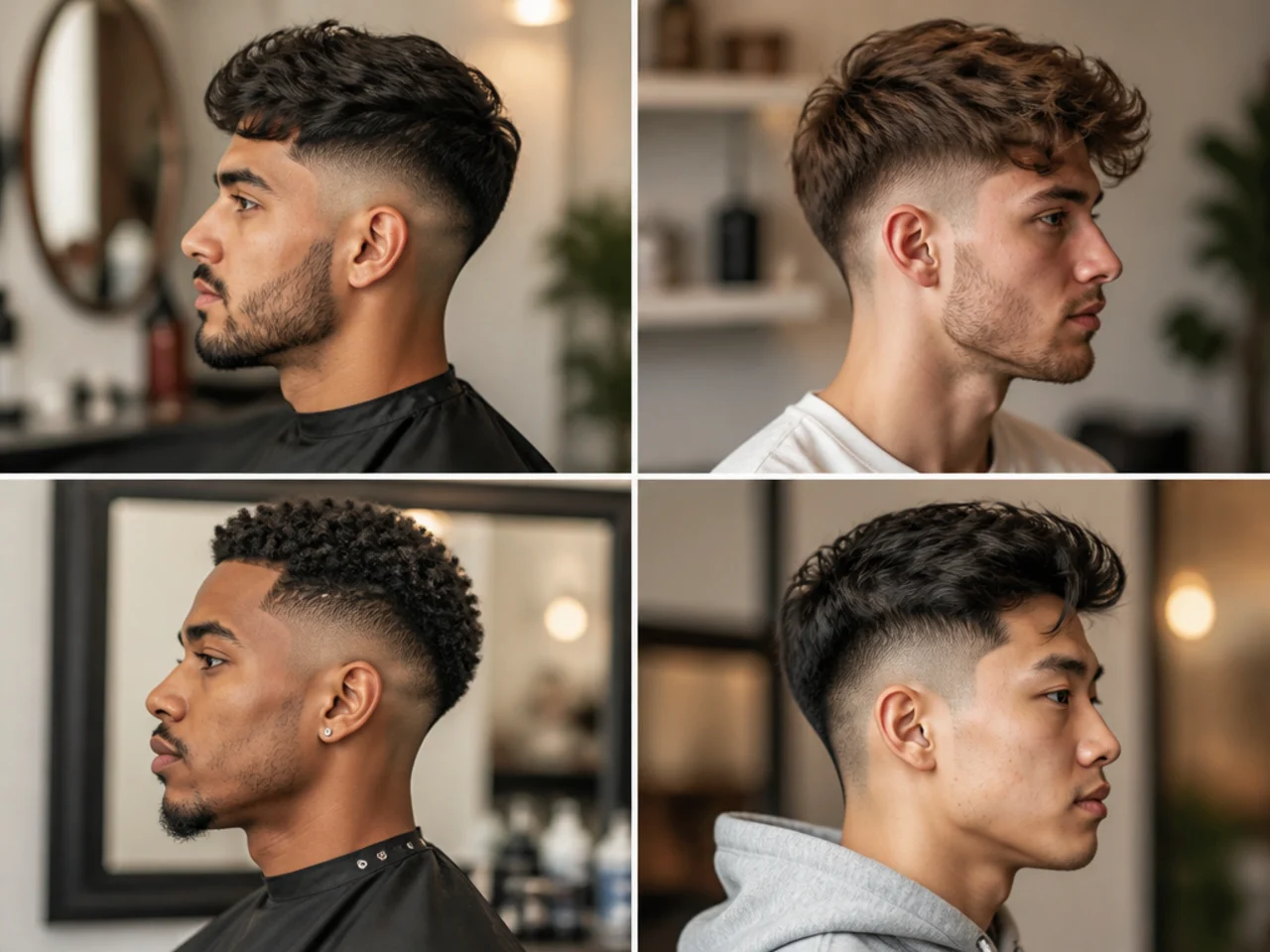
Getting a taper right at home is possible if you have the tools and the patience. Buy a clipper set with adjustable guards from #0.5 to #8. Buy a smaller trimmer for the neckline and perimeter. Keep a hand mirror on the counter so you can check the back.
Start with a longer guard than you think you need. You can always take more off. You can't put it back.
For the taper itself, work bottom-up with each guard, holding the clipper flat against the head. Then switch to a shorter guard for the last inch of perimeter. Blend the transition by flicking the clipper away from the head as you climb — that's the entire technique behind a soft taper line. Practice the flick on a friend before you try it on yourself.
If you're growing a fade out into a taper, book maintenance every three weeks to keep the shape sharp during the transition. Read the low fade vs mid fade vs high fade breakdown to work out which taper height suits your face and lifestyle before you sit down with a barber.
Final Thoughts
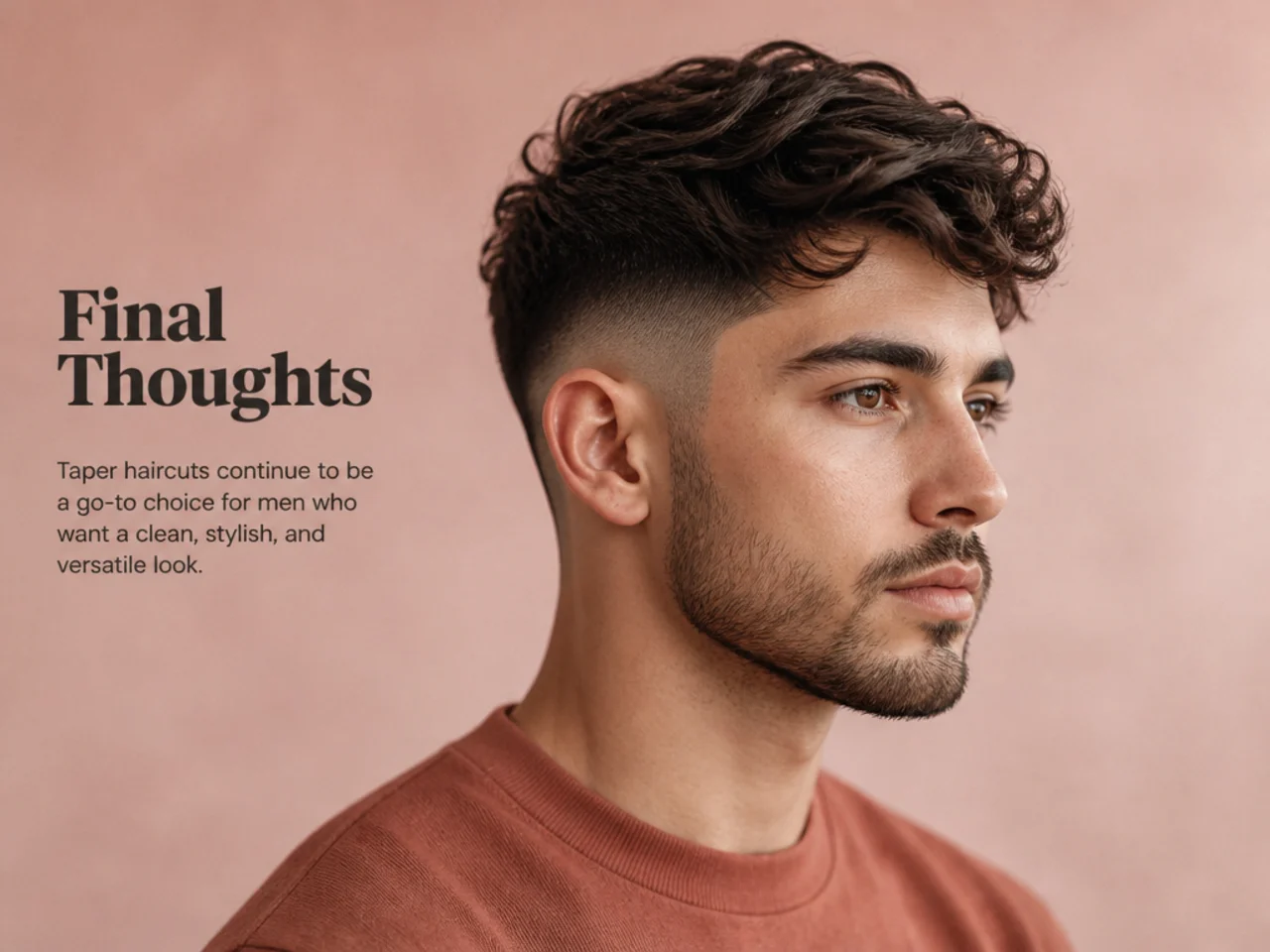
The taper is the most flexible cut in the fade family. It's what you ask for when you want clean without commitment. Grown-out friendly. Professional. Works on straight hair, curls, coils, and everything in between.
Not every look on this page is technically a fade — and that's the point. A high taper fade reads completely different from a classic low taper or a taper with a beard connect, but all three sit under the same umbrella. Pick the version that matches your hair type, your face shape, and the amount of maintenance you can commit to between visits.
Then say the exact word to your barber. Taper if you want length on the sides. Fade if you want skin exposed. Never assume the barber will translate for you — say the term out loud, and specify low, mid, or high.
Celebrities Who Love the Taper Cut
Reference photos help. Bring one of these to your appointment.
- Ryan Gosling wears a classic low taper with a longer top. Notice how the sides stay medium-length — no skin. That's a pure taper, not a taper fade. Ask for it if you work in an office where sharp-but-subtle is the goal.
- Chris Evans in his Avengers years wore a low fade that lives right on the border between taper and fade. The sides sit around a #2 with a skin drop at the neckline. Bring this photo if you want your taper to lean crisp and modern.
- Ayushmann Khurrana often pairs a mid taper with a full beard. The taper connects into the beard line so the whole cut reads as one shape. Reference this if you want your beard to feel like part of the haircut rather than a separate element.
Bring the photo. Point at the sides. Say the word taper. That's how you land the cut.