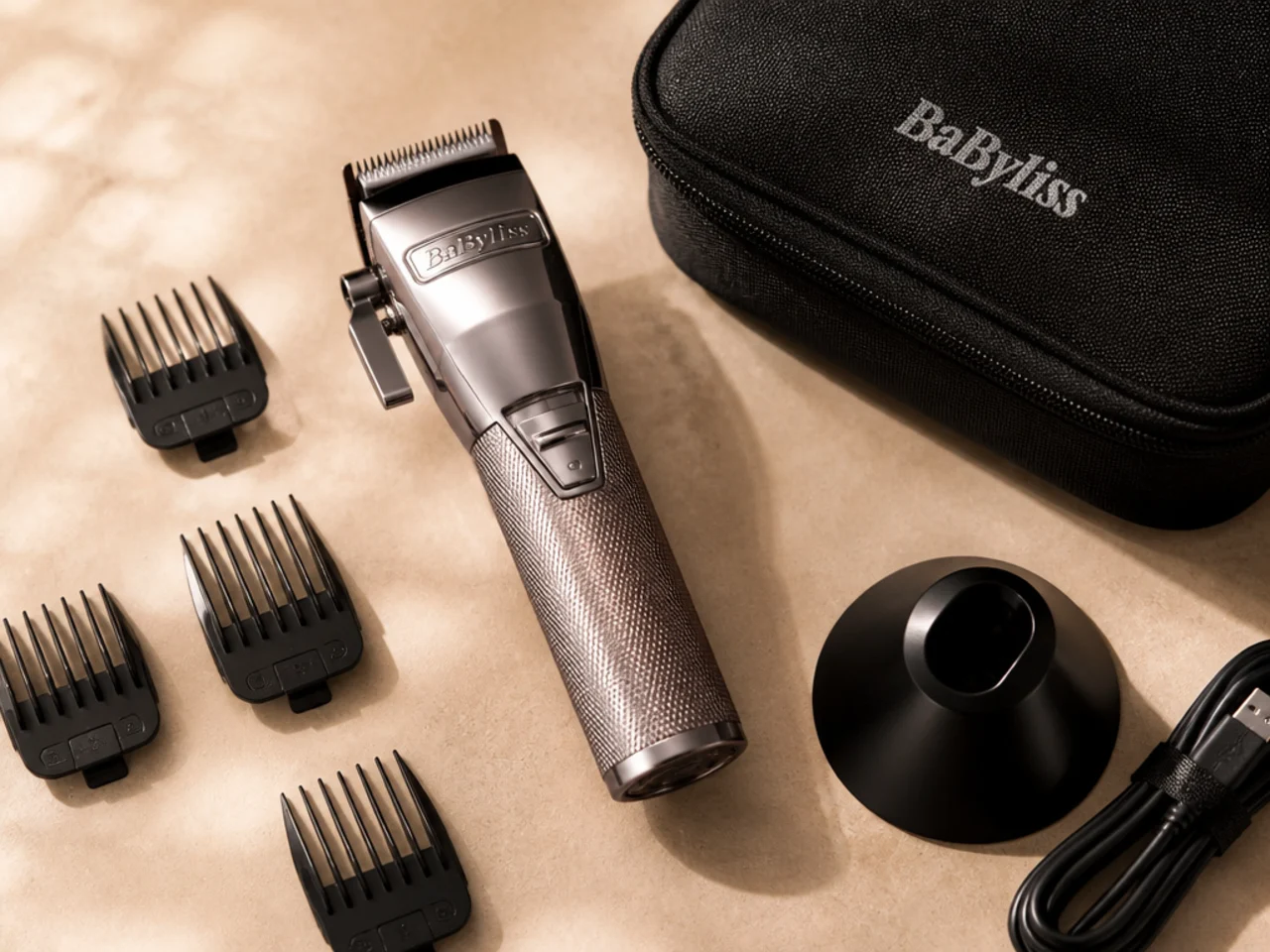
11 Best Hair Clippers for Men, Reviewed by Barber
With the guidance of a professional barber and feedback from his clients, we tested a wide range of hair clippers to identify the best hair clippers for men. No matter what’s
In this article · 62
- The best hair clippers: At a glance
- How to choose best hair clippers for Men
- How we test hair clippers
- The best hair clippers for Men
- 1\. Best Buy Hair Clippers: BaByliss Super-X Metal Series Cordless Clipper
- 2\. Best Value Hair Clippers: BarberBoss QR-6010 Complete Men's Grooming Kit
- 3\. Best Hair Clippers for Professional Use: BaByliss Pro Cordless Super Motor Clipper
- 4\. Best Clippers for an Upgrade: JRL Ghost Professional Cordless Clipper
- 5\. Best Quality Hair Clipper: Cocco Hyper Veloce Trimmer
- 6\. Best Corded Hair Clippers: Proxelli Zano Cordless Clippers
- 7\. Best Hair Clippers for Wet Use: Philips Series 5000 Hair Clipper
- 8\. Best Clippers for DIY Haircuts: Wahl Elite Pro Hair Clipper Set
- 9\. Best Hair Clippers for Home Use: Remington Stylist Hair Clippers Kit
- 10\. Best Hair Clippers for Beard Maintenance: Panasonic ER GB62
- 11\. Best Clippers for Bald Heads: Wahl Self-Clip 360
- Why Do You Need a Hair Clipper?
- Convenience
- Cost-Cutting
- Convertibility
- Buyer's Guide: Best Hair Clipper for Men
- How to Use a Hair Clipper at Home?
- Prepare Your Hair and Clippers
- Choose the Right Guard Length
- Adjust the Clipper Settings
- Start with a Longer Guard
- Section Your Hair
- Begin Cutting
- Take Your Time
- Blend and Taper
- Check and Adjust
- General Maintenance for Hair Clippers
- Cleaning
- Lubrication
- Blade Alignment
- Blades and Parts Replacement
- Properly Storing
- How to Choose Hair Clippers Professional?
- Which Wahl clippers are best for fades and blending?
- Show me zero-gap clippers for outlining and edging
- What are key features of Andis ReVite Clipper?
- Best Cordless Hair Clippers for Barbers
- Wahl 5-Star Cordless Magic Clip
- Wahl 5-Star Cordless Senior
- Andis Master Cordless
- Andis ReVite Cordless Clipper
- JRL Ghost Professional Cordless Clipper
- BaByliss Pro Cordless Clippers
- What Makes a Cordless Clipper Good for Barbers?
- Quick Buying Tips for Barbers
- Compare cordless and corded hair clipper models
- FAQs
- What are the best hair clippers for home use?
- Are professional hair clippers worth buying?
- Can hair clippers be used on beards?
- What should I look for in hair clippers?
- Corded or cordless clippers: which is better?
- What is a number 1 clipper?
- What hair clippers do most barbers use?
- Which is better: clipper or trimmer?
- Are professional hair clippers good for home use?
- How often should I oil my hair clippers?
- Concluding Remarks
Clippers matter more than any other grooming tool. Nothing comes close. A dull trimmer drags. A weak motor stalls halfway through the back of your head. The wrong blade angle turns a fade into a step. We ran eleven clippers through months of chair work — thick hair, fine hair, coarse hair, self-cuts, blends — and this guide is what survived.
The best hair clippers: At a glance
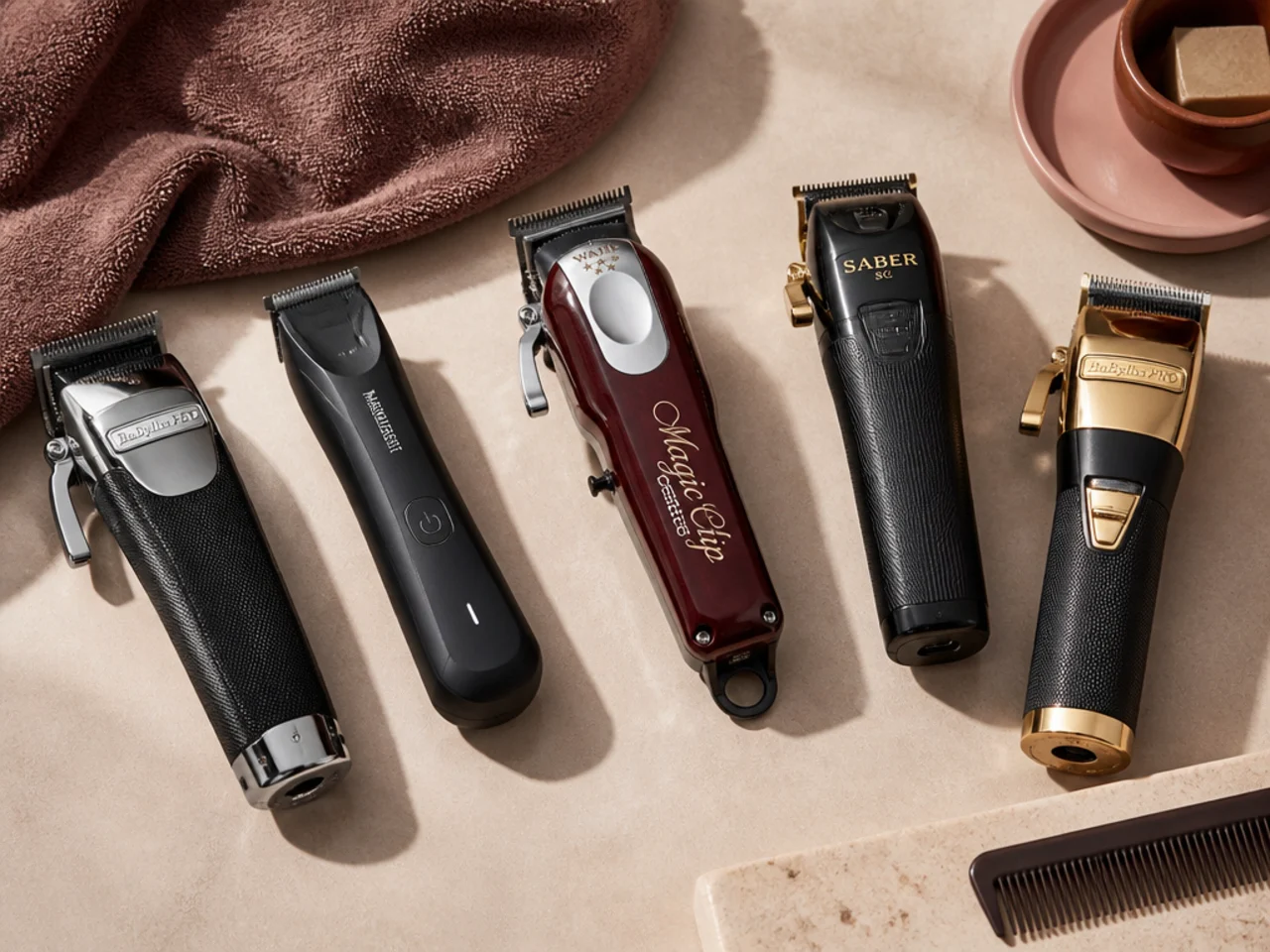
- Best Buy hair clippers: BaByliss Super-X Metal Series Cordless Clipper
- Best Value hair clippers: BarberBoss QR-6010 Complete Men's Grooming Kit
- Best hair clippers for professional use: BaByliss Pro Cordless Super Motor Clipper
- Best hair clippers for an upgrade: JRL Ghost Professional Cordless Clipper
- Best quality hair clippers: Cocco Hyper Veloce Trimmer
How to choose best hair clippers for Men
Motor, blade, battery. In that order. A strong motor cuts through dense hair without slowing. A sharp blade lifts hair cleanly instead of pulling. A solid battery lasts through more than one haircut. Everything else is bonus.
Corded gives you the most torque per dollar. Cordless gives you movement. If you cut your own hair or fade around your ears, cordless wins.
Your budget should track your ambition. A basic buzz cut needs a $40 clipper. A clean fade haircut needs a real motor and a taper lever.
"Durability, solid battery life, lightweight design, and powerful motors that don't pull hair or irritate sensitive skin are key features I always look for," says Connor Cole, professional barber and founder of CC Barbers.
Look for at least eight guards and a metal taper lever. Plastic levers snap. Metal lasts.
How we test hair clippers
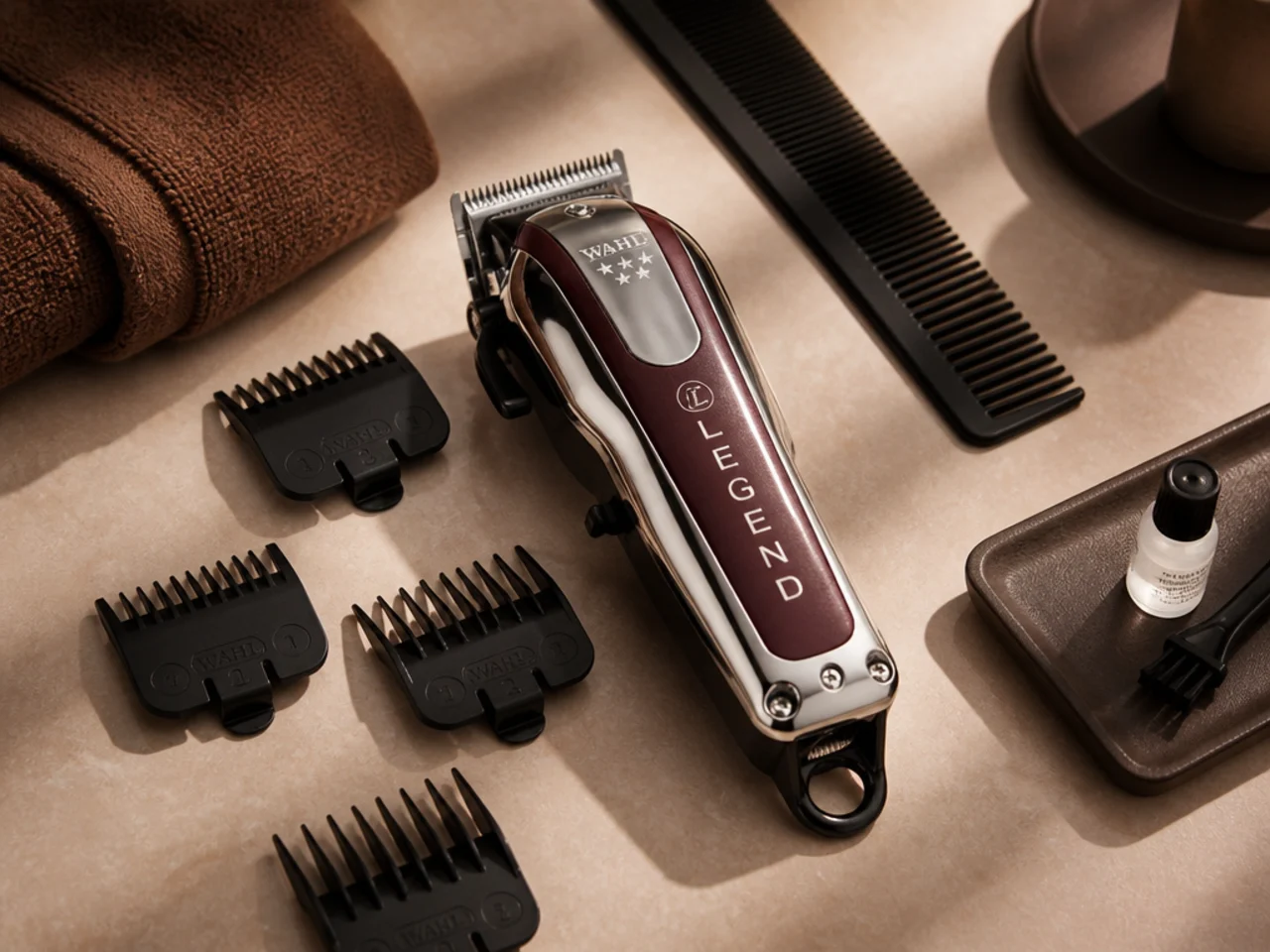
Connor ran every clipper in his shop for weeks on real clients — different hair types, lengths, and scalp conditions. Nothing theoretical.
We tracked warm-up time, guard-swap speed, and how the power switch felt under pressure. Pull, drag, blade heat after 40 minutes, motor behavior on coarse patches.
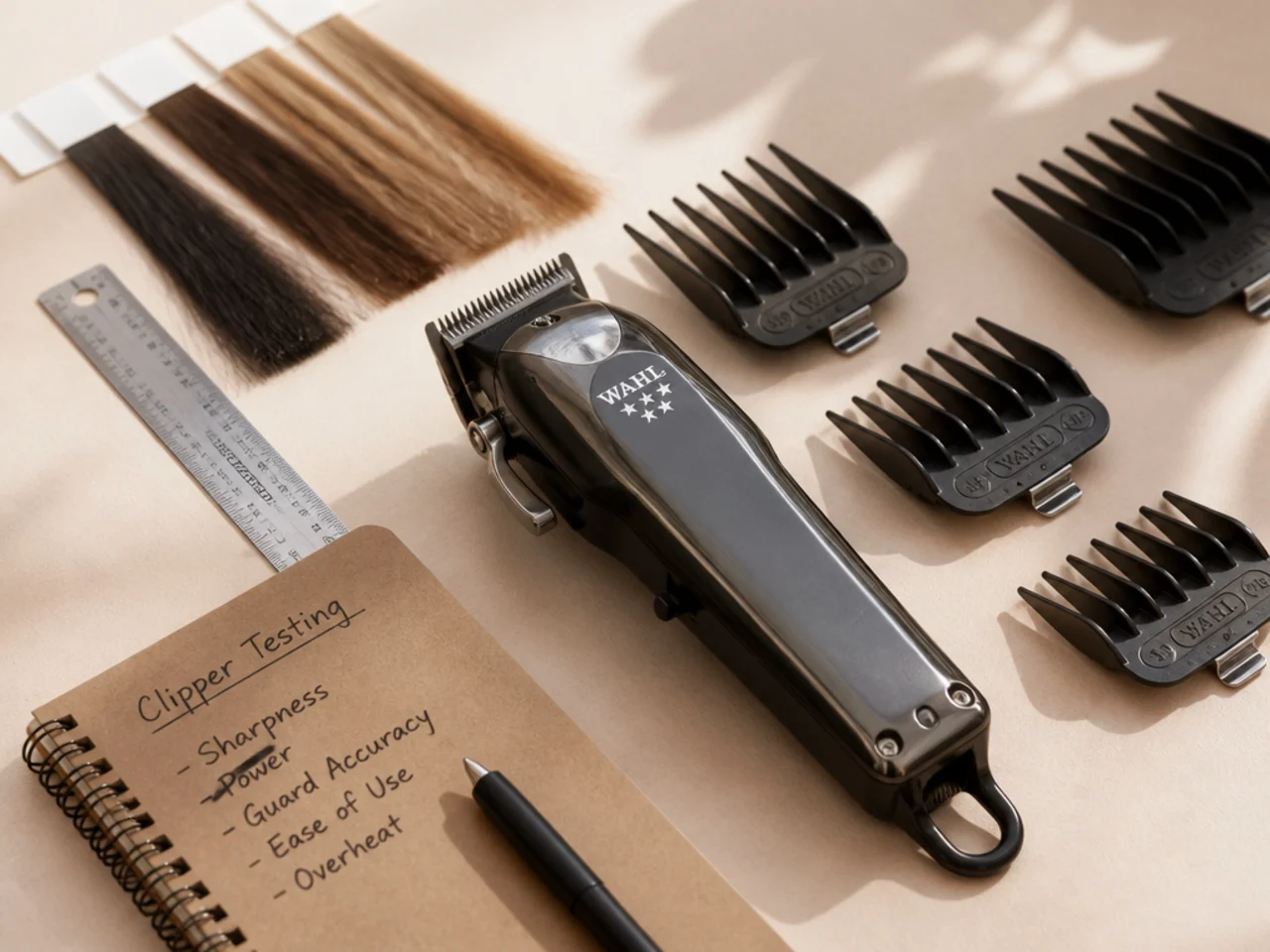
Detail work too: neck lines, sideburns, beard shaping. Grip and balance decided more picks than raw specs. Battery consistency mattered — some clippers hold power to the end, others fade in the last fifteen minutes.
The best hair clippers for Men
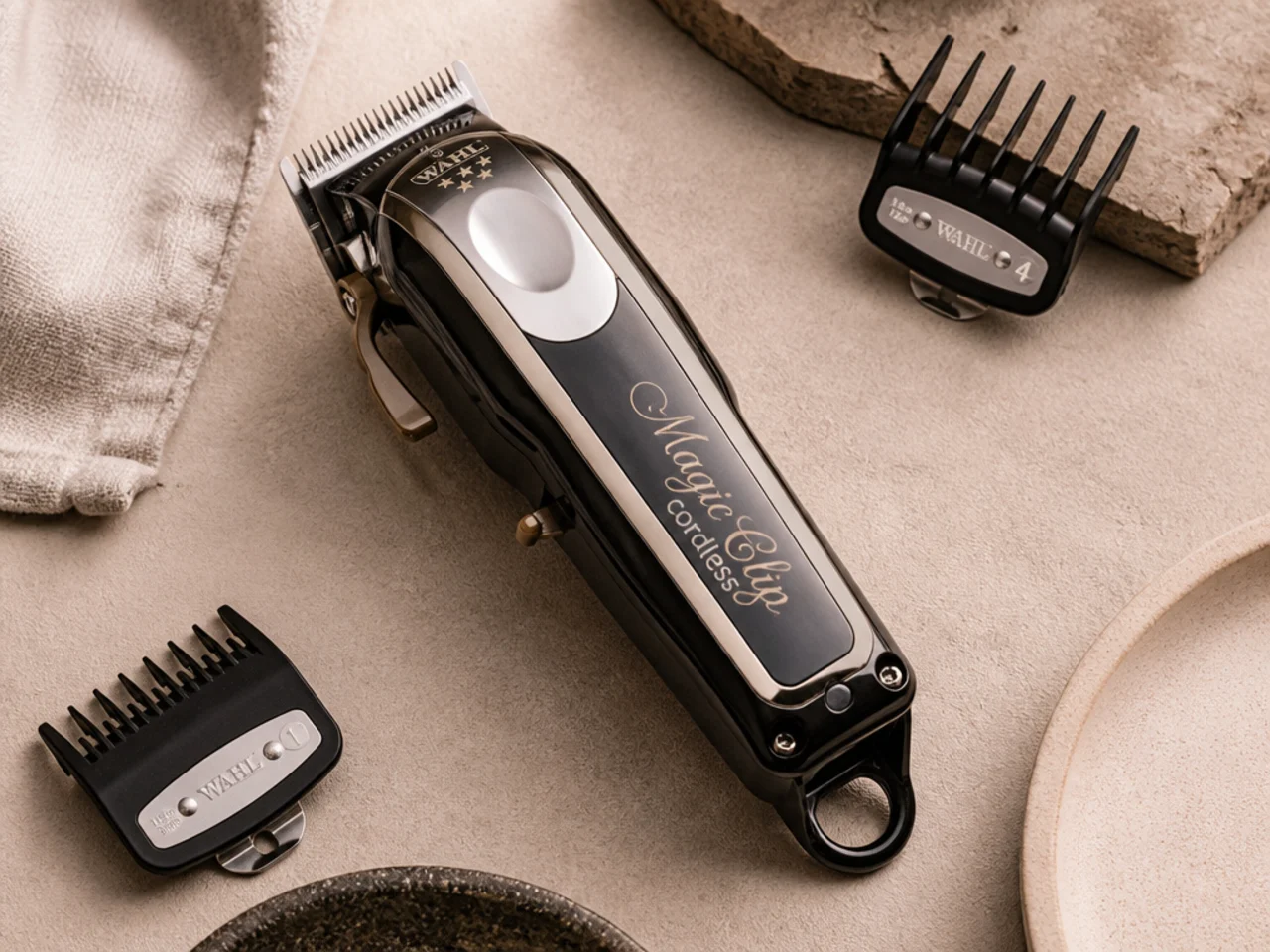
Eleven clippers earned a spot. Each pick covers what it does well, what it doesn't, who it's for, and one thing to know.
1. Best Buy Hair Clippers: BaByliss Super-X Metal Series Cordless Clipper
Cuts through thick hair without a stutter. Japanese steel blades stay sharp. The taper lever holds under pressure and guard swaps are fast. Build quality sits closer to a pro tool than a home unit.
Downsides are minor. The power switch is where your thumb catches it during angled work, and there's no charging dock.
Who it's for: enthusiasts wanting pro performance without the pro price, or anyone who cuts the whole family. Price bracket: $130–$180. One thing to know: it's bigger than most cordless models — hold it in hand first if you have a small grip.
Pros and Cons
- Sharp Japanese steel blades and long runtime
- Clean LED battery display
- Awkward power switch and no dock
Key Specifications
- Blade: Japanese steel, zero-gappable
- Motor: Cordless brushless
- Runtime: 180 minutes
- Weight: Medium-heavy
2. Best Value Hair Clippers: BarberBoss QR-6010 Complete Men's Grooming Kit
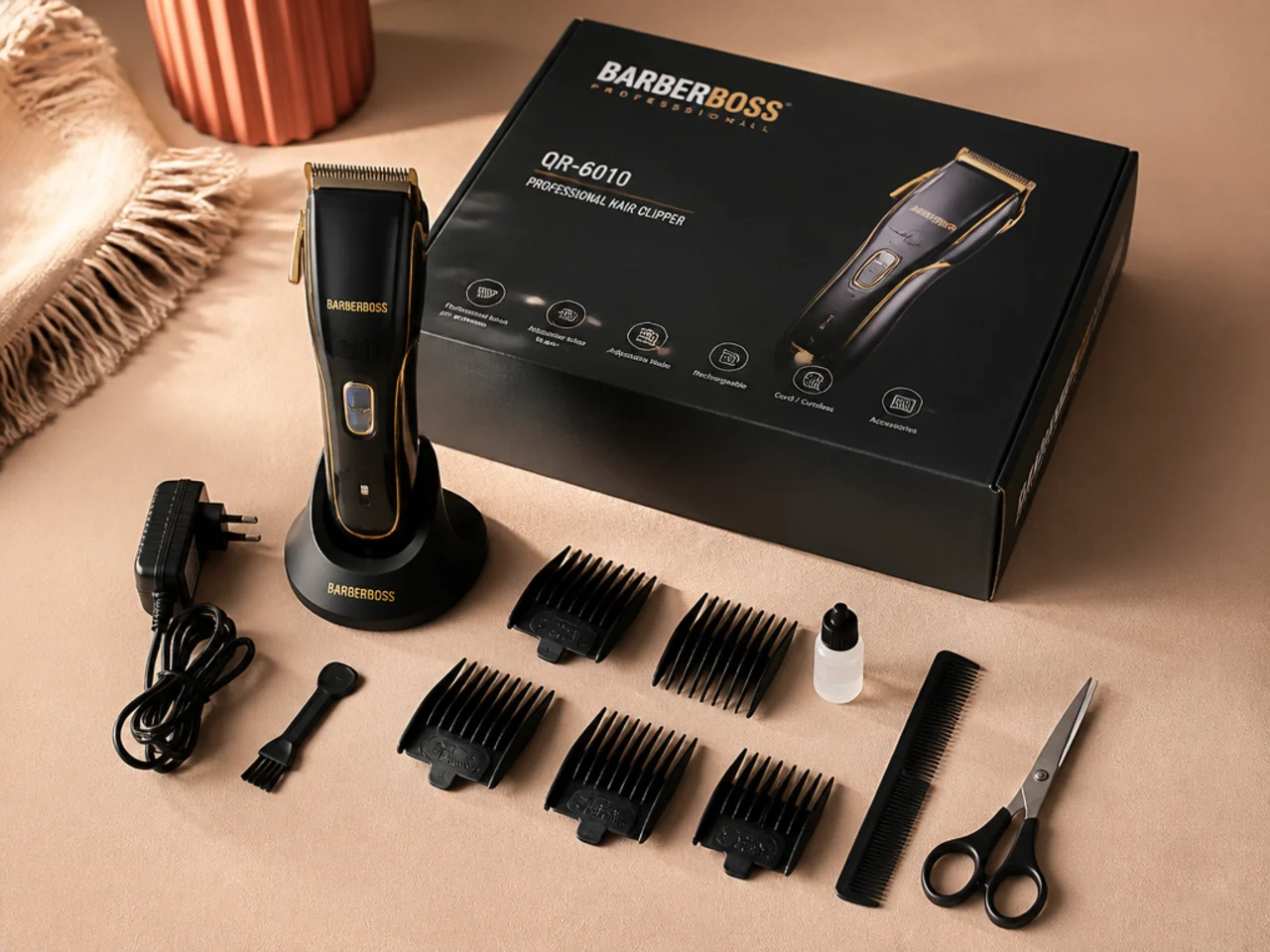
A surprising amount of hardware for the money. T-blade trimmer, foil shaver, and precision detailer cover everything from bulk removal to a clean neckline. Build feels closer to a $60 kit than a $30 one.
The catch: plastic guards flex under pressure and don't hold precise lengths. The T-blade also stalls on dense hair. "It's not ideal for removing lots of hair, but it's great for nose hair and eyebrows," Connor noted.
Who it's for: beginners testing home grooming, or anyone who wants a cheap travel backup. Price bracket: $30–$50. One thing to know: real battery life is closer to 60 minutes than the advertised 90.
Pros and Cons
- Complete kit at a low price
- Splash-resistant with sharp foil for necks
- Plastic guards lack precision
Key Specifications
- Blade: T-blade, foil, and detail heads
- Motor: Cordless
- Runtime: 60 minutes
- Weight: Light
3. Best Hair Clippers for Professional Use: BaByliss Pro Cordless Super Motor Clipper
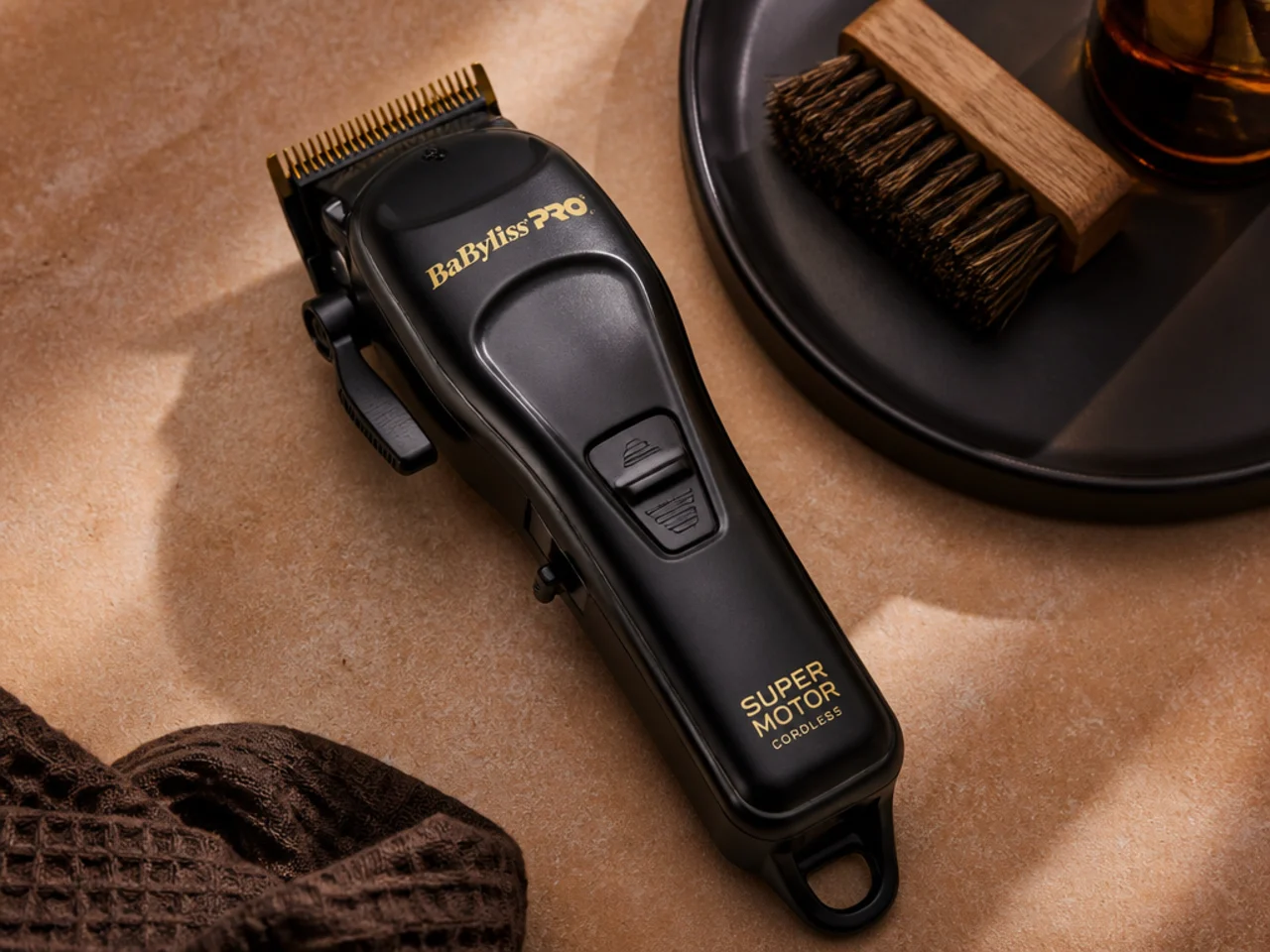
A workhorse. Knurled grip locks into your palm through long shifts. Motor keeps its speed until the battery hits zero — no fade in the last stretch. The included charging base doubles as a stand.
Two tradeoffs. It's heavy — your wrist will feel it after 40 minutes — and the taper lever can shift if your fingers rest wrong.
Who it's for: working barbers, serious hobbyists, anyone doing more than three haircuts a week. Price bracket: $180–$250. One thing to know: this is a shop tool. If you only cut monthly, it's overbuilt for you.
Pros and Cons
- Consistent motor power to full drain
- Knurled grip with charging base
- Heavier than most cordless clippers
Key Specifications
- Blade: Steel adjustable
- Motor: High-torque cordless
- Runtime: 120 minutes
- Weight: Heavy
4. Best Clippers for an Upgrade: JRL Ghost Professional Cordless Clipper
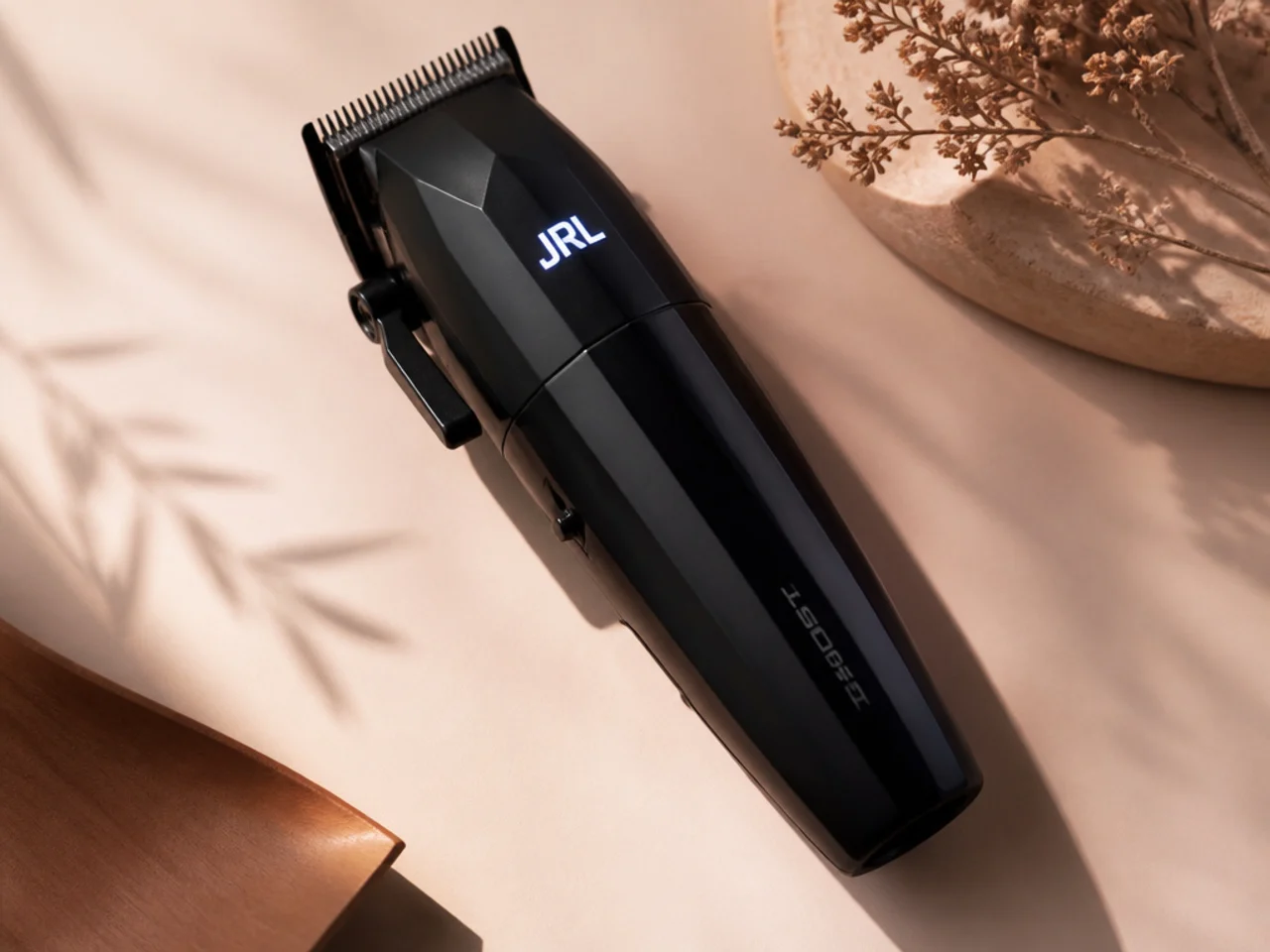
The Smart-Clip motor senses hair density and adjusts speed instantly. Push into thick hair and it ramps up. Push into fine and it eases back. You feel it. Ten guards and a locking taper lever handle any fade from a bald skin cut to a soft low fade haircut.
Main strike against it: the price. If you're new to fading, you won't feel the upgrade over a Wahl Magic Clip.
Who it's for: experienced barbers chasing perfection, or enthusiasts ready to jump. Price bracket: $250–$350. One thing to know: the blade stays cool through long sessions, which alone justifies half the cost on a busy chair.
Pros and Cons
- Smart motor auto-adjusts to hair density
- Five-hour runtime and cool-running blade
- Overkill for casual home users
Key Specifications
- Blade: Ghost precision, zero-gappable
- Motor: Smart-Clip cordless
- Runtime: 300 minutes
- Weight: Balanced medium
5. Best Quality Hair Clipper: Cocco Hyper Veloce Trimmer
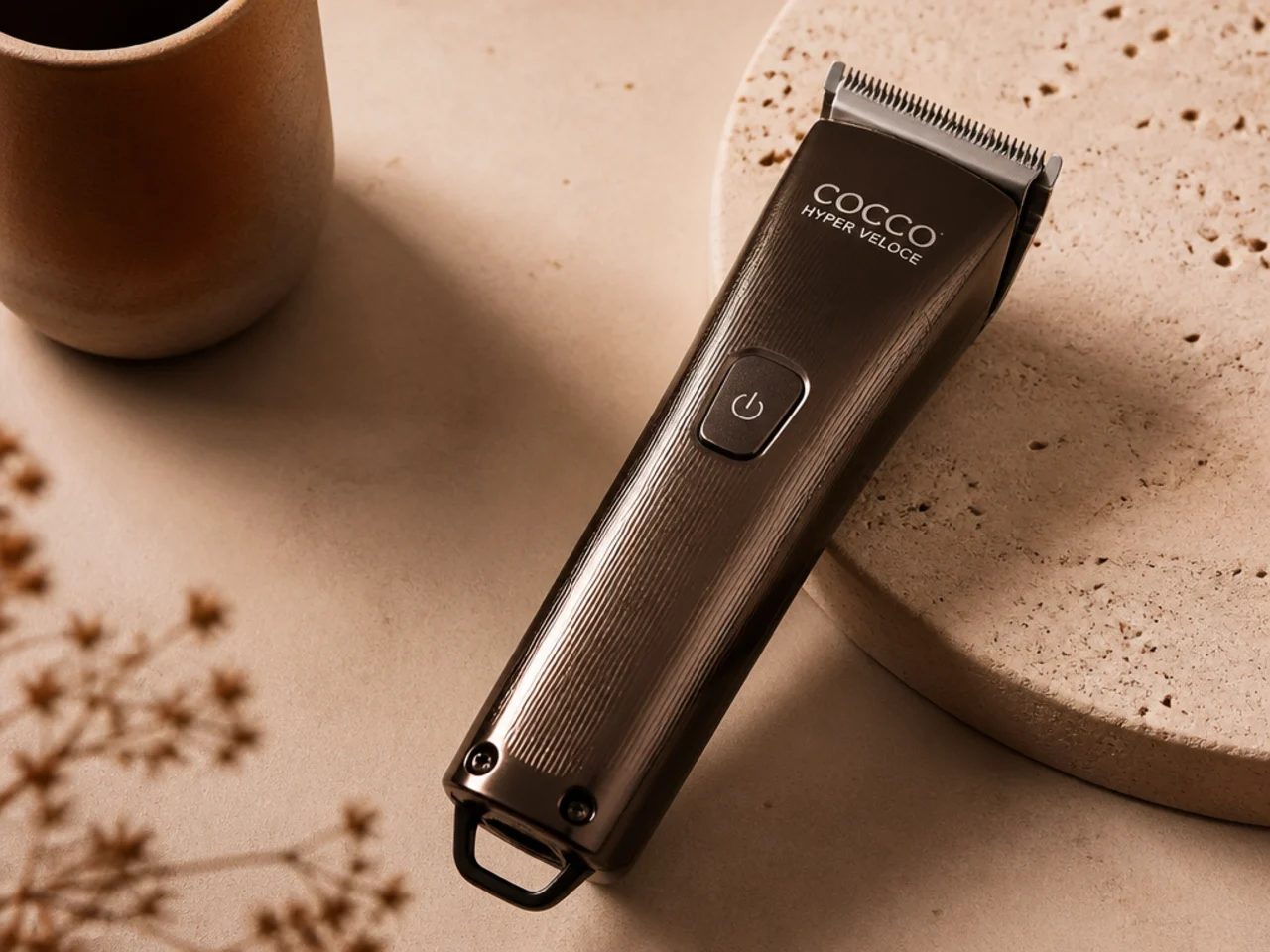
A precision instrument. Brushless motor paired with a graphene blade that cuts cleaner than steel and stays cool through anything. This is the tool for edging, outlining, and lining a beard or hairline.
Two caveats. It's smaller than a full-size clipper and not made for bulk removal, and the polished finish gets slippery when damp.
Who it's for: barbers who want the sharpest line work, or home users who take detail seriously. Price bracket: $180–$220. One thing to know: wrap grip tape around the barrel if your hands sweat.
Pros and Cons
- Graphene blade cuts cleanly and runs cool
- Brushless motor with long service life
- Not designed for bulk cutting
Key Specifications
- Blade: Graphene precision
- Motor: Brushless cordless
- Runtime: 180 minutes
- Weight: Light
6. Best Corded Hair Clippers: Proxelli Zano Cordless Clippers
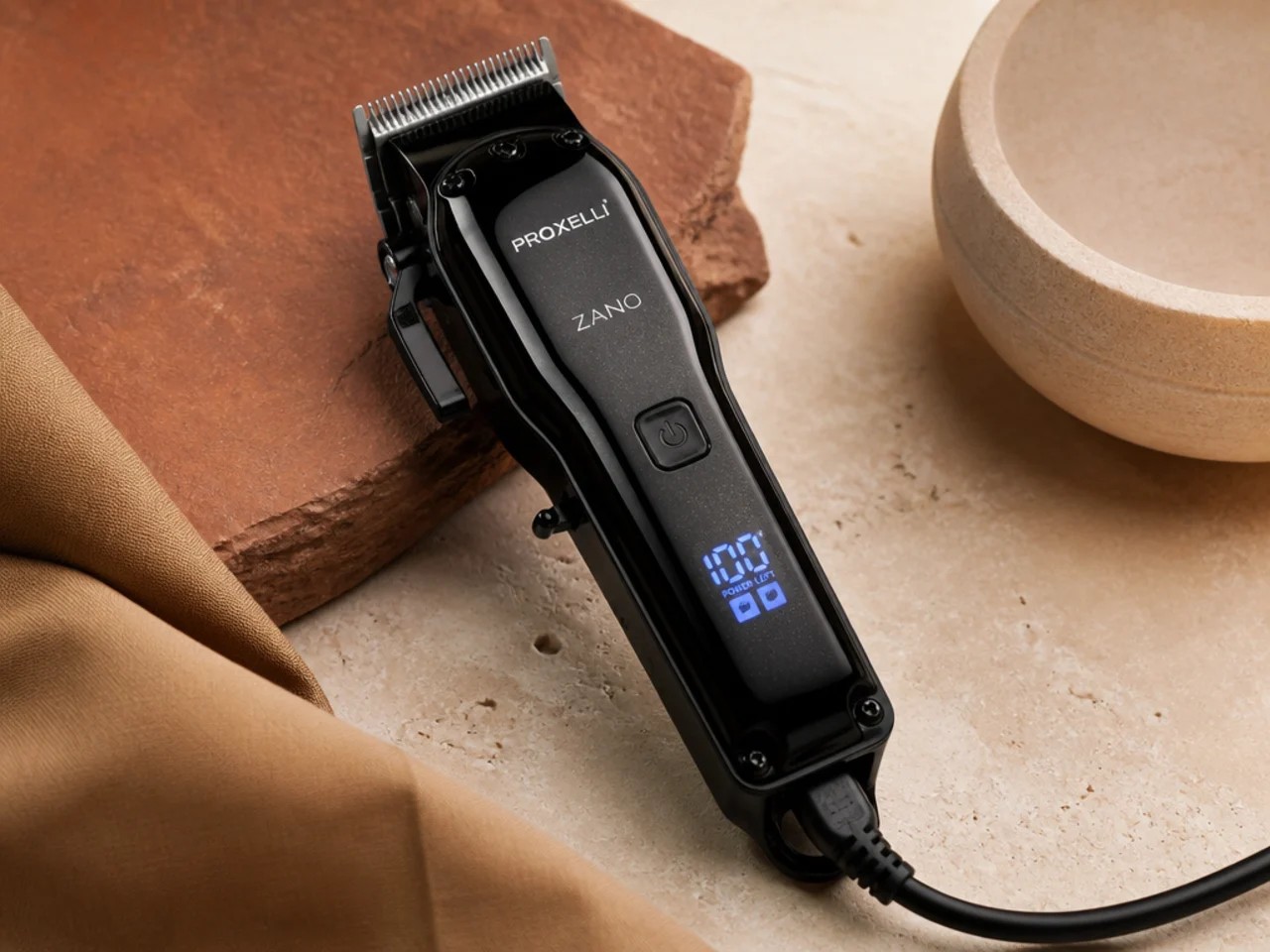
Straightforward and affordable. Handles clean buzz cuts and short cuts without complaint. Both corded and cordless modes give you flexibility at home.
The catch: motor bogs down on thick hair. Turbo mode helps but doesn't fully fix it.
Who it's for: home users who want simple results. Ideal for low-maintenance mens haircuts you refresh every few weeks. Price bracket: $40–$70. One thing to know: plug it in for anything longer than a quick trim — corded mode holds power much better than the battery.
Pros and Cons
- Corded or cordless operation
- Simple and affordable for beginners
- Motor bogs on thick hair
Key Specifications
- Blade: Standard steel
- Motor: Rotary
- Runtime: 90 minutes cordless
- Weight: Light
7. Best Hair Clippers for Wet Use: Philips Series 5000 Hair Clipper
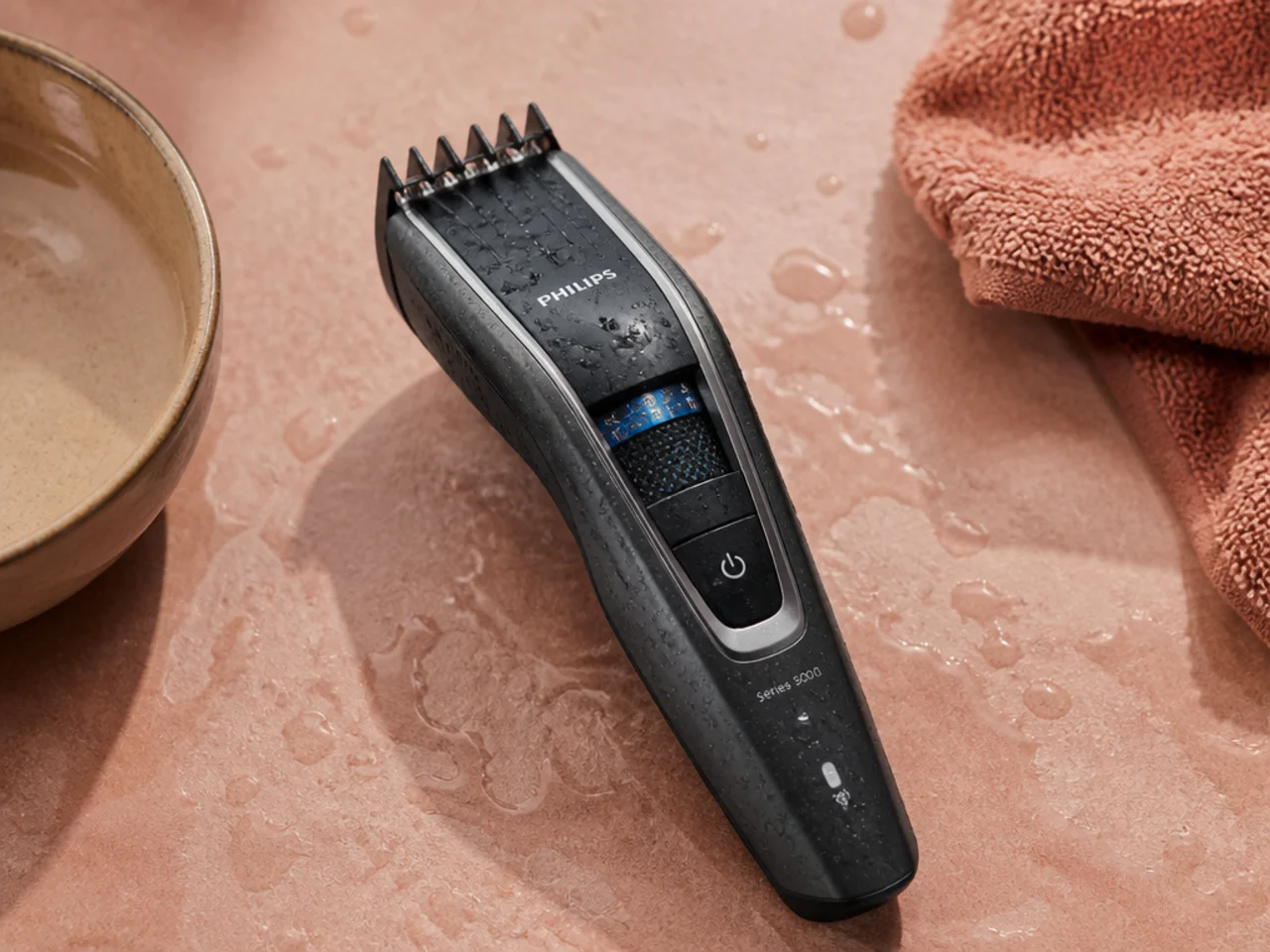
Waterproof and easy to rinse. Lightweight enough for one-handed self-cuts. Rounded body sits comfortably in the palm. It also works well on short haircuts for women and any of the simple short mens haircuts you refresh at home.
Not built for fades or heavy blending. The motor is soft compared to a real pro tool.
Who it's for: anyone who wants a hassle-free clipper that lives in the shower caddy. Price bracket: $60–$90. One thing to know: dry the blade after every rinse. Water sitting on steel dulls it faster than actual cutting.
Pros and Cons
- Fully washable body
- Lightweight and simple one-handed
- Motor lacks power for thick hair or fades
Key Specifications
- Blade: Stainless steel
- Motor: Standard cordless
- Runtime: 75 minutes
- Weight: Very light
8. Best Clippers for DIY Haircuts: Wahl Elite Pro Hair Clipper Set
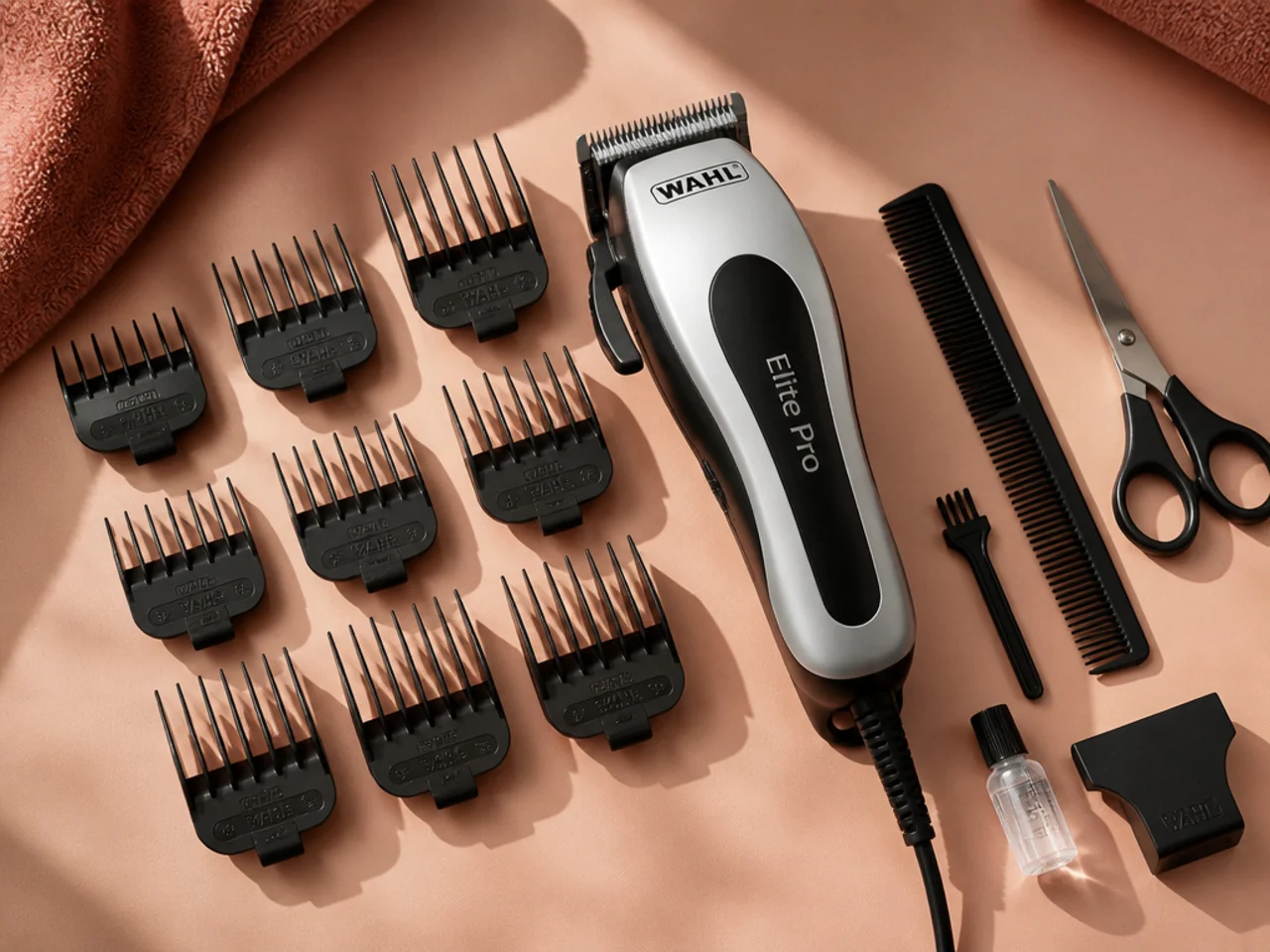
Corded reliability. Plug it in and it never dies mid-cut. Metal guards hold their length precisely. Included scissors and combs make this a complete DIY kit in one box.
The cord limits movement, so it's not the pick if you want to walk around the bathroom.
Who it's for: home users who want dead-simple, reliable results. A perfect first clipper for a beginner learning a taper haircut. Price bracket: $50–$80. One thing to know: Wahl guards from other Wahl clippers usually fit, so you can build the kit over time.
Pros and Cons
- Corded, never runs out of power
- Sturdy metal guards and full kit
- No taper lever
Key Specifications
- Blade: Precision-ground steel
- Motor: Corded electromagnetic
- Runtime: Unlimited
- Weight: Medium
9. Best Hair Clippers for Home Use: Remington Stylist Hair Clippers Kit
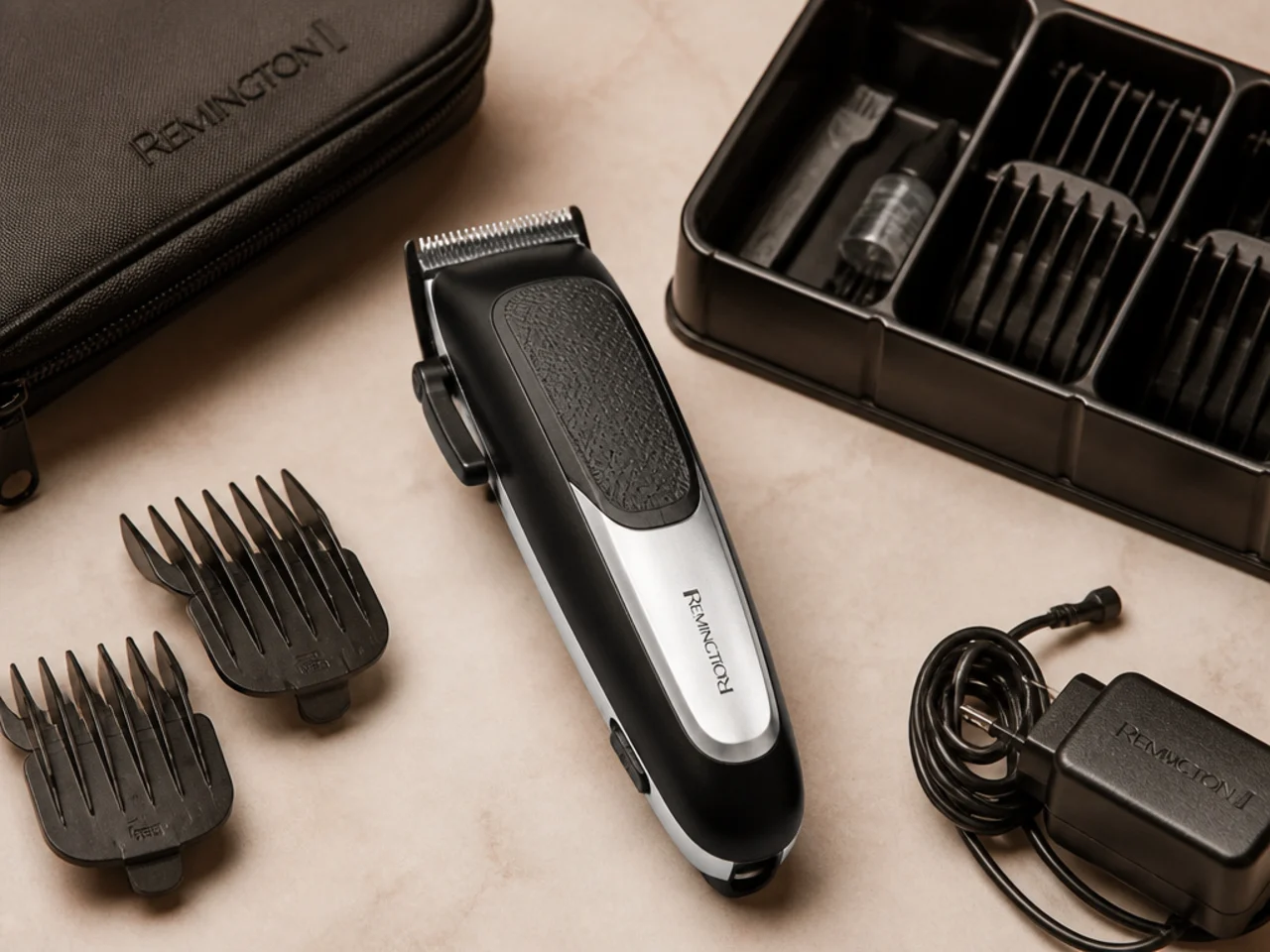
Affordable and complete. Clip-on guards lock in and hold length. Enough attachments to handle everything from a bald buzz to a longer cut. Fine for keeping a buzz cut for Asian men sharp between shop visits.
The motor is on the weaker side. Thick or coarse hair slows it down noticeably.
Who it's for: first-time buyers who need a full kit under $50, or households with multiple heads to cut. Price bracket: $30–$50. One thing to know: the blades need an oil drop before every session, or you'll feel the drag within a month.
Pros and Cons
- Complete beginner kit at a low price
- Multiple guards and accessories
- Motor power limited on thick hair
Key Specifications
- Blade: Standard steel
- Motor: Cordless with corded option
- Runtime: 40 minutes
- Weight: Light
10. Best Hair Clippers for Beard Maintenance: Panasonic ER GB62
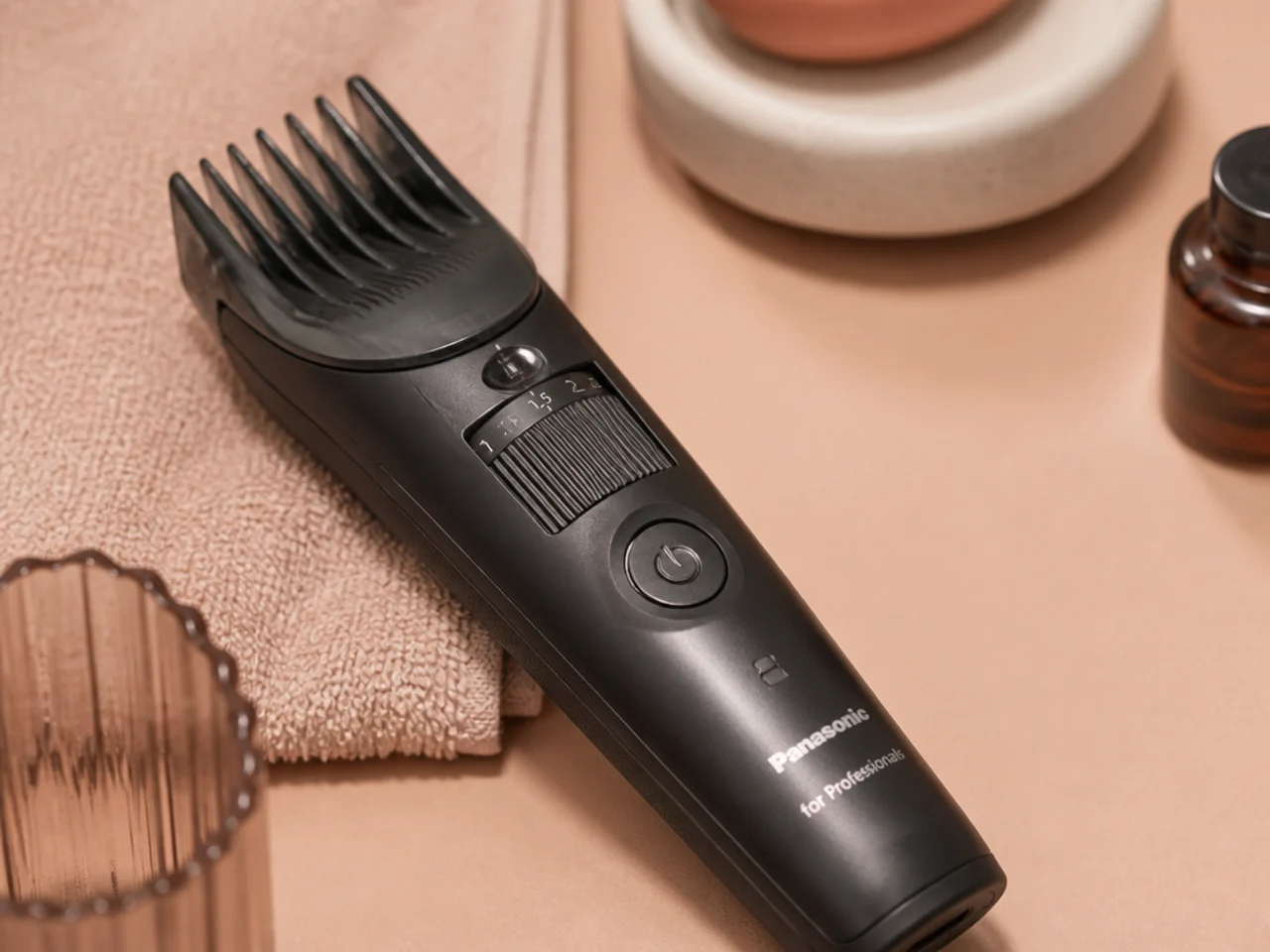
Precision on facial hair. Thirty-nine length settings give you control in half-millimeter jumps. Perfect for shaping a beard between shop visits or cleaning a mustache line.
Not a head-hair clipper. It stalls on anything thicker than a stubble beard and is too small for scalp work.
Who it's for: anyone who wants a serious beard tool without buying a full second clipper. Price bracket: $60–$90. One thing to know: use it dry. The waterproof body suggests wet use, but the blade cuts cleaner on dry stubble.
Pros and Cons
- 39 precise length settings
- Waterproof and easy to clean
- Not built for scalp cuts
Key Specifications
- Blade: 45-degree stainless
- Motor: Cordless linear
- Runtime: 50 minutes
- Weight: Light
11. Best Clippers for Bald Heads: Wahl Self-Clip 360
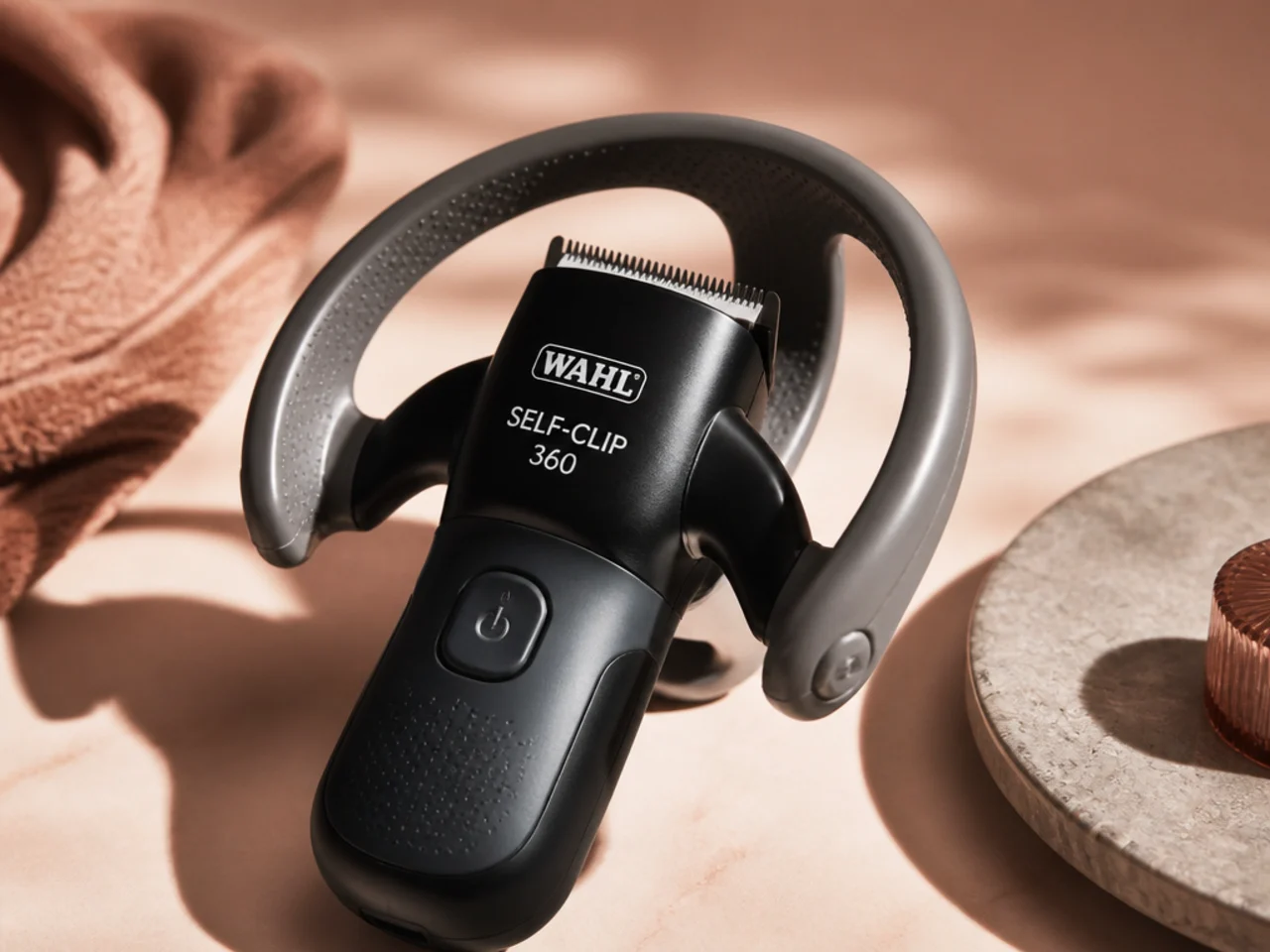
Made for cutting your own head. Wide flat blade sits directly against your scalp and moves in any direction without lifting. Fastest tool we tested for maintaining a bald or ultra-short buzz.
One job only. Don't try to blend or fade with it, and don't expect it to work on a beard.
Who it's for: anyone who shaves their head weekly, or maintains a very short crop. Price bracket: $80–$120. One thing to know: rinse and oil after every use — the 360 blade is pricier to replace than a standard clipper blade.
Pros and Cons
- Purpose-built for self-cutting
- Blade sits flat and cuts in any direction
- Only useful for one style
Key Specifications
- Blade: 360-degree flat cutting
- Motor: Cordless
- Runtime: 90 minutes
- Weight: Light
Why Do You Need a Hair Clipper?
You already have a barber down the street. So why buy your own tool? Fair question. The answer depends on what you value.
Convenience
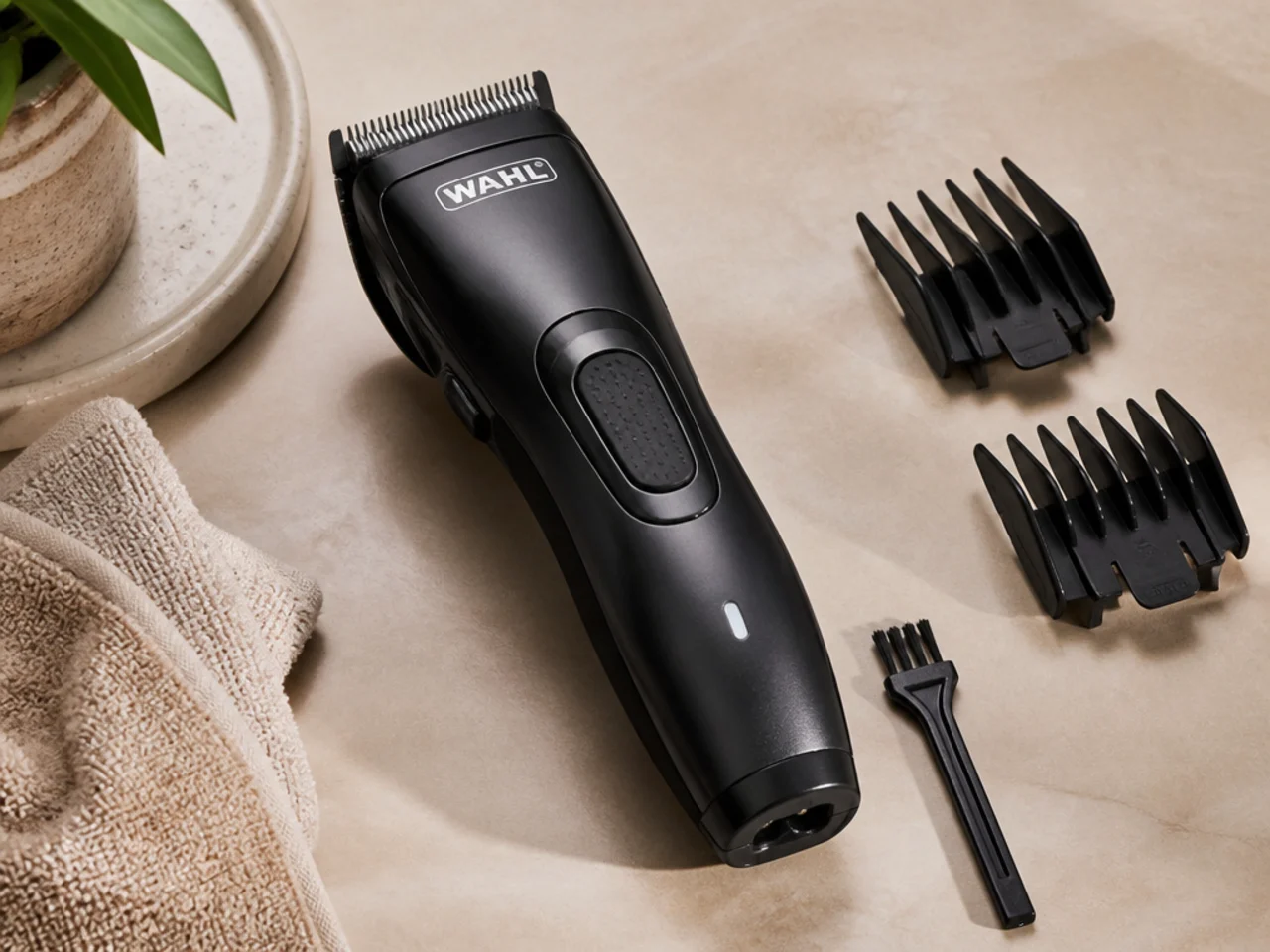
You cut when you want to cut. No appointment. No drive. No waiting behind three clients on a Saturday morning. Neckline fuzzy on a Tuesday? Fix it in five minutes before work.
Communication is the other win. You've probably explained a haircut clearly and walked out with something different. That gap disappears when your own hands hold the clipper. Even better — you never have to explain what a Karen looks like to your barber if you're doing the cutting yourself.
Cost-Cutting
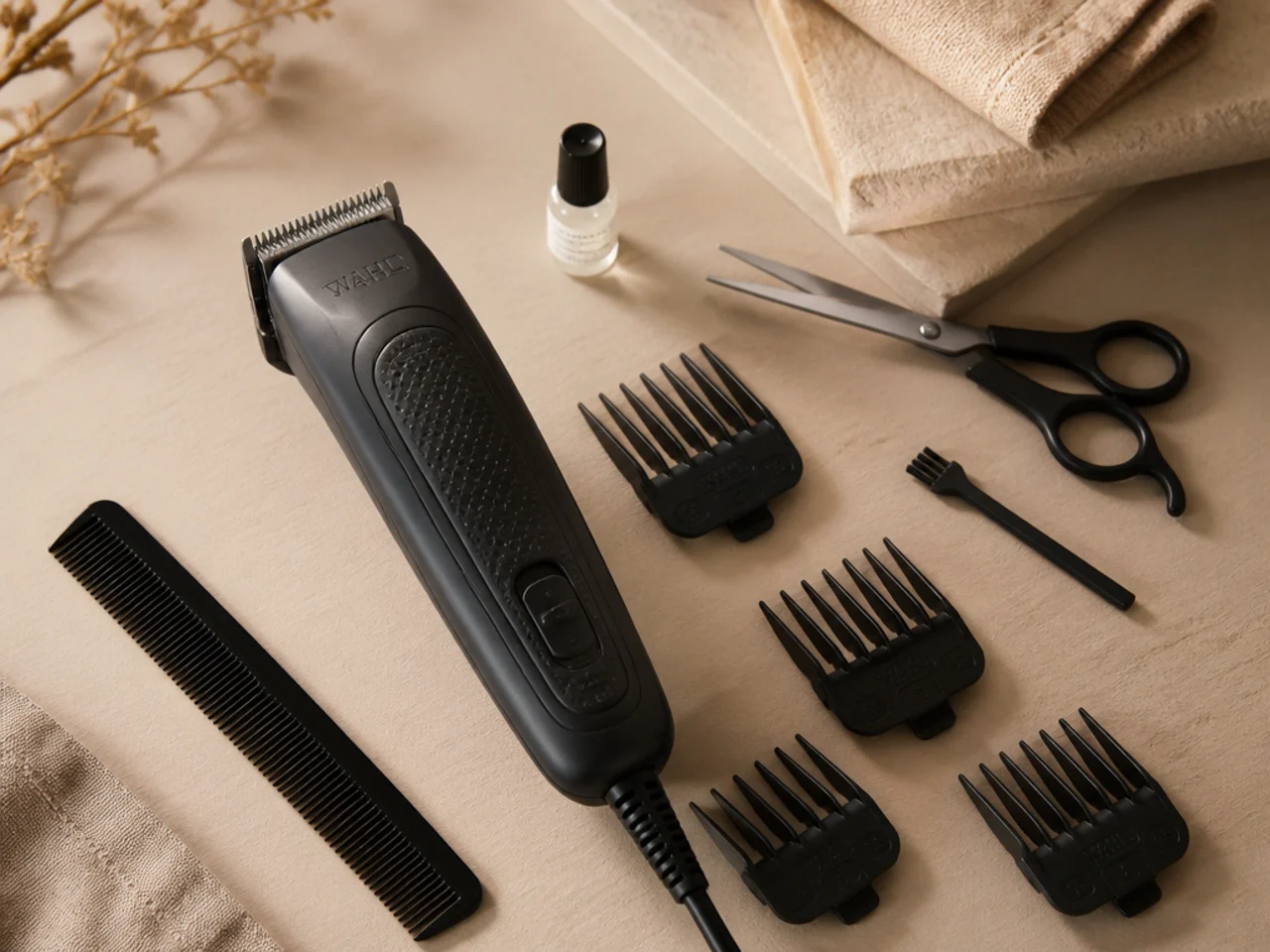
Barber visits add up. Twenty-five dollars a cut plus a five-dollar tip, twice a month, is $720 a year. A pro-grade clipper costs a fifth of that and lasts five years or more.
You break even by month three. After that, everything is profit — especially if your household has multiple heads to cut.
Convertibility
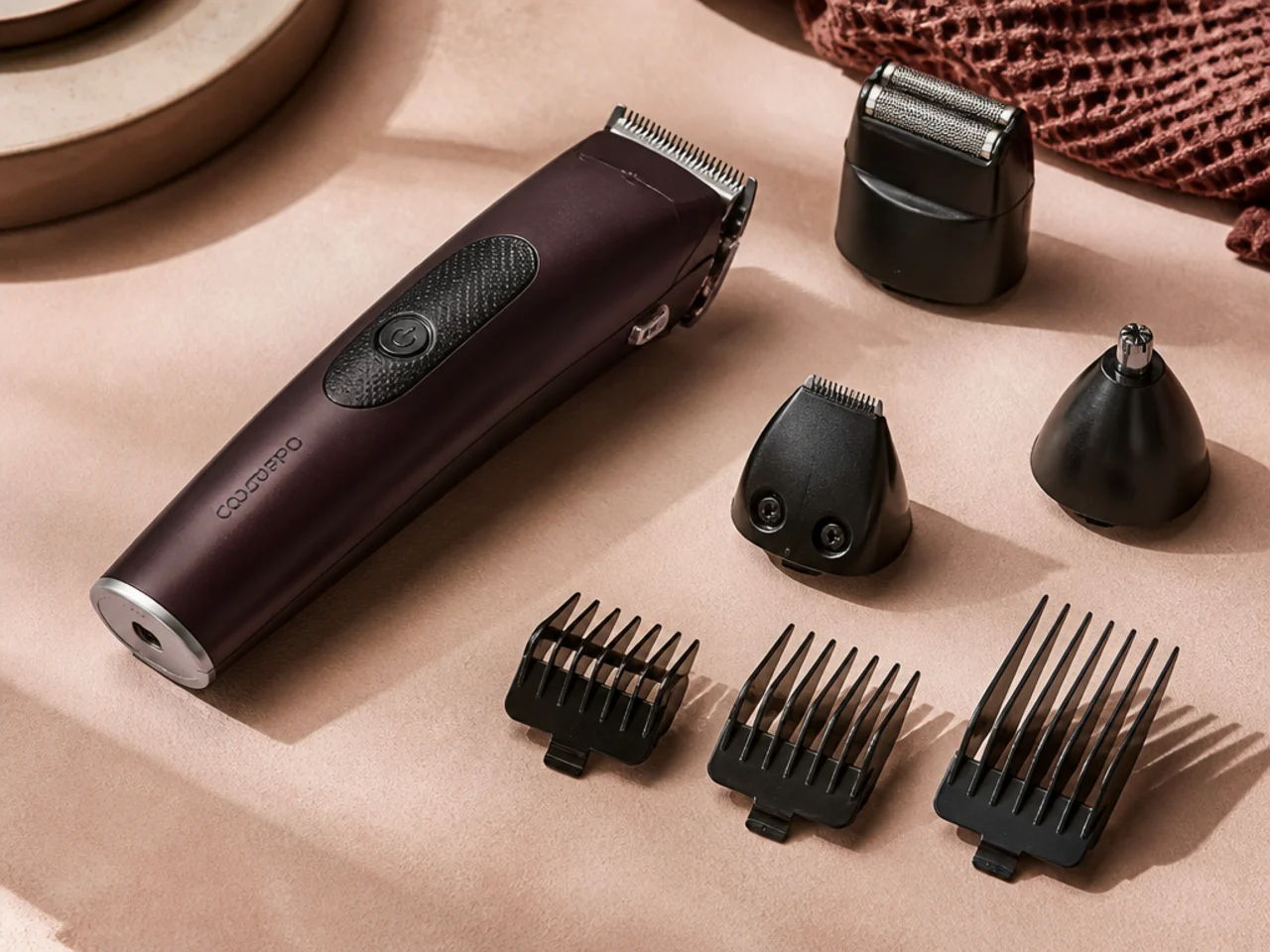
Modern clippers stretch. Multiple guards. Adjustable levers. Attachments for beards and body. One tool covers head, beard, sideburns, neck, and edging.
Pair a full-size clipper with a smaller detail trimmer and you have a full at-home setup. That combination handles anything from a mid fade haircut to a quick neckline touch-up.
Buyer's Guide: Best Hair Clipper for Men
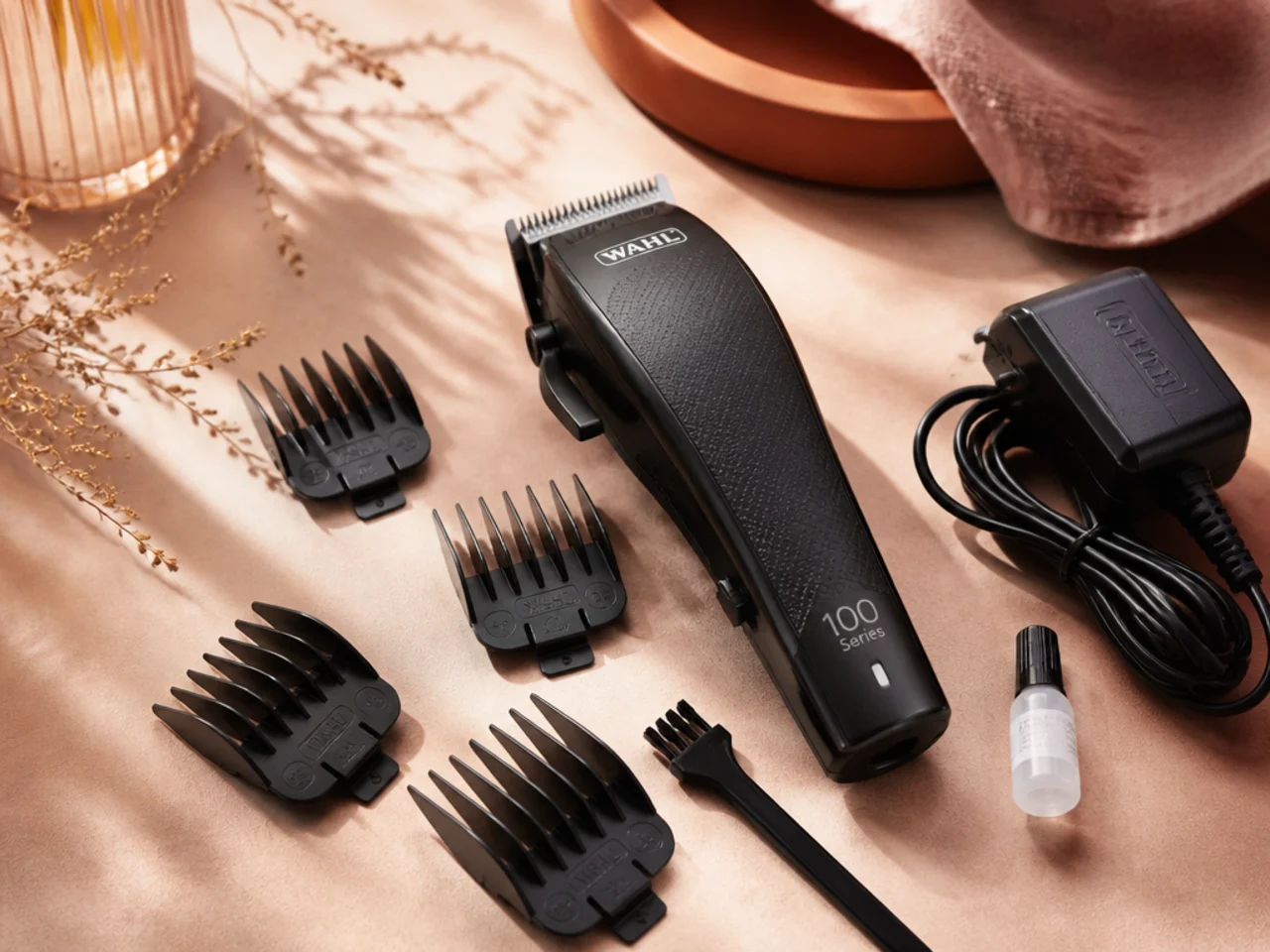
You've seen the picks. Now match them to what you plan to do.
Pro-grade clippers exist for a reason. Oster Classic 76, Andis T-Outliner, Andis Master, and Wahl Balding Clippers are built for barbers working eight hours a day, six days a week. Heavy. Loud. They outlast three generations of consumer clippers.
You can absolutely use pro clippers at home — there's a learning curve, but once you're past it, you might never book a shop appointment again.
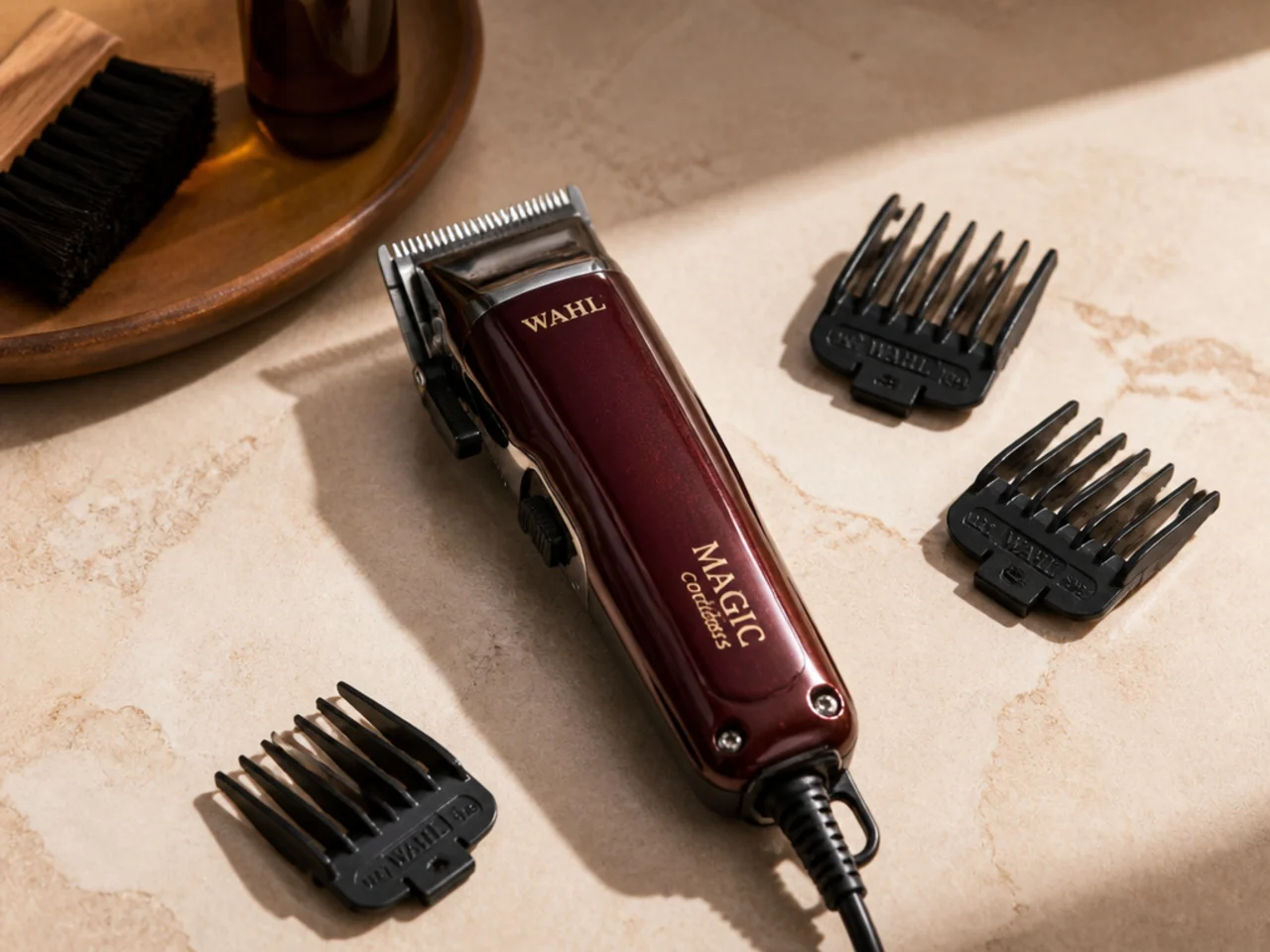
Wahl Magic Clip, Wahl Senior, and Wahl Legend live in the middle. Home users love them. Pros carry them for finishing work. They shine as second tools for fades, tapers, and blending.
The Remington Shortcut Pro was designed for home users. Many barbers now use it for quick bulk removal — lighter than an Andis or Oster and faster for the opening pass.
Two budget picks worth naming: the Wahl Color Pro and the Fadeking clipper. Both deliver more than their price suggests. The Color Pro is a great first clipper. The Fadeking suits users with a little more experience who want fade capability on a budget.
How to Use a Hair Clipper at Home?
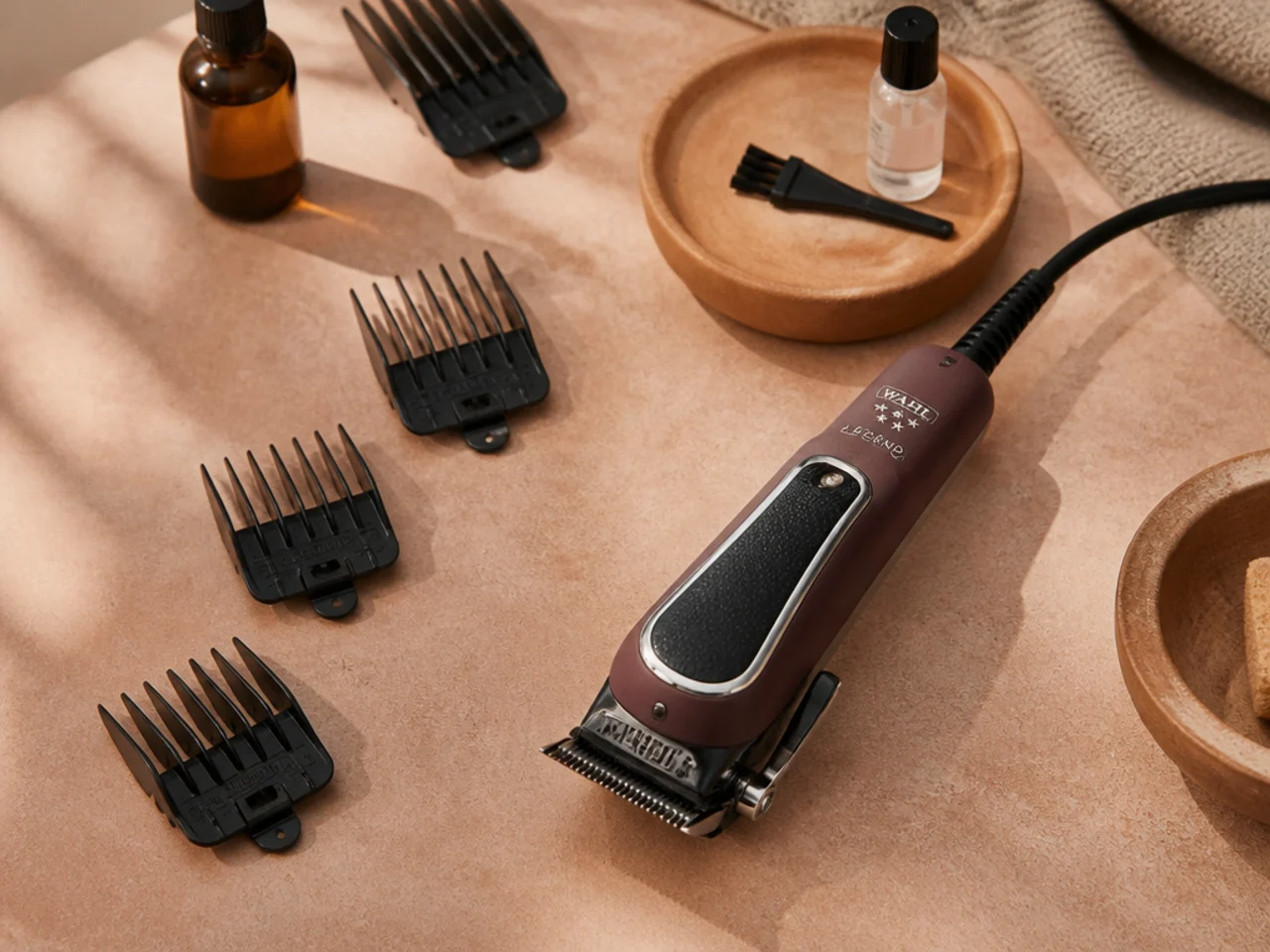
Cutting your own hair is a skill. You'll be bad the first time. Better the fifth. Confident by the tenth. Follow the steps below and shorten the curve.
Prepare Your Hair and Clippers
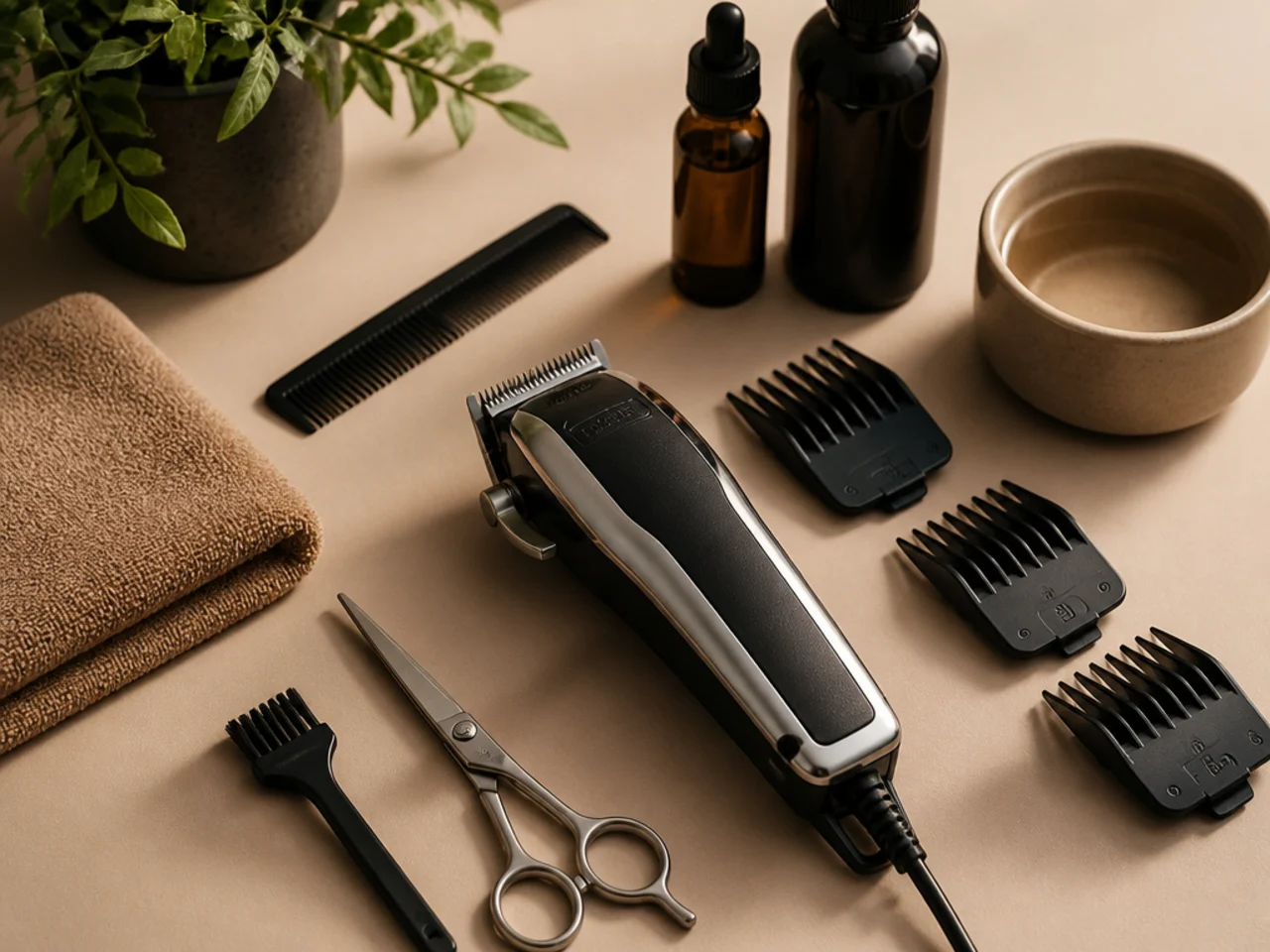
Start with clean, dry hair. Shampoo, towel-dry, comb it out. Wet hair clumps and cuts unevenly. Check the clipper: blade oiled, brushed clean, battery charged or cord plugged in.
Choose the Right Guard Length
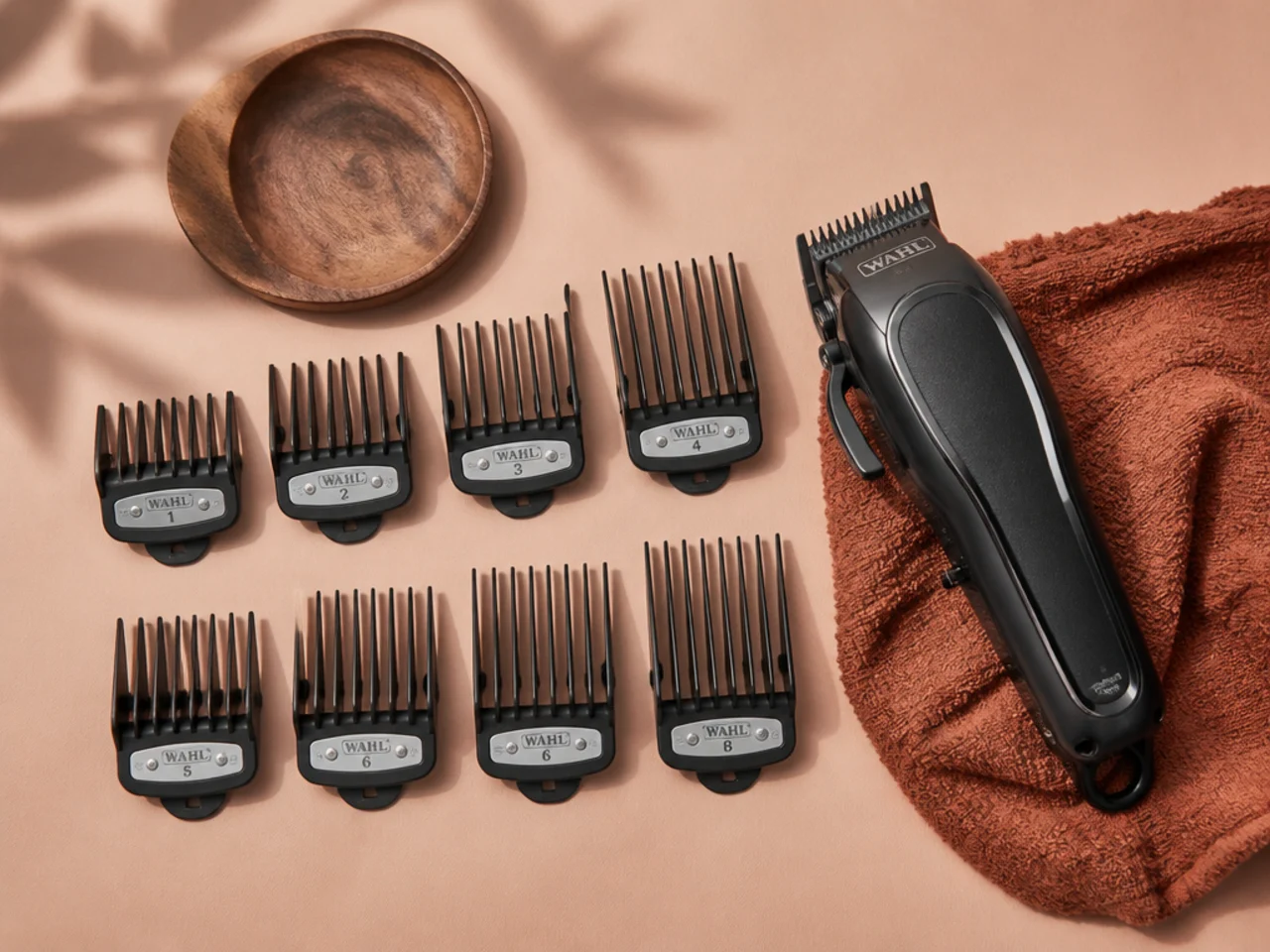
Pick your target length before you power on. A number 2 leaves a quarter inch. A number 4 leaves a half inch. Snap the guard on until it clicks — a loose guard slips mid-cut.
Adjust the Clipper Settings
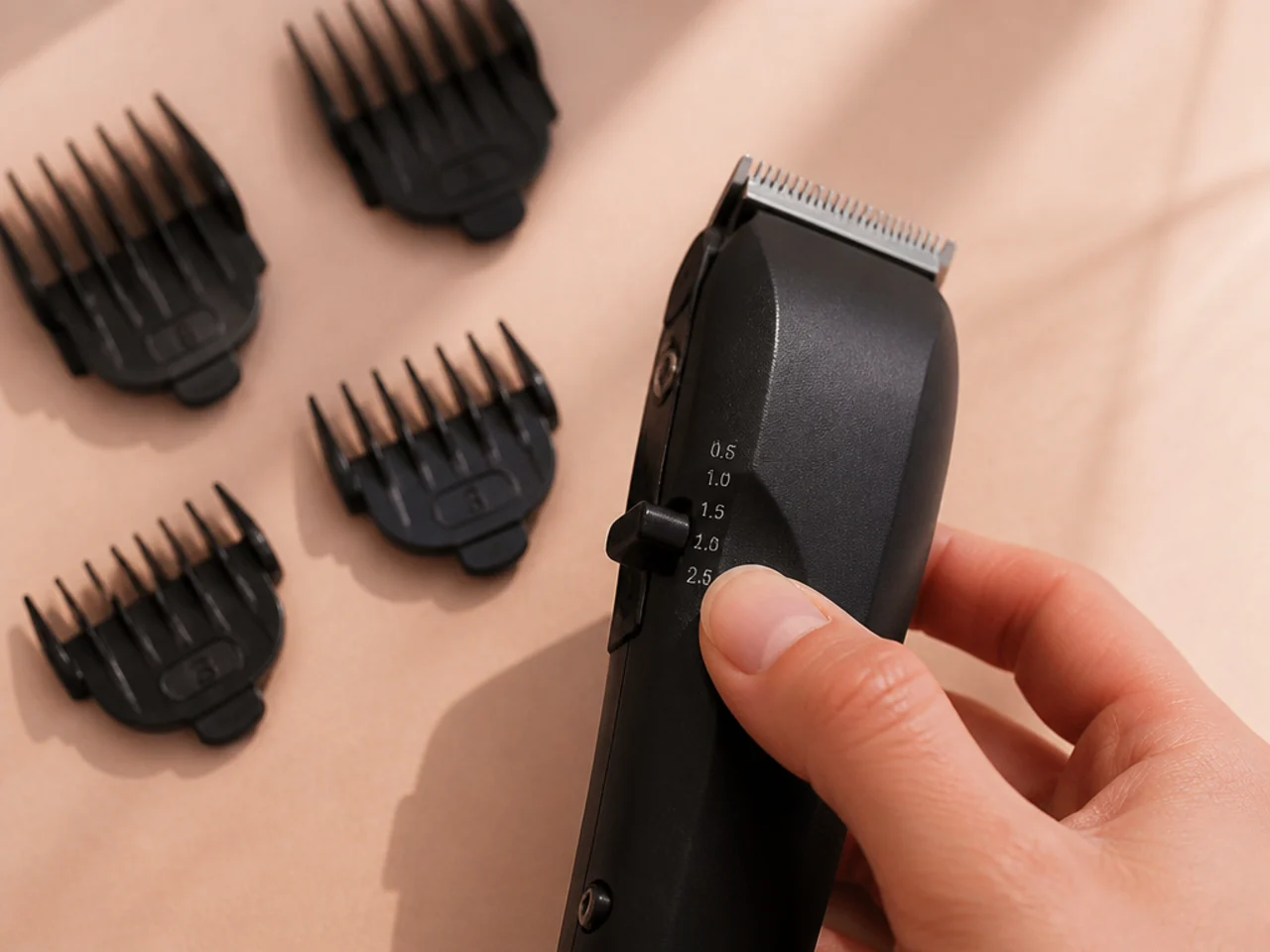
Premium clippers have a taper lever on the side. Push it closed for shorter. Pull it open for longer. Start with the lever closed under each guard, then open it as you work into blend zones.
Start with a Longer Guard
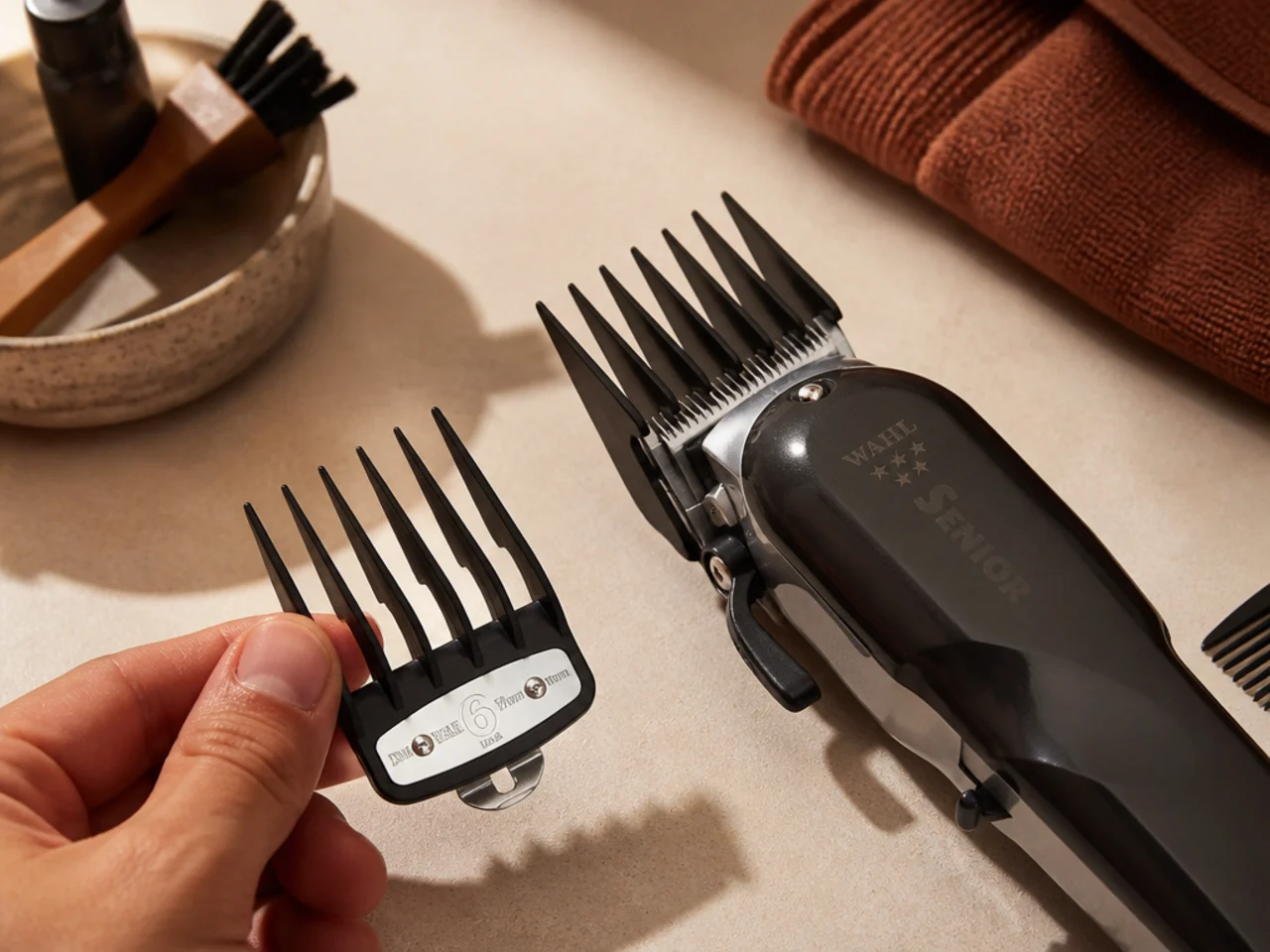
Every barber says this and every beginner ignores it. Start longer than you think you need. You can always take more off. You can't put hair back.
Section Your Hair
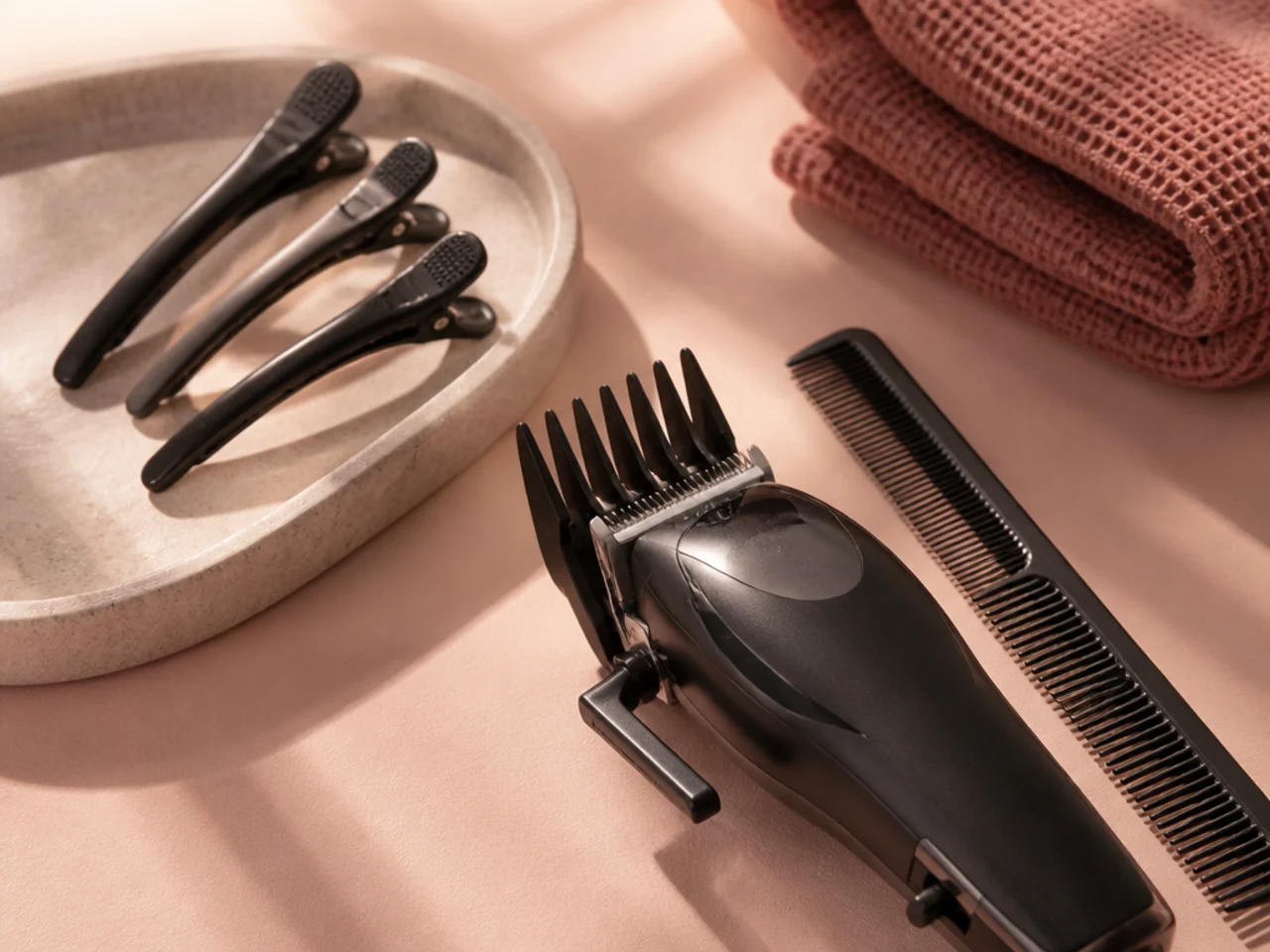
Divide the hair into sections. Use a comb. Clip the top away while you work the sides. Loose hair on top of your working area is how mistakes happen.
Begin Cutting
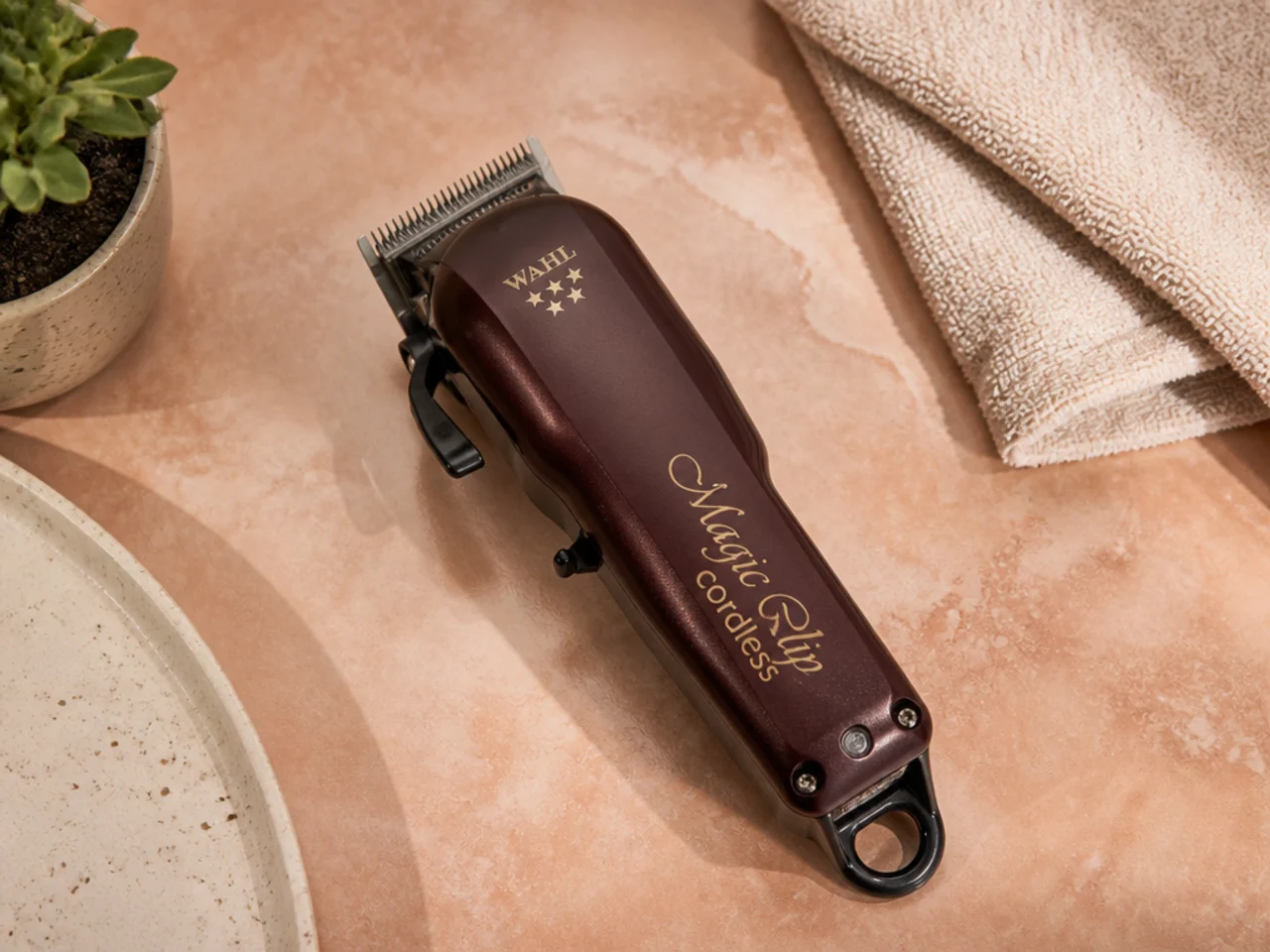
Hold the clipper flat against your scalp. Do not tilt the blade tip inward — that carves a divot every time.
Start at the lowest point, usually the neckline or around the ears, and work upward. Most cuts run shorter on the sides and back, longer on top.
Take Your Time
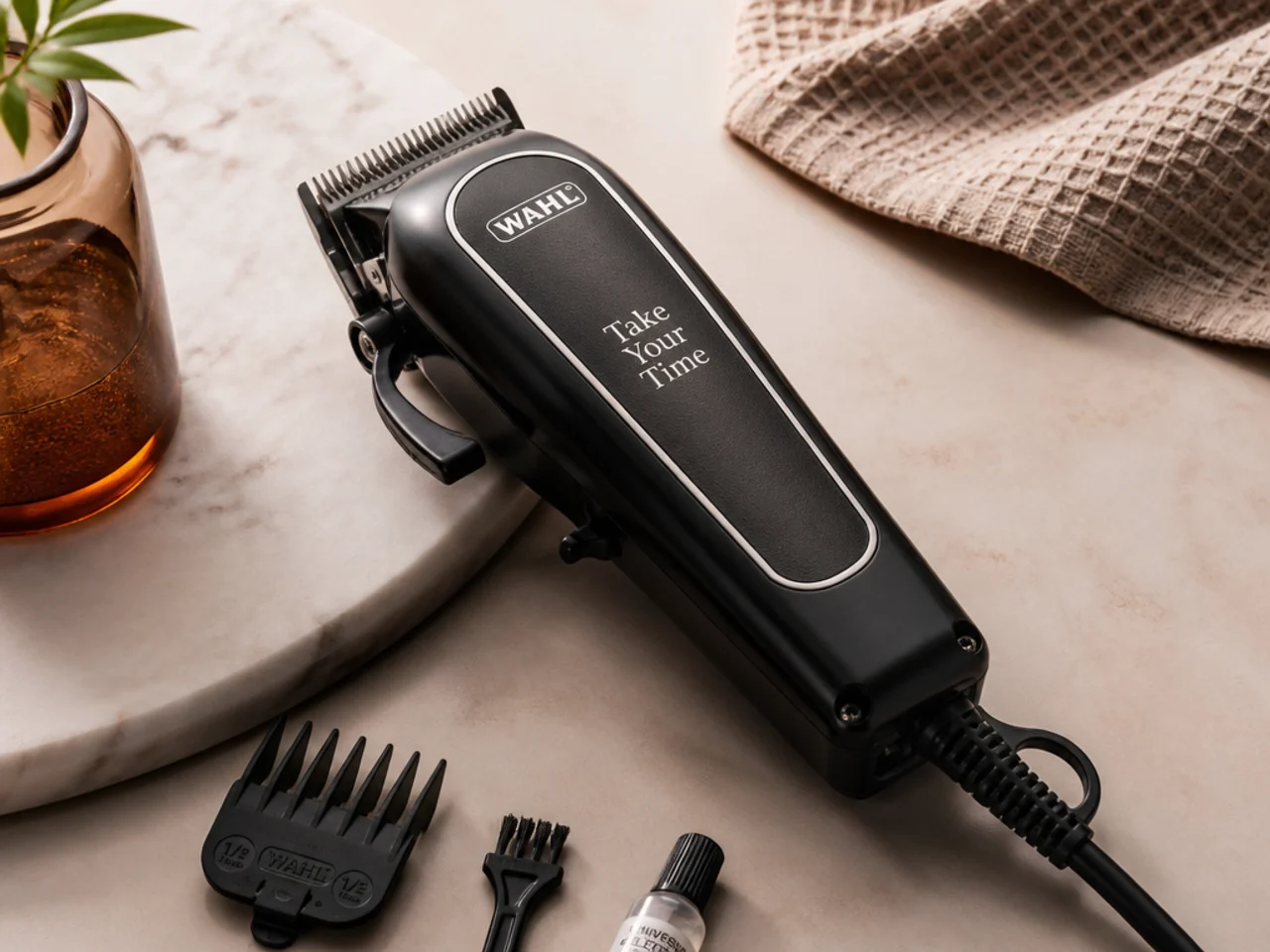
You are not a barber. Slow, steady passes give clean results. Fast passes give patches. If your arms get tired, put the clipper down. Rushing is where mistakes live.
Blend and Taper
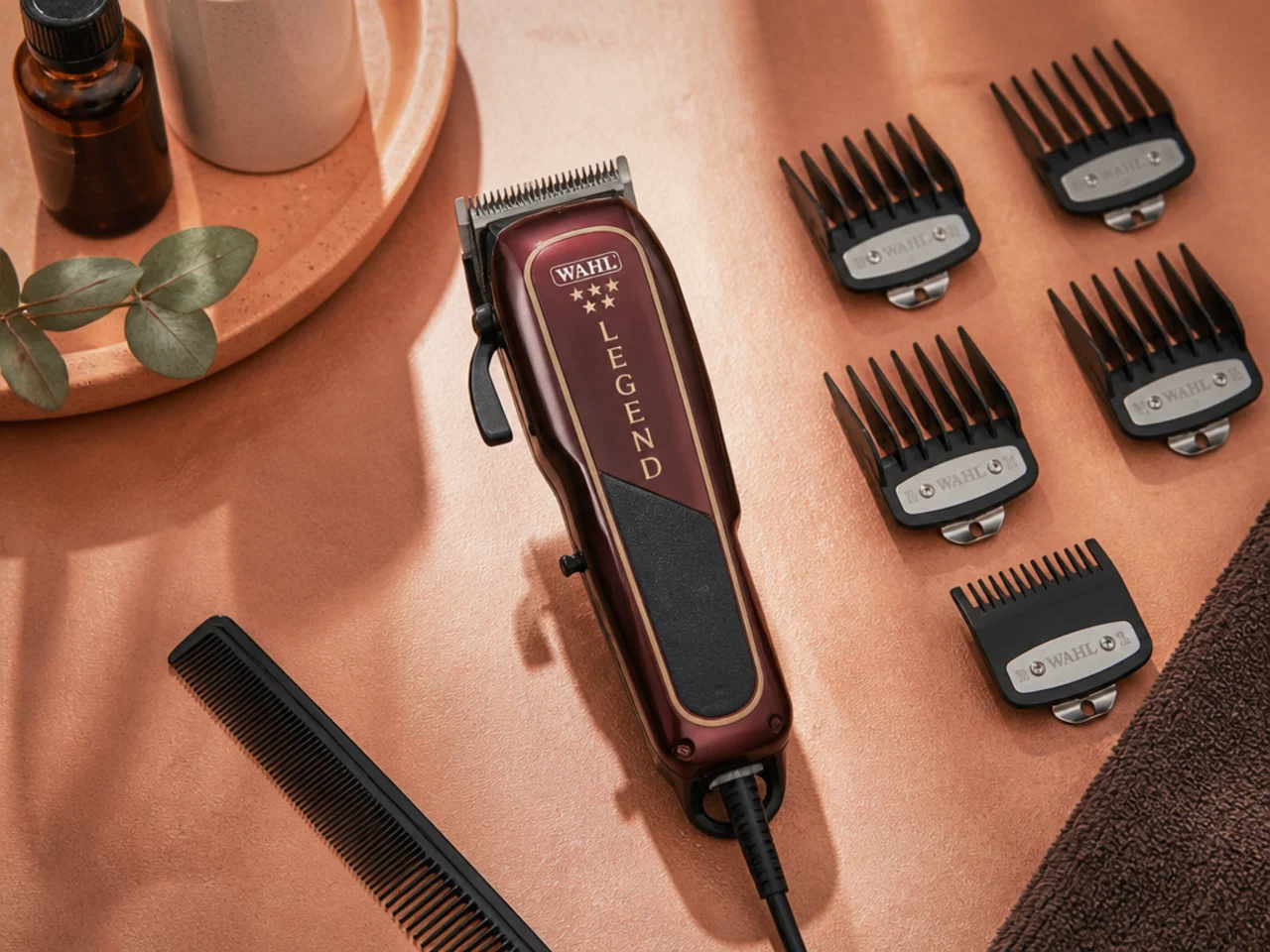
The blend is what separates a haircut from a shape. Use the taper lever — or step down through guards one number at a time — to soften the line between the sides and the top.
Work a half-inch to one-inch band at the transition. Sweep the clipper up and out at the end of each stroke to feather the length. That's the technique behind every clean fade.
Check and Adjust
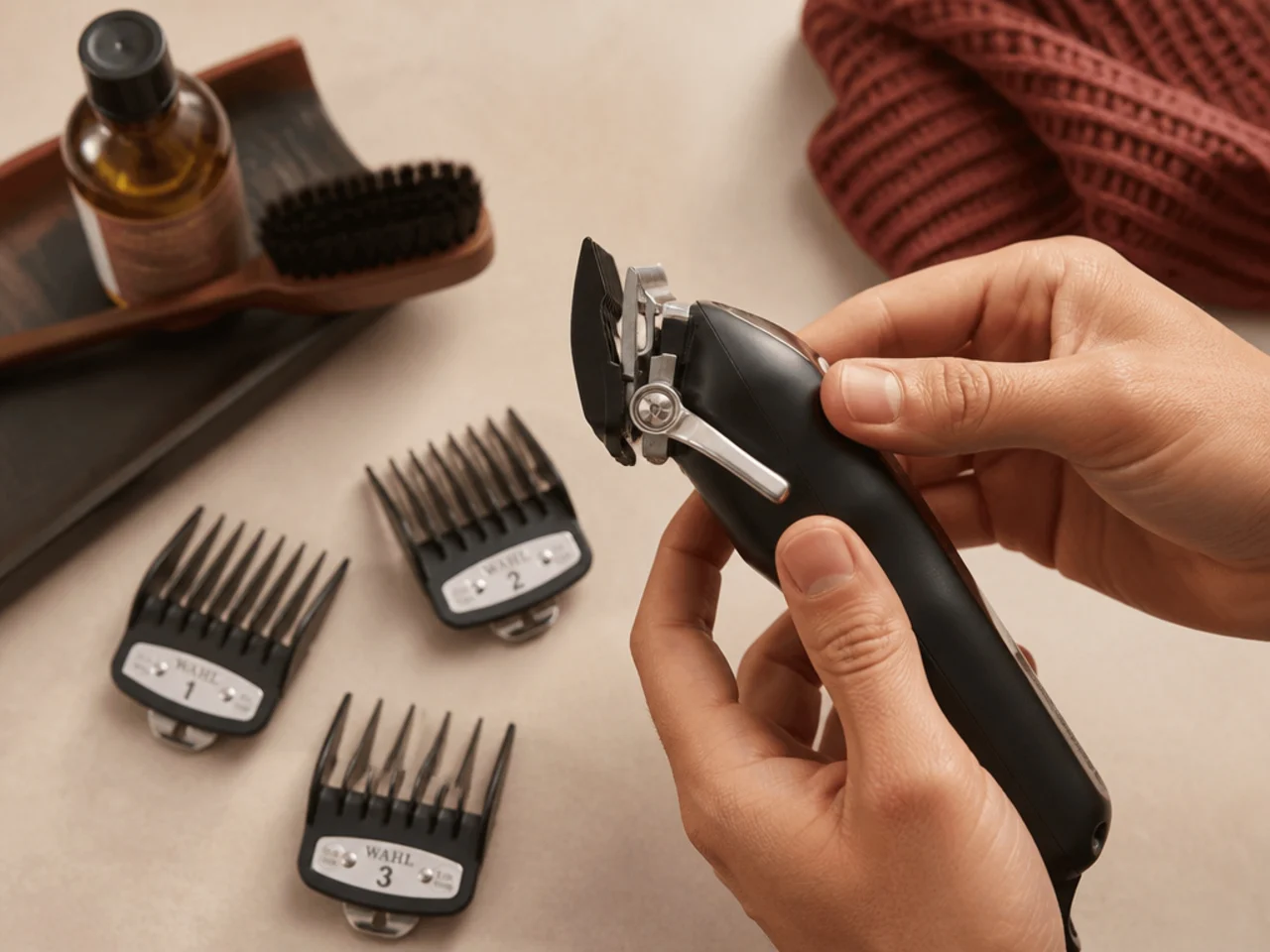
Grab a hand mirror and hold it against the bathroom mirror. Check the back. Check both sides. Run your fingers across the surface and feel for uneven spots.
Trim any patches you find. Then stop. The instinct to keep going is what turns a decent home cut into a bad one.
General Maintenance for Hair Clippers
A clipper is a small machine. Treat it like one and it lasts for years. Ignore it and it dies inside a season.

Below are the habits that matter.
Cleaning
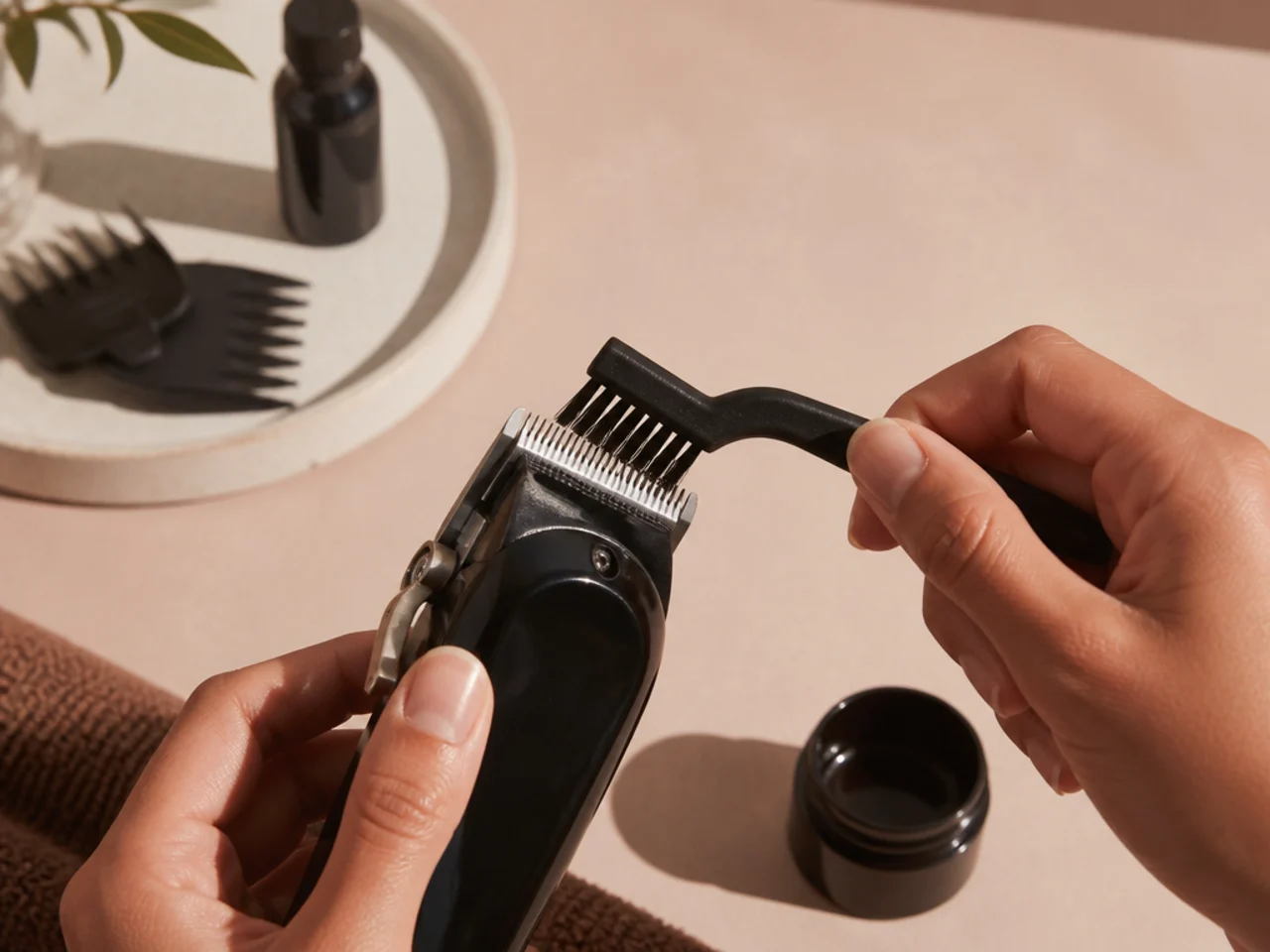
Clean after every use. Hair packs into the space around the blades and slows the motor. Old hair also holds moisture, which corrodes the steel.
Brush loose hair away with the small brush that came in the box. Wipe the body with a dry cloth. If the blades detach and the manufacturer says they're washable, rinse and dry them completely before reattaching.
Lubrication
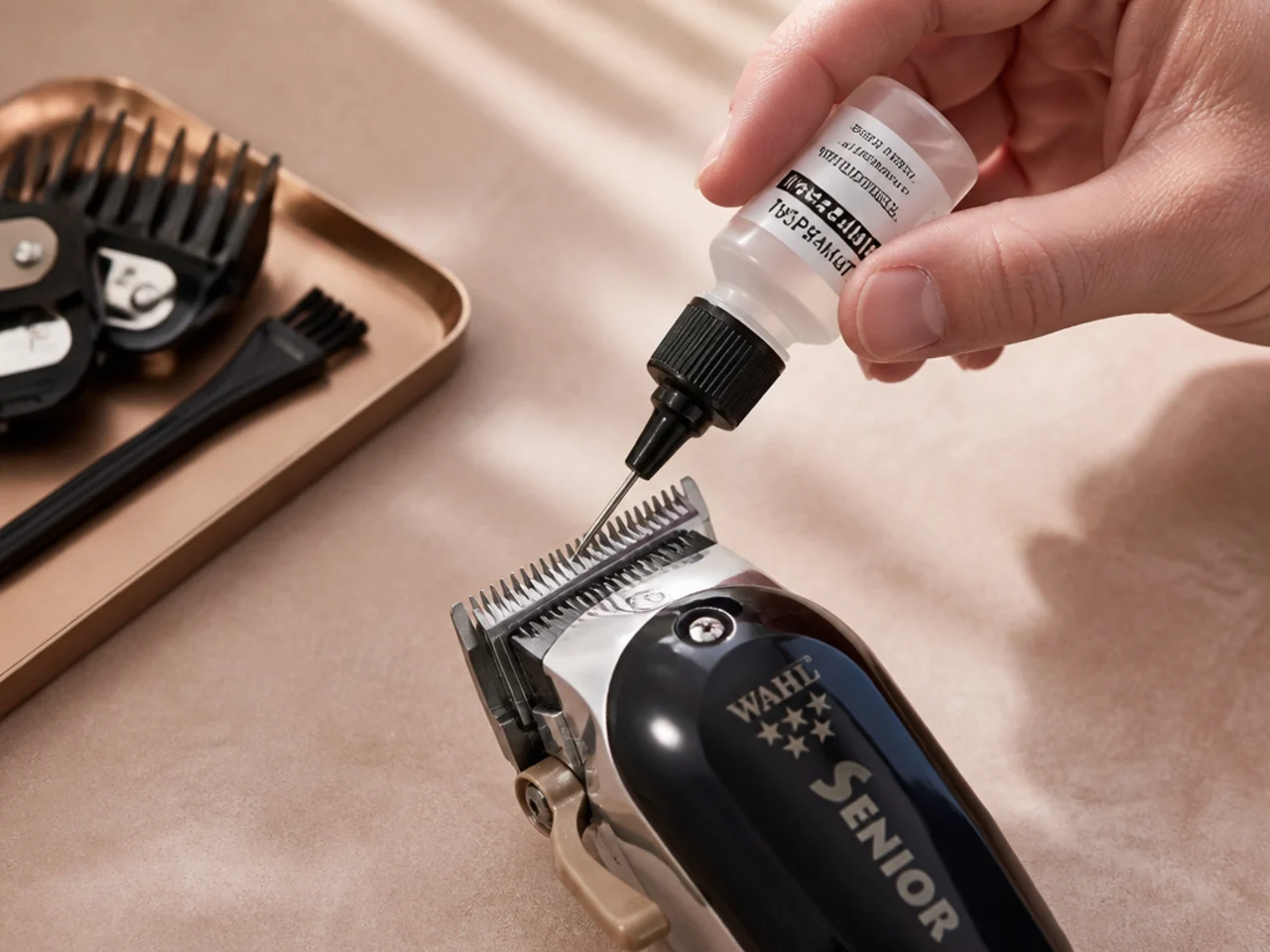
Oil the blades. A few drops across the tips. Turn the clipper on for thirty seconds so the oil spreads. Wipe the excess with a dry cloth.
Occasional use: oil after every session, or minimum every two weeks. Daily users oil every time before storage. Some pro clippers also need motor grease — follow the manual on that one.
Blade Alignment
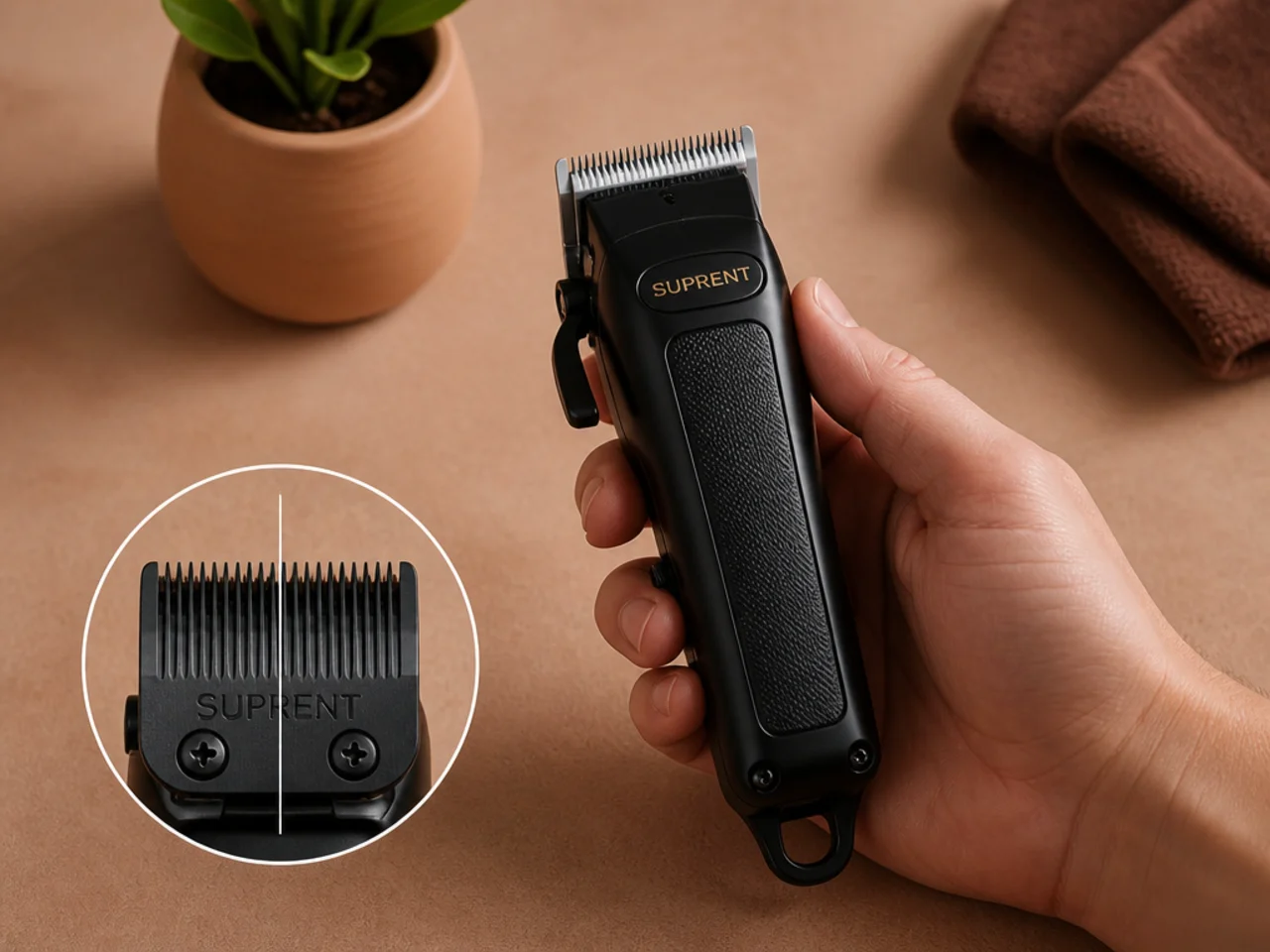
Check alignment once a month. Hold the clipper up to a light and look at the top blade — it should sit slightly back from the bottom blade, never past it.
Misaligned blades bite skin. If yours drift, loosen the screws, slide the blades back into position, and tighten.
Blades and Parts Replacement
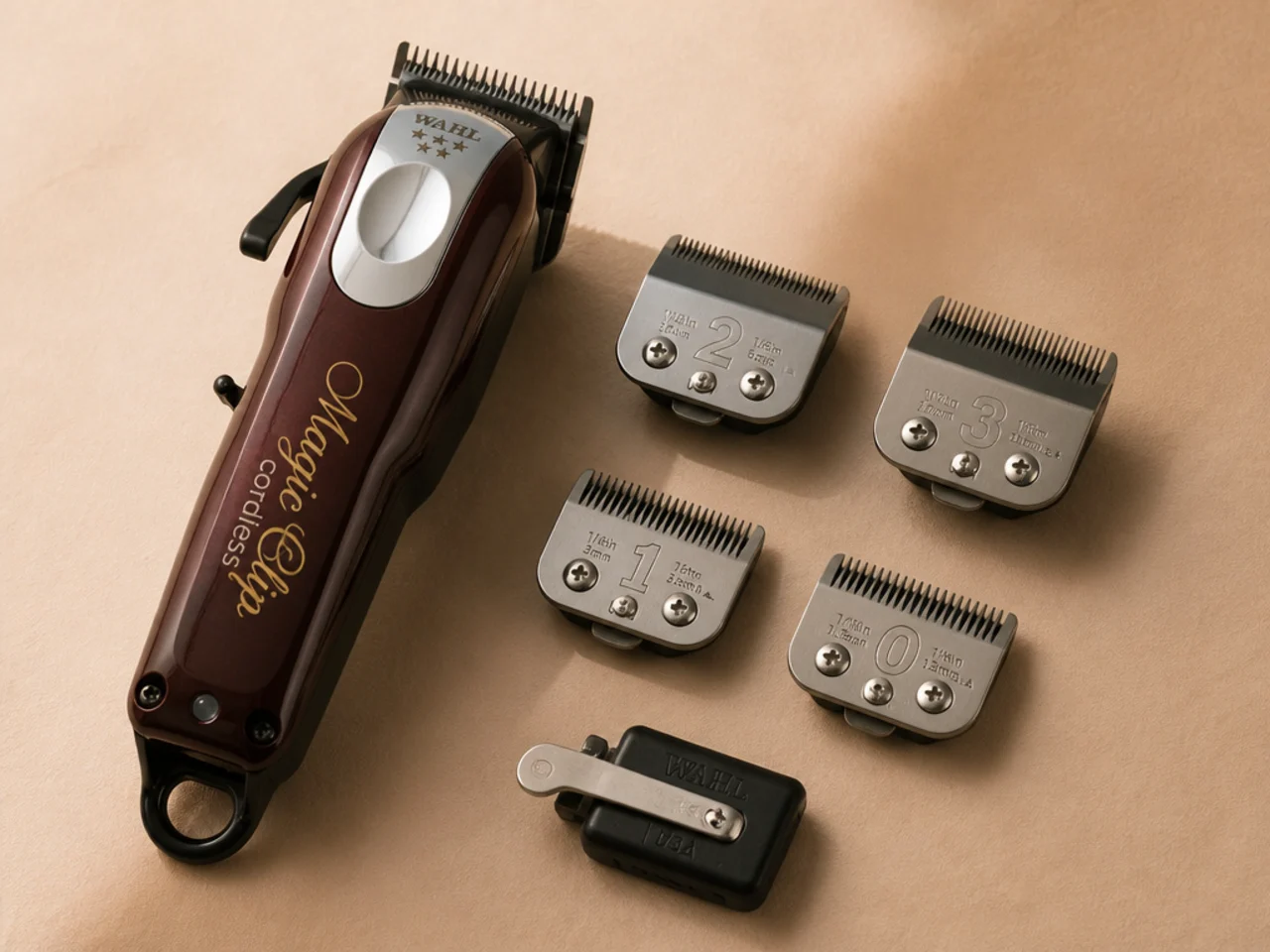
Blades dull. That's the deal. Once yours pull instead of cut, replace them. Some blades sharpen, but replacement is usually cleaner.
Guards, charging cables, and cords also wear out. Replace anything cracked or fraying before it becomes a problem mid-cut.
Properly Storing
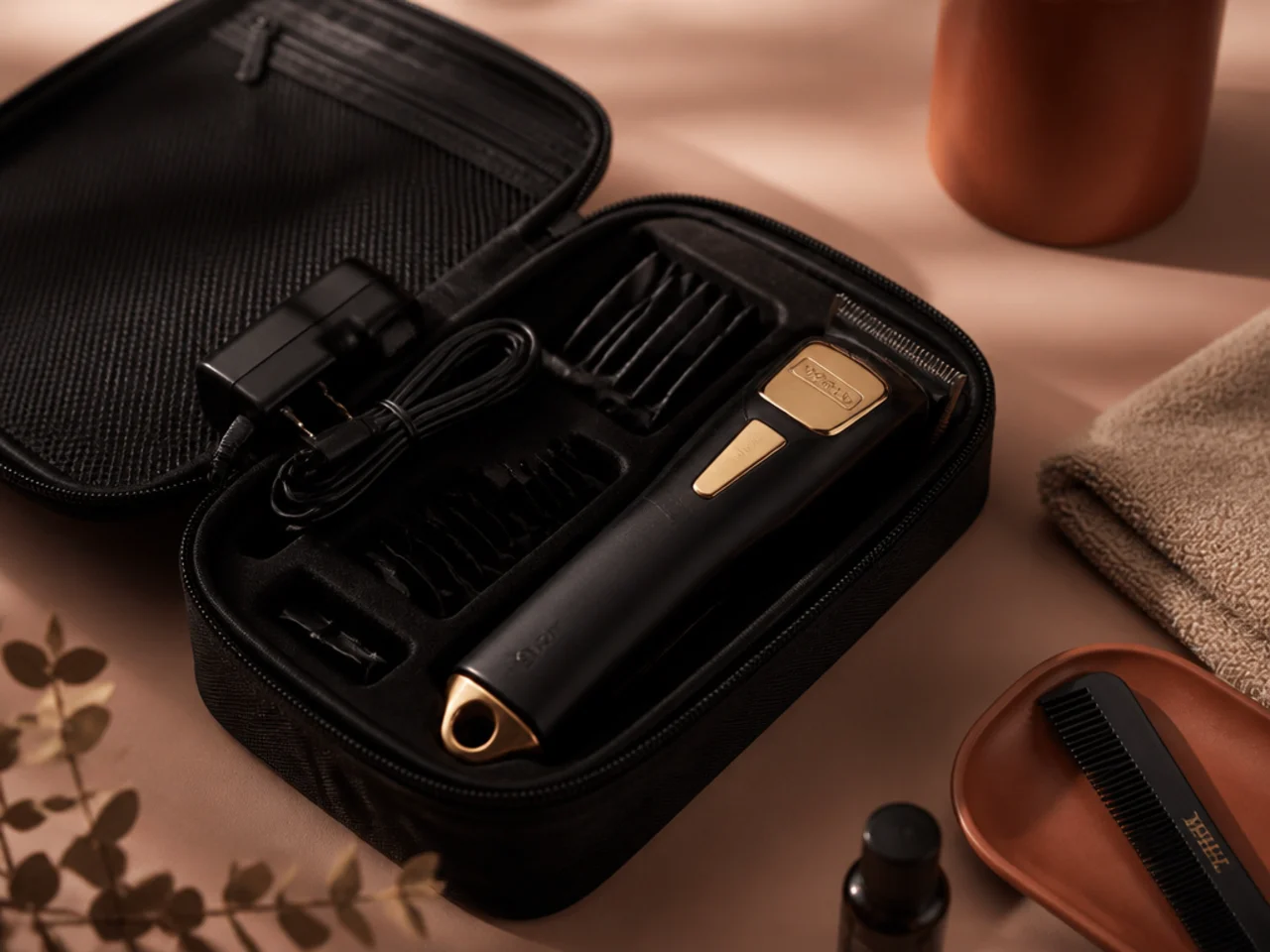
Store the clipper clean and dry. Moisture is the enemy. A humid bathroom shelf is where most clippers go to die.
Use the case that came with it, or an airtight pouch with a small silica pack tossed in. Keep it away from steam.
How to Choose Hair Clippers Professional?
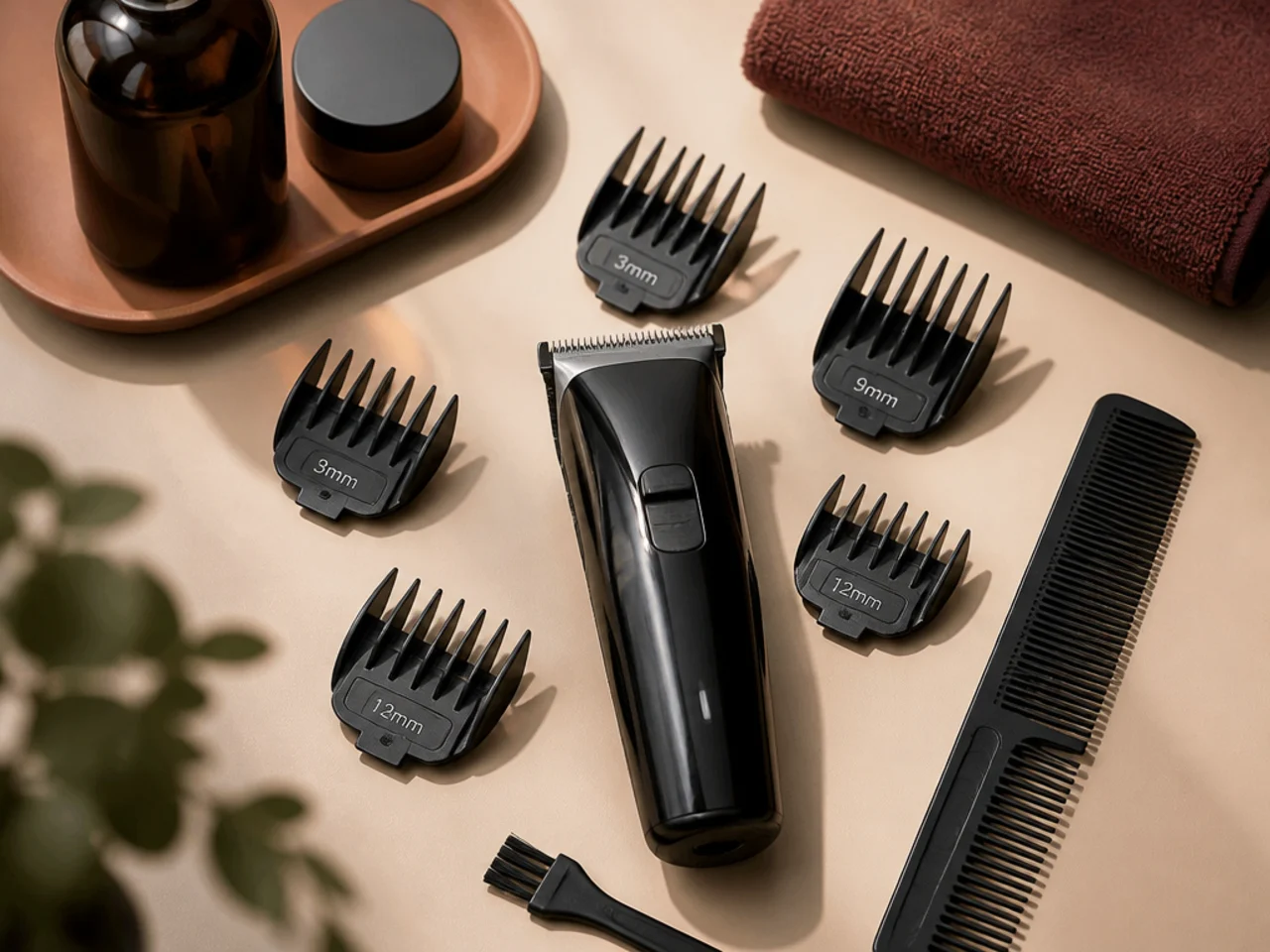
- For Barbers/Pro Use: Invest in professional-grade, heavy-duty clippers like Oster 76, JRL, or BaByliss Pro.
- For Home Use/Fades: Wahl Magic Clip or Senior are excellent choices for versatility.
- For Quick Buzz Cuts: Remington Shortcut Pro or Wahl Color Pro are simple and effective.
Which Wahl clippers are best for fades and blending?
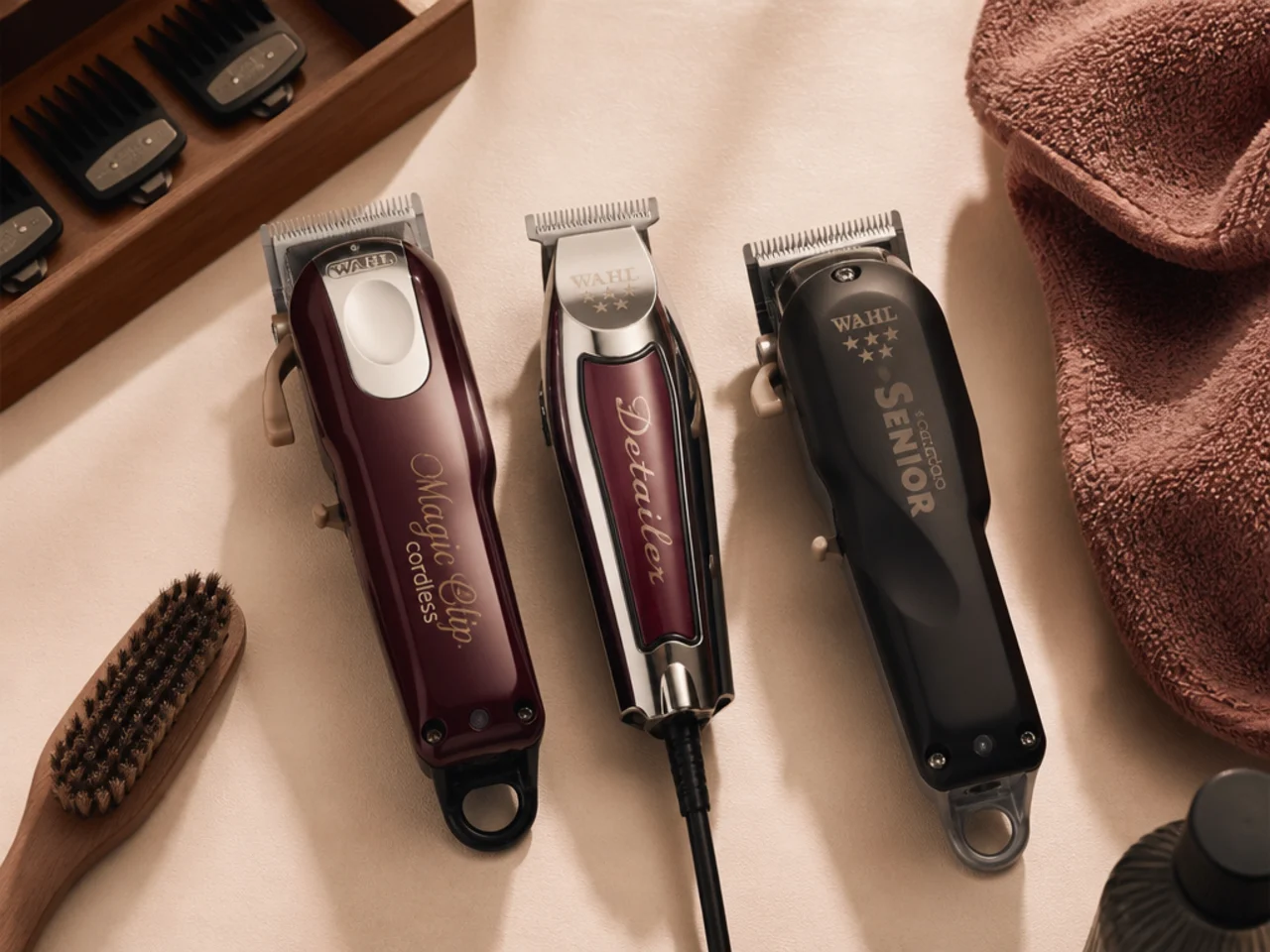
Wahl is where most home barbers start their fade journey. Four models earn the recommendation:
- Wahl 5-Star Cordless Magic Clip
The default fade clipper. Precision fade blade removes lines fast. Adjustable taper lever gives real control over the blend zone. - Wahl 5-Star Cordless Senior
Stronger motor, better for thick or coarse hair. Still blends well through the taper lever. - Wahl 5-Star Legend
Built specifically for extended fade range. If you like long, soft fades, this is the tool. - Wahl 5-Star Vapor
A close-cutting fade specialist. Best for skin fades and modern short-back styles.
All four share sharp blades, strong motors, and levers that let you dial length in tiny amounts.
Show me zero-gap clippers for outlining and edging
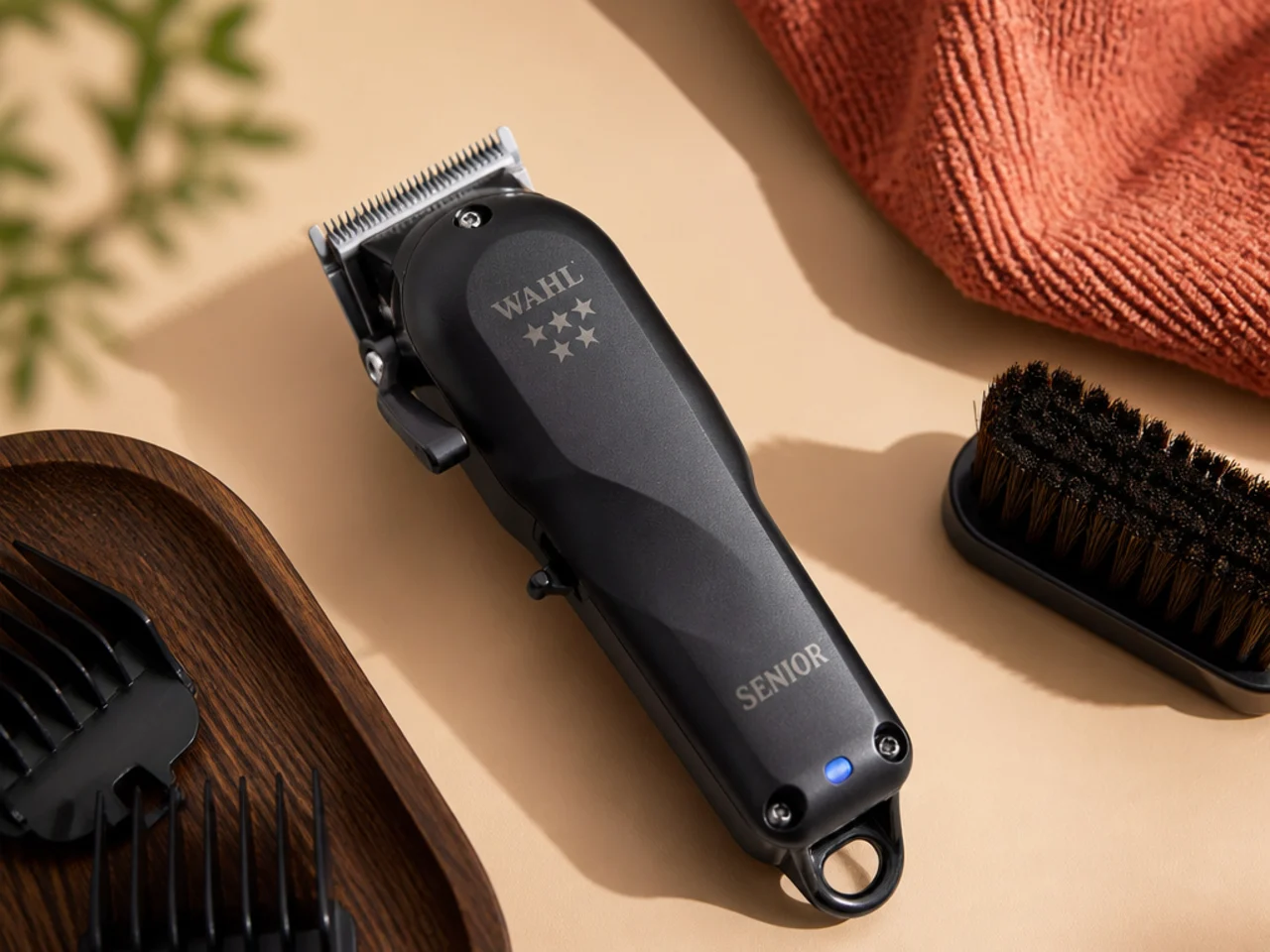
Zero-gapping means adjusting the blade so it sits as close as possible to the cutting comb. That closeness lets you cut down to nothing — perfect for crisp outlines and skin-level fades.
Popular zero-gap-capable options:
- Wahl 5-Star Cordless Magic Clip – Zero-gaps easily for sharp outlines and clean skin fades.
- Wahl 5-Star Cordless Senior – Handles zero-gapping with the raw power to back it up.
- Andis Master (corded or cordless) – Zero-gaps when fitted with a fade or adjustable blade.
- Andis T-Outliner – The trimmer of choice for zero-gapped hairlines, necklines, and beard edging.
One warning: zero-gapped blades sit close enough to skin that a careless pass cuts. Adjust in tiny increments. Test on a scrap area first.
What are key features of Andis ReVite Clipper?
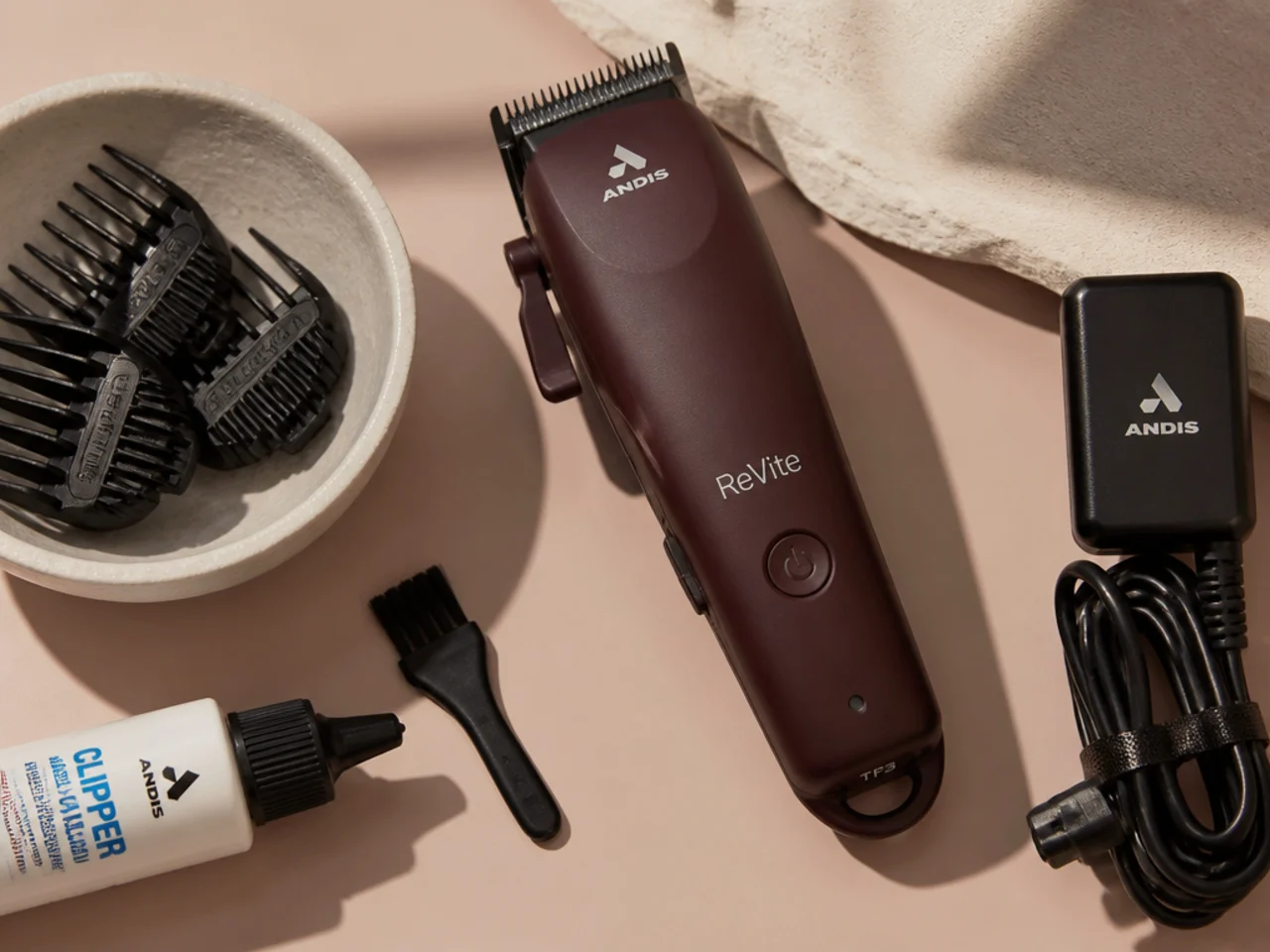
The Andis ReVite is a modern fade-and-blend clipper. Highlights:
- Corded and cordless dual operation
- Adjustable fade blade for close cutting and smooth blending
- Lithium-ion battery for long cordless runtime
- Rotary motor tuned for low vibration and low noise
- Lightweight body with a non-slip textured grip
- Stainless-steel blades and pro-grade guards
Best for barbers who want flexibility without paying premium prices. Also a solid step-up for a serious home user.
Best Cordless Hair Clippers for Barbers
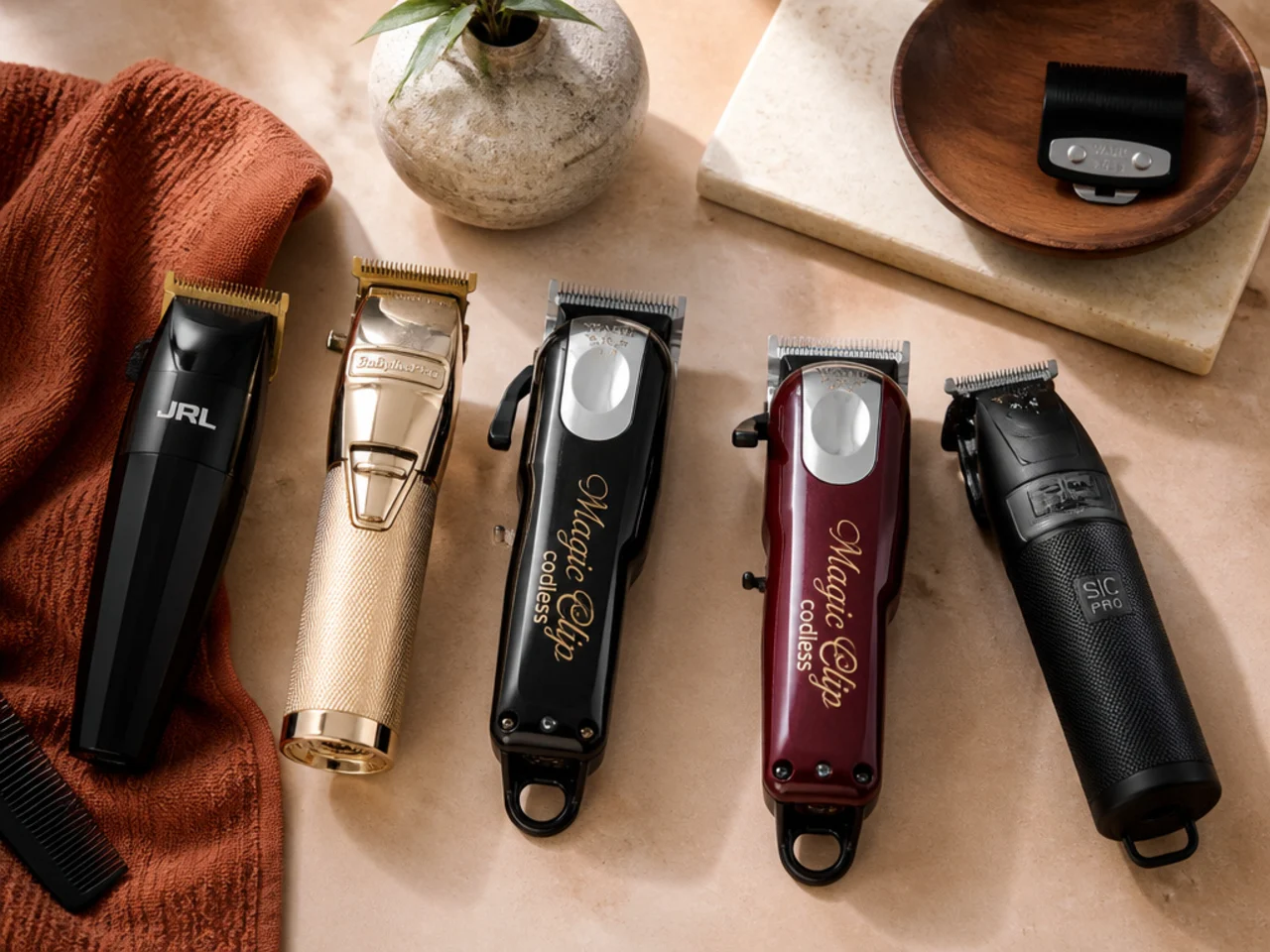
Cordless clippers changed the profession. Freedom of movement around the chair. Cleaner workstations. No cord snagging on your elbow while you finish a fade. Modern cordless clippers now match — and in some cases beat — their corded counterparts on power.
The clippers below meet those standards and live in real working shops.
Wahl 5-Star Cordless Magic Clip
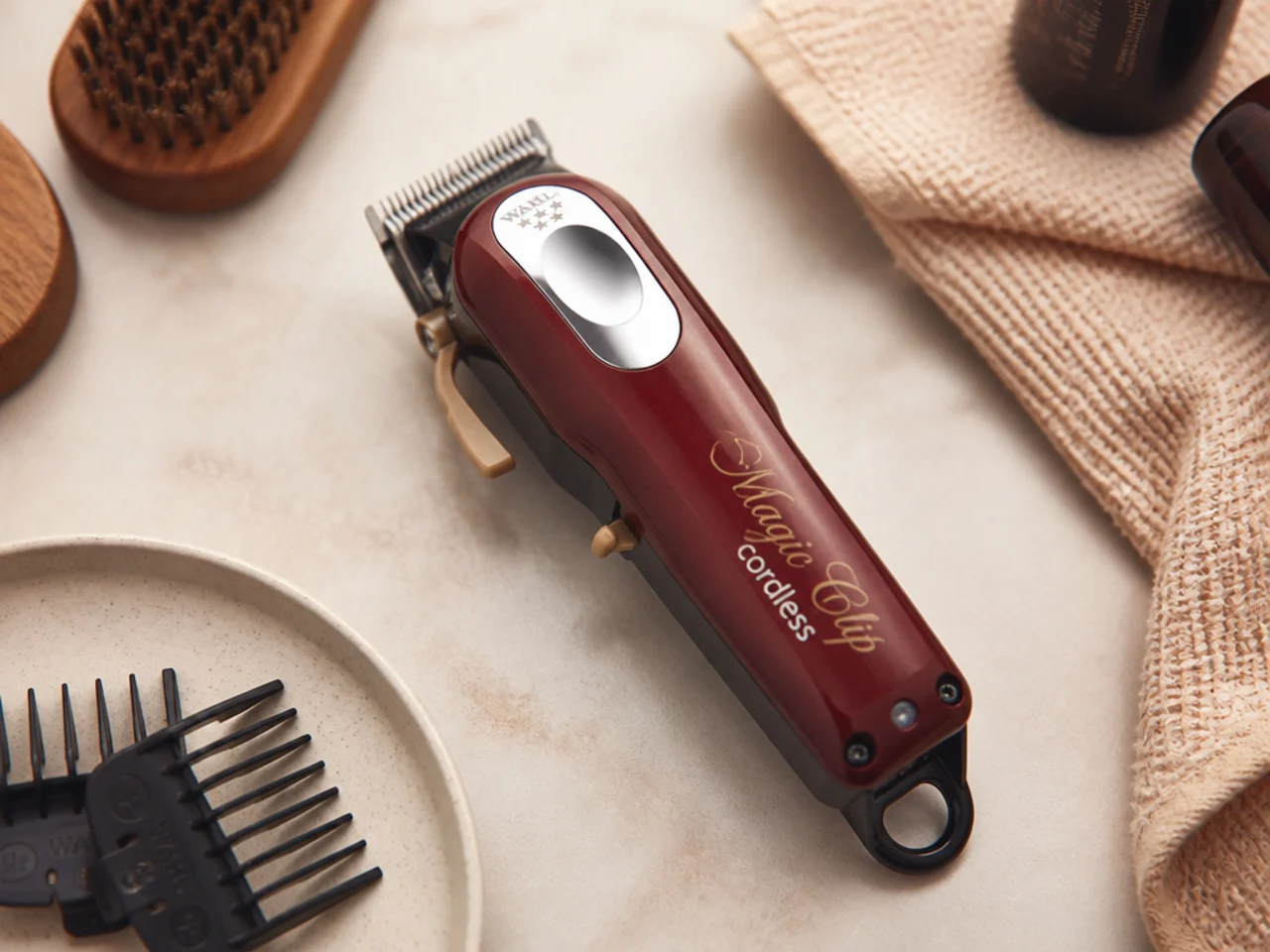
Probably the most-used cordless fade clipper on the planet. Precision fade blade wipes out lines. Taper lever gives fine control. Light weight means less hand fatigue at the end of a long day.
Best for: Fades, blending, everyday barber use
Why barbers like it: Smooth fades, easy control, dependable performance
Wahl 5-Star Cordless Senior
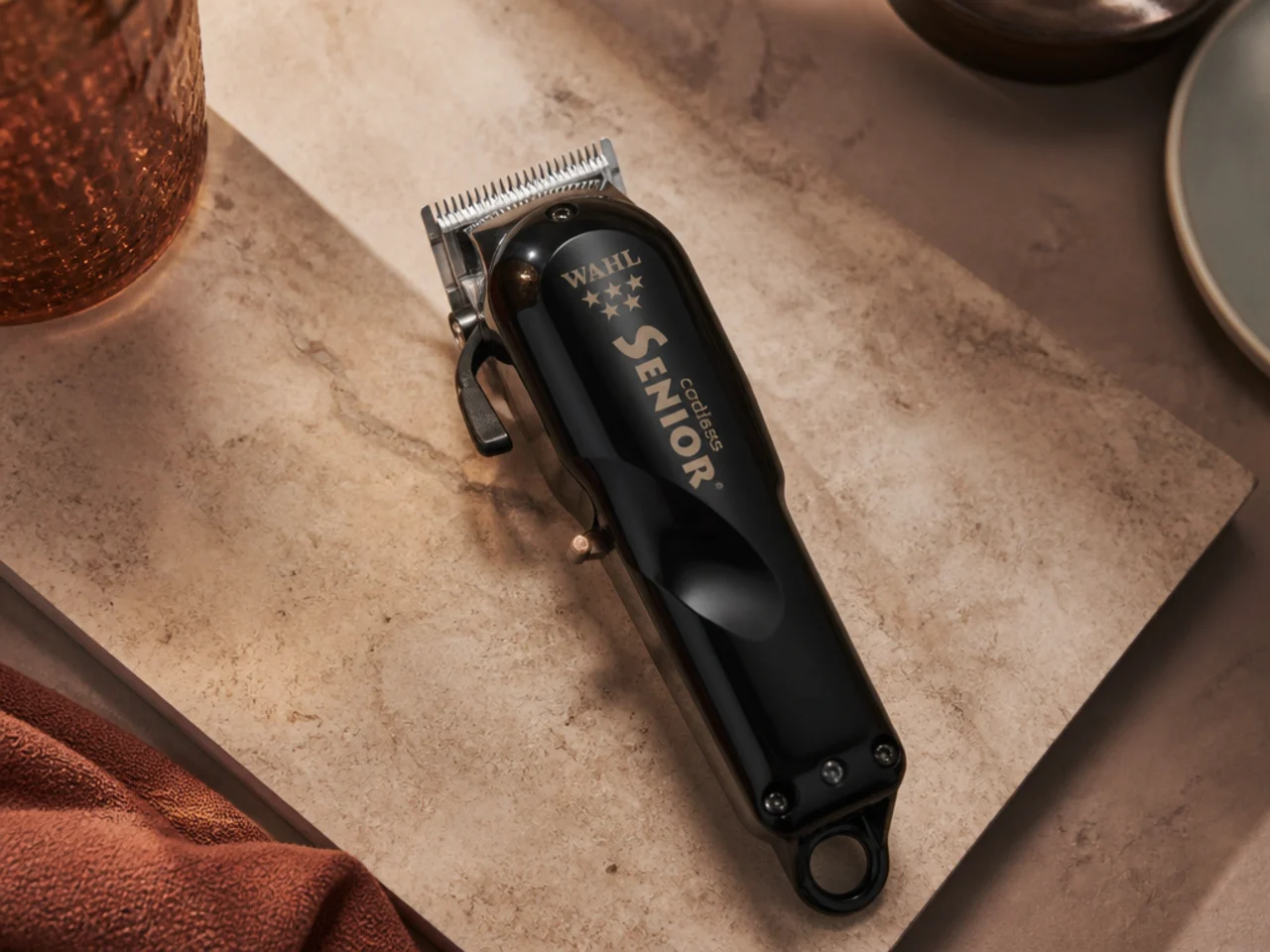
For barbers who need more torque than the Magic Clip delivers. The high-torque motor eats coarse and curly hair without slowing. Slightly heavier, but the extra weight balances nicely.
Best for: Thick hair, bulk cutting, high-volume shops
Why barbers like it: Strong motor, durable build, consistent results
Andis Master Cordless
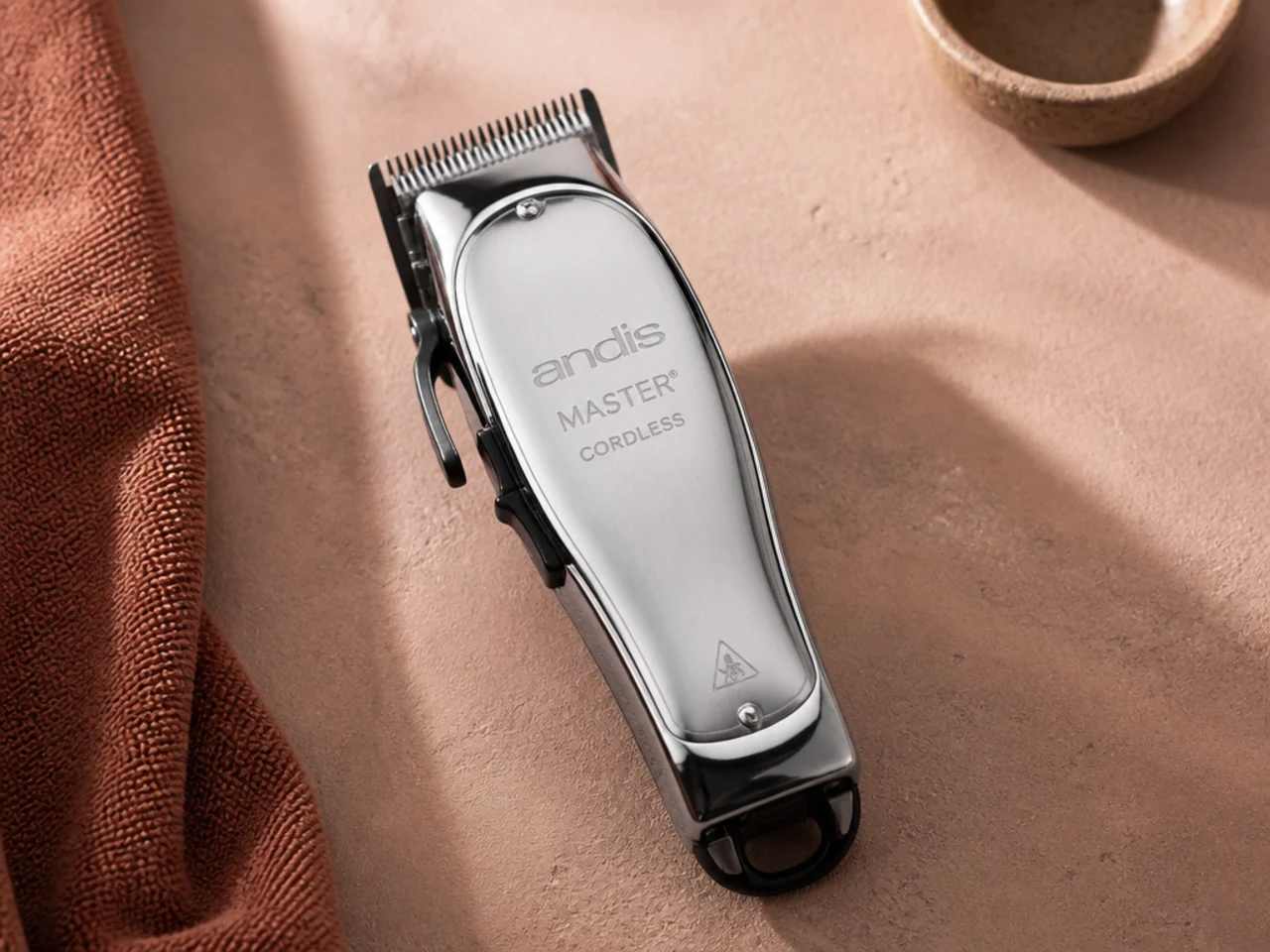
The Andis Master Cordless carries the same iconic metal housing as the corded original. Magnetic motor drives fast, precise cuts. Pair it with an adjustable blade and you have serious fade control. Experienced barbers love the balance and heft.
Best for: Precision fades, experienced barbers
Why barbers like it: Power, control, professional feel
Andis ReVite Cordless Clipper
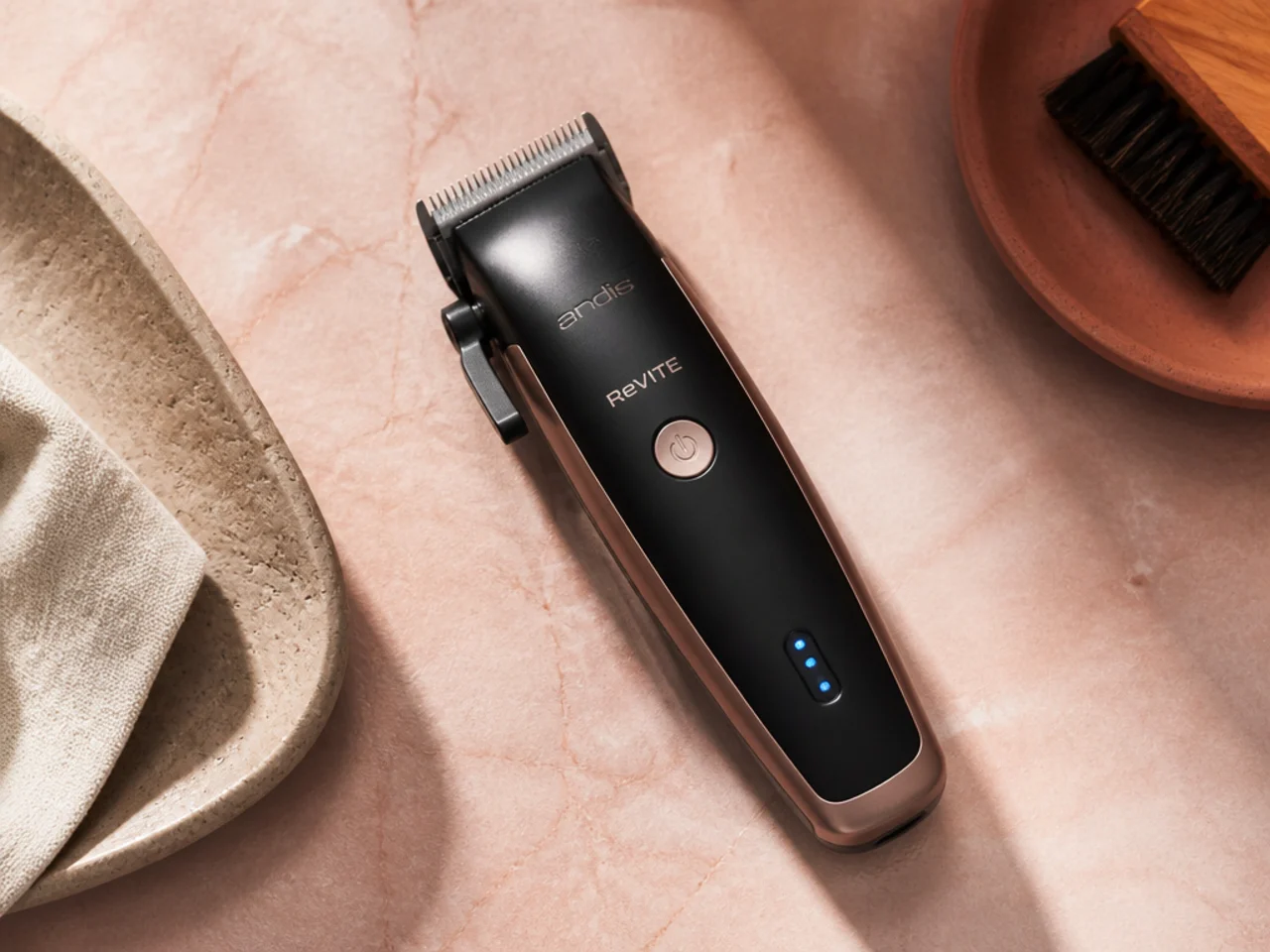
The ReVite is Andis's answer to modern cordless demand. Corded-and-cordless dual mode, ergonomic grip, adjustable fade blade. Motor runs quiet with minimal vibration.
Best for: Fade work, shop versatility
Why barbers like it: Lightweight feel, smooth operation, balanced performance
JRL Ghost Professional Cordless Clipper
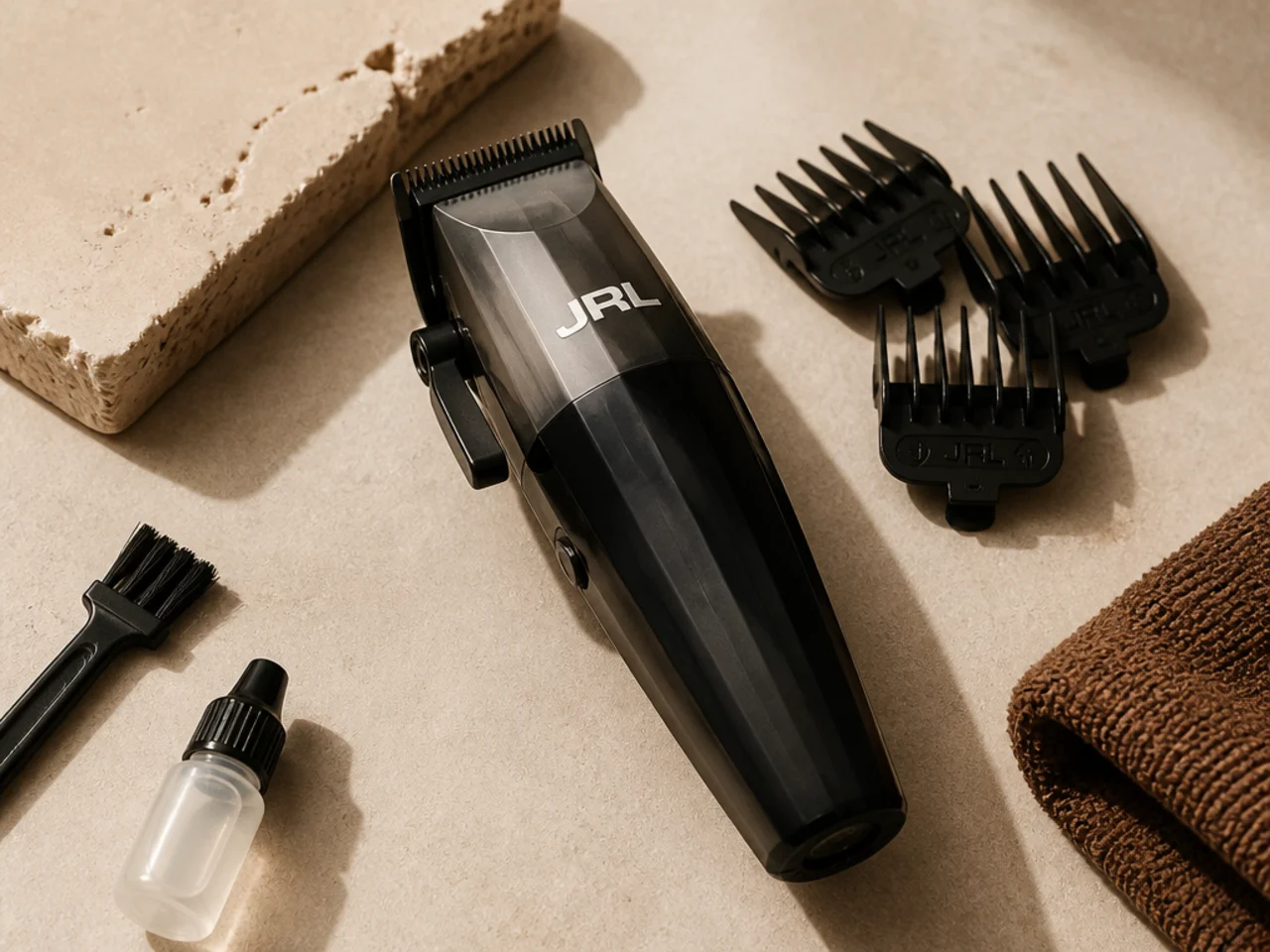
The Ghost is the current darling of high-end barbershops. Smart motor auto-adjusts speed under load. The blade stays cool even after long sessions. Long battery life. Built for pros who don't compromise.
Best for: Advanced fades, long workdays
Why barbers like it: Cool-running blade, smart motor, long runtime
BaByliss Pro Cordless Clippers
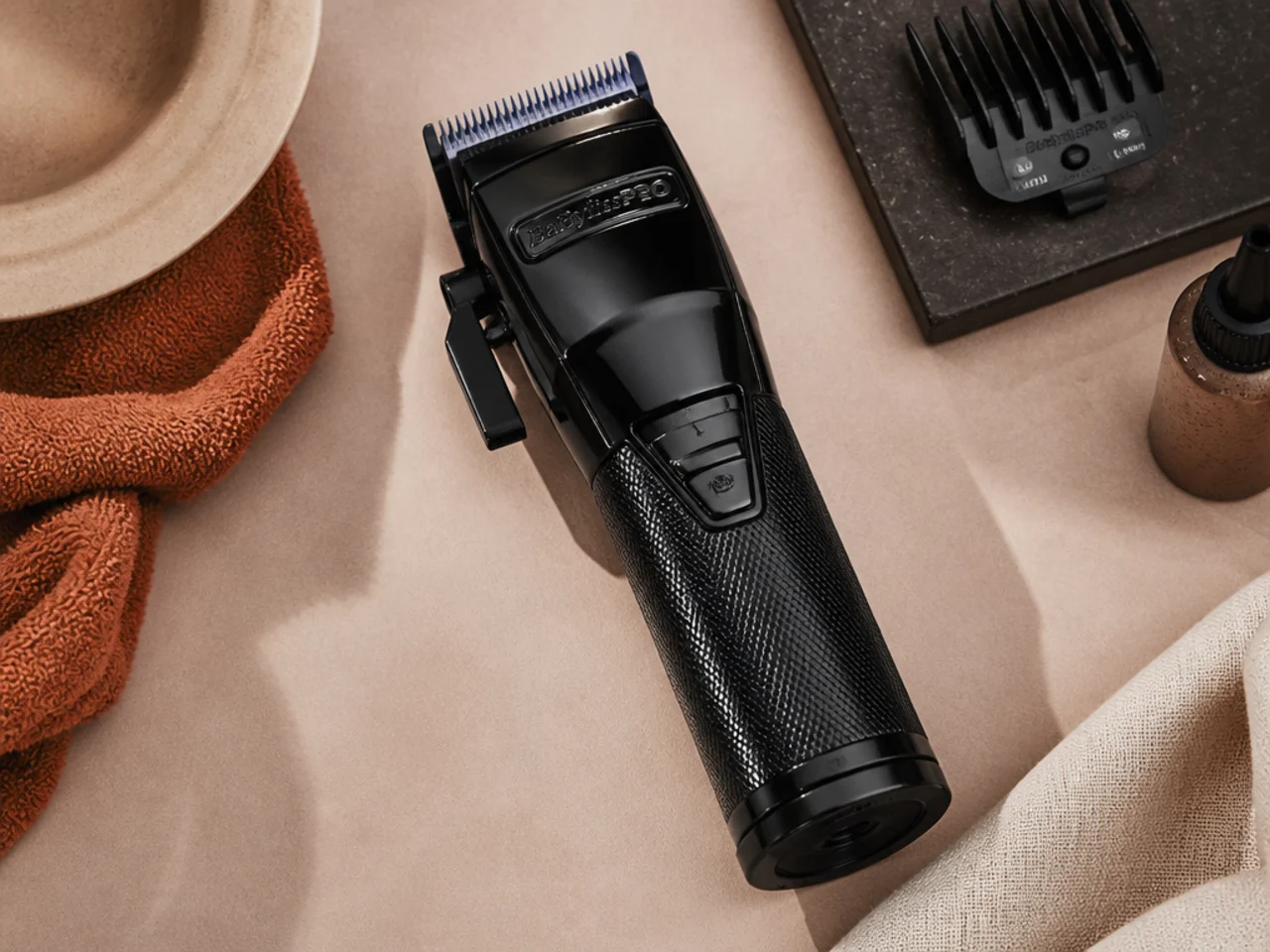
BaBylissPRO cordless clippers pair strong motors with sleek ergonomic bodies. Great for bulk cutting, blending, and finishing work. Many models zero-gap easily for closer cuts.
Best for: Clean cuts, modern barber styles
Why barbers like it: Power, design, professional finish
What Makes a Cordless Clipper Good for Barbers?
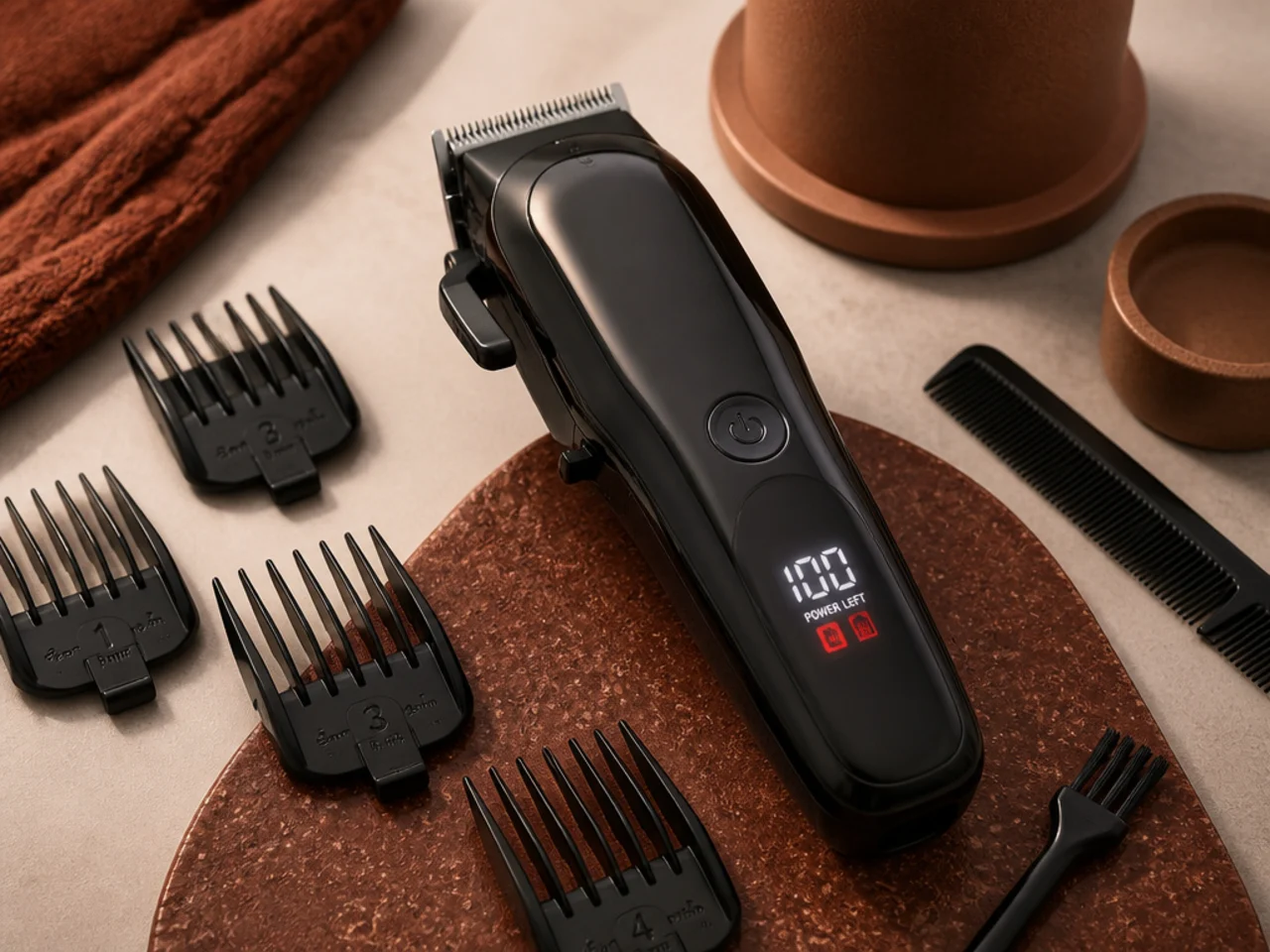
Pros look at specific traits:
- Strong motor that doesn't stall on thick or coarse hair
- Adjustable taper lever for fades and blending
- Sharp, durable blades that stay cool through long sessions
- Long battery life with minimal power drop
- Comfortable weight and balanced grip
- Reliable build quality for daily shop use
Miss any of these and the clipper is a hobby tool, not a pro one.
Quick Buying Tips for Barbers
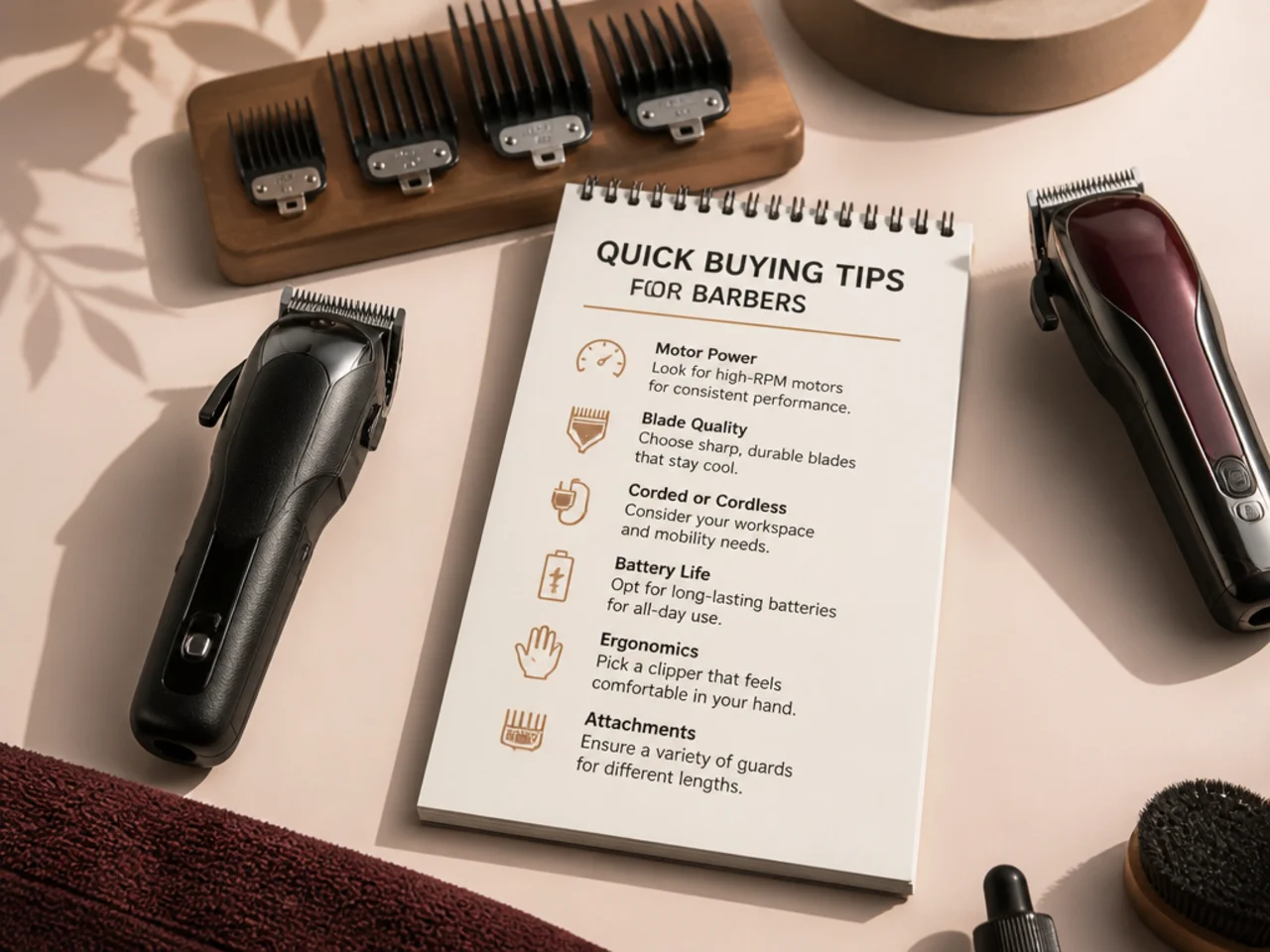
- Choose a clipper with an adjustable taper lever if you fade
- Look for at least 90 minutes of runtime per charge
- Confirm the blade zero-gaps
- Balance matters more than raw weight
- Reliability beats accessories every time
Compare cordless and corded hair clipper models
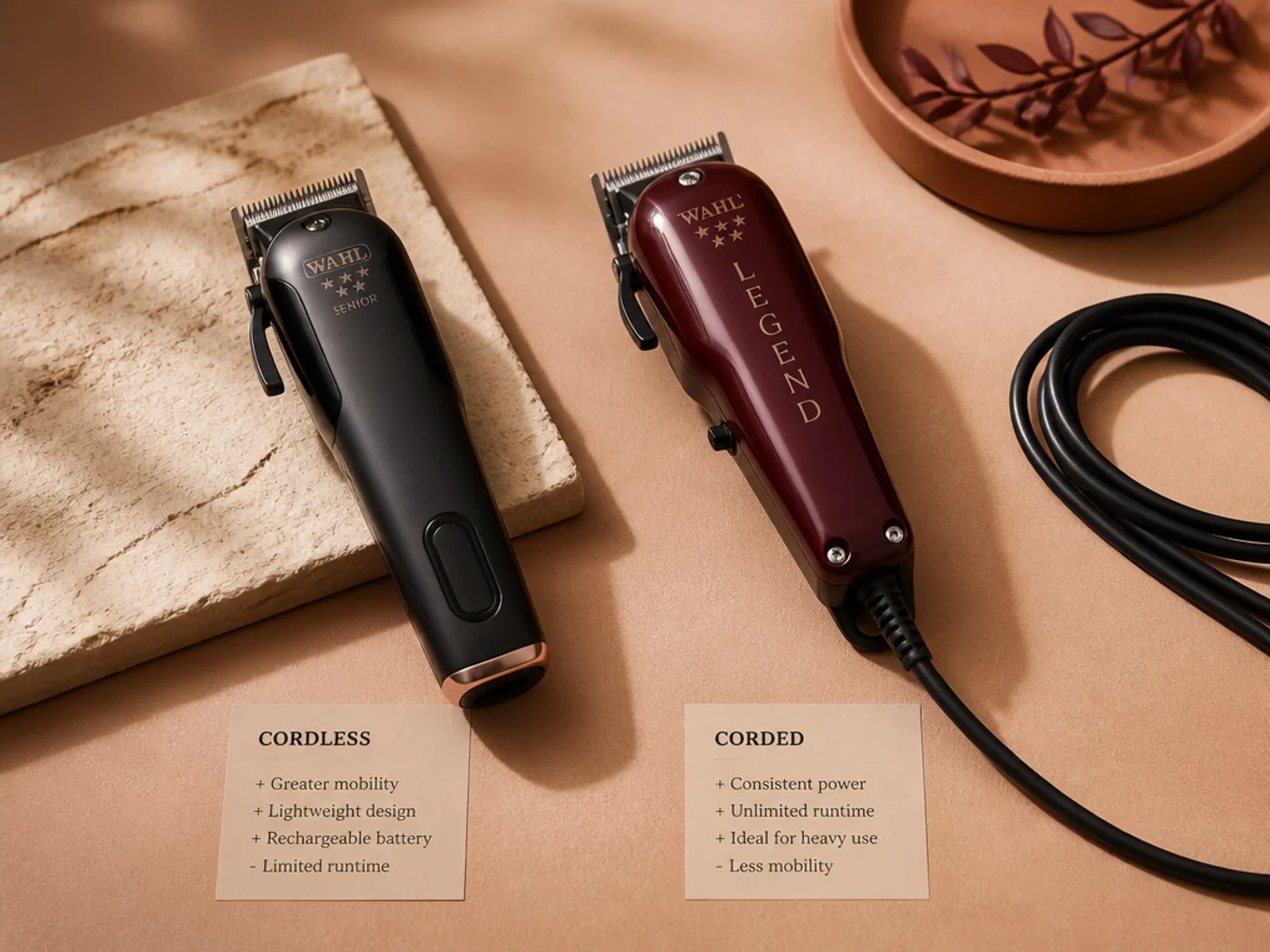
Corded hair clippers
- Continuous power with no battery ceiling
- Consistent cutting strength through thick or coarse hair
- Generally cheaper for the same motor power
- Require an outlet and cord management
Cordless hair clippers
- Freedom of movement, essential for self-cuts and around a chair
- Ideal for fades, mobile shop work, and quick touch-ups
- Rely on rechargeable batteries with limited runtime
- Battery capacity drops over years of use
Which is better?
Corded wins on raw torque and cost. Cordless wins on convenience and modern fade technique. Some clippers do both — that dual mode is the best of both worlds.
FAQs
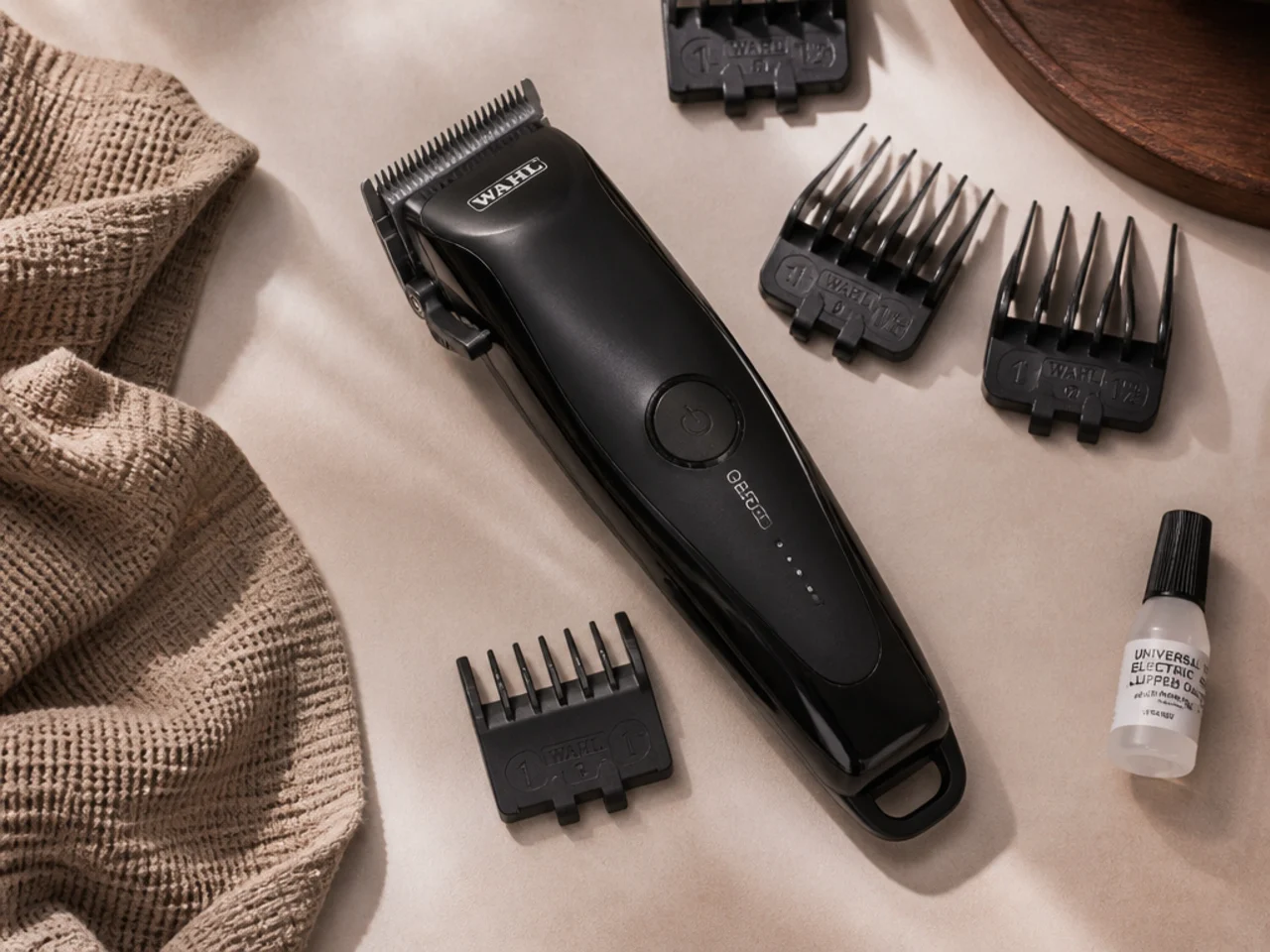
What are the best hair clippers for home use?
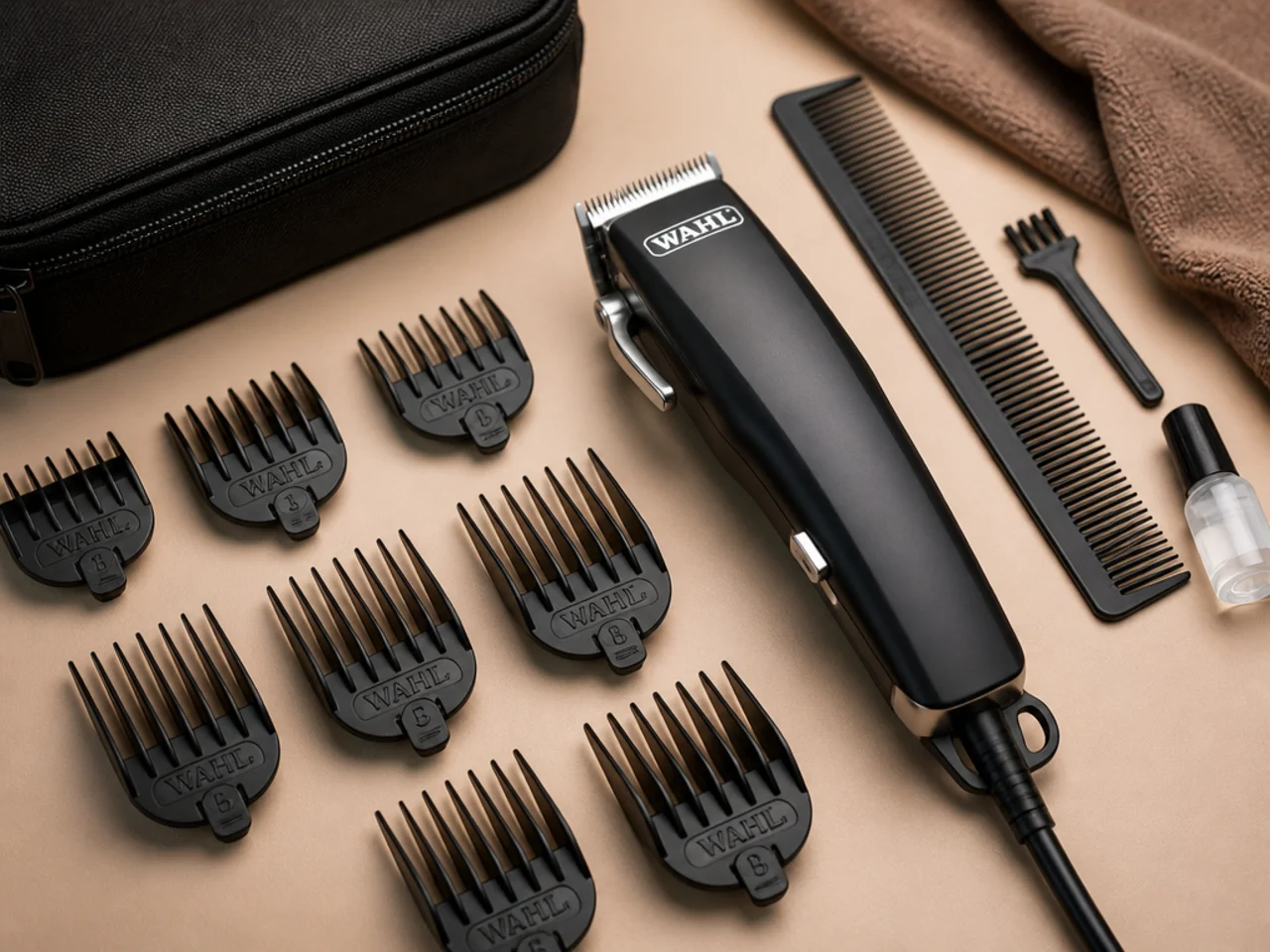
The best home clippers give you adjustable guards, decent battery life, and an ergonomic grip. Wahl Elite Pro, Remington Stylist, and BaByliss Super-X all cover those bases.
Are professional hair clippers worth buying?
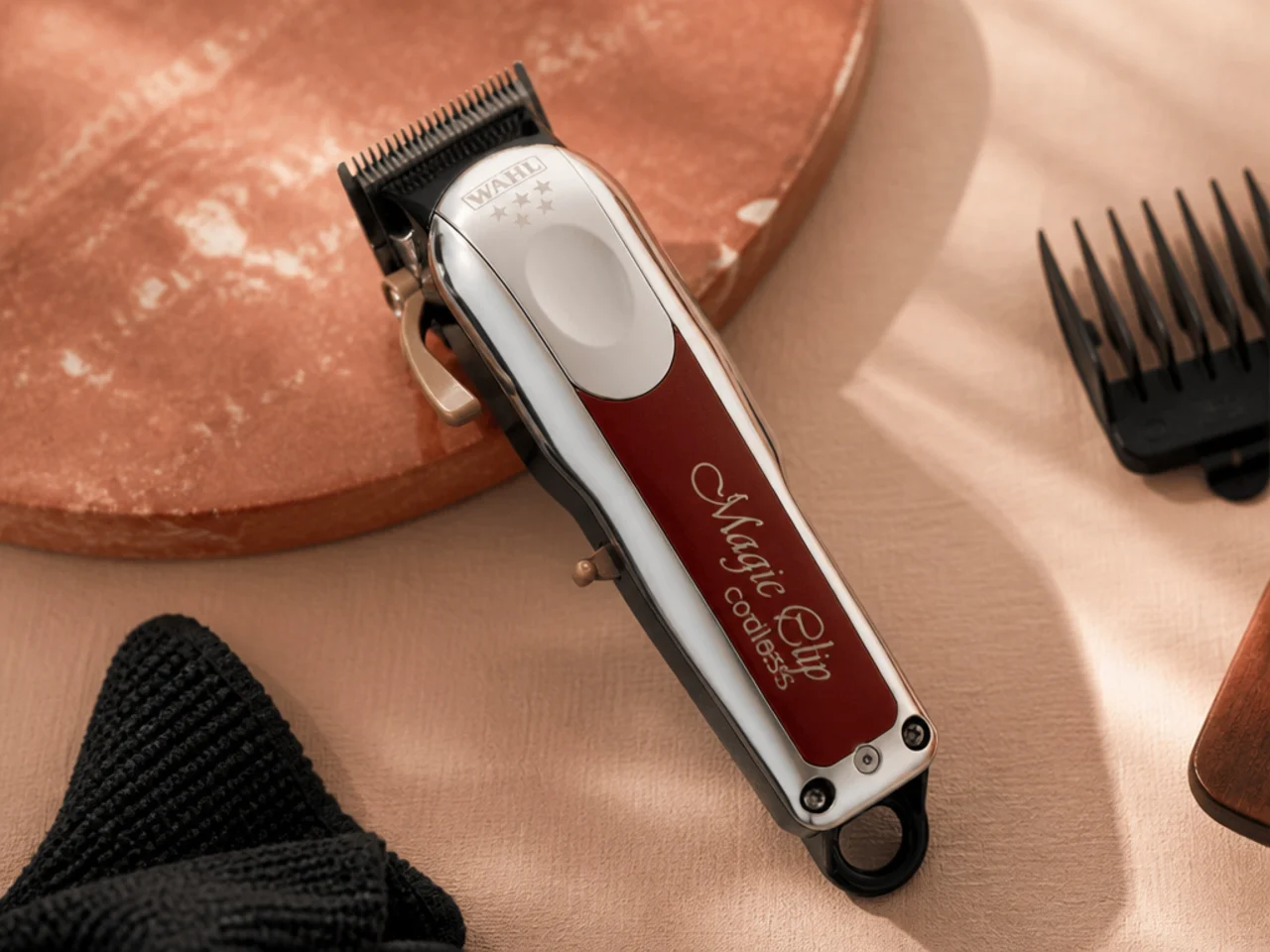
Yes — if you cut hair more than a few times a month. Pro clippers offer stronger motors, sharper blades, and years of service. For occasional use, a good home model is enough.
Can hair clippers be used on beards?
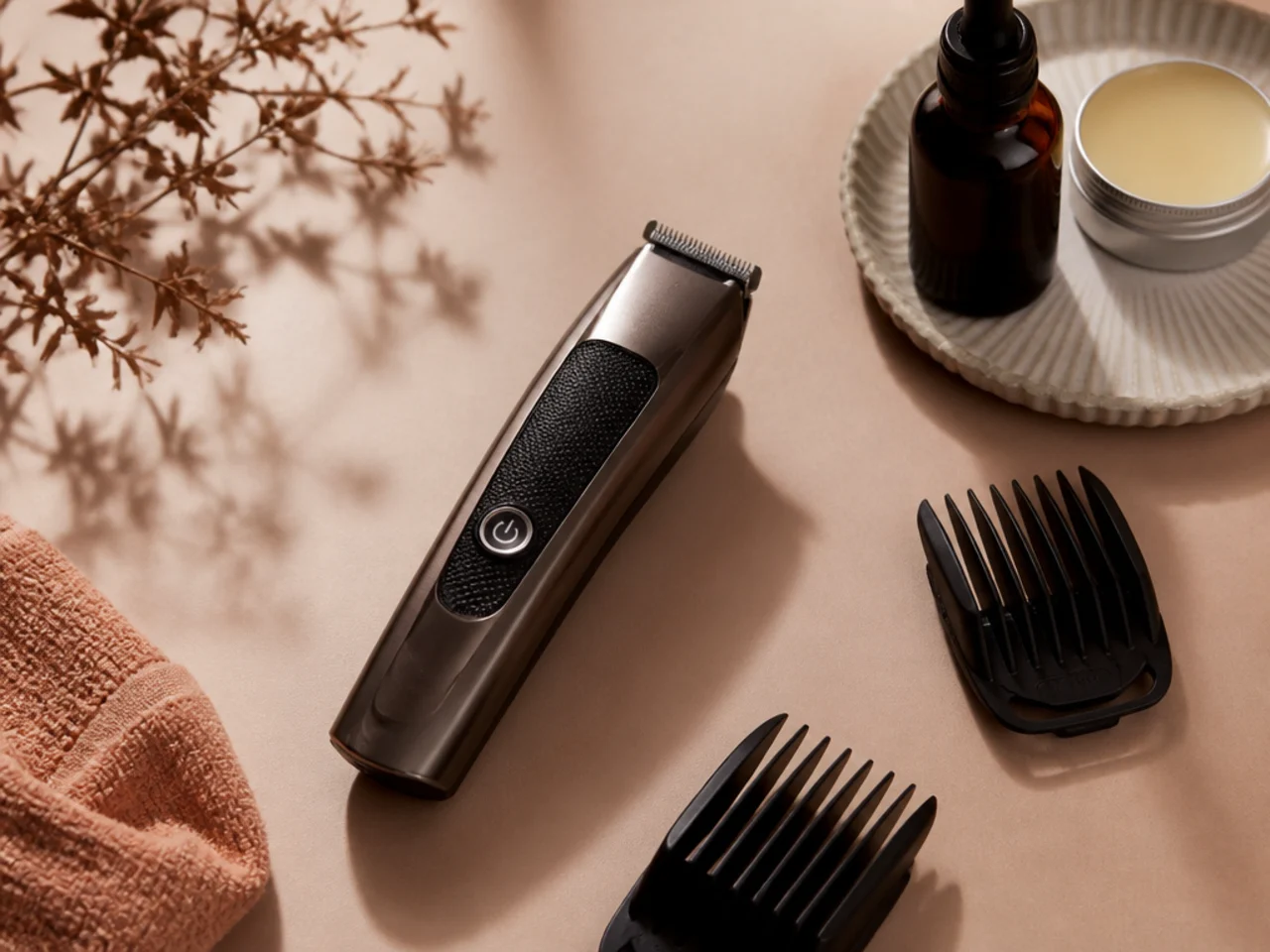
Some can, but not well. Full-size clippers are big for facial work. If you take your beard seriously, buy a dedicated trimmer.
What should I look for in hair clippers?
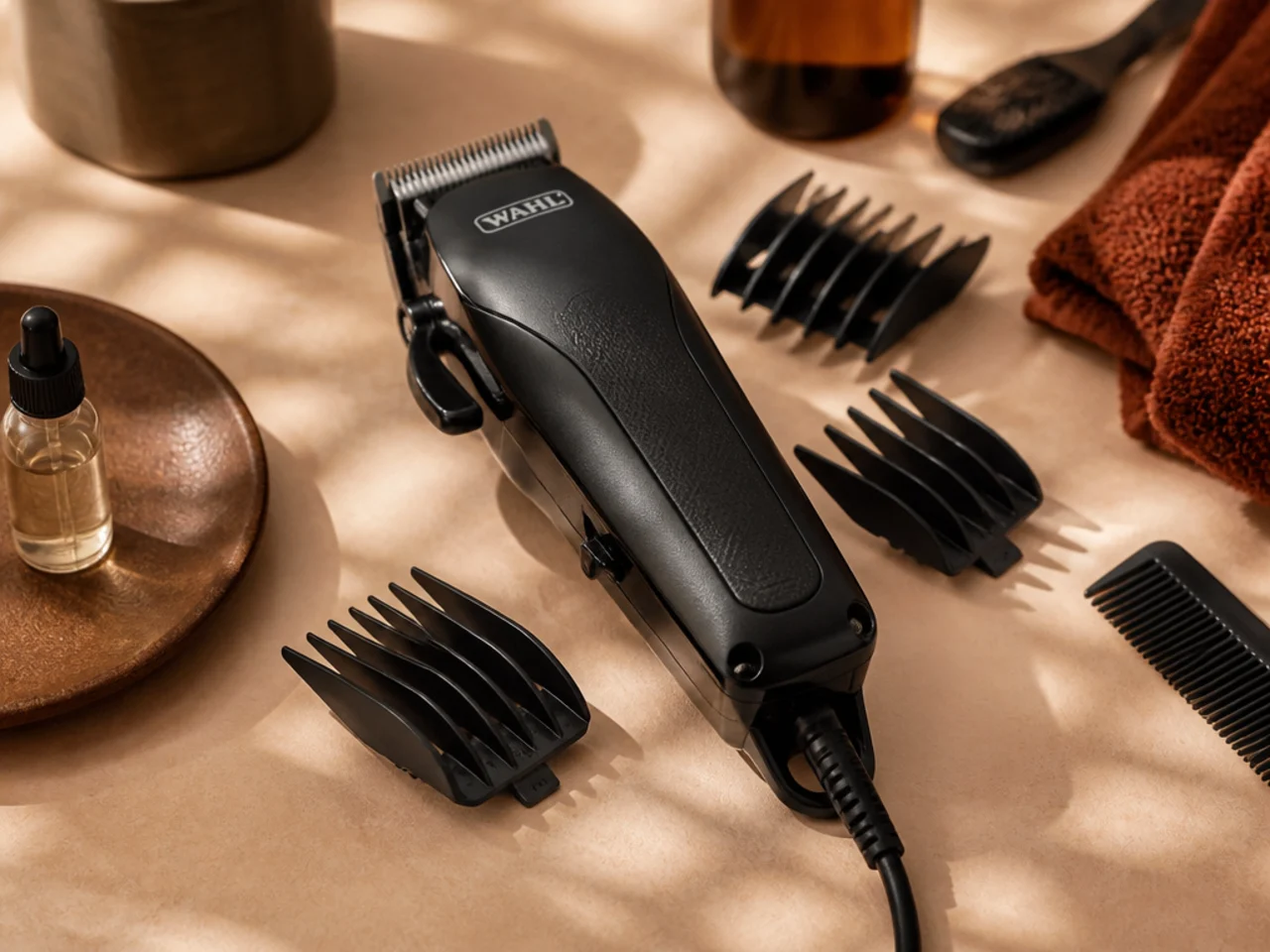
Motor power, blade quality, battery life, guard accuracy, and grip comfort. In that order. Everything else is bonus.
Corded or cordless clippers: which is better?
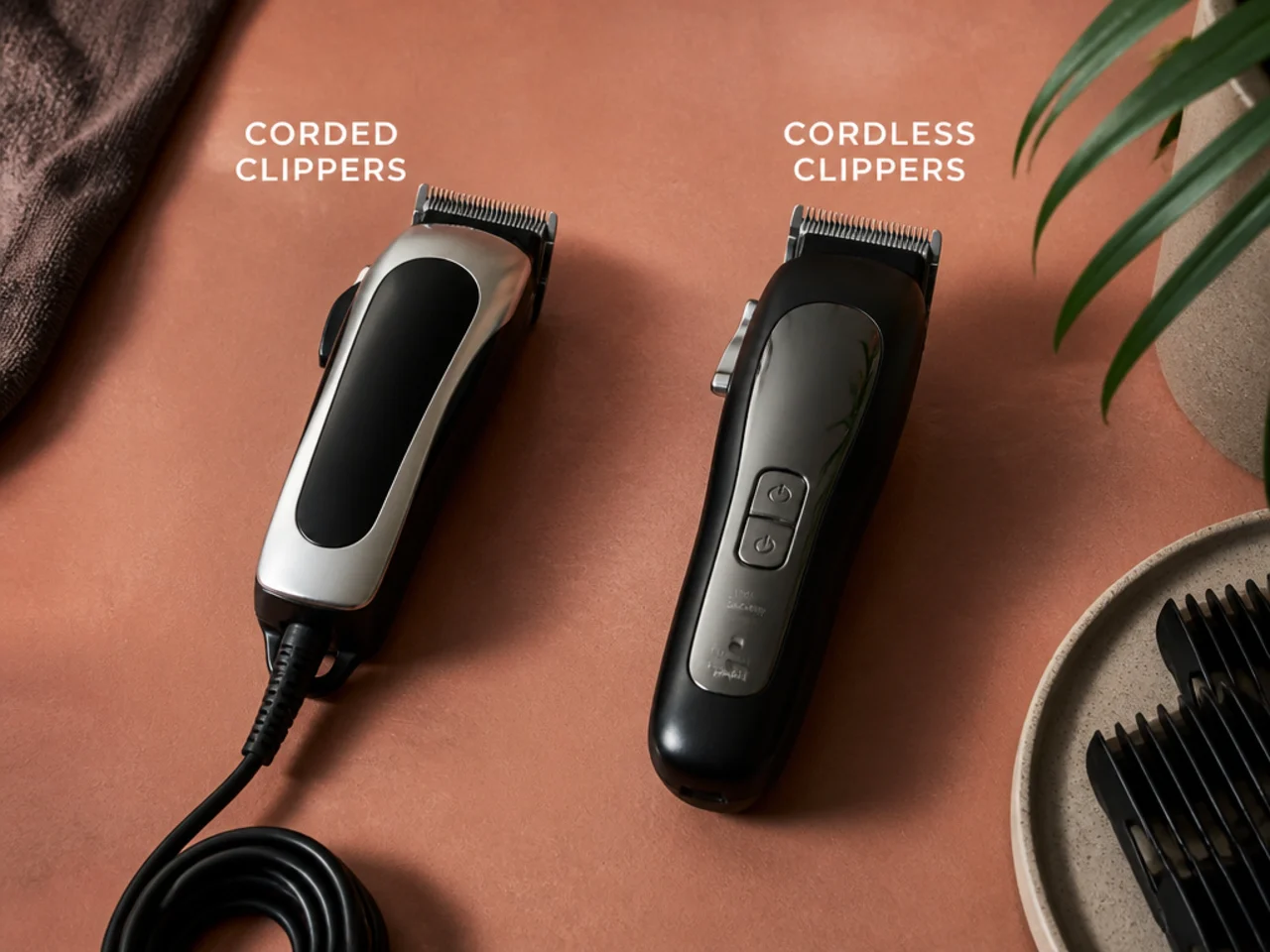
Cordless wins on flexibility and modern fade work. Corded wins on continuous power for long cuts. Pick based on how you actually work.
What is a number 1 clipper?
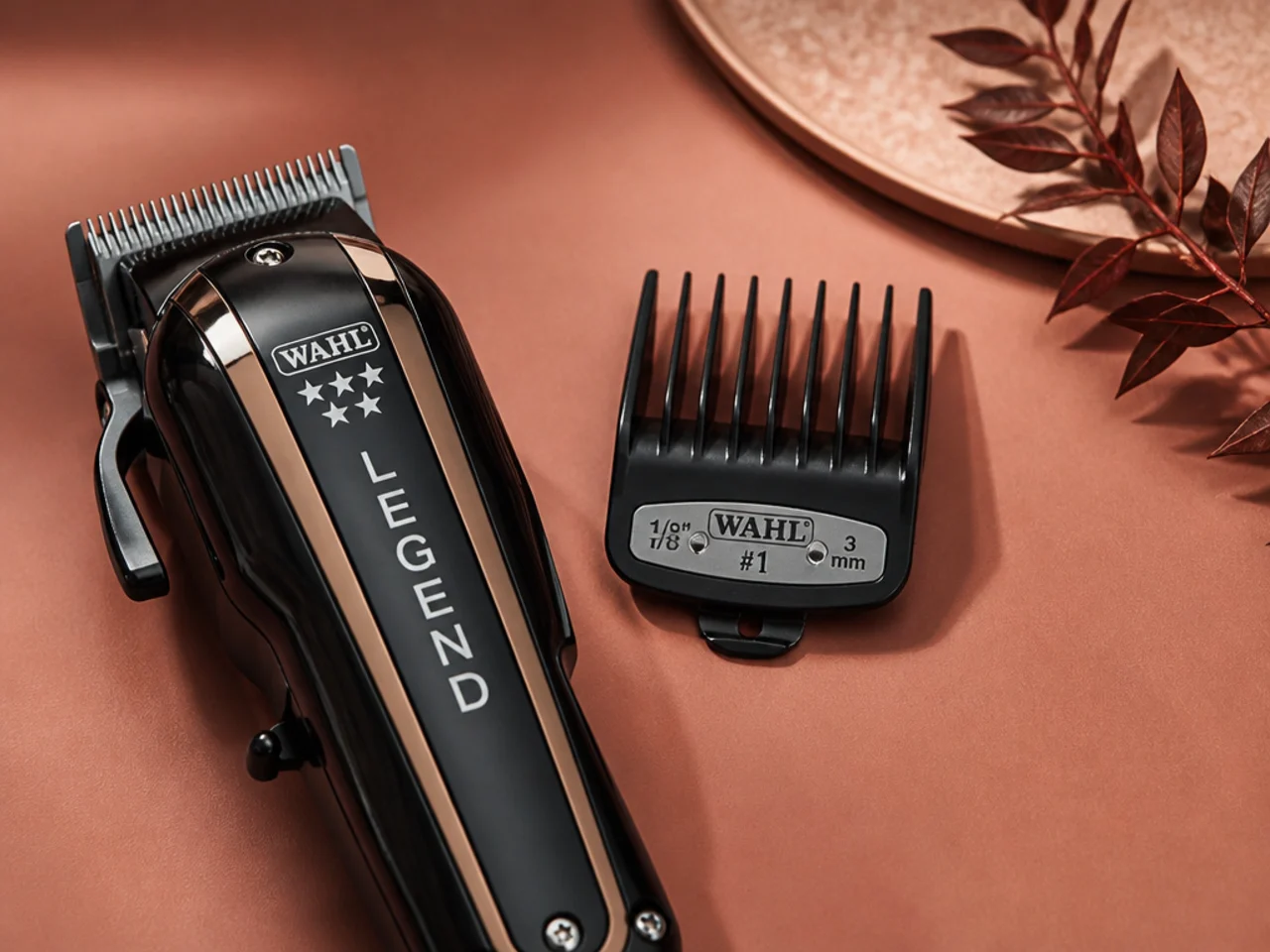
Number 1 is a guard size, not a clipper model. A number 1 guard leaves roughly 1/8 inch of hair. Guard numbering is standardized across most brands.
What hair clippers do most barbers use?
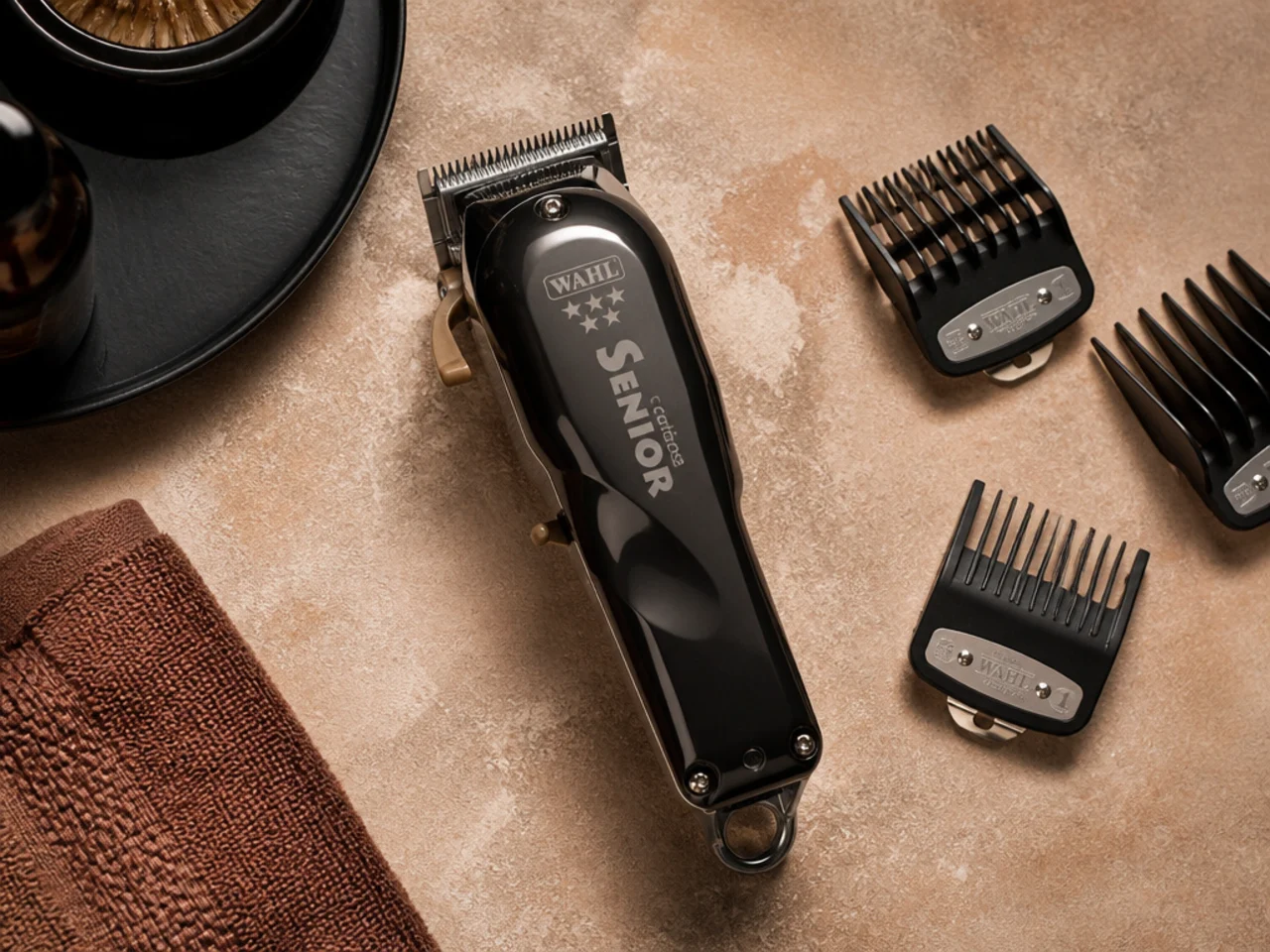
Wahl, Andis, Oster, and BaBylissPRO dominate professional shops. Personal preference decides which a barber picks, but the four brands cover almost every chair in the country.
Which is better: clipper or trimmer?
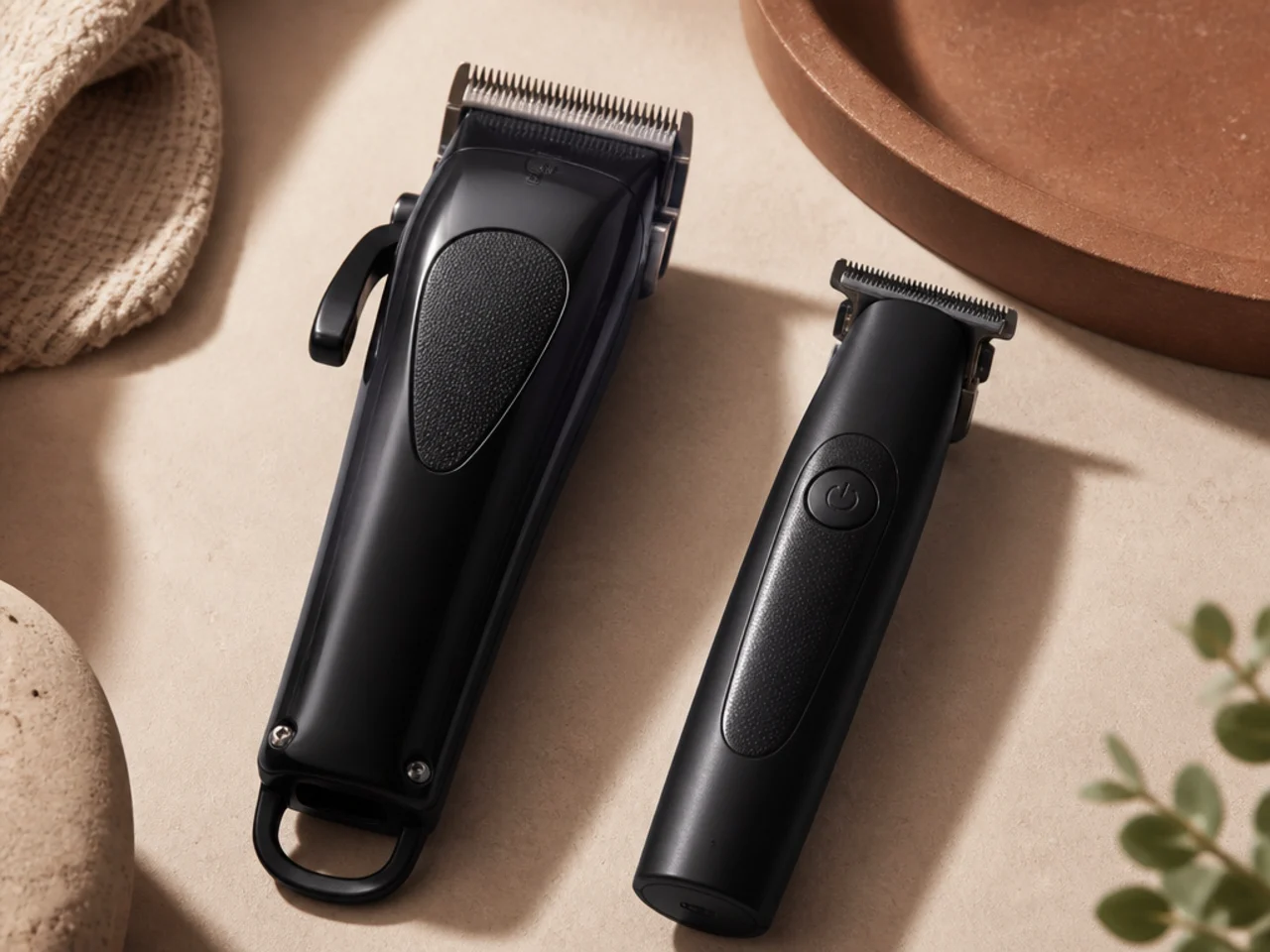
Clippers cut head hair. Trimmers detail and edge. Neither replaces the other. Most people who take grooming seriously eventually own both.
Are professional hair clippers good for home use?
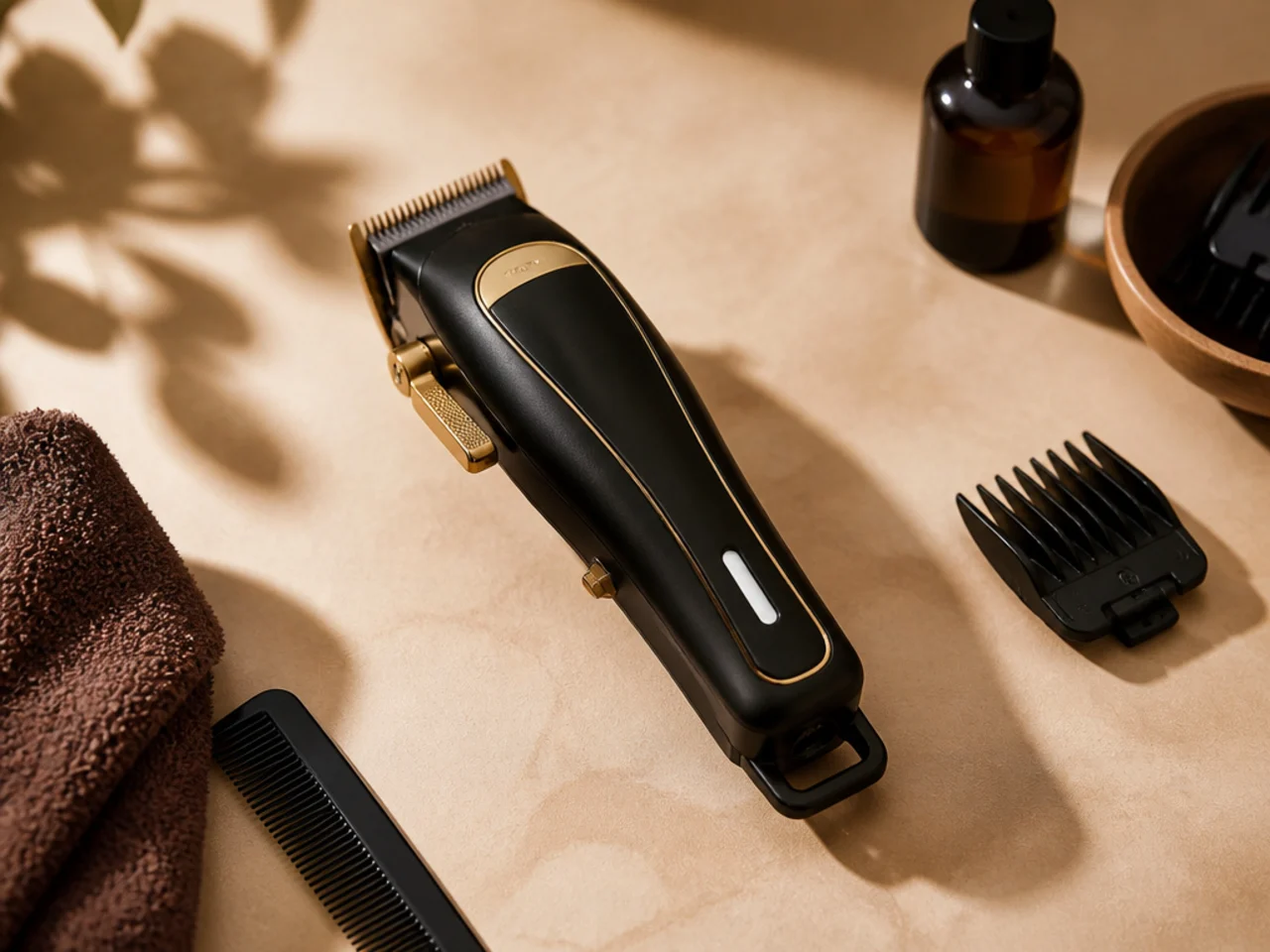
Yes, if you commit to learning them. Pro clippers are heavier and more powerful — that's the trade for their longevity. Once you're comfortable, the results are noticeably better.
How often should I oil my hair clippers?
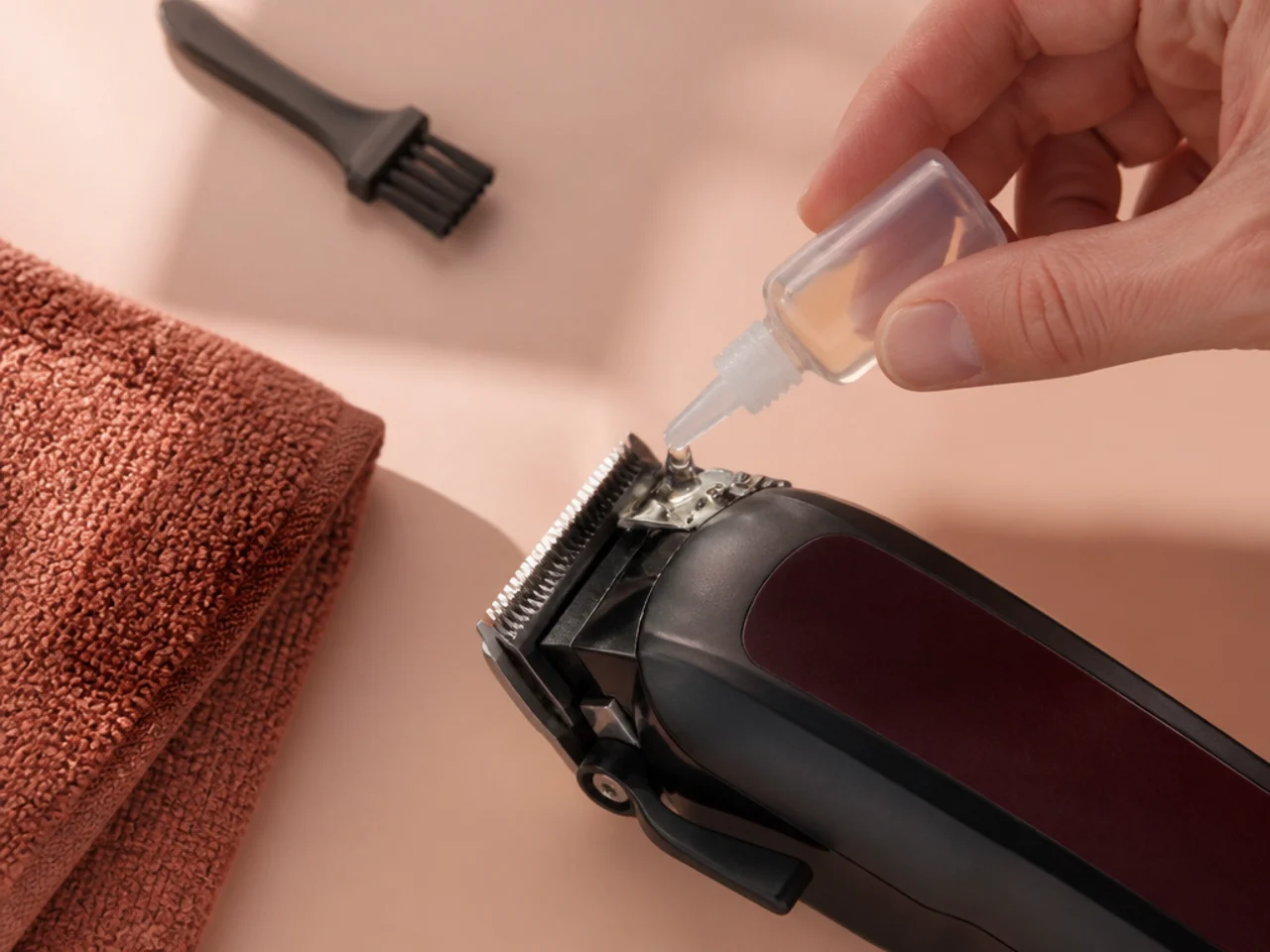
Home use: after every session, or minimum every two weeks. Daily use: after every cleaning, before storage. Skipping oil is the fastest way to wreck a clipper.
Concluding Remarks
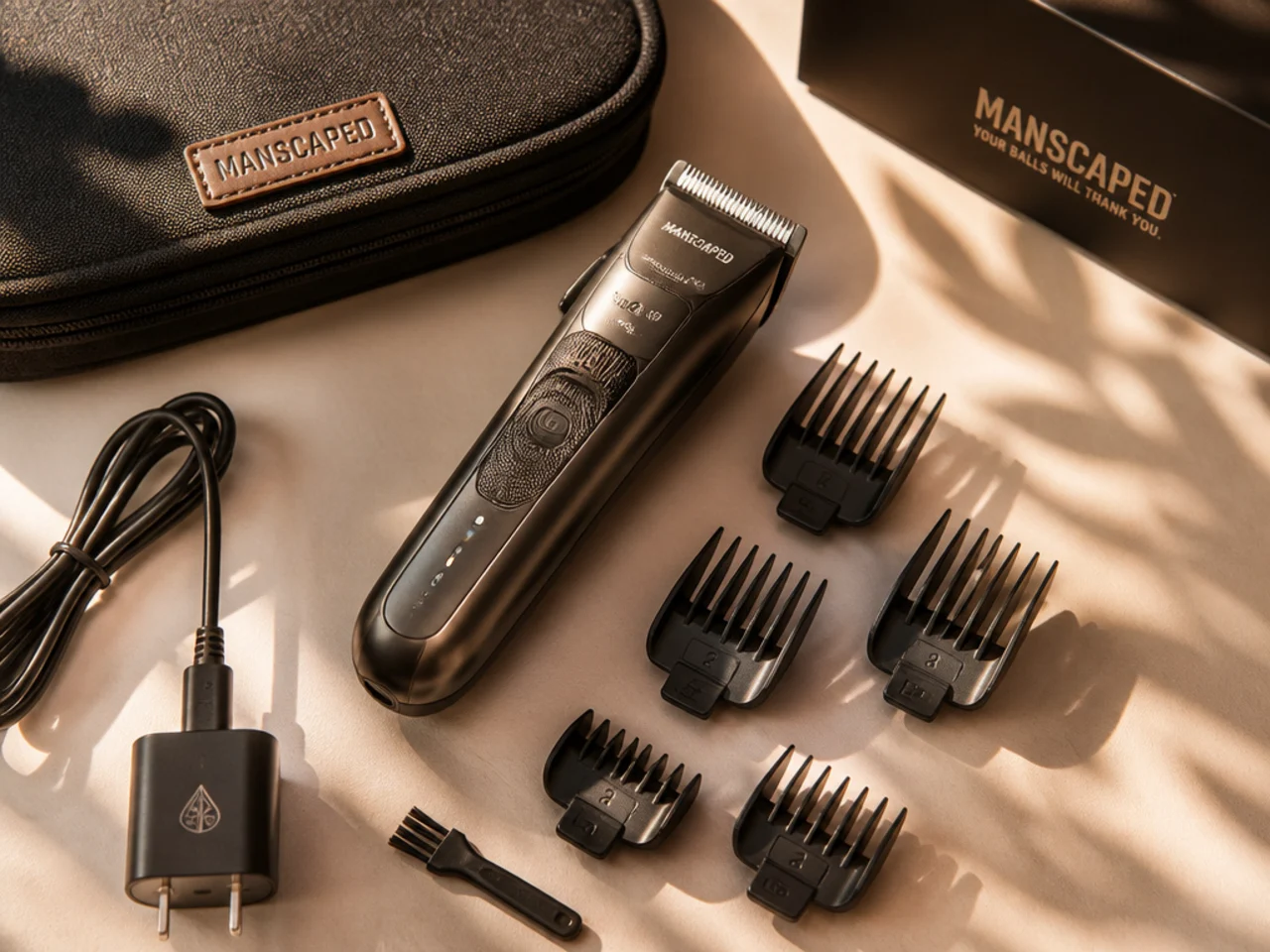
Every clipper in this guide earned its spot. But if we had to name one winner across all categories, the Wahl Senior gets the nod.
The build is clean. The motor holds power through the entire battery. The taper lever sits where your thumb naturally rests. The blade is sharp enough for real fade work and durable enough to last for years.
Whichever clipper you pick, take care of it. Clean it after every use. Oil the blade. Store it dry. A well-maintained mid-range clipper outperforms a neglected pro tool every time.
The right clipper turns grooming from a chore into a skill. Start with a model that matches your ambition, then buy heavier as your technique grows.