15 Ways to Style Wavy Hair Naturally
Fifteen heatless ways to style waves, and the distinction worth making — heat buys speed, not definition. Everything a diffuser does for your wave pattern can be done without it, more slowly.
In this article · 22
- Two Kinds of Heatless Styling
- How to Choose Yours
- The 15 Heatless Methods
- 1. Air-Dry Untouched
- 2. Plop for Ten Minutes, Then Air-Dry
- 3. Overnight Loose Plait
- 4. Two Overnight Plaits
- 5. Overnight Bun
- 6. Two Overnight Twists
- 7. Rag Rolling
- 8. Heatless Rod Set
- 9. Root Clipping While Air-Drying
- 10. Evening Wash Routine
- 11. Scrunching Only, No Setting
- 12. Finger-Coiling a Few Pieces
- 13. Twisting the Front Sections Back
- 14. Refreshing With Water Only
- 15. The Same Hair Diffused
- Styling and Upkeep
- Mistakes to Avoid
- FAQ
- Final Thoughts
Heatless styling is usually framed as the healthier compromise. For waves specifically it is not much of a compromise at all.
Heat buys speed, not definition. A diffuser dries hair faster and shortens the window in which you might disturb the clumps. It does not produce a better wave pattern than air-drying does.
And there is a second category worth separating: methods that add pattern rather than revealing it. Plaits, twists and rolls set a shape mechanically, which is a different thing from simply letting hair dry.
Two Kinds of Heatless Styling
Revealing the pattern. Air-drying, plopping, scrunching. Shows what your hair already does.
Adding pattern. Plaits, twists, buns, rag rolling. Imposes a shape while it dries.
Heat adds neither. It only shortens the drying time.
The real cost is hours. One to four, depending on length and density.
How to Choose Yours
Start in the evening if you air-dry. It removes the time problem entirely. A wash at nine leaves eight hours of drying you are asleep for.
Use a setting method if you want more pattern. Not more product. Product cannot add a bend that is not there; a plait can.
Plait damp, not soaking. Soaking hair sets a looser, slower pattern. Squeeze it out with a t-shirt first and it sets in half the time.
Give any setting method three attempts. The first one is never the best. Tension and dampness both take a few goes to judge by feel.

The 15 Heatless Methods
1. Air-Dry Untouched
The baseline. Shows what your hair does unassisted, and the reference every setting method below should be compared against rather than adopted blind.
2. Plop for Ten Minutes, Then Air-Dry
Drains excess water while holding the clumps. Ten minutes is the useful window — long enough to take the drip out, short enough that the crown has not been pressed flat against your head.
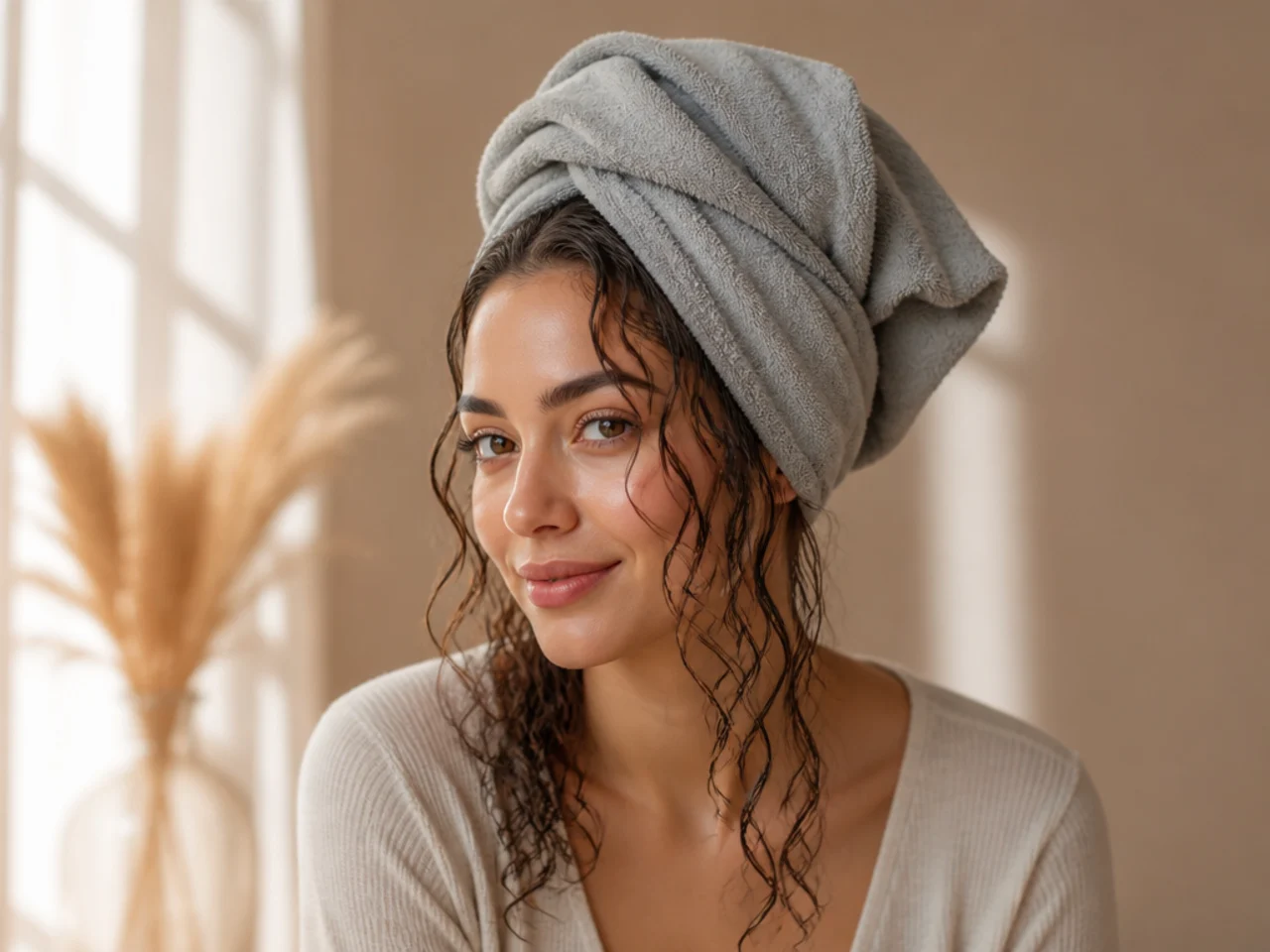
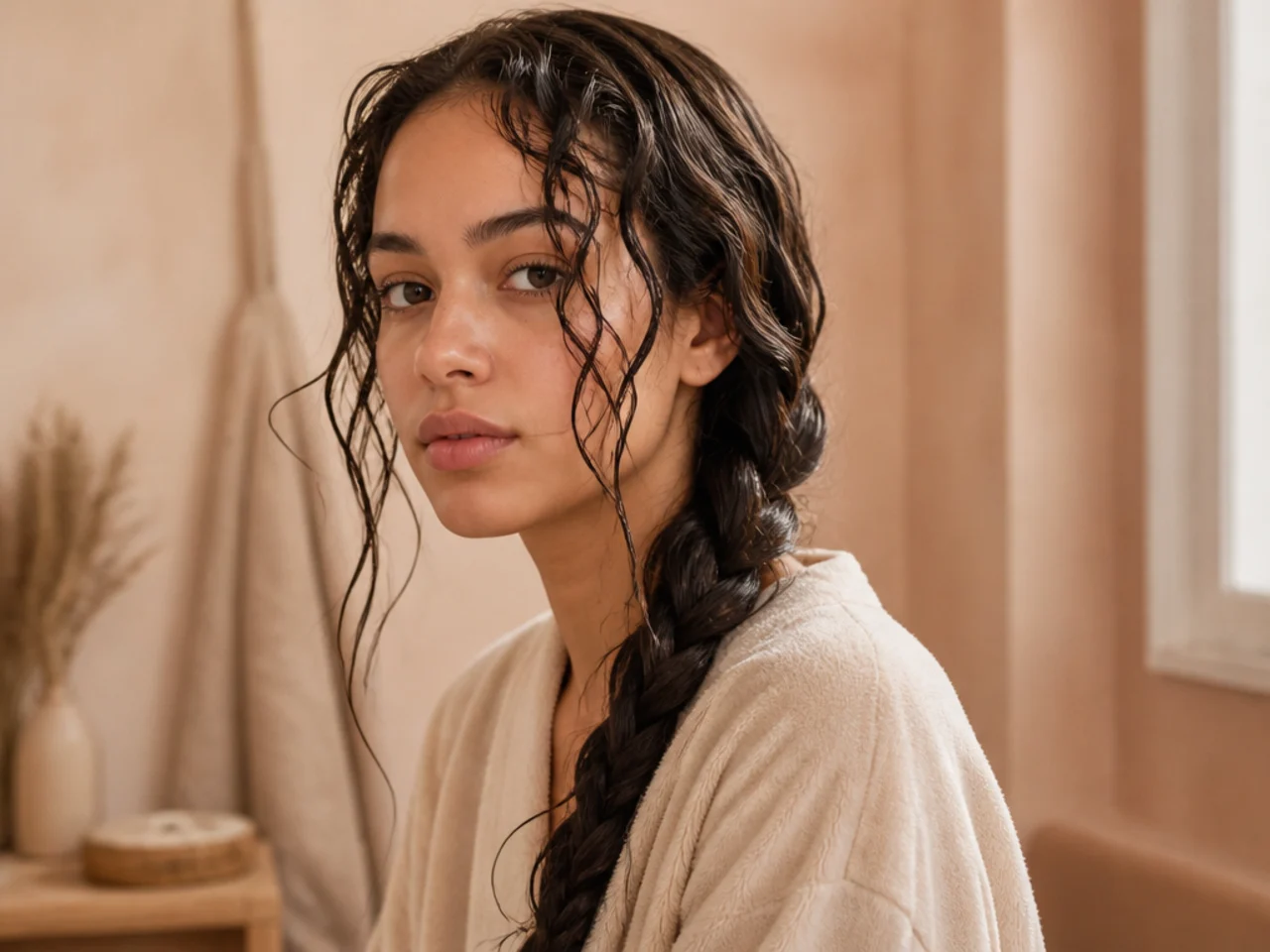
3. Overnight Loose Plait
One plait, damp, undone in the morning. Plait it loosely and low, because a tight plait sets a crimp rather than a wave and a high one leaves the crown straight.

4. Two Overnight Plaits
Tighter pattern, more even across the head. Two plaits halve the thickness of each rope, which is why the wave comes out smaller and more consistent from crown to nape.
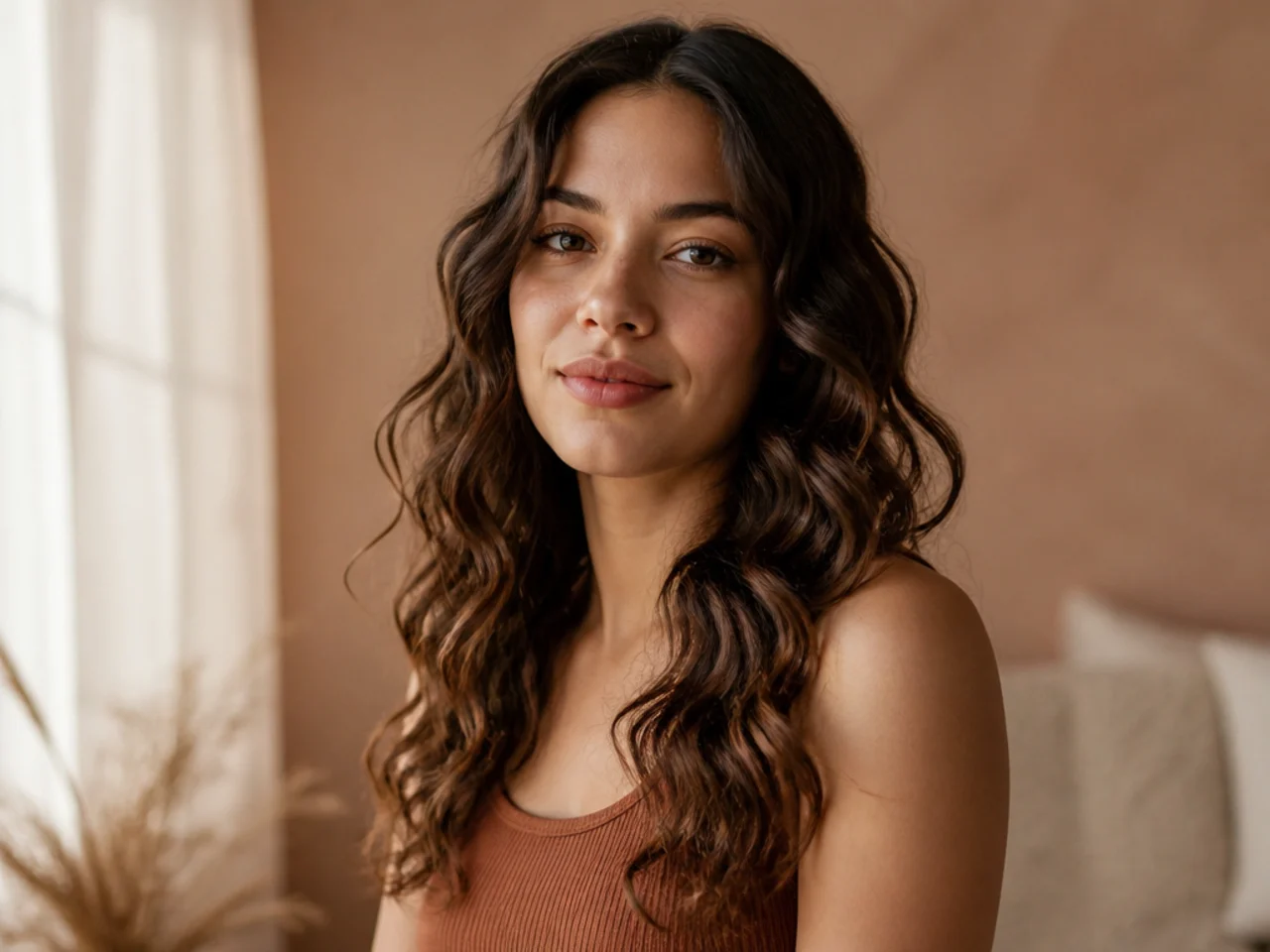
5. Overnight Bun
A softer, larger bend than a plait gives. Best on longer hair, where a plait would produce a wave tighter than the pattern you are trying to imitate.
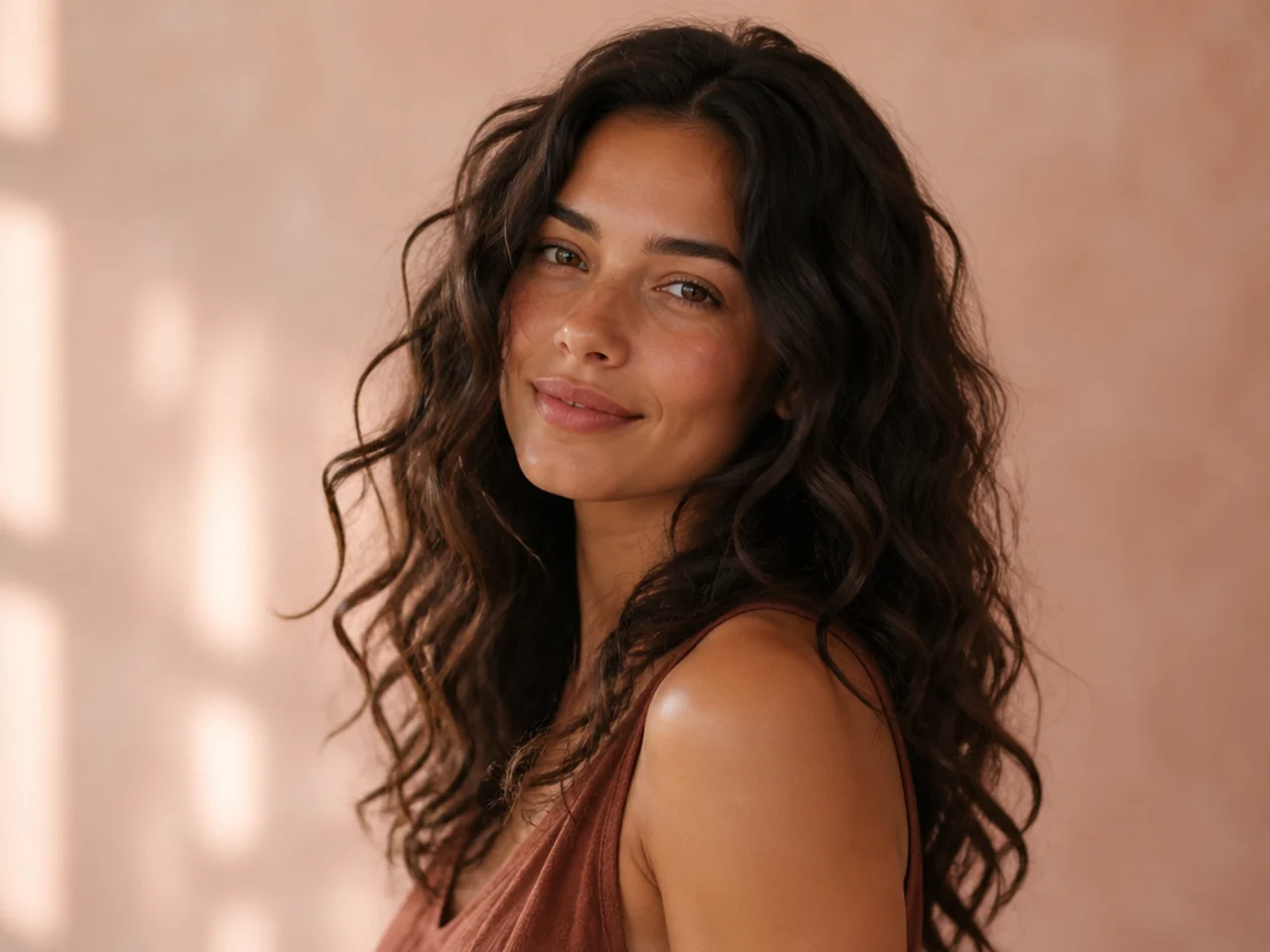
6. Two Overnight Twists
Rope twists, which set a looser spiral. A twist sets a rounder bend than a plait's angular one, which reads closer to a natural wave on most hair.

7. Rag Rolling
Fabric strips. The most defined heatless pattern available. Strips of an old t-shirt work as well as anything bought, and the width of the strip sets the size of the wave.
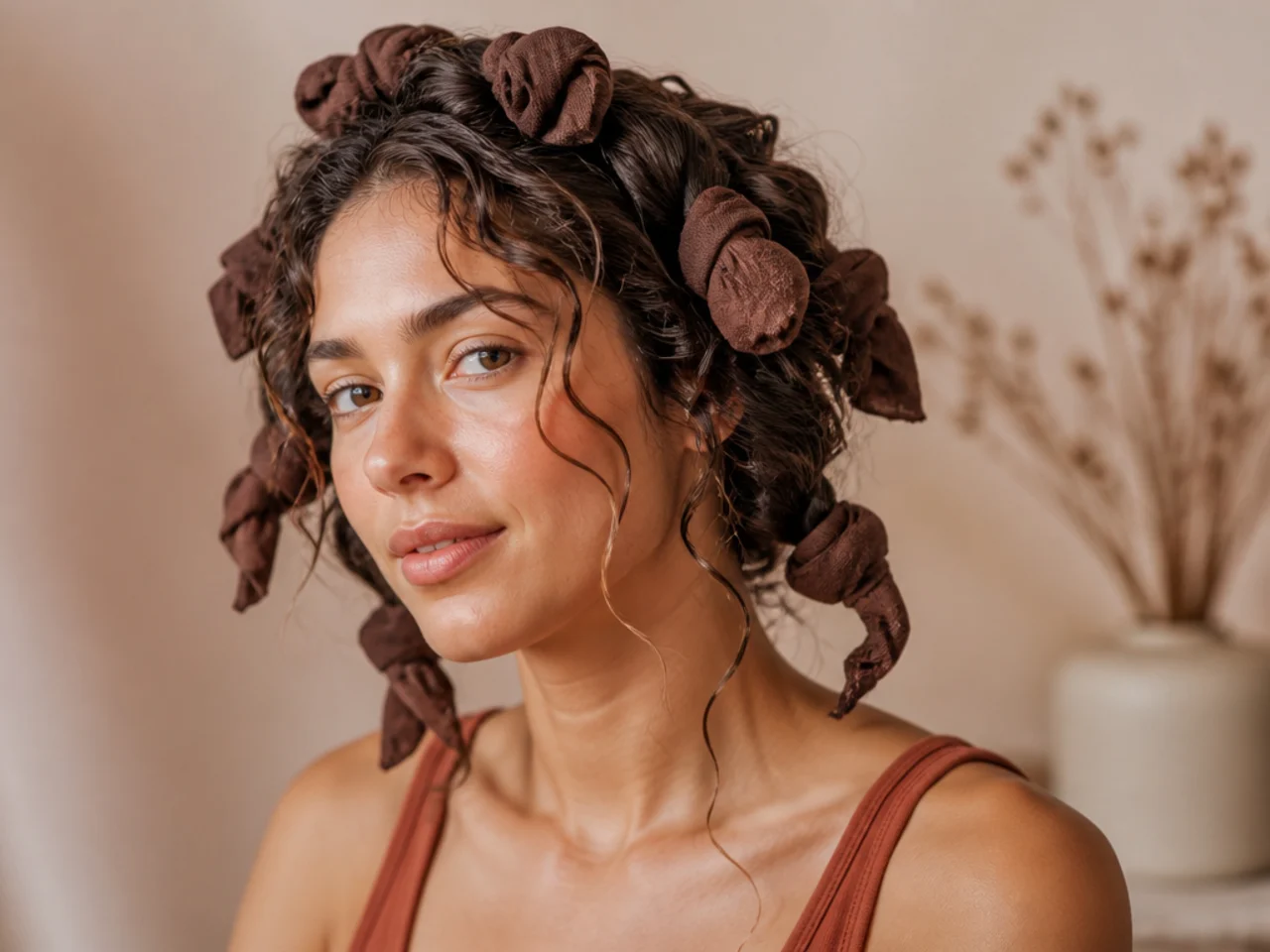
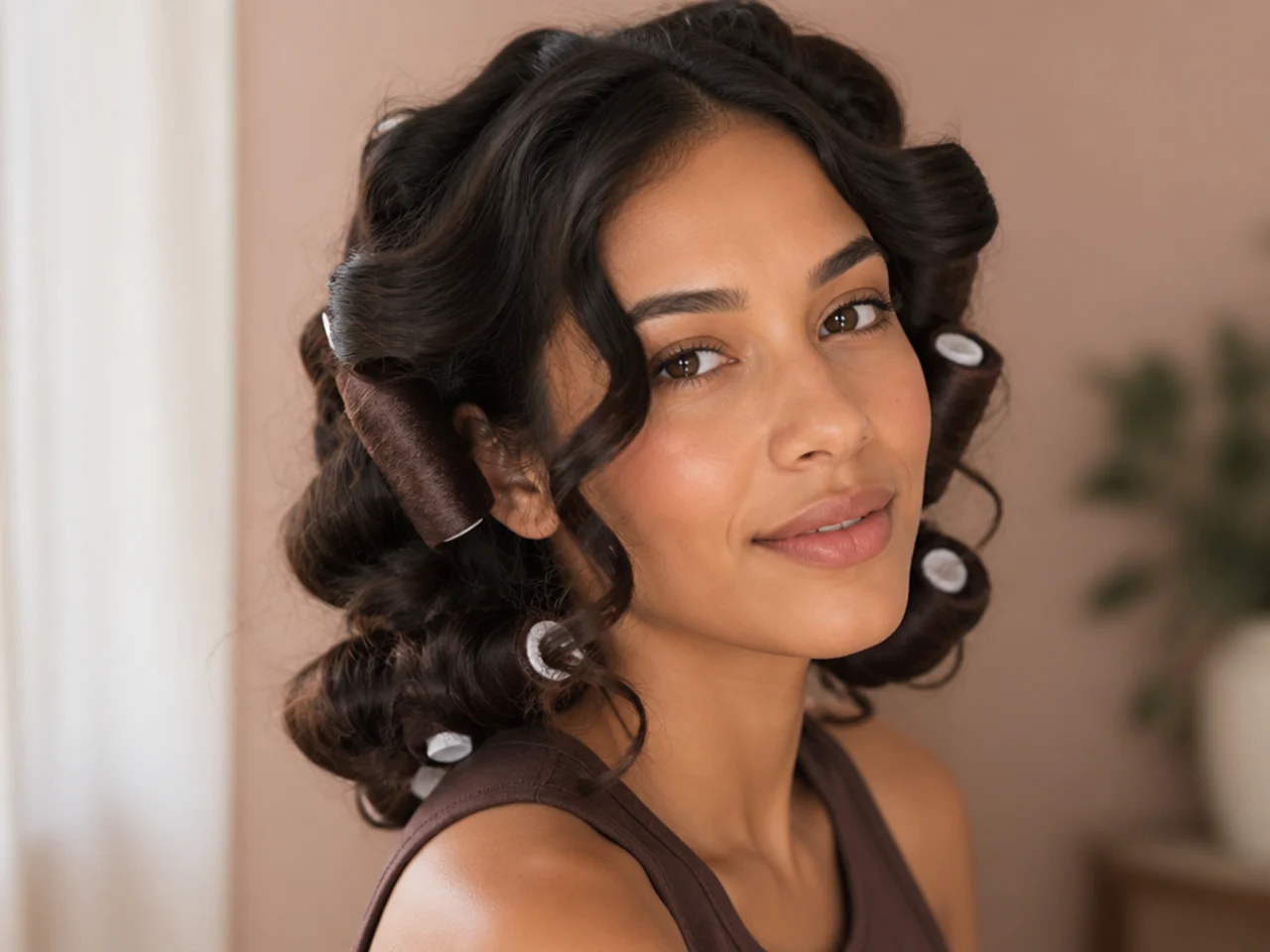
8. Heatless Rod Set
A soft rod worn overnight. Similar effect, less fiddly. Worth it if rag rolling appeals but you will not actually tie fifteen knots at bedtime — the result is close and the effort is a fraction.
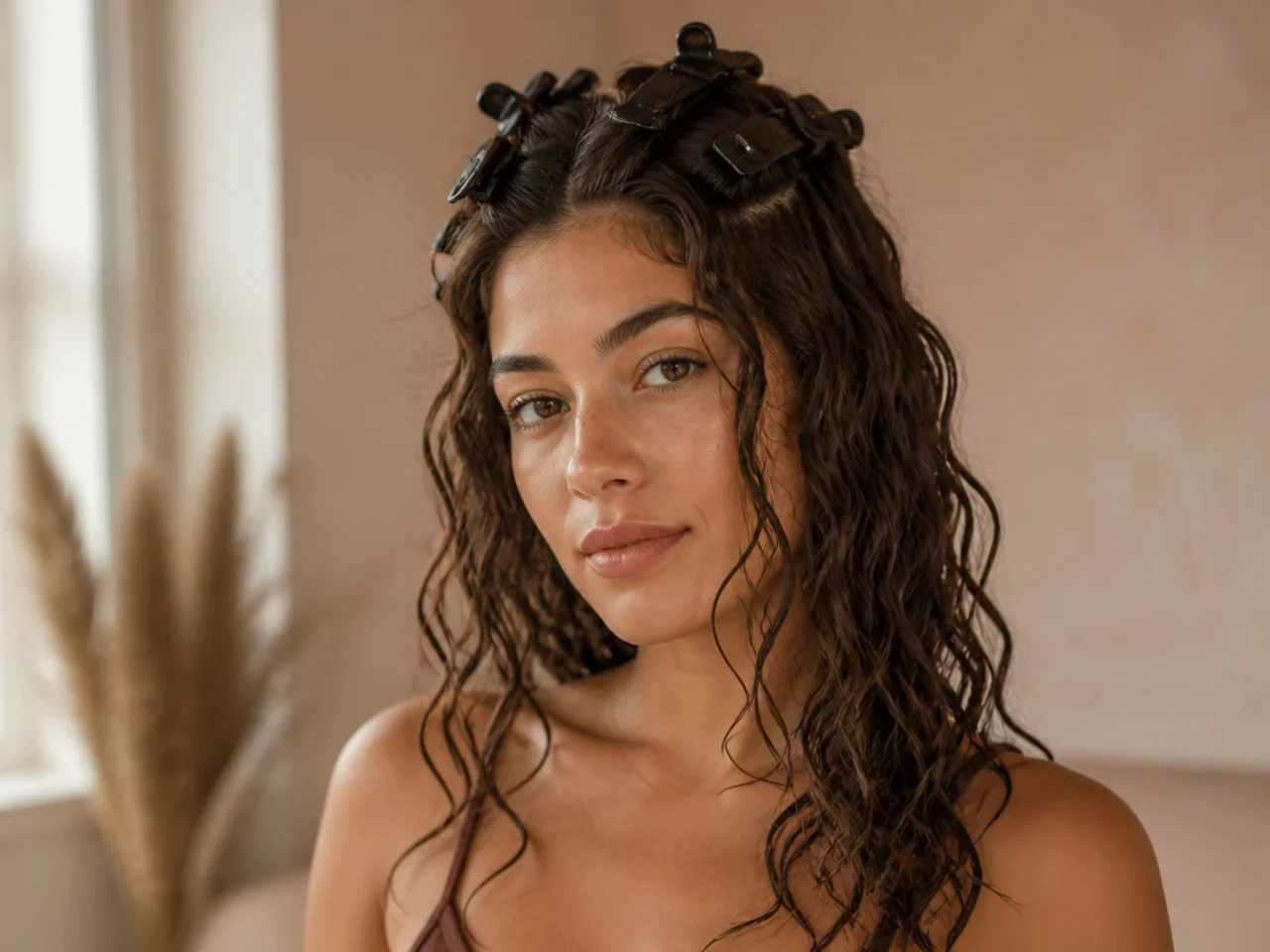
9. Root Clipping While Air-Drying
Volume without a dryer. Two clips at the crown while it air-dries hold the roots up until the hair sets, which is the only heatless way to get lift.
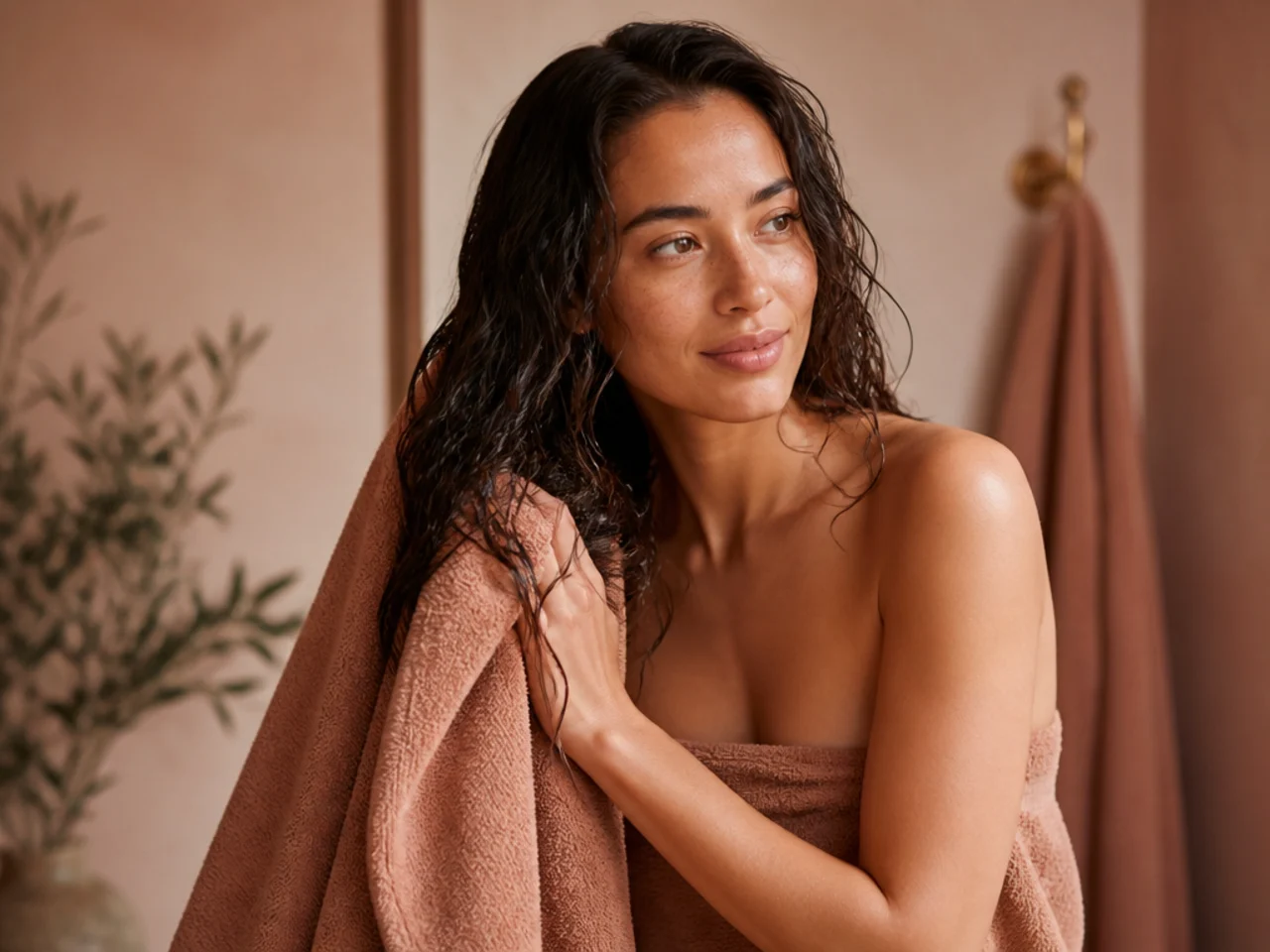
10. Evening Wash Routine
Started at night so drying time stops mattering. The single change that makes air-drying practical — hours only cost you something when you need to leave the house.
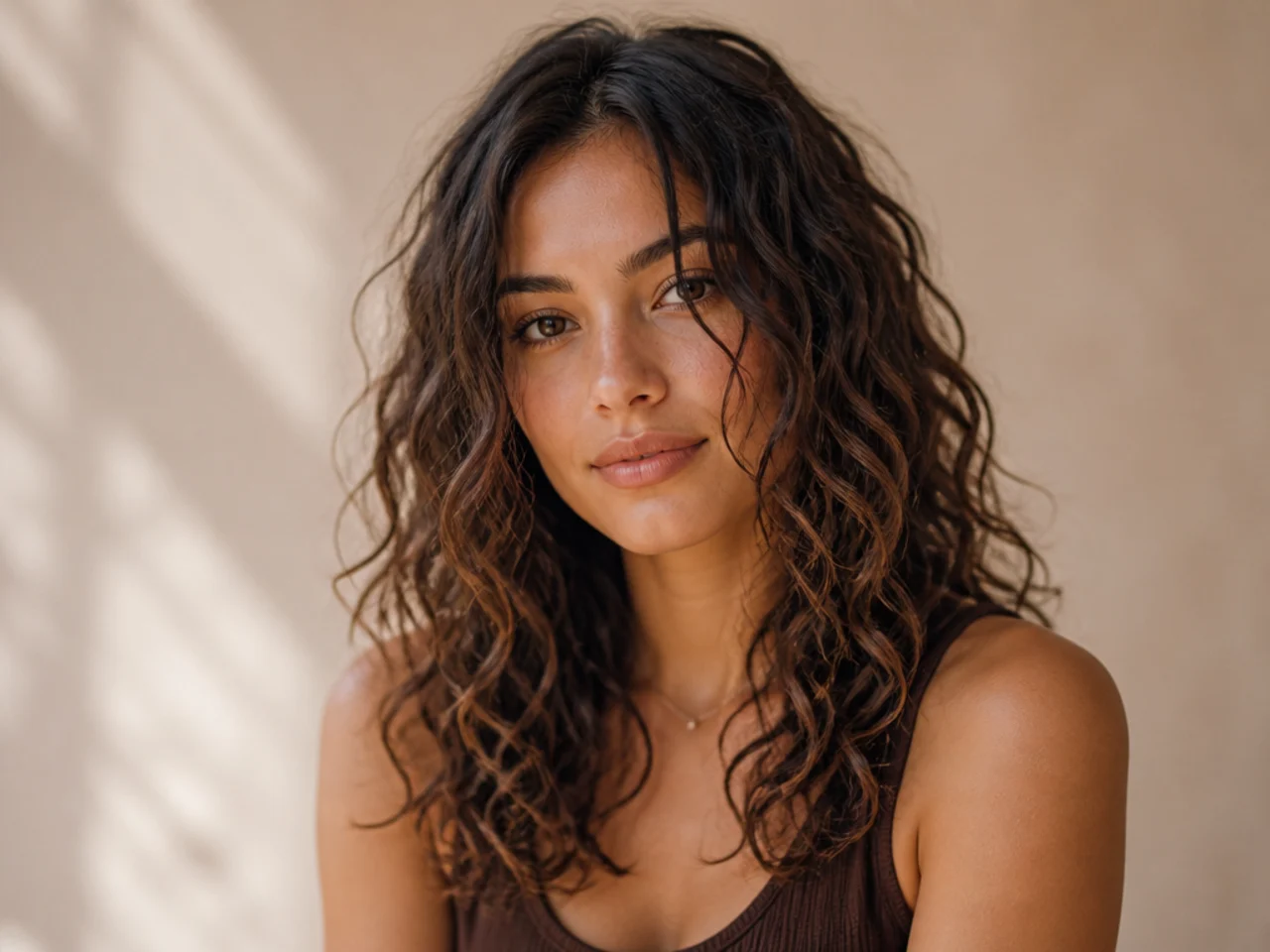
11. Scrunching Only, No Setting
Reveals rather than adds. The simplest option. Use this to find out what your pattern actually is before you start setting it into a shape it does not naturally take.
12. Finger-Coiling a Few Pieces
For sections that never clump on their own. Usually the pieces around the face, which get handled most and clump least. Two or three is enough.
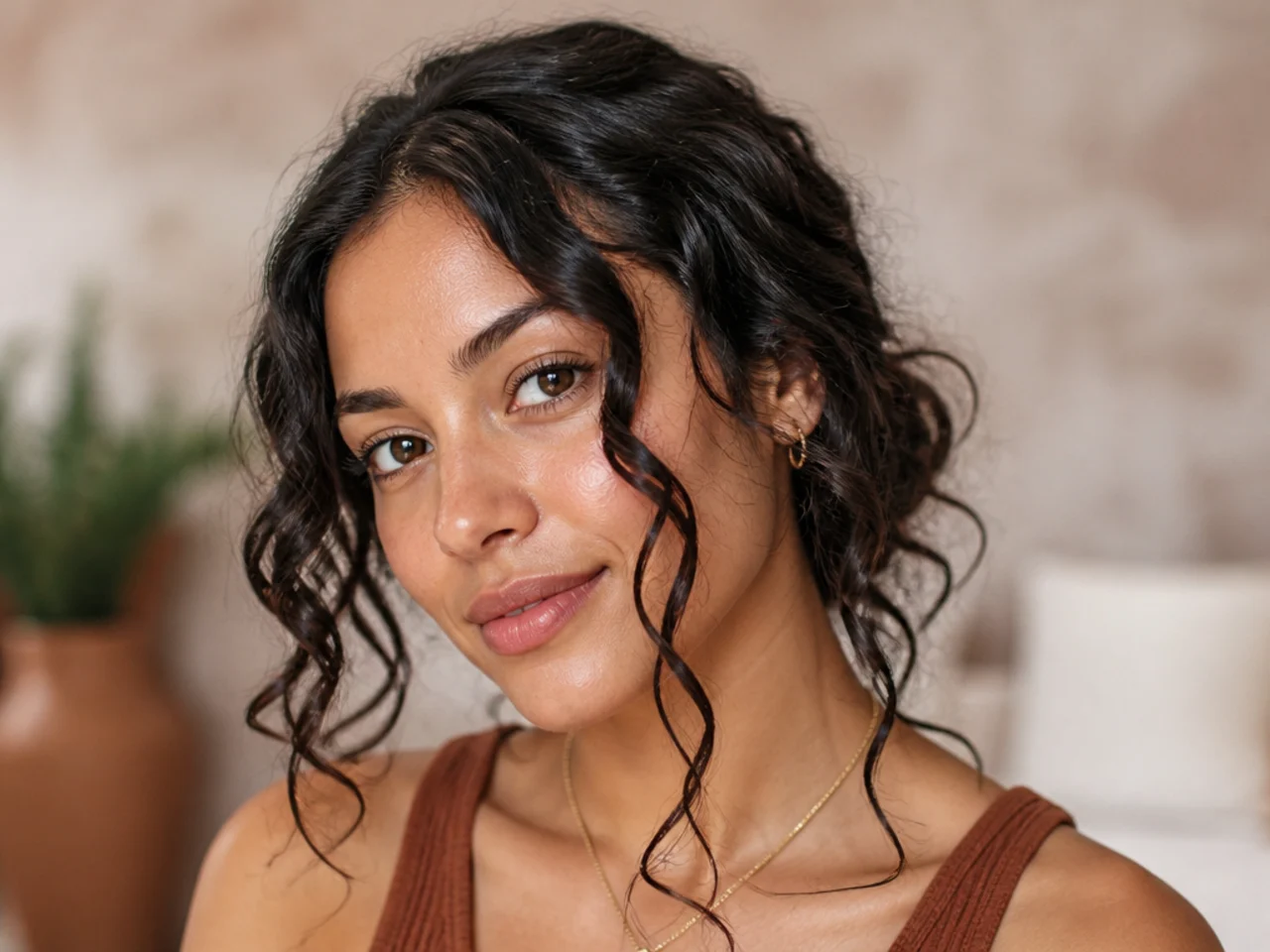
13. Twisting the Front Sections Back
Adds pattern where it is most visible. The front is what you see in a mirror and what other people see first, so a small amount of work there goes further than the same effort at the back.
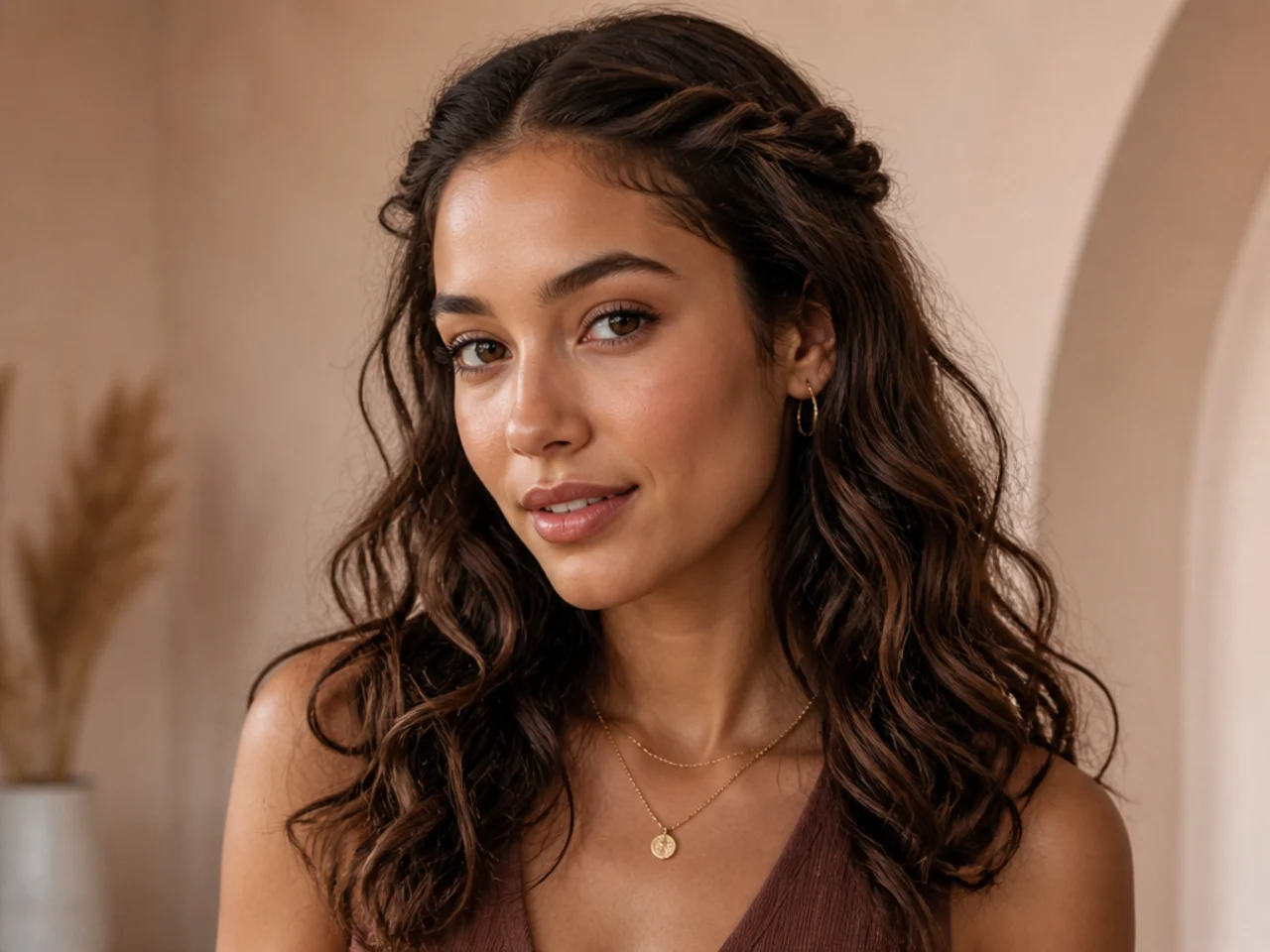
14. Refreshing With Water Only
Heatless day-two styling. A spray bottle and a scrunch re-forms clumps that flattened overnight, and it costs nothing beyond the bottle.
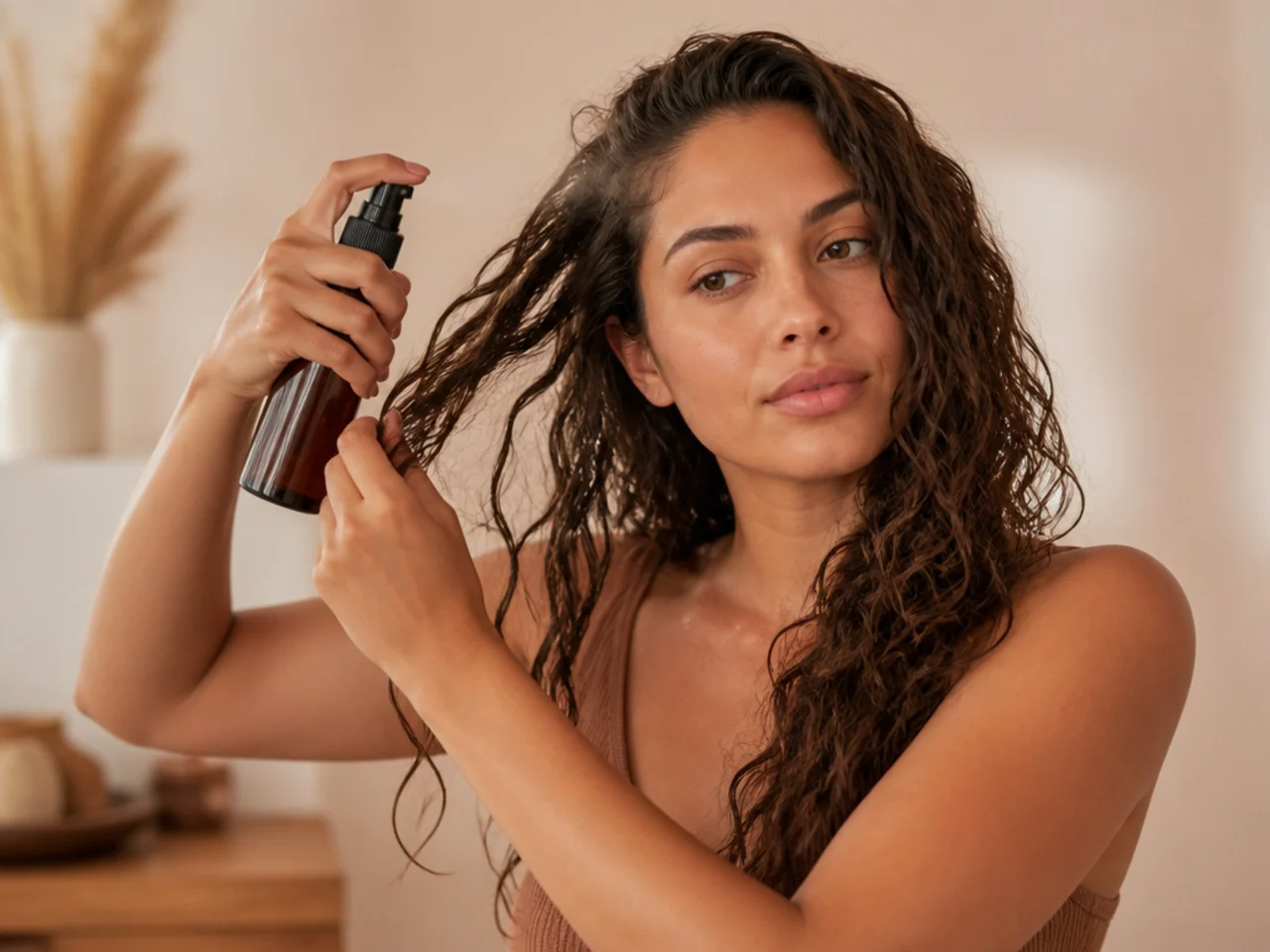
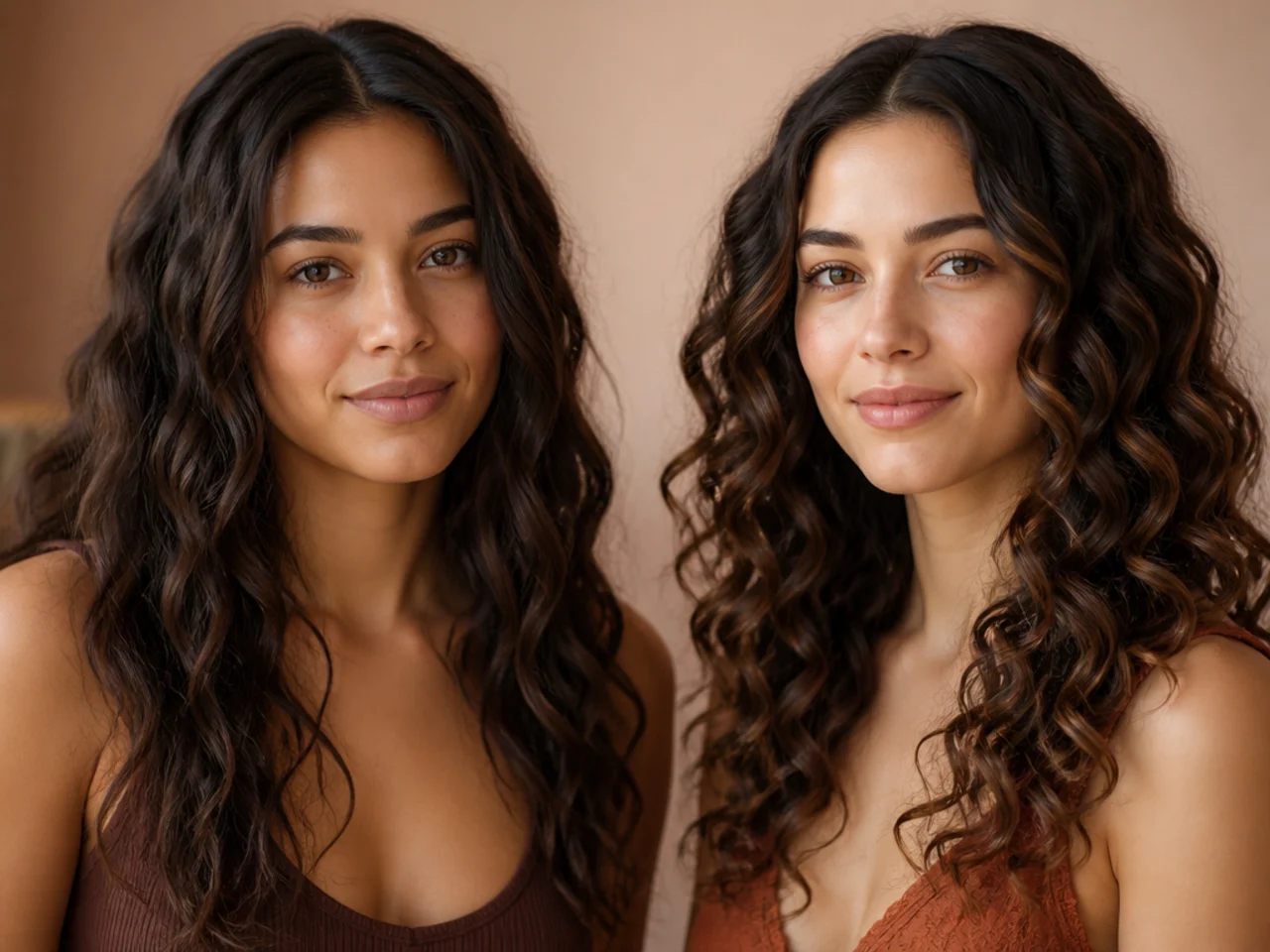
15. The Same Hair Diffused
Faster, and not more defined. Worth seeing side by side. Run both on consecutive washes and photograph each dry — most people find the difference is drying time rather than result.
Styling and Upkeep
Wash in the evening. It removes the only genuine drawback of air-drying, which is the hours rather than the result.
Plait damp rather than soaking. Soaking hair sets slowly and loosely, and often is not dry by morning.
Try a setting method three times. The first attempt is rarely representative, because tension and dampness both vary until you have a feel for them.
Keep root clips for volume. They do what a dryer would, without heat, and they cost a few pounds once.
Do not use a setting method every night. Tension at the same point repeatedly is not kind to hair, so vary where the plait or twist sits.

Mistakes to Avoid
Thinking heat improves definition. It only shortens drying time, and a diffuser used carelessly actively separates clumps.
Plaiting soaking wet hair. It sets loose and takes all night to dry, so you wake to damp hair and no pattern.
Washing in the morning and needing to leave. The main reason people give up on air-drying, and a scheduling problem rather than a hair one.
Setting tightly every night. Repeated tension in one place is how a setting habit becomes a breakage problem.
Judging a setting method on the first try. Give it three, and change only the tension or the dampness between attempts.
FAQ
Do you need heat? No — it buys speed, not definition.
Which methods add pattern? Plaits, twists, buns and rag rolling all set a shape mechanically.
How long does air-drying take? One to four hours, which is why evening washing helps.
Final Thoughts
Move your wash to the evening and the case for heat mostly disappears. Air-drying costs hours rather than quality, and hours are only a problem when you need to be somewhere — which is a scheduling fix rather than a styling one.
For the definition techniques behind all of this see 20 curl routine steps for wavy hair, and for the full sequence see 25 steps for a wavy hair routine. More in Hair Care.