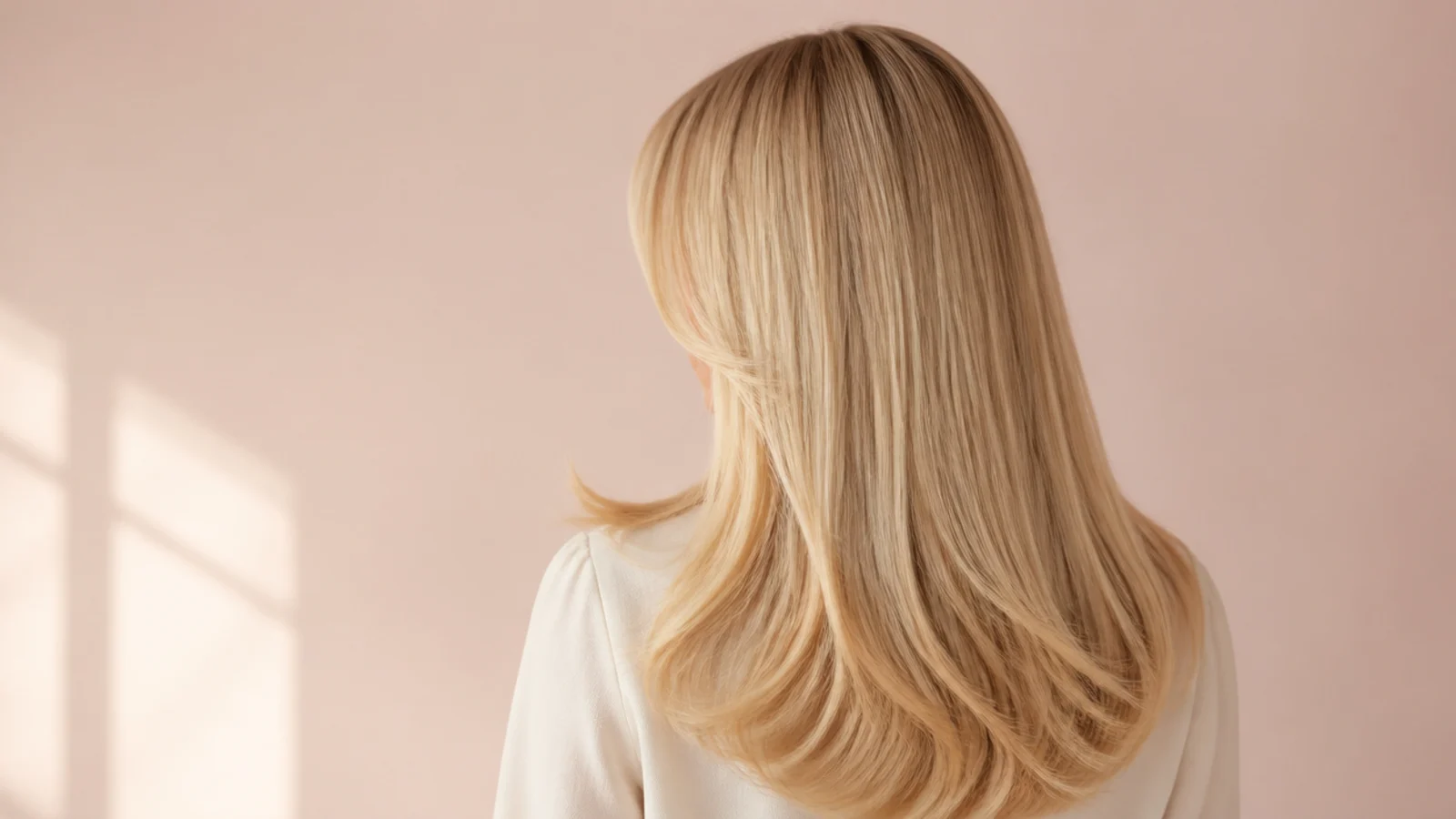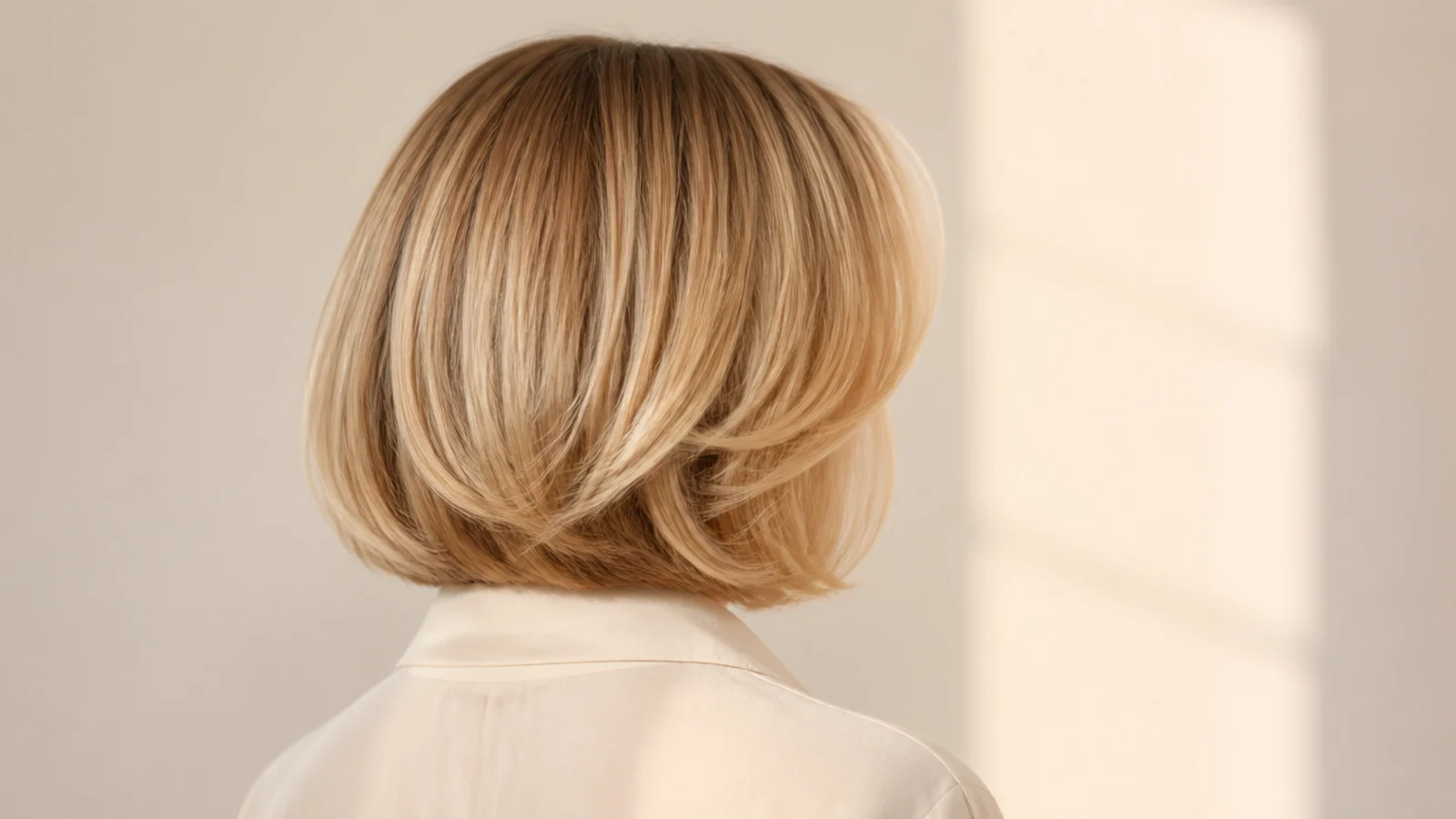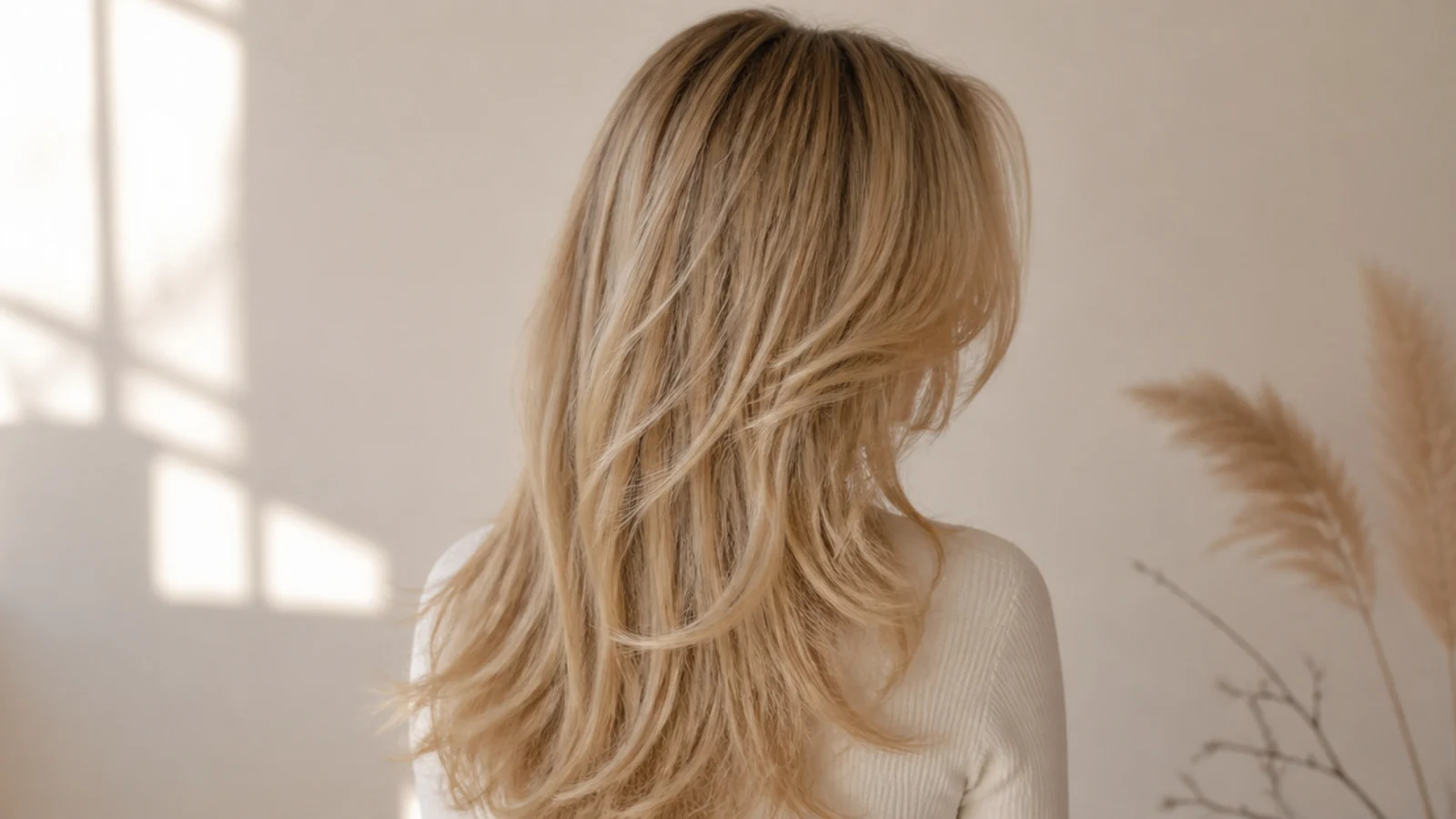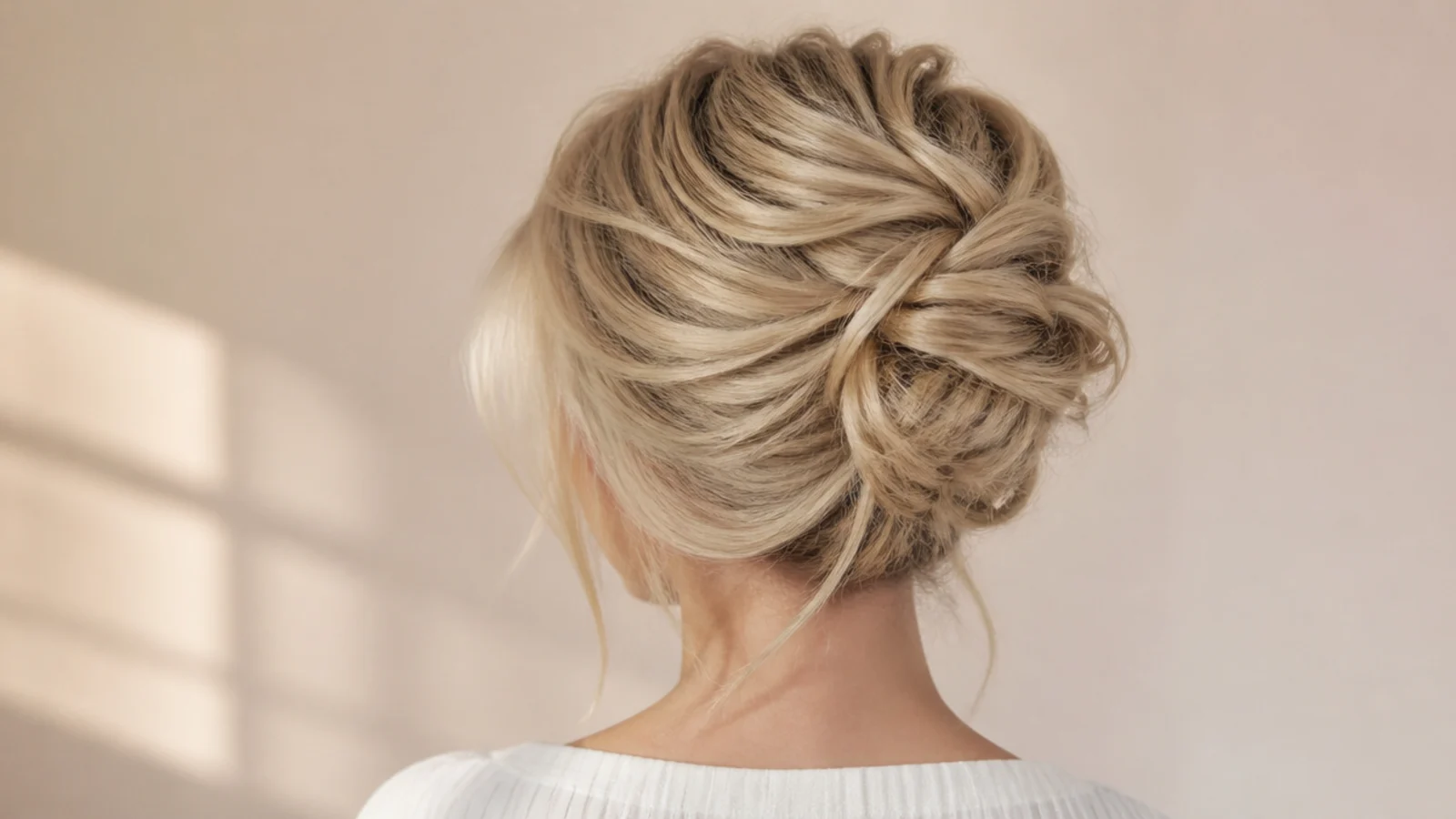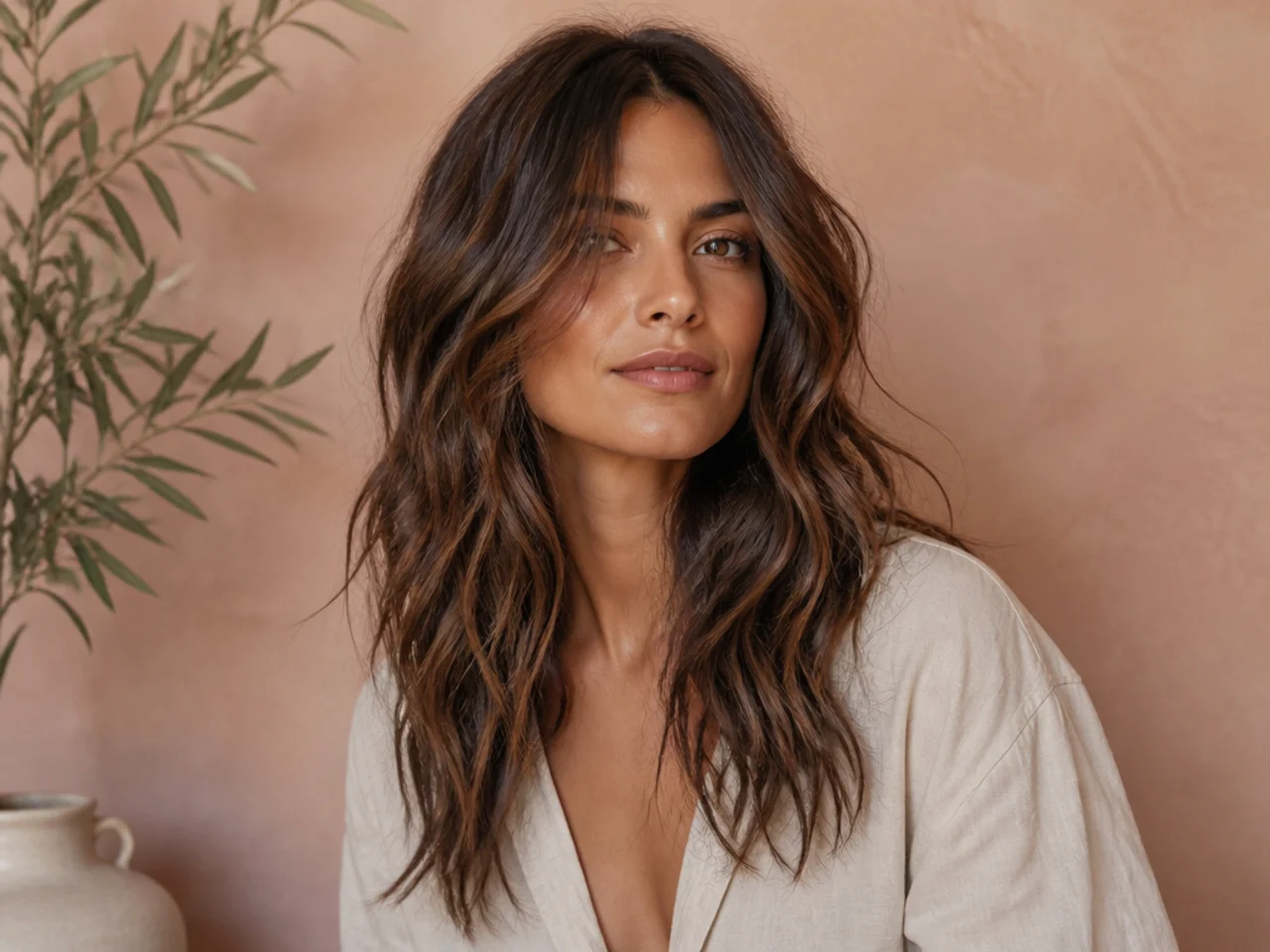
15 Jessica Alba Natural Hair Looks We Adore
Fifteen ways to wear your own texture in this register — no heat at all. The hardest part is not technique, it is accepting that your natural pattern is the starting point rather than an obstacle.
In this article · 22
- Whether This Works For You
- The No-Heat Method
- The 15 Looks
- 1. Air-Dried Natural Wave
- 2. Diffused Soft Texture
- 3. Overnight Plait Waves
- 4. Deep Side Part, Natural Texture
- 5. Brushed-Out Waves
- 6. Salt Spray Texture
- 7. Natural Texture with Face-Framing Layers
- 8. Half-Up on Natural Hair
- 9. Second-Day Texture
- 10. Refreshed with Water Only
- 11. Low Bun with Loose Front
- 12. Natural Texture, No Product
- 13. Plopped Then Air-Dried
- 14. Root Lift Only
- 15. Grown-Out Natural Colour
- The Hands-Off Rule
- Mistakes to Avoid
- FAQ
- Final Thoughts
Most styling advice starts from the assumption that your natural texture is the problem to be solved. For this particular look it usually is not — the target is soft movement, and soft movement is close to what a lot of hair does on its own.
The catch is honest: this only works if your hair has some bend to begin with.
Whether This Works For You
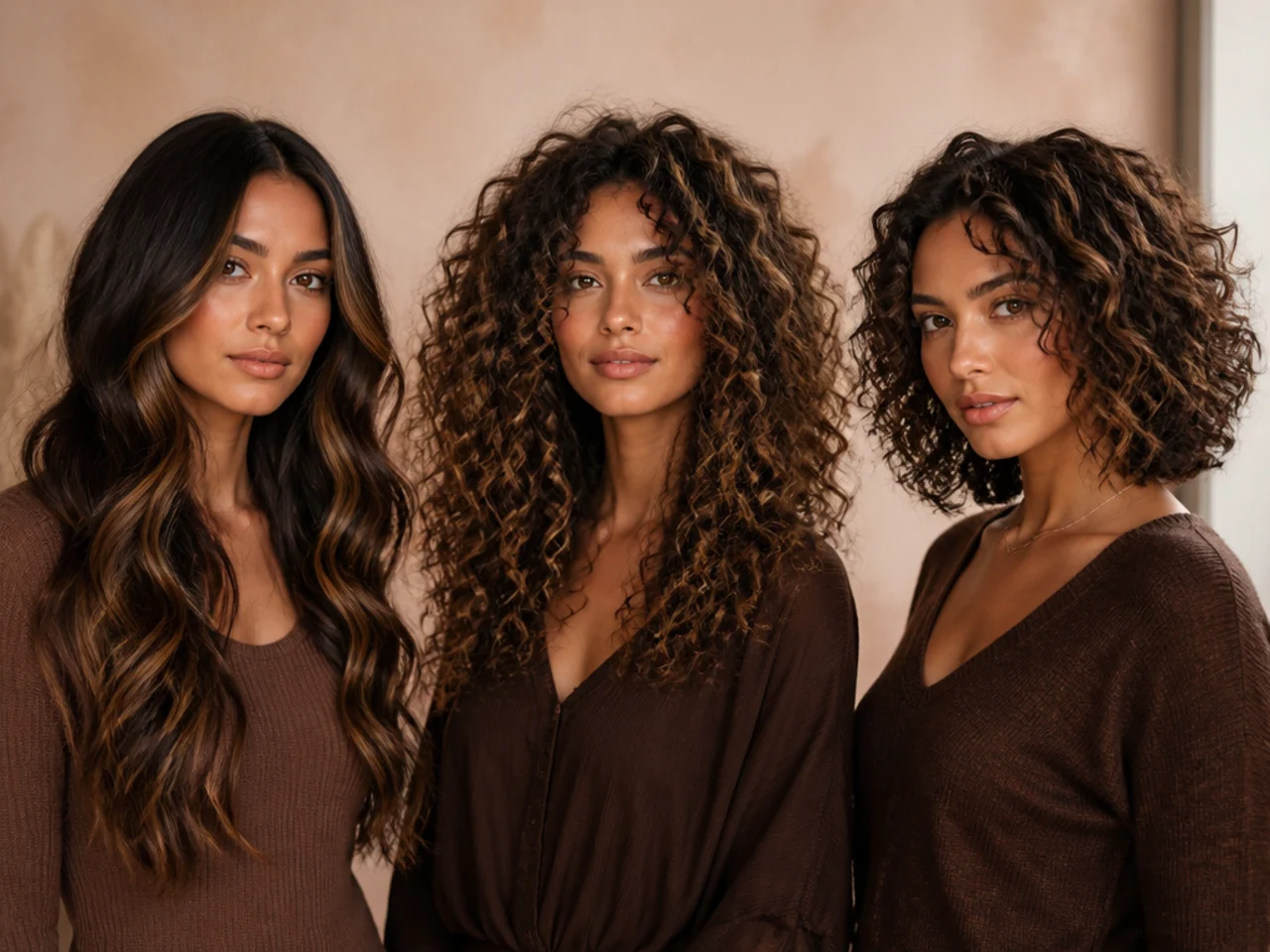
1C to 2B — loose bend to defined wave. This is the natural fit. Your hair already does roughly what the look wants; the work is bringing it out rather than creating it.
2C to 3A — strong wave to loose curl. Also works, but you will be loosening rather than enhancing. Weight, a lighter product and a gentle brush-out get you there.
1A to 1B — genuinely straight. It will not hold movement without setting it. An overnight plait gives a soft bend, but straight hair has no pattern to enhance and there is no technique that changes that.
Being clear about which group you are in saves a lot of frustration. Two of the three can do this with no heat at all; the third cannot, and that is worth knowing rather than working around.
The No-Heat Method
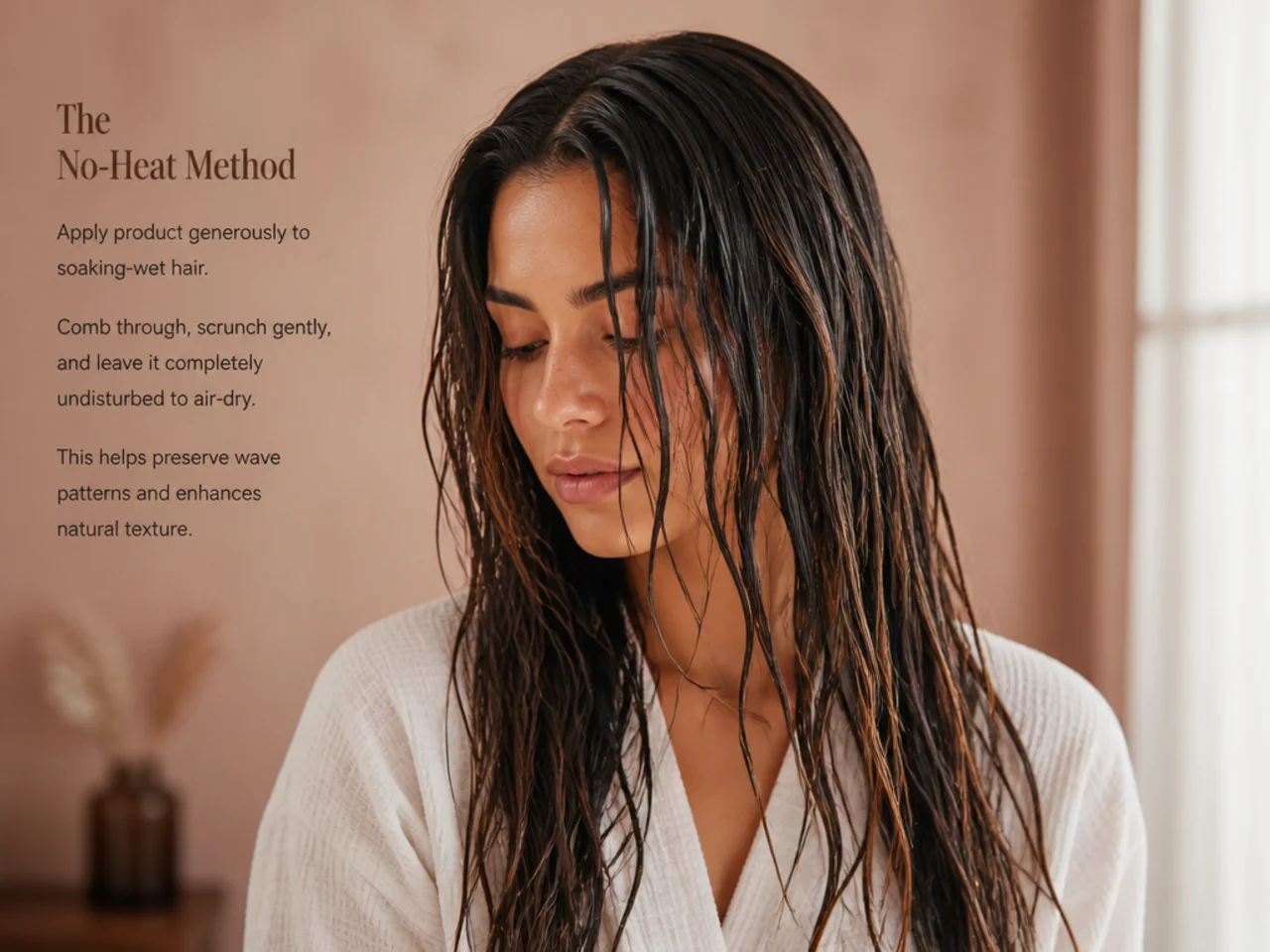
Product on soaking-wet hair. Not damp. A light cream or mousse, raked through and then scrunched.
Do not touch it while it dries. This is the whole discipline. Every touch during drying breaks the forming clumps and produces frizz, and it is where almost all air-dry frizz comes from.
Let it dry fully. Half-dry hair that gets handled or tied up sets in whatever shape it was in.
Then break it up gently with fingers only. Never a brush on dry natural texture — brushing separates the clumps into frizz and it does not come back until the next wash.
Add a drop of oil at the ends if it needs shine.
The 15 Looks
1. Air-Dried Natural Wave
The baseline. Product, hands off, finger-separated.
2. Diffused Soft Texture
Low heat, high speed, diffuser held still.
3. Overnight Plait Waves
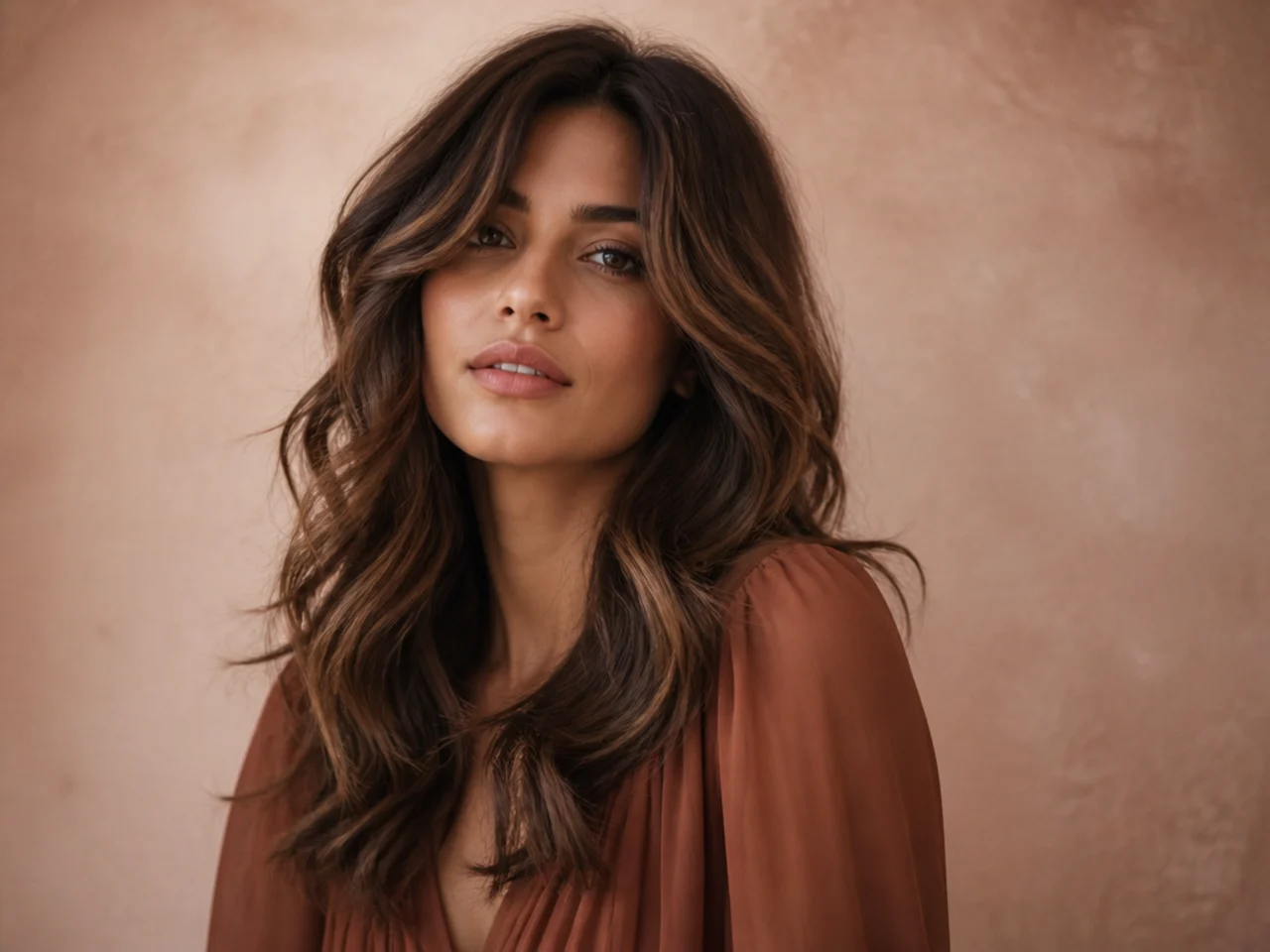
Two loose plaits in damp hair. Soft bend by morning.
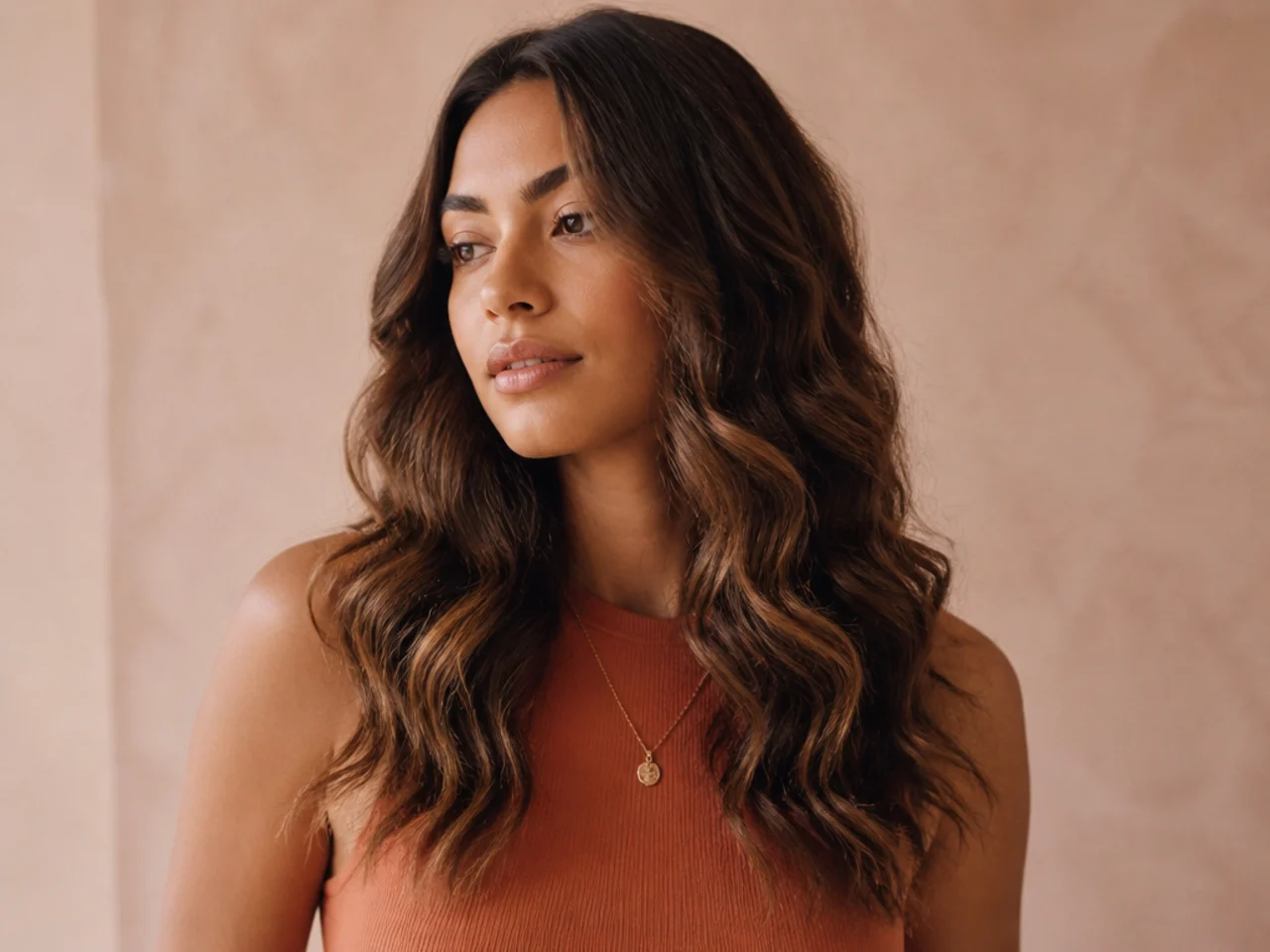
4. Deep Side Part, Natural Texture
One change, no styling at all.
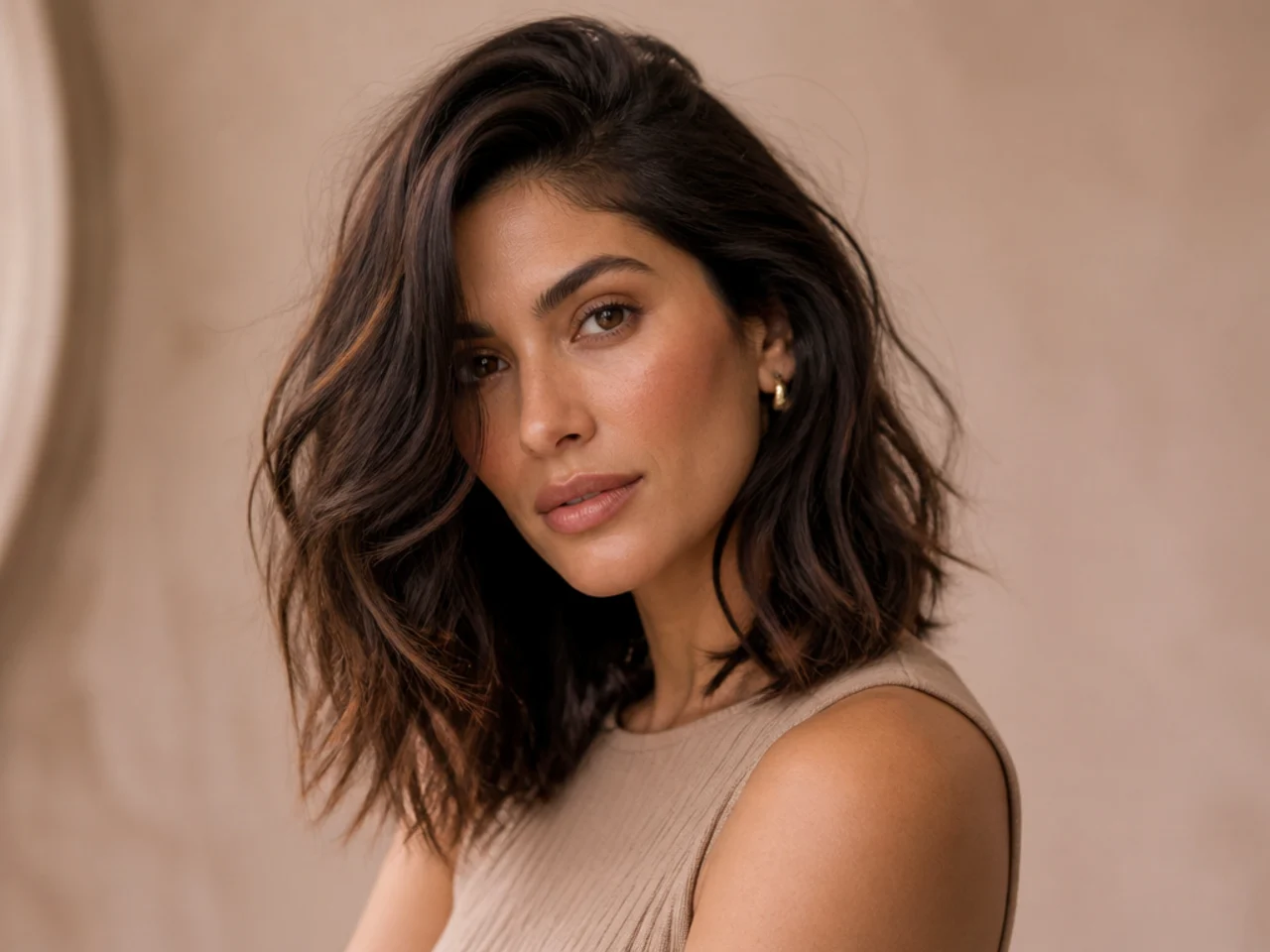
5. Brushed-Out Waves
For 2C and above — loosening rather than defining.
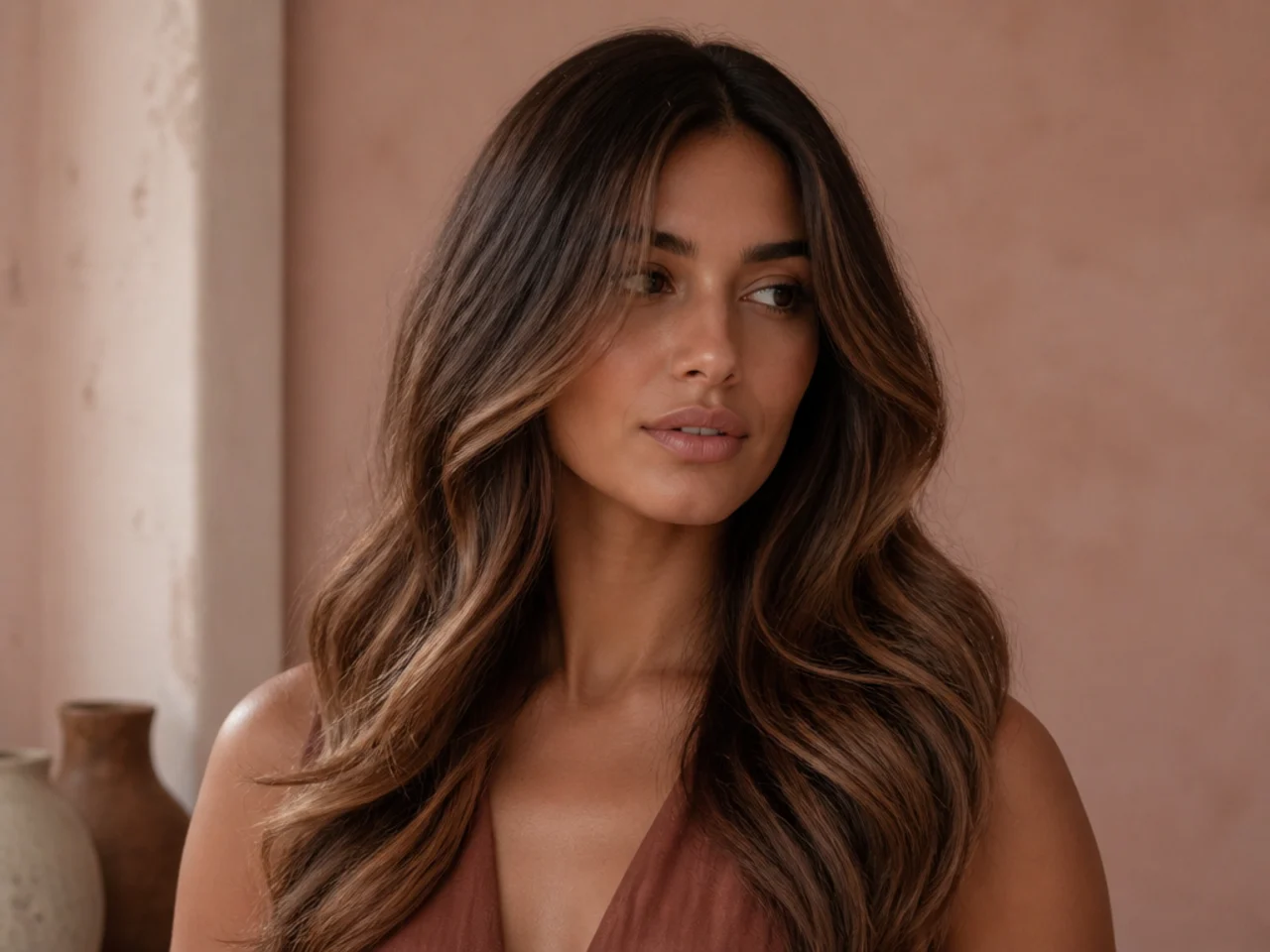
6. Salt Spray Texture
Grit for hair that is nearly straight.
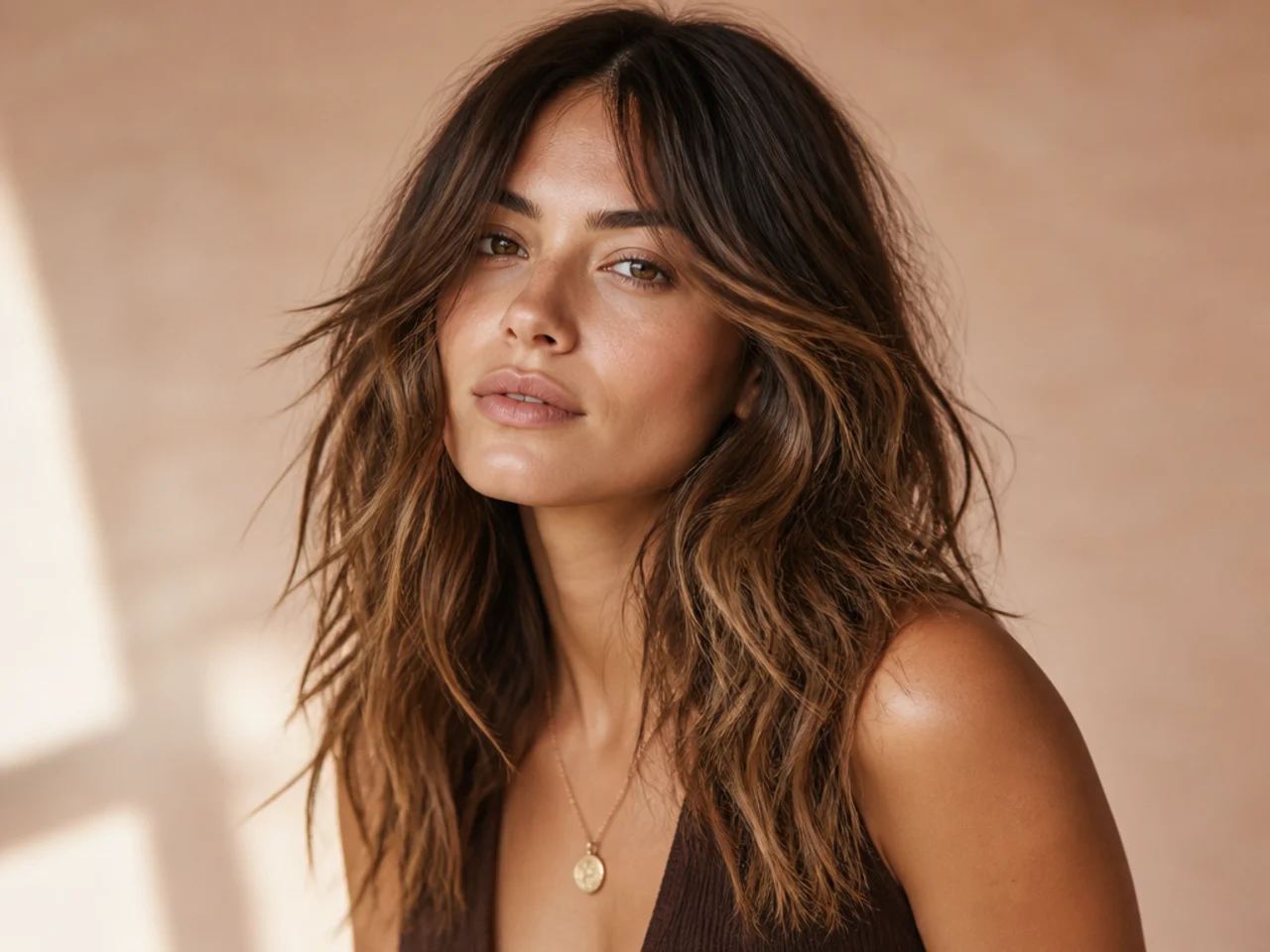
7. Natural Texture with Face-Framing Layers
The cut doing the work instead of the styling.
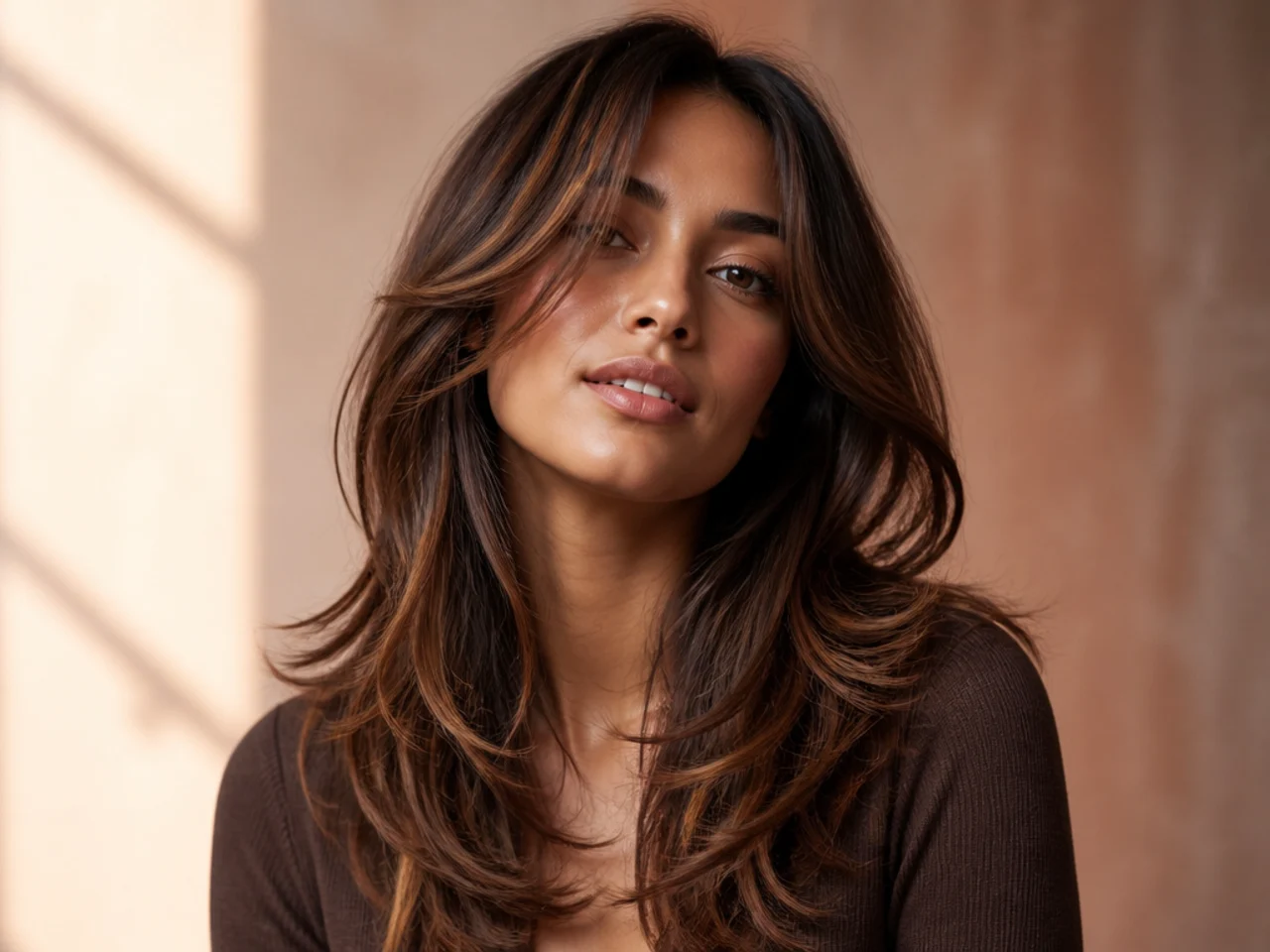
8. Half-Up on Natural Hair
Top gathered, texture loose below.
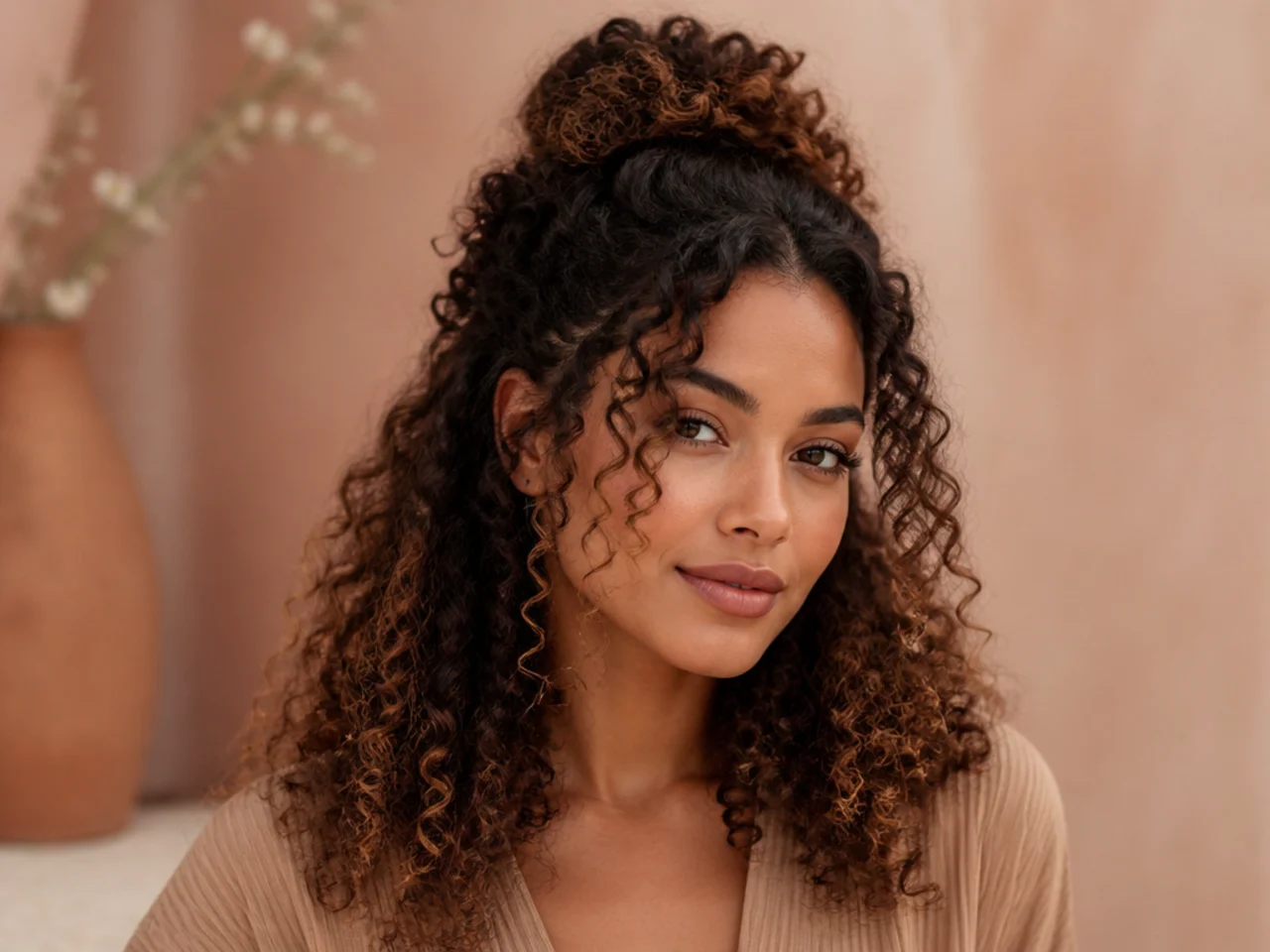
9. Second-Day Texture
Often better than day one, and it needs nothing.
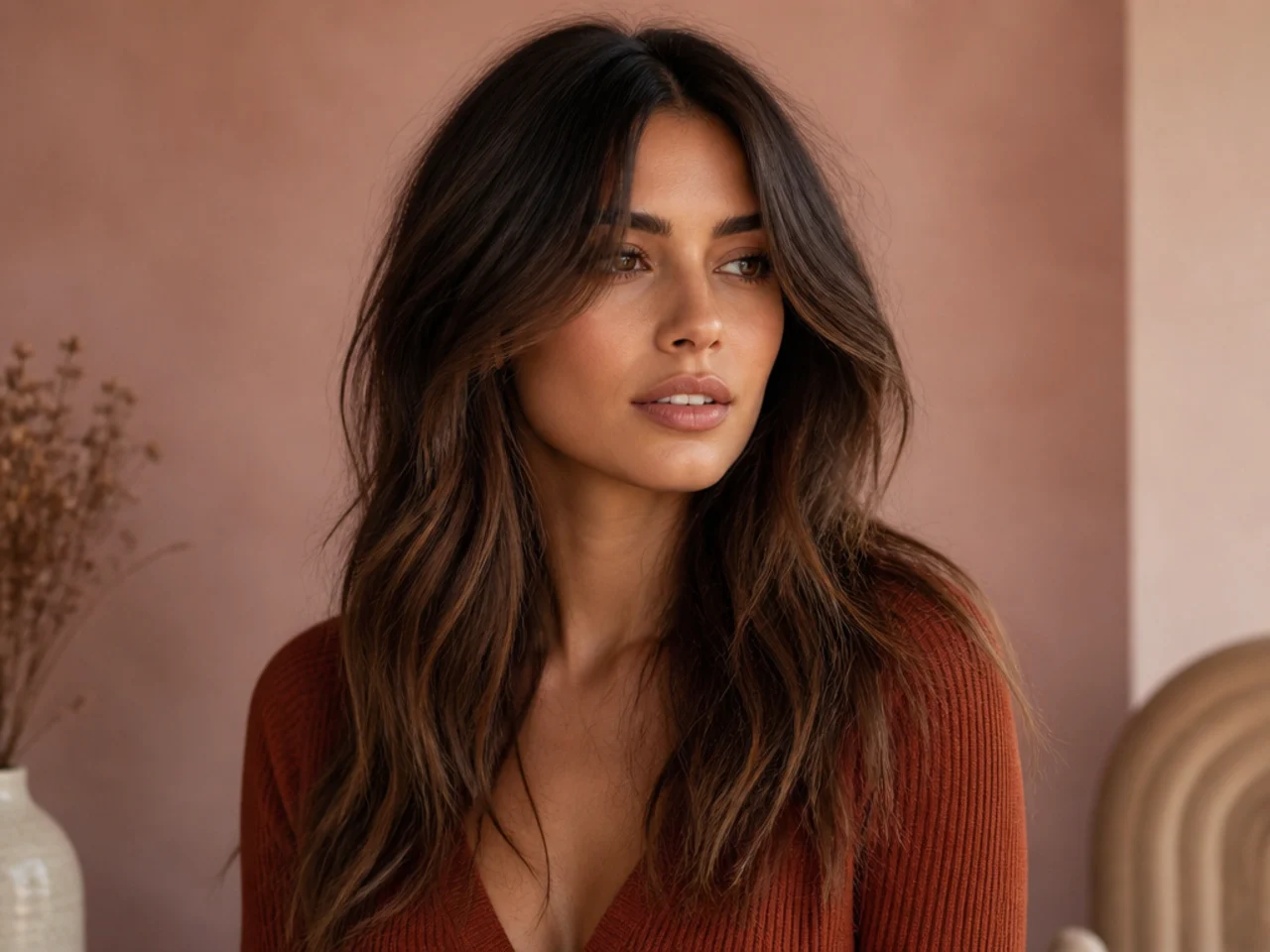
10. Refreshed with Water Only
A mist and a scrunch. No product needed.
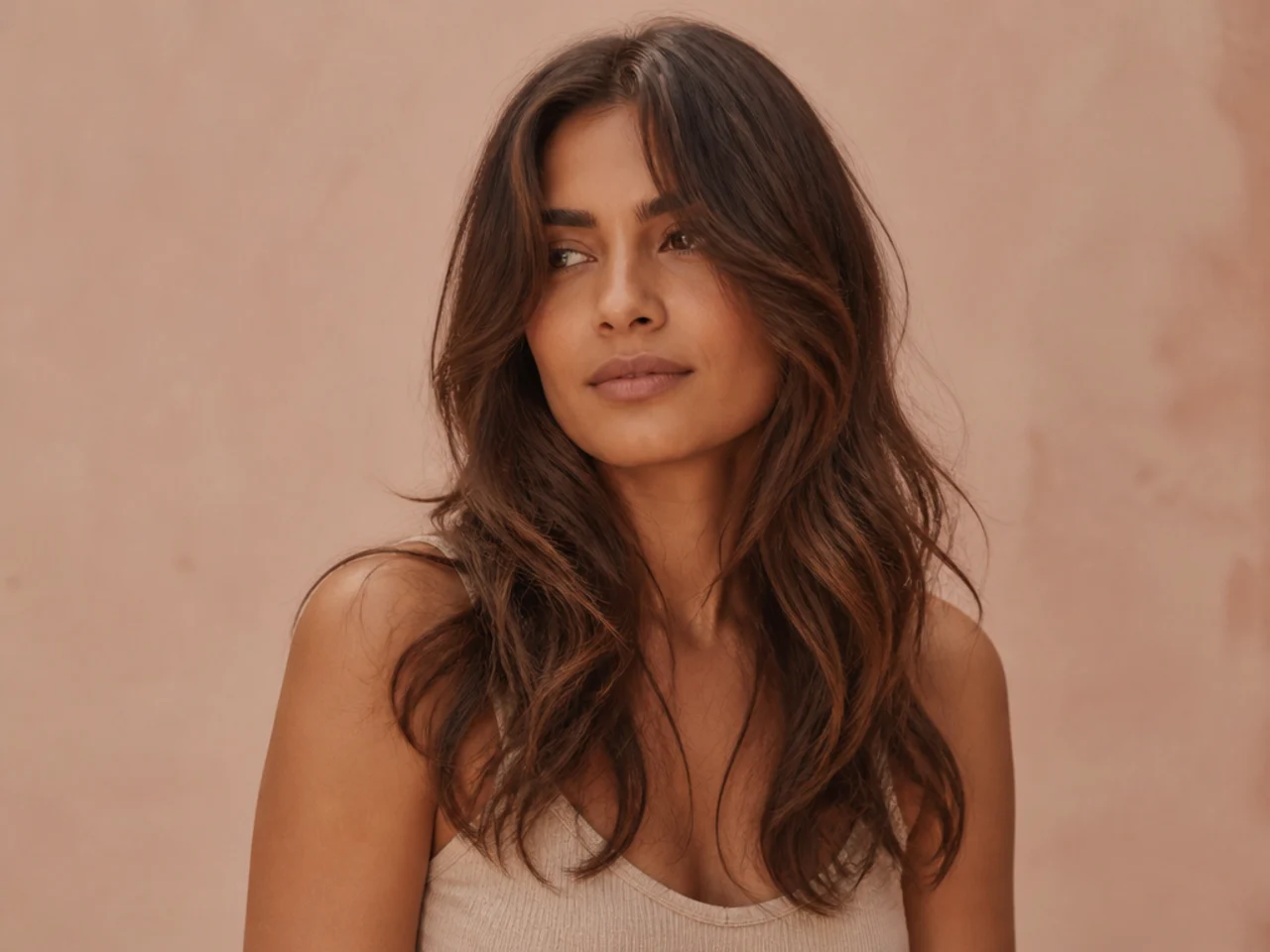
11. Low Bun with Loose Front
Texture left out around the face.
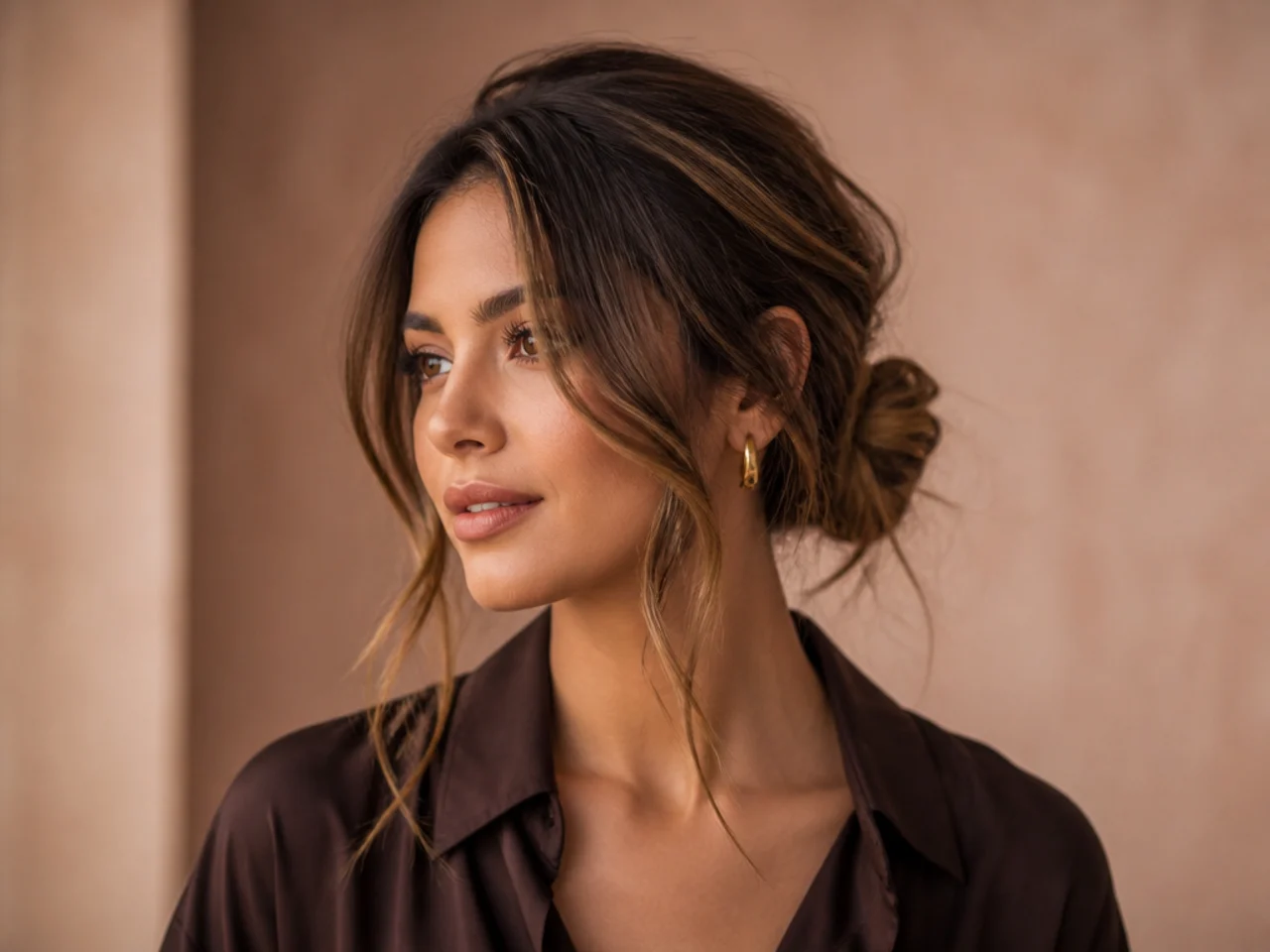
12. Natural Texture, No Product
For hair that behaves well on its own.
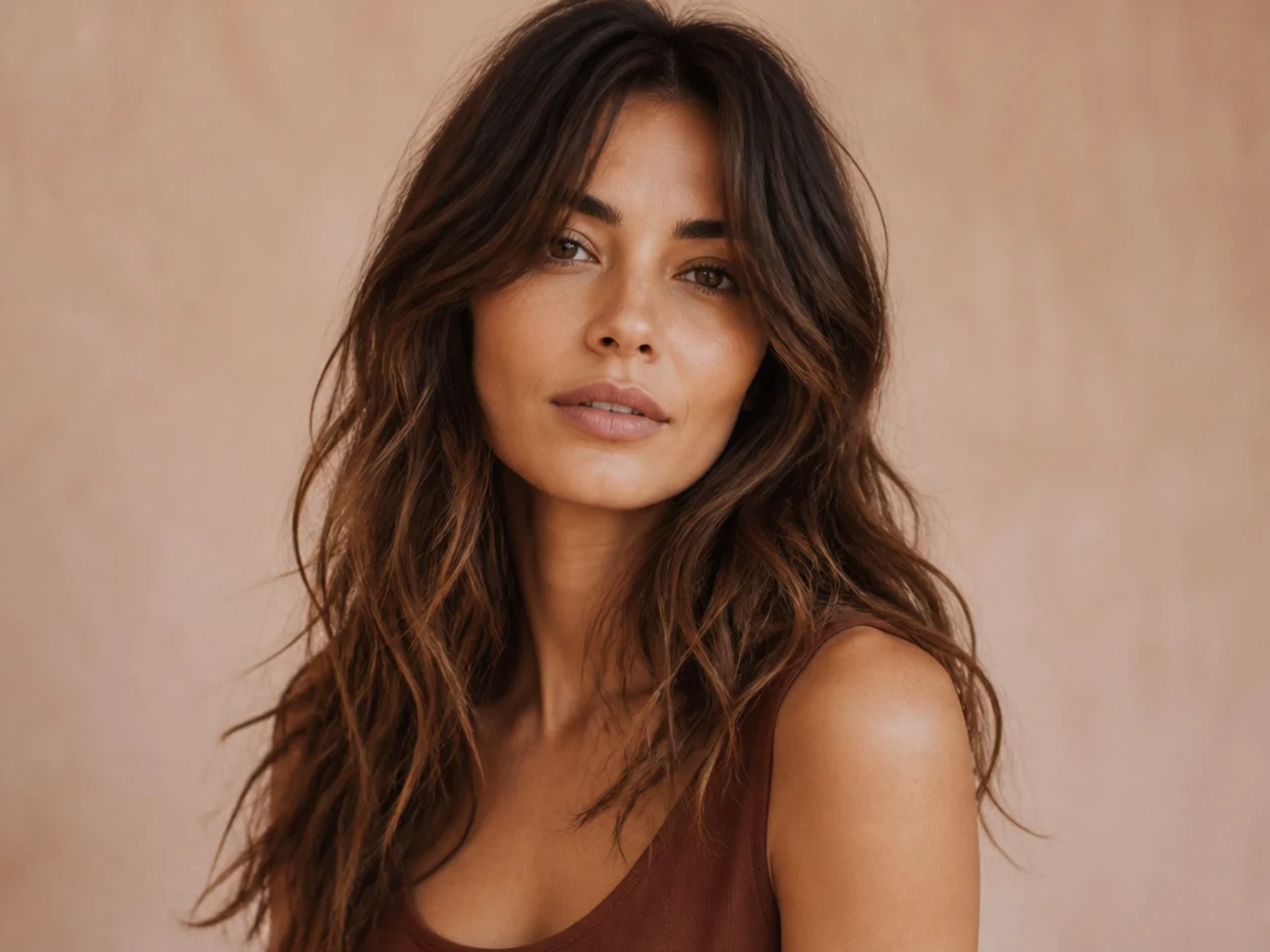
13. Plopped Then Air-Dried
Wrapped in a cotton shirt for the first twenty minutes.
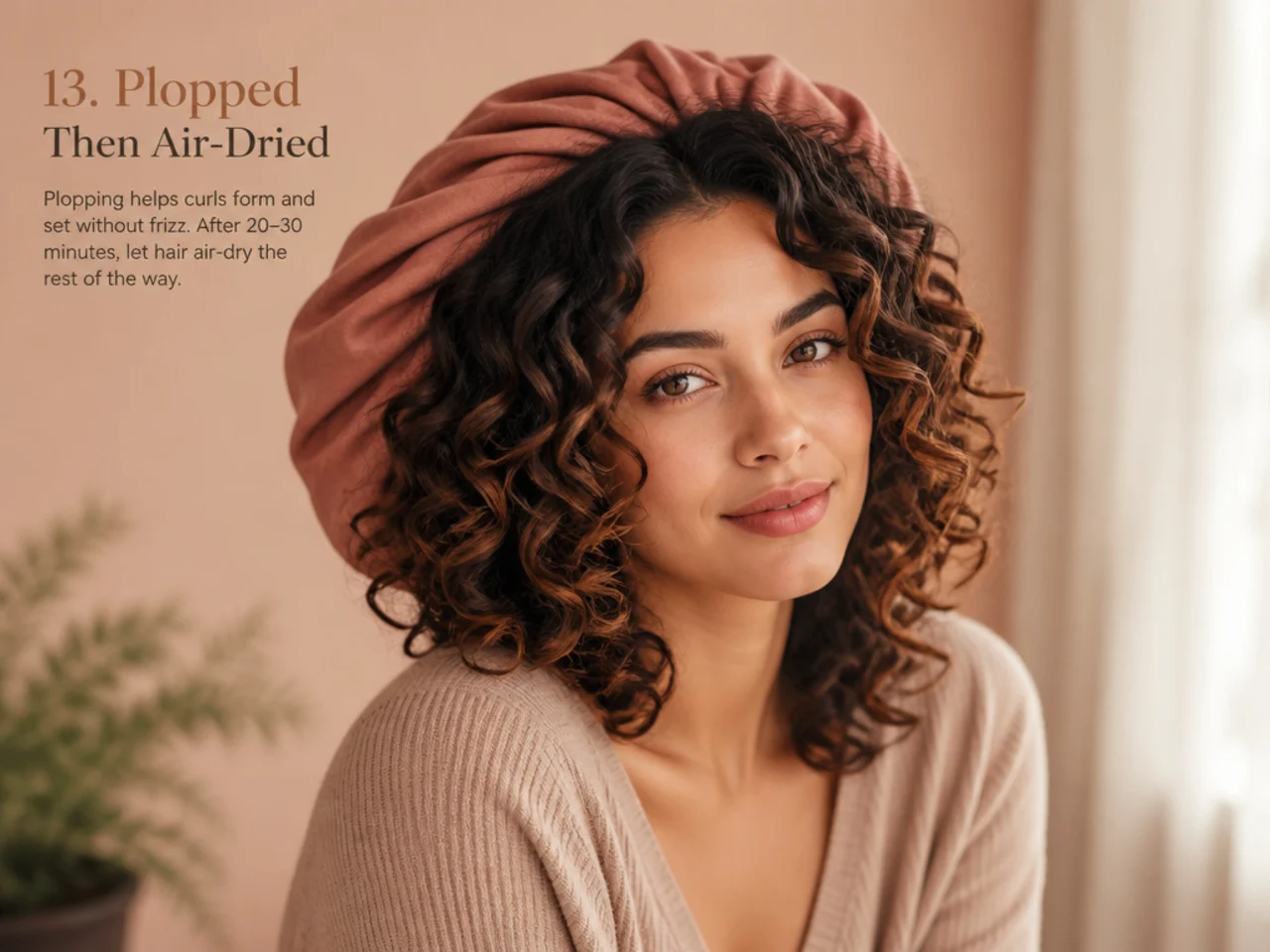
14. Root Lift Only
Clips at the roots while drying, length left alone.
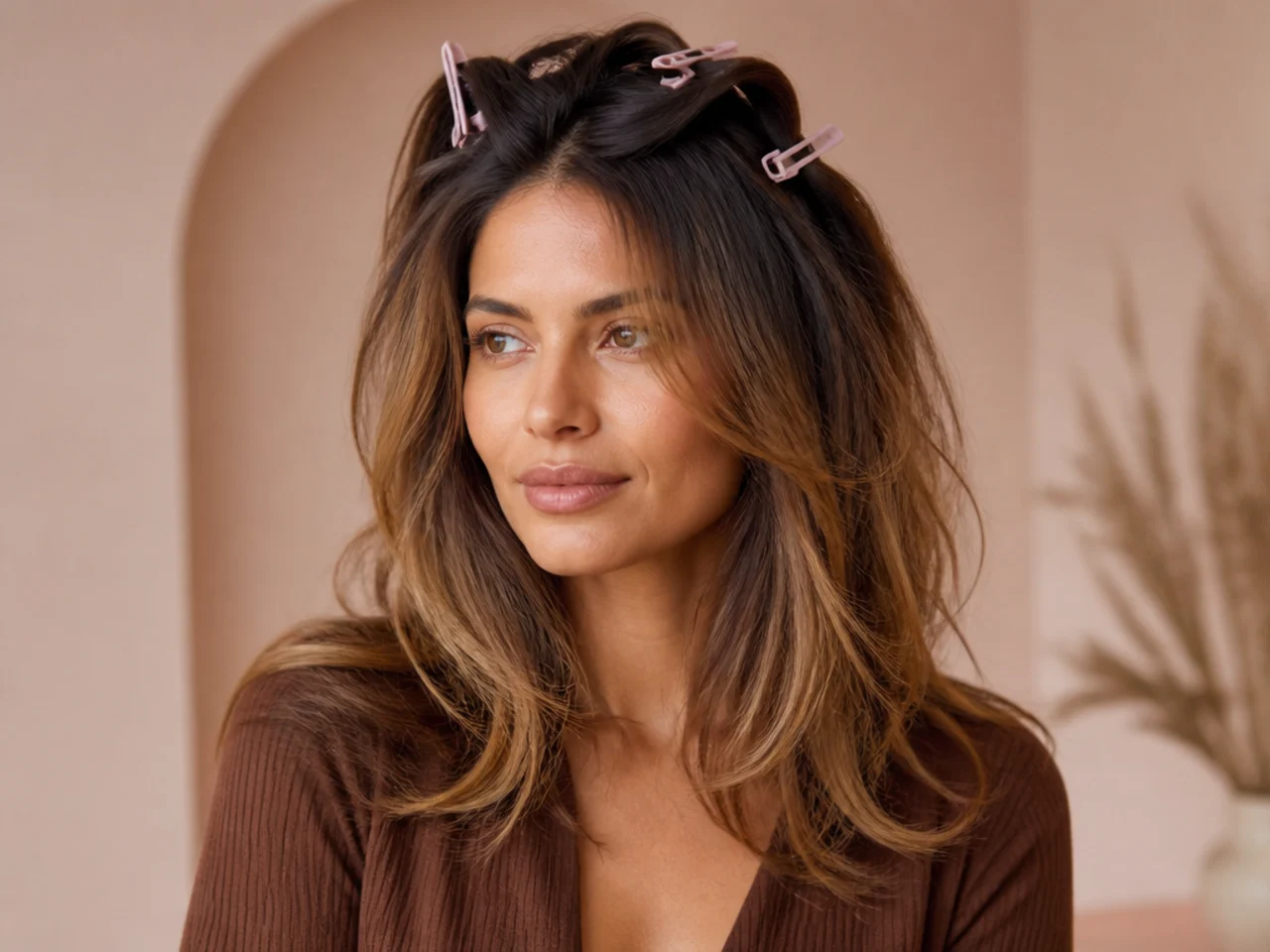
15. Grown-Out Natural Colour
No lift at all. The lowest-maintenance version of the whole look.
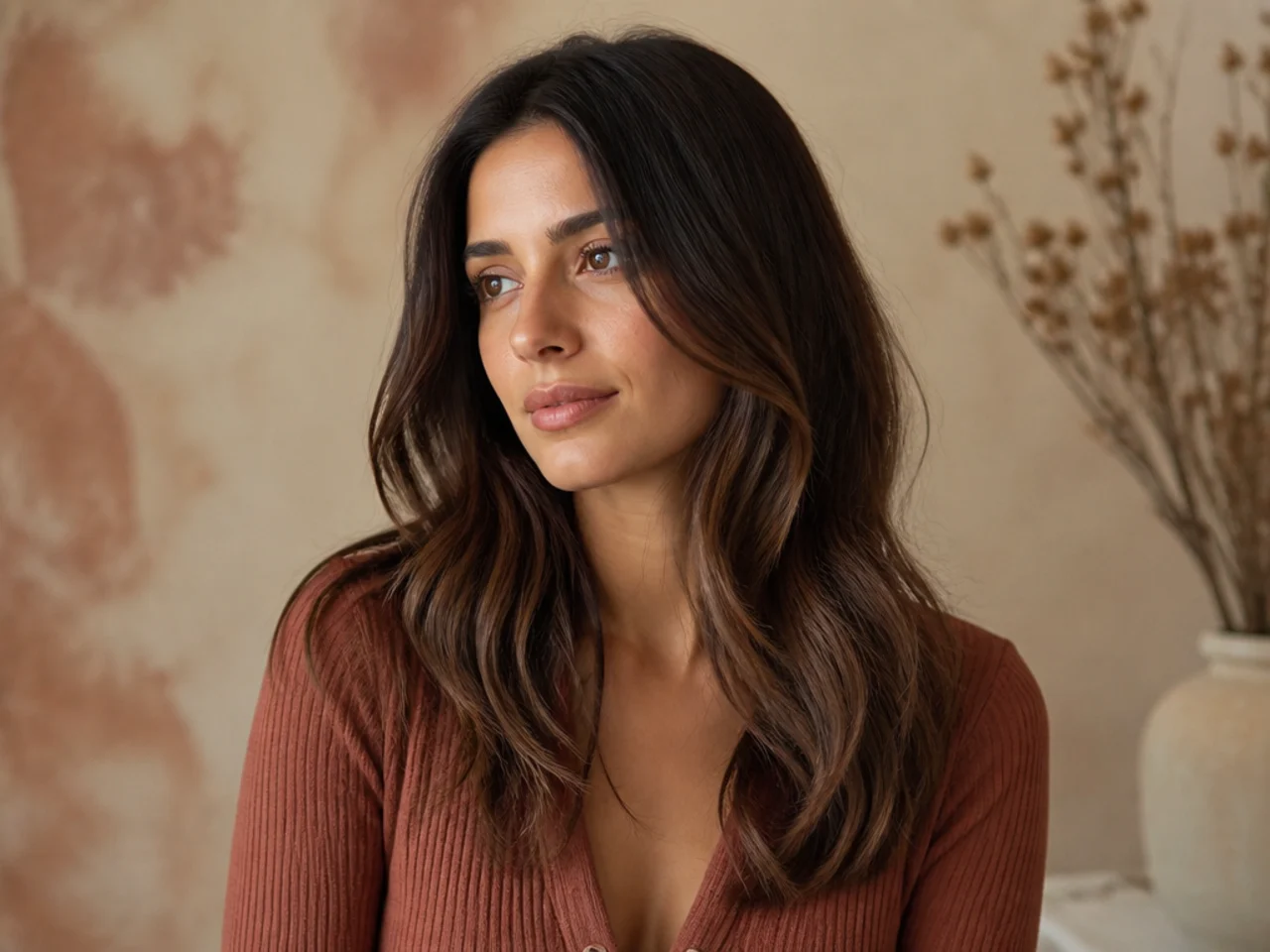
The Hands-Off Rule
If you take one thing from this page, take this one.
Almost all air-dry frizz comes from touching the hair while it dries, not from air-drying itself. As hair dries, strands group into clumps and set in that arrangement. Every touch breaks a forming clump into individual strands, and individual strands are what frizz is.
Product on, then hands off until bone dry. Twenty minutes to an hour depending on your length and thickness.
No tying it up damp. It sets in the tied shape.
No brushing once dry, ever. This is the rule people break most, usually out of habit, and it undoes the whole thing in five seconds.
It is a discipline rather than a technique, which is why it is harder than it sounds.
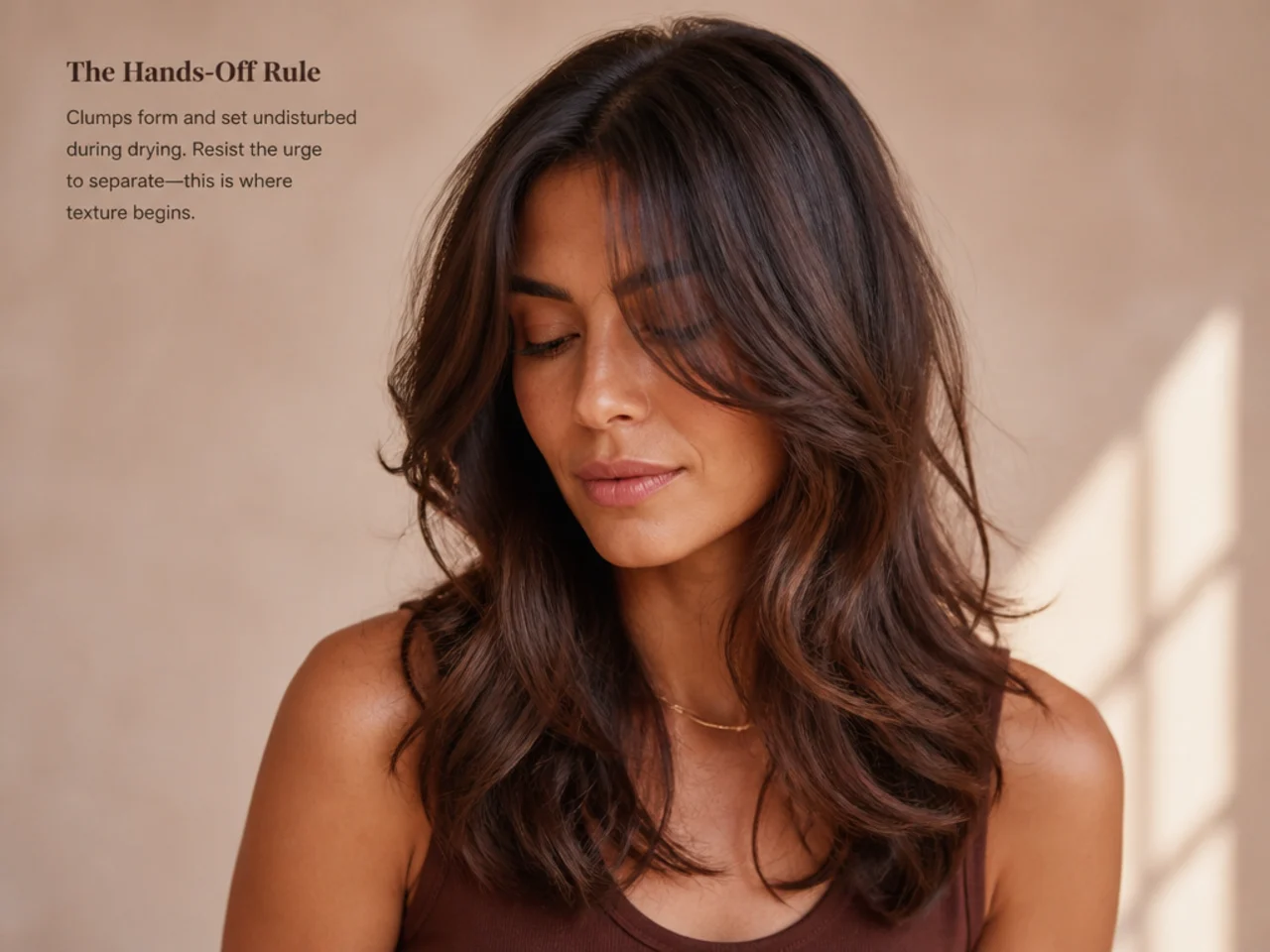
Mistakes to Avoid
Touching it while it dries. The main cause of air-dry frizz.
Brushing dry natural texture. It separates clumps into frizz permanently.
Product on damp rather than soaking hair. It never forms proper clumps.
Tying it up before it is dry. It sets in that shape.
Expecting straight hair to hold movement. It will not, and that is worth accepting.
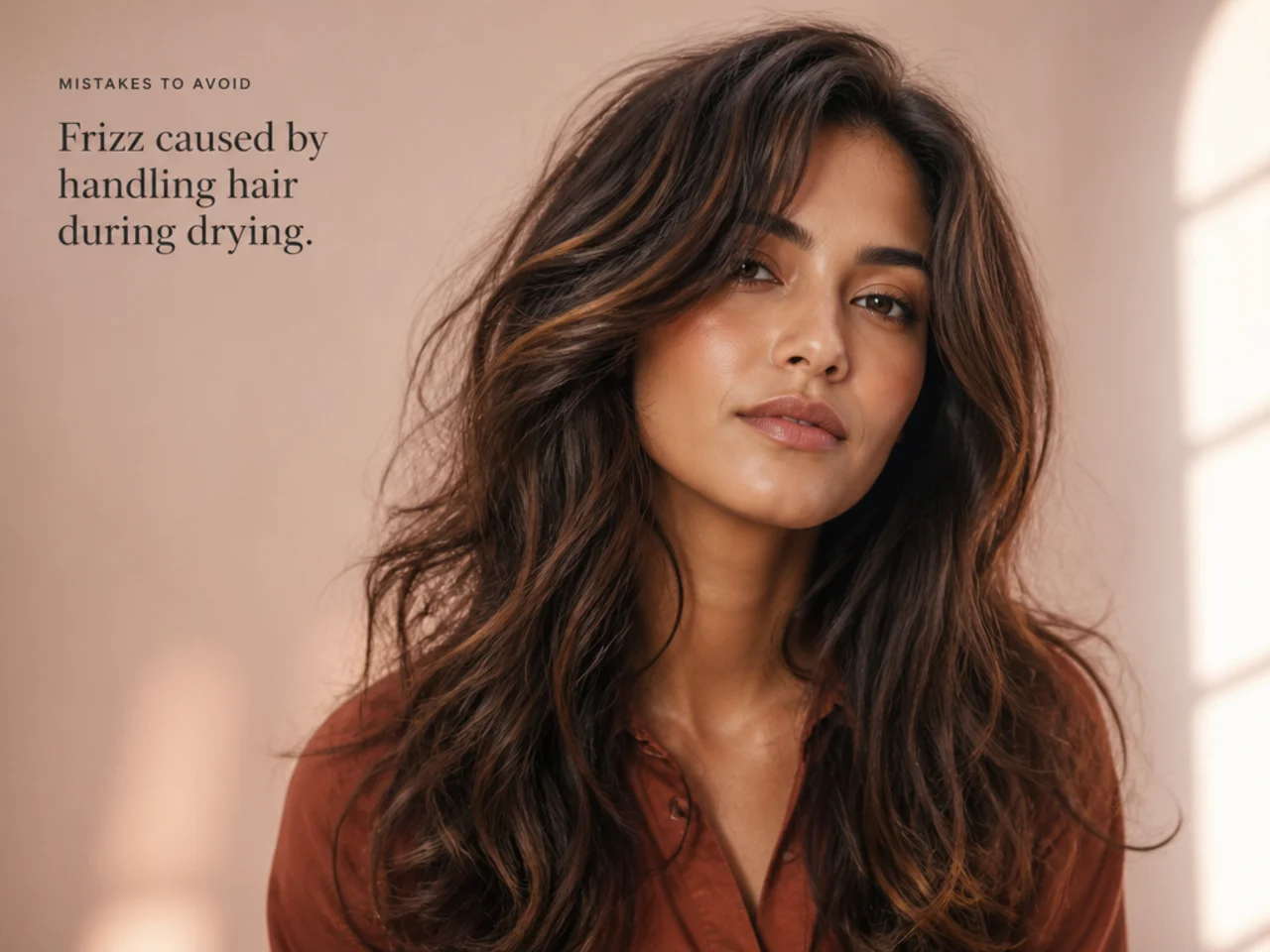
FAQ
Can you get it without heat? Yes, if your texture already has some bend — 1C to 2B especially.
How do you air-dry without frizz? Product on soaking hair, then do not touch it until dry.
What if your hair is very straight? This is a heat look for you; straight hair has no pattern to enhance.
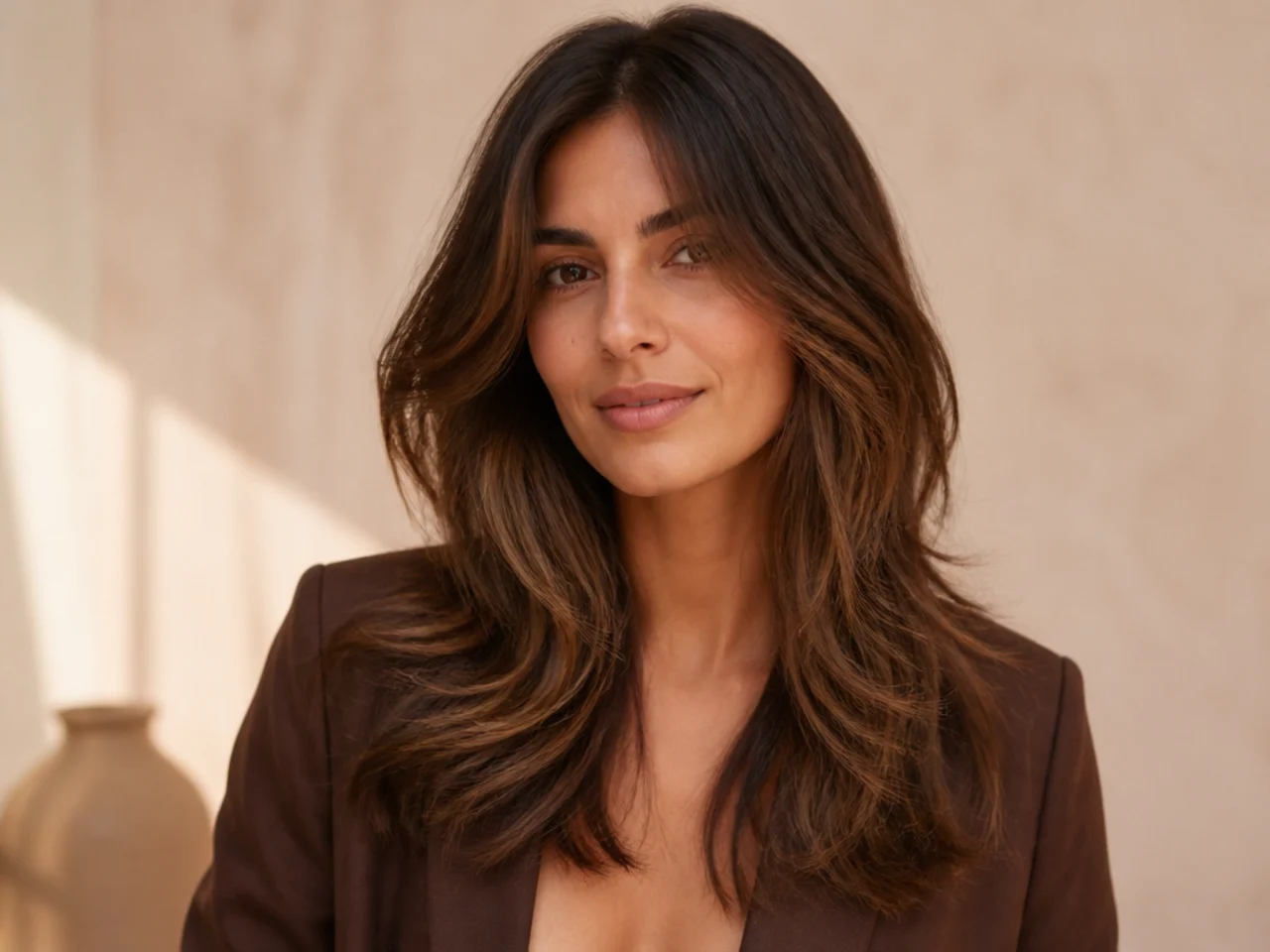
Final Thoughts
Put the product on soaking-wet hair and then leave it completely alone. The technique is easy; the discipline of not touching it for an hour is the actual skill, and it is the whole difference between soft texture and frizz.
For the heat version see 20 ways to get Jessica Alba curly hair, and for the full look see 25 Jessica Alba hair looks worth copying. More in Celebrity Hair.