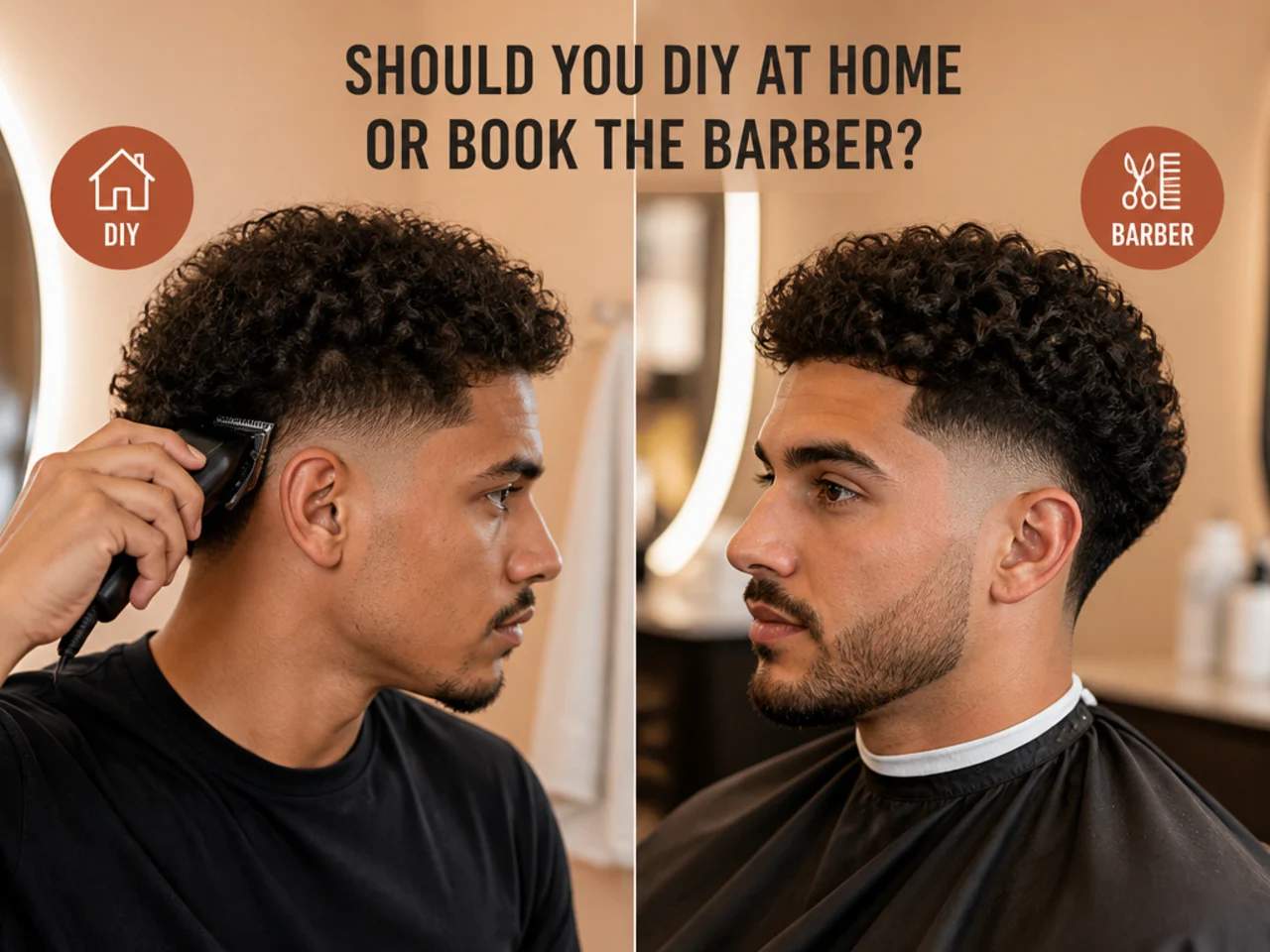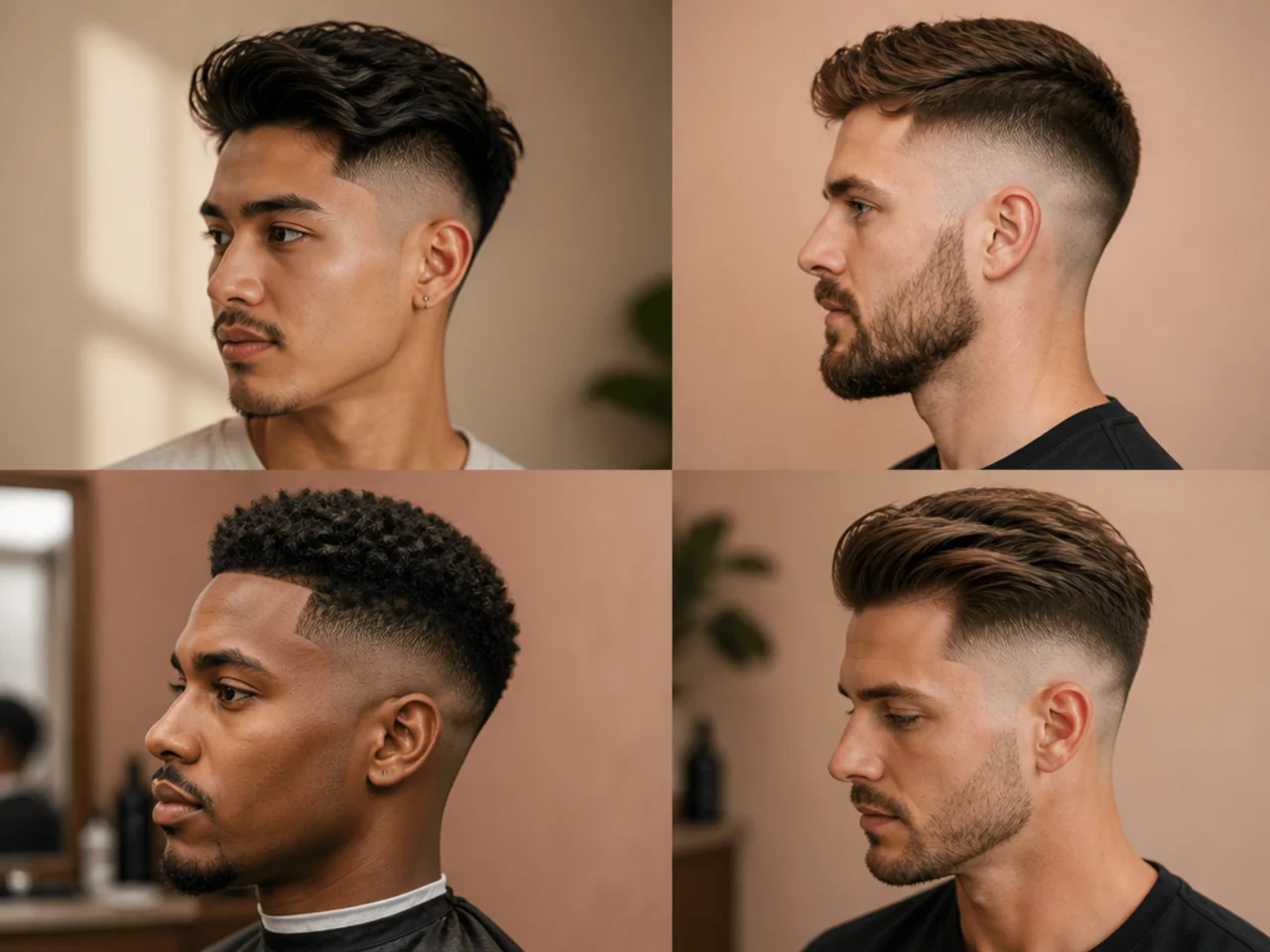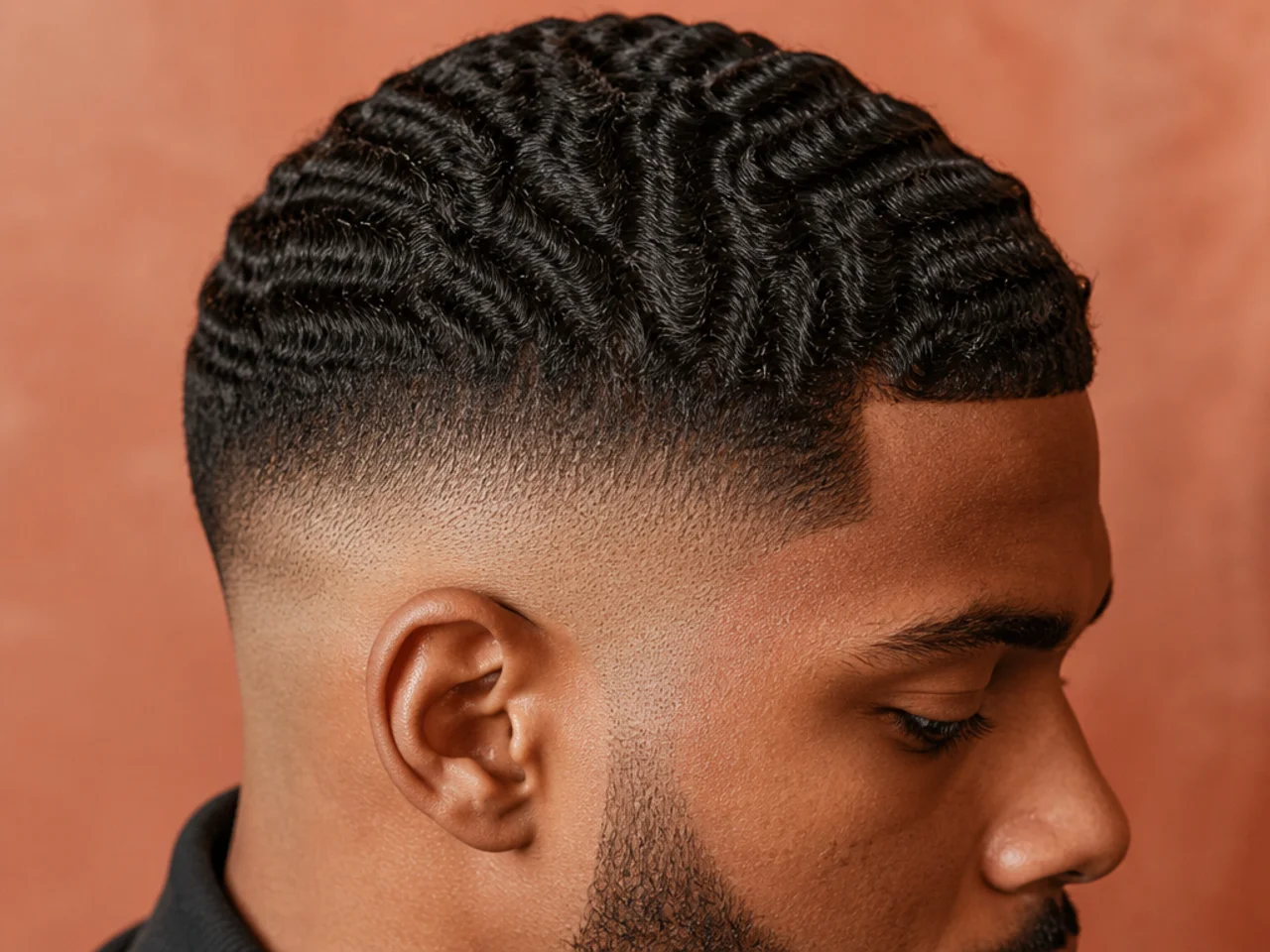
15 High Fade Haircut Ideas With Waves
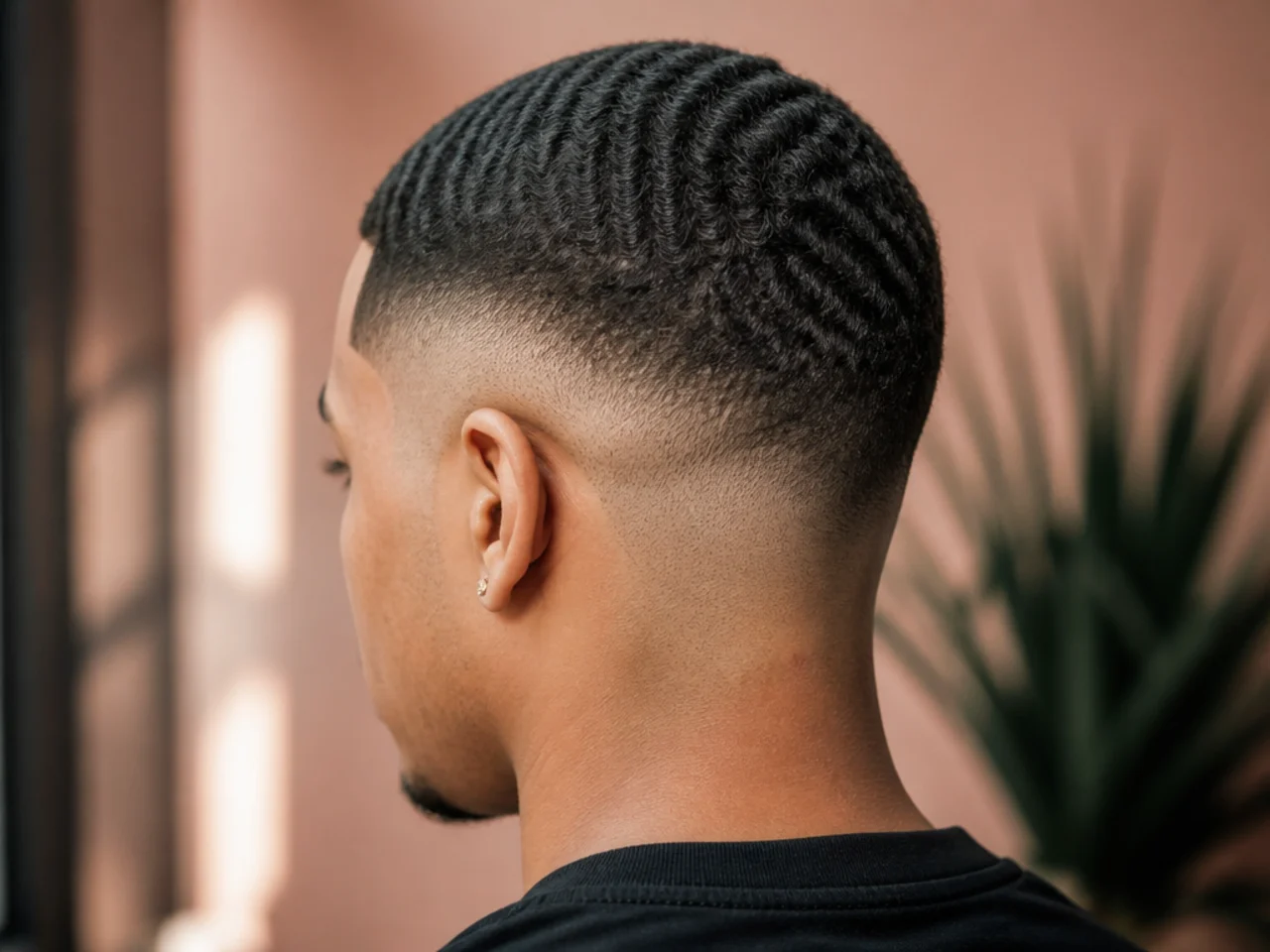
A high fade leaves the smallest wave field of any fade — a cap of pattern above the parietal ridge and nothing below it. That is a hard combination, and it only works on a pattern that is already fully trained.
In this article · 22
- What Is Left of the Pattern
- How to Choose Yours
- The 15 High Fade and Wave Ideas
- 1. Deep Crown Waves Over a High Skin Fade
- 2. High Taper With Waves
- 3. Waves With the Blend Released Over Three Centimetres
- 4. High Fade Waves With a Line-Up
- 5. High Fade Waves With a Beard
- 6. High Fade Waves With a Design
- 7. High Fade Waves With a Hard Part
- 8. High Drop Fade With Waves
- 9. High Fade Waves With a Longer Top
- 10. High Fade Waves at a #1 Top Guard
- 11. High Fade Waves on a Coarse Texture
- 12. High Fade Waves on Fine Hair
- 13. High Fade Waves With a Sharp Front Edge
- 14. High Fade Waves, Week One
- 15. High Fade Waves, Week Three
- Styling and Upkeep
- Mistakes to Avoid
- FAQ
- Final Thoughts
A wave pattern radiates outward from the crown, and it lives wherever the hair is long enough to lie flat against the scalp.
A high fade cuts in at the parietal ridge or above it, which is as high as any fade goes. That is the widest point of the skull, and everything below it goes.
So the pattern survives as a cap. A circle of rows on the crown, with bare or near-bare skin all the way round it, which is the smallest wave field any fade leaves.
What Is Left of the Pattern
Waves need length to lay. Below roughly 3mm the hair stands and a standing hair cannot hold a row.
A high fade removes everything under the ridge. Which is most of the surface a pattern normally occupies.
What remains is a crown cap. Rows radiating in every direction from a single point, seen mostly from above and the front.
So the rows have to be deep. A shallow pattern spread over a large field still reads, and a shallow pattern on a small cap does not.
How to Choose Yours
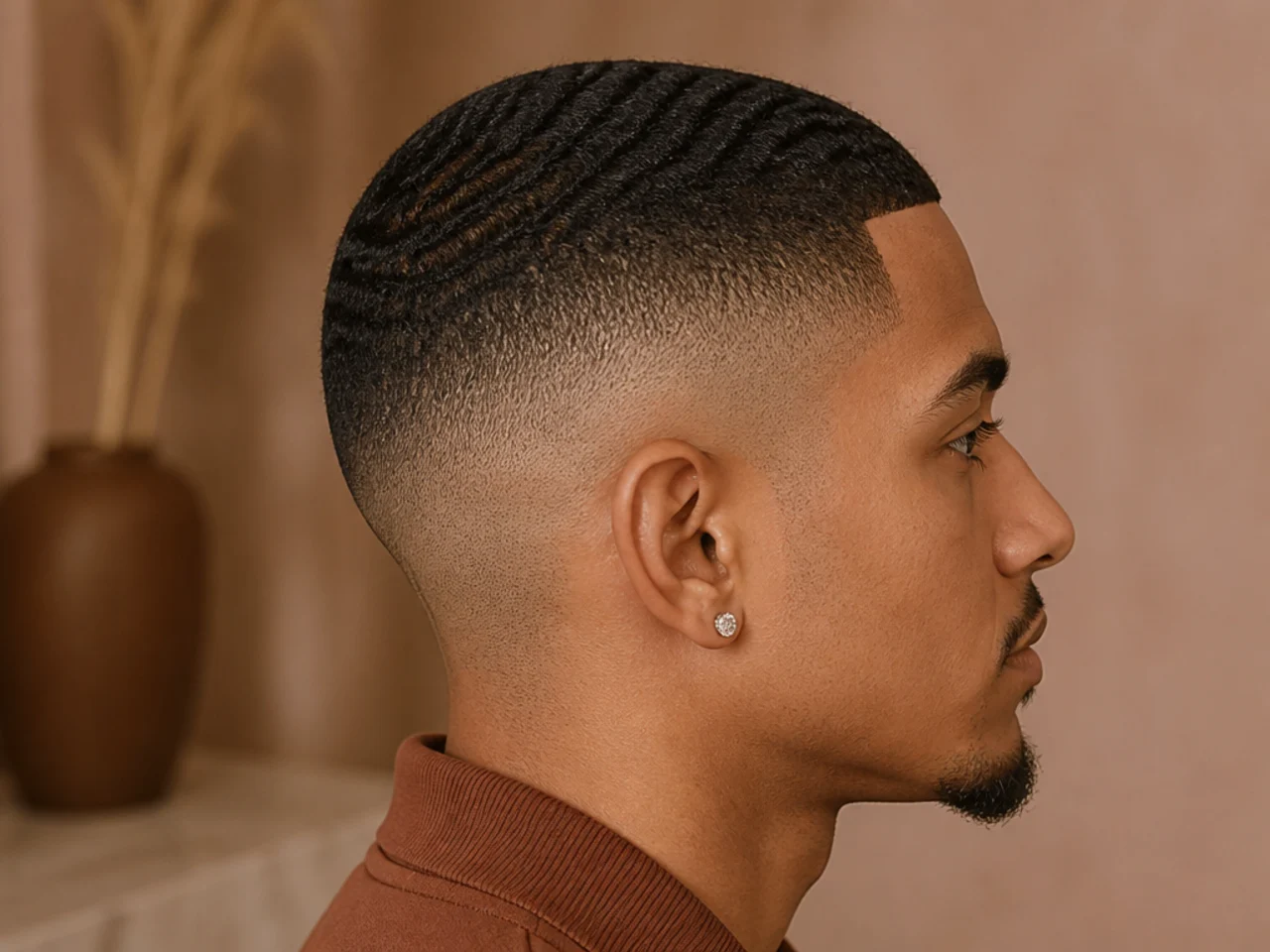
Only go high with a trained pattern. Deep rows on the crown are the entire look, so they have to already exist.
Set the fade's top guard at a #1 or #1.5. With only a cap of rows left to protect, a shorter guard halves the outermost row instead of passing beneath it.
Ask for the blend to be released slowly. A long transition lets the rows fade out, and a short one chops them.
Expect a wave top, not 360 waves. The pattern no longer runs around the head and calling it 360 sets you up for disappointment, in the way a full field of old money waves never does.
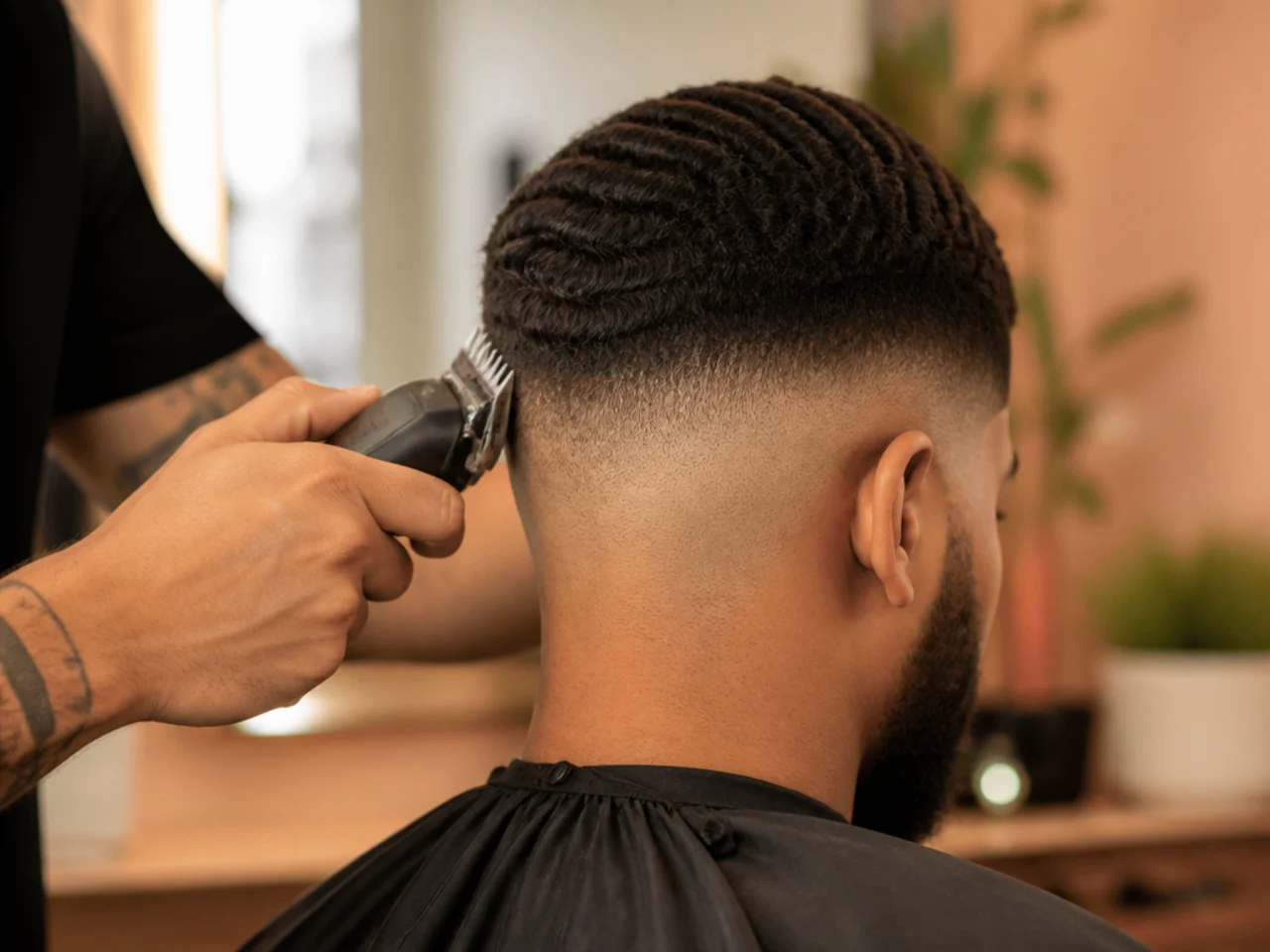
The 15 High Fade and Wave Ideas
1. Deep Crown Waves Over a High Skin Fade
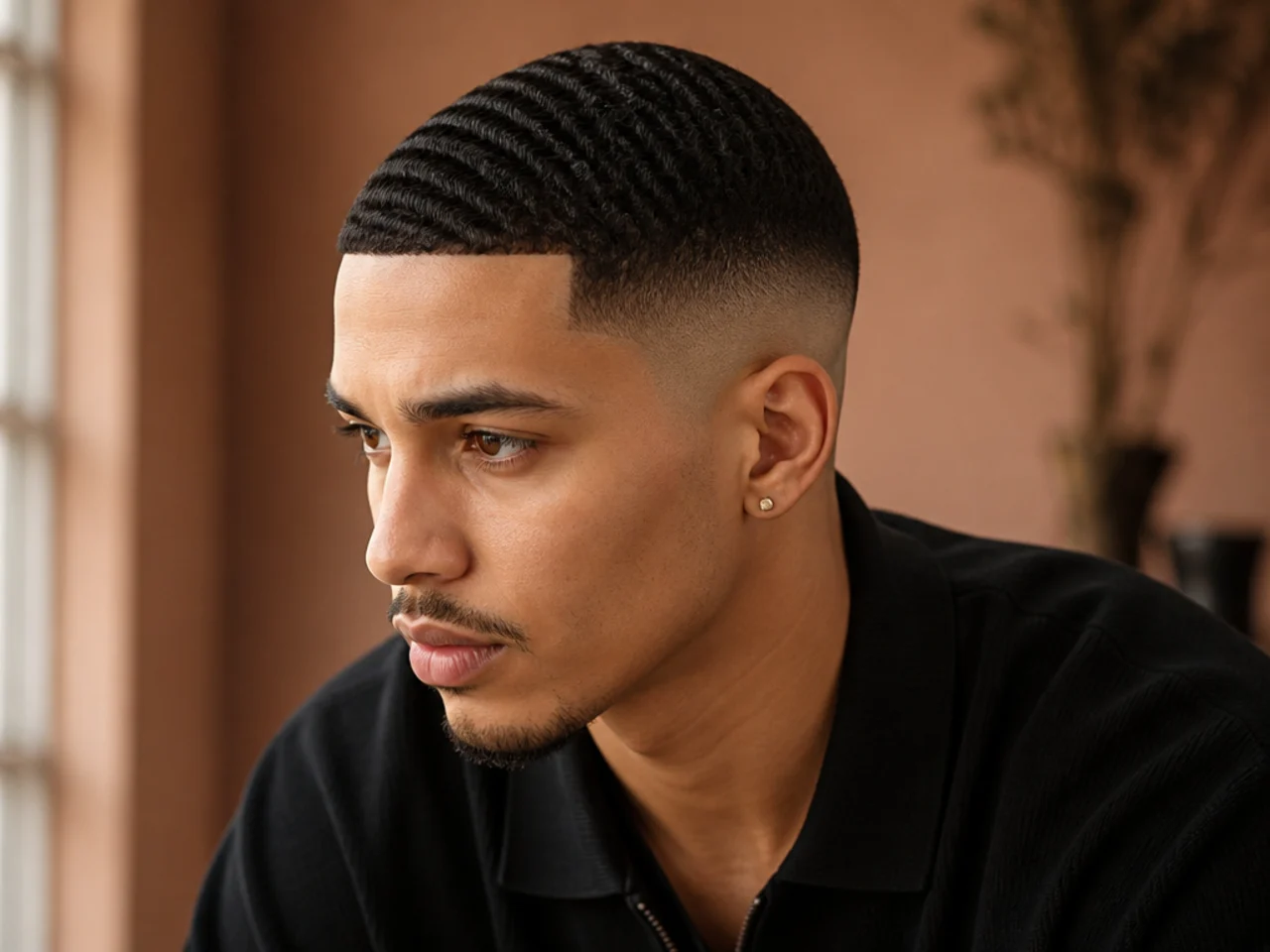
A fully trained pattern reduced to a cap, with bare skin all round it. It is the version this cut exists for, and it needs rows deep enough to hold their own with nothing supporting them.
2. High Taper With Waves
A #1 at 3mm floor rather than skin. The shadow underneath keeps a faint continuation of the rows, which makes the cap look less isolated than it does over bare scalp.
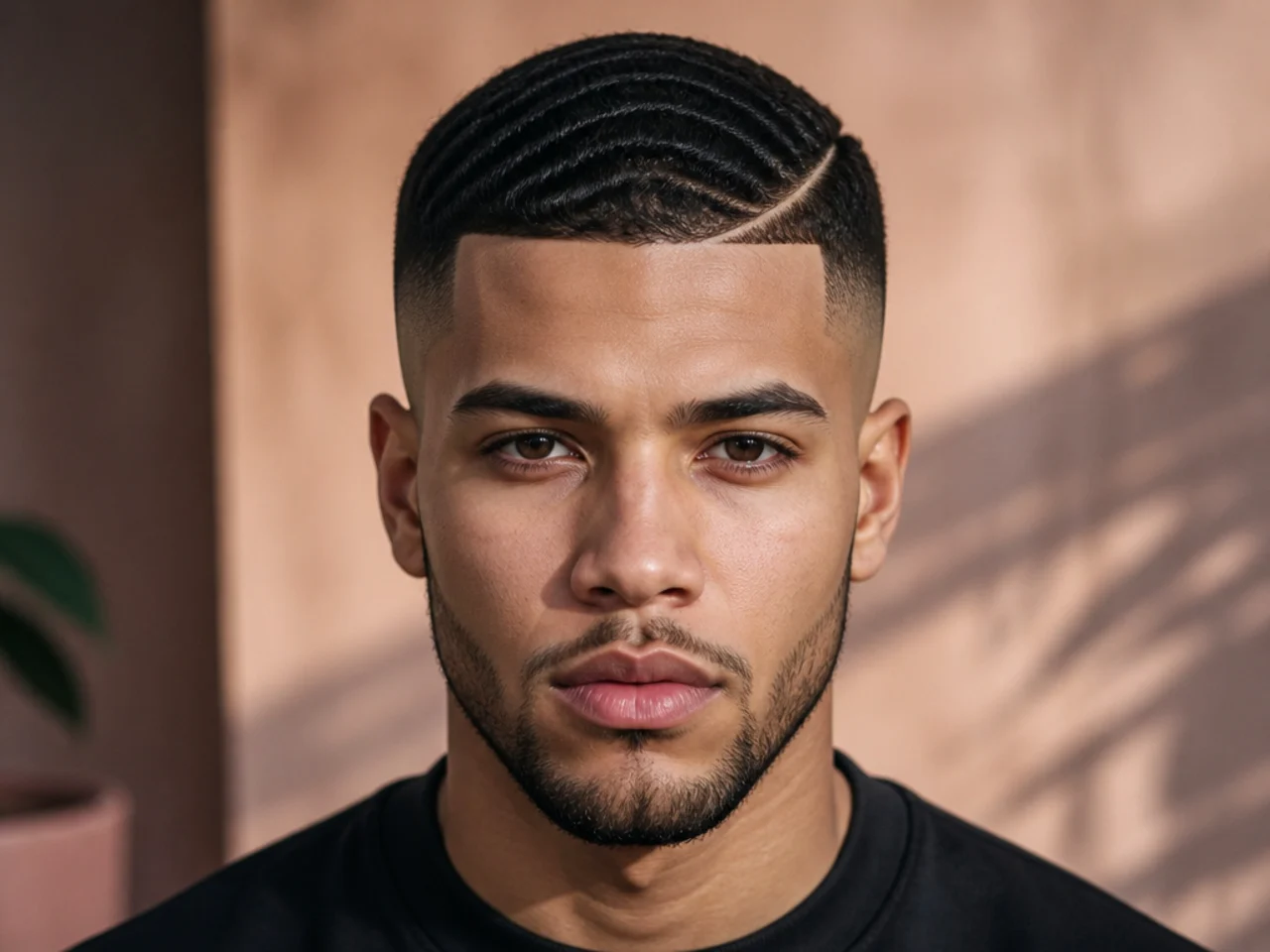
3. Waves With the Blend Released Over Three Centimetres
A long transition at the top of the fade. The rows appear to dissolve outward instead of stopping, which is the single detail that makes this combination look intentional.
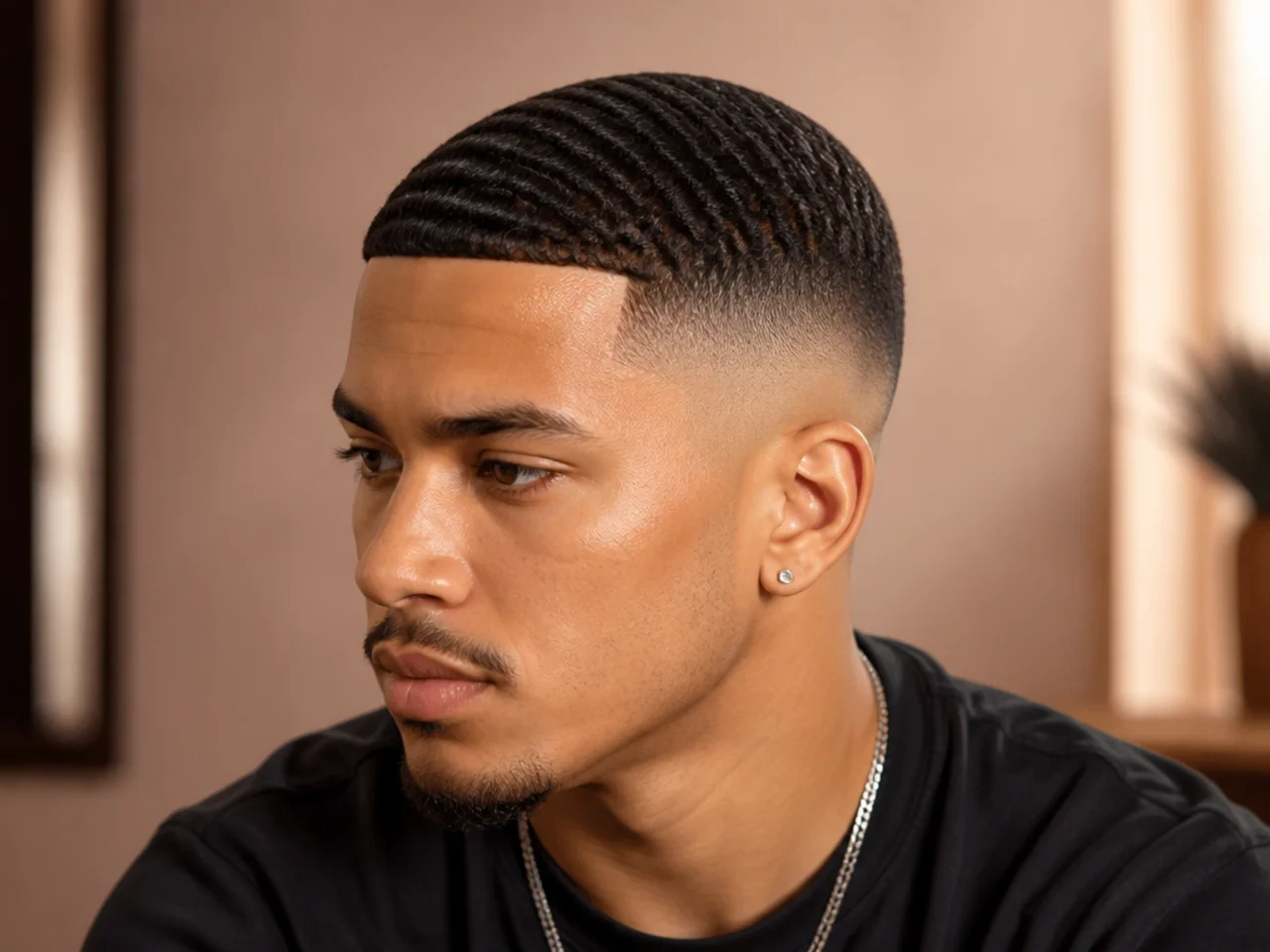
4. High Fade Waves With a Line-Up
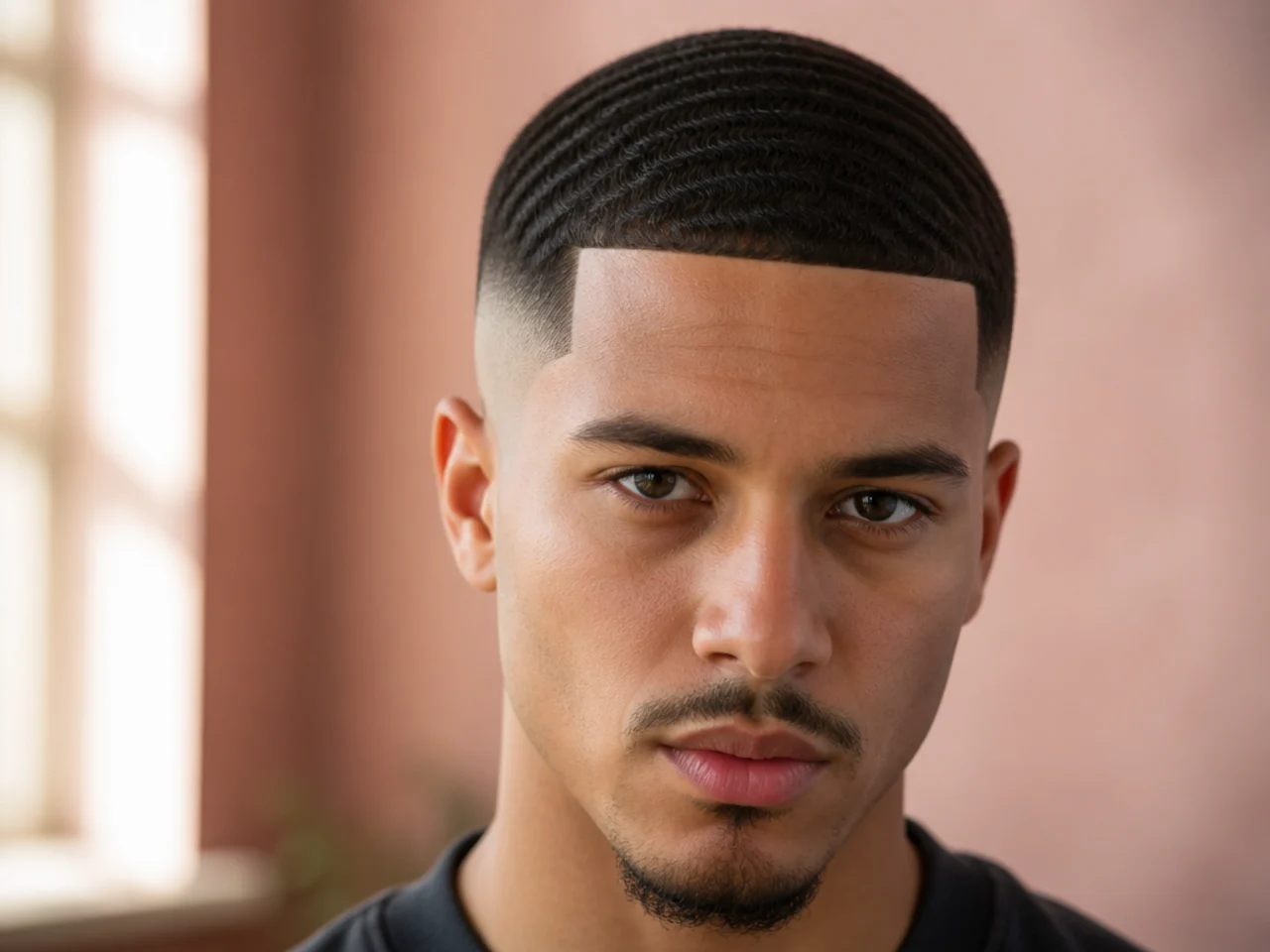
A razored edge across the front hairline. It gives the radiating rows a hard boundary at the front, which makes a small cap read as denser than it is.
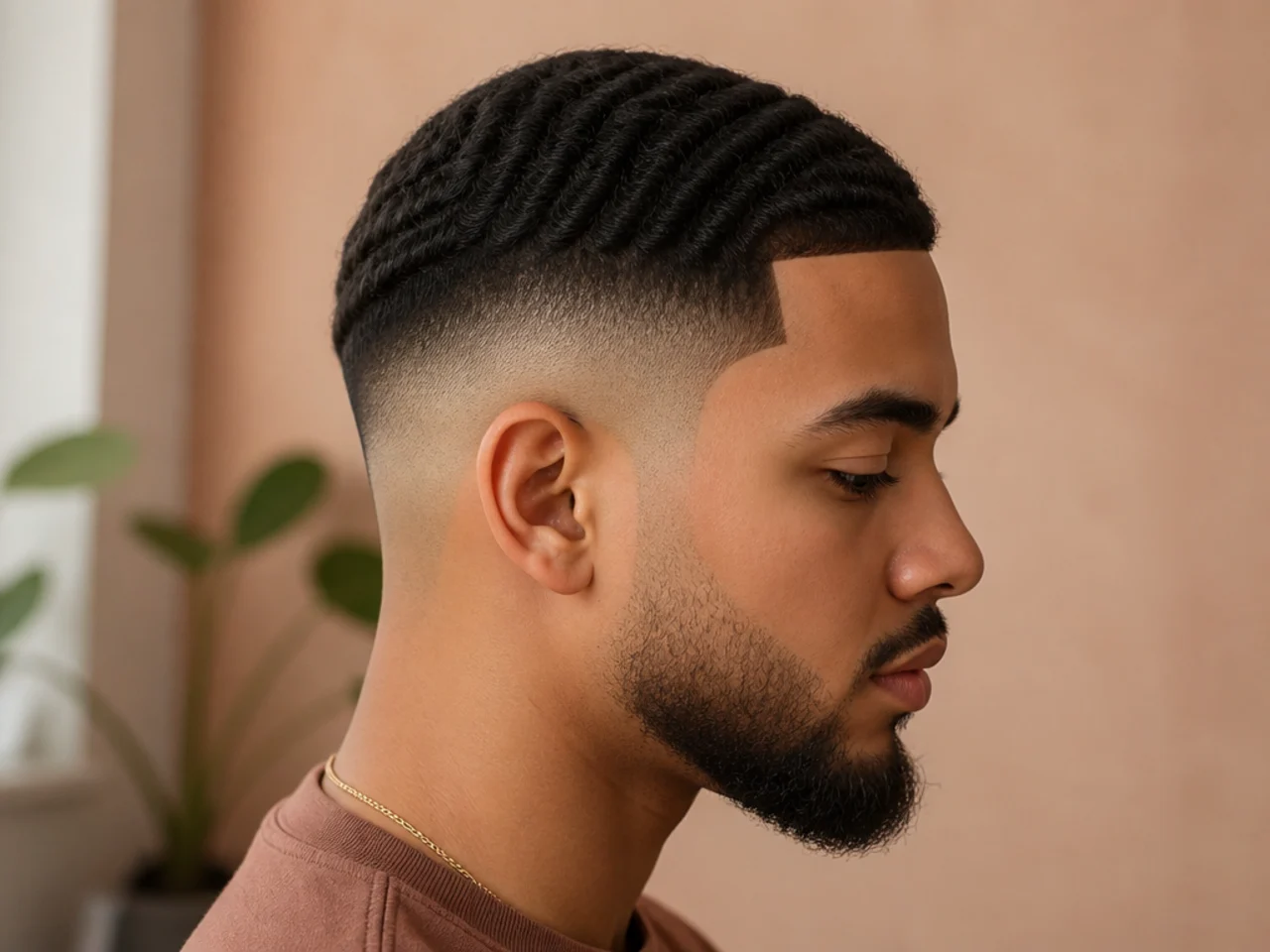
5. High Fade Waves With a Beard
The cap on top, the widest band of bare skin any fade produces in the middle, and the beard below. Fade the beard as well or the head reads as three separate zones.
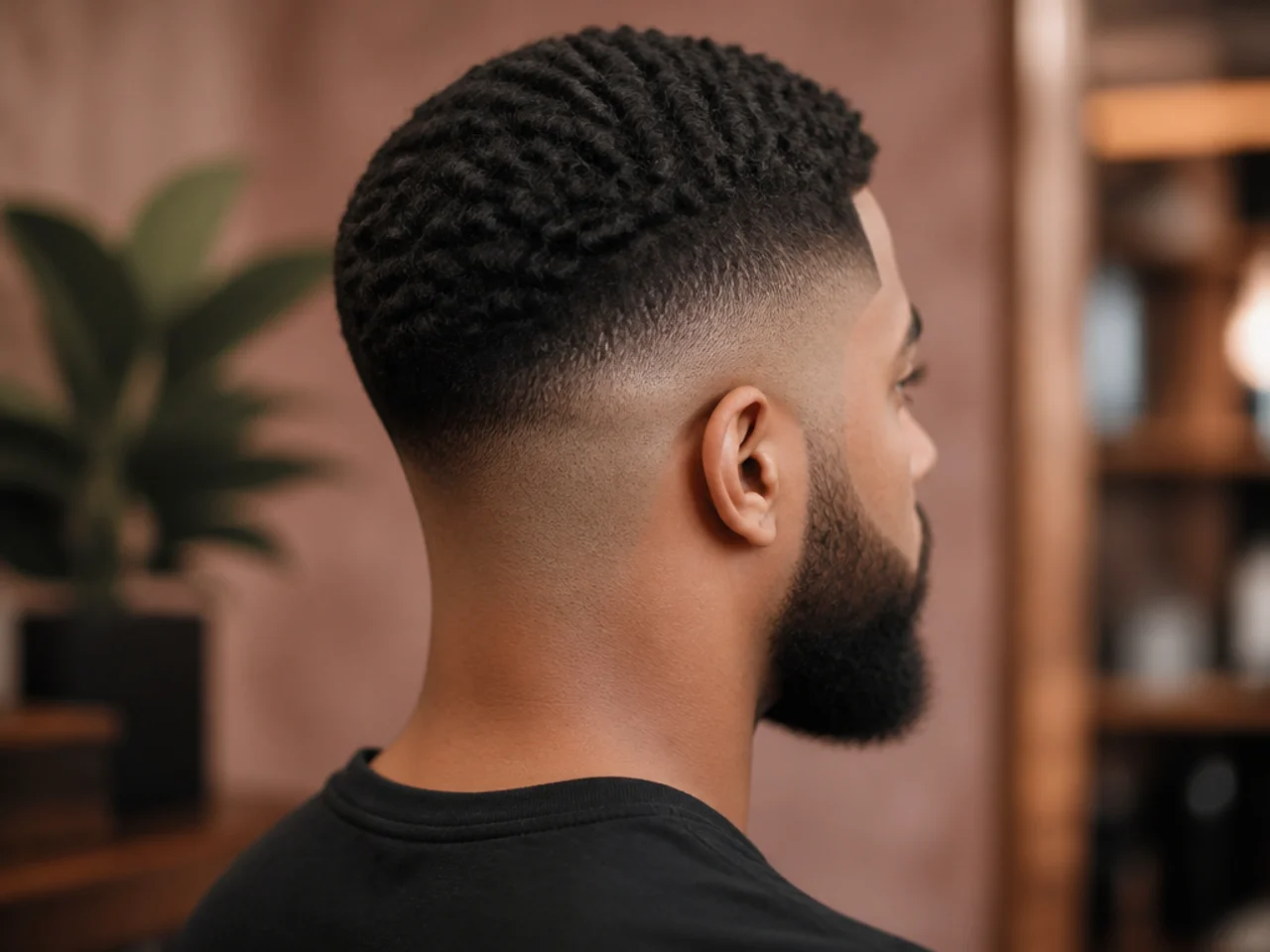
6. High Fade Waves With a Design
A shape cut into the exposed panel below the cap. High fades leave the largest bare area of any cut, so there is real space here for something more than a single line.
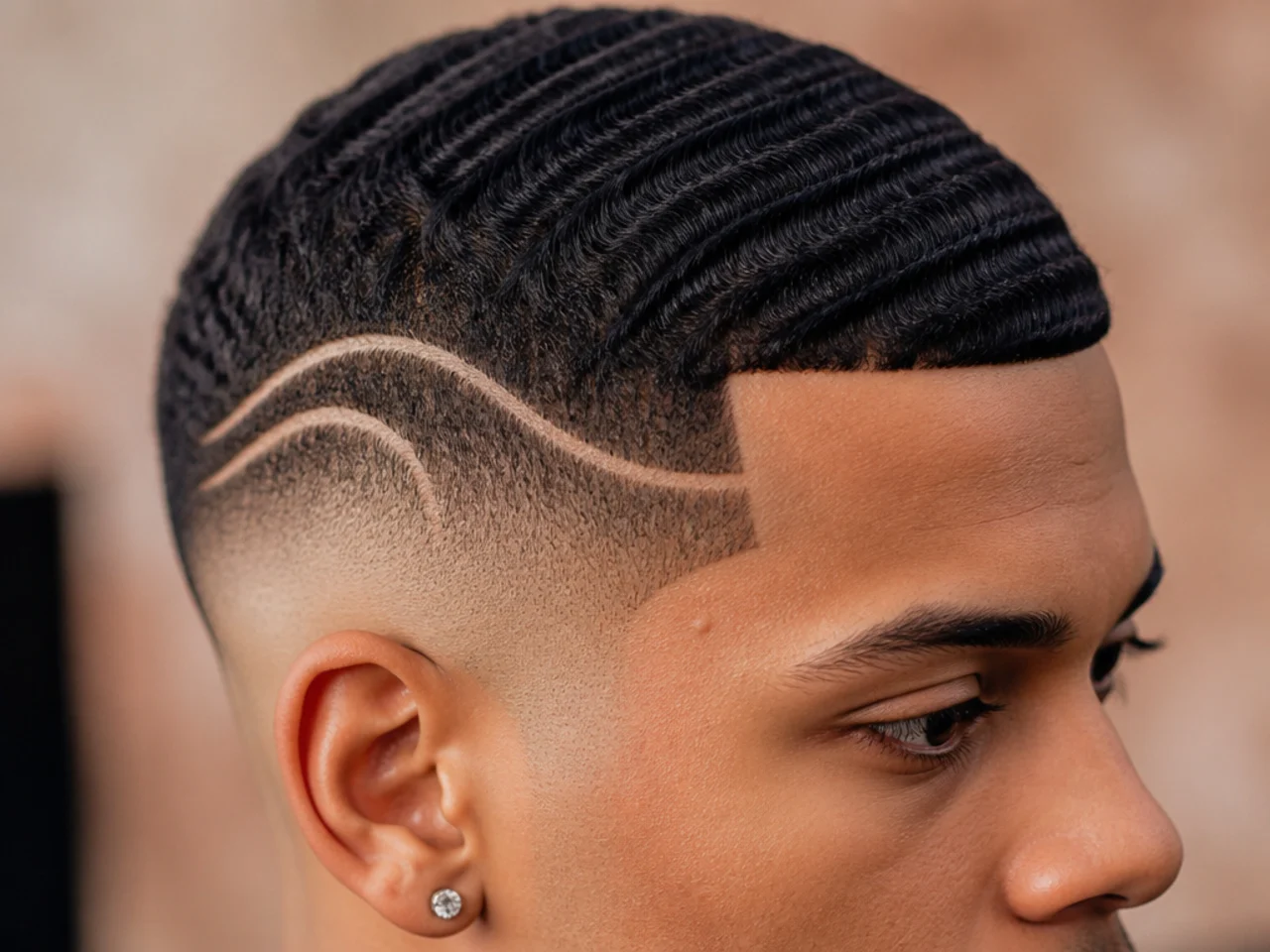
7. High Fade Waves With a Hard Part
A razored line running across the rows on the crown. The part crosses the pattern's direction, so it stays visible where a line running with the rows would vanish.
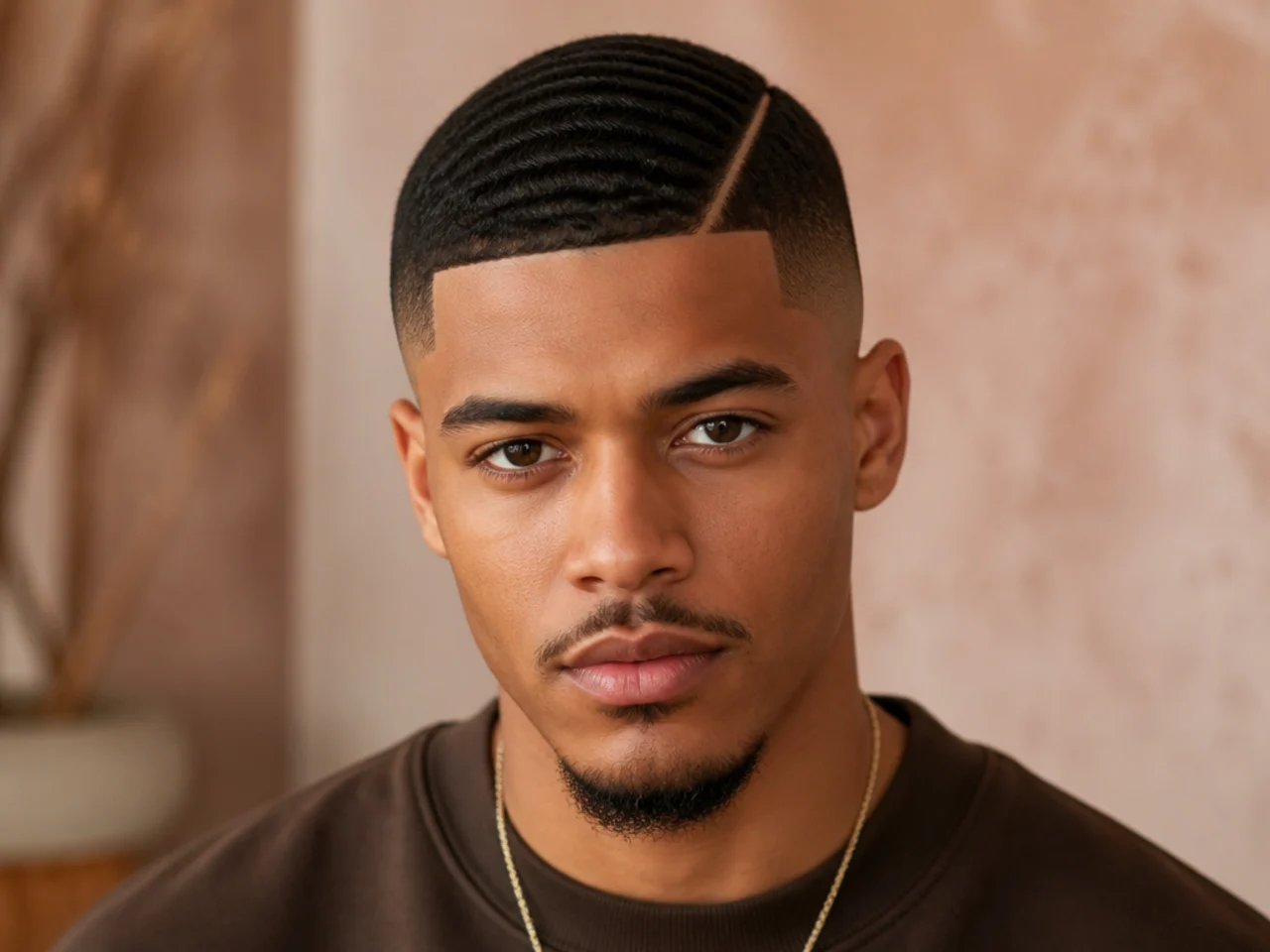
8. High Drop Fade With Waves
The blend starting above the ridge but sinking a couple of centimetres as it passes the ear. It gives back a little of the field at the back, where the rows are hardest to train and easiest to lose.
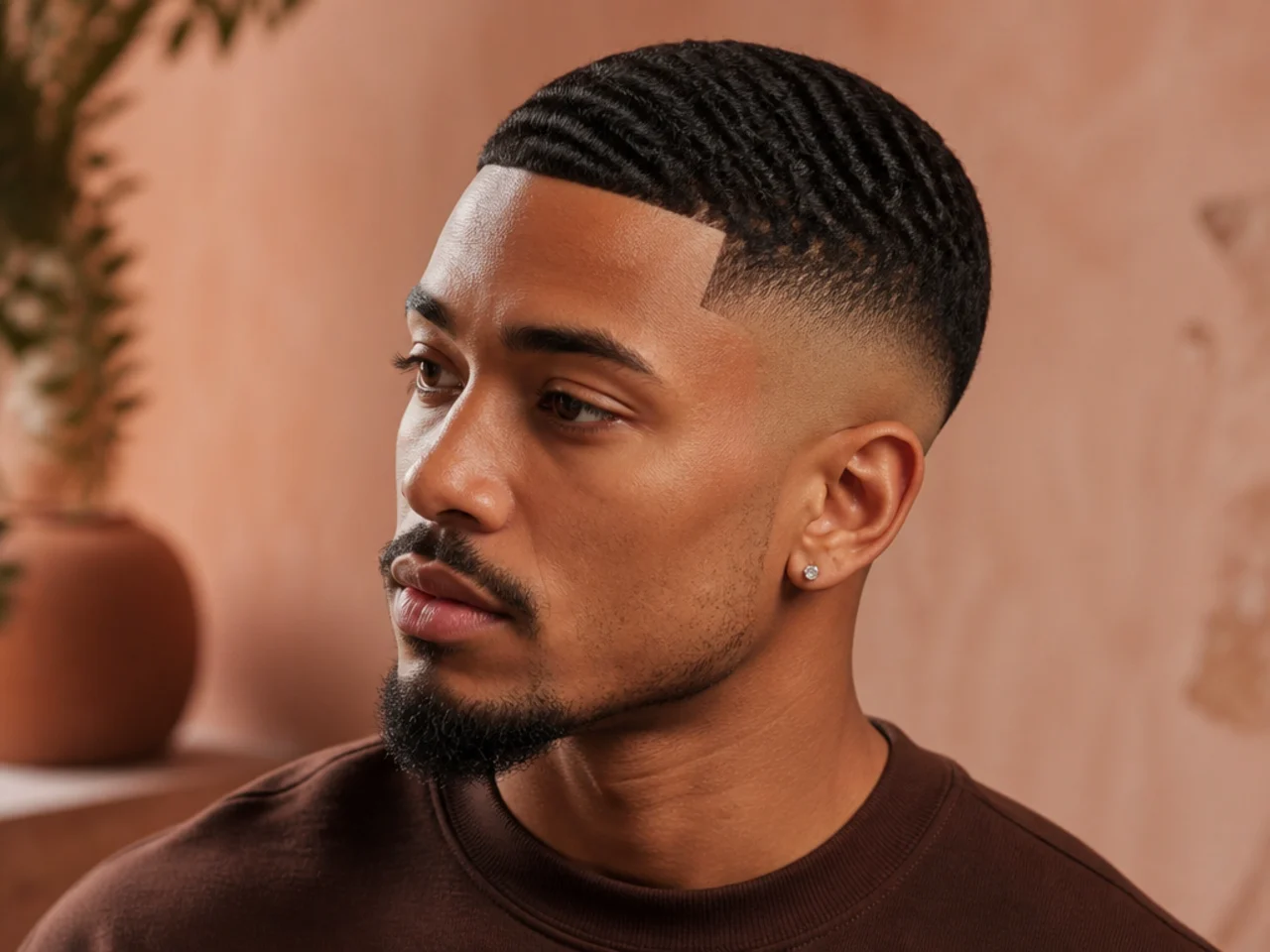
9. High Fade Waves With a Longer Top
The crown left at 6mm or more so the rows deepen. Extra length adds shadow to each row, which is how a small cap keeps its definition.
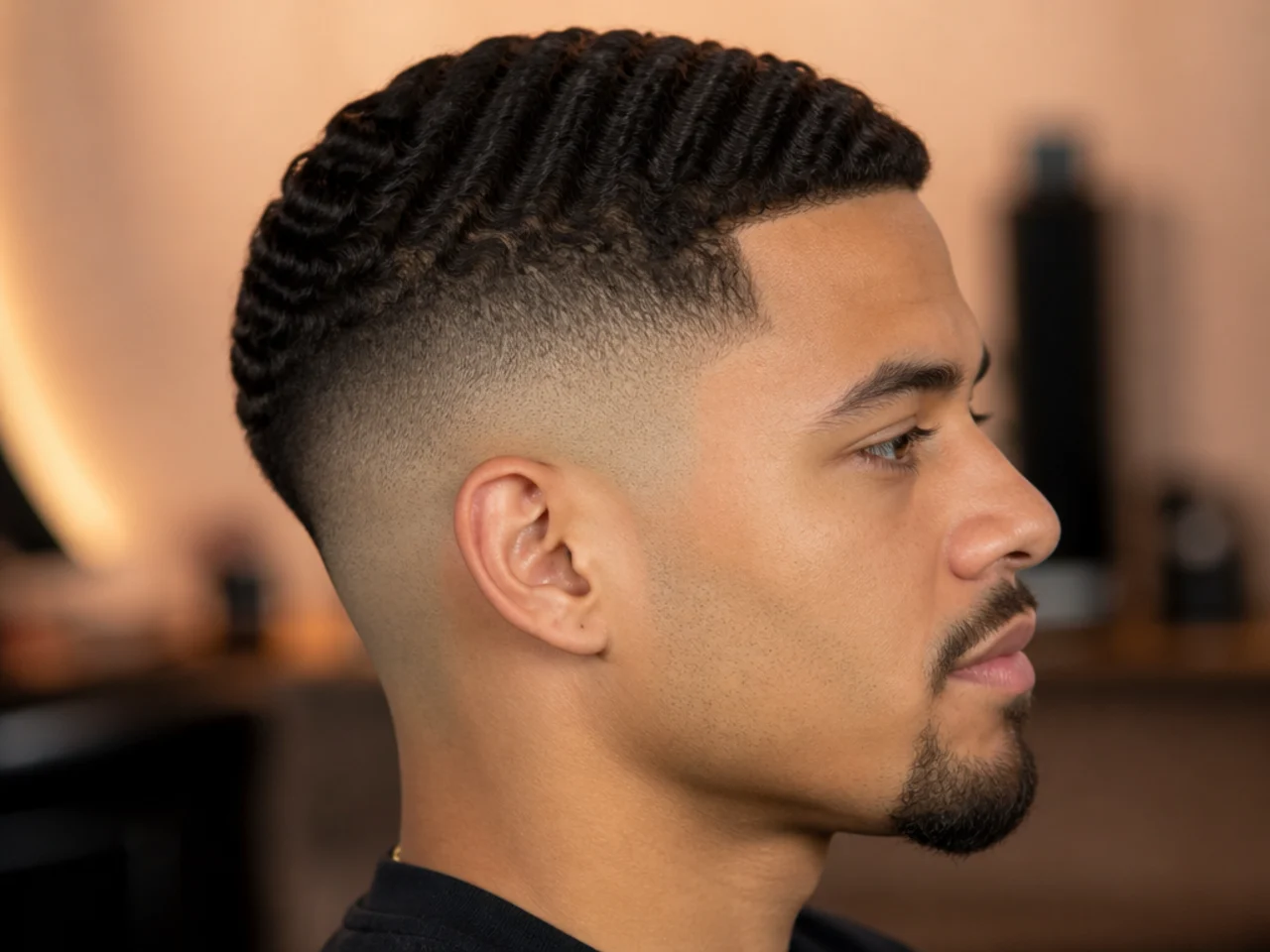
10. High Fade Waves at a #1 Top Guard
The blend beginning at 3mm exactly. It is the floor for this cut, and going a single guard shorter is what makes rows end mid-ridge.
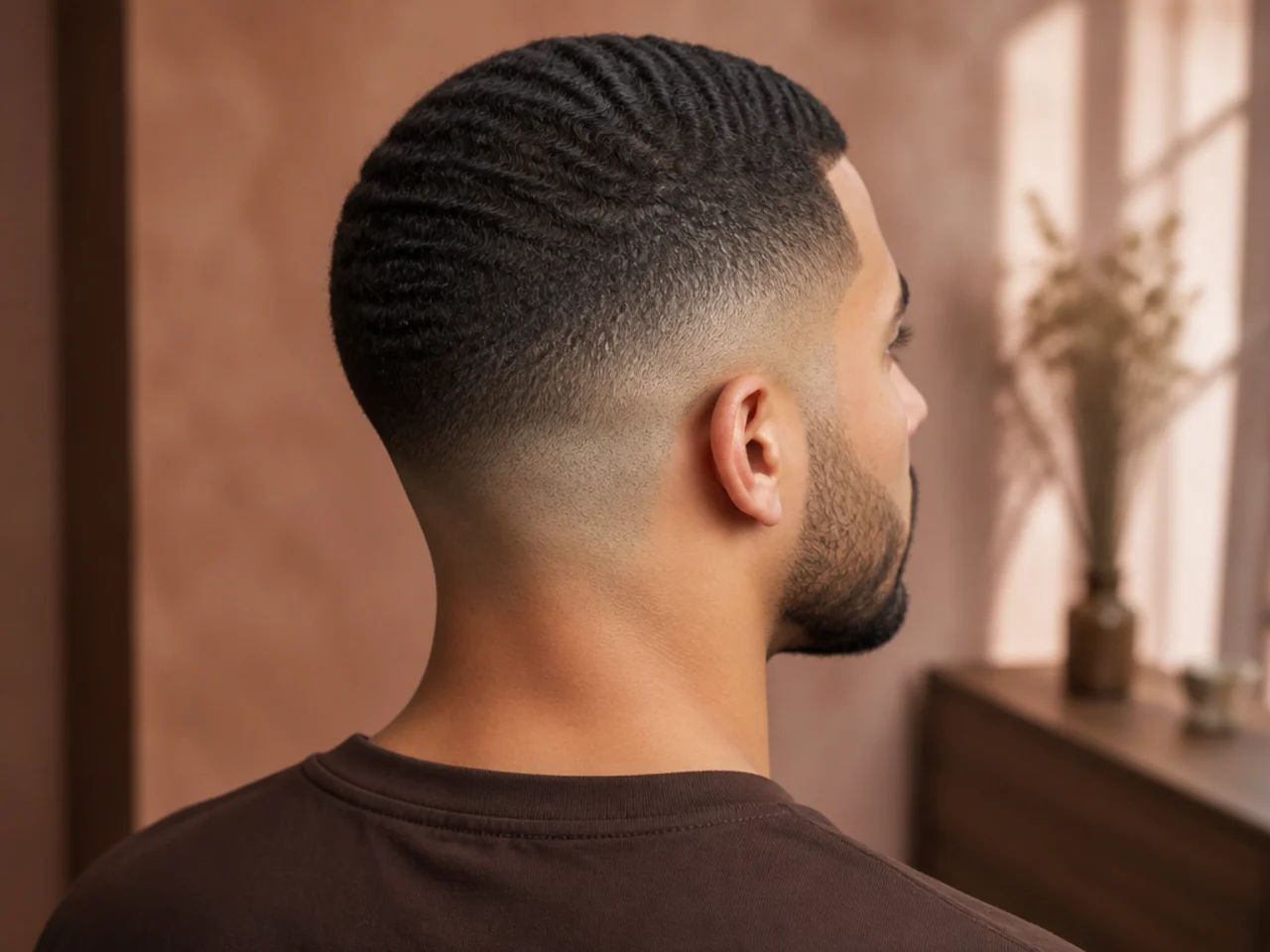
11. High Fade Waves on a Coarse Texture
Coarse hair holds a deeper row and survives a high fade better than fine hair does, which is why it recurs across short fade haircuts for black men. It is the texture this combination genuinely suits.
12. High Fade Waves on Fine Hair
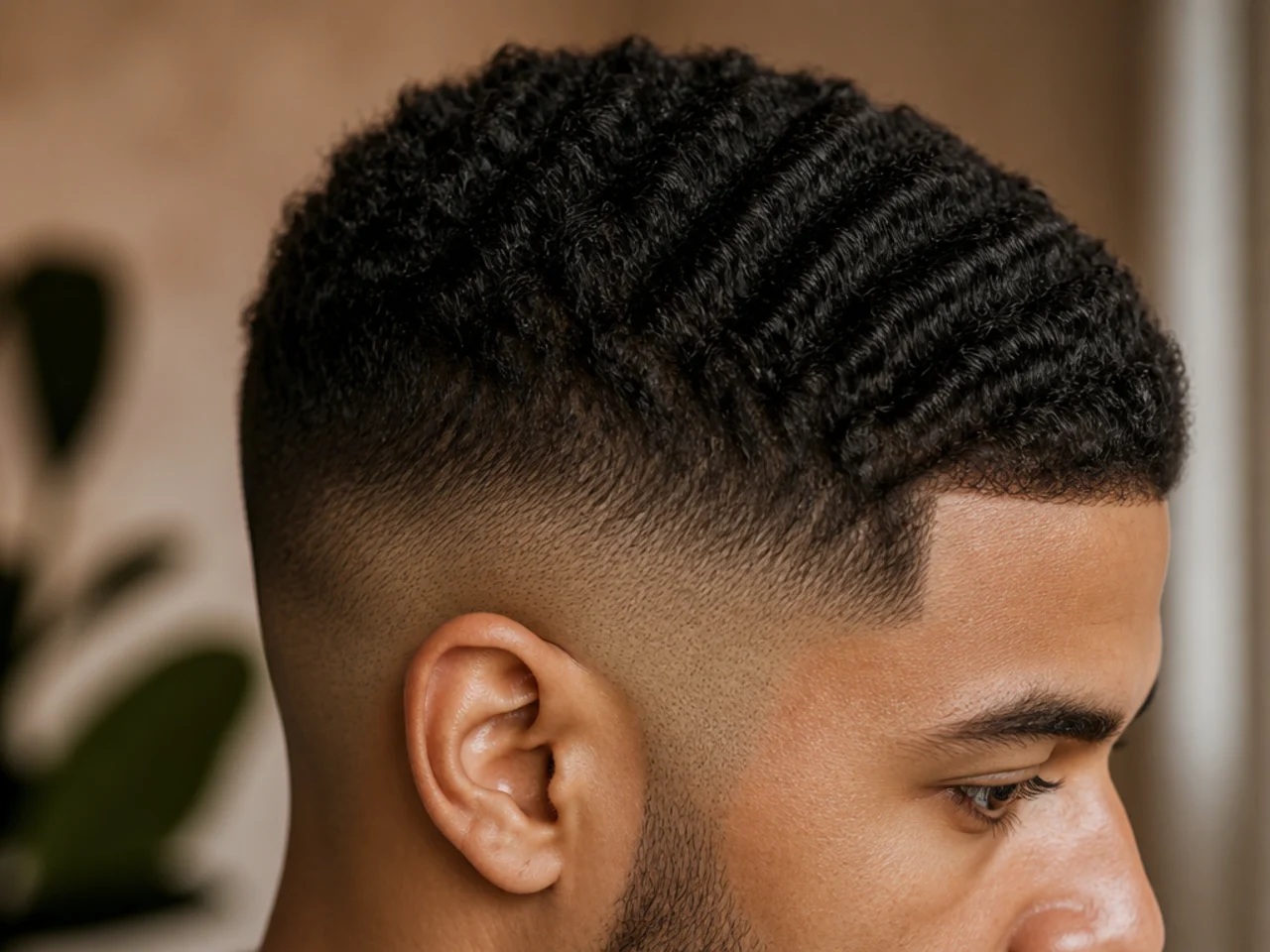
Saved as a caution, and the same warning that runs through men's haircuts for thin hair. Fine hair over a high fade shows scalp through the cap as well as around it, which removes the contrast the pattern depends on.
13. High Fade Waves With a Sharp Front Edge
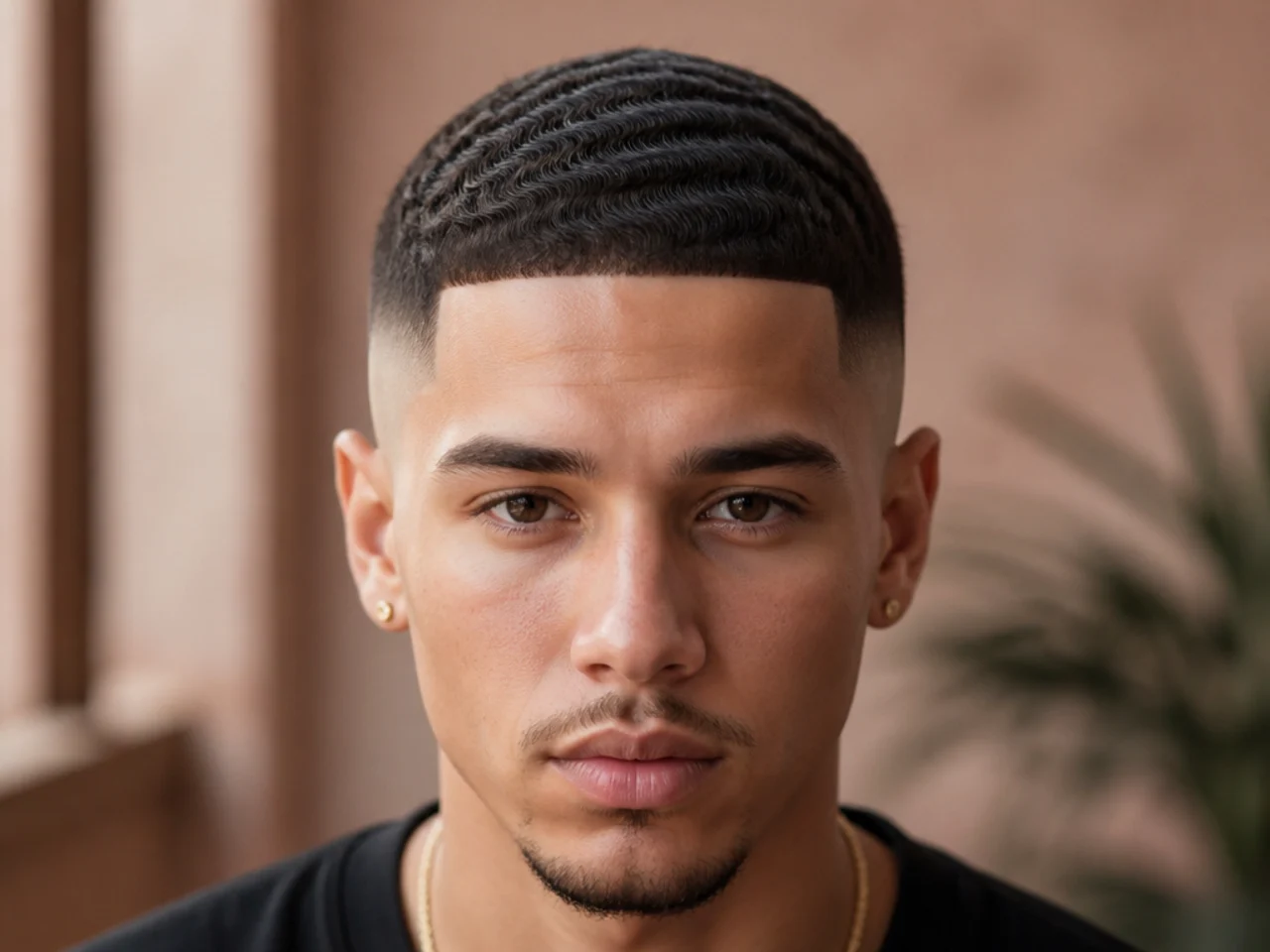
The cap squared off at the forehead. It turns a radiating pattern into a defined shape, which is easier to read at small size than a soft outline.
14. High Fade Waves, Week One
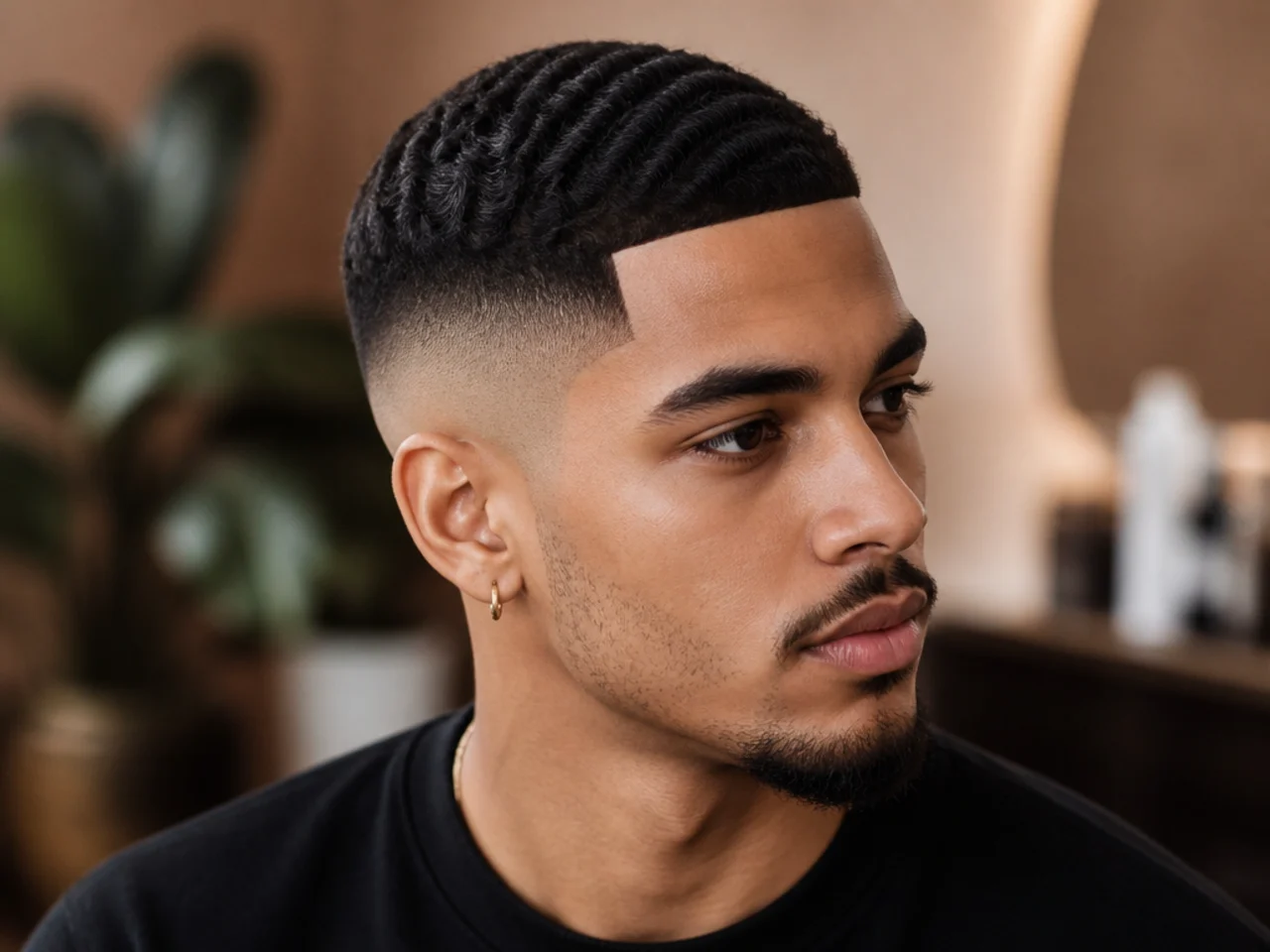
The cap at its most defined and the sides at their cleanest. It is the reference photo worth keeping, because week one is the only time this cut is at full strength.
15. High Fade Waves, Week Three
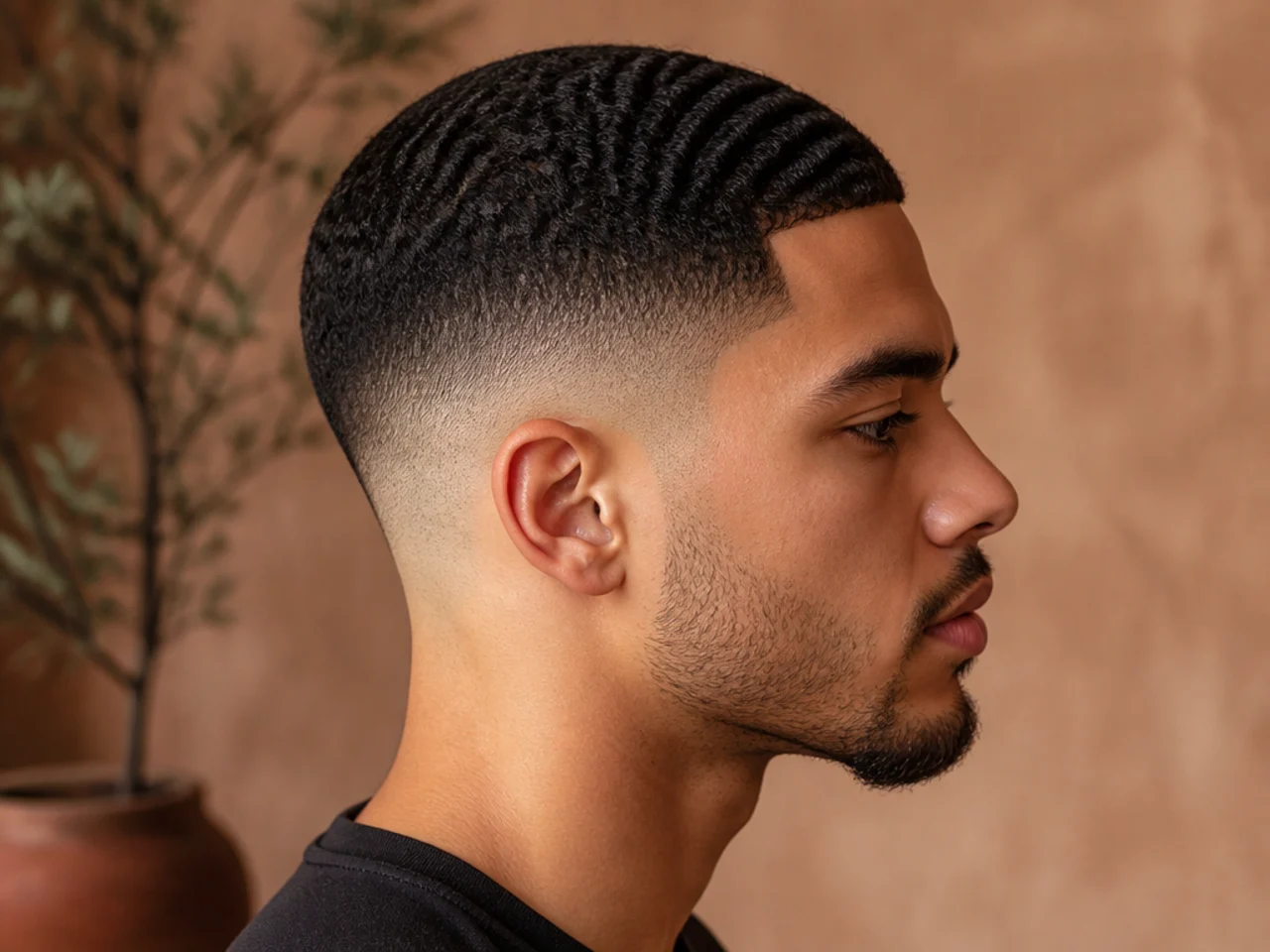
The blend has grown down and rows have started reappearing below the ridge. The pattern is recovering, which is the argument for booking this cut on a three-week cycle rather than a six-week one.
Styling and Upkeep
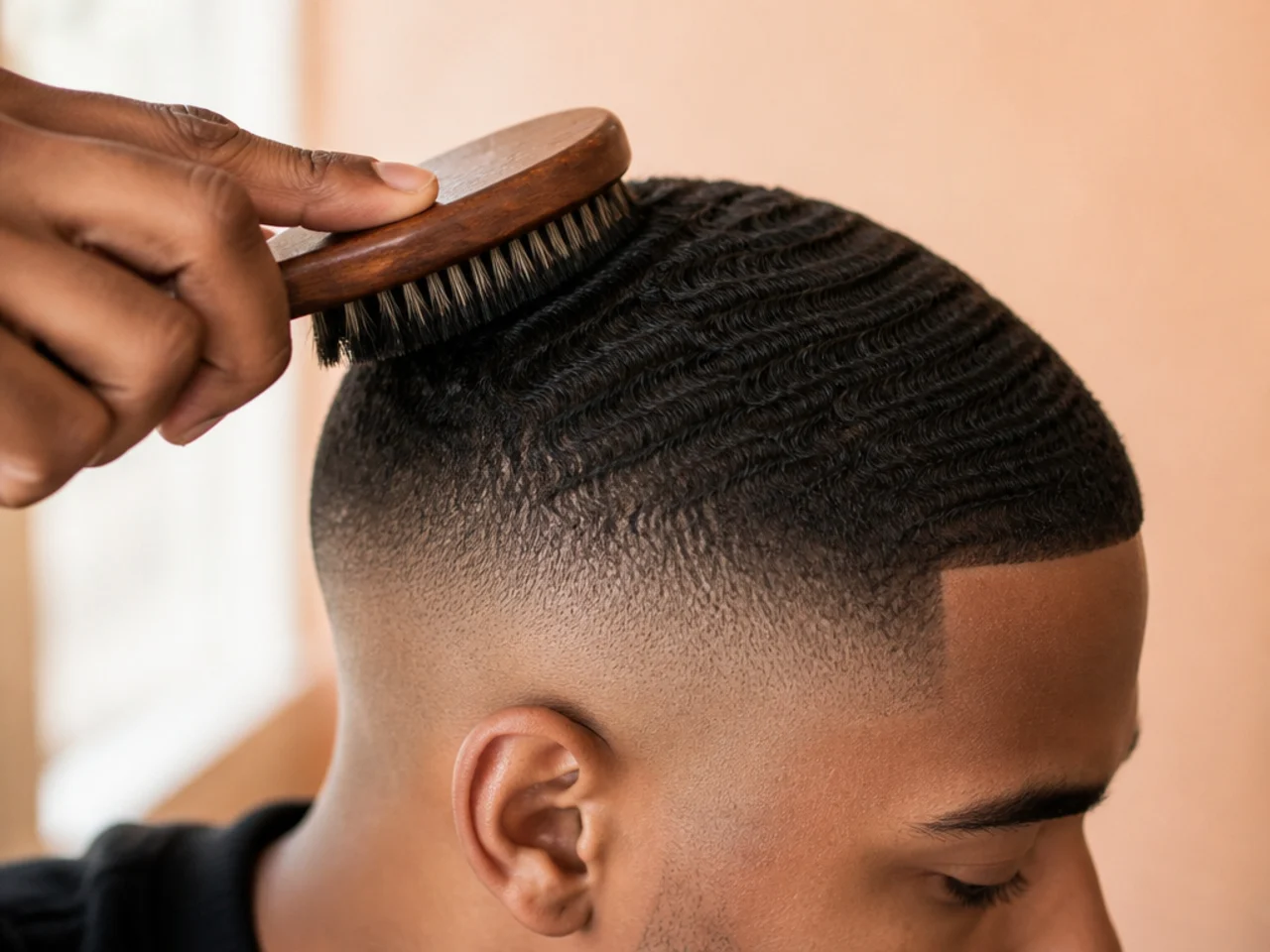
Brush radially from the crown. The cap is a circle and brushing only backward flattens half of it.
Brush the outer rows hardest. The cap's rim carries the shortest hair anywhere in the pattern, so it lifts off the scalp well before the rows nearer the crown do.
Wear a durag every night. Compression is what keeps a small cap defined.
Moisturise the exposed sides. With the pattern reduced to a cap, there is more scalp on show here than on any other cut you could have asked for.
Rebook by finish. The rows start reclaiming the sides the moment the blend softens, and that is one to two weeks on a high skin fade or three to four on a high taper.
Mistakes to Avoid
Going high with a young pattern. You lose rows you are still training and gain nothing.
Setting the top guard below 3mm. The hair stands and the row breaks mid-ridge.
Calling it 360 waves. The pattern no longer runs around the head.
Accepting a hard top edge on the blend. It cuts the rows off rather than releasing them.
Brushing only backward. The cap radiates in every direction and needs brushing that way.
FAQ
Can you have 360 waves with a high fade? Not truly, the pattern becomes a crown cap.
What top guard protects the rows? A #1 at 3mm, and a #1.5 is safer.
Is it right for a new pattern? No, train it at a low or mid fade first.
Final Thoughts
This is the least forgiving pairing on the fade menu, and it is worth being honest about why. A high fade leaves you a cap of rows and nothing else, so the pattern has to be deep, the top guard has to be at least 3mm and the release has to be gradual. Get any one of those wrong and you are wearing a high fade with a smudge on top.
For the cut itself see the high fade haircut guide, and for the height that keeps the most pattern see low fade haircut. More in Fade Haircuts.