15 Old Money Haircut Ideas With Waves
Fifteen wavy old money ideas, and the detail that gives a set wave away — uniformity. Natural waves are irregular in size and direction. Heat-set ones are regular, and the eye reads that instantly.
In this article · 22
- What Makes Waves Look Natural
- How to Choose Yours
- The 15 Wavy Ideas
- 1. Natural Wave, Air-Dried
- 2. Alternating-Direction Waves
- 3. Mixed-Size Waves
- 4. Waves with Sections Left Straight
- 5. Loose Bend Only
- 6. Overnight Plait Waves
- 7. Overnight Bun Waves
- 8. Rough-Dried Texture
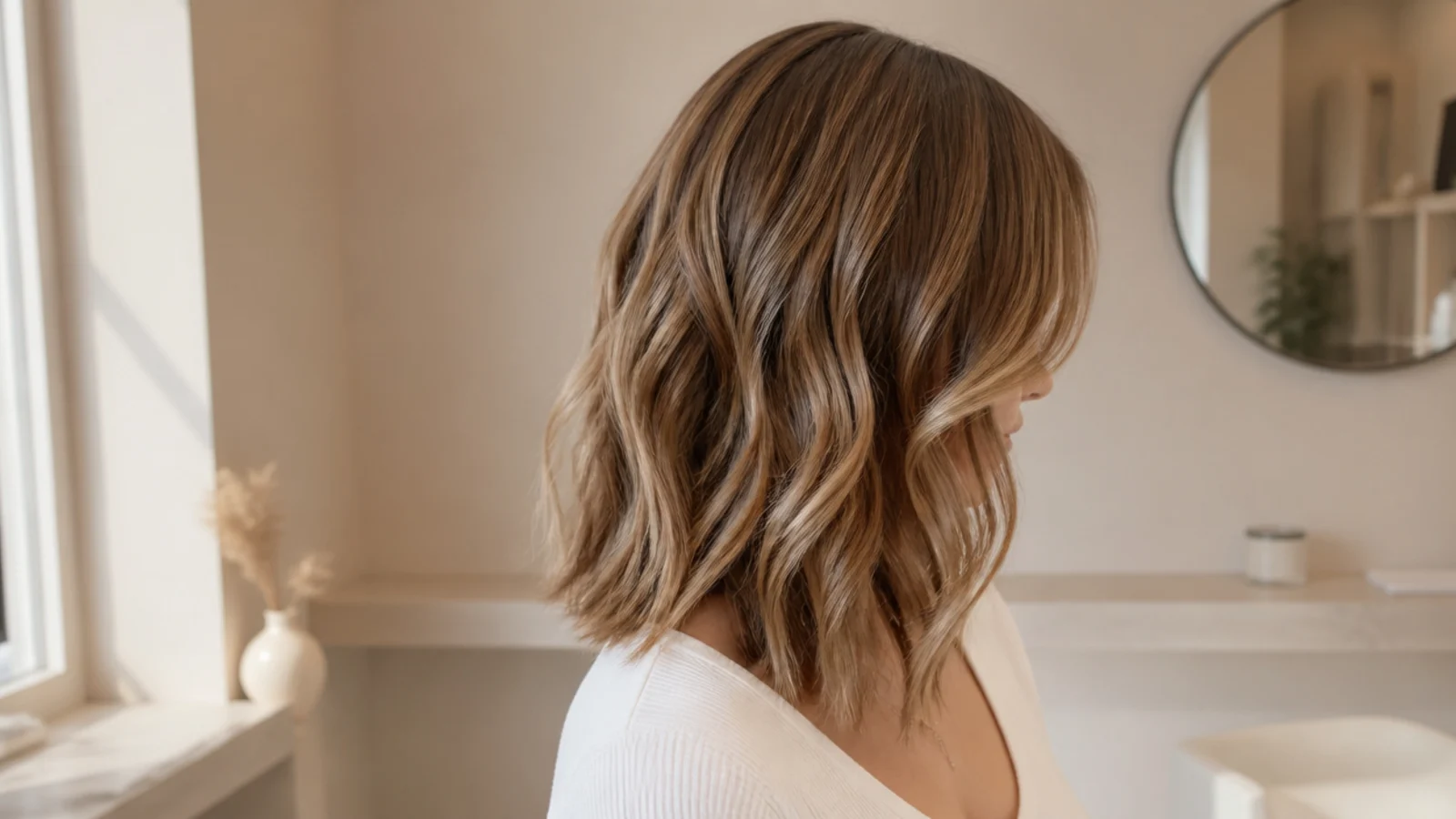
- 9. Waves on a Lob
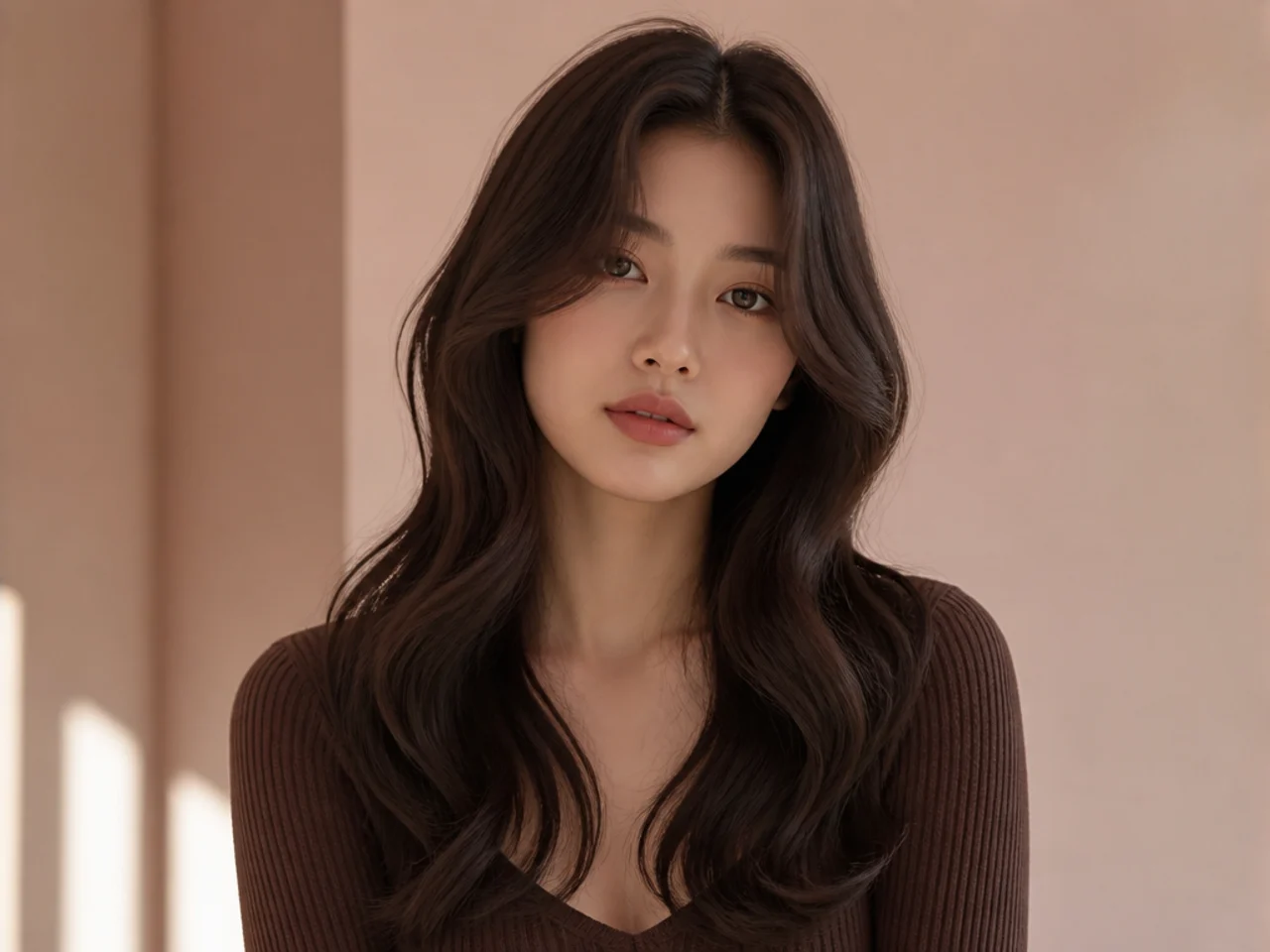
- 10. Waves on Long Hair
- 11. Waves on a Bob
- 12. Waves on Fine Hair
- 13. Waves on Thick Hair
- 14. Second-Day Waves
- 15. Uniform Set Waves for Comparison
- Styling and Upkeep
- Mistakes to Avoid
- FAQ
- Final Thoughts
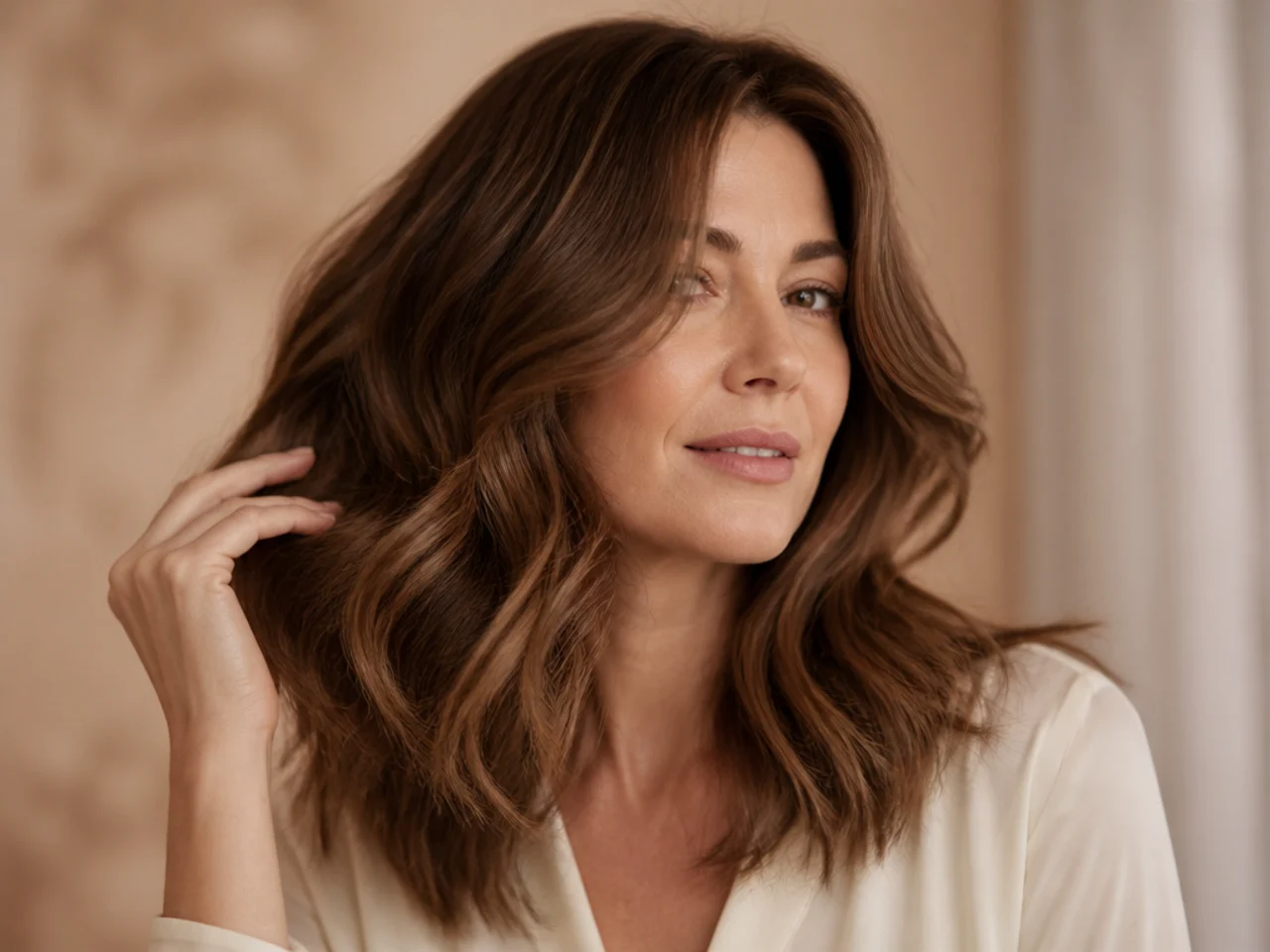
Waves fit this aesthetic naturally, provided they look like hair rather than like a result.
Uniformity is what gives a set wave away. Natural waves vary — different sizes, different directions, some sections barely waving at all. Heat-set waves come out the same size, facing the same way, evenly spaced.
The eye reads that regularity instantly, even without being able to name it. So the technique is introducing irregularity, not executing a pattern more carefully.
What Makes Waves Look Natural
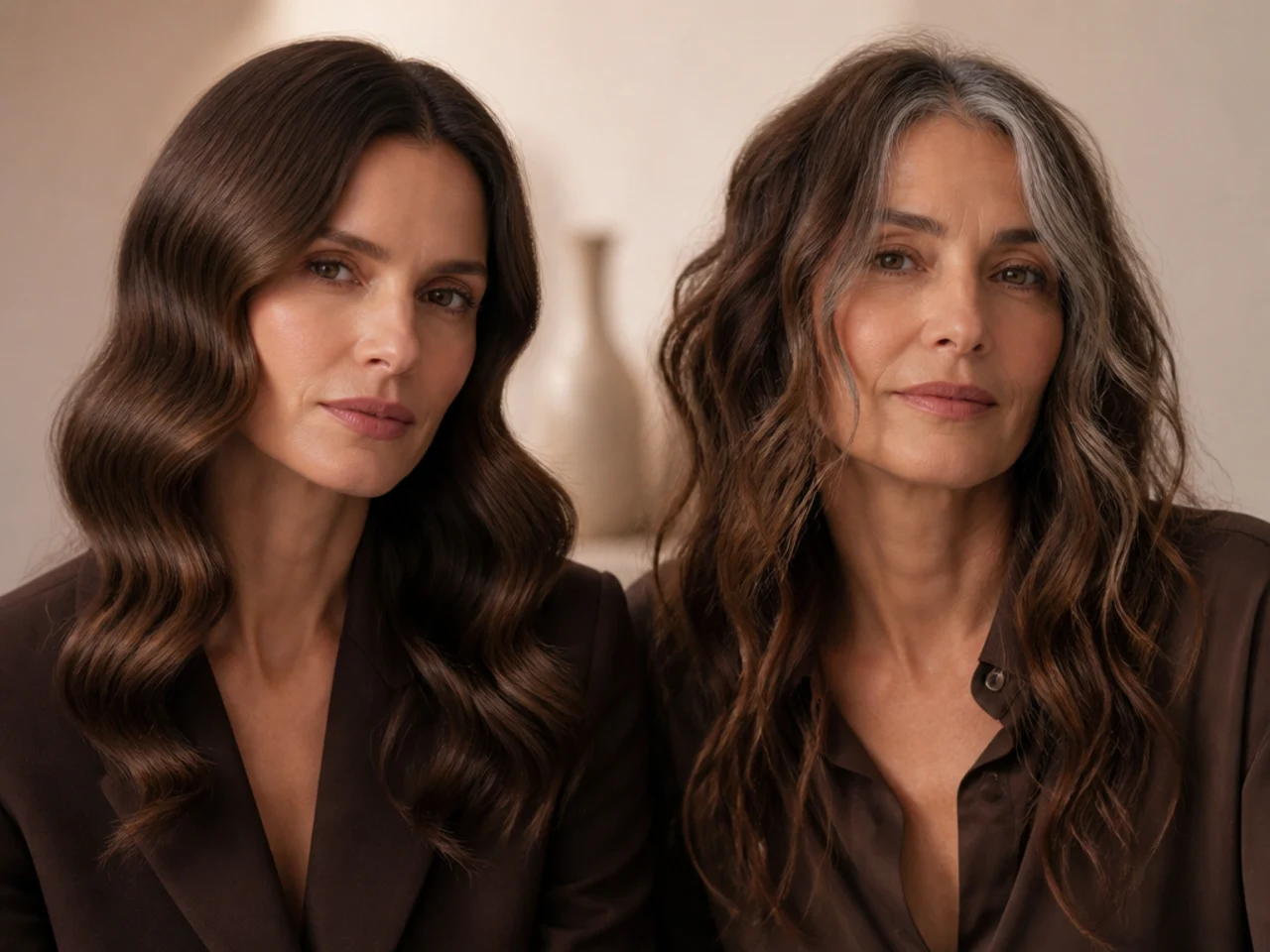
Varied direction. Some sections wrapped one way, some the other. This is the single biggest tell. Direction is the variable people forget, and it is the one the eye reads first.
Varied size. Different barrel widths, or different section thicknesses on the same barrel. A thicker section on the same barrel produces a longer, looser wave.
Sections left out. Real hair does not wave uniformly, so some pieces should stay nearly straight. Two or three sections is enough to break the pattern.
Nothing set hard. Product that holds a wave in place also holds its regularity in place. Whatever the set gets wrong, hold spray preserves for the day.
How to Choose Yours
Work with what your hair does. If it already waves, the job is enhancement rather than creation. Working with an existing pattern gives you irregularity for free.
Alternate direction as you go. Costs nothing and fixes most of the problem. It is the same number of sections and the same amount of time.
Use fewer sections than a tutorial suggests. Gaps are part of what makes it read as natural. Tutorials optimise for coverage, and coverage is the problem here.
Skip the hold spray. Movement is part of the look; a set wave is not. A wave that moves reads as hair; one that does not reads as a hairstyle.
The 15 Wavy Ideas
1. Natural Wave, Air-Dried
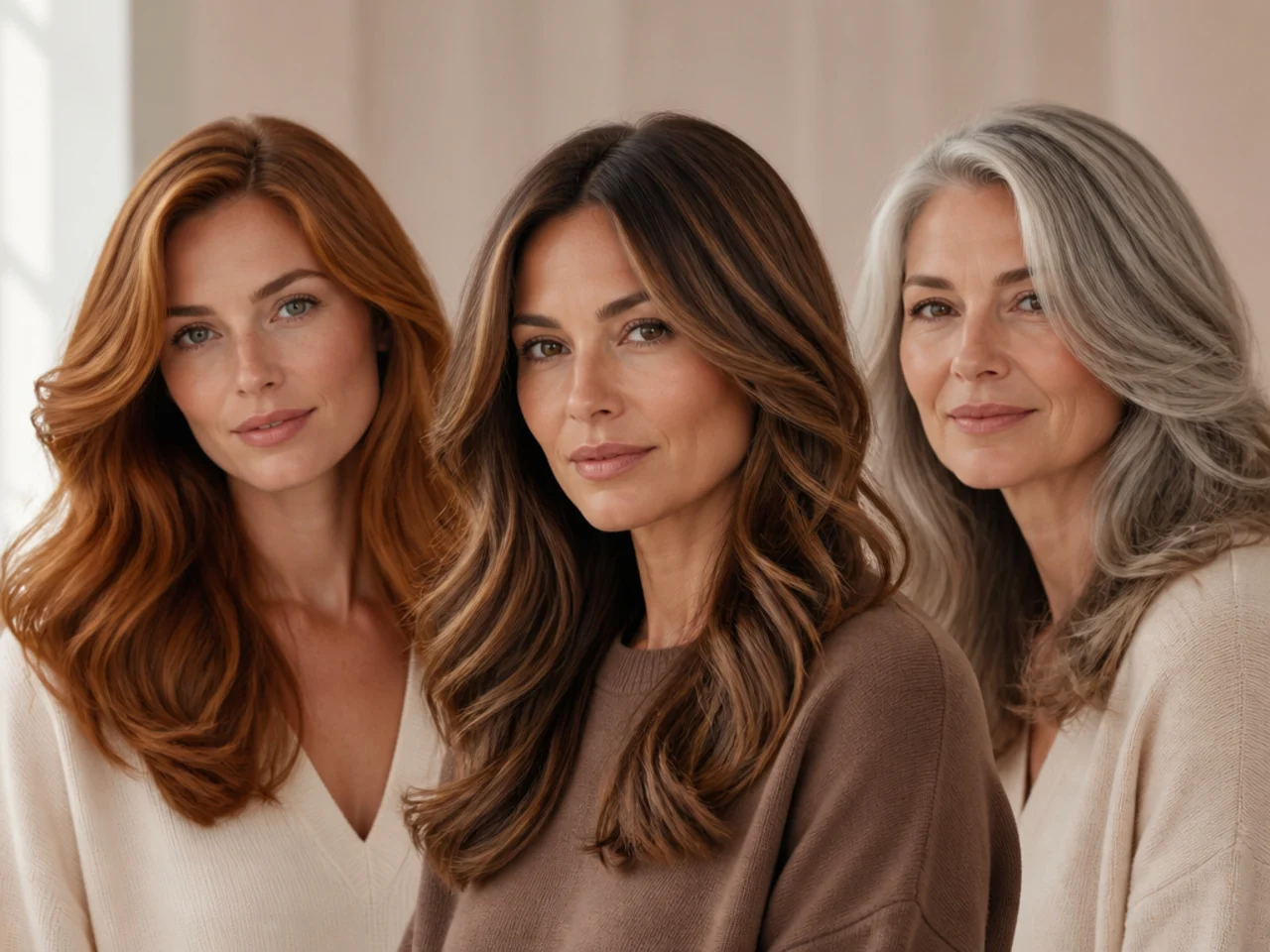
Nothing added. The version everything else is imitating. Natural waves vary in size and direction along the same head, which is the irregularity every technique below is trying to reproduce.
2. Alternating-Direction Waves
Wrapped both ways. The core technique. Alternating direction is what breaks the repeating pattern a single-direction set always produces.

3. Mixed-Size Waves
Two barrel sizes through the same head. Different sizes mean different wave lengths, so the eye cannot find the repeat that gives a set away.

4. Waves with Sections Left Straight
Deliberate gaps. What makes the rest read as real. Natural hair has sections that barely wave at all, and leaving some straight is the fastest way to imitate that.
5. Loose Bend Only
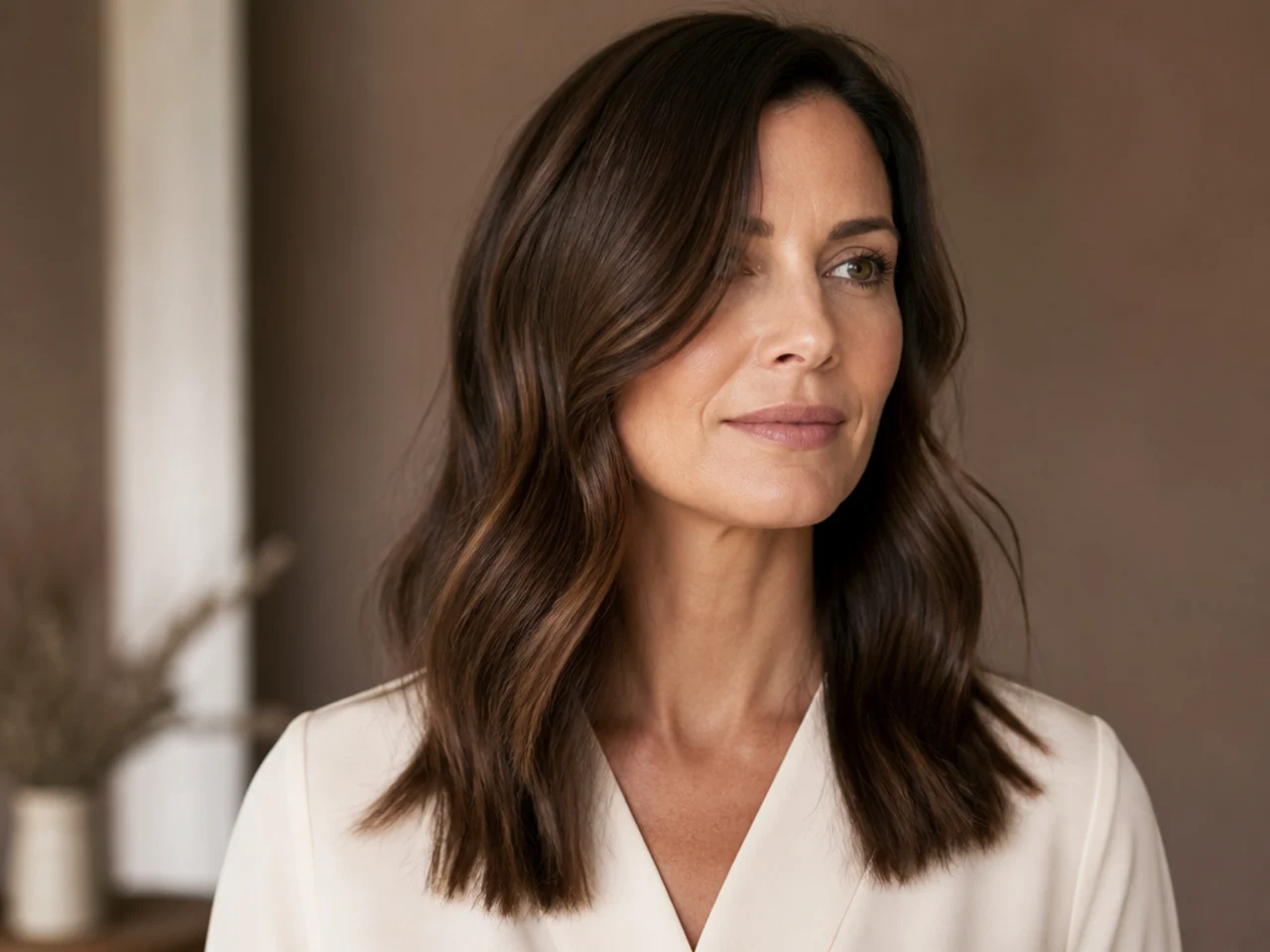
One soft bend through the mid-length. The most restrained option. One bend cannot form a pattern, which makes it the safest version if you are unsure.

6. Overnight Plait Waves
A loose plait, damp, undone in the morning. Naturally irregular. The bend follows wherever the plait happened to cross, which produces variation no tool can plan.

7. Overnight Bun Waves
A softer, larger bend than a plait gives. A bun curves the hair around a shape rather than folding it, so the result is broader and gentler.
8. Rough-Dried Texture
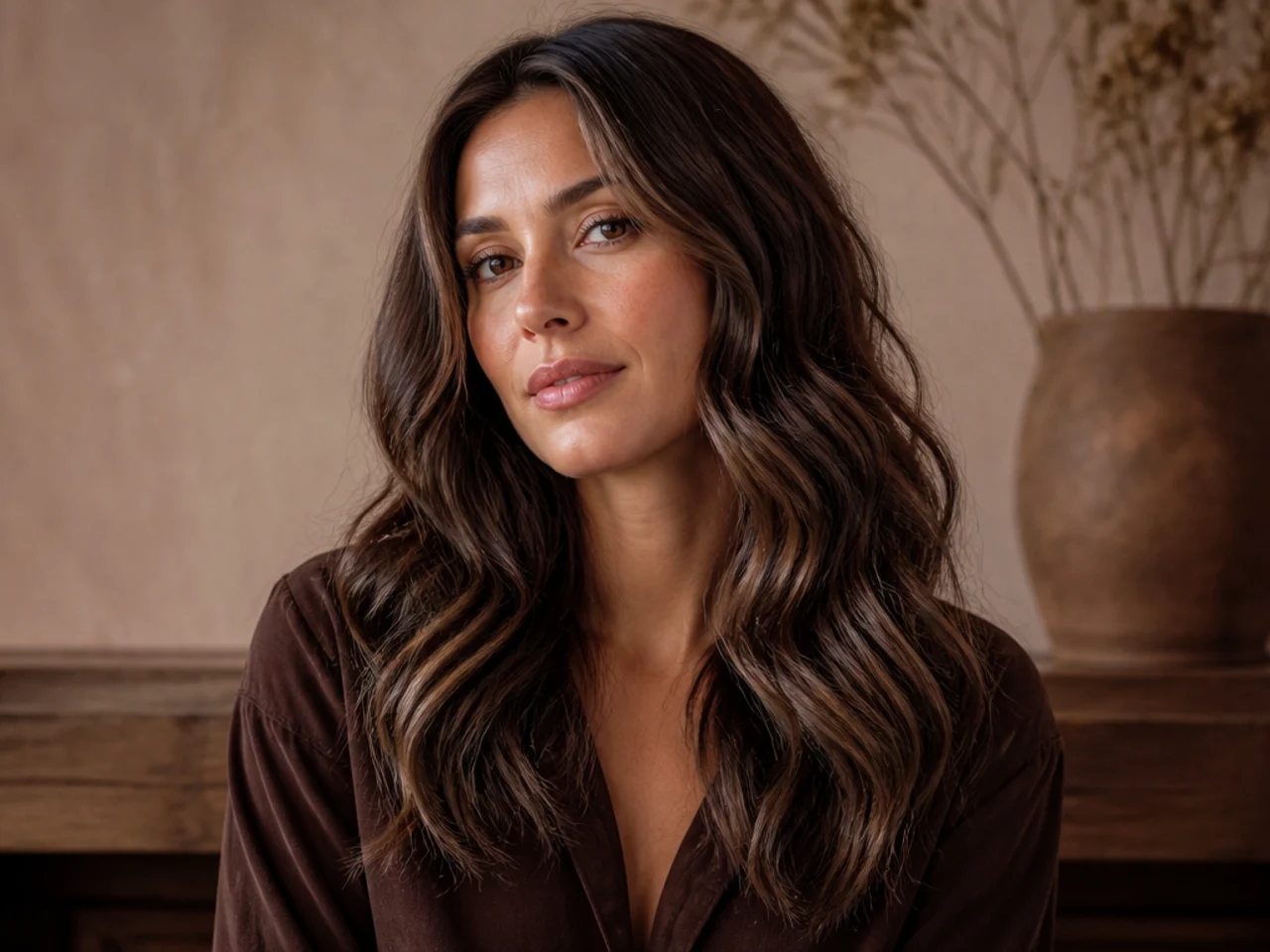
Fingers only, no brush. Irregular by construction. Fingers leave the natural clumps intact, and clumps of different sizes are what produce uneven wave.

9. Waves on a Lob
The best length for this — enough room, not enough weight to drop. A lob has room for two or three bends without the weight that pulls them out by afternoon.

10. Waves on Long Hair
More length, and the weight softens the wave naturally. Weight relaxes a set over the day, which on this aesthetic is an improvement rather than a failure.

11. Waves on a Bob
Short, so fewer sections and more visible irregularity. With fewer waves in total, each difference between them counts for more.

12. Waves on Fine Hair
Very little heat, and they drop by afternoon — which is fine here. A wave that has half dropped is more irregular than one that has held, so the drop is working in your favour.

13. Waves on Thick Hair
Holds well, so irregularity matters more rather than less. Thick hair keeps whatever pattern you set, which means a uniform set stays uniform all day.

14. Second-Day Waves
Yesterday's wave, softened. Often better than day one. A day of ordinary movement introduces exactly the unevenness a fresh set lacks.

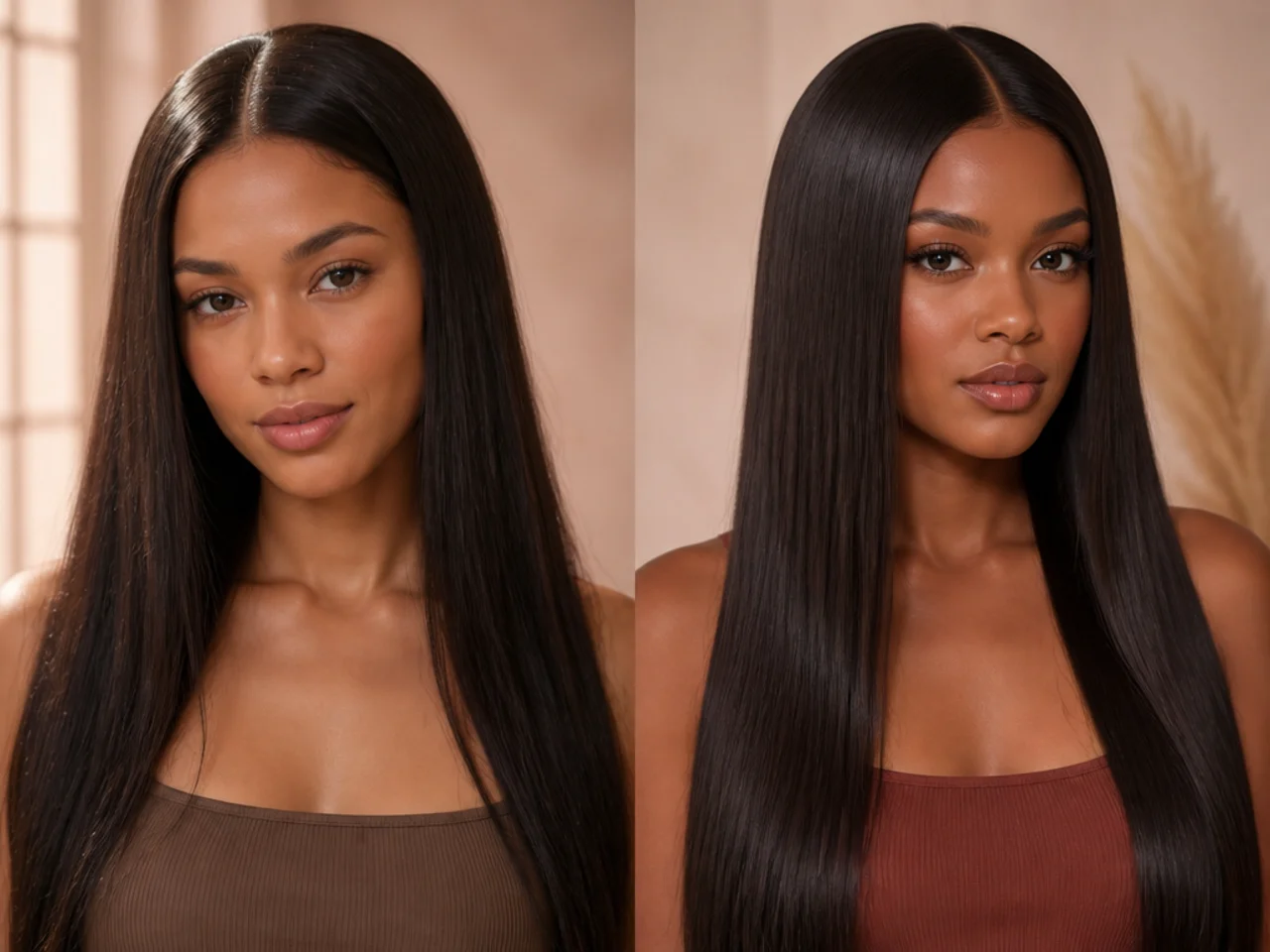
15. Uniform Set Waves for Comparison
Same size, same direction, evenly spaced. Immediately readable as styled. The eye finds a repeating pattern instantly, and a repeating pattern is the definition of a set.

Styling and Upkeep
Alternate direction every section. The habit that costs nothing and changes everything. Alternate as you go rather than trying to remember afterwards.
Break the wave up with your fingers once it cools. It removes the last of the regularity. Wait until it has cooled, or you pull the shape out entirely.
Leave two or three sections out. Real hair is inconsistent. Pick them at random rather than at even intervals.
Skip hold spray. Movement is part of the look and hold removes it.
Let day two do the work. A softened wave reads more natural than a fresh one. Which makes this the rare style worth planning a day ahead for.
Mistakes to Avoid
Wrapping every section the same way. The clearest tell there is. It produces a repeating pattern the eye resolves immediately.
One barrel size throughout. Uniformity again, from a different direction.
Curling every section. Gaps are what make it read as natural.
Setting it with hold spray. It preserves the regularity you are trying to lose.
Judging it before you break it up. Fresh from the iron it always looks set.

FAQ
Why do they look styled? They are uniform — natural waves vary in size and direction.
How do you fix it? Introduce irregularity deliberately, rather than executing more precisely.
Does it work on straight hair? It is the hardest case — use very few, very loose bends.

Final Thoughts
Alternate the direction you wrap and leave a few sections out. Both take less effort than doing it uniformly, and between them they fix the thing that makes most set waves read as an hour in front of a mirror rather than as hair that simply does this.
For the aesthetic in full see 25 elegant old money haircut ideas, and for the layering that carries this texture see 20 layered old money haircut ideas. More in Women's Hairstyles.