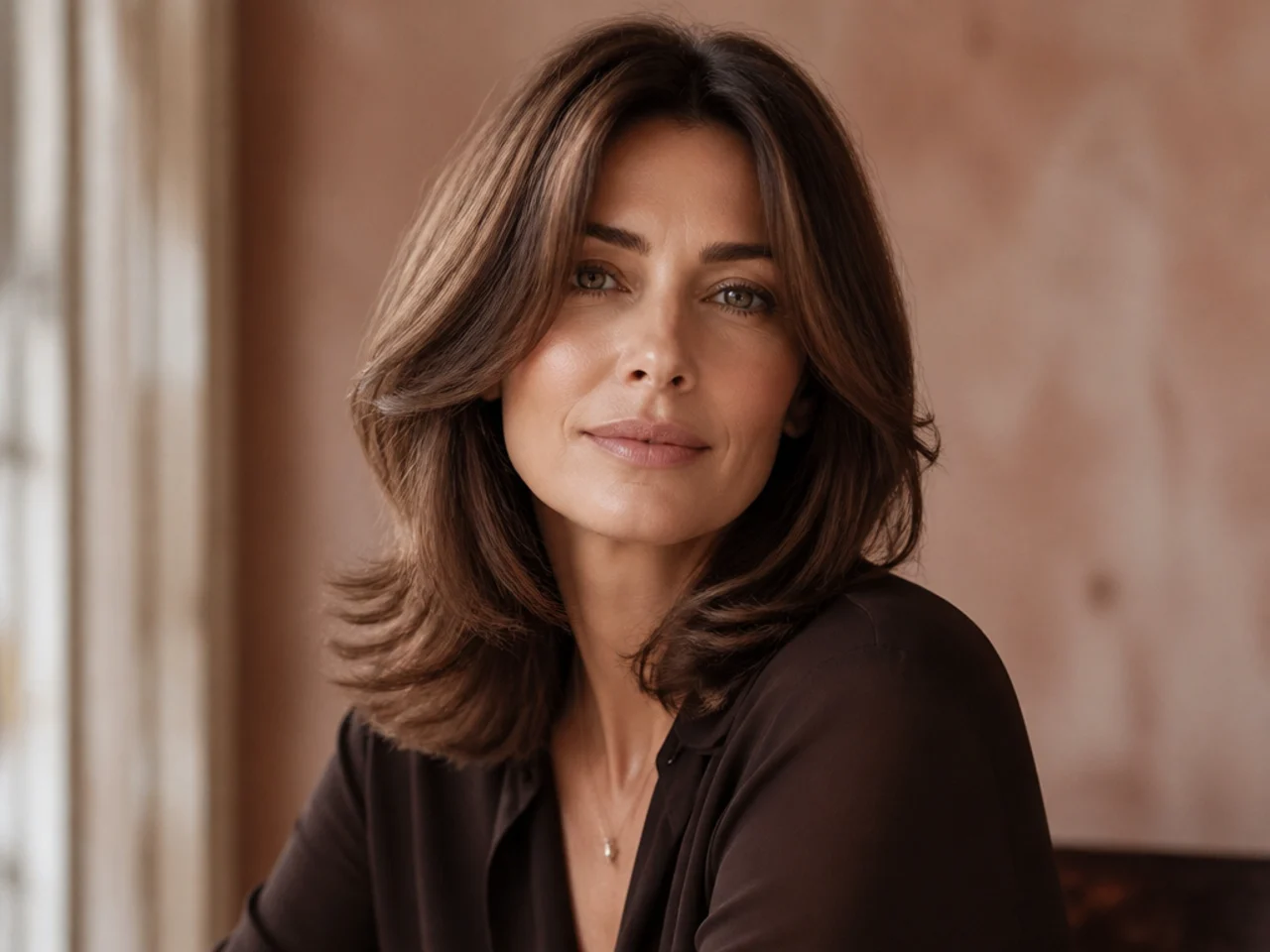
25 Elegant Old Money Haircut Ideas to Try
Twenty-five old money haircut ideas, and the thing that actually defines the look — it is the absence of visible technique. No obvious layering, no visible colour work, nothing that reads as styled.
In this article · 32
- What Makes an Old Money Haircut Work
- How to Choose Yours
- The 25 Old Money Haircut Ideas
- 1. Softly Layered Mid-Length
- 2. Blunt Collarbone Lob
- 3. Long Hair with Internal Layers
- 4. Classic Chin-Length Bob
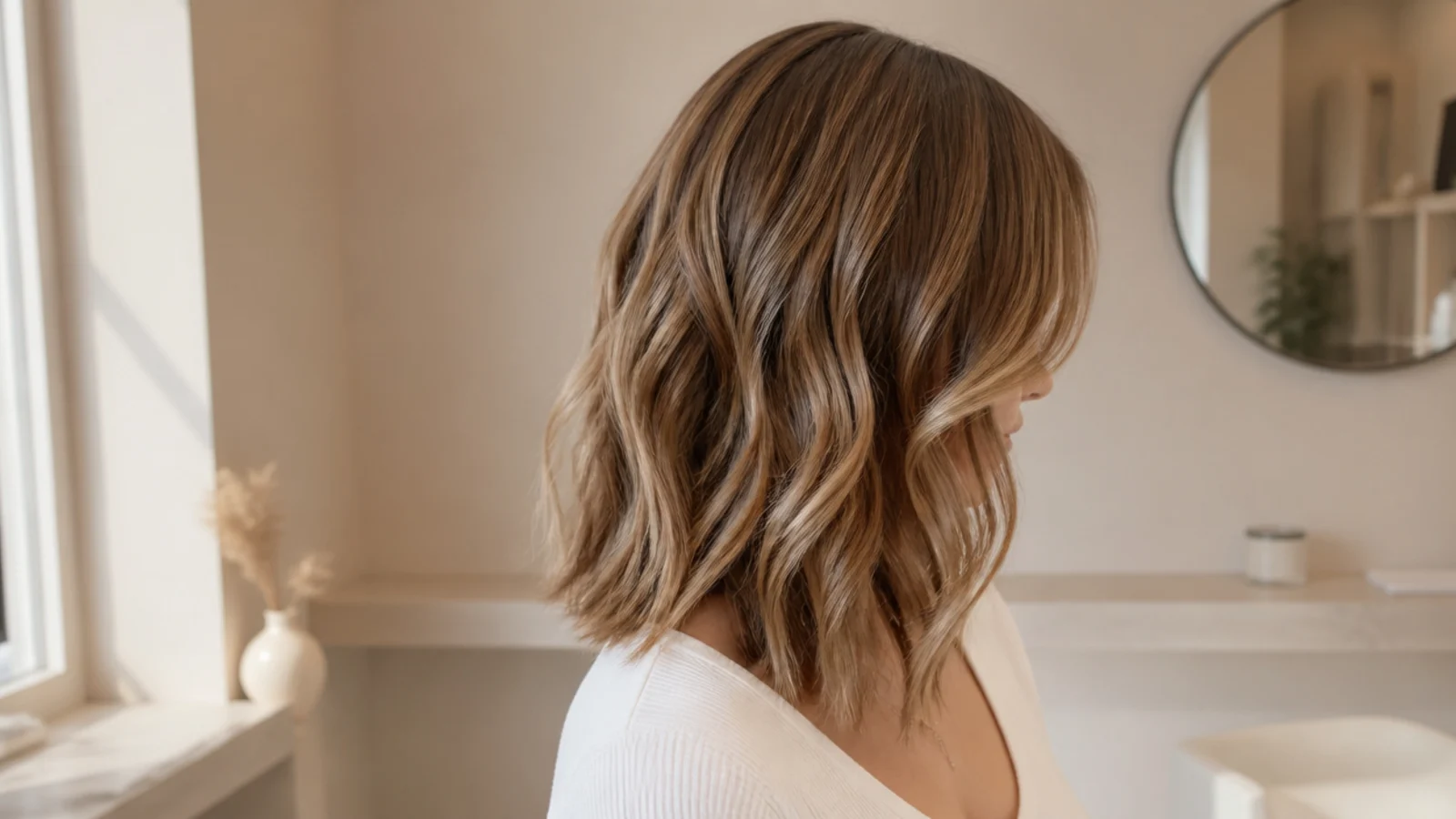
- 5. Shoulder-Length with Soft Ends
- 6. Long Layers Starting Below the Jaw
- 7. Centre-Parted Long Hair
- 8. Soft Side Part
- 9. Natural-Colour Brunette
- 10. Glossed Natural Base
- 11. Two Shades of Depth
- 12. Air-Dried Natural Texture
- 13. Soft Waves, Nothing Set
- 14. Straight Hair Left Straight
- 15. Low Ponytail with a Ribbon
- 16. Simple Low Bun
- 17. Half-Up with a Barrette
- 18. Tucked Behind Both Ears
- 19. Long Hair with Curtain Framing
- 20. Mid-Length on Fine Hair
- 21. Mid-Length on Thick Hair
- 22. Natural Wave, Cut Dry
- 23. Freshly Trimmed Ends
- 24. Grown-Out Cut, Still Working
- 25. Heavily Layered and Highlighted for Comparison
- Styling and Upkeep
- Mistakes to Avoid
- FAQ
- Final Thoughts
Most hair aesthetics are defined by something they add. This one is defined by what it leaves out.
No visible layering. No visible colour work. Nothing that reads as styled. Old money hair looks like hair that has been cut well and then left alone, and every element that announces effort moves you away from it.
Which has a practical consequence: there is nothing to hide behind. With no styling and no colour to look at, the cut and the condition are the entire effect.
What Makes an Old Money Haircut Work
Layers that cannot be seen. Not an absence of layers — an absence of visible steps. The movement should look like the hair does that on its own.
Colour close to your own. A gloss or a shade or two of depth. Anything that reads as a colour service reads as effort.
Condition doing the work. With nothing else to look at, healthy ends are the whole finish.
Styling that stops early. Air-dried, or roughly dried and left. The moment it looks set, it stops working.
How to Choose Yours
Ask for invisible layers. Internal, not stepped. The instruction most stylists will understand immediately.
Keep the colour within two shades of your natural. Or skip colour entirely, which is often the strongest version.
Spend on the cut, not the styling. This is the one aesthetic where the haircut is genuinely visible.
Book trims more often than you would otherwise. Condition at the ends is not optional here.

The 25 Old Money Haircut Ideas
1. Softly Layered Mid-Length
The default. Movement with no visible steps. Layers kept long have no fixed proportion to lose, which is why the same cut still reads correctly months later.
2. Blunt Collarbone Lob
One clean line, nothing else. A single perimeter is a single thing to maintain, and growth extends it rather than distorting it.

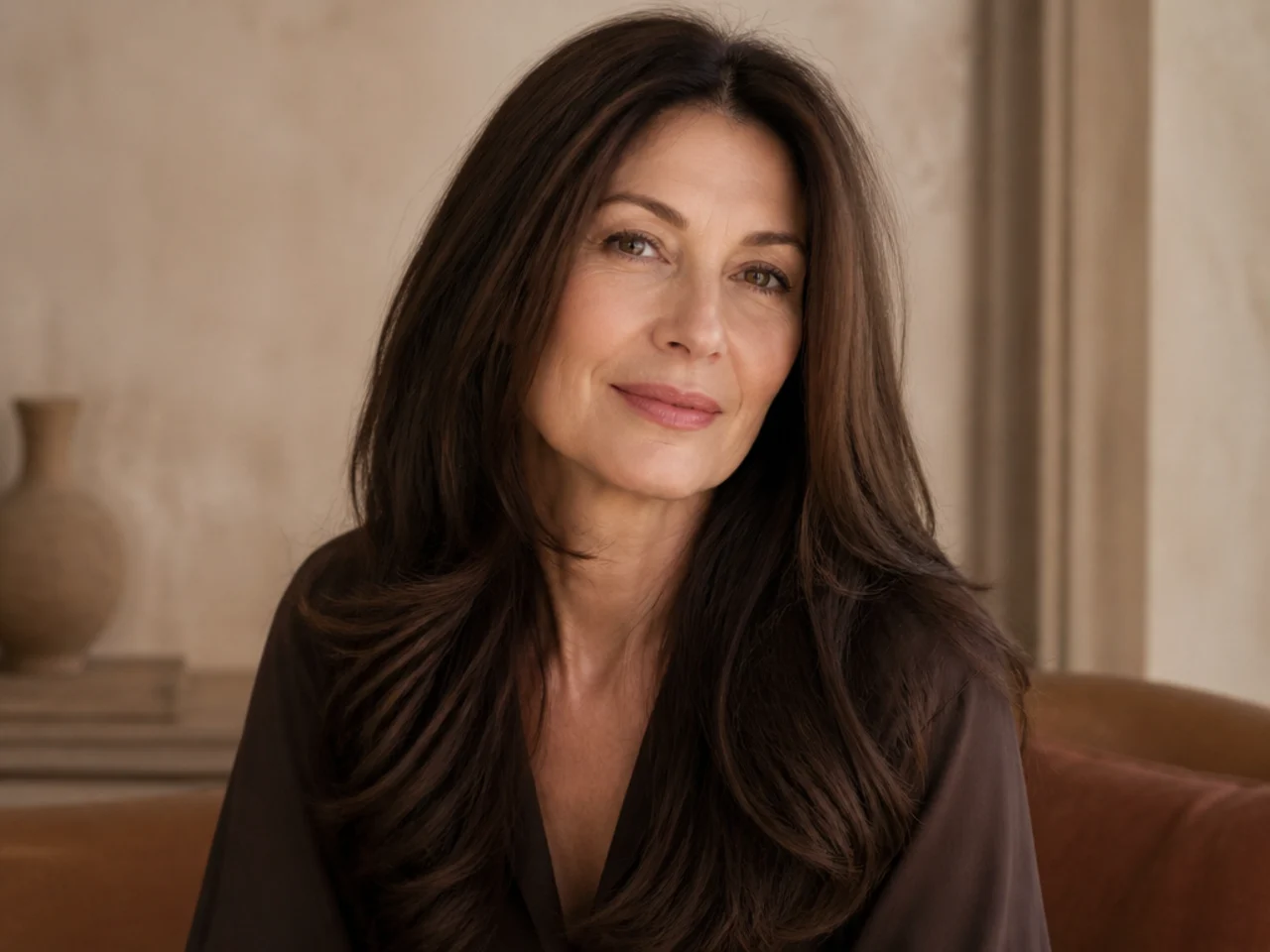
3. Long Hair with Internal Layers
Weight removed from inside, outline untouched. Internal removal has no line to drift, because there was never a visible line to begin with.
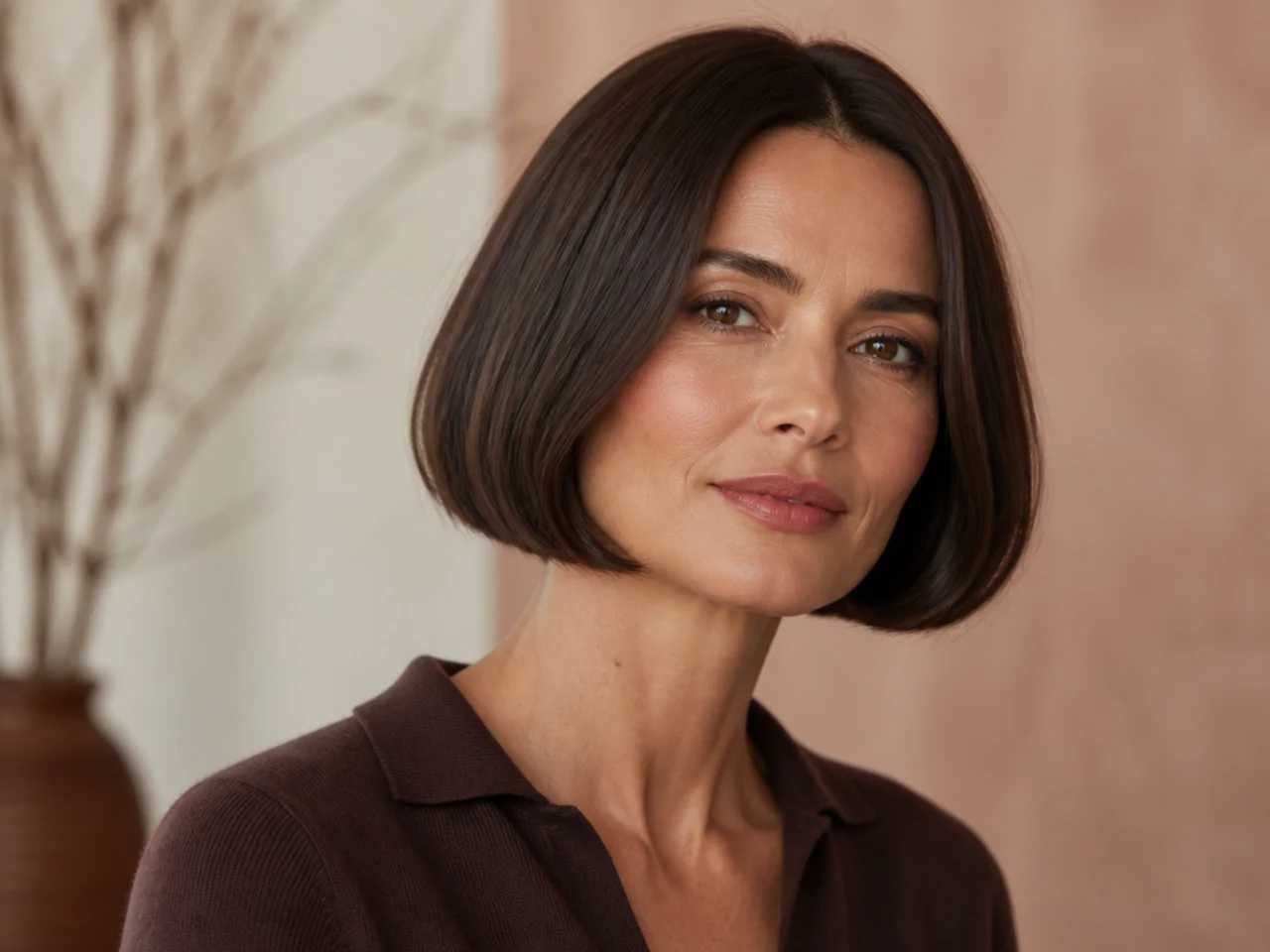
4. Classic Chin-Length Bob
The oldest shape here, and still the most quietly expensive. It has lasted because it depends on one length rather than on a silhouette tied to a decade.
5. Shoulder-Length with Soft Ends
Point-cut ends so nothing finishes hard. Softening measured in millimetres — enough to remove severity, not enough to lose the line.
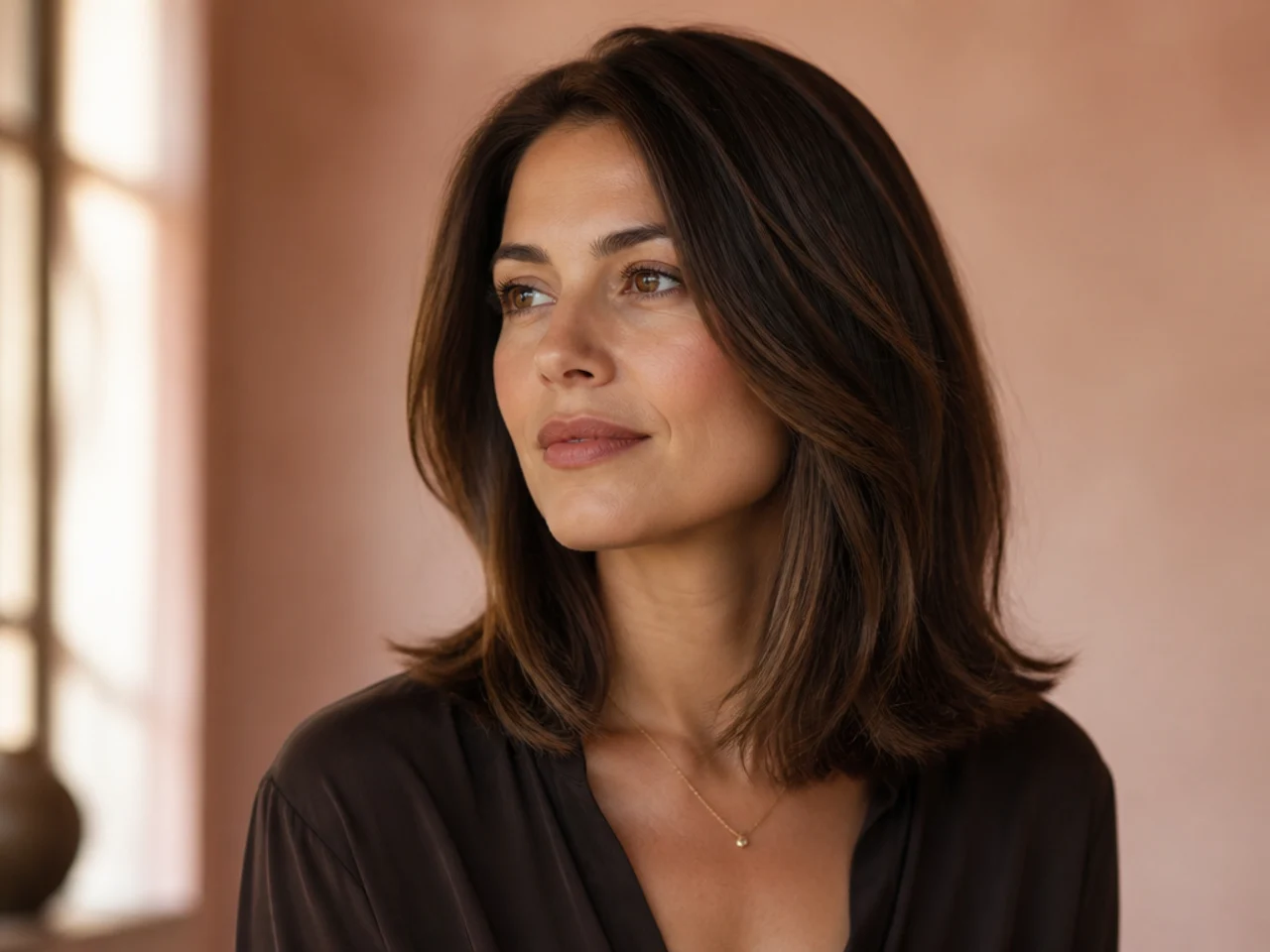
6. Long Layers Starting Below the Jaw
Nothing short enough to read as a layered cut. The jaw is roughly the height above which a layer stops being movement and starts being a feature.

7. Centre-Parted Long Hair
No fringe, no framing, no fuss. With nothing shorter anywhere, there is nothing that needs cutting on its own schedule.
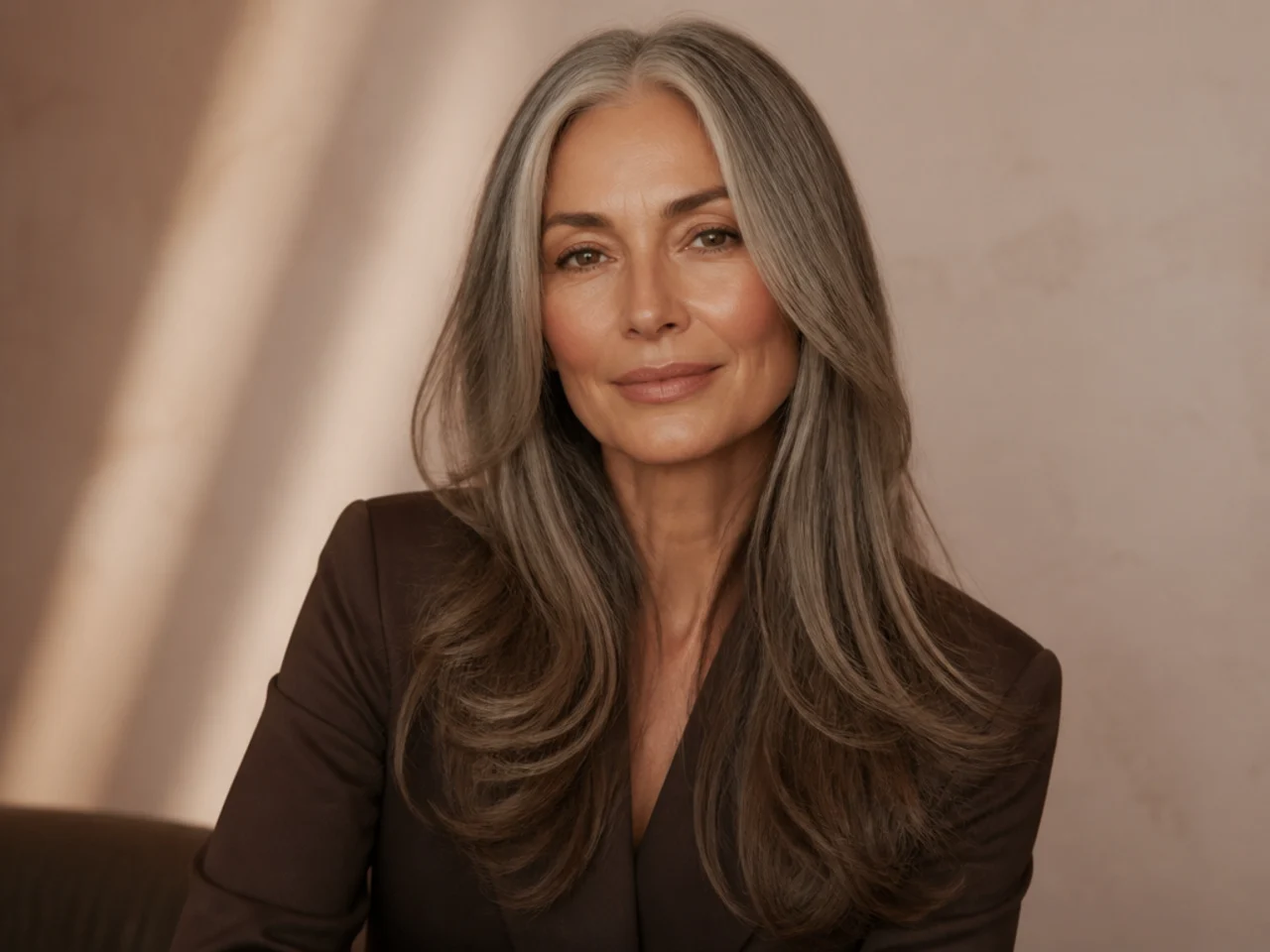
8. Soft Side Part
The one asymmetric option, kept gentle. Keep it shallow — a deep part is a visible styling decision, and visible decisions are the failure mode here.
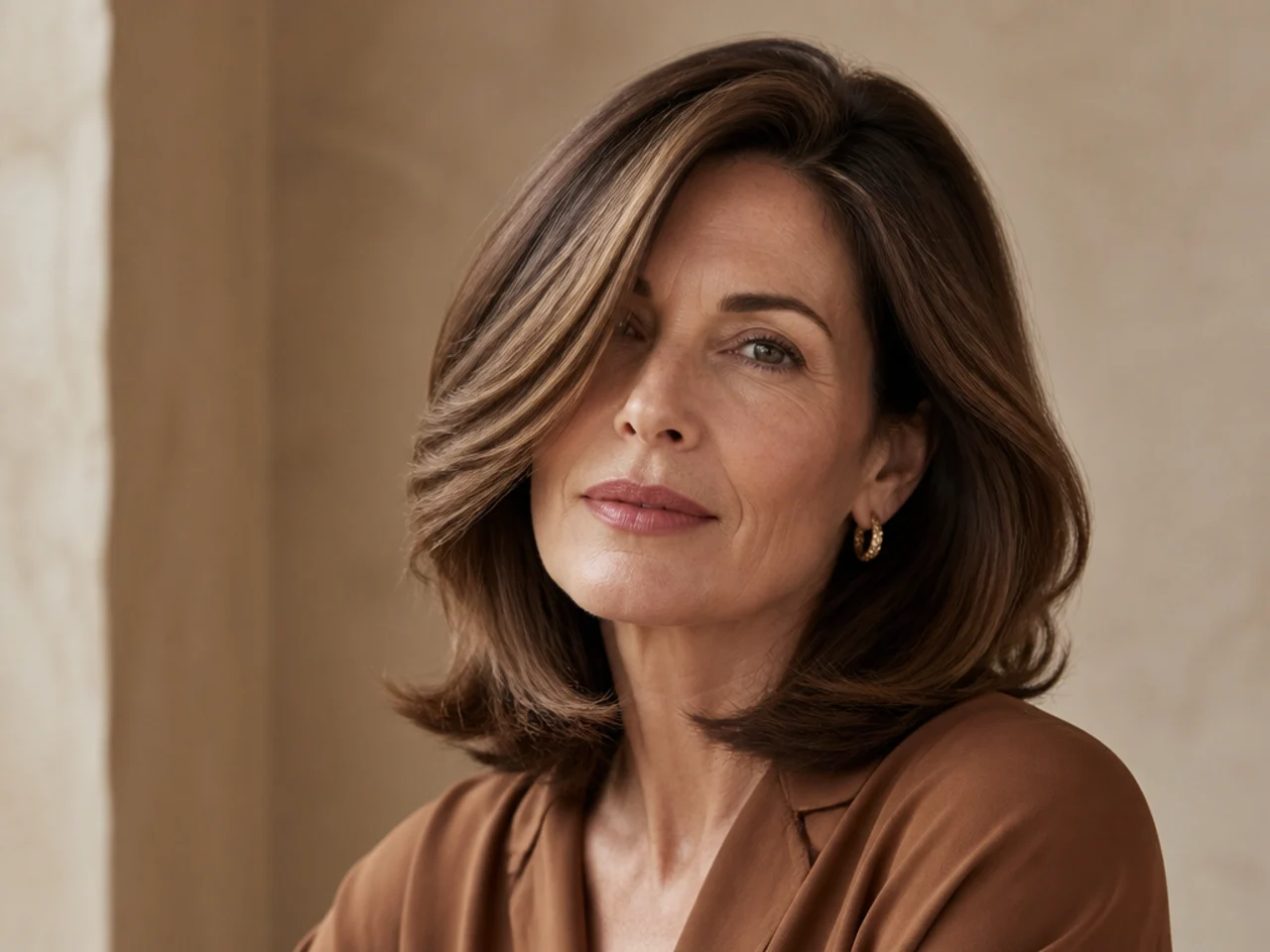
9. Natural-Colour Brunette
No colour service at all. Often the strongest version. Uncoloured hair keeps its cuticle intact, and an intact cuticle produces shine without any product at all.

10. Glossed Natural Base
A gloss over your own shade. Shine without a colour change. A gloss deposits rather than lifts, so there is no regrowth line and nothing to maintain on a cycle.
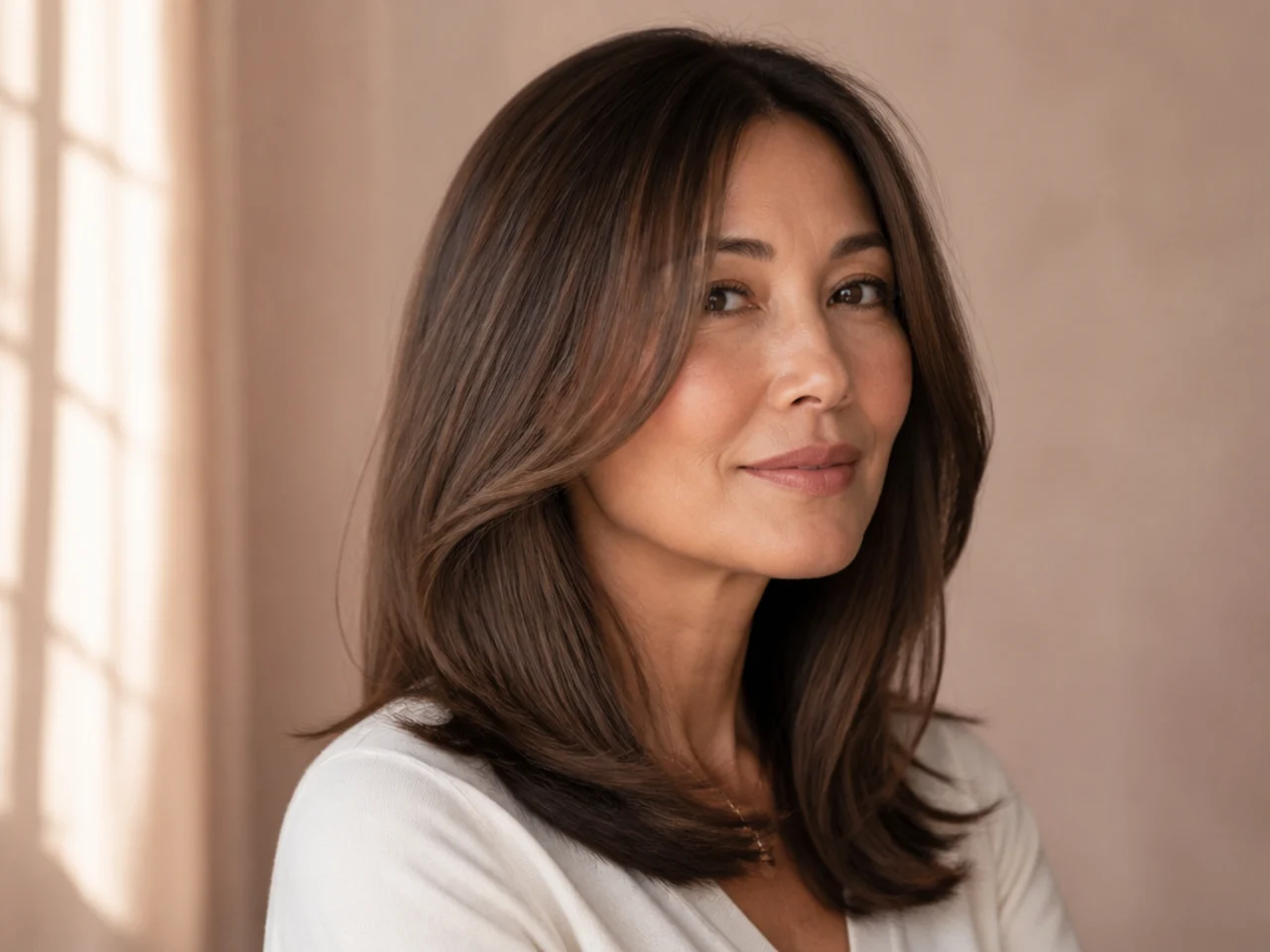
11. Two Shades of Depth
Barely a colour service, and it reads as good lighting. Two shades of depth sits close enough to natural that the eye reads healthy hair rather than colour.
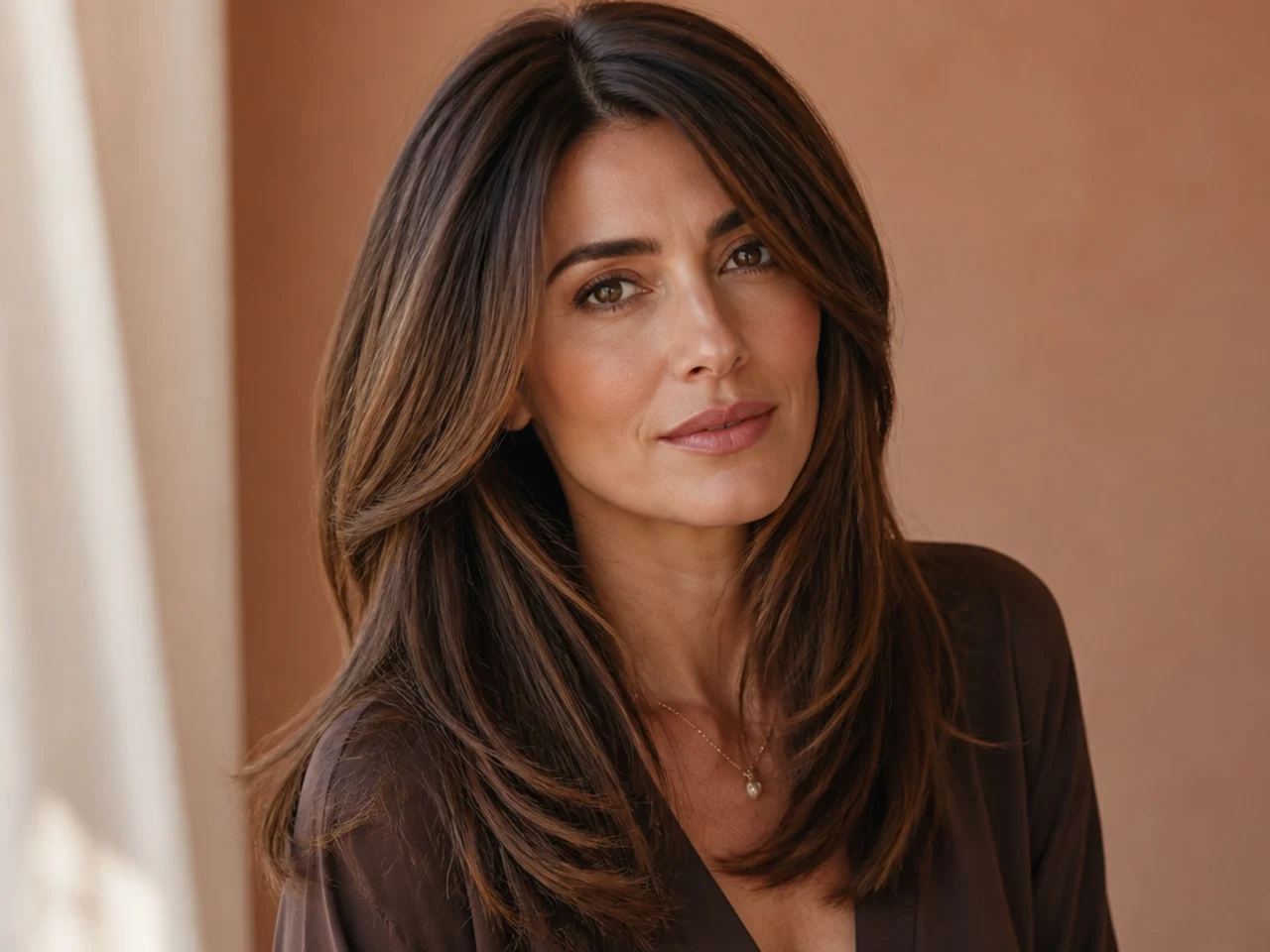
12. Air-Dried Natural Texture
Whatever your hair does, allowed to do it. Air-drying exposes the cut completely, which is why this aesthetic puts its money into the cut.

13. Soft Waves, Nothing Set
A bend rather than a curl, and no hold product. One bend cannot form a repeat, and a repeat is what the eye reads as a set.

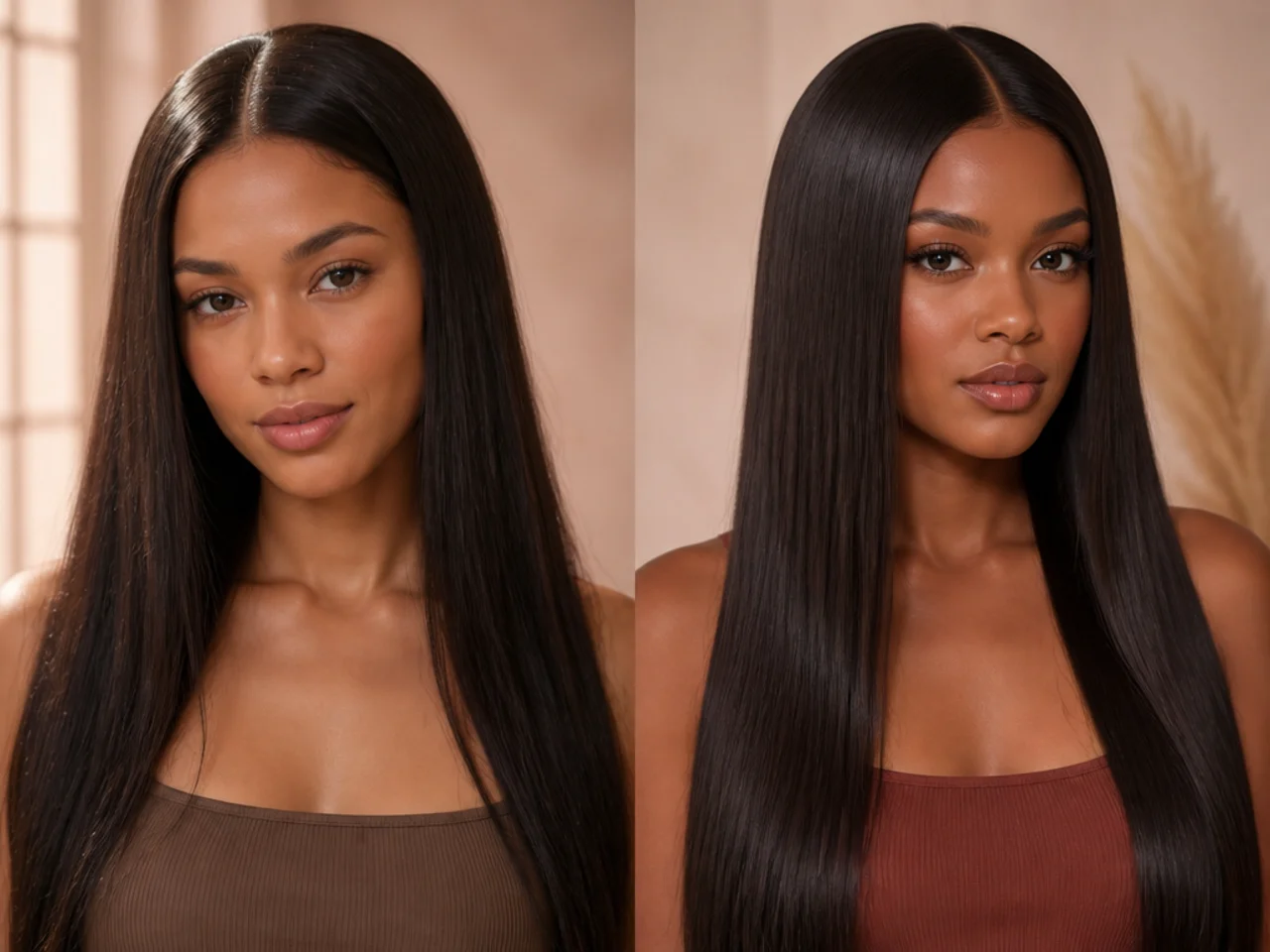
14. Straight Hair Left Straight
No volumising, no texturising. Just clean and cut well. Straight hair worn straight is the plainest possible statement, and plainness is the point.

15. Low Ponytail with a Ribbon
The one permitted accessory, in the one permitted style. A ribbon at the nape reads as a small choice; anything larger or higher reads as an accessory.
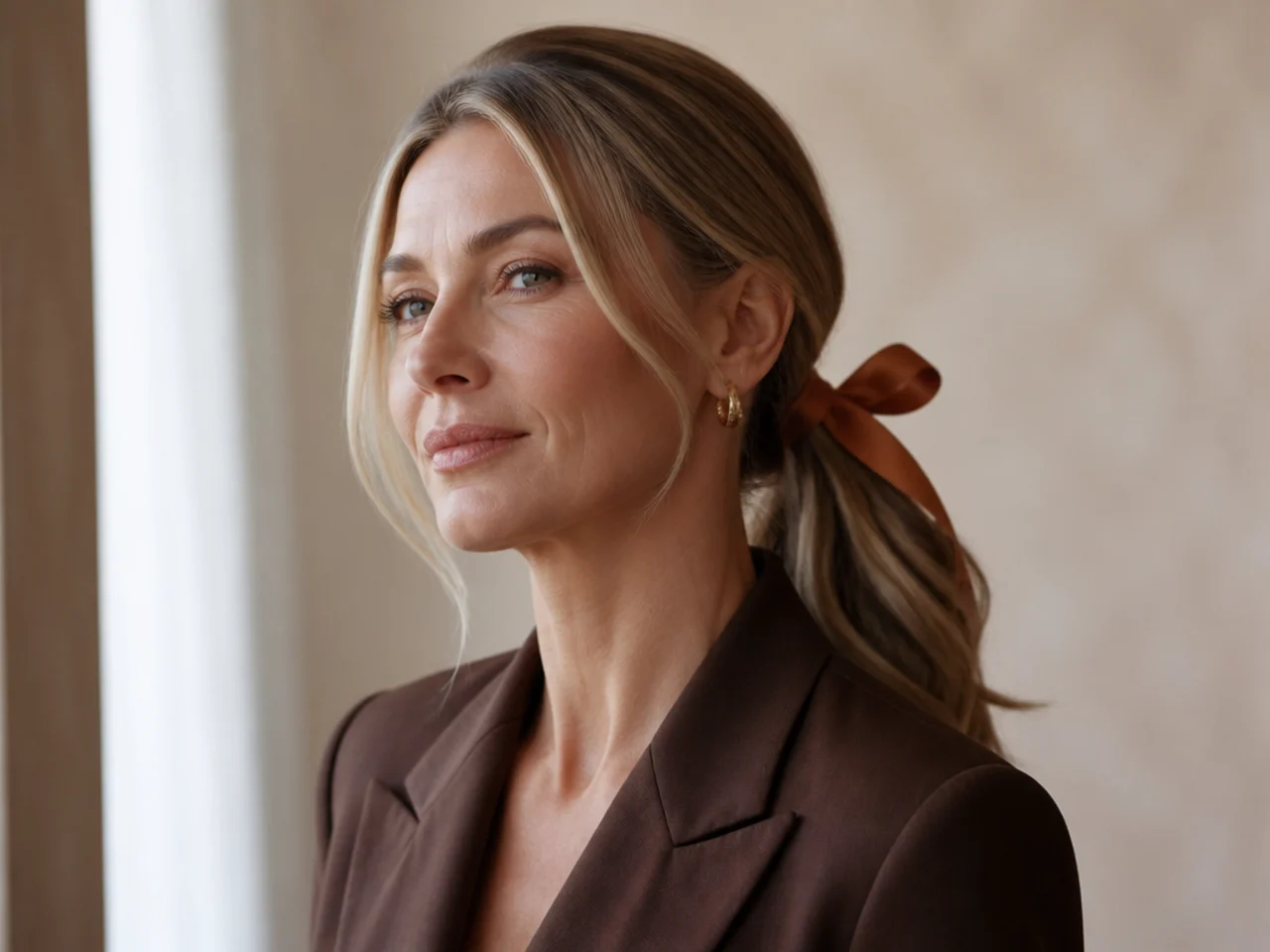
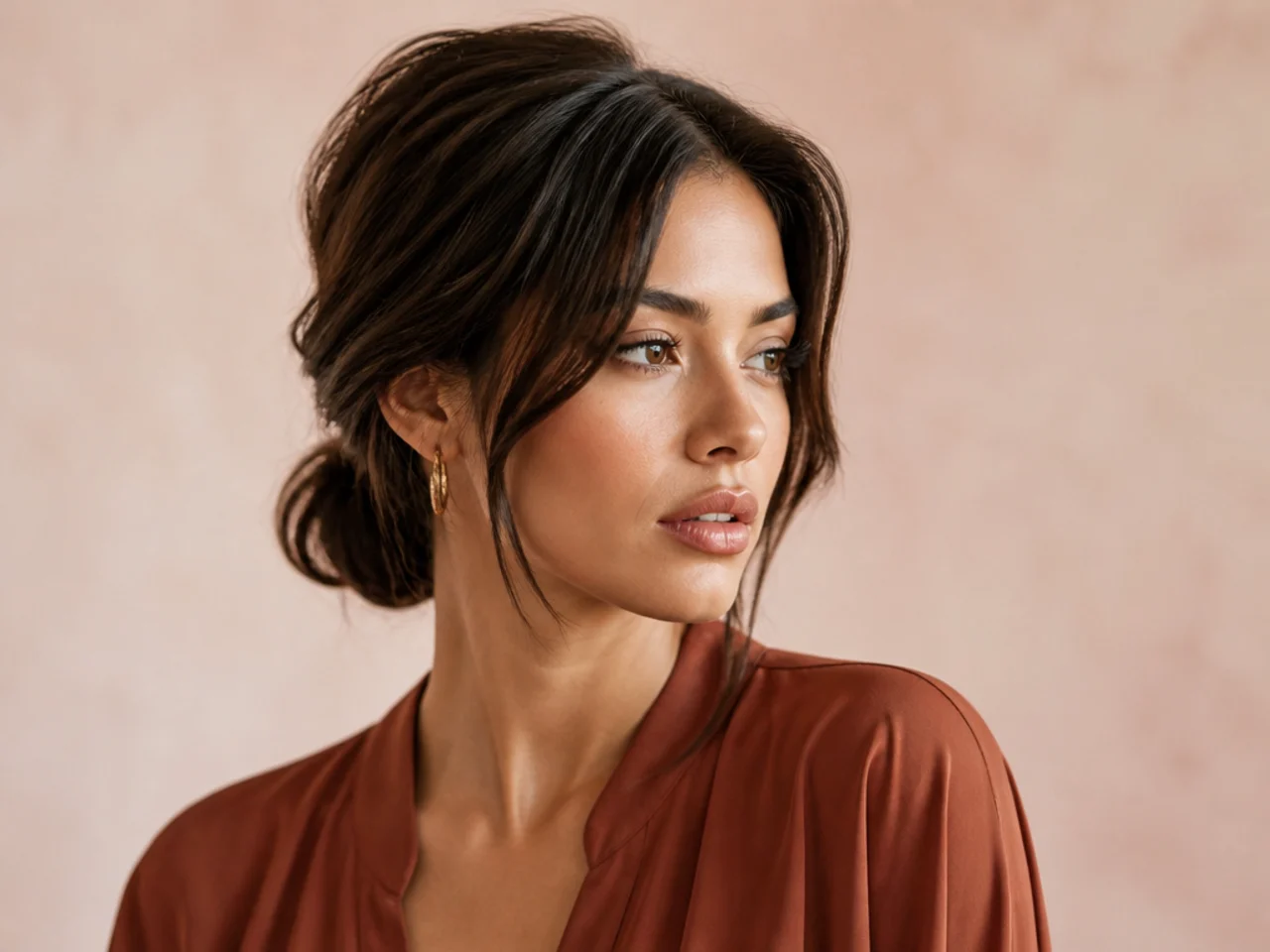
16. Simple Low Bun
Gathered without polish. Neat rather than sleek. Neat means tidy edges and sleek means a smoothed surface, and only one of those belongs here.
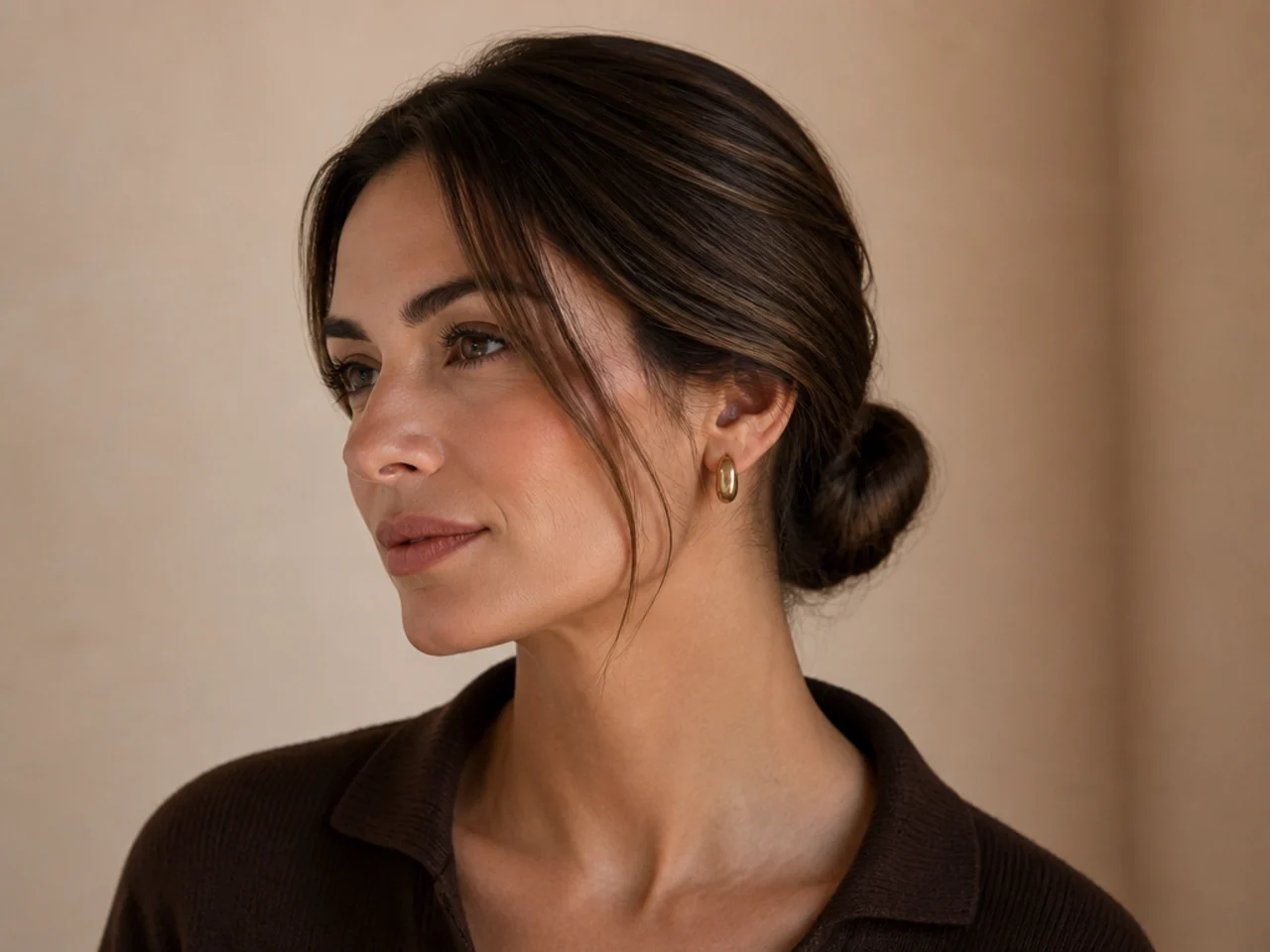
17. Half-Up with a Barrette
Undone below, one plain clip above. Plain metal or tortoiseshell — the moment it becomes decorative it stops fitting.
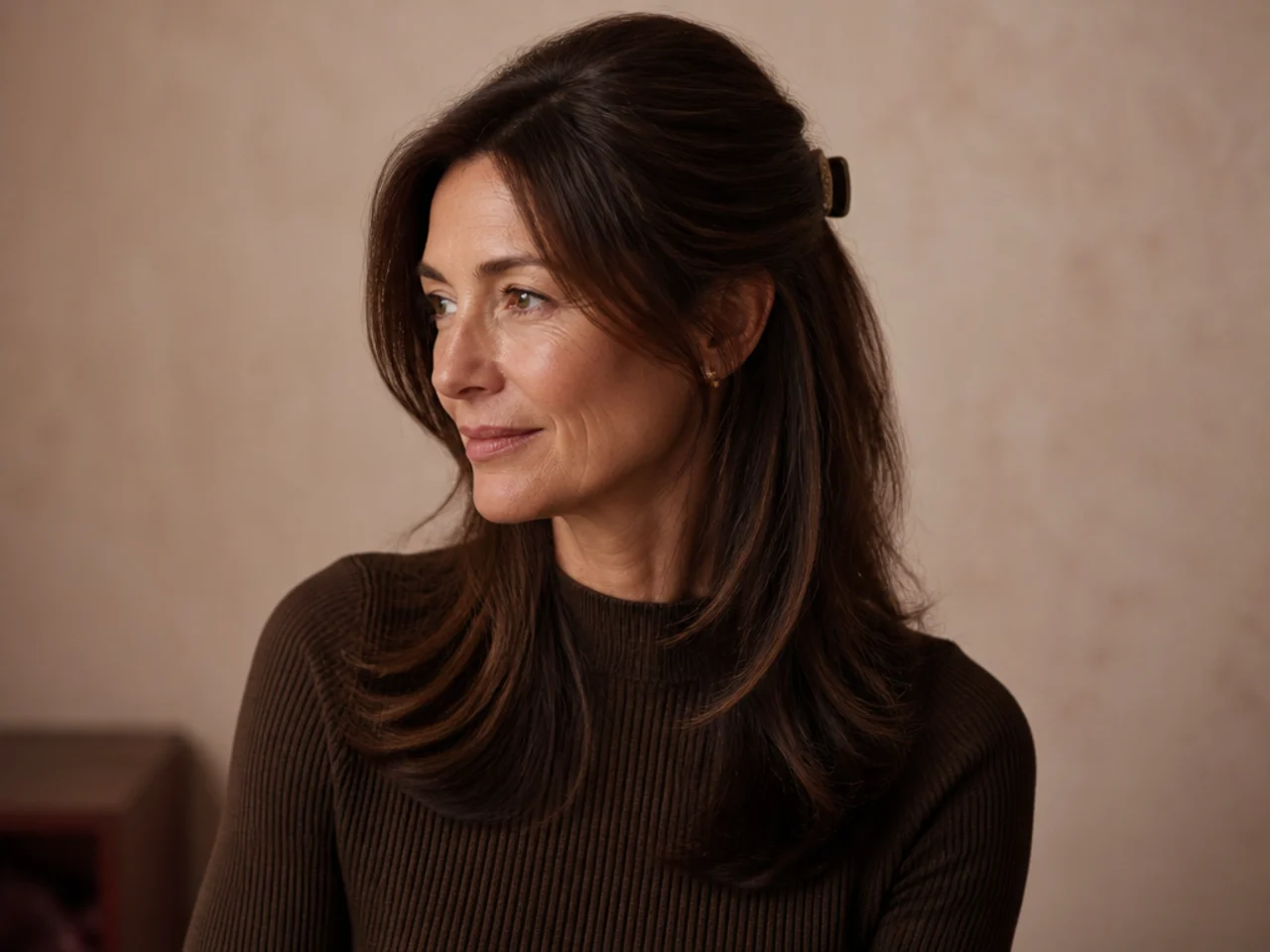
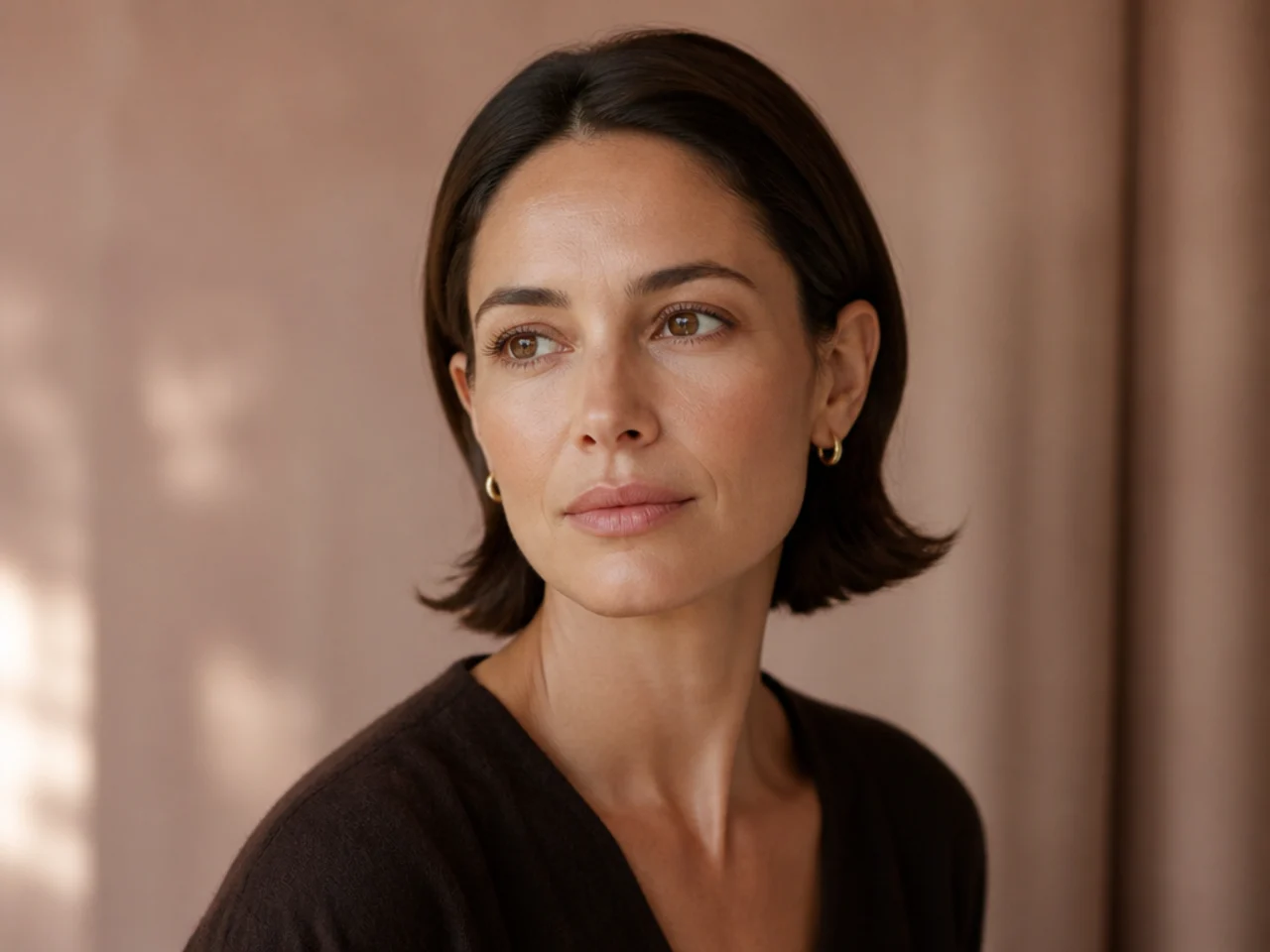
18. Tucked Behind Both Ears
The simplest style available, and it suits this look best. It changes the framing without touching the hair, which is the least deliberate thing you can do.
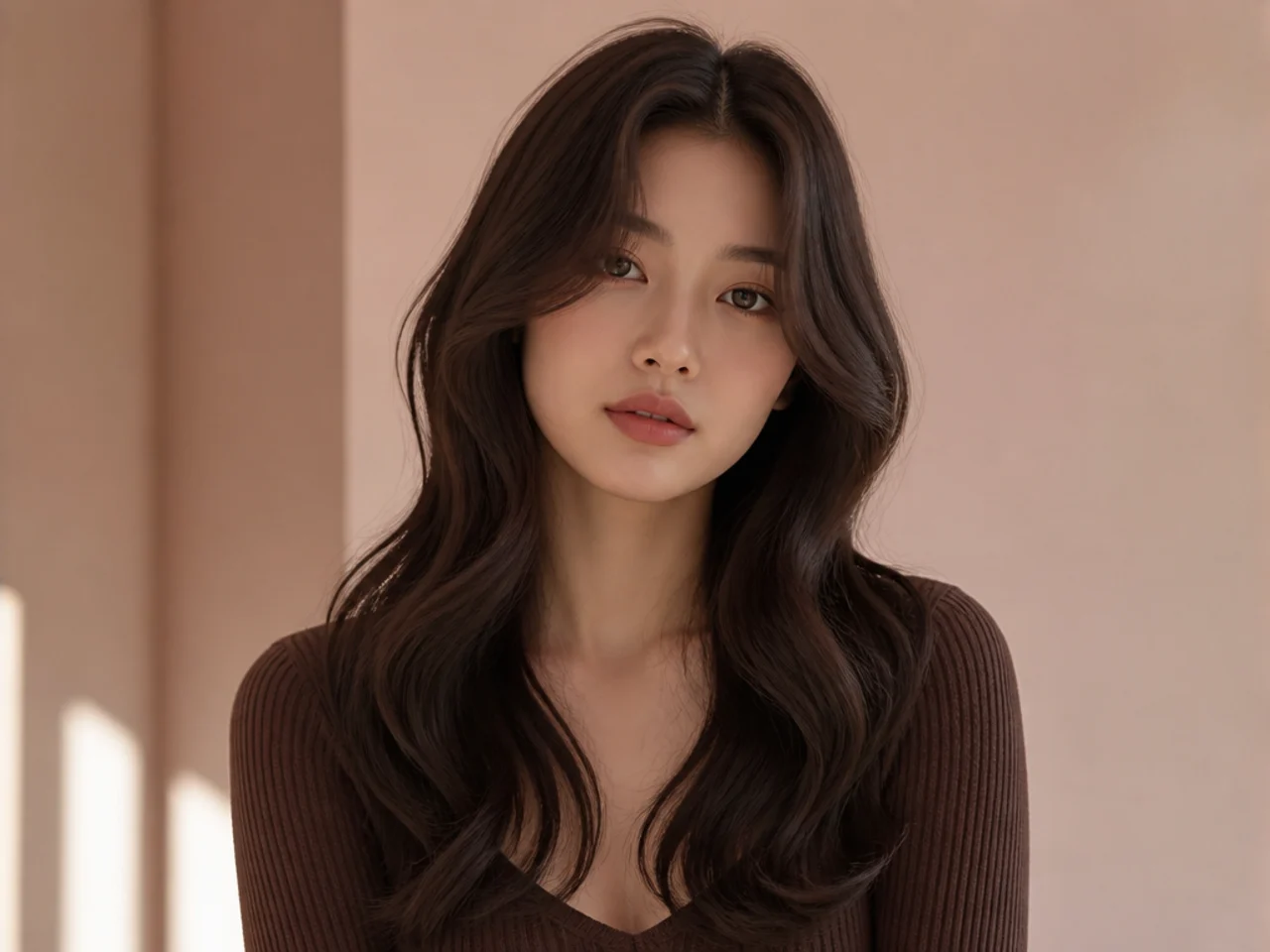
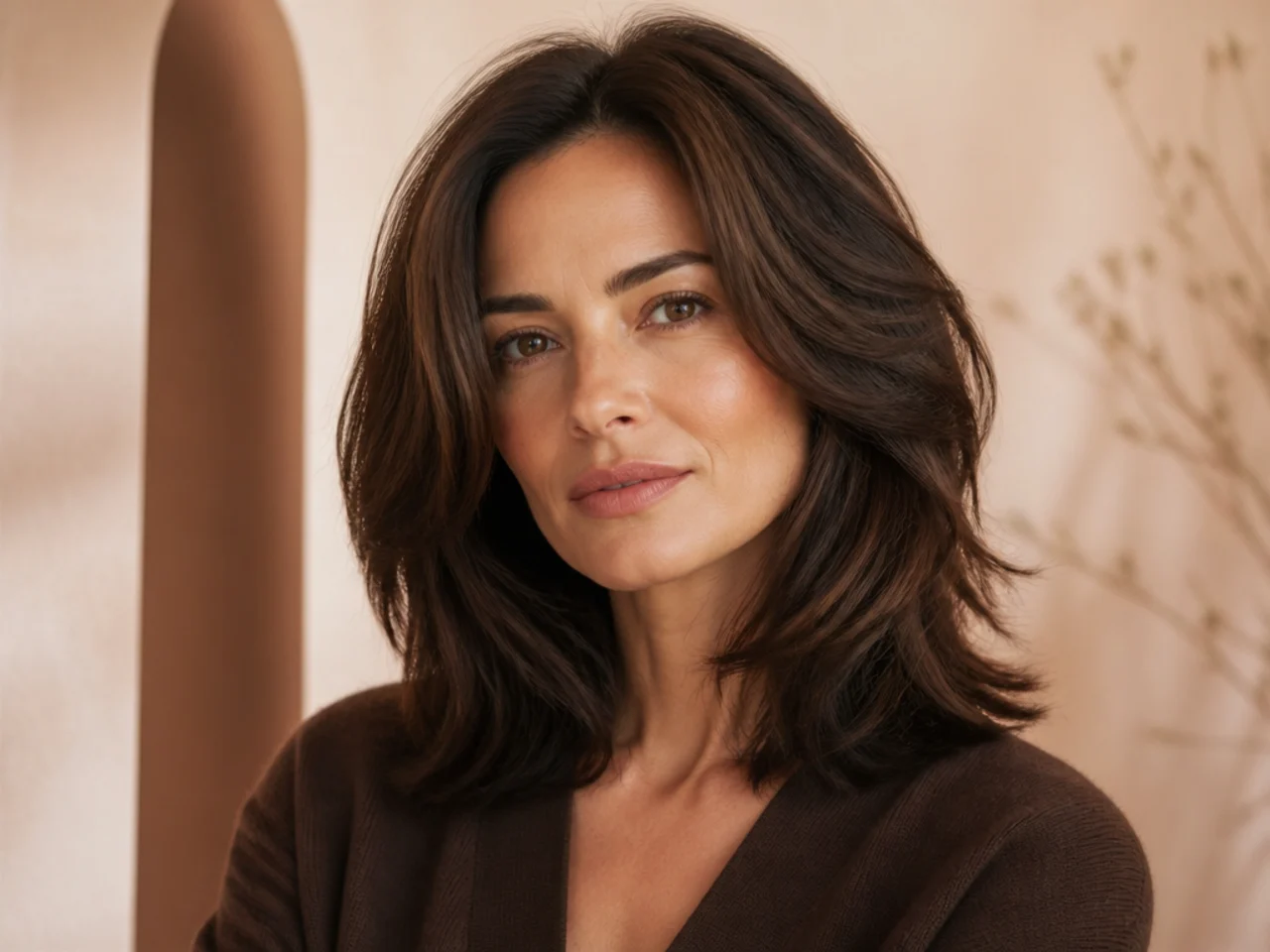
19. Long Hair with Curtain Framing
Soft framing that blends rather than announces itself. Framing that starts below the jaw lengthens into the cut instead of dropping out of proportion.

20. Mid-Length on Fine Hair
Blunt ends, minimal layers, which reads fuller. Every strand ending at the same point reads as density; tapered ends read as thinning.

21. Mid-Length on Thick Hair
Internal weight removed so it sits rather than expands. Thick hair builds width at the mid-lengths unless weight comes out from underneath.
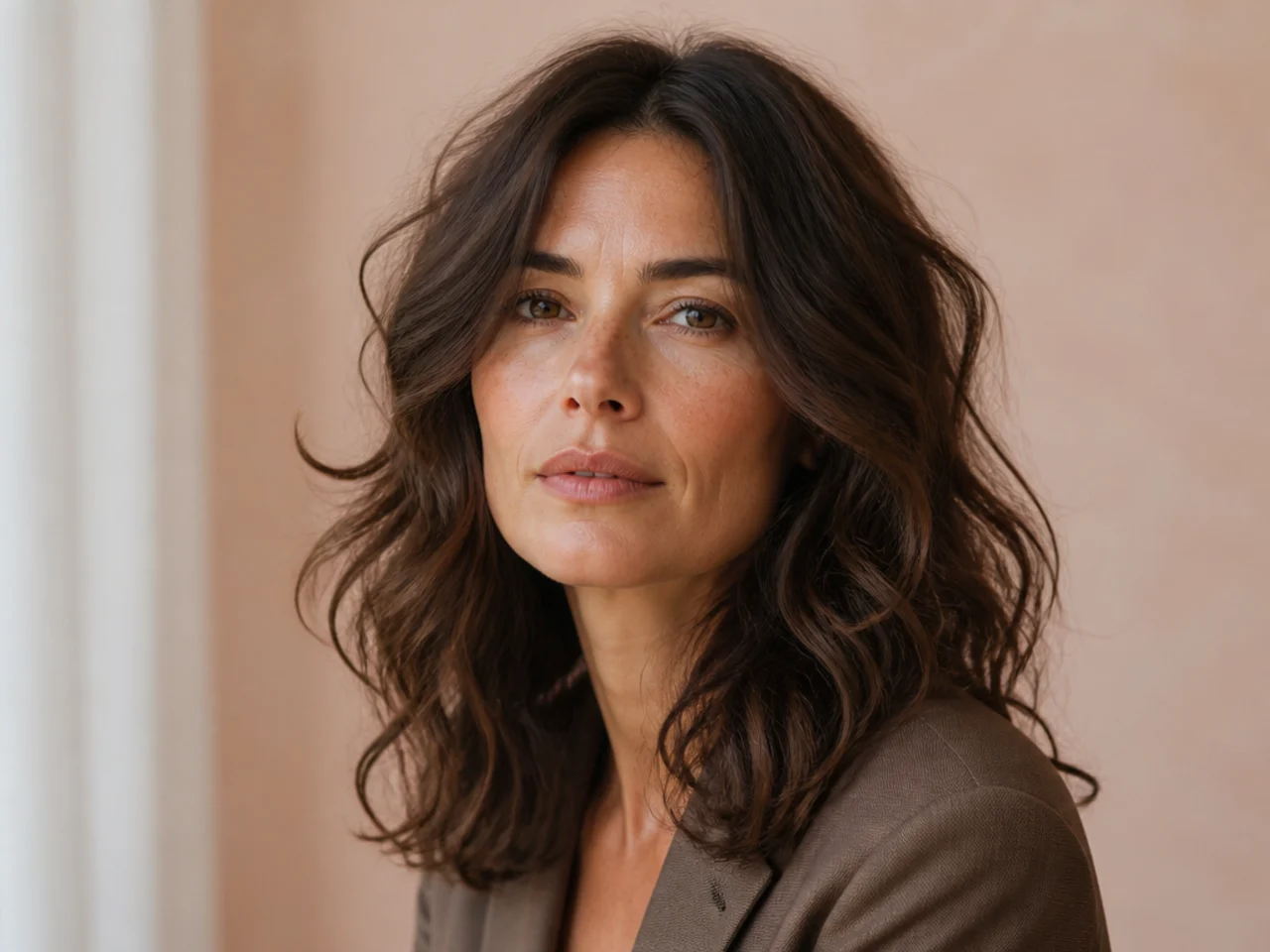
22. Natural Wave, Cut Dry
Cut in its own texture so the shape works as it dries. Wavy hair lifts as it dries, so a shape judged wet lands somewhere else once the pattern returns.
23. Freshly Trimmed Ends
The least glamorous entry here and among the most effective. The ends are the oldest hair you have, and this look has no layers or colour work to hide them behind.
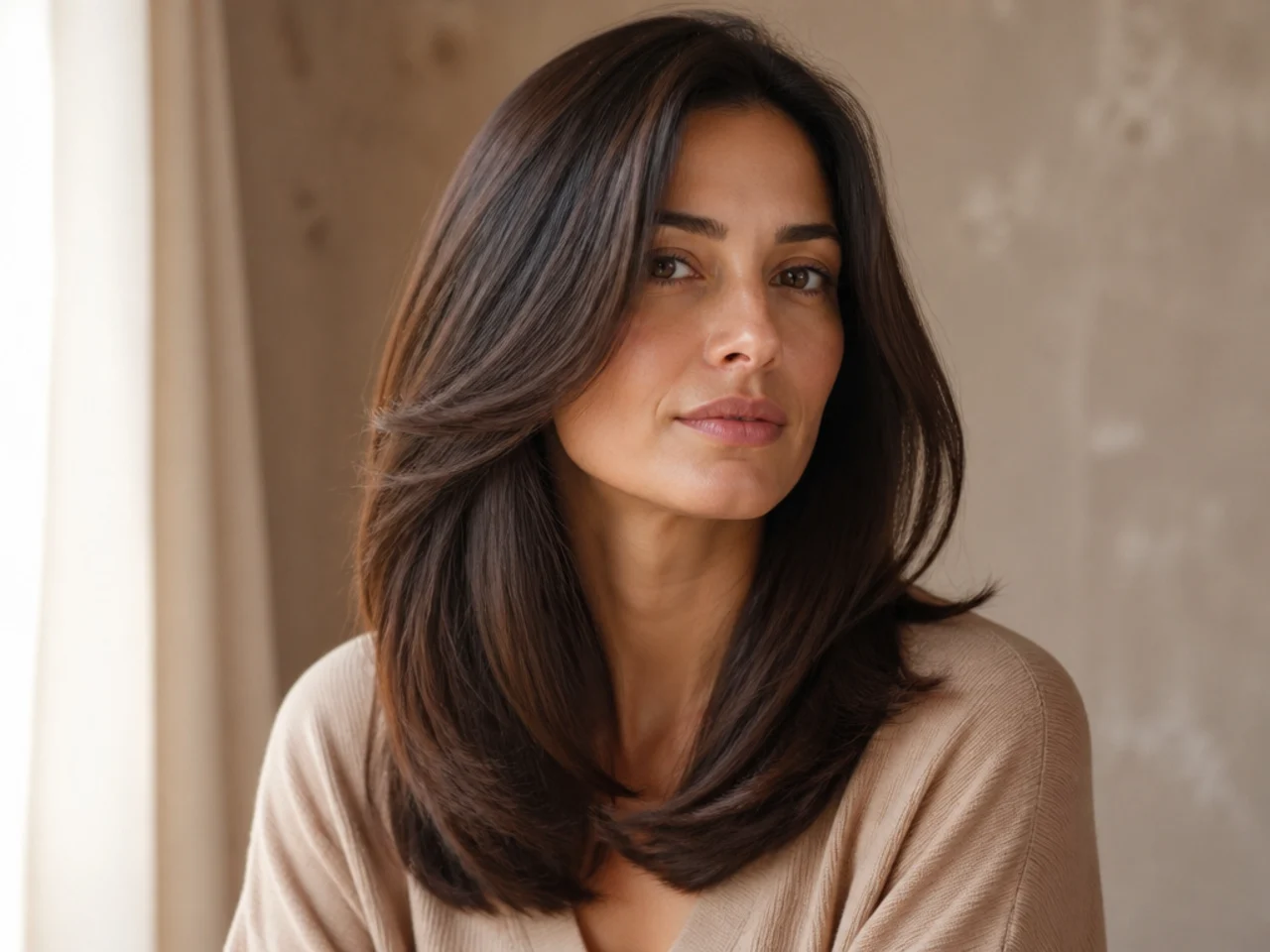
24. Grown-Out Cut, Still Working
A good cut at ten weeks. The real test of the shape. A cut whose week-one and week-ten photographs are hard to tell apart is the definition of this aesthetic.

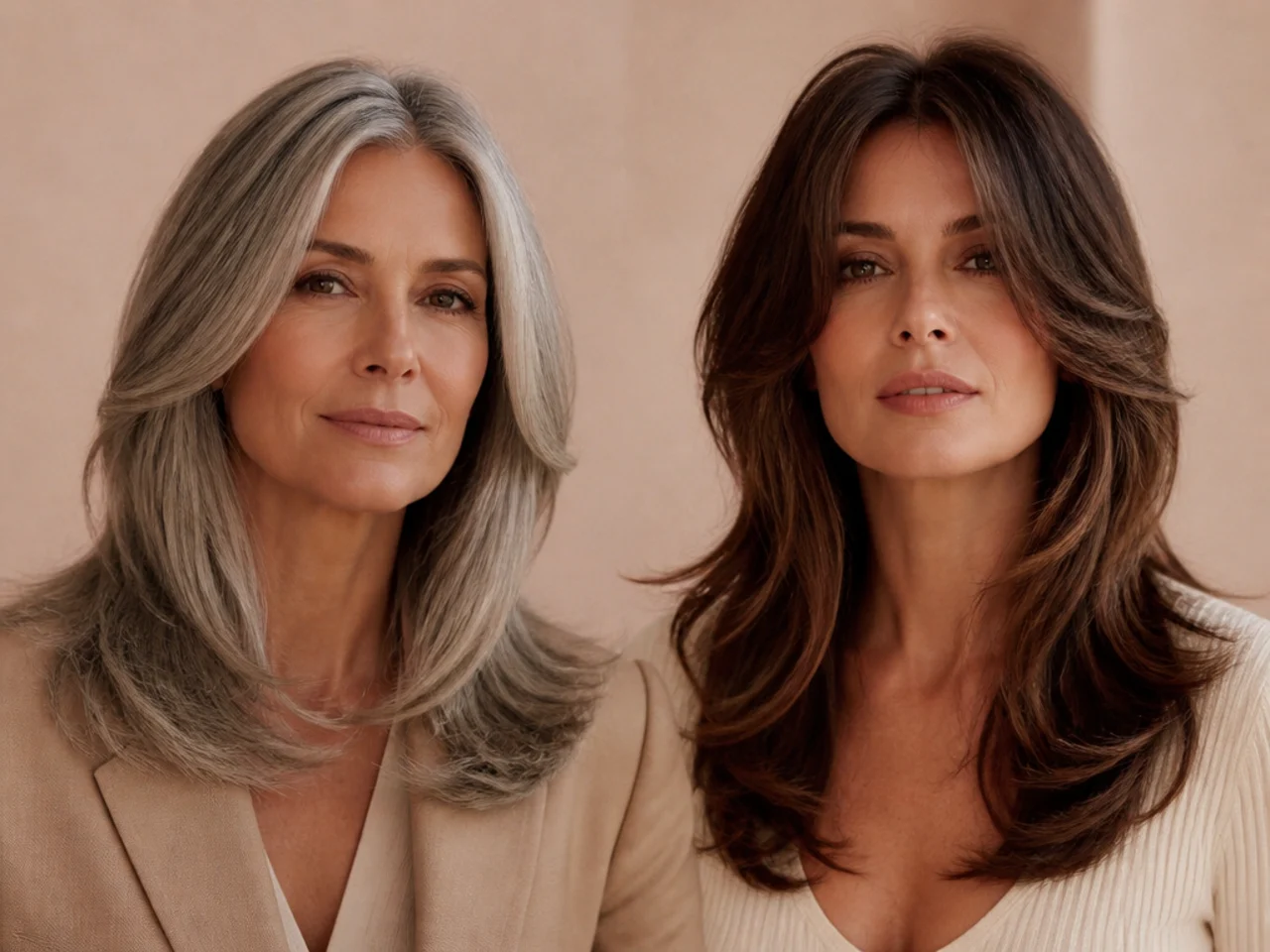
25. Heavily Layered and Highlighted for Comparison
Visible technique everywhere. The opposite of this look. Every step is an edge and every highlight is a decision, and both announce that someone made them.
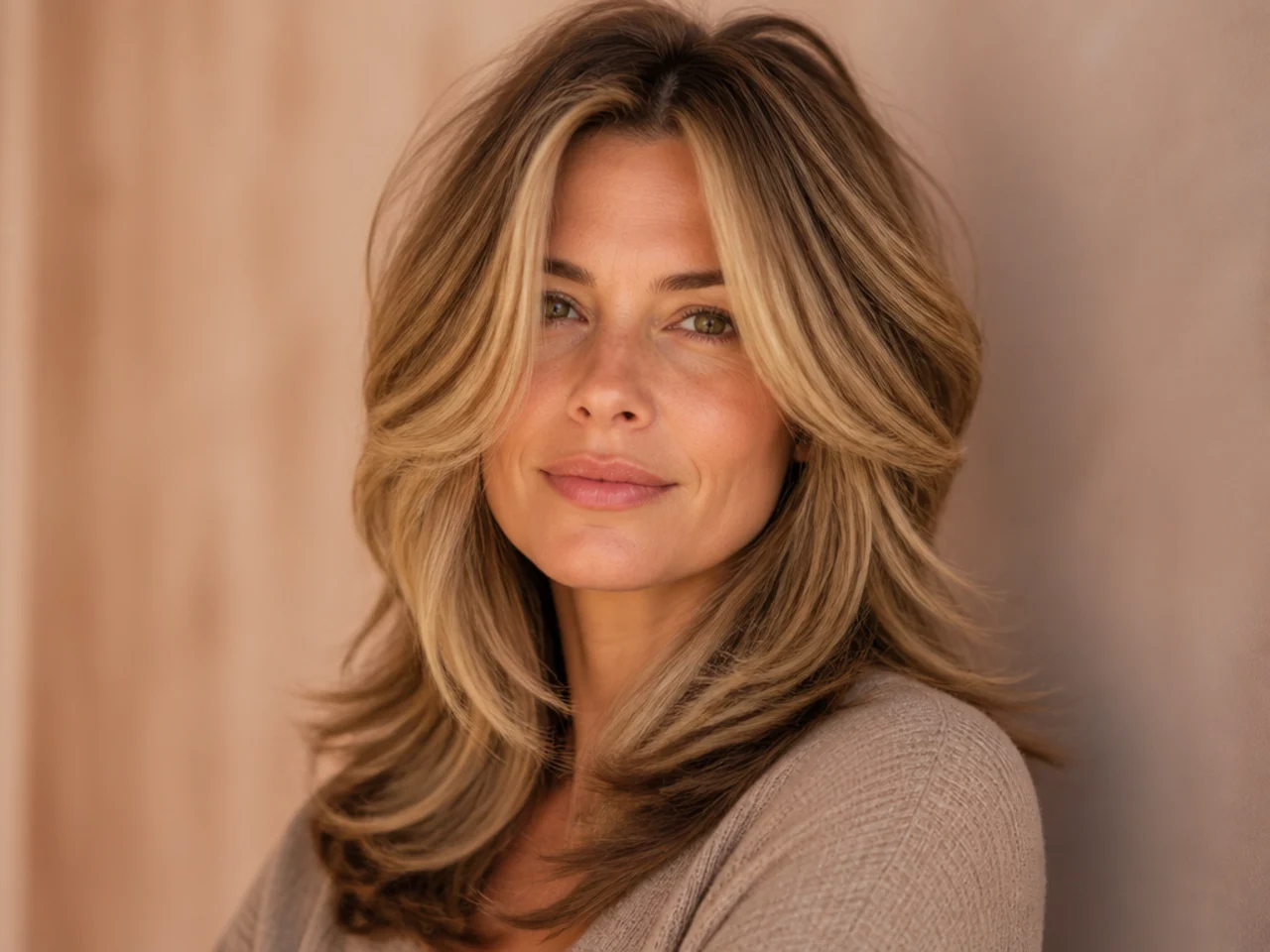
Styling and Upkeep
Trim every eight to ten weeks. Condition is the finish, and split ends are the one thing this look cannot absorb.
Use a weekly treatment on the ends. Nothing else is doing the work.
Stop styling before it looks finished. The last five minutes of blow-drying is usually what breaks it.
Skip texturising and volumising products. Both add the visible technique this aesthetic removes.
Let a gloss do your colour. It adds shine without adding a service anyone can see.
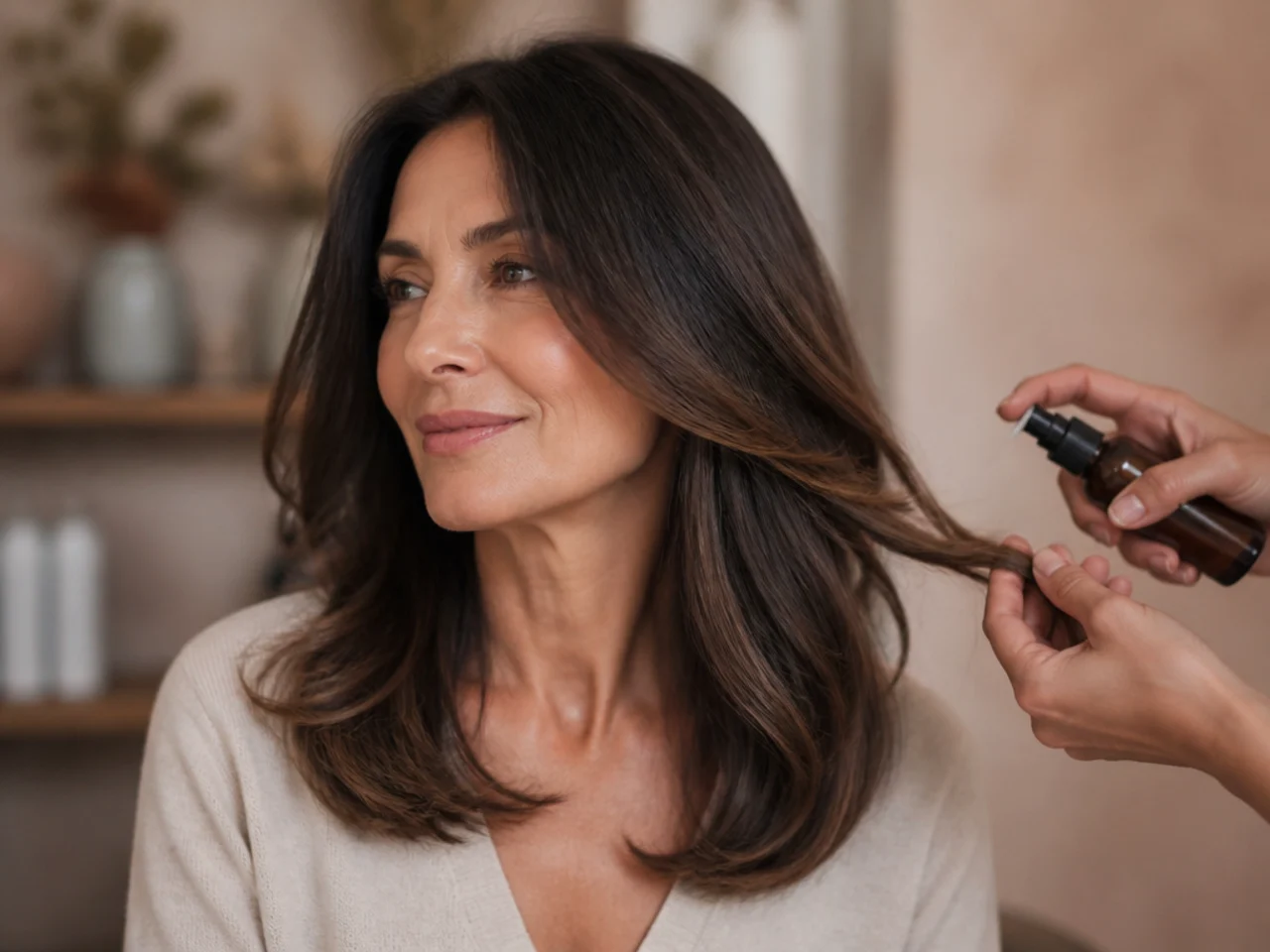
Mistakes to Avoid
Visible layers. Stepped layering is the clearest tell against this look.
Highlights. Any contrast reads as a colour appointment.
Styling to a finish. Stop earlier than feels right.
Neglecting the ends. With nothing else to look at, they are the whole effect.
Confusing it with clean girl. One is unstyled; the other is styled to look simple.
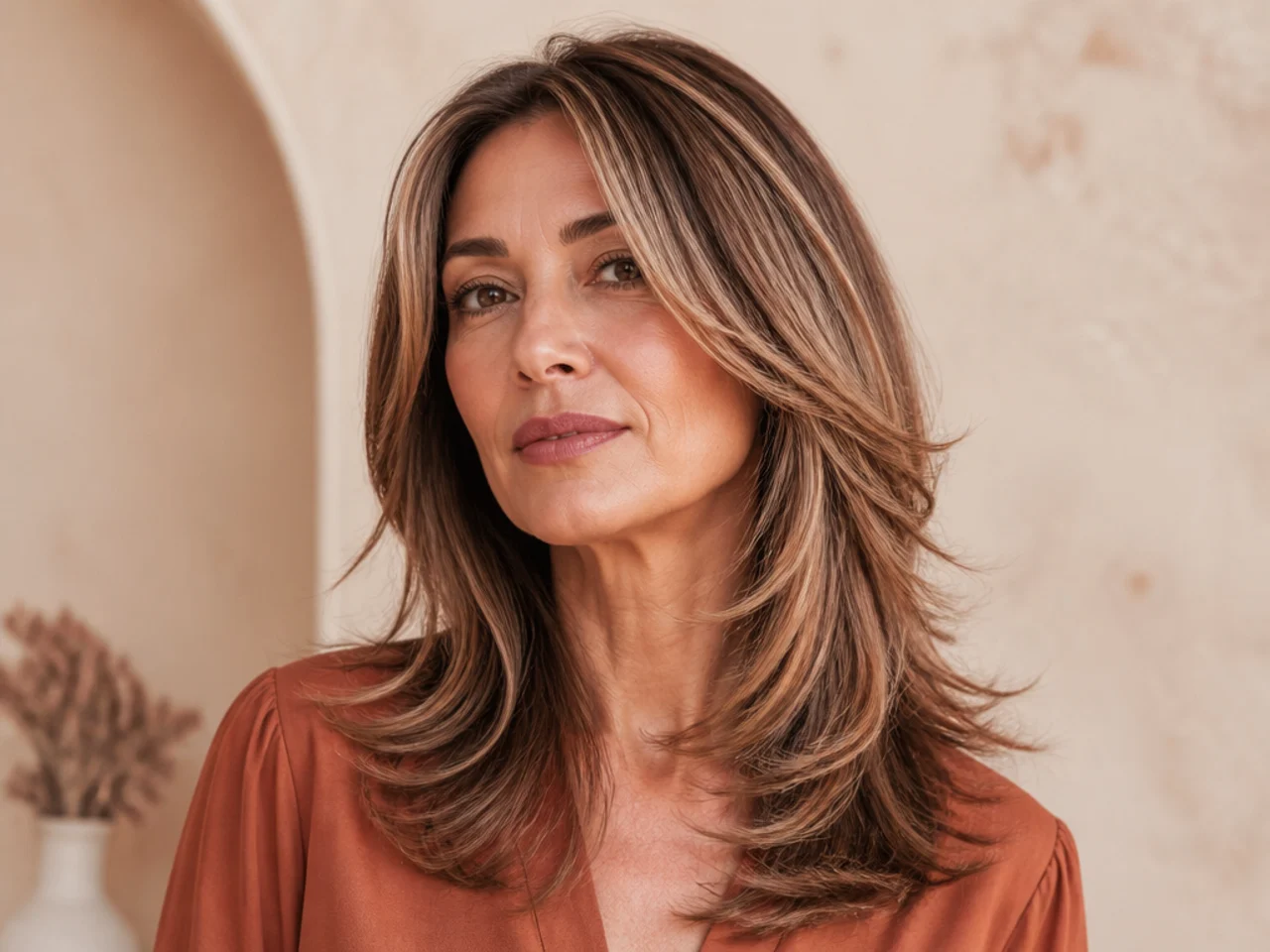
FAQ
What is it? A cut defined by what it leaves out — no visible layering, colour or styling.
How does it differ from clean girl? Clean girl is styled minimal; old money is unstyled minimal.
What should you spend on? The cut and the condition. Nothing else is visible.
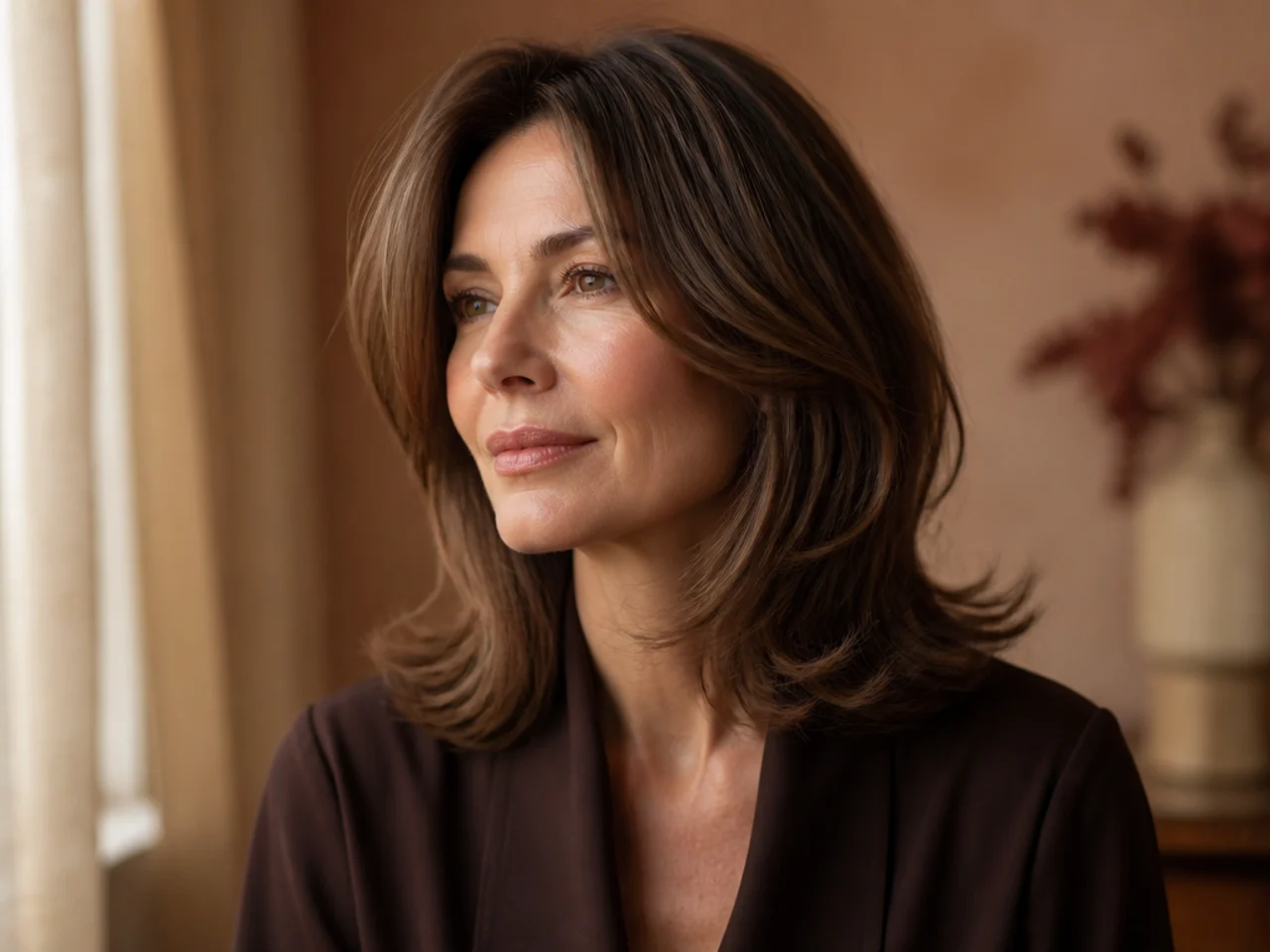
Final Thoughts
Book a better haircut and buy fewer products. This is the one aesthetic where that trade genuinely shows, because there is no styling, no colour and no technique standing between the viewer and your actual haircut.
For the comparison that most often confuses people see 15 old money vs clean girl hair compared, and for the men's version see 25 old money haircuts for men. More in Women's Hairstyles.