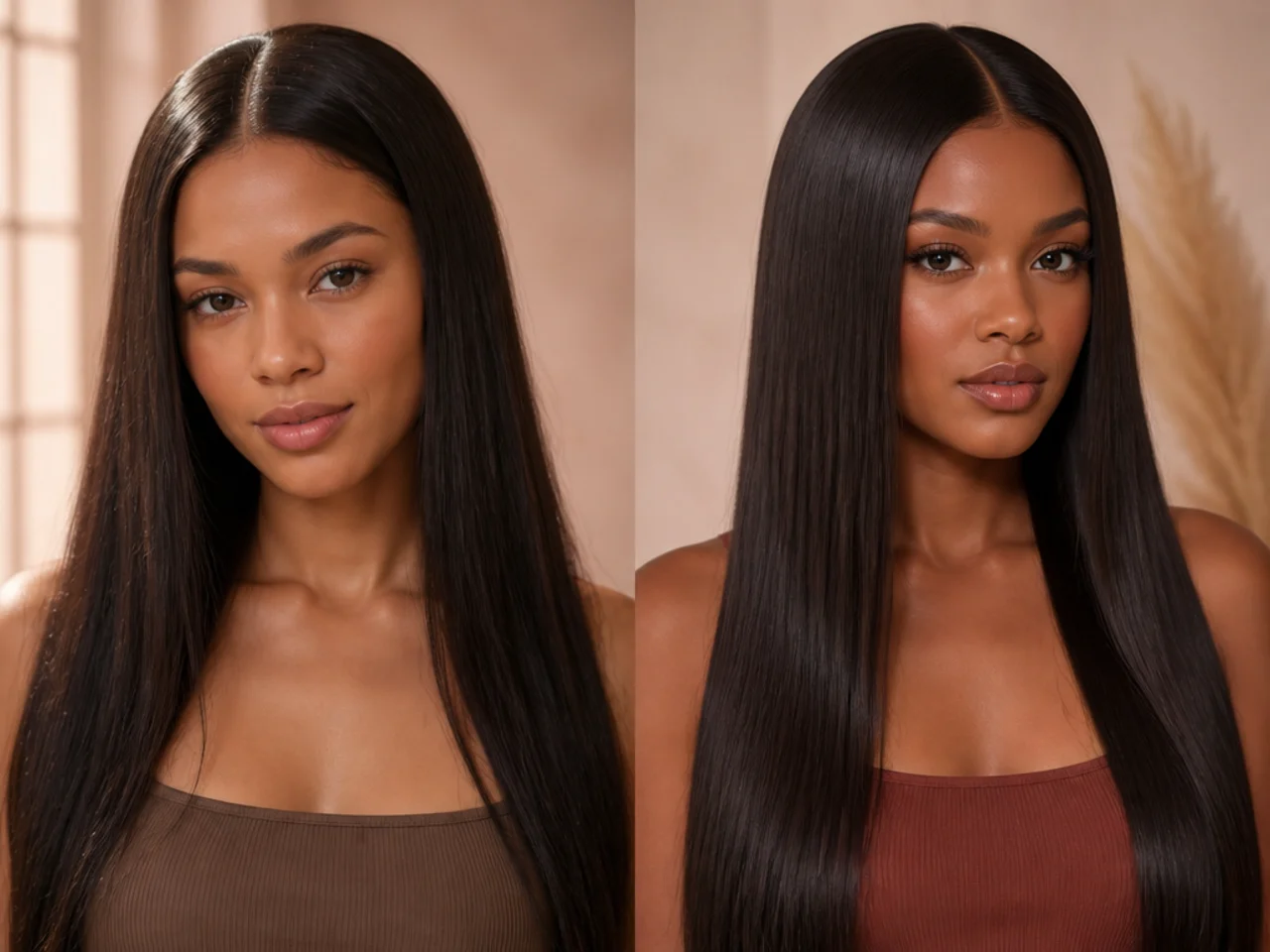
15 Straight Hair: Wig vs Natural Looks
Fifteen comparisons between styling a straight wig and styling your own straight hair, and the difference that matters — on a wig the constraint moves from the hair to the cap. You cannot pin into a cap the way you pin into hair.
In this article · 22
- Quick Comparison at a Glance
- What Each One Actually Is
- The 15 Comparisons
- 1. Where the Grip Comes From
- 2. Pins
- 3. The Second-Day Advantage
- 4. Ponytails
- 5. Low Buns
- 6. Anchored Updos
- 7. The Parting
- 8. Product
- 9. Heat
- 10. Restyling
- 11. Half-Ups
- 12. Sleek Styles
- 13. Longevity of a Style
- 14. Washing
- 15. What Transfers
- Which Should You Choose?
- Mistakes to Avoid
- FAQ
- Final Thoughts
Styling a straight wig and styling your own straight hair look like the same problem and are not.
The constraint moves from the hair to the cap. The strands behave similarly — slippery, low friction, hard to hold. But a pin driven into your own hair grips the roots and the scalp. A pin pushed into a cap has nothing to hold.
And there is a second difference: wig hair has no natural oil reaching it. Your own hair gets sebum from your scalp, which is where most of its grip comes from. A wig behaves like permanently freshly washed hair.
Quick Comparison at a Glance
| Your Own Hair | A Straight Wig | |
|---|---|---|
| Grip source | Scalp oil | None |
| Pins | Anchor into roots | Nothing to anchor into |
| Second-day advantage | Yes | No — it never gains oil |
| Gathered styles | Work | Work |
| Anchored updos | Work | Need a different method |
| Product response | Adds grip | Adds weight, less grip |
| Parting | Fixed by your hairline | Fixed by the cap construction |
| Restyling | Any time | Best done off the head |
What Each One Actually Is
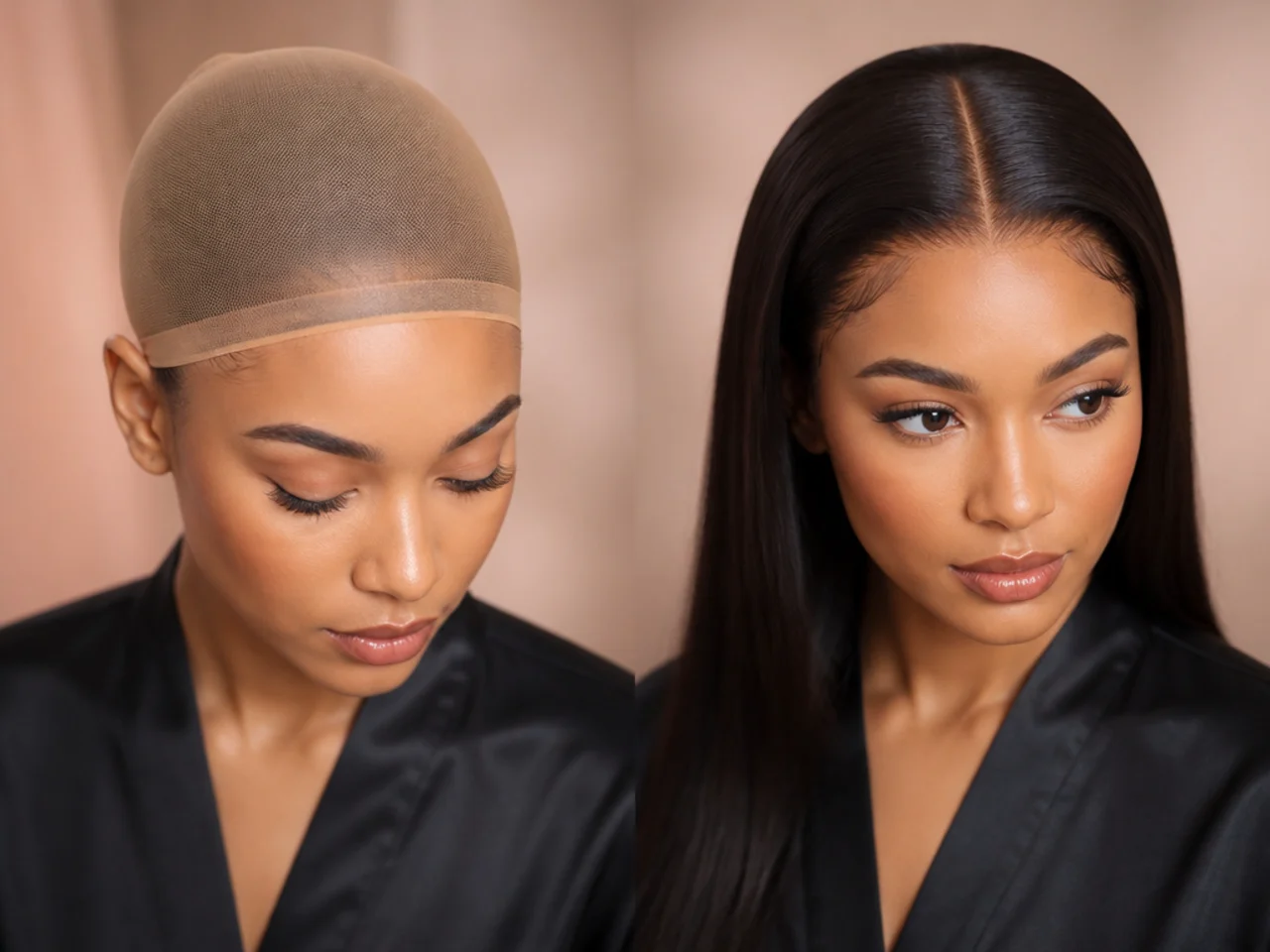
Your own straight hair is low-friction hair attached to a scalp that supplies oil and something to pin into. Both of those are doing more work than most people realise, and you only notice once neither is there.
A straight wig is low-friction hair attached to a cap. The hair is often more processed and never receives oil, so it stays at its slipperiest permanently. There is no day two on a wig — every day is wash day, in terms of grip.
Everything below follows from those two differences.
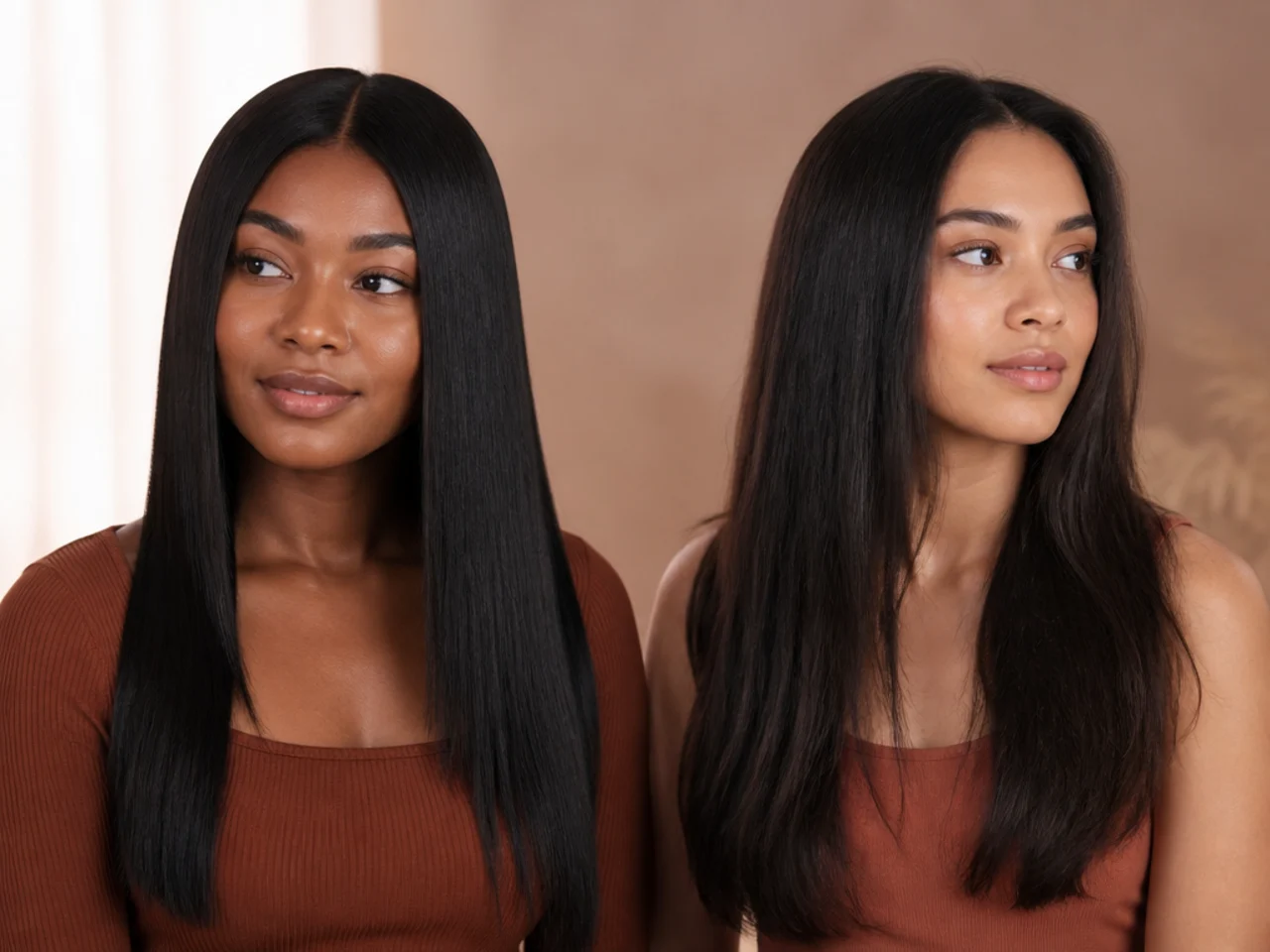
The 15 Comparisons
1. Where the Grip Comes From
Own hair: scalp oil. Wig: nothing at all.
2. Pins
Own hair: anchor into the roots. Wig: nothing behind the cap to grip. The fabric flexes rather than resisting, so the pin walks out.
3. The Second-Day Advantage
Own hair: real, and free. Wig: never happens.
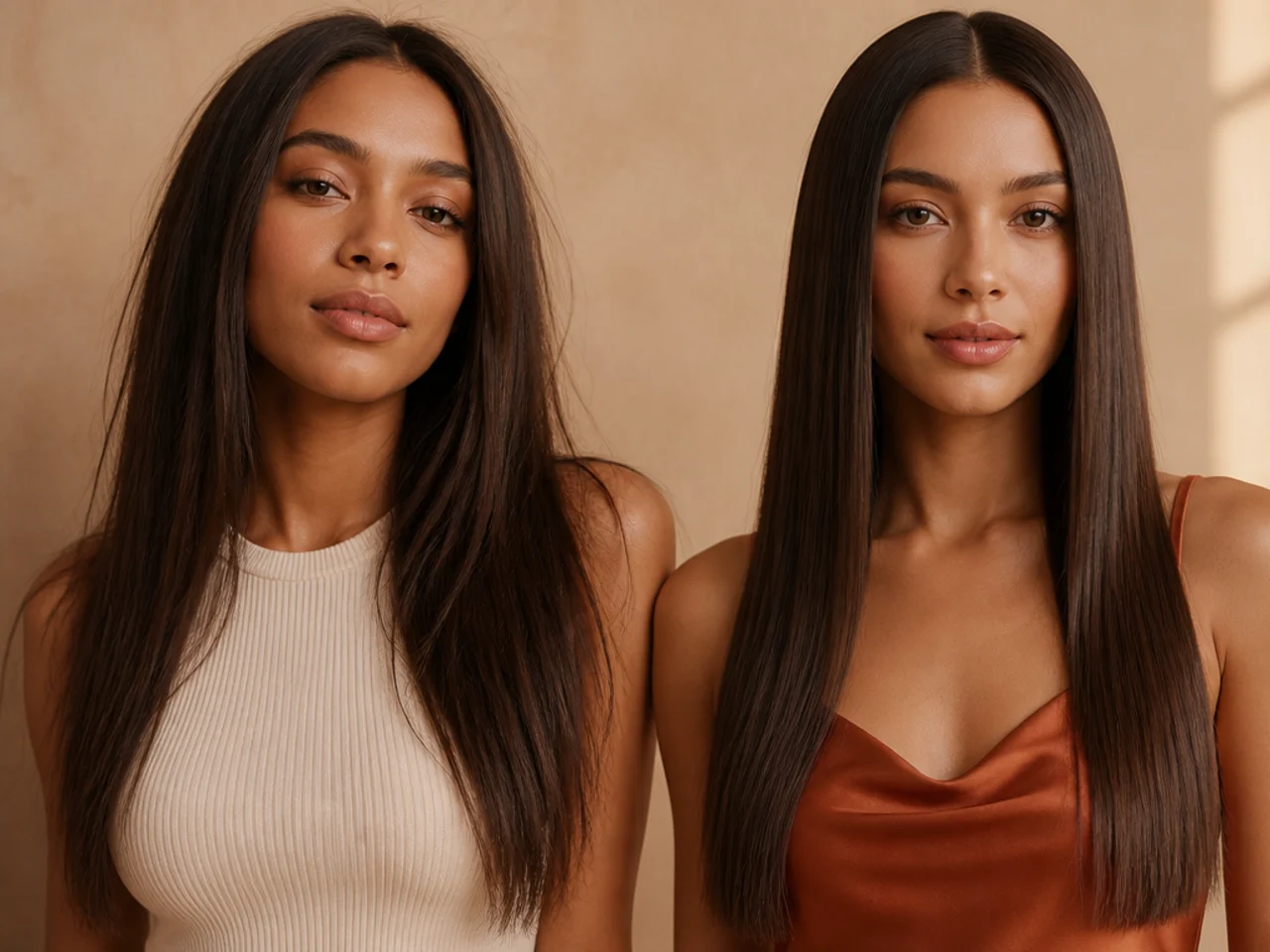
4. Ponytails
Own hair: hold with a tie. Wig: hold equally well — the hair grips itself.
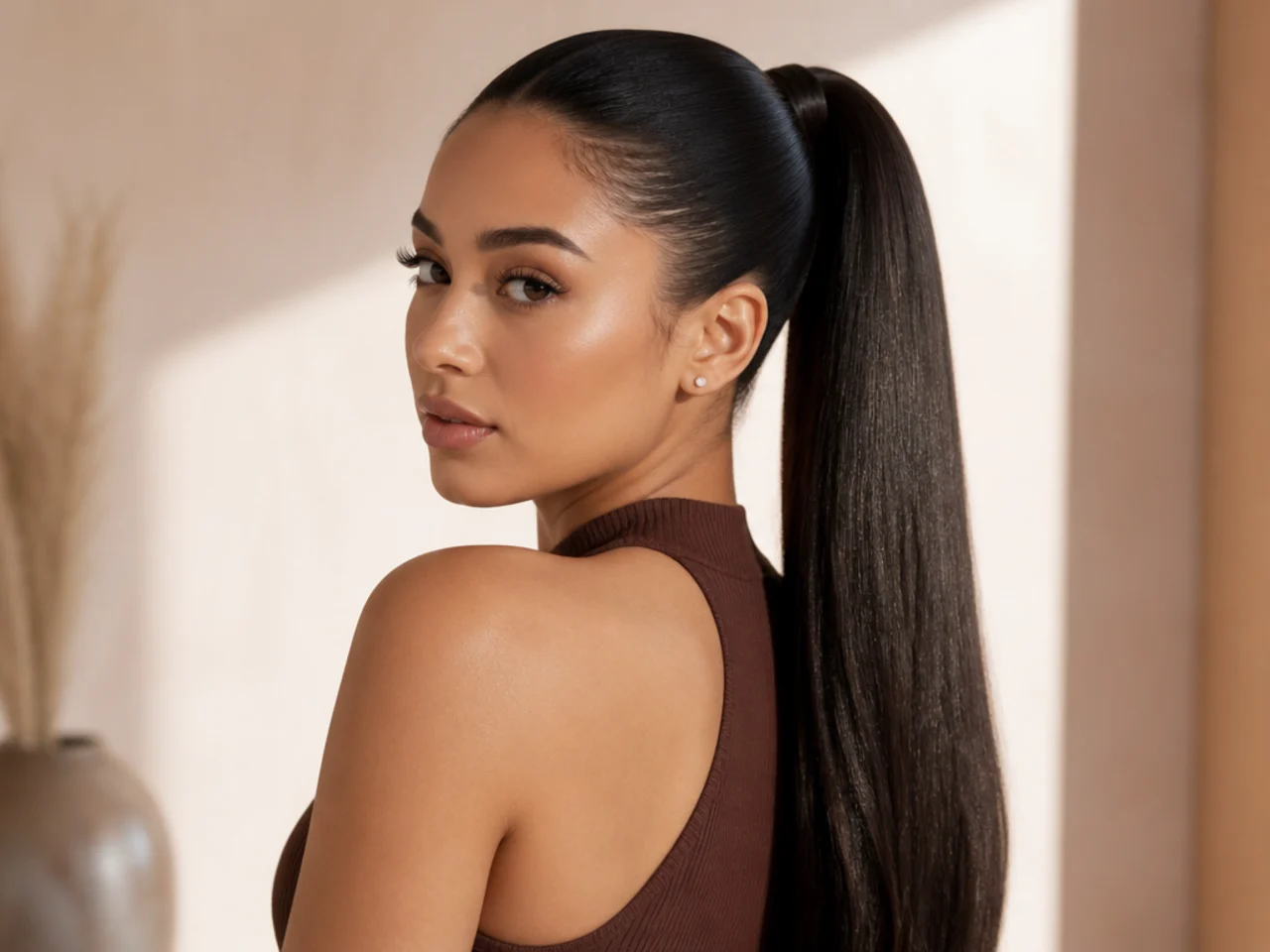
5. Low Buns
Own hair: easy. Wig: easy, provided you gather rather than pin.
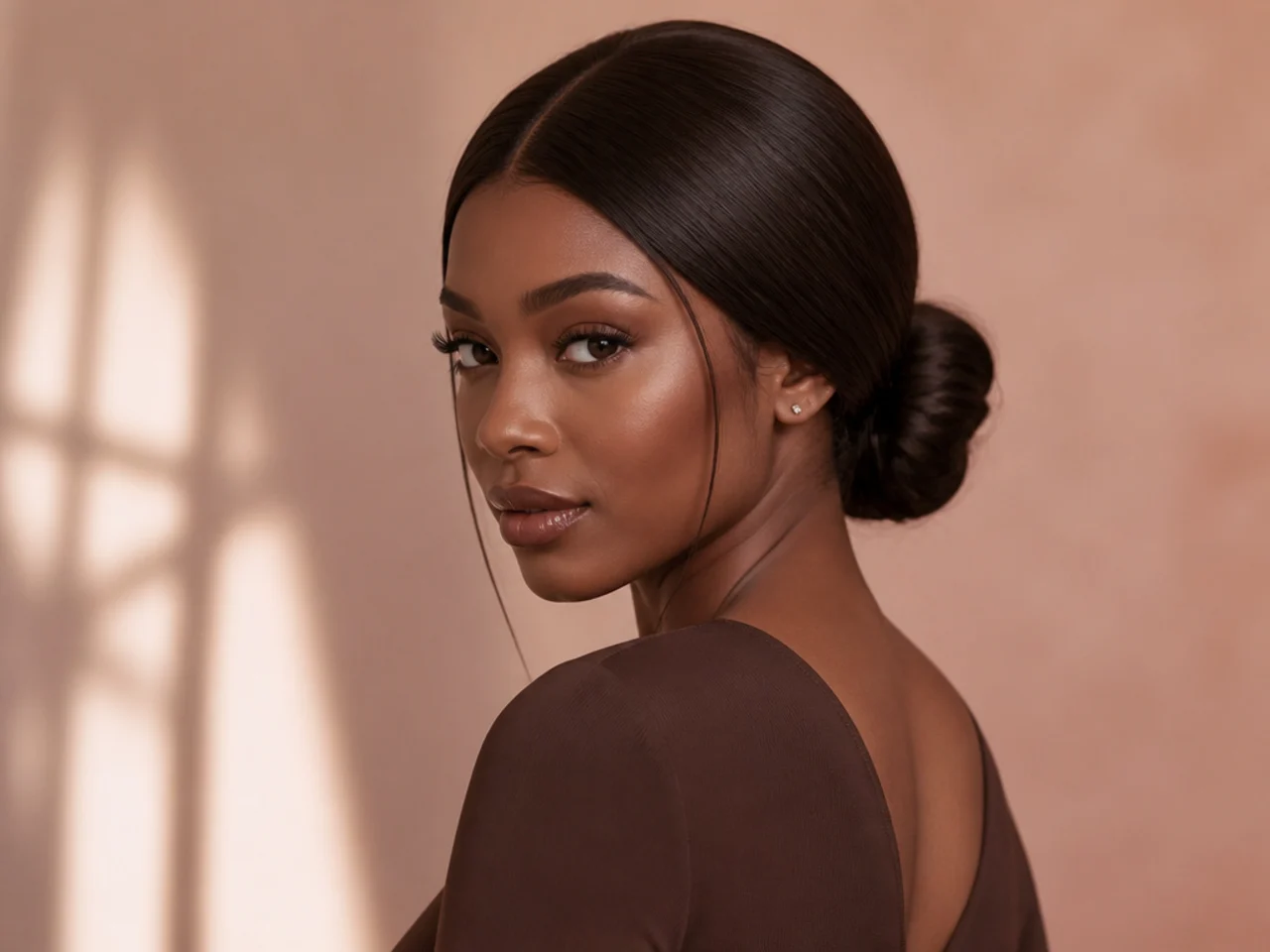
6. Anchored Updos
Own hair: pins into the scalp hold them. Wig: needs sewing, clipping or a different construction. Worth checking what the cap has built into it before you buy.
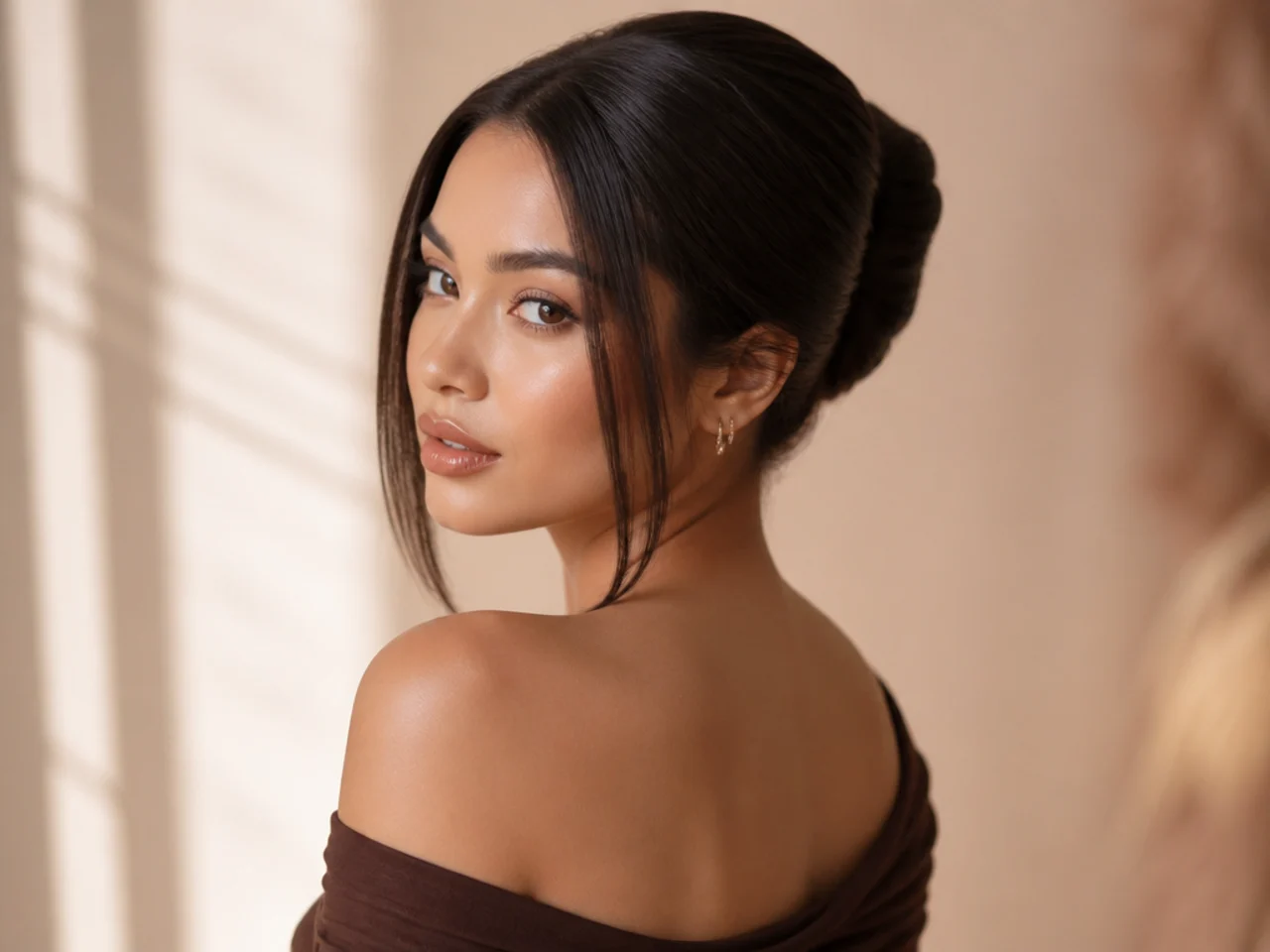
7. The Parting
Own hair: wherever your hairline allows. Wig: wherever the cap was built for.
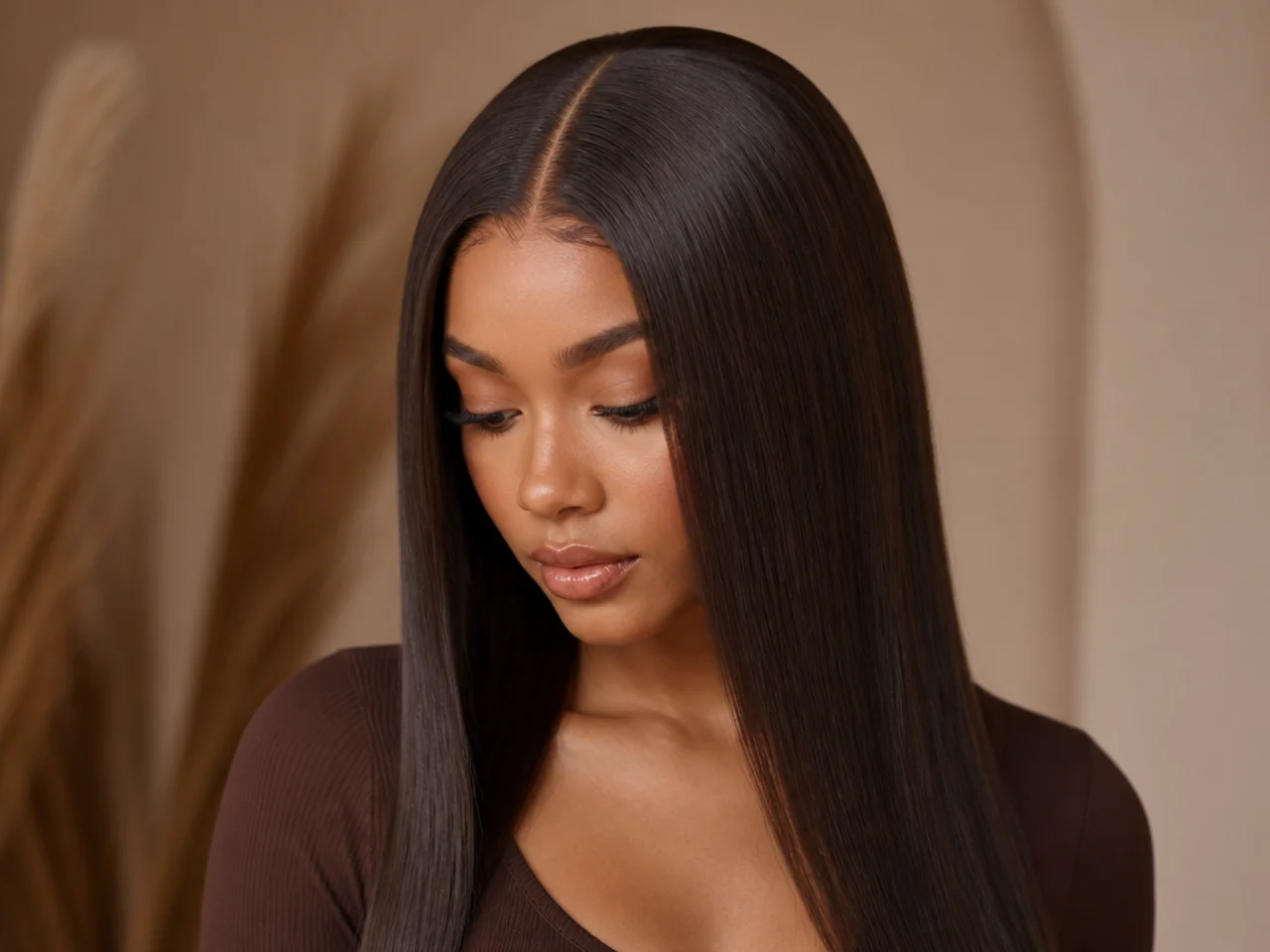
8. Product
Own hair: adds grip. Wig: adds weight, and builds up faster. Nothing washes it away between wears the way scalp oil and daily shedding do.
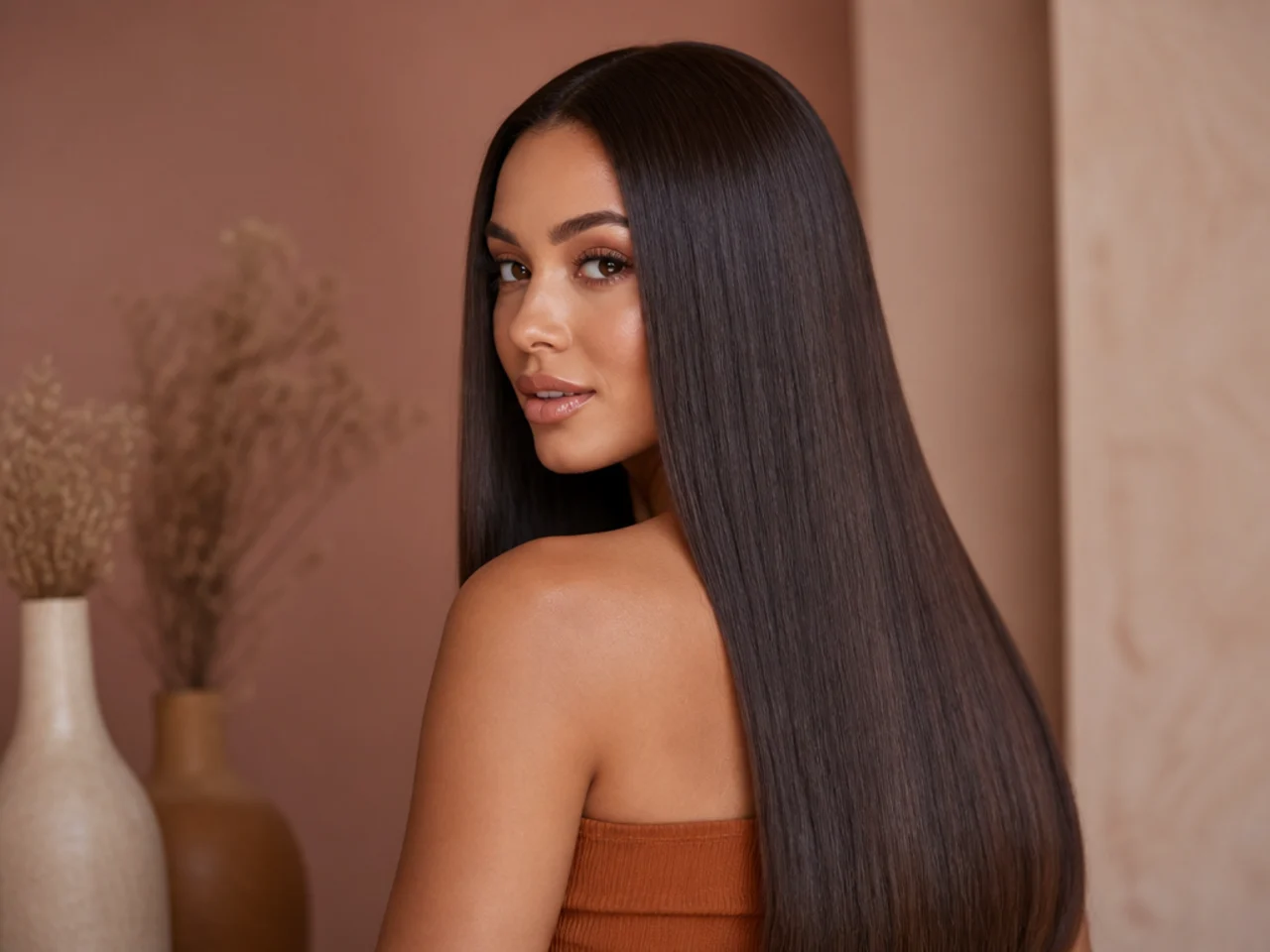
9. Heat
Own hair: damages permanently. Wig: damages the fibre, and human-hair wigs cannot repair either.
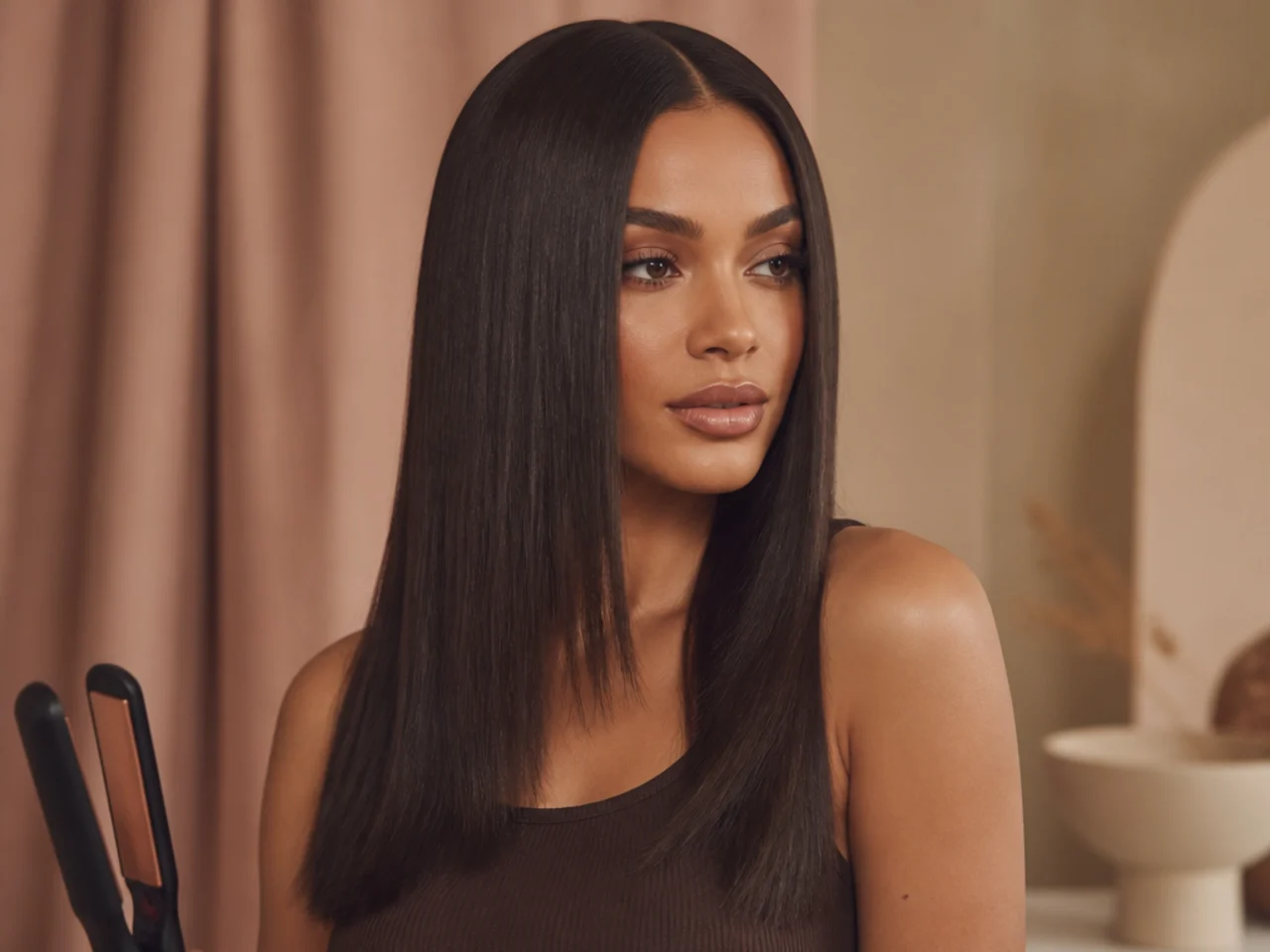
10. Restyling
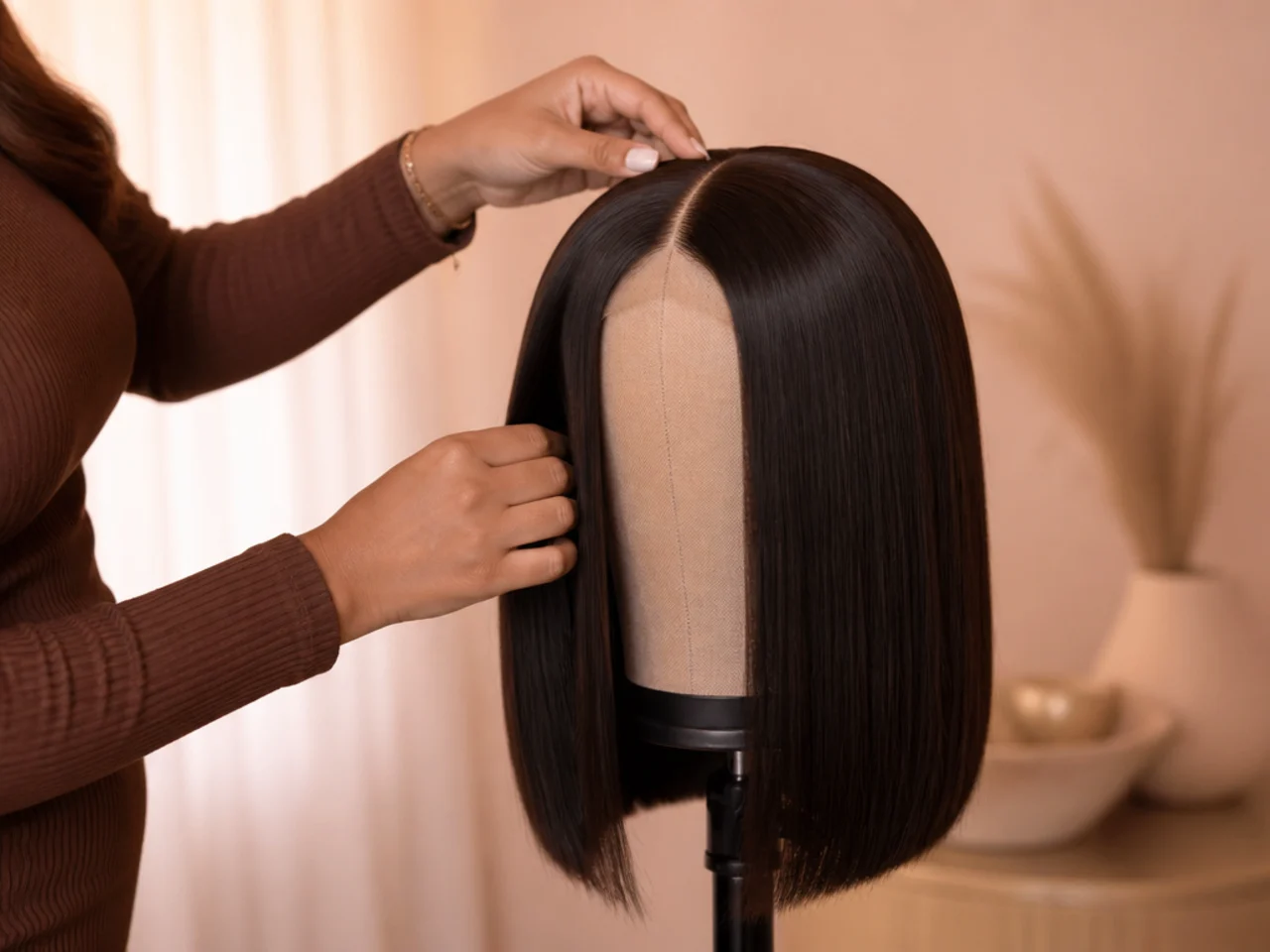
Own hair: whenever you like. Wig: easiest done off the head, on a stand.
11. Half-Ups
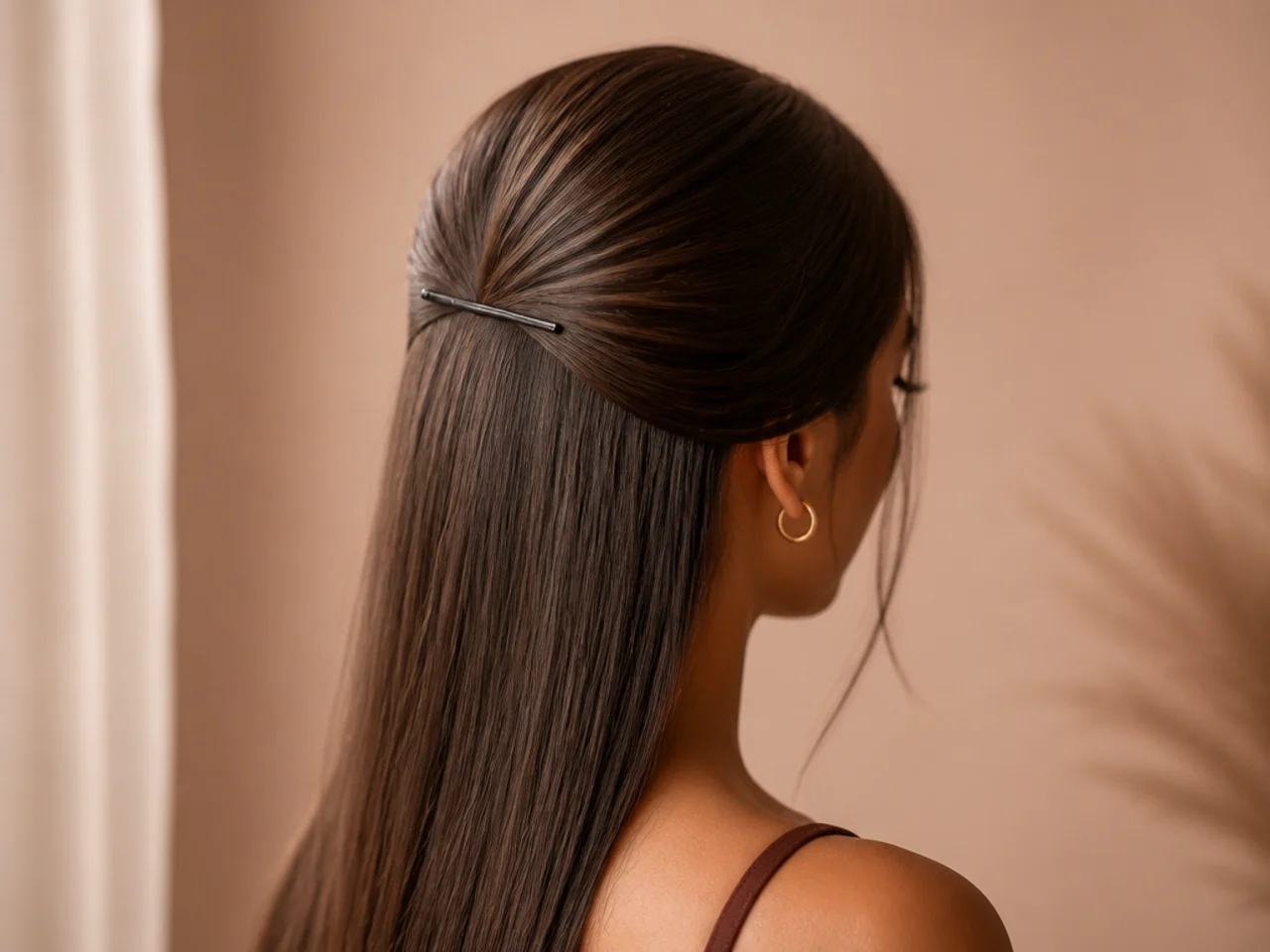
Own hair: simple. Wig: simple, and it hides the cap edge well.
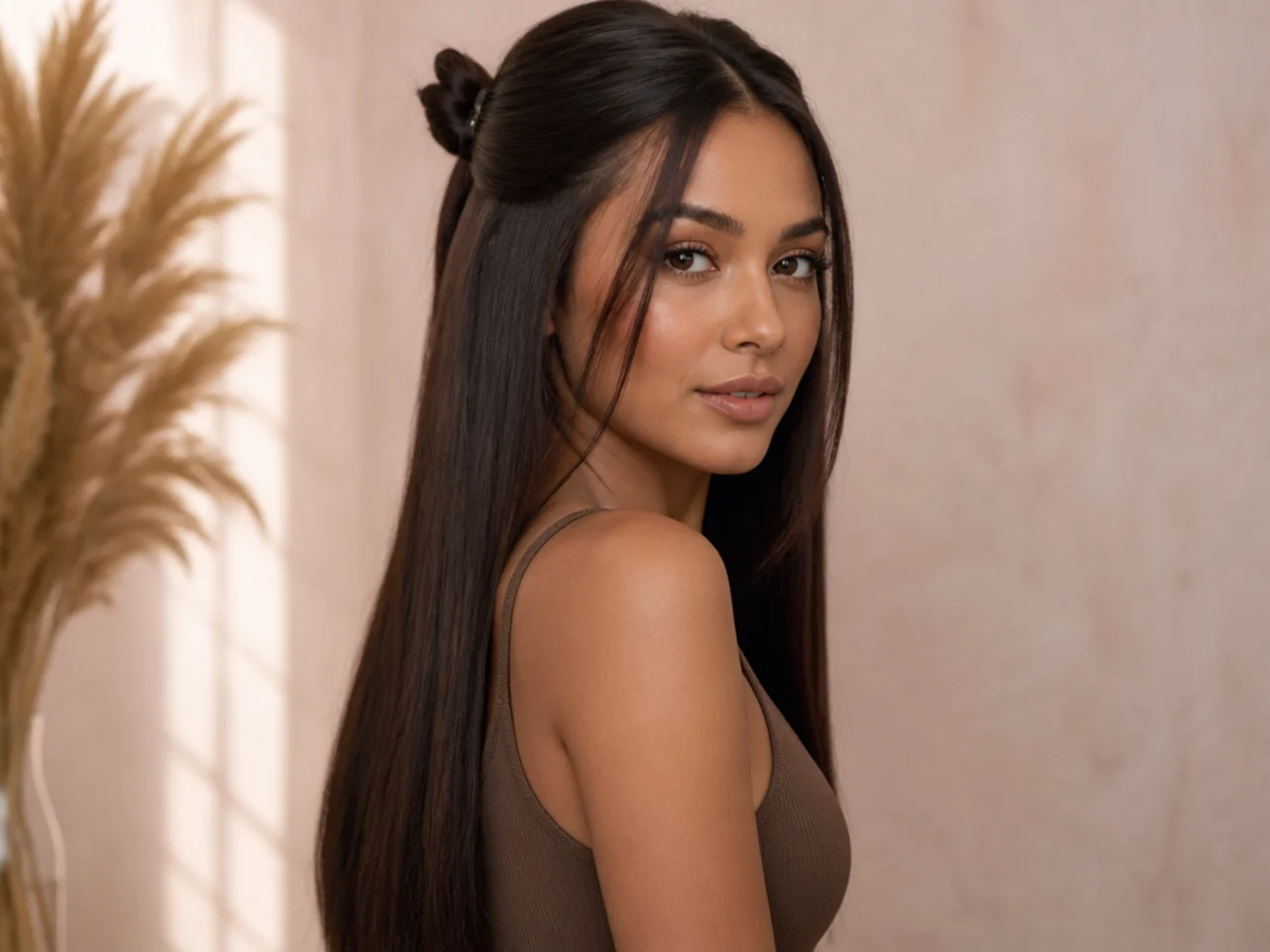
12. Sleek Styles
Own hair: need product for grip. Wig: already smooth, so they need almost none. Often none at all, in fact.
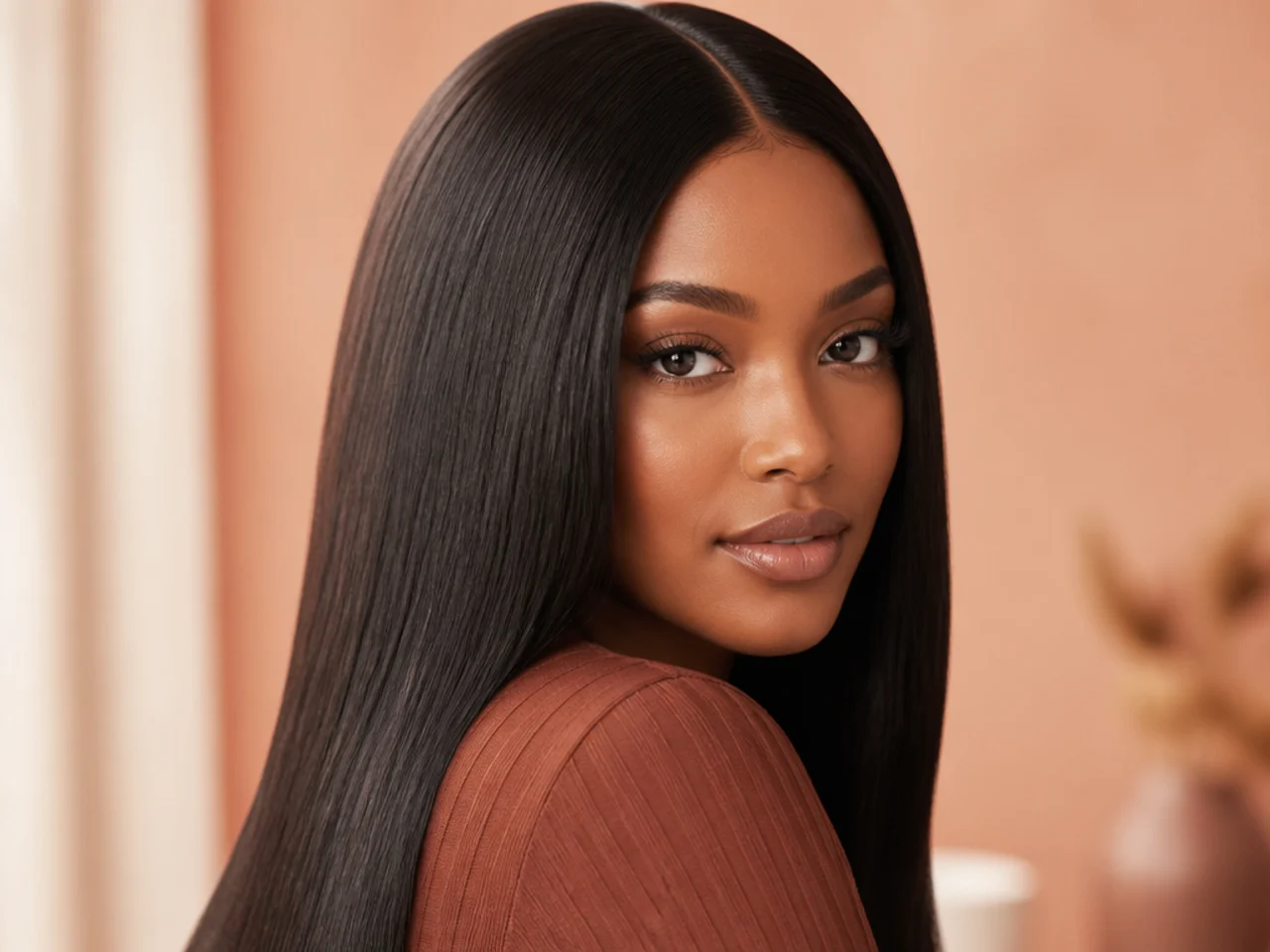
13. Longevity of a Style
Own hair: a day. Wig: longer, since it can be set and left on a stand. A set can survive several wears, which is the one place a wig is easier.
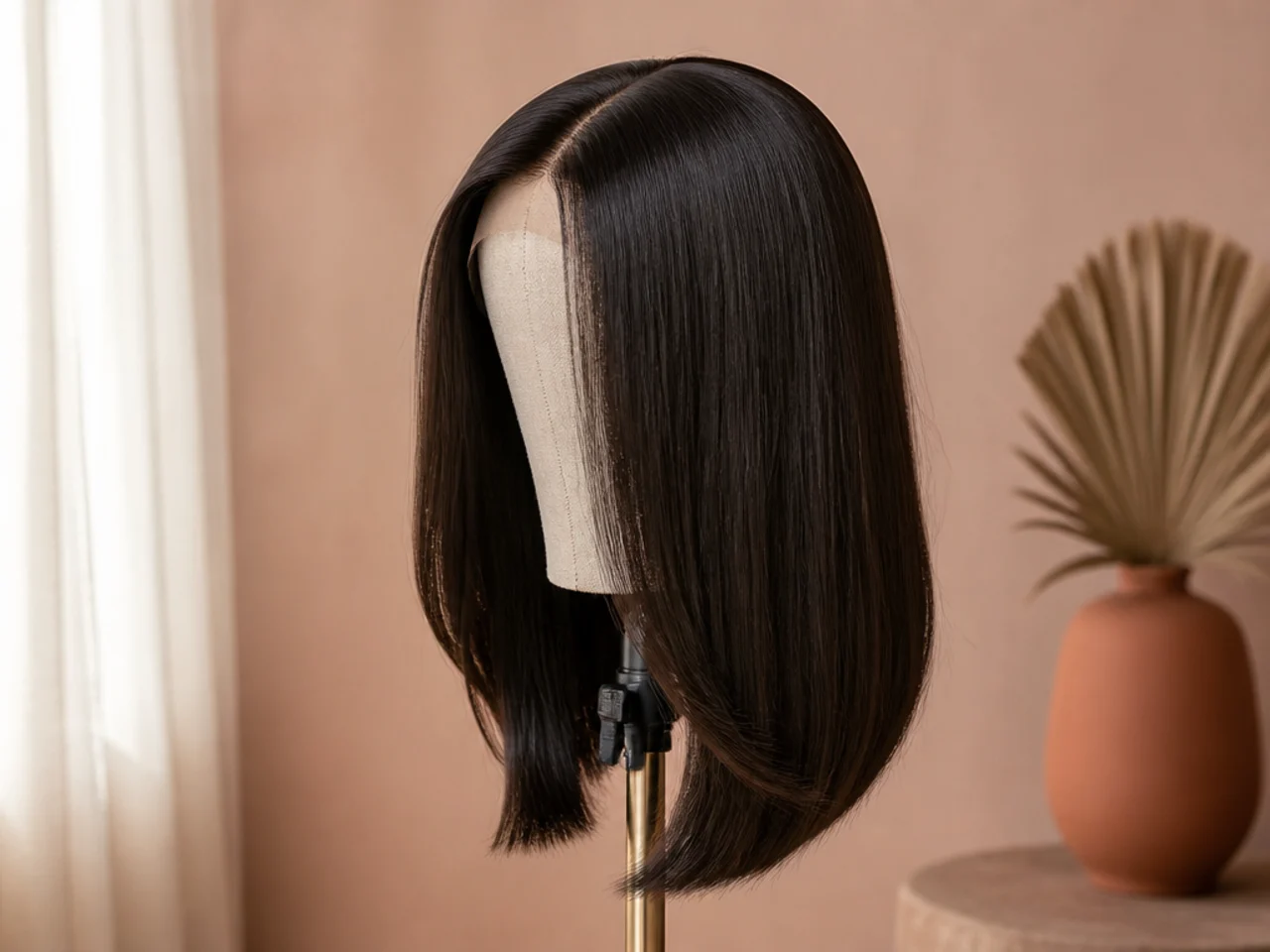
14. Washing
Own hair: resets everything. Wig: far less often, and off the head.
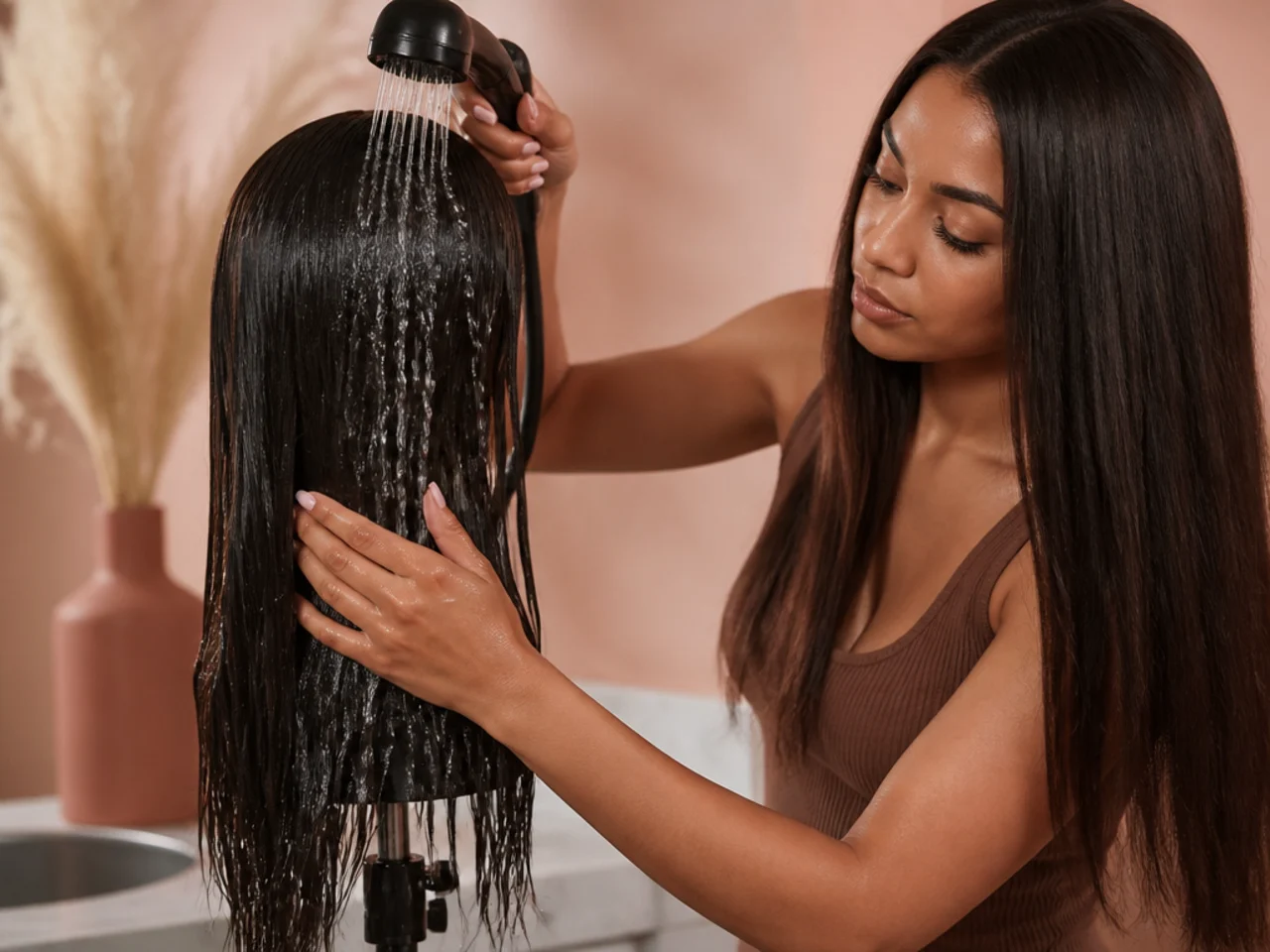
15. What Transfers
Gathered styles transfer. Anchored ones do not. That single distinction covers almost every difference on this page, and it is the one worth remembering.
Which Should You Choose?
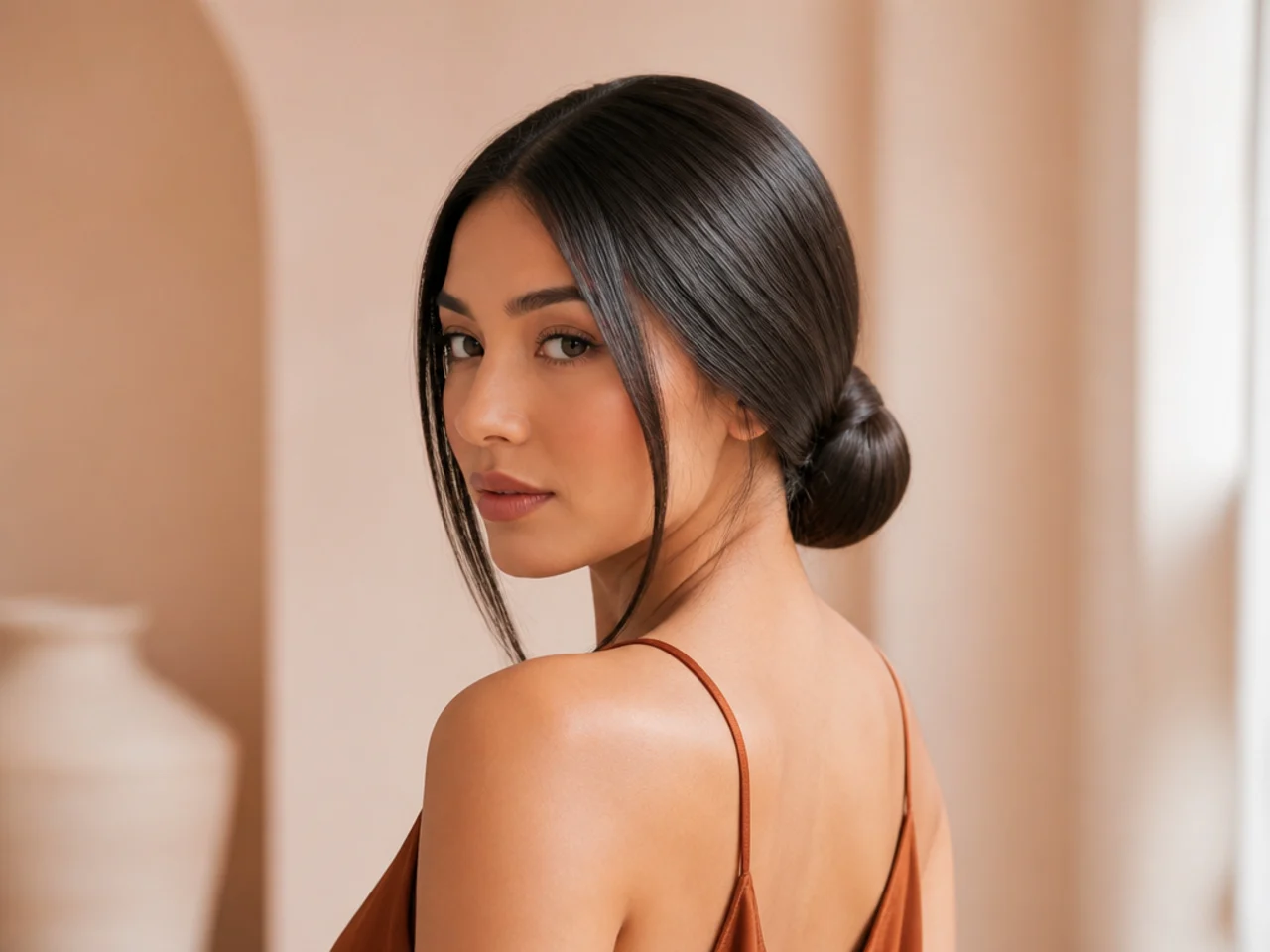
Choose gathered styles on a wig. Ponytails, low buns and half-ups all hold the hair against itself and translate directly. These are the styles where the cap is irrelevant, because nothing is being asked of it.
Rework anchored updos for a wig. Anything that relied on pinning into your scalp needs clipping, sewing or a comb built into the cap instead. A pin through cap fabric holds only until the fabric flexes, which is within an hour of ordinary movement.
Use less product on a wig. It has no oil to work with and it builds up faster, so the same amount that helps your own hair weighs a wig down. Start at roughly half what you would normally use and add only if you need to.
Style a wig on a stand. It holds a set far longer than your own hair will, which is a genuine advantage worth using. A style set on a stand can be lifted onto your head finished, which is not possible with your own hair.
Mistakes to Avoid
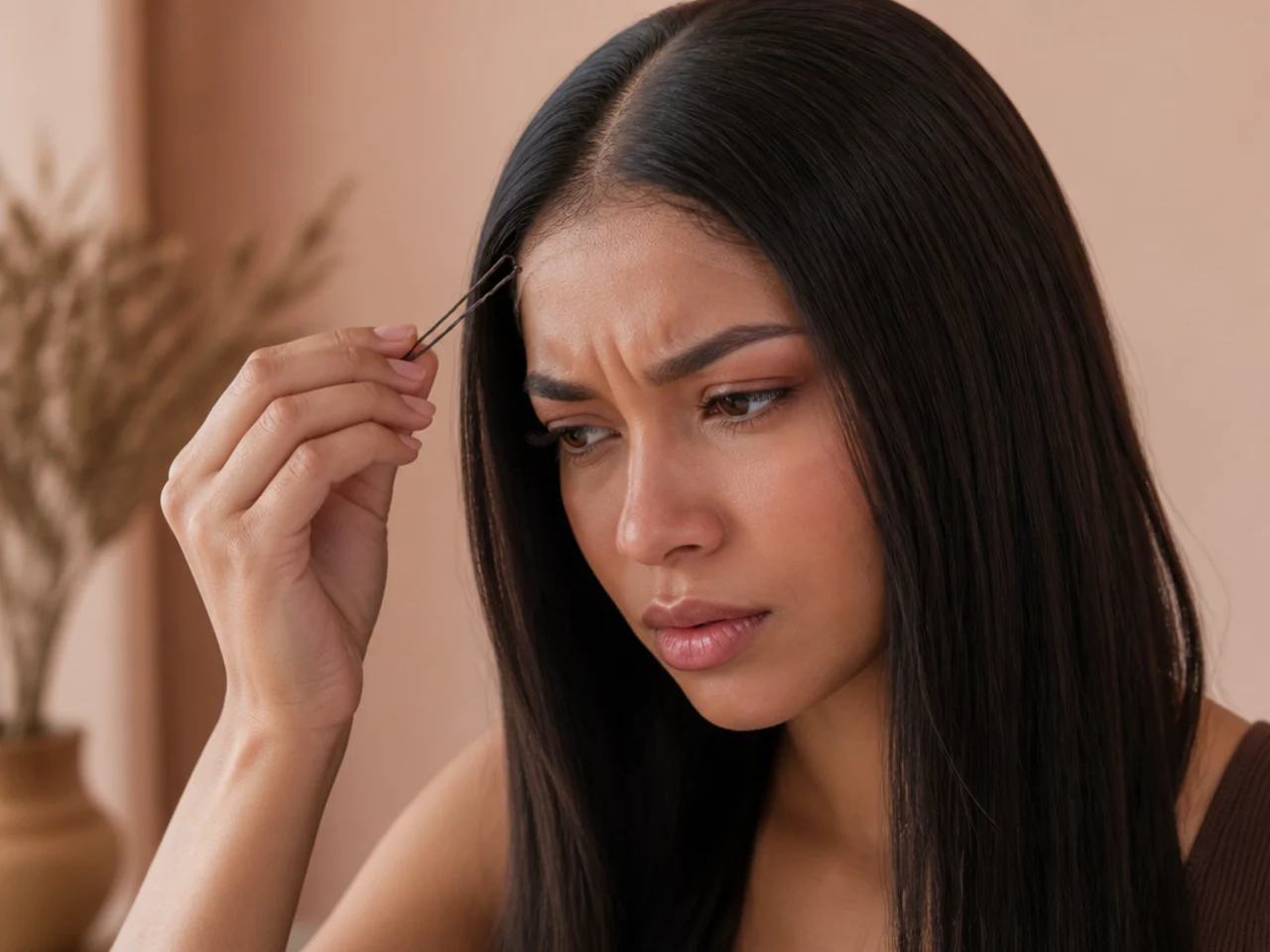
Pinning into a cap. There is nothing behind it to hold. A pin needs something to close against, and cap fabric flexes rather than resisting.
Expecting a second-day advantage. A wig never gains oil. The grip you are waiting for is not coming, so plan the style around not having it.
Using your usual amount of product. It weighs a wig down. Product that would be absorbed by your own hair simply sits on wig fibre instead.
Styling it on your head. A stand is easier and gives a better result. You can see the whole head at once and reach the back properly, neither of which is true on your own head.
Assuming every style transfers. Gathered ones do; anchored ones do not. It is worth sorting your usual styles into those two piles before you buy anything.
FAQ
Can you style a wig the same way? Partly — the hair behaves similarly, the cap does not. The strands are the easy part; everything that used to anchor into your scalp is the part that needs rethinking.
Why is wig hair slipperier? No scalp oil ever reaches it. It is also usually more processed than your own hair, which smooths the cuticle further.
Which styles work best? Gathered ones, which hold hair against hair. Ponytails, low buns and half-ups all transfer without any adaptation at all.
Final Thoughts
Ask whether a style gathers or anchors before you try it on a wig. Gathering holds hair against hair and works on both; anchoring needs a scalp, and a cap is not one — which explains almost every wig styling tutorial that did not work when you tried it.
For styling your own straight hair see 25 easy straight hair hairstyles. More in Women's Hairstyles.