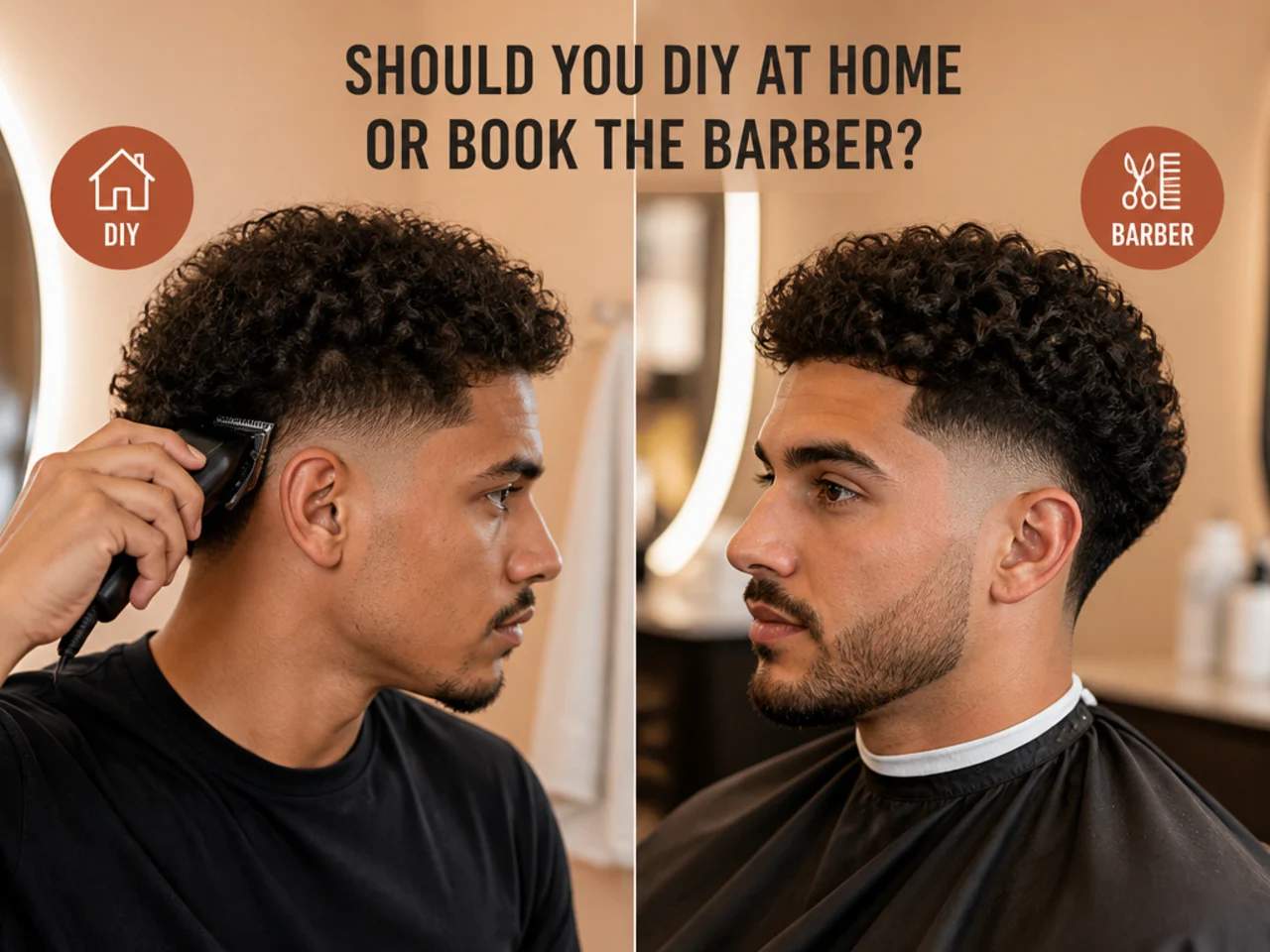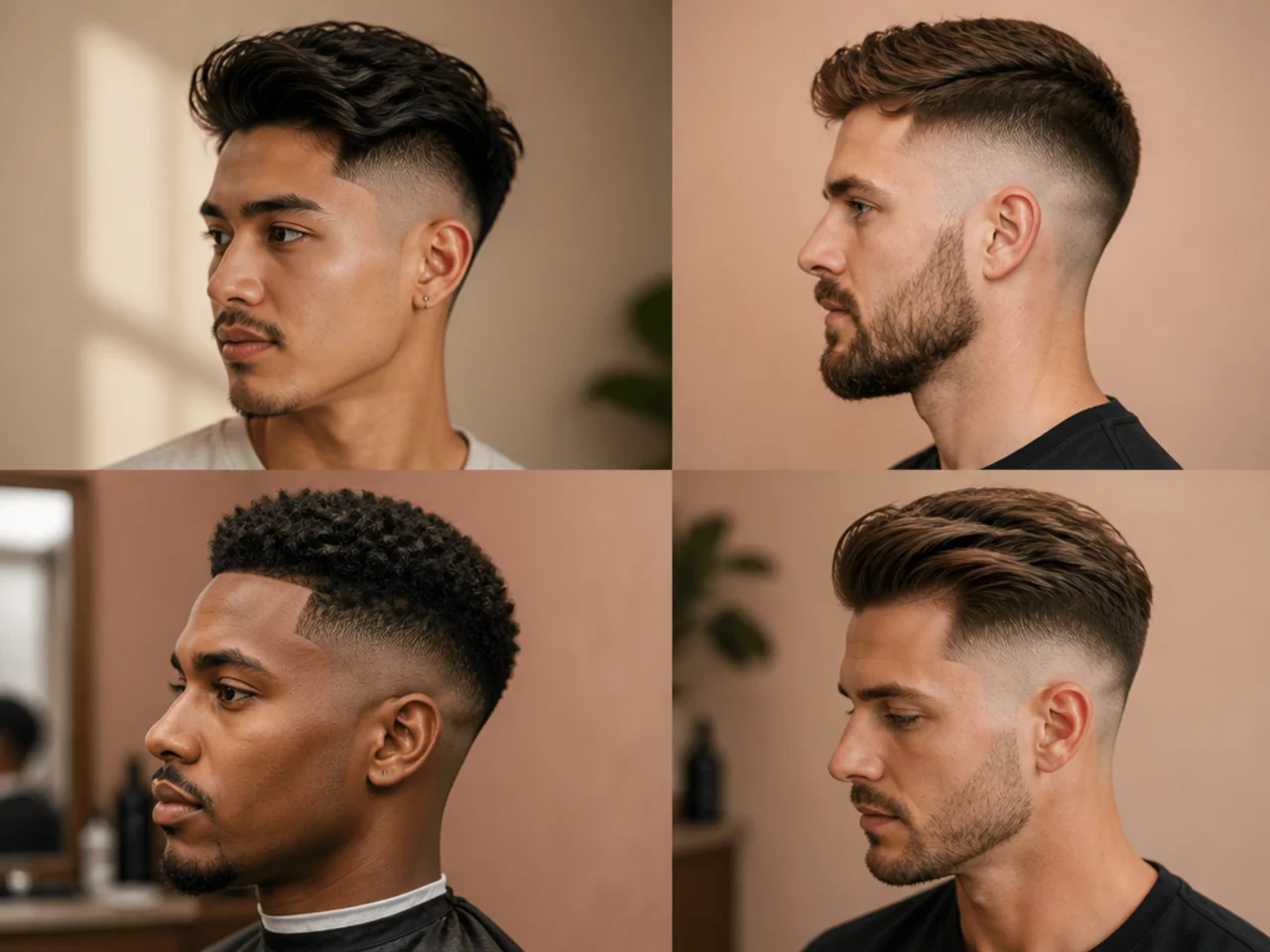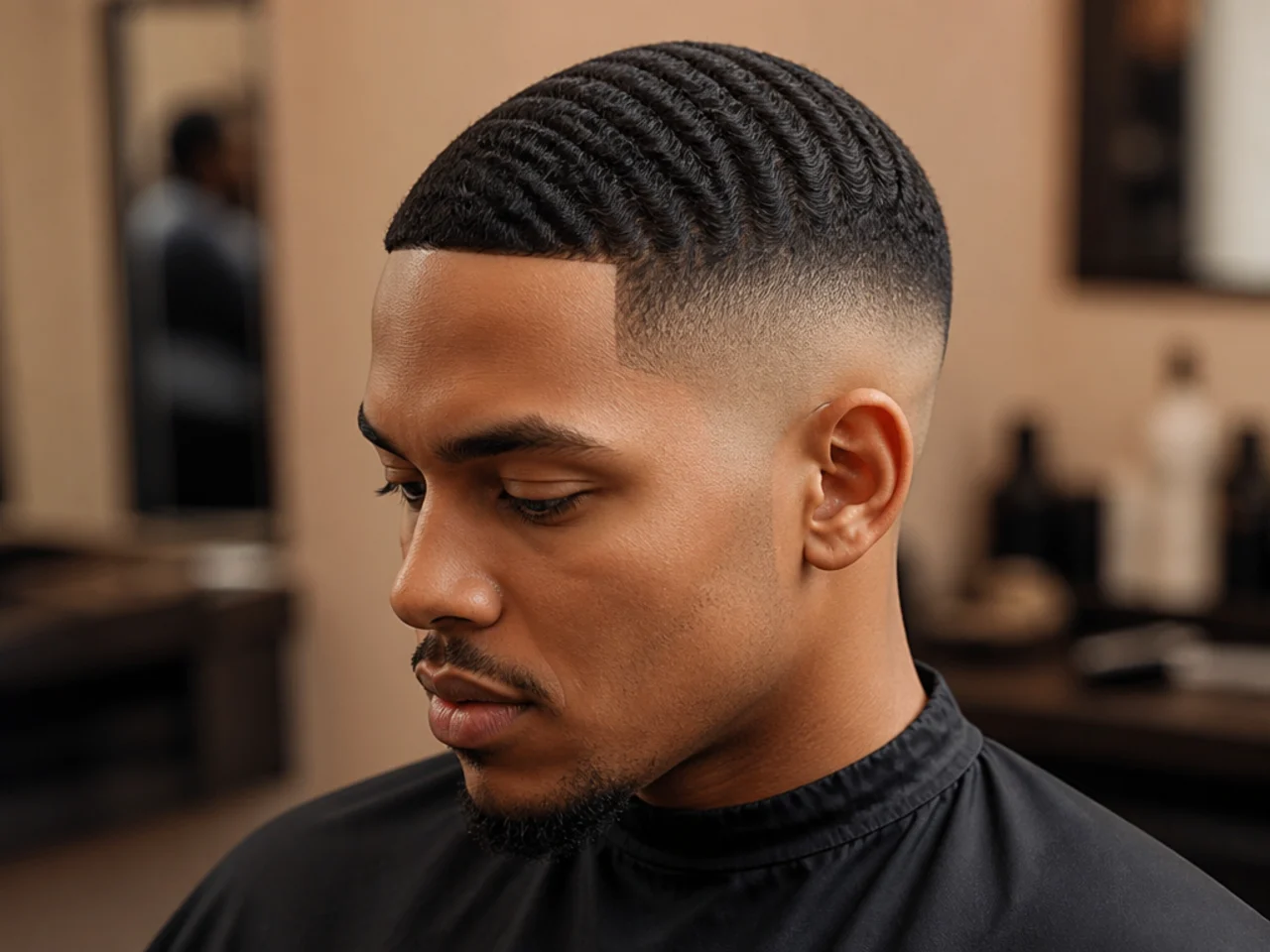
6 Fade Styles Black Men Get Complimented On
Six fade styles Black men actually get complimented on — 360 waves, textured afro, freeform locs, sponge coils, high top, and cornrow design. Real chair stories with the exact ask.
In this article · 18
- What Makes a Fade Actually Earn Compliments
- How I Match a Fade to a Face and a Life
- The Six Fades My Regulars Actually Get Complimented On
- 1. The Bald Fade with 360 Waves — Malik, 26
- 2. The Low Taper Fade with Textured Afro — Jamal, 33
- 3. The Mid Drop Fade with Freeform Locs — Elijah, 31
- 4. The Burst Fade with Sponge Coils — Andre, 23
- 5. The High Skin Fade with Modern High Top — Corey, 28
- 6. The Temple Fade with Cornrow Design — Rashad, 25
- The Habit That Made the Difference
- What to Do Next
- FAQ
- Which fade style gets Black men the most compliments?
- How often do you need to re-cut a fade to keep the compliments coming?
- What fade suits 4C hair best when you want compliments?
- Do Black men still get compliments on bald fades in 2026?
- How do I ask a barber for a fade that will earn compliments?
- What is the difference between a fade and a taper for Black men?
I've been cutting Black men's hair for fourteen years, and the pattern is always the same — a specific fade earns compliments the day it's cut, and a different fade earns them at week two. This isn't a roundup of every fade on the internet. It's six styles I've watched my regulars wear well, the exact conversations we've had in the chair, and the compliments they actually bring back. Every story is one of my clients. Every ask lands right.
What Makes a Fade Actually Earn Compliments
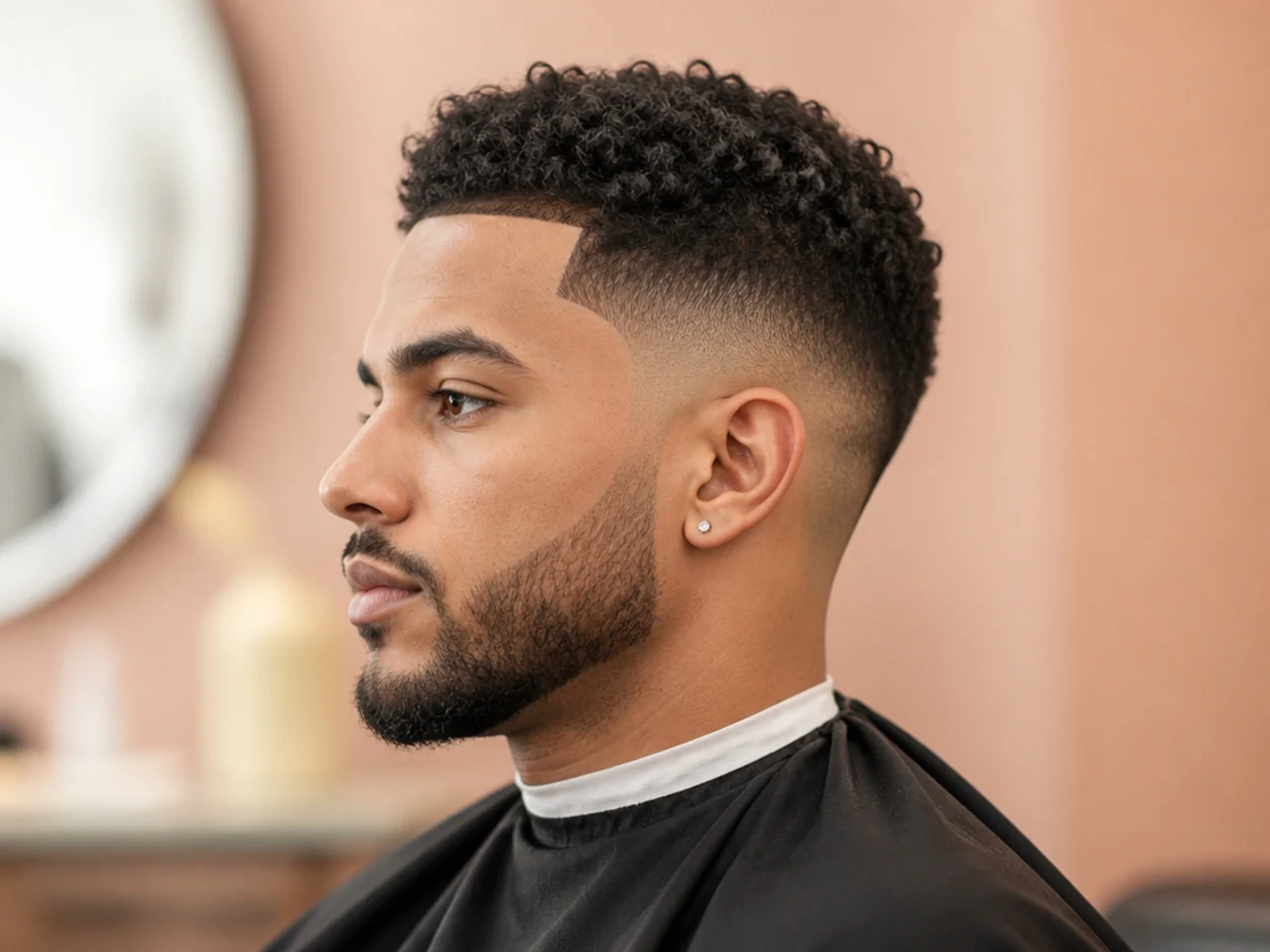
A compliment-worthy fade is never one thing. It's a pair — the fade shape and the top style, working together. A bald fade under a rough short crop looks average. The same bald fade under 360 waves looks like a magazine cover. That's the trick every Black barber knows and every reference photo hides.
Three variables carry every compliment I hear. Line quality — the fade line has to read like it was drawn with intent, not smudged into place. Top-to-sides balance — the height of the fade has to flatter the length on top, not compete with it. And a fresh line-up at the forehead, because the front frame is what your friends and coworkers actually look at first.
The fade haircuts for Black men roundup covers the wider family. The six below are the fades I get asked to reproduce the most from screenshots, and the ones I book the most touch-ups for. If you want the general Black men's cut spectrum first, the black haircuts for men guide is the right start.
How I Match a Fade to a Face and a Life
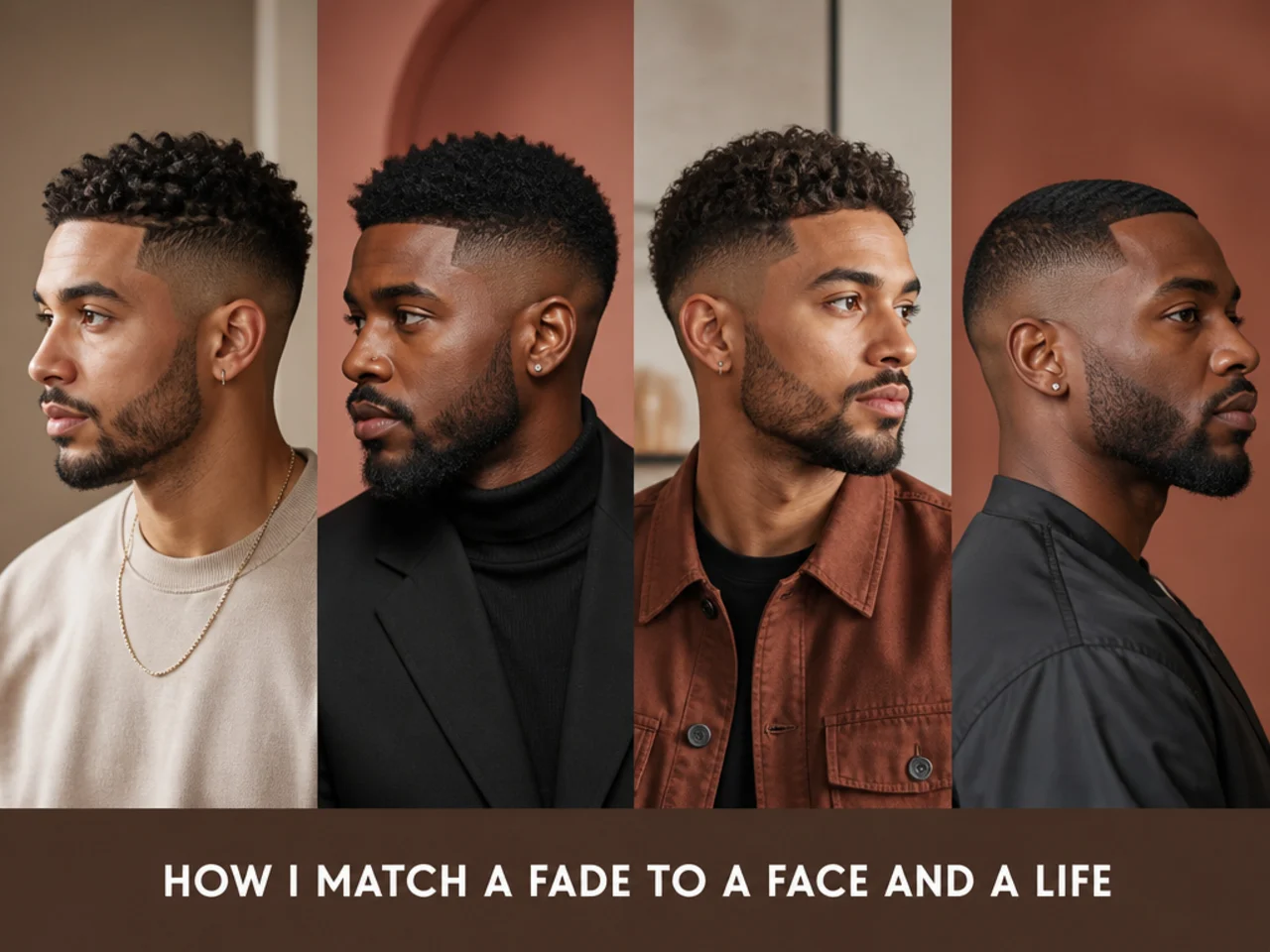
Face shape is one lever. Texture is another. Your calendar is the third — and honestly, it's the one most guys underweight until their fade goes soft on a Wednesday and they can't get in until Saturday.
Face shape. Oval faces wear every fade on this list. Round faces suit low or mid fades where the vertical top adds length — bald plus a high top is a strong pairing. Square jaws soften under drop fades and softer perimeters. Long faces should keep the top under four inches so the fade doesn't drag the face longer. Heart and diamond shapes wear anything up to the modern high top.
Coil pattern. 4A holds waves, burst designs, and short crops beautifully. 4B thrives at three inches and up — twist-outs, high tops, sponge coils. 4C is the densest and wants length above all — freeform locs, retwisted locs, tall afros. Not sure which you carry? The curl types chart sorts it in ten seconds.
Calendar. A bald fade wants a rebook at day ten. A low taper stretches to three weeks. A design fade needs eight to twelve. Match the fade to how often you can actually sit in a chair — or the compliment stops the day the fade blurs.
The Six Fades My Regulars Actually Get Complimented On
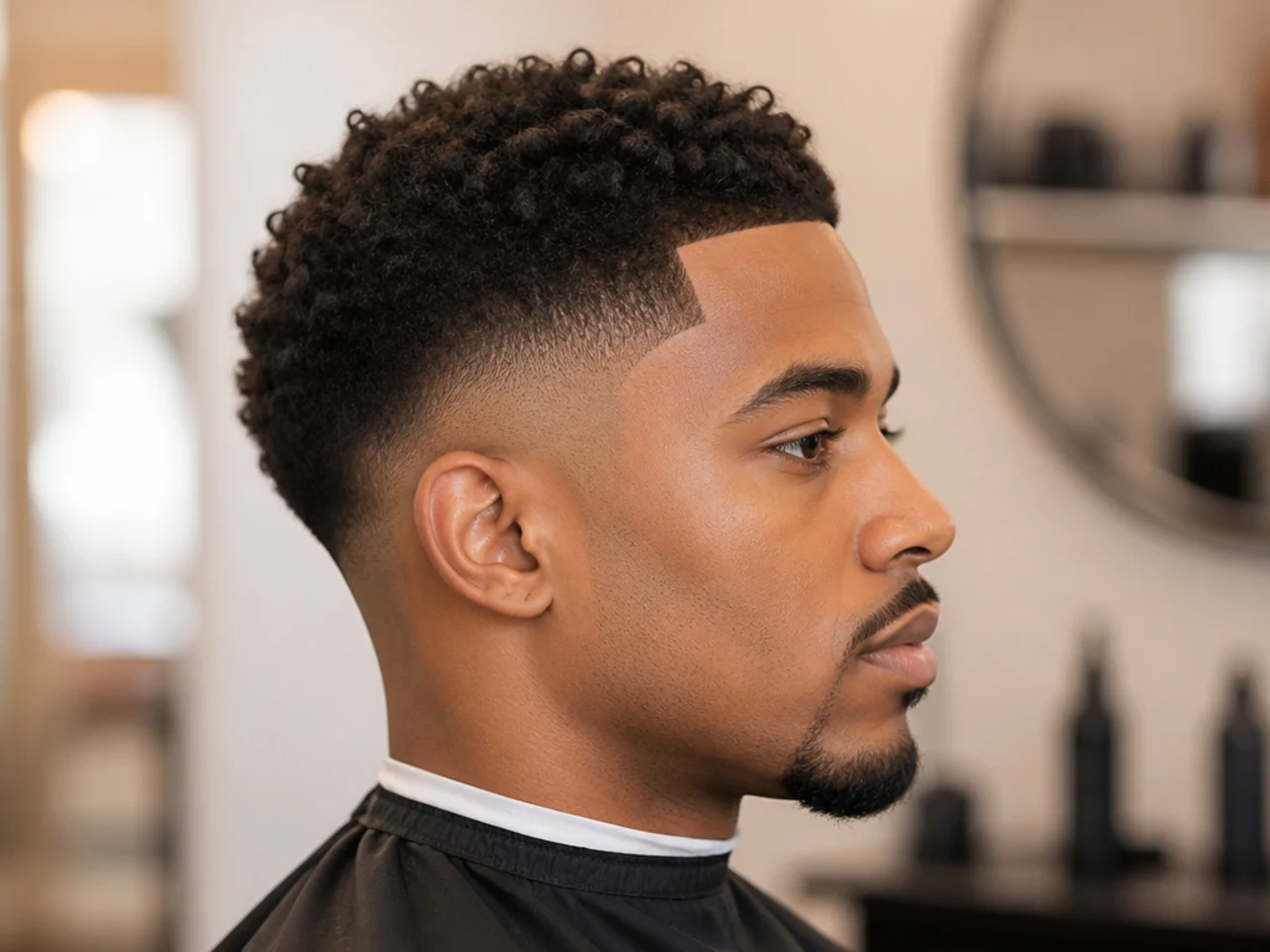
Six clients, six fades, six real conversations. The style they picked, the reason it lands on their face, the exact language we used at the chair, and the compliments that keep bringing them back. Read the story closest to your life first — then borrow whatever fits.
1. The Bald Fade with 360 Waves — Malik, 26
Malik works as a menswear buyer at a department store downtown and spends his days in a suit surrounded by clients who notice everything. He has 4A wavy hair and has been wolfing his waves for two years. When he walked in the first time, he brought a photo of a 720-degree wave pattern and said, "I want the sharpest bald fade you can give me. The waves are the reason. The fade is the frame."
We set the base in six minutes. Bald fade all the way around, transition line sitting one finger above the ear at the low point, curving up to the parietal ridge. Top left at a #2 guard so the wolfing miles show — waves don't form on hair that's cut too short. Straight-razor line-up drawn square at the forehead. The bald finish is what makes the wave ridges catch shadow from across a boardroom.
Maintenance is the strictest fade I book. Malik sits every ten days without exception — day eleven and the bald line starts to smudge, day fourteen and the waves fight the shadow. He wolves for two months between full cuts, brushes twice a day with a hard-and-soft brush combo, and sleeps in a silk du-rag every night. Wave butter on damp hair after every shower.
The compliments come from two directions. His clients at the store ask where he gets his hair done every fitting. His coworkers at the leather counter started a group text titled "Malik's Fade Countdown" that reminds them when he's due for a cut. His mother stopped complaining about the money he spends on his hair the week his aunt commented on how sharp he looked at Easter.
2. The Low Taper Fade with Textured Afro — Jamal, 33
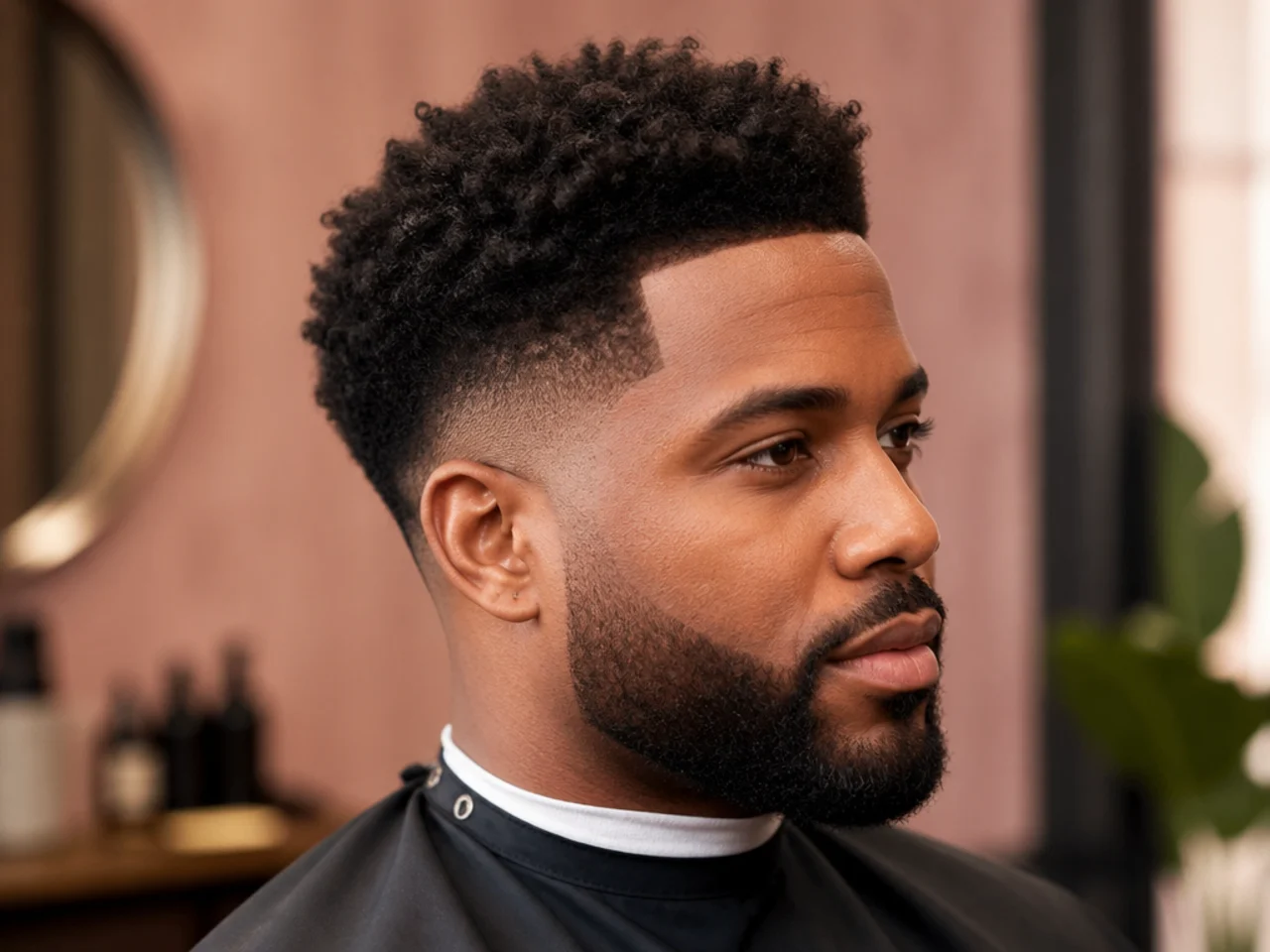
Jamal teaches ninth-grade biology at a public high school and has to answer to a dress code he agreed to when he signed his contract. He carries 4B texture, three inches of coil, and a beard he keeps at a #2. His ask was the flattest anyone has ever brought me: "Give me the sharpest fade that will pass the principal's eye. Nothing loud. Nothing that gets me a talking-to."
The low taper fade with a textured afro is the answer, and I cut it on maybe forty percent of my clients over thirty. Low taper starting a finger above the ear, blending from a #0.5 at the shortest to a #2 through the parietal ridge, top scissor-cut dry at three inches picked-out. Soft freehand line-up at the forehead — no razor, no square, no statement.
Maintenance is the easiest on this list. Jamal comes every three weeks and the fade still reads clean at week four. He uses a leave-in on damp hair, curl cream through the top, and picks the crown before he leaves the house. A satin bonnet at night so the pattern doesn't crush against the pillow.
Compliments come from parents at parent-teacher night more than students. Two other teachers on his floor have asked for my name — one grew out a bald fade to try this instead. The principal complimented his cut at a staff meeting last spring, which Jamal took as the ultimate green light. His girlfriend keeps a photo of him from the last cut on her phone and shows it to her stylist as a couple's-cut reference. If you like this base but want more variation on top, the low taper fade afro guide walks through twenty top styles.
3. The Mid Drop Fade with Freeform Locs — Elijah, 31
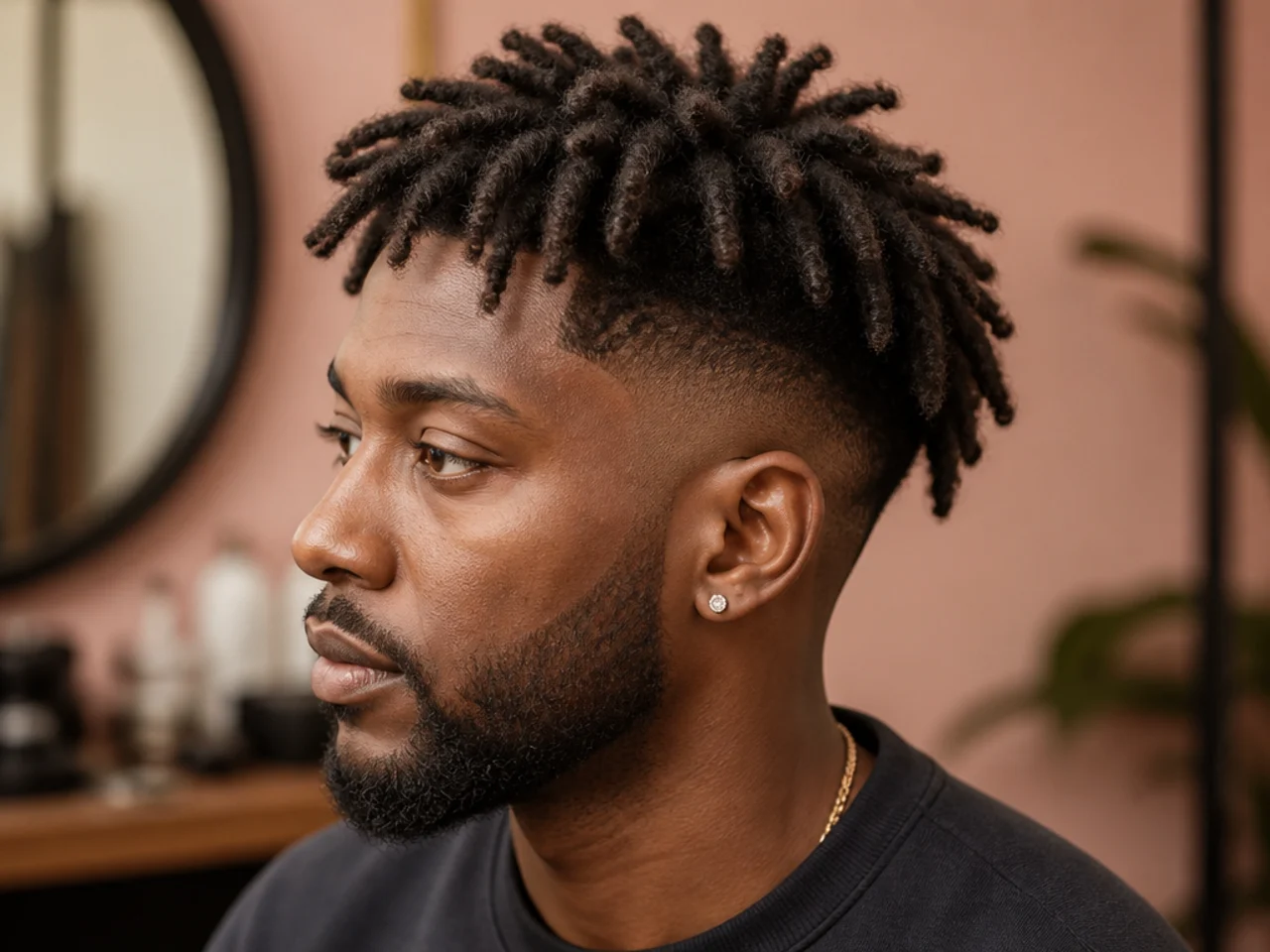
Elijah is a sound engineer at a small studio and grew freeform locs for three years without touching the sides. When they hit shoulder length, he was ready to introduce a perimeter — but he wanted it done by a barber who wouldn't touch the loc length. He brought a photo of a mid drop fade under mature locs and said, "This exactly. Not one millimeter of the locs."
The low drop fade for Black men is the shape closest to what we cut. Mid drop fade — the transition line arcs behind the ear and drops an inch lower at the back than the temple — running to a #0 skin at the shortest point. The taper stops where the locs begin at the perimeter, so the base of each loc reads clean instead of shaggy. Razor line-up drawn hard at the forehead, respecting the natural curve of his hairline.
Maintenance sits between the bald and the taper. Elijah rebooks every twelve days for the fade, retwists his own locs every four to six weeks, and comes in for a shape-up-only touch-up between full cuts. Residue-free shampoo on the locs every two to three weeks, rose water mist daily, satin bonnet or wrap overnight. No wax, ever — that rule holds forever.
The compliments come from other artists at the studio and from strangers on the train. Two engineers he collaborates with have asked for my name. His producer said the fade made his headshots on the label site look "album-cover ready" and now they use those photos for every press release. His father — who wore a low fade with a two-inch afro for forty years — nodded once and said "sharp" the first time he saw it, which Elijah counted as the loudest compliment he'd ever received.
4. The Burst Fade with Sponge Coils — Andre, 23
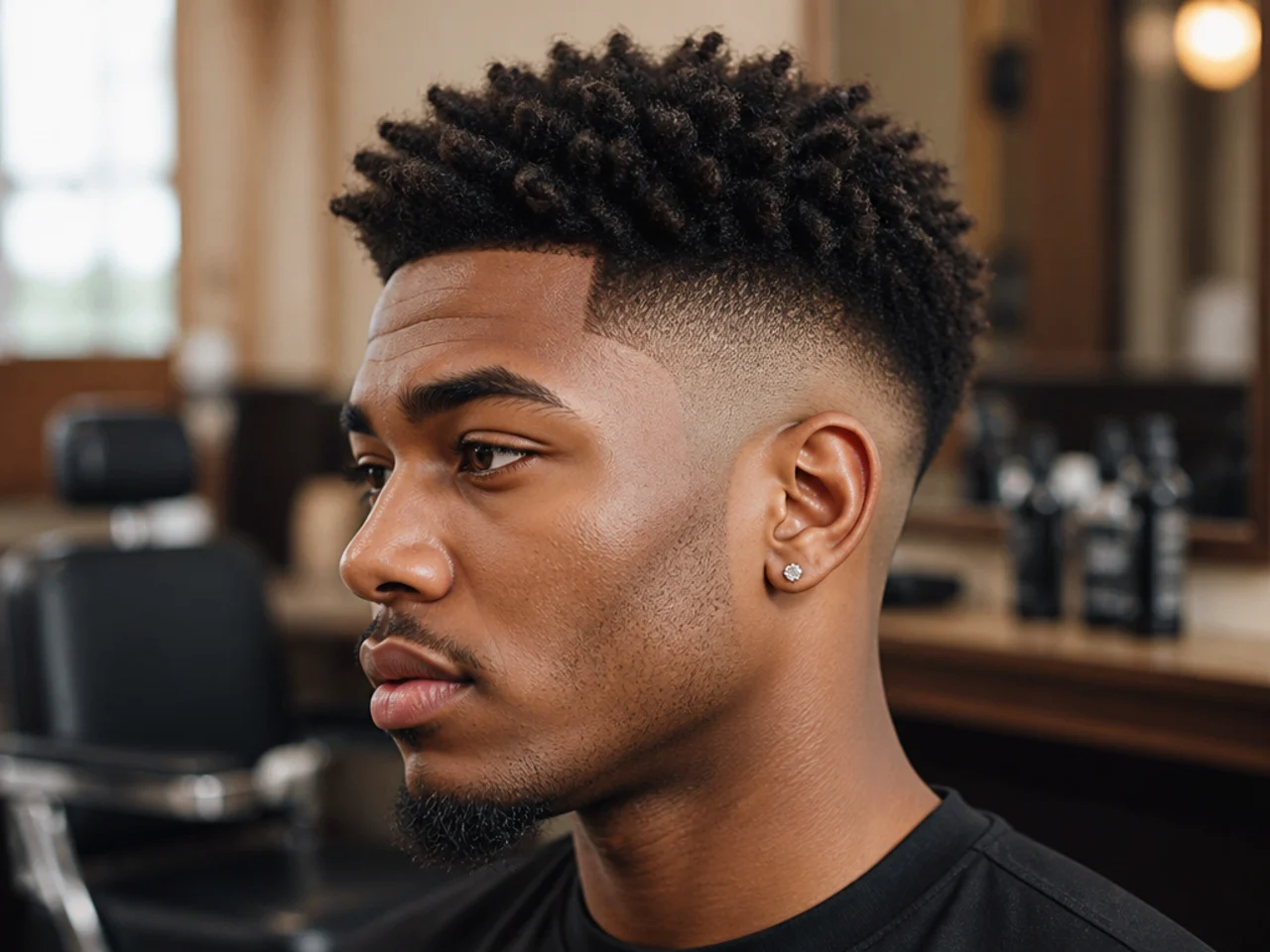
Andre is a junior architect at a small design studio and one of the most reference-photo-driven clients I have. He carries 4A texture and wanted a fade with sculptural movement — something that would read as intentional as the buildings he was drafting. He walked in with a mood board of eight burst fades and said, "The arc has to matter. Show me you can draw a real curve."
The burst fade haircut fits guys who care about the shape of a shape. Mid burst curving around each ear, dropping to a #0.5 at the widest point of the arc, blending back up softly toward the crown. Top left at three inches, sponged into tight uniform coils at the chair for the definition. Sharp square line-up at the forehead — the burst curves at the sides, so the front needs a clean geometric counterpoint.
Maintenance is design-fade level. Andre comes every eleven days because the arc's widest point blurs first, and once the arc softens the whole cut loses its geometry. He uses a leave-in and a light oil on damp hair, re-sponges the top every two to three days between washes, and picks the crown before he leaves for work. Conditioner after every wash so the exposed skin inside the arc doesn't get dry scalp.
Compliments come almost exclusively from other design people — architects, interior designers, one industrial designer at a coffee shop. His creative director at the firm brought him into a client meeting last quarter and introduced him as "the guy with the best haircut in the office" as an icebreaker. His mother sent him a screenshot of the office holiday party photo with three arrows pointing at his fade and no other commentary. Curly hair changes the burst math — read burst fade curly hair if your coil is looser or tighter than 4A.
5. The High Skin Fade with Modern High Top — Corey, 28
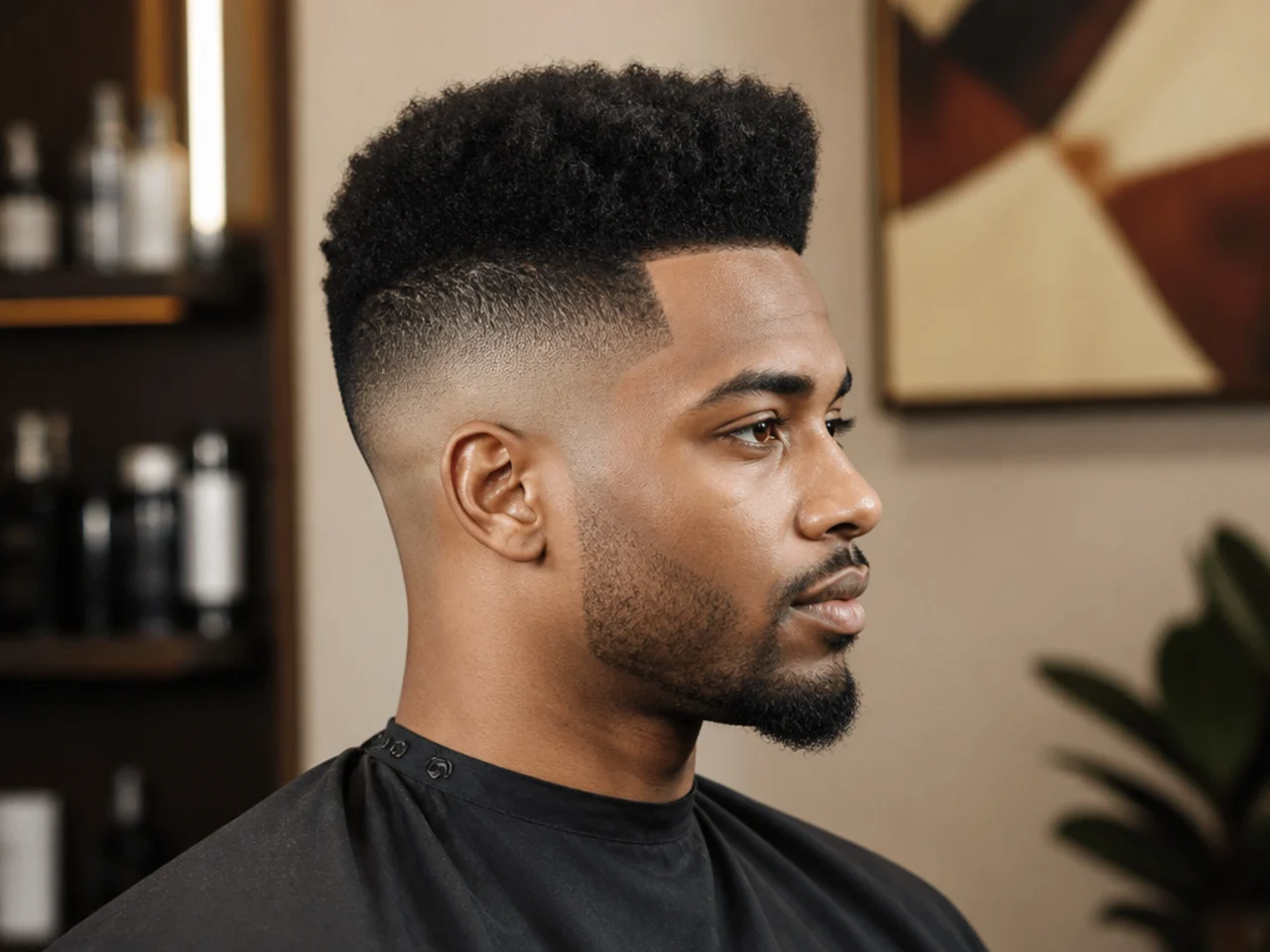
Corey trains clients at a boutique gym and needed a fade that would photograph well for his Instagram and hold up under a sweat towel four times a day. He has 4B texture and wanted a heritage cut with a modern twist — height on top for presence, skin on the sides for sharpness, and a small design in the side panel because he'd earned the right to signal.
We landed on a high skin fade with the modern high top variation. High skin at the sides — bare scalp from a finger above the temple down to the ear — with four inches of 4B texture standing up top, scissor-cut into a rounded rectangle rather than the classic squared box. Razored design in the left panel: two parallel horizontal lines about a finger wide. The taper fade for Black men family is where I usually start the conversation with clients considering a taller top; the high skin variation is the boldest cousin.
Maintenance is genuinely difficult. Corey comes every nine days because the skin blurs fast and the design blurs faster. He picks the top upside-down every morning for lift, mists with a water-and-leave-in spray between clients, and sleeps in a satin scarf so the rounded crown doesn't crush sideways. Deep-conditions weekly because the sweat cycle strips his moisture. Sunscreen on the exposed scalp anytime he trains outside.
The compliments come from clients at the gym mid-session — the kind of compliment where they stop mid-set to ask. Two of his clients have booked with me on his referral. The gym's marketing director asked to use his portrait in the studio's summer campaign after seeing the cut fresh. His grandmother, who told him high tops "went out with cassette tapes," now compliments the shape every Sunday at church.
6. The Temple Fade with Cornrow Design — Rashad, 25
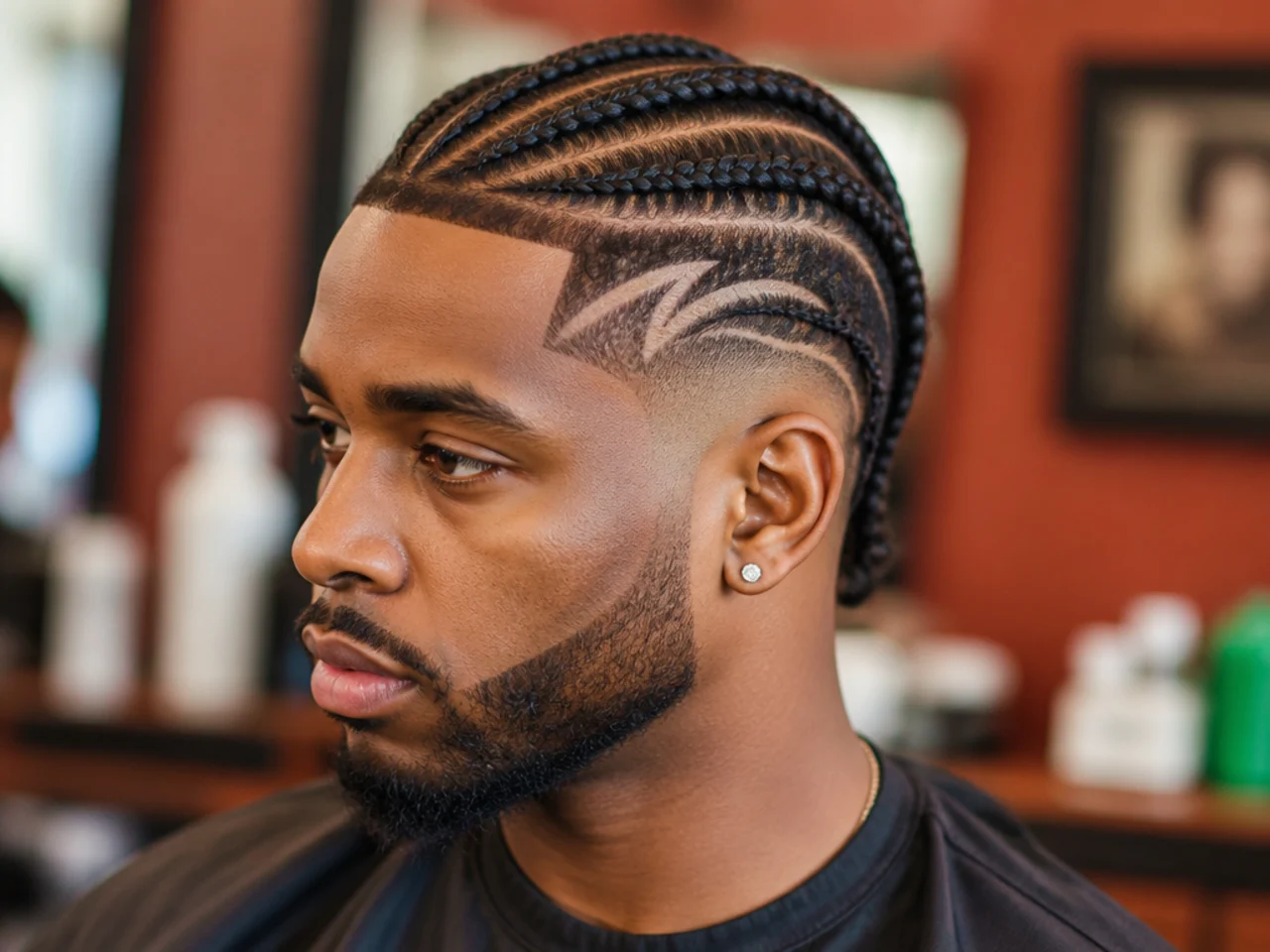
Rashad teaches middle-school art and needed a fade that could carry a cornrow install without looking like two competing cuts glued together. He has 4A texture and about five inches of length grown out through summer. His ask was more culture than clipper: "I want the fade to be the frame the cornrows sit inside. Not the other way around."
The temple fade is the fade that only touches the temples and the sideburn — the back of the head keeps its length, so the perimeter reads restrained and the cornrows carry the visual weight. #0.5 at the temples down to skin at the sideburn, feathering back into full length toward the crown so the braider has room to install cornrows into unbroken hair. Three feed-in cornrows running crown to nape, drawn tight, tips wrapped with clear elastics.
Maintenance splits between two chairs. Rashad comes to me every twelve days for the temple fade touch-up and to keep the line-up crisp. His braider re-installs the cornrows every four to six weeks — the temple fade holds the shape of the install between rebraids because the perimeter stays sharp. He uses a light oil on the scalp between the braids nightly and sleeps in a satin scarf. If cornrows aren't your style, the broccoli-style top or a coily fringe reads similarly with the same temple base.
Compliments come from his students first — they trace the cornrow lines on his head at drawing time, which he calls the highest form of aesthetic critique. Two of the other teachers on his floor have asked him to introduce them to his braider. His father, who wore a low fade with a two-inch afro through the eighties, told him at Christmas dinner that his hair looked "like your uncle's did in his wedding photos" — which Rashad said stopped conversation for a full minute.
The Habit That Made the Difference
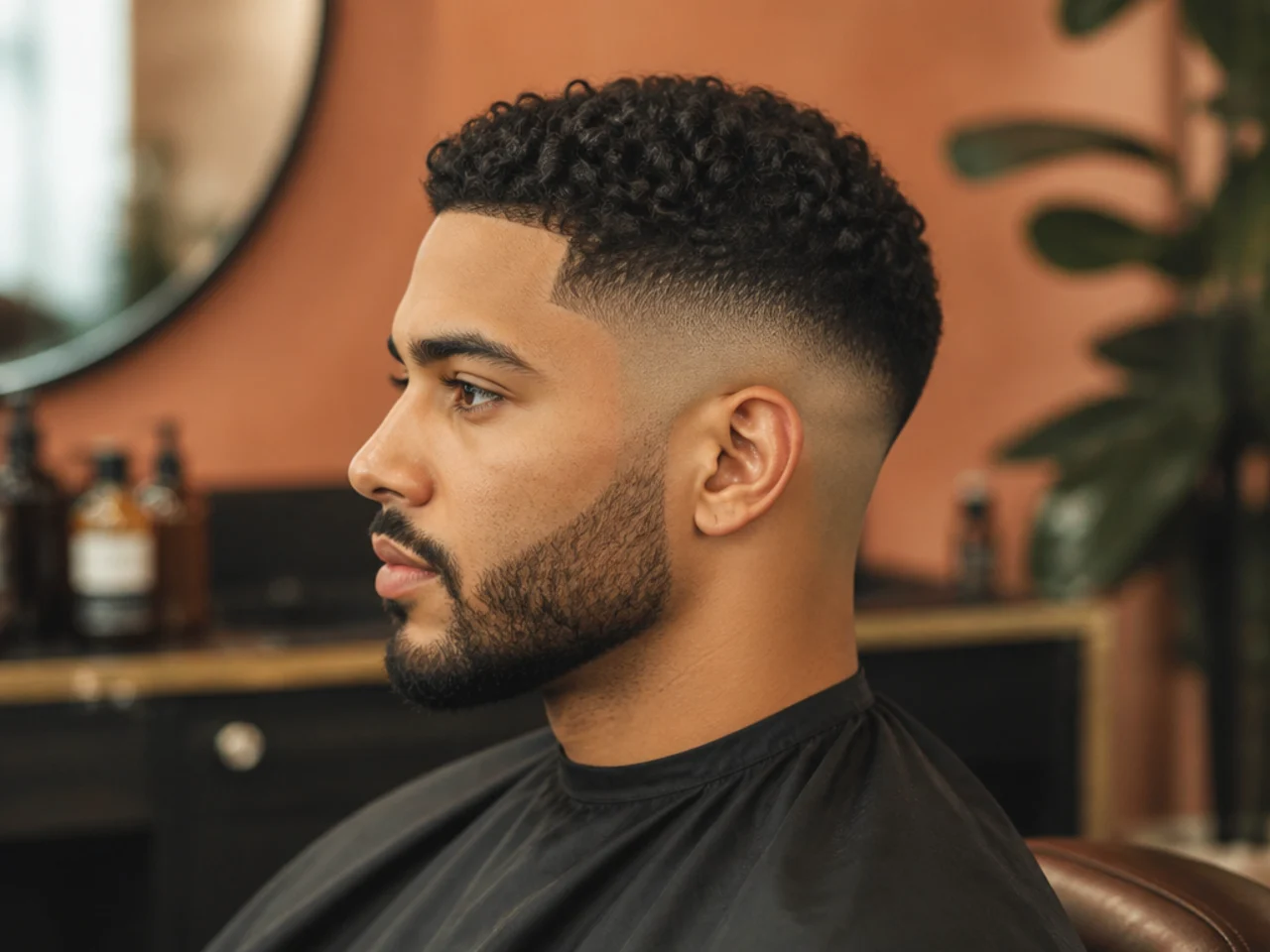
Every one of these six clients started with a fade they were quietly disappointed in. Not bad cuts — average cuts. The compliment cycle didn't start until they made three changes together, and the changes stuck for all of them.
First, they started booking the follow-up appointment before leaving the chair. Malik on Wednesdays. Jamal on Saturday mornings. Elijah on Fridays after his studio sessions. That single move — the standing calendar slot — is what turns a "sharp cut" week into a "sharp cut" quarter. Fades blur at a predictable pace, and you can be ahead of the timeline or chasing it.
Second, they brought a reference photo every visit, not just the first one. A fresh screenshot of the fade shape at the top length they wanted. Verbal descriptions drift — "same as last time" gives four barbers four different fades. A photo held next to the mirror gives every barber the same fade.
Third — and this is the one nobody wants to hear — invest in the between-visit routine. A brush, a durag, a leave-in, and a satin pillowcase run under $40 combined and add a full week to how long your fade reads sharp. The right clippers for at-home line-up touch-ups add a few more days if you know what you're doing with them.
What to Do Next
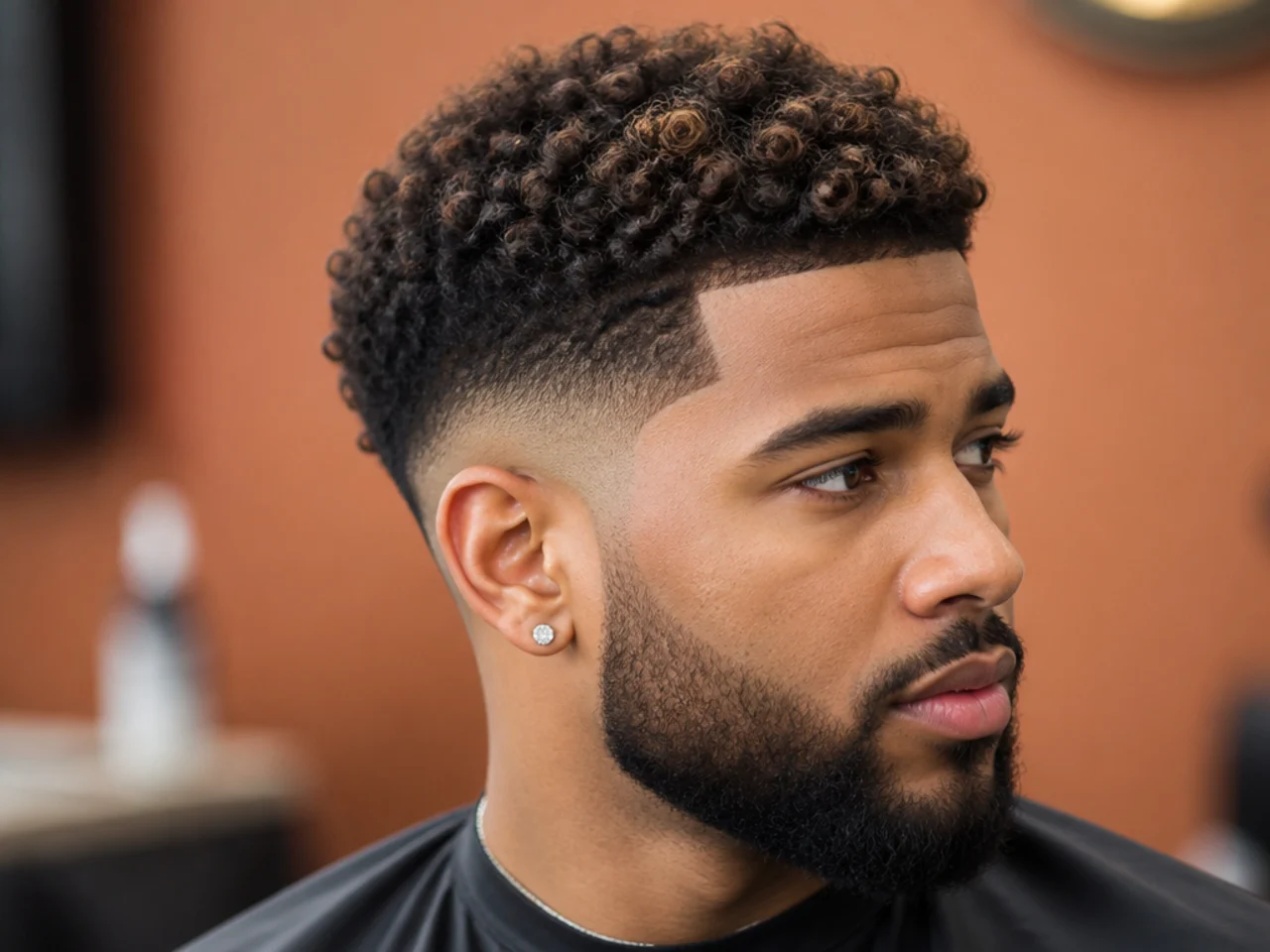
Pick your fade shape first — bald, low taper, mid drop, burst, high skin, or temple. Pick the top second. The sides are what your barber draws the fade line for; the top rides that base. Trying to design the top first is how most guys end up with a cut that competes with the crown instead of framing it.
Then match the fade to your calendar honestly. A bald or design fade wants you in the chair every ten days. If your work weeks make that impossible, start with a low taper and grow into the tighter cuts once you've built the routine. A fade you can't maintain reads worse than a fade you never asked for.
The taper fade for Black men roundup covers twenty-five taper variations across every texture, and the afro taper fade guide zeros in on afro-plus-taper pairings. If your coil is looser or tighter than 4A, the curly taper fade and black men's curly top guides walk the top-side pairings that photograph best. For a shorter overall silhouette, short fade cuts for Black men covers the compact end.
Outside the fade silo, three cross-family guides matter. The curl types chart identifies your 4A, 4B, or 4C pattern. The edgar haircut covers the fringe top that translates cleanly onto a low taper base. And professional hairstyles for men walks the workplace calculus if your job dictates how loud your fade can read.
Bring a friend to your first cut with any new barber. Placement is the one thing you cannot see from your own angle.
FAQ
Which fade style gets Black men the most compliments?
The bald fade with 360 waves and the low taper with a textured afro are neck-and-neck. Bald plus waves reads loudest because the exposed skin around the ridges makes the pattern pop. The low taper afro reads warmest — colleagues and family compliment the texture instead of the sharpness. Pick the tone you want first, then the fade height.
How often do you need to re-cut a fade to keep the compliments coming?
A skin or bald fade holds seven to ten days before the transition line blurs. A low or mid taper stretches to two or three weeks. A high top or design fade demands the tightest calendar — nine to twelve days at most. Book the shape-up before you leave the chair or you will miss the sharp window.
What fade suits 4C hair best when you want compliments?
4C wants length up top so the coil pattern reads full — three to five inches for a modern high top or a freeform-loc frame. A low taper is the safest sides pairing because it preserves the coil weight at the perimeter. Skin fades work but demand tighter maintenance. Never let a barber thin 4C with texturizing shears.
Do Black men still get compliments on bald fades in 2026?
Yes — the bald fade is still the most-photographed fade in Black barbershops. What has changed is what sits on top. Waves, sponge coils, short afros, and heritage high tops all pair with a bald finish differently than five years ago. The compliment comes from the combination, not the fade alone.
How do I ask a barber for a fade that will earn compliments?
Bring two photos — one of the fade shape (bald, low taper, mid drop, burst, temple), one of the top style on the same texture as yours. State the guard number at the shortest point, the top length in inches on picked-out hair, and the finish. Confirm the line-up placement in the mirror before the trimmer runs.
What is the difference between a fade and a taper for Black men?
A fade blends the sides to bare skin or a #0 guard, so the contrast with the coil on top is at maximum. A taper leaves a #0.5 or #1 guard at the shortest point, so a whisper of texture meets the sideburn. Fades read sharper and demand a two-week rebook. Tapers read softer and hold cleanly for three.