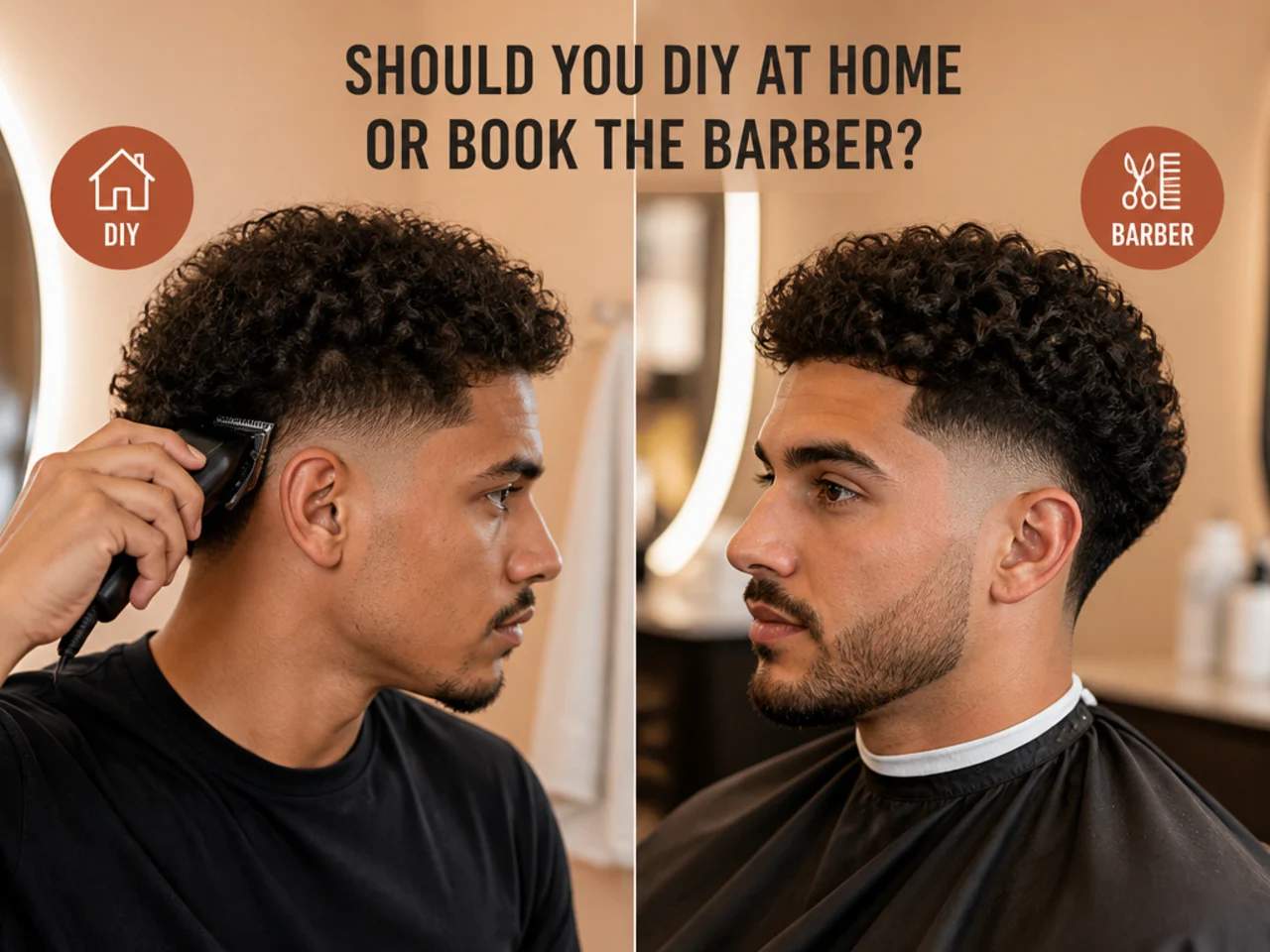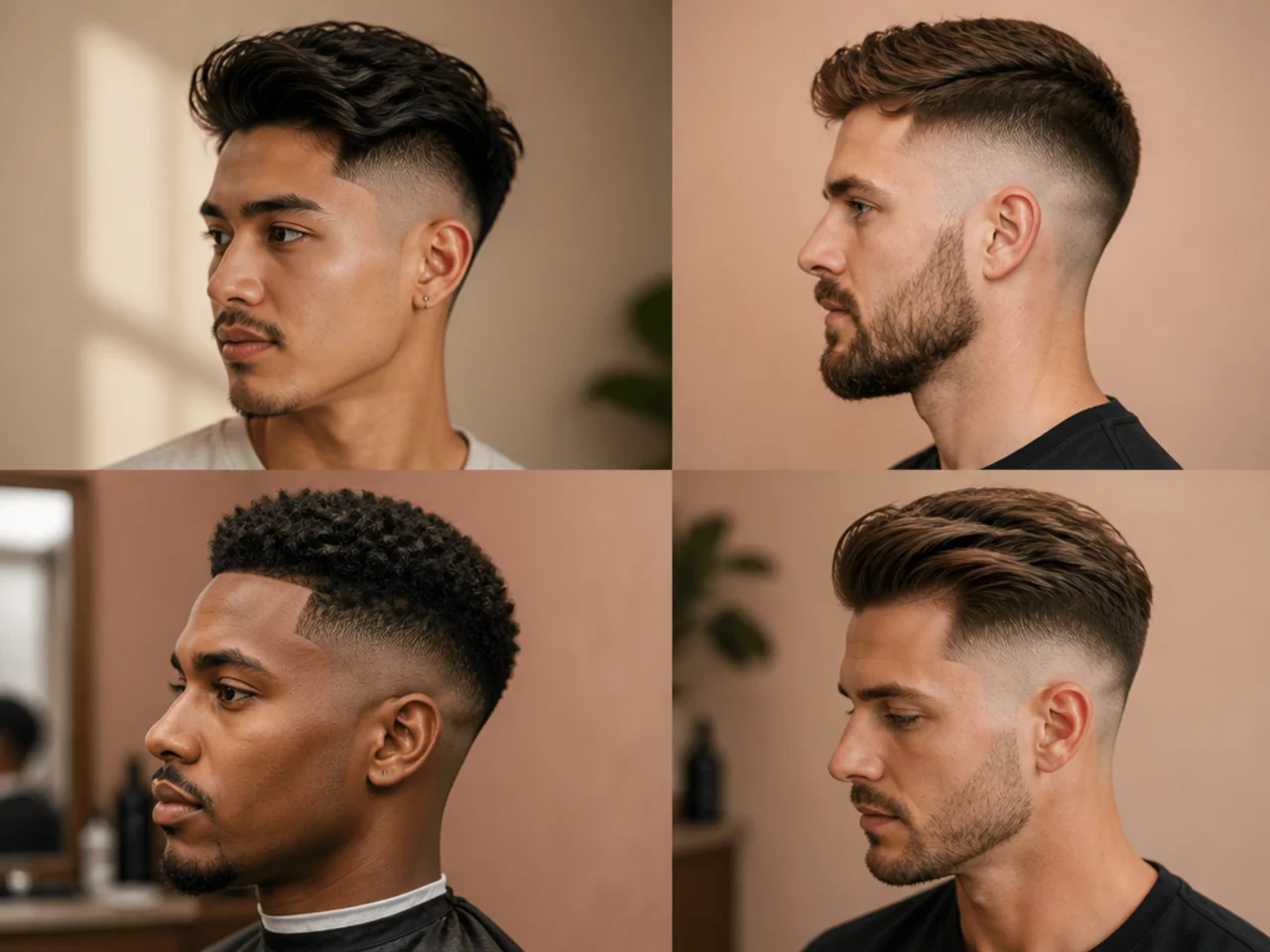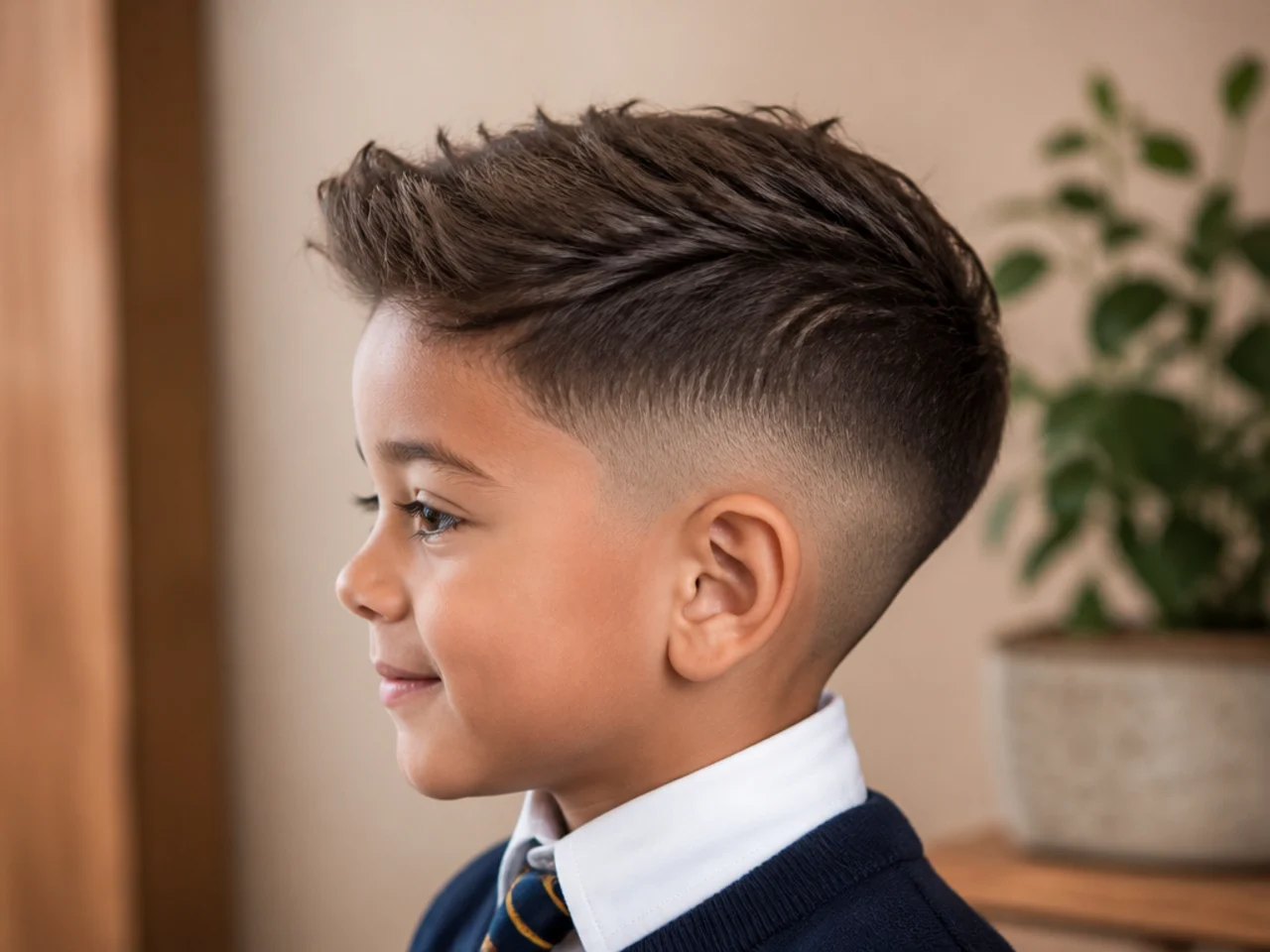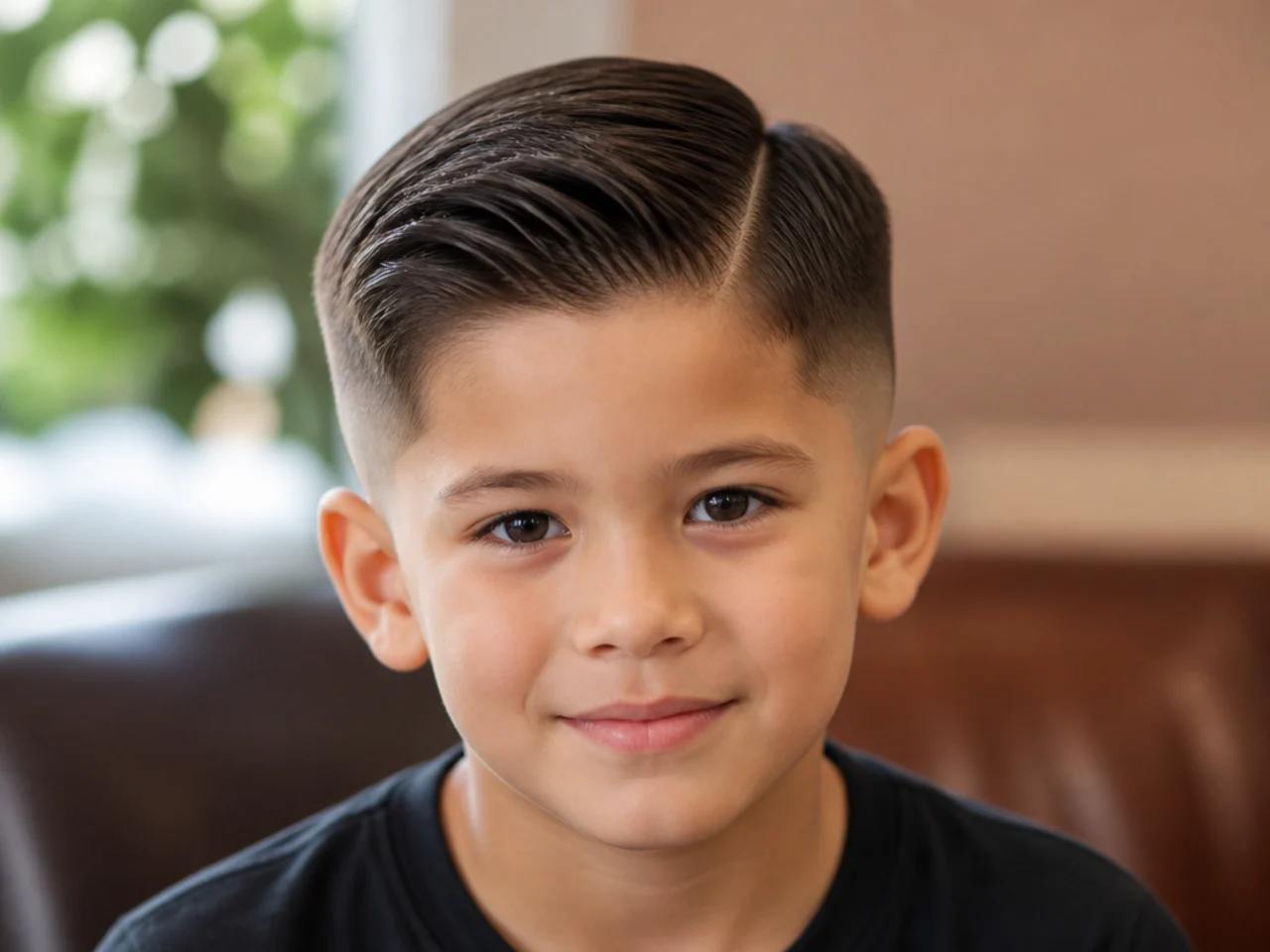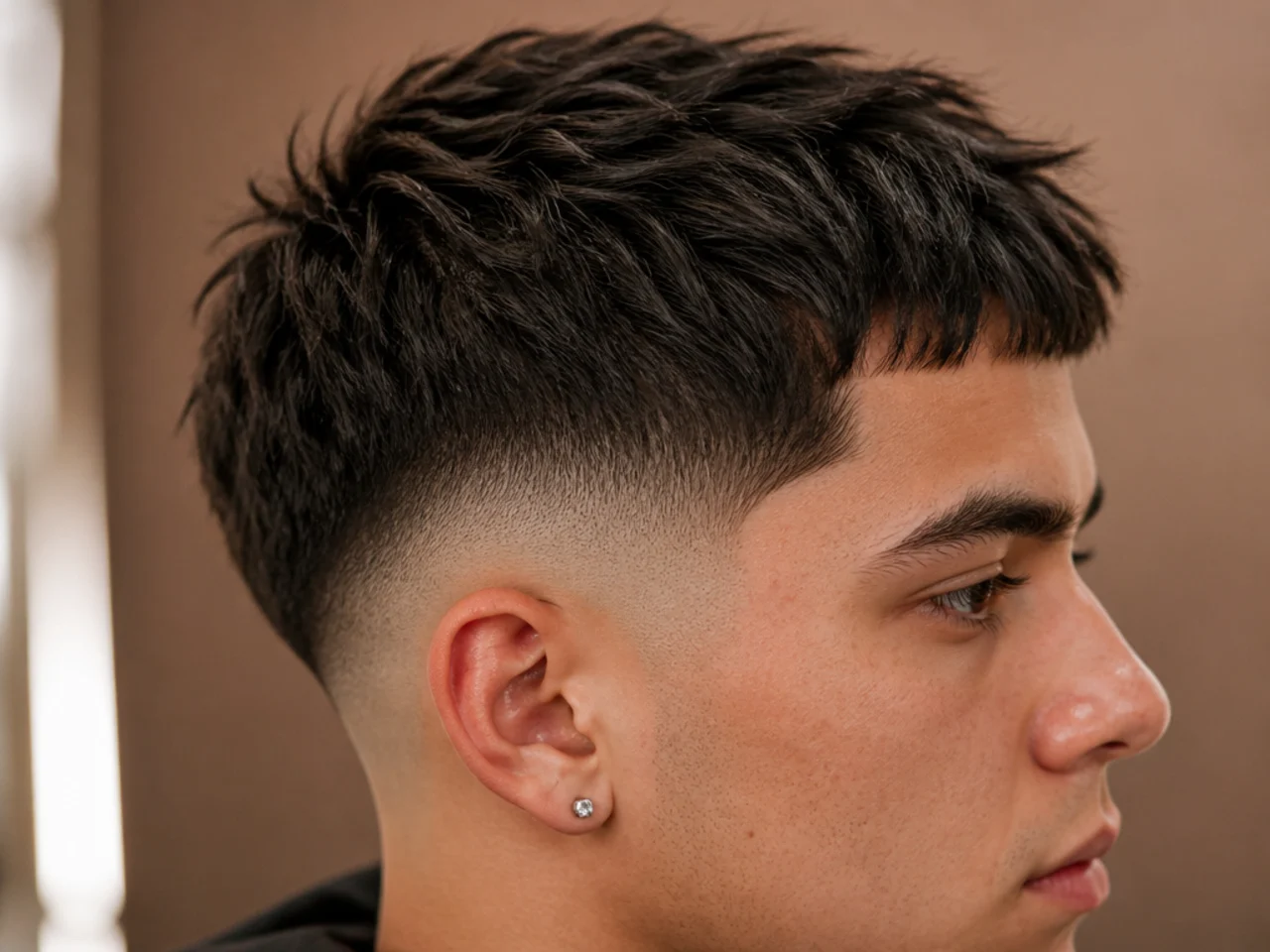
15 Textured Low Fade Haircut Ideas to Try
On a high fade texture has to fight to be seen. On a low fade it has the opposite problem — the fade removes so little that the textured section runs most of the way down the head and the risk becomes bulk, not invisibility.
In this article · 22
- Why Bulk Is the Issue
- How to Choose Yours
- The 15 Textured Low Fade Ideas
- 1. Textured Crop With a Low Fade
- 2. Textured Low Fade With Graduated Sides
- 3. Textured Low Skin Fade
- 4. Textured Low Taper Fade
- 5. Textured Low Fade on Thick Hair
- 6. Textured Low Fade on Fine Hair
- 7. Textured Low Fade With a Fringe
- 8. Messy Textured Low Fade
- 9. Textured Low Fade Comb Over
- 10. Textured Low Fade With a Beard
- 11. Textured Low Drop Fade
- 12. Textured Low Fade on Wavy Hair
- 13. Textured Low Fade on Straight Hair
- 14. Textured Low Fade With a Line-Up
- 15. Textured Low Fade at Week Five
- Styling and Upkeep
- Mistakes to Avoid
- FAQ
- Final Thoughts
Texture is weight removed from the ends so individual pieces separate rather than sitting as one block. How much of a head that affects depends entirely on the fade.
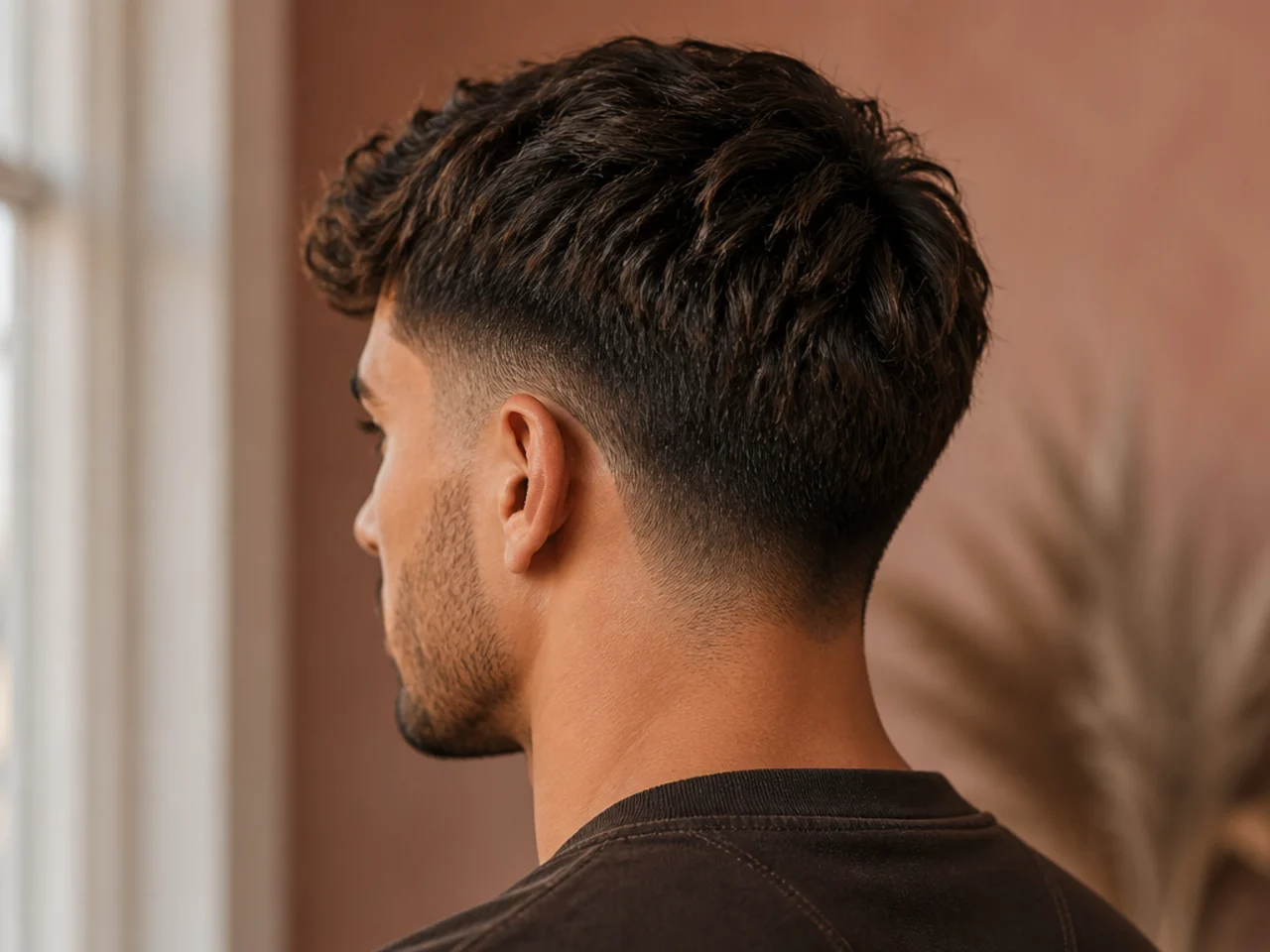
A low fade starts at or below the temple. So the textured section reaches almost all the way down to the ear.
Which flips the usual problem. On a high fade texture struggles to be seen, and on a low fade there is so much hair involved that the risk is bulk instead.
Why Bulk Is the Issue
A low fade removes two or three centimetres. Only the band from the temple down to the ear.
Everything above it keeps its full weight. Which on thick hair is a considerable amount.
The textured section is therefore large. It reaches from the crown almost to the ear.
So texturing is volume control here. Not the shadow trick it is at a mid fade or the visibility problem it is at a high one.
How to Choose Yours
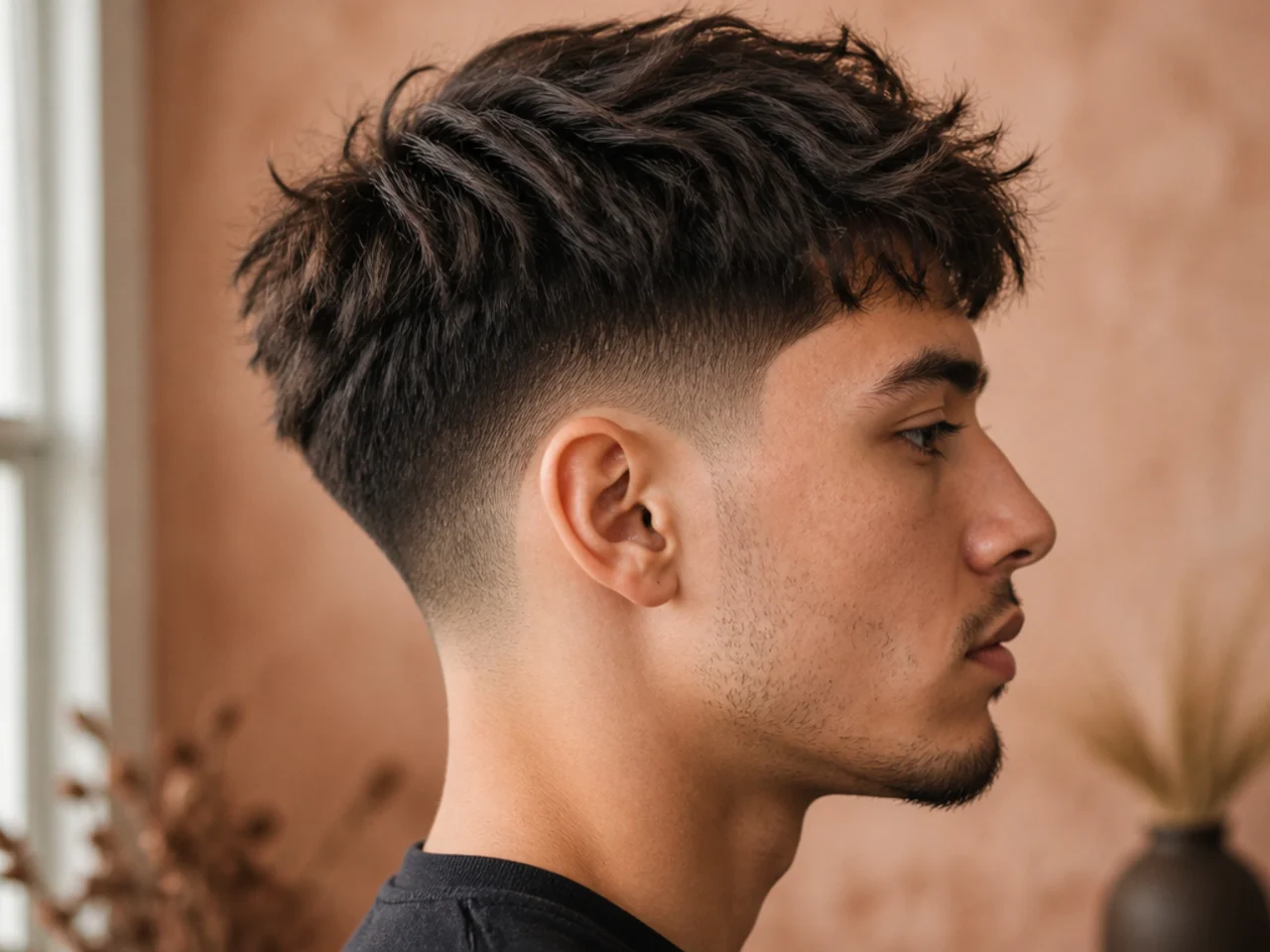
Ask for the sides to be textured as well as the top. The side panel still carries weight at this fade height and it is what makes a head look wide.
Say point cut, not thinned. Thinning shears remove weight in bands and leave a hollow you cannot restyle around.
Keep the fade below the temple. Raising it to fix bulk is the wrong tool, because texturing does the job without changing the shape.
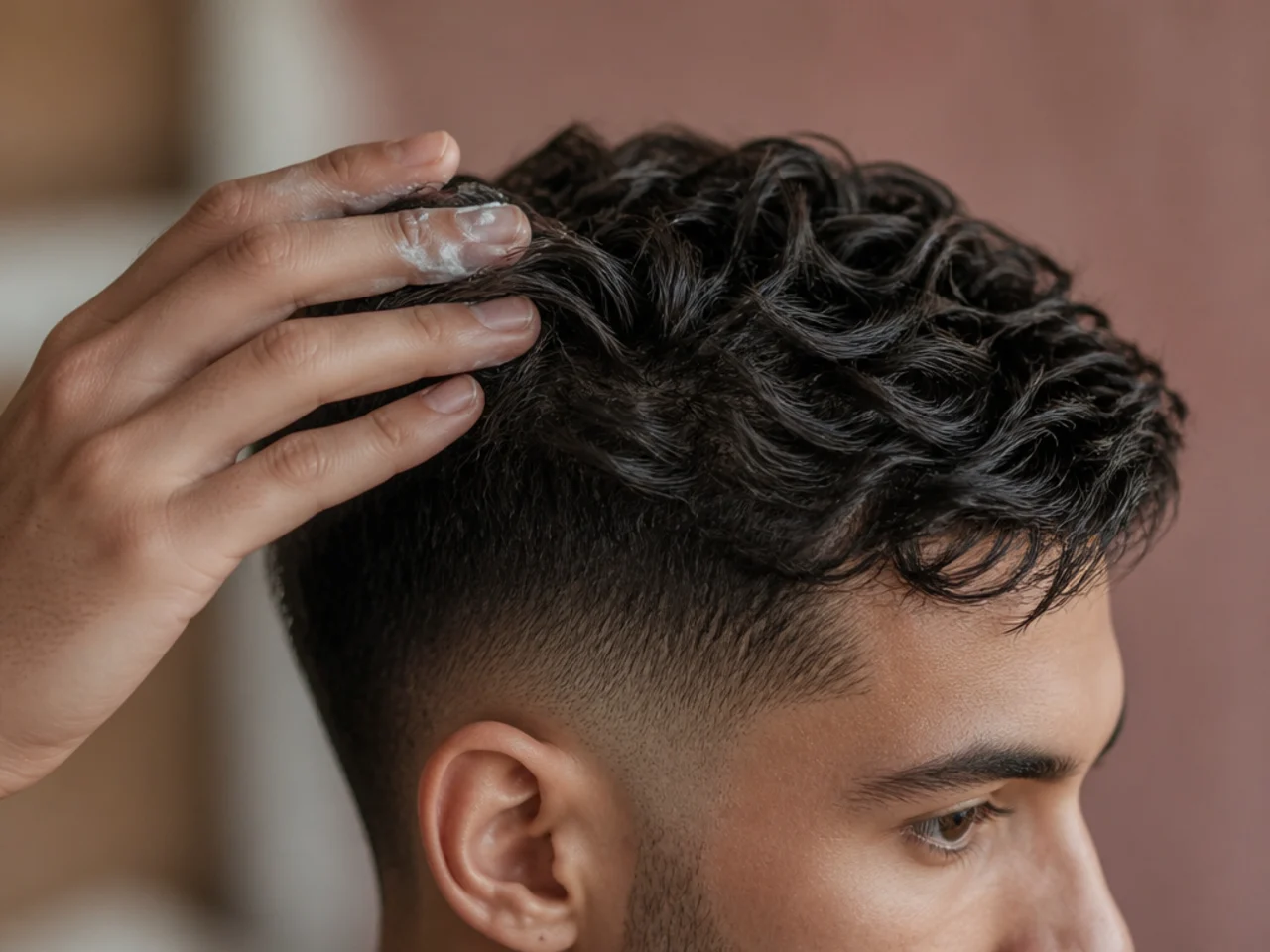
Use a matte product and use less of it. A large textured section needs surprisingly little to hold together.
The 15 Textured Low Fade Ideas
1. Textured Crop With a Low Fade
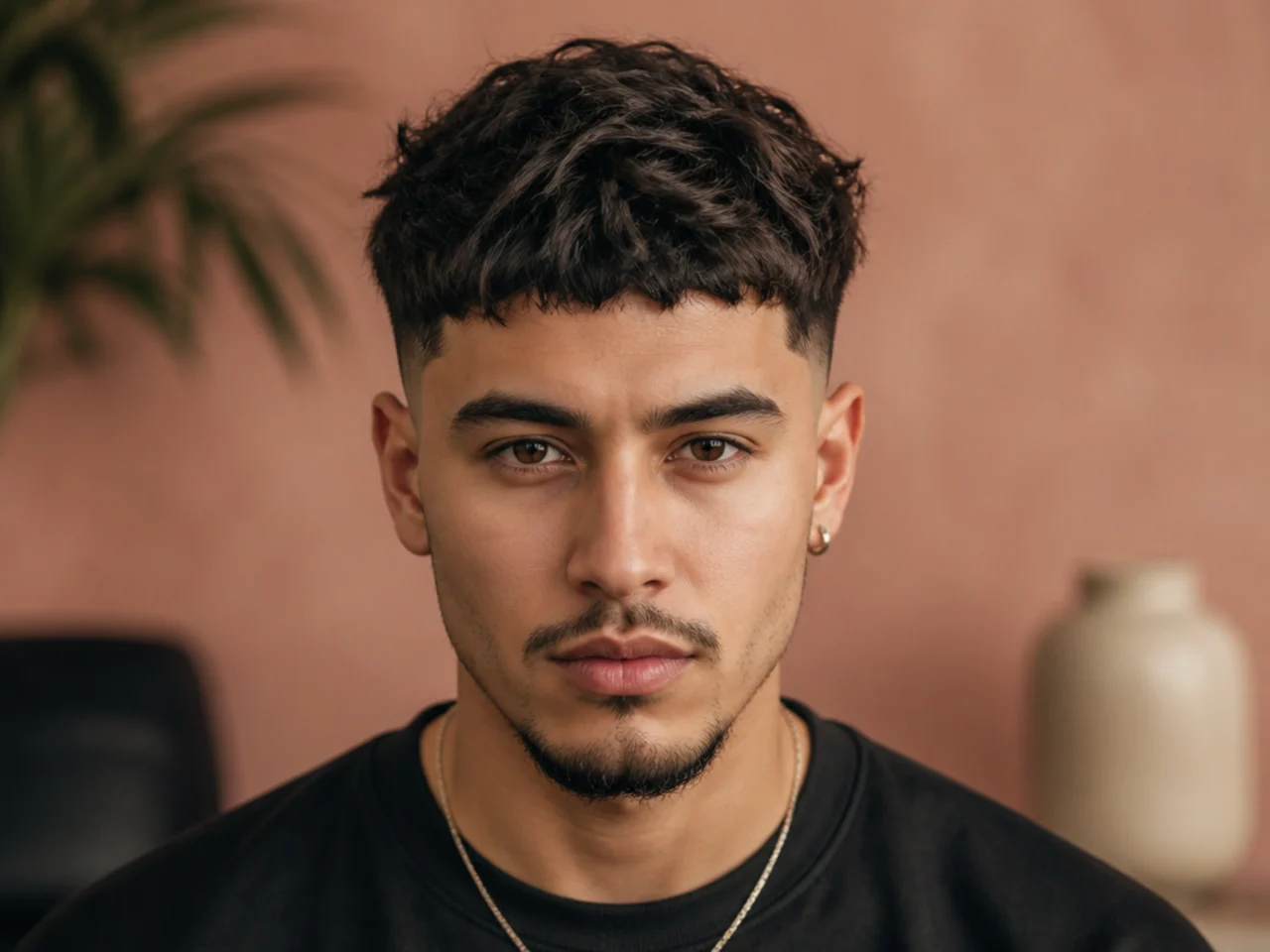
Around five centimetres left on top, weight taken out of the tips, and the front dropped forward into a ragged fringe, as in most textured crops. The classic version, and the one where the side weight left by the fade is most obvious if it has not been graduated.
2. Textured Low Fade With Graduated Sides
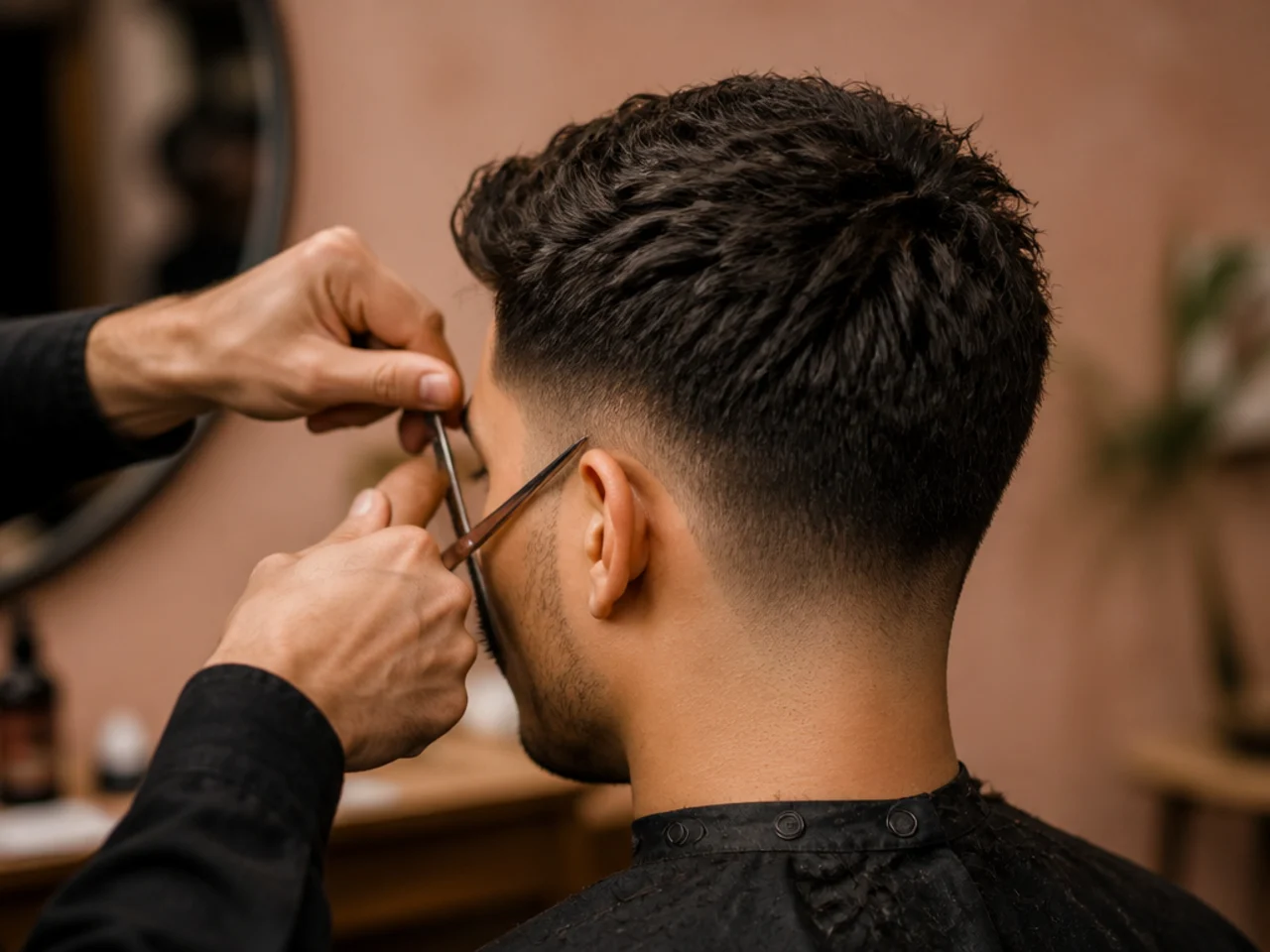
Weight removed through the side panel with scissors. It is the single adjustment that turns a bulky textured low fade into a sharp one, and it costs nothing but time in the chair.
3. Textured Low Skin Fade
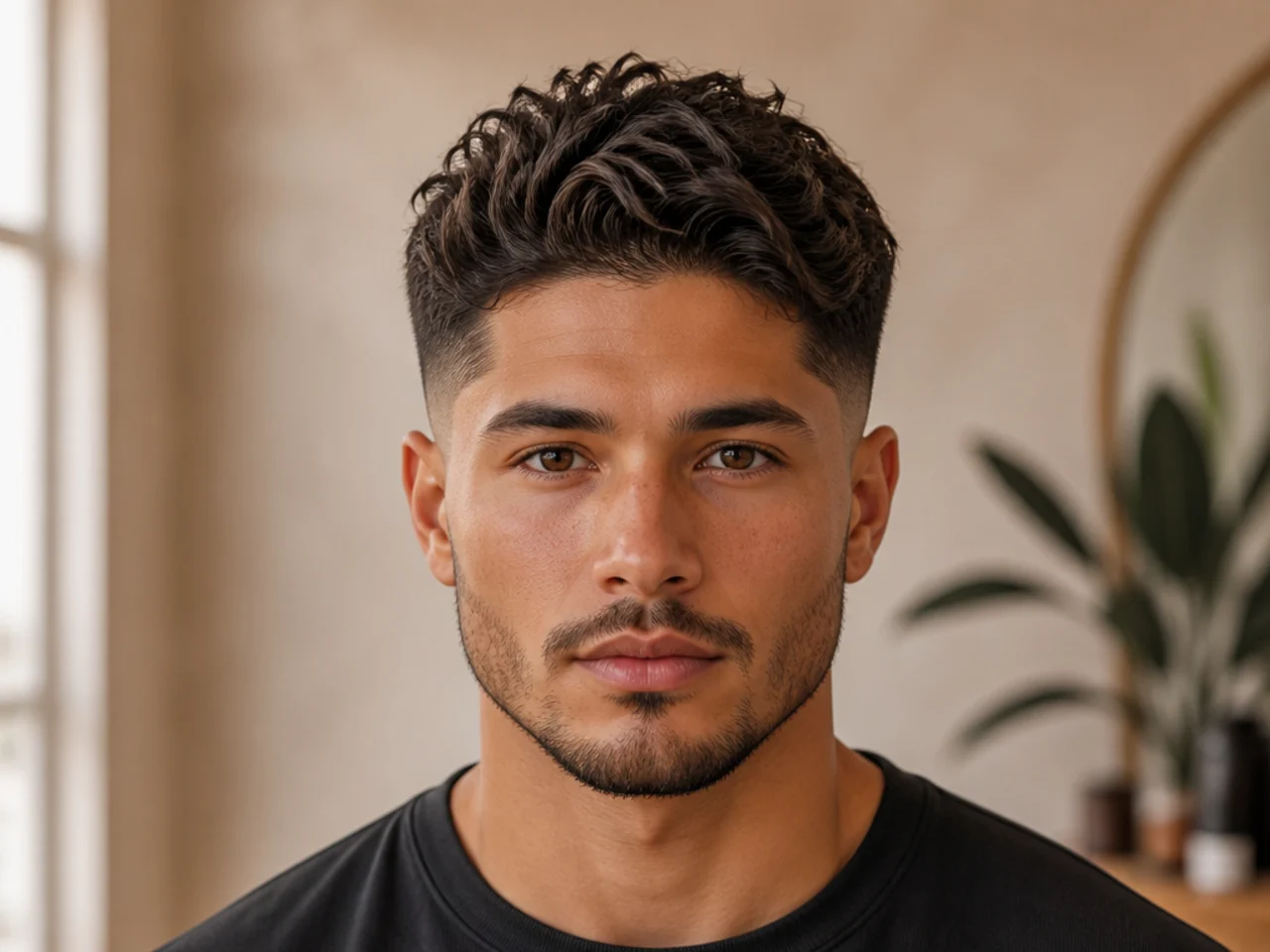
Bare skin in the narrow band above the ear. It gives an otherwise soft cut one hard edge, which stops the whole thing reading as simply grown out.
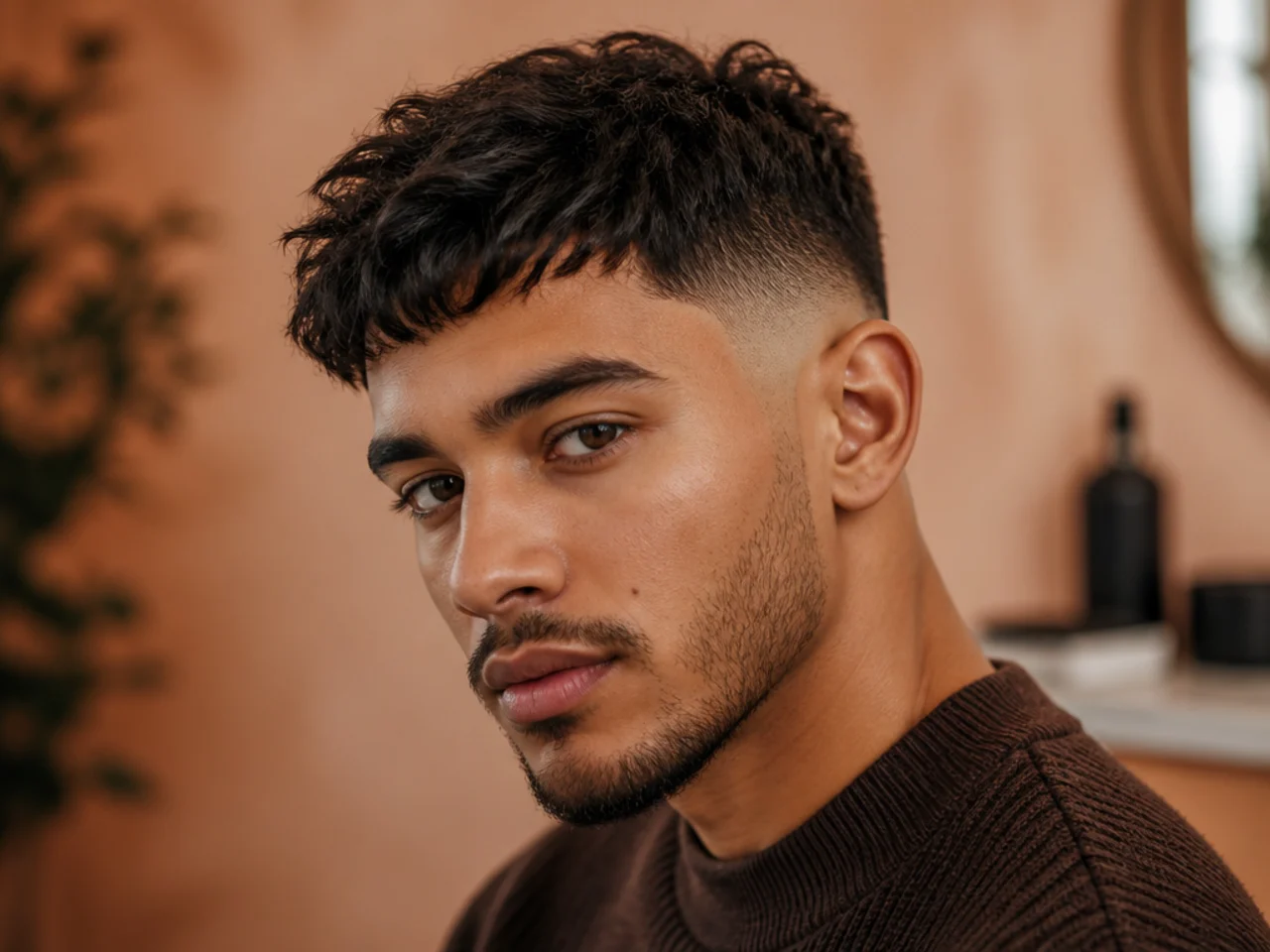
4. Textured Low Taper Fade
A #1 at 3mm floor. It reads almost identically in week one and holds three to four weeks instead of one to two, which suits a cut built around softness.
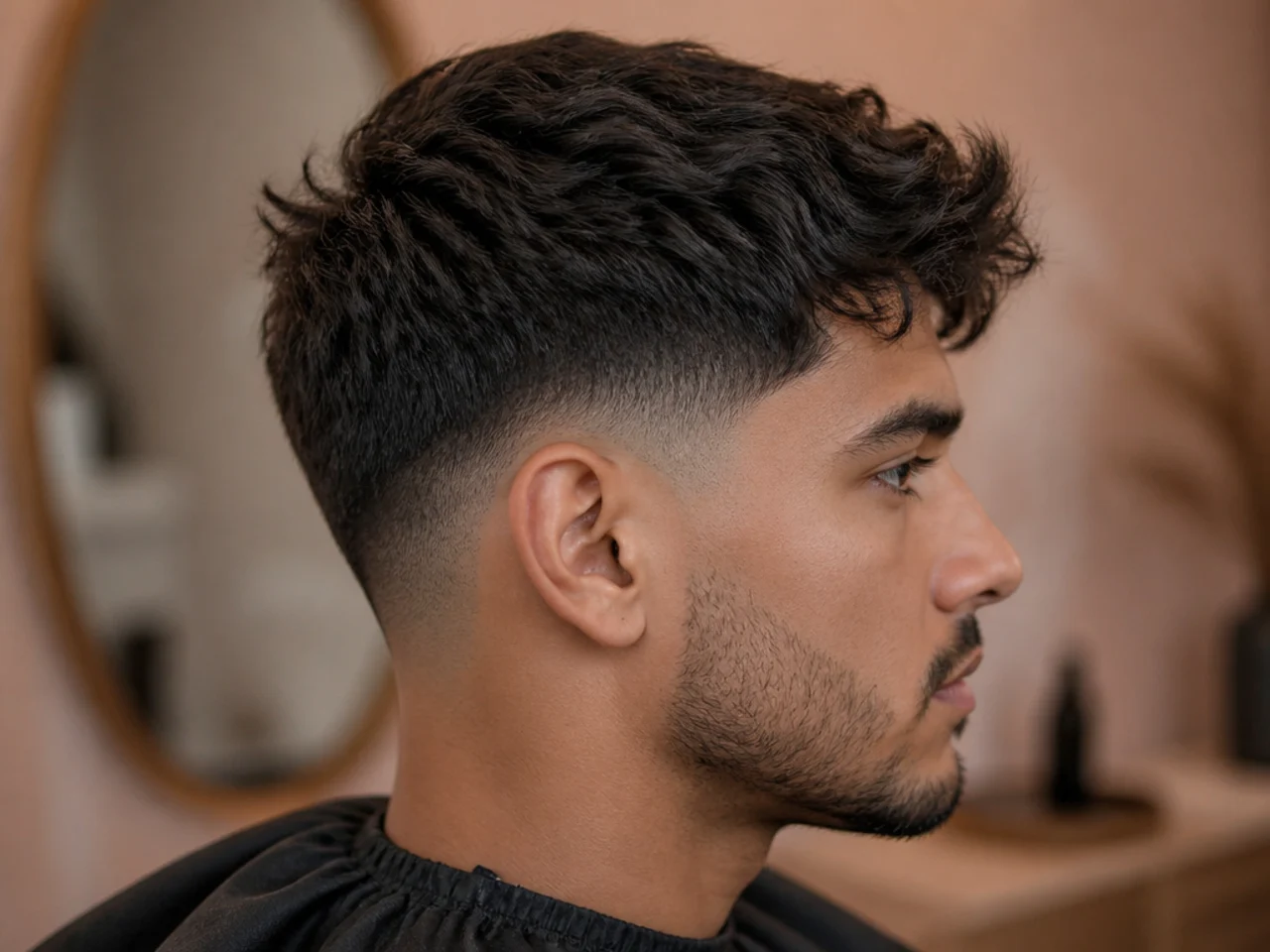
5. Textured Low Fade on Thick Hair
The combination that needs the most work. Thick hair over a low fade leaves the maximum weight on a head, so ask for internal removal as well as point cutting at the tips.
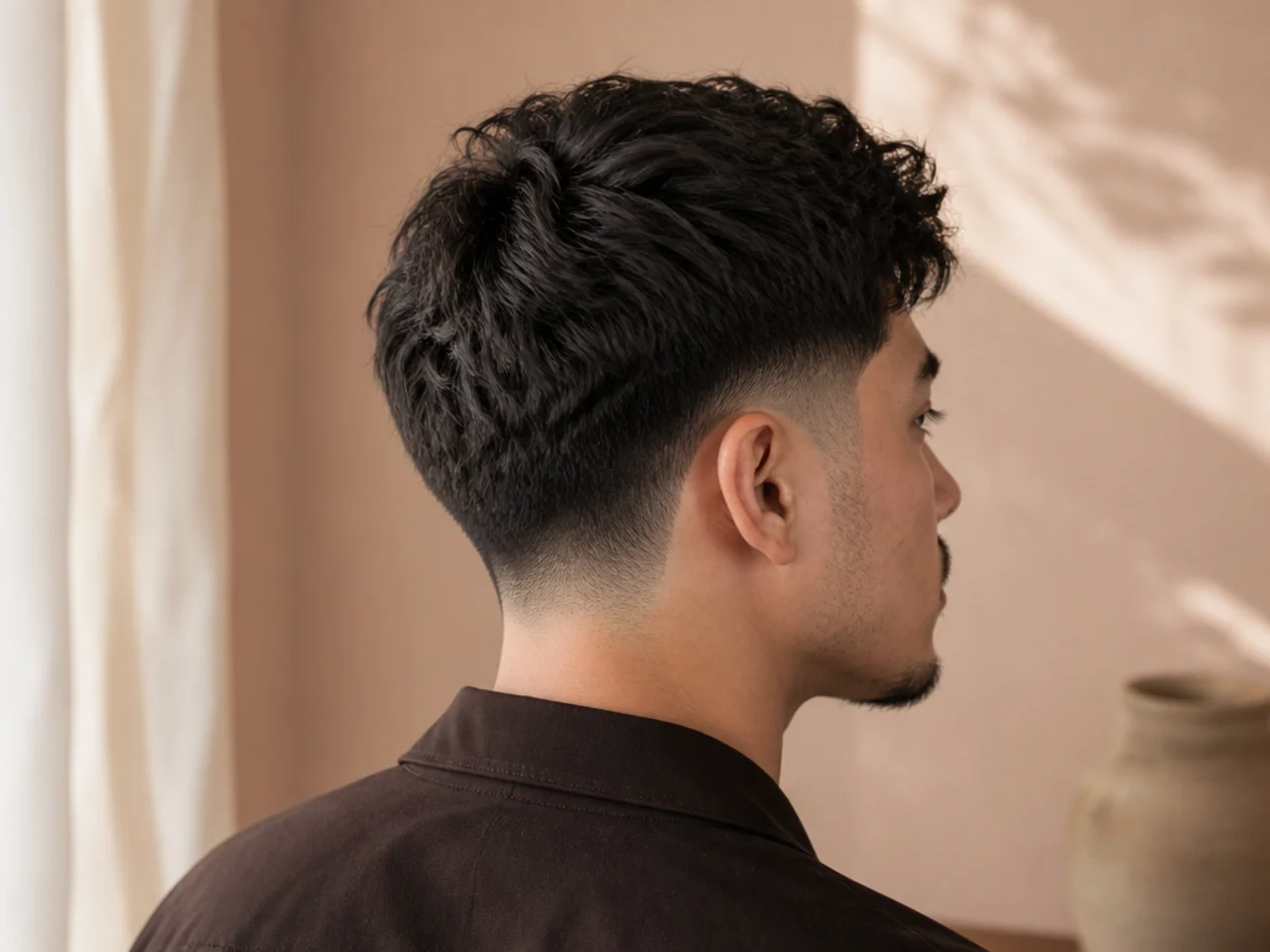
6. Textured Low Fade on Fine Hair
Here the extra weight a low fade leaves is an asset rather than a problem. Texture the ends only and leave the interior alone.
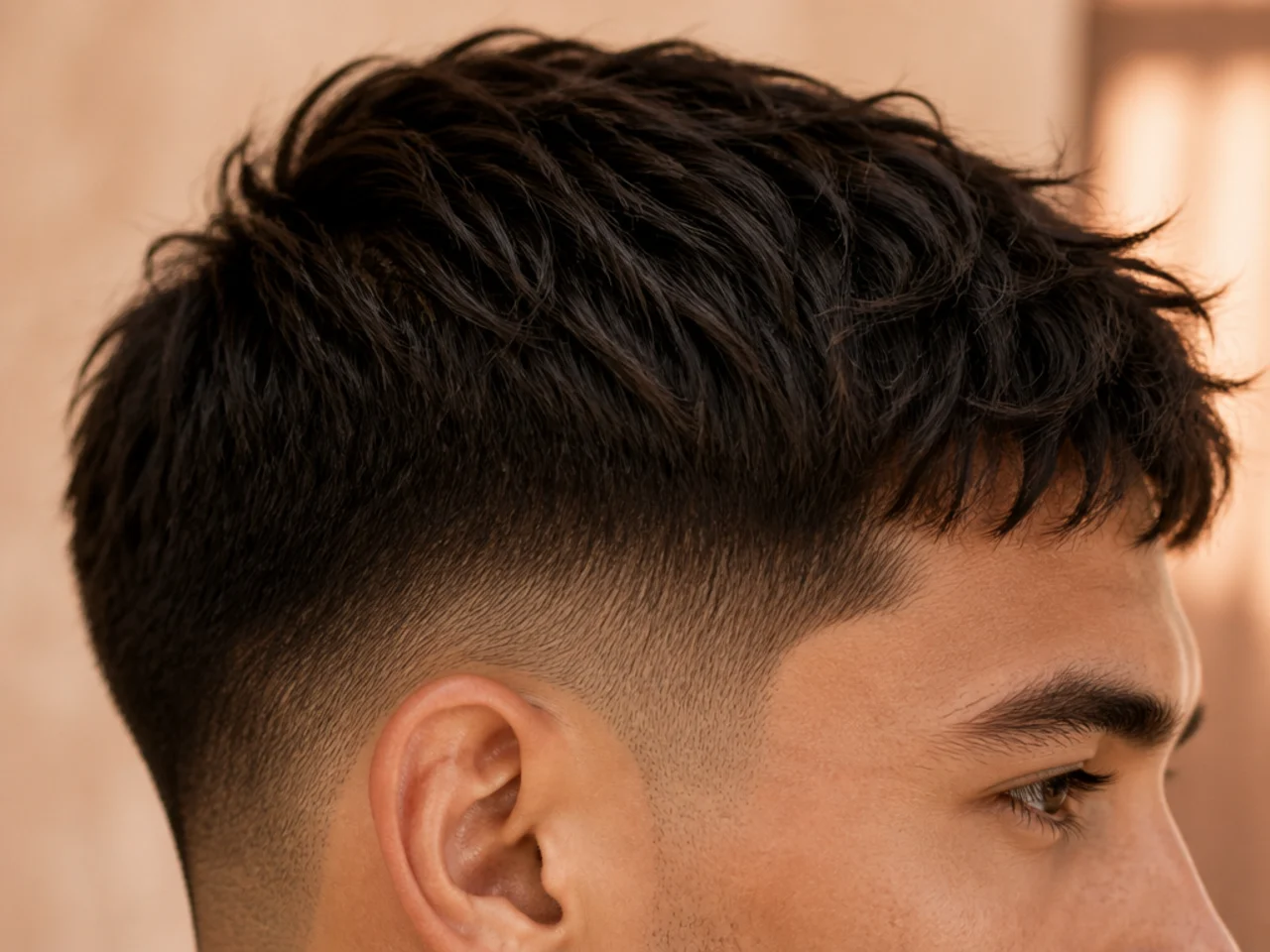
7. Textured Low Fade With a Fringe
The forward section dropped over the forehead and its edge broken up with the tips of the shears. A broken fringe is the front-facing evidence of a texture job that otherwise lives in profile.
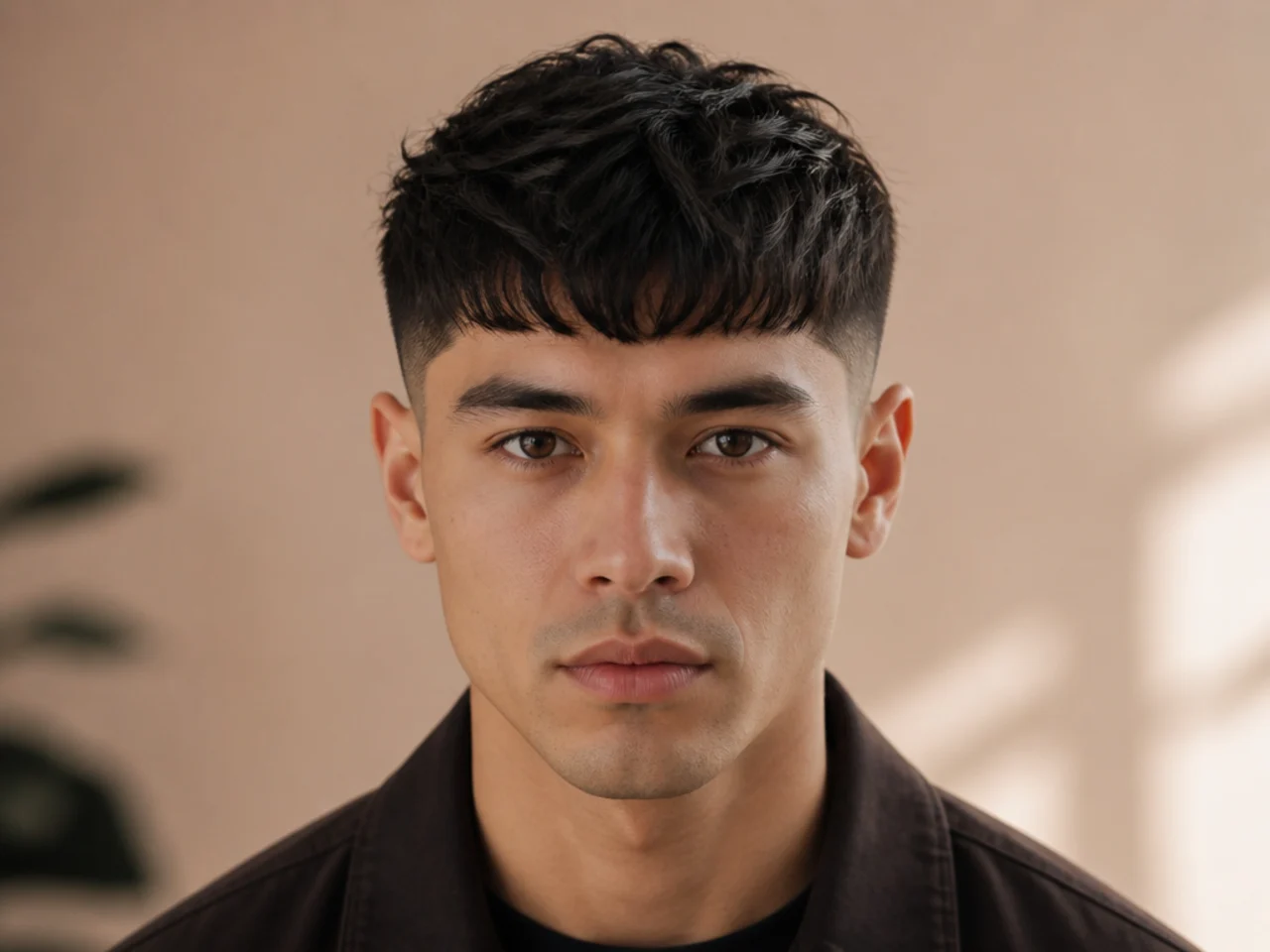
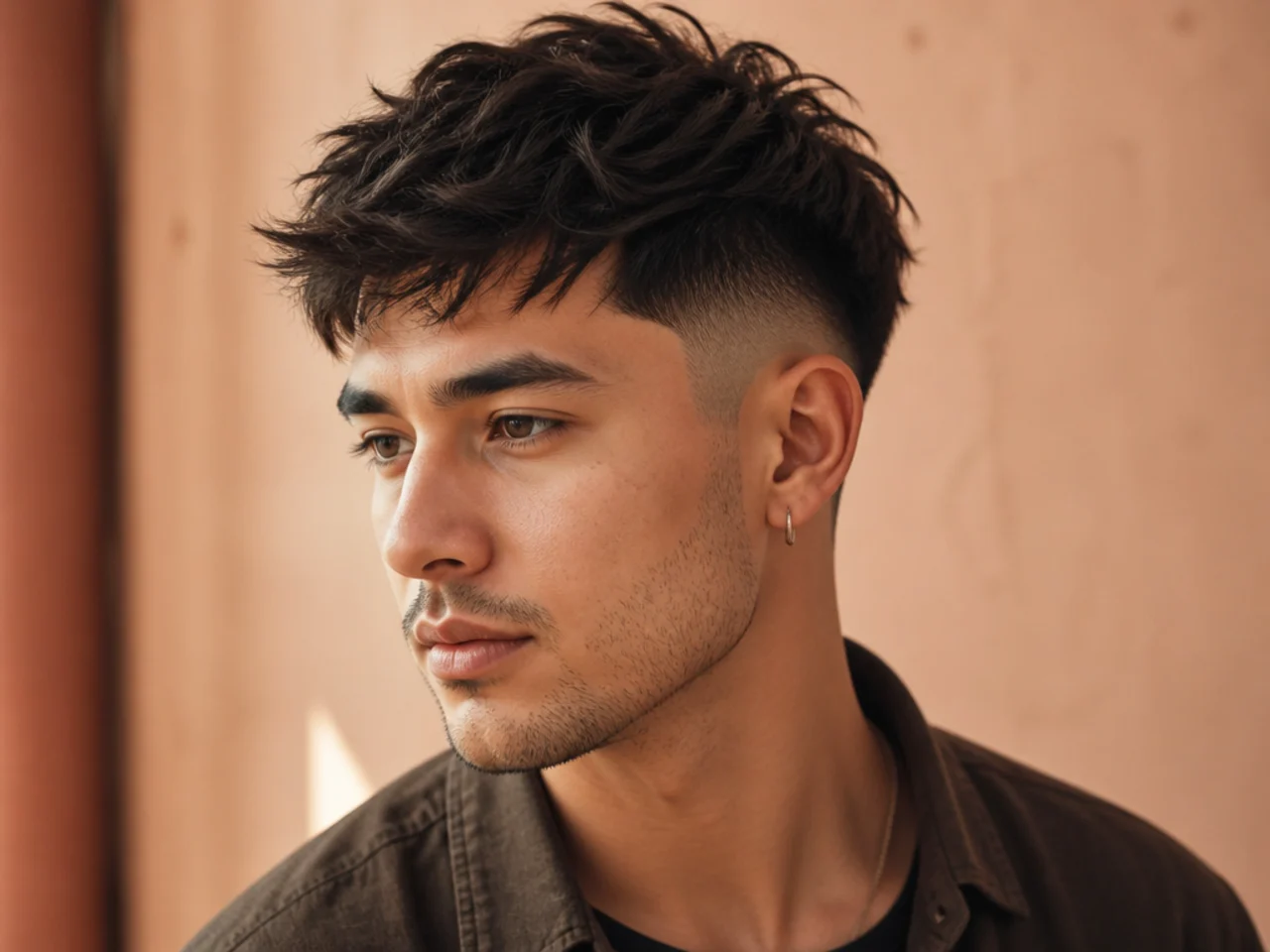
8. Messy Textured Low Fade
No fixed direction and plenty of length. It is the loosest cut on this page and it relies on the graduated sides to stop it looking unkempt.
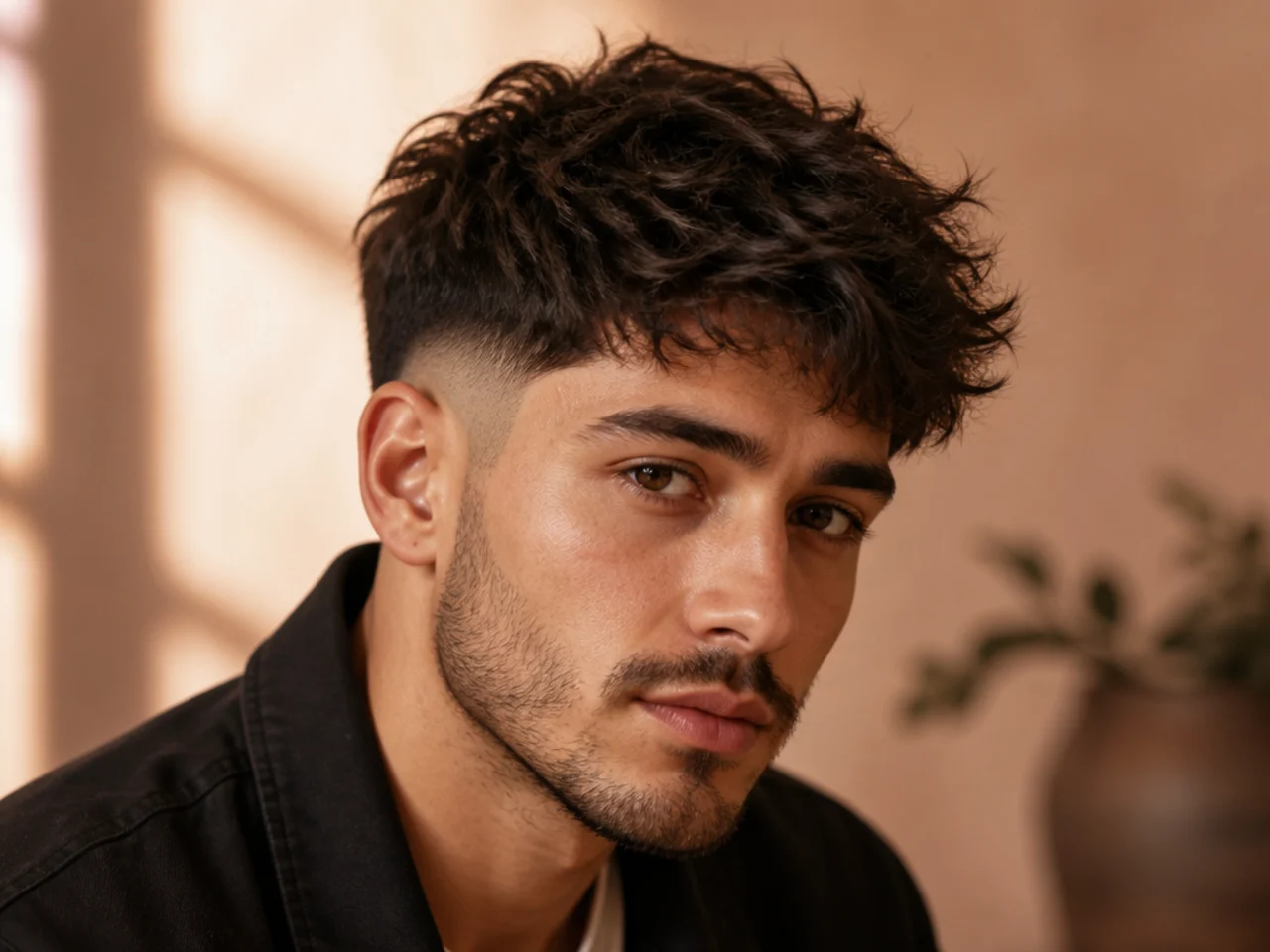
9. Textured Low Fade Comb Over
Weight removed then swept to one side. The sweep has a full side panel to travel through, which is a low fade's particular advantage.
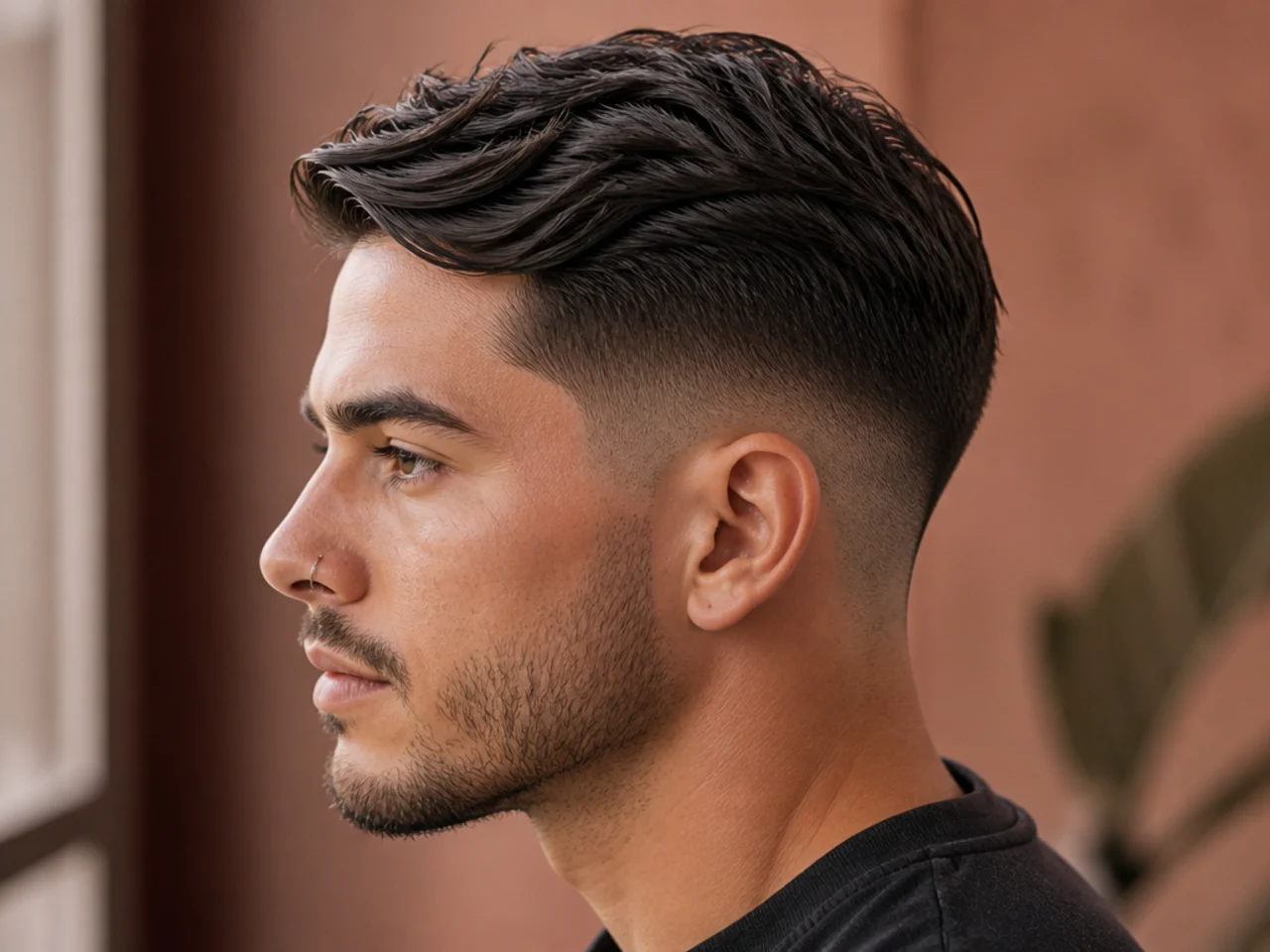
10. Textured Low Fade With a Beard
Separated ends above and a beard beginning just below the narrow fade band. Almost no bare skin between them, which is the least contrasty version of this pairing.
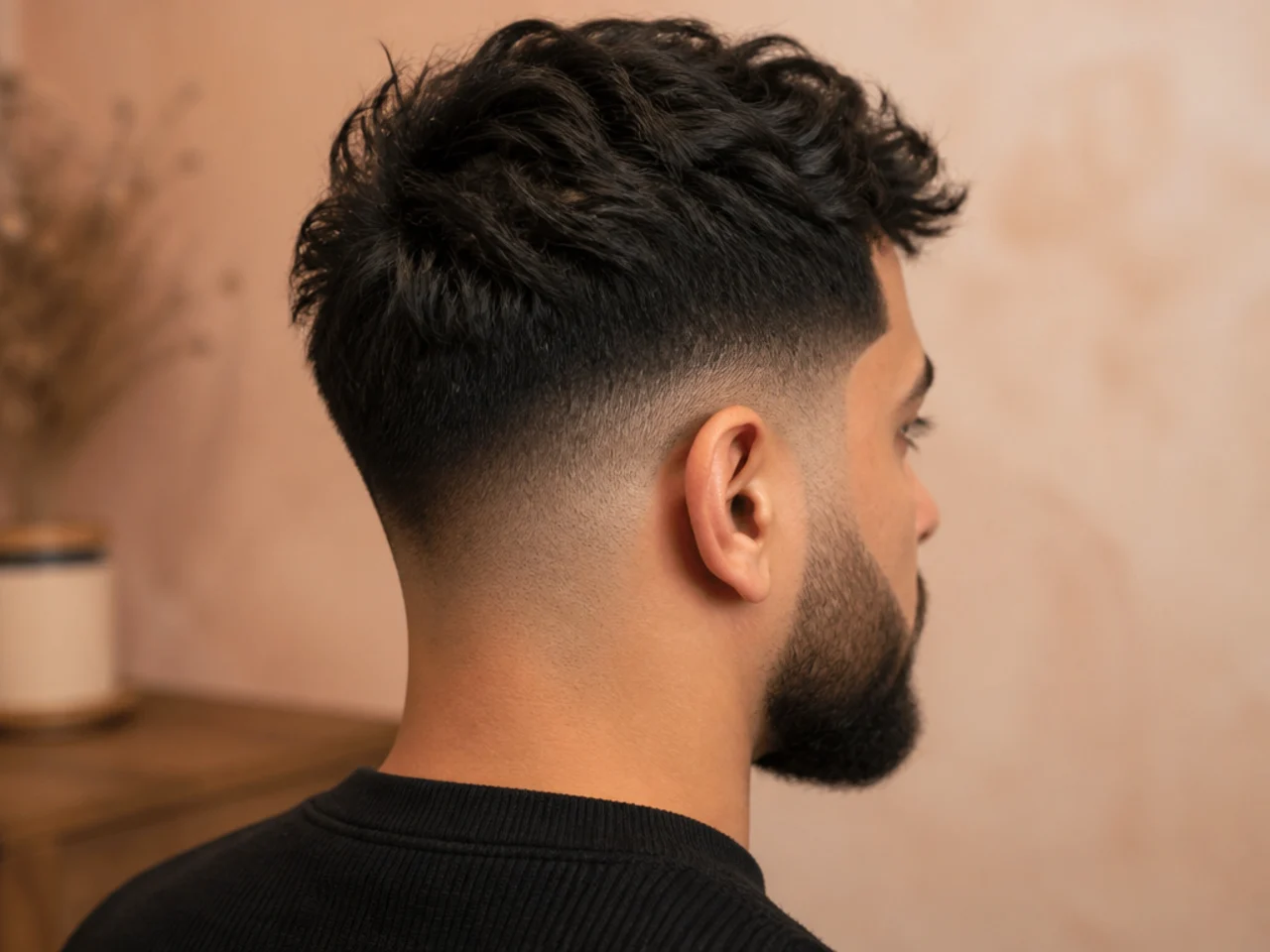
11. Textured Low Drop Fade
The line dropping behind the ear. It removes a little more weight at the back, which is where a large textured section tends to build up.
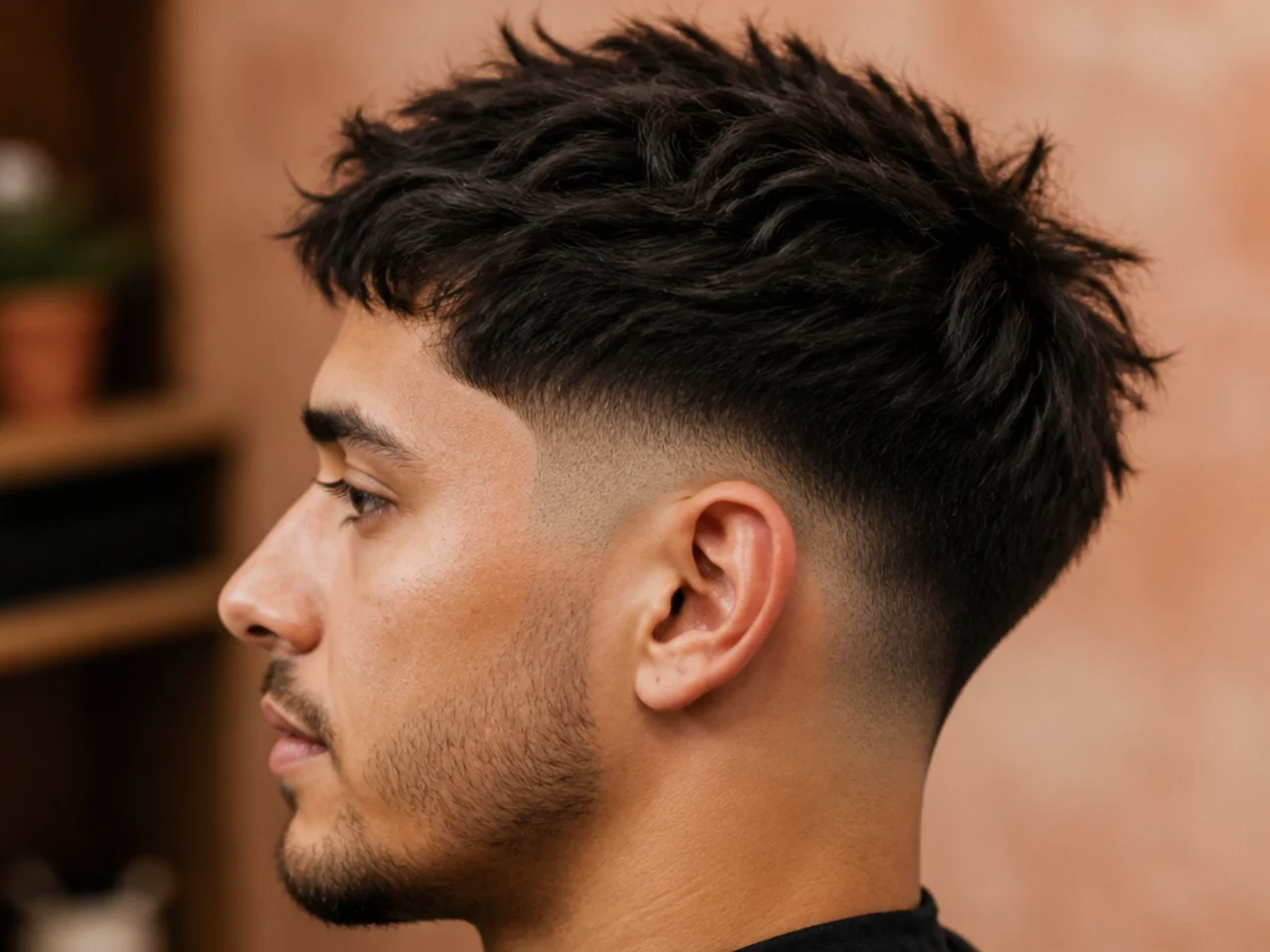
12. Textured Low Fade on Wavy Hair
Wavy hair arrives with half its separation already built in. Over-texturing wavy hair at this weight produces frizz rather than definition. The cut ends splay outward from each bend instead of lying against one another, and past a point that reads as fluff.
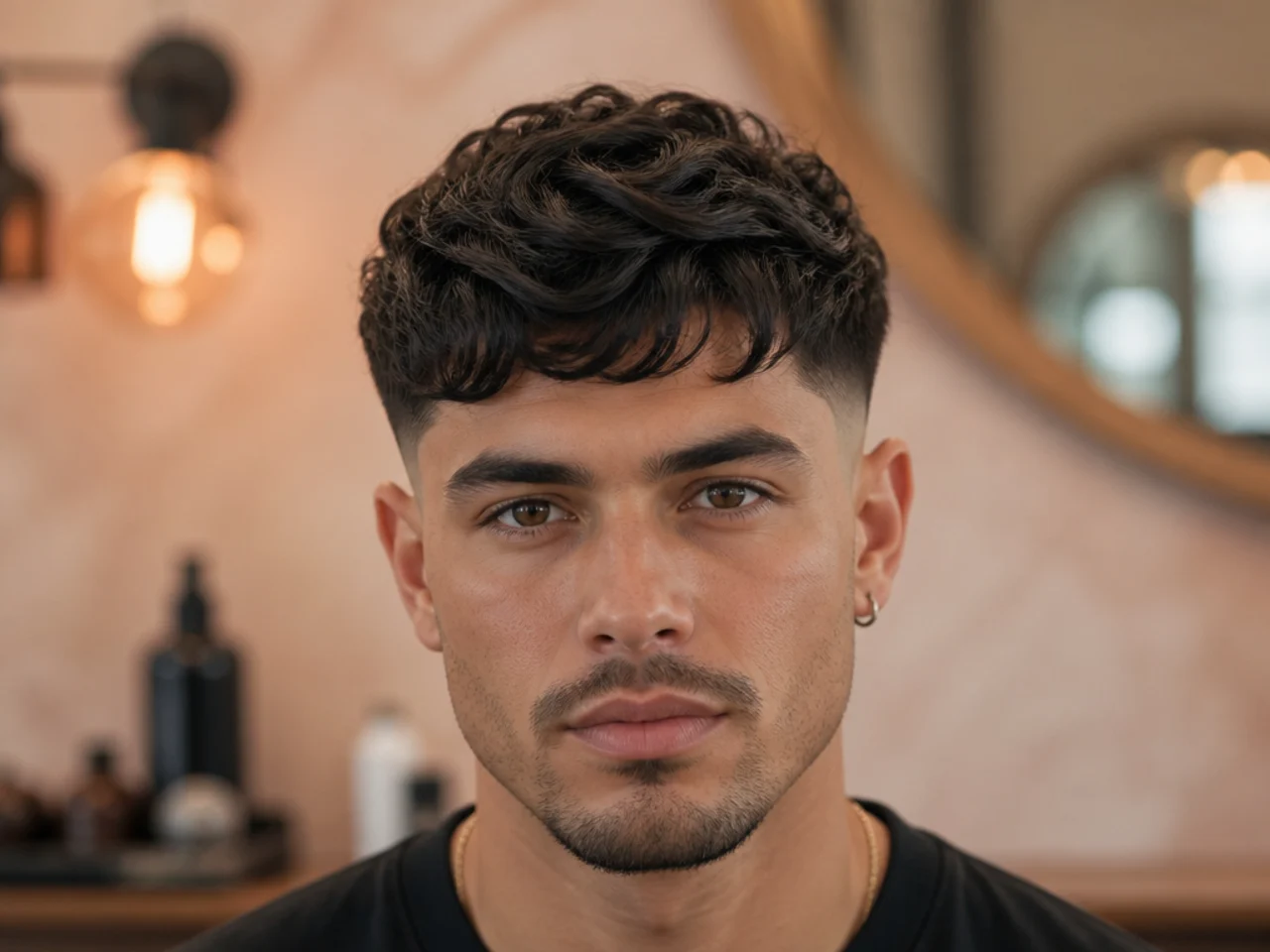
13. Textured Low Fade on Straight Hair
Straight hair shows every cut end, and there are a lot of ends at this length. Ask for varied depth in the point cutting or the result is a serrated edge.
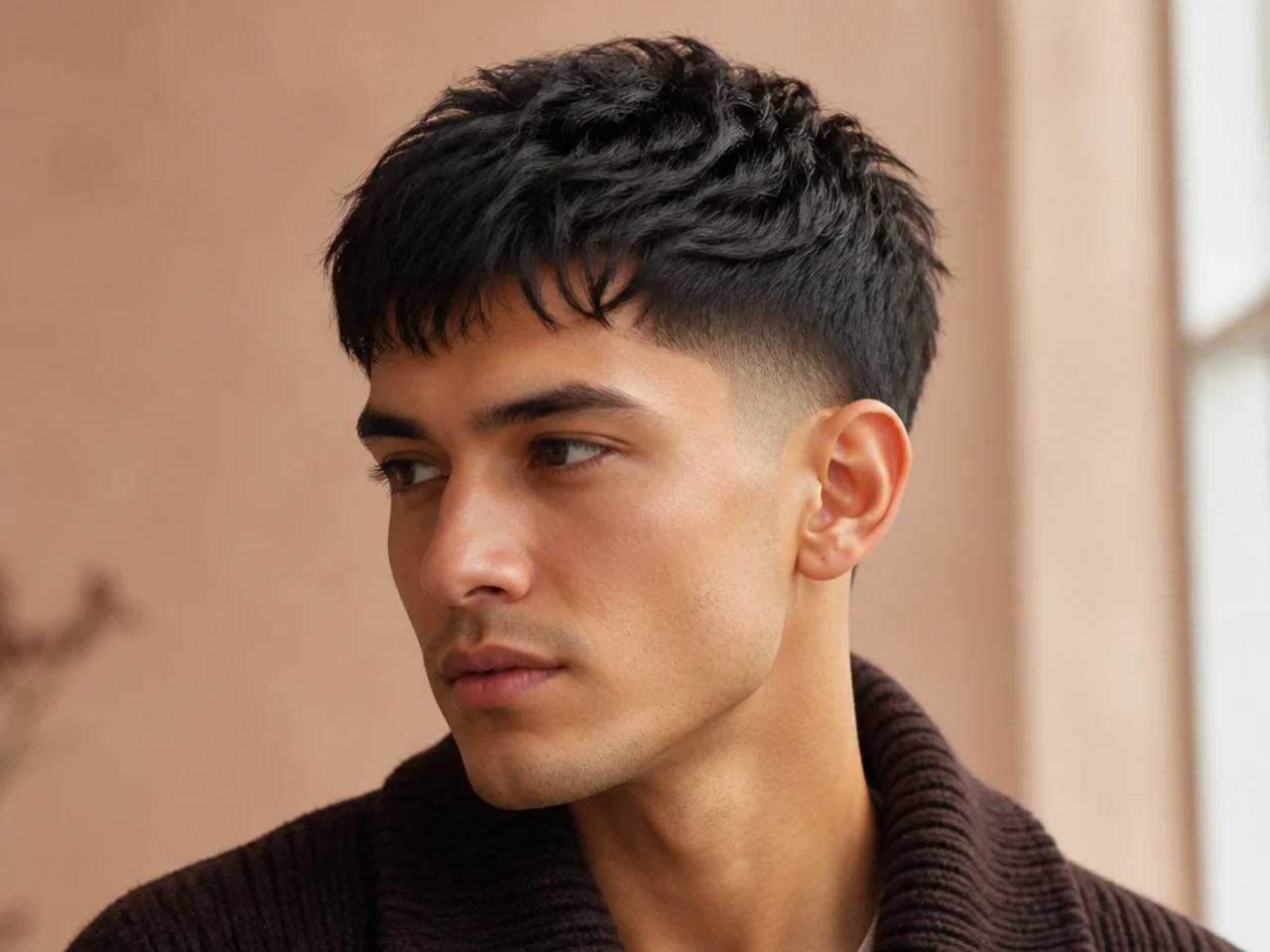
14. Textured Low Fade With a Line-Up
A razored front hairline under a deliberately loose top, the sharpening step behind most low skin fade haircuts. One exact edge against a large irregular section is the whole contrast of the cut.
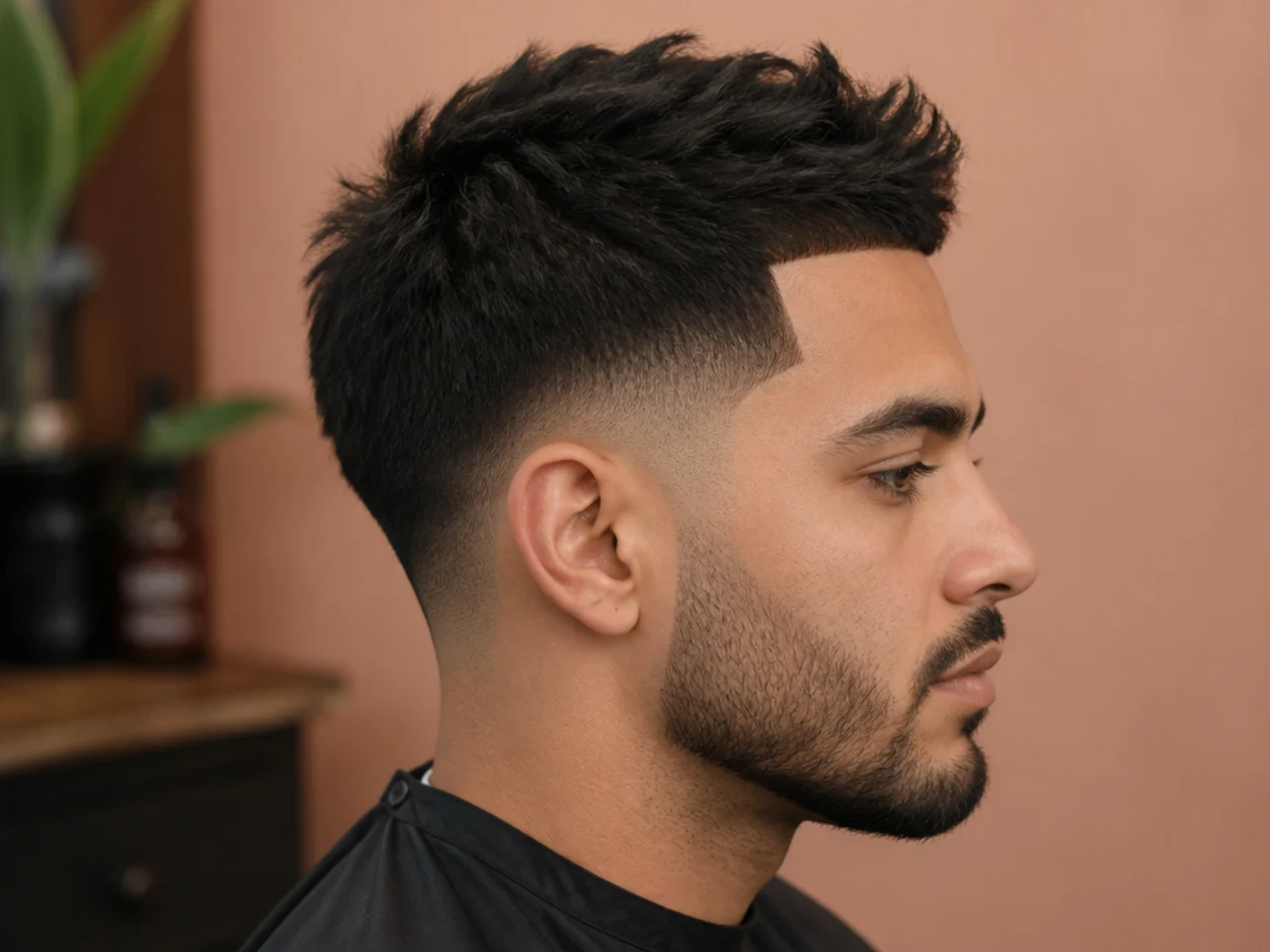
15. Textured Low Fade at Week Five
The fade band has closed and the texture has thickened at the ends. It is the longest any textured fade stays wearable, which is the practical case for going low.
Styling and Upkeep
Use less product than the tub suggests. A large textured section needs surprisingly little to hold.
Use matte clay or paste, never pomade. A glossy product coats the tips and they settle back against each other as one solid mass.
Work it in with fingers, not a comb. A comb realigns every end onto one plane.
Book the internal graduation in as part of the cut, not as an extra. Density returns from the inside out, so the section feels heavy again while the length still looks fine.
Rebook by finish. Only the two centimetres above the ear run on a fixed clock, one to two weeks on a low skin fade and three to four on a low taper, and the bulk everywhere else moves on its own.
Mistakes to Avoid
Texturing the top and leaving the sides heavy. The side panel is where a low fade's weight problem lives.
Raising the fade to fix bulk. Texturing solves it without changing the cut's character.
Using thinning shears through the middle. The weight comes out in a stripe partway up the section, and the gap it leaves catches the light every time the hair moves.
Applying a heavy product to a large section. Weight on weight flattens everything the shears removed.
Assuming a low fade needs no maintenance. The blend lasts longer, but the bulk comes back on its own clock.
FAQ
What is different about texture here? The section is far larger, so the problem is bulk rather than visibility.
Should the sides be textured too? Usually yes, because a low fade leaves them heavy.
Does it work on thick hair? It is the combination that needs the texturing most.
Final Thoughts
Ask for the sides as well as the top. That is the whole difference between a textured low fade that looks deliberate and one that looks like a haircut somebody forgot to finish. The fade is only taking two or three centimetres, so everything else on your head is still there and the shears have to do the rest.
For the version where the overhang casts a shadow see textured mid fade haircut, and for the fade height itself see low fade haircut. More in Fade Haircuts.