20 Ivy League Haircuts for Black Men
Twenty ivy league ideas for Black men, and the one change that makes the cut work — on coily hair a combed part closes as the coil springs back, so the part has to be cut in rather than combed in.
In this article · 27
- What Actually Changes
- How to Choose Yours
- The 20 Variations
- 1. Ivy League With a Hard Part
- 2. Ivy League With a Low Taper
- 3. Ivy League With a Mid Taper
- 4. Ivy League With a Skin Fade
- 5. Ivy League With 360 Waves
- 6. Ivy League With Sponge Curls
- 7. Ivy League on 4A Hair
- 8. Ivy League on 4C Hair
- 9. Ivy League With a Curved Hard Part
- 10. Ivy League With a Double Hard Part
- 11. Ivy League With a Connected Beard
- 12. Ivy League With a Shape-Up
- 13. Ivy League With a Longer Top
- 14. Short Ivy League
- 15. Ivy League With Colour on Top
- 16. Ivy League on Fine Coily Hair
- 17. Ivy League on Dense Coily Hair
- 18. Ivy League at Week Two
- 19. Ivy League at Week Four
- 20. A Combed Part on Coily Hair
- Styling and Upkeep
- Mistakes to Avoid
- FAQ
- Final Thoughts
The ivy league is defined by a visible part on top. On tightly coiled hair, that part is the part that fails.
A combed part closes as the coil springs back. Within minutes of putting the comb down the two sides meet again, and the cut stops reading as an ivy league at all.
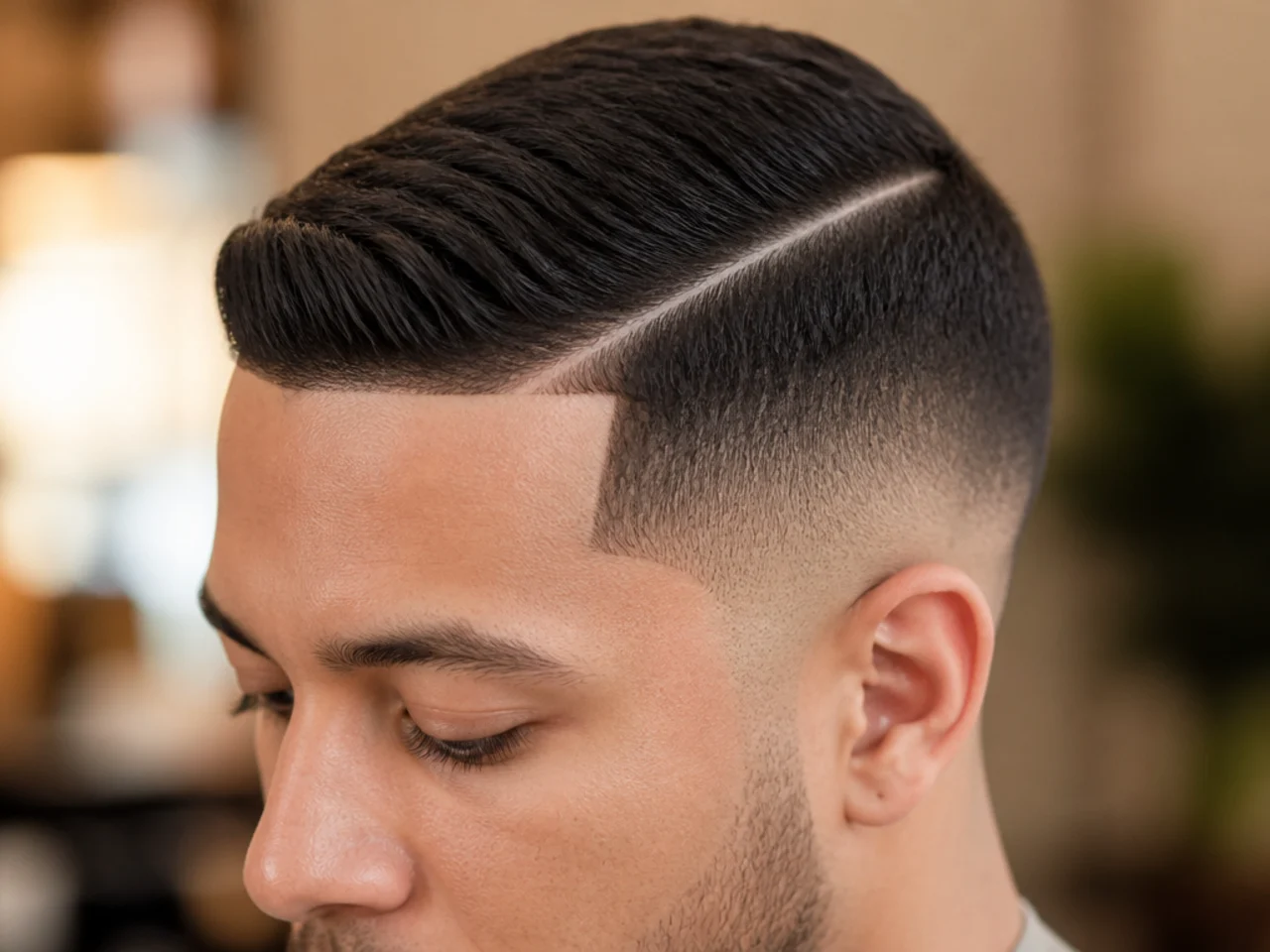
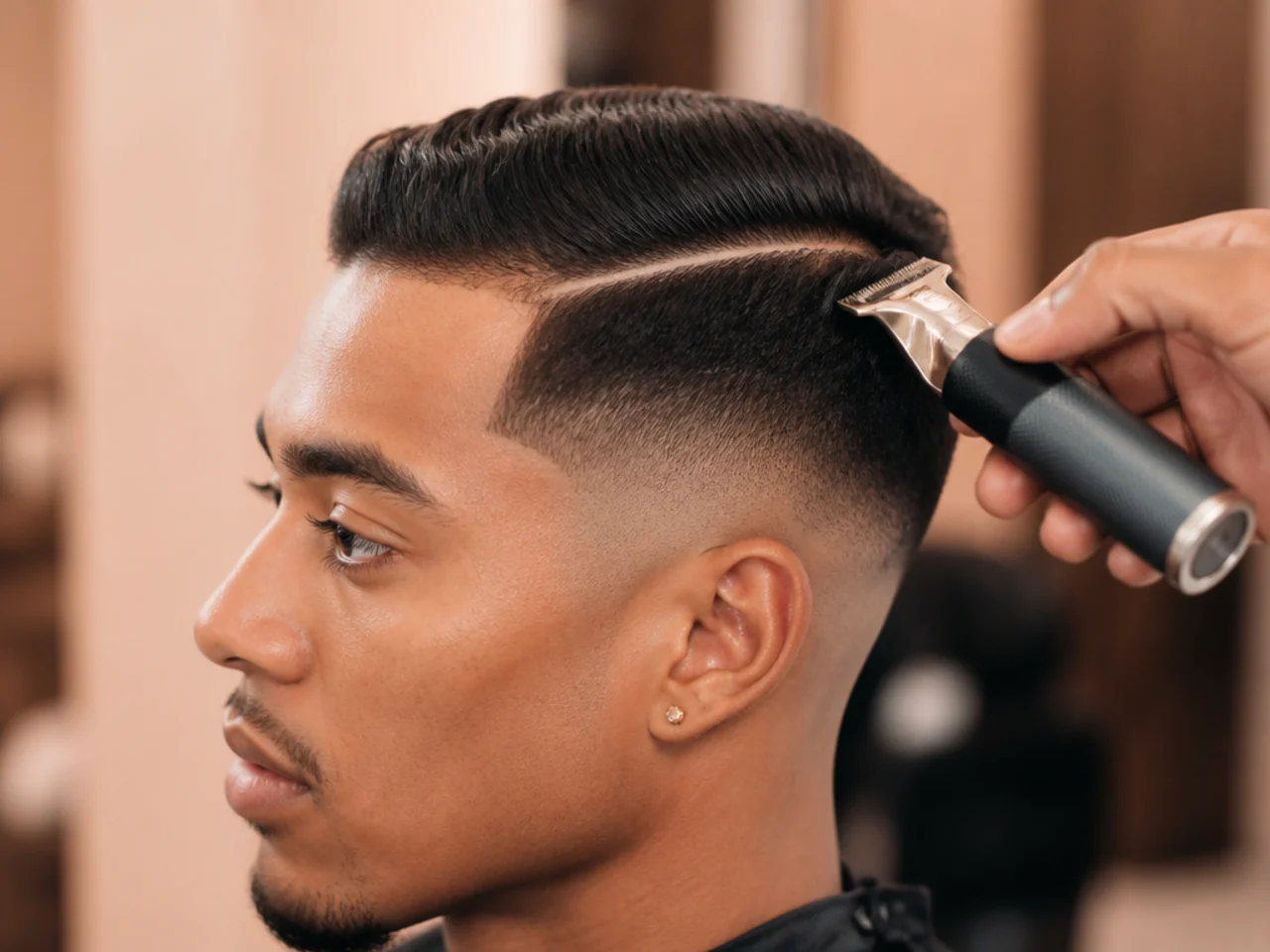
So the part is cut in, not combed in. A trimmer line along the parting keeps it open permanently. That single change is what makes the whole style work on this hair type.
What Actually Changes
The part becomes a cut feature. Shaved in with a trimmer rather than made with a comb. It is a permanent line rather than a daily styling job.
The top has to be longer. Coily hair can lose half its length as it draws up. Two wet inches can sit at one dry.
Judge it dry, always. Wet coily hair is at its longest and tells you nothing.
The sides are unchanged. A taper is a taper on any texture.
How to Choose Yours
Ask for a hard part by name. It is a specific service, not a styling choice.
Give the finished length, not the wet one. "Two inches when it is dry" is the usable instruction.
Decide the taper height separately. Low for conservative, mid for contrast.
Choose your part side and keep it. Coil learns a direction, and switching costs you weeks.
The 20 Variations
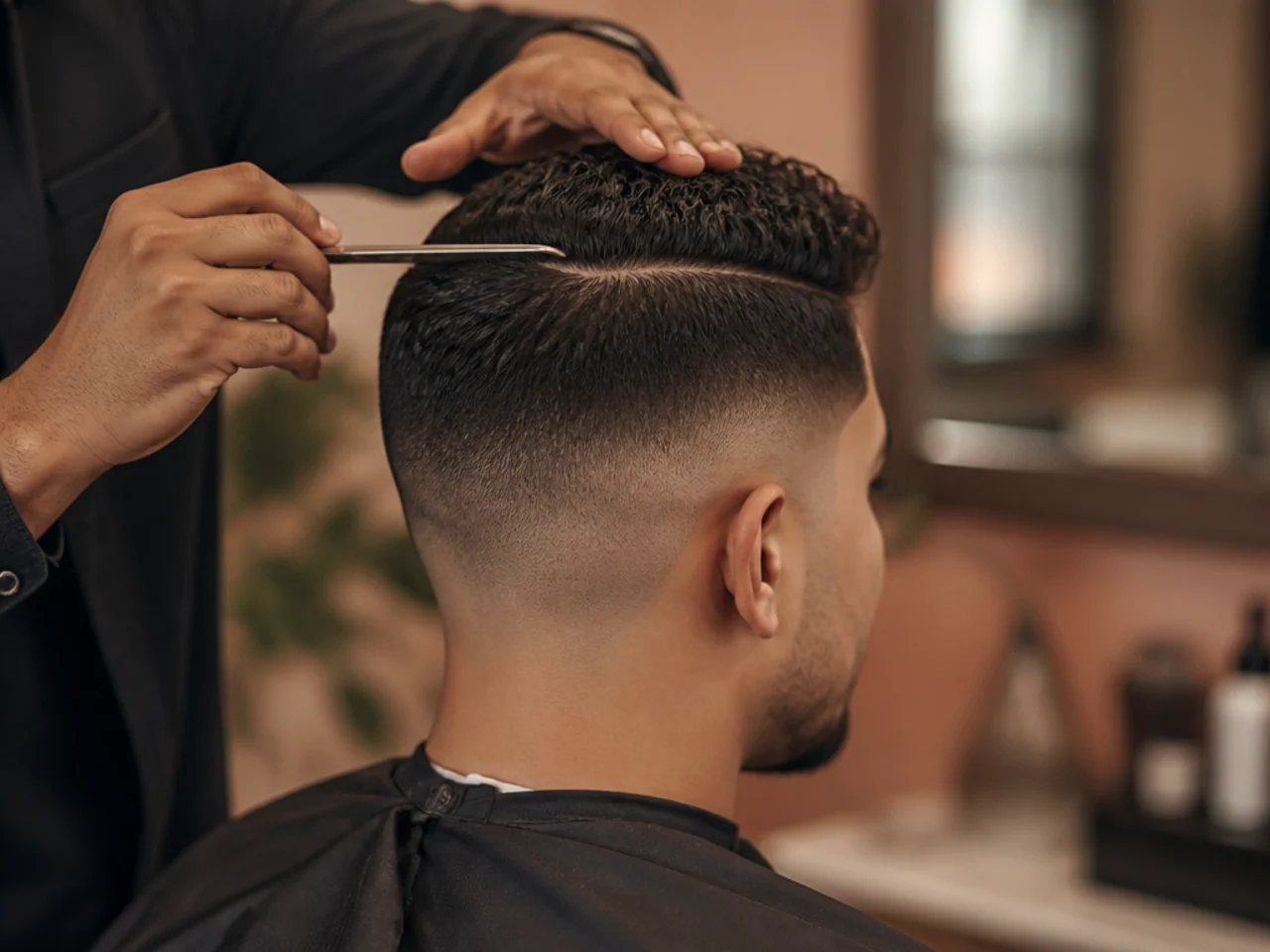
1. Ivy League With a Hard Part
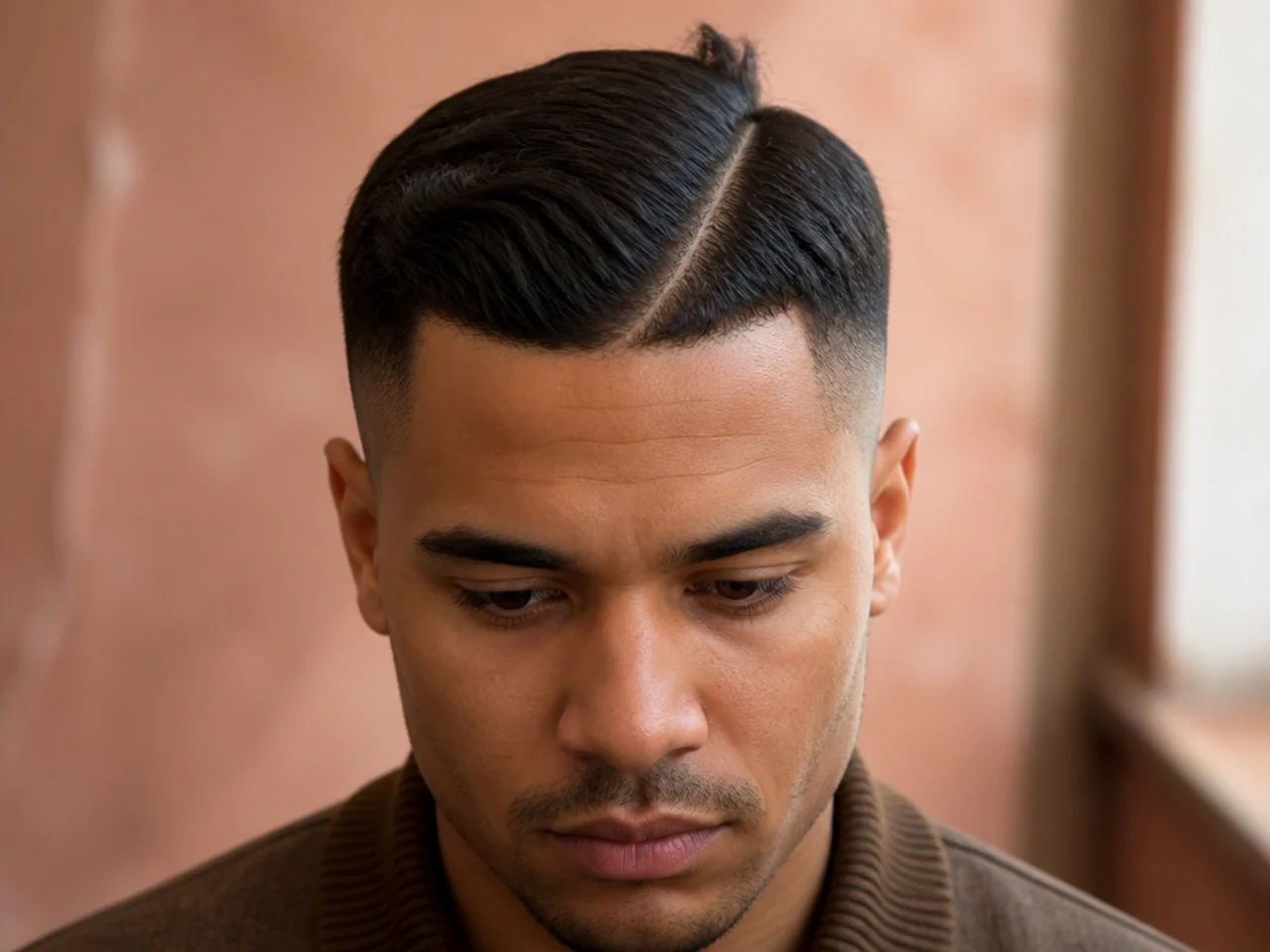
The baseline version. The trimmer line holds the part open permanently, which is the whole reason this works where a combed part does not.
2. Ivy League With a Low Taper
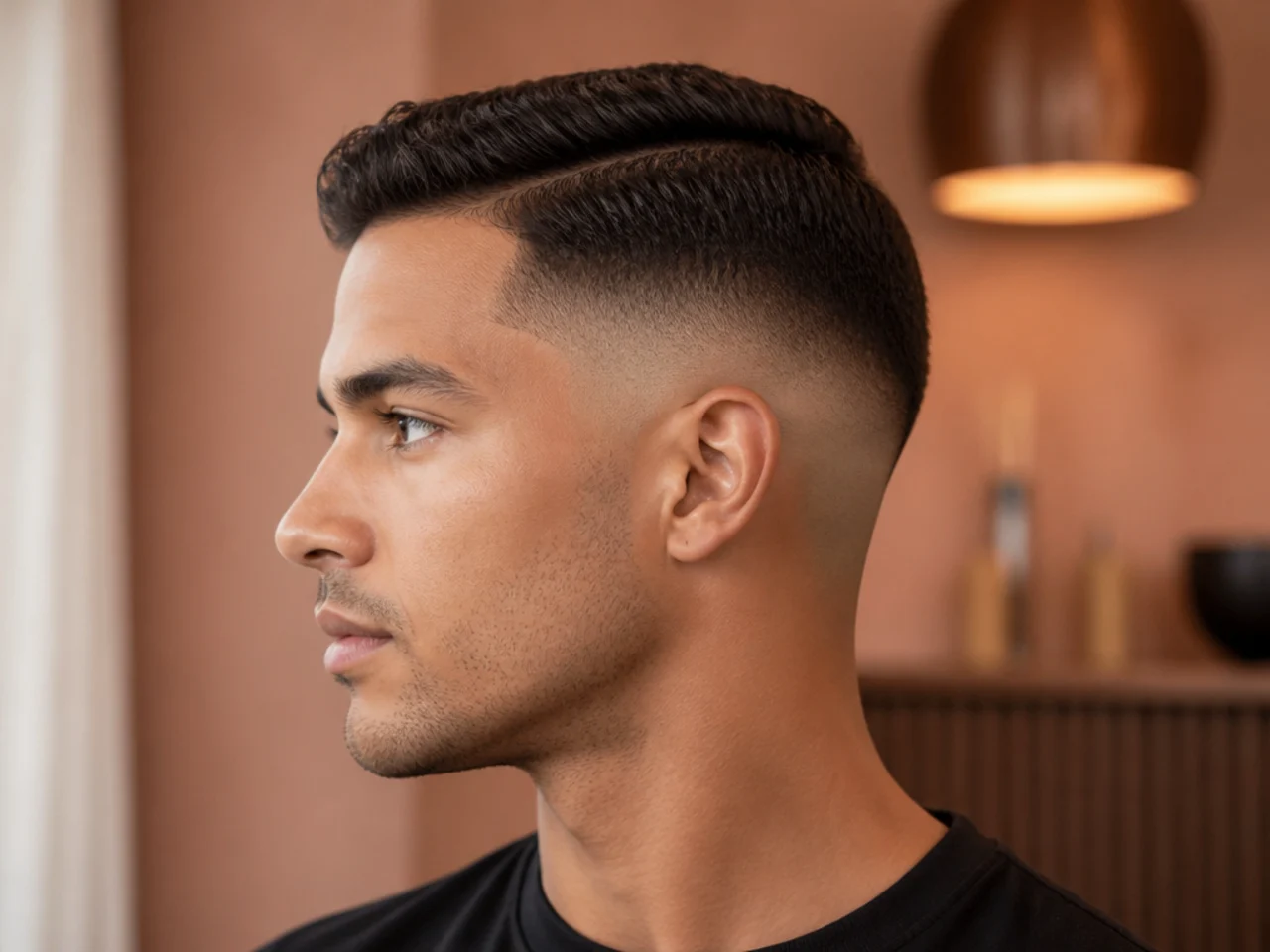
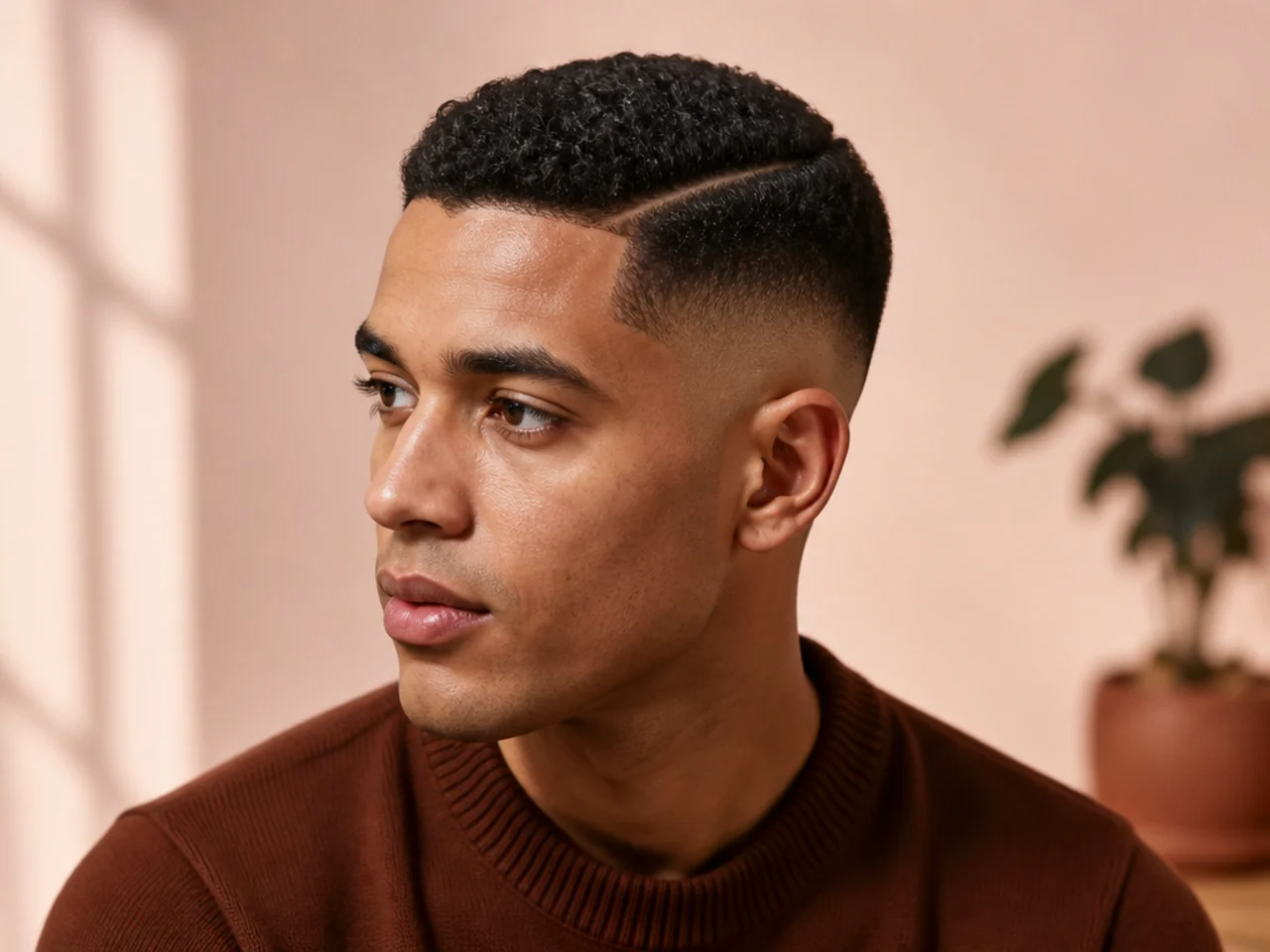
The shortening starts at the top of the ear and finishes at a number one. It keeps the cut conservative and leaves the most length at the sides.

3. Ivy League With a Mid Taper
The line sits between the ear and the parietal ridge, which raises the contrast against the top without going to skin. That band is where the skull is at its widest, so taking it down there is what makes the top read taller without a millimetre coming off it.

4. Ivy League With a Skin Fade
Bare at the bottom, cut the same way as any other skin fade. It reads modern rather than classic, and it needs a two-week schedule instead of four, because scalp regrows as visible stubble in about ten days.
5. Ivy League With 360 Waves
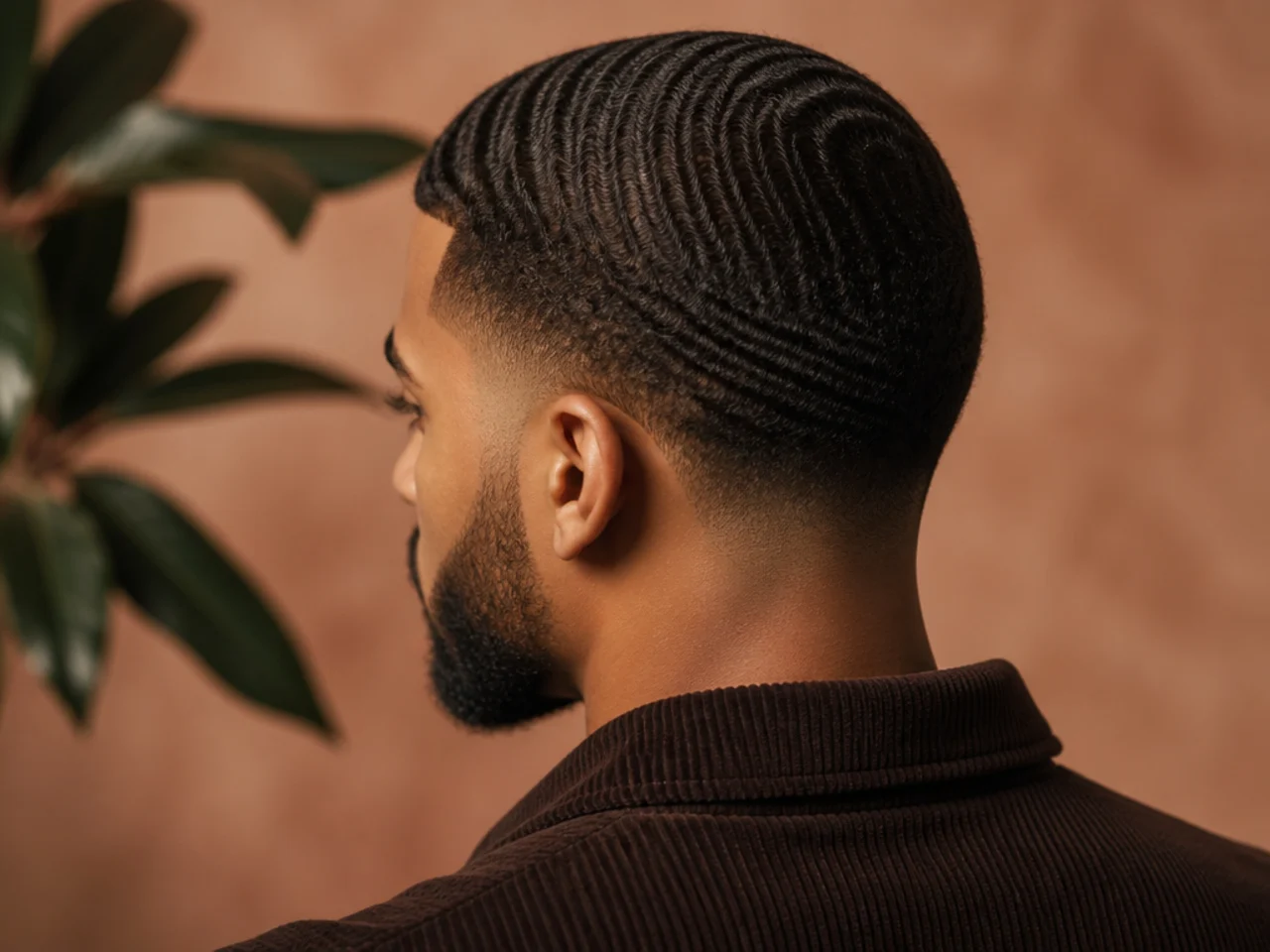
Brushed waves on top with the part cut through them, trained the same way as waves over a fade. The wave pattern reads across the part rather than stopping at it.
6. Ivy League With Sponge Curls
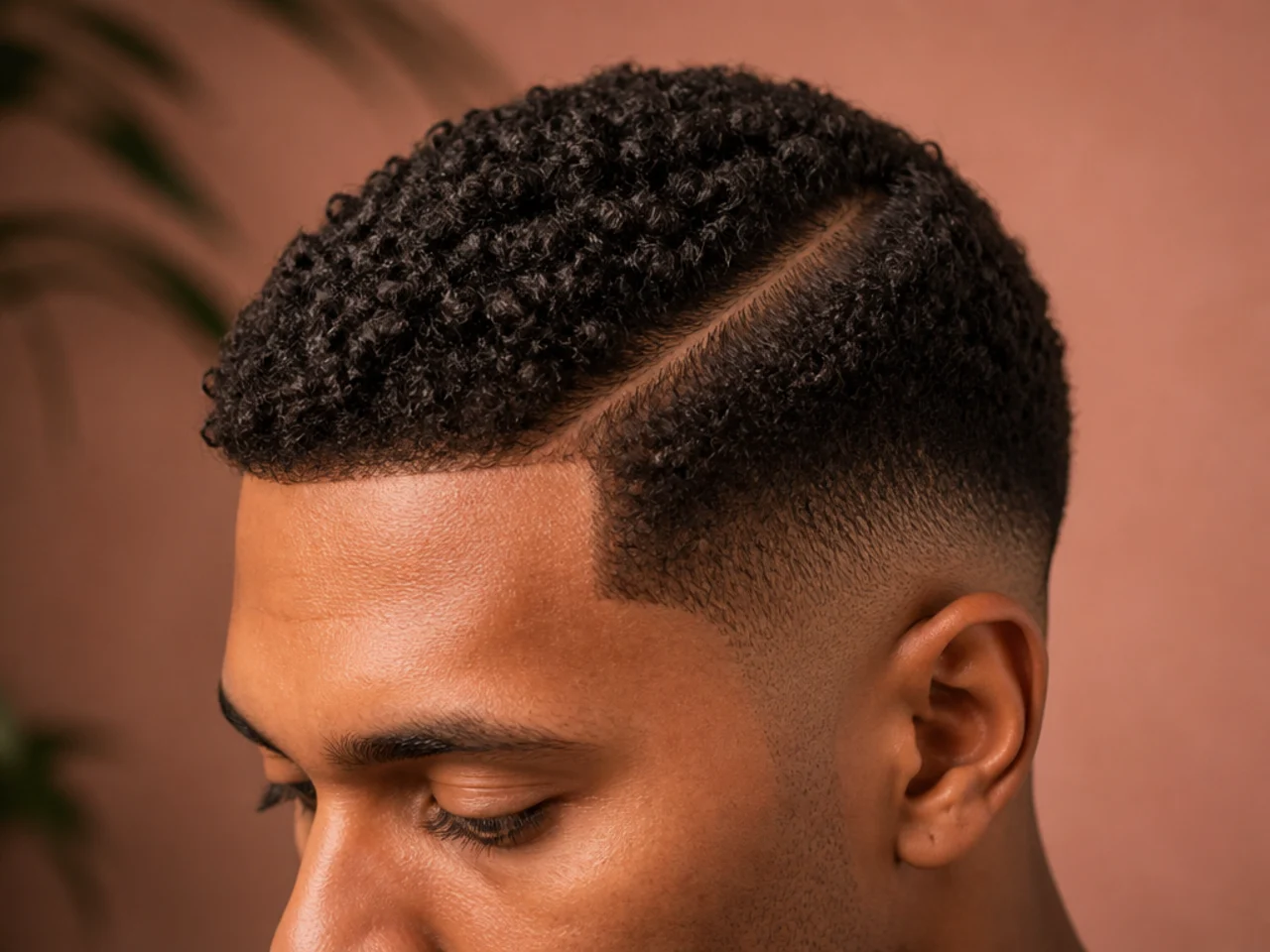
A twist sponge tightens the coil deliberately, which shortens it further — so the cut has to allow for that on top of normal shrinkage.
7. Ivy League on 4A Hair
Loose enough that a very deliberate comb part can hold for an hour or two. A cut part still lasts longer. A 4A coil keeps an open loop rather than a closed one, so a comb can flatten it for a while before the spring pulls the two sides back together.

8. Ivy League on 4C Hair
Maximum draw-up. The part must be cut in, and the top has to be cut roughly twice the finished length you want.

9. Ivy League With a Curved Hard Part
The line following the head's curve rather than running straight. It suits a rounder head shape and looks less severe. A curve gives the eye no straight edge to check against, so it forgives a slightly uneven line where a ruler-straight part would advertise it.
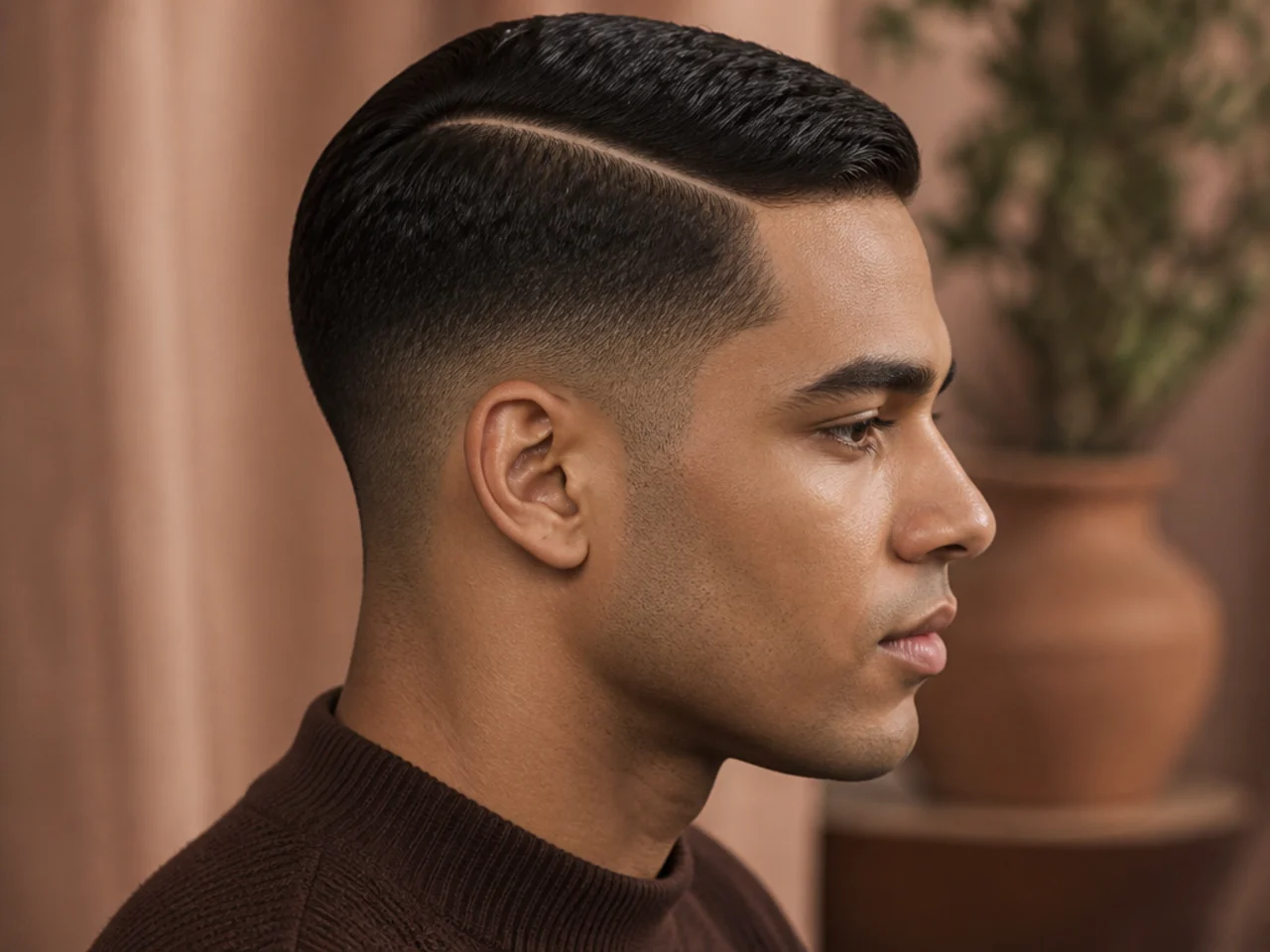
10. Ivy League With a Double Hard Part
Two parallel lines instead of one. It is a design choice rather than a functional one, so keep everything else plain. Both lines blur on the same clock, so the two-week refresh becomes twice the trimmer work rather than the same visit.
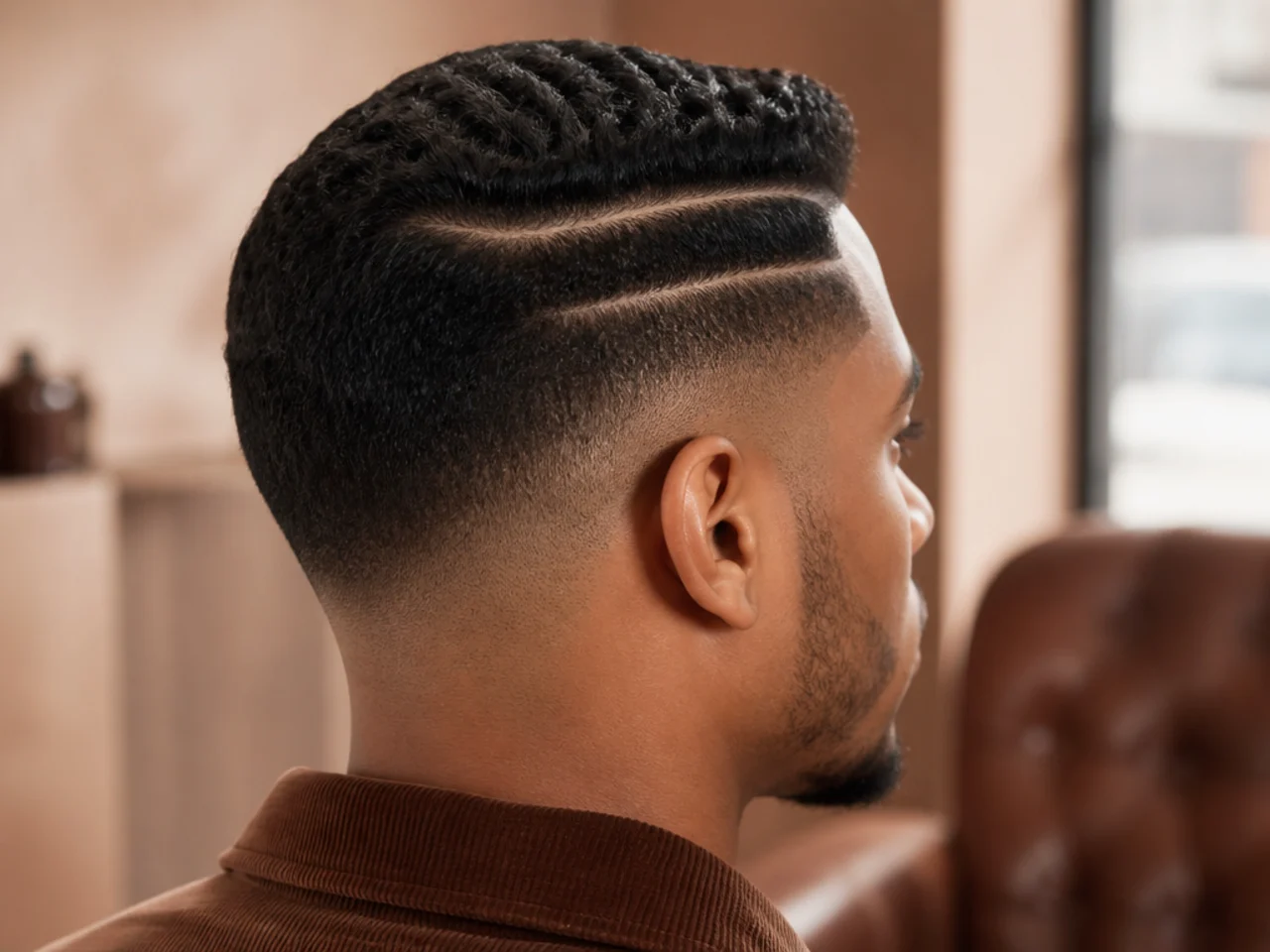
11. Ivy League With a Connected Beard
The taper running down into the beard as one gradient, which removes the second horizontal across the jaw. The blend needs real beard density to land in, so it only works from about a week's growth upward and fails entirely on stubble.
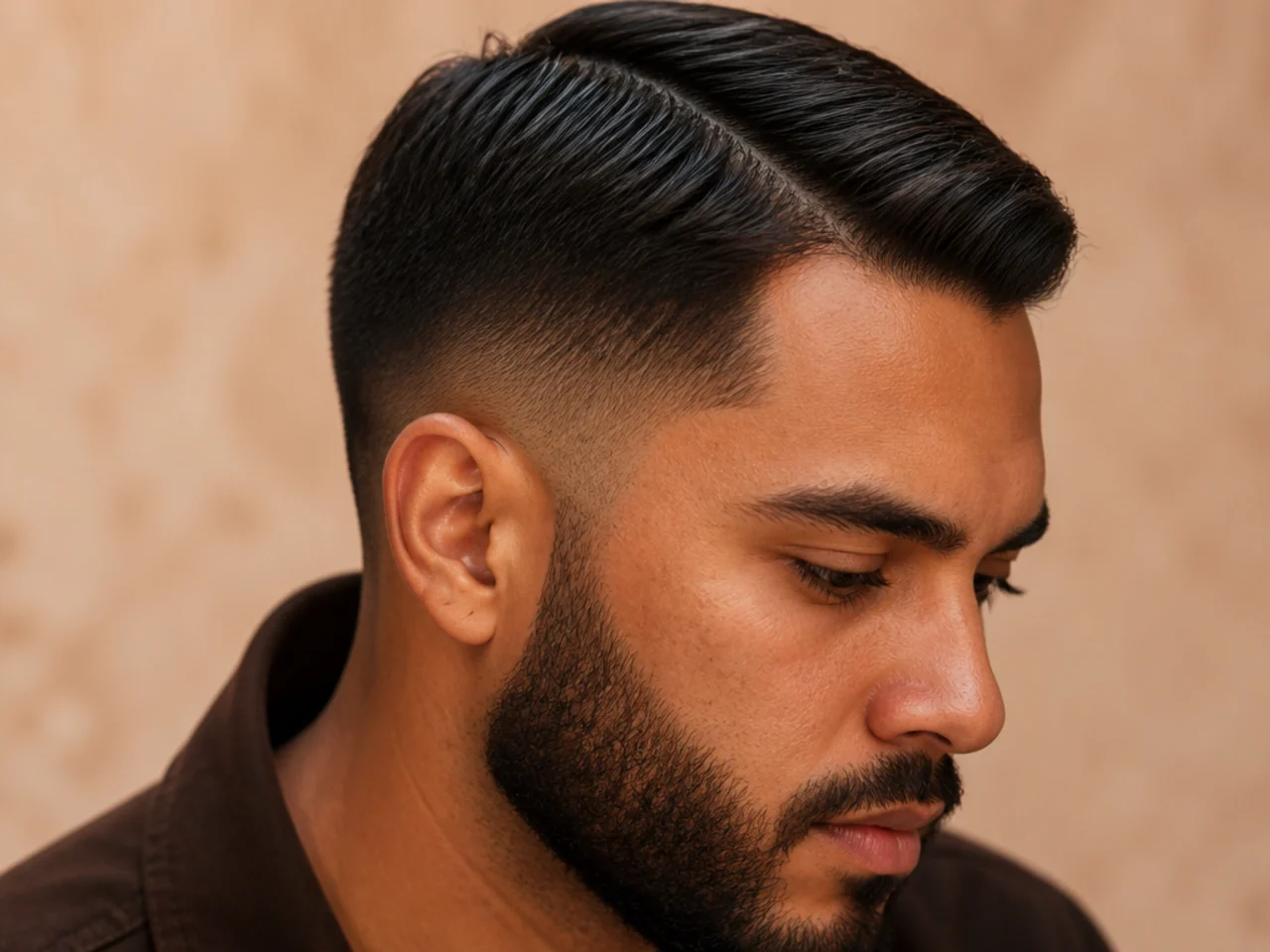
12. Ivy League With a Shape-Up
A squared front hairline against the part, in the tradition of a proper shape-up. Two straight lines meeting at a right angle, which is the sharpest version here, and the front edge needs redoing roughly every ten days because that is where regrowth shows first.

13. Ivy League With a Longer Top
Three finished inches rather than two. The extra weight relaxes the coil slightly, which makes the part easier to keep open, because the added mass holds the spiral open at the root where the parting actually sits.

14. Short Ivy League
The shortest version that still holds a visible part. Below this the cut becomes a hard-parted caesar instead. Two finished inches is roughly the floor, because under that the hair stands rather than falls and there is nothing to comb across.
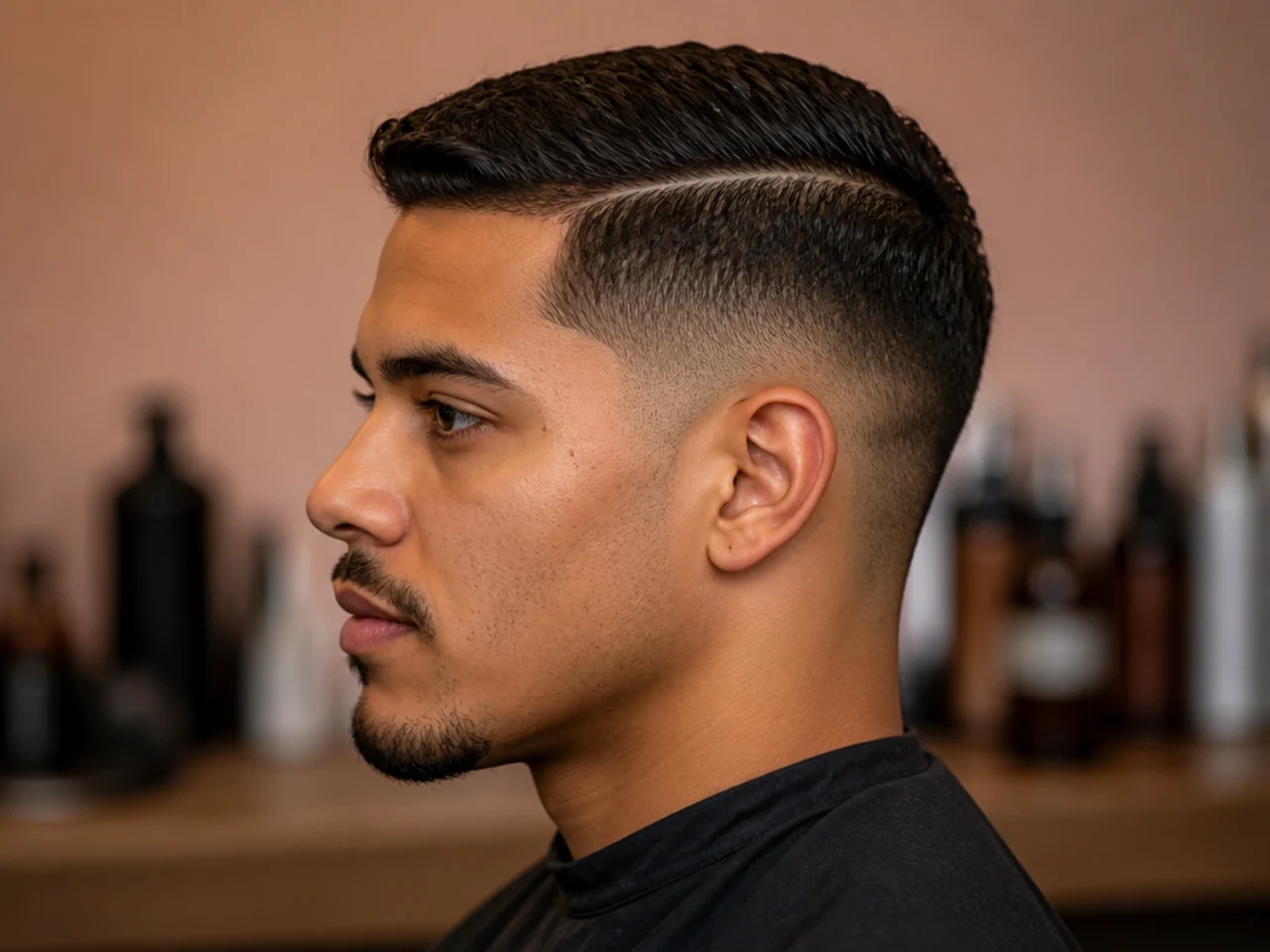
15. Ivy League With Colour on Top
Lightened coils above an untouched taper. The colour draws attention to the part, so it has to be cut cleanly. Lightener swells and dries the strand, which loosens the coil, so expect the top to sit slightly longer and softer than it did before.
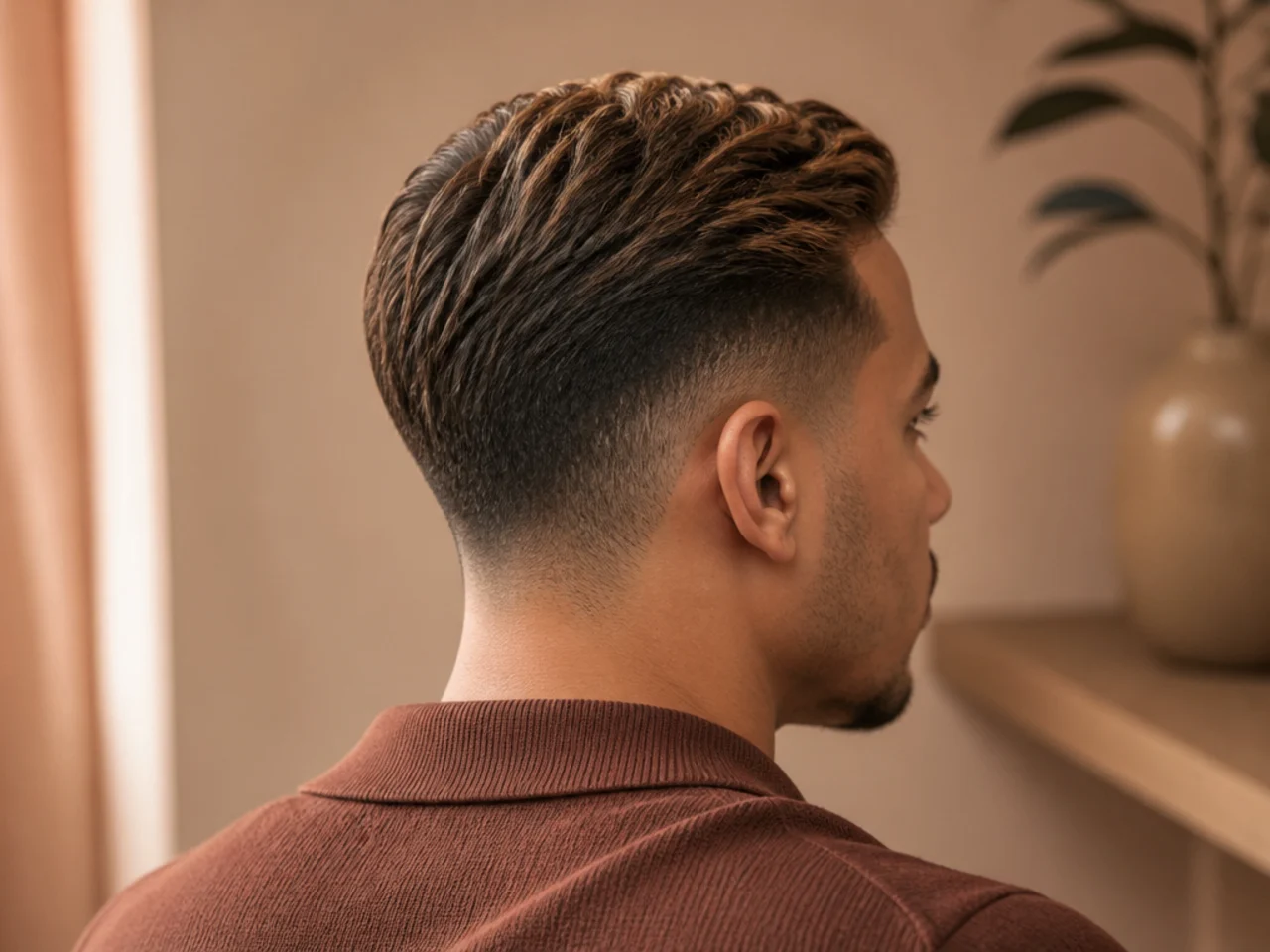
16. Ivy League on Fine Coily Hair
Fine coils show scalp at short guards, so keep the taper's lowest point at a number two rather than a one. At 3mm a fine coil simply covers less scalp than a dense one, so the same guard reads as bare skin instead of as short hair.
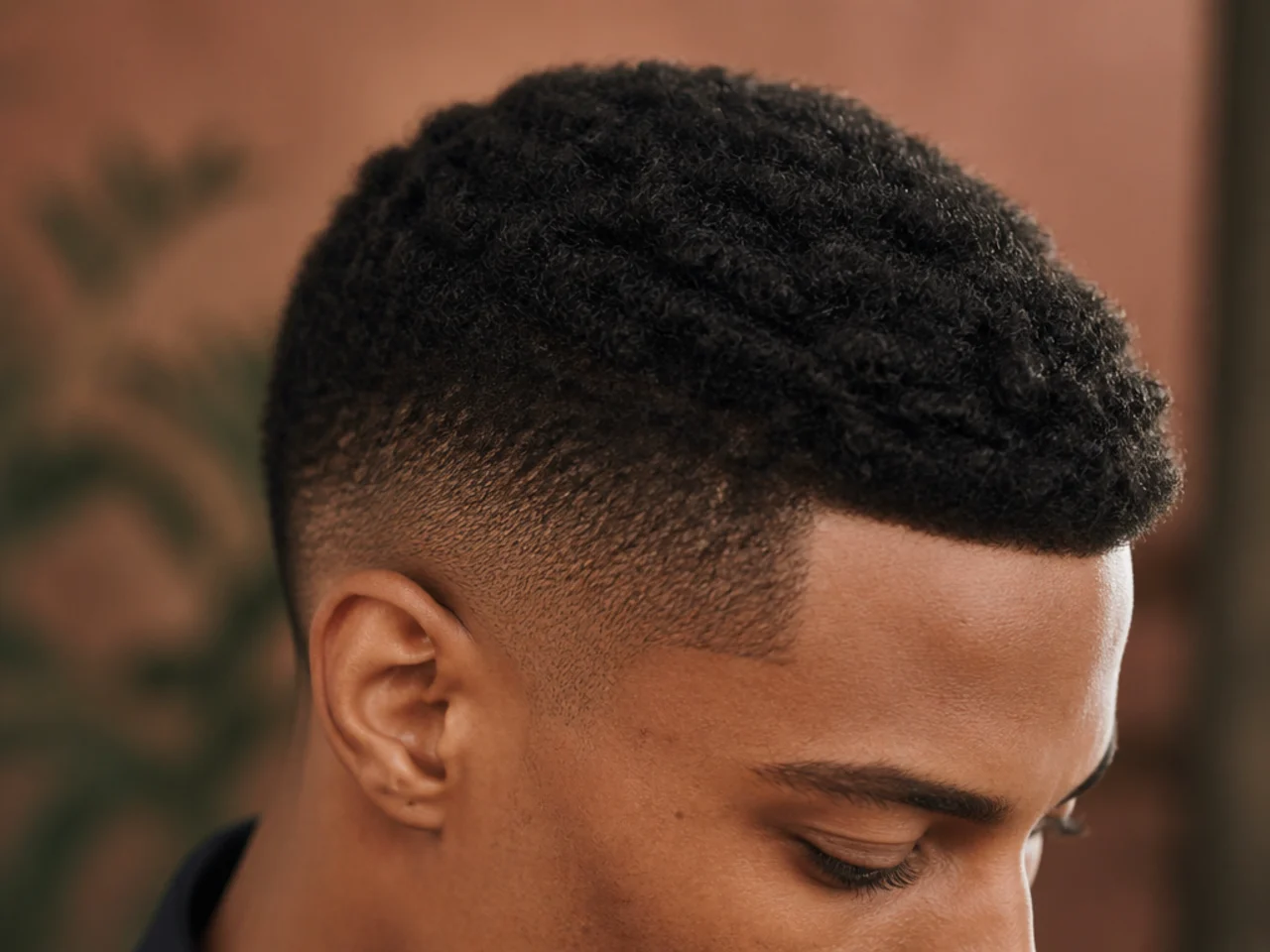
17. Ivy League on Dense Coily Hair
Density carries the shape well, but it builds height fast — so the sides need taking shorter to keep the proportion. Coil adds width at ear level as well as height, which is why the correction belongs at the sides rather than on top.

18. Ivy League at Week Two
The hard part still crisp. This is the window the line actually holds before it starts filling in. A trimmer line is only as wide as the blade, so about five millimetres of growth on either side is enough to close it completely.

19. Ivy League at Week Four
The part has grown closed and the taper has softened. Both need redoing, which is why they are booked together. Hair puts on roughly a centimetre a month, which is more than a shaved line can absorb and about the whole travel of a taper.
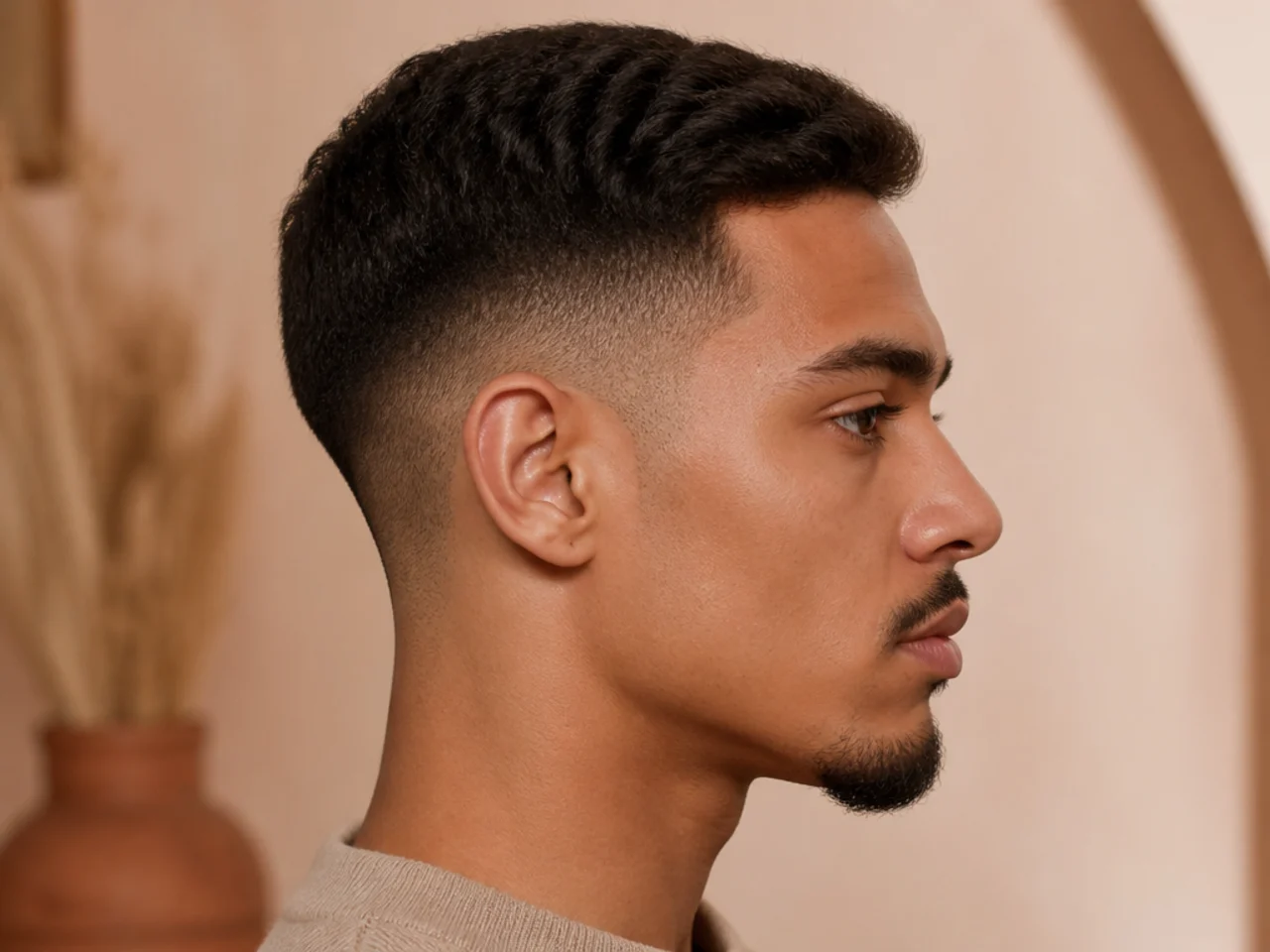
20. A Combed Part on Coily Hair
Closed within minutes of leaving the chair. The failure this whole page exists to prevent. The comb flattens the coil only while it is held, and the moment that tension goes the two sides spring back into contact along the whole parting.
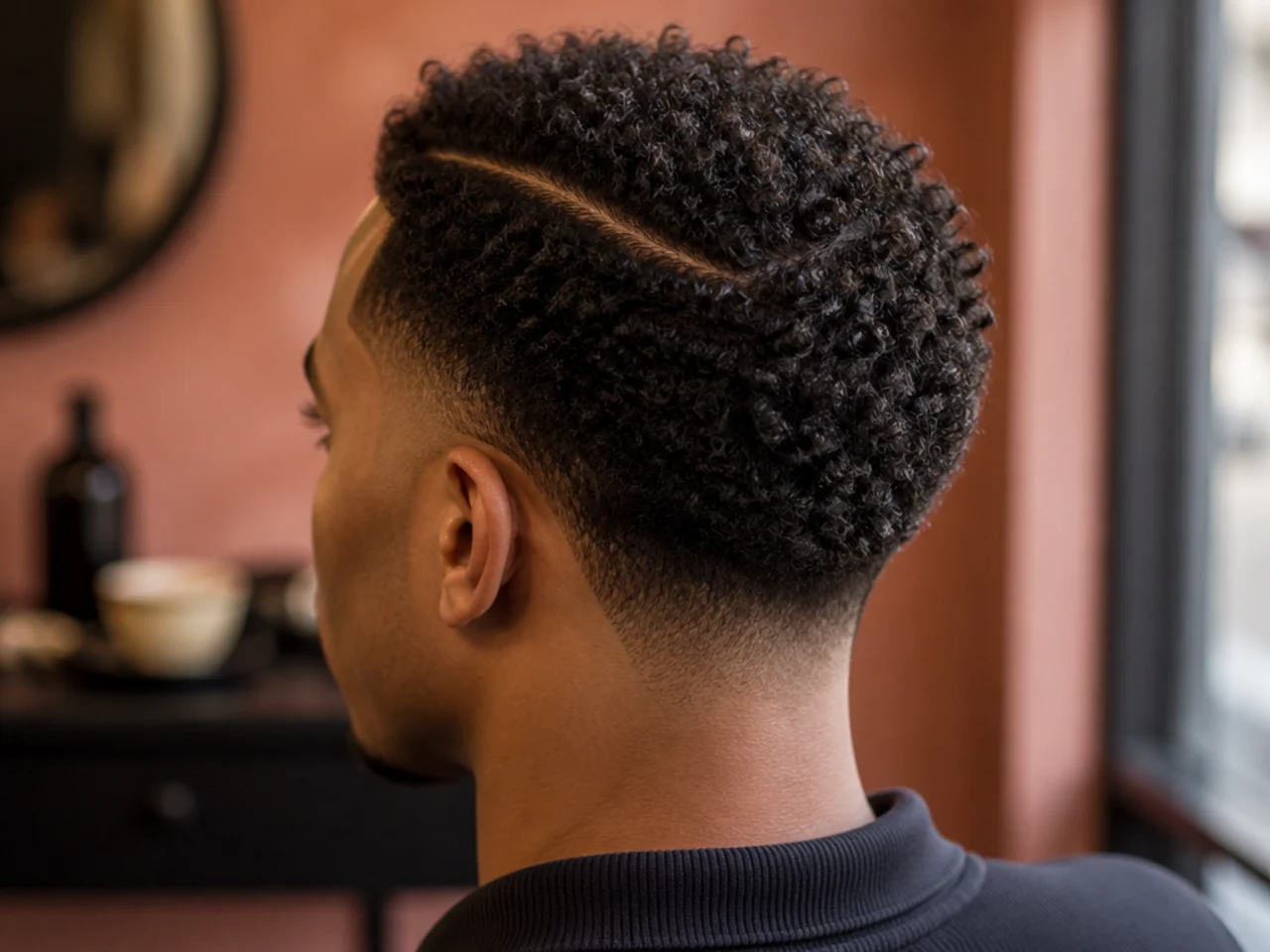
Styling and Upkeep
Moisturise before styling, not after. Dry coil resists the comb and breaks at the part line.
Brush the top toward the part while damp. The direction sets as it dries and holds until the next wash.
Refresh the hard part at two weeks. The line fills in faster than the taper blurs.
Keep a satin durag or bonnet for overnight. It preserves the direction and stops the part being flattened out.
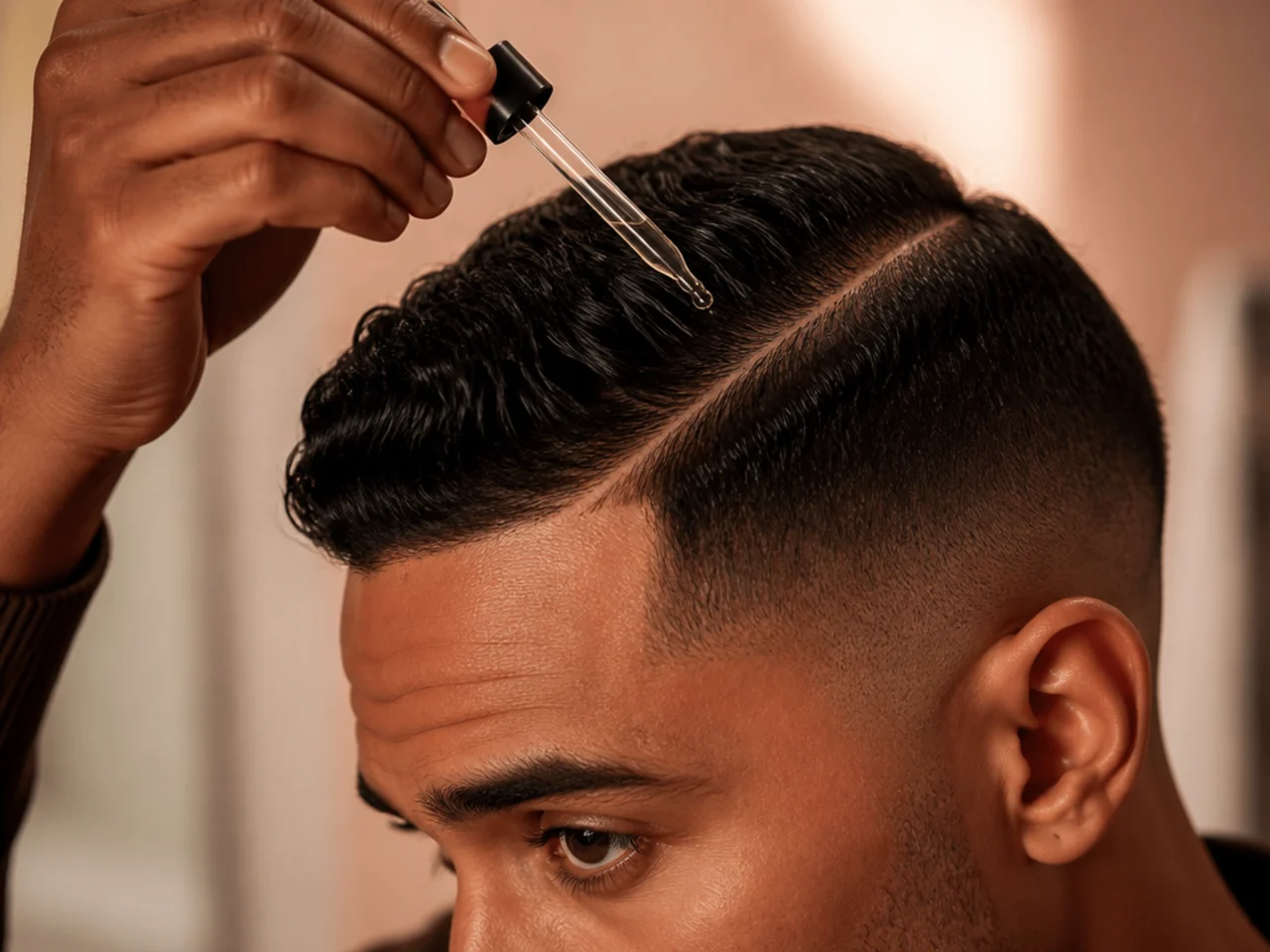
Use a light oil on the exposed part line. It is bare scalp, and it shows dryness before anywhere else does.
Mistakes to Avoid
Expecting a combed part to hold. On coily hair it will not.
Giving the length wet. Half of it disappears as it dries.
Letting the hard part grow past three weeks. A half-grown line reads as untidy rather than as a cut.
Switching part sides. Coil learns a direction, and changing it takes weeks to settle.
A number one taper on fine coils. It exposes scalp exactly where there is least hair.
FAQ
Does the ivy league work on coily hair? Yes — cut the part in and cut the top longer.
What is a hard part? A line shaved along the parting with a trimmer.
How much length is lost? Often half on tightly coiled hair.
Final Thoughts
Ask for the hard part by name and give the finished length rather than the wet one. Those are two sentences at the consultation, and they are the whole difference between this cut working on coily hair and closing up before you get home.
For the full range of the cut see the ivy league haircut guide, and for more at this texture see black men haircuts with curly hair. More in Men's Haircuts.