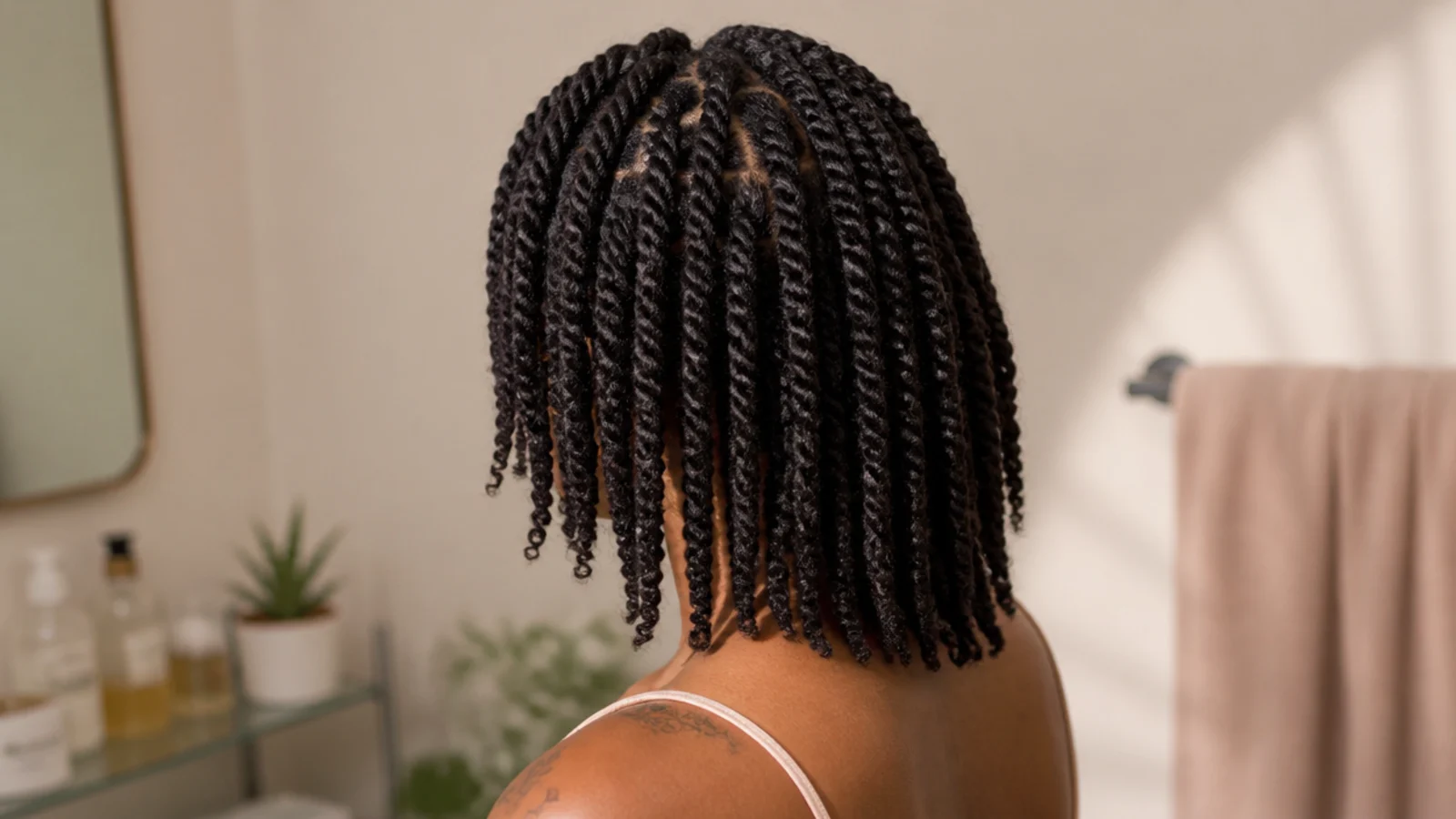
15 Hair Growth Tips for Black Women
Fifteen tips built around the one fact that changes everything here. Coily hair grows at the same rate as every other texture and retains far less of it, because every bend in the shaft is a place where it can break.
In this article · 23
- How Fast Black Hair Grows
- Breakage Versus Growth
- Scalp Health on Wash Day
- Protective Styling and the Edges
- Diet Supplements and Hair Growth
- Thinning Edges and When to See a Doctor
- The 15 Hair Growth Tips
- 1. Wash Every 7 to 10 Days
- 2. Nightly Scalp Massage
- 3. Trim a Quarter Inch
- 4. The Moisture and Protein Test
- 5. Sealing With the LOC Method
- 6. Deep Condition Under a Cap
- 7. Six Week Takedown
- 8. Braid Tension and Traction
- 9. Satin Bonnet at Night
- 10. Detangle in Four Sections
- 11. Flat Iron at 350F
- 12. Stretch Before Measuring
- 13. Protect the Edges From Gel
- 14. Blood Panel and Ferritin
- 15. Protein Rich Meals
- Final Thoughts
Coily hair is often described as slow growing, and the follicle underneath it is doing exactly the same job as everyone else's.
Every texture grows at roughly half an inch a month. The difference is not production. It is how much of that production is still attached six months later.
A coiled shaft bends dozens of times along its length. Every bend is a place where the cuticle lifts, where sebum cannot travel and where the strand snaps first, which makes retention the whole game.
How Fast Black Hair Grows
Half an inch a month, same as everyone. Roughly six inches a year leaves the scalp regardless of curl pattern.
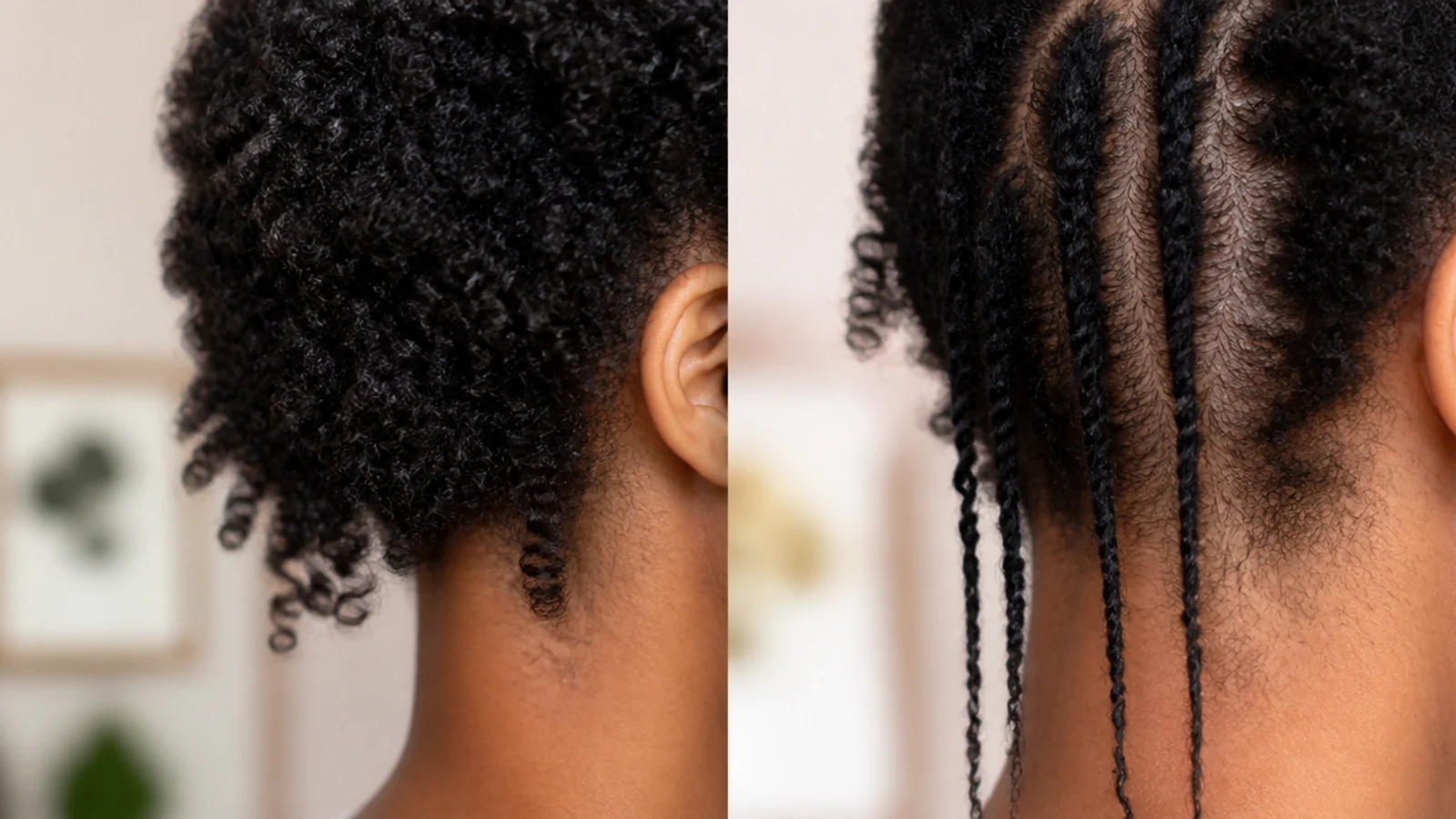
Shrinkage hides most of it. Tightly coiled hair can show a fraction of its true length unstretched, so the mirror underreports progress badly.
Retention is the variable, not speed. Two people growing at the same rate can be four inches apart after a year purely on how much they broke off.
Length gain is uneven across the head. The nape and crown behave differently, and the crown is usually the driest and most fragile section.
Breakage Versus Growth
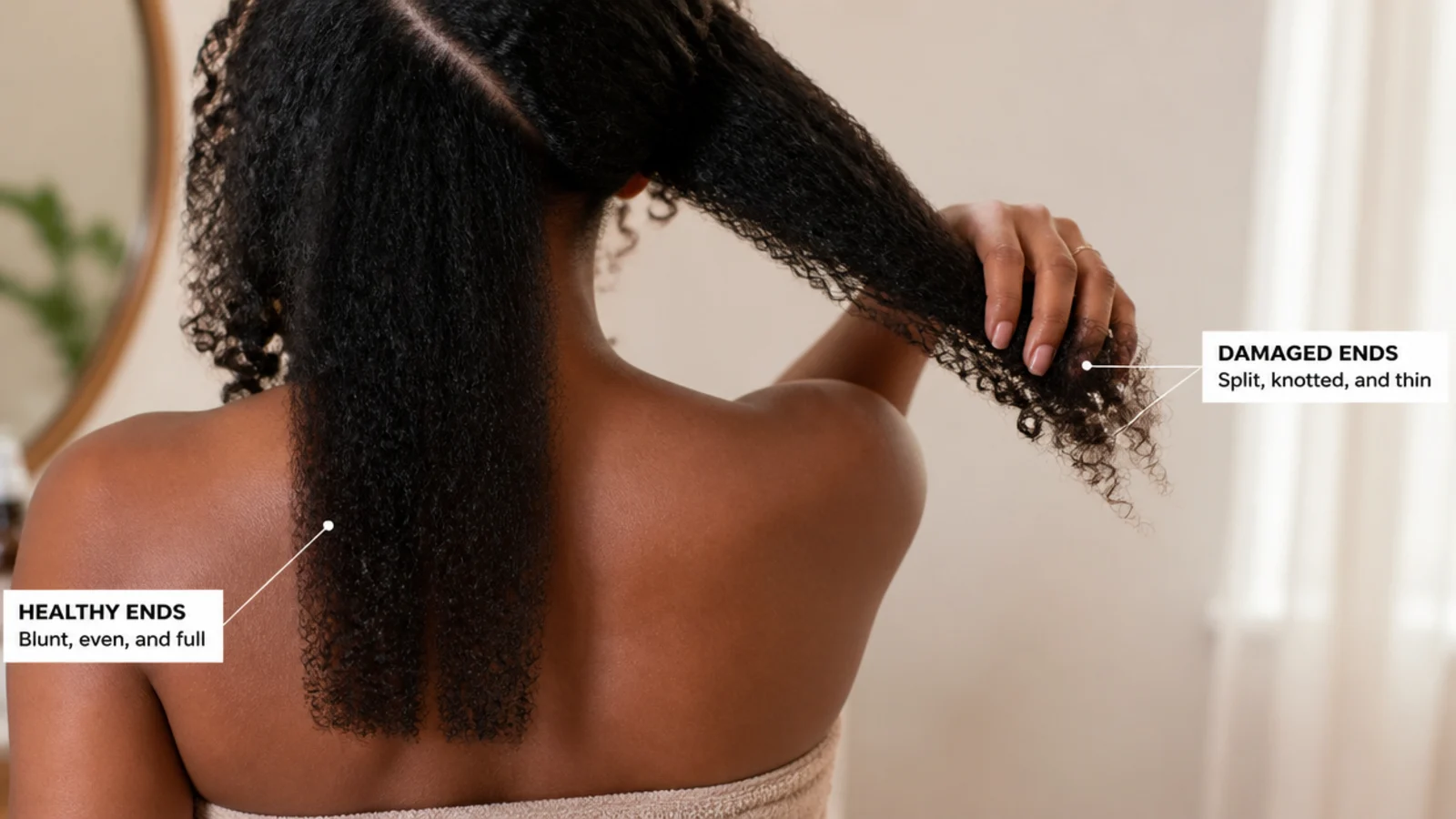
Each curve is a stress point. A straight strand distributes tension evenly along its length while a coil concentrates it at every bend.
Sebum stops near the root. Natural oil cannot travel around the coils, so the ends are unconditioned by default rather than by neglect.
Dry hair snaps, moist hair stretches. Elasticity is the property you are protecting, and it drops sharply as moisture leaves the cortex.
Detangling is where most length is lost. More strands come off in a rushed dry detangle than in a week of ordinary wear.
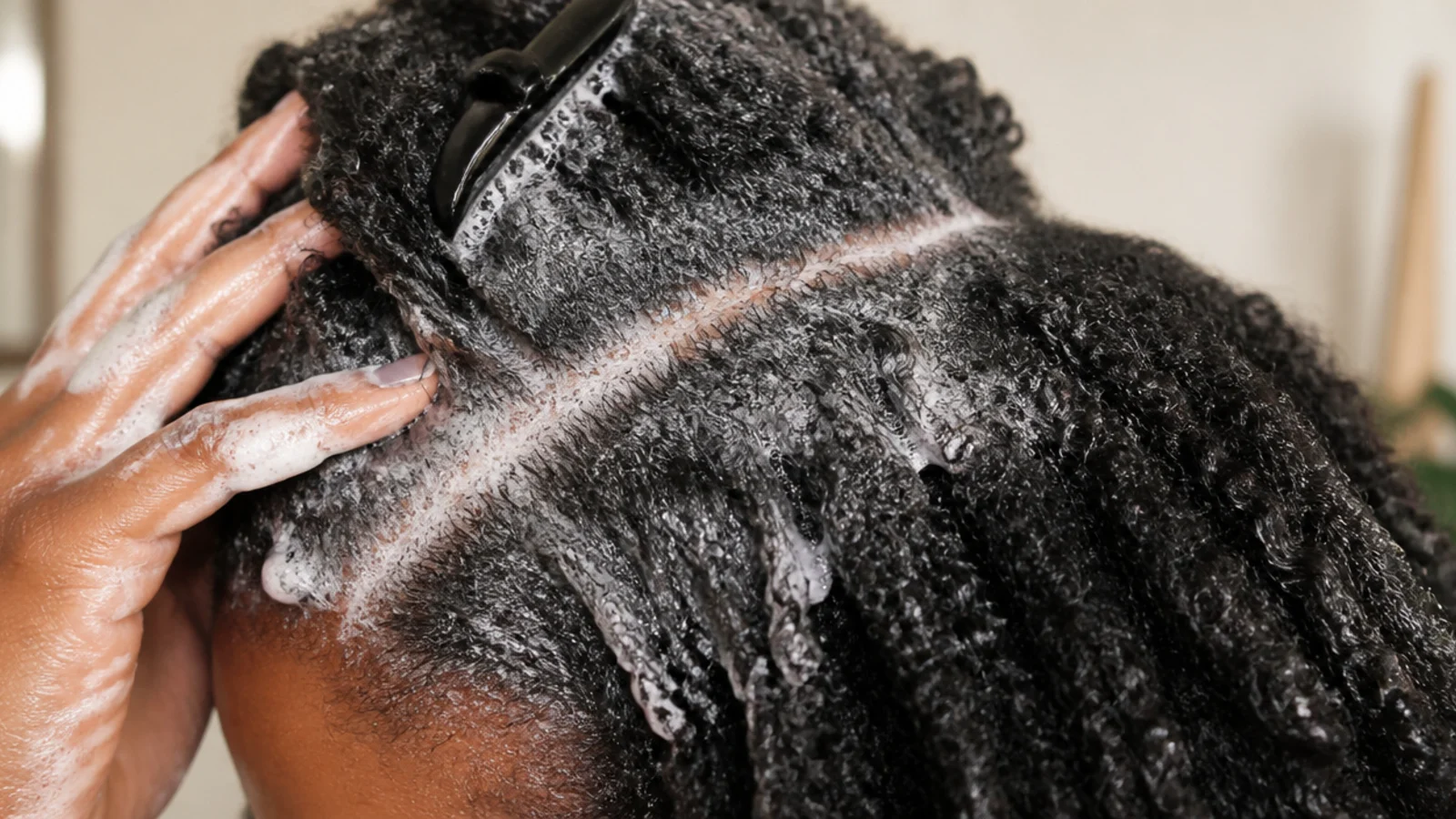
Scalp Health on Wash Day
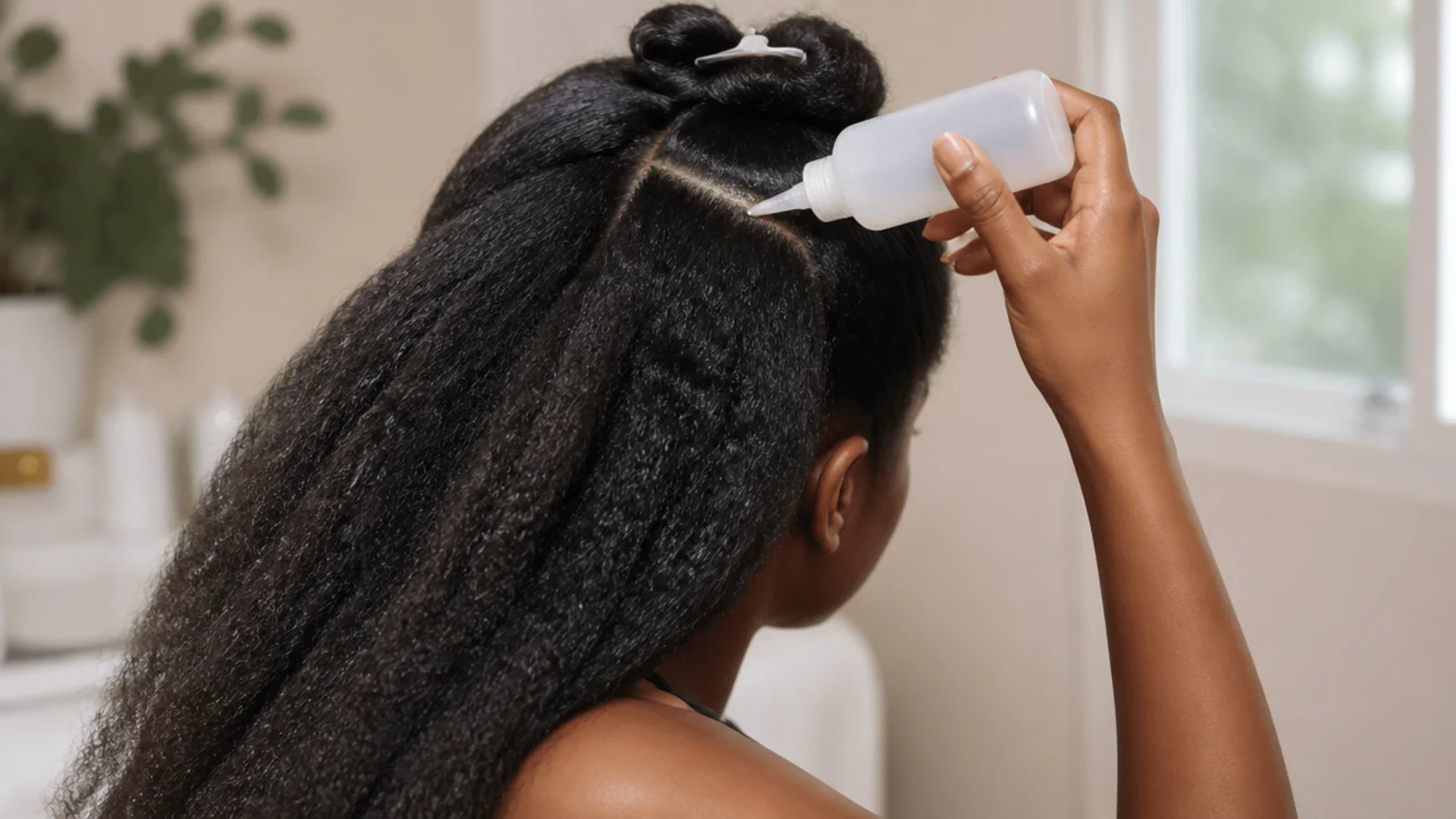
The scalp needs washing even when the hair does not. Product, oil and dead skin build up on a schedule of their own.
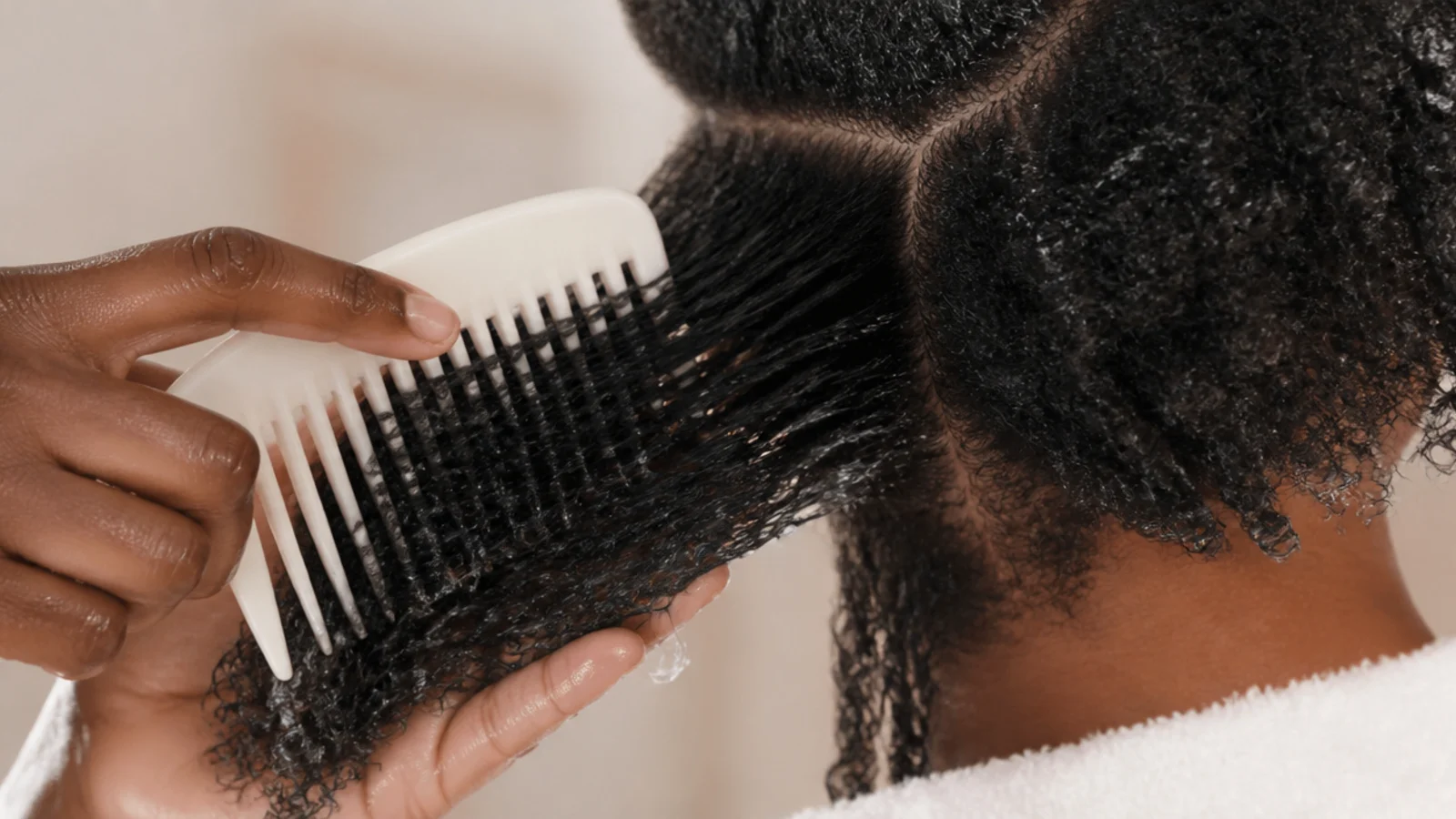
Section before you start. Four to six sections keep the water and the product where you put them and stop the whole head knitting into one mass.
Get to the scalp with your fingers. Shampoo does nothing sitting on top of twists, and lather on hair length is mostly wasted.
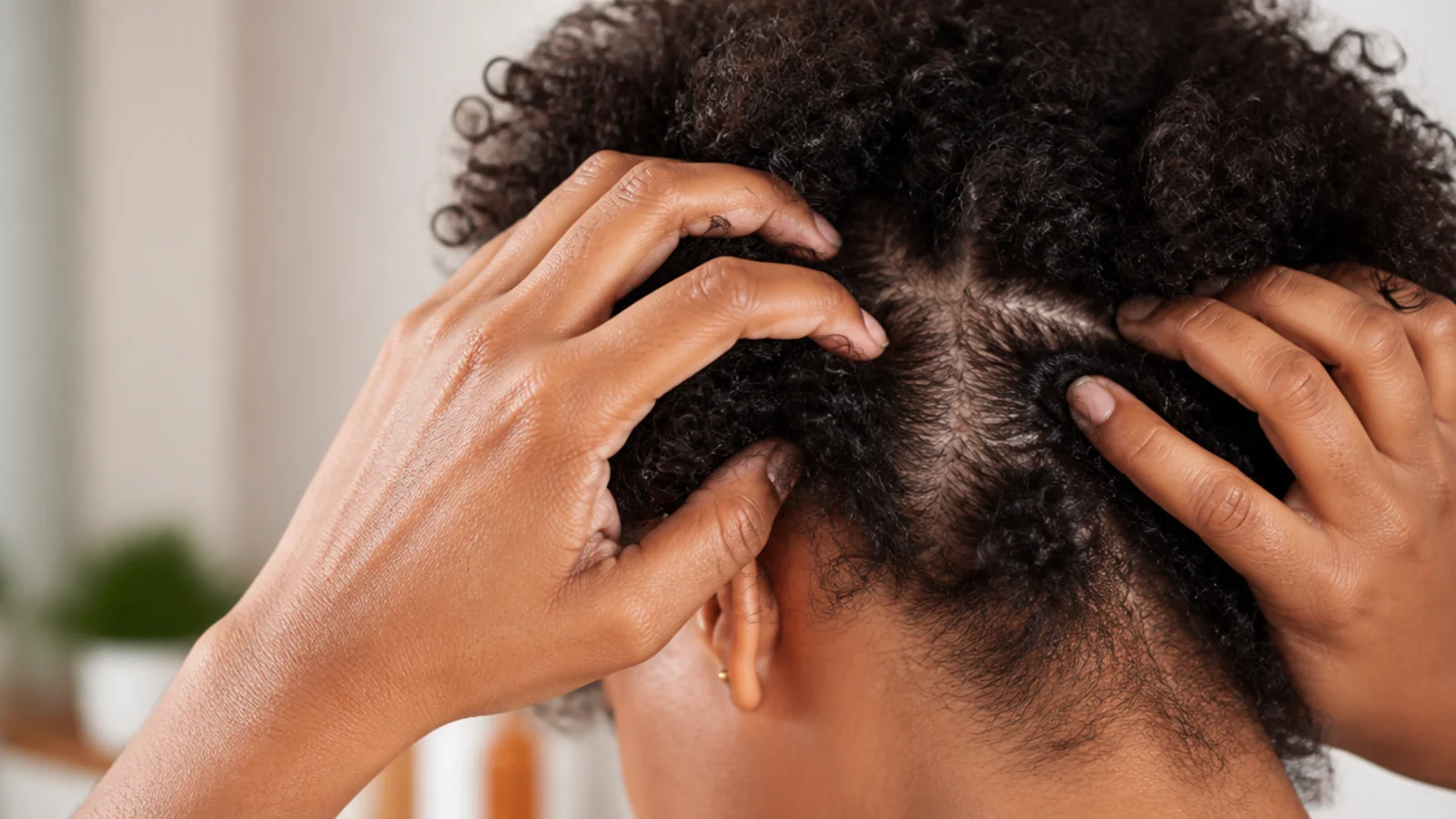
An itchy scalp is telling you something. Flaking and itching usually mean buildup or irritation, and both suppress growth if they run for months.
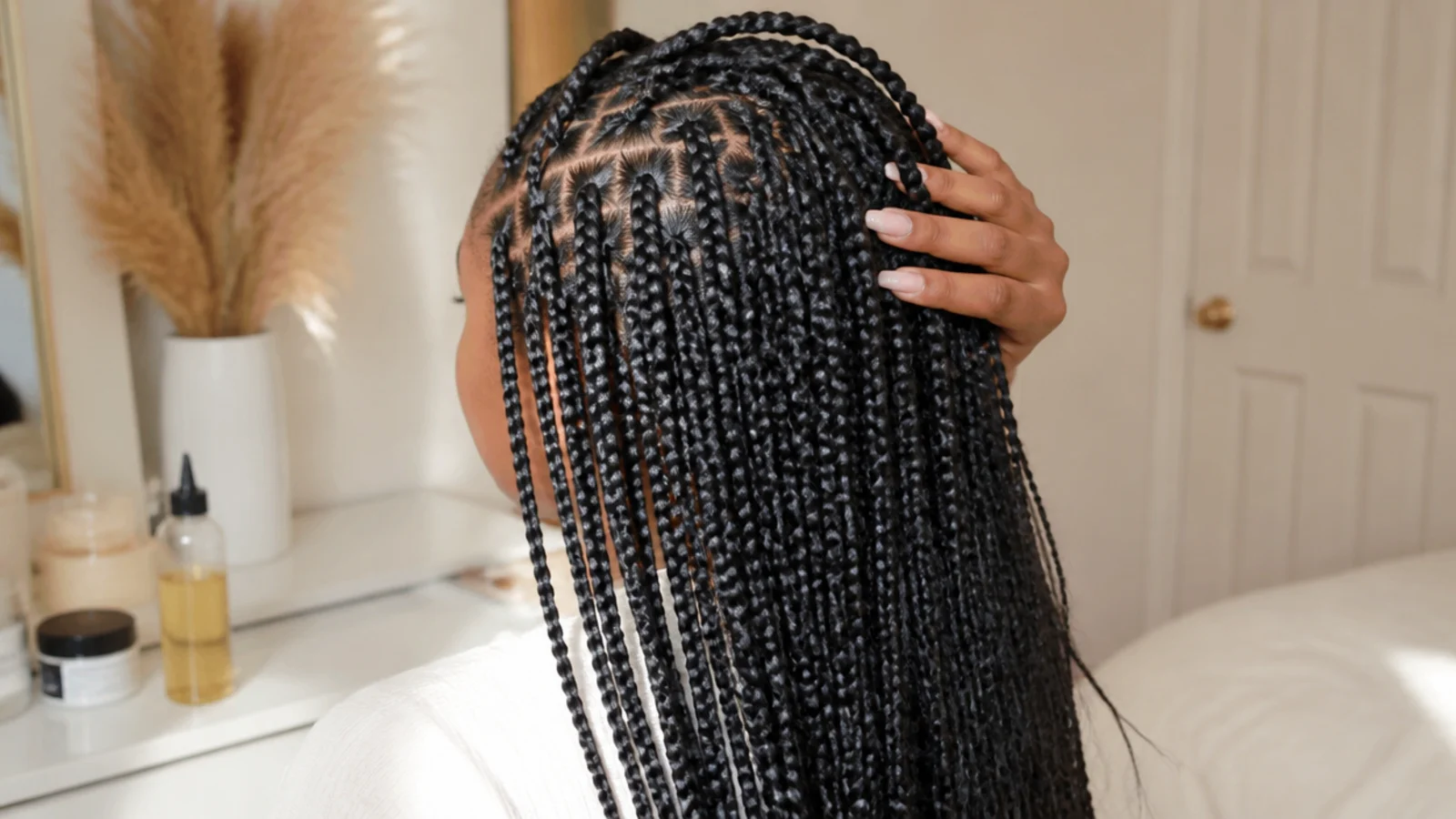
Protective Styling and the Edges
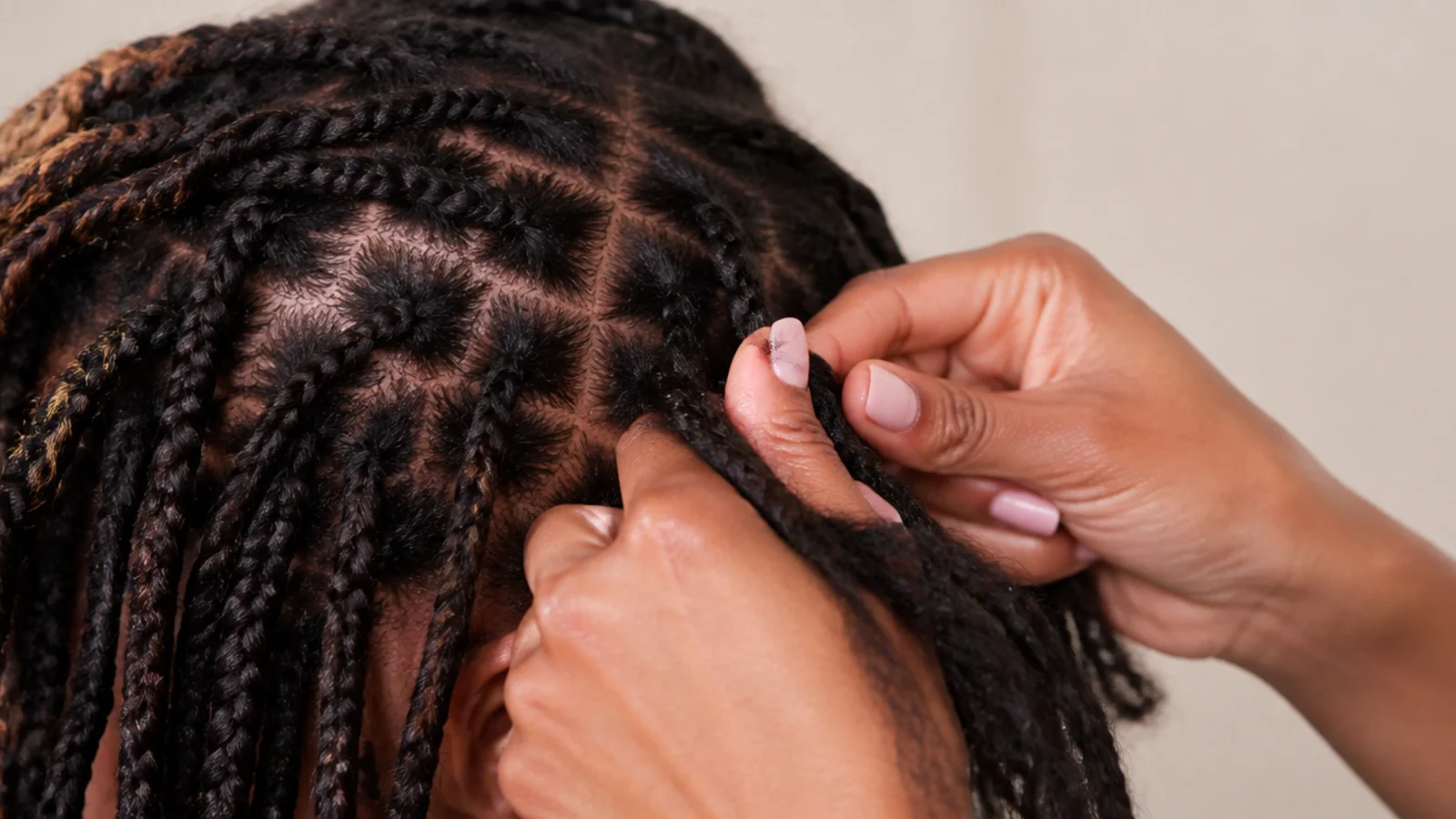
Protective only means protective at low tension. The style shelters the ends and loads the roots, and that trade only pays while nothing pulls.
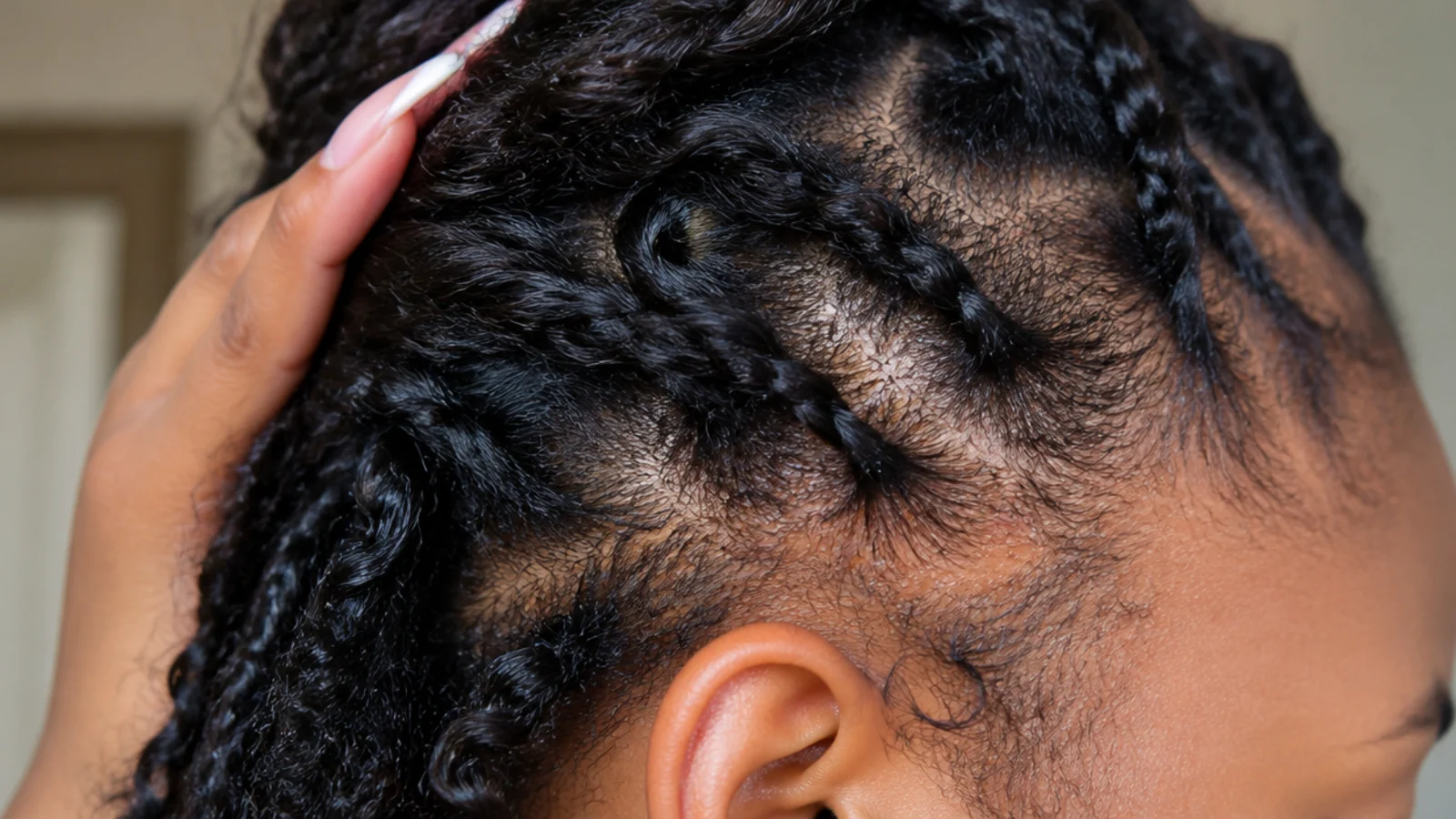
Bumps along the hairline are the first warning. Small raised spots where the braids start mean the follicles are being pulled, not held.
The edges have the finest hair on your head. They are the least able to survive repeated tension and the slowest to come back once lost.
Rest between installs. A week or two of loose wear lets pulled follicles recover before the next round of tension goes in.
Diet Supplements and Hair Growth
Supplements only close a gap. If nothing is missing, more of it changes nothing at the follicle.
Iron and vitamin D come up repeatedly. Both are commonly low, and both affect hair before they announce themselves anywhere else.
Ferritin is the number to ask for. It reflects stored iron, and hair loss often appears while a routine blood count still reads as normal.
Protein across the day beats protein in one meal. The follicle draws on what is circulating at the time rather than on a daily total.

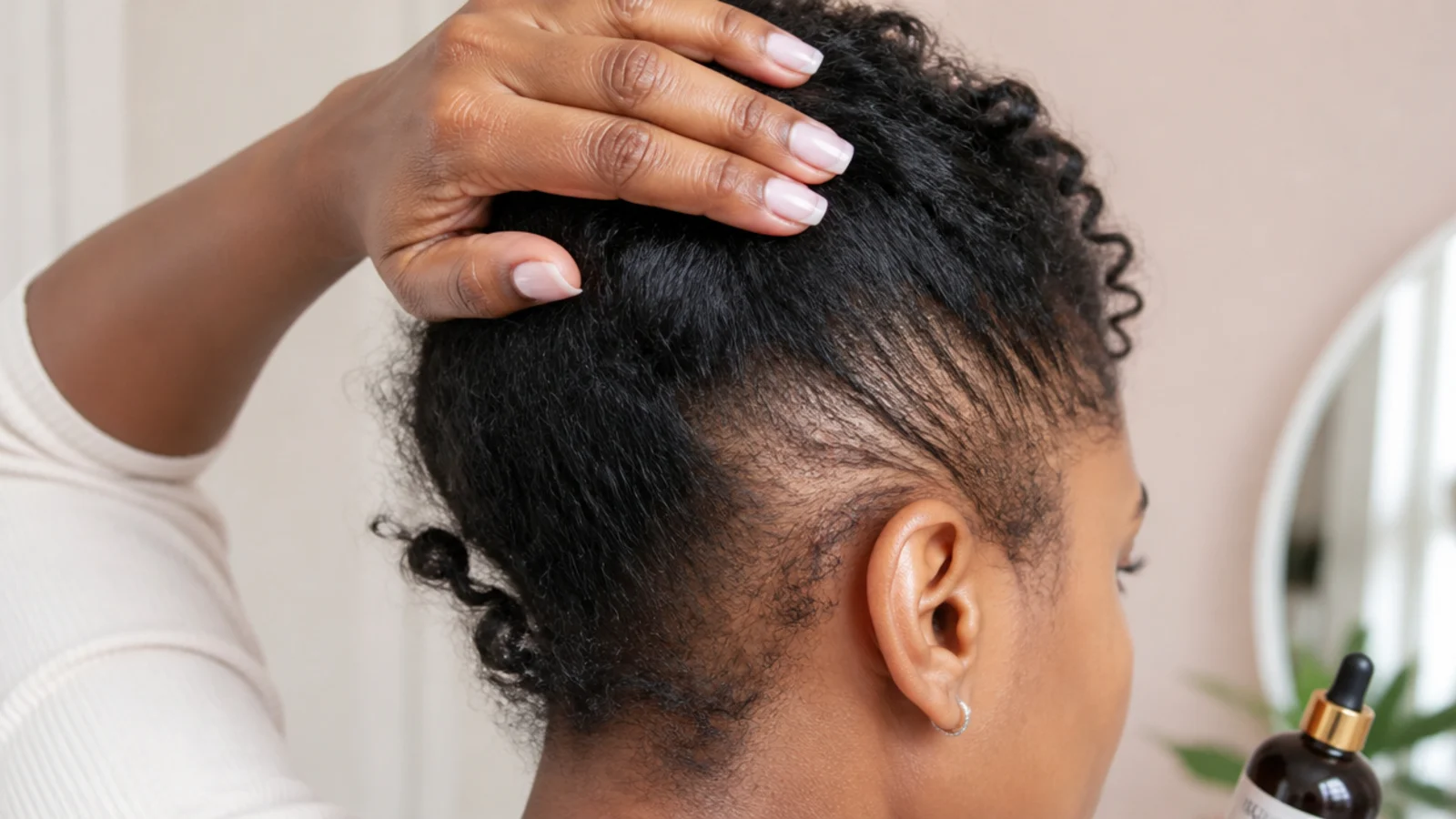
Thinning Edges and When to See a Doctor
Traction damage is reversible early. Caught while the follicle is only irritated, the hair returns once the tension stops.
It becomes permanent when it scars. A hairline that has been pulled for years reaches a point where nothing regrows, and there is no way to tell from a photograph which stage you are at.
Central thinning needs a proper diagnosis. Loss that starts at the crown and spreads outward has causes that styling changes will not touch.
Bring dates and photographs. A dermatologist can work with a timeline far more usefully than with a description, and early treatment is the only kind that works.
The 15 Hair Growth Tips
1. Wash Every 7 to 10 Days
A weekly to ten day cycle clears buildup from the scalp before it becomes irritation, without stripping the hair so often that the ends never hold moisture. Stretching washes to a month protects the length and quietly damages the roots, which is the wrong end of the trade for anyone trying to keep hair.
2. Nightly Scalp Massage
Five minutes of firm circular pressure with the pads of the fingers is one of the few habits here with a real mechanism, since stretching the tissue around the follicle appears to influence how it behaves. It also spreads what little sebum reaches the mid lengths, which is more than any oil applied on top achieves.
3. Trim a Quarter Inch
Once a split opens, every comb stroke drives it further up the shaft and takes more than the trim would have. A quarter inch every ten to twelve weeks removes the failed section below the split, which is why the ruler goes backwards while the head goes forwards.
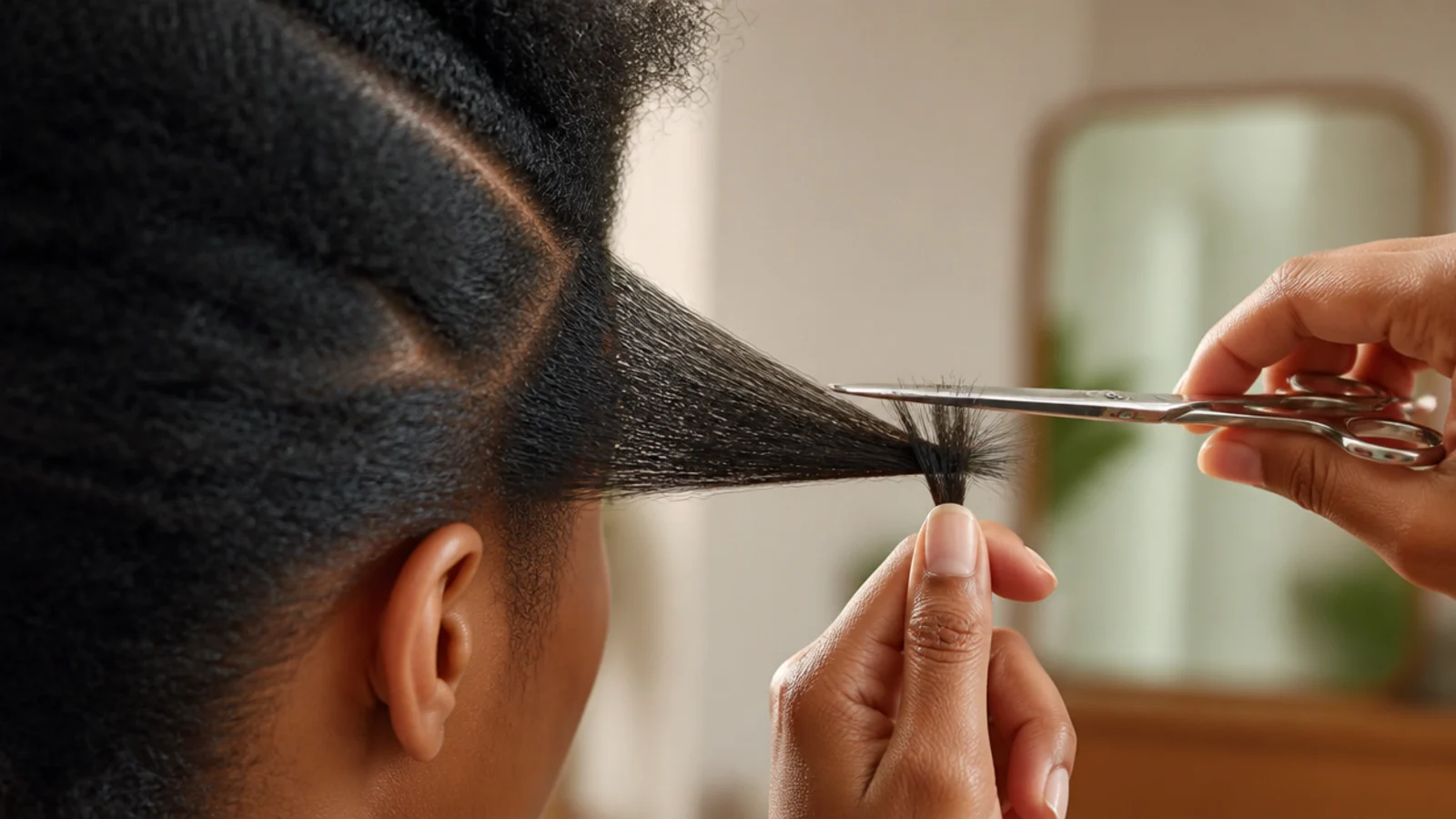
4. The Moisture and Protein Test
Pull one wet strand gently. Hair that stretches and returns is balanced, hair that keeps stretching and stays long wants protein, and hair that snaps at once wants moisture. Reading the strand stops you stacking protein onto hair that is already rigid with it, which is the most common cause of sudden breakage.
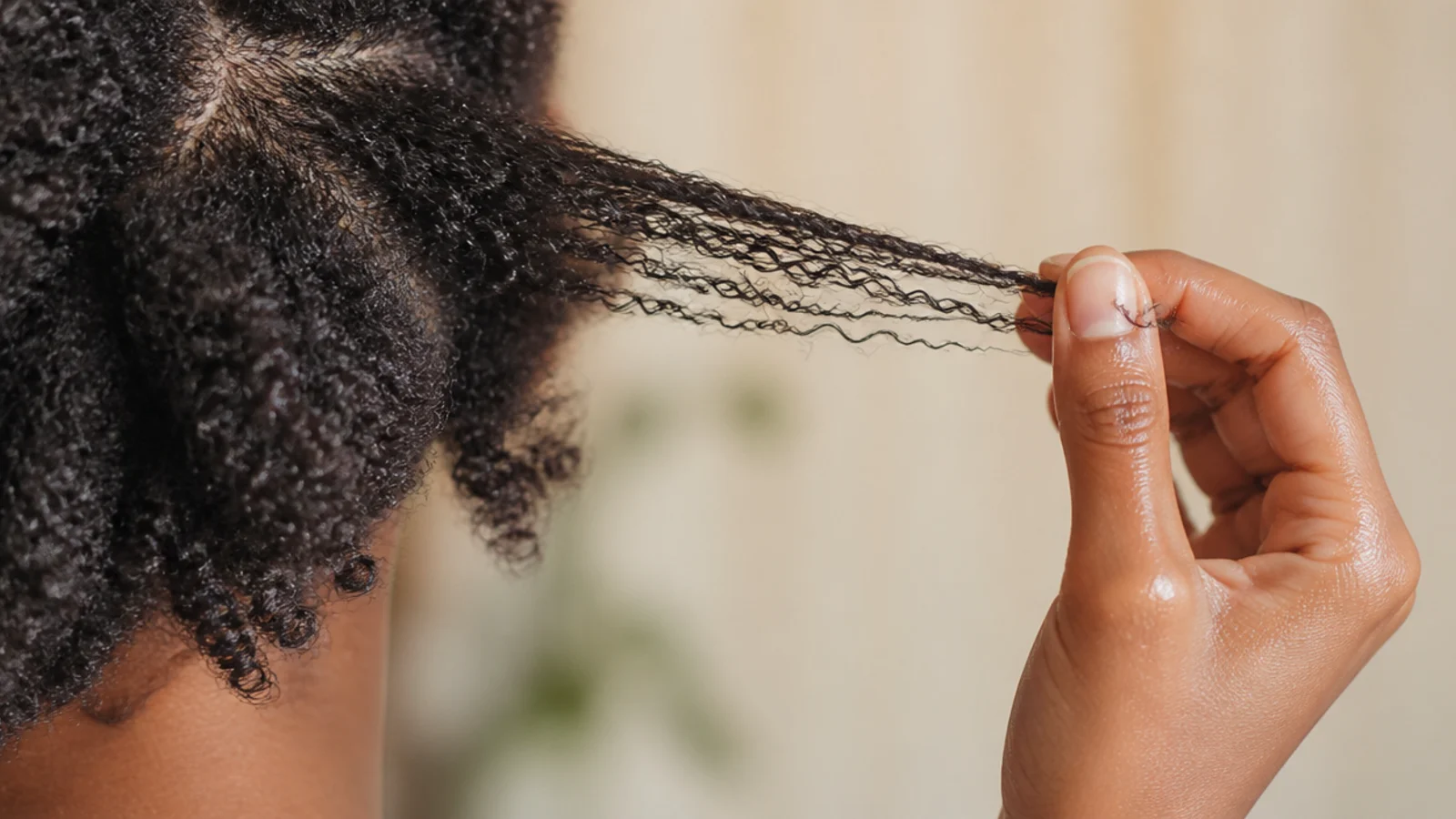
5. Sealing With the LOC Method
Water is the only thing that actually moisturises hair, and it evaporates within the hour unless something holds it in. Applying liquid, then oil, then cream puts the water in first and closes the surface behind it, so the ends stay pliable long enough to survive being handled.
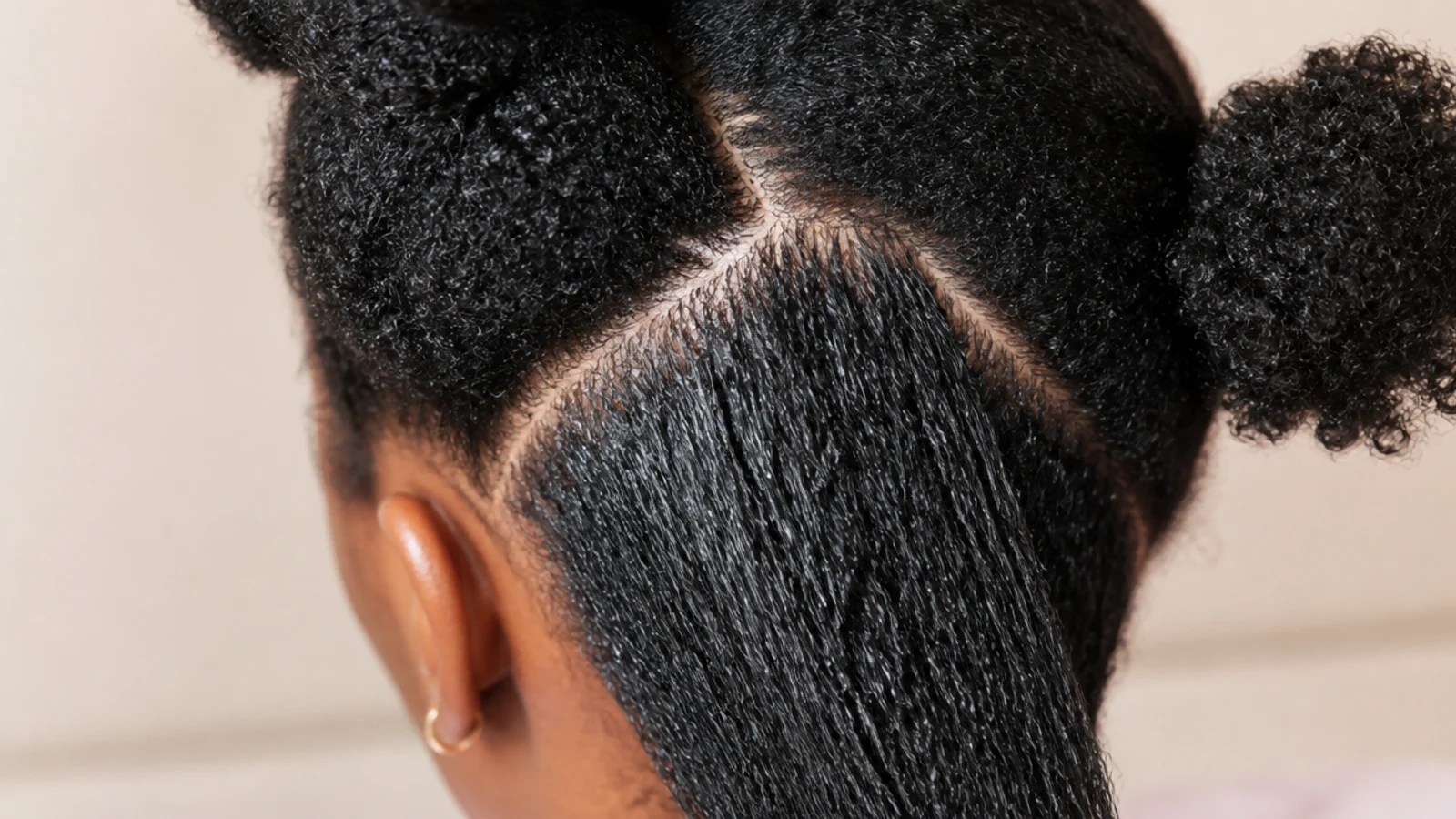
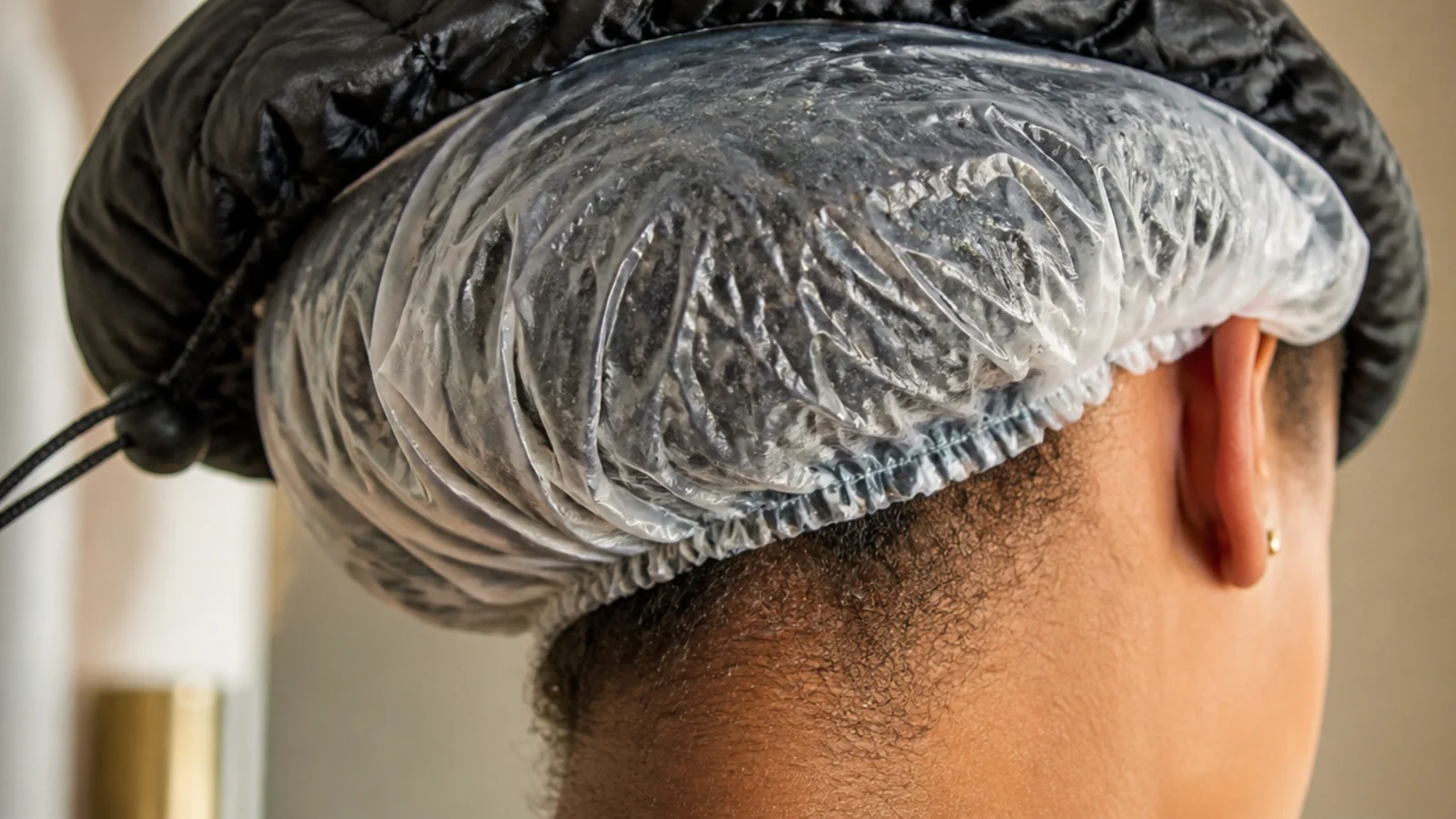
6. Deep Condition Under a Cap
Conditioning agents need warmth and time to move past a raised cuticle, and a plastic cap holds body heat against the head to supply both. Twenty to thirty minutes covered outperforms an hour of the same product applied cold, and the ends should get most of what is in the jar.
7. Six Week Takedown
Past about six weeks, new growth loosens the braid at the root while weeks of shed hair tangle into the length, so takedown becomes the most destructive part of the entire style. Taking styles down on schedule, with slippery conditioner and patience, is where most retained length is won or lost.
8. Braid Tension and Traction
Traction alopecia comes from the same follicles being pulled in the same direction repeatedly, and the first sign is small bumps along the hairline rather than visible loss. If a style stings or gives you a headache on day one, it is damaging follicles, and no length of wear justifies it.
9. Satin Bonnet at Night
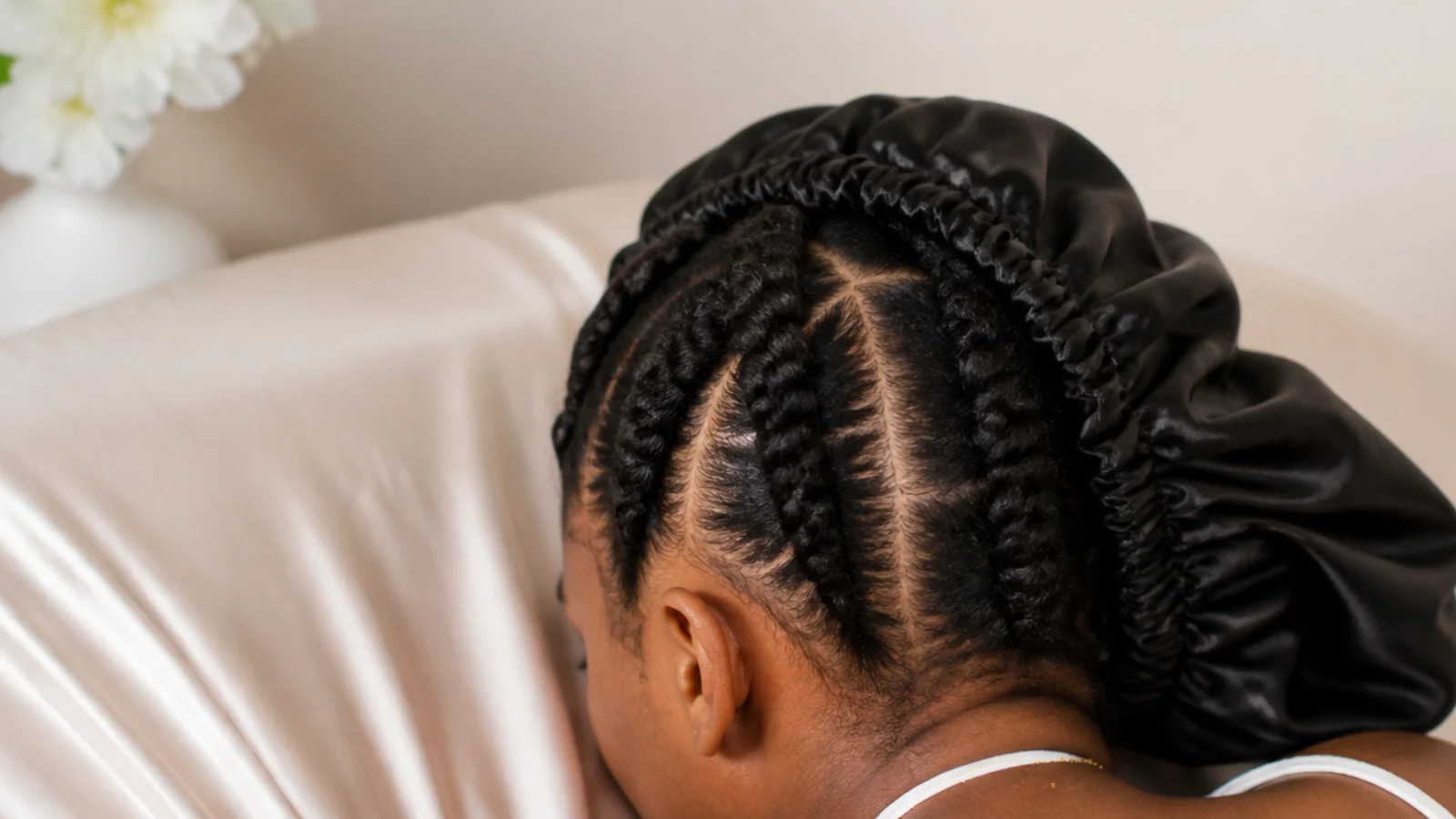
Cotton is abrasive and absorbent at once, so a night of turning against a pillow lifts the cuticle and pulls water out of the shaft simultaneously. A bonnet solves both and keeps the sections contained, which means the morning starts with hair to unwrap rather than hair to detangle.
10. Detangle in Four Sections
Detangling the whole head at once means every knot has the entire mass behind it to resist against. Four clipped sections limit each tangle to a manageable amount of hair, and working upward from the ends on damp, slippery hair keeps the force low enough that strands slide apart instead of snapping.
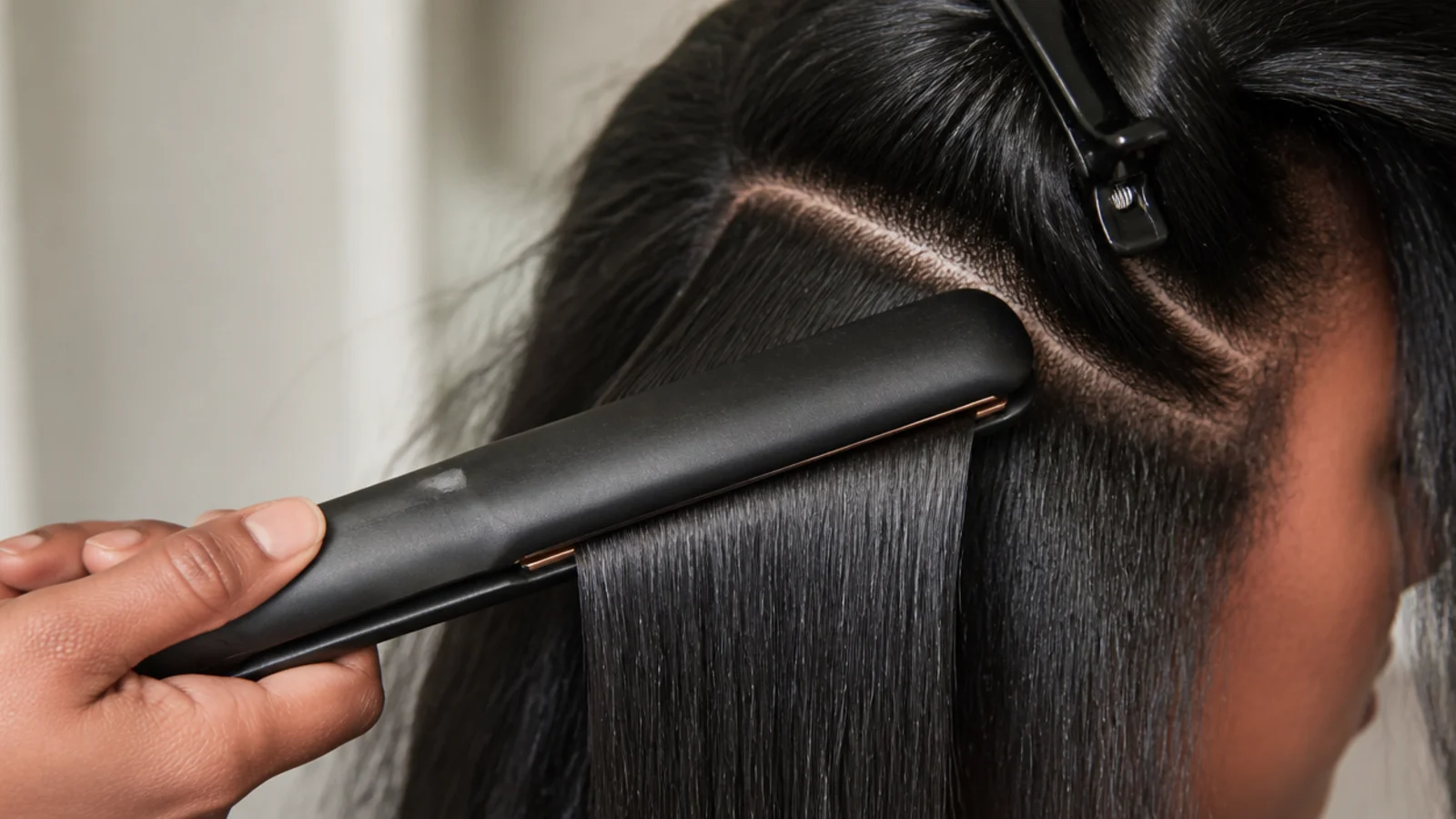
11. Flat Iron at 350F
Coily hair has a raised cuticle at every bend, which means heat reaches the cortex more readily than it does on a straight shaft. Around three hundred and fifty Fahrenheit with one slow pass is a defensible ceiling, and repeated passes at a lower setting cause more cumulative damage than a single controlled one.
12. Stretch Before Measuring
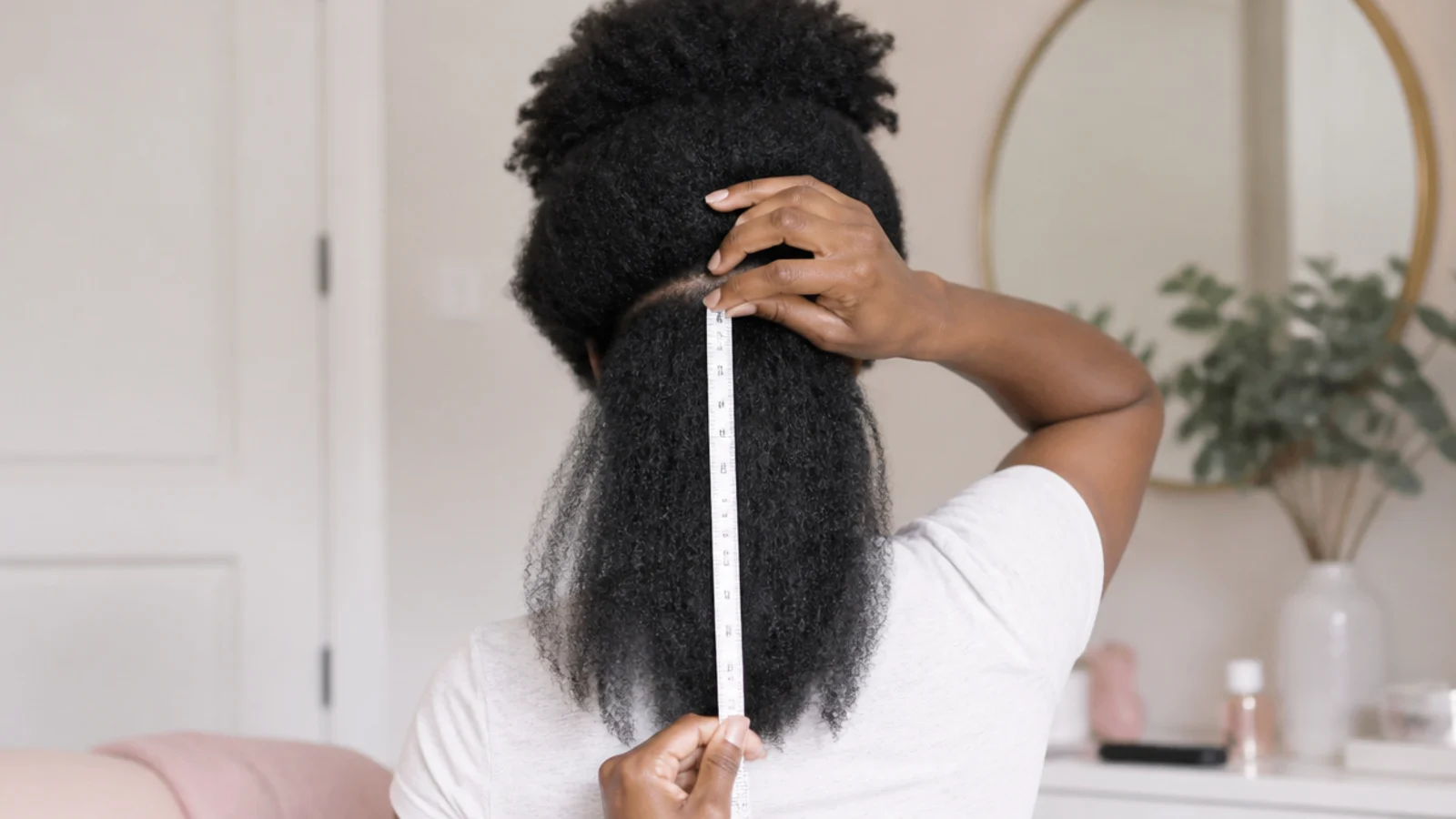
Unstretched coils can show a small fraction of their real length, so an honest measurement means pulling a section straight against a tape from the same starting point every time. Measuring shrunken hair is how people conclude a working routine has failed and abandon it three months early.
13. Protect the Edges From Gel
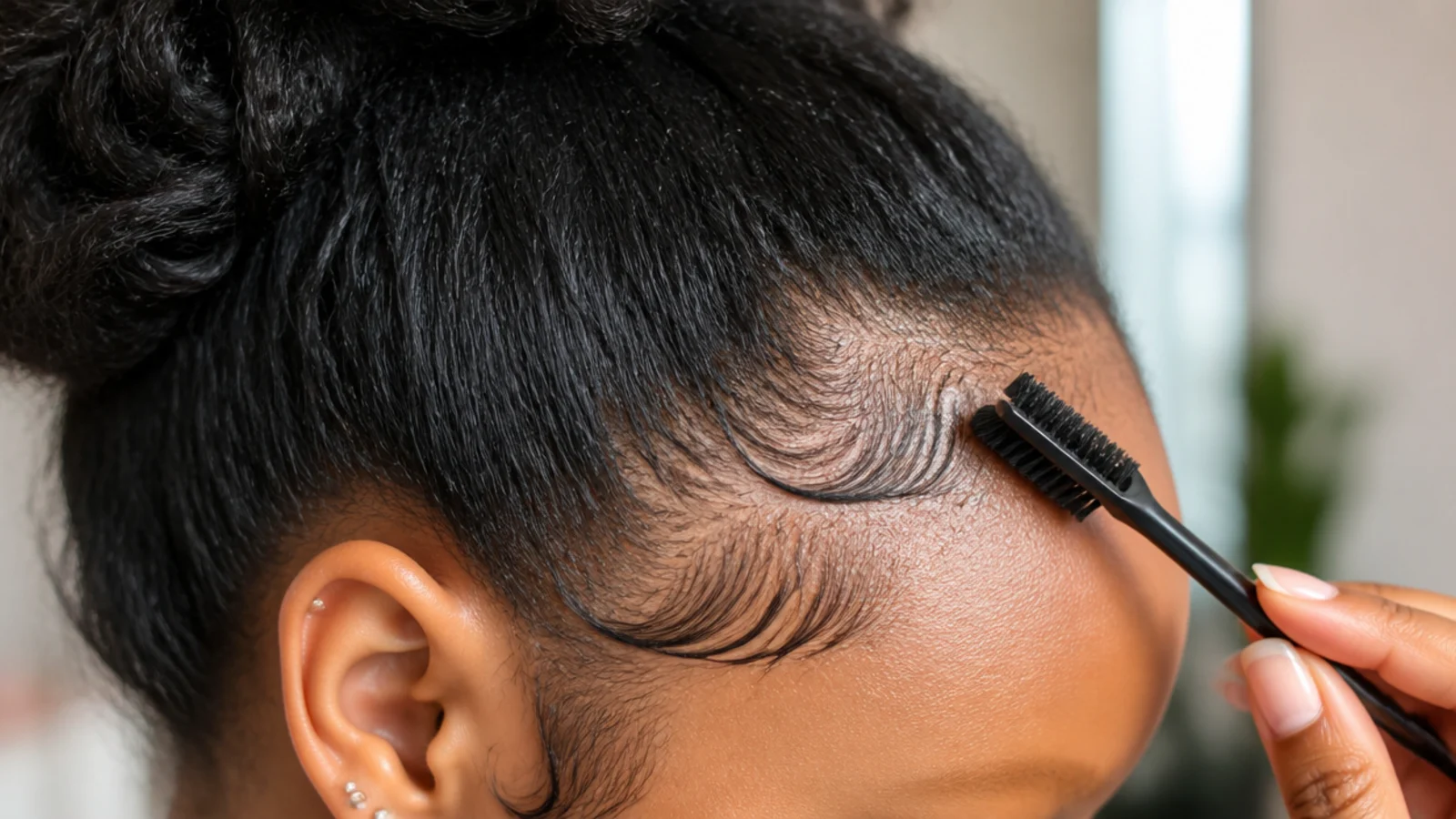
Repeated laying with a stiff hold product means the finest hair on your head is glued flat, dried hard and then brushed loose again every day. That cycle is mechanical damage on the follicles least able to take it, so leave the edges alone on most days and save the brush for occasions.
14. Blood Panel and Ferritin
Ferritin reflects stored iron rather than circulating iron, and hair loss frequently shows up while a standard blood count still reads as normal. Ask for the ferritin number and the vitamin D result specifically, because a routine panel that comes back fine can still be hiding the reason your hair is thinning.

15. Protein Rich Meals
Hair is keratin, and the body ranks it last when protein is short, so the follicle is starved well before anything vital notices. Spreading adequate protein across three meals rather than concentrating it in the evening keeps the supply steady for a tissue that divides faster than almost anything else you own.

Final Thoughts
Retention is the entire subject. The follicle is already producing six inches a year and has been the whole time, so nothing on this list is trying to change the growth rate — every item is aimed at the three places length actually disappears, which are the takedown, the detangle and the tension at the hairline.
Measure stretched, photograph monthly and give any change six months before you judge it. If you straighten it between protective styles, the heat rules matter more here than on any other texture — see 15 straight hair styles for black women — and for a shape that works with coils rather than against them there is wolf cuts for black women with coils. More in Hair Care.