
15 Hair Growth Tips for Men
Fifteen tips and the question that has to be answered first. Growing it out and losing it need completely different responses, and the routine that grows length does nothing at all for a hairline that is receding.
In this article · 30
- How Fast Hair Grows on Men
- Growing It Out Versus Losing It
- Scalp Health and Buildup
- The Awkward Phase Timeline
- Supplements Versus Medical Treatment
- The 15 Hair Growth Tips for Men
- 1. Scalp Massage
- 2. Sulfate Free Washing
- 3. Conditioner on the Ends
- 4. Shaping Trim
- 5. Rosemary Oil
- 6. Heat Protectant
- 7. Protein in the Diet
- 8. Blood Test Panel
- 9. Satin Pillowcase
- 10. Wide Tooth Comb
- 11. Tight Ties and Traction
- 12. Scalp Exfoliation
- 13. Sleep and Recovery
- 14. Quit Smoking
- 15. Dermatologist Visit
- How to Grow It Out Without Giving Up
- Step 1. Triage What You Have
- Step 2. Set a Baseline
- Step 3. Fix the Wash Routine
- Step 4. Survive the Awkward Phase
- Step 5. Style It In Between
- Step 6. Book the First Real Cut
- Step 7. Track Retention
- Final Thoughts
Most men researching hair growth are asking one of two completely different questions, and the answers have nothing in common.
Growing it out is a patience and retention problem. Half an inch a month leaves the scalp on schedule, and the job is keeping it attached and surviving the middle months.
Losing it is a medical problem. Follicles miniaturising under hormonal sensitivity do not respond to shampoo, oil or diet, and every treatment that does work works better the earlier it starts.
How Fast Hair Grows on Men
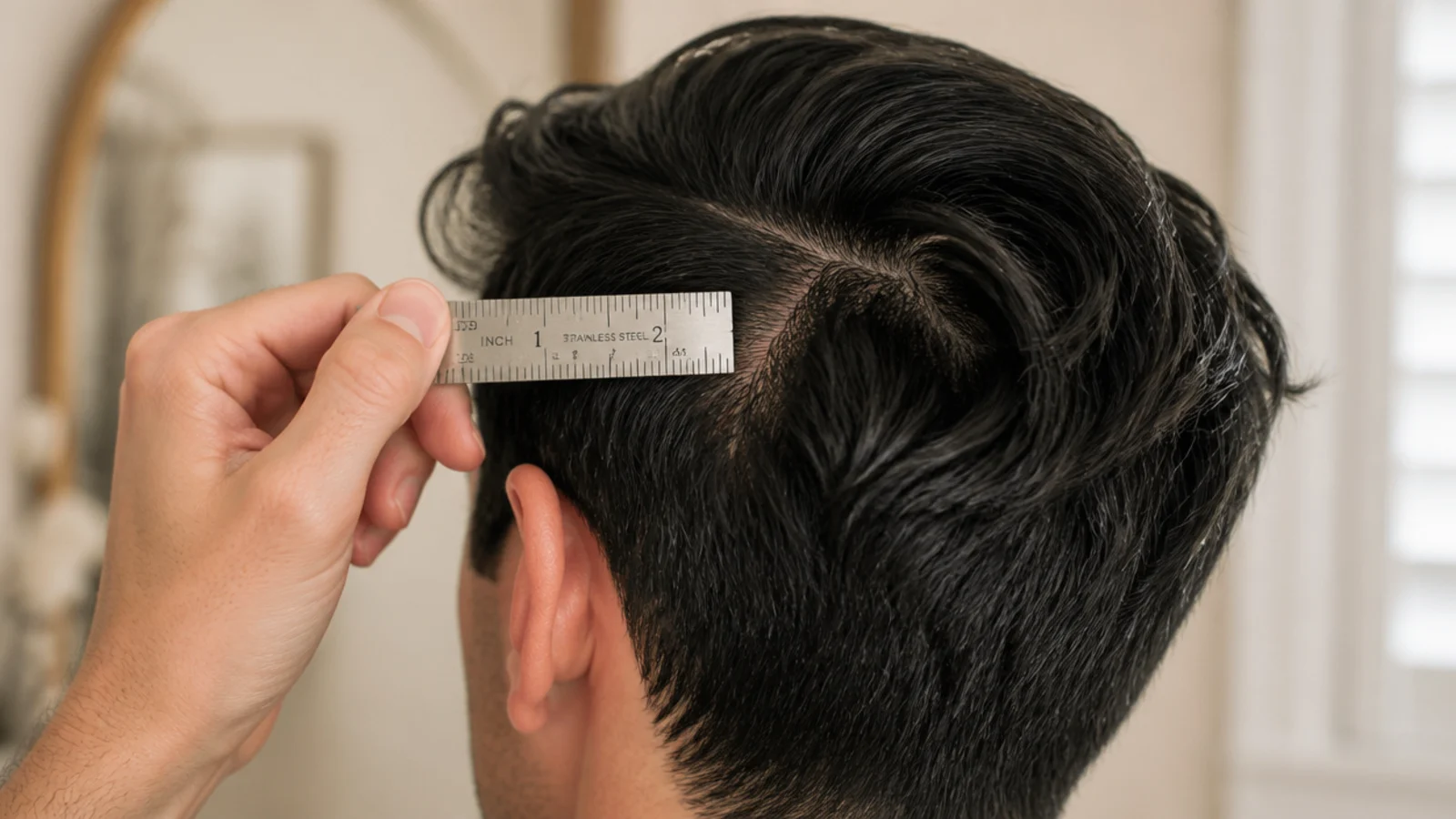
About half an inch a month. Six inches a year, and the rate is set by genetics and general health rather than by anything you apply.
Length is measured from the crown, not the fringe. The top of the head is where the real number lives, and it is usually longer than people estimate.
Collar length is roughly a year from a short cut. Shoulder length is closer to two, and no routine compresses that timeline.
Facial hair is not a predictor. Beard growth and scalp growth run on different sensitivities entirely, so a fast beard tells you nothing useful.
Growing It Out Versus Losing It
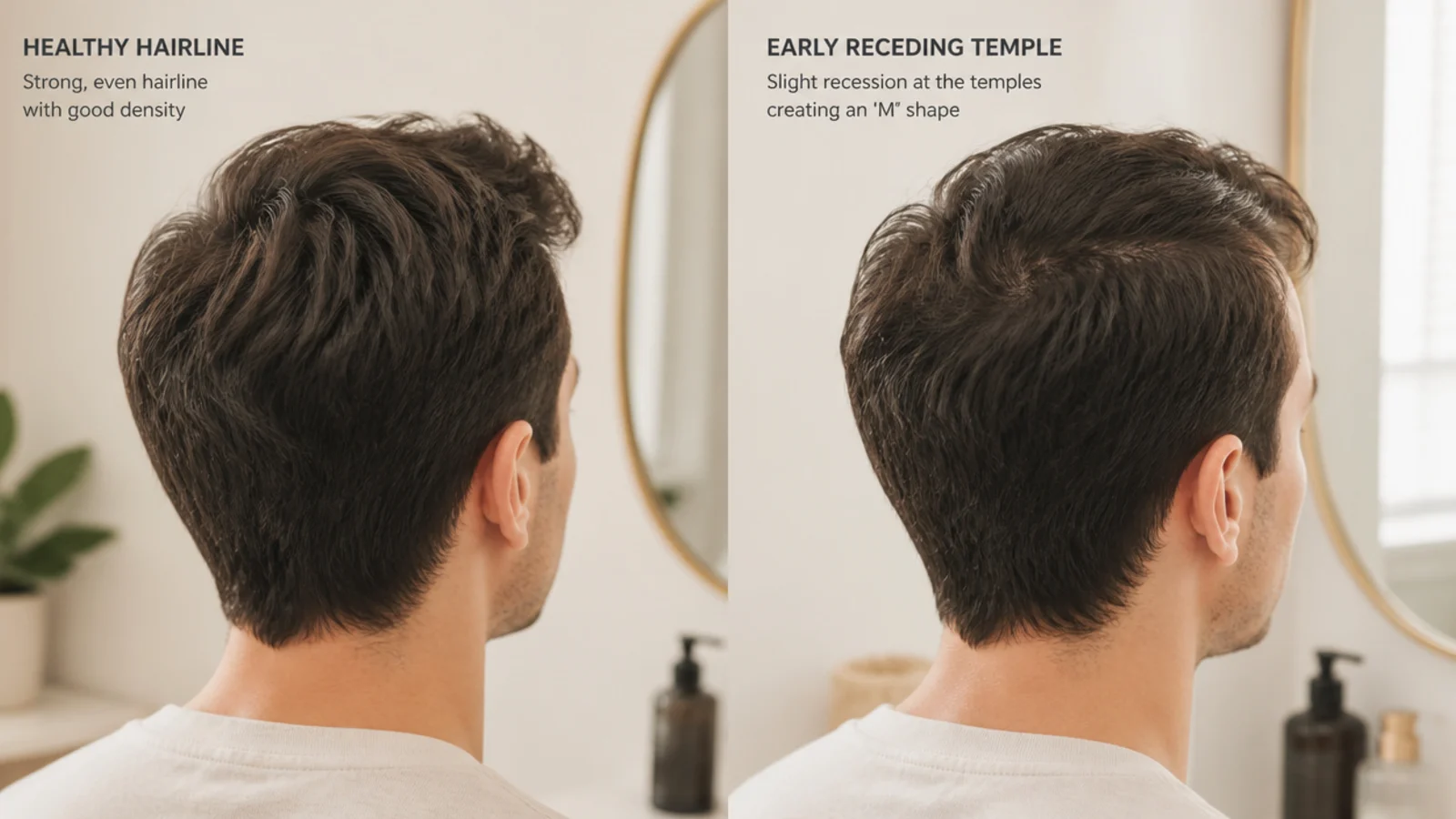
Check the hairline against an old photograph. Memory is useless here and a five year old picture is not.
Thinning shows at the crown and the temples first. Diffuse loss across the whole top is a different pattern with different causes.
Shedding and thinning are not the same thing. Losing a hundred hairs a day is normal, while losing density in one region is not.
The answer changes what you should do next. Growing out is a retention routine. Thinning is an appointment.
Scalp Health and Buildup
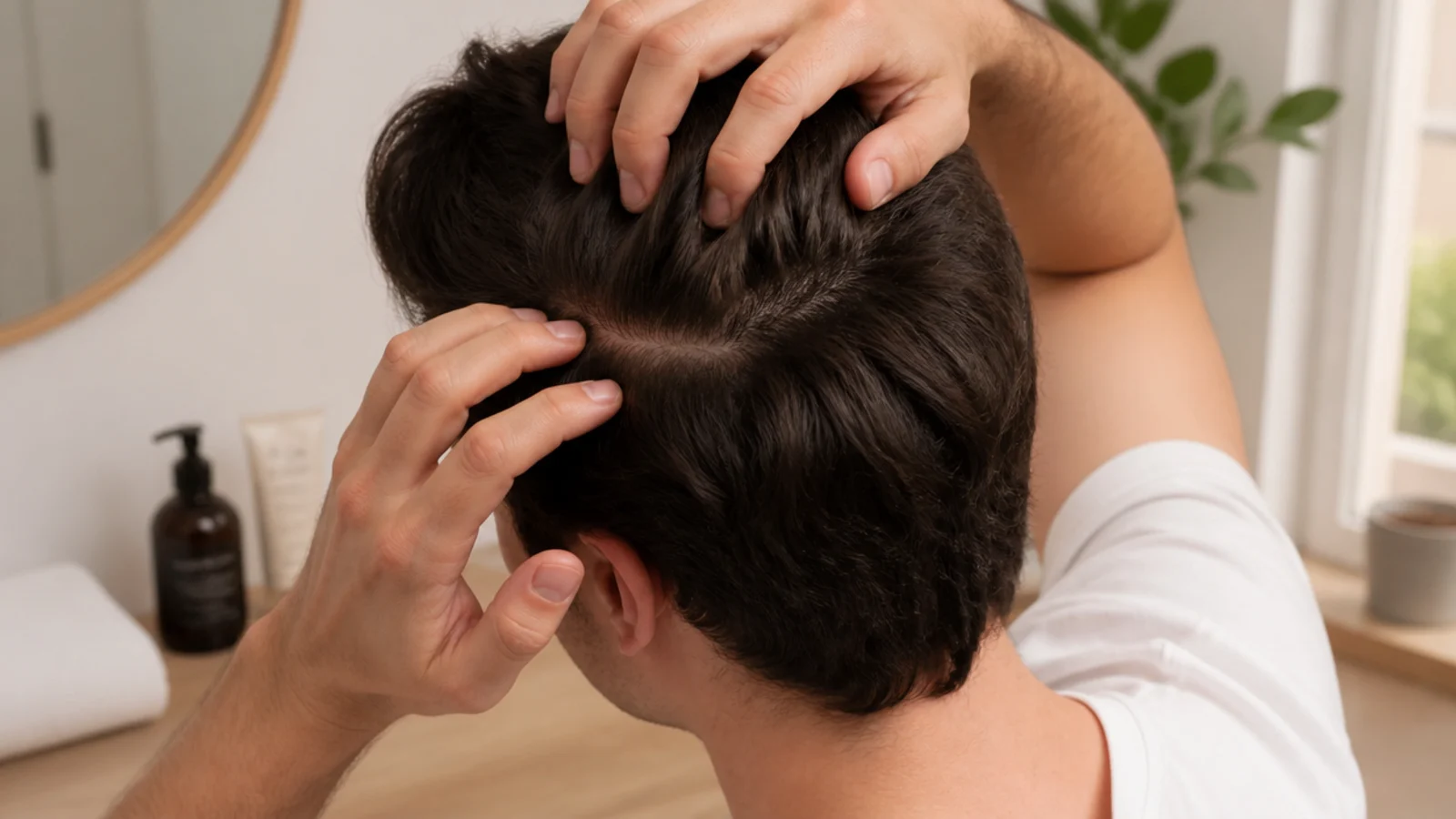
Short hair does not mean a clean scalp. Sebum, dead skin and styling product accumulate exactly as they would under length.
Clay, wax and paste are the worst offenders. They are designed not to wash out easily, which is the same property that makes them build up.
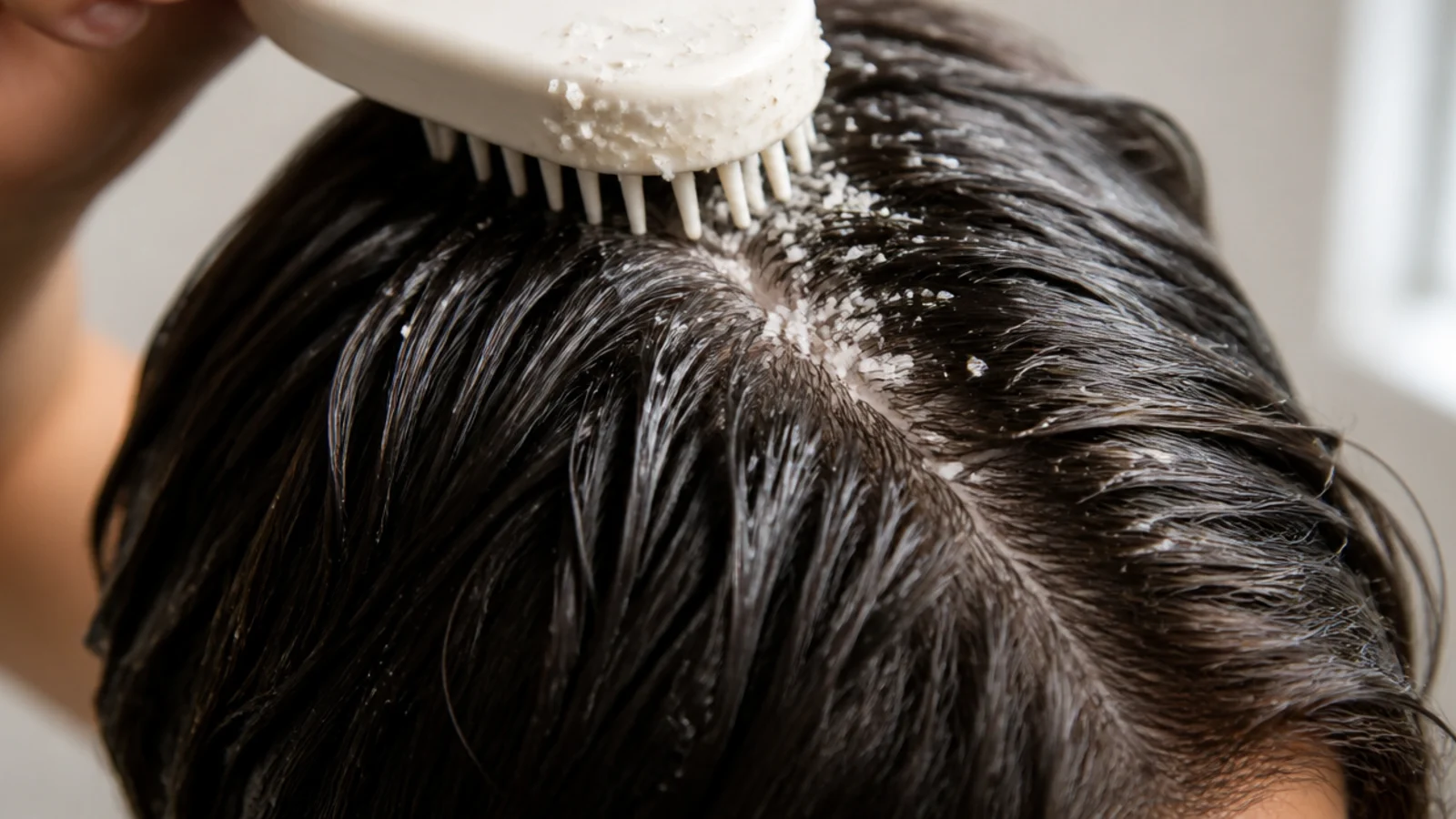
Flaking is usually buildup rather than dryness. The standard response of washing less makes it worse in most cases.
An irritated scalp sheds more. Chronic inflammation costs hair, which is why cleaning properly matters before anything else on this list.
The Awkward Phase Timeline
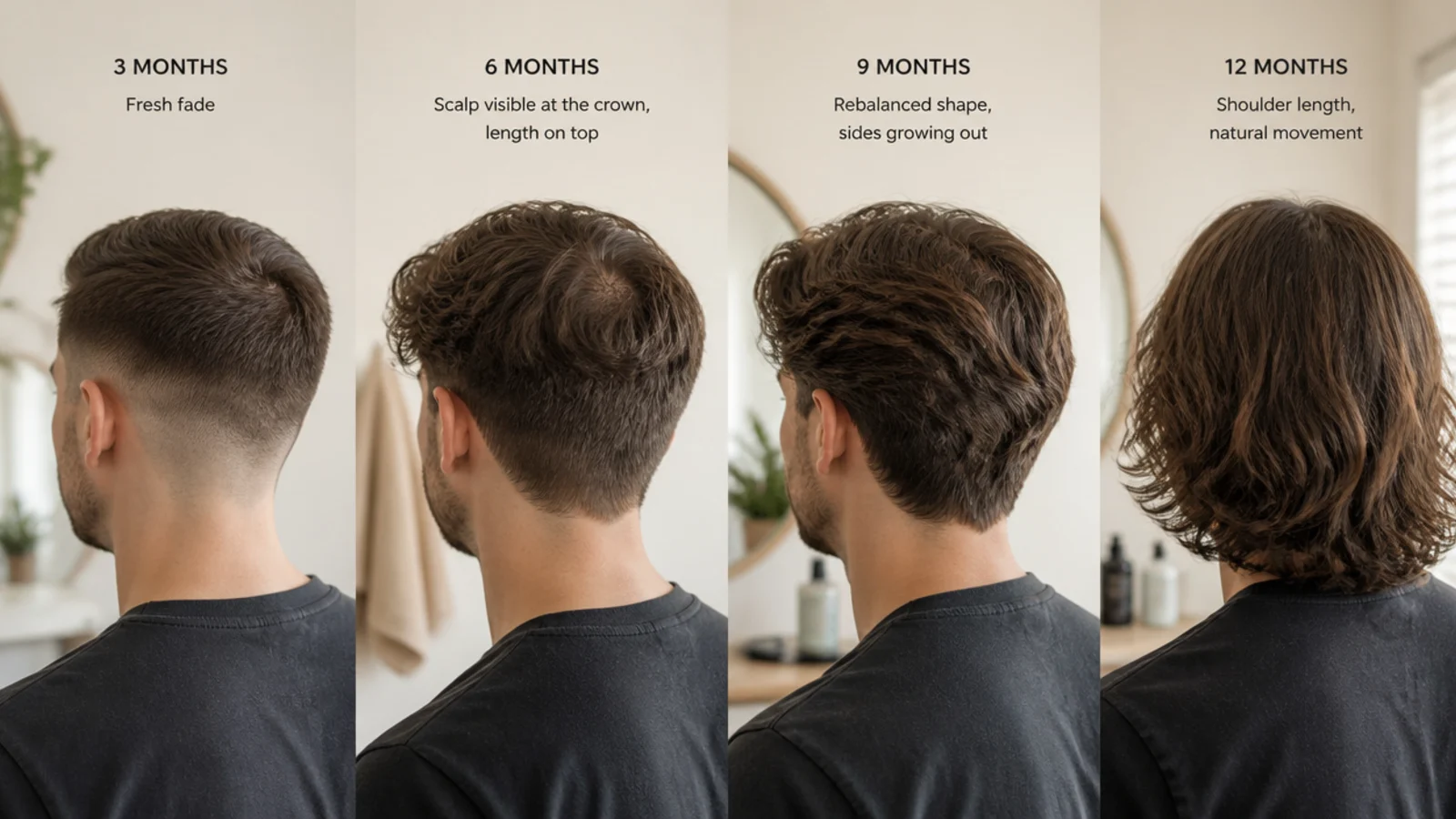
Months one and two are easy. The sides creep over the ears and the top has not yet decided to misbehave.
Months three to five are the problem. The top is too short to fall under its own weight and too long to stand, so it flicks outward above the ears.
Weight fixes it, not scissors. At around four to five inches the top starts pulling itself down, and everything sits differently.
Most men quit at month four. They cut the sides to tidy it up, which resets the part they had already paid for in time.
Supplements Versus Medical Treatment
Supplements only correct a deficiency. If nothing is missing, nothing changes at the follicle no matter what is on the label.
Biotin is the most oversold of them. Deficiency is rare, and it interferes with common thyroid and cardiac lab assays, which can produce a misleading result.
Pattern loss has real treatments. Topical minoxidil is available over the counter and there are prescription options a doctor can discuss with you.
Every one of them works better early. Follicles that have fully miniaturised do not come back, so the delay is the expensive part.

The 15 Hair Growth Tips for Men
1. Scalp Massage
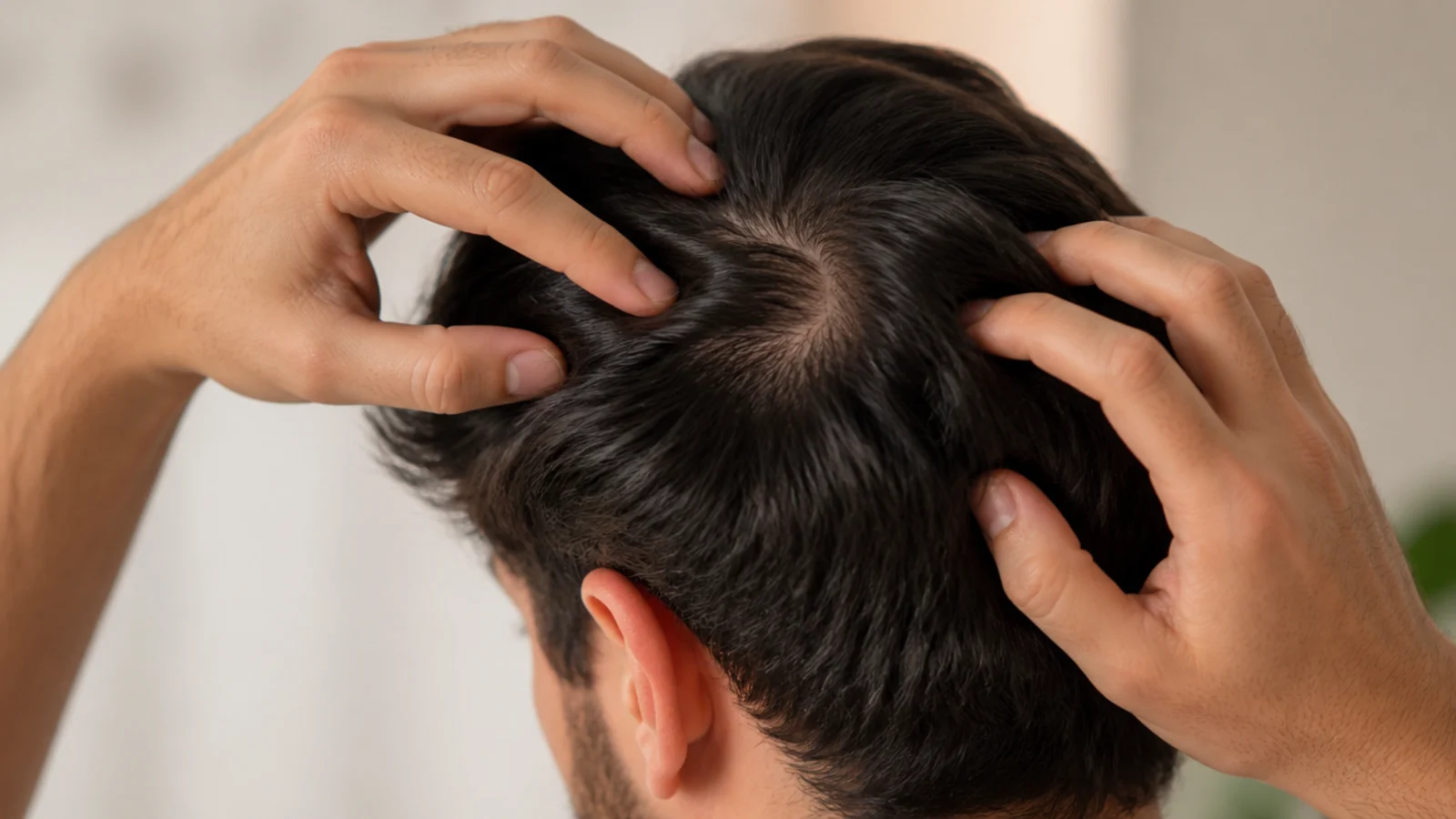
Five minutes of firm circular pressure with the fingertips has both a plausible mechanism and a small trial behind it, since mechanical stretching of the tissue around the follicle appears to change how it behaves. On short hair it is easy to do properly, and it also lifts the product film that everyday paste leaves behind.
2. Sulfate Free Washing
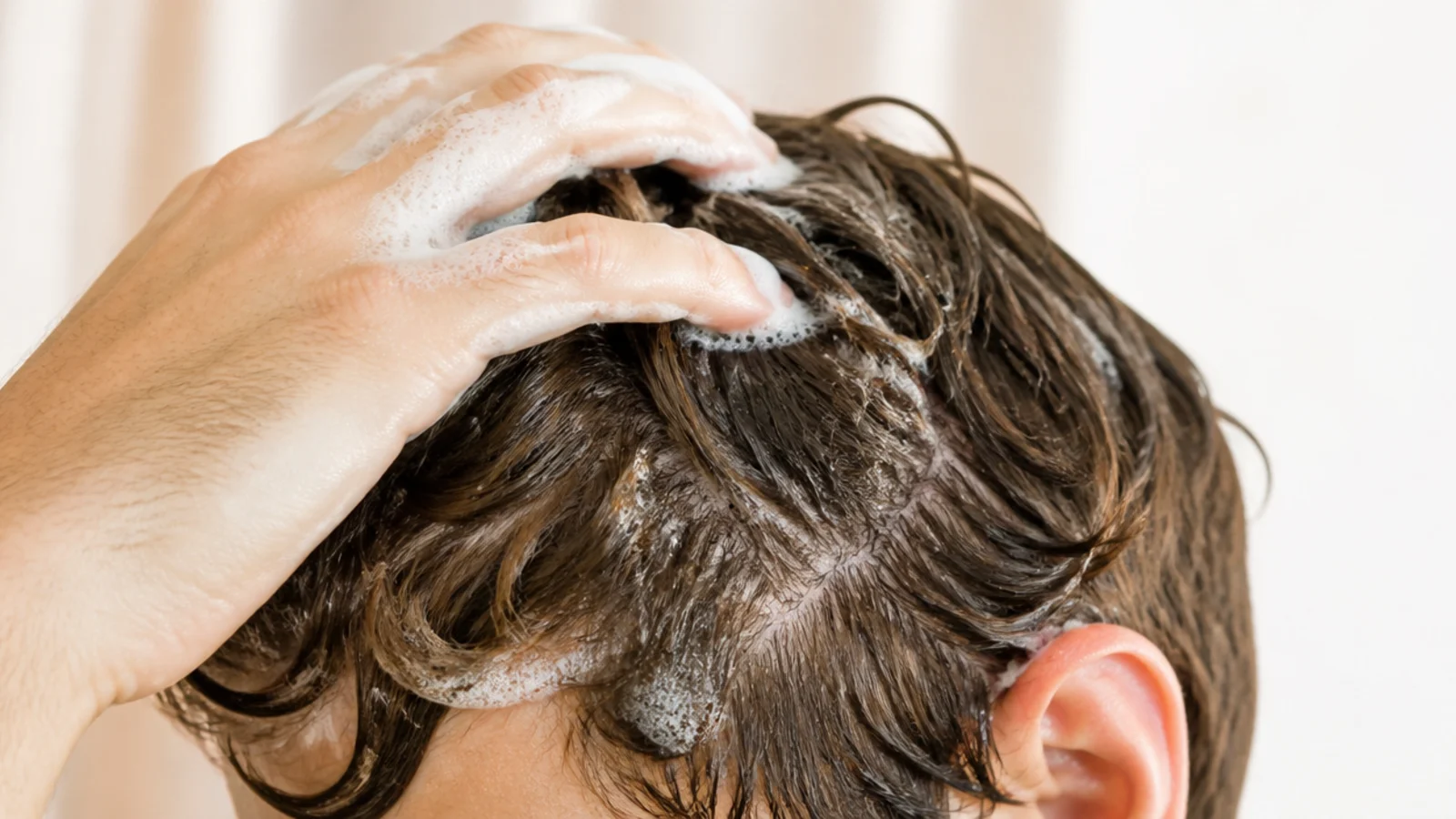
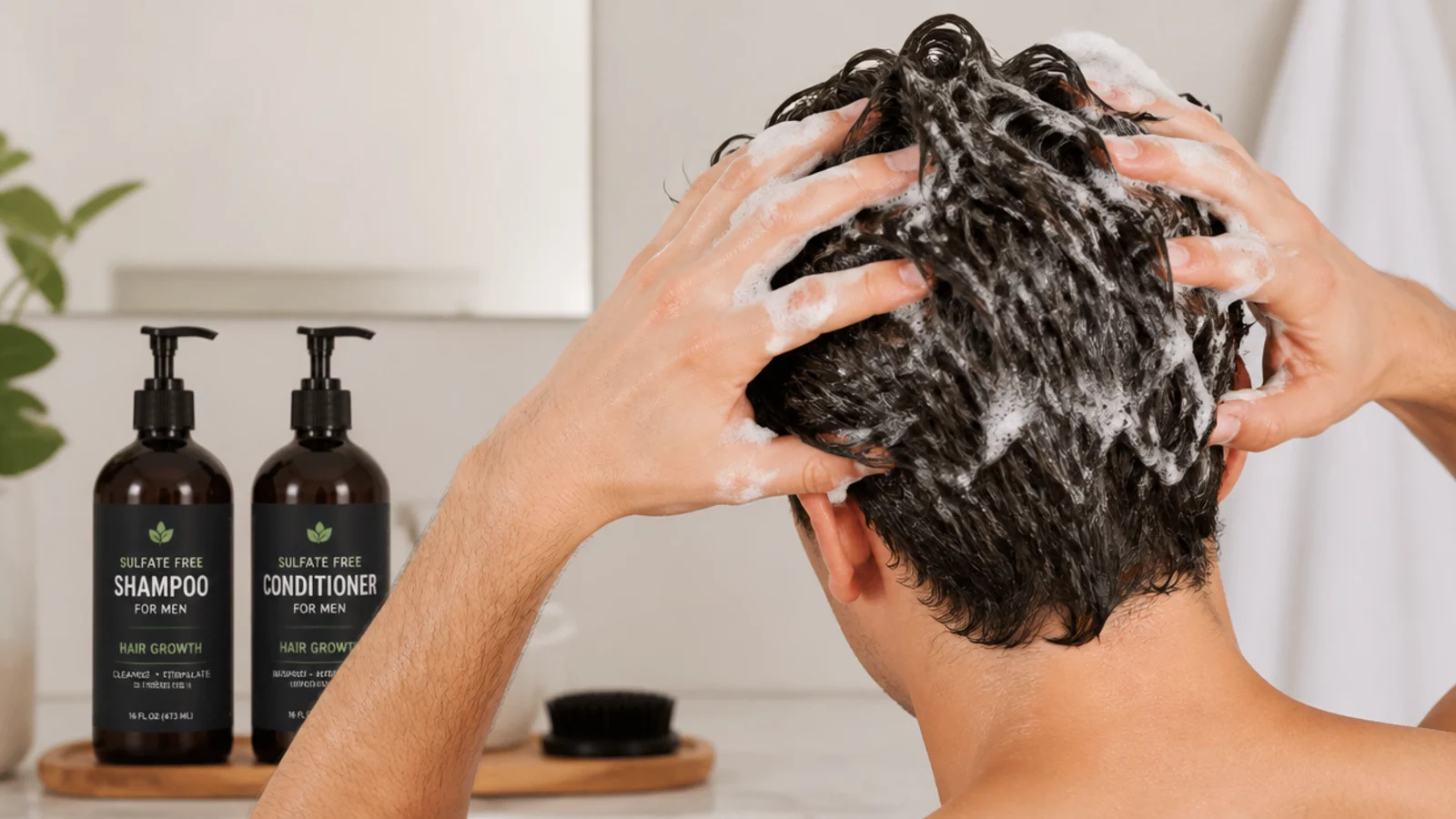
Strong surfactants clean thoroughly and take the scalp lipid barrier with them, and a stripped scalp responds by producing more oil and getting itchier. A milder wash used more often keeps buildup down without setting off that cycle, which matters most for men using clay or wax daily.
3. Conditioner on the Ends
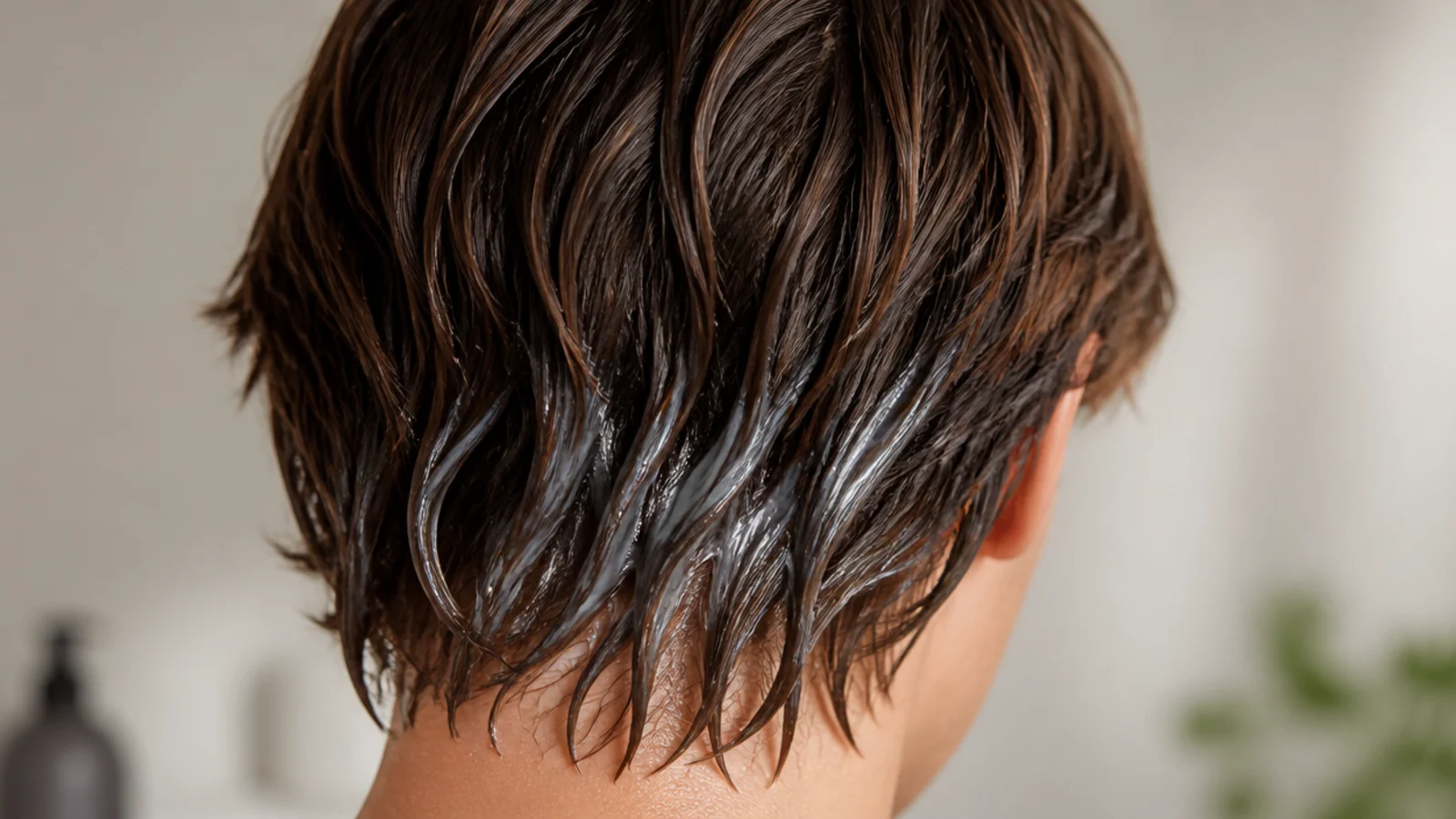
Most men skip conditioner entirely and then blame the resulting frizz on the hair itself. Sebum only reaches so far down a growing shaft, so the last two inches are unconditioned by default. Conditioner on the ends only, rinsed properly, keeps them flexible without leaving the roots flat.
4. Shaping Trim
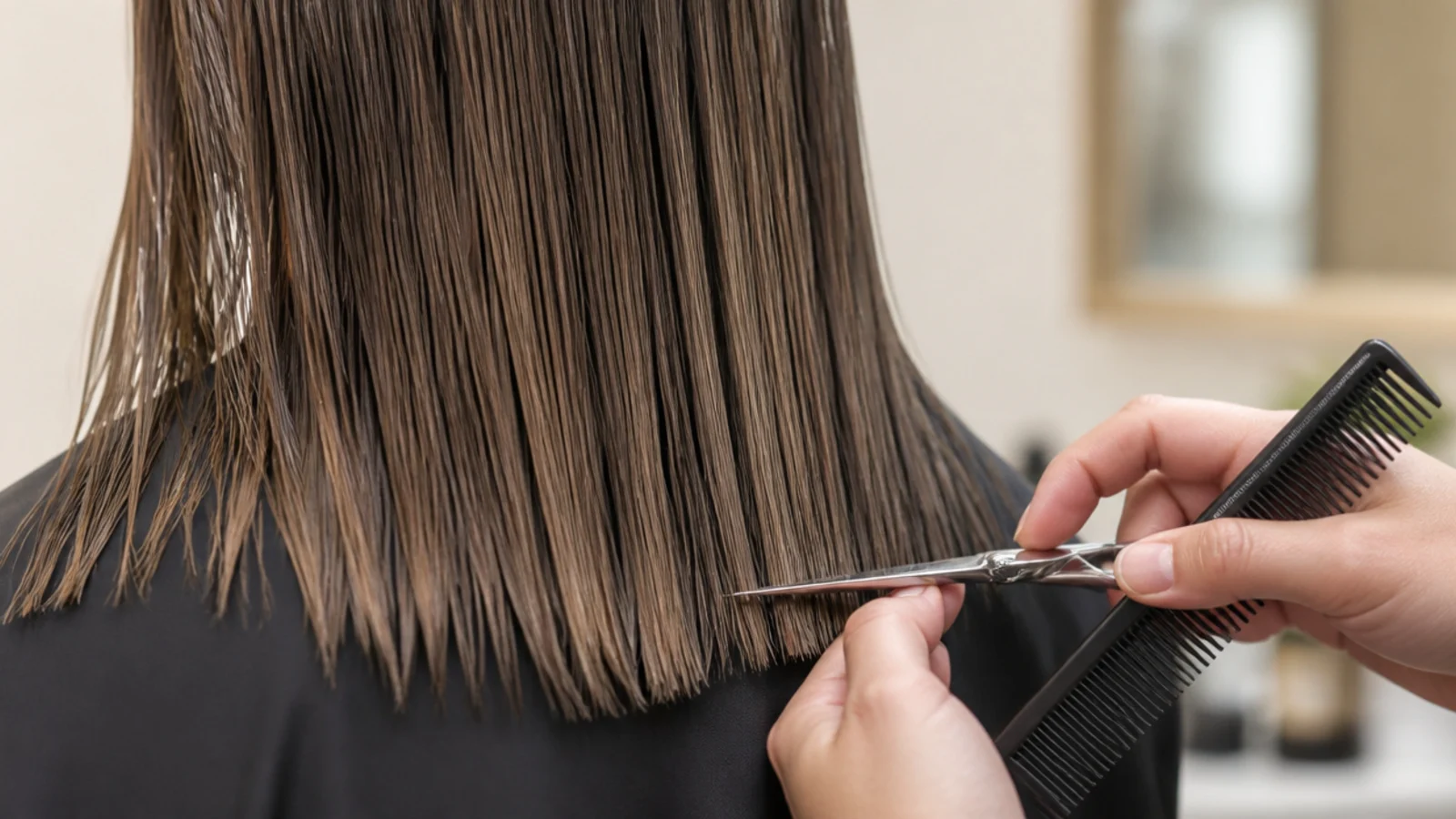
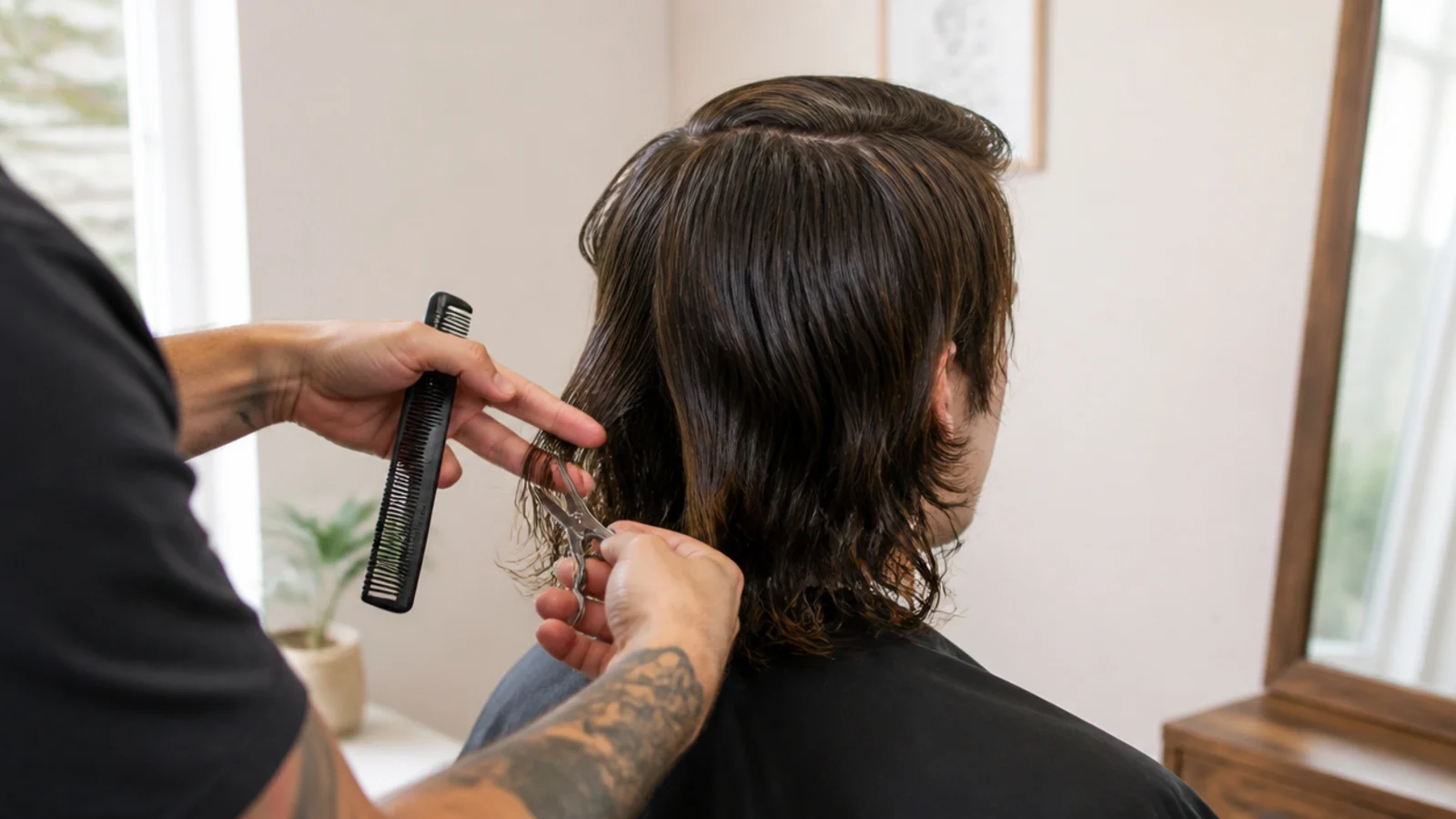
Growing it out does not mean touching nothing. A shaping trim removes split ends and keeps the outline deliberate while adding almost no time to the total, because the barber takes a quarter inch of damage rather than an inch of length. Say shape, say do not touch the sides, and be specific.
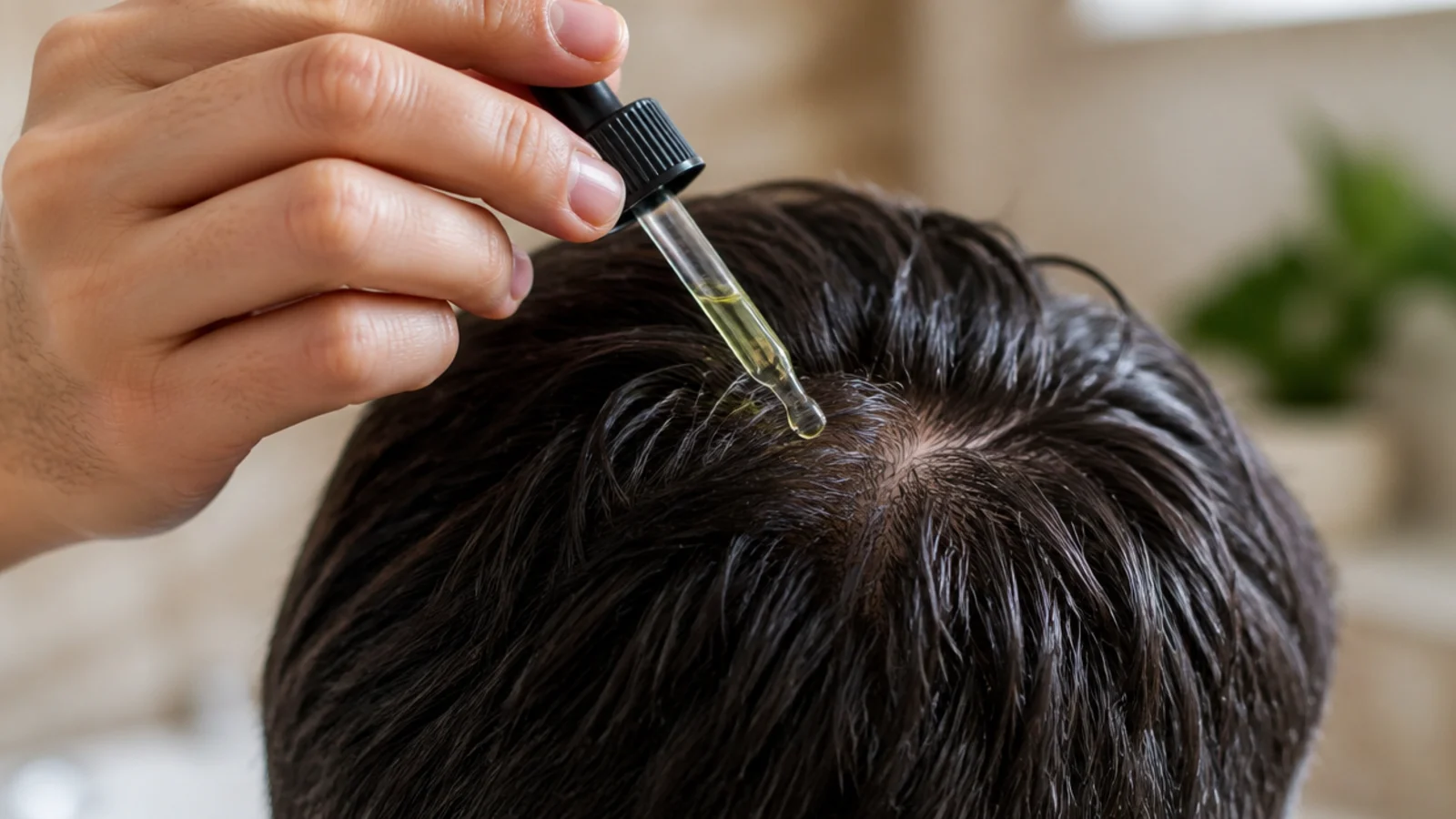
5. Rosemary Oil
The evidence amounts to one small six month trial finding diluted rosemary oil comparable to a low strength minoxidil, which is a modest claim worth taking as such. Dilute it into a carrier oil before it touches the scalp, because neat essential oil causes irritation and an irritated scalp sheds more rather than less.
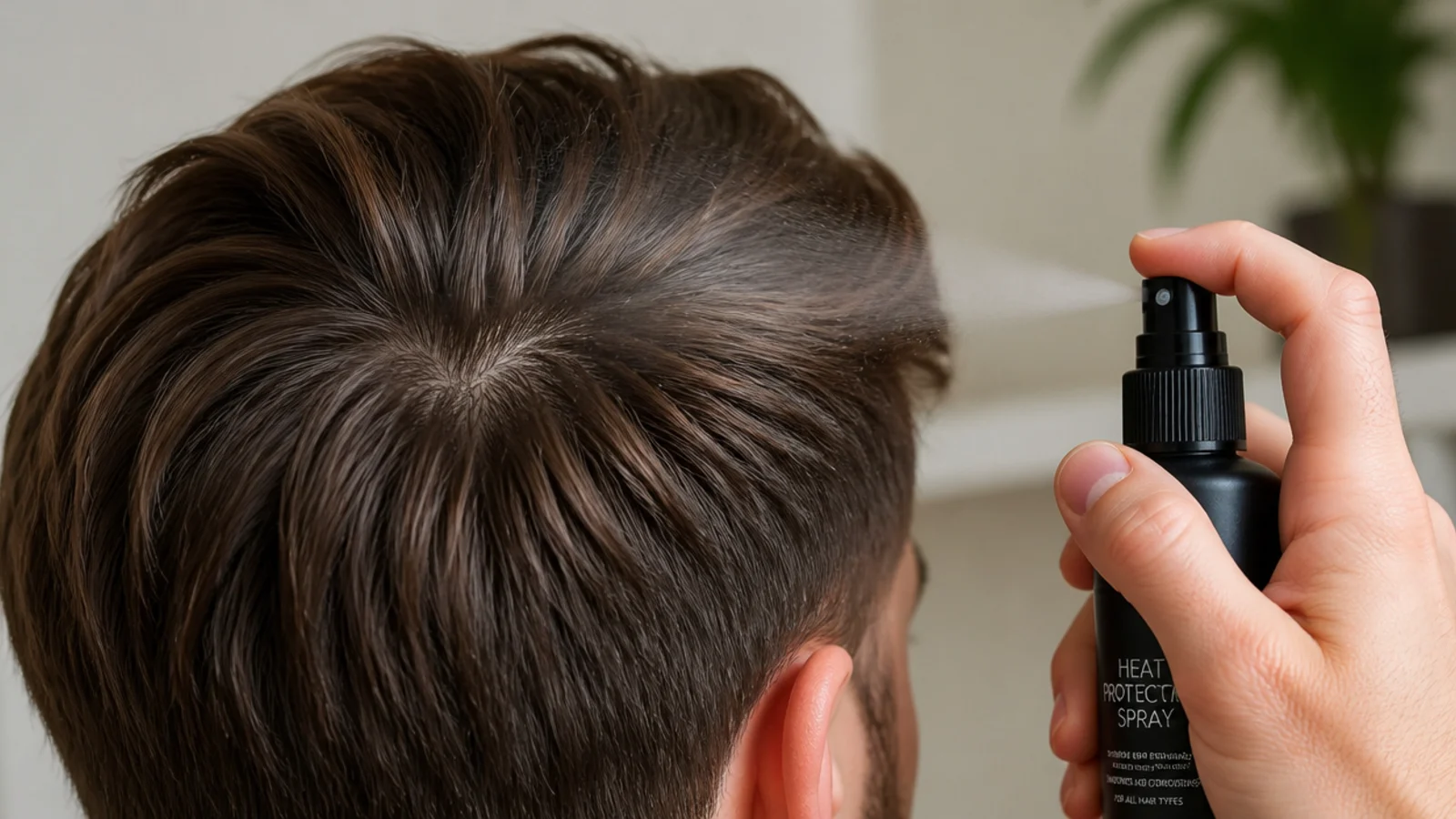
6. Heat Protectant
Men who blow dry to control the awkward phase are applying more heat than they realise, usually on the highest setting because it is quicker. Dropping to a medium heat and using a protectant means the difference between drying hair and cooking it, and cooked keratin never recovers.
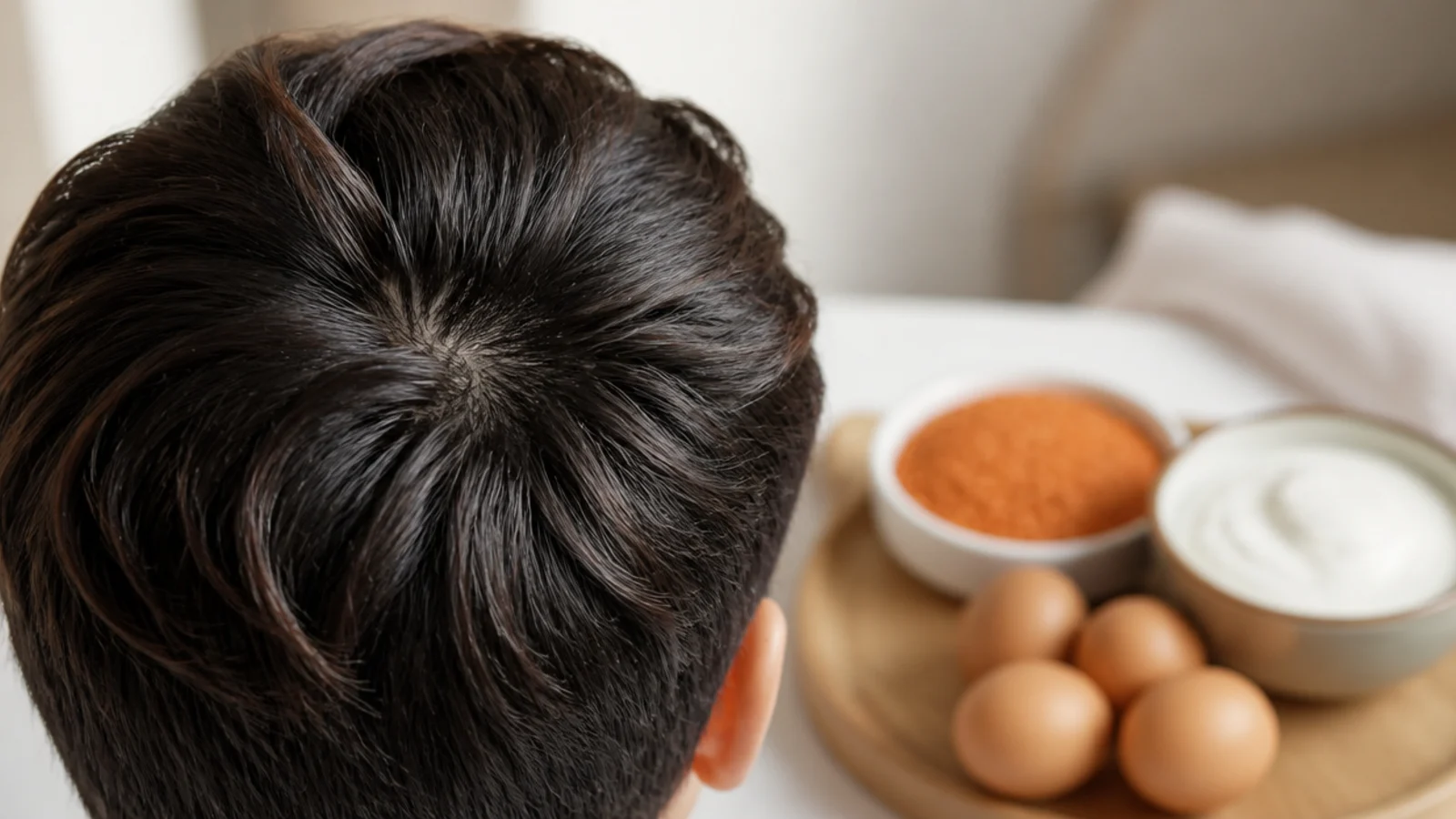
7. Protein in the Diet
Hair is keratin and the body treats it as the least urgent thing it builds, so a protein shortfall reaches the follicle long before it reaches anything that matters. Spreading adequate protein across the day rather than loading it into one evening meal keeps the supply steady for a tissue that never stops dividing.
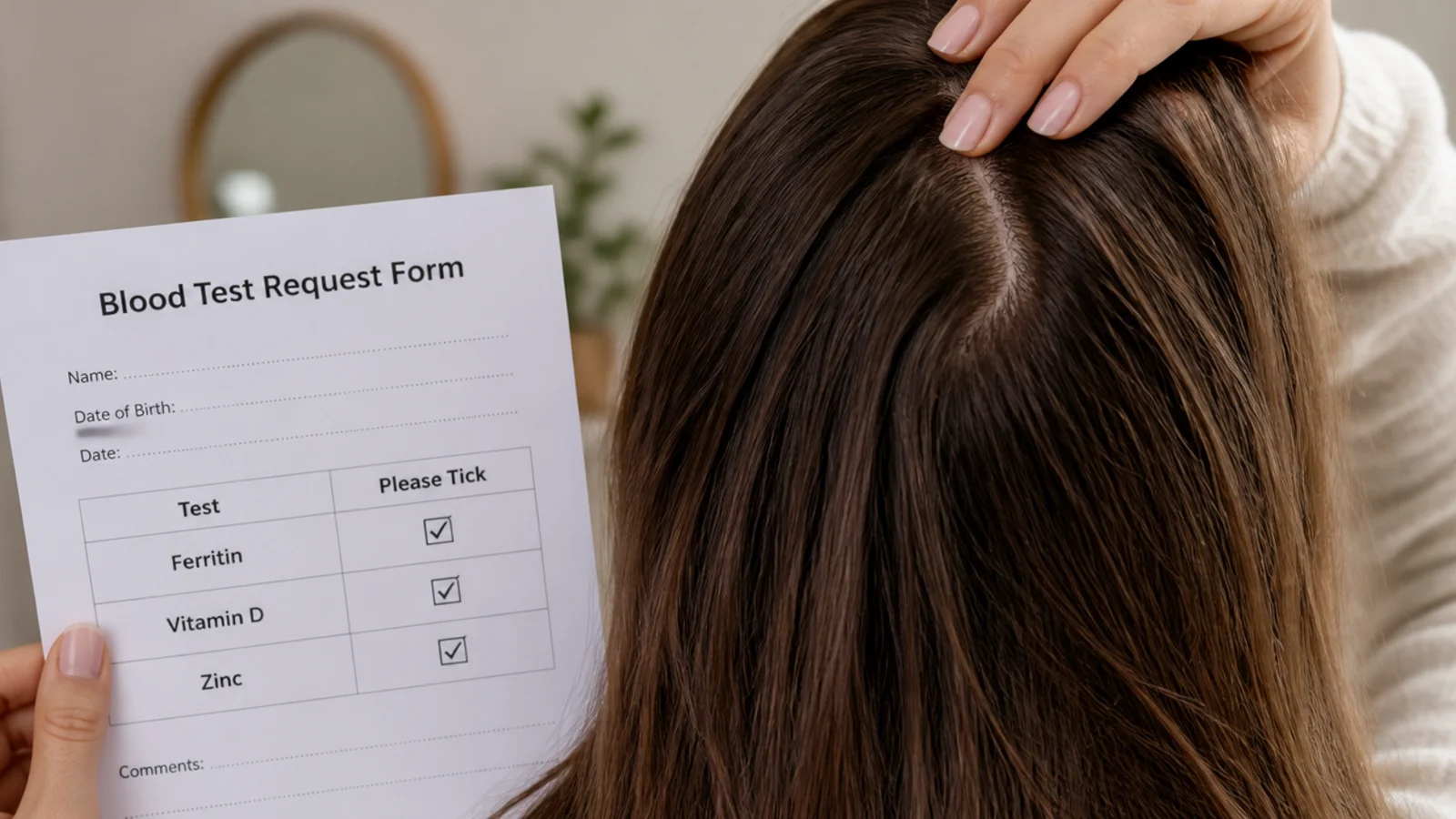
8. Blood Test Panel
Ferritin, vitamin D and thyroid function are the three worth asking for by name, because hair loss frequently appears while a routine blood count reads as entirely normal. A number on a page tells you whether a supplement has anything to correct, which is the difference between treatment and expensive guessing.
9. Satin Pillowcase
Cotton has a high friction coefficient and absorbs water readily, so seven hours of turning against it roughens the cuticle and dries the shaft at the same time. This matters little at clipper length and a great deal once the top passes four inches, which is exactly when the awkward phase is worst.

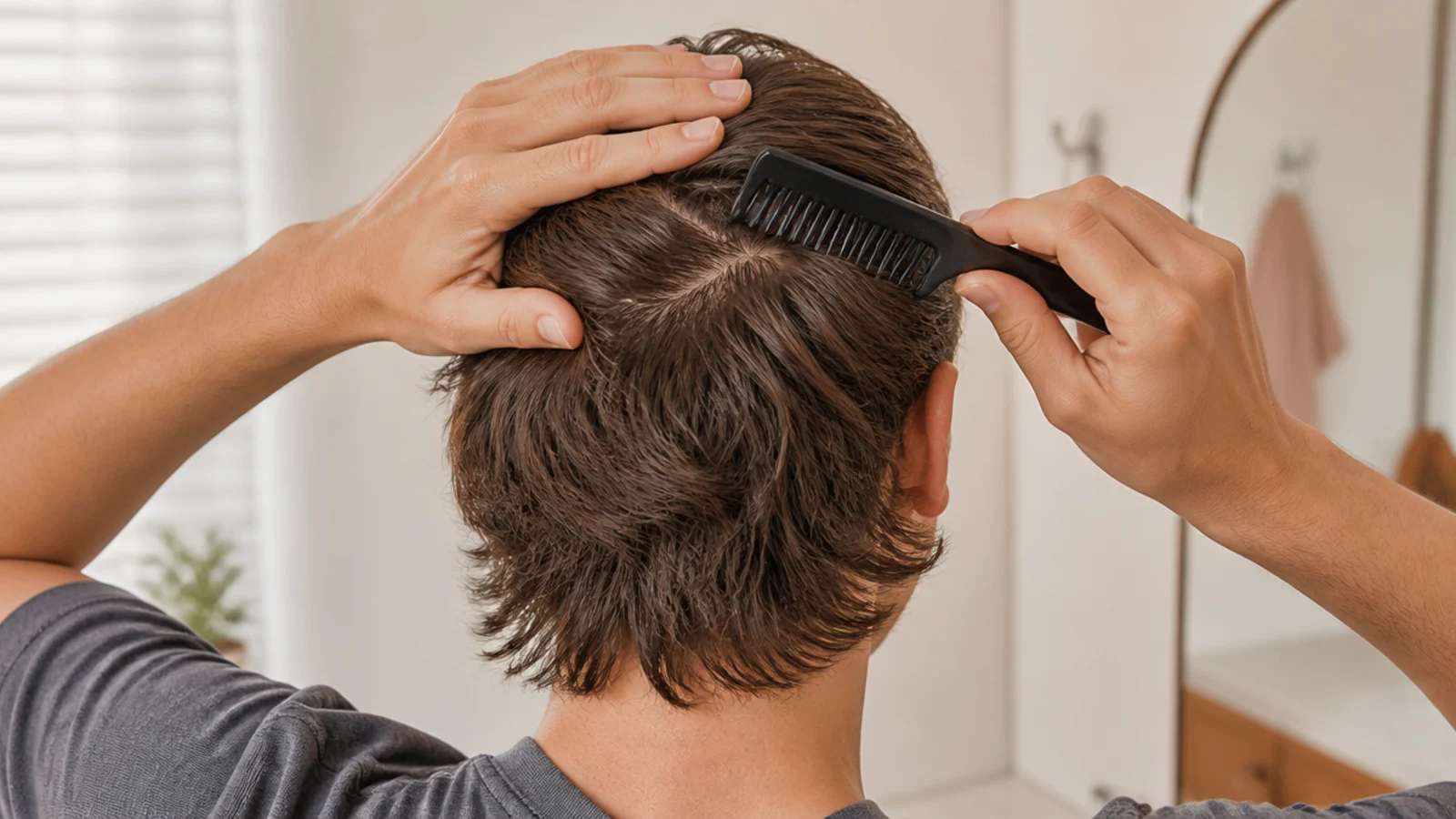
10. Wide Tooth Comb
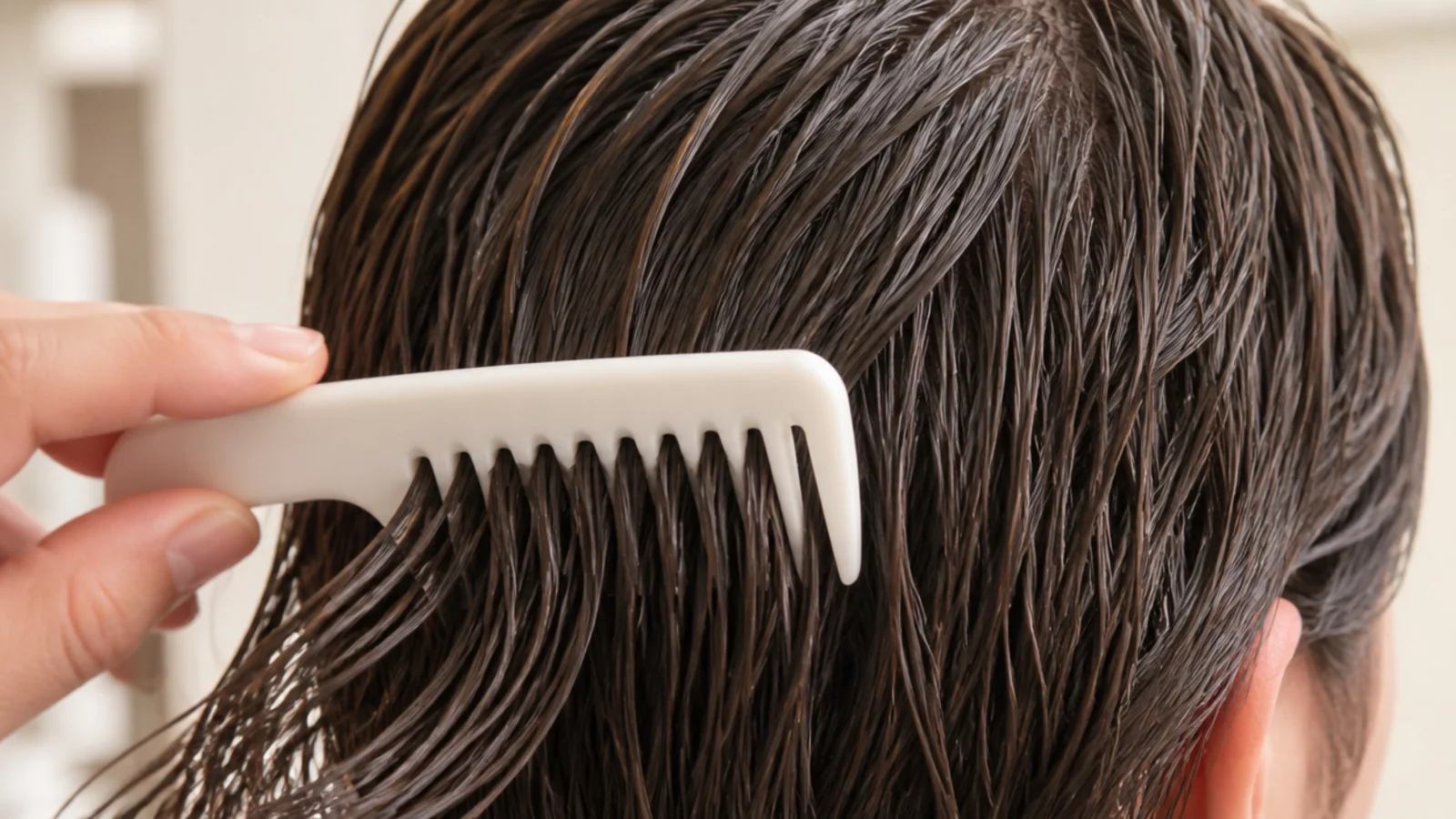
A fine comb dragged through wet hair meets every knot with the full width of the tooth and tears rather than separates. Wide teeth pass through tangles and let you work upward from the ends, which keeps the force low at the point where hair is swollen and weakest.
11. Tight Ties and Traction
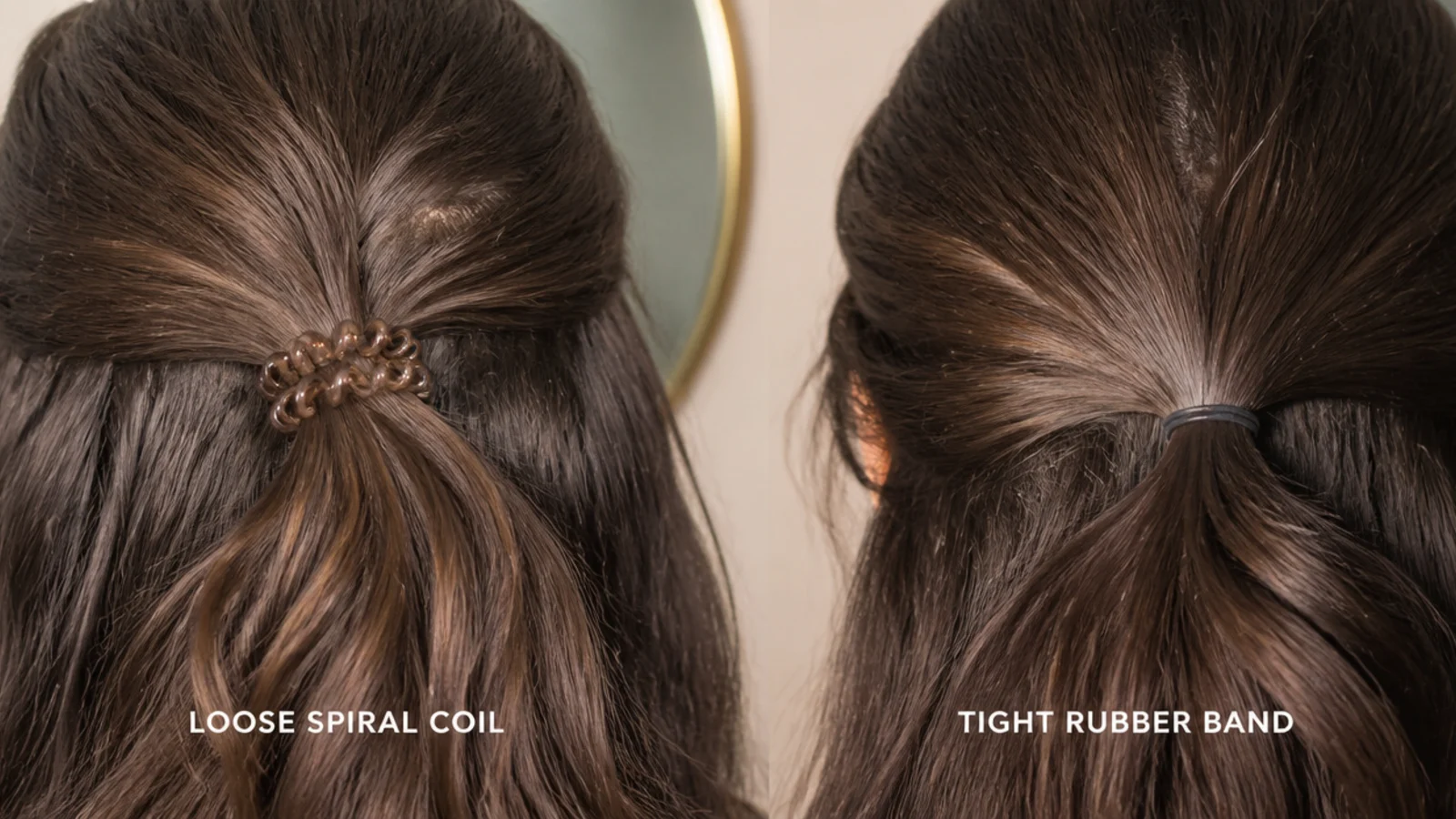
A tight man bun pulls hardest at the hairline and the temples, which are the follicles already most vulnerable to pattern thinning. Repeated tension on the same follicles causes traction damage that is reversible early and permanent late, so tie it low, tie it loose and move the position between days.
12. Scalp Exfoliation
Wax, clay and paste are formulated to resist washing out, so a film accumulates that ordinary shampoo leaves behind. A gentle physical or chemical exfoliation every few weeks clears it, which stops the flaking most men misread as dryness and treat by washing less.
13. Sleep and Recovery
A significant physical or emotional stress can push a batch of follicles into their resting phase together, and the shed arrives two to three months later rather than at the time. That delay is why the cause is almost always missed, and why the shedding usually resolves on its own within about six months.

14. Quit Smoking
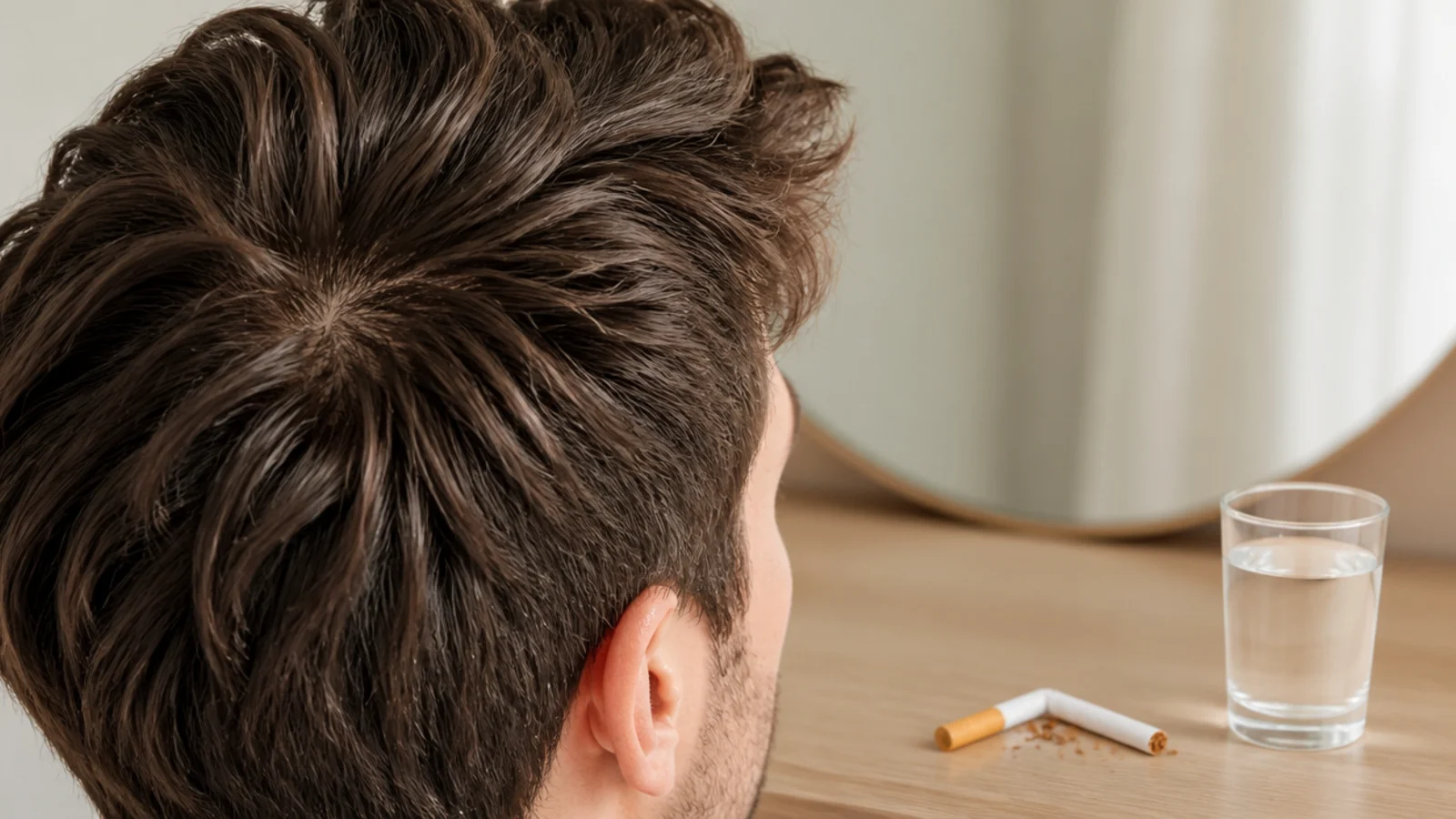
Smoking is consistently associated with earlier and more severe hair loss, and the proposed mechanisms are oxidative stress and reduced blood flow to the small vessels that feed the follicle. It is not a hair treatment, but it is the largest modifiable factor on this list by a wide margin.
15. Dermatologist Visit
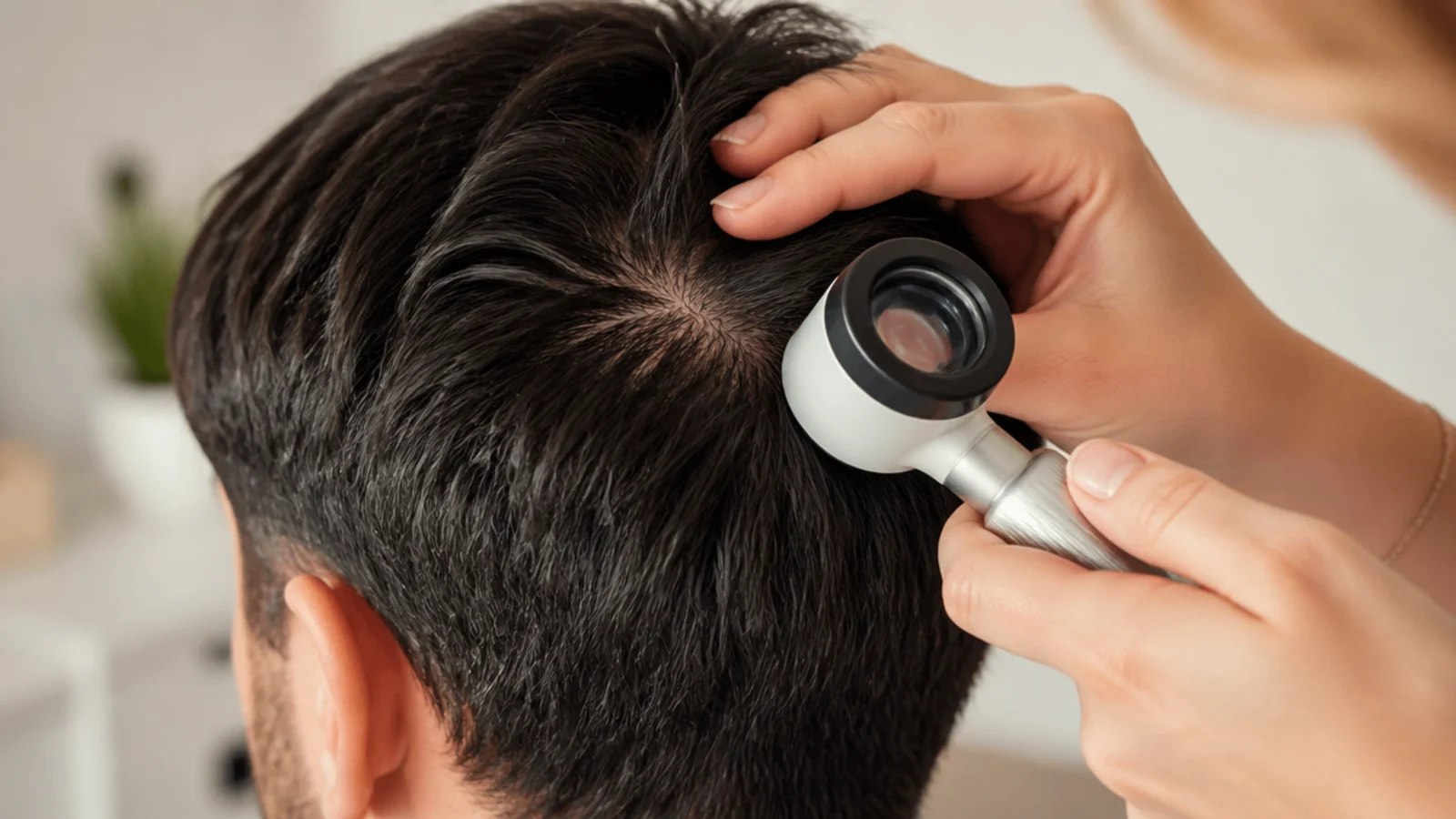
If the hairline or crown has visibly changed against an old photograph, the useful next step is a diagnosis rather than another bottle. Patterned loss, diffuse shedding and patchy loss look similar to you and completely different to a dermatologist, and every treatment that works works better early.
How to Grow It Out Without Giving Up
Step 1. Triage What You Have
Before anything else, decide which problem you are solving. Compare your hairline and crown against a photograph from several years ago, in similar light. Growing out is a patience routine and thinning is an appointment, and the two need opposite responses from the first week.
Step 2. Set a Baseline
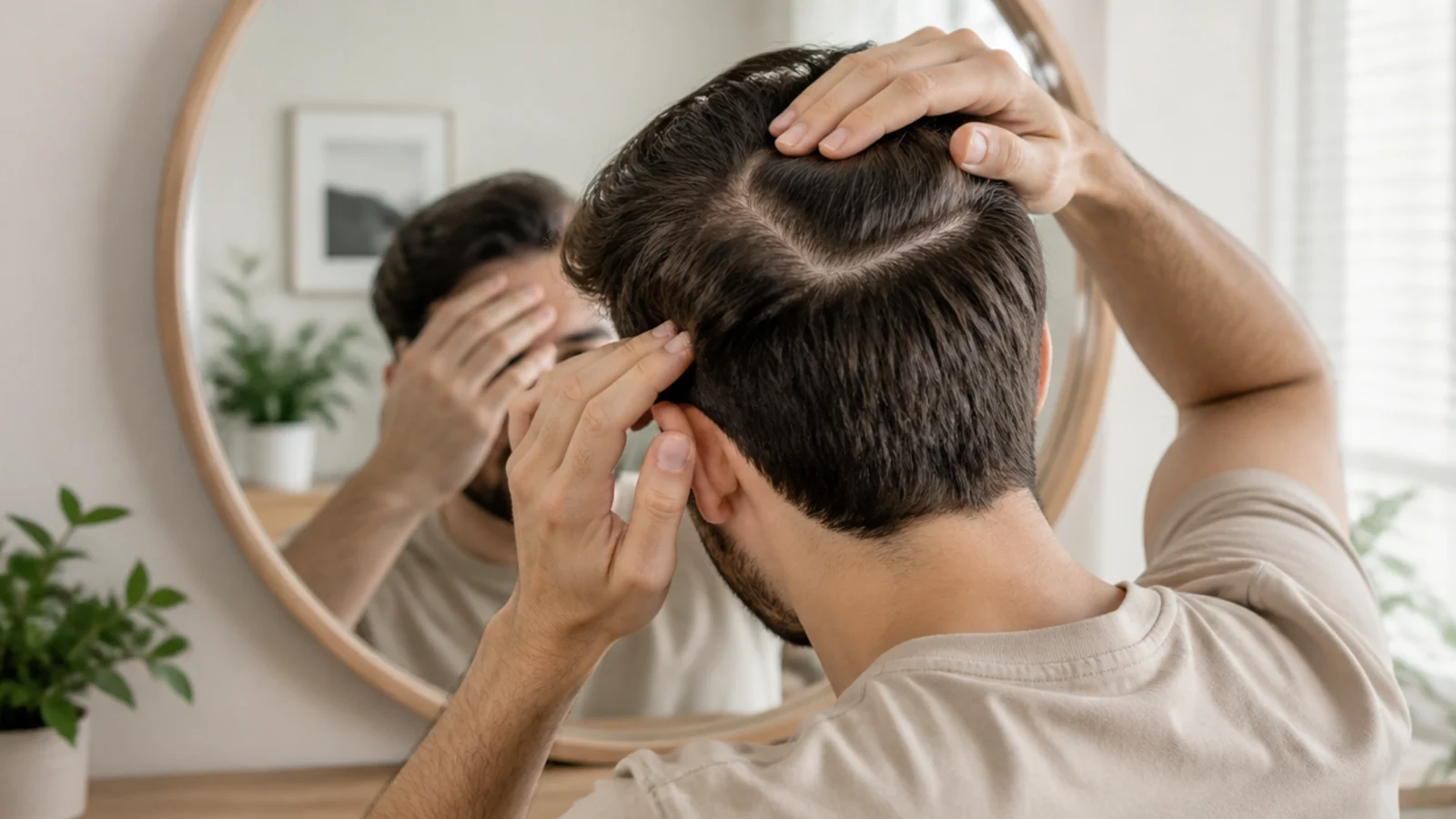
Photograph the top, the sides and the hairline in the same daylight, and note the date. Half an inch a month is invisible week to week, so without dated images you will conclude nothing is happening at exactly the point where quitting is most tempting.

Step 3. Fix the Wash Routine
Switch to a milder shampoo, wash often enough that clay and paste do not accumulate, and put conditioner on the ends only. A clean scalp and flexible ends cover most of what a growing head needs, and this is where the cheap gains are.
Step 4. Survive the Awkward Phase
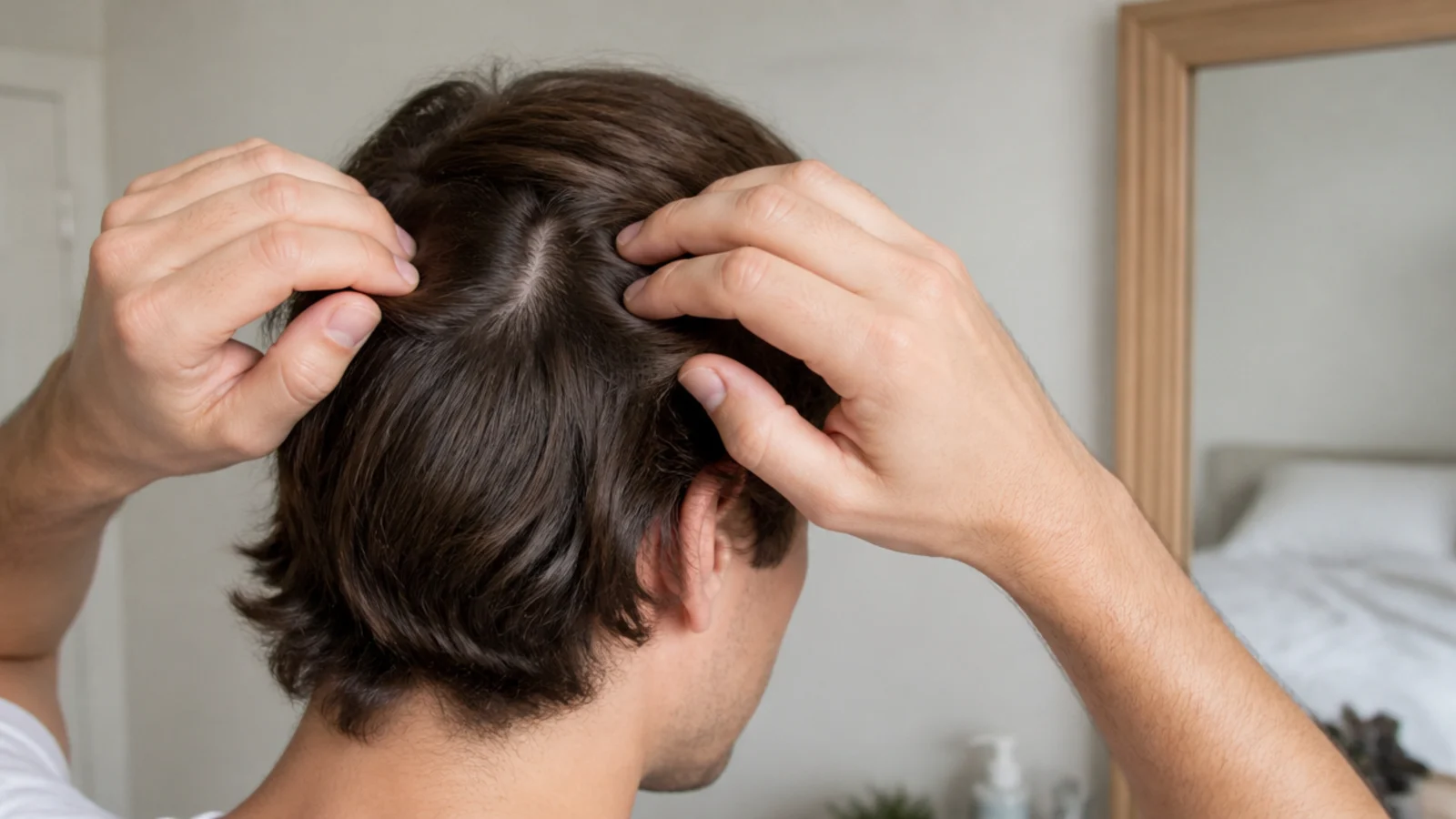
Expect roughly months three to five to look wrong and change nothing structural while it lasts. Ask a barber for scissor work over the ears and around the neckline only, which tidies the outline without shortening the top or resetting the sides.
Step 5. Style It In Between
A light cream or a sea salt spray adds enough weight and grip to stop the top flicking outward, which is the actual complaint of the middle months. Heavy wax makes it worse by separating the hair into strands that stand apart rather than sitting together.
Step 6. Book the First Real Cut
At around six to eight months there is enough length for a proper shape rather than a holding pattern. Bring a photograph, say the word shape, and say explicitly that the sides are not to be clippered, because a number two guard leaves six millimetres and eight months of waiting on the floor.
Step 7. Track Retention
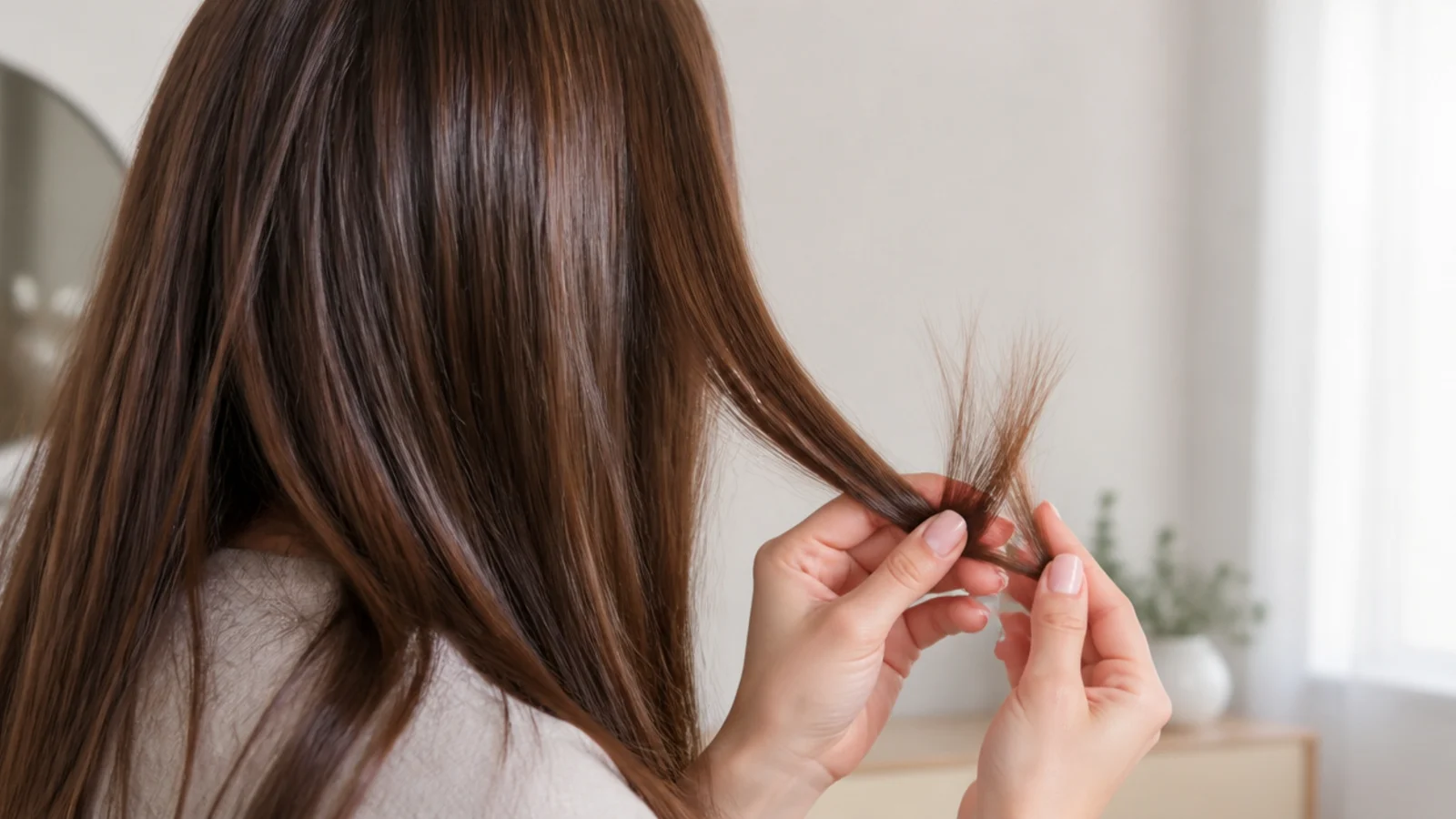
From here the question stops being how fast it grows and becomes how much stays. Photograph monthly, check the ends for splitting every few weeks, and book a quarter inch trim when they start to fray rather than waiting until the ends look obviously ruined.
Final Thoughts
Answer the triage question honestly before you spend anything. If the hairline has held its position against an old photograph, this is entirely a patience problem and the routine above is mostly free. If it has not, the useful expenditure is an appointment, because every treatment for pattern loss is a holding action and holding actions work best while there is something left to hold.
For where the middle months are heading, 30 wolf cut haircuts every guy should see covers the shape most men land on at collar length, and 15 long curly hair ideas for men to save is the version for anyone whose texture arrives with the length. More in Hair Care.