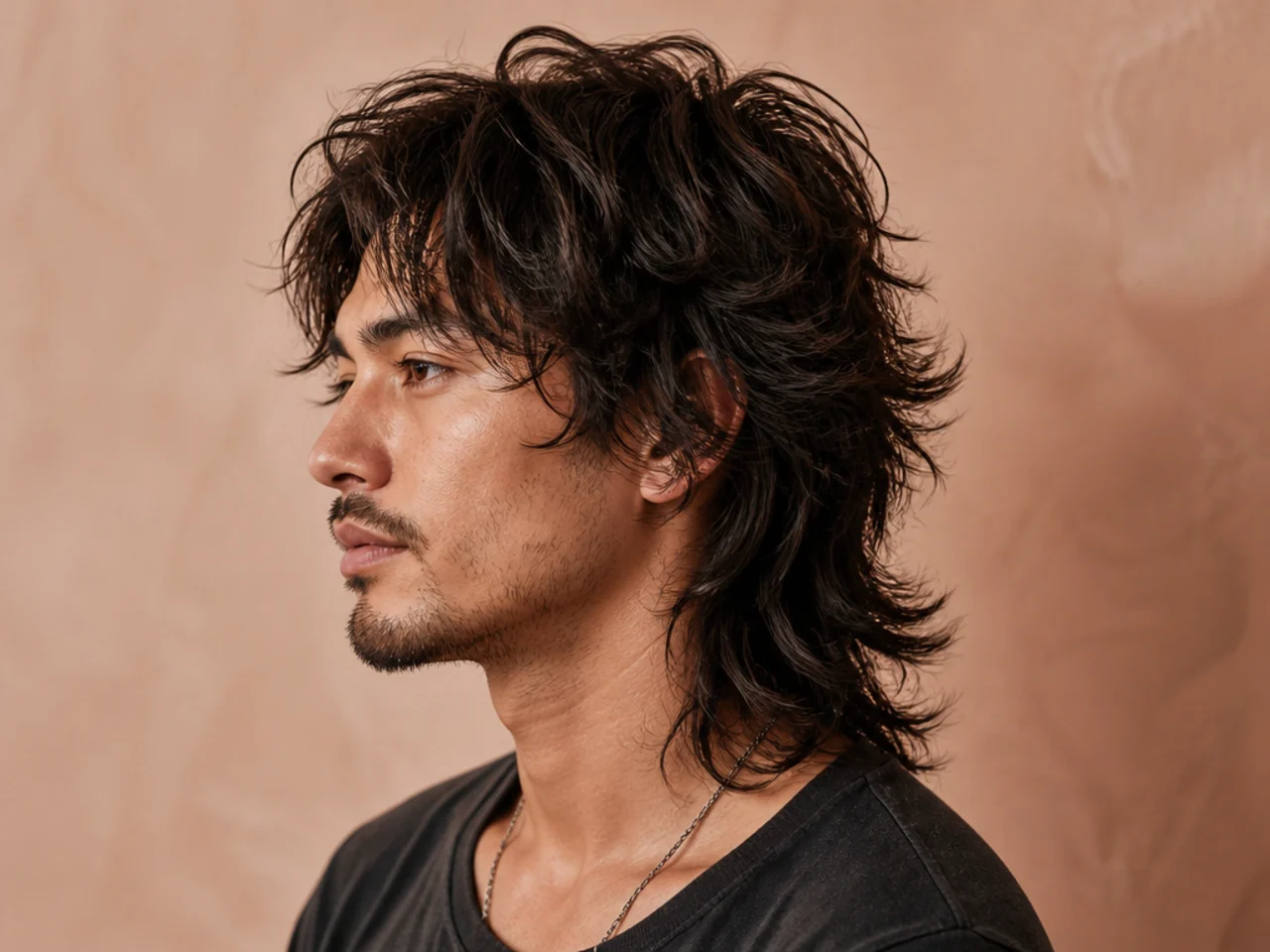
20 Beautiful Wolf Cuts For Black Women With Coils
Twenty wolf cuts for coily hair, built around the measurement that decides all of them — on type 4 coils the hair can pull up by half or more, so the layer spacing has to be set dry, in the style you actually wear.
In this article · 27
- How a Wolf Cut Behaves on Coils
- Choosing Your Layer Spacing and Style
- The 20 Coily Wolf Cut Ideas
- 1. The Wash and Go Wolf Cut
- 2. The Twist Out Wolf Cut
- 3. The Braid Out Wolf Cut
- 4. The Wolf Cut on Type 4A Coils
- 5. The Wolf Cut on Type 4B Coils
- 6. The Wolf Cut on Type 4C Coils
- 7. The Short Coily Wolf Cut
- 8. The Medium Coily Wolf Cut
- 9. The Long Coily Wolf Cut
- 10. The Wolf Cut With a Tapered Nape
- 11. The Wolf Cut With a Full Nape
- 12. The Curly Fringe Wolf Cut
- 13. The Face Framing Coil Wolf Cut
- 14. The Wolf Cut on a Blowout
- 15. The Wolf Cut on a Silk Press
- 16. The Wolf Cut With a Lightened Crown
- 17. The Wolf Cut on Fine Coils
- 18. The Wolf Cut on Dense Coils
- 19. The Wolf Cut Cut in Sections
- 20. The Grown Out Coily Wolf Cut
- Styling and Upkeep
- Mistakes to Avoid
- FAQ
- Final Thoughts
The wolf cut goes wrong on coils for one reason — it was measured stretched, and stretched length is not the length the shape will be built from.
Shrinkage is the whole calculation. Type 4 texture can pull up by half or more, so layers placed on wet hair land somewhere completely different once the coils return.
Coils need wider layer spacing than waves. A single coil occupies far more vertical height, so two layers cut close together vanish into each other and the step the cut depends on never appears.
How a Wolf Cut Behaves on Coils
Density does the shaping. On dense coils the outline is made by how much hair sits where, not by a visible cut line. The layers change the silhouette before they change anything you can point at.
The disconnection reads as an outline, not a step. On straight hair you see the edge where one layer stops. On coils you see the shape shift instead, which is why the spacing has to be generous enough to register.
The crown is asked to be shortest, and it is usually driest. That is the honest tension in this cut. Short layers at the crown are what create lift, and the crown is where coily hair breaks first.
Every style shows a different cut. A wash and go shows the layers at their most compressed, a blowout stretches them to their full length, and a silk press exposes any spacing error the coils were hiding.
Choosing Your Layer Spacing and Style
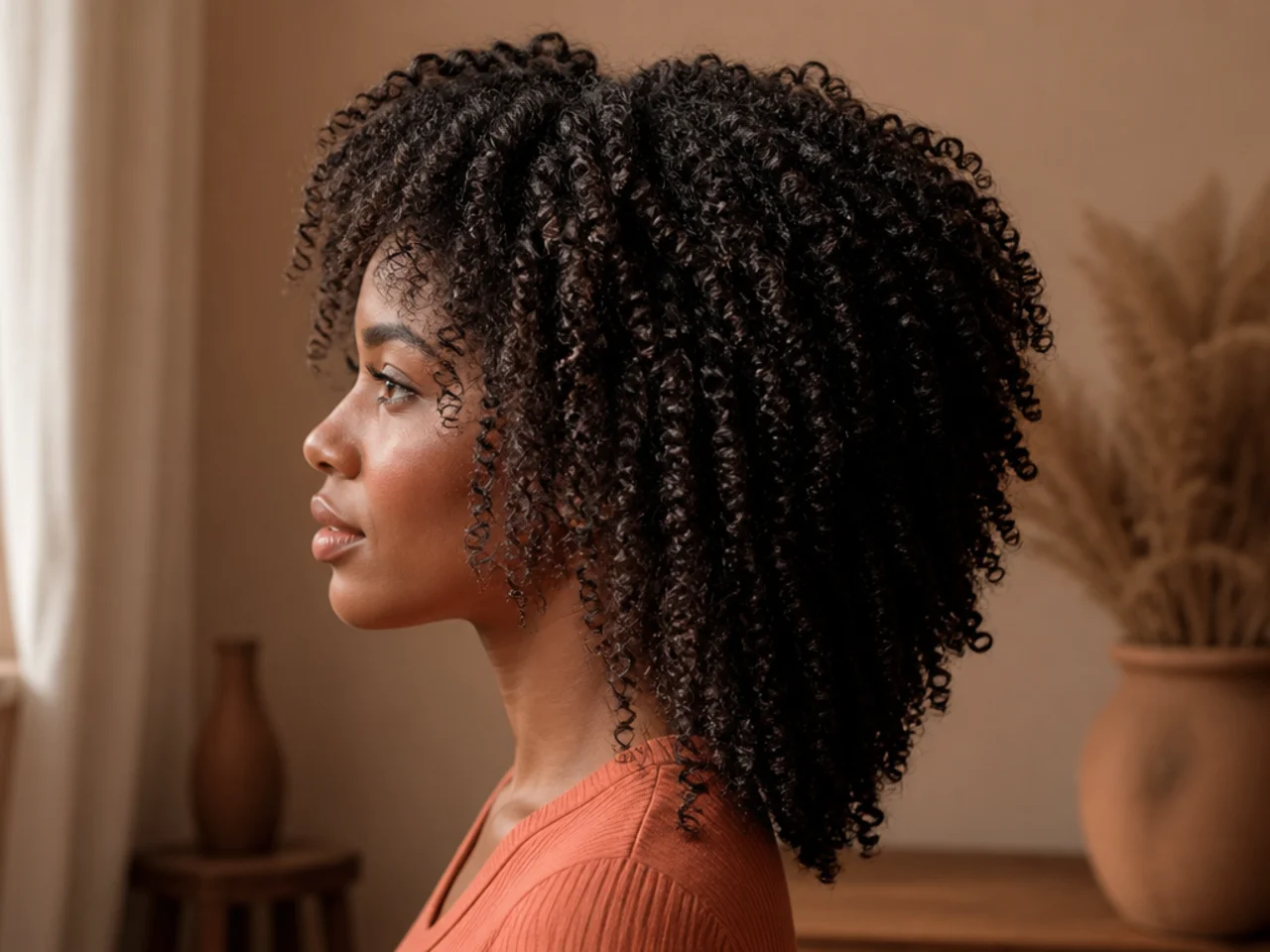
Cut dry, in your everyday style. Whatever you actually wear on a Tuesday is what the layers should be cut into. Cutting in a stretched state builds the shape for hair you will not see again.
Space the layers by coil diameter, not by inches. The tighter the coil, the further apart the layers have to sit before they read as separate at all.
Decide the nape before anything else. A tapered nape gives the cut its mullet weighting; a full nape keeps the outline round. It is the one part that cannot be undone quickly.
Name the finished shape, not the length removed. Say where the outline should sit when the hair is dry and shrunken, and let the stylist work out how much stretched length that takes.
The 20 Coily Wolf Cut Ideas
1. The Wash and Go Wolf Cut
Cut and worn in its most compressed state, which is where the shrinkage is greatest and the layers sit closest together. Because it is the shortest the hair ever looks, every other style you wear will only show more length rather than less.
2. The Twist Out Wolf Cut
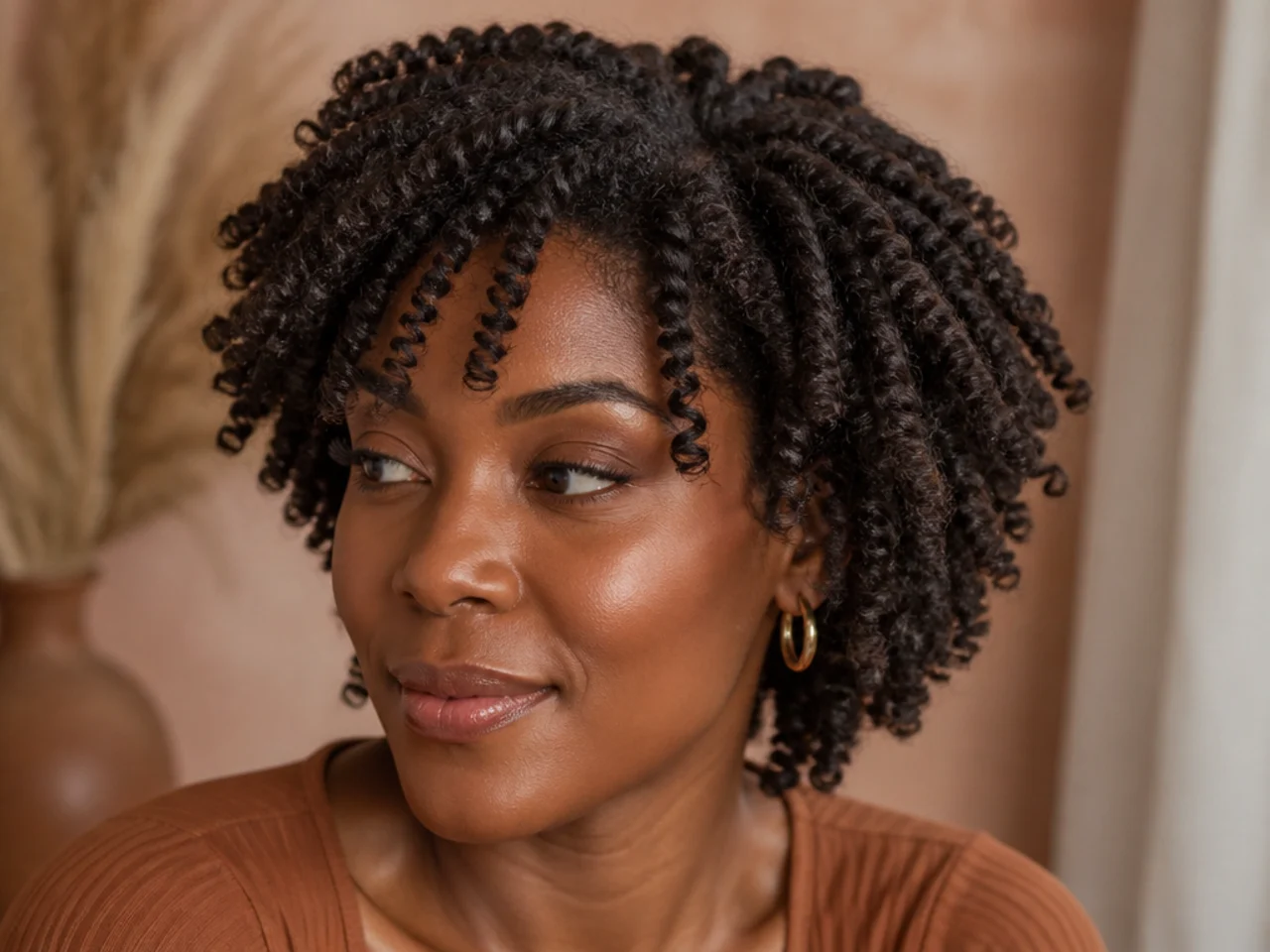
Twisting stretches the coil by perhaps a third, so the layers separate further apart than in a wash and go and the shape lengthens. Cut for the twist out and the wash and go will look shorter and rounder than you planned, so pick one to cut for.
3. The Braid Out Wolf Cut
A braid out produces a wider, looser wave than a twist out because the strand is bent over three sections instead of two. That extra stretch pulls the layers further apart still and gives the wolf cut its softest outline.

4. The Wolf Cut on Type 4A Coils
Tight springs with a visible S pattern hold definition on their own, so the layers can sit relatively close and still separate. This is the type 4 texture that most resembles the reference photos, and it needs the least adjustment to the standard cut.

5. The Wolf Cut on Type 4B Coils
A sharper zigzag bend rather than a curl, so the hair packs together into a denser mass. Layers need extra spacing here, and definition comes from shaping the outline rather than from expecting individual pieces to separate.
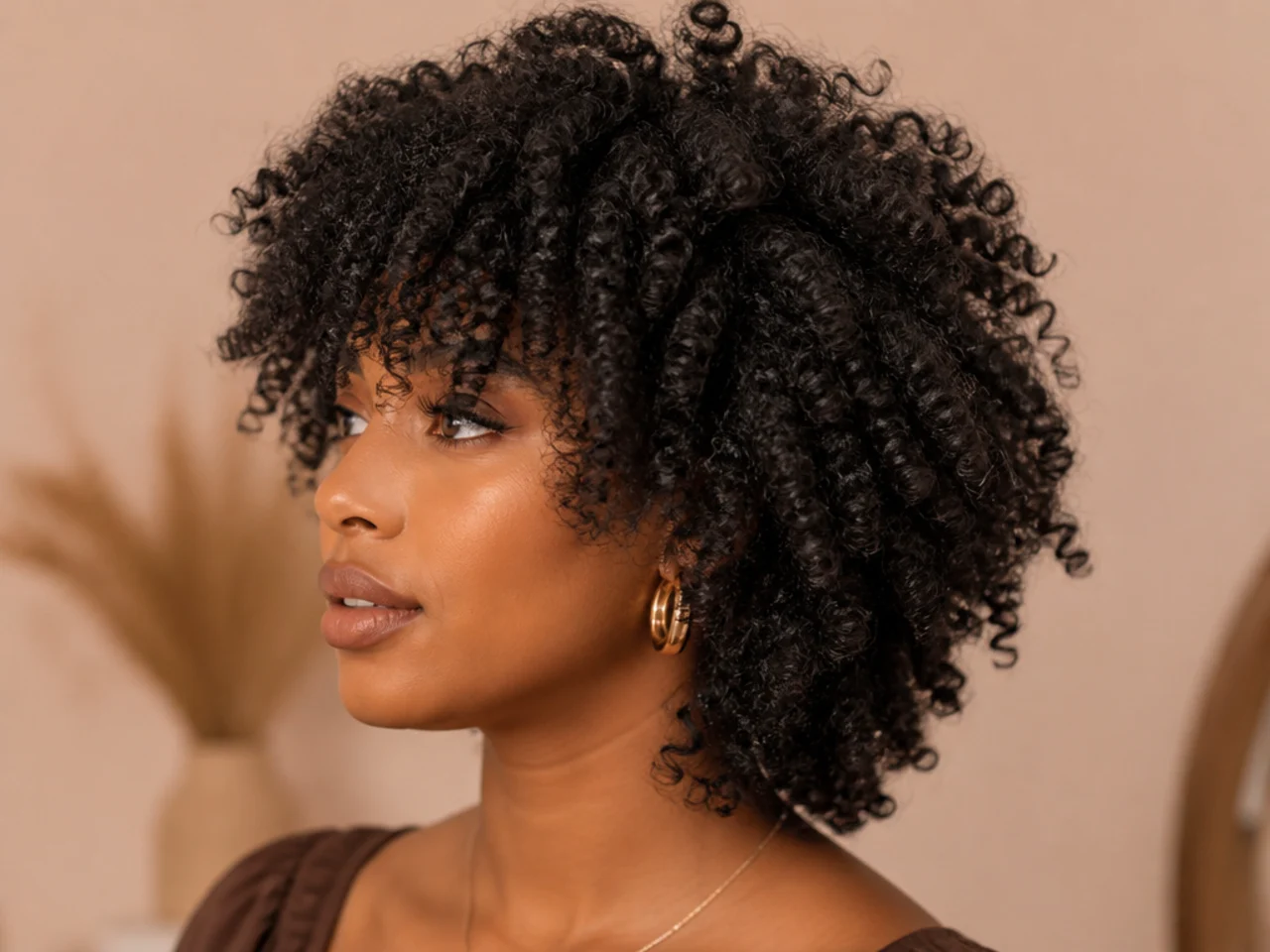
6. The Wolf Cut on Type 4C Coils
The tightest pattern and the greatest shrinkage, often three quarters of the stretched length. The cut becomes almost entirely a matter of sculpting the silhouette, since no layer edge will be visible as a line at any point.

7. The Short Coily Wolf Cut
Above the shoulder there is little vertical room for the layer stack, so the crown layers carry nearly all the shape. Compress the spacing too far and the outline goes round rather than layered, which is a tapered cut by another name.

8. The Medium Coily Wolf Cut
Shoulder to collarbone when shrunken, which on type 4 texture usually means cutting somewhere near the mid back stretched. It is the length with enough room for a real step between the crown and the perimeter.

9. The Long Coily Wolf Cut
Below the shoulder blade shrunken, the weight of the length pulls the crown down, so the crown layers have to be cut shorter than they look comfortable in order to still prop anything up. Length and lift compete directly here.
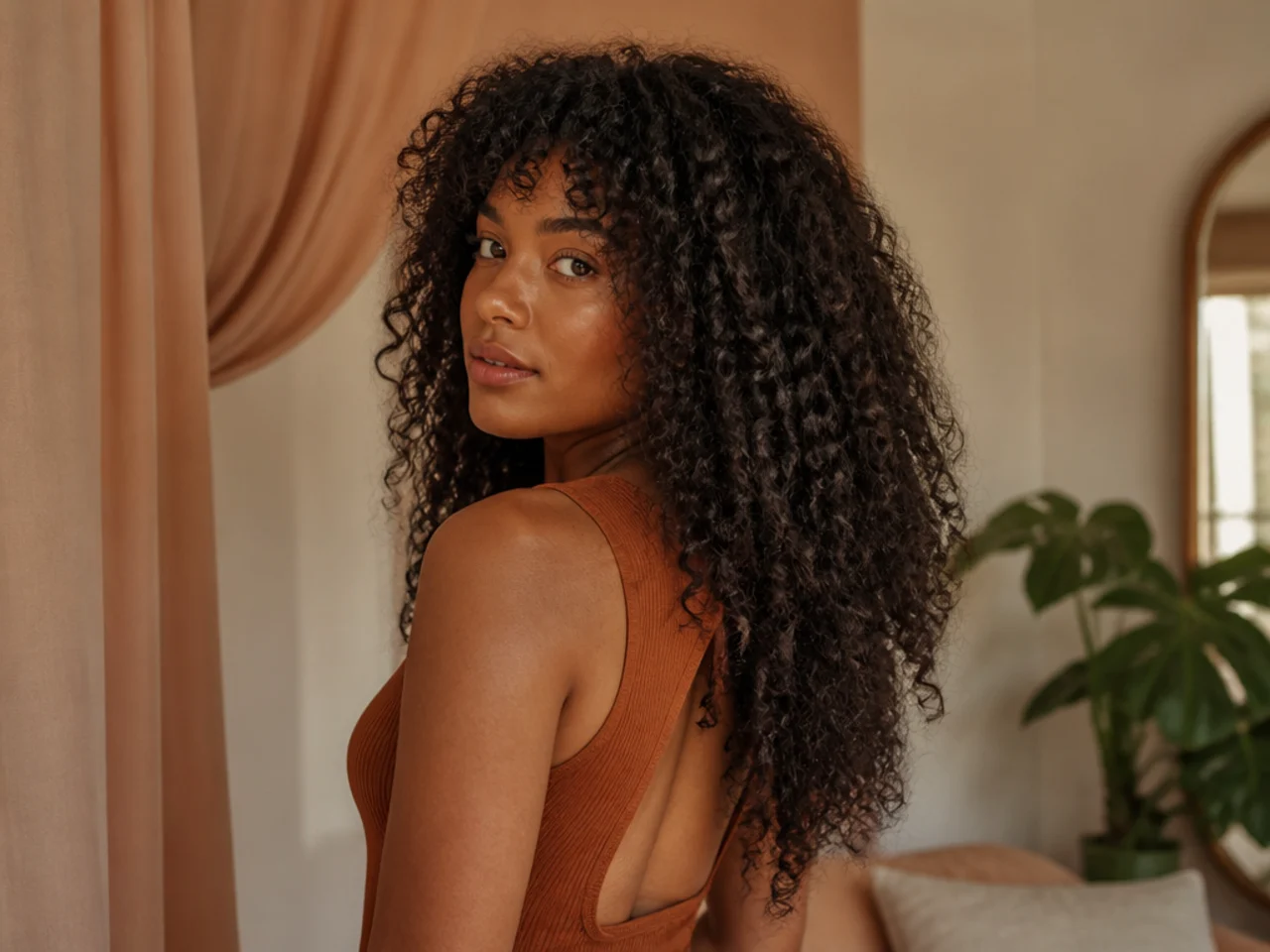
10. The Wolf Cut With a Tapered Nape
The nape is graduated shorter so the back sits close to the neck, and the weight moves upward into the crown. This is the mullet element of the wolf cut doing its job, and it makes the silhouette read as deliberate rather than simply full.
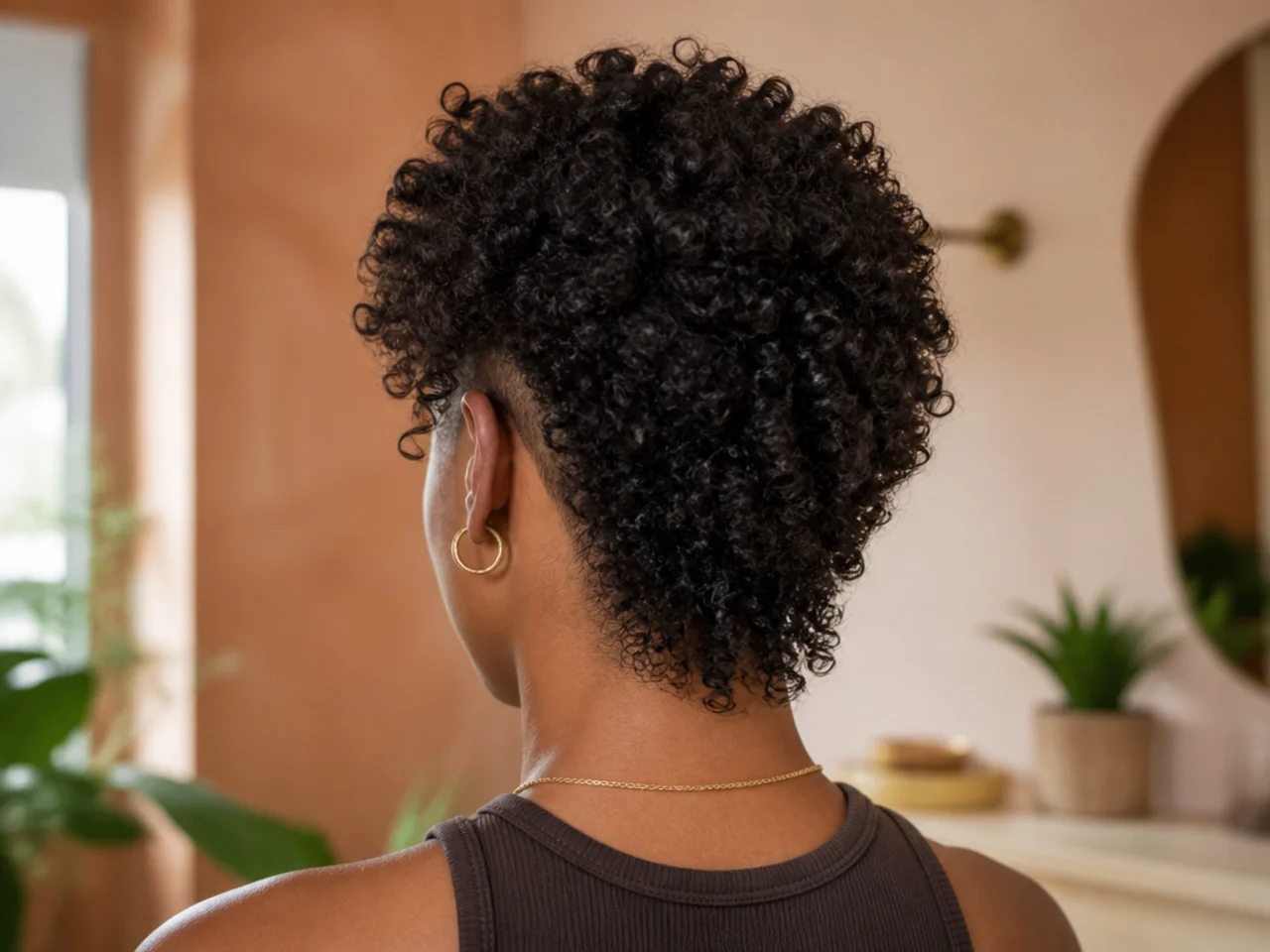
11. The Wolf Cut With a Full Nape
No graduation at the neck, so the layers run continuously from crown to ends. It is the connected approach that defines the Korean wolf cut, and it keeps the outline round, which suits coils that already carry their volume low.
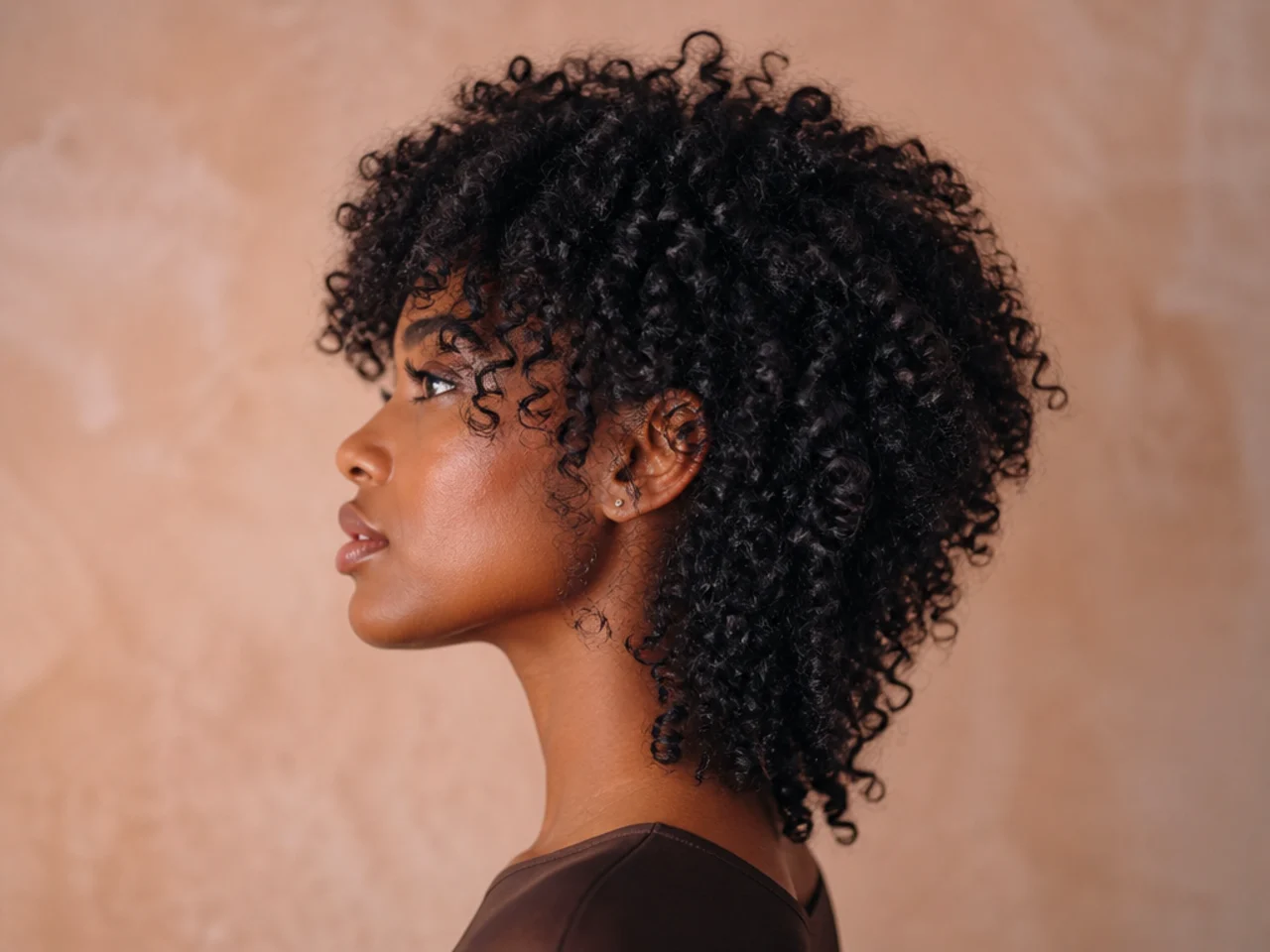
12. The Curly Fringe Wolf Cut
A coily fringe shrinks more than any other section because it is the shortest hair with the least weight pulling it down. Cut it a good deal longer than the target or it will settle well above the brow.

13. The Face Framing Coil Wolf Cut
Front pieces cut shorter than the length beside them so they sit forward on the cheek. On coils this is the most effective way to show the layers, because the frame is the one place the eye can see two lengths at once.

14. The Wolf Cut on a Blowout
Stretched with heat, the layers reveal their true spacing and the disconnection becomes obvious. It is a useful diagnostic as much as a style, since anything uneven in the cut will show here and nowhere else.

15. The Wolf Cut on a Silk Press
Fully smoothed, the cut behaves like a straight haired shag and every layer edge is visible as a line. Keep the heat occasional, because repeated passes at high temperature are what loosen a coil pattern permanently.

16. The Wolf Cut With a Lightened Crown
Lighter colour at the crown makes the top layers advance visually while the darker length recedes, which exaggerates the step without cutting anything shorter. Lightening also loosens the coil slightly, so expect a little less spring where the colour sits.

17. The Wolf Cut on Fine Coils
Fine strands in a tight pattern give definition easily but have little mass, so removing weight thins the outline fast. Take fewer layers, keep them long, and let the coil pattern rather than the scissors create the movement.

18. The Wolf Cut on Dense Coils
High density holds a shape without help, so the layers exist mainly to release bulk from underneath. Take it internally at the mid lengths, because cutting the outer perimeter only moves the widest point of the silhouette higher.

19. The Wolf Cut Cut in Sections
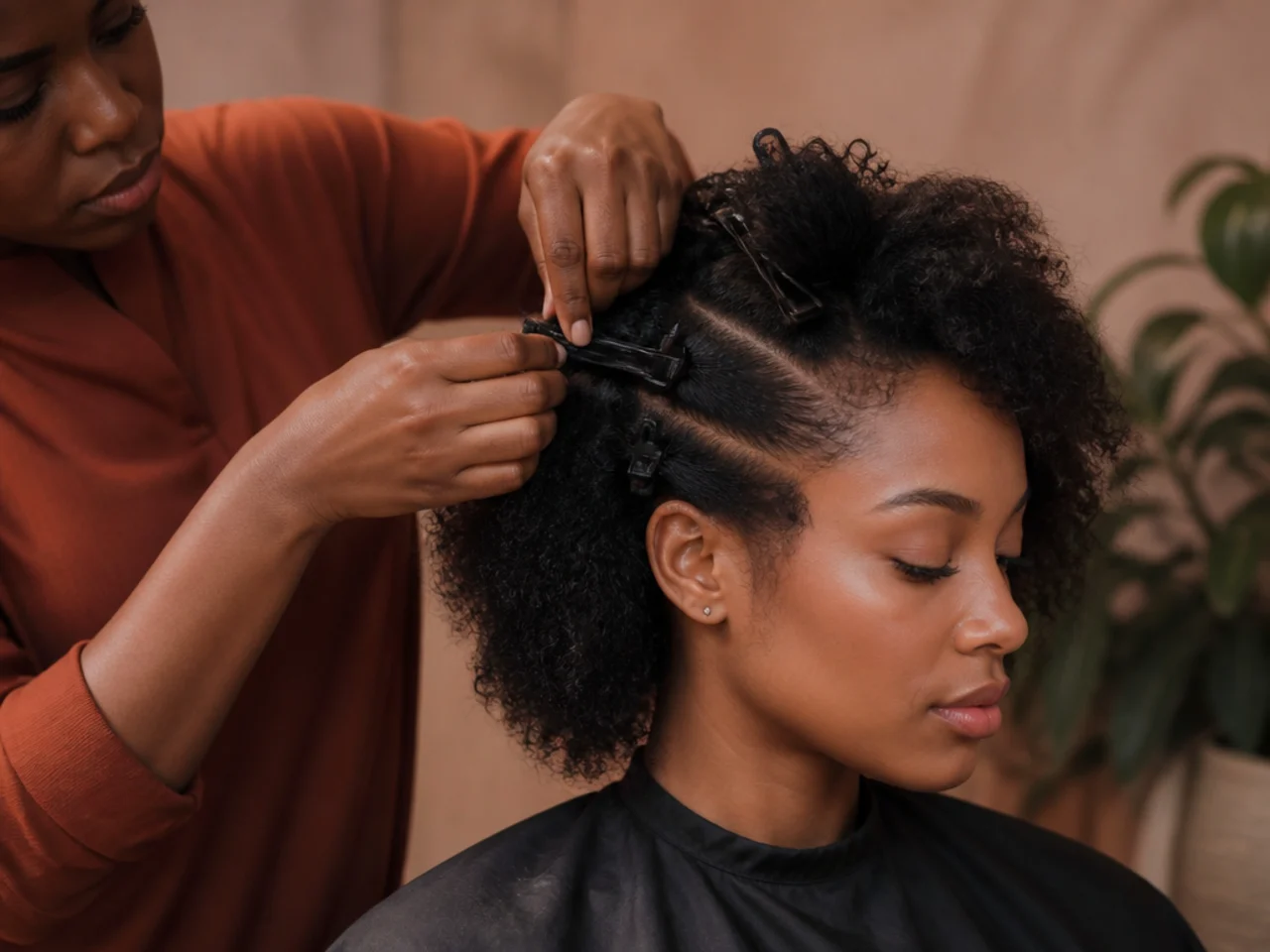
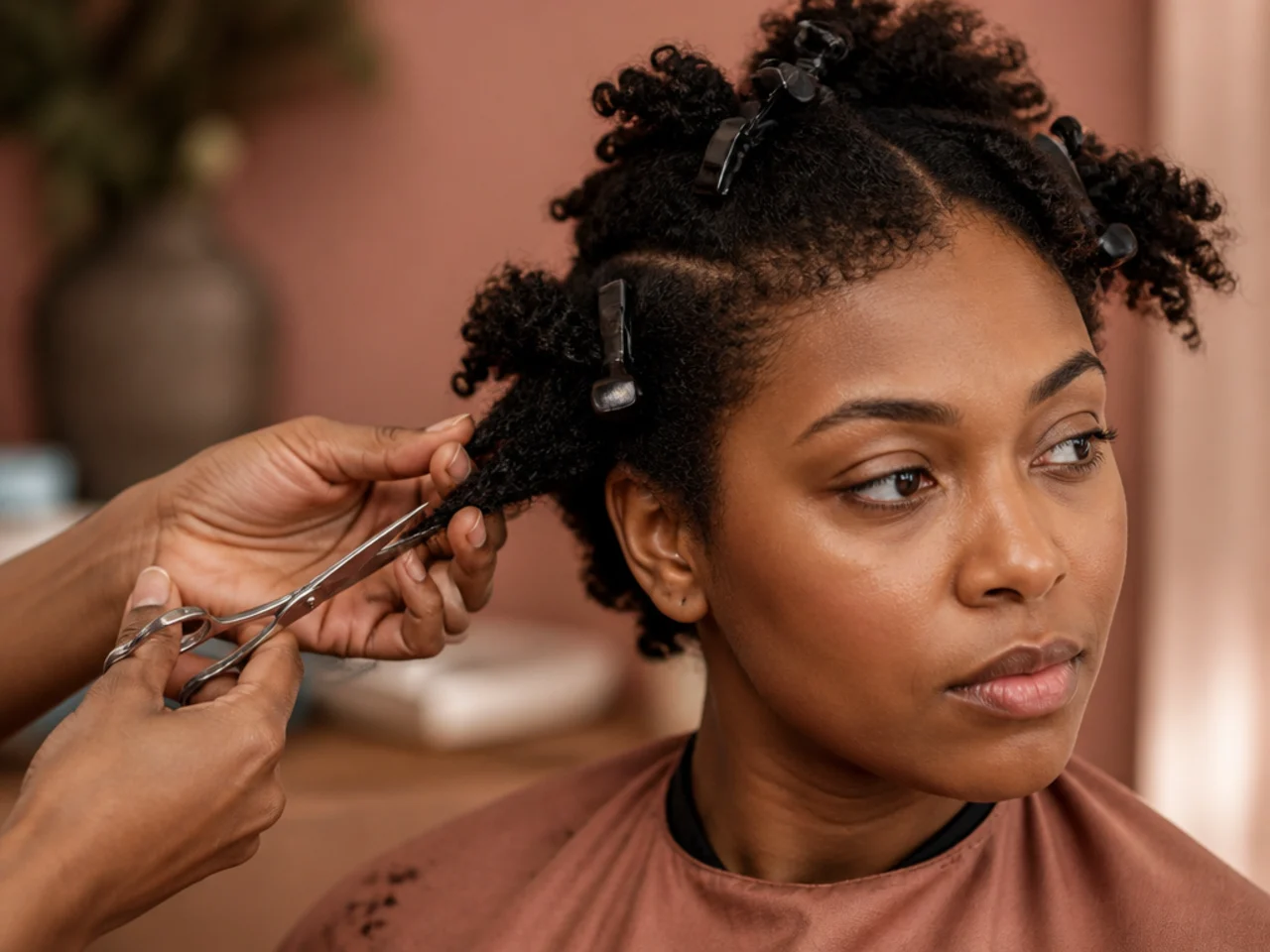
The hair is worked in small clipped sections and each coil is cut individually in its natural state. It takes far longer than a wet cut and it is the only method that puts every layer where you will actually see it.
20. The Grown Out Coily Wolf Cut
Three months on, the layers have grown down together so the spacing between them stays proportional and the silhouette holds. The face frame drops first, and once it passes the jaw the cut stops reading as a wolf.

Styling and Upkeep
Give the crown more conditioner than the rest. It is the driest section and the one the cut asks to be shortest, so breakage there costs the shape directly.
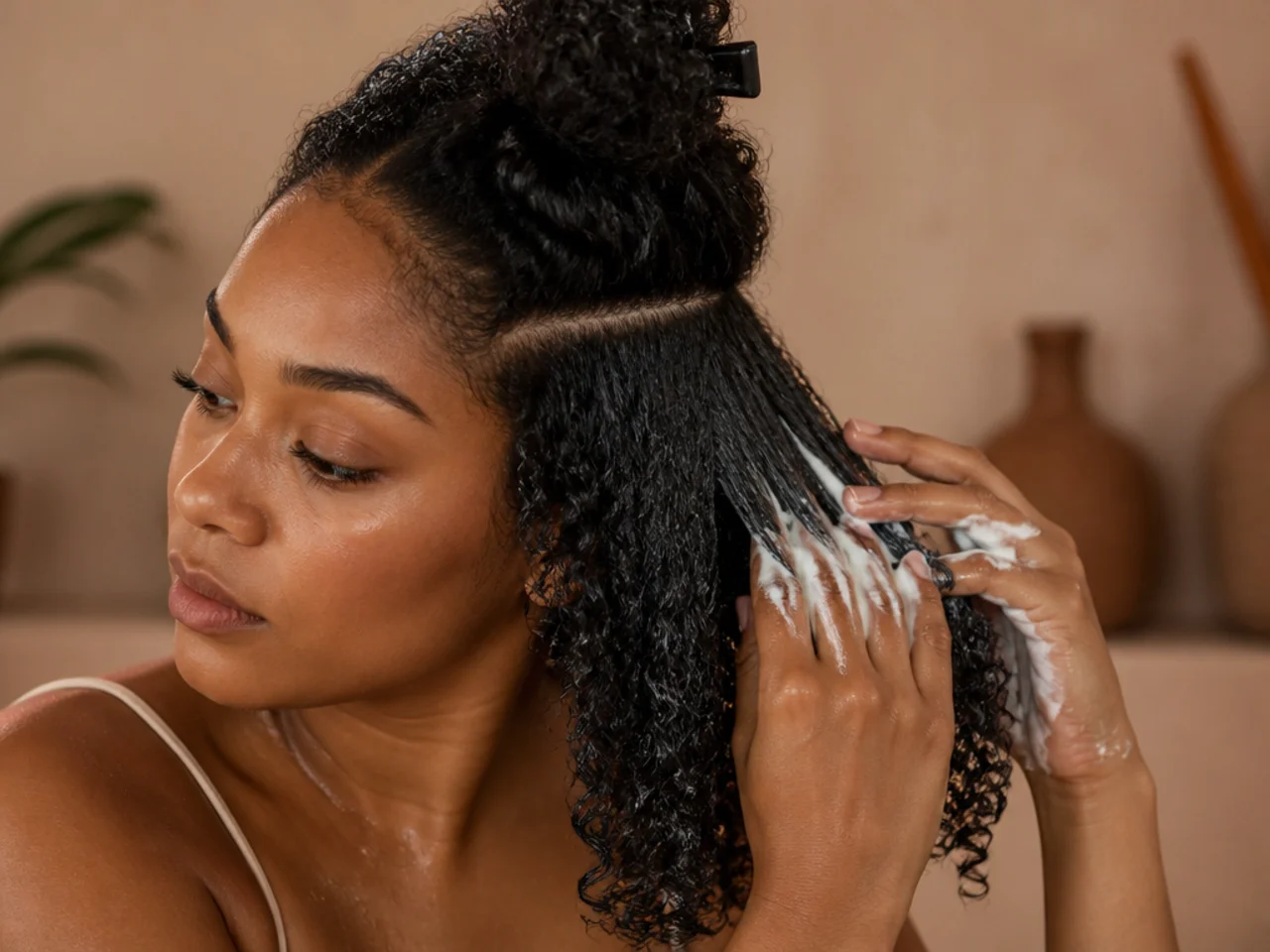
Apply product in sections while soaking wet. Definition comes from strands of similar length gathering into clumps, and clumps form while the hair is heavy with water.
Refresh the crown rather than rewashing. Water and a little leave-in on the flattened top resets the lift without putting the whole head through another drying cycle.
Protect at night in a bonnet or on satin. Cotton friction pulls strands out of their clumps overnight, which reads as lost definition rather than as frizz.
Book a shape up every ten to twelve weeks. Layers grow down together so the silhouette holds, but the ends split and stop clumping well before that becomes visible.
Mistakes to Avoid
Cutting it stretched. A layer placed on blown out hair lands somewhere else entirely once the coils return, and by then the correction costs length.
Spacing the layers like a wave pattern. Coils need wider gaps to read as separate, and close spacing simply removes bulk with nothing to show for it.
Taking the crown very short on a first cut. It is the driest area and the slowest to recover. Go longer than the photo, then take more at the next appointment.
Cutting the perimeter to fix a triangle. The width comes from weight sitting low; removing it from the outside only raises the widest point.
Using a reference photo from a looser texture. Spacing that separates cleanly on a 3B curl closes into a single mass on 4C, and the cut cannot deliver the photo.
FAQ
Wet or dry? Dry, in the style you actually wear — stretched length is not the length you will see.
How much shrinkage? Half the stretched length or more on type 4 texture.
How often? Ten to twelve weeks. The ends fail before the shape does.

Final Thoughts
On coils the wolf cut is a silhouette, not a set of visible lines. Get the layer spacing wide enough for your coil diameter and the shape appears on its own; cut it stretched and you will be looking at somebody else's haircut.
For the shorter version, where the layer stack has far less vertical room to work with, see the short wolf cut. More in Mullet and Wolf Cut.