25 Stunning Short Wolf Cut Ideas To Try Now
Twenty five short wolf cut ideas, and the constraint nobody mentions — the shorter the perimeter, the less vertical room the layer stack has to travel through. Compress it wrongly and the cut goes triangular instead of shaggy.
In this article · 32
- What a Short Wolf Cut Actually Is
- Choosing Your Length and Fringe
- The 25 Short Wolf Cut Variations
- 1. Classic Collarbone Wolf Cut
- 2. Chin Length Wolf Cut
- 3. Wolf Cut Bob
- 4. Short Wolf Cut With Curtain Bangs
- 5. Short Wolf Cut With Blunt Bangs
- 6. Short Wolf Cut With Micro Bangs
- 7. Short Wolf Cut With a Side Swept Fringe
- 8. Curly Short Wolf Cut
- 9. Wavy Short Wolf Cut
- 10. Straight Short Wolf Cut
- 11. Coily Short Wolf Cut
- 12. Short Wolf Cut on Fine Hair
- 13. Short Wolf Cut on Thick Hair
- 14. Korean Short Wolf Cut
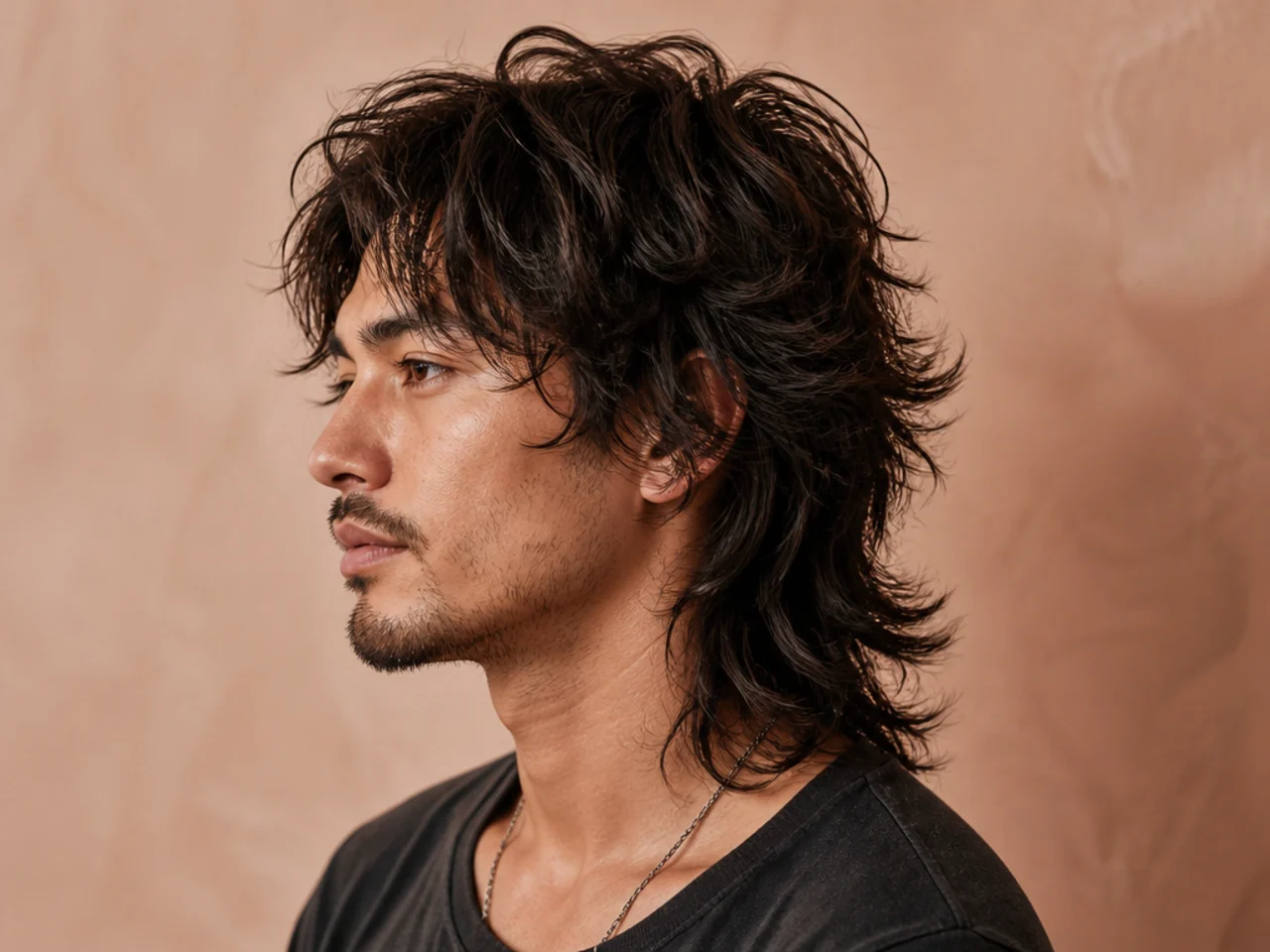
- 15. Short Wolf Cut for Men
- 16. Short Wolf Cut With a Tail
- 17. Disconnected Short Wolf Cut
- 18. Razored Short Wolf Cut
- 19. Blunt Perimeter Short Wolf Cut
- 20. Short Wolf Cut With an Undercut Nape
- 21. Short Wolf Cut With Face Framing Layers
- 22. Messy Short Wolf Cut
- 23. Sleek Short Wolf Cut
- 24. Short Wolf Cut With a Money Piece
- 25. Grown Out Short Wolf Cut
- Styling and Upkeep
- Mistakes to Avoid
- FAQ
- Final Thoughts
A short wolf cut fails in one specific way, and it is always the same one — the layers were cut for a longer head of hair and then the perimeter was taken up to the jaw.
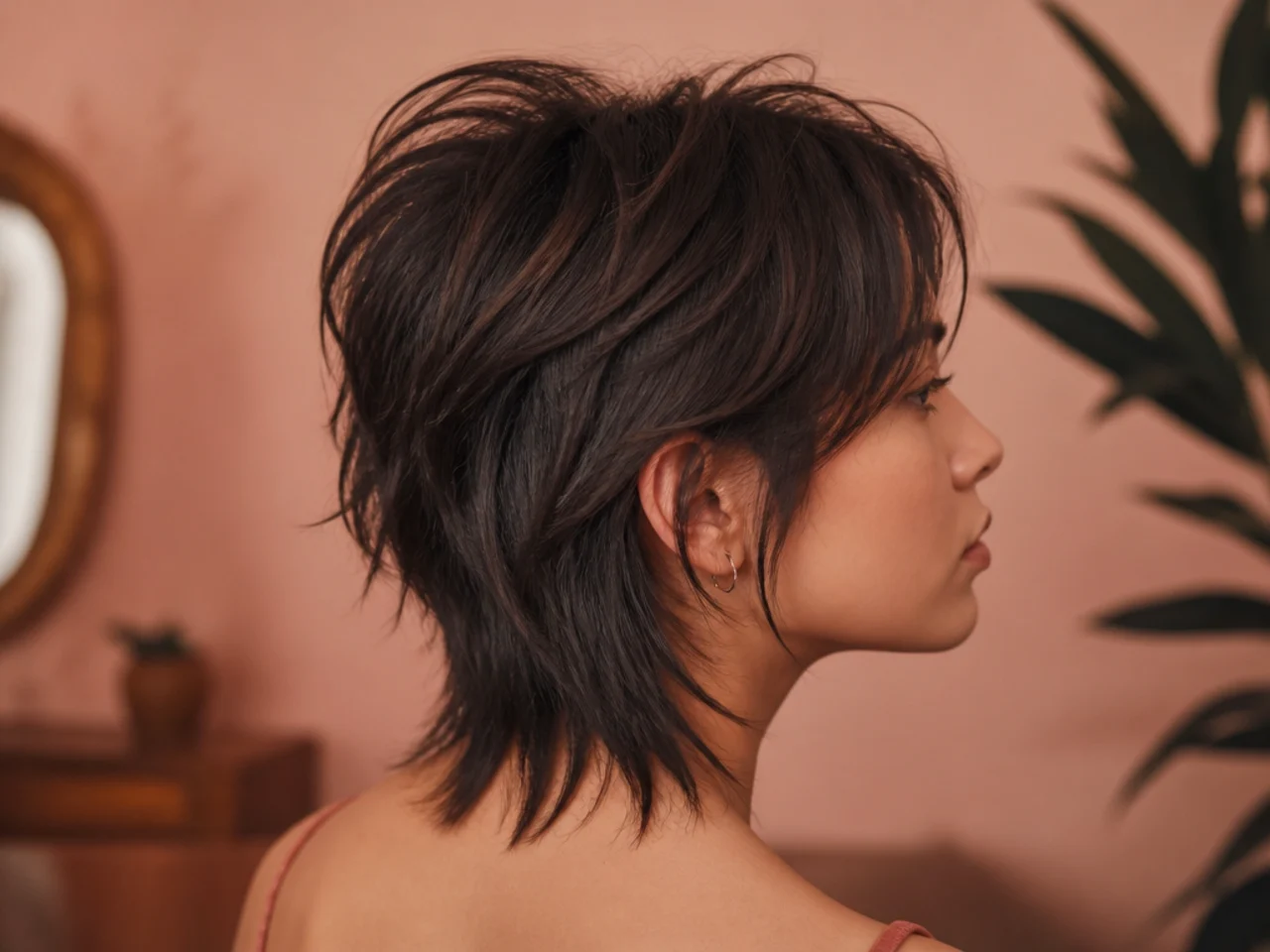
The volume comes from stacked layers, not from the length. Short crown layers sit on top of longer ones and prop them up. That is the entire mechanism of the cut.
Shortening the perimeter compresses the stack. Less vertical distance between the shortest layer and the longest one means the same layering pushes outward rather than downward.
What a Short Wolf Cut Actually Is
It is a shag with a mullet perimeter. Heavy layering through the crown, a lighter and wispier outline, and usually a fringe split at the centre.
The crown is where the volume is built. The shortest layers sit highest, and everything below them leans on them. Cut them too long and the cut goes flat no matter how much product goes in.
The perimeter is what makes it short. Between the ear and the collarbone is the working range. The layering above it stays the same shape whatever the outline does.
It is not a bob with layers. A bob keeps its weight at the perimeter; a wolf cut deliberately removes it, which is why the two grow out completely differently.
Choosing Your Length and Fringe
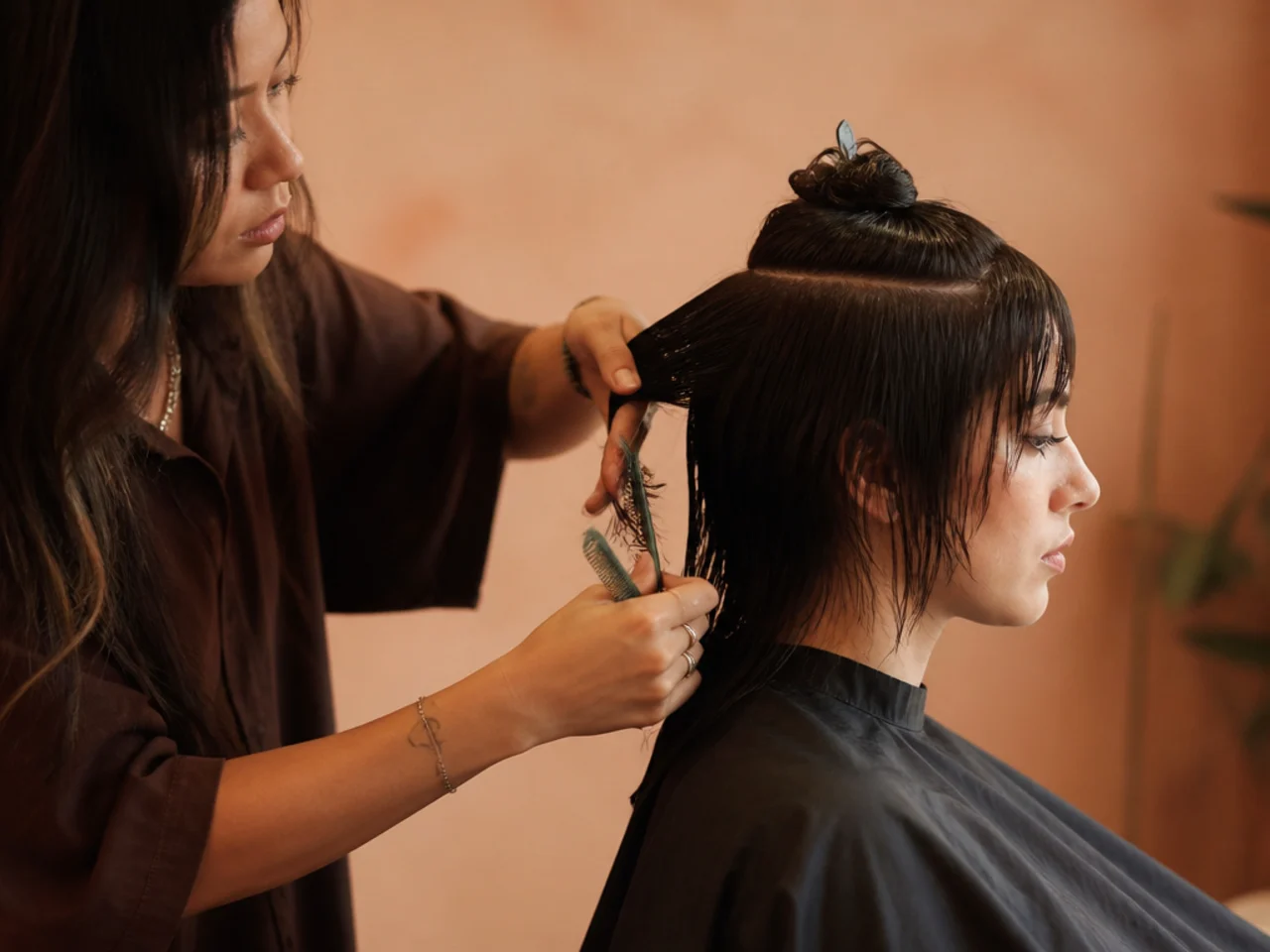
Set the perimeter by your face length. The widest point of the layer stack should not sit level with the widest part of your face, or the two read as one horizontal.
Pick the fringe before the layers. A curtain fringe blends into face framing layers; a blunt fringe fights them. That decision changes how the front section is cut, so it has to come first.
Bring less layering to fine hair. Every layer takes density out of the perimeter. On fine hair the outline is the only place density is visible, so protect it.
Cut curls dry. Curl shrinks as it dries, and on a short wolf cut two inches of shrinkage is the difference between the collarbone and the ear.
The 25 Short Wolf Cut Variations
1. Classic Collarbone Wolf Cut
The perimeter at the collarbone, layers stacked from the cheekbone up. This is the longest version that still counts as short, and it is also the most forgiving, because there is enough vertical distance for the stack to sit without pushing sideways.
2. Chin Length Wolf Cut
The shortest workable perimeter. With so little distance under the stack, the layers have to be cut closer together and fewer of them, or the whole shape widens at the ears rather than falling. Ask for the layers kept above the cheekbone.

3. Wolf Cut Bob
A bob outline with a wolf cut interior — blunt at the ends, hollowed out above. The blunt perimeter puts the density back that the layering removes, which is why this is the version that works on hair too fine for a true shag.

4. Short Wolf Cut With Curtain Bangs
The fringe split at the centre and cut long enough to blend into the face framing layers behind it. Because there is no hard edge where the fringe ends, it grows out into the layers rather than sitting on top of them as a separate length.

5. Short Wolf Cut With Blunt Bangs
A solid fringe cut level at the brow. It puts a strong horizontal across the face that the shaggy layers behind it have to work against, which is a striking contrast on a long face and a crowding one on a round face.

6. Short Wolf Cut With Micro Bangs
The fringe cut well above the brow, leaving most of the forehead visible. It lifts the eye upward and shortens the apparent face, and because it is so short it needs trimming every two to three weeks before it drops into the eyebrow line.

7. Short Wolf Cut With a Side Swept Fringe
The fringe cut on a diagonal and worn to one side. The diagonal crosses the face rather than sitting square on it, which breaks up a wide forehead and softens a strong jaw at the same time.

8. Curly Short Wolf Cut
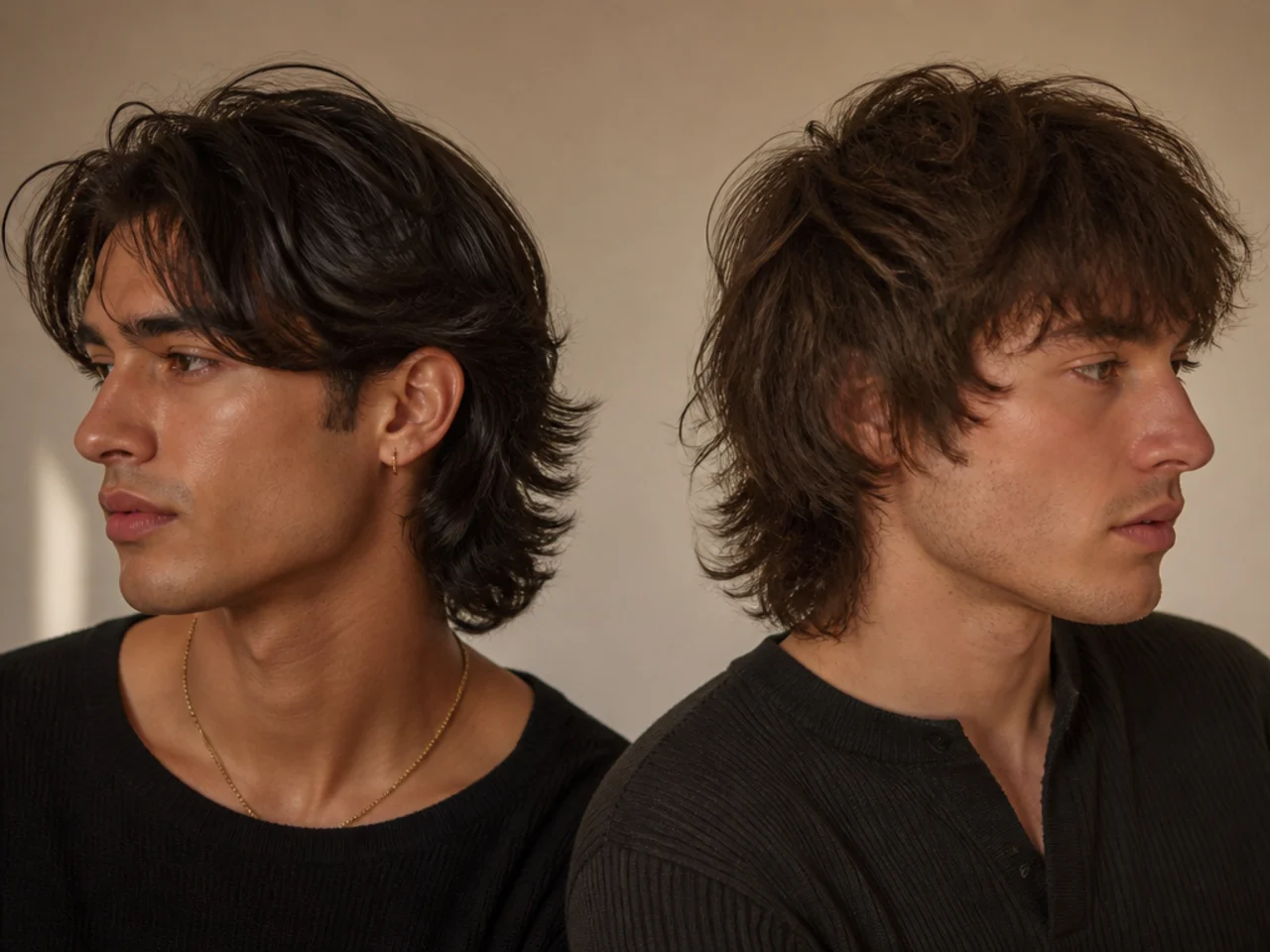
Curl already provides the separation that layering is meant to create, so a curly wolf cut needs fewer layers than a straight one, cut dry and curl by curl. Cut it wet and the shrinkage lands the perimeter at the ear, as in the mens curly version.

9. Wavy Short Wolf Cut
The natural bend does half the work. An S wave already breaks the outline into separate pieces, so the layering can be lighter and the cut still reads as textured rather than blunt when it air dries.

10. Straight Short Wolf Cut
The least forgiving texture, because a straight strand hangs in one line and shows every layer boundary as a visible step. Ask for the layers point cut rather than cut straight across, so the ends fall at slightly different lengths and the steps dissolve.

11. Coily Short Wolf Cut
Coily hair grows outward before it grows down, so the layer stack reads as a rounded shape rather than a cascade. The cut has to be shaped to the outline you want when dry, which means cutting into the curl clump rather than tensioning it straight.
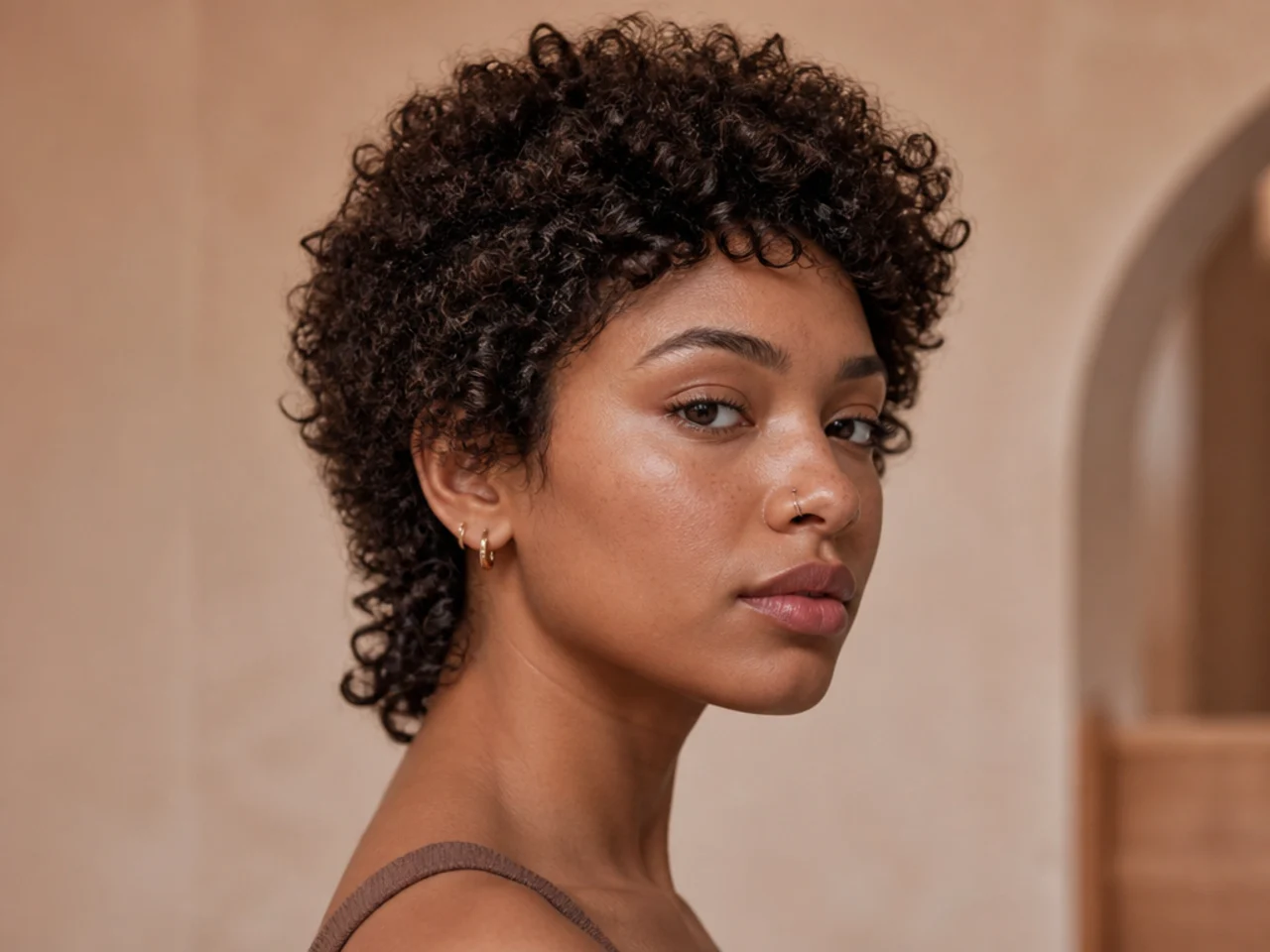
12. Short Wolf Cut on Fine Hair
Fine hair needs the outline kept blunt and the layering restricted to the crown. Layers remove density wherever they land, and on fine hair the perimeter is the only place that density registers, so ends cut into a taper simply disappear.

13. Short Wolf Cut on Thick Hair
Thick hair has weight holding it down, and a short wolf cut removes that weight. Take too much and the cut expands sideways instead of falling, so the thinning belongs in the interior where it cannot be seen, not at the ends where it can.

14. Korean Short Wolf Cut
The softer reading of the same shape — less separation between layers, a heavier curtain fringe, and a rounder outline overall, covered in full in the Korean wolf cut. The layers are still stacked, but blended into each other rather than left visible.

15. Short Wolf Cut for Men
The same stack with the sides taken shorter, which is the version handled in the mens short wolf cut. Shortening the sides removes width from the layer stack, so the volume that remains sits on top of the head rather than beside it.

16. Short Wolf Cut With a Tail
A section left long at the nape under an otherwise short outline. It gives the cut a mullet perimeter without committing the whole back to length, and it is the easiest part to remove later if the shape stops appealing.

17. Disconnected Short Wolf Cut
The crown layers cut with a visible step down to the perimeter rather than a gradient. It reads as two lengths rather than one shape, which is the loudest version of the cut and the hardest to grow out cleanly.

18. Razored Short Wolf Cut
A razor tapers each strand along its length rather than cutting it square, so the ends finish fine and wispy. The trade is durability — a razored end is thinner and splits faster, which is why it suits coarse hair and punishes fine hair.

19. Blunt Perimeter Short Wolf Cut
Layering above, a hard line at the bottom. The blunt edge keeps every strand at full thickness where the cut ends, which is what makes the outline read as dense even after the interior has been hollowed out.

20. Short Wolf Cut With an Undercut Nape
A shaved or closely clipped section hidden under the length at the nape. It removes bulk from the heaviest part of the head without touching the outline, so the cut sits closer at the neck while the perimeter length is unchanged.
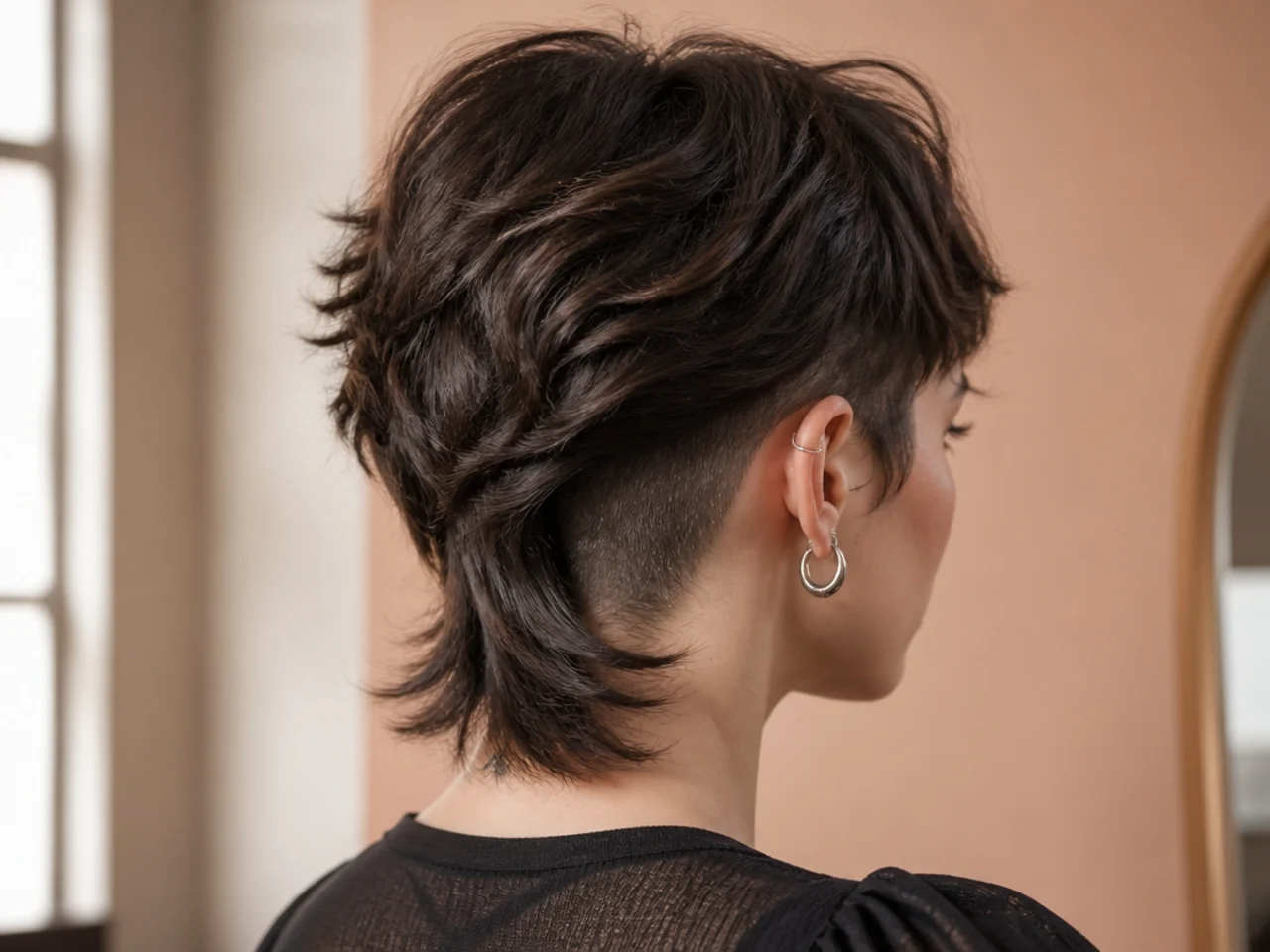
21. Short Wolf Cut With Face Framing Layers
The shortest front pieces cut to the cheekbone so they fall inside the jawline. Where that shortest piece lands is where the eye goes, which makes it the single most powerful measurement in the cut and the one worth naming out loud.

22. Messy Short Wolf Cut
Air dried and left to fall where it wants, with the separation coming from the cut rather than from styling. It only works if the layers were point cut, because a bluntly cut layer dries as a solid block and reads as untidy rather than textured.

23. Sleek Short Wolf Cut
The same cut smoothed flat, so the layer boundaries show as edges instead of as texture. It is the most demanding version of the shape, because any unevenness in the stack that texture would have hidden is now on display.

24. Short Wolf Cut With a Money Piece
The two front sections lightened several shades against a darker base. A colour boundary registers faster than a length boundary, so lightening exactly the pieces that frame the face makes the layering look sharper than it actually is.

25. Grown Out Short Wolf Cut
At ten to twelve weeks the stack has dropped and the shape has softened into a long shag. The outline is still correct, so the fix is a fringe trim and a reset of the crown layers rather than a full recut.

Styling and Upkeep
Dry the crown first and upward. Hair sets in the shape it dries in, and the crown is the section carrying the volume for everything below it.
Trim the fringe on its own schedule. It fails at four to six weeks while the rest of the cut holds for twelve, so treat the two as separate appointments.
Scrunch, do not brush. Brushing pulls the layer ends into line with each other and closes the separation the cut was built to create.
Keep heavy conditioner off the crown. Weight at the top collapses the stack, and the stack is the only thing holding the shape up.
Air dry curls without touching them. Every touch during drying breaks the curl clump, and a broken clump reads as frizz rather than as texture.

Mistakes to Avoid
Bringing a long wolf cut photograph to a short cut. The layers in the picture are placed for hair with twice the vertical distance, and copied onto short hair they widen it.
Layering fine hair to the ends. The perimeter is where fine hair looks dense. Take the layers into it and the outline goes transparent.
Cutting curls wet. Two inches of shrinkage on a short cut moves the perimeter from the collarbone to the jaw.
Asking for a wolf cut and describing a bob. A bob keeps its weight at the bottom, a wolf cut removes it. They are opposite instructions with a similar outline.
Waiting until the shape is gone. Once the stack has dropped completely there is nothing left to reset without shortening the perimeter, which changes the cut you asked for.

FAQ
How short can it go? About the chin, before the layer stack runs out of room.
Does it work on fine hair? Yes, with the layers kept at the crown and the outline blunt.
How often? Twelve weeks for the shape, four to six for the fringe.

Final Thoughts
Name the two measurements that decide the cut: where the perimeter lands and where the shortest face framing piece stops. Everything else is interpretation, and those two are the ones you will regret leaving to interpretation.
For the softer, more blended reading of the same shape see the Korean wolf cut, and for the opposite end of the length range see the long wolf cut for men. More in Mullet and Wolf Cut.