
15 Wolfcut Tutorials I Tried at Home
Fifteen home wolfcut methods tested on my own hair, with honest results — the two that worked, the ponytail method that took four inches I did not agree to, and what I would only ever let a stylist do.
In this article · 21
- How I Tested These
- The 15 Methods I Tried
- 1. Face-Framing Layers, Small Sections, Dry
- 2. The Ponytail-Over-The-Forehead Method
- 3. Two-Ponytail Front Sections
- 4. Point Cutting the Ends Only
- 5. Cutting Curls Individually, Dry
- 6. The Twist-and-Snip Method
- 7. Cutting Wet
- 8. Using Kitchen Scissors
- 9. Following a Video in Real Time
- 10. Cutting in a Three-Mirror Setup
- 11. Asking a Friend to Do the Crown
- 12. Cutting a Little Every Week
- 13. Attempting the Disconnection
- 14. Trimming Bangs Between Salon Visits
- 15. Going to a Stylist After All
- What I Would Do Differently
- What Worked Best
- FAQ
- Final Thoughts
I tried fifteen home methods on my own hair over about eight months. Two were genuinely good, several were fine, and one cost me four inches I had not agreed to. Honest results follow.
How I Tested These
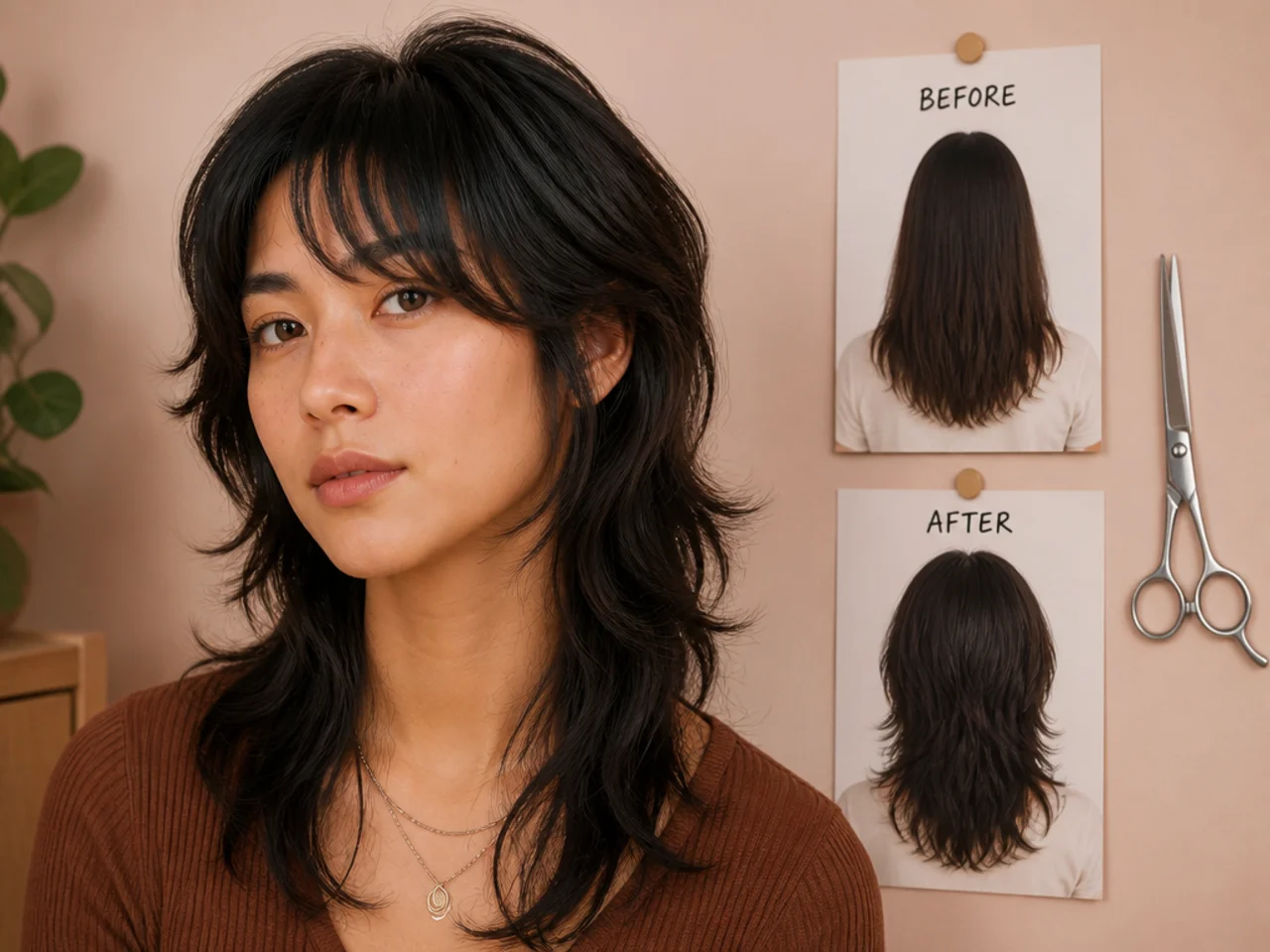
Each method on my own hair, dry, with photographs before and after. I logged how much length I lost against how much I intended to lose. That gap is where most of these fail.
The 15 Methods I Tried
1. Face-Framing Layers, Small Sections, Dry
The best method by a distance. Slow, controlled, and I never lost length I did not choose.
2. The Ponytail-Over-The-Forehead Method
Pulled everything forward into a ponytail and cut across. Took four inches. Do not.

3. Two-Ponytail Front Sections
Split at the part, one ponytail each side, trimmed the ends. Worked, but uneven by about a centimetre.

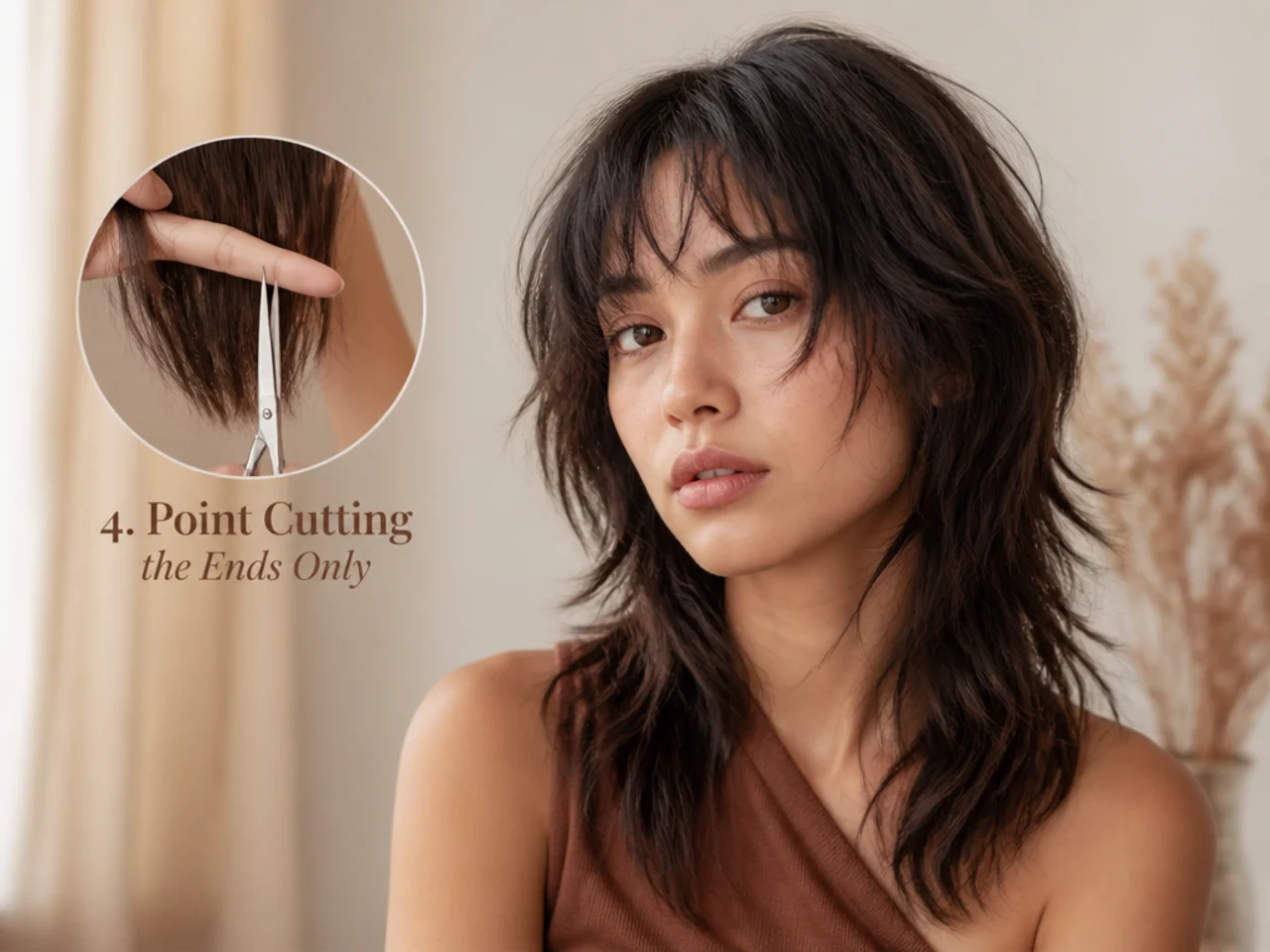
4. Point Cutting the Ends Only
Scissors vertical into the ends. Safe, subtle, genuinely improved the shape.
5. Cutting Curls Individually, Dry
Curl by curl. Slow — two hours — and the best result on curly hair.

6. The Twist-and-Snip Method
Twisted sections and cut protruding ends. Added texture, changed no length. Low risk.

7. Cutting Wet
Lost three inches to shrinkage. Never again on wavy hair.

8. Using Kitchen Scissors
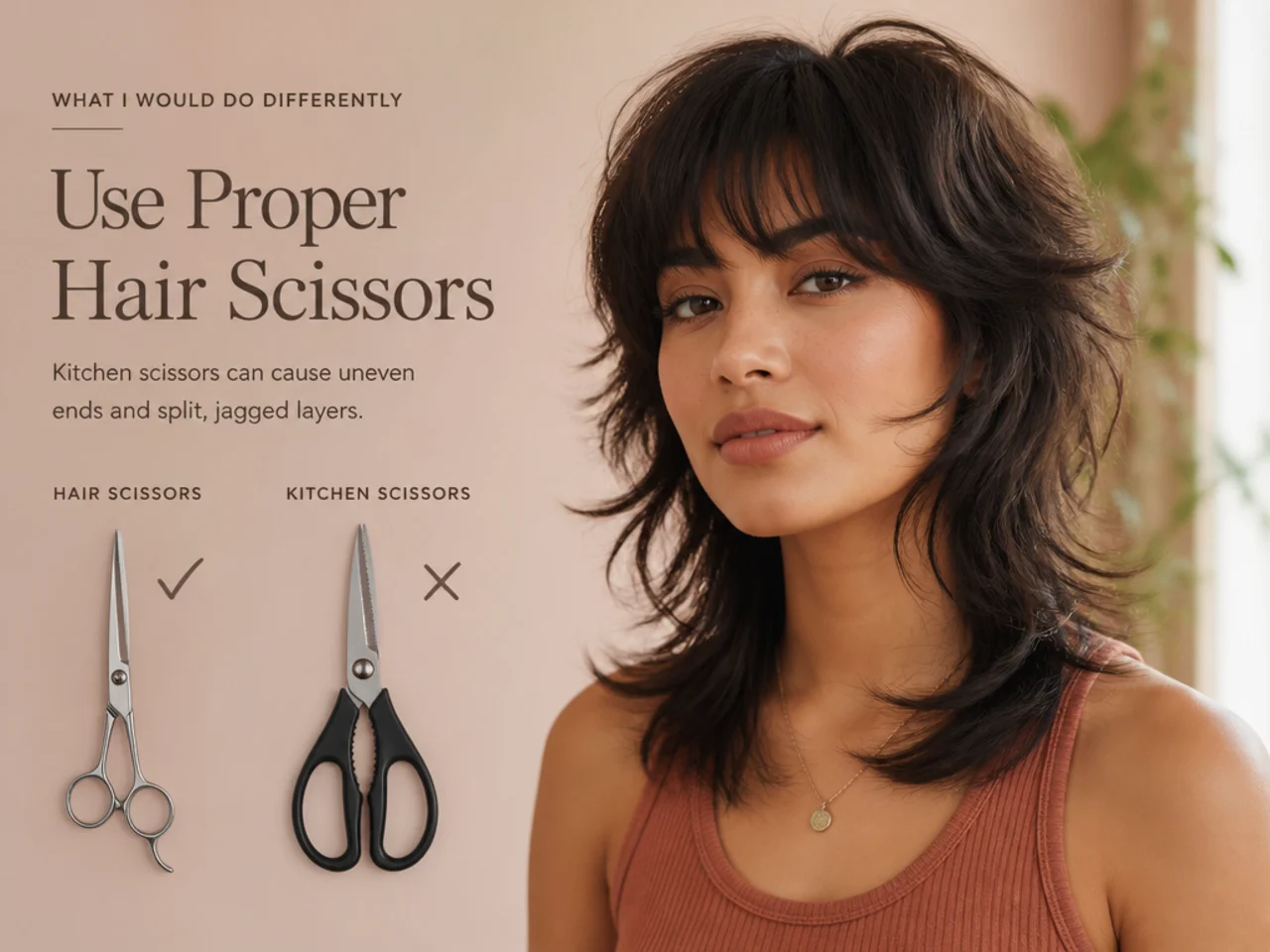
Chewed the ends visibly. Hair scissors cost very little and it shows.

9. Following a Video in Real Time
Paused constantly, lost my place. Watch it fully first, then cut.

10. Cutting in a Three-Mirror Setup
Worth the effort. The back stopped being guesswork.

11. Asking a Friend to Do the Crown
Better than my attempts, worse than a stylist. A reasonable middle.

12. Cutting a Little Every Week
The most controlled approach. Four weeks to reach the shape, no regrets.

13. Attempting the Disconnection
Tried to create the crown-to-length step. Botched it. This is a salon job.

14. Trimming Bangs Between Salon Visits
Fine, if you cut below where you think. Bangs spring up as they dry.

15. Going to a Stylist After All
The honest conclusion. Home cutting maintains a wolf cut; it does not create one well.

What I Would Do Differently
Buy hair scissors first. Kitchen scissors visibly chew the ends and everything after that is compromised.
Never cut wet. Three inches vanished the one time I did.
Cut the front only and let a stylist do the crown. That split gives most of the benefit with almost none of the risk.
What Worked Best
Dry, small sections, front only, a little each week. It took a month and produced the only home result I would happily show anyone.

FAQ
Can you cut a wolf cut at home? The face-framing layers yes; the crown is much harder.
Which method is safest? Front sections only, dry, small, starting longer than you want.
What should you never try? Crown disconnection, and any ponytail-over-the-forehead method.

Final Thoughts
Home cutting is good at maintaining a wolf cut and bad at creating one. Trim the front, leave the crown to someone who can see it, and never pull your hair forward over your head with scissors in the other hand.
For the shape you are aiming at see 25 stunning wolfcut ideas, and for the staged salon approach see wolfcut hair long. More in Mullet & Wolf Cuts.