15 Mistakes I Made Asking For A Mens Wolf Cut
Fifteen things that go wrong between asking for a mens wolf cut and getting one. Almost all of them come from the same root cause — the words wolf cut describe an idea, and a stack of layers needs numbers to be built.
In this article · 22
- What I Should Have Asked For
- How I Describe It Now
- The 15 Mistakes
- 1. Saying the Word and Nothing Else
- 2. Bringing a Photo of Hair Nothing Like Mine
- 3. Never Saying Where the Shortest Layer Starts
- 4. Letting Clippers Near the Sides
- 5. Asking for It Before I Had the Length
- 6. Having It Cut Wet When It Dries Wavy
- 7. Asking for Thinning Shears to Take the Bulk Out
- 8. Taking the Perimeter Too Short
- 9. Ignoring the Nape Completely
- 10. Forgetting the Fringe Grows on Its Own Clock
- 11. Judging It Under Salon Product
- 12. Booking the Next Cut Too Late
- 13. Washing It Every Morning
- 14. Using a Product That Was Too Heavy
- 15. Assuming Any Chair Would Do
- Styling and Upkeep
- Mistakes to Avoid
- FAQ
- Final Thoughts
Every one of these came from the same root cause — I described a look and expected someone else to reconstruct the measurements behind it.
A wolf cut is a set of lengths, not a style name. Crown layer, perimeter, fringe, nape. Give four numbers and the cut becomes reproducible.
The word means different things in different chairs. To some it is a shag, to others a mullet with a fringe. Nobody is wrong, which is exactly the problem.
What I Should Have Asked For
The shortest crown layer, in centimetres. It sets how high the volume sits, and it is the single measurement that changes the cut most.
The perimeter length, at the back. Where the bottom edge finishes decides whether the result reads shag or mullet, and nothing else does.
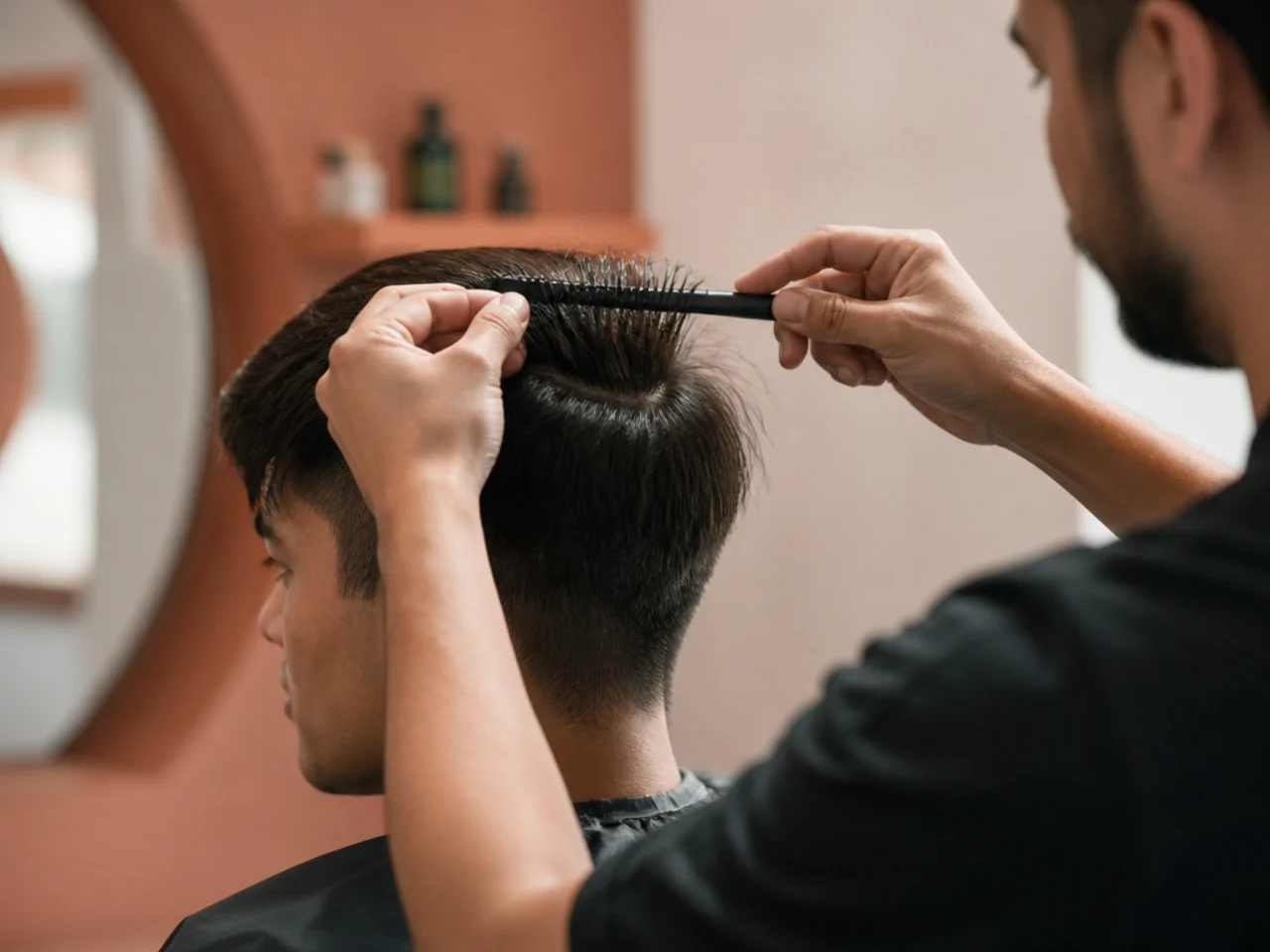
Scissor cut sides, no clippers. The sides have to blend into the length at an angle, which a clipper guard physically cannot do.
A fringe length relative to my face. Brow, lash line or cheekbone. Any of those is unambiguous in a way that the word fringe is not.
How I Describe It Now
Start with the texture I actually have, not the one in the photo. Straight hair shows every step; wave hides them. The same instruction produces two different cuts.
Say what should be visible when it air dries. The whole point of the cut is that the layers show without help, so that expectation has to be stated.
Name the nape. Left shaggy and long it is a mullet. Tapered into the neck it is a shag. There is no neutral option.
Agree the next appointment before leaving. Six to eight weeks, booked on the spot, because the cut fails by growing rather than by wearing out.

The 15 Mistakes
1. Saying the Word and Nothing Else
I said wolf cut and left the room to interpretation. In a barber chair the phrase usually resolves to a mullet with a fringe, and in a salon chair to a soft shag, because those are the shapes each is trained to build. Neither guess was mine.
2. Bringing a Photo of Hair Nothing Like Mine
The reference had a firm natural wave and mine dries straight. The cut in that photo works because the bend holds the layers apart on its own, and copying the lengths onto straight hair produced flat sheets with visible steps rather than volume.

3. Never Saying Where the Shortest Layer Starts
The crown layer is what props the rest up, so its length sets the height of the volume. Left unspecified it gets cut wherever the stylist habitually cuts it, and two centimetres of difference moves the widest point of the whole head.
4. Letting Clippers Near the Sides
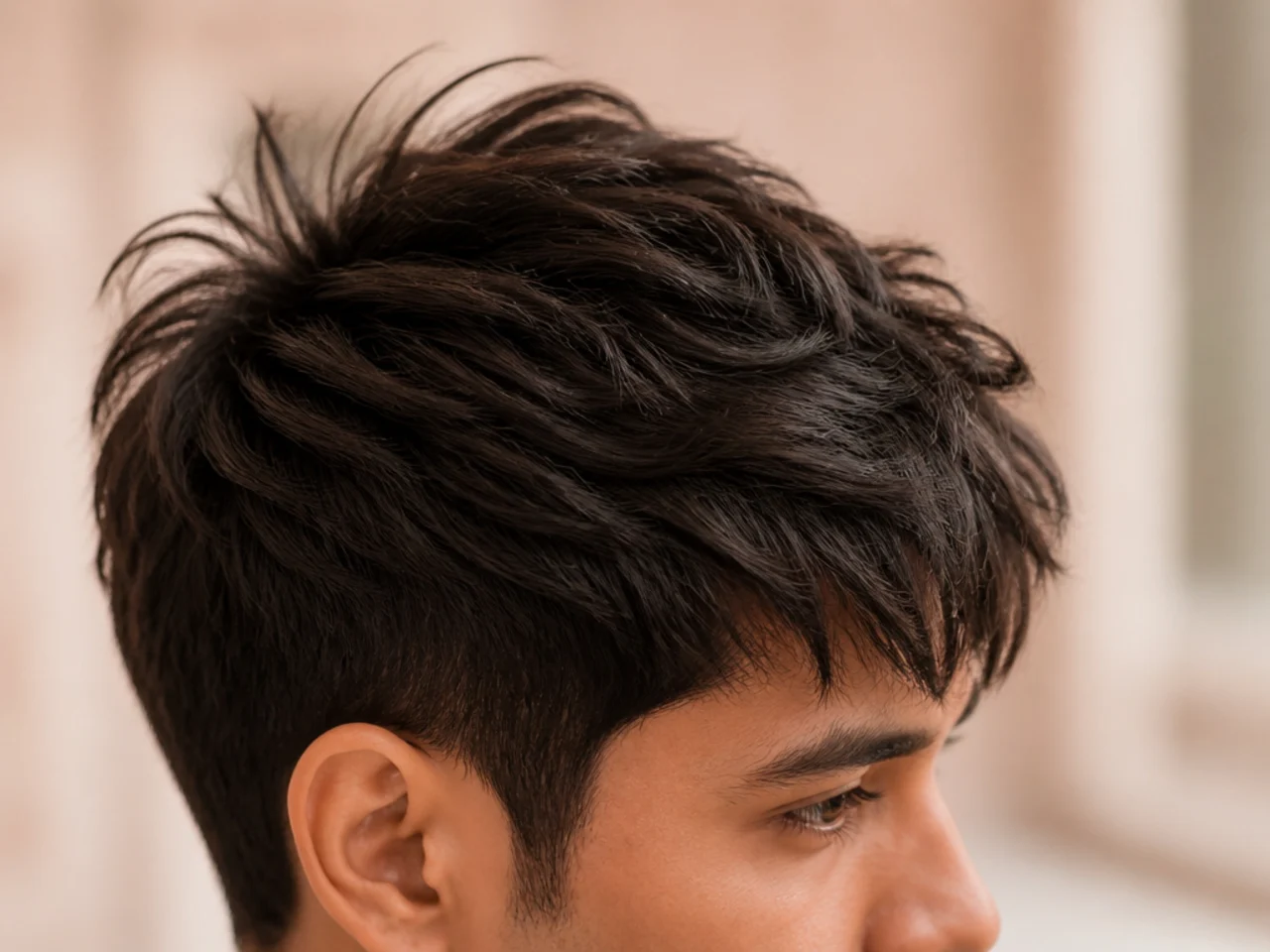
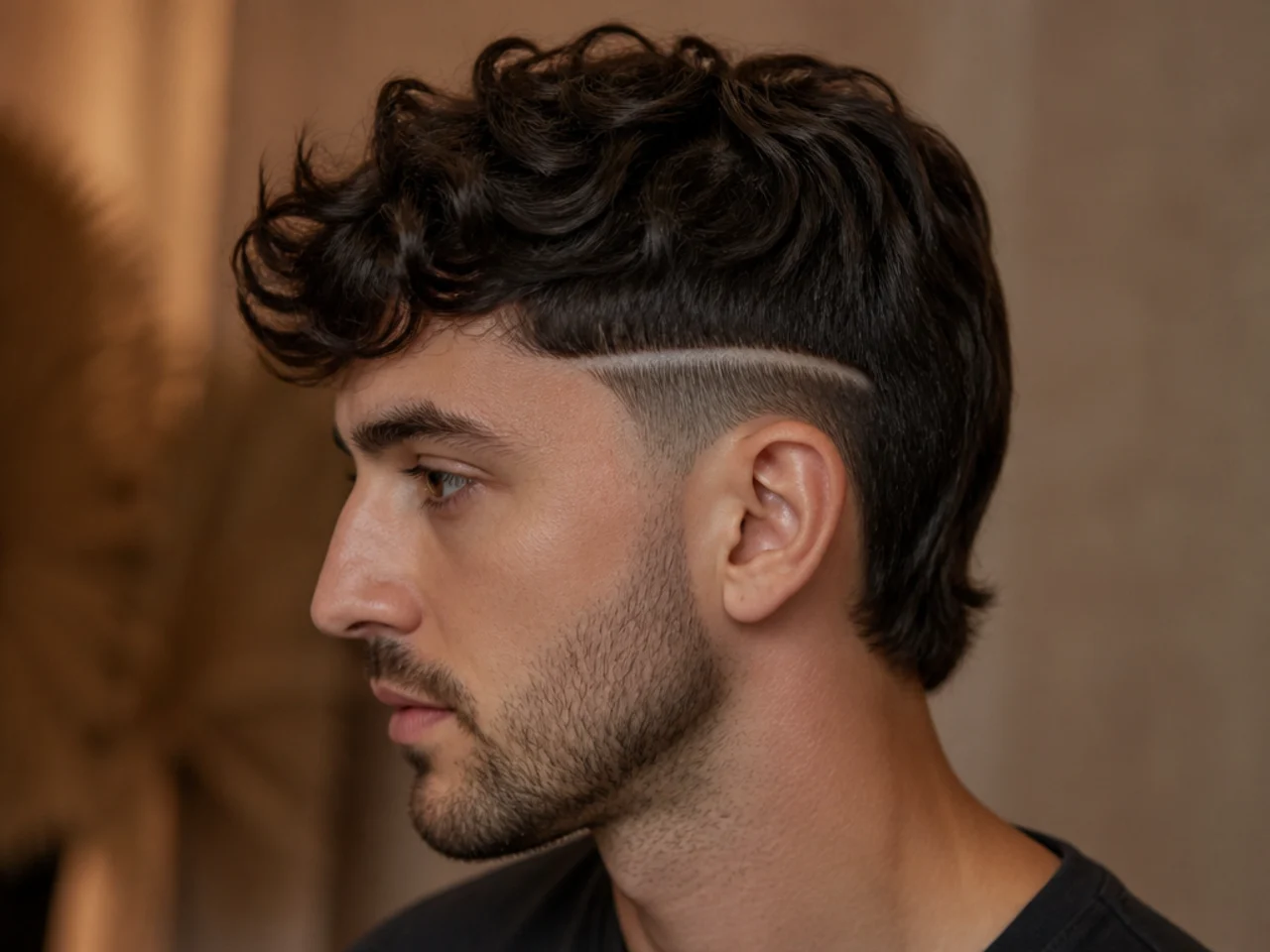
A guard cuts everything in its path to one length, so a number two leaves a uniform six millimetres and a hard edge where it stops. The wolf cut needs the sides cut at an angle into the length, and that edge took nearly three months to disappear.
5. Asking for It Before I Had the Length
At seven centimetres of crown length there was nothing to stack. The short layers landed at nearly the same height as everything underneath, so the shape had no vertical travel and read as an ordinary grown out cut with texture in it.

6. Having It Cut Wet When It Dries Wavy
Wet hair hangs at its full length and dries shorter as the bend returns, so every layer finished higher than it was cut. Cut dry, the layers are placed where they will actually sit, which matters more the more curl is involved.
7. Asking for Thinning Shears to Take the Bulk Out
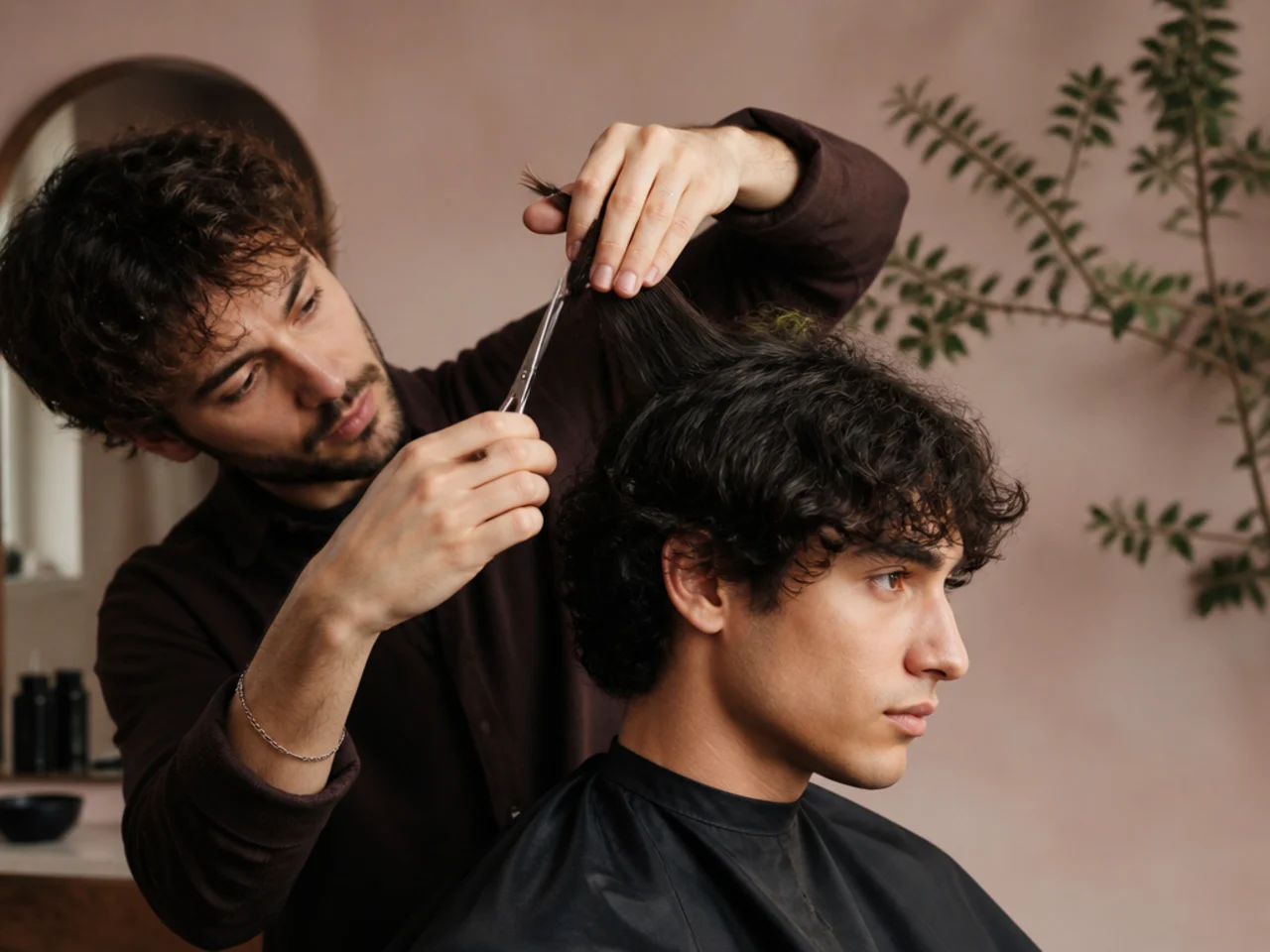
Thinning shears cut a proportion of the strands at one point along the shaft, which leaves short blunt stubs part way up. Those stubs then stand out from the surface as the hair moves, so the cut got frizzier and no lighter where it mattered.
8. Taking the Perimeter Too Short
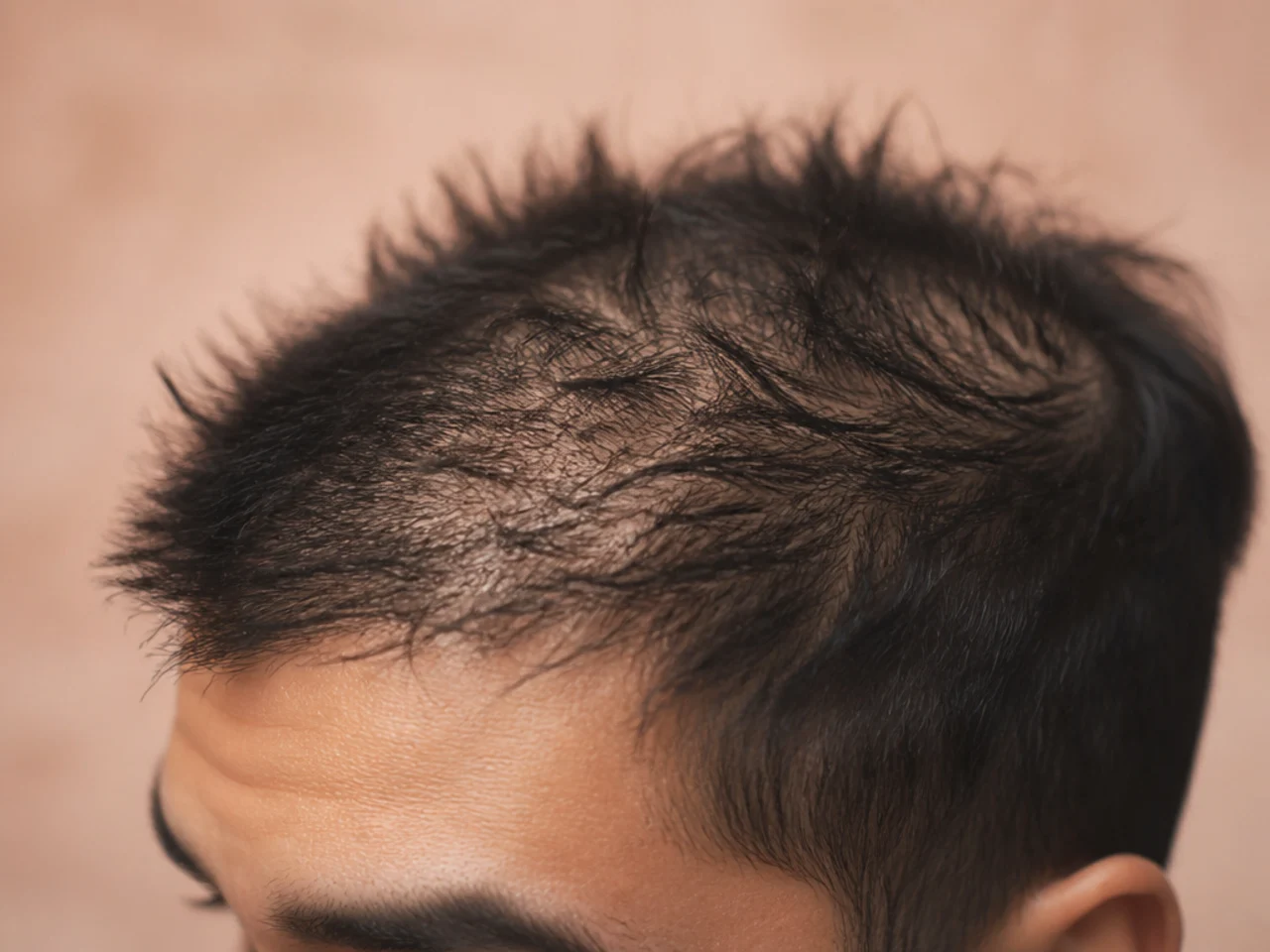
I shortened the bottom edge to make the cut feel tidier and removed the length the crown layers needed to sit against. There is a floor to how short this shape goes, covered properly in the short wolf cut for men, and I went straight through it.

9. Ignoring the Nape Completely
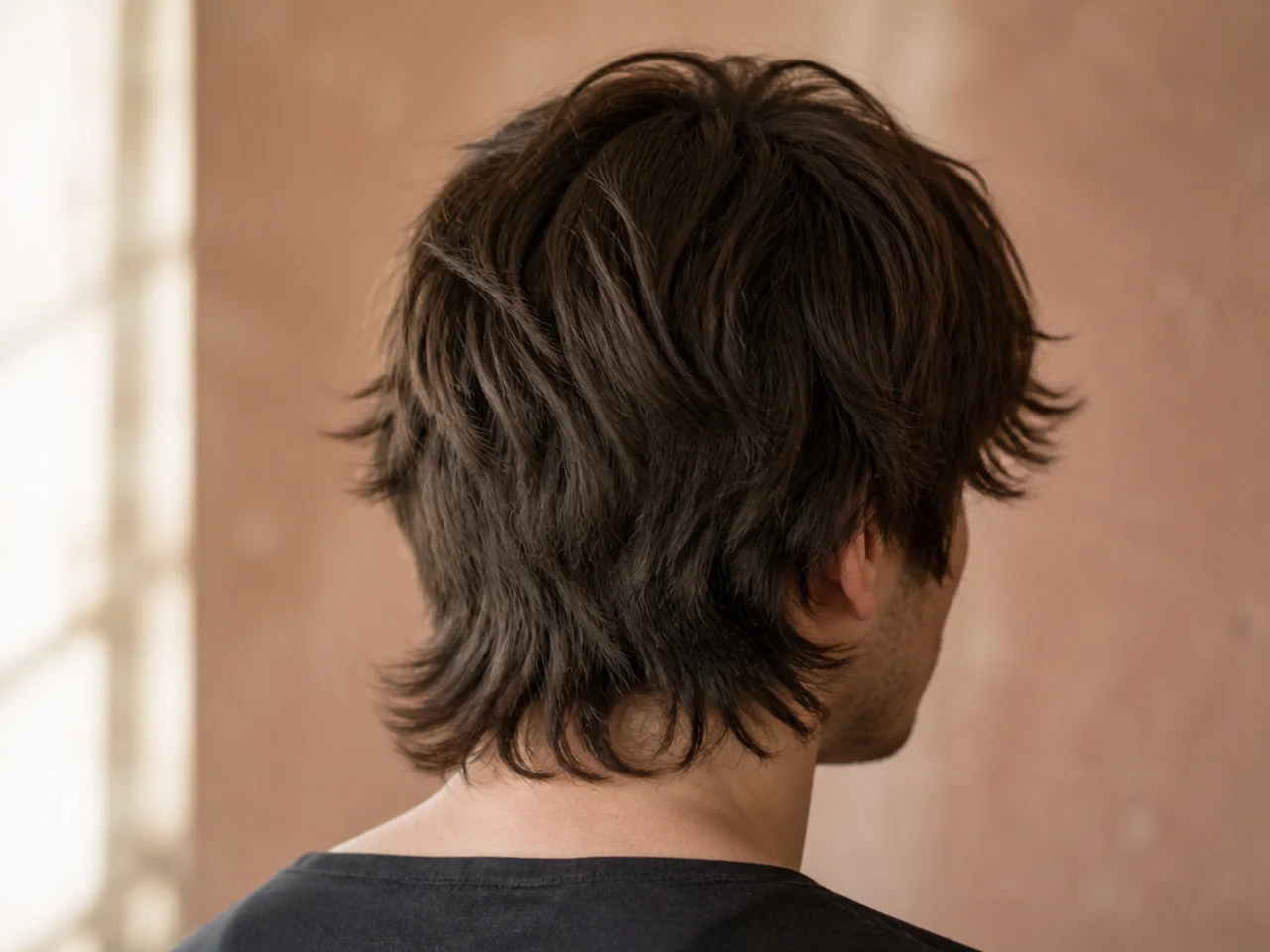
The nape is the difference between a shag and a mullet, and I never mentioned it. It got tapered into the neck by default, which is the safe salon choice, and the back of the cut lost the weight the silhouette was built around.
10. Forgetting the Fringe Grows on Its Own Clock
Hair grows about a centimetre a month, and on a fringe that centimetre moves the ends from the brow into the eye. The same growth is invisible at the perimeter, so the cut looked wrong at week four for reasons that had nothing to do with the layers.

11. Judging It Under Salon Product
It was finished with a sea salt spray and rough dried on high heat, which is what creates the separation in the first place. At home with damp hair and nothing on it, the same cut hung flat, and I had approved a styling job rather than a shape.

12. Booking the Next Cut Too Late
At eleven weeks the crown layer had grown two and a half centimetres and closed the gap to the hair beneath it. With nothing propped up, the volume had gone and the cut was just long hair with old texture in the ends.

13. Washing It Every Morning
Daily shampoo strips the sebum that coats the strand, and that coating is what gives the pieces enough friction to stay separated. Freshly washed, the hair slid back into one smooth sheet and the layers stopped reading entirely.

14. Using a Product That Was Too Heavy
Pomade added weight at the root and pulled the crown layers down onto the ones they were meant to be holding up. A matte paste or a salt spray adds grip without mass, which is the property this cut actually needs.
15. Assuming Any Chair Would Do
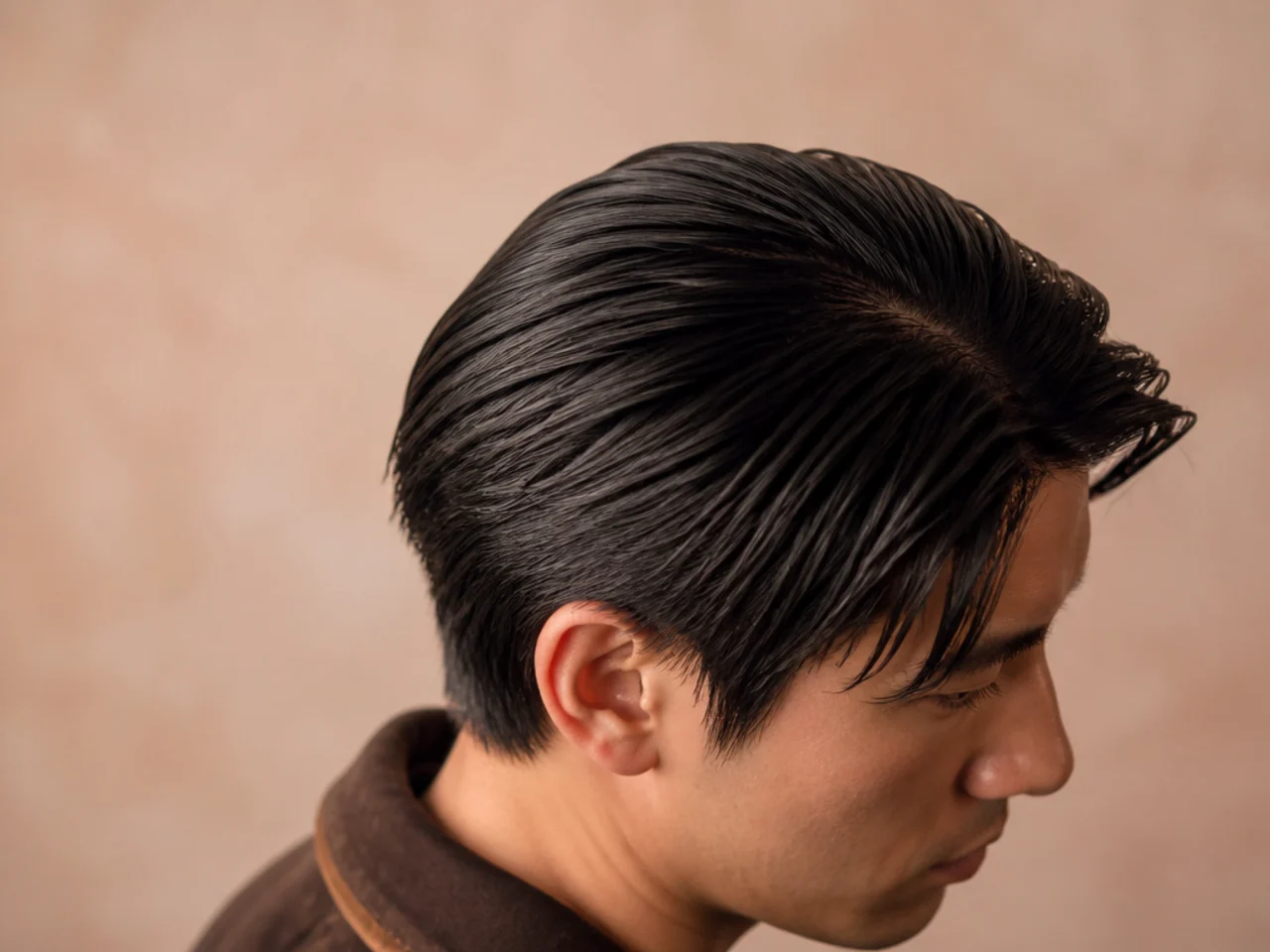
Barbers build shape with clipper graduation and stylists build it with scissor layering, and this cut is entirely scissor work. Booking on price rather than on method got me a very neat short back and sides with a long top, which is a different cut with the same outline.
Styling and Upkeep
Style it damp, not wet and not dry. Product goes on while there is still water to distribute it, and the shape sets as the last of it leaves.
Rough dry with fingers, no brush. A brush pulls separated pieces back into a sheet, which is the one thing this cut cannot survive.
Salt spray or matte paste only. Both add friction without weight. Anything with oil or wax in it flattens the stack.
Wash every second or third day. Sebum on the strand is what holds the pieces apart, and daily washing removes it faster than it returns.
Trim the fringe between cuts. It fails around week four while the rest of the shape is still fine, so treat it as a separate appointment.

Mistakes to Avoid
Saying wolf cut without saying nape. That word alone decides whether it reads as a shag or a mullet.
Letting a guard touch the sides. One pass produces an edge the cut has no way to blend, and it grows out over months.
Cutting it wet on wavy or curly hair. Every layer finishes higher than intended once the bend comes back.
Waiting past eight weeks. The gap between the crown layer and the length closes and the volume goes with it.
Approving it in the chair. Judge it on day two, unwashed, with the product you own rather than the one they used.

FAQ
How long before I can get one? About ten to twelve centimetres at the crown.
Clippers or scissors? Scissors throughout, including the sides.
How often recut? Six to eight weeks, with a fringe trim near week four.

Final Thoughts
Four numbers make this cut repeatable — crown layer, perimeter, fringe and nape. Say all four and the same haircut can be produced twice by two different people, which is more than the name has ever managed.
For the full range see the mens wolf cut guide, and for the version that keeps more length see the long wolf cut for men. More in Mullet & Wolf Cut.