15 Steps To Trim A Long Wolf Cut At Home Safely
Fifteen steps for trimming a long wolf cut at home without losing the shape. A wolf cut is held together by the crown layer, so almost every home trim that goes wrong goes wrong in the first two inches at the top rather than at the ends everyone is worried about.
In this article · 22
- What a Wolf Cut Trim Actually Involves
- Deciding What to Cut and What to Leave
- The 15 Steps
- 1. Buy Proper Hair Shears
- 2. Cut on Dry Clean Hair
- 3. Detangle From the Ends Upward
- 4. Set Up Two Mirrors and Front Light
- 5. Photograph the Cut You Have
- 6. Decide the Shortest Layer Before You Start
- 7. Section the Crown Away From the Rest
- 8. Pull the Crown Section Straight Up
- 9. Point Cut the Crown Never Straight Across
- 10. Use the First Section as Your Guide
- 11. Bring the Face Framing Layers Forward
- 12. Match the Two Sides at the Chin
- 13. Leave the Back Perimeter Alone
- 14. Remove Bulk From the Interior Only
- 15. Dry Style Before Any Second Pass
- Styling and Upkeep
- Mistakes to Avoid
- FAQ
- Final Thoughts
Almost every home wolf cut trim that goes wrong goes wrong at the crown, not at the ends people are nervous about.
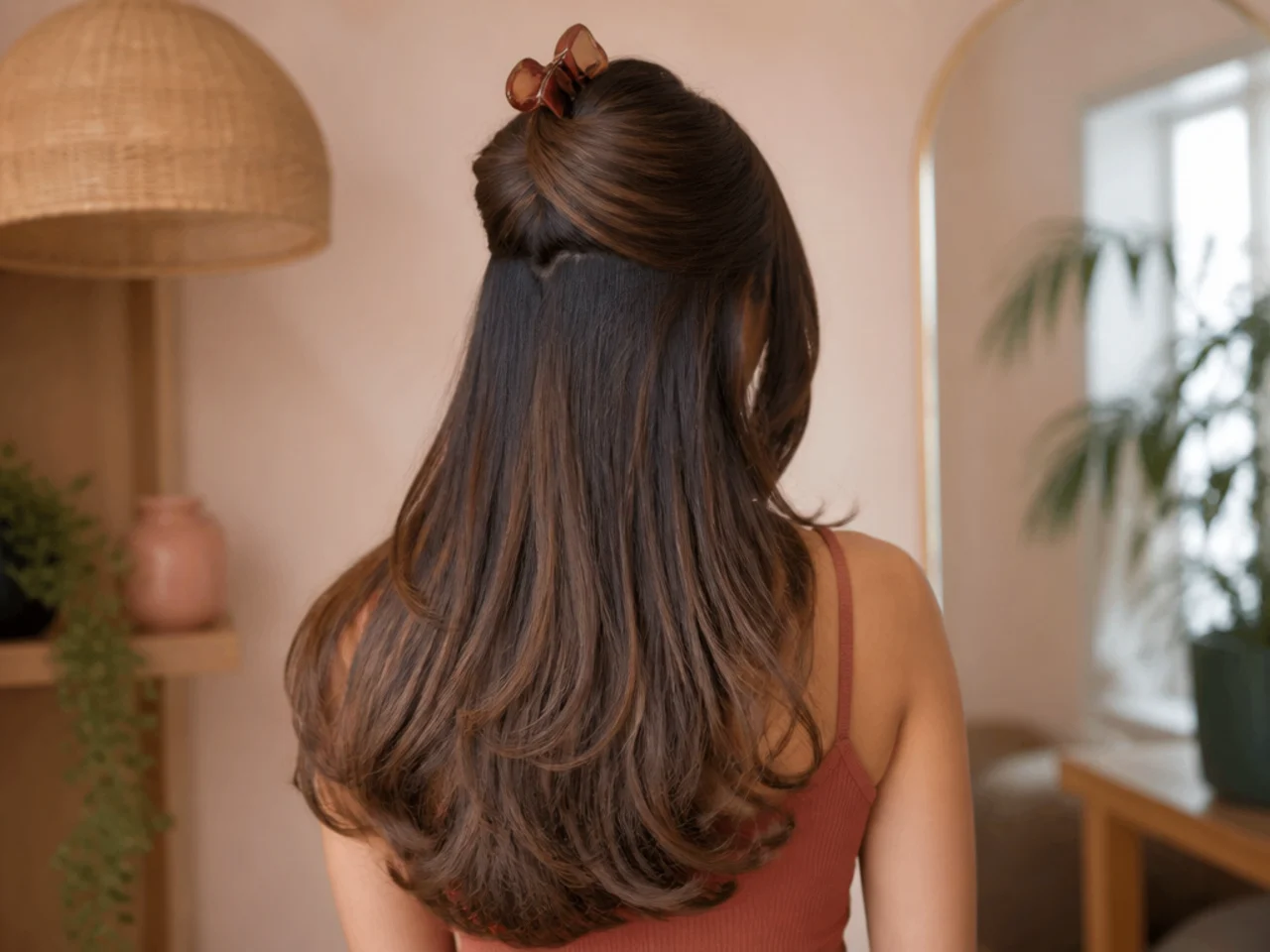
The crown layer sets the whole shape. The short hair at the top rests on the longer hair beneath and props it up, which is where the volume comes from.
You cannot put length back. Every rule below exists because hair grows roughly half an inch a month, and a crown layer cut two inches short is a four month problem.
What a Wolf Cut Trim Actually Involves
Two jobs, not one. Refreshing the crown layers and tidying the face frame. The back perimeter is a third job and it is the one to leave to a salon.
Point cutting, not blunt cutting. The shears go into the ends vertically. A straight cut across a wolf cut layer creates a hard line the cut has no way to absorb.
Small amounts, checked between passes. A quarter inch at a time. The cut has no undo, and two careful passes always beat one confident one.
Nothing at the back you cannot see. Two mirrors help, but the back perimeter of a long cut is the one section where a small error changes the whole outline.
Deciding What to Cut and What to Leave
Trim the crown if the volume has gone flat. That is the layer closing up as it grows, and it is the only reason most wolf cuts stop looking like wolf cuts.
Trim the face frame if it has passed your collarbone. Face framing pieces grow into the length and the cut loses its front shape long before the ends need anything.
Leave the ends unless they are actually split. Length is the slowest thing to get back and the ends of a long wolf cut are meant to be thin.
Leave the back perimeter entirely. It is the one line that reads as a haircut or a mistake with nothing in between, and you cannot see it while you cut.

The 15 Steps
1. Buy Proper Hair Shears
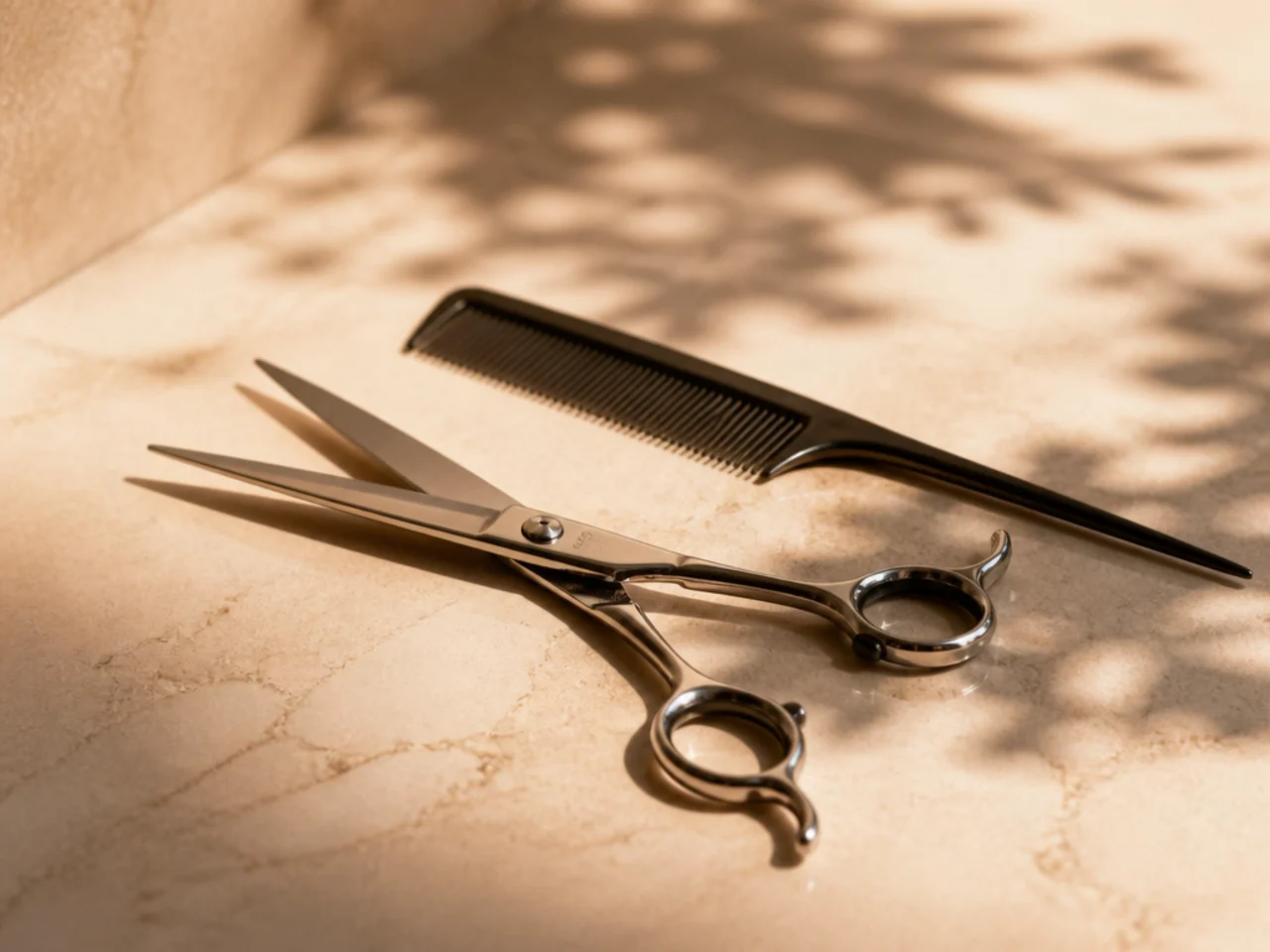
Kitchen and craft scissors have blades ground to push material apart, so they bend the hair before they sever it. That crushed end splits within days, which is why hair cut with household scissors frays visibly a fortnight later.
2. Cut on Dry Clean Hair
Wash, dry fully, and cut with no product in. Wet hair hangs longer under its own weight, so a layer measured wet springs up as it dries, and on wavy hair that gap can be an inch and a half.

3. Detangle From the Ends Upward
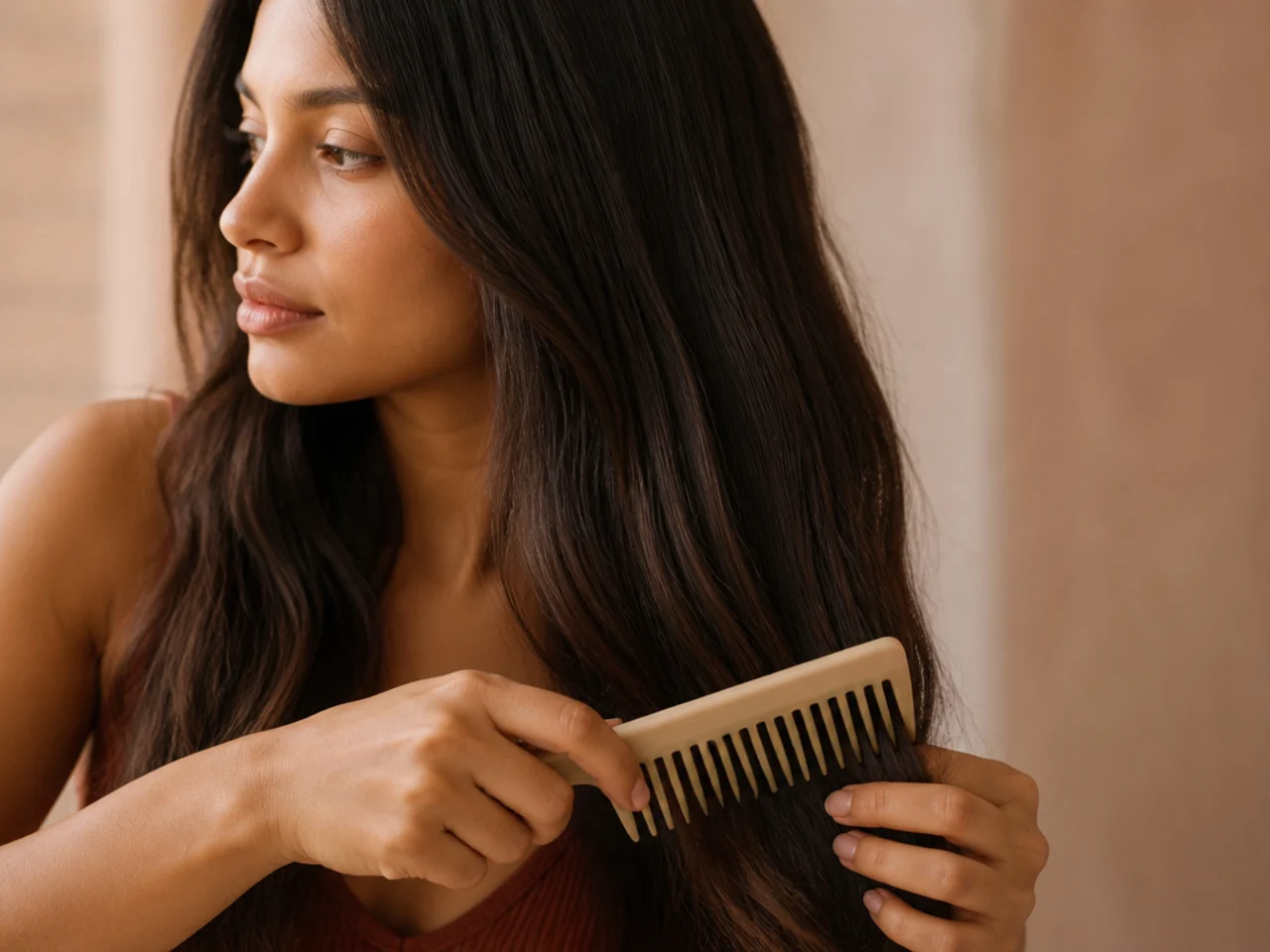
Work a wide tooth comb from the ends and move up in small stages. Combing from the roots down drags every knot into a single mass at the ends, and a section that is not smooth will not sit level between your fingers.
4. Set Up Two Mirrors and Front Light
A main mirror in front and a hand mirror behind, with the light source facing you. Light coming from behind puts your own head in shadow, so the layer lines you are trying to match disappear exactly when you need to see them.

5. Photograph the Cut You Have
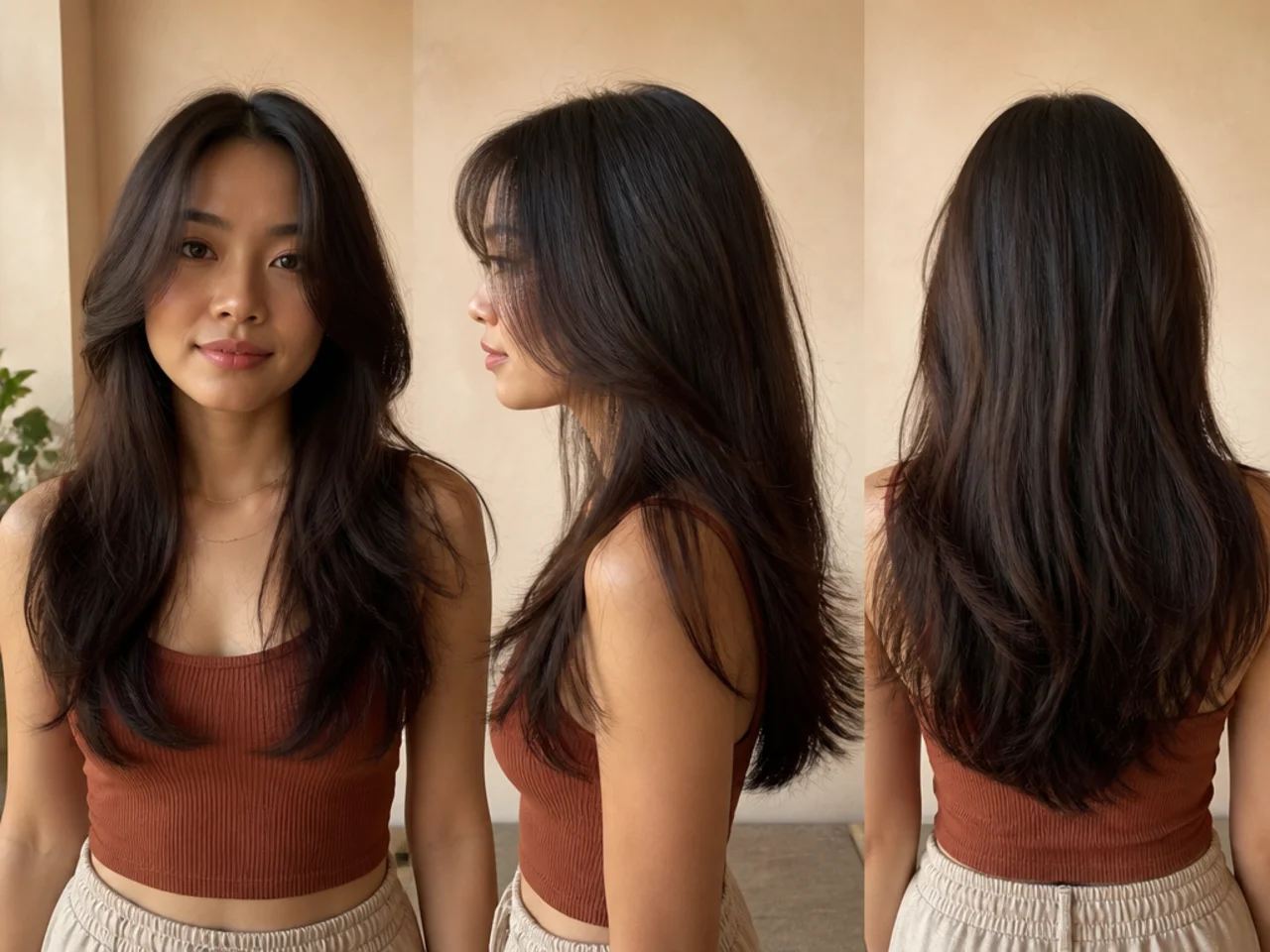
Front, side and back, before you touch anything. Without a reference you will trim towards whatever you can see in the mirror, and the back is the part you cannot, so it quietly ends up longer than everything else.
6. Decide the Shortest Layer Before You Start
Pick the point on your face where the shortest crown piece should land and say it out loud. Deciding mid cut means you decide it once per section, and six sections cut to six slightly different targets is what makes a home trim look uneven.

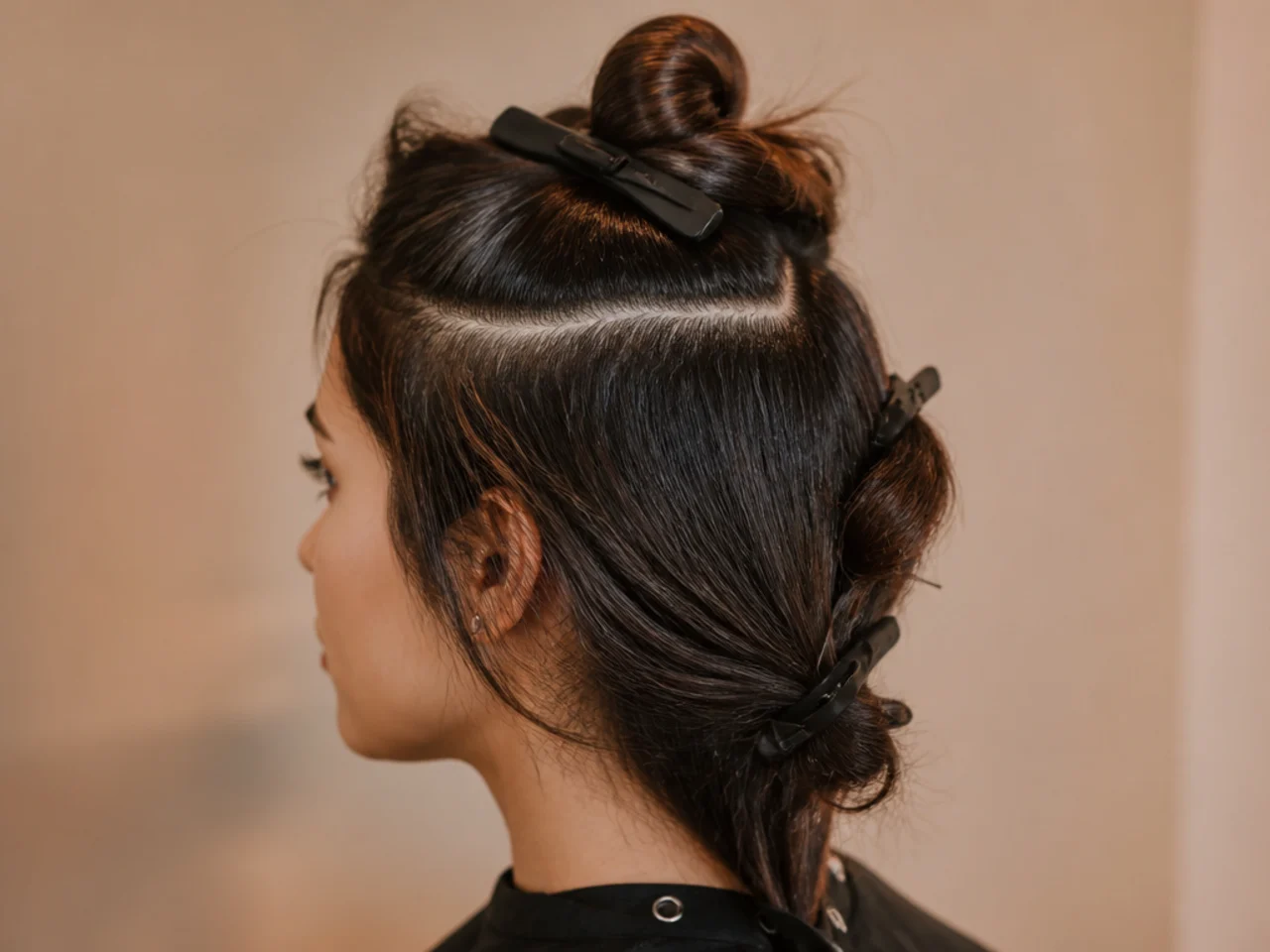
7. Section the Crown Away From the Rest
Take a horseshoe from the temples to the crown and clip everything else out of the way. Cut with the lower hair loose and it gets caught into the crown section, so lengths meant to stay long are shortened without you noticing.
8. Pull the Crown Section Straight Up
Hold the section at ninety degrees to the scalp, straight up from the head. Pulled forward or back instead, the section is measured from the wrong root, and the layer lands short at one end of the head and long at the other.

9. Point Cut the Crown Never Straight Across
Turn the shears vertical and cut into the ends with short snips, taking a quarter inch at most. A straight cut across a crown layer leaves a blunt line that sits like a shelf on the hair beneath, and the only fix is going shorter.

10. Use the First Section as Your Guide
Take half an inch of the section you just cut into the next one and match to it. Cutting each section to a remembered length instead means the layers step up and down across the head, and the steps show most when the hair moves.

11. Bring the Face Framing Layers Forward
Pull the front sections forward past your nose and cut them there, following the angle you want them to fall at. Cut them flat against the side of the head instead and they come out shorter at the front than at the cheek, which reads as a step rather than a sweep.

12. Match the Two Sides at the Chin
Pull both front sections down under the chin and compare them before cutting anything else. Almost nobody has a symmetrical head, so sides that measured equal against the scalp routinely hang at different heights once released.

13. Leave the Back Perimeter Alone
Do not touch the bottom line at the back. It is cut in a curve that follows the shape of your shoulders, and reproducing that curve blind through a hand mirror is how a long wolf cut ends up with a corner in it.

14. Remove Bulk From the Interior Only
If the cut feels heavy, slide the shears into the mid lengths inside the section, never within four inches of the ends. Thinned close to the ends, the short pieces you create stand out through the perimeter as permanent frizz.
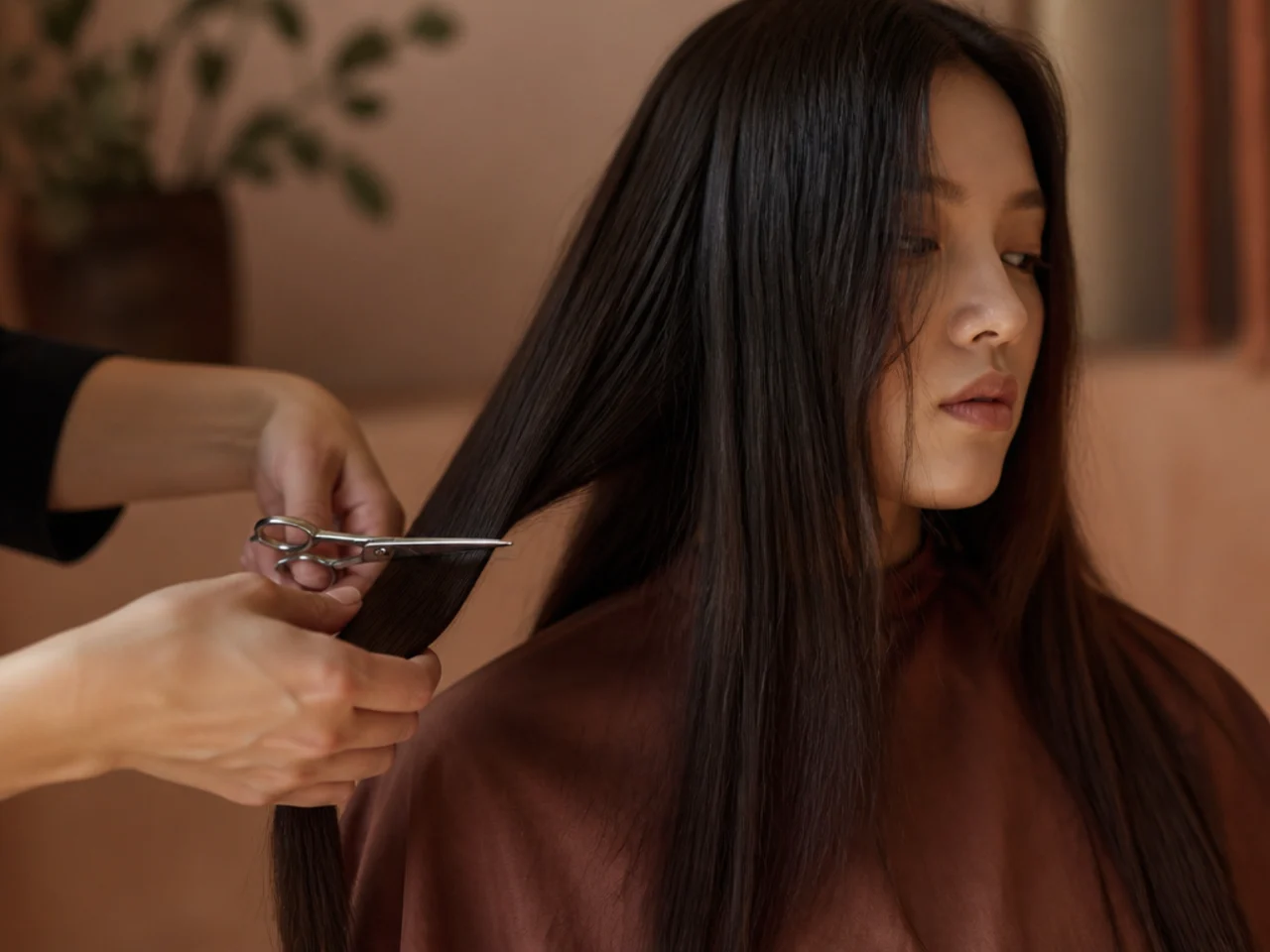
15. Dry Style Before Any Second Pass
Style the hair the way you normally wear it and live with it for a day before cutting anything else. Layers look different once the hair falls naturally, and most of what looks uneven immediately after a trim settles on its own.

Styling and Upkeep
Trim the crown every eight weeks, the length twice a year. The layers close up long before the ends need anything doing to them.
Diffuse rather than blow dry. The volume in a wolf cut comes from the layers standing apart, and a brush pulls them back into one plane.
Keep conditioner below the ears. Conditioned crown layers lie flat, and flat crown layers are just long hair.
Sleep in a loose braid. It keeps the ends from tangling without pressing the crown layers down against the pillow.
Book a salon visit once a year for the back. One professional pass on the perimeter resets the outline everything else is trimmed against.

Mistakes to Avoid
Cutting wet. Every layer lands higher than planned once it dries, and on waves the gap is more than an inch.
Blunt cutting a layer. It leaves a shelf the cut cannot absorb, and the only correction is taking the whole layer shorter.
Chasing symmetry. Trimming one side to match the other, then back again, is how half an inch becomes three.
Cutting the back perimeter blind. It is the outline of the whole cut and you cannot see what you are doing to it.
Using thinning shears near the ends. The short strands it creates poke through the perimeter for months.

FAQ
Wet or dry? Dry. Wet hair stretches and every layer lands short.
Which section first? The crown. It sets the shape everything else follows.
What do I leave alone? The back perimeter, every time.

Final Thoughts
A home trim on a long wolf cut is a maintenance job, not a haircut. Refresh the crown, tidy the face frame, leave the perimeter, and do it in quarter inch passes with the hair dry. That is enough to hold the shape for a year between salon visits.
For the shorter version of the same layering see the short wolf cut, and for a softer crown treatment see the Korean wolf cut. More in Mullet and Wolf Cut.