20 Korean Wolf Cut Haircut Ideas to Save
Twenty Korean wolf cut ideas, and the one instruction that separates it from the Western version — connected layers, no disconnection at the nape. The Western wolf cut is a shag with a mullet in it. This one is not.
In this article · 27
- What Makes It Korean
- How to Choose Yours
- The 20 Korean Wolf Cut Ideas
- 1. Classic Connected Wolf Cut
- 2. Wolf Cut with See-Through Bangs
- 3. Wolf Cut with Curtain Bangs
- 4. Shoulder-Length Wolf Cut
- 5. Long Wolf Cut
- 6. Short Wolf Cut
- 7. Wolf Cut with C-Curl Framing
- 8. Wolf Cut with Crown Volume
- 9. Wolf Cut on Straight Hair
- 10. Wolf Cut on Wavy Hair
- 11. Wolf Cut on Curly Hair
- 12. Wolf Cut on Thick Hair
- 13. Wolf Cut on Fine Hair
- 14. Wolf Cut with a Middle Part
- 15. Wolf Cut with a Side Part
- 16. Wolf Cut with a Soft Perm
- 17. Wolf Cut Air-Dried
- 18. Wolf Cut Worn Half-Up
- 19. Wolf Cut at Week Ten
- 20. A Disconnected Western Wolf Cut
- Styling and Upkeep
- Mistakes to Avoid
- FAQ
- Final Thoughts
The wolf cut exists in two versions and they are cut differently enough that asking for the wrong one gets you a different haircut.
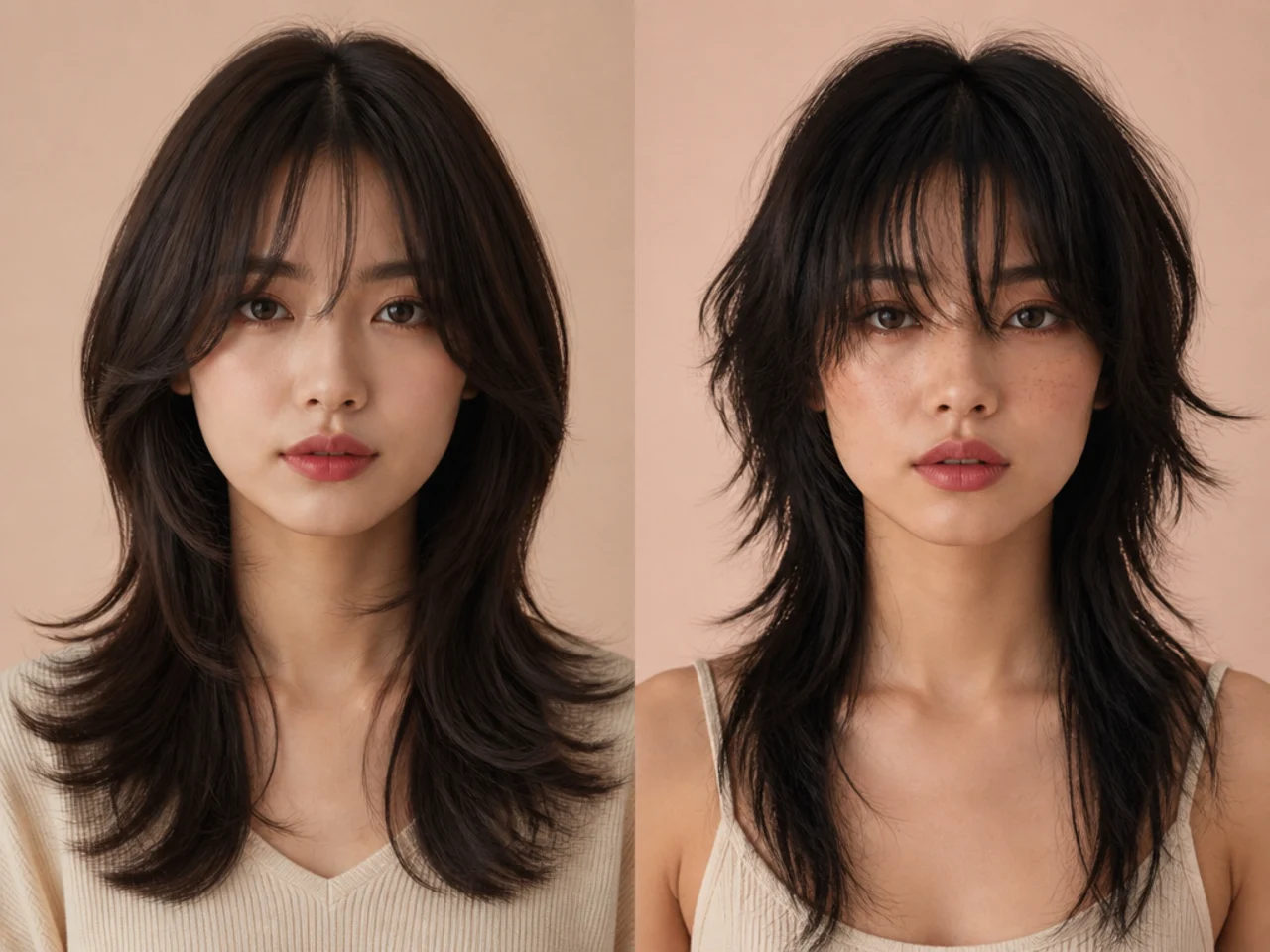
The Western wolf cut is a shag with a mullet in it. Heavy and short through the top, light and long at the back, with deliberate disconnection between the two. The contrast is the point.
The Korean version keeps everything connected. Same shaggy family, no disconnection, no mullet element. It reads as movement rather than as contrast — and getting it comes down to one instruction.
What Makes It Korean
Connected layers throughout. Nothing disconnected at the nape, which is where the Western version creates its contrast.
Softness over texture. The layers are cut to move, not to sit apart from each other.
Face framing still leads. As with every Korean cut, the front carries the design.
No mullet element. The back is part of the same shape rather than a separate one.
How to Choose Yours
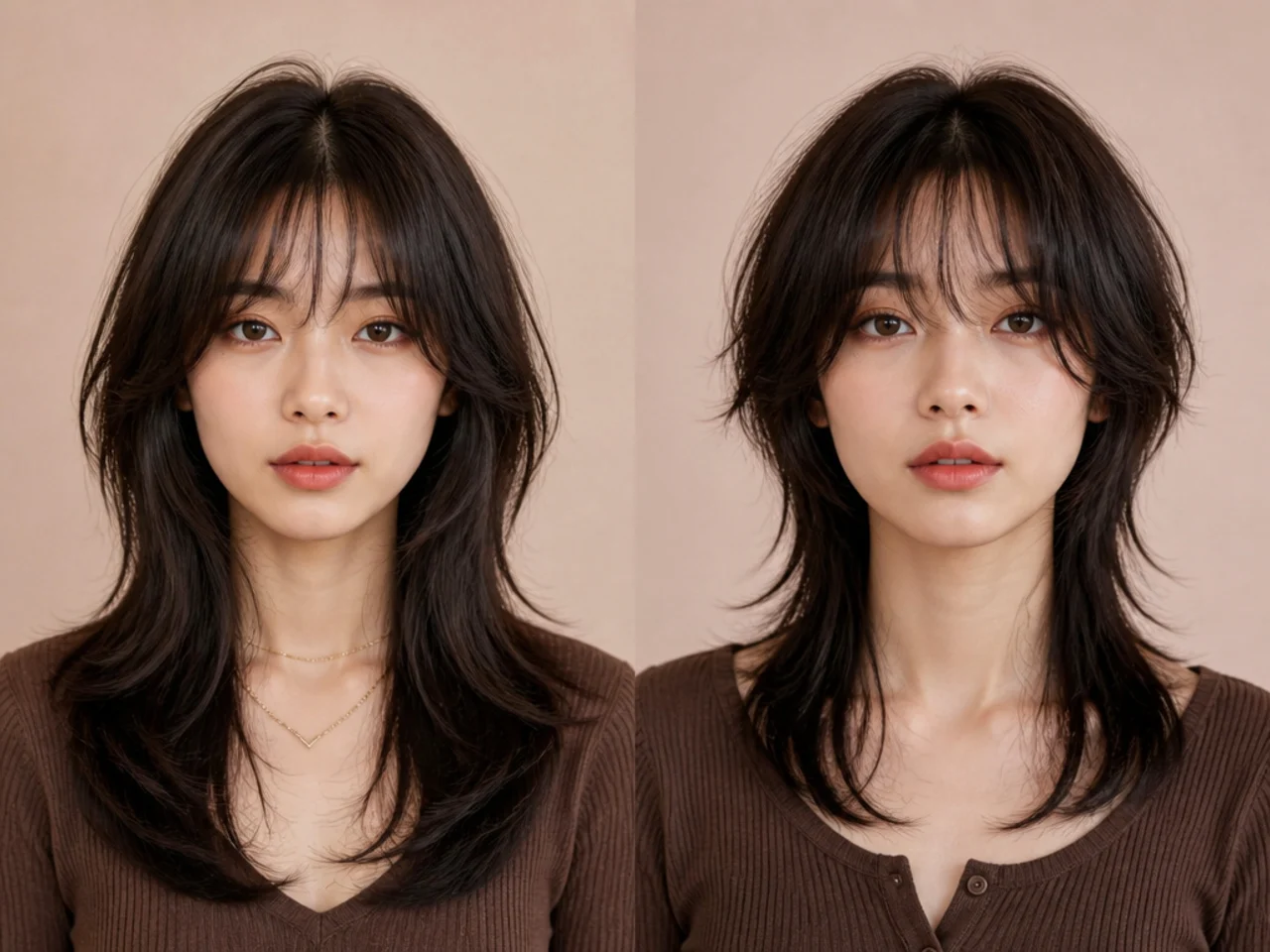
Say "connected, no disconnection at the nape". A stylist asked for a wolf cut will otherwise default to the shag shape.
Ask for face framing at the same time. It is what keeps it in the Korean family.
Be clear about how much weight comes out. This cut removes a lot; say if your hair is fine.
Bring a front-facing photograph. The back is not where the difference is.
The 20 Korean Wolf Cut Ideas
1. Classic Connected Wolf Cut
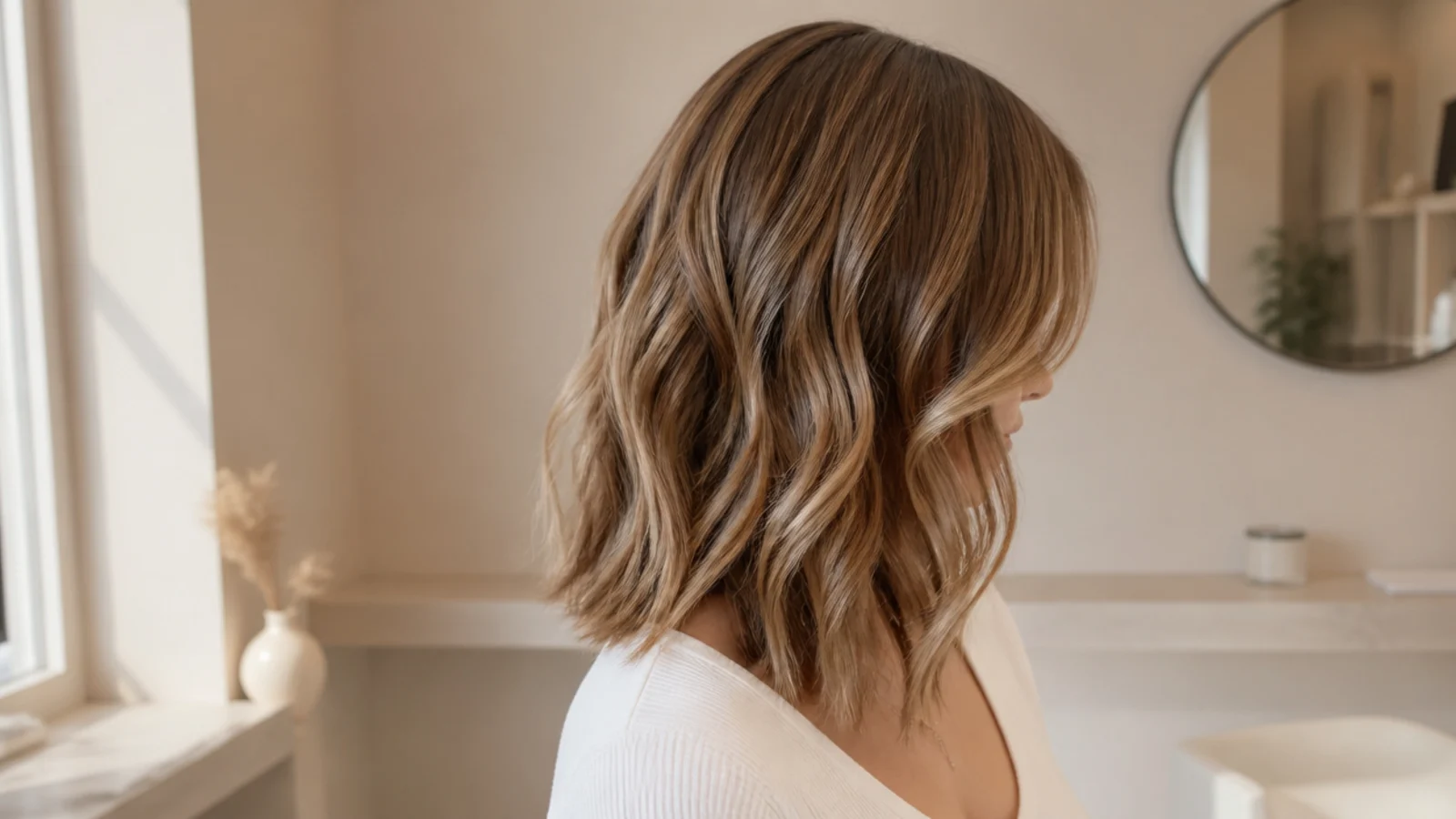
Layered throughout, nothing disconnected. The benchmark. Every layer flows into the next, so there is no point where a short section sits on top of a long one.
2. Wolf Cut with See-Through Bangs
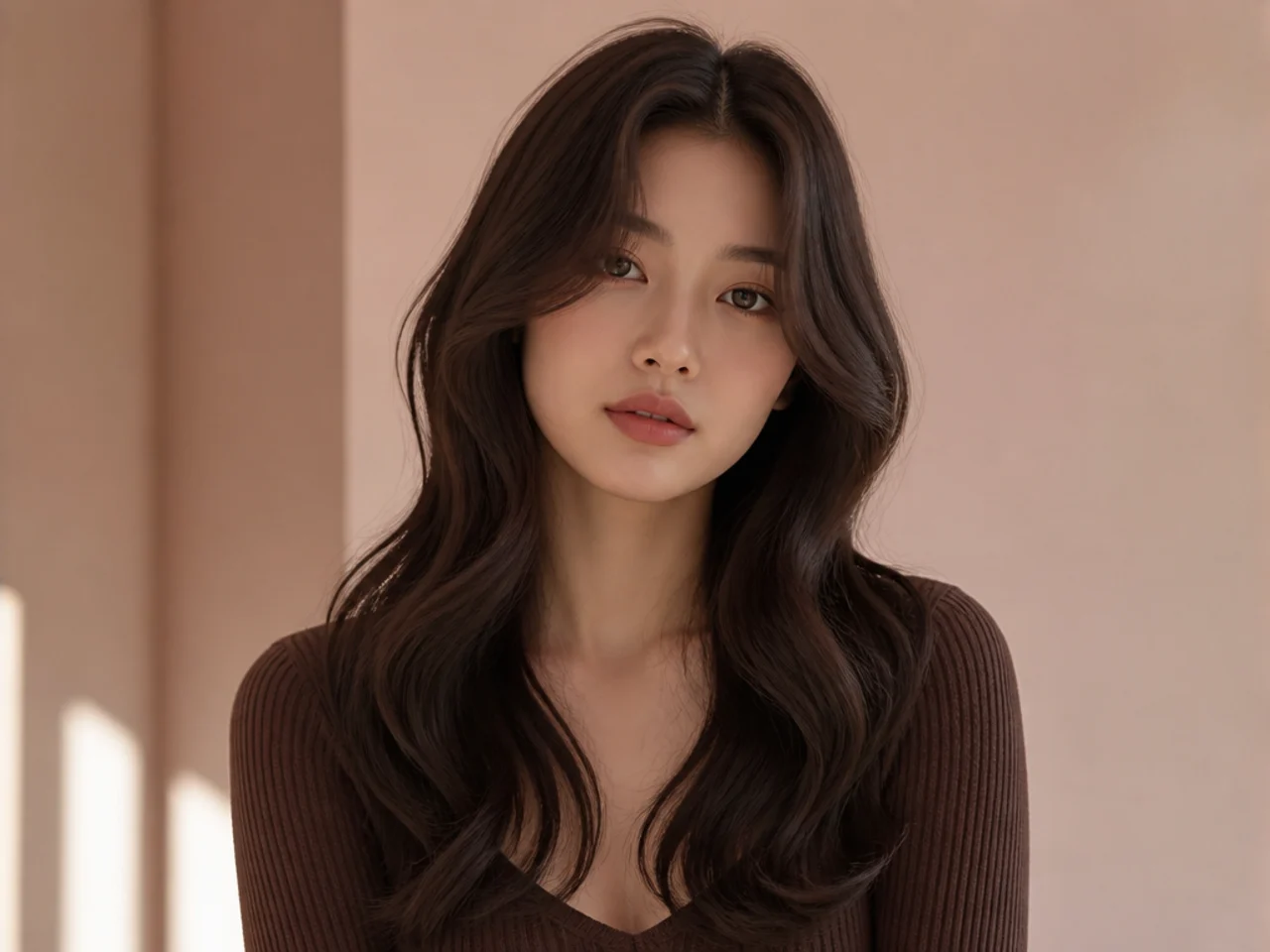
The most recognisably Korean combination. Connected layering and a sparse fringe are the two techniques that mark the style as Korean rather than Western.
3. Wolf Cut with Curtain Bangs
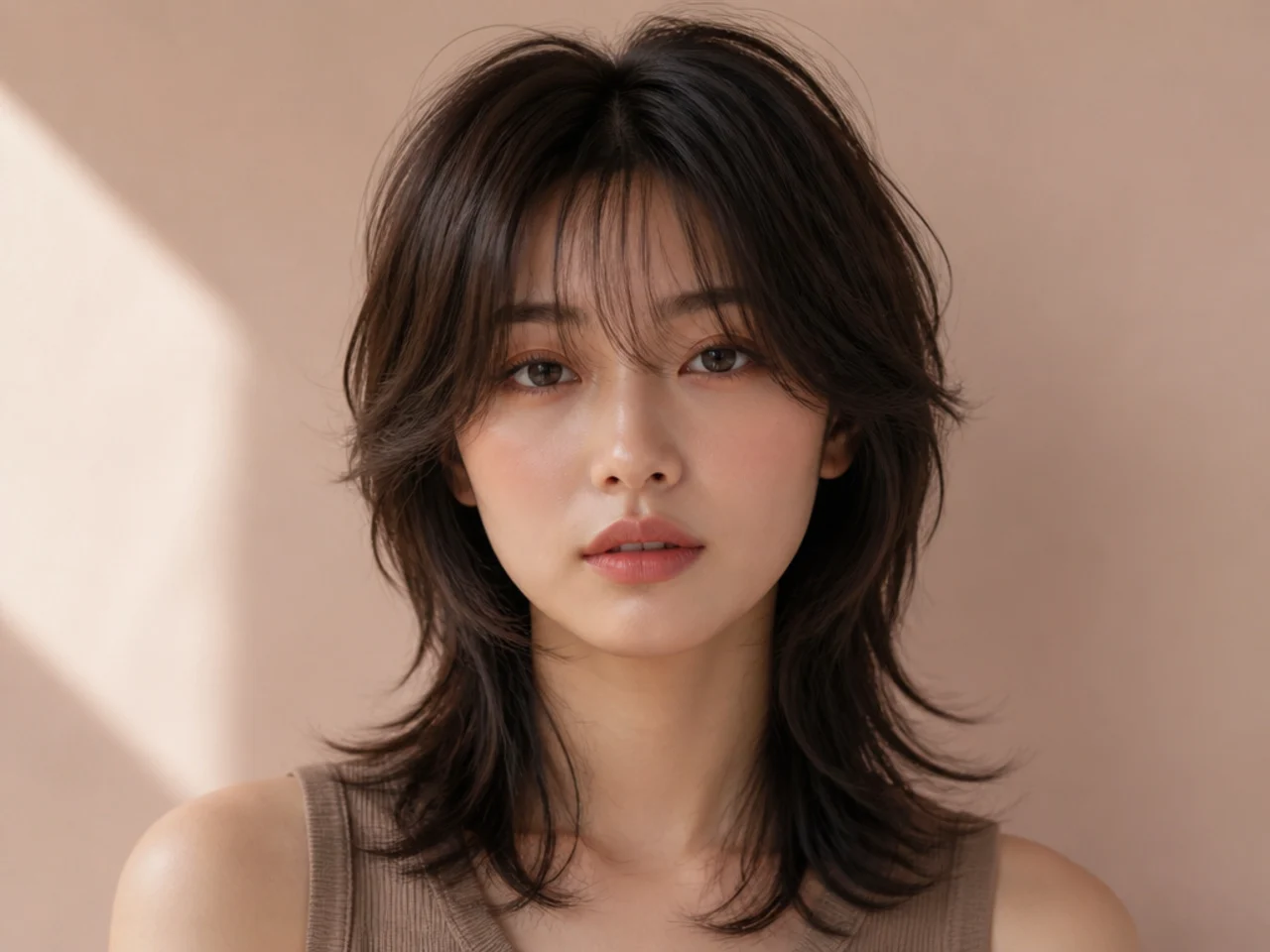
Framing that opens away from the face. A curtain gives the connected layers somewhere to begin at the front rather than starting them abruptly.
4. Shoulder-Length Wolf Cut
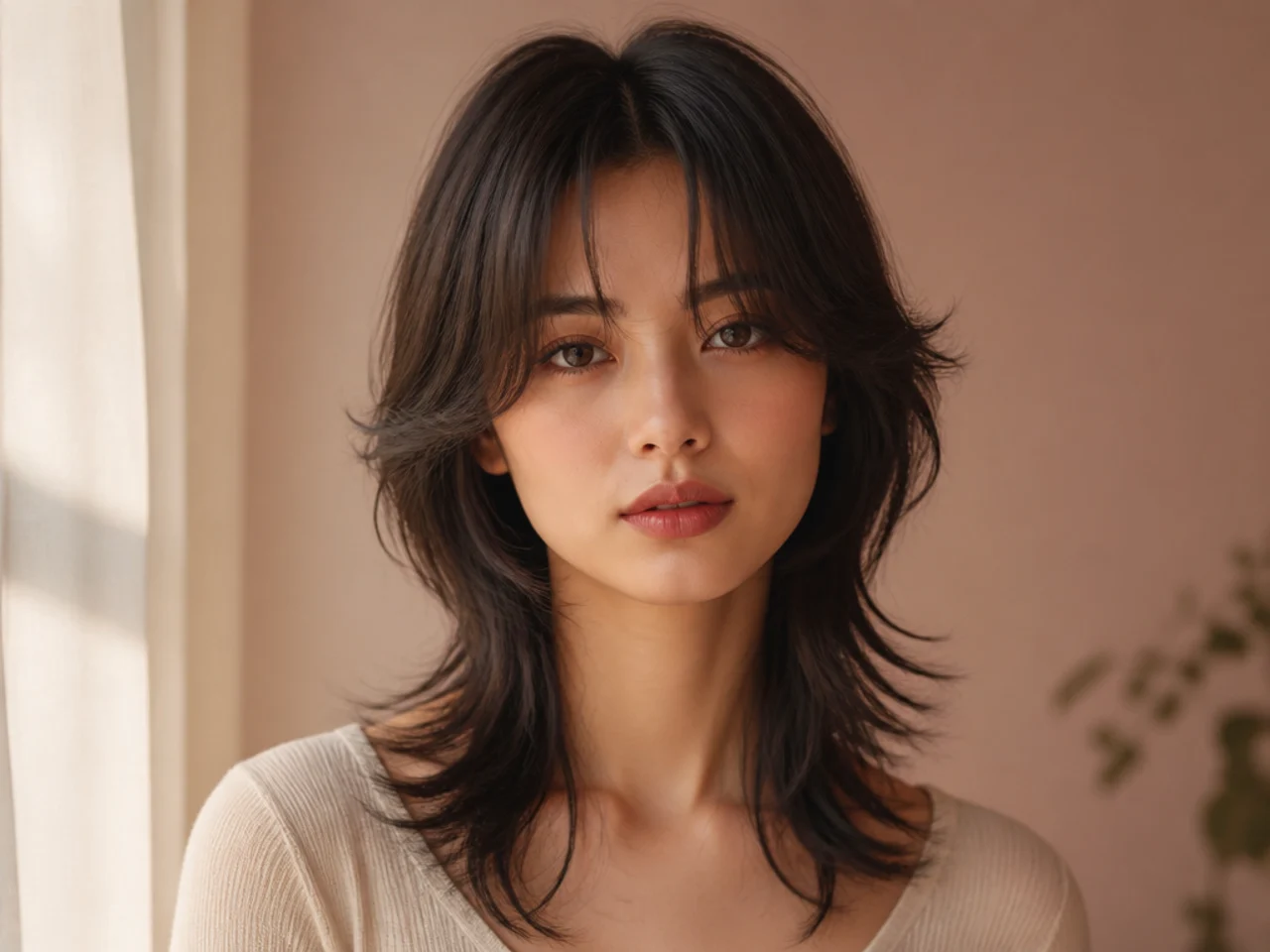
The most wearable length for this shape. Shoulder length has enough below the layering for it to move without so much weight that it flattens.
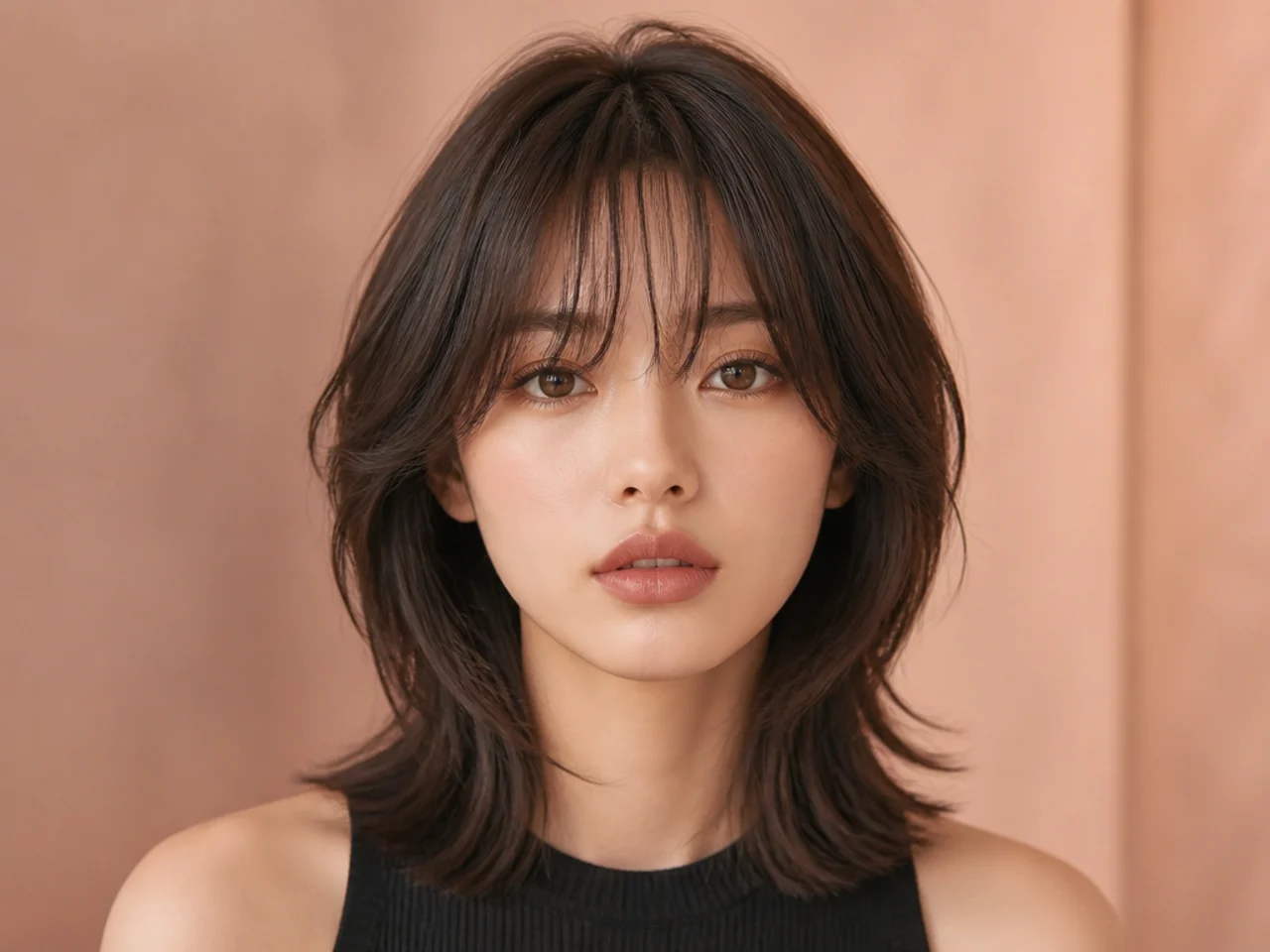
5. Long Wolf Cut
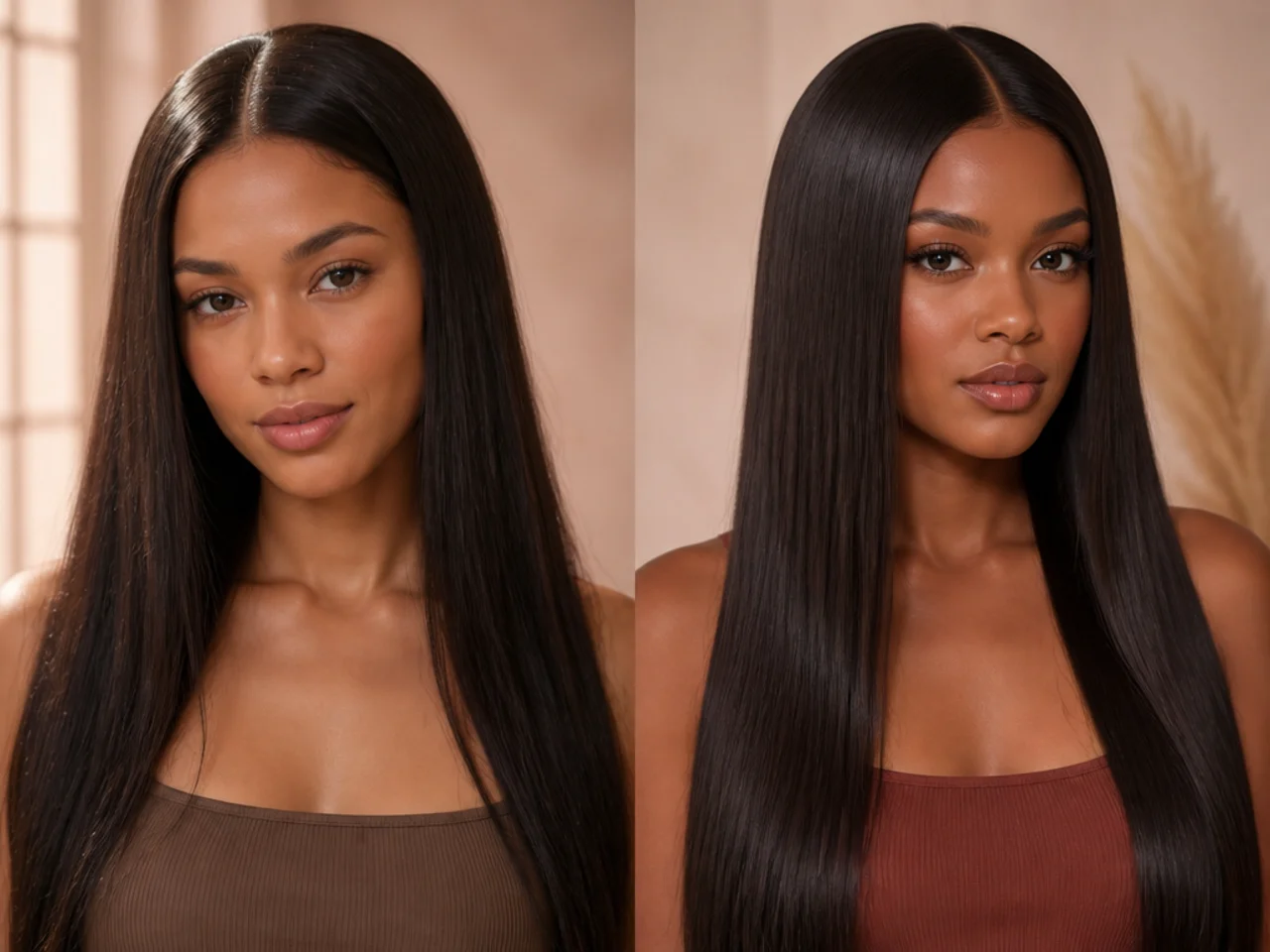
More length below the layering, and it hangs softer. The extra weight relaxes the layers, which is why a long wolf cut reads gentler than a short one.
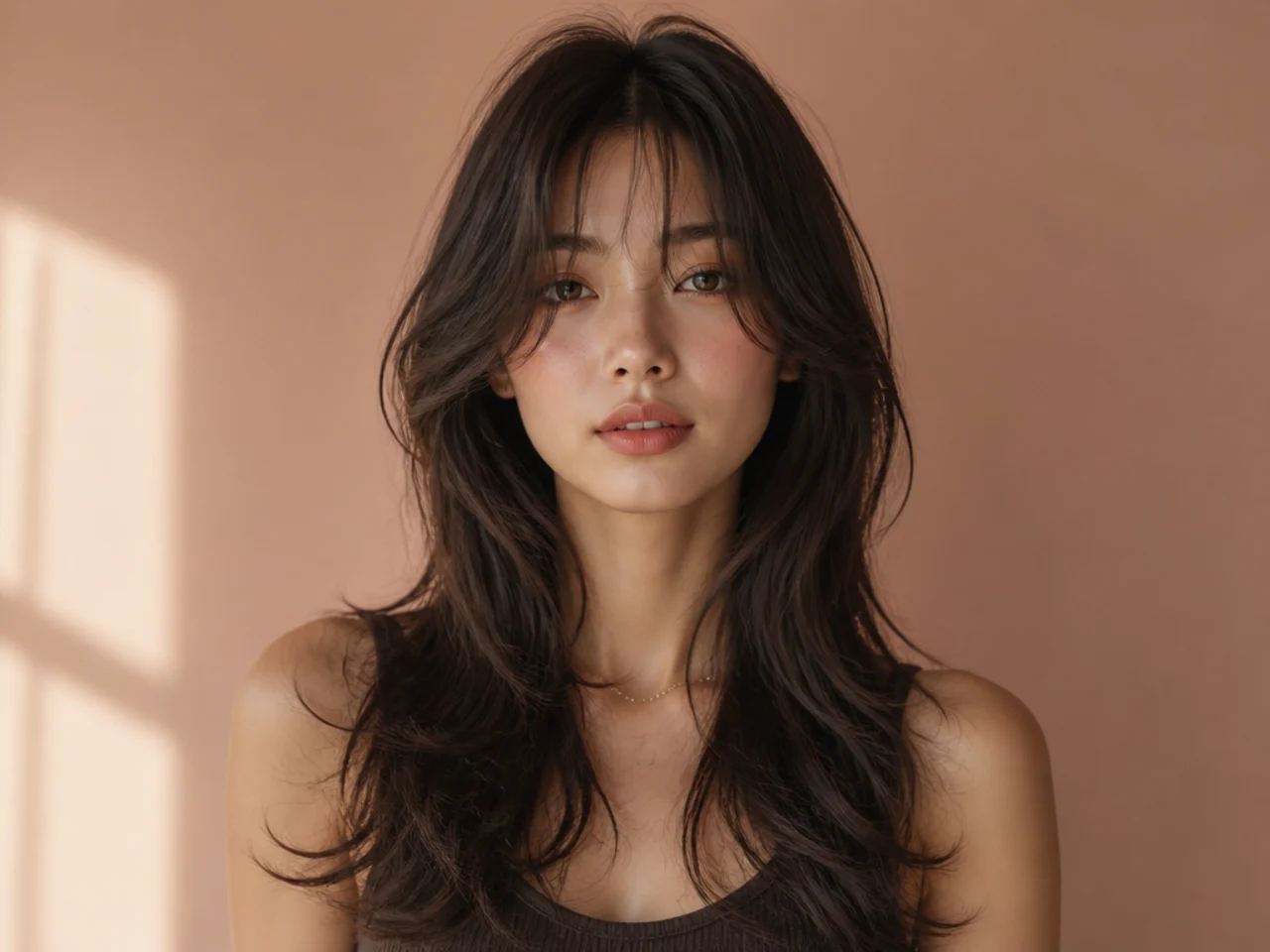
6. Short Wolf Cut
Above the shoulder, where the layering is most visible. Less length means each layer is a larger share of what you see, so the connection has to be precise.

7. Wolf Cut with C-Curl Framing
The framing pieces curved in at the jaw. The layering handles movement and the curl handles the ends, which are separate instructions at the consultation.

8. Wolf Cut with Crown Volume
Lift at the top, which the layering supports. Weight removed near the crown lets the root stand rather than pulling it flat.
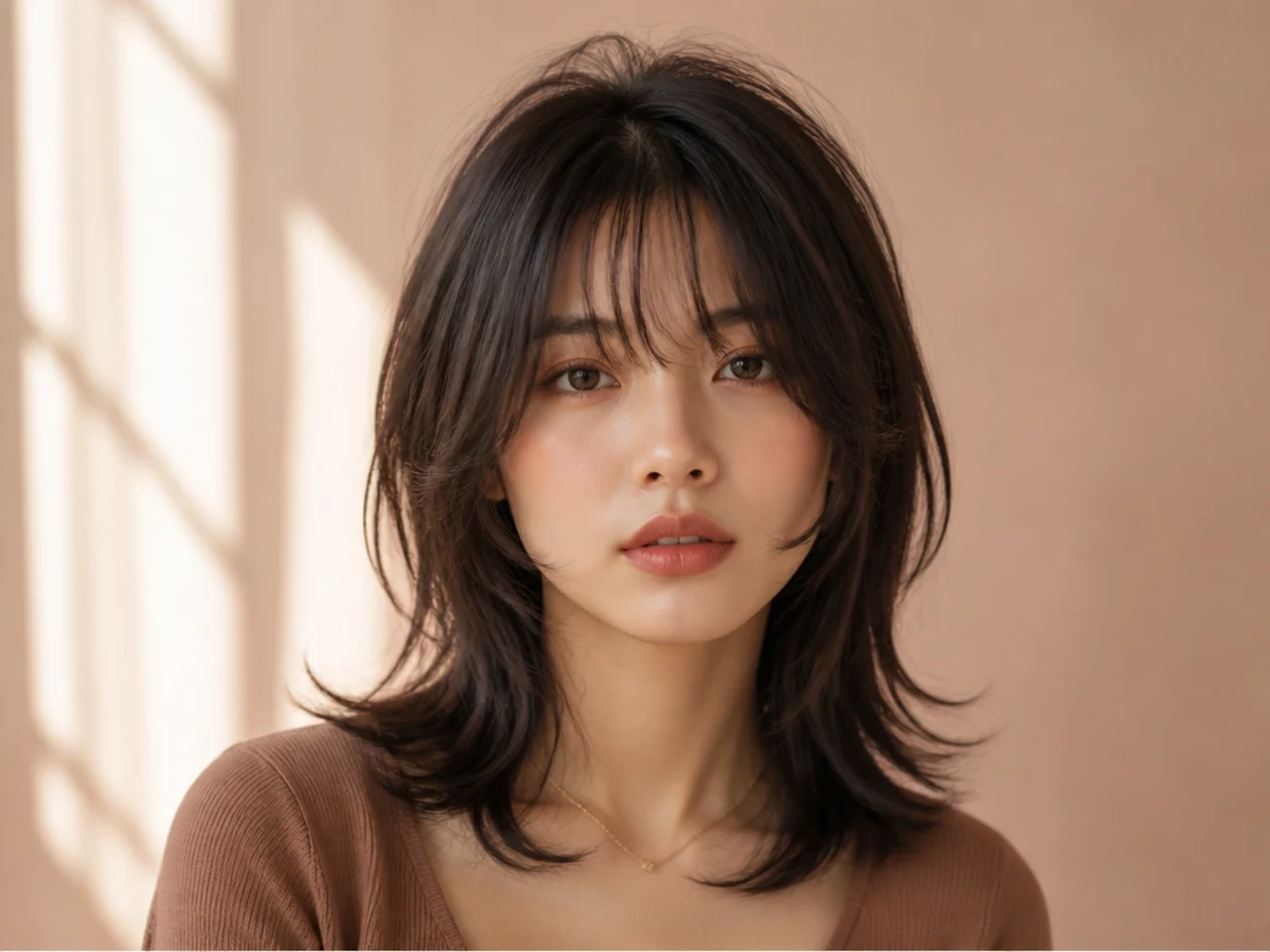
9. Wolf Cut on Straight Hair
Layers fully visible, so the connection matters most here. Straight hair shows every transition, which makes it the least forgiving type for this cut.

10. Wolf Cut on Wavy Hair
The natural bend doing half the movement. A wave already separates the layers, so the cut needs to do less and forgives more.

11. Wolf Cut on Curly Hair
Cut dry so the layers land where they will sit. Curl shrinks as it dries, so layers cut wet finish well above where they were placed.

12. Wolf Cut on Thick Hair
Where the weight removal does the most good. Thick hair expands outward unless weight comes out through the length, which is exactly what this cut does.

13. Wolf Cut on Fine Hair
Fewer layers, kept long. Possible with care. Every layer divides a fine head further, so the count has to be lower than the reference photo suggests.

14. Wolf Cut with a Middle Part
Symmetrical framing over connected layers. A middle part means both sides of the framing are read together, so any difference between them shows.
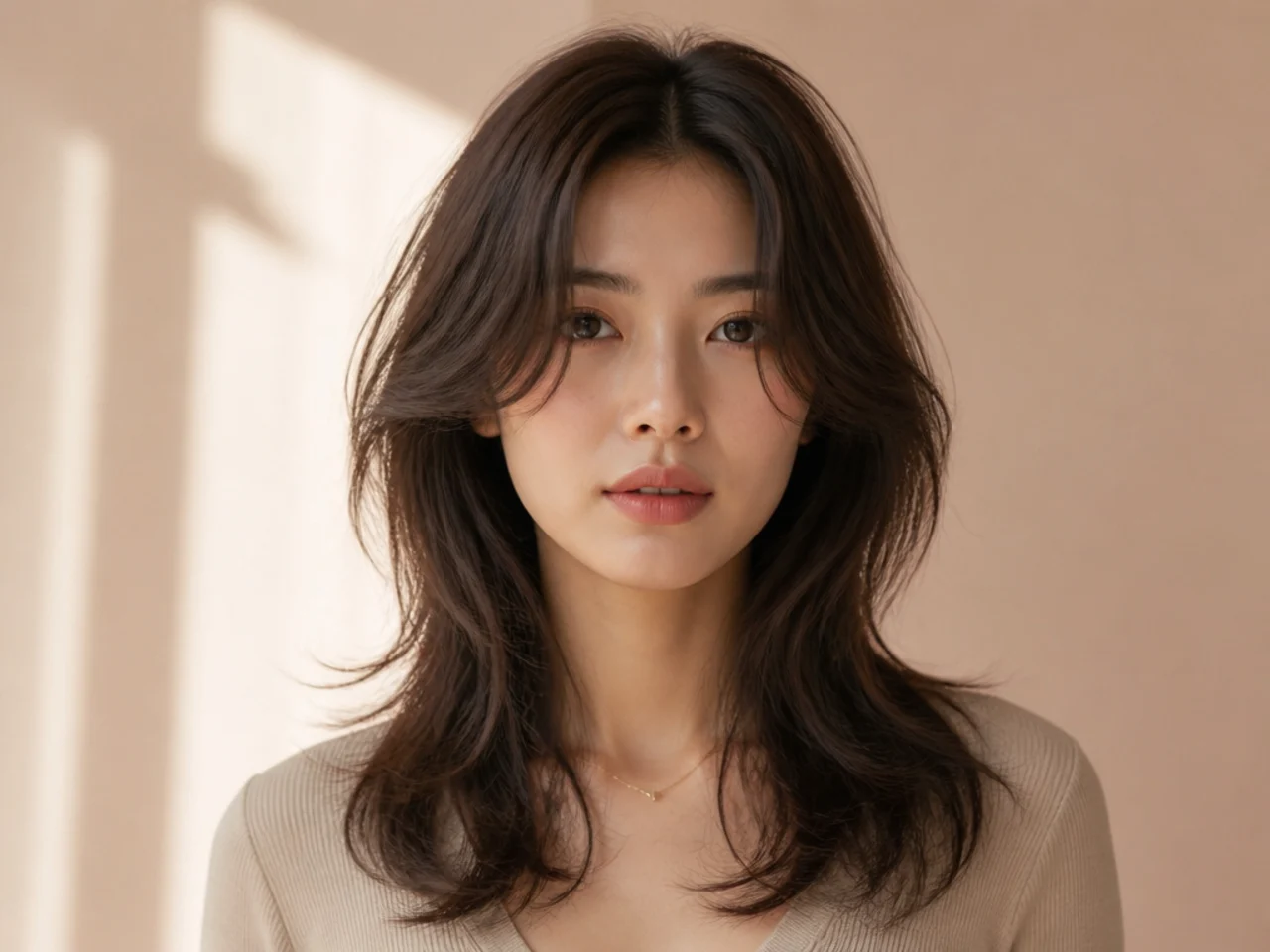
15. Wolf Cut with a Side Part
The asymmetric version, still connected behind. The part changes the front; the connection at the back is unaffected either way.
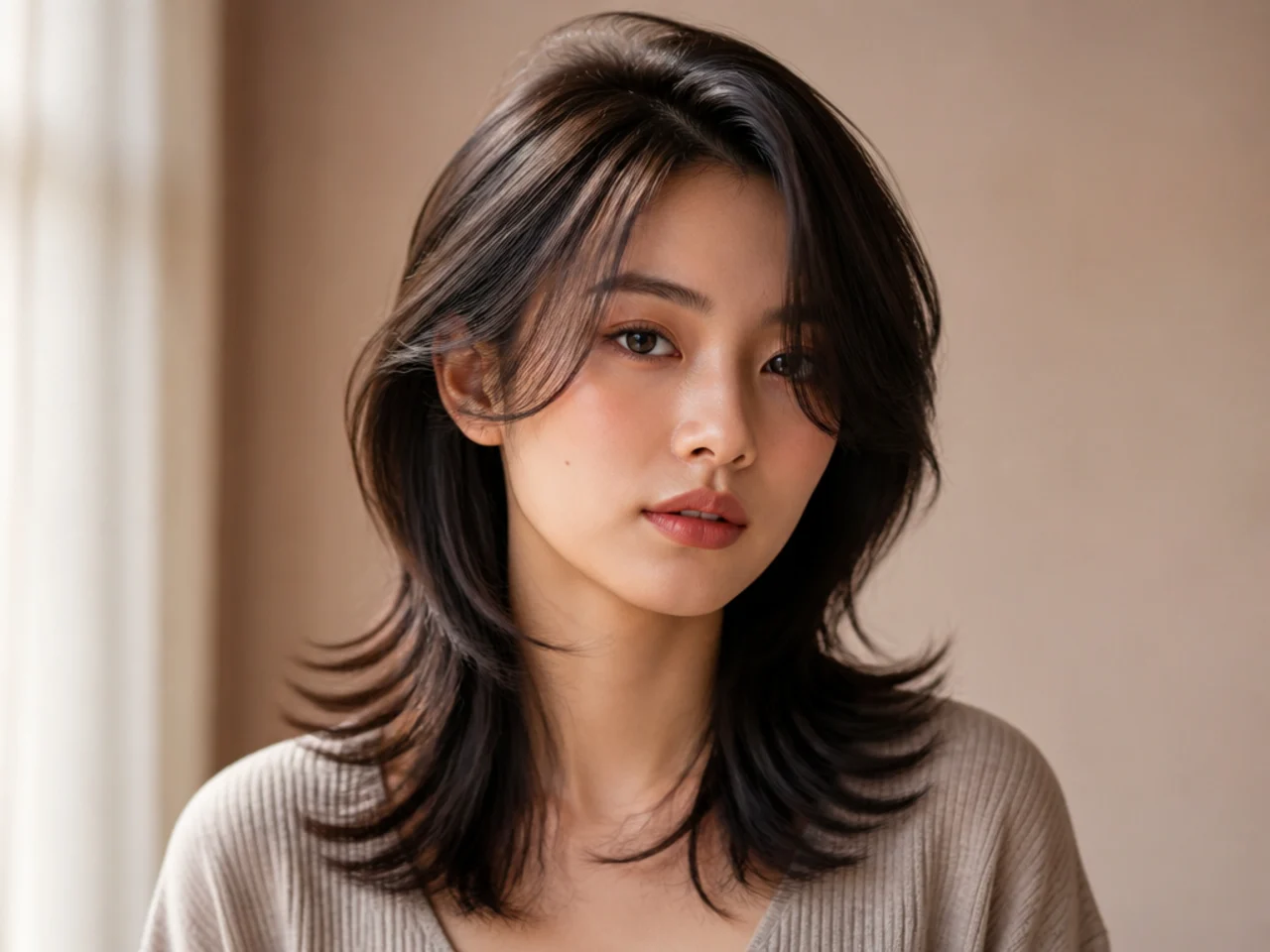
16. Wolf Cut with a Soft Perm
Body added through the mid-lengths. A perm and a wolf cut both create movement, which is why the combination needs almost no daily styling.

17. Wolf Cut Air-Dried
Where connected layering shows its advantage. Air-drying lets each layer fall at its own length, and connection is what stops that reading as a mess.

18. Wolf Cut Worn Half-Up
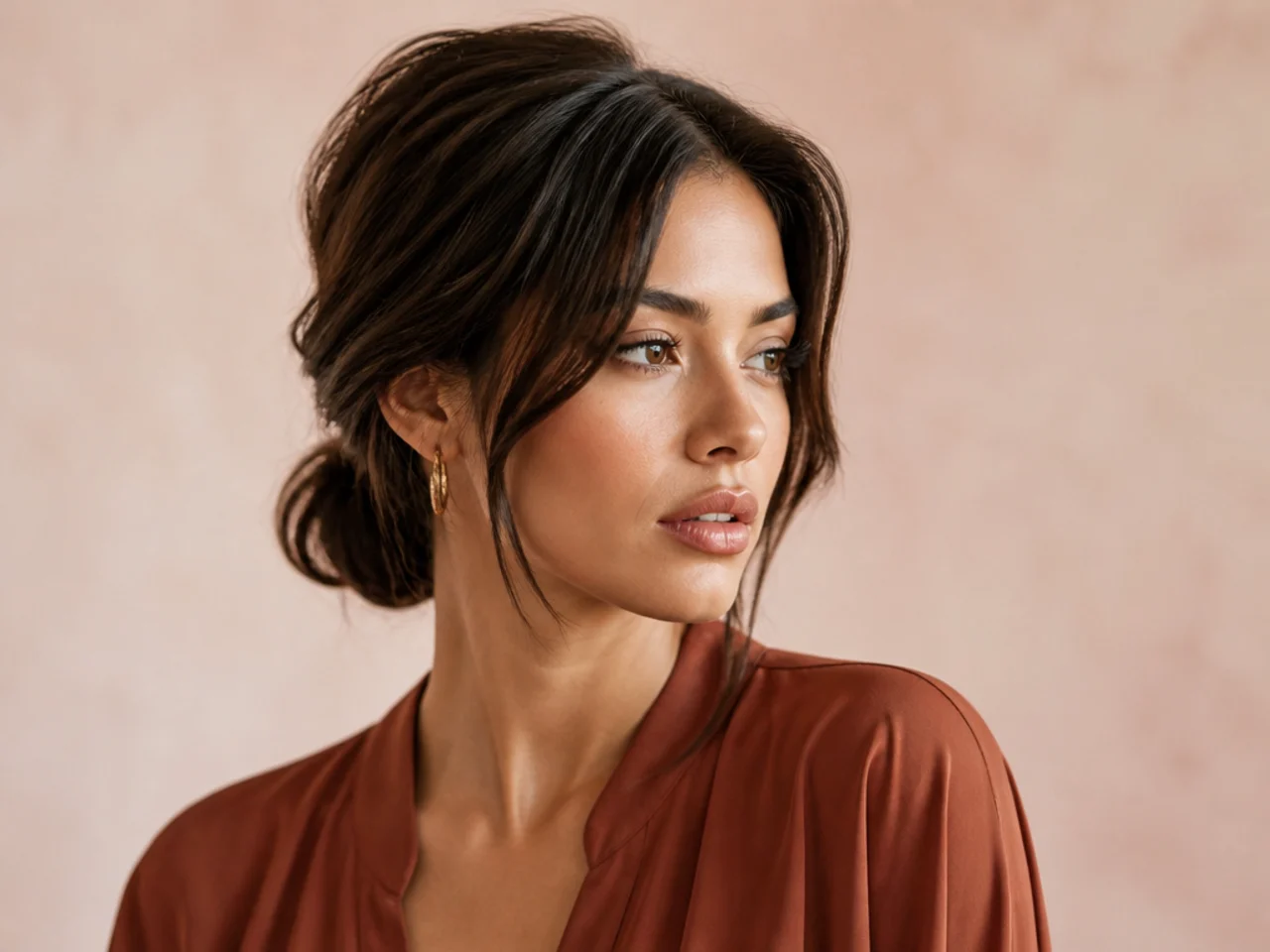
Framing left out, layers gathered behind. Gathering exposes how the layers connect, which is why a half-up is a fair test of the cut.

19. Wolf Cut at Week Ten
Softened, still connected, still working. Connected layers grow proportionally rather than developing a step, so there is nothing to correct at week ten.

20. A Disconnected Western Wolf Cut
Heavy top, light long back, visible break between them. A Western wolf cut is deliberately disconnected — the break is the style, and it is the opposite of the Korean version.

Styling and Upkeep
Dry the crown up and the framing in. The two movements that define the shape.
Trim the framing every six weeks. The length can wait longer.
Use very little product. The cut supplies the movement; product weighs it down.
Ask for the connection to be maintained. Each trim is where disconnection creeps in.
Air-dry when you can. Connected layers fall well without help.

Mistakes to Avoid
Asking for a wolf cut and nothing else. You will get the Western shape.
Letting disconnection creep in at trims. It converts the cut over a few appointments.
This cut on very fine hair. A hush cut removes far less weight.
Heavy product. It flattens the layering the cut created.
Judging it by the back. The design is at the front.

FAQ
How is it different? Connected layers and no mullet element — the Western version is disconnected.
What should you ask for? Connected layers, no disconnection at the nape.
Does it suit fine hair? Better than the Western version, but a hush cut suits it better still.

Final Thoughts
Say the word connected. It is the single instruction that separates this from the shag-mullet shape most stylists will reach for, it takes two seconds, and without it you will get a good haircut that is not the one you saved.
For the softer, quieter alternative see 15 korean hush cut haircut ideas, and for the Western version of the cut see 10 stunning wolf cut hairstyles. More in Women's Hairstyles.