15 Korean vs Japanese Haircut Ideas Compared
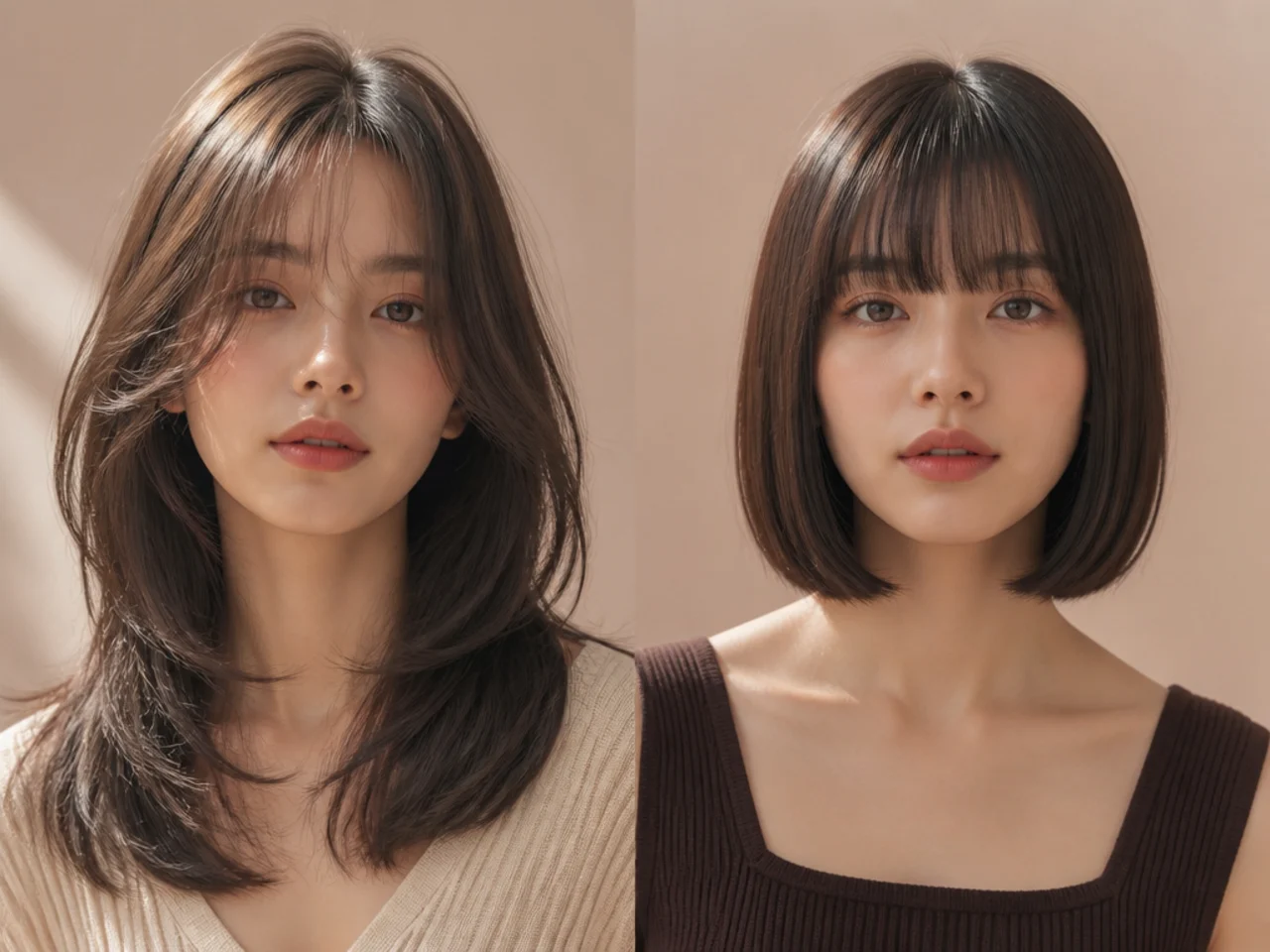
Fifteen comparisons between two cutting philosophies that get grouped together and work in opposite directions — Korean cutting adds softness and volume, Japanese cutting removes them in favour of weight and line.
In this article · 22
- Quick Comparison at a Glance
- What Each One Actually Is
- The 15 Comparisons
- 1. The Core Philosophy
- 2. Where the Design Lives
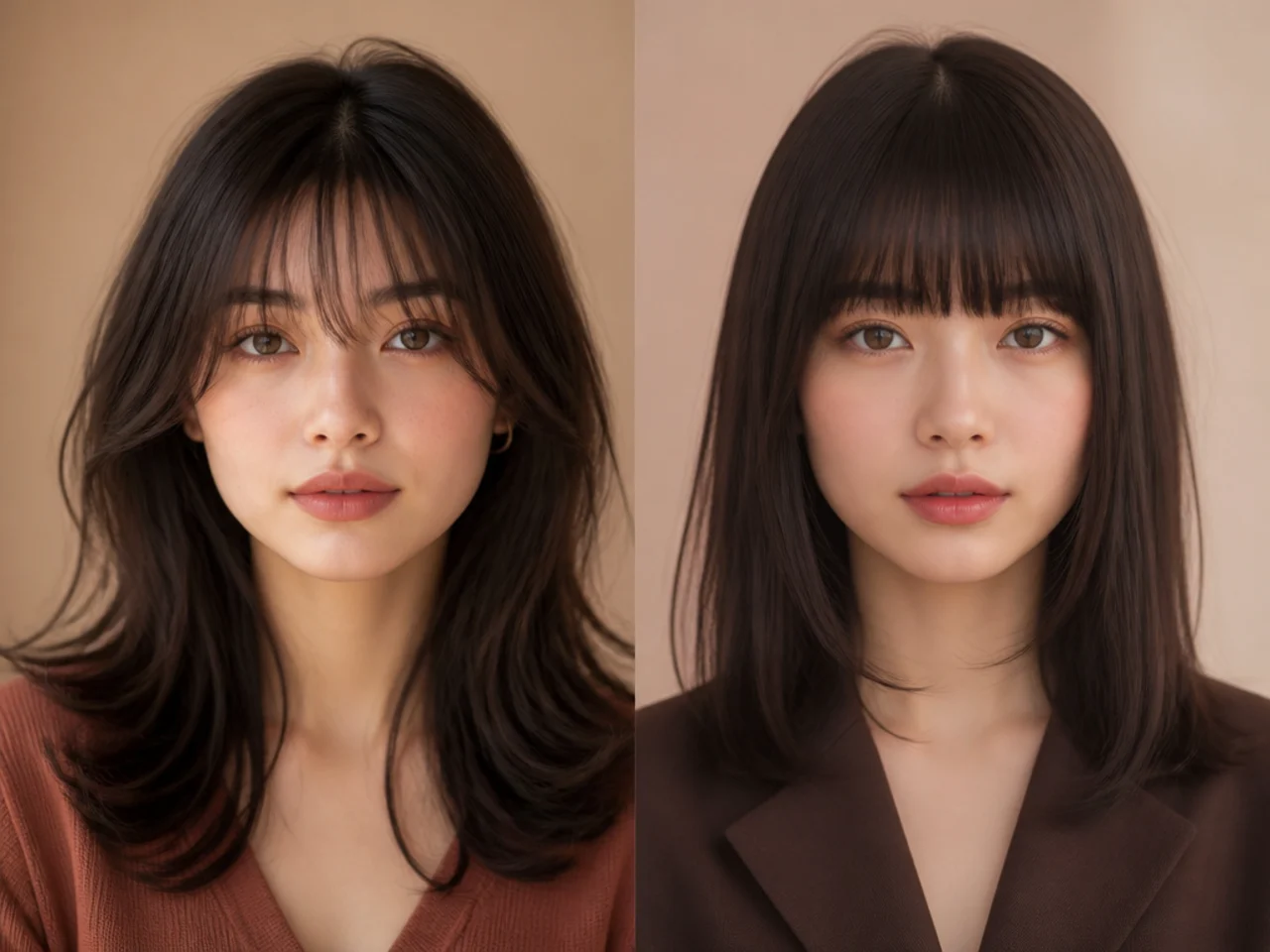
- 3. The Fringe
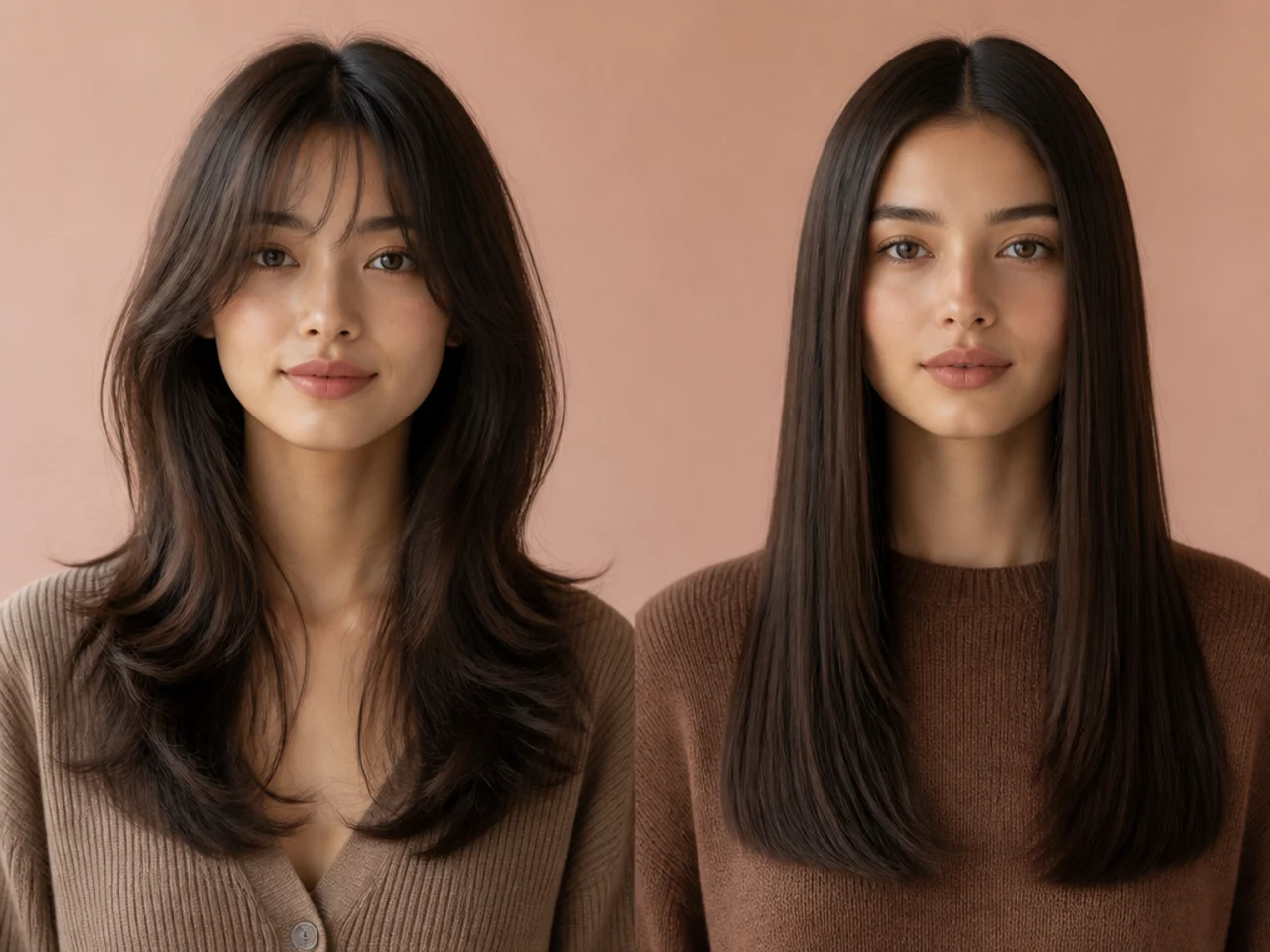
- 4. Layering
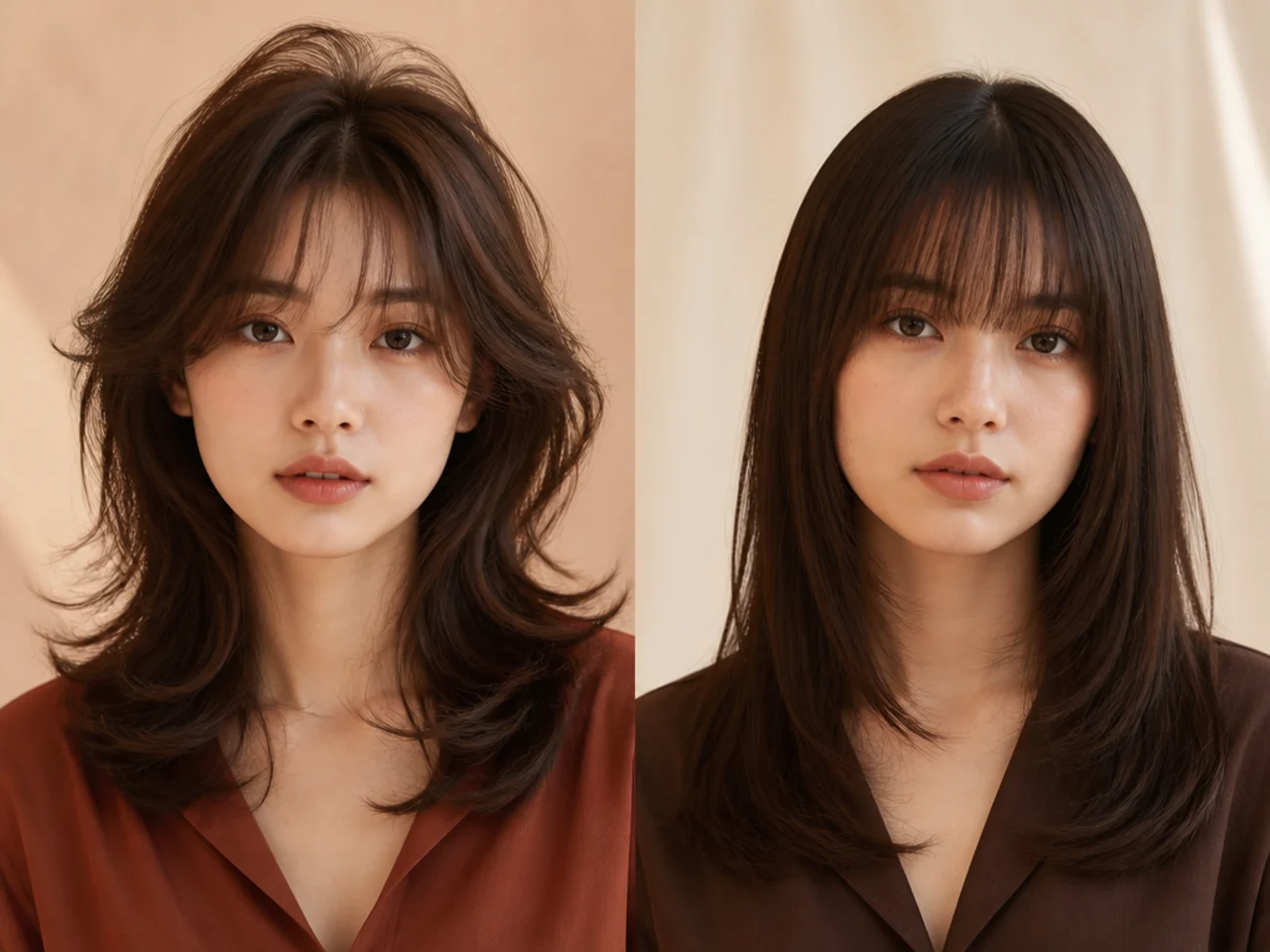
- 5. Volume
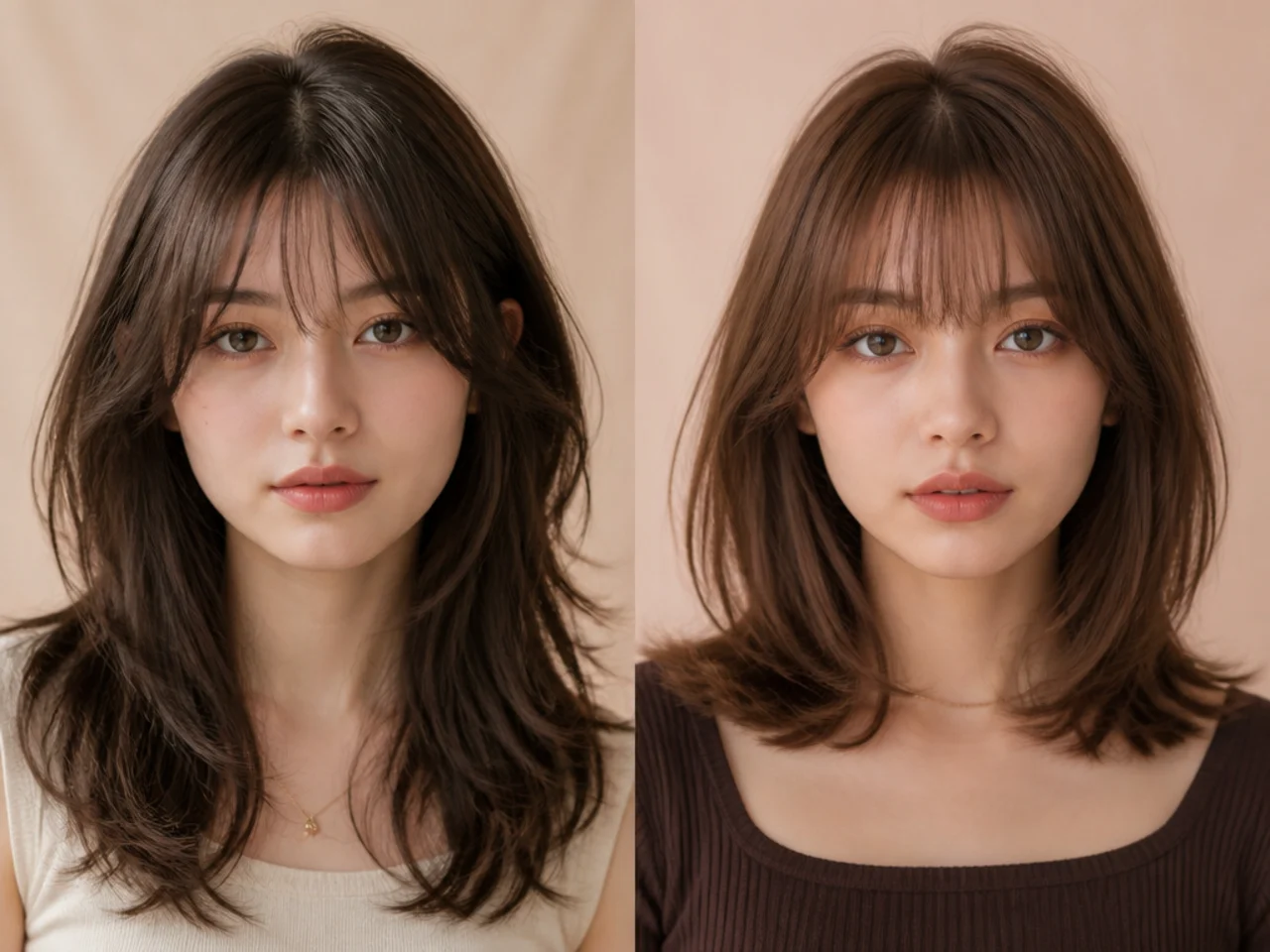
- 6. On Fine Hair
- 7. On Thick Straight Hair
- 8. On Wavy Hair
- 9. Daily Styling
- 10. Grow-Out
- 11. Trim Frequency
- 12. The Signature Shape
- 13. How It Photographs
- 14. Colour Pairing
- 15. If You Are Undecided
- Which Should You Choose?
- Mistakes to Avoid
- FAQ
- Final Thoughts
These two get grouped together constantly and they are close to opposites in method.
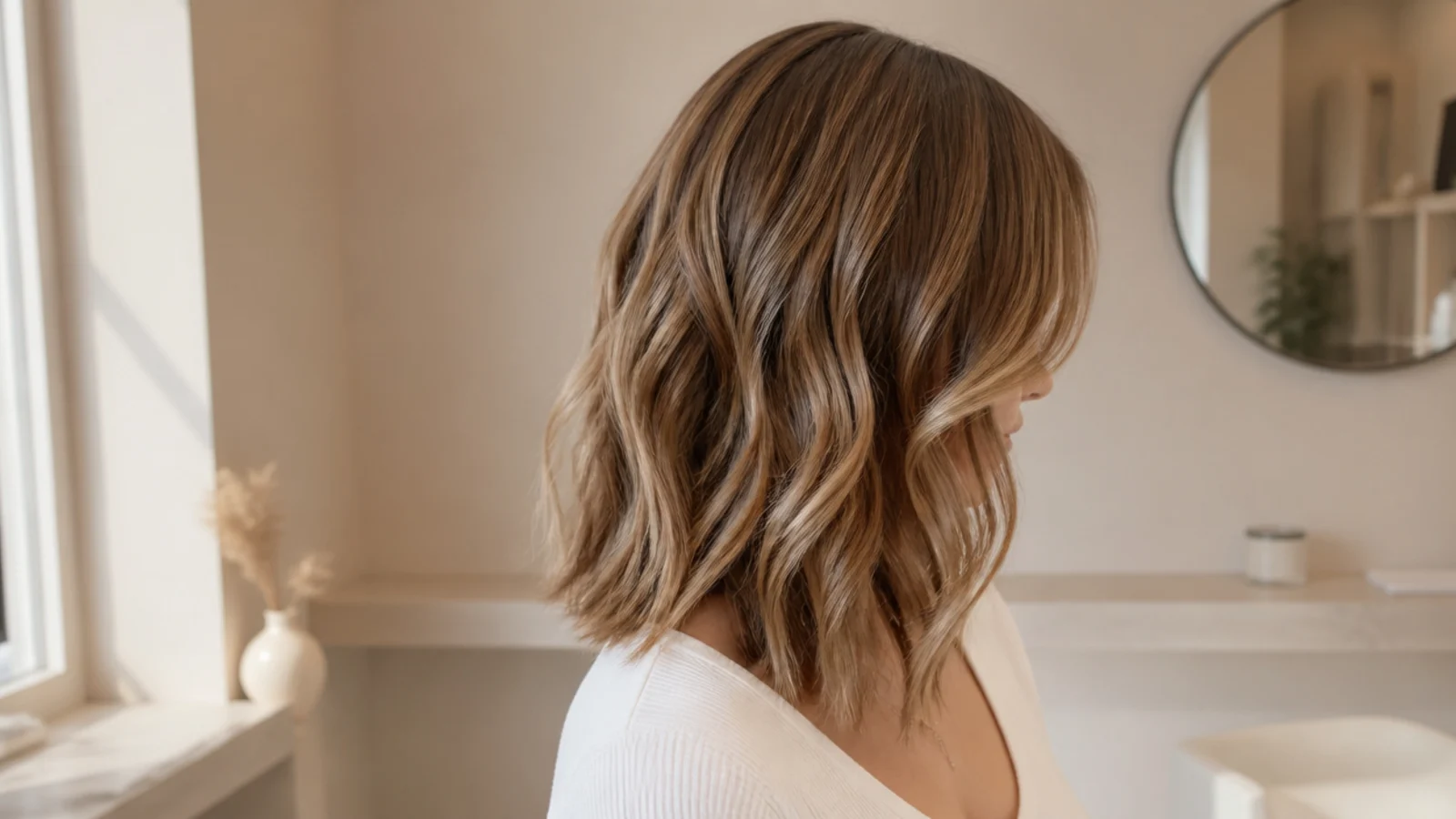
Korean cutting adds softness. Japanese cutting keeps weight. One removes bulk to create airiness, movement and volume at the crown. The other preserves weight to produce precision, unbroken lines and a heavy, glossy fall. Everything below follows from that single opposition.
Both are highly technical. They are just aiming at different things.
Quick Comparison at a Glance
| Korean | Japanese | |
|---|---|---|
| Philosophy | Add softness | Keep weight |
| Layering | Extensive, airy | Minimal or none |
| Where the design lives | The face | The perimeter |
| Fringe | See-through, sparse | Blunt, full |
| Volume | At the crown | Not sought |
| Suits fine hair | Very well | With enough density |
| Suits thick straight hair | With upkeep | Very well |
| Styling needed | Daily, light | Little once cut |
| Grow-out | Softens gradually | Holds its line |
What Each One Actually Is
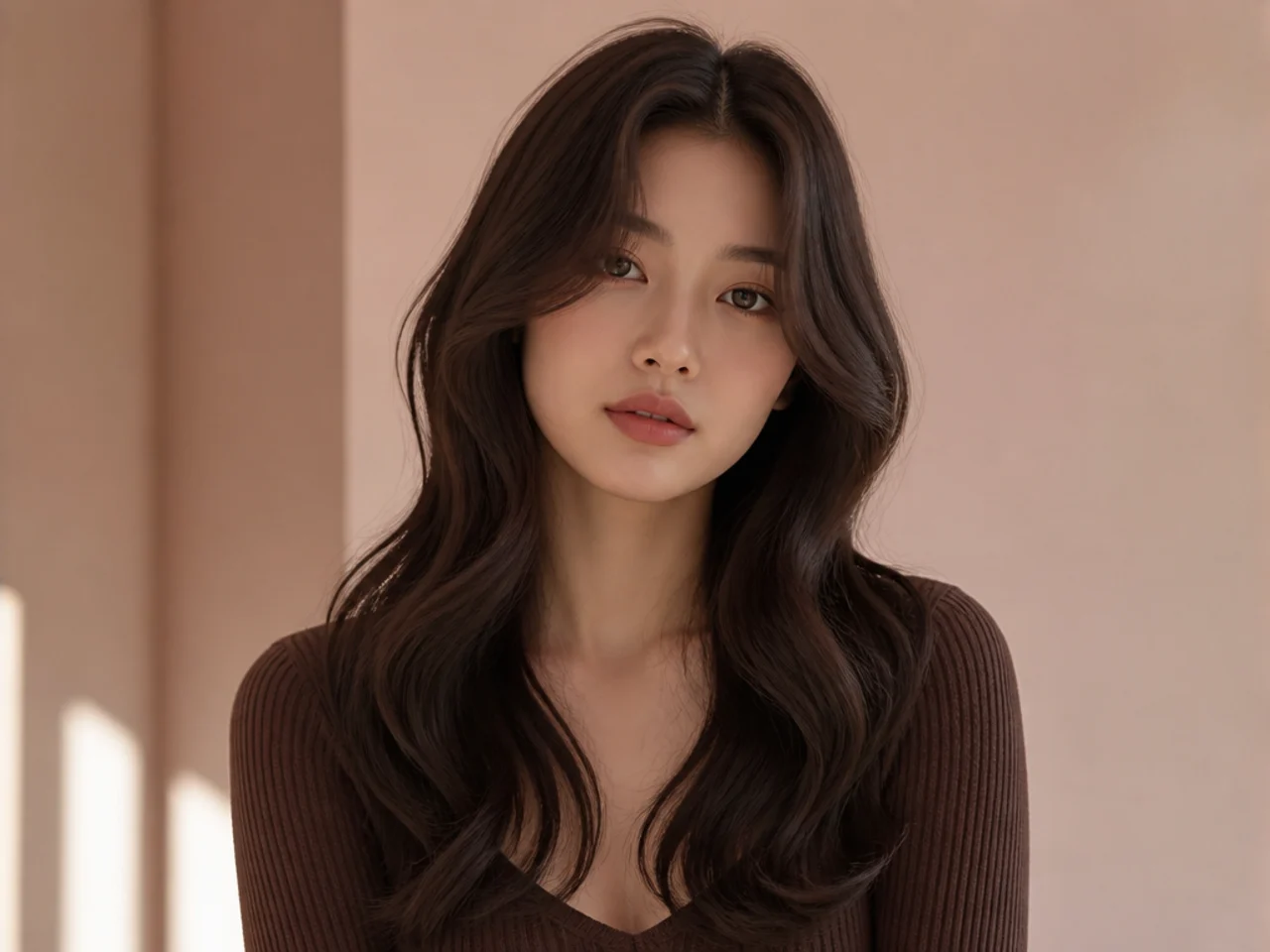
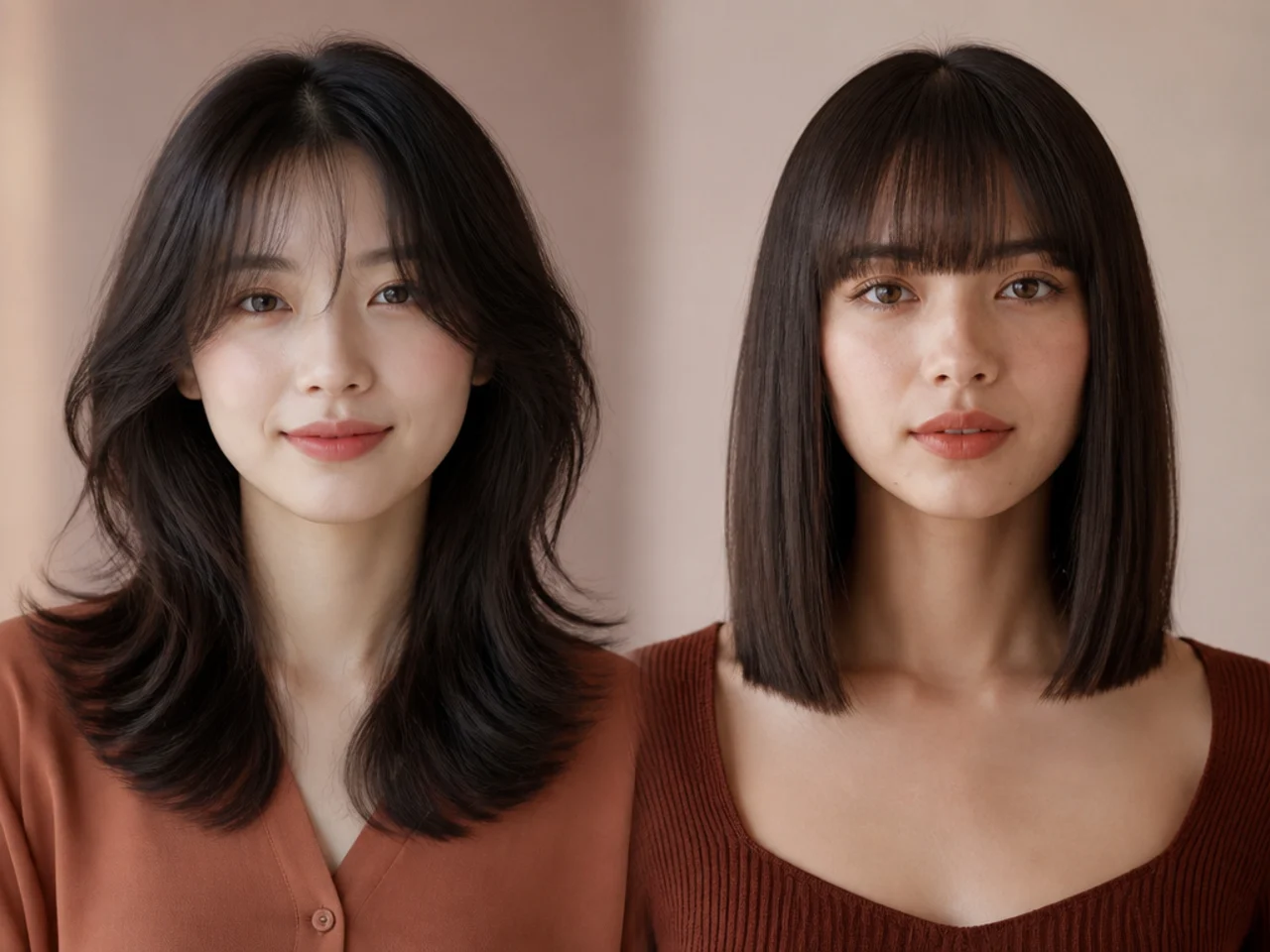
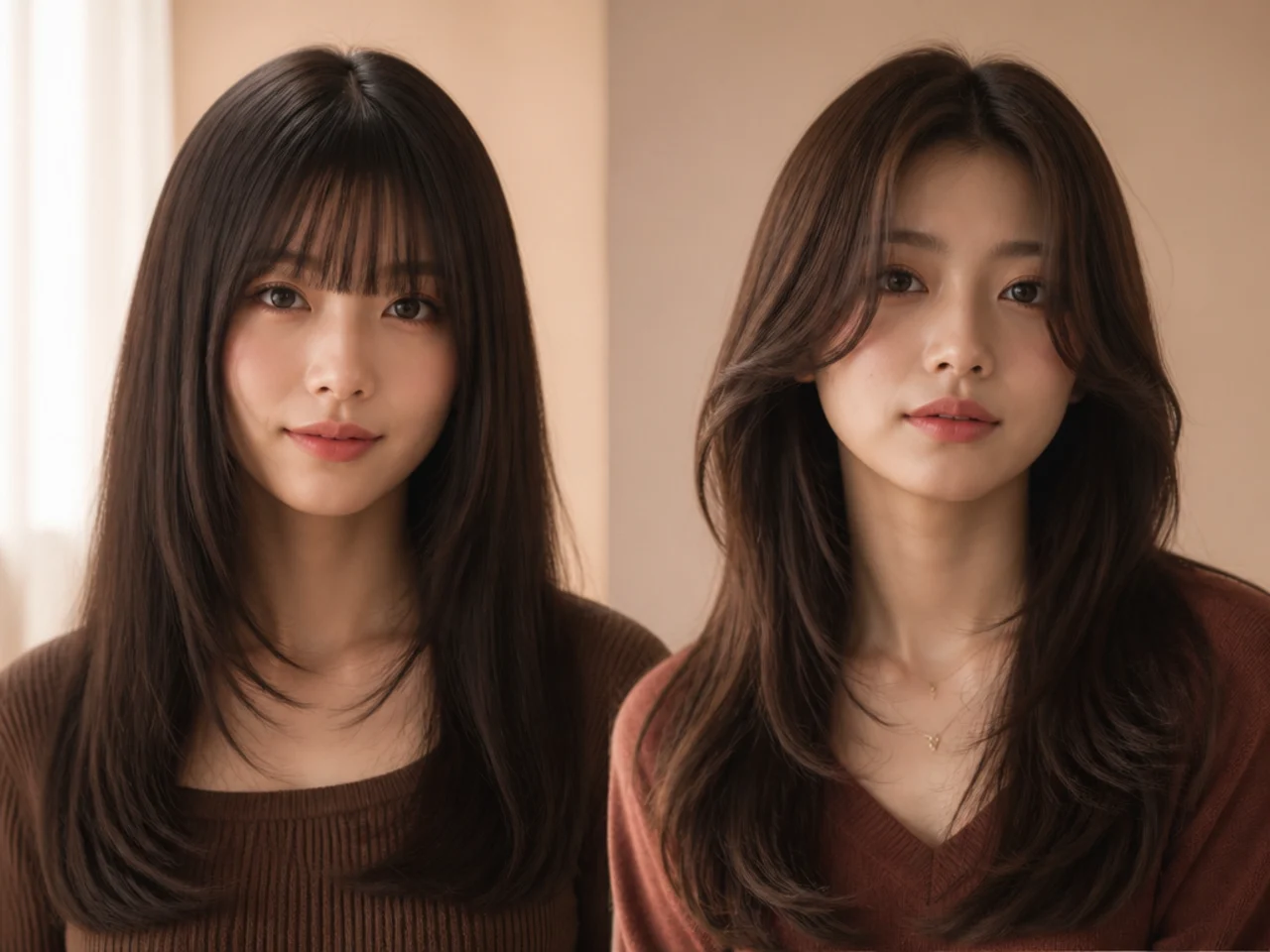
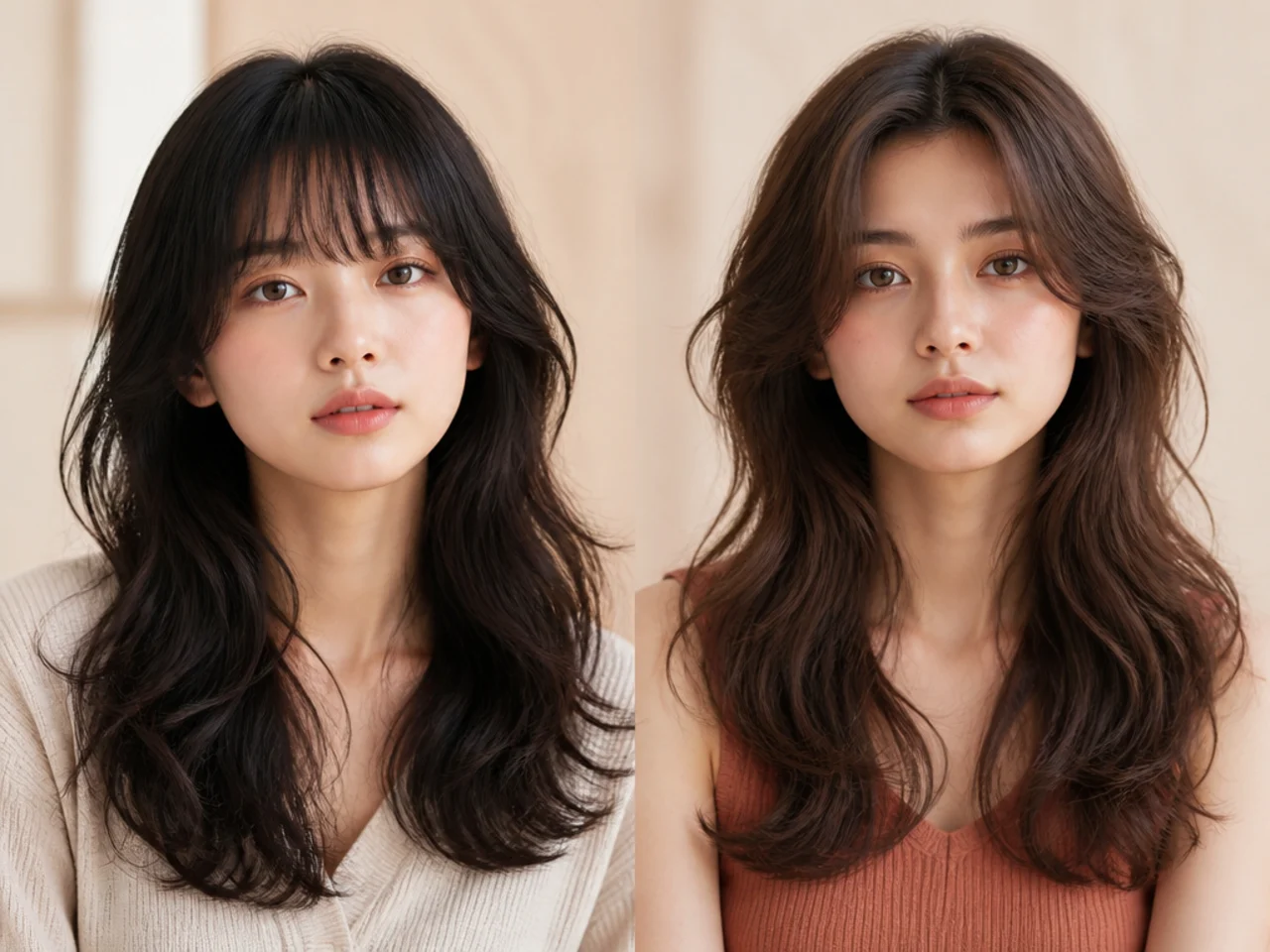
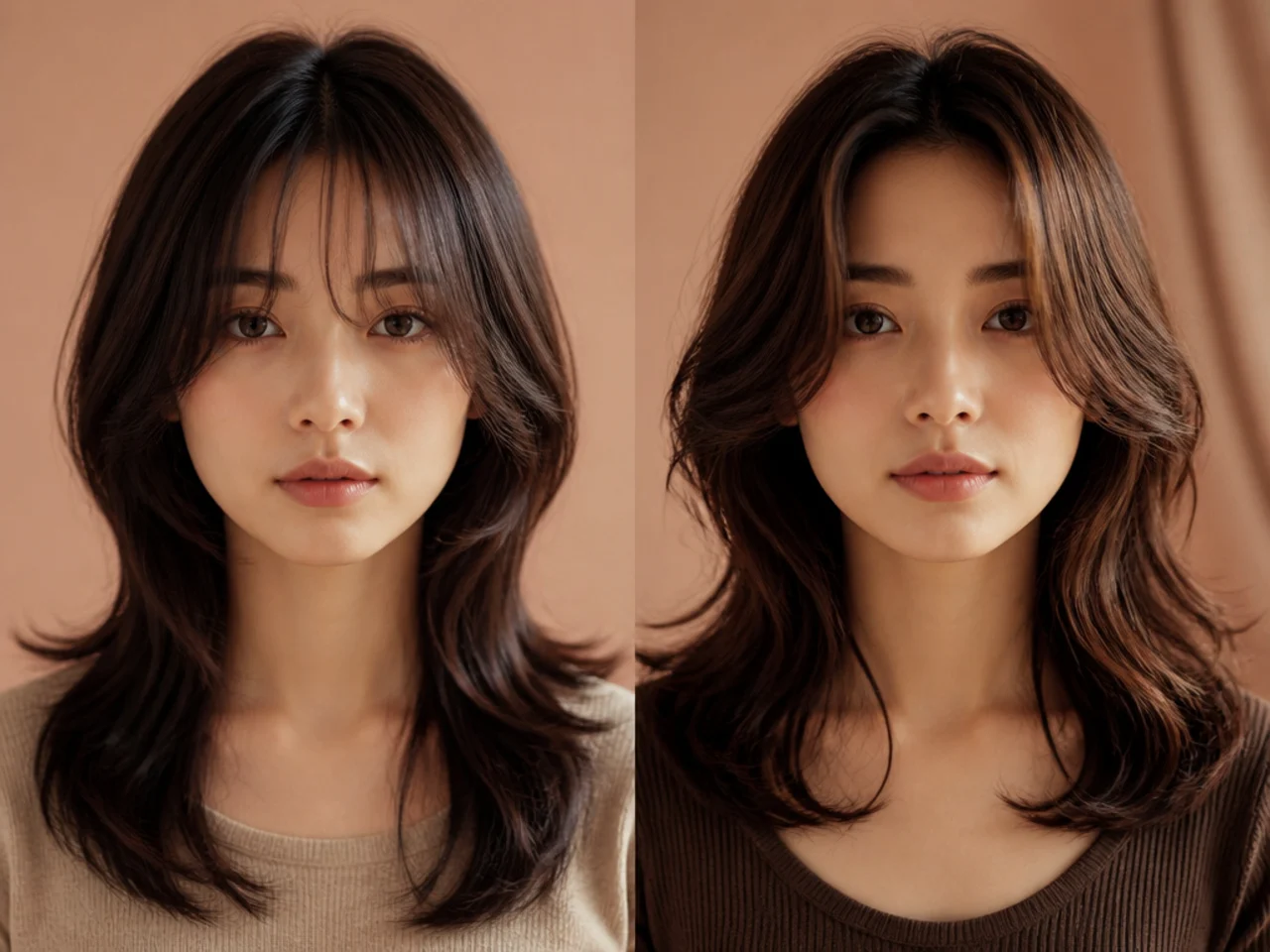
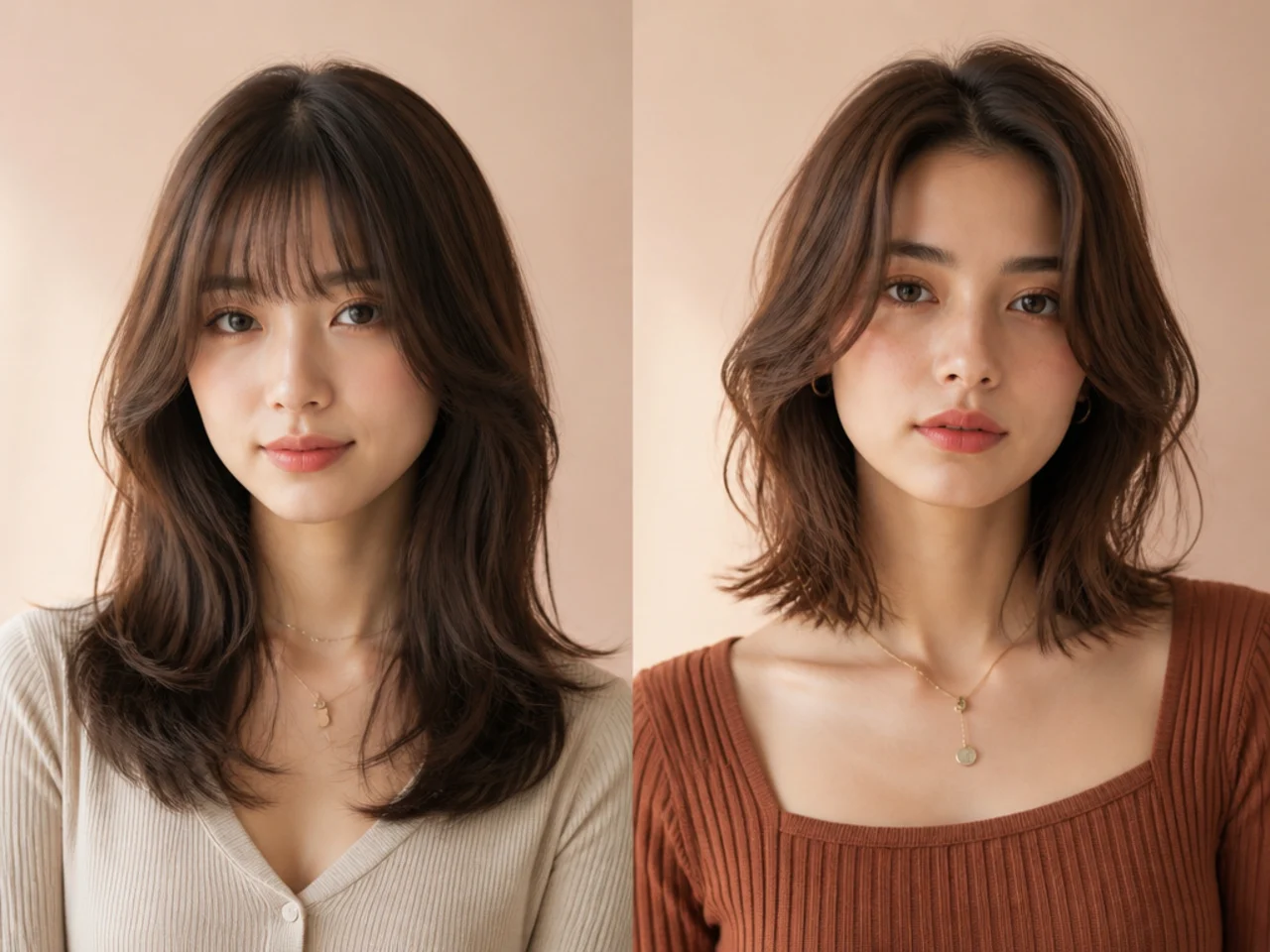
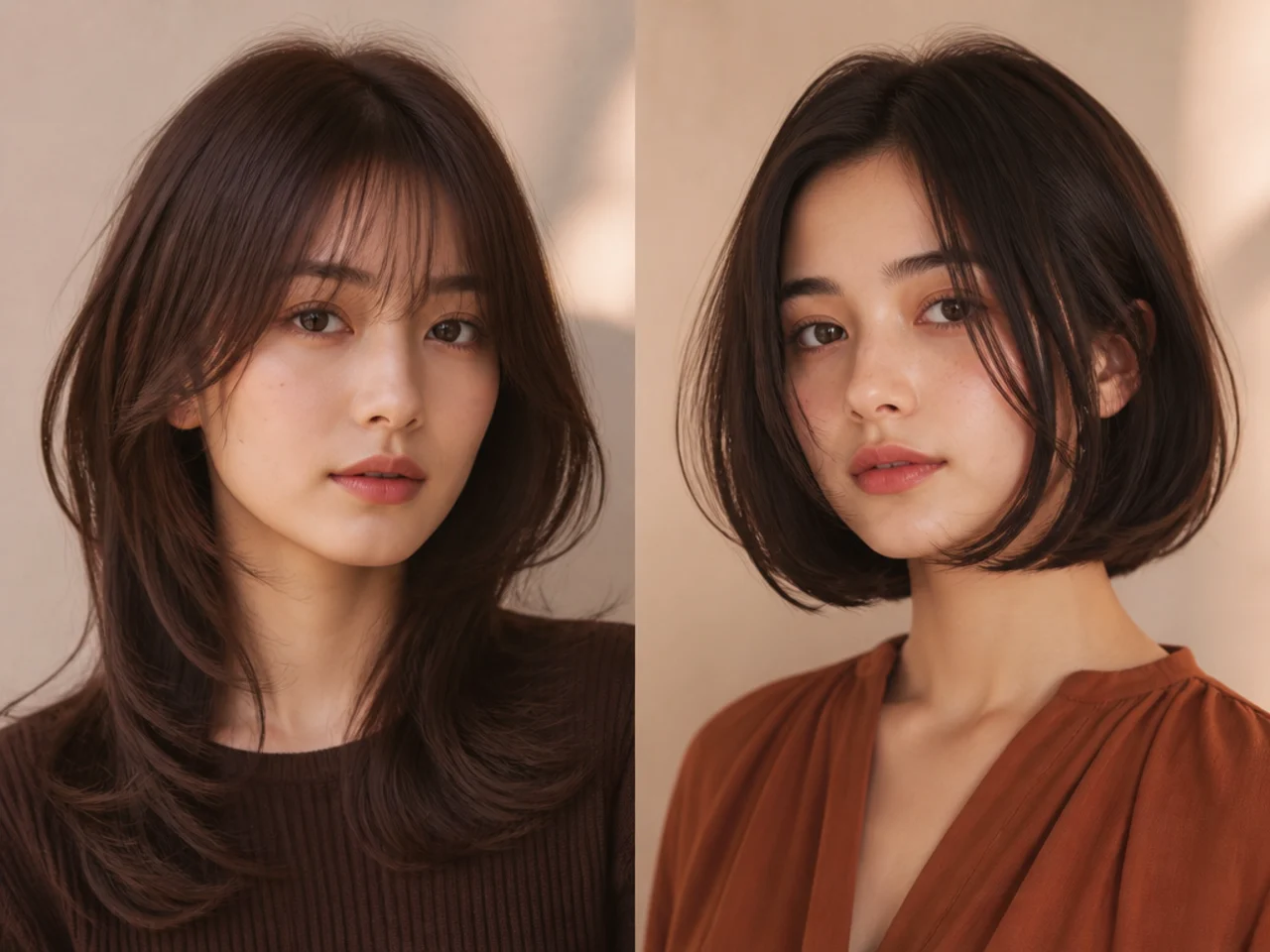
Korean cutting builds the shape around the face — see-through bangs, C-curl framing at the jaw and lift at the crown — with an outline that is often plain. The perimeter is not where the design lives, which is why a Korean cut can look unremarkable gathered up.
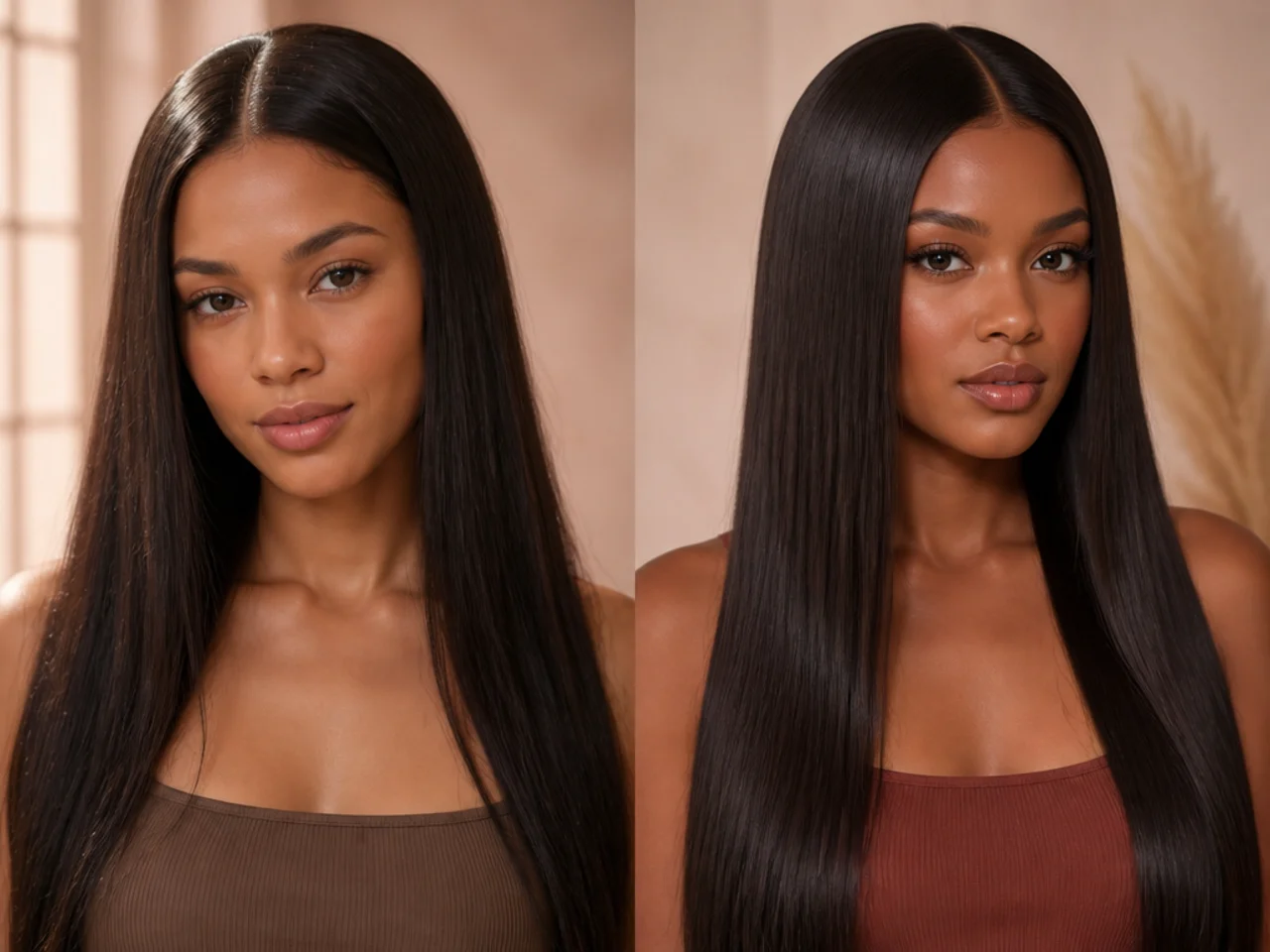
Japanese cutting builds the shape at the perimeter — a precise line, minimal layering, and weight kept in so the hair falls as one heavy surface. Weight is what produces the gloss — an unbroken surface reflects light where a layered one scatters it.
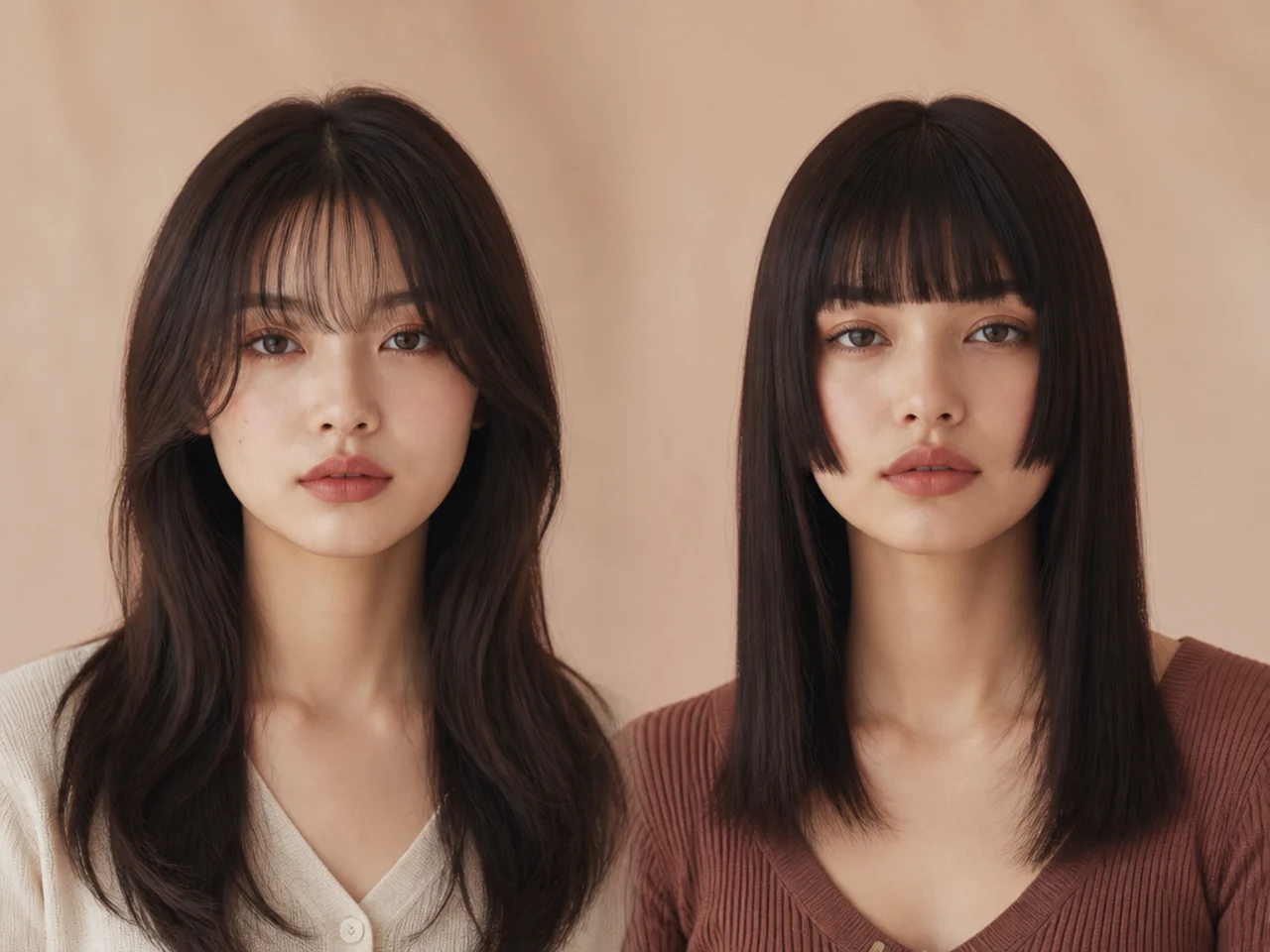
The clearest example of each is the see-through fringe on one side and the blunt hime fringe on the other.
The 15 Comparisons
1. The Core Philosophy
Korean: remove weight, add air. Bulk out, movement in. Japanese: keep weight, add precision. Bulk retained, line sharpened.
2. Where the Design Lives
Korean: at the face. Bangs, framing and crown lift. Japanese: at the perimeter. The outline is the design.
3. The Fringe
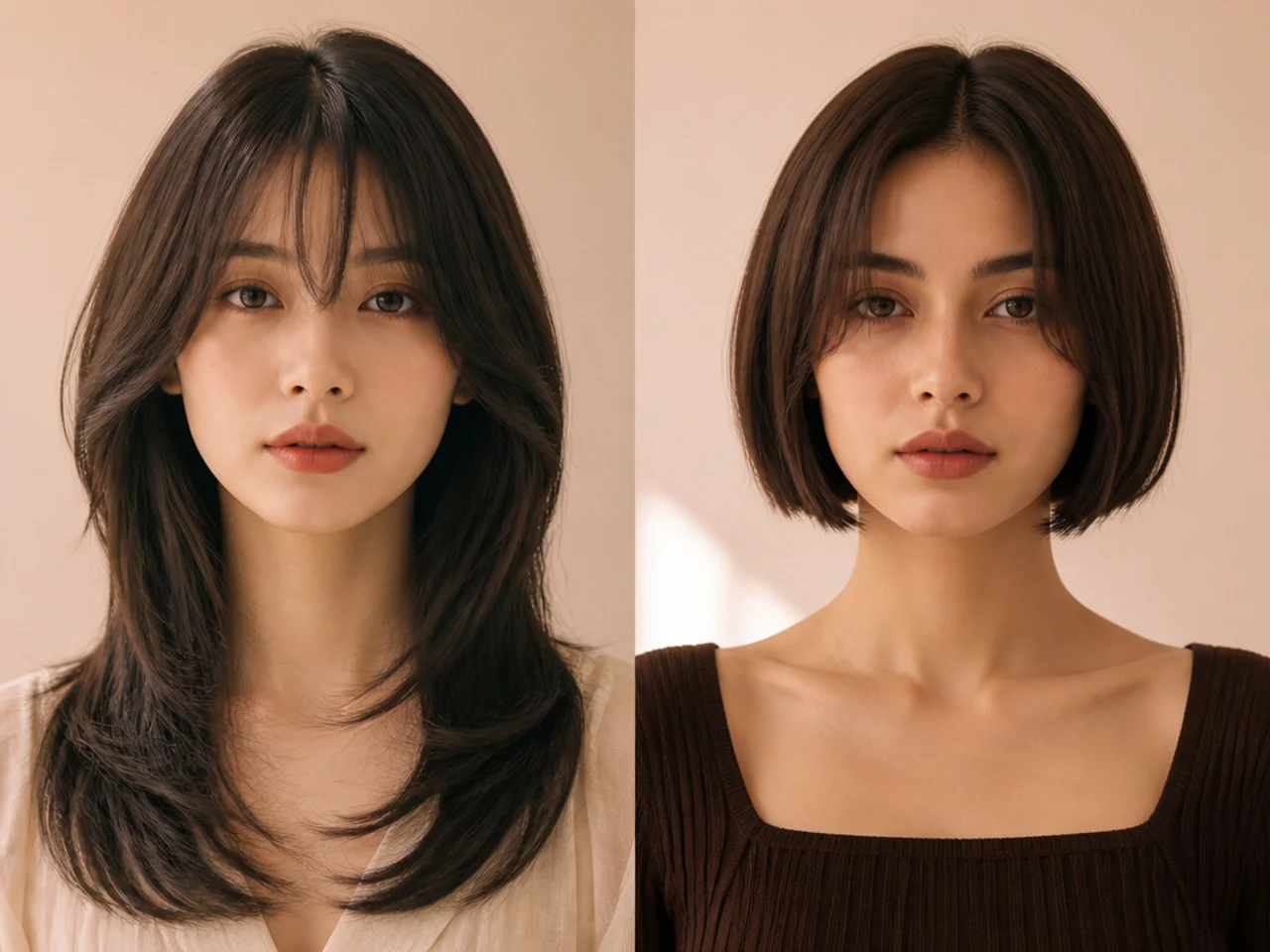
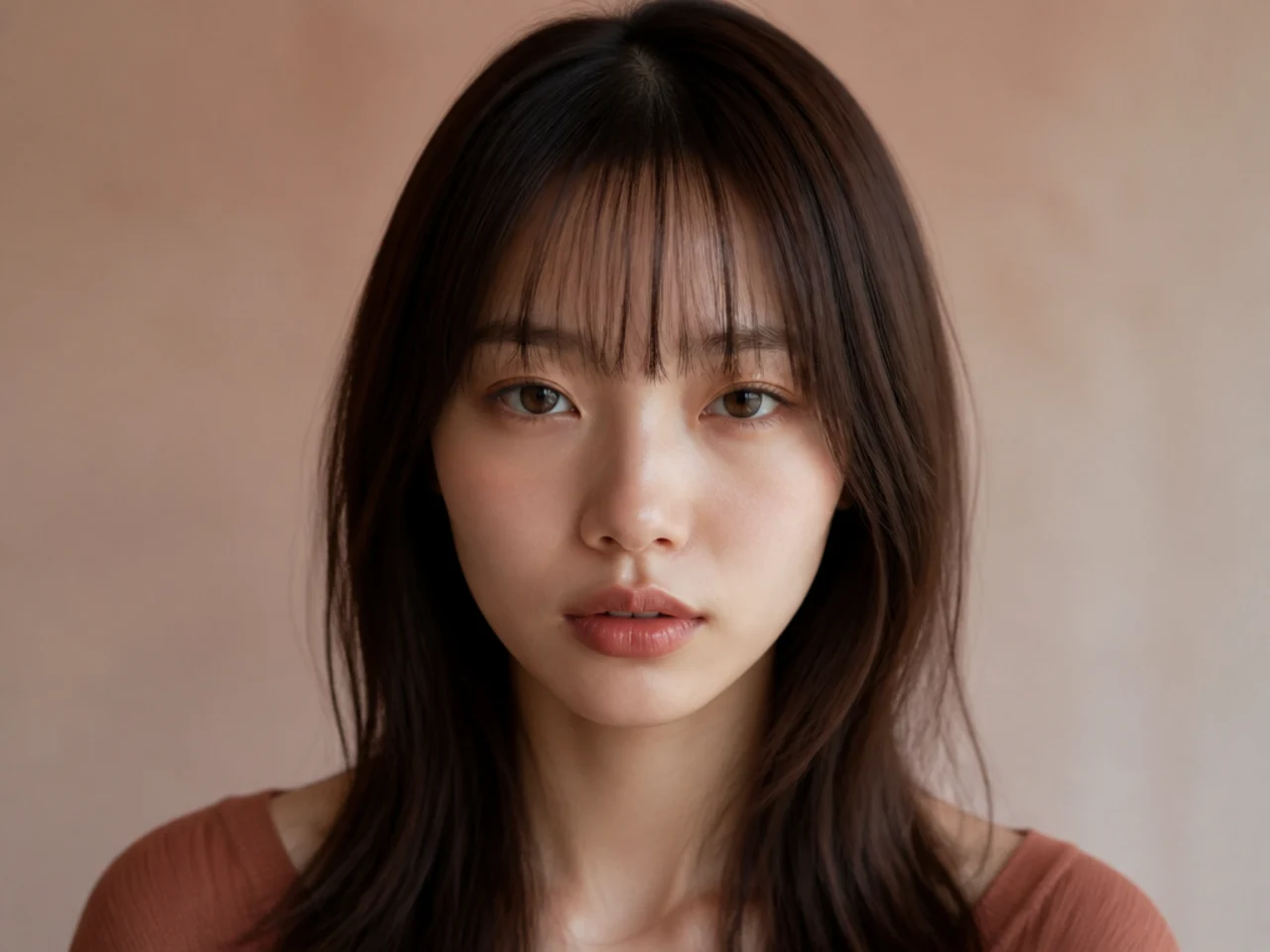
Korean: see-through and sparse. Transparent by design rather than thin. Japanese: blunt and full. Opaque by design rather than sparse.
4. Layering
Korean: extensive and soft. Tapered rather than stepped. Japanese: minimal, often none. Weight is what the cut is protecting.
5. Volume
Korean: built deliberately at the crown. Set from wet, every time. Japanese: not sought at all. A flat crown is part of the heavy fall.
6. On Fine Hair
Korean: flattering — layers and lift add apparent fullness. Japanese: works if there is enough density to fill the line.
7. On Thick Straight Hair
Korean: possible, with regular weight removal. It is the upkeep rather than the cut that decides. Japanese: ideal. This is what it is built for.
8. On Wavy Hair
Korean: framing shaped into the wave. Cut dry, in the texture it will live in. Japanese: usually straightened first.
9. Daily Styling
Korean: a few minutes — crown volume and framing. Two movements, at opposite ends of the head. Japanese: very little once cut well.

10. Grow-Out
Korean: softens gradually and stays wearable. Nothing in it is a fixed measurement. Japanese: holds its line, then needs a clean recut.
11. Trim Frequency
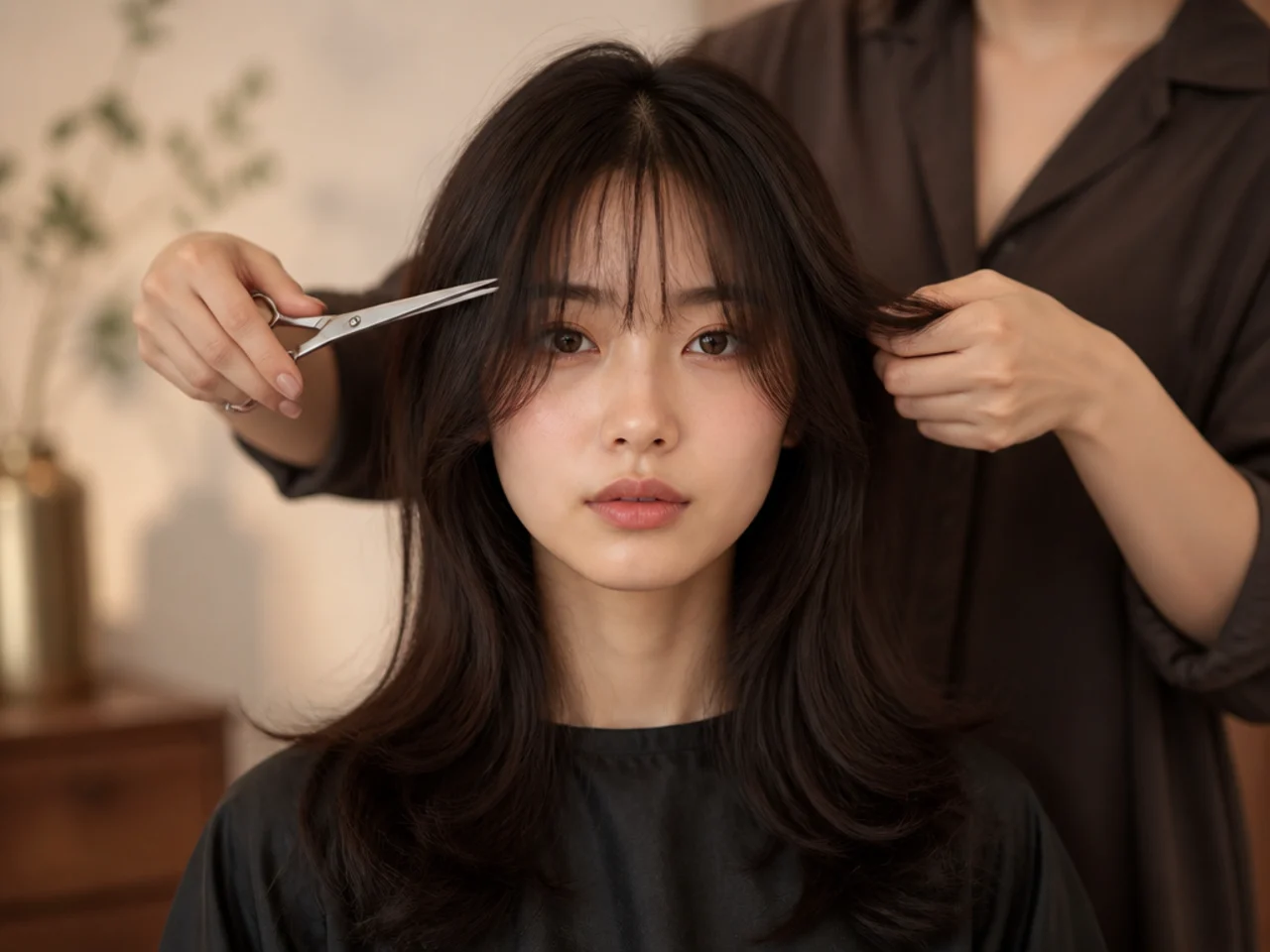
Korean: framing every six weeks, length less often. Two schedules, because two parts of the cut age differently. Japanese: the whole line, every eight.
12. The Signature Shape
Korean: the hush cut and the C-curl. Face-only layering and an inward turn at the jaw. Japanese: the hime cut and the blunt bob.
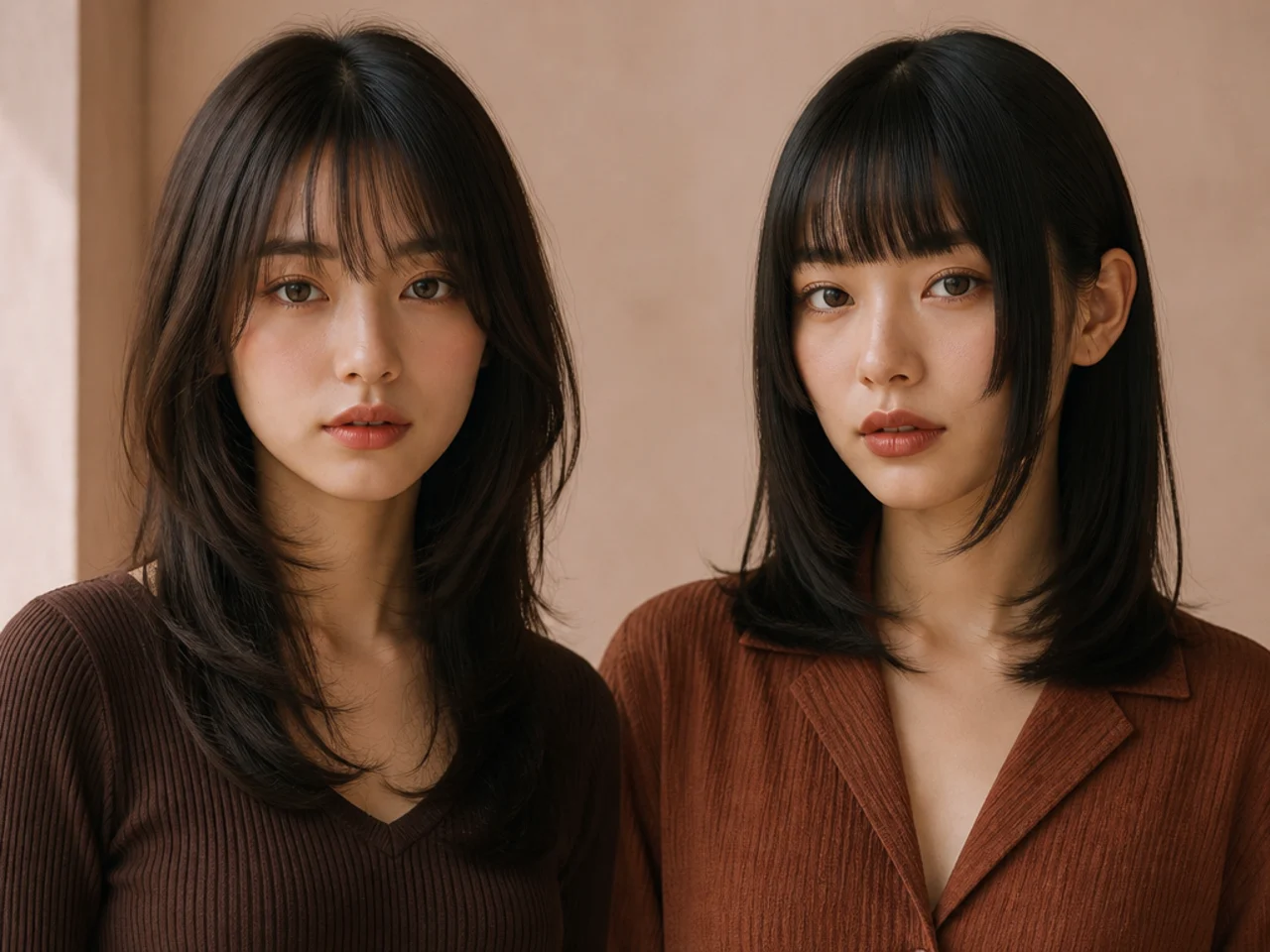
13. How It Photographs
Korean: soft and dimensional. Layers catch light at different depths. Japanese: graphic and high-contrast.
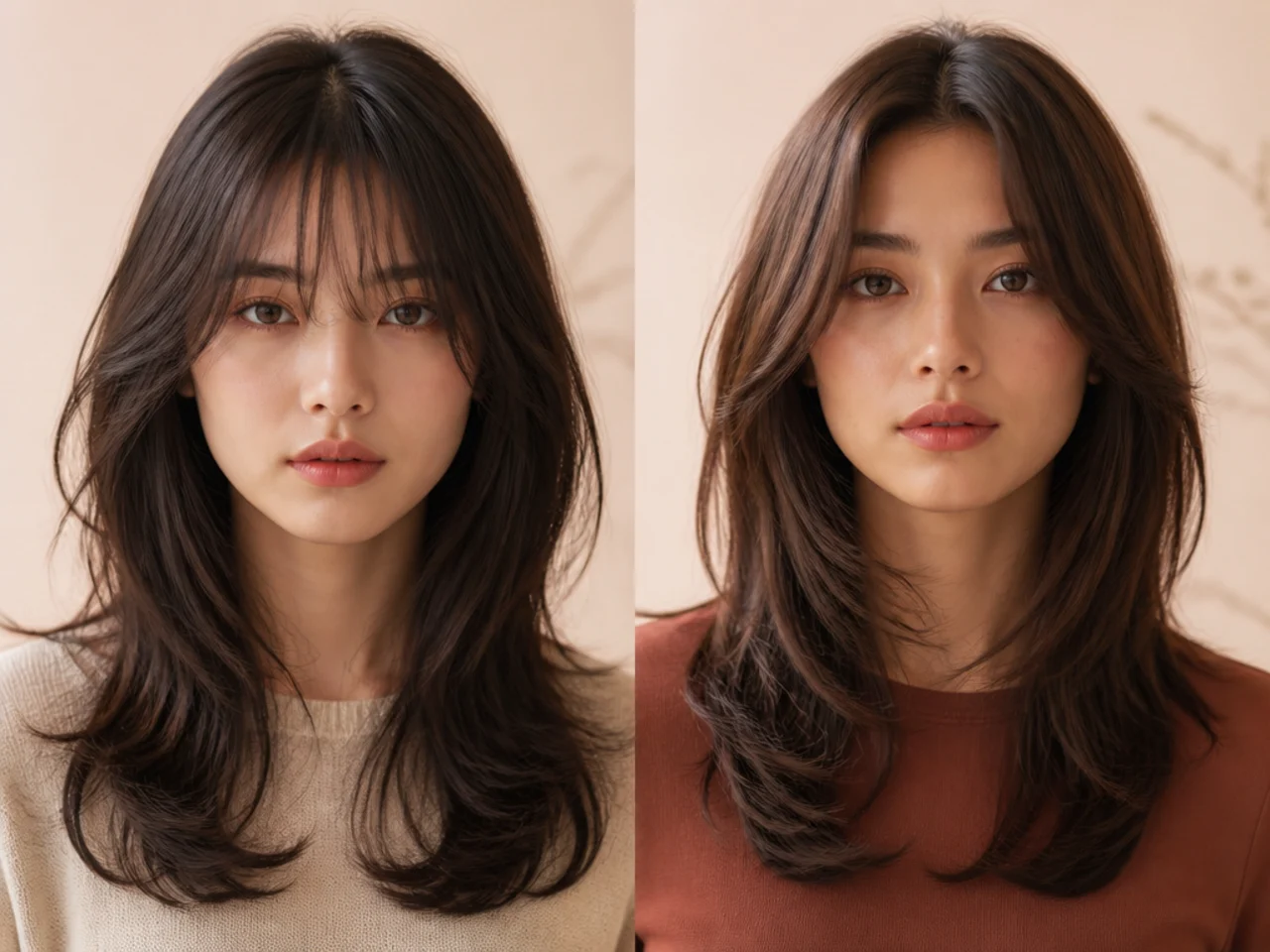
14. Colour Pairing
Korean: warm browns and soft dimension. Depth that moves rather than a single flat tone. Japanese: deep uniform darkness or a hard contrast.
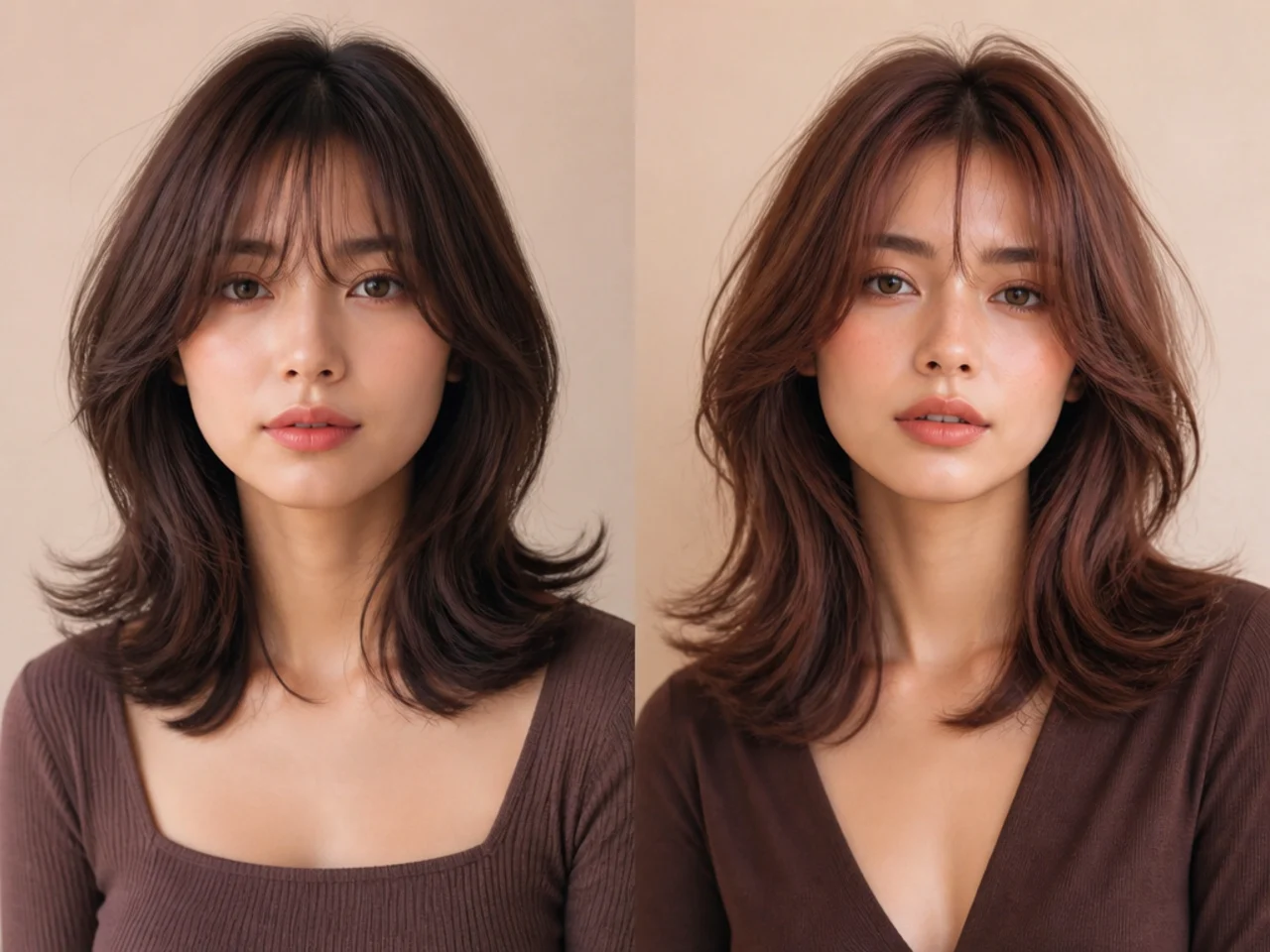
15. If You Are Undecided
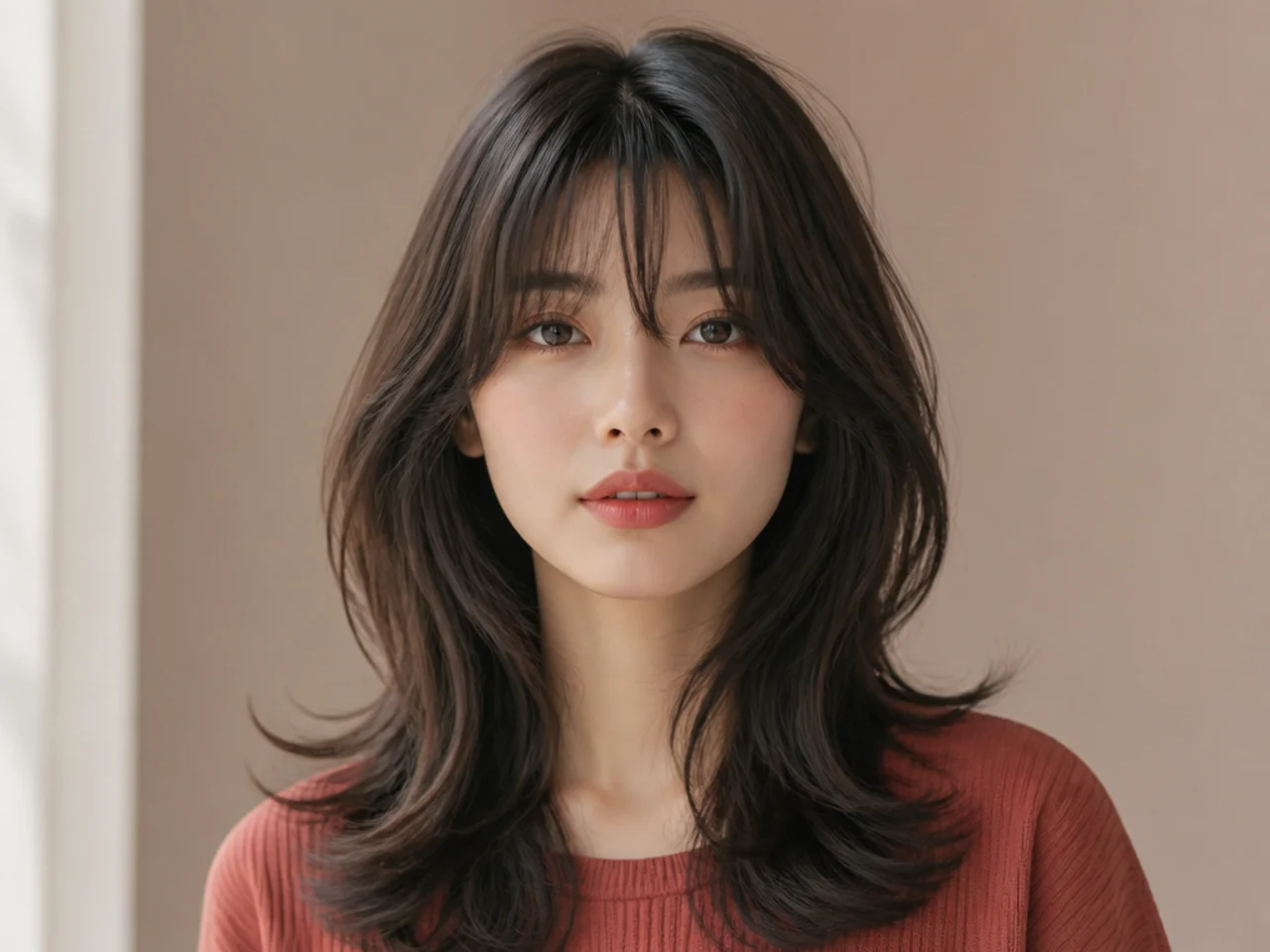
Korean: more forgiving, more adjustable. It is the safer first appointment of the two. Japanese: more striking, less flexible.
Which Should You Choose?
Choose Korean if your hair is fine or flat. Layering and crown volume are doing exactly what fine hair needs, and the face framing adds shape where there is not much. Fine hair gains apparent density from lift and loses it to weight, which is exactly the trade this method makes.
Choose Japanese if your hair is thick, straight and heavy. It is built for that hair, and it asks far less of you daily than a Korean cut on the same head would. Thick hair carries a line on its own; it needs help to carry air.
Choose Korean if you want adjustability. It grows out softly and can be restyled between appointments. Nothing in a Korean cut is a fixed measurement, so growth softens rather than distorts.
Choose Japanese if you want a strong shape you do not have to think about. A precise line does its own work once it is cut. The trade is the trim schedule, since a line goes soft before anything else does.
Mistakes to Avoid
Asking for one and describing the other. "Layered and precise" is two different appointments. Pick which one the cut is for and let the other follow.
A Korean cut on very thick straight hair without upkeep. The weight removal needs maintaining. Thick hair regrows its bulk, and the airiness goes with it.
A blunt Japanese line on fine hair with low density. There is not enough to fill it. A blunt line on low density reads as sparse rather than as sharp.
Assuming they are the same tradition. They are close to opposite methods. Geographic proximity says nothing about cutting philosophy.
Choosing by photograph. Both look good; only one will suit your density. Density is the variable the photograph never tells you.
FAQ
What is the difference? Korean adds softness and volume; Japanese keeps weight and line. One removes bulk, the other protects it.
Which suits thick straight hair? Japanese, comfortably. It was developed on exactly that hair type.
Which suits fine hair? Korean — layers and crown volume make it read fuller. And the face framing puts shape where there is little.
Final Thoughts
Choose by your density rather than by the photographs. Both traditions produce beautiful hair and they want opposite raw material — fine or flat hair thrives under one, thick and heavy hair under the other, and picking the wrong one means fighting your own hair at every appointment.
For the Korean approach in full see 25 stunning korean haircut ideas. More in Women's Hairstyles.