20 Straight Mid Length Haircut Ideas
Twenty mid length cuts built for straight hair, and the rule that governs all of them. Straight hair has no bend to hide anything, so it shows every step, every uneven line and every layer that was cut in the wrong place.
In this article · 28
- What Counts as Mid Length
- Fine Versus Thick Straight Hair
- By Face Shape
- How to Ask Your Stylist
- Day Three Styling
- Growing In and Out
- The 20 Straight Mid Length Cuts
- 1. Blunt Collarbone Cut
- 2. A Line Lob
- 3. Invisible Layers
- 4. U Cut
- 5. Soft V Cut
- 6. Curtain Bangs
- 7. Butterfly Cut
- 8. Hidden Layers
- 9. Jaw Length Face Framing
- 10. Deep Side Part
- 11. Money Piece
- 12. Feathered Layers
- 13. One Length on Fine Hair
- 14. Blunt Fringe
- 15. Straight Shag
- 16. Flipped Ends Lob
- 17. Side Swept Bangs
- 18. Chin Start Layers for a Round Face
- 19. Squared Perimeter
- 20. Air Dry Lob
- Final Thoughts
Straight hair does not forgive a haircut, and that single fact should decide every choice on this list.
There is no bend to hide anything. A straight strand hangs in one line, so any layer ends at a point the eye can find and any uneven perimeter reads as a mistake rather than as texture.
Straight hair sets in the direction it dried in. Not the direction you comb it afterwards. Which is why volume is a root problem, not a product problem.
What Counts as Mid Length
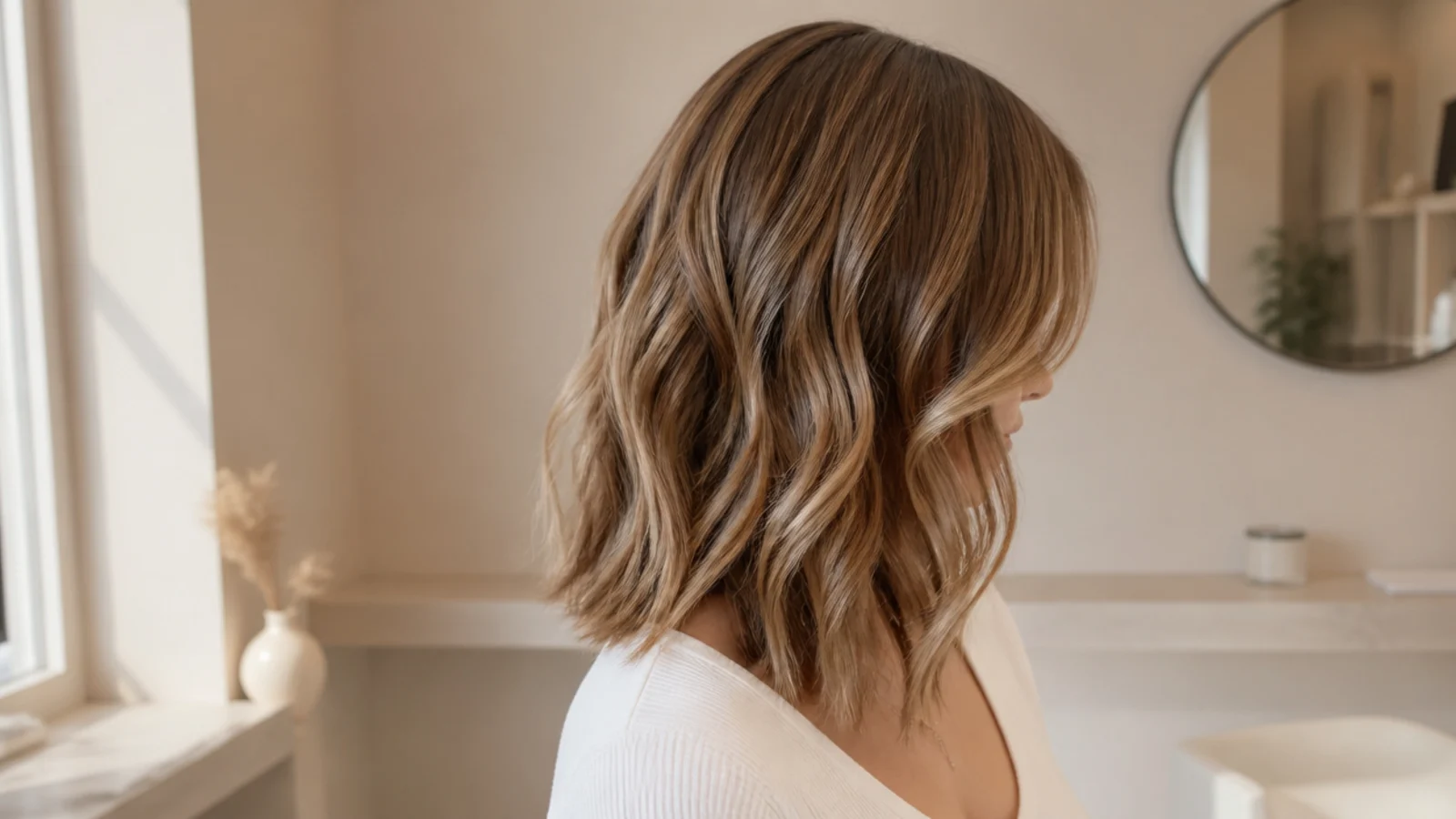
Collarbone to just below the shoulder blade. That is the whole range, and a lob sits at the shorter end of it.
Shoulder length exactly is the one to avoid. The shoulder pushes the ends up and out, and on straight hair that flick has nothing to blend into.
Below the shoulder blade is long. Different cut, different maintenance, different amount of dryer time every morning.
Measure against your body, not in inches. Collarbone and shoulder blade are fixed points. Twelve inches lands somewhere different on everybody.

Fine Versus Thick Straight Hair
Fine straight hair wants the fewest layers possible. Every layer removes strands from the perimeter, and the perimeter is where density is read.
Thick straight hair needs weight taken from underneath. Removed from the surface it produces flyaway ends instead of a shape.
Fine hair holds a bend badly and a blunt line beautifully. Build the cut around the line rather than around movement.
Thick hair holds a bend for days. It also swings out at the ends if the perimeter is left too heavy, so the corners matter.
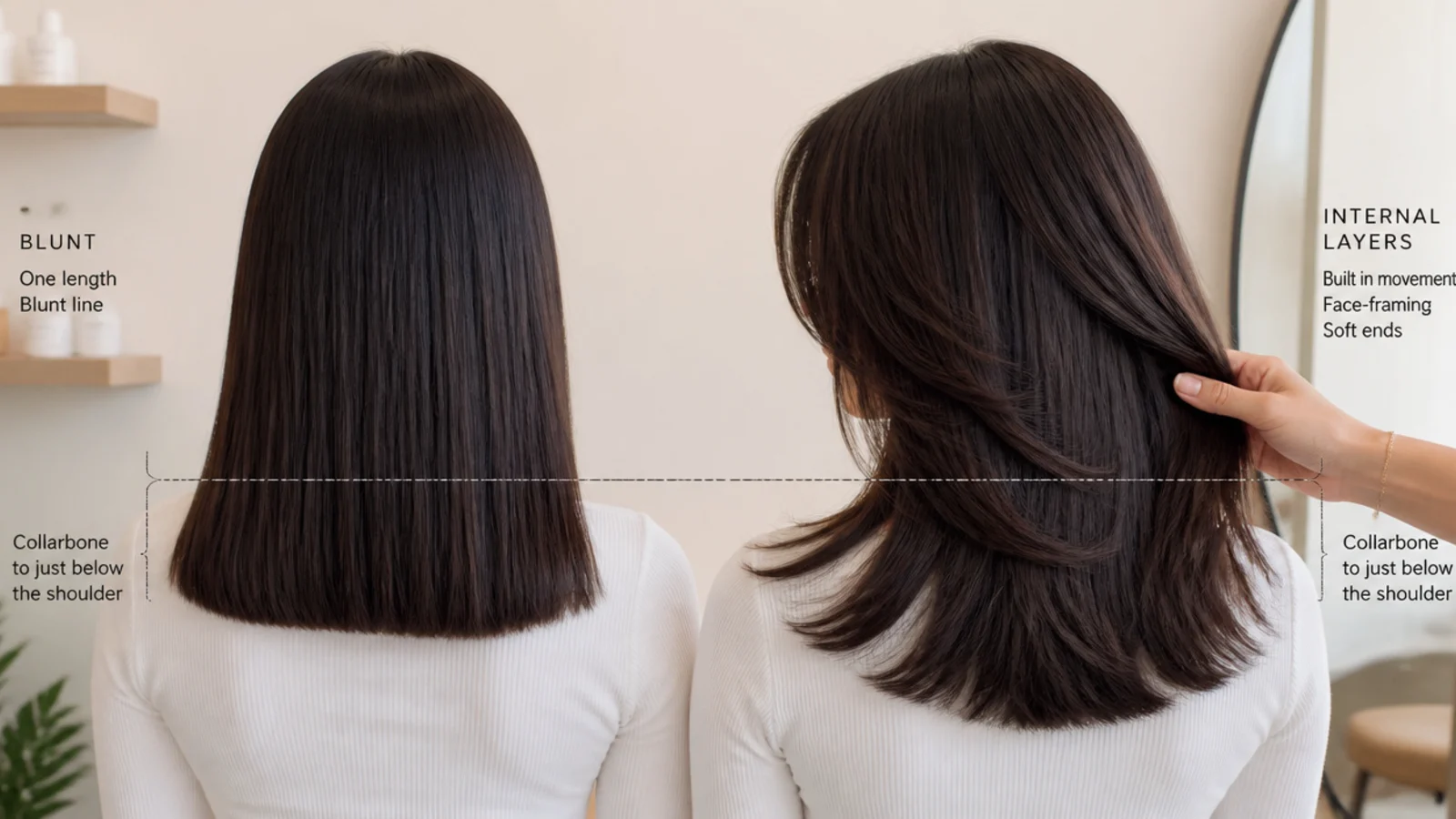
By Face Shape
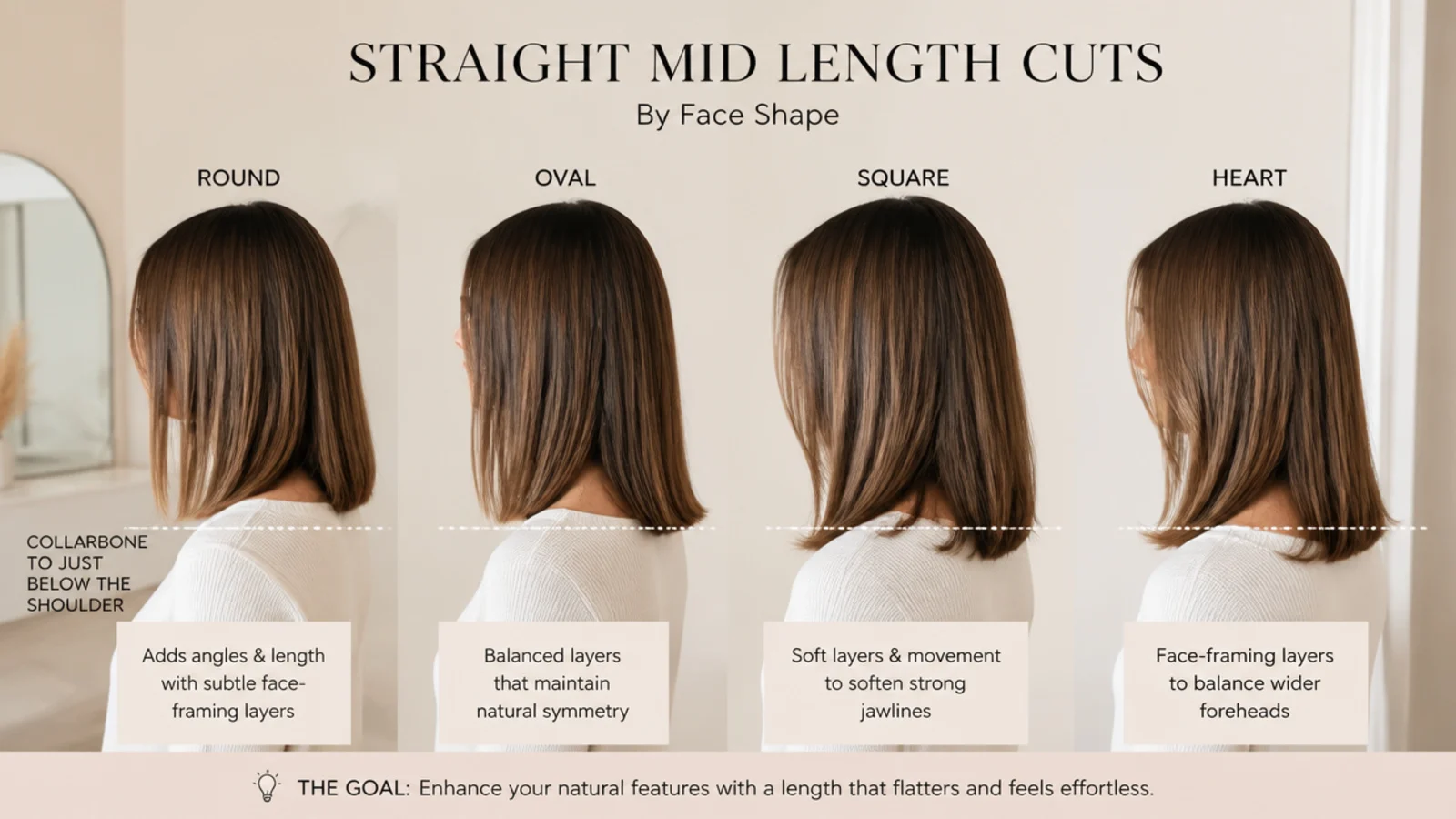
Round faces want the shortest layer at the chin or below. Anything starting at the cheekbone adds width exactly where it is not wanted.
Square jaws want the perimeter off the jawline. An inch above or two inches below. Level with the jaw draws the same horizontal twice.
Long faces want a fringe. A blunt or curtain fringe shortens the visible face by cutting the vertical in half.
Heart shapes want fullness at the ends. Keep the perimeter blunt so the bottom of the cut is the widest part rather than the narrowest.
How to Ask Your Stylist
Say blunt or say soft. A blunt perimeter reads as density and a point-cut one reads as movement. On straight hair the difference is enormous.
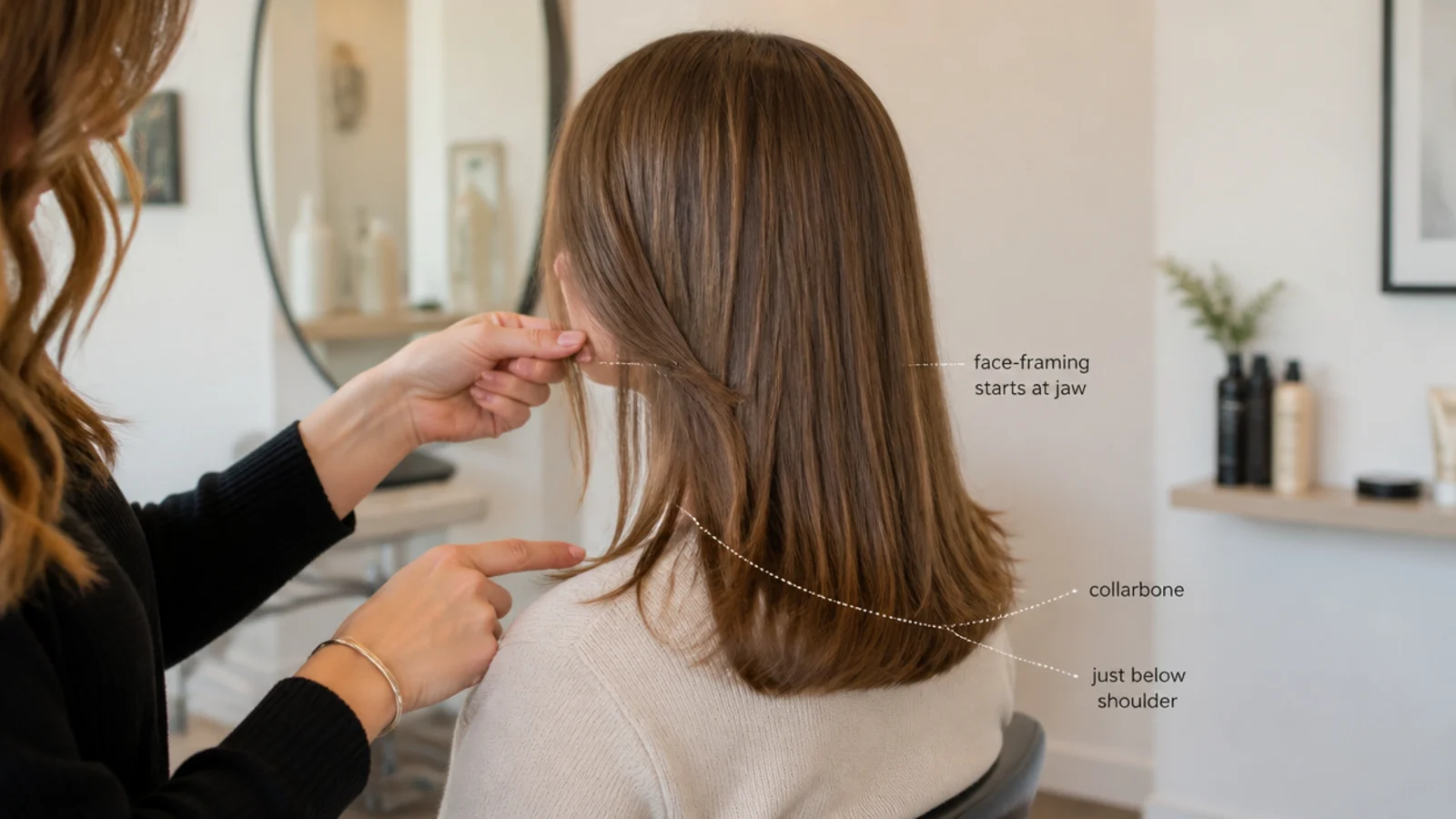
Say where the shortest layer starts. Cheekbone, chin or jaw. On straight hair this is visible from across a room.
Ask for the weight to come out from underneath. Interior layering and surface layering look nothing alike on hair with no wave.
Ask what happens at week eight. A cut that only works fresh is a cut you will resent for two months of every three.
Day Three Styling
Sebum travels fastest down a straight shaft. There is no bend to slow it, which is why straight hair looks unwashed a day earlier than wavy hair does.
Dry shampoo goes on before it is needed. Applied at the root the night before, it absorbs oil as it arrives rather than sitting on top of it.
Re-part on the other side. Moving the part lifts roots that have spent two days lying in one direction.
Day three is for texture spray, not shine serum. Serum flattens what little lift is left and adds to the oil already there.
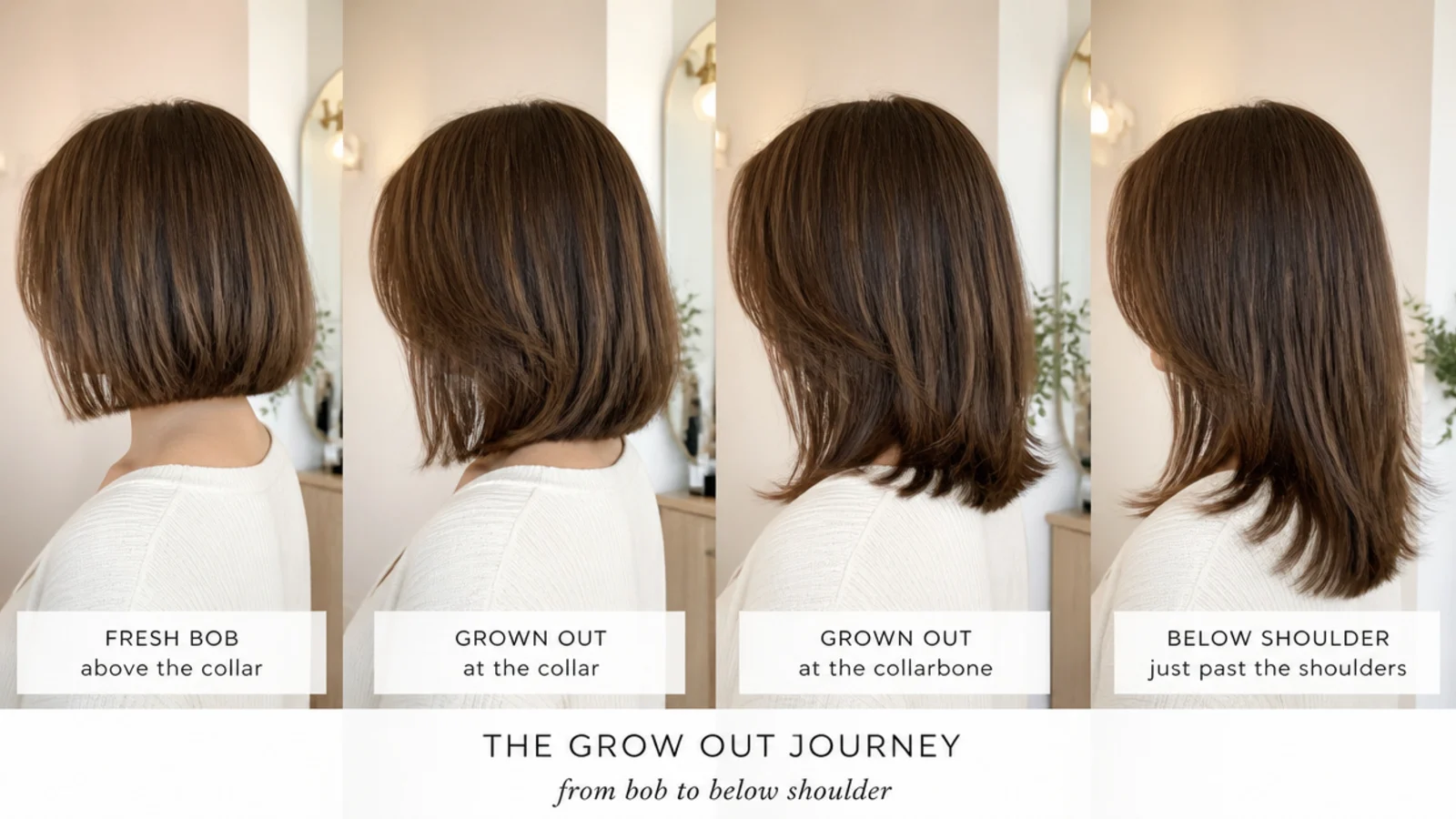
Growing In and Out
Layers close up before length appears. Half an inch a month lengthens the shortest tier as much as the perimeter, so the shape softens first.
Month four is the flick. Growing from a lob, the ends reach the shoulder and turn outward, and this is where most people give up.
Dust the ends without touching the layers. A quarter inch off the perimeter keeps the line clean and does not restart the grow-out.
Coming back down is faster than going up. Cutting off six inches takes an hour; growing them takes a year plus whatever you trimmed.
The 20 Straight Mid Length Cuts
1. Blunt Collarbone Cut
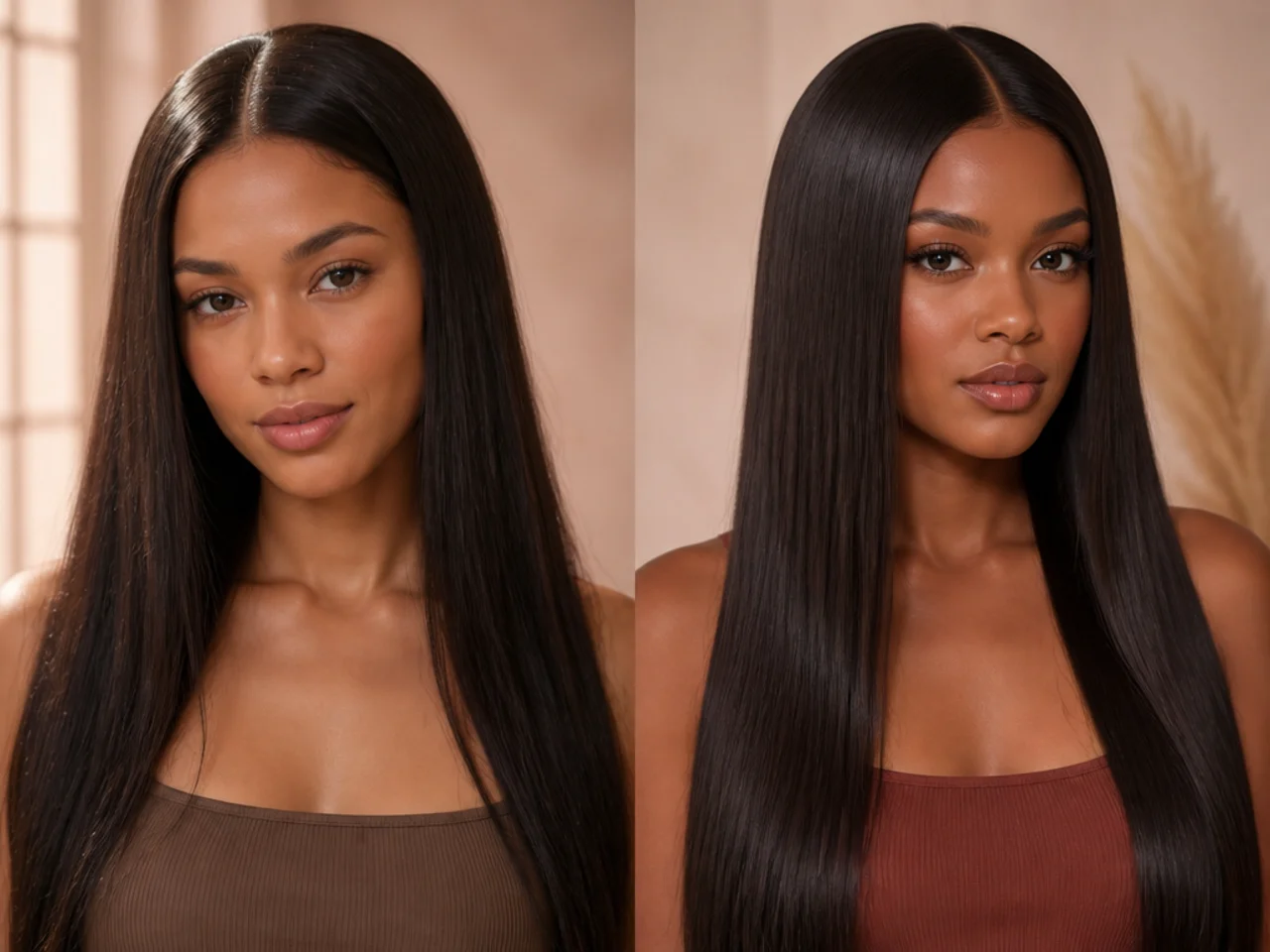
Every strand ending on the same line turns the perimeter into a single reflective edge, which is the most density straight hair can be made to show. It is also the least forgiving cut here, because there is no bend anywhere to disguise a line that drifts by a few millimetres.

2. A Line Lob
The back sits shorter than the front, so the perimeter angles forward and the shorter back stacks very slightly against the head. That stacking is what pushes the length toward the face, and on straight hair it is the only forward movement available without an iron.

3. Invisible Layers
Sections are over-directed back to a stationary guide so each layer finishes longer than the one above it. Weight leaves the interior and the surface stays unbroken, which is the only way straight hair gets movement without showing the tier line that created it.

4. U Cut
The perimeter is cut as a shallow U, longest at the centre back and shortening as it comes forward. It stays one continuous line, so it keeps the density of a blunt cut while still curving inward toward the face at the front.
5. Soft V Cut
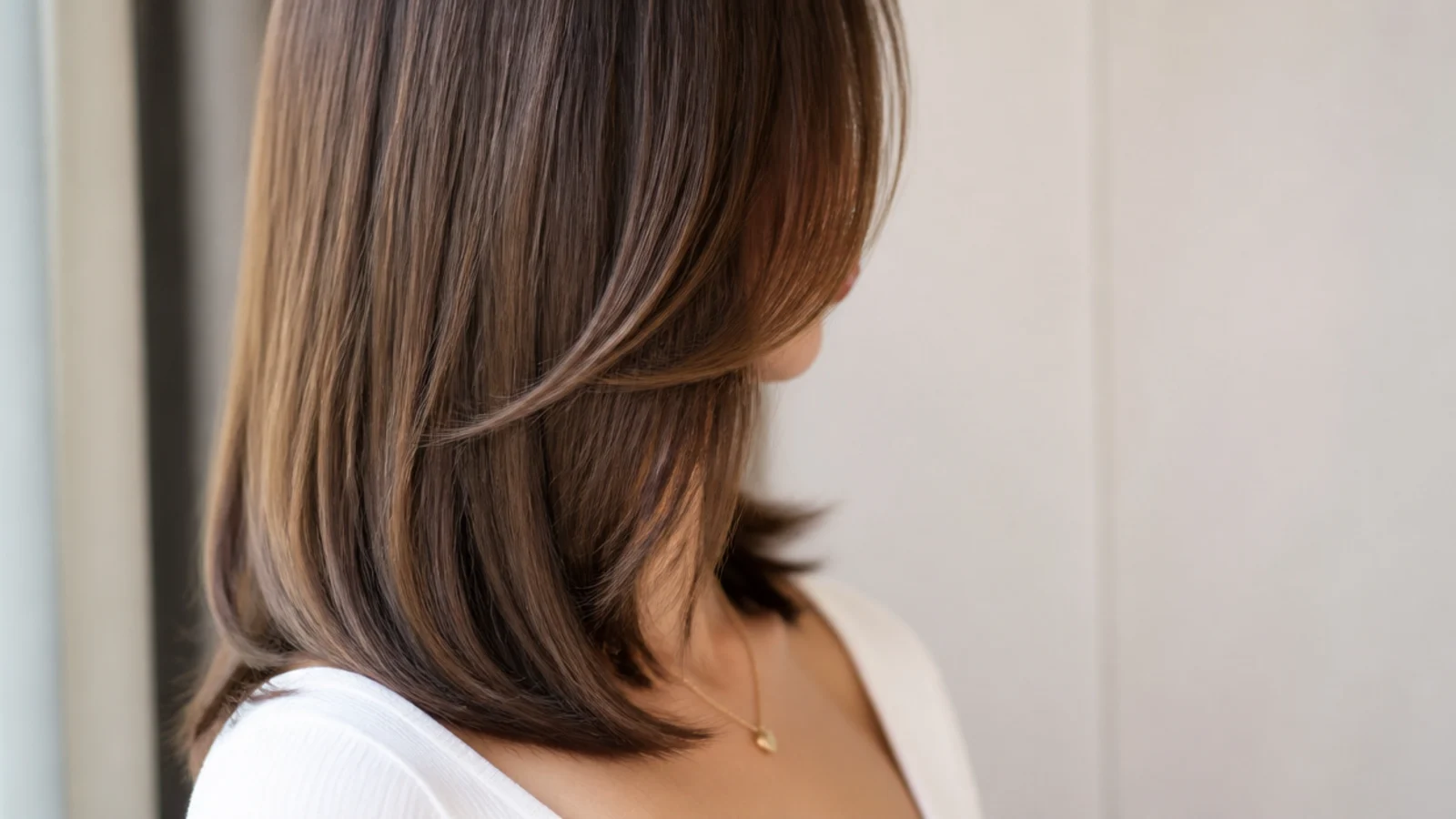
A deeper taper than the U, meeting at a narrow point in the centre back. That point needs density behind it, so keep the angle shallow on fine hair or the bottom of the cut reads as thinning rather than as shape.

6. Curtain Bangs
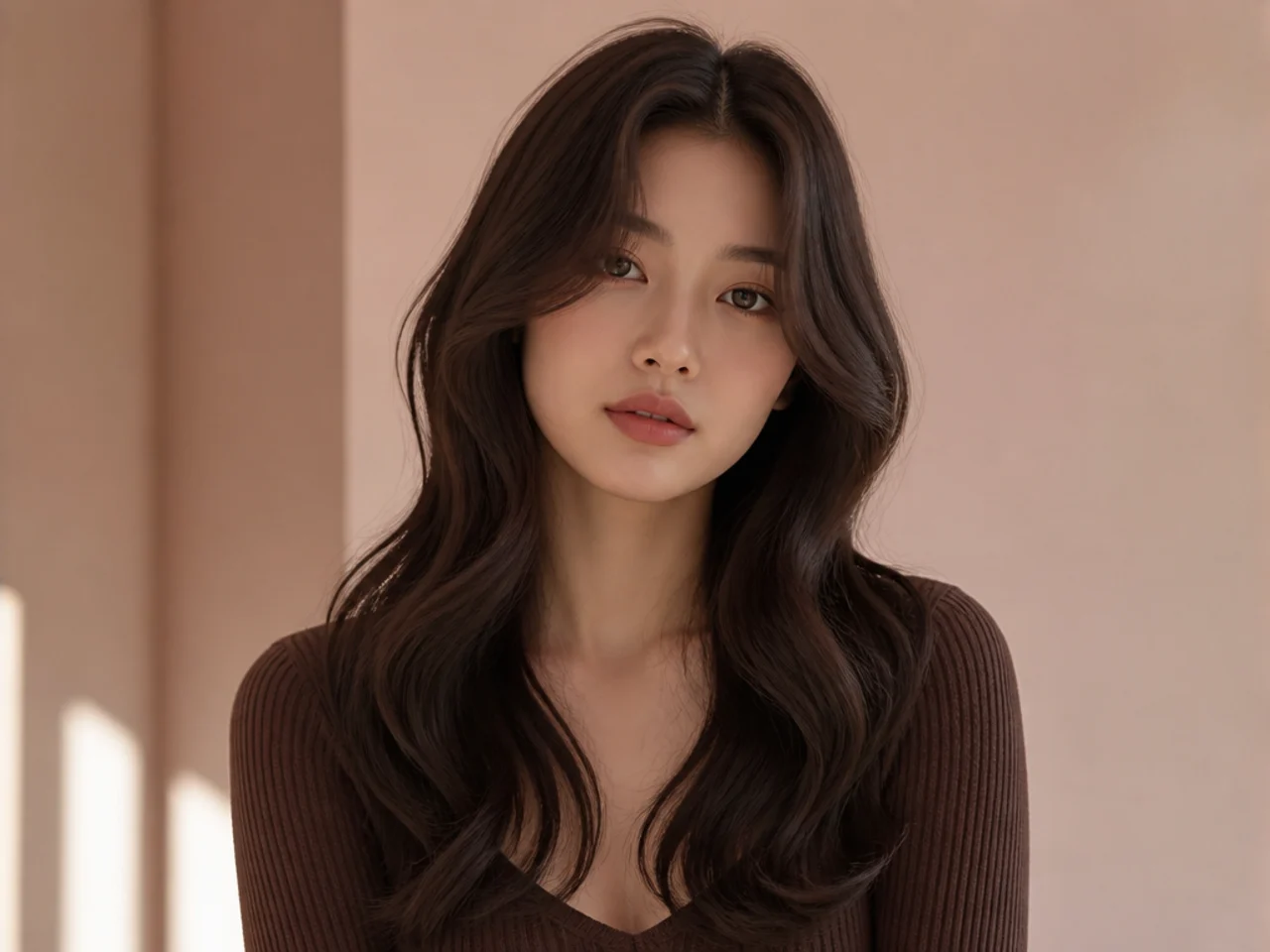
Split from a centre point, shortest at the cheekbone, then running down to meet the length. On straight hair the fringe falls wherever it dried, so the root has to be dried away from the face with a brush or the whole curtain hangs flat against the forehead.

7. Butterfly Cut
Two separate layer sets — a short tier around the chin and long layers well below it. Worn down it reads as long hair, and clipped up it reads as a shorter layered cut. The short tier has to be dried forward, or on straight hair it separates from the length underneath.
8. Hidden Layers
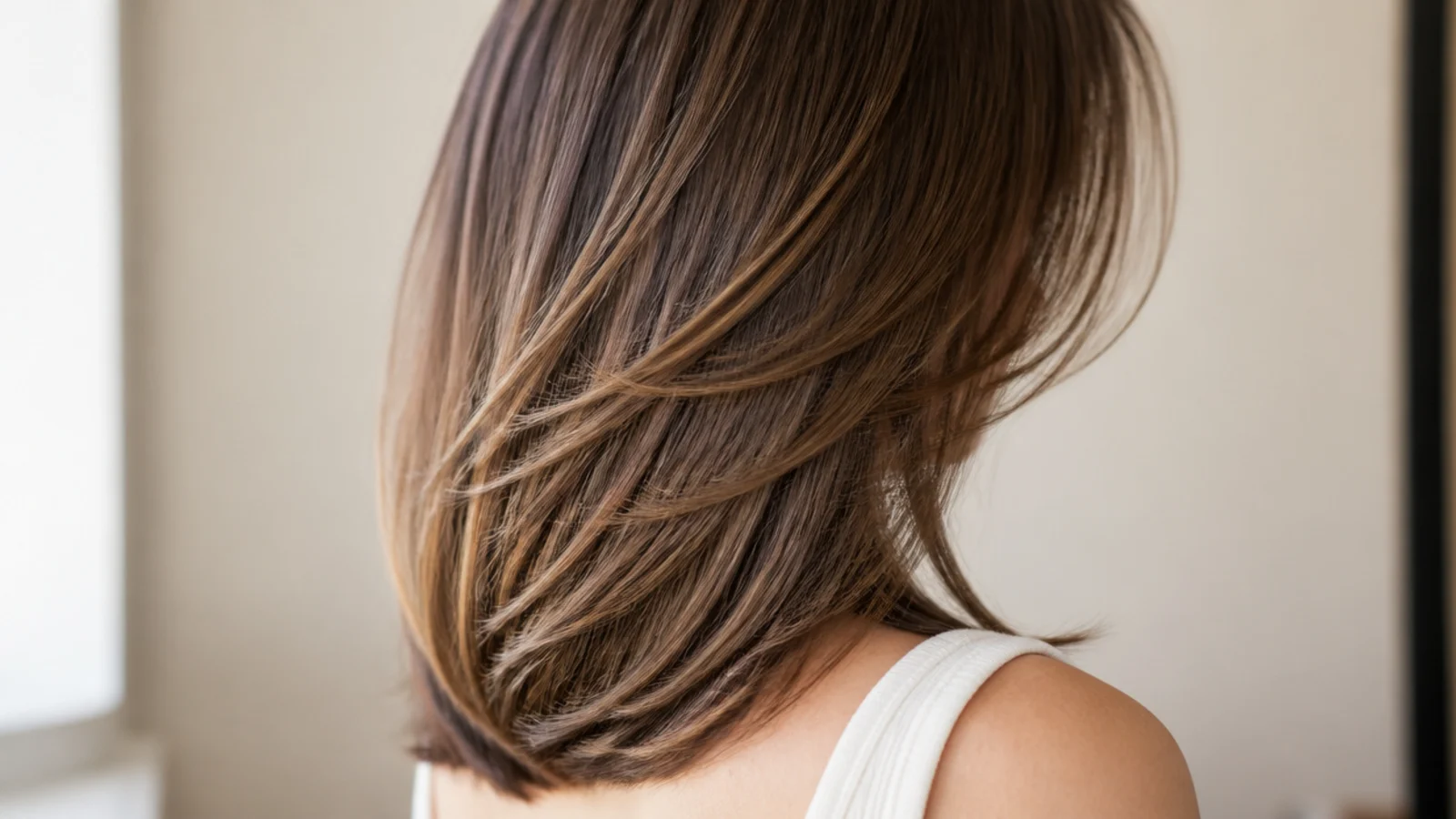
Layers cut underneath a solid top panel, so the weight comes out from below while the surface stays blunt. This technique exists precisely because straight hair displays every step, and hiding the steps under an unbroken top section is the only way around it.

9. Jaw Length Face Framing
The shortest piece sits at the jaw and grows through the chin over about two months, which is a comfortable grow-out rather than an awkward one. Straight hair gives that piece no support, so it is usually cut a fraction longer than it looks in the mirror while wet.

10. Deep Side Part
Moving the part well off centre forces the hair on the heavy side to lie against its natural fall direction, and the root lifts as it resists. On fine straight hair that is the cheapest volume there is, and it costs nothing but a comb.
11. Money Piece
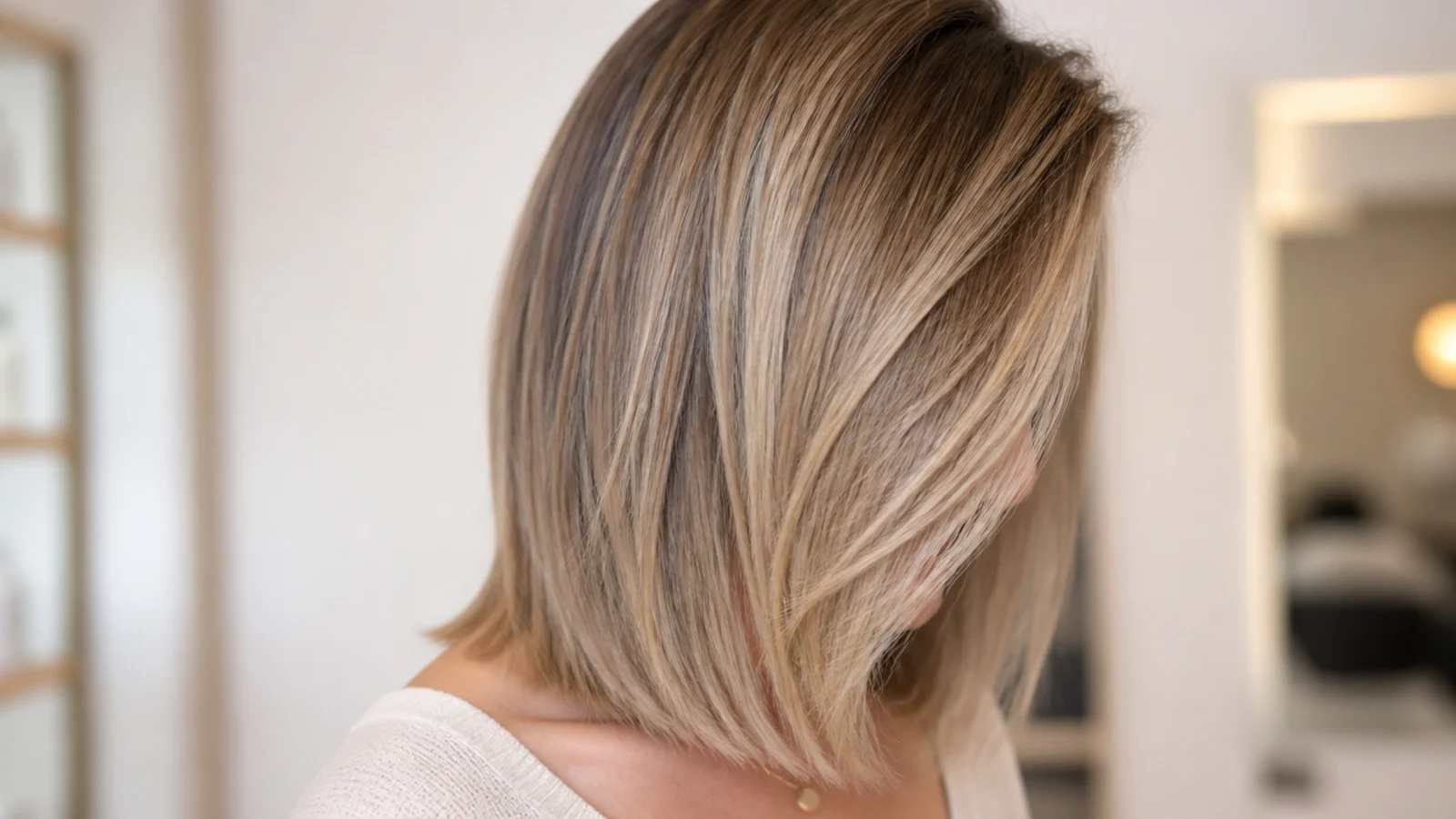
Two lightened sections at the front reflect more light than the hair around them, so the eye reads those pieces first. On straight hair, where the surface is otherwise uninterrupted, that contrast is doing the job that texture does on a wavy head.
12. Feathered Layers
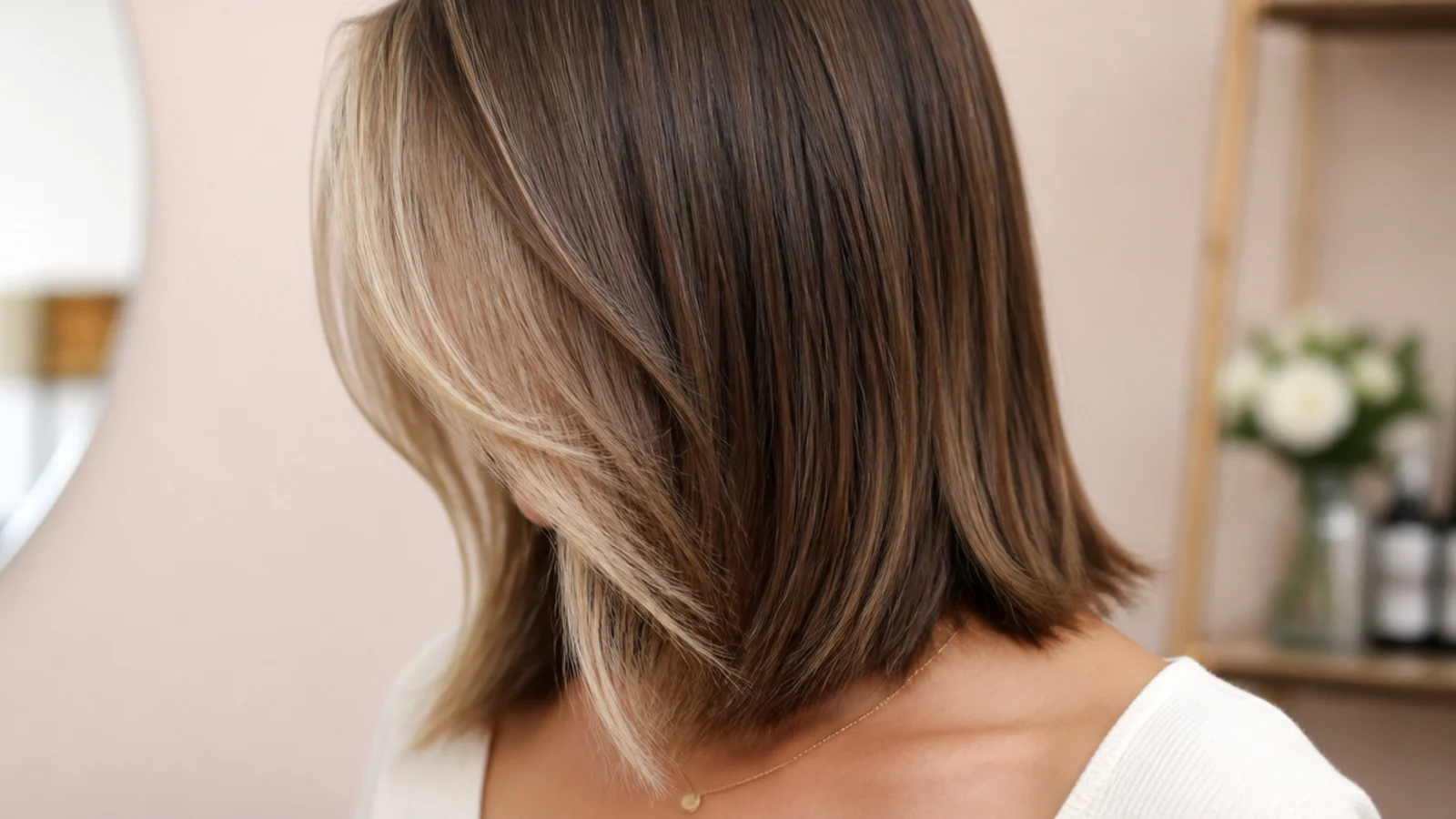
The ends are point cut on an angle so each section finishes slightly shorter at its outer edge. That angle is what makes straight hair bend outward at the perimeter without heat, because the shorter outer corner has less weight holding it down.
13. One Length on Fine Hair
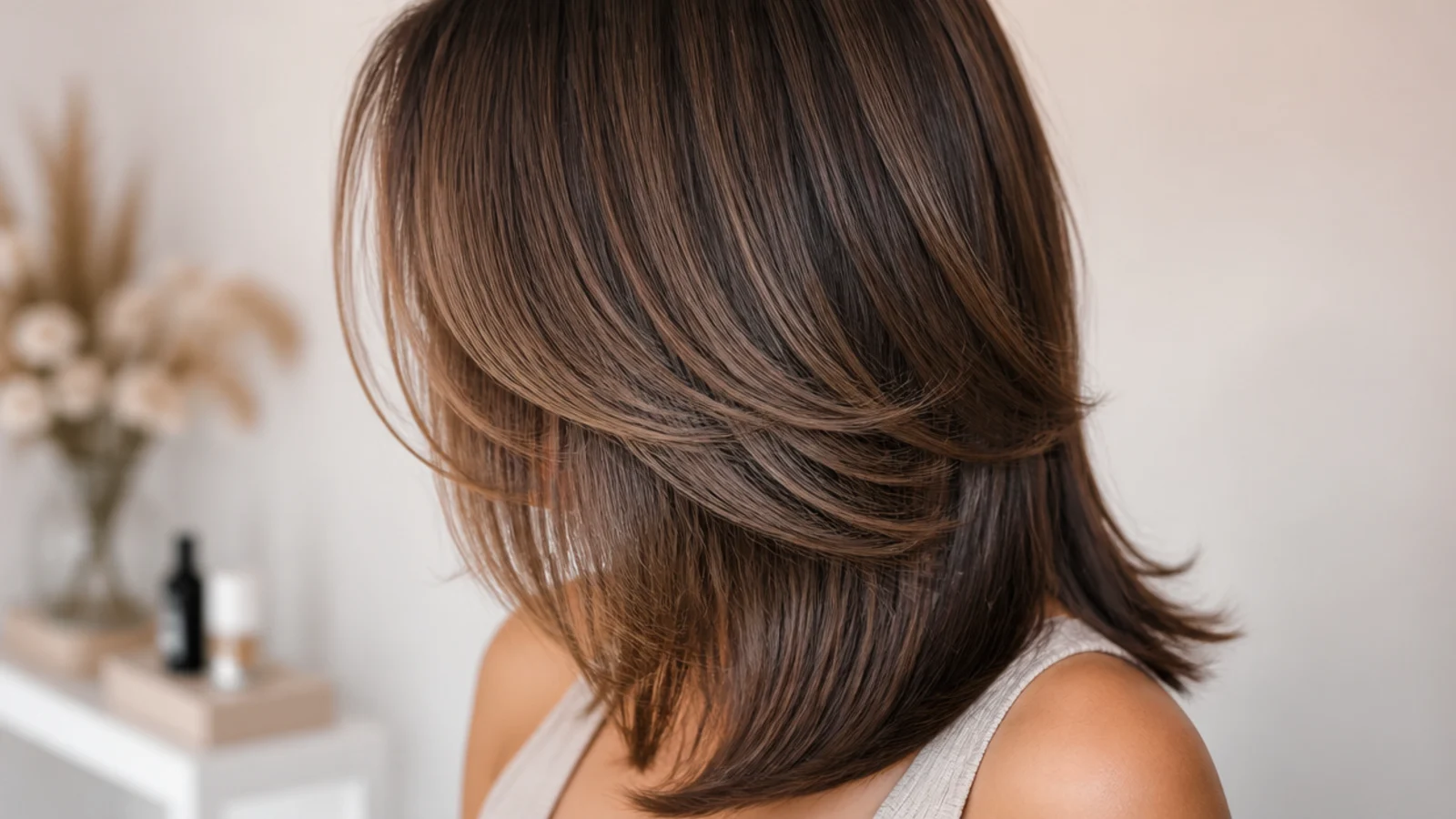
No layers anywhere. Every strand ends on the same line, which is the most apparent density fine straight hair can produce, and any layer cut into it removes strands from that perimeter permanently until they grow back down.
14. Blunt Fringe
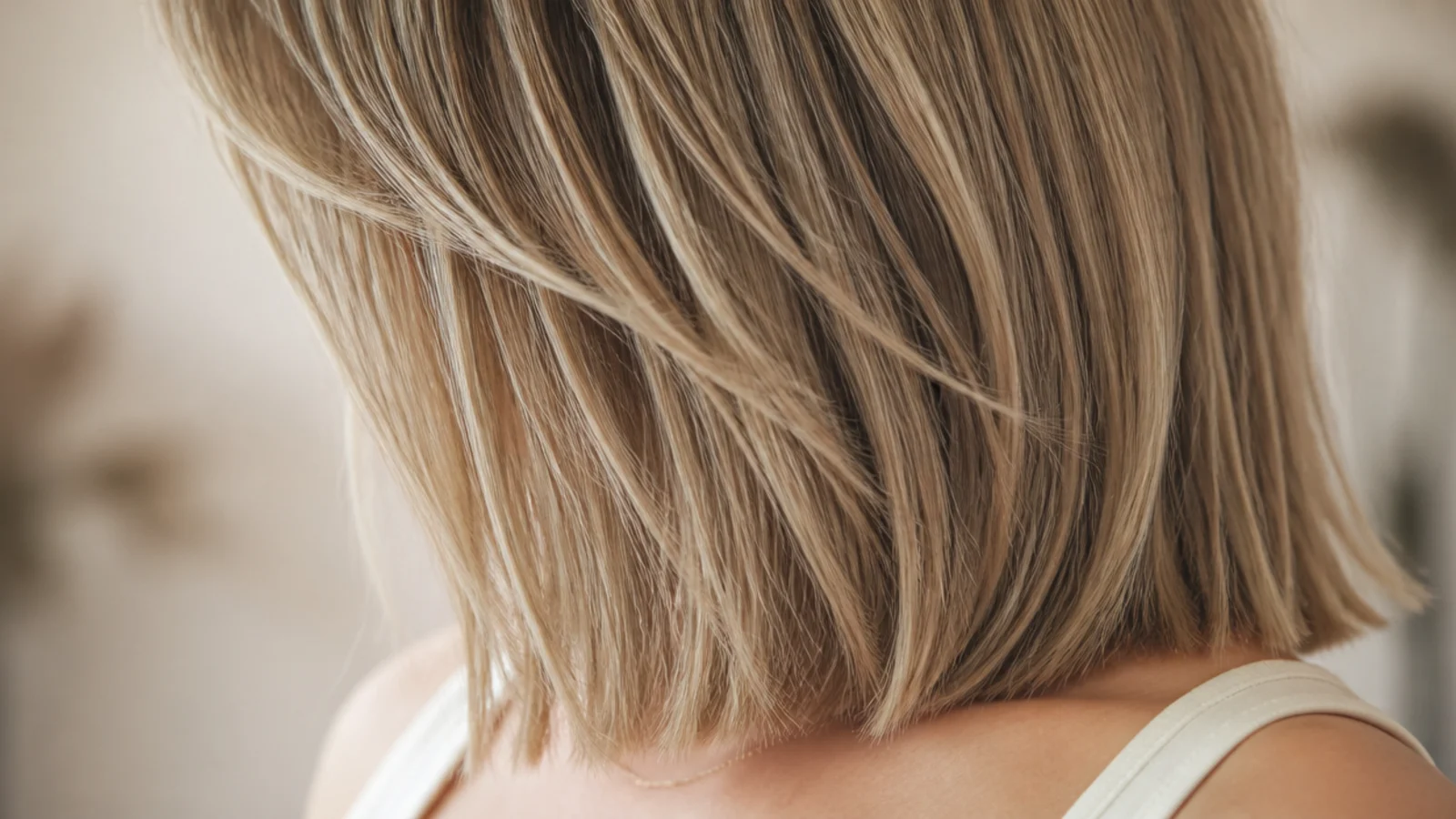
Cut straight across the brow, and on straight hair it falls exactly where it was cut with no drift at all. That makes the width of the section more important than the length — taken too far back toward the temples, it swallows the sides of the face.
15. Straight Shag
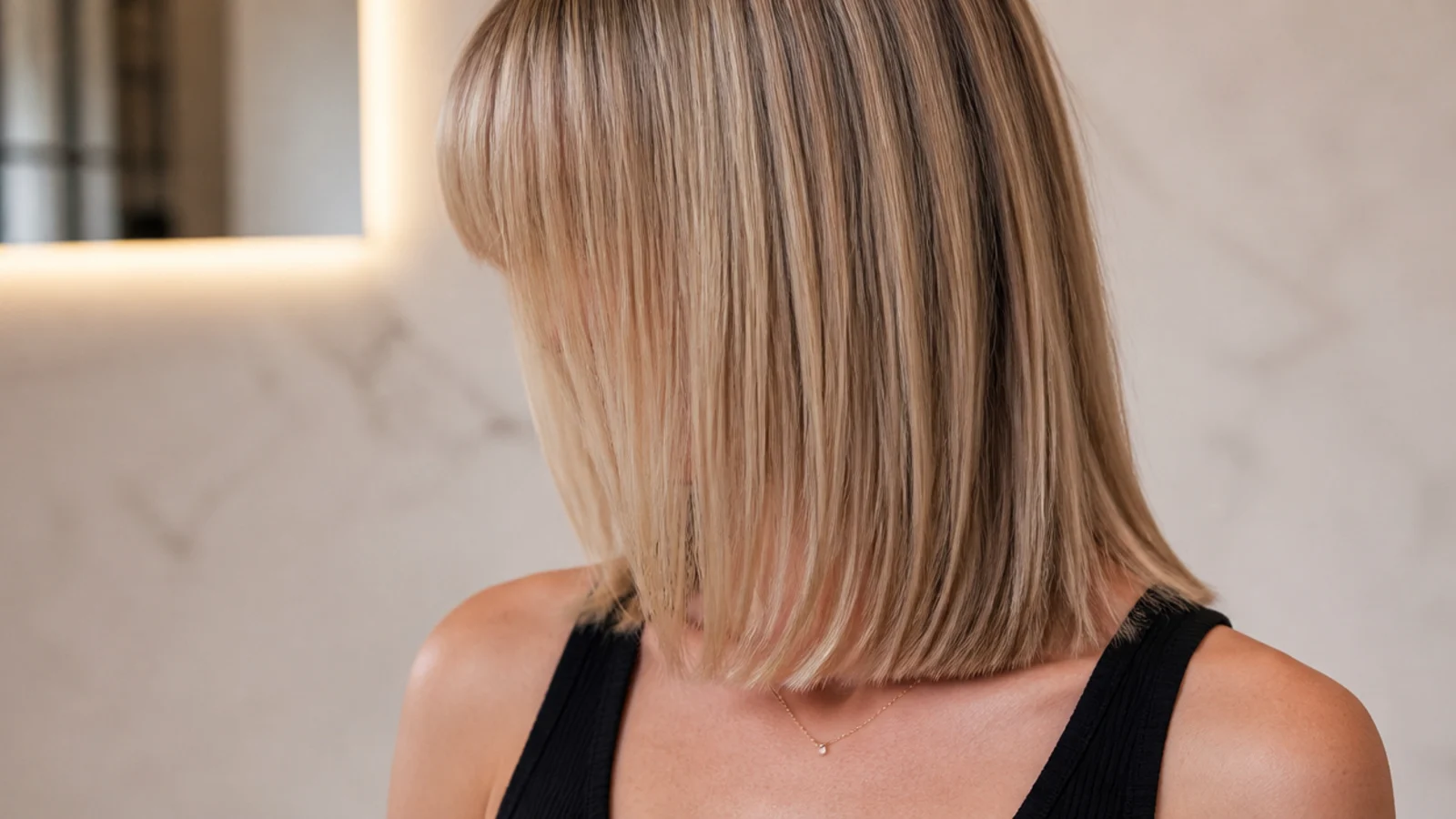
Graduated tiers on hair with no wave to soften the joins between them. Every layer has to be point cut into rather than cut across, because a clean horizontal at each tier turns the whole shape into a set of visible shelves.

16. Flipped Ends Lob
Straight hair only keeps a bend if it cools in position, so the flick comes from clamping the section around a brush and waiting rather than from more heat. Thirty seconds of cooling holds better than another minute of hot air.
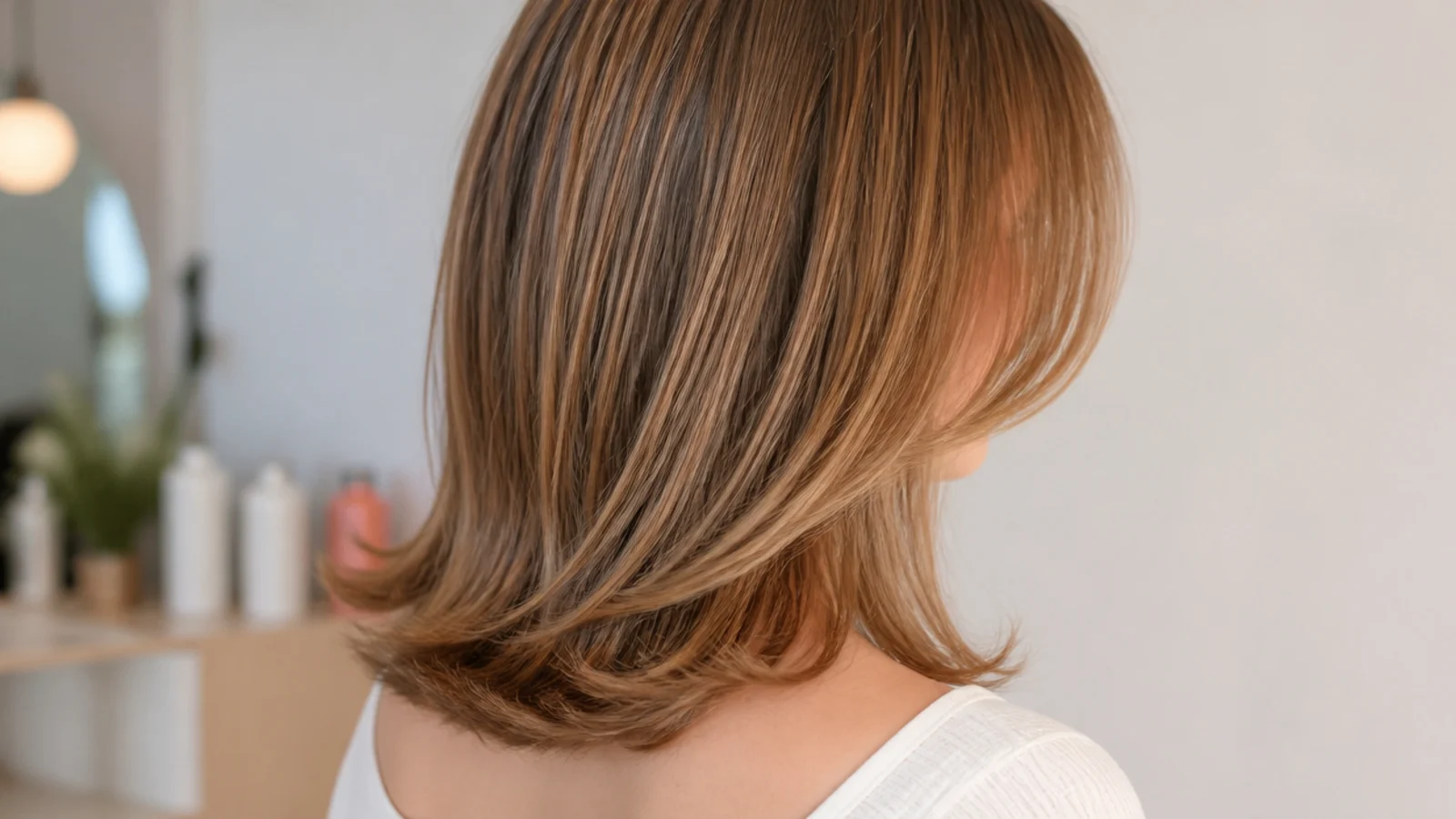
17. Side Swept Bangs
The fringe is cut on a diagonal and worn across the forehead, but it only stays there if the root was first dried in the opposite direction. Straight hair returns to whichever way it dried, so sweeping it after it is dry lasts about ten minutes.

18. Chin Start Layers for a Round Face
The shortest layer begins at the chin rather than the cheekbone, so nothing adds width at the widest point of the face. Everything above the chin stays long and vertical, which is the line a round face is borrowing from the cut.

19. Squared Perimeter
The corners at the outer edges are left in rather than rounded away, which gives the back of the cut a defined silhouette. A corner also blurs more slowly than a curve does as it grows, so the shape stays readable for longer between trims.
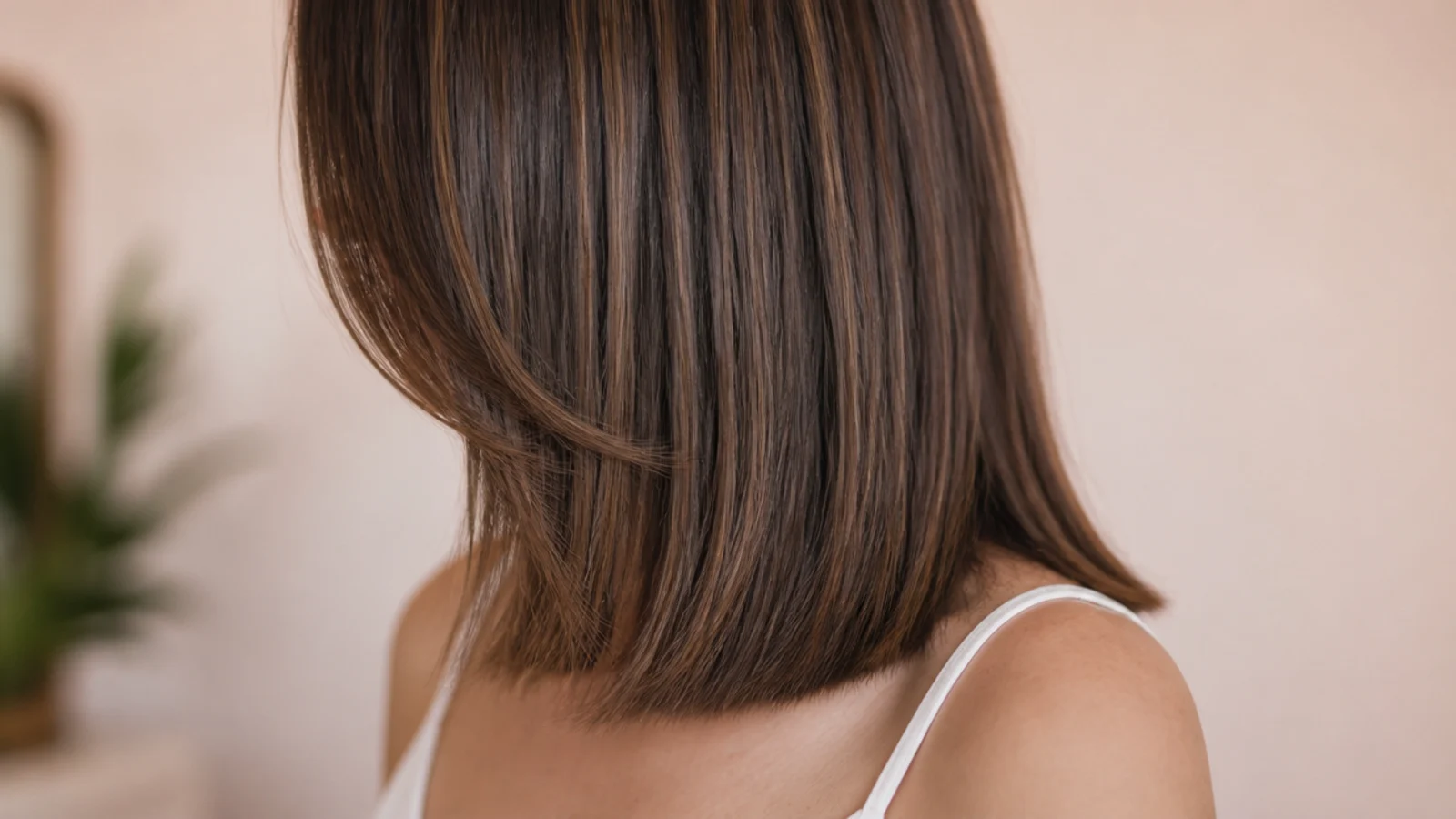
20. Air Dry Lob
Straight hair air dries flattest at the root because nothing bends to hold it up. Rough drying the root for a minute and leaving the lengths alone gives most of the lift of a full blow dry, since the lengths were going to dry straight anyway.

Final Thoughts
The two decisions that matter on straight hair are the perimeter and the position of the shortest layer. Blunt or soft, and cheekbone, chin or jaw. Everything else on this list is a variation on those two, and a stylist who hears both stated plainly will produce something close to the picture in your head.
For everyday styling, remember that the root is the only part of straight hair that needs heat. Dry it against its fall direction, let it cool in position, and leave the lengths to finish on their own. For the same length worn by men see 20 medium length styles for straight hair. More in Womens Hairstyles. See also the choppy version.