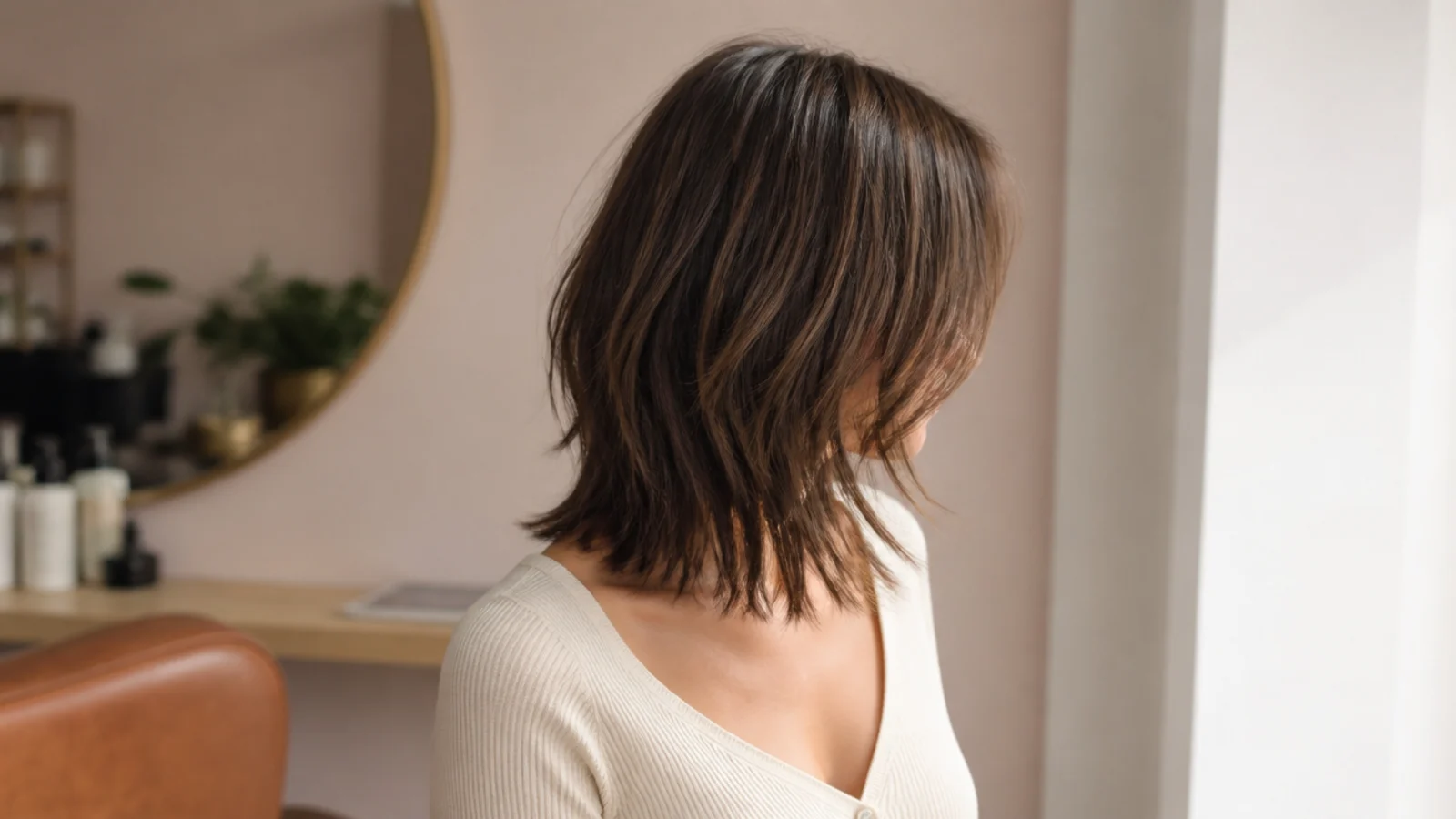
20 Choppy Mid Length Haircut Ideas That Keep Their Shape
Choppy is a description of the ends, not of the layers, and the two get confused at the mirror every day. Twenty mid length versions, sorted by hair type and face shape, with the words that get you the right one.
In this article · 28
- What Choppy Mid Length Actually Means
- Choppy Versus Textured Versus Razored
- Choppy by Face Shape
- Choppy on Fine Thick and Curly Hair
- How to Ask Your Stylist for Choppy Layers
- Choppy Styling and Upkeep
- The 20 Choppy Mid Length Ideas
- 1. Choppy Collarbone With Invisible Layers
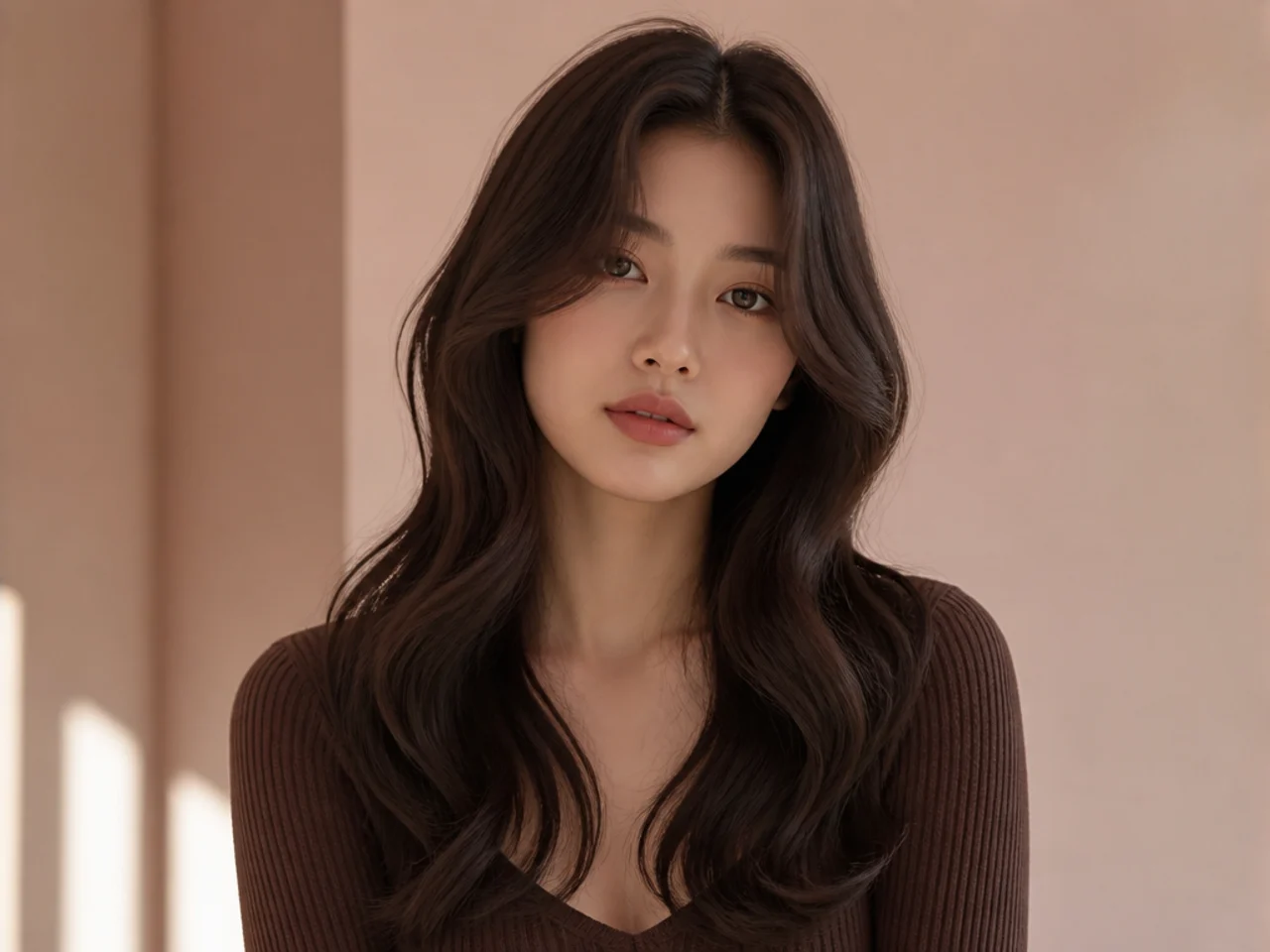
- 2. Choppy Shag With Curtain Bangs
- 3. Point Cut Choppy Lob for Fine Hair
- 4. Razored Choppy Layers on Thick Hair
- 5. Choppy Mid Length Wolf Cut
- 6. Choppy Butterfly Cut at the Collarbone
- 7. Choppy Face Framing Starting at the Jaw
- 8. Choppy Mid Length With Wispy Bangs
- 9. Beachy Choppy Waves at the Shoulder
- 10. Asymmetrical Choppy Mid Length
- 11. Choppy Layers on 2B Waves
- 12. Dry Cut Choppy Layers on 3A Curls
- 13. Choppy Layers With a Blunt Perimeter
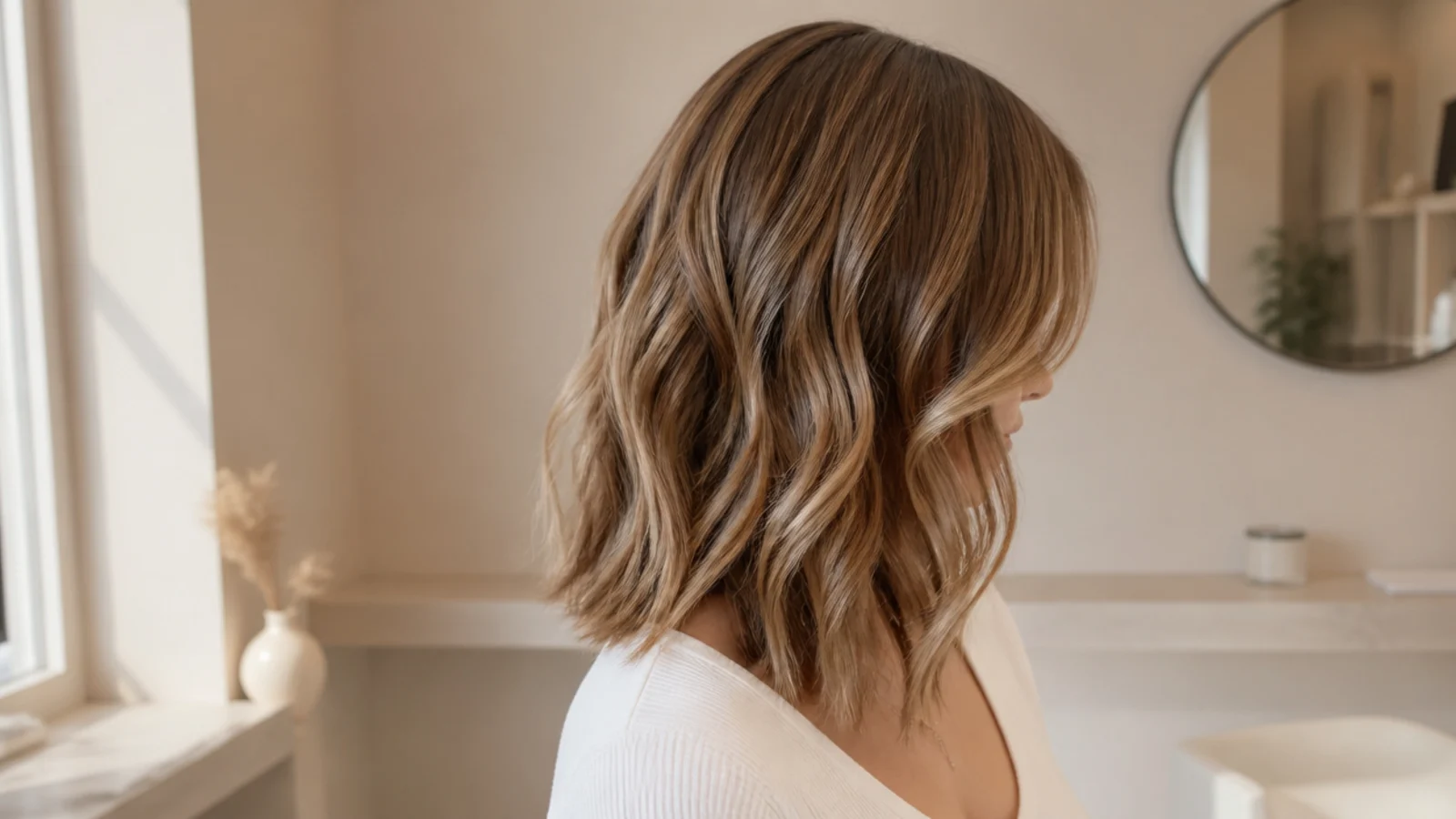
- 14. Choppy Mid Length With Balayage
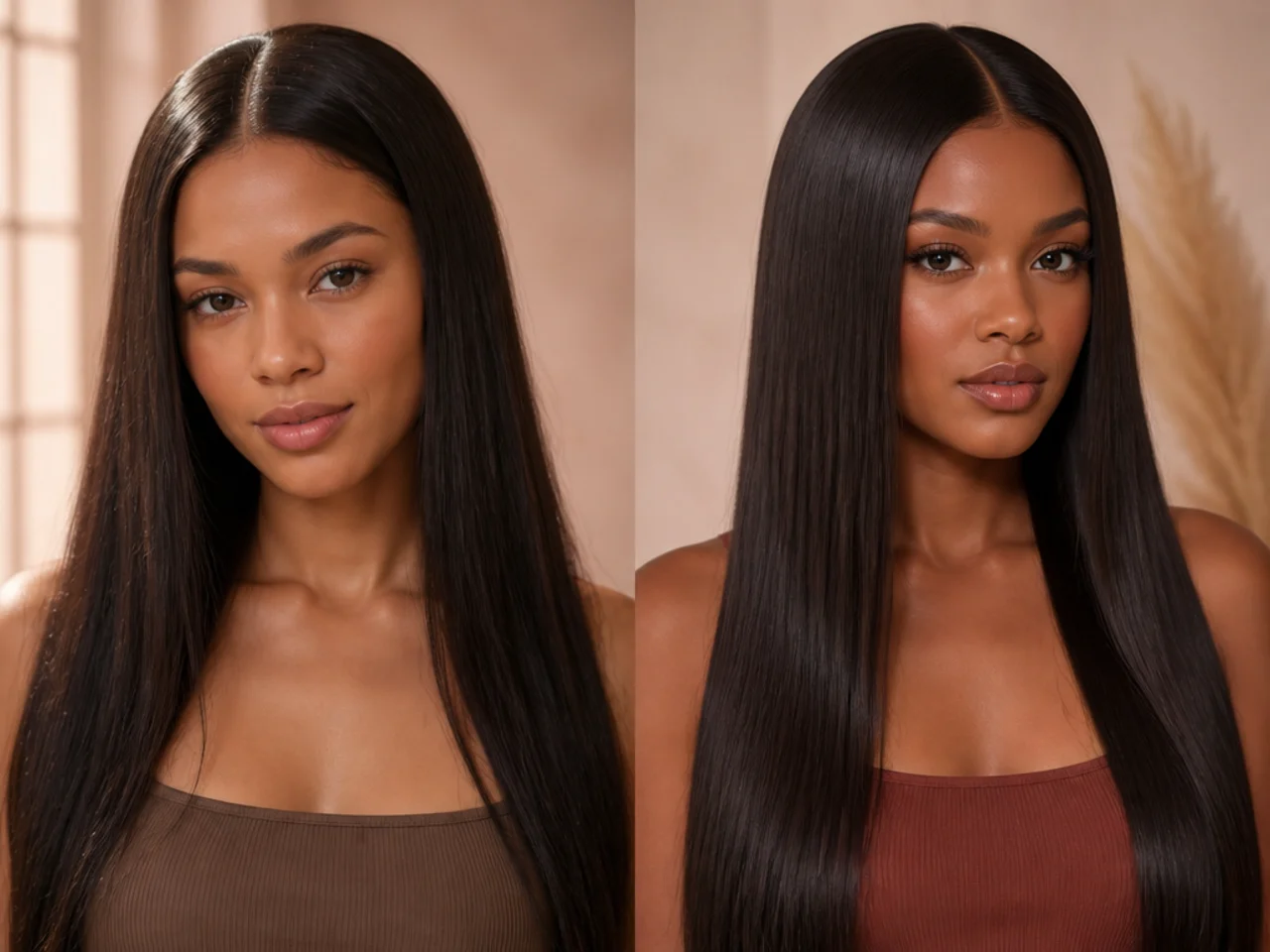
- 15. Middle Part Choppy Mid Length
- 16. Deep Side Part Choppy Mid Length
- 17. Choppy Mid Length for a Round Face
- 18. Choppy Mid Length for a Square Jaw
- 19. Choppy Mid Length With a Money Piece
- 20. Grown Out Choppy at Twelve Weeks
- Final Thoughts
Most people who ask for choppy layers are describing the ends and get given the layers, which is how a haircut comes out shorter than anyone intended.
Choppy is a description of the ends. Strands finishing at slightly different points rather than all on one line. It can be applied to a layered cut or to a blunt one.
Layering is a separate decision entirely. How much shorter the interior is cut than the perimeter. Say both, in that order, or you will get one when you meant the other.
What Choppy Mid Length Actually Means
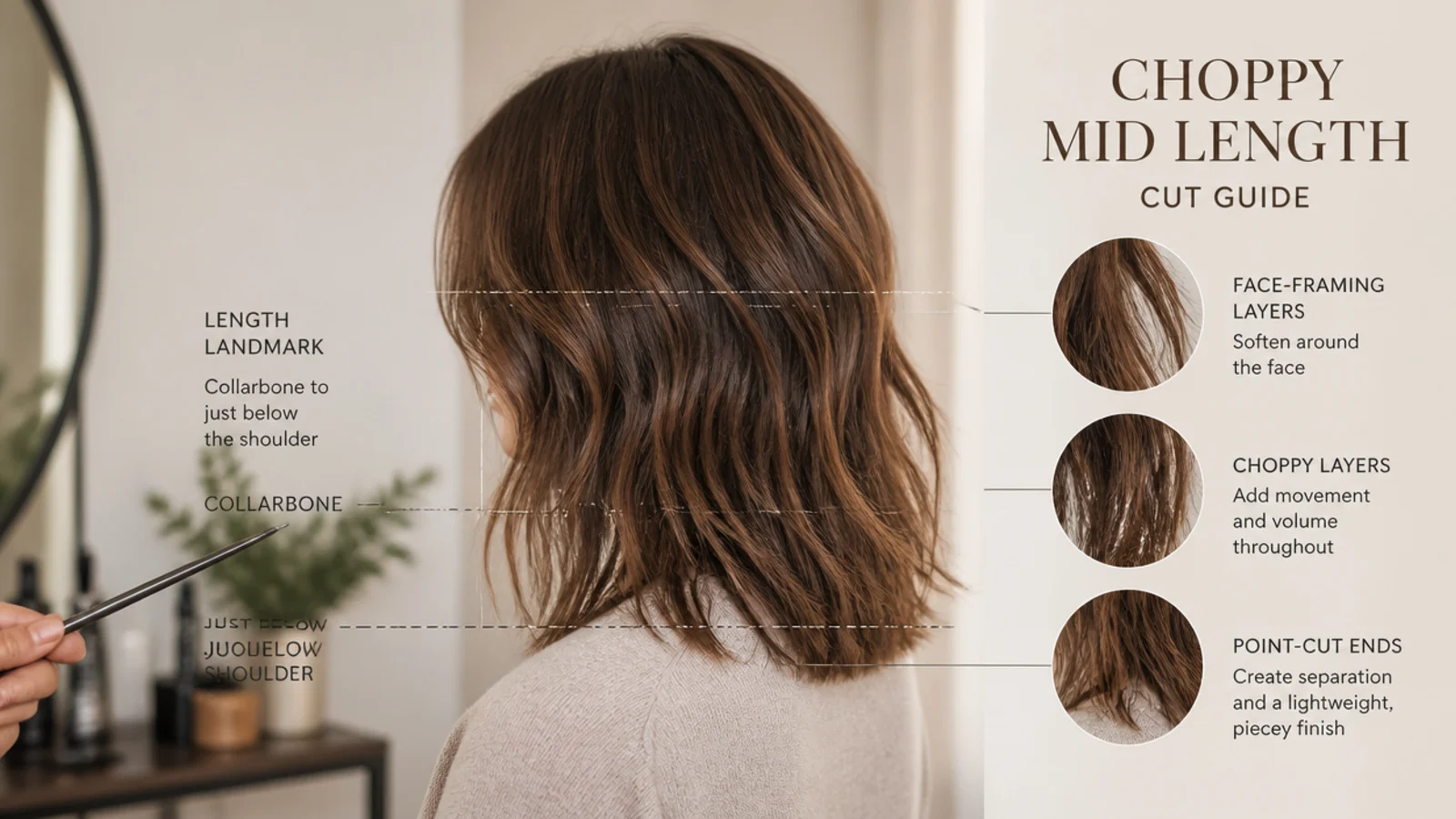
Mid length runs from the chin to a few inches below the collarbone. Long enough to tie back, short enough that the ends still hold a shape without help.
Choppy describes the last inch, not the whole cut. Scissors worked vertically into the ends, so each strand finishes at a slightly different point.
It is a weight technique before it is a style. Breaking the edge stops the perimeter sitting as one solid line, which is what makes mid length hair look flat at the bottom.
It is not the same as heavily layered. You can have choppy ends on a completely one length cut, and plenty of the best versions are exactly that.
Choppy Versus Textured Versus Razored
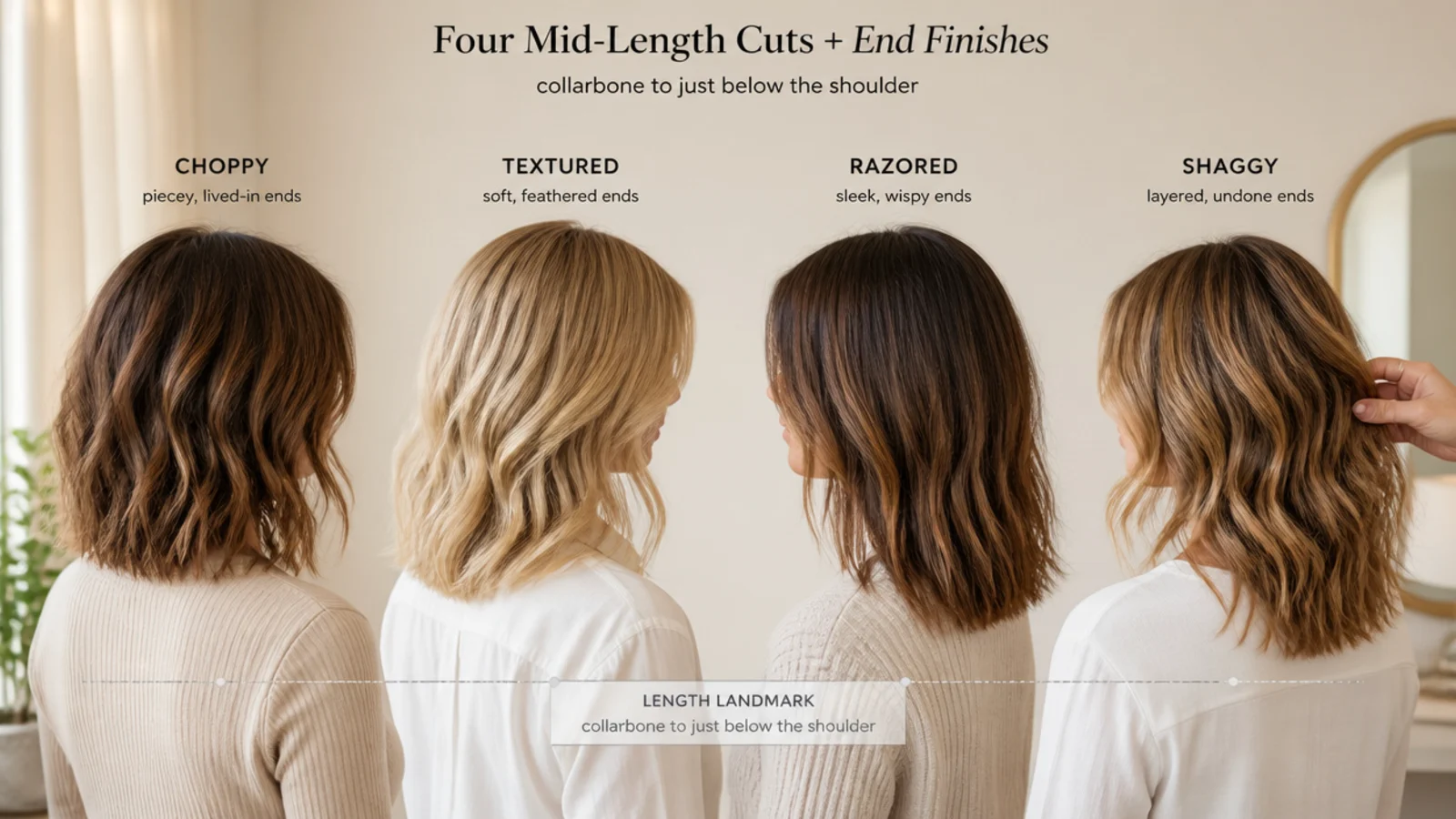
Choppy means scissors into the ends. Shallow if you want movement without weight loss, deeper if you want the perimeter genuinely lighter.
Textured is the vaguest word in the salon. It covers everything from point cutting to thinning shears, so it is the one word most likely to get you a result you did not picture.
Razored removes weight along the strand. The blade tapers the hair over several inches rather than only at the tip, which thins far more than scissors and finishes finer.
Name thinning shears if you do not want them. They remove a fixed proportion of a section at a fixed point, and on mid length hair that fixed point often shows as a shelf halfway down.
Choppy by Face Shape
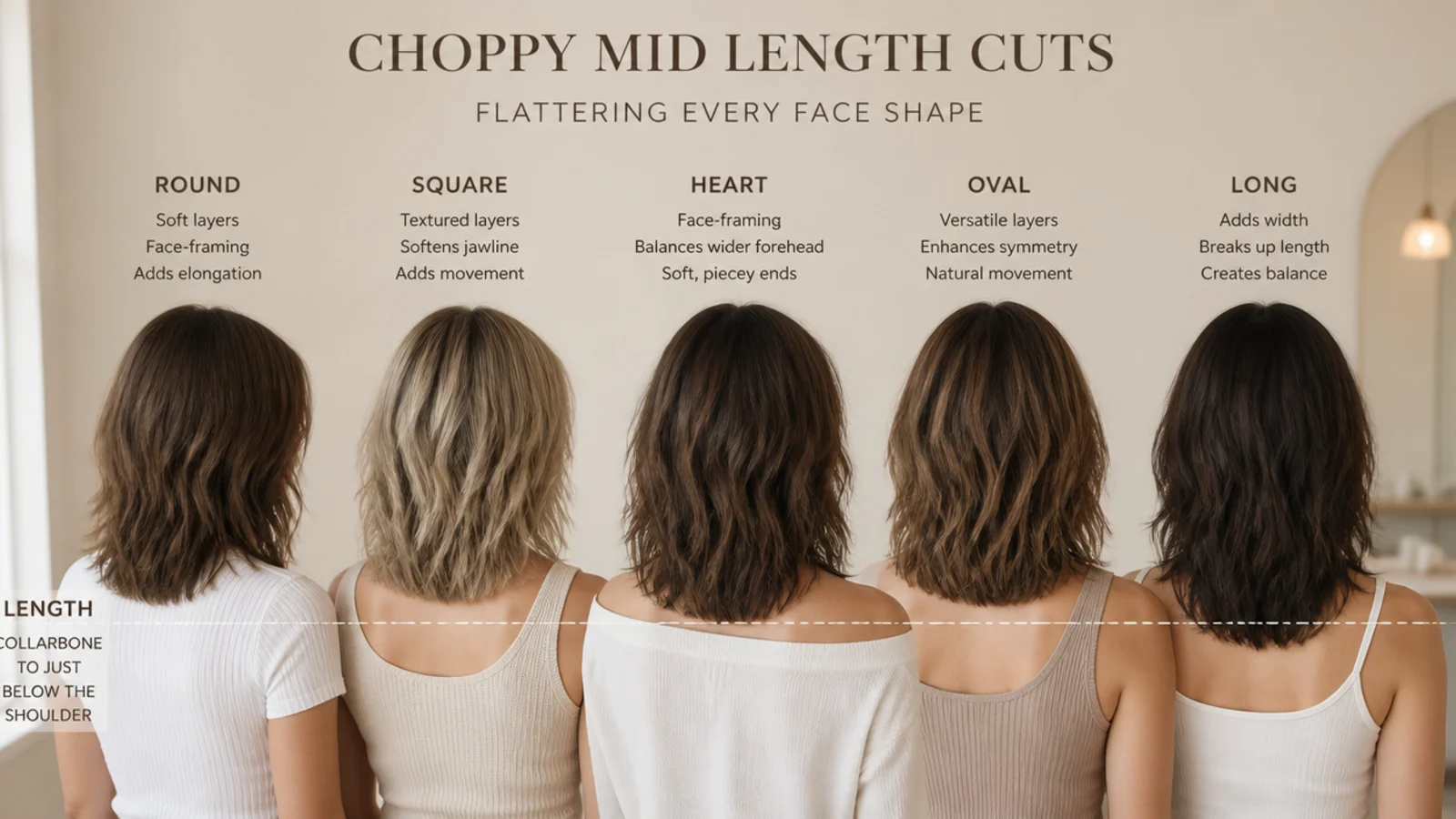
Round wants the shortest layer below the chin. Anything ending at cheek level widens the face where it is already widest.
Square wants the framing to pass the jaw, not land on it. A line finishing exactly at the corner repeats the angle instead of softening it.
Long wants width at the cheekbone. Choppy layers that flick outward around eye level interrupt a vertical face far better than length ever does.
Heart wants weight low. Fuller chopped ends around the jaw balance a wider forehead by putting volume where the face narrows.
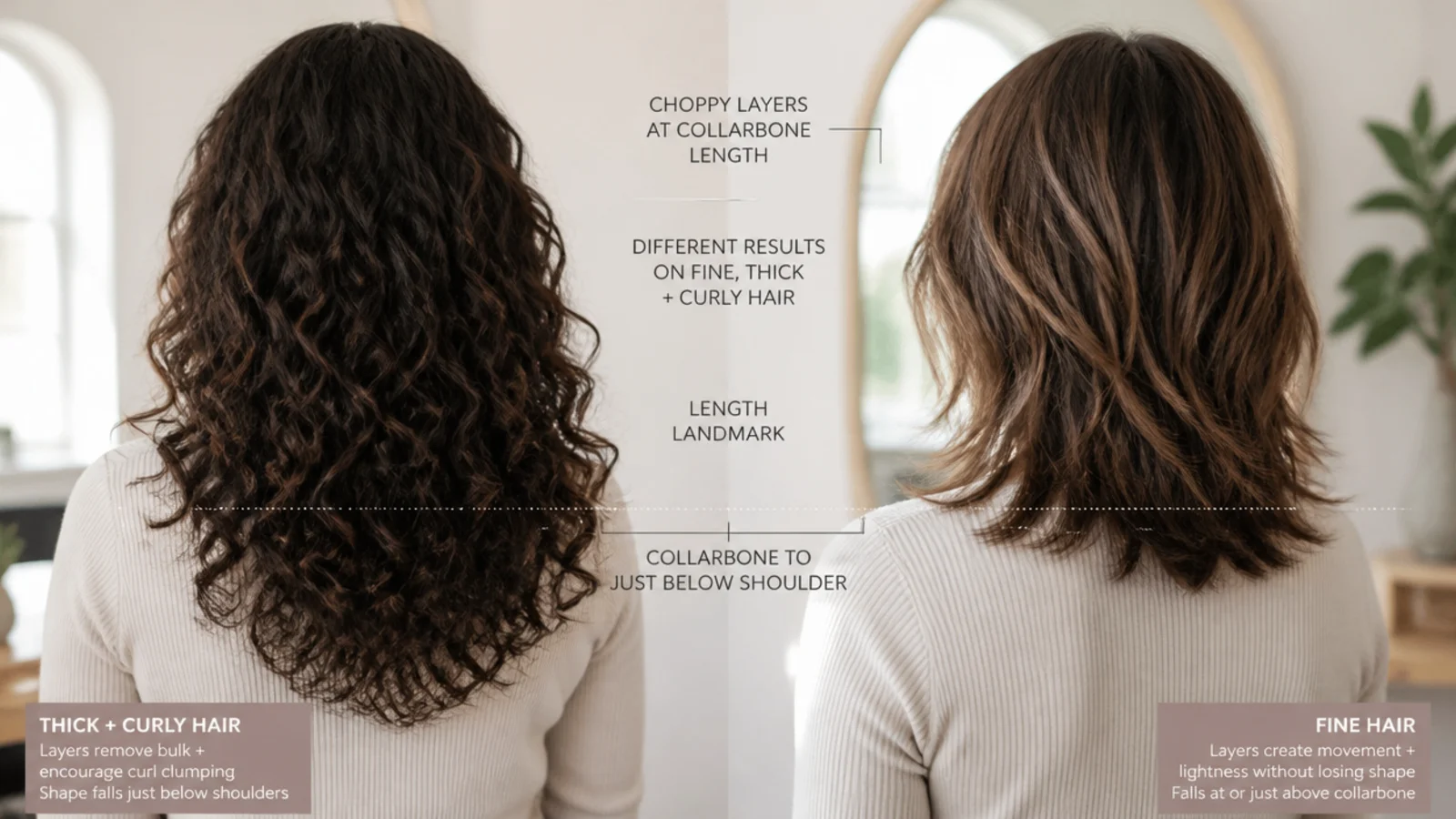
Choppy on Fine Thick and Curly Hair
Fine hair wants shallow points only. Half an inch into the ends. Deeper than that and you are removing density that fine hair cannot spare.
Thick hair wants the weight taken from inside. Chopping only the perimeter on thick hair leaves the bulk in the middle and the ends flicking outward.
Curly hair wants the ends cut dry. A curl shrinks as it dries, so a chopped end placed on wet hair lands somewhere you did not choose.
Coarse hair shows every end. The stiffer the strand, the more each chopped tip stands away from its neighbours, so keep the variation smaller than you would on soft hair.
How to Ask Your Stylist for Choppy Layers
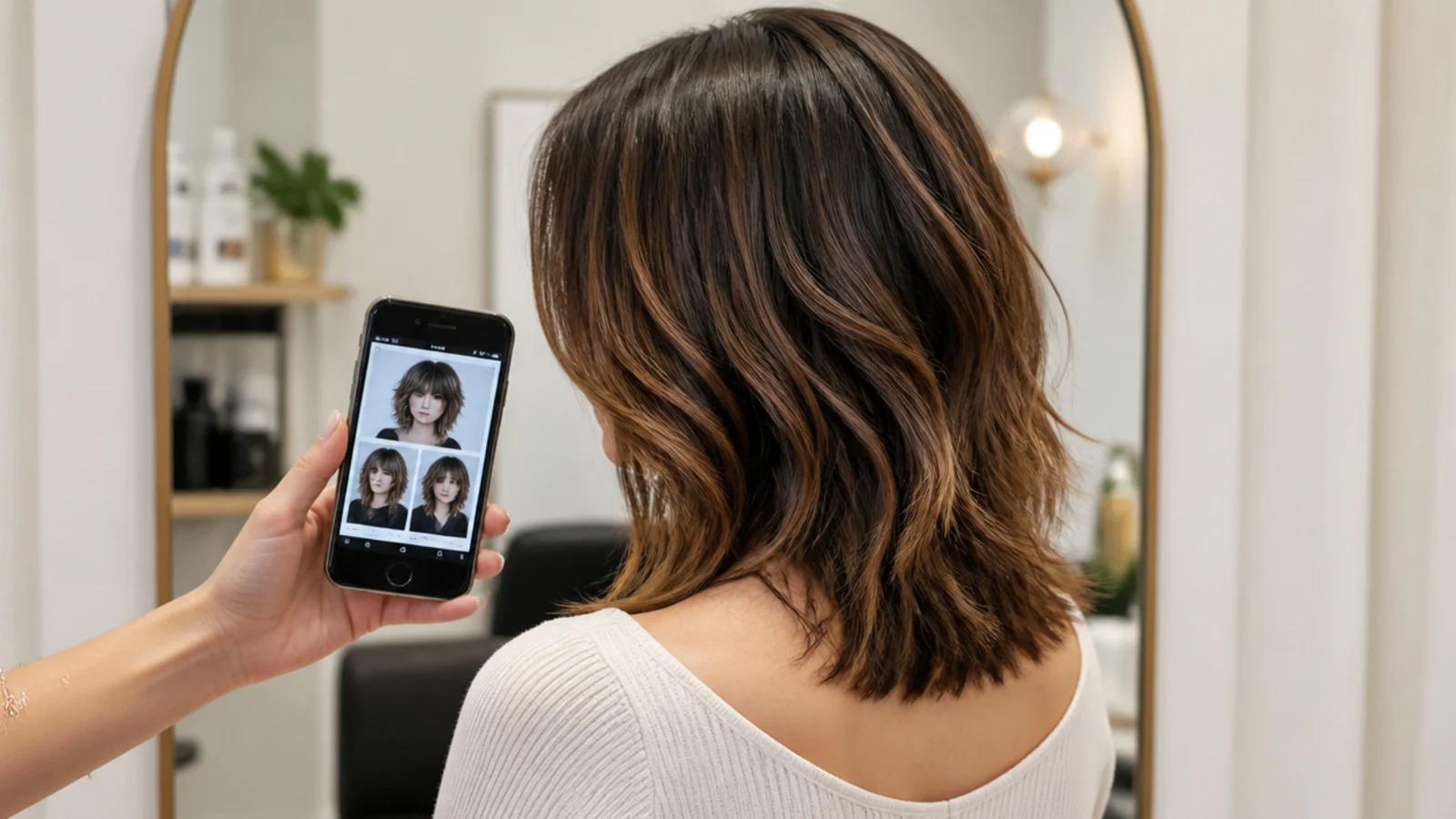
Give the length first and in a fixed reference. Collarbone, an inch below the collarbone, jaw. Inches mean different things on different heights.
Say choppy ends, then say how much layering separately. They are two settings and a stylist will set them independently once you separate them.
Say how deep you want the points. Half an inch is movement, two inches is a change of shape, and nobody can guess which you mean.
Say whether you want the perimeter to stay heavy. This is the sentence that decides whether the cut reads full or feathery, and it is the one most often left out.
Choppy Styling and Upkeep
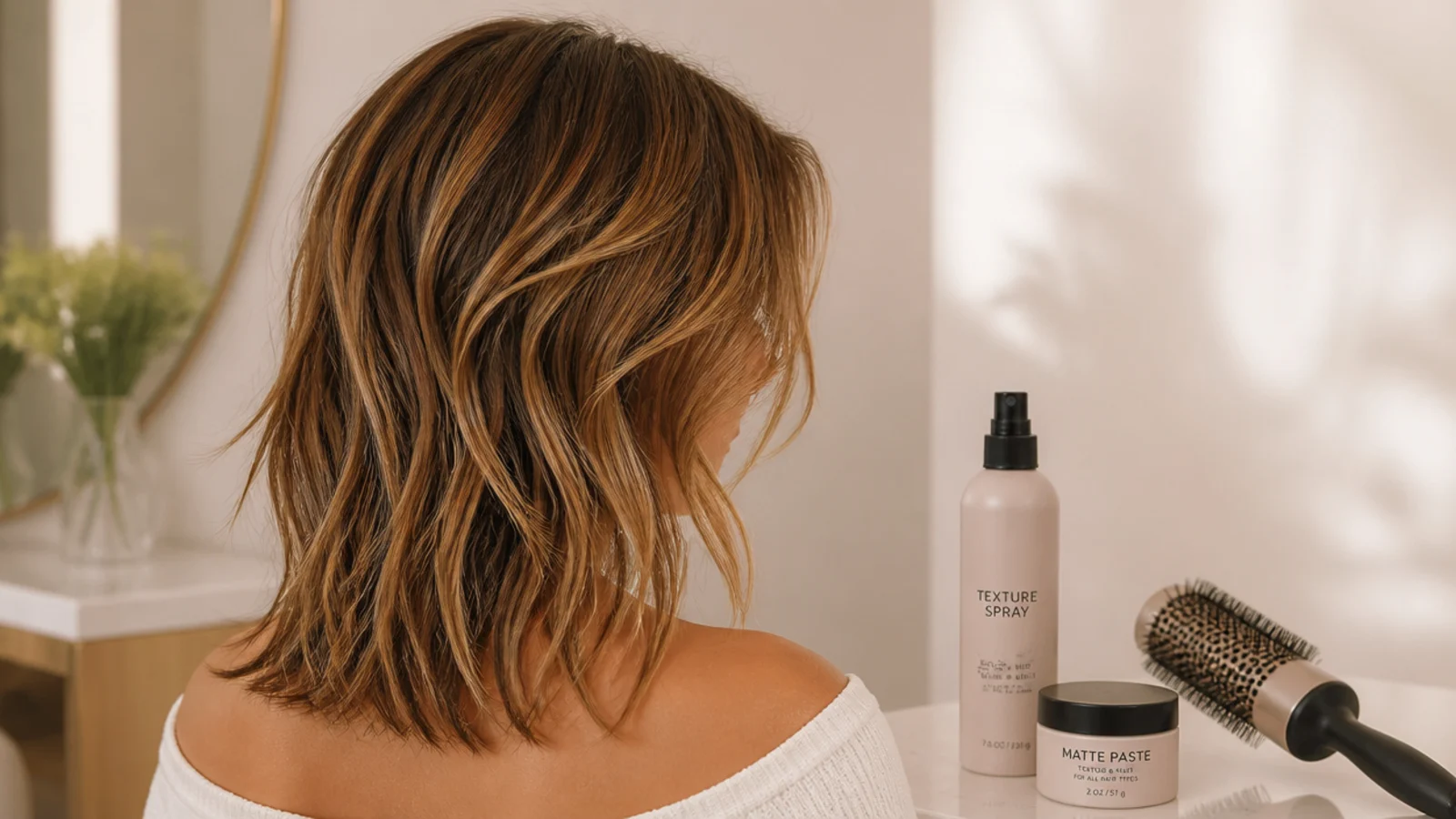
Dry with your fingers, not a brush. A brush pulls the ends back into one line, which undoes the only thing the cut is doing.
Cream at the mid lengths, nothing on the ends. Weight on a chopped edge closes it up and the separation disappears.
Book at ten to twelve weeks. Hair grows around half an inch a month, so the points close and start reading blunt somewhere in that window.
Ask for the ends refreshed between full cuts. Twenty minutes of point cutting restores the edge without taking the length down again.
The 20 Choppy Mid Length Ideas
1. Choppy Collarbone With Invisible Layers
Invisible layers are cut inside the shape and never reach the perimeter, so the outline stays as heavy as it looks while the weight comes out from underneath. Chopped ends on top of that structure give movement without any layer showing as a visible step.
2. Choppy Shag With Curtain Bangs
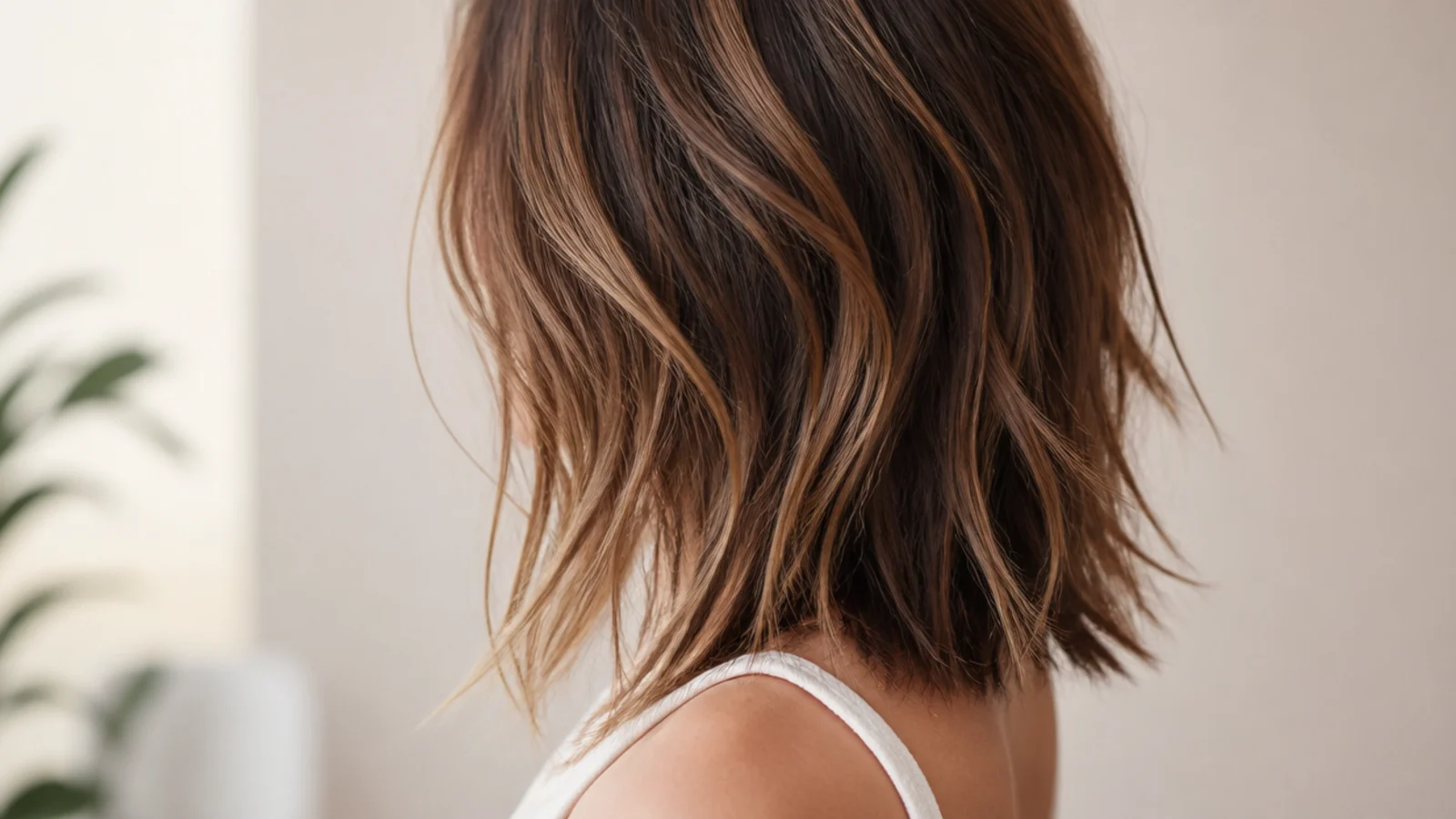
A shag is built from short layers at the crown getting progressively longer down the head, and chopping the ends is what stops those tiers reading as bands. The curtain bangs carry the shortest layer forward into the face, so the front and the crown belong to one structure rather than two.
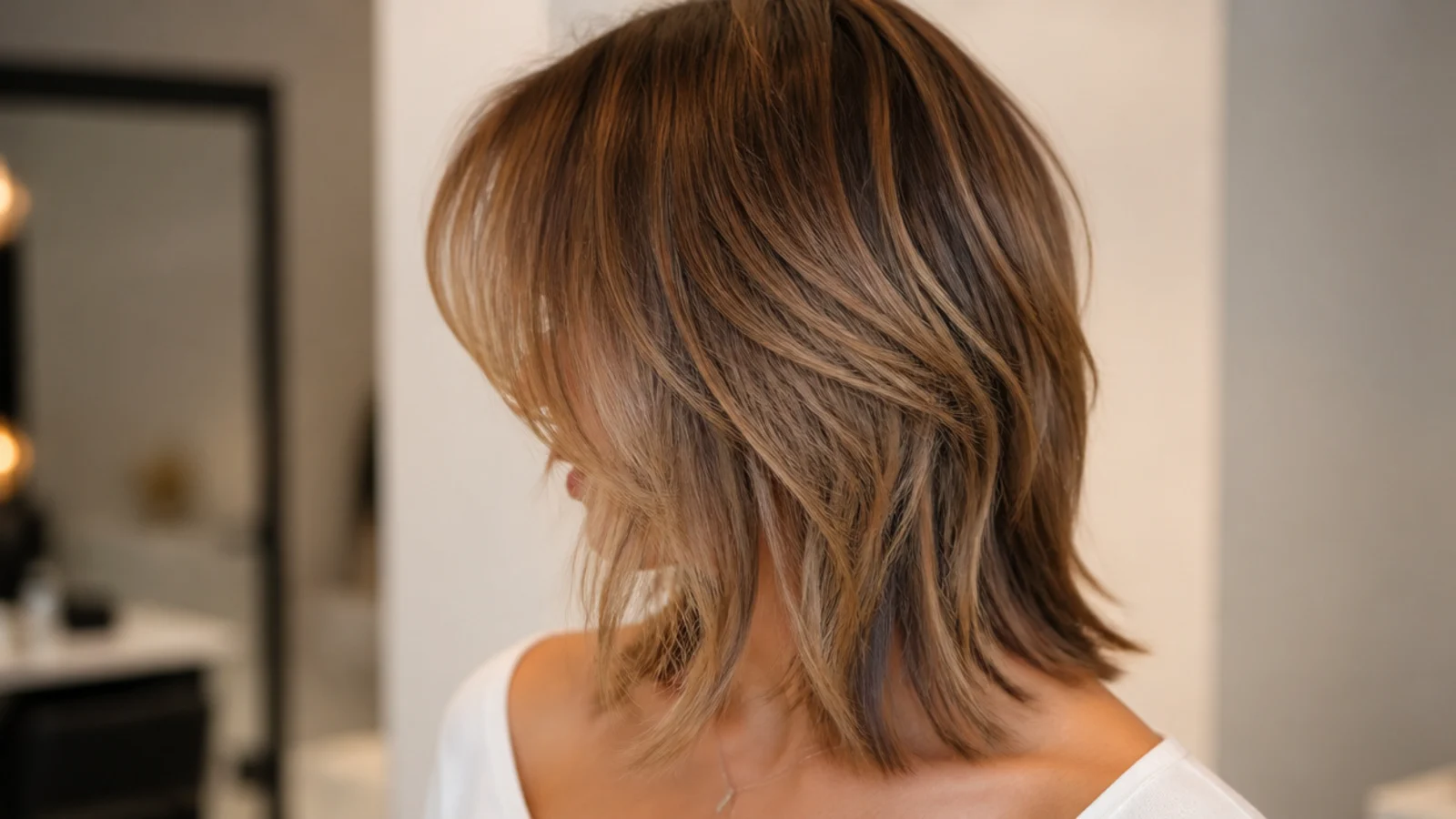
3. Point Cut Choppy Lob for Fine Hair
Point cutting means working the scissors vertically into the ends, removing a little from some strands and nothing from others. Keep the points under half an inch on fine hair, because past that you stop breaking the edge and start removing the density that makes a lob look thick.
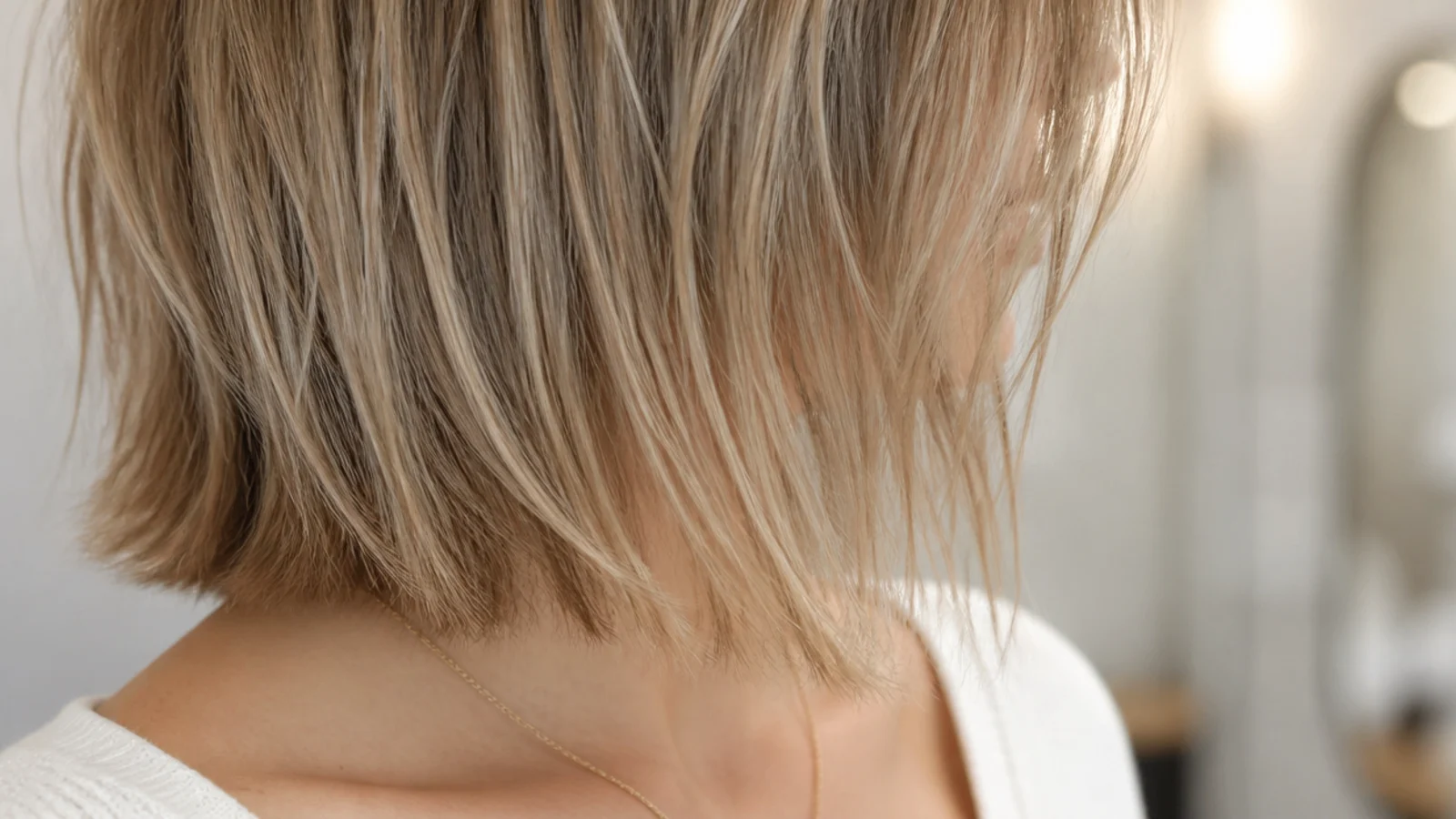
4. Razored Choppy Layers on Thick Hair
A razor tapers the strand over several inches instead of cutting it at one point, which is why it removes bulk from thick hair far faster than scissors can. It needs damp hair and a genuinely sharp blade, because a dull one drags the cuticle open and the ends fray inside a month.
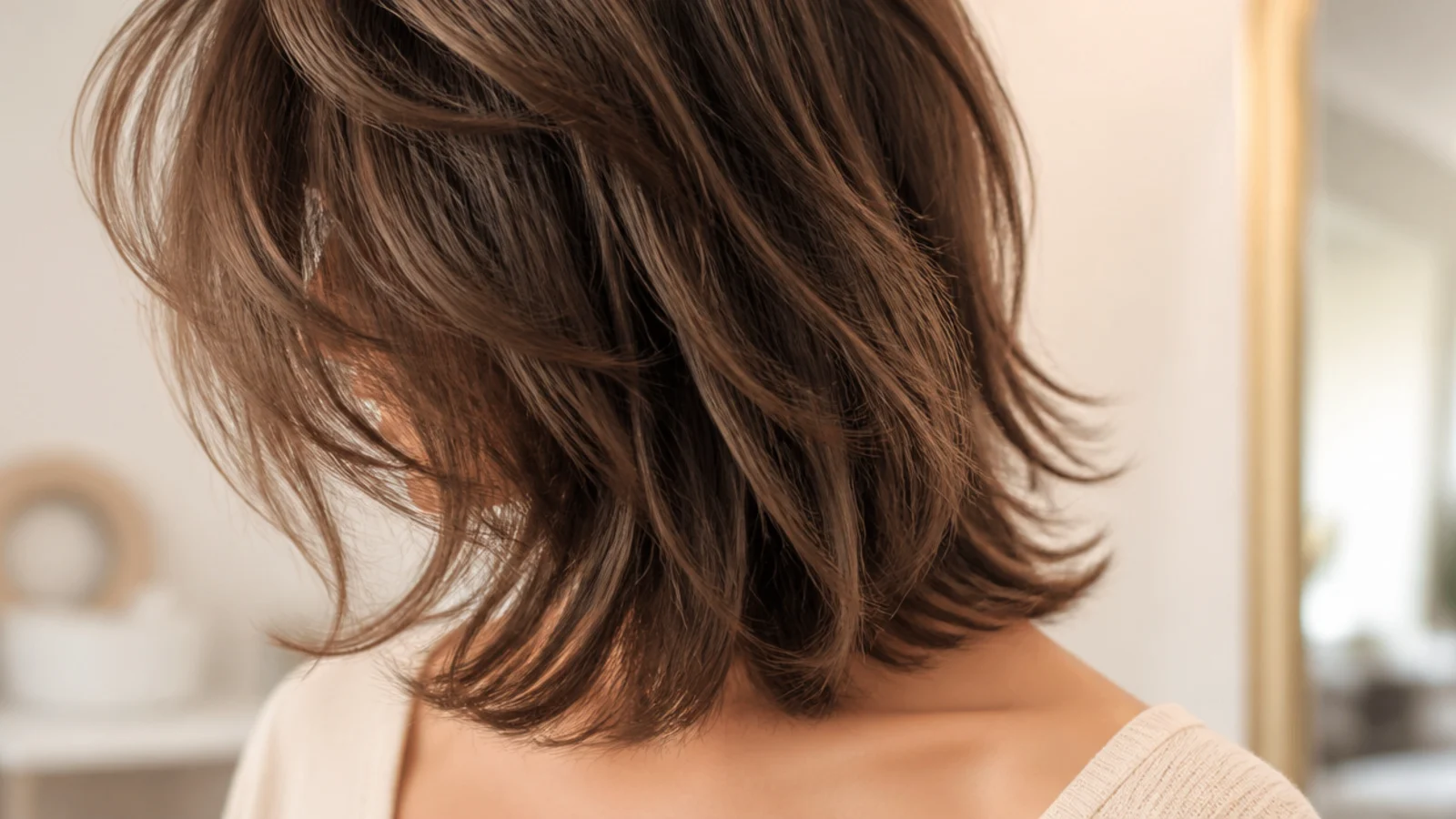
5. Choppy Mid Length Wolf Cut
The wolf cut sets very short crown layers against long ends, and chopping is what blurs the join between the two so it reads as a gradient rather than a ledge. The shorter the crown, the higher the contrast and the more daily styling it takes to stop the top standing away from the length below.
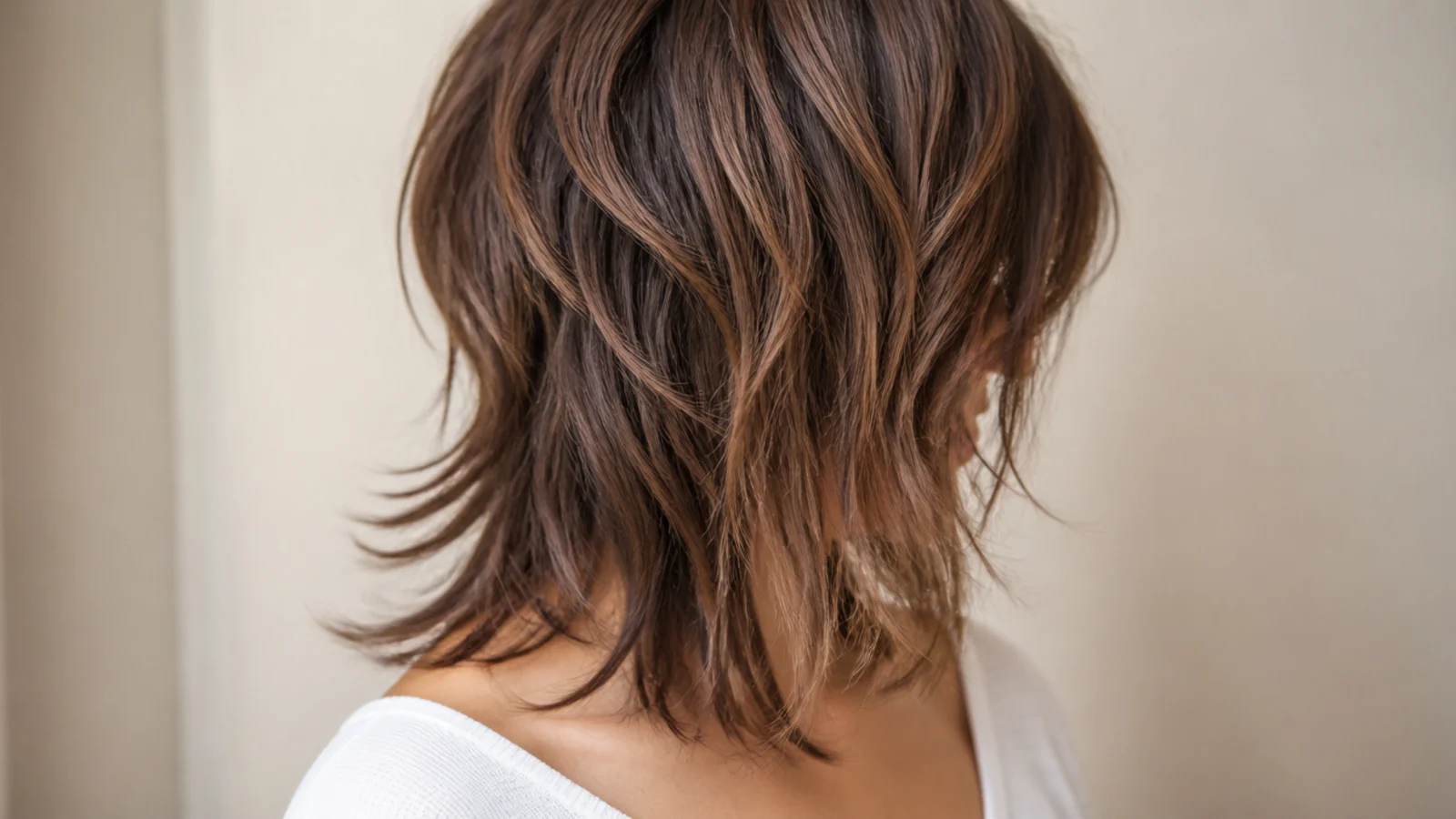
6. Choppy Butterfly Cut at the Collarbone
A butterfly is two lengths in one head — face framing pieces around the chin that fall forward, and everything else left at the collarbone. Chopping both sets of ends is what makes them read as a single cut instead of short hair sitting on top of long hair.
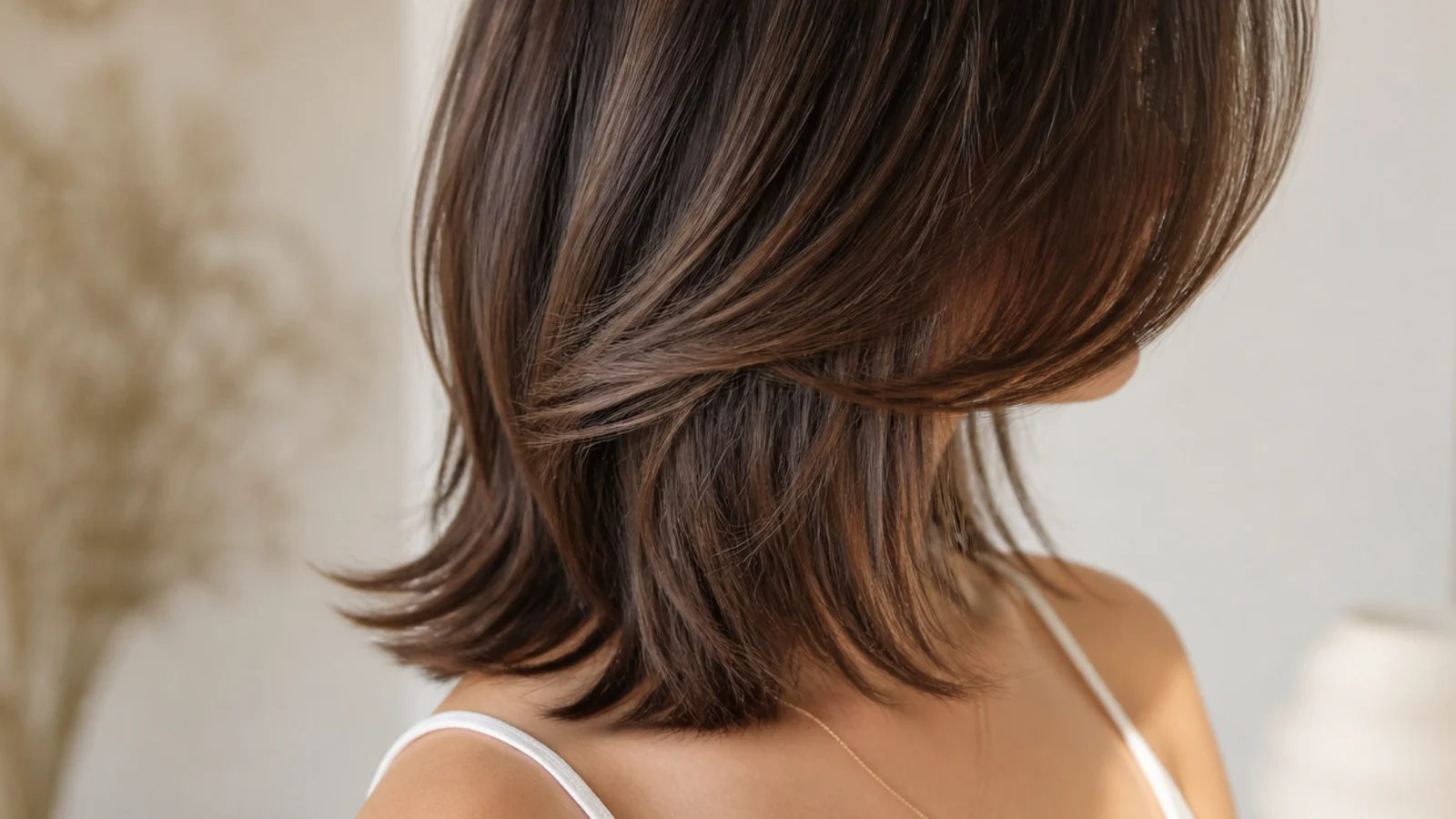
7. Choppy Face Framing Starting at the Jaw
The start point is the only real decision here, and the jaw is the widest part of most faces, so a layer beginning there falls outward and opens the face rather than covering it. Chopped ends on those pieces keep them from hanging as a solid curtain either side of the cheeks.
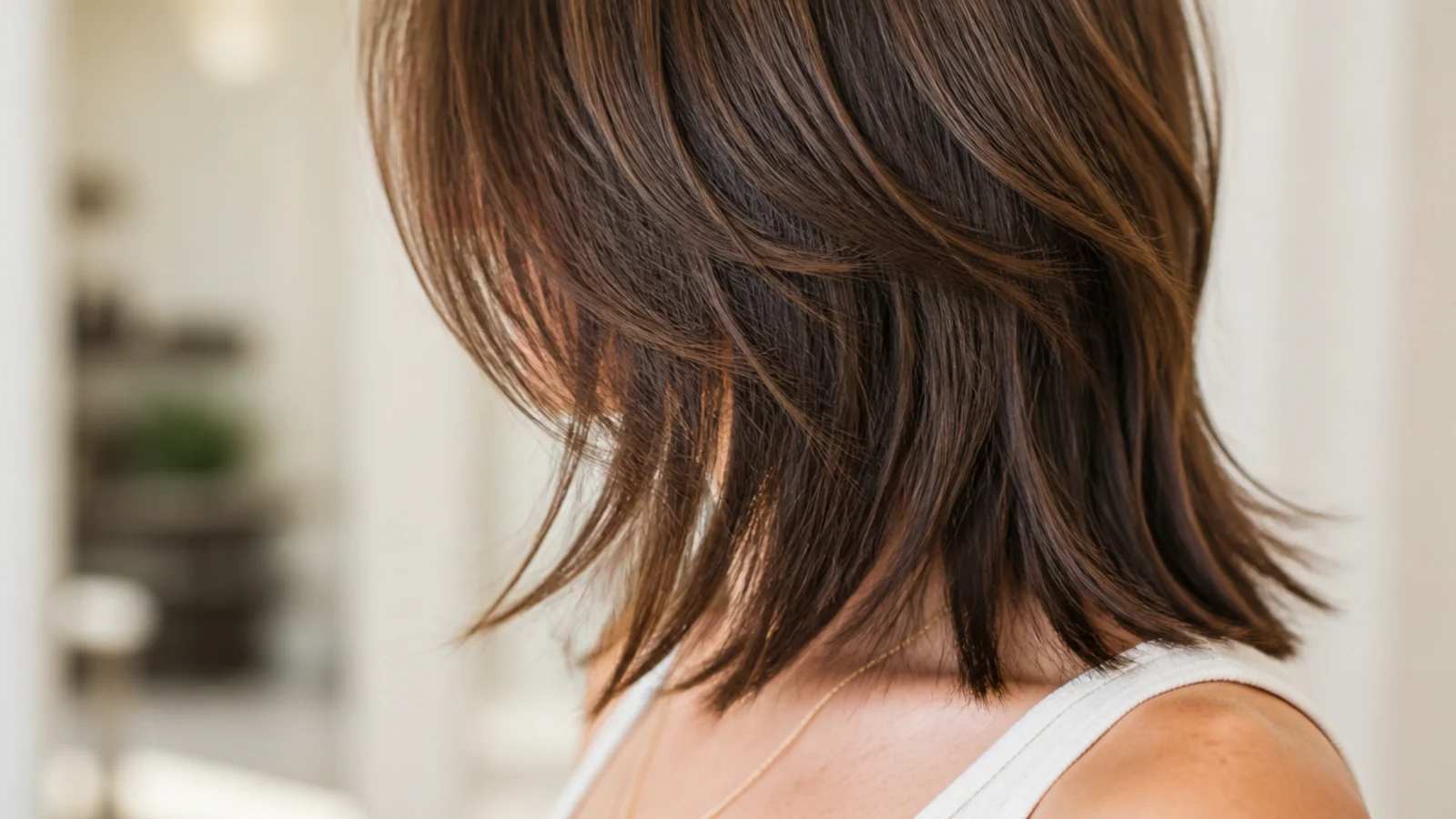
8. Choppy Mid Length With Wispy Bangs
Wispy bangs are cut with space deliberately left between the strands so the forehead shows through, which keeps a fringe from adding visual weight to the top of the face. Match how broken the fringe is to how broken the lengths are, because a solid fringe over choppy ends reads as two separate haircuts.
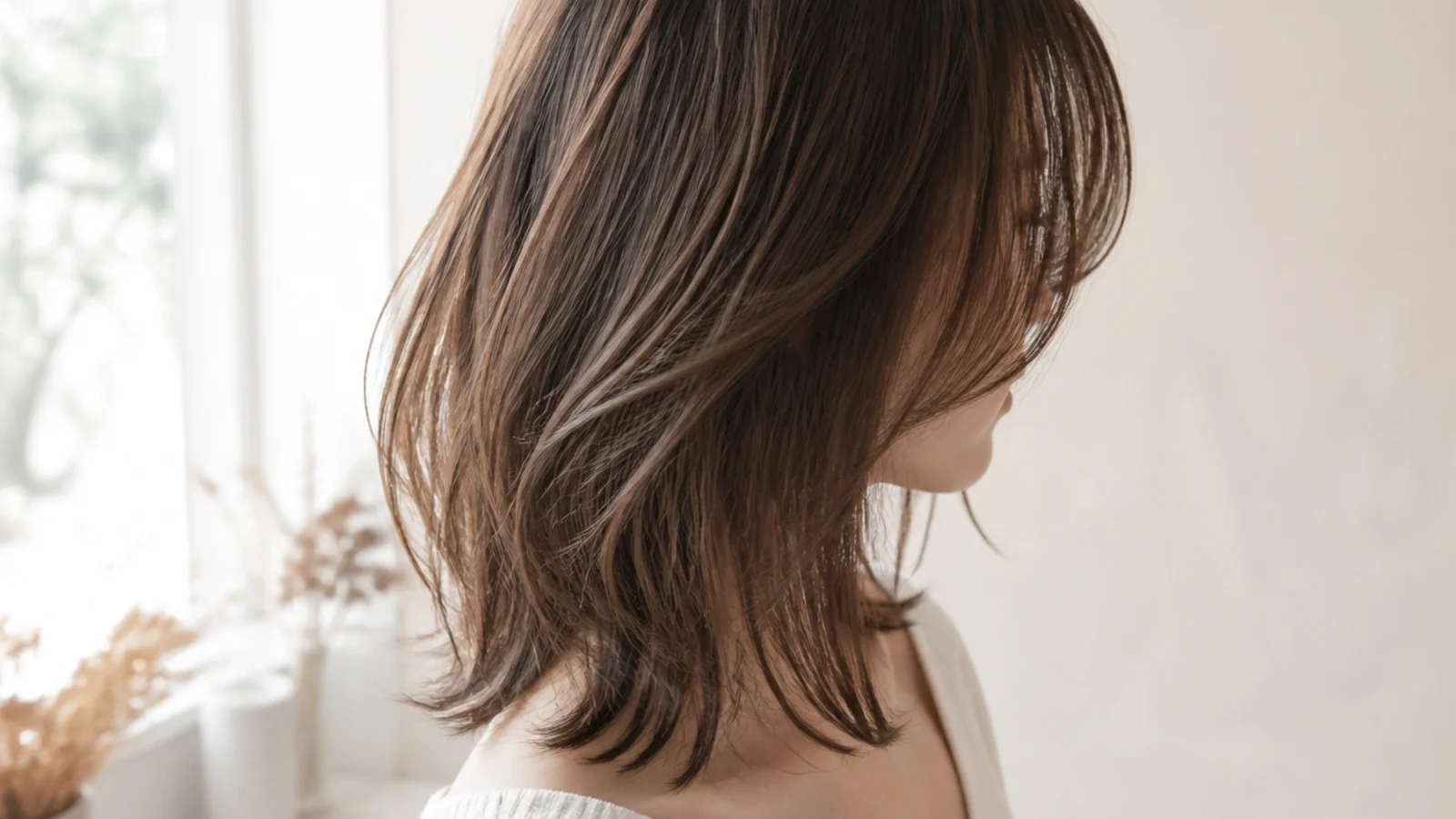
9. Beachy Choppy Waves at the Shoulder
Waves need ends at different lengths to look unset, because a wave built on a blunt perimeter finishes every strand at the same point and the repetition reads as a curling iron. Chopped ends give each strand a different place to end, and that is what makes the same wave look like weather.
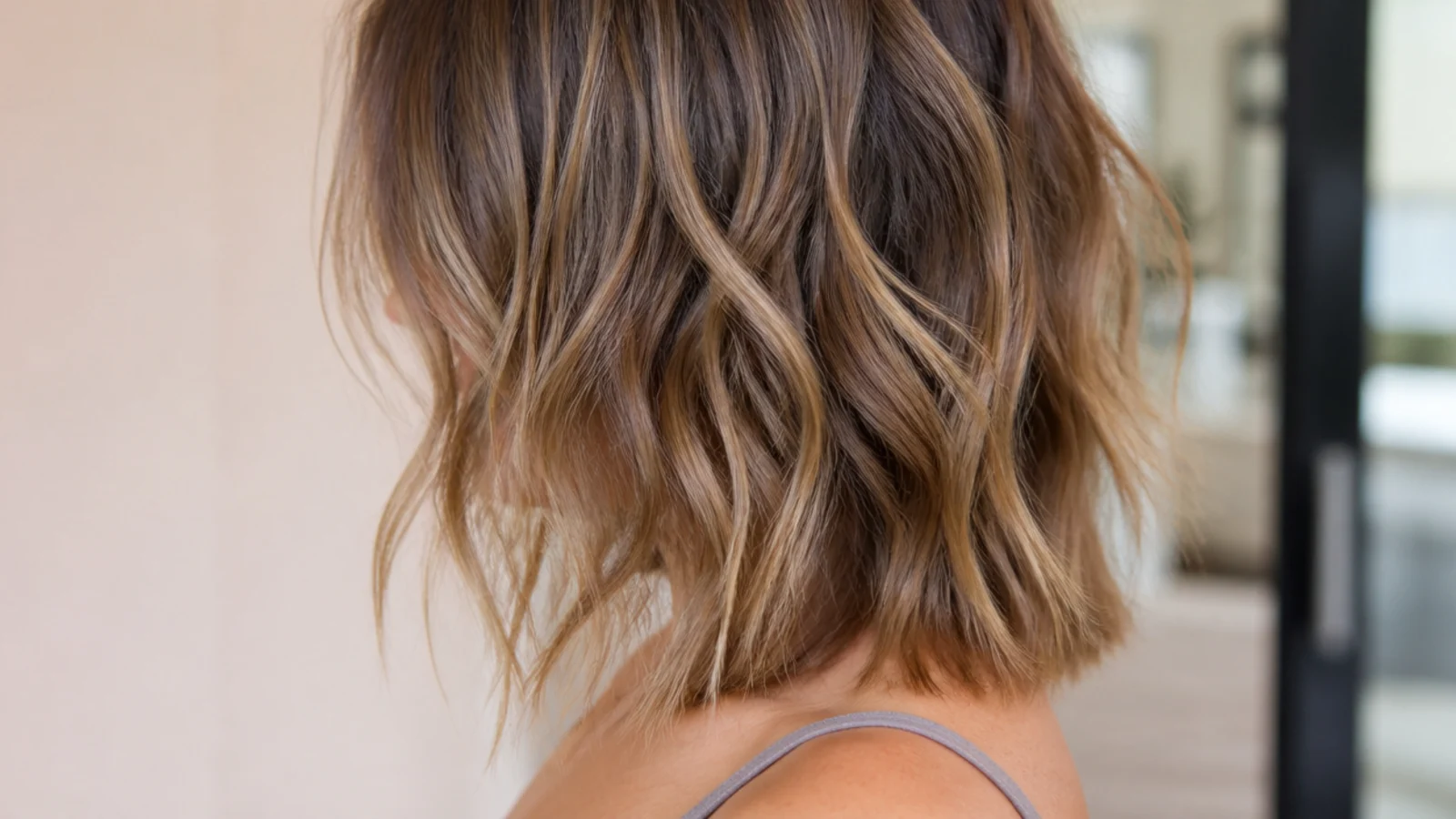
10. Asymmetrical Choppy Mid Length
One side cut an inch or two shorter than the other, with the difference carried through the layers rather than only along the perimeter. The eye reads the shorter side as the front of the cut, so it needs a part that commits to one direction and stays there.
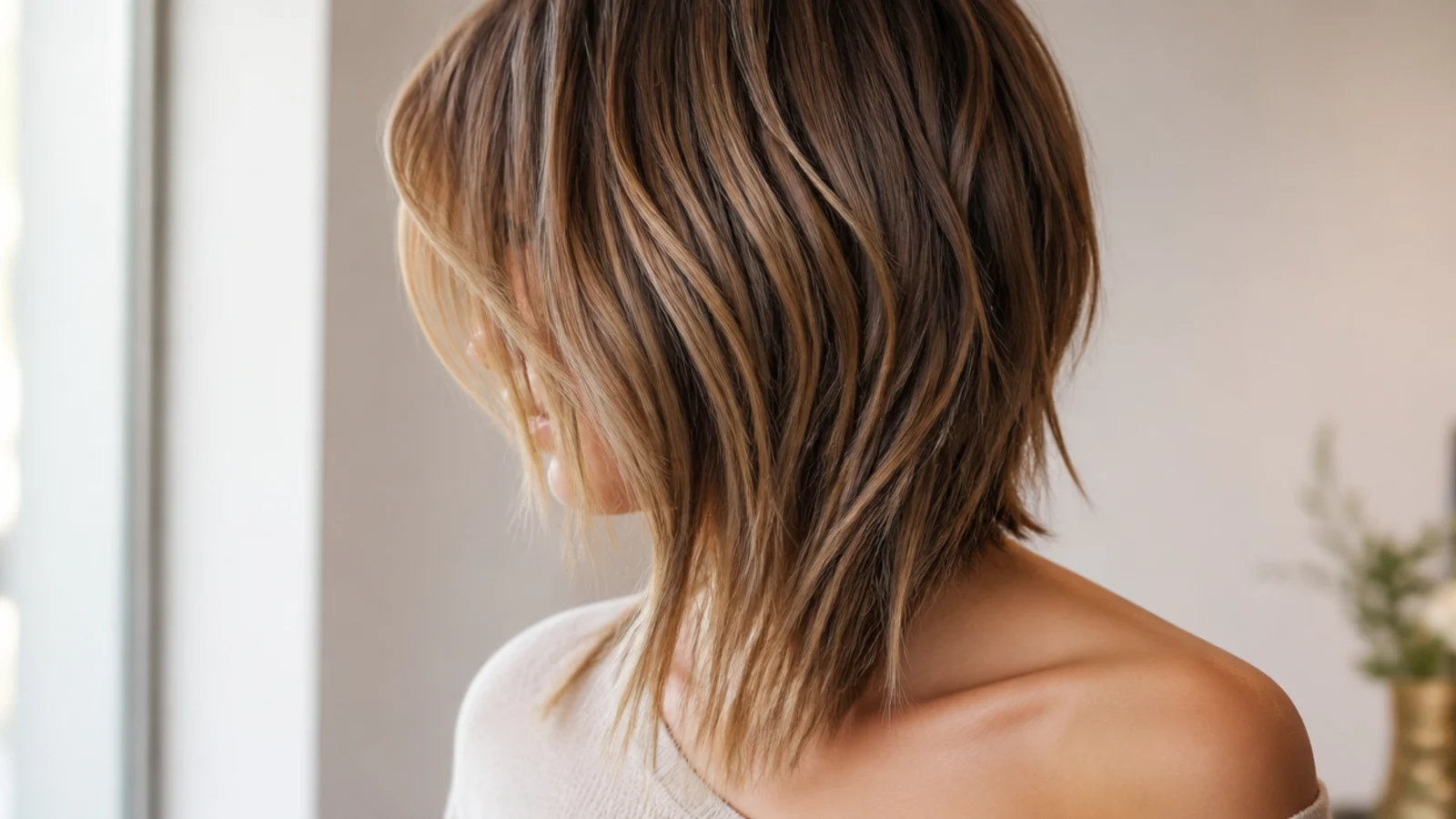
11. Choppy Layers on 2B Waves
A 2B pattern bends into an S somewhere around the mid length, so layers cut above the bend vanish into it and layers cut below it show clearly. Chopped ends here mainly stop the wave collapsing into one heavy curve at the bottom, which is how 2B hair goes flat by lunchtime.
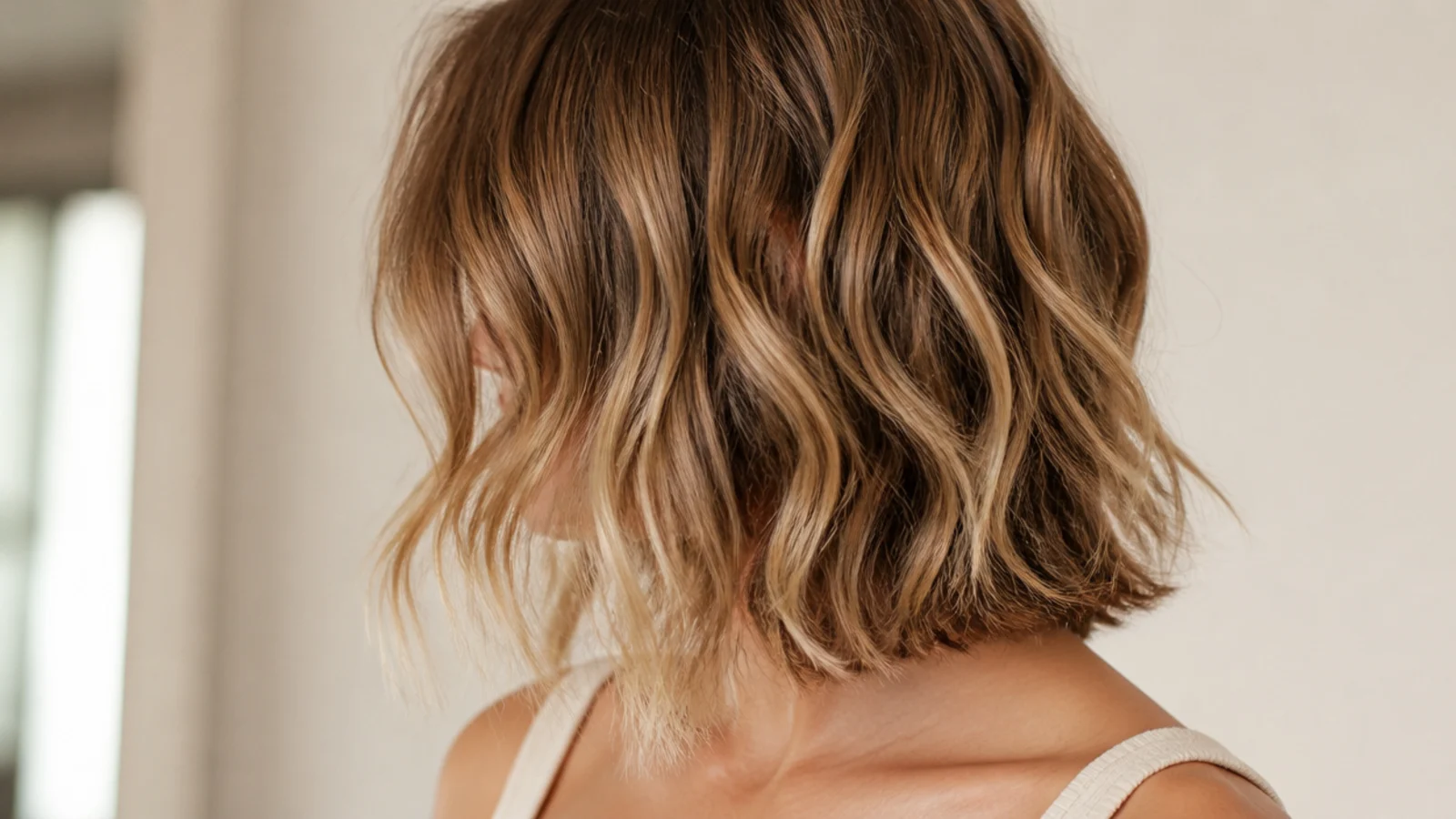
12. Dry Cut Choppy Layers on 3A Curls
Curls shrink as they dry, and a 3A pattern can pull up several inches between wet and dry, so a chopped end placed on wet hair lands nowhere near where you wanted it. Cutting dry, curl by curl in its natural position, is the only way to put the end exactly where it will sit.
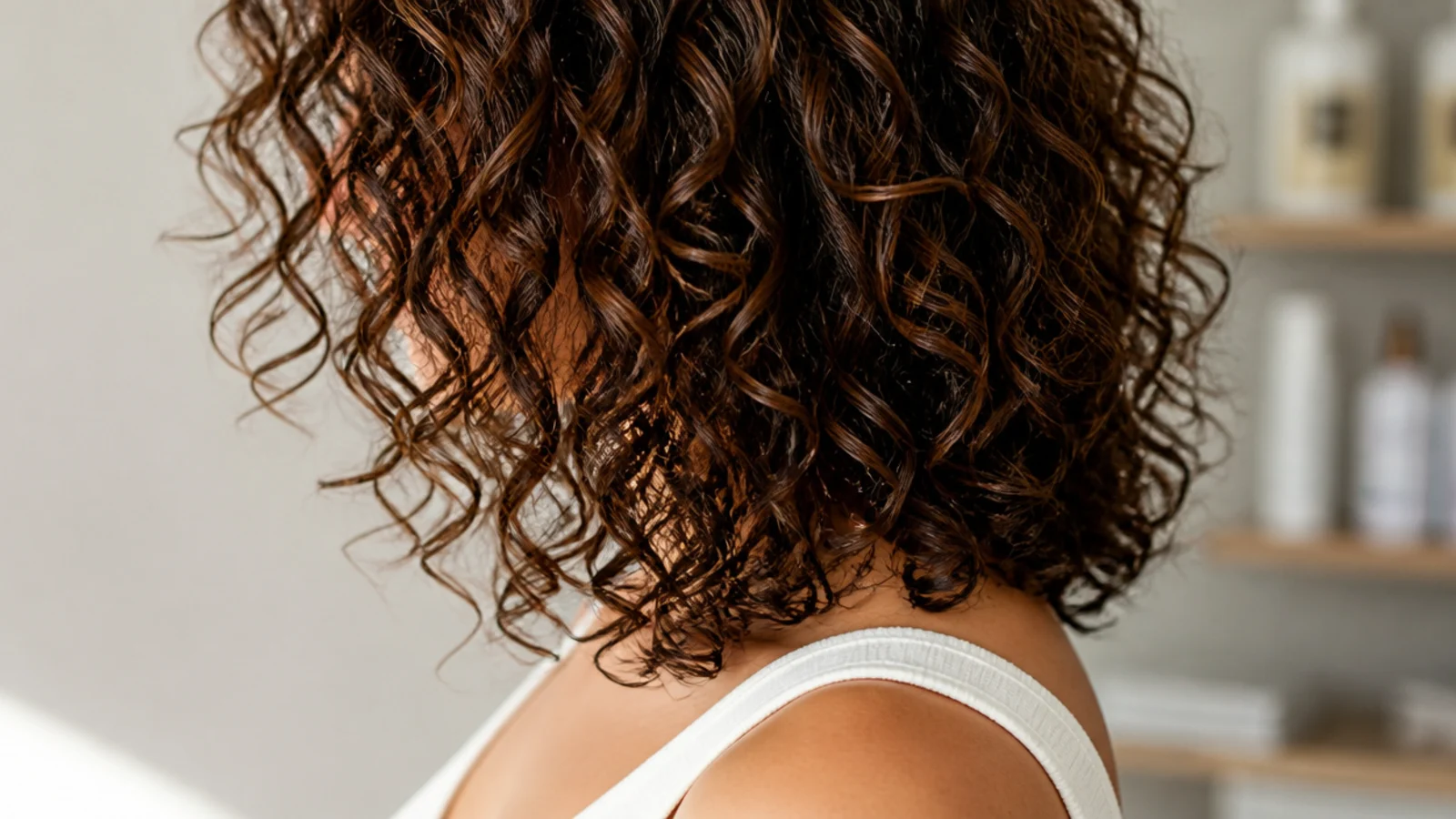
13. Choppy Layers With a Blunt Perimeter
All the layering happens inside the shape while the outline stays cut straight across, which keeps the density of a one length cut and removes the weight that makes it hang flat. This is the safest version for anyone who suspects choppy layers will make their hair look thinner.
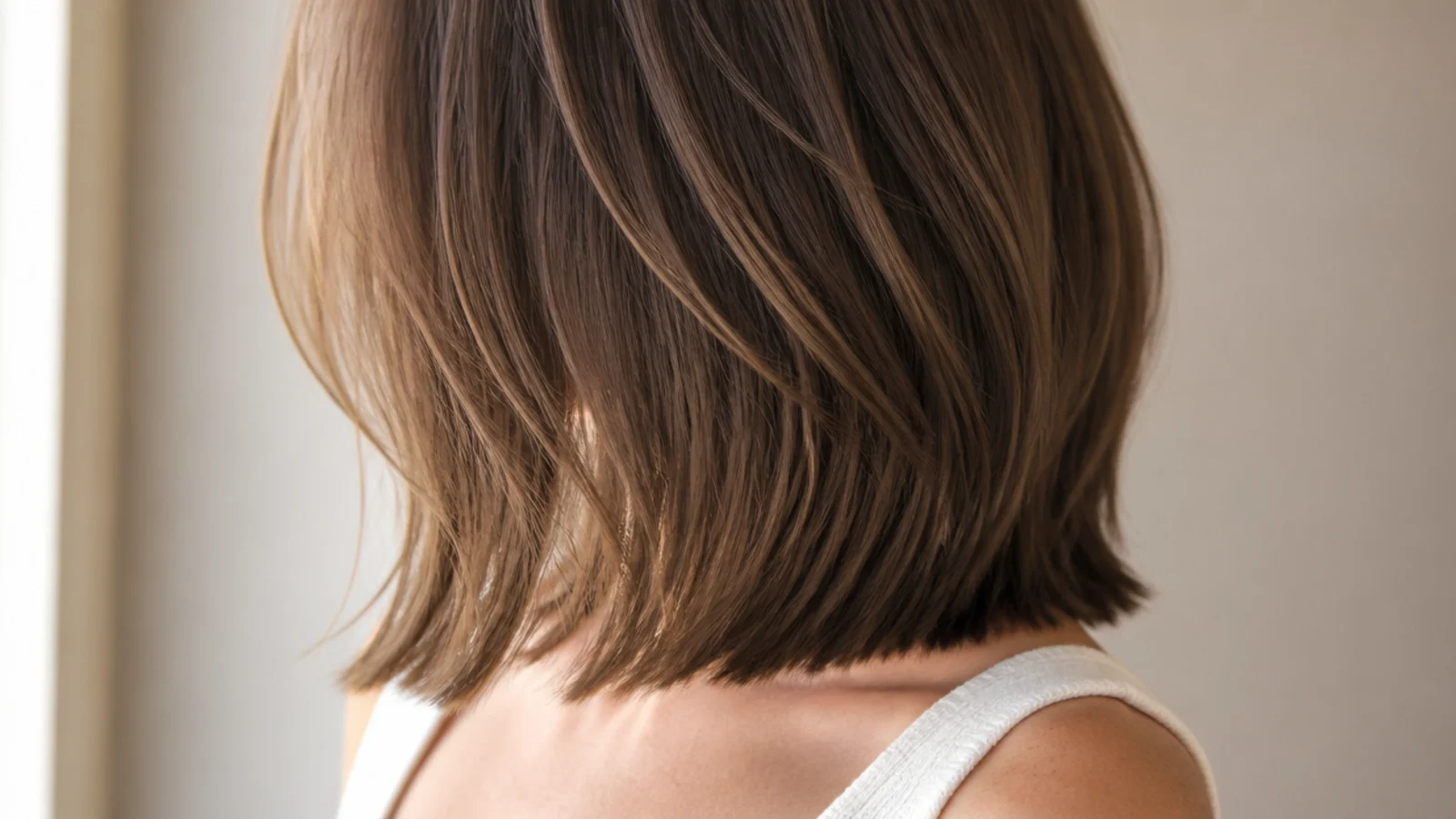
14. Choppy Mid Length With Balayage
Painted colour is placed by hand along the surface of the hair rather than by foil, so it needs somewhere to break at the bottom instead of stopping on a line. Chopped ends supply exactly that, which is why the two techniques so often get done in the same appointment.
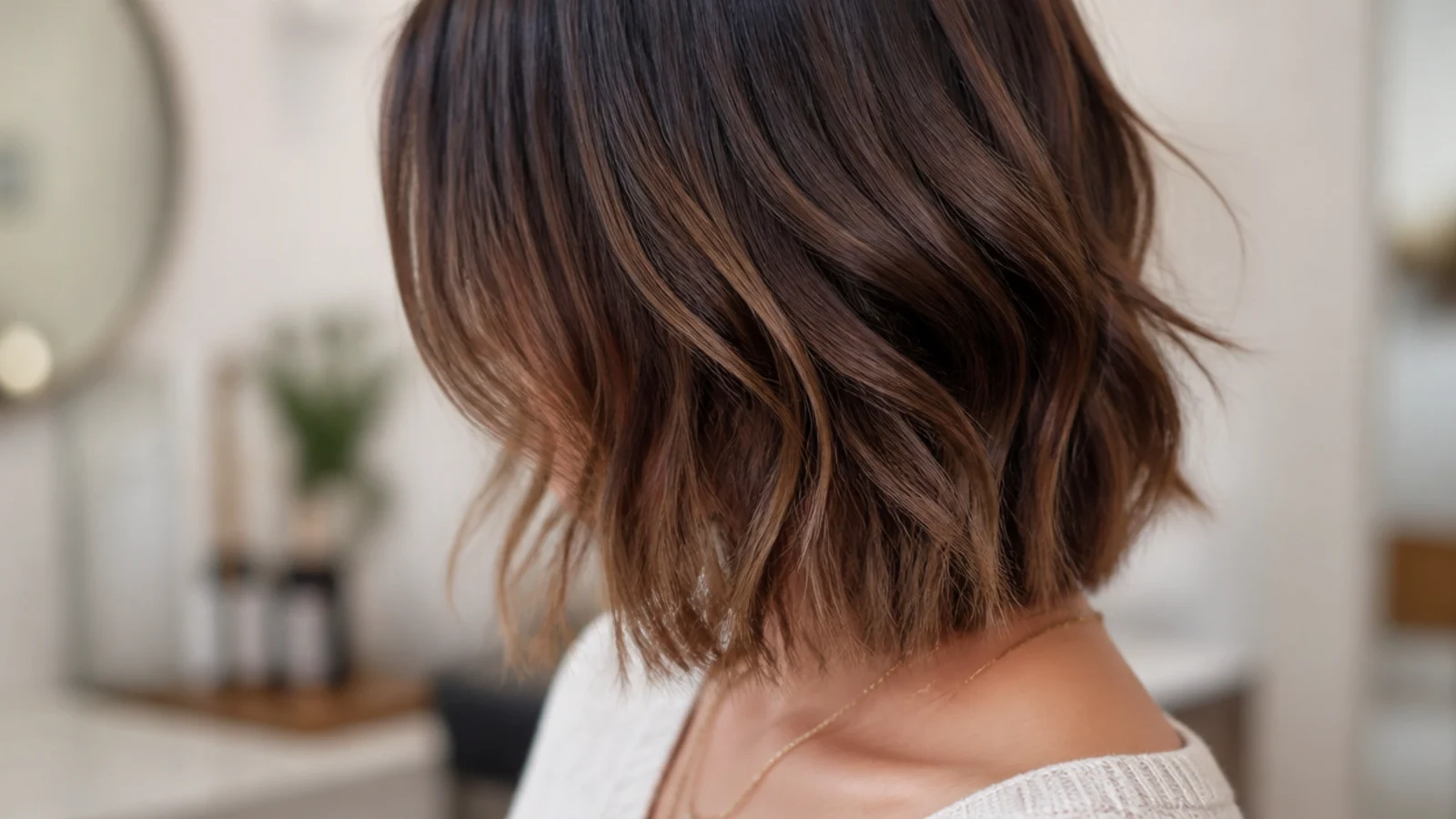
15. Middle Part Choppy Mid Length
A centre part divides the face framing evenly, so both sides have to start at the same point or the difference shows every single day. It also exposes the root along the whole length of the part, which matters more here because the layers around it are moving rather than sitting still.
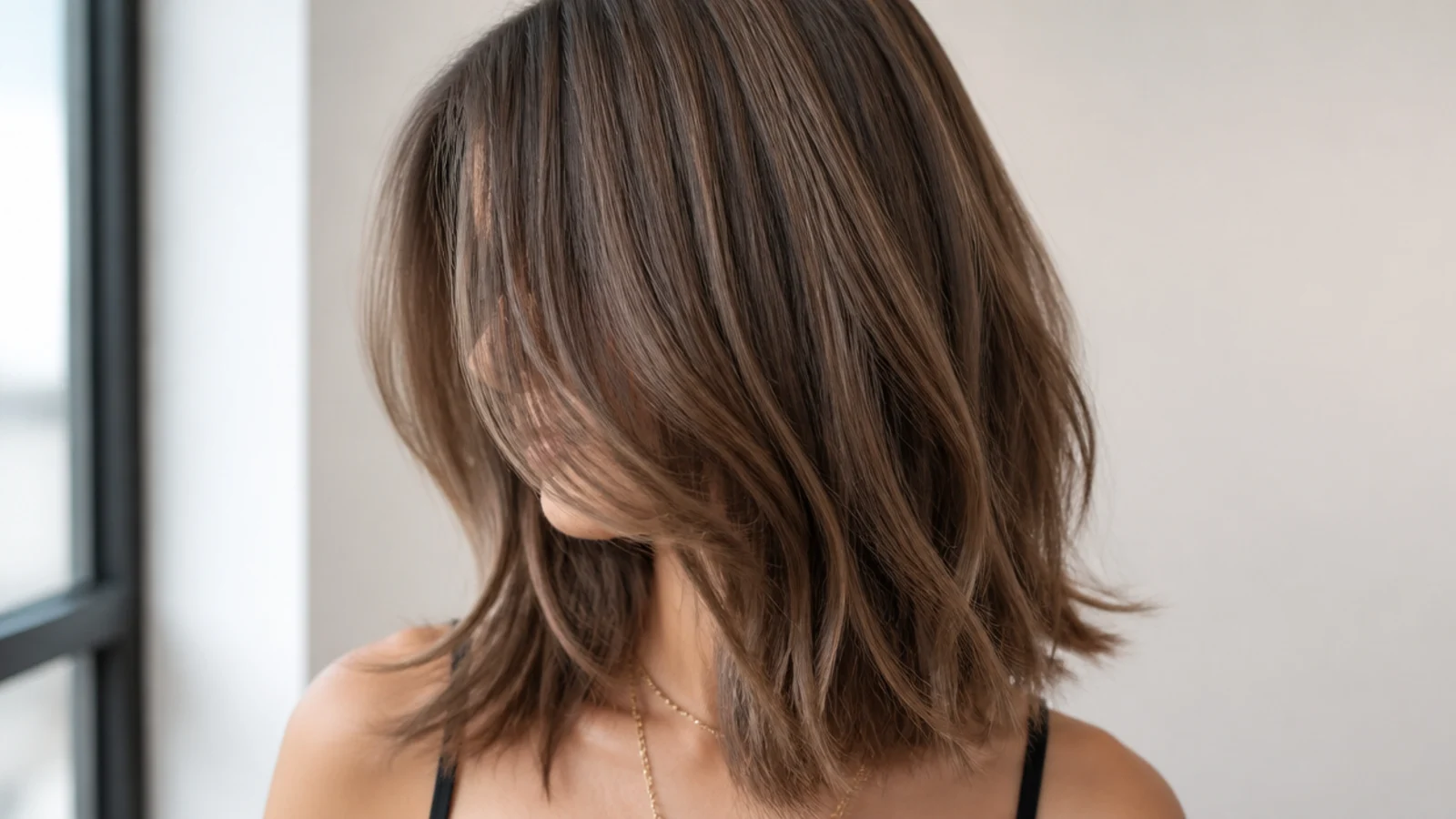
16. Deep Side Part Choppy Mid Length
Taking the part well off centre banks most of the hair onto one side, and that mass gives the shorter chopped layers something solid to fall against. It also lifts the root on the heavy side, which is volume you get without touching a dryer.
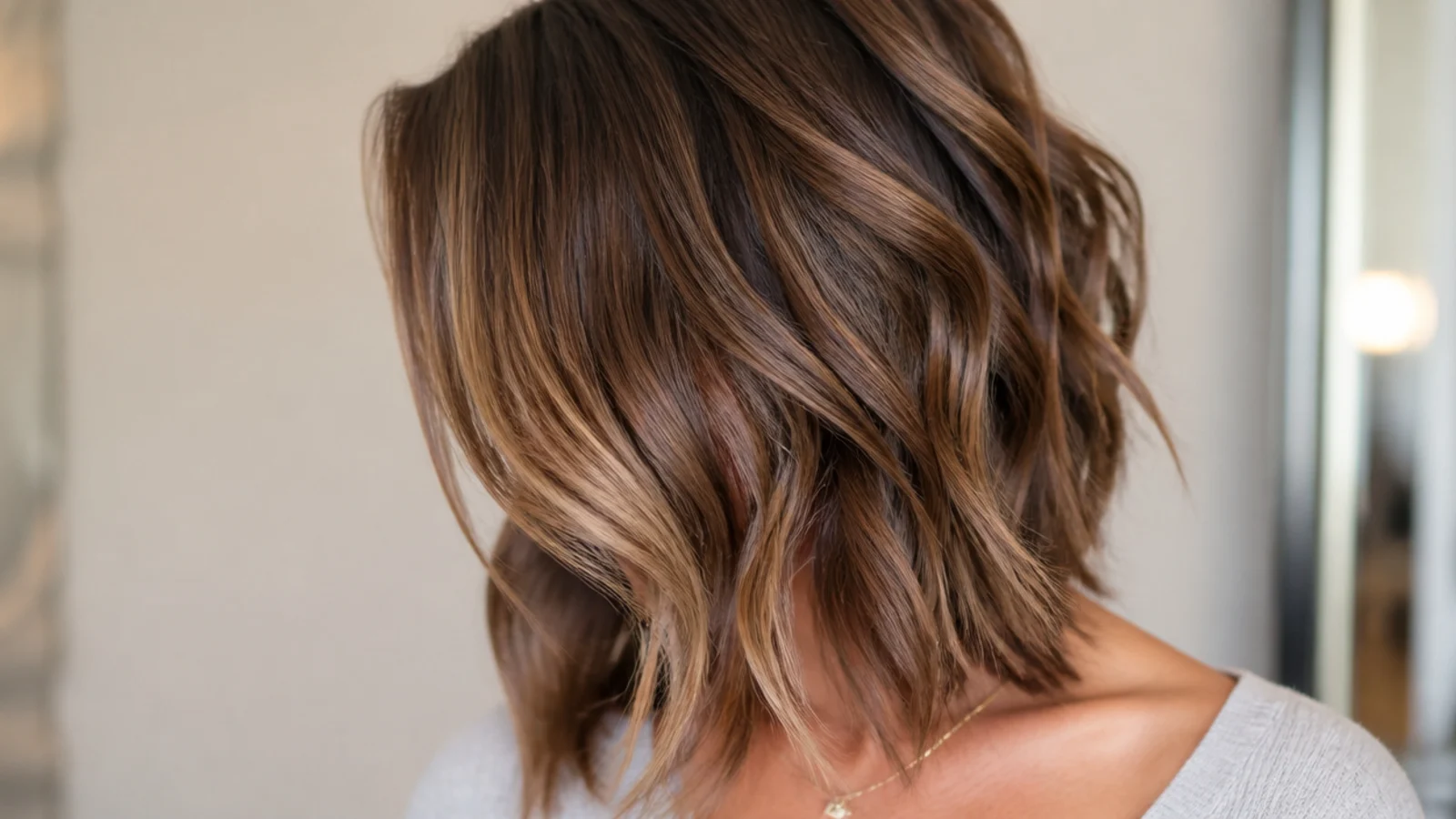
17. Choppy Mid Length for a Round Face
Keep the shortest layer below the chin. A layer ending at cheek level adds width at the widest point of a round face, while one starting lower runs a vertical line down past the jaw and lengthens the whole outline instead.
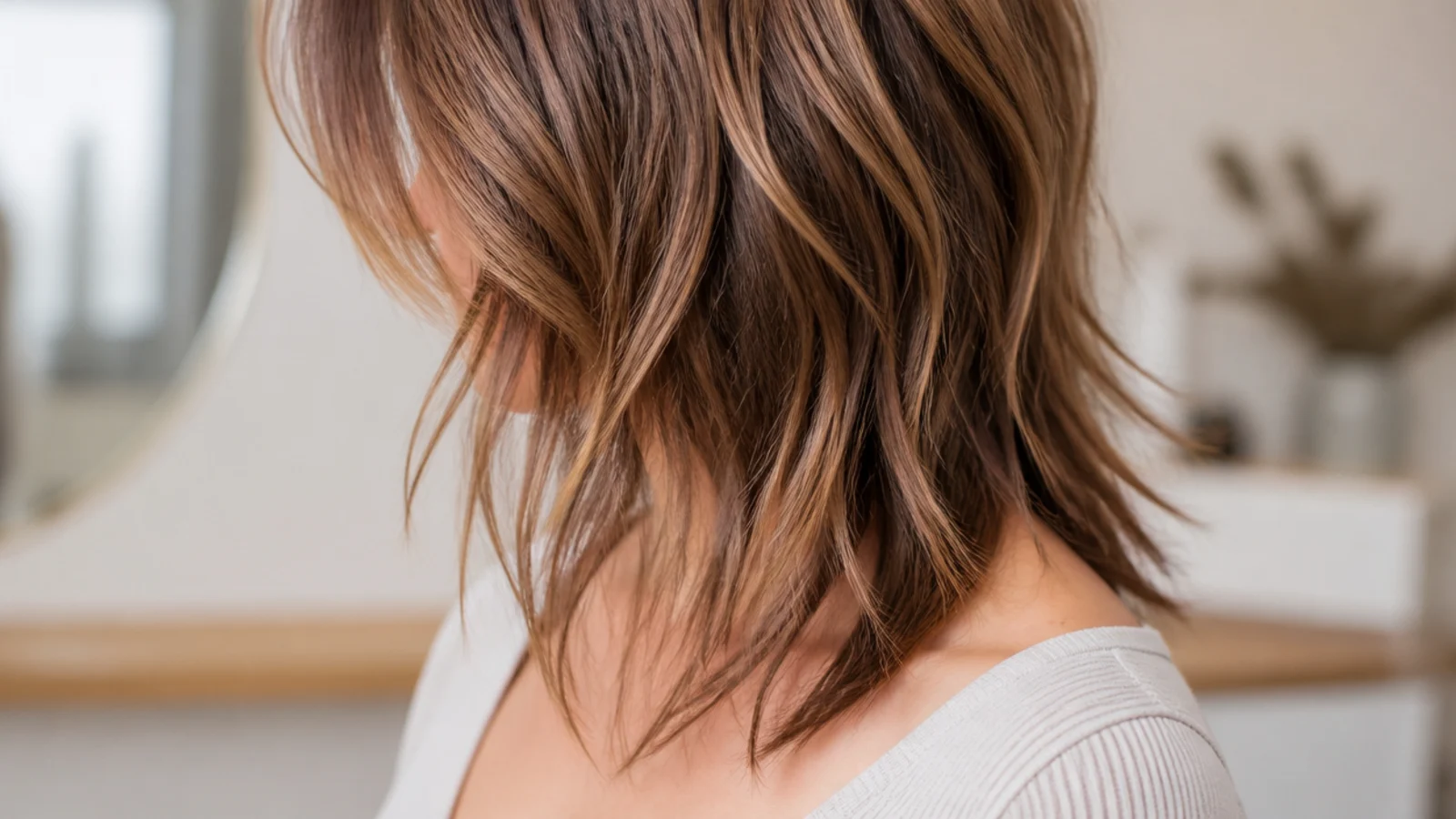
18. Choppy Mid Length for a Square Jaw
Framing that starts above the jaw and continues past it softens a strong corner, because the outline is broken at the point where the jaw turns. A blunt line landing exactly on the jaw does the opposite and repeats the angle back at itself.
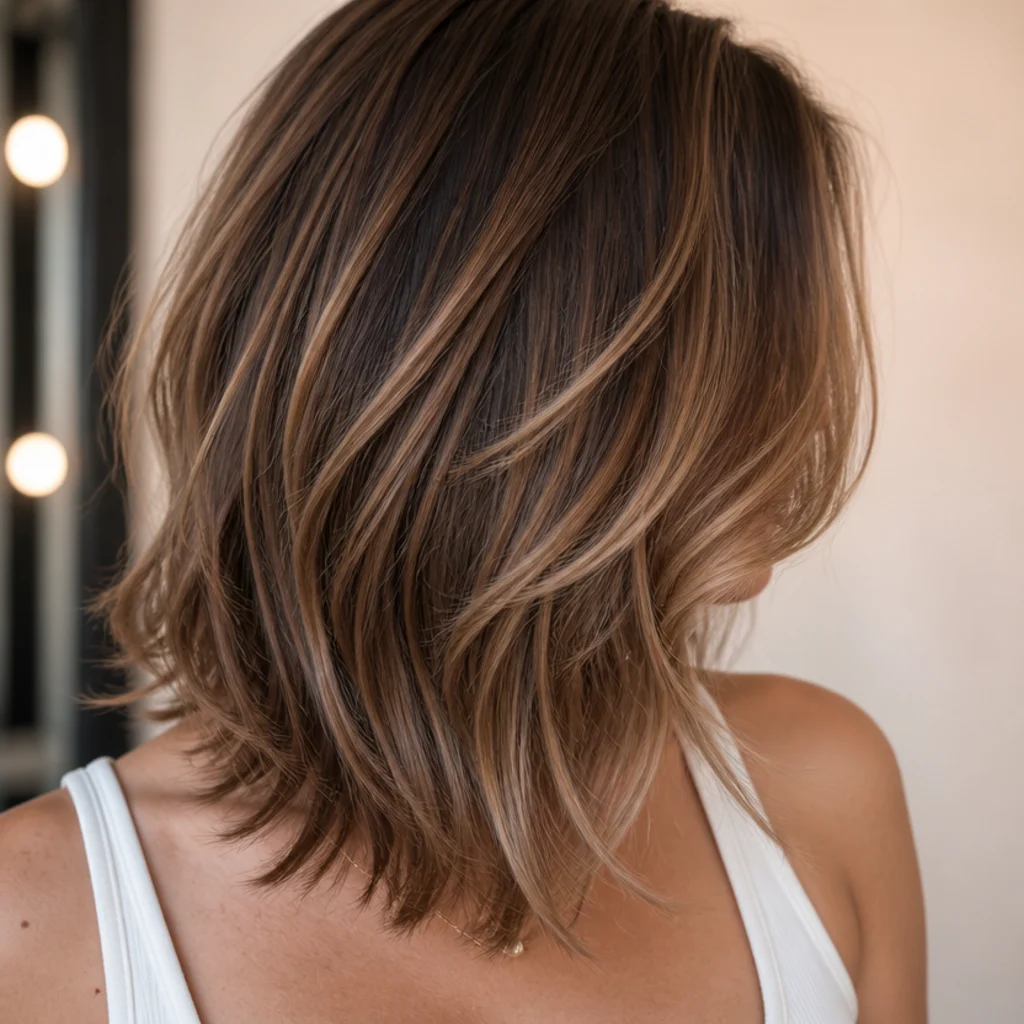
19. Choppy Mid Length With a Money Piece
A brightened section at the front, lit against the darker layers behind it. Because the money piece sits on the shortest face framing pieces, it moves whenever they do, and that movement is the only thing keeping it from reading as a painted stripe.
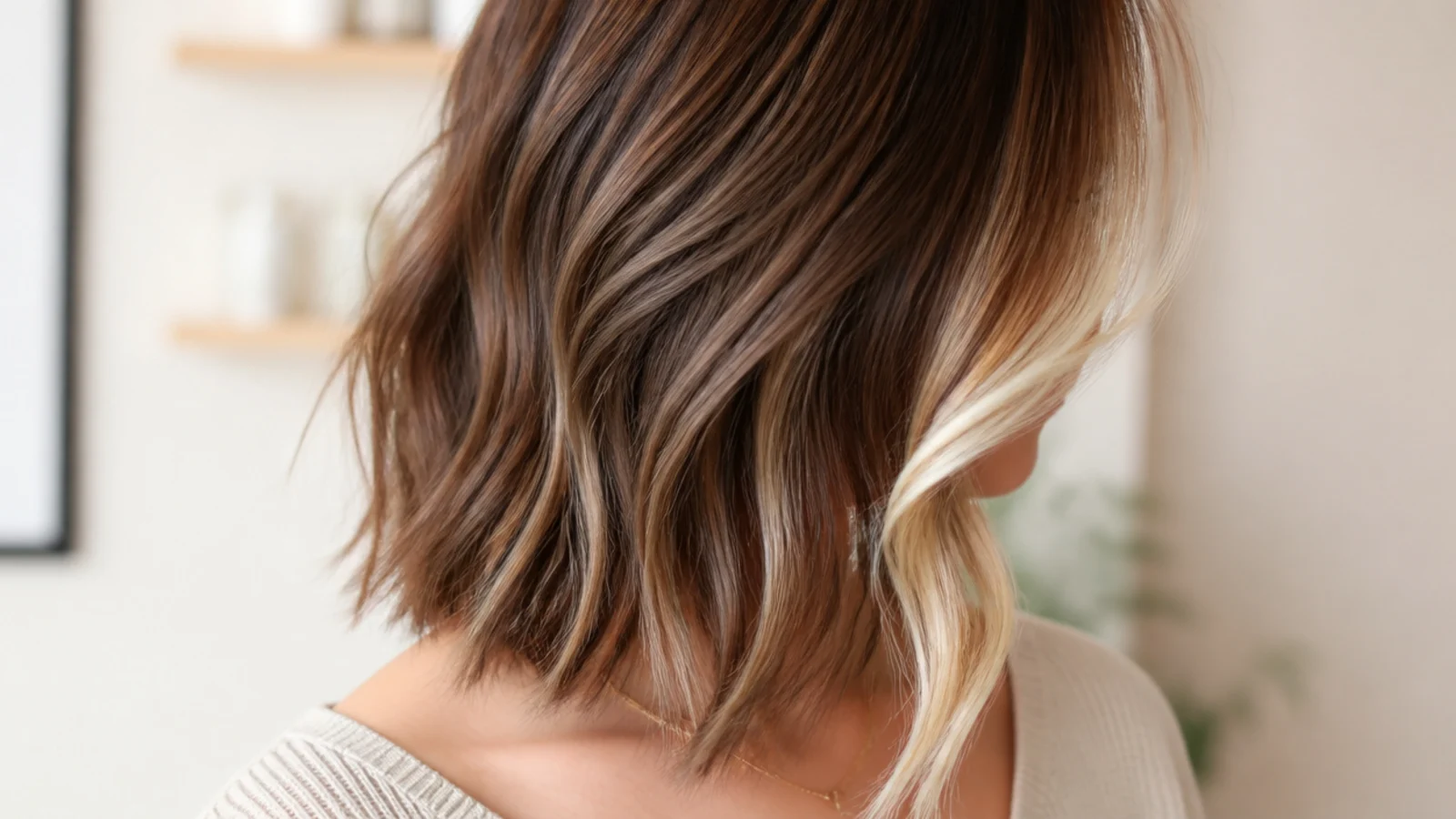
20. Grown Out Choppy at Twelve Weeks
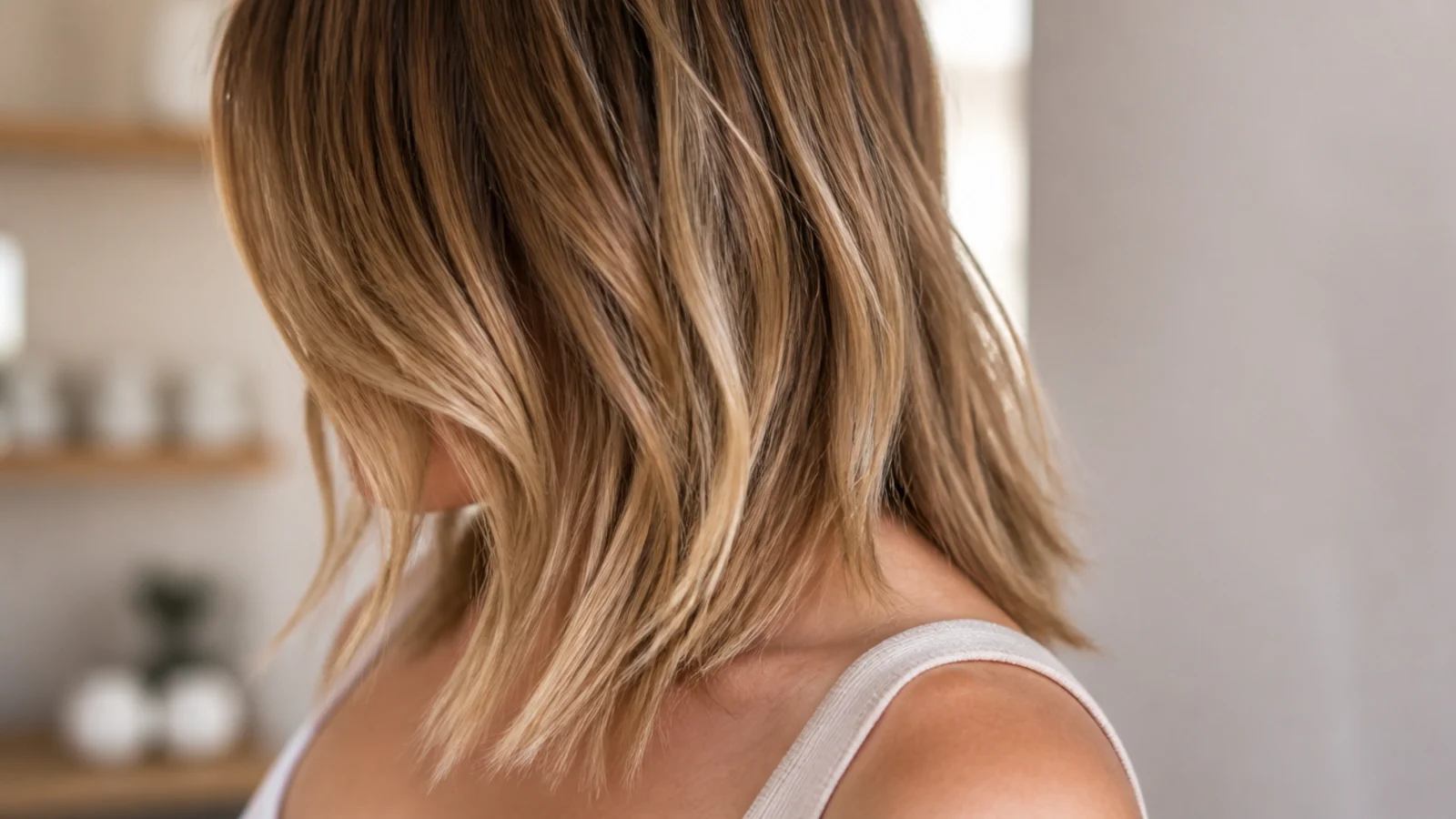
Hair grows around half an inch a month, so twelve weeks adds roughly an inch and a half to every layer at the same time. The shape survives because everything moves together; what disappears is the chopped edge, which closes up and starts reading as a blunt line again.
Final Thoughts
Separate the two settings before you sit down. Length, then how deep you want the points, then how much interior layering — three answers a stylist can act on, where "choppy" on its own is an invitation to guess. The most common disappointment with this cut is not that it was cut badly but that it was cut deeper than the person in the chair had pictured.
Then let it move. Fingers instead of a brush, cream at the mid lengths and nothing on the ends, and a point cutting refresh at the ten week mark rather than a full cut. For the same length worn by men see how to style medium length hair for men. More in Women's Hairstyles. See also the curly version.