30 Short Butterfly Haircut Ideas With Big Volume
Thirty short butterfly cuts built for volume, and the reason most of them go flat by lunchtime — the lift comes from a short interior layer resting on a longer one, and it disappears the moment those two lengths meet.
In this article · 37
- Where the Volume Actually Comes From
- Choosing Your Layer Depth
- The 30 Short Butterfly Haircut Ideas
- 1. Jaw Length Butterfly Cut
- 2. Butterfly Bob
- 3. Butterfly Lob
- 4. Butterfly Cut With a Blunt Perimeter
- 5. Butterfly Cut With a Rounded Perimeter
- 6. Butterfly Cut With Short Crown Layers
- 7. Butterfly Cut With Curtain Bangs
- 8. Butterfly Cut With a Full Fringe
- 9. Butterfly Cut With Side Swept Bangs
- 10. Butterfly Cut on Fine Hair
- 11. Butterfly Cut on Thick Hair
- 12. Butterfly Cut on Straight Hair
- 13. Butterfly Cut on Wavy Hair
- 14. Butterfly Cut on Curly Hair
- 15. Butterfly Cut on Coily Hair
- 16. Blow Dried Butterfly Cut
- 17. Diffused Butterfly Cut
- 18. Roller Set Butterfly Cut
- 19. Air Dried Butterfly Cut
- 20. Butterfly Cut With Layers Overdirected Forward
- 21. Butterfly Cut With a Deep Side Part
- 22. Butterfly Cut With a Centre Part
- 23. Butterfly Cut With Flicked Ends
- 24. Butterfly Cut With Root Lift at the Back
- 25. Butterfly Cut With Balayage
- 26. Butterfly Cut With Lowlights
- 27. Butterfly Cut With a Money Piece
- 28. Butterfly Cut Worn Half Up
- 29. Butterfly Cut at Week Six
- 30. Butterfly Cut Layered Too Deep
- Styling and Upkeep
- Mistakes to Avoid
- FAQ
- Final Thoughts
Short butterfly cuts go flat because the two tiers were cut too close together, and no amount of product replaces the gap that was never there.
Volume is a structural result, not a styling one. A short interior layer rests on a longer one and cannot fall past it, so it stays propped away from the head.
Once the tiers meet, the lift is gone. That is why a butterfly cut looks best in week two and dead by week twelve, regardless of what you put on it.
Where the Volume Actually Comes From
The short tier props up the long one. It has nowhere to fall to, so it holds its position and lifts everything under it.
The gap has to be at least an inch. Below that the two lengths sit against each other and the cut reads as a single layered bob.
Root direction supplies the rest. Hair dried against the way it grows stands away from the scalp and raises the whole section.
Weight is the enemy of lift. Every extra centimetre of perimeter length pulls the tiers together under its own weight.
Choosing Your Layer Depth
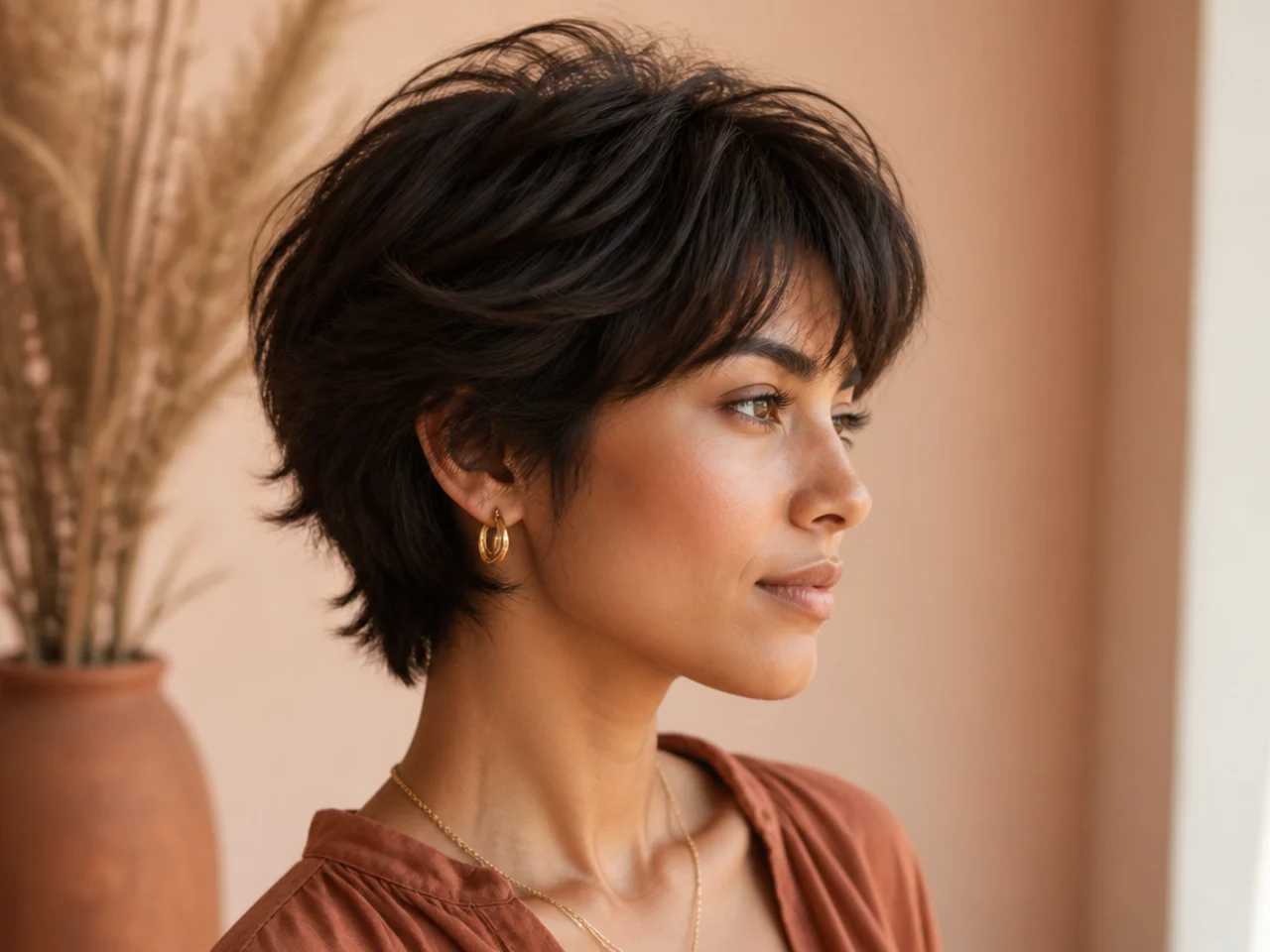
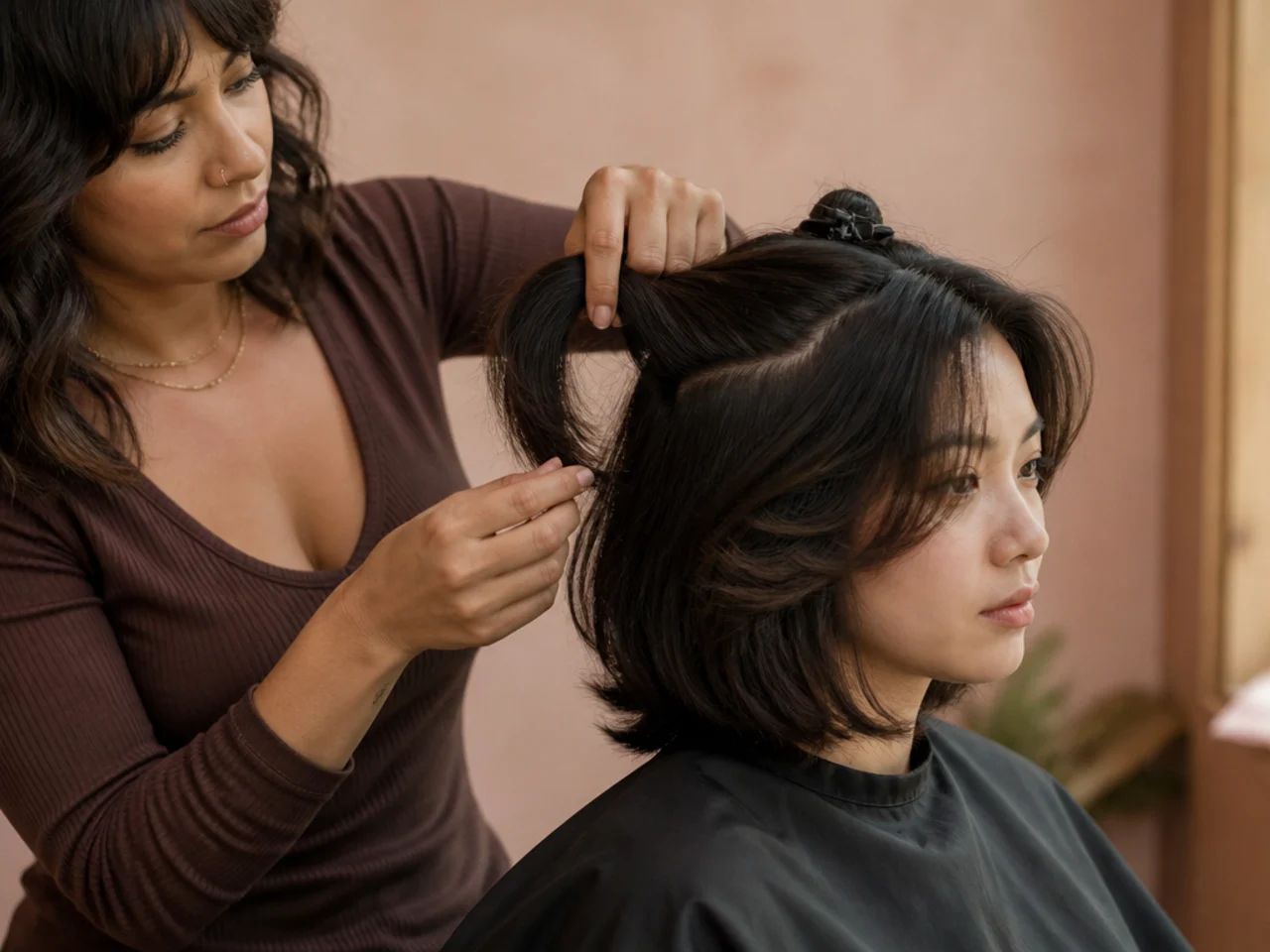
Let density set the depth. Thick hair can carry a tier three inches above the perimeter. Fine hair wants two at most.
Cut curly hair dry. Curls lose up to a third of their length as they dry, so a wet cut lands the top tier far higher than planned.
Keep the perimeter blunt if you want the volume to read. The short tier needs a clear line underneath it to sit against.
Pick the length by weight, not by inches. A collarbone perimeter on dense hair weighs more than a jaw length one and flattens the tiers faster.
The 30 Short Butterfly Haircut Ideas
1. Jaw Length Butterfly Cut
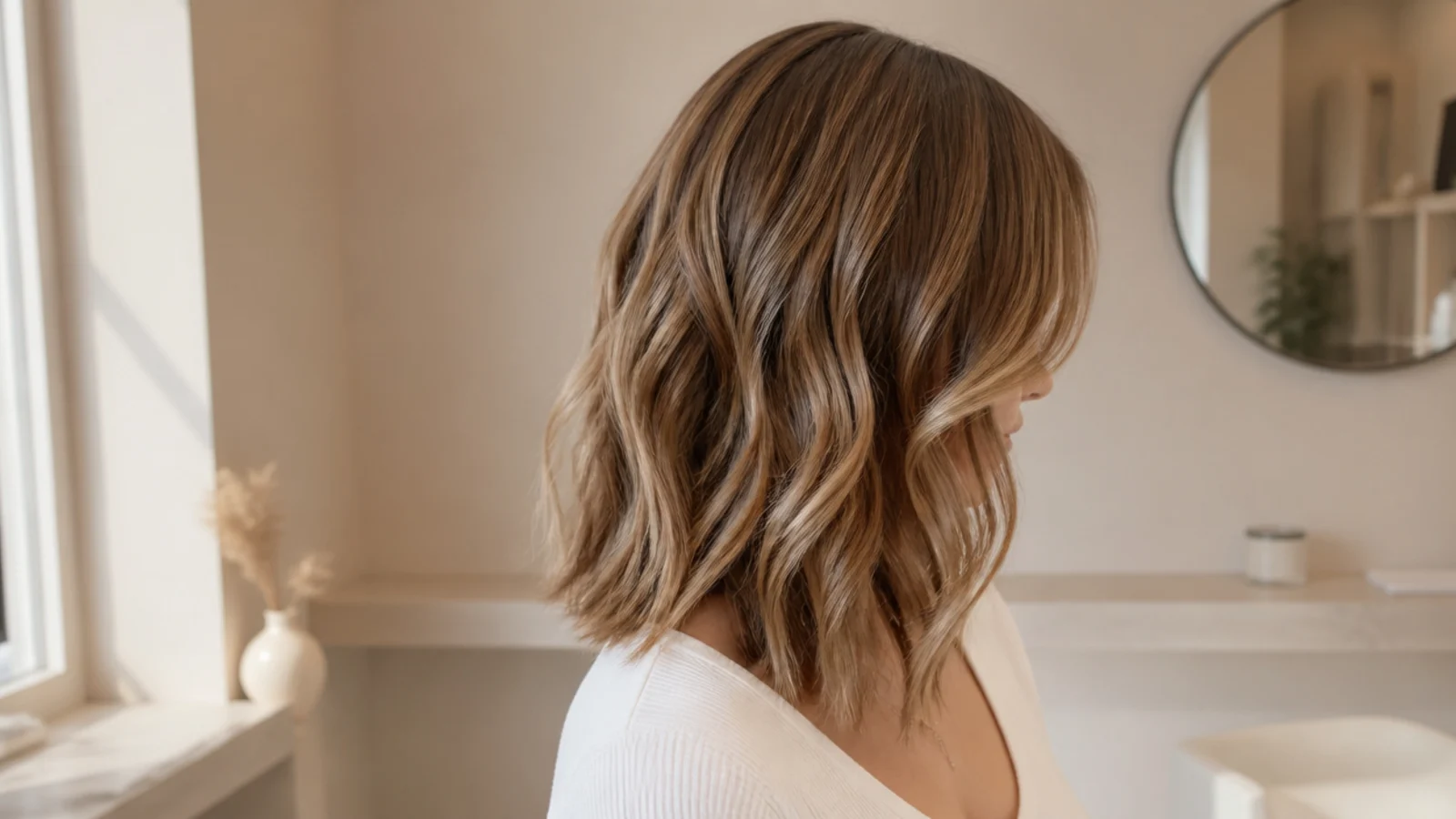
The shortest the shape can go and still work. The interior layer finishes just below the ear, which leaves barely an inch of separation, so the perimeter has to be cut perfectly blunt for the gap to read at all.
2. Butterfly Bob
The whole two tier structure compressed into bob length. Short hair weighs less, so the top tier stays propped up far longer than it does on a long cut, which is why the bob version holds its volume best of all.
3. Butterfly Lob
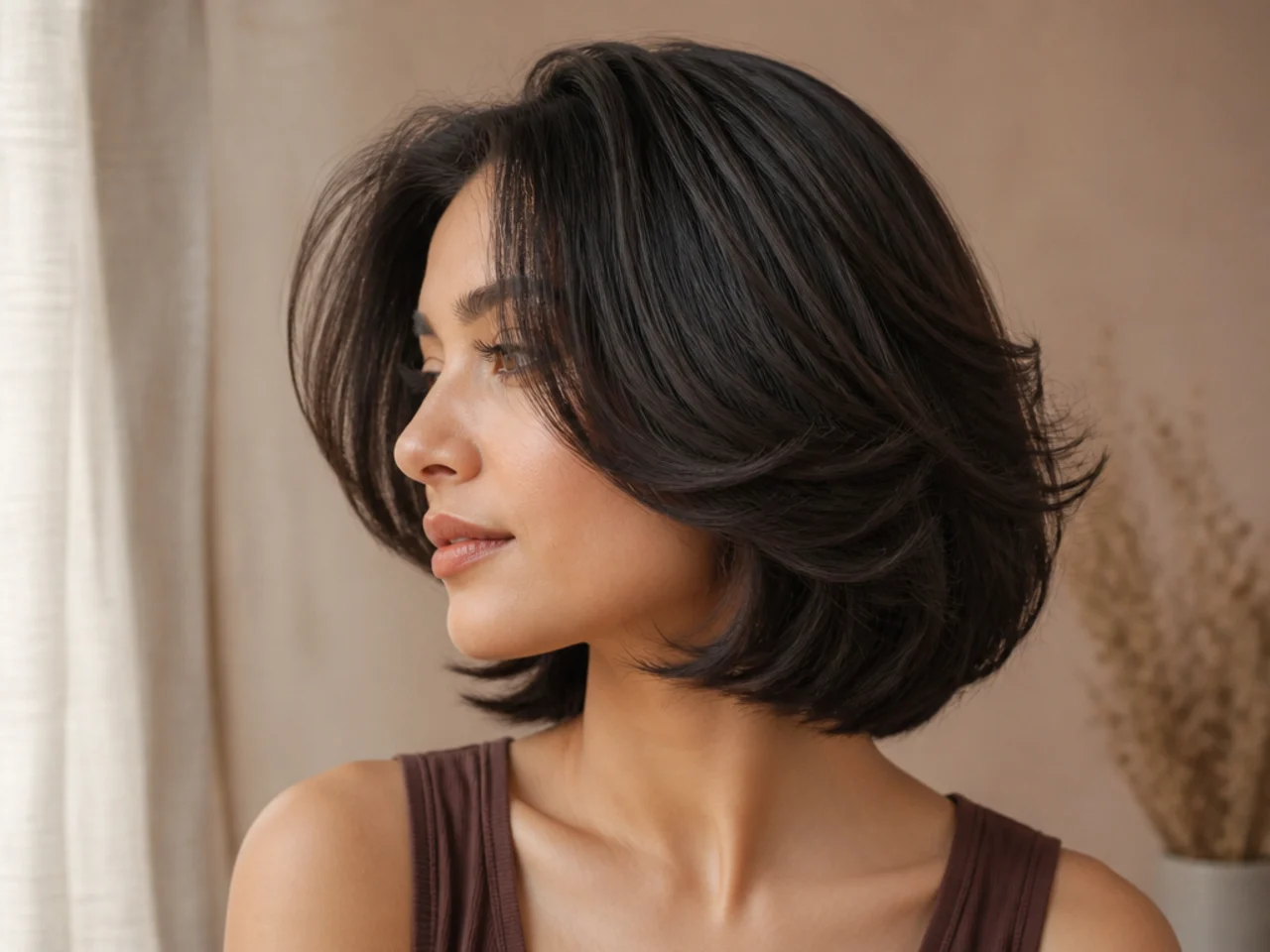
The perimeter grown to the collarbone with the interior kept near the jaw. The extra length adds weight below, so the interior has to be cut proportionally shorter or the bottom tier drags the top one down within an hour.
4. Butterfly Cut With a Blunt Perimeter
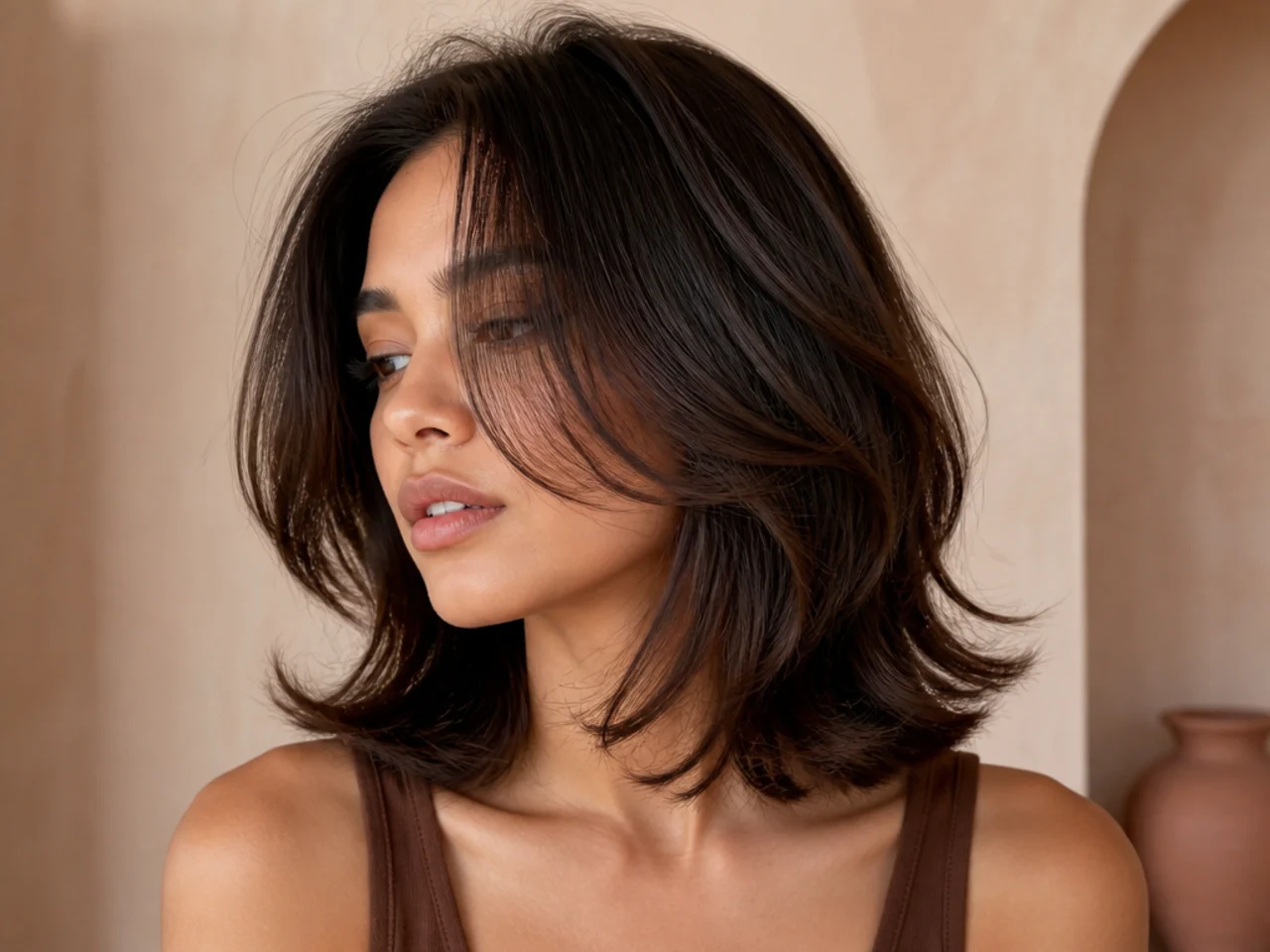
One sharp line at the bottom with all the texture kept above it. The blunt edge is what gives the short tier something to sit against, and it is also where the cut gets its apparent thickness from.

5. Butterfly Cut With a Rounded Perimeter
The bottom line curved shorter at the back and longer at the front. Because the back is lighter it lifts, which builds height at the crown while the longer front keeps the frame around the face.
6. Butterfly Cut With Short Crown Layers
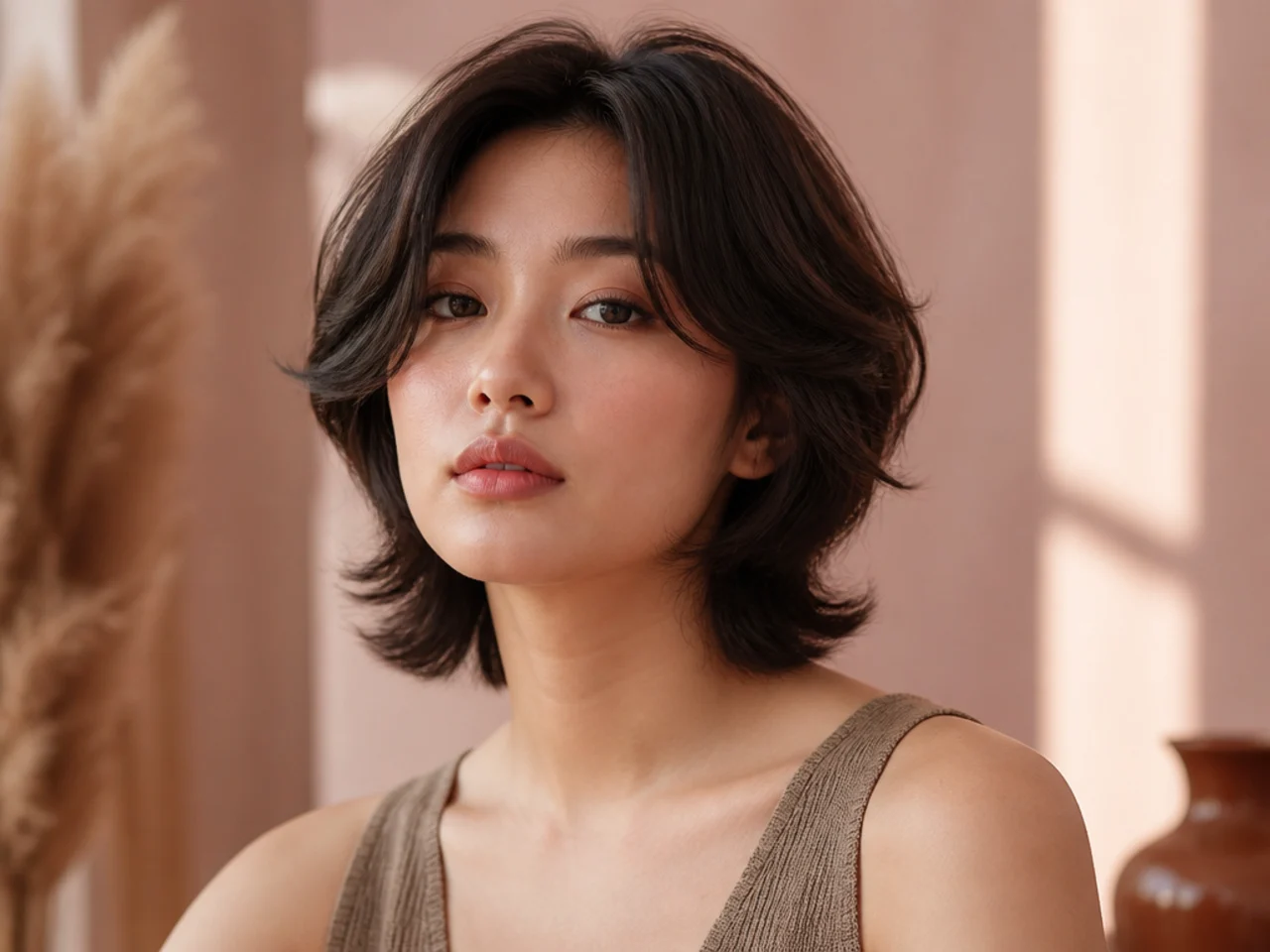
The layers taken shortest directly at the crown rather than through the sides. Crown hair grows from a whorl and already wants to stand up, so cutting it short there gives the lift somewhere to go instead of fighting it.
7. Butterfly Cut With Curtain Bangs
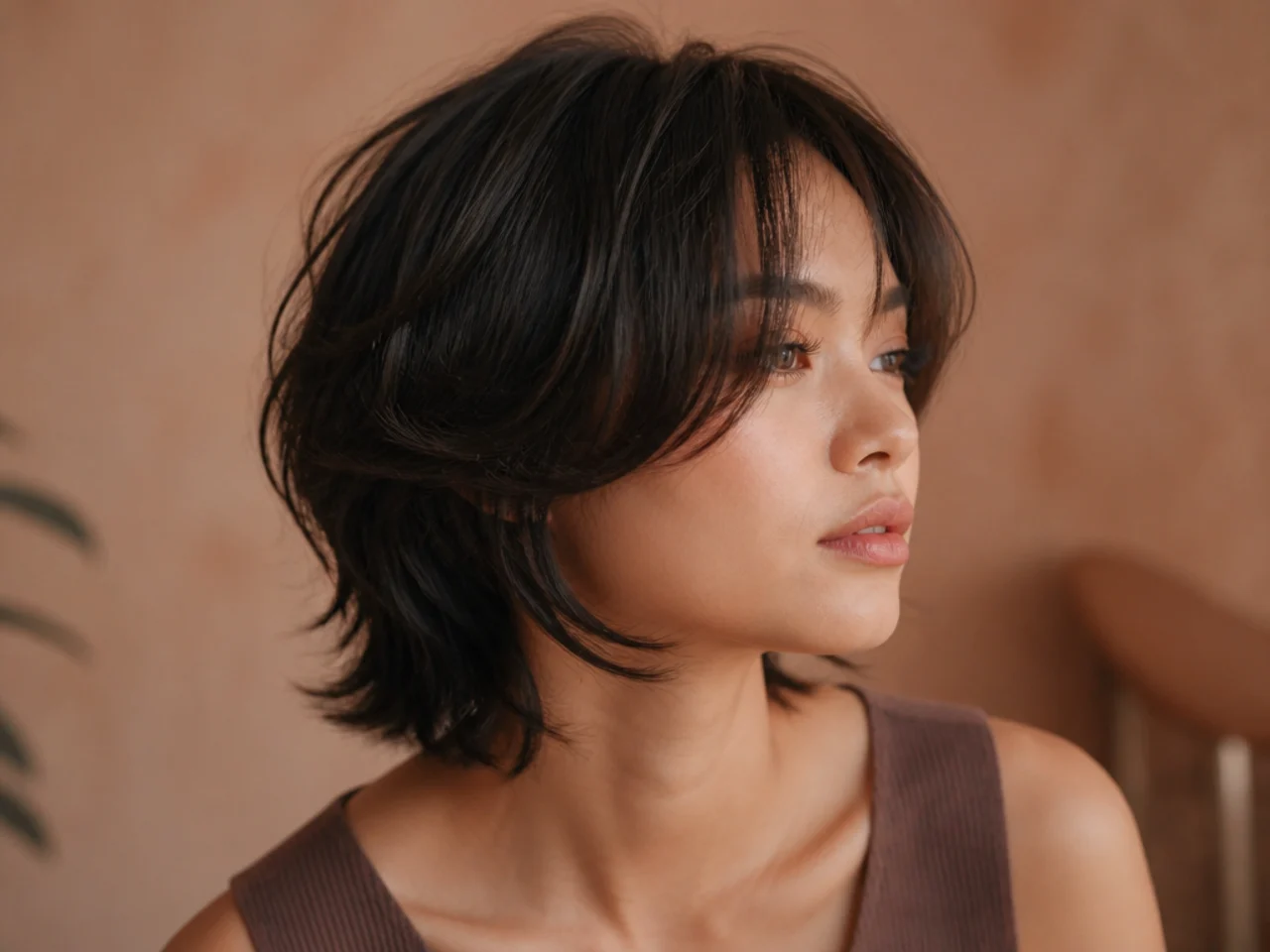
The fringe cut as the shortest point of the face framing layer so the two connect. Keeping them attached means the bangs and the layer grow out together, and the sweep of the curtain continues the line the tier already started.

8. Butterfly Cut With a Full Fringe
A blunt fringe across the forehead adds a solid horizontal that the layered tiers behind it play against. It borrows strands from the front of the top section, so on fine hair it costs volume where you can least spare it.
9. Butterfly Cut With Side Swept Bangs
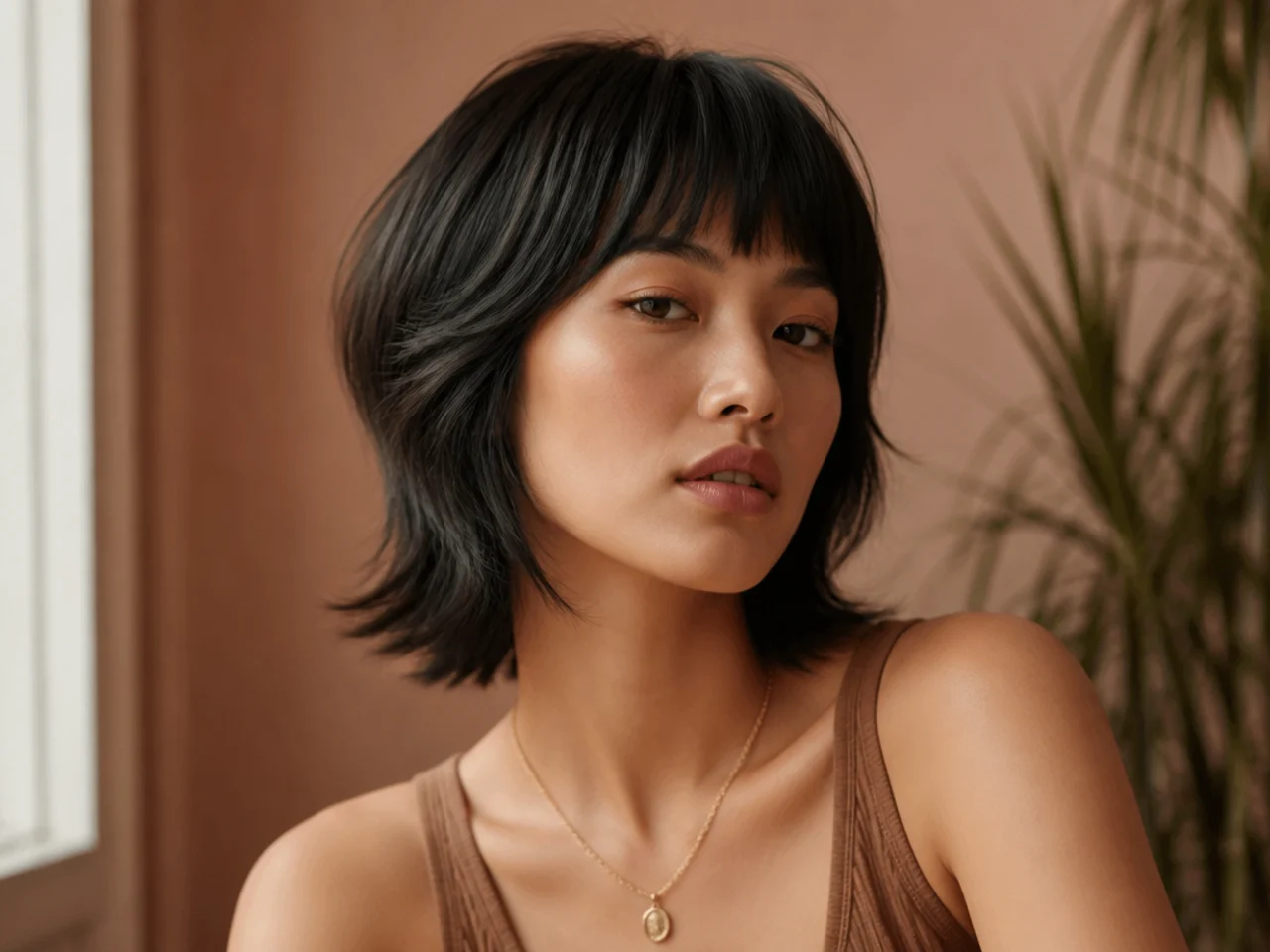
The fringe cut longer on one side and swept across. Sending hair over the parting line lifts the roots on the heavy side as it travels, which is free height at exactly the point most short cuts collapse.

10. Butterfly Cut on Fine Hair
Keep the shortest layer within two inches of the perimeter. Fine hair reads as thick because of the density in its outline, and any layer cut deeper takes strands out of that outline for lift you will lose by evening anyway.

11. Butterfly Cut on Thick Hair
Dense hair expands sideways rather than upward, so weight has to come out from under the top tier instead of off its surface. Removing bulk underneath lets the outer layer lie down while the tier above it keeps its height.

12. Butterfly Cut on Straight Hair
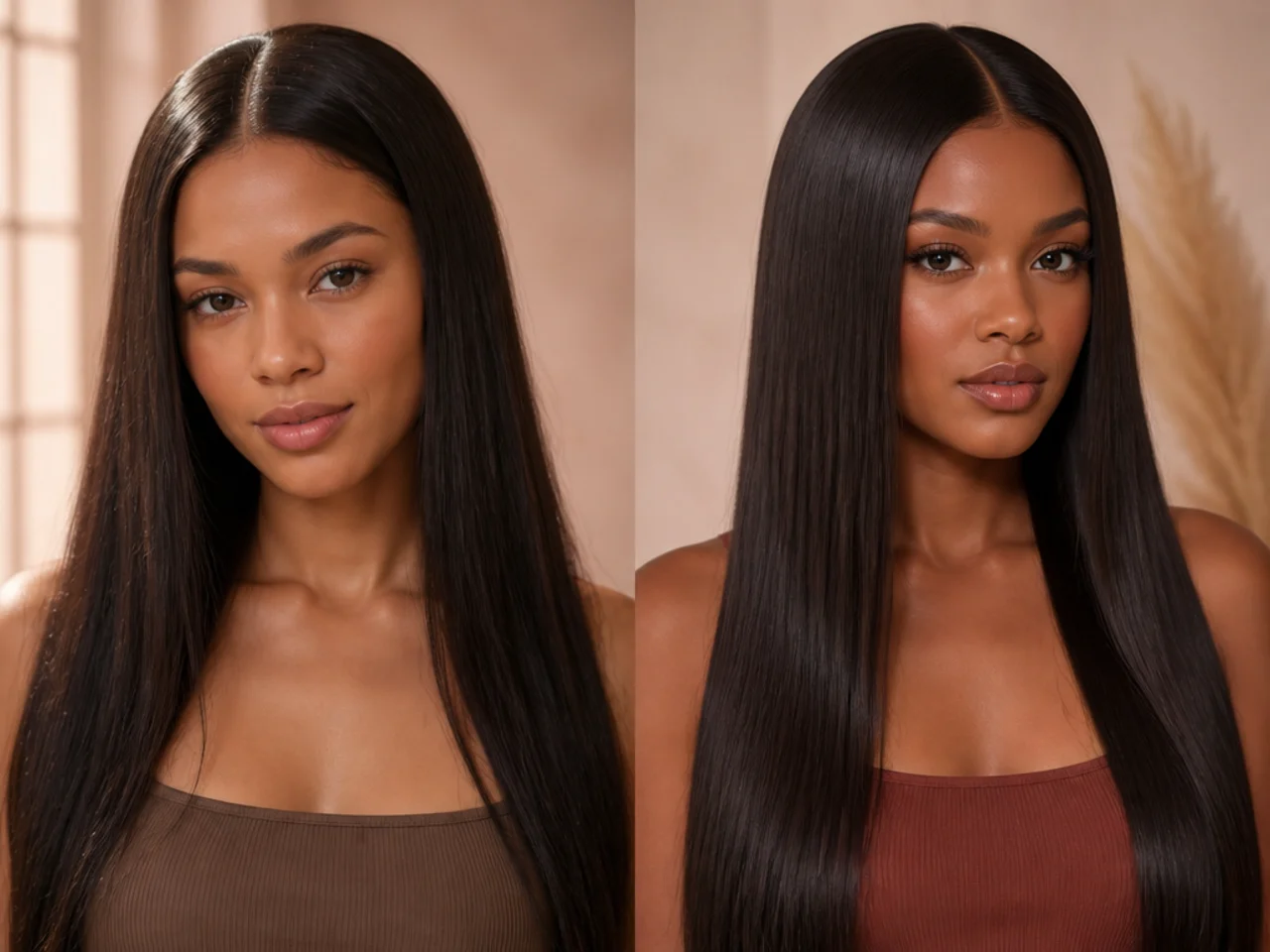
The hardest texture to hold volume on, because straight strands lie against each other with no bend to keep them apart. It needs deeper interior cutting and a root product, since gravity closes the tiers up within the hour otherwise.

13. Butterfly Cut on Wavy Hair
Each bend catches on the strands around it and holds the tiers apart without help. That is why a wavy butterfly cut can be layered more softly than a straight one and still look like it has twice the volume.

14. Butterfly Cut on Curly Hair
Cut dry, curl by curl, or the top tier springs up two inches above where it was placed. Curls also supply their own separation, so the layer gap can be smaller than on straight hair and still read clearly.
15. Butterfly Cut on Coily Hair
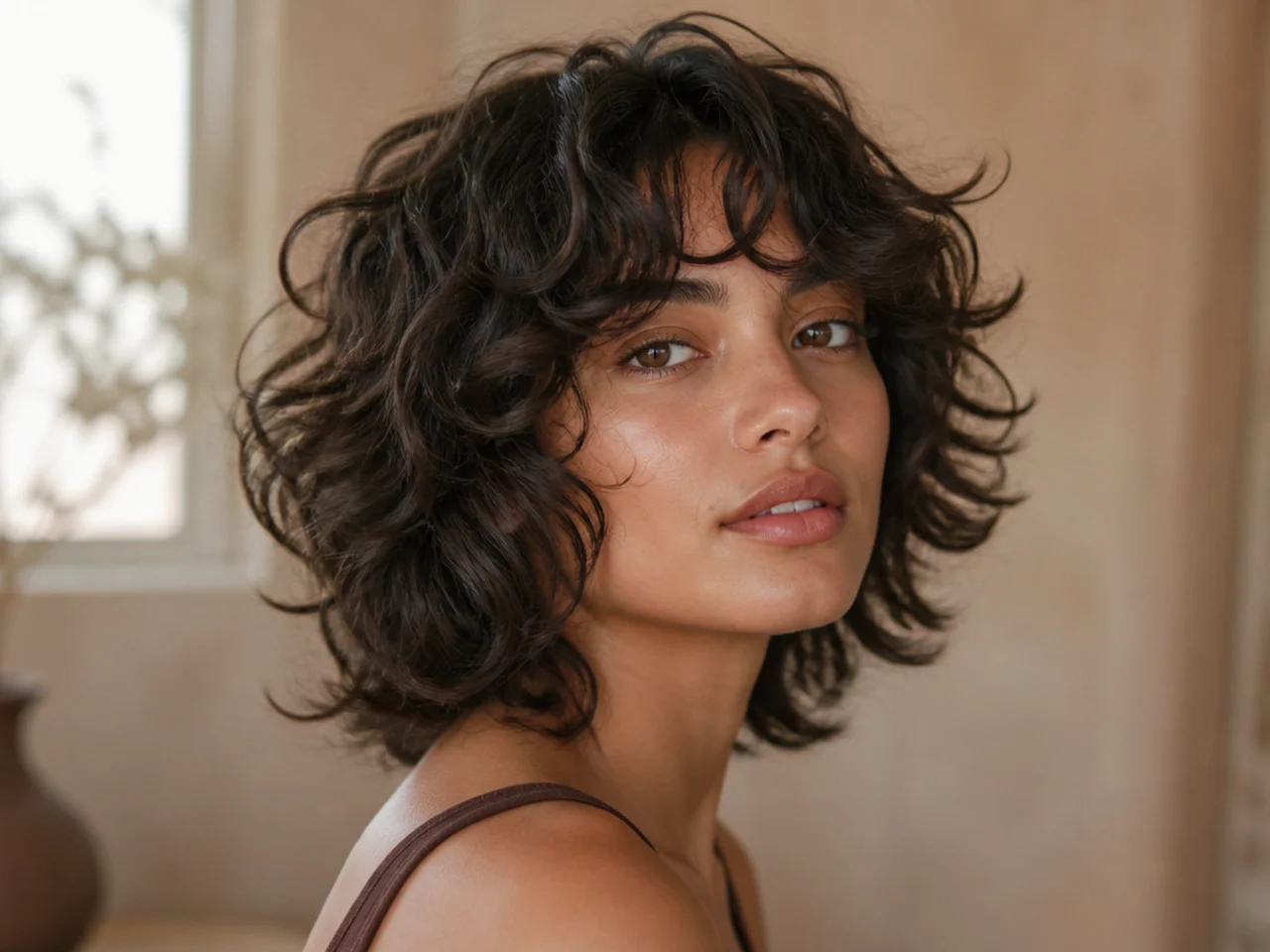
Coils shrink most of all, so the cut is planned in the shrunken state rather than the stretched one. The upside is that coily hair holds a shape against gravity on its own, which means the volume survives without any product at all.
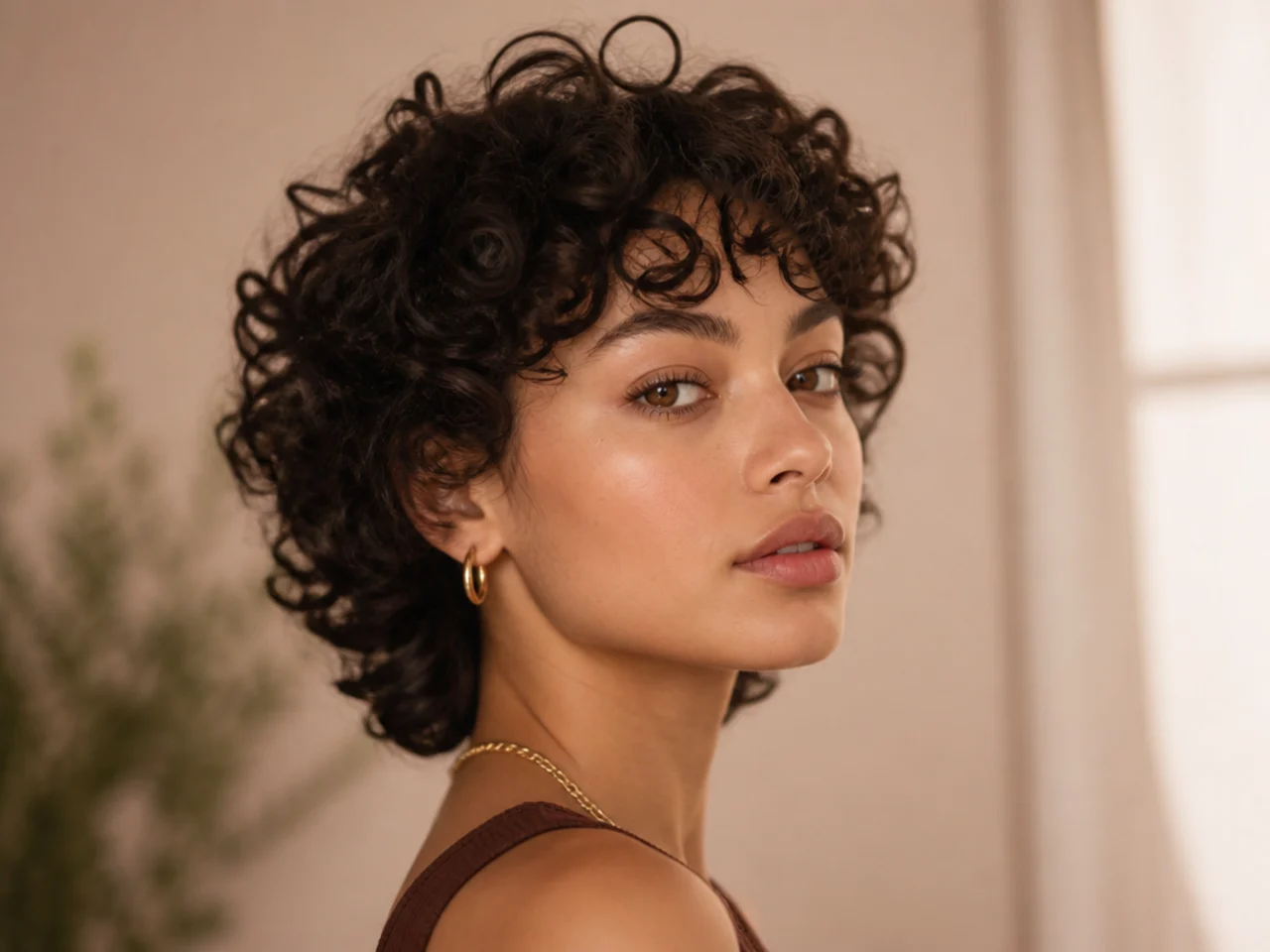
16. Blow Dried Butterfly Cut
The top tier dried away from the face on a large barrel brush. The barrel diameter sets the size of the bend, so a wide brush gives the open sweep this cut wants and a narrow one gives you curl instead.

17. Diffused Butterfly Cut
Drying with the head tipped forward lets the roots set standing away from the scalp instead of lying along it. On a two tier cut that root angle adds to the gap the layers already created rather than replacing it.
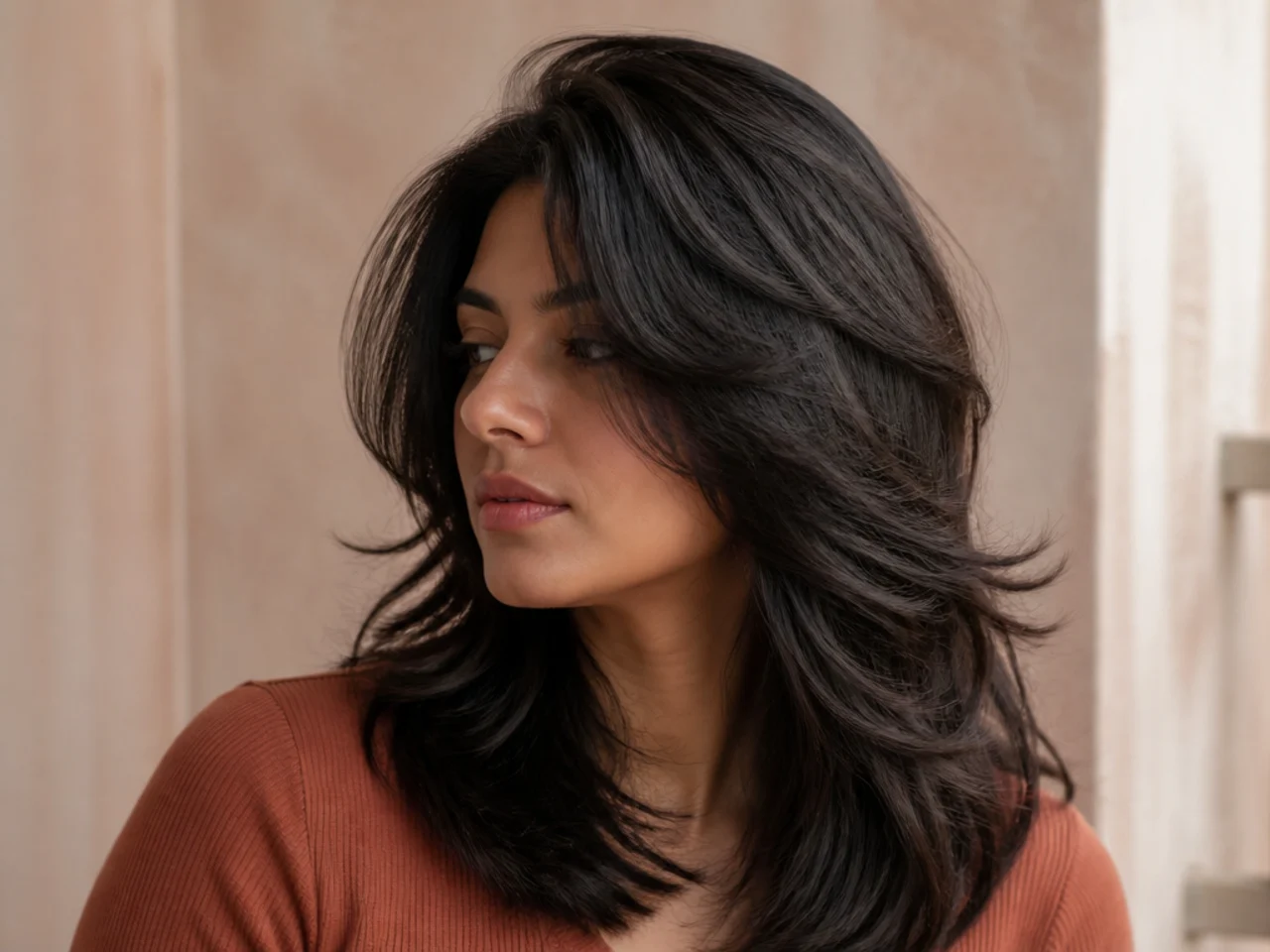
18. Roller Set Butterfly Cut
Velcro rollers left in the crown while the hair cools. Hair fixes its shape as it drops back to room temperature, not while the heat is on it, so the cooling stage is doing all the work and pulling them out early wastes it.
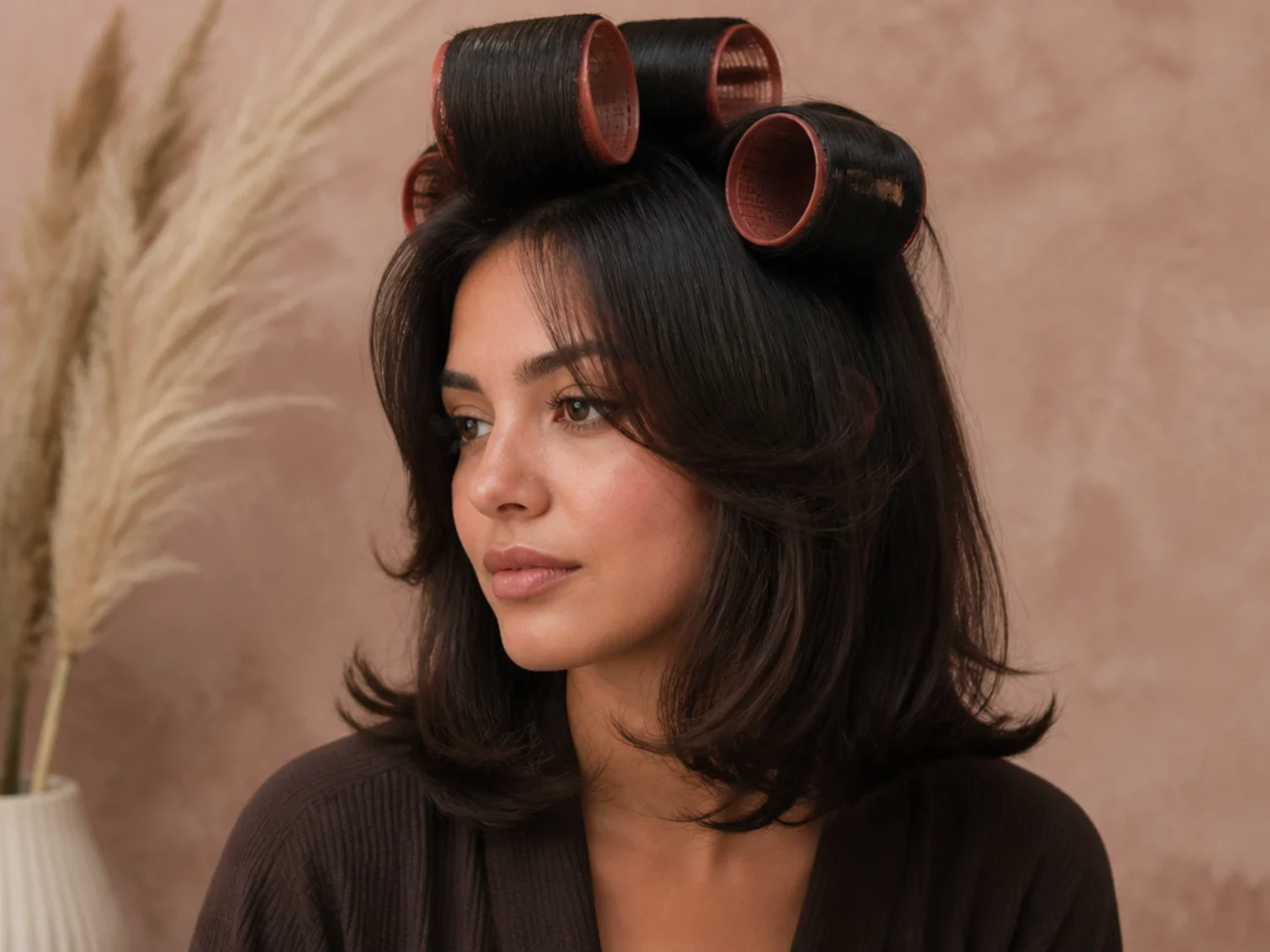
19. Air Dried Butterfly Cut
Left alone, the tiers settle wherever the growth direction takes them. It suits waves, where the bend forms as the strand dries and locks the separation in, and it flattens straight hair for exactly the same reason.
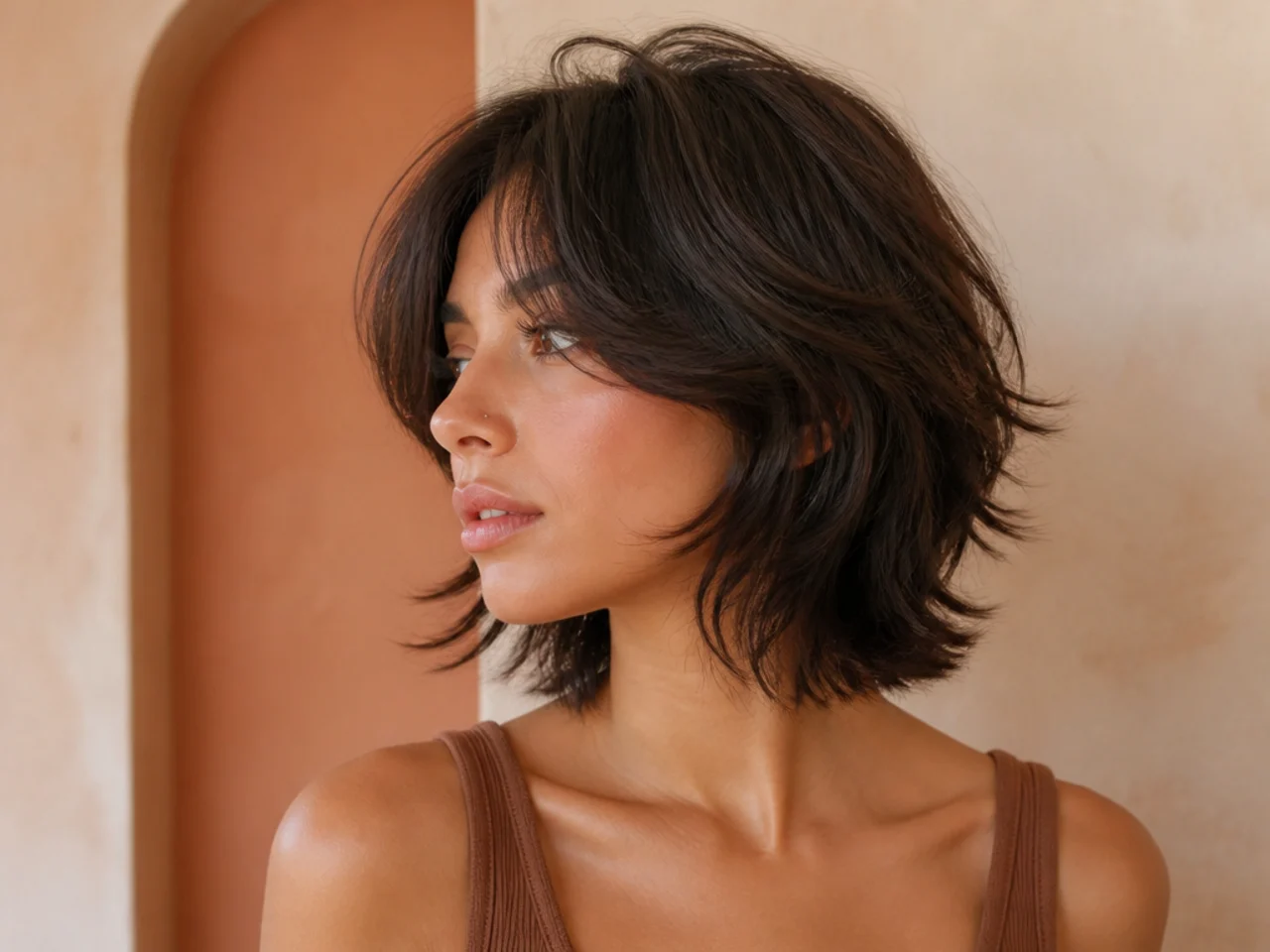
20. Butterfly Cut With Layers Overdirected Forward
The stylist pulls each section forward before cutting, which leaves the hair at the back longer than the hair at the front. Those longer back sections stack under the shorter front ones and build height across the crown.

21. Butterfly Cut With a Deep Side Part
The further the parting sits from the natural one, the more hair has to travel over it. Every strand crossing that line is lifted off the scalp on the way, which is why a deep part gives more root volume than a centre one.

22. Butterfly Cut With a Centre Part
Symmetrical and low effort, but the flattest option, since no hair crosses the parting and nothing gets lifted on the way. It works when the layers themselves are doing enough and you want the shape rather than the height.

23. Butterfly Cut With Flicked Ends
The perimeter turned outward so the bottom line lifts away from the neck. Turning the ends out also shortens the visible drop of the length, which makes the whole silhouette read wider at the bottom and fuller overall.

24. Butterfly Cut With Root Lift at the Back
Most short cuts collapse at the back of the crown, where the hair lies flattest against the skull. Drying that section against its growth direction and letting it cool in position is the difference between a round silhouette and a flat one.
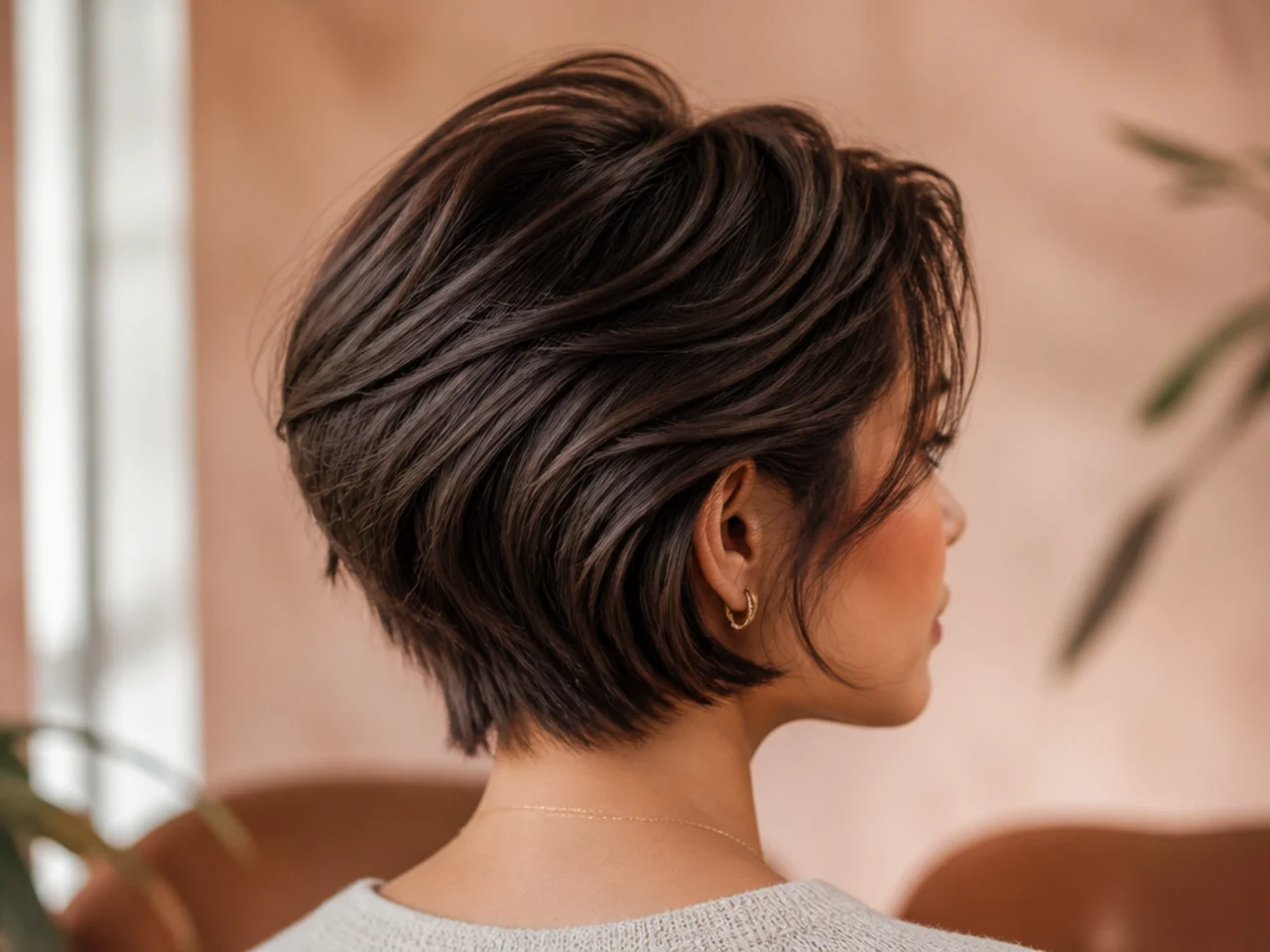
25. Butterfly Cut With Balayage
Colour painted from the mid lengths down. The lighter perimeter separates visually from the darker tier above it, which makes the gap between the tiers easier for the eye to find and the cut read as having more layers than it does.
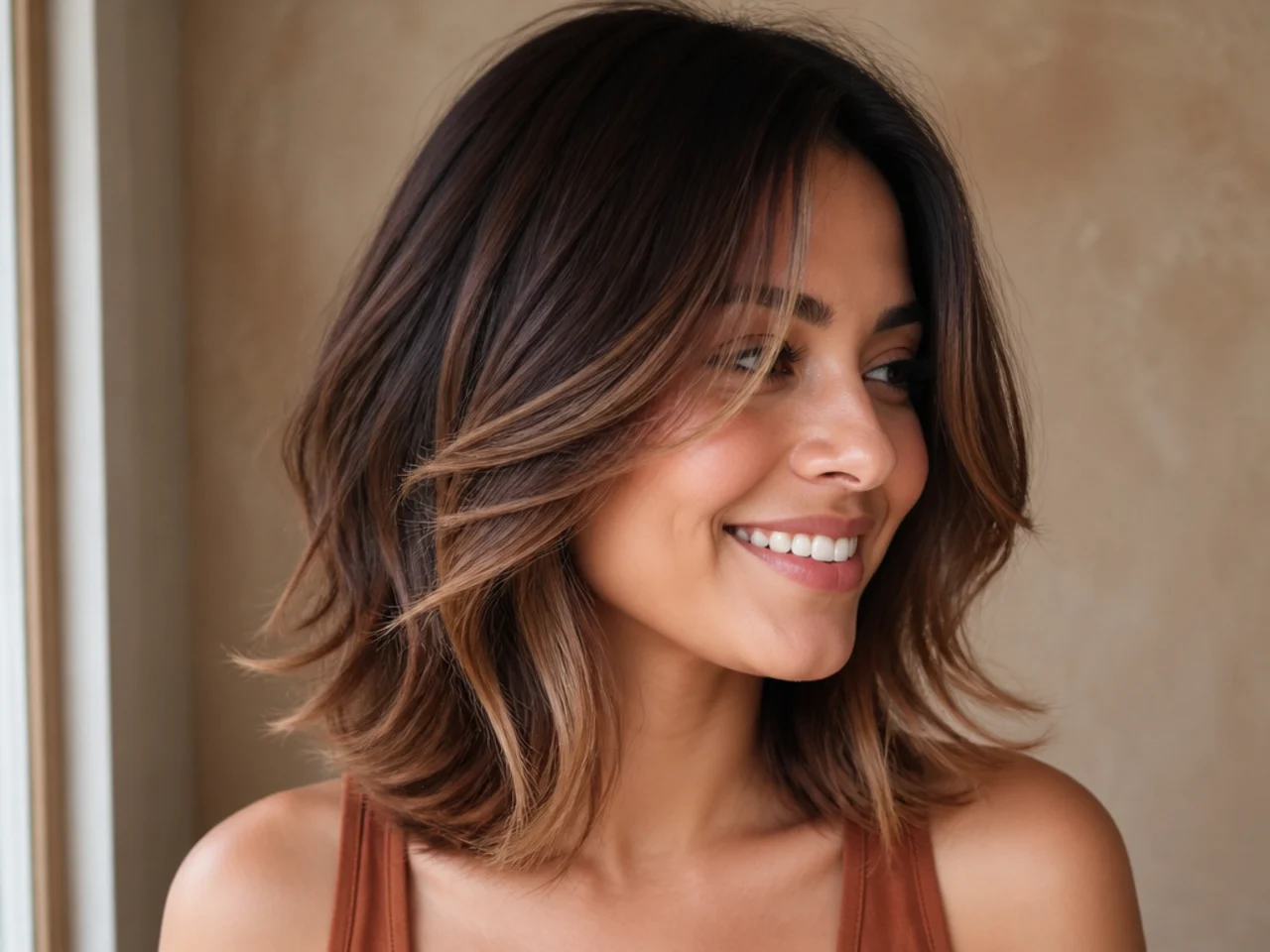
26. Butterfly Cut With Lowlights
Darker sections placed underneath the top tier. Shadow beneath a lifted layer reads as depth, and depth is what the eye interprets as thickness, so lowlights add apparent volume without a single extra strand.
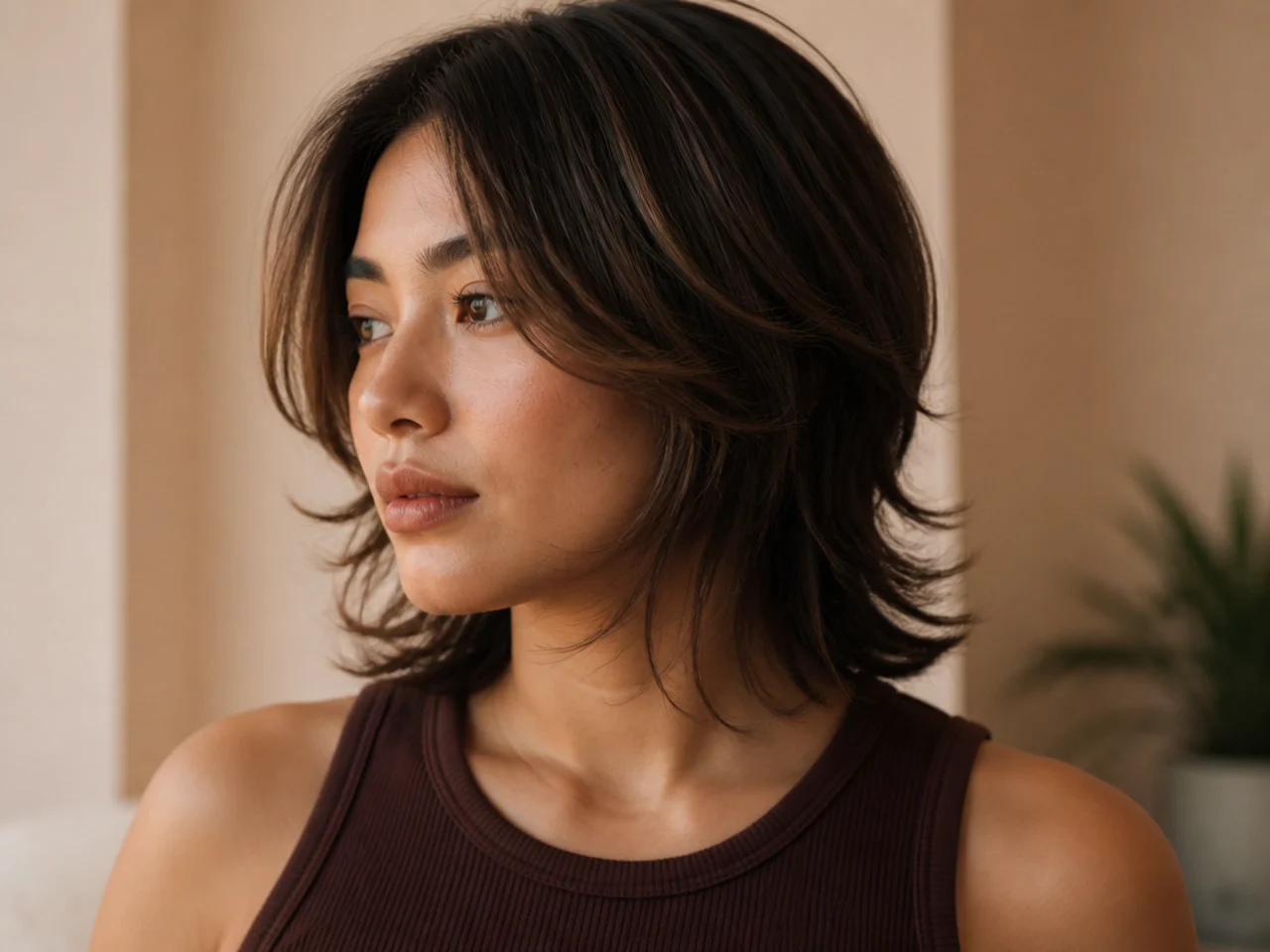
27. Butterfly Cut With a Money Piece
The two front sections lifted several shades. Lighter hair reflects more light and so advances visually, which pulls the front of the top tier forward and exaggerates the step down to the perimeter behind it.
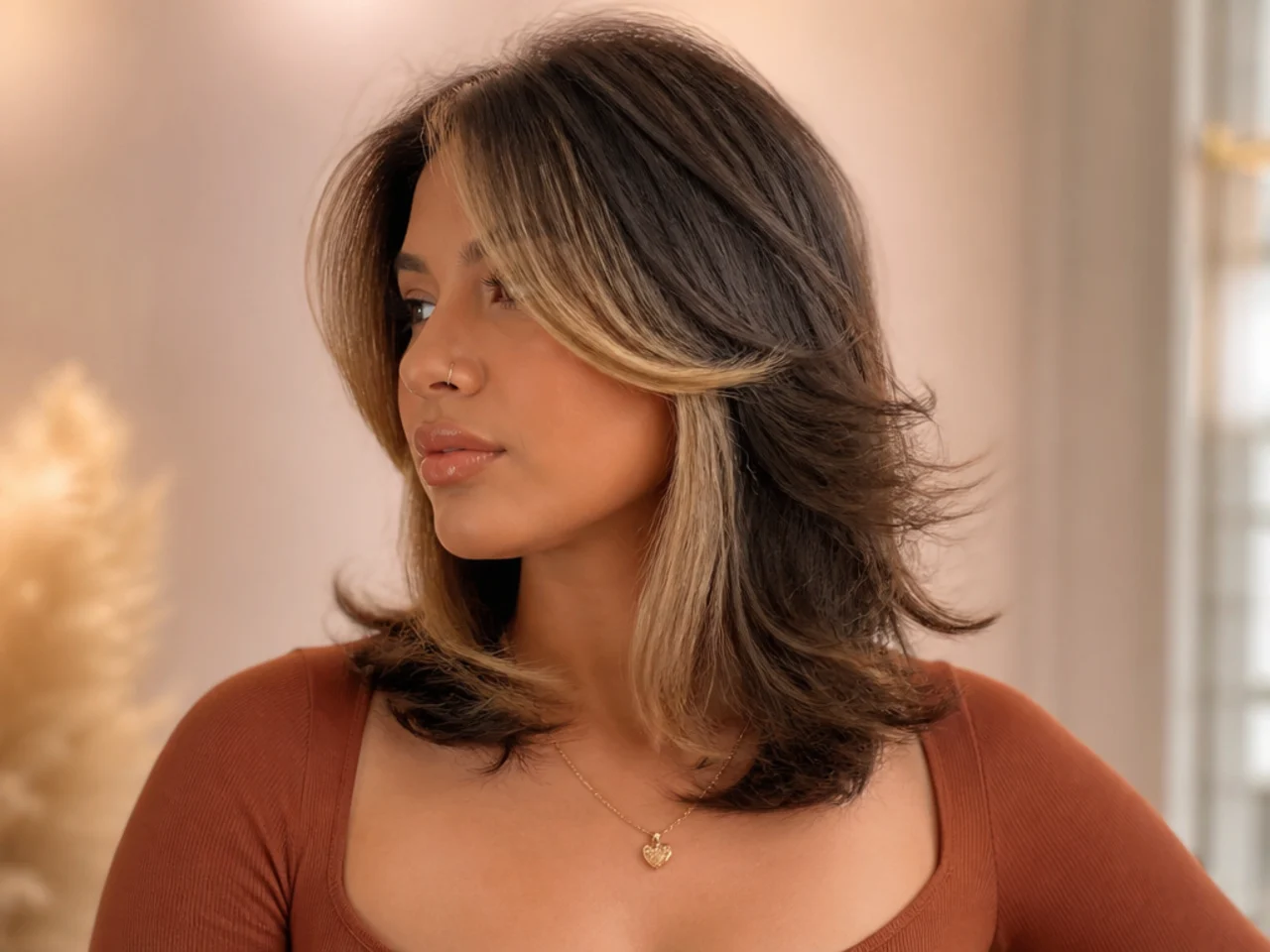
28. Butterfly Cut Worn Half Up
Taking the top tier back turns the wing into height at the crown and leaves the perimeter as its own clean line. It only looks right if the two tiers were genuinely cut at different lengths, because this style puts the difference on display.

29. Butterfly Cut at Week Six
Still working, but the tiers have closed by about a centimetre and a half. The volume drops gradually rather than suddenly, which is why most people notice the flatness before they notice the growth.
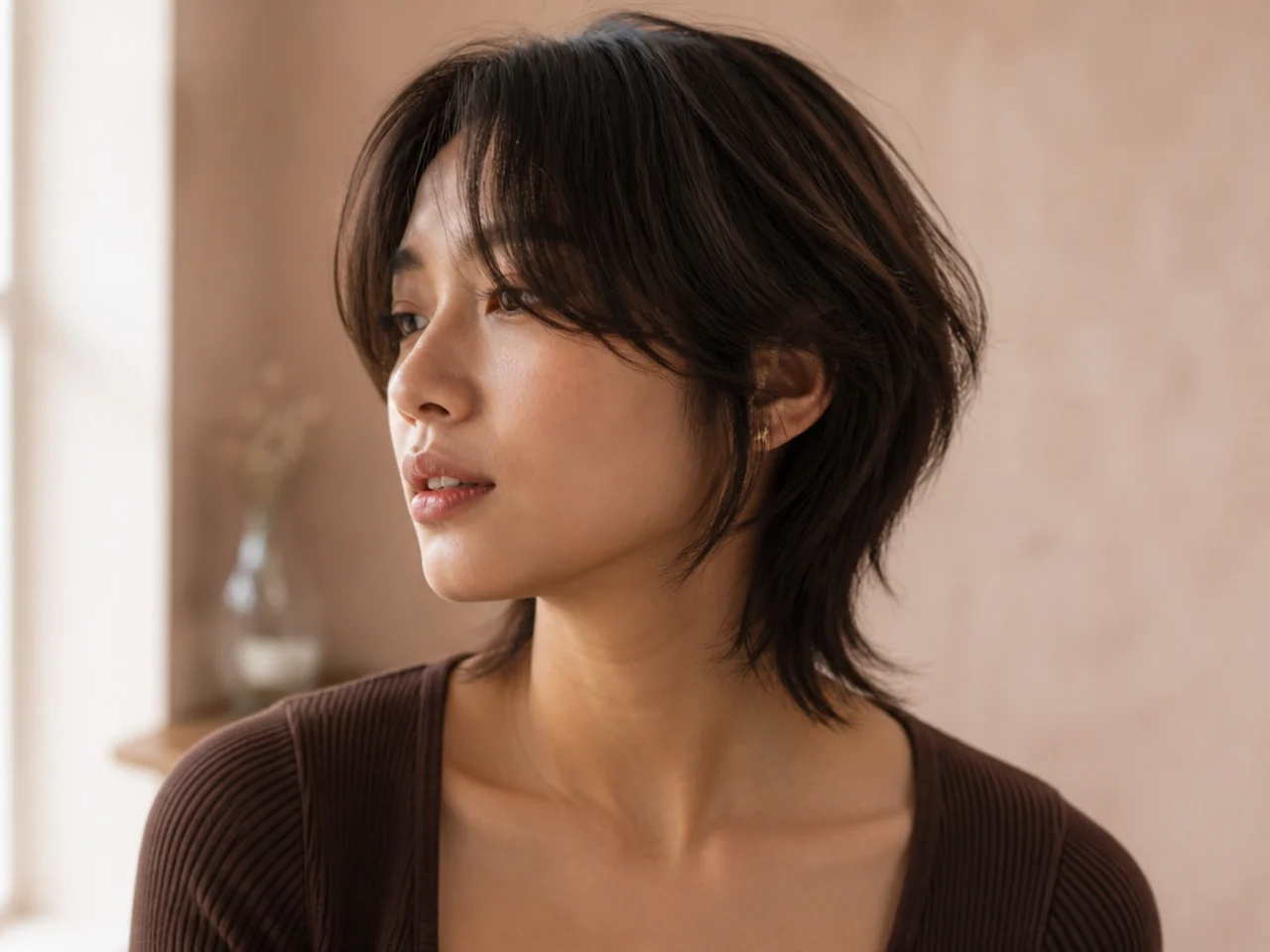
30. Butterfly Cut Layered Too Deep
Layers cut below the mid lengths take strands out of the perimeter, which is where a short cut gets its apparent density. The result is lift at the crown and see through ends, and only the ends can be fixed, by growing them.

Styling and Upkeep
Dry the roots against the growth direction. Direction creates more lift than any product does.
Let every section cool before releasing it. Hair sets as it cools, so a hot release drops the shape immediately.
Put mousse at the roots only. It stiffens the strand where the lift has to hold and leaves the ends free.
Trim at eight to ten weeks. The tiers close at about a centimetre a month, and two centimetres is where the volume goes.
Keep the perimeter line intact. Texturing it removes the density the whole shape reads from.

Mistakes to Avoid
Cutting the tiers less than an inch apart. There is no butterfly without a visible gap, only a layered bob.
Layering fine hair past the mid lengths. The perimeter is where fine hair looks thick, and deep layers take it away.
Cutting curls wet. Shrinkage of up to a third puts the top tier well above where it was placed.
Over texturing the bottom line. The short tier needs a solid edge underneath it to sit against and be seen against.
Waiting past twelve weeks. By then the two lengths have met and the structural lift no longer exists.

FAQ
Where does the volume come from? A short tier resting on a longer one.
How short can it go? A jaw length bob, no shorter.
How often trimmed? Eight to ten weeks, before the tiers close up.
Final Thoughts
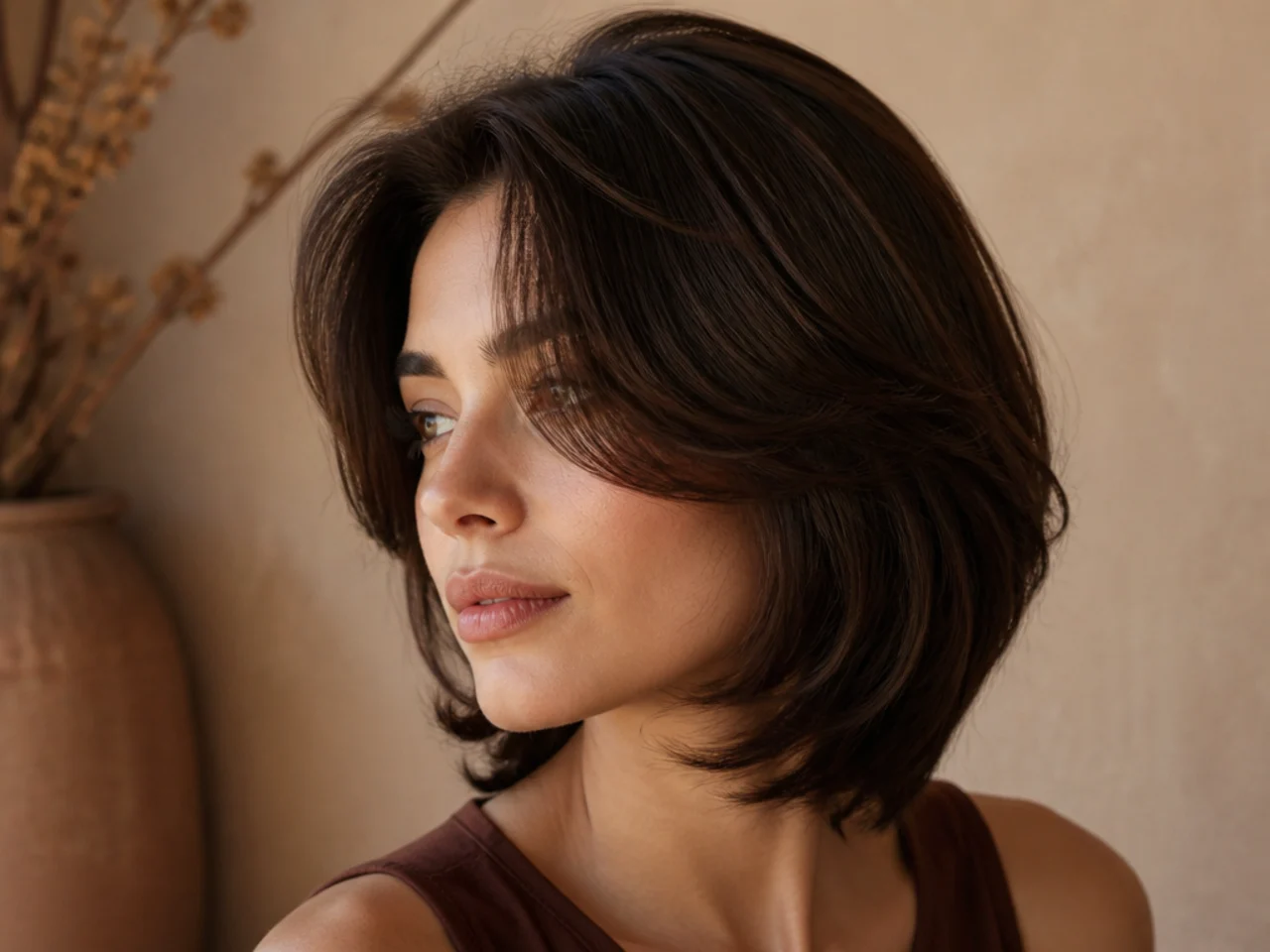
Ask for the gap in inches. "Shortest interior layer two inches above a blunt perimeter, weight out from underneath" tells a stylist exactly where the volume is coming from, which a photograph never does.
For the long version of the same structure see the butterfly haircut, and for another short shape built on interior layers see short Korean haircut. More in Womens Hairstyles.