20 Easy Butterfly Haircuts For Short Fine Hair
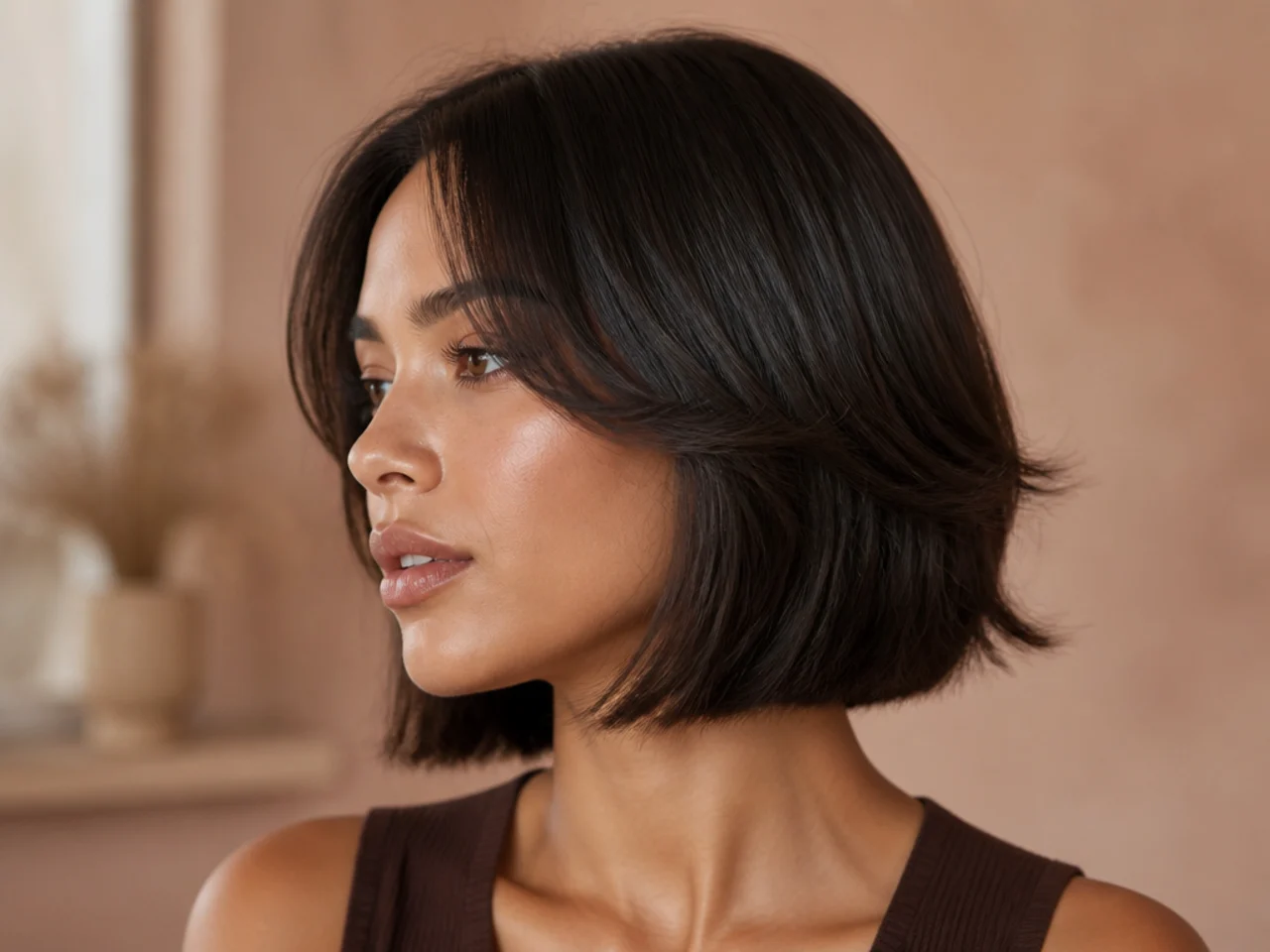
Twenty short butterfly cuts built for fine hair, where the gap between the two layer families shrinks to about two inches and the perimeter has to stay blunt. Layer that bottom edge and the density the cut relies on is gone.
In this article · 27
- What Changes on Short Fine Hair
- Choosing Your Gap and Your Perimeter
- The 20 Short Butterfly Cuts
- 1. The Chin Length Butterfly Bob
- 2. The Ear Length Butterfly Cut
- 3. The Butterfly Lob
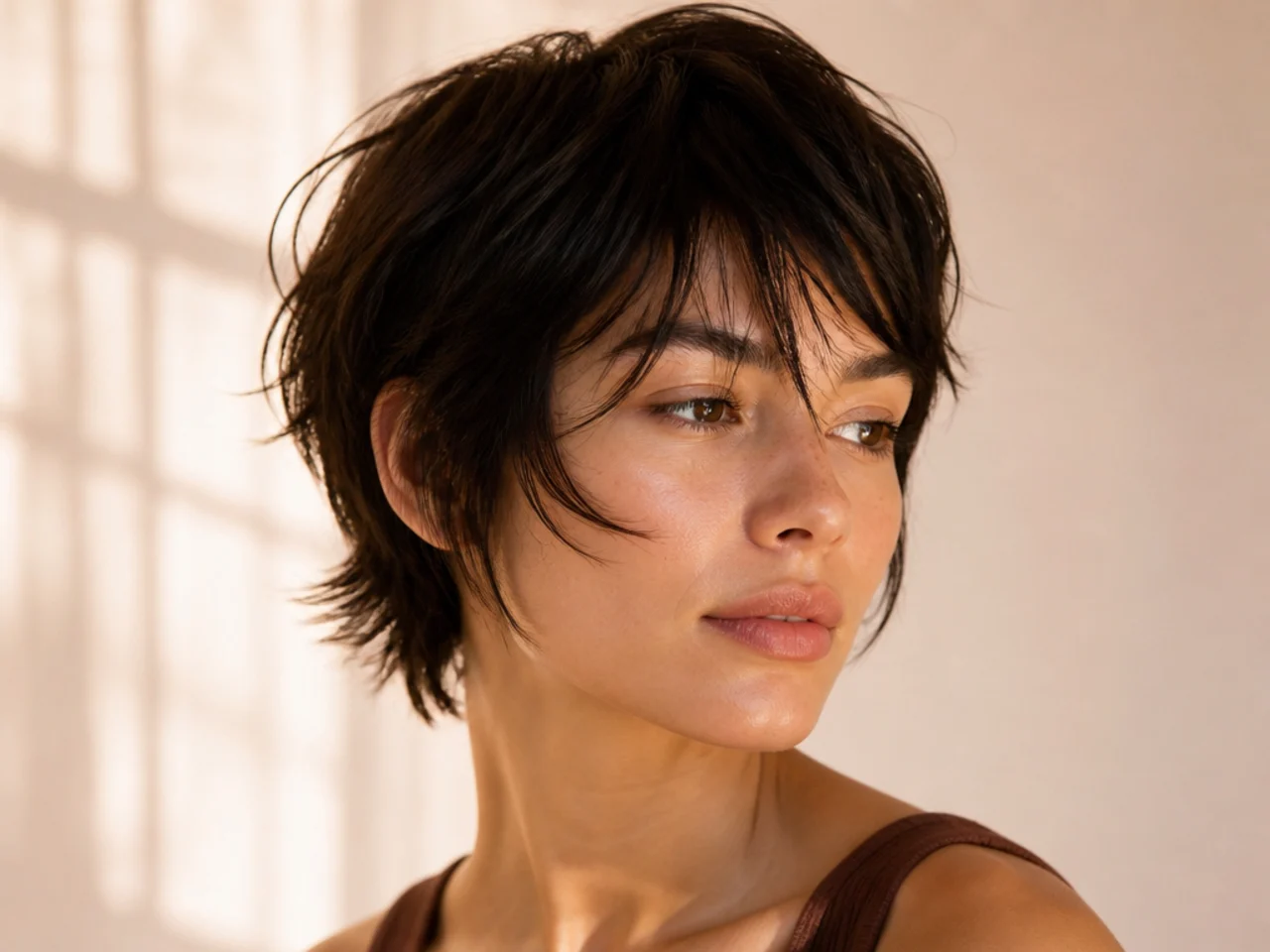
- 4. The Butterfly Bixie
- 5. Butterfly Bob With Curtain Bangs
- 6. Butterfly Cut With Cheekbone Wings
- 7. Butterfly Cut With a Blunt Perimeter
- 8. Butterfly Cut With a Middle Part
- 9. Butterfly Cut With a Deep Side Part
- 10. Butterfly Cut With Crown Lift
- 11. Butterfly Cut With Invisible Layers
- 12. Butterfly Cut With a Rounded Nape
- 13. Butterfly Cut With a Stacked Back
- 14. Butterfly Cut on Straight Fine Hair
- 15. Butterfly Cut on Wavy Fine Hair
- 16. Butterfly Cut With a Money Piece
- 17. Butterfly Cut With a Tucked Side
- 18. Butterfly Cut With Flicked Ends
- 19. The Air Dried Butterfly Cut
- 20. The Grown Out Short Butterfly Cut
- Styling and Upkeep
- Mistakes to Avoid
- FAQ
- Final Thoughts
The butterfly cut is usually shown on hair past the collarbone, which hides the two things that decide whether it works on short fine hair — how much gap is left between the layers, and whether the bottom edge survives.
Short hair has no room for a big gap. Two inches between the wing and the perimeter is the working figure, against four on medium length.
Fine hair has no density to give away. Every layer cut into the perimeter takes weight out of the one edge that makes the hair look thick.
What Changes on Short Fine Hair
The gap shrinks to about two inches. Enough for the eye to register a second length, and all there is room for once the perimeter is at the chin.
The wing rises to the cheekbone. With the perimeter higher, the short family has to come up with it or there is no gap at all.
The perimeter stays blunt. All the density in fine hair collects at the bottom edge. Break that edge and the cut looks thinner than the hair actually is.
The crown does the volume. A short family cut at the crown props up the hair beneath it, and on fine hair that lift is the difference between shape and flatness.
Choosing Your Gap and Your Perimeter
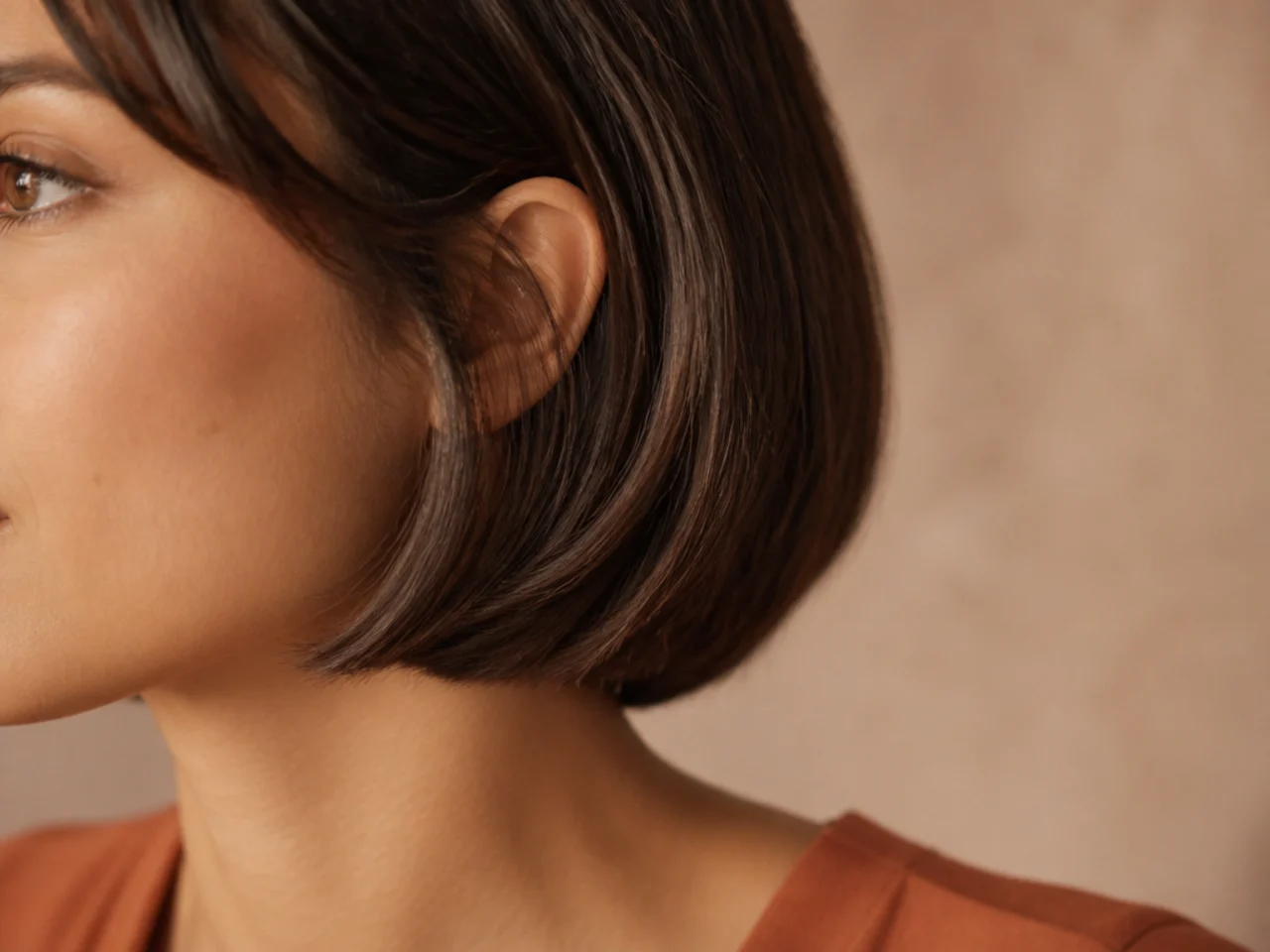
Set the perimeter first. Chin, jaw or just above the shoulder. Everything else in the cut is measured back from it.
Take two inches off that for the wing. Perimeter at the chin puts the wing at the cheekbone, perimeter at the shoulder puts it at the jaw.
Never take the wing above the eyebrow. At that height it has no weight left to hold it down, so it stands away from the head and becomes a fringe you did not ask for.
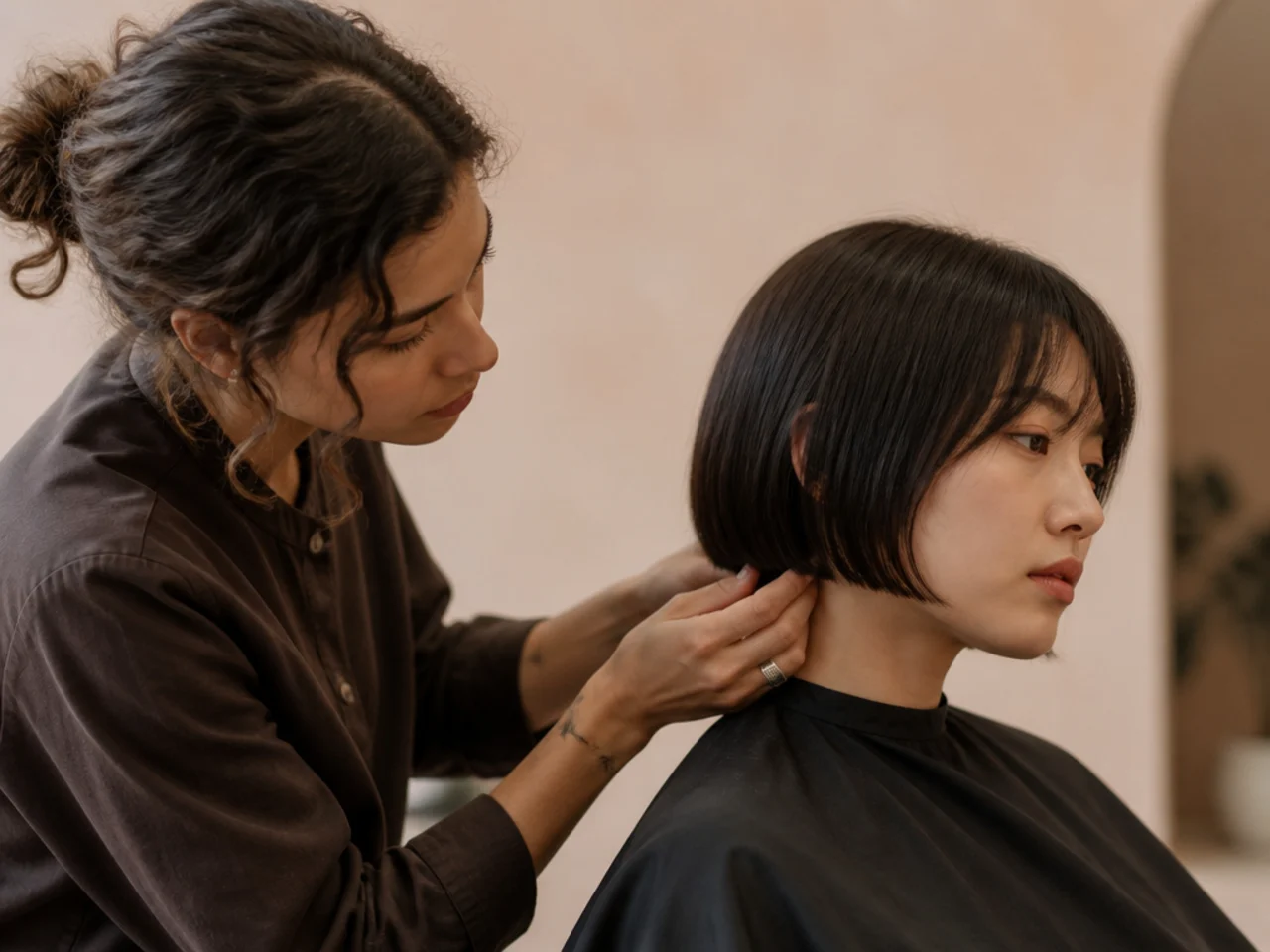
Ask for the bottom edge to be left alone. Say it in those words. Most stylists soften a perimeter by default, and on fine hair that is the one habit worth interrupting.
The 20 Short Butterfly Cuts
1. The Chin Length Butterfly Bob
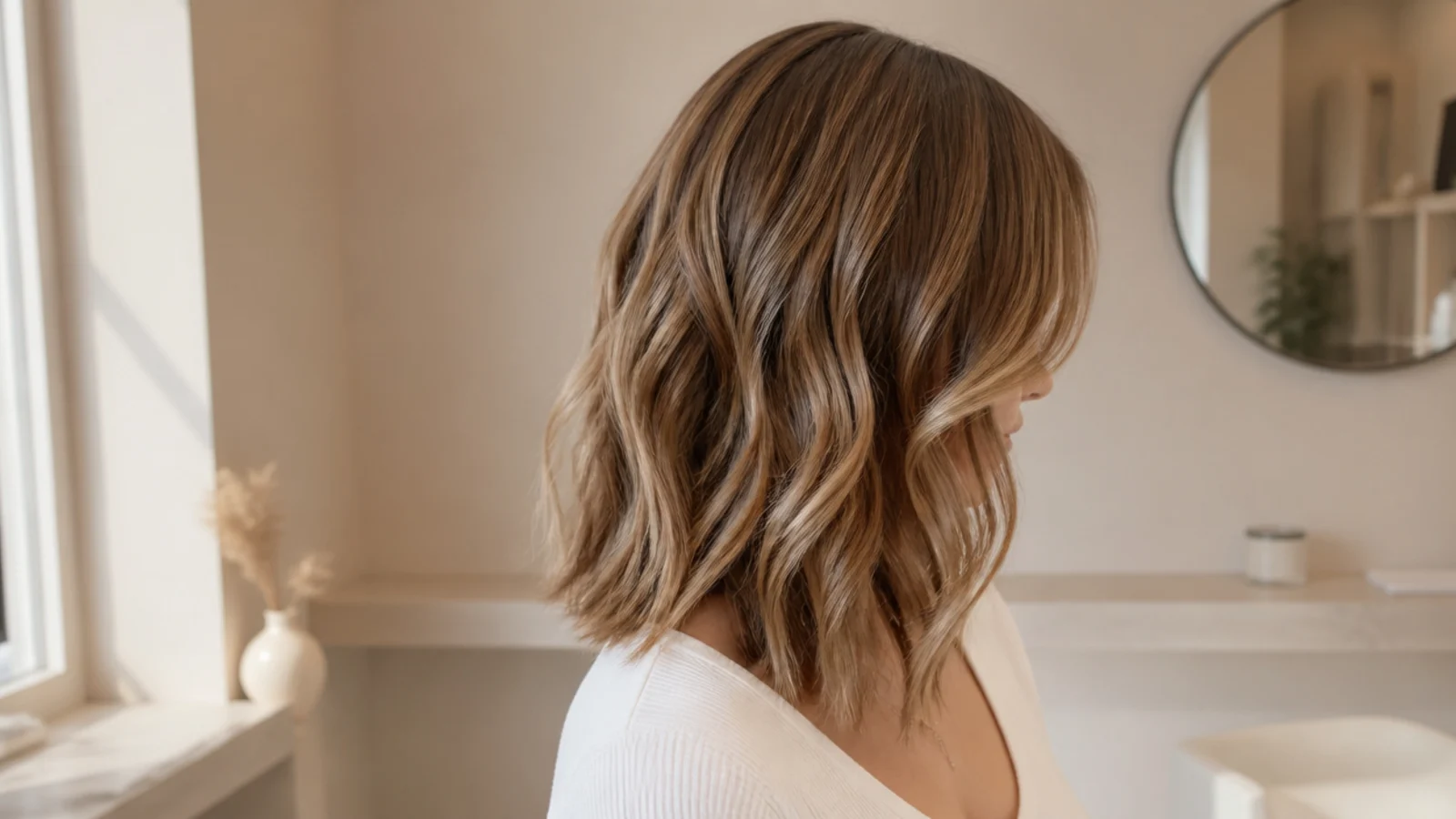
Perimeter at the point of the chin, wing at the top of the cheekbone, two inches of clear space between them. The blunt bob edge keeps every strand ending at the same place, which is what concentrates fine hair into a line thick enough to see.
2. The Ear Length Butterfly Cut
The shortest version that still holds two lengths, with the perimeter at the earlobe and the wing barely an inch and a half above it. Any shorter and the wing crosses into fringe territory, where it stands up instead of lying against the face.

3. The Butterfly Lob
Perimeter an inch above the shoulder, wing at the jaw. It is the most forgiving of the short versions because the extra length buys a wider gap, and a wider gap survives a badly judged trim.

4. The Butterfly Bixie
Pixie length through the back and crown with the front left long enough to flick. The contrast is what carries the shape, so the back has to stay genuinely short or the two sections merge and there is nothing left to see.
5. Butterfly Bob With Curtain Bangs
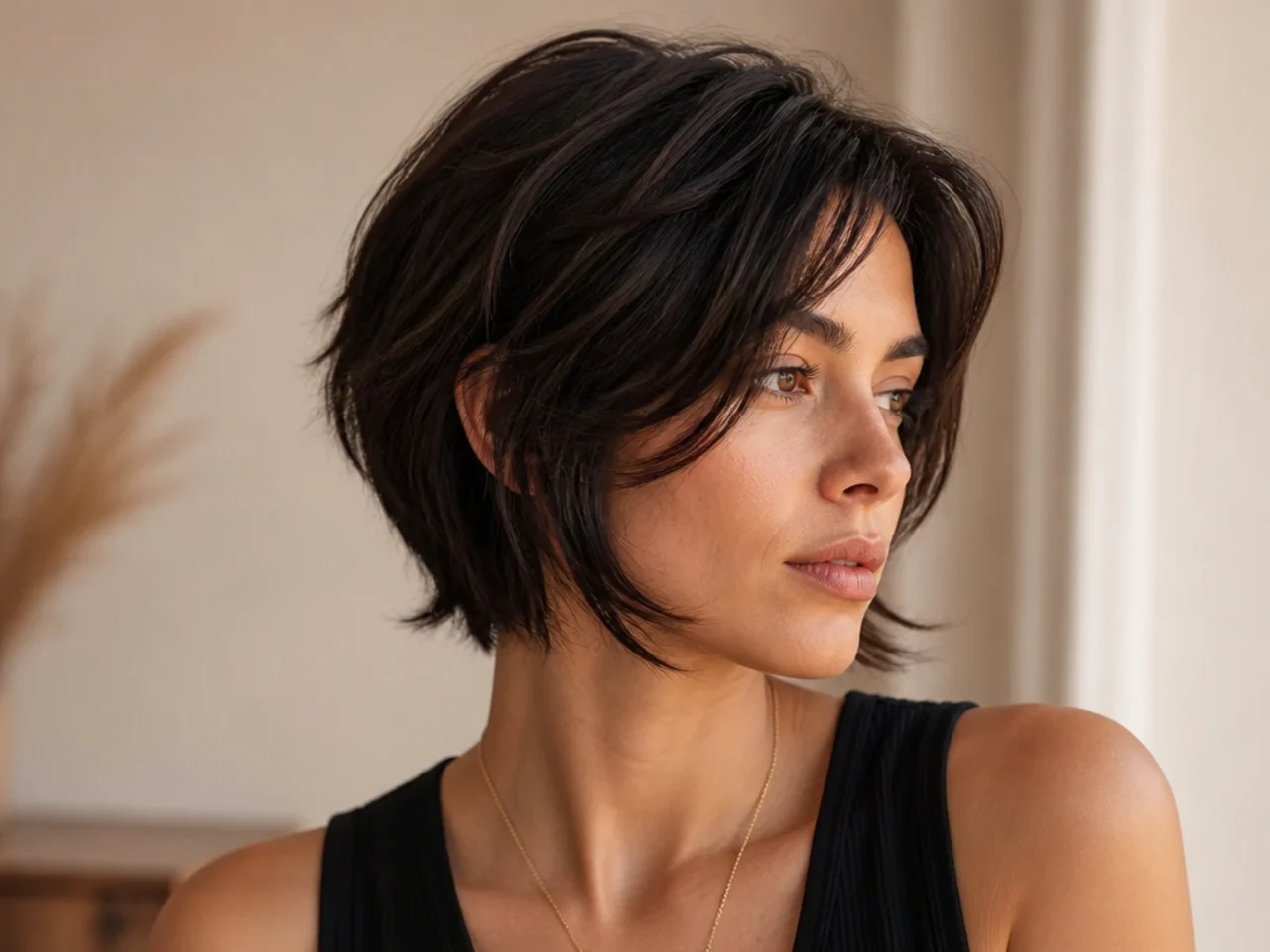
The bang is the shortest member of the front family, cut short at the centre and longer toward the outside so it falls open. On a short bob it also fills the space above the wing, which stops the frame starting halfway down the face.
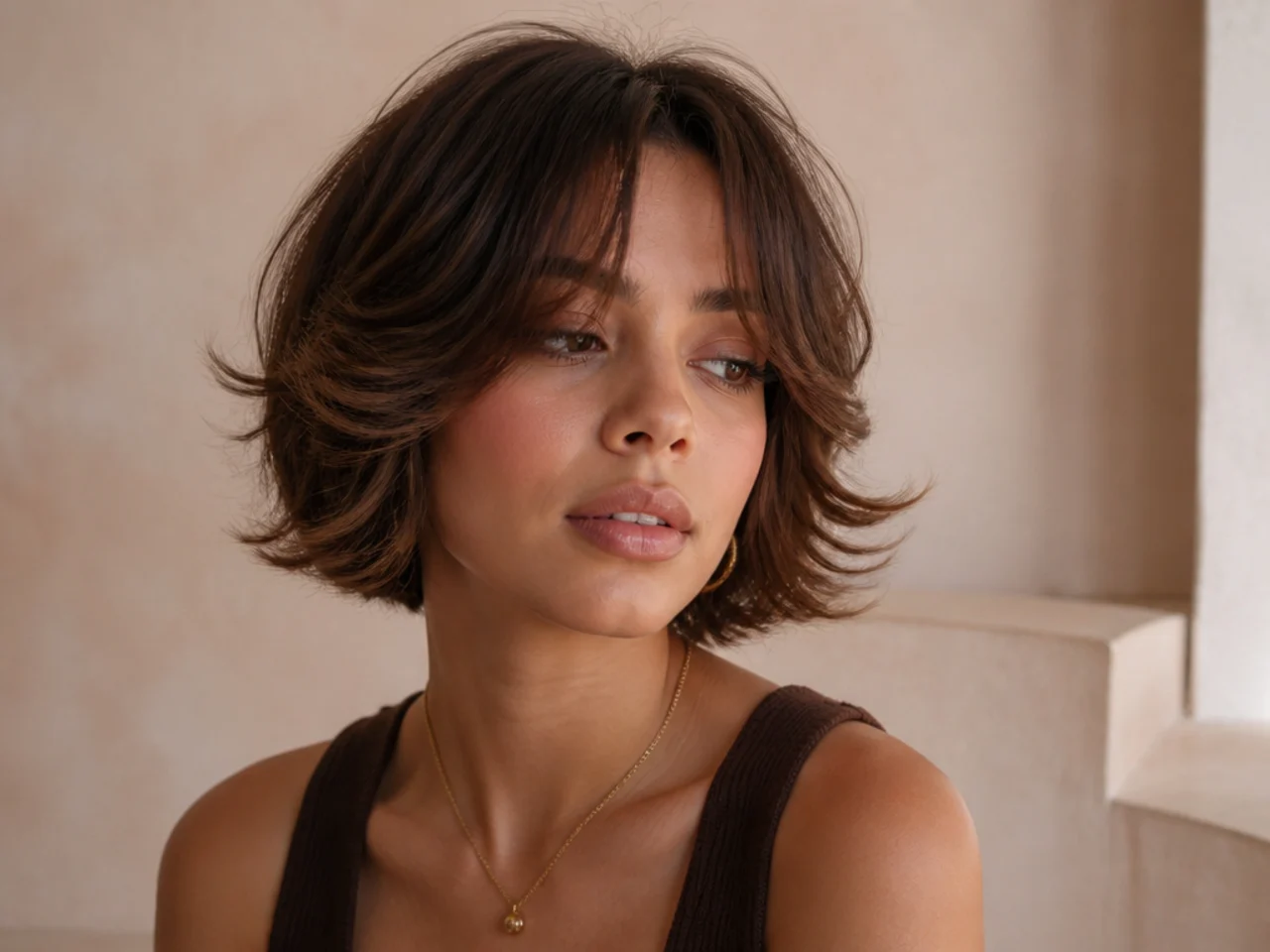
6. Butterfly Cut With Cheekbone Wings
The shortest front pieces stop level with the top of the cheekbone. Because the eye follows the end of a shape, finishing the wing high pulls attention up to the widest part of the face and gives a short cut some vertical interest.
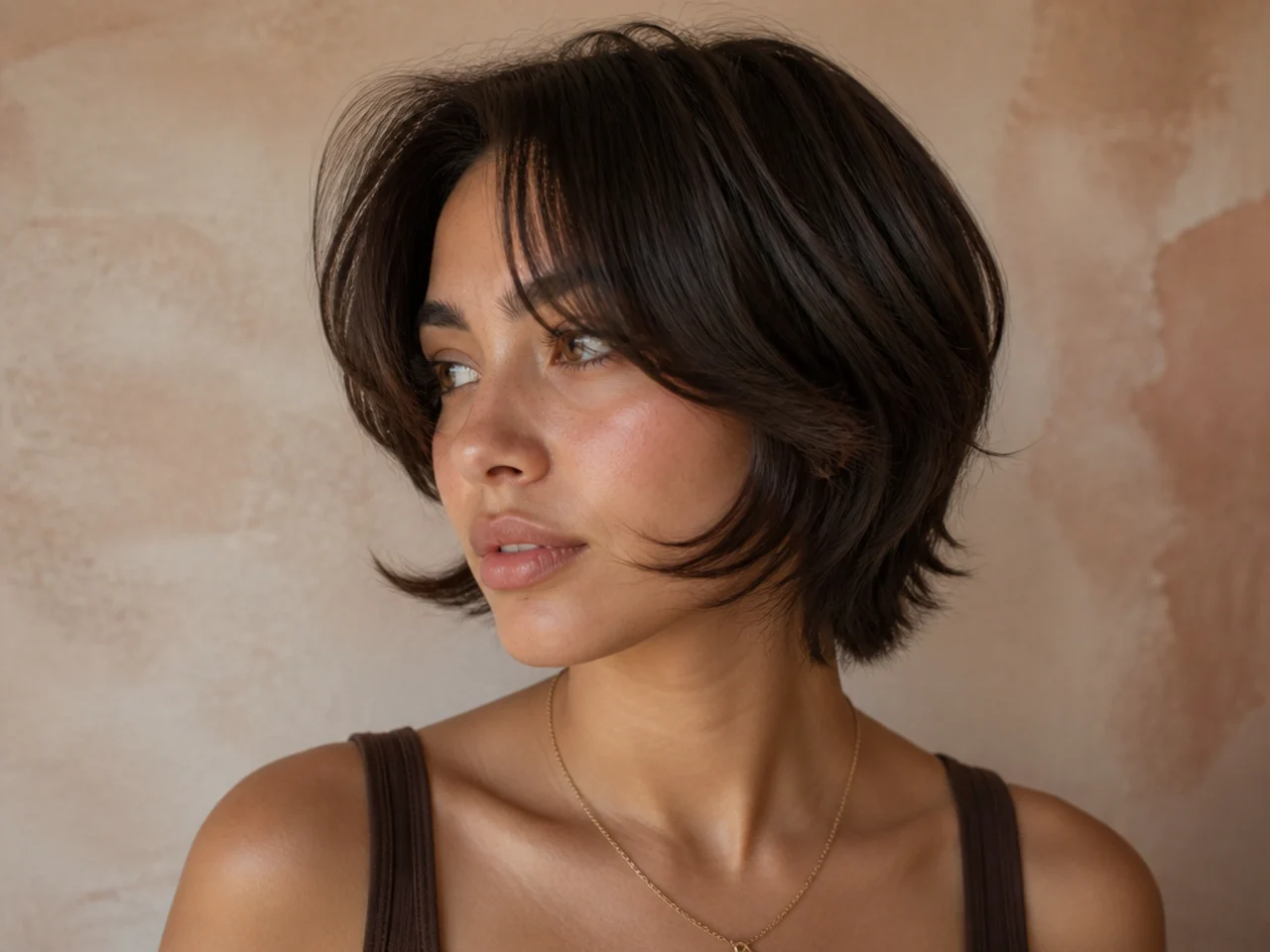
7. Butterfly Cut With a Blunt Perimeter
One clean line across the bottom with nothing removed from it. Every strand terminating at the same depth stacks the density into a single edge, and on fine hair that edge is the entire illusion of thickness.

8. Butterfly Cut With a Middle Part
Both wings get the same amount of hair and open at matching heights. The cost is that a centre parting shows more scalp than any other, because it runs along the strip where hair grows out in two directions, so it needs root lift to work on fine hair.

9. Butterfly Cut With a Deep Side Part
The safest parting for fine hair, because sweeping the top across lifts the roots on the lighter side and covers the parting channel on the heavier one. That lift is volume you do not have to style in.
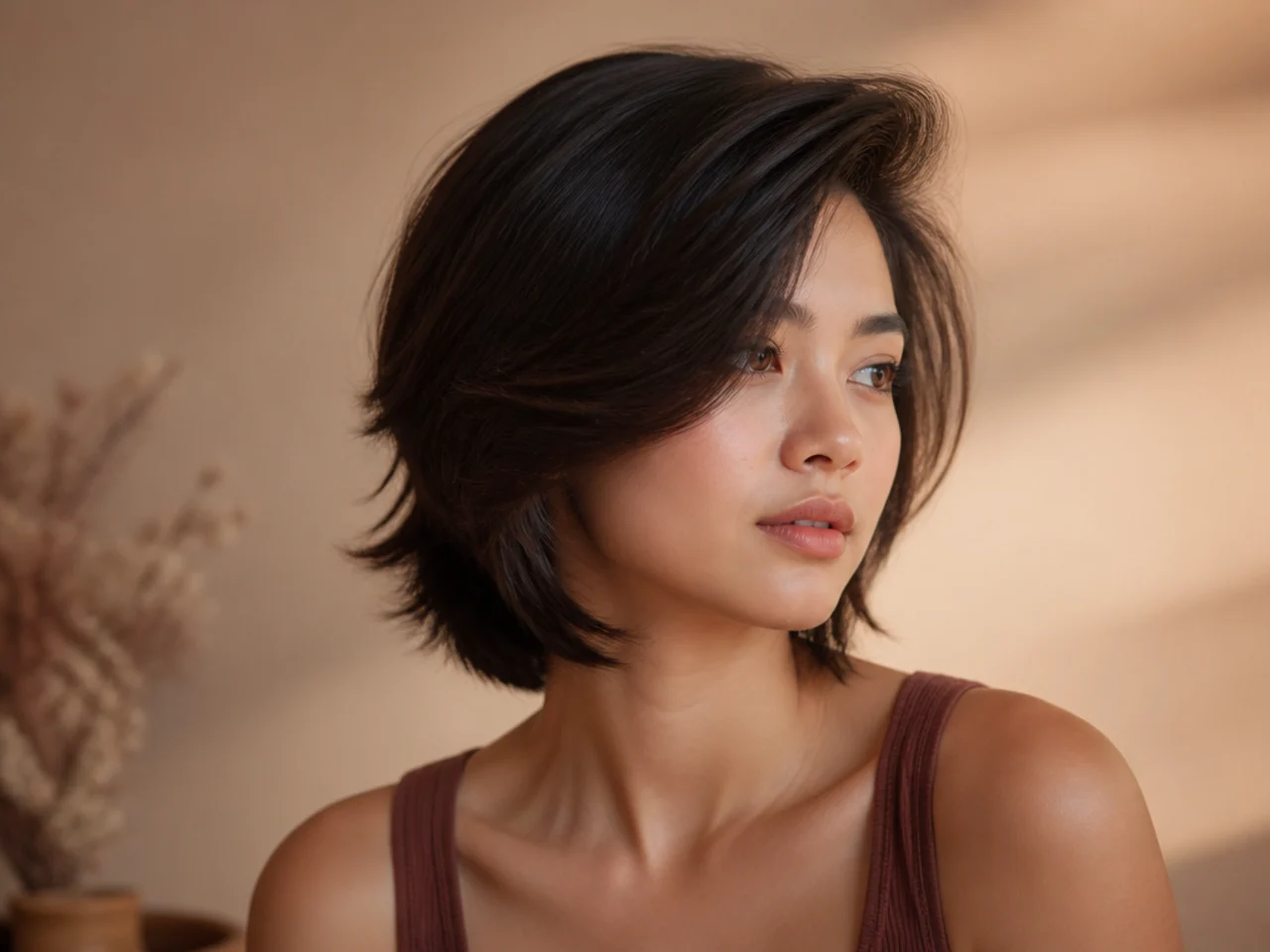
10. Butterfly Cut With Crown Lift
A separate very short family cut at the crown only, sitting under the surface hair and holding it up. It never touches the wing or the perimeter, so it adds height without costing anything at the edges where fine hair needs its weight.

11. Butterfly Cut With Invisible Layers
The short family cut beneath the surface section rather than through it, so the top layer covers the ends of the shorter pieces. You get the movement without a second visible edge, which matters more on fine hair where any edge looks sparse.

12. Butterfly Cut With a Rounded Nape
The bottom edge cut in a curve that follows the skull rather than straight across. It keeps the hair sitting against the neck instead of standing away from it, which is where a blunt short bob tends to shelf outward.
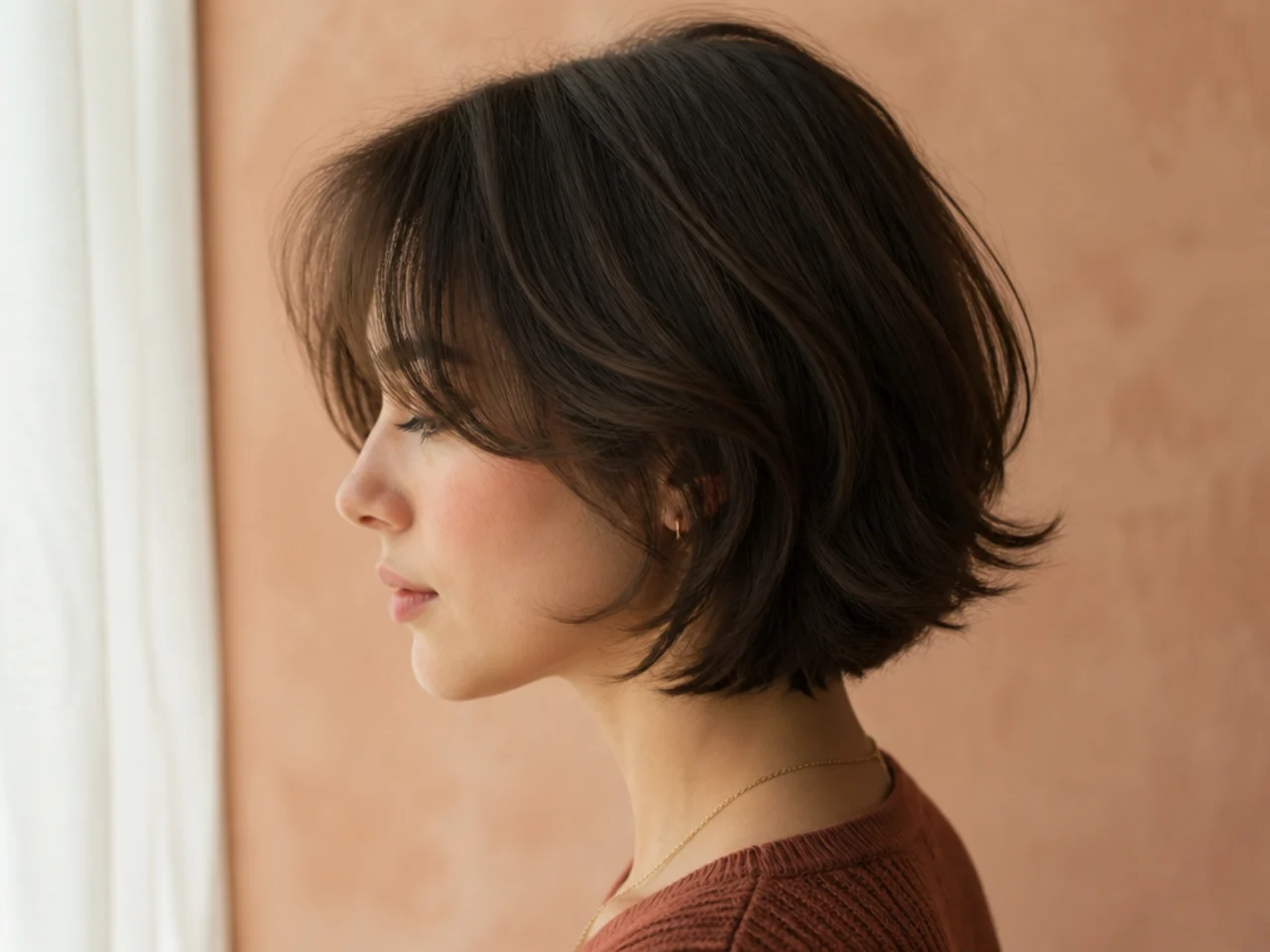
13. Butterfly Cut With a Stacked Back
Short graduated lengths built up behind the ear so each one rests on the one below. The stack pushes the section above it outward, which produces volume at the back of the head from the cut alone rather than from a brush.

14. Butterfly Cut on Straight Fine Hair
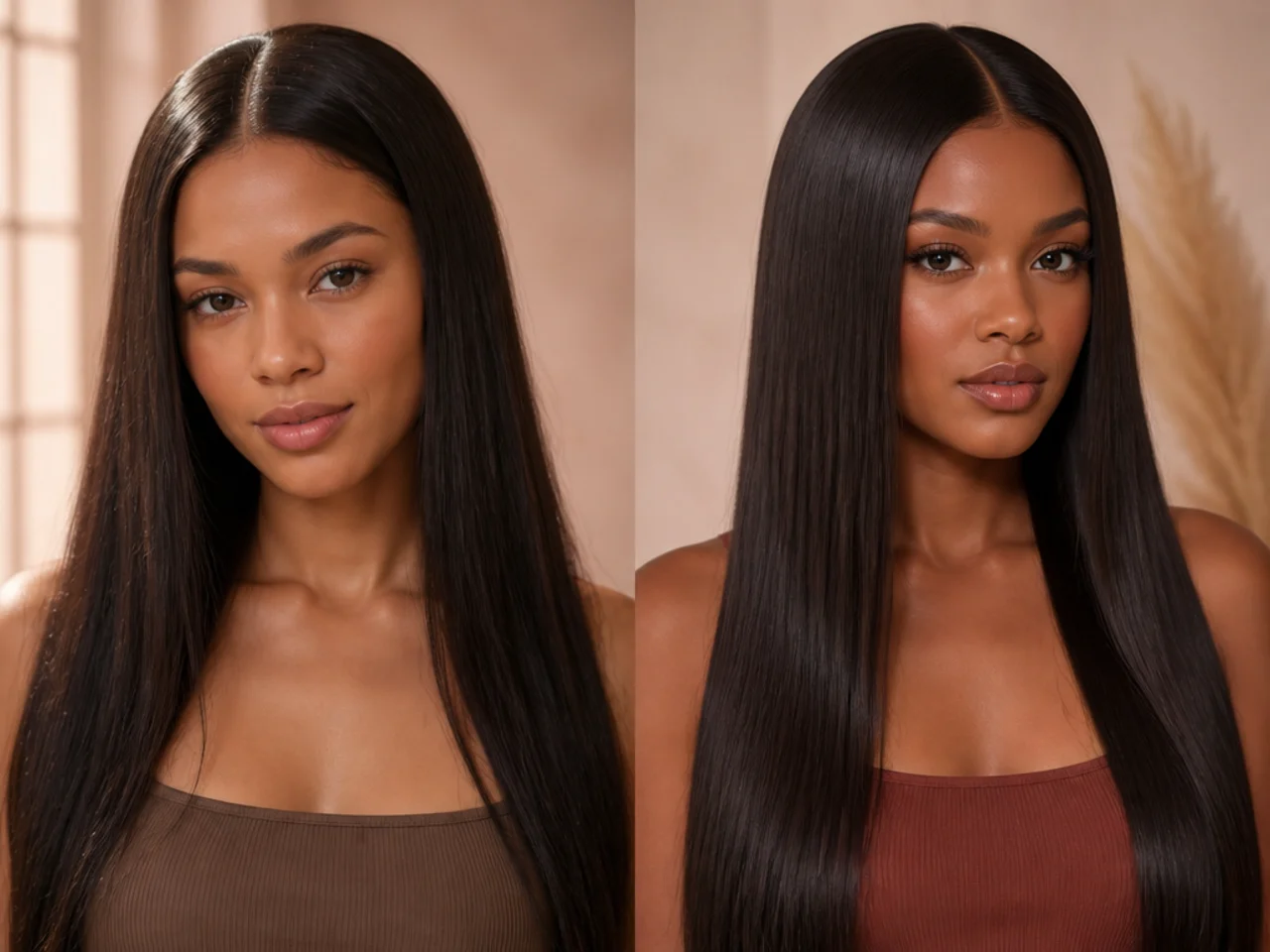
The clearest reading of the two lengths and the least forgiving. A straight strand has no bend to scatter light, so the ends of the wing show exactly where they were cut and need breaking up with a vertical scissor point.
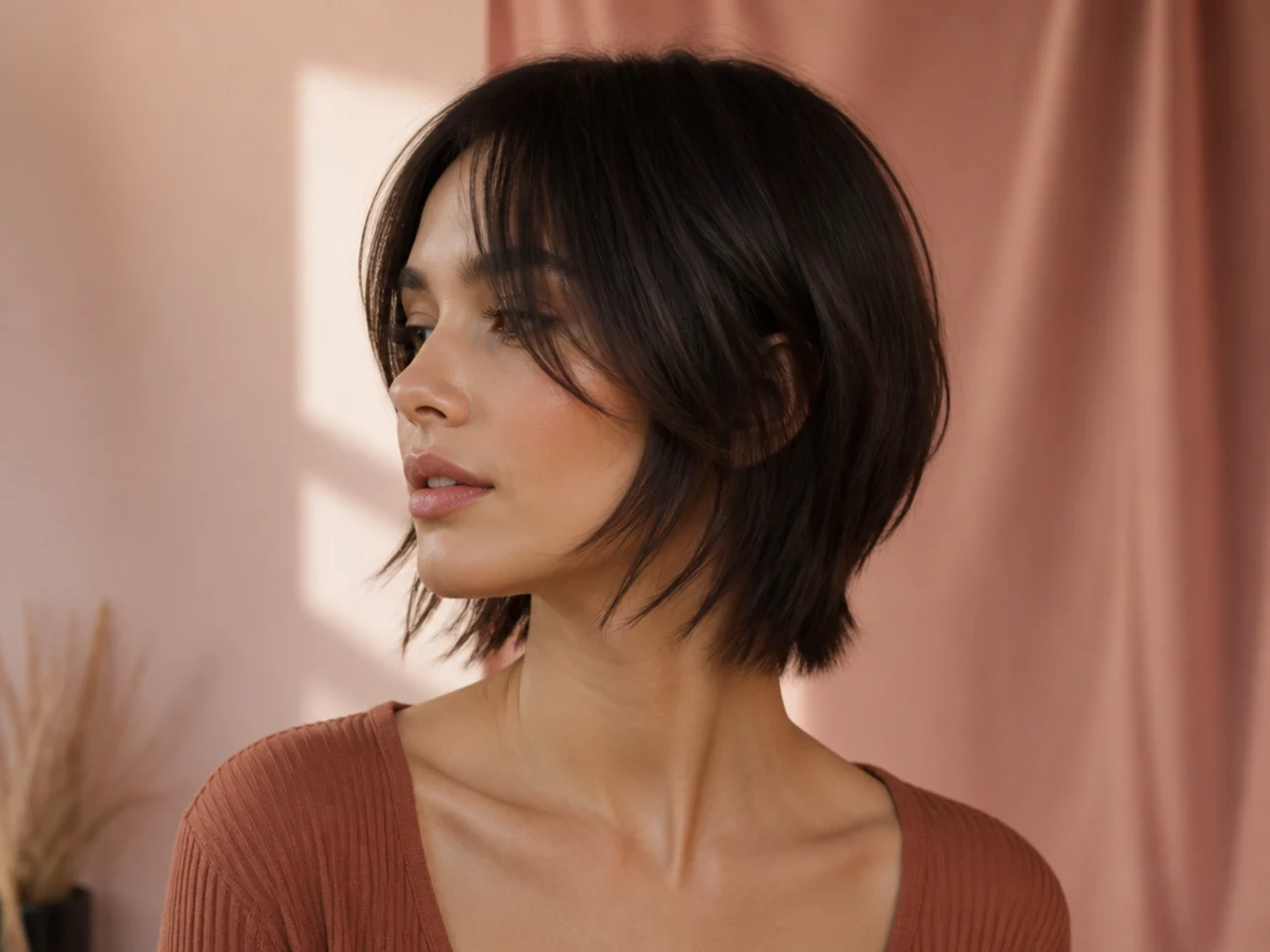
15. Butterfly Cut on Wavy Fine Hair
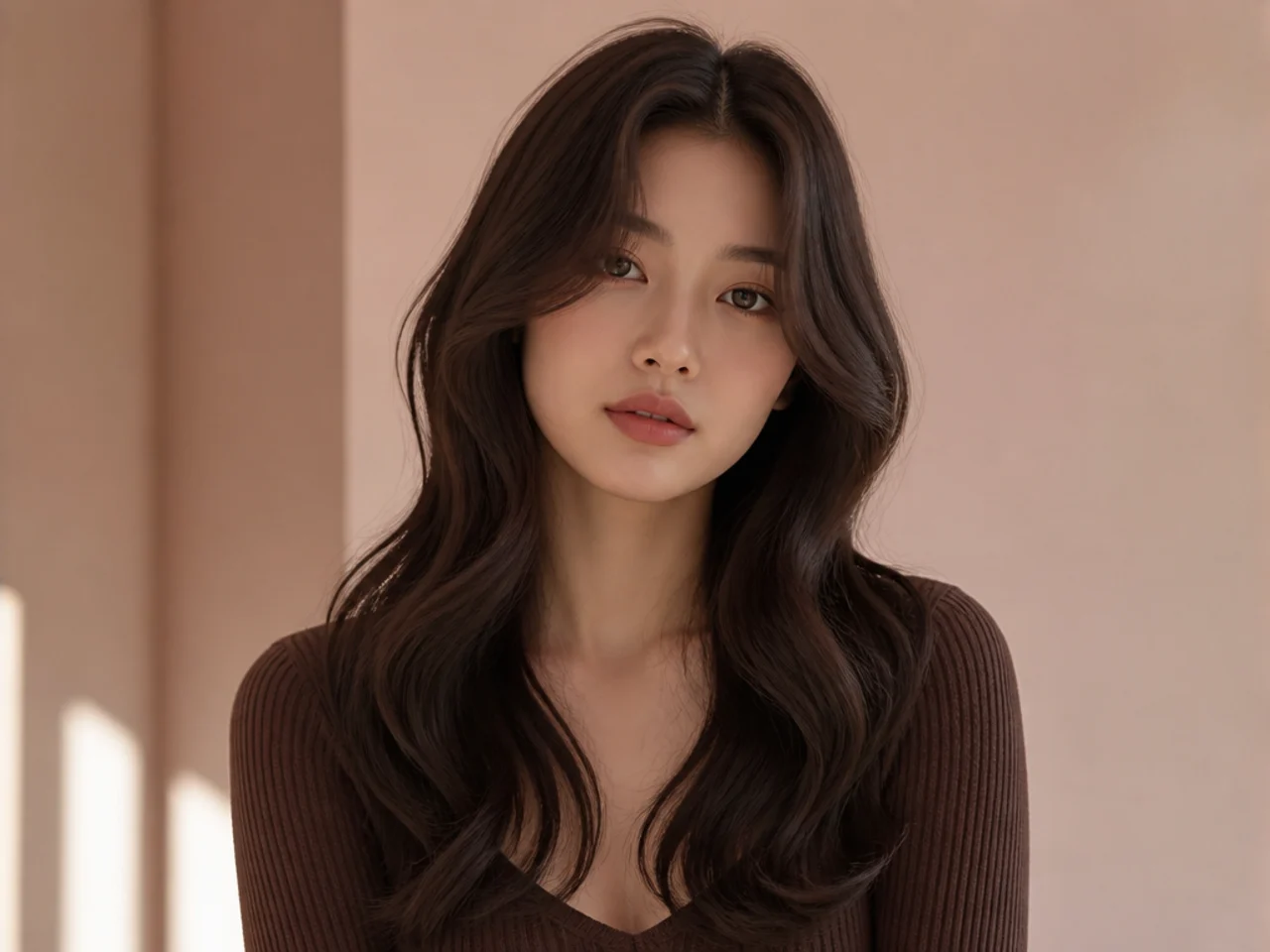
The bend lifts the wing off the perimeter on its own, so the gap reads without any styling. It also lets the wing sit slightly shorter than it could on straight hair, since the wave adds back some of the length it takes away.
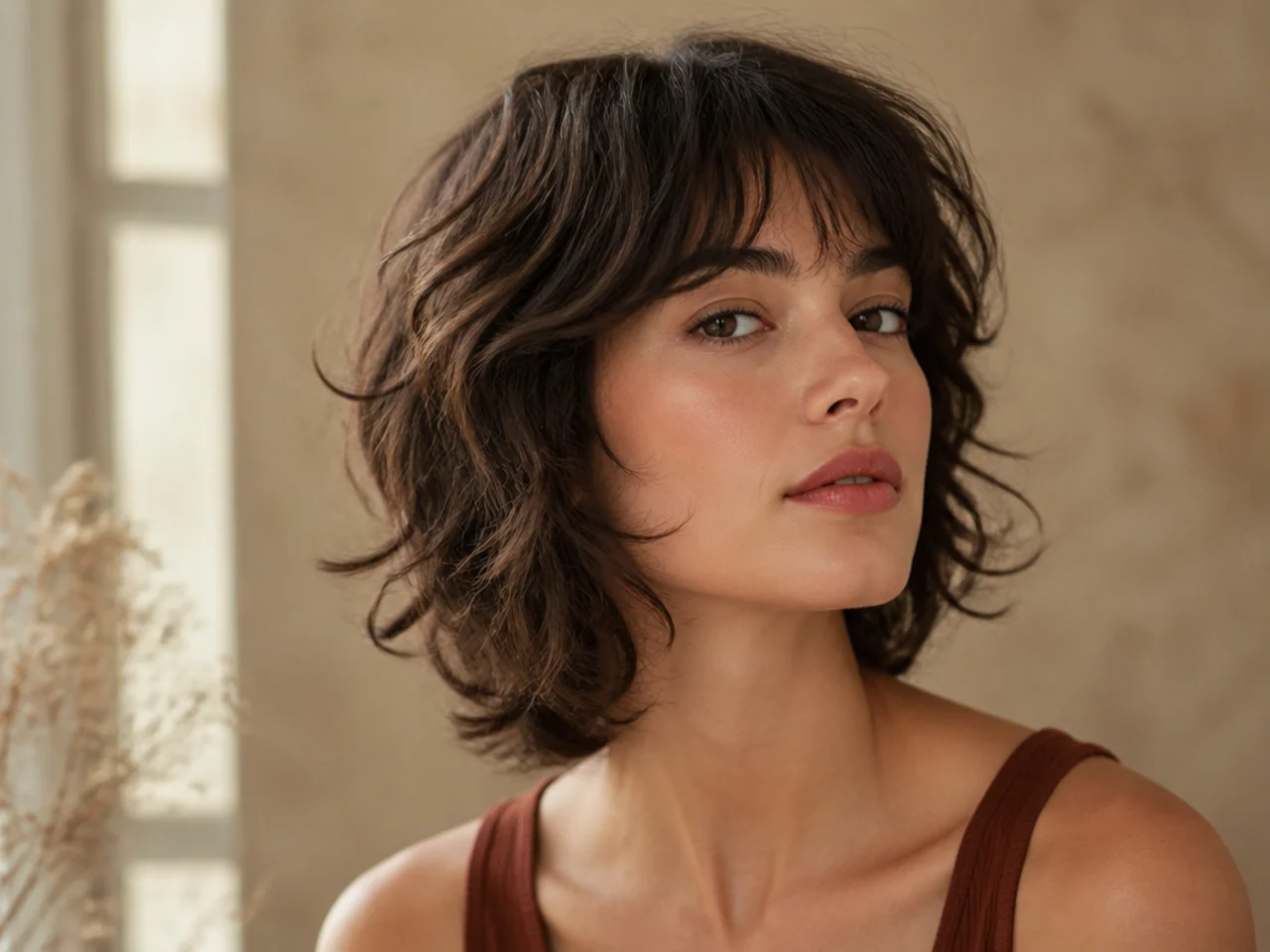
16. Butterfly Cut With a Money Piece
The two front pieces lightened a level or two against the base. Lighter hair advances visually and darker hair recedes, so the wing separates from the length by colour rather than by another inch coming off it.
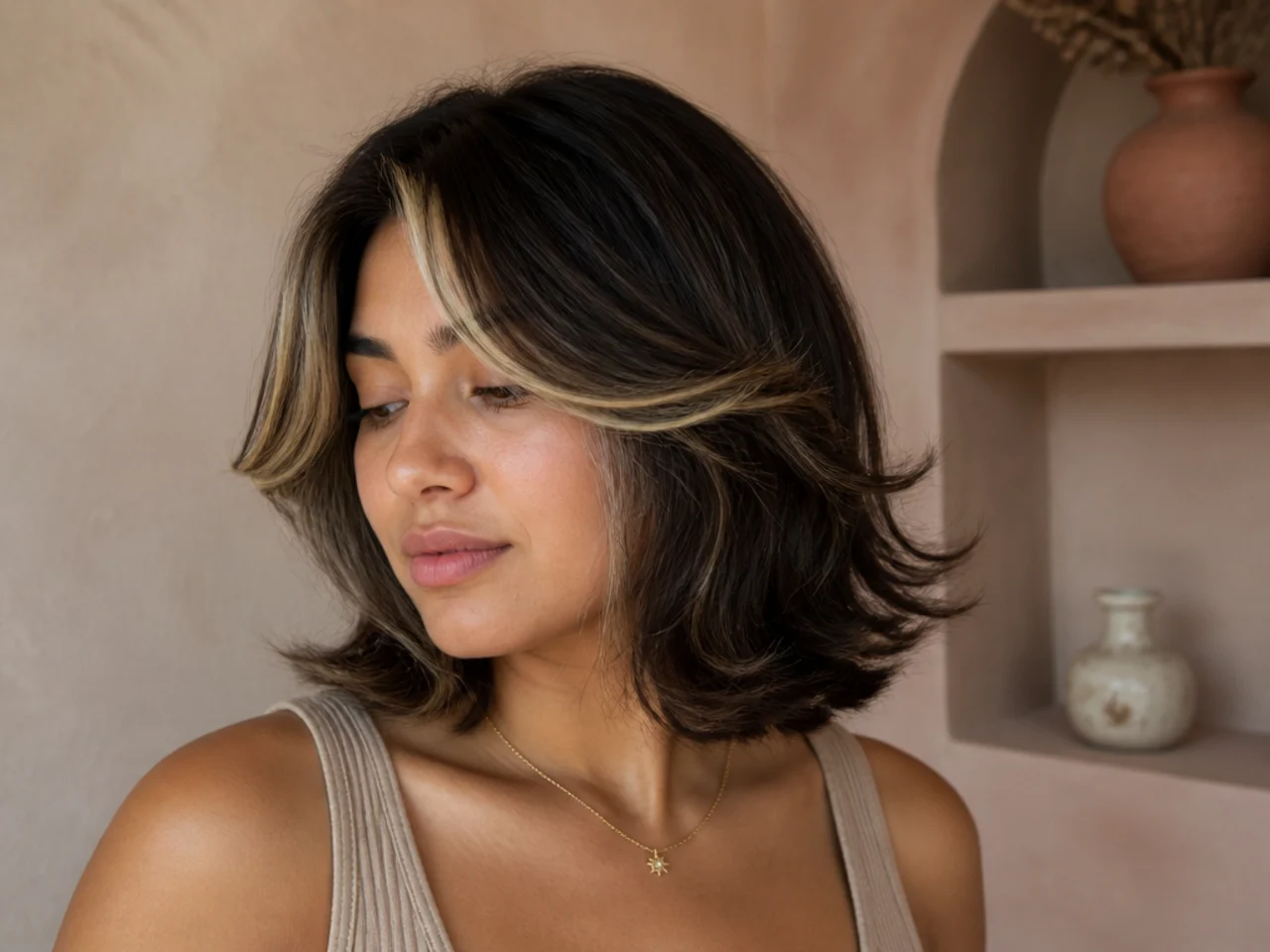
17. Butterfly Cut With a Tucked Side
One wing behind the ear and one left out, which is only possible because the wing was cut long enough to tuck. Anything shorter than the cheekbone will not stay behind an ear, and it works itself loose within the hour.

18. Butterfly Cut With Flicked Ends
Only the last inch of the wing bent outward, rather than the whole section curled. Bending just the tip keeps the length looking long, where a full turn eats an inch and drops the wing closer to the perimeter.

19. The Air Dried Butterfly Cut
No heat at all, which puts the whole result on the cut. It only works if the perimeter is genuinely blunt and the wing is long enough to fall rather than lift, because there is no styling to correct either one afterwards.

20. The Grown Out Short Butterfly Cut
Ten weeks on, the wing has dropped level with the perimeter and the gap has closed. It reads as a soft bob now, and the fix is a single trim to the wing rather than a recut of the whole shape.

Styling and Upkeep
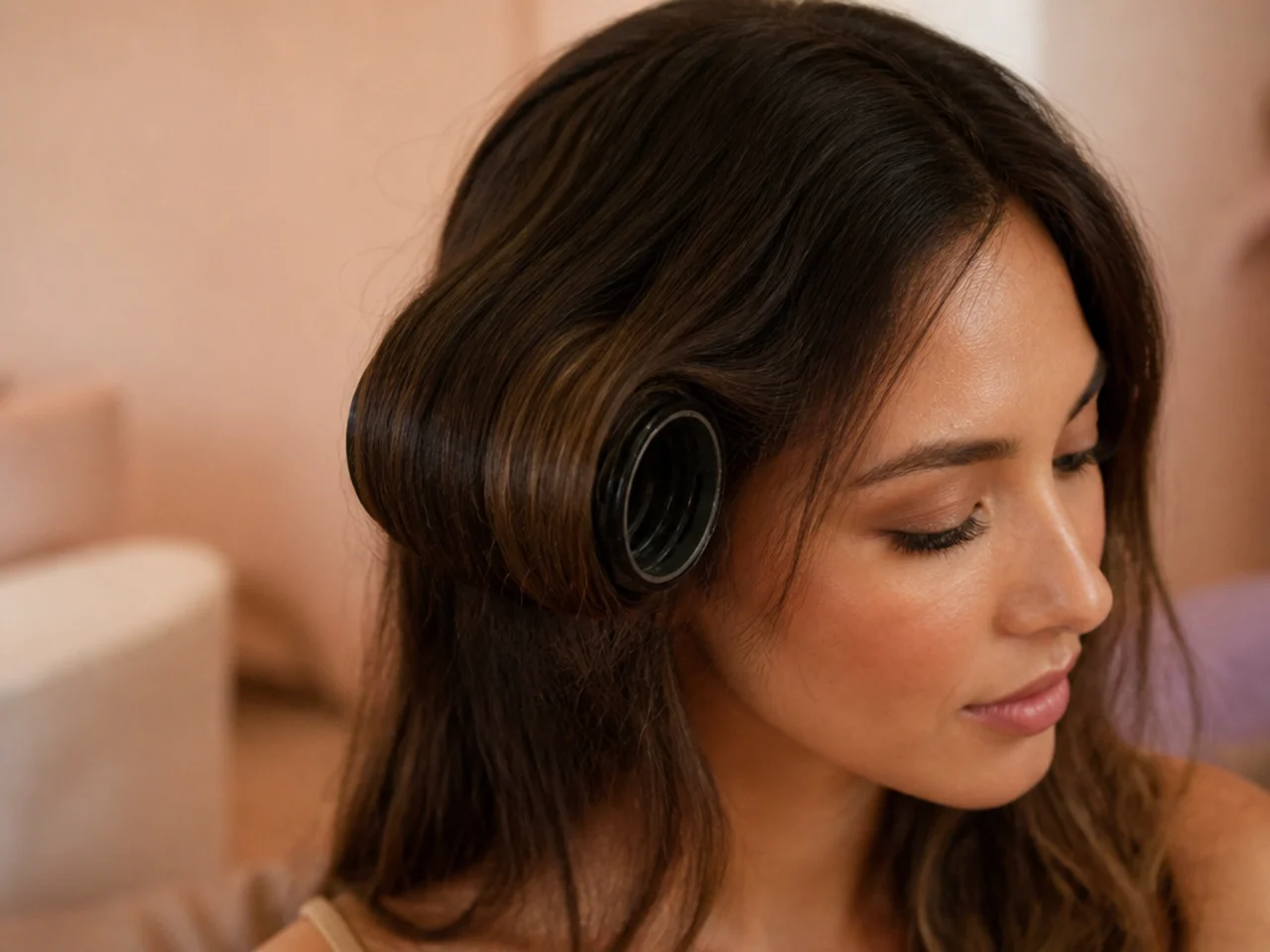
Let each section cool before you brush it. The bend sets as the hair cools, and warm hair released early drops within an hour.
Dry the roots against their growth direction first. Root lift on fine hair is worth more than any product applied further down.
Use a barrel wider than the wing is long. A narrow barrel puts a full turn into a short piece and turns a flick into a ringlet.
Trim the wing at six weeks, the perimeter at twelve. On a short cut the wing loses its position twice as fast as the bottom edge.
Keep conditioner off the last inch. The perimeter is doing the work of looking thick, and anything that softens it makes it hang thinner.
Mistakes to Avoid
Softening the perimeter. It is the one edge fine hair cannot spare. Point cutting the bottom line is what makes a good cut look thin a week later.
Taking the wing above the eyebrow. With no weight to hold it down it lifts off the head, and there is nothing to do about it but wait.
Adding a third layer length. On short hair three families use up all the room and there is no gap left, which is the shape the cut is built on.
Judging it on wash day. Freshly washed fine hair is at its most slippery and least full. Look again on day two before deciding the layers are wrong.
Copying a layer position from long hair. The gap works as a proportion of the total length, so a photograph of waist length hair tells you nothing about where to cut a chin length wing.
FAQ
How short can it go? Earlobe, with about an inch and a half of gap.
Where does the wing stop? Two inches above the perimeter, and never above the eyebrow.
Why does it fall flat? The bend was brushed out before it cooled.

Final Thoughts
Set the perimeter, take two inches off it for the wing, and tell the stylist to leave the bottom edge blunt. On fine hair that last instruction does more than the first two combined, because everything else in the cut is measured against an edge that has to stay solid.
For the full length version of the same shape see the butterfly haircut. See also butterfly haircut for short hair. More in Womens Hairstyles.