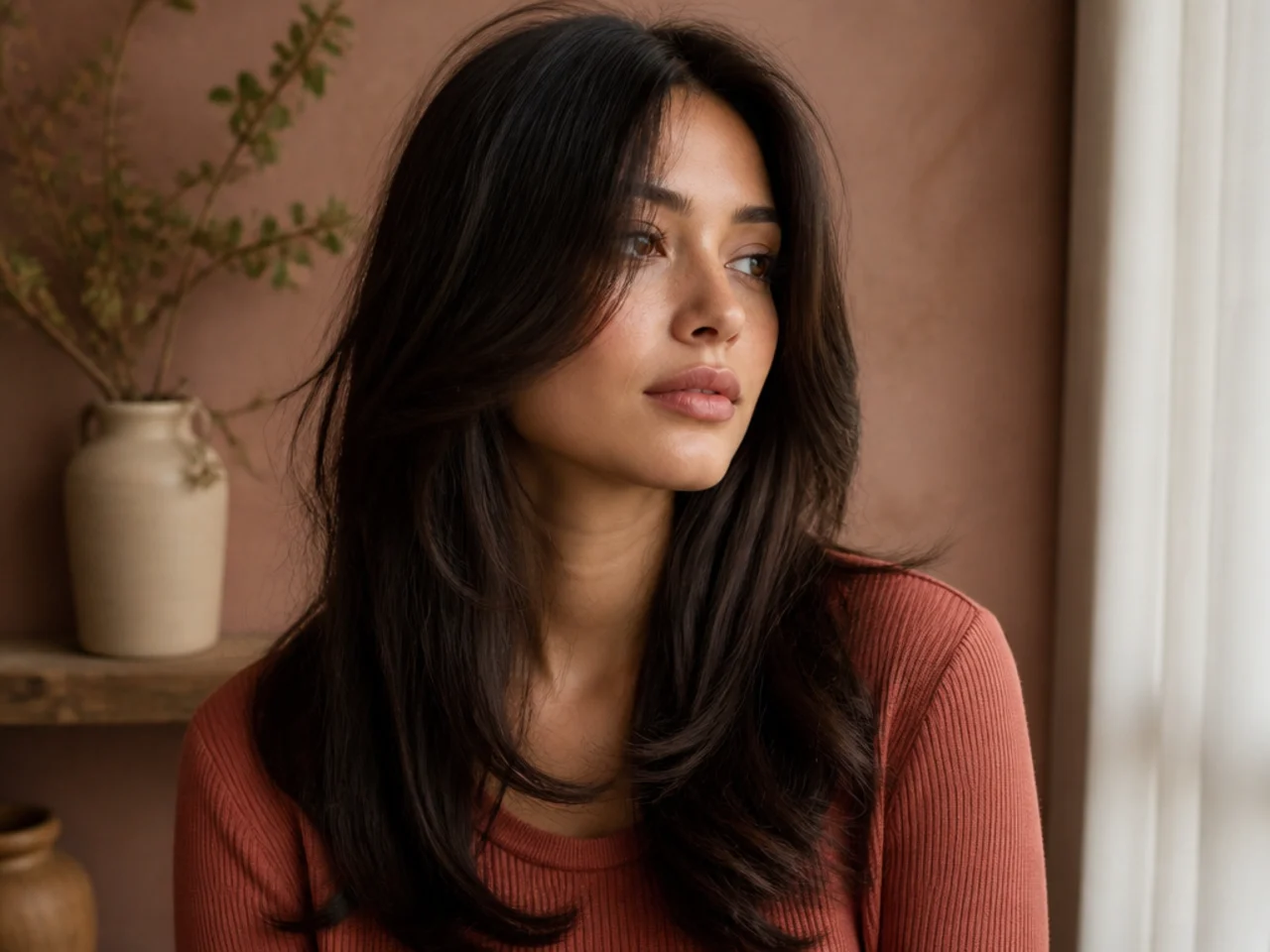
30 Long Butterfly Cuts With Gorgeous Layers
Thirty long butterfly cuts, and the measurement the whole shape hangs on. The butterfly is two layer lengths in one head of hair, and where the shortest one sits decides whether it flatters your face or widens it.
In this article · 37
- What Makes a Cut a Butterfly and Not a Shag
- Choosing Where Your Shortest Layer Sits
- The 30 Long Butterfly Cuts
- 1. Classic Collarbone Wings
- 2. Chin Length Shortest Layer
- 3. Butterfly Cut With Curtain Bangs
- 4. Butterfly Cut Without Bangs
- 5. Short Layers Started at the Lip
- 6. Long Butterfly on Straight Hair
- 7. Long Butterfly on Wavy Hair
- 8. Long Butterfly on Curly Hair
- 9. Butterfly Cut for Fine Hair
- 10. Butterfly Cut for Thick Hair
- 11. Blown Out Wings
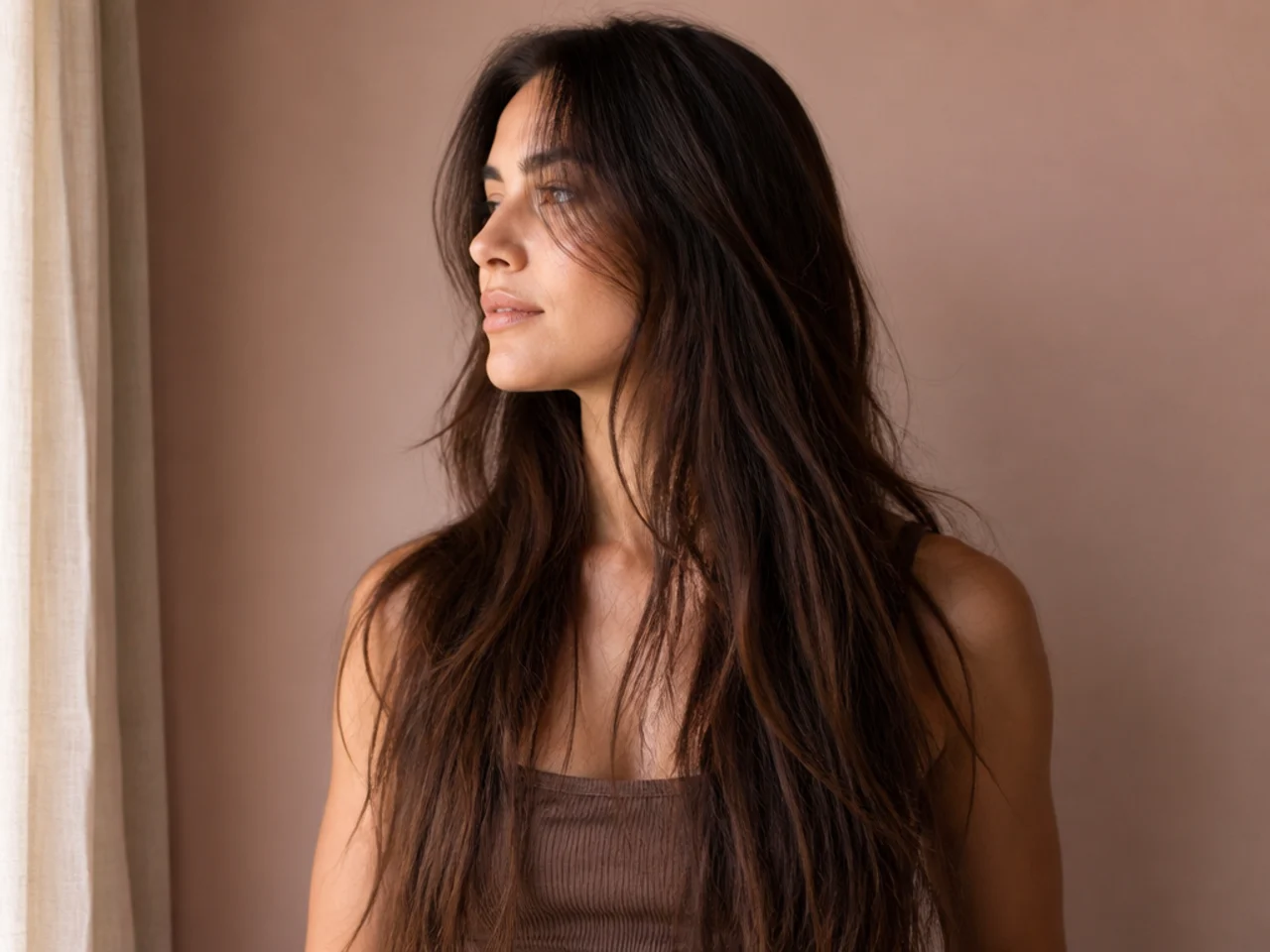
- 12. Air Dried Butterfly
- 13. Butterfly With a Middle Part
- 14. Butterfly With a Deep Side Part
- 15. Soft Invisible Layering
- 16. Heavy Disconnected Layering
- 17. Blunt Perimeter Butterfly
- 18. Point Cut Perimeter Butterfly
- 19. Butterfly With a Money Piece
- 20. Butterfly With Balayage Through the Wings
- 21. Korean Style Butterfly Layers
- 22. Butterfly for a Round Face
- 23. Butterfly for a Long Face
- 24. Butterfly Worn Half Up
- 25. Butterfly Tied Into a Faux Bob
- 26. Butterfly With Flicked Out Ends
- 27. Butterfly With Ends Curled Under
- 28. Butterfly on Waist Length Hair
- 29. Butterfly at Three Months Grown Out
- 30. Butterfly Reset at Six Months
- Styling and Upkeep
- Mistakes to Avoid
- FAQ
- Final Thoughts
The butterfly cut goes wrong when the shortest layer is chosen from a photograph rather than from the width of your own face.
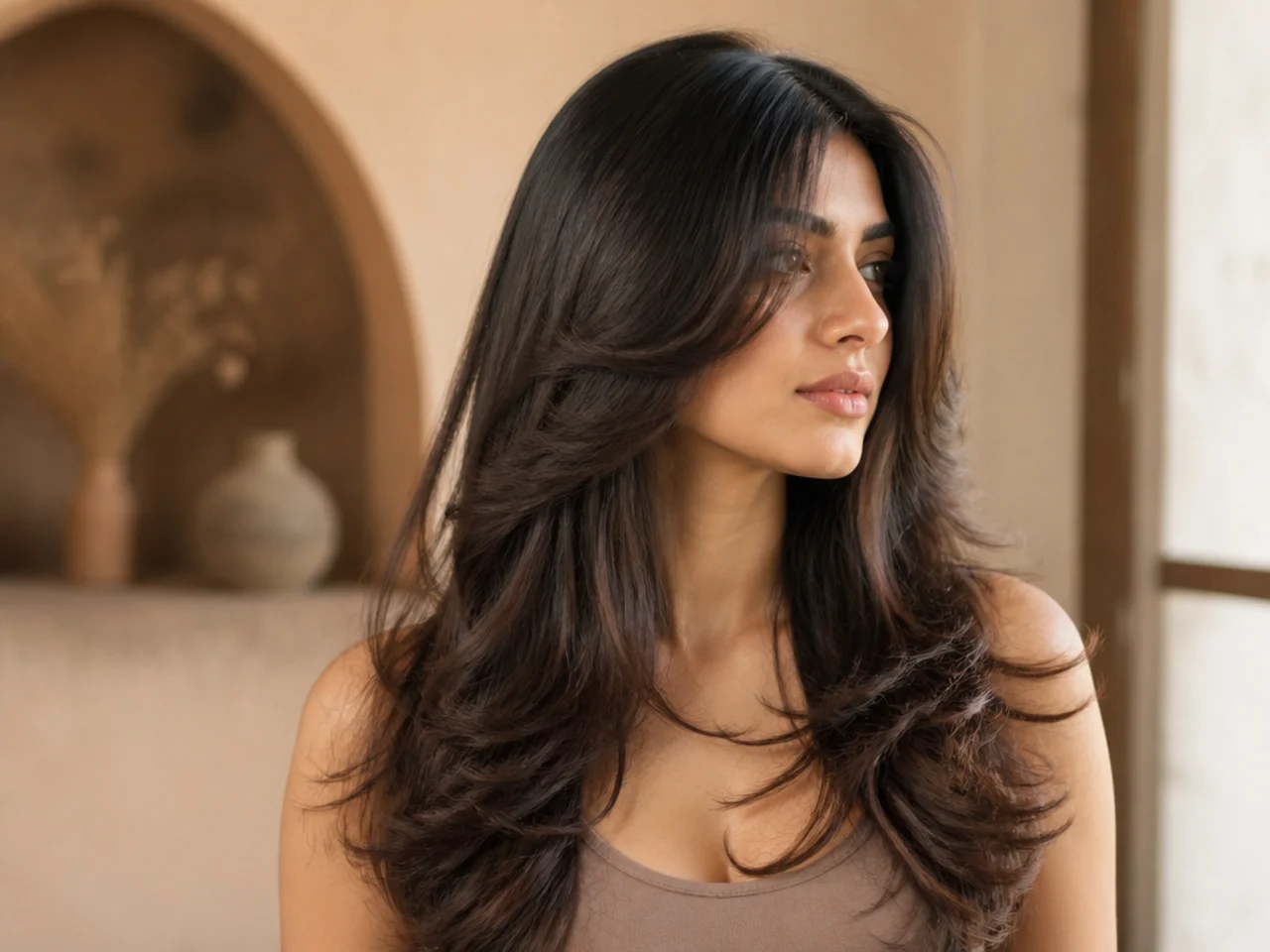
It is two lengths in one haircut. A short set of layers frames the face, the original length stays underneath, and almost nothing is cut in between.
The short layers do the shaping. They sit on top of the long ones and hold them out, which is where the volume and the wing shape both come from.
What Makes a Cut a Butterfly and Not a Shag
A shag layers continuously. Every length from crown to ends is graduated, which produces texture throughout and no single defining line.
A butterfly layers in two blocks. A short set around the face and a long set underneath, with a deliberate gap between them that is what creates the wing.
The gap is the whole design. Because there is little hair between the two lengths, the short pieces stand clear of the long ones instead of melting into them.
Tied up it reads as a bob. The short layers are cut to fall around the chin, so a ponytail leaves them out and the front looks like a completely different haircut.
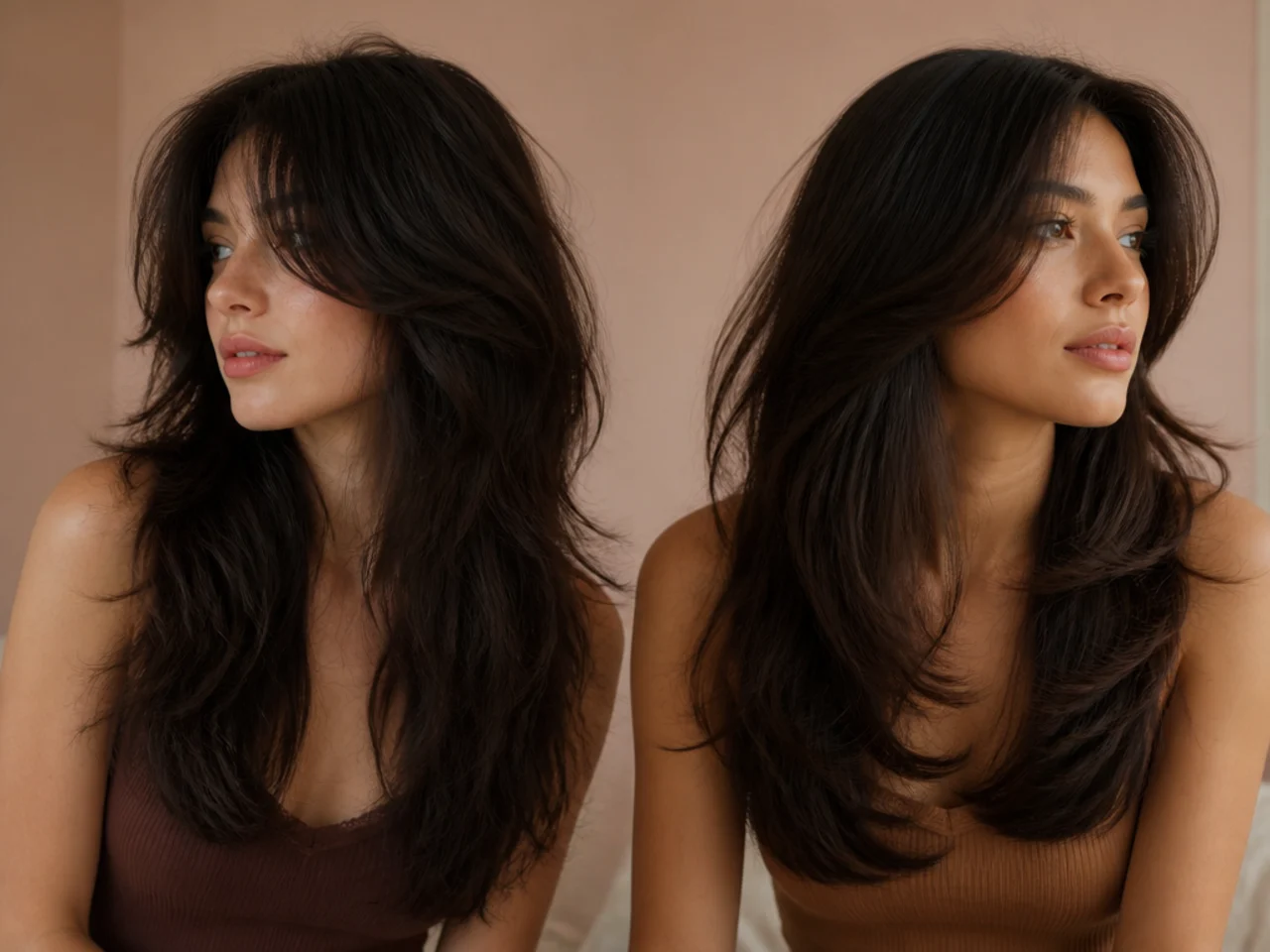
Choosing Where Your Shortest Layer Sits
Chin length for maximum wing. The most dramatic version, and the one that adds the most width across the cheekbones.
Collarbone for the softest version. The short layer is only a few inches above the perimeter, so it blends rather than separating.
Round faces want it at or below the jaw. Anything shorter puts volume exactly where the face is already widest.
Curly hair wants it cut two inches longer than you want it. Curl shrinks as it dries, and a chin length layer cut wet finishes somewhere near the mouth.
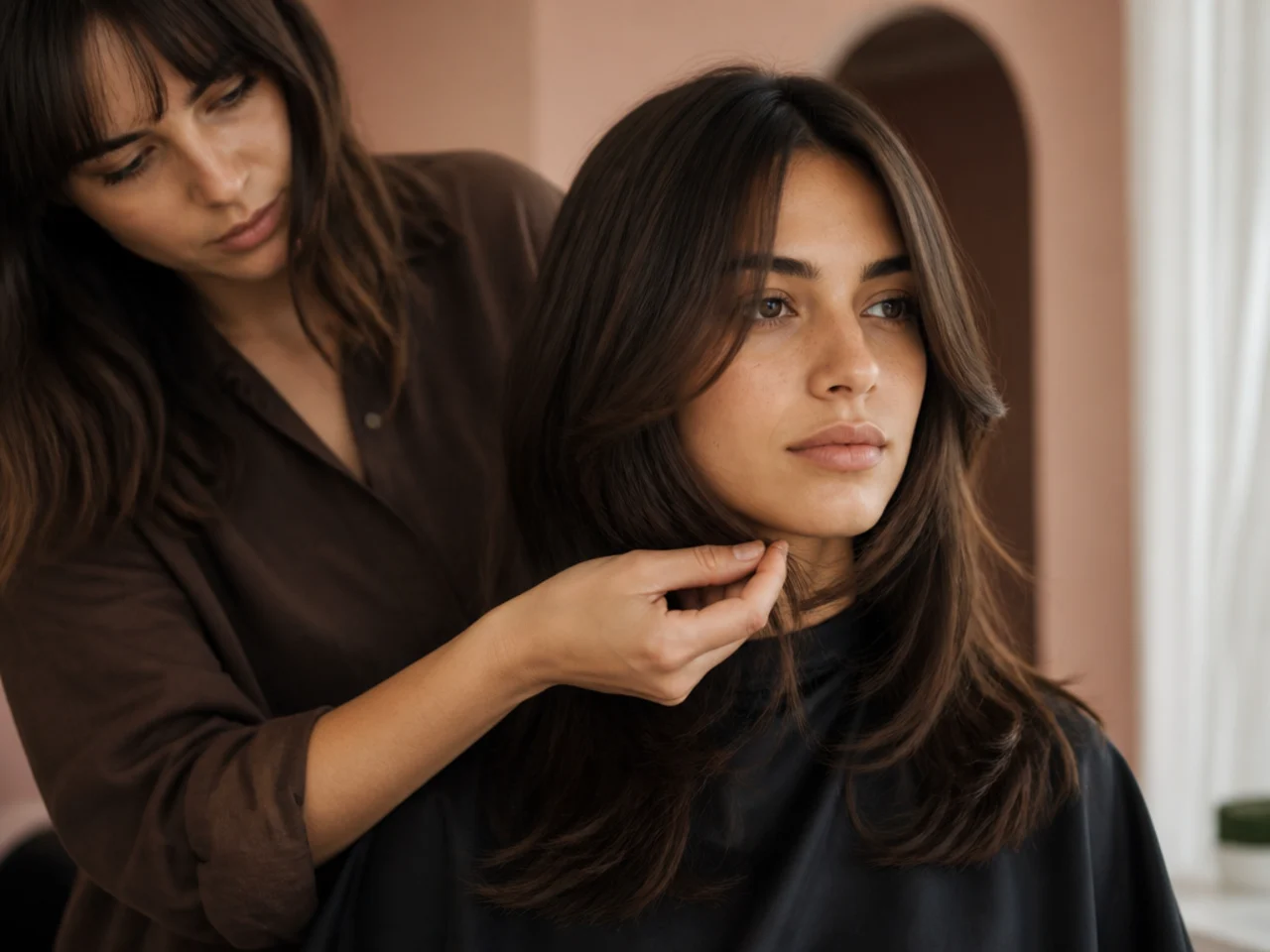
The 30 Long Butterfly Cuts
1. Classic Collarbone Wings
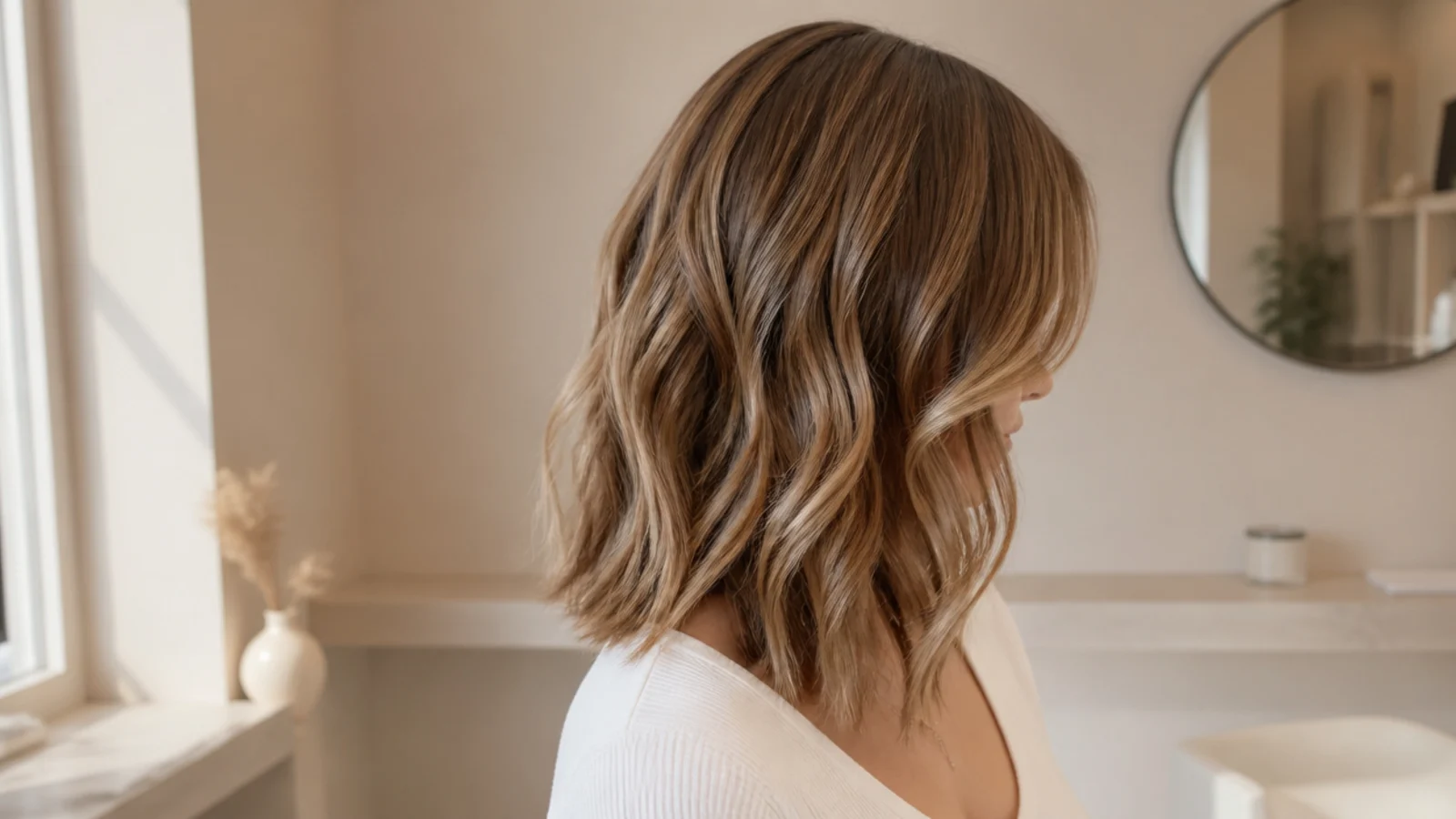
The shortest layer lands at the collarbone and the rest of the hair runs to the waist. It is the most forgiving version because the two lengths are close enough to blend into each other, so a grown out week never shows a hard step.
2. Chin Length Shortest Layer
Cutting the front layer to the chin produces the strongest wing, because the shorter a layer is the further it stands out from the lengths beneath it. It also demands blow drying, since at that length the layer will not sit correctly if it dries flat against the cheek.
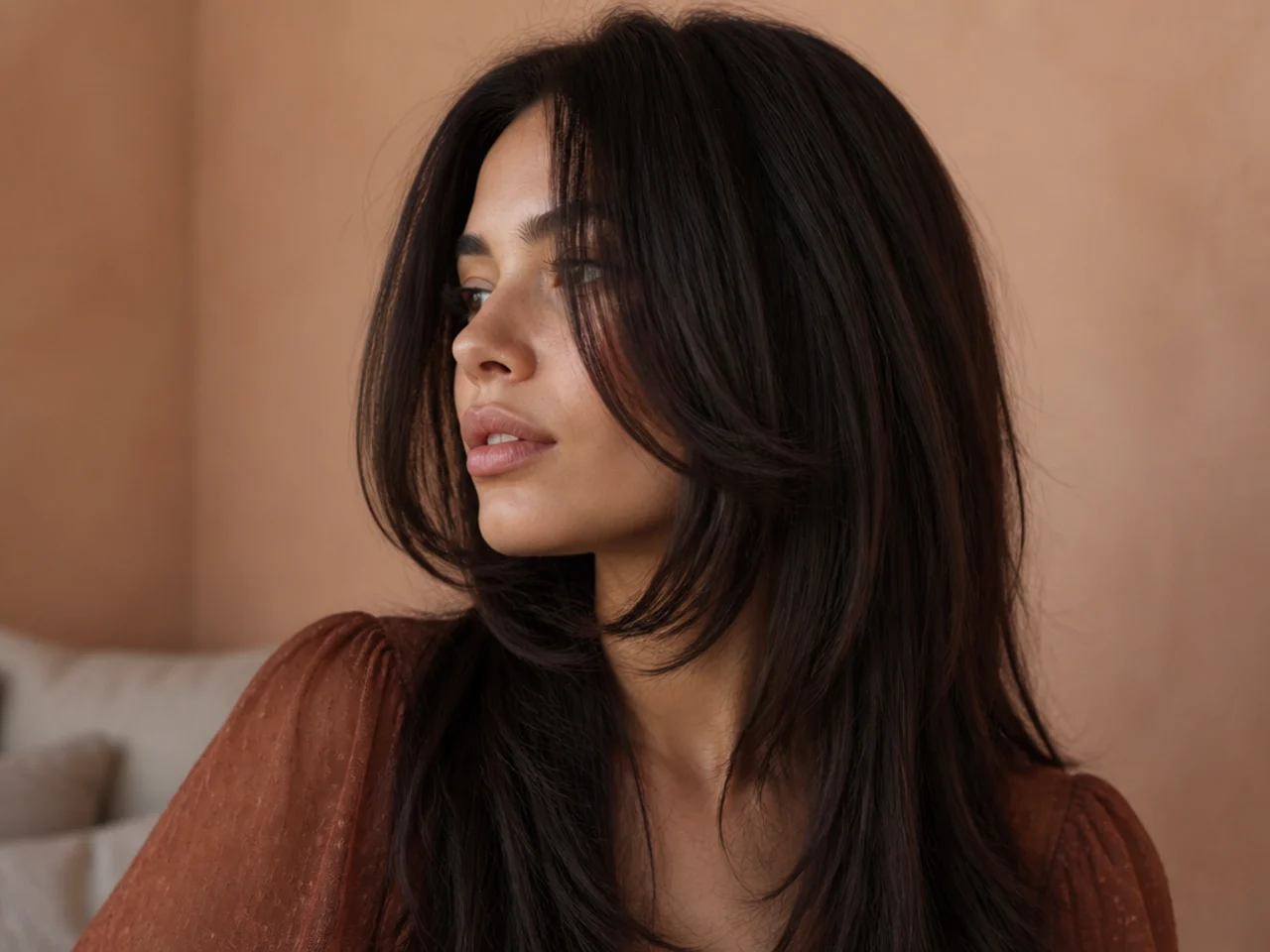
3. Butterfly Cut With Curtain Bangs
The bang becomes the shortest step in a sequence that runs fringe, wing, length. Adding it removes the jump between the forehead and the face framing layer, which is the point where a butterfly cut most often looks disconnected.
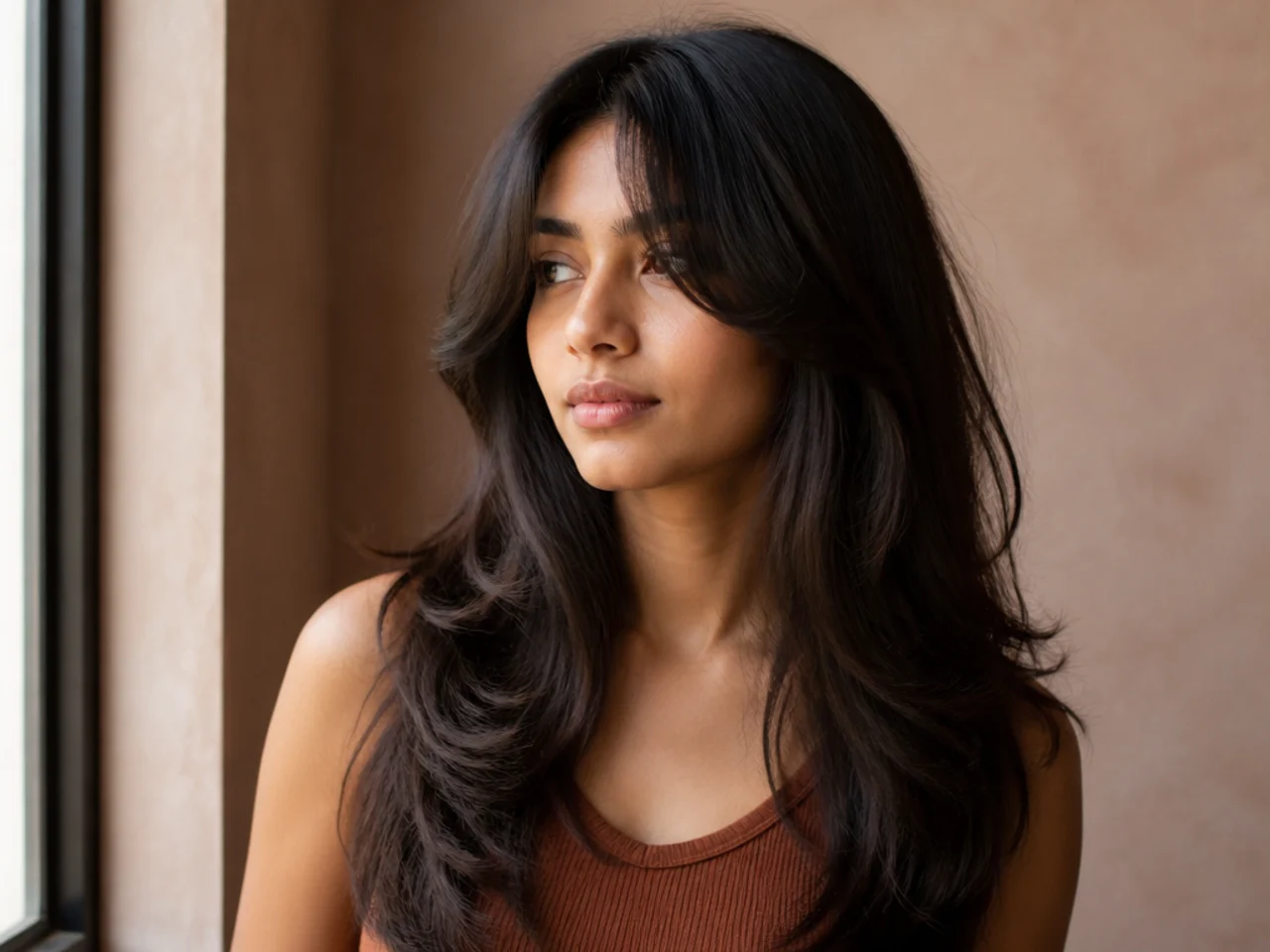
4. Butterfly Cut Without Bangs
The front layer starts at the cheekbone and sweeps back, so the forehead stays open. This suits anyone growing out a fringe, because the same section that would have been a bang is simply the top of the wing instead.
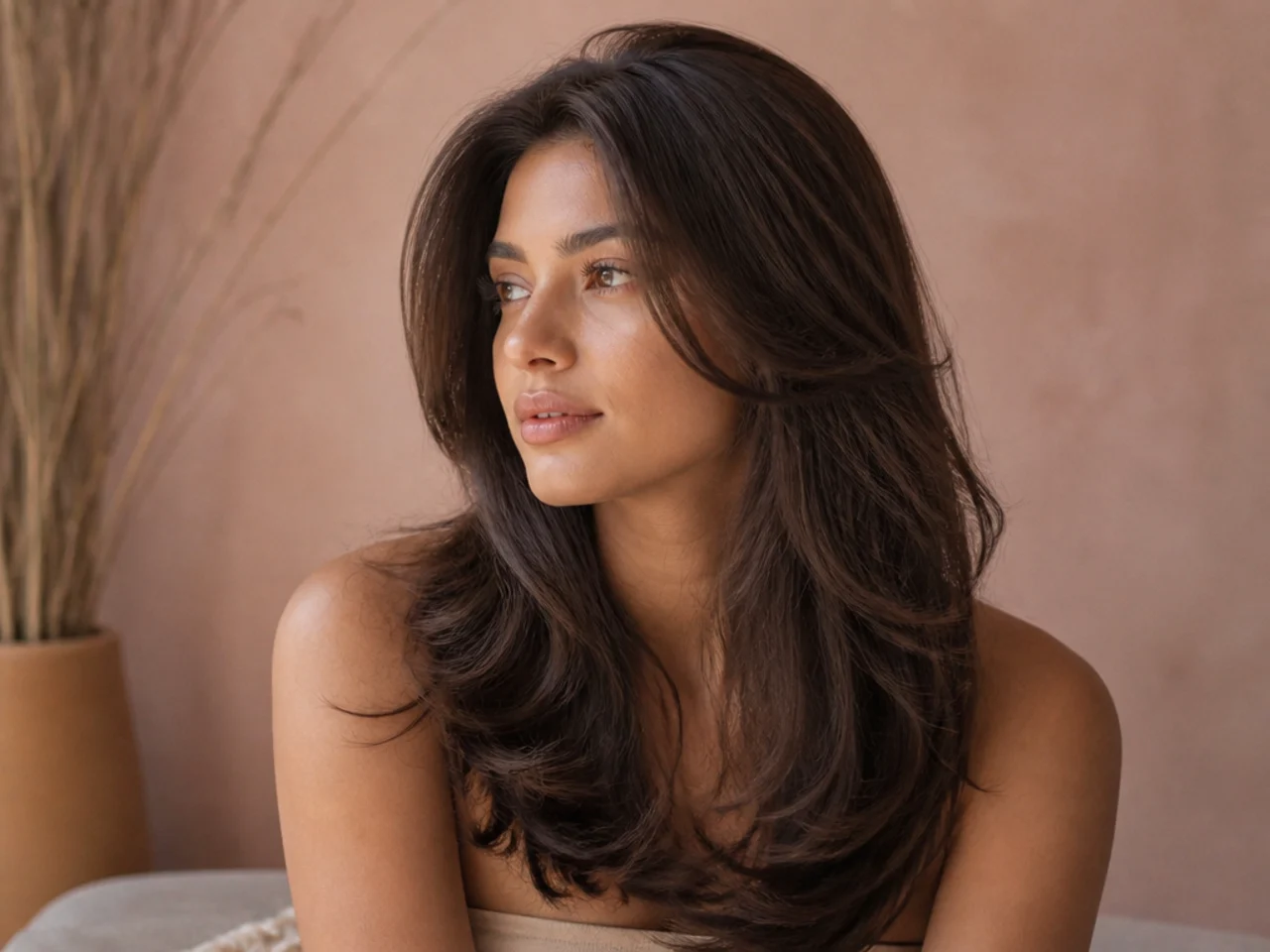
5. Short Layers Started at the Lip
The highest practical starting point for the face frame. It puts a lot of movement right beside the eyes, which lifts a long face, and it needs a round brush every time because a layer that short has no weight to pull it into place.
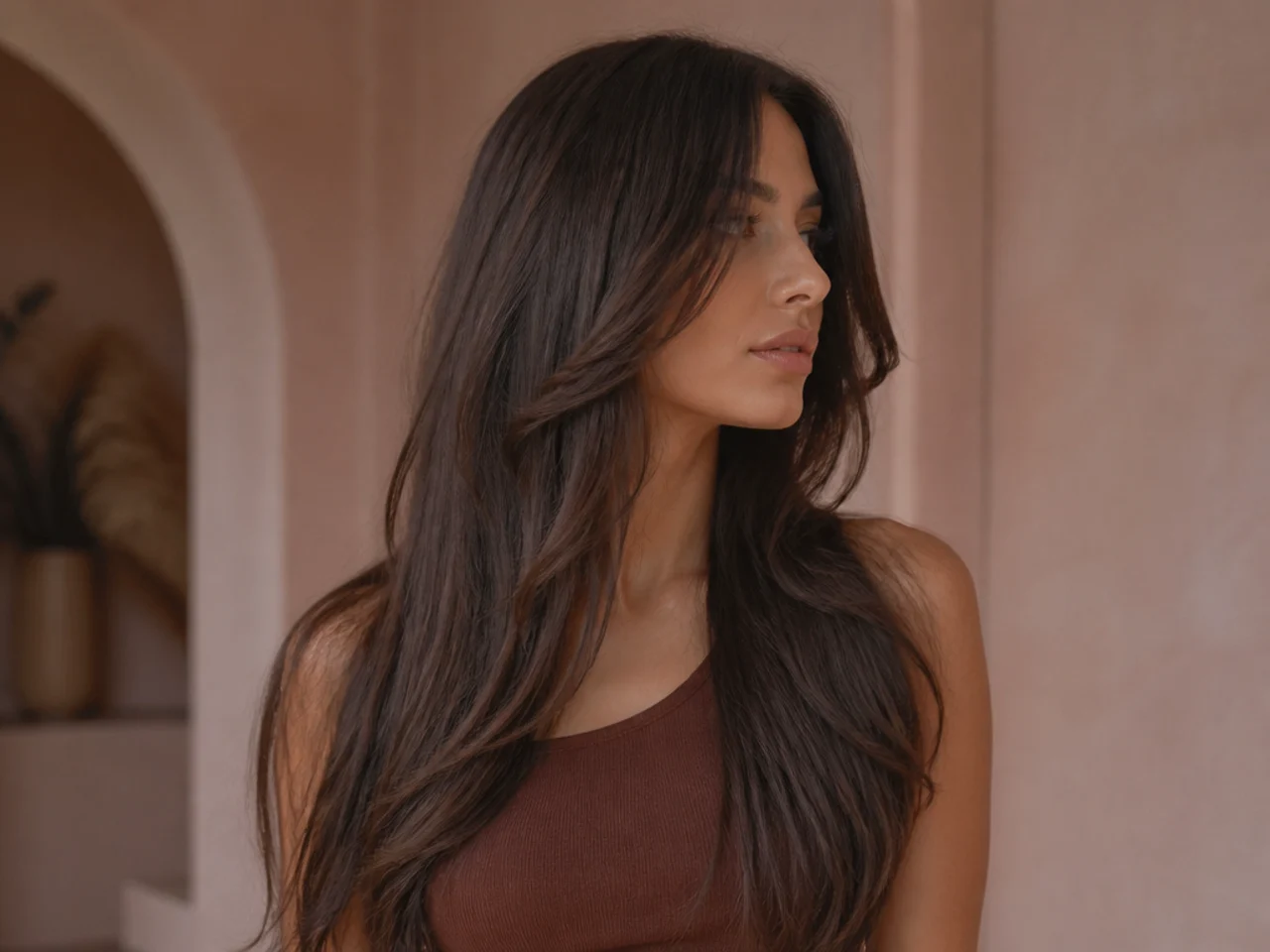
6. Long Butterfly on Straight Hair
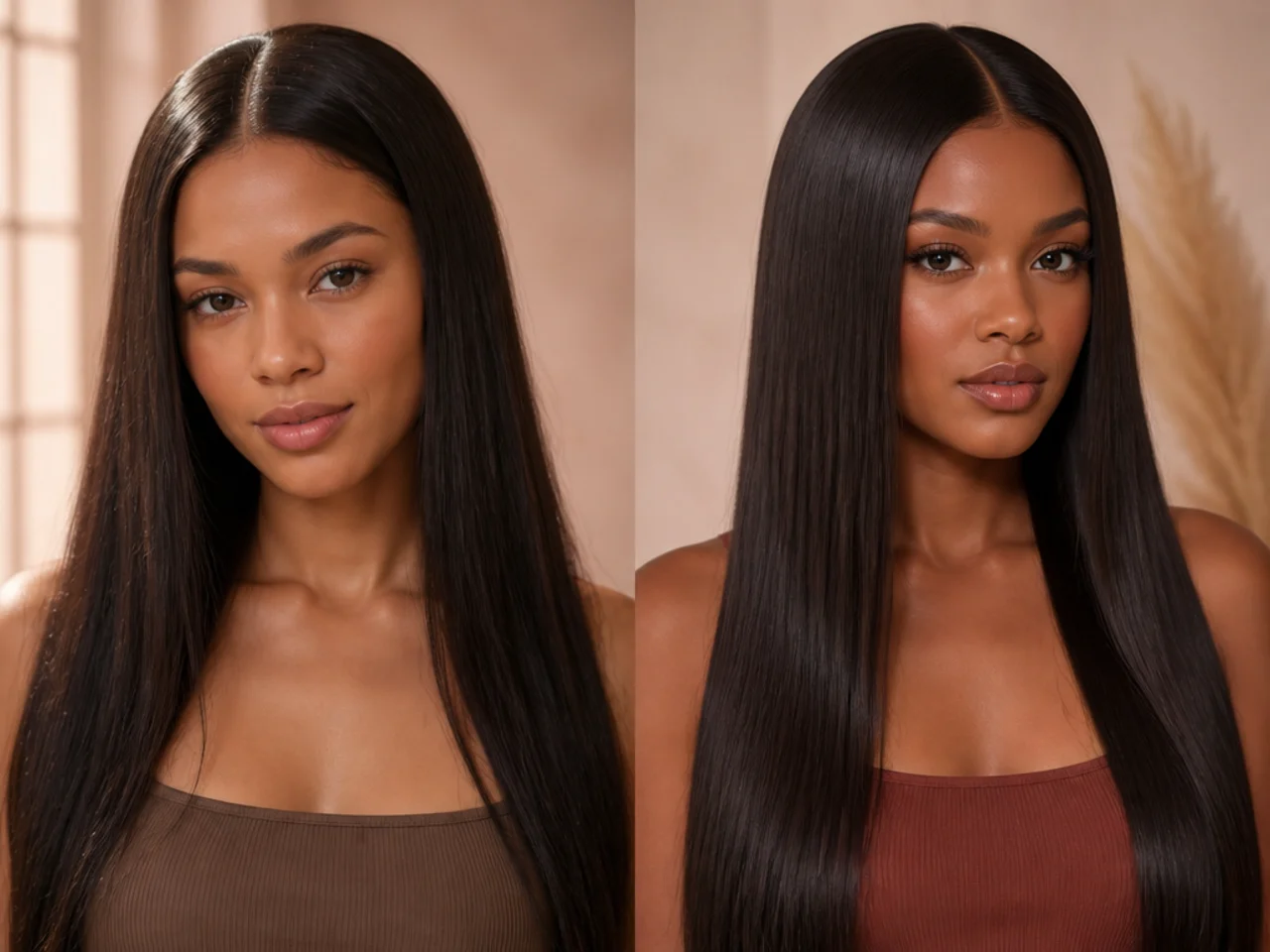
Straight hair shows the two lengths most clearly, which is both the appeal and the risk. Every layer line is legible, so the cut has to be point cut at the ends rather than cut blunt, or the wing sits as an obvious ledge across the length.
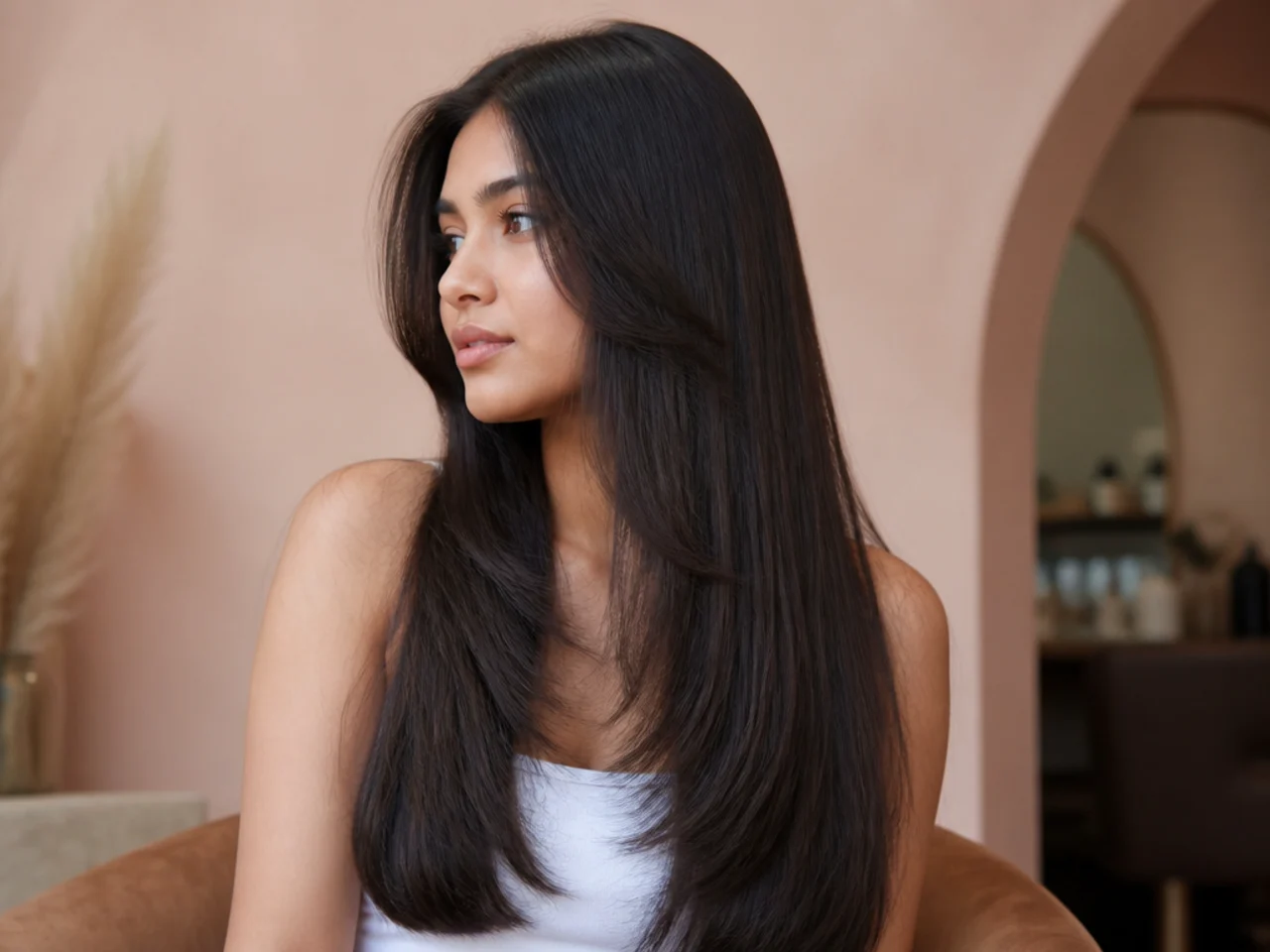
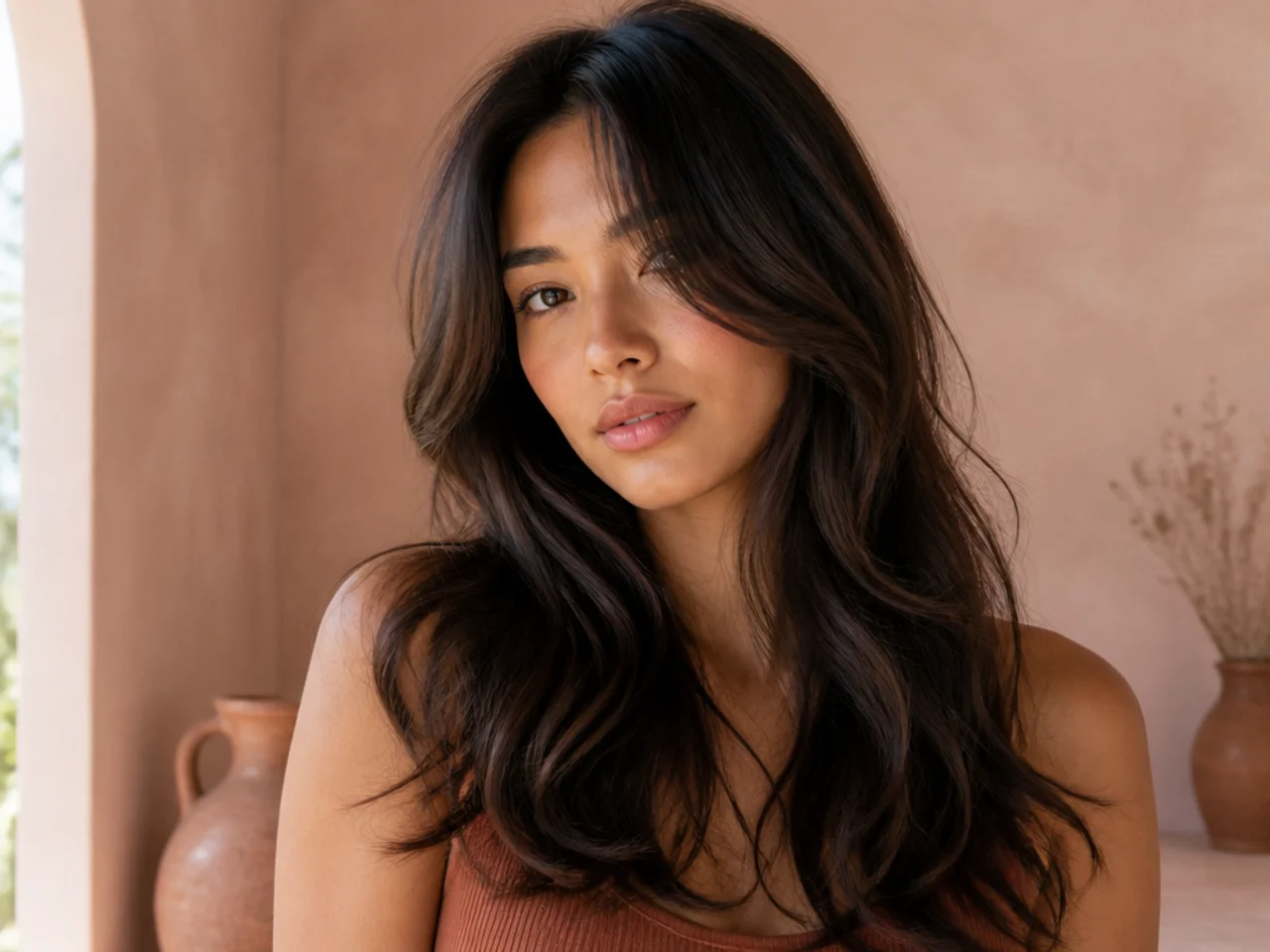
7. Long Butterfly on Wavy Hair
The natural bend hides small inconsistencies in the layer line and lifts the short pieces away from the face on its own. This is the texture the cut suits best, because the wave does the work that a round brush has to do on straight hair.
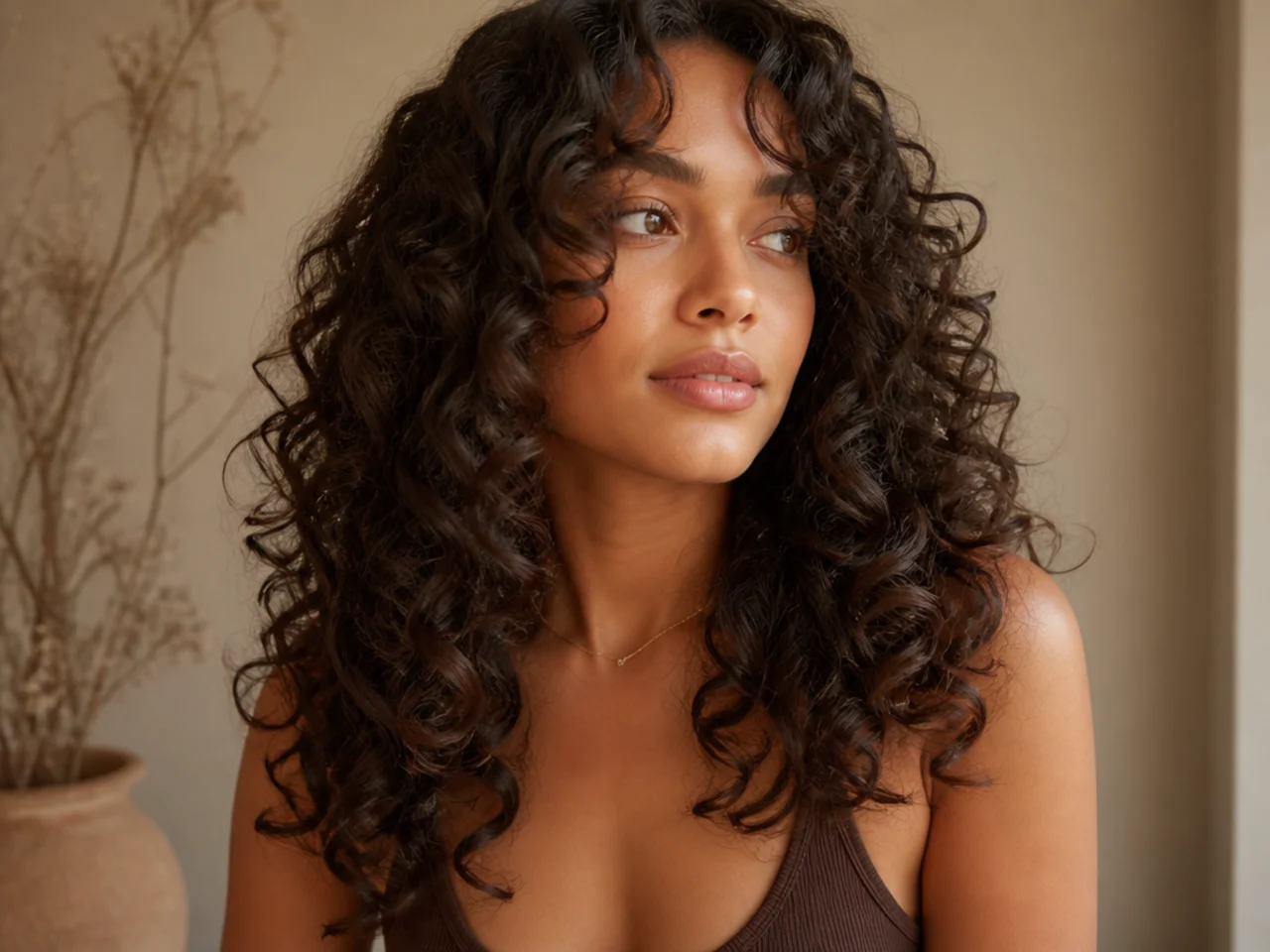
8. Long Butterfly on Curly Hair
Cut dry, curl by curl, or the finished lengths are unpredictable. A curl can lose a third of its length between wet and dry, so a layer measured on wet hair springs up somewhere entirely different once it sets.
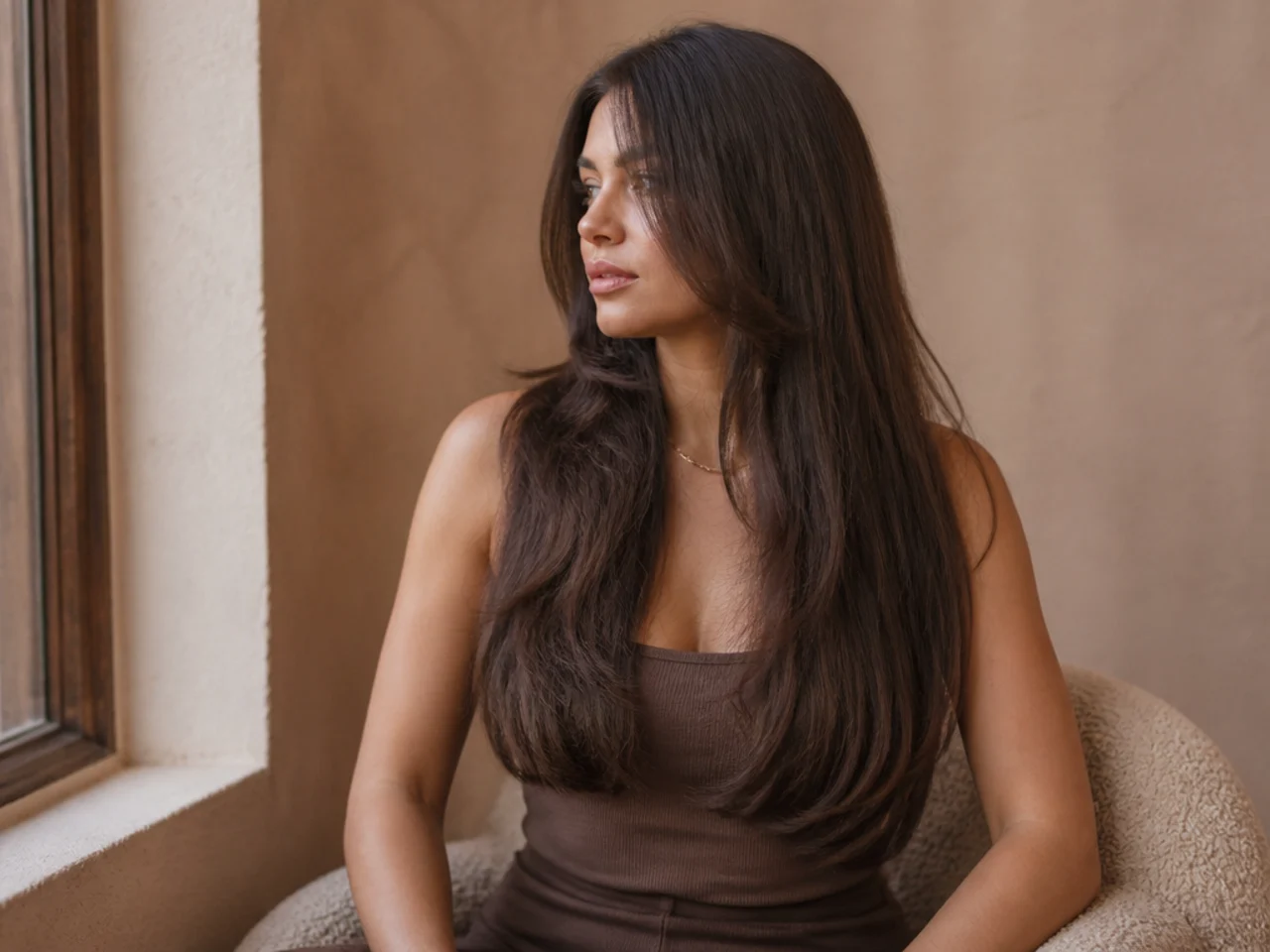
9. Butterfly Cut for Fine Hair
Keep the layers to two or three and keep them long. Fine hair separates into visible strands when it is over layered, so the ends look thin rather than light, and the perimeter needs to stay heavy to give the shape a base.
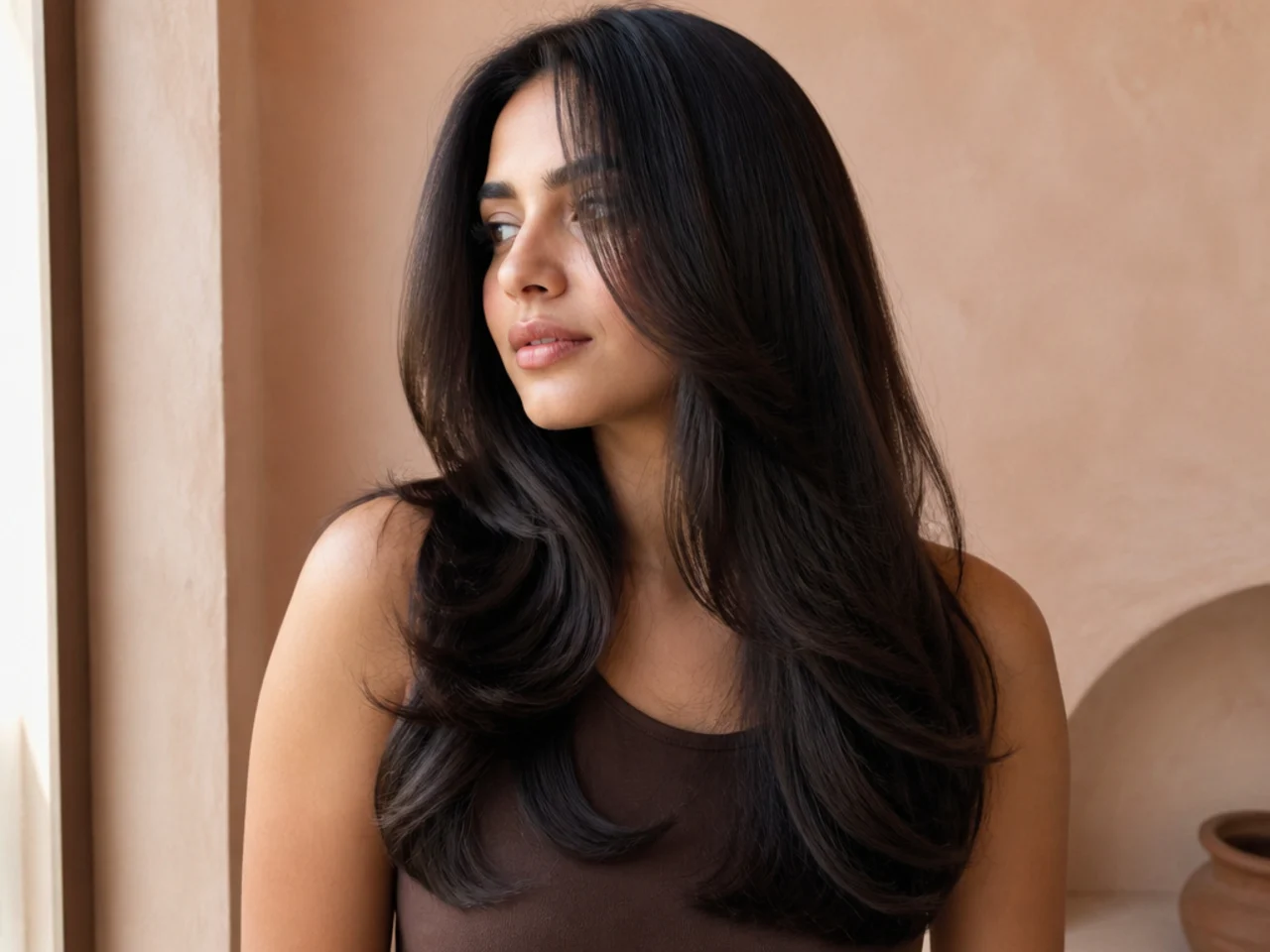
10. Butterfly Cut for Thick Hair
Here the internal layers are doing weight removal, not just shaping. Without hair taken out from underneath, thick long hair widens towards the ends into a triangle, and the wing sits on top of a mass rather than standing clear of it.
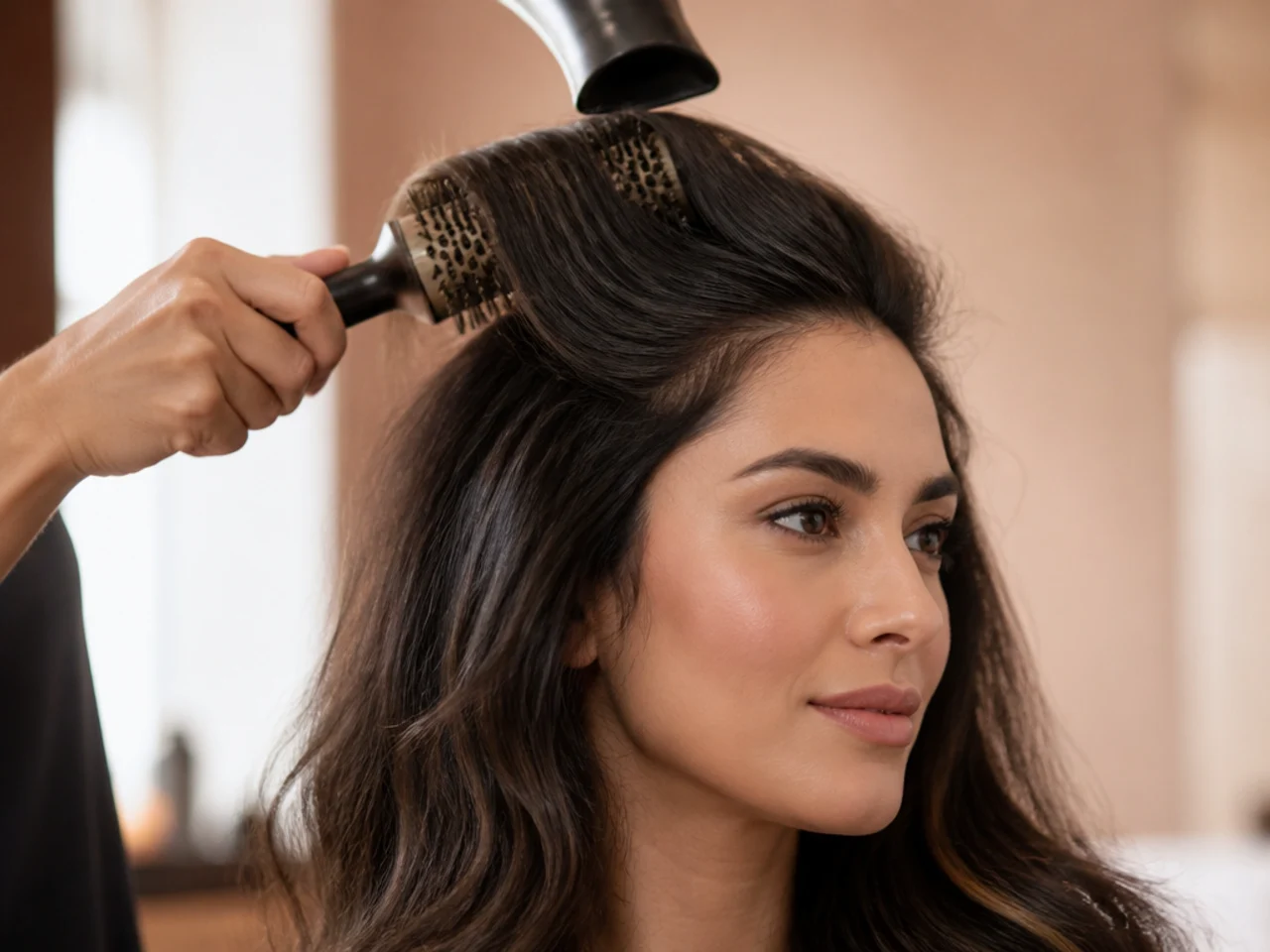
11. Blown Out Wings
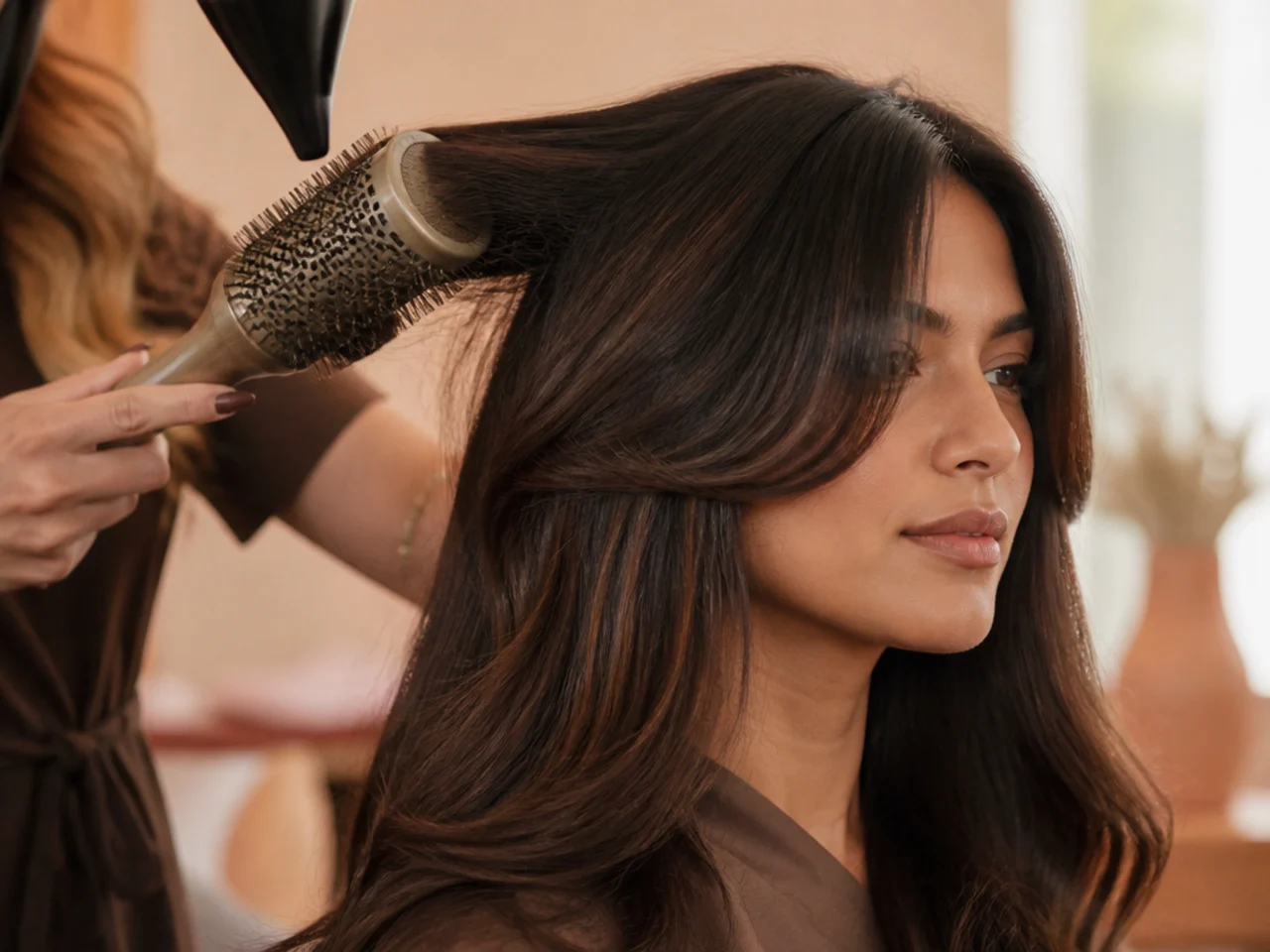
Dry the front sections backwards over a large round brush and hold each one until it cools. The bend is set by the cooling rather than the heat, so releasing the brush while the section is still warm gives you a straight layer instead of a wing.
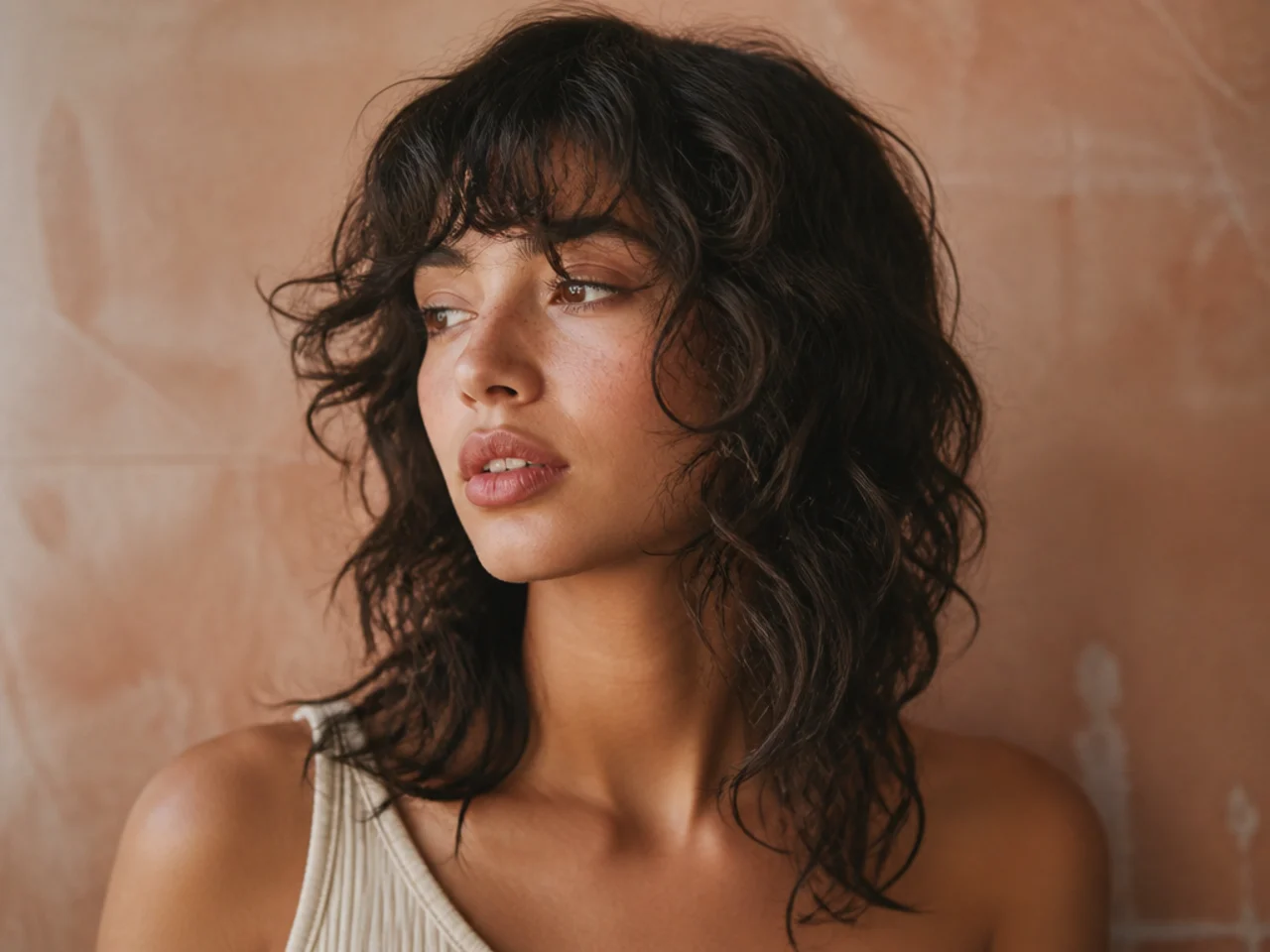
12. Air Dried Butterfly
Works on wavy hair and almost nowhere else. Air dried straight hair falls flat and closes the gap between the two lengths, which removes the wing entirely and leaves what looks like an ordinary long layered cut.
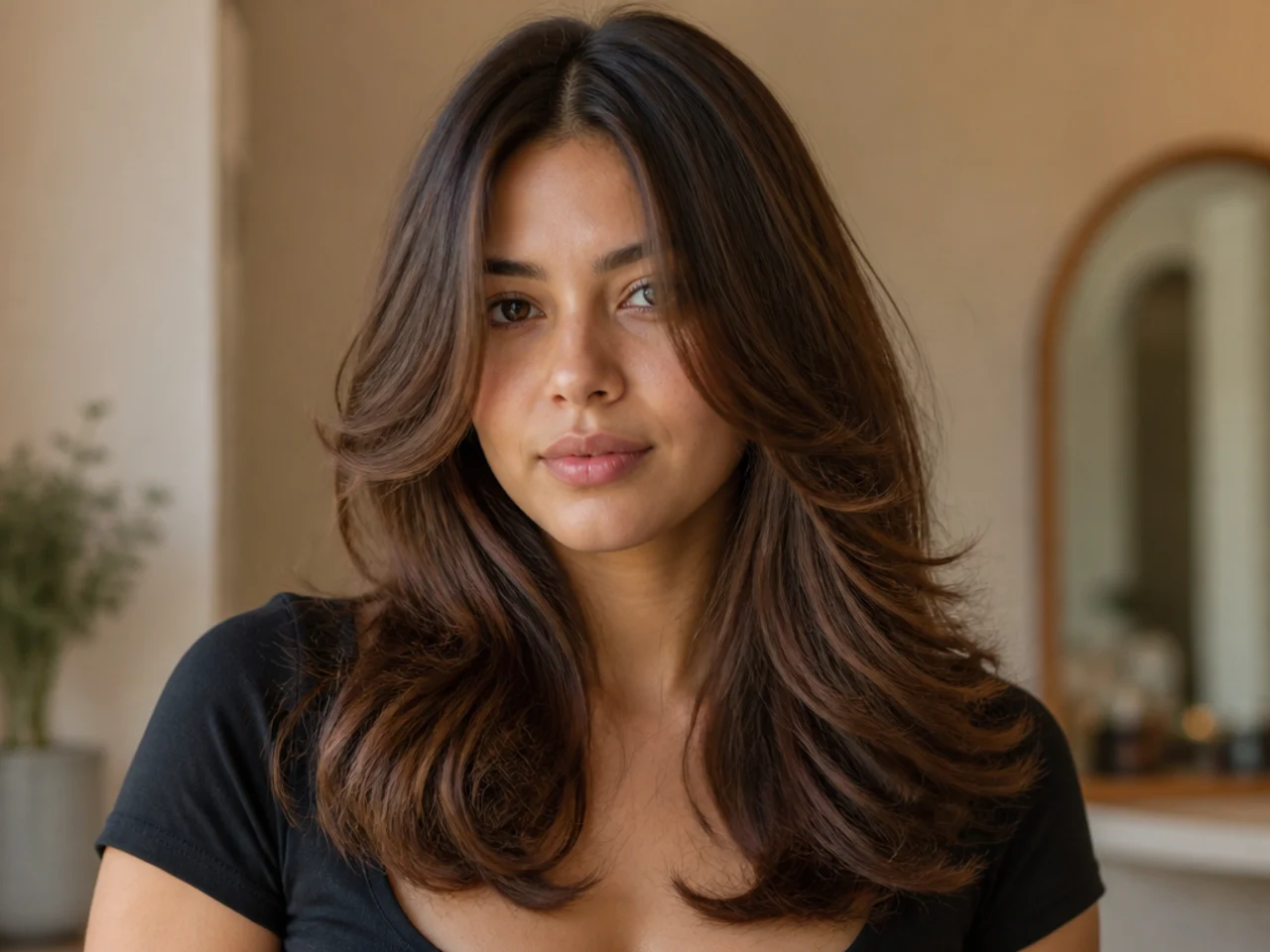
13. Butterfly With a Middle Part
Splitting the front evenly gives two matching wings and the most symmetrical version of the shape. It only works if the shortest layers on each side are genuinely the same length, since a centre part puts them side by side where any difference is obvious.
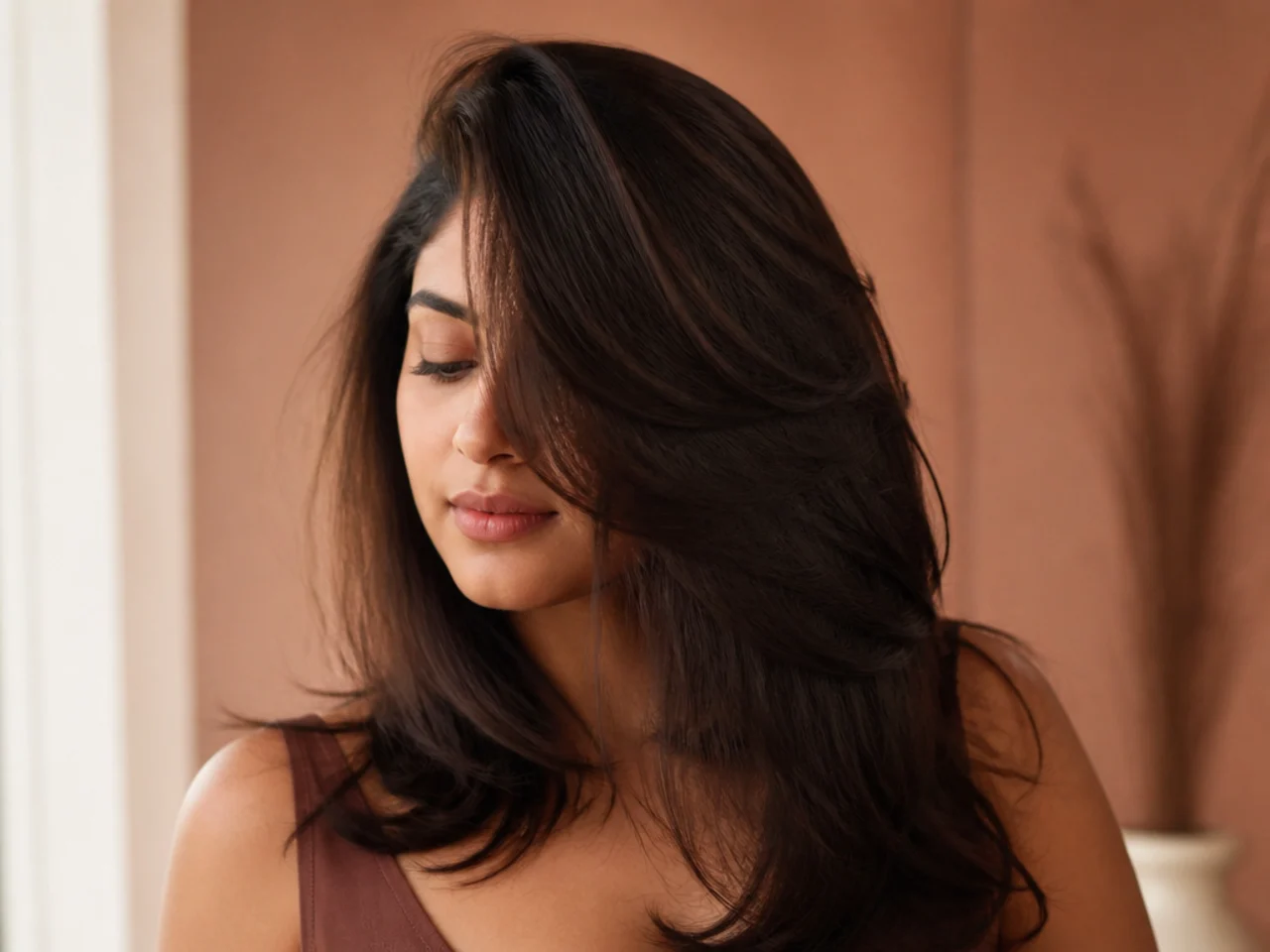
14. Butterfly With a Deep Side Part
The heavier side carries most of the short layers, which stacks volume above one eyebrow and lifts the whole shape at the crown. The lighter side reads almost as a straight length, and that asymmetry is what stops the cut looking uniform.
15. Soft Invisible Layering
The steps between the lengths are blended so gradually that no single line is visible, and the effect is movement rather than shape. Choose this if you want to be able to wear the hair straight, because a soft version does not need daily drying to look intentional.
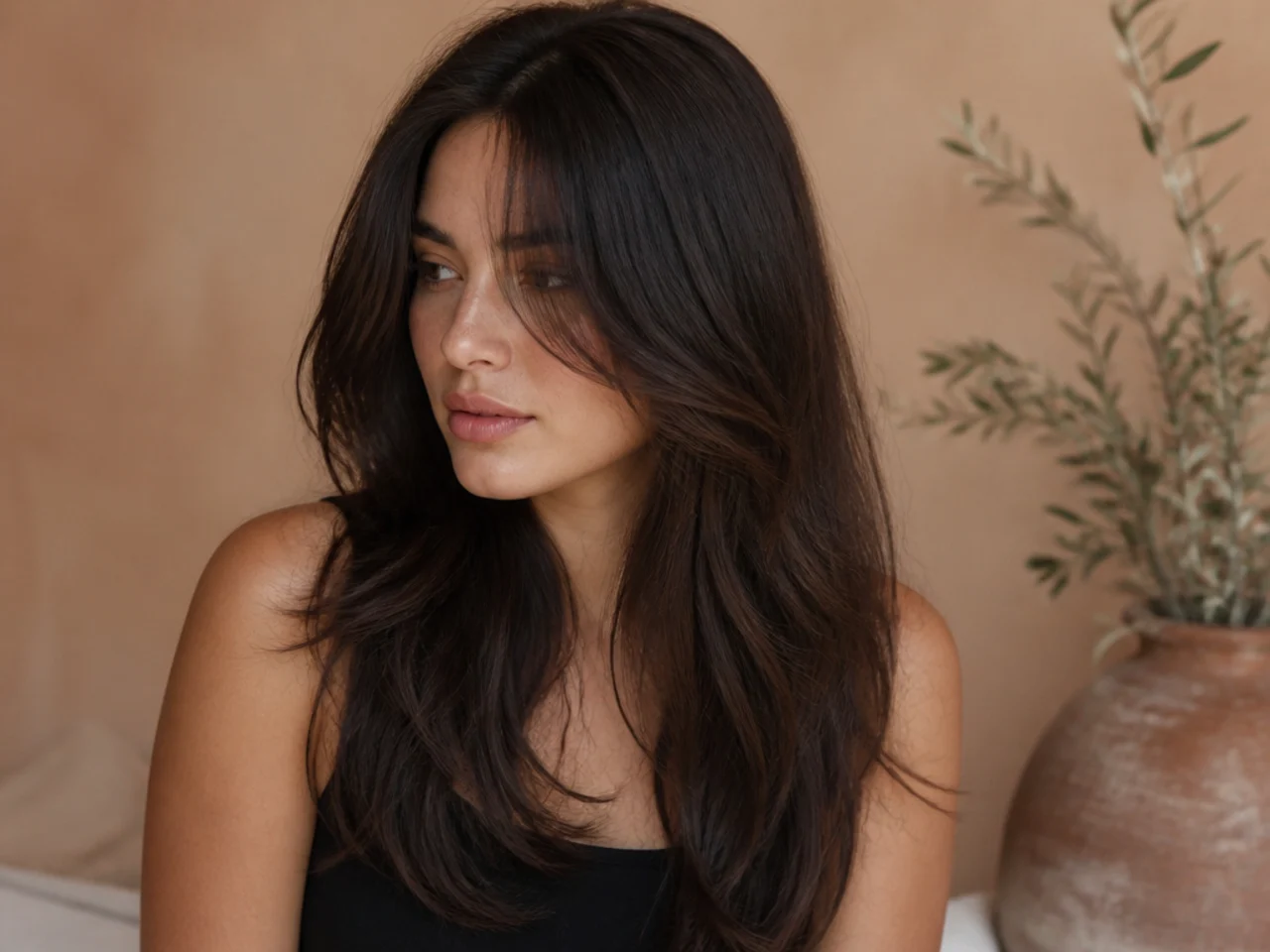
16. Heavy Disconnected Layering
The opposite approach, with a hard step left between the short and the long sections. It is the most dramatic version of the cut and the least forgiving, because a disconnection cannot be softened later without cutting the length underneath it.
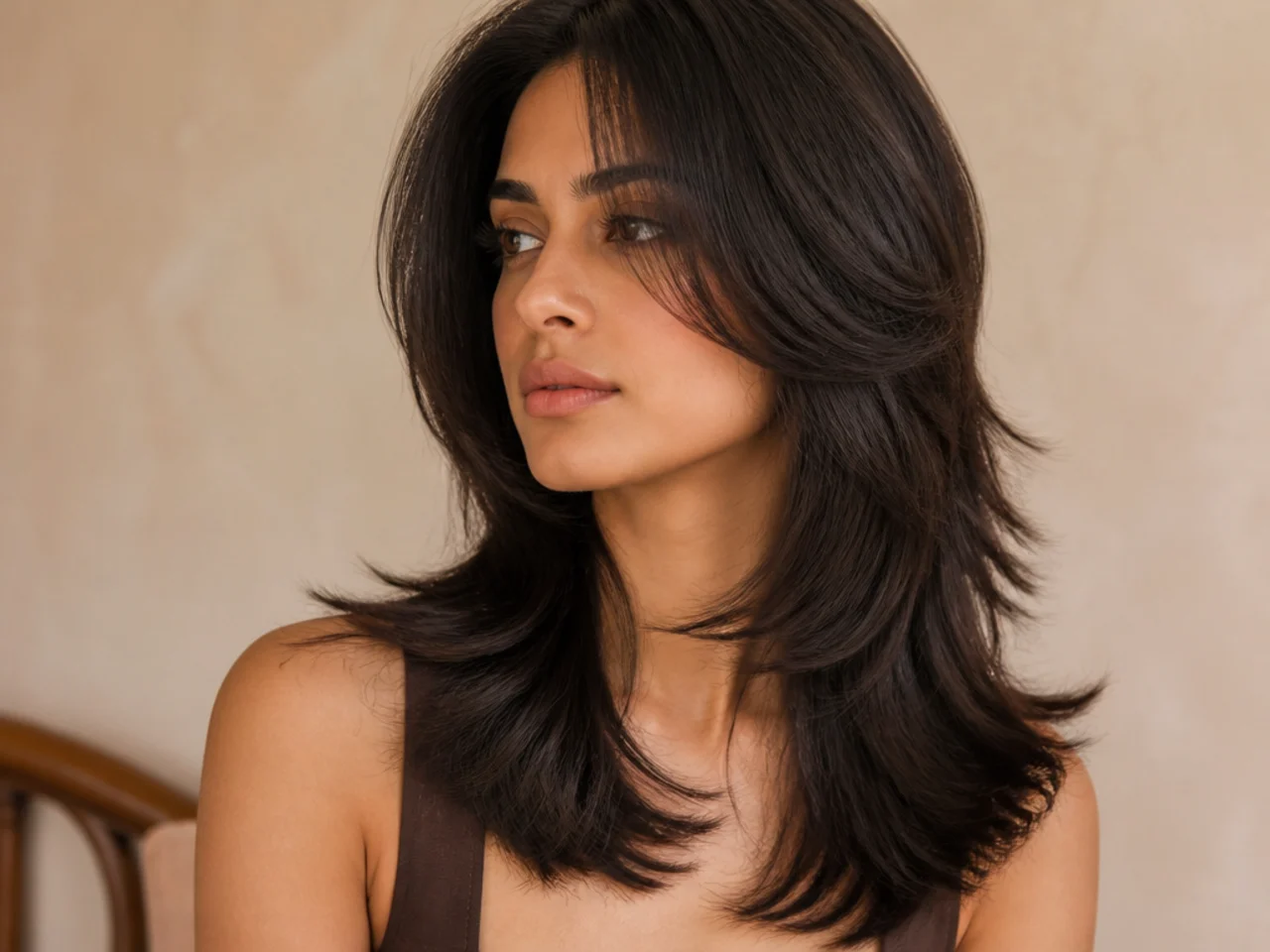
17. Blunt Perimeter Butterfly
Layering above, a straight cut edge at the bottom. Keeping the ends blunt holds density where long hair usually thins, so the length looks solid under all the movement above it, an idea covered further in blunt cuts with layers.
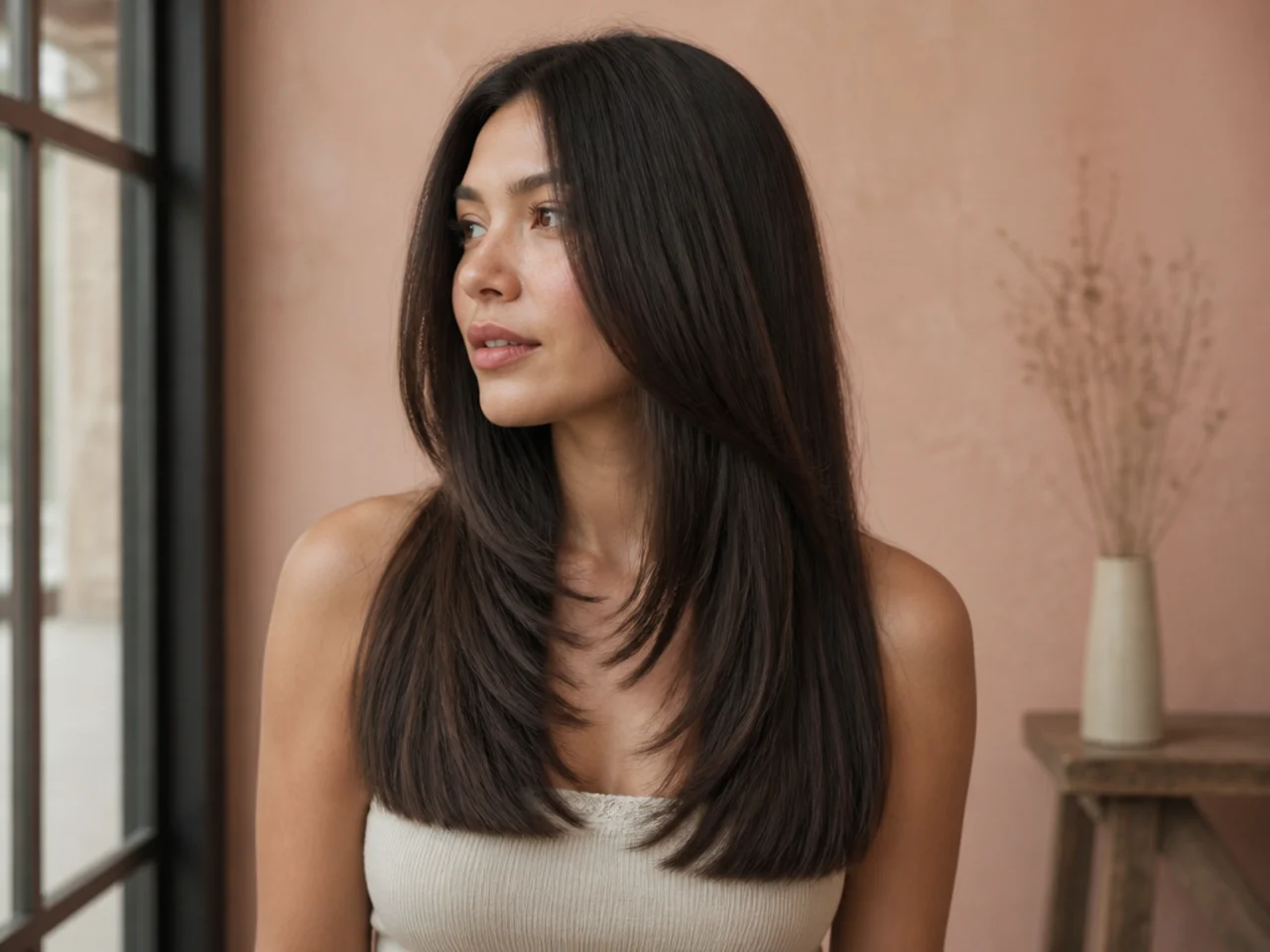
18. Point Cut Perimeter Butterfly
The ends are cut into with the scissor tips so the edge breaks up rather than sitting as a line. It removes weight from the very bottom of the hair, which lets the length move and makes the wing above it look fuller by comparison.
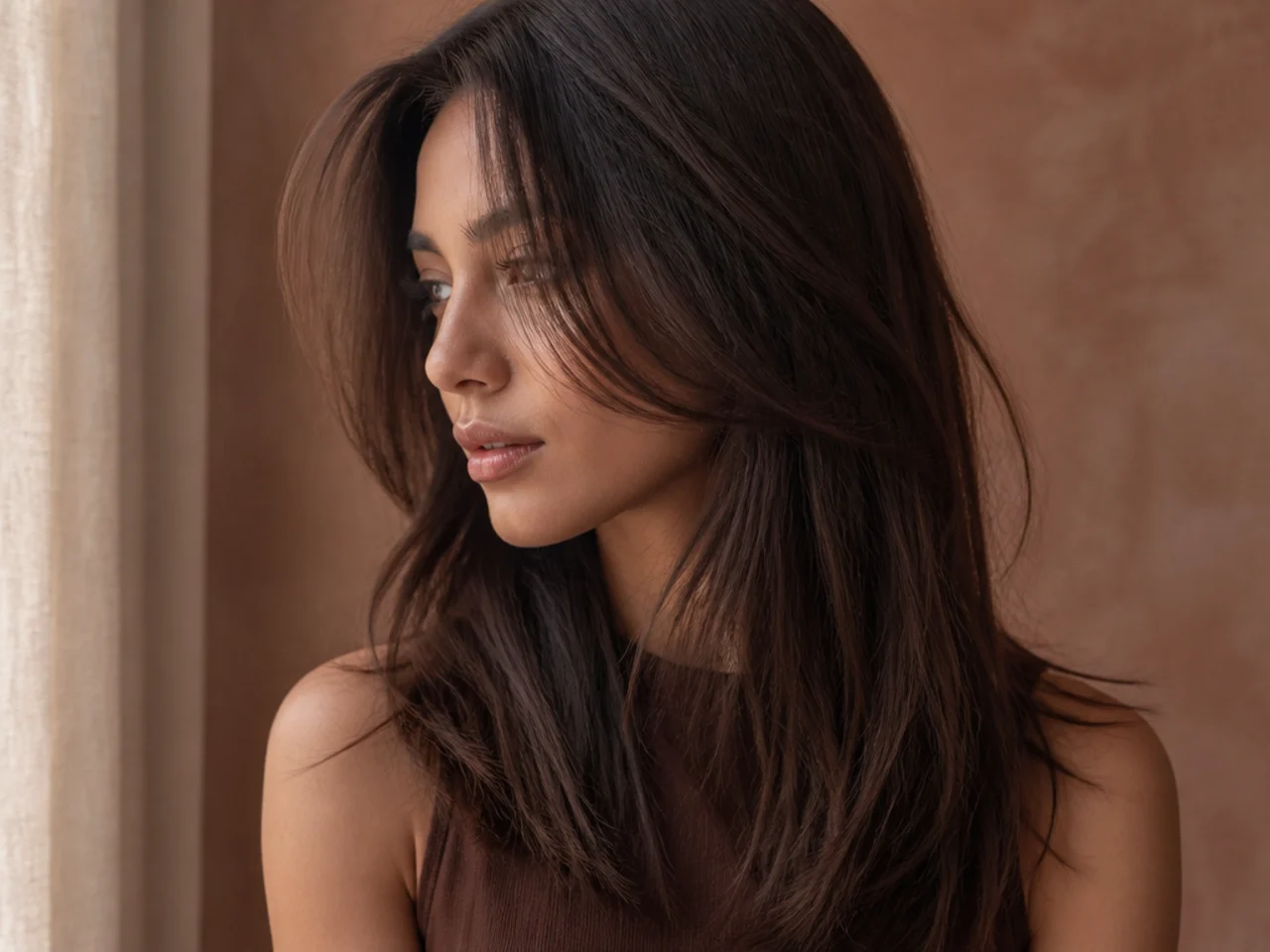
19. Butterfly With a Money Piece
Lightening the two shortest front layers puts the brightest hair exactly where the cut already draws the eye. Because those pieces sit on top of the darker length behind them, the contrast reads as depth rather than as a stripe.
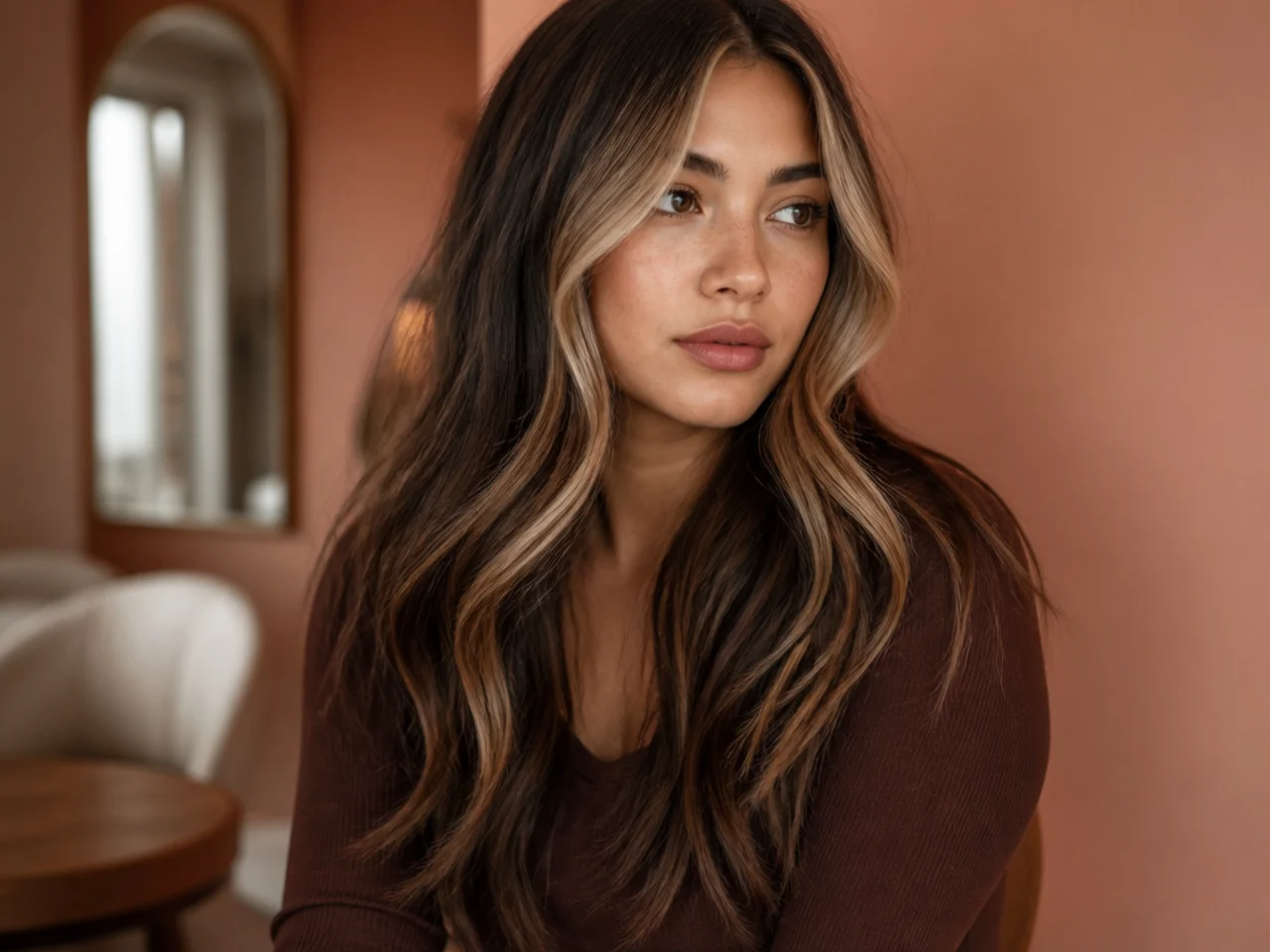
20. Butterfly With Balayage Through the Wings
Painting colour along the short layers only makes the two lengths read as two tones as well as two shapes. The lighter pieces catch the light where they curve away from the head, which exaggerates the wing without cutting anything shorter.
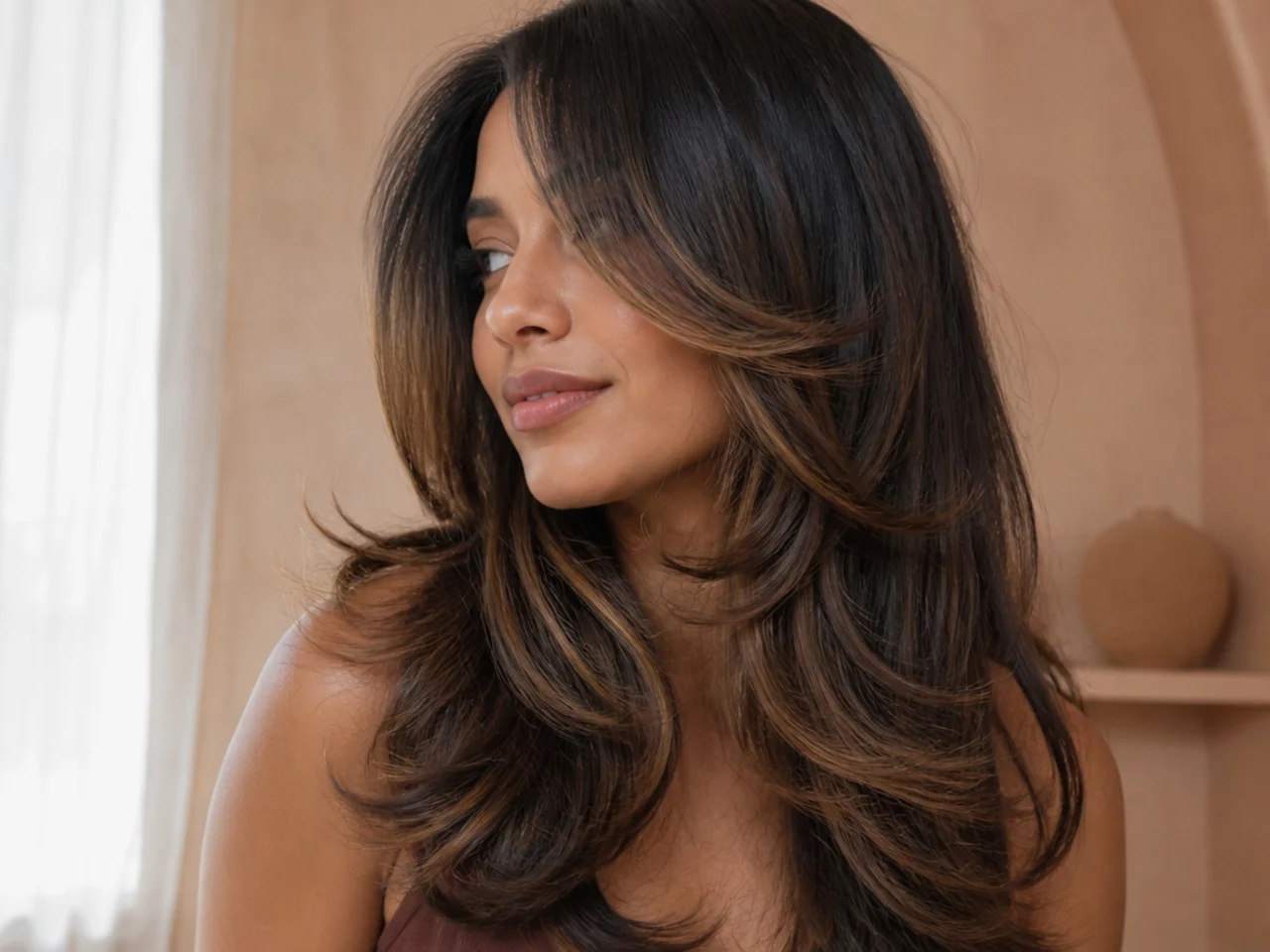
21. Korean Style Butterfly Layers
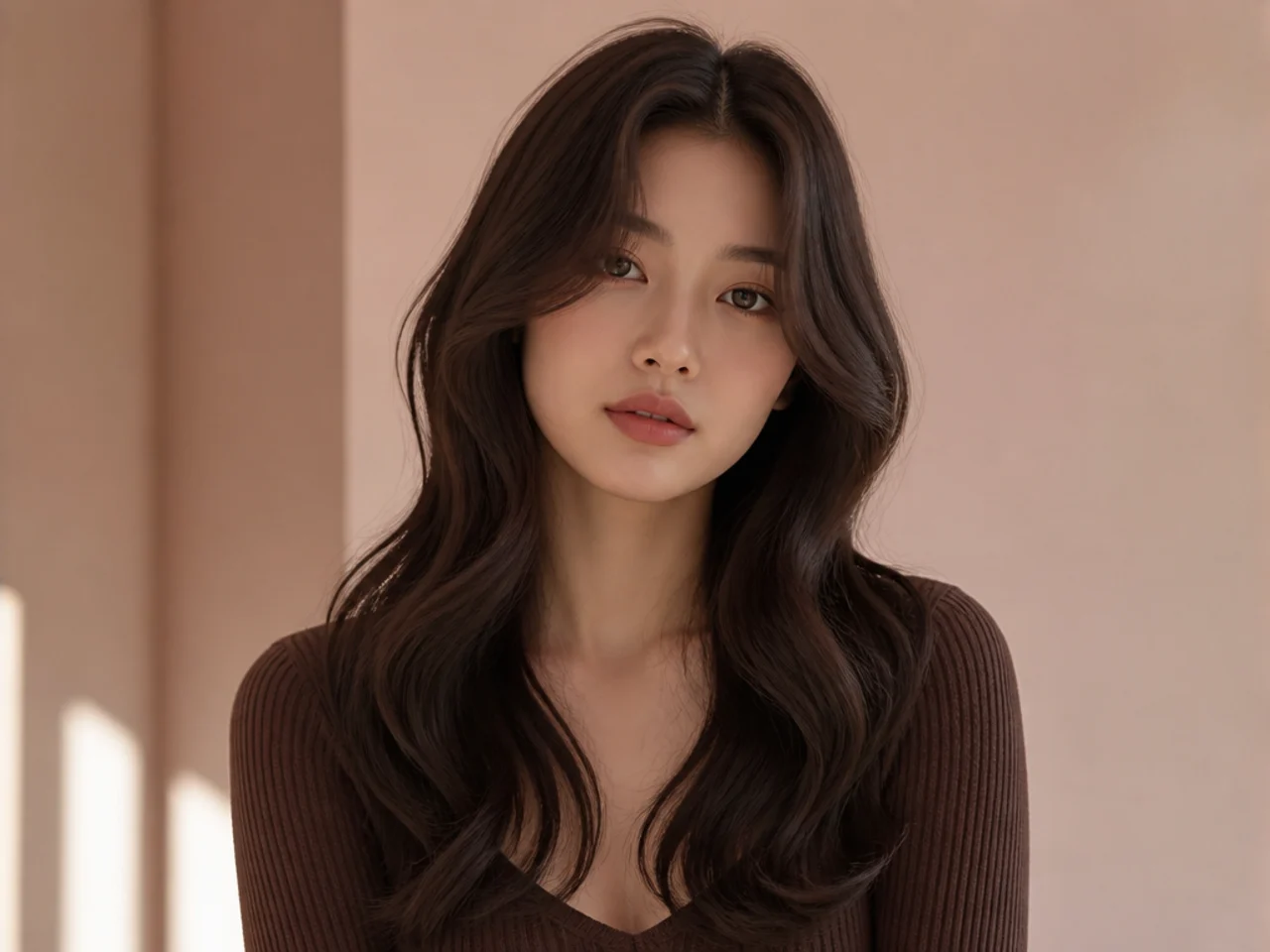
A softer, rounder wing dried inward rather than flicked out, so the shape curves towards the cheek instead of away from it. It reads gentler because the ends point back at the face, and sits close to the shapes covered in long Korean haircuts.
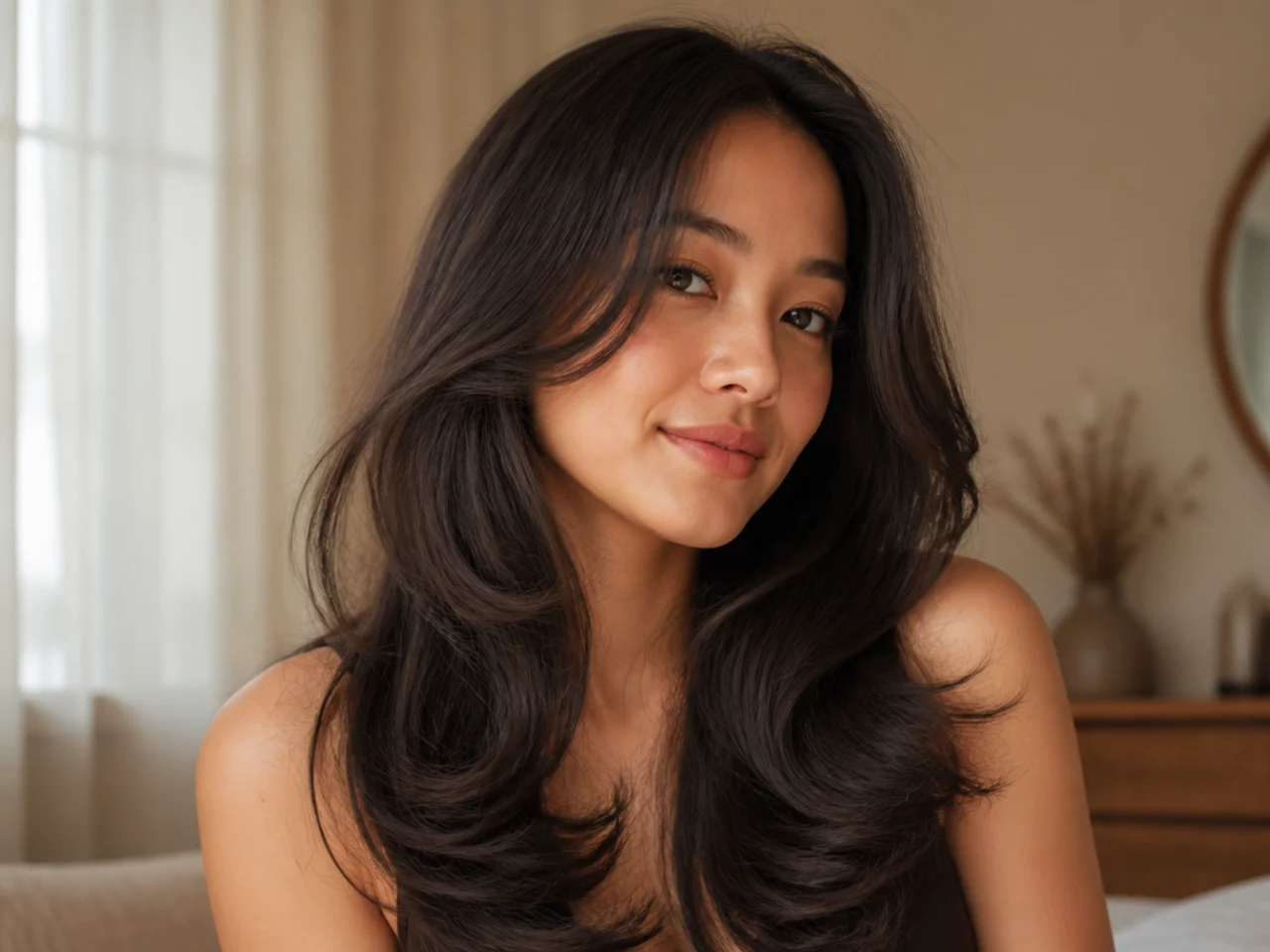
22. Butterfly for a Round Face
Start the shortest layer at the jaw or below. A layer ending at the cheekbone adds width at the widest point of a round face, while one starting lower pulls the eye vertically down the length instead.
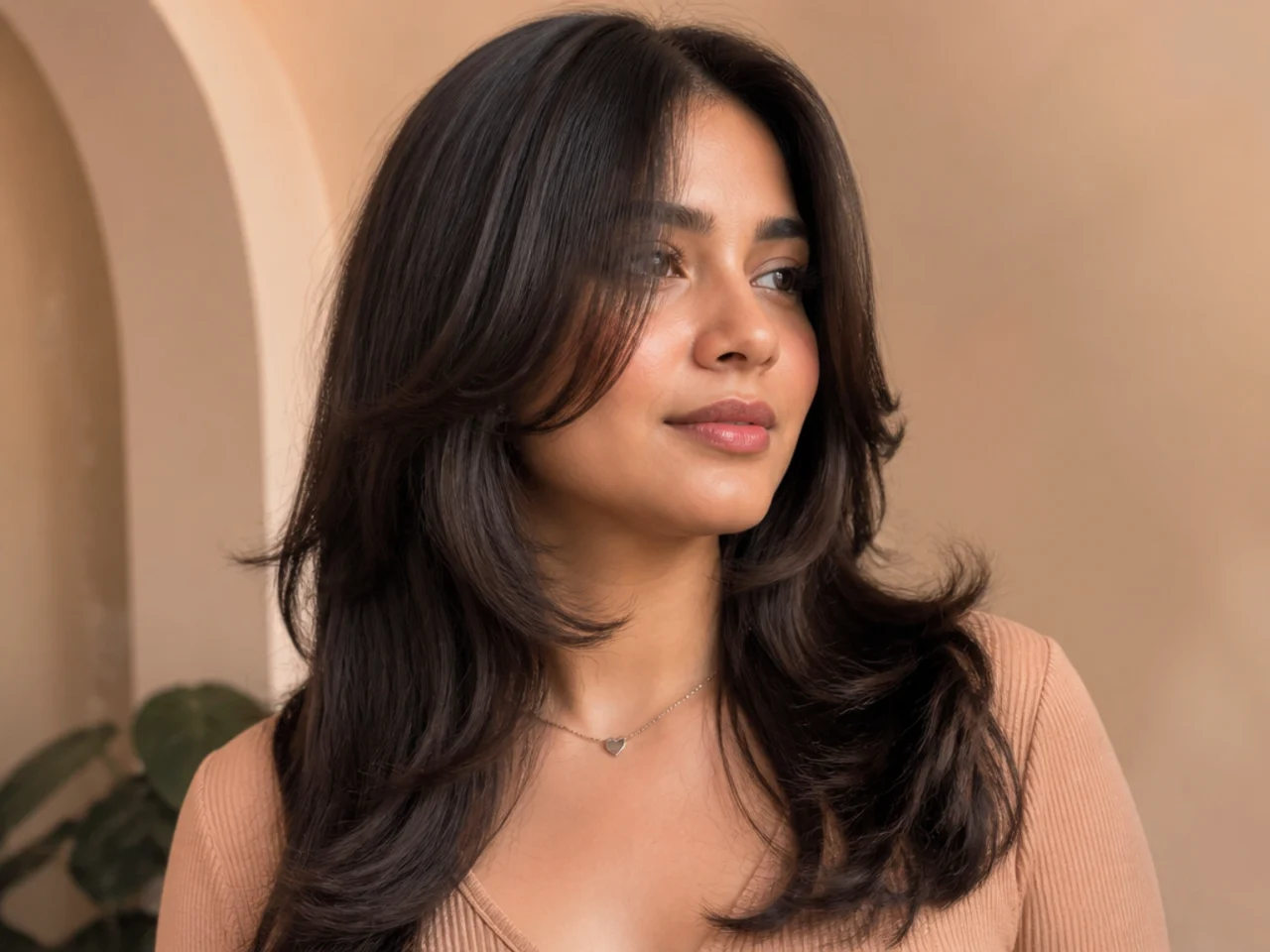
23. Butterfly for a Long Face
The opposite instruction. A shorter front layer around the cheekbone puts width across the middle of the face, which shortens it visually, and a fringe on top of that removes height from the forehead as well.
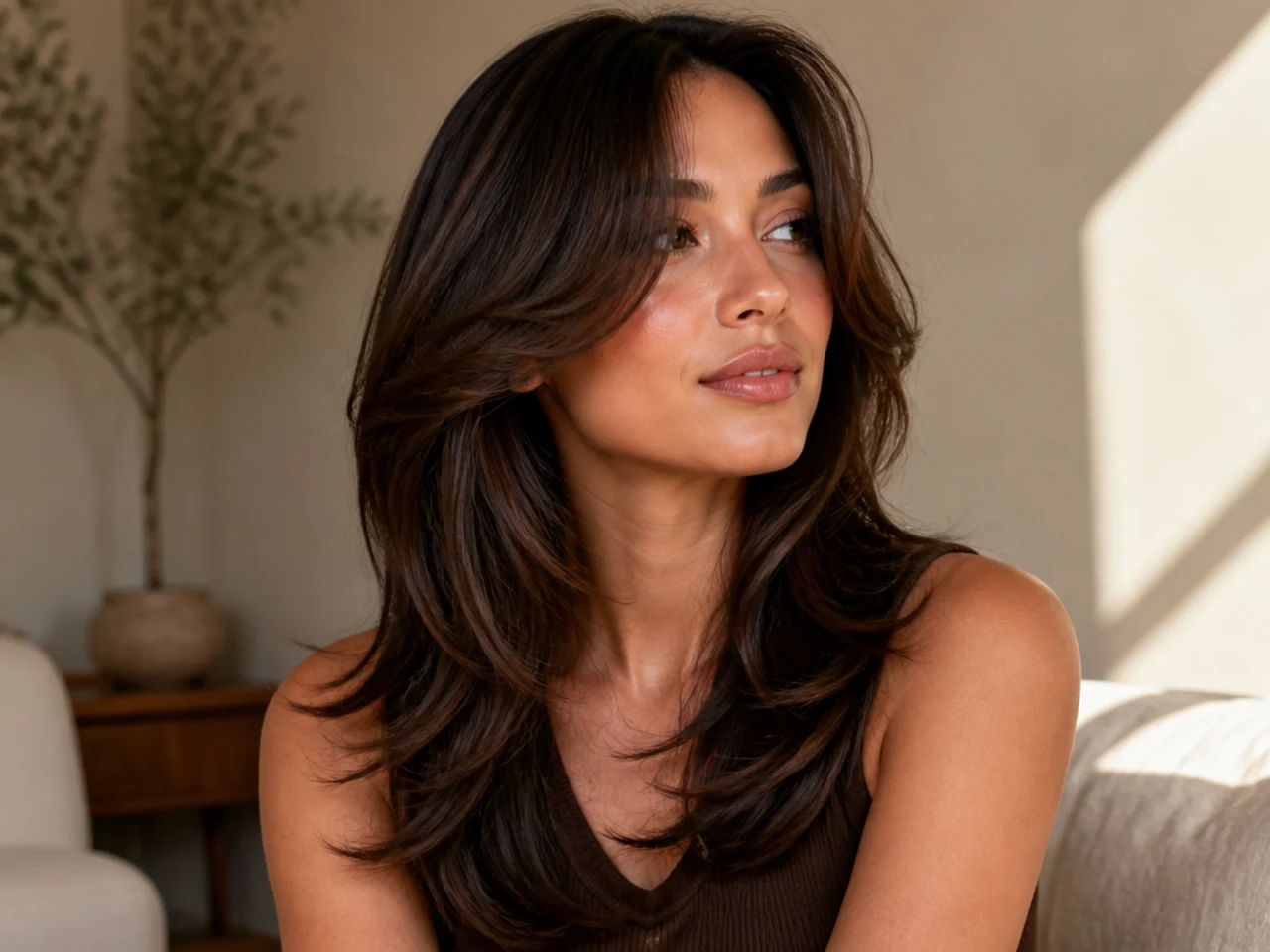
24. Butterfly Worn Half Up
Tying the crown back leaves the short layers loose around the face, which is the shape the cut was designed around. The half up section also lifts the roots at the top, so the crown gains the height that long heavy hair usually loses.
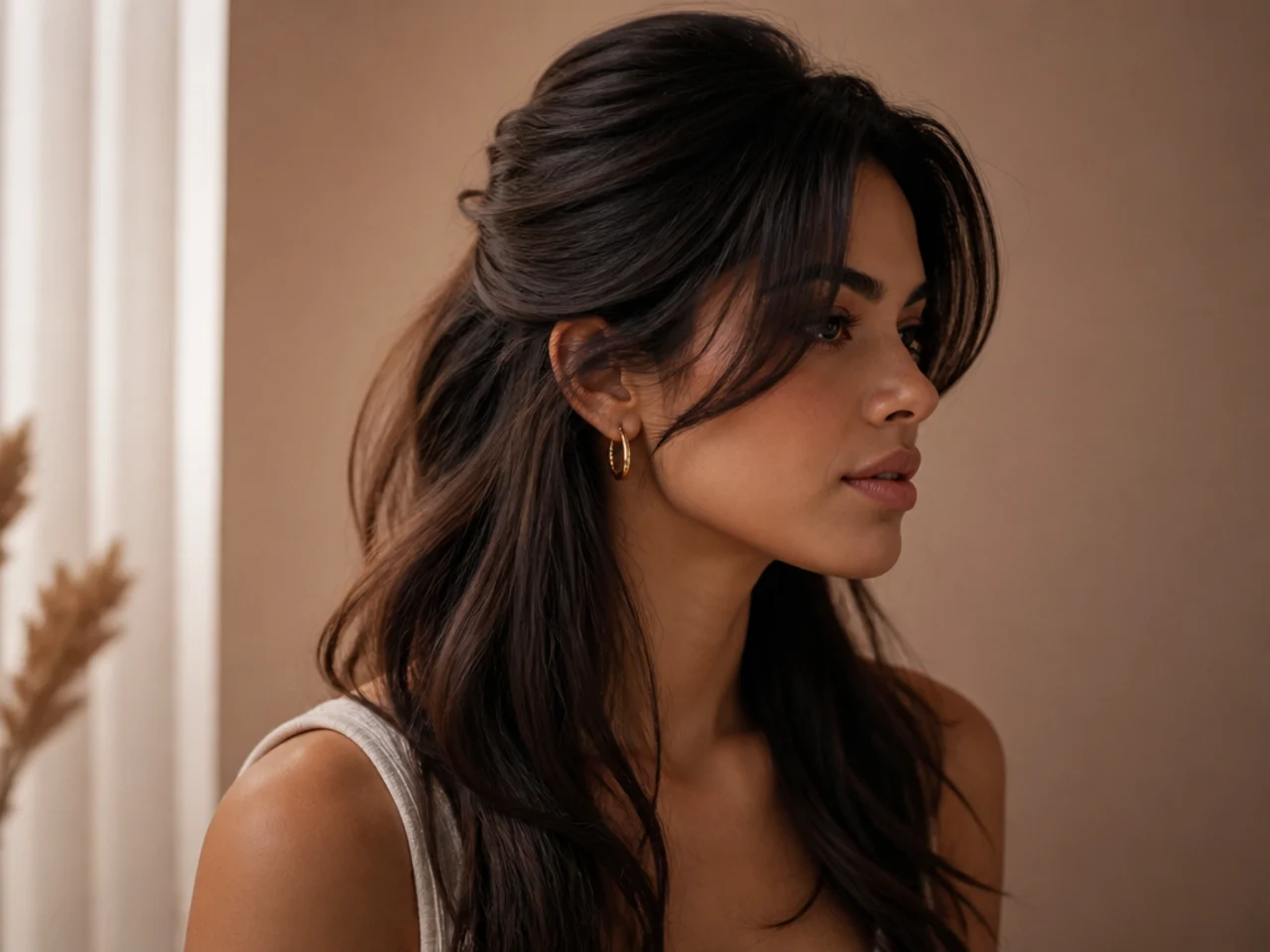
25. Butterfly Tied Into a Faux Bob
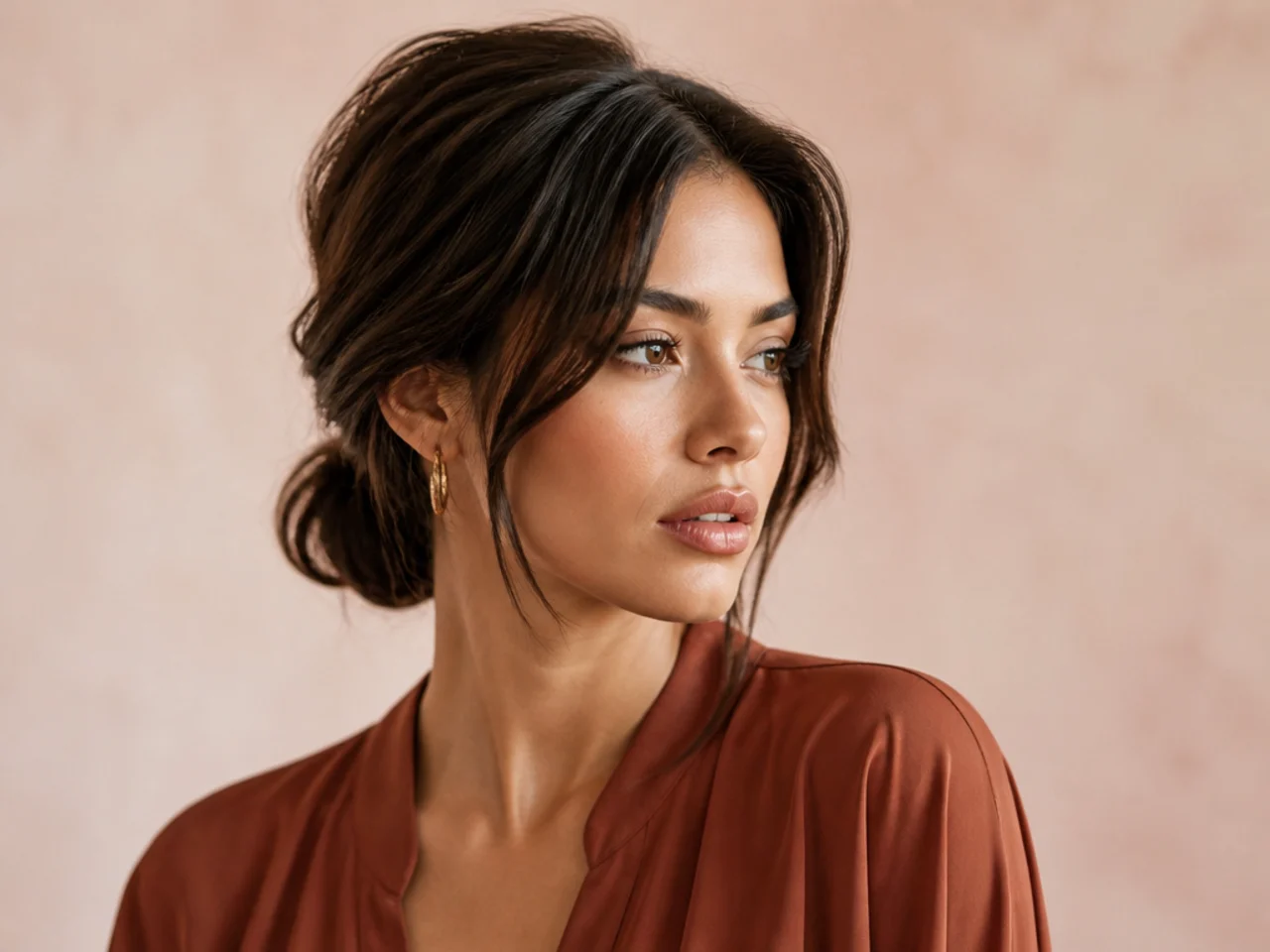
Put the length into a low ponytail, tuck it under and pin it, and the short layers stay out to form what looks like a bob. This only works because the face framing layers were cut around chin height, which is roughly where a bob would finish.
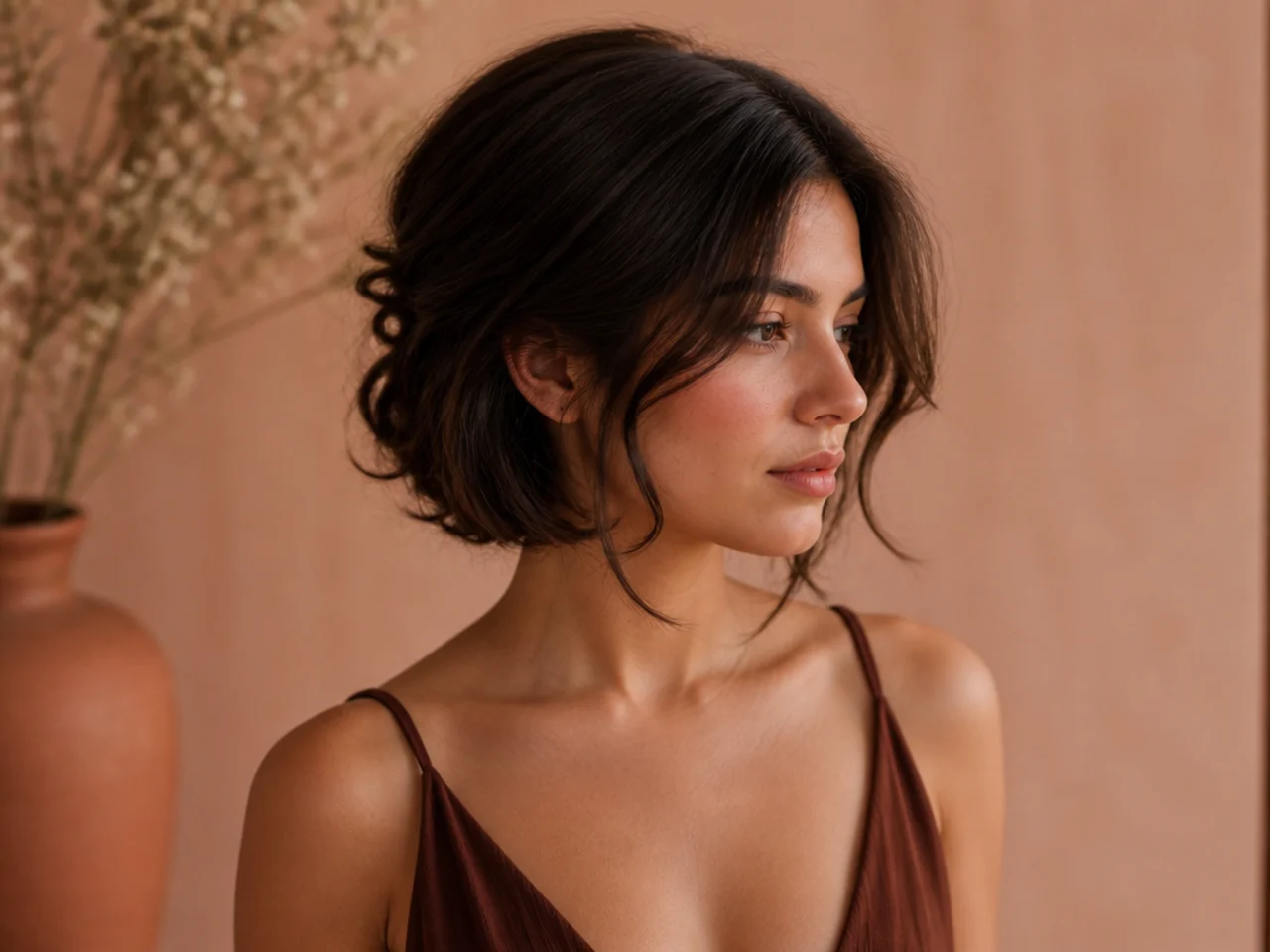
26. Butterfly With Flicked Out Ends
Turning the ends of the short layers away from the face opens the shape and makes the wing obvious from the front. The flick has to be set with heat and cooled in place, because the hair naturally falls inward towards the neck.
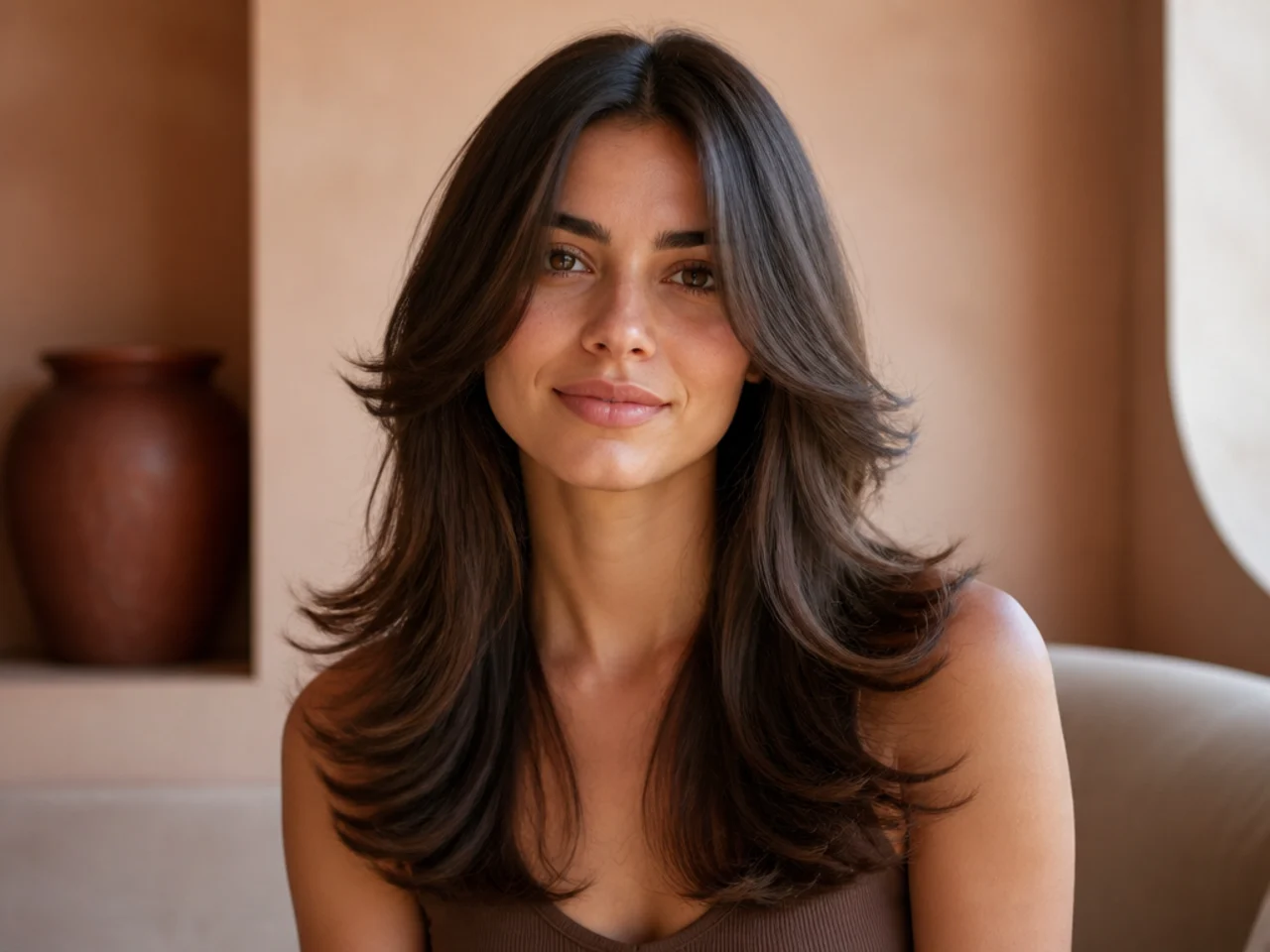
27. Butterfly With Ends Curled Under
Rolling the same layers under makes the shape read rounder and softer, and it suits an angular jaw because the curve echoes the jawline rather than cutting across it. It also sits closer to the head, so it survives wind better than a flick does.
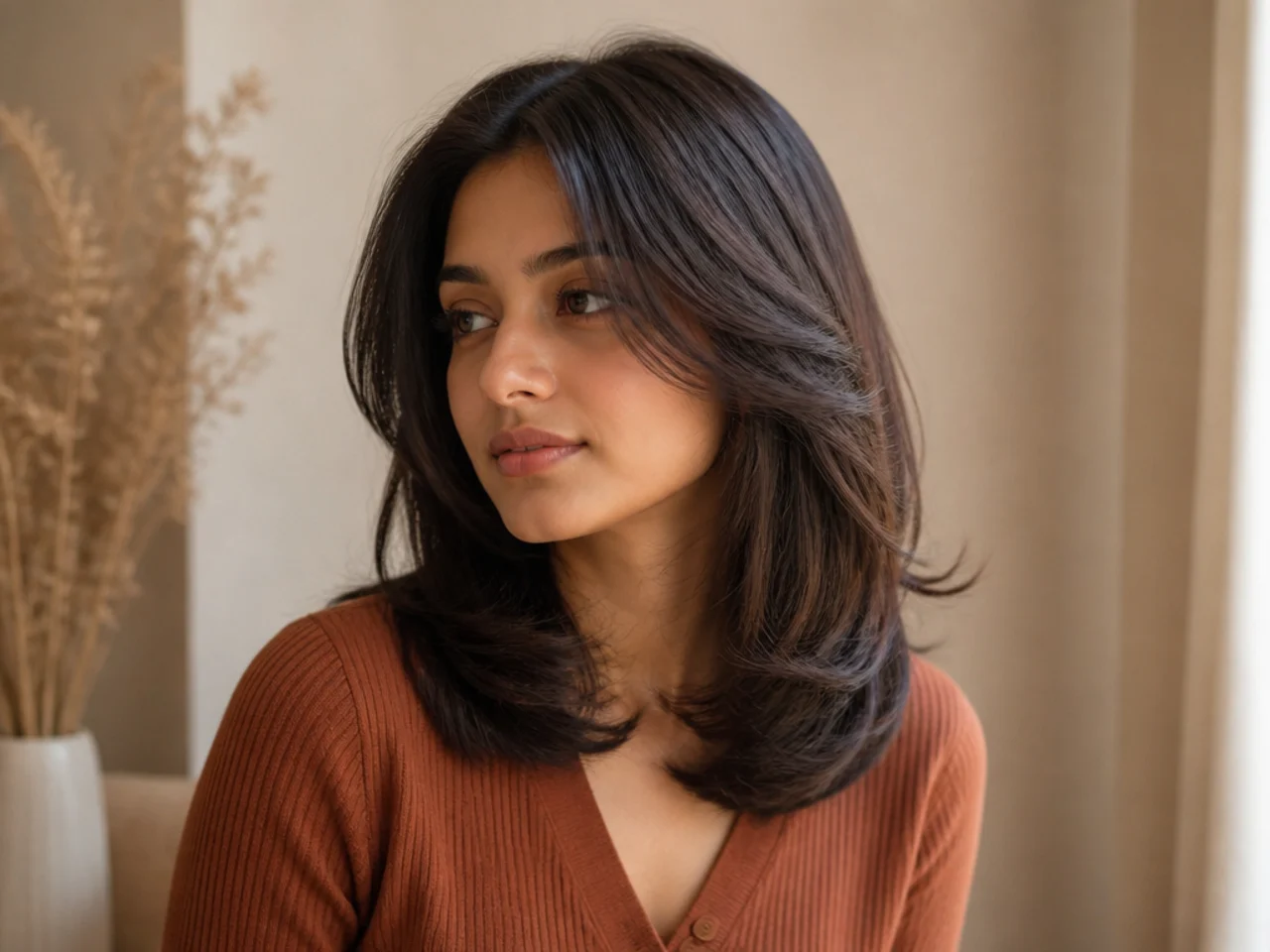
28. Butterfly on Waist Length Hair
At this length the distance between the shortest layer and the perimeter is enormous, so the two sections behave almost independently. Expect the long section to need its own weight removed underneath, or it drags the whole shape down and flattens the wing.
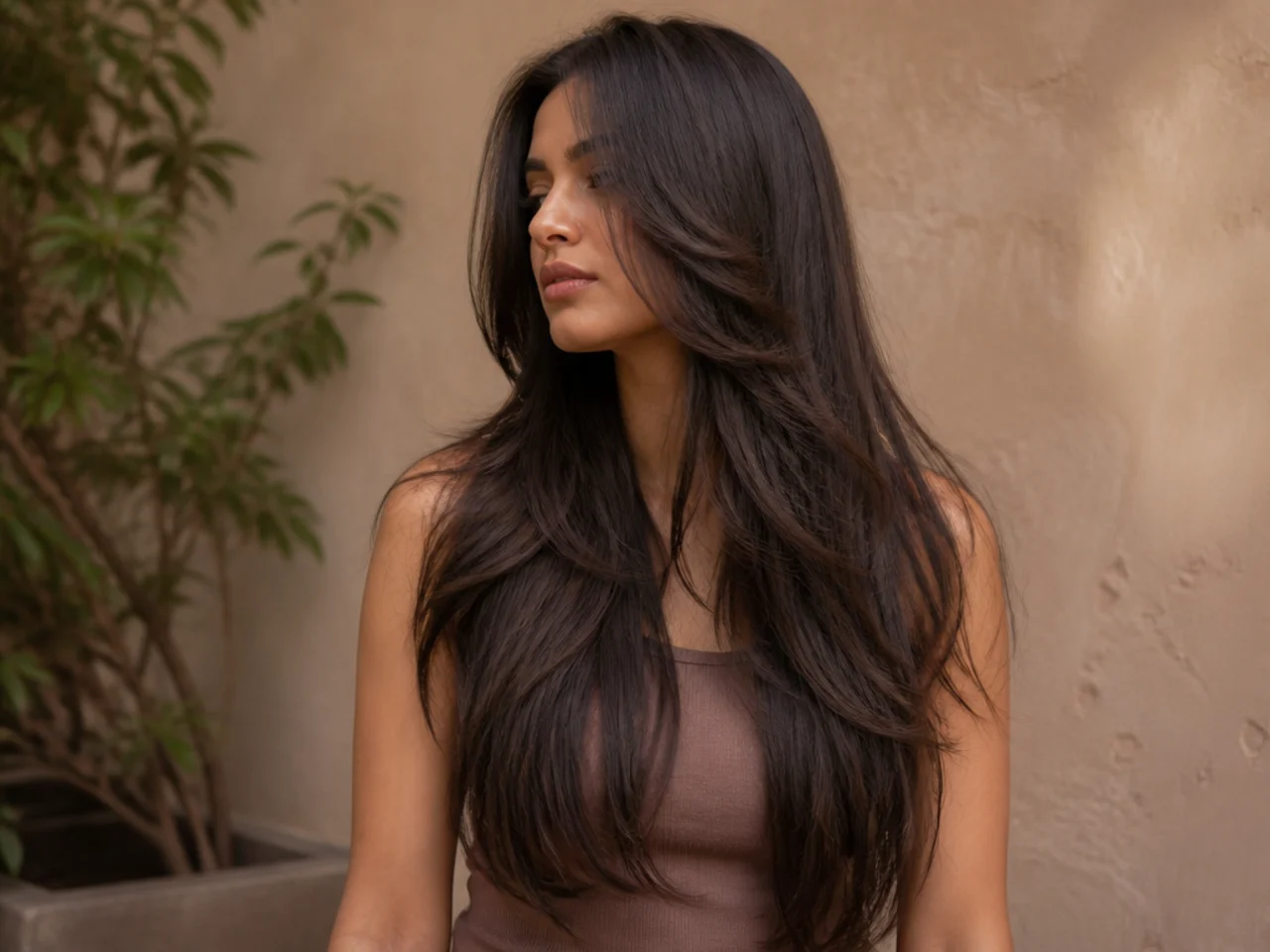
29. Butterfly at Three Months Grown Out
The shortest layer has dropped about an inch and a half, which usually moves it from the chin to the jaw and softens the wing without ruining it. This is the stage most people actually like, because the shape has settled and no longer needs daily drying.
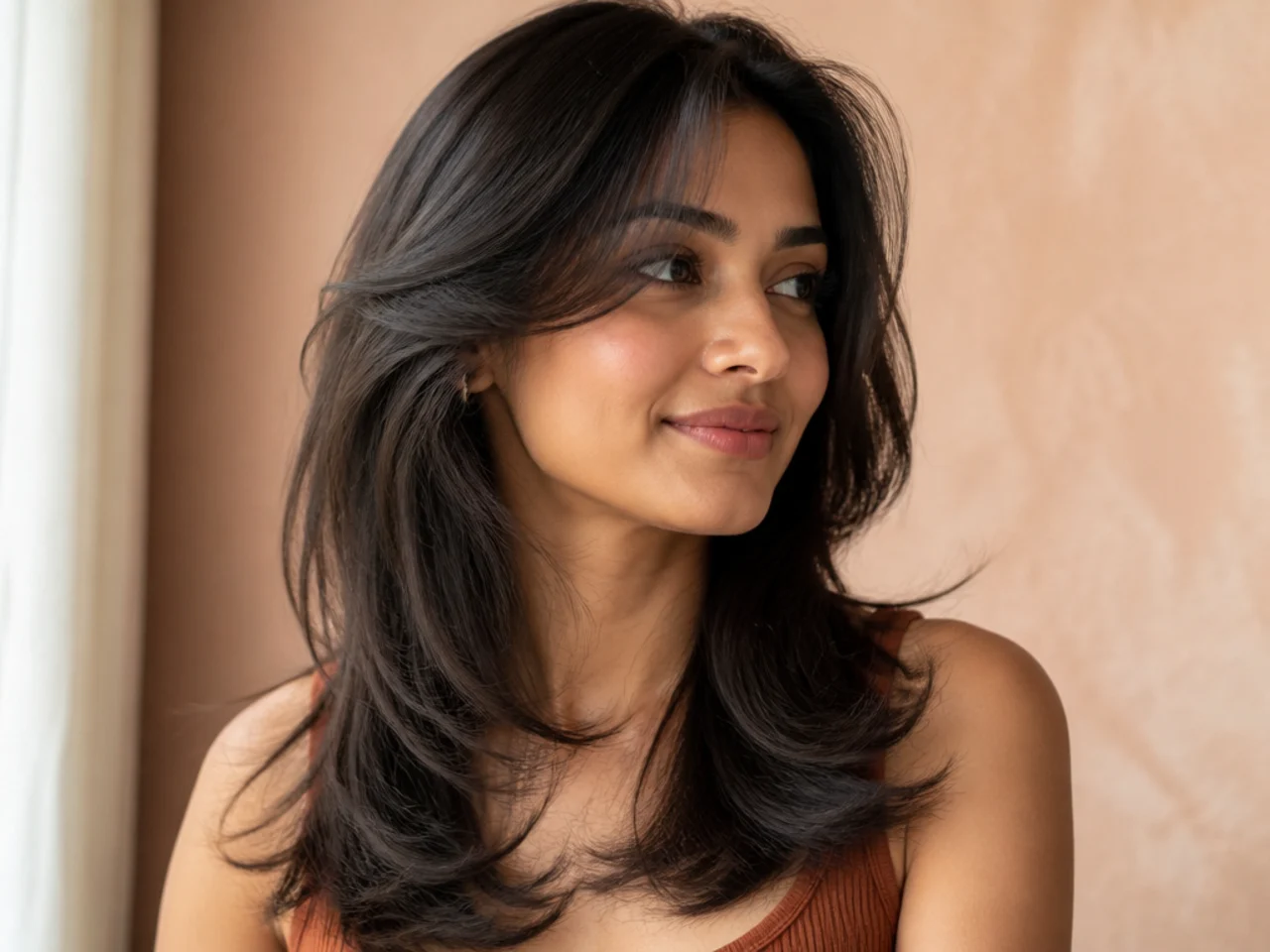
30. Butterfly Reset at Six Months
By six months the short layers are three inches down and the gap between the lengths has closed, so the cut reads as ordinary long layers. Resetting means recutting only the face frame, not the perimeter, which keeps all the length you have grown.
Styling and Upkeep
Dry the front sections first. They set the shape of the whole cut, and left until last they have already dried flat.
Cool each section on the brush. Hair holds the bend it cools in, not the one it was heated in.
Recut the face frame every three months. The perimeter can wait far longer, and cutting it is how people lose length they wanted.
Keep the ends trimmed on the long section. Split ends make the perimeter look thin, which flattens the contrast the wing depends on.
Use nothing heavy at the root of the short layers. They are the lightest hair on your head and the first to be dragged down.
Mistakes to Avoid
Cutting the shortest layer at the cheekbone on a round face. It adds width exactly where the face is already widest.
Measuring curly layers wet. Curl loses up to a third of its length as it dries, so the layer lands far shorter than intended.
Over layering fine hair. The ends separate into visible strands and read as sparse rather than as light.
Asking for a shag and expecting a butterfly. One layers the whole head continuously; the other keeps two lengths deliberately apart.
Letting the perimeter be trimmed at every visit. The cut needs its face frame refreshed, not its length taken off.
FAQ
Where does the shortest layer go? Chin to collarbone, and below the jaw on a round face.
Butterfly or shag? Butterfly keeps two lengths apart; a shag layers continuously.
How often recut? Face frame every three months, perimeter far less often.
Final Thoughts
The butterfly cut is one measurement wearing thirty different outfits. Decide where the shortest layer sits, and everything else, the bangs, the colour, the parting, is a variation on top of that one decision.
For the shape in every length see the butterfly haircut guide, and for a longer polished alternative see the long old money haircut. More in Womens Hairstyles.