25 Sabrina Carpenter Hair Inspo Ideas Worth Saving
Twenty five versions of this look, sorted by what actually creates them. Most saved photos are the blow dry rather than the cut, which is why the salon result can be correct and still not match the picture.
In this article · 33
- The Signature Look Broken Down
- Cuts and Layers Explained
- Blonde Color Families
- Face Shape and Hair Type Guide
- The Round Brush Blowout Method
- Short Curly and Dark Adaptations
- The 25 Hair Inspo Ideas
- 1. Long Layered Curtain Fringe
- 2. Buttery Blonde With a Shadow Root
- 3. Sleek Straight Center Part
- 4. Bouncy Blowout on Fine Hair
- 5. Soft Wave With Jaw Layers
- 6. Half Up With the Fringe Out
- 7. Cool Beige Money Piece
- 8. Old Hollywood Waves
- 9. High Ponytail With a Curtain Fringe
- 10. Collarbone Lob With Long Layers
- 11. Curtain Bangs on Curly 2C Hair
- 12. Grown Out Curtain Bangs
- 13. Glass Hair Gloss on Blonde
- 14. Low Bun With Face Framing
- 15. Butterfly Cut With a Heavy Fringe
- 16. Velcro Roller Crown Volume
- 17. Air Dried Wave With a Rough Dried Fringe
- 18. Blowout Bob With a Shorter Fringe
- 19. Dark Brunette Without Dye
- 20. Bow Half Updo
- 21. Heatless Overnight Wave
- 22. Deep Side Part With a Swept Fringe
- 23. Wispy Bottleneck Bangs for a Round Face
- 24. Textured Shag on Thick Hair
- 25. Second Day Dry Shampoo Refresh
- Final Thoughts
Almost every photo saved of this look is a blow dry, and a blow dry lasts a day.
The cut is a curtain fringe over long layers. That part is permanent for months, and it is the only part worth taking into a salon as a photograph.
Everything else is a round brush and a colour decision. The volume, the bend and the shine come from twenty minutes with a dryer, so a cut that copies them ends up shorter than anyone intended.
The Signature Look Broken Down
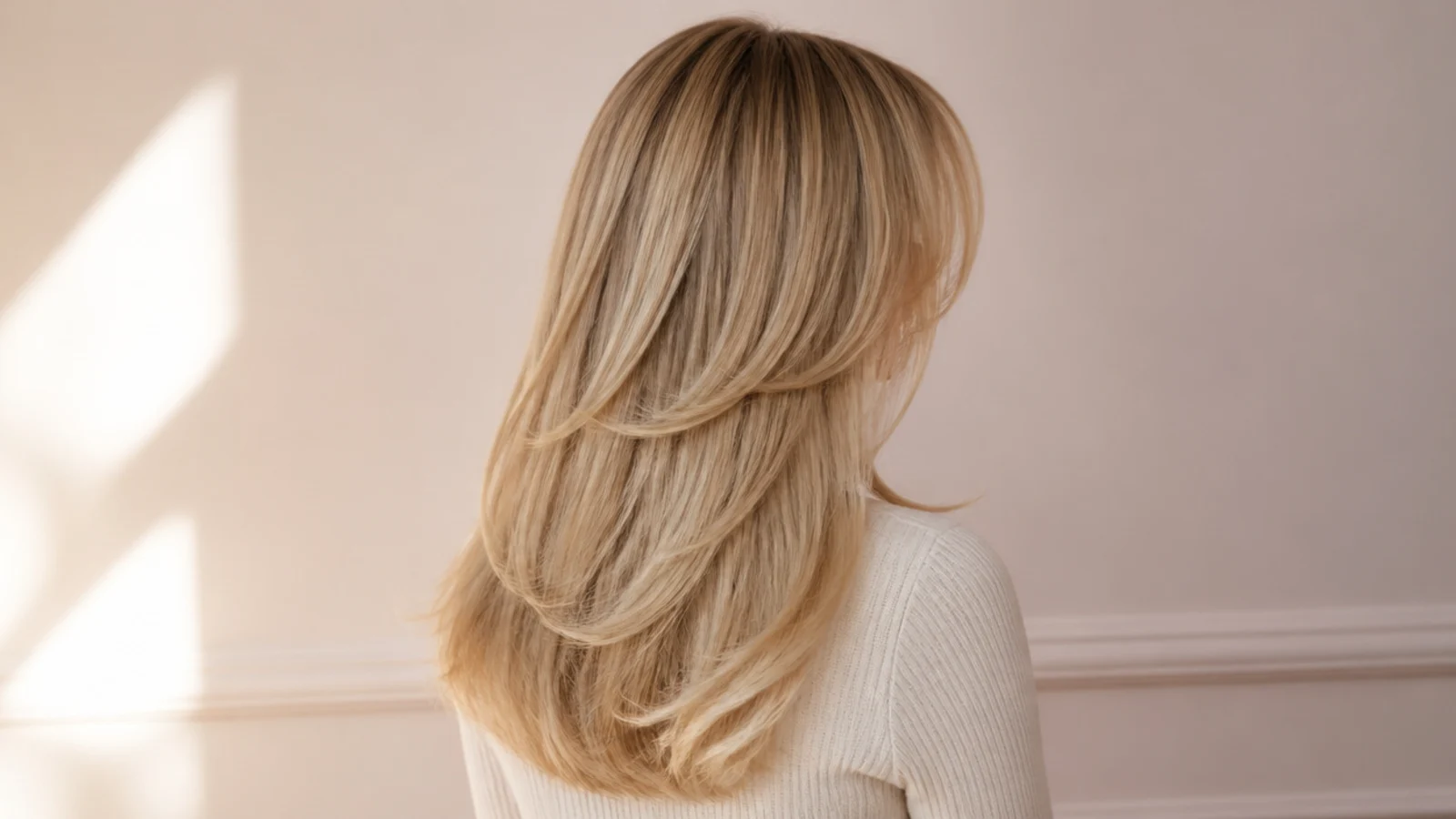
A curtain fringe parted in the middle. Shortest around the cheekbone, lengthening outward until it disappears into the front layers. Nothing about it is a blunt line.
Long layers starting below the chin. They exist to let the ends move, not to remove weight. Layers cut too high turn the same shape into a shag.
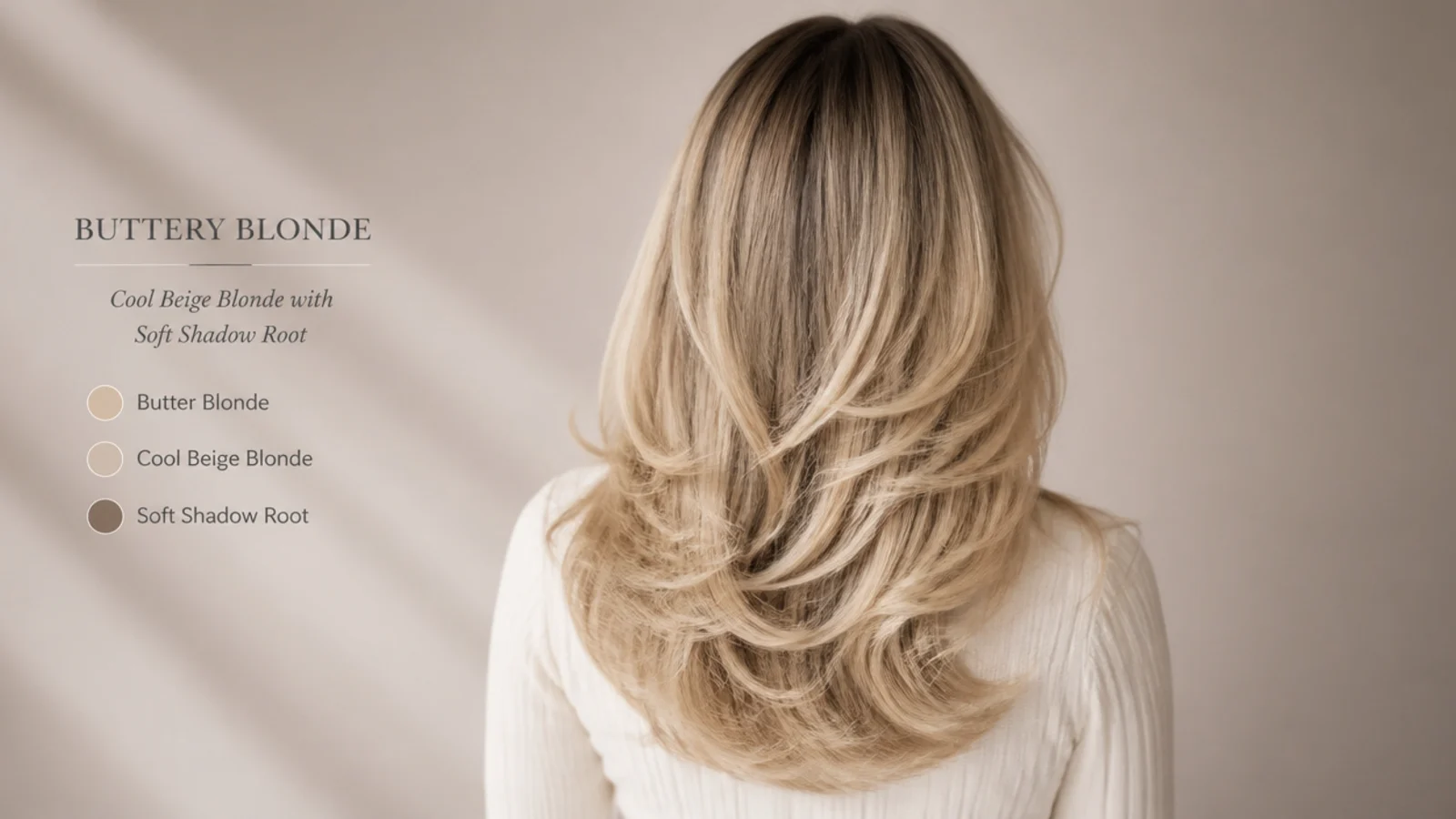
A low contrast blonde over a deeper base. Small difference between root and length, deliberately. The gap is what stops it reading as bleached.
Volume at the crown and nowhere else. The lift sits in the top two inches. Below that the hair is smooth, which is what keeps the whole thing looking blown out rather than backcombed.
Cuts and Layers Explained
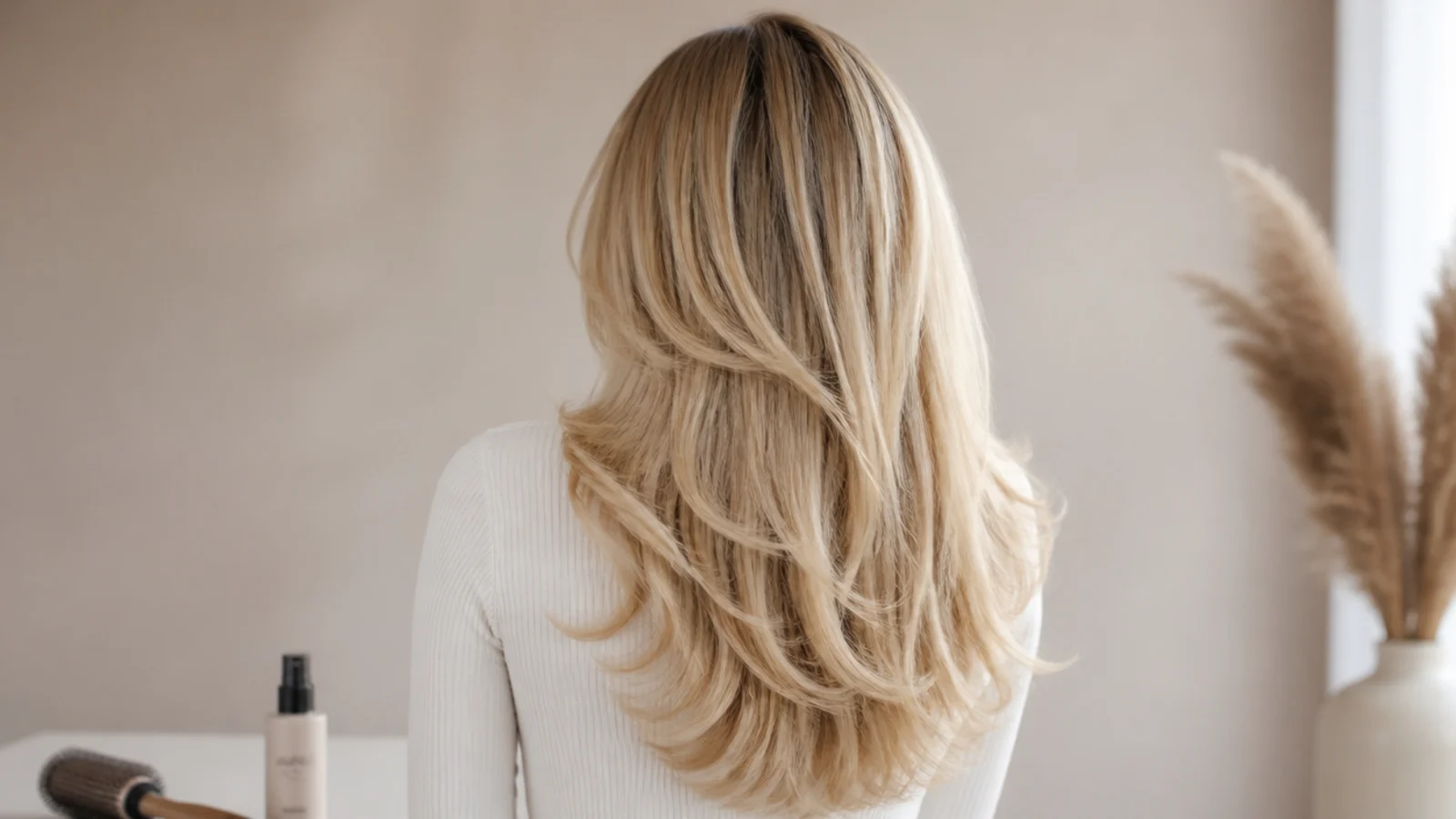
A curtain fringe is one continuous piece. It is split at the parting and cut on an angle, so its shortest point sits mid face rather than at the brow. That is why it never hits the awkward stage a blunt fringe does.
Face framing is not the same as layering. Face framing shortens only the front sections. Layers run all the way round the head. Ask for both by name or you will get one of them.
Long layers keep weight at the perimeter. The outline stays thick and the movement happens above it. Removing weight from the ends instead is what makes long hair look stringy.
Invisible layers are cut inside the section. The stylist takes the layer from underneath so the surface length is untouched, which adds movement to fine hair without any visible step.
Blonde Color Families
Buttery and honey sit warm. Gold is left in the formula deliberately, which means less lift to reach them and better condition at the ends.
Beige and vanilla sit cool. A violet based toner cancels the yellow that lightening exposes. It deposits rather than removes, so it fades and the warmth returns.
Bronde is the low upkeep end. The base is barely lightened and the ends carry most of the brightness, so the regrowth line is measured in months rather than weeks.
The root is always deeper than the length. One to two levels, blended a few inches down. Every family here works with it and none of them work without it.
Face Shape and Hair Type Guide
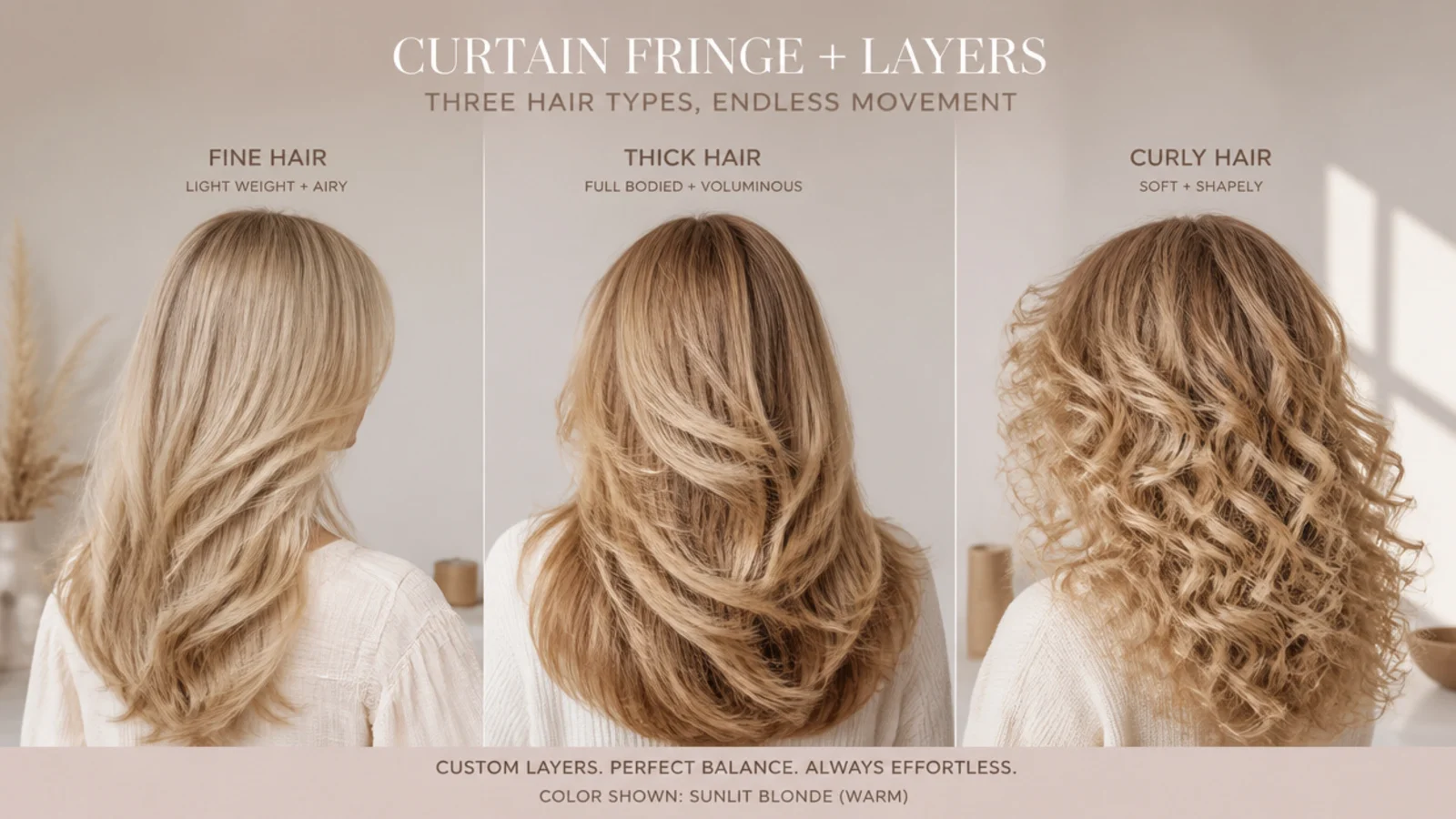
A round face wants a narrow point at the cheek. Bottleneck bangs pinch in at the middle and widen at the sides, drawing a vertical where the face is widest.
A long face wants the fringe fuller and lower. More density across the forehead shortens the visible face, which is the opposite of what a wispy fringe does.
Fine hair wants invisible layers and roller volume. Heavy layering removes the little weight fine hair has, and once the perimeter thins the whole shape collapses.
Thick hair wants internal layers, not thinning shears. Weight taken from inside keeps the outline intact. Thinned ends grow back frizzy and sit above the perimeter as a halo.
The Round Brush Blowout Method
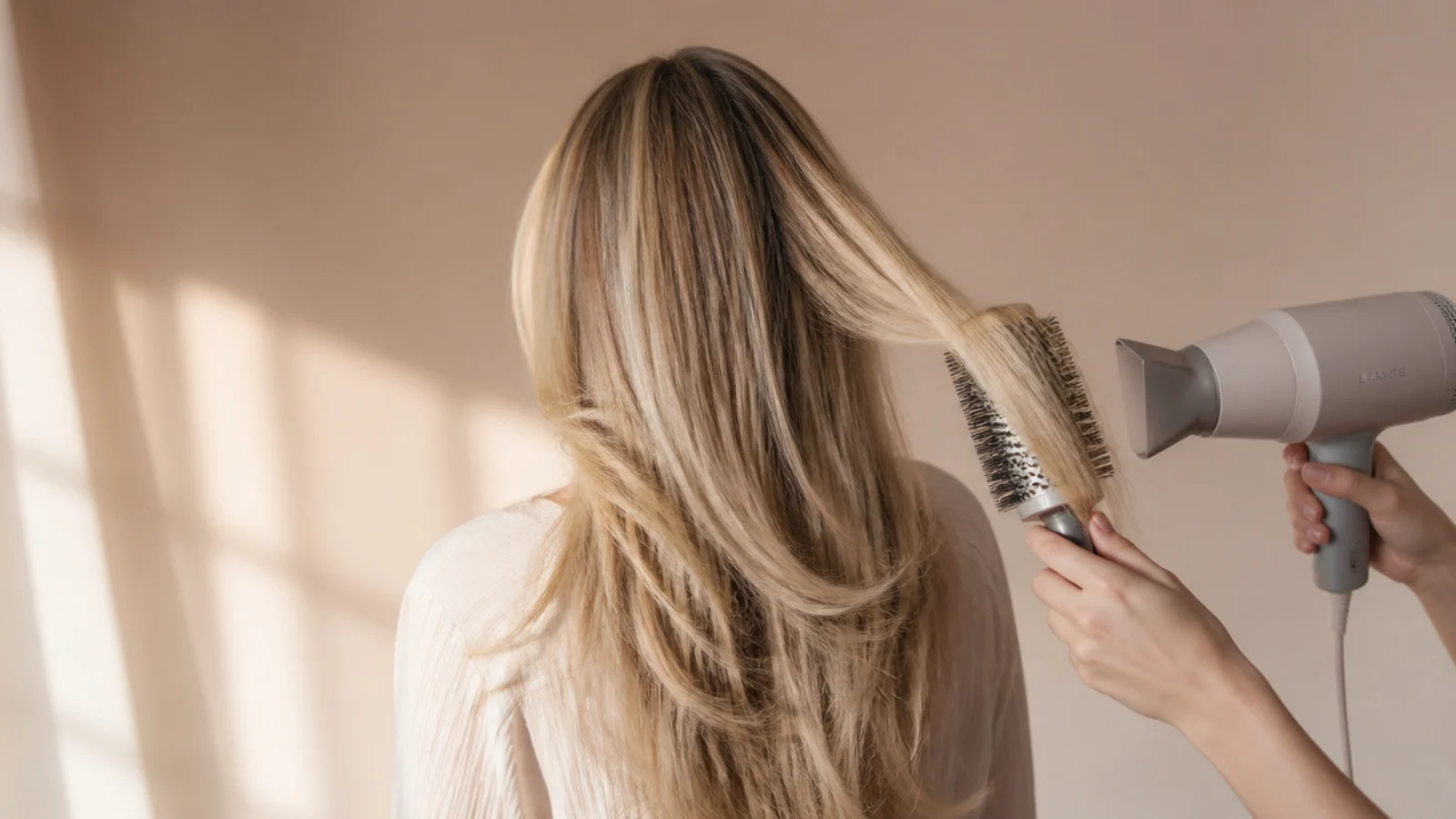
Rough dry to eighty percent first. A round brush only works on damp hair, not wet. Wet hair has too much water in it for tension to do anything except drag.
Overdirect the crown forwards. Pull the section past vertical, towards the face, and dry it there. When it falls back it lands higher than it grew, which is the entire mechanism behind root lift.
Set it with the cool shot. Hydrogen bonds reform as the hair cools, so the shape is fixed by the cooling rather than the heat. Release a section warm and it drops within the hour.
Fringe first, always. It dries fastest and sets in whatever direction it happened to fall. Once it has dried the wrong way, only water will move it.
Short Curly and Dark Adaptations
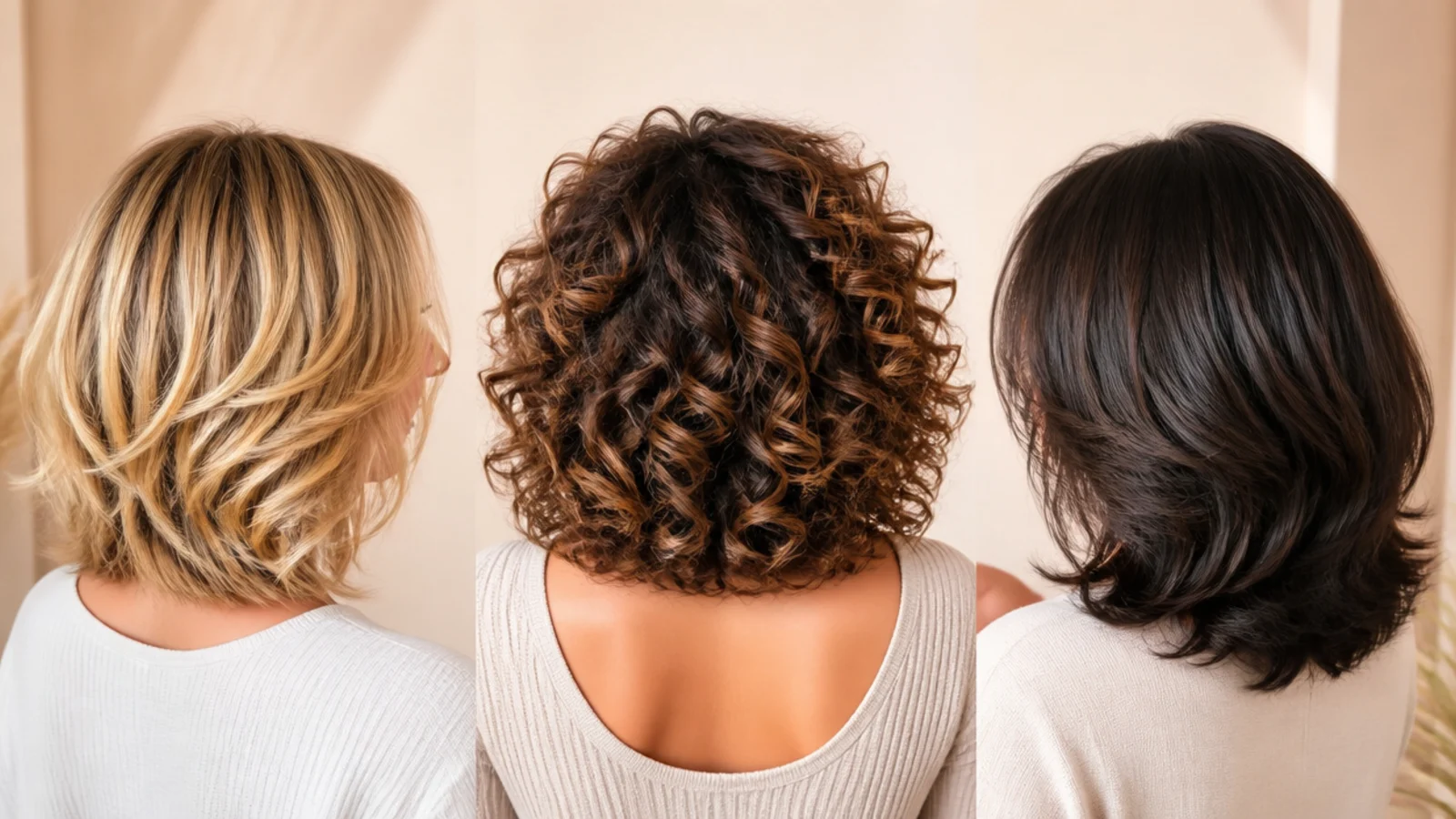
Cut a fringe on curly hair dry. A 2C or 3A pattern shrinks as it dries, sometimes by an inch or more, so anything measured wet finishes shorter than the shape can carry.
Diffuse instead of round brushing. A diffuser spreads the airflow so the curl dries in the shape it formed. Direct airflow blows the pattern apart and the result is volume without definition.
On dark hair, shine replaces lightness. A gloss on a deep base does more for this register than lifting does, because the look is built on a single reflection rather than on brightness.
Shorter lengths need the fringe to carry the shape. With less length below it, the face framing is doing most of the work, so keep the outer edge long enough to reach the jaw.
The 25 Hair Inspo Ideas
1. Long Layered Curtain Fringe
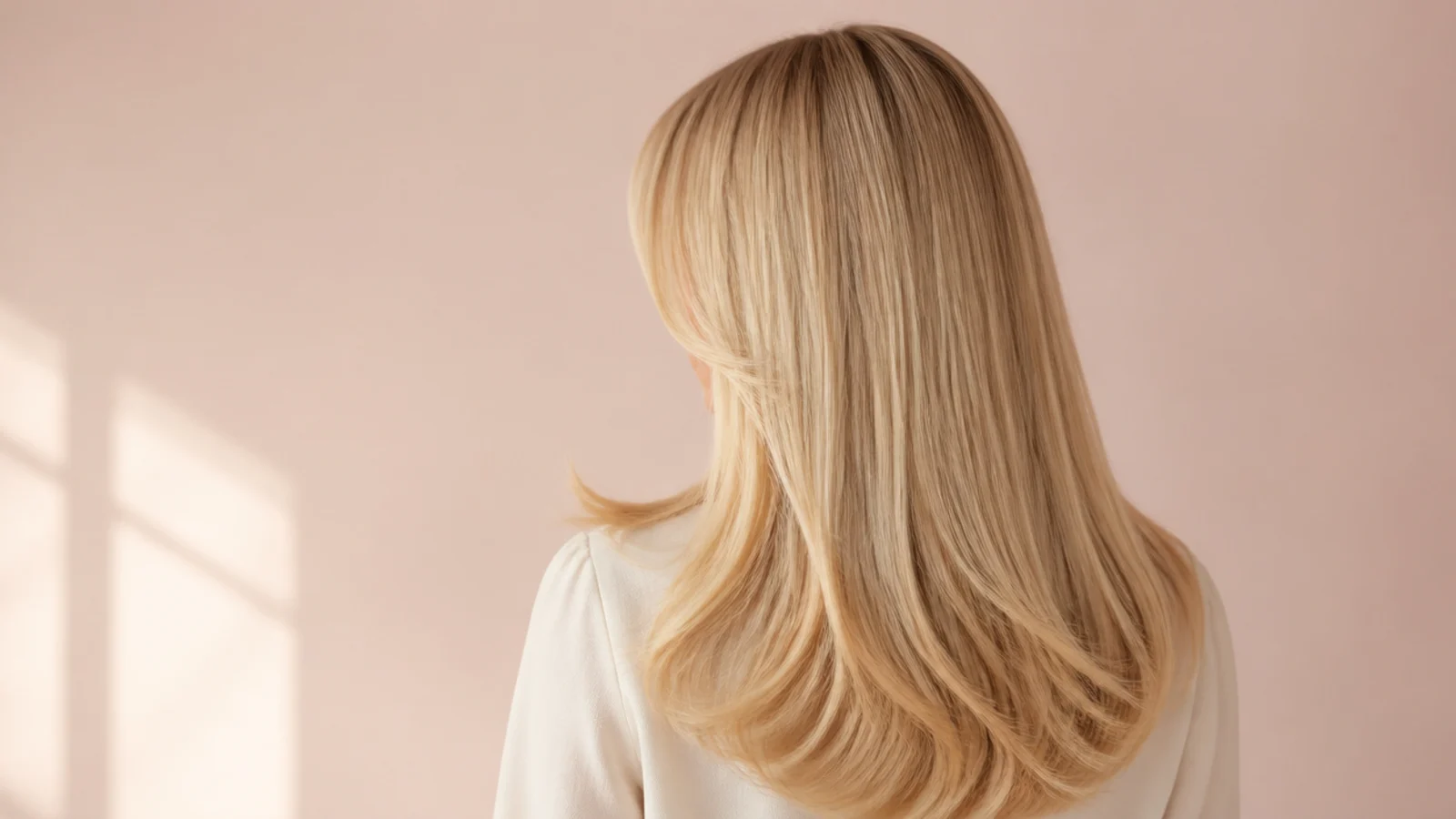
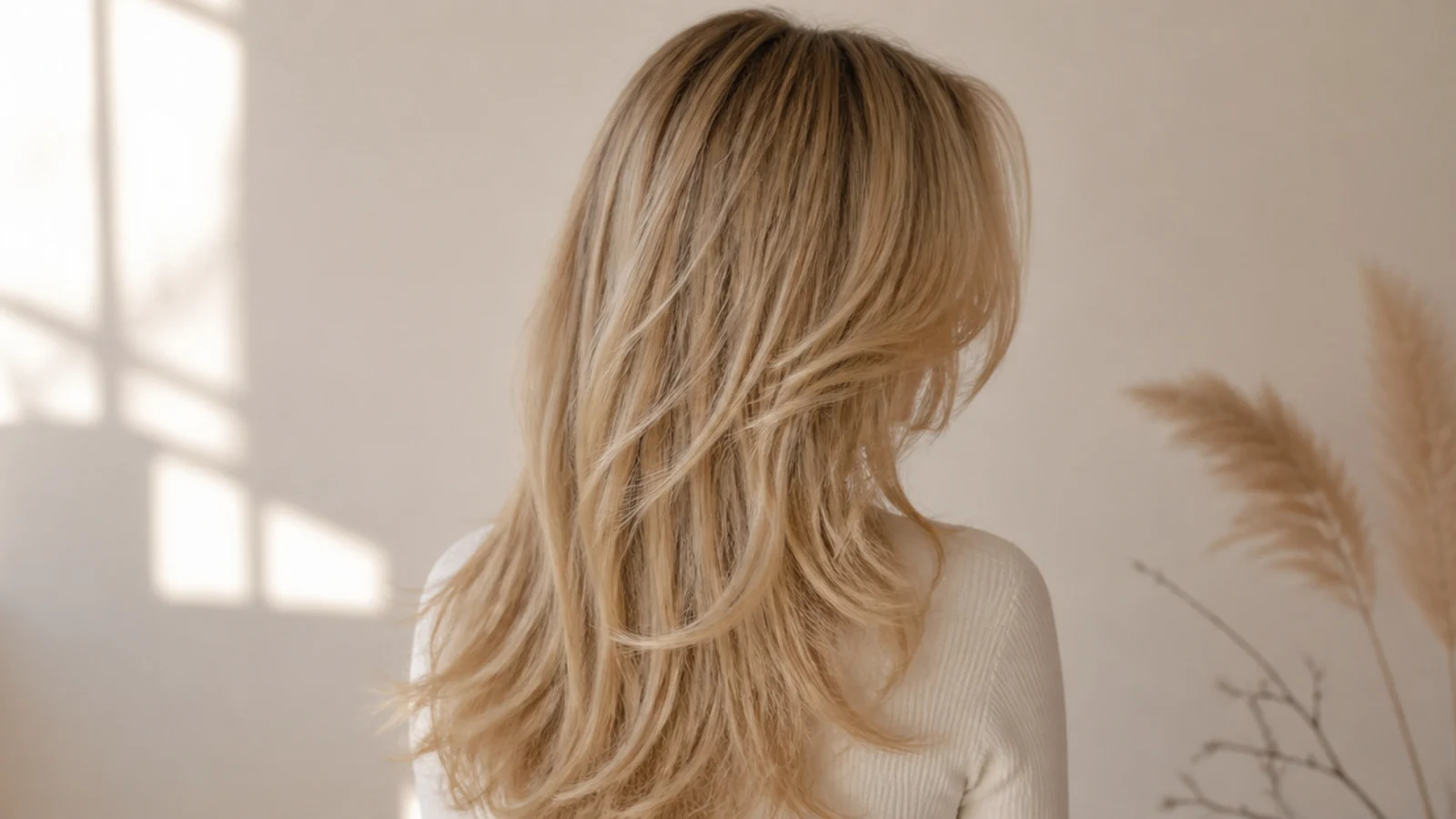
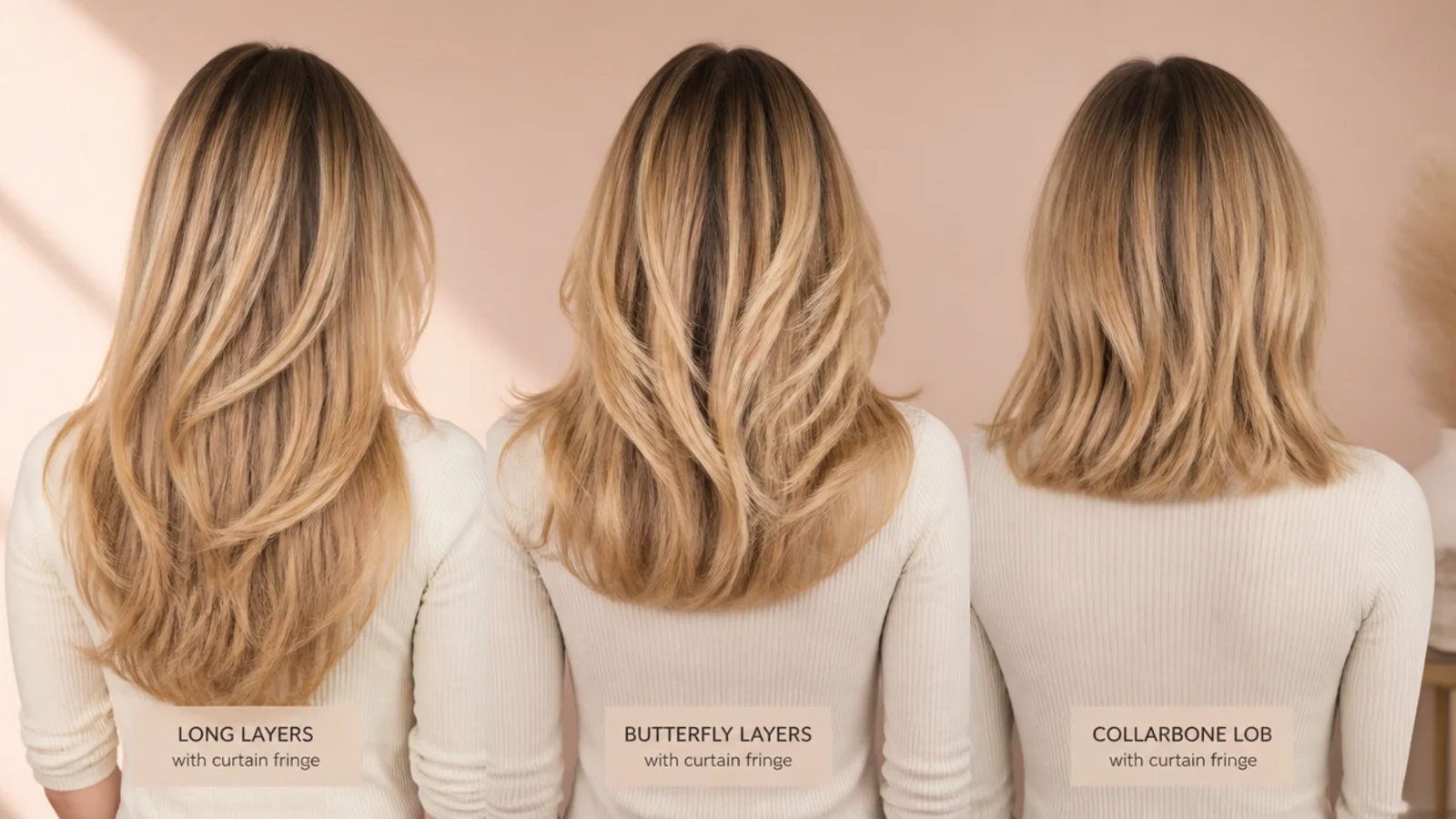
The default version of the whole look. The fringe is one piece split at the parting, shortest near the cheekbone and lengthening outward until it merges into the front layers, which is why it grows out by getting longer rather than by passing through an awkward stage.
2. Buttery Blonde With a Shadow Root
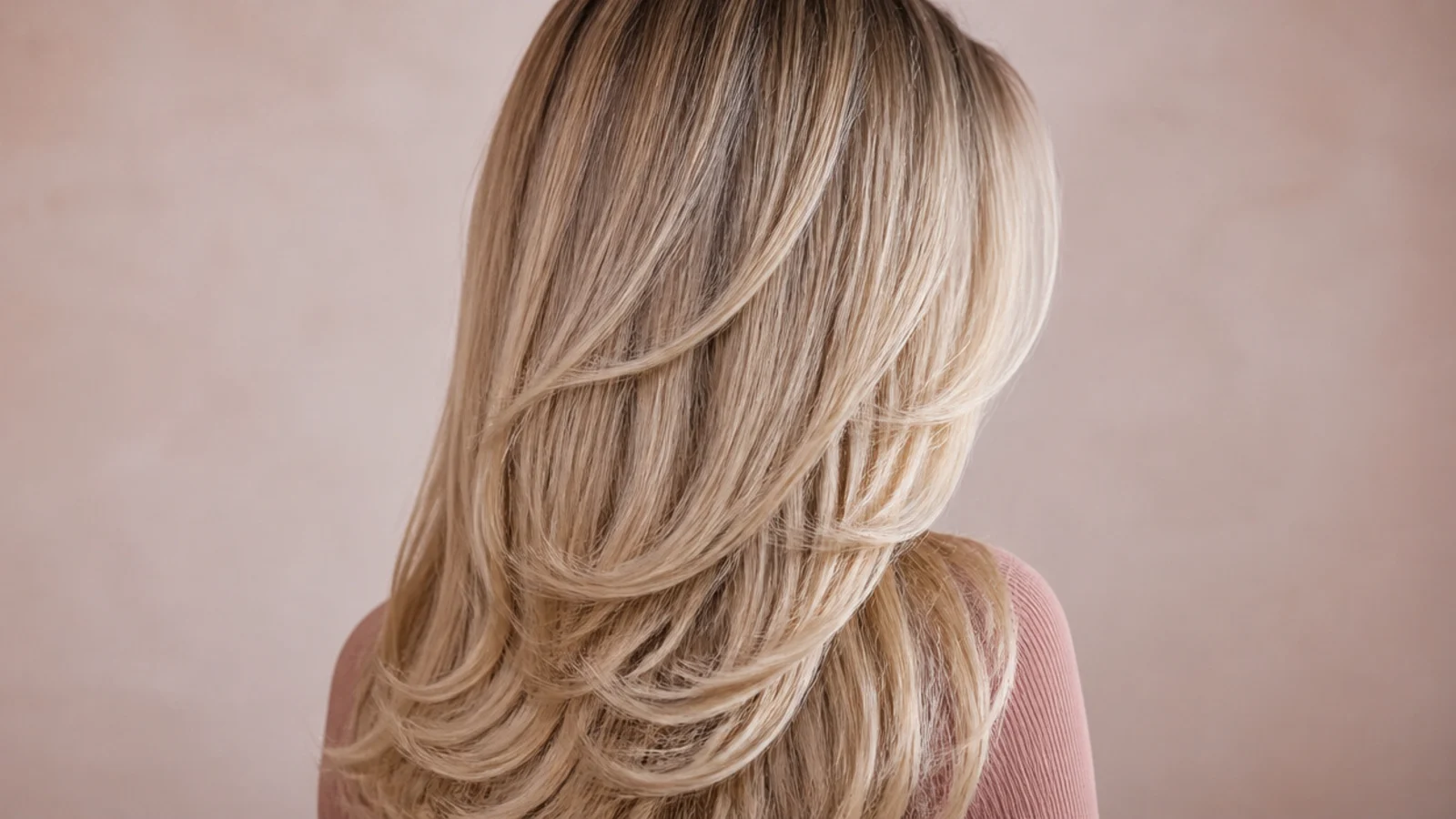
Warm yellow through the length with the base left a level or two deeper. The regrowth has nothing to meet, so the colour softens as it grows instead of forming a band, and the appointment is driven by tone rather than by a line.
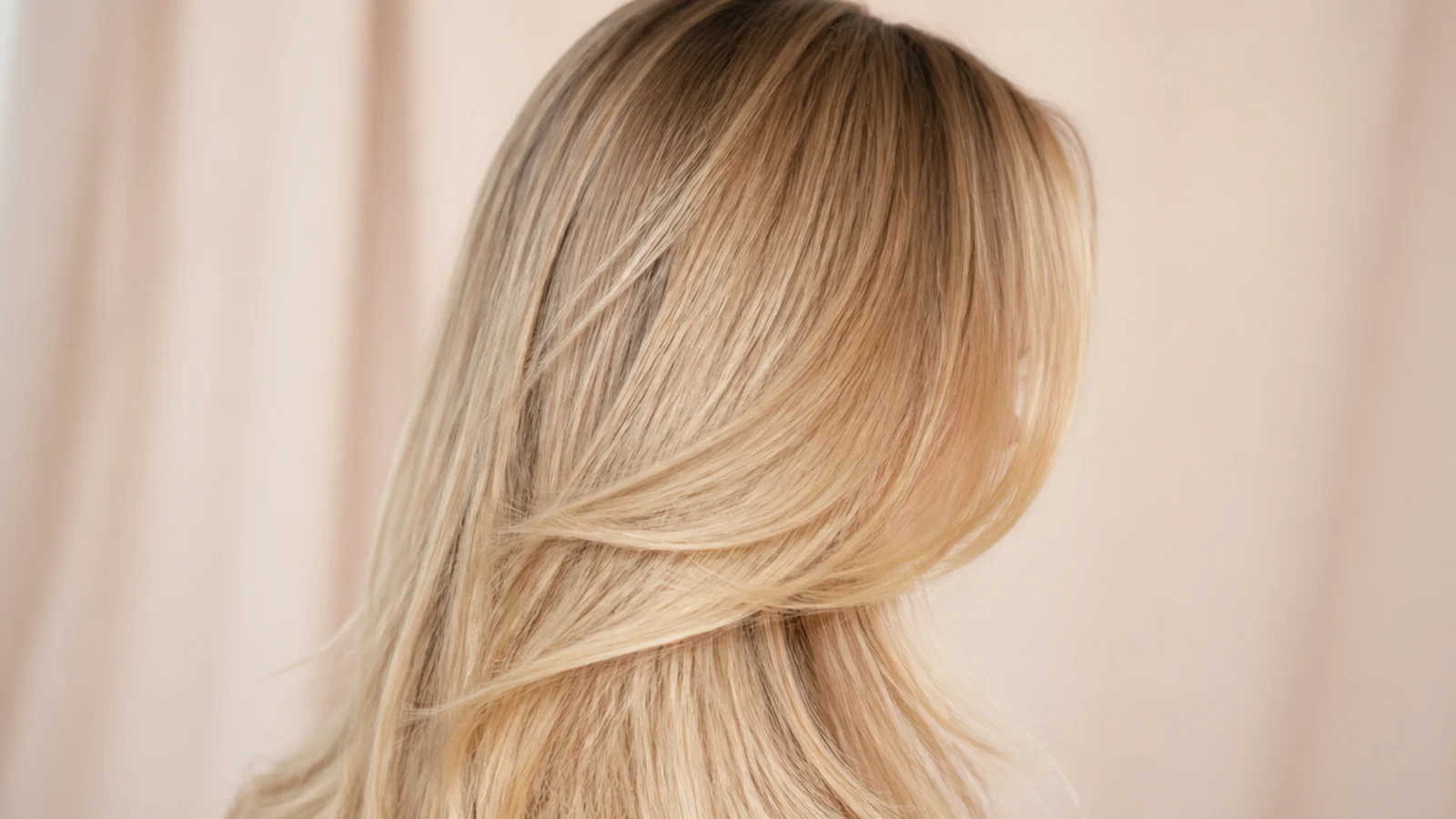
3. Sleek Straight Center Part
Everything flattened to a single surface. A straight strand with the cuticle laid down reflects light in one direction, and a symmetrical parting means both sides catch that reflection at the same angle, which is why this version photographs glossiest.
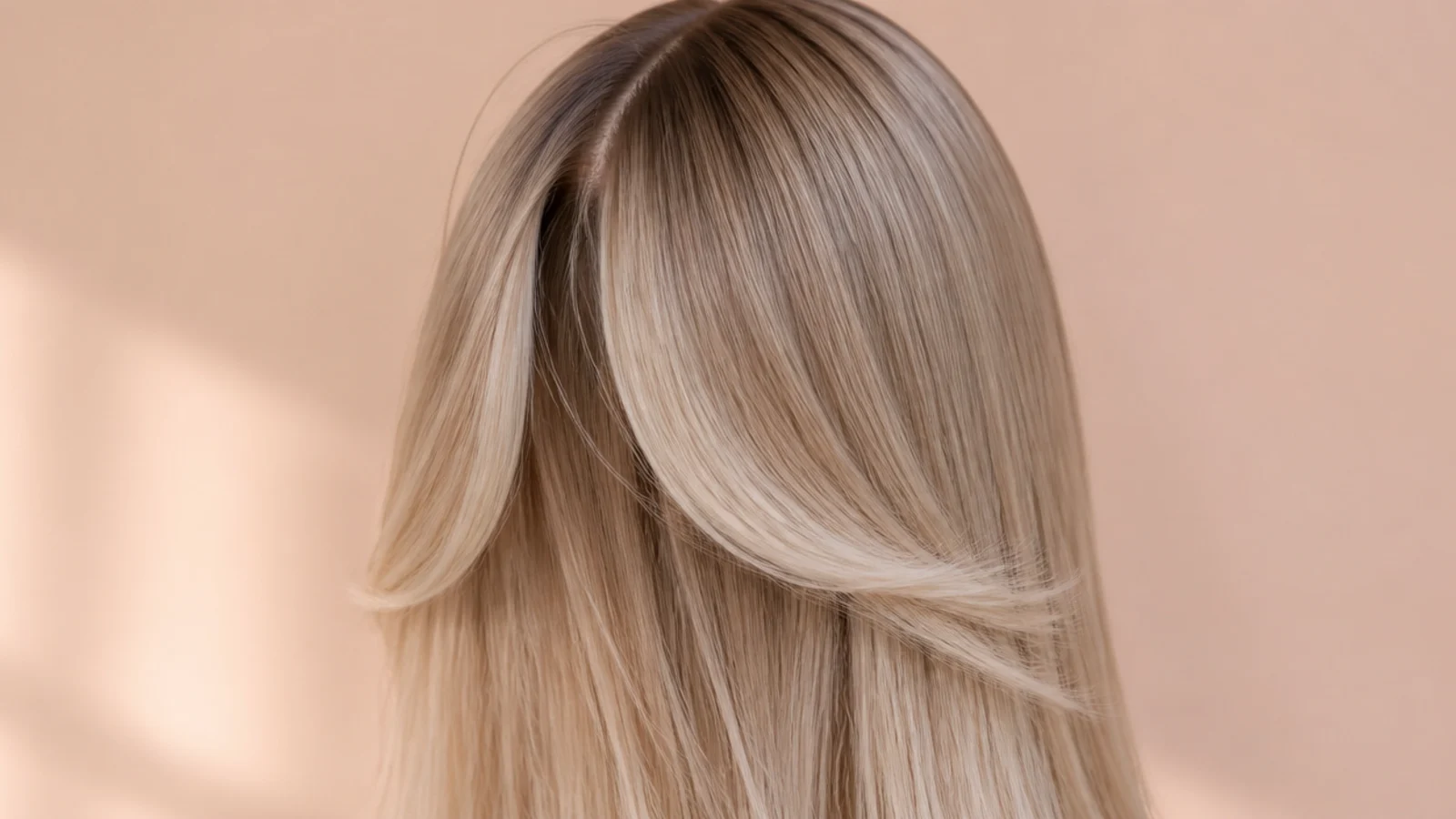
4. Bouncy Blowout on Fine Hair
Fine hair takes a set faster than thick hair because there is less mass to hold in place, and it drops faster for the same reason. Overdirect each crown section forward, hold it until it is completely cold, and the lift survives the day.
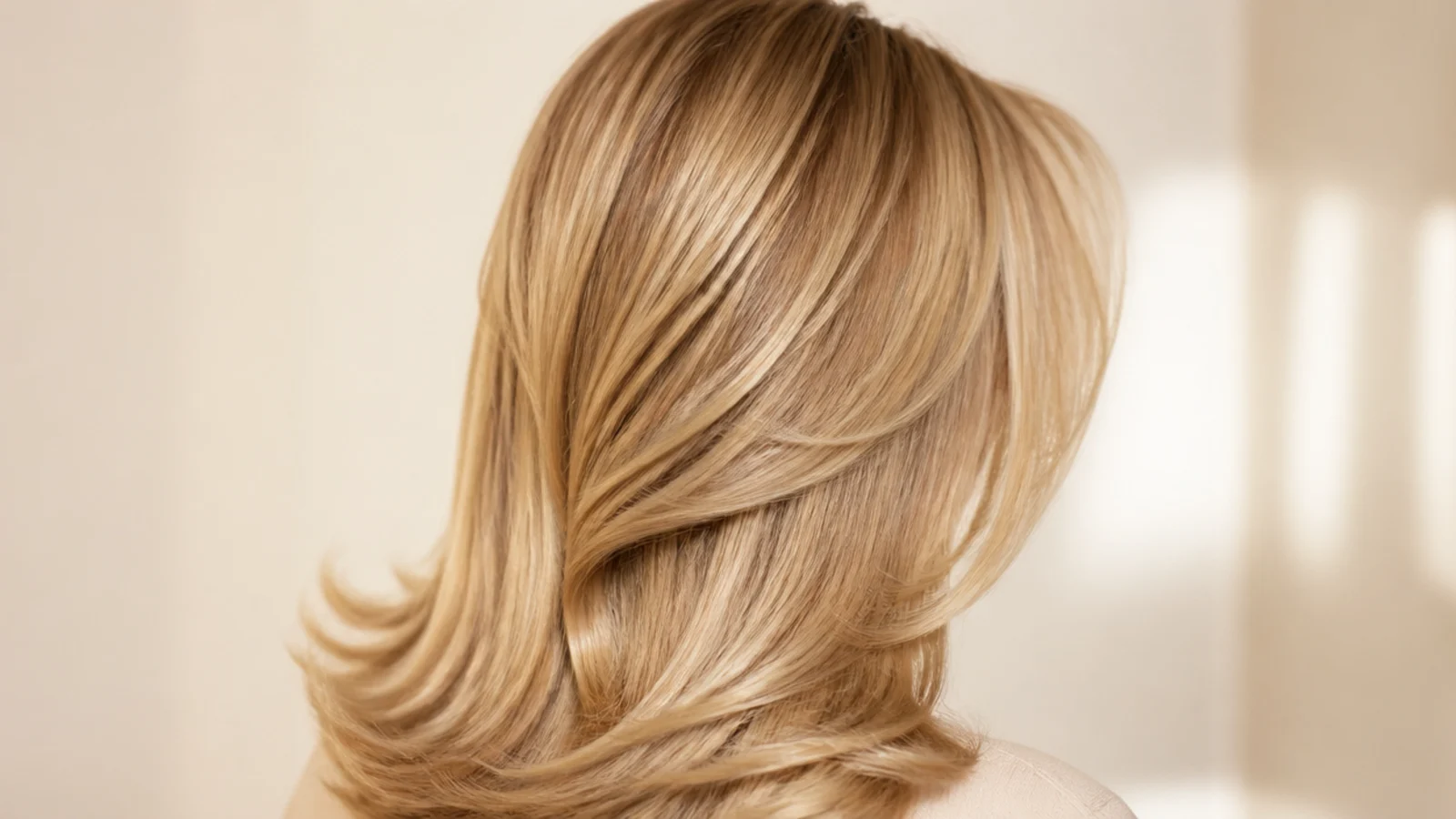
5. Soft Wave With Jaw Layers
The shortest face framing piece lands at the jaw rather than the chin. The jaw is the widest point of most faces, so a layer ending there puts the extra volume where the shape already is instead of adding width higher up.
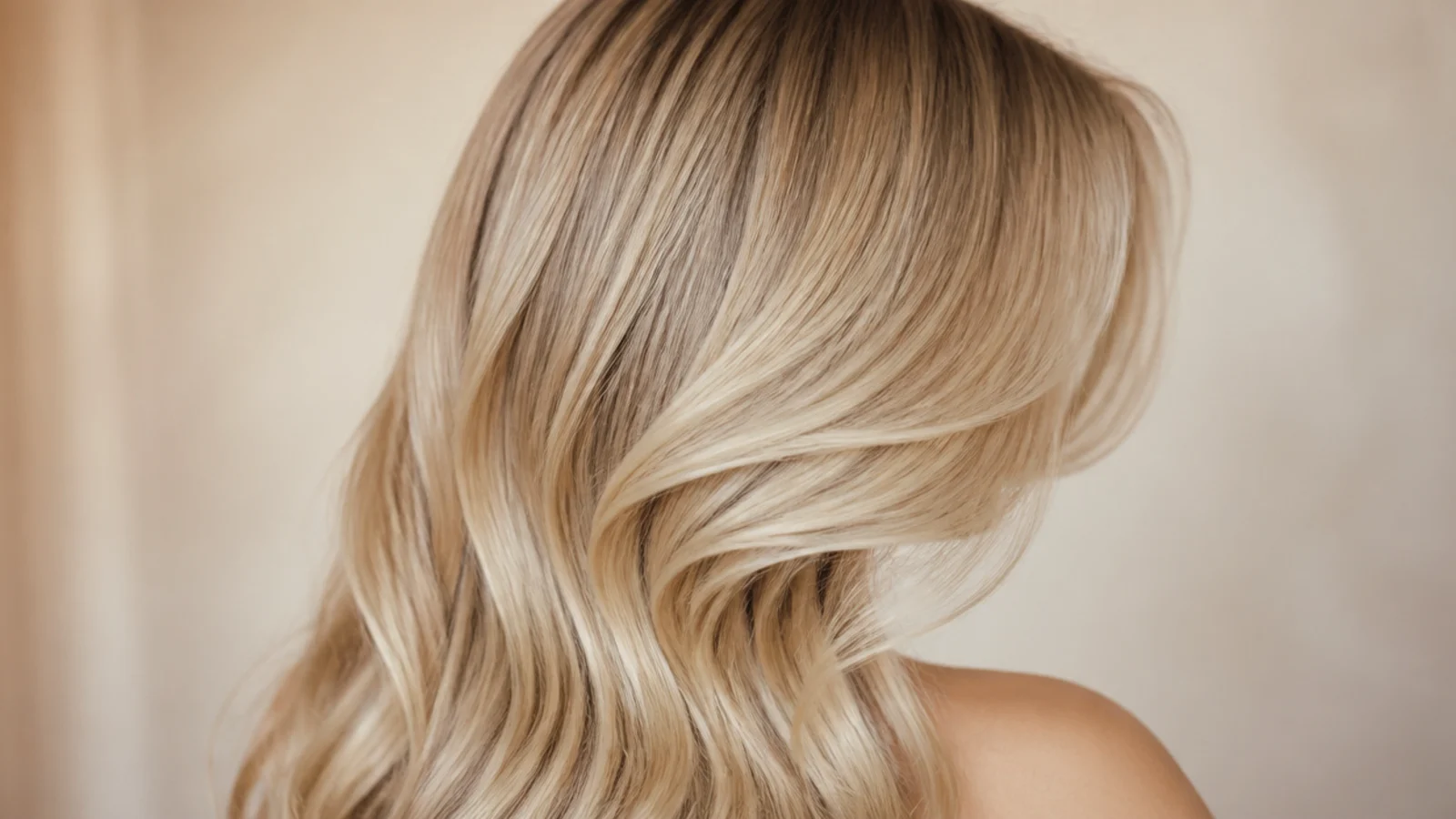
6. Half Up With the Fringe Out
Only the crown is gathered, and the face framing stays down. From the front the shape is unchanged, which is why this holds up in photographs where a full ponytail flattens everything the cut was designed to do.
7. Cool Beige Money Piece
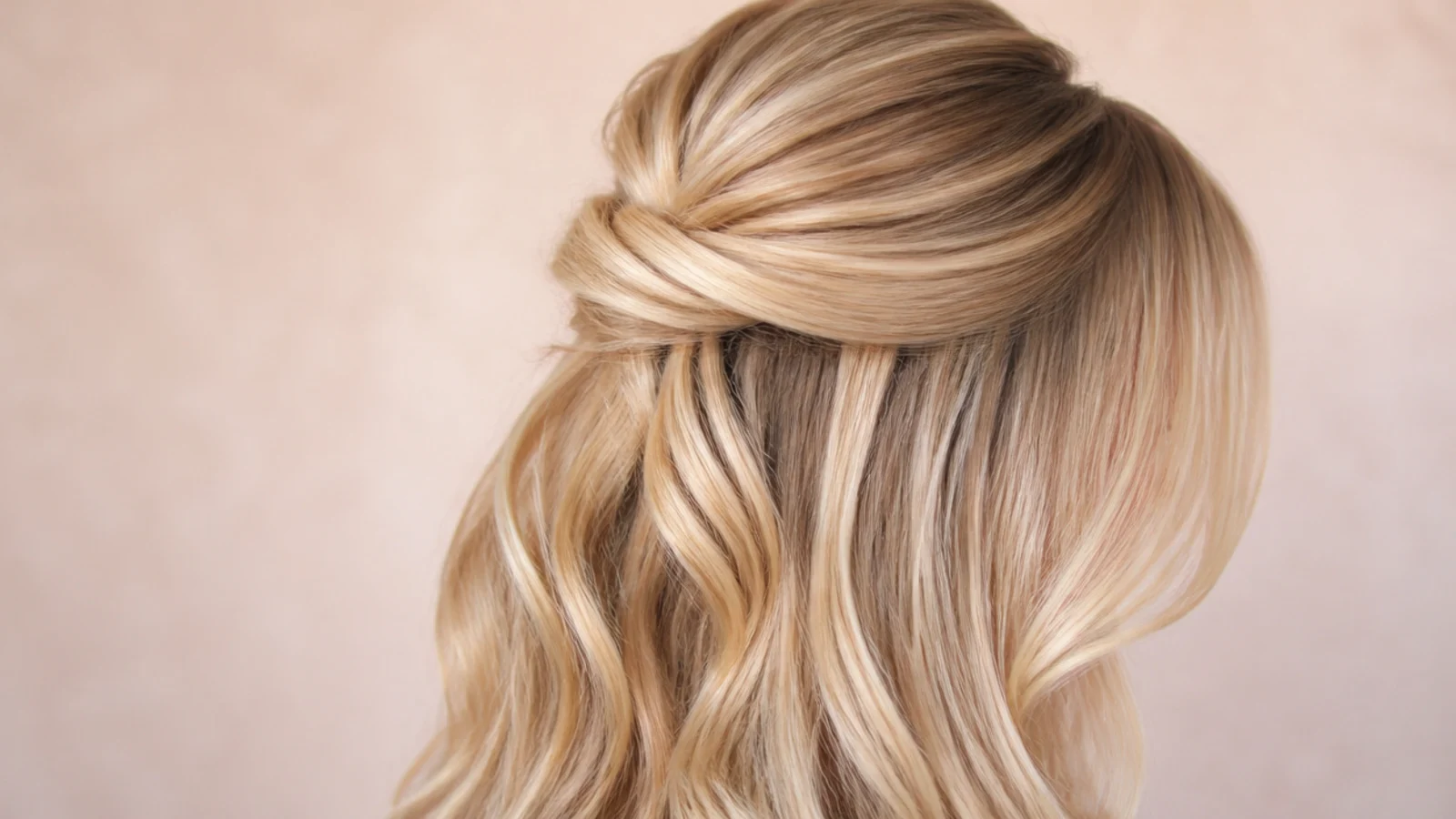
Two brighter sections at the front parting on an otherwise neutral base. Because the lightest hair sits where daylight lands directly on the face, a handful of foils reads as a whole head of highlights and grows out along one soft edge.
8. Old Hollywood Waves
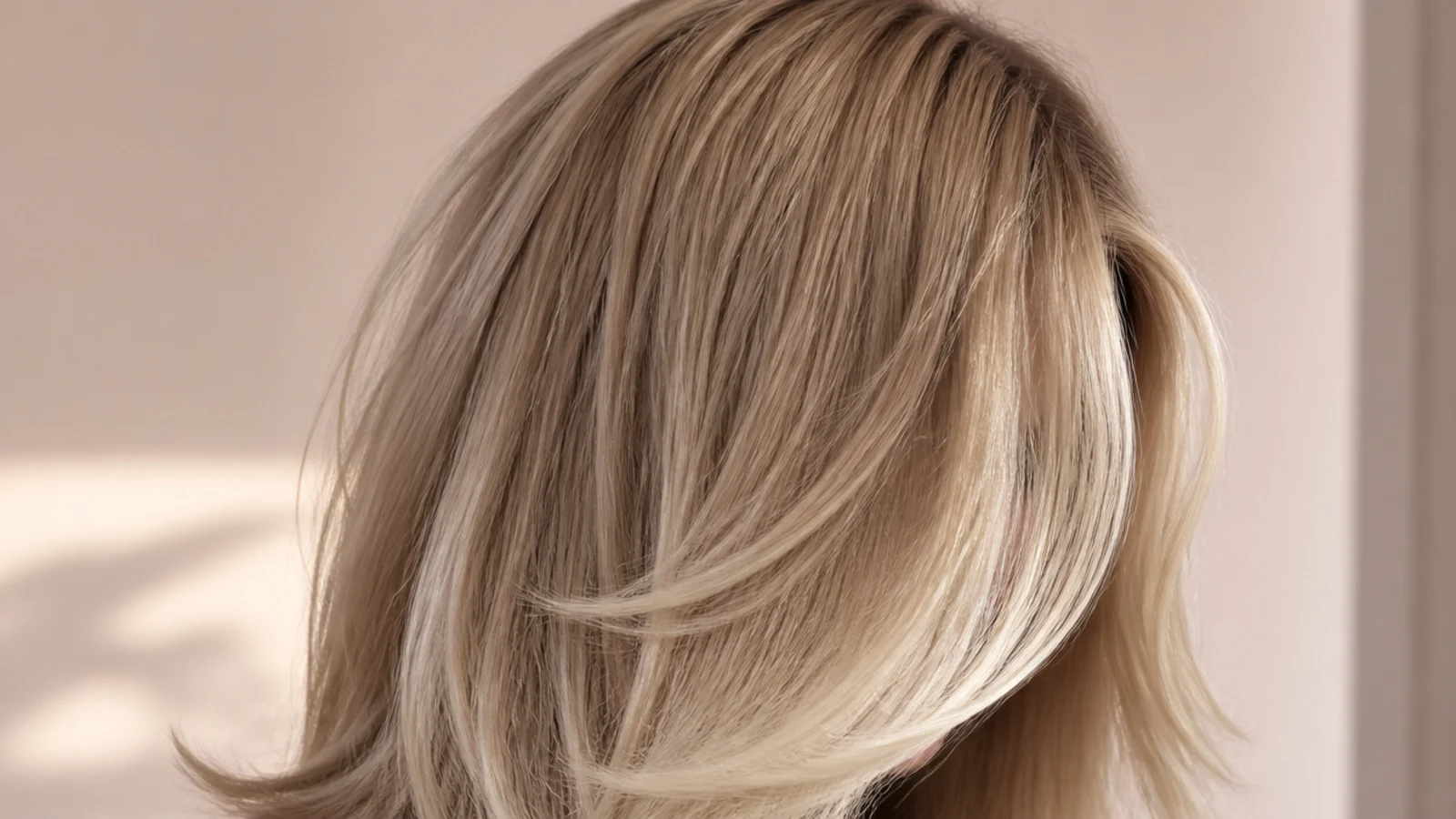
Set every curl in the same direction on a large barrel, let them cool, then brush the whole head out. The brushing is what merges separate curls into one continuous S bend — skip it and the result is ringlets rather than a wave.
9. High Ponytail With a Curtain Fringe
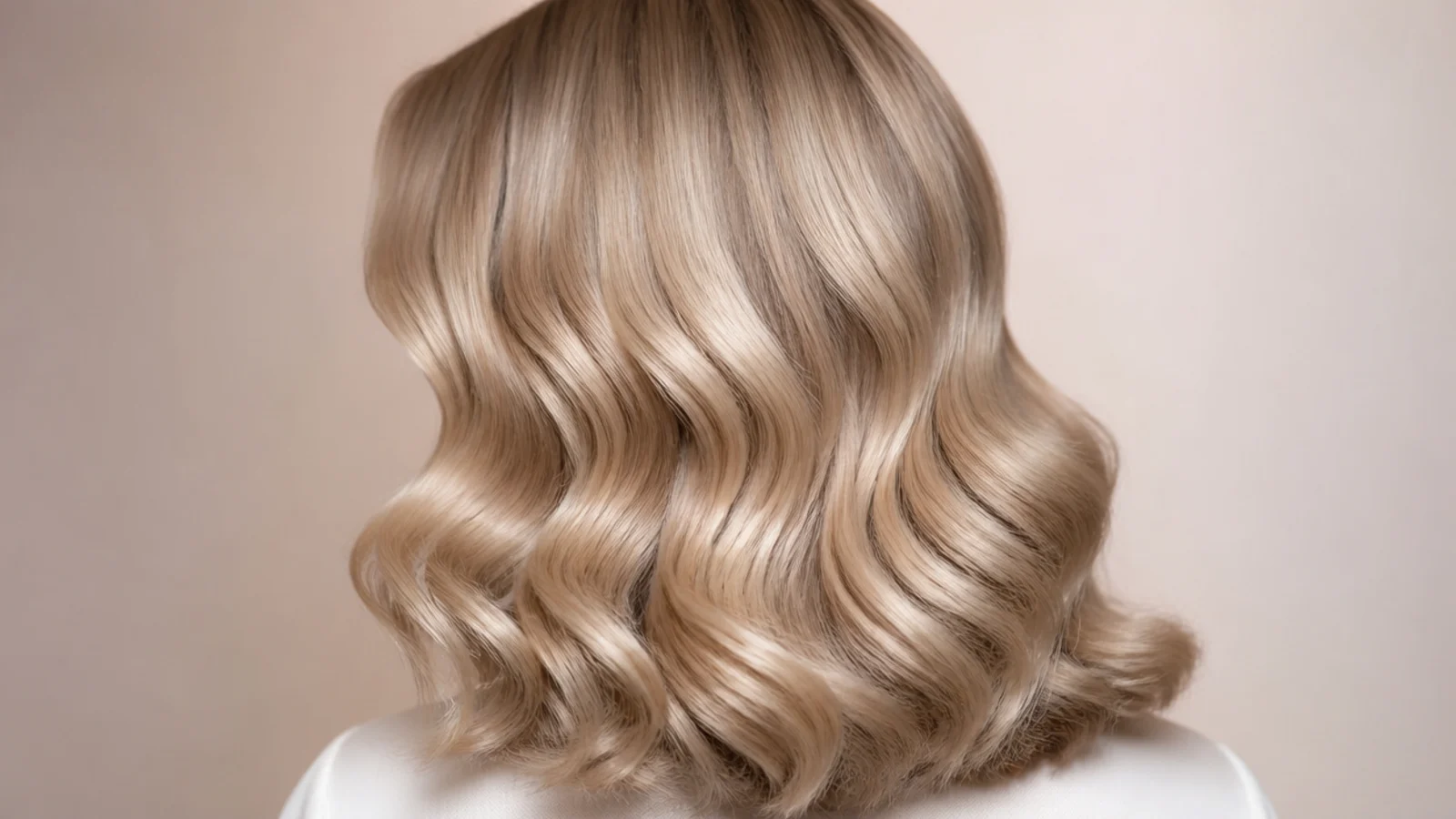
The fringe stays out of the elastic. A high ponytail draws a hard line across the hairline, and leaving the face framing loose puts something soft in front of that line so the join never becomes the focal point.
10. Collarbone Lob With Long Layers
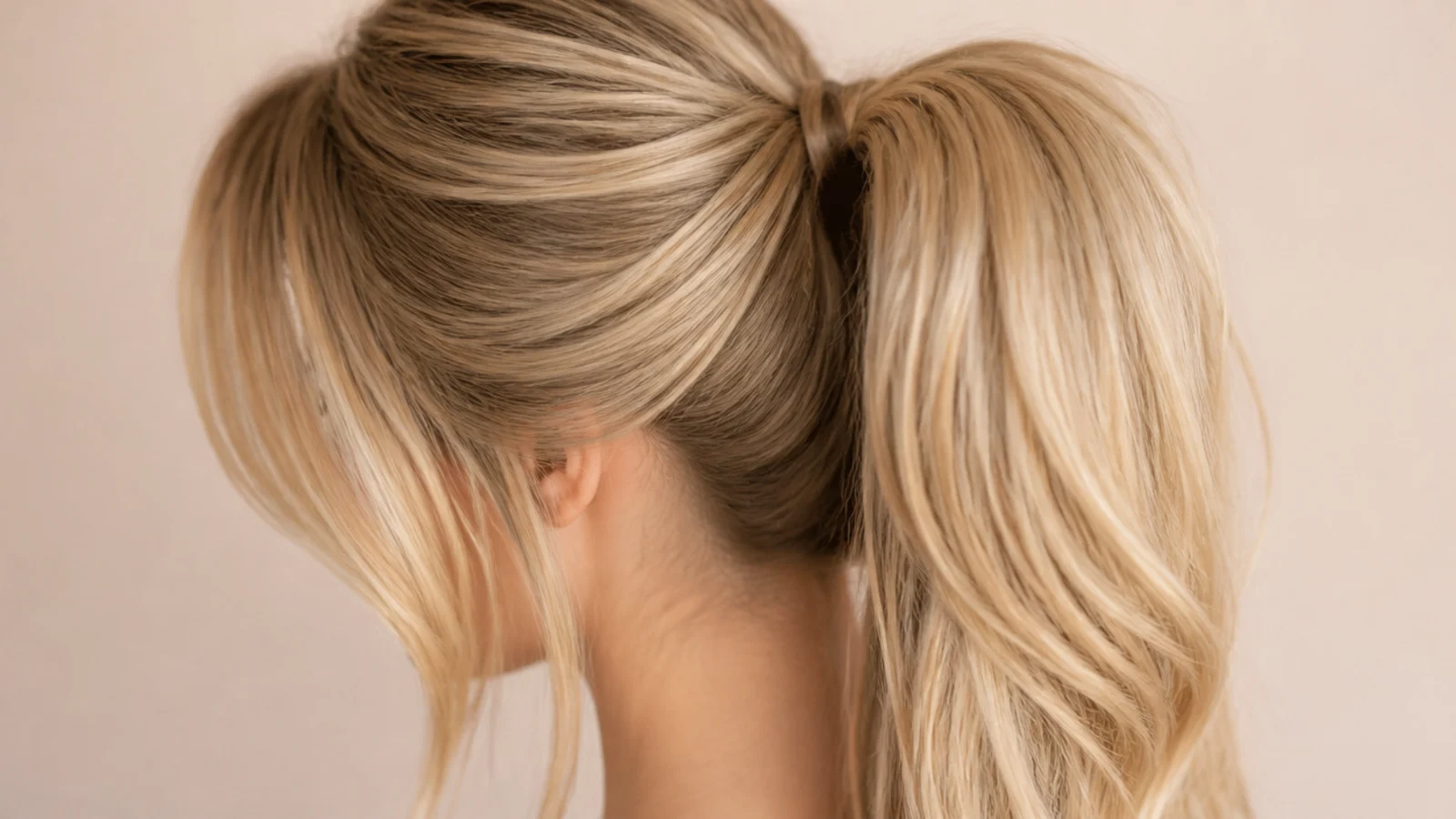
The shortest length this cut works at. At the collarbone the hair still swings and the layers still show movement, whereas much longer than that the weight of the length pulls the same layers flat against the back.
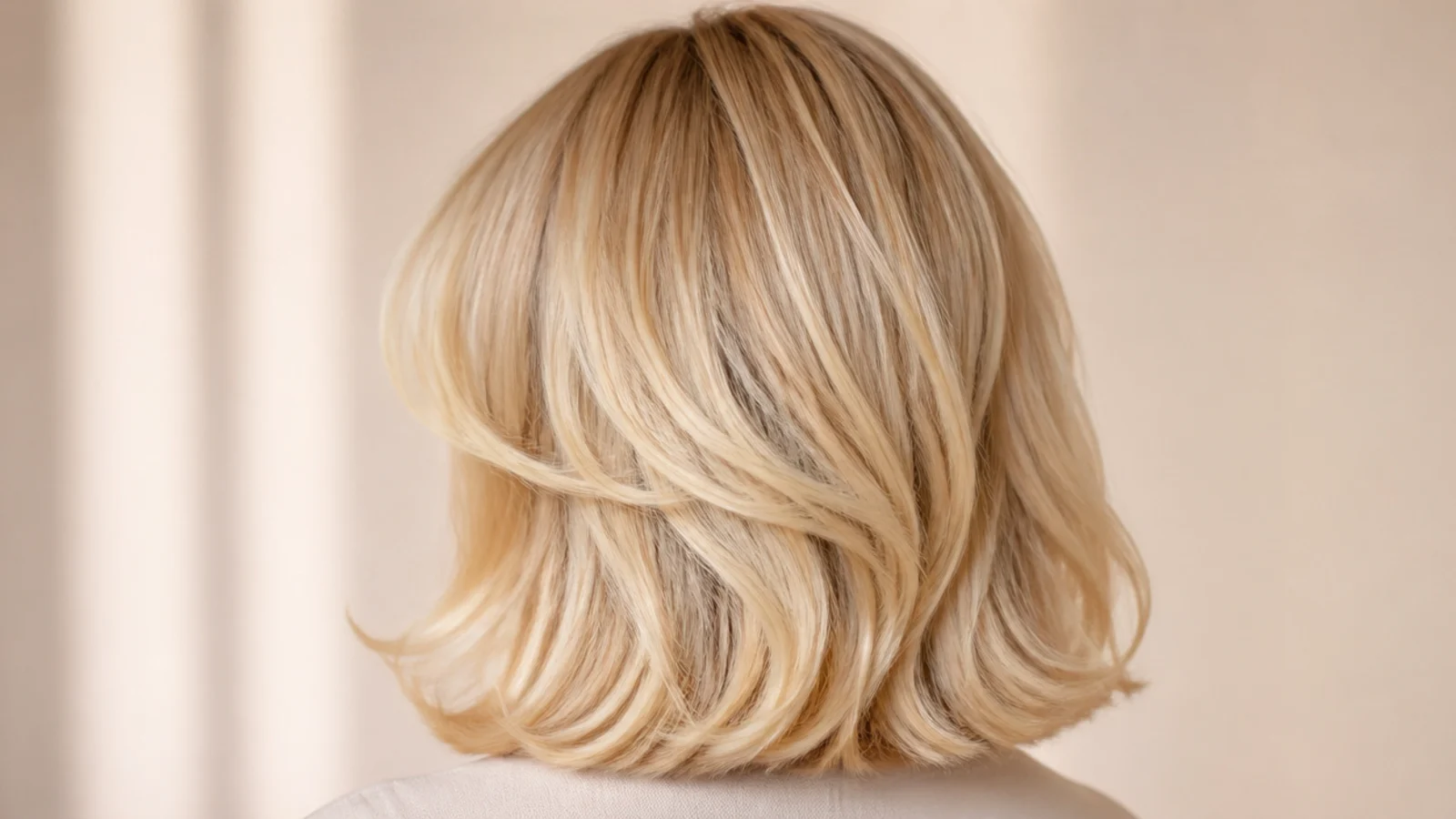
11. Curtain Bangs on Curly 2C Hair
Cut dry, one curl at a time, with the natural fall left undisturbed. A 2C spring can pull up a full inch as it dries, so the only reliable way to place the shortest point at the cheekbone is to cut it where it already sits.
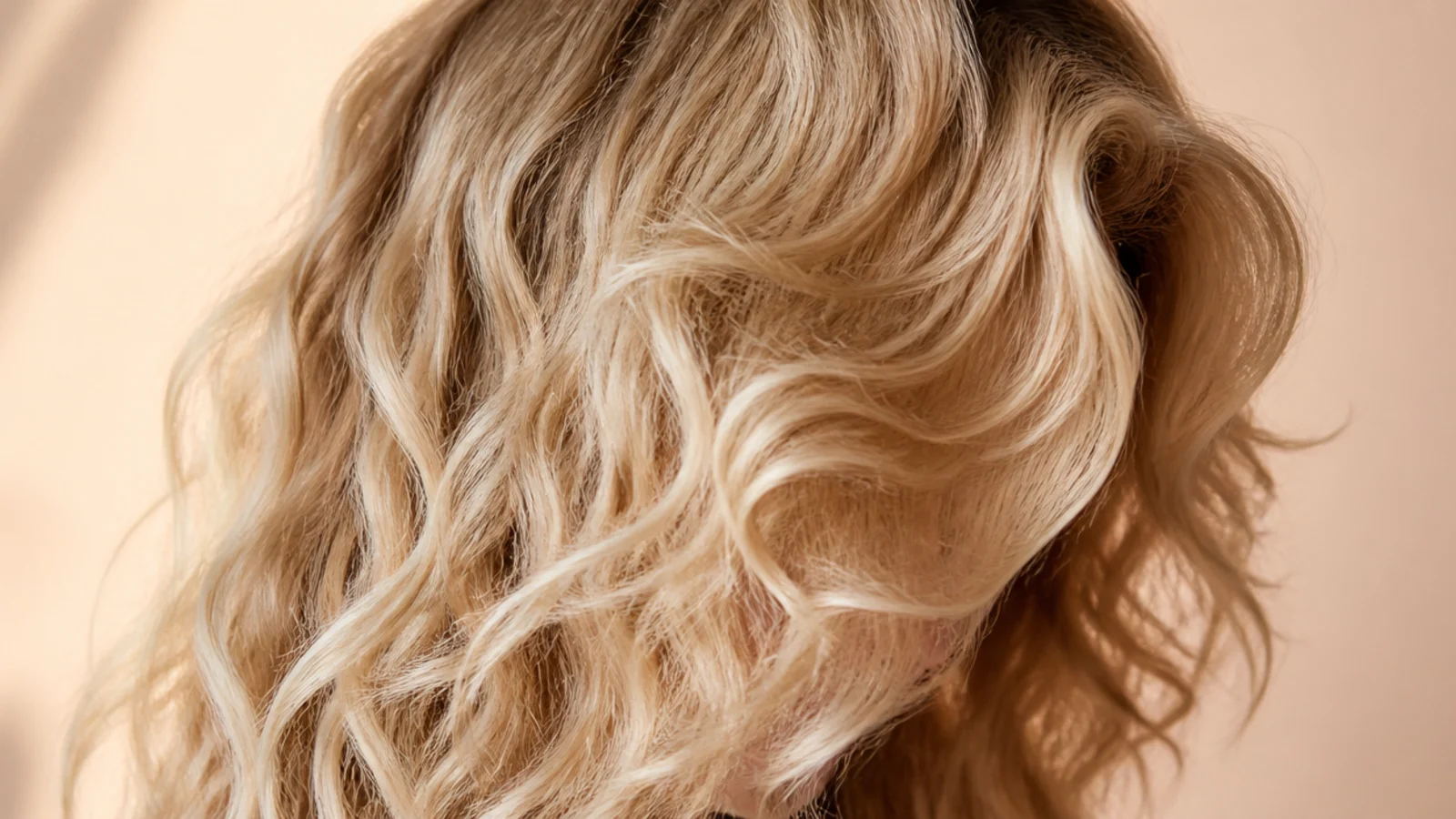
12. Grown Out Curtain Bangs
Four months on, with the shortest point down at the jaw. Because the shape was long at its outer edge from the start, growth just extends the same line, which is the reason this fringe is the one people keep rather than grow out.
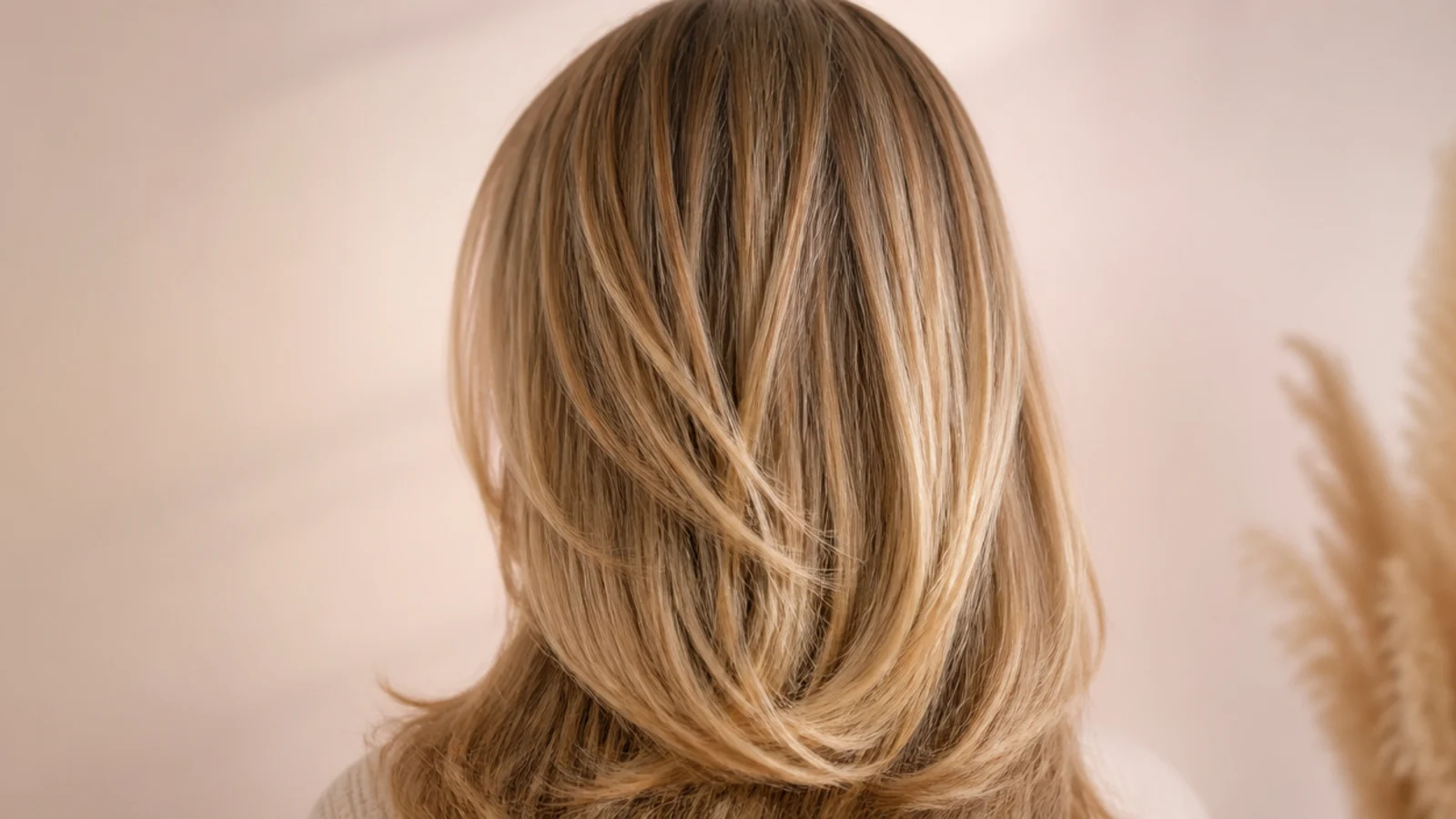
13. Glass Hair Gloss on Blonde
A demi permanent gloss adds no lightness and changes no length. It deposits tone into the porous patches along the strand so the whole head reflects light at the same intensity, which is what separates glass hair from simply clean hair.
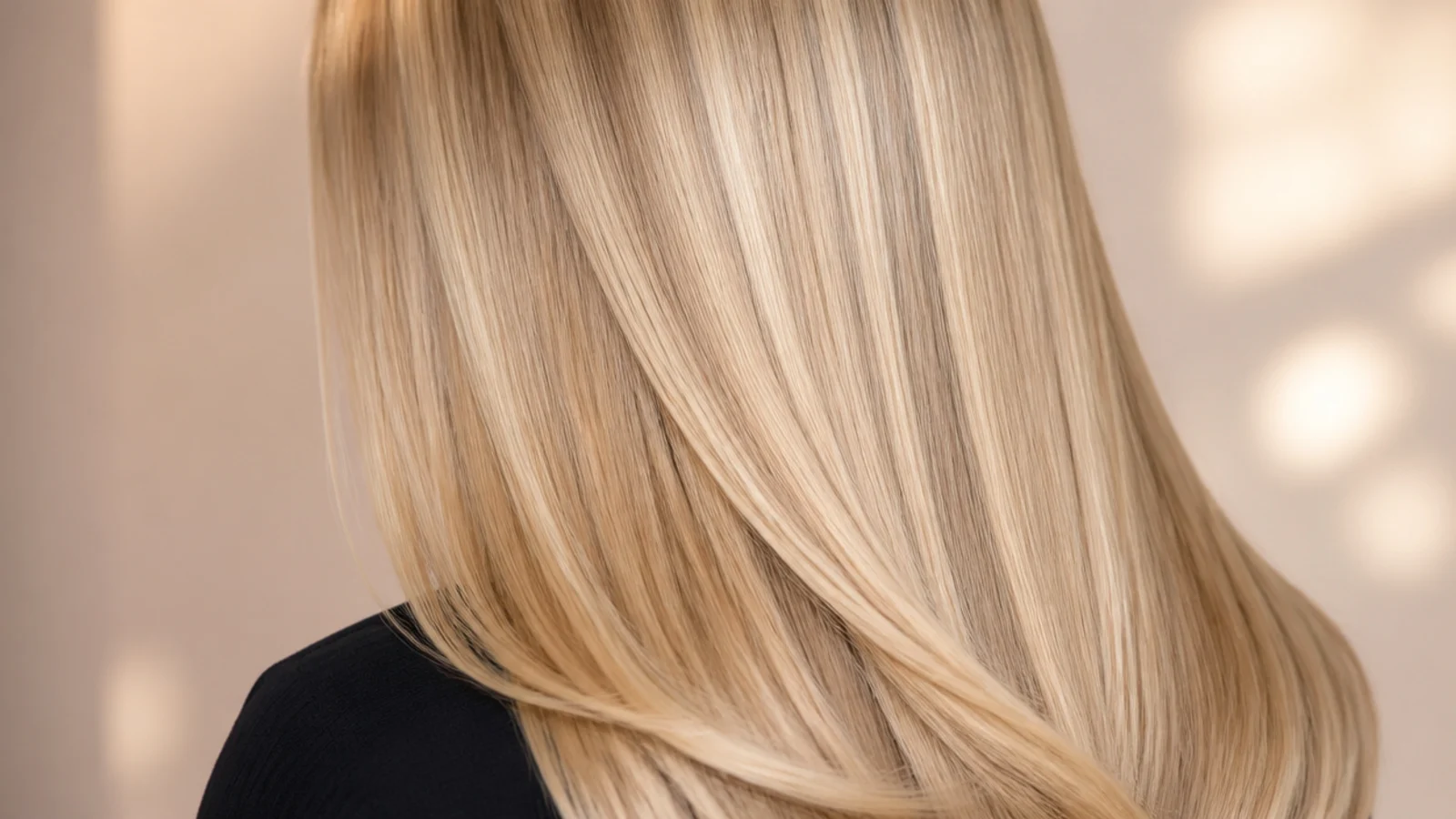
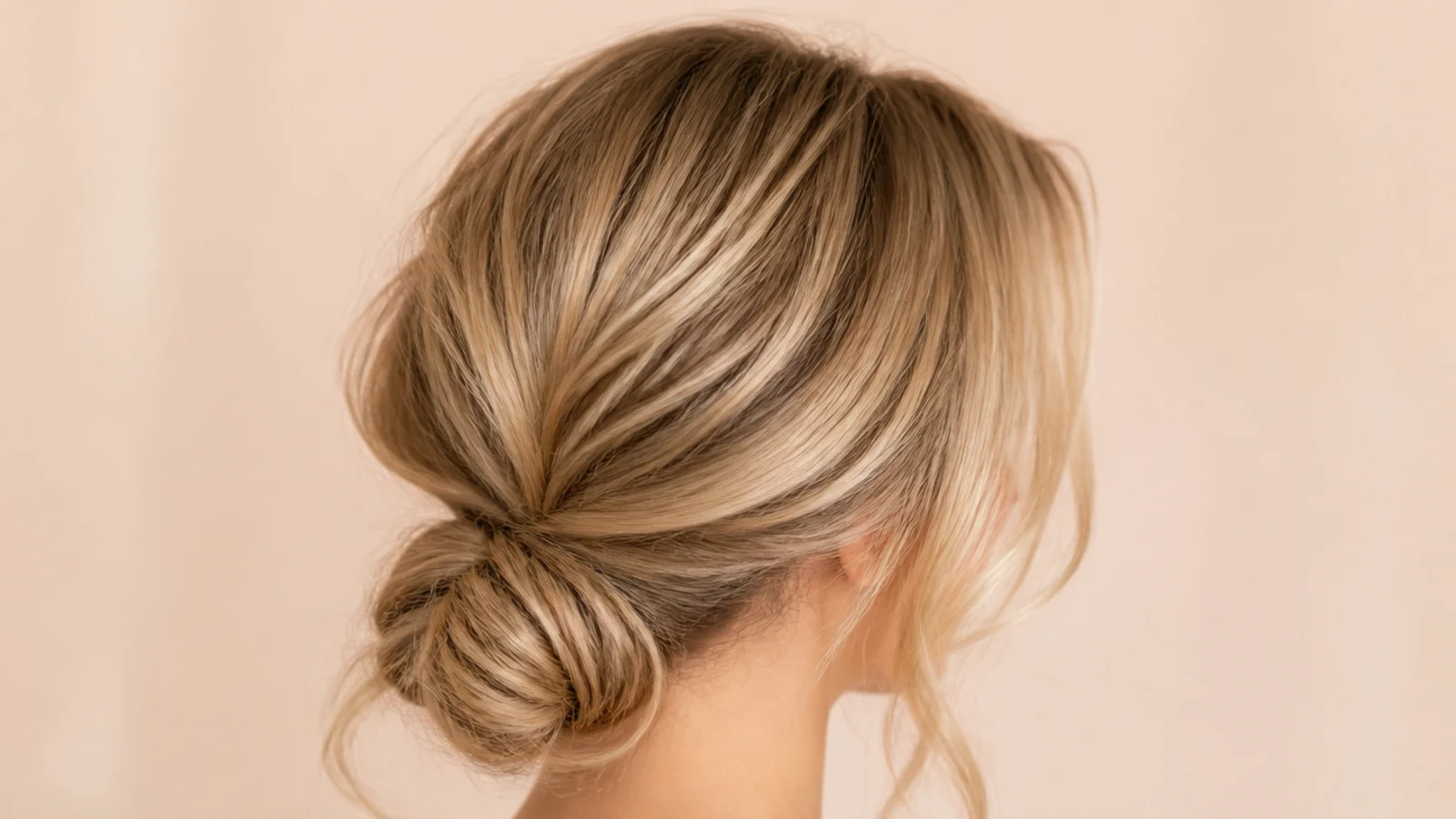
14. Low Bun With Face Framing
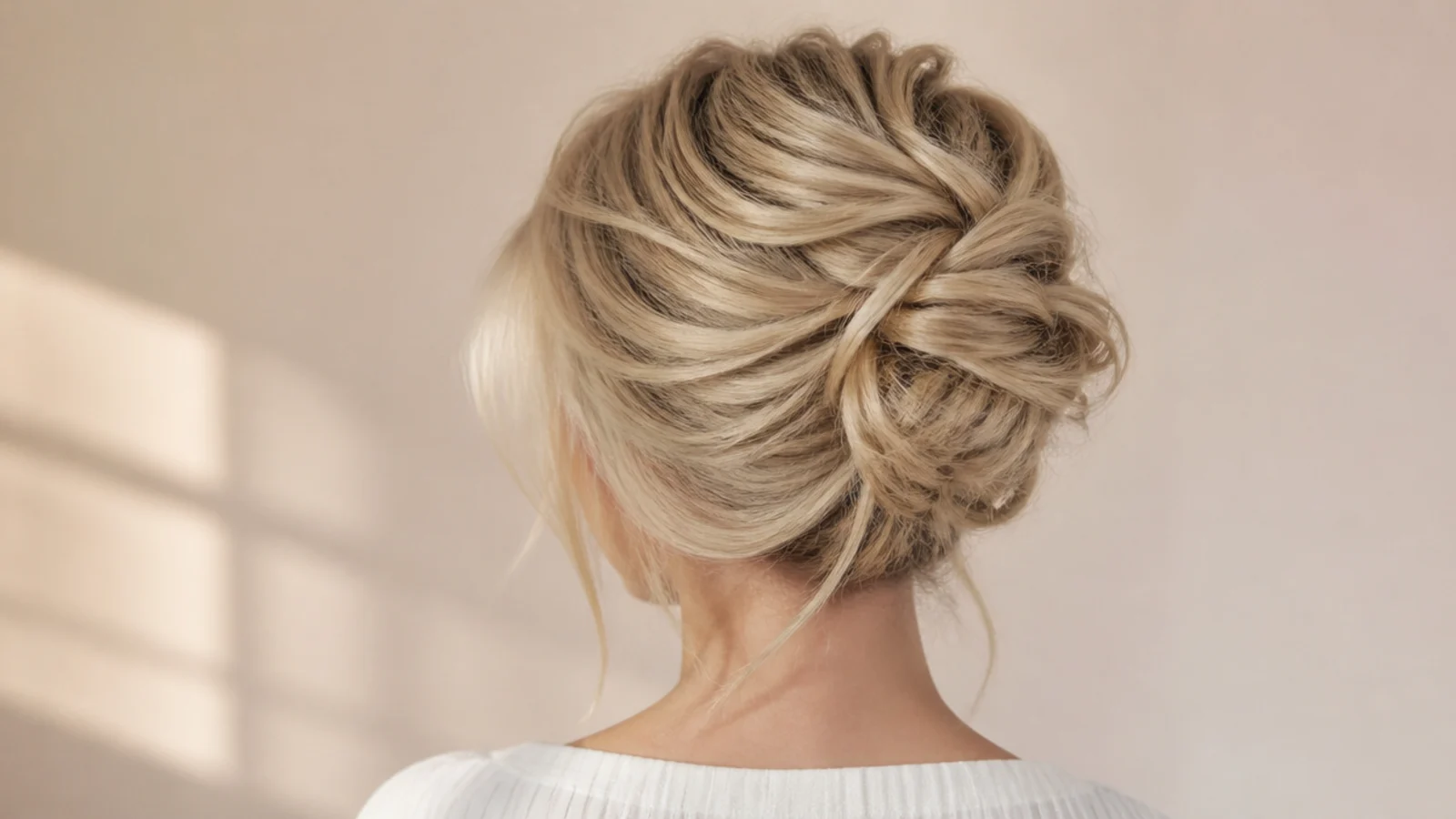
The base is scraped back and two soft pieces are pulled out at the temples. Those verticals break the hard outline a slick bun creates, which is the difference between a bun that reads as styled and one that reads as tied up in a hurry.
15. Butterfly Cut With a Heavy Fringe
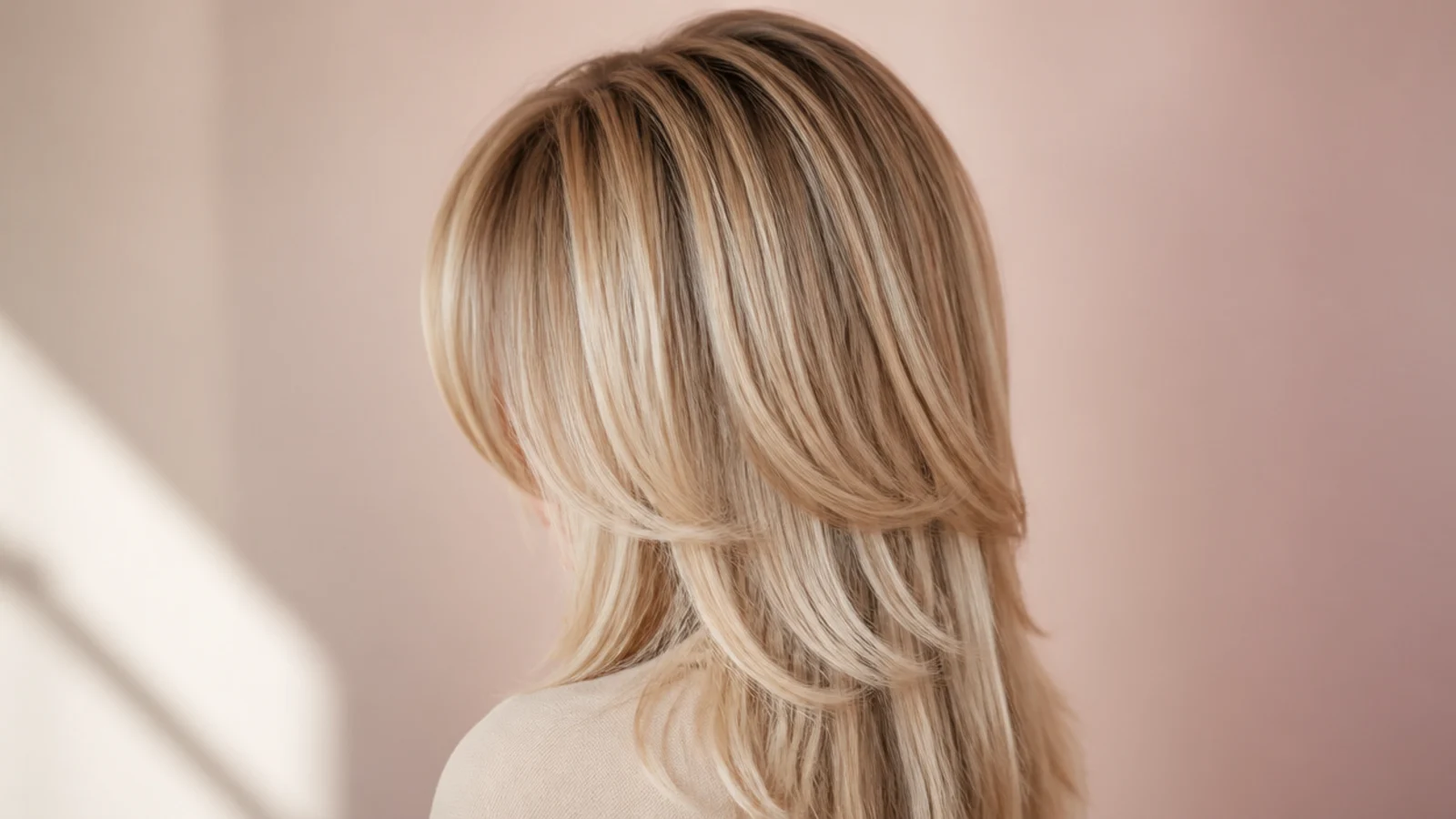
Two distinct layer lengths rather than a gradual run. A short internal layer around the chin sits on top of the untouched long length, so the volume is created by stacking rather than by removing anything from the perimeter.
16. Velcro Roller Crown Volume
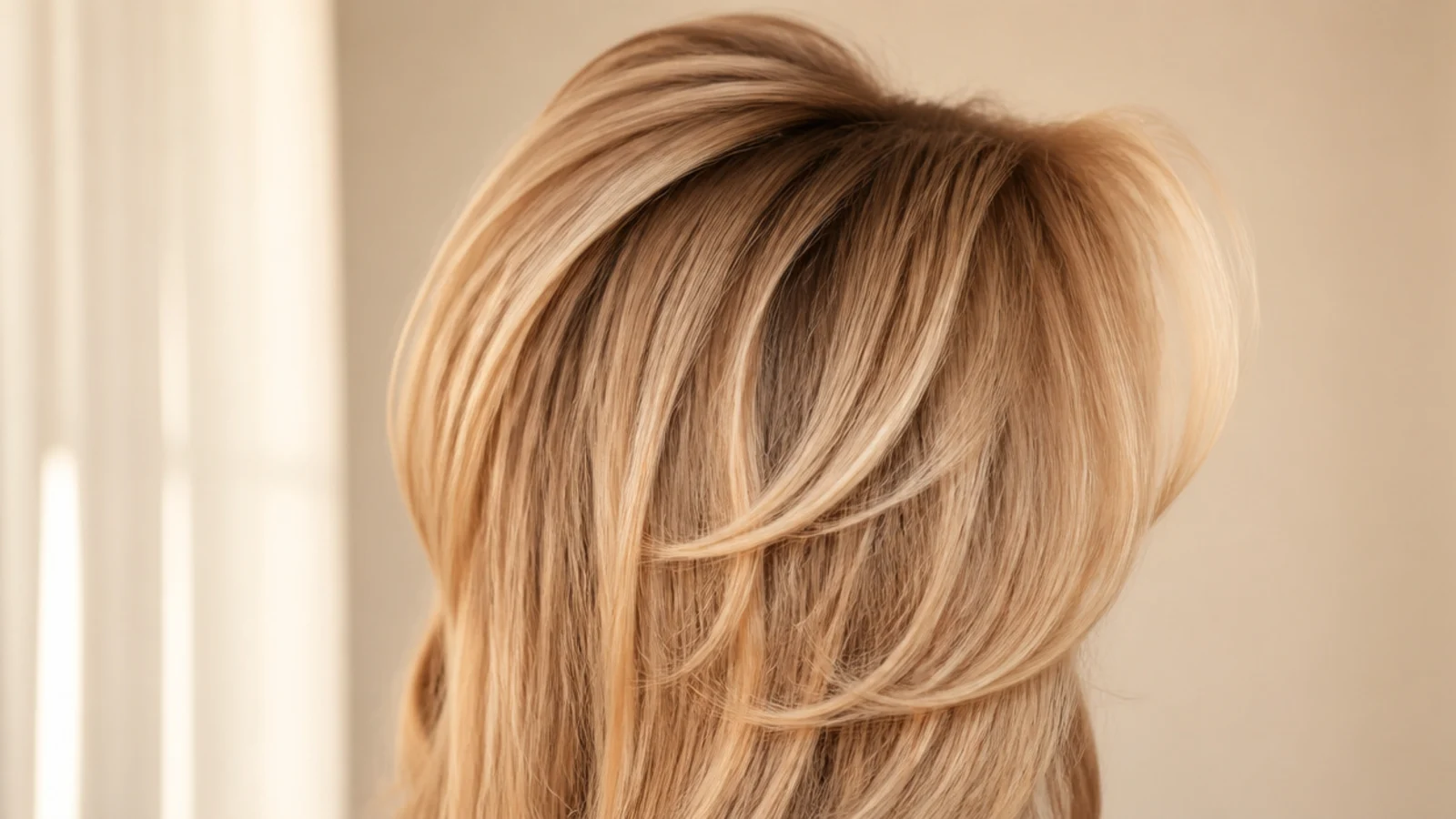
Three or four rollers set into the crown at the end of a blow dry and left until the hair is stone cold. Hair holds whatever shape it is in as it cools, so the only variable that matters is patience rather than heat.
17. Air Dried Wave With a Rough Dried Fringe
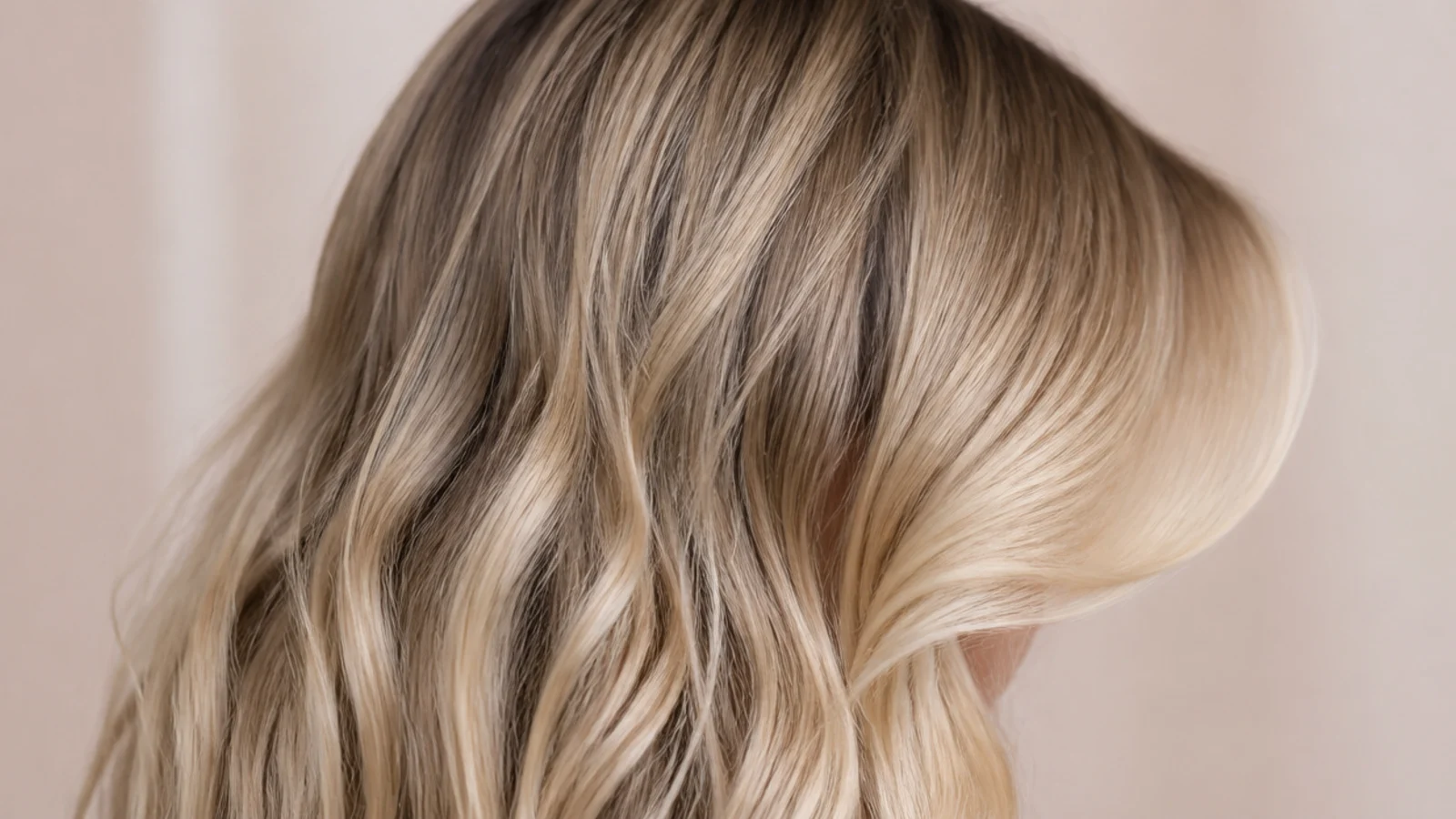
The length is left alone and only the fringe gets a brush. The fringe is the one section where air dried texture reads as unfinished rather than relaxed, so drying that piece alone delivers most of the polish for a fraction of the time.
18. Blowout Bob With a Shorter Fringe
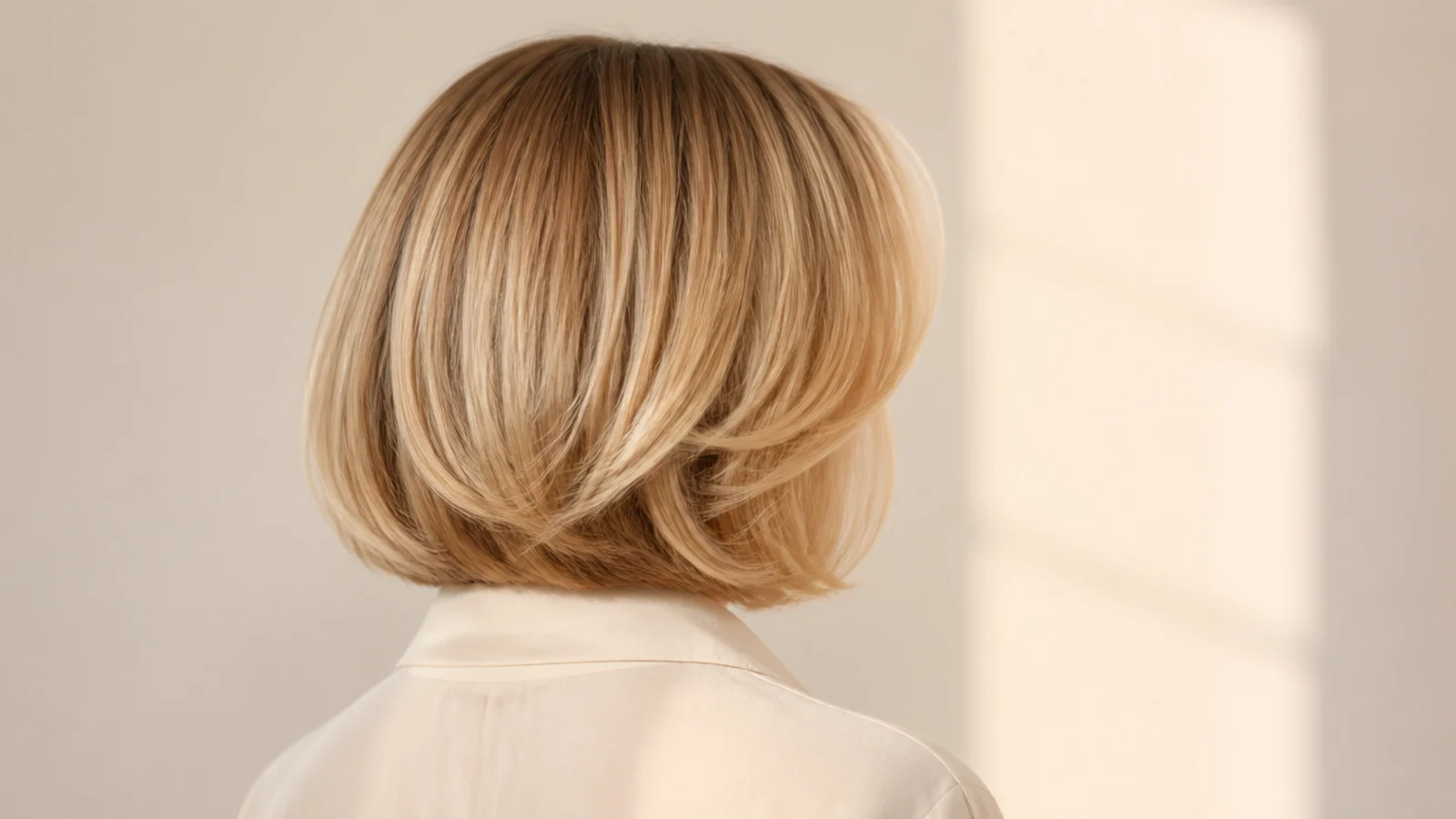
The same styling on a shorter cut. A bob has less weight pulling the ends down, so the turn under from a round brush holds far longer than it does on long hair, and the fringe has to come up to keep the proportion.
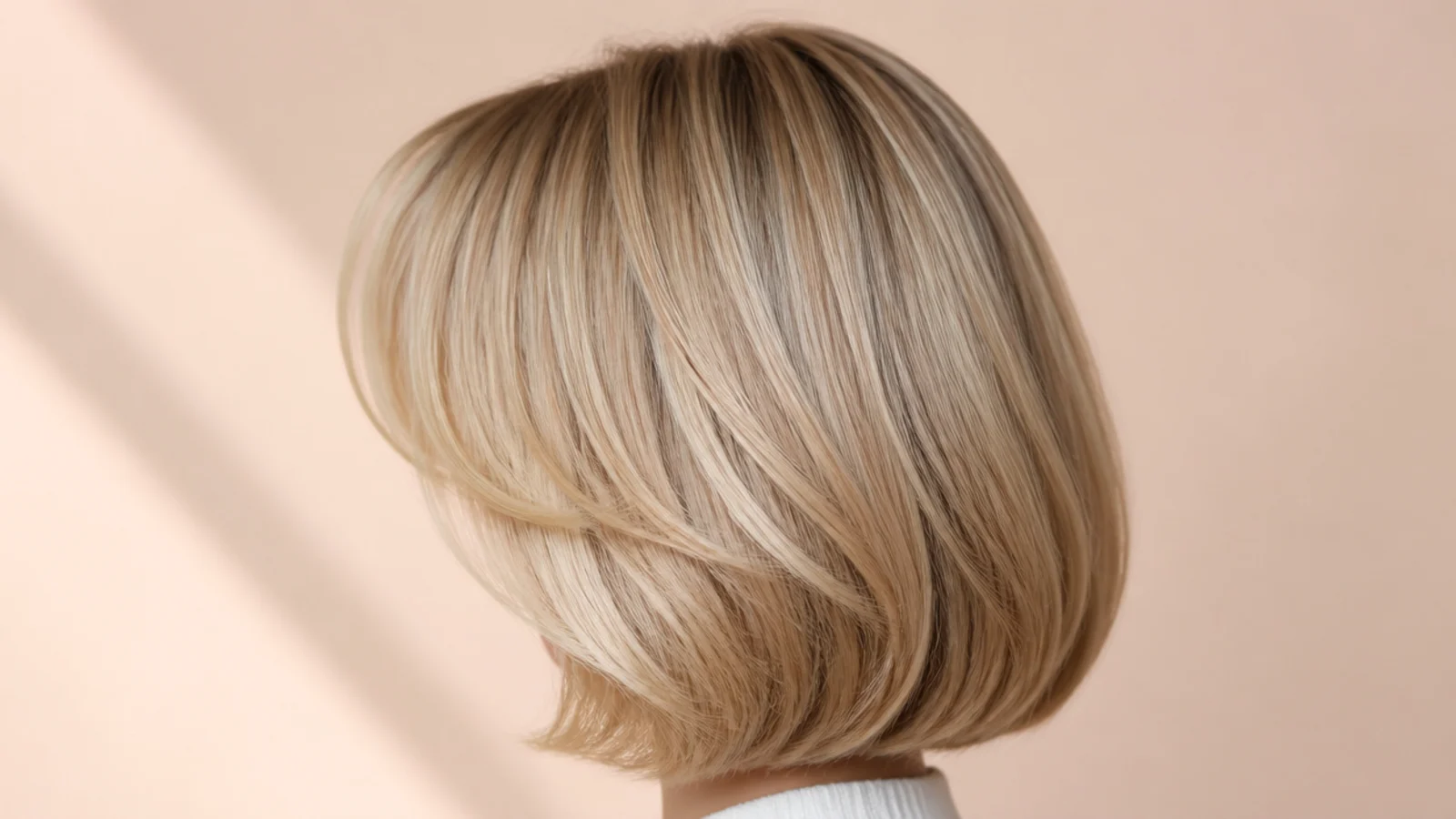
19. Dark Brunette Without Dye
The cut and the blow dry in your own depth, with a clear gloss as the only colour work. Shine is what carries this register rather than lightness, so a dark base with a flat cuticle reads closer to the reference than a badly lifted blonde does.
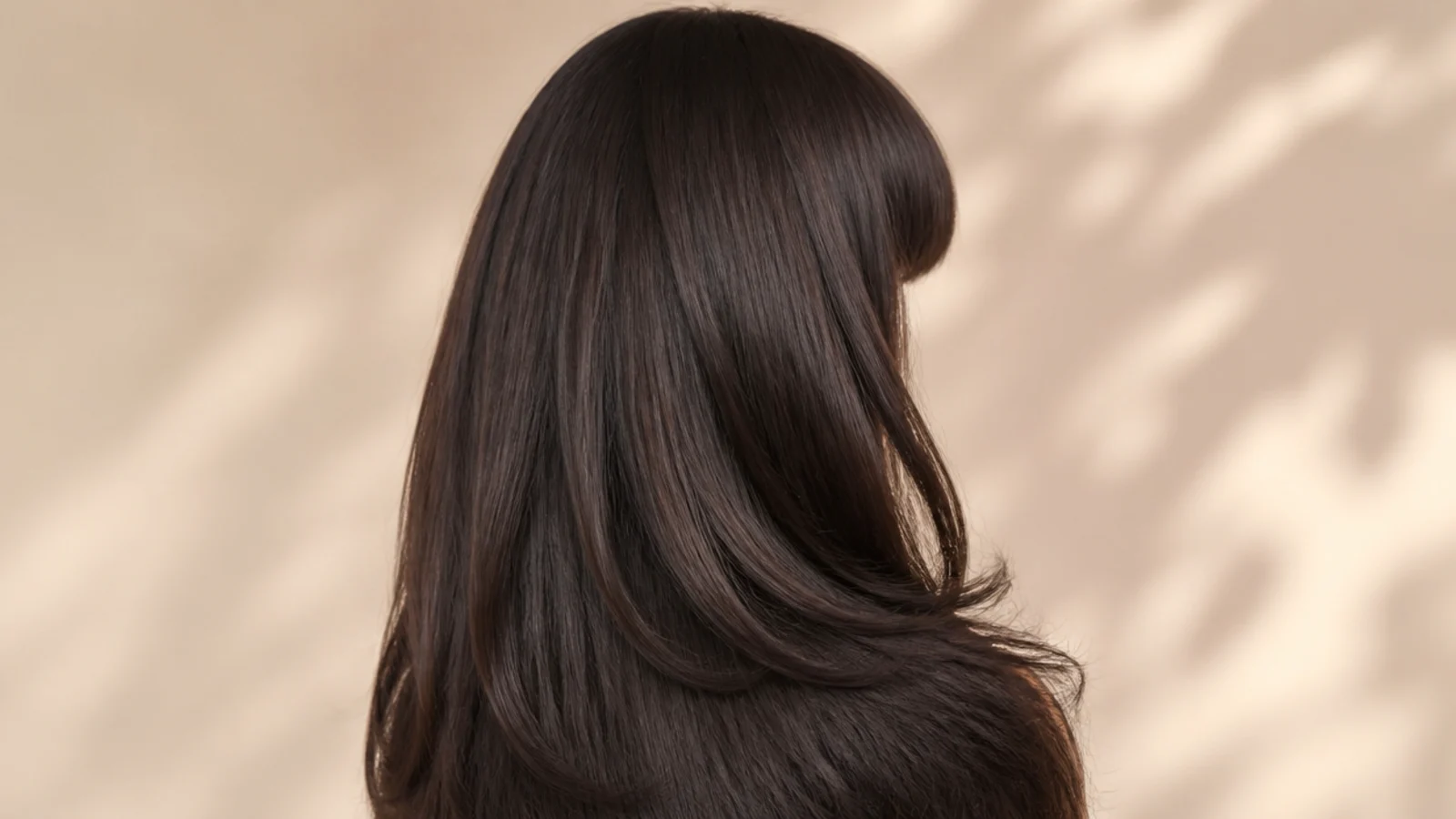
20. Bow Half Updo
A ribbon replacing the clip on a half up. The bow sits flat against the crown and adds a horizontal line where the hair changes from gathered to loose, which hides the join far more effectively than an elastic does.
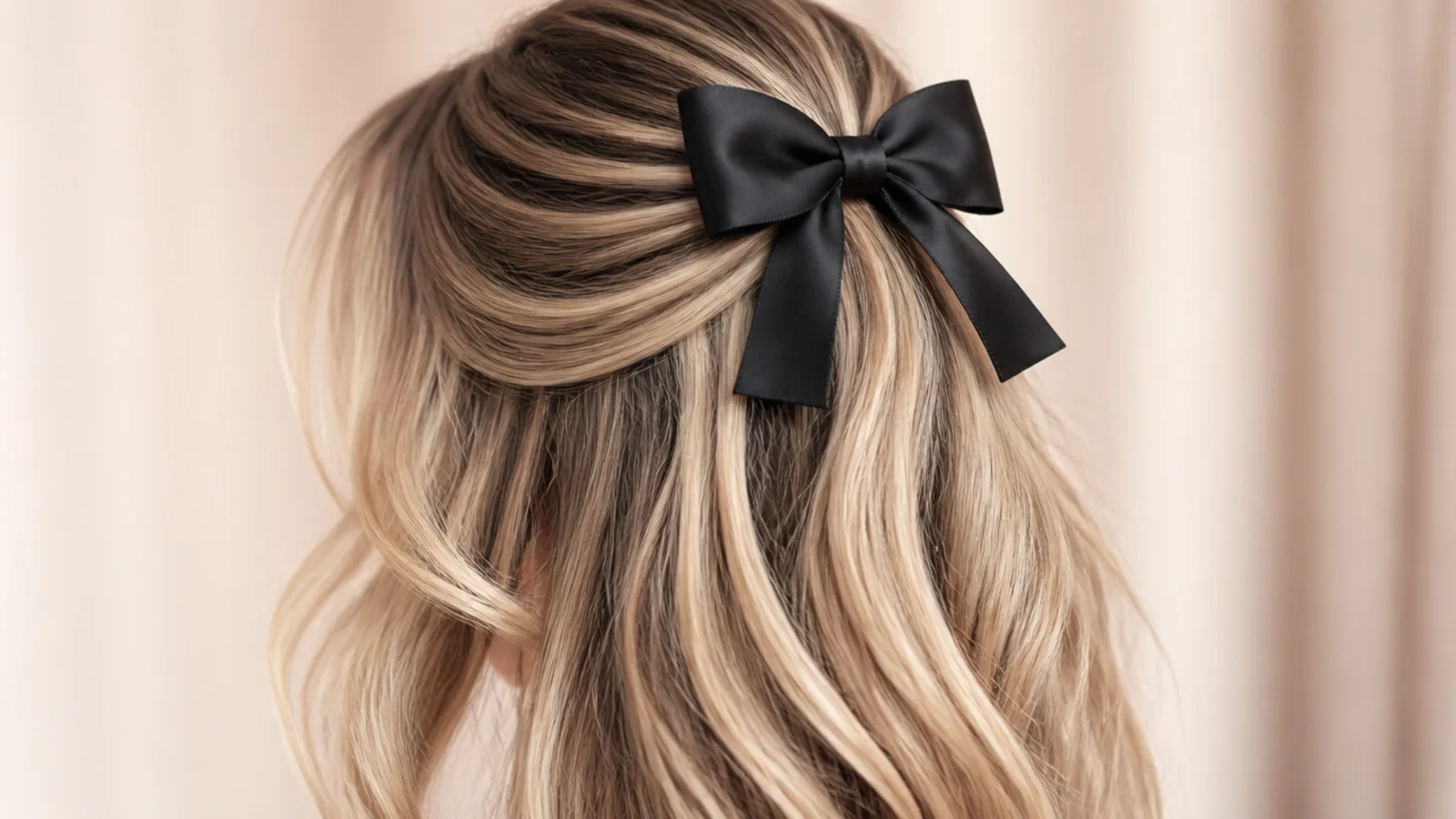
21. Heatless Overnight Wave
Damp hair wrapped around a fabric rod and slept on. Water breaks the hydrogen bonds that hold the strand in shape and they reform as it dries, so the hair sets to whatever it was wrapped around with no heat involved at all.
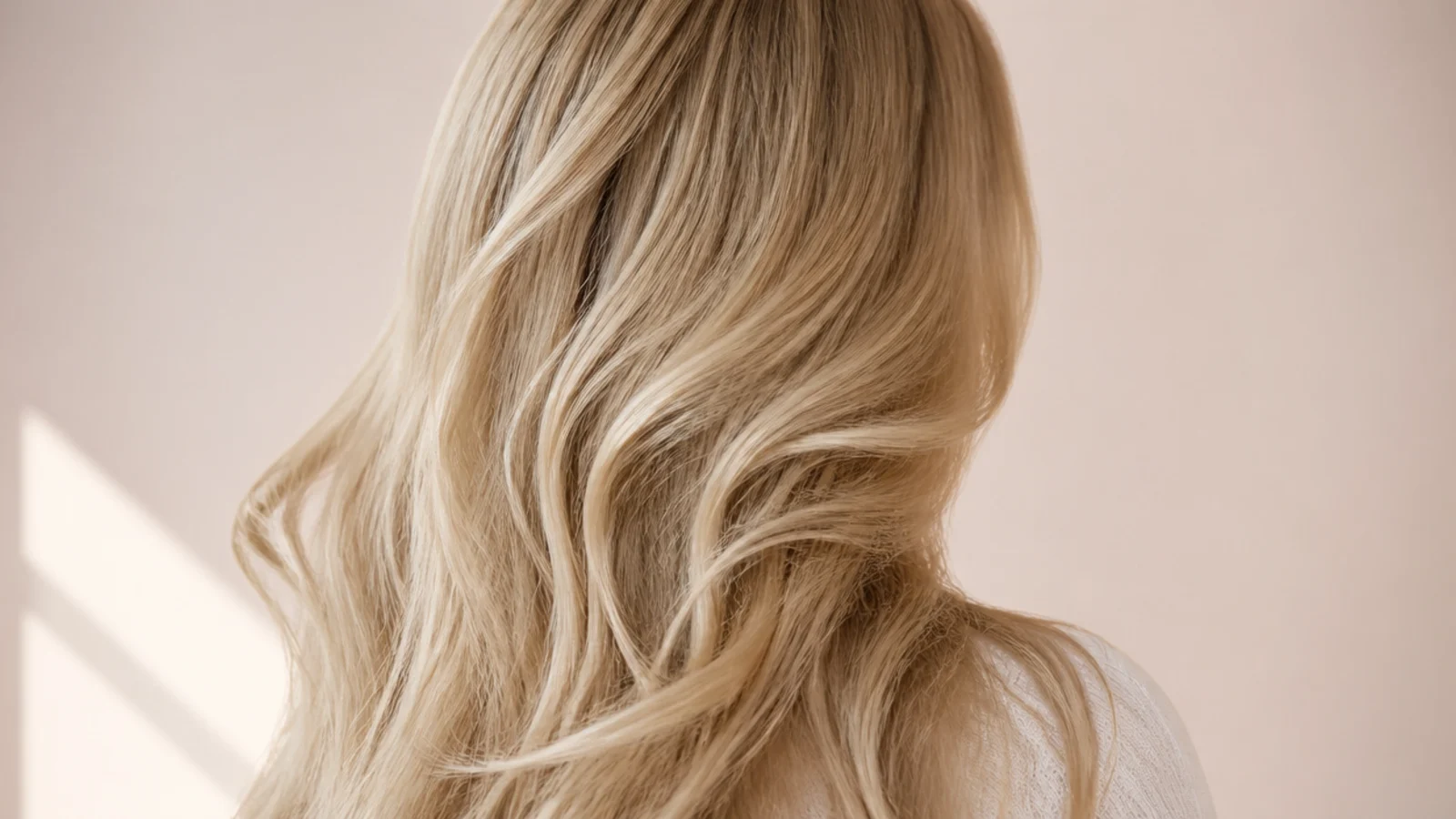
22. Deep Side Part With a Swept Fringe
Moving the parting across forces the heavier side to lie against its natural fall. The roots on that side stand up rather than lying flat, which is the cheapest volume available and takes about four seconds with a comb.
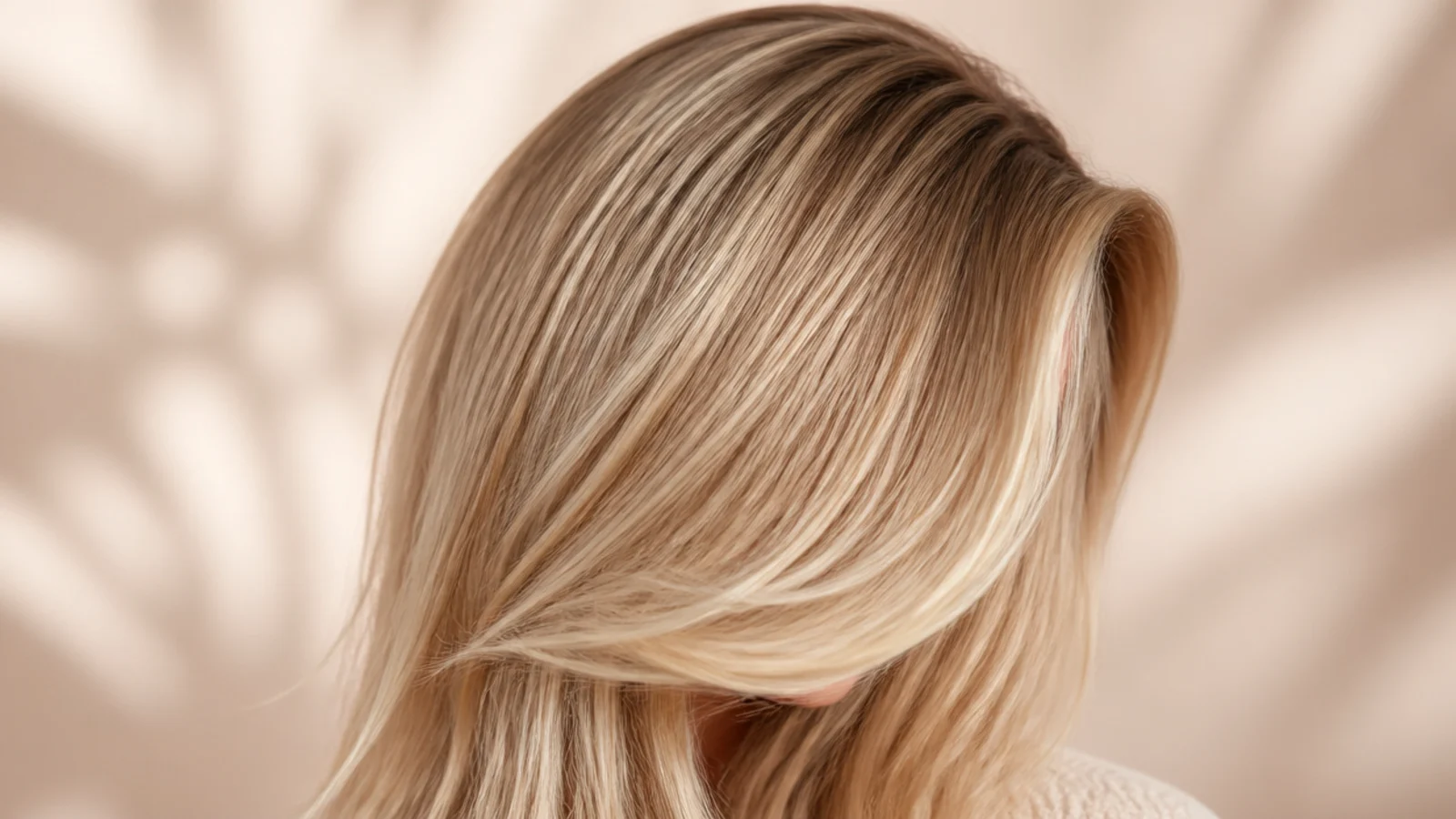
23. Wispy Bottleneck Bangs for a Round Face
Narrow through the middle and widening at the outer edges, like the neck of a bottle. The pinched centre draws a vertical down the face and the wider sides land past the cheek, which reads as length on a face that is broadest through the middle.
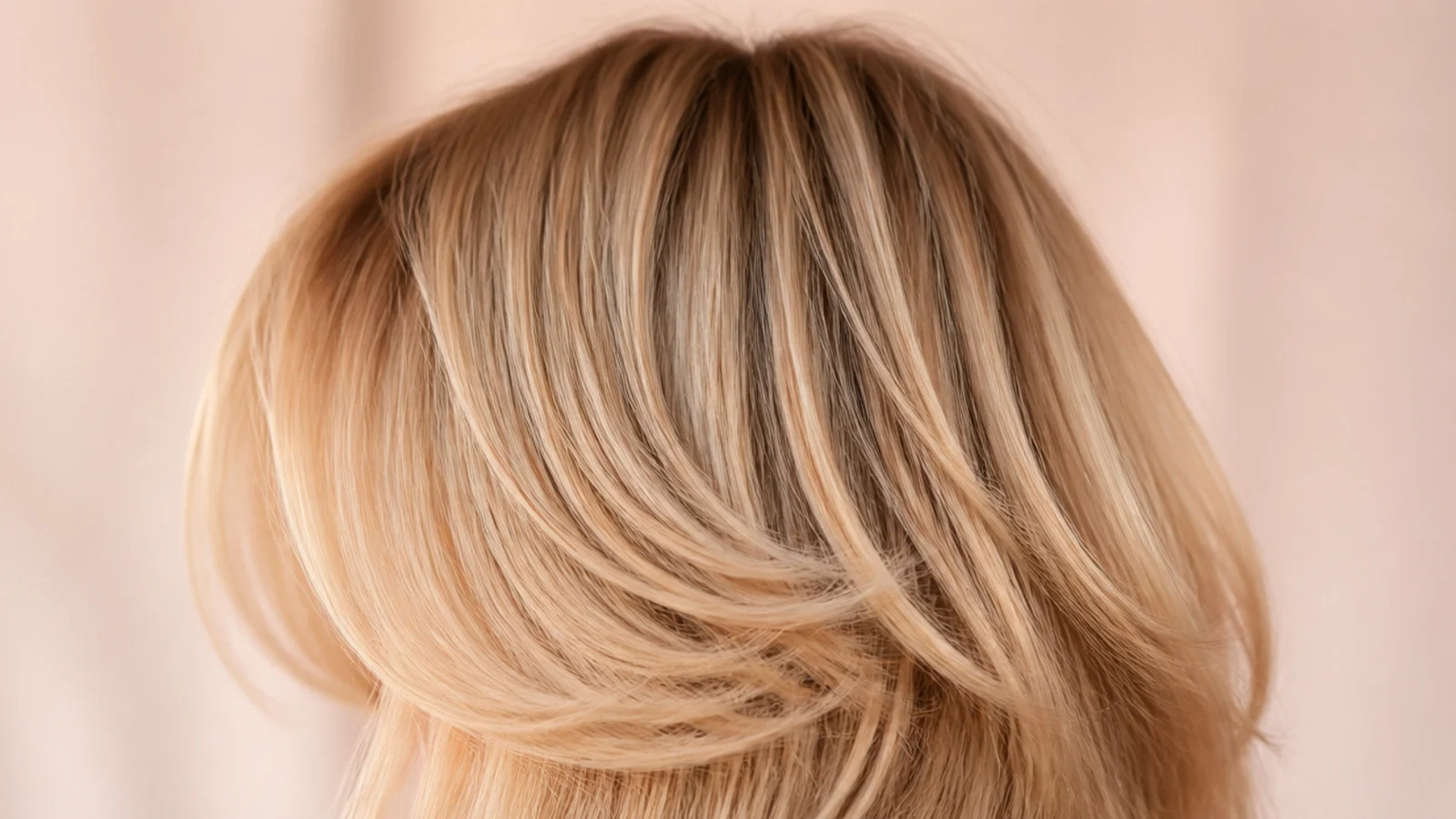
24. Textured Shag on Thick Hair
Layers cut short and close together through the interior while the perimeter is left alone. Weight comes out from inside the shape, so thick hair loses the triangular spread without losing the dense outline that made it look healthy.
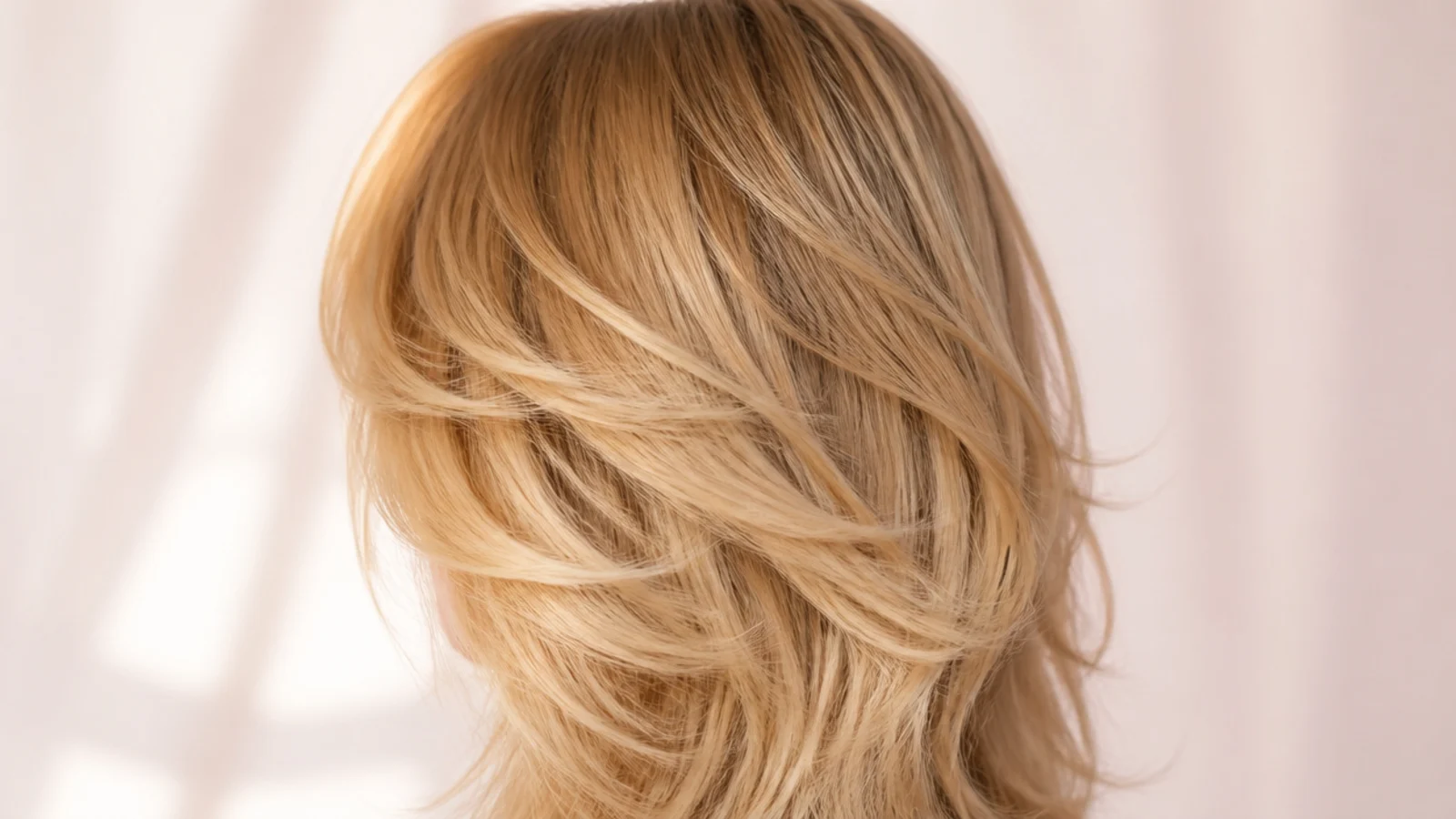
25. Second Day Dry Shampoo Refresh
Sprayed at the root, left to sit, then brushed through. The starch absorbs the oil that has travelled down from the scalp, and since oil is what weighs the root flat, removing it restores the lift the blow dry built rather than adding anything new.
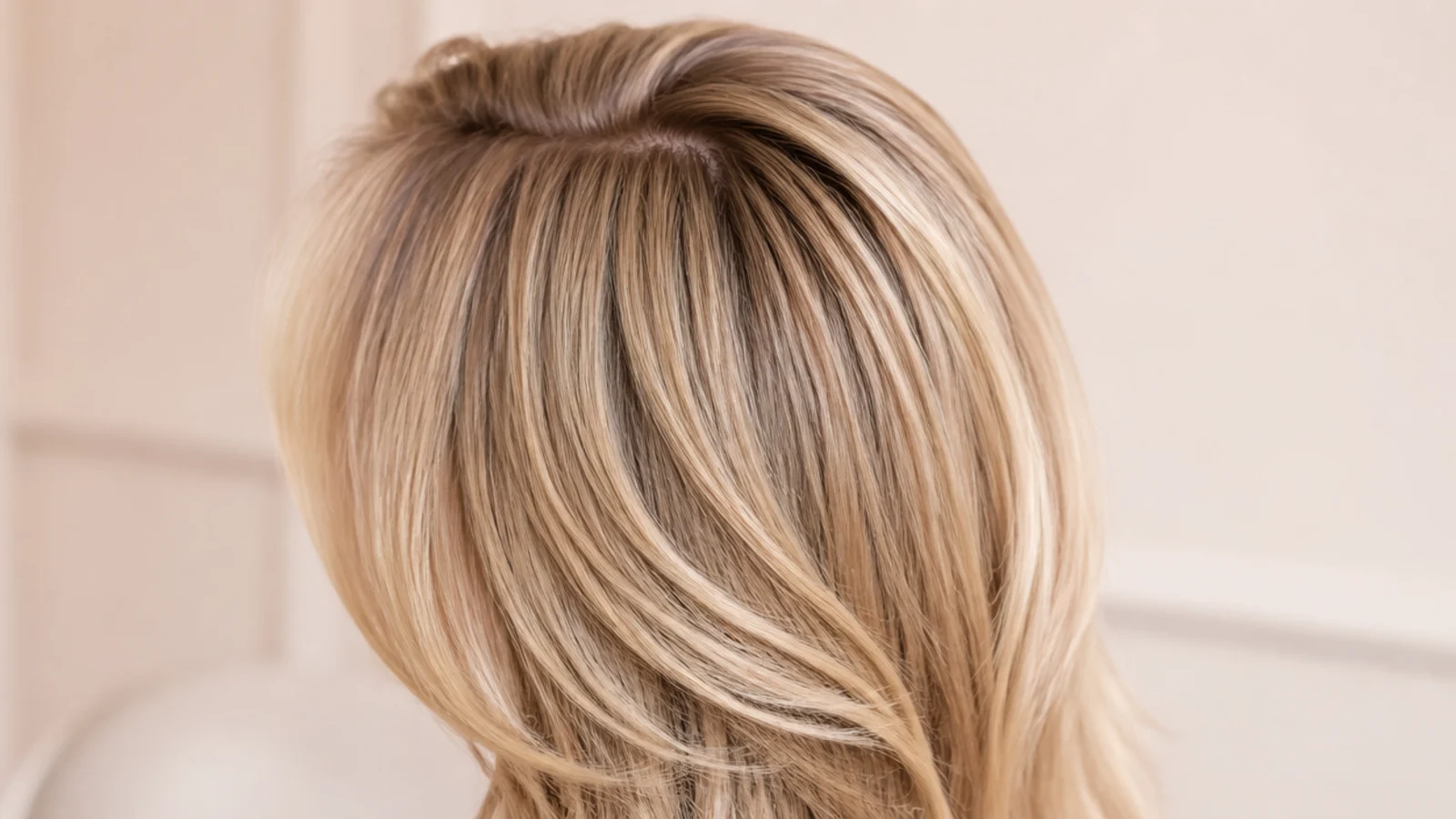
Final Thoughts
Split any photo you save into three questions before you book anything. Is that the cut, the blow dry or the colour, and which one am I actually paying for today. A curtain fringe over long layers is a single appointment; a crown full of volume is twenty minutes and a cool shot; a low contrast blonde is a lift and a tone that run on different schedules.
Get the cut right and the rest becomes repeatable at home. Get it wrong and no amount of styling recovers it, because the fringe is either long enough at the outer edge to blend or it is not. More in Celebrity Hair. See also the black version of this look and the blue version of this look.