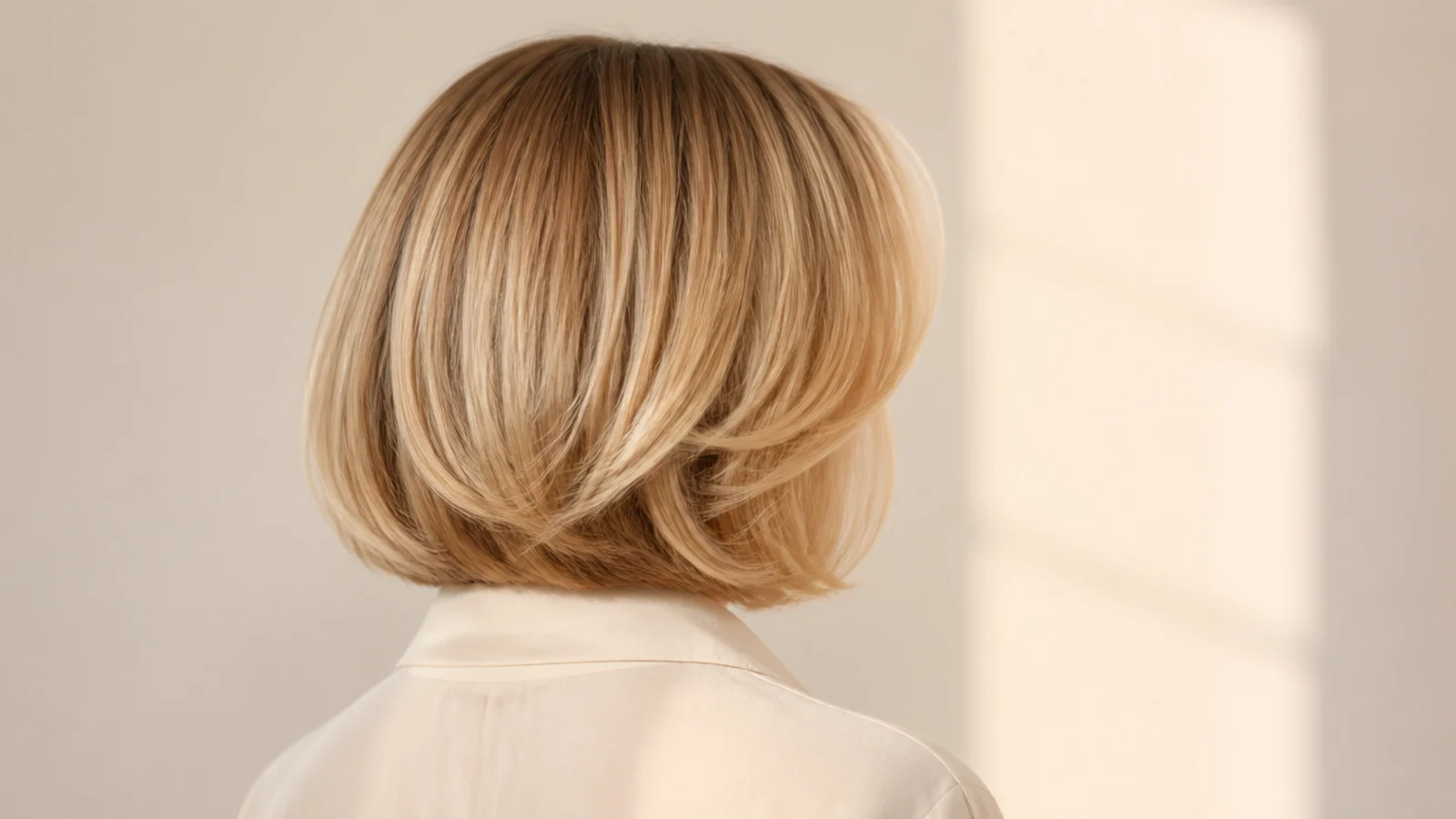
20 Sabrina Carpenter Short Hair Ideas
Twenty short blonde ideas, and the scheduling fact behind all of them — the fringe and the perimeter grow out on completely different clocks, so a cut booked as one appointment quietly needs two.
In this article · 28
- What the Short Haircut Is
- Face Shape and Hair Type on Short Hair
- Blonde Shades That Suit Short Hair
- Ask Your Stylist for This Short Cut
- Blowout at Home on Short Hair
- Recutting the Fringe and the Bob Length
- The 20 Short Hair Ideas
- 1. French Bob With Curtain Bangs
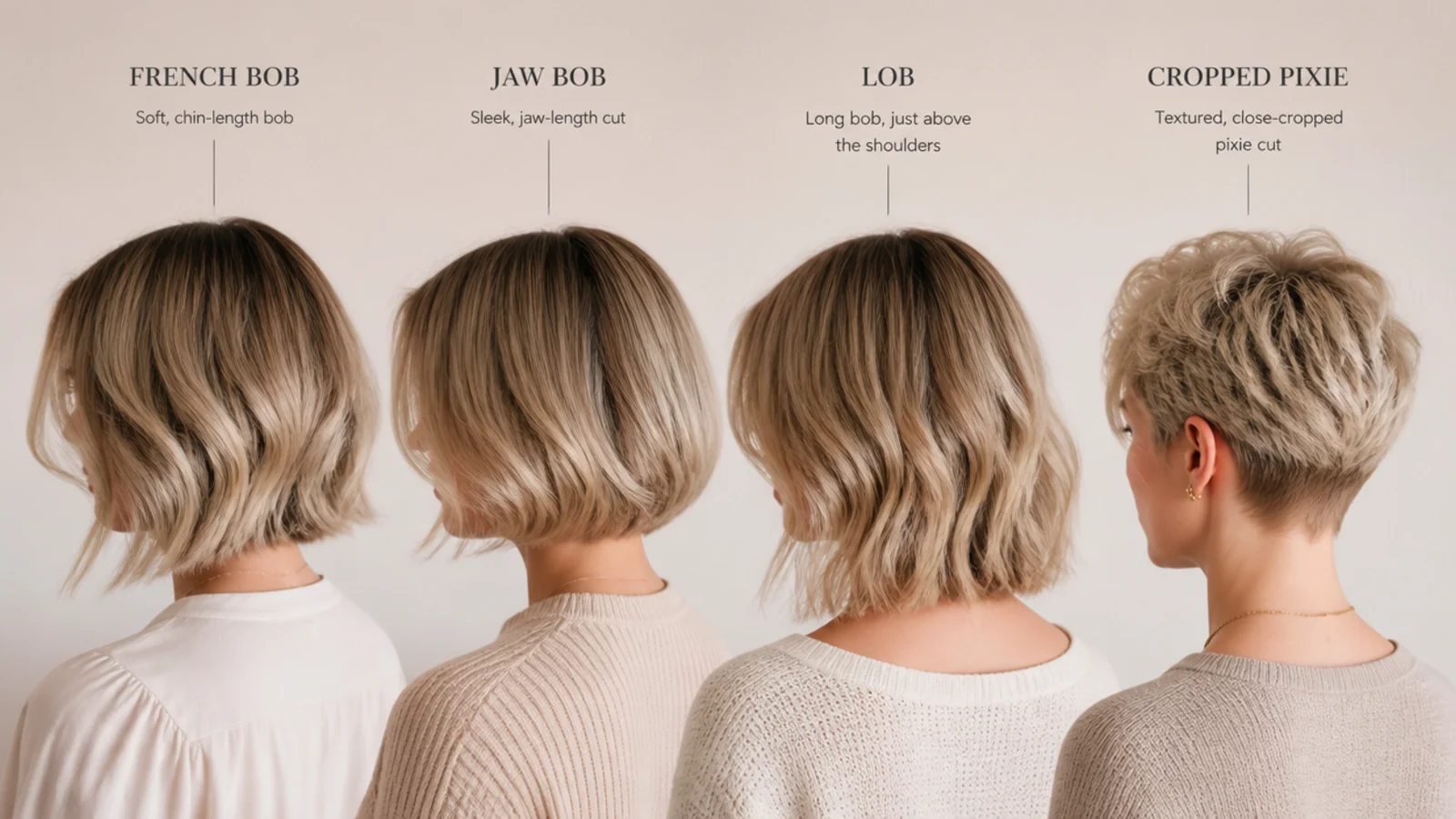
- 2. Chin Length Blunt Bob
- 3. Collarbone Lob
- 4. Pin Curl Bob
- 5. Sleek Straight Bob
- 6. Blowout Bob
- 7. Auburn Curly Pixie
- 8. Twiggy Pixie
- 9. Wavy Bob With Curtain Bangs
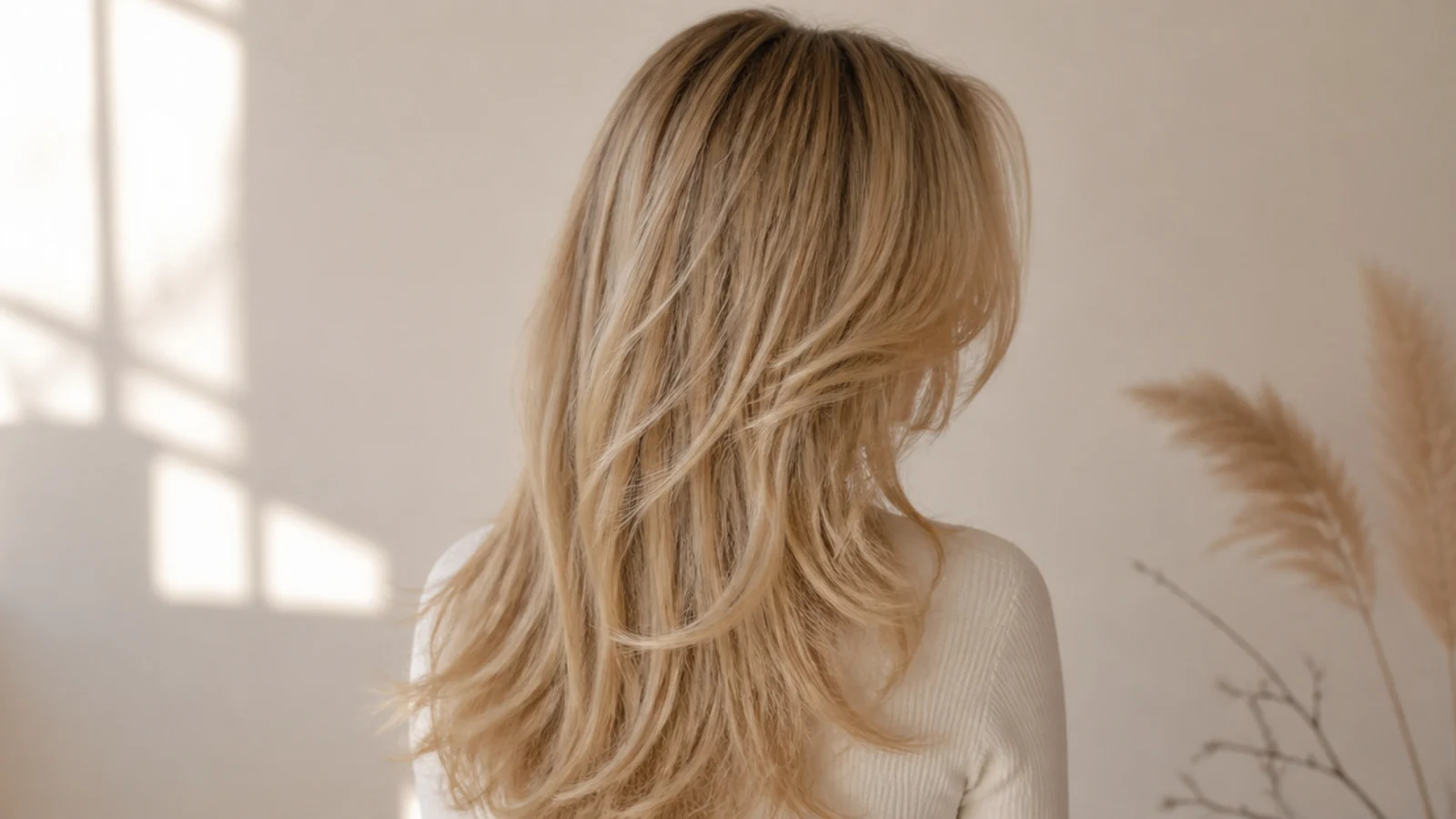
- 10. Shaggy Bob for Fine Hair
- 11. Italian Bob With a Shadow Root
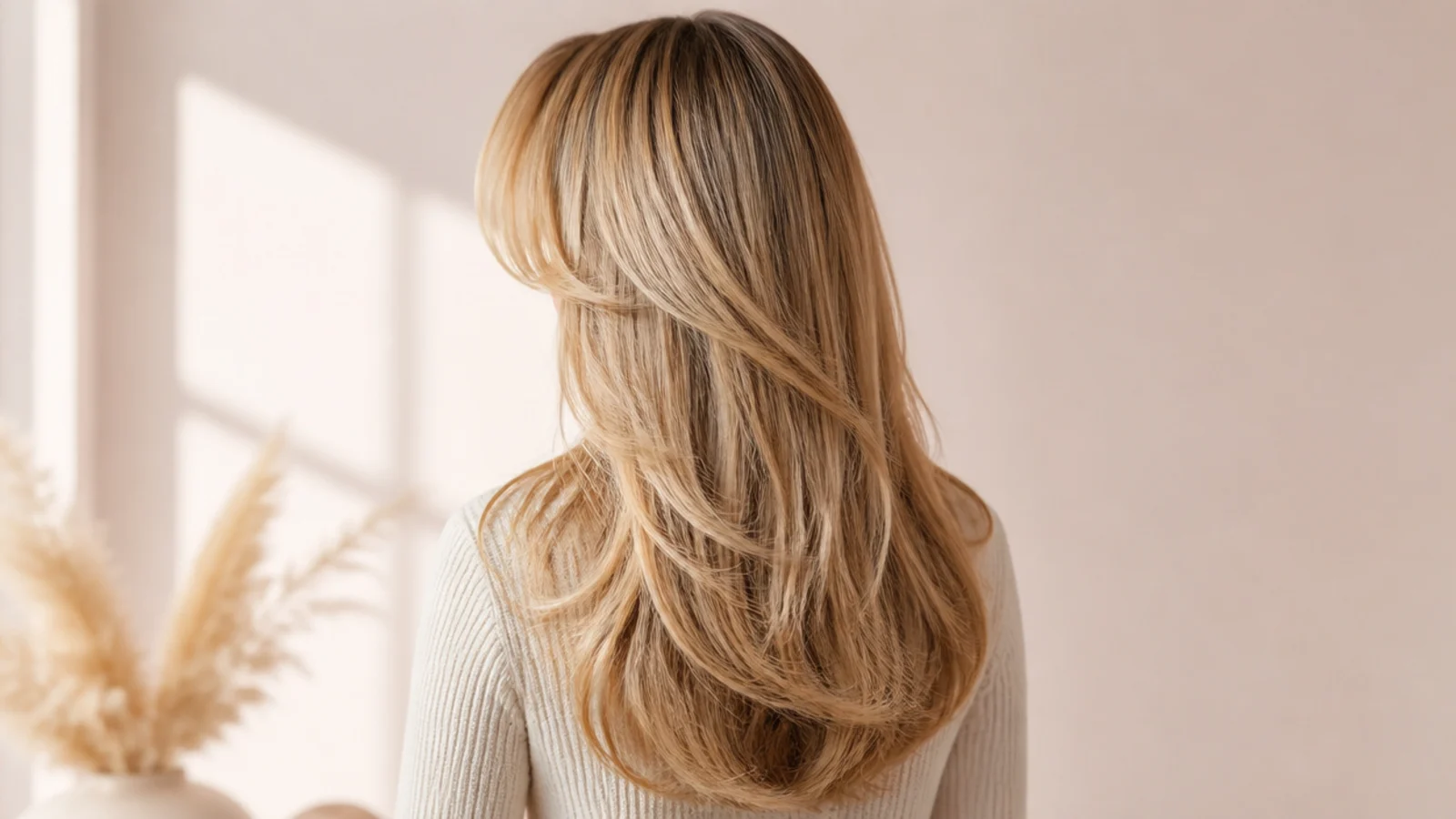
- 12. Layered Bob for Thick Hair
- 13. Bottleneck Bangs on a Bob
- 14. Half Up Bow on a Bob
- 15. Deep Side Part Bob
- 16. Cool Beige Micro Bob
- 17. Money Piece Lob
- 18. Curly Bob for 2B and 3A Hair
- 19. Slicked Mini Ponytail
- 20. Pixie Bob Transition
- Final Thoughts
Most people book this cut as one appointment. It is two pieces of work with two different lifespans, and the shorter one comes due long before you expect it.
The fringe runs on a three week clock. Hair grows about half an inch a month, and a fringe cut at the brow only needs a quarter of an inch to drop into your eyes.
The perimeter runs on an eight week clock. The same quarter inch at chin length is invisible, which is why the cut still looks correct long after the fringe has stopped working.
What the Short Haircut Is
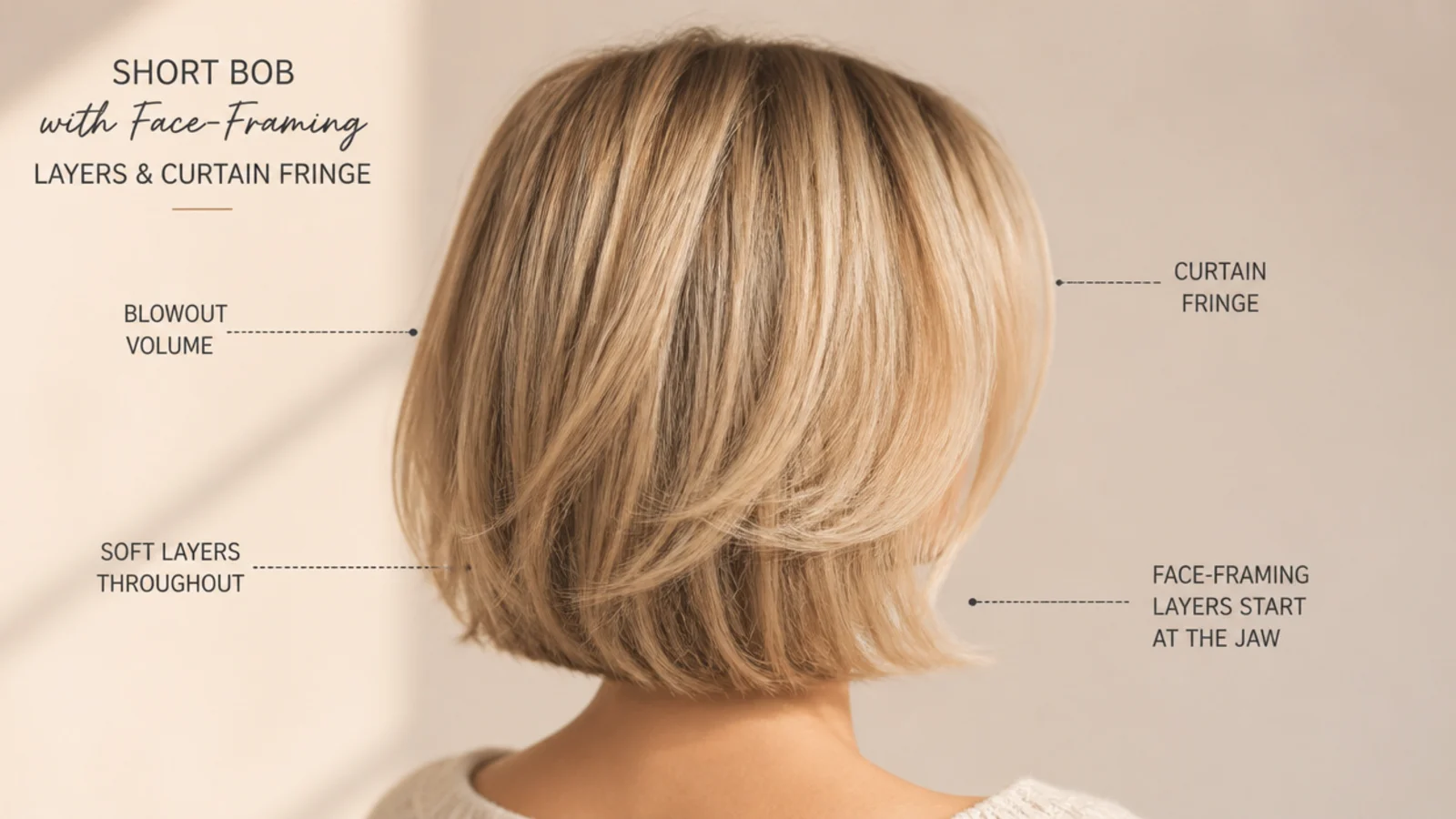
A chin to jaw perimeter with a fringe cut into it. Not a long bob with a photograph of a fringe attached. The two are cut together or the proportion is wrong.
The weight sits forward. The back is shorter than the front by a small amount, which pushes the mass toward the face and stops the shape collapsing into a helmet.
The colour is low contrast and rooted. A soft golden to beige mid-length over a deeper base, with nothing streaked or stripey.
The fringe is the identifying feature. Remove it and this becomes an ordinary blonde bob. Everything else on the head is supporting it.
It is a cut that needs a dryer. Short hair air dries into whatever direction the root grew in, and on this shape the roots need pointing.
Face Shape and Hair Type on Short Hair
A round face wants the perimeter below the chin. A line that ends at the widest point of the face draws attention to that width. An inch lower and it lengthens instead.
A long face wants a fringe with width. Horizontal interest across the forehead shortens the face visually, which is the one thing a centre part cannot do.
Fine hair wants blunt everything. Every strand ending on the same line reads as density. Tapered ends on fine hair read as thinning.
Thick hair wants weight removed from the middle. Left solid, thick hair in a bob builds a triangle, because all the mass collects at the perimeter with nothing taken out above it.
Wavy and curly hair shrinks. Anything from a quarter to a third of the wet length. Cut dry or accept a shorter cut than the one you asked for.
Blonde Shades That Suit Short Hair
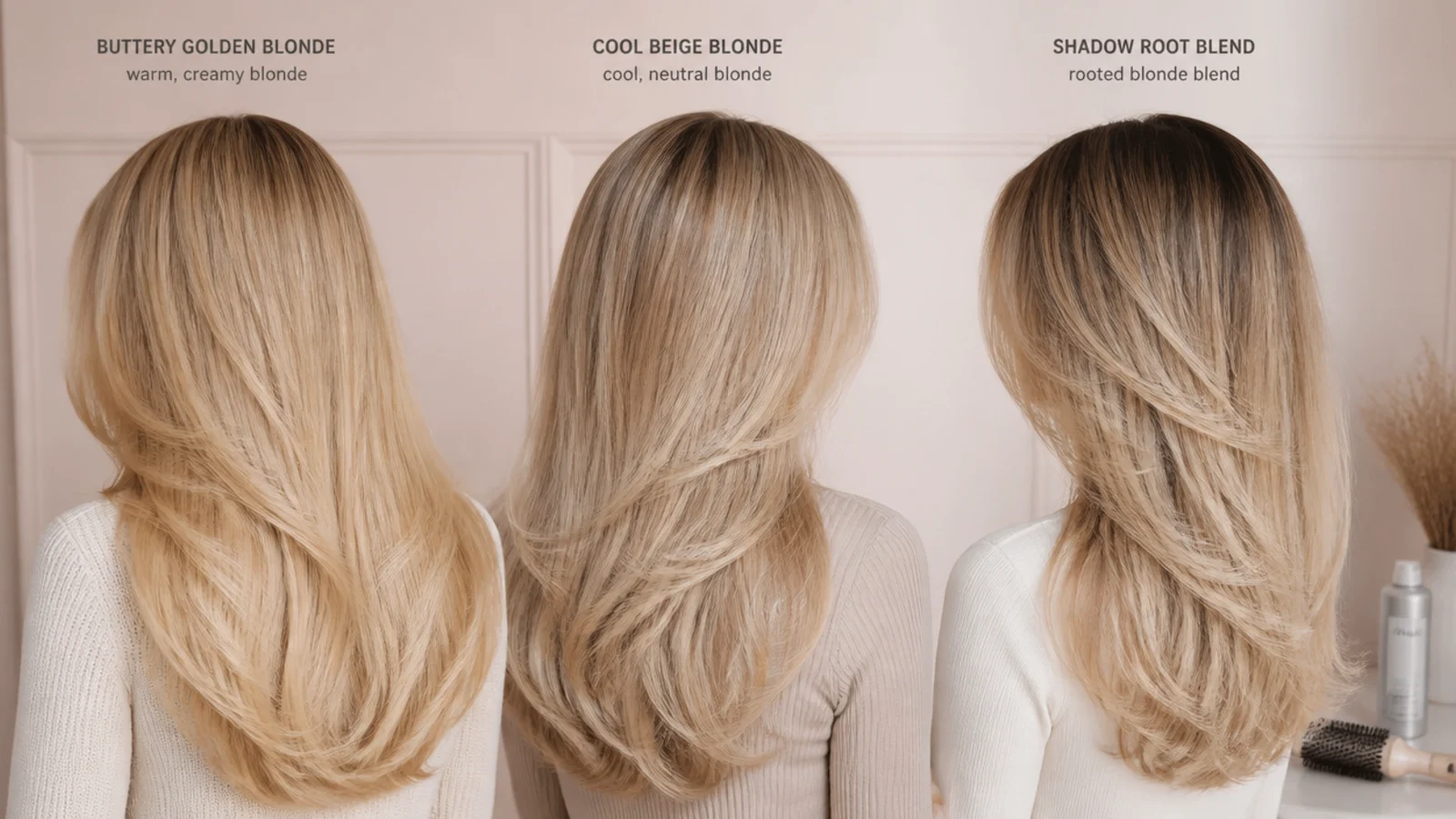
Cool beige is the safest base. It has the least warmth to fade through, so it drifts toward neutral rather than toward brass as it oxidises.
Golden blonde needs a deeper root to sit against. Warmth without contrast underneath goes flat, and flat warm blonde photographs yellow.
A shadow root buys eight weeks instead of four. The regrowth line is already part of the design, so there is nothing to fix until the mid-lengths need refreshing.
Skip anything striped on short hair. There is very little length for a gradient to travel down, so a hard highlight reads as a band rather than as a blend.
Gloss every six weeks, not every wash. A demi-permanent gloss is what puts the shine back after the shampoo and the daylight have flattened the tone.
Ask Your Stylist for This Short Cut
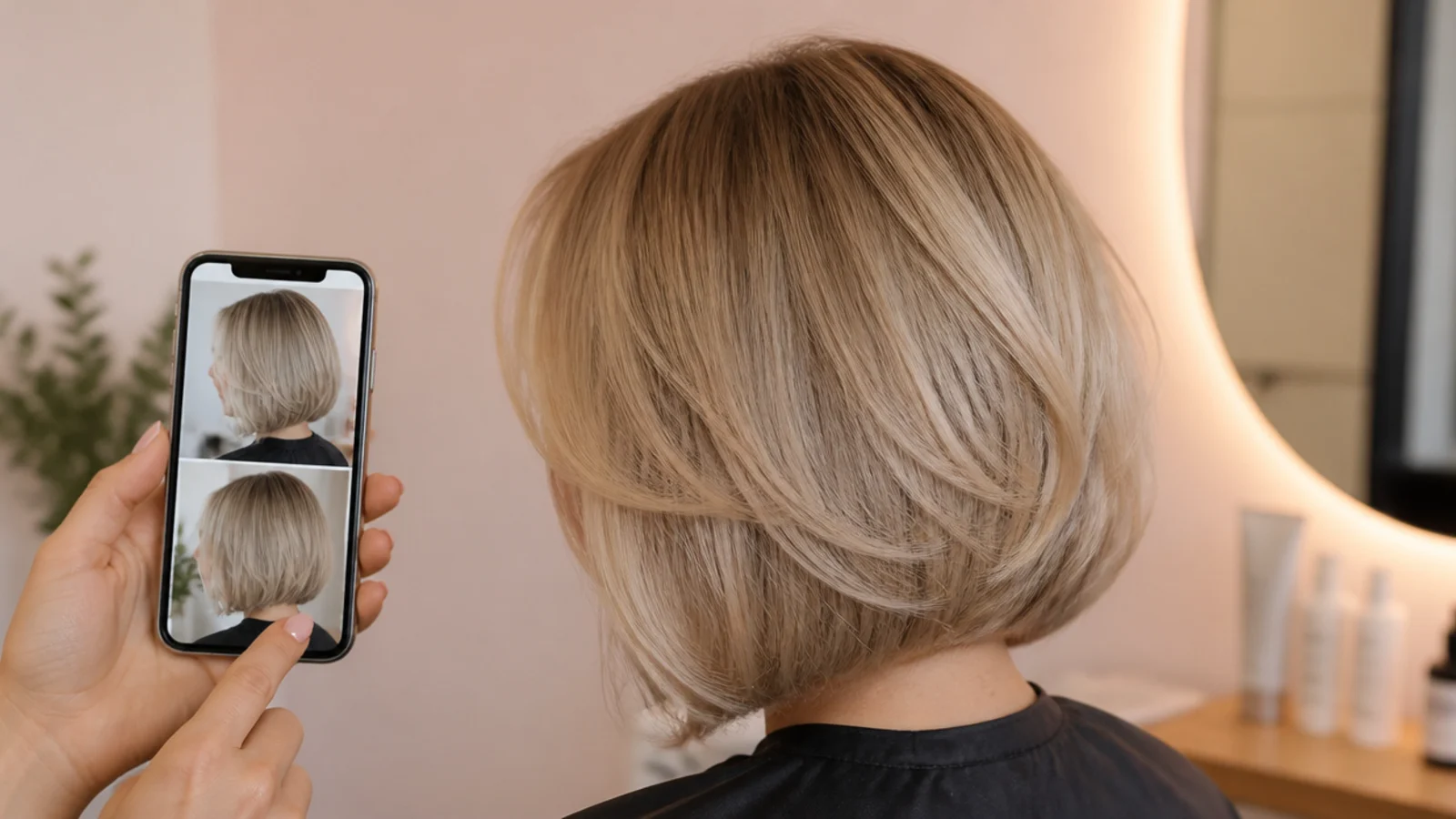
Name the length against your own face. Chin, jaw or an inch below. Inches mean different things on different necks.
Say fringe, and say where it ends. Brow, lash or cheekbone. The word fringe on its own covers three completely different cuts.
Ask for the back slightly shorter than the front. That is what tips the weight forward and keeps the shape from going square at the back.
Ask whether it is being cut wet or dry. On wavy or curly hair the answer decides where the perimeter actually lands.
Book the fringe trim before you leave. Three weeks out. It is usually quick and often free, and it is the appointment everybody forgets to make.
Blowout at Home on Short Hair
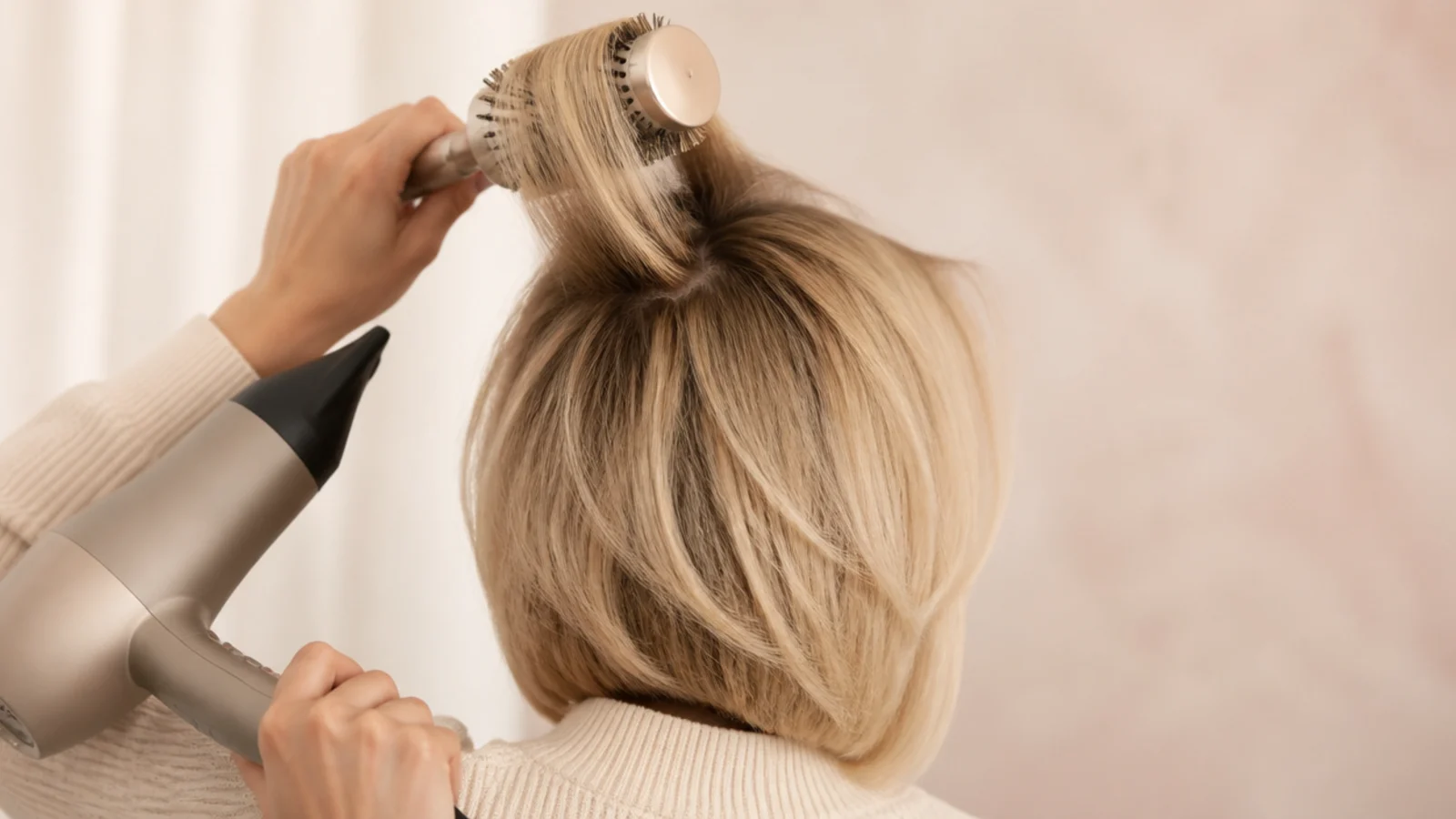
Dry the roots first, in the wrong direction. Push each section against its growth for the first minute. The root sets where you dry it, and that is where all the lift on short hair comes from.
Use a small round brush. A large barrel on a chin length bob has nothing to wrap around, so it drags the ends straight instead of bending them.
Bend the ends under on the last pass. One rotation, held while the section cools.
Let it cool before you touch it. Hair holds the shape it cools in, not the shape it was hot in, so releasing a warm section undoes the work you just did.
Fifteen minutes is the whole job. Short hair has less mass per section, which is the same reason it dries faster in the first place.
Recutting the Fringe and the Bob Length
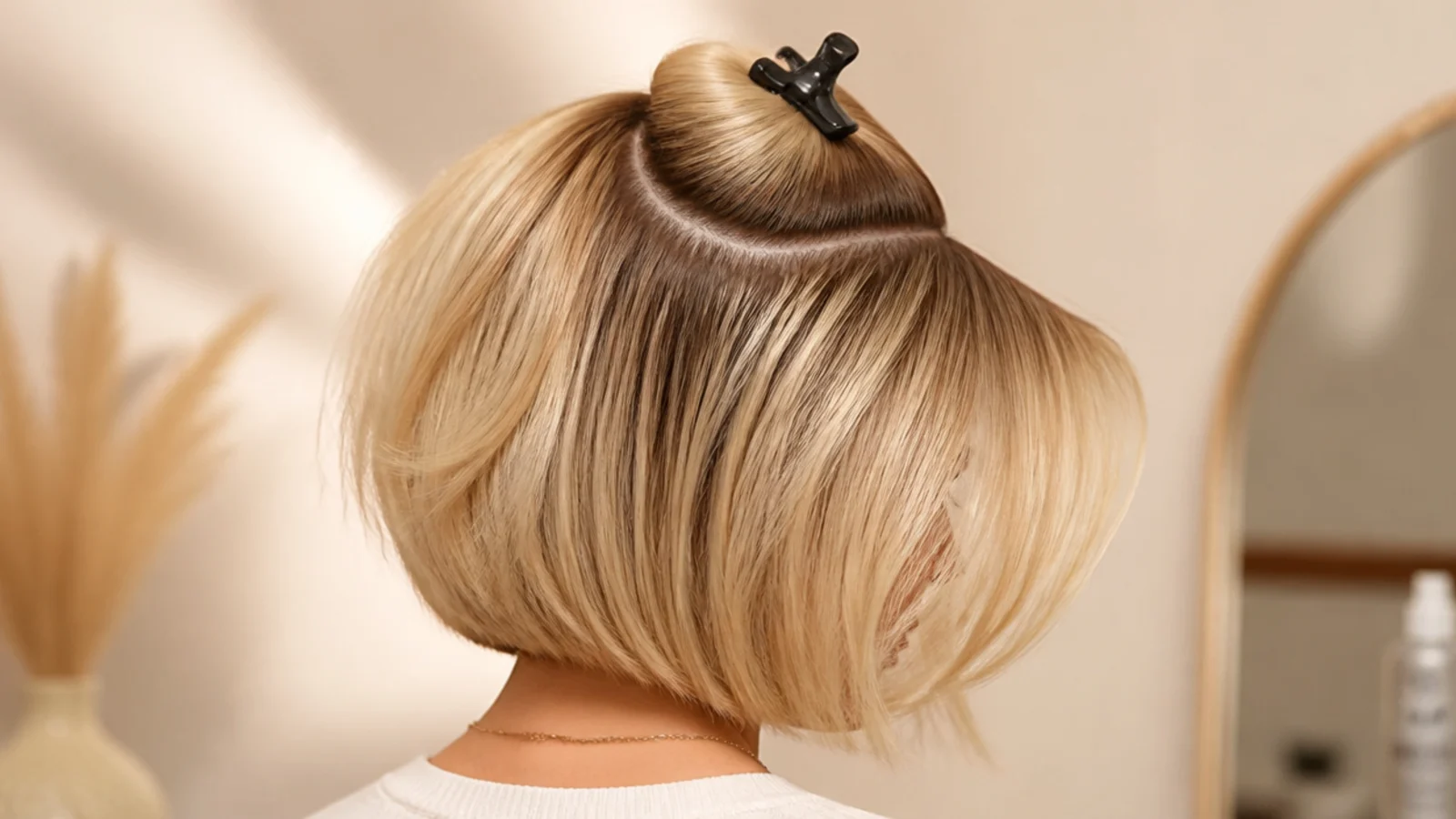
Trim the fringe at three weeks. A quarter inch of growth is the whole difference between a fringe that sits and one that gets pushed aside all day.
Recut the perimeter at eight. A blunt line blurs rather than dropping evenly, because growth is not uniform across the head.
Never trim your own fringe wet. It dries shorter, and on a fringe that difference is the entire cut.
Watch the corners, not the middle. The outer ends of a fringe are what connect it to the sides, and they are what go first.
Photograph the back at week one. It is the part of the shape you never see and the only reference you will have when it starts to change.
The 20 Short Hair Ideas
1. French Bob With Curtain Bangs
A French bob lands between the chin and the jaw with the fringe cut in as part of the shape rather than added afterwards. The fringe is what changes the register of the cut, and it is also what sets the maintenance clock, because a fringe at brow level moves out of position in about three weeks.
2. Chin Length Blunt Bob
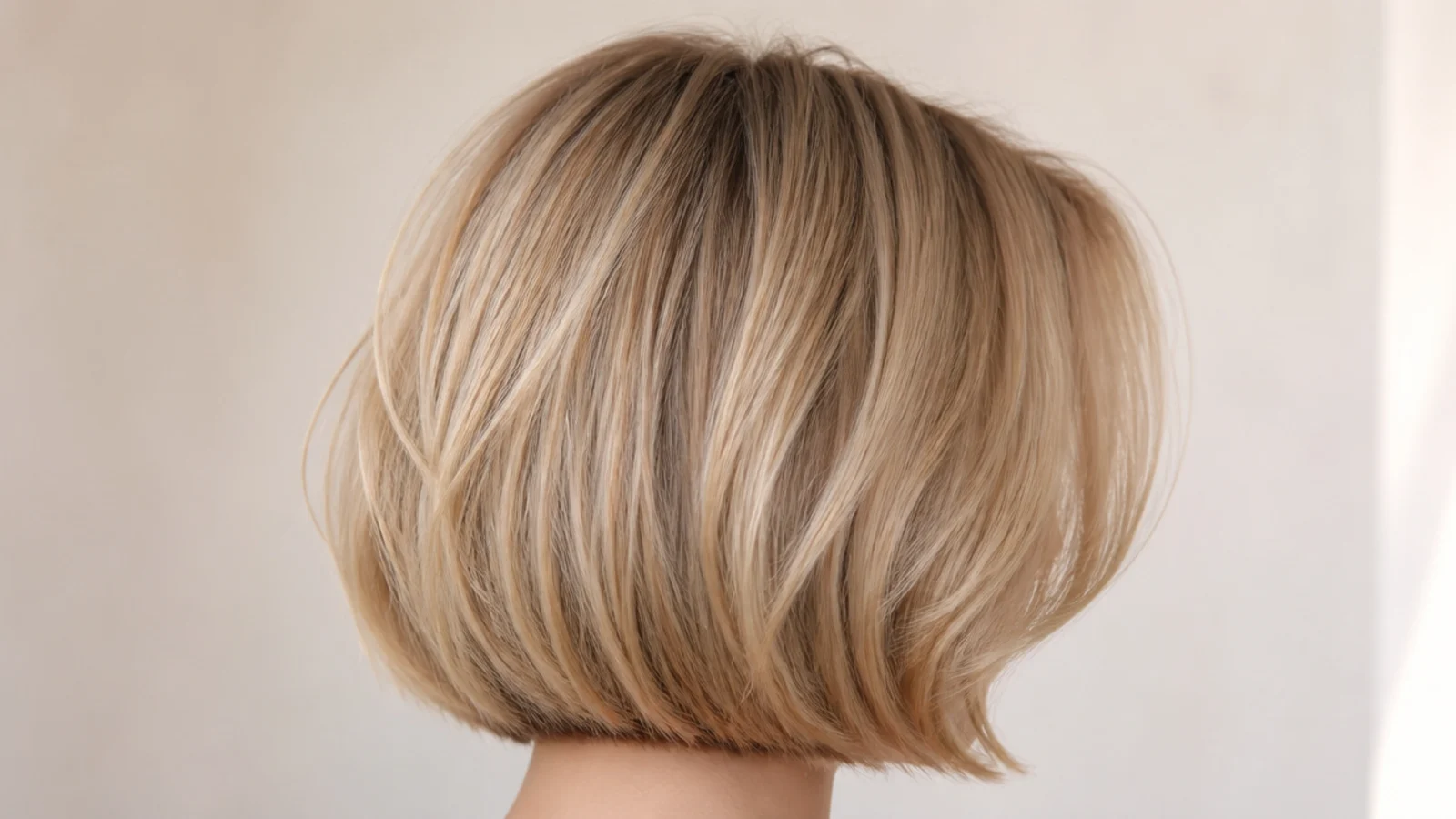
Blunt means every strand ends on the same line, so light comes off one continuous edge instead of scattering across staggered ends. That single mechanism is why a blunt bob reads thicker than a layered one cut on exactly the same head.
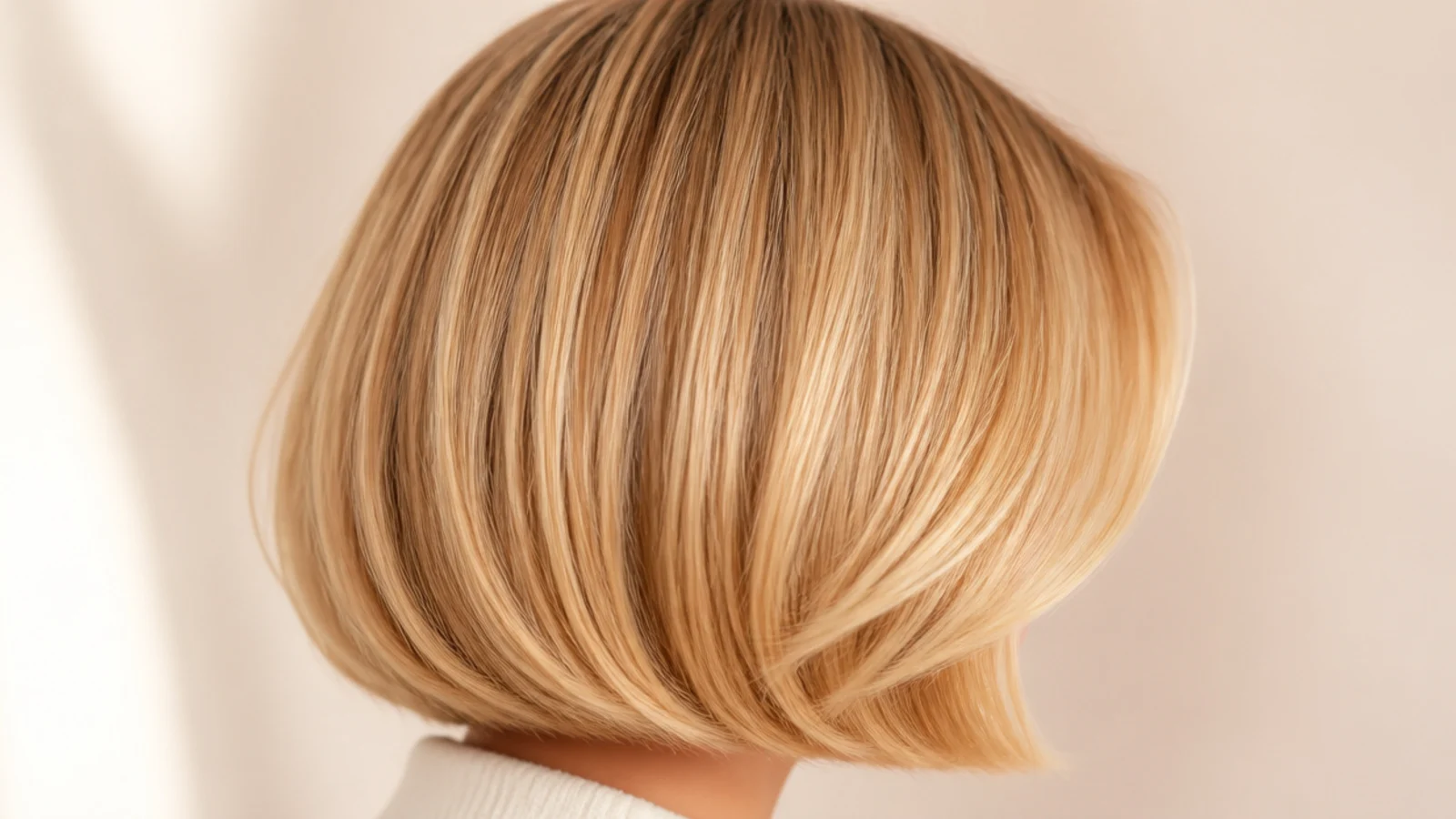
3. Collarbone Lob
The longest option here and the sensible place to start if you have never been short. Below the collarbone a perimeter stops reading as a line and starts behaving like ordinary long hair, which is the point where the shape stops doing any work for you.
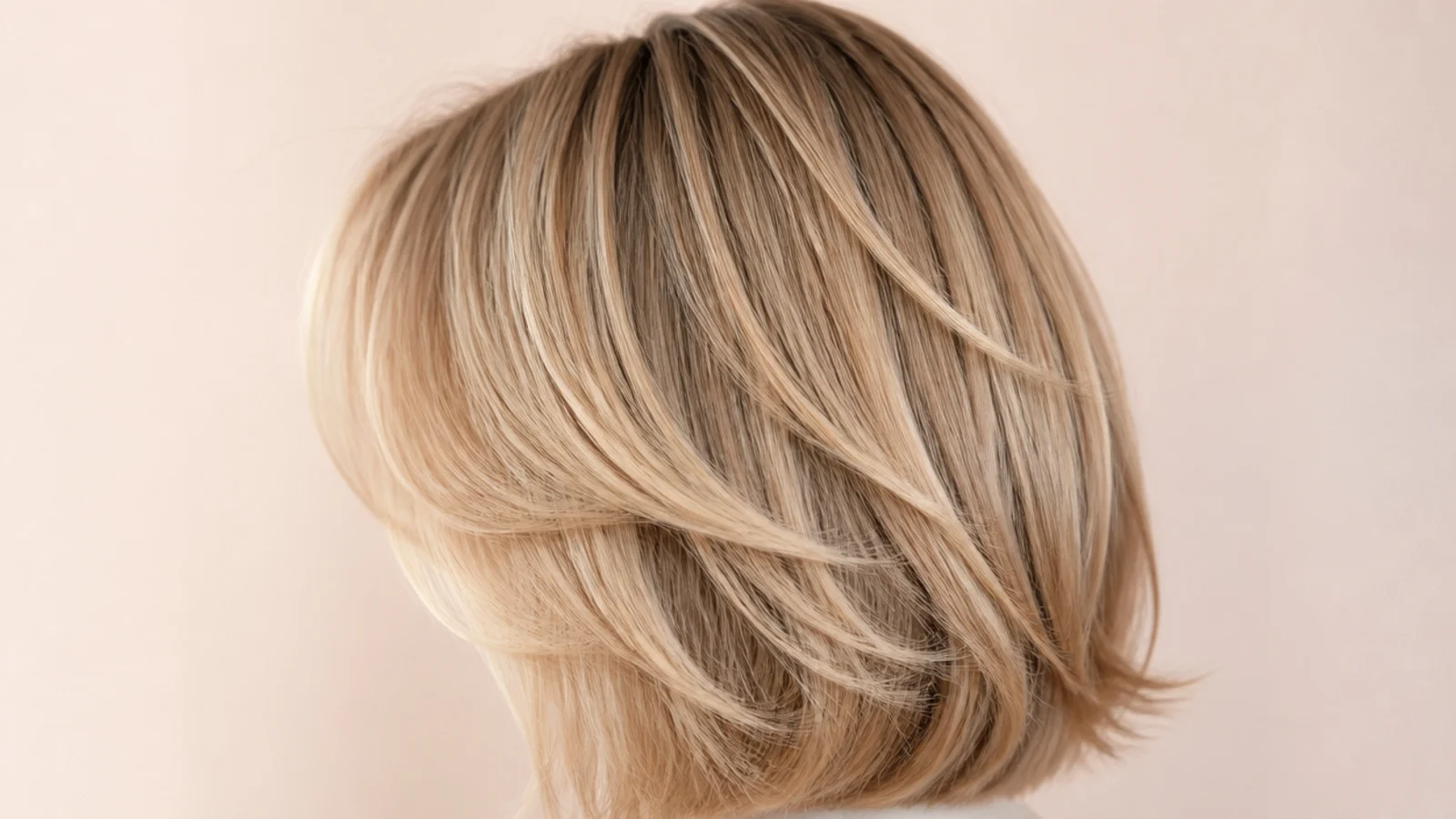
4. Pin Curl Bob
Damp hair pinned in flat coils and left to dry cold sets rounder and more evenly than an iron manages, because the shape locks in as the water leaves rather than in the two seconds after heat does. The curl also sits close to the head, which suits a perimeter with no length to weigh it down.
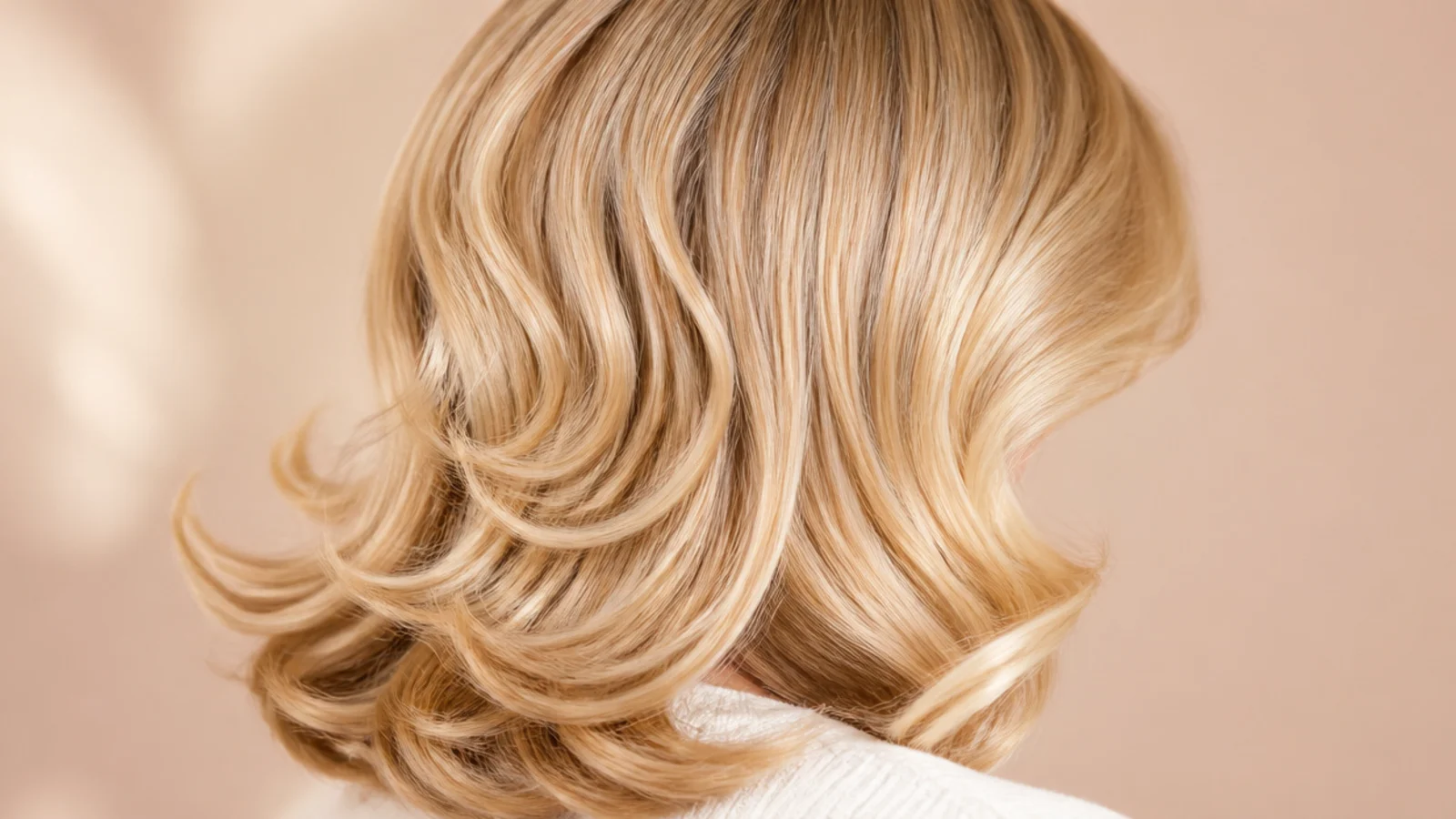
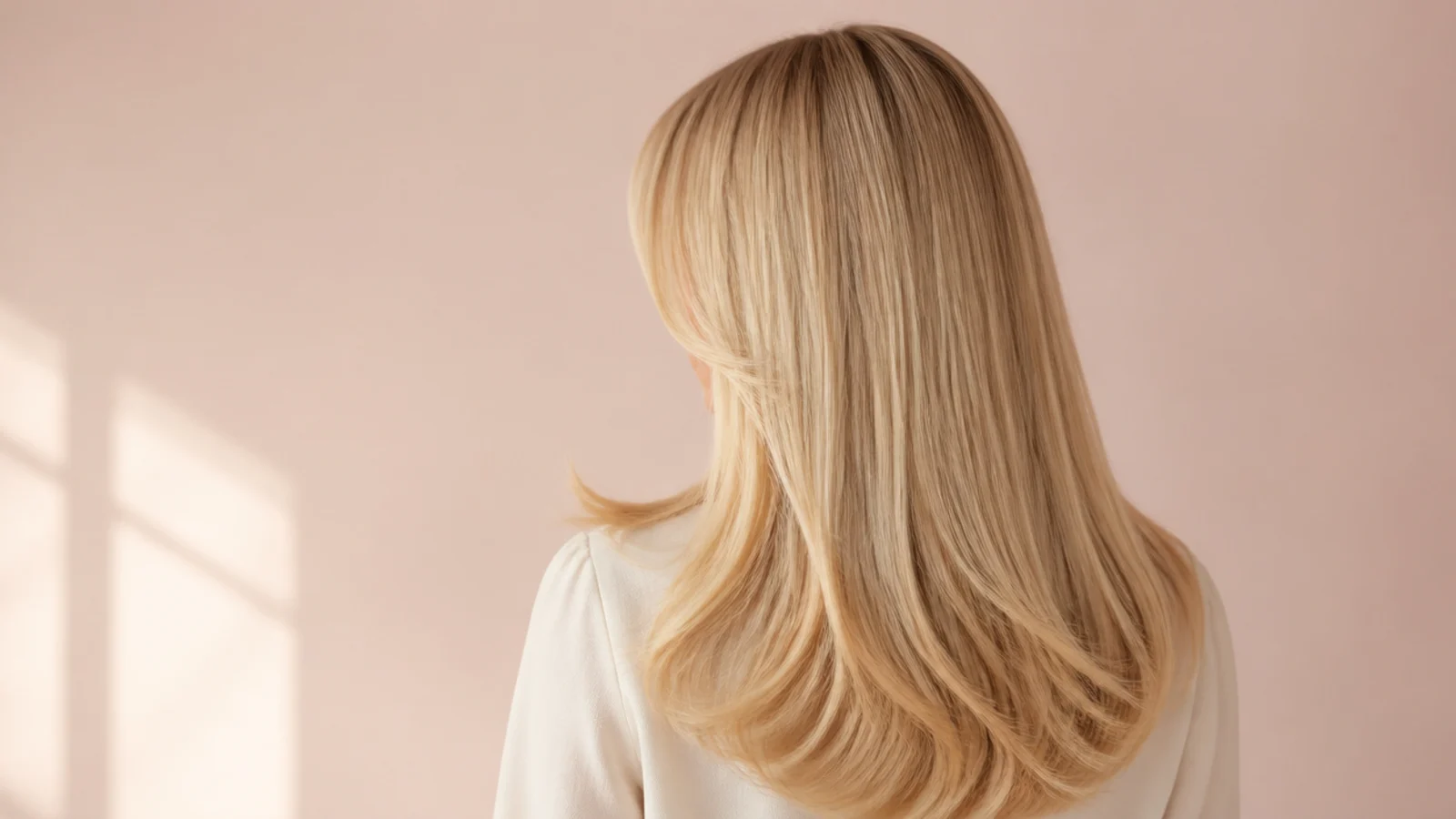
5. Sleek Straight Bob
Ironed to a single surface, this is the highest gloss version of the cut, since a flattened cuticle throws light back in one direction instead of several. It also exposes every irregularity in the perimeter, so it only flatters a line that was genuinely blunt to begin with.
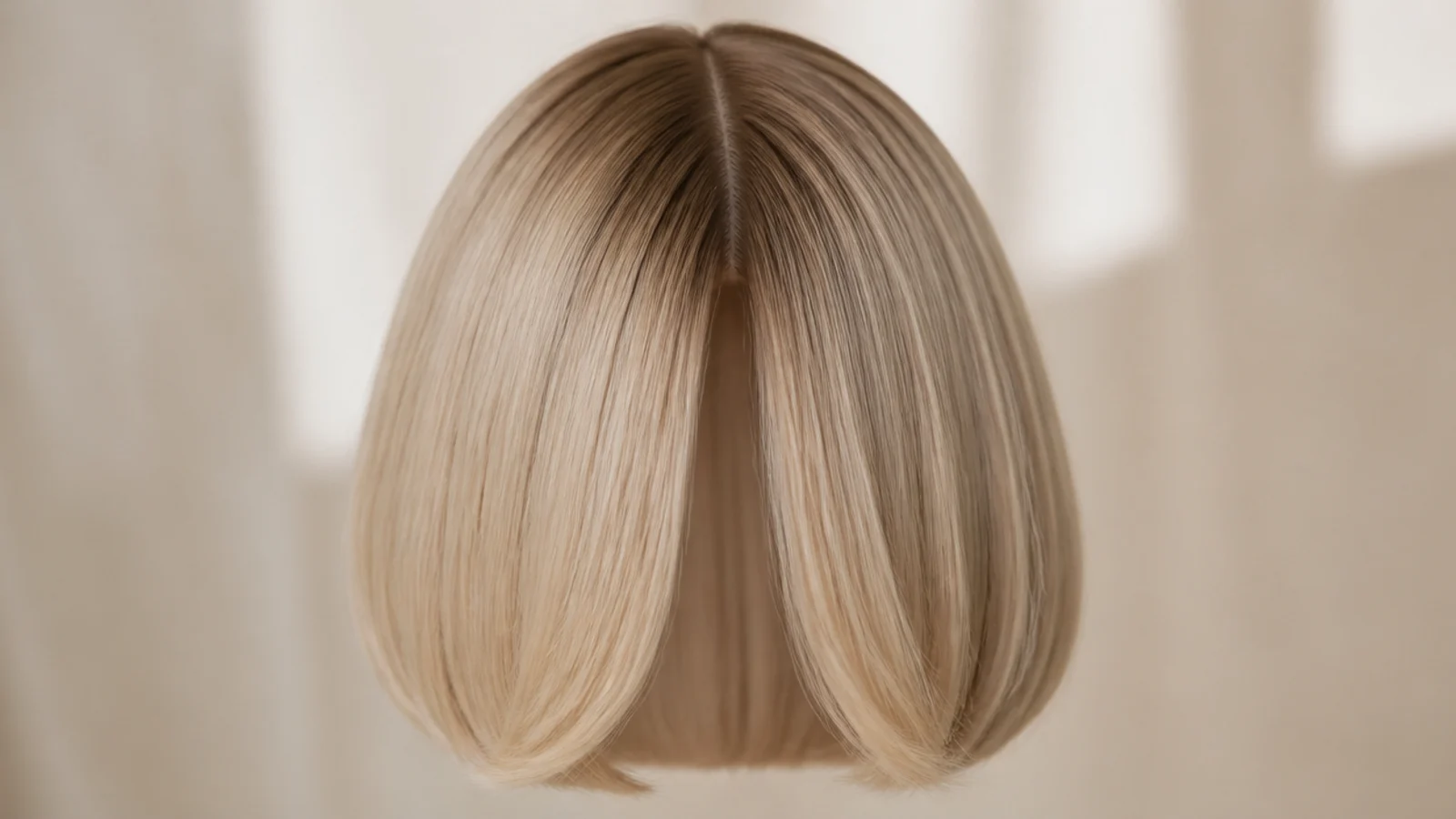
6. Blowout Bob
The round brush bends the ends under and the bend holds because the hair is cooling in that position, not because of the heat itself. Short hair carries less mass per section than long hair, which is why a bob blowout is genuinely a quarter hour job rather than an evening.
7. Auburn Curly Pixie
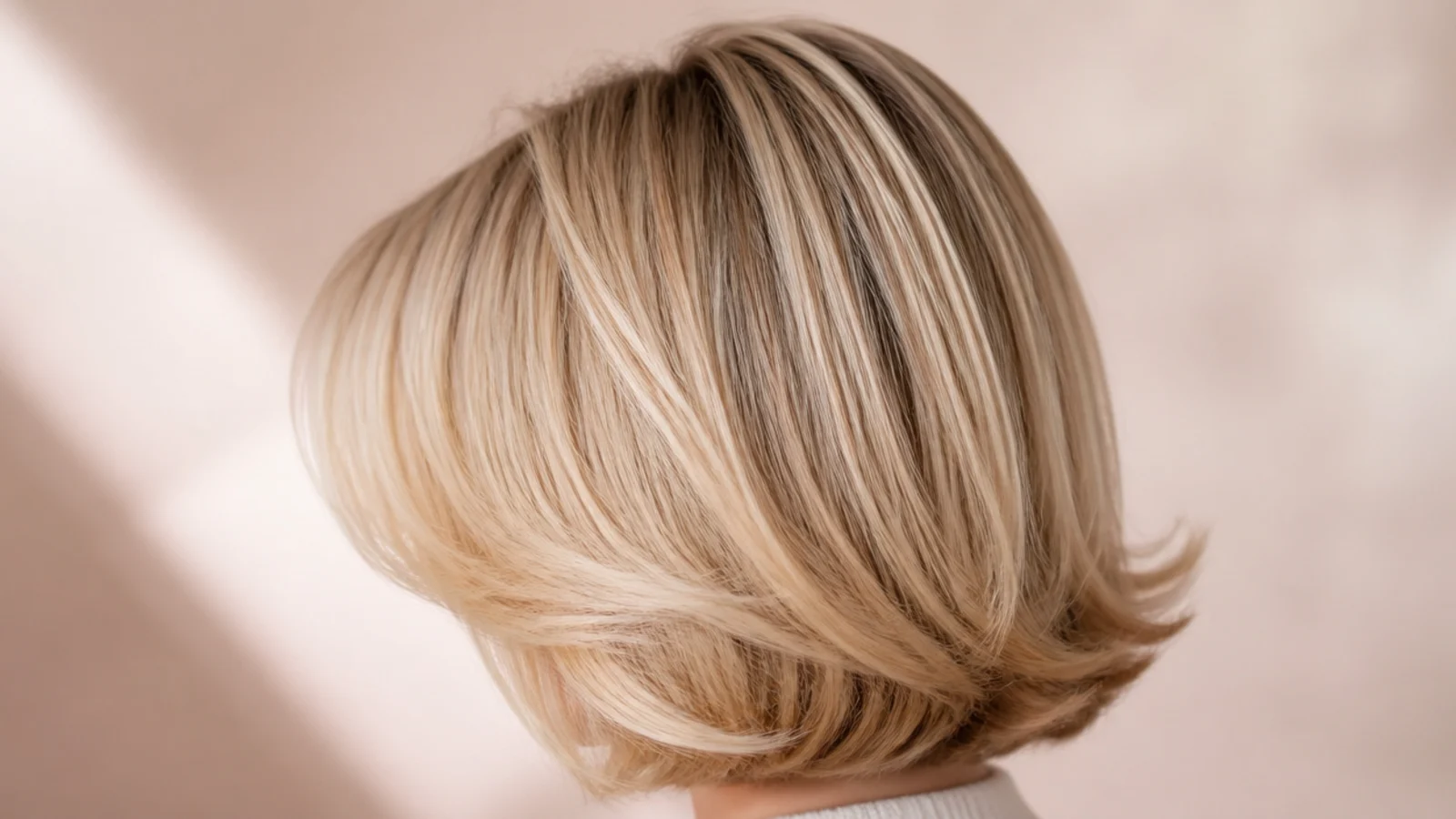
Warm red on a curly pixie works because a coiled surface breaks light into small alternating highlights and shadows, and a warm base gives those highlights something to glow through. On a cut this short the colour is also cheap to hold, since every trim removes a share of the oldest pigment.
8. Twiggy Pixie
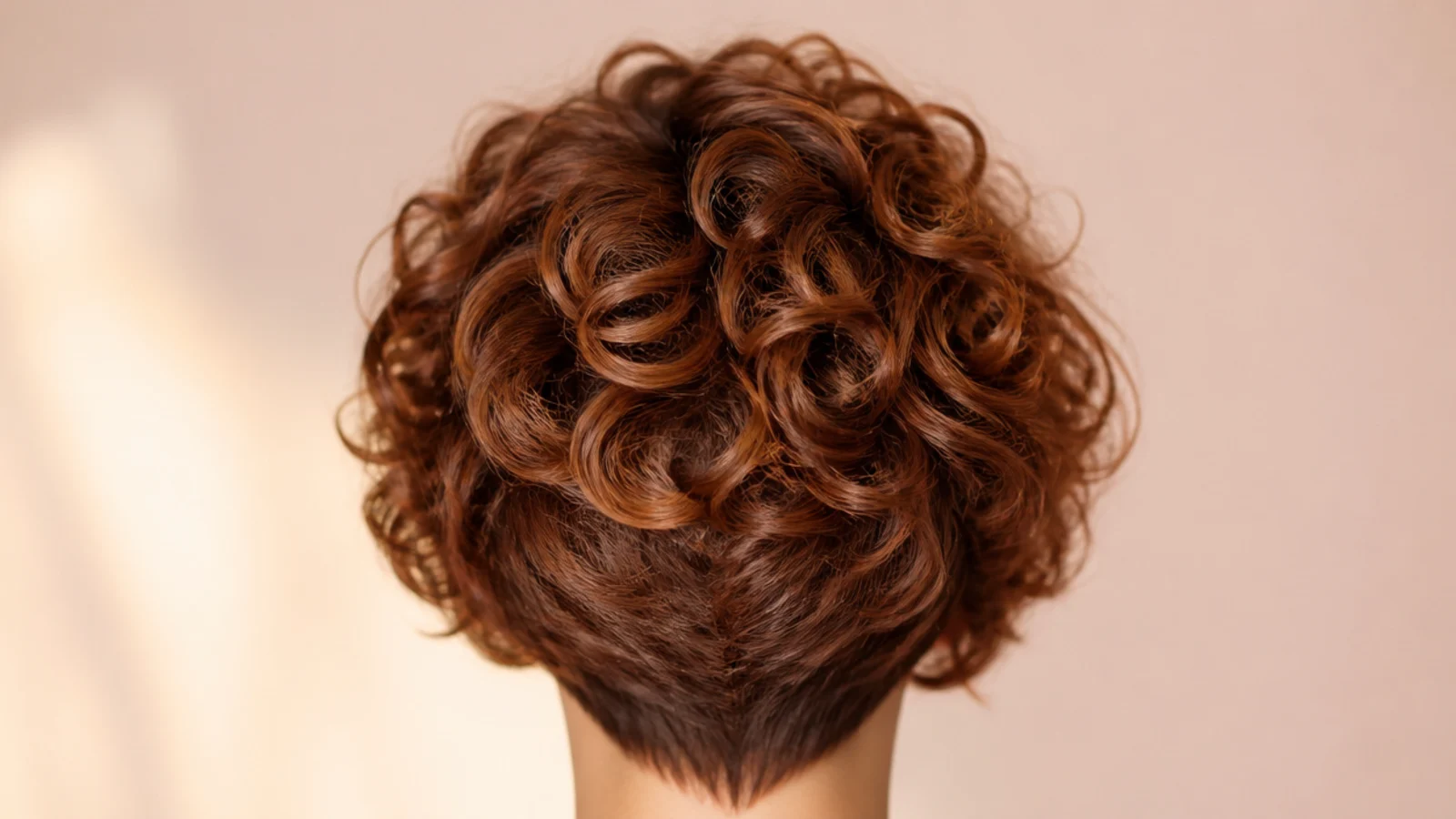
The very short, heavily fringed crop with all the weight pushed forward onto the forehead. It puts the outline of the skull on display and leaves nothing to hide behind, so it depends on the shape of the head and the jaw rather than on anything you do in the morning.
9. Wavy Bob With Curtain Bangs
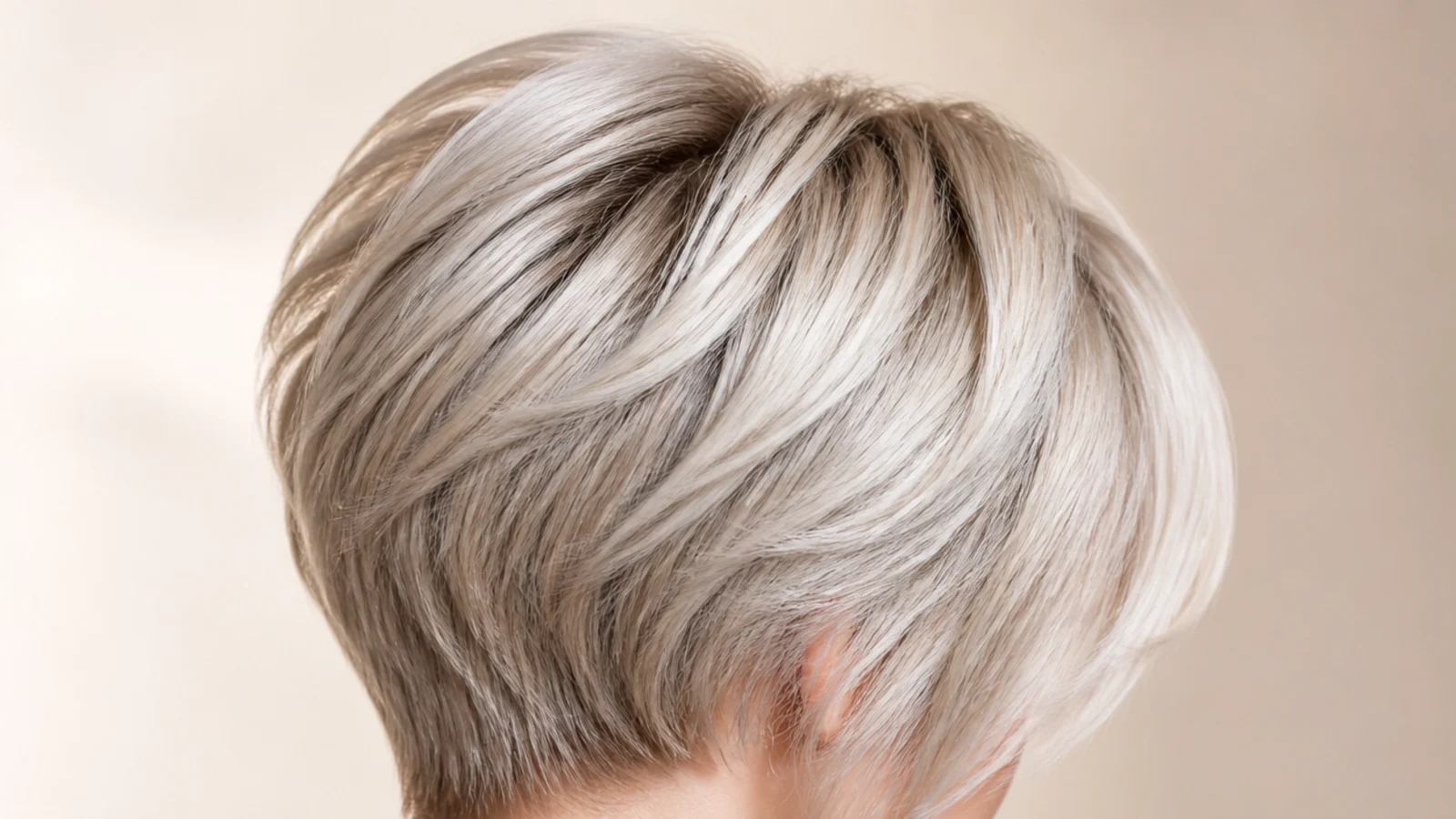
A curtain fringe parts in the middle and sweeps out to both sides, framing the face with two soft diagonals instead of one hard horizontal. On wavy hair the natural bend does half the work, so the fringe falls open on its own rather than needing to be trained into place every day.
10. Shaggy Bob for Fine Hair
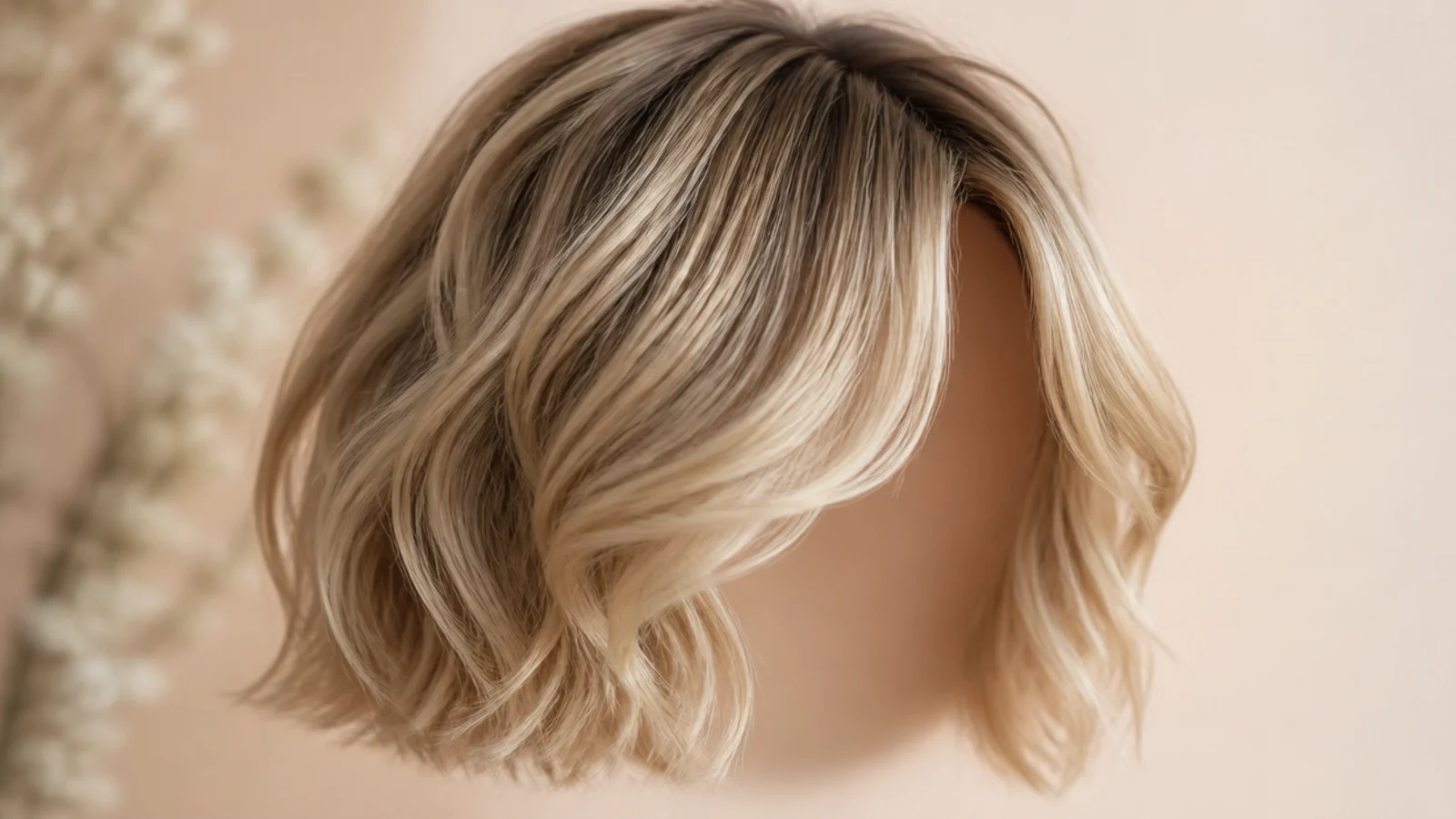
Light internal layers create separation between sections, and separation is what the eye reads as movement where a solid line reads as flat. Keep the layers few and long, because fine hair gives up visual density very quickly once weight comes out of the perimeter.
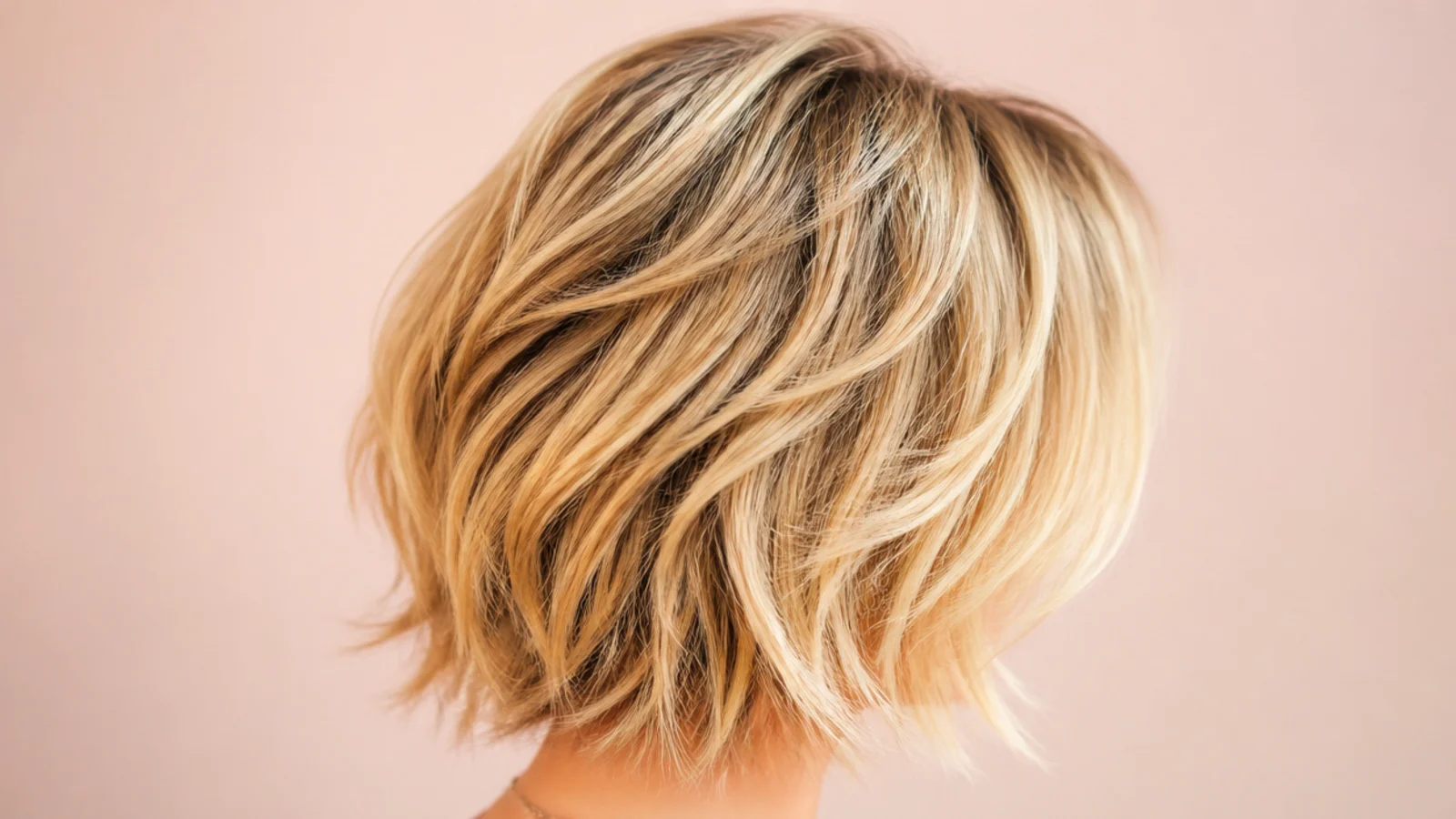
11. Italian Bob With a Shadow Root
A deliberately deeper root under a lighter mid-length means the regrowth line is part of the design rather than a deadline. That single decision buys eight to ten weeks between colour appointments instead of four, which is most of the reason this version is worn so widely.
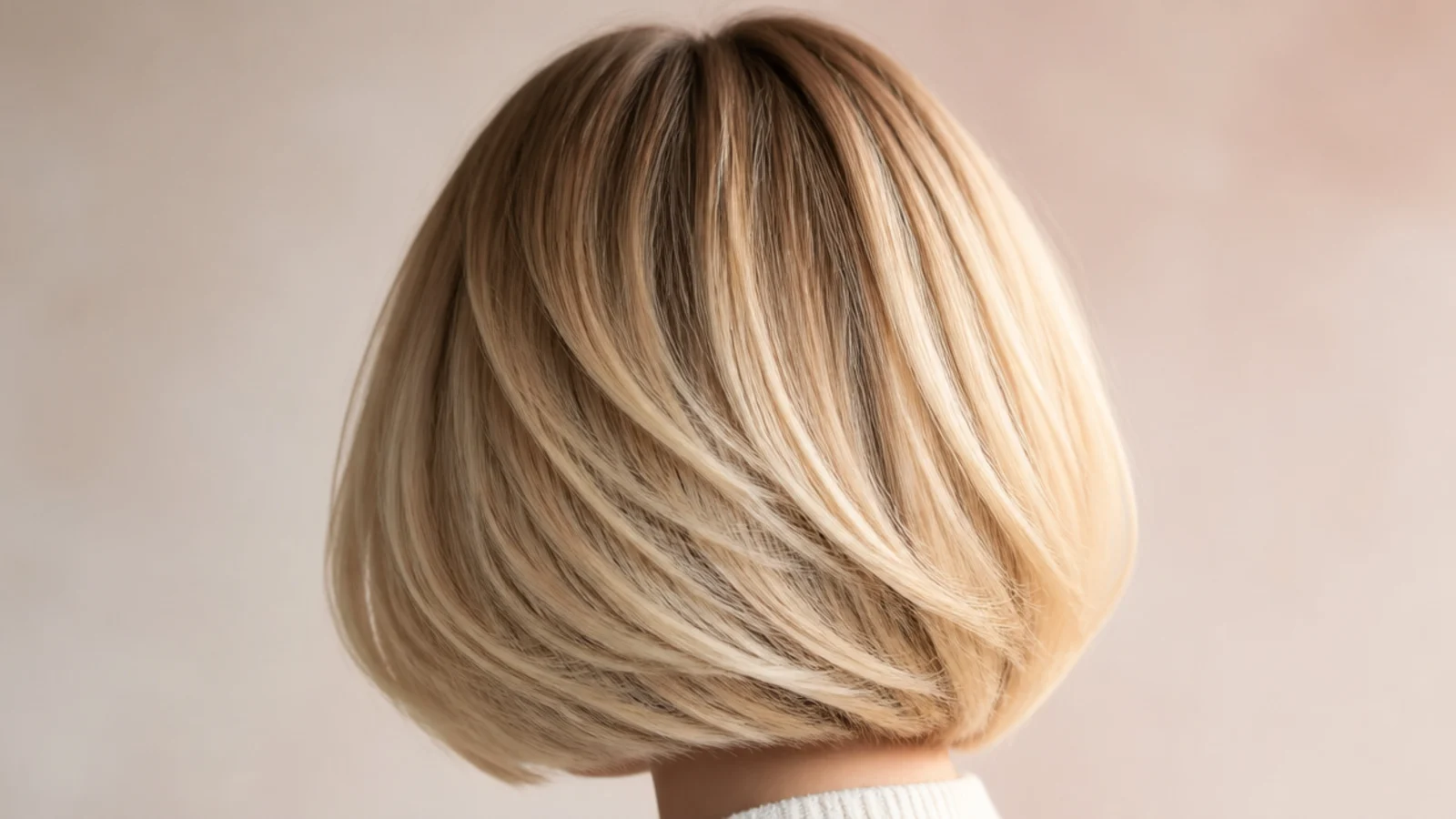
12. Layered Bob for Thick Hair
Left solid, thick hair in a bob builds a triangle, because the mass has nowhere to go but the perimeter. Internal layers remove weight from the middle without touching the outline, which is what keeps the sides sitting close to the head instead of flaring out above the jaw.
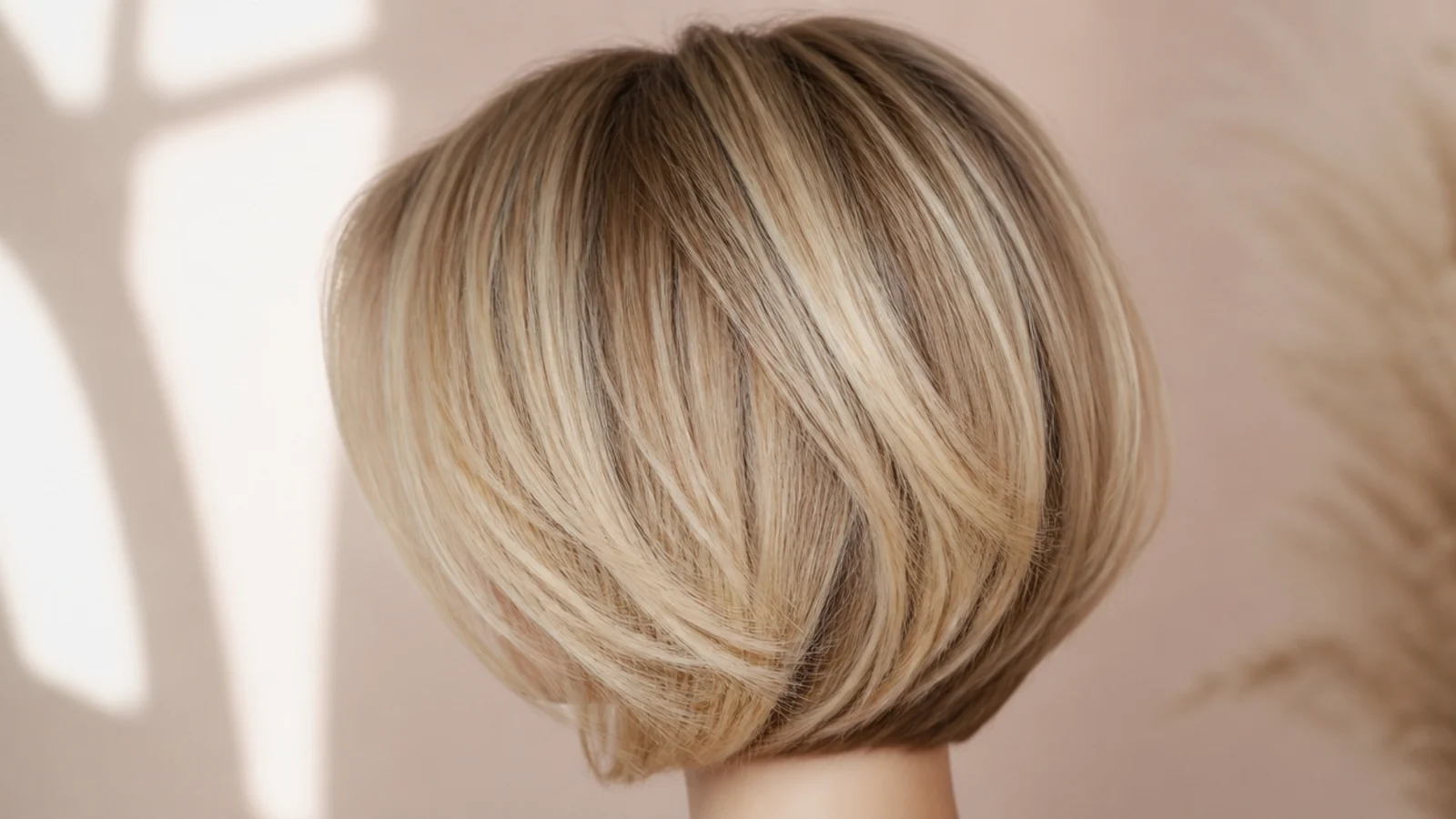
13. Bottleneck Bangs on a Bob
Bottleneck bangs stay closed and short through the centre and open out sharply at the sides, narrowing like the neck of a bottle. That shape covers a wide forehead in the middle while still exposing the cheekbone at the edges, which is why it suits more faces than a blunt fringe does.
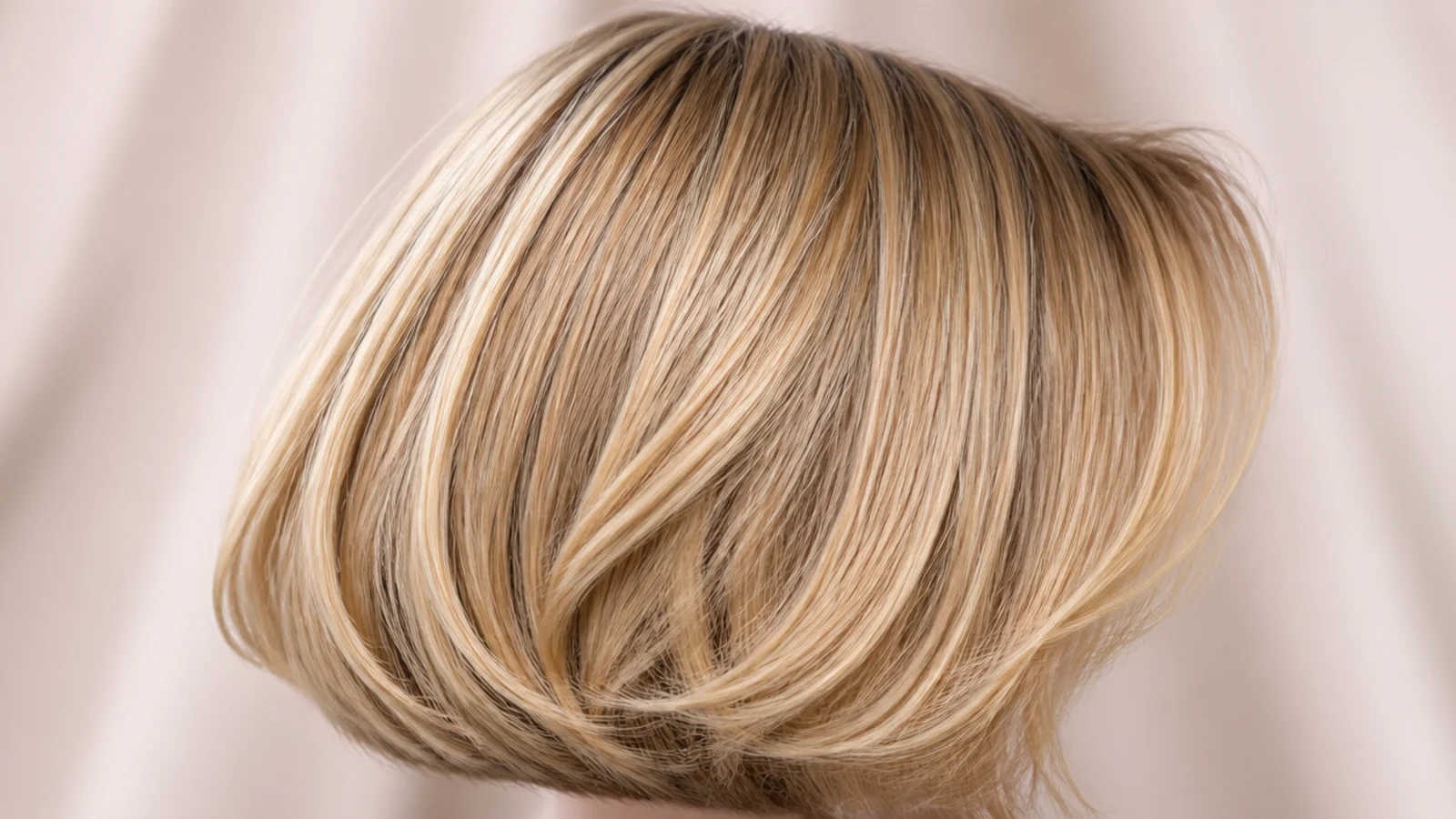
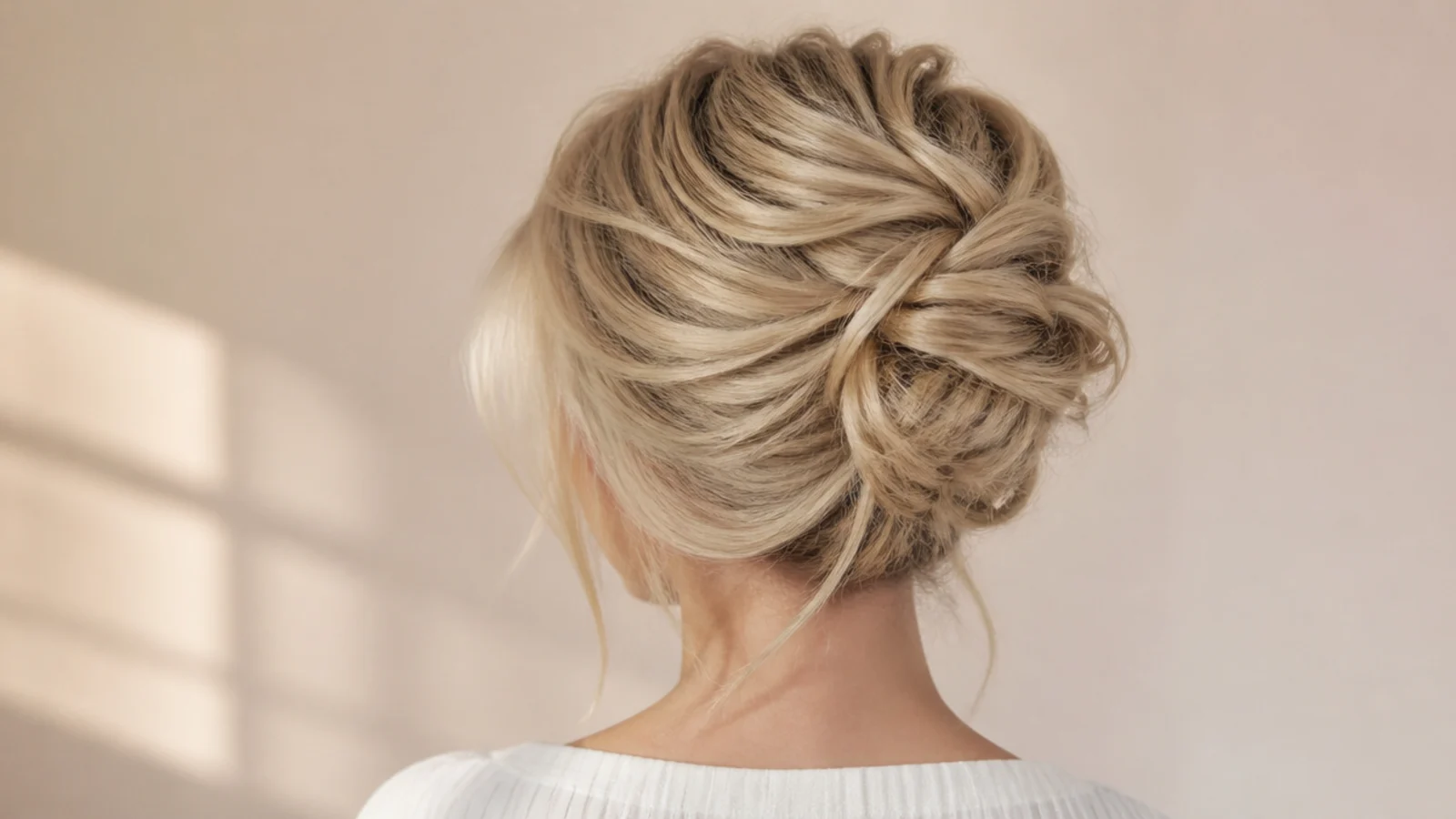
14. Half Up Bow on a Bob
Gathering only the top section leaves the cut line completely visible, which is why a half up suits a short perimeter better than a full updo does. A bow adds a horizontal at the back of the head, so keep it small at chin length or it starts competing with the perimeter.
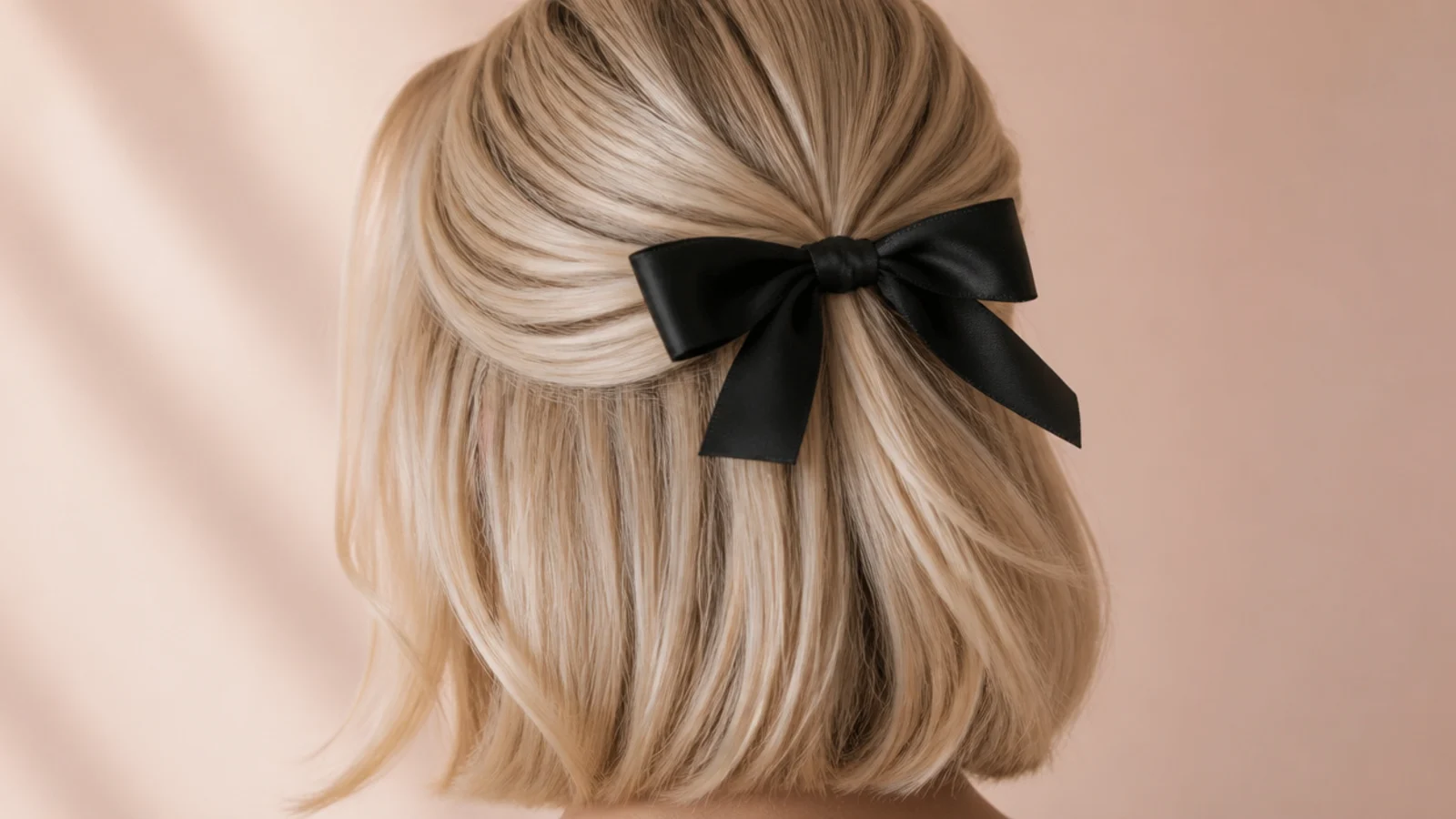
15. Deep Side Part Bob
A deep part pushes the hair on the heavy side against its own growth direction, so the roots have to stand up before the length falls over. That is free volume on fine hair, and it lasts exactly until the first time you tuck that side behind your ear.
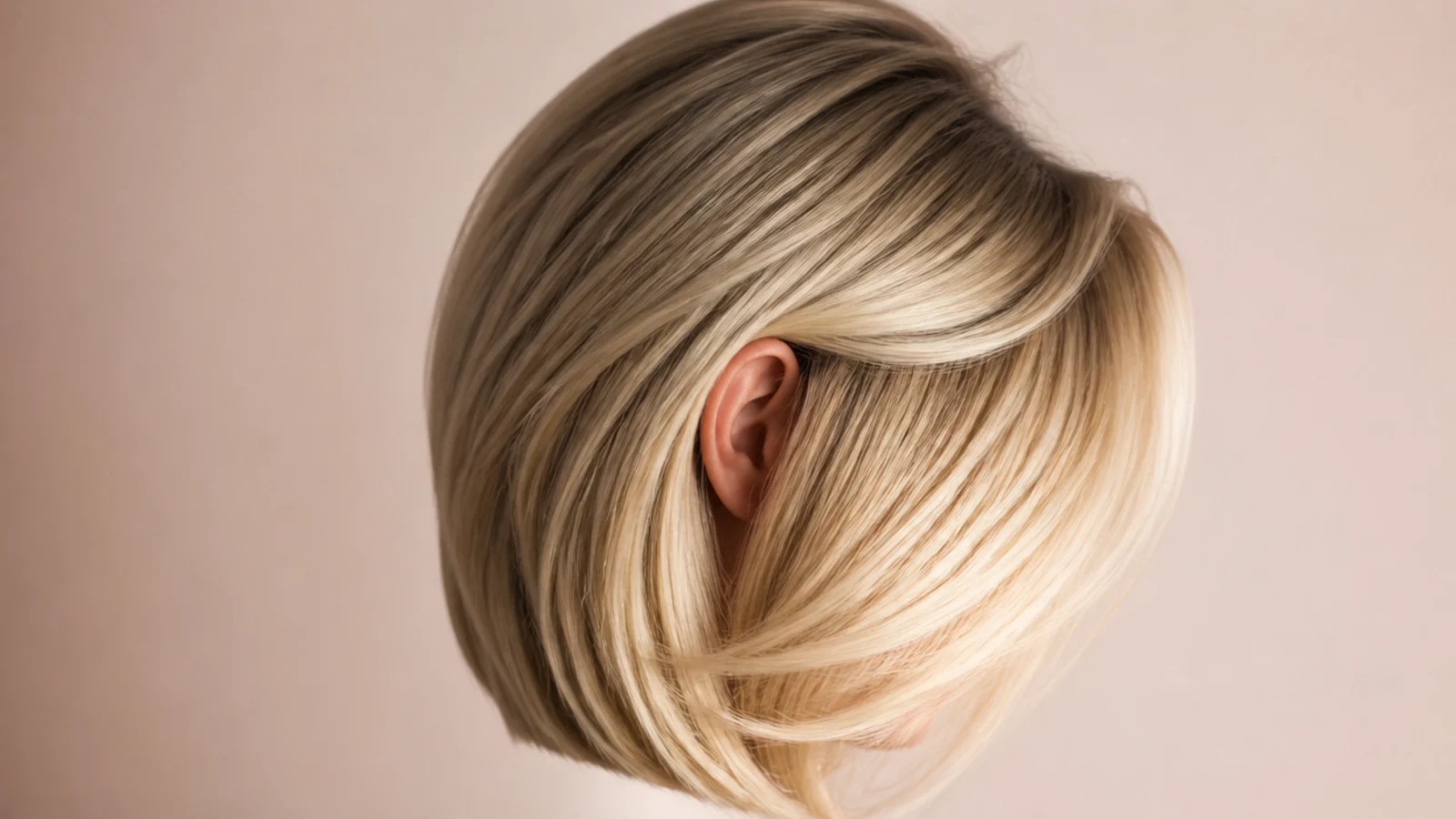
16. Cool Beige Micro Bob
A micro bob sits above the chin, where the ends are in constant contact with the jaw and collar and therefore wear faster than they would at any longer length. A cool beige has less warmth to fade through, so as it oxidises it drifts toward neutral rather than toward brass.
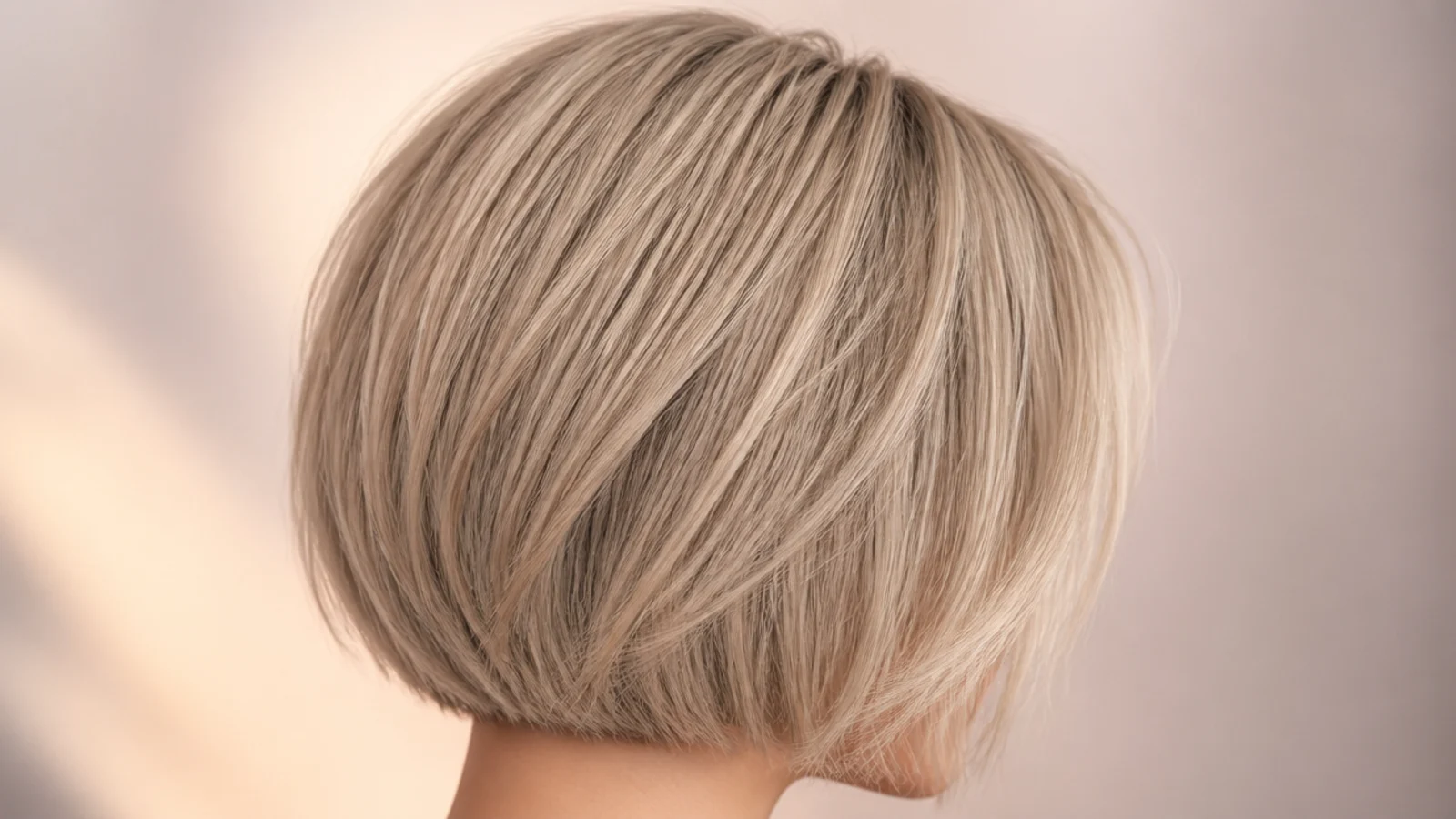
17. Money Piece Lob
Two brighter panels either side of the parting put the lightest hair exactly where light already falls, which is why this reads as brightening rather than as highlighting. It also confines the lifting to a small section, so the rest of the head keeps its condition and its depth.
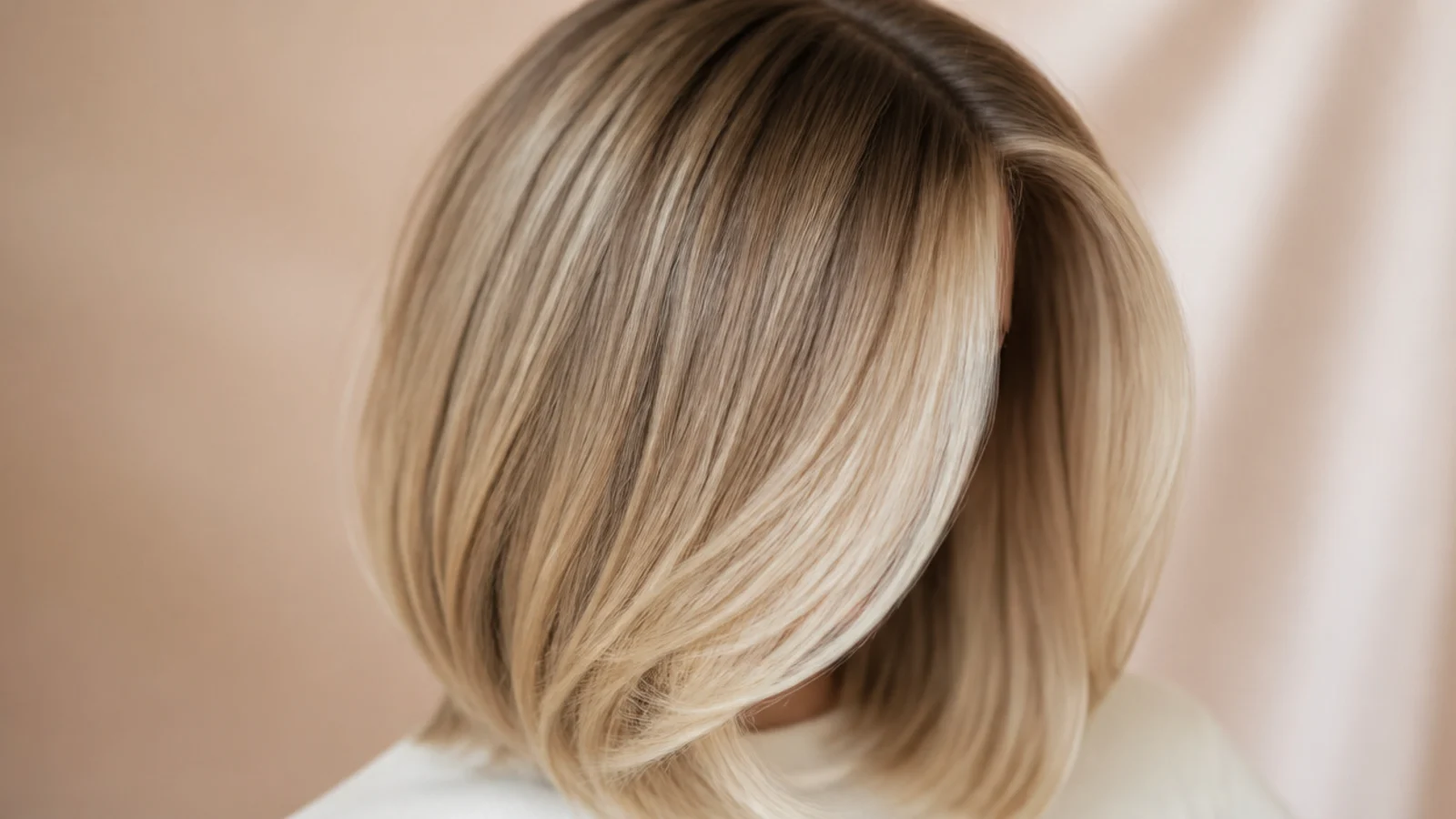
18. Curly Bob for 2B and 3A Hair
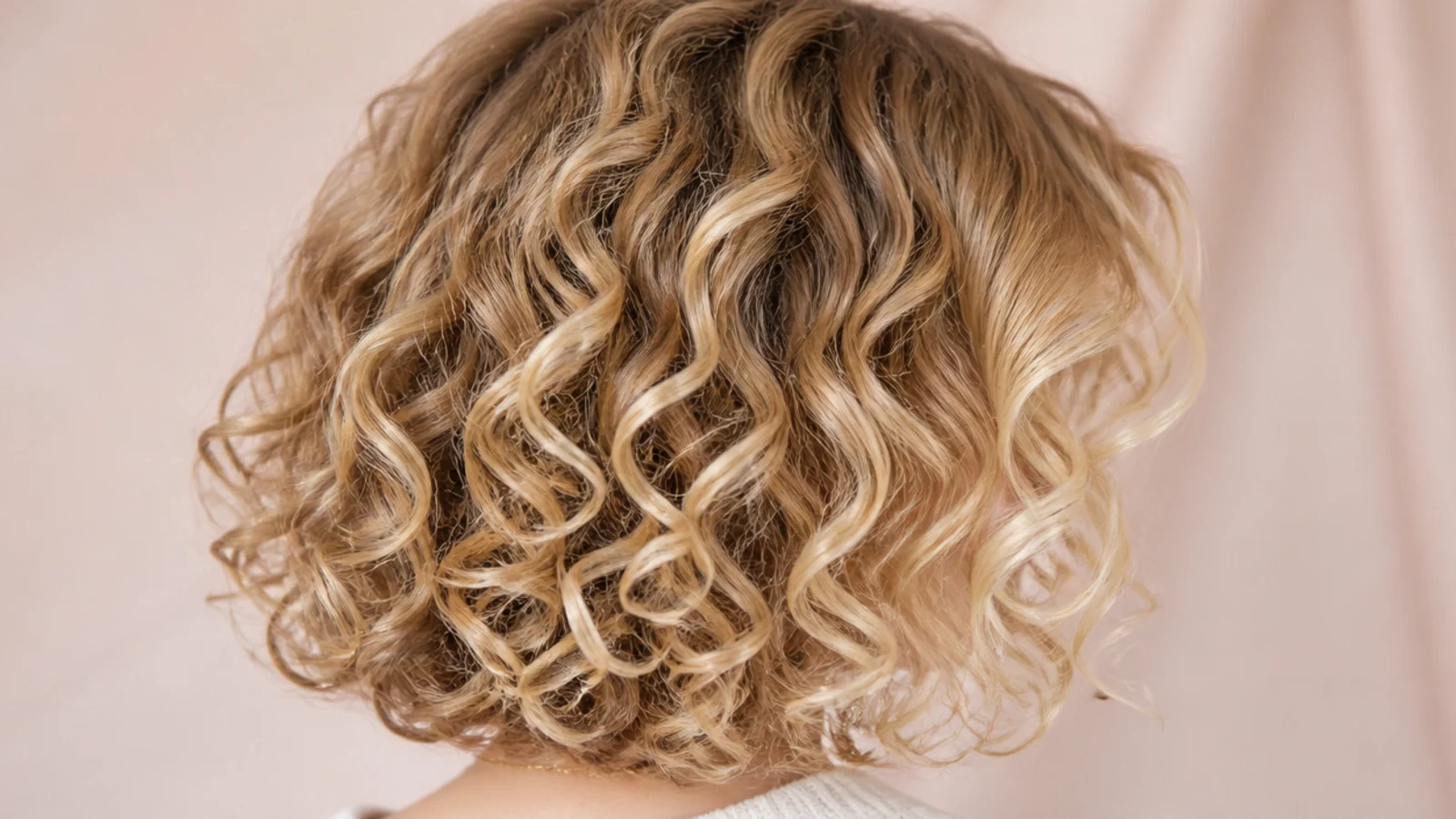
Loose waves and open spirals contract by roughly a quarter as they dry, so a bob cut wet at the jaw finishes somewhere near the ear. Cutting dry, curl by curl, is the only reliable way to know where the perimeter is going to land once the water has gone.
19. Slicked Mini Ponytail
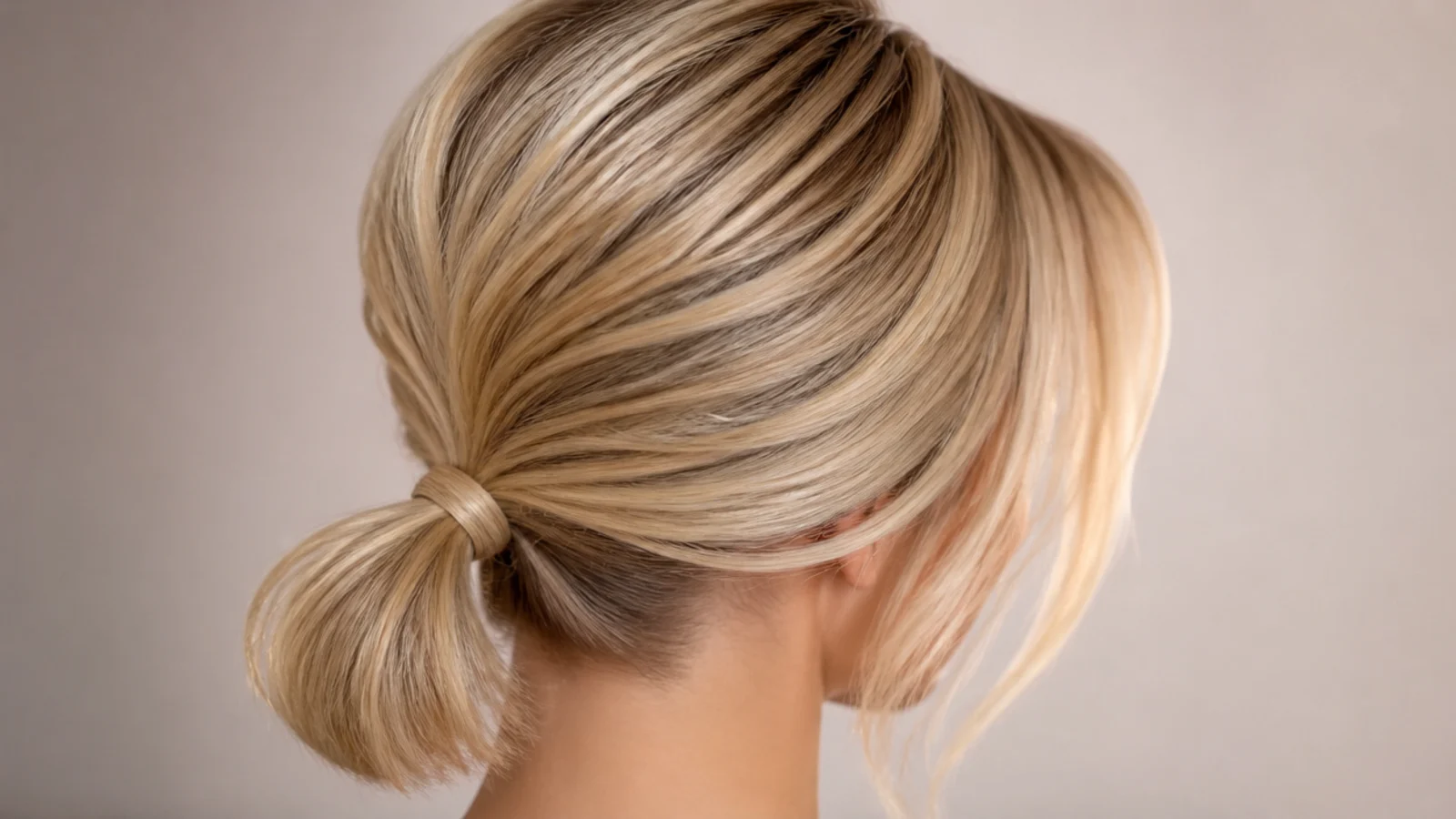
A bob has far fewer escaping short hairs at the perimeter than long hair does, so slicking it takes a fraction of the gel. The tail itself will be short and stubby, which is the point, and wrapping a section around the elastic stops it reading as an accident.
20. Pixie Bob Transition
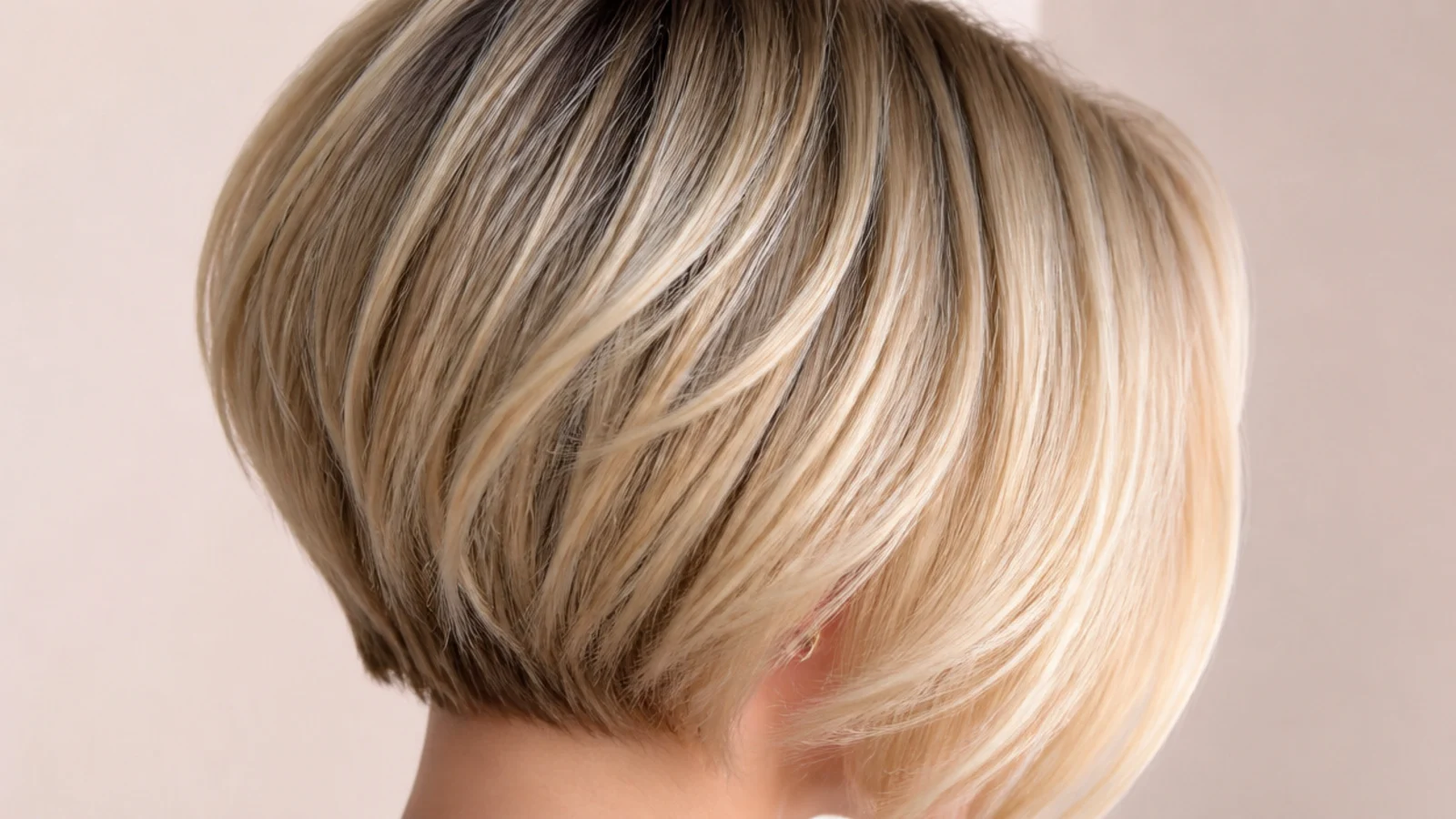
The awkward stretch between a pixie and a bob is always the crown, since the top has to grow the furthest before it joins the length at the sides. At half an inch a month that is roughly eight months, and the fix is a six week trim that shortens the sides only, so the outline keeps a shape while the top catches up.
Final Thoughts
Book the two appointments separately. The perimeter is a real cut and it holds for eight weeks, but the fringe is a quarter of an inch away from being wrong at any moment, and a three week fringe trim is the cheapest thing in the salon. Nearly every complaint about this cut going wrong two weeks in is a fringe complaint wearing a haircut costume.
Then decide the colour with grow out in mind rather than day one in mind. A deeper root under a beige or soft golden mid-length looks the same in week one and dramatically better in week eight, because the line you would otherwise be paying to chase was designed in from the start. For colour placed on a short shape see peekaboo and underlight ideas for short hair. More in Celebrity Hair. See also the straight version of this look.