20 Peekaboo vs Underlights Ideas For Short Hair
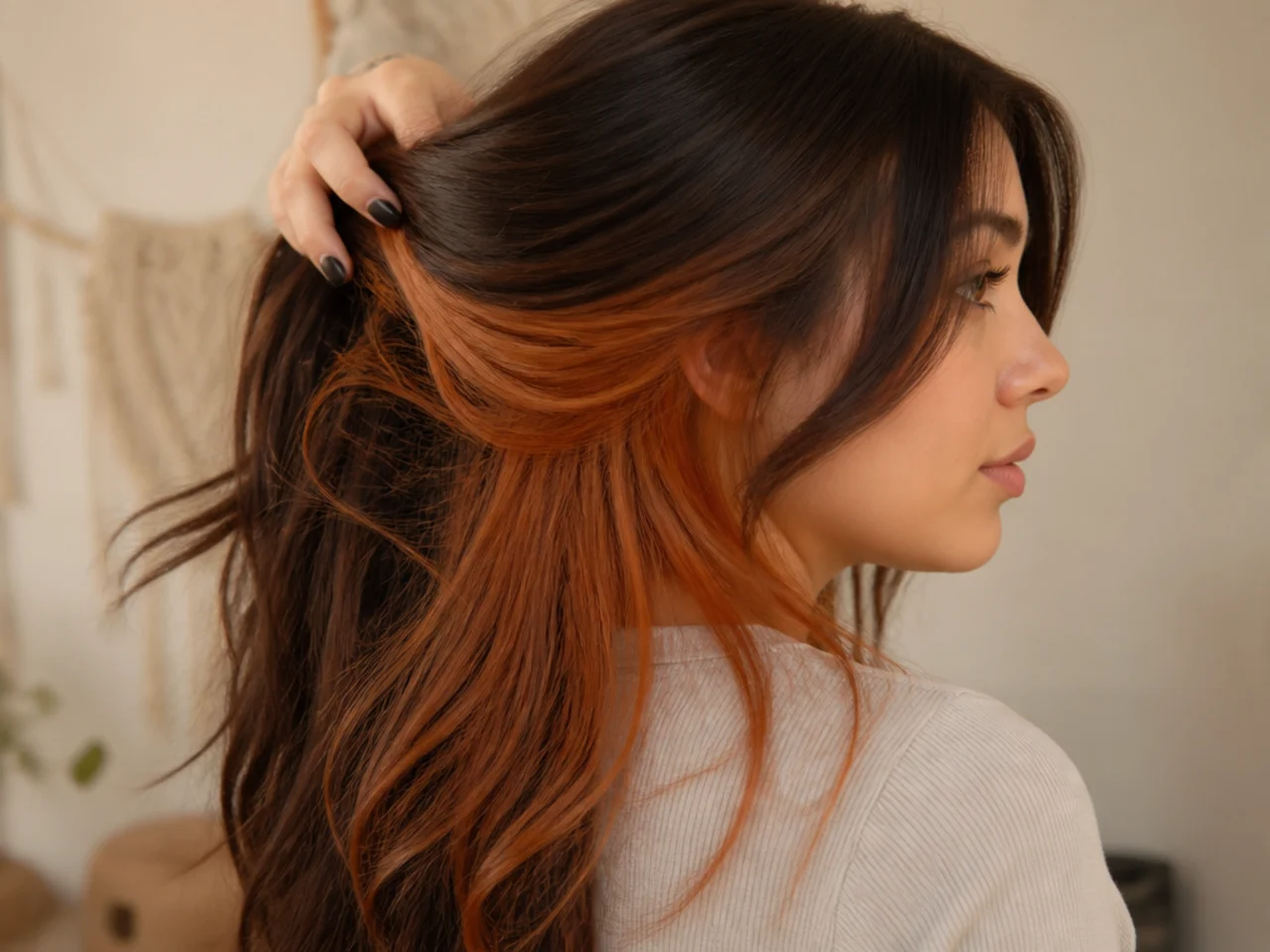
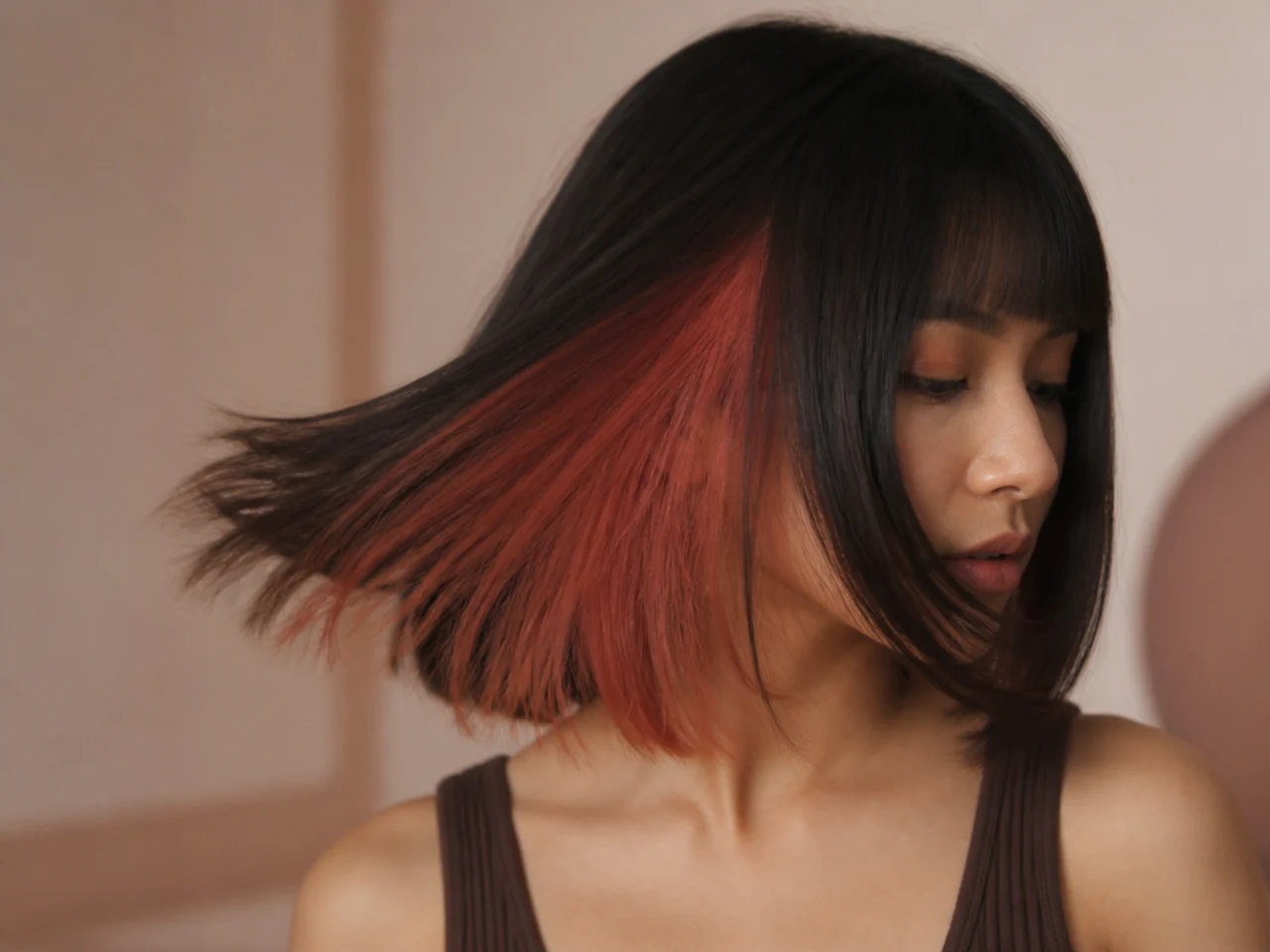
Peekaboo colour hides in a panel under the top layer and flashes when the hair moves. Underlights colour the whole section beneath a horizontal line and show every time the hair lifts. On short hair that difference decides how often the colour is seen at all.
In this article · 27
- What Separates Peekaboo From Underlights
- Choosing Between Them on Short Hair
- The 20 Peekaboo and Underlight Comparisons
- 1. On a Blunt Bob
- 2. On a Pixie Cut
- 3. On a Stacked Bob
- 4. On Fine Hair
- 5. On Thick Hair
- 6. On Straight Hair
- 7. On Curly Hair
- 8. With a Deep Side Part
- 9. With a Middle Part
- 10. Under a Ponytail
- 11. On Dark Base Hair
- 12. On Blonde Base Hair
- 13. For a Pastel Shade
- 14. For a Vivid Red
- 15. For a First Try
- 16. For Work or School Days
- 17. For Grow Out
- 18. For Fading and Upkeep
- 19. For Damage Risk
- 20. For Cost and Chair Time
- Styling and Upkeep
- Mistakes to Avoid
- FAQ
- Final Thoughts
Peekaboo and underlights get used as the same word, and on short hair they produce two colours you see on completely different schedules.
A peekaboo is a panel. Underlights are a layer. One or two slices taken from under the top section flash when the hair moves. A whole horizontal section is simply there, every time the hair lifts.
Short hair moves more, so both show more. A bob swings clear of the neck with every turn of the head, where long hair keeps the same panel buried under its own weight.
What Separates Peekaboo From Underlights
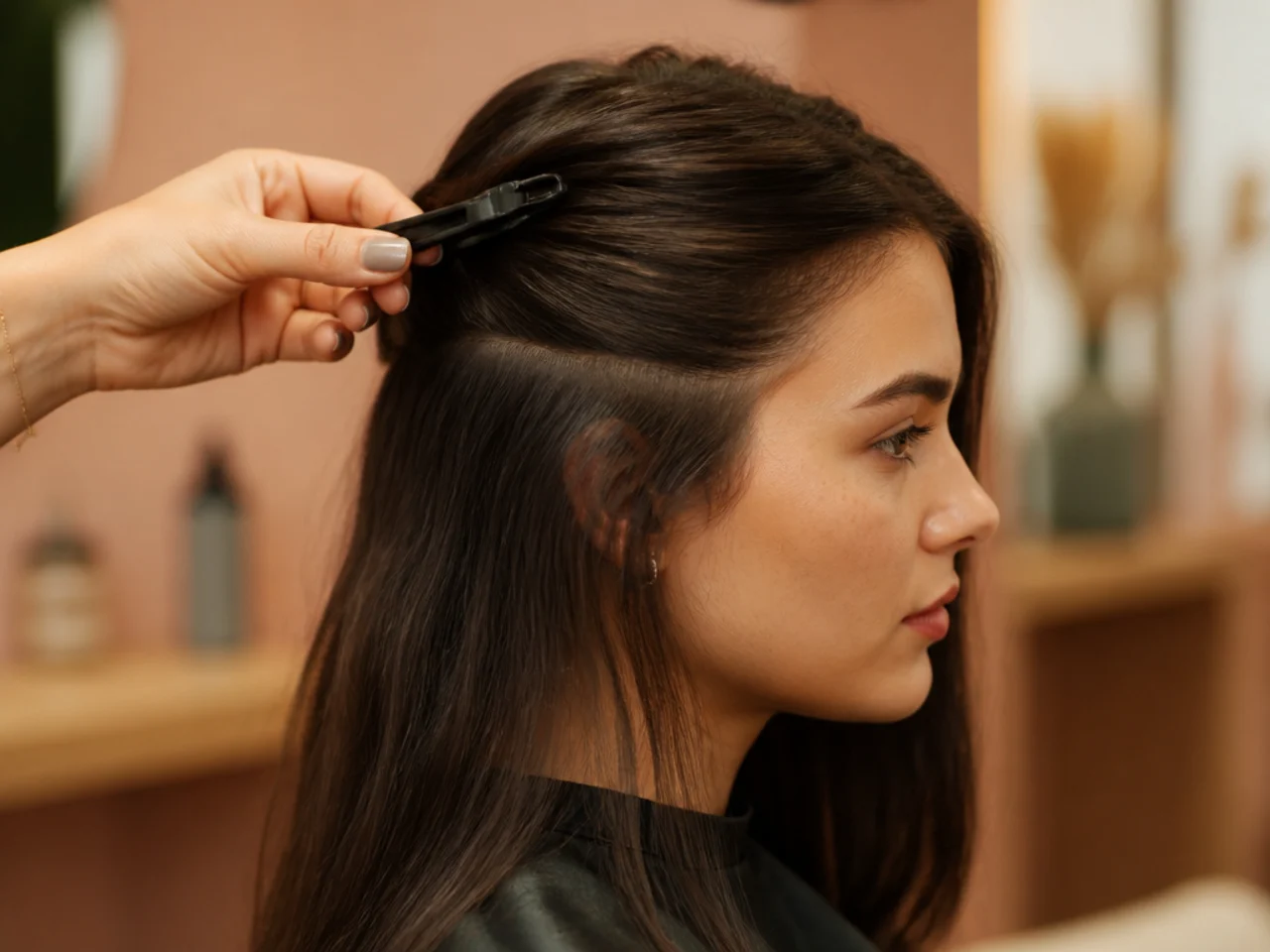
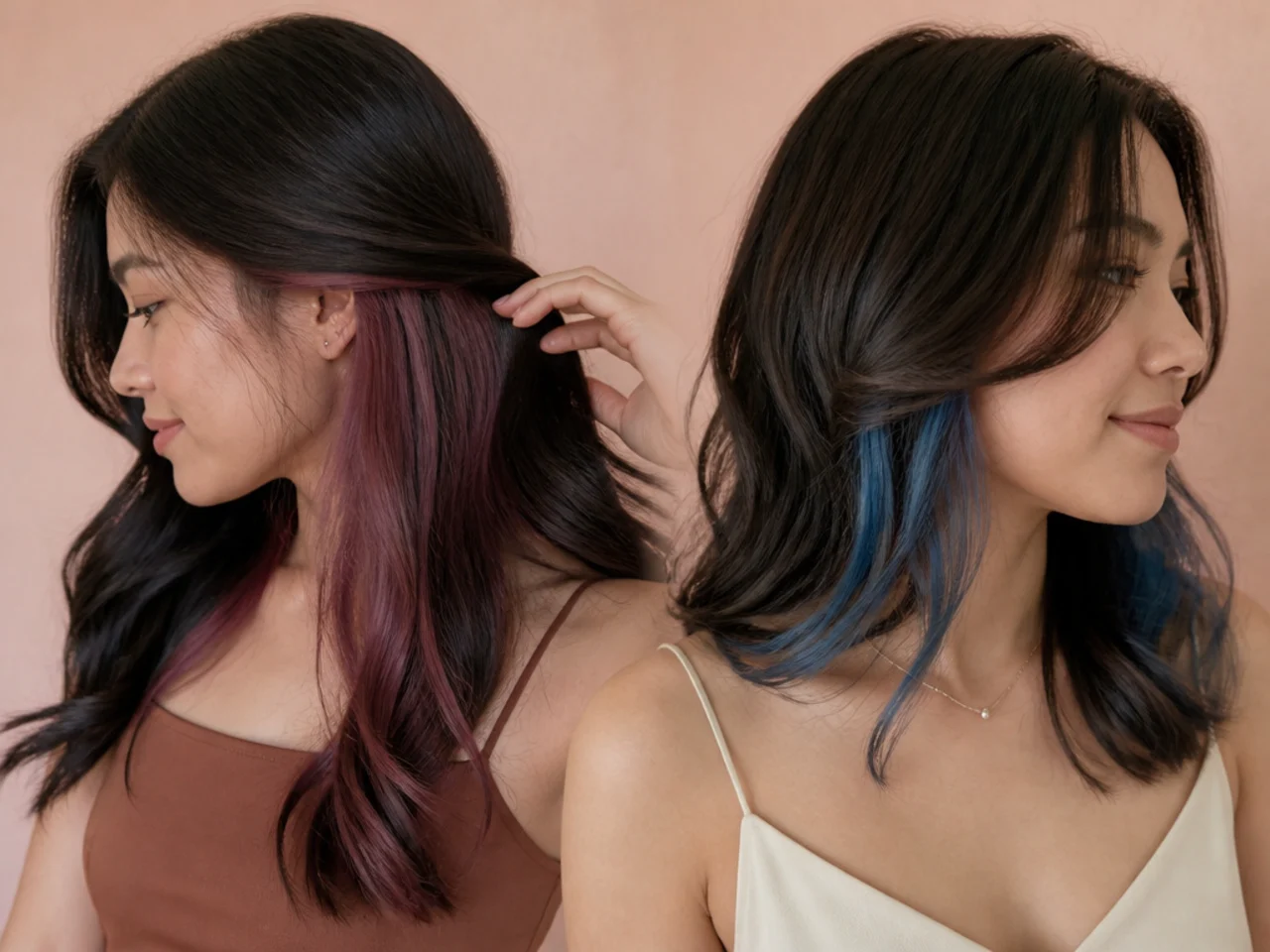
A peekaboo is placed by slice. Two or three sections are lifted out from beneath the top layer, coloured, then dropped back. The top layer is the lid, and how thick it is decides how hidden the colour stays.
Underlights are placed by horizontal section. Everything below a line, usually the occipital bone, is taken as one piece. There is no lid, only whatever falls over it.
One reads as a flash, the other as a block. A peekaboo appears as a streak when the hair swings and disappears again. Underlights read as a second colour running under the whole silhouette.
The regrowth turns up in different places. A peekaboo panel keeps its roots under the top layer, so months pass before anyone sees them. An underlight section is lifted into view by every ponytail, which is exactly where a dark root band reads hardest.
Choosing Between Them on Short Hair
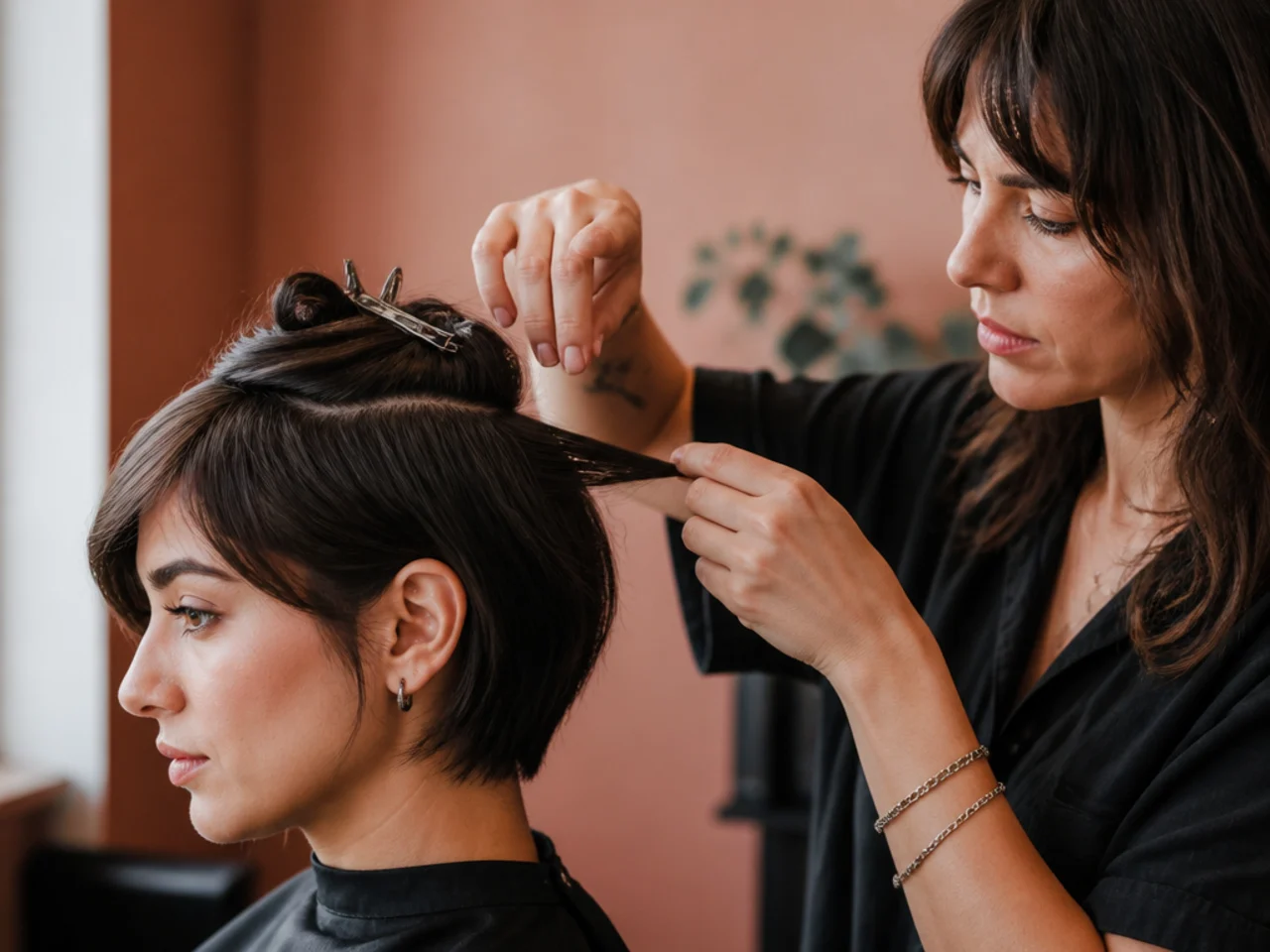
Measure your top layer, not your length. The only question that matters is how much hair sits over the colour. A one length bob has a thick unbroken lid; a heavily layered crop has almost none.
Decide how often you want it seen. Peekaboo is for occasional. Underlights are for constant. Choosing the wrong one is what makes people say the colour was placed badly when it was placed exactly as asked.
Check where your parting falls. A deep side part drops a heavy curtain over one side, so the same panel is buried on that side and visible all day on the other.
Count the upkeep before you pick the shade. A vivid fades wash by wash wherever it sits. The real difference is that a hidden panel is allowed to fade quietly and an exposed layer is not.
The 20 Peekaboo and Underlight Comparisons
1. On a Blunt Bob
Peekaboo wins. A blunt bob is cut to one length, so the top layer is an unbroken sheet with nothing to interrupt it, and a panel underneath stays completely hidden until the hair swings. Underlights on that same shape land as a hard horizontal band, because a single perimeter line gives the colour a straight edge to end on.
2. On a Pixie Cut
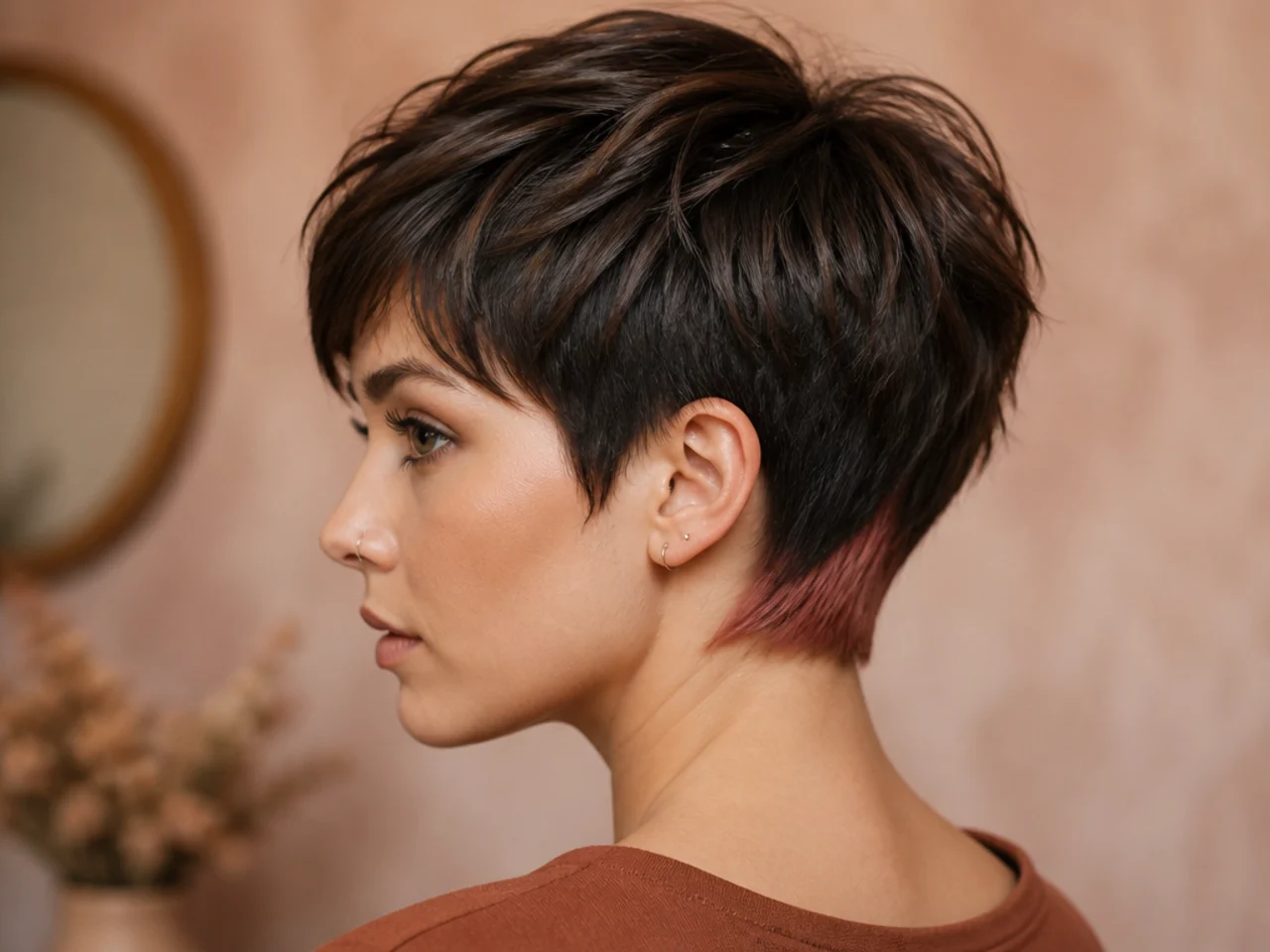
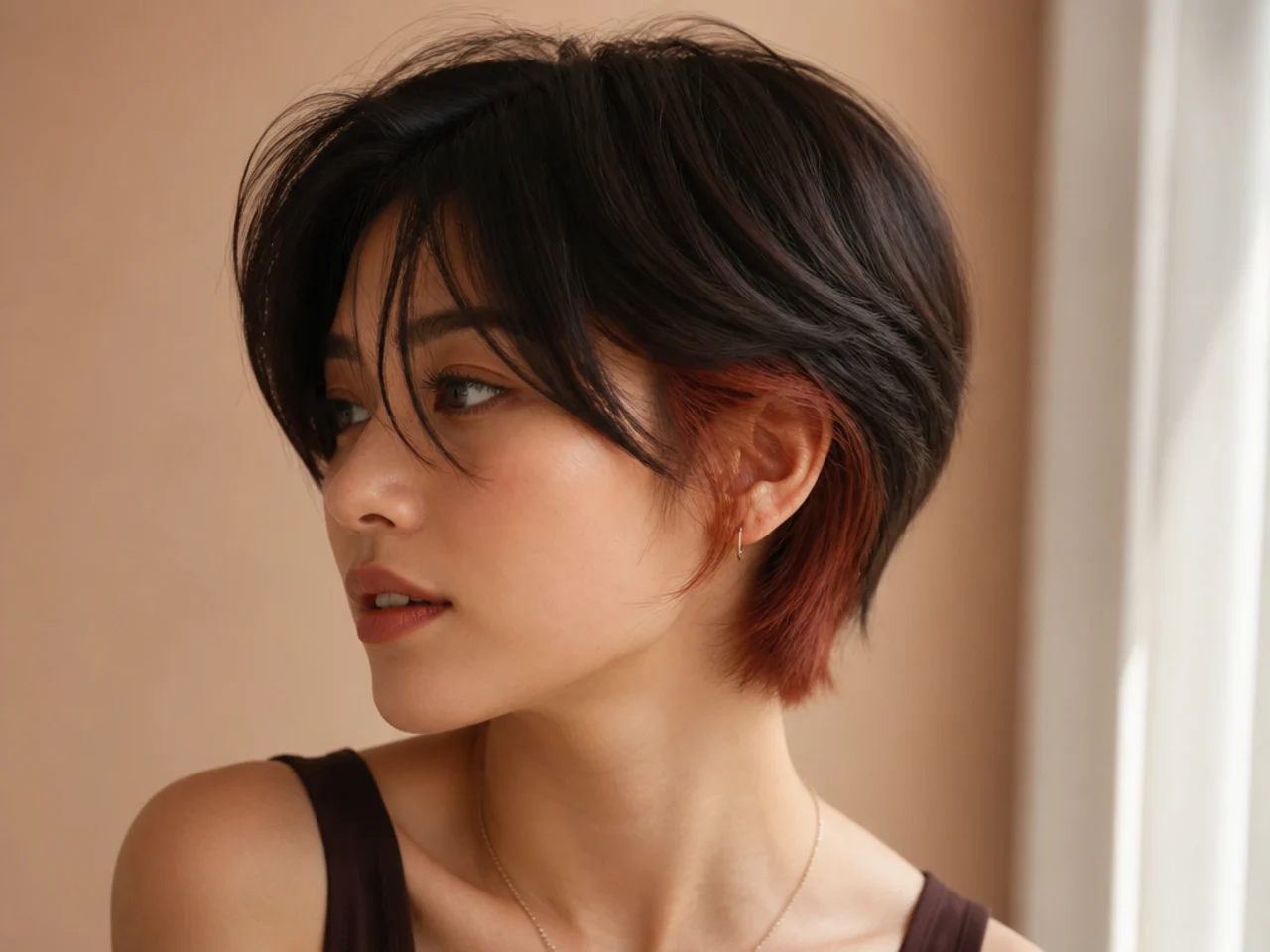
Underlights win. A pixie has no under section long enough to conceal anything, so a peekaboo panel is on show permanently and reads as a stripe that missed. Colouring the whole nape and lower back instead turns the same exposure into a deliberate shadow beneath the crop.
3. On a Stacked Bob
Underlights win. The graduation at the back stacks each layer slightly shorter than the one above, so the layer underneath is exposed at every step by design. A peekaboo panel dropped into that back gets cut into fragments by the same graduation and reads as scattered patches rather than one panel.
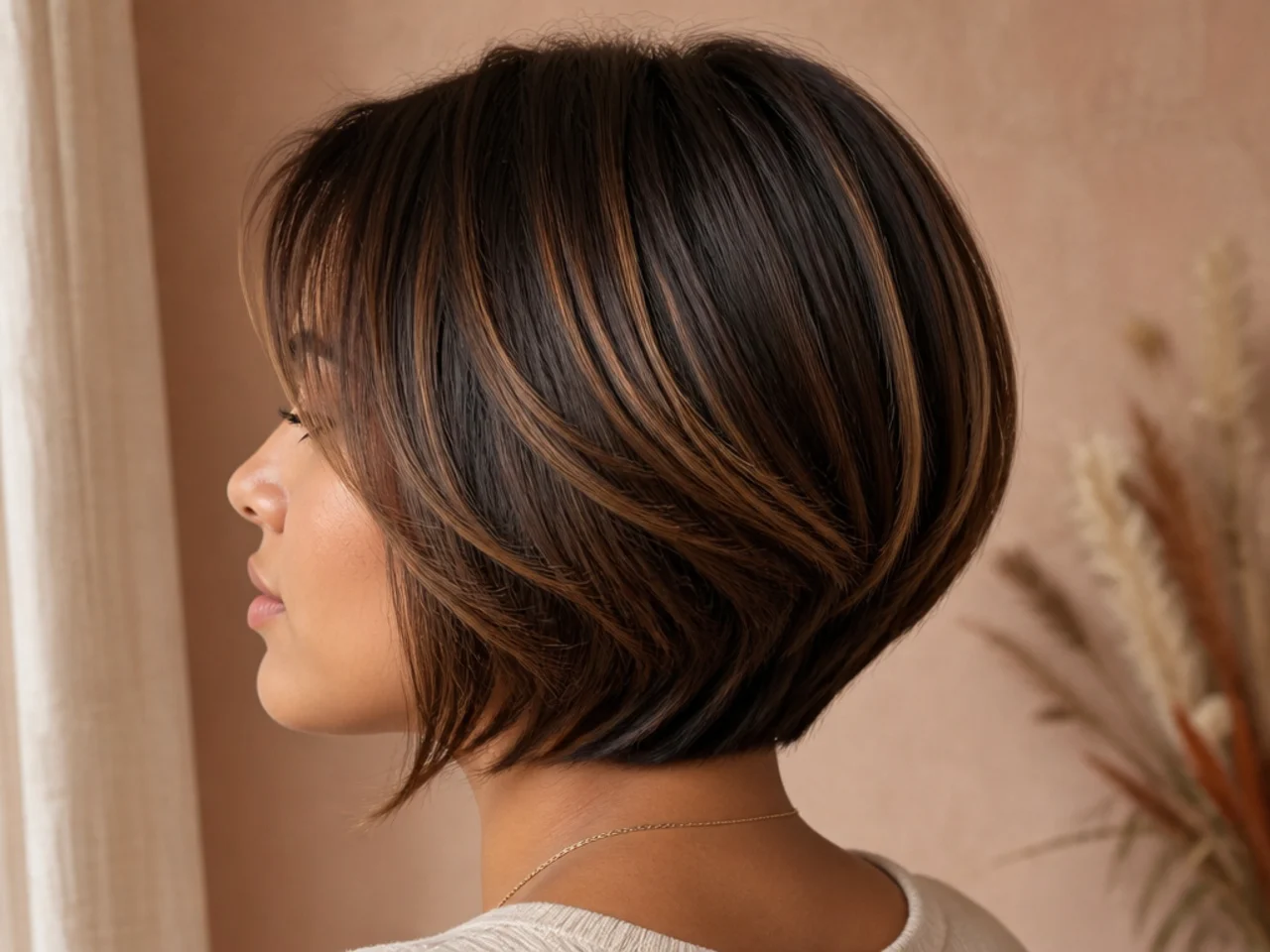
4. On Fine Hair
Underlights win. Fine hair makes a thin lid that light passes straight through, so a peekaboo panel shows as a shadow even when it is technically covered. Underlights never relied on being hidden, so nothing about fine hair works against them.
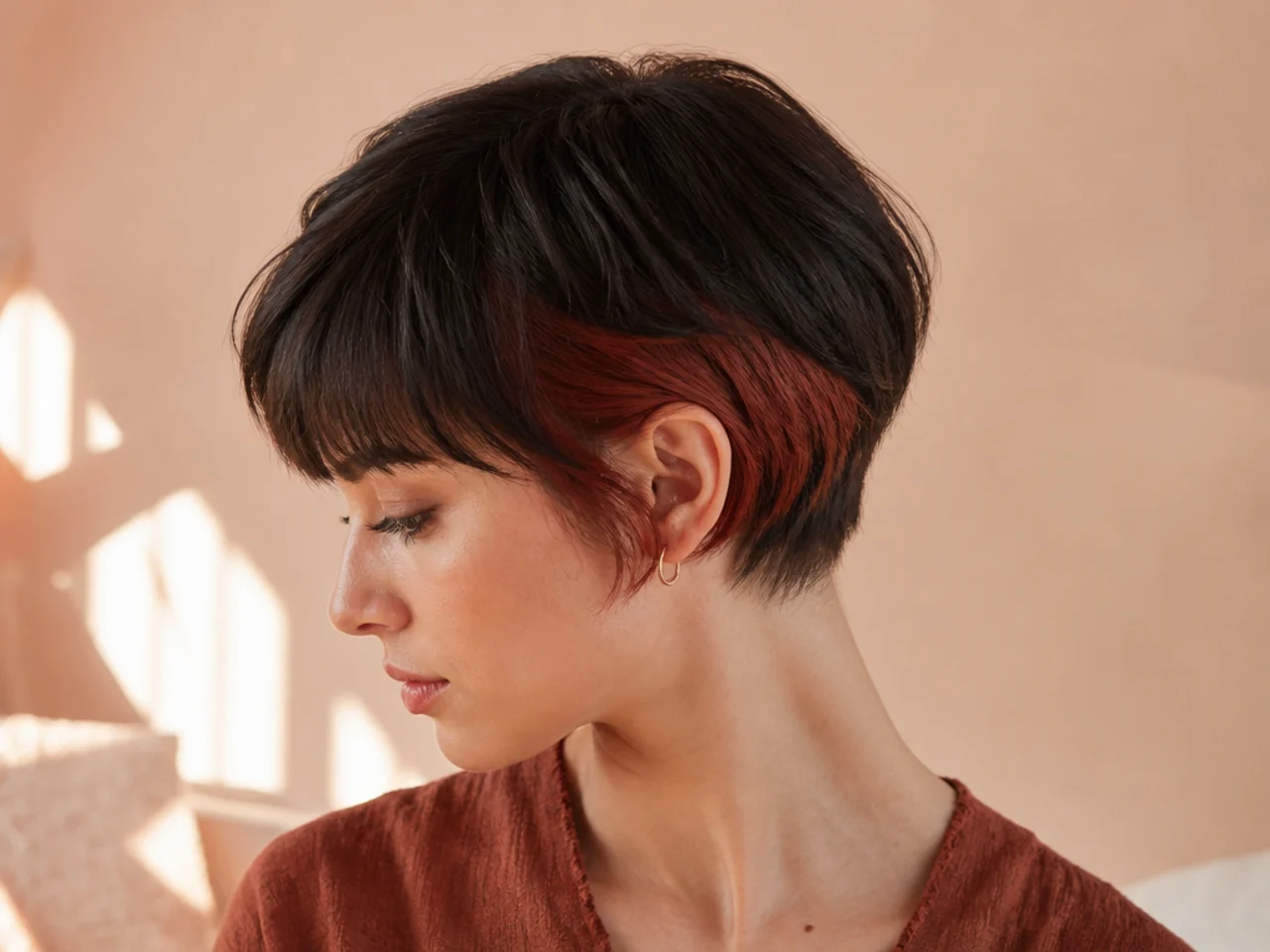
5. On Thick Hair
Peekaboo wins. A dense top layer covers completely, so the panel is genuinely invisible until the hair is moved, which is the whole effect. Thick hair also buries an underlight section so deeply that half the coloured area never sees daylight.
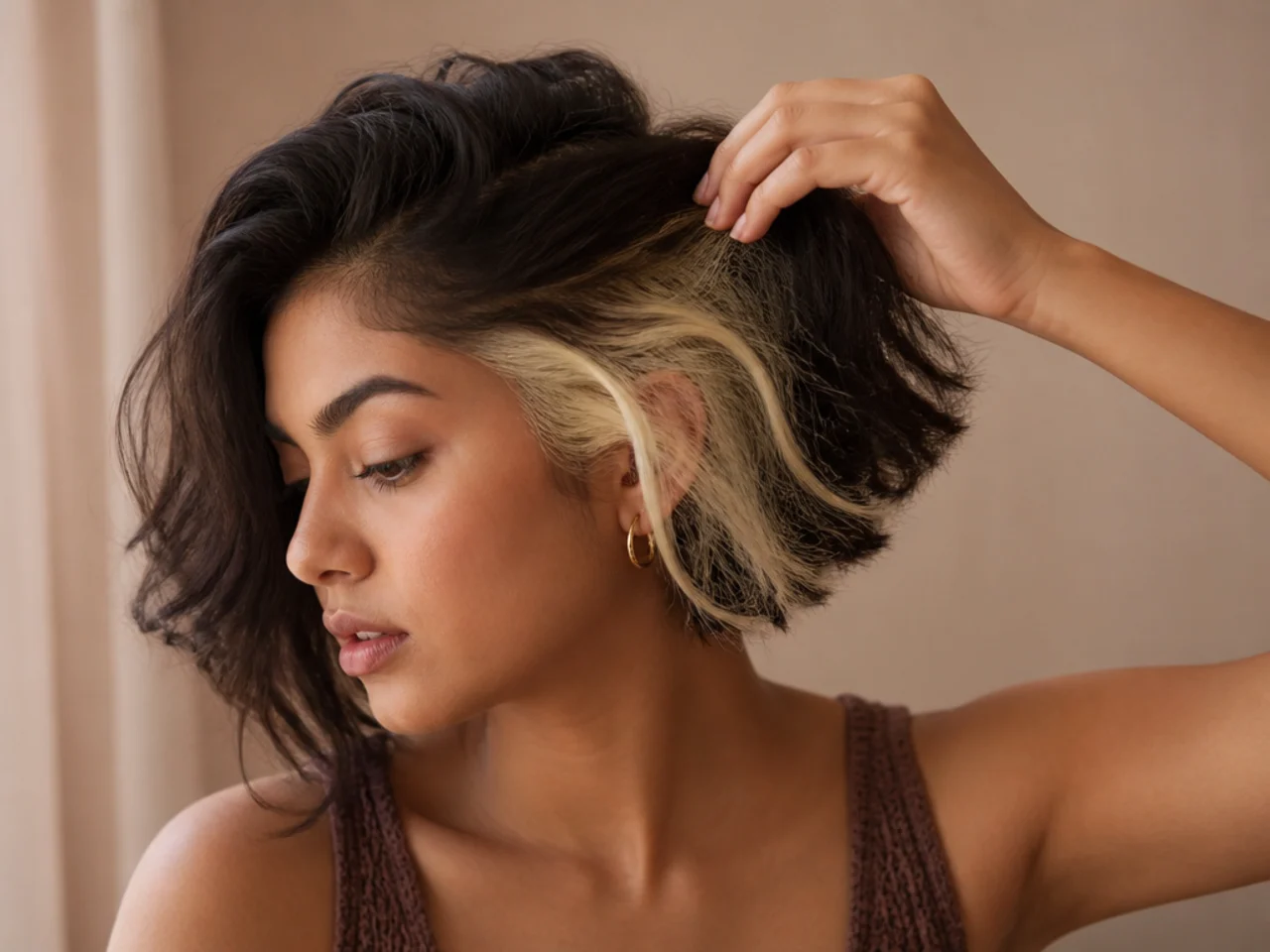
6. On Straight Hair
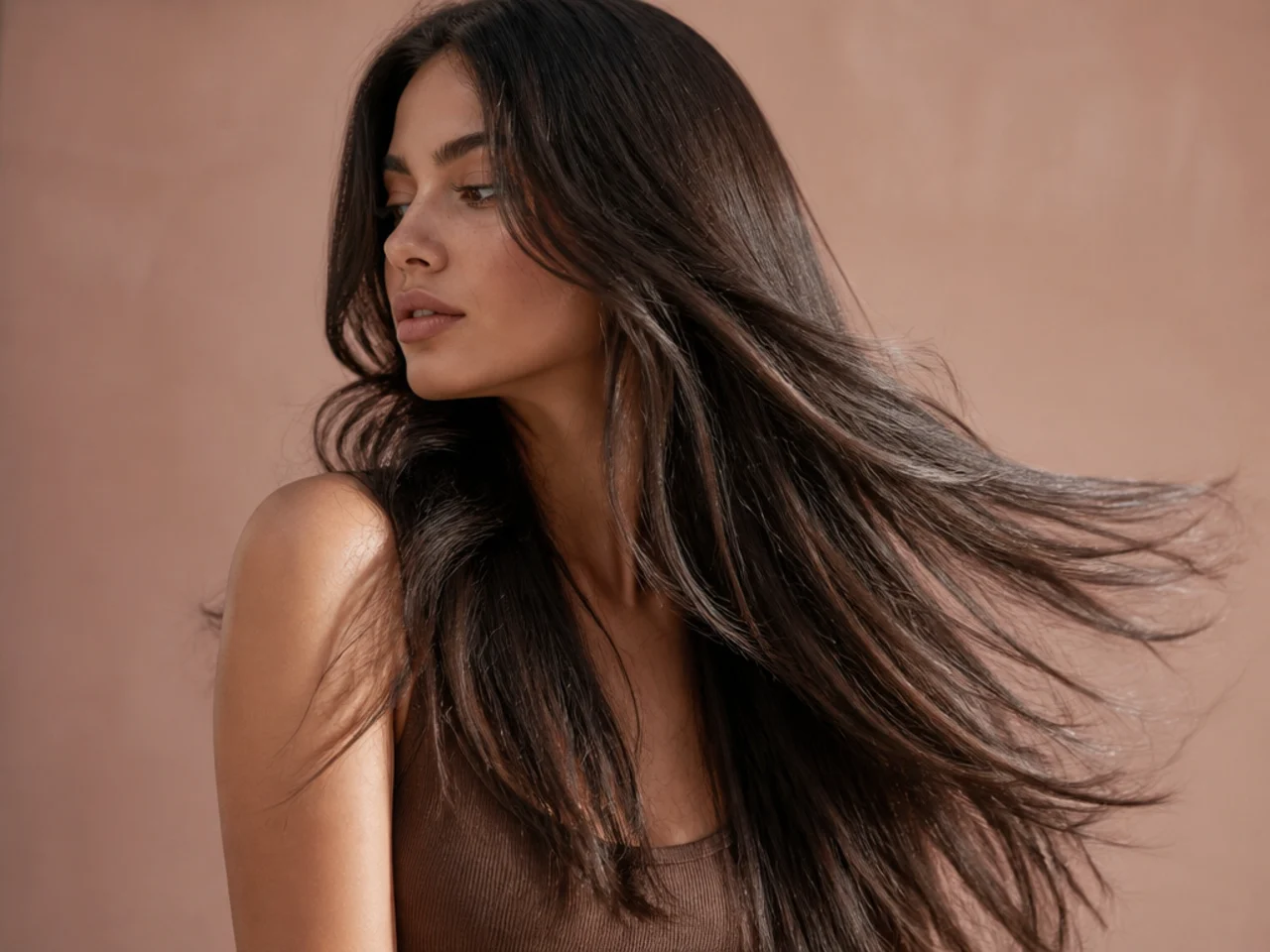
Underlights win. Straight hair hangs in a flat sheet that reflects light evenly, so a full lower band reads as a designed second colour rather than an accident. A peekaboo on straight hair falls back into place the instant it is disturbed, so the flash is over almost before it registers.
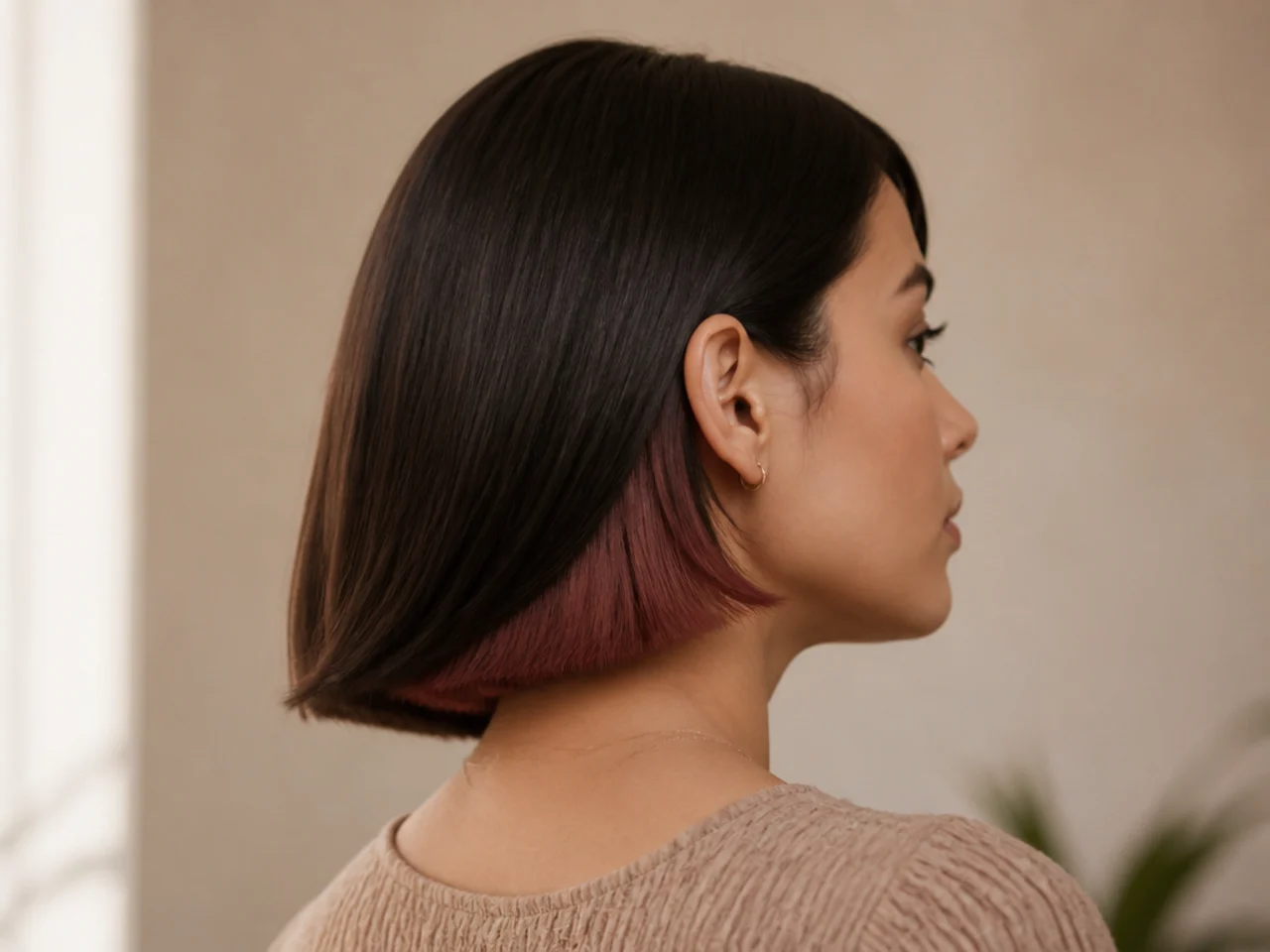
7. On Curly Hair
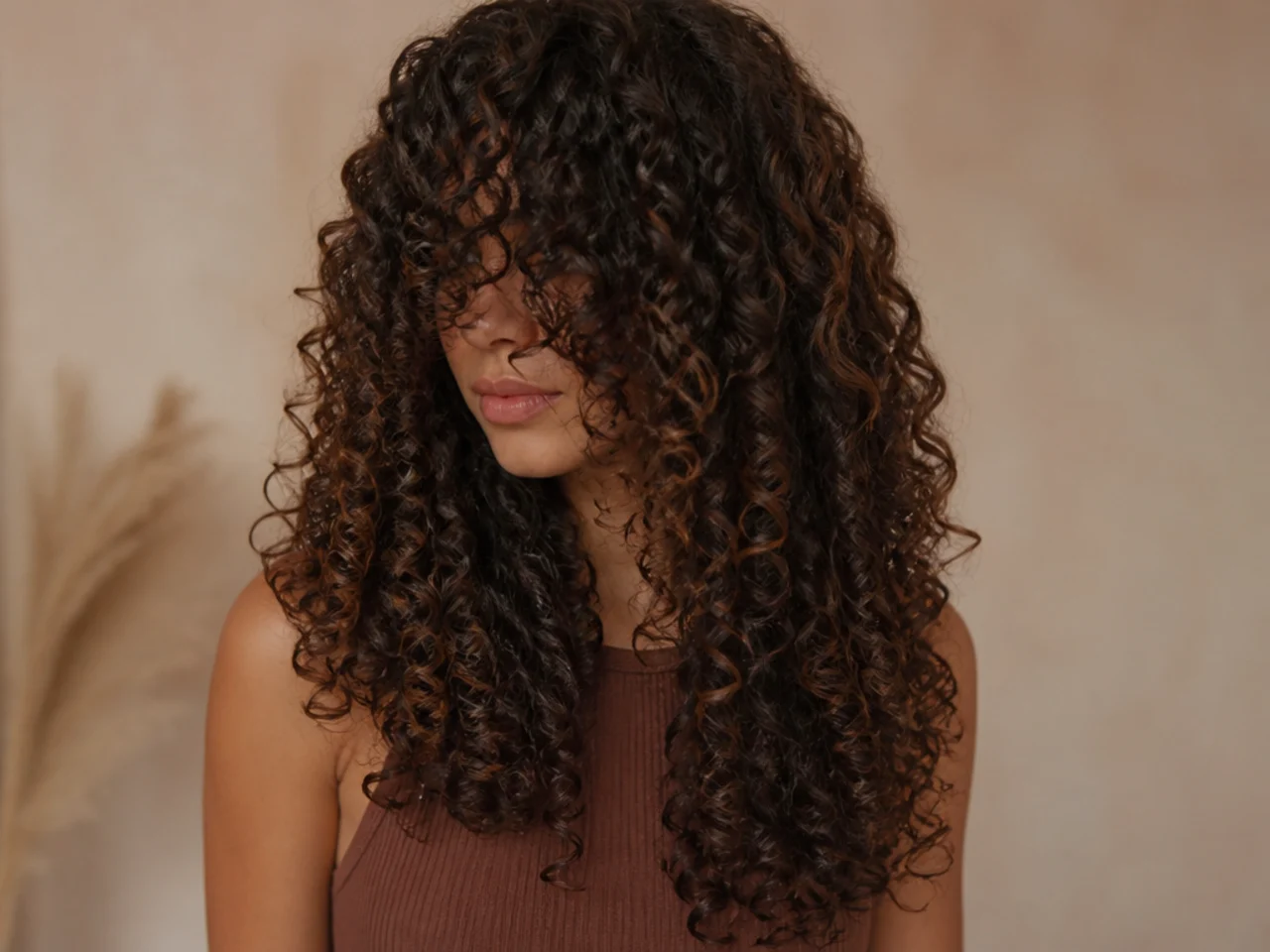
Underlights win. Curl separates into distinct pieces, so the top layer is a mesh rather than a lid and nothing underneath stays covered. A peekaboo panel on tight curl is visible from every angle, which defeats the point, while underlights use that same separation on purpose.
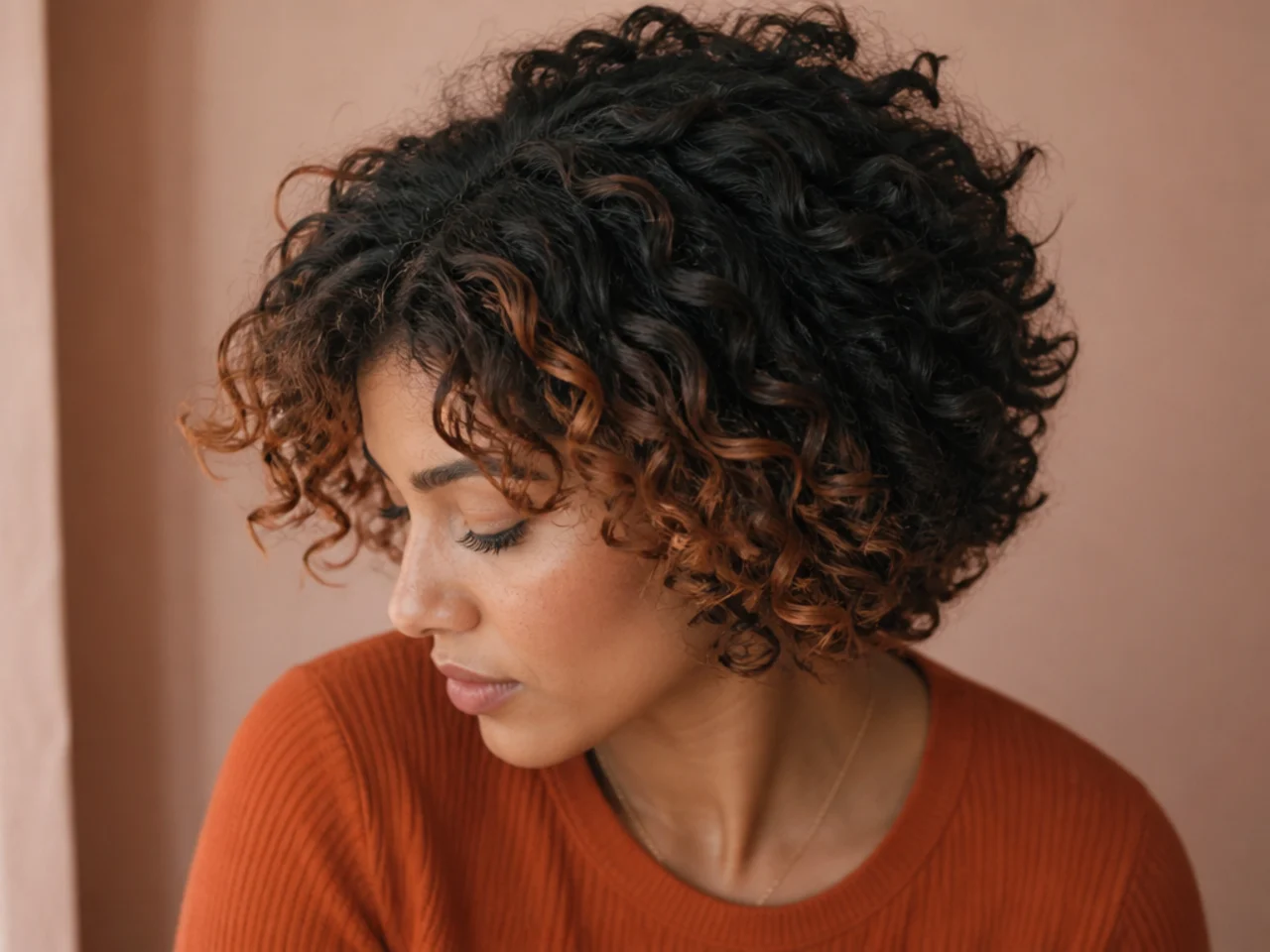
8. With a Deep Side Part
Peekaboo wins, placed on the heavy side. The long side carries a thicker curtain, so the panel hides there and appears only when the hair is tucked behind the ear. Underlights under a deep part go lopsided, because the section line no longer runs level with the way the hair falls.
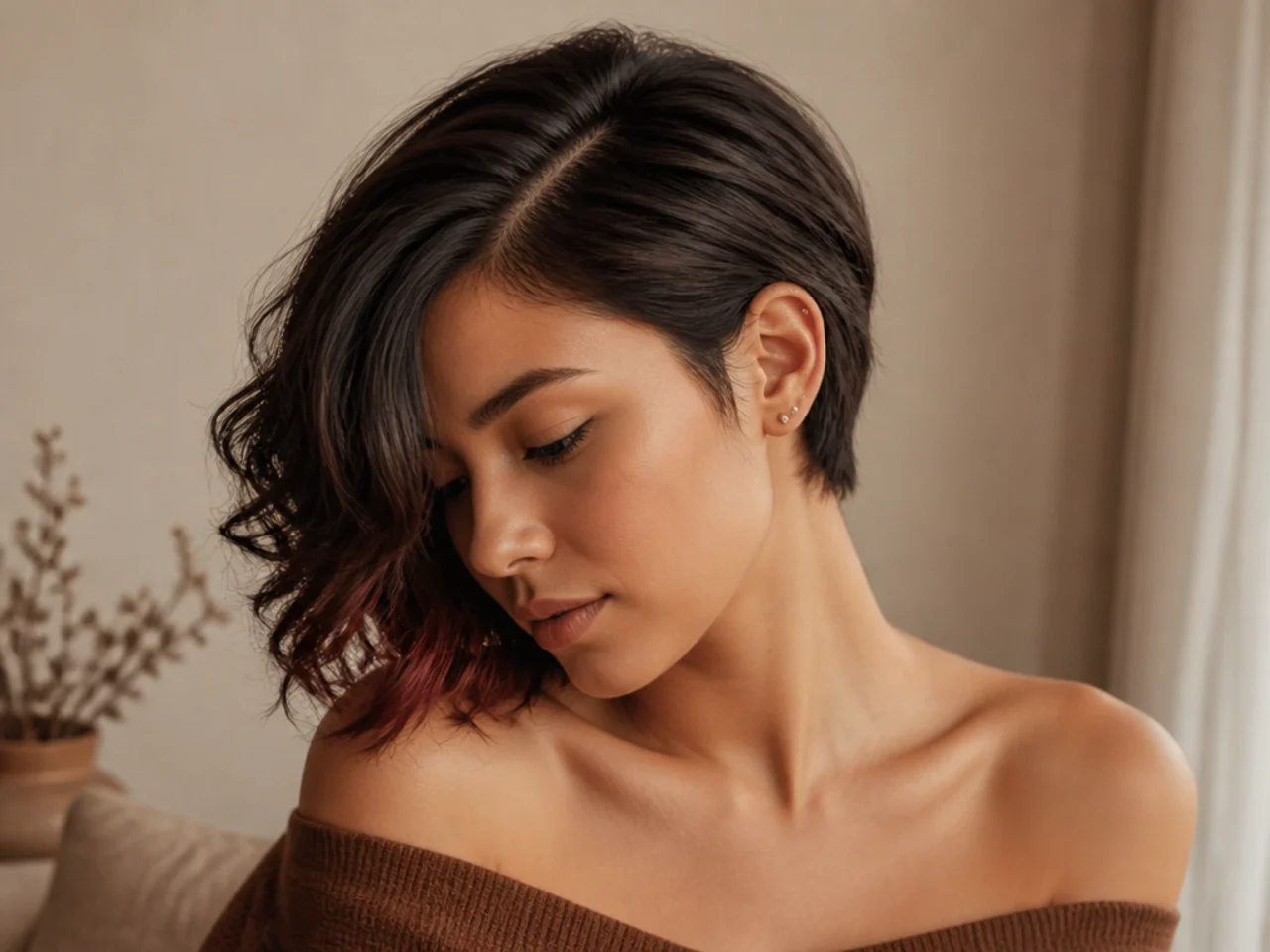
9. With a Middle Part
Underlights win. A centre part splits the top into two matched curtains, so a peekaboo has to be duplicated on both sides to look intentional, which doubles the amount of hair that has to be lifted. One underlight section serves both halves at once.
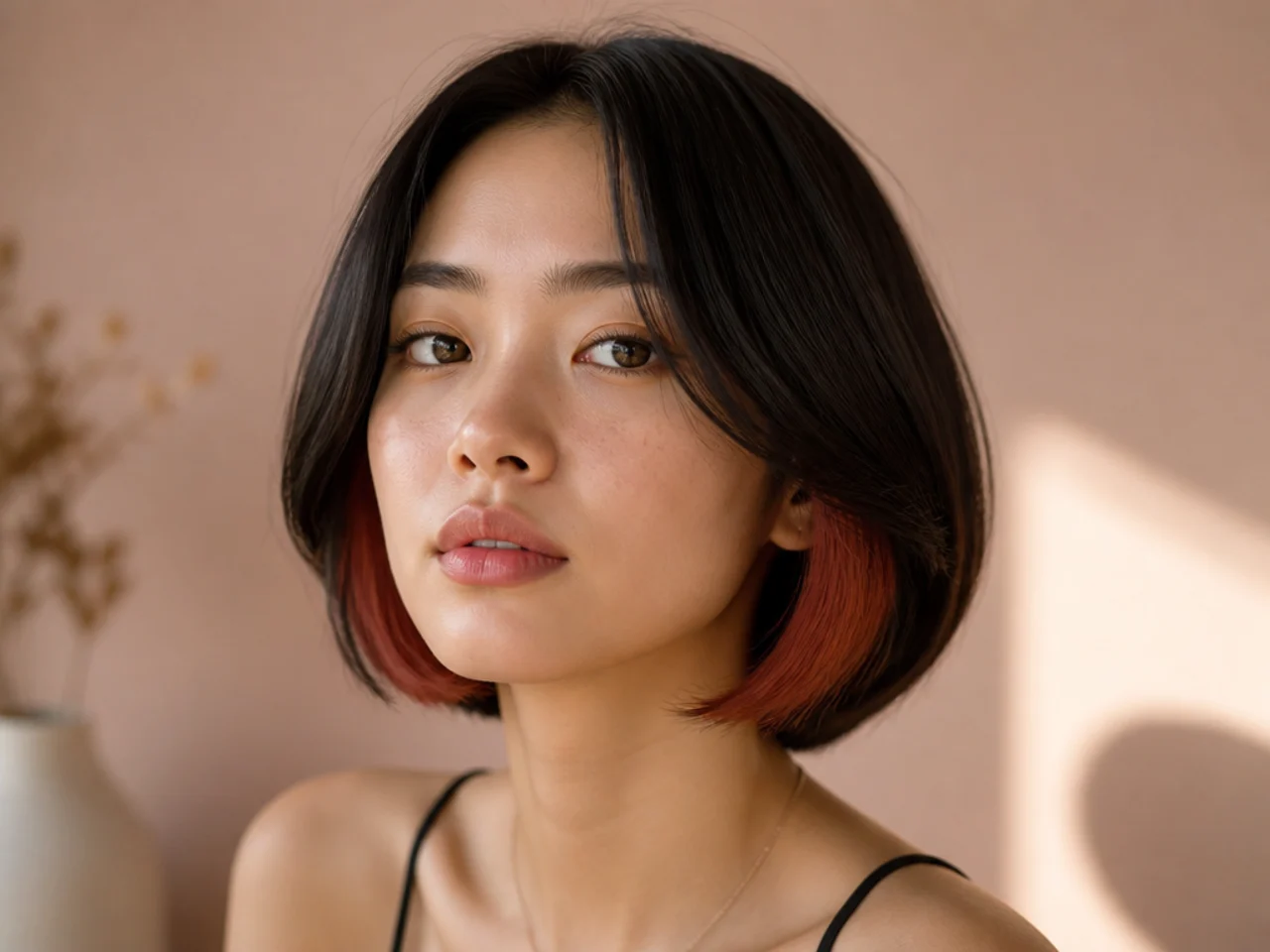
10. Under a Ponytail
Underlights win by definition. Tying short hair up lifts the entire under section into view, which is precisely the position underlights were placed for. A peekaboo panel gathered into a short ponytail gets twisted into the elastic and reappears as a random streak somewhere in the tail.
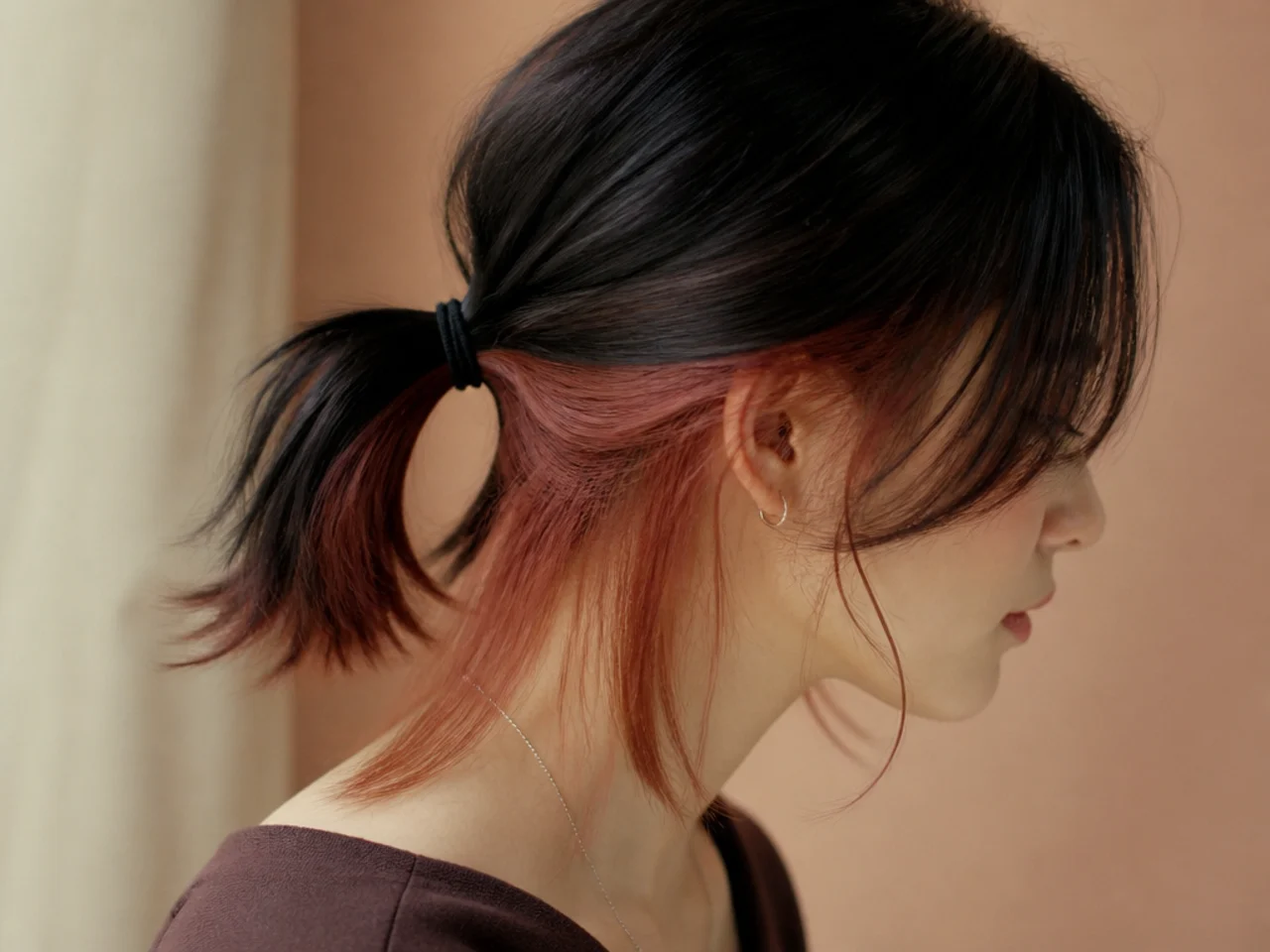
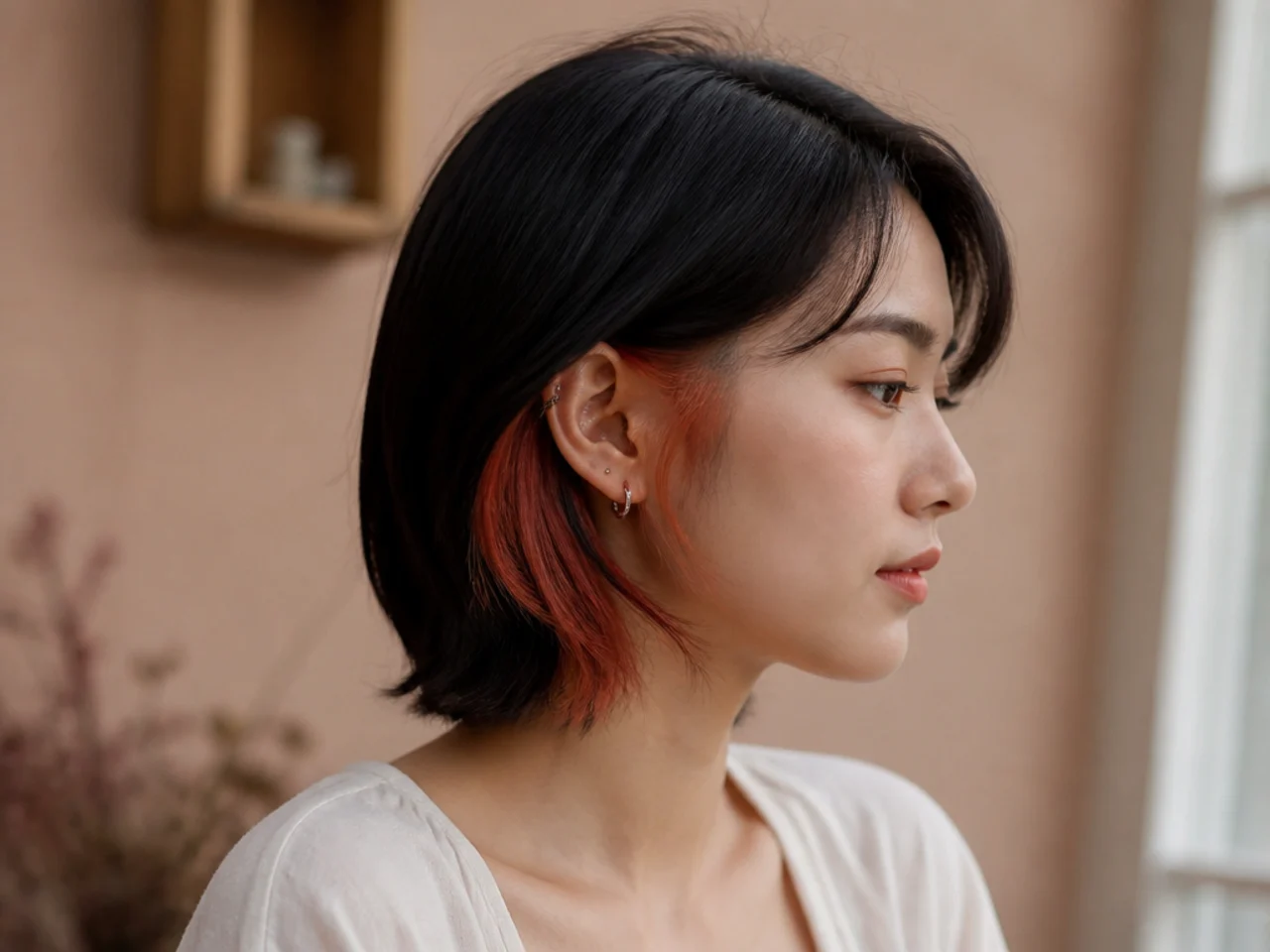
11. On Dark Base Hair
Peekaboo wins. Getting a bright shade to read on dark hair means lifting it first, and a peekaboo lifts two or three slices where underlights lift a whole section. Less pre lightened hair on the head means less of the head is left porous.
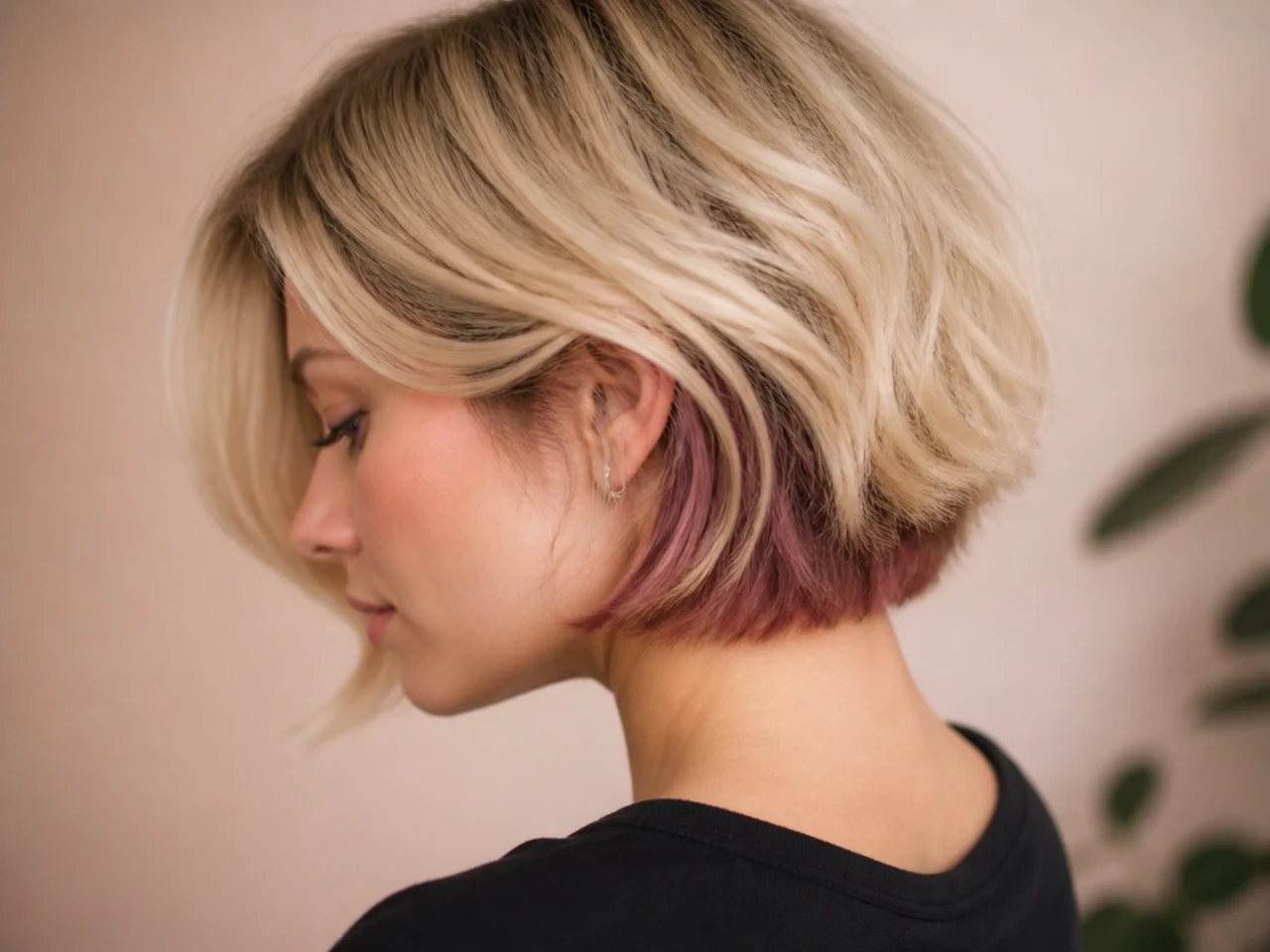
12. On Blonde Base Hair
Underlights win. A blonde base needs no lift, so colouring the whole under section is a deposit rather than a bleach, and the usual argument against the larger area disappears. The contrast also arrives free, since pigment on pale hair reads at full strength.
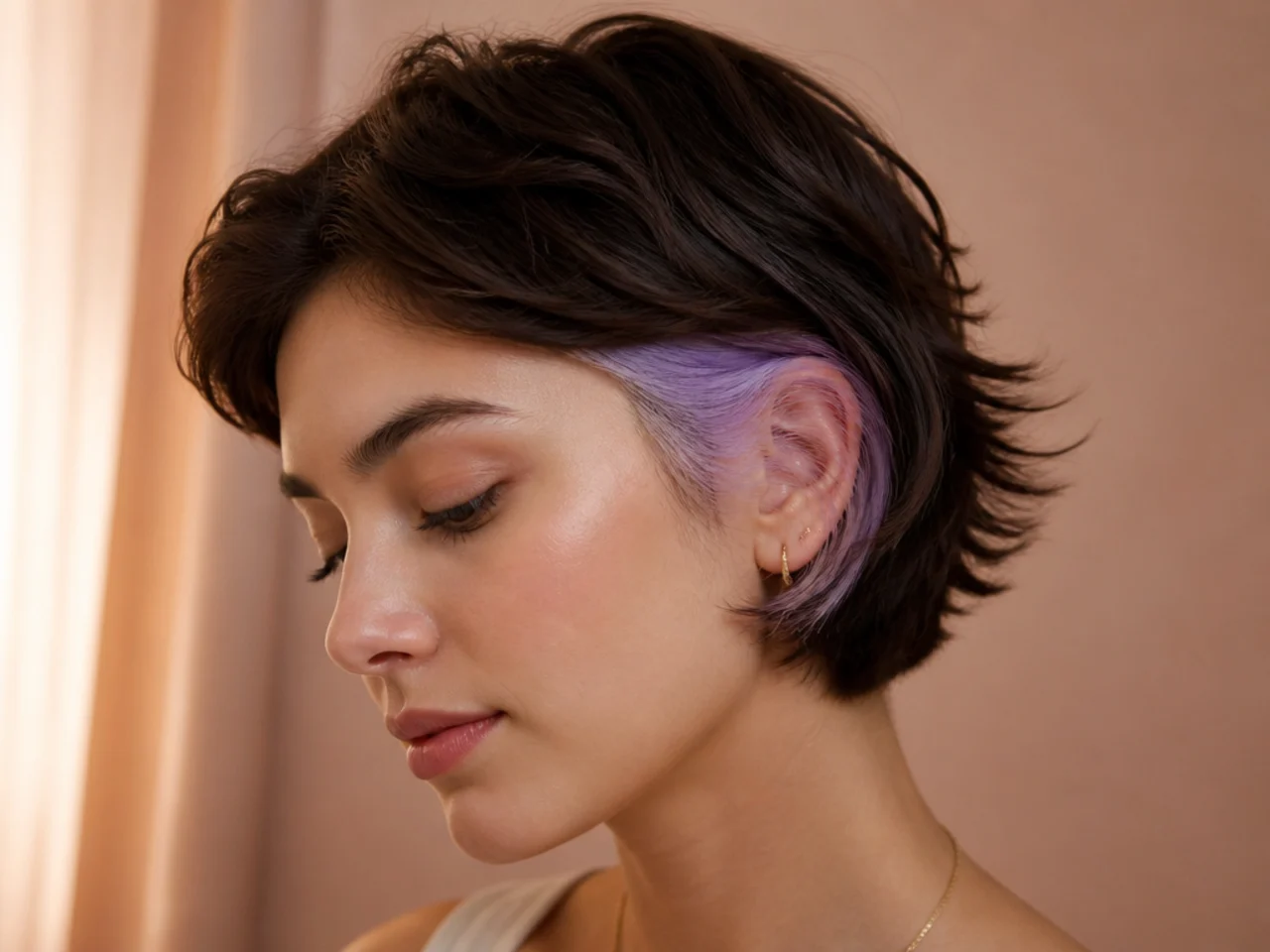
13. For a Pastel Shade
Peekaboo wins. Pastels are dilute pigment, so they fade fastest and they fade unevenly, and a wide section shows every patch of that. A hidden panel is allowed to fade quietly between appointments because nobody is looking at it in flat daylight.
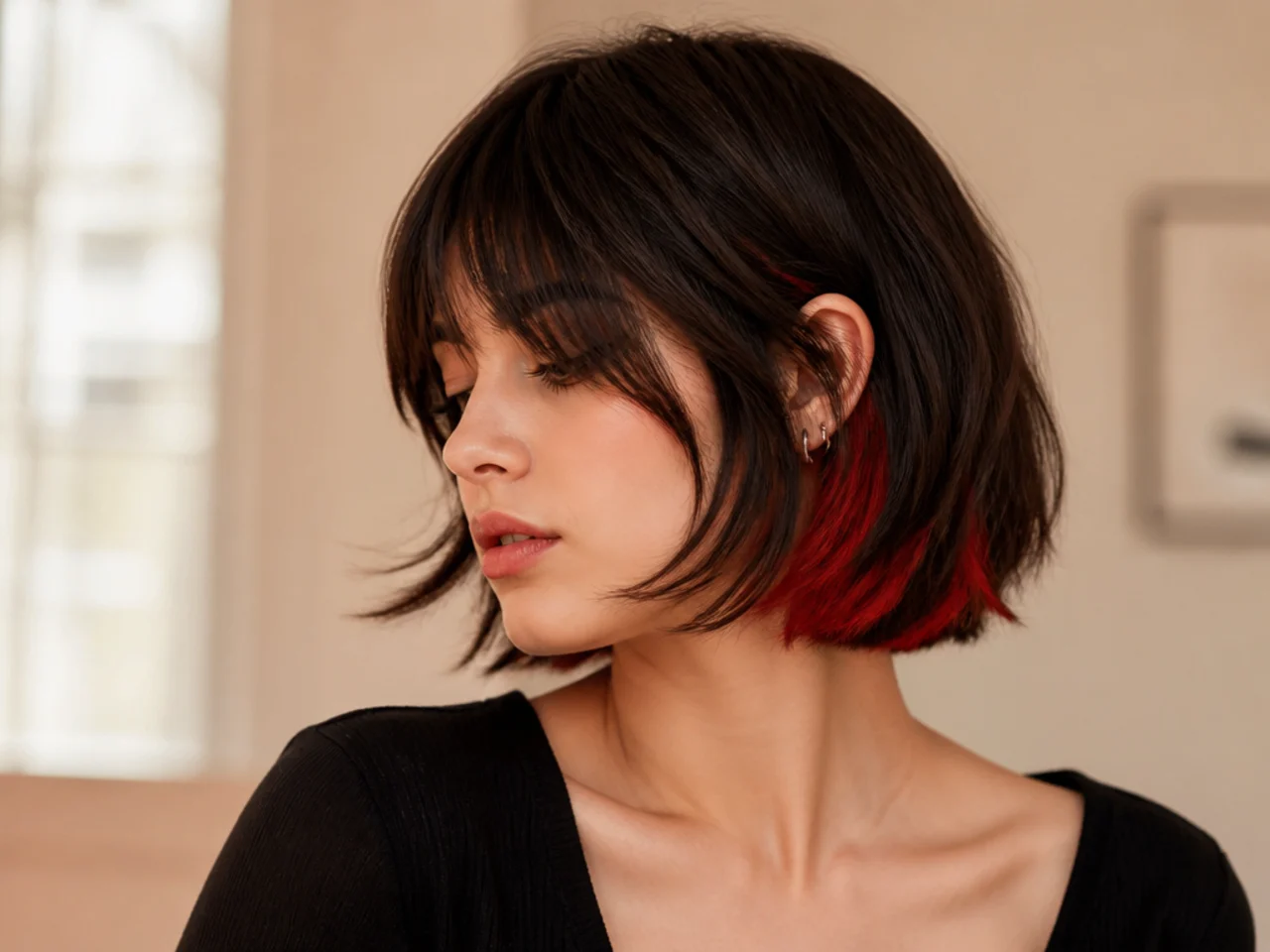
14. For a Vivid Red
Underlights win. Red fades toward copper rather than toward a dull grey, so a large coloured section stays acceptable much further into the fade than a cooler shade would. That tolerance is what makes a whole layer of red survivable between refreshes.
15. For a First Try
Peekaboo wins. It is the smaller commitment in every direction — fewer slices, less lift, and a top layer that covers the result while you decide. An underlight section cannot be hidden while you change your mind about it.
16. For Work or School Days
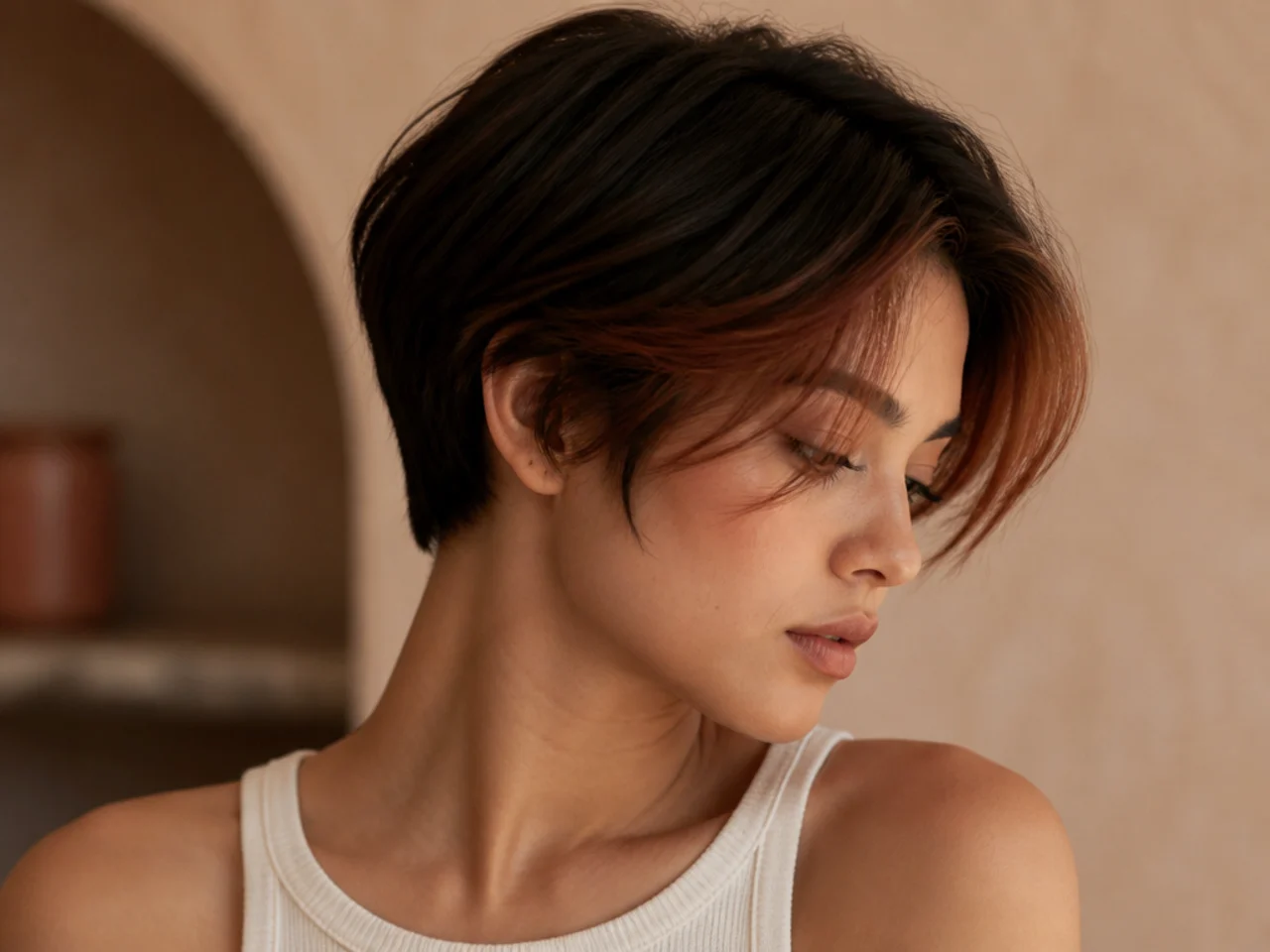
Peekaboo wins. The panel sits under the top layer, so a smooth down style or a low bun covers it entirely. Underlights are exposed by exactly the tied back styles a dress code tends to ask for, which is the worst possible timing.
17. For Grow Out
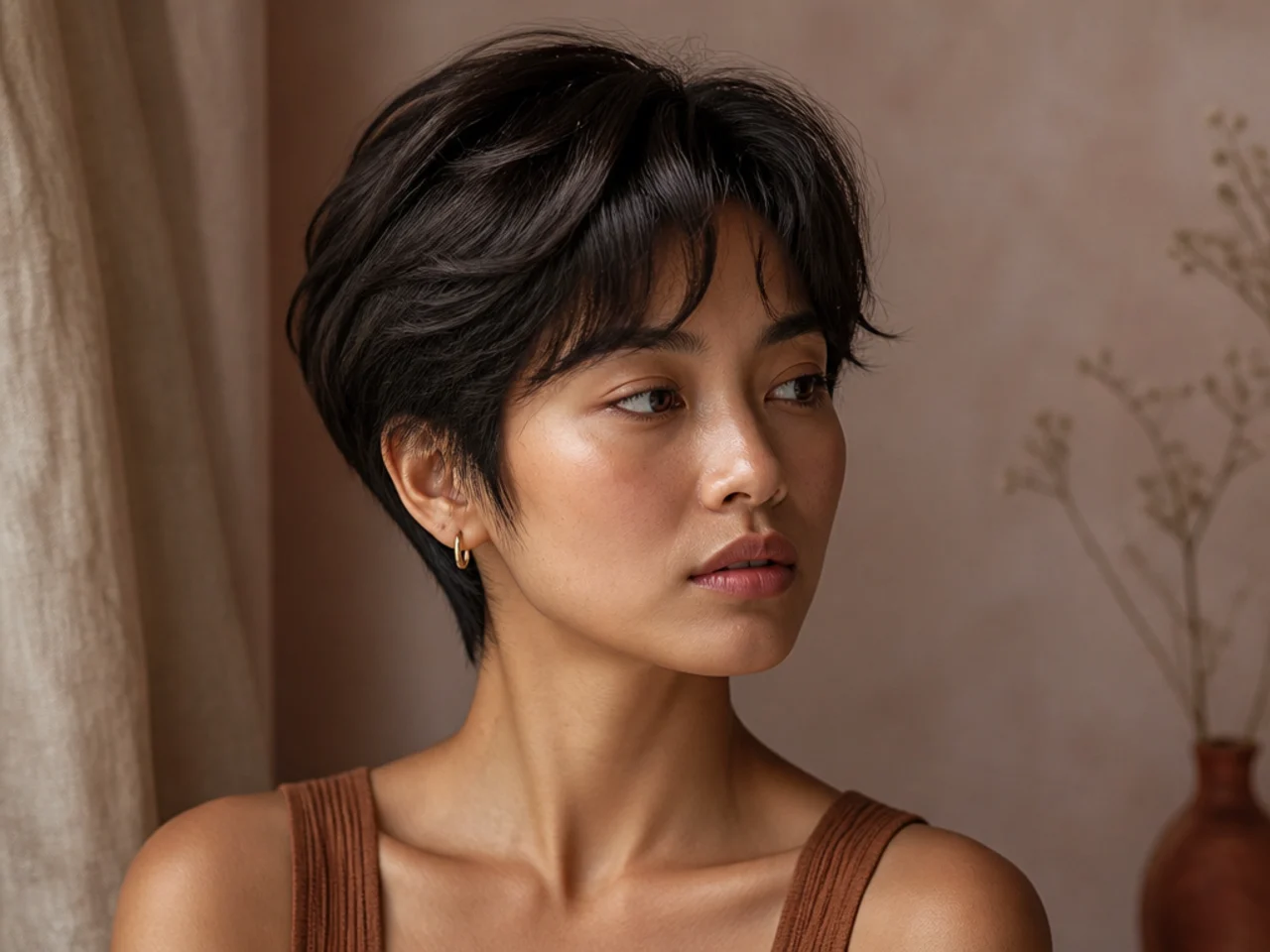
Peekaboo wins. Its roots stay under the lid, so regrowth goes unseen for months. On short hair the nape is trimmed at nearly every appointment, so an underlight section loses coloured length each time and needs redoing before the panel ever does.
18. For Fading and Upkeep
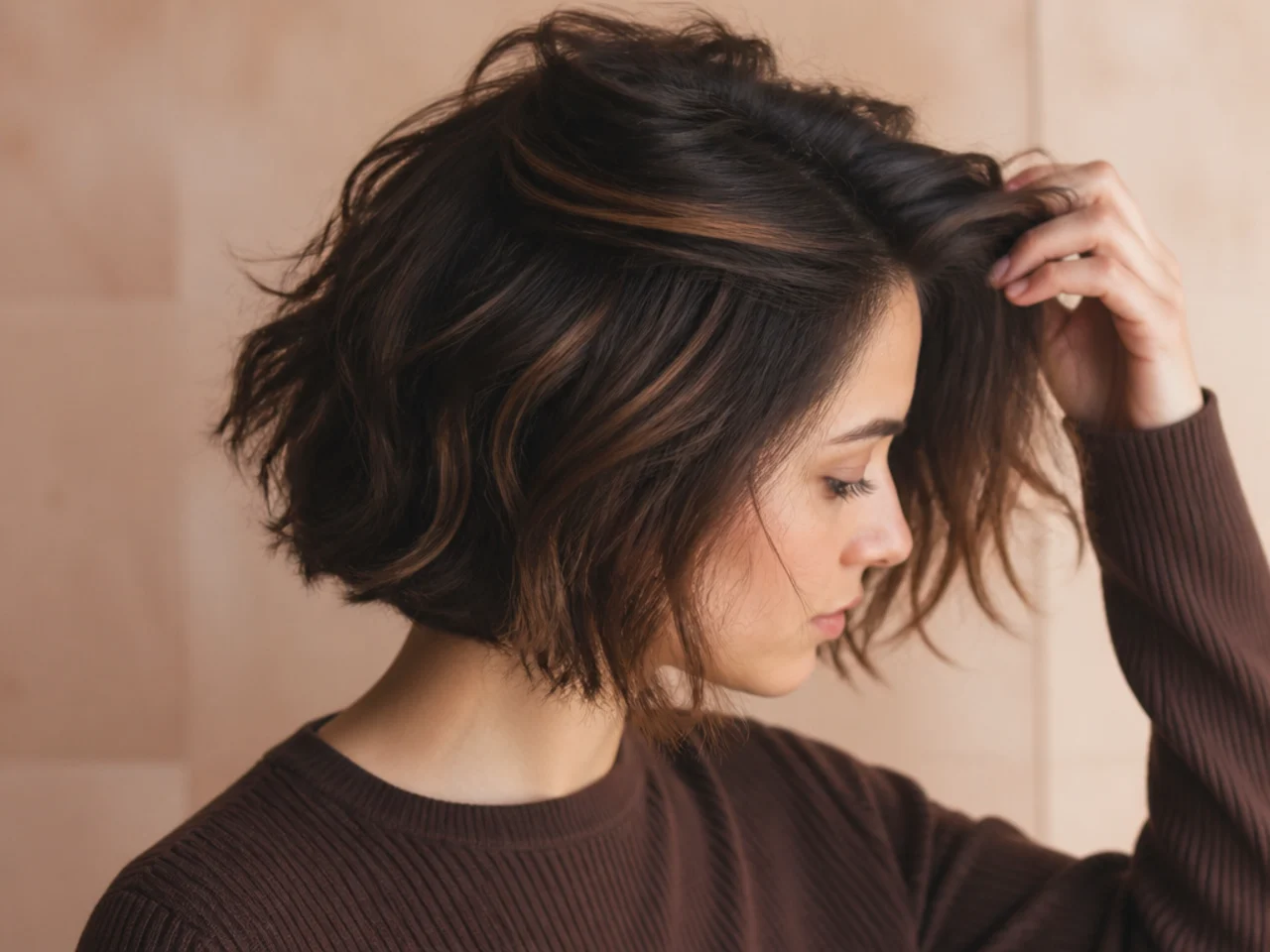
Underlights win. A continuous horizontal section is easy to find again and refresh at home in a mirror, because its edges are the section line. A peekaboo has to be located precisely, and putting the colour back a centimetre off widens the panel every single time.
19. For Damage Risk
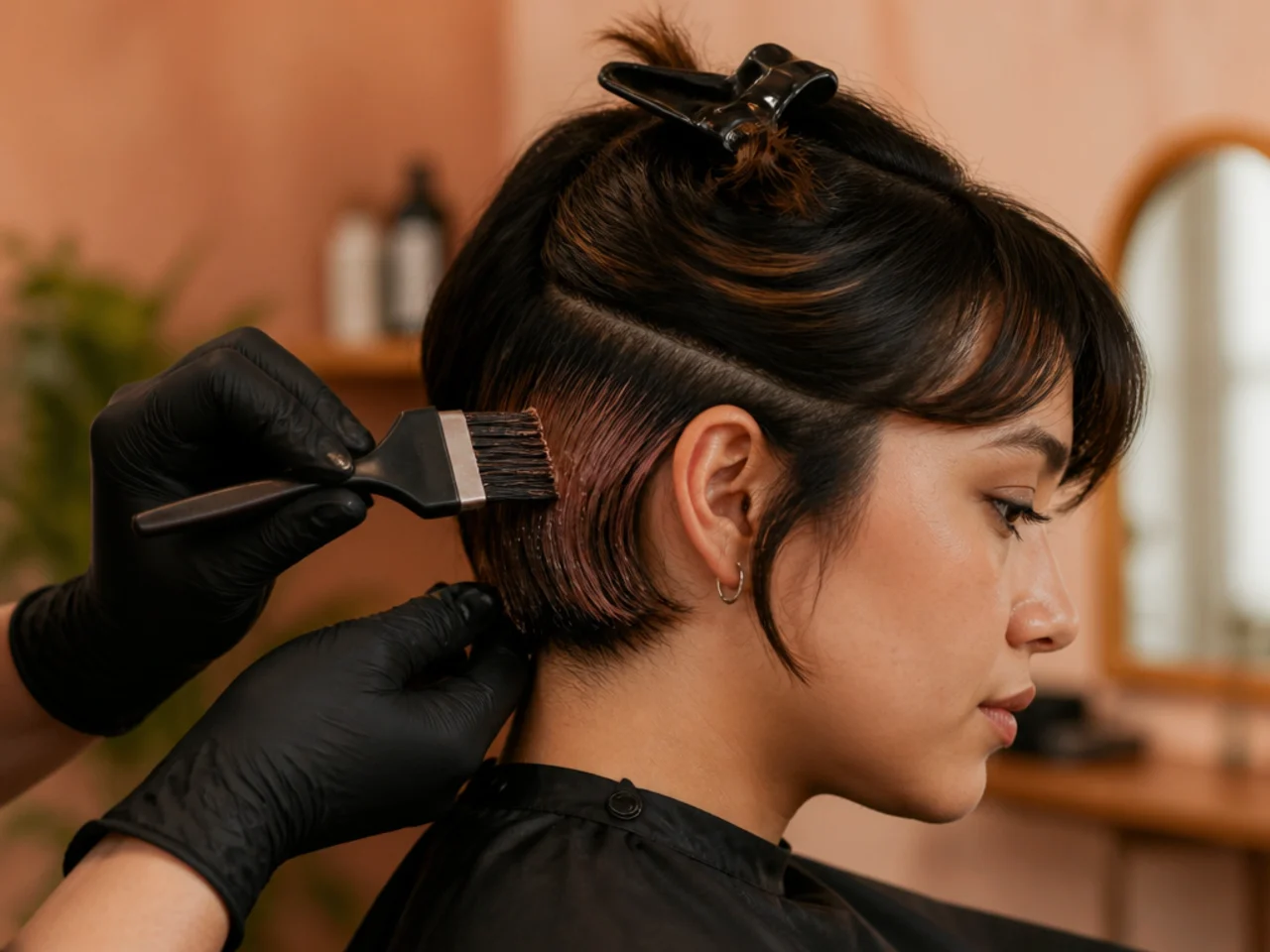
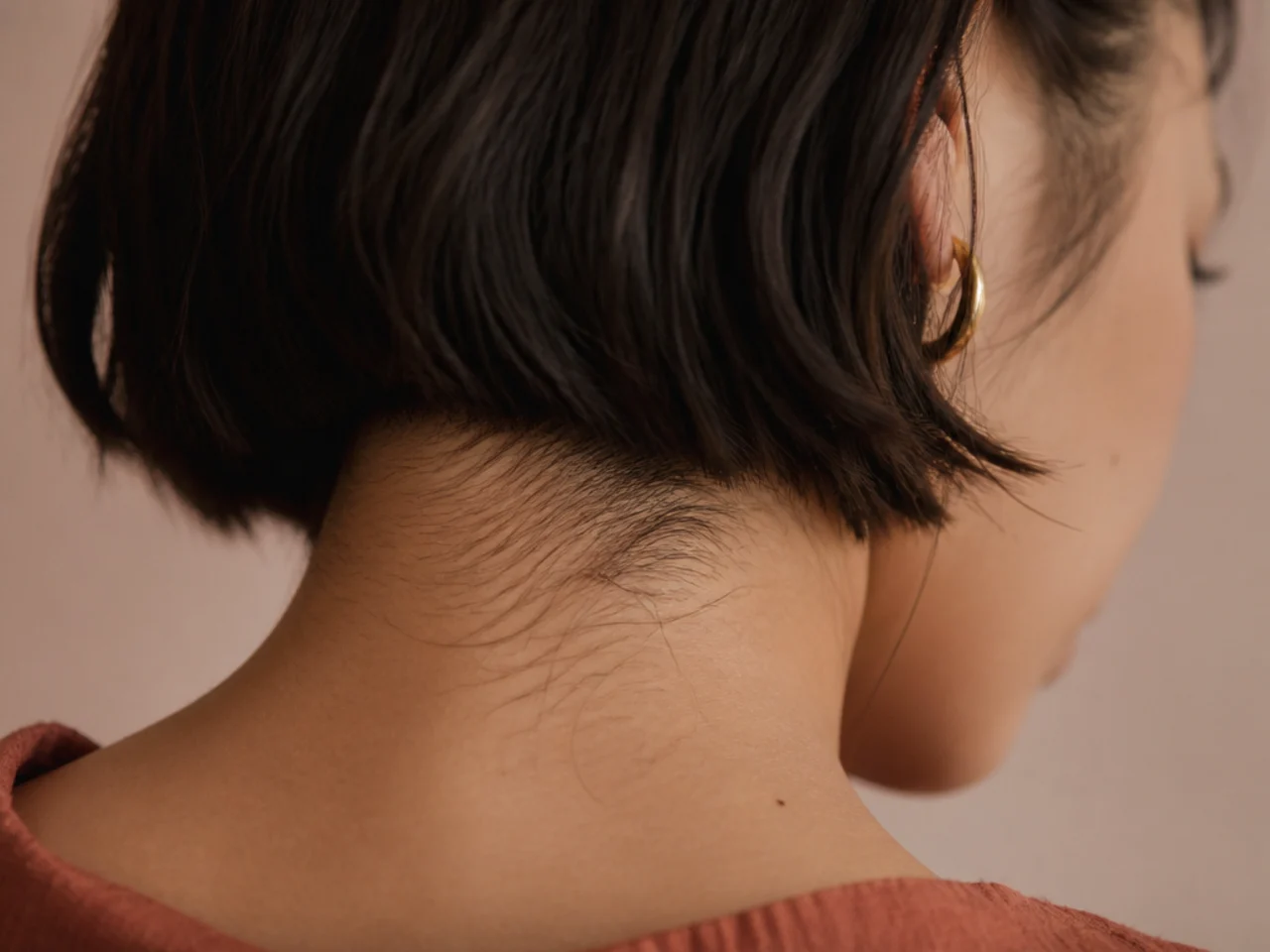
Peekaboo wins. The hairs at the nape and the lower hairline are the finest on the head, and underlights lift exactly those, so breakage there shows up as short broken pieces along the neckline. A panel taken higher sits in stronger hair.
20. For Cost and Chair Time
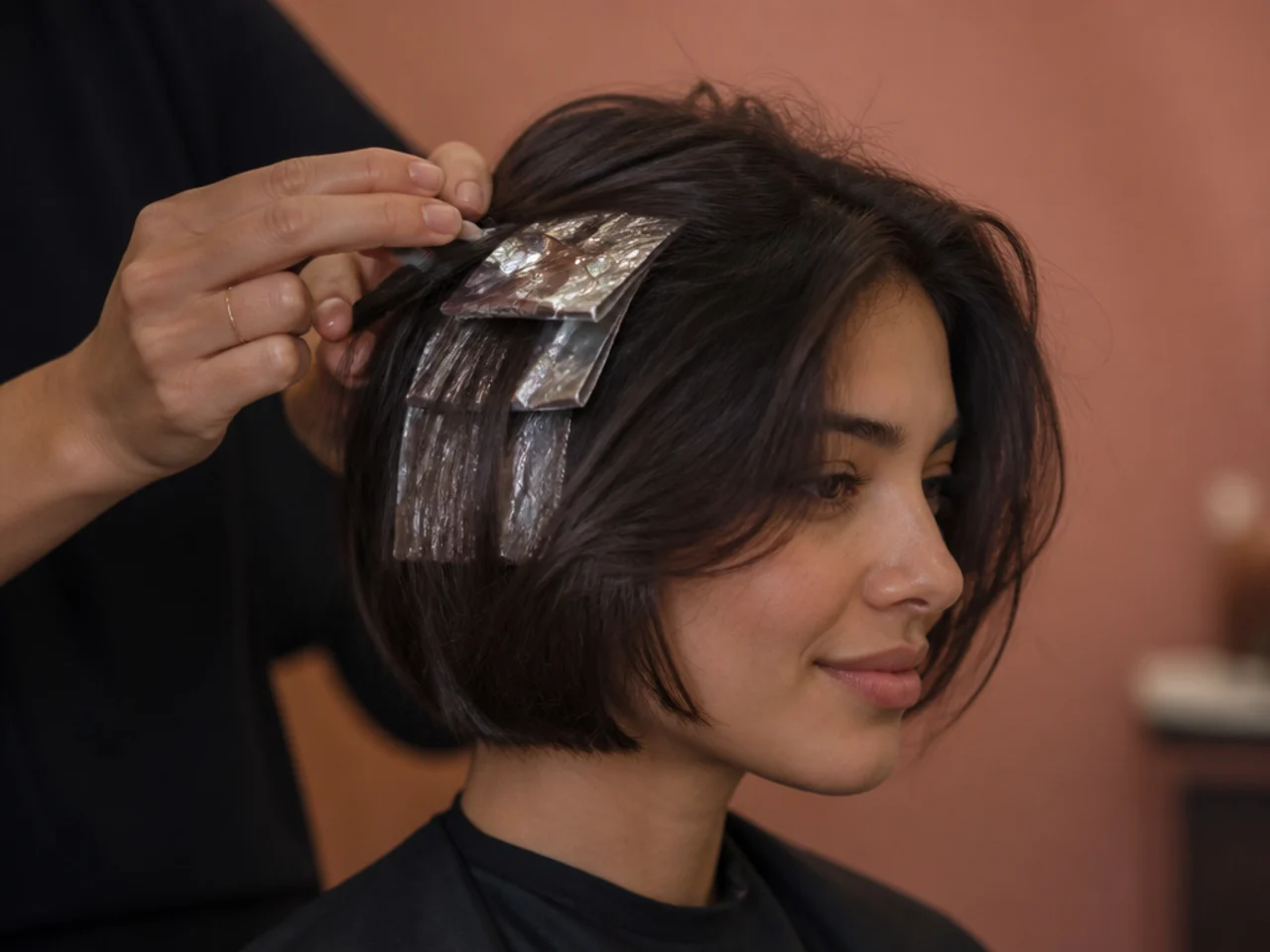
Peekaboo wins. Two or three foils lift and rinse far faster than an entire under section, and the toning afterwards covers a fraction of the area. Underlights are a full section service every time they are refreshed, not a touch up.
Styling and Upkeep
Wash cool and wash less. Direct dye sits in the cuticle rather than under it, and heat opens the cuticle. Every hot wash sends pigment down the drain.
Keep the lifted hair away from the hottest iron passes. Pre lightened hair is already porous, and repeated high heat on the same slice is where breakage starts.
Refresh with a pigmented conditioner between appointments. It re deposits colour without re lifting, which is the only maintenance that does not cost condition.
Photograph the placement while it is fresh. Once the colour fades the position is invisible, and the next appointment needs to find the same slices.
Tone the base, not just the colour. Under a faded vivid is bleached hair, and its underlying warmth is what turns a refresh muddy. Tone first, then deposit.
Mistakes to Avoid
Placing a peekaboo above the occipital bone on a bob. Above that line there is no top layer left to cover it, so the panel is permanently on show.
Asking for underlights and expecting them to hide. They are placed to be seen. Nothing about the technique conceals anything, so the disappointment is in the brief rather than the work.
Lifting the nape at the same timing as the rest. Hairline hairs are finer and process faster, so they are already over lifted when the section behind them is ready.
Choosing a pastel for a large section. Dilute pigment fades unevenly, and across a wide area that unevenness reads as patchiness within a few washes.
Booking the colour before the cut. Placement is measured against the finished shape, so colouring first lets the cut remove the panel or expose it completely.
FAQ
Which one actually hides? Peekaboo. It sits under a top layer, and underlights have nothing above them.
Which suits a pixie? Underlights. A pixie has no layer long enough to cover a panel.
Which needs refreshing sooner? Underlights, because a fade you see every day runs out of grace first.
Final Thoughts
The choice is not between two shades, it is between hidden and visible. Ask for a peekaboo when you want the colour to appear on your terms, and for underlights when you want it there all the time.
For where the panel should sit on a bob see peekaboo placement on short hair, and for the full range of shades see peekaboo hair colours. More in Hair Color Trends.