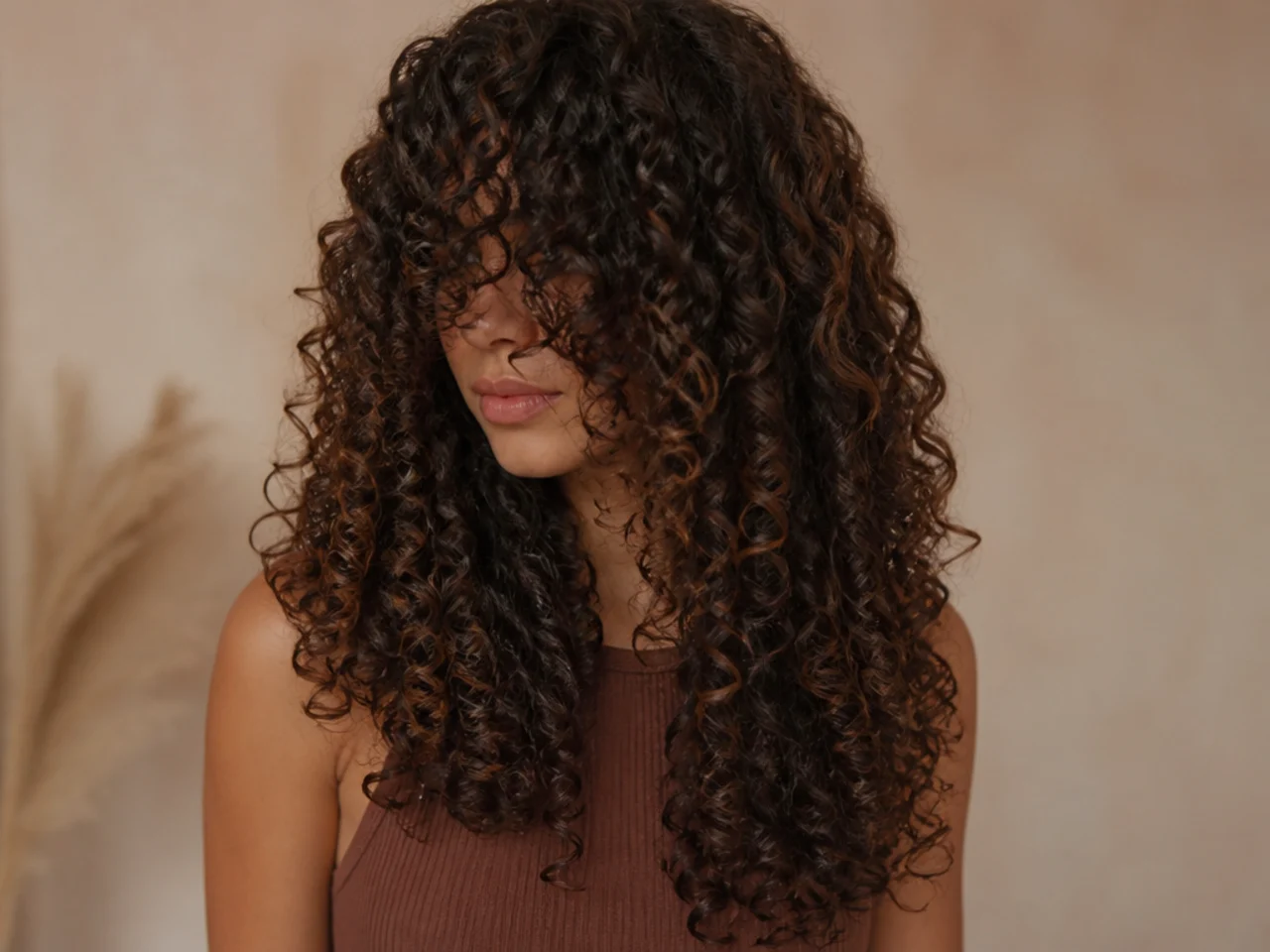
15 Things I Learned Dyeing Peekaboo Curly Hair
Fifteen things that only become obvious after you have bleached a hidden panel into curly hair, starting with the one that catches everybody — a curl does not fall in a straight line, so a straight section line disappears the moment the hair dries.
In this article · 22
- What a Peekaboo Actually Is
- Choosing Where the Panel Sits
- The 15 Things I Learned
- 1. Curls Hide More Than Straight Hair
- 2. Section It Dry Not Wet
- 3. Follow the Curl Not a Straight Line
- 4. Bleach Hits Porous Ends First
- 5. Go Wider Than You Think
- 6. Two Sessions Beat One Long One
- 7. Bond Builder Is Not Optional
- 8. Vivids Fade Unevenly on Curls
- 9. The Panel Only Shows in Movement
- 10. The Underneath Gets Less Light
- 11. Bleach Loosens the Curl Pattern
- 12. Cold Rinses Buy You Weeks
- 13. Regrowth Is Almost Invisible Here
- 14. Refresh With a Color Conditioner
- 15. Test the Placement Before Bleaching
- Styling and Upkeep
- Mistakes to Avoid
- FAQ
- Final Thoughts
The first peekaboo I bleached into curly hair came out as scattered bright pieces rather than a panel, because I sectioned it wet and in a straight line.
A curl does not hang where you part it. Wet hair sits in whatever section you comb it into, then dries back into its own clumps and takes your neat parting apart with it.
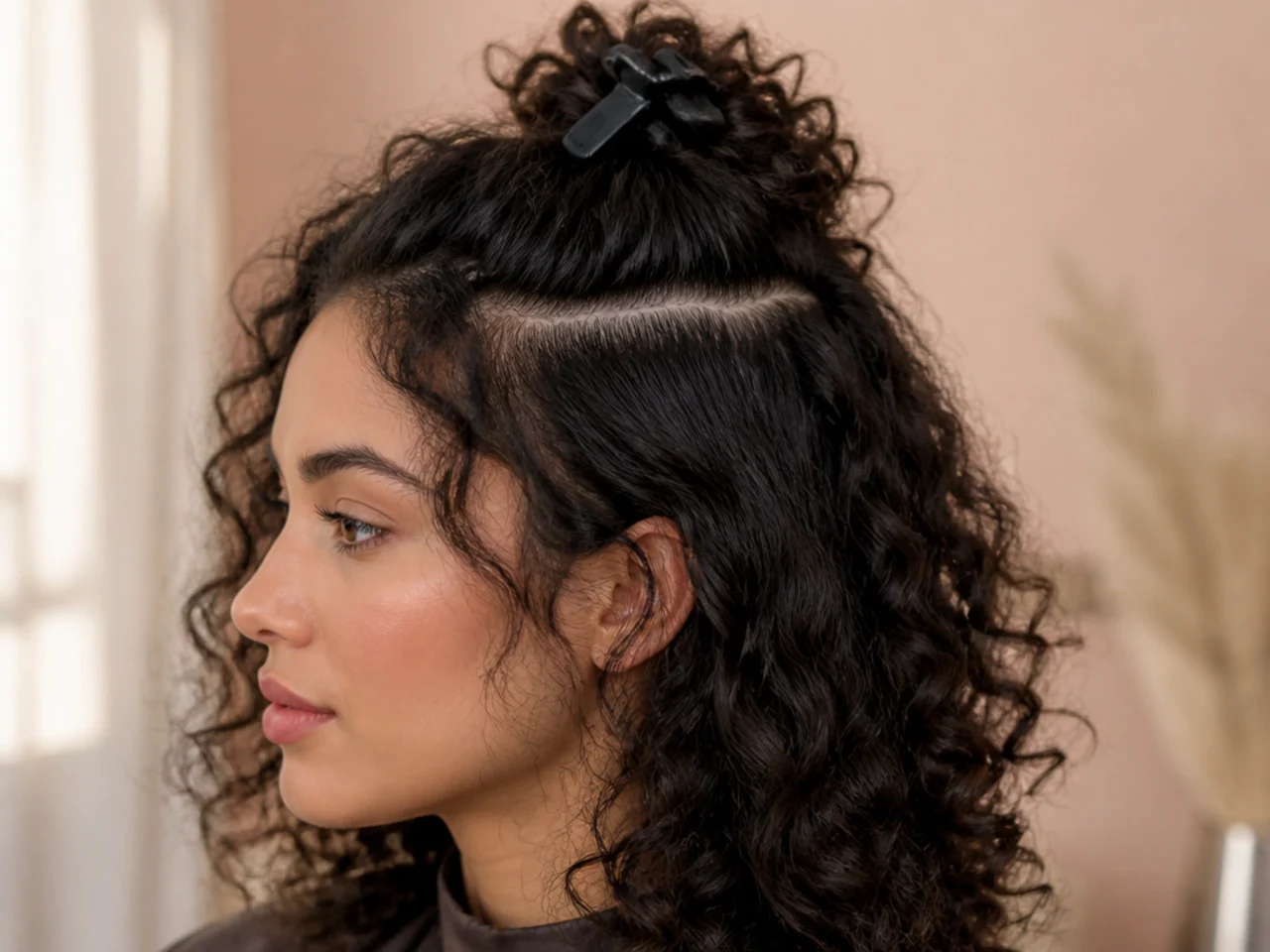
Section dry, along the clumps the hair already makes. That is the single change that turns a peekaboo on curly hair from a scatter into a panel.
What a Peekaboo Actually Is
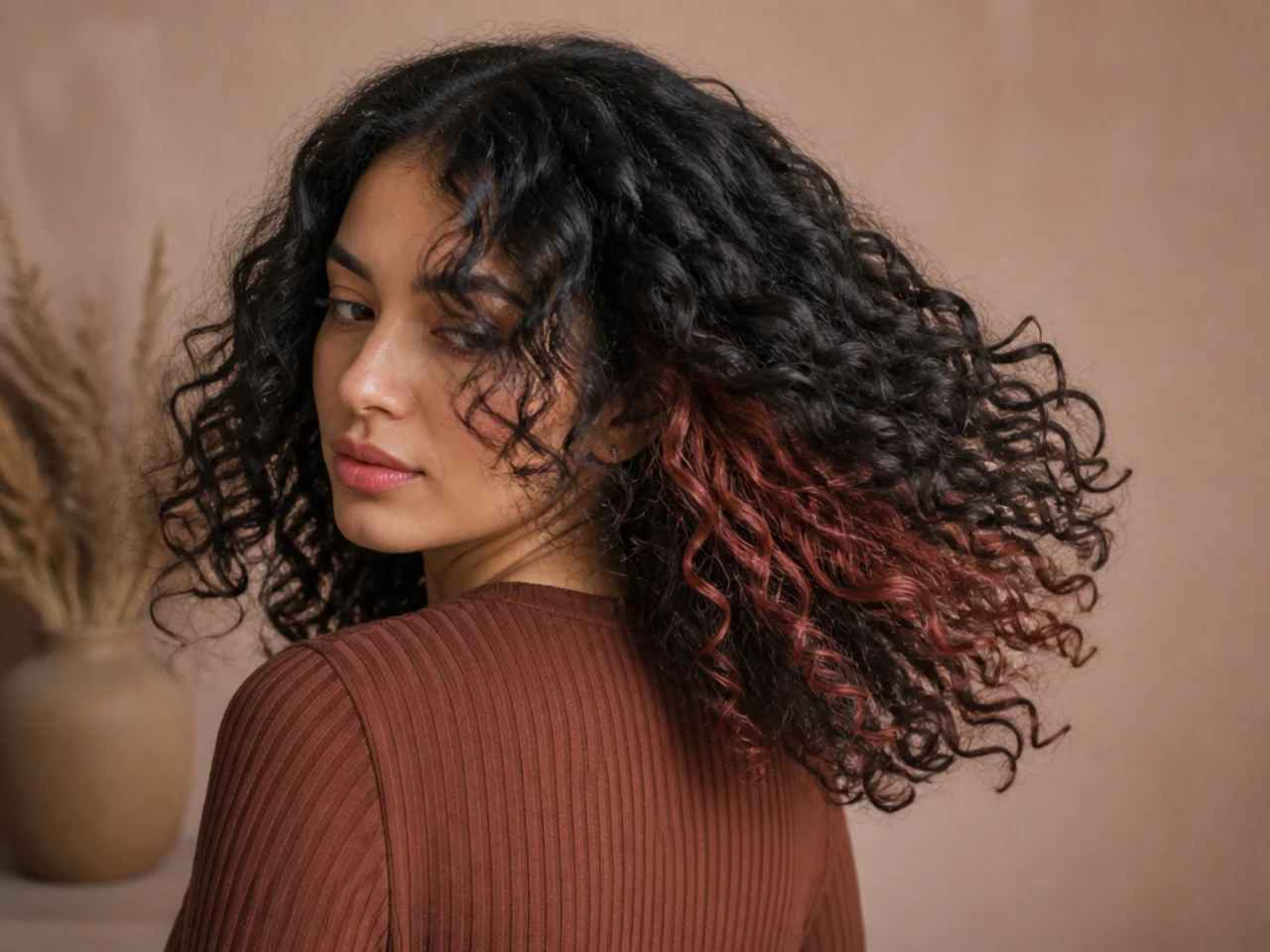
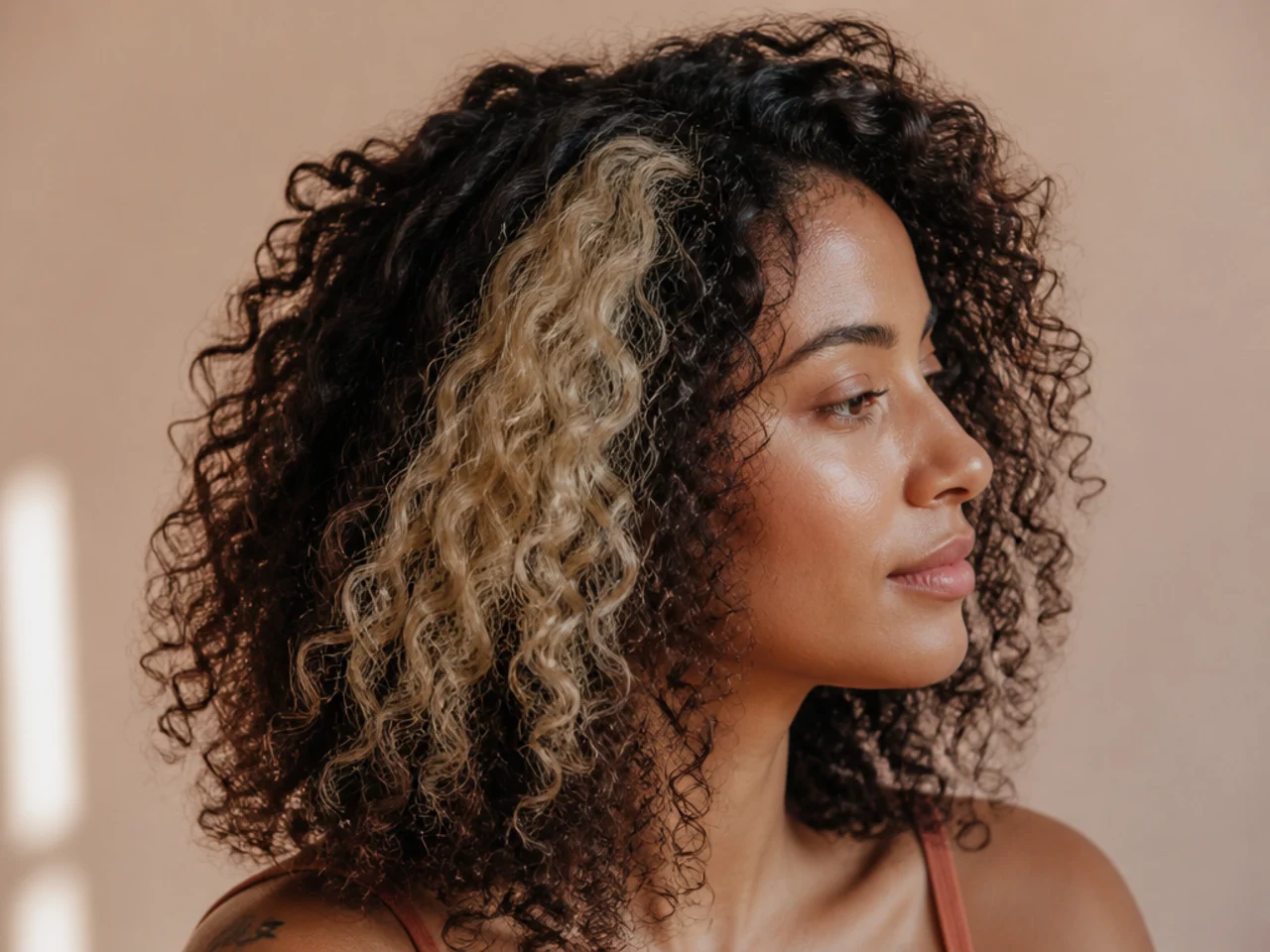
It is a placement, not a color. The panel sits under the top layer and is covered until the hair moves. Any color can be a peekaboo.
The top layer is the whole mechanism. It has to be dense enough to cover the panel completely when the hair is still, or the effect becomes a stripe.
Curly hair covers better than straight. Curls overlap in three directions instead of lying as a sheet, so the panel is hidden from more angles.
It hides the commitment as well as the color. Because the top layer is untouched, a peekaboo can be worn to places where a full head of vivid color could not.
Choosing Where the Panel Sits
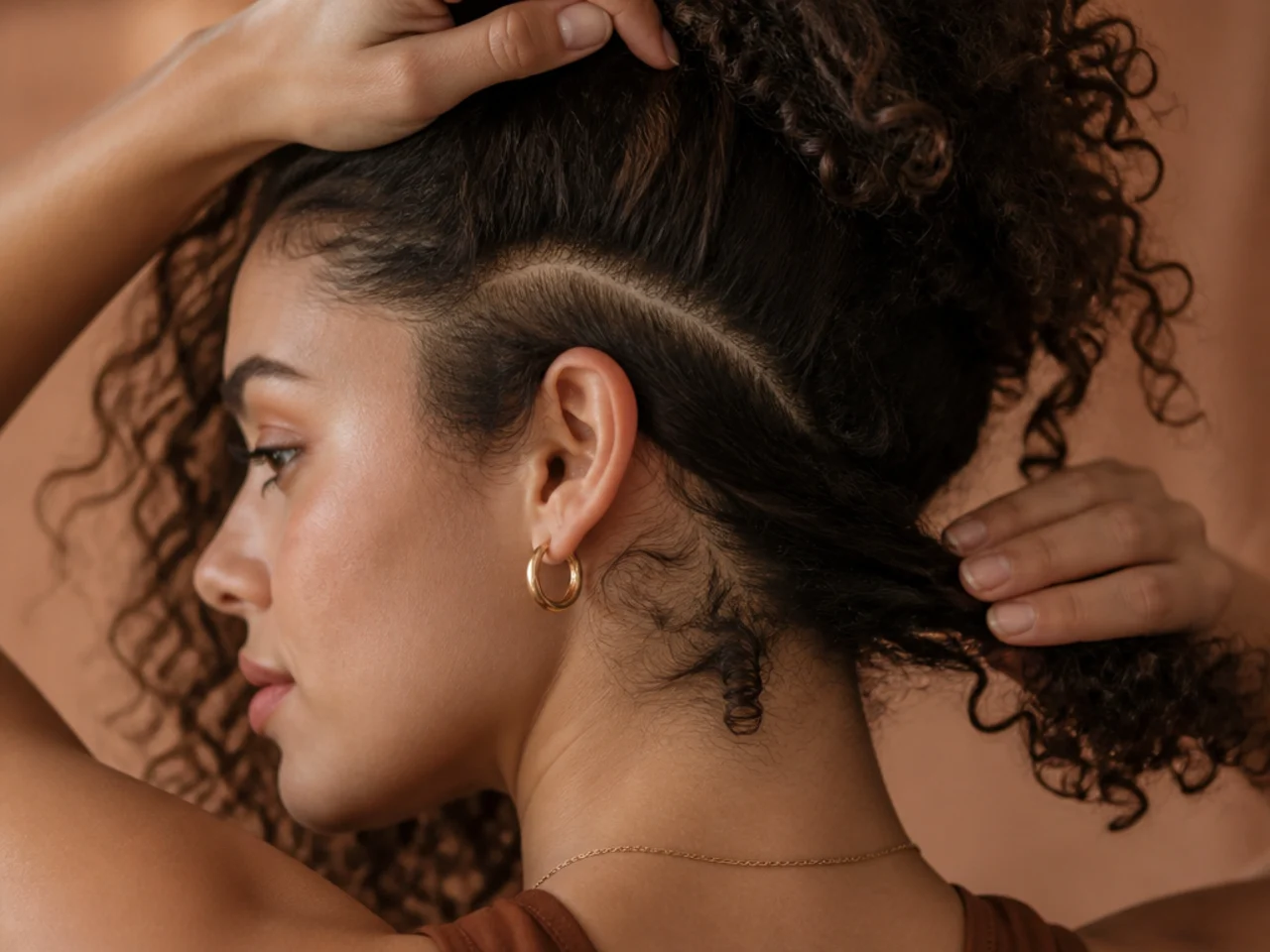
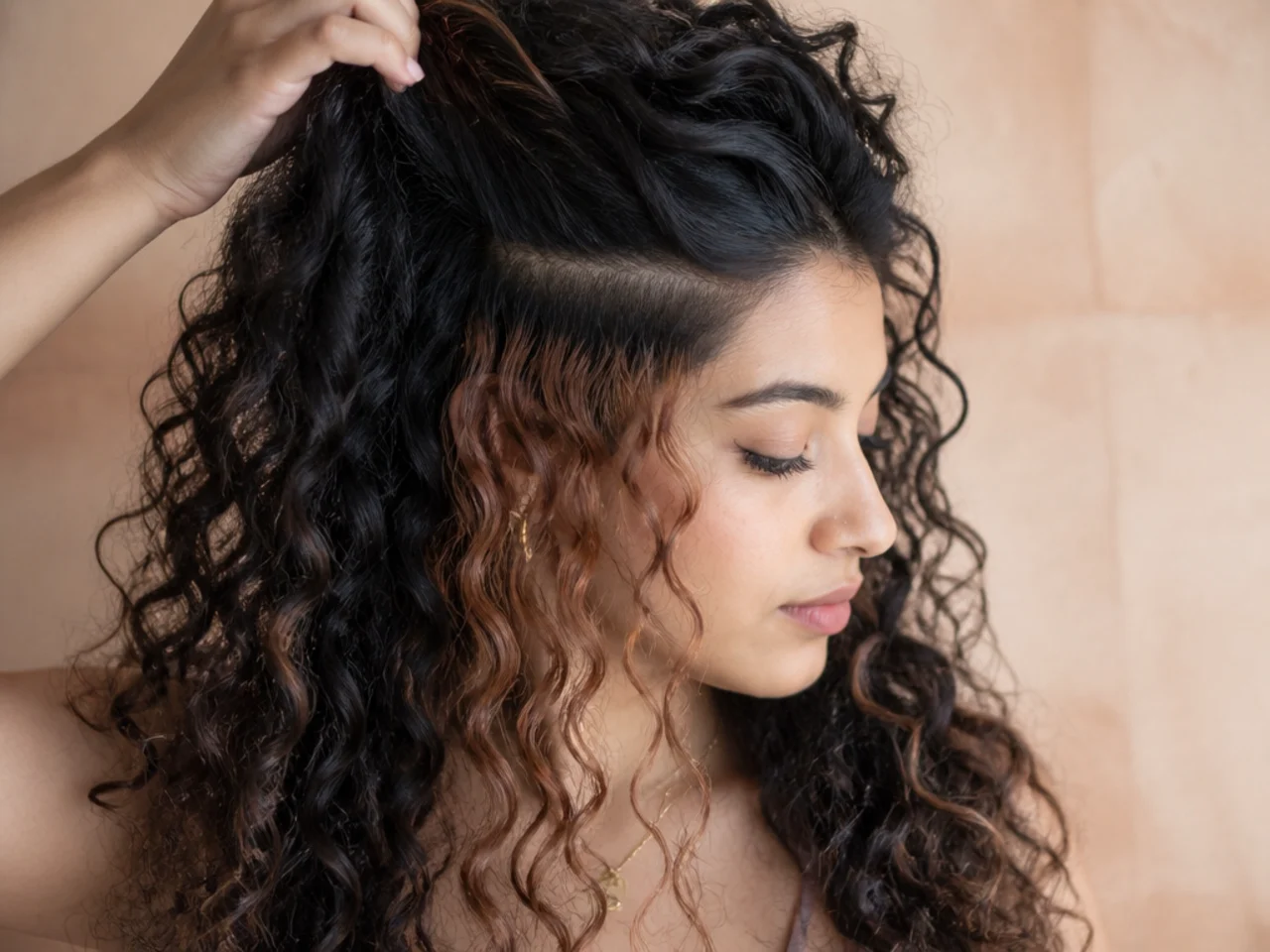
Underneath the parting is the most hidden. Directly below where the hair splits, the top layer falls over it from both sides.
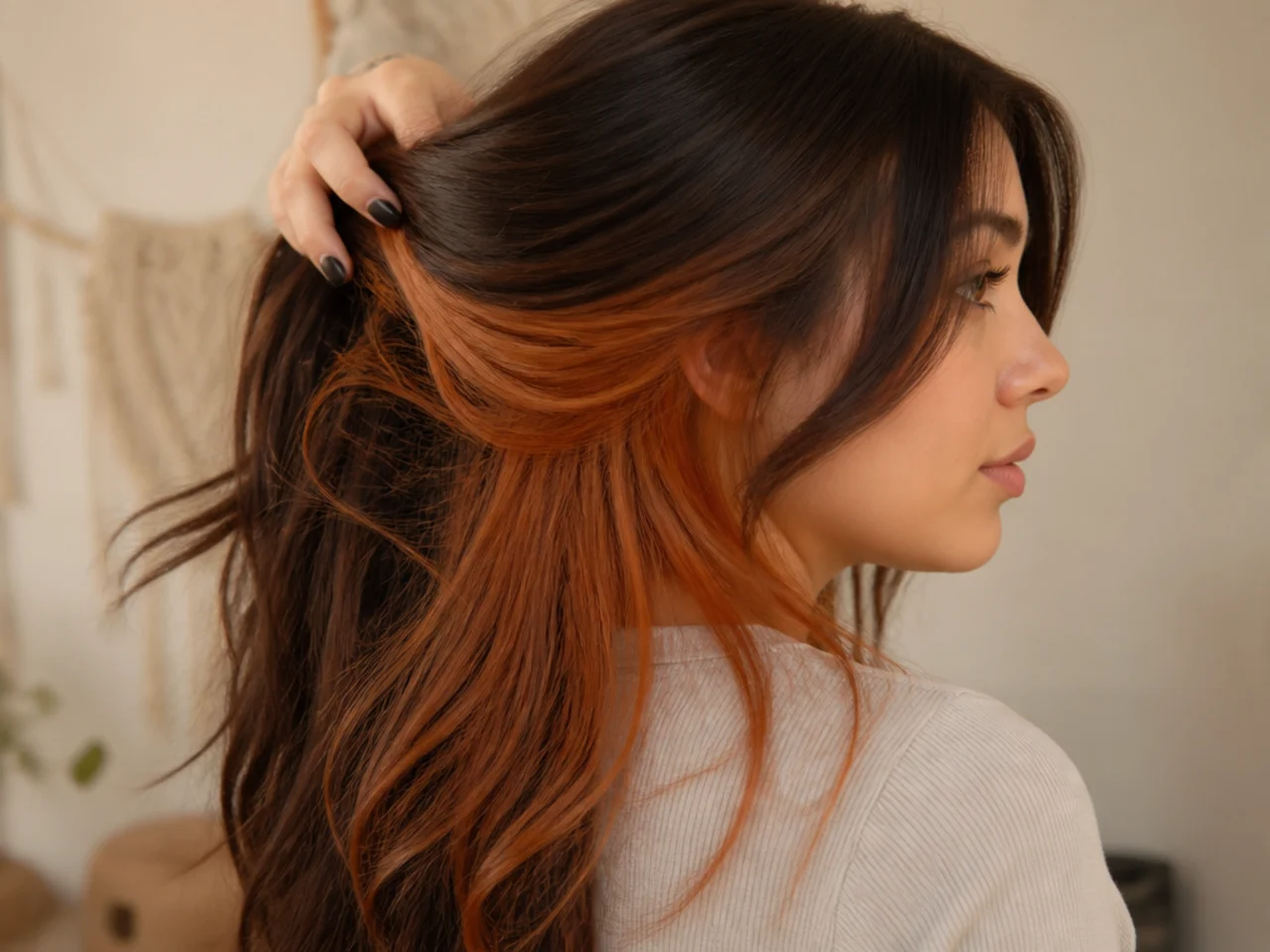
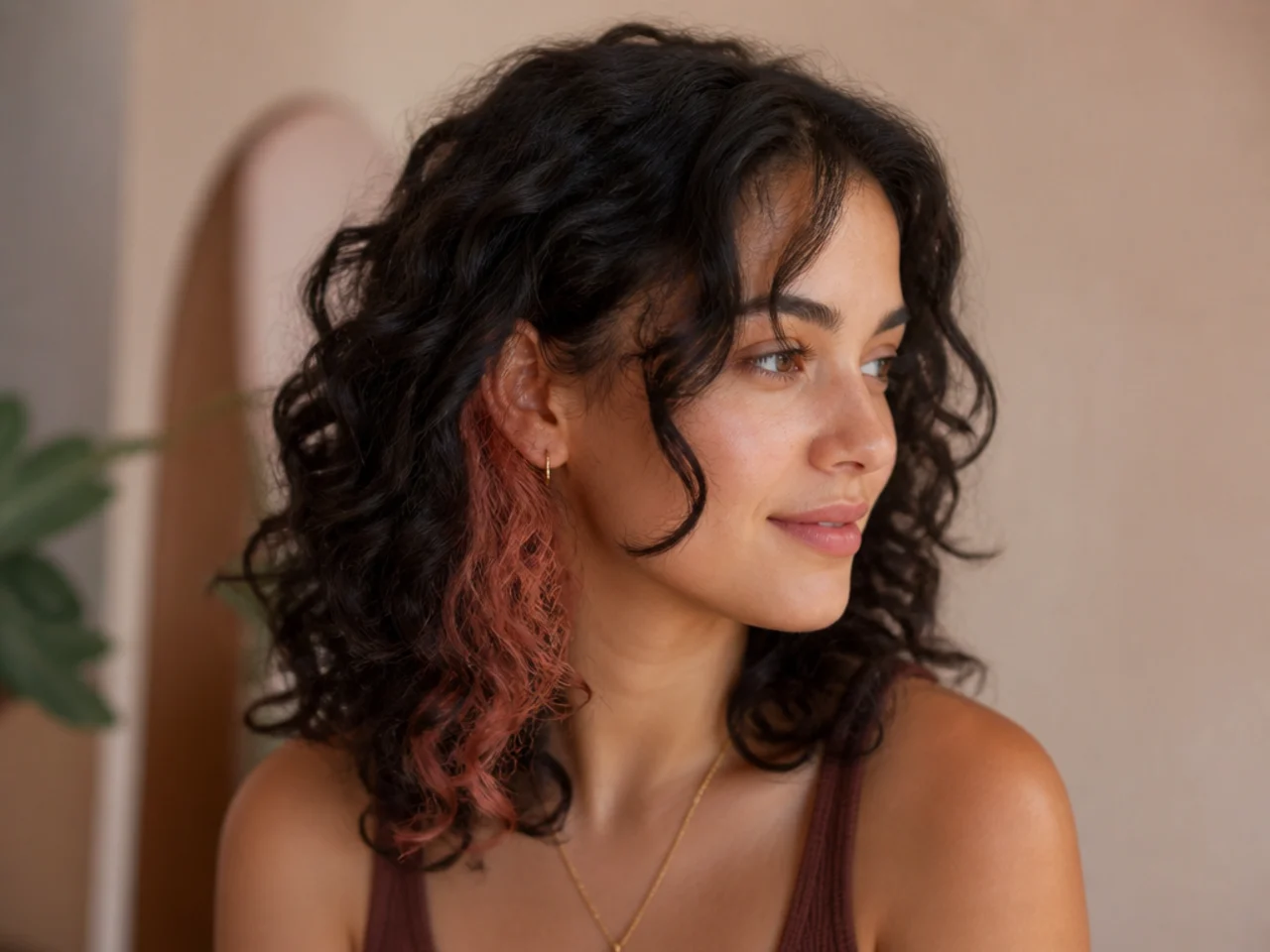
Behind the ears shows most in movement. It catches every head turn, which is where a peekaboo does its work.
The nape shows only when the hair is up. The most conservative placement, and the one that survives a workplace.
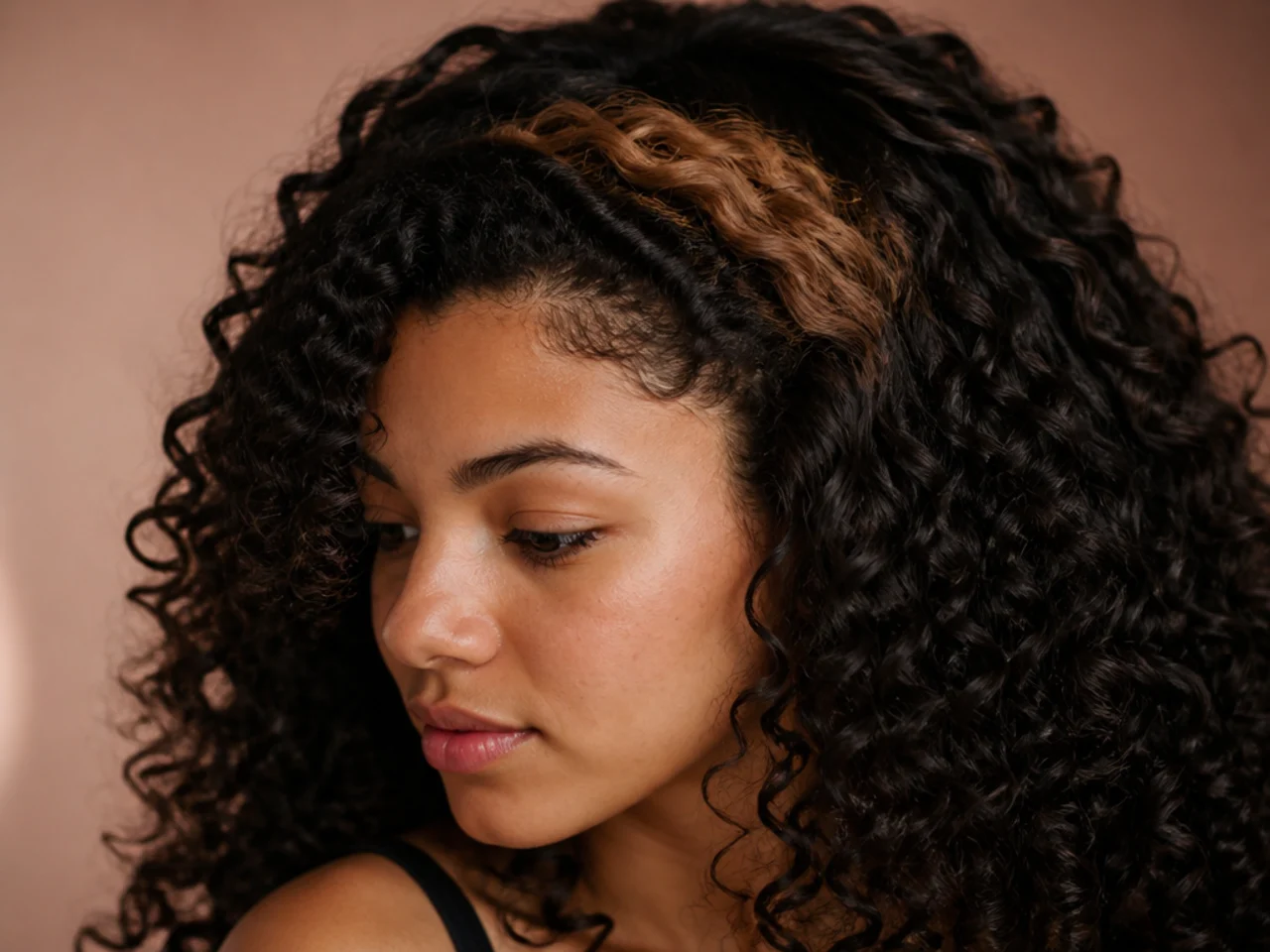
Wider is safer than higher. A wide panel low down stays covered. A narrow panel placed high starts appearing through the top layer as soon as the parting shifts.
The 15 Things I Learned
1. Curls Hide More Than Straight Hair
Curly hair overlaps itself constantly, so a panel underneath disappears from almost every angle when the head is still. Straight hair falls as a flat sheet and shows whatever the parting exposes, which is why a peekaboo on curls stays a surprise and on straight hair often reads as a highlight.
2. Section It Dry Not Wet
Every part I made on wet hair had disappeared by the time the hair dried. Wet curls hold whatever shape they are combed into, and as they dry they reform into their own clumps, dragging half the bleached hair into the section next door.
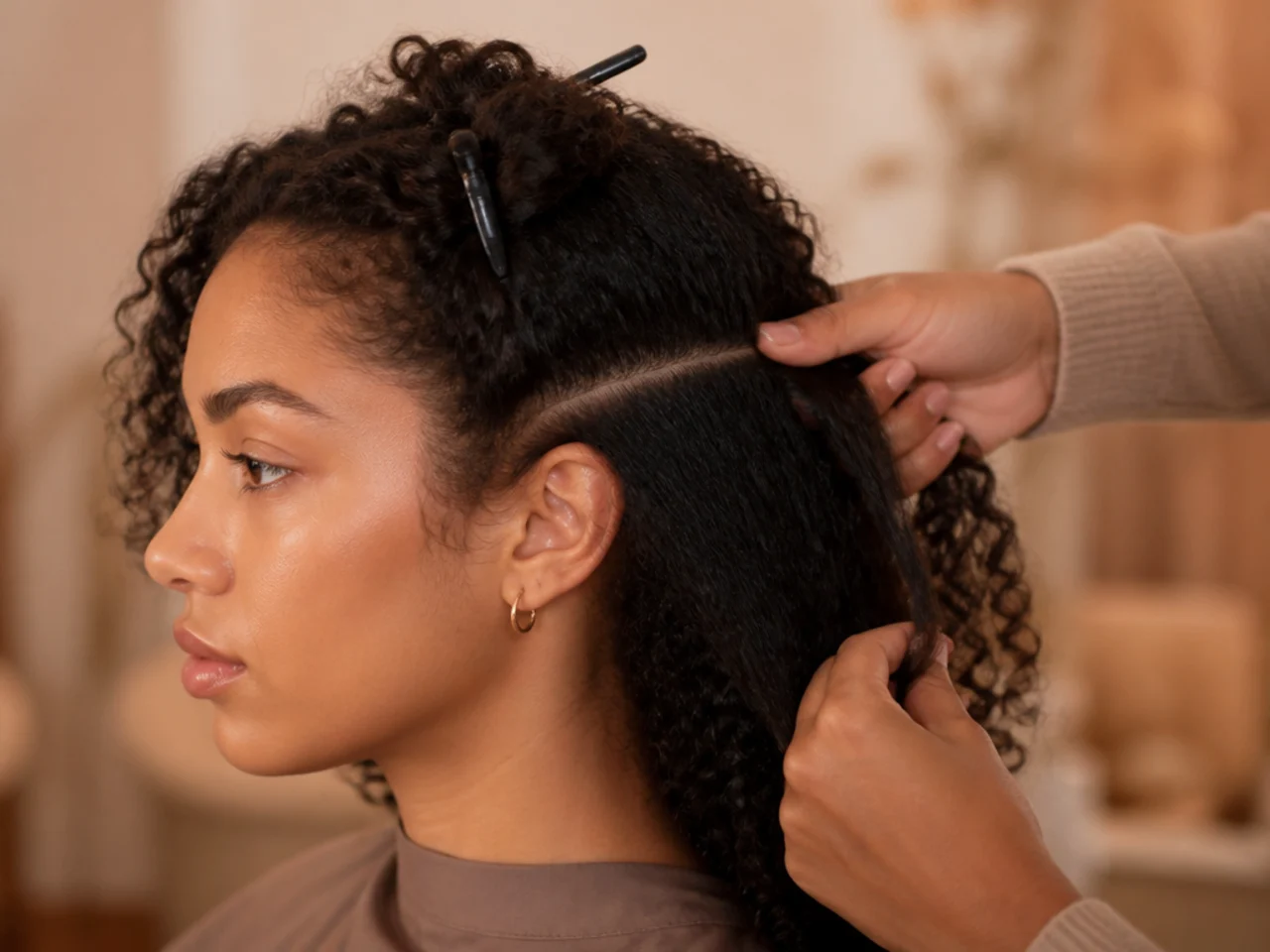
3. Follow the Curl Not a Straight Line
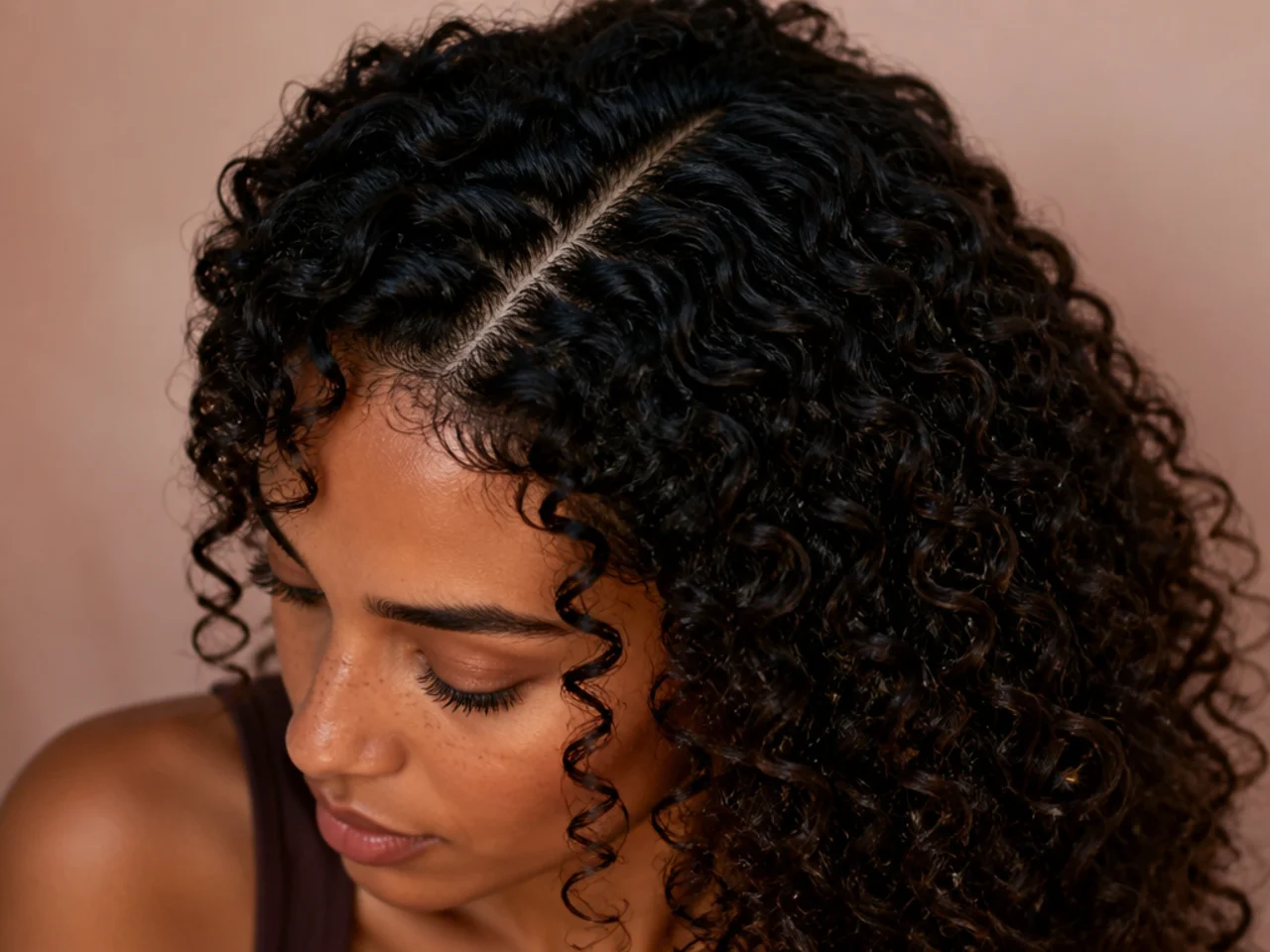
The section line should wander with the curl groupings rather than cutting across them. A straight horizontal line slices individual clumps in half, so each one ends up part bleached and part natural and reads as damage rather than as color.
4. Bleach Hits Porous Ends First
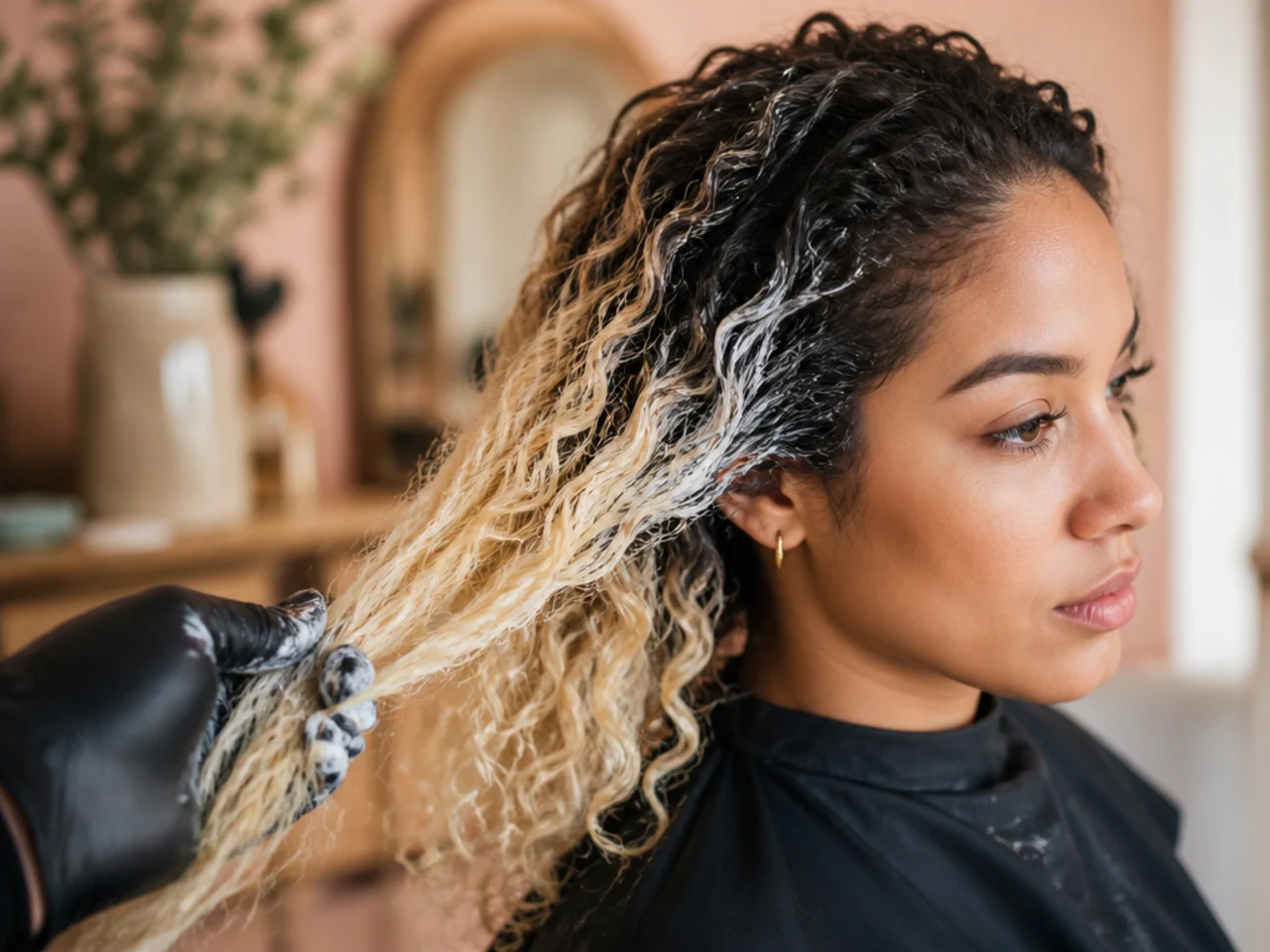
The ends lifted two levels ahead of the roots every time. Curly hair is more porous by nature because the cuticle lifts at every bend in the strand, and the ends are older and more weathered still, so bleach gets in there faster and does more.
5. Go Wider Than You Think
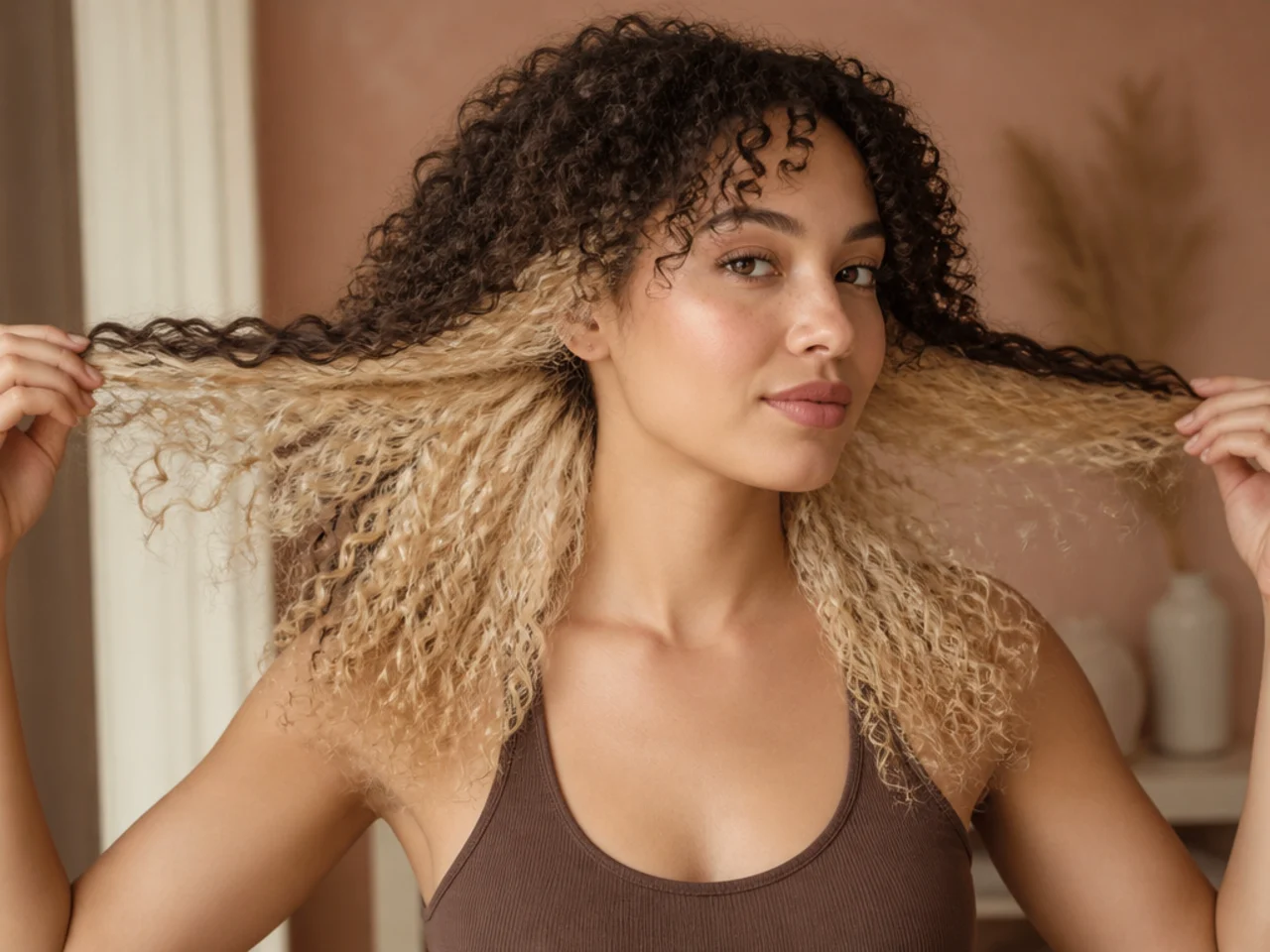
A narrow panel on curly hair vanishes entirely, because the curls above it fall in and cover it even in motion. Width is what makes a peekaboo visible when you want it to be, and it costs nothing extra in bleach or time.
6. Two Sessions Beat One Long One
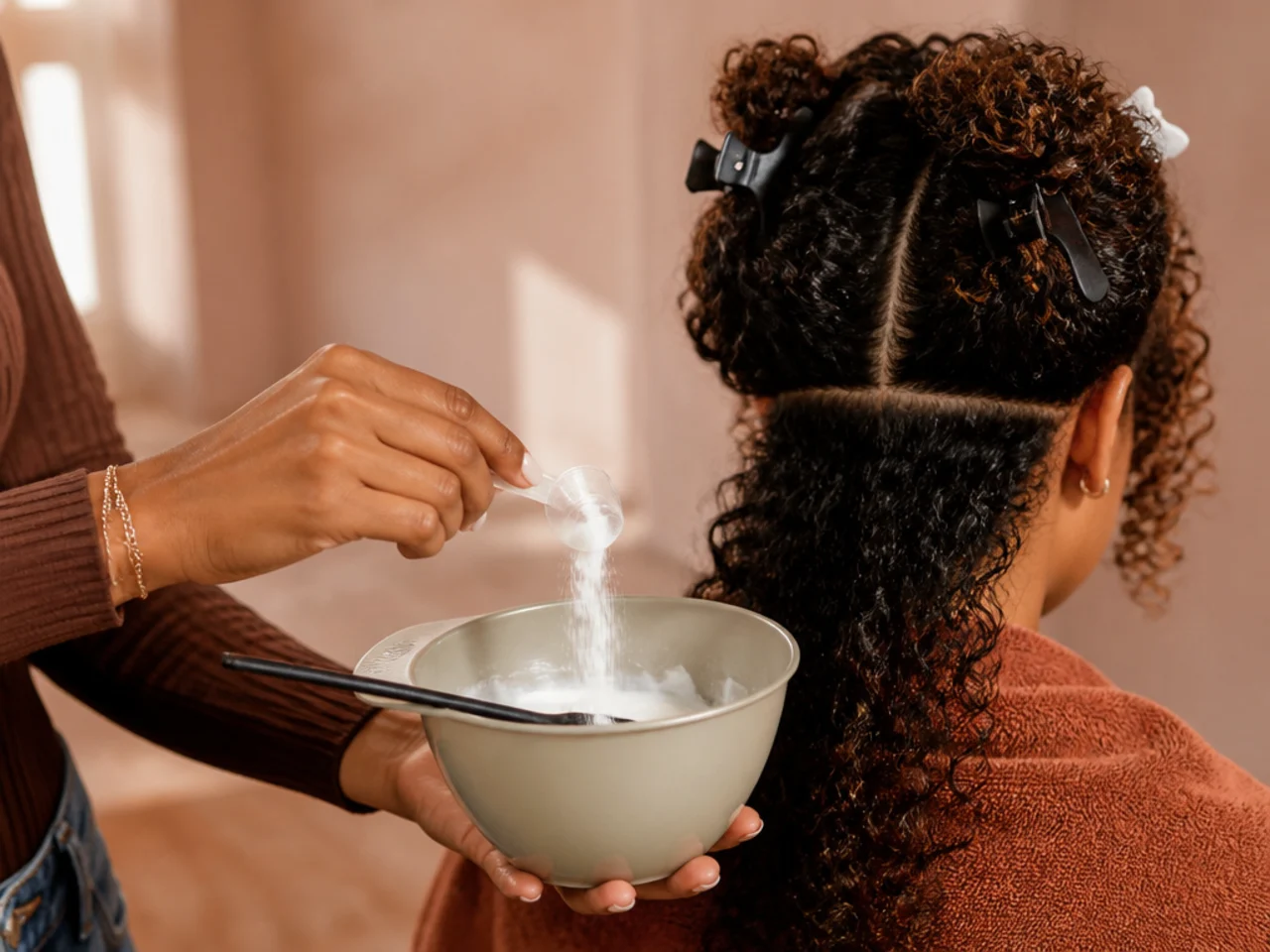
Splitting the lift across two appointments left the curl pattern noticeably more intact than pushing for the same level in one. Bleach keeps working on the protein structure long after it has finished on the pigment, and time in contact is what does the structural damage.
7. Bond Builder Is Not Optional
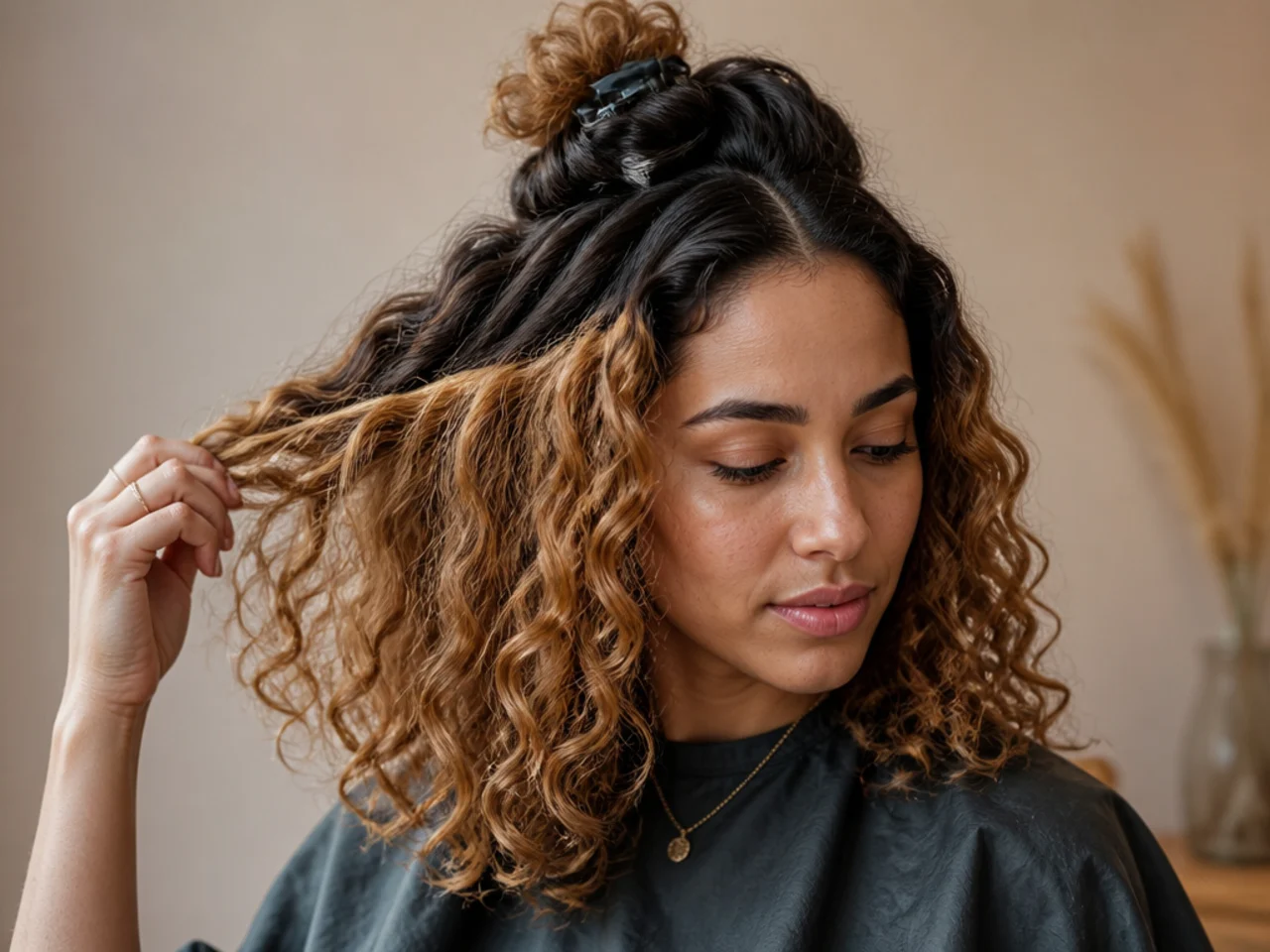
Mixed into the lightener rather than used afterwards, a bond builder is what keeps a curl pattern recognisable at high lift. It works during the process, not after it, so adding it to the post-color conditioner is not the same thing at all.
8. Vivids Fade Unevenly on Curls
Direct dyes sit on the surface of the strand rather than inside it, and a curl exposes more surface at every bend. That is why the outside of each coil fades first and the color starts looking patchy before it looks faded.
9. The Panel Only Shows in Movement
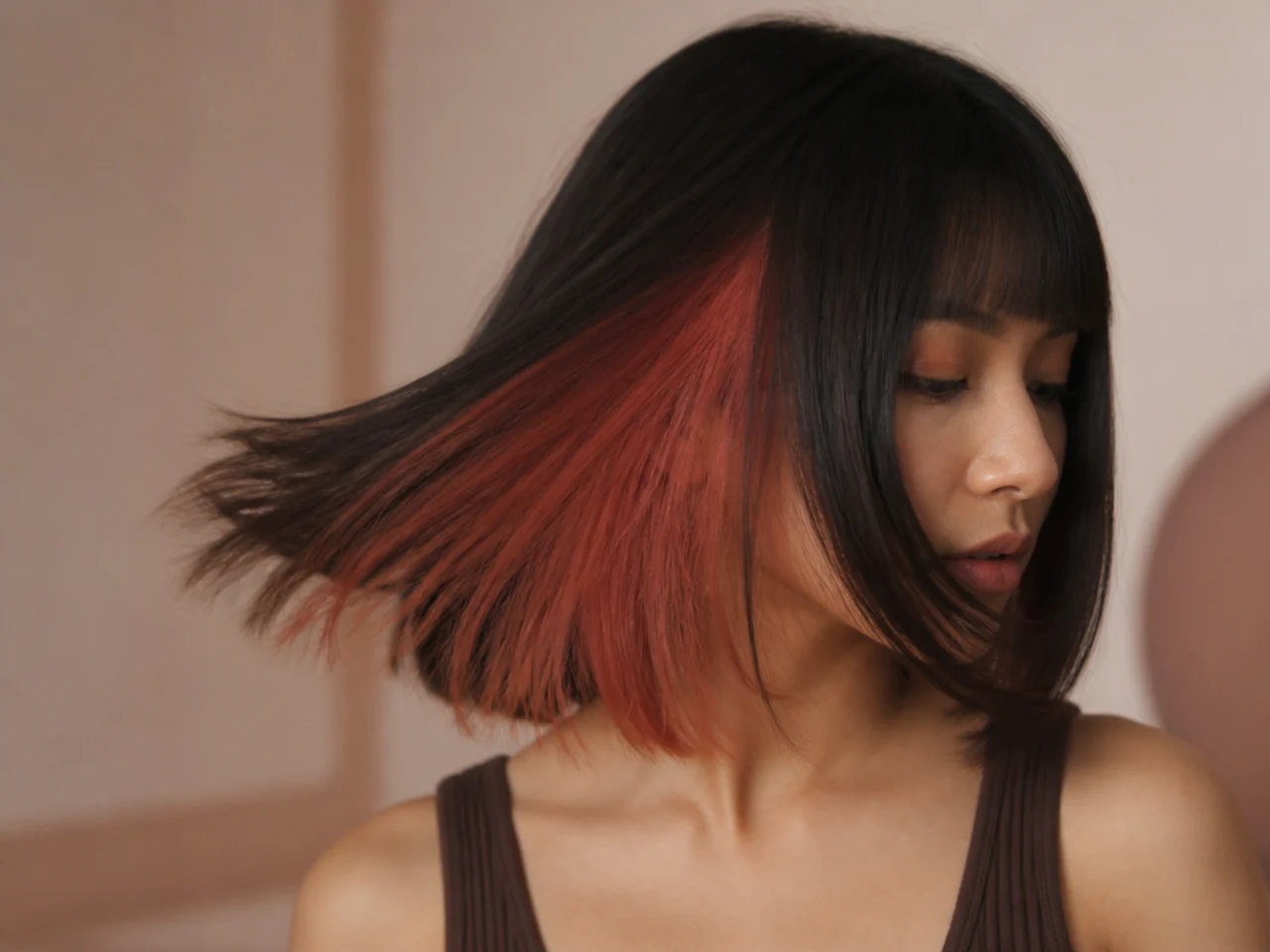
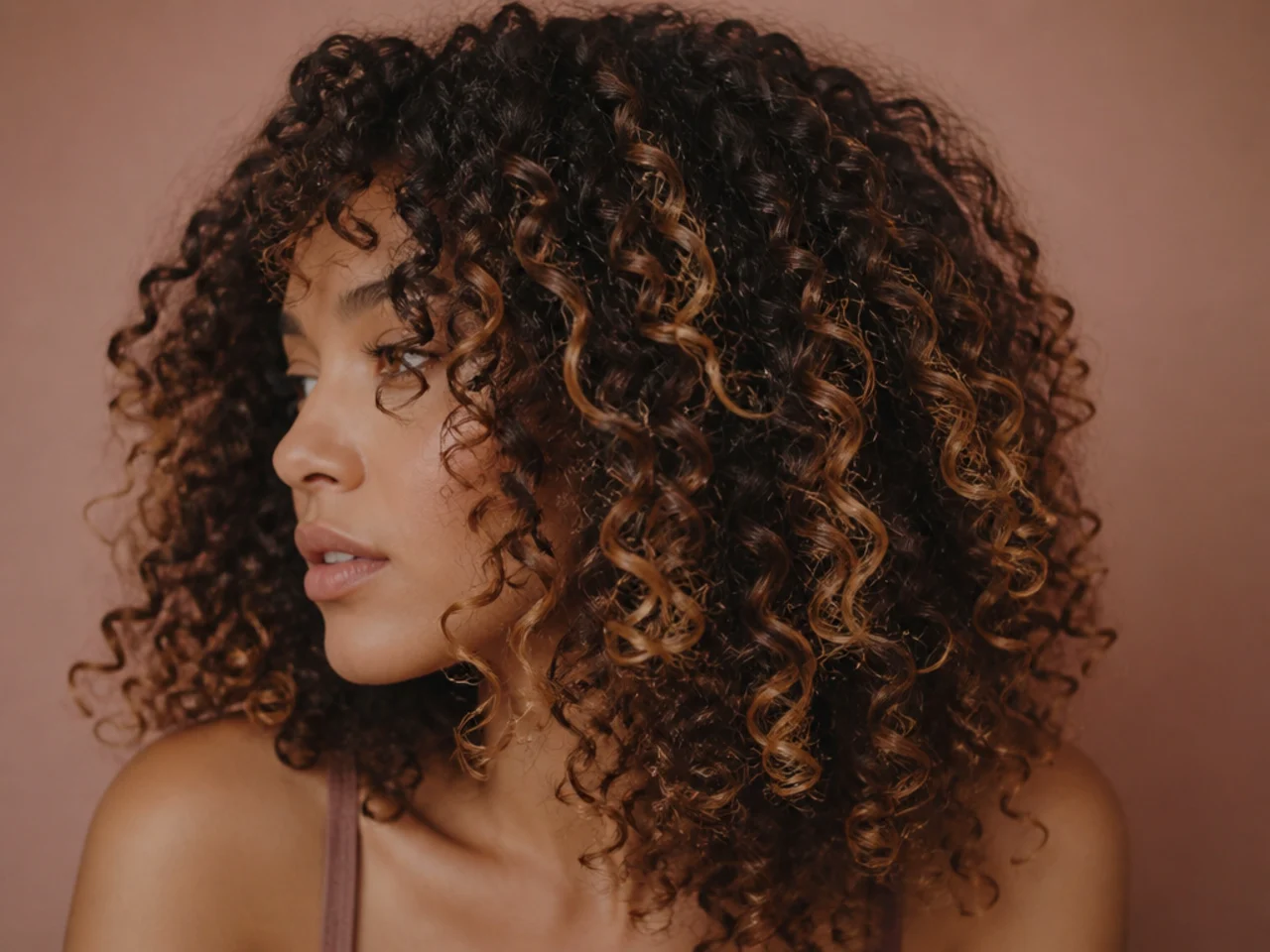
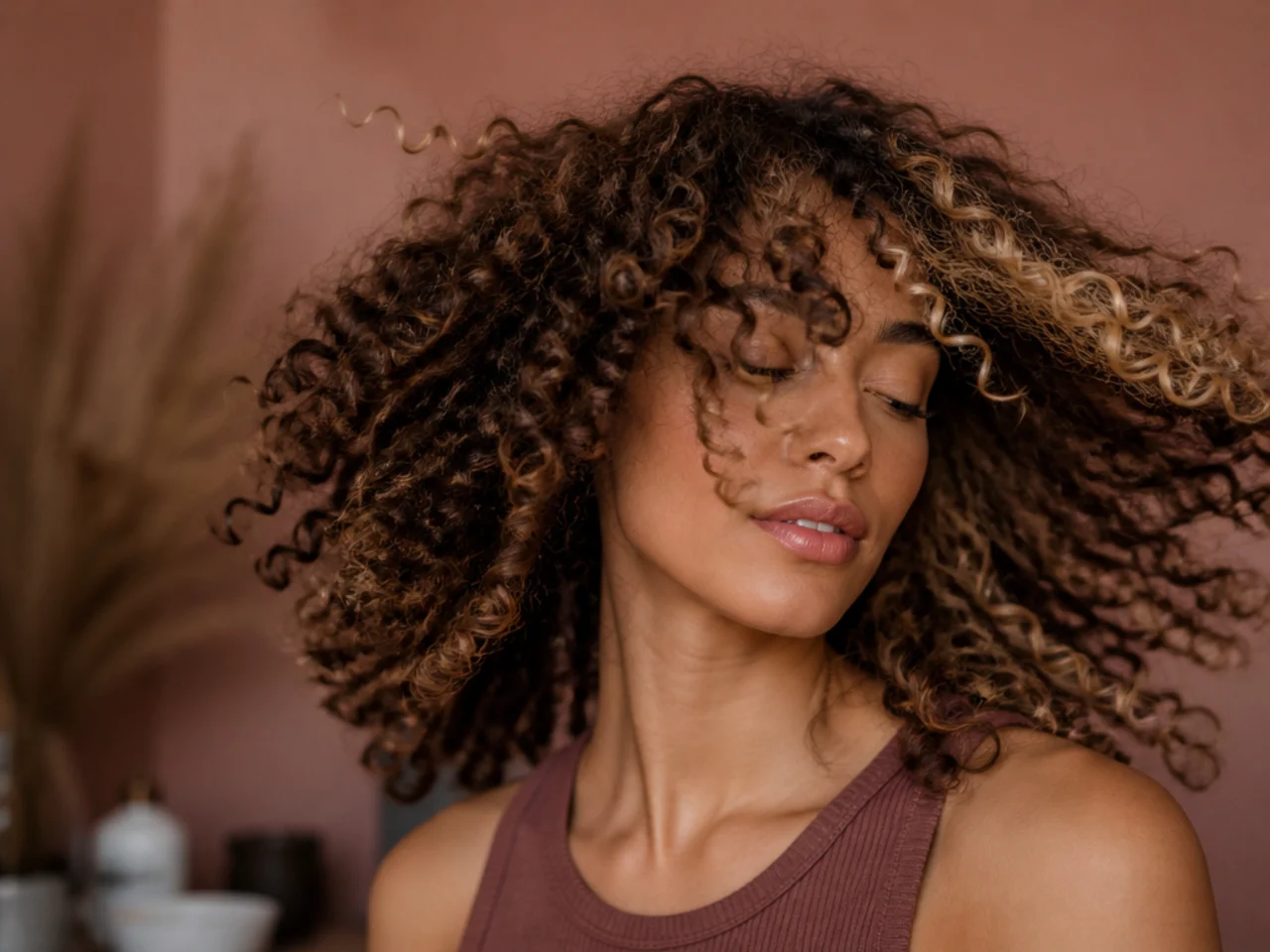
This is the point of the whole thing, and it is also why photographs of it disappoint. A still image of a peekaboo on curly hair usually shows nothing at all, because the effect exists in the moment the top layer lifts and drops.
10. The Underneath Gets Less Light
A color chosen from a swatch in daylight reads several shades darker sitting under a full head of curls. Shadow from the layer above takes the brightness down, so the panel usually needs to be a step brighter than the shade you actually want to see.
11. Bleach Loosens the Curl Pattern
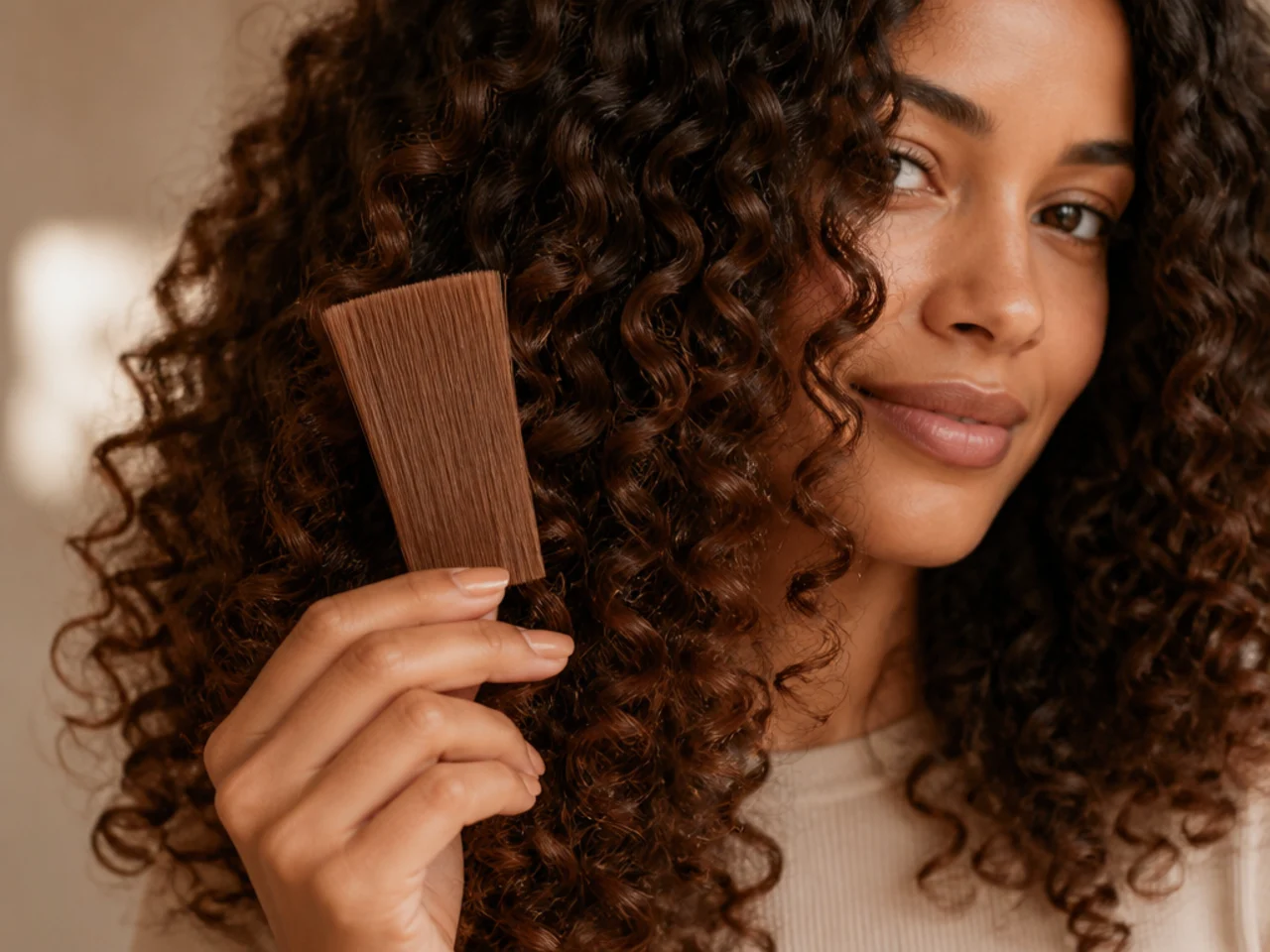
The bleached panel curled looser than the rest of my hair, and it never came back. The curl is held by the protein structure inside the strand and bleach removes protein along with pigment, so a lower lift level protects the pattern more reliably than any conditioner.
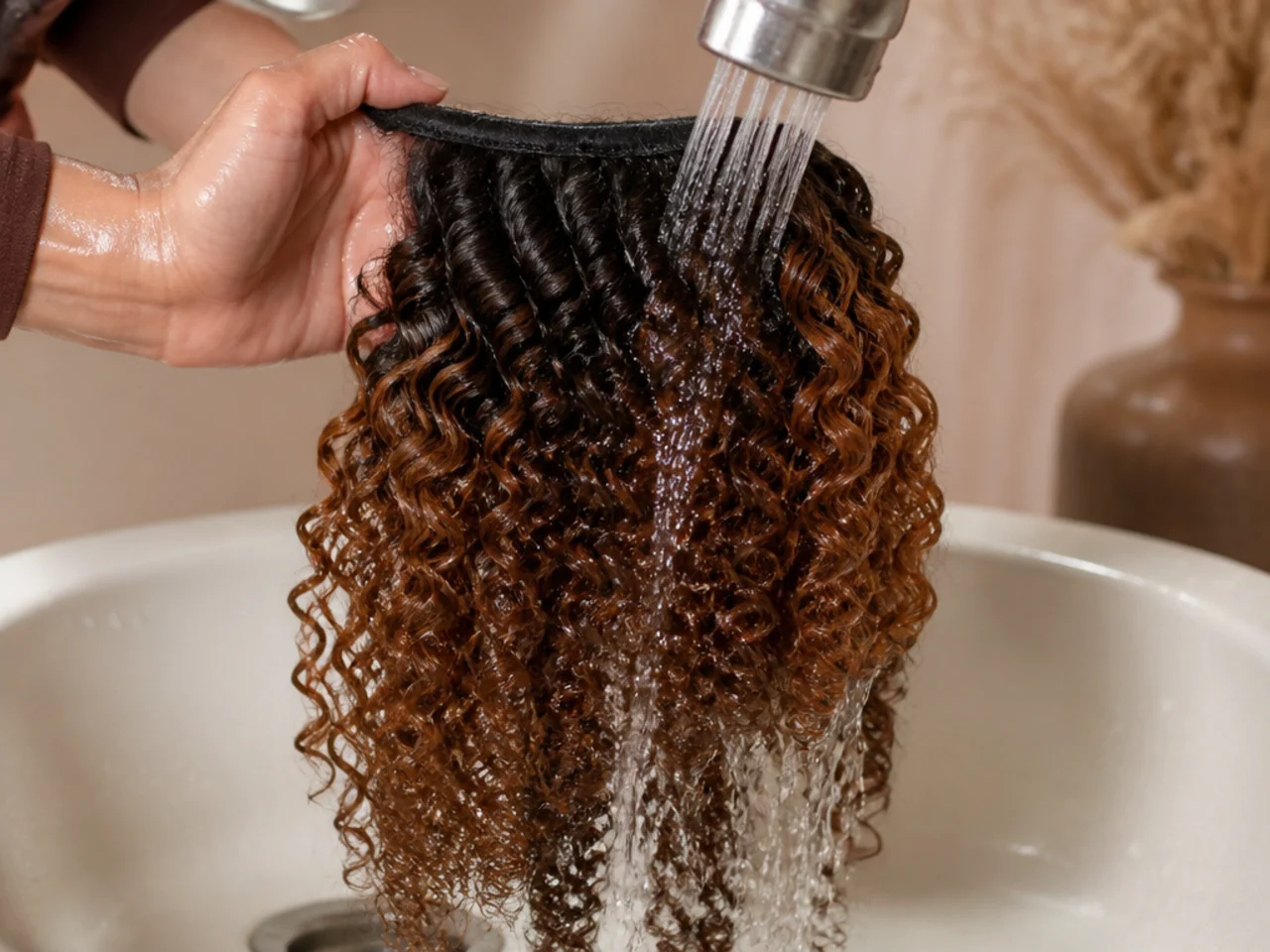
12. Cold Rinses Buy You Weeks
Rinsing the panel in cold water keeps the cuticle lying flat, and a flat cuticle holds direct dye in place instead of letting it wash out. Hot water lifts the cuticle open, which is exactly the condition the dye escapes through.
13. Regrowth Is Almost Invisible Here
A peekaboo grows out better than any other placement I have tried. The regrowth line sits underneath the top layer where nothing is lit directly, and curls disguise a horizontal line anyway because they never hang in a straight row.
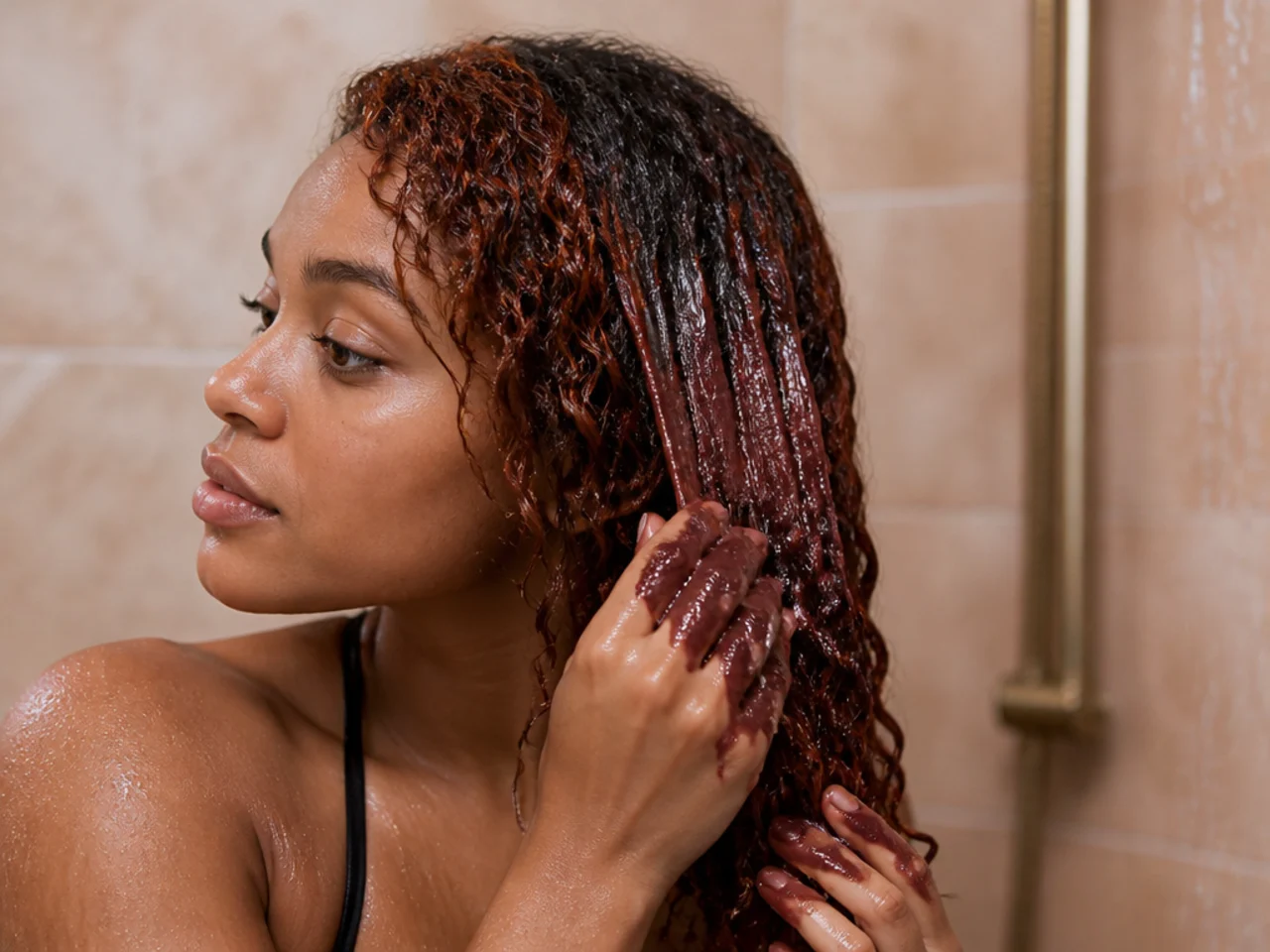
14. Refresh With a Color Conditioner
A pigmented conditioner used on wash day tops the panel back up without any further lift. It deposits only on the surface, which is where the color lives anyway, so it maintains a vivid indefinitely without going near the bleach step again.
15. Test the Placement Before Bleaching
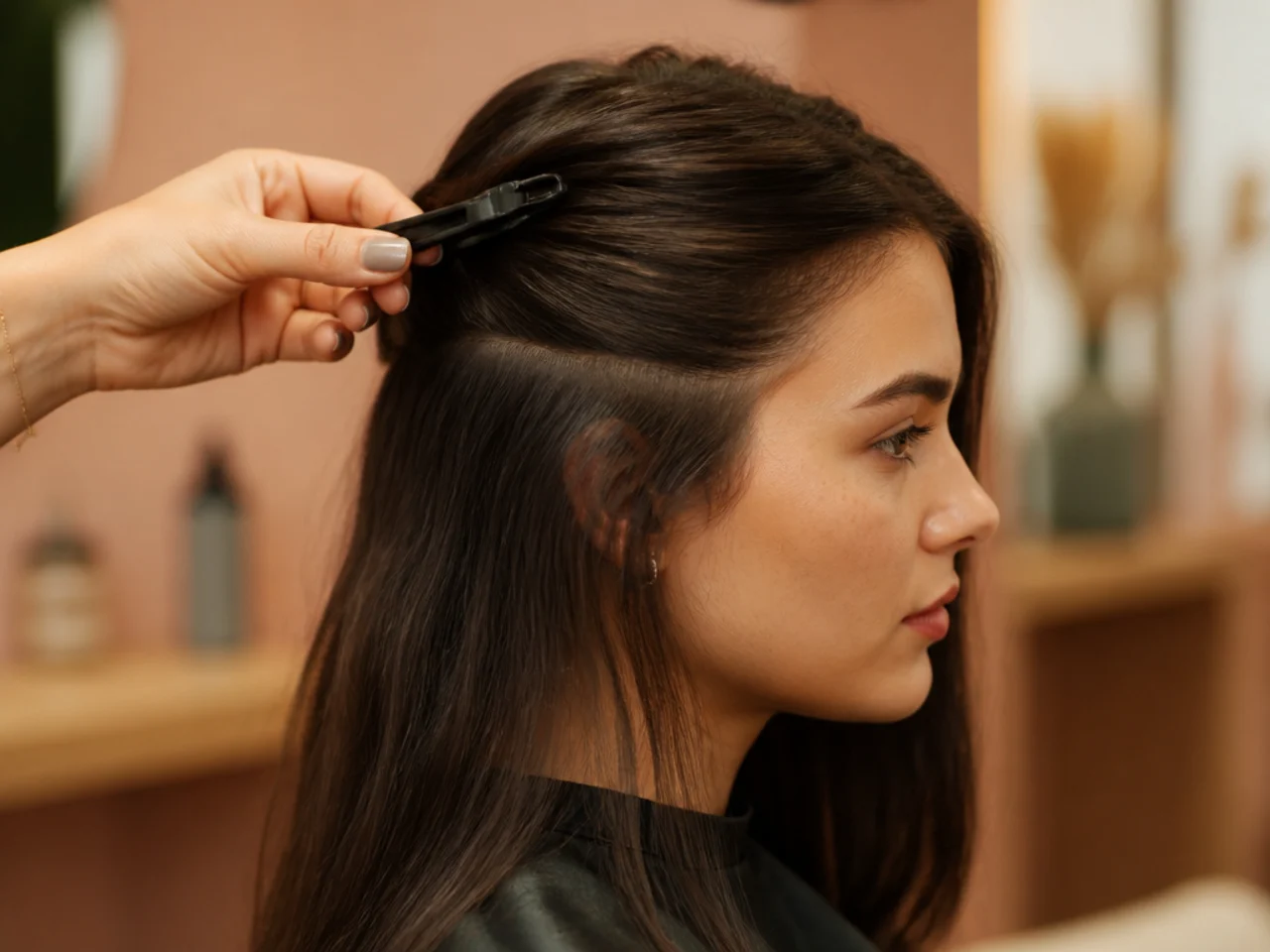
Clip the top layer up and look at where the panel would sit from the front, the side and with the hair tied back before any product is mixed. Placement is the only decision here that bleach cannot undo, and five minutes with clips prevents the most expensive mistake.
Styling and Upkeep
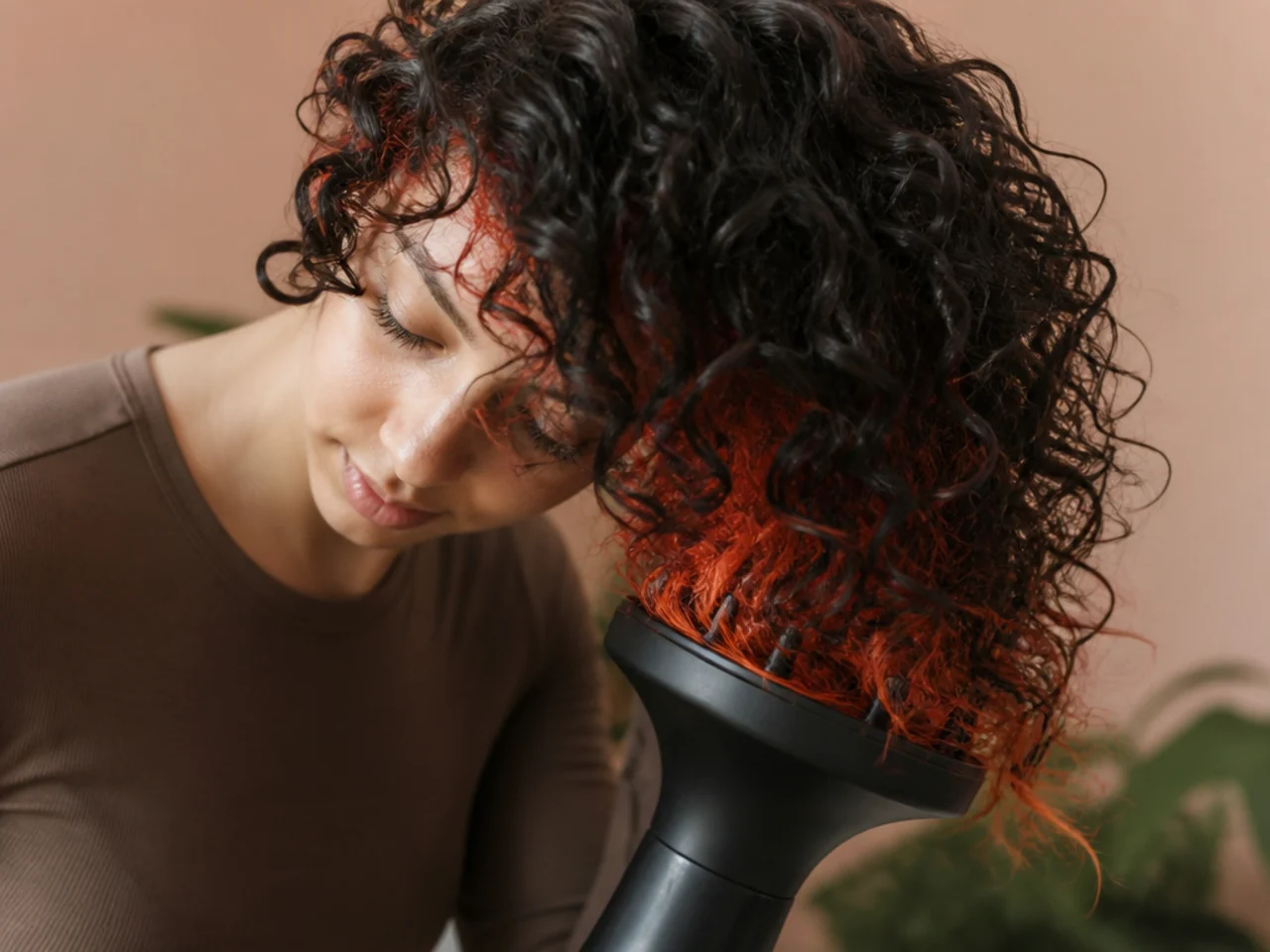
Wash the panel less than the rest. Every wash takes some direct dye with it. Rinsing the top layer without lathering the underneath extends the color considerably.
Use cold water on the panel. A closed cuticle holds pigment. This is the cheapest thing on the list and the one that makes the biggest difference.
Keep protein and moisture in balance. Bleached curls need protein for structure and moisture for elasticity, and too much of either alone makes them either brittle or limp.
Diffuse rather than air dry the panel. Bleached hair is more porous and dries slower, so an air-dried panel stays wet long after the top layer is done.
Refresh with a pigmented conditioner. It maintains the color with no lift involved, which is the only way to keep a vivid without repeatedly bleaching the same hair.
Mistakes to Avoid
Sectioning wet. The parting disappears as the hair dries and takes your panel edges with it.
Placing the panel too high. It stops being hidden the moment the parting moves, which turns a peekaboo into a stripe.
Pushing for maximum lift in one sitting. Time in contact is what damages the curl pattern, and the pattern does not grow back on that hair.
Choosing the color from a swatch in daylight. Under the top layer it will read darker and duller than it did in your hand.
Bleaching the same panel repeatedly to refresh it. The color faded, not the lift. A pigmented conditioner does the job without touching the bleach step.
FAQ
Wet or dry sectioning? Dry, always — a wet parting does not survive the hair drying.
How wide should the panel be? Wider than feels necessary, because curls fall in and cover it.
How do I keep the color? Cold rinses and a pigmented conditioner, not more bleach.
Final Thoughts
Almost everything that goes wrong with a peekaboo on curly hair goes wrong before the bleach is mixed. Placement and sectioning are the two decisions that cannot be corrected afterwards, and both take five minutes with a handful of clips.
Work with the clumps the hair already forms rather than the sections you would like it to have. The cut underneath matters too, since layers decide which parts of the panel ever see light — see curly hair haircuts for how that shape is built. See also peekaboo hair. More in Hair Color Trends.